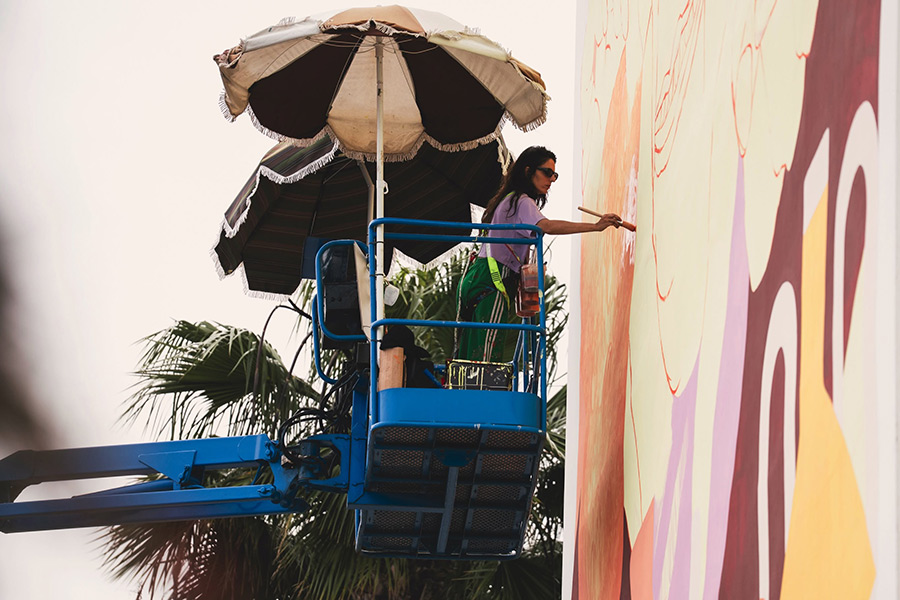
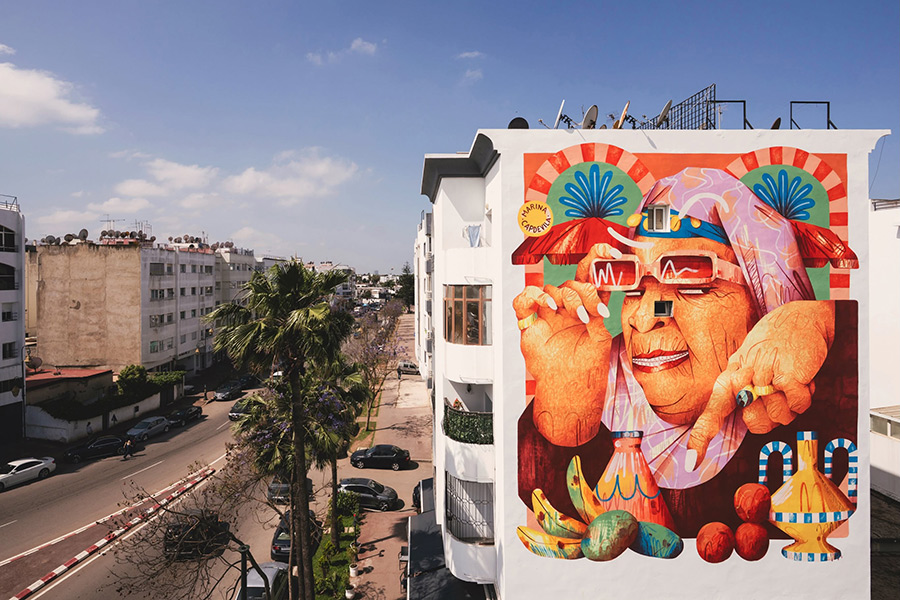
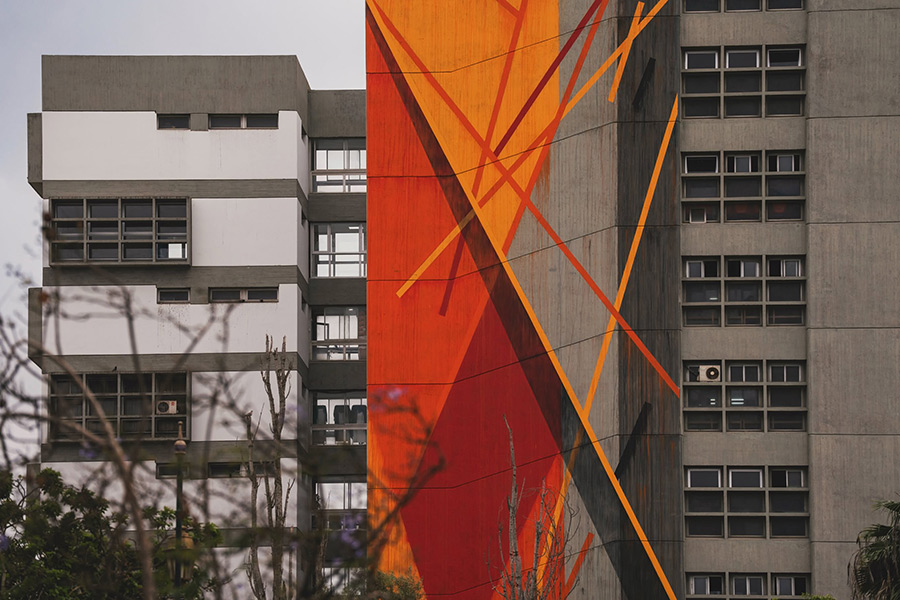
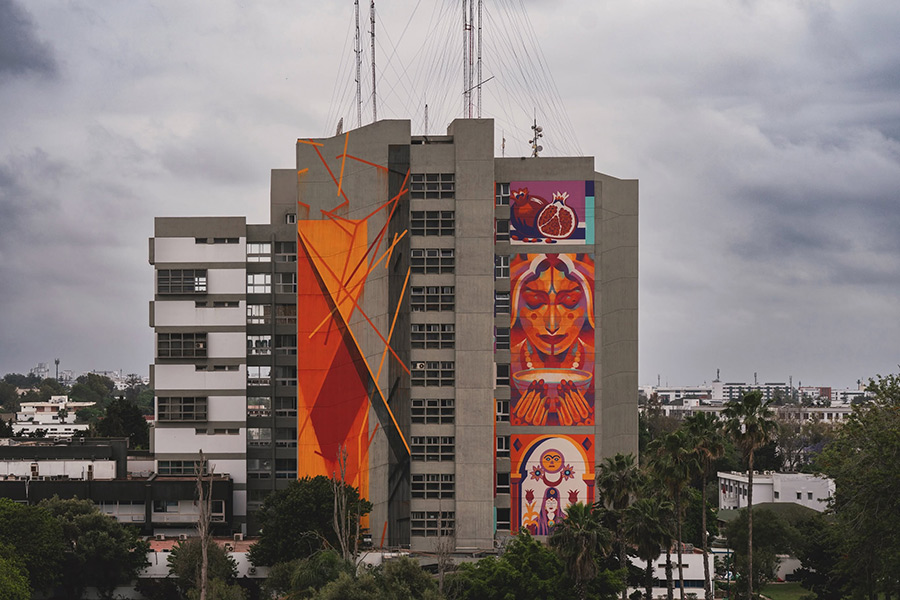
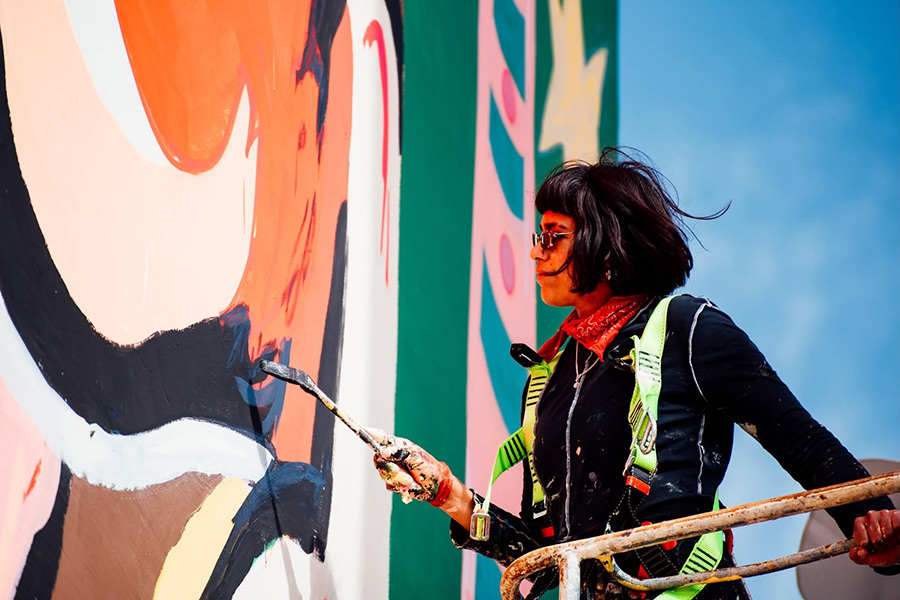
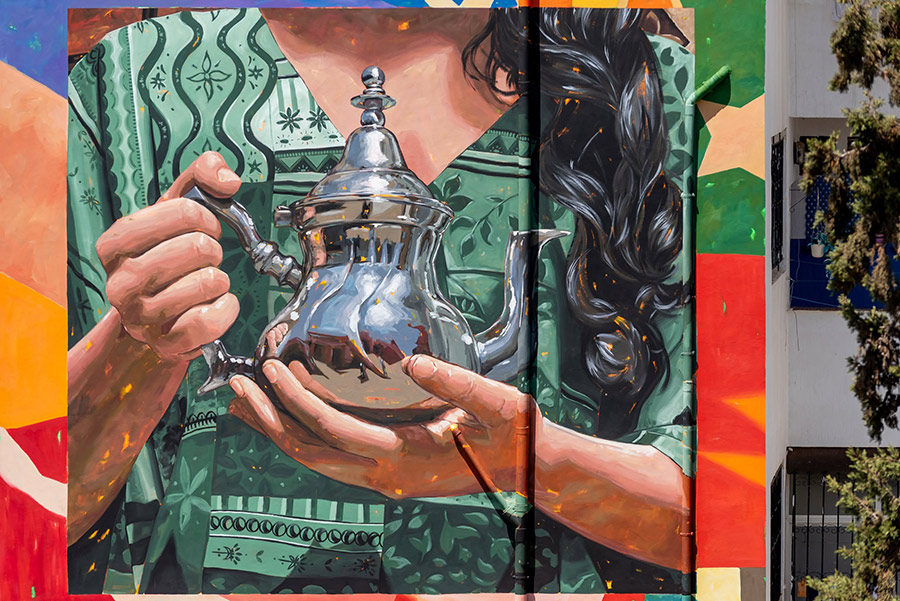
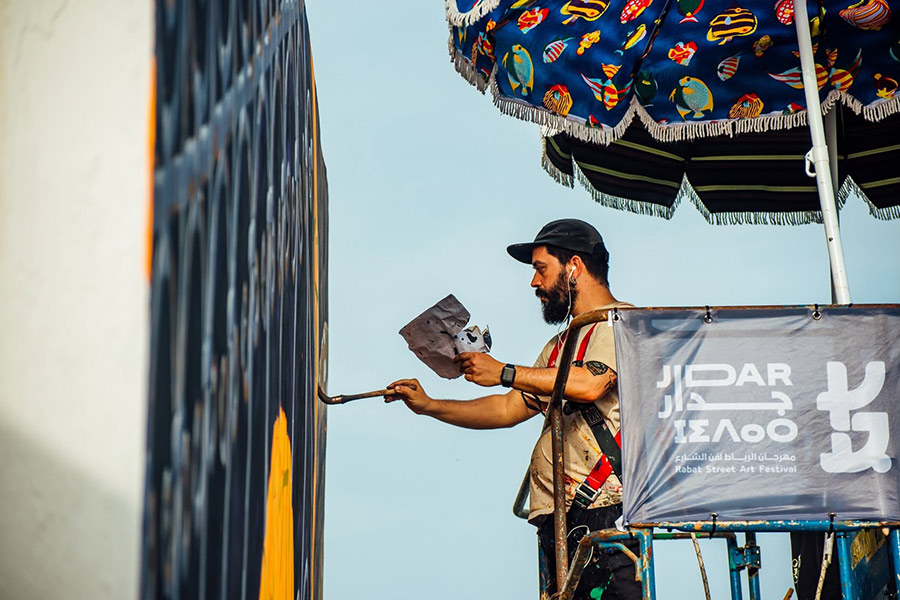
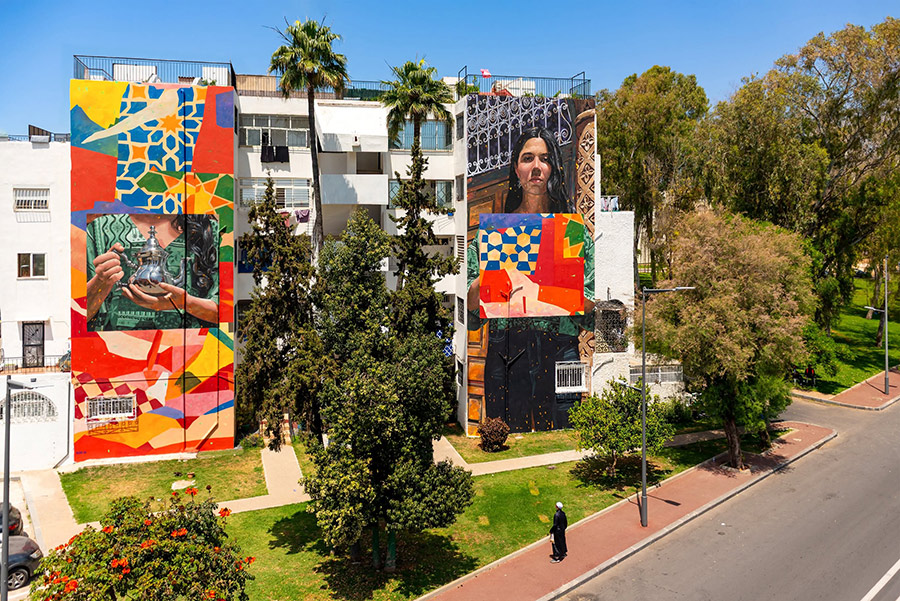
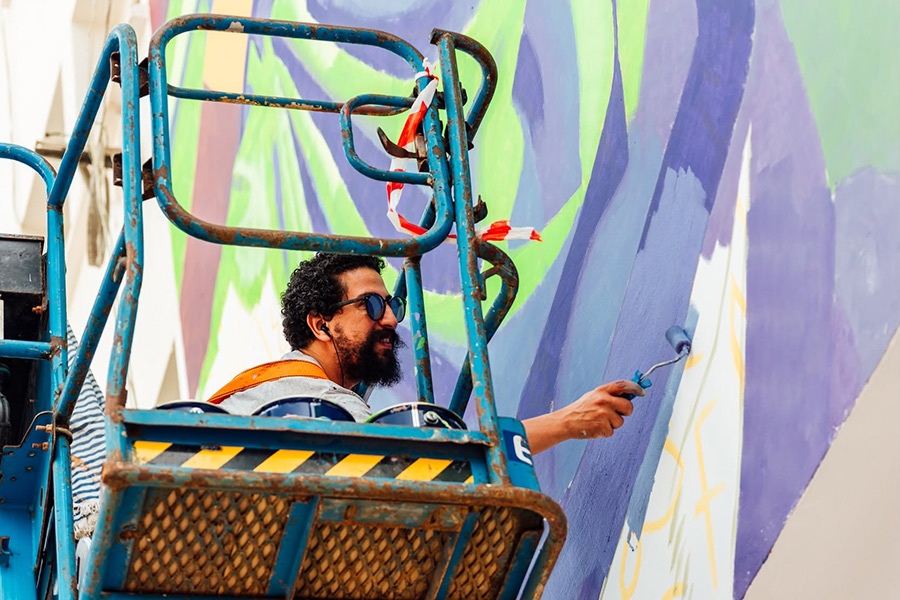
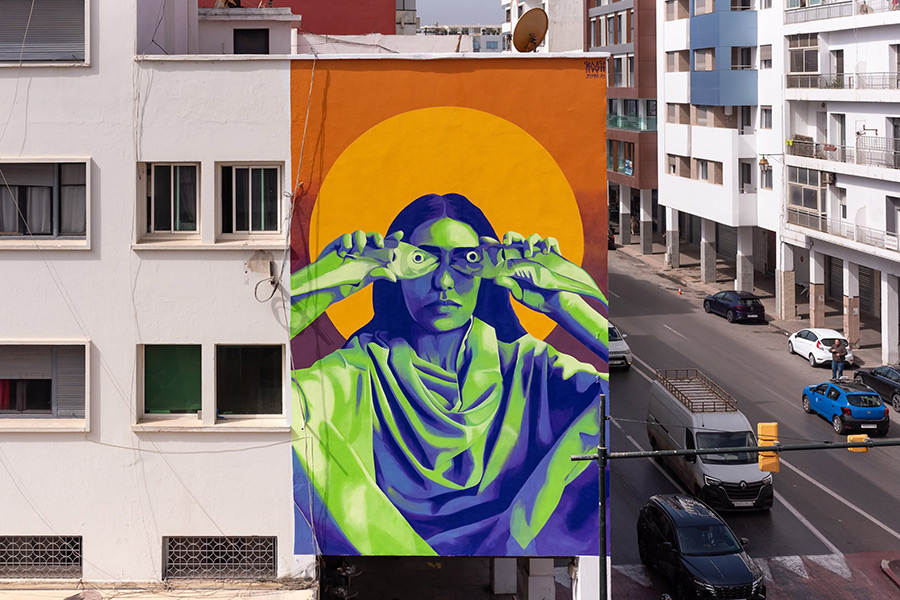
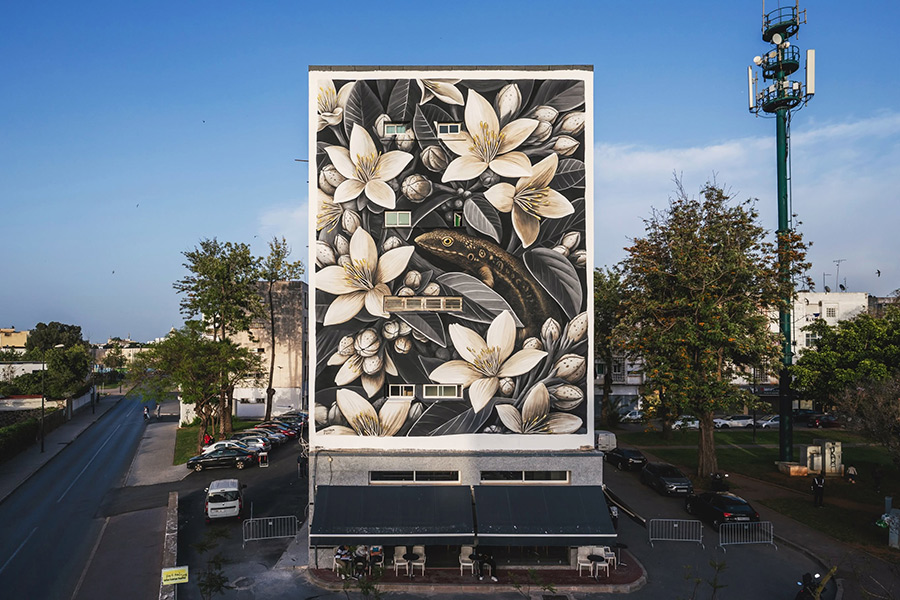
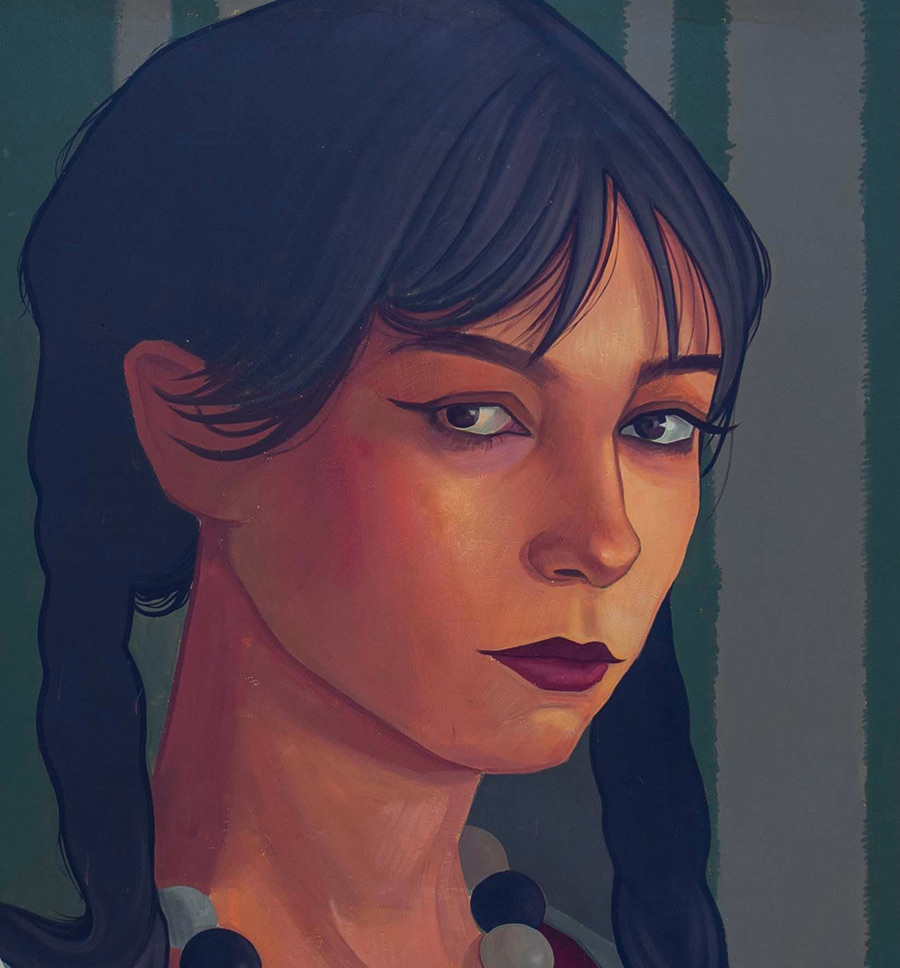
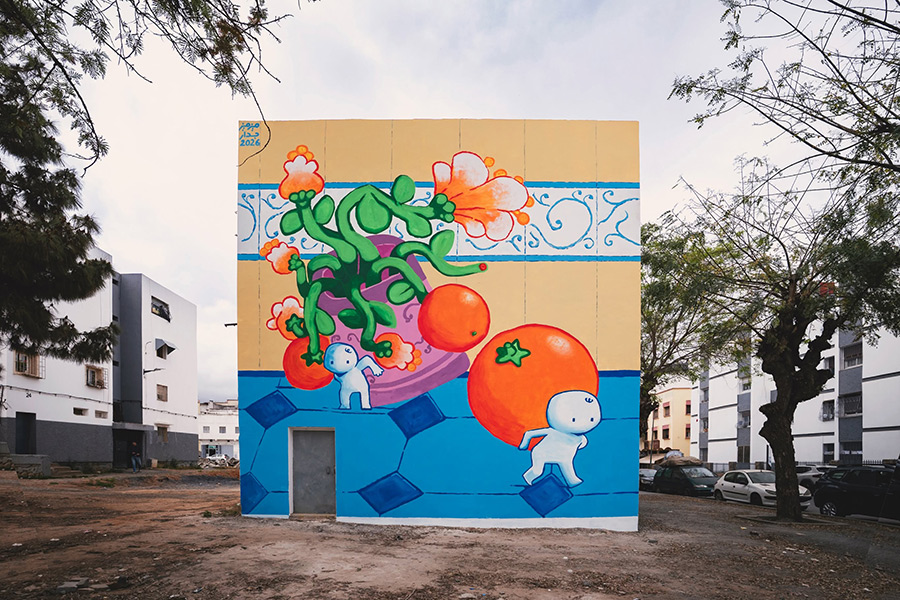
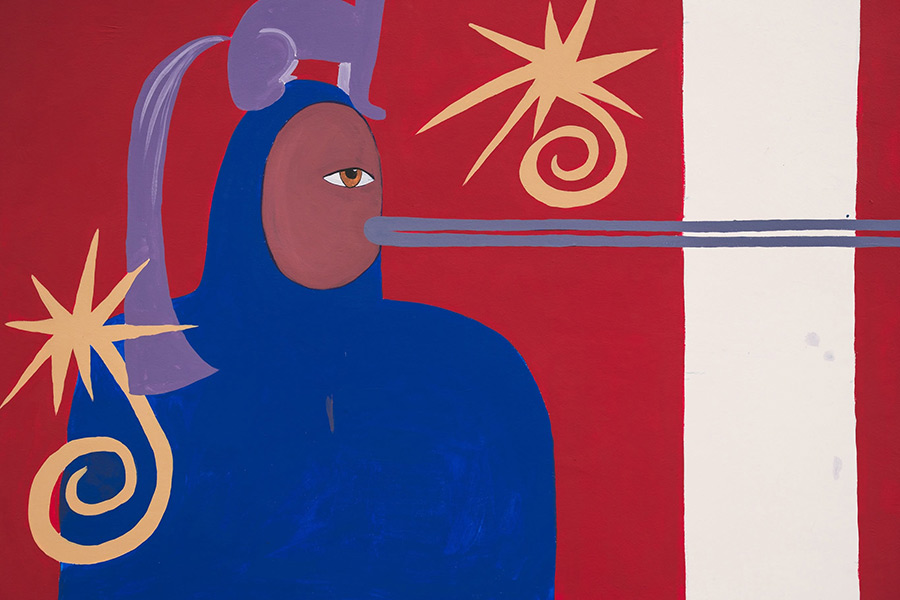
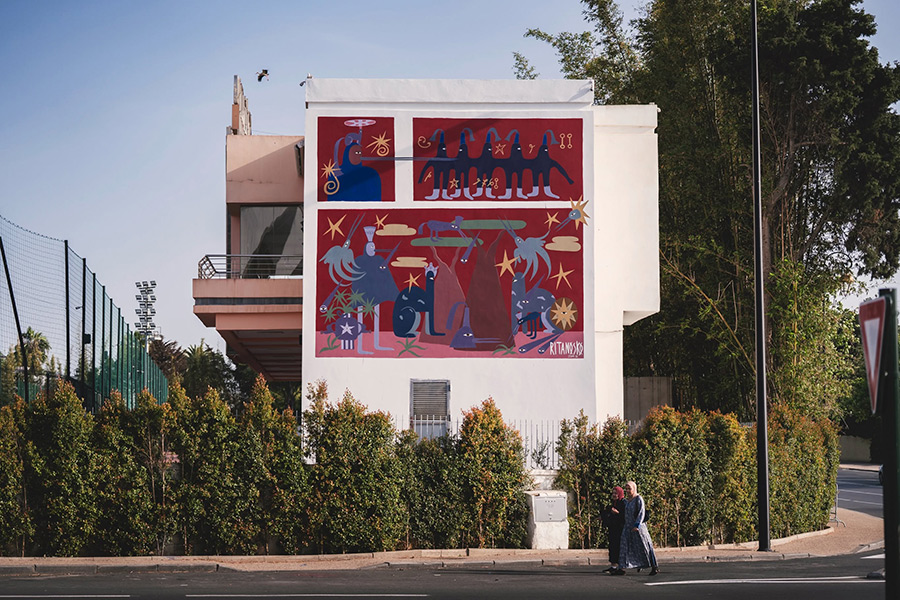
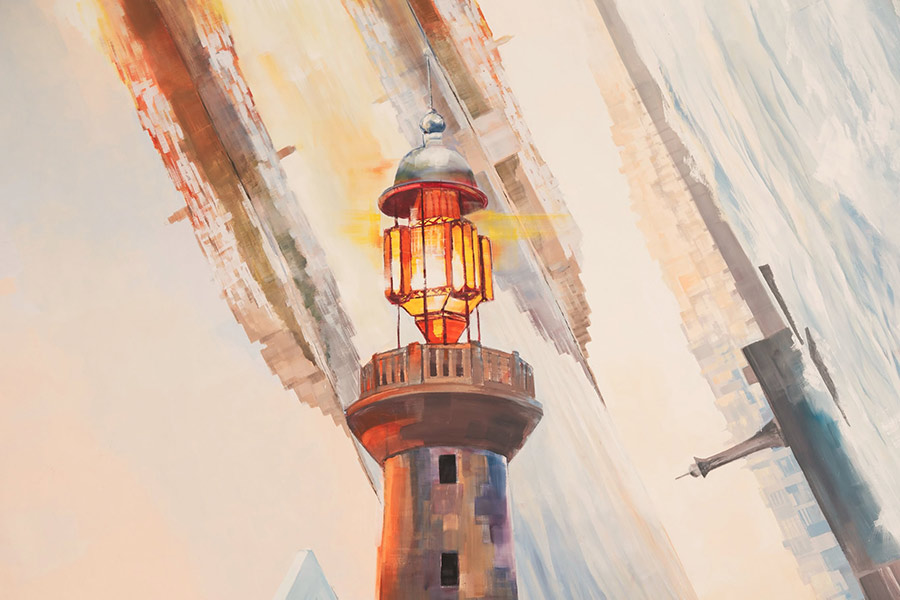
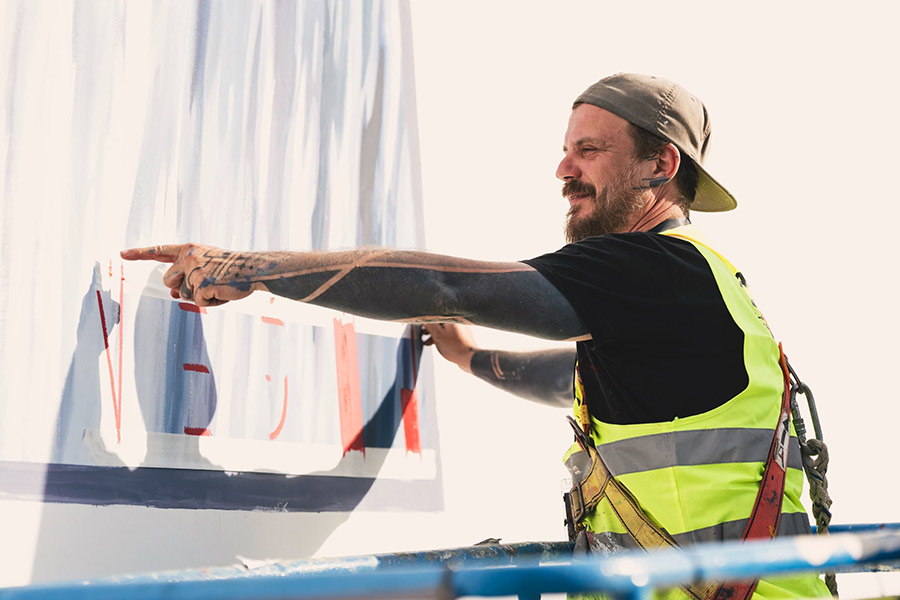
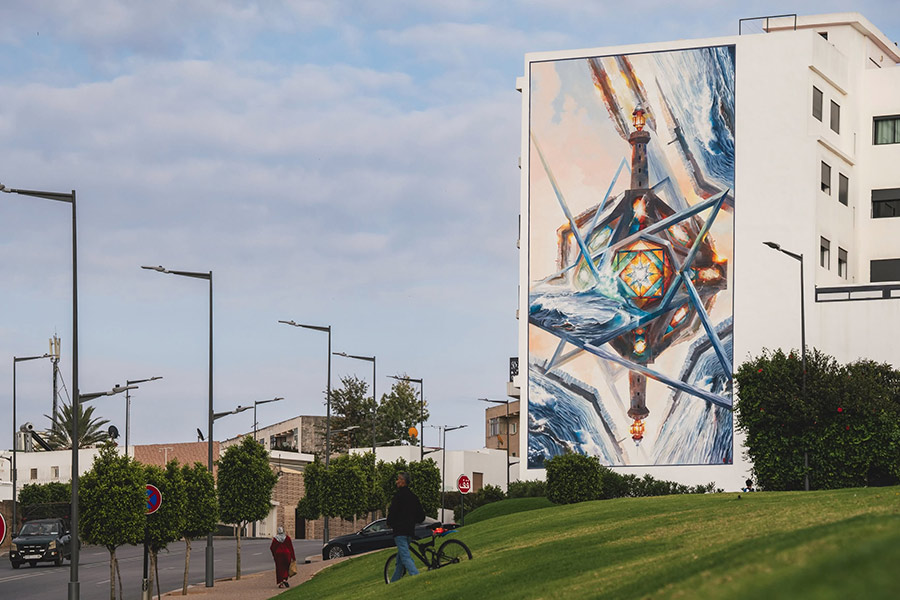
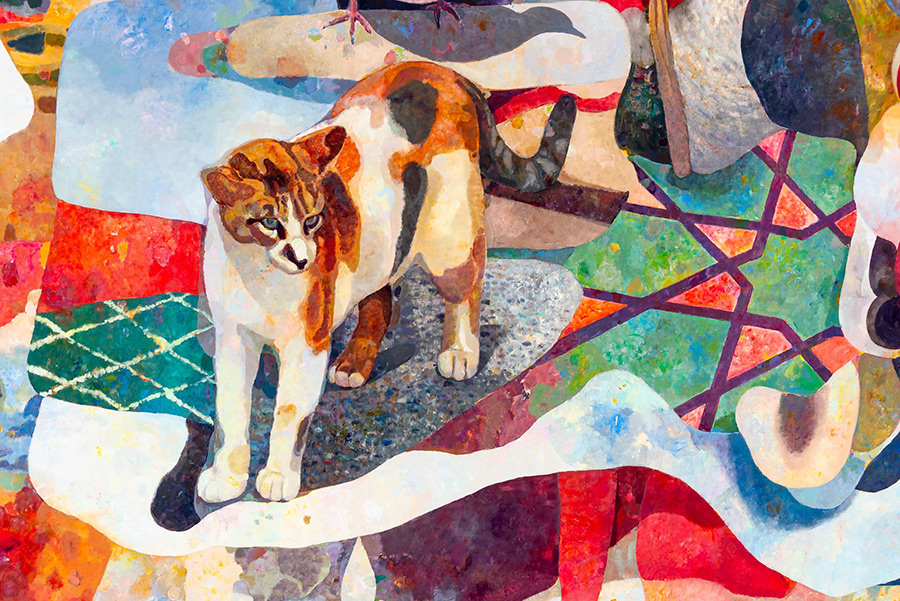
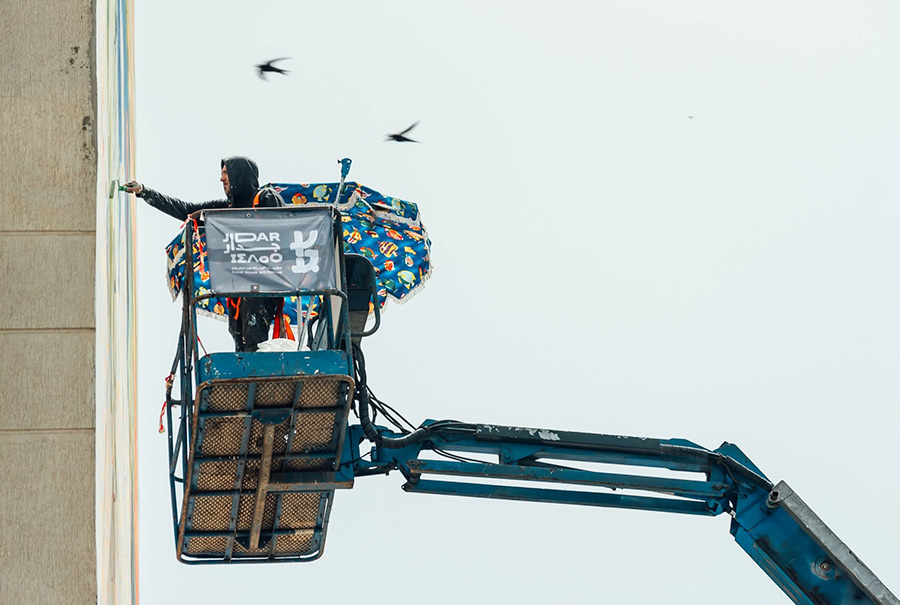
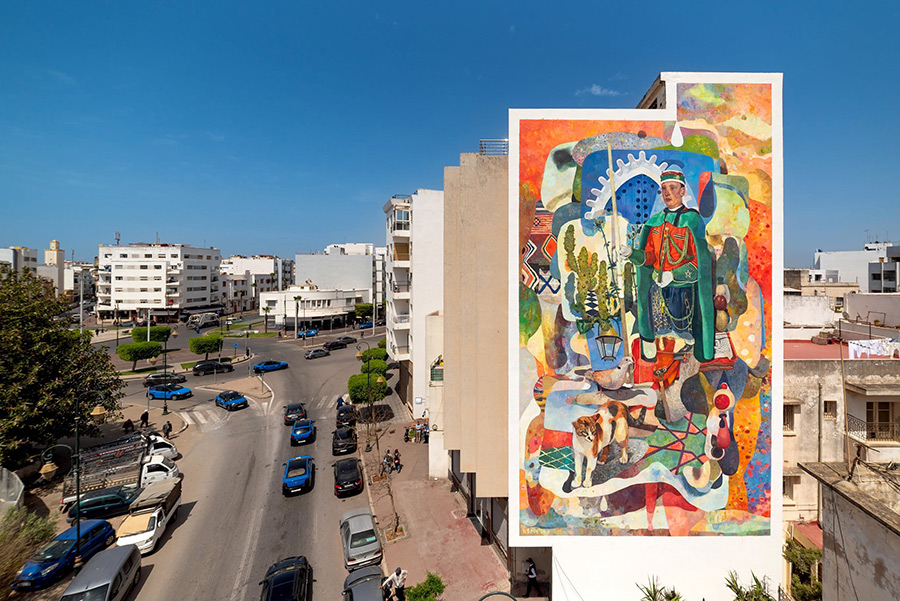
The Jidar – Rabat Street Art Festival returned to Morocco’s capital this spring for its 11th edition, spreading new work through neighborhoods including Hassan, L’Océan, Yacoub El Mansour, El Youssoufia, and Agdal-Riad. Launched in 2015 by EAC-L’Boulvart, the Casablanca-based nonprofit that has supported Morocco’s alternative music and urban-culture scenes since 1999, the festival has gradually built something more substantial than an annual collection of big walls: a locally rooted mural culture connecting Moroccan artists with practitioners from Africa, Europe, Latin America, and elsewhere.
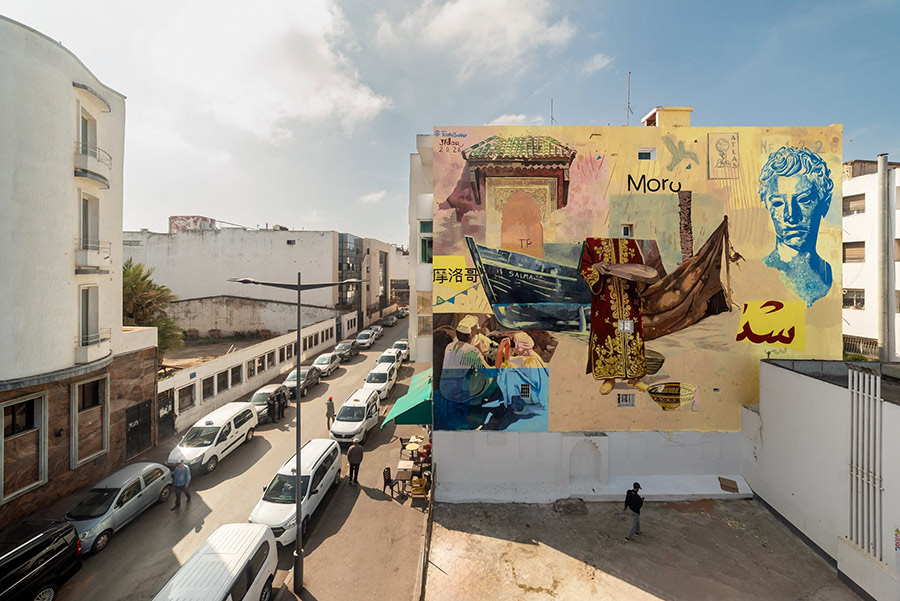
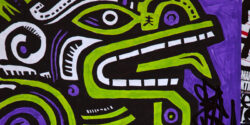
This year’s framing, “Urban Dialogues,” emphasized transmission, exchange, and the relationship between artists and the neighborhoods they enter. The range of styles is broad — geometric abstraction, deconstructed and architectural lettering, figurative realism, illustration, graphic design, calligraphic and typographic approaches, pre-Columbian and neo-folkloric imagery, portraiture, and work drawing directly from Moroccan popular signage and ornament. Rather than asking everyone to conform to a single aesthetic, Jidar lets these themes and languages collide with Rabat itself, with respect for the culture: its architecture, street life, local visual codes, and the everyday character of distinct neighborhoods.
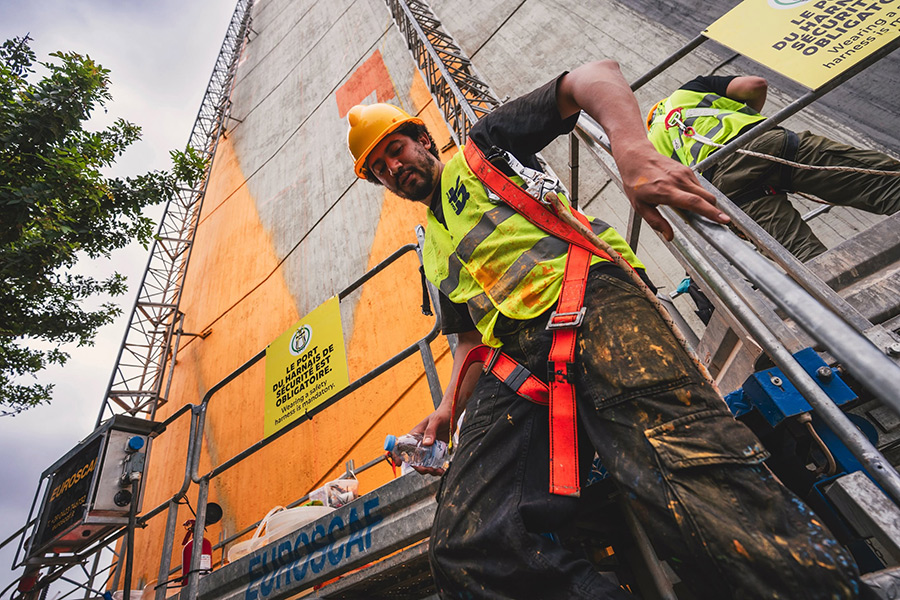
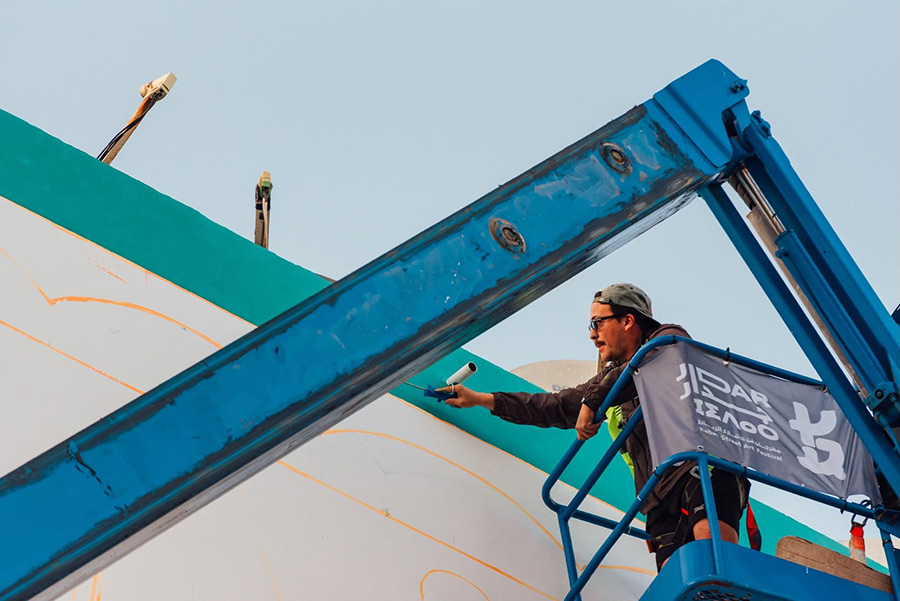
In some respects, Jidar moves beyond the familiar international mural-festival circuit. Rather than a stylistic free-for-all, a sly parade of a gallerist’s stable, or a thinly veiled tourism-building junket, the festival places strong work in conversation with the city’s own visual language, with savvy and swing. Its Collective Wall is not simply another showcase, but a working laboratory in which twelve emerging artists spend a week conceiving and painting a single large-scale work under the guidance of an experienced mentor. Organizers say that more than 100 emerging artists have passed through the program during its first decade, and that the festival has helped more than 30 Moroccan artists establish themselves internationally.
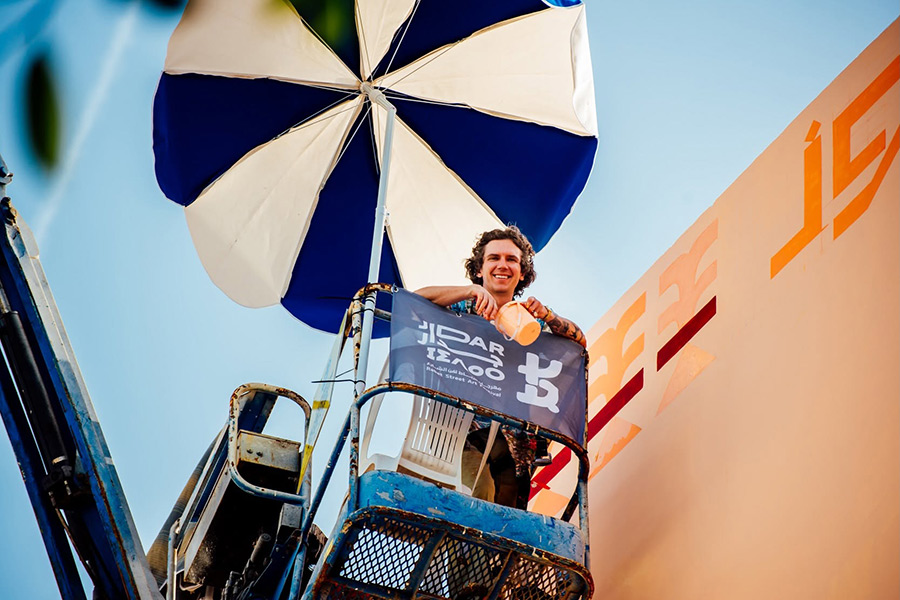
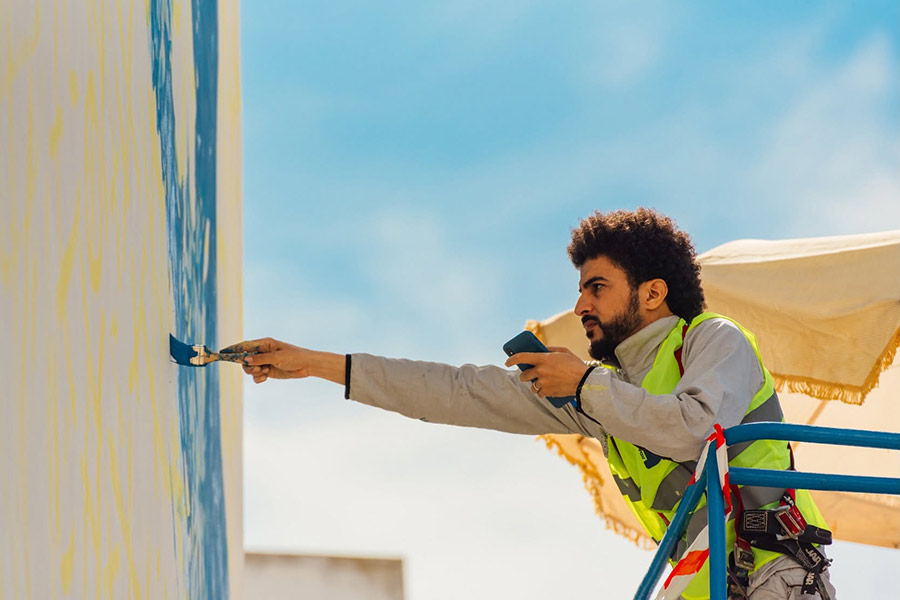
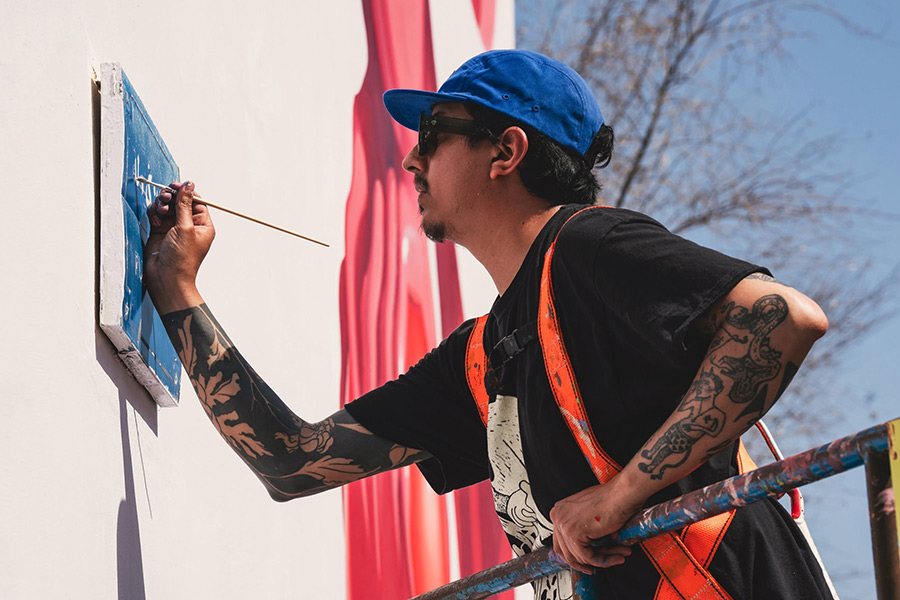
This year’s wall was directed by BAKR, a Moroccan artist whose work moves between typography, calligraphy, abstraction, and traditional references — and, importantly, who participated in the Collective Wall himself in 2019. That return from participant to mentor gives the program a satisfying generational continuity: skills, confidence, and experience are being recycled back into the scene rather than simply imported for a week and carried away again.
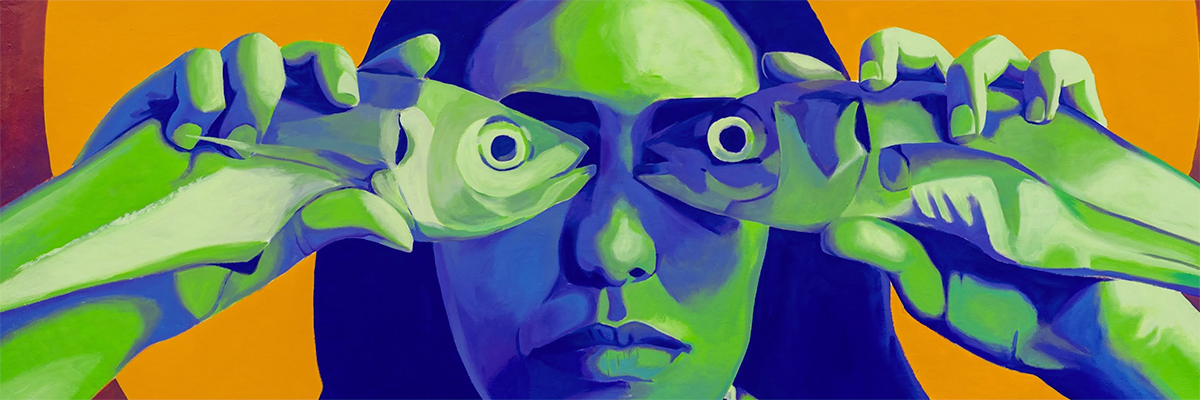
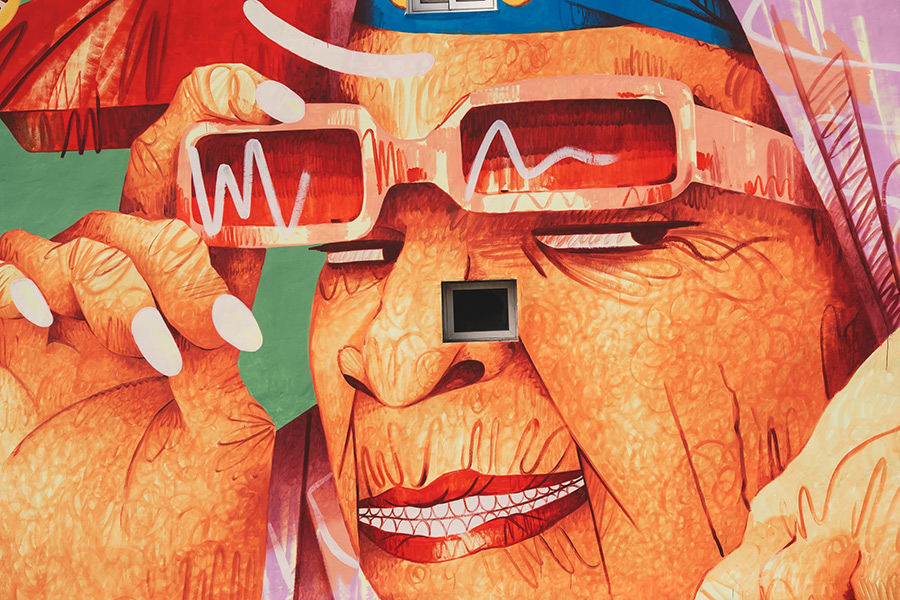
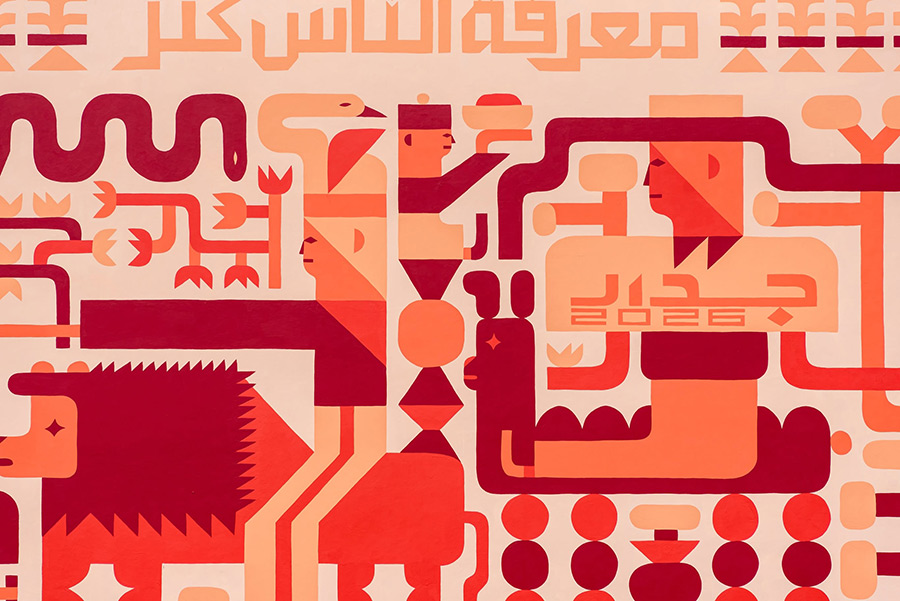
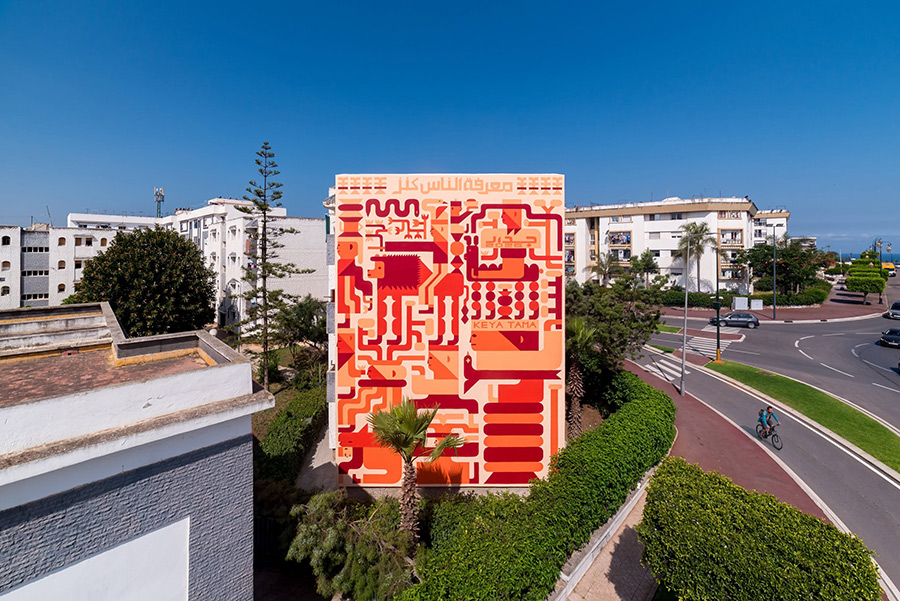
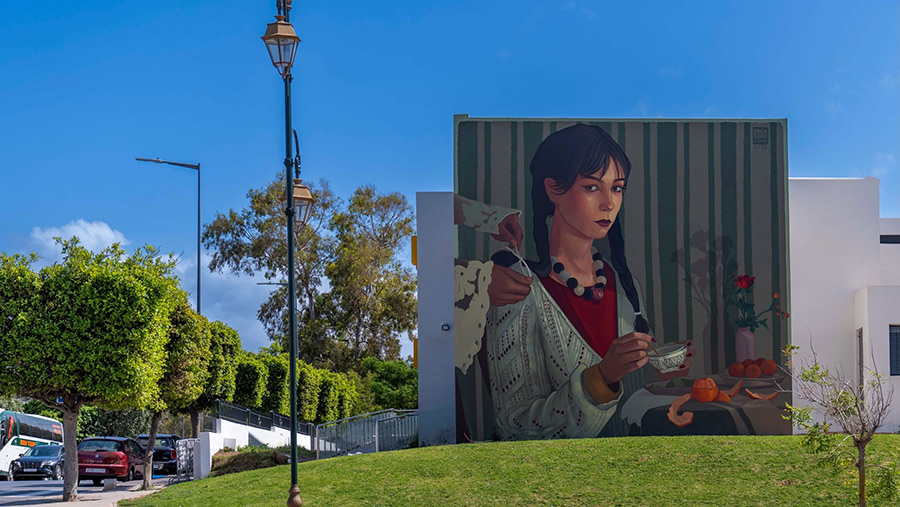
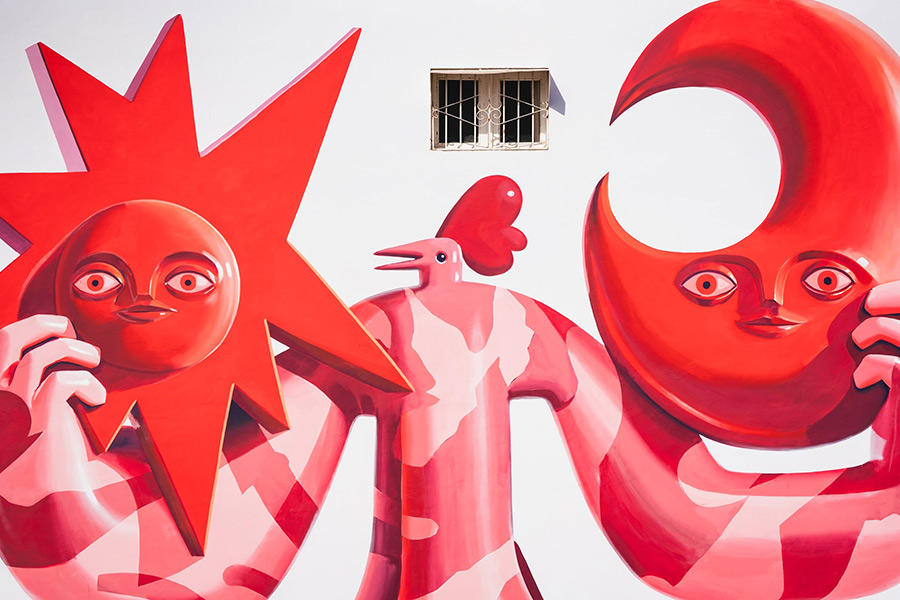
The completed 2026 edition added 15 new murals with the lineup of Marat Morik (Russia), Vesod (Italy), Marina Capdevila (Spain), Iramo (Morocco), Ruído (Portugal), Jumu Monster (Peru/Chile), Azpeger (Ecuador), Nassim Azarzar (France/Morocco), Keya Tama (South Africa), Guillem Font (Spain), Rosh (Morocco), Ritanosko (Morocco), Mizmiz (Morocco), and RDS (Morocco).
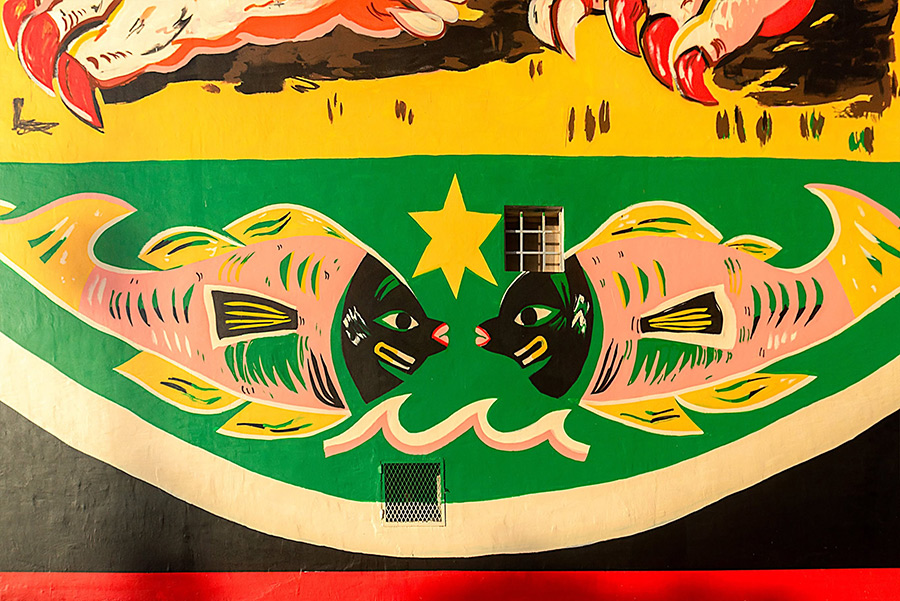
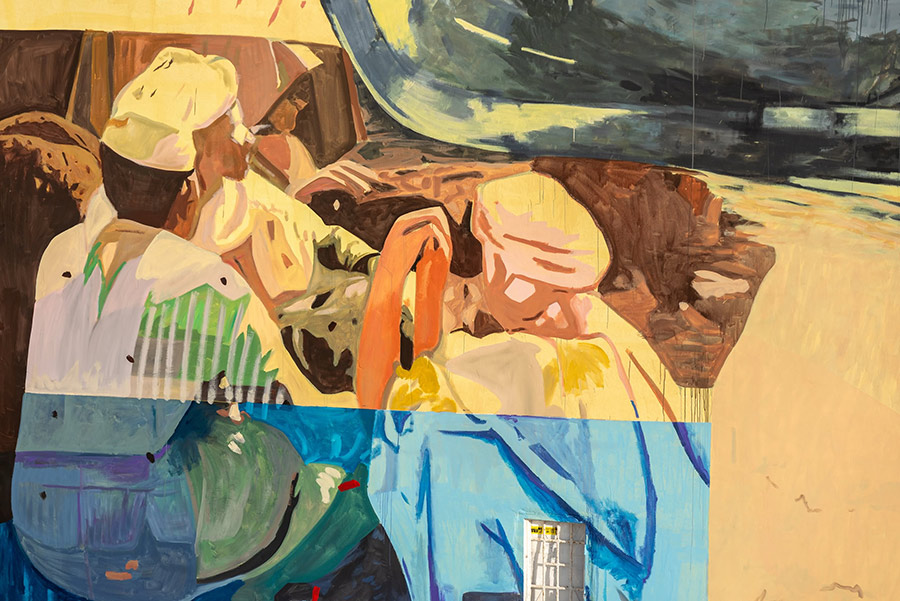
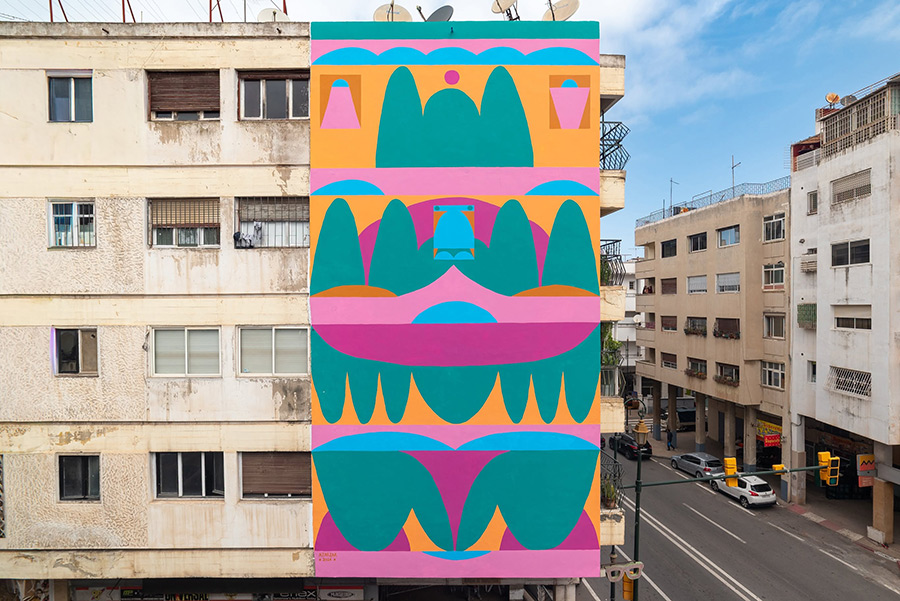
The mix gives Jidar a particularly interesting regional character: international approaches arrive in Rabat, but Moroccan artists and North African visual culture also remain conspicuous within the conversation — from Azarzar’s transformation of decorative truck graphics and popular signage into geometric language to Iramo’s engagement with Moroccan identity and contemporary iconography.
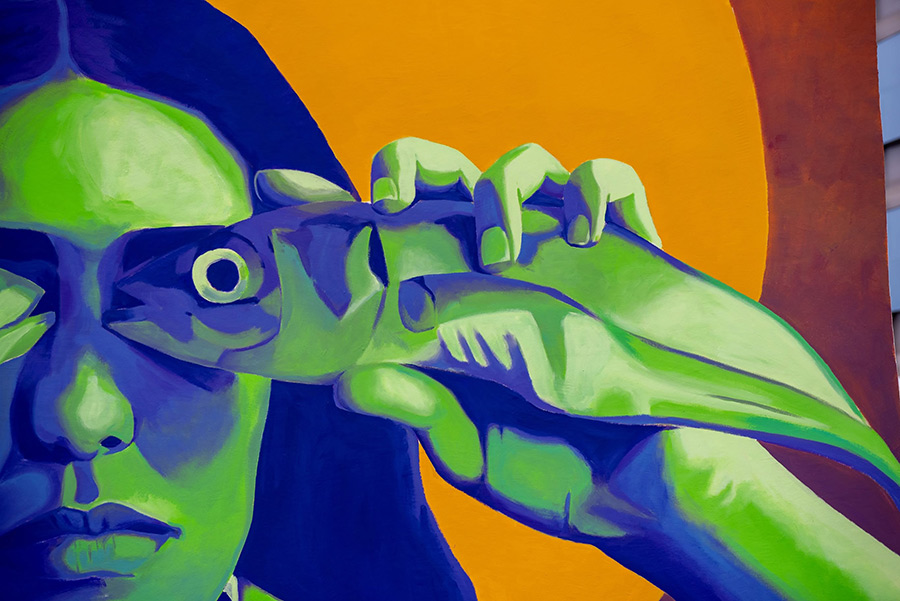
Meanwhile Jumu Monster brings pre-Columbian folklore and ritual forms, Azpeger pushes graffiti lettering toward architectural abstraction, Morik layers figuration with geometry and typography, and Vesod fractures the figure through Futurist and geometric structures. It feels less like a touring package of mural celebrities than a meeting point where quite different visual histories are temporarily given the same city to work with.
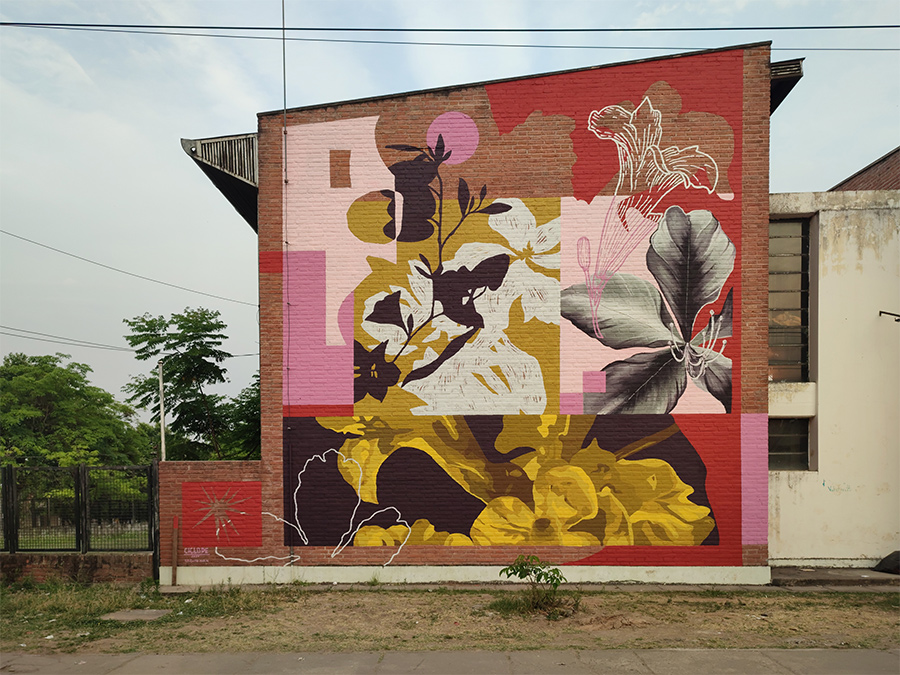
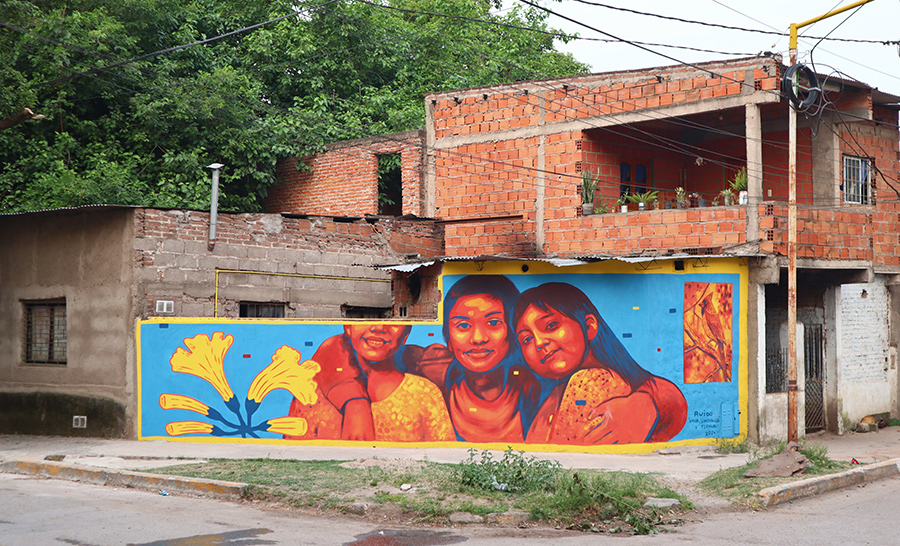
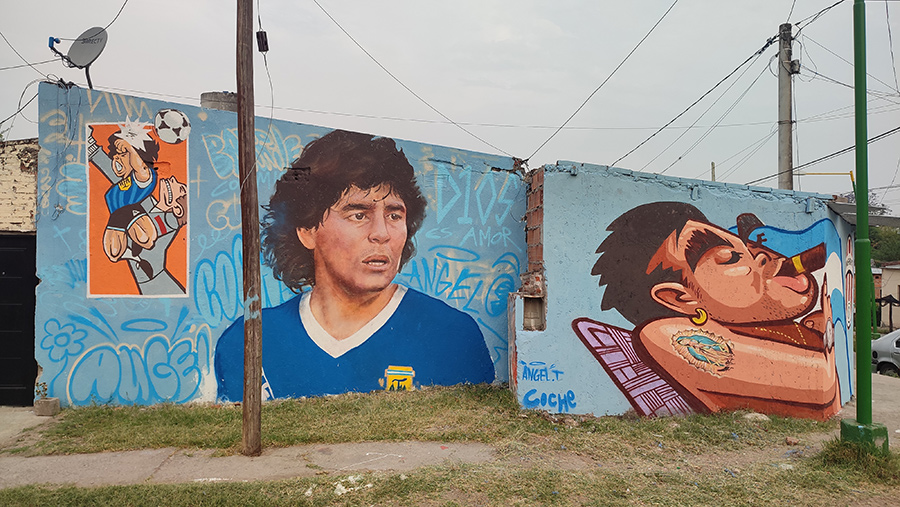
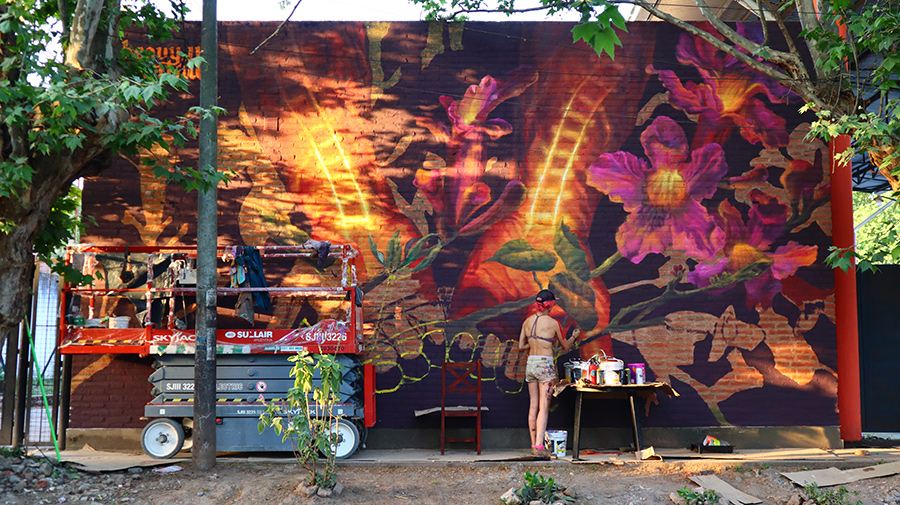
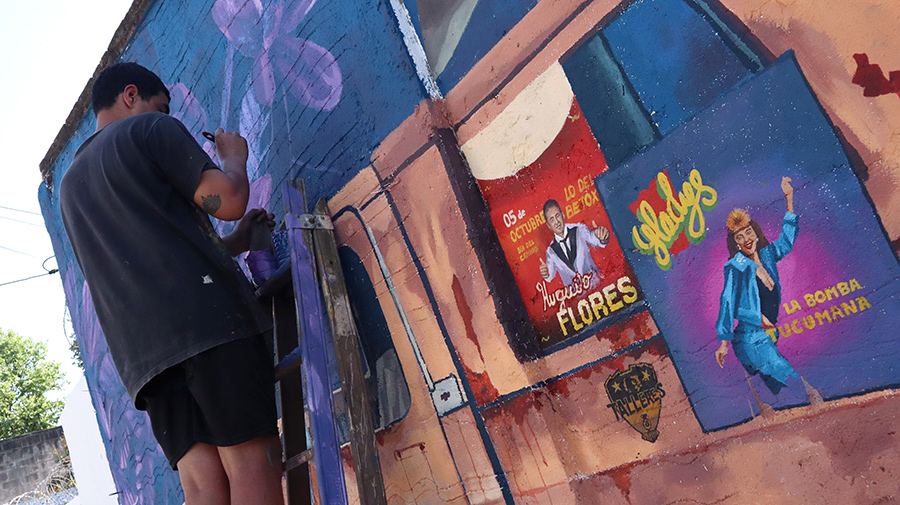
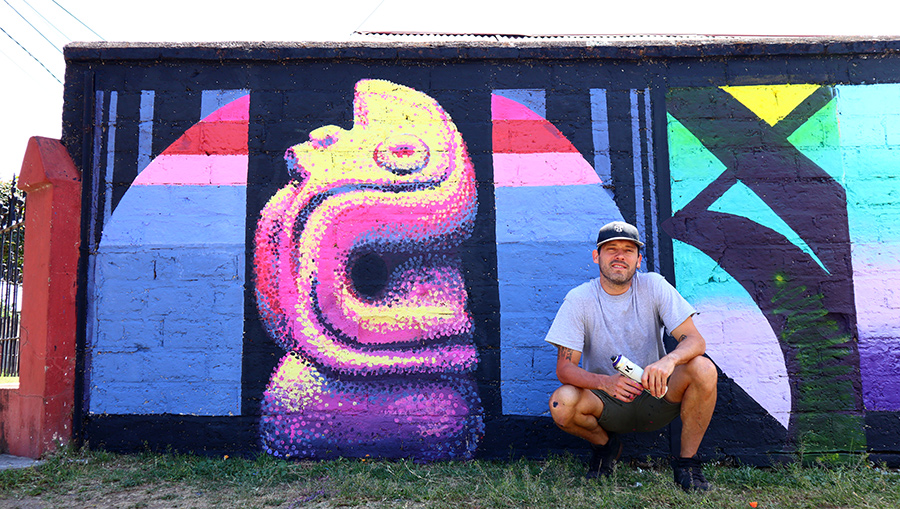
The Circuito Mural: Encuentro Internacional de Arte Urbano just wrapped up its first run from October 1 to 5, 2024, in Villa Obrera, Tafí Viejo, Tucumán, Argentina. This aesthetically strong and community-powered event turned the neighborhood into a new open-air gallery, with new murals from 13 artists hailing from across Argentina and as far as Siberia, Russia. The lineup had both fresh talent and seasoned pros, creating a satisfying blend of styles and influences that gives the area a whole new vibe.
Local artist Vero Corrales and her collective, RUIDO, organized the festival with a clear vision: to make Tafí Viejo a street art hub. Their goal is to reflect Tucumán’s unique local history, culture, and natural beauty through the murals. Over five days, the artists didn’t just paint walls—they connected with residents, worked alongside them, and created art that resonated deeply with the people in the neighborhood. Organizers say the event was about cultural exchange, building community pride, and sparking a sense of identity through shared creative work.
Matt Fox-Tucker from Buenos Aires Street Art captured the festival’s grit and color with photos that bring the murals to BSA readers to enjoy. He also shares his insights and knowledge about the genesis of some of these works and the artists who created them. Props to Vero Corrales and her team for pulling off an event that’s more than just paint on walls; a celebration of place, people, and stories, set right in the heart of Tafí Viejo.
From Matt Fox-Tucker: “Vero Corrales, from the artistic group RUIDO one of the organizers of the five-day event, said: ‘“’The reason for the festival was to invite some talented street artists to improve the public space while collaborating with the neighbors to put Villa Obrera on the map as one of the best places to see murals in the region or perhaps the country’.”
“The work of art remembers the time of splendor when Tafí Viejo had one of the largest railway workshops in South America and exported lemons to all parts of the world.
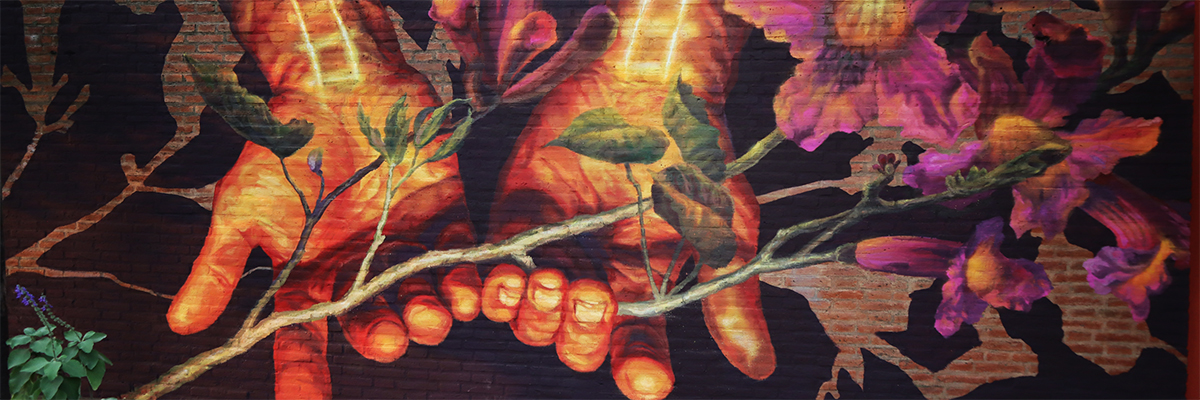
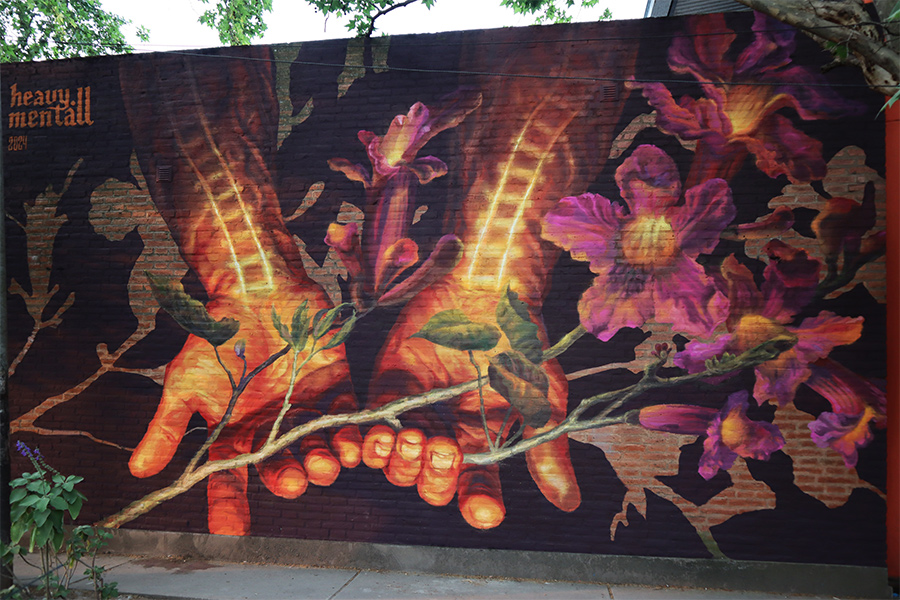
Although the industry fell a few years ago, this legacy is still very present in the place almost as if it ran in people’s neighbors, Lina said. ‘I wanted to represent this bond through the arms of a hard-working person whose veins form the train tracks. The gesture of the figure is one of offering, holding a bouquet of the pink lapacho, which is a native tree very loved by the inhabitants of the town. The message I wanted to convey is that although past times cannot return, the persevering and fighting people will always manage to bloom something new and beautiful’.”
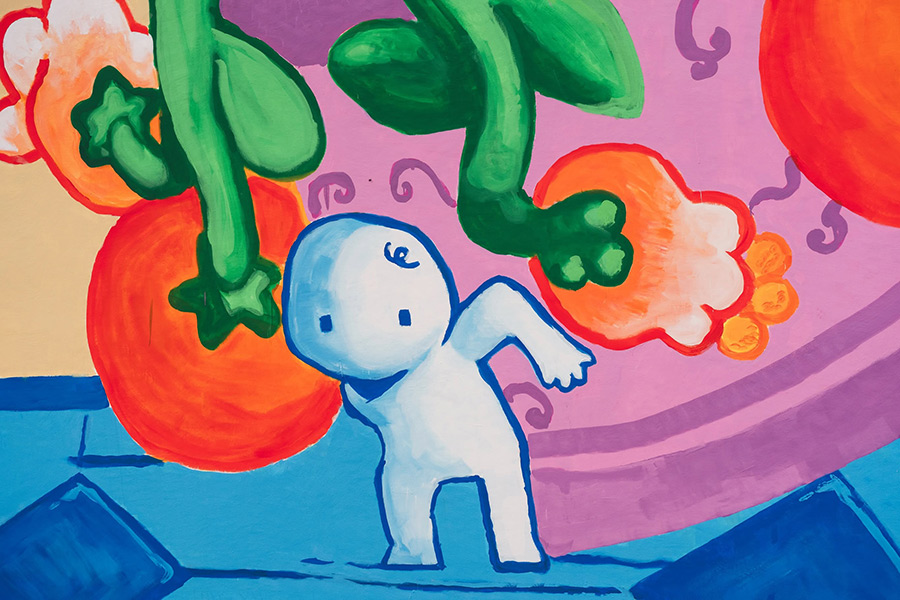
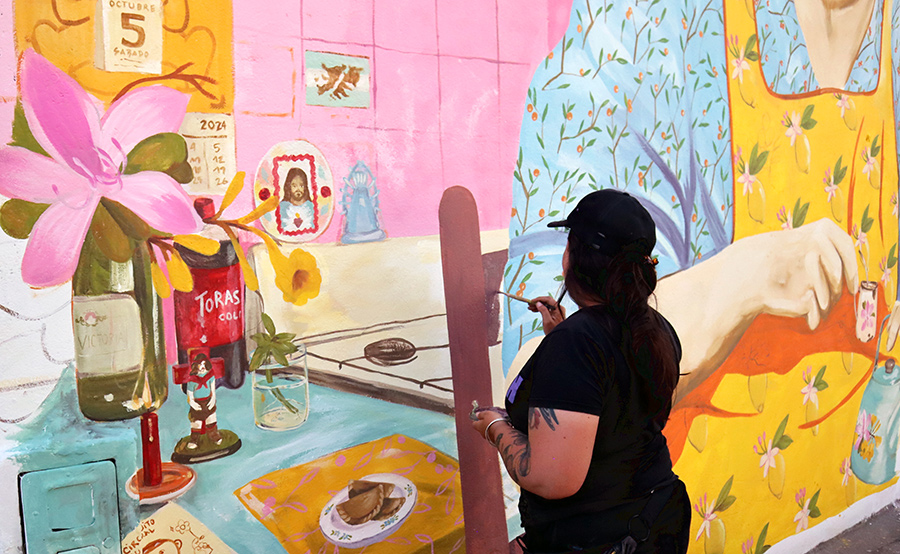
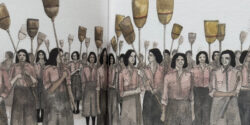
“The artist Soledad Moisas paints murals with images of scenes from everyday life and includes typical elements of the cities she visits such as the famous Tucumán empanadas, Gauchito Gil, the Virgin of Lujan, native flowers, and traditional drink bottles.
The event was organized by Vero Corrales, Fernando Gallucci, Leandro Fernández, Mariano Orell, in addition to the help of Florencia Vidal and Lucía Palenzuela.”
For decades, graffiti, street art, and contemporary art have spoken with one another, exchanging ideas, aesthetics, techniques, and attitudes along …Read More »
 BROOKLYN STREET ART LOVES YOU MORE EVERY DAY