 BROOKLYN STREET ART LOVES YOU MORE EVERY DAY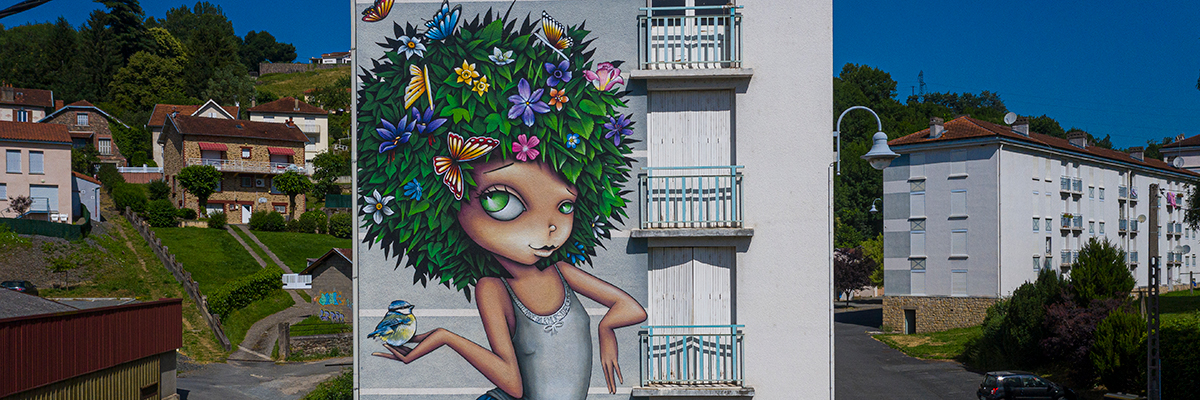
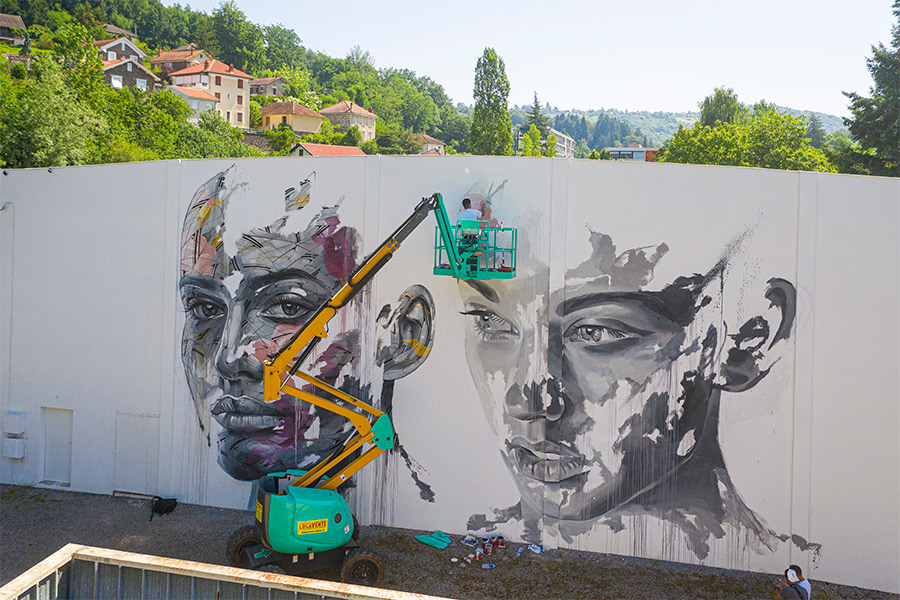
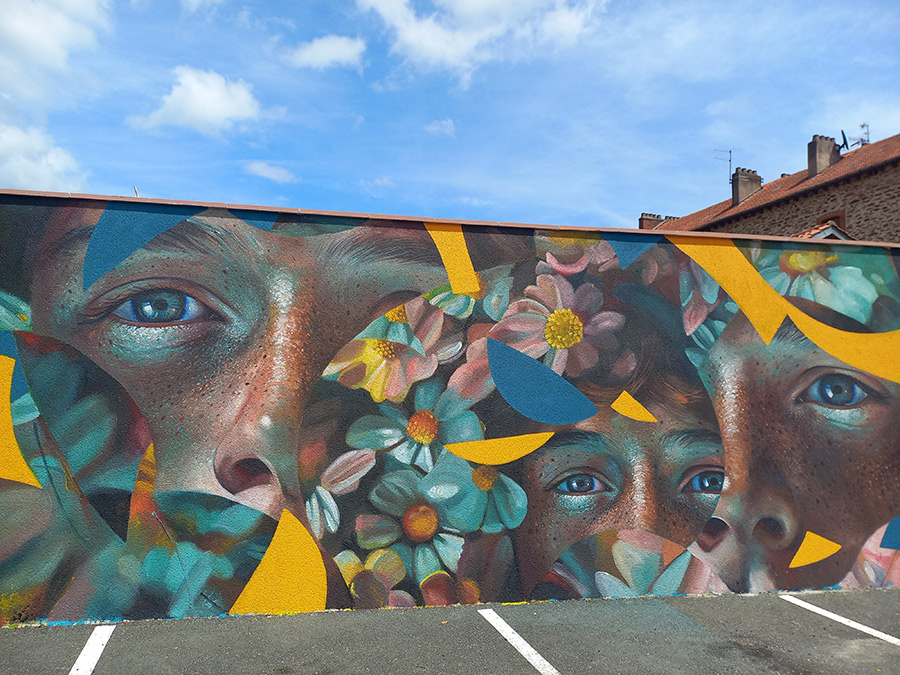
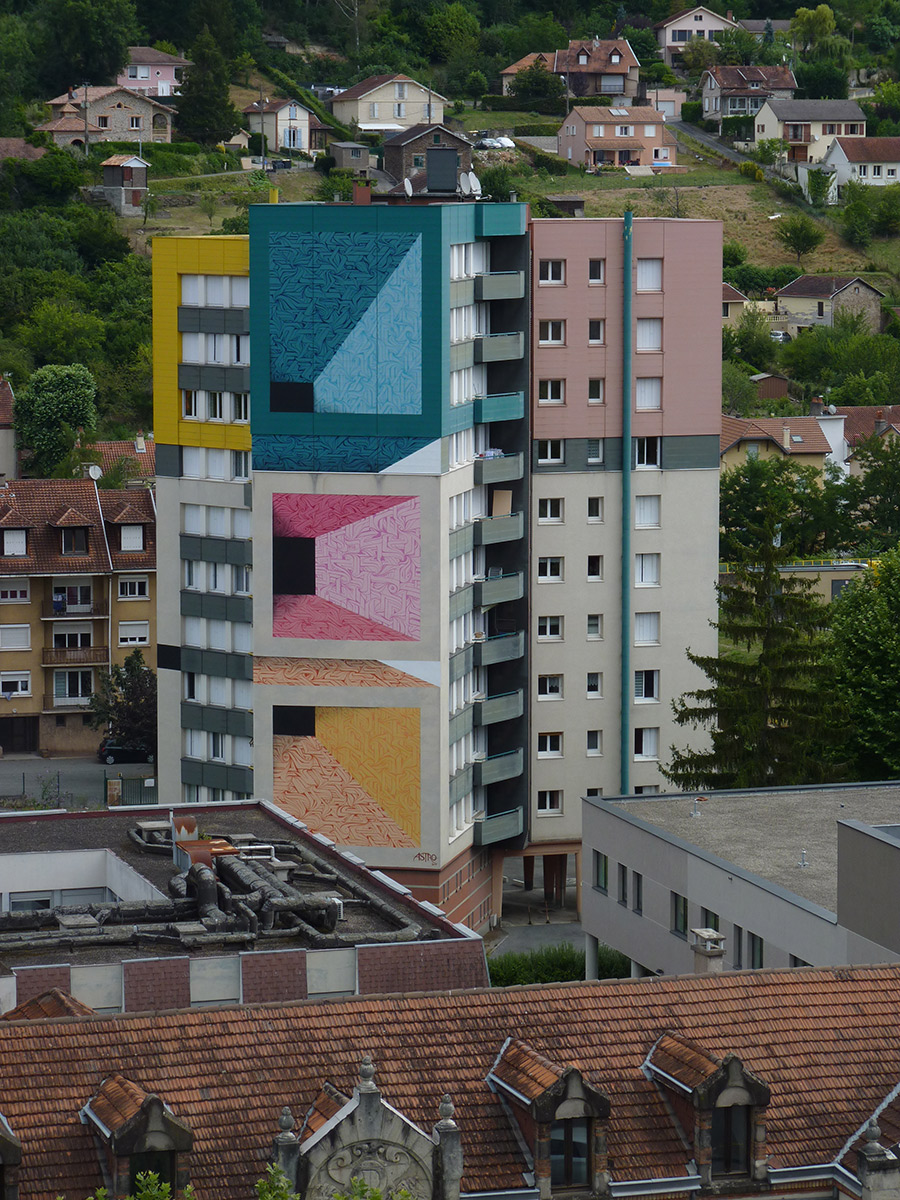
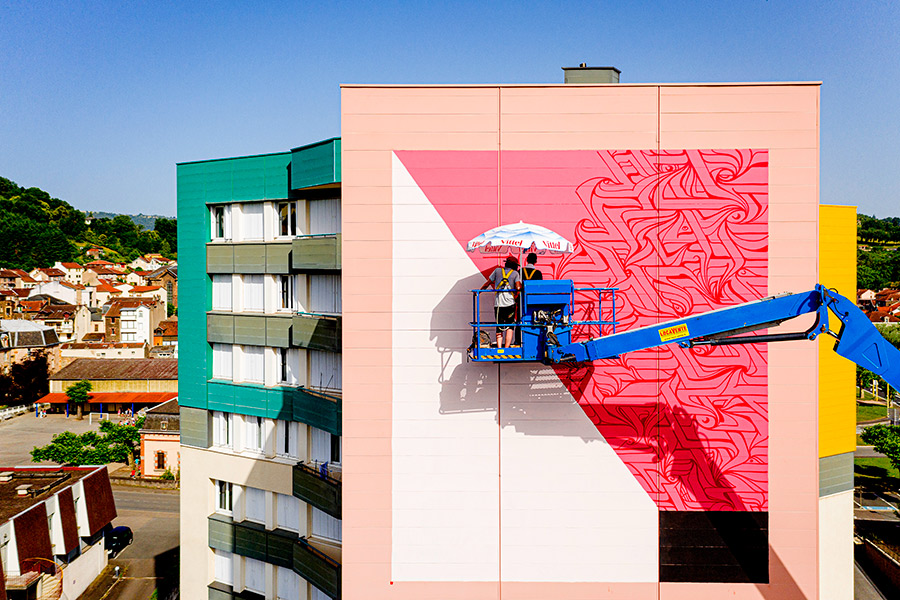
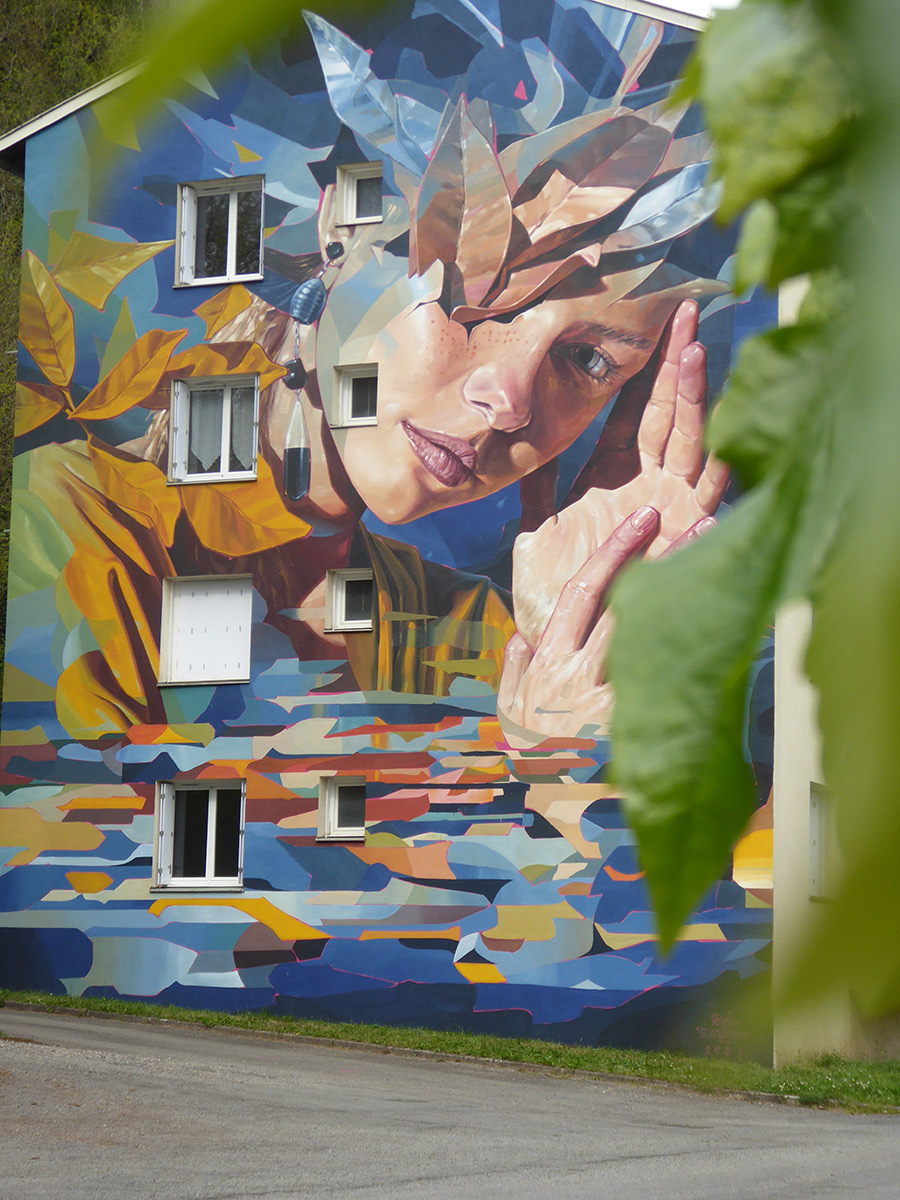
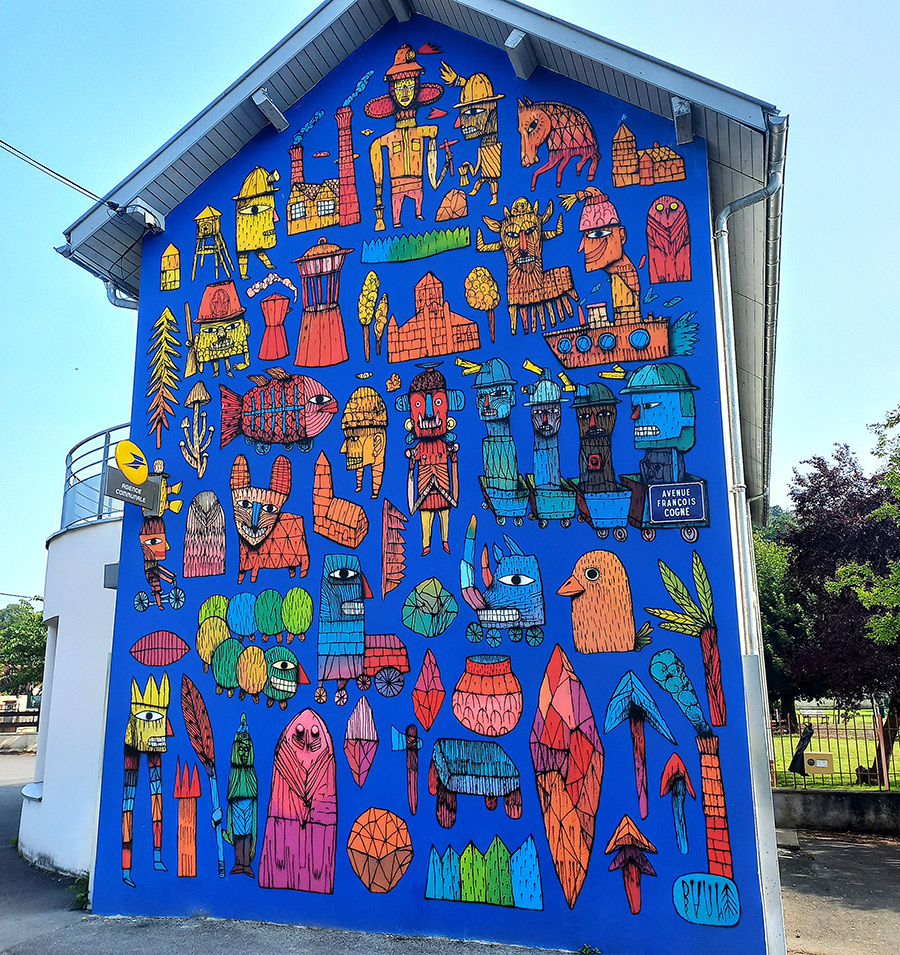
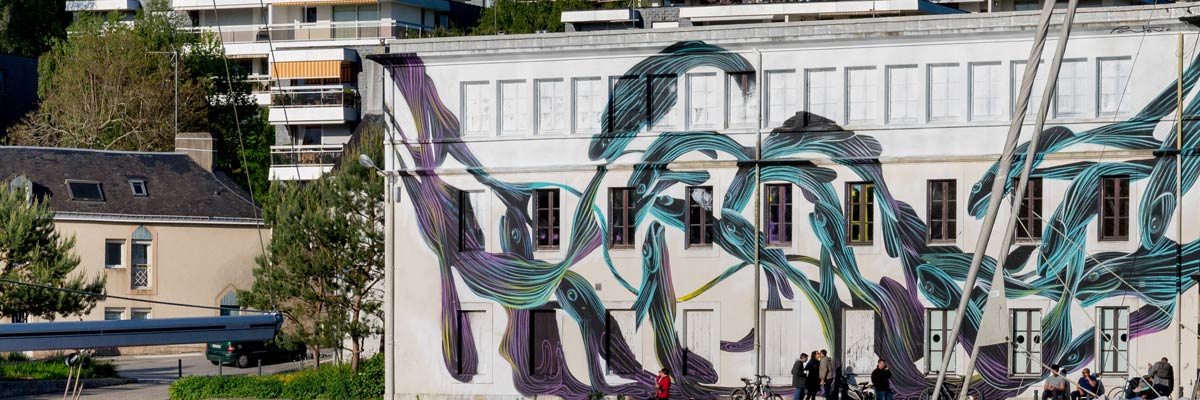
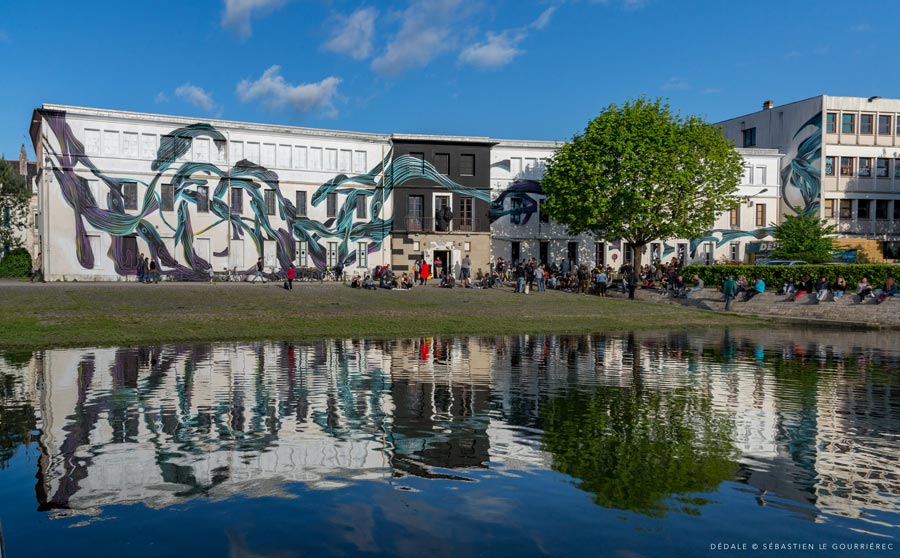
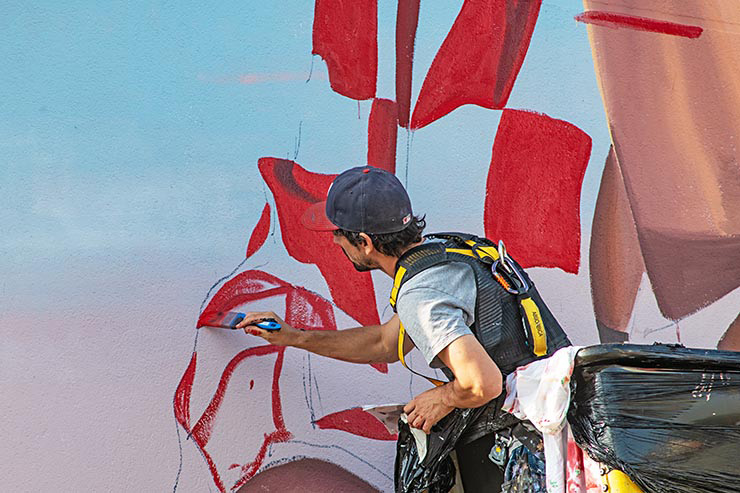
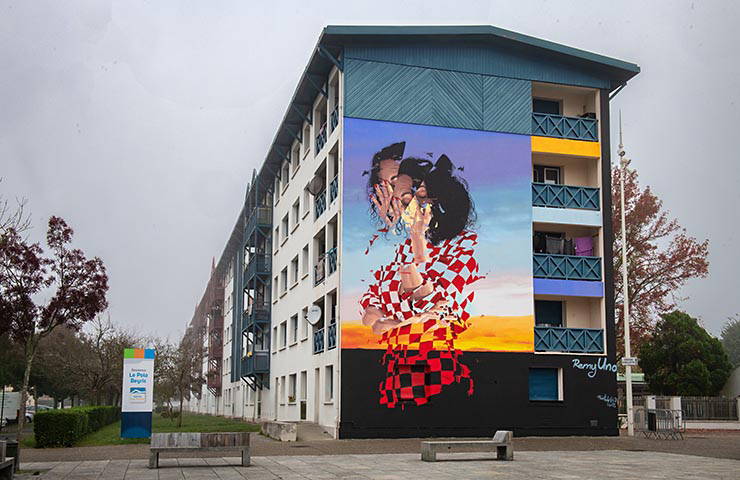
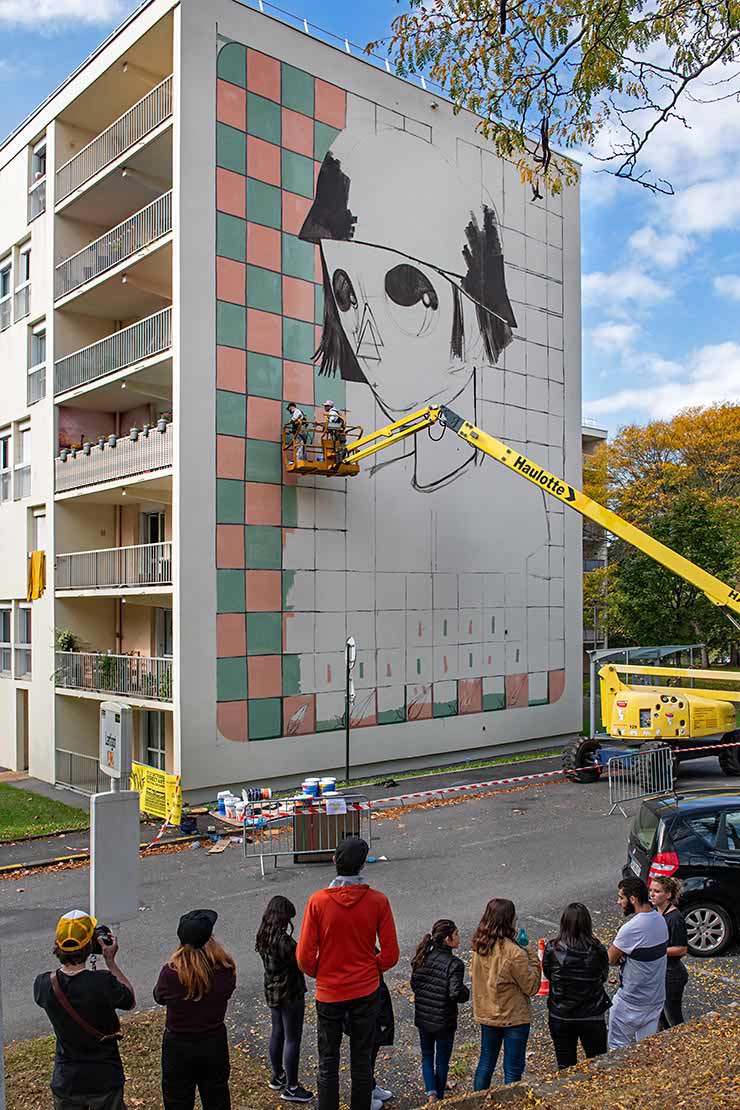
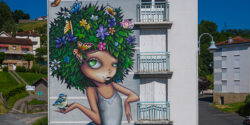
Out in the former mining basin of Aveyron in southern France, the Decazeville Communauté Street Art / “MurMurs” Festival has been rewriting the script on what a mural program can be. Not a quick-hit weekend of lifts and ladders, it has been a slow-build, six-year accumulation of images, ideas, and relationships spread across a cluster of towns that still carry the weight of coal, labor, and collective memory. Here, organizers say that walls aren’t simply blank canvases waiting to be decorated—they’re already loaded with meaning, culture, and history. When artists arrive, they find that they are stepping into a conversation that started long before the first spray can was shaken.
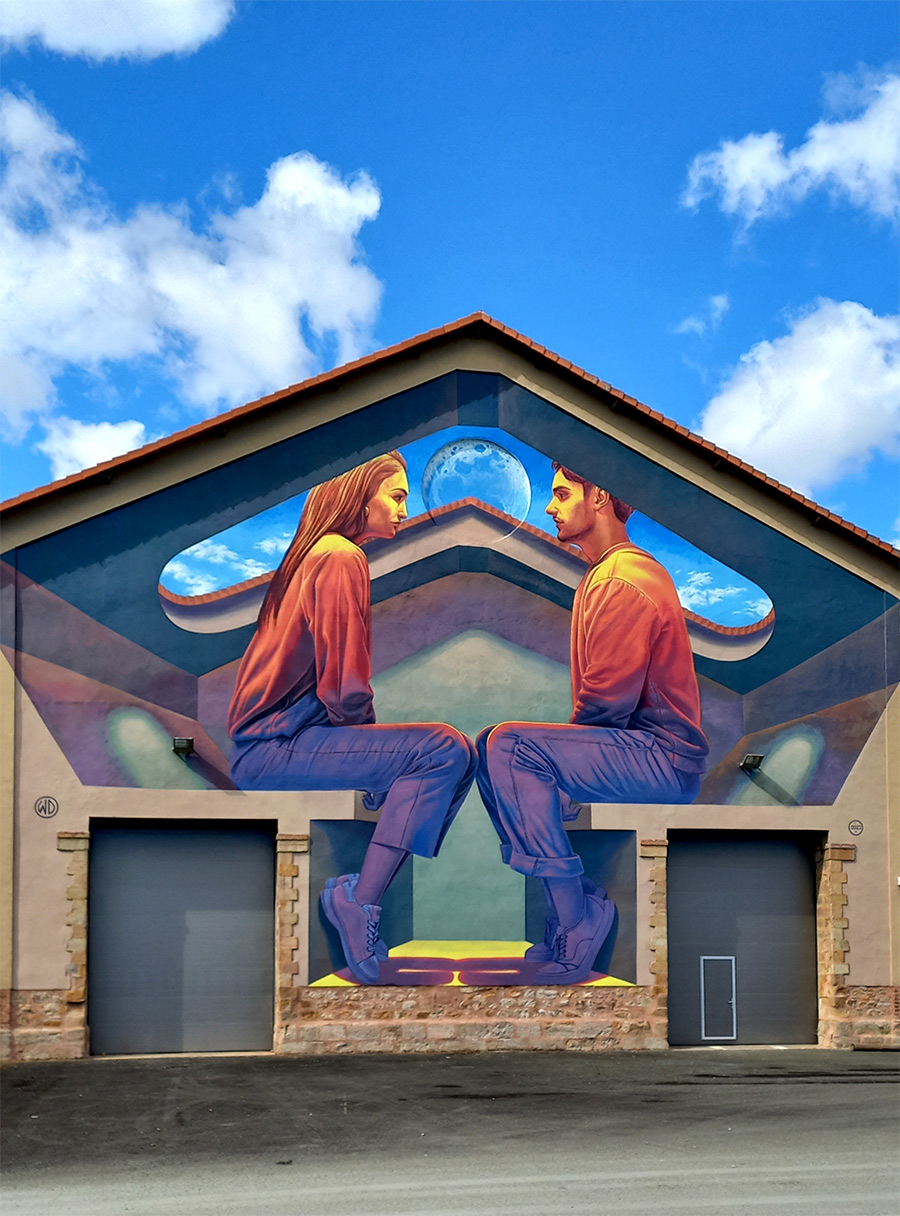
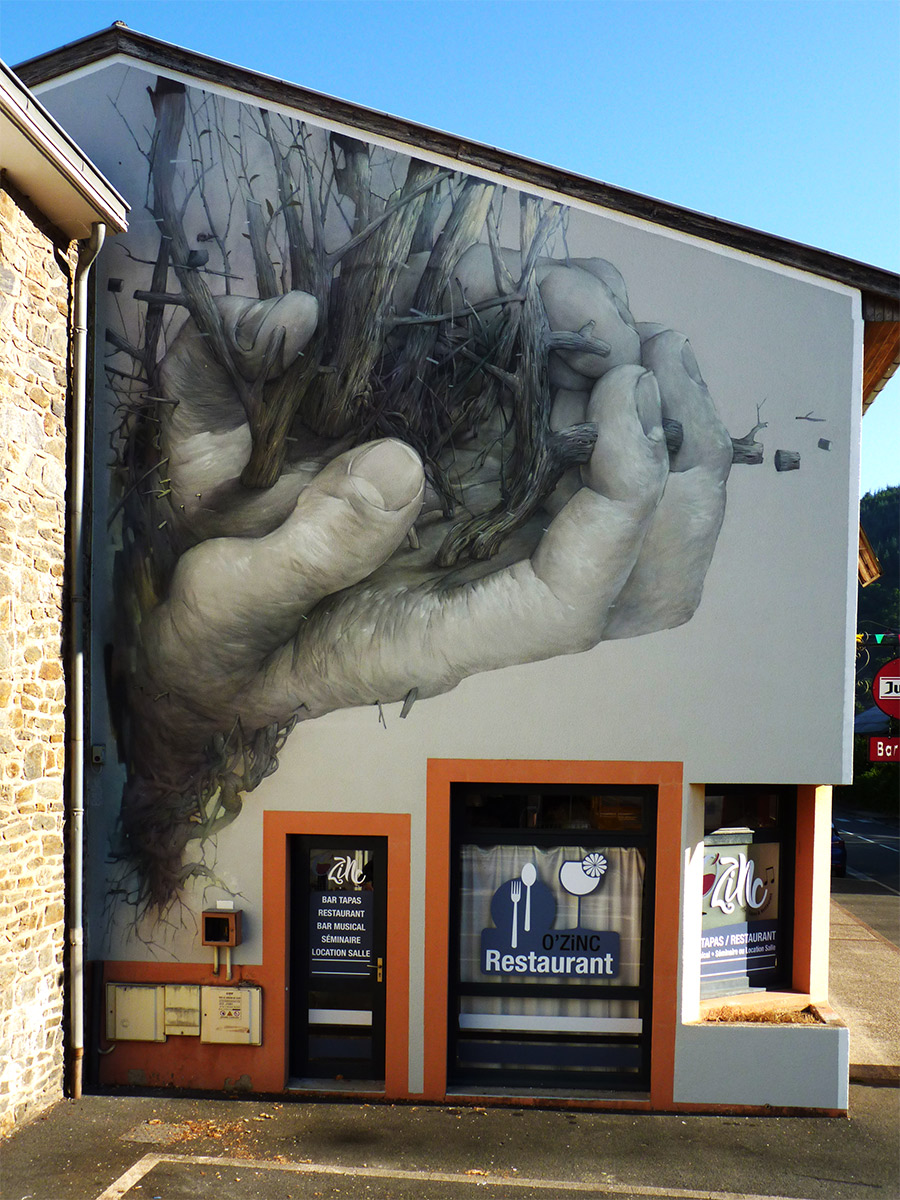
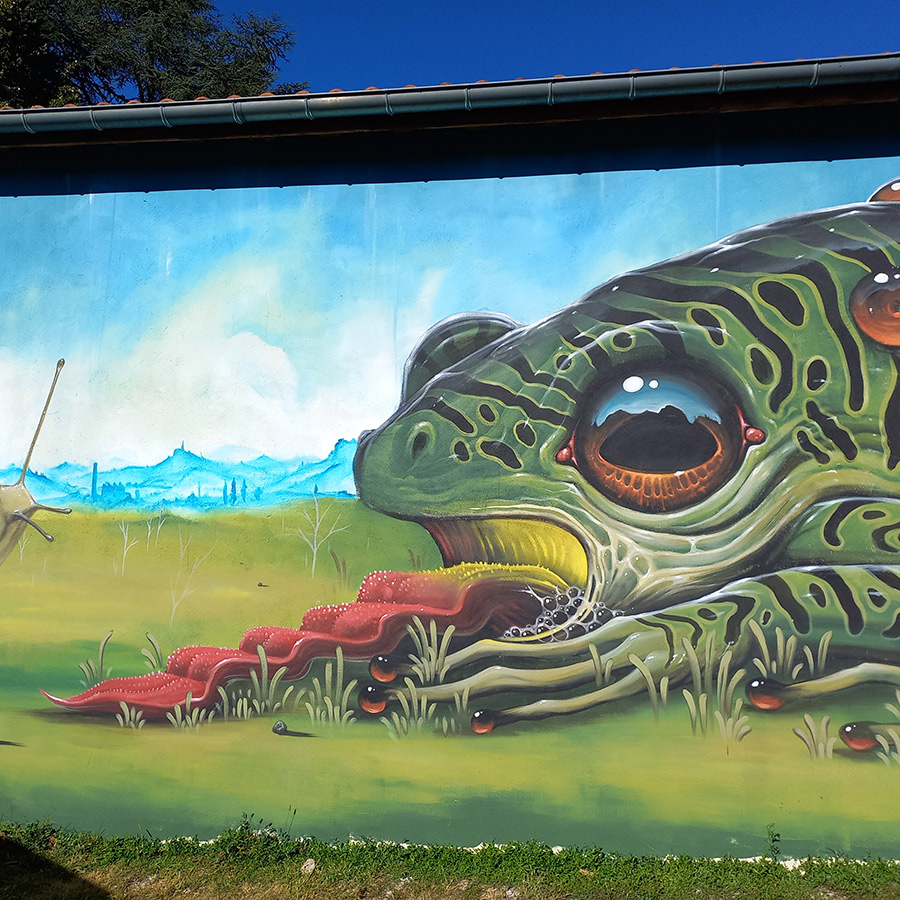
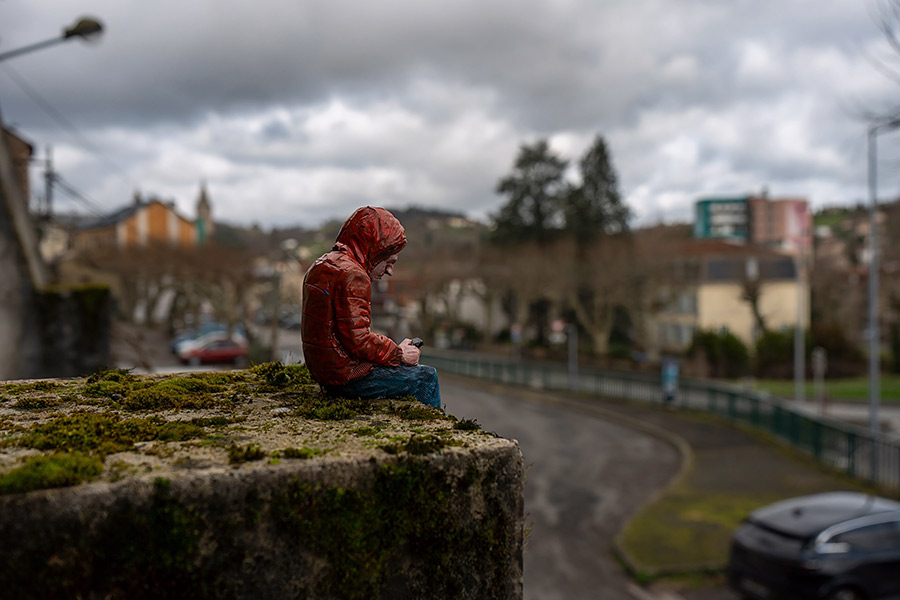
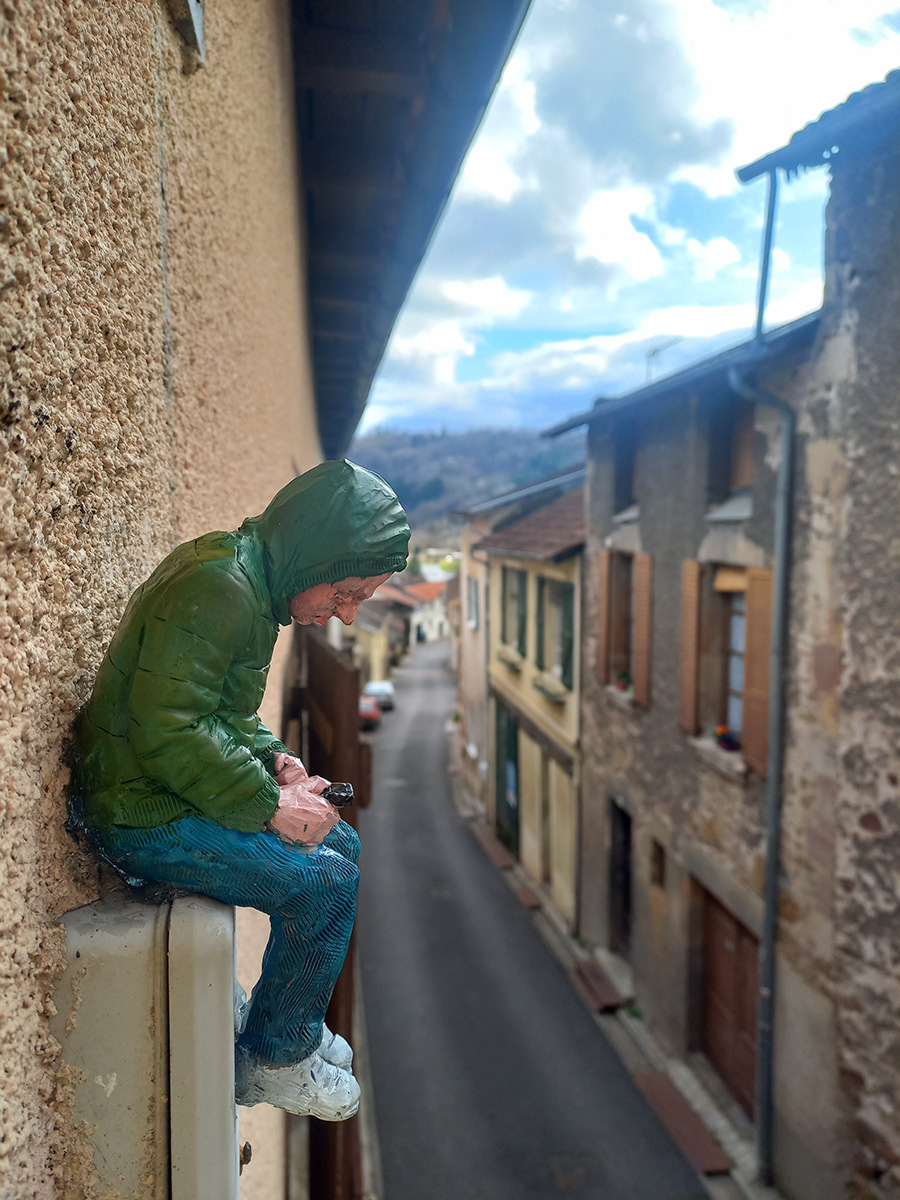
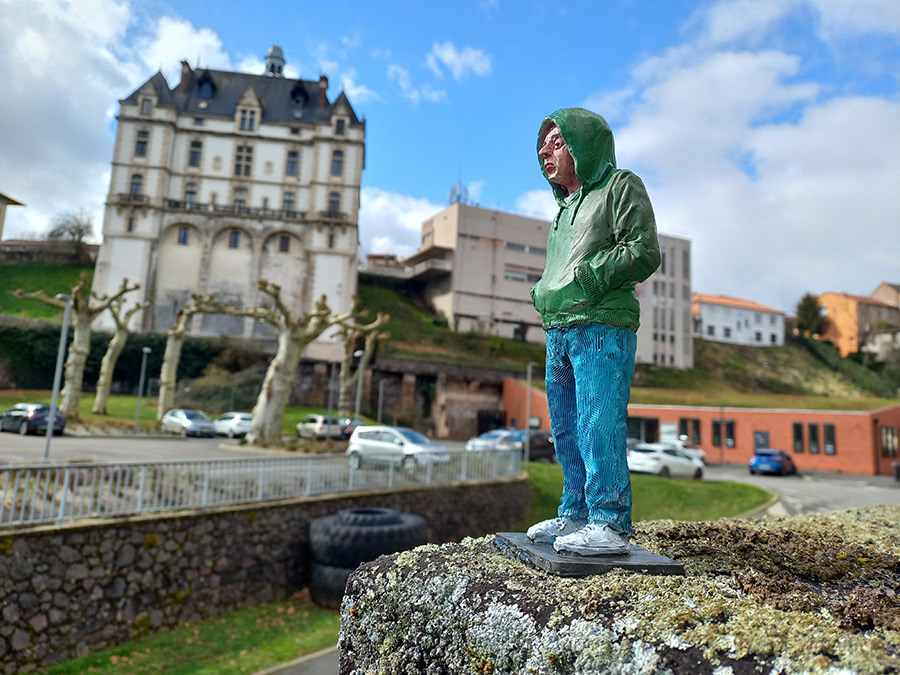
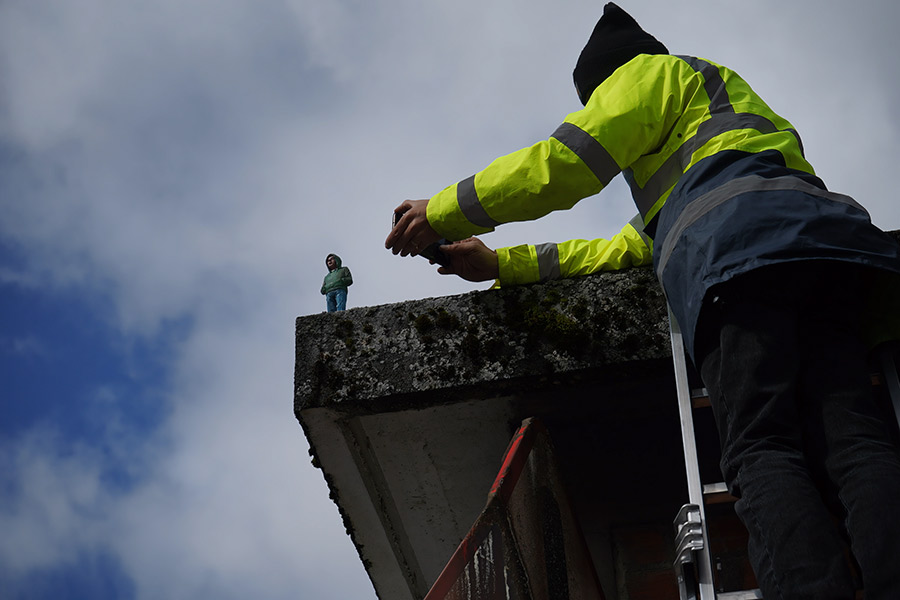
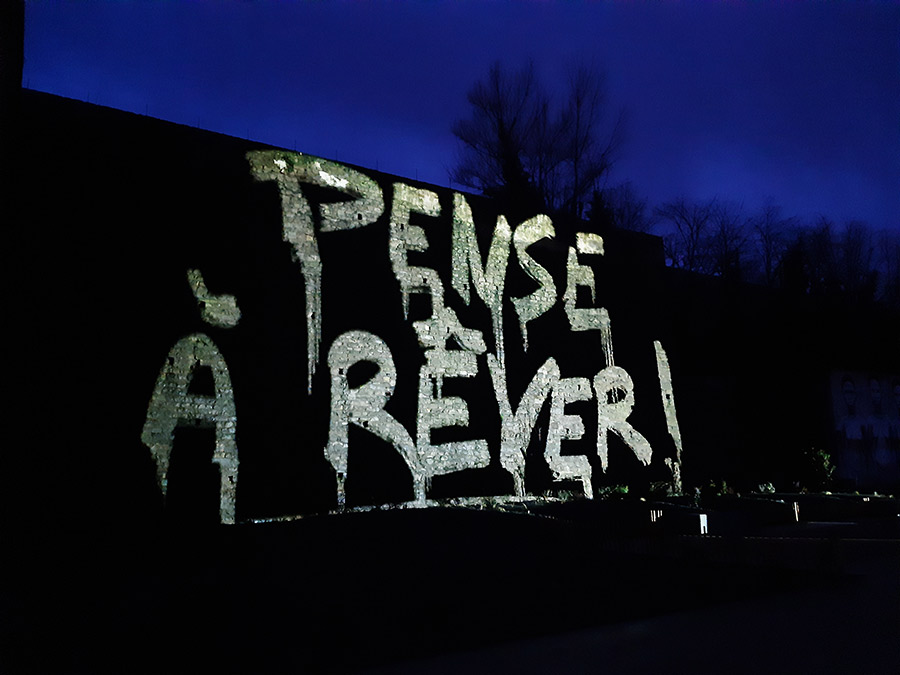
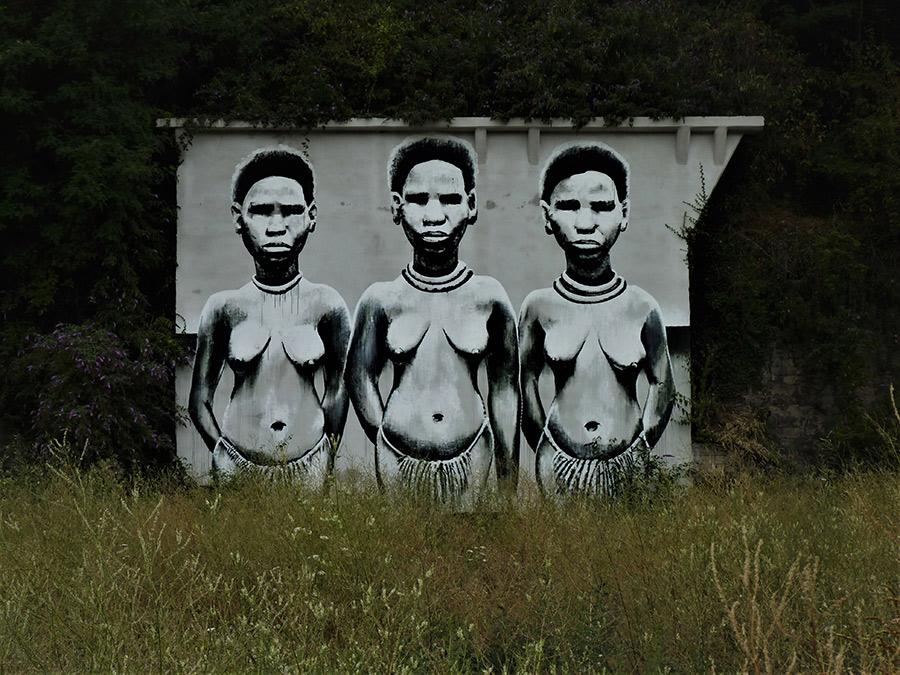
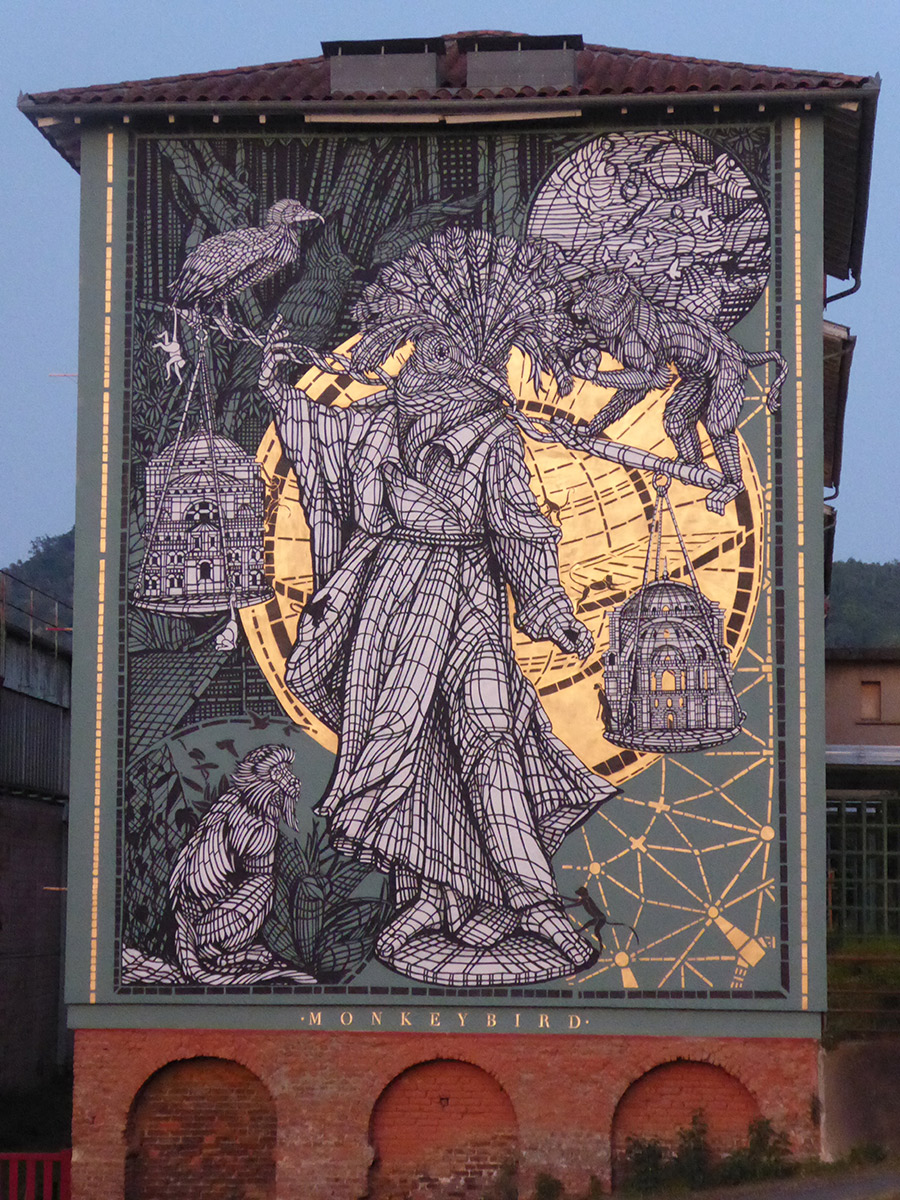
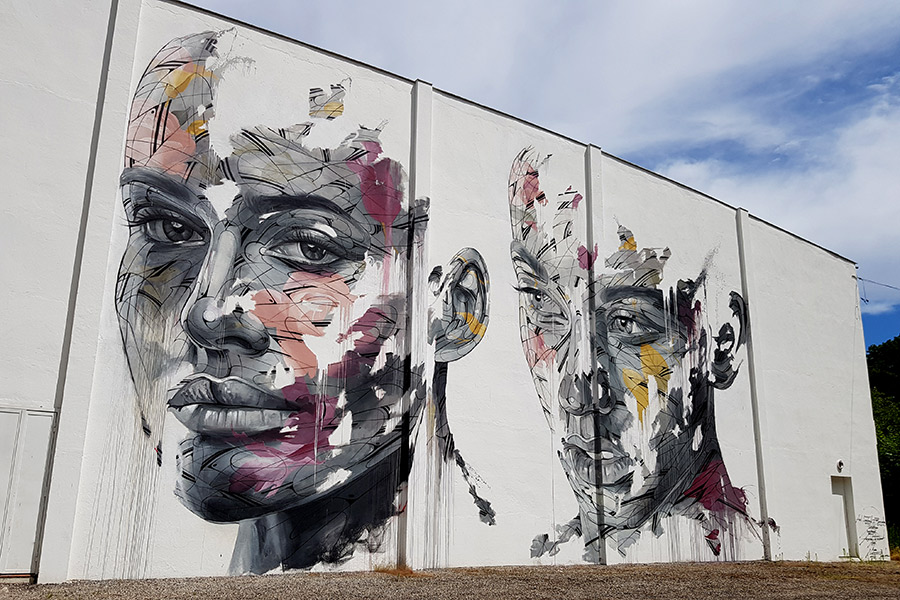
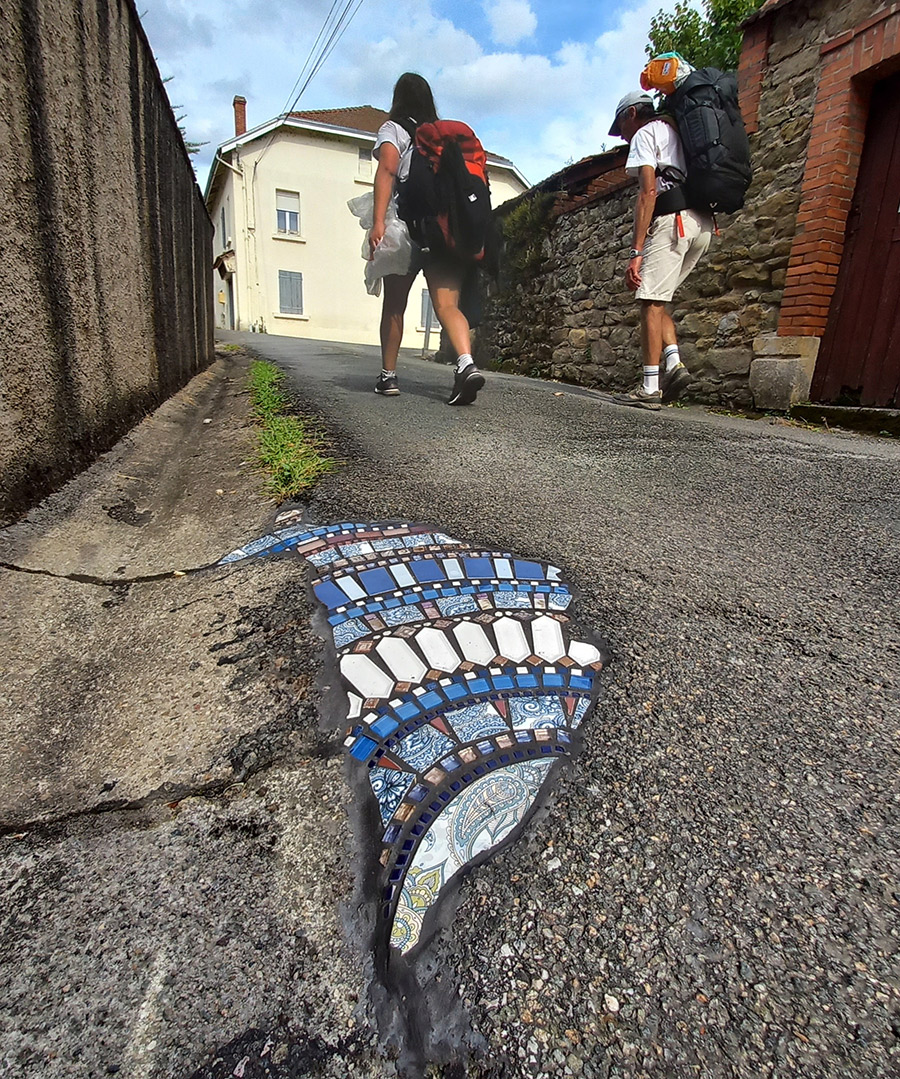
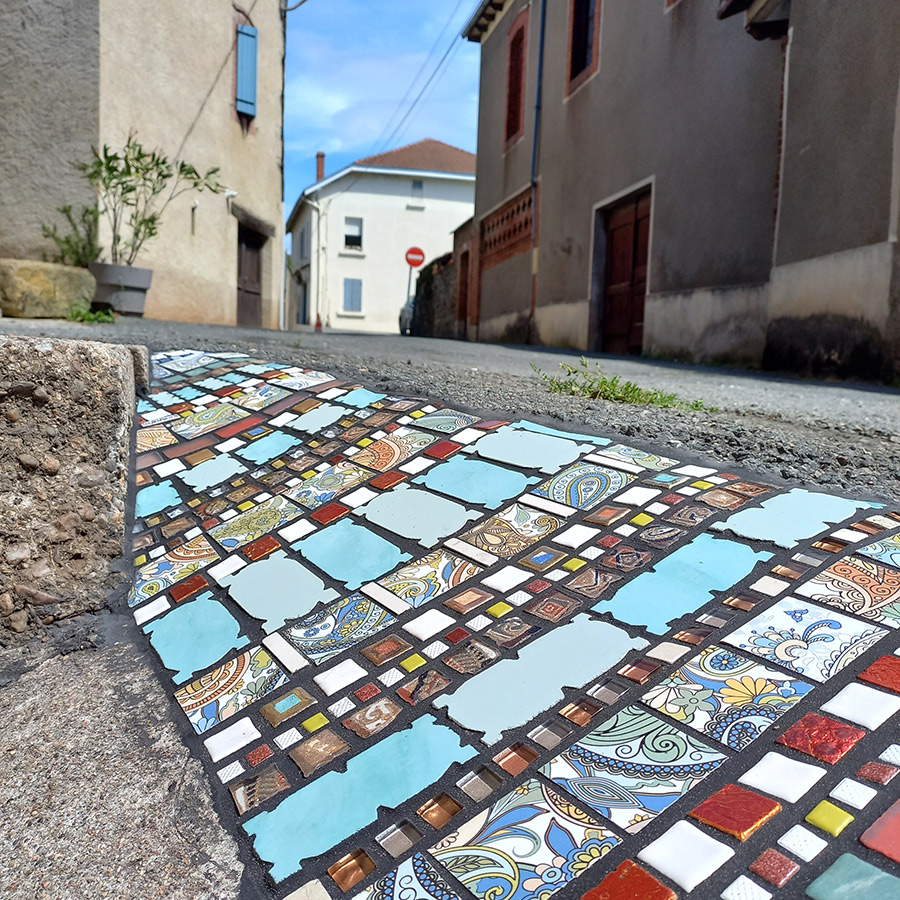
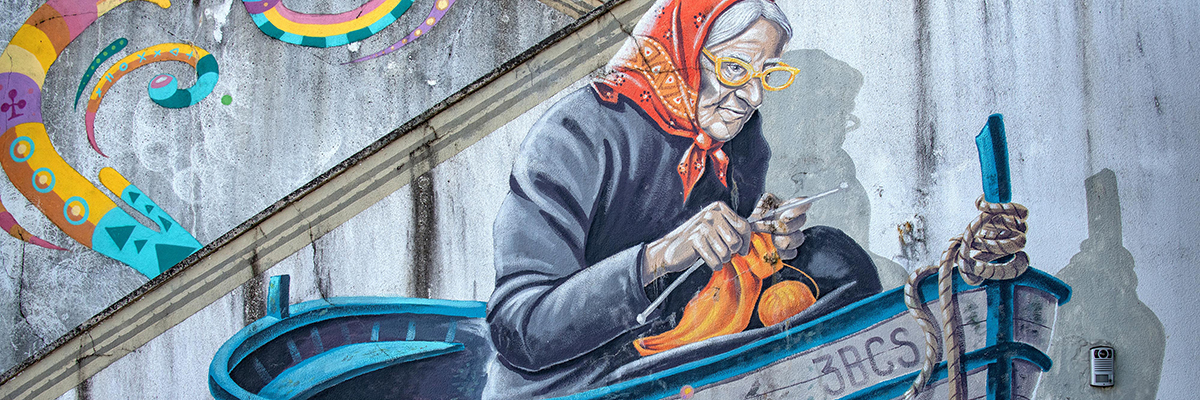
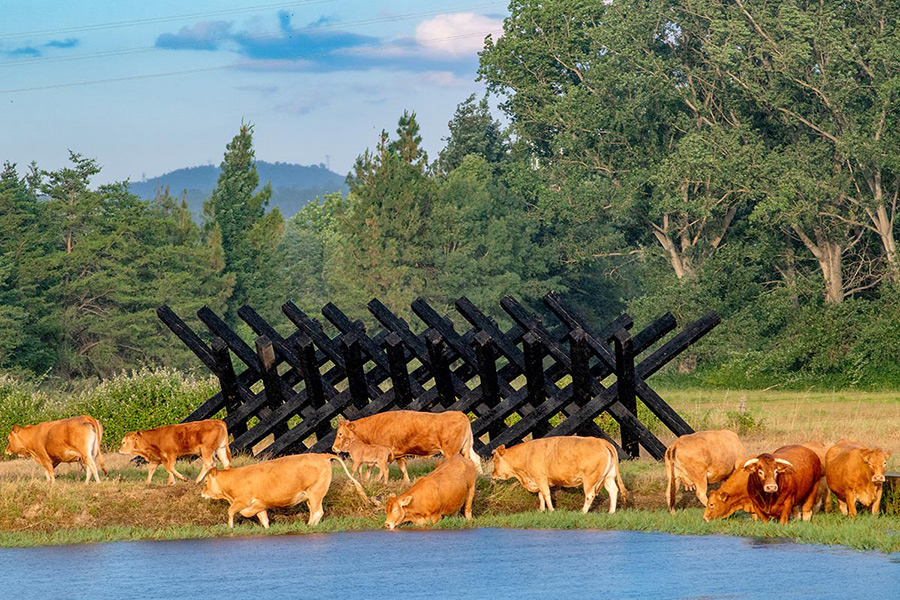
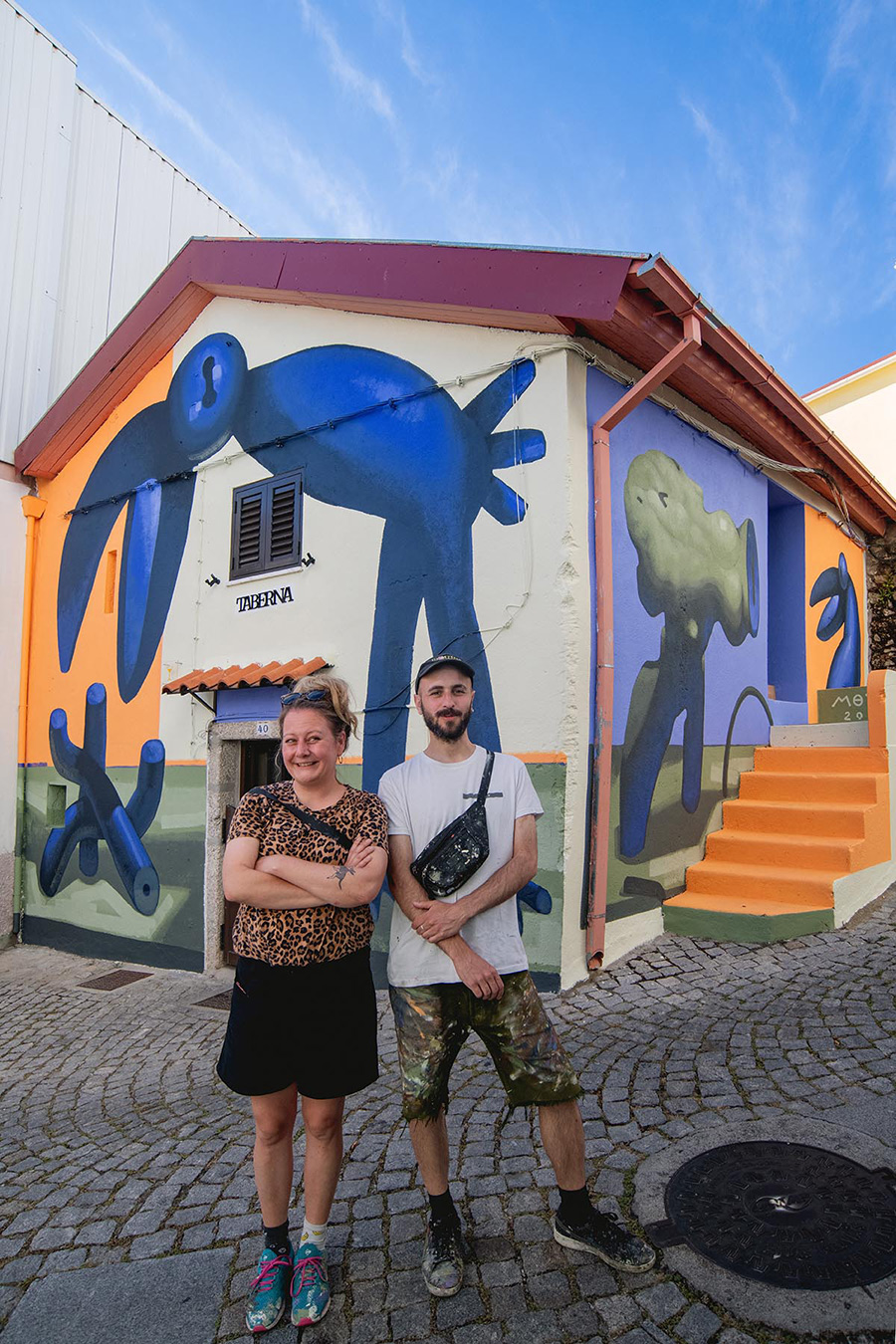
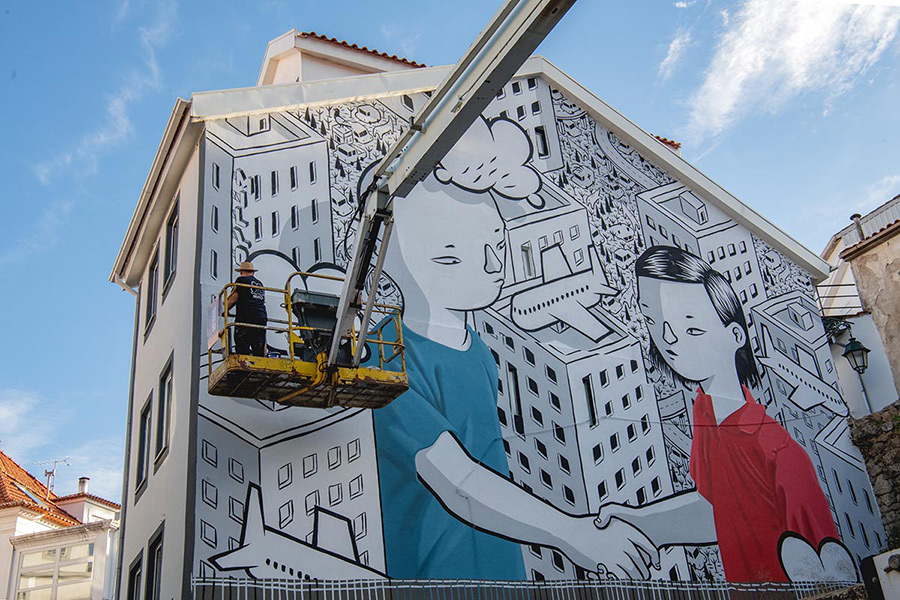
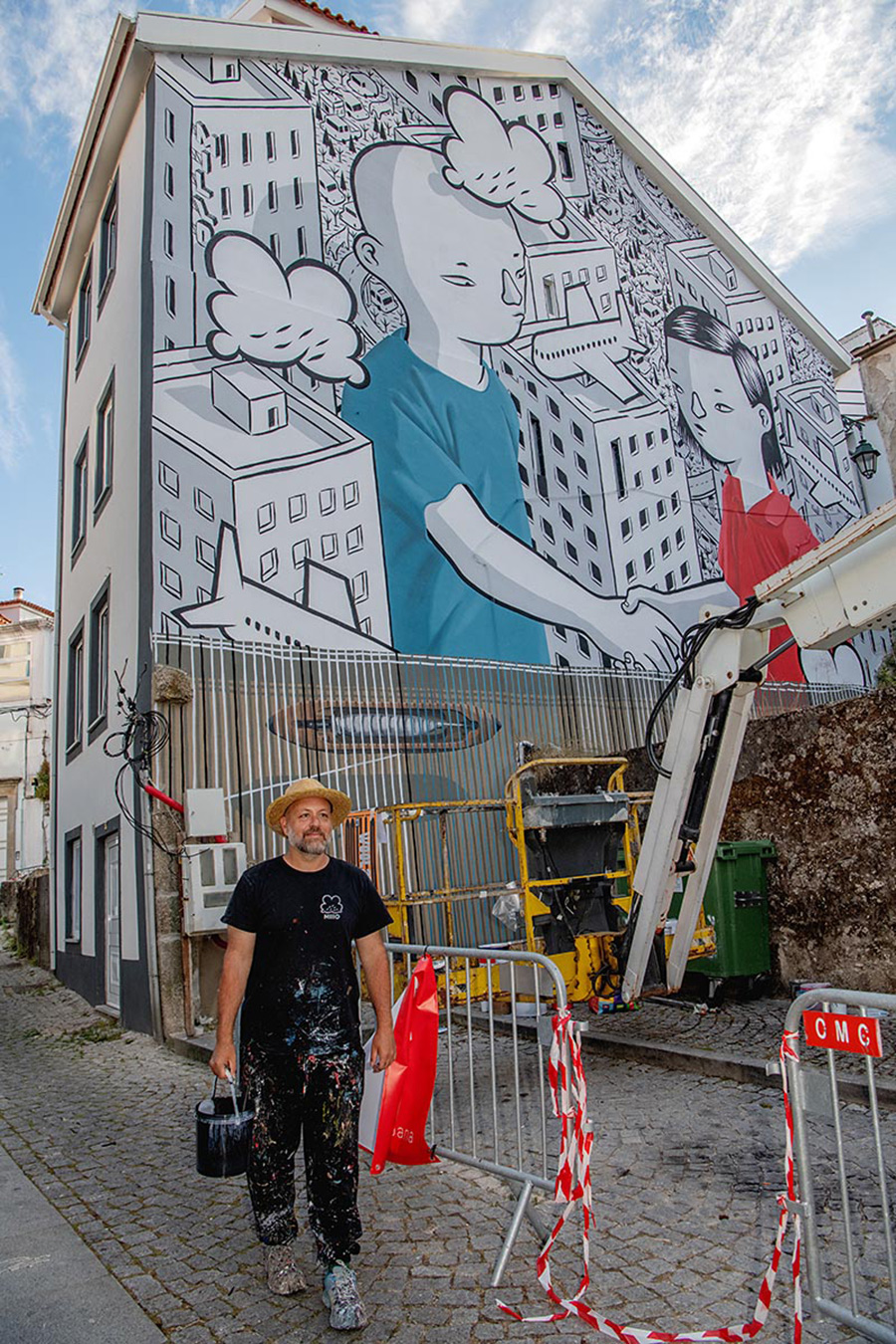
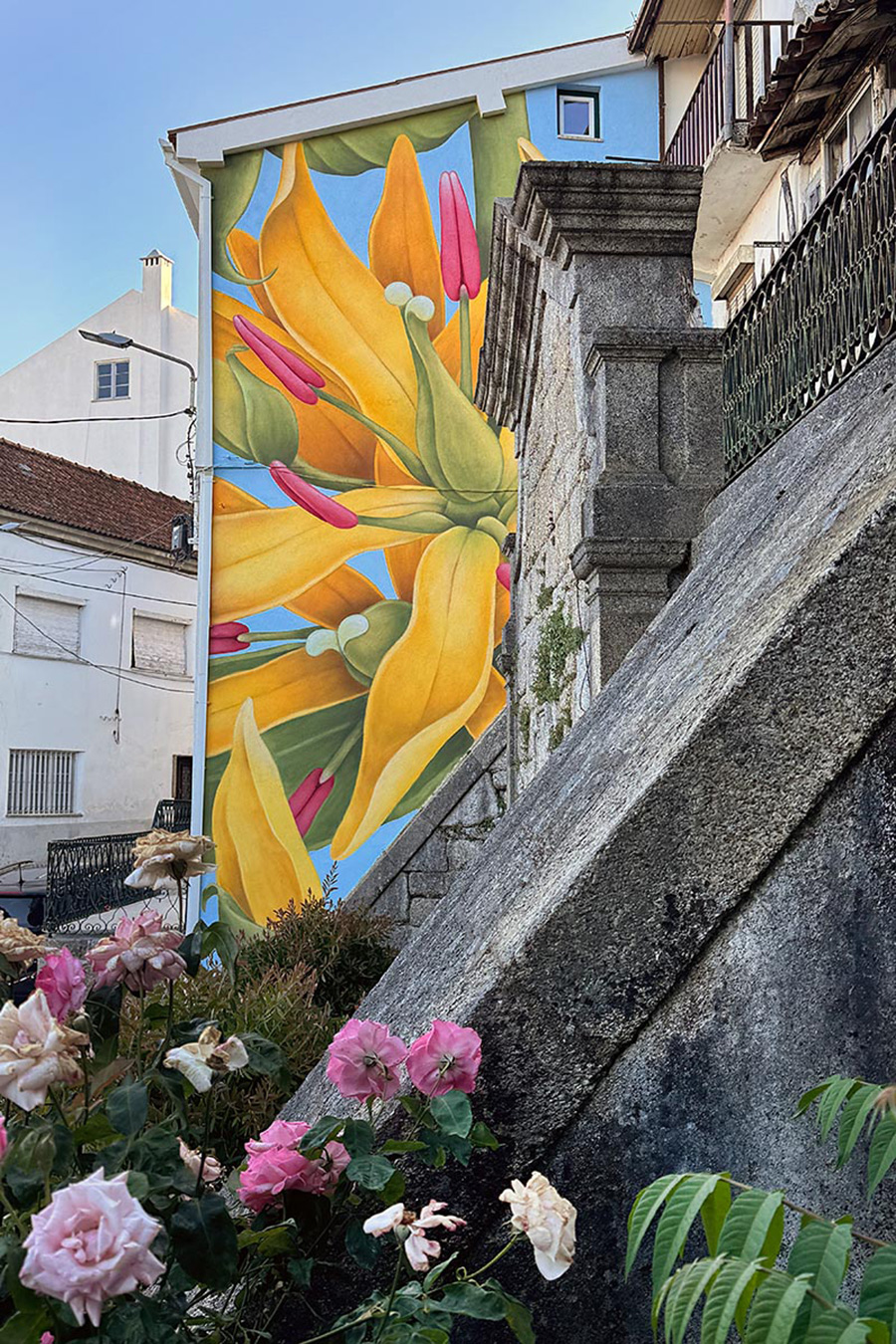
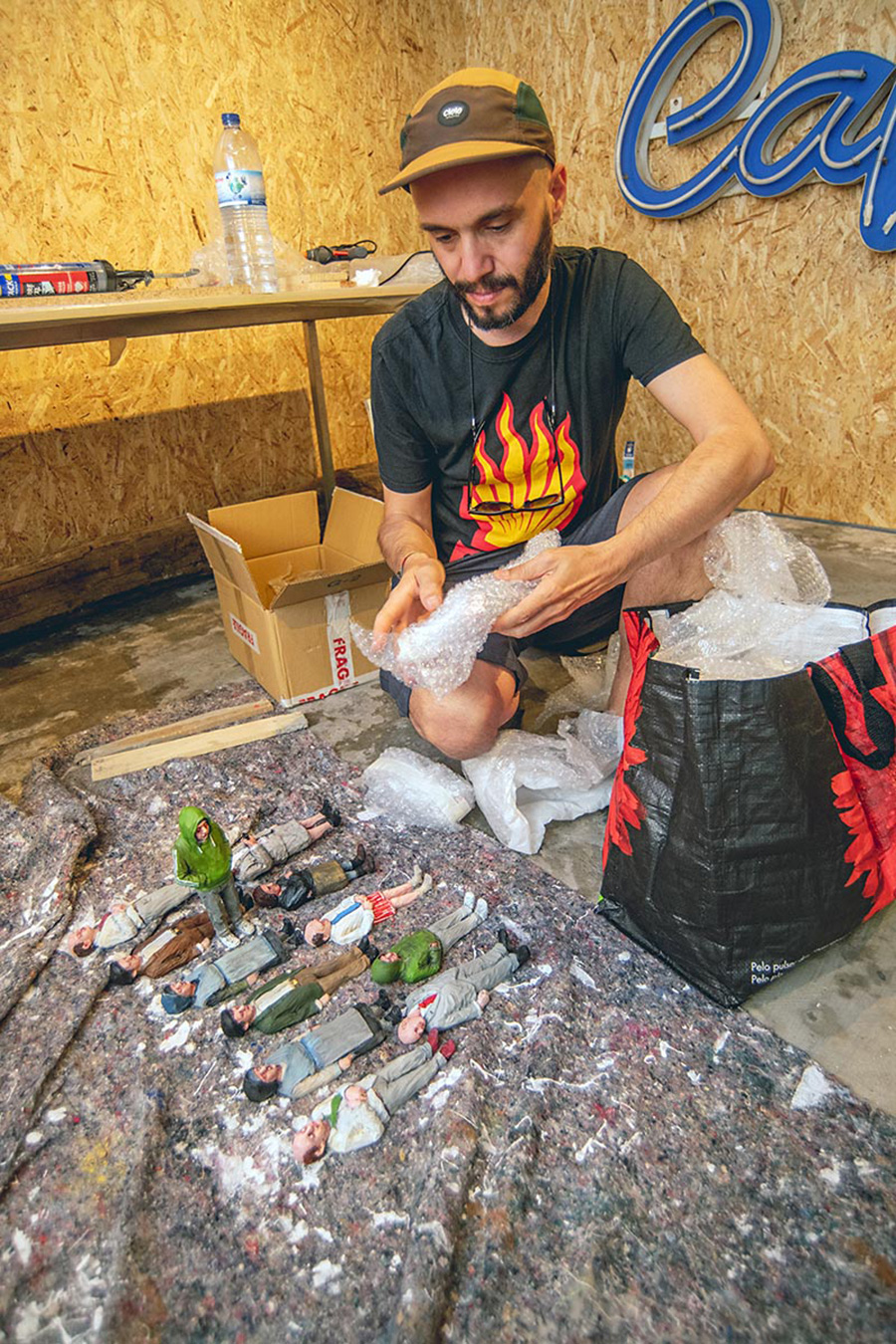
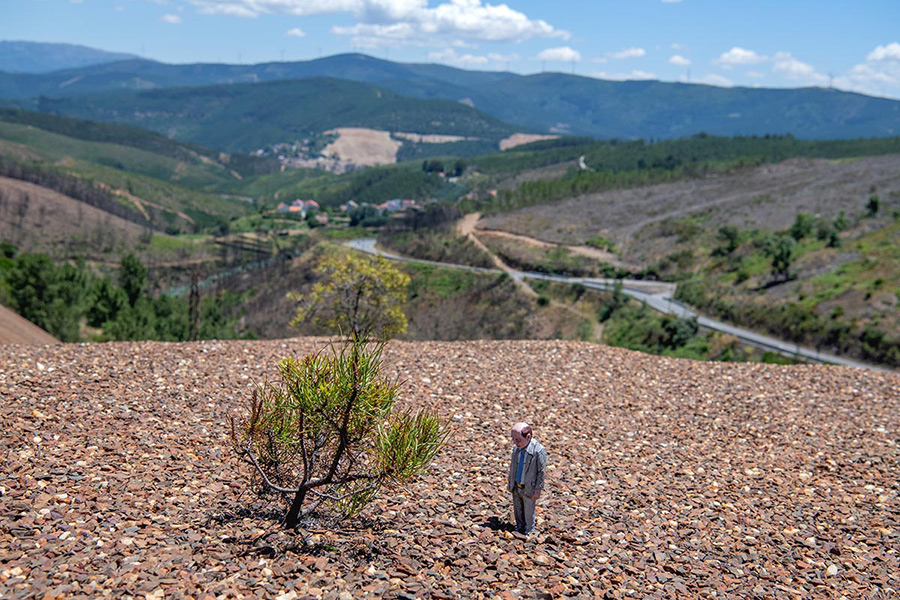
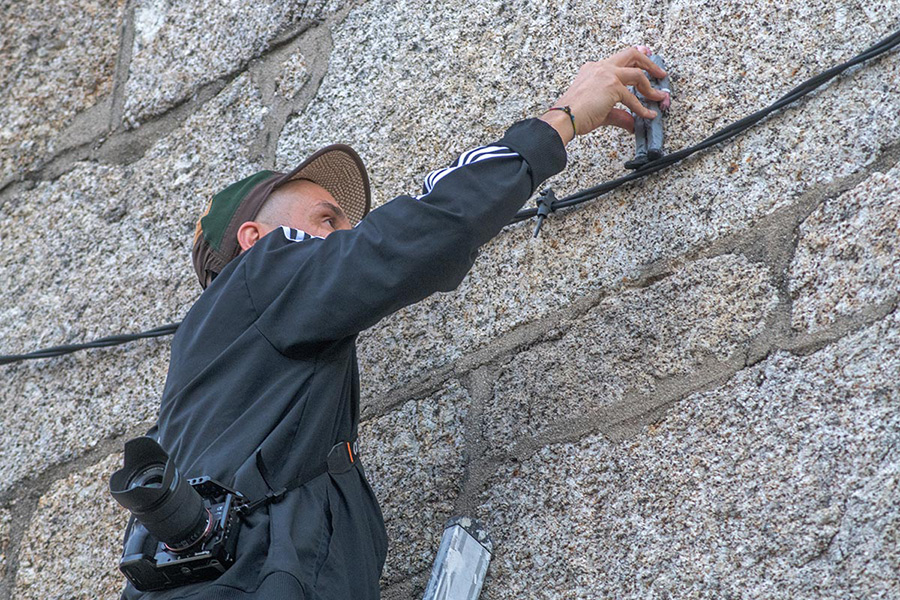
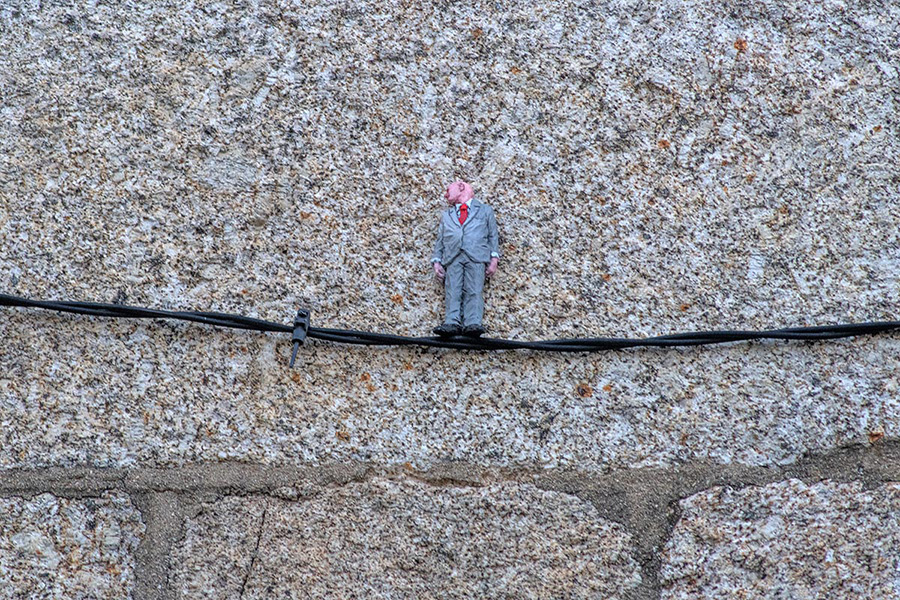
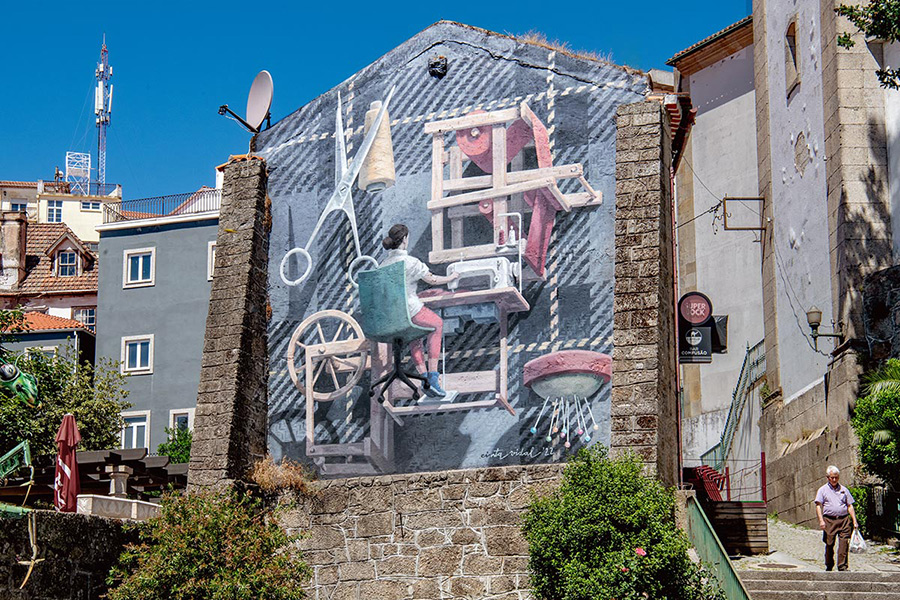
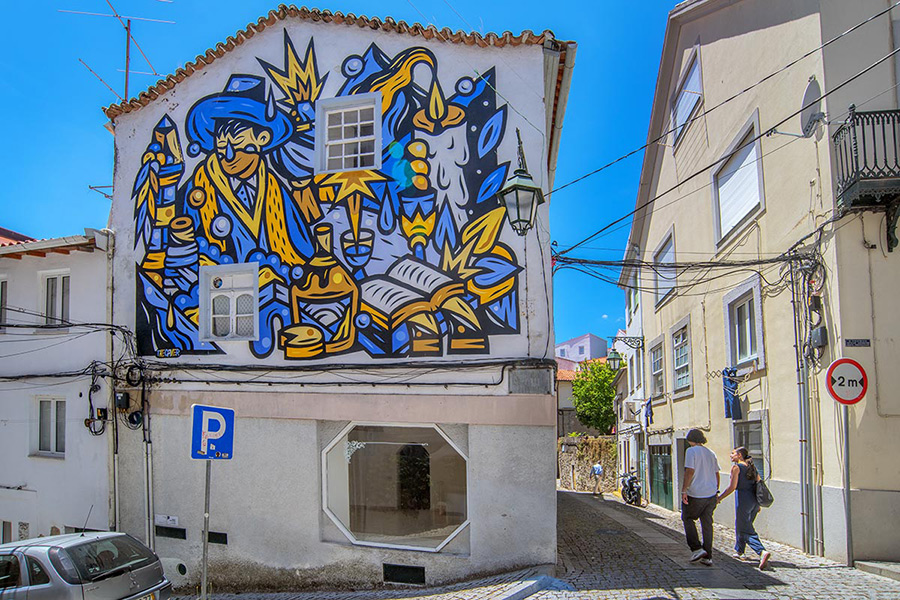
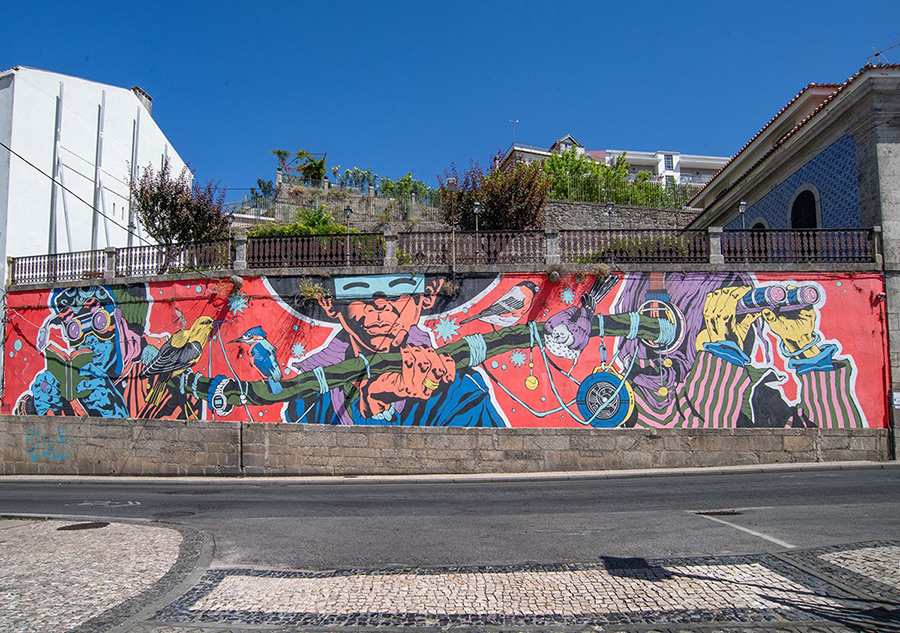
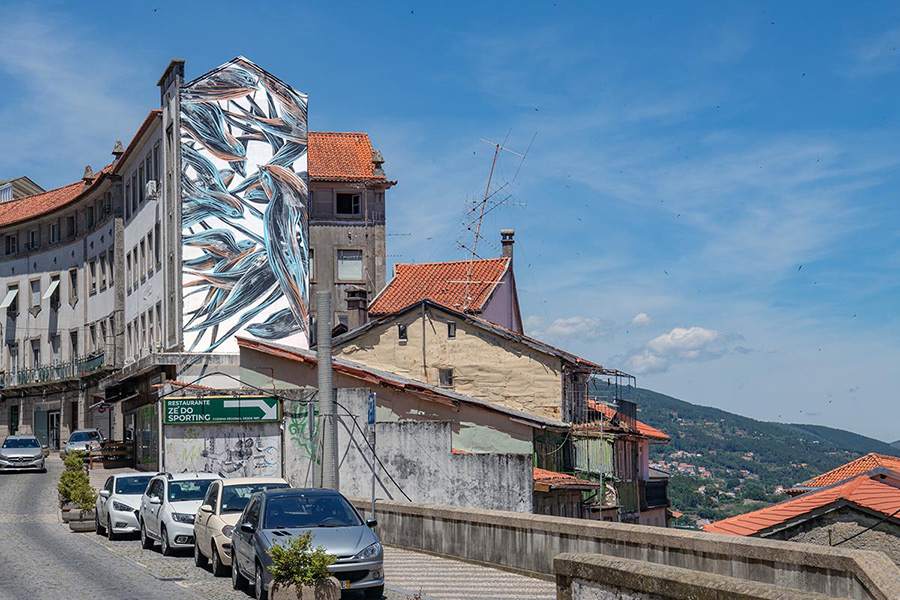
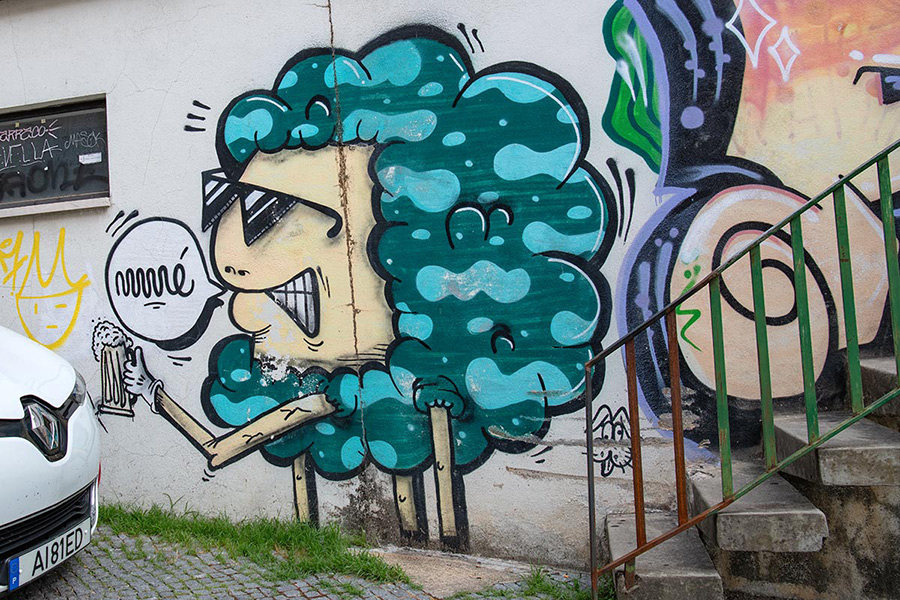
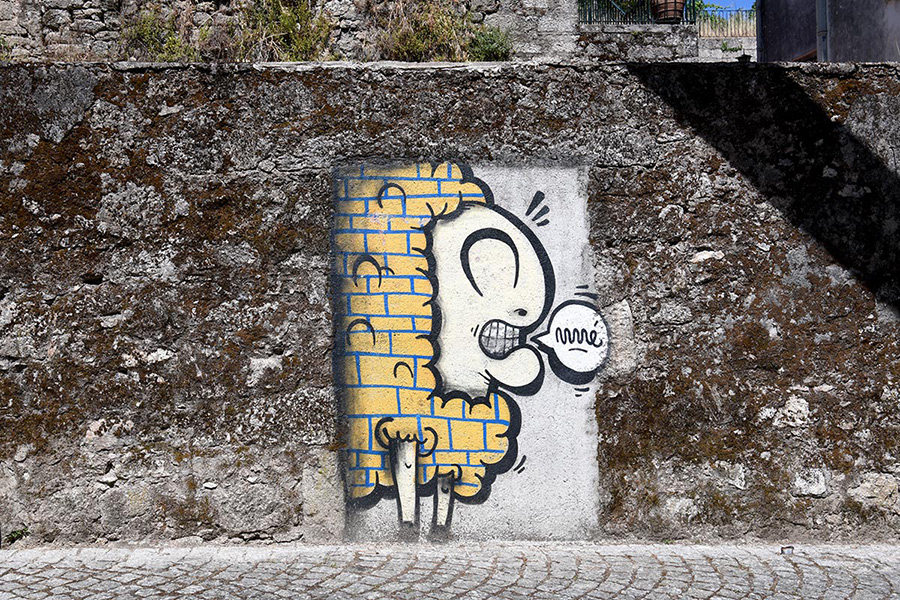
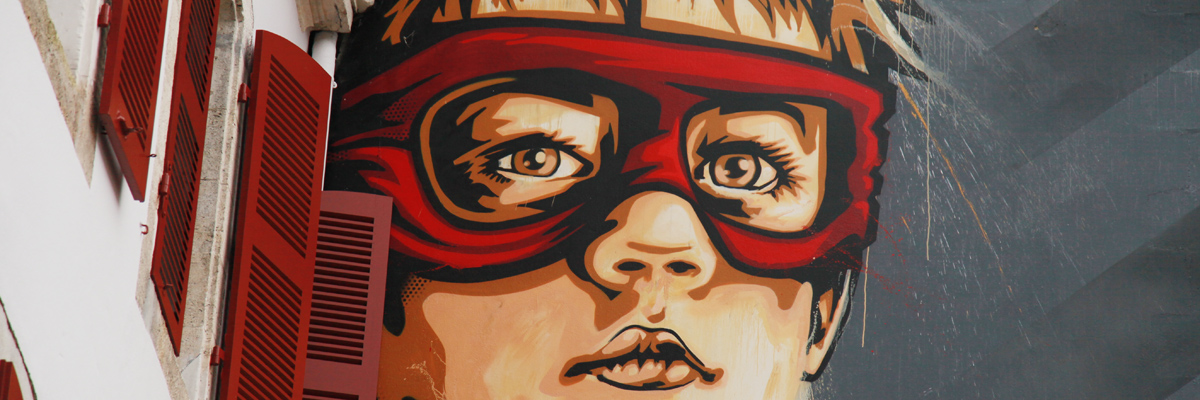
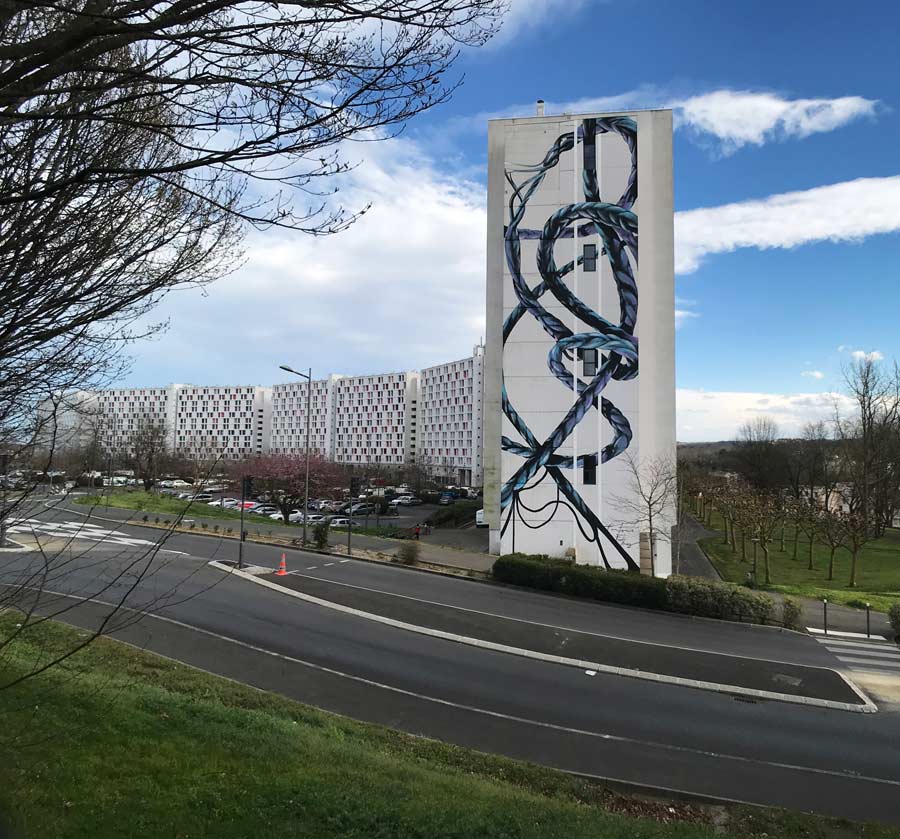
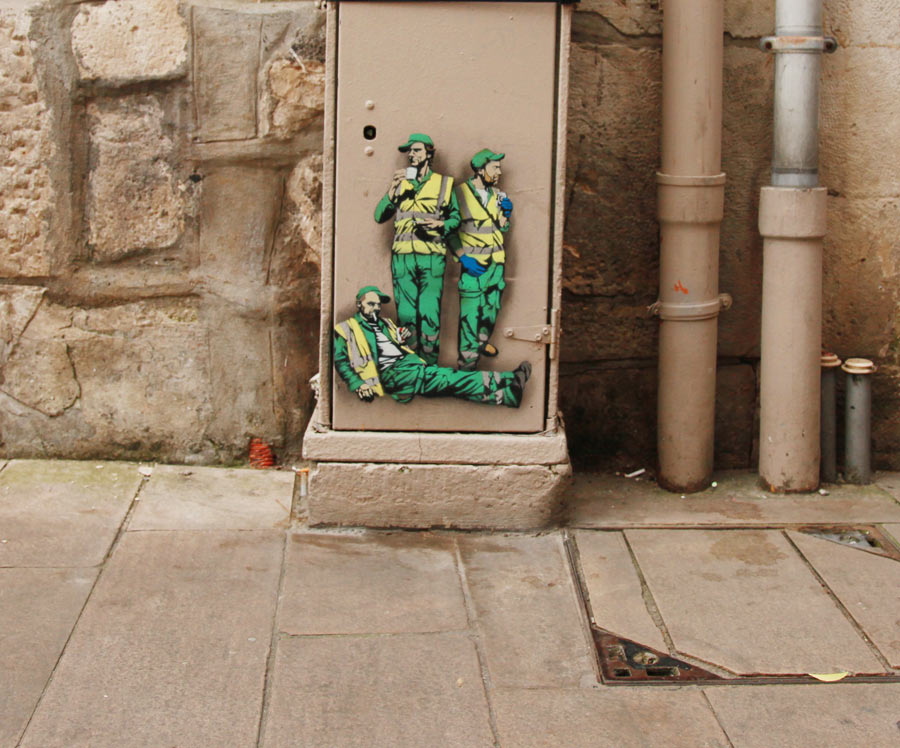
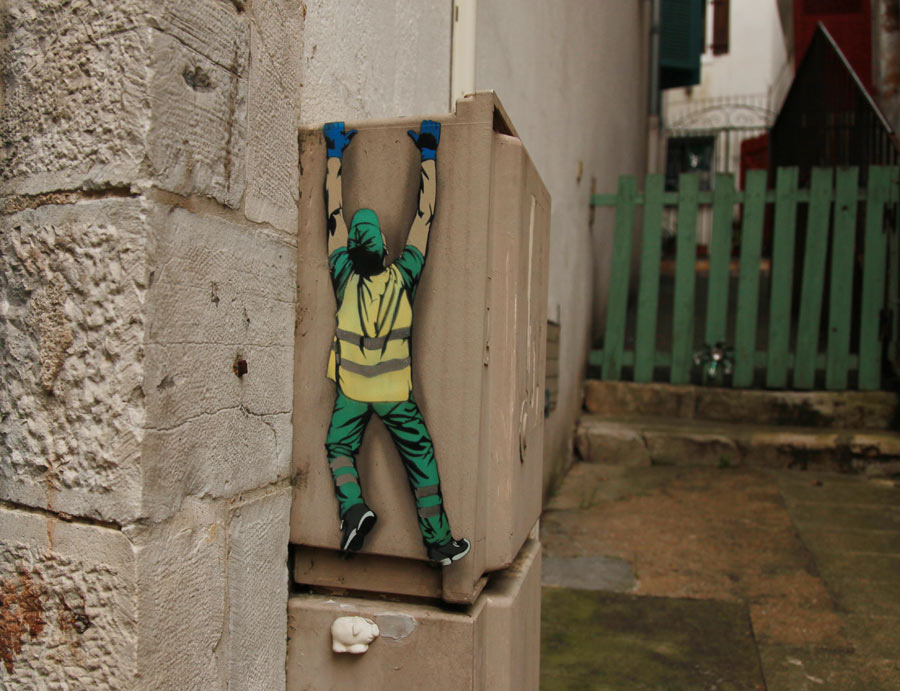
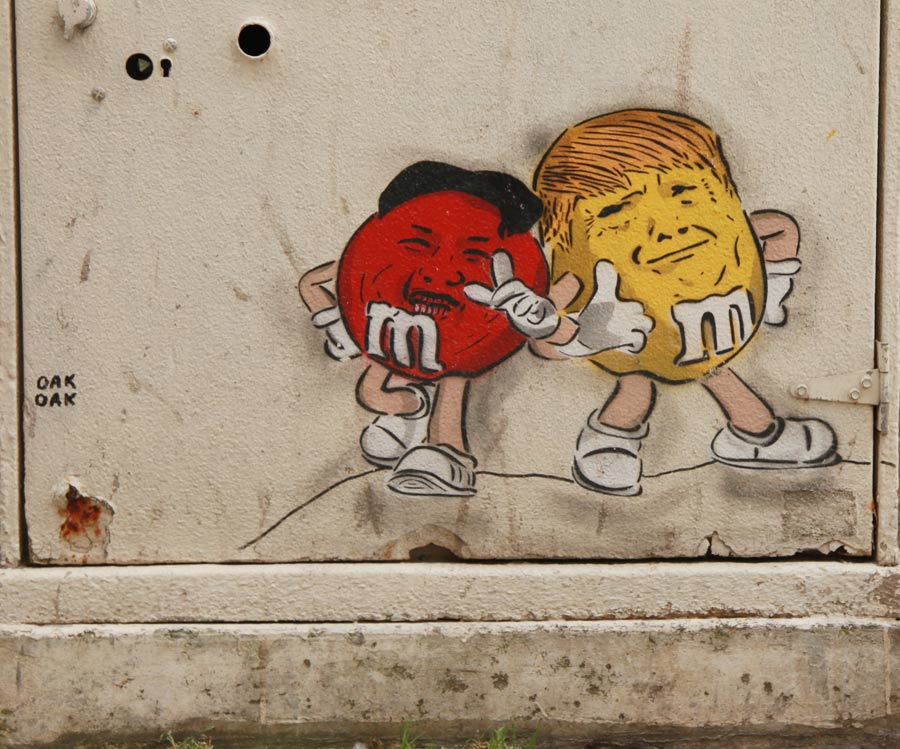
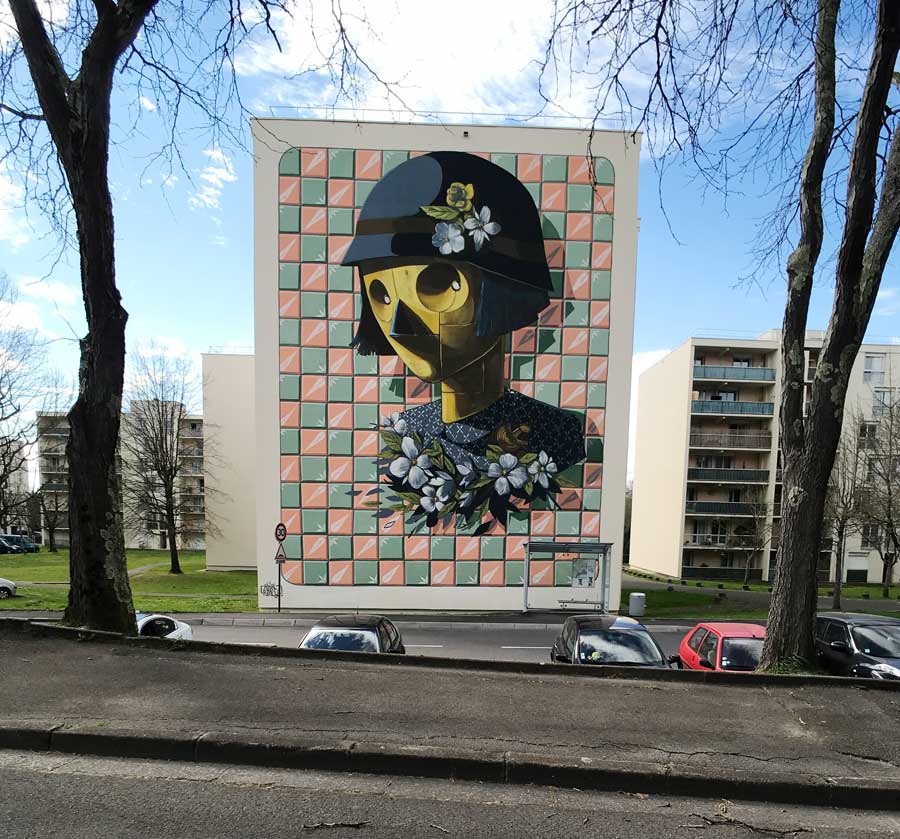
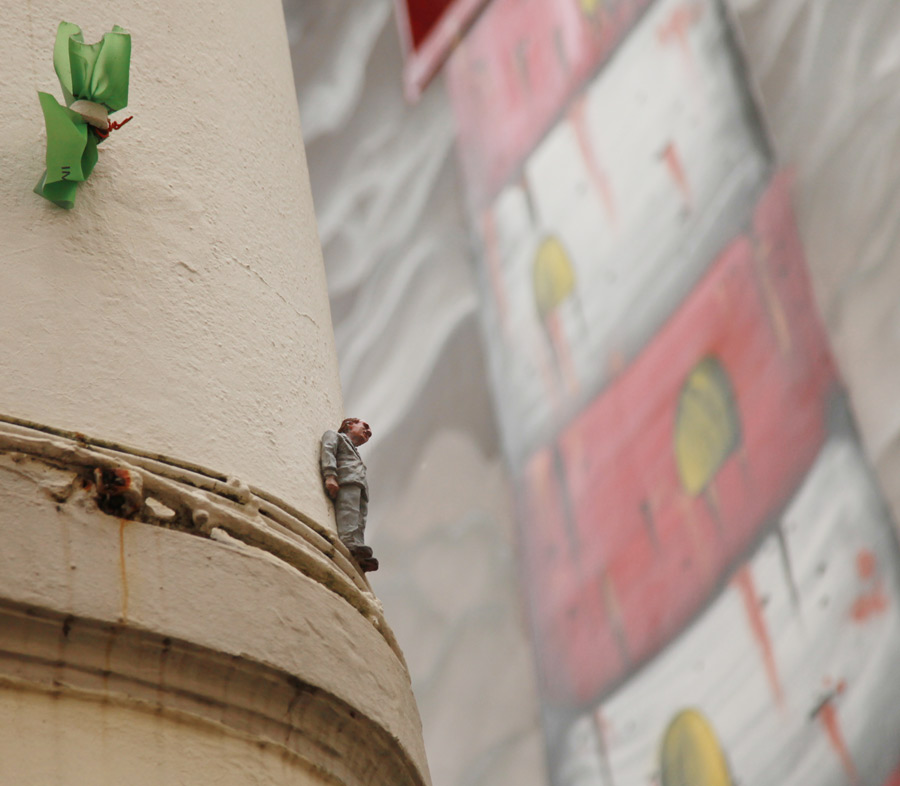
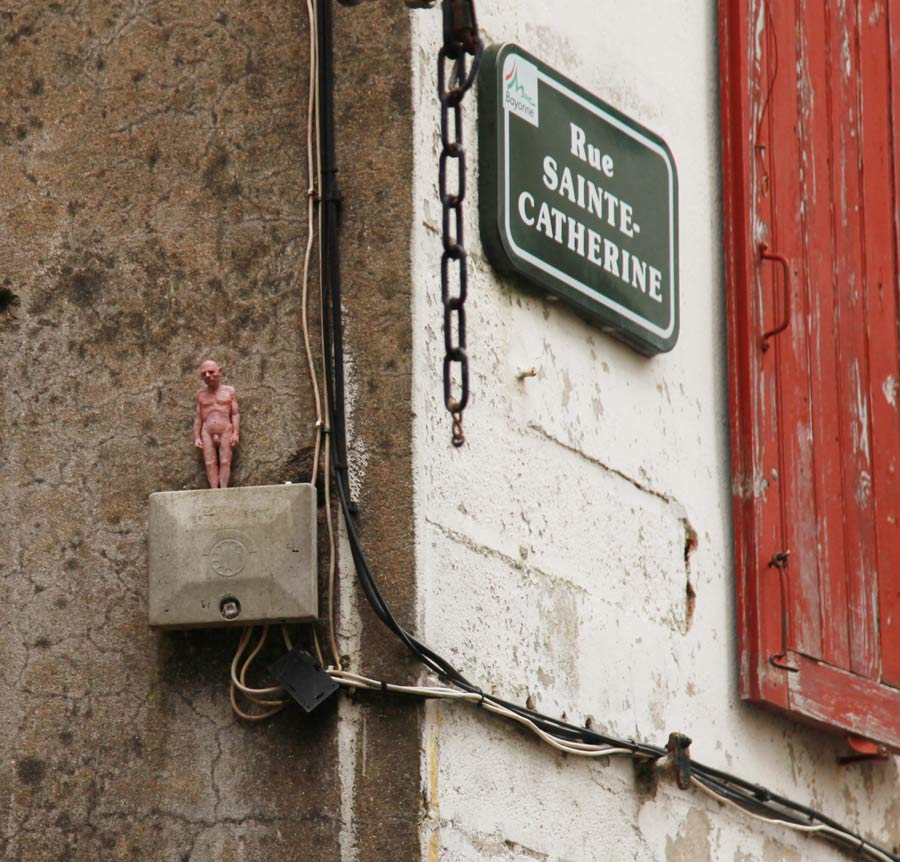
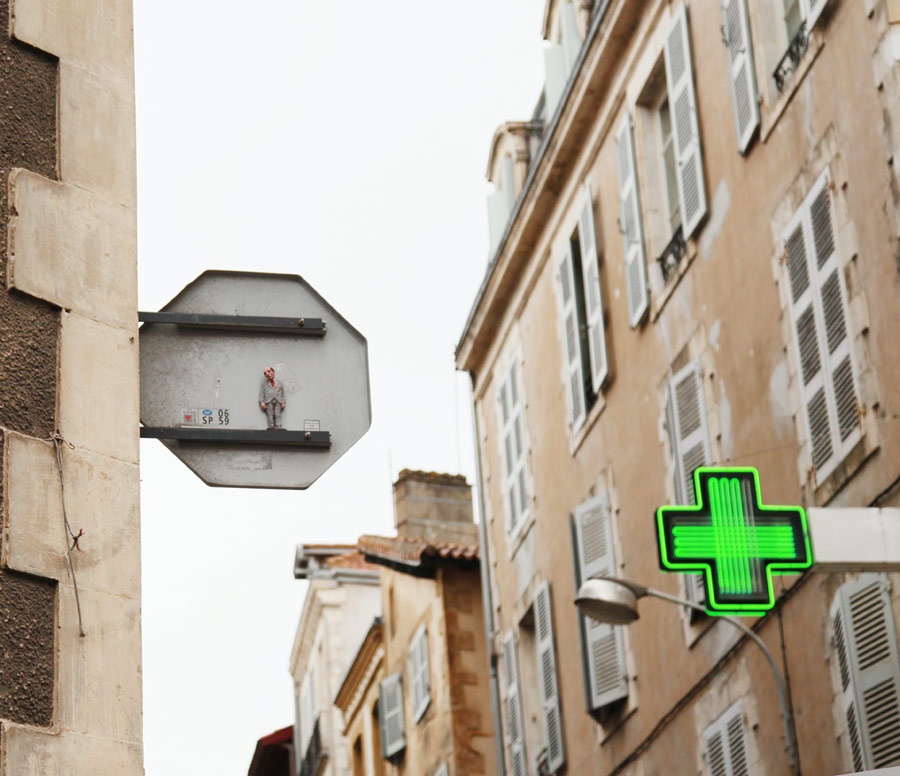
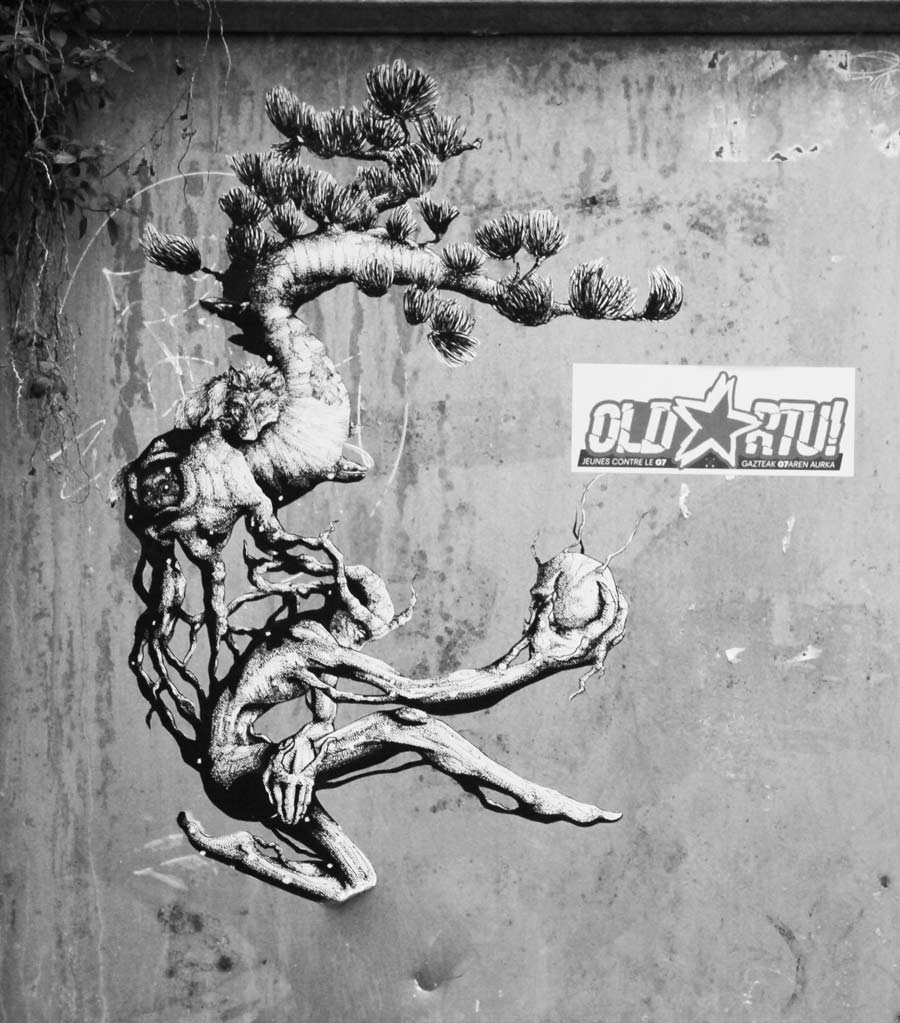
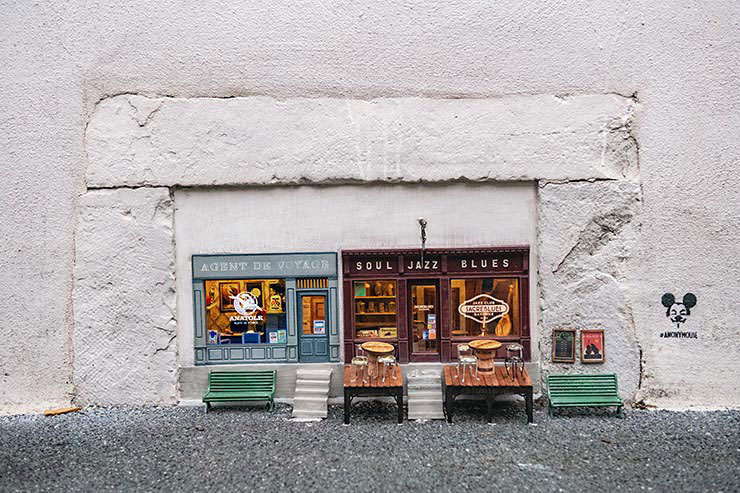
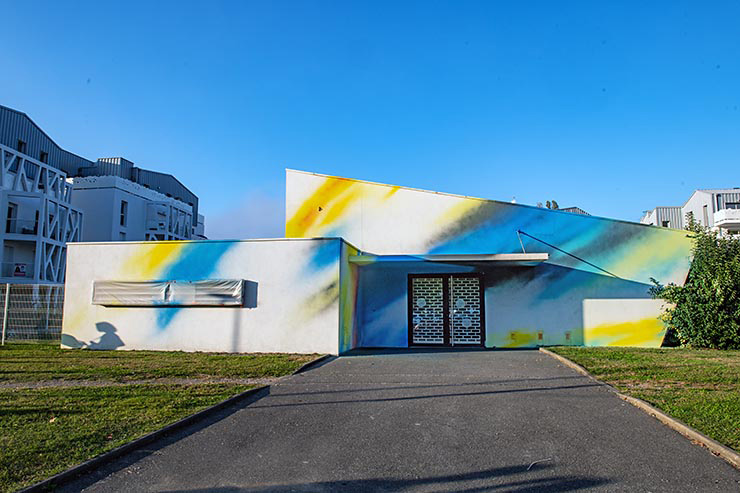
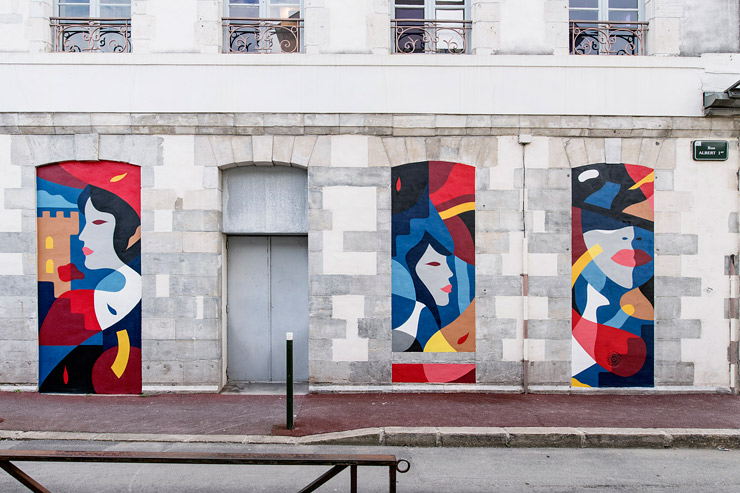
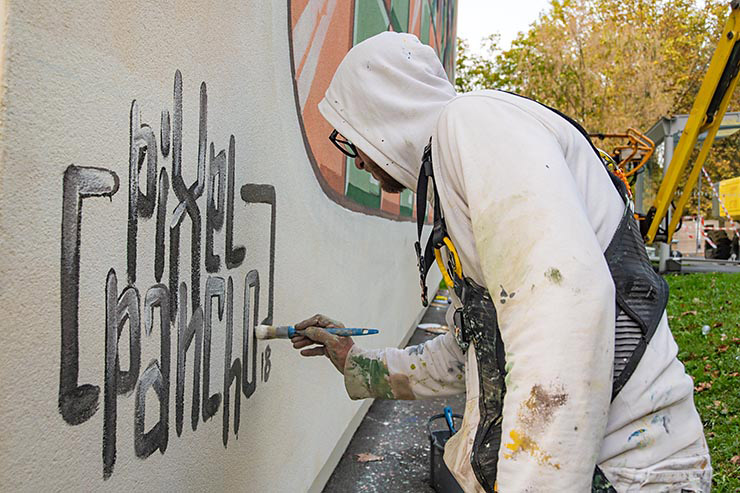
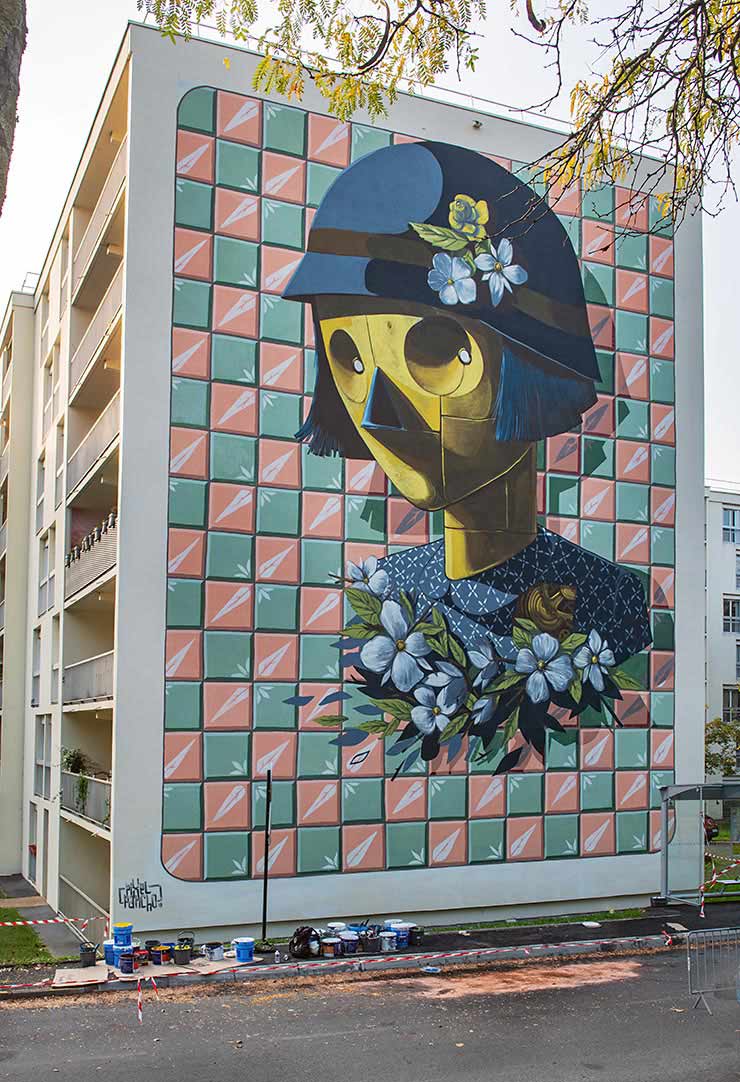
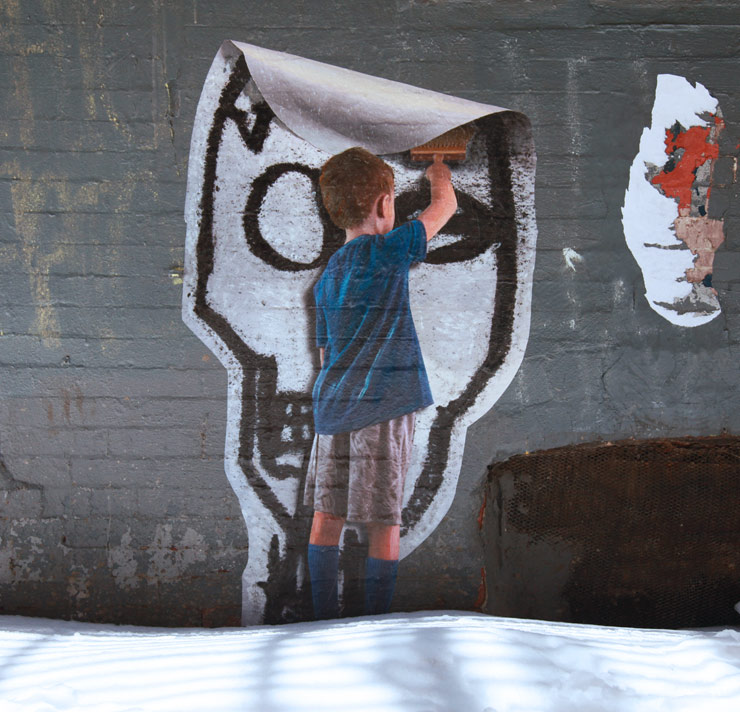
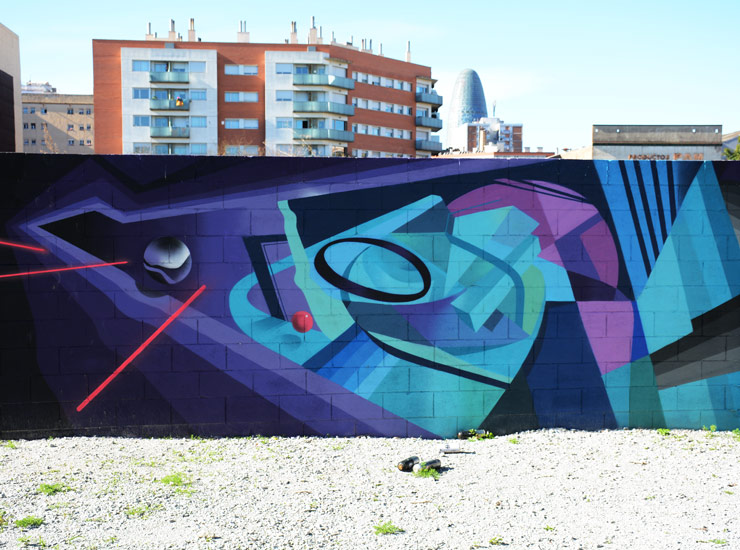
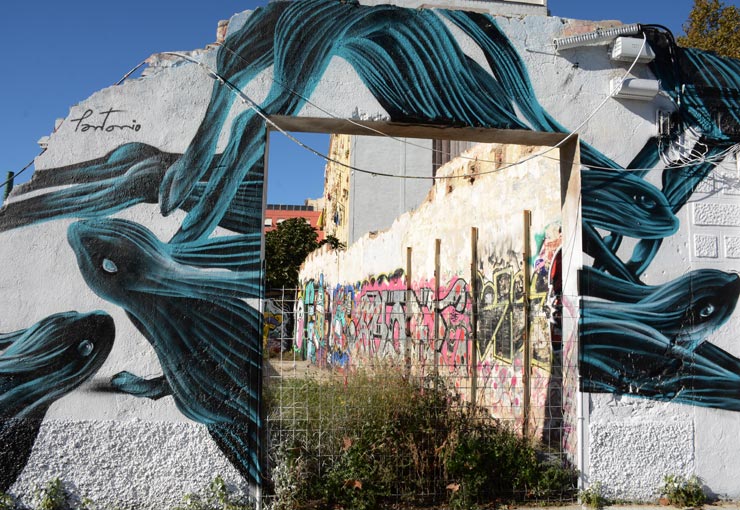
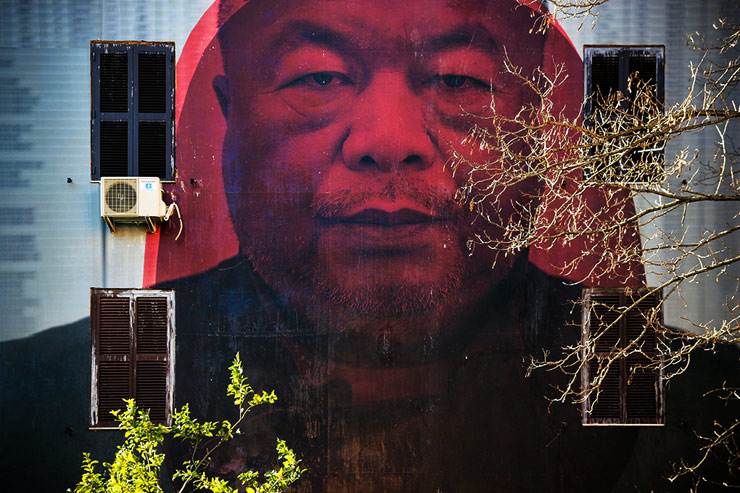
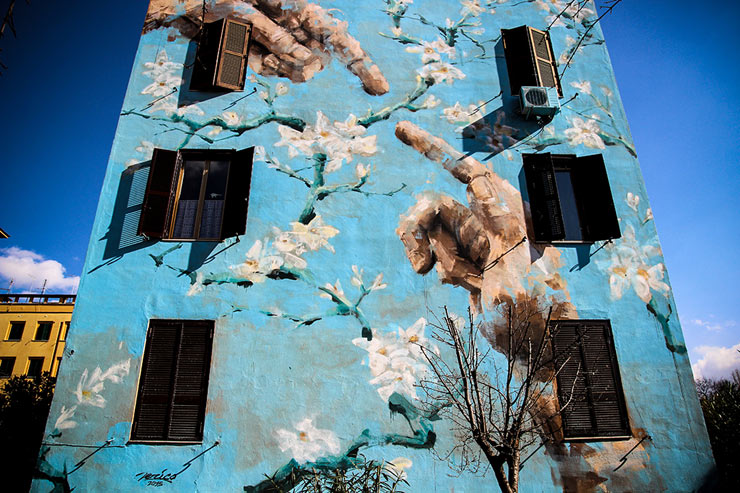
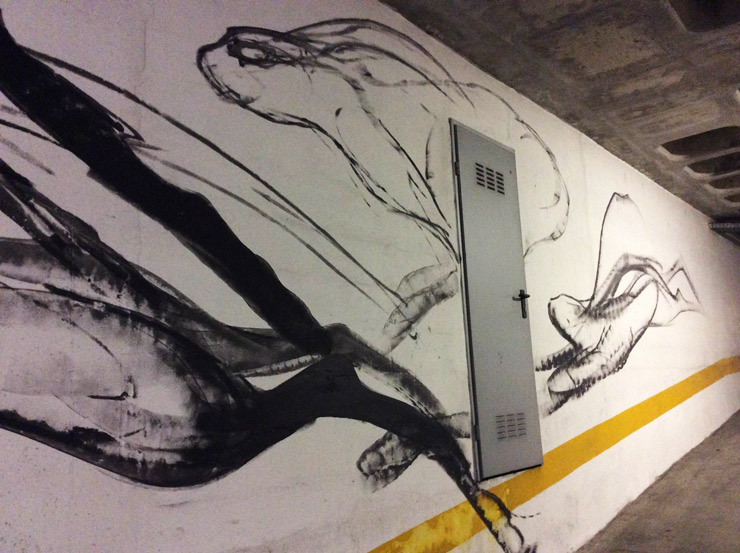
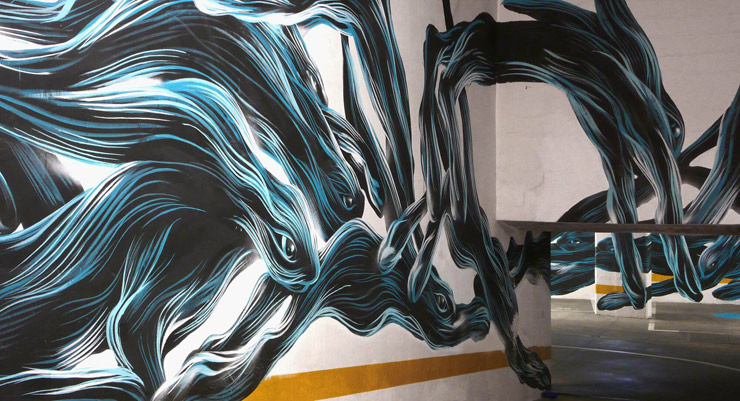
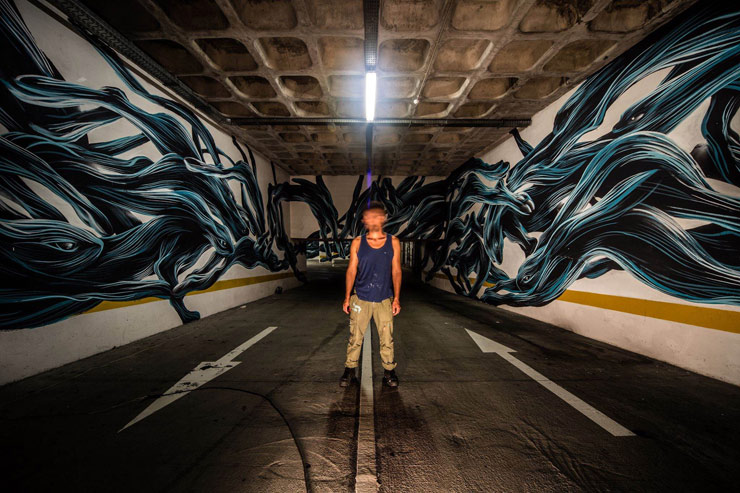
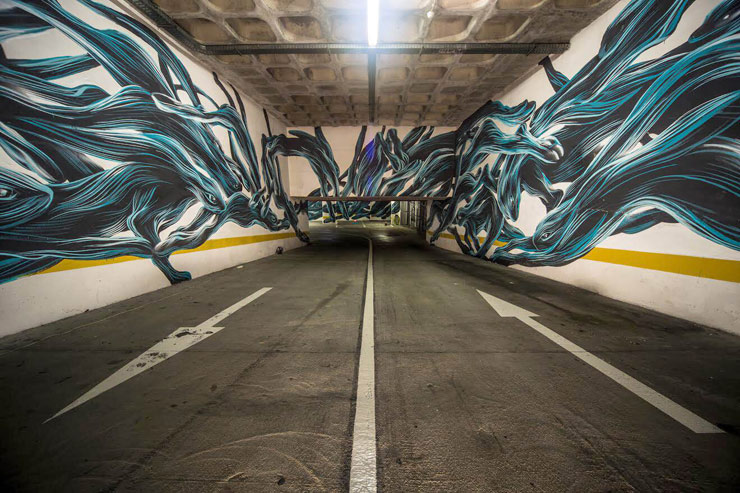
Across these half dozen years, a strong roster of international and European names has passed through—Saype, Astro, Isaac Cordal, Oakoak, Bom.K, Ememem, Pantonio, Hera (Herakut), WD (Wild Drawing), and Hopare among them—each bringing a distinct visual language to a place that doesn’t flatten difference. The appeal is in the vast range and scales: optical abstraction, miniature interventions, sculptural installation, figurative critique, and nature-respecting land art. The through-line isn’t style; it’s responsiveness. The better pieces feel less “placed” than absorbed, shaped by the terrain, the architecture, and the stories still circulating among residents who remember what this region once was—and still is.
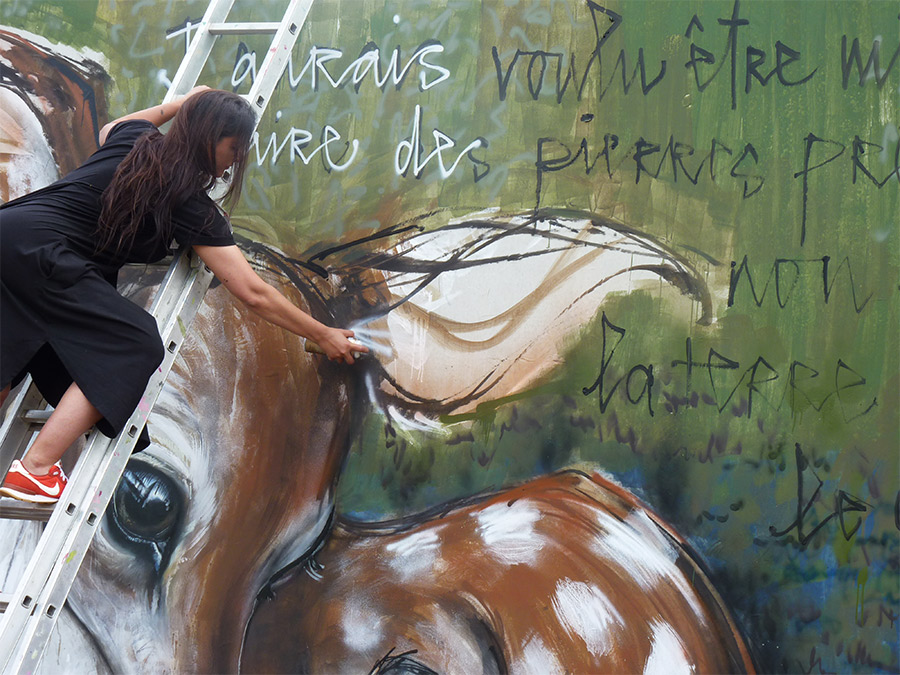
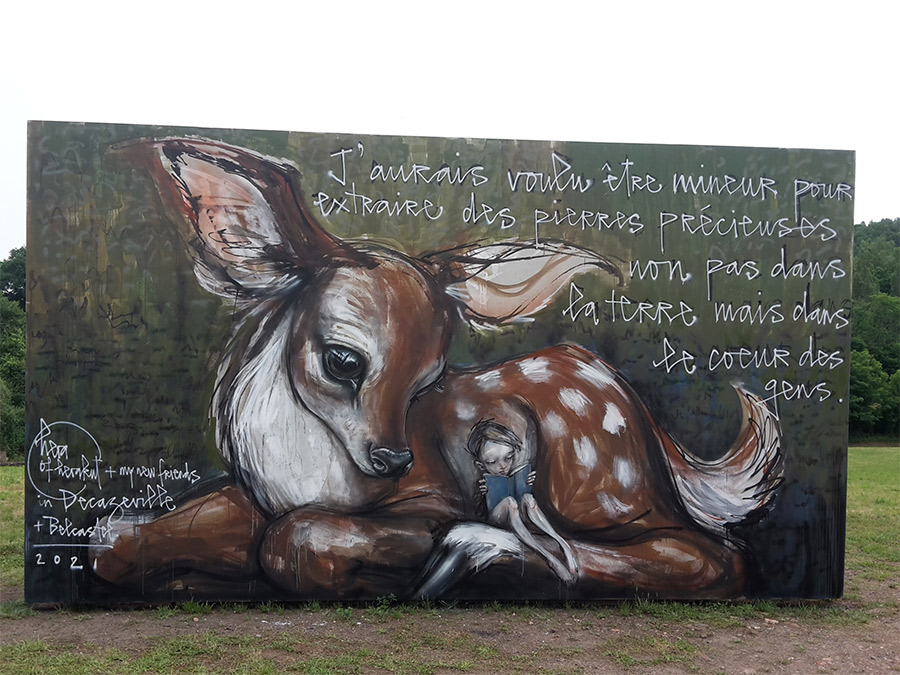
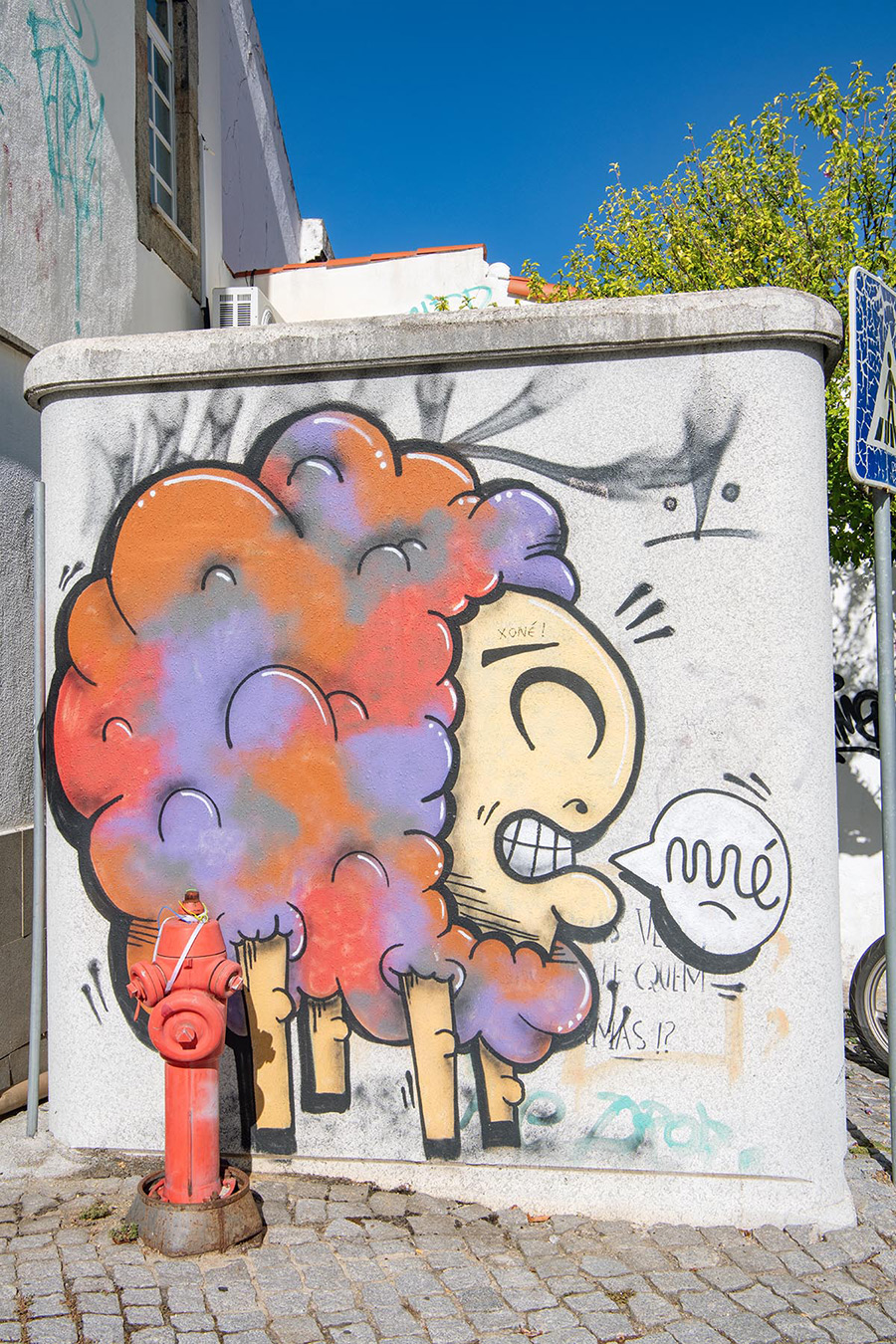
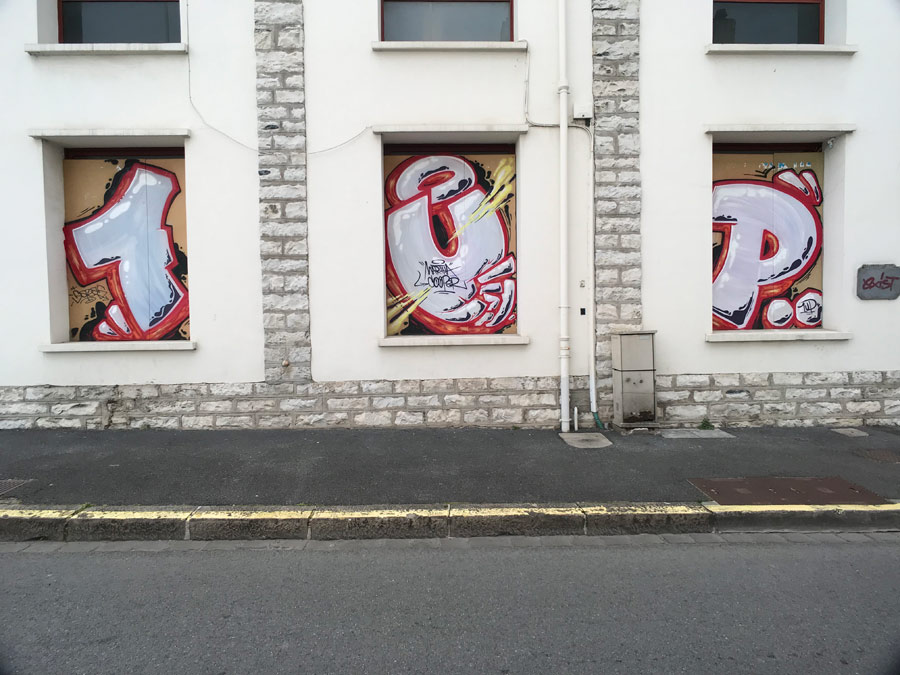
Just as important, the program isn’t running on imported names alone. There’s a visible effort to root the work locally, to keep a thread tied to the region through artists like Ratur, Bault, and Vinie, along with others from Aveyron and nearby, folding their perspectives into the broader mix. That balance—between recognized figures and regional voices—gives the project a different rhythm. It’s less about parachuting in and more about building a layered, evolving route where the global and the local sit side by side without one erasing the other.
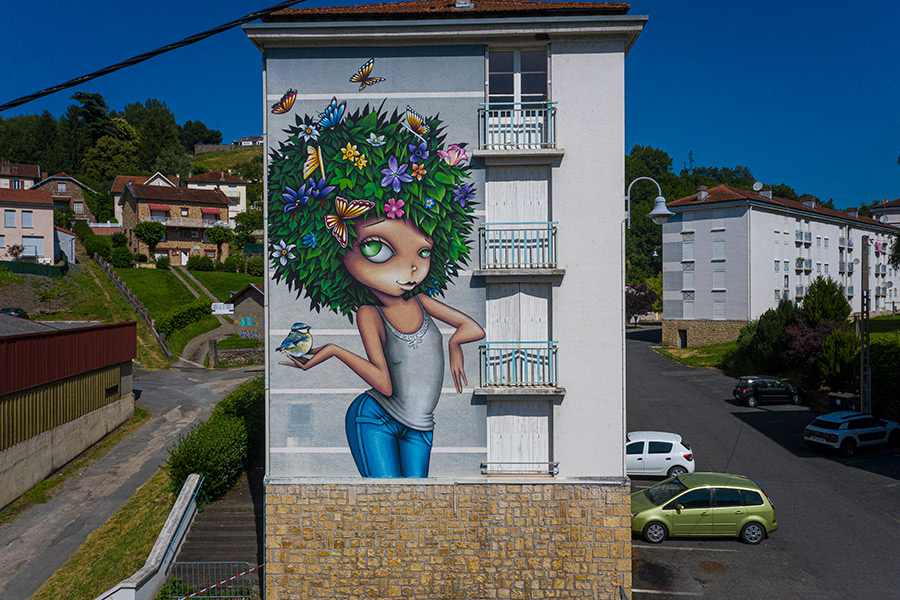
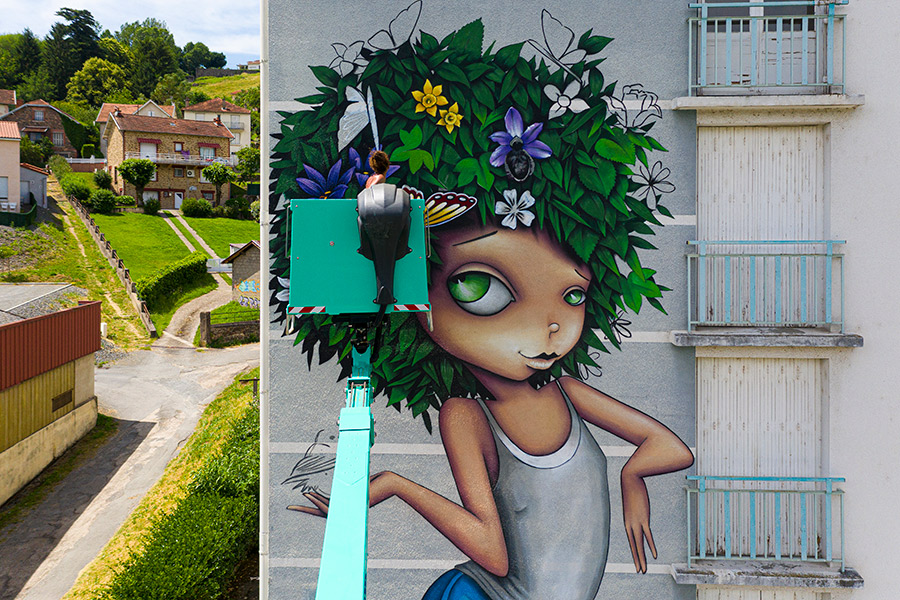
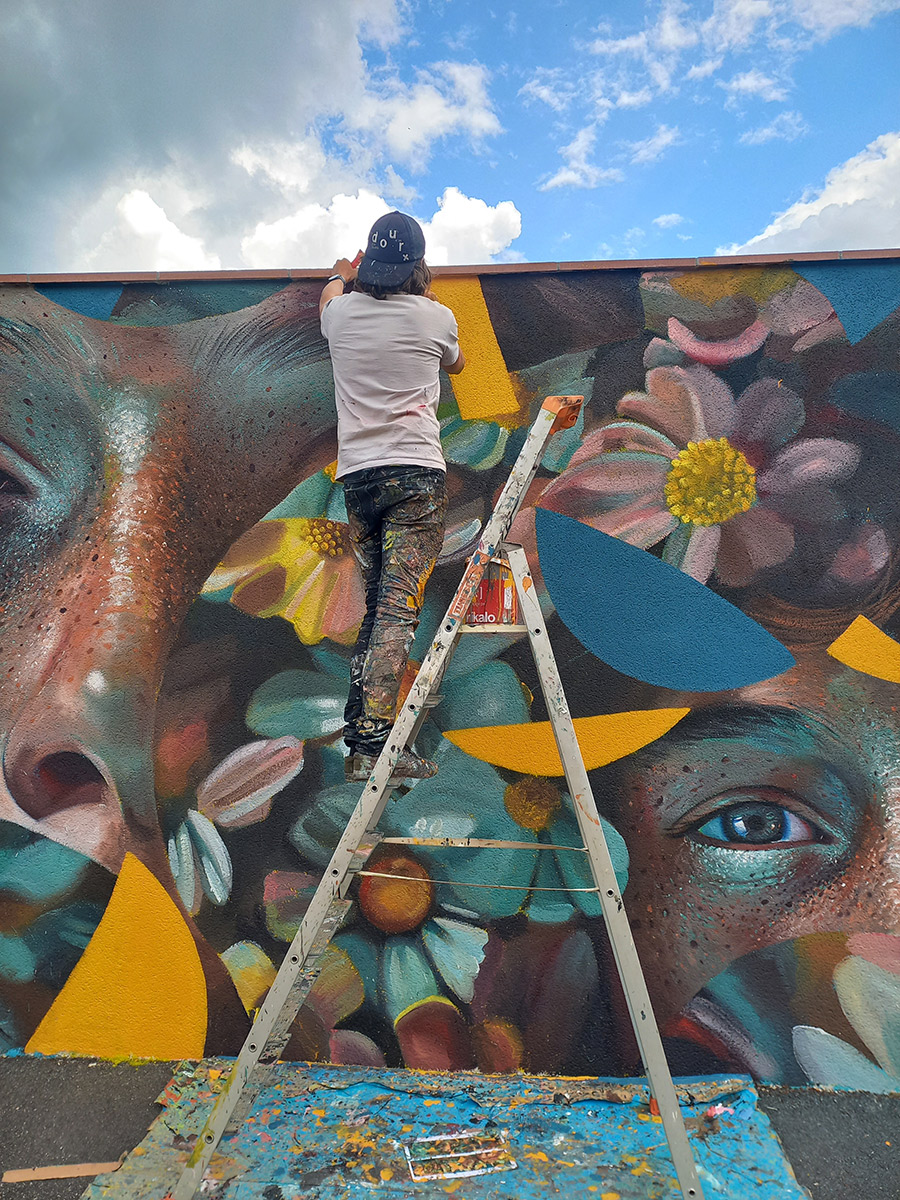
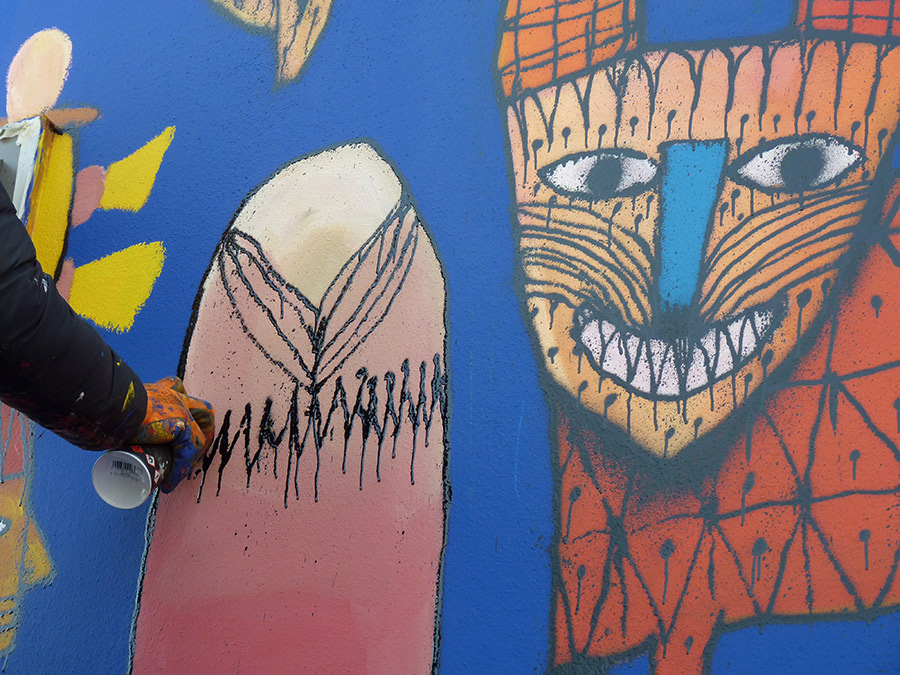
What sets Decazeville apart is the way it gives time and space for artists to engage deeply with the place and its people. Artists stay, meet residents, walk the terrain, and often collaborate with schools, associations, and local groups, creating work that reflects shared experience as much as individual vision. The result is a body of work rich with narrative, context, and connection, where each piece carries a sense of dialogue with the territory.
BSA spoke to the project manager and cultural mediator for the Street Art ‘MurMurs Festival’, Nicolas Viala, about the festival:
BSA: Why is this project so important for Decazeville Communauté, and what has it generated?
Nicolas Viala: Located in southwestern France, far from the saturated circuits of major art capitals, Decazeville Communauté has established itself as one of the most distinctive destinations for contemporary urban art in Europe. Over the past six years, this initiative has evolved into a powerful artistic, cultural, social, and territorial project—at the crossroads of mining heritage and the current pulse of the global art scene.
A former territory shaped by social struggles, labor, diversity, and solidarity, Decazeville Communauté carries a strong collective memory. That history, still very much alive, is now expressed on its walls. Here, street art does not decorate—it reveals the soul of the territory. Like the miners of the past, urban artists capture society, its hopes, and the contradictions of our time.
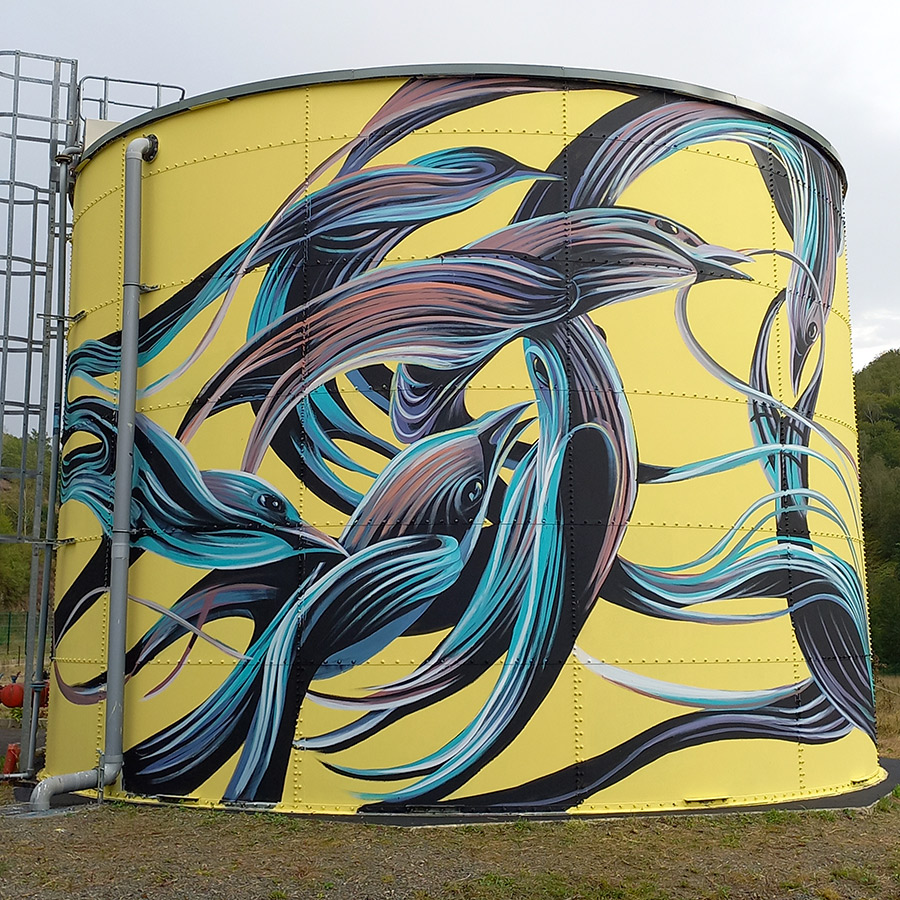
Designed to democratize access to culture, the project offers artistic programming that is free, accessible, and long-lasting. The results are tangible: a poetic reinterpretation of the territory, expanded access to culture, national and European visibility, and renewed local appeal. Over six editions, more than 240,000 visitors have been welcomed, while numerous school groups and students take part in educational visits each year.
Today, the project stands as a true driver of transformation, generating economic impact, tourism momentum, and a strong sense of local and regional pride.
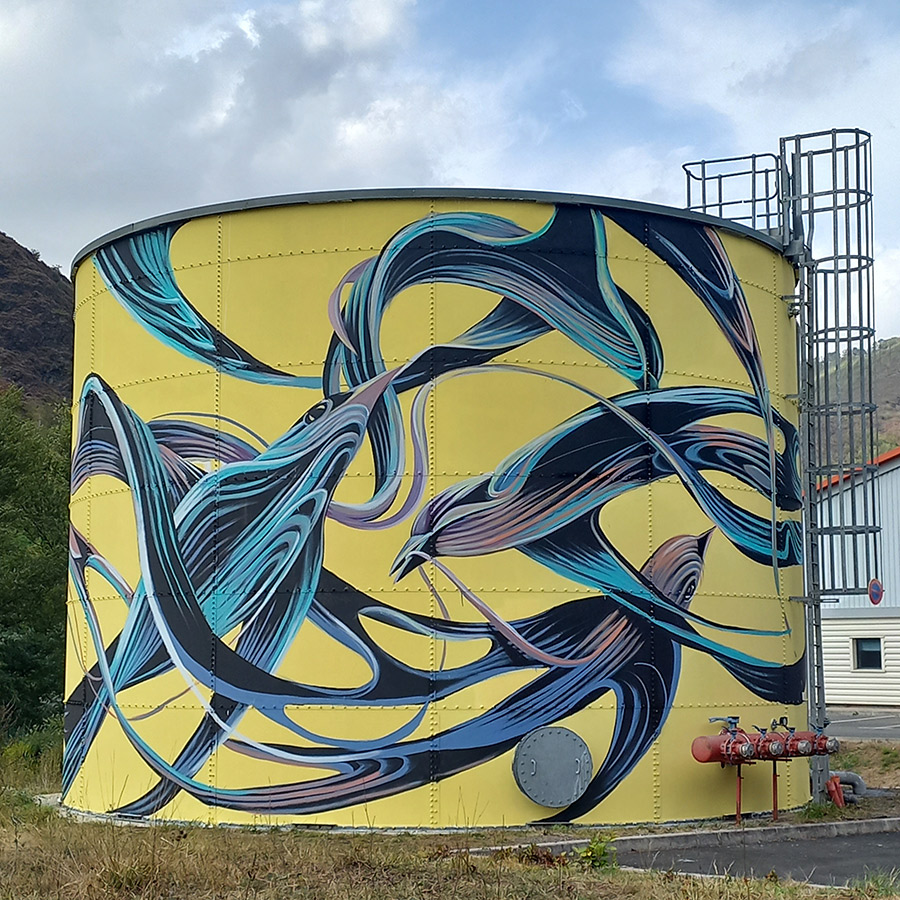
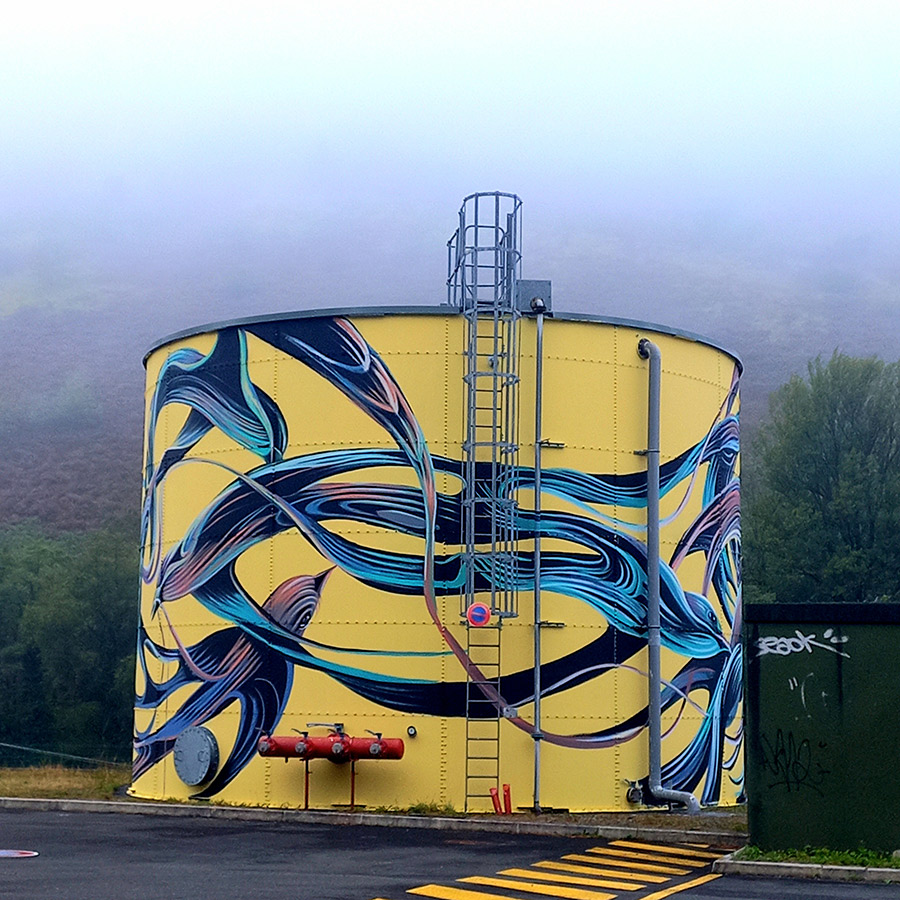
BSA: What has your experience been in organizing this project?
NV: Our approach has always been guided by a strong conviction: urban art is not decorative. It is a unique cultural movement—narrative, demanding, meaningful, and deeply human. Organizing the festival involves a long-term commitment combining artistic rigor, curatorial coherence, and strong territorial grounding. The goal is to build connections between international, national, and local artists, residents, and local history. The mining past, rooted in social engagement, resonates directly with the practices of contemporary artists, who are often socially engaged themselves.
Within this project, mediation plays a central role. It allows the artworks to be sustainably embedded in the territory and gives them a dimension that is at once artistic, social, and human.
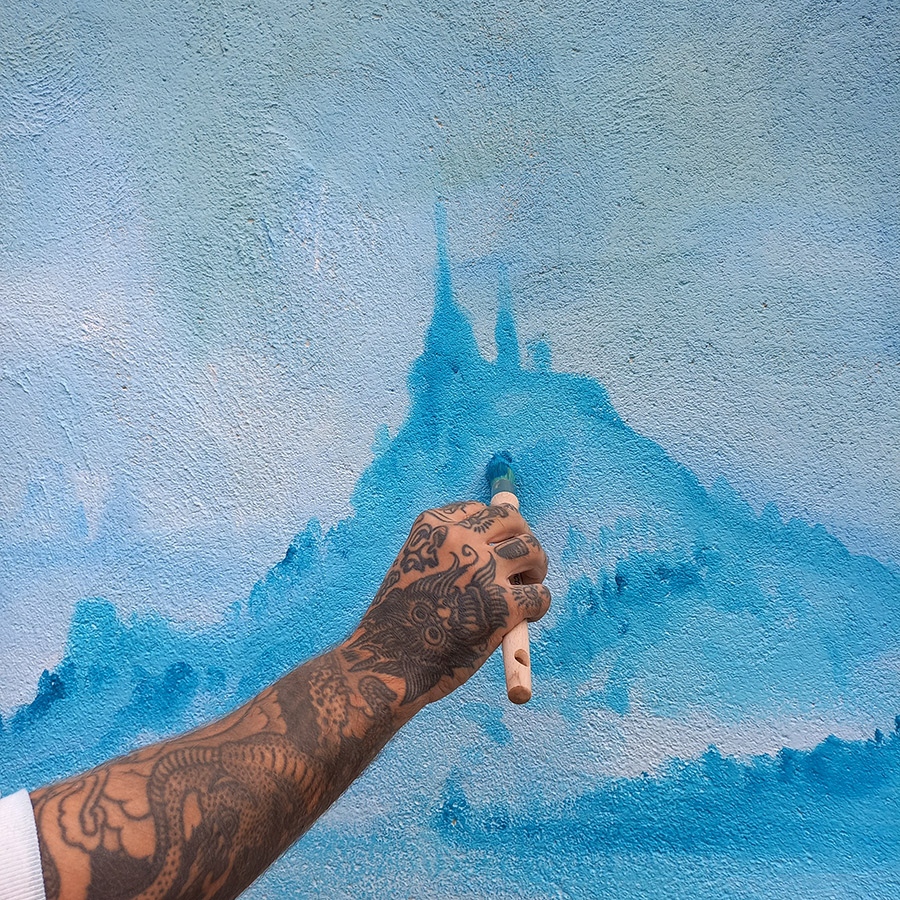
BSA: How has the community responded to the murals, and what kind of support have they provided?
NV: Community involvement has been essential from the very beginning. While there were initial questions, they quickly gave way to genuine support.
Residents have gradually changed the way they view their environment, shifting from an industrial legacy to a vibrant cultural territory. Today, the murals have become a source of local pride.
Support from the community takes many forms: exchanges with artists, active participation, and a strong sense of ownership of the artworks. The walls have become shared surfaces, carrying identity and collective memory. This human dimension is one of the foundations of the festival’s success.
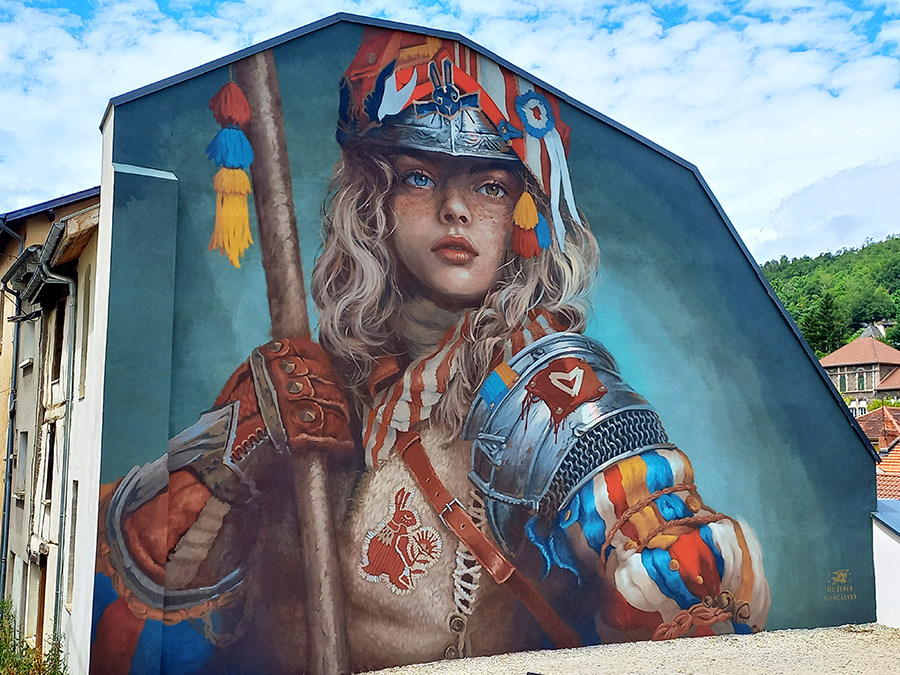
BSA: How did the artists experience their stay in the village while painting?
NV: The artists’ experience in Decazeville Communauté is unanimously described as intense, immersive, and deeply human.
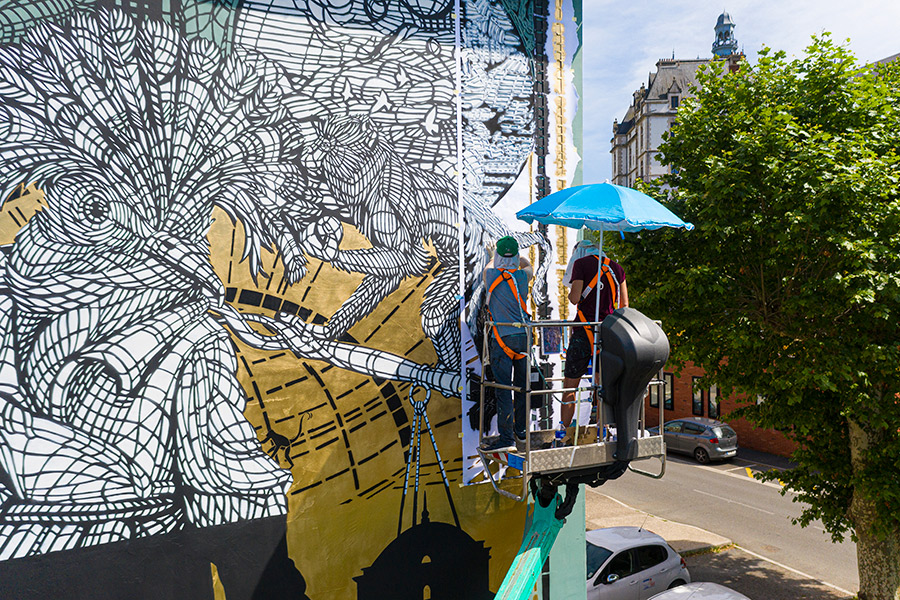
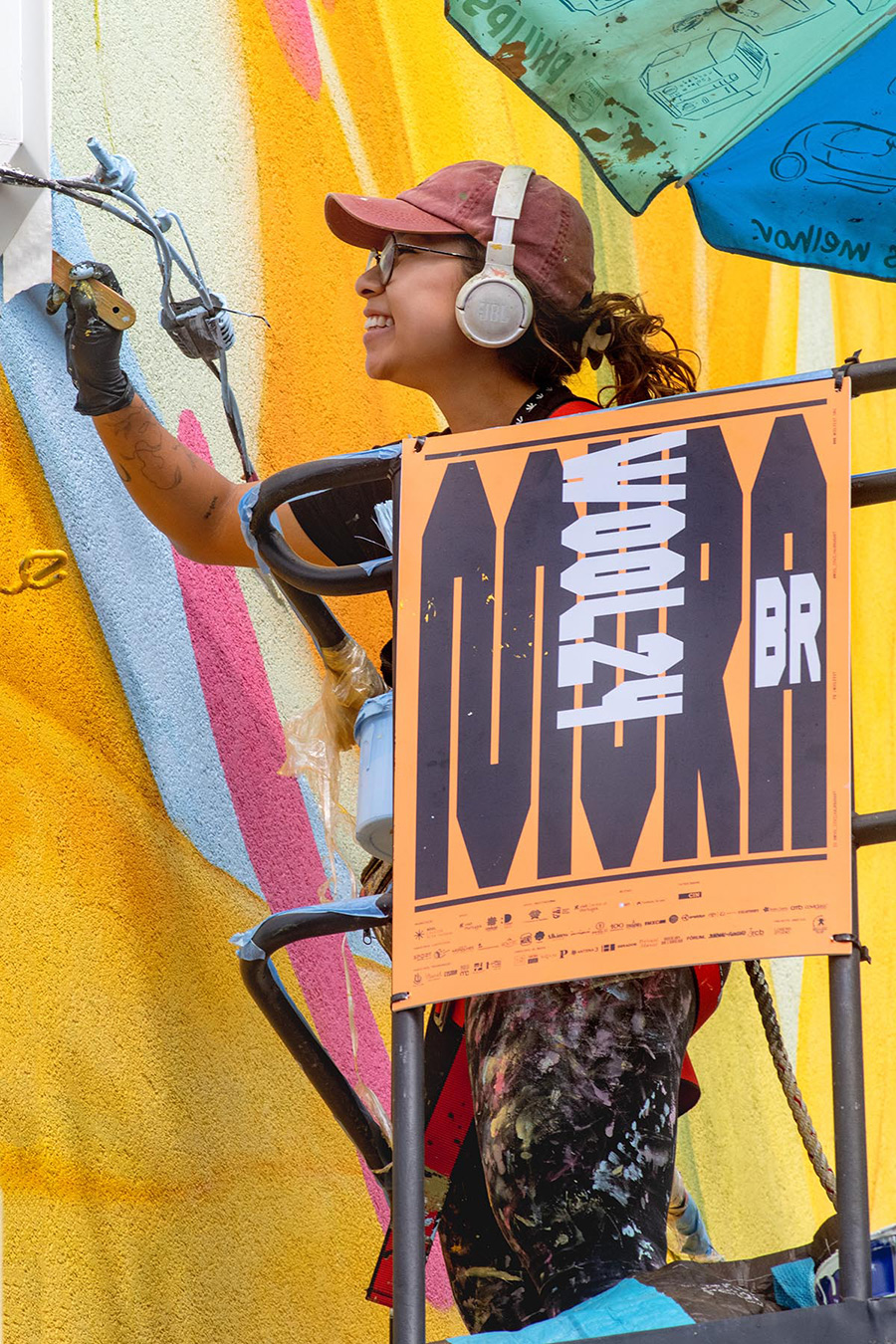
Unlike major urban centers, the creative timeframe here allows for true immersion. Artists meet residents, discover the territory’s history, and absorb its atmosphere and natural surroundings. This proximity directly influences their work, often resulting in more sensitive and engaged pieces.
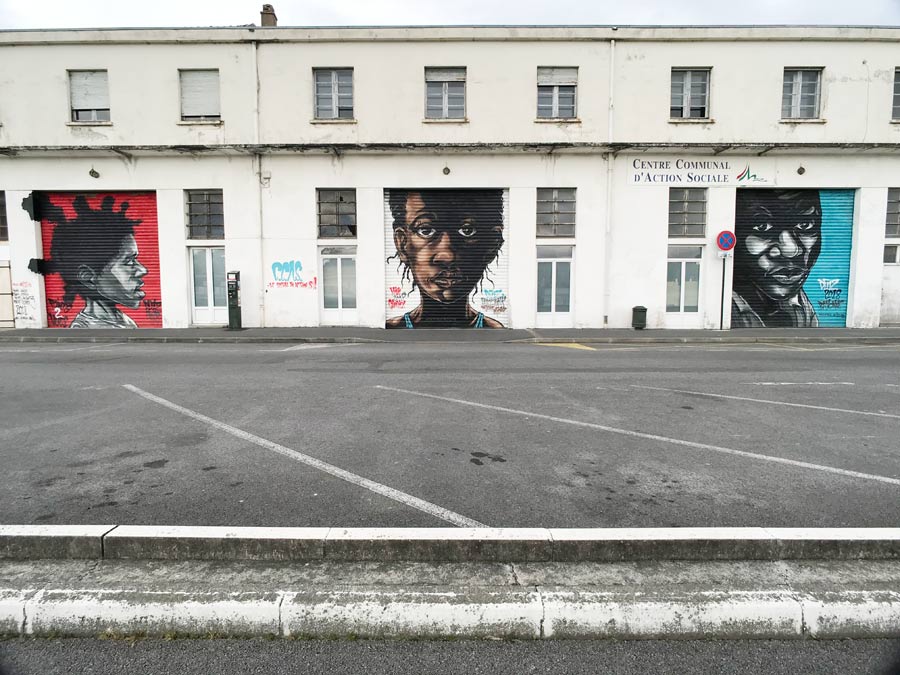
Drawn by the authenticity of the territory, the quality of the walls, and the uniqueness of the project, more than sixty artists from twelve different nationalities have already taken part in the festival. Their presence creates a strong dialogue between artistic practices and local identity.
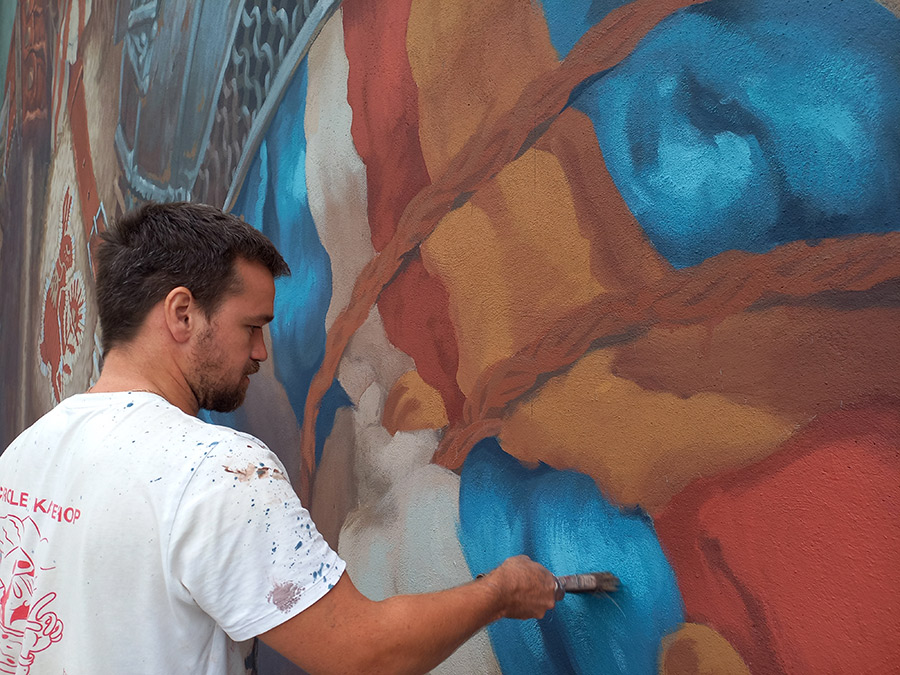
BSA: A project recognized beyond the territory
NV: The festival’s singularity has been widely recognized by European media specializing in contemporary art (Italy, Deutschland, England). This recognition confirms that innovation in urban art and culture does not depend on a city’s size but rather on vision, coherence, and commitment.
Today, Decazeville Communauté asserts a unique model, without seeking to imitate major metropolitan areas. Across its seven municipalities, urban art in Decazeville Communauté is a continuation of history, a reflection of the present, and a projection into the future.