 BROOKLYN STREET ART LOVES YOU MORE EVERY DAY
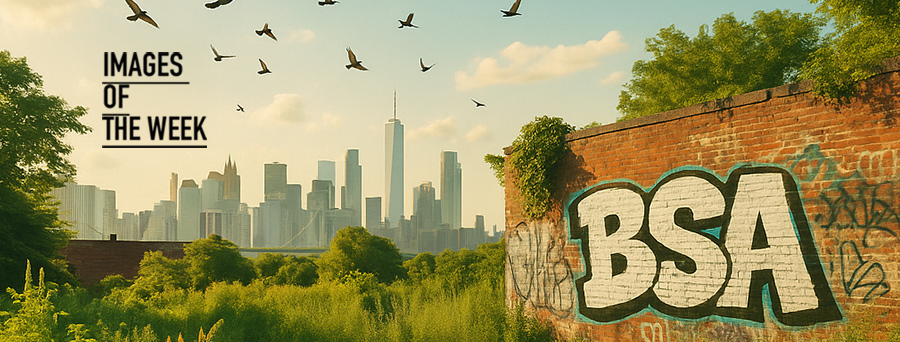
Welcome to BSA Images of the Week.
Fourth of July weekend stretched into at least three days this year for many New Yorkers—some staying in town to catch the spectacular fireworks displays over the East River between Brooklyn and Manhattan, others escaping to Long Island, Upstate New York, or New Jersey. Chasing cooler air and a patch of green, they rent, borrow, and maybe even steal cars for the chance to go camping, canoeing, fire up a barbecue, and revisit Aunt Eloise’s legendary Ambrosia Salad—a chilled “salad” of mini marshmallows, canned mandarin oranges, crushed pineapple, coconut, and Cool Whip. Anyone want a hot dog?
Back in the city, stoop sales and block parties occupy the streets, murals are going up, and conversations drift between the Fourth of July Subway Series games with the Mets and Yankees, the newly approved rent-control rate hikes, and the eye-popping sums raised by the city’s elite to defeat the Socialist Democrat currently leading the mayoral race.
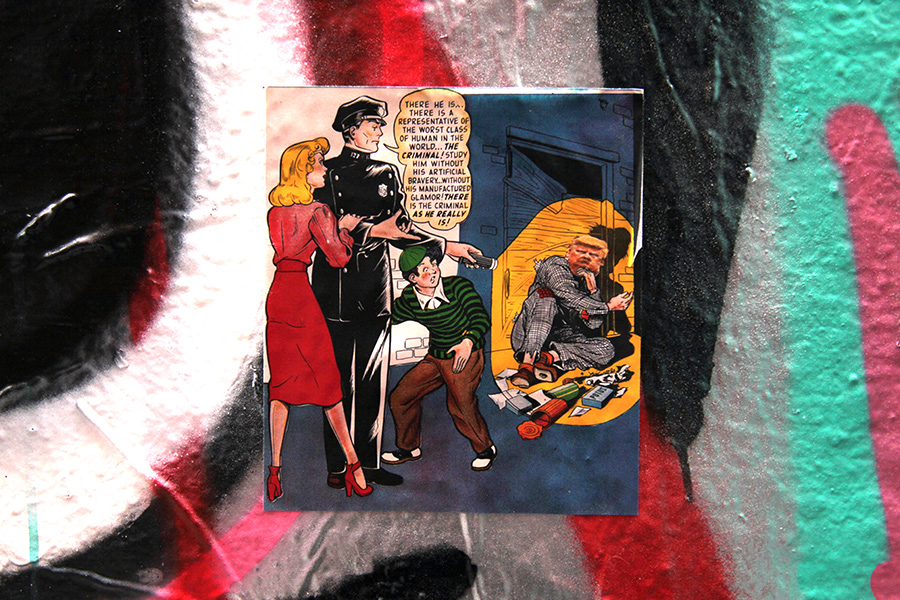
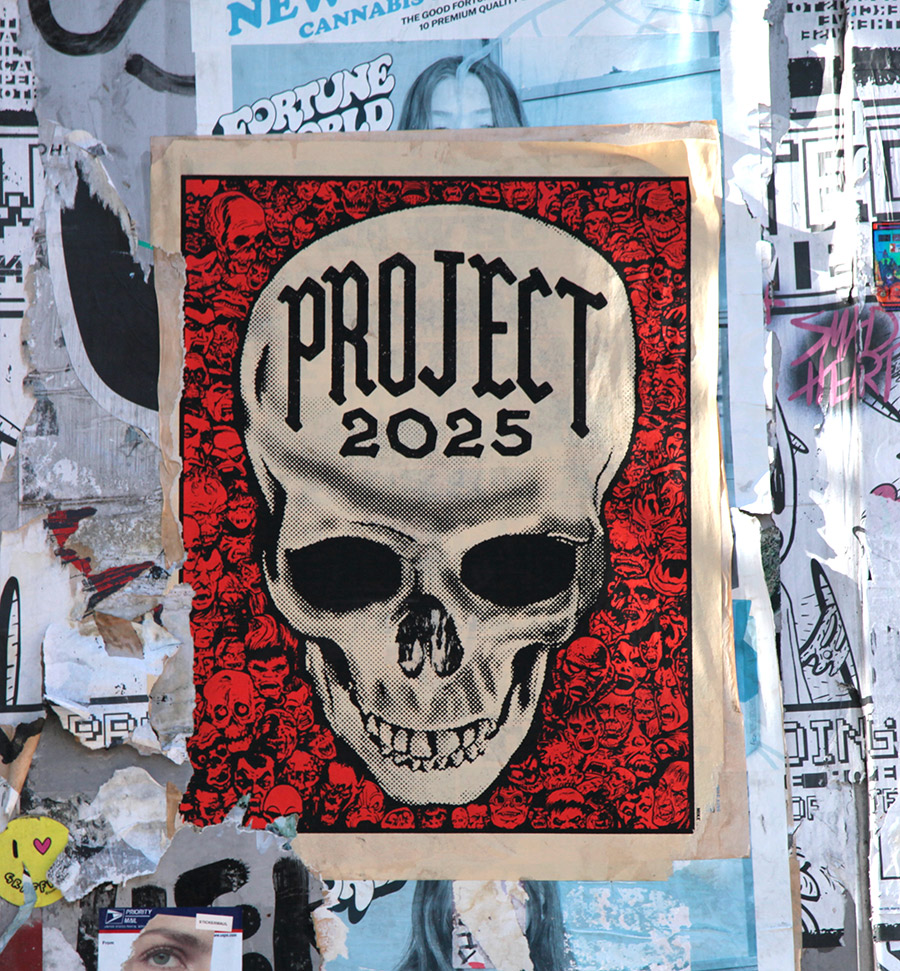
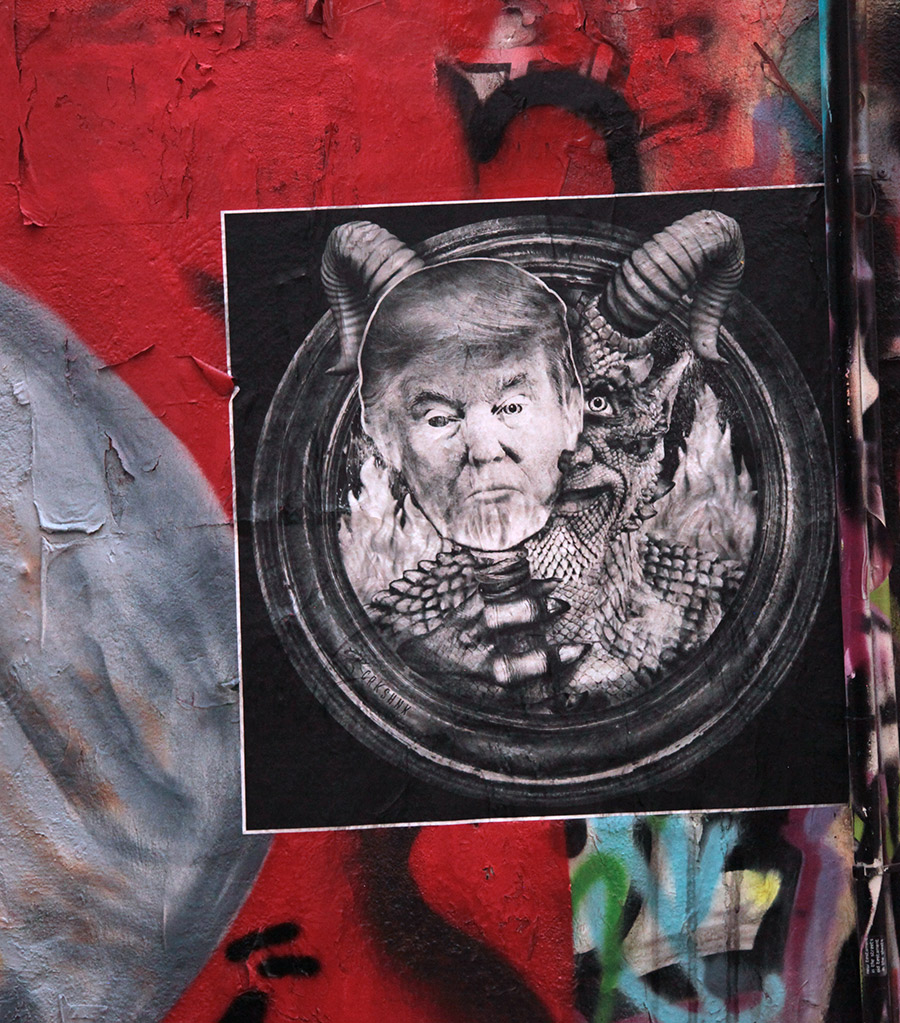
There’s also unease over the Big Beautiful Bill signed by the president on July 4th—an enormous, controversial budget that offers major tax breaks for the wealthy while cutting food and healthcare programs for the poor. It’s being called one of the most consequential—and divisive—pieces of legislation in decades. As you read over the text and see where the money is disappearing from and who it is going to, it may appear to you as a dark mirror version of a well-known children’s story, like a “Reverse Robinhood.” Yet, the debt will still increase…
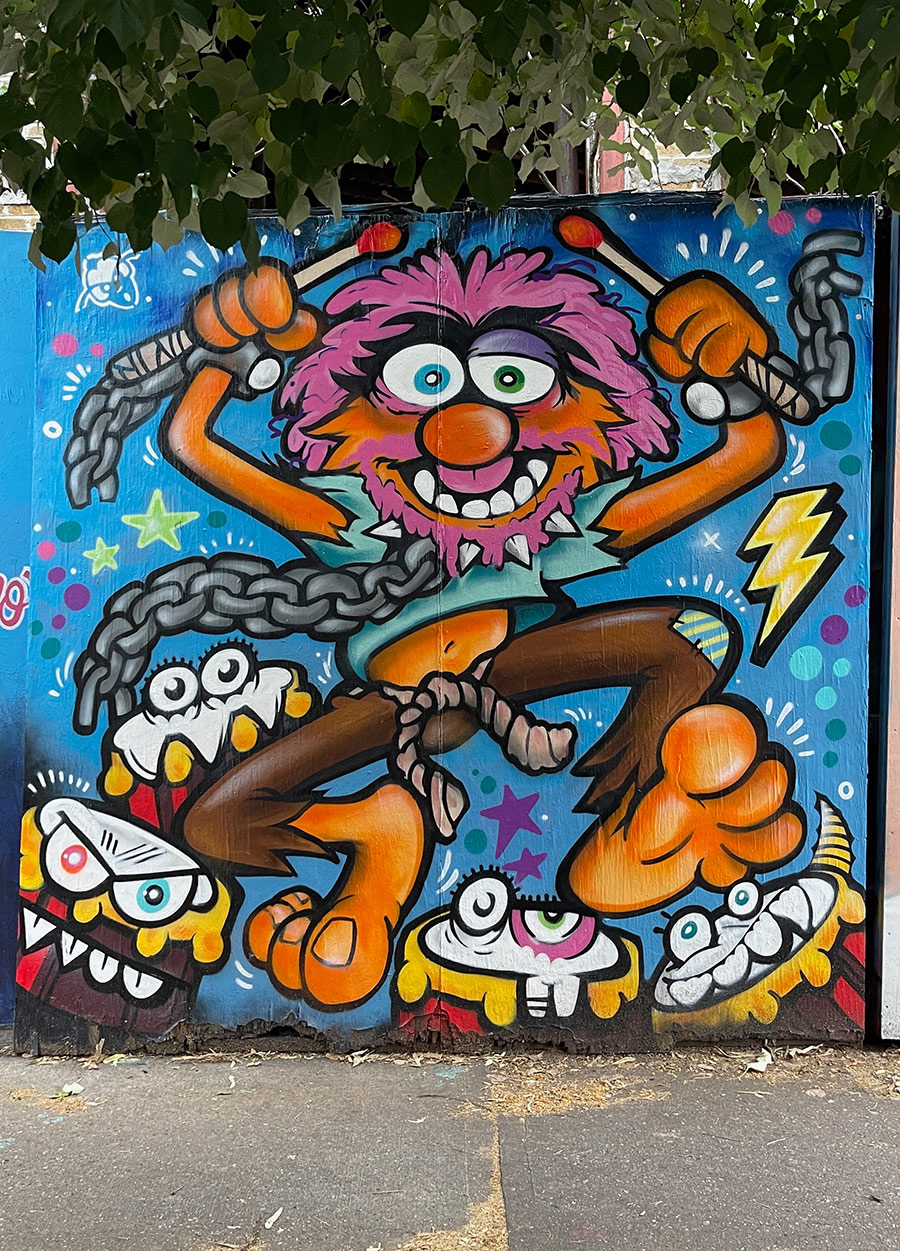
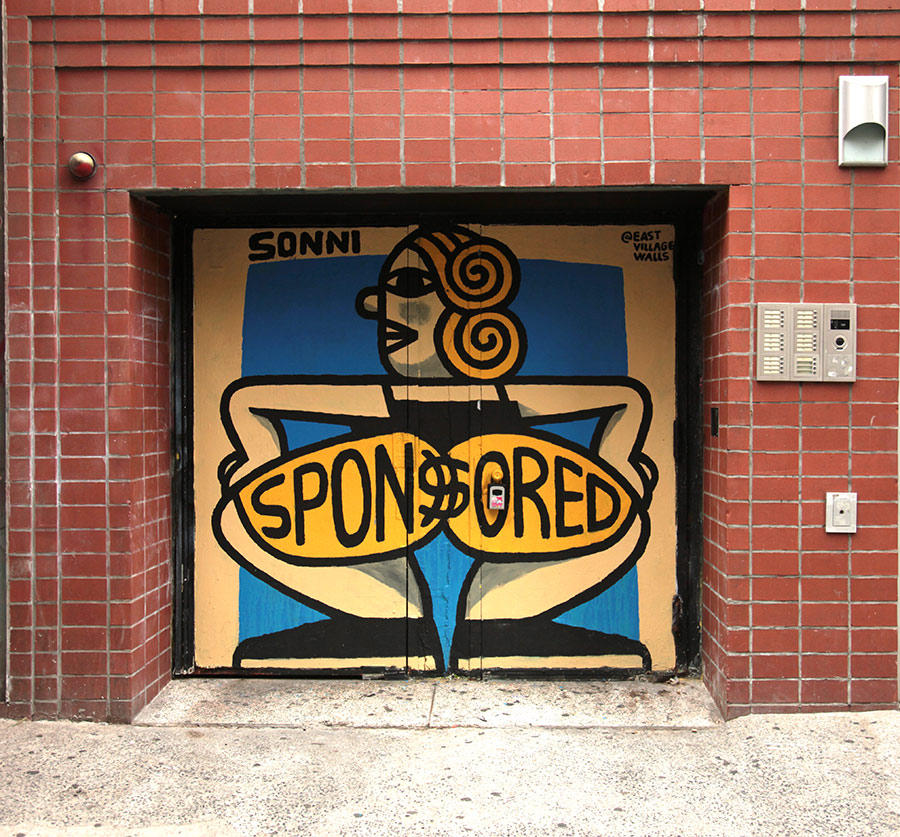
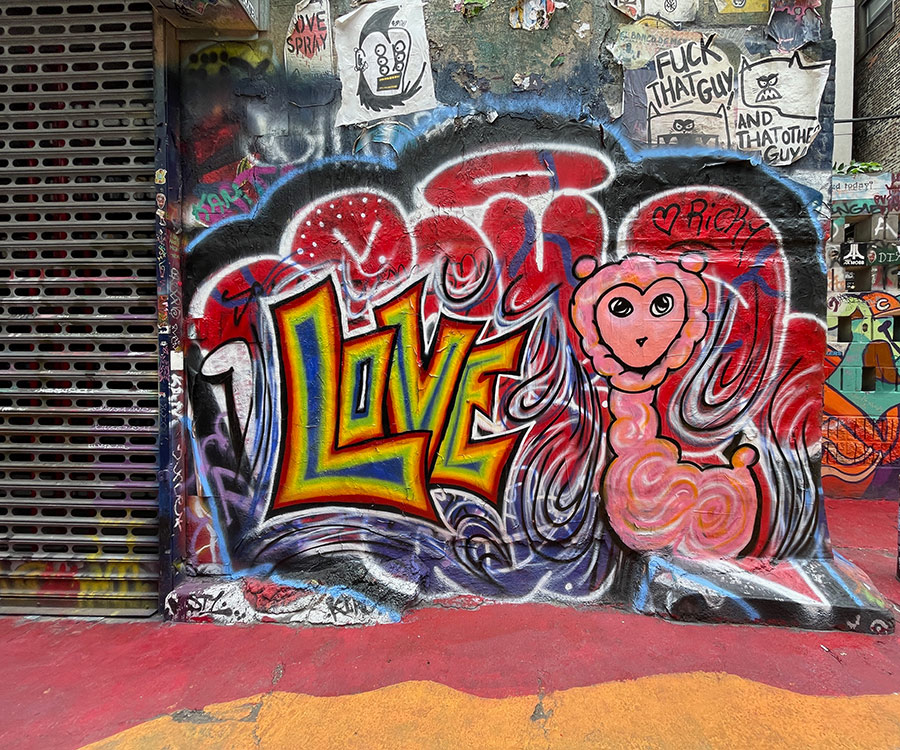
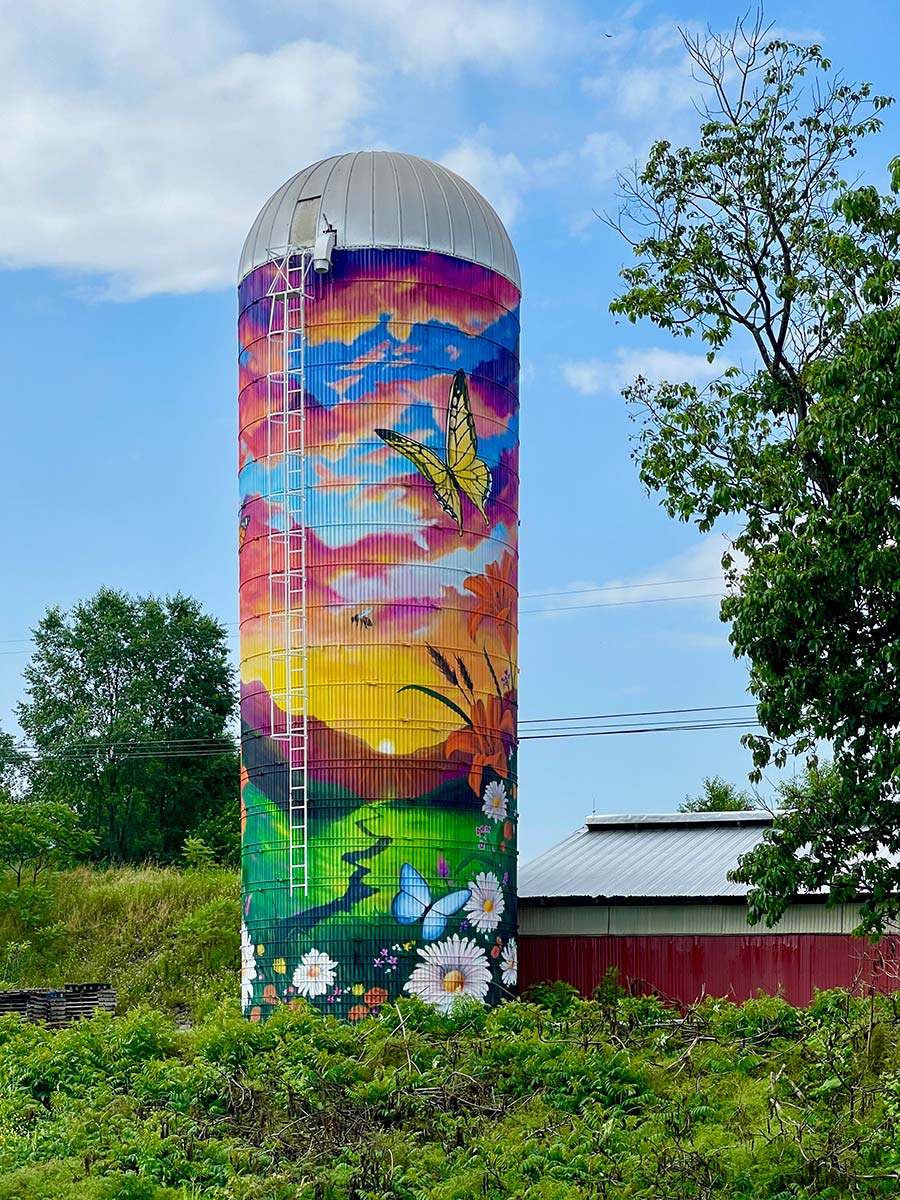
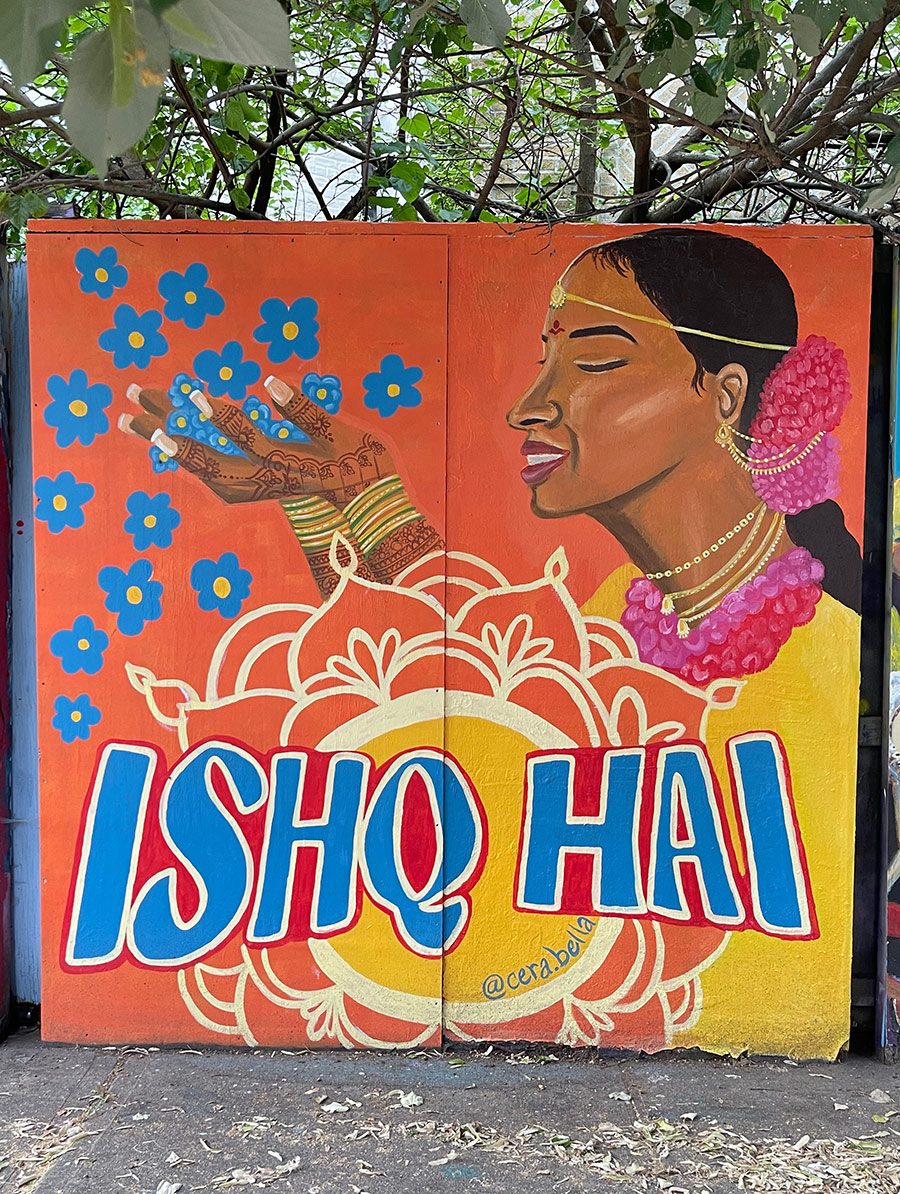
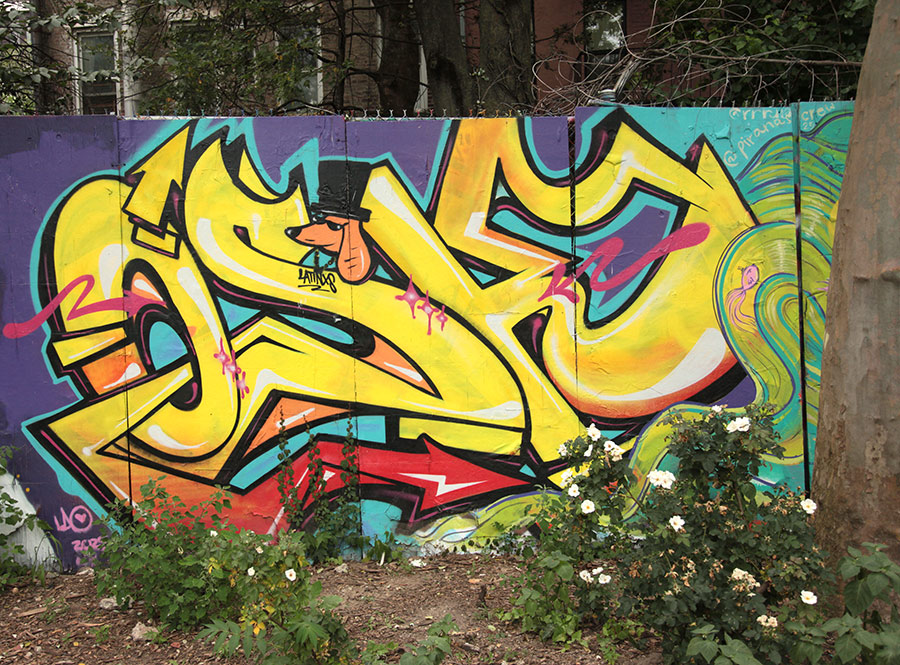
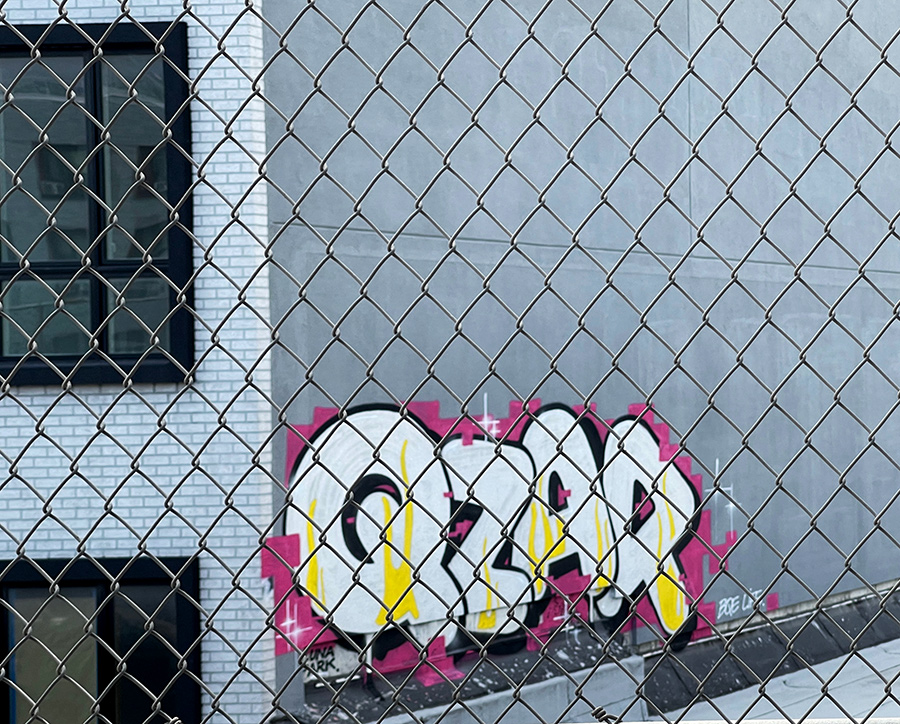
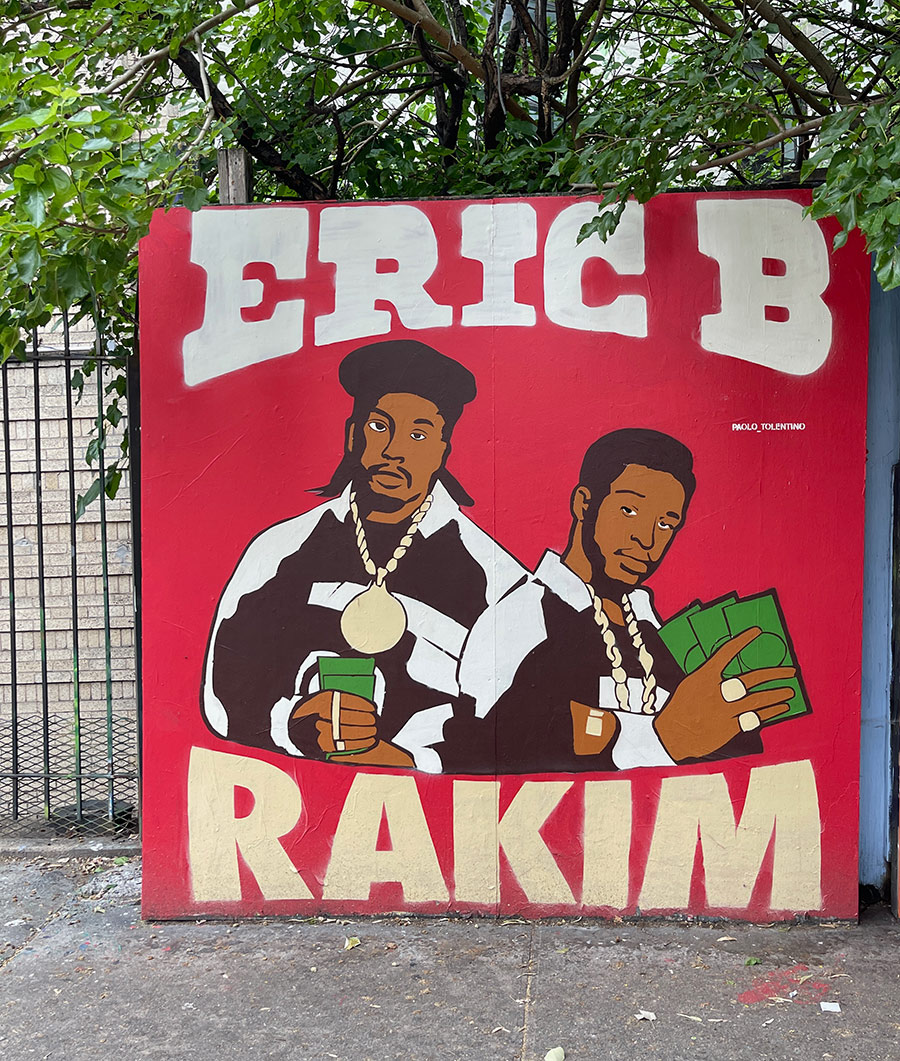
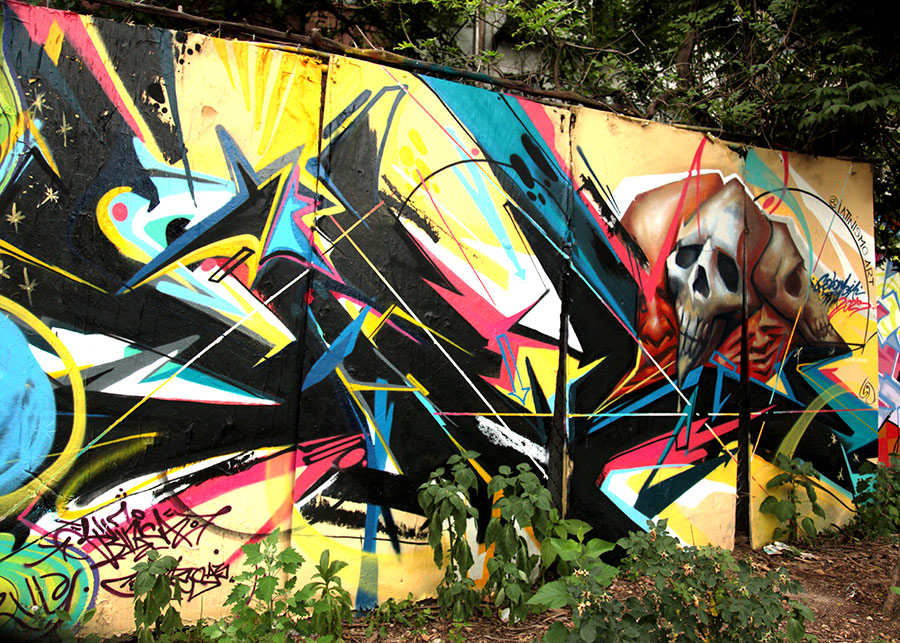
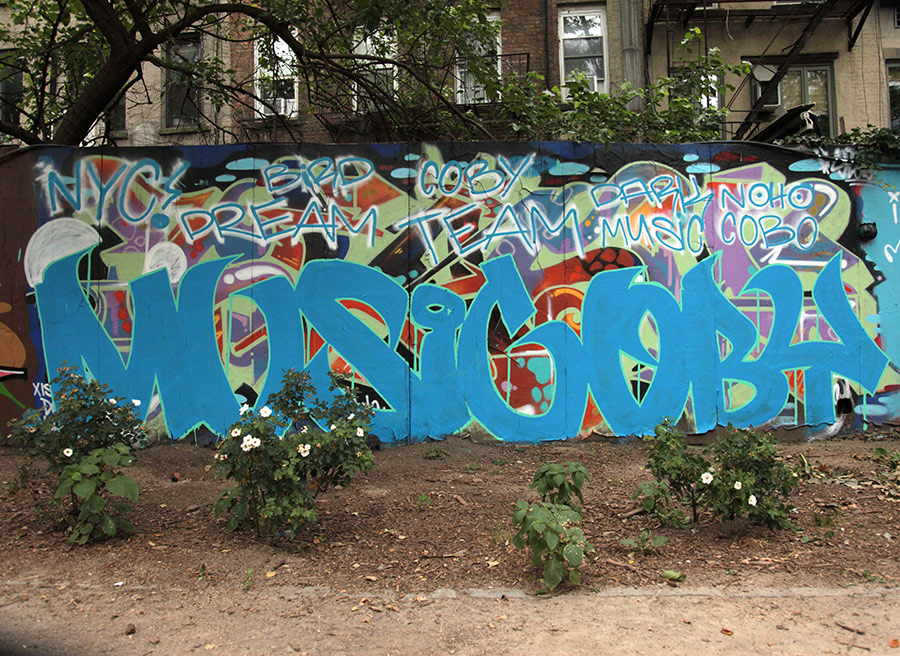
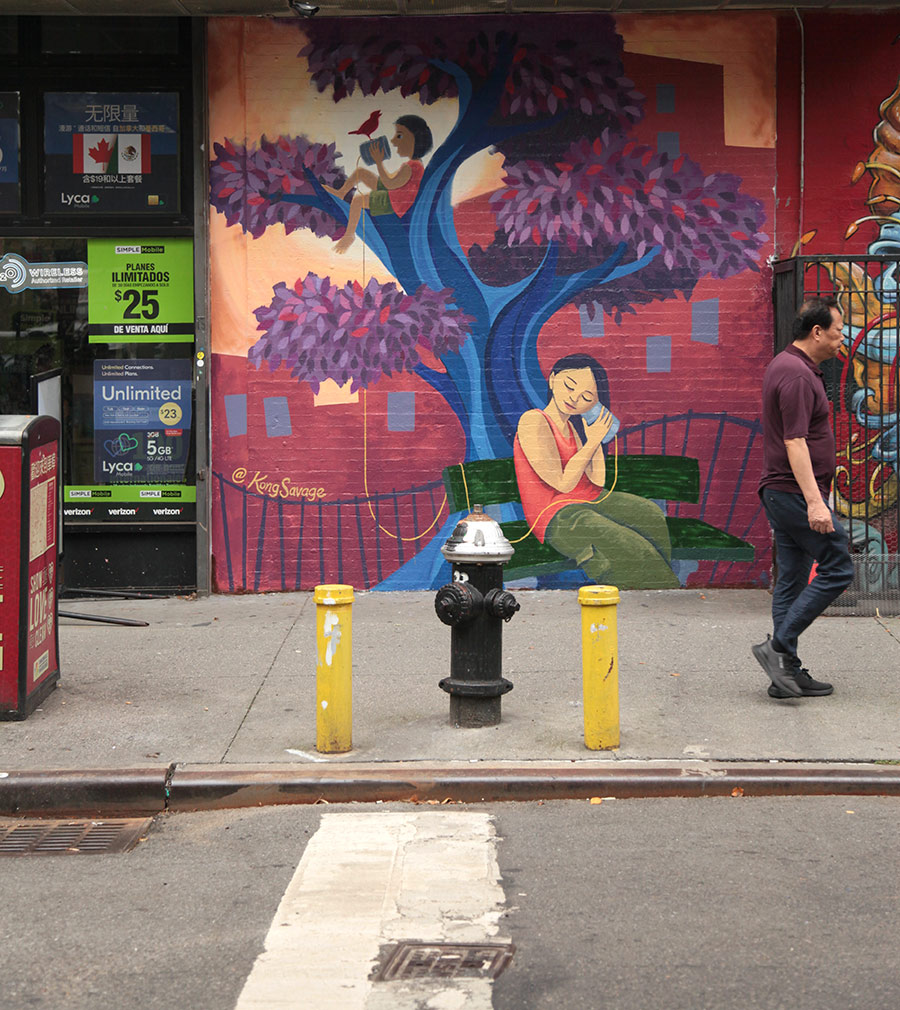
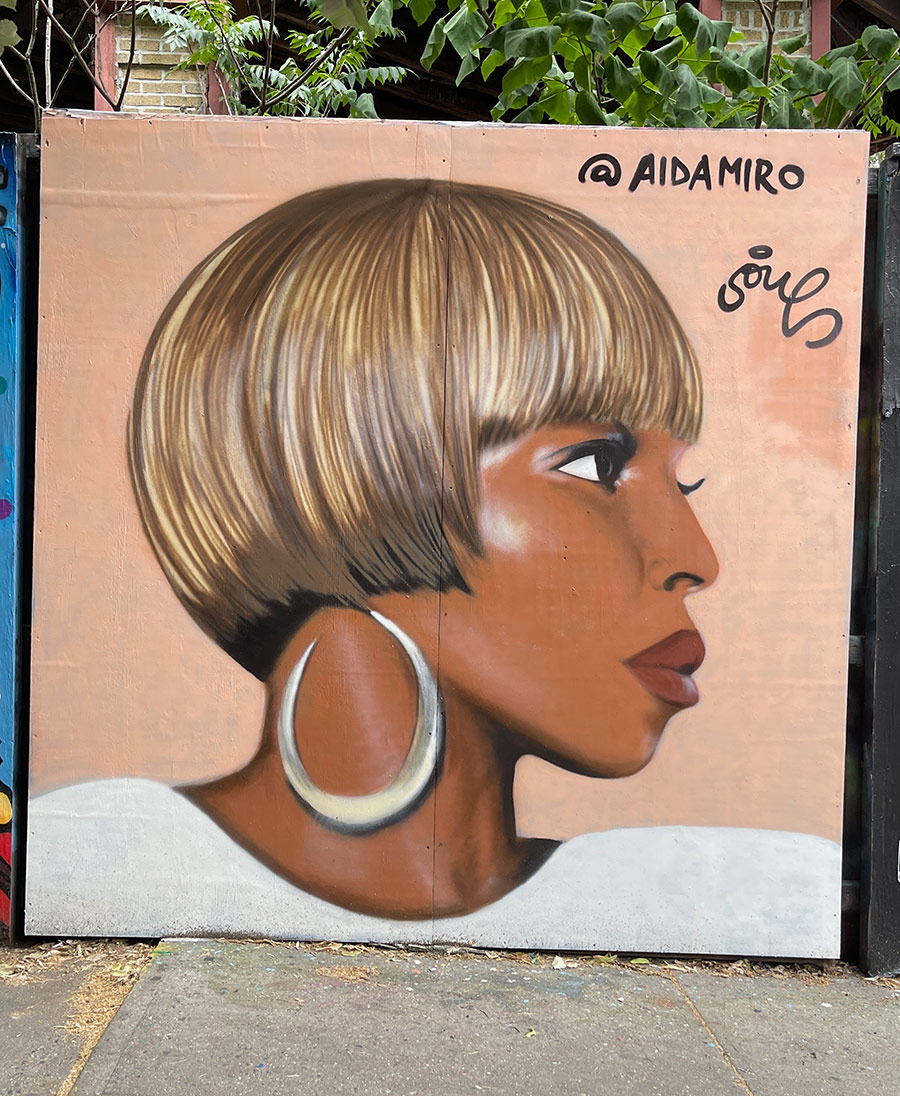
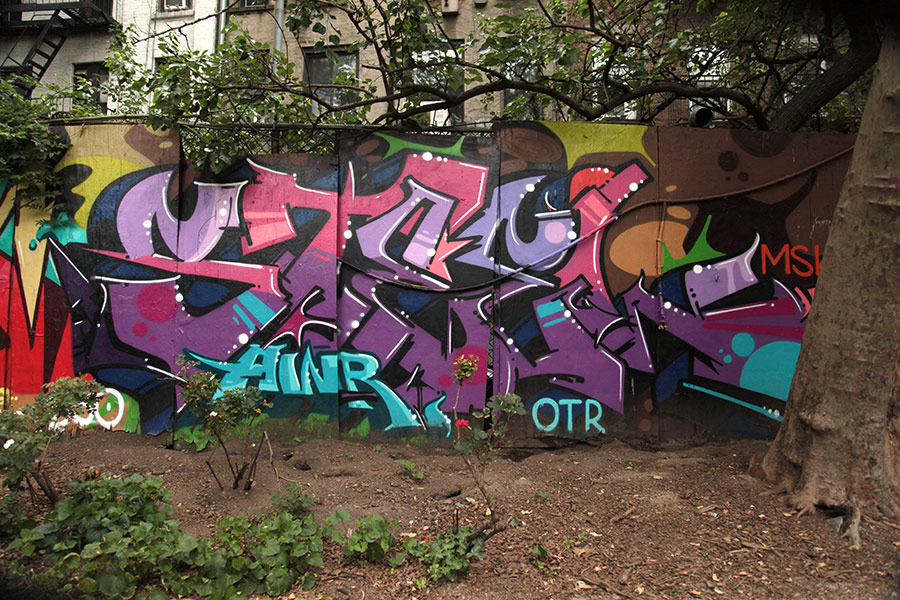
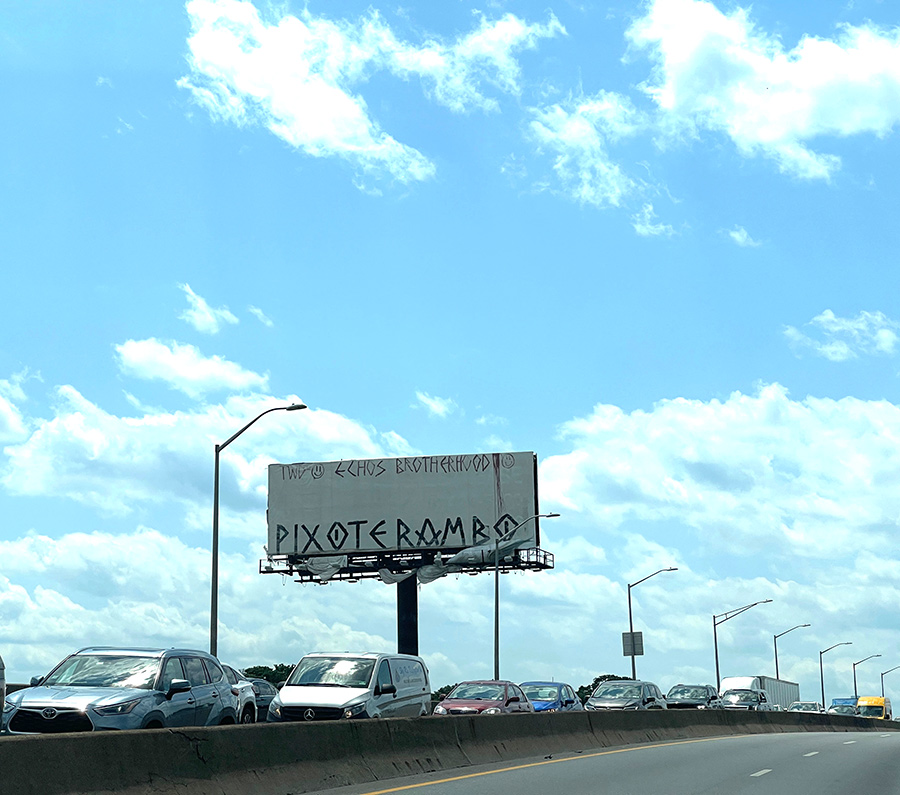
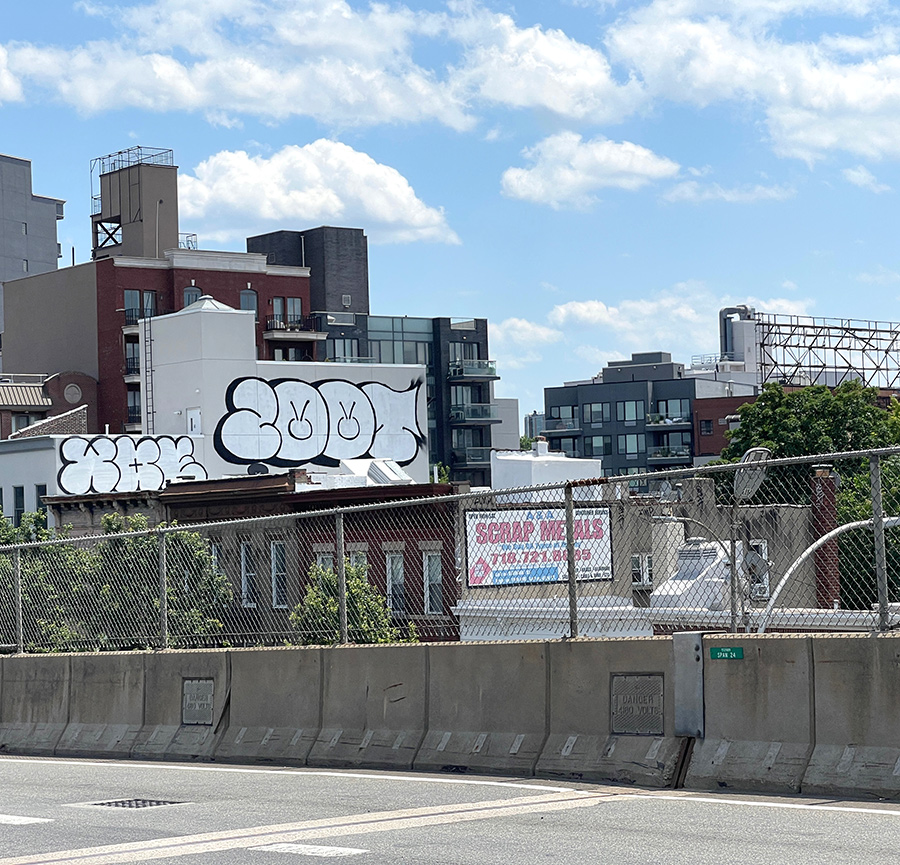
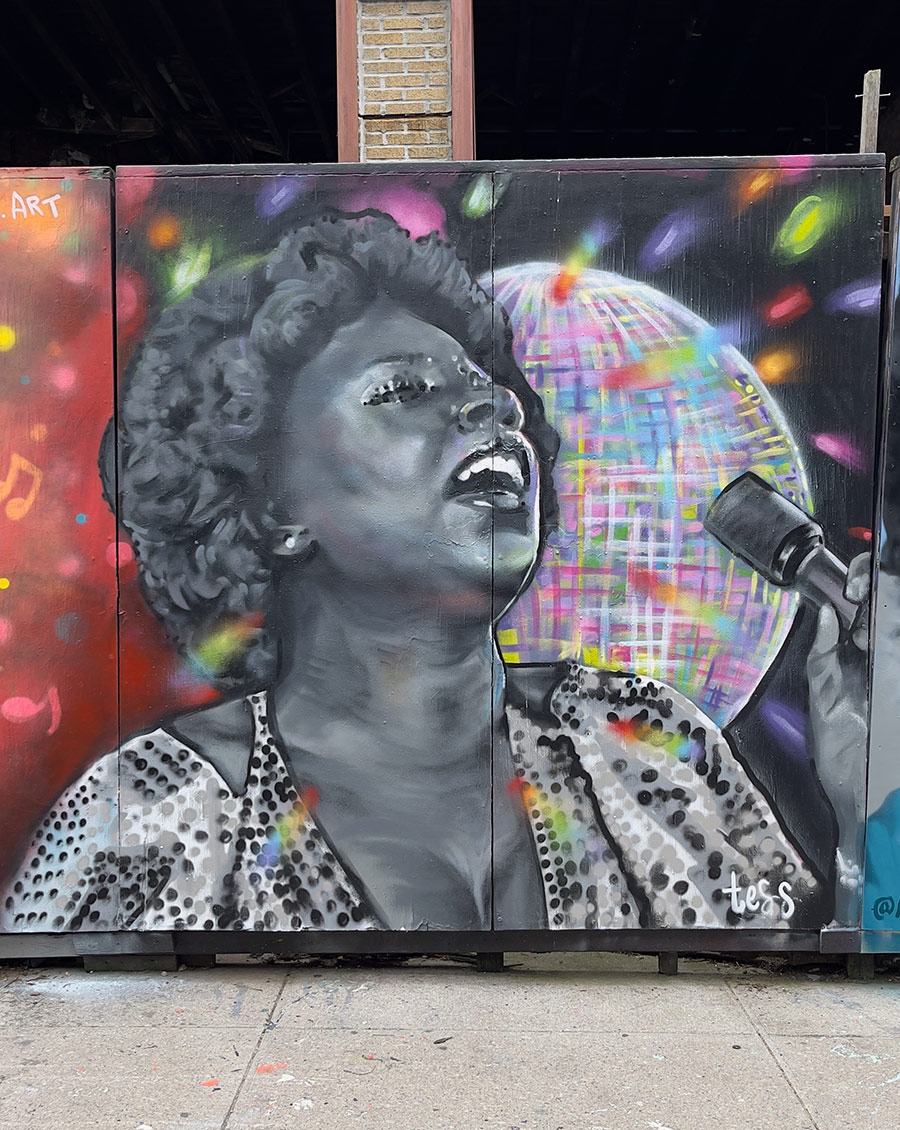
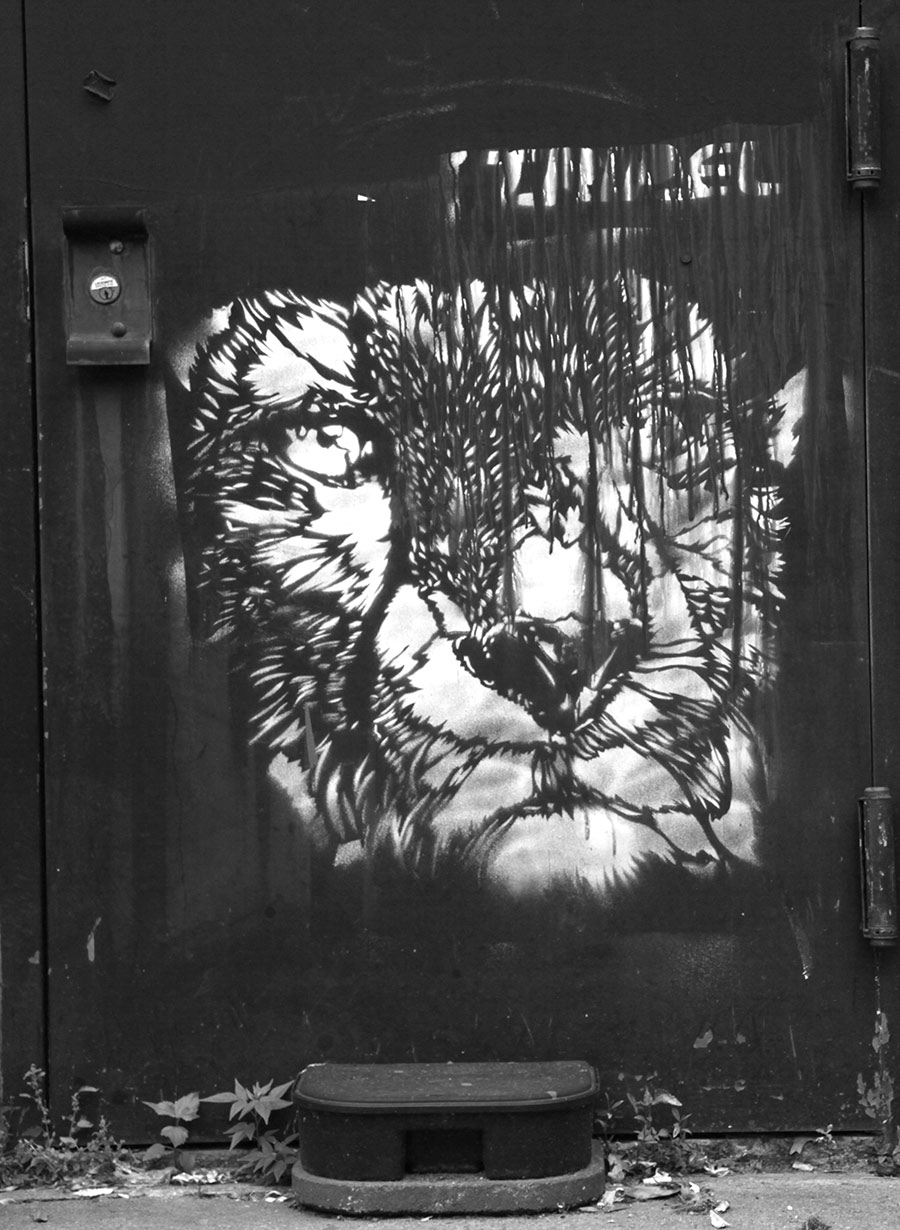
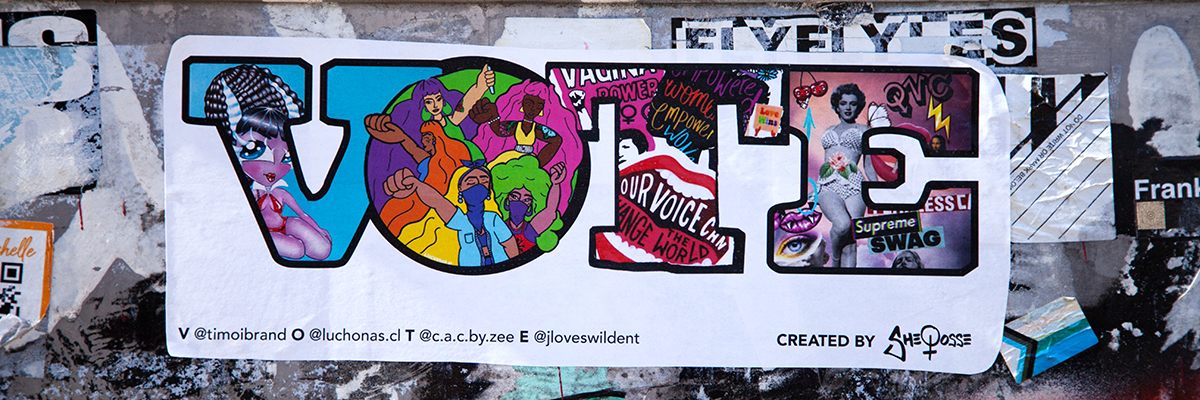
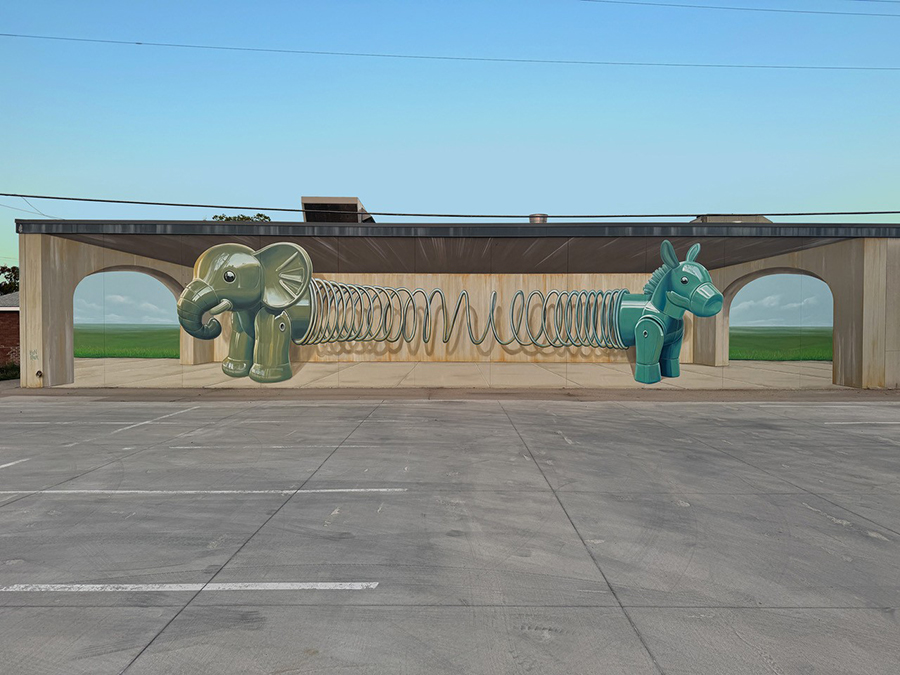
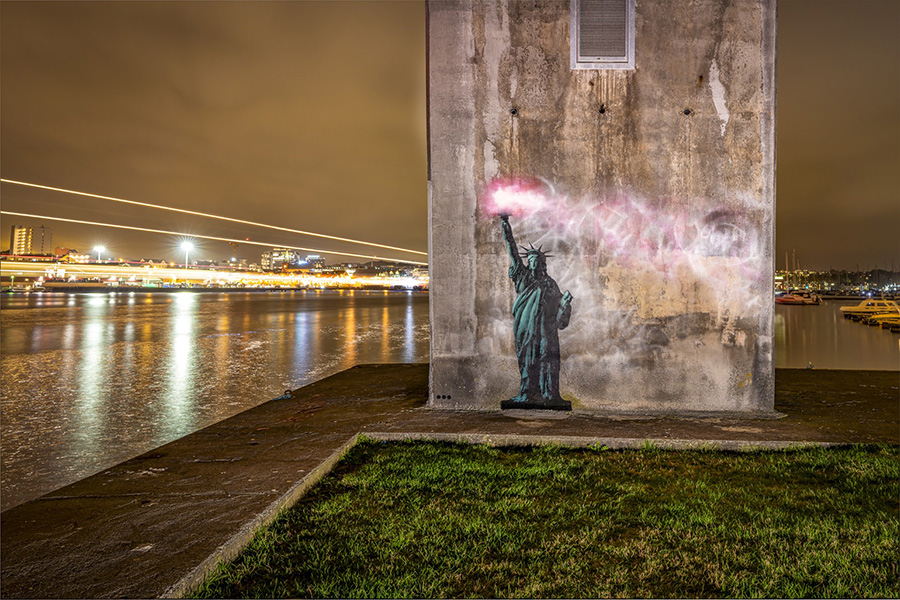
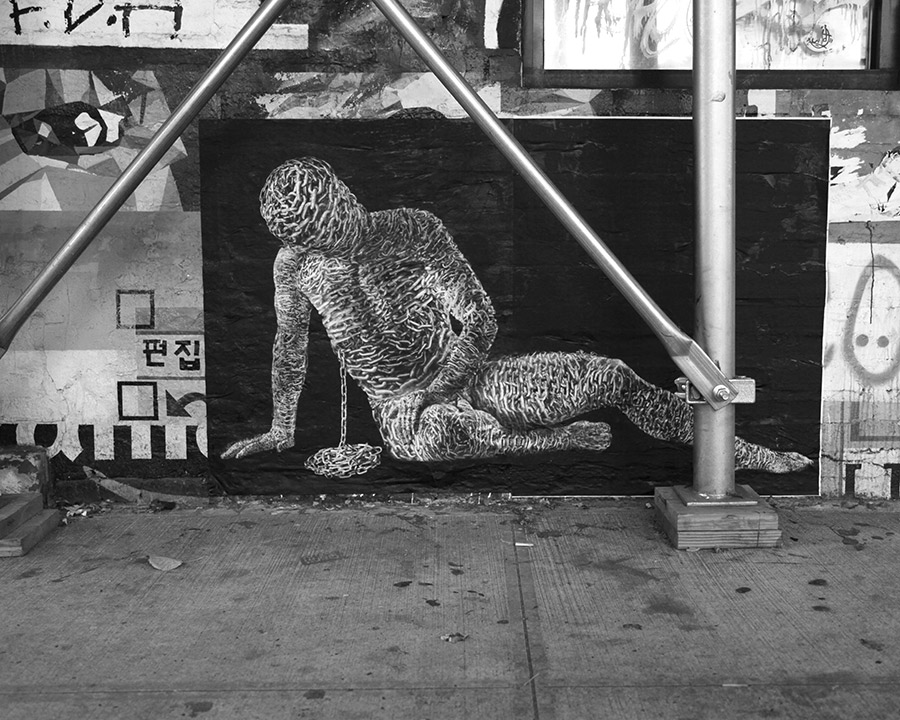
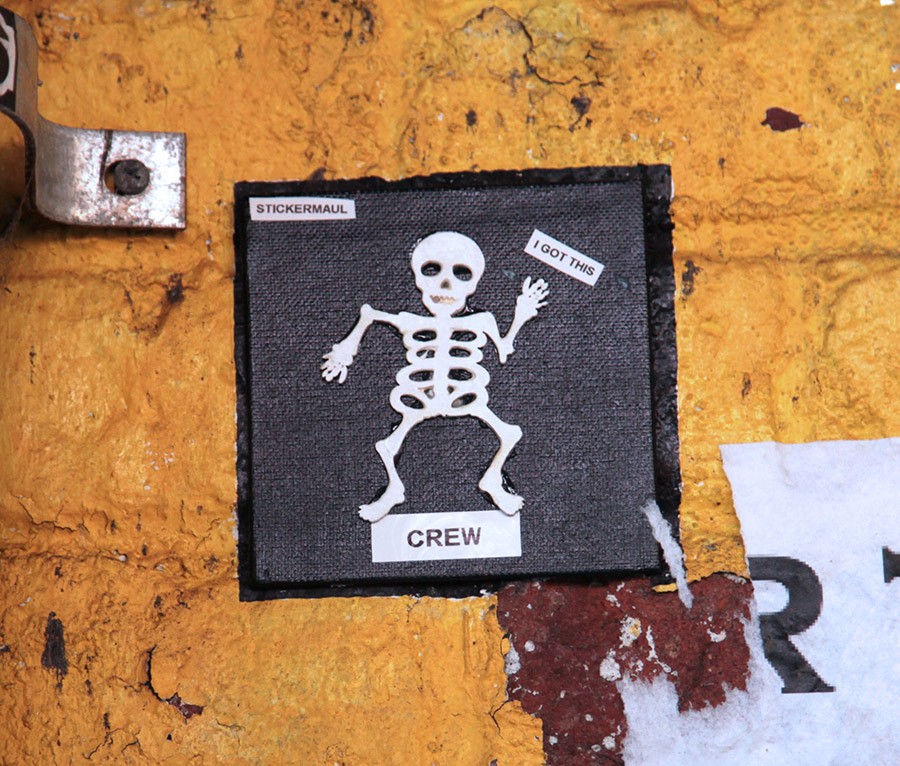
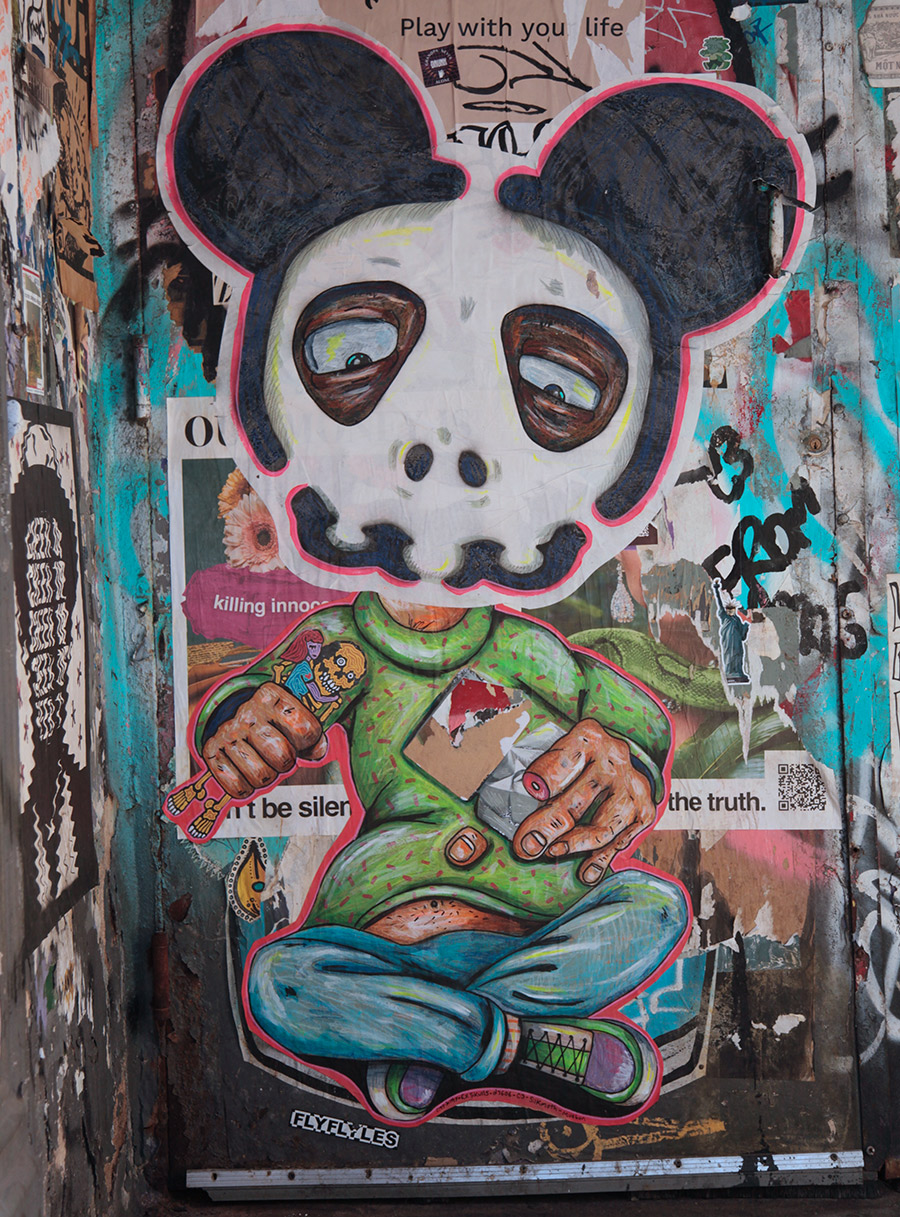
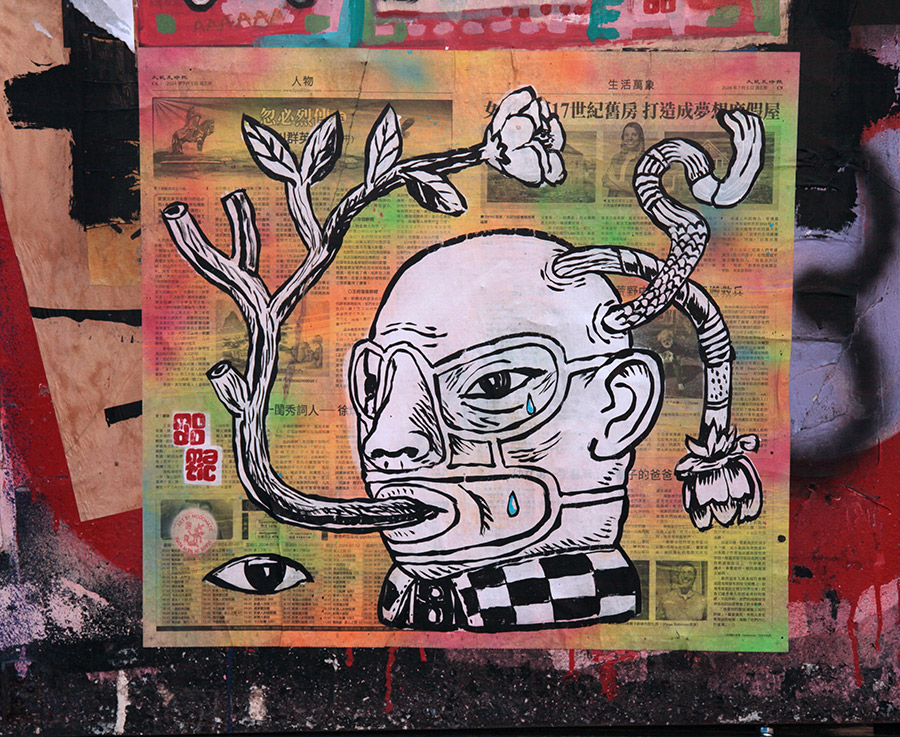
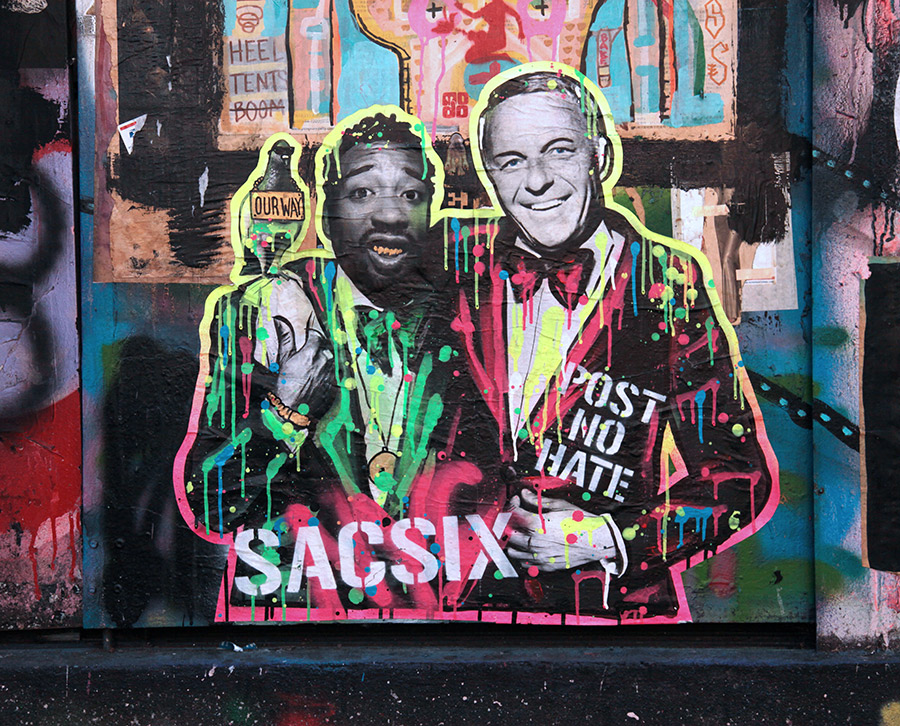
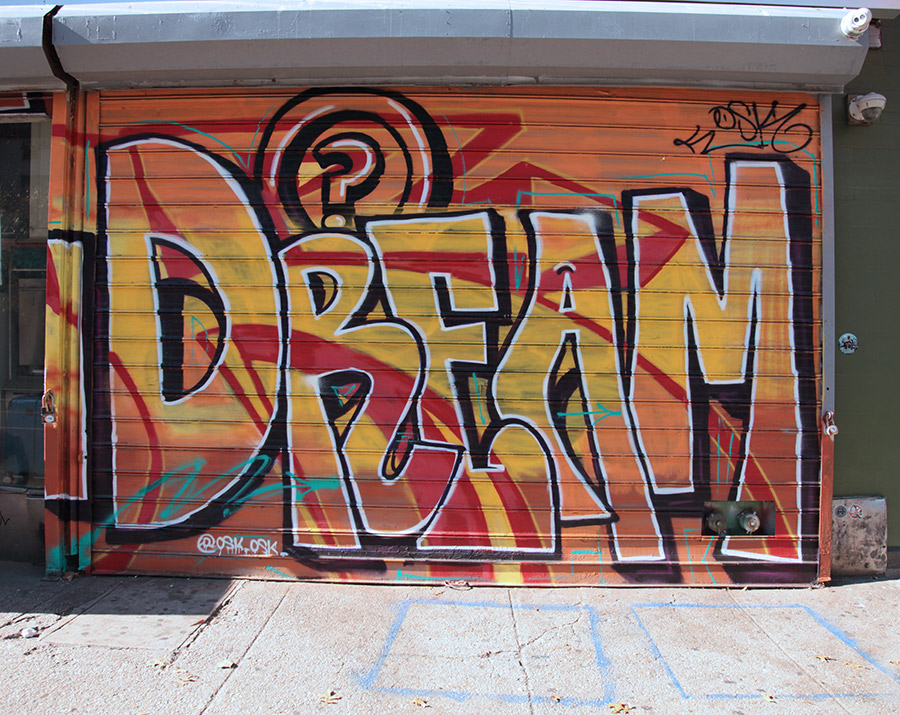
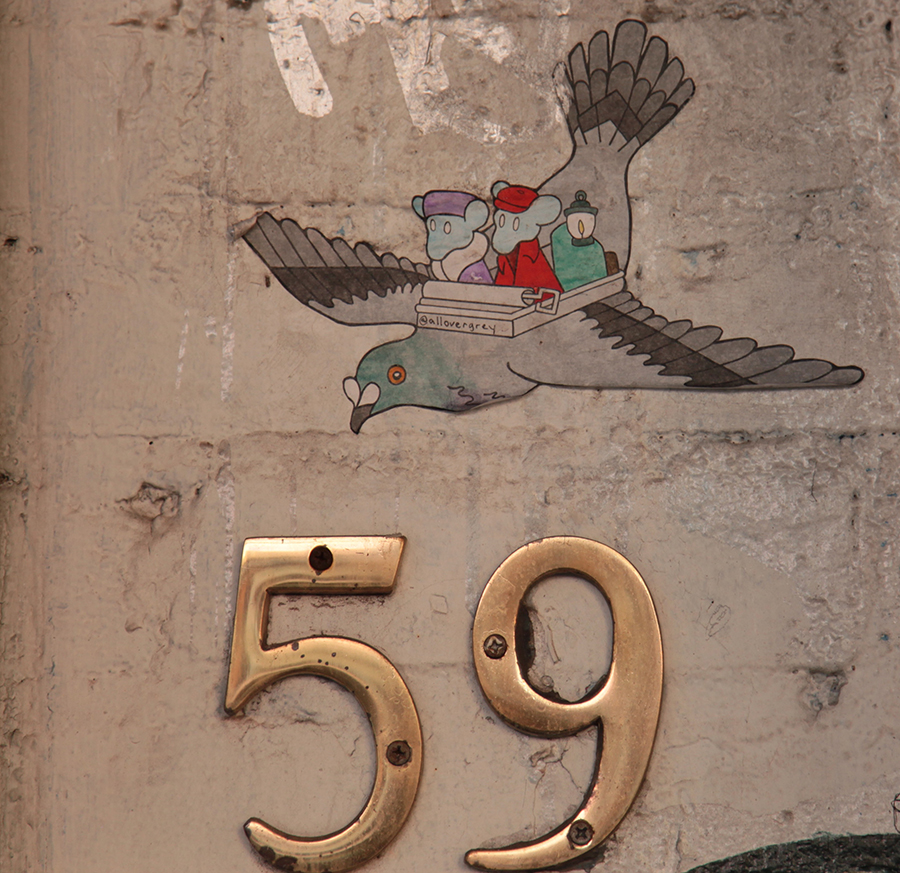
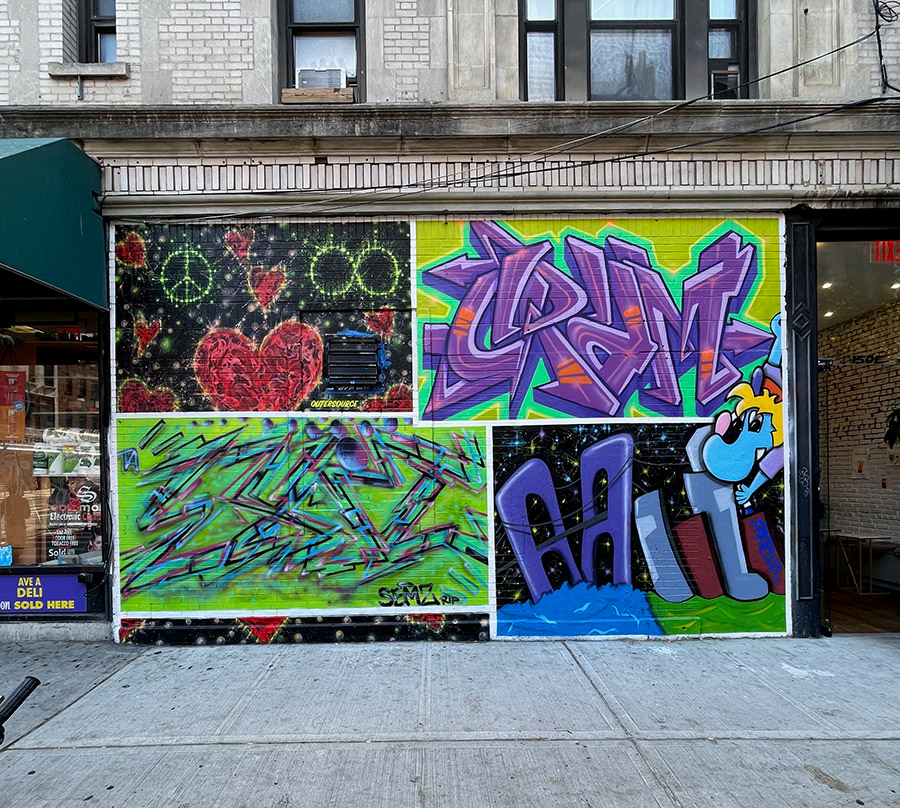
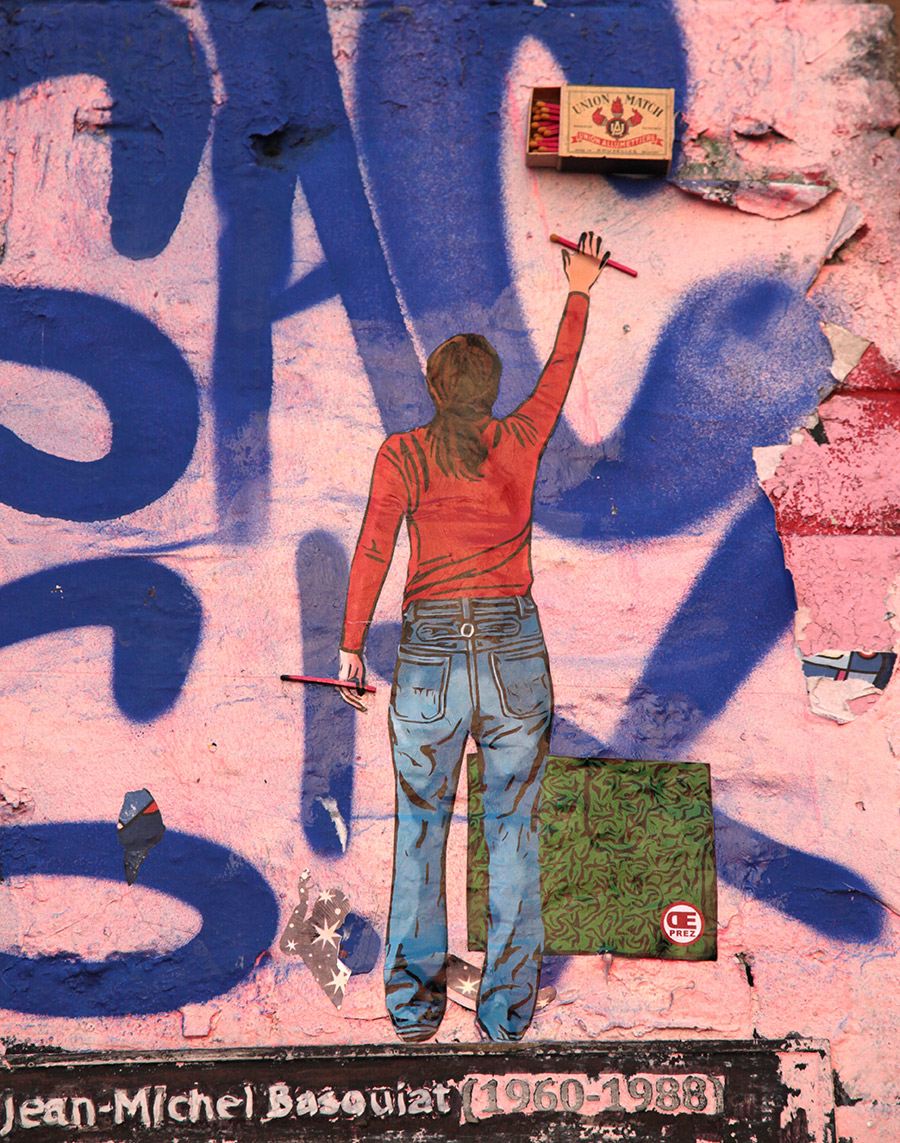
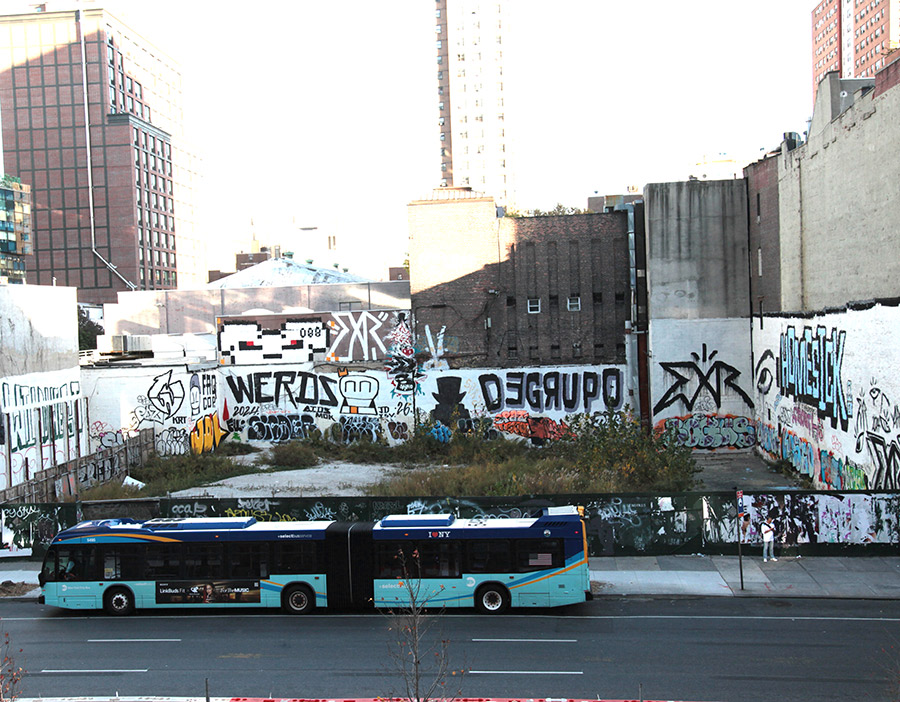
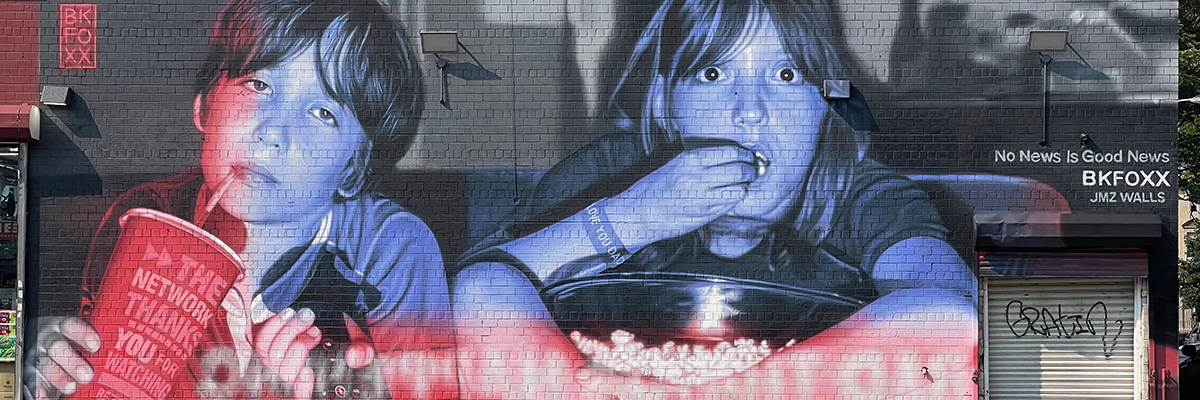
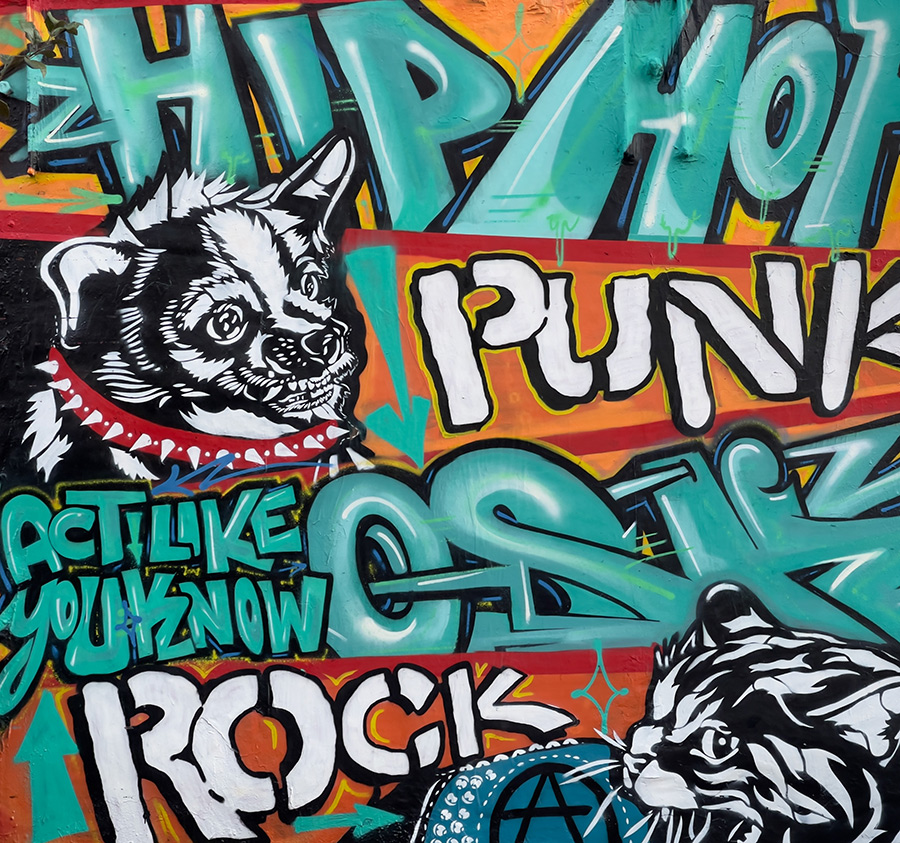
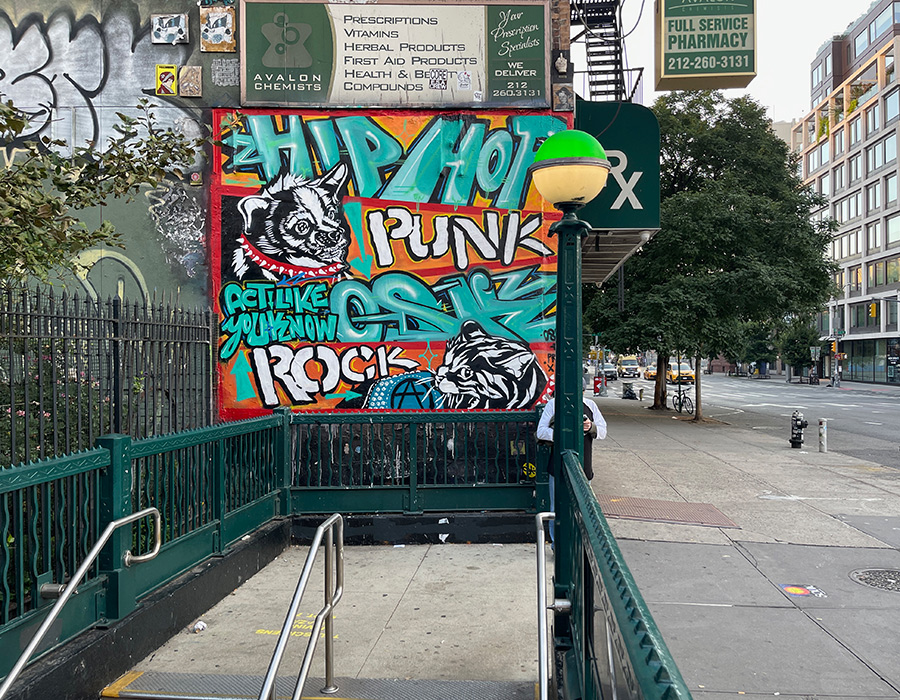
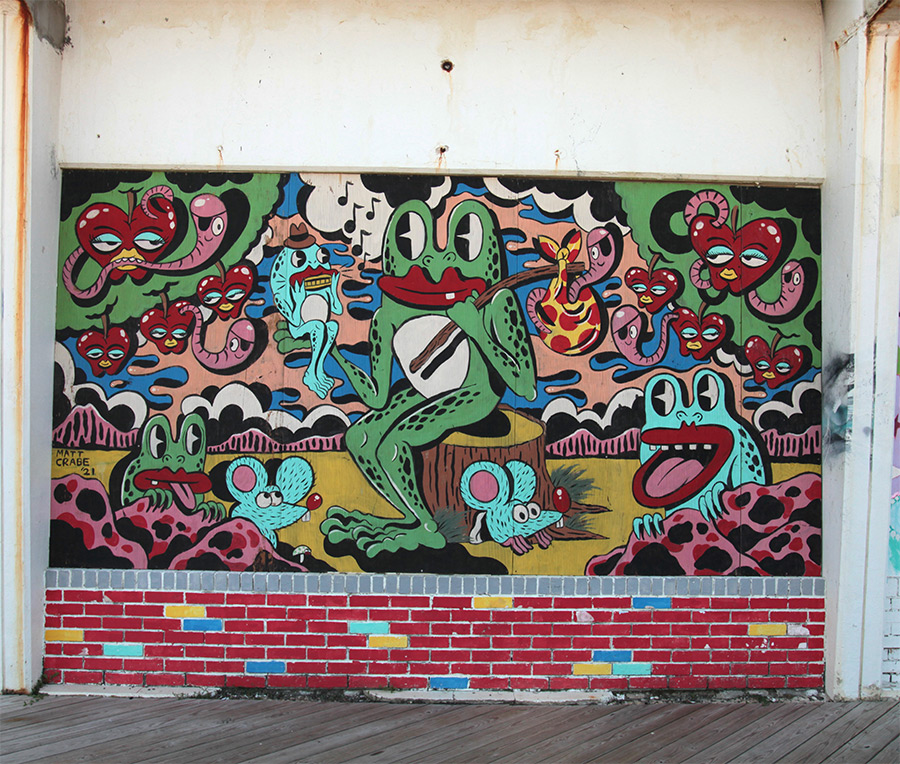
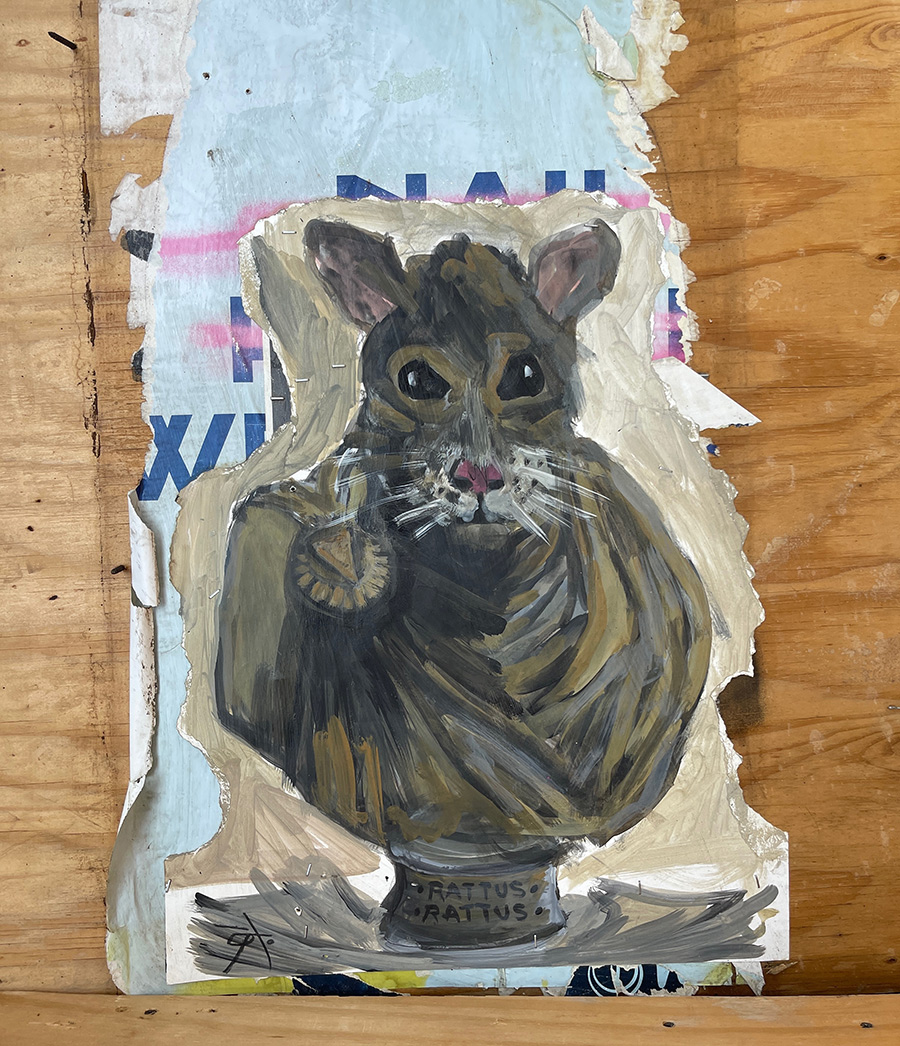
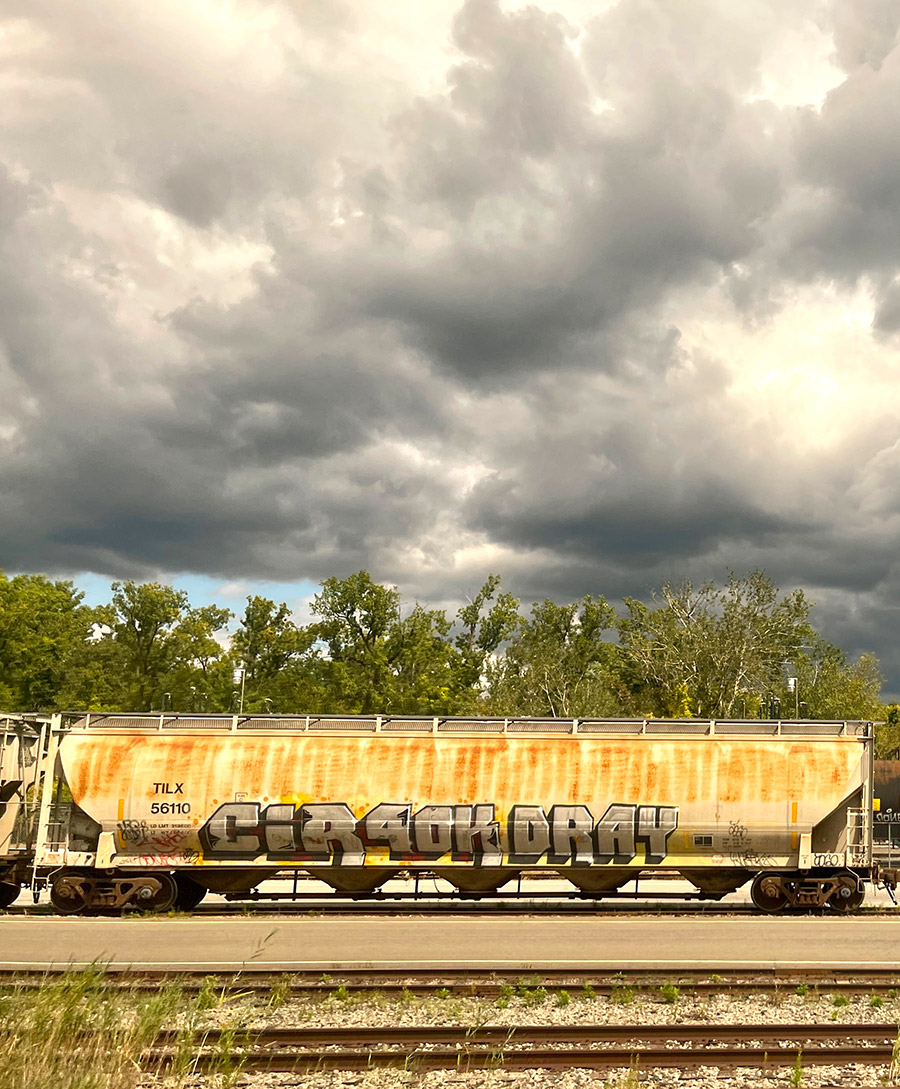
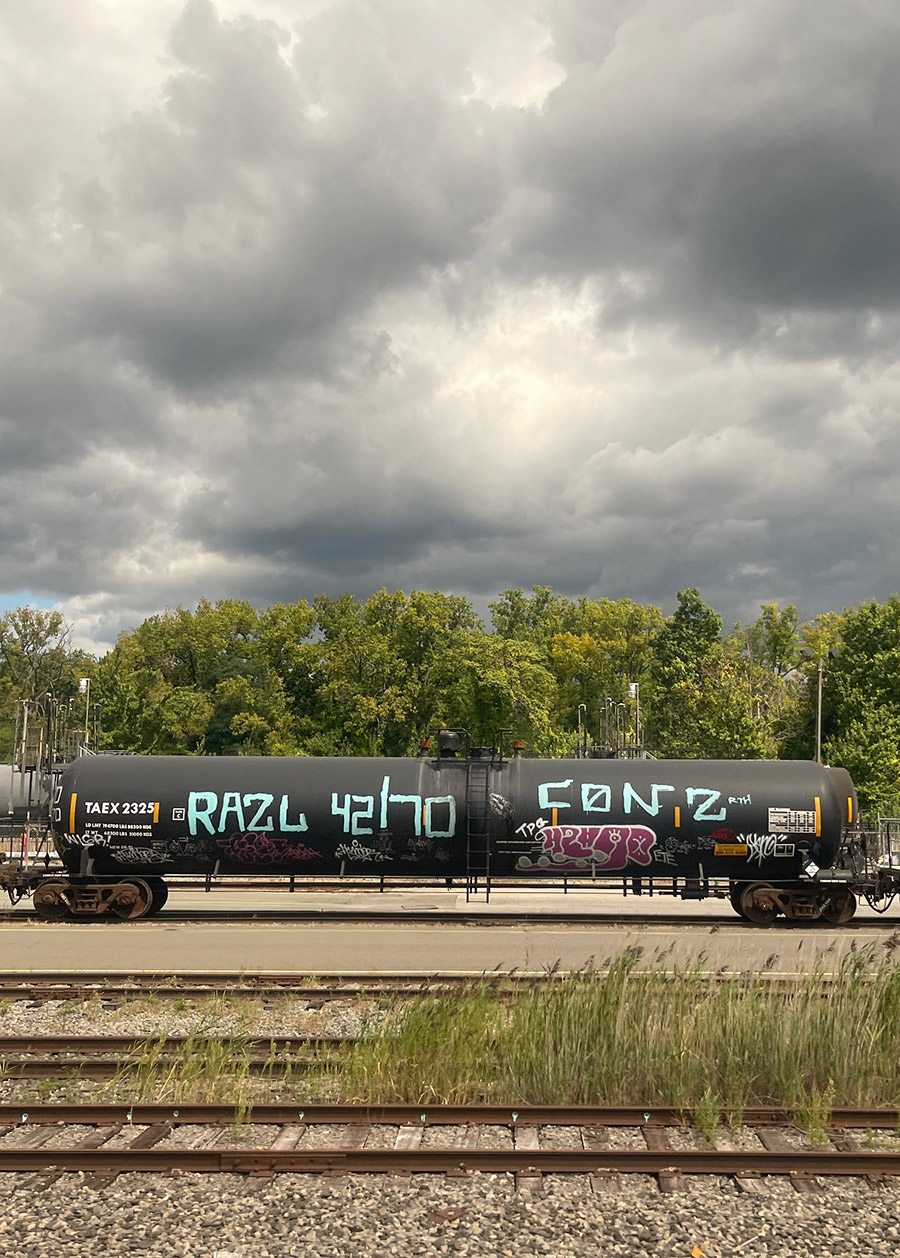
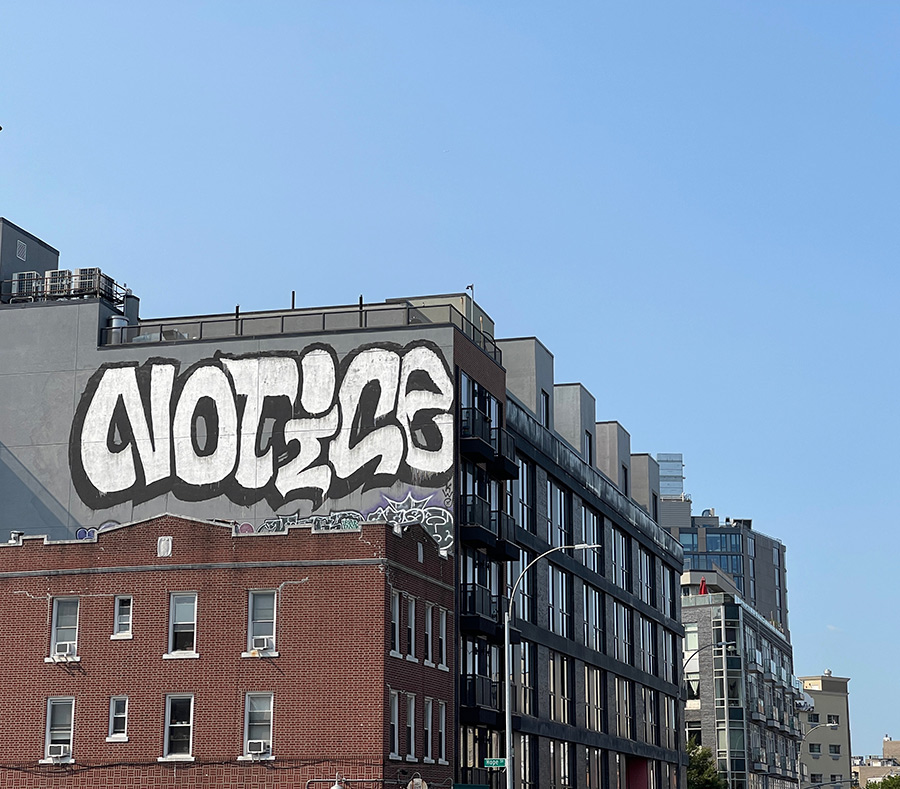
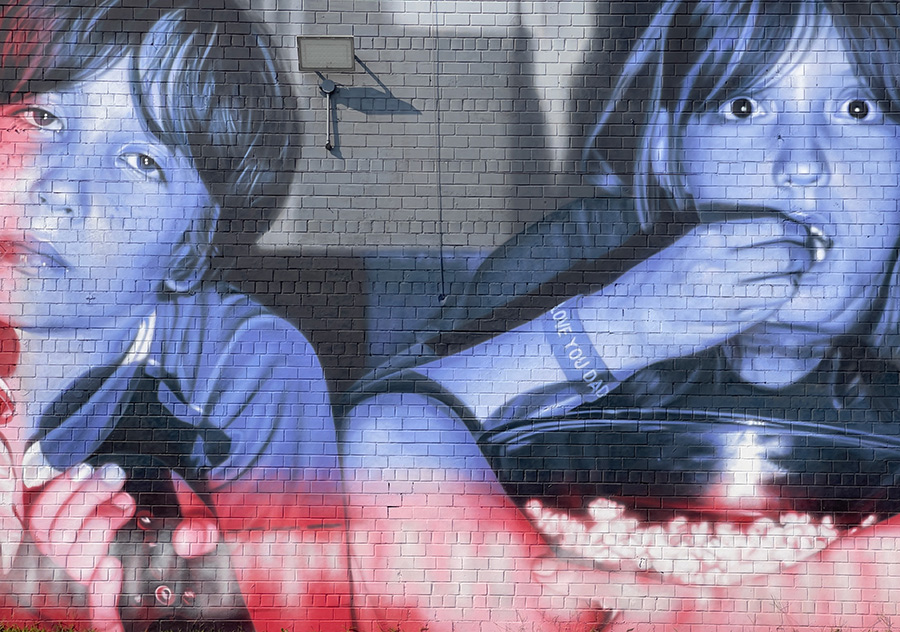
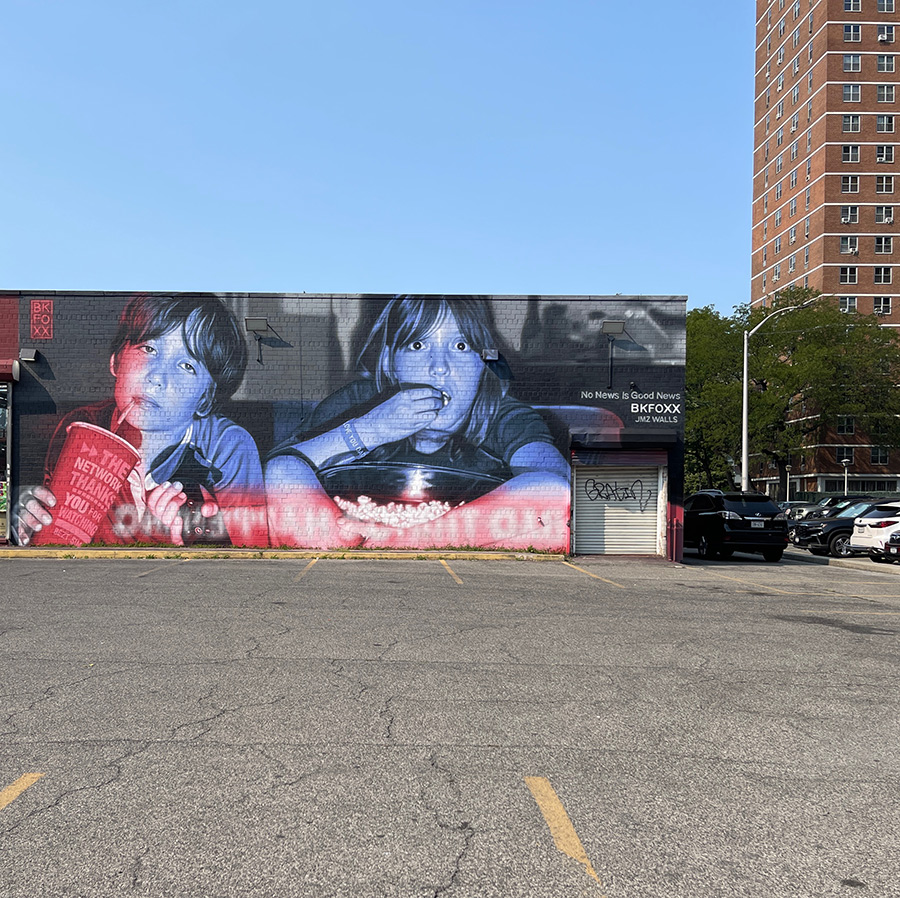
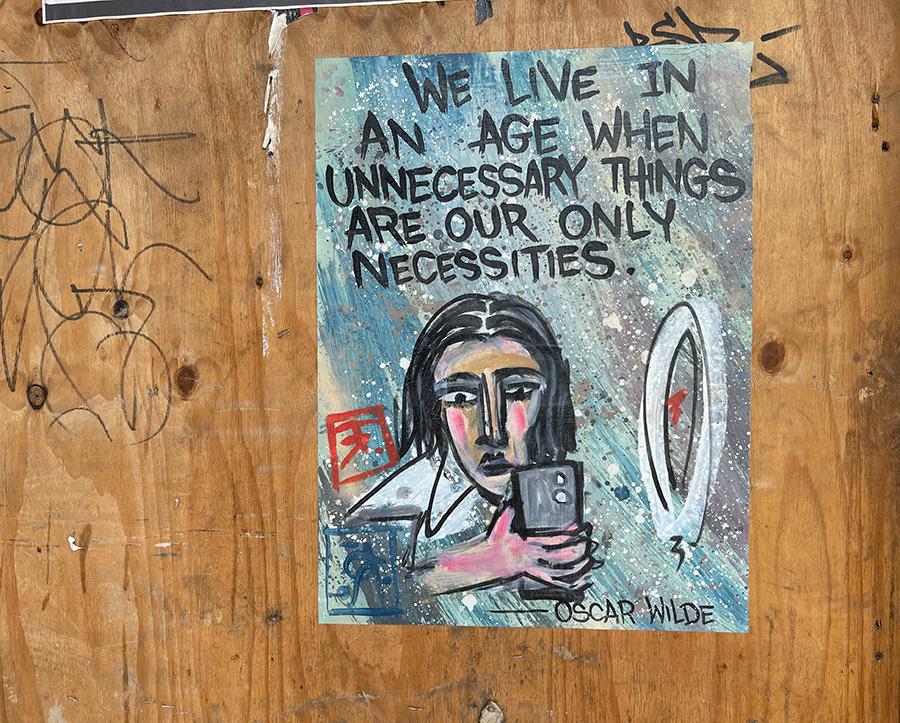
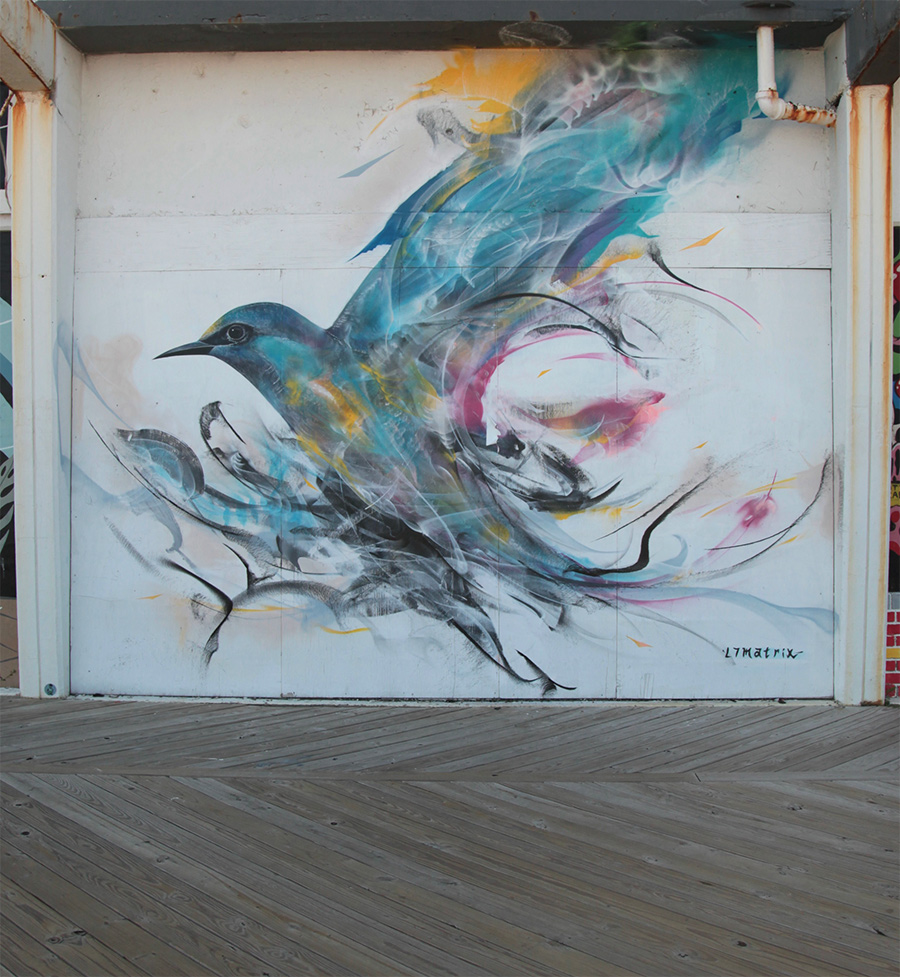
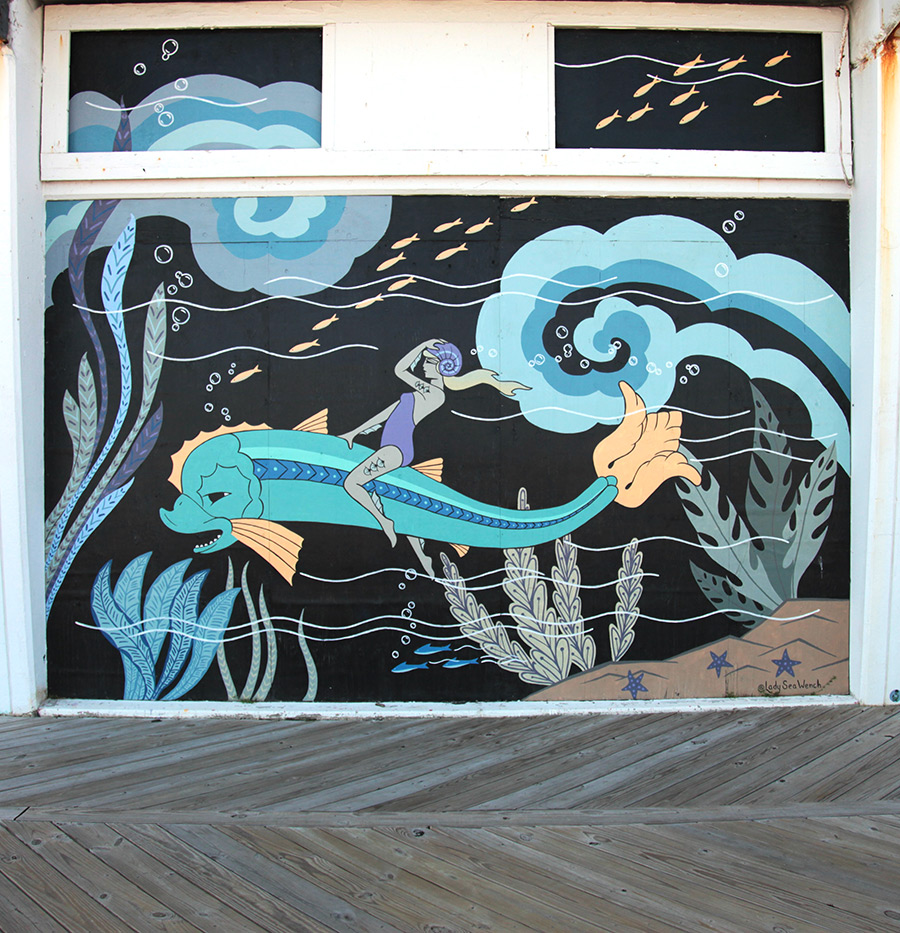
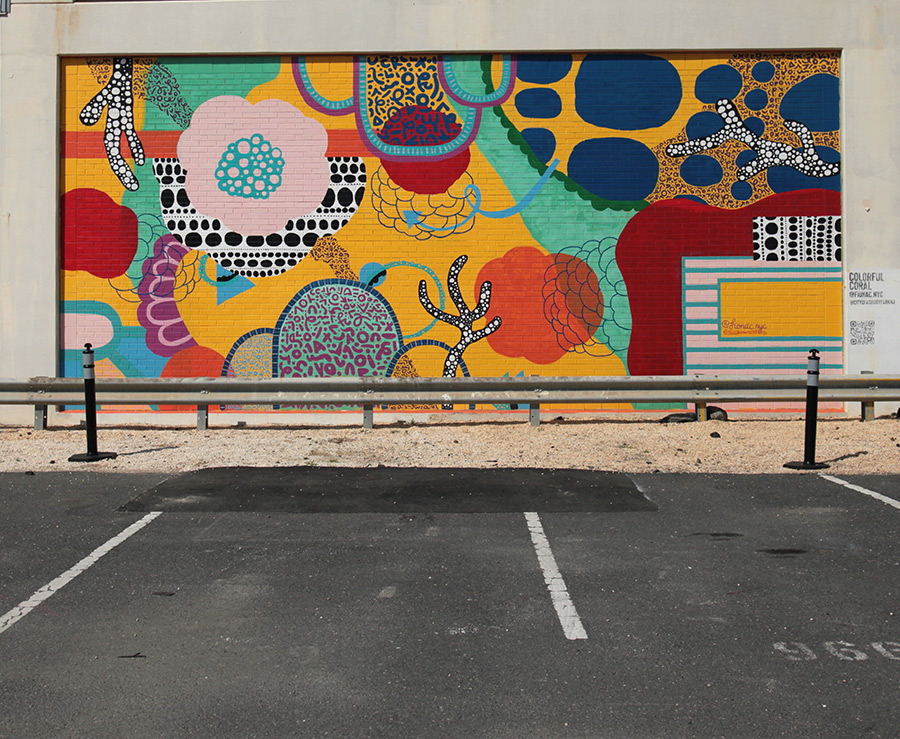
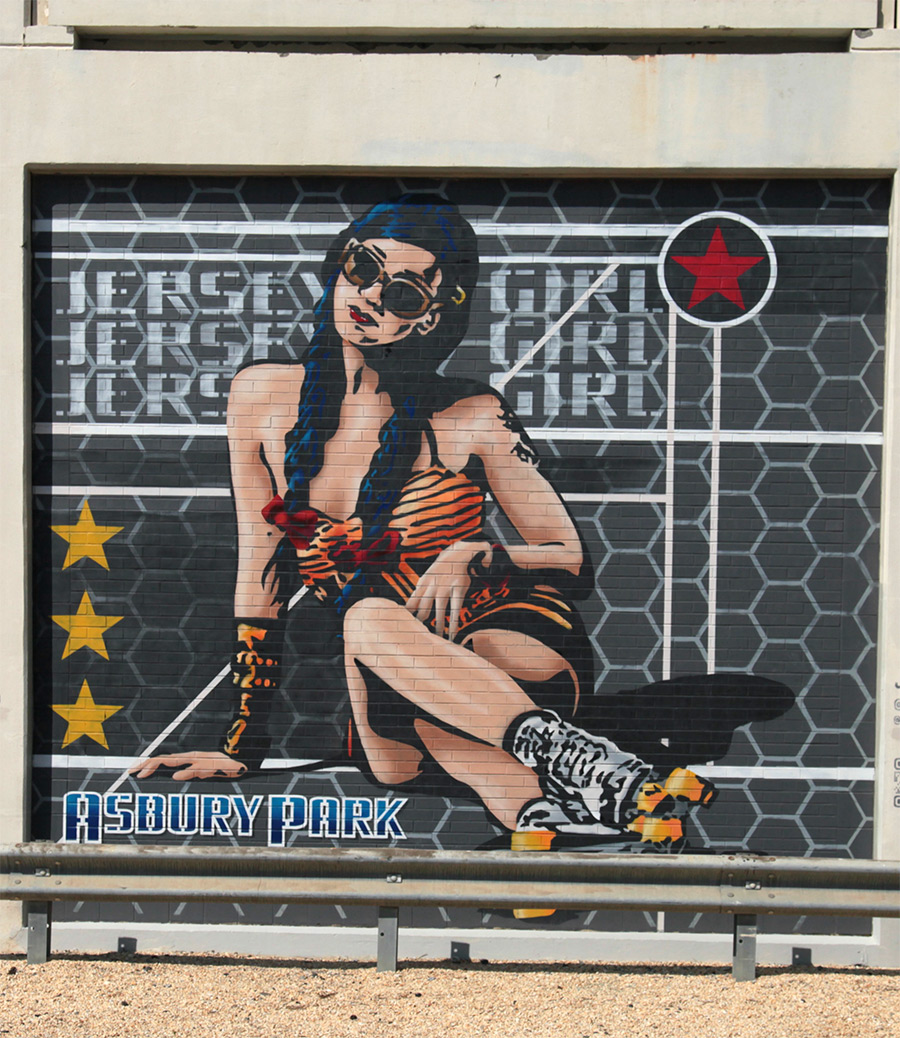
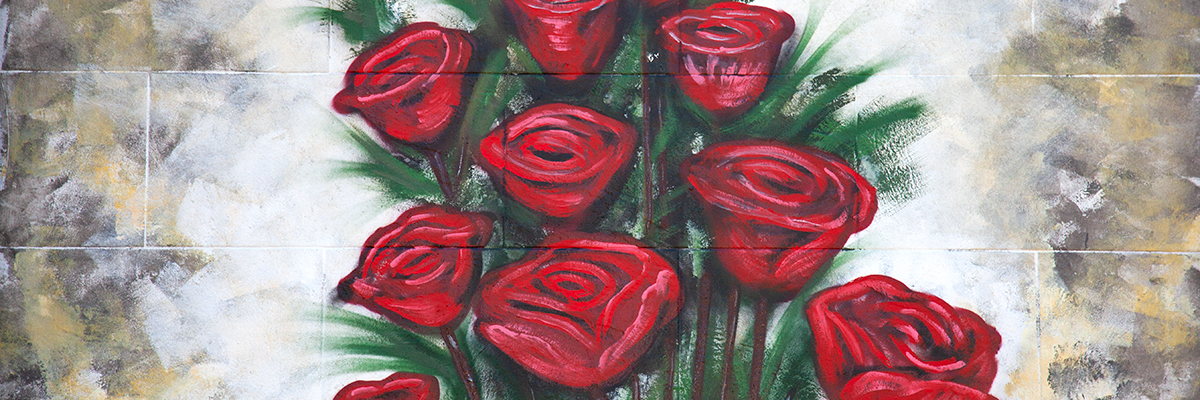
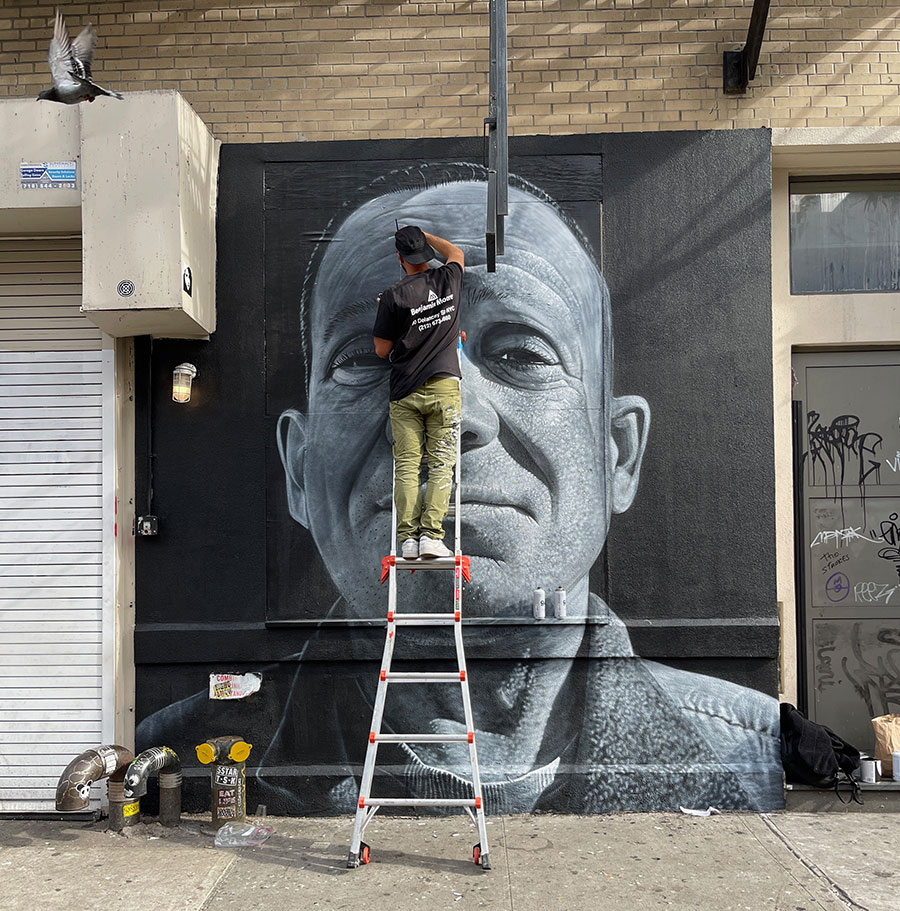
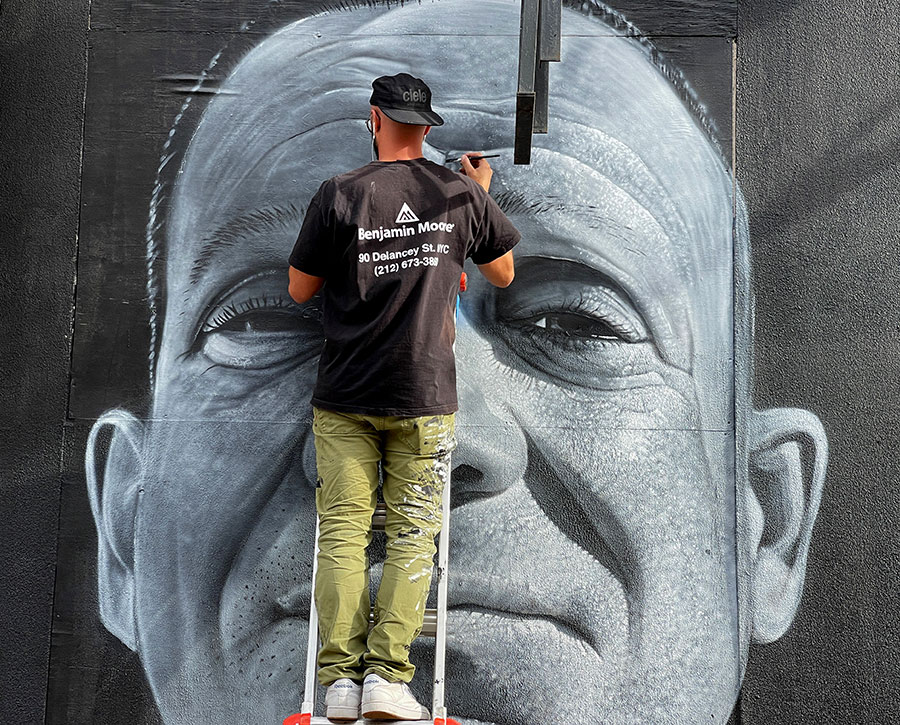
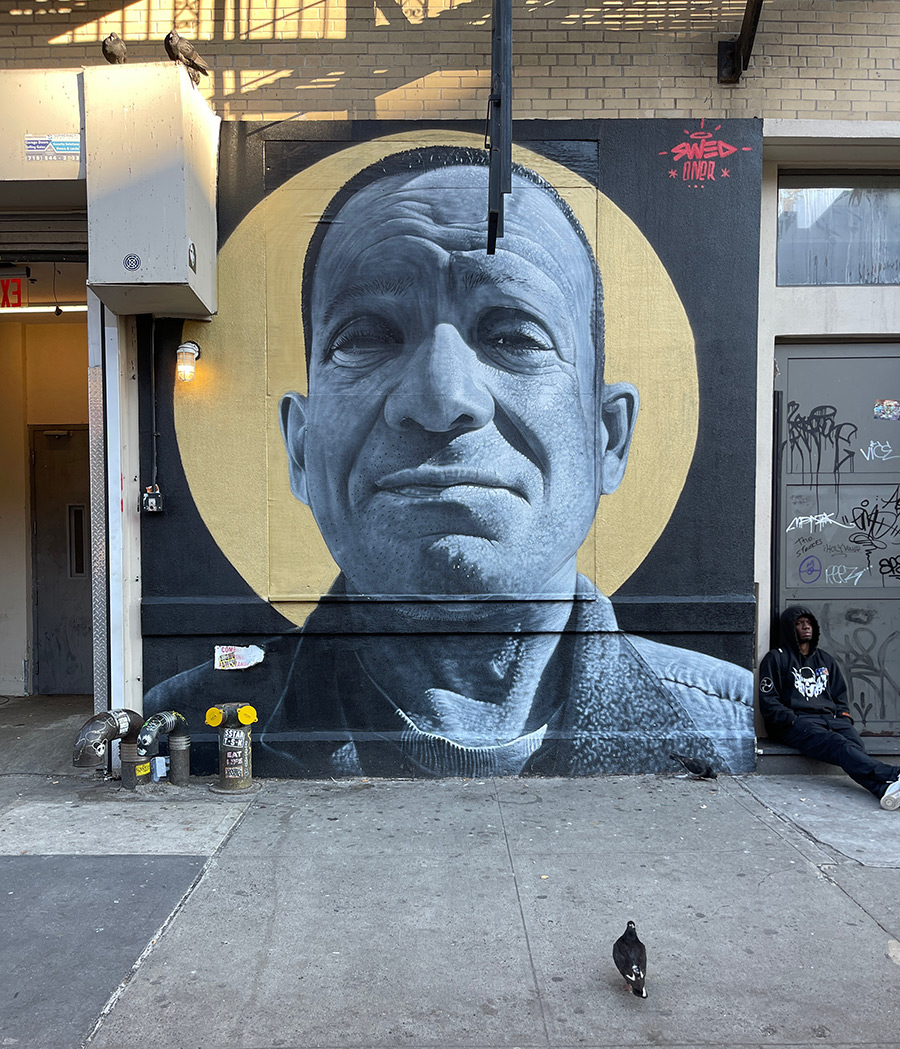
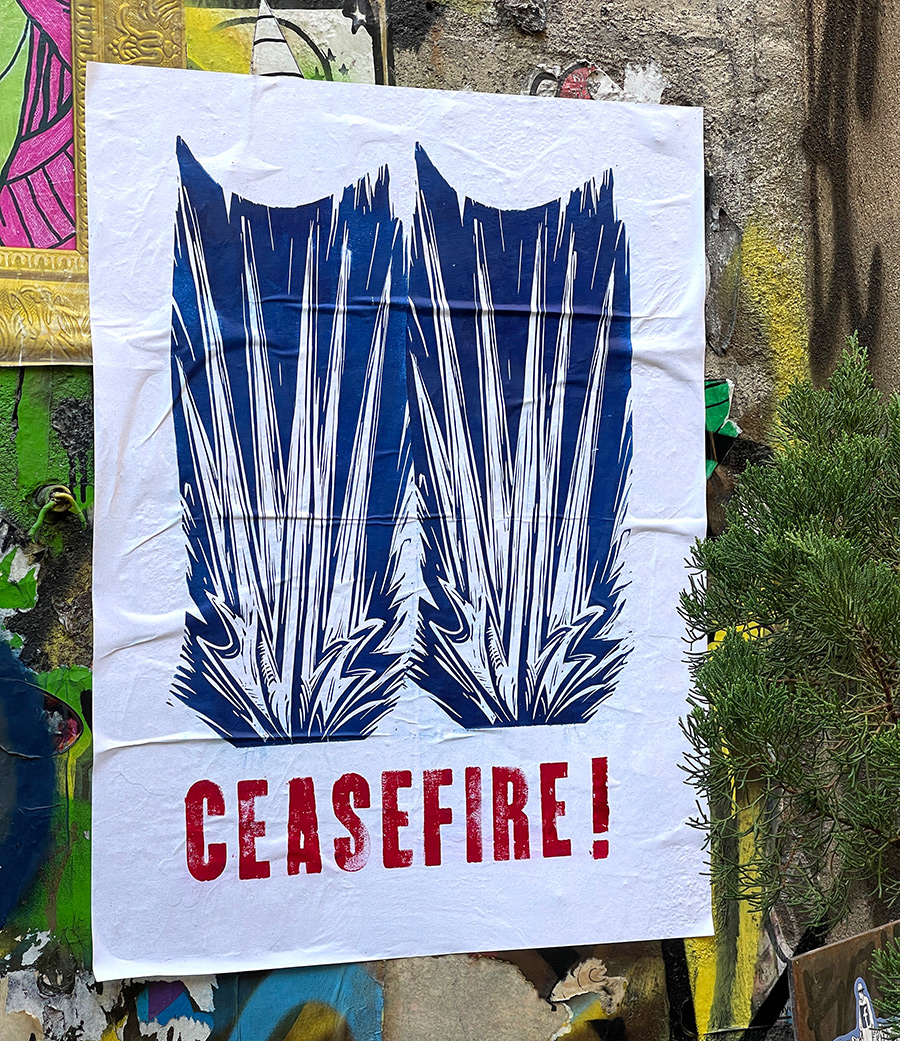
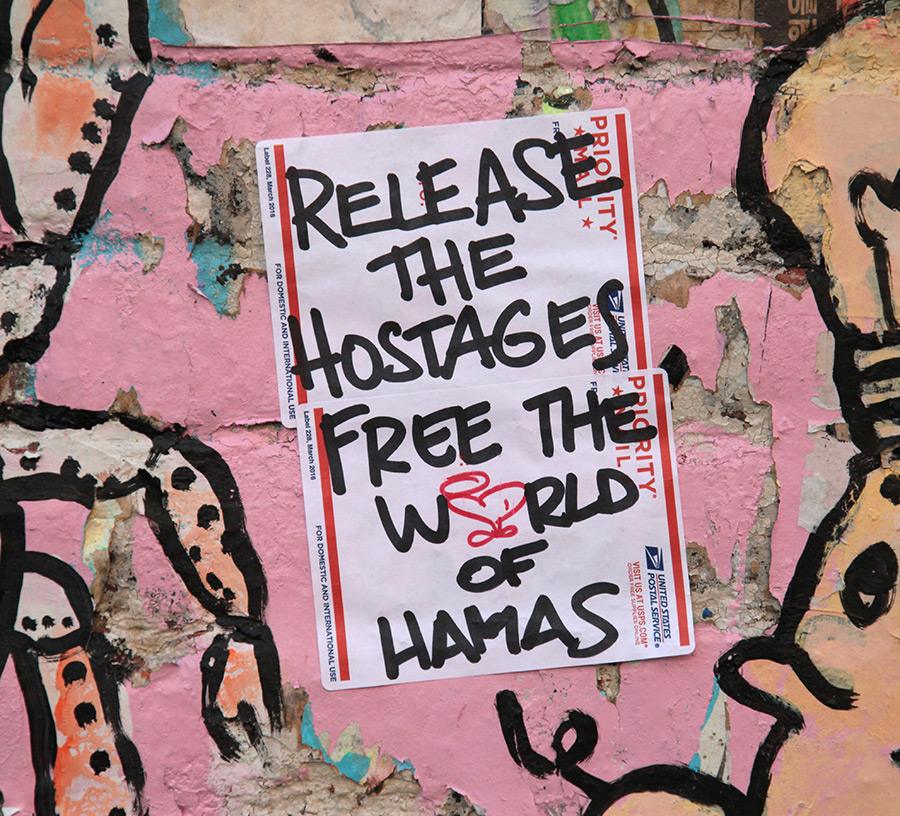
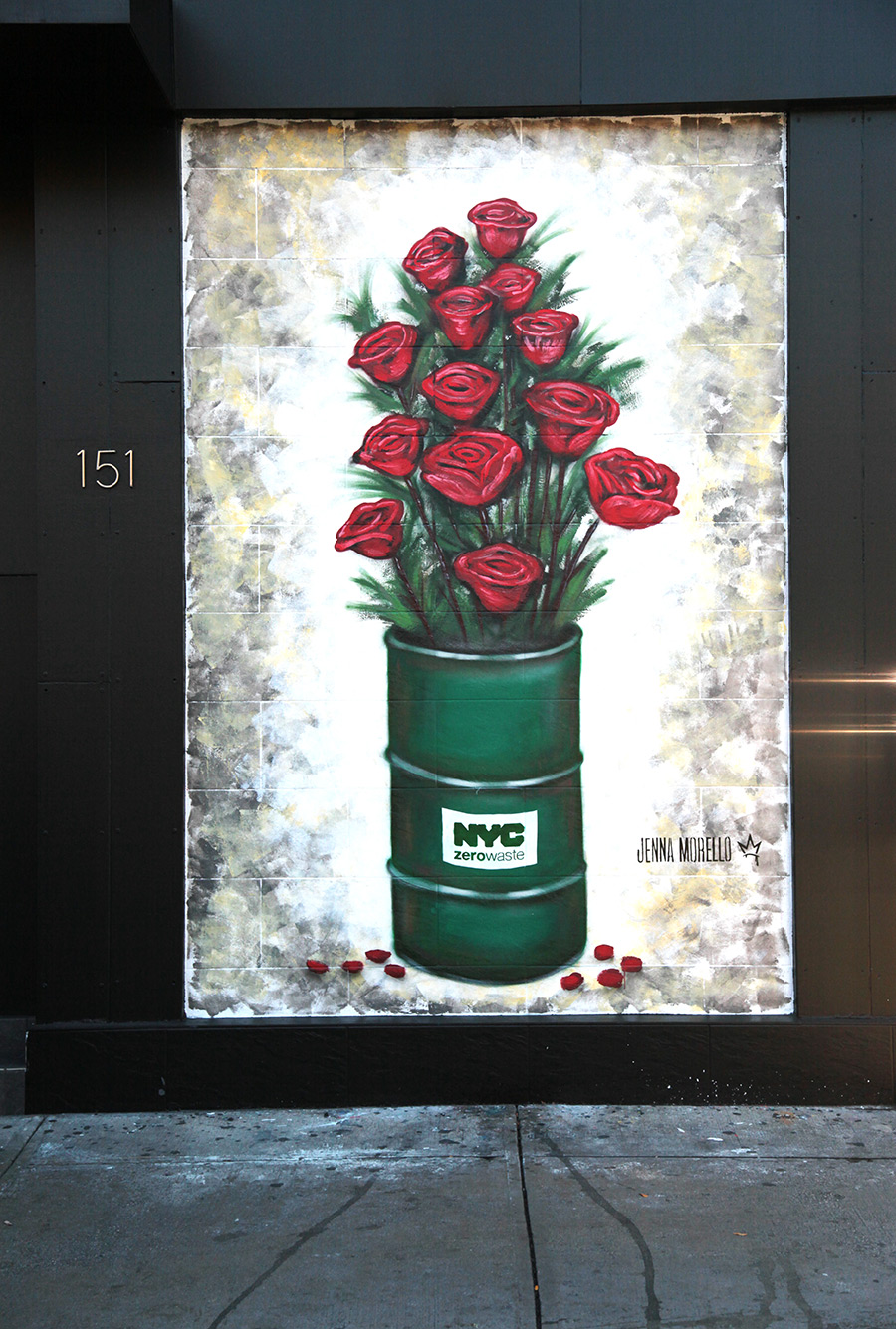
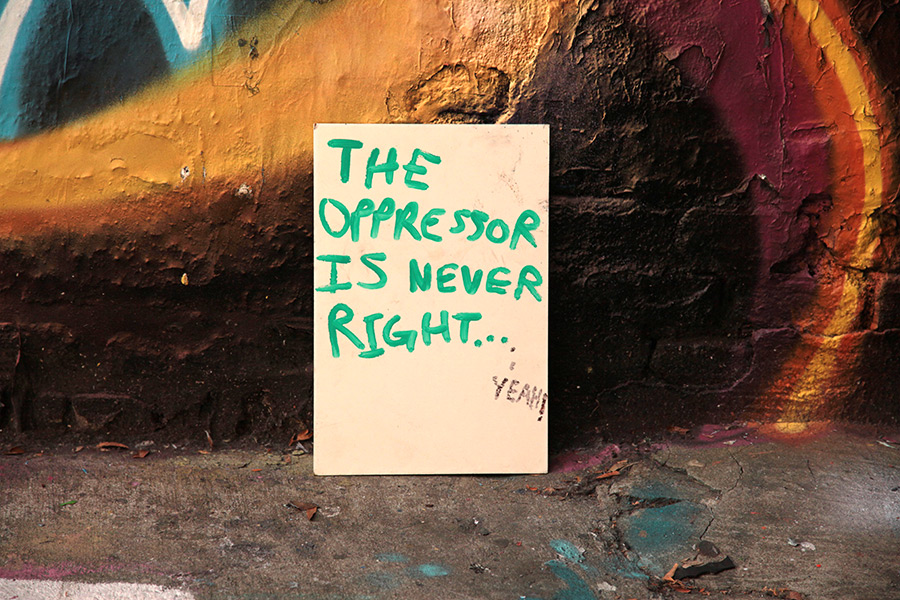
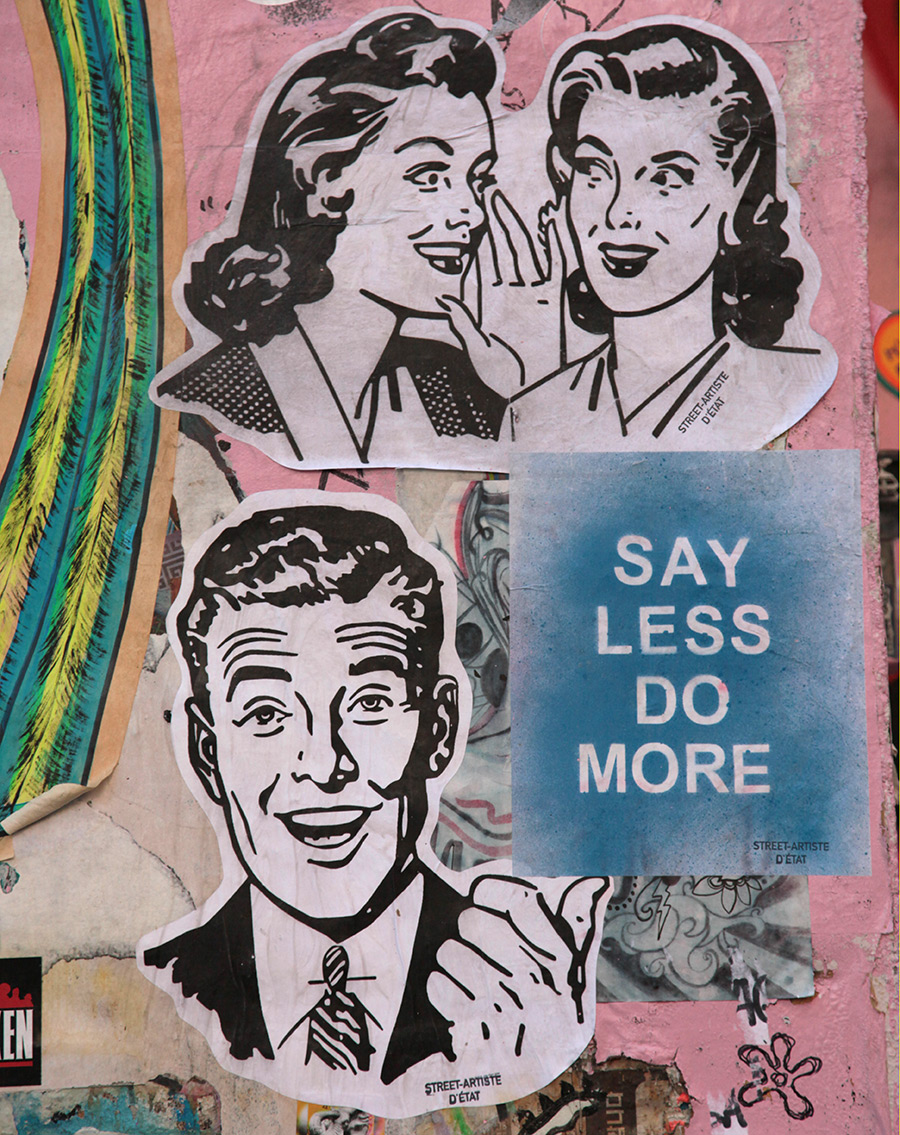
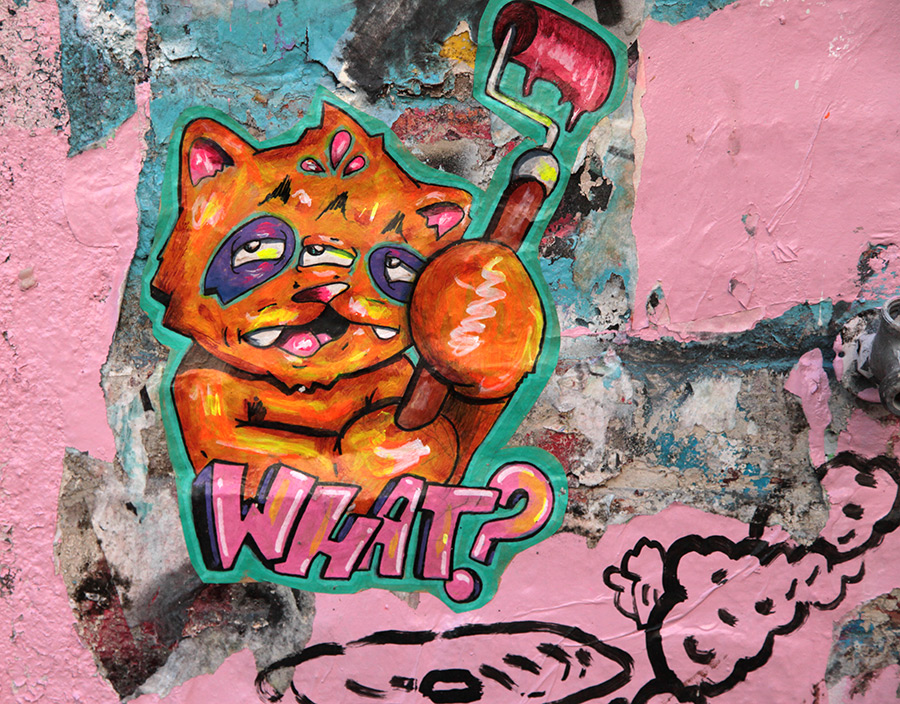
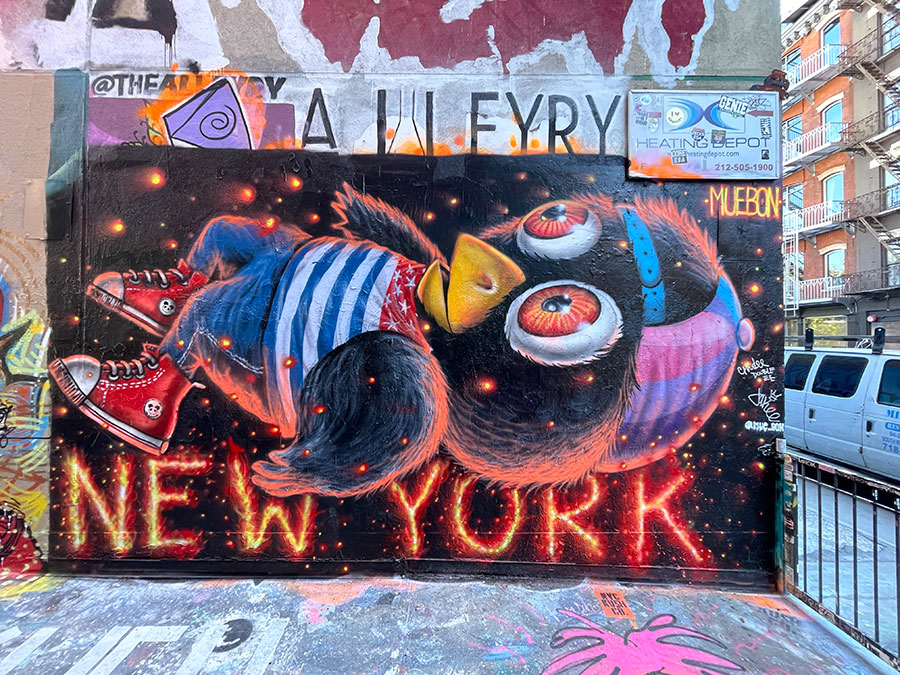
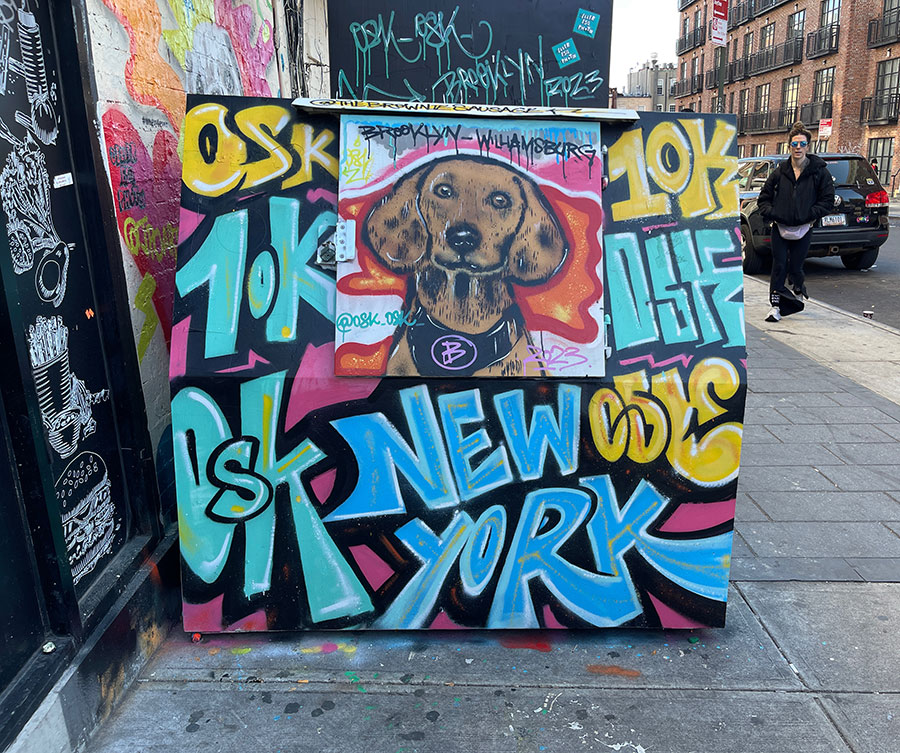
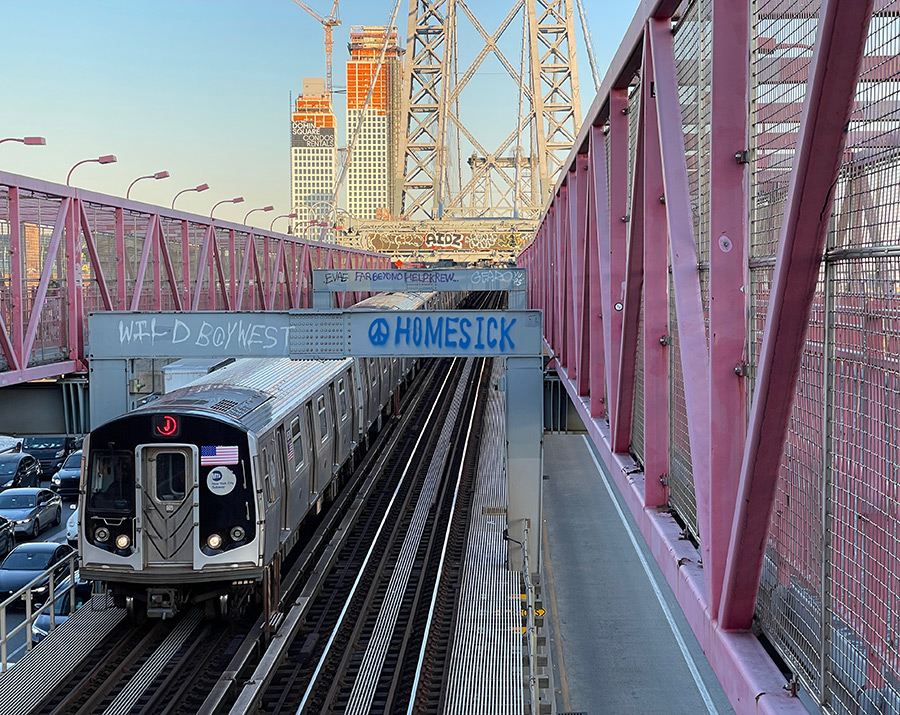
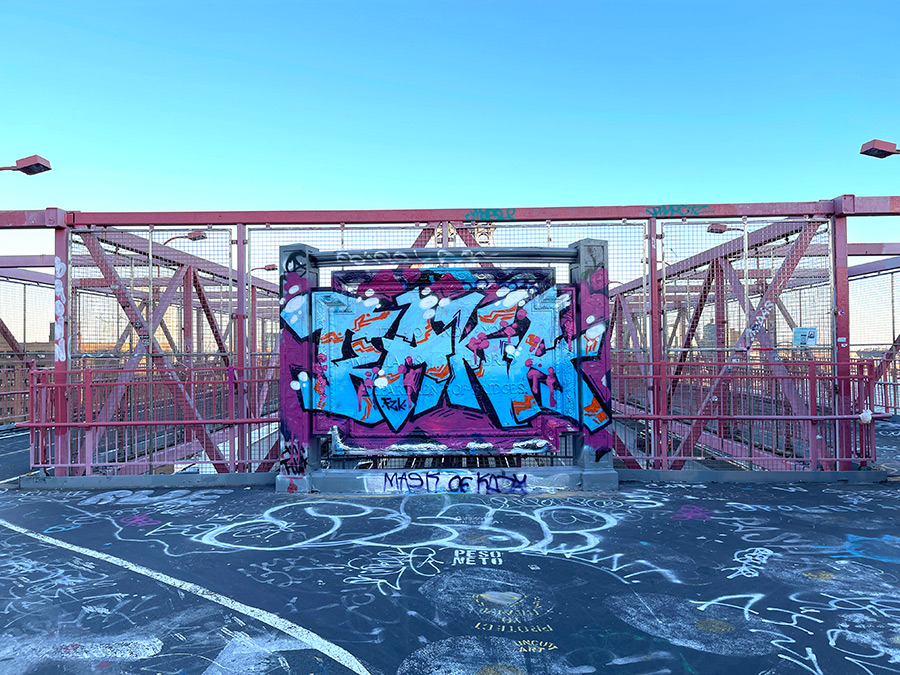
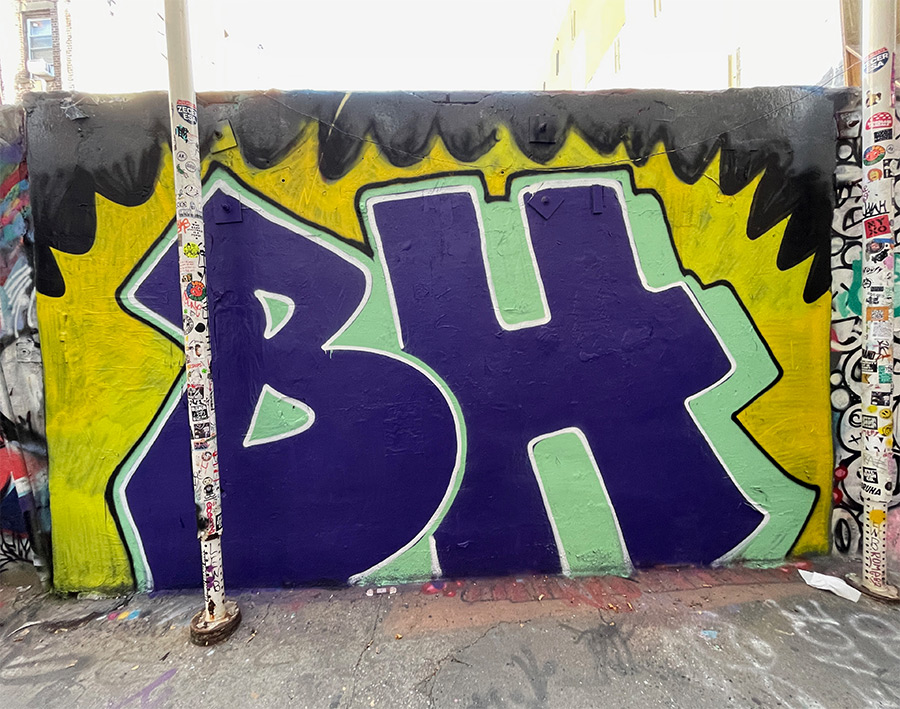
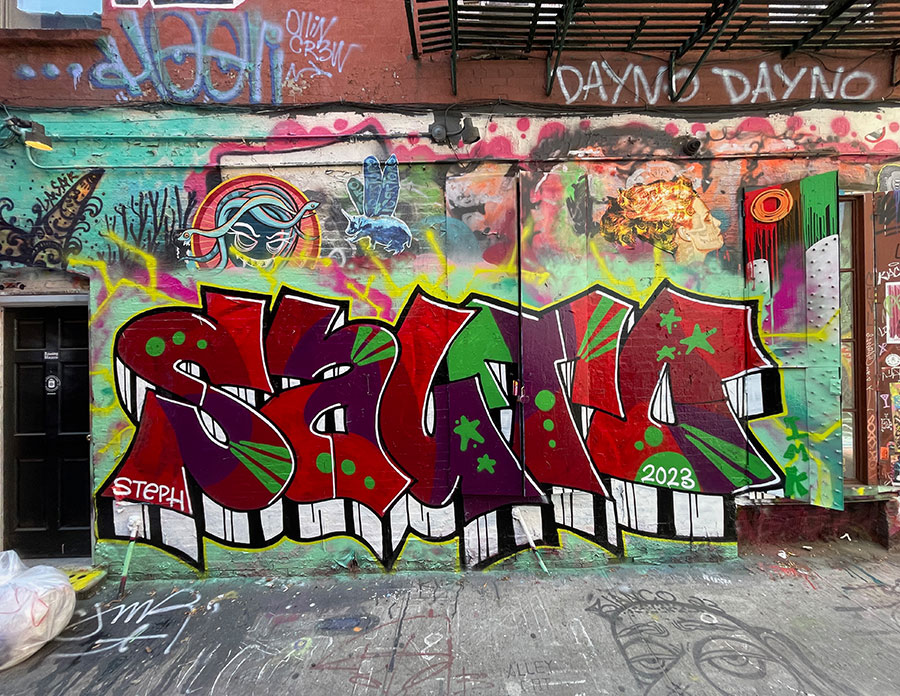
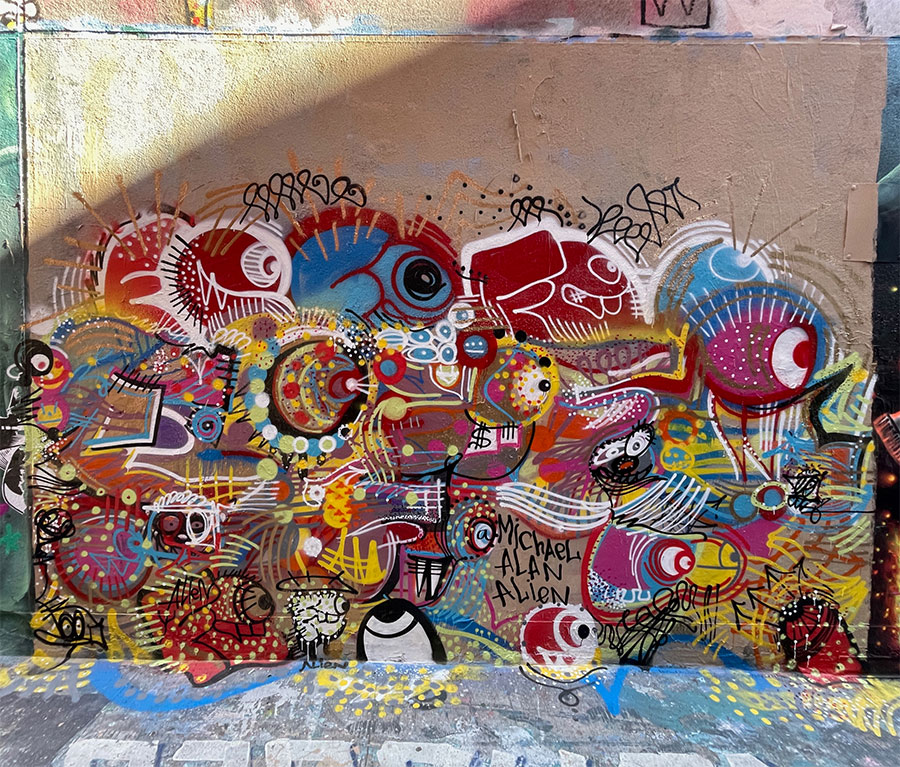
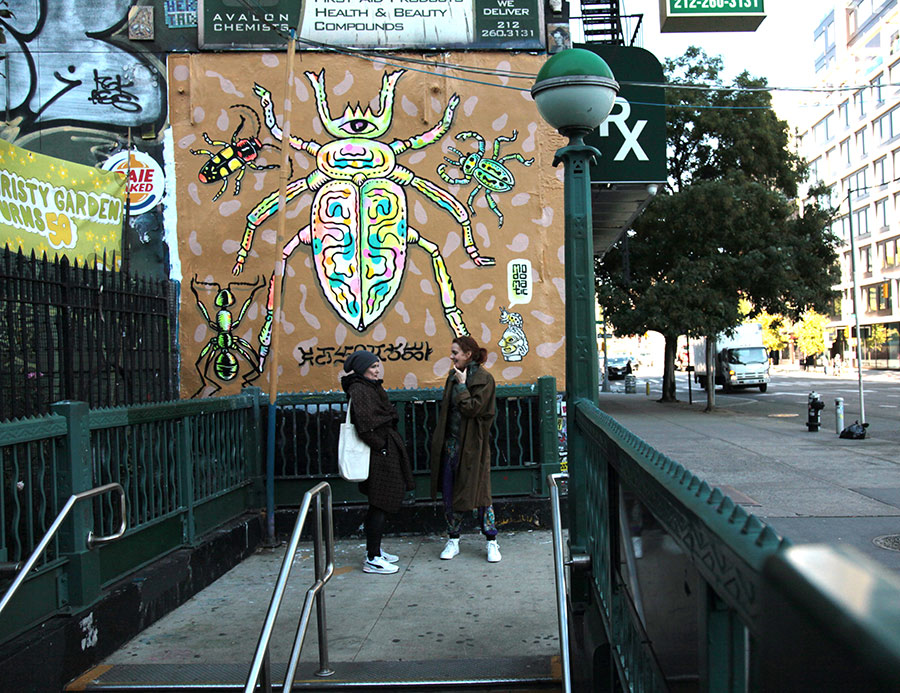
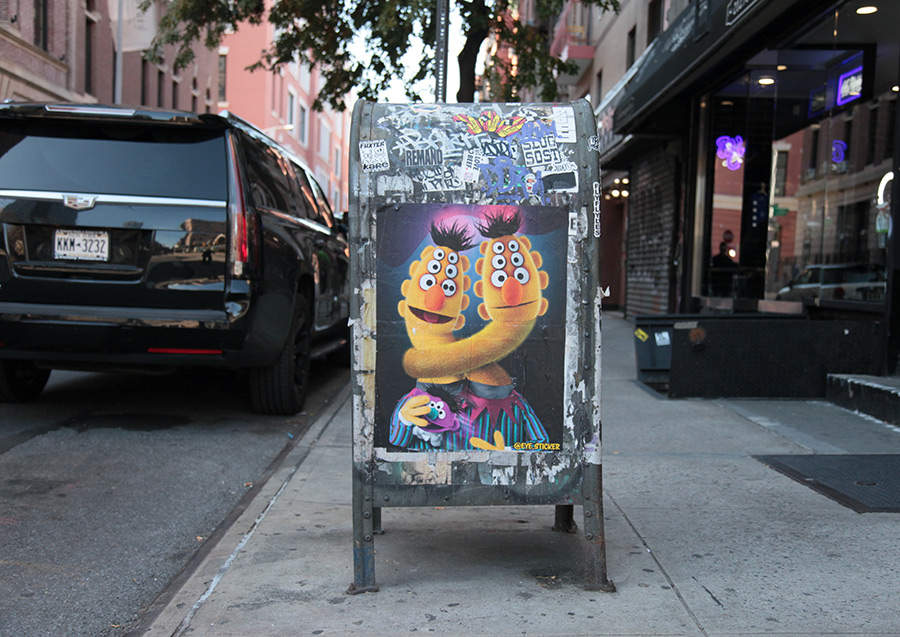
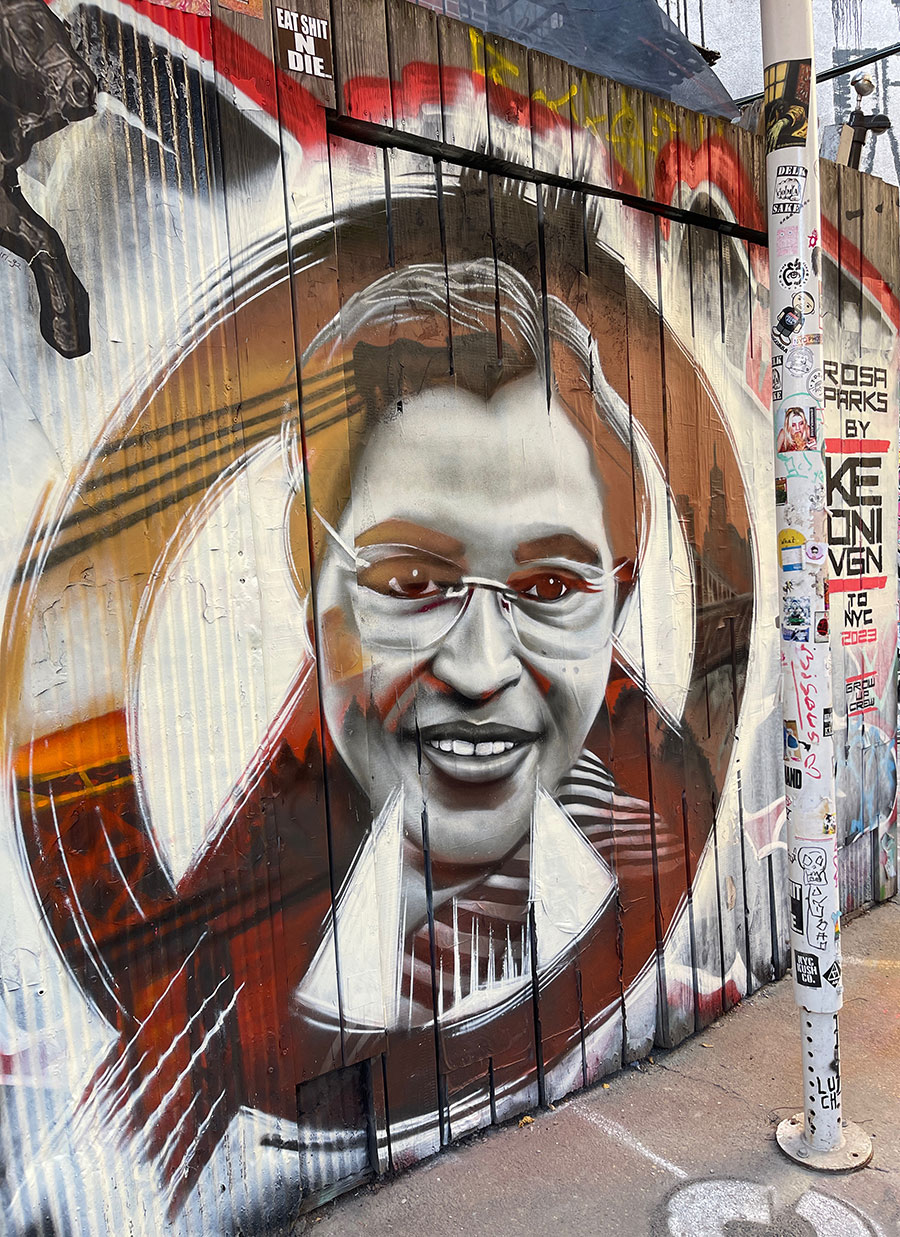
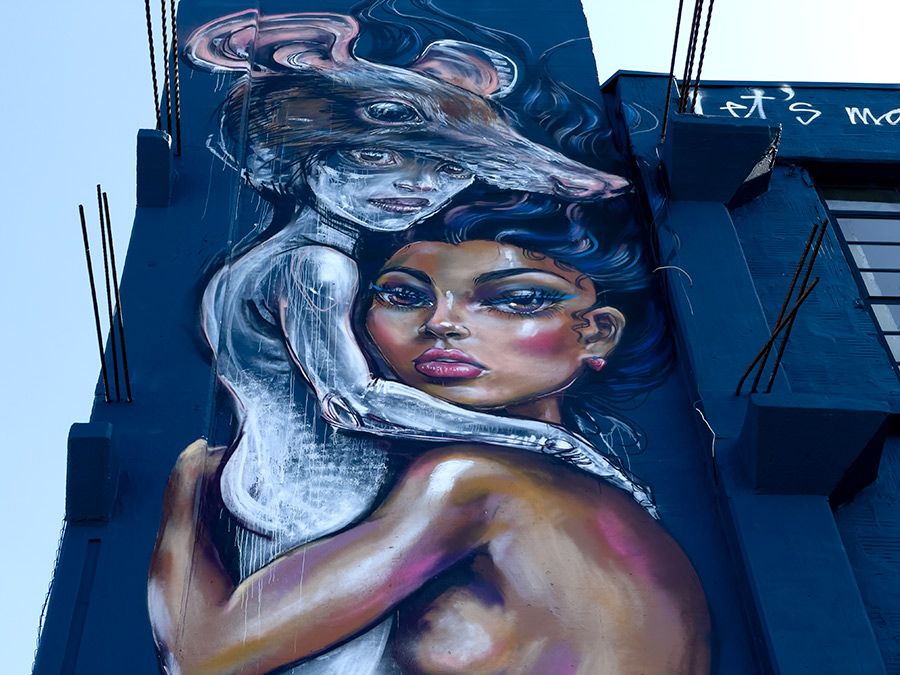
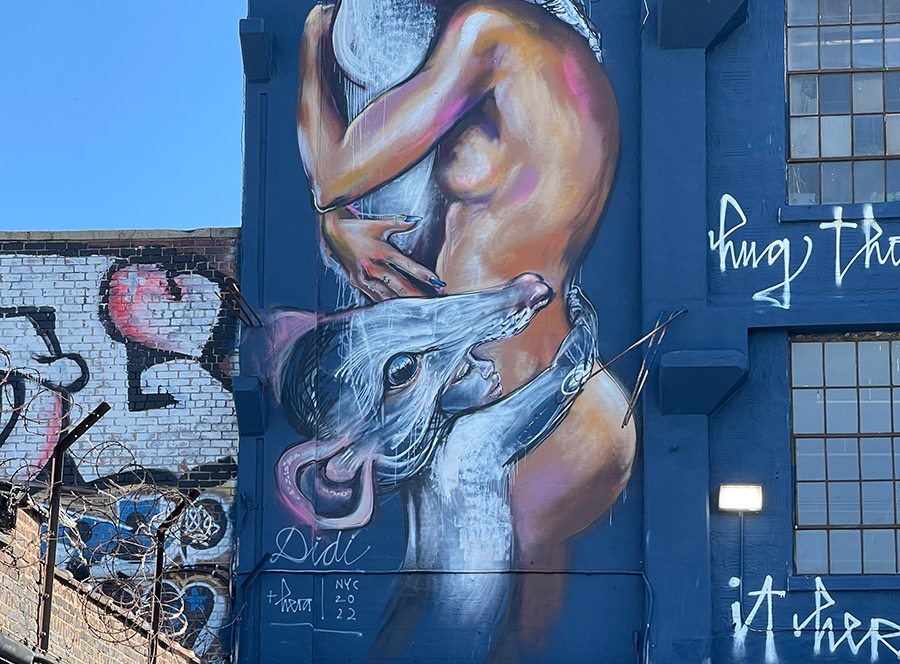
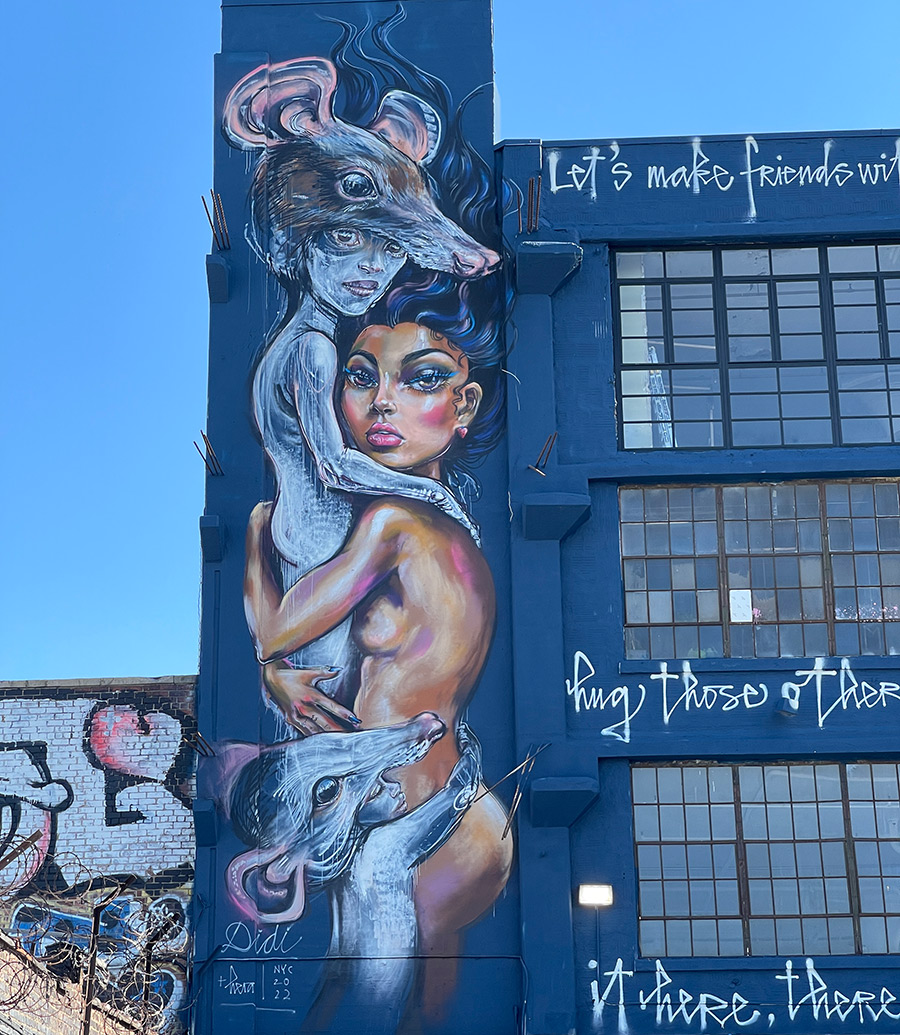
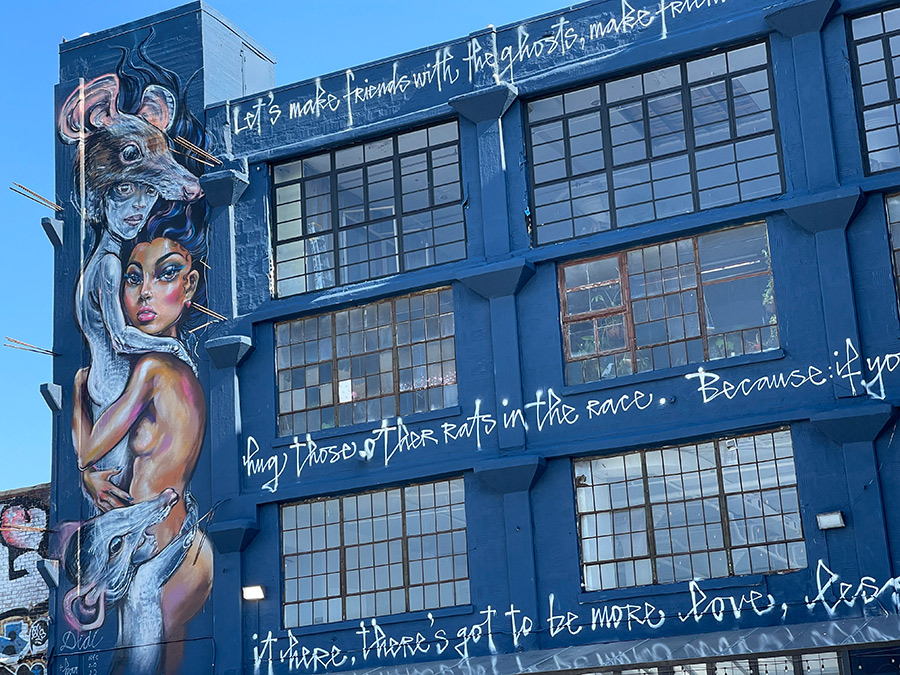
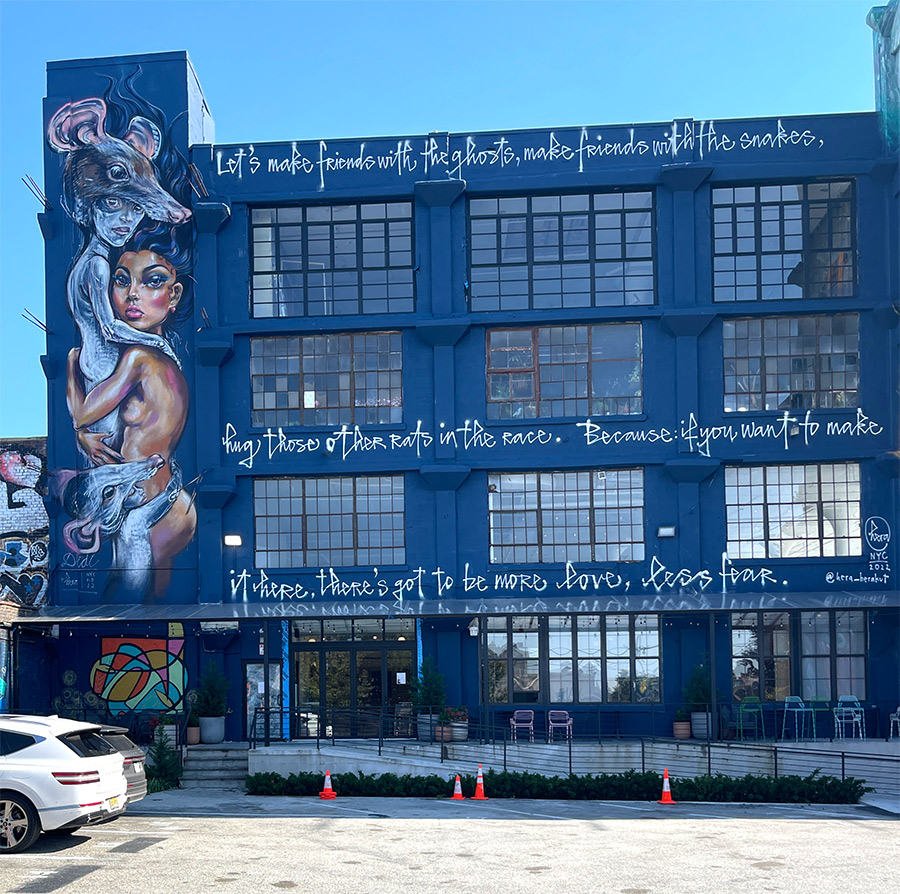
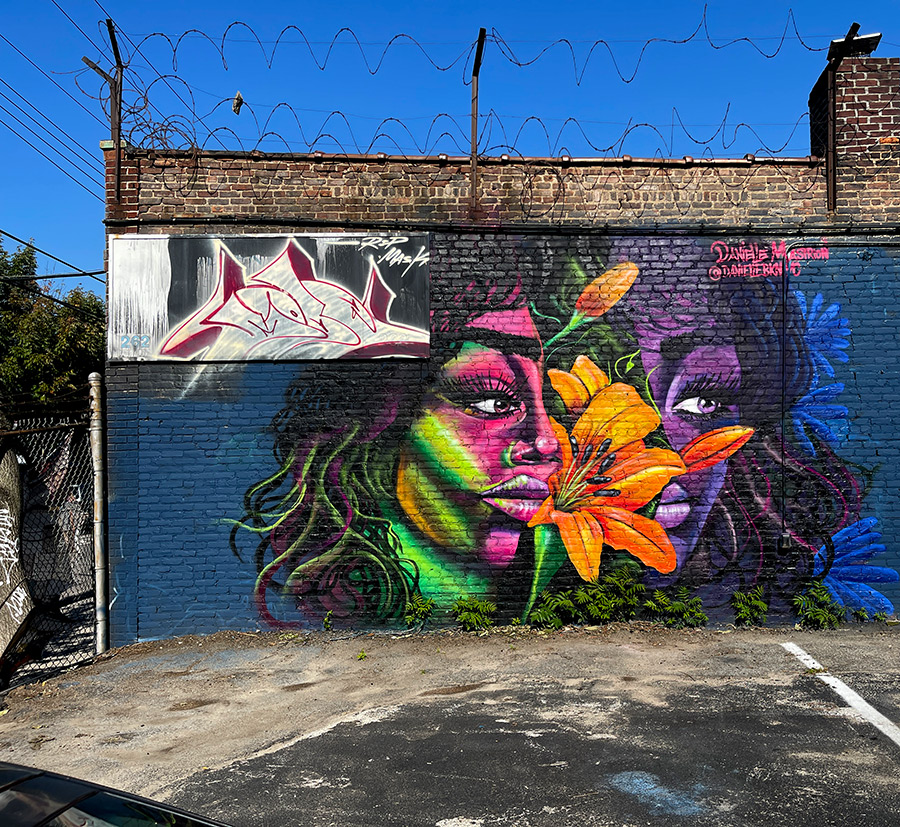
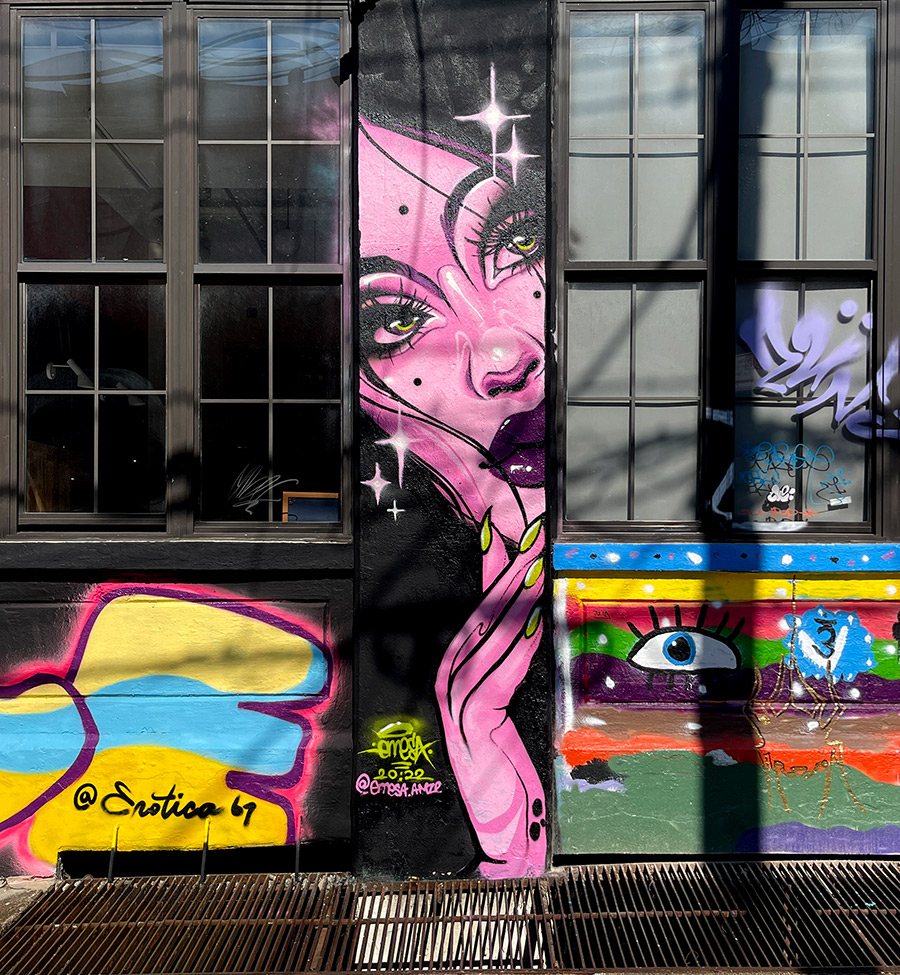
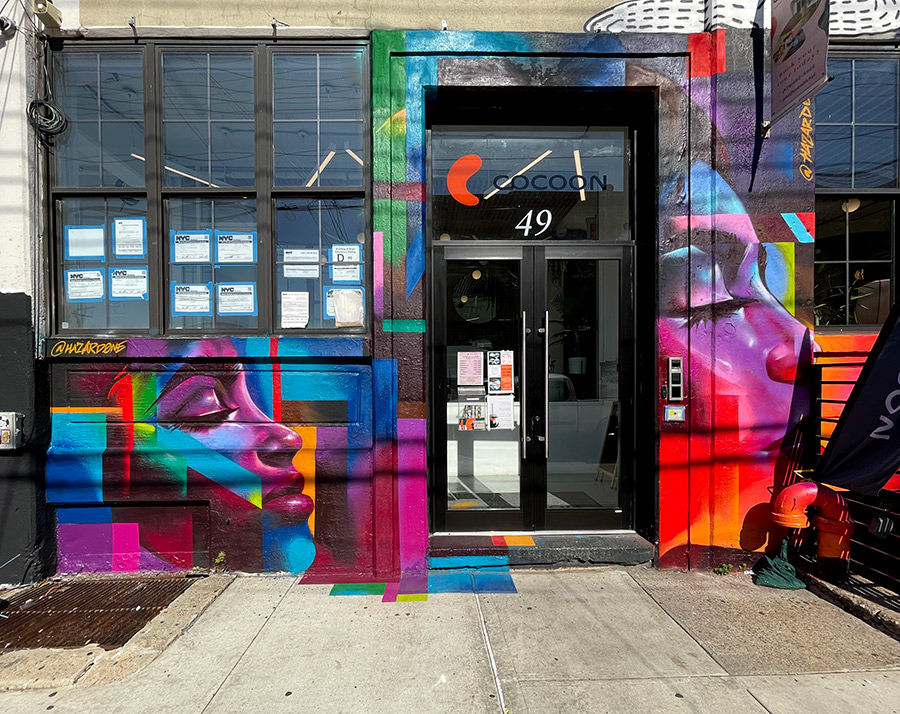
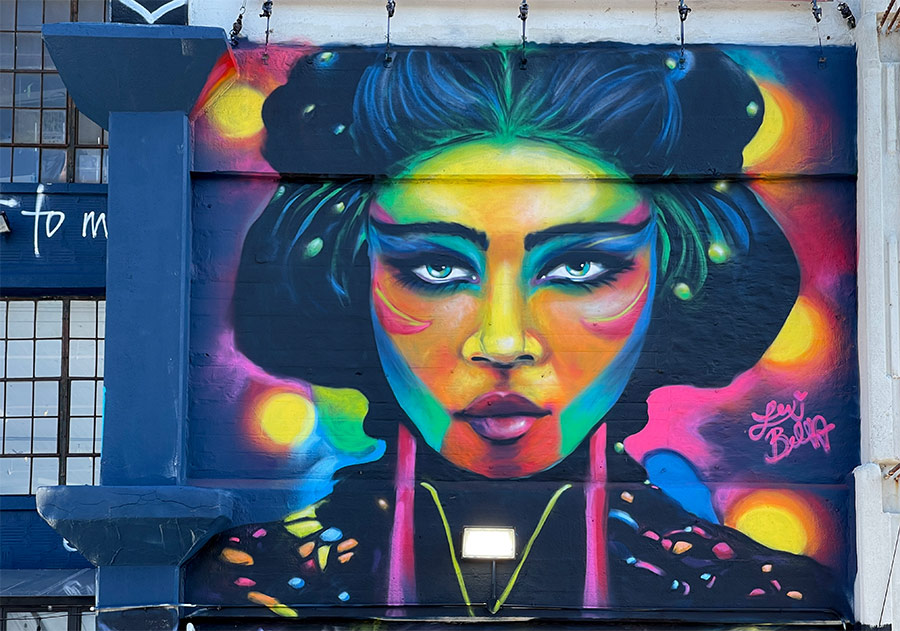
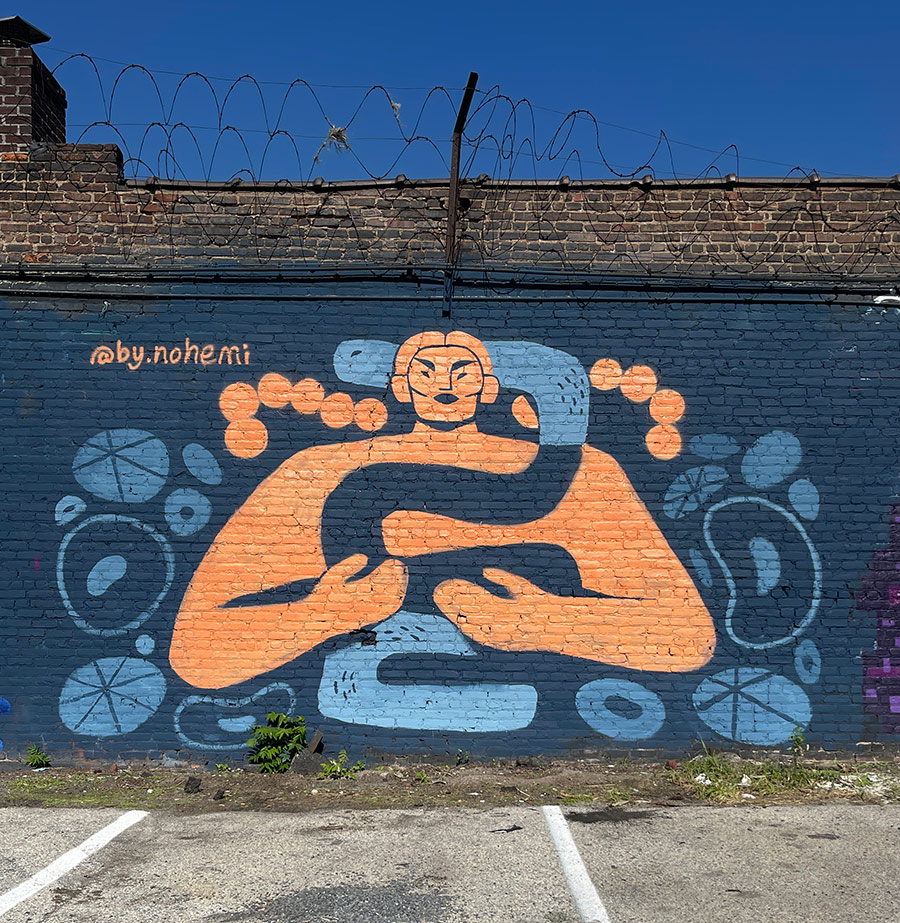
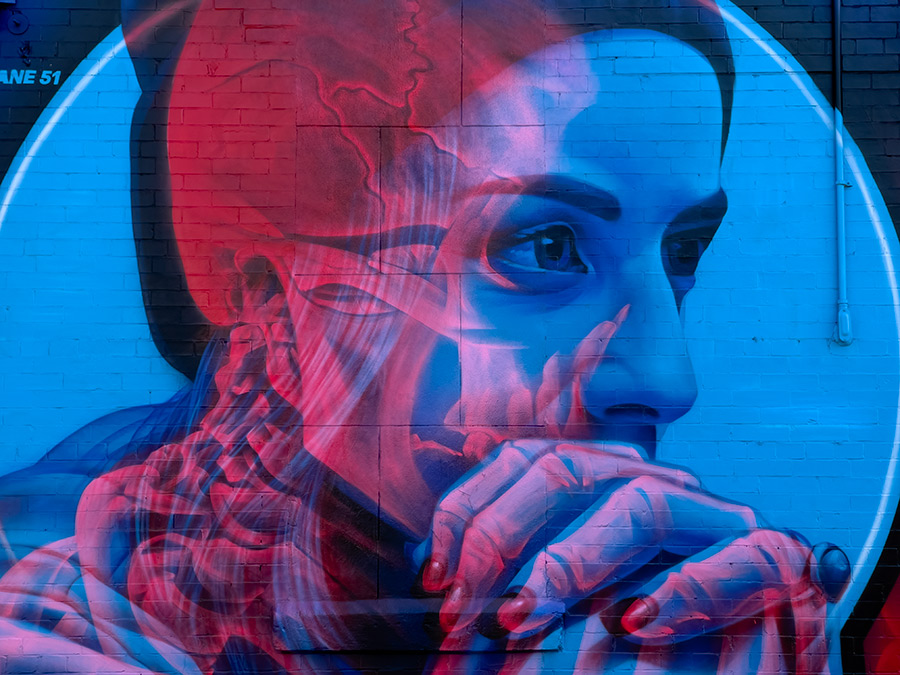
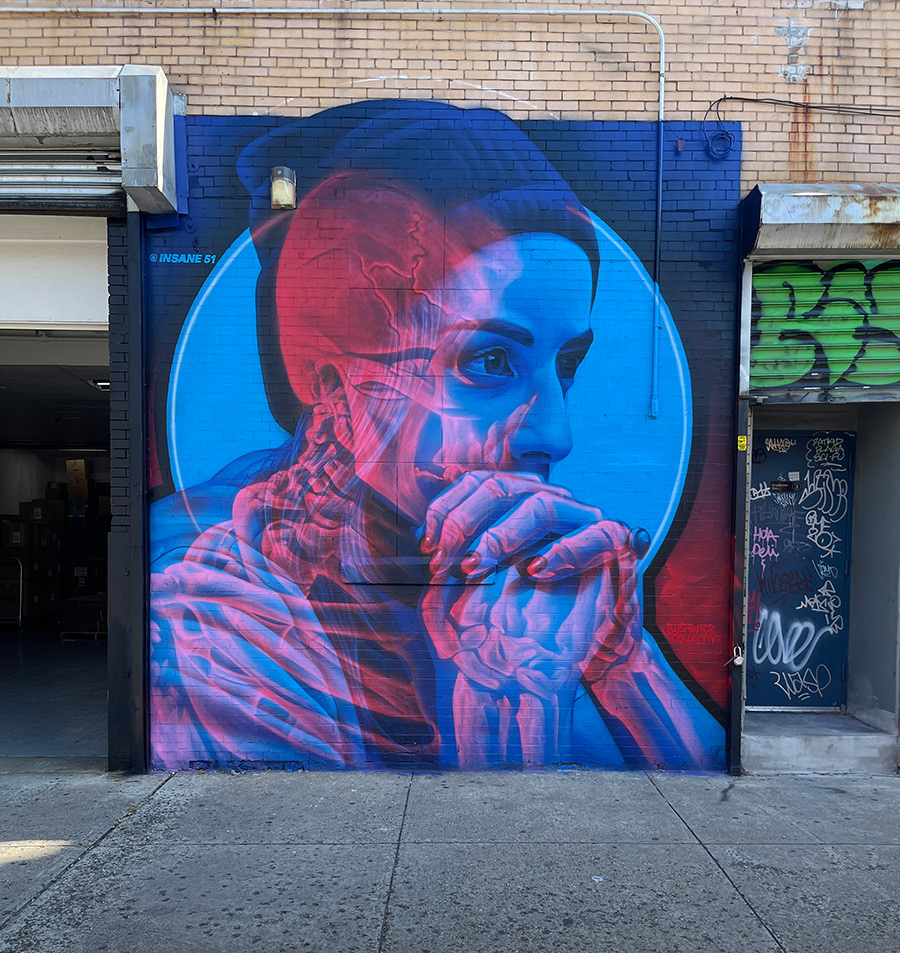
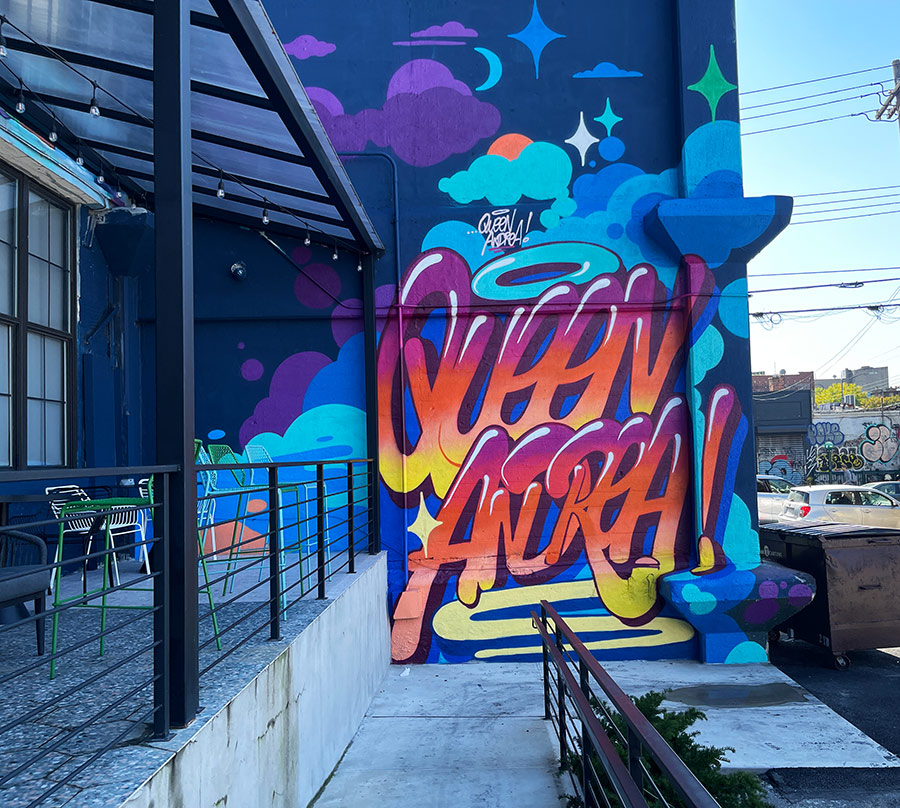
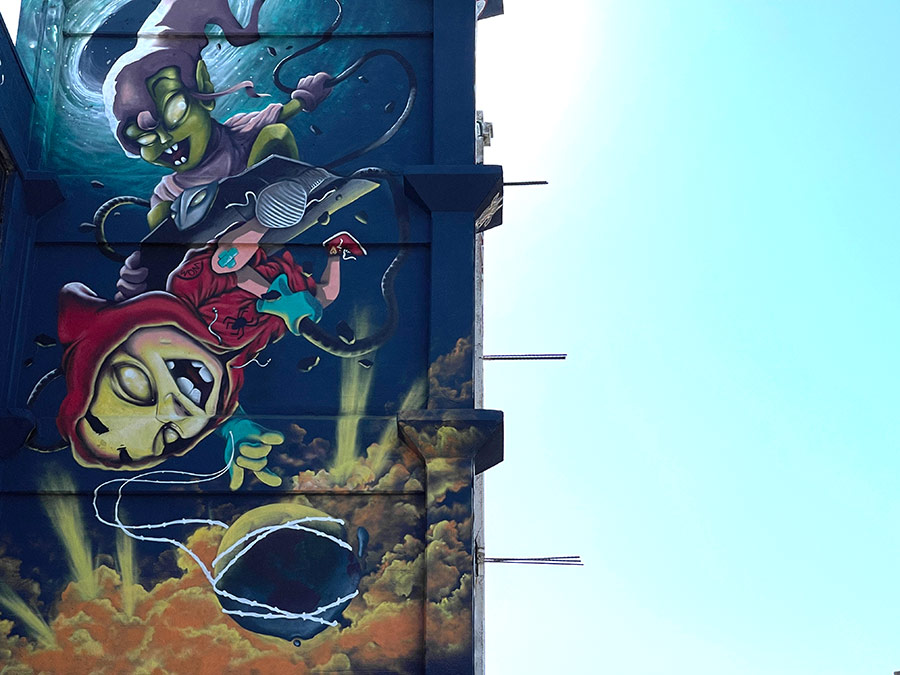
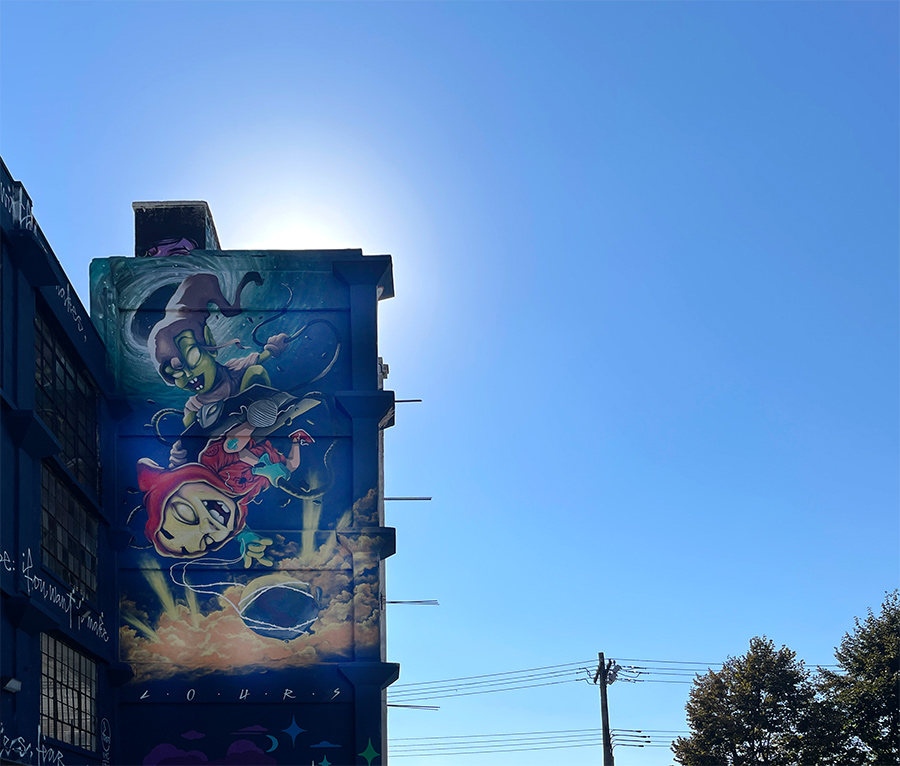
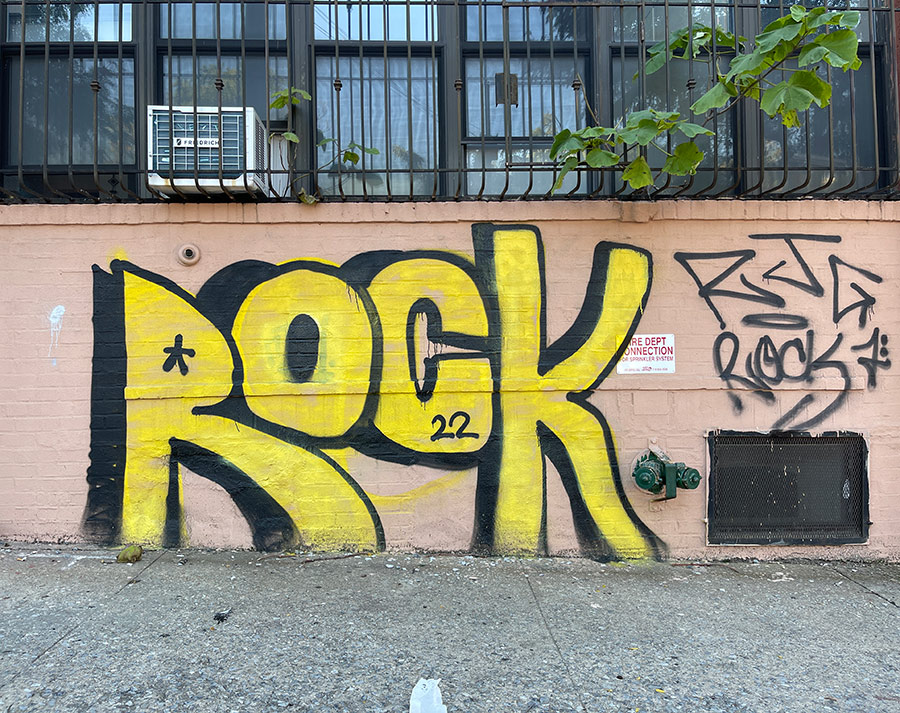
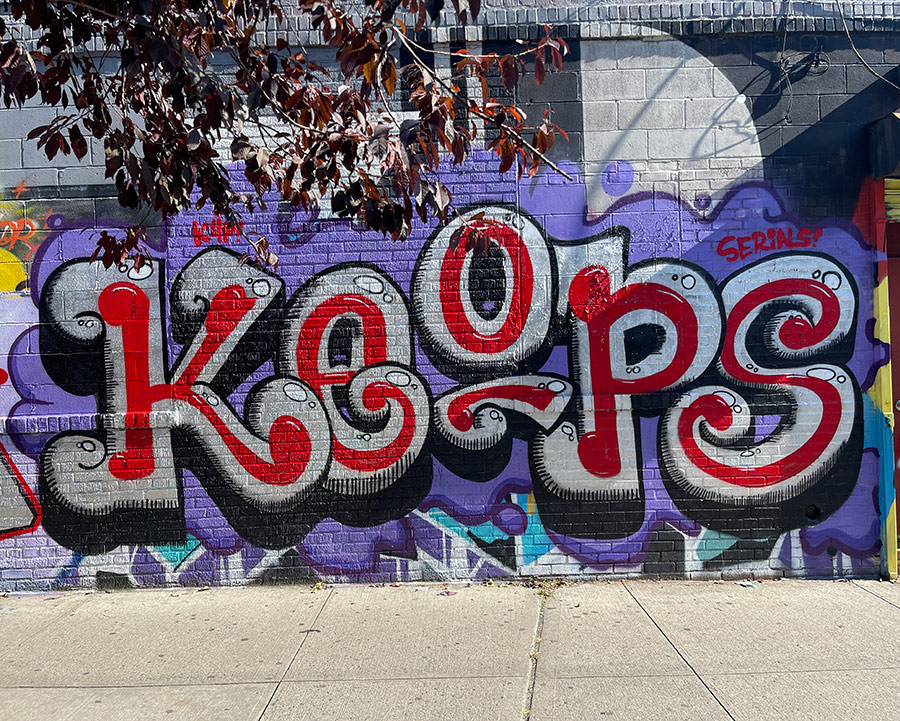
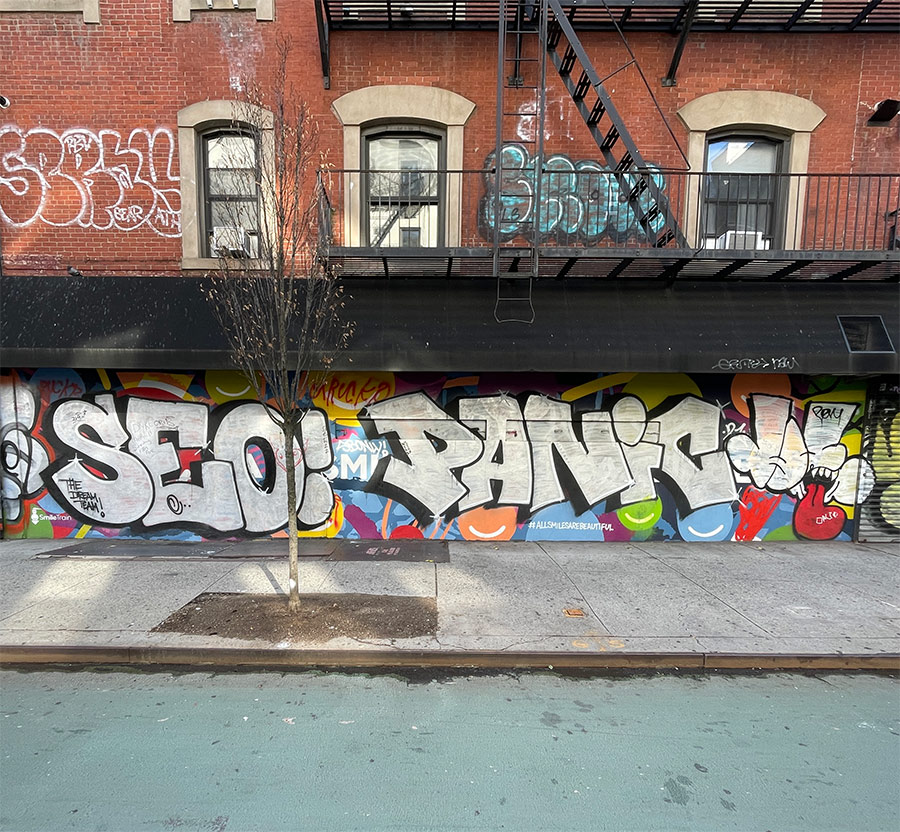
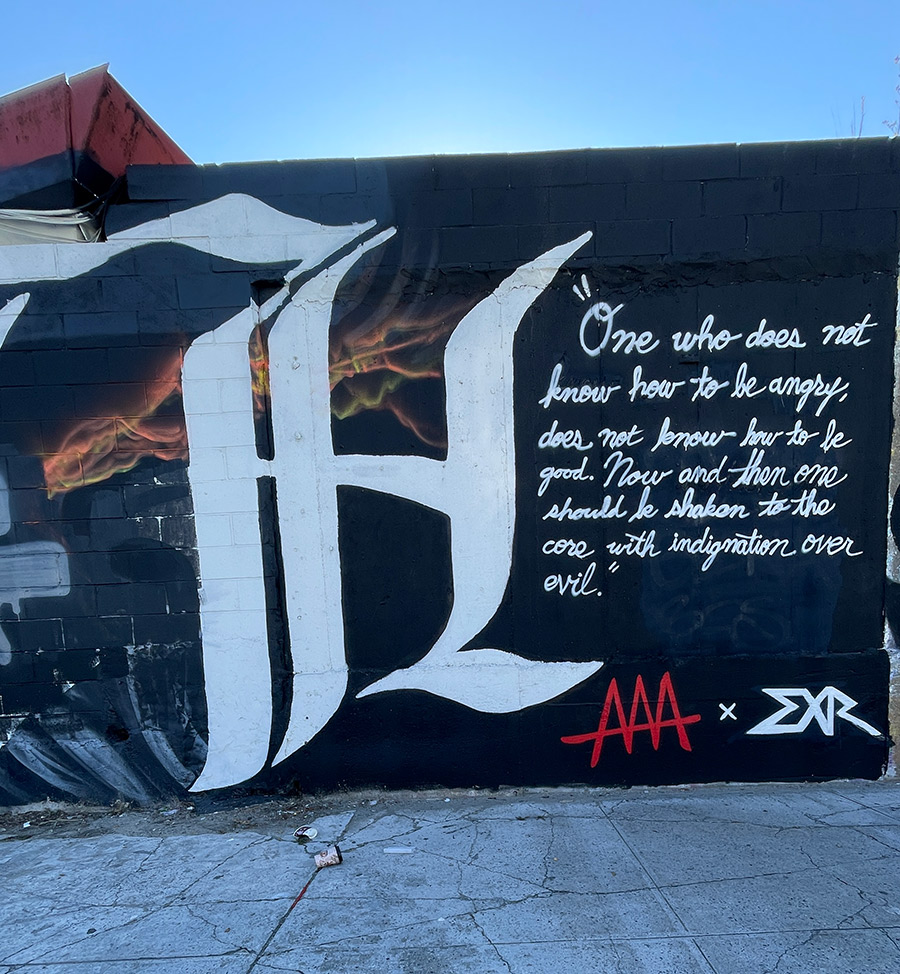
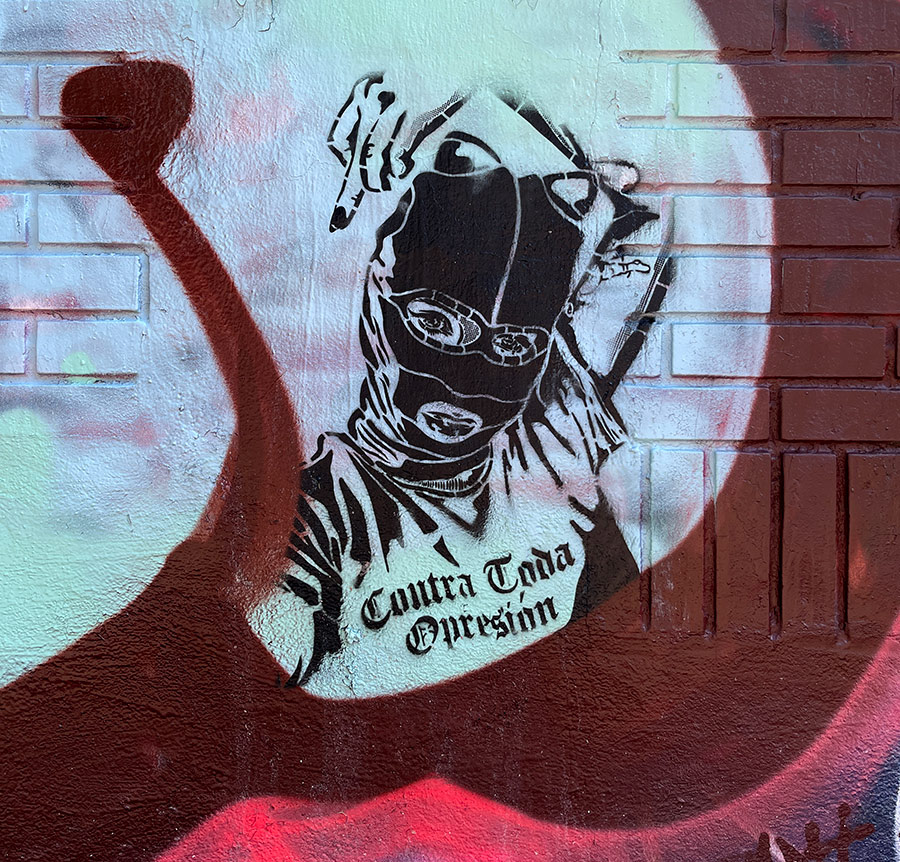
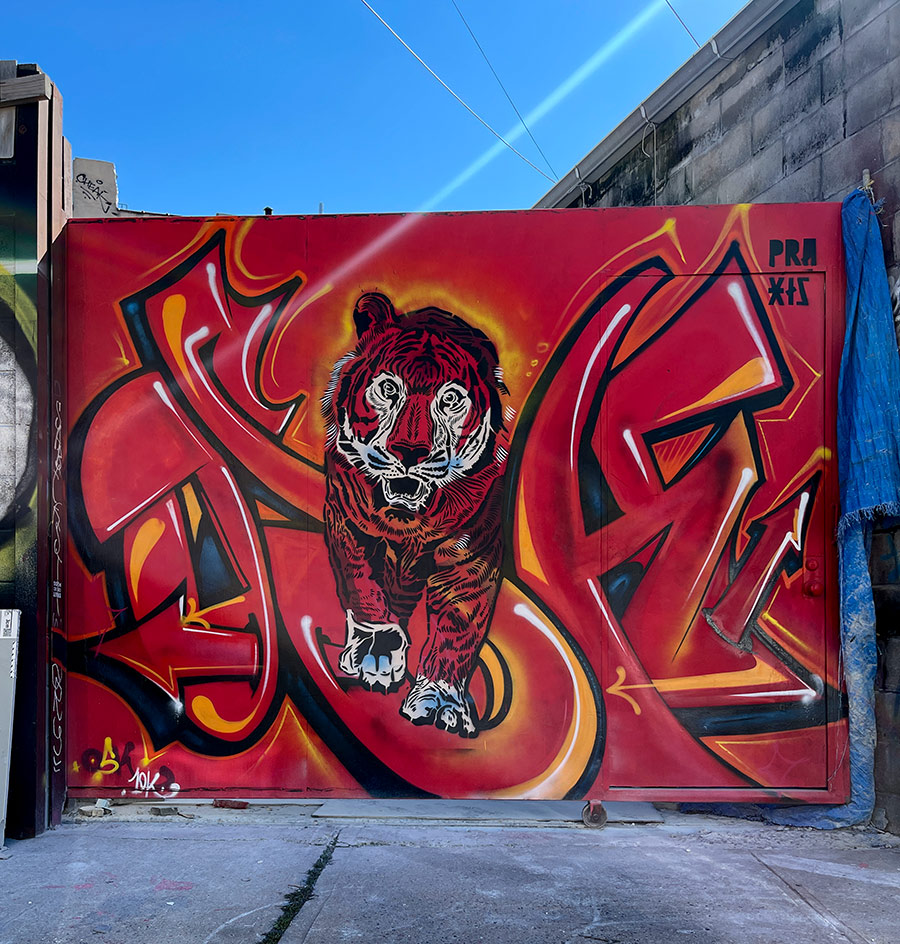
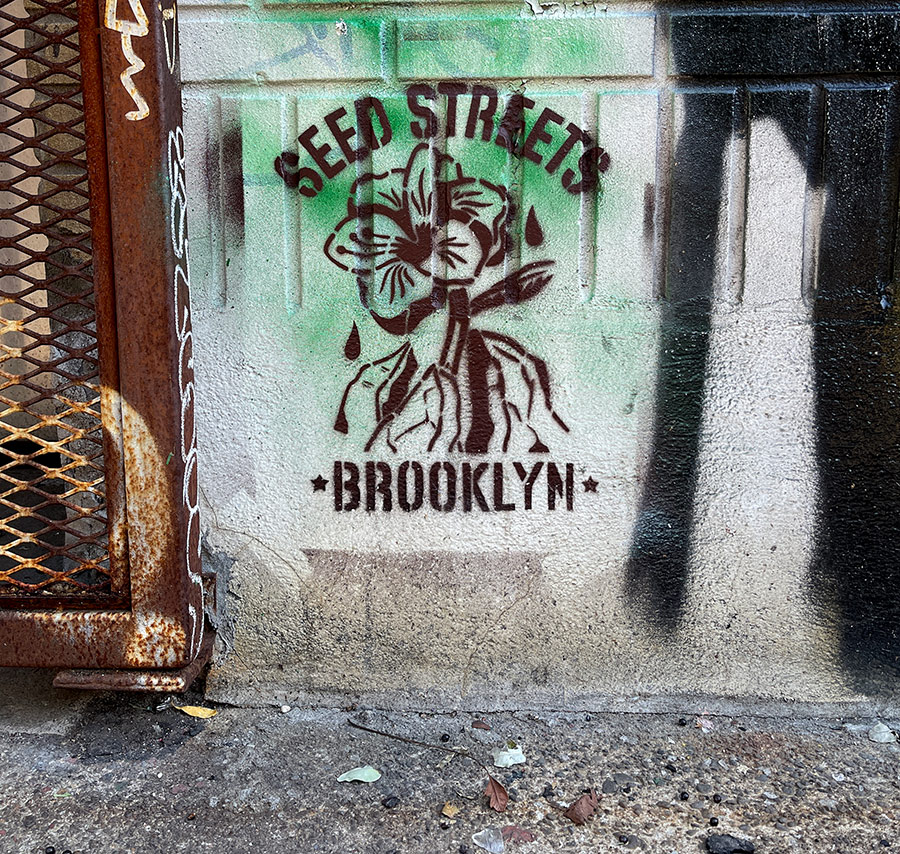
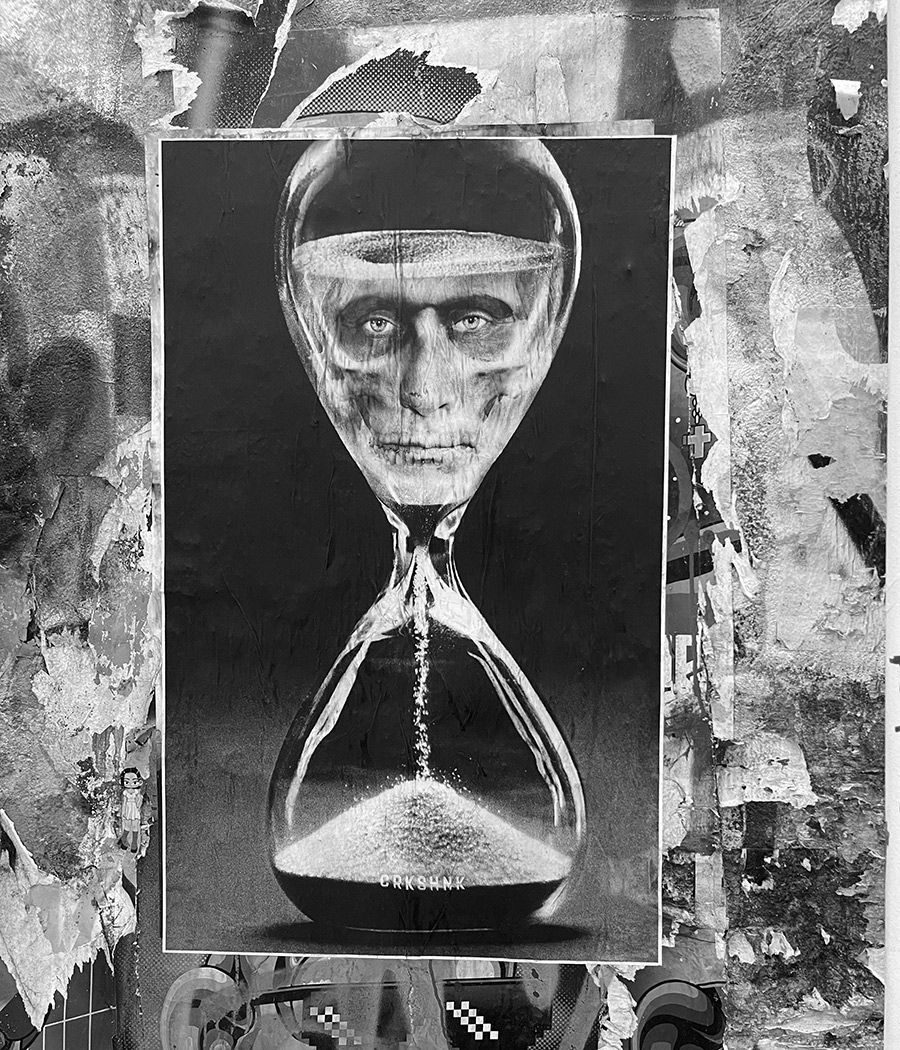
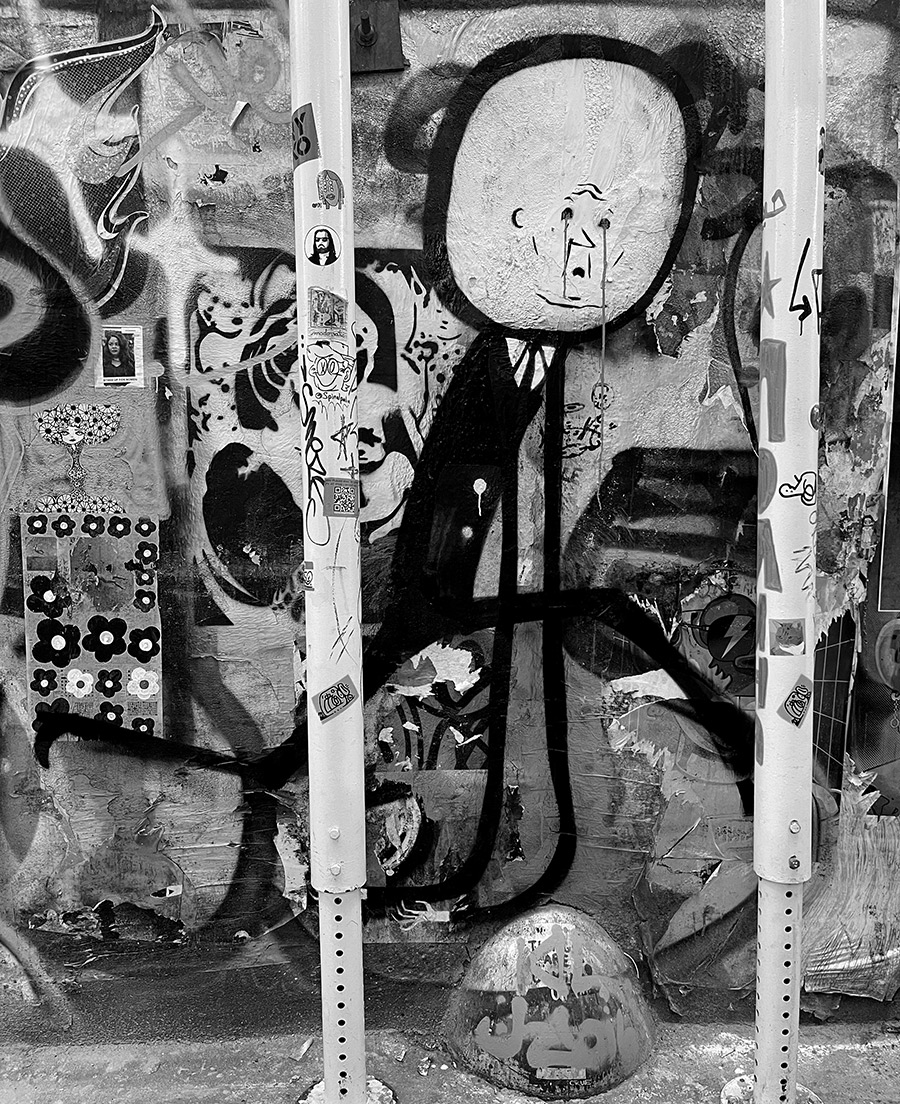
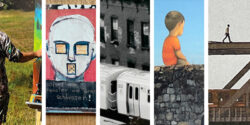
Here’s a glimpse of the latest graffiti, street art, and murals captured in this week’s survey, including Aida Miro, Frankie Botz, Humble, Juliana Ruiz, Kong Savage, Lao Art, Lina Montoya, Minhafofa, MSK Crew, Musicoby, OSK, Paolo Tolention, Phetus88, Pixote, Qzar, Rambo, Sonni, Steve Sie, Tess, and Zoot.