Welcome to BSA Images of the Week. Happy Mother’s Day – to all the mothers and caretakers who have watched over us. Today, we honor thank you for your love, care, determination, sacrifice, guidance, creativity, patience, and sleepless nights. For those who are no longer here with us, we remember you with love and gratitude. Everyone is doing the best we can with the light we have to live by.
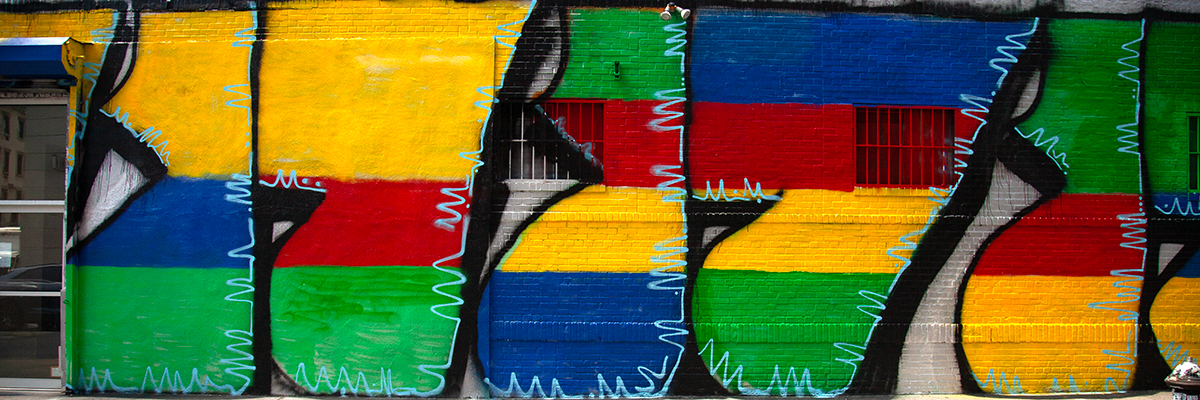
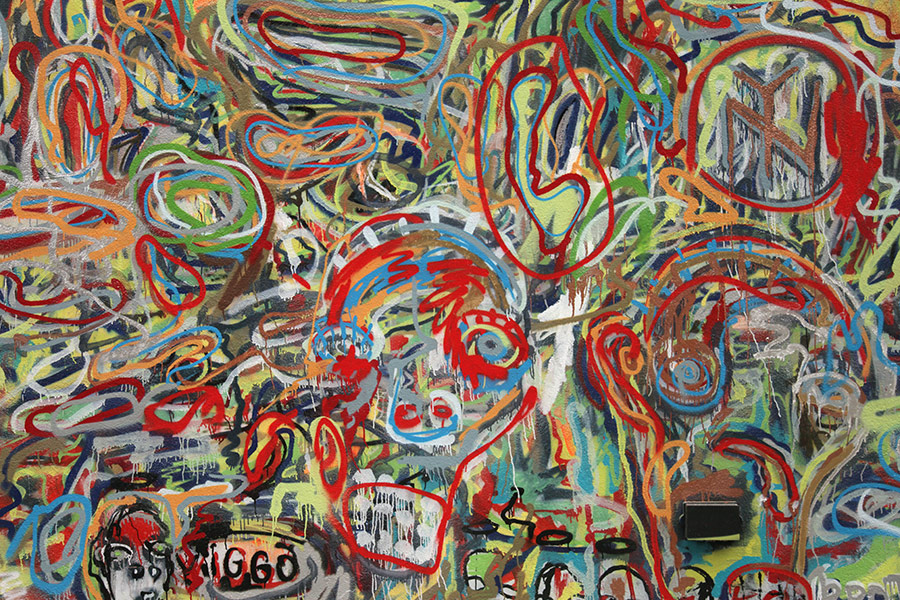
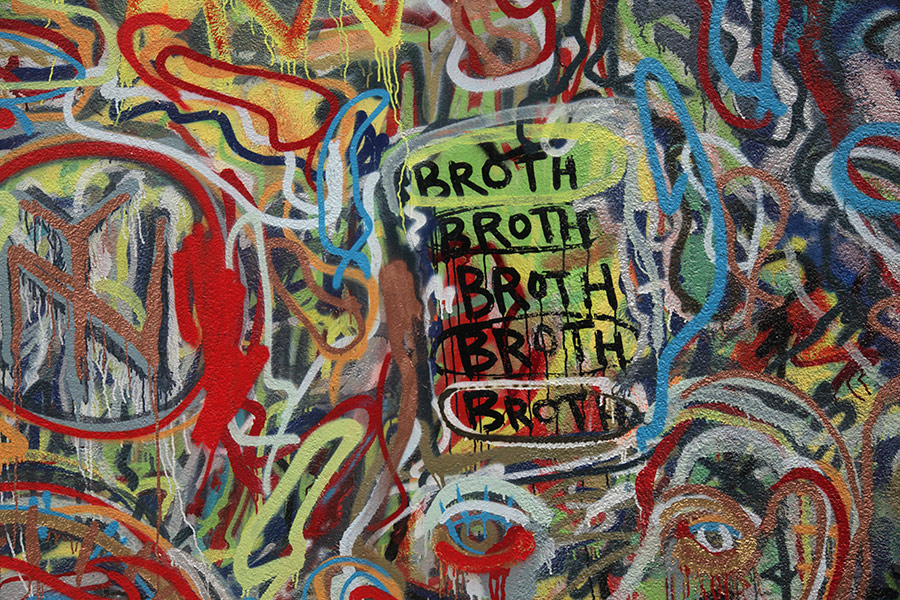
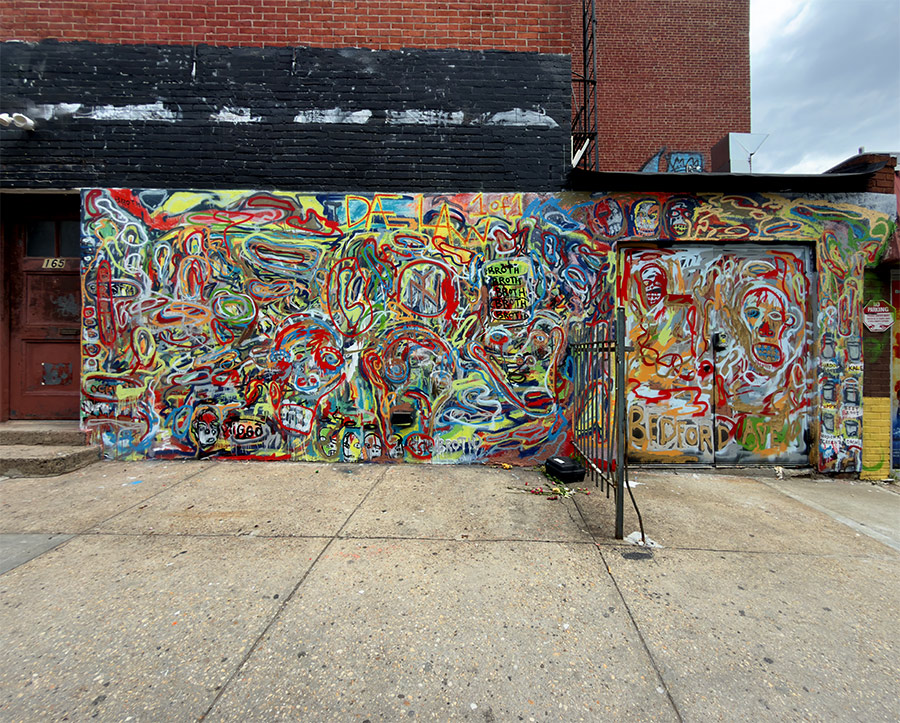
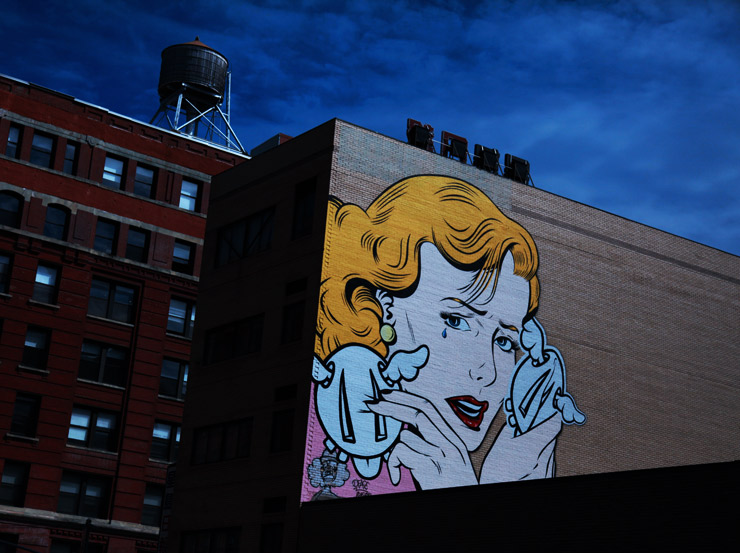
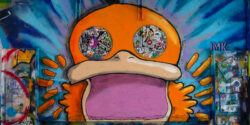
We start this new collection of images by photographer Jaime Rojo: a bash of color and expression from Dae Law.
The mural feels like right now, with its tangled ribbons snaking across the wall, sprayed and brushed without hierarchy, crude symbols that emerge and disappear, drips and imperfections left visible, and clashing colors of acidic yellow, gritty white, flat reds, blues, muddy greys, and blushing pinks. This is contained chaos, with a Basquiat-style text interruption, brutish application, overlapping expressionism, you think of notebook doodling and low-volume excitement and urban anxiety at one time.
When the narratives and data are delivered by firehose, this is what we get: an information landscape nearly impossible to bring into focus. Headlines, propaganda, advertising, strangely personal appeals, subtle invective, outrage, and corn syrup – its all layered so densely that meaning begins to shift and reshape into jittery loops and disjointed slogans and artifacts of imagery.
On a different note, it looks like Instagram continues its purge, or rather, algorithm anarchy, as overnight we just lost 2K followers. We have lost more than 50K followers since the introduction of a new algorithm, years ago, that was designed to drive content to followers. It makes no sense at all, as BSA continues to travel around the world, bringing stories to tens of thousands of people every week. The new followers are not enough to offset the lost ones. Just sayin’.
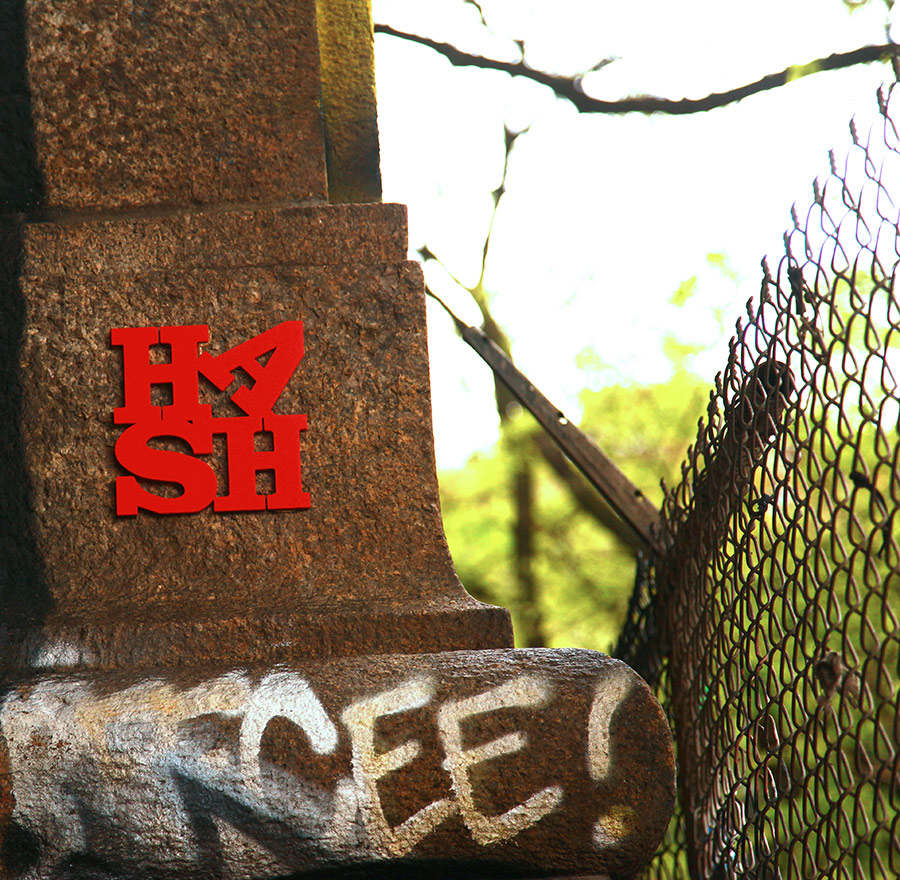
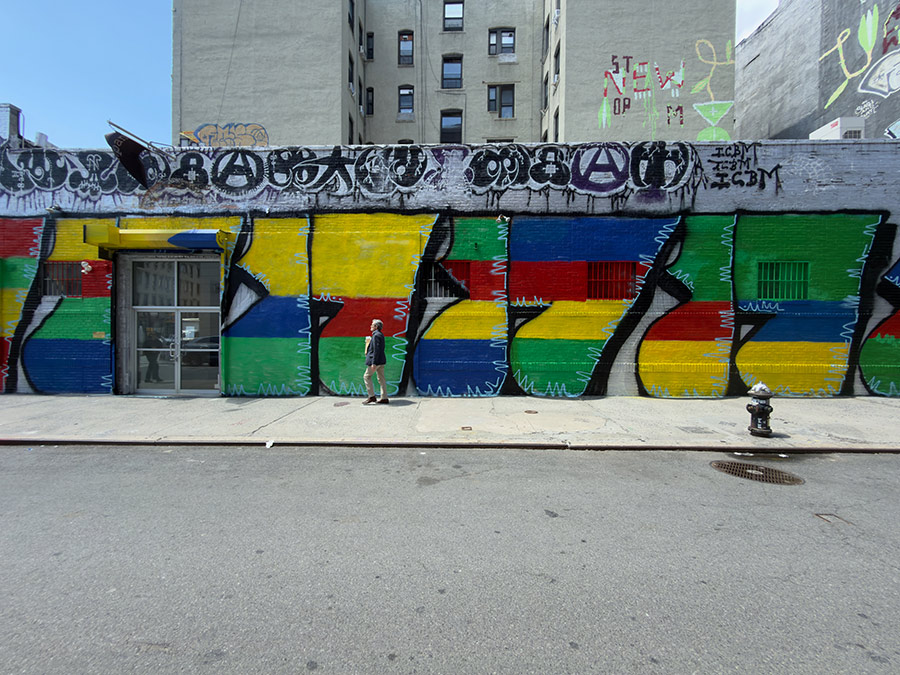
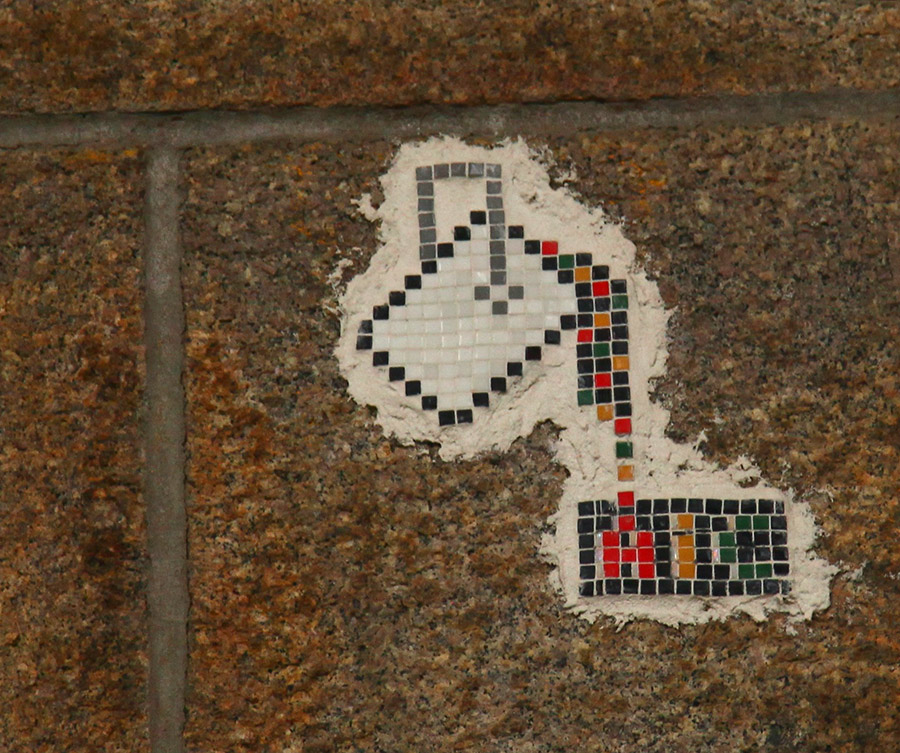
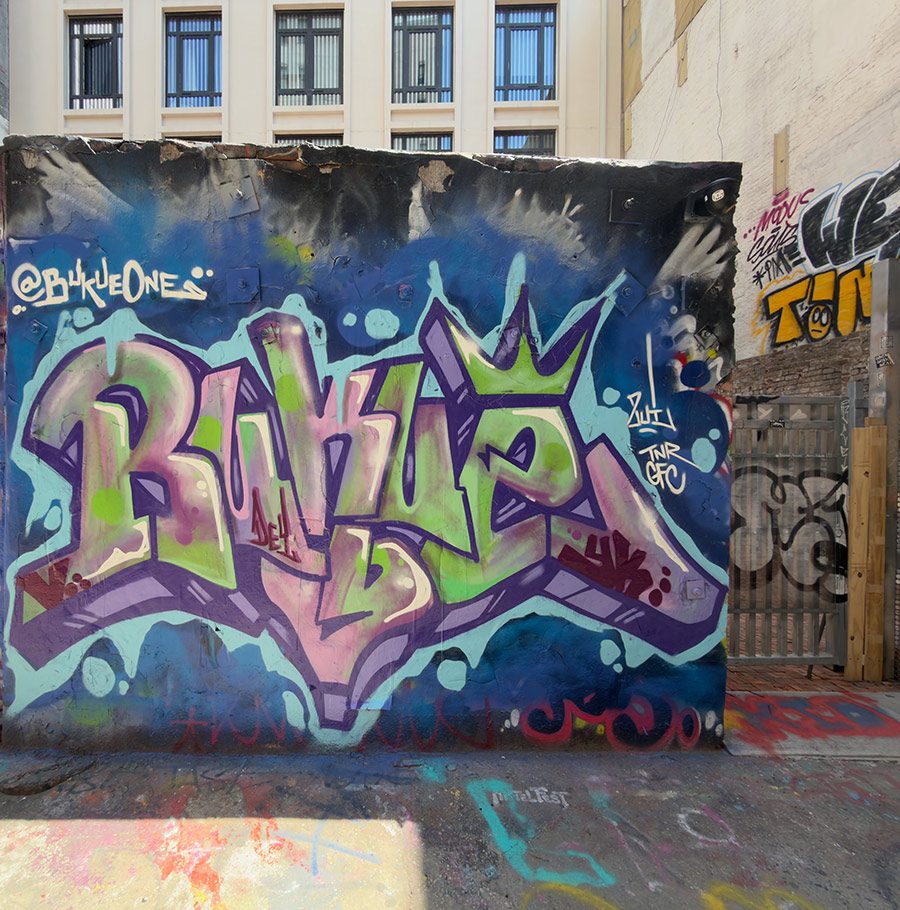
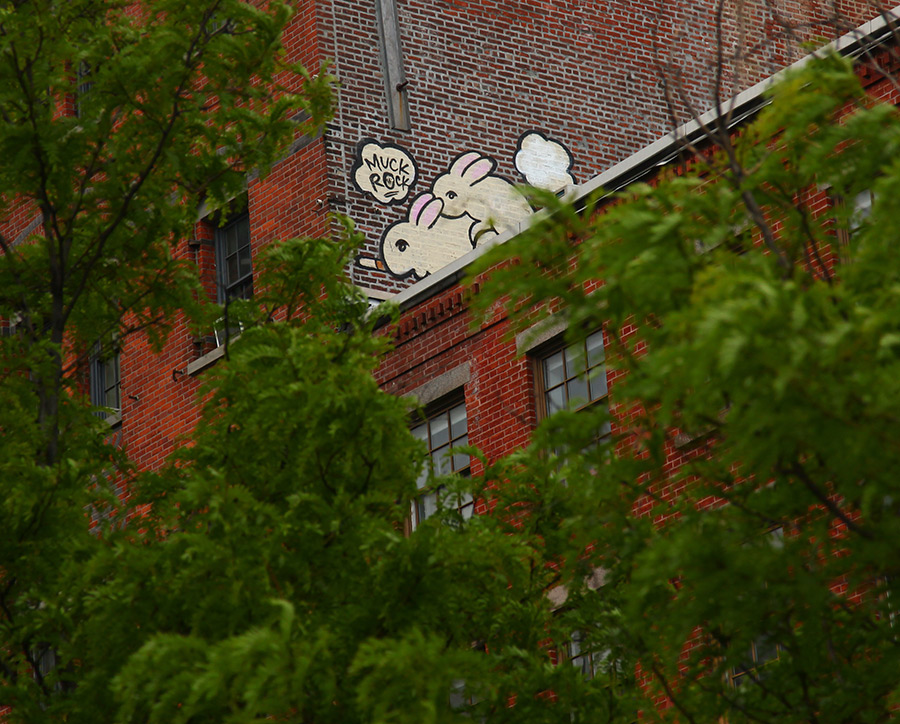
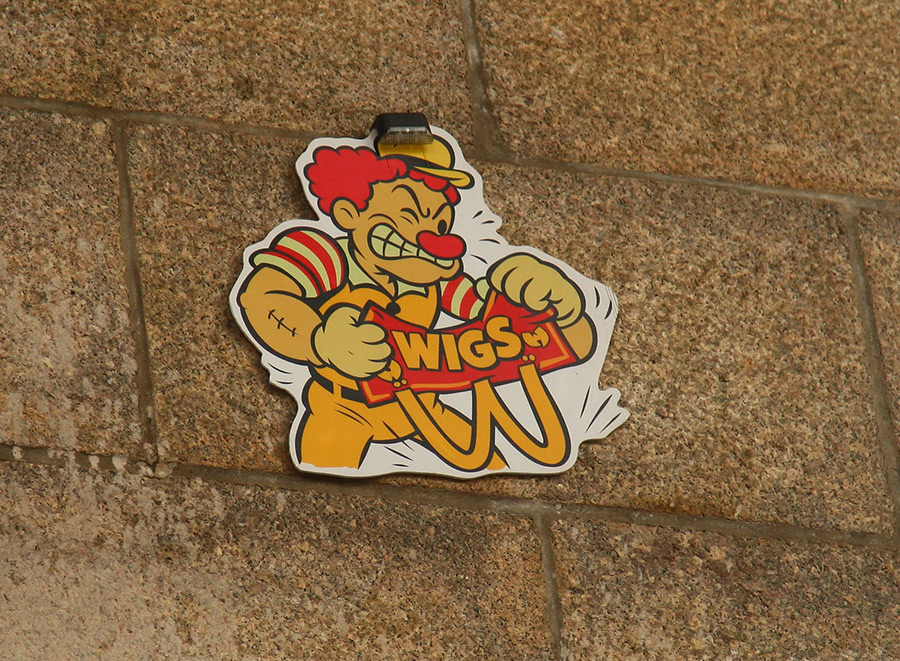
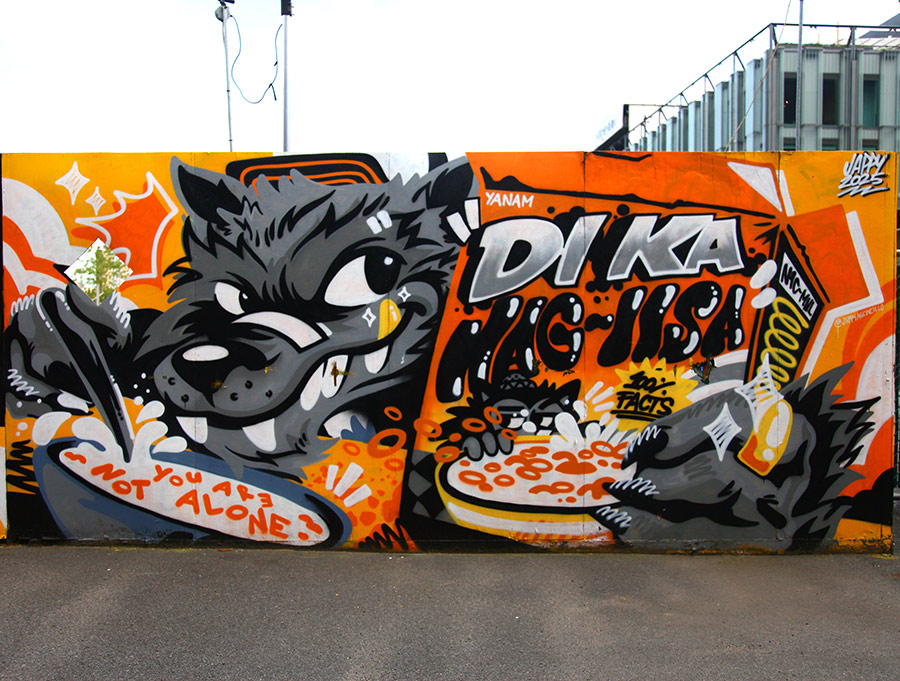
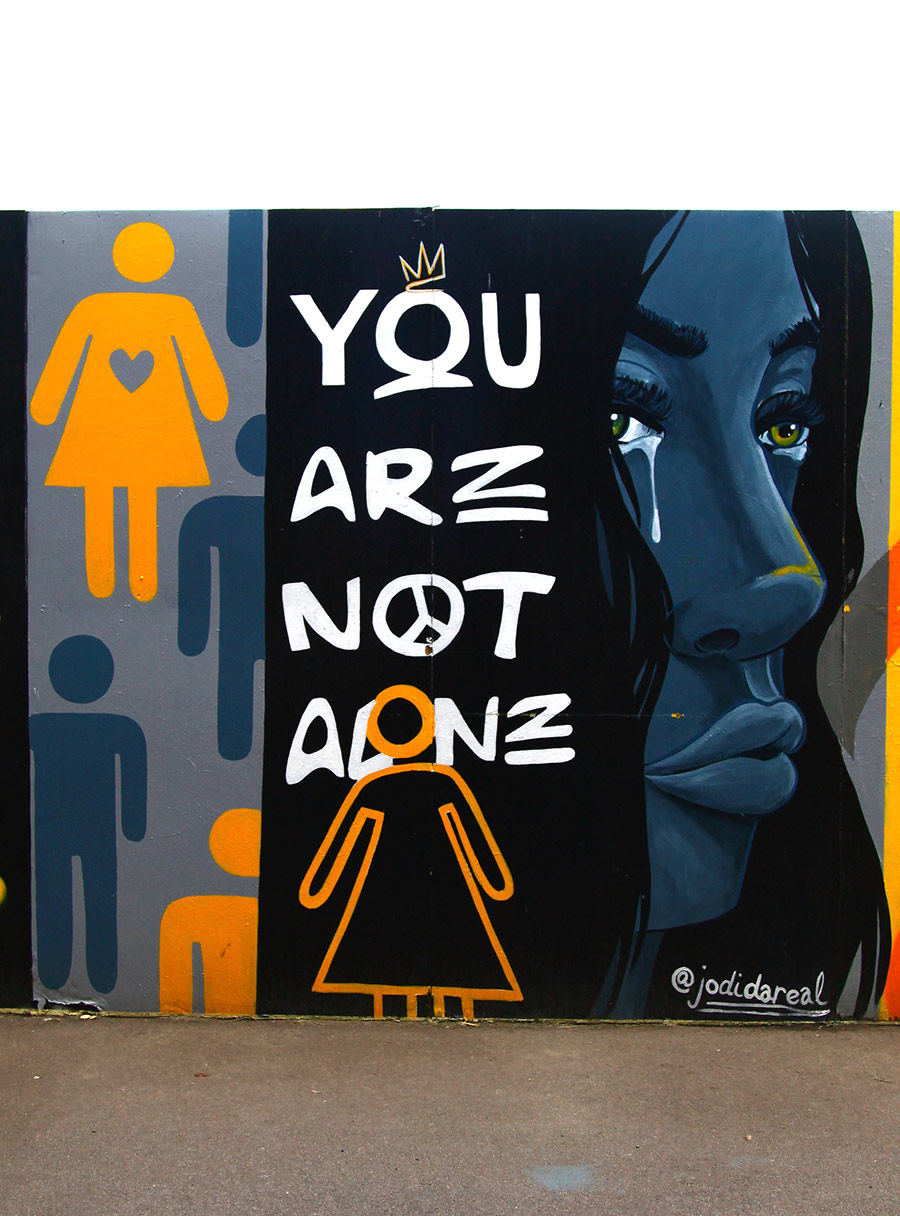
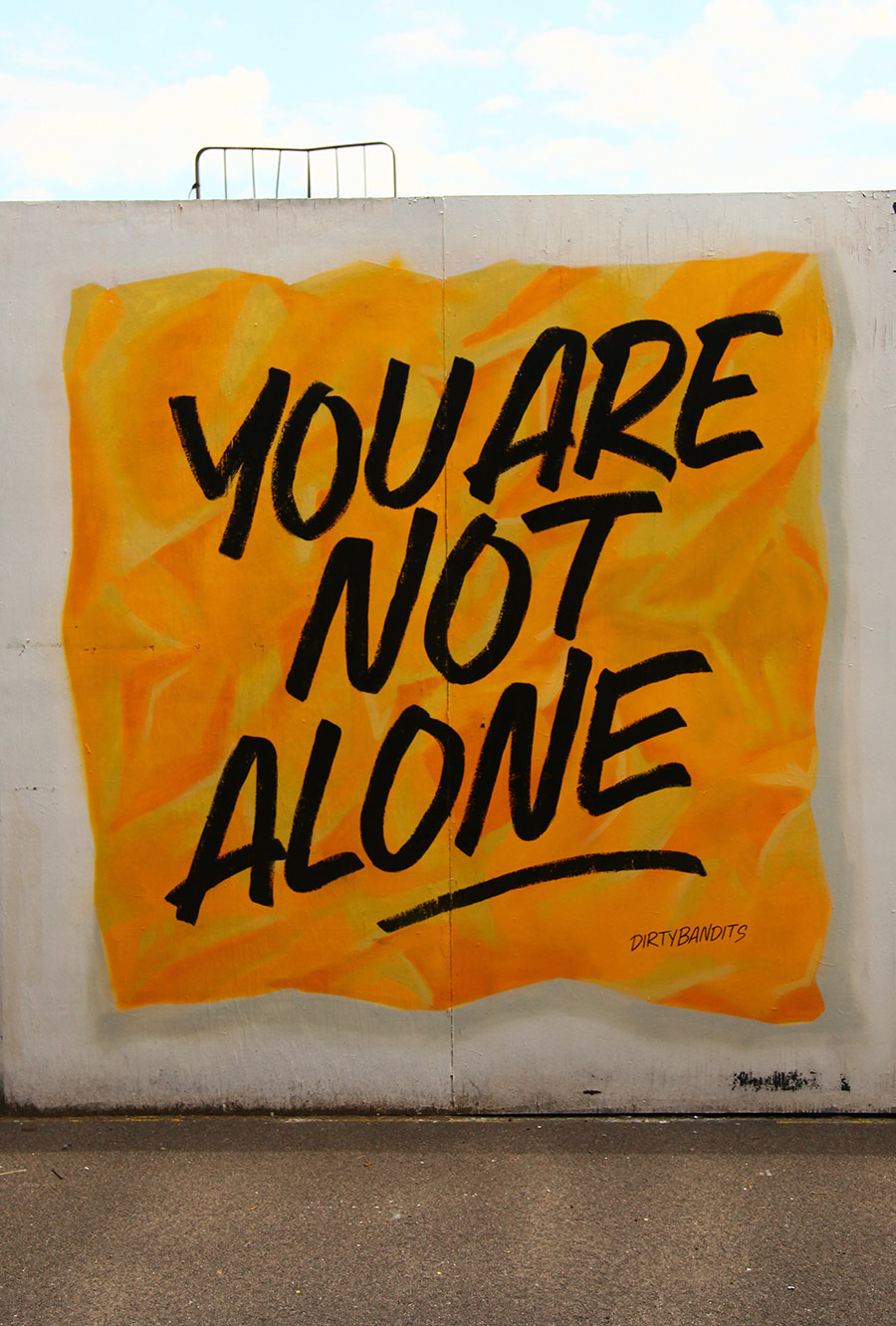
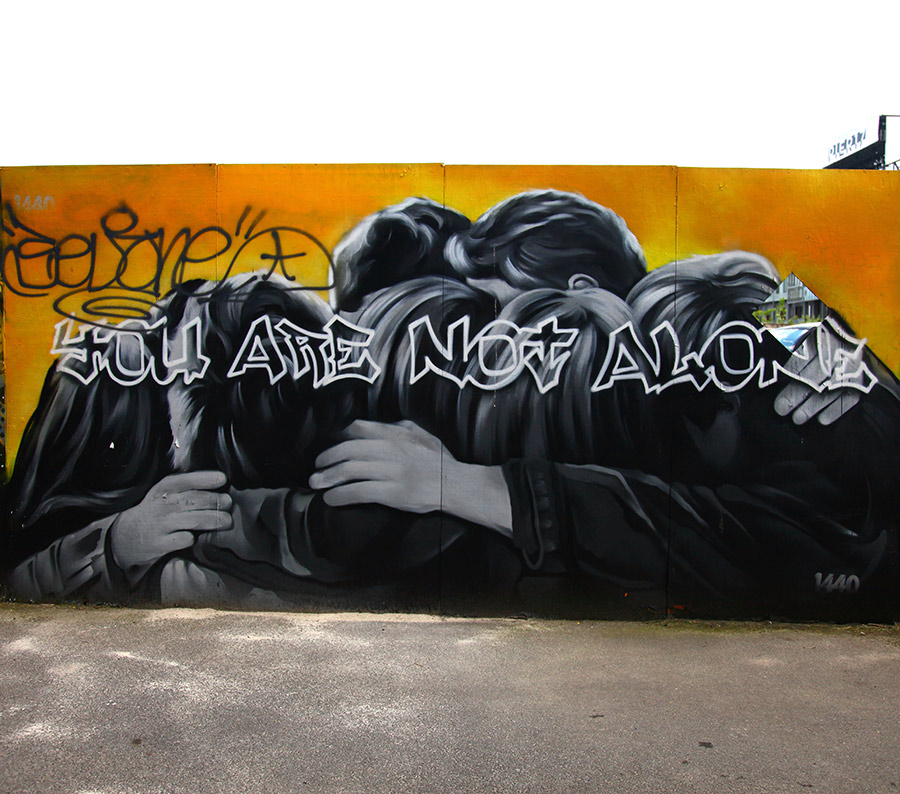
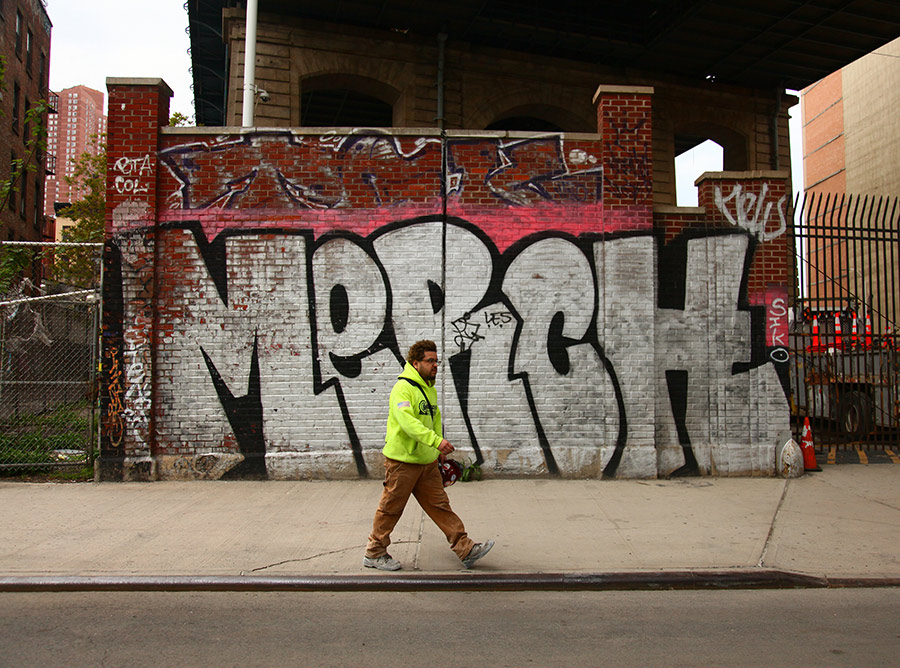
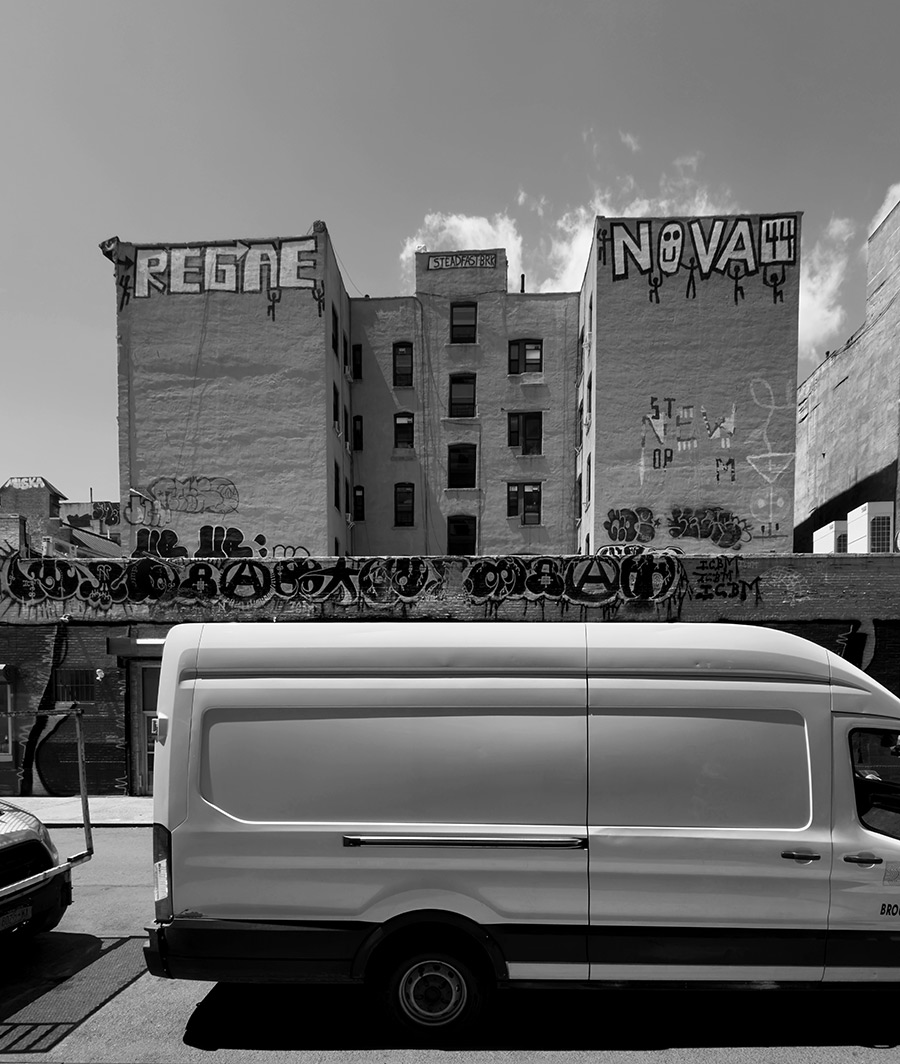
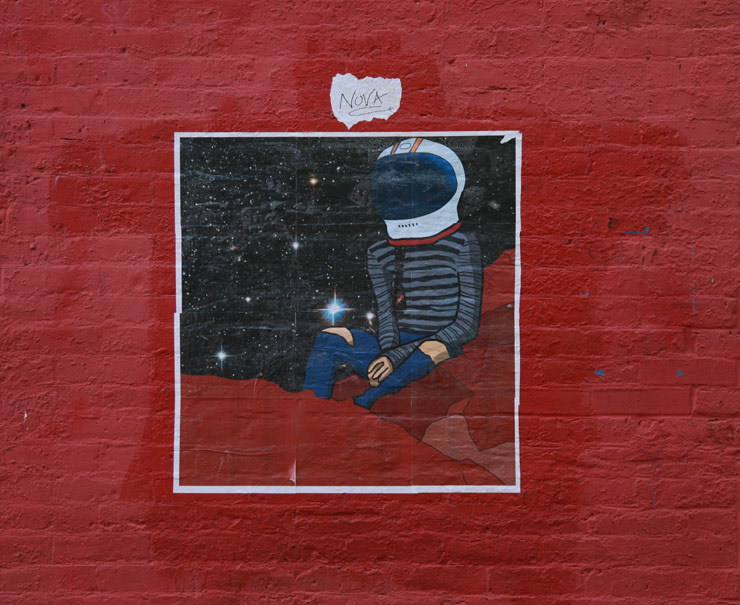
Here is our interview with the street, this week featuring 1440, AIC Mosaic, Bukus One, Dae law, Dirty Bandits, HASH, Jappy Agoncillo, Jodi Da Real, Merck, Miss 17, Muck Rock, NOVA, Ragae, and Wigs.
In the shifting culturescapes of urban contemporary art, STRAAT Museum’s latest exhibition, “Moniker: An Origin Story,” emerges as a poignant narrative that bridges the transient heritage of hobo monikers with the vibrant pulse of today’s street art scene. This show not only marks an exploration into the roots of a movement but stands as a tribute to Russell Butler, known as buZ Blurr, a pivotal figure who recently passed away, and whose legacy in the realm of freight train artistry has left an indelible mark on the canvas of American folk art.
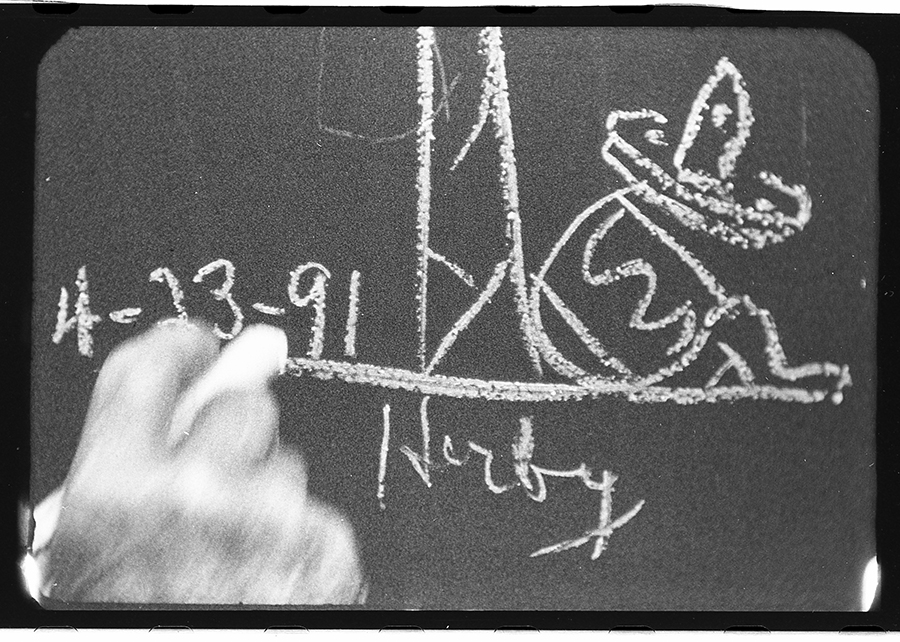
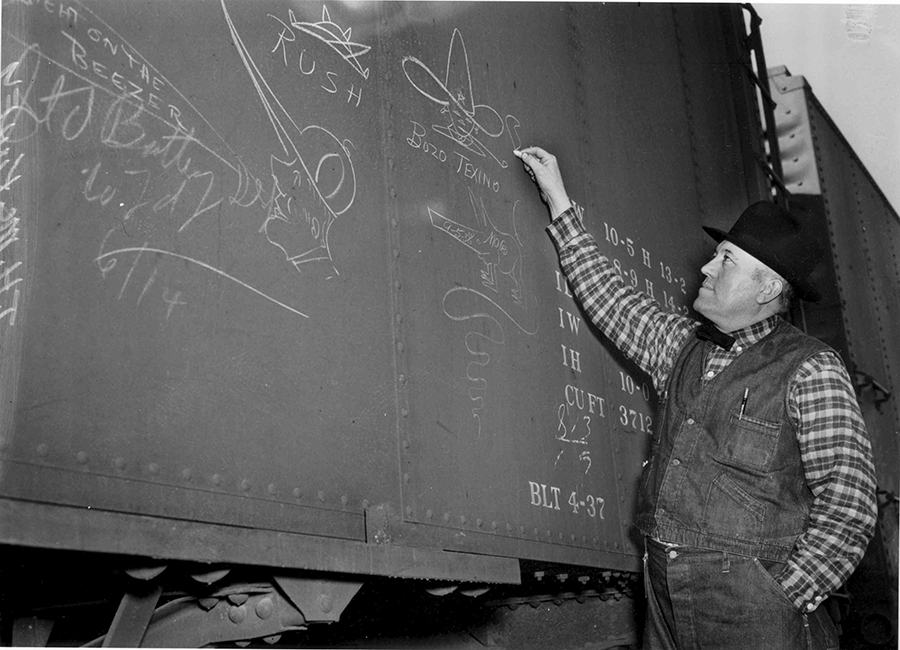
The practice of hobo writing on trains, a tradition from the early 20th century, encapsulates a form of rebellion against the confines of societal norms, embracing a nomadic lifestyle that flourished alongside the tracks of freight trains. In their quest for freedom and community, Hobos developed a unique language of symbols, or “monikers,” that became a vital means of communication within this itinerant community. These monikers, often rendered in solid paint sticks or industrial crayons, are the precursors to the graffiti and punk DIY styles that would later permeate urban landscapes, among other things, embodying a spirit of protest against modern society’s failings and creating platforms for random acts of poetry.
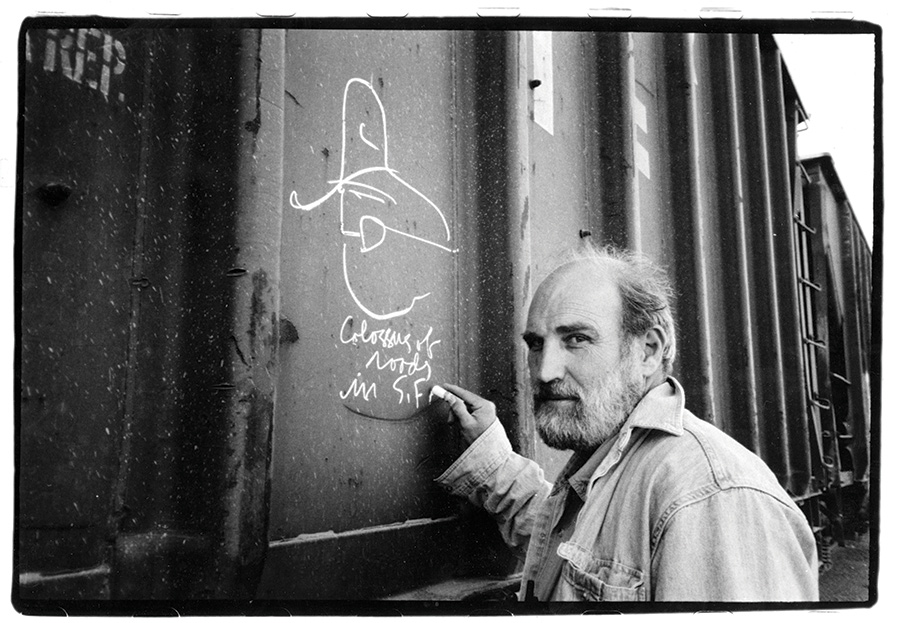
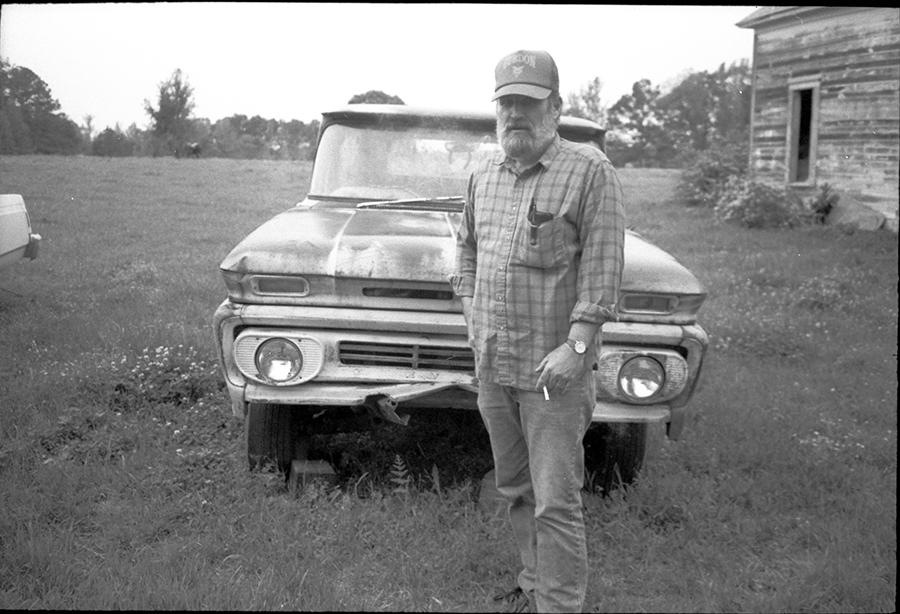
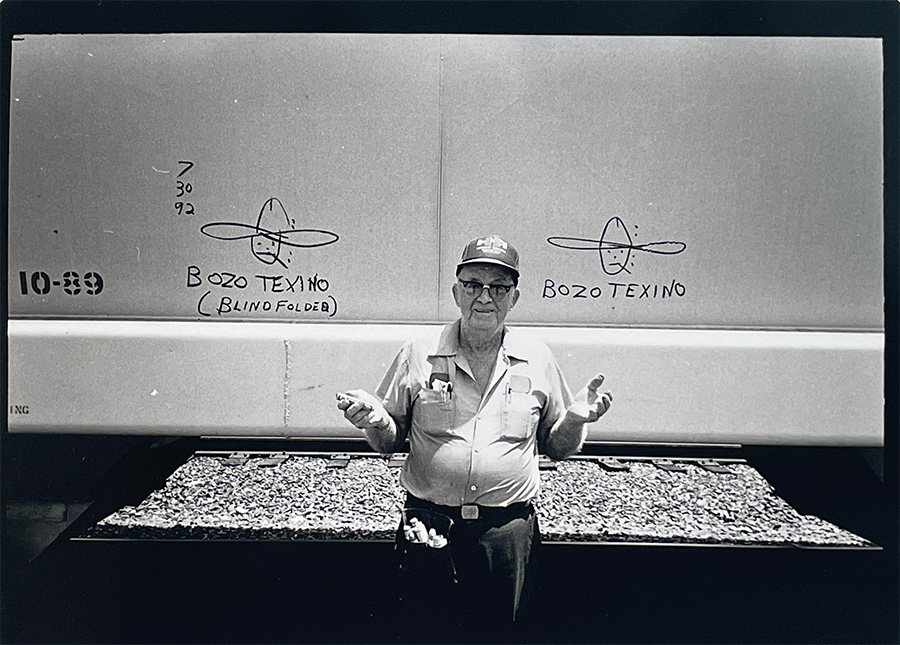
buZ Blurr, an artist who commenced his journey within the rail yards of Gurdon, Arkansas, crafted a visual lexicon over five decades, becoming synonymous with the Colossus of Roads moniker. His “boxcar icon dispatches” served not only as personal narratives but as a collective memory for the transient souls that found solace in the freedom of the rails. Through his friendship and collaboration with Bill Daniel, a documentarian whose work “Who is Bozo Texino?” delves into the subculture of rail graffiti, Blurr’s legacy and the broader narrative of hobo moniker art have been meticulously archived and celebrated.
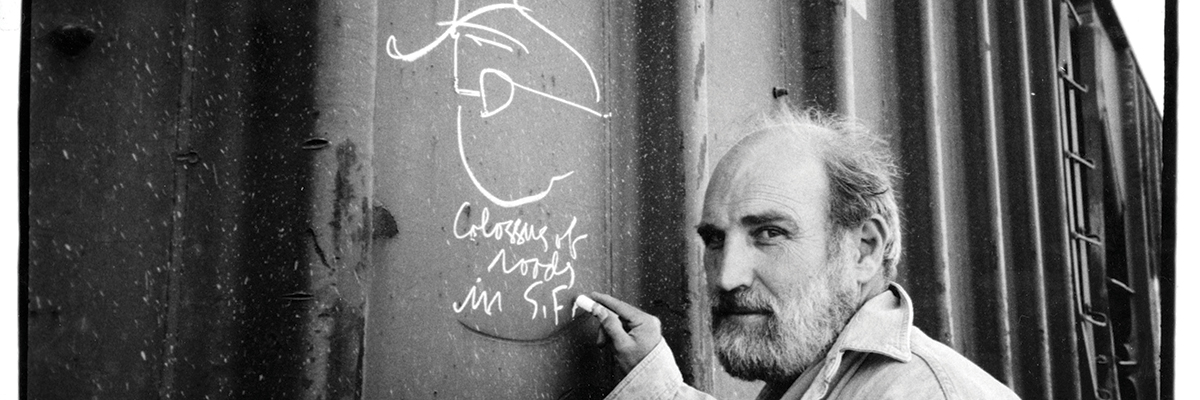
Colossus of Roads in S.F. Moniker, An Origin Story. Straat Museum Amsterdam. (photo courtesy of Straat Museum)
The exhibition at STRAAT invites audiences to traverse the evolution of this underground art form, from its hobo origins to its present-day incarnation within the global urban art scene. The exhibition showcases a selection of works that encapsulate the essence of the moniker movement, highlighting the original artworks and boxcar iconography that buZ Blurr authored and brandished. Visitors will encounter a diverse array of expressions, from the iconic Colossus of Roads to other seminal figures within the moniker tradition, each piece narrating a story of freedom, identity, and resistance.
In an era where some in the contemporary urban art scene gravitate towards commodification, this genesis story rekindles the foundational values of community, communication, and the unadulterated desire for expression that characterized the organic origins of this movement. STRAAT Museum reaffirms its commitment to celebrating the authentic and genuine voices that have shaped graffiti, street art, and urban art through this exhibition. This show is not just a historical recount but a vibrant testament to the enduring spirit of artists who have navigated the margins to inscribe their narratives on the city’s canvas – and across the country.
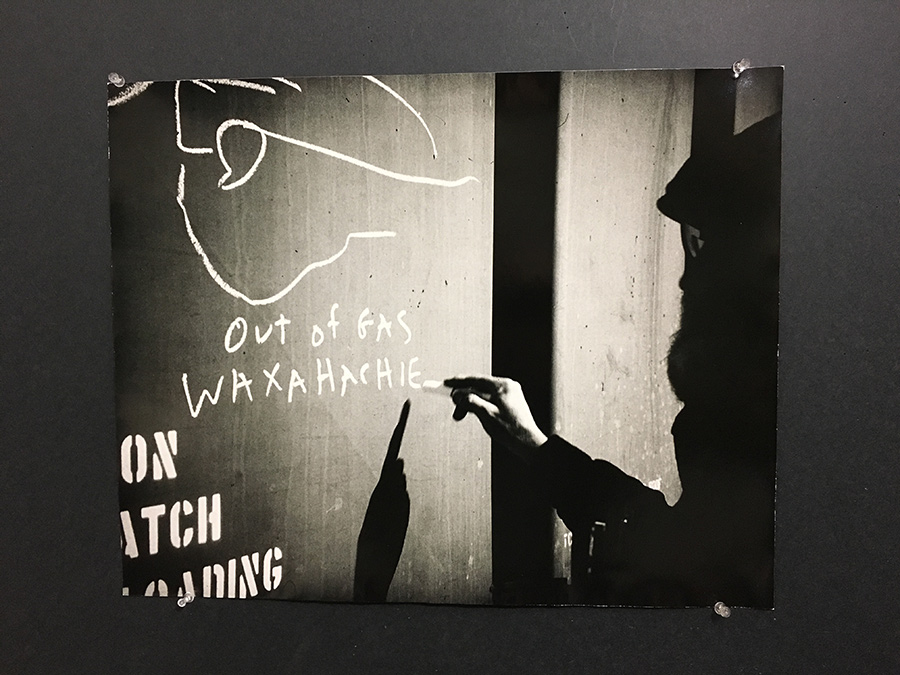
Colossus of Roads. Moniker, An Origin Story. Straat Museum Amsterdam. (photo courtesy of Straat Museum)
The exhibition opens its doors with a reception on Saturday, March 9, 2024, from 6-9 PM, inviting the public into a dialogue with the past and present. The exhibition will continue through Sunday, April 28, 2024, at STRAAT Museum. In its essence, one hopes it celebrates the indomitable human spirit’s quest for freedom, identity, and expression.
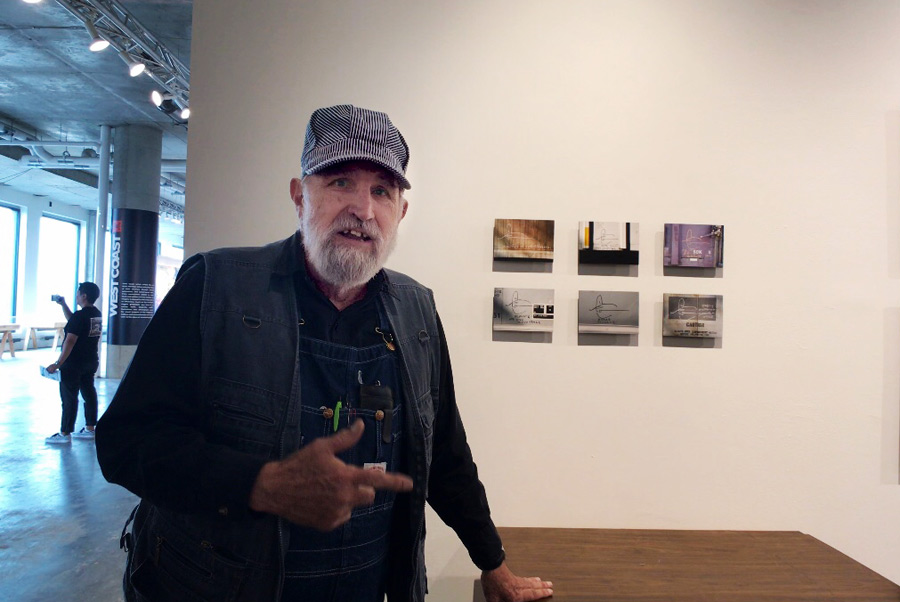
buZ blurr during a conversation with Brooklyn Street Art in 2019.
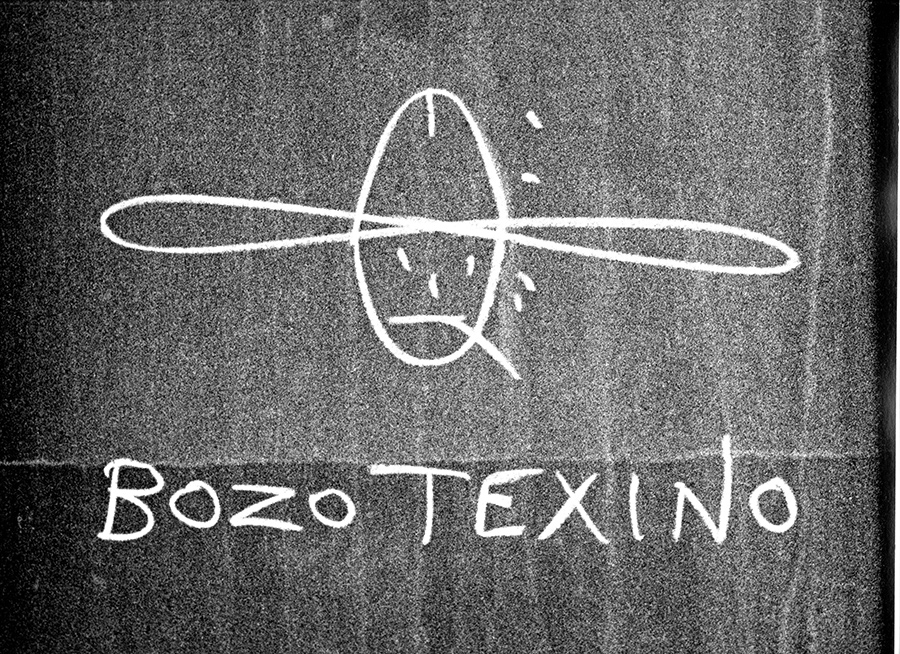
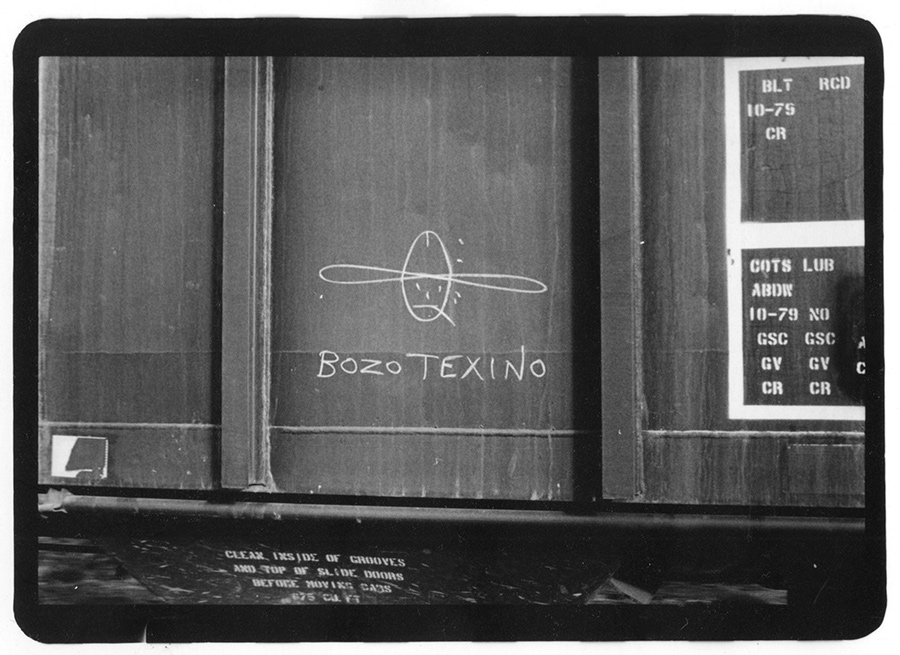
“These are a self-portrait as predicated on the first Bozo Texino person, and I kind of changed the image around,” says Mr. Blurr, a legendary figure in denim overalls, as he patiently describes his classic tag image of a railway cowboy.
“It is a writer motif – the pipe smoke is going up, and then it is trailing back to signify movement as the train goes down the track,” he says. “I worked in the train yards, and my job was as a brakeman. I had a little free time, so I started making drawings. I made my first one on November 11, 1971,” he says as he recalls a state of mind that he was in at the time as he began to tag freights with the image and text that came to him clearly – yet it may have perplexed other travelers.
“They came from a confused state. I was questioning everything. I was putting a kind of cryptic messages under my drawings. It was anybody’s guess as to its literal interpretation. I addressed some of them up to specific people, but whether they saw them or responded to them, I wouldn’t have any idea.”
The full list of contributing artists includes:
2359, Alquimia Ferrocarrilera, Bill Daniel, Coaltrain, Colossus of Roads, Ed Haskel, Fat Owl, Flangesqueal, I’m Ugly, Khaze, The Kodak Kid, Lamps, Leroy Drown, Milktooth, Mr. Bass, NY Tomato, North Bank Fred, NOVA, POOH. The Rambler, Shrug, Smokin’ Joe, The Solo Artist, Stonewall Jim, Swampy, Take 5, Tex Goth, Wooden Axle, Bozo Texino, Conrail Twitty, Herby, Iowa Blackie, J.B. King Esq, Matokie Slaughter, Mud Up, Taurus, El Truncón, Water Bed Lou.
Moniker: An Origin Story is open to the public from Sunday, March 10th until Sunday, April 28th, 2024
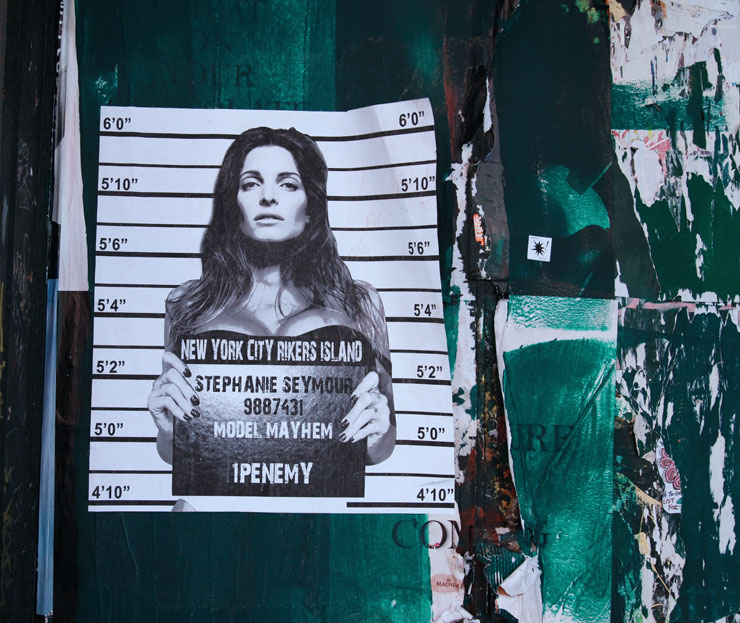
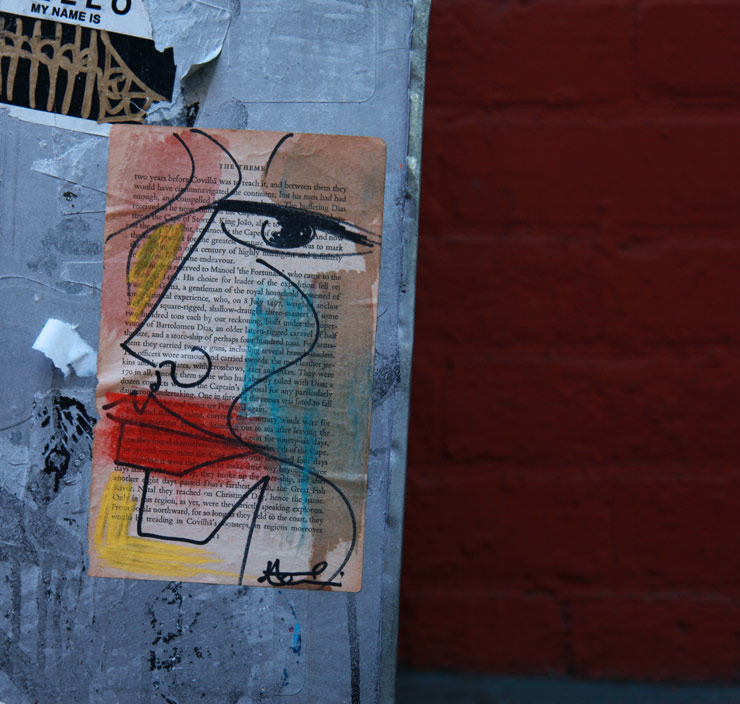
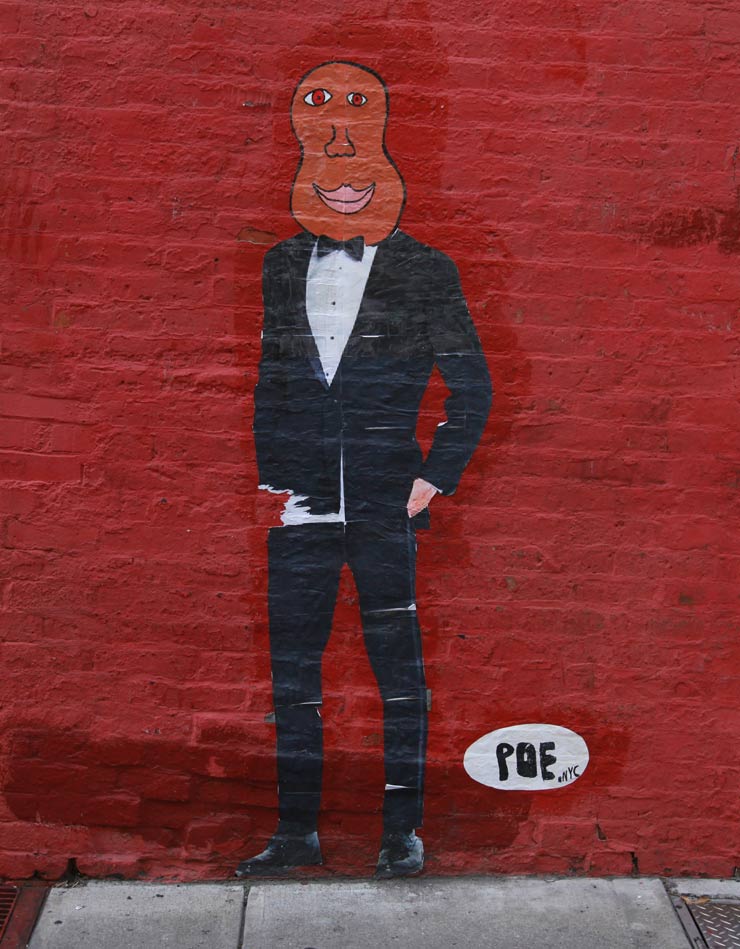
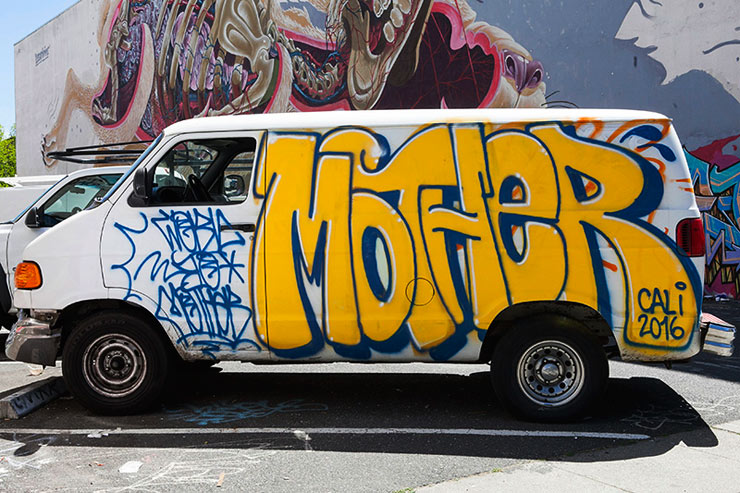
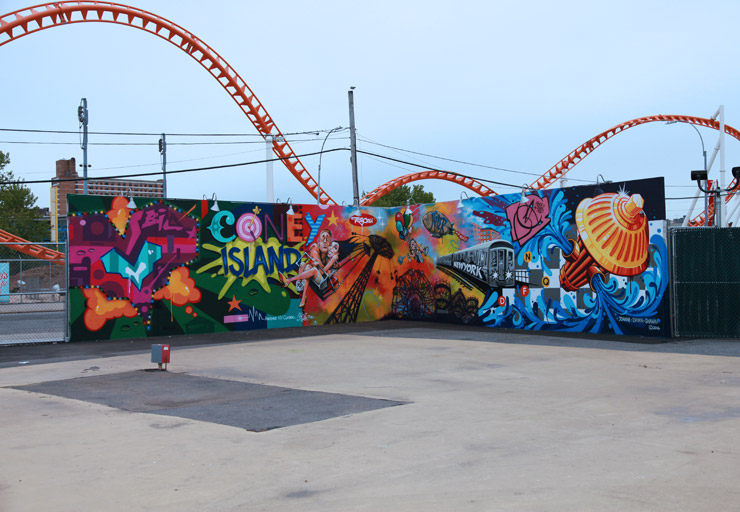
Here’s our weekly interview with the street, this week featuring 1Penemy, BG 183 Tats Cru, Bio, Bristol, Daze, D*Face, Eric Haze, Goms, Nicer, Nova, Pegasus, POE, Stikki Peaches, Thiago Gomez, and Word to Mother.
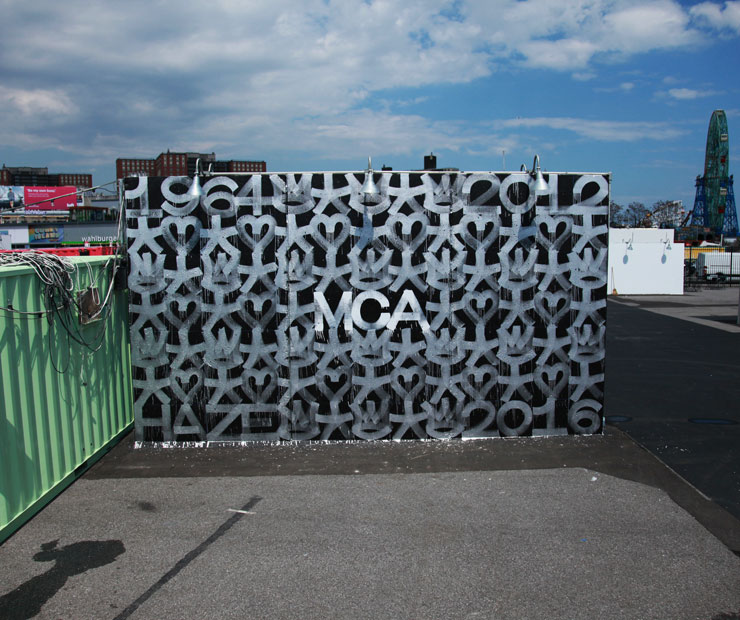
“Ain’t seen the light since we started this band
M.C.A. get on the mike, my man!
Born and bred Brooklyn
The U.S.A.
They call me Adam Yauch
But I’m M.C.A.”
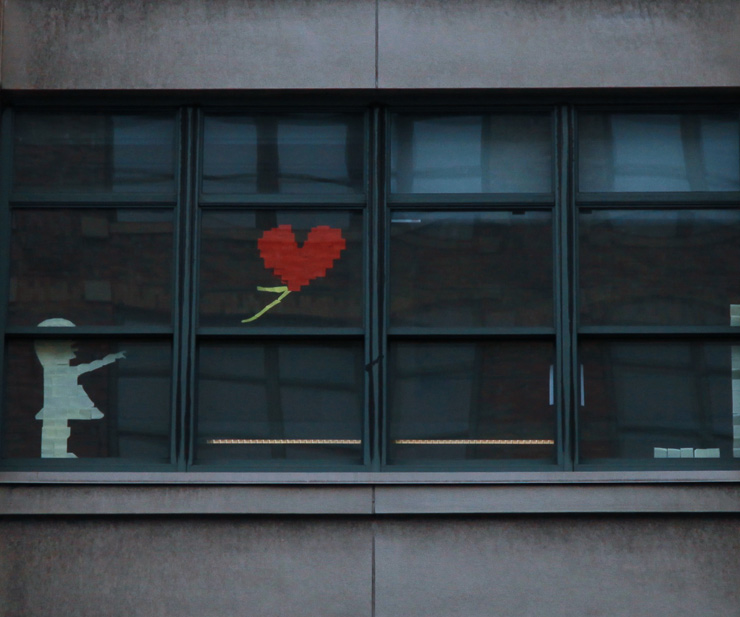
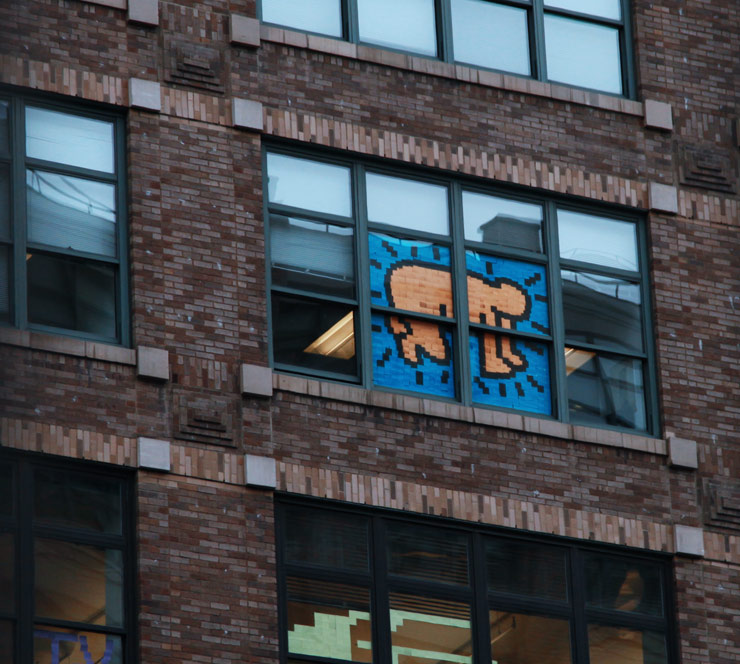
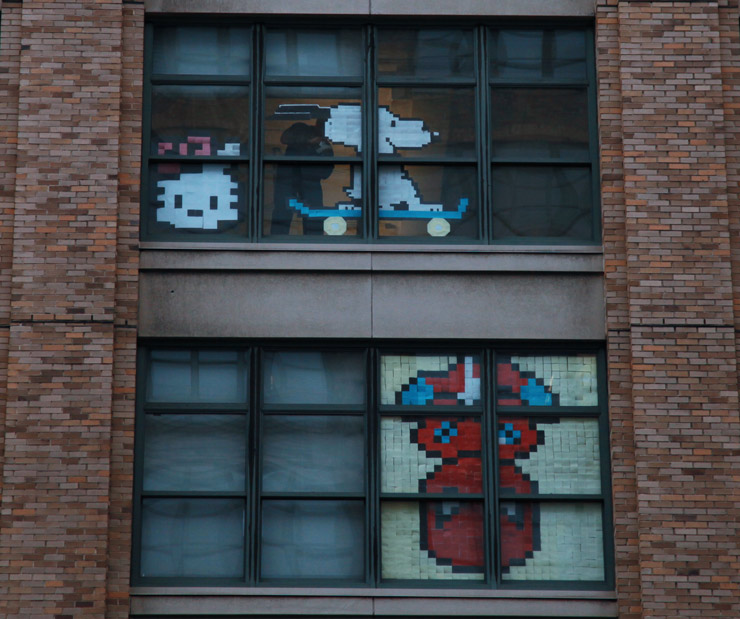
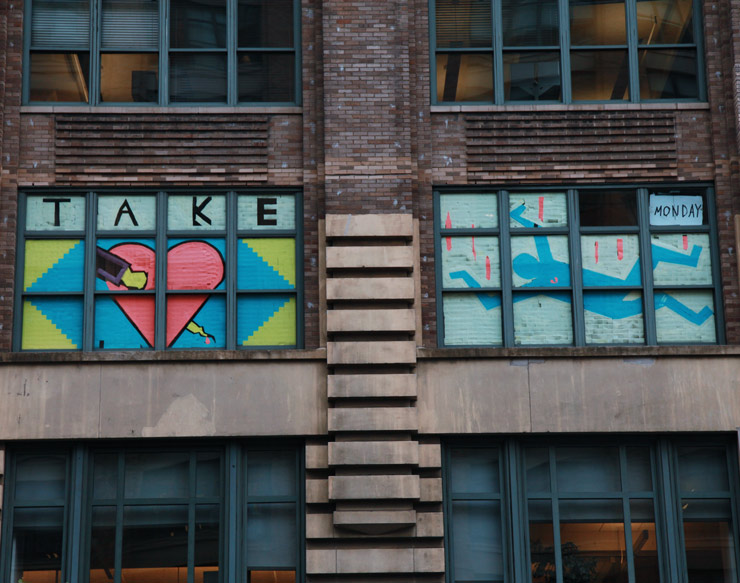
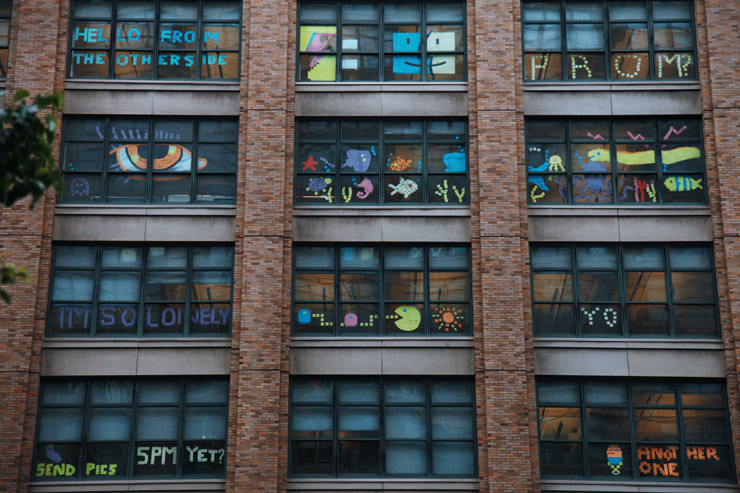
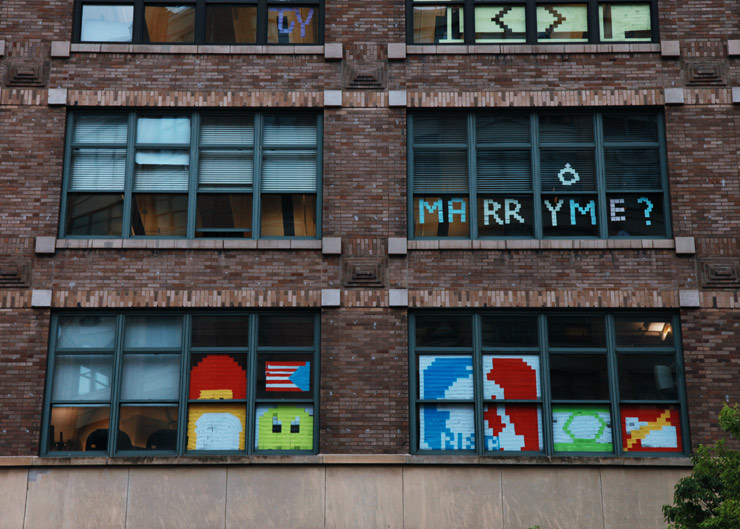
According to New York Magazine the Post-it “artists” took their craftsmanship to new heights after someone installed a simple “hi” message on the window of one of the two buildings facing each other on Canal Street. After one week the “war” is in full effect with several messages directed at each other offices ranging from “Will you marry me” to songs’ lyrics and other pleasantries and pop references. The two buildings are known for housing several ad agencies, Getty images and New York Magazine.
For decades, graffiti, street art, and contemporary art have spoken with one another, exchanging ideas, aesthetics, techniques, and attitudes along …Read More »
 BROOKLYN STREET ART LOVES YOU MORE EVERY DAY