All posts tagged: Mr. Moustachio

Memento Mori on the Block: RIP Walls in New York

Memento Mori on the Block: RIP Walls in New York

Capturing and Archiving with Photos

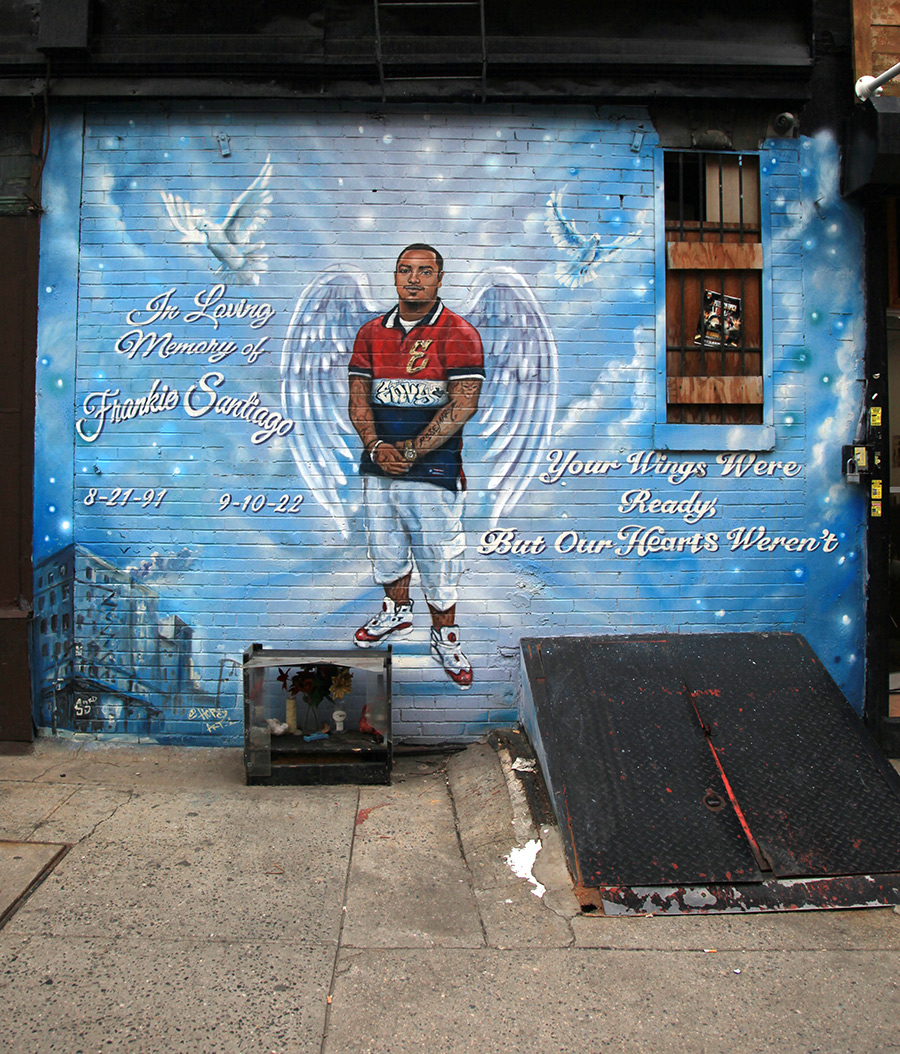
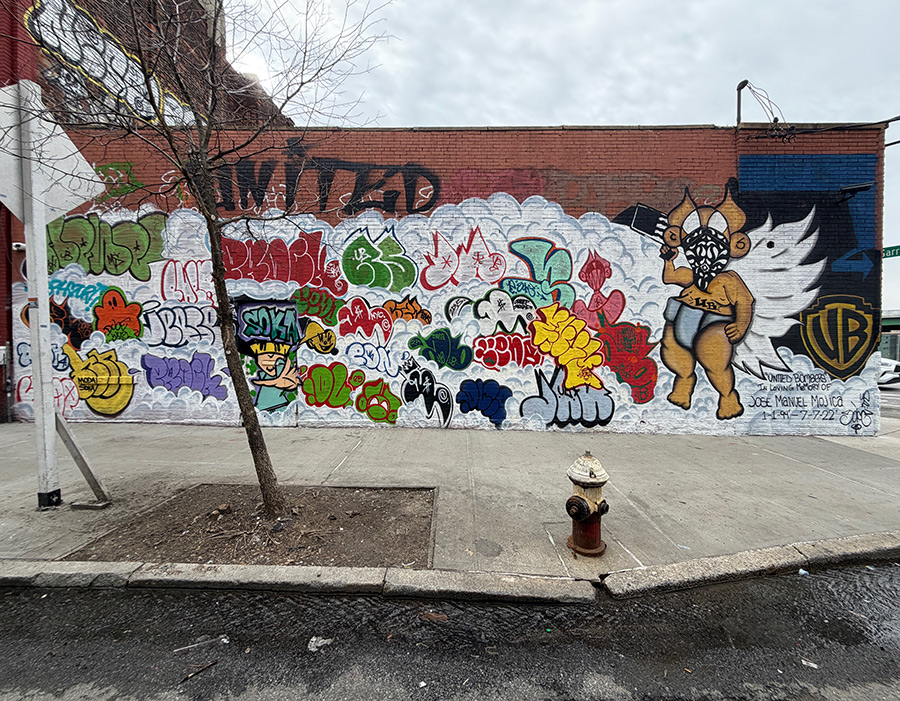
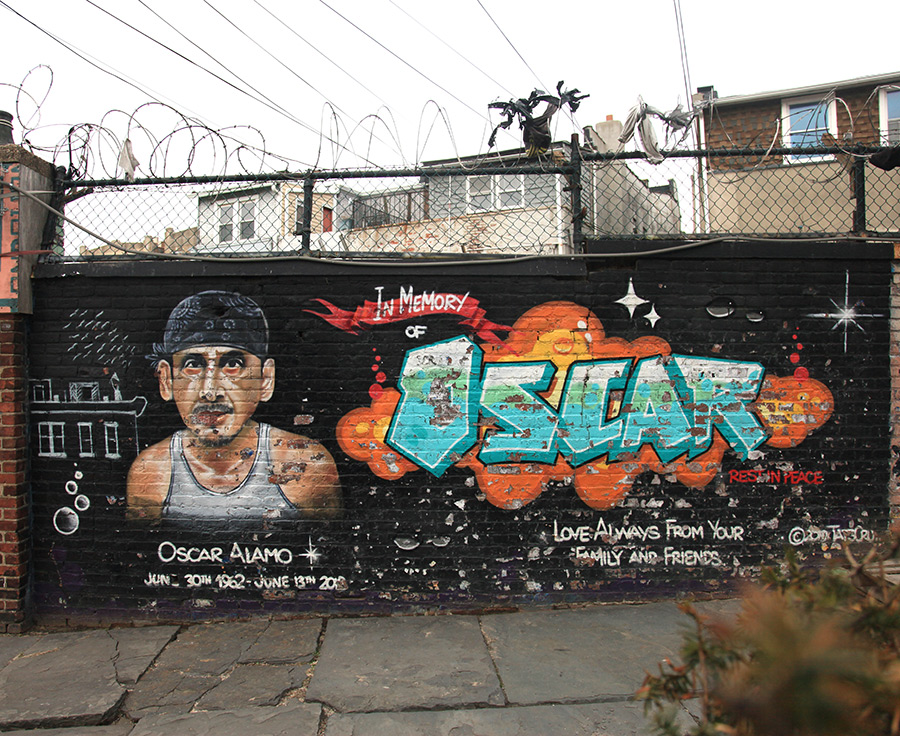
In these recent street photos, the painted tributes read less like “artworks” in the gallery sense and more like public messages—meant to hold their place long enough for the neighborhood to recognize itself in them. The visual grammar is consistent across New York’s “Rest in Peace” walls: the portrait (often larger-than-life), the name set like a headline, the dates, the short dedication, and then the personal details—favorite colors, a car or bike, a sports logo, a prayerful phrase, a few chosen symbols—that insist on a whole life rather than a police report or a death notice. Accounts of these murals emphasize that they frequently avoid explaining the cause of death; the point is the person as they were loved, and the fact of absence as it’s felt on the block.
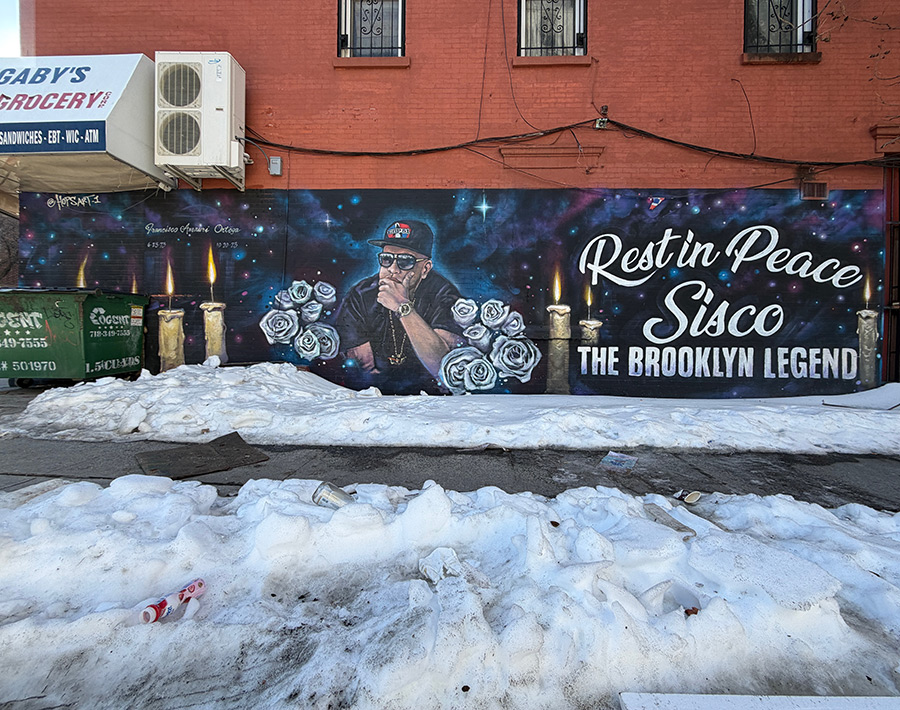
Rest in Peace Sisco (photo © Jaime Rojo)

Walls Provide a Place to Gather

What these memorial walls do socially is as important as what they show visually. They create a fixed location for grief that otherwise may have difficulty finding its place, standing still in a fast, loud city. Ethnographic descriptions of New York memorial walls note that the act of painting can itself function as a public event: neighbors stop, watch, and talk; family members sometimes come by to share stories with the artists; and once the image is up, the wall can become the backdrop for offerings—candles, photos, flowers—left by friends, relatives, and passersby.
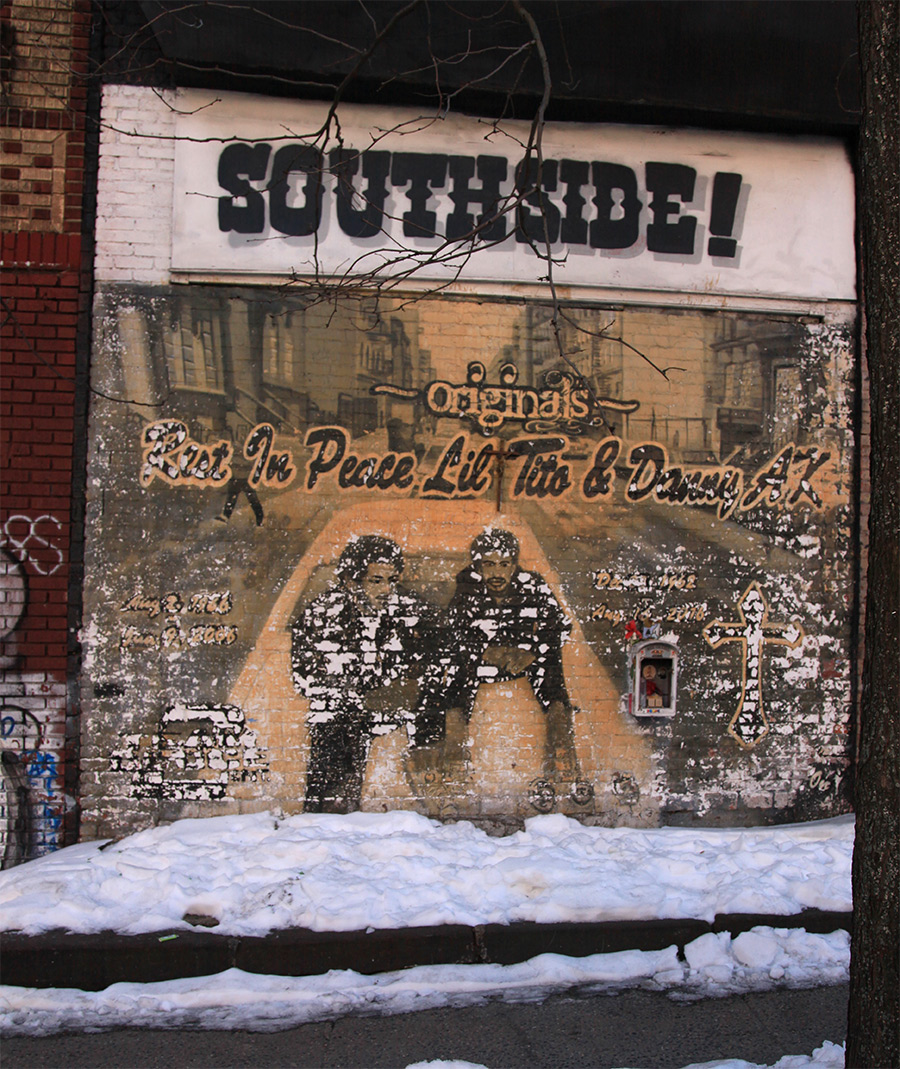
Rest in Lil’ Tito & Danny. (photo © Jaime Rojo)

Folklore scholarship on spontaneous shrines helps name what’s happening here. As Jack Santino writes in Spontaneous Shrines and the Public Memorialization of Death, these are public forms of mourning that invite participation from those who encounter them.

There’s nothing sentimental about it when you’re standing there. It’s direct. People come, they look, they leave something, they say a name out loud. The wall holds it.
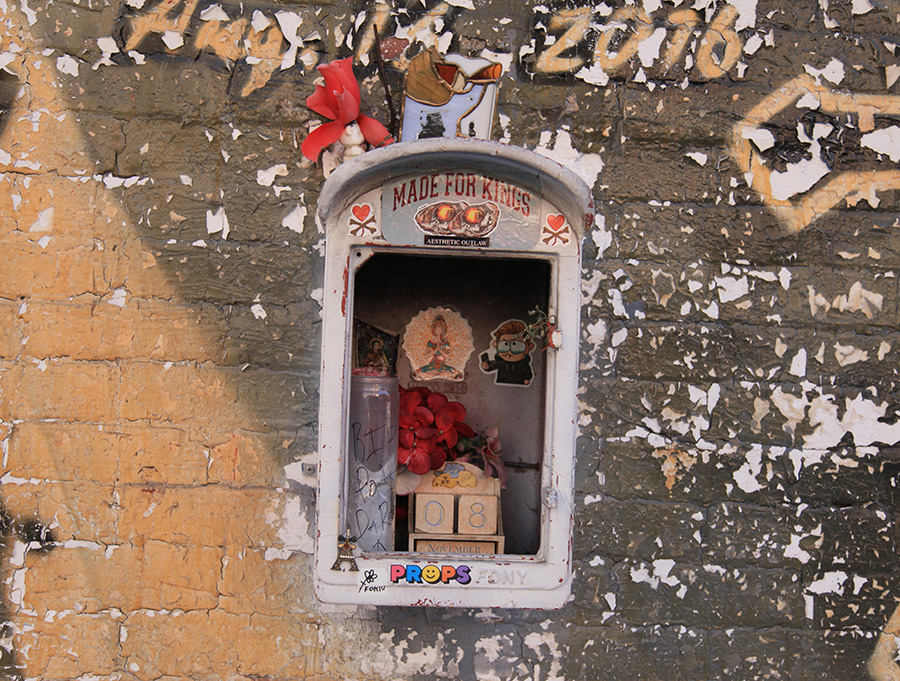
Rest in Lil’ Tito & Danny. Detail. (photo © Jaime Rojo)
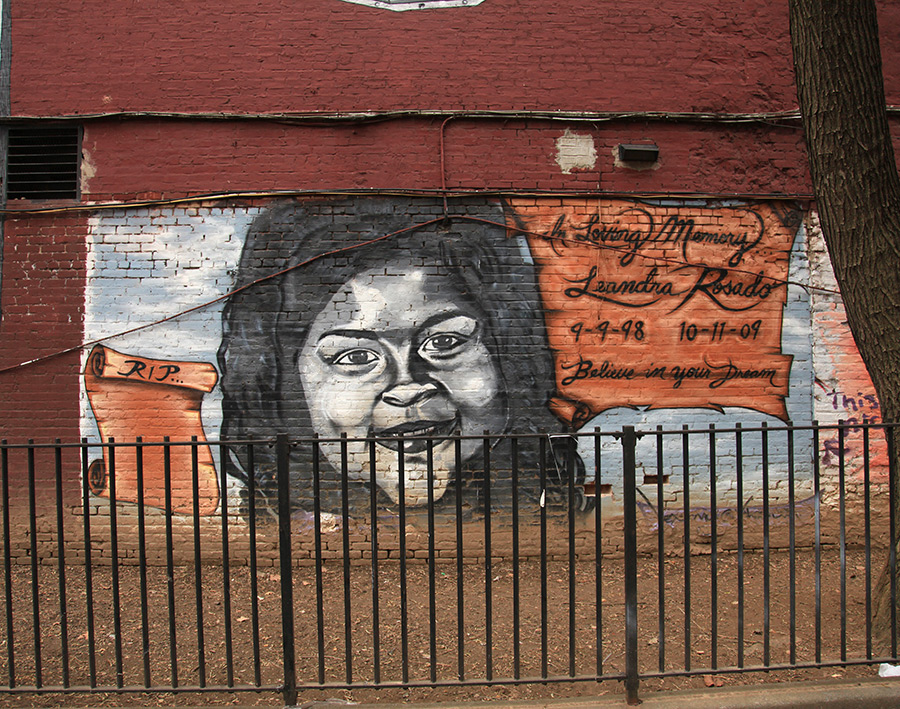
In Loving Memory Leandra Rosado. (photo © Jaime Rojo)

RIP Lies between Graffiti, Educational Murals, and the Ad-Saturated City

These painted “RIP” walls sit squarely in the overlap zone between illegal graffiti practice, street-art portraiture, and longer community-mural traditions. New York documentation explicitly links them to graffiti aesthetics while stressing a crucial difference: unlike name-writing for fame, the name that matters here is the deceased person’s. You can place their growth in late-1980s/1990s city life—an era marked by the AIDS crisis, crack and drugs, police and neighborhood violence, alongside the displacement of writers from trains to walls.

At the same time, community mural histories frame wall painting as civic pedagogy. As Janet Braun-Reinitz and Jane Weissman write in On the Wall: Four Decades of Community Murals in New York City, community murals “beautify, educate, protest, celebrate, affirm, organize, and motivate residents to action.” Memorial walls sit inside that lineage without asking permission. They are not advertising, but they push against it, taking up space in the same visual field and replacing the city’s usual sales language with something harder to ignore: remember this person. They were here.
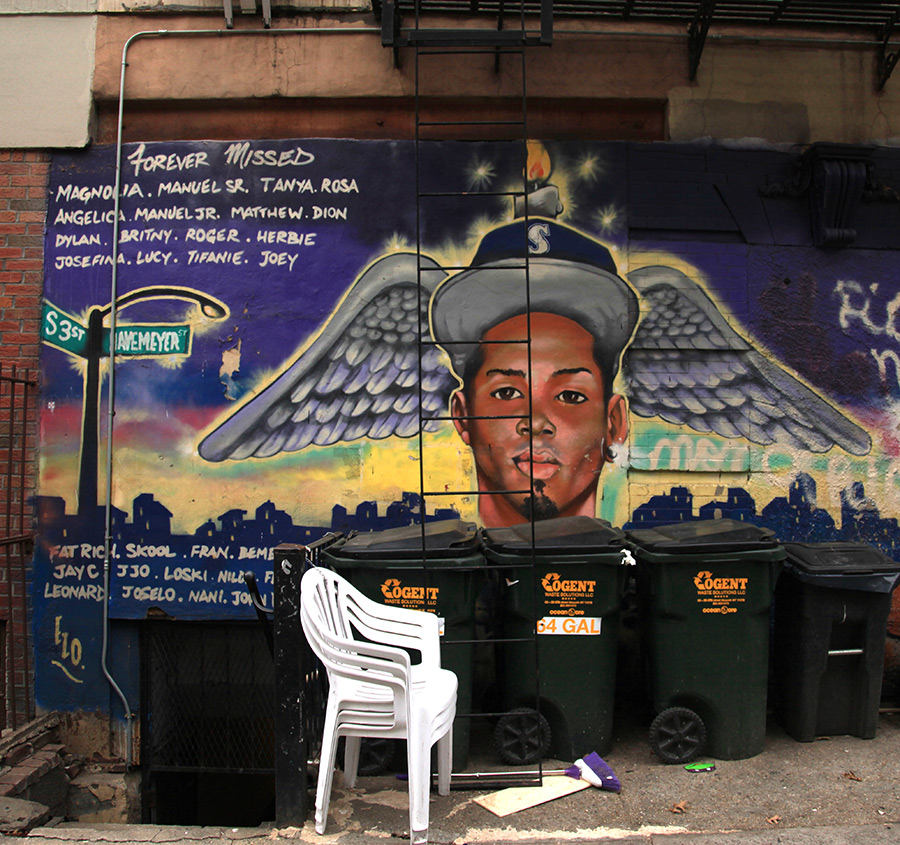
Forever Missed (photo © Jaime Rojo)

Continued Reading

Published work on this practice now gives a clearer sense of both its visual consistency and its function. The anchor remains R.I.P.: Memorial Wall Art by Martha Cooper and Joseph Sciorra, still one of the most direct documentations of New York’s memorial murals as a public form. More recently, I’ll See You On The Other Side by Omar Hamdoun and Michael Brewer gathers hundreds of examples across the boroughs, reinforcing how embedded the practice has become.

The longer arc—how wall painting operates as cultural memory, public pedagogy, and neighborhood record—runs through works like On the Wall. These walls fade, get painted over, disappear under redevelopment, or simply lose their surface. That fragility is part of their meaning. As Erika Doss writes, “Temporary memorials are created to be experienced: to be felt, not simply to be seen.” They do their work in the open, and then they’re gone, or nearly gone—but not before they’ve marked the place.


Further Reading
Martha Cooper & Joseph Sciorra, R.I.P.: Memorial Wall Art
Omar Hamdoun & Michael Brewer, I’ll See You On The Other Side
Jack Santino, Spontaneous Shrines and the Public Memorialization of Death
Erika Doss, The Emotional Life of Contemporary Public Memorials
Janet Braun-Reinitz & Jane Weissman, On the Wall: Four Decades of Community Murals in New York City
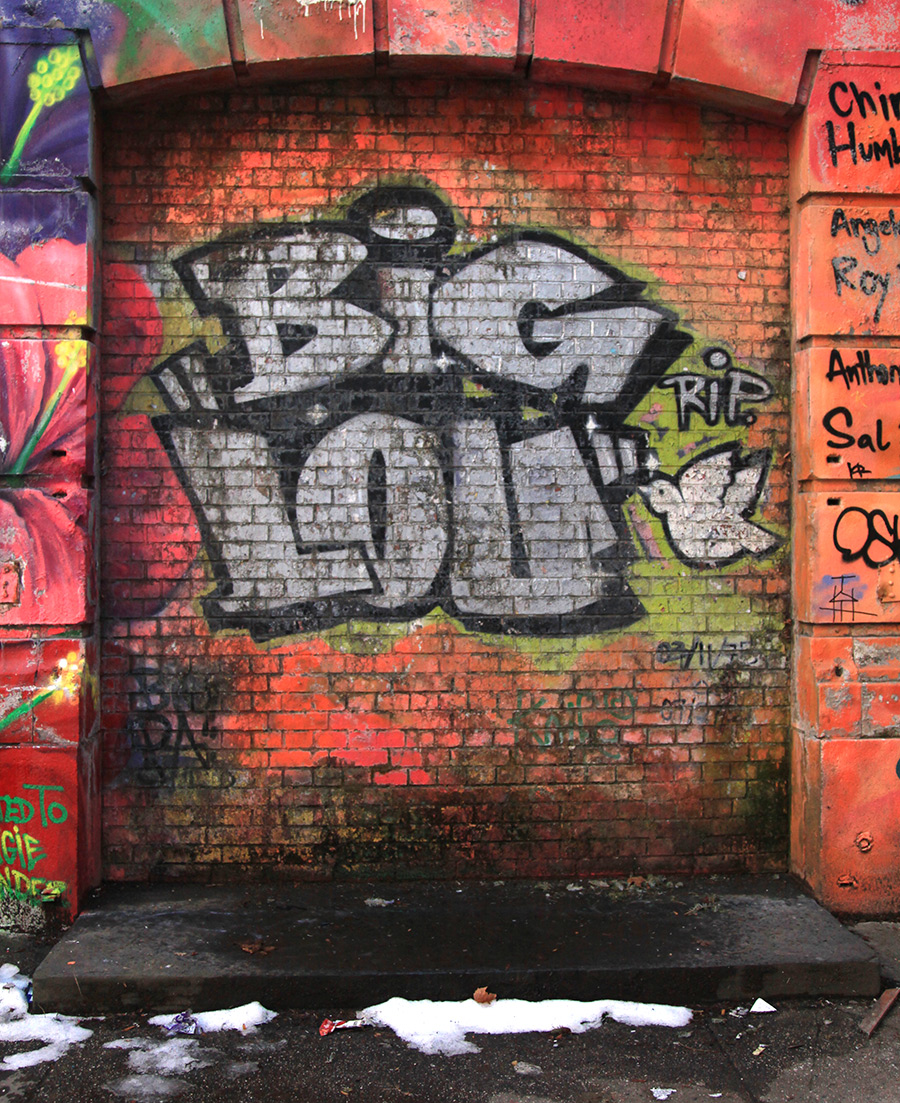
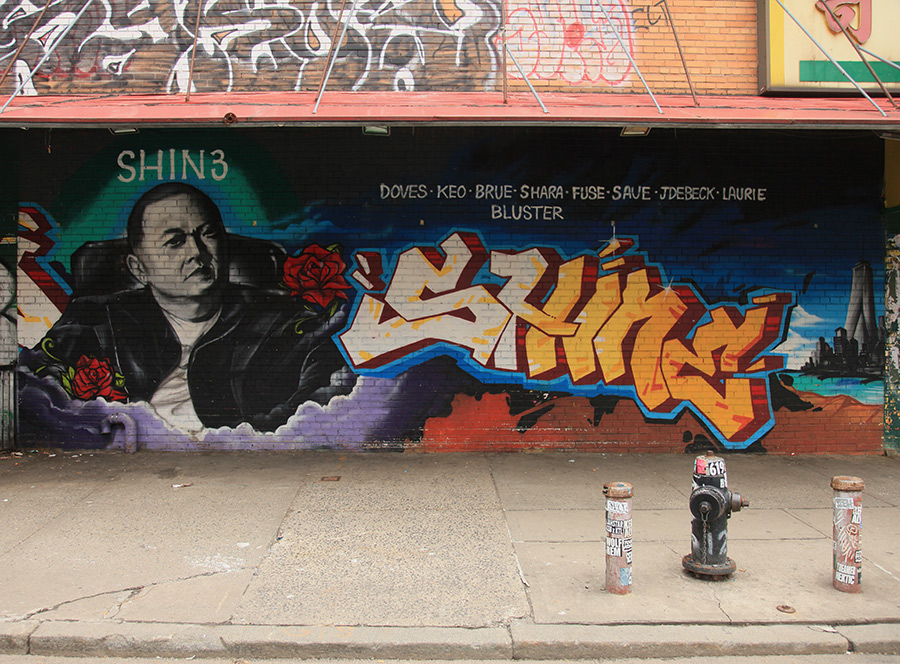
RIP Big Lou (photo © Jaime Rojo)
SHIN3 (photo © Jaime Rojo)
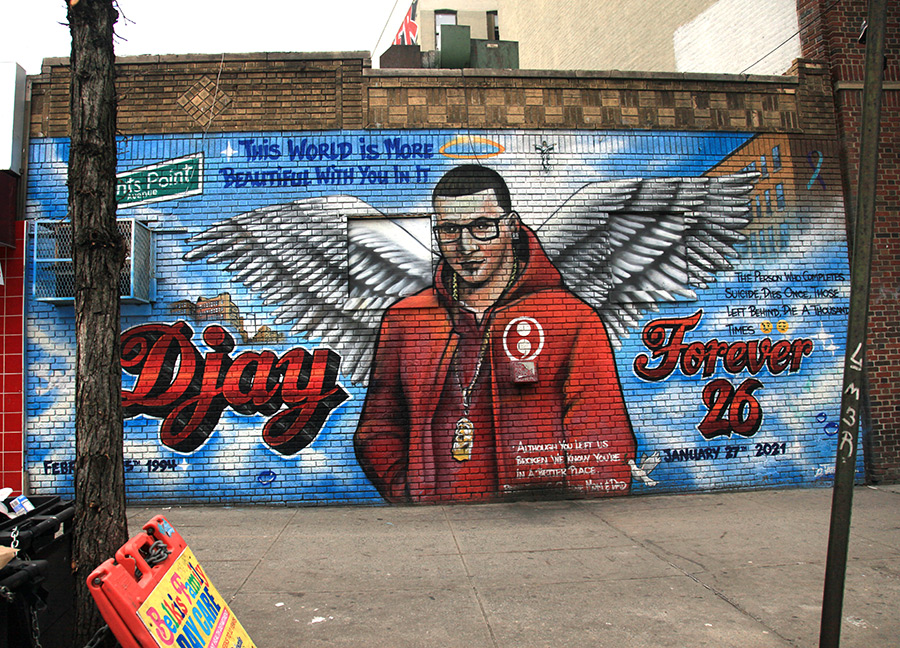
Djay Forever 26 (photo © Jaime Rojo)
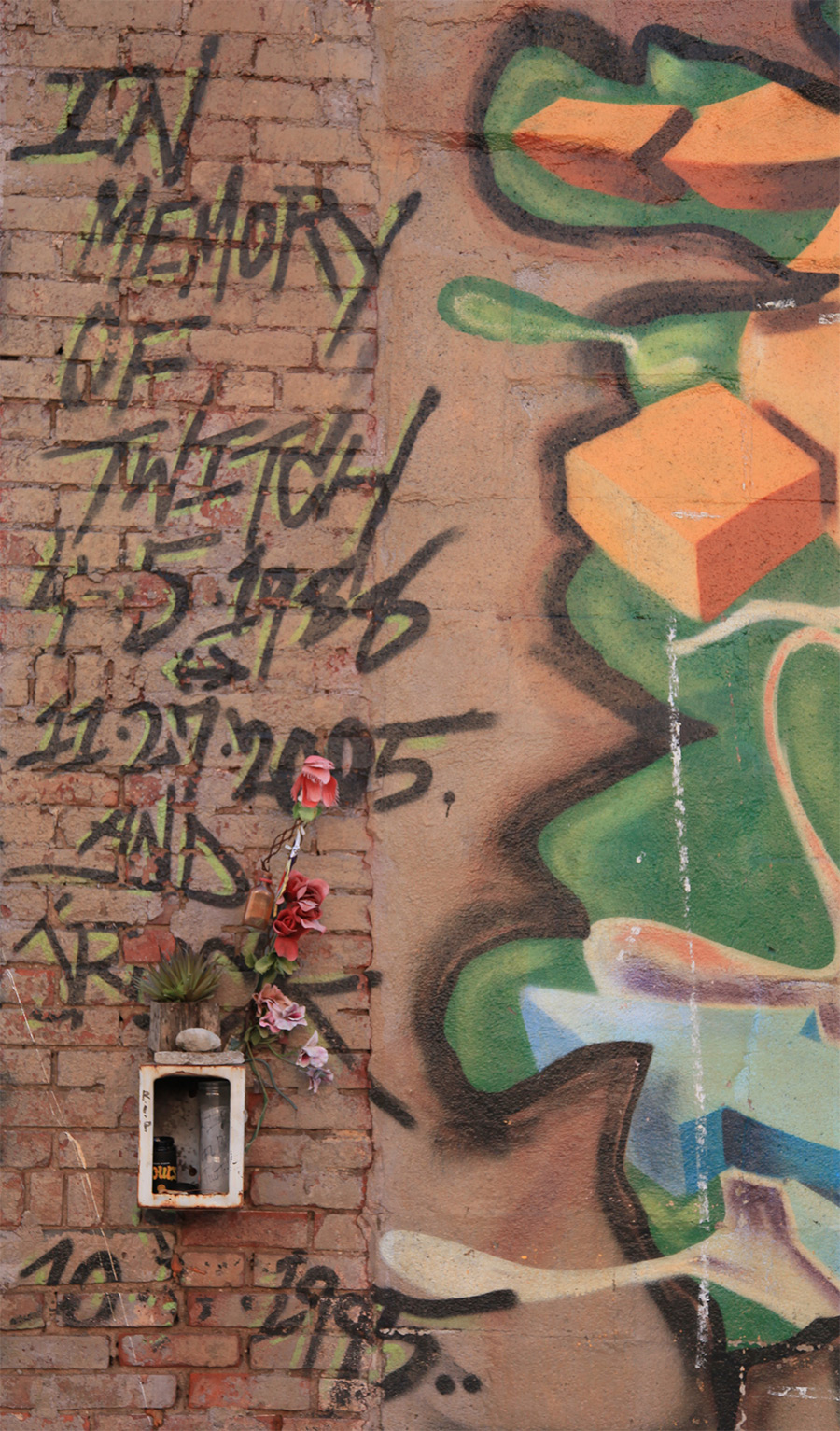
In Memory of Twitch (photo © Jaime Rojo)
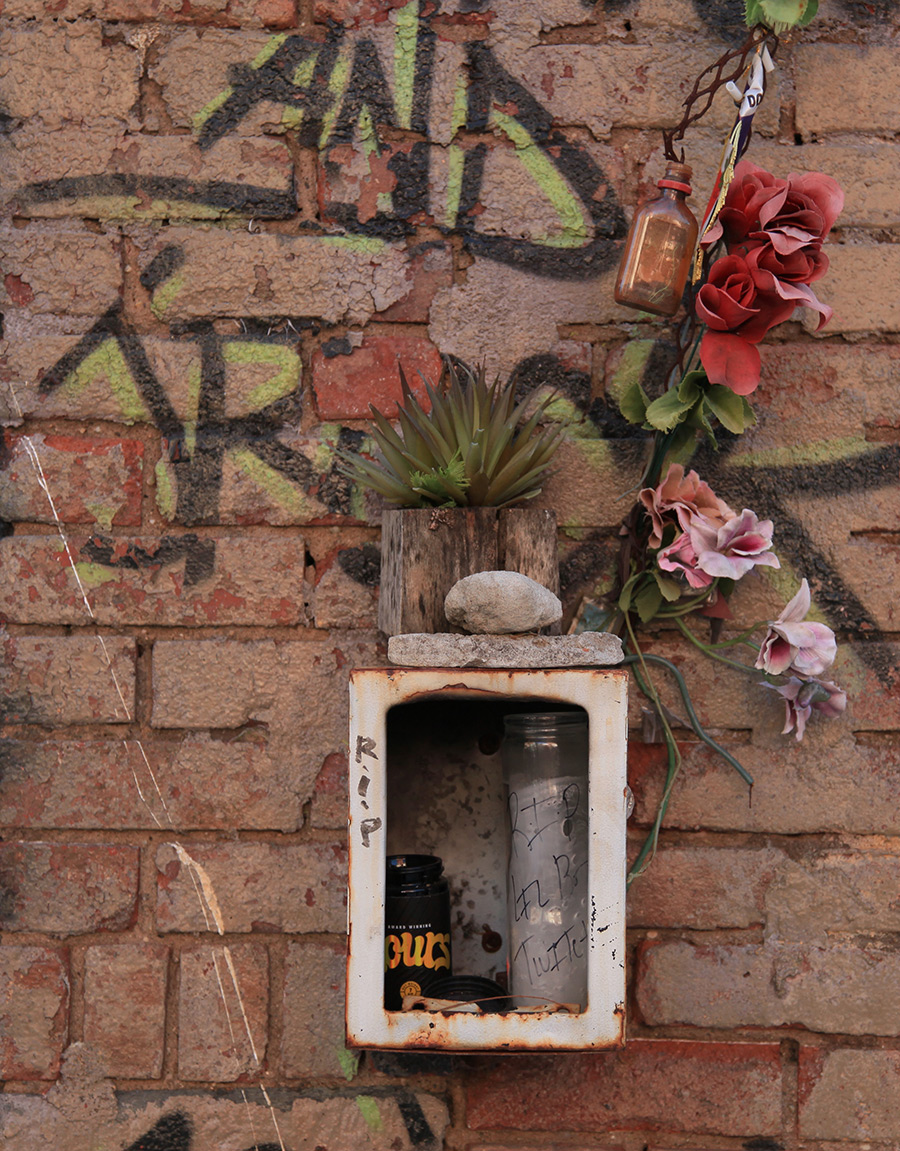
In Memory of Twitch. Detail. (photo © Jaime Rojo)
In Loving Memory of Frankie Santiago (photo © Jaime Rojo)
In Memory of Jose Manuel Mojica (photo © Jaime Rojo)
In Memory of Oscar (photo © Jaime Rojo)
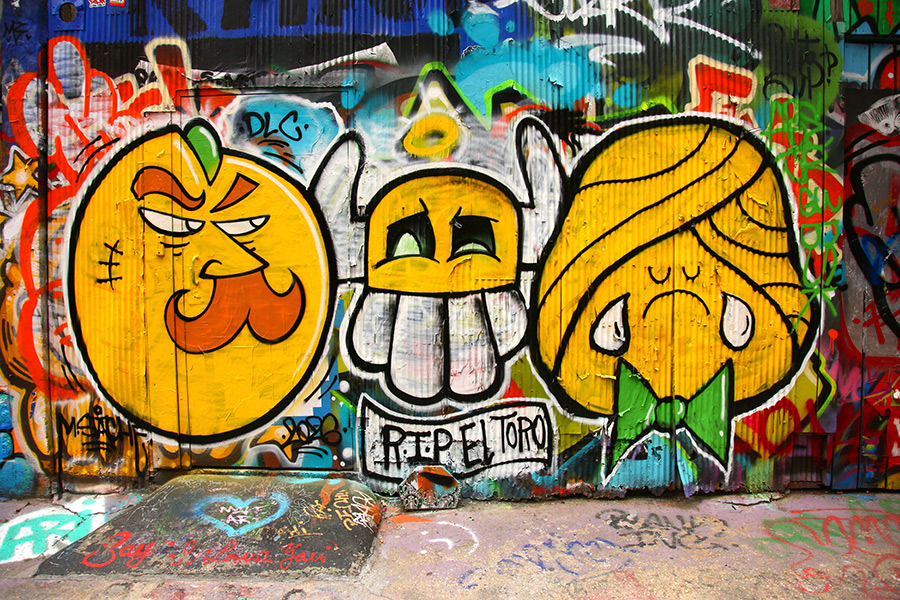
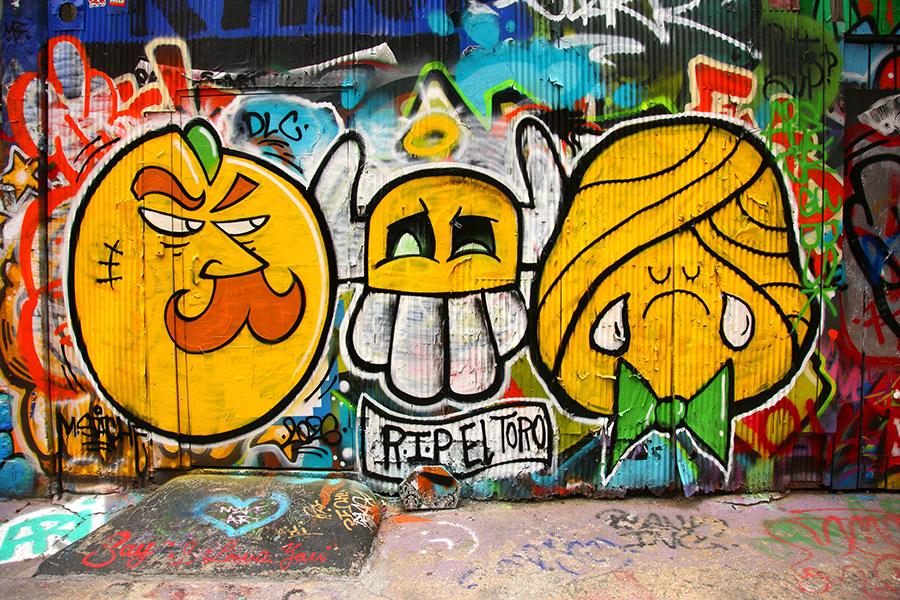
R.I.P. El Toro (photo © Jaime Rojo)
Read more
BSA Images Of The Week: 03.29.26

BSA Images Of The Week: 03.29.26

Welcome to BSA Images of the Week.

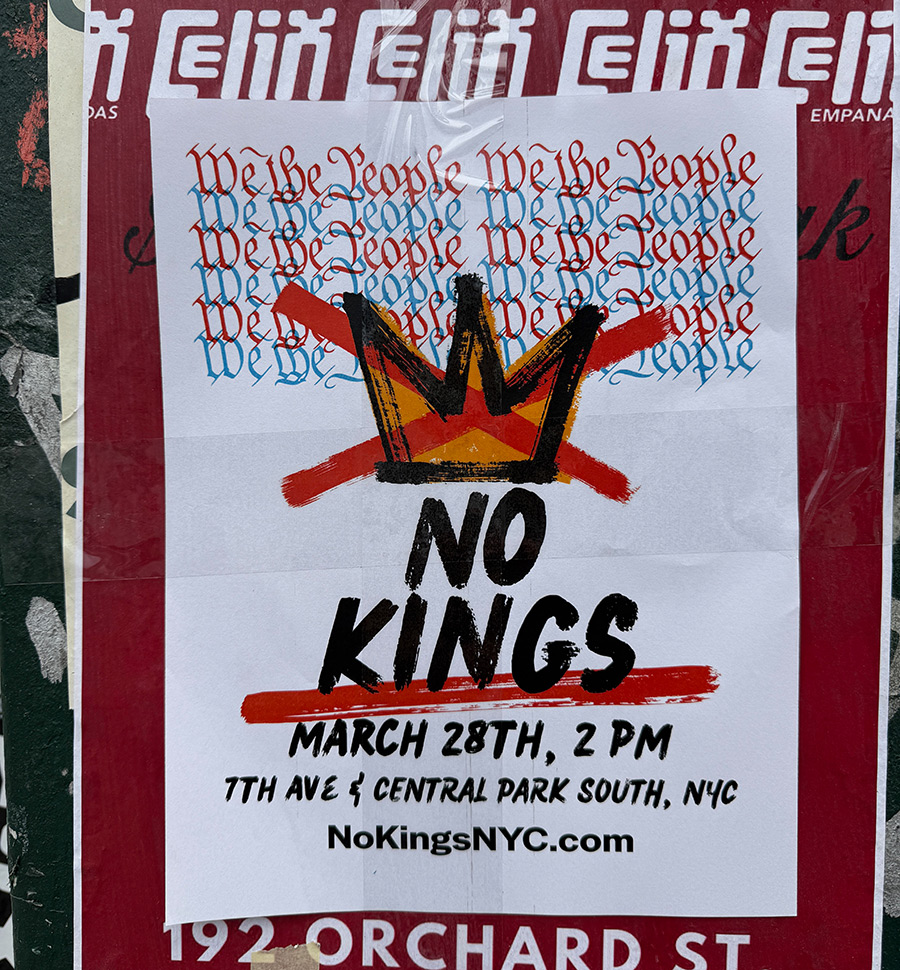
Across thousands of U.S. cities and streets yesterday, speakers at the ‘No Kings’ marches framed the protests as a mass rejection of executive overreach—calling for protection of civil rights, enforcement of limits on presidential power, and an end to aggressive anonymous immigration crackdowns. The dangerously growing war—and concerns about its escalation and its potential cost in blood and money—surfaced but appeared as one thread among several.

According to what’s often called the ‘3.5% rule,’ drawn from the research of Erica Chenoweth and Maria J. Stephan, nonviolent movements that mobilize roughly 3.5% of a population at their peak have historically been difficult to ignore—and often capable of forcing major political change, although that is not a guaranteed tipping point. Current estimates put the recent ‘No Kings’ marches at about 7 million people nationwide, or roughly 2.1% of the U.S. population, organized through a decentralized web of grassroots groups including Indivisible. Impressive—and it’s being read as a signal in many quarters, but it’s hard to see how it is moving the needle. For now, it’s clearly a swelling, emotionally charged expression of public will; whether it hardens into something with leverage will depend on its ability to sharpen its focus, its demands, and its impact on policy.
Meanwhile, in some street art-related news, Trump has large banners of himself on the Department of Justice and Department of Labor buildings. History is full of examples of leaders blowing up large images of themselves and filling public space with them. Not usually in the US, though.

The president also wants his signature on US paper dollars—while their value is under increasing pressure.

Insisting he has leverage in negotiations that Iran says aren’t planned or happening, nevertheless the bombs keep falling, and thousands of soldiers are mobilized and the 82nd Airborne is on alert—if not yet airborne.

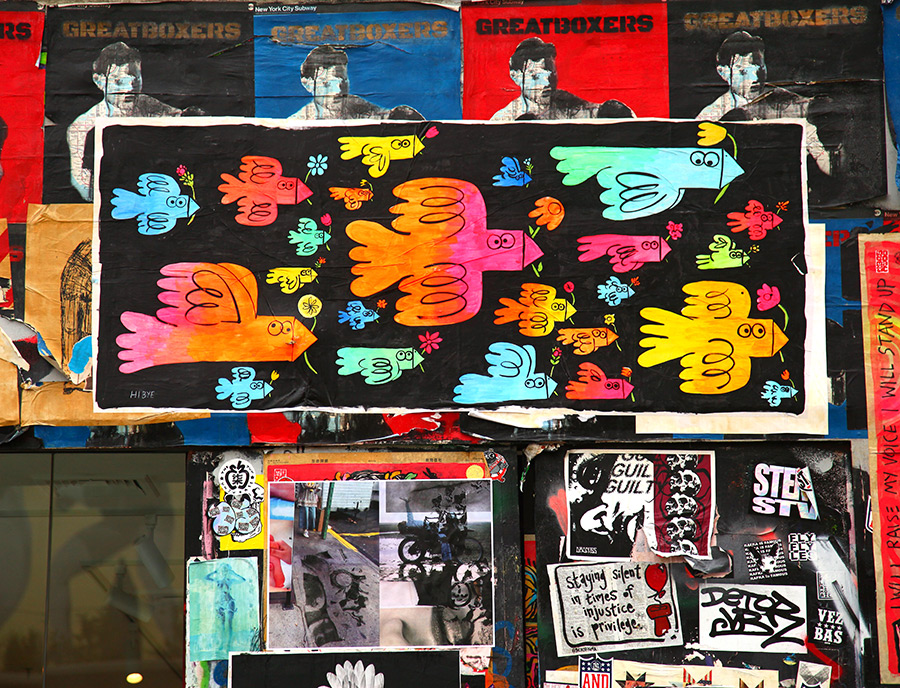
On the streets, we are seeing some of these themes pop up, if tangentially. You’ll see many doves of peace, figures twisted with anxiety, expressions of anger and suspicion, and bewilderment among the more pleasant and palatable prettiness that much of the current generation gravitates toward. Local pride, tribute walls, romance, pop culture affiliations, and conciliatory sentiments still rule the scene, but amongst the bursting crocuses and daffodils, you definitely discern descent dancing with diffidence.

You have read it here for a decade, but finally larger media outlets are confirming that New York is measurably inhospitable to its artists, chasing them from one neighborhood to the next at a rapacious clip. Gentrification feels like a formula now traced with exactitude by developers and private equity, not an organic pot-smoking beast with stylistic panache that evolves over time. Now, the artists population in this creative capital is verifiably going backwards for the first time in anyone’s memory; it is as if living without health insurance in an overcrowded apartment with 5 of your best friends well into your 30s or 40s is somehow, not exactly the New York dream you had imagined.

For street artists, most galleries have discovered that it’s hard to sell much of it, and with these high rents, they have closed or “diversified” their offerings to include Mickey Mouse with paint drips in eye-popping color. Even the venerable and much-loved publication Juxtapoz, at a moment of transition as The Unibrow opens on Substack, has experimented with different formulas—blending street with contemporary, eye-catching scintillation or a measure of self-aware irony—to keep things viable over the last decades. Striking the right balance for a fickle art audience and a K-shaped economy is nearly unicornary.

Street artists thought they could cut out the middleman by taking their art to Instagram, but many have discovered that it is a lot more work to market themselves than they thought, or that they lack the business acumen or Social savvy needed to make it a profitable model. Also, followers do not pay the rent. Despite promising developments in street art’s growing recognition by some institutions a decade ago, it looks like major museums and auction houses steadfastly omit all but a handful of recurring big names in graffiti and street art – a position of safety, if you will. While outlets like The New York Times and The Guardian have only begun to touch on it, the patterns are already well established, if you know where to look.

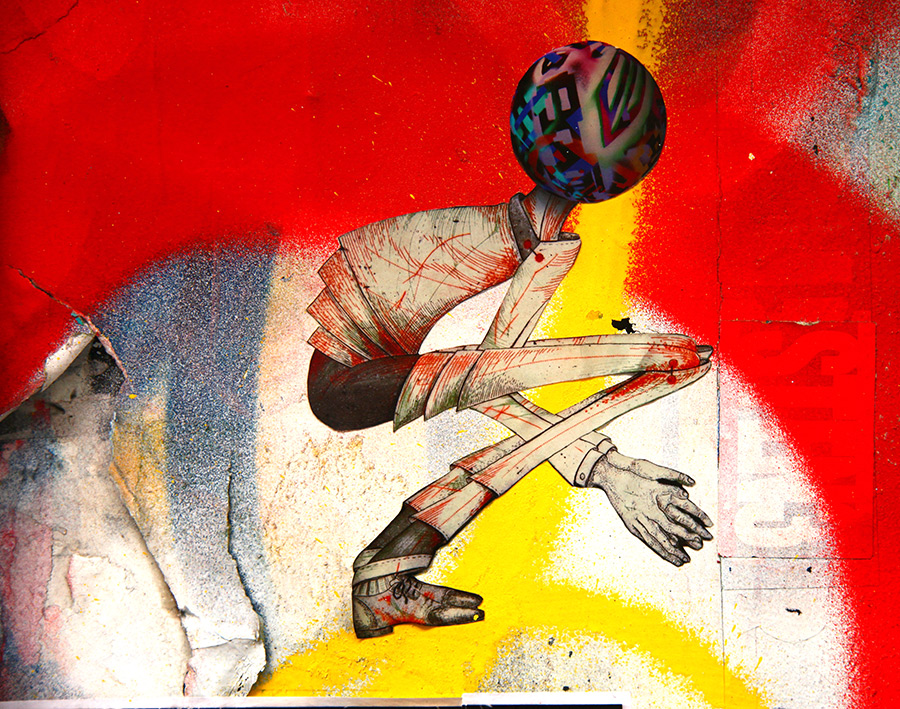
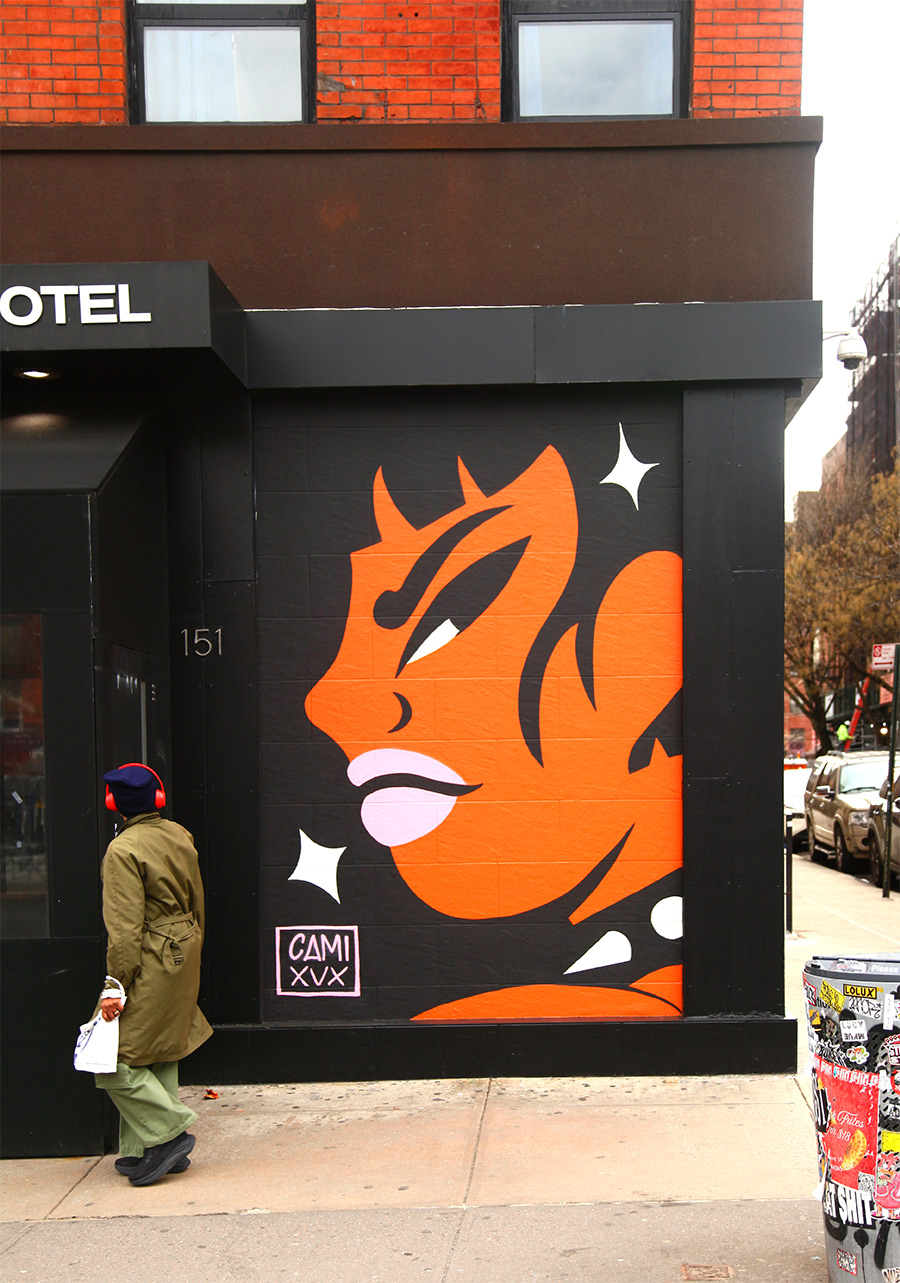
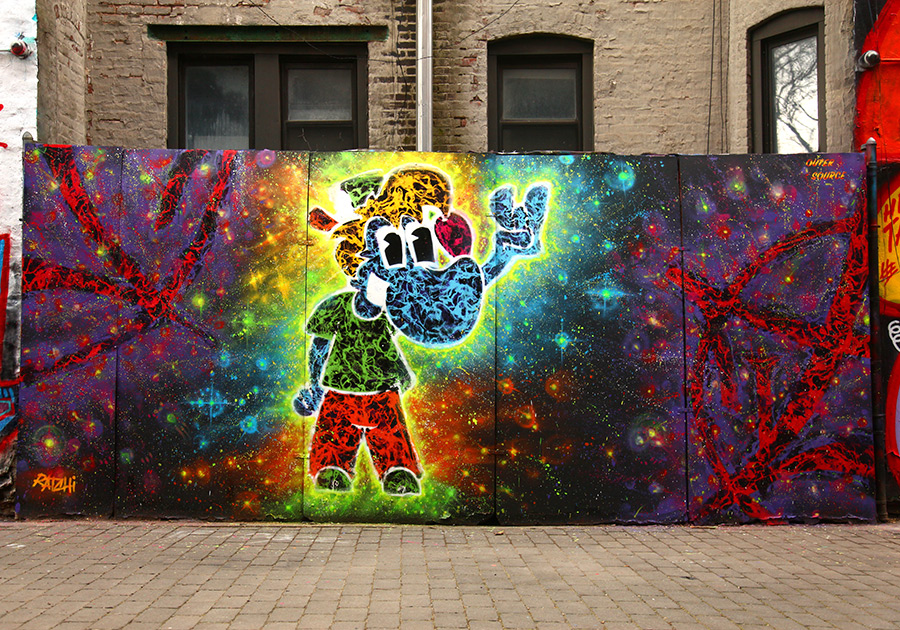
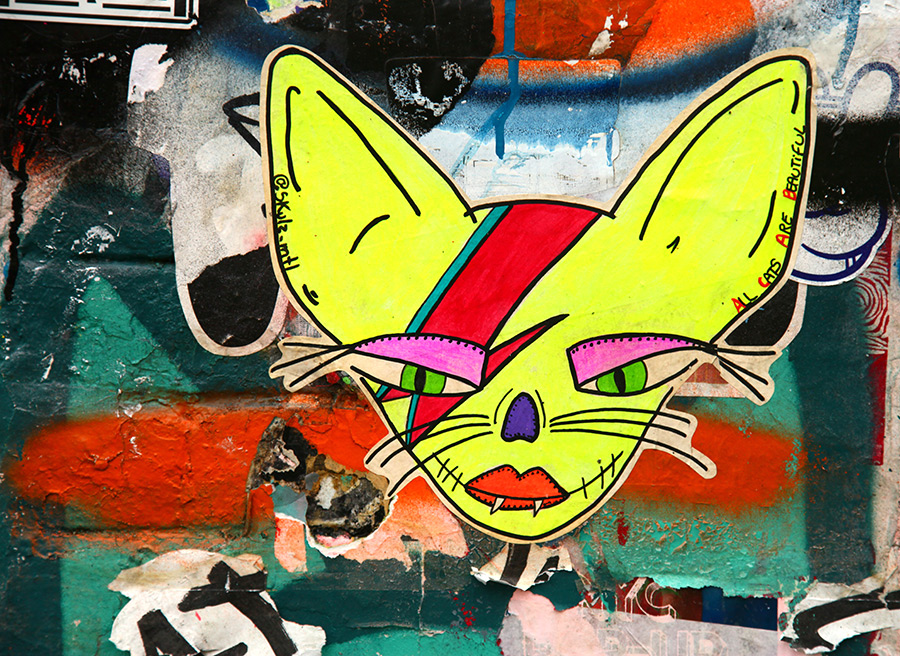
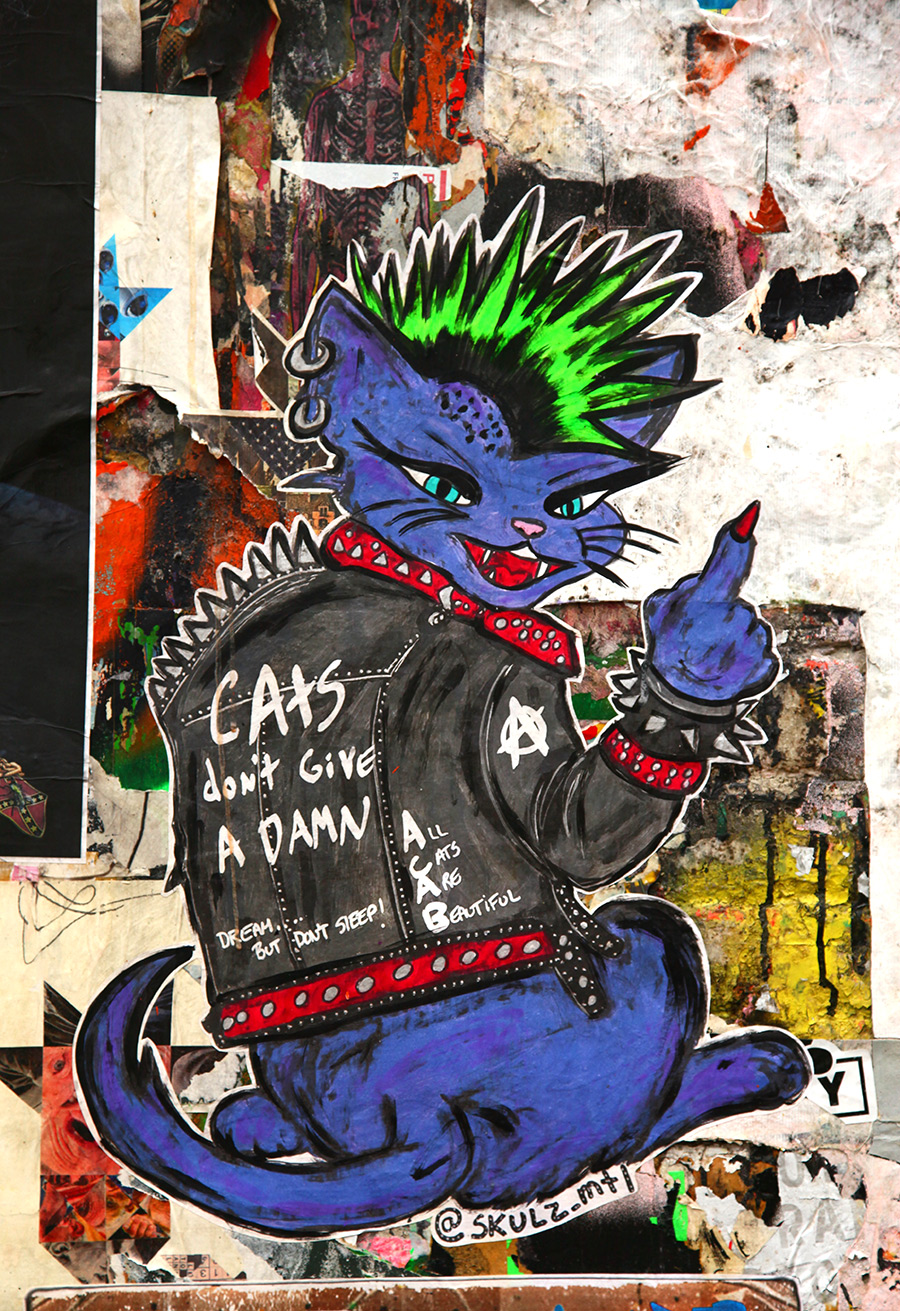
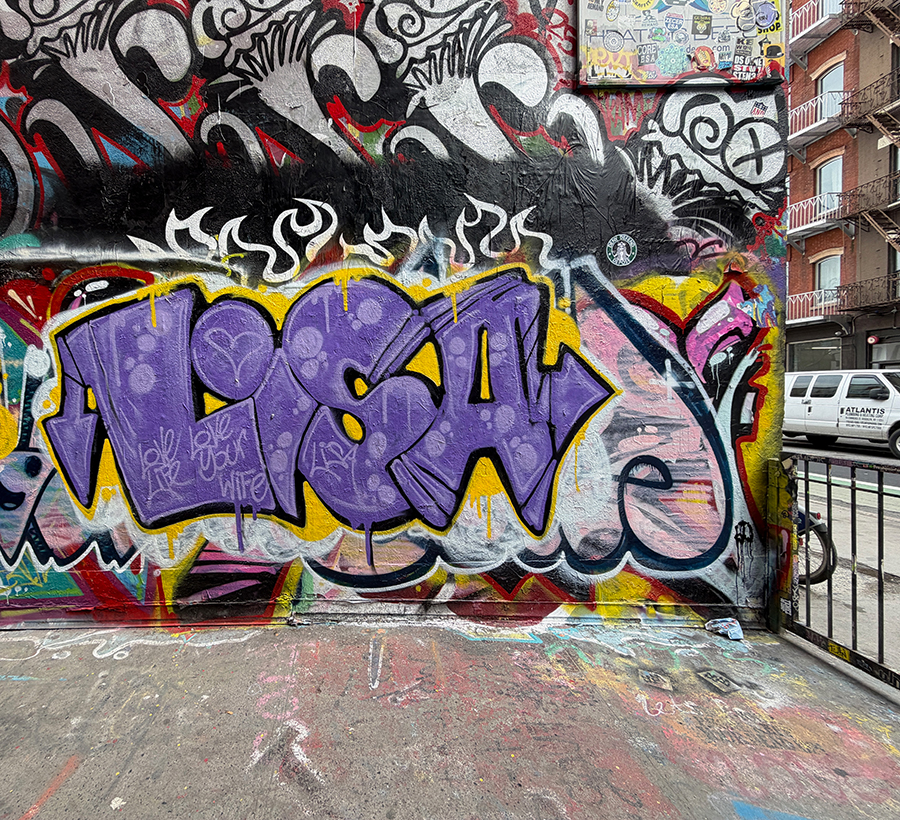
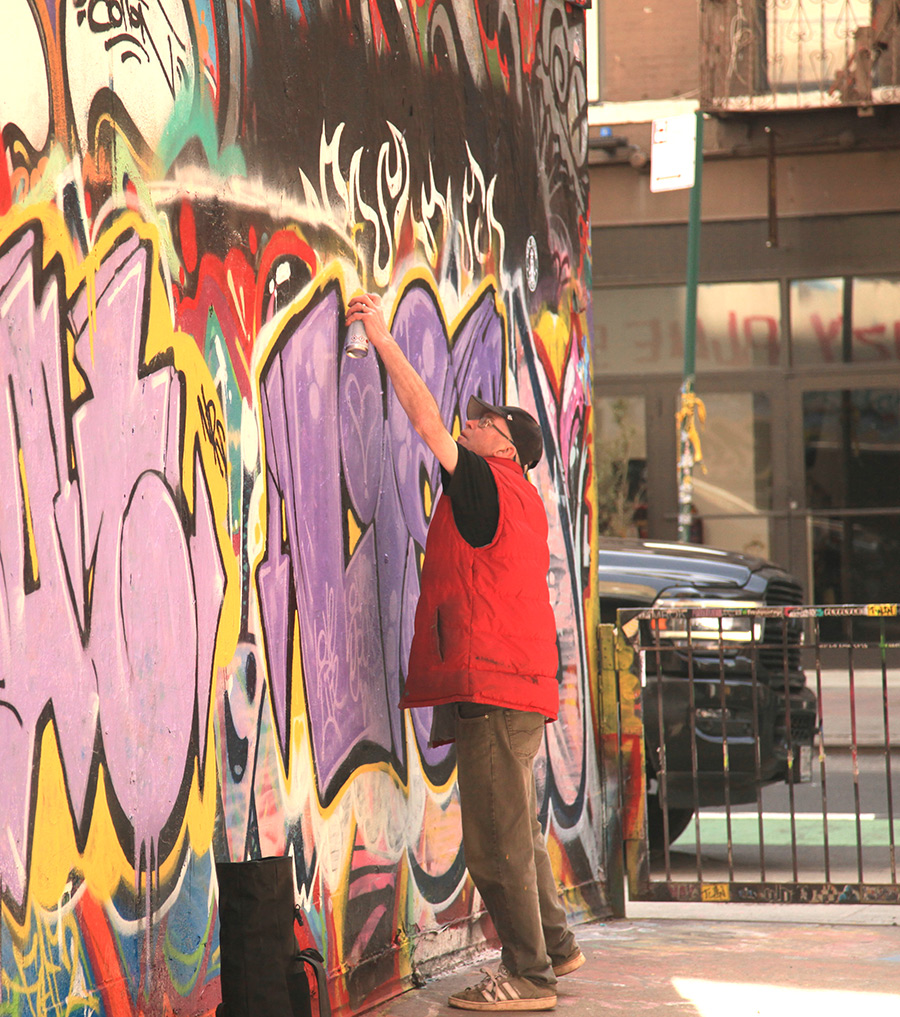
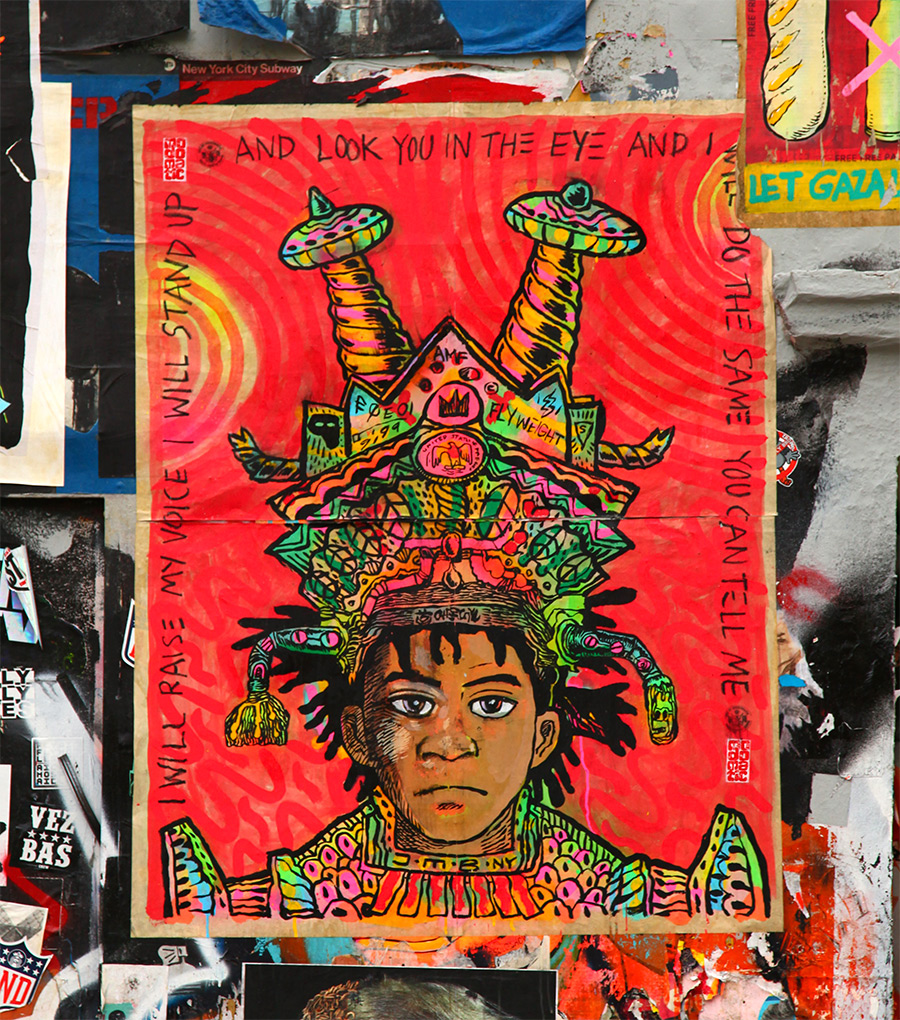
Here’s our weekly interview with the street, this time featuring CAMI, CRKSHNK, Goldloxe, Hi Bye, LISA, RATCHI, Skulz, Abe Lincoln Jr, Mr. Moustachio, El Toro, and Stikman.

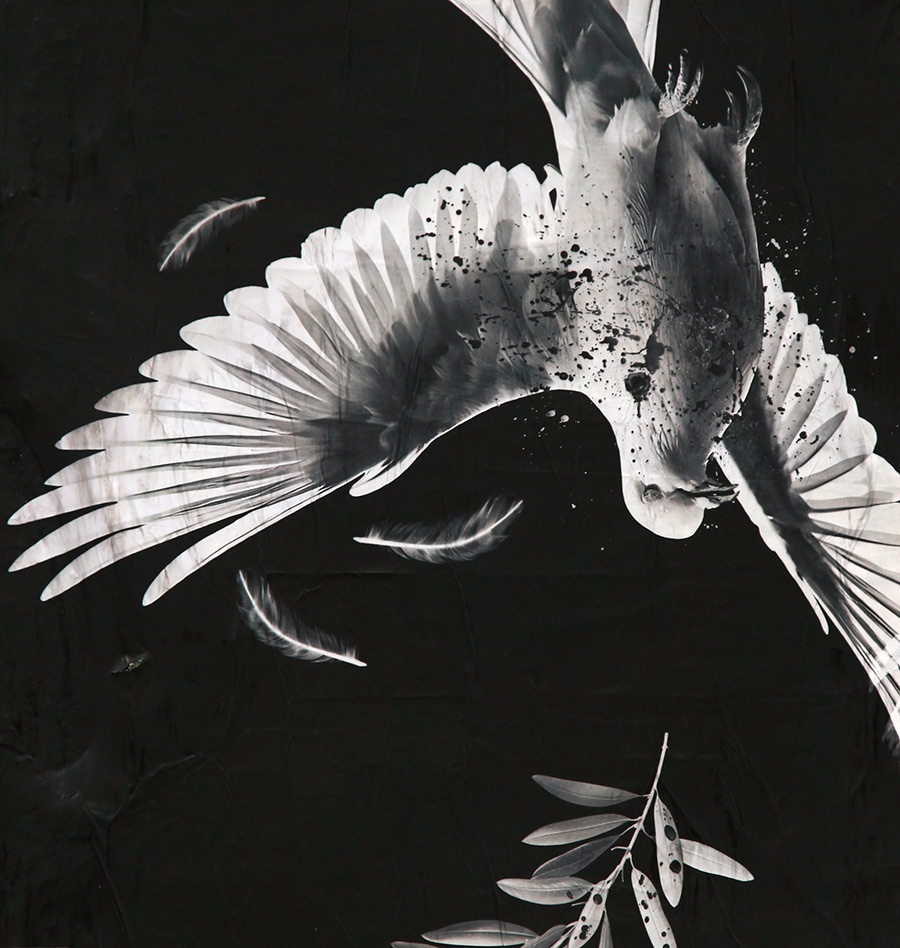
CRKSHNK. Detail. (photo © Jaime Rojo)
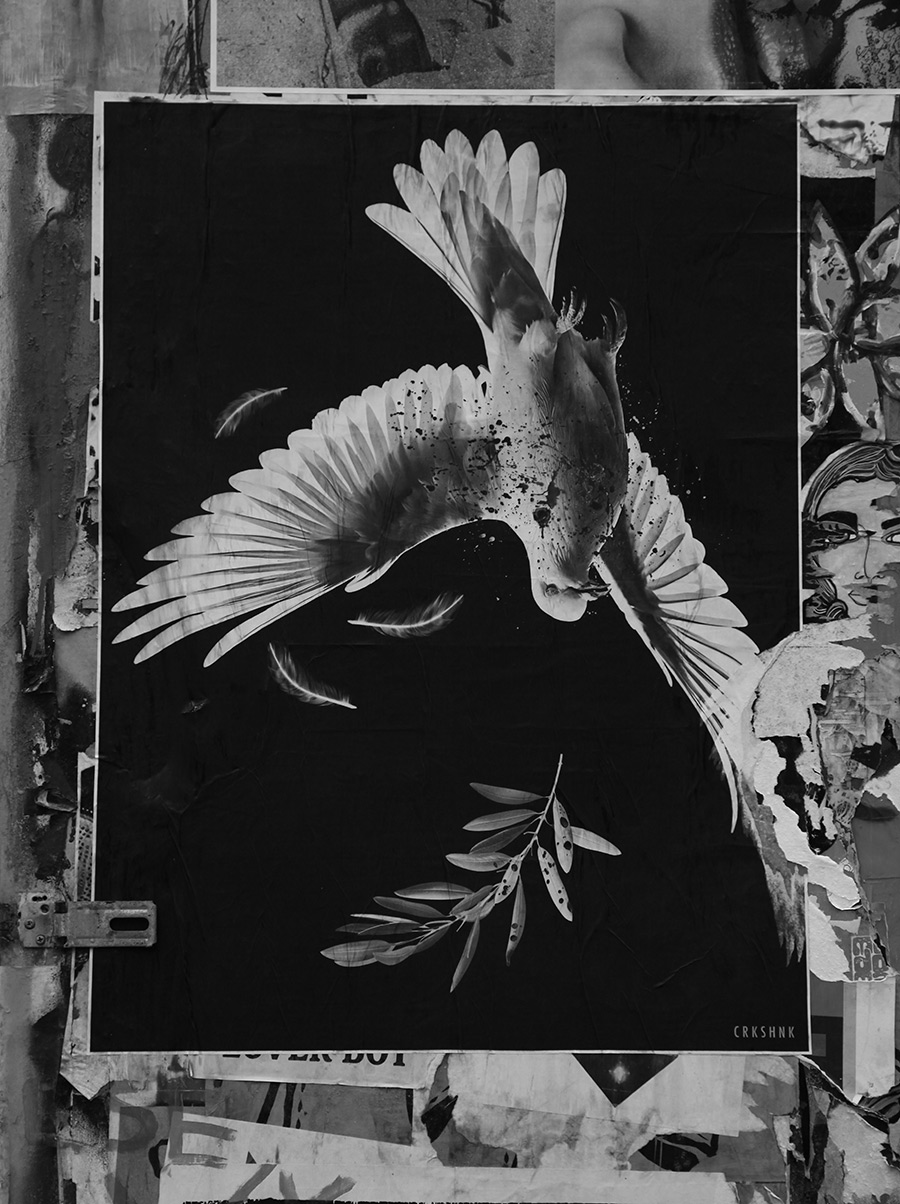
CRKSHNK (photo © Jaime Rojo)
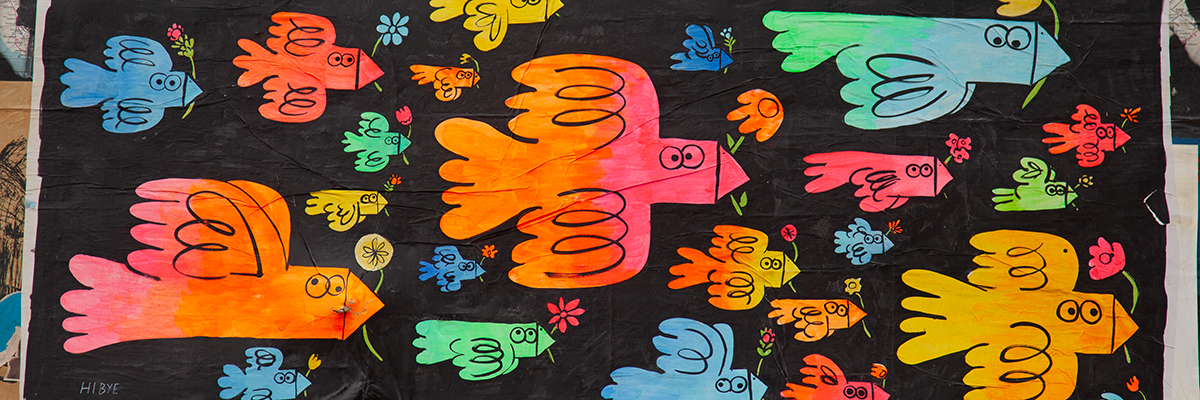
Hi Bye (photo © Jaime Rojo)
Stikman (photo © Jaime Rojo)
CAMI (photo © Jaime Rojo)
Ratchi (photo © Jaime Rojo)
Skulz MTL (photo © Jaime Rojo)
Love for Lisa (photo © Jaime Rojo)
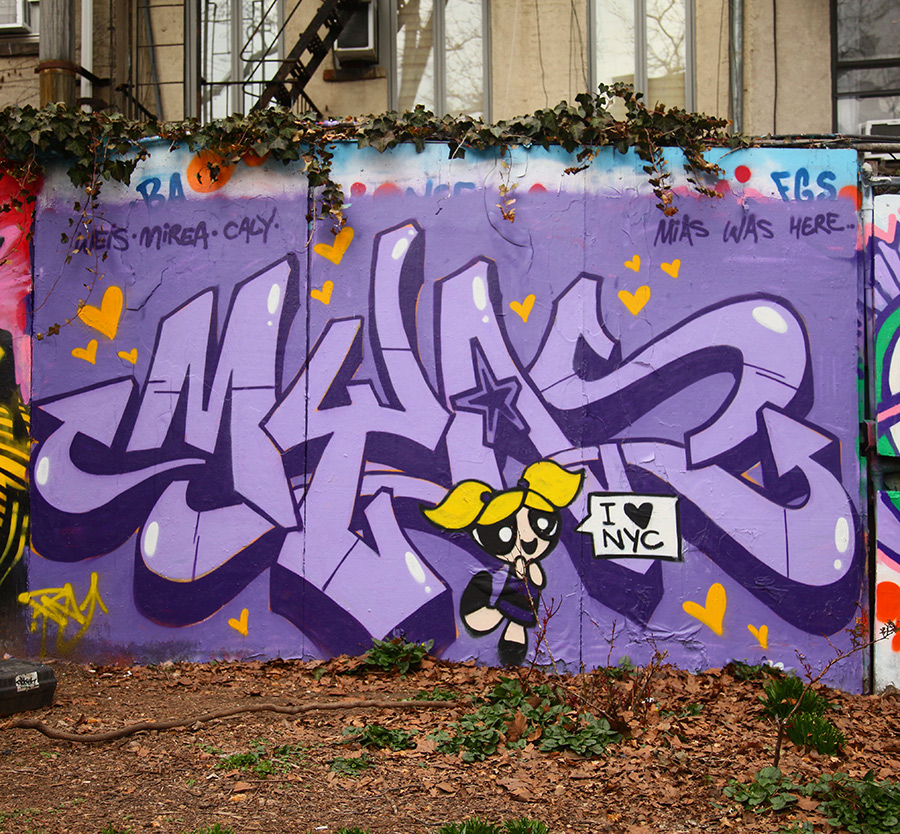
MIAS (photo © Jaime Rojo)
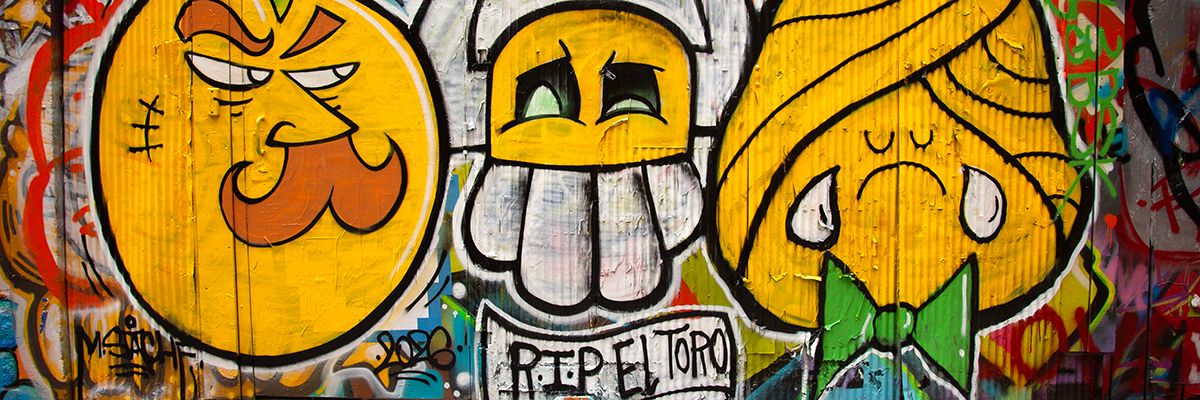
Abe Lincoln Jr. and Mr. Moustachio tribute to El Toro. (photo © Jaime Rojo)
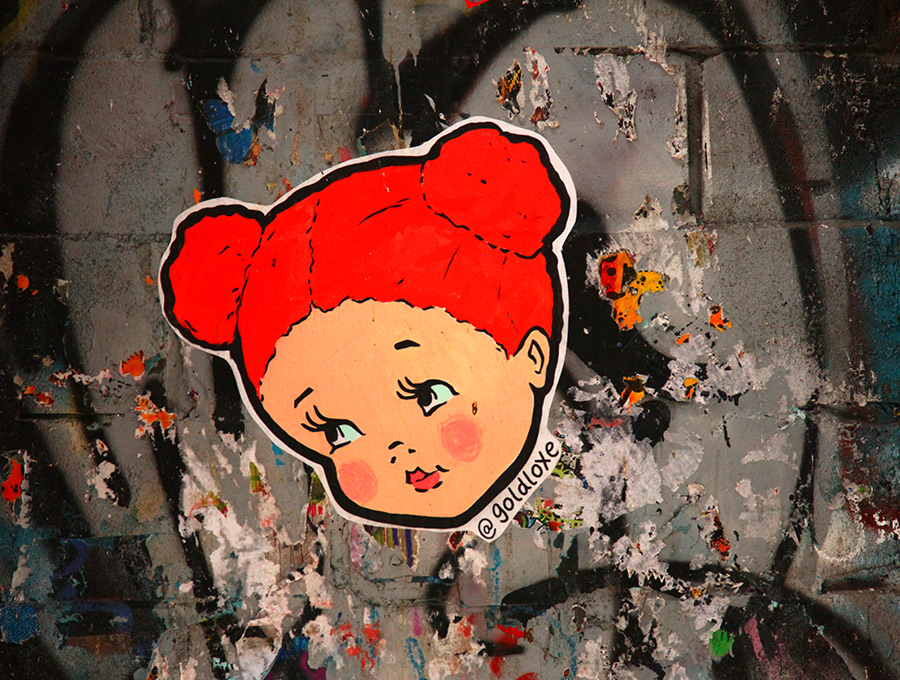
Goldloxe (photo © Jaime Rojo)
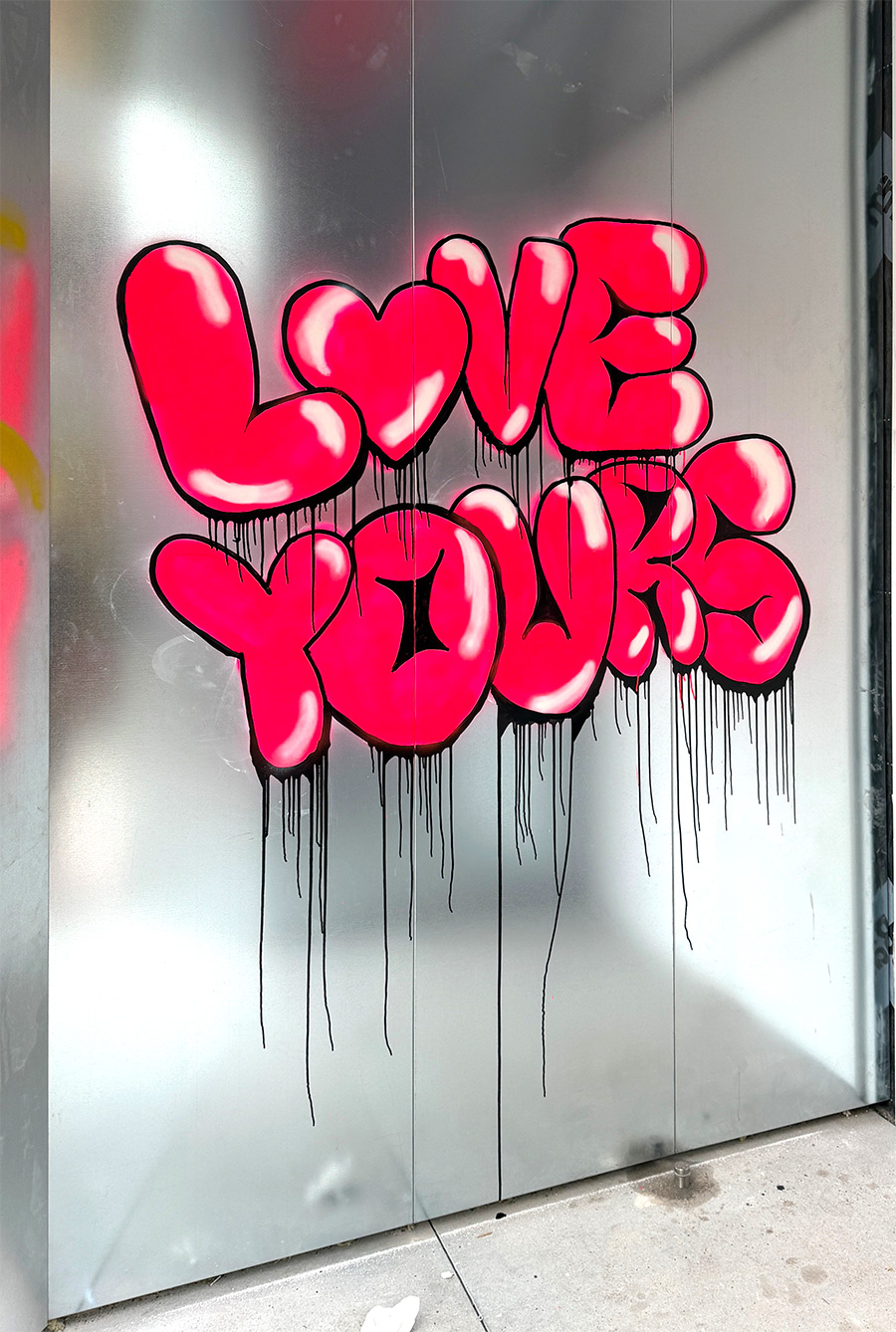
Love Yours (photo © Jaime Rojo)
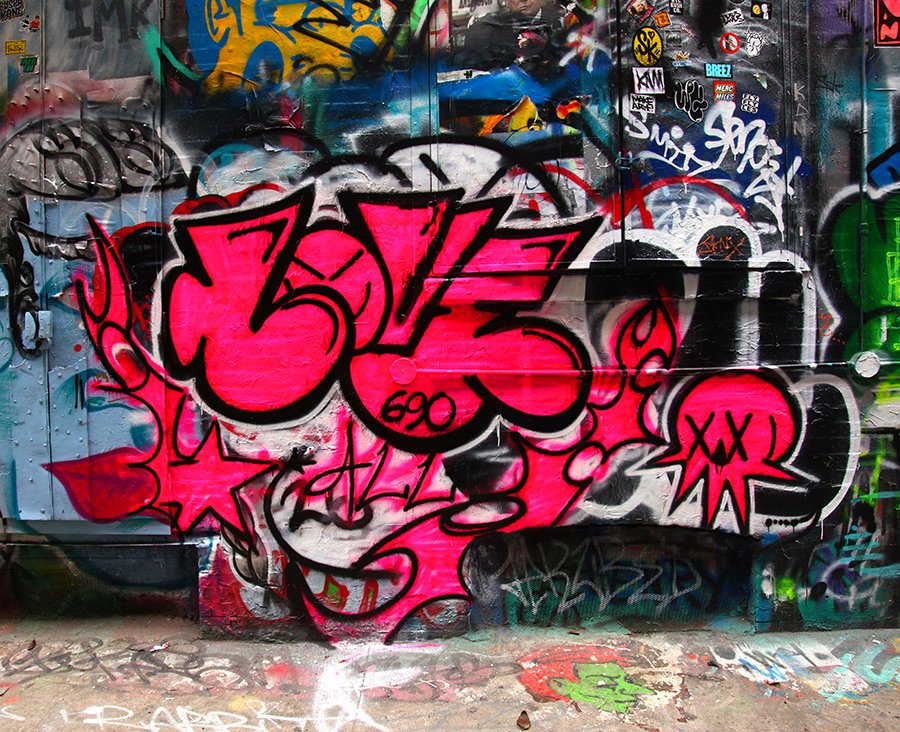
LOVE 690 (photo © Jaime Rojo)
Modomatic (photo © Jaime Rojo)
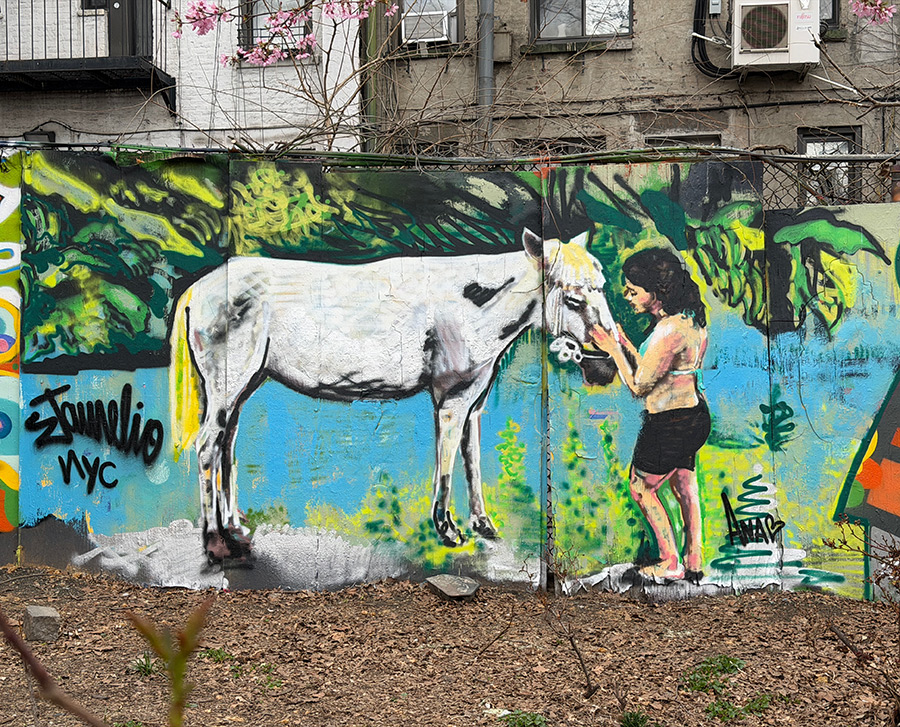
Tomelio (photo © Jaime Rojo)
#nokings (photo © Jaime Rojo)
Forsythia. Spring 2026. NYC. (photo © Jaime Rojo)
Read more