 BROOKLYN STREET ART LOVES YOU MORE EVERY DAY
Capturing and Archiving with Photos
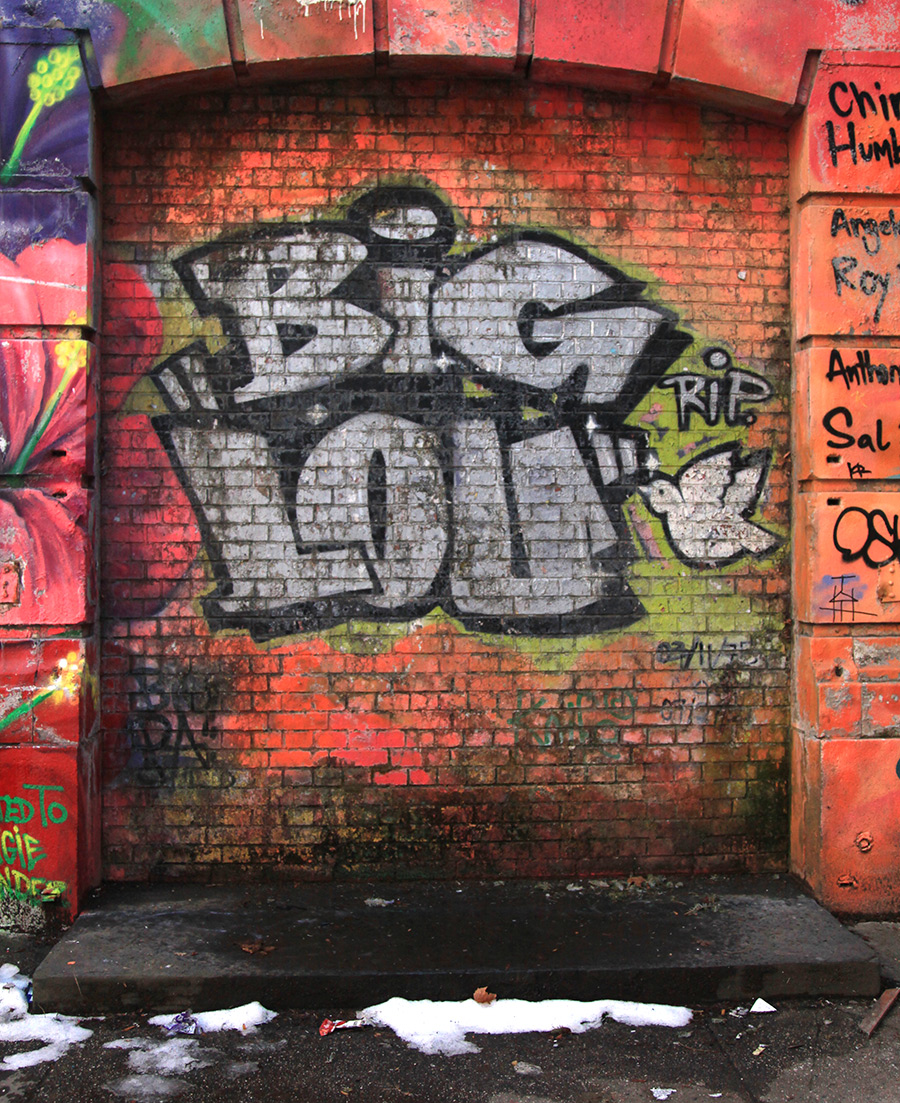
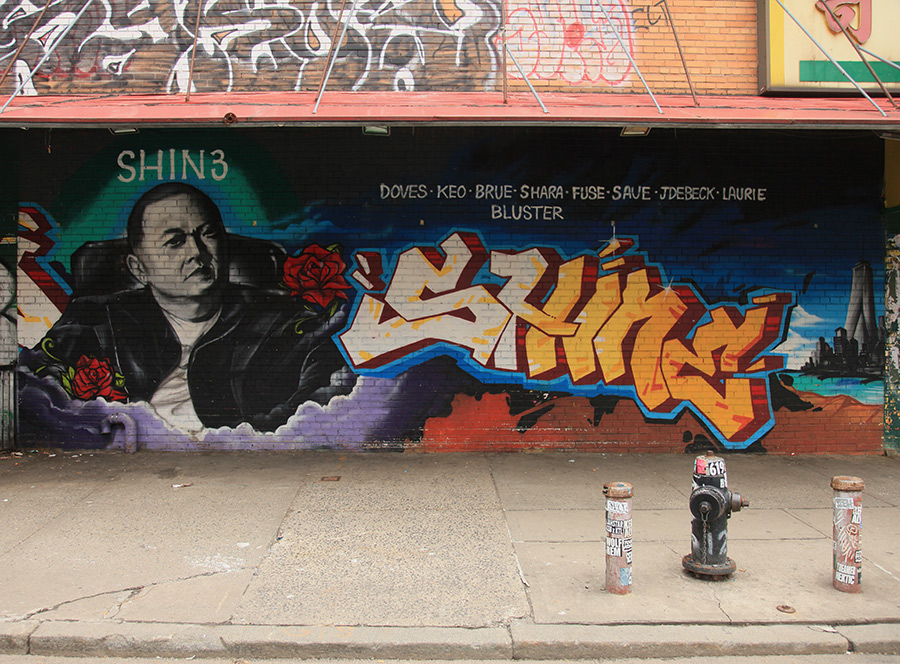
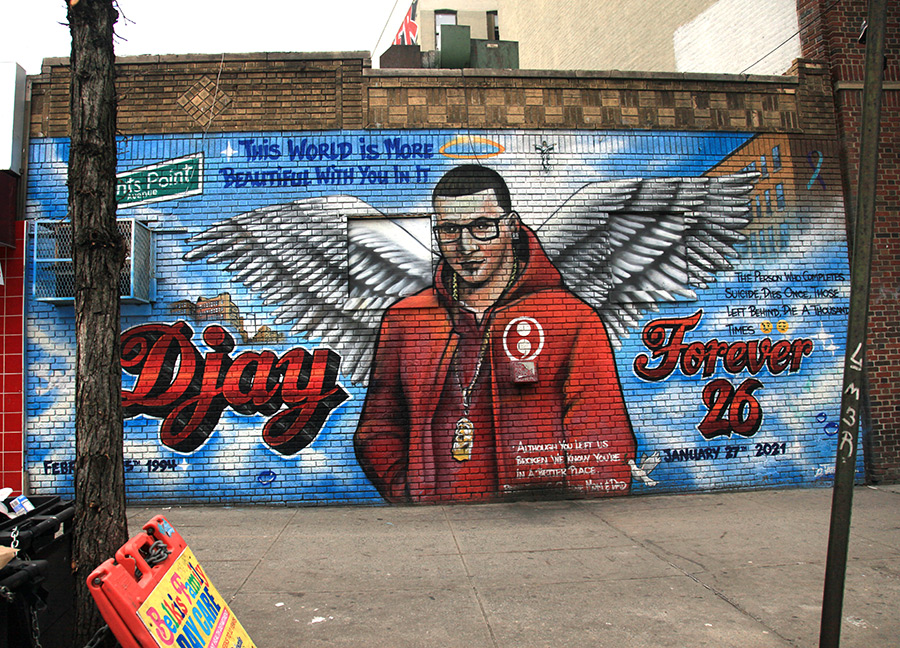
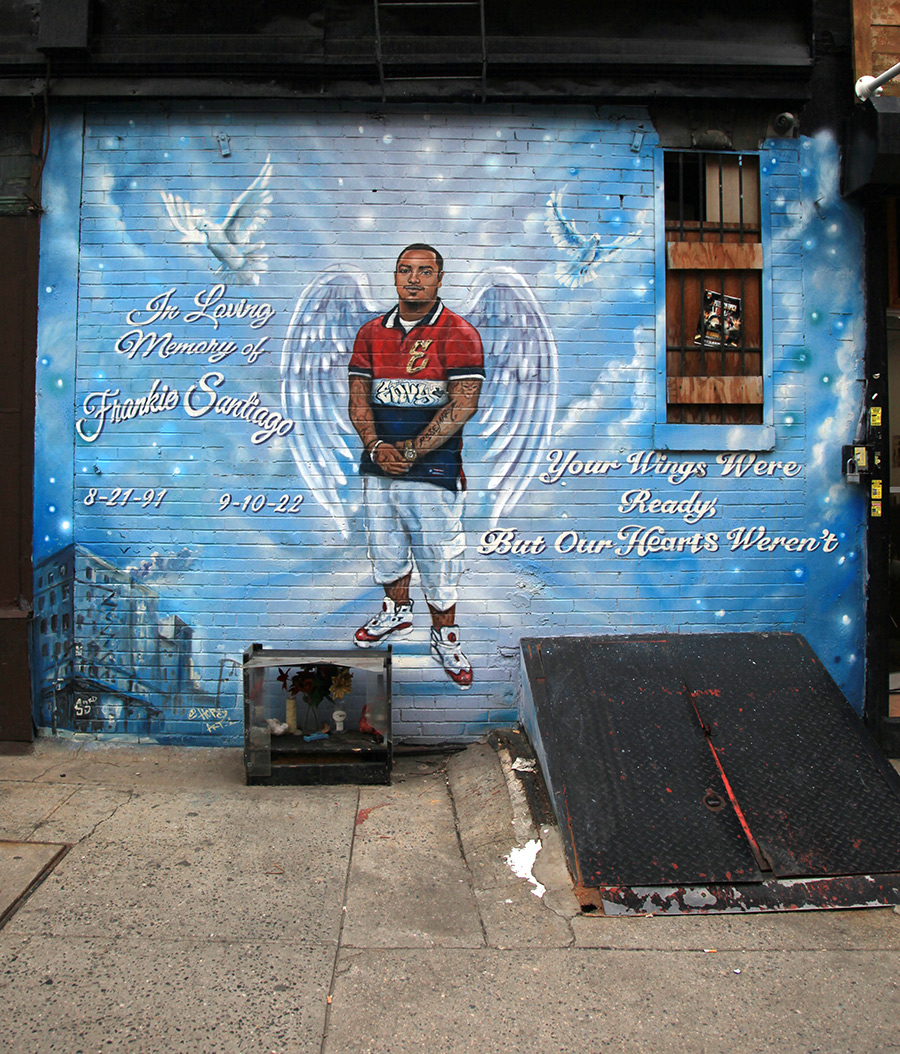
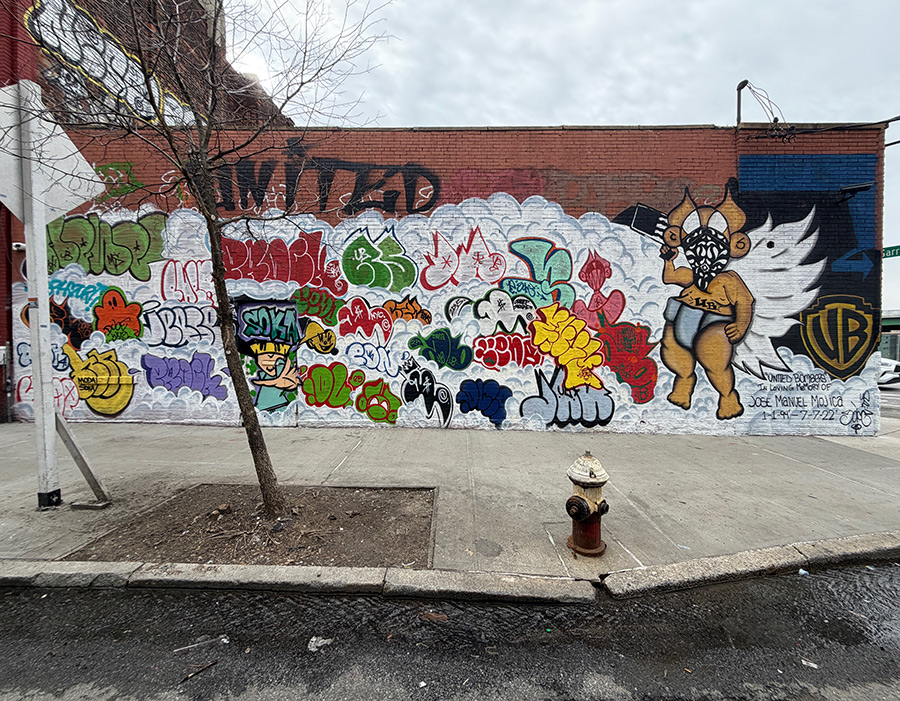
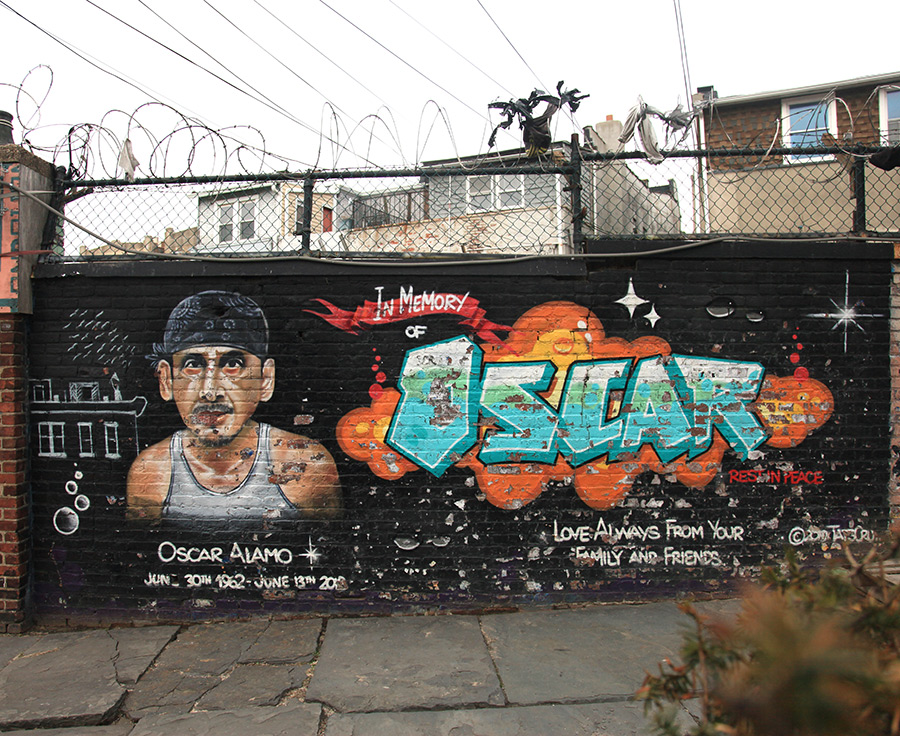
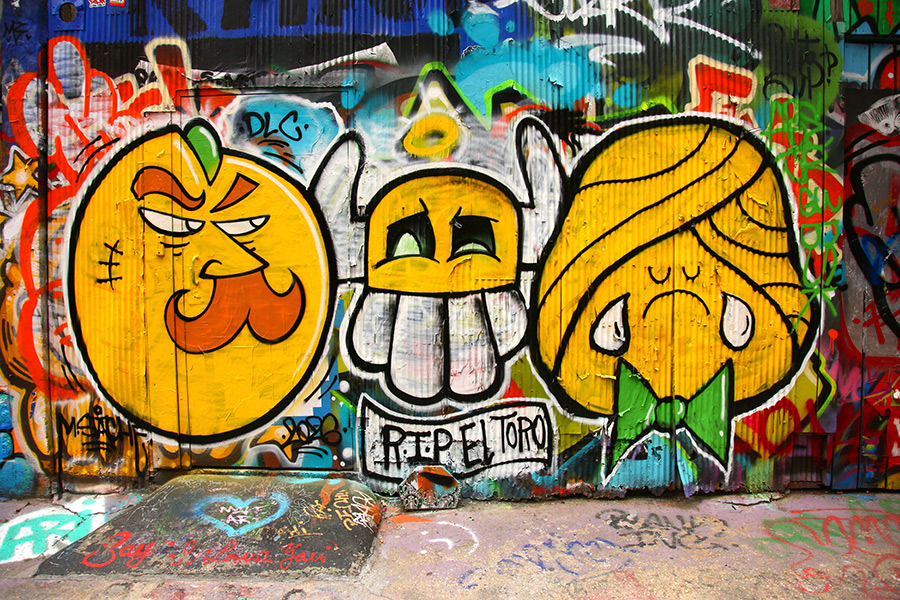
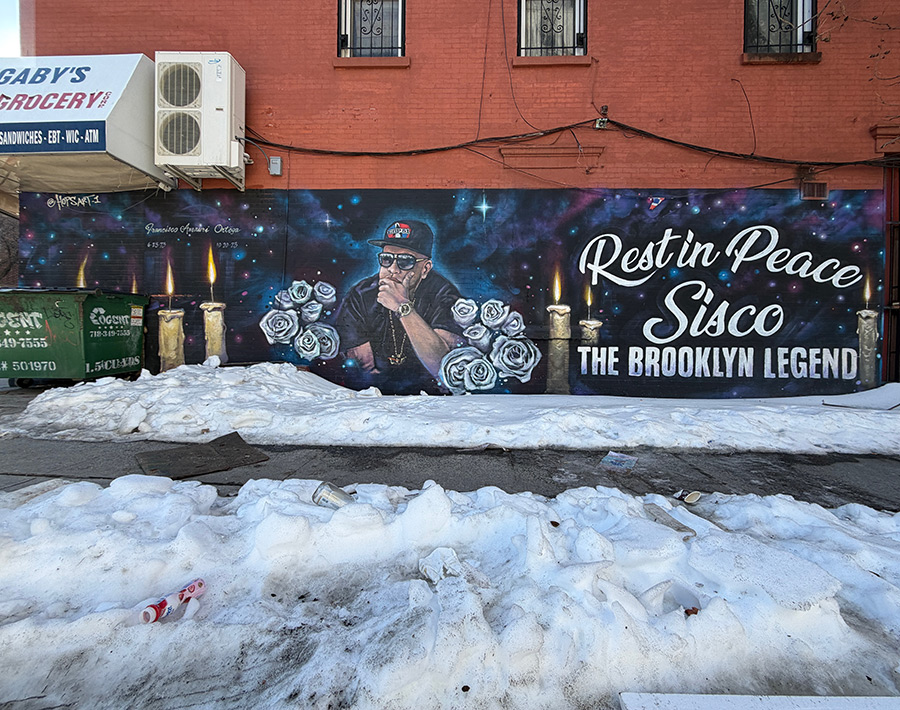
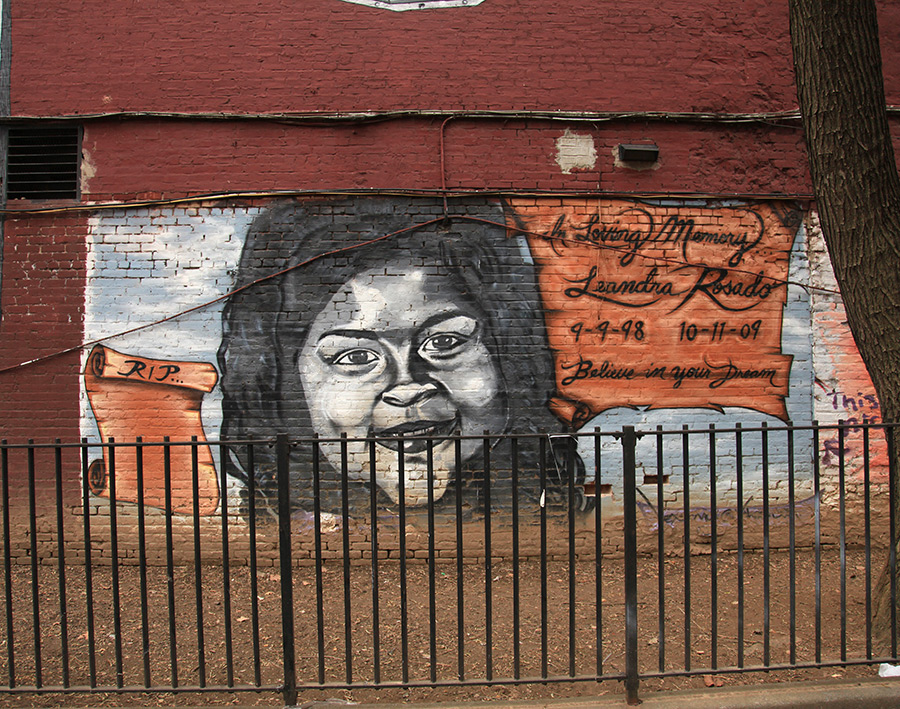
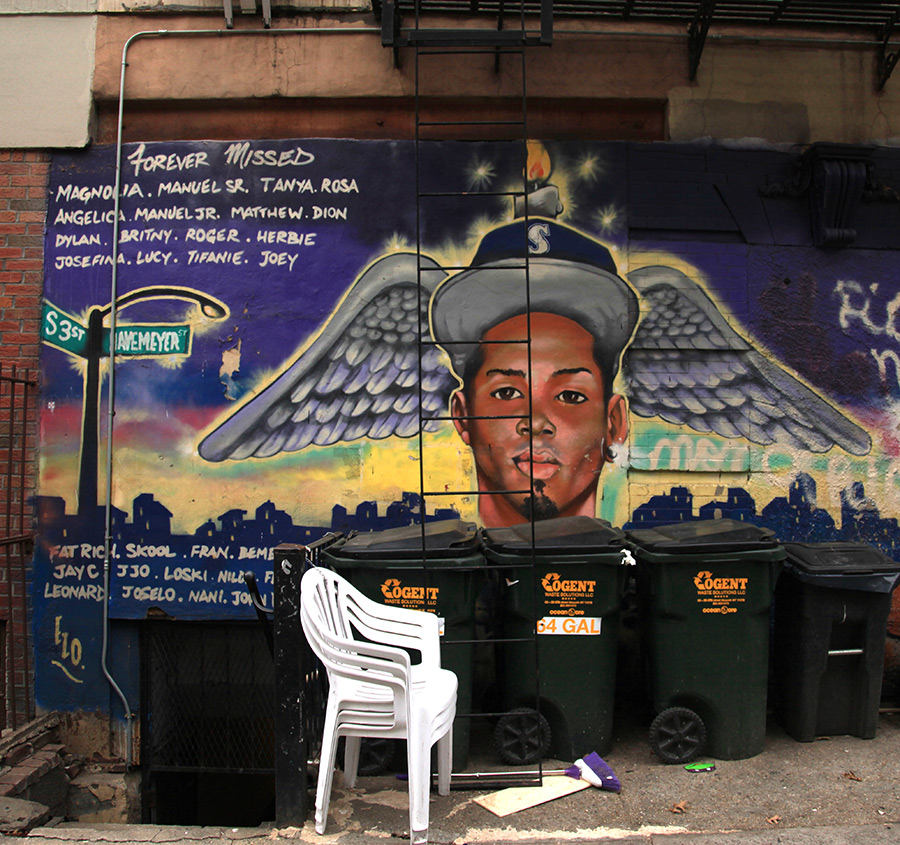
In these recent street photos, the painted tributes read less like “artworks” in the gallery sense and more like public messages—meant to hold their place long enough for the neighborhood to recognize itself in them. The visual grammar is consistent across New York’s “Rest in Peace” walls: the portrait (often larger-than-life), the name set like a headline, the dates, the short dedication, and then the personal details—favorite colors, a car or bike, a sports logo, a prayerful phrase, a few chosen symbols—that insist on a whole life rather than a police report or a death notice. Accounts of these murals emphasize that they frequently avoid explaining the cause of death; the point is the person as they were loved, and the fact of absence as it’s felt on the block.
Walls Provide a Place to Gather
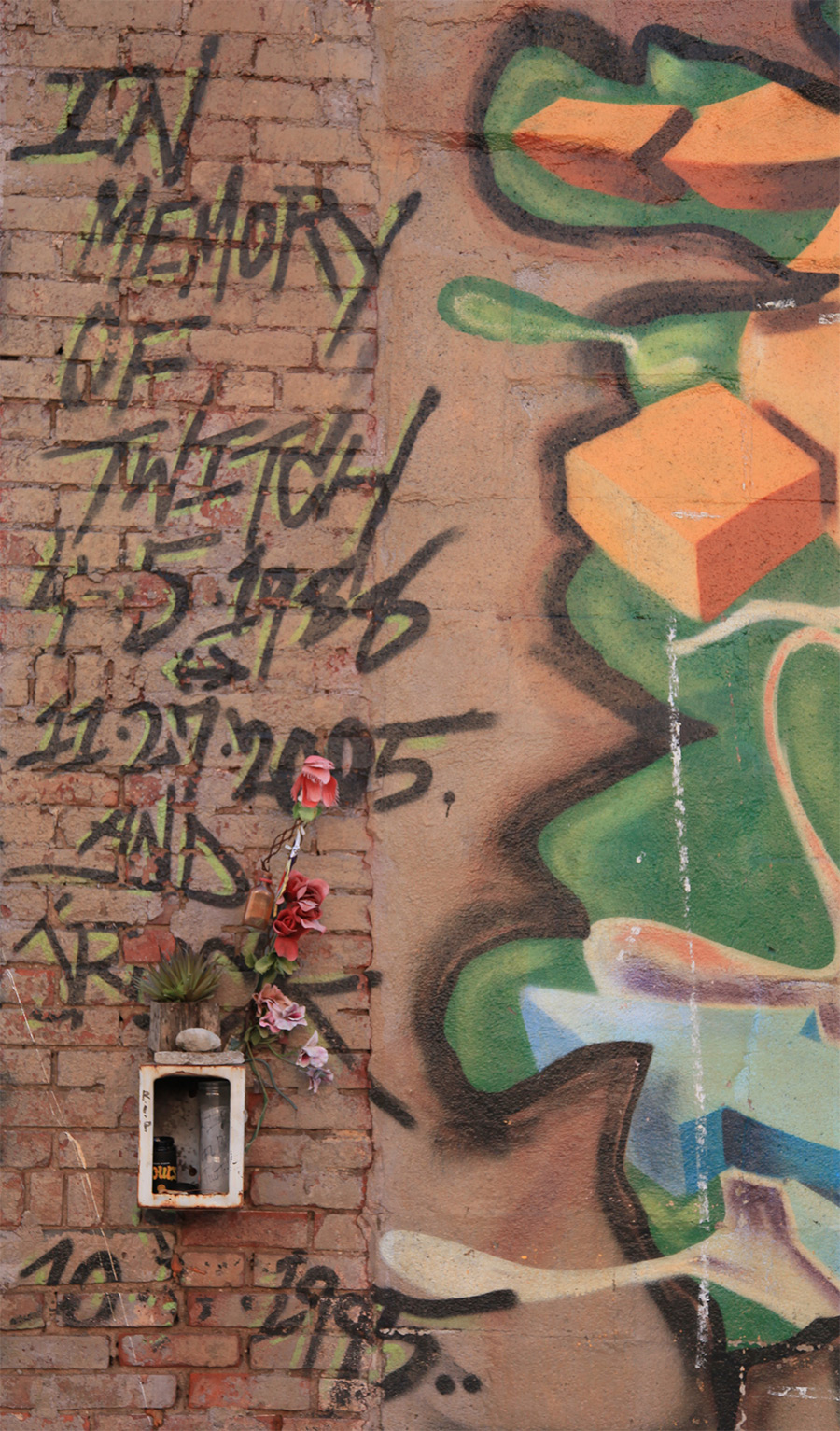
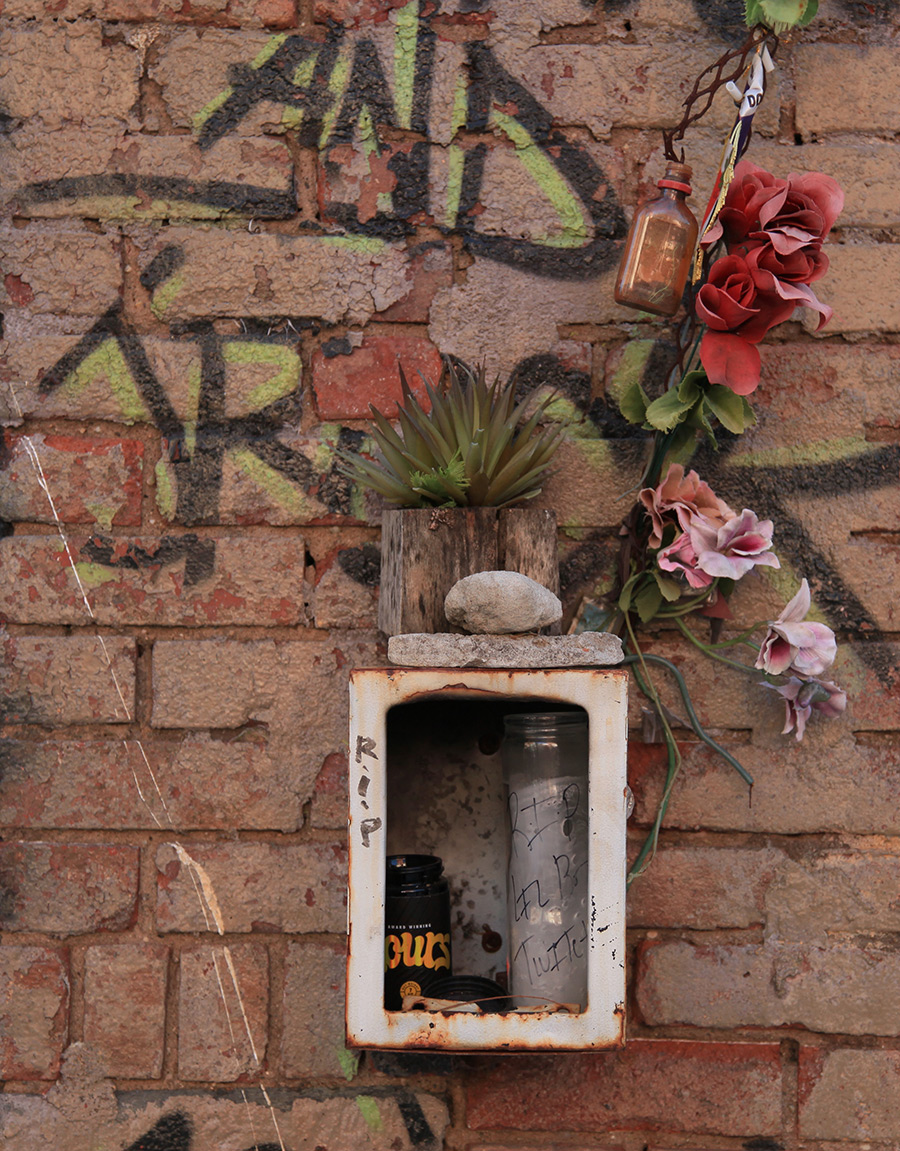
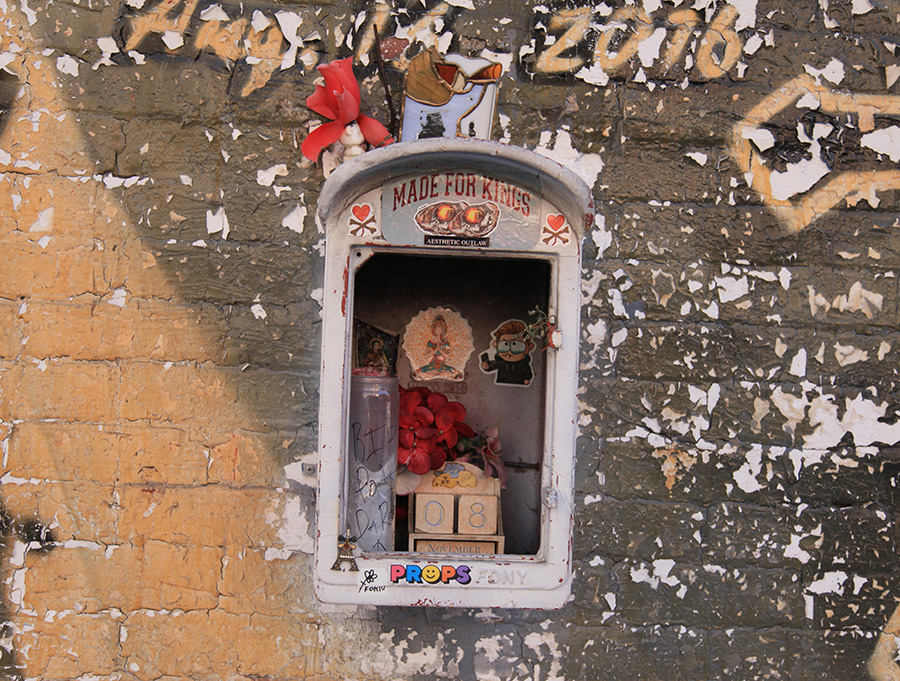
What these memorial walls do socially is as important as what they show visually. They create a fixed location for grief that otherwise may have difficulty finding its place, standing still in a fast, loud city. Ethnographic descriptions of New York memorial walls note that the act of painting can itself function as a public event: neighbors stop, watch, and talk; family members sometimes come by to share stories with the artists; and once the image is up, the wall can become the backdrop for offerings—candles, photos, flowers—left by friends, relatives, and passersby.
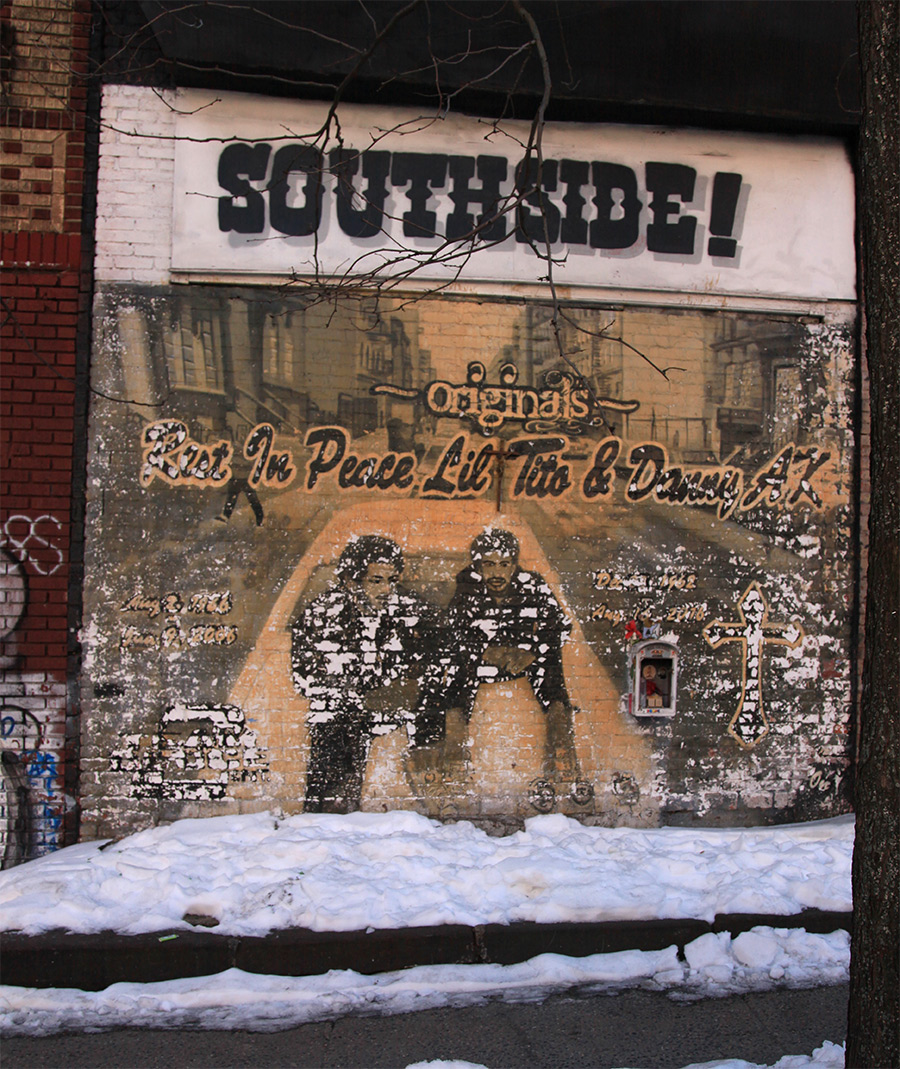
Folklore scholarship on spontaneous shrines helps name what’s happening here. As Jack Santino writes in Spontaneous Shrines and the Public Memorialization of Death, these are public forms of mourning that invite participation from those who encounter them.
There’s nothing sentimental about it when you’re standing there. It’s direct. People come, they look, they leave something, they say a name out loud. The wall holds it.
RIP Lies between Graffiti, Educational Murals, and the Ad-Saturated City
These painted “RIP” walls sit squarely in the overlap zone between illegal graffiti practice, street-art portraiture, and longer community-mural traditions. New York documentation explicitly links them to graffiti aesthetics while stressing a crucial difference: unlike name-writing for fame, the name that matters here is the deceased person’s. You can place their growth in late-1980s/1990s city life—an era marked by the AIDS crisis, crack and drugs, police and neighborhood violence, alongside the displacement of writers from trains to walls.
At the same time, community mural histories frame wall painting as civic pedagogy. As Janet Braun-Reinitz and Jane Weissman write in On the Wall: Four Decades of Community Murals in New York City, community murals “beautify, educate, protest, celebrate, affirm, organize, and motivate residents to action.” Memorial walls sit inside that lineage without asking permission. They are not advertising, but they push against it, taking up space in the same visual field and replacing the city’s usual sales language with something harder to ignore: remember this person. They were here.
Continued Reading
Published work on this practice now gives a clearer sense of both its visual consistency and its function. The anchor remains R.I.P.: Memorial Wall Art by Martha Cooper and Joseph Sciorra, still one of the most direct documentations of New York’s memorial murals as a public form. More recently, I’ll See You On The Other Side by Omar Hamdoun and Michael Brewer gathers hundreds of examples across the boroughs, reinforcing how embedded the practice has become.
The longer arc—how wall painting operates as cultural memory, public pedagogy, and neighborhood record—runs through works like On the Wall. These walls fade, get painted over, disappear under redevelopment, or simply lose their surface. That fragility is part of their meaning. As Erika Doss writes, “Temporary memorials are created to be experienced: to be felt, not simply to be seen.” They do their work in the open, and then they’re gone, or nearly gone—but not before they’ve marked the place.
Further Reading
Martha Cooper & Joseph Sciorra, R.I.P.: Memorial Wall Art
Omar Hamdoun & Michael Brewer, I’ll See You On The Other Side
Jack Santino, Spontaneous Shrines and the Public Memorialization of Death
Erika Doss, The Emotional Life of Contemporary Public Memorials
Janet Braun-Reinitz & Jane Weissman, On the Wall: Four Decades of Community Murals in New York City