 BROOKLYN STREET ART LOVES YOU MORE EVERY DAY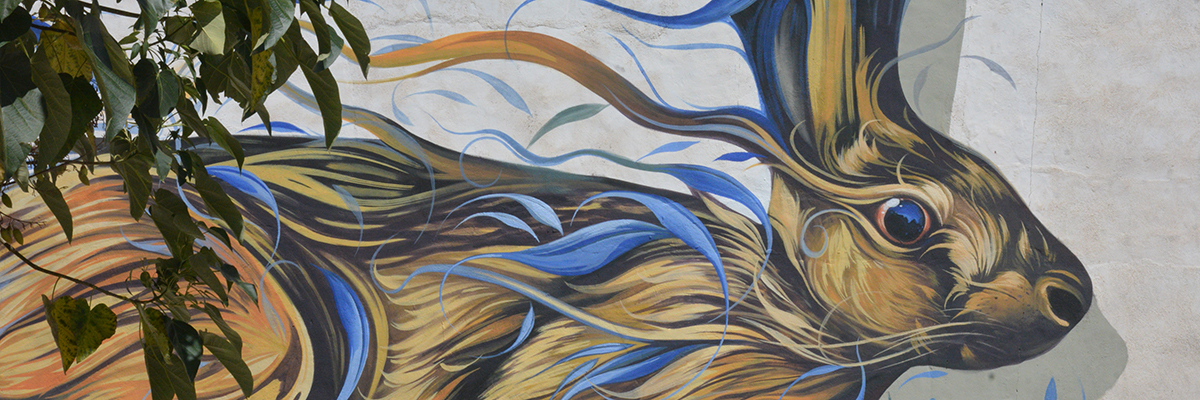
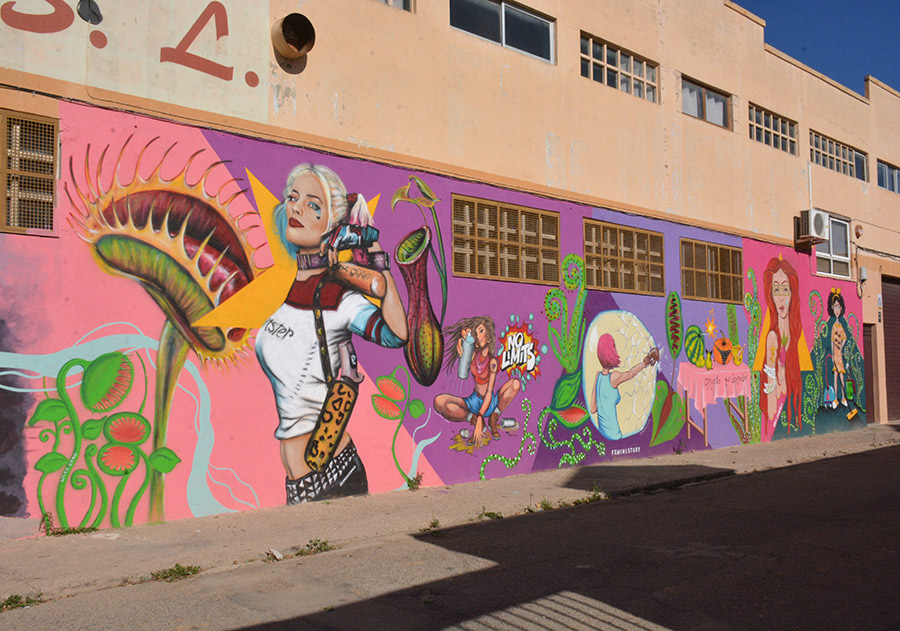
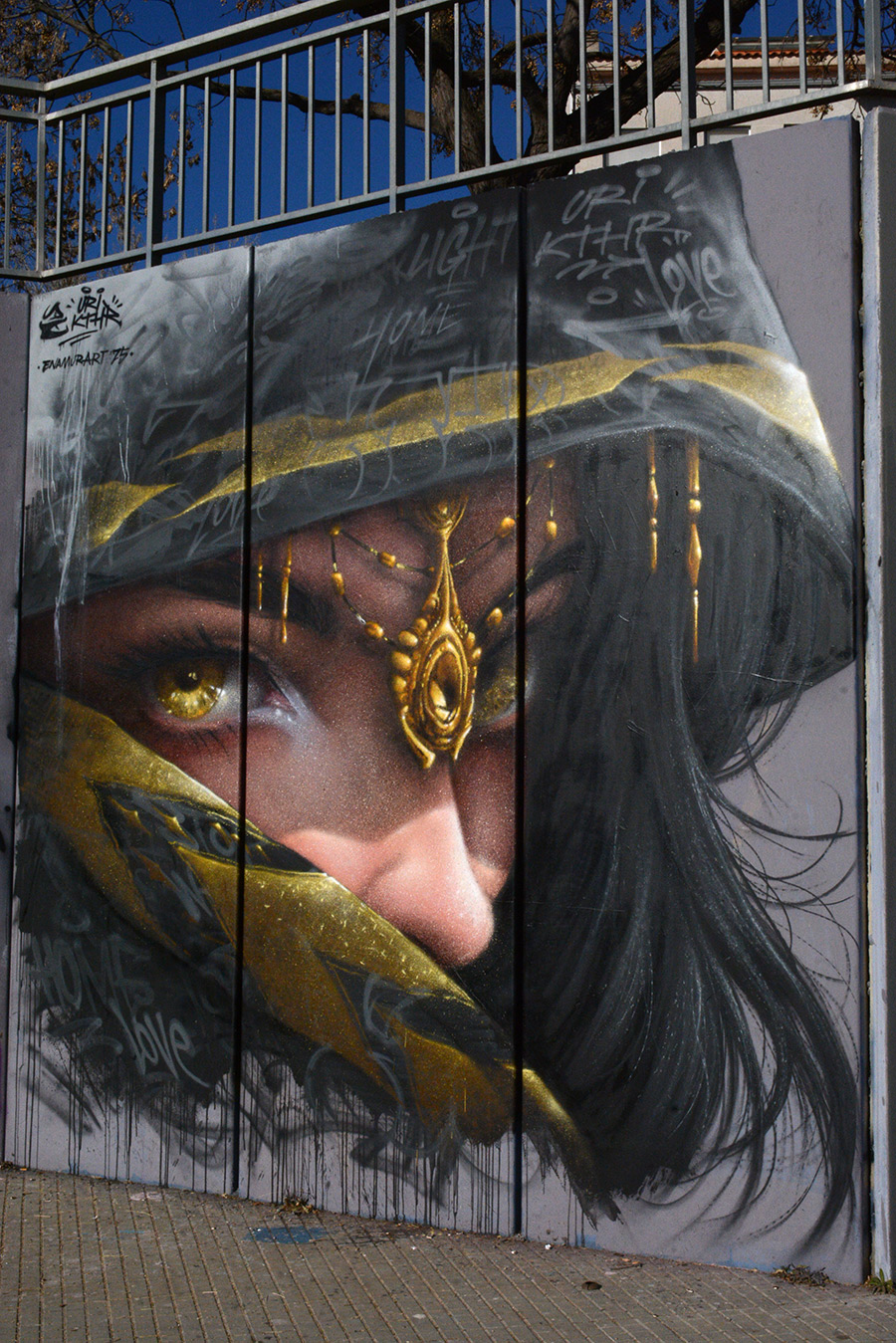
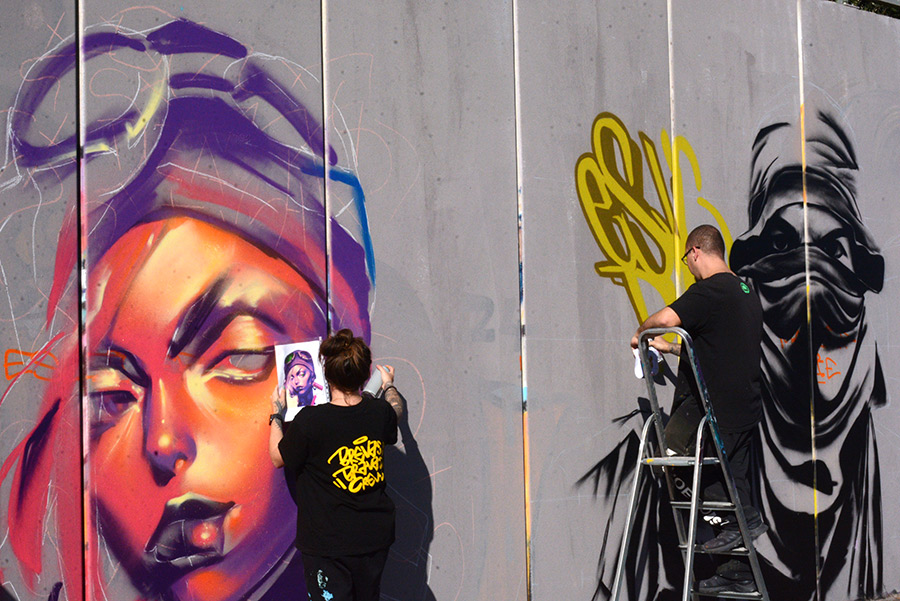
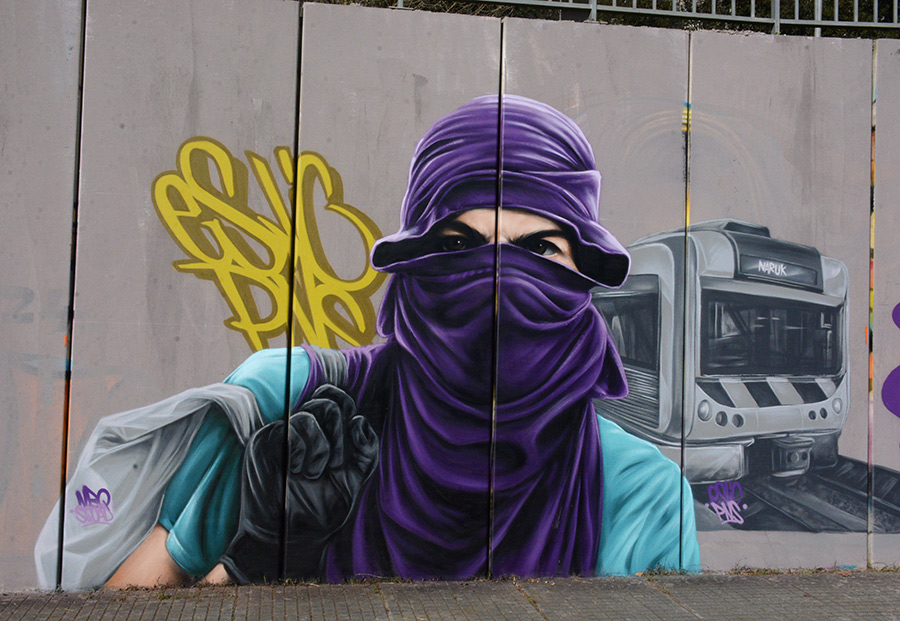
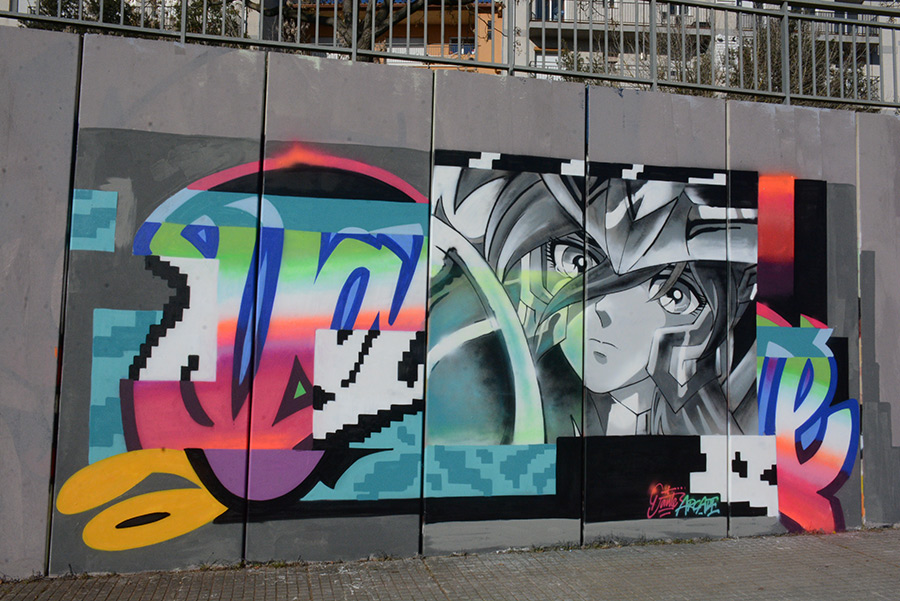
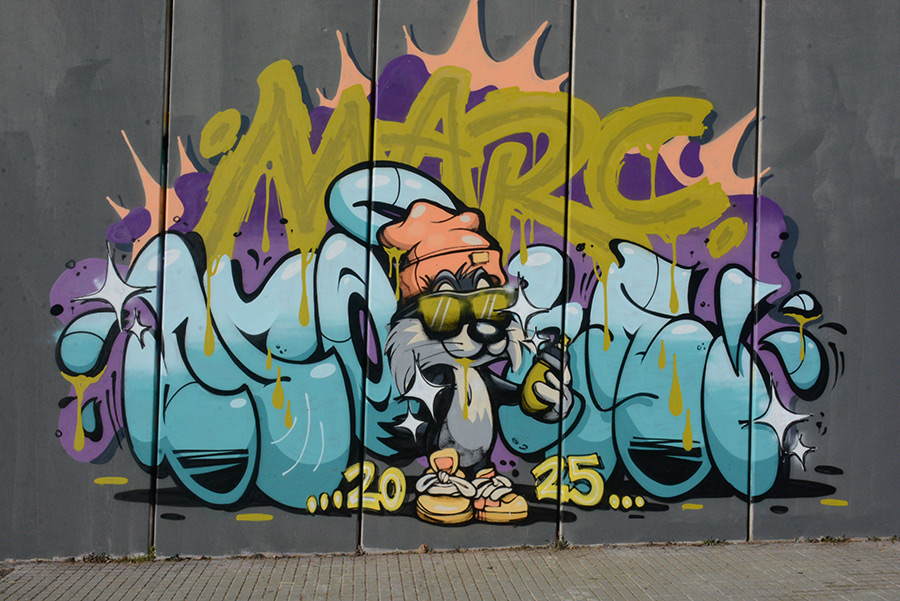
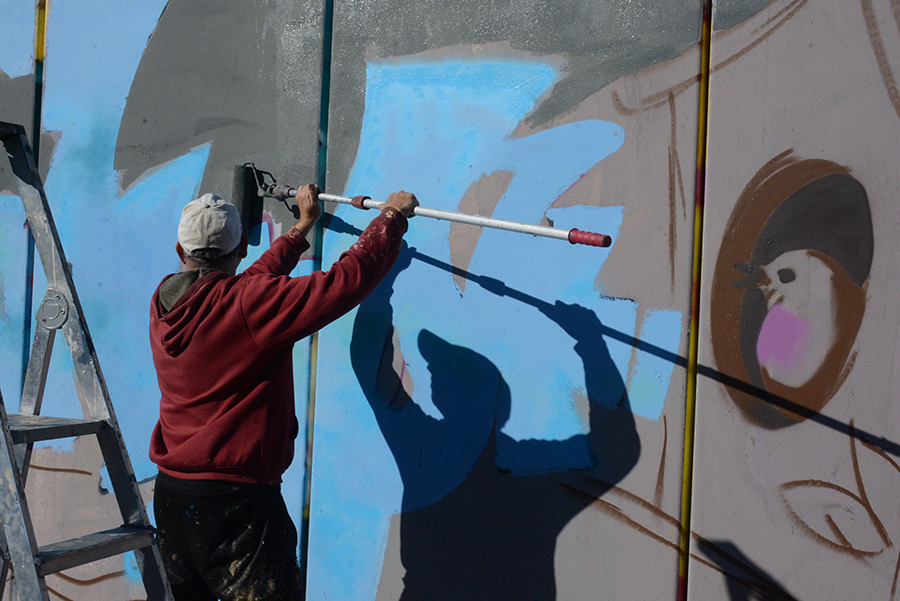
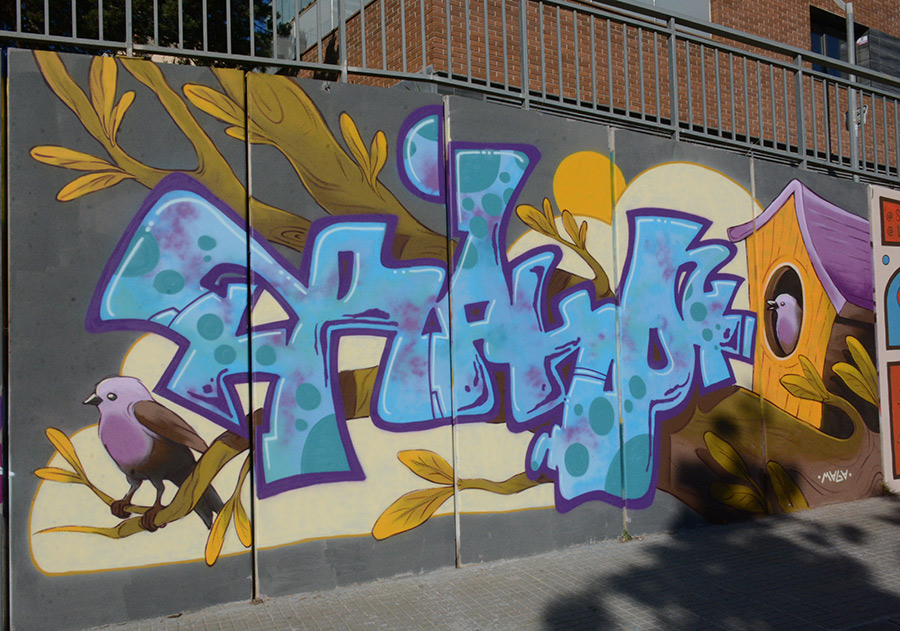
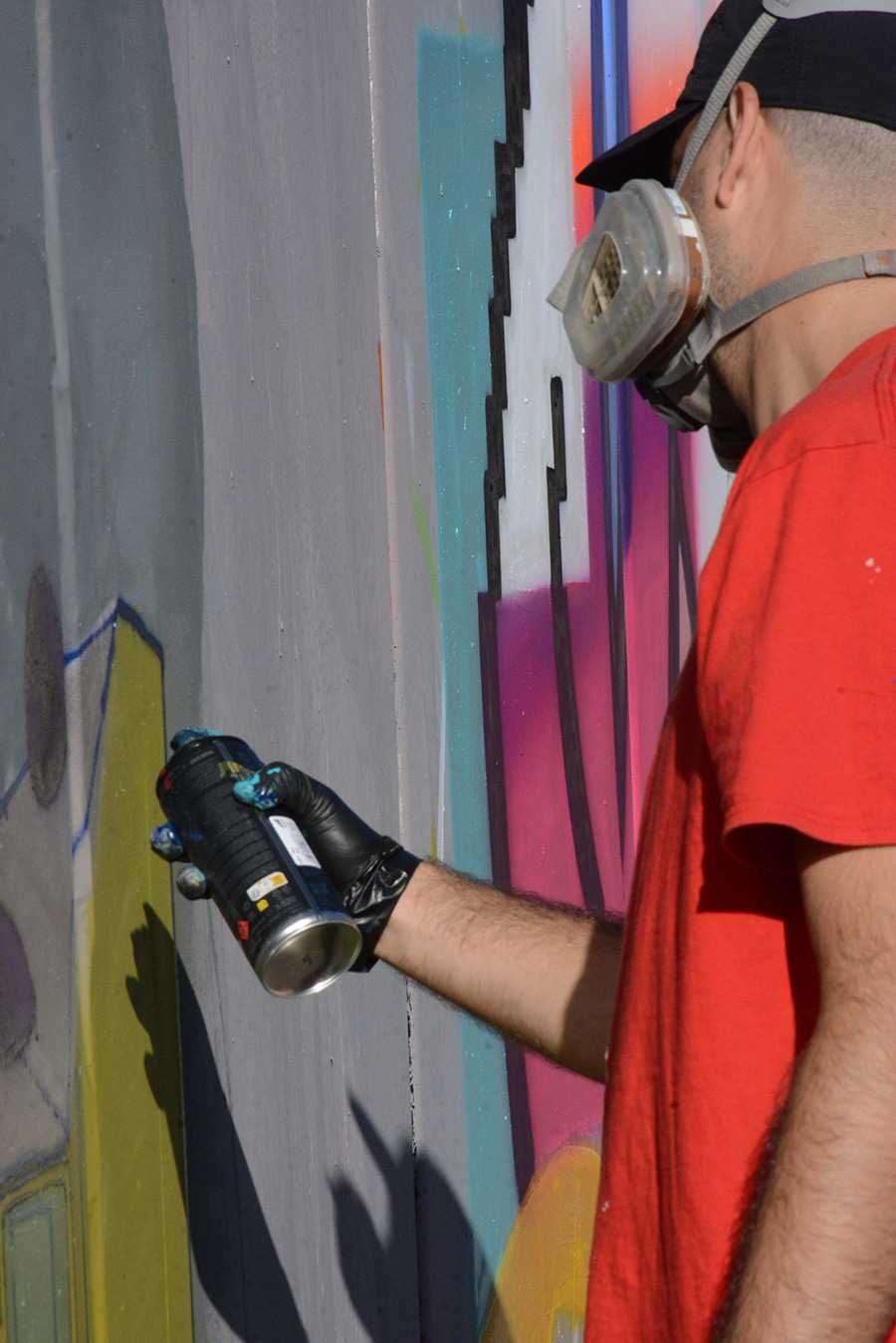
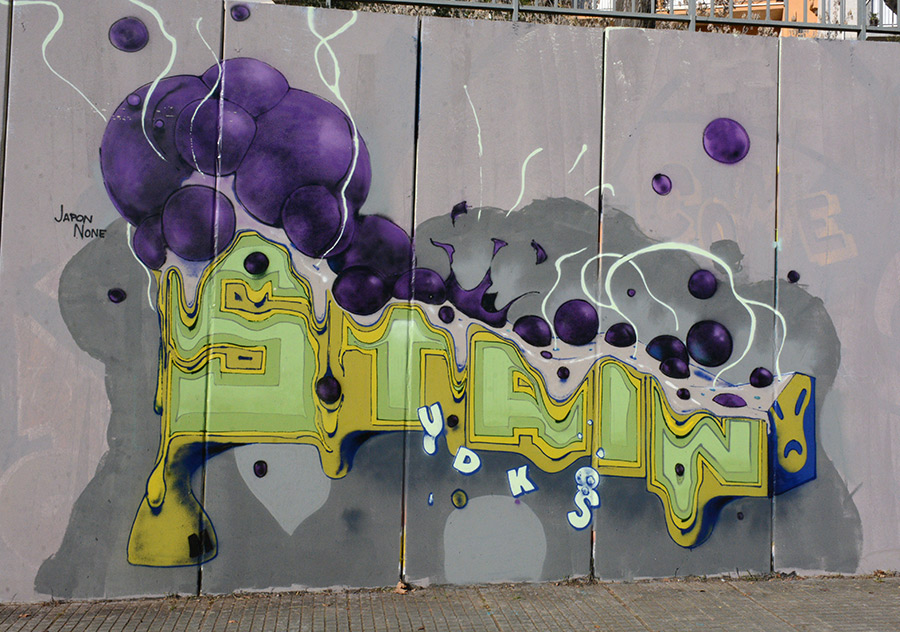
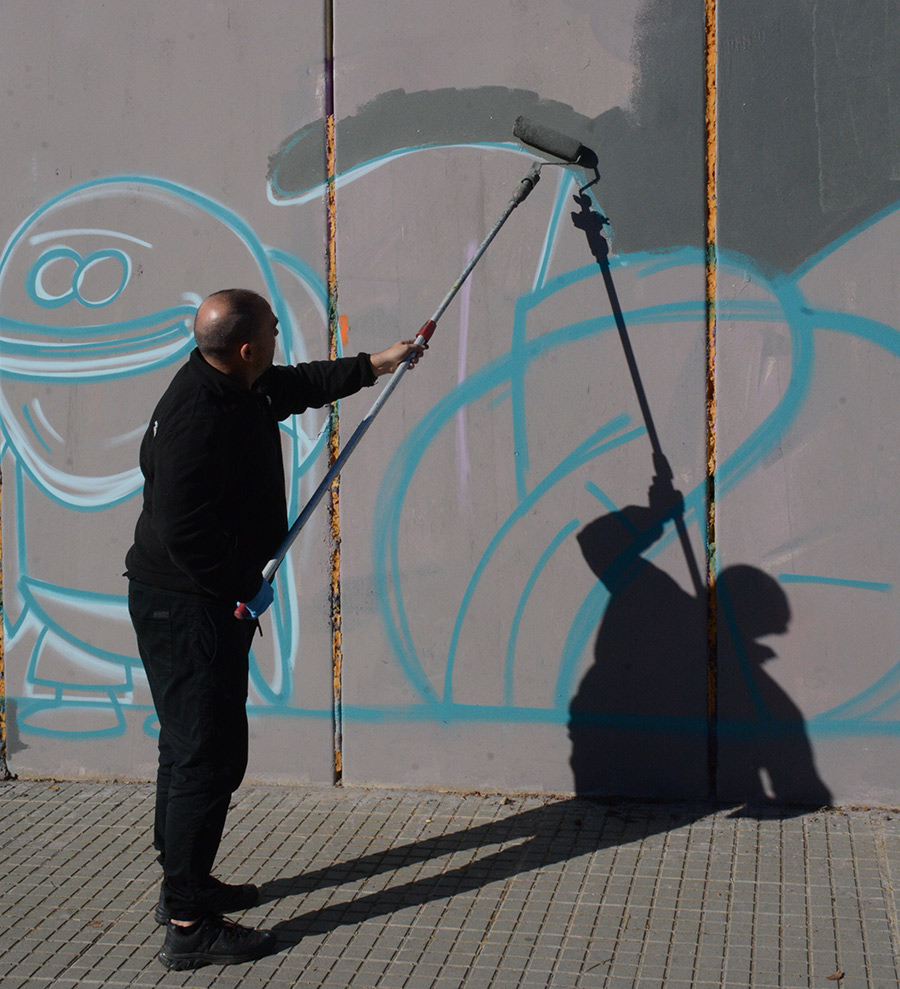
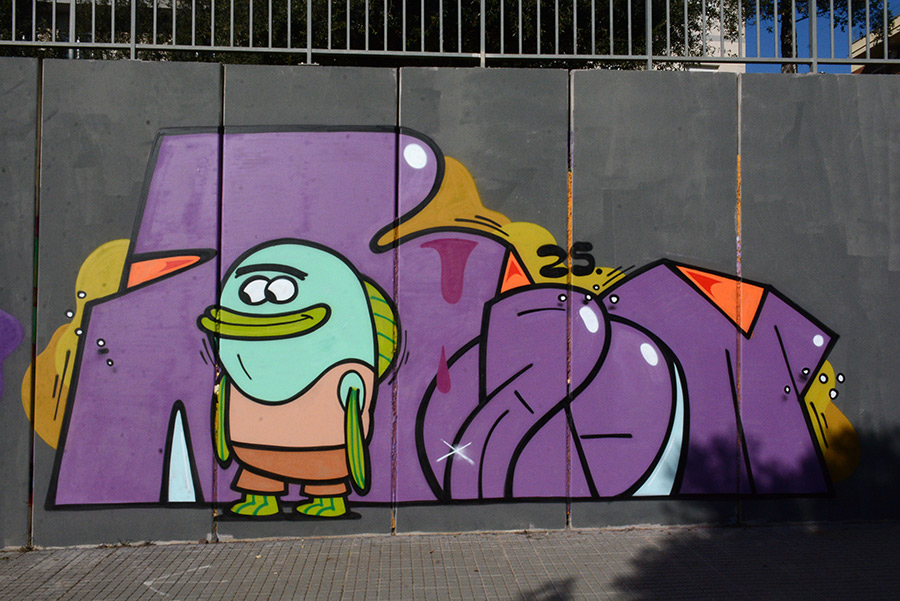
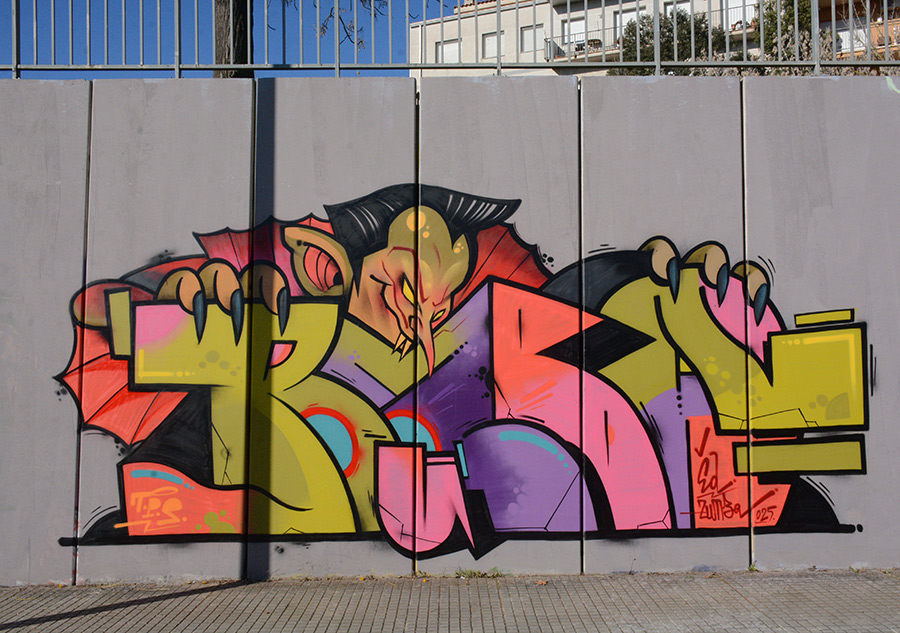
This year Graffitea 2025 marked its tenth anniversary in the small Valencian town of Cheste, about 30 kilometers west of Valencia, with a new edition that reaffirmed its role as one of Spain’s most significant public art projects. Over the course of a decade, the festival has transformed this municipality, with more than 160 murals now lining its streets. The project, featuring new works by artists from Spain and around the world, is promoted by the Department of Culture of the City Council of Cheste. In communication with the community, Graffitea is both a municipal initiative and a collaborative cultural endeavor, officially sustained by a belief that mural art enriches public space and social consciousness alike.


Under the artistic direction of Toni Espinar, who also oversees its on-the-ground organization, Graffitea aims to balance curatorial vision with community participation. The festival was originally initiated in 2016 by Mª Ángeles Llorente, councillor for culture at the time, what began as a small-town experiment in civic art has become a national reference point for how local governments can embrace urban creativity as a driver of education, tourism, and pride..


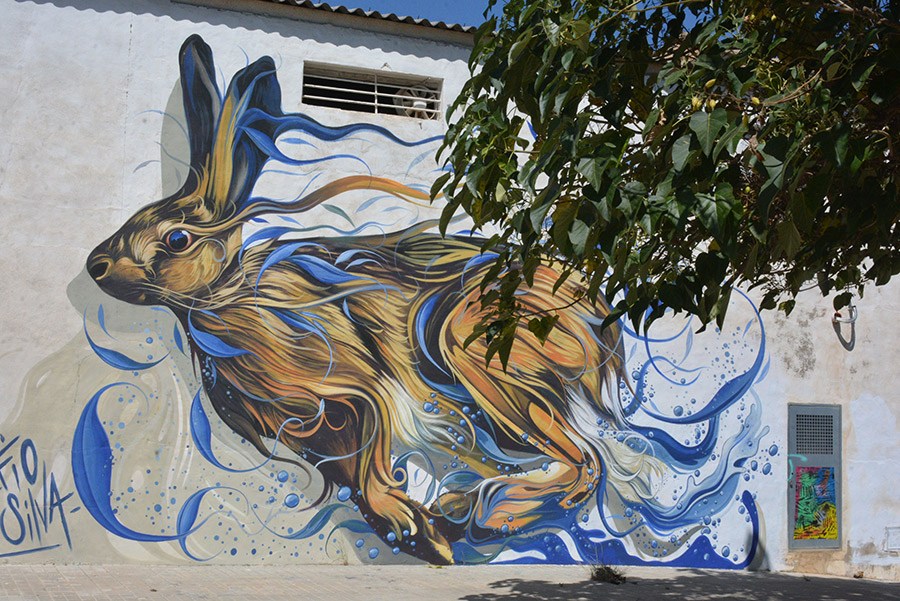
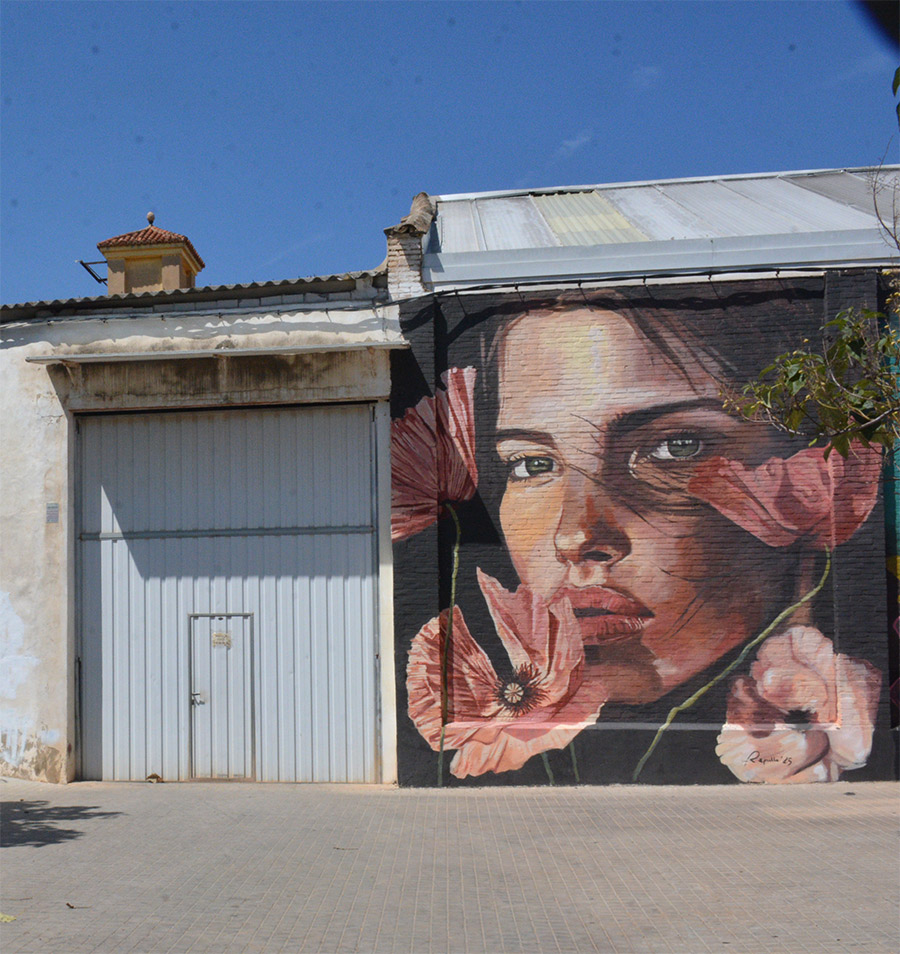
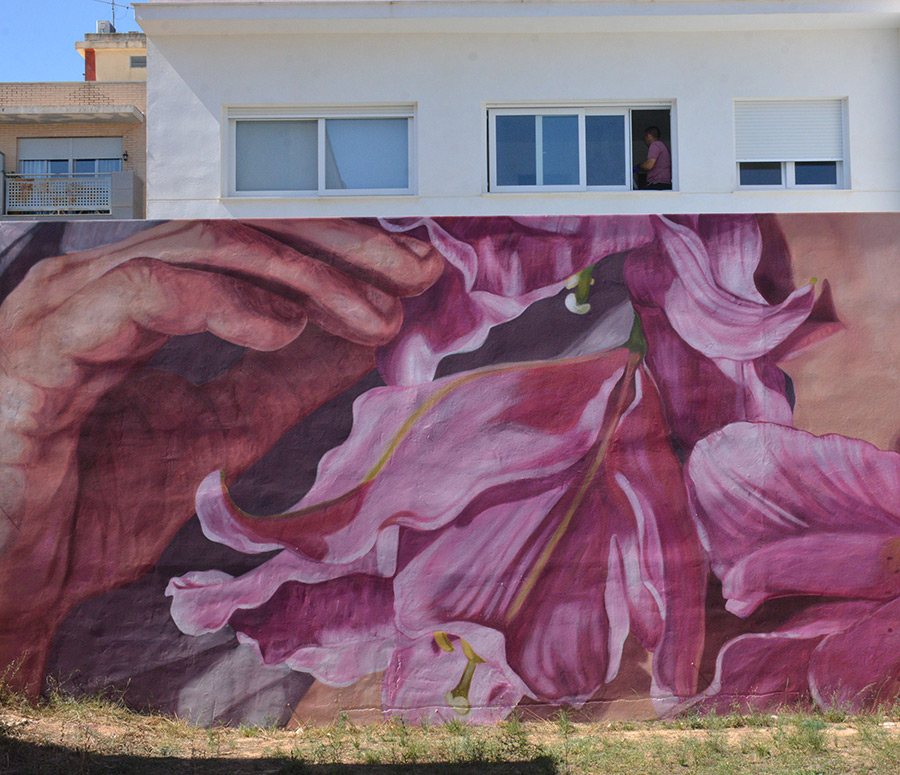
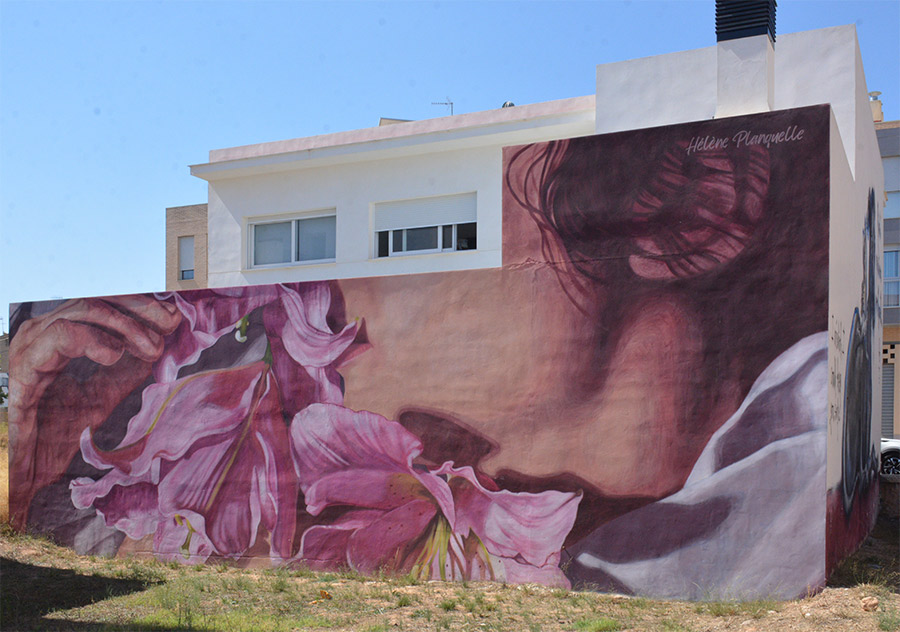
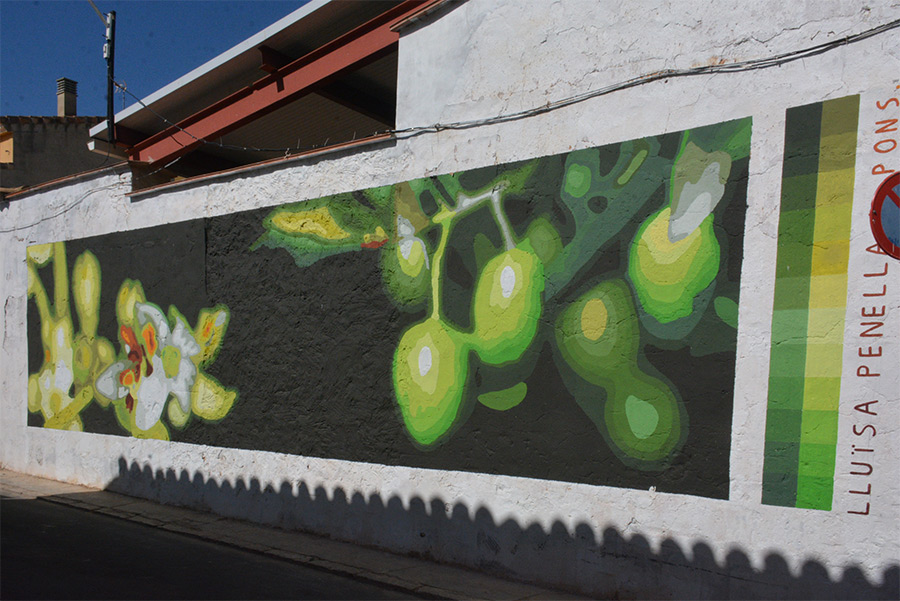
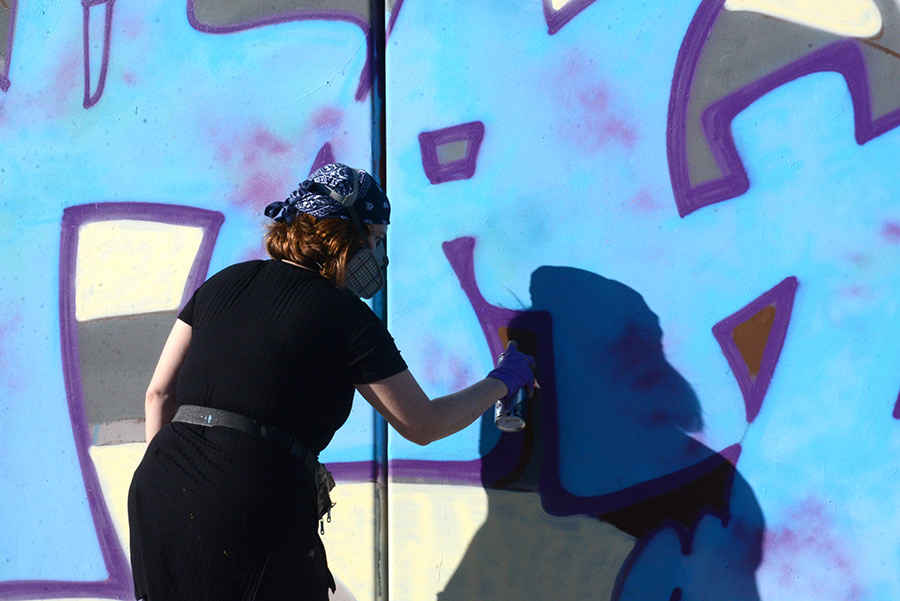
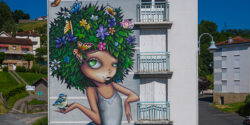
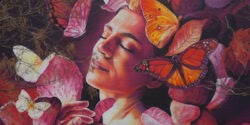
The 2025 edition of Graffitea is distinguished by an eco-feminist theme, featuring 13 women muralists including Btoy, Fio Silva, Roseta FS, Anna Repullo, Hera Herakut, Margot Margay, Maríadie, Raquel Coba, Ana Corazón, Hélène Planquelle, Daniela Guerreiro, Lluïsa Penella i Pons, and Alicia Jordá de Lucas. Their walls touch on themes of care, love, memory, and respect for nature. Alongside these, projects like Graffitea con Palestina — co-organized with UNRWA — underscore the festival’s international outlook and solidarity with human rights causes. Such collaborations expand the festival’s social scope beyond visual spectacle, anchoring it in sometimes difficult conversations about themes such as gender, ecology, war, and justice.

According to the Comunitat Valenciana’s official tourism portal, Graffitea’s annual program includes conferences, round tables, screenings, practical workshops, and guided routes — a format that seeks to connect artists with audiences. Over the years, related events have also included concerts, hip-hop performances, and mural scholarships, weaving together art, education, and local participation. After a decade and 160 murals, Graffitea flexes the power of contemporary urban art and the enduring capacity of communities to welcome artists as partners in shaping the public imagination.
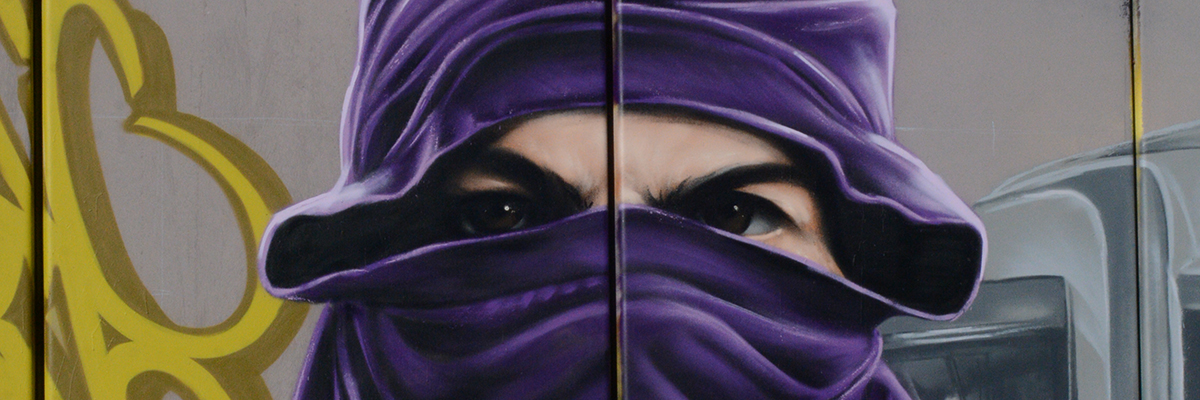
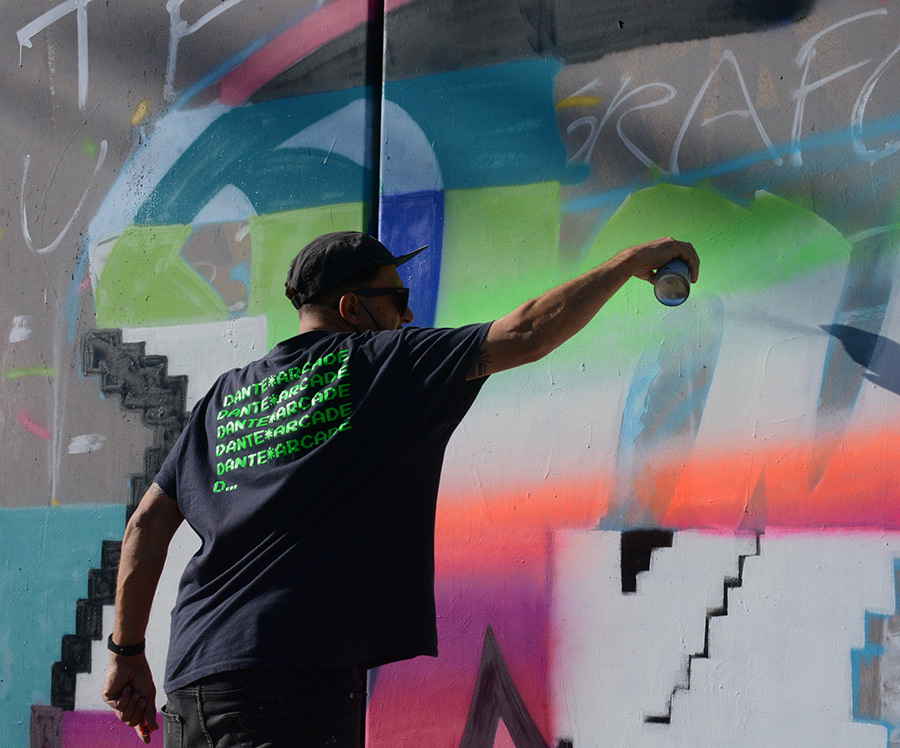
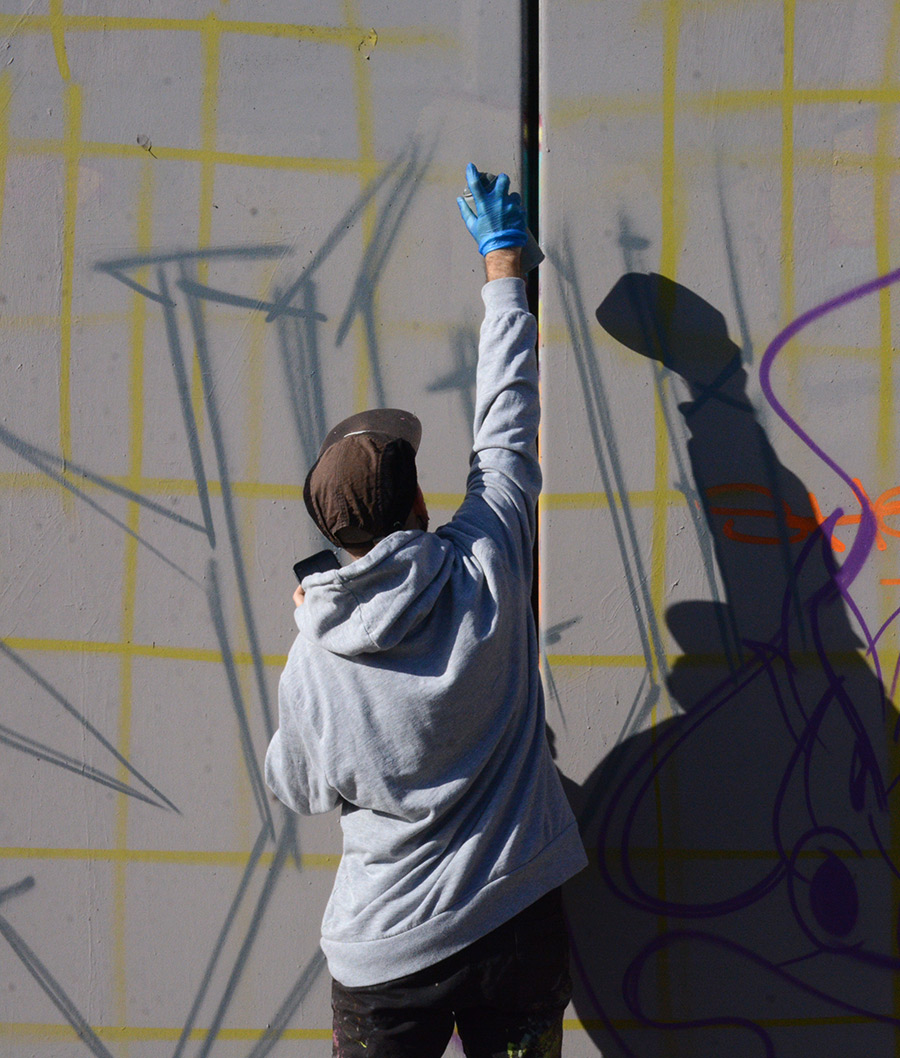
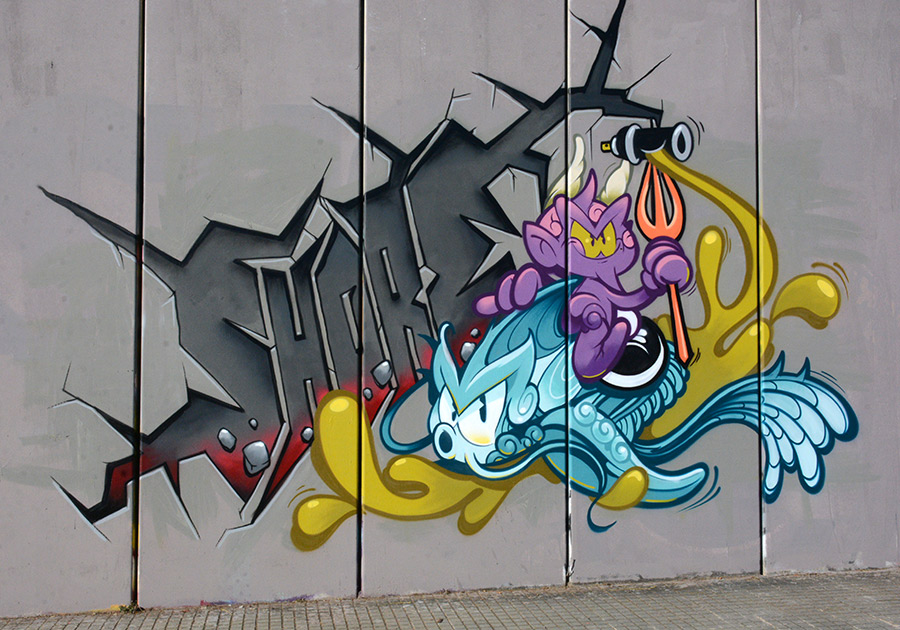
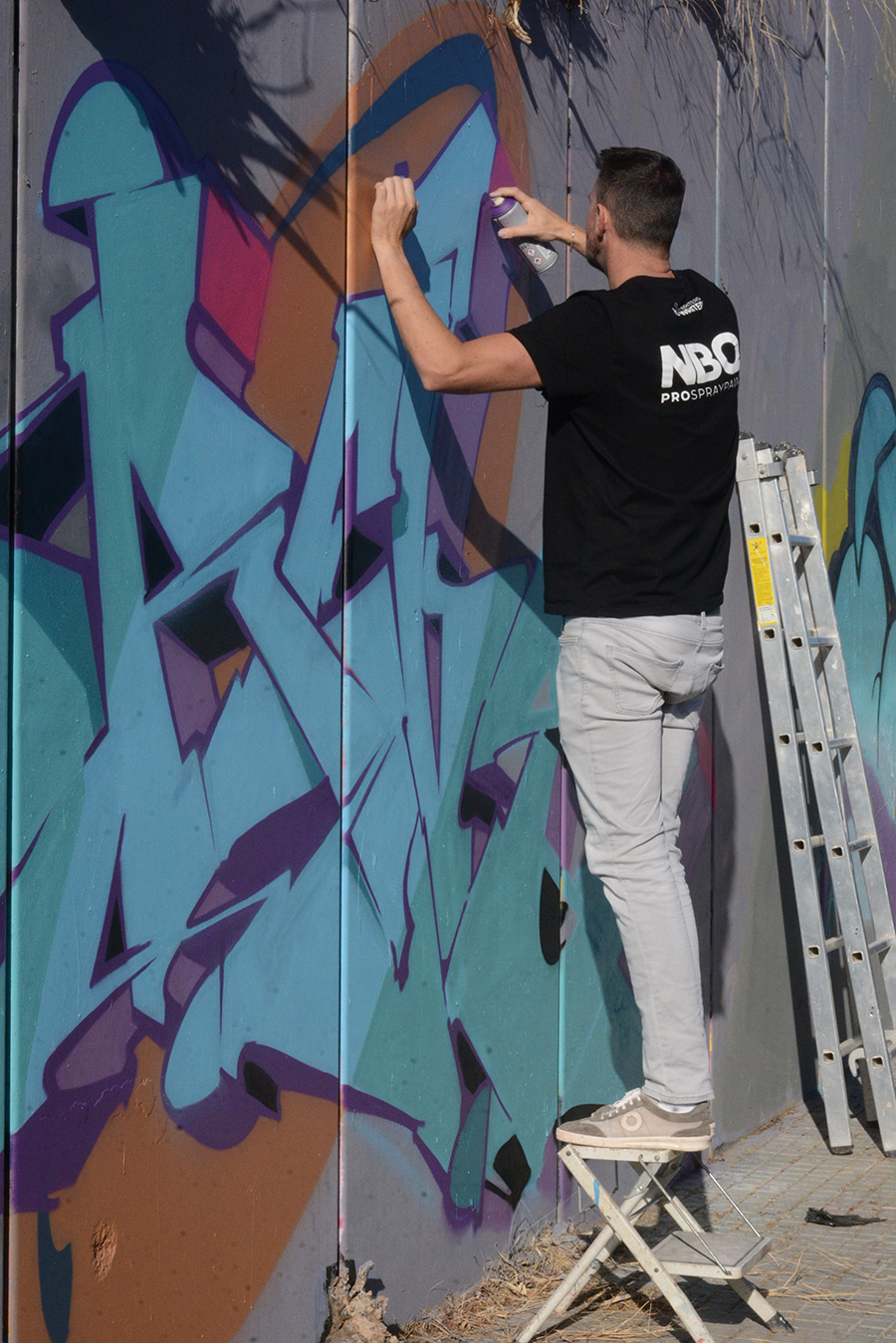
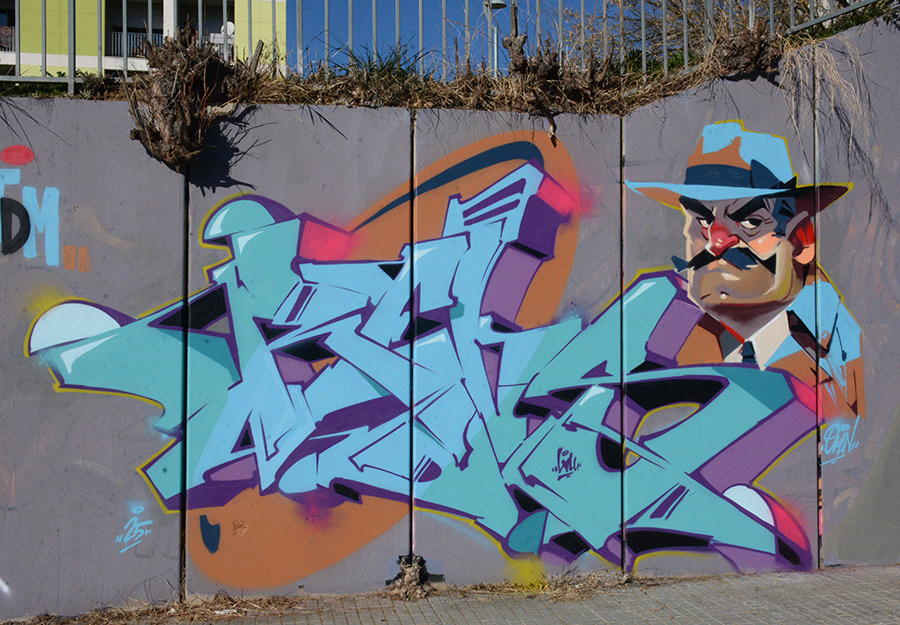
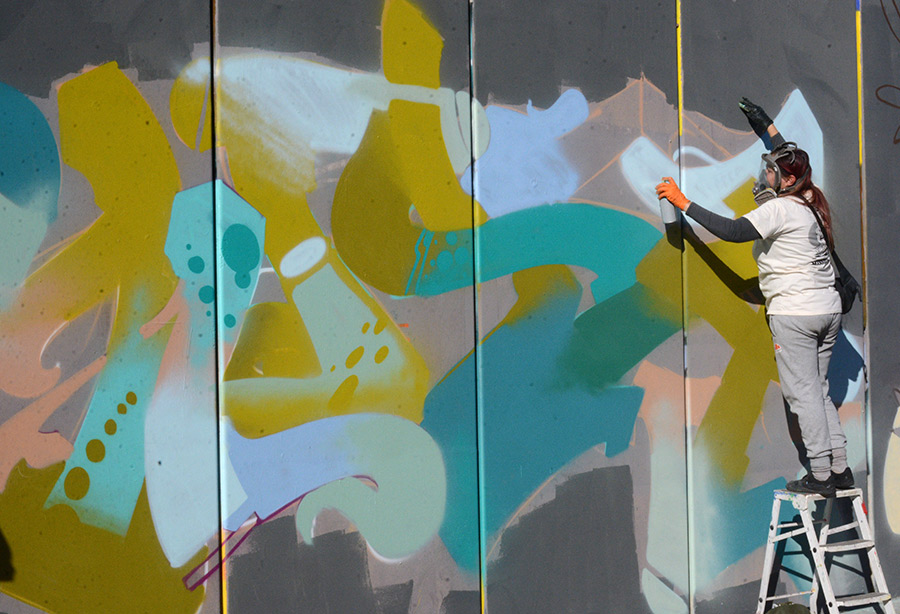
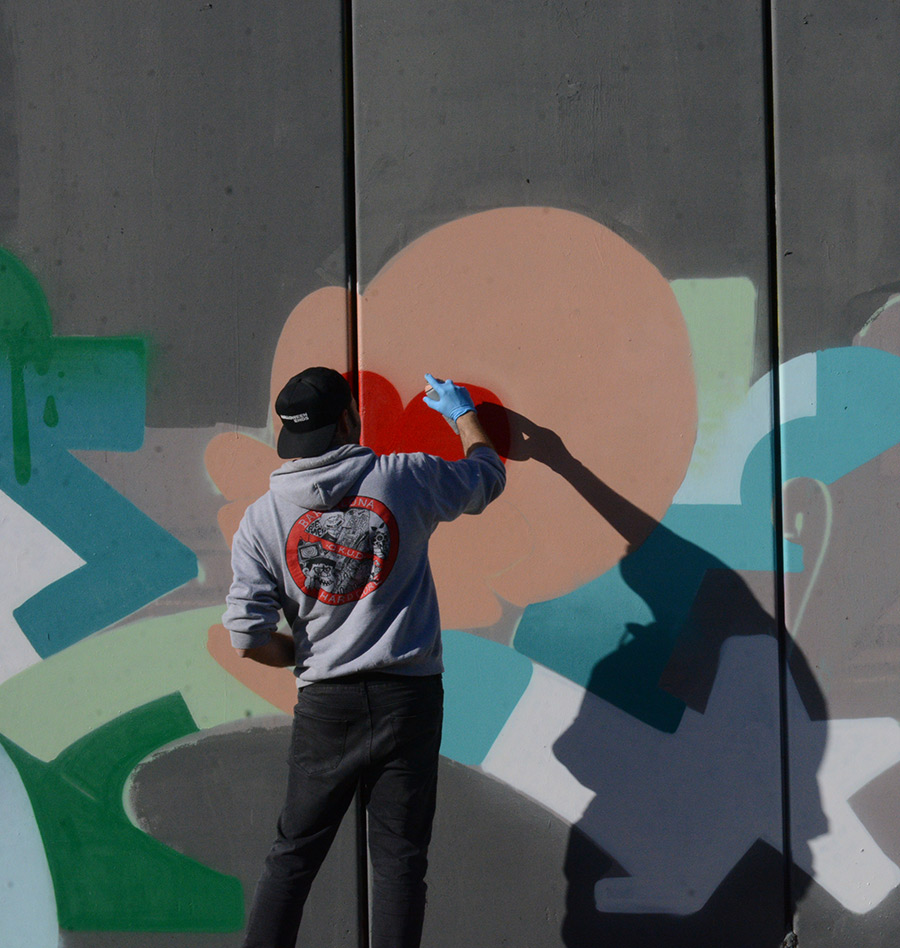
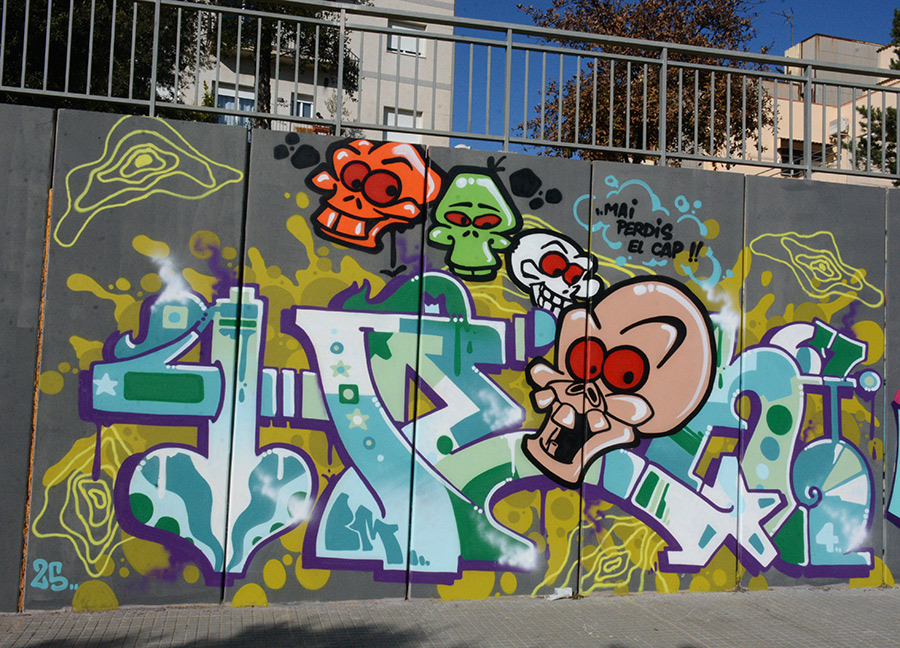
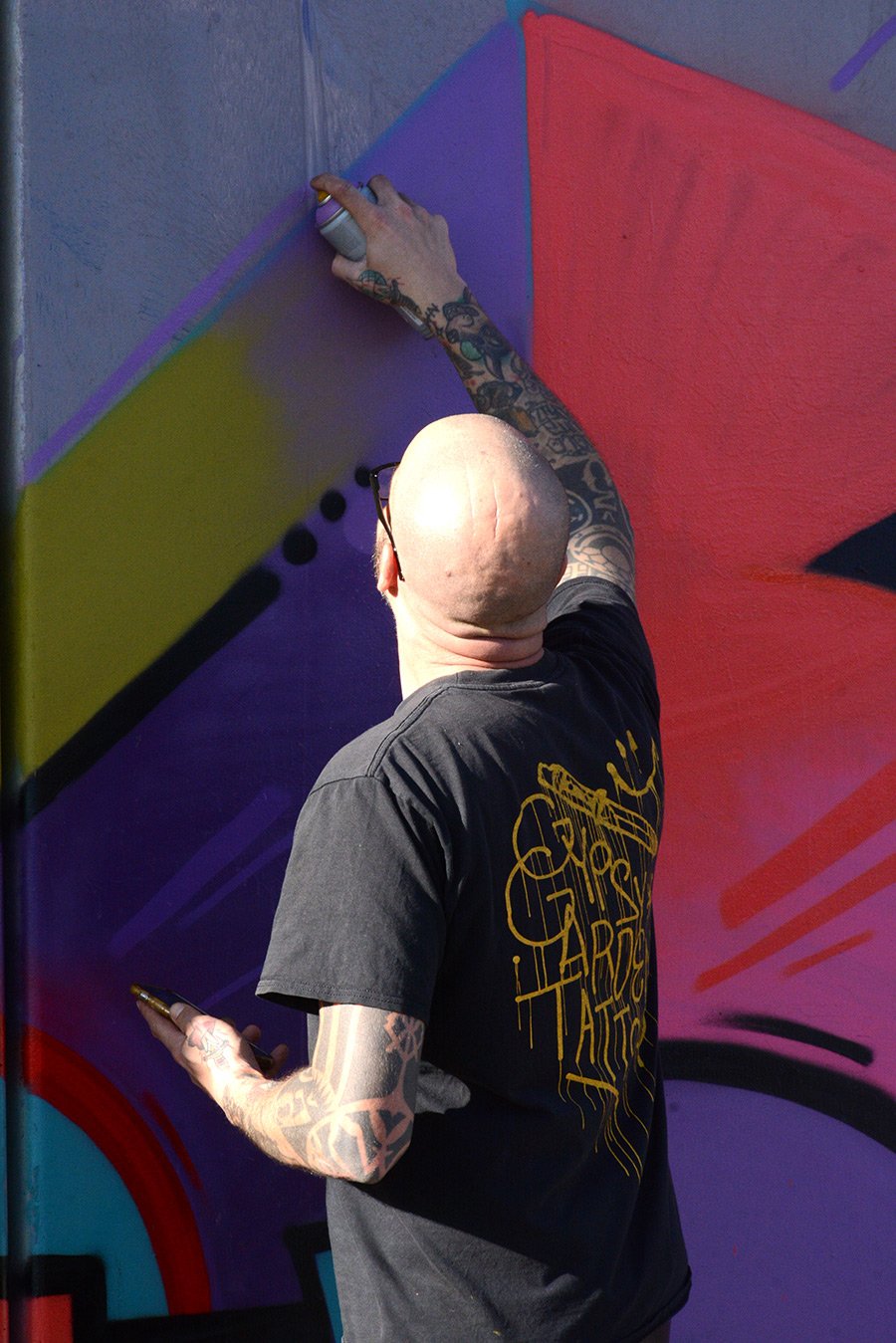
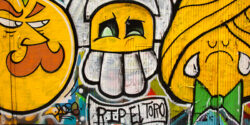
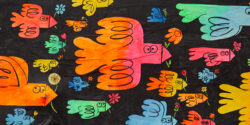
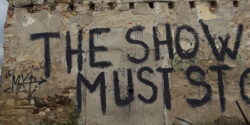
Our thanks to photographer Louis Olive Bulbenna for sharing these recent photos that he took with BSA readers.