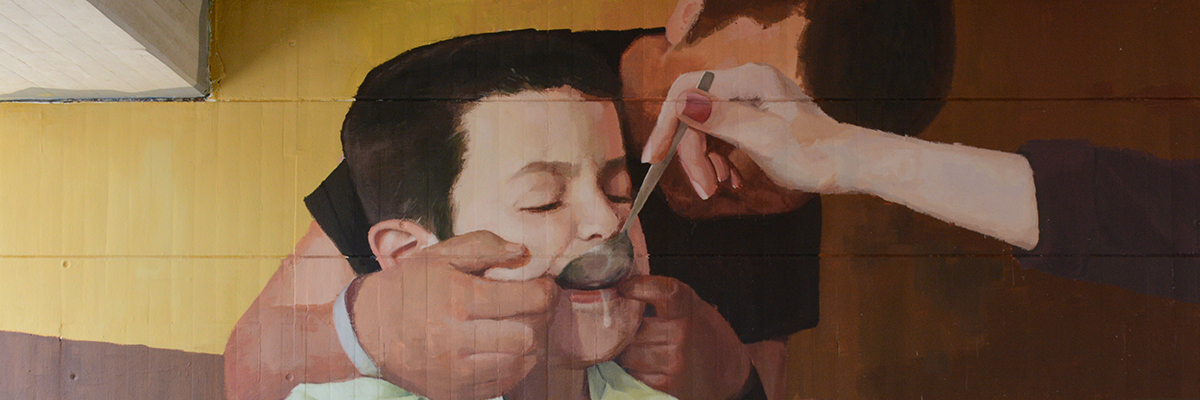
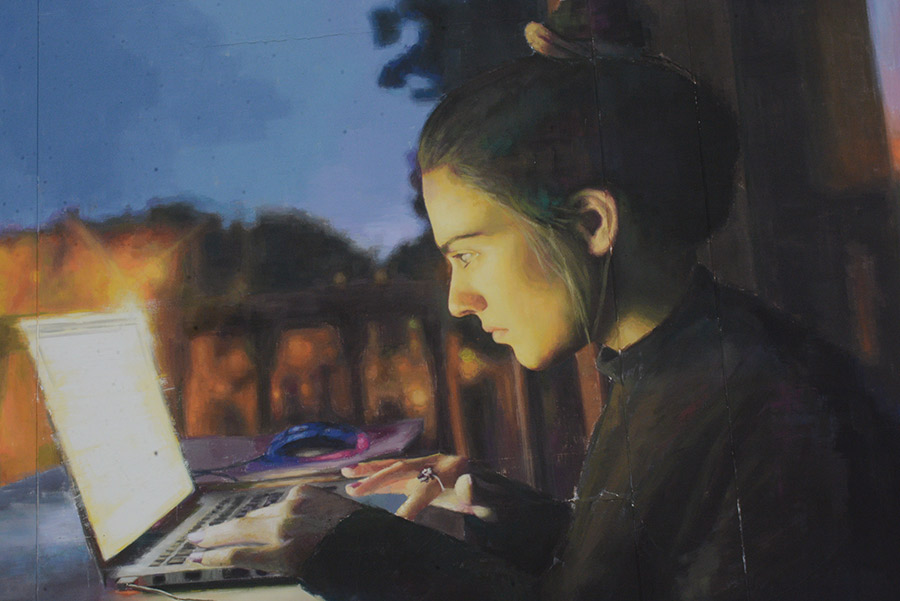
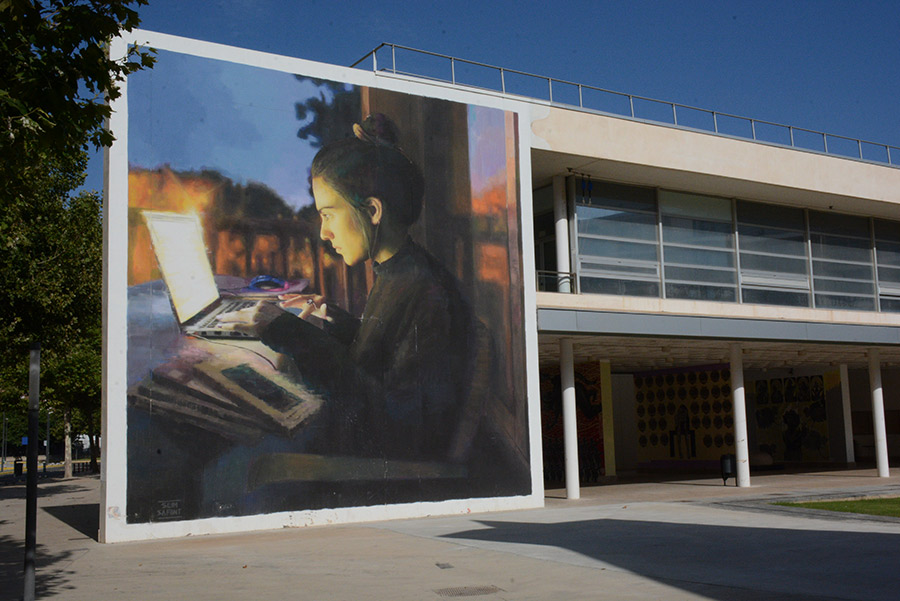
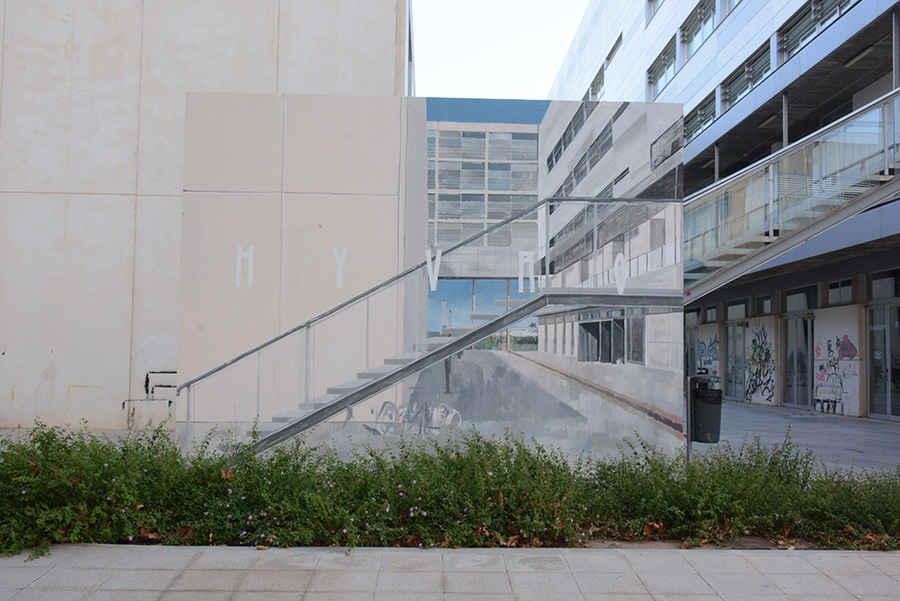
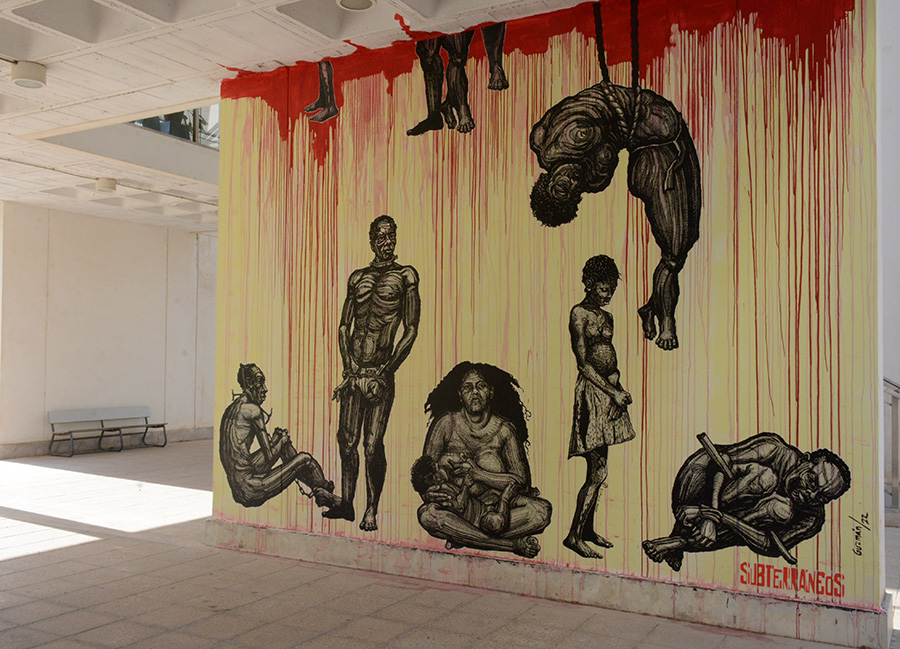
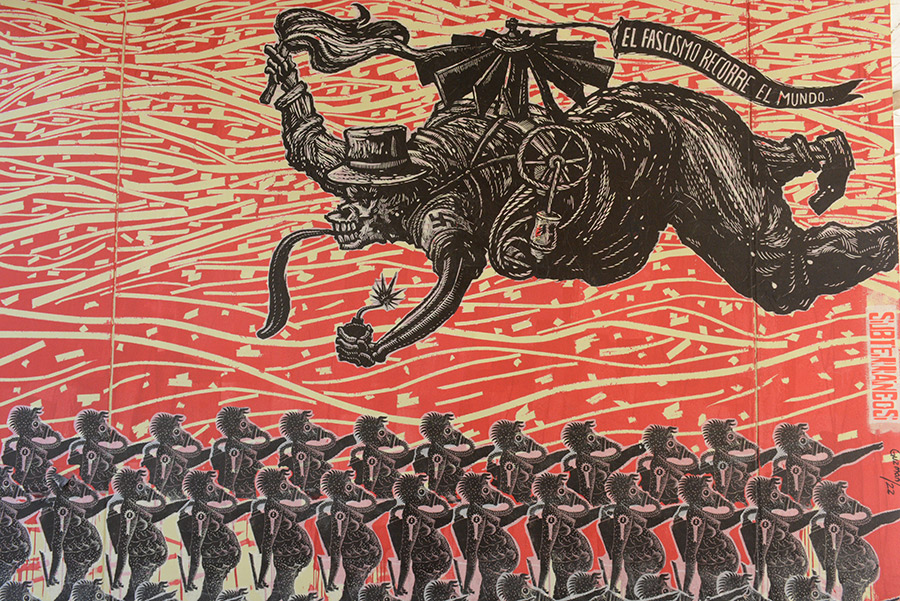
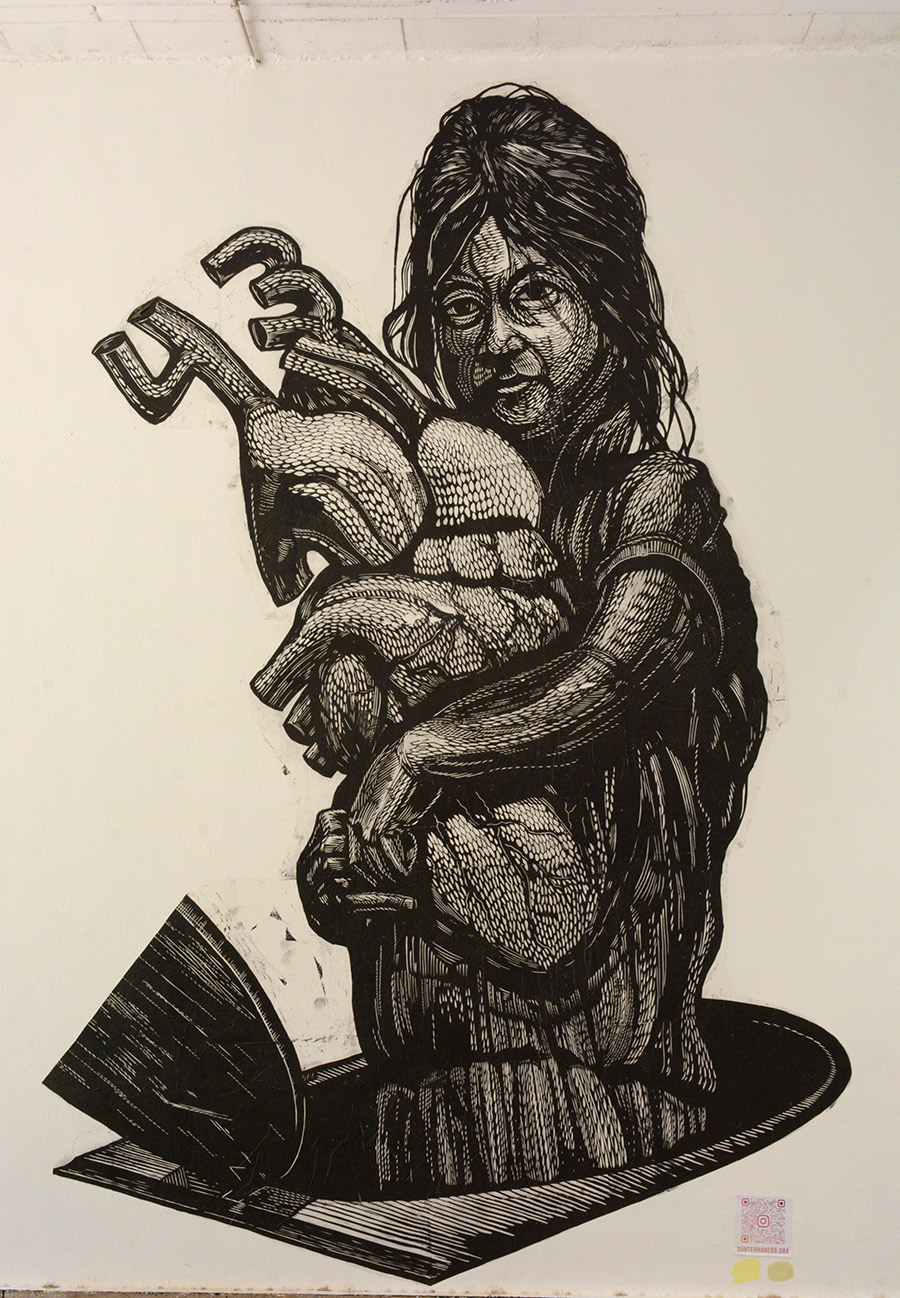
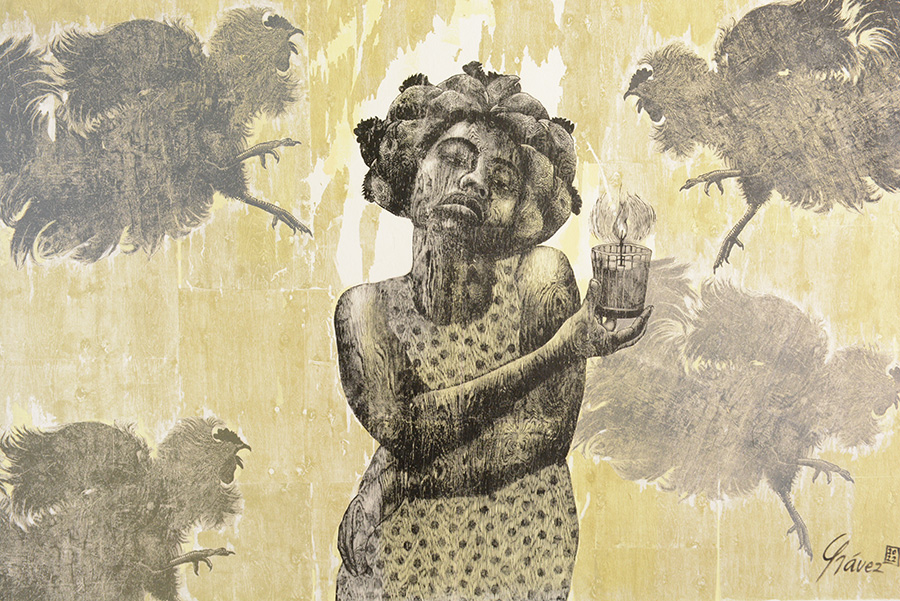
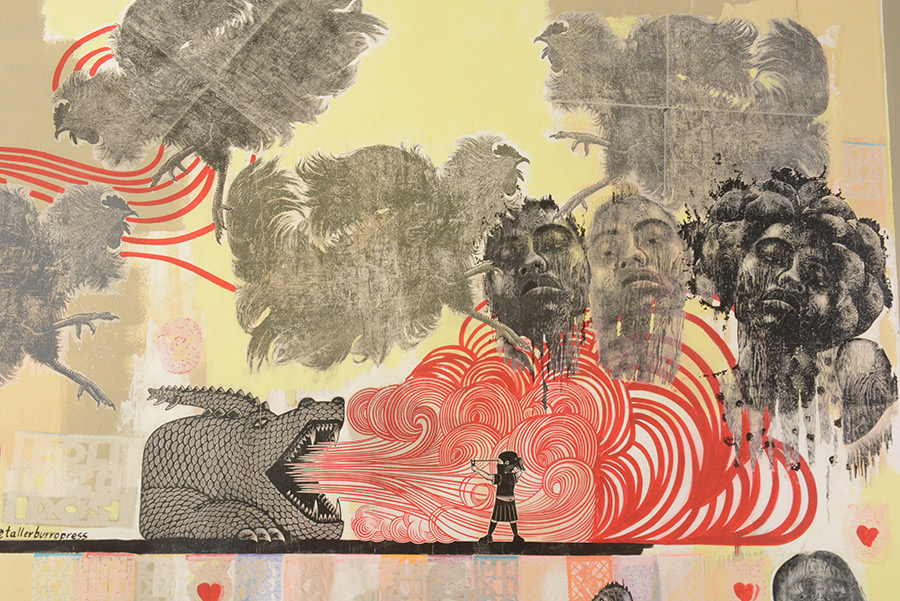
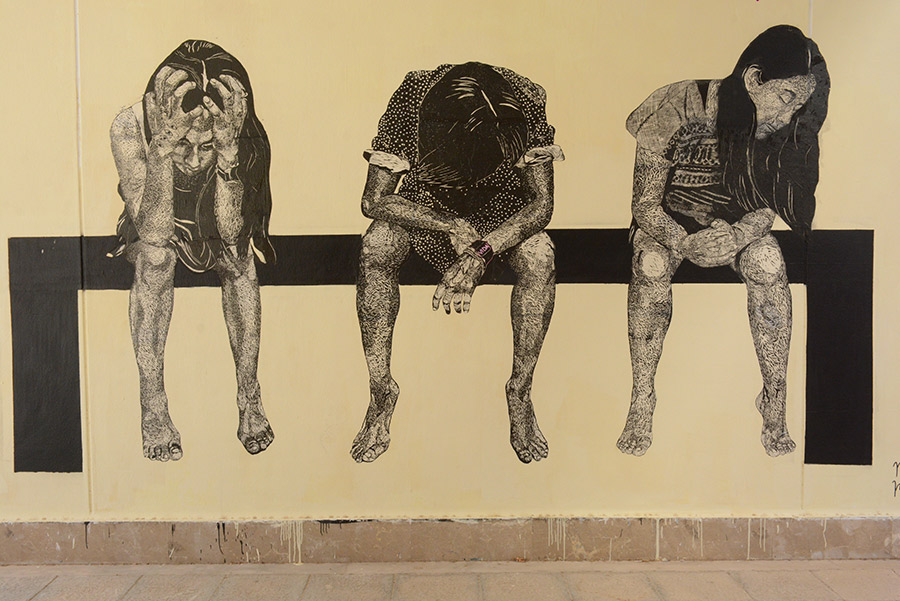
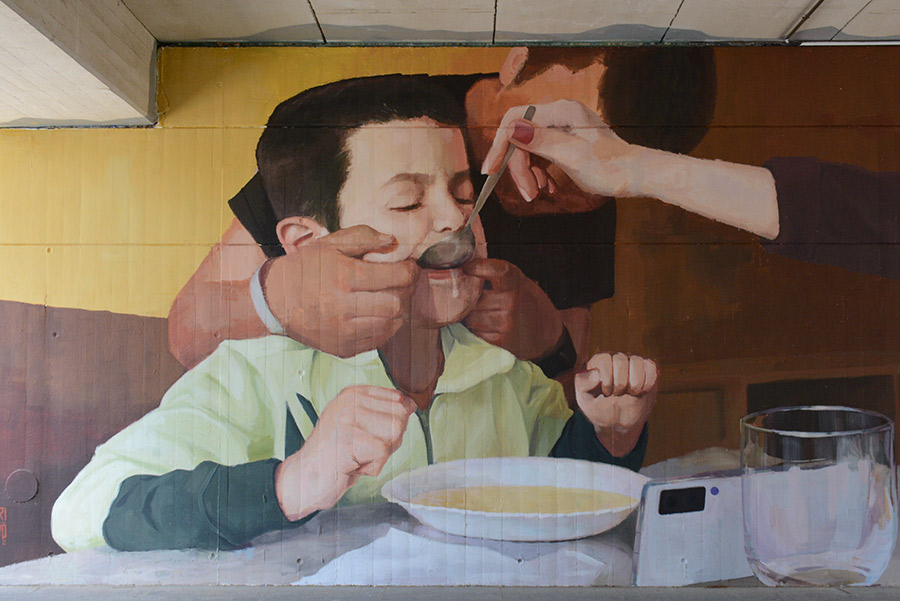
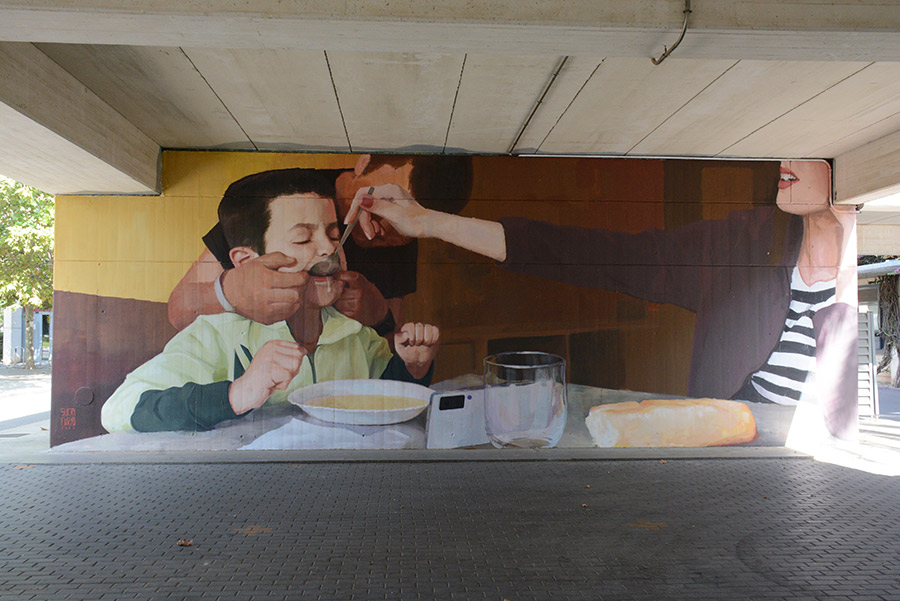
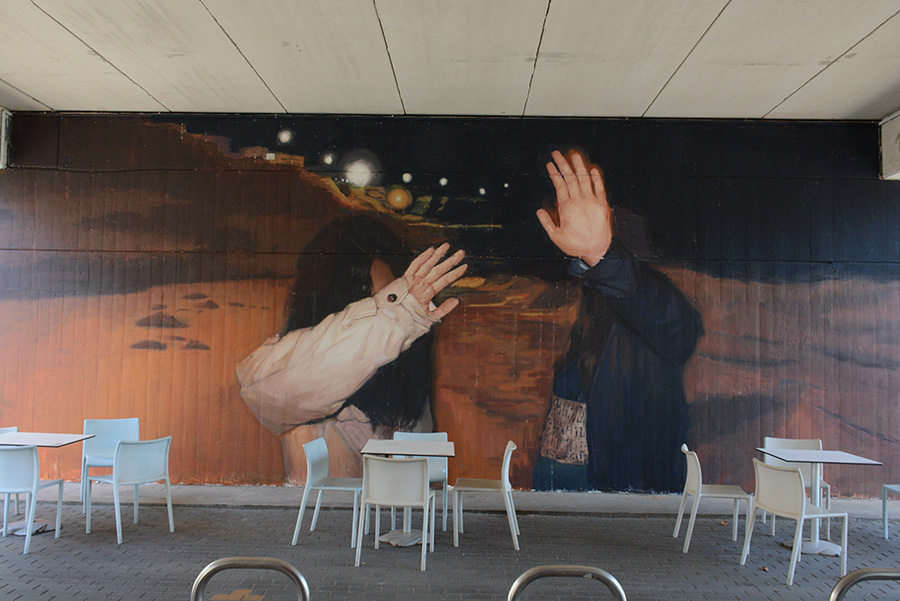
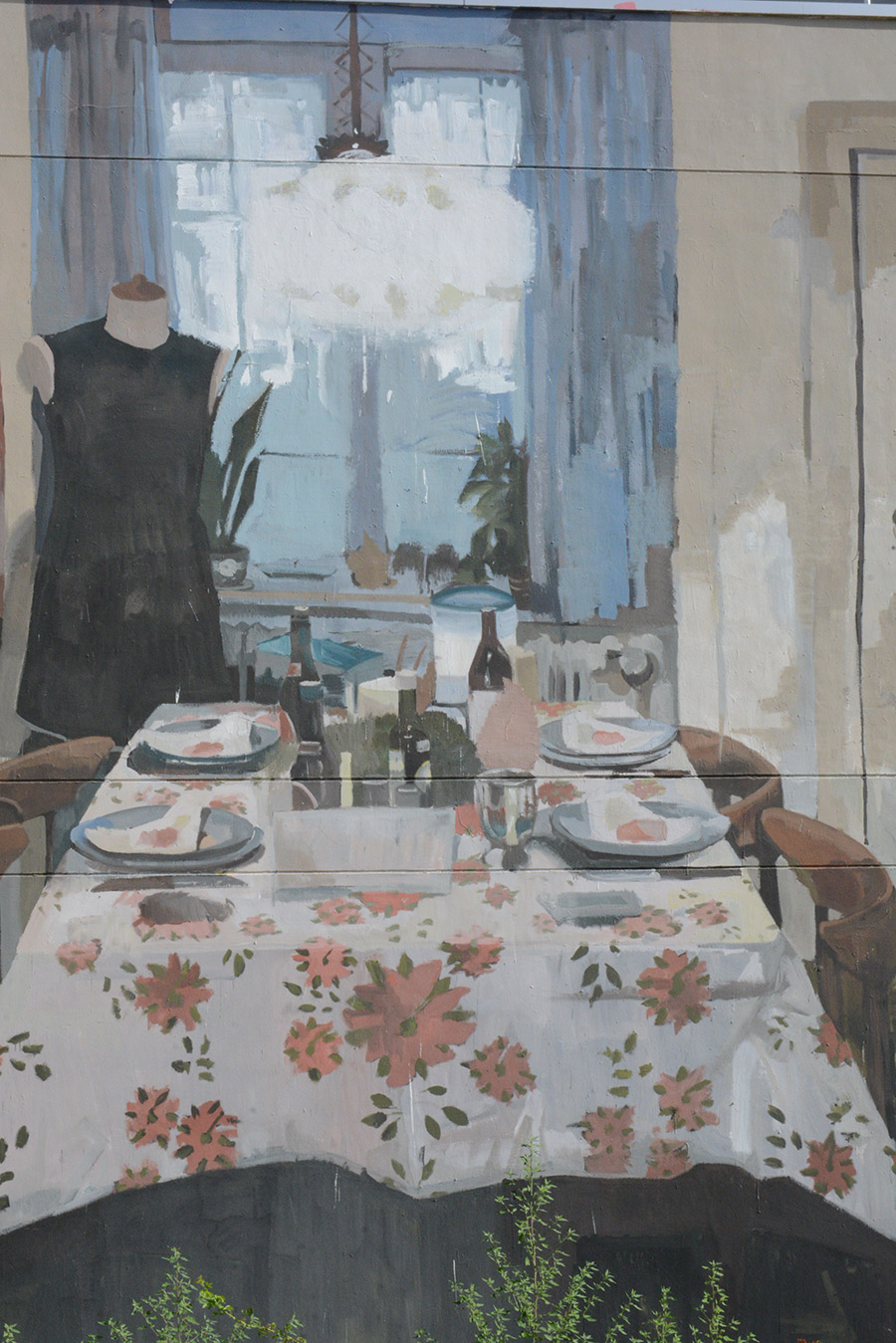
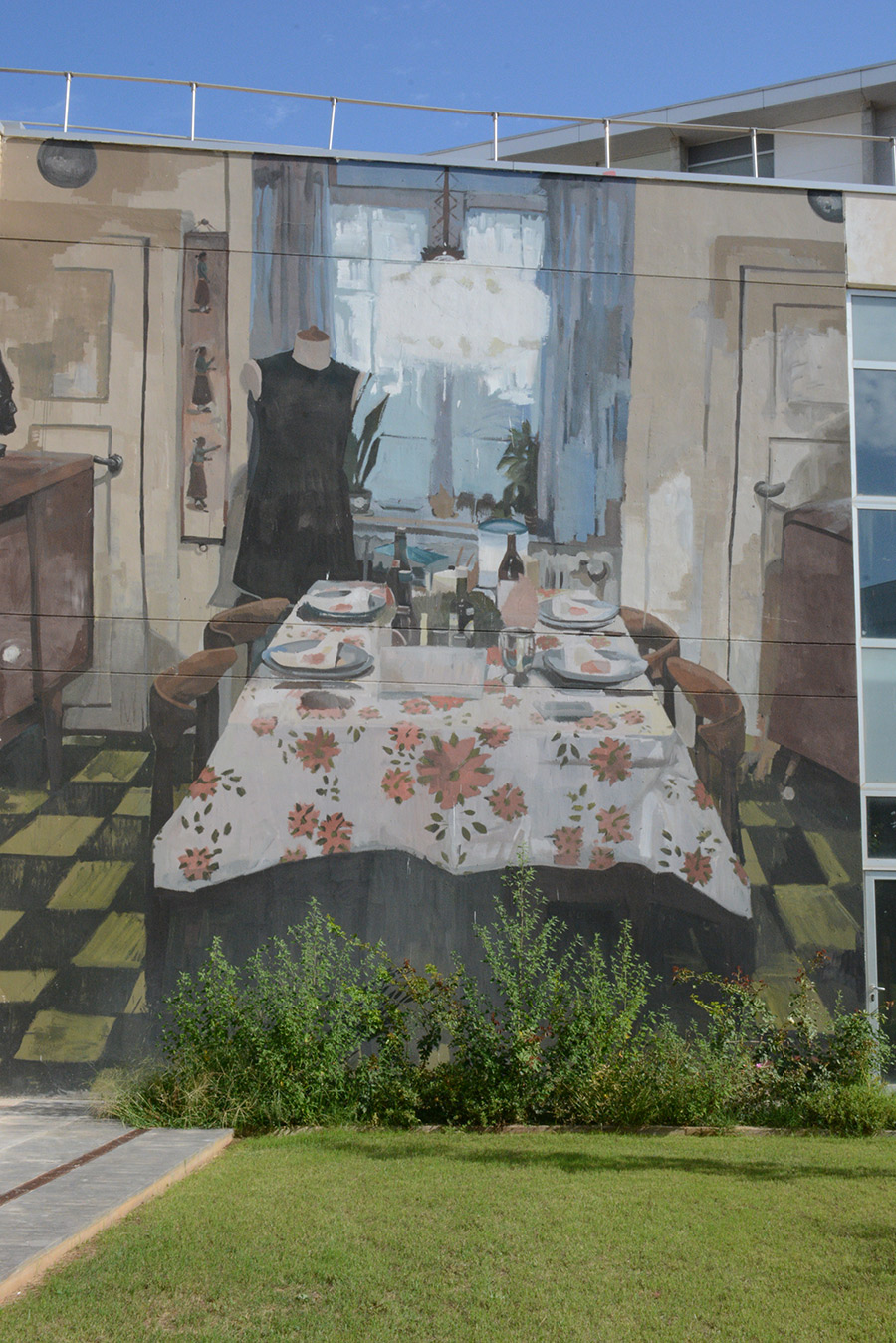
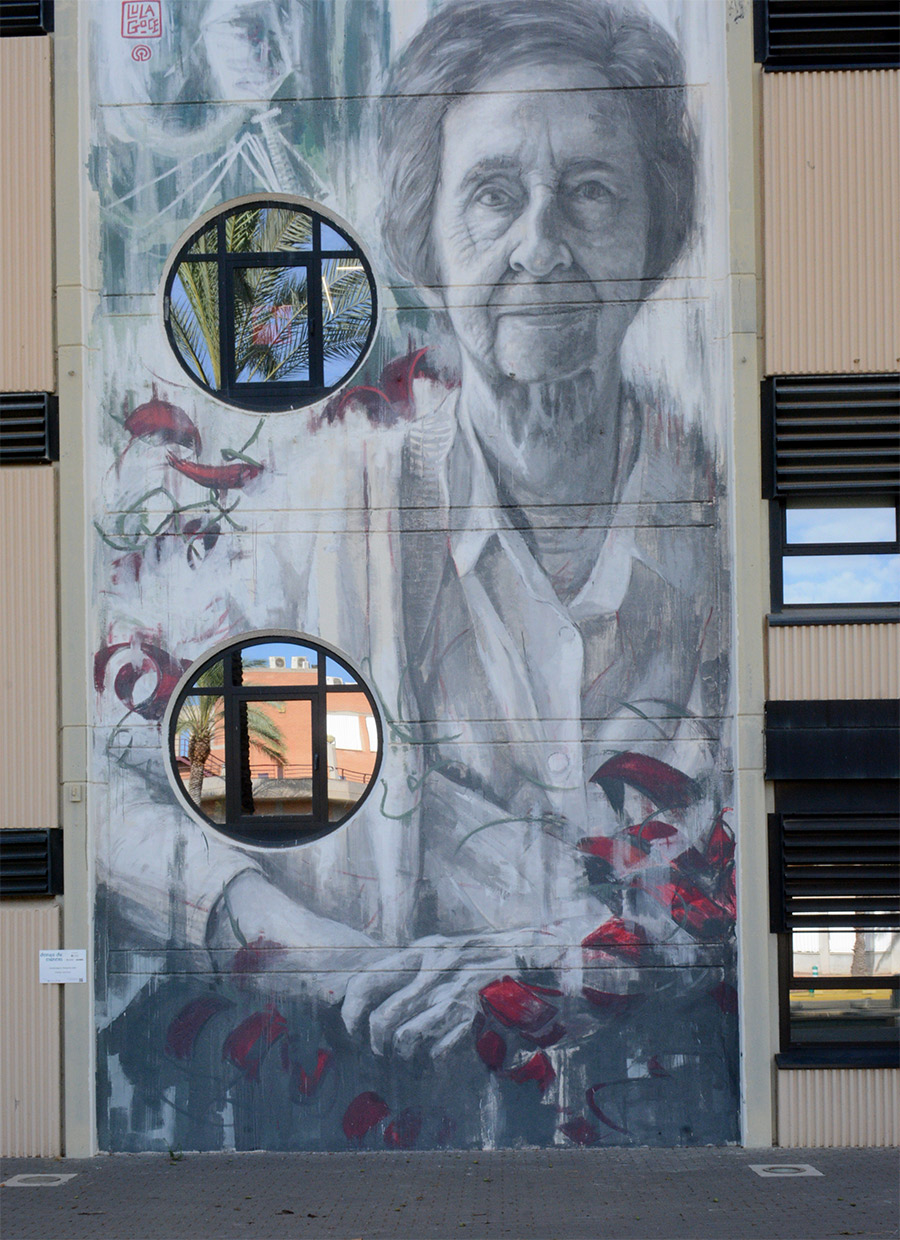
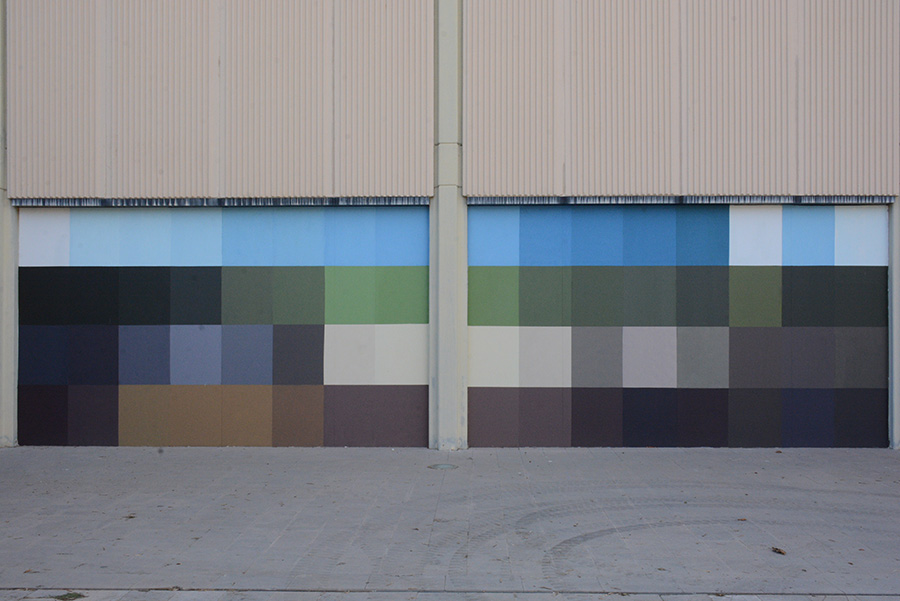
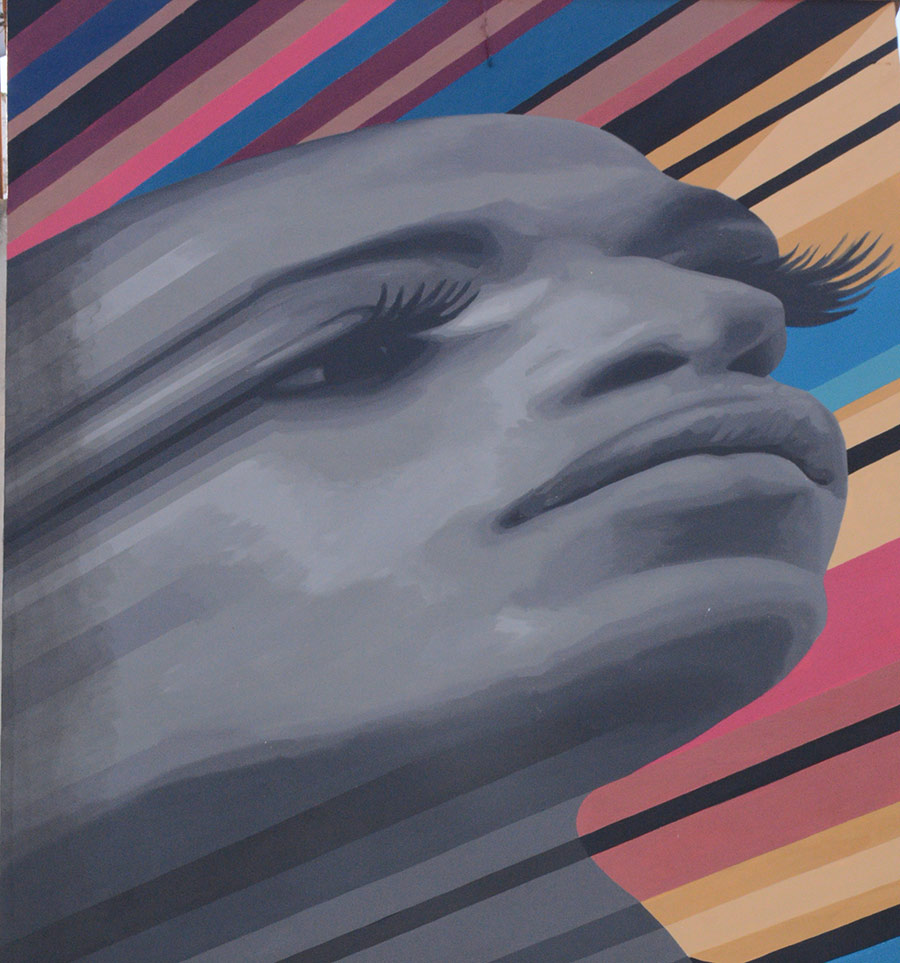
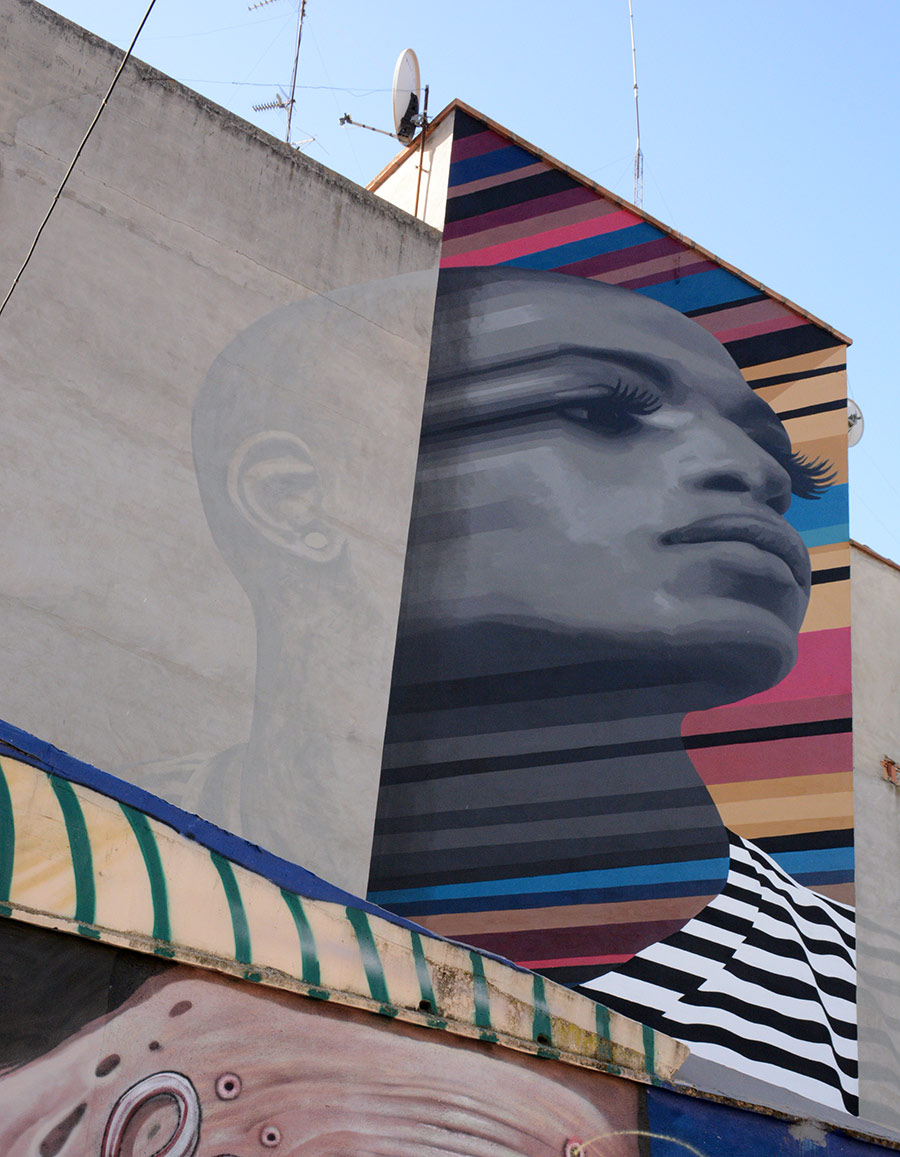
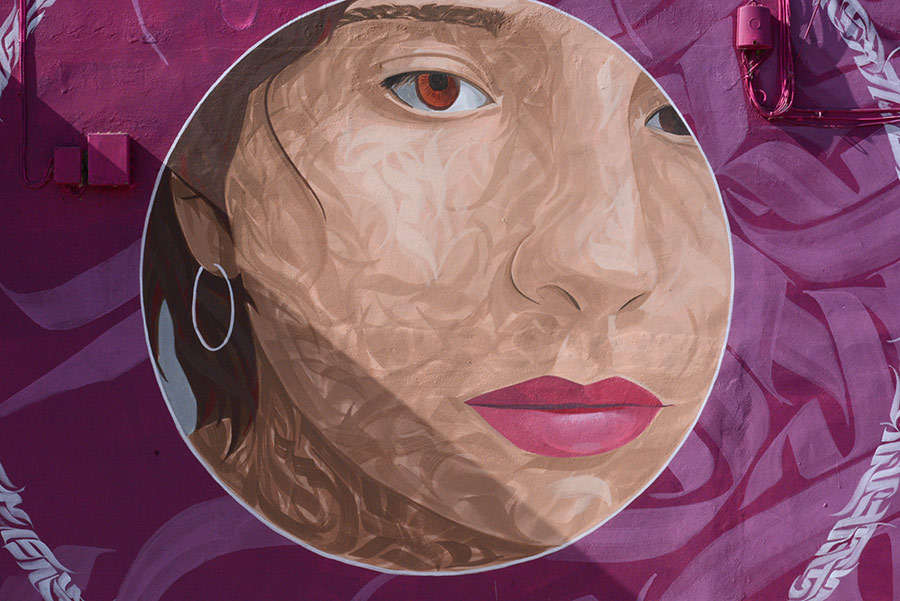
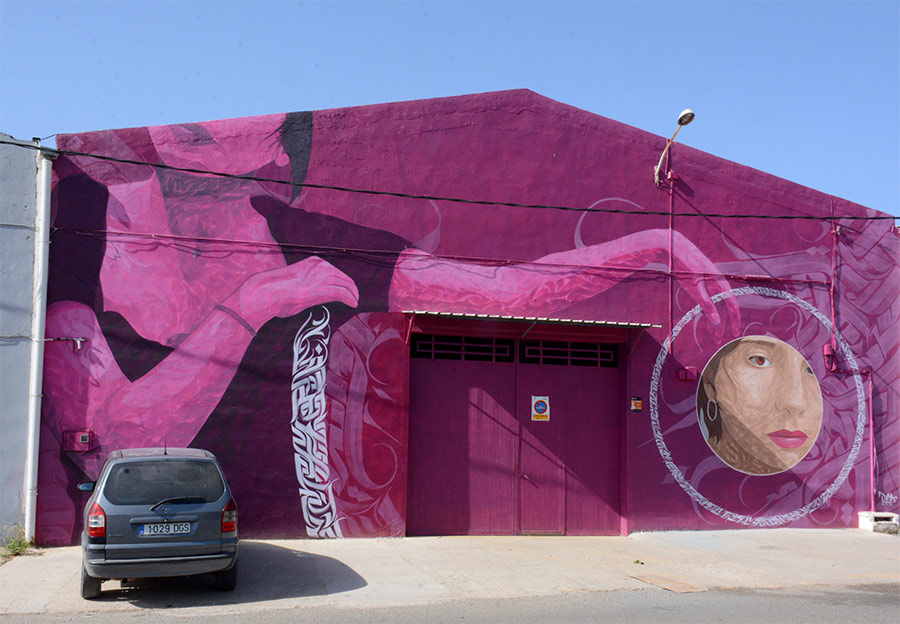
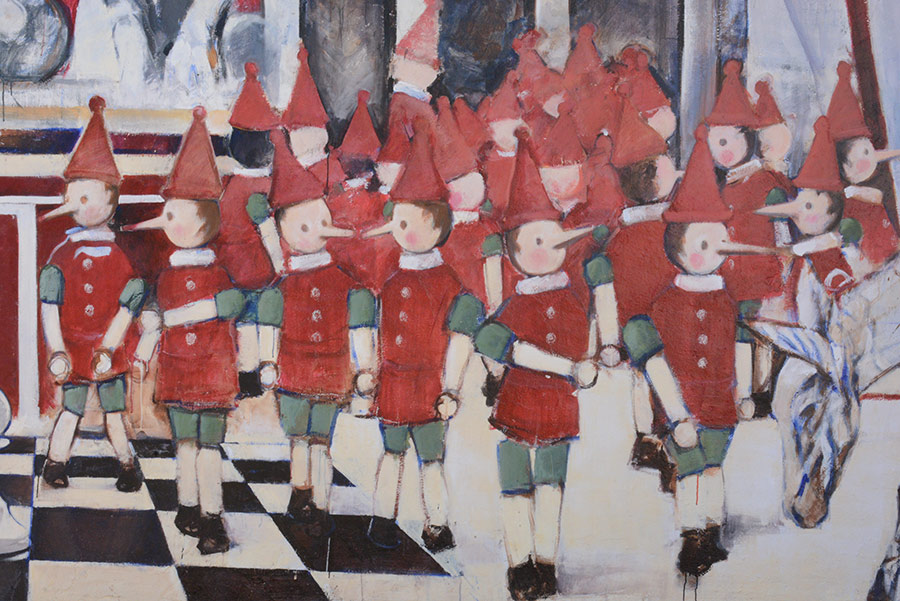
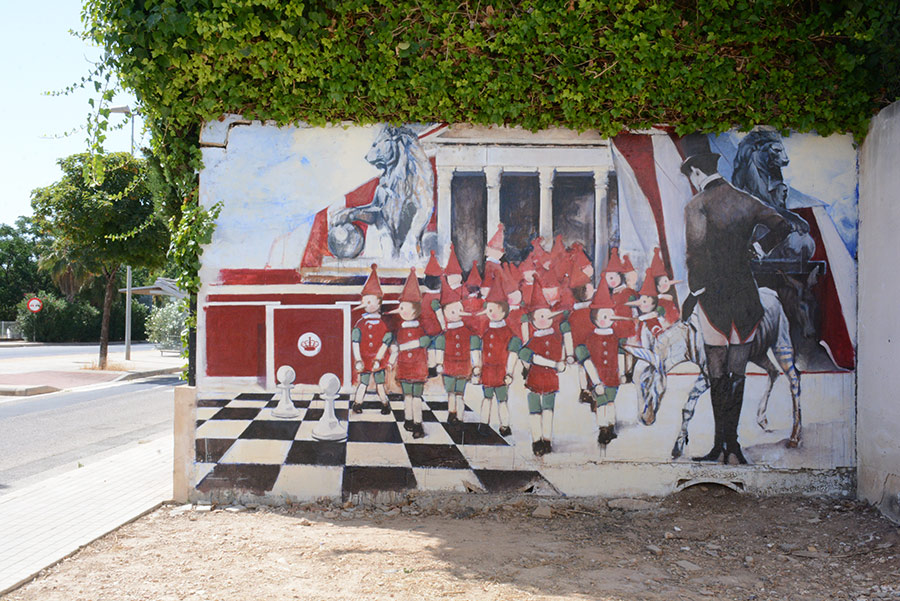
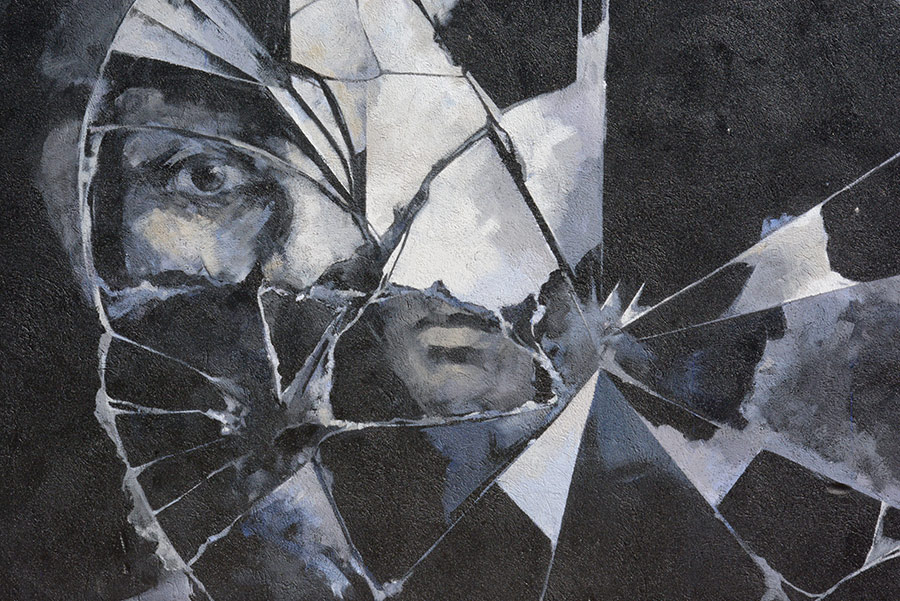
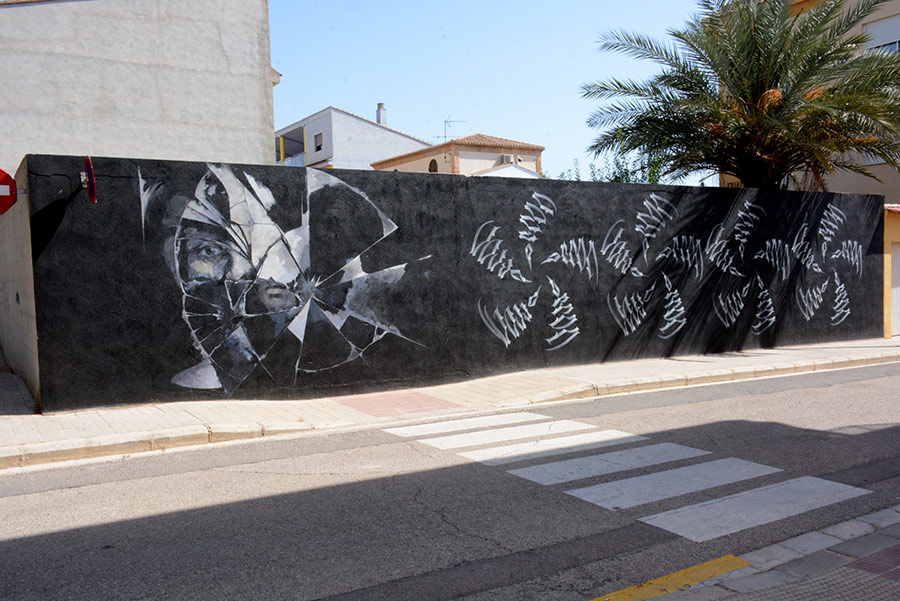
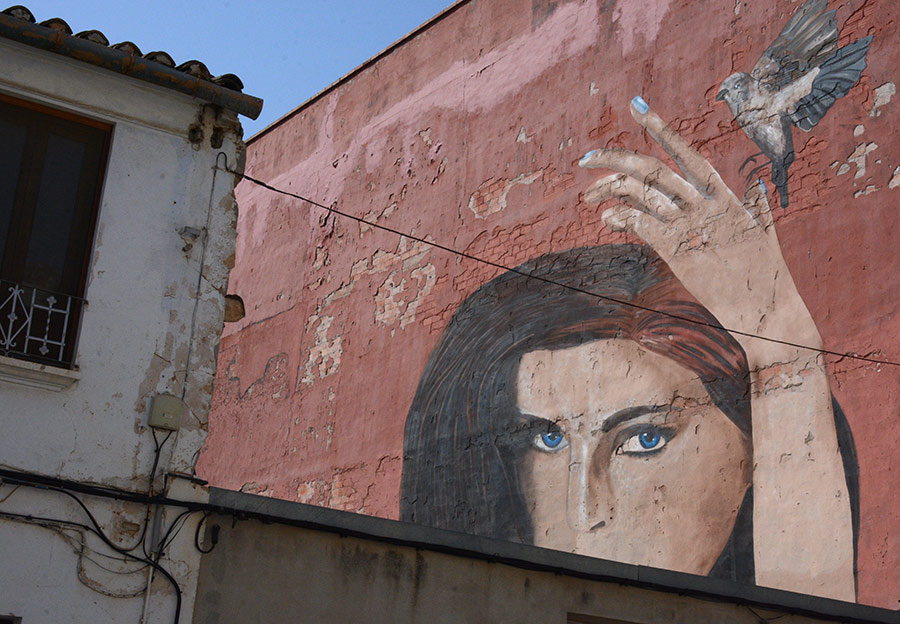
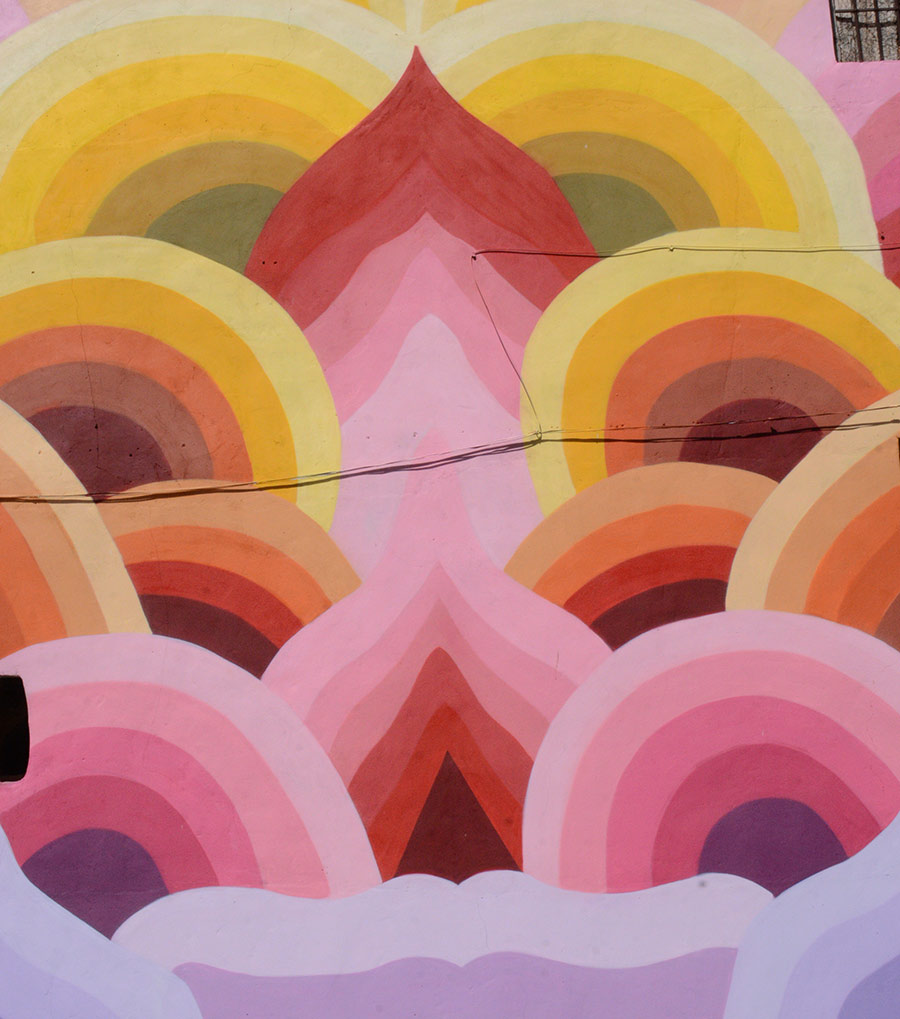
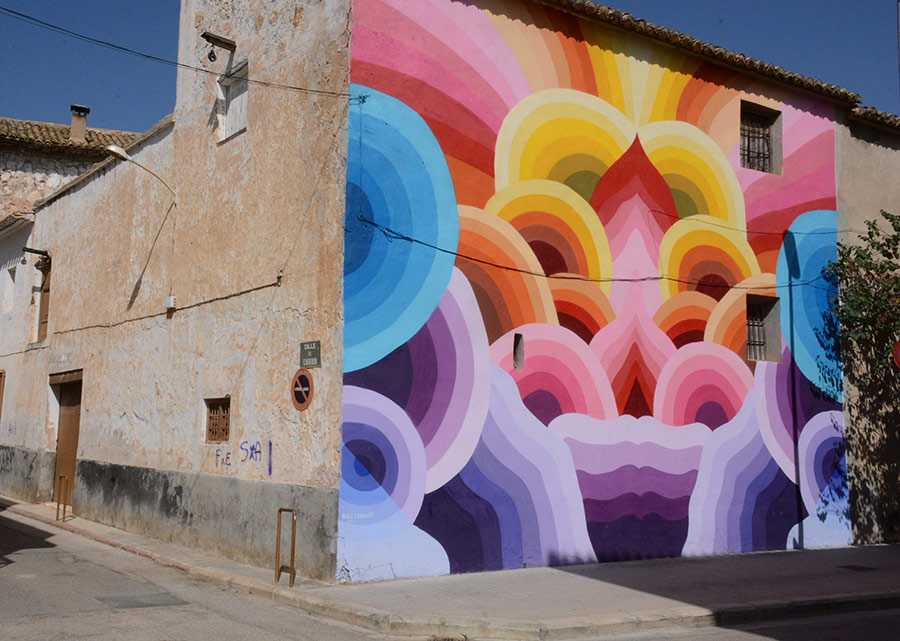
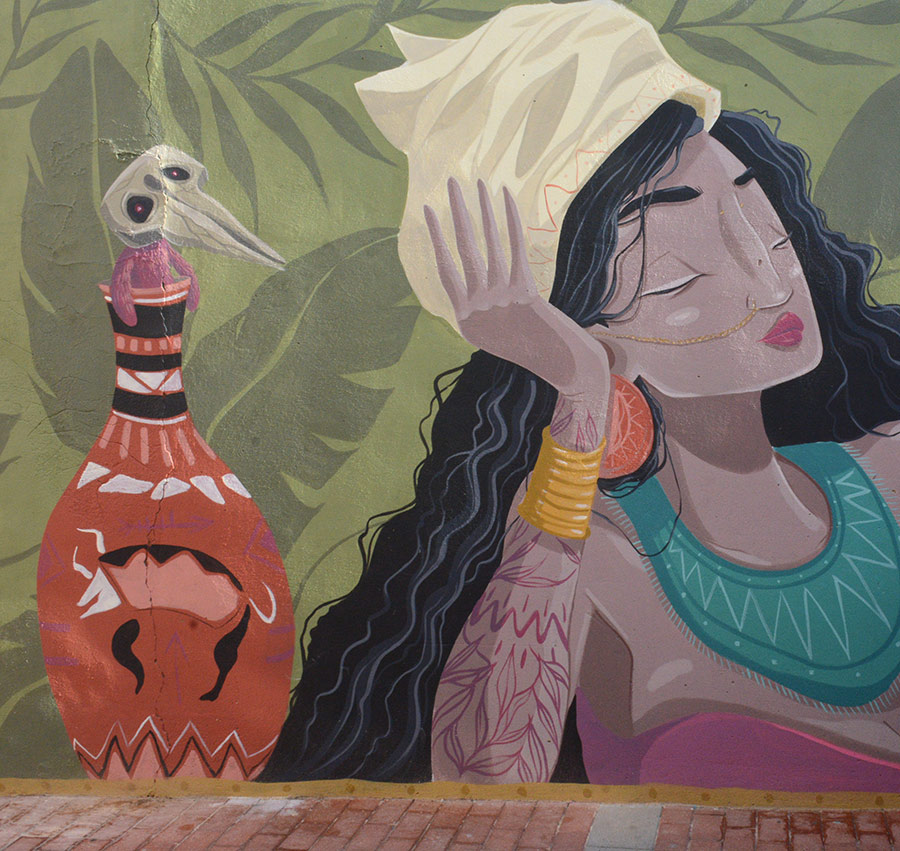
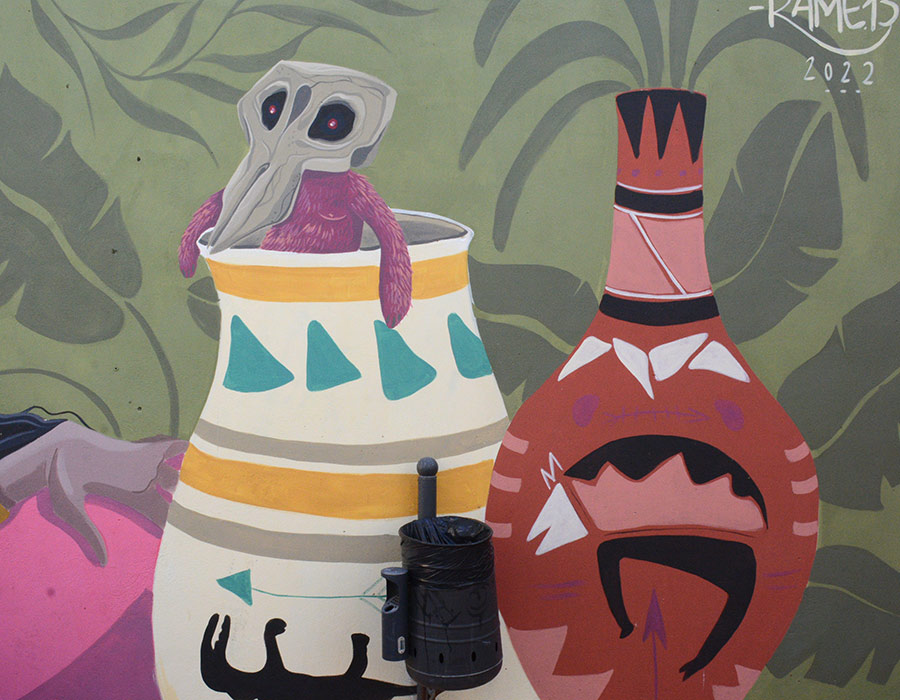
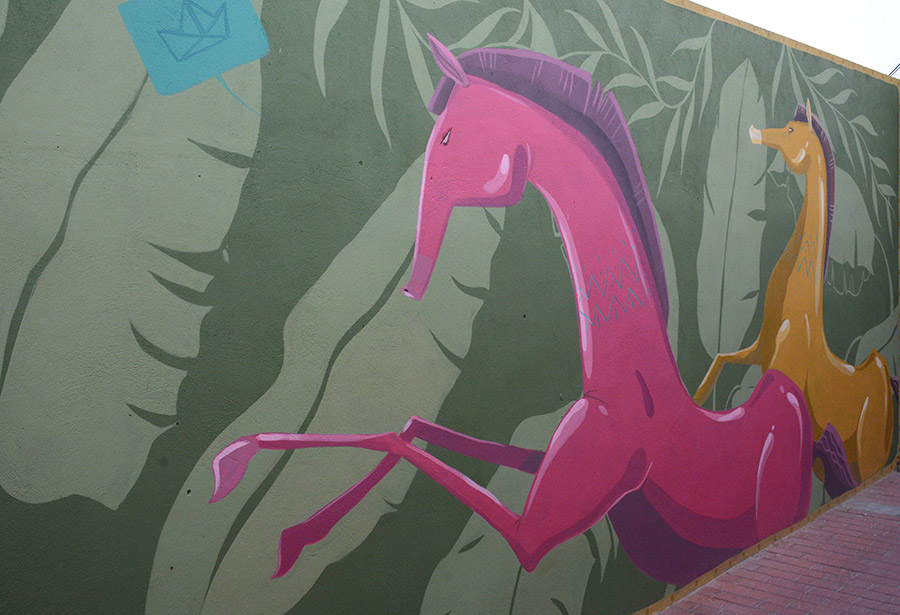
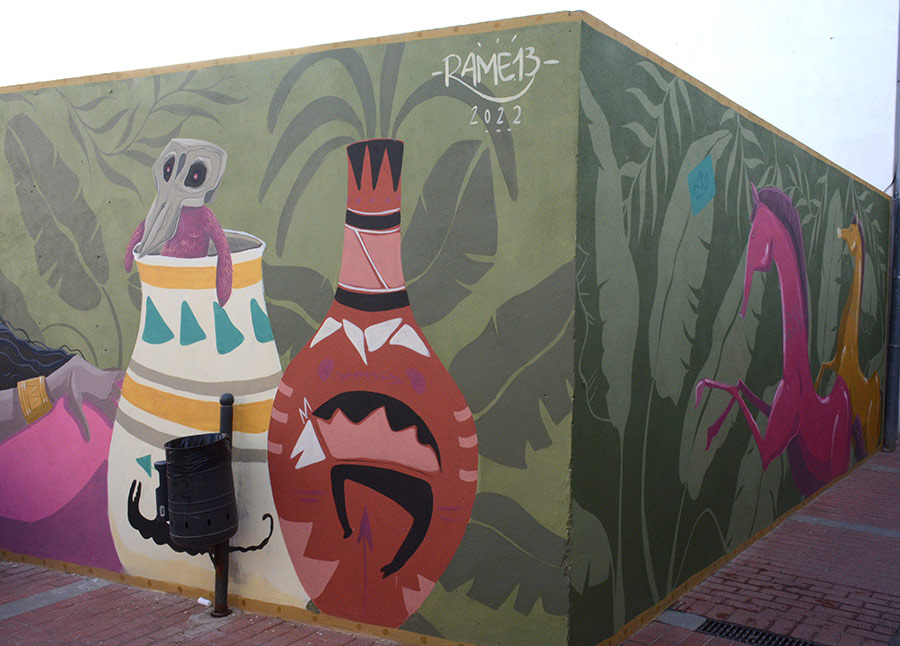
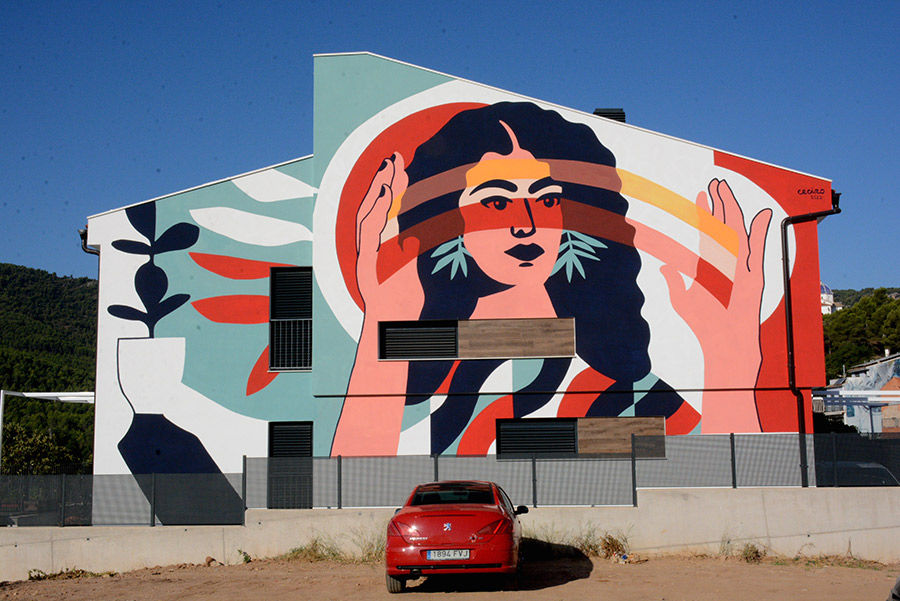
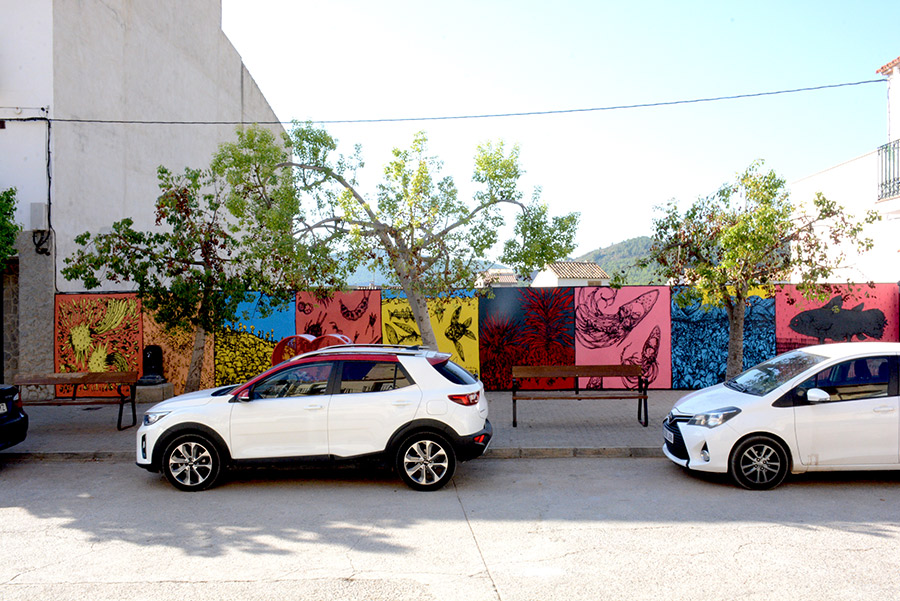
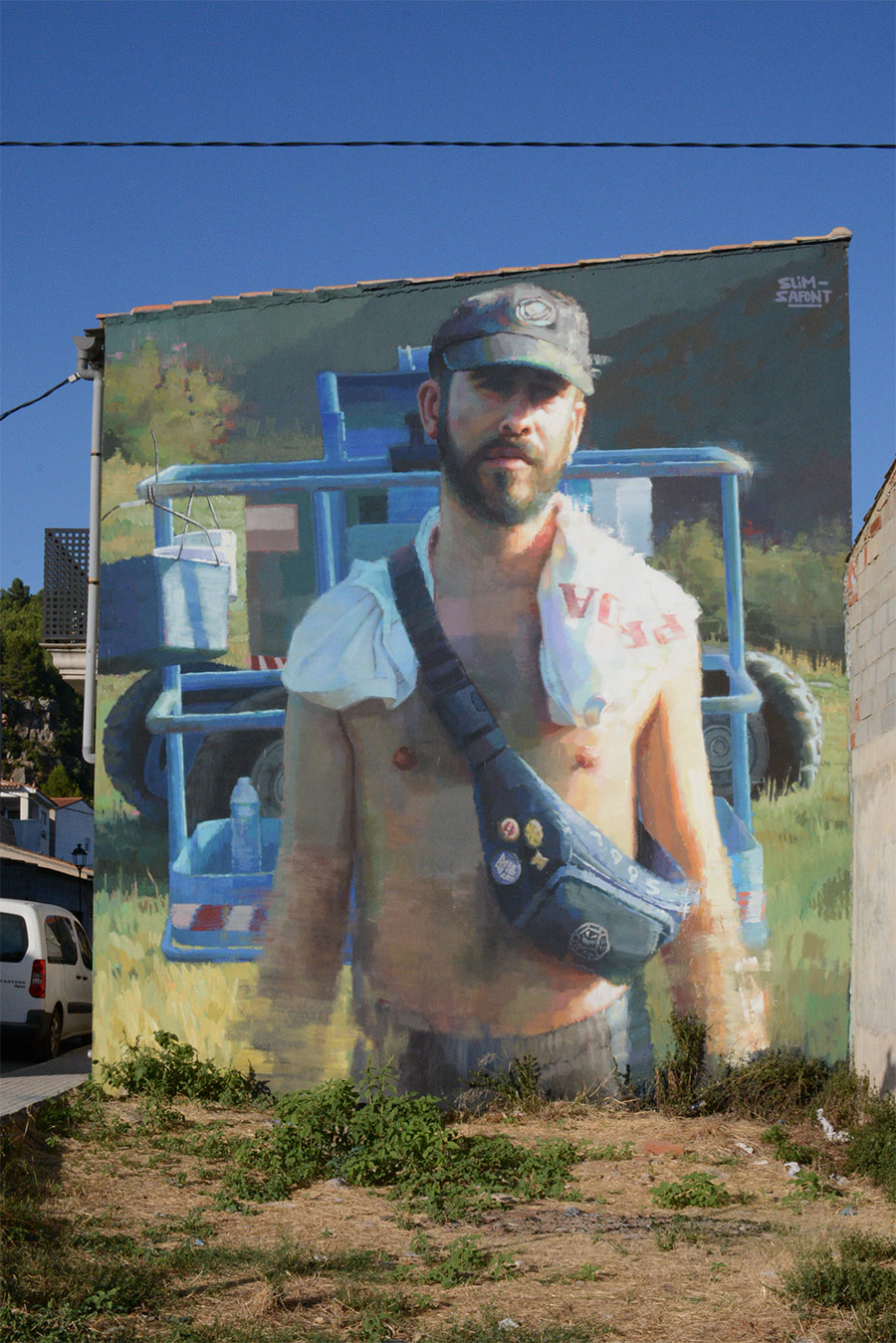
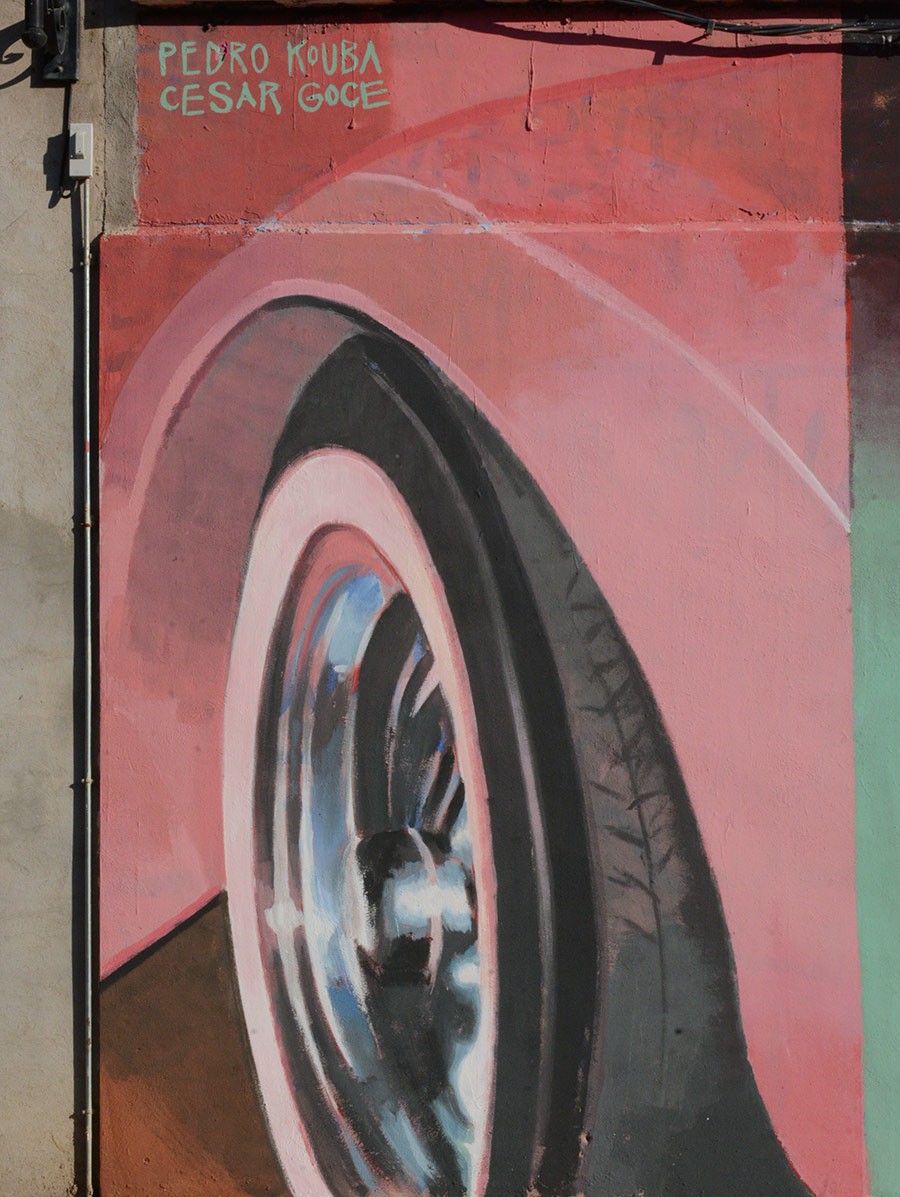
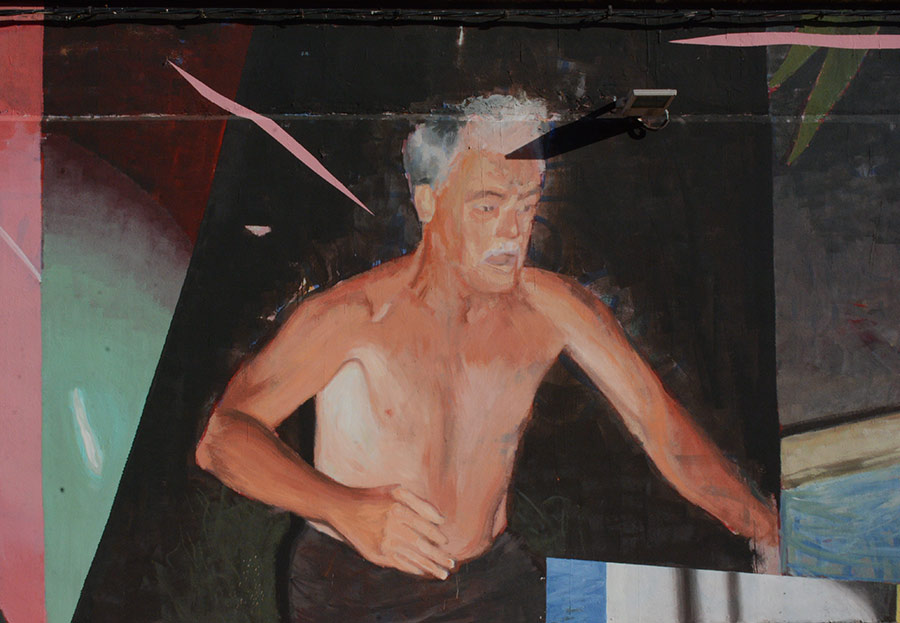
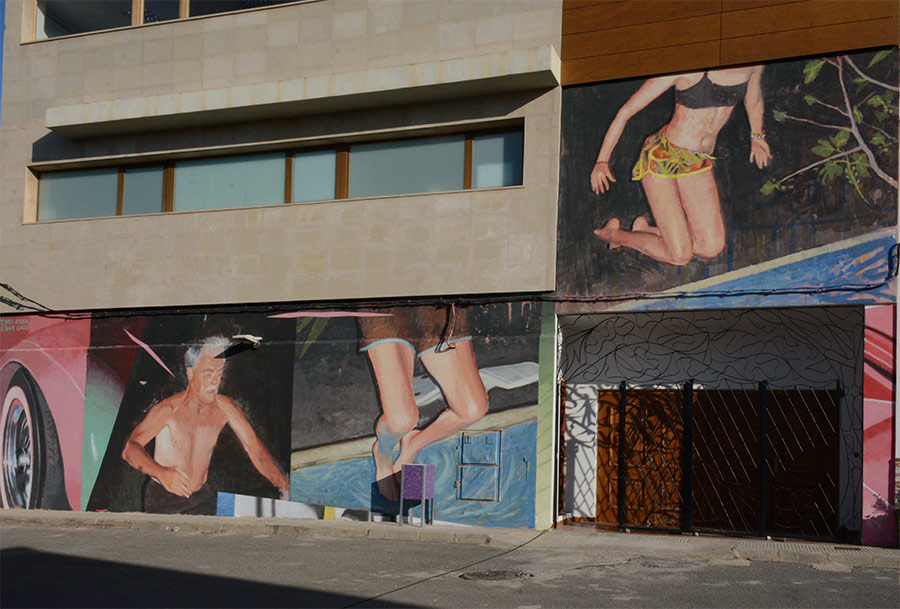
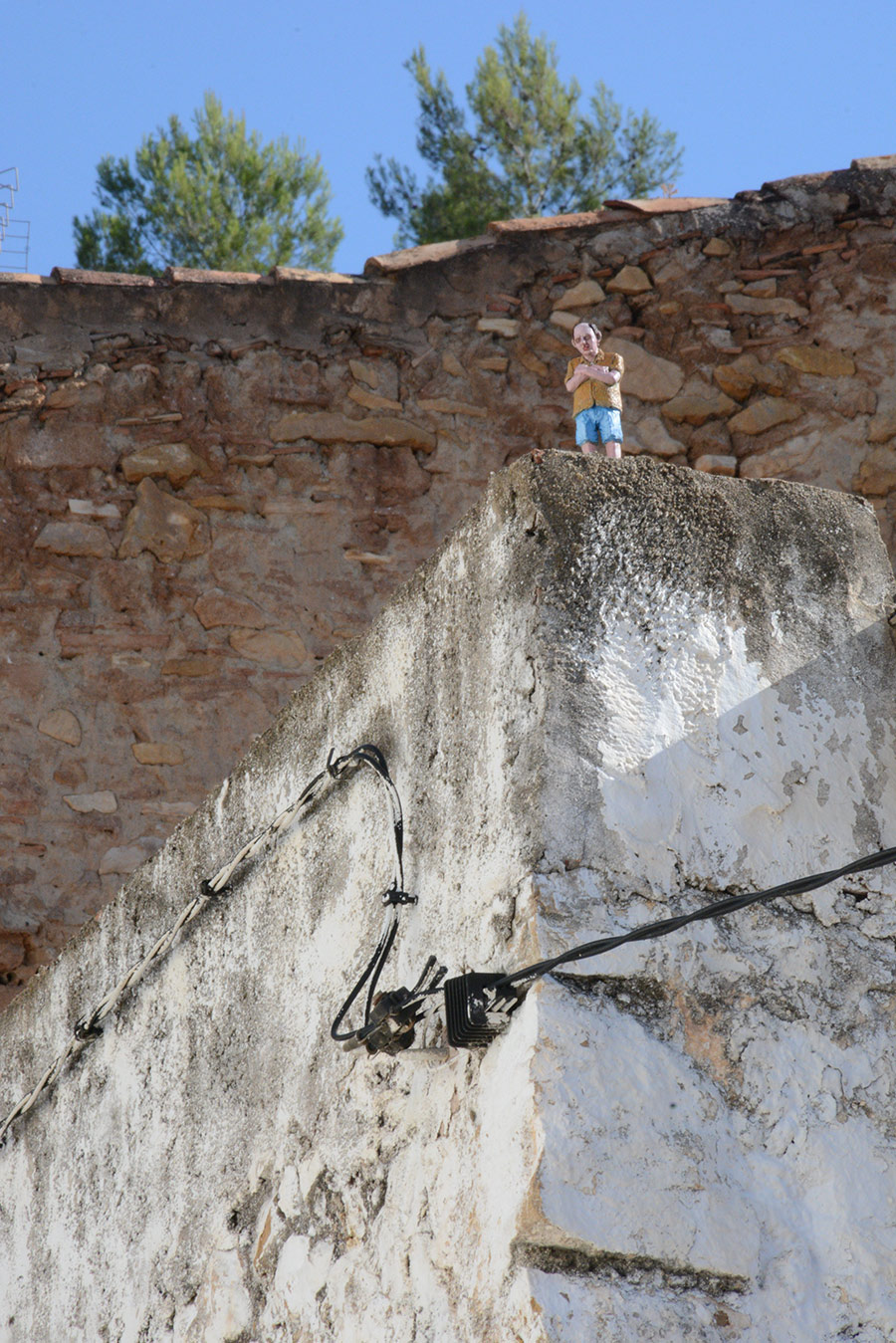
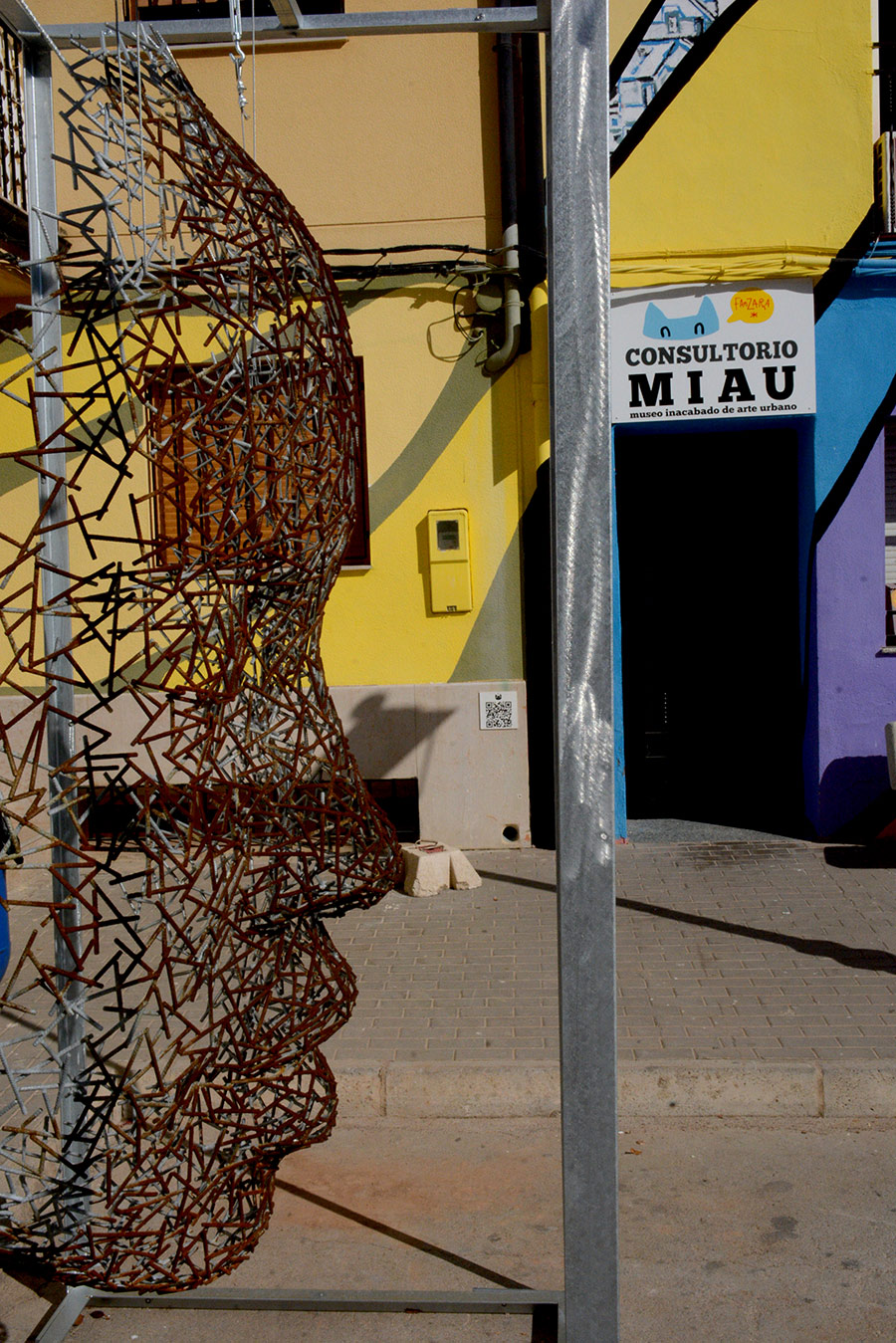
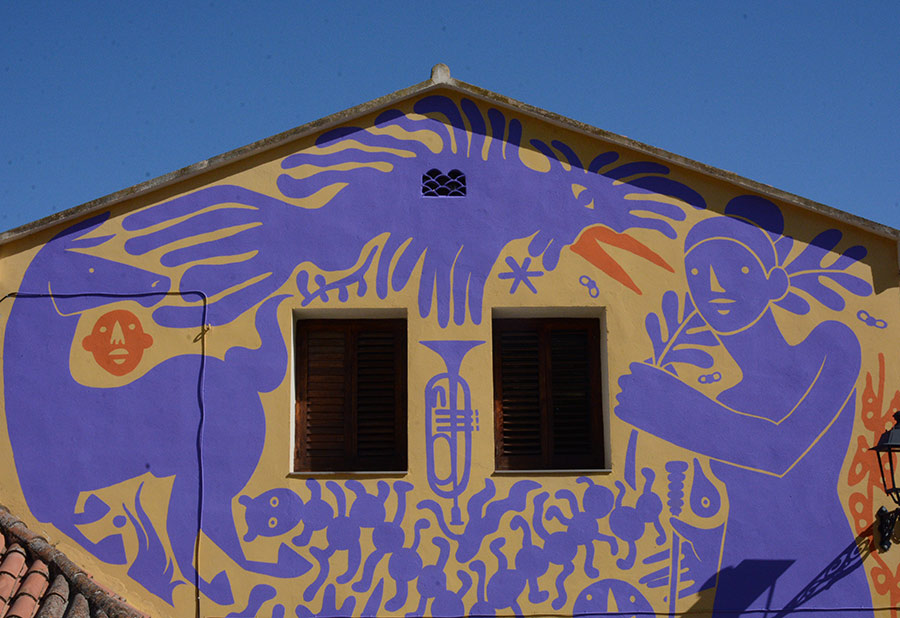
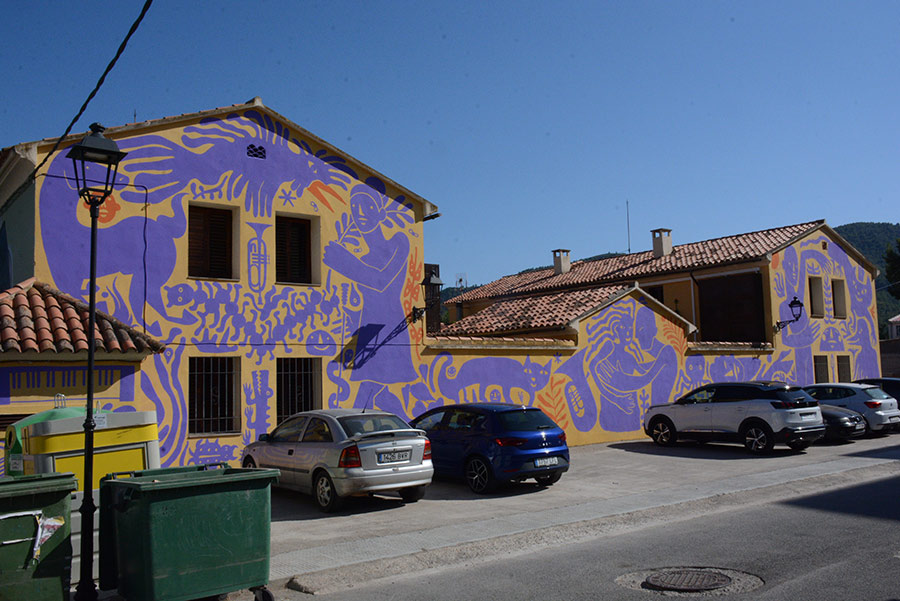
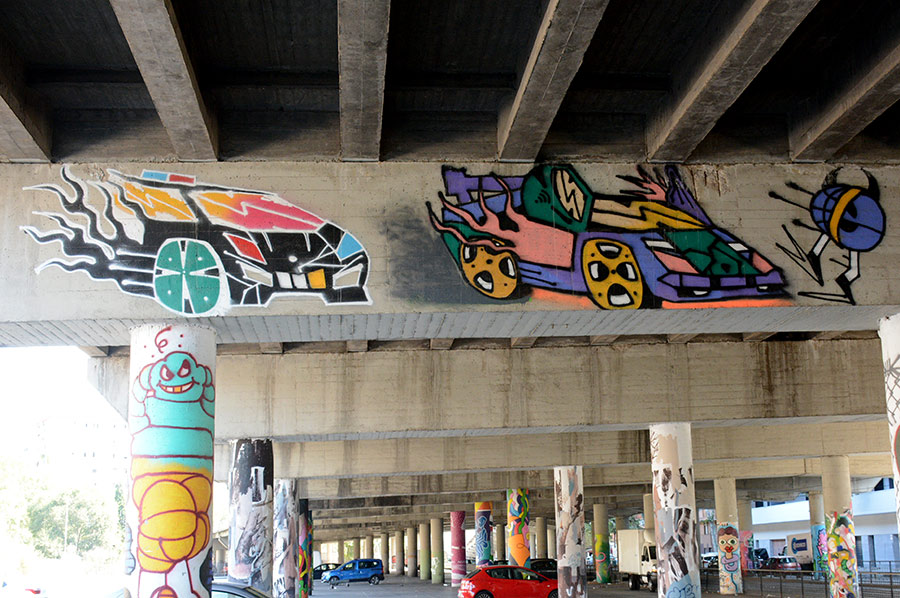
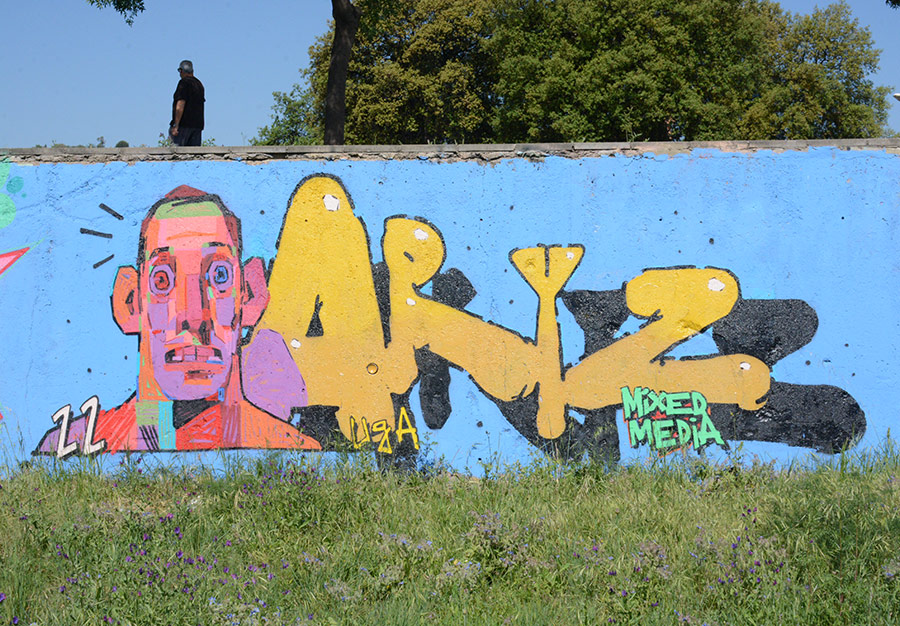
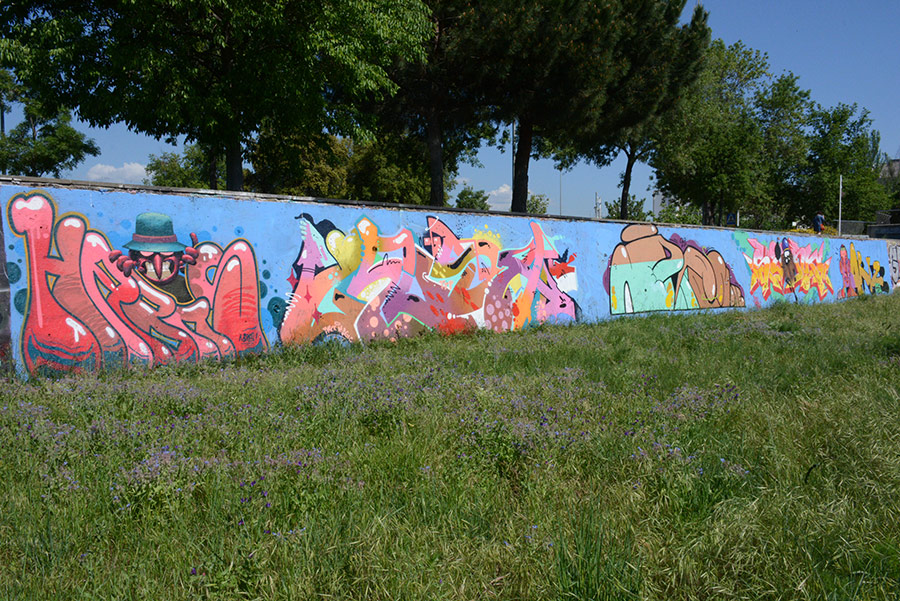
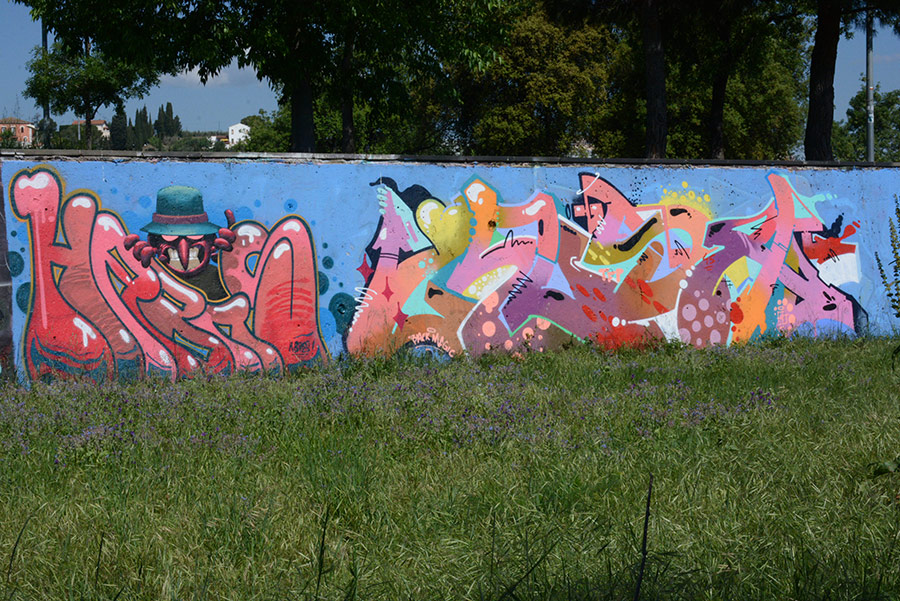
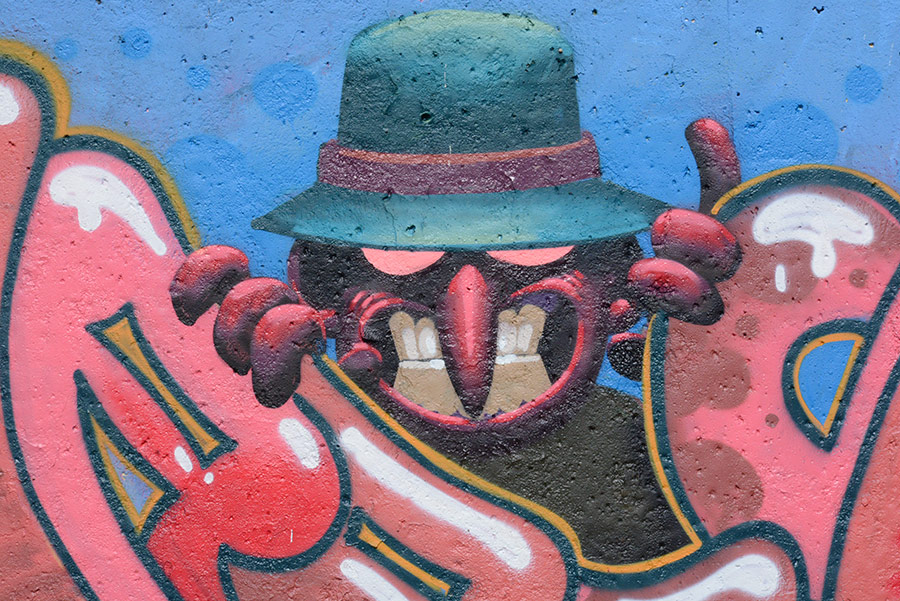
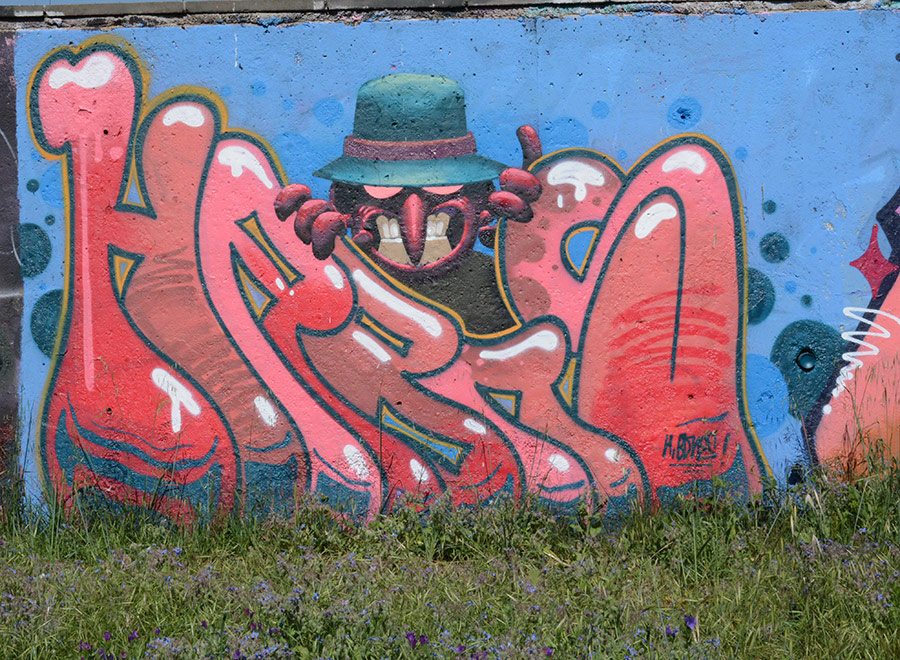
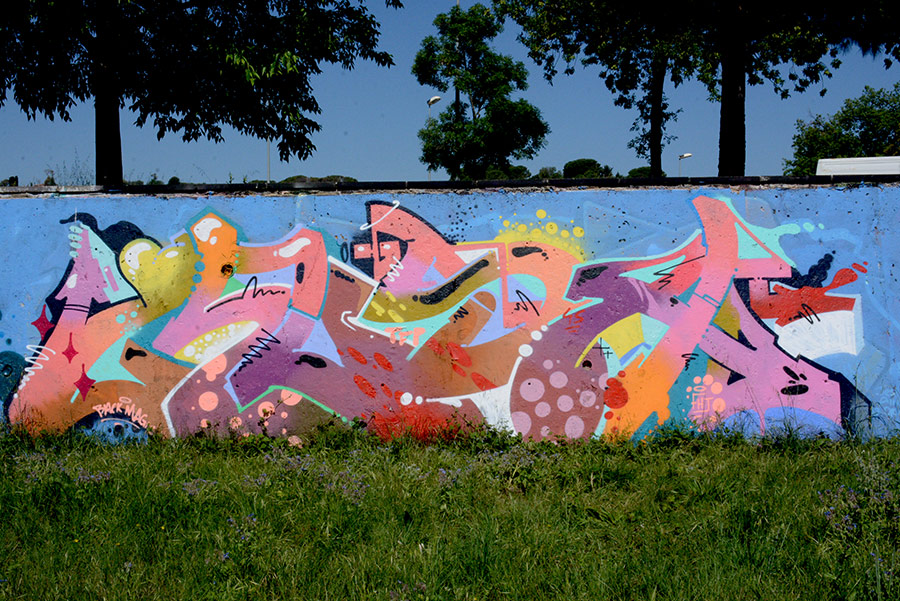
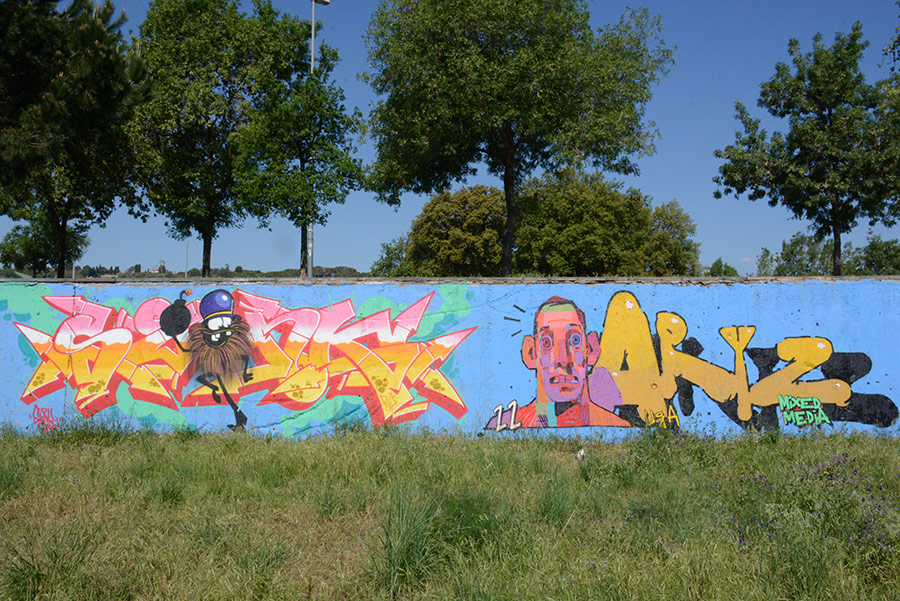
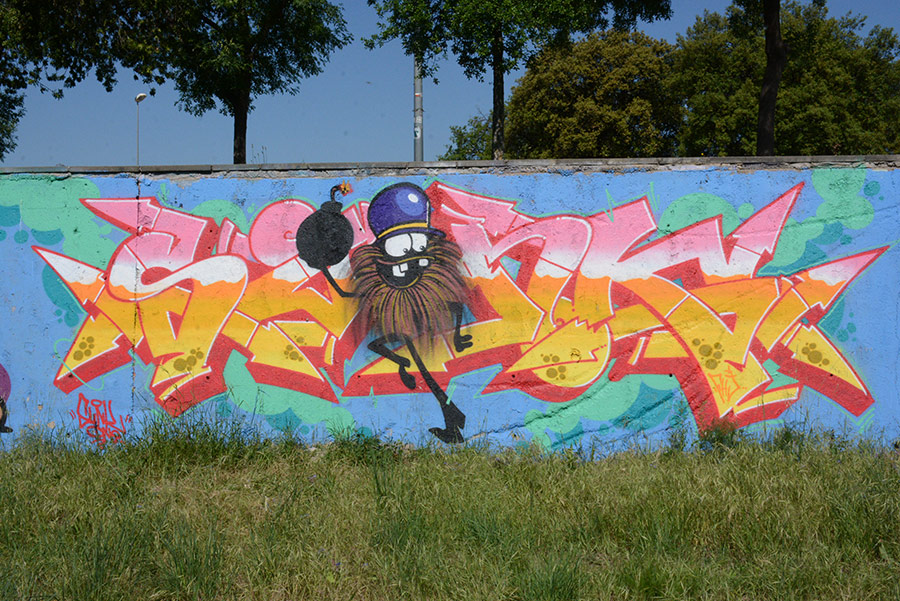
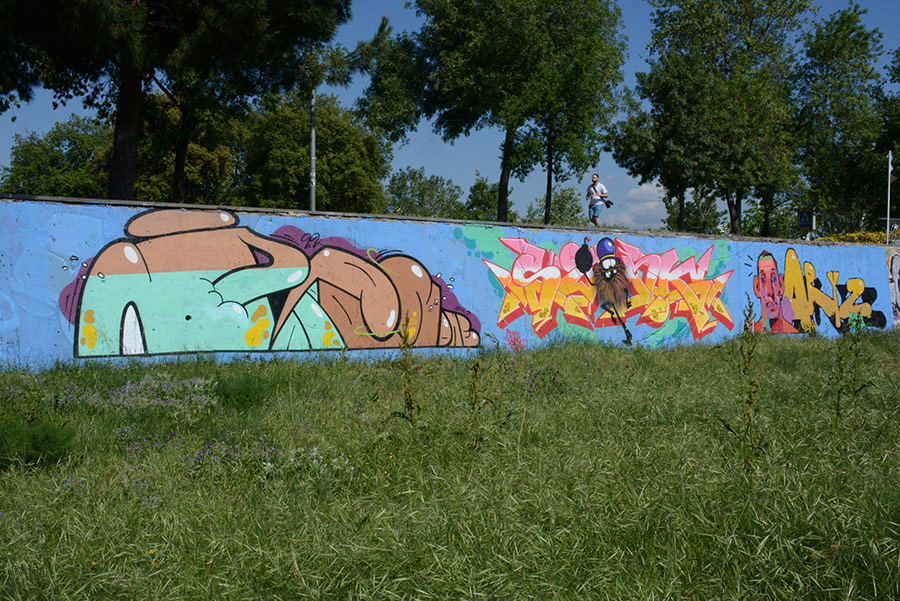
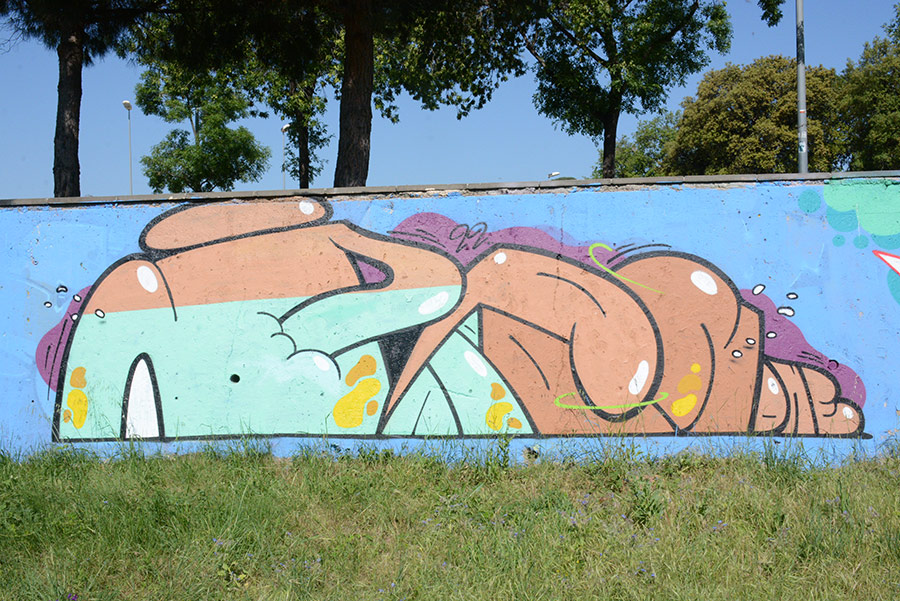
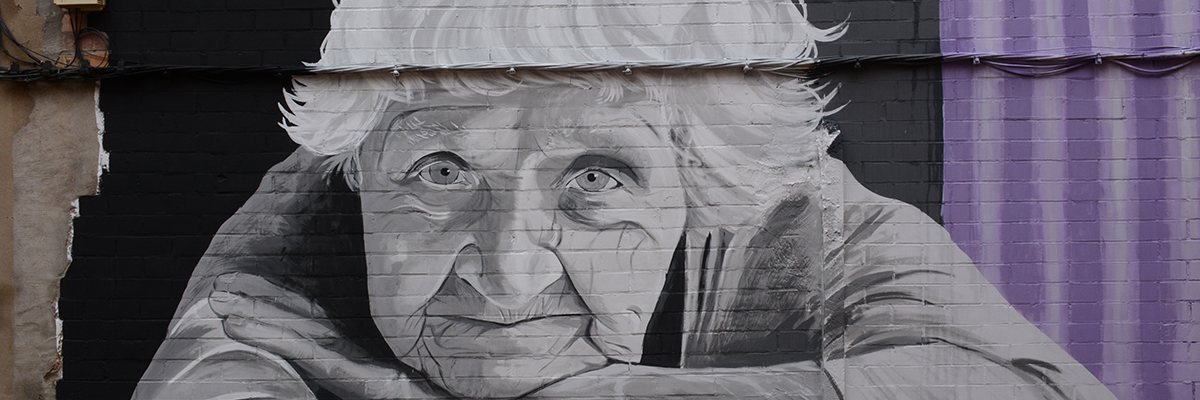
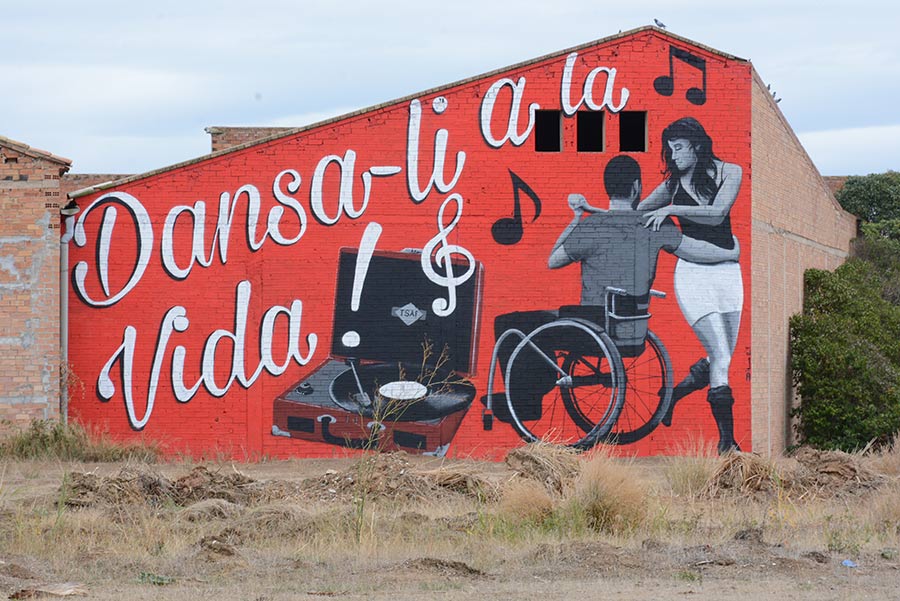
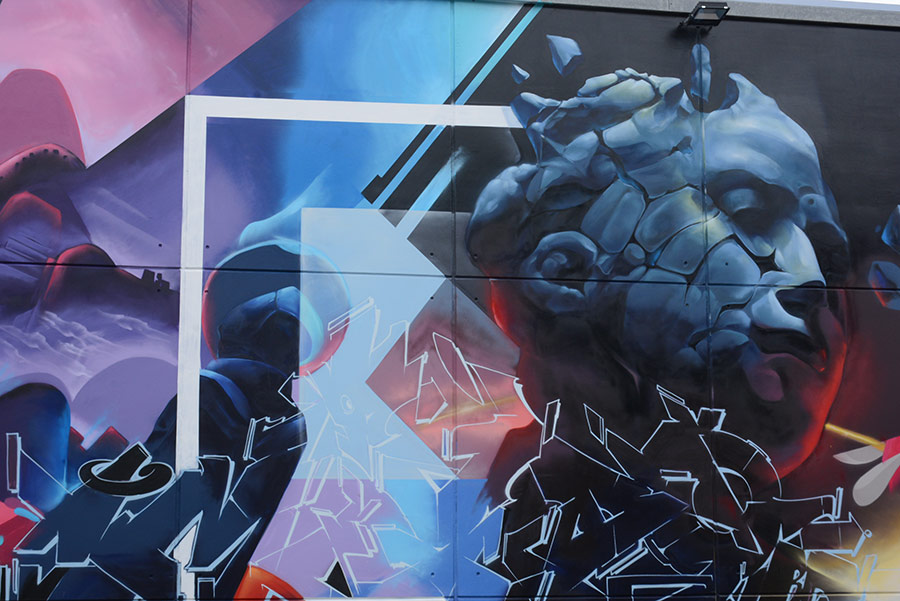
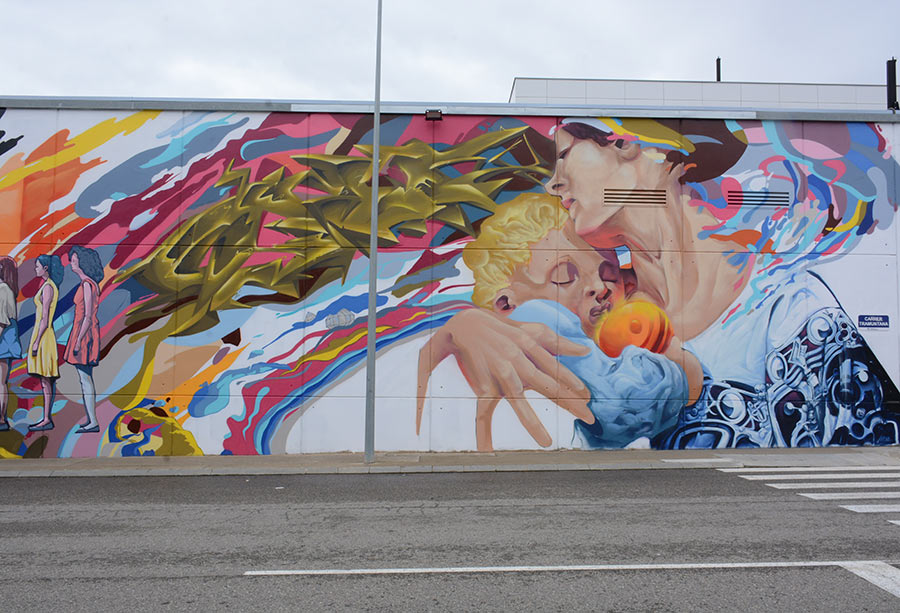
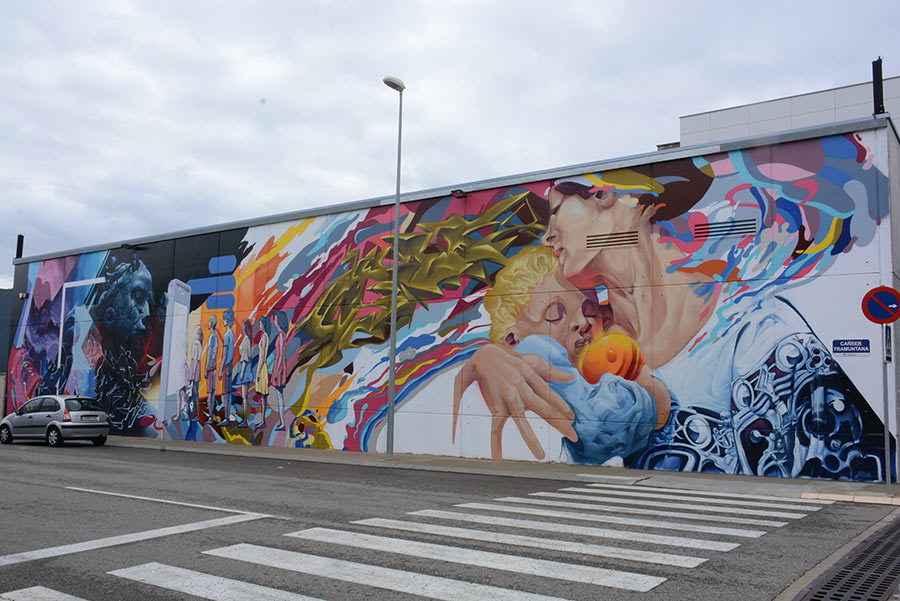
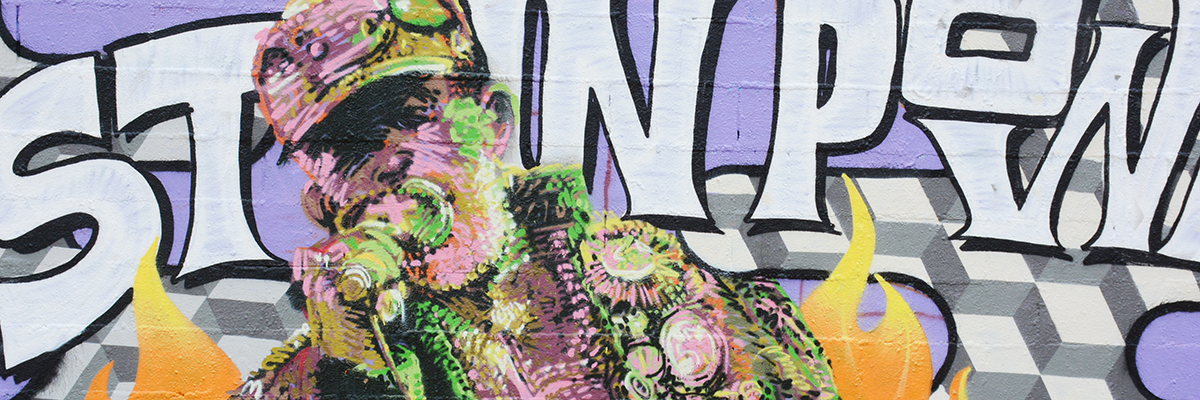
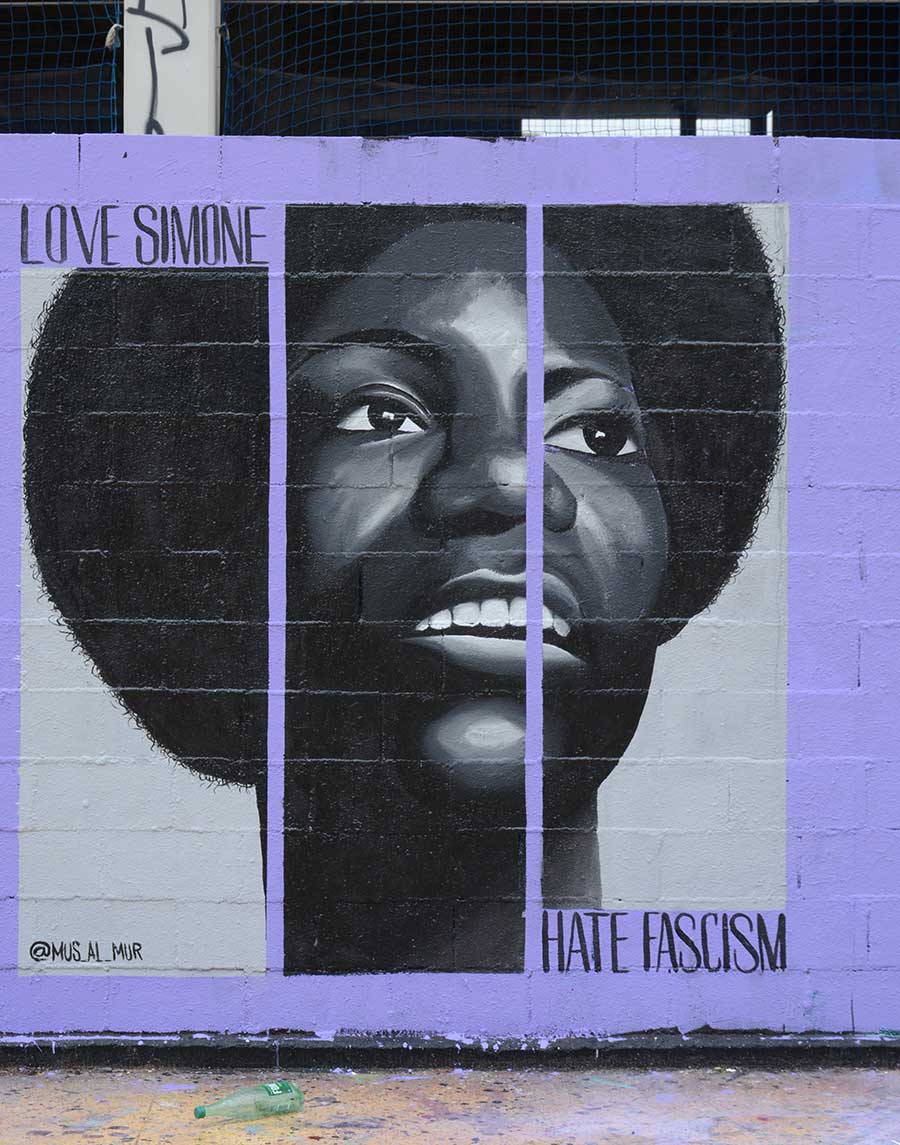
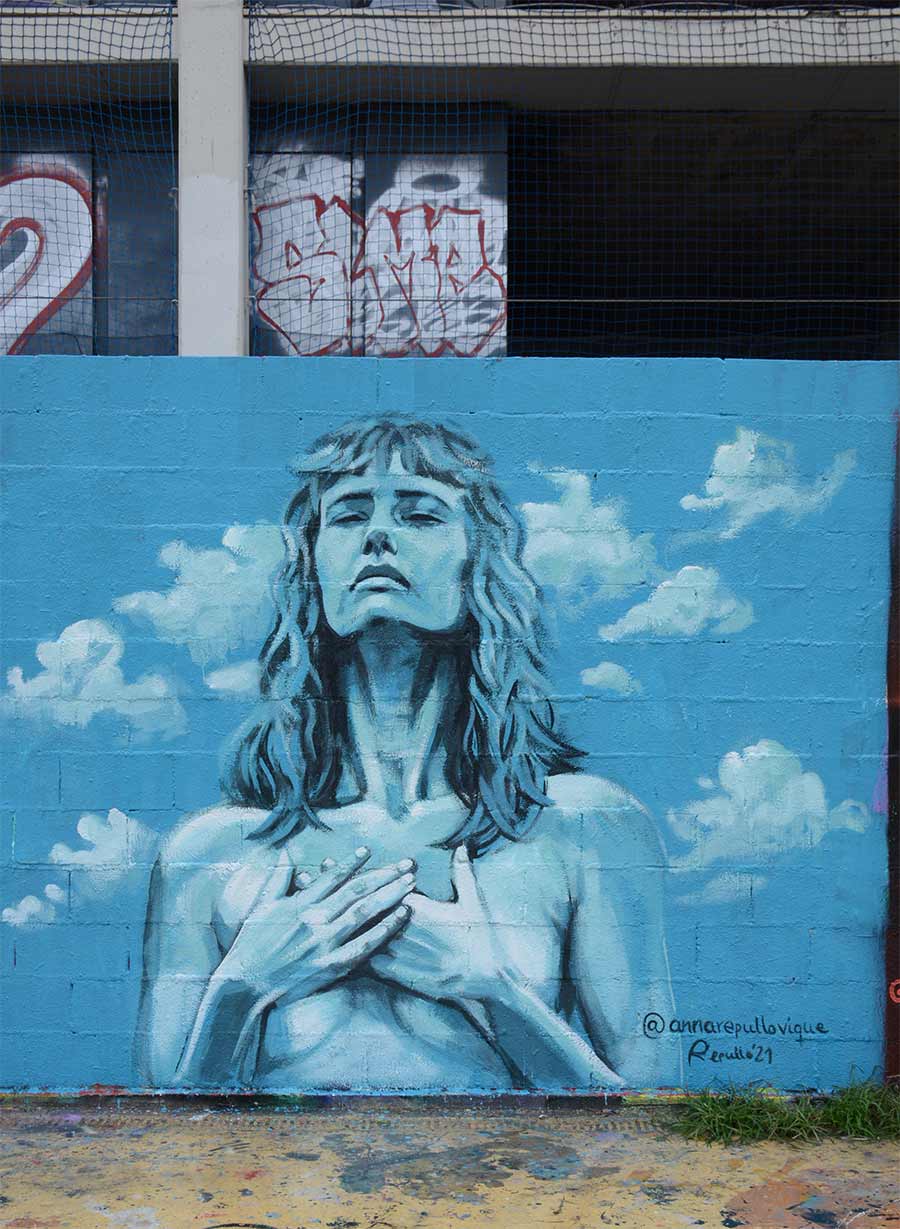
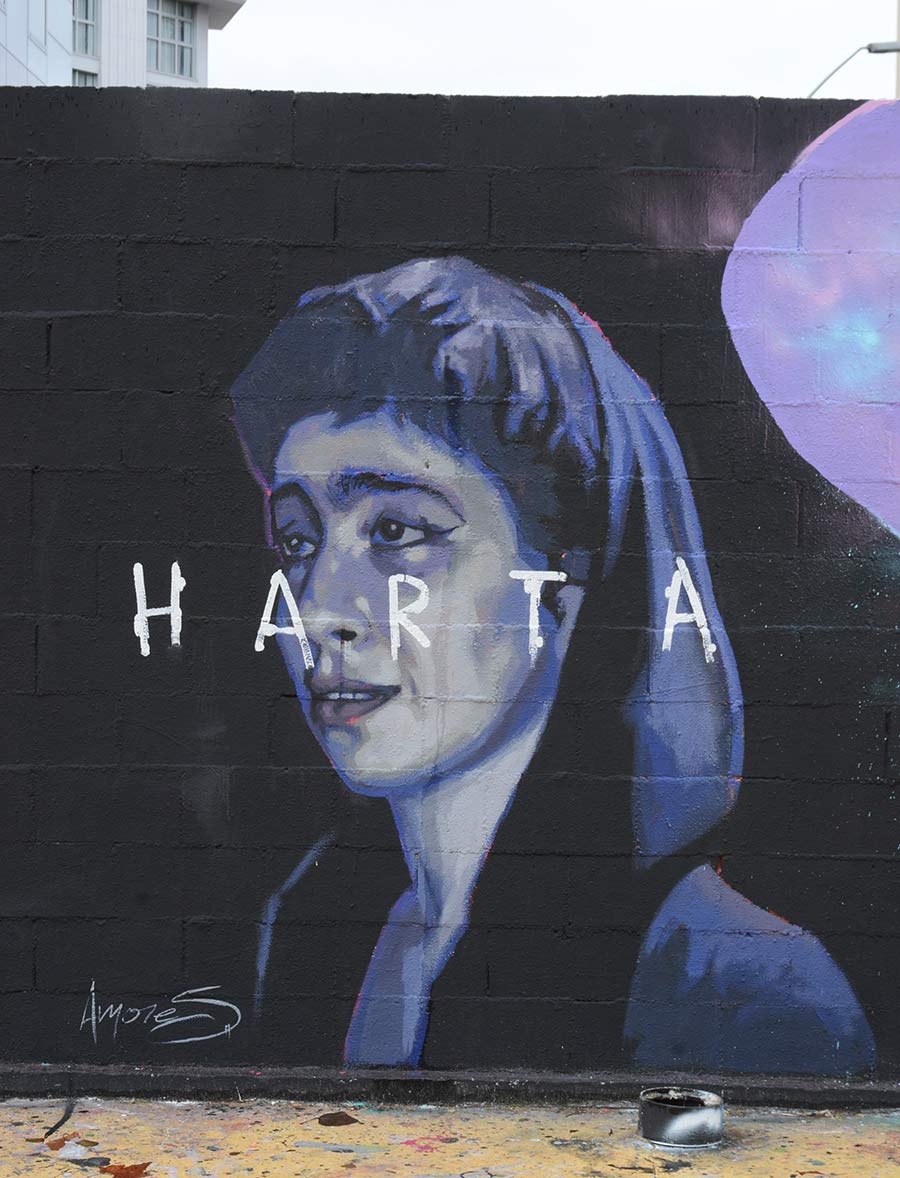
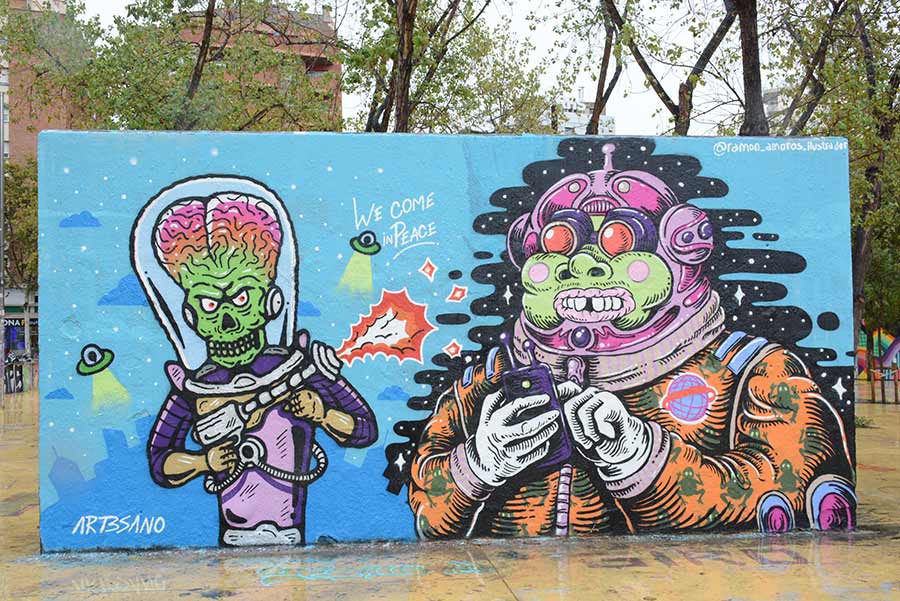
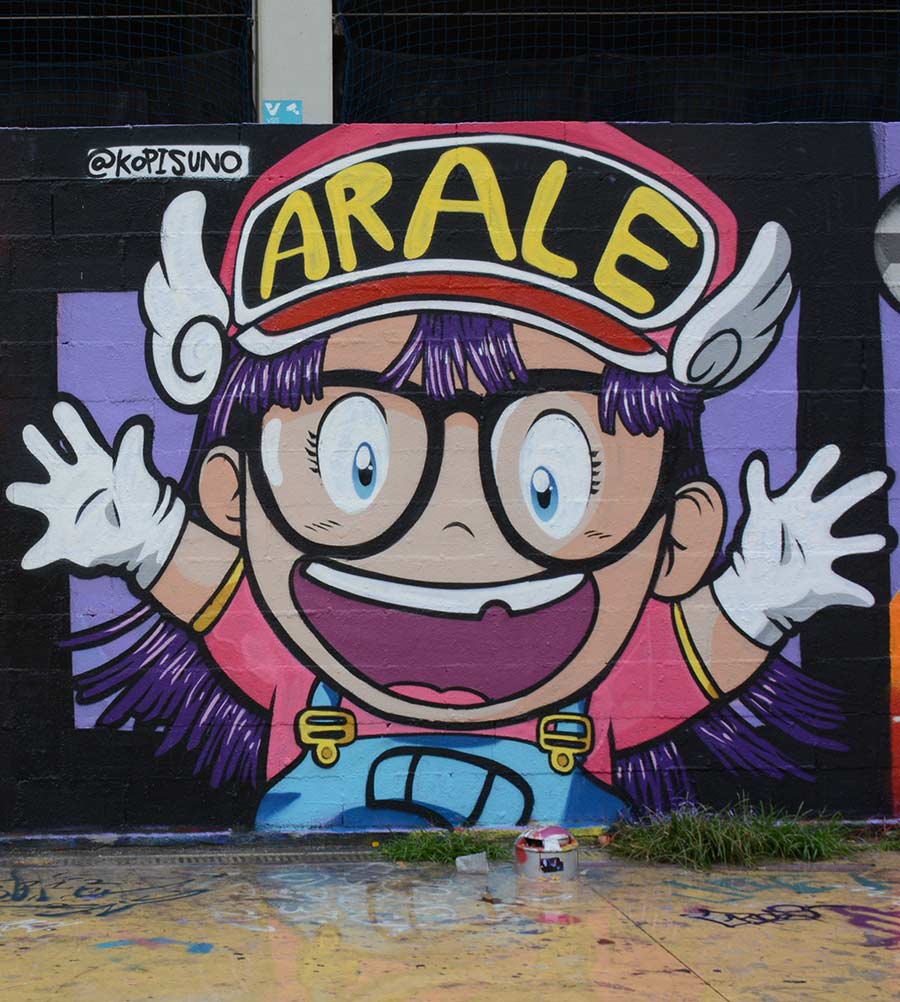
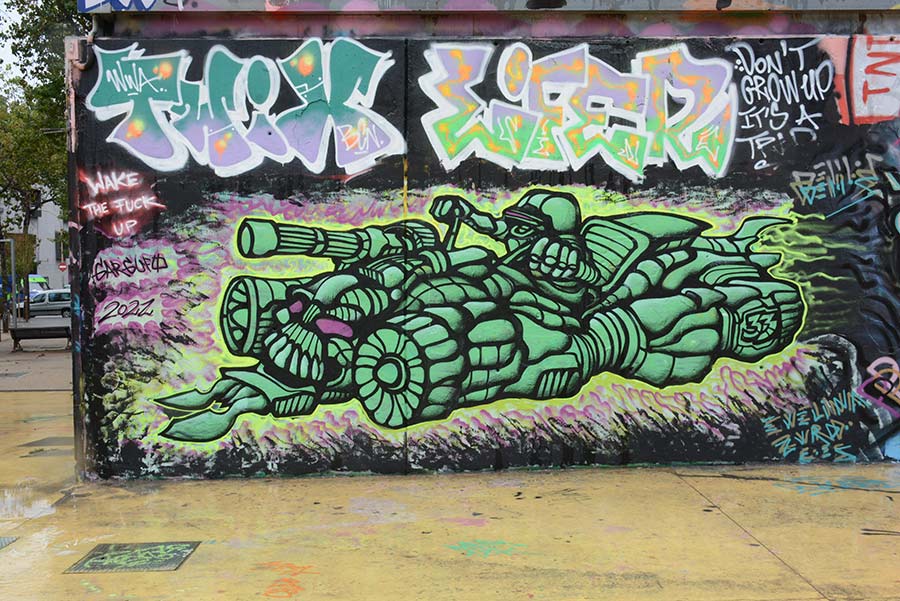
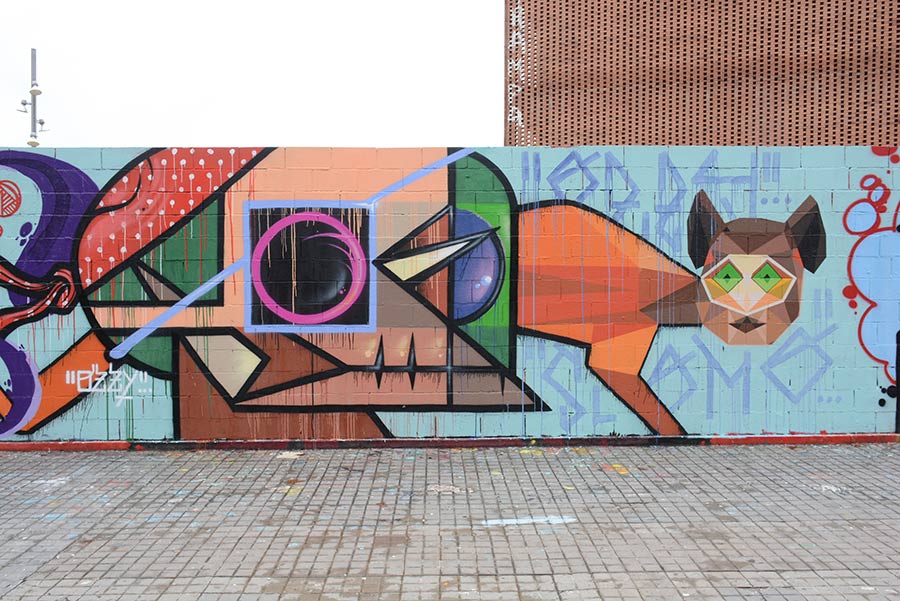
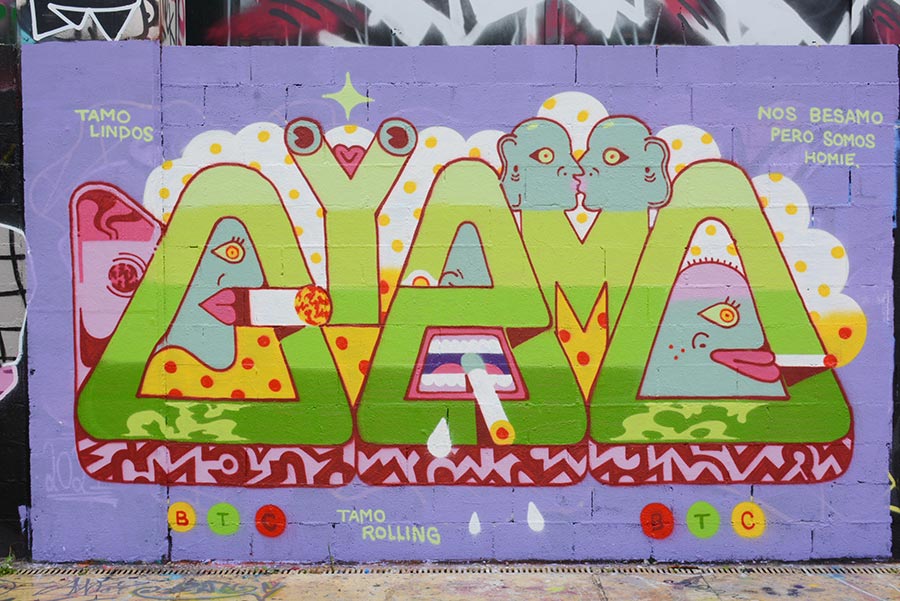
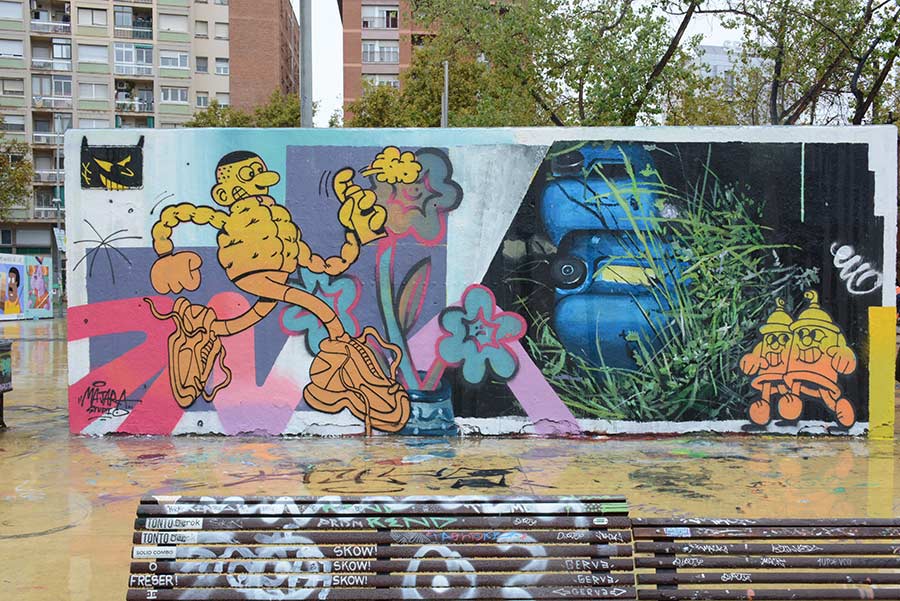
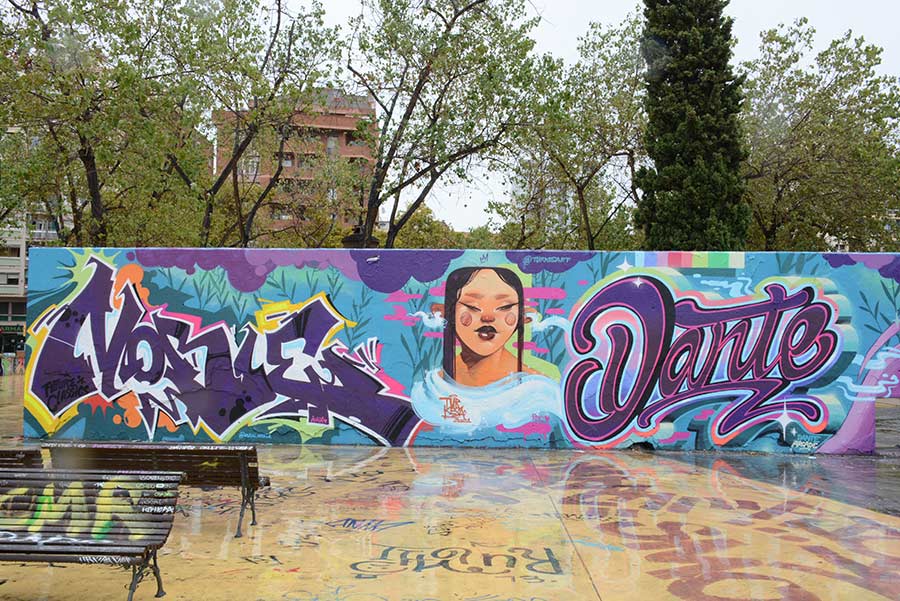
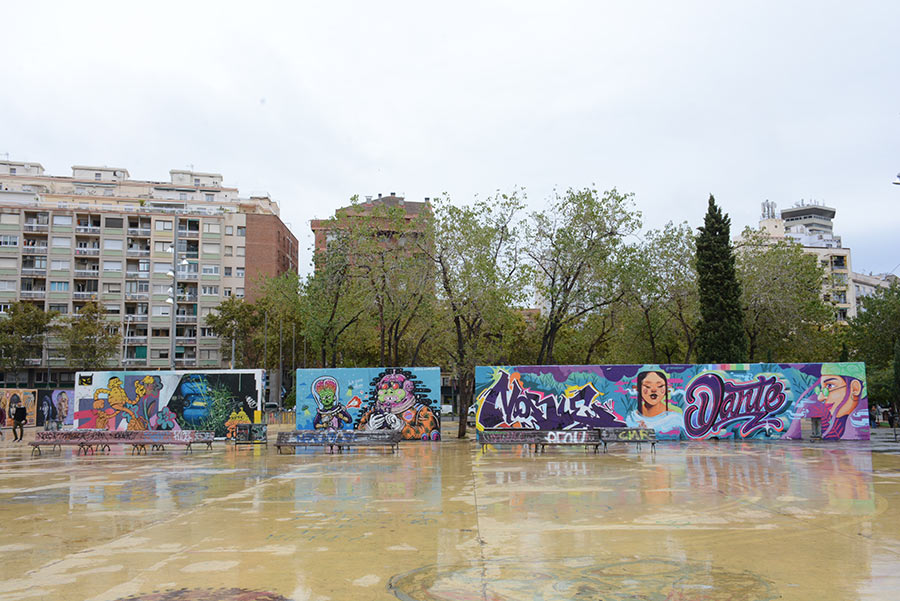
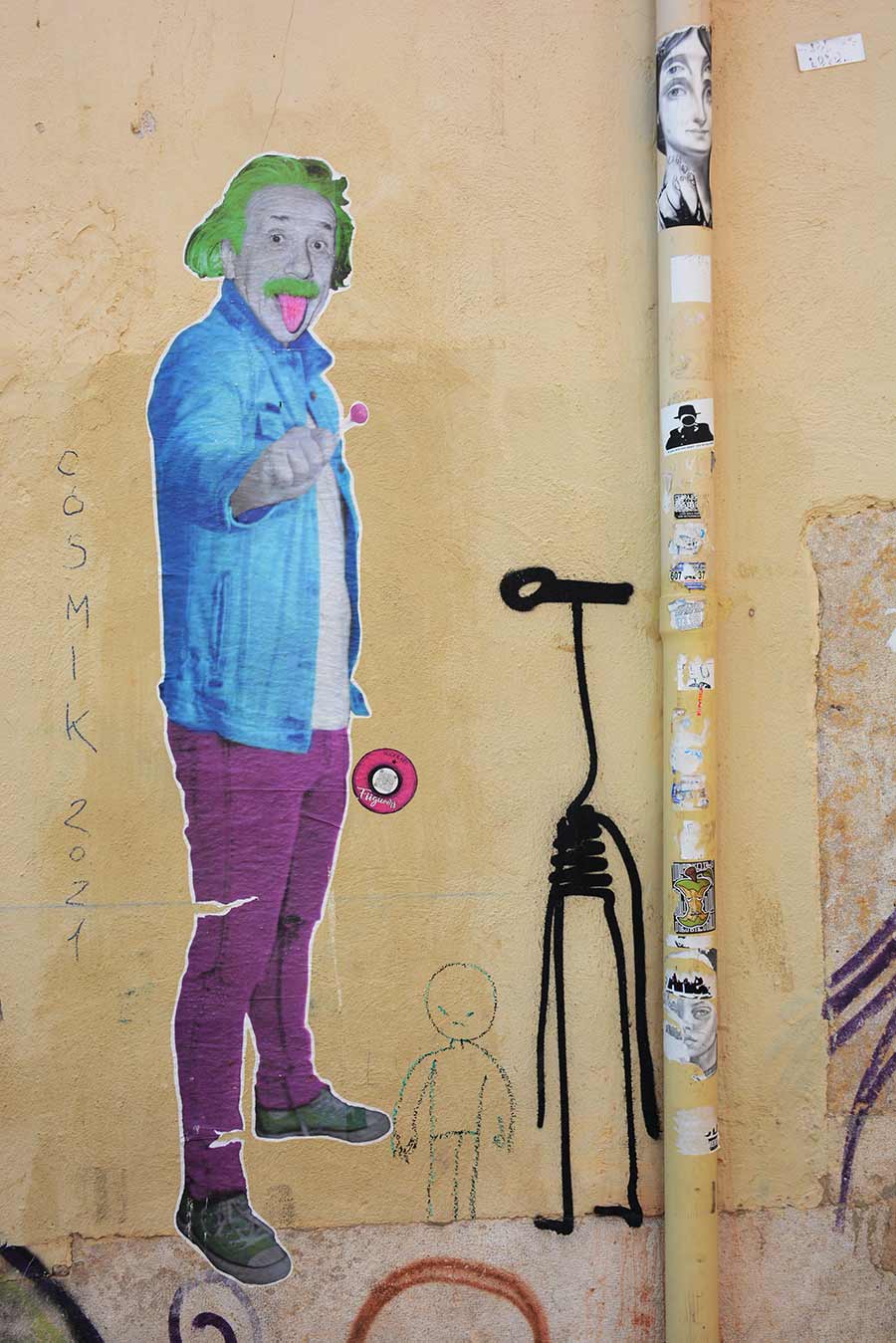
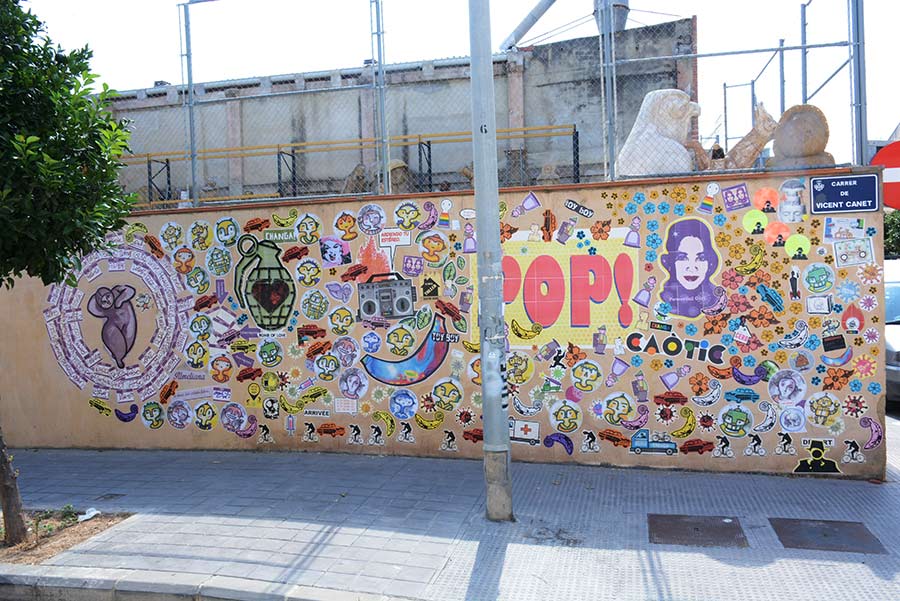
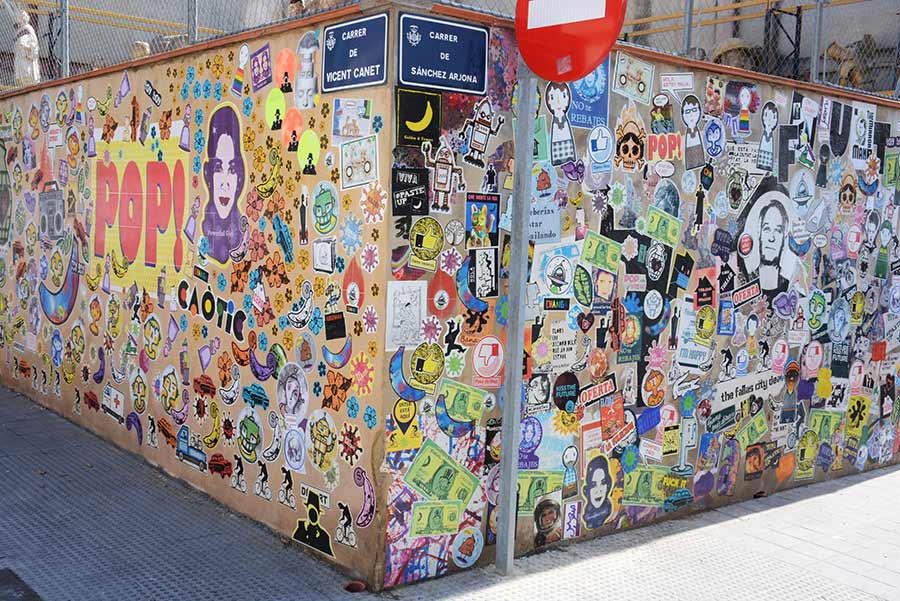
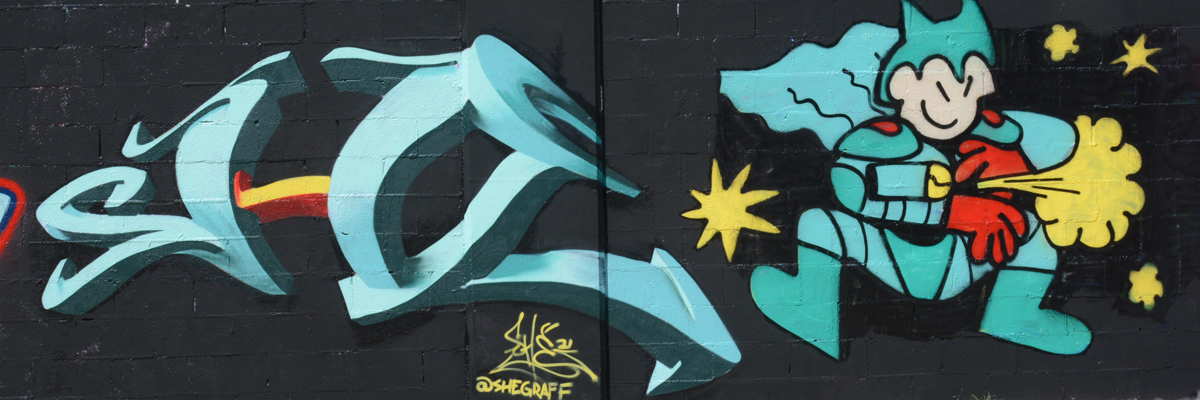
Festival d’Art Urbà Poliniza Dos may have an online presence that is difficult to access for the average street art fan. Still, the murals created for this ongoing urban art festival at the Polytechnic University of Valencia speak for themselves.
Brilliant productions and unusual investigations are created in and around the campus, engaging students and the local community to consider the role of art in the public sphere, its pertinence and meaning, and our relationship to it. Its direct and scholarly approach means that the public is invited, and artists are given an opportunity to share their practice with an appreciative and considered audience.
For more than a decade, this competition has selected from an open call for submissions and invited many of Spain’s curious thinkers, experimenters, interventionists, trouble-makers, street artists, and muralists to create new pieces for consideration, discussion, and appreciation. This program is where the work is done on the wall, inside the mind, and in the heart.
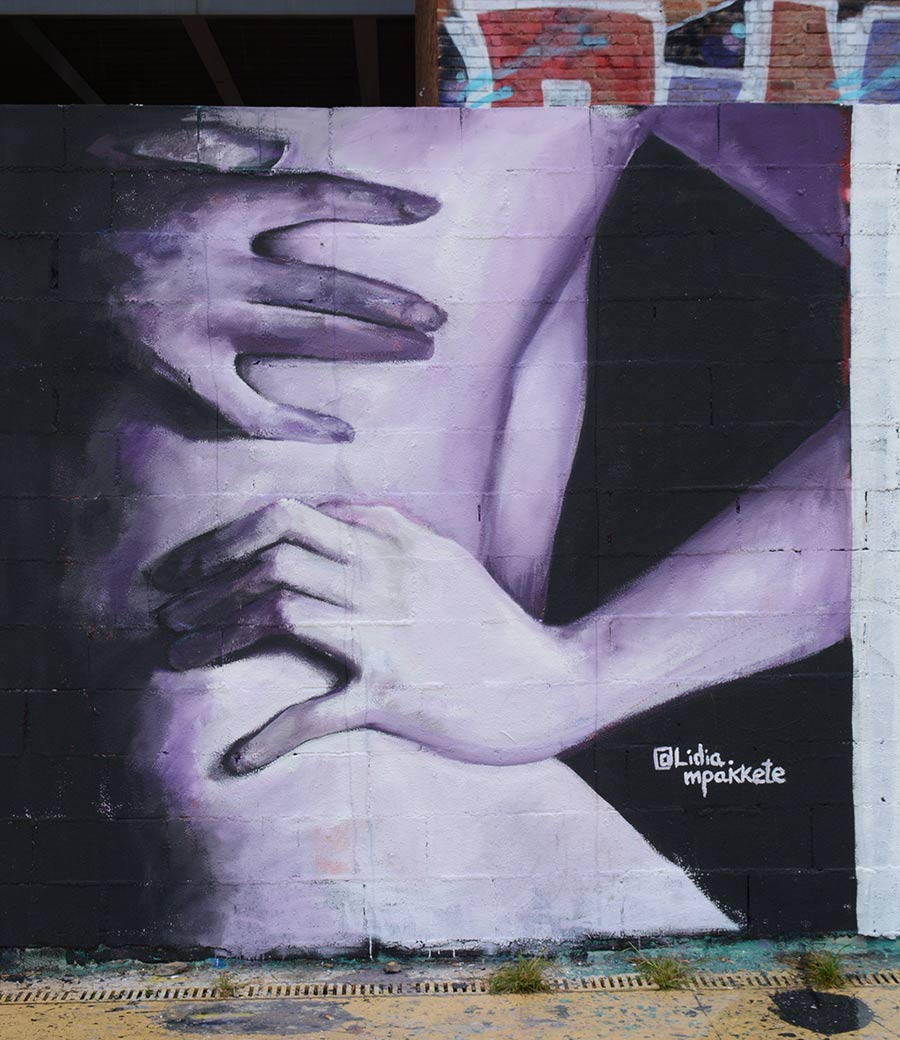
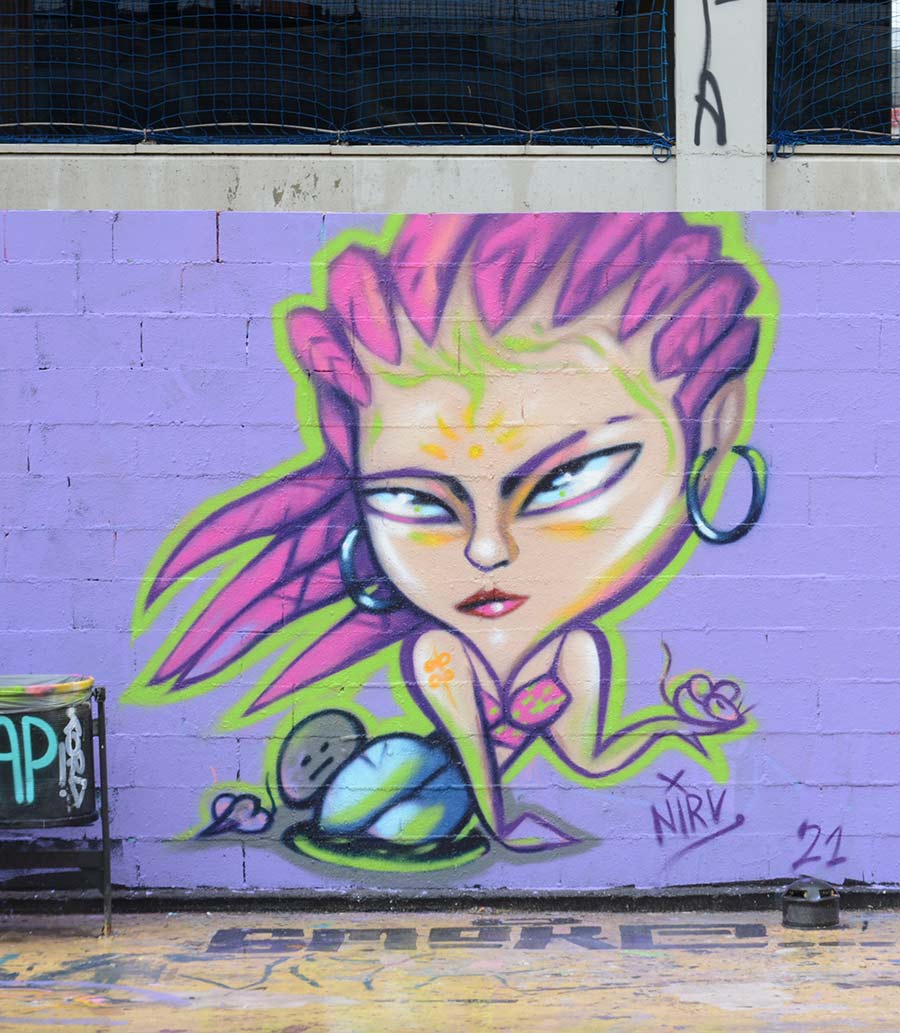
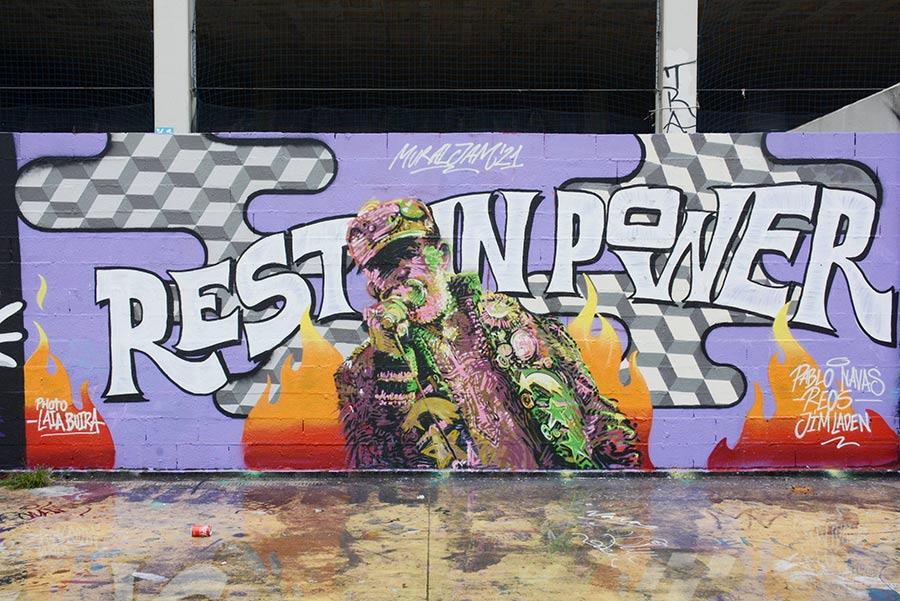
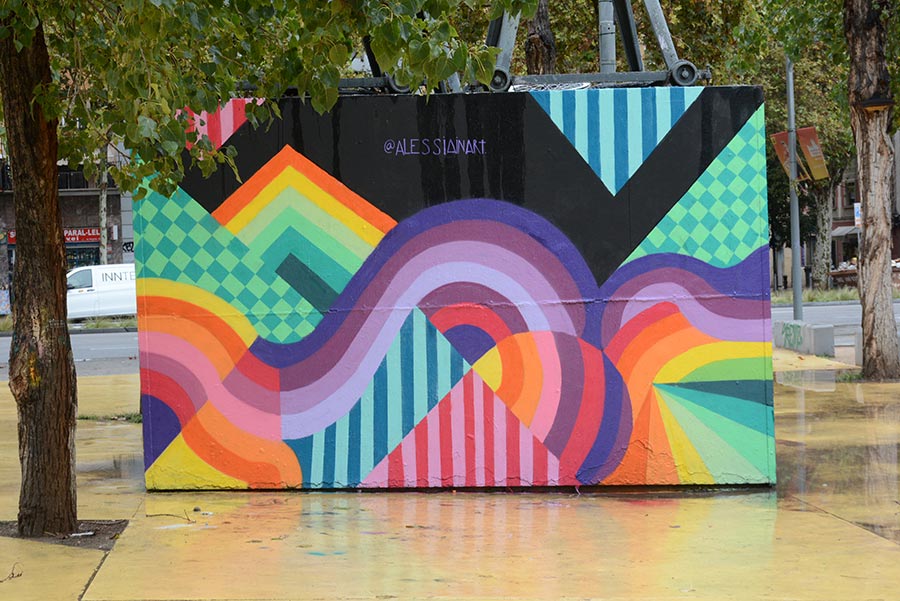
Recently photographer Luis Olive captured these murals from the 2021 and 2022 editions of PolinizaDos, and he shares what he found today with BSA readers.
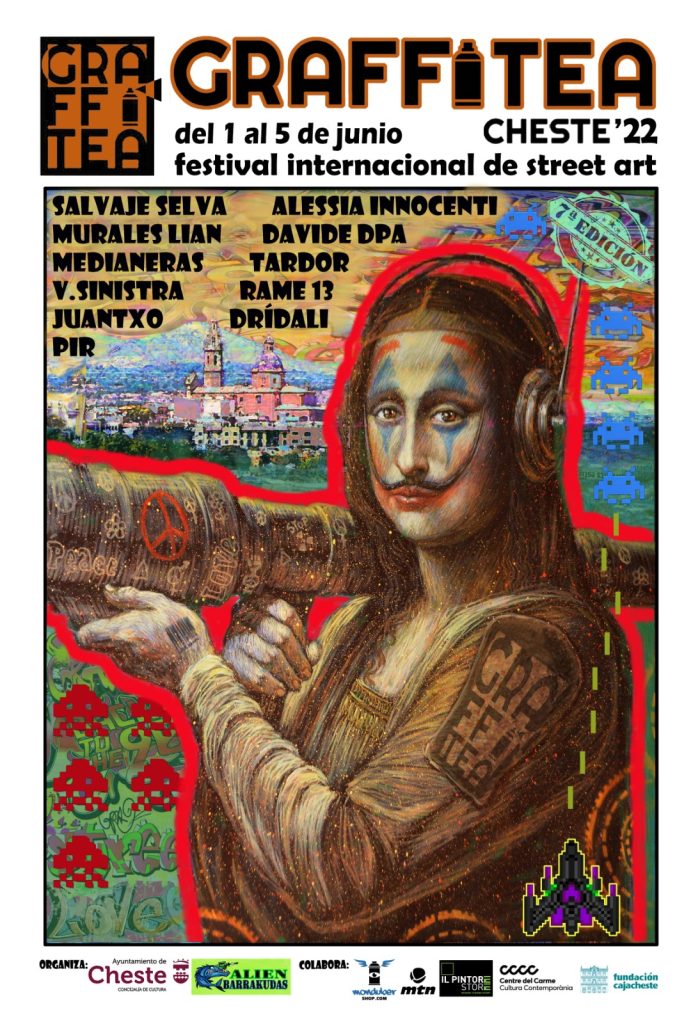
Street art continues to move to small towns and cities, expressing itself in various manners. The 7th edition of the Cheste Street Art Festival (Graffitea Cheste) is a perfect example of how dispersed the scene has become as it intertwines with murals. The result is a more sophisticated survey of art movements than most towns would ever see, including those with museums.
The town of Cheste (Xest in Valencian) is in the province of Valencia, and its nearly 9,000 inhabitants are traditionally involved with agriculture, with an emphasis on wine. Sponsored by the city, a few brands, foundations, and art institutions, you won’t find many politically challenging themes, but the scale and quality of work can be appreciable.
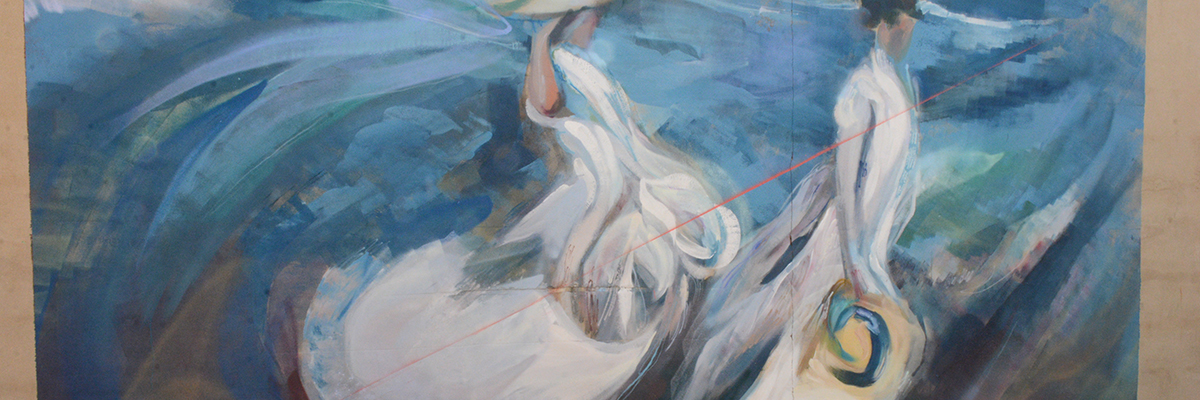
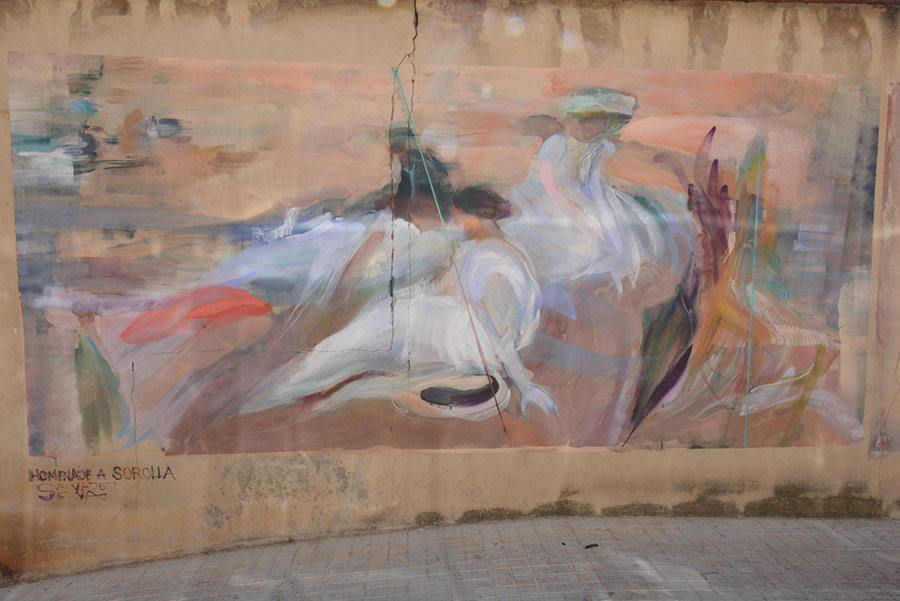
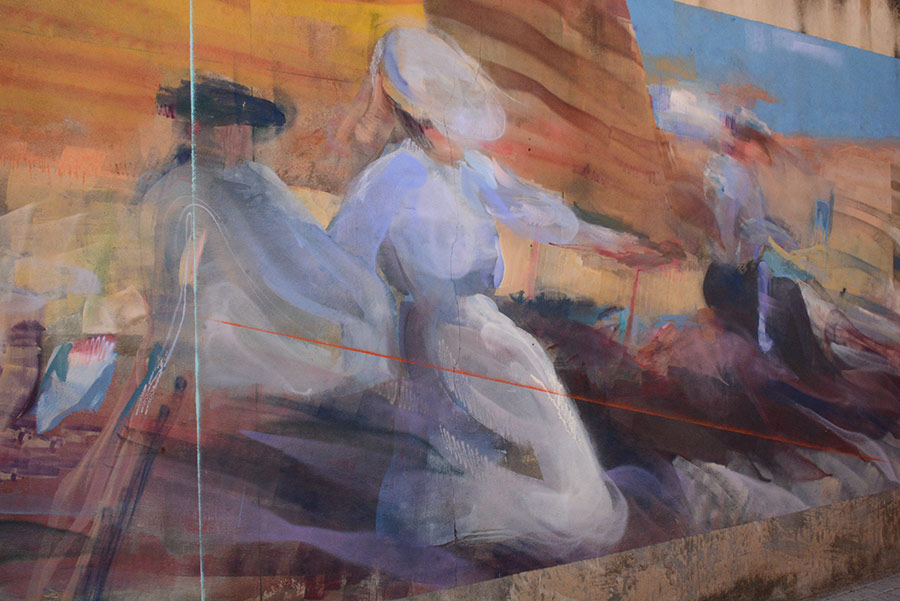
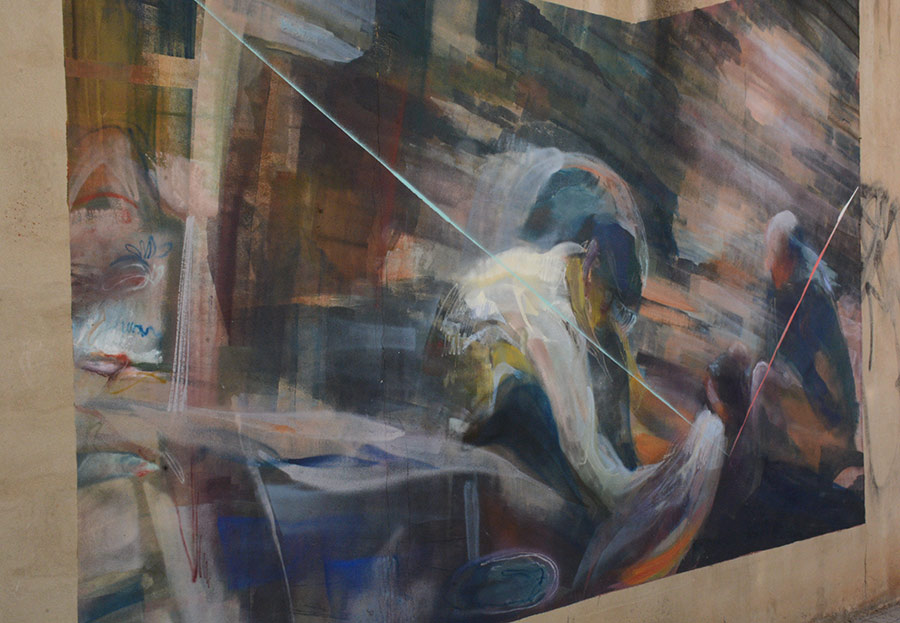
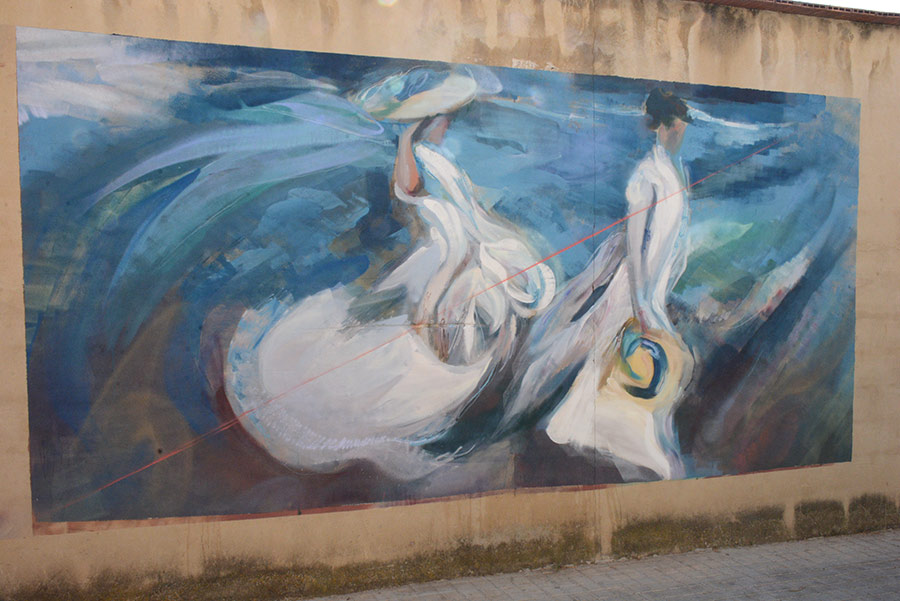
One small series of five paintings of particular note are the blurred video versions (if you will) of interpretations of works painted at the turn of the previous century by the Spanish Valencian painter Joaquín Sorolla. With roots in graffiti and street art, the artist Salvaje Selva is a painting teacher in Madrid. Frequently he also paints with Kako Selva on collaborative murals under the moniker Gesto. Selva says these new murals are “in homage to the great master” on his Instagram page.
“It has been a real pleasure to be able to work based on the work of this great painter, who has inspired me to interpret freely and let myself go,” he says. “In addition, studying from painting and practice is always very grateful. It gives you a deeper insight into the work of artists. Within this dialogue, I wanted to include the relationship with the support and leave part of the voice of the wall itself.”
The degree of community involvement for Graffitea Cheste is substantial and sincere with tours, symposia, and educational programming. By the end of the June festival this year, there were 13 more murals added to the extensive collection. The celebration closed with a flourish and a screening of the documentary about the great Valencian illustrator José Segrelles.
We thank photographer Lluis Olive Bulbena for sharing his discoveries with BSA readers.
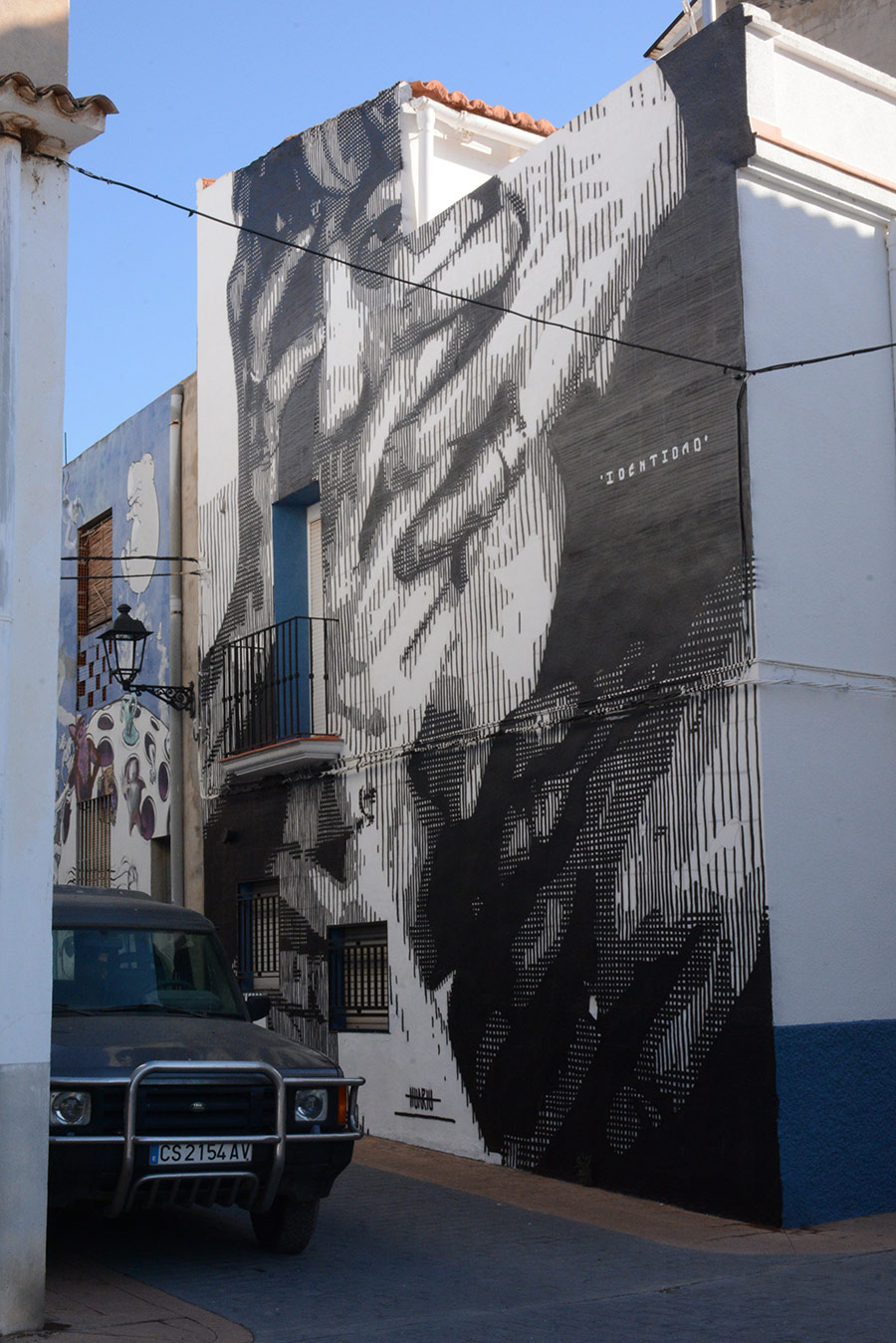
The storied, busy, festive Spanish city of Valencia lies about an hour south of Fanzara, and the difference between the two could not be more pronounced. One of many across the country, this small town has been aging, shrinking in population, a shadow of its former charming self. Since the Fanzara Miau Mural Festival began about a decade ago, that direction has been slowly reversing, with an infusion of murals all over town.
The tourist trafficked has become notable, and that youthful demographic once again wanders through the winding streets, greeting old timers and taking photos of the murals and of course, posing for selfies in front of them.
The artworks are quite varied, with street artists now often formally trained studio professionals and those working in the advertising and commercial art industries. Thankfully the feeling remains free spirited, and many artists appear to await inspiration for their subject matter until arriving, preferring to be inspired by their new environment and creating something that initiates dialogue with their surroundings.
From the classically figurative to naïve, illustrative to photorealistic, the natural world to daily life, the common thread is thoughtful and considered work that is far from the hype of other street art festivals – and safely far from commercial gloss.
Today we have new photos from the 2022 edition by frequent contributor Lluis Olive Bulbena.
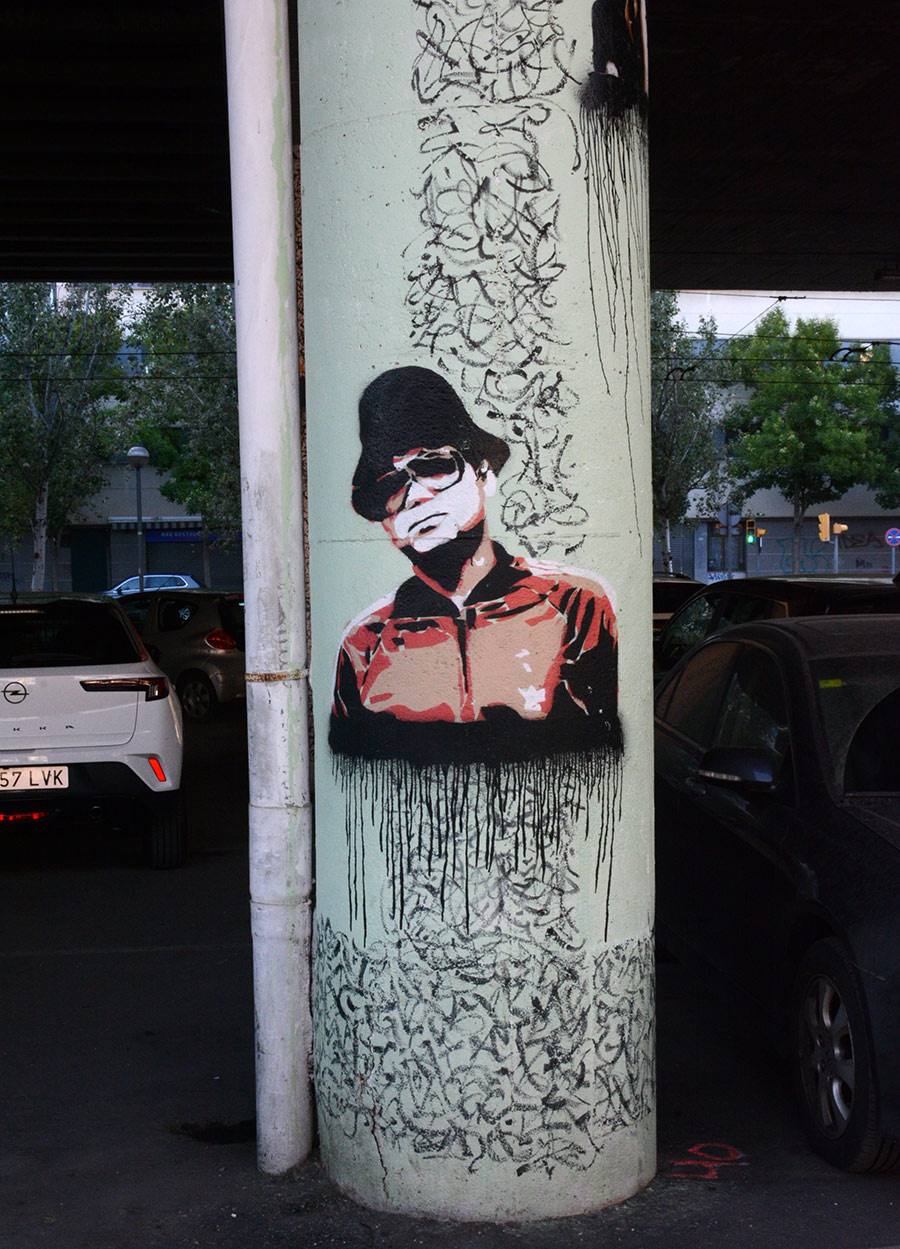
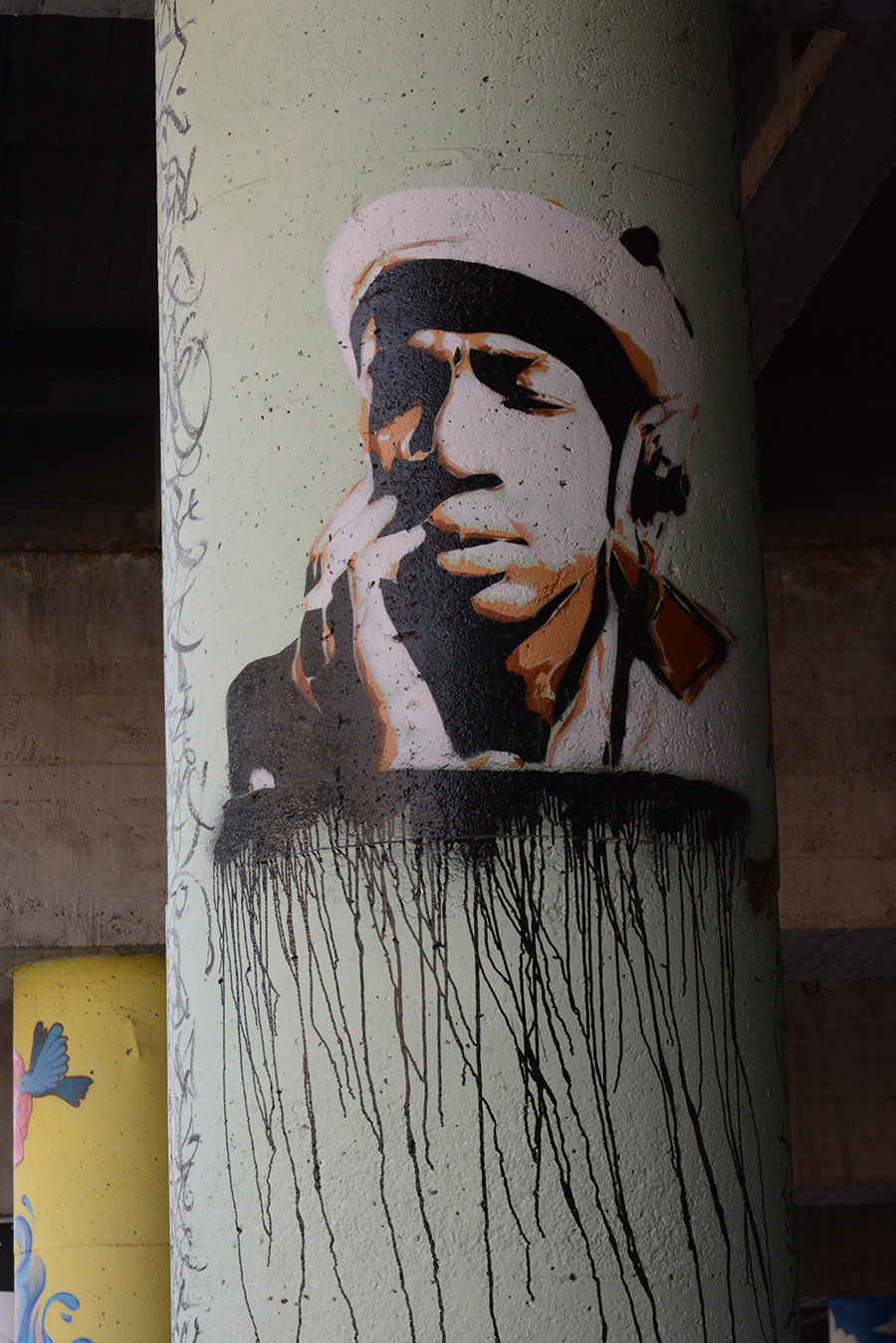
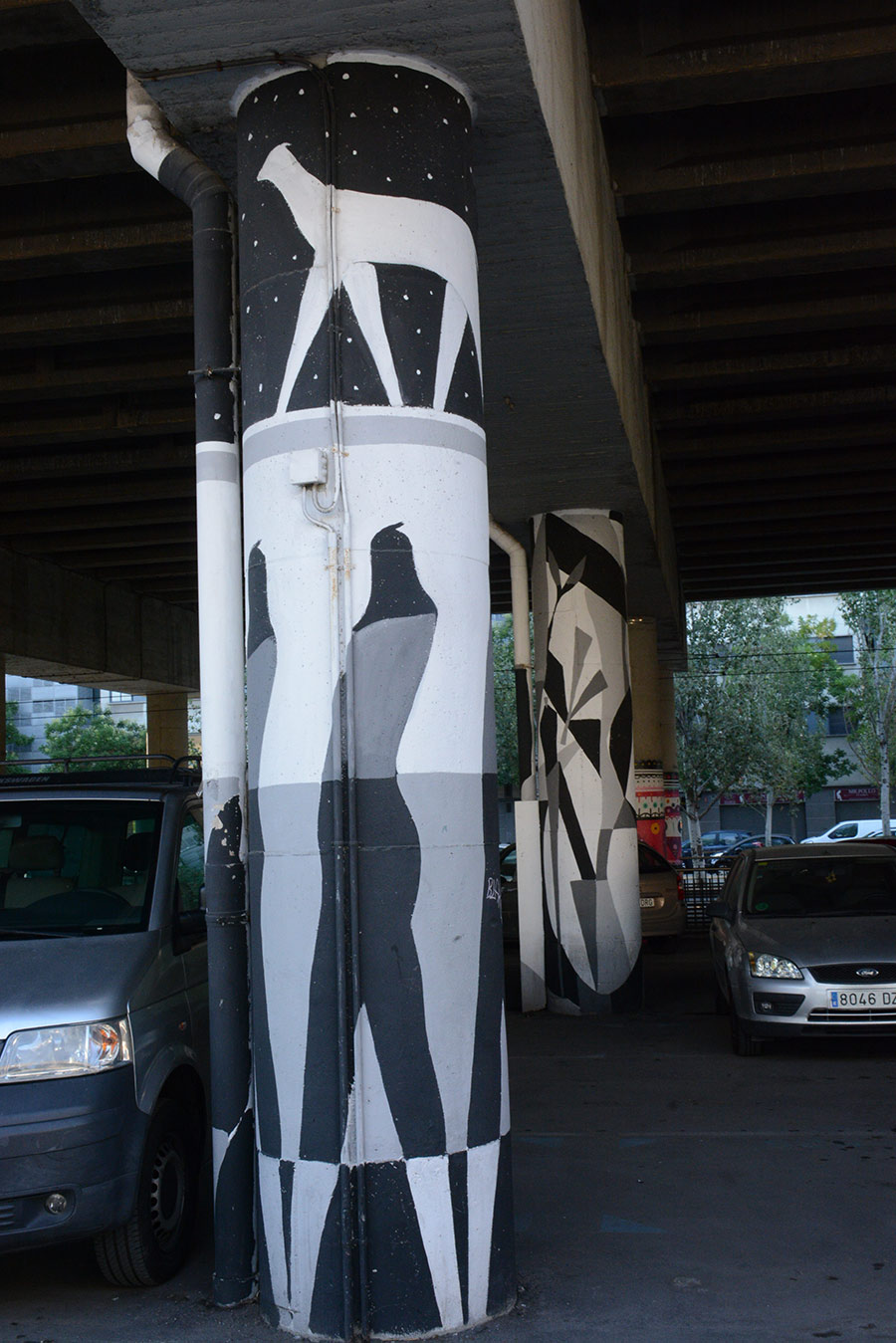
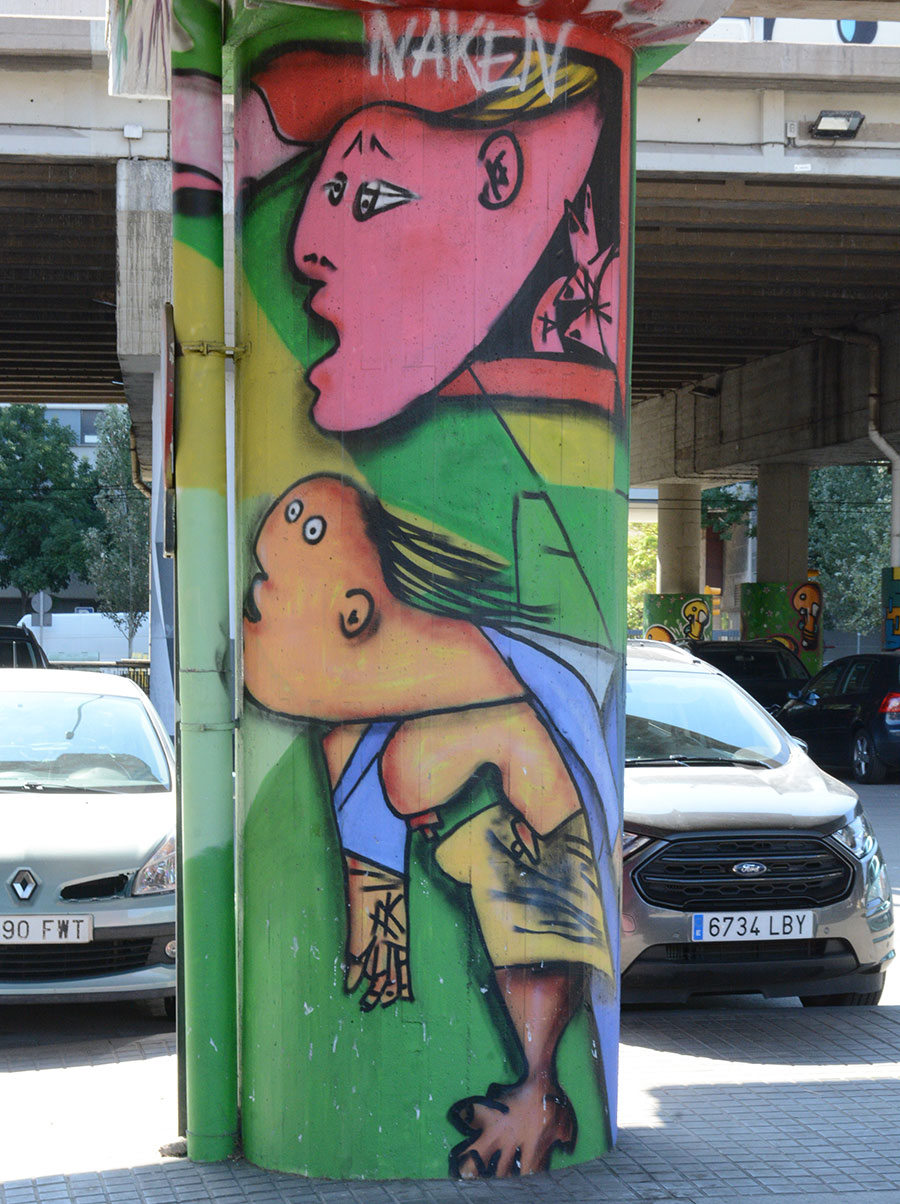
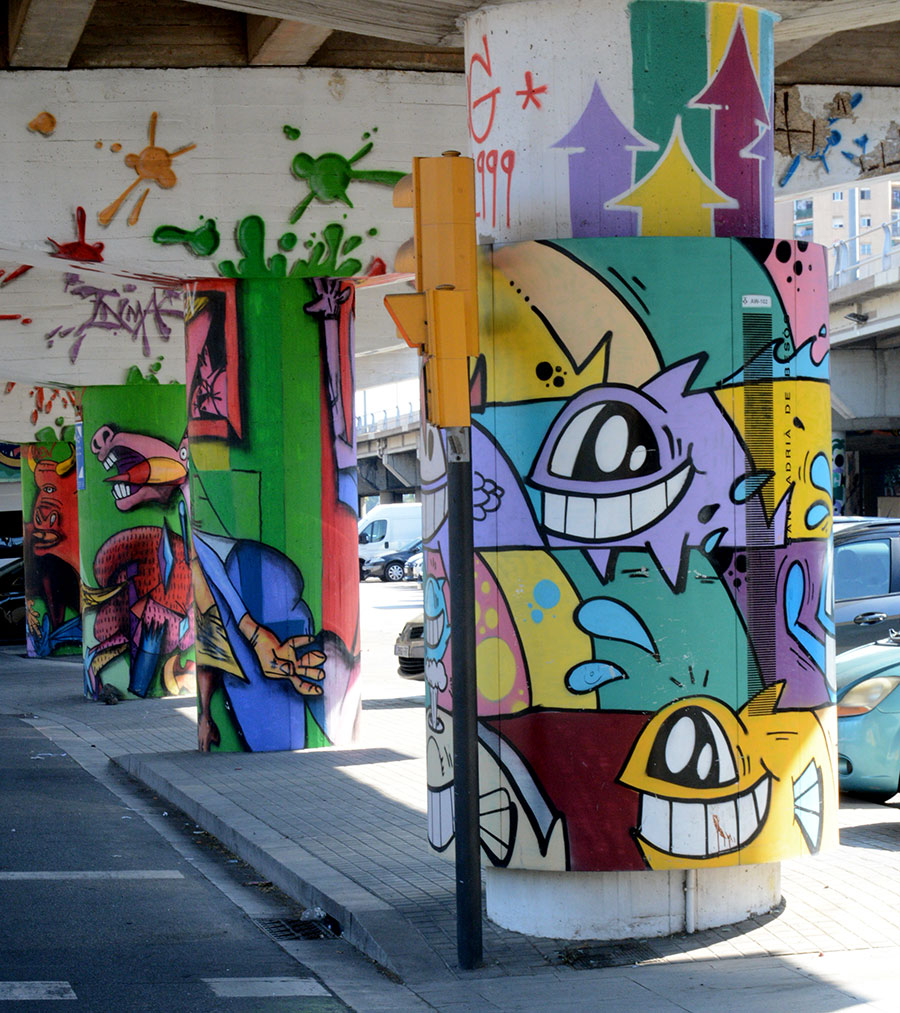
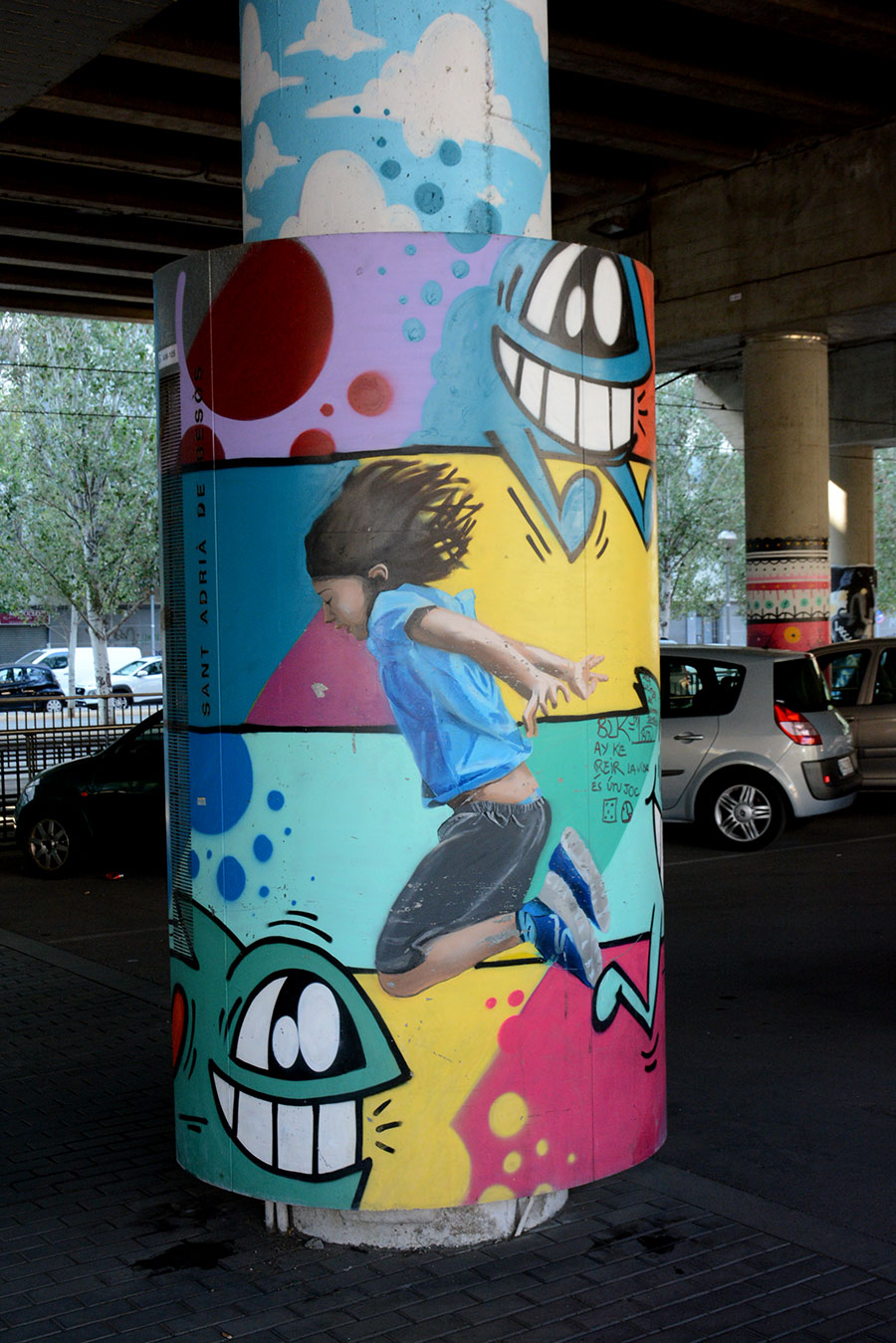
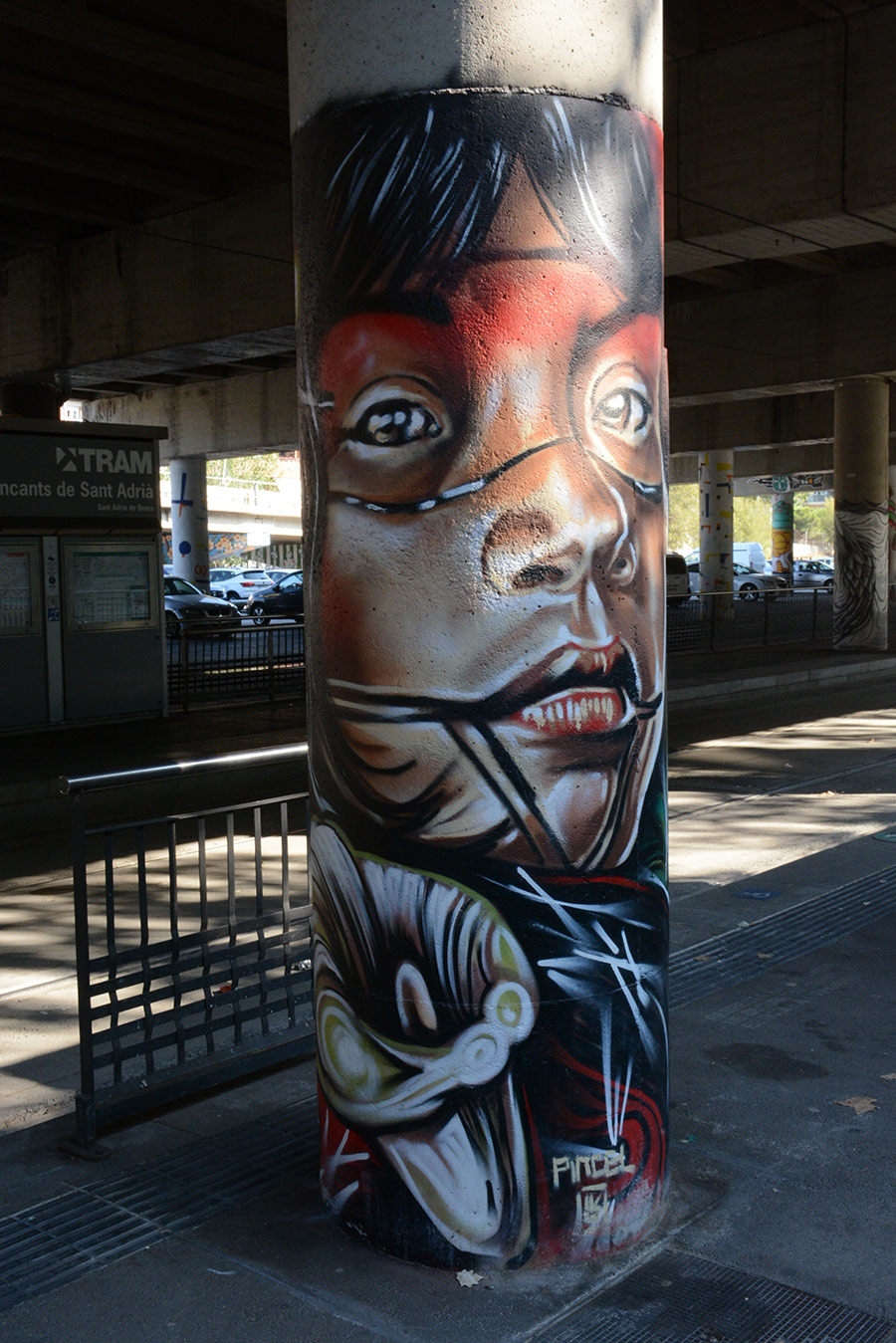
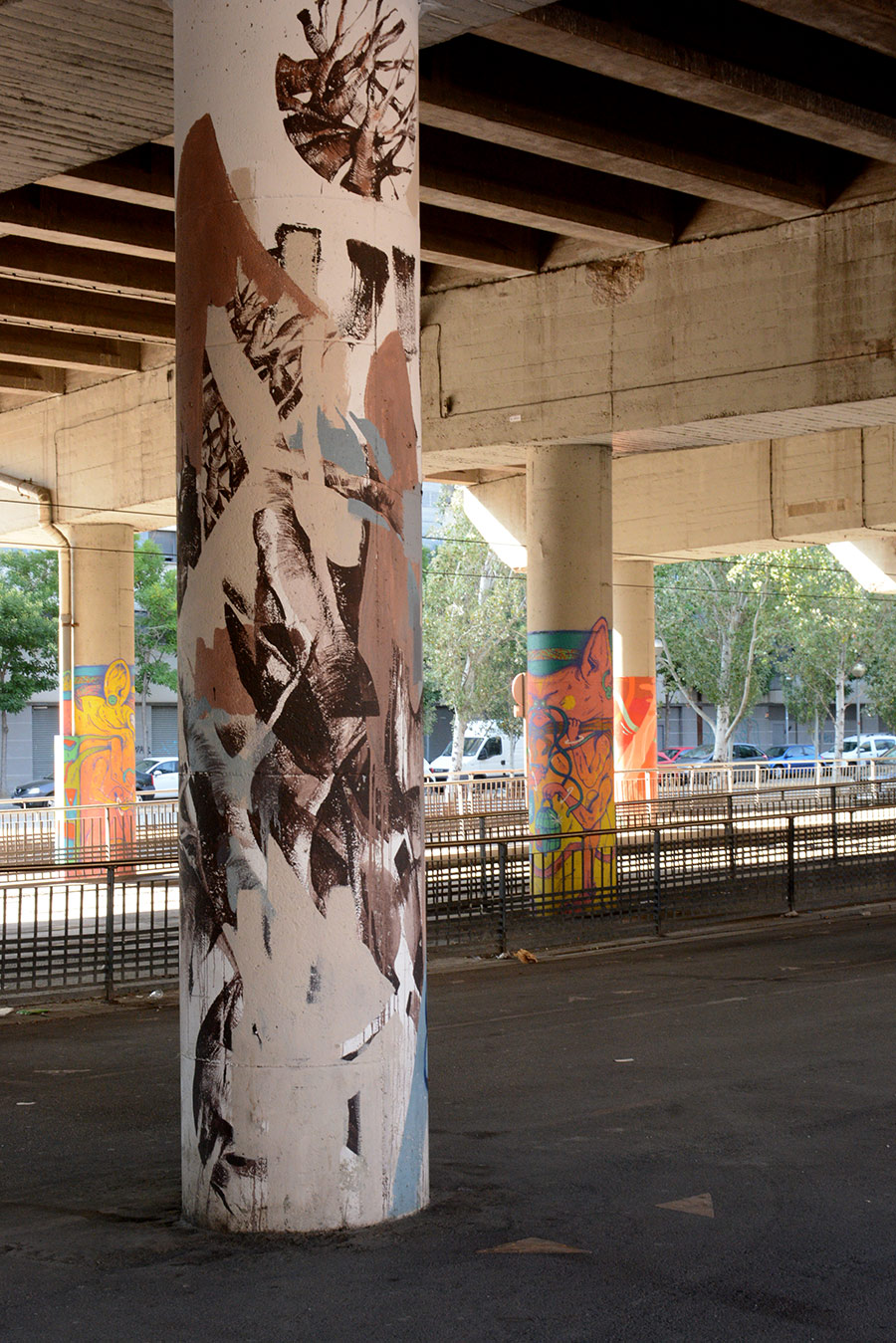
Urban environments continue to evolve and adapt to the exigencies of population growth caused in part by the exodus of people from rural areas to metropolia around the world. Structural features of infrastructure previously thought of as “modern” is now simply eyesores as people aim to incorporate imagery and symbols of natural beauty and human warmth. “Calming” solutions in otherwise noisy and congested streets and boulevards in megacities include the reclaiming of space and “greening” of areas that were once reserved for motorists.
City leaders and urban planners more often now work with arts organizations to create a new visual landscape for our cities – by creating art programs to beautify spaces. One such project is in the municipality of Sant Adrià de Besos in the Spanish city of Barcelona.
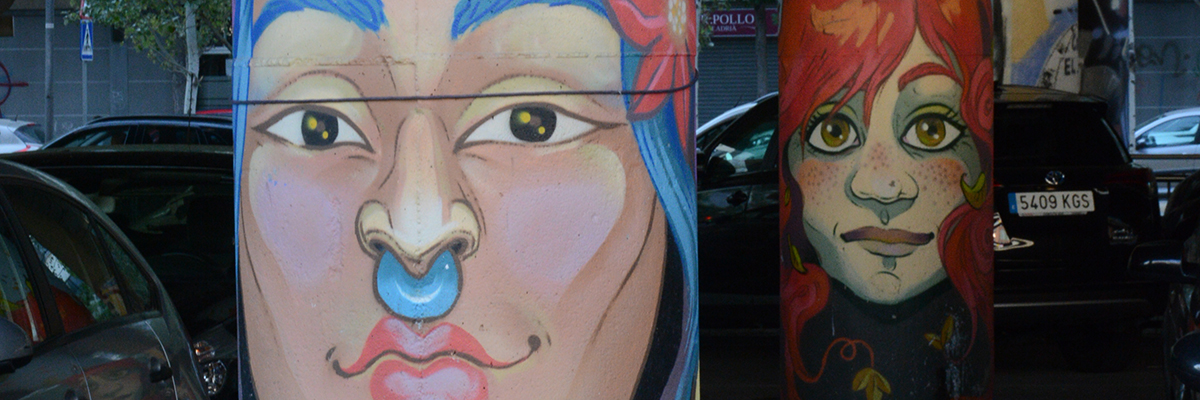
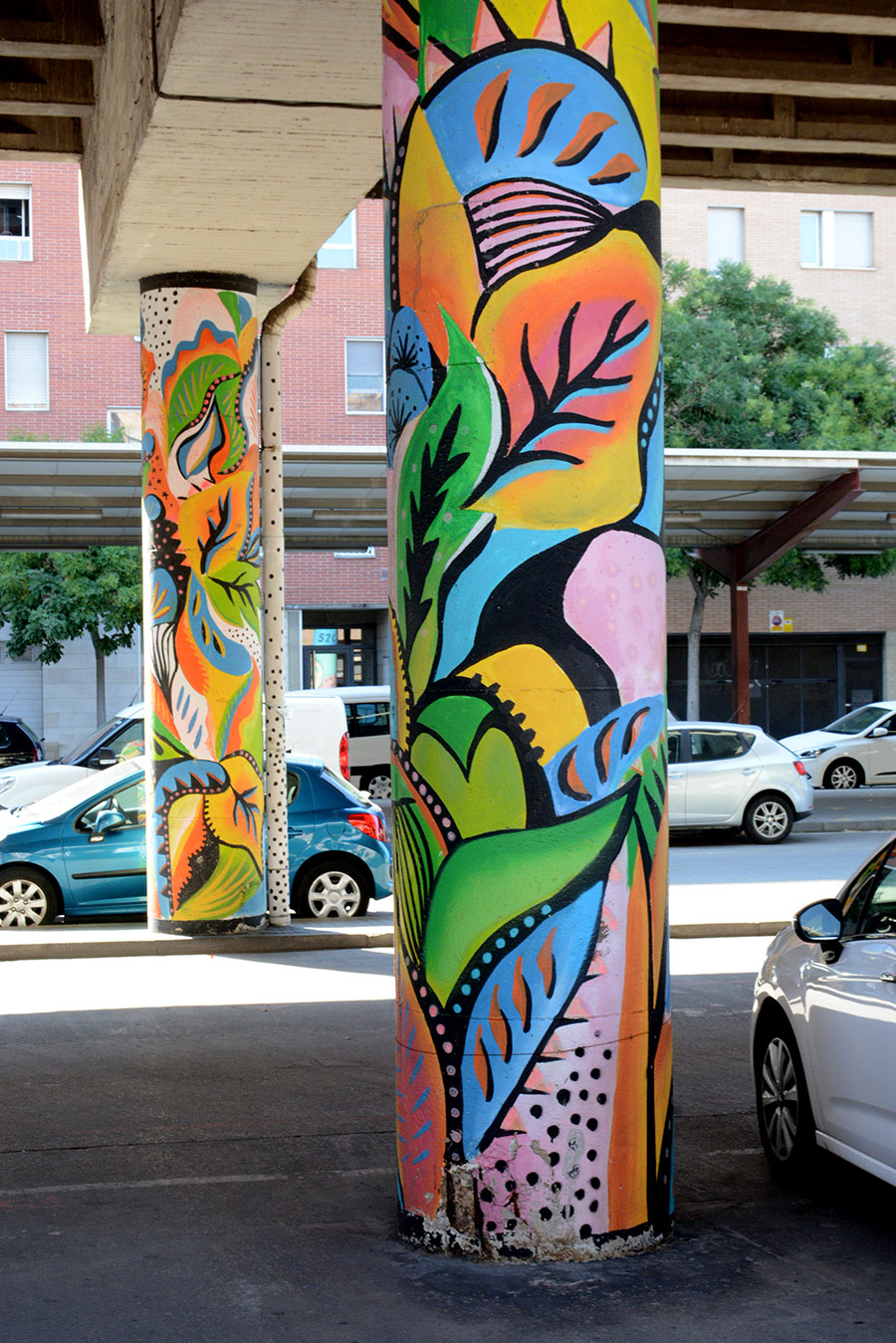
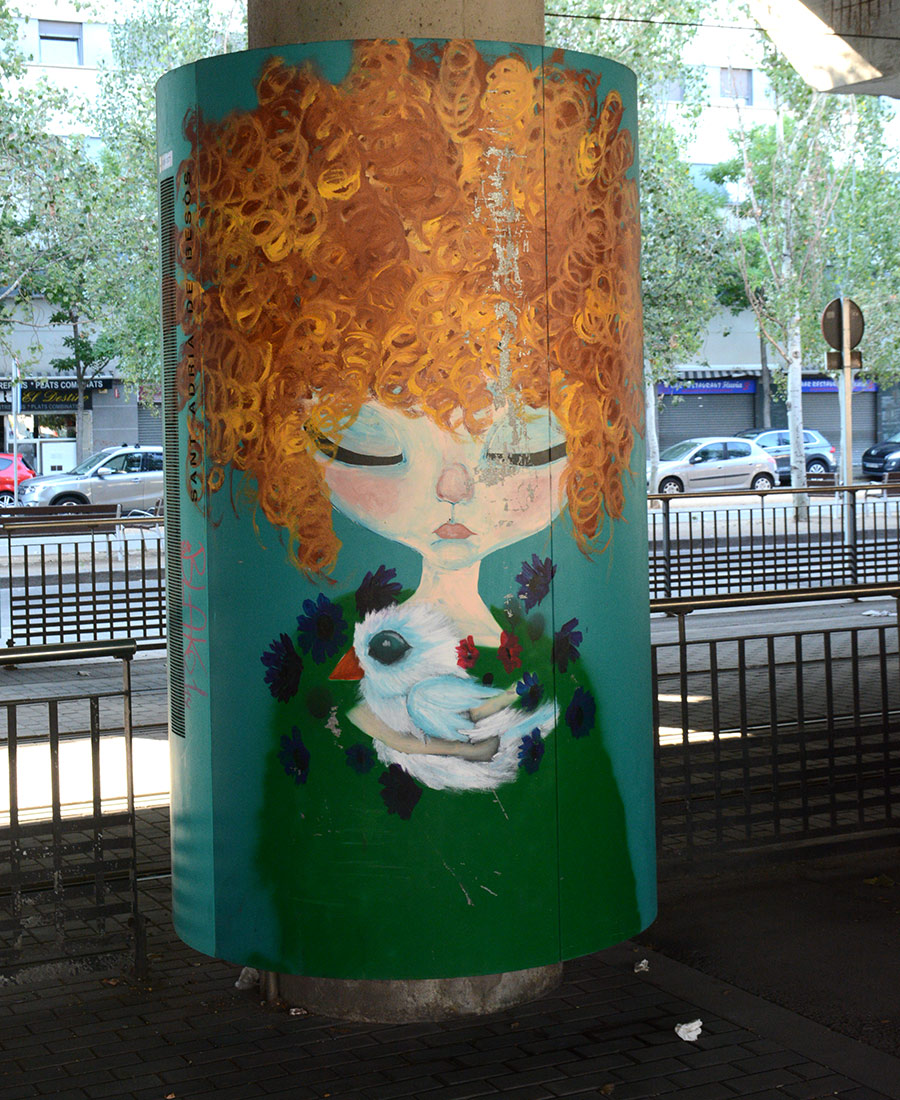
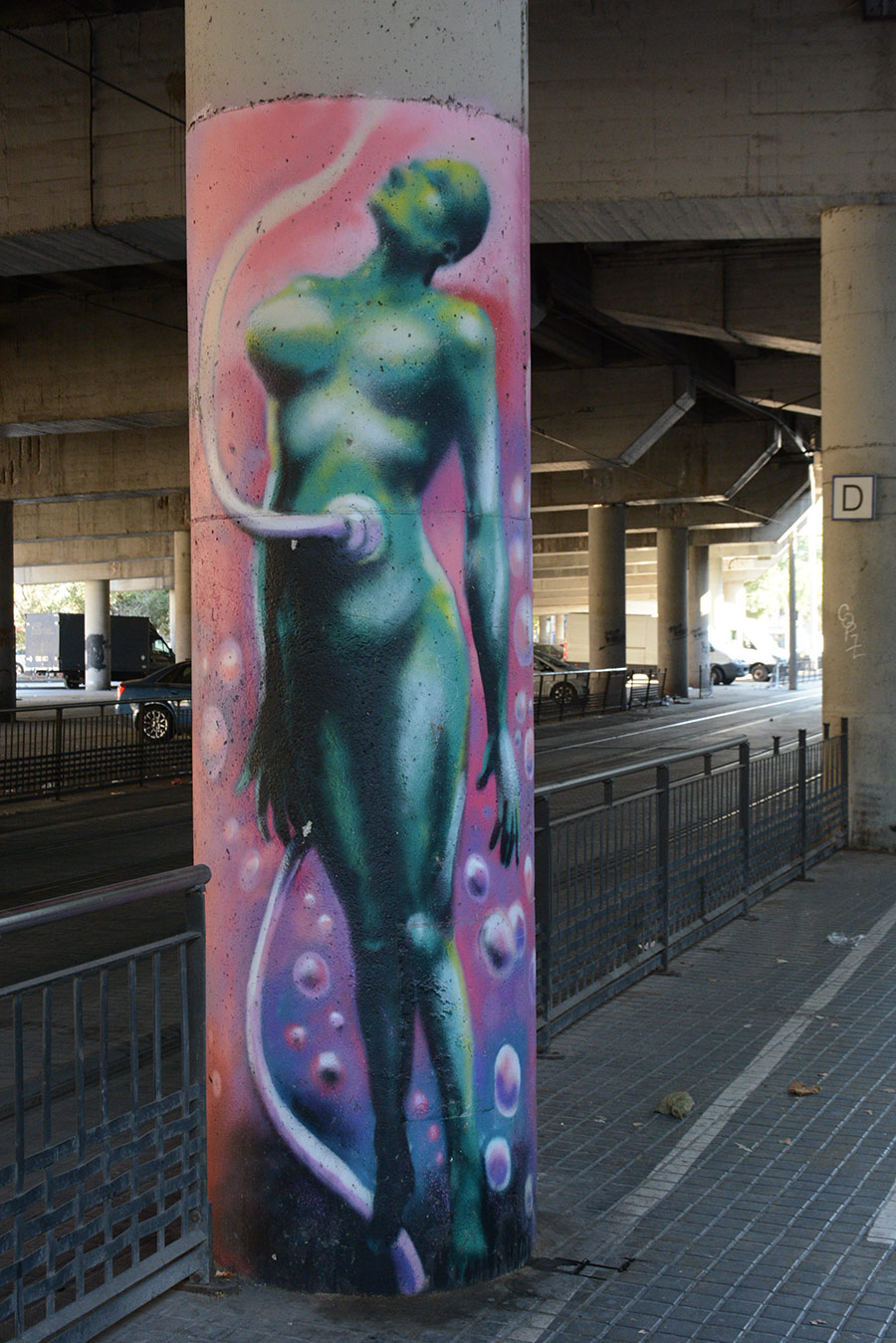
According to the description, translated from Catalan to English on the organizer’s IG account, (@elbosc_encantat_c31), the project is “An open-air mural art museum. An impressive creative forest is formed by more than 200 columns that support the C-31 on its way through the municipality of Sant Adrià de Besos. A unique project in the world with the participation of local and international artists”. The project, while impressive, is not unique, as artists and organizations have been using highway support pillars to paint murals in cities all over the world as reported HERE, HERE, HERE, HERE, and HERE.
The project EL BOSC ENCANTAT DE SANT ADRIÀ, is curated by Zosen and Juanki, and it began in 2016. It is carried out in collaboration with the Sant Adriá City Council and the Asociación Cultural El Generador, with the support of TRAMmi, it is part of the HOP Sant Adrià-Art Urbá.”
As the weather turns warmer, activities on the streets become more fevered, energetic, free.
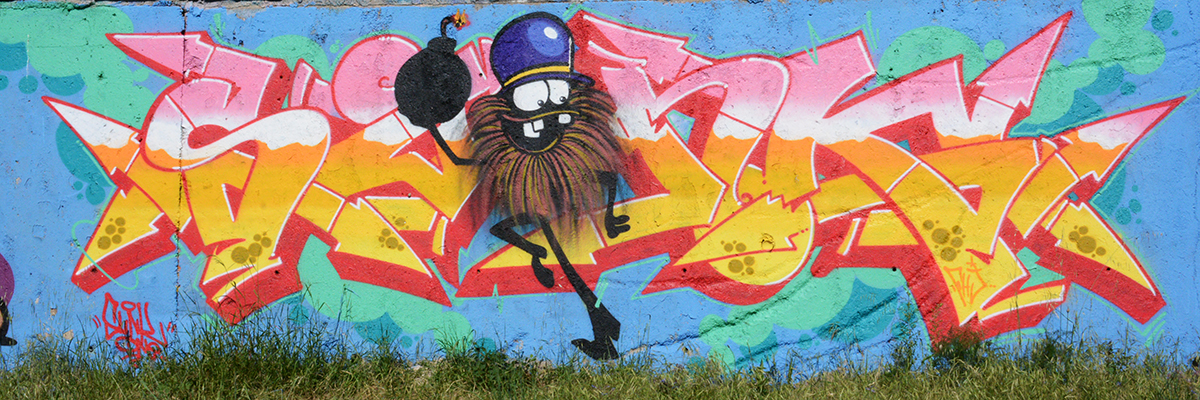
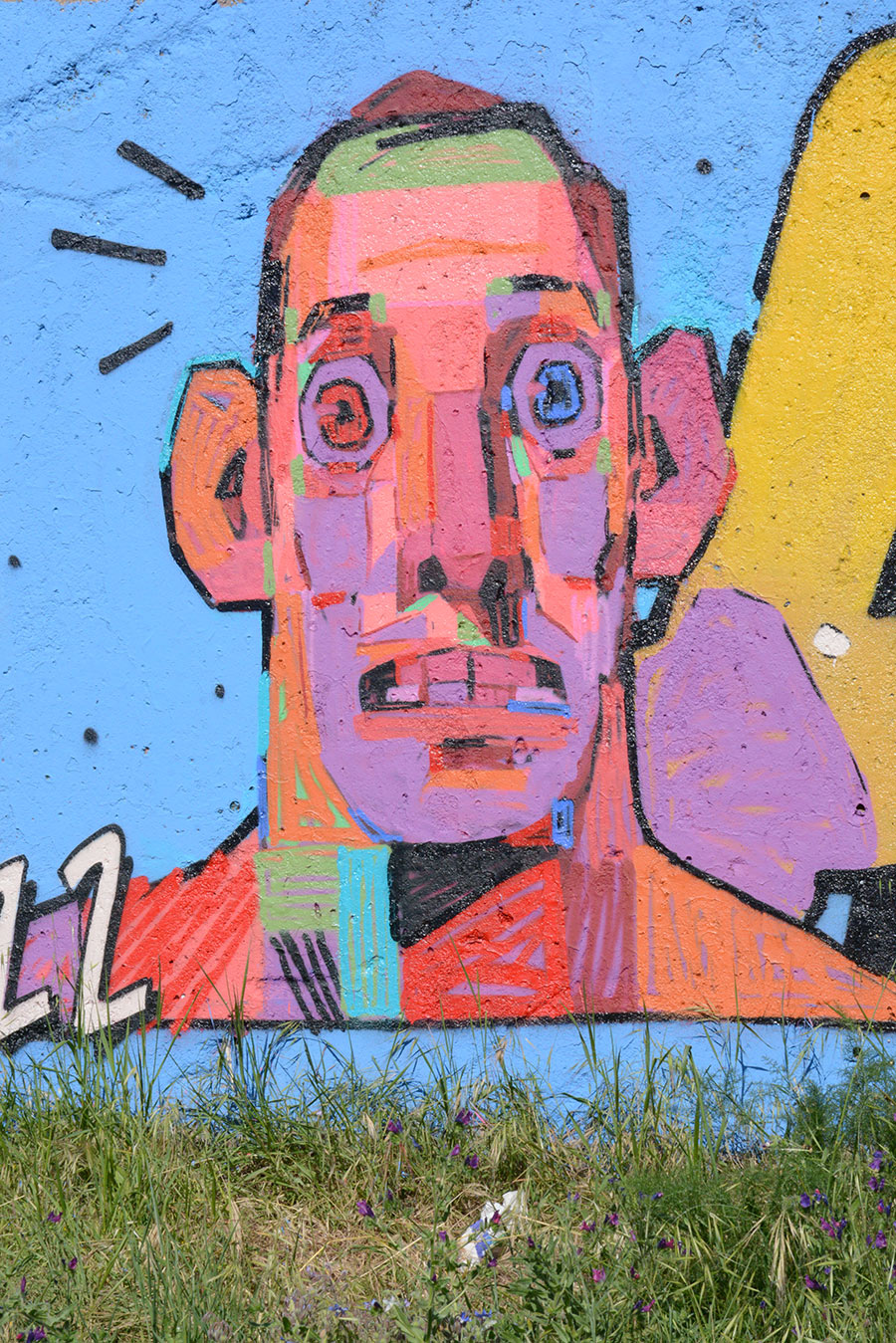
Graffiti writers burst out of the doors to their apartments and houses with backpacks filled with markers and cans, looking for opportunities to express themselves, to claim space, to be seen. Last week in Spain, a crew of the most actively known writers in Catalonia got together for a graffiti jam on the embankments of the Rio Congost a few miles from Barcelona. BSA contributor and photographer Lluis Olive took a day trip to the area to document and share the results of the jam with our readers.
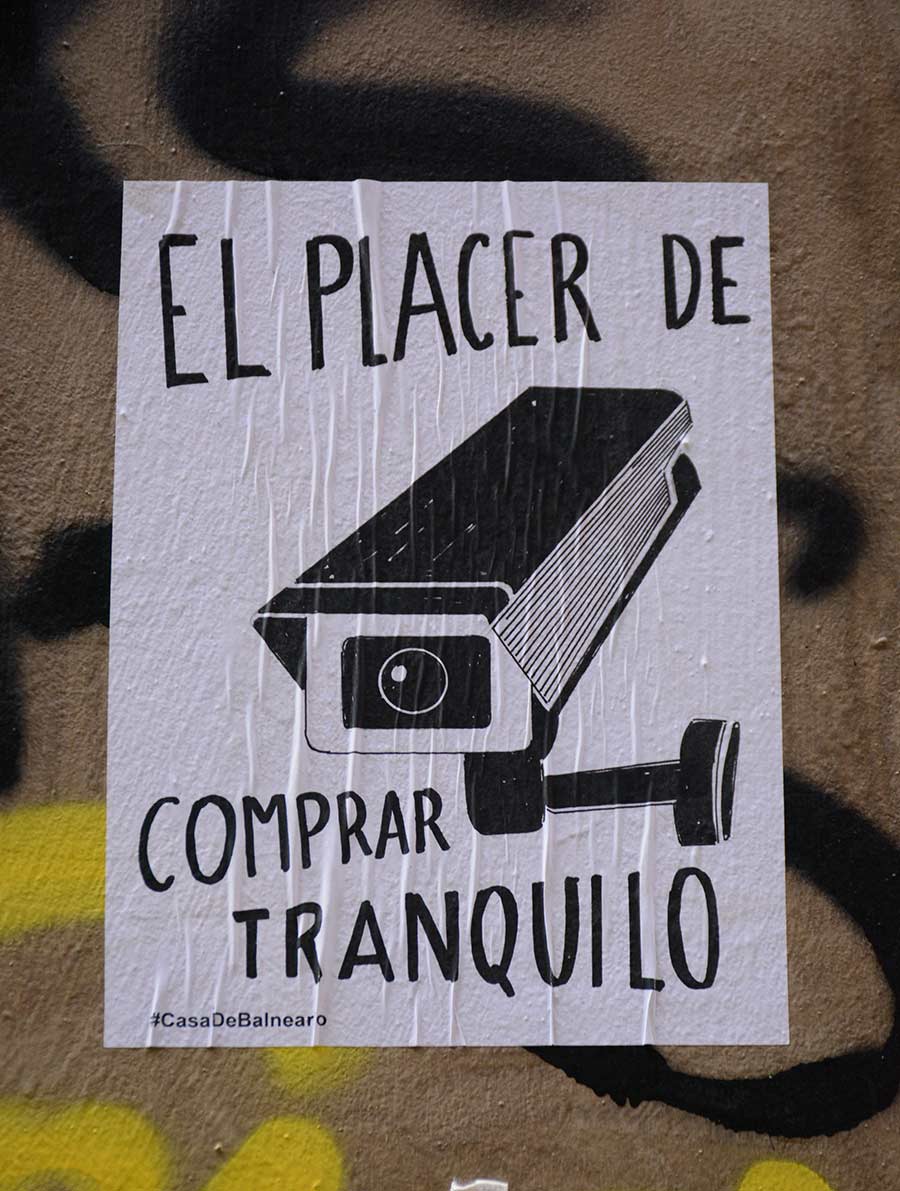
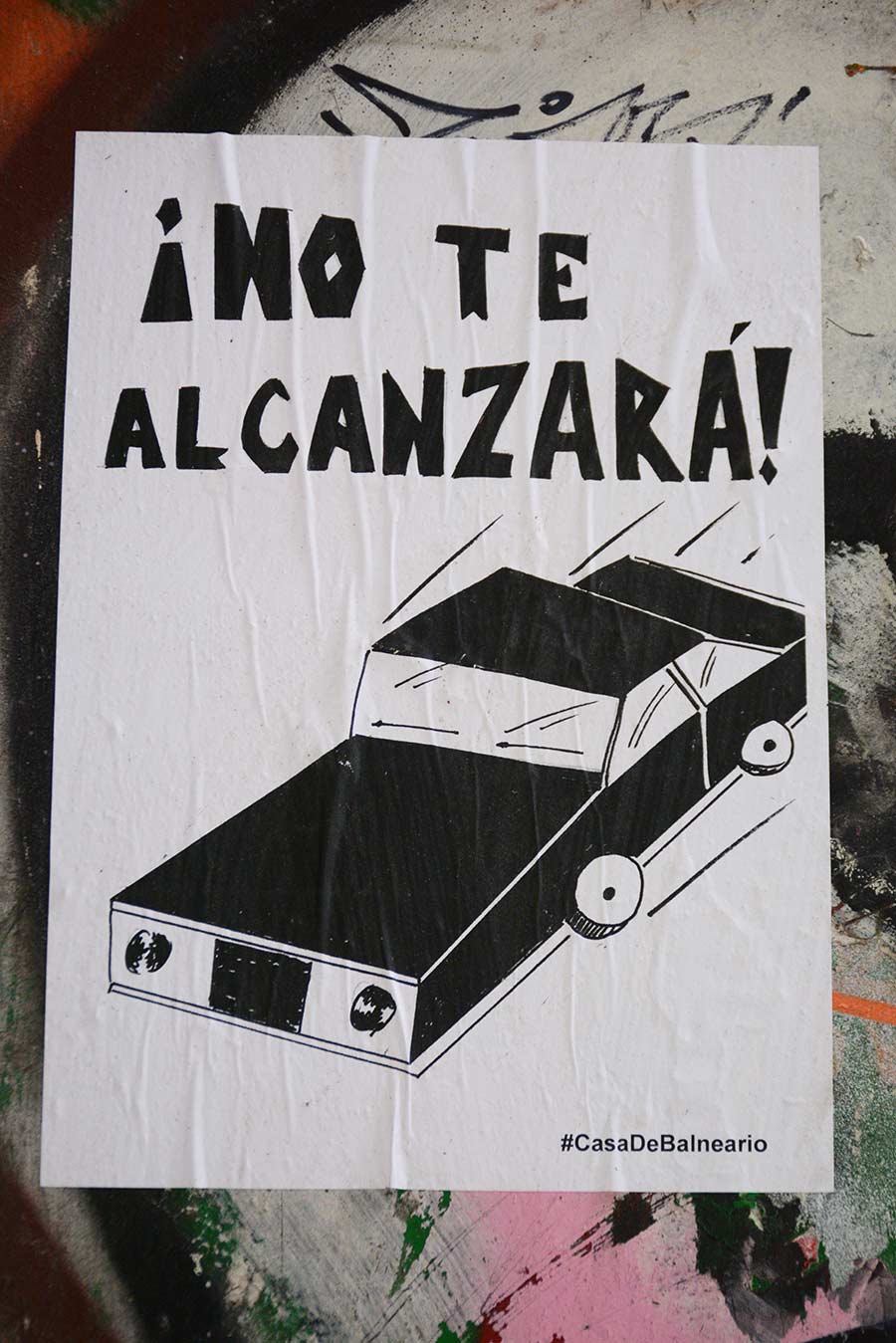
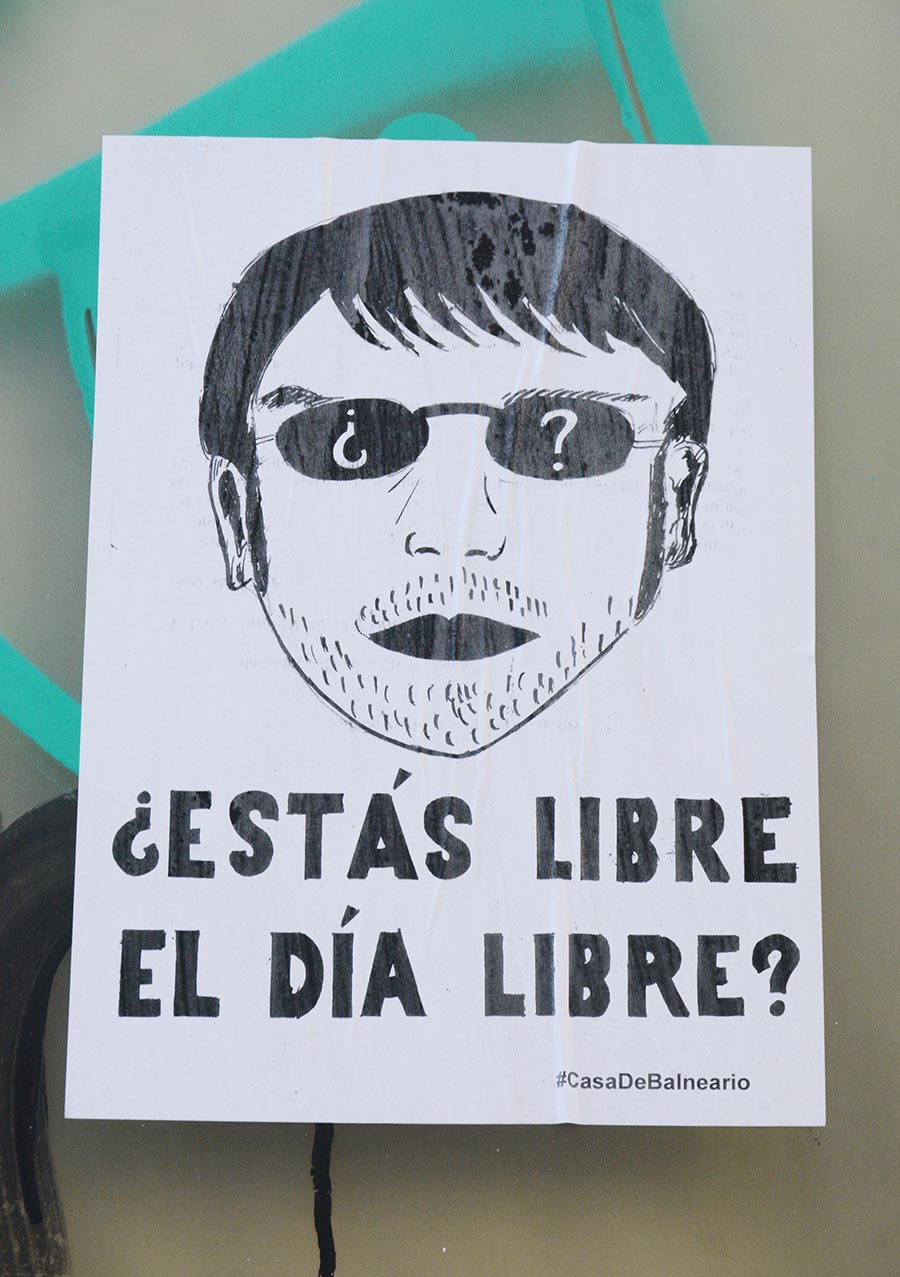
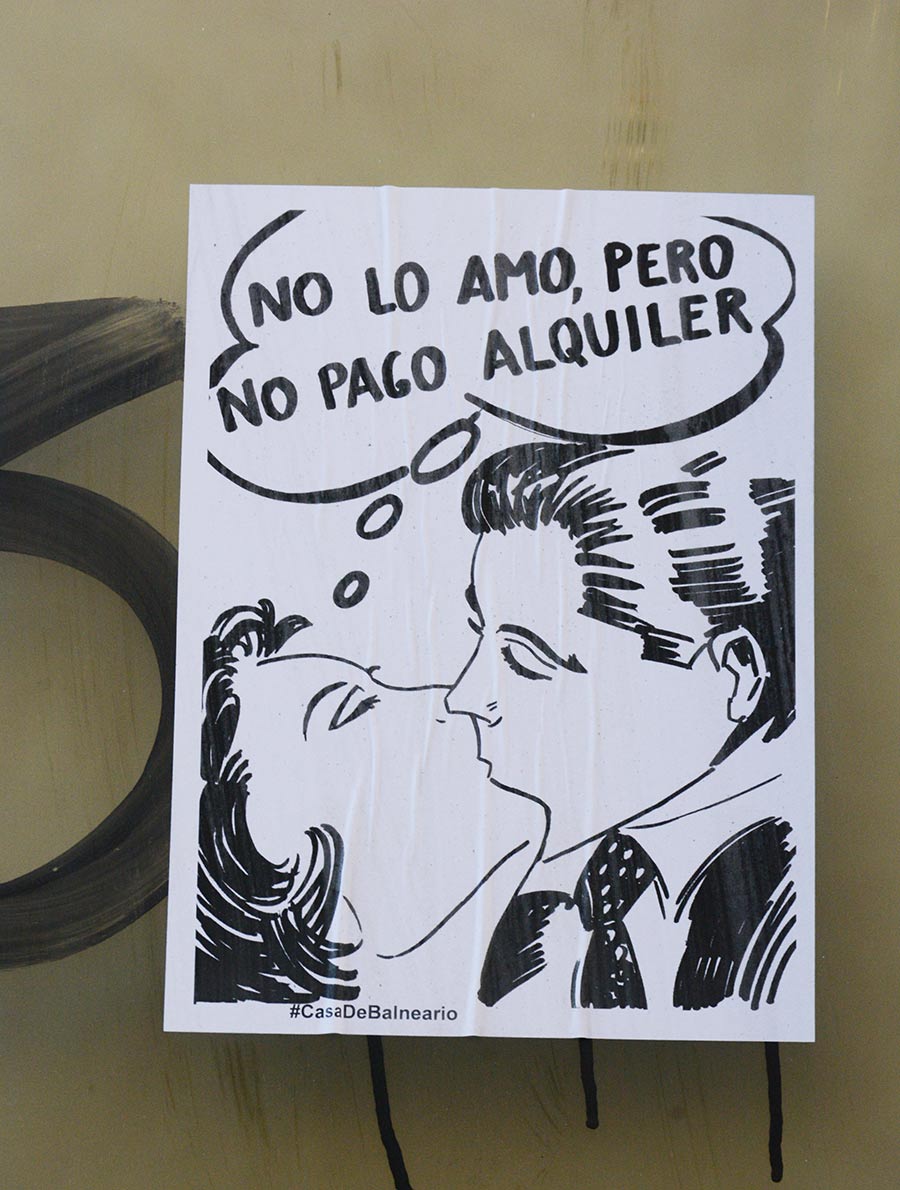
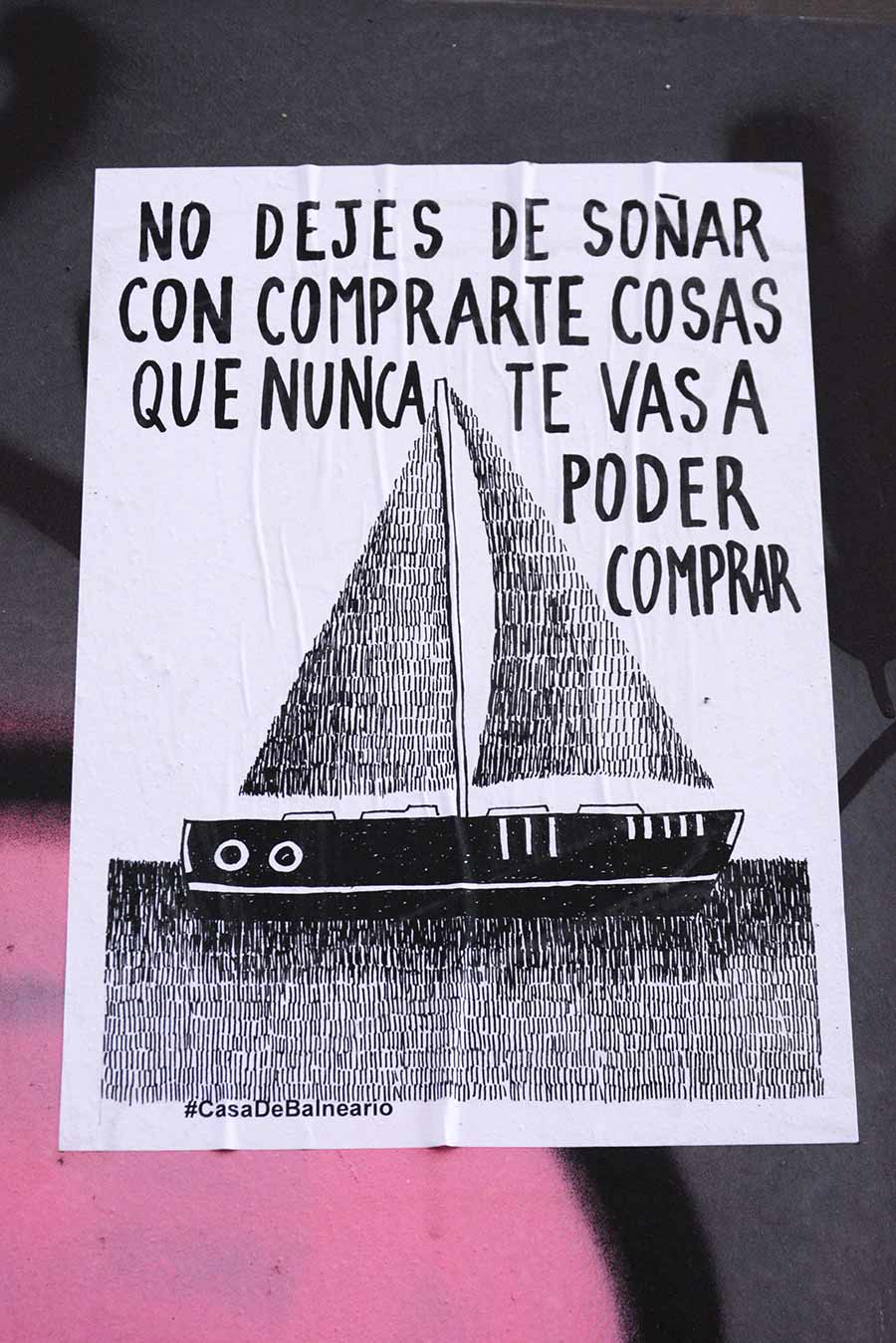
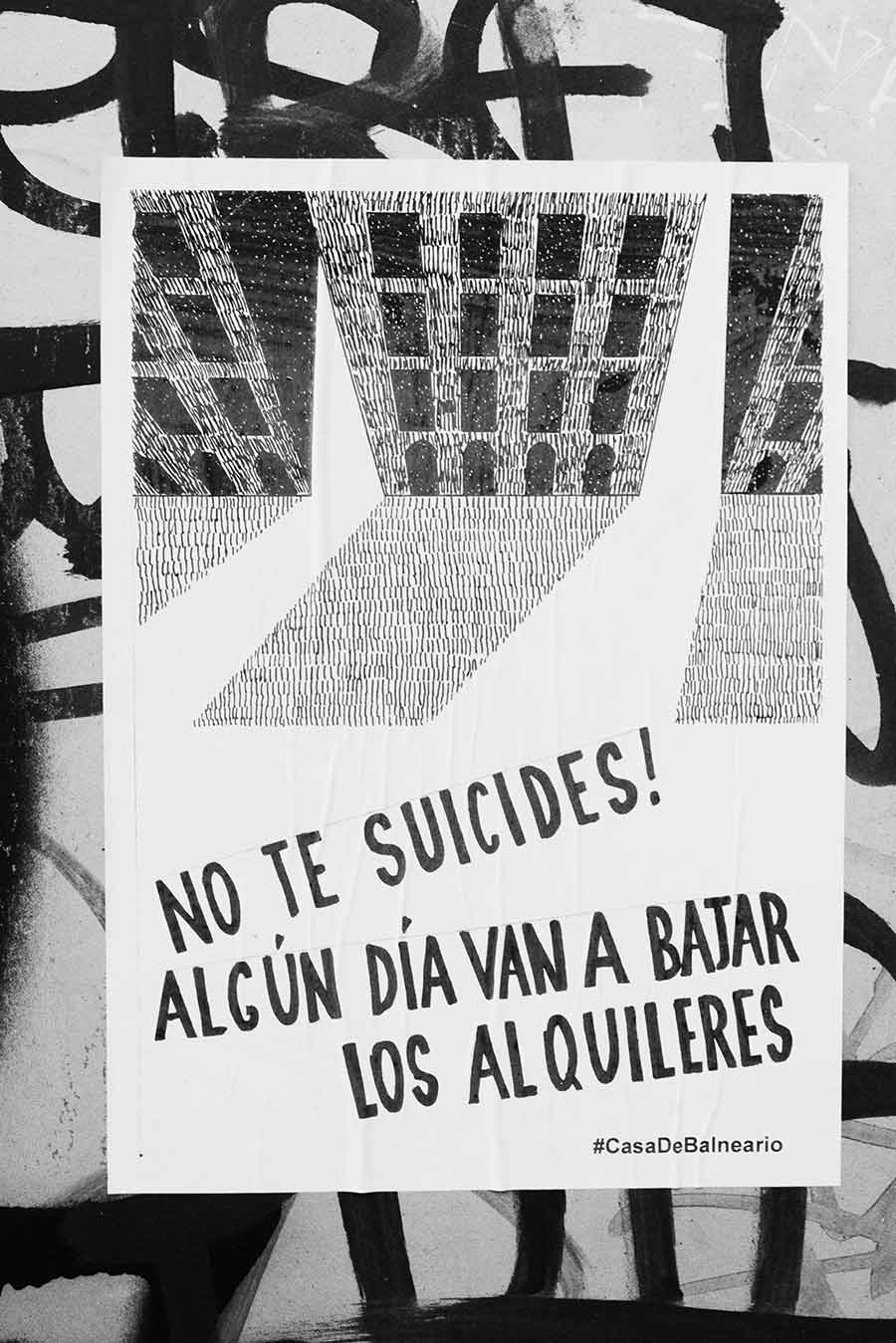
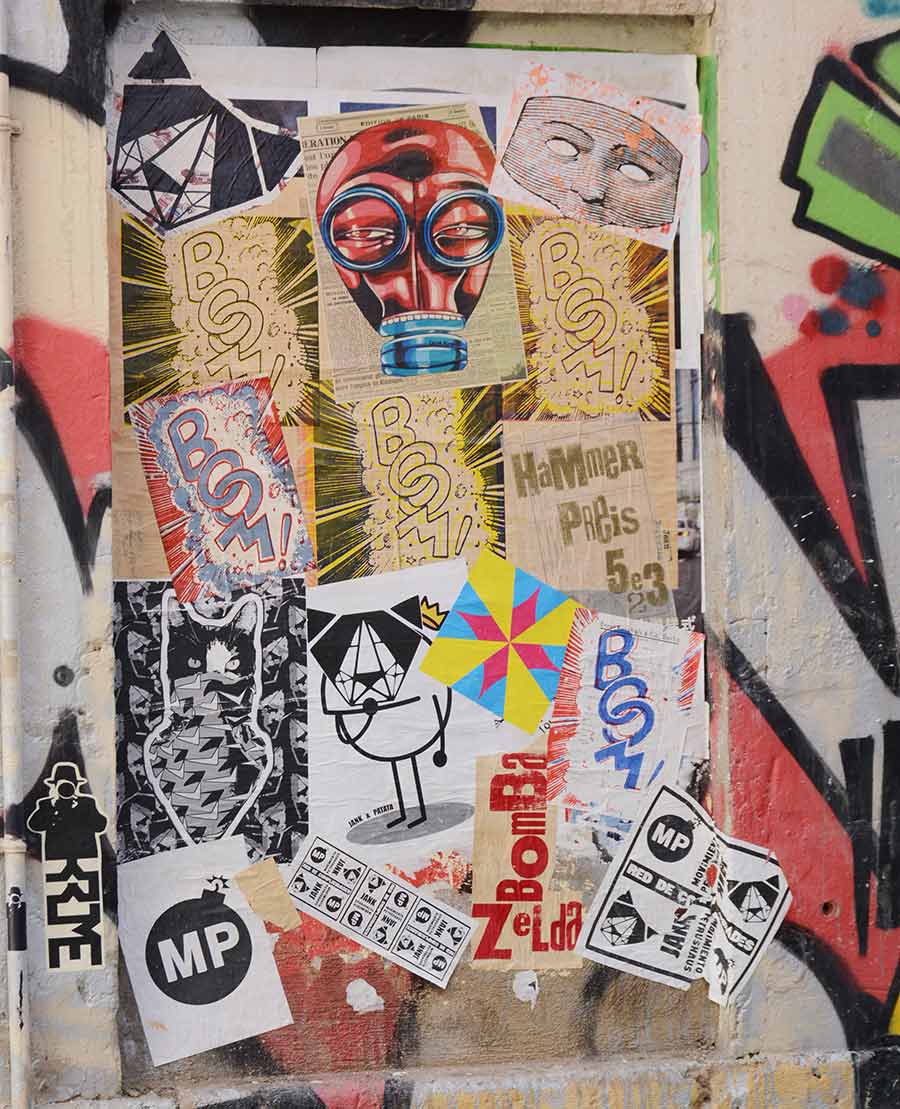
These wheat pastes have been appearing on the streets of Barcelona after about two years of hiatus. The author (is it a collective or a single individual?) calls themselves Casa De Balneario and they are back with spiced bon mots for the passersby: clever drawings executed in a DIY style that make them approachable, quizzical, and a favorite in the streets of Barcelona.
Dryly hand-written and accompanied by stiffly simple renderings recalling mid century ads or propaganda posters, these are gentle critiques of our self-deceptions, our pop-consumer culture bromides, our willingness to overlook the unpleasant truth of our slowly warming pot of water. They look at assumptions regarding surveillance, work conditions, civil liberty, and our economic shift downward and pose a question indirectly: How did we settle for this?
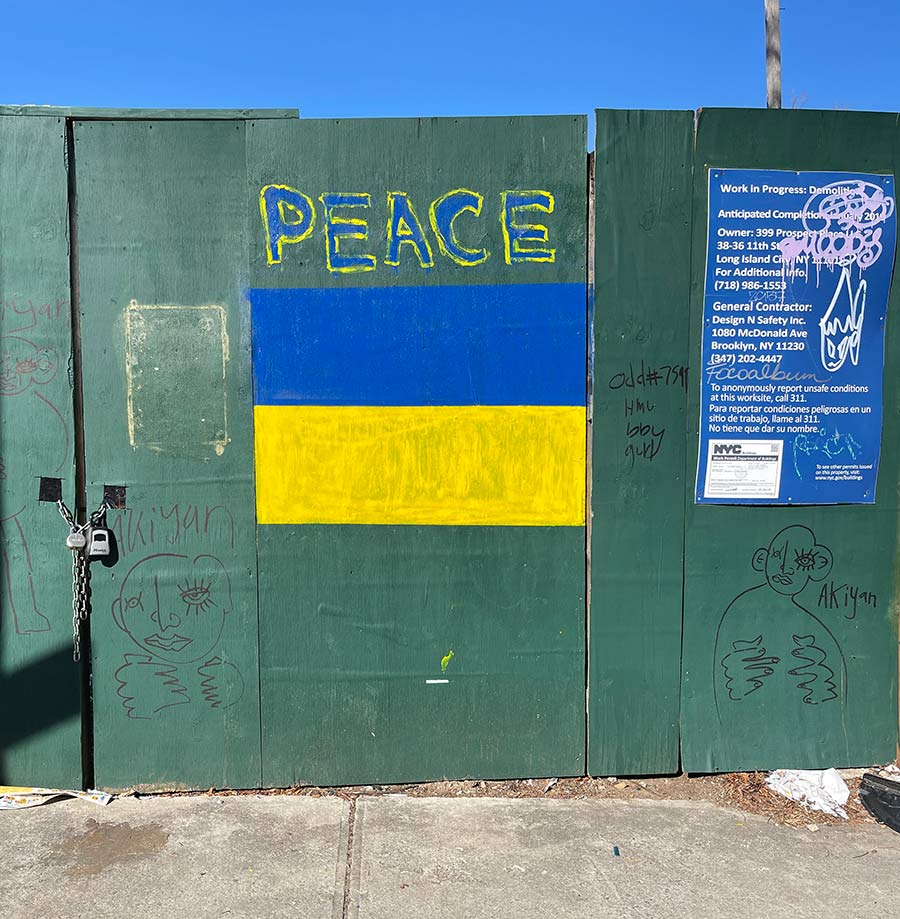
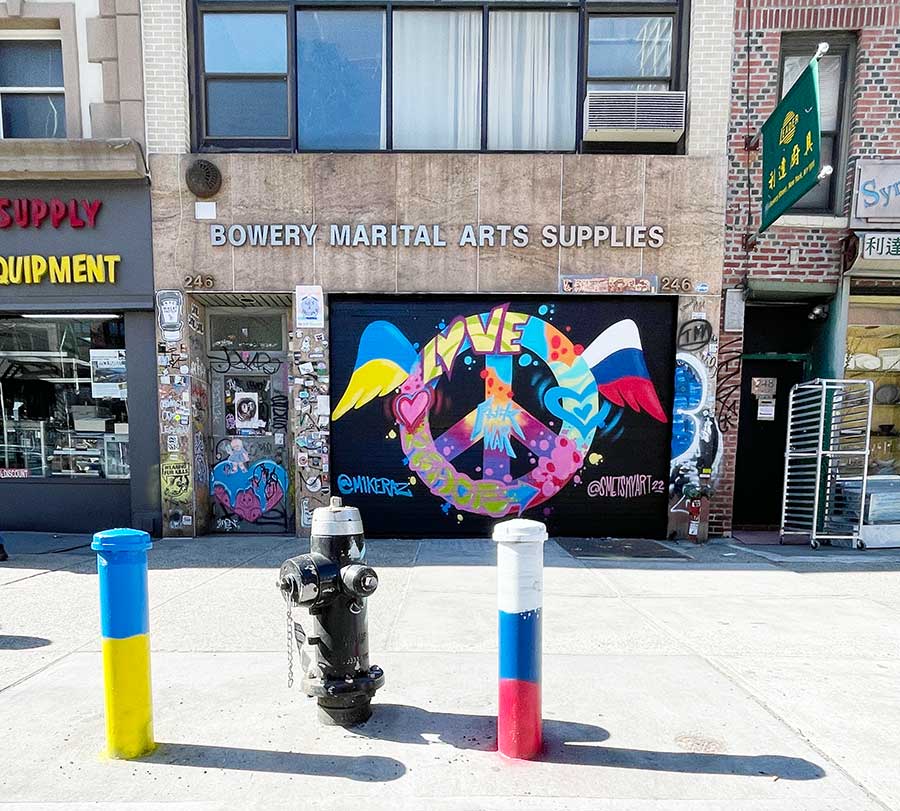
Welcome to BSA Images of the Week. The outcry over the Russian invasion of Ukraine has overwhelmed all other news “coverage”.
In his State of the Union speech this week Biden even conflated sanctions with domestic inflation – but it was already 7.5% annually for a full year before the Ukraine invasion. Using that logic, Putin is also the reason you have no Medicare for All, and the reason there is no student loan debt forgiveness.
The horrible truth is Putin is destroying a country before our global eyes, in between commercials. And thankfully Condeleeza Rice is here to explain that invading a sovereign nation is a war crime.
New York has so many beautiful communities and we value our Russian and Ukrainian neighbors. We refuse to demonize a whole community collectively, and hopefully you do too.
However repugnant the idea, let’s look for a diplomatic solution on the world stage to this crisis if it is all possible. We all have too much to lose if we don’t try in this incredibly difficult moment in history.
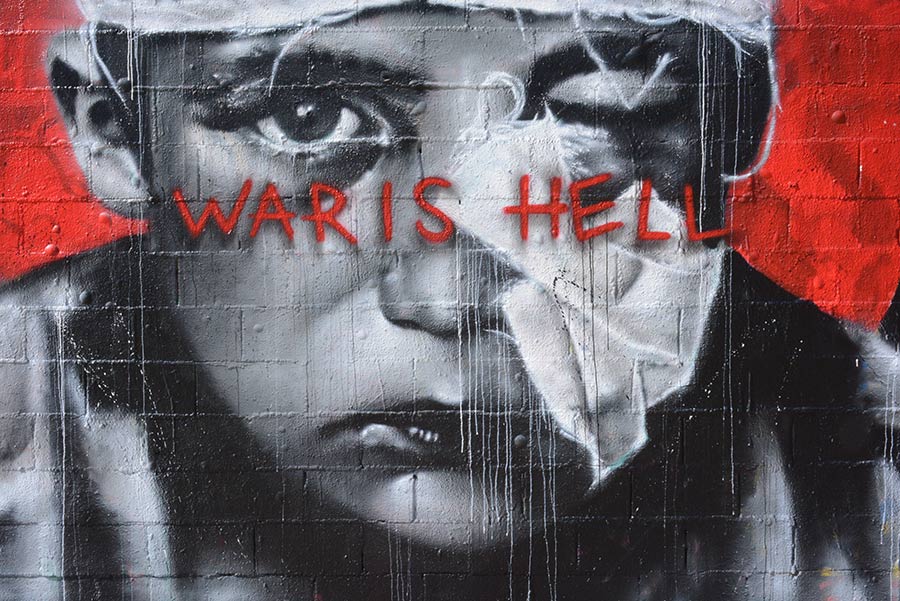
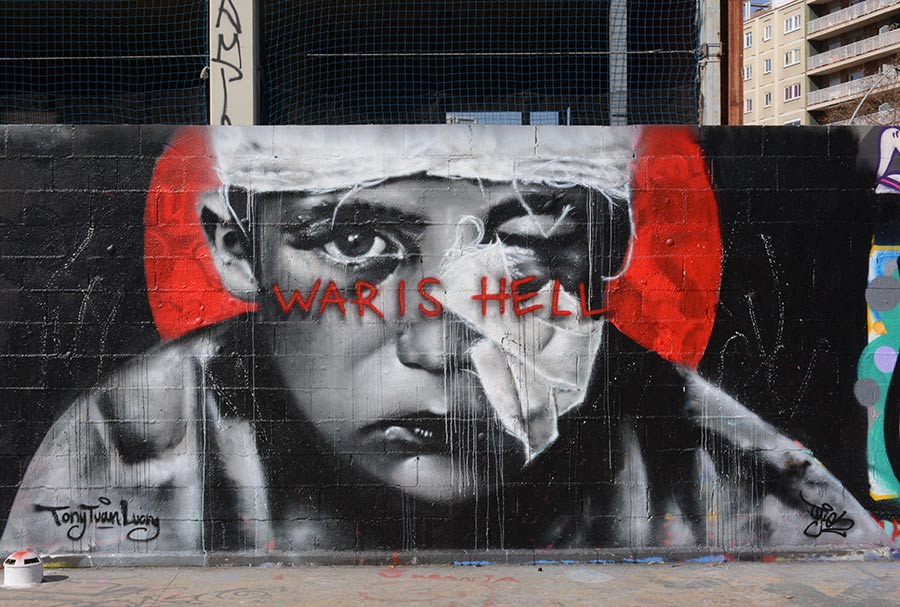
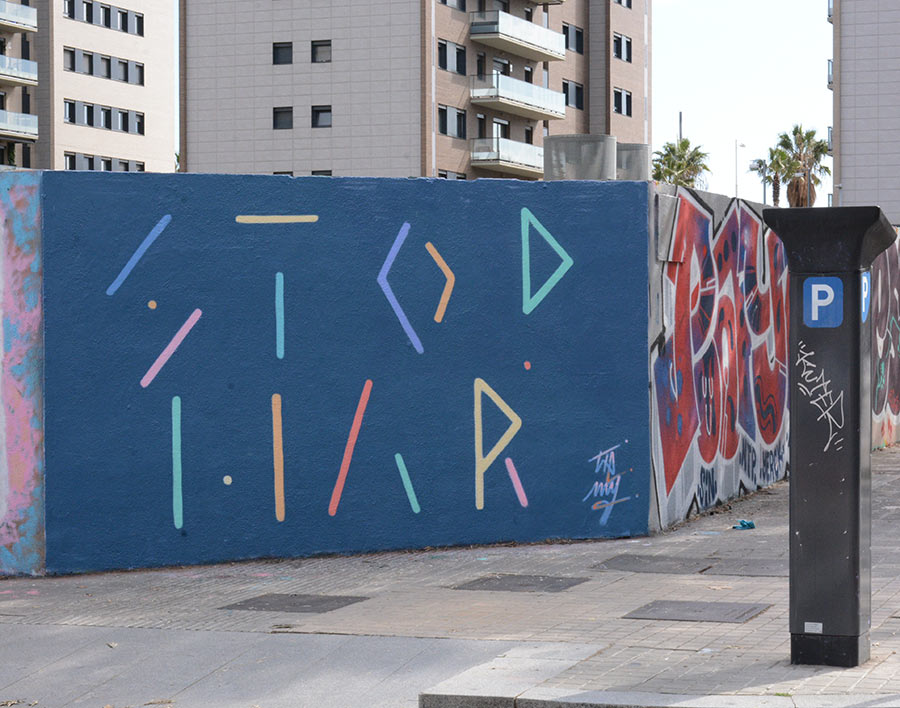
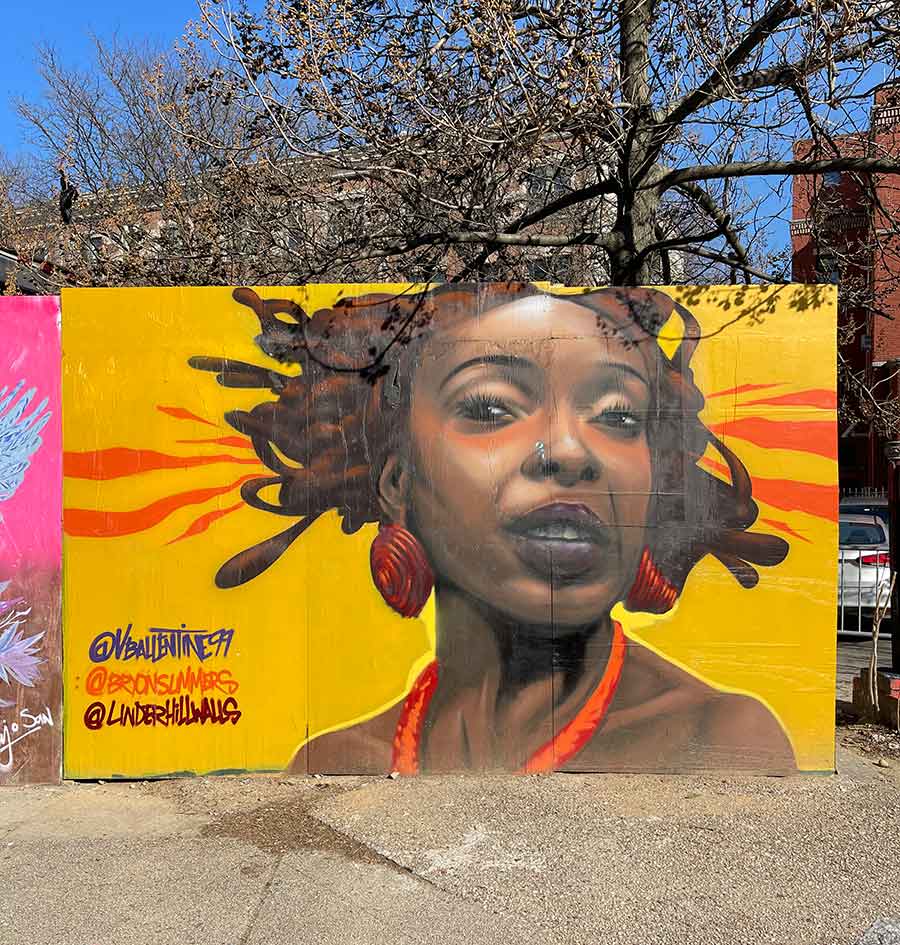
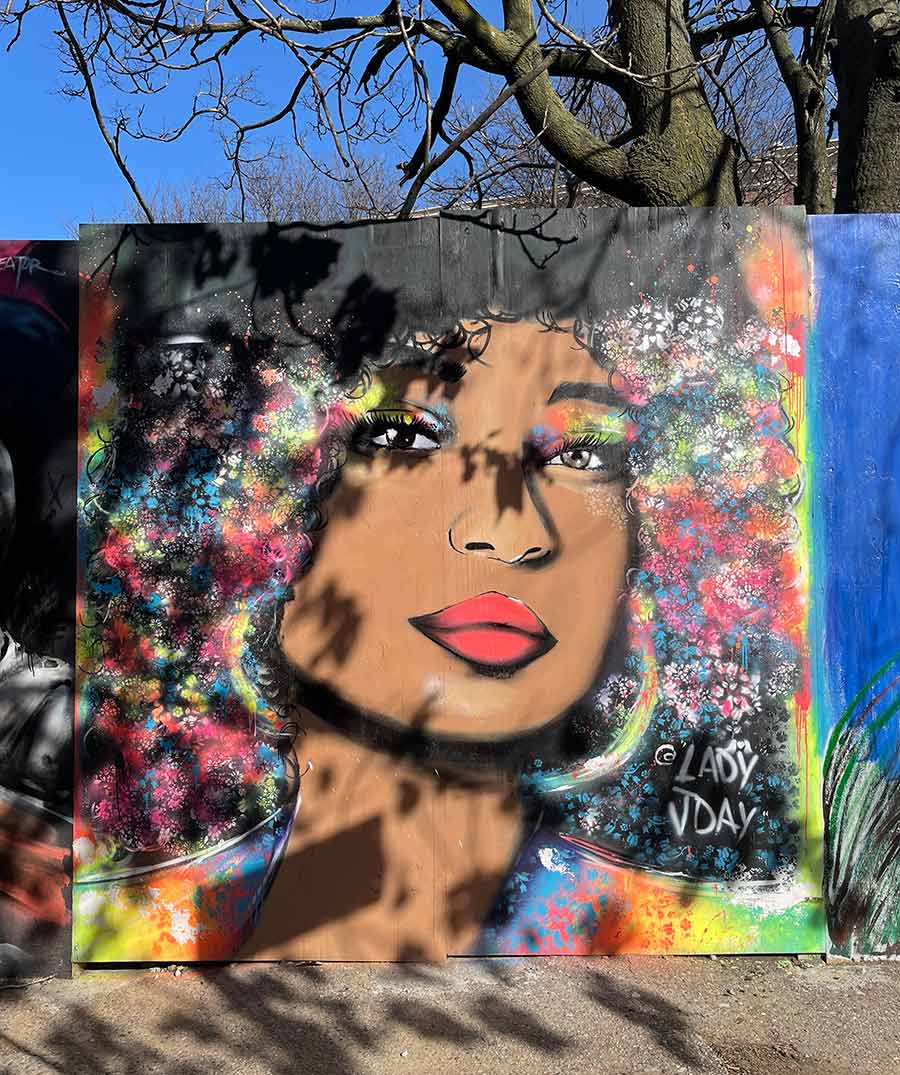
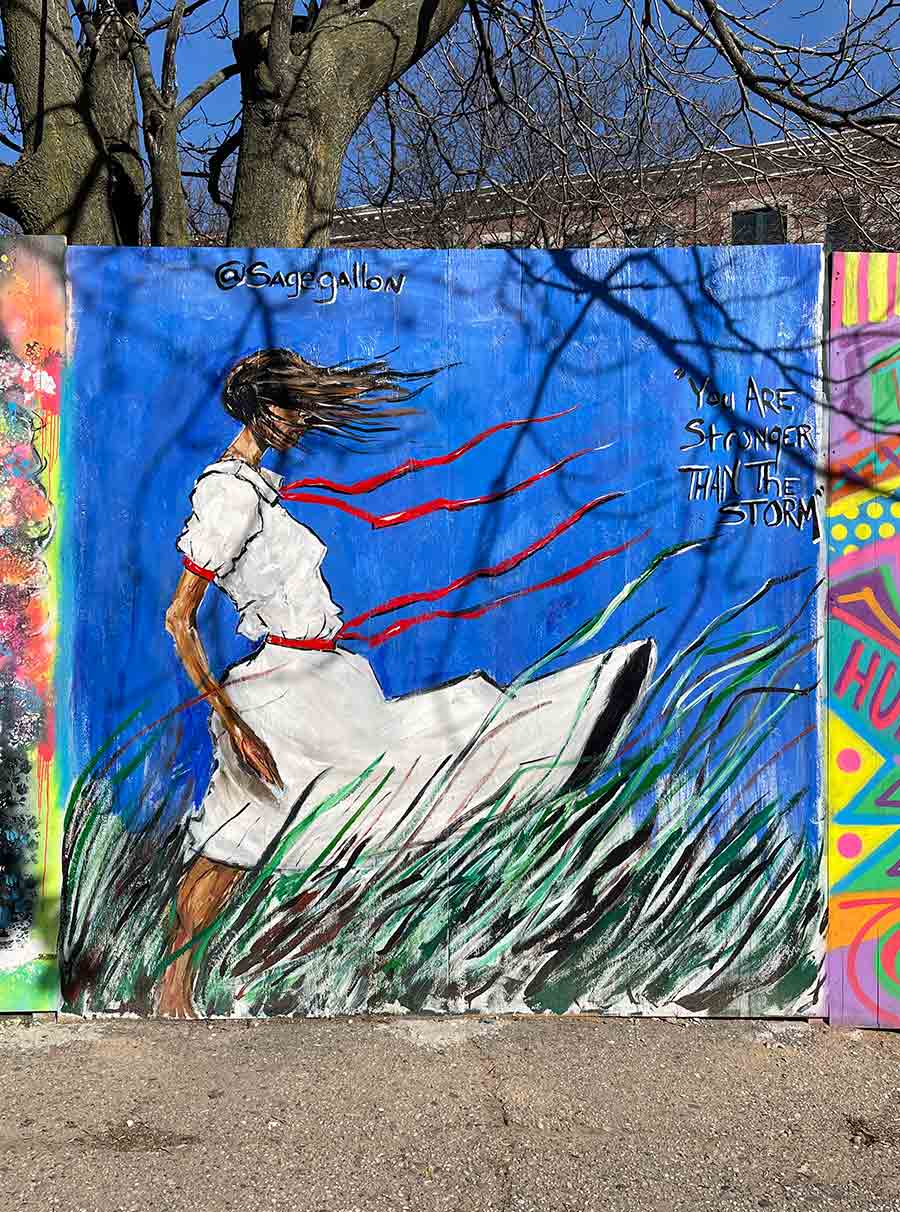
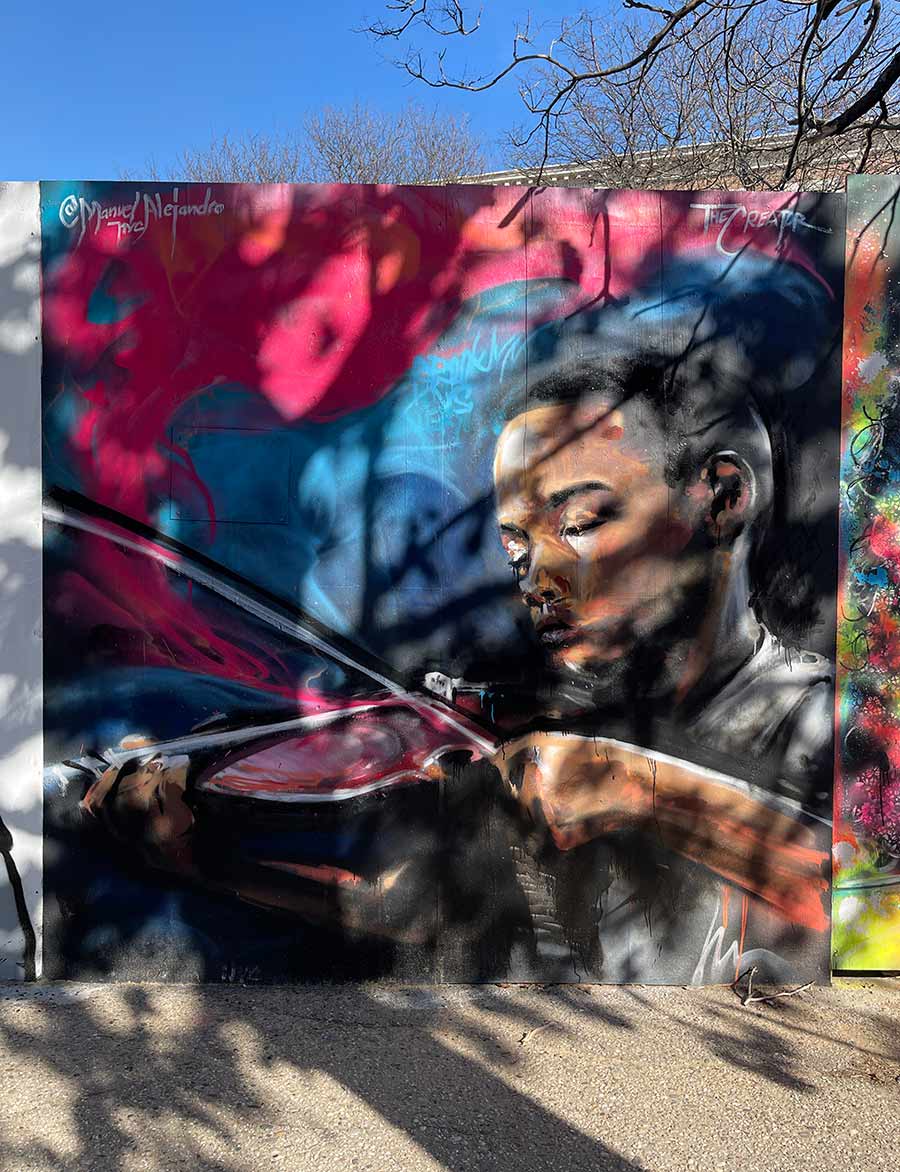
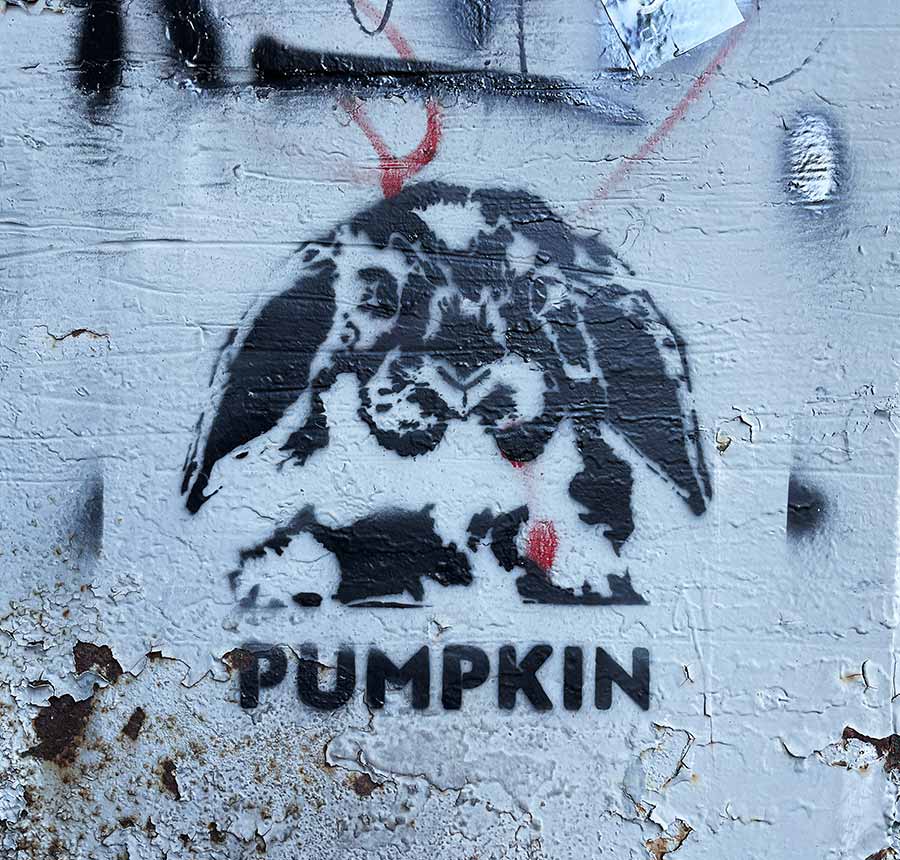
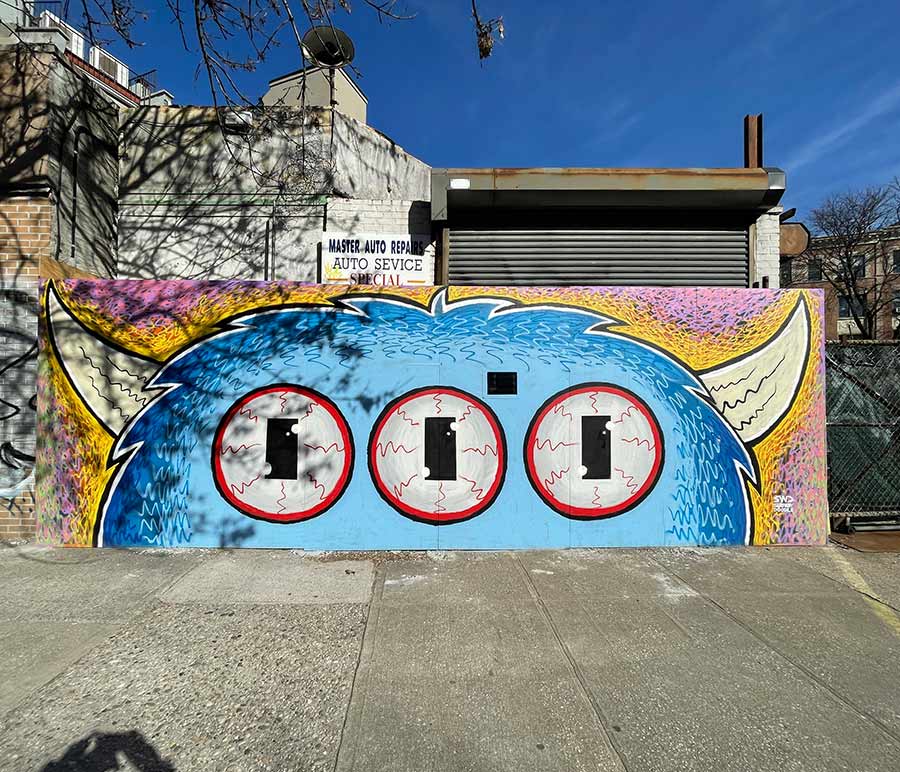
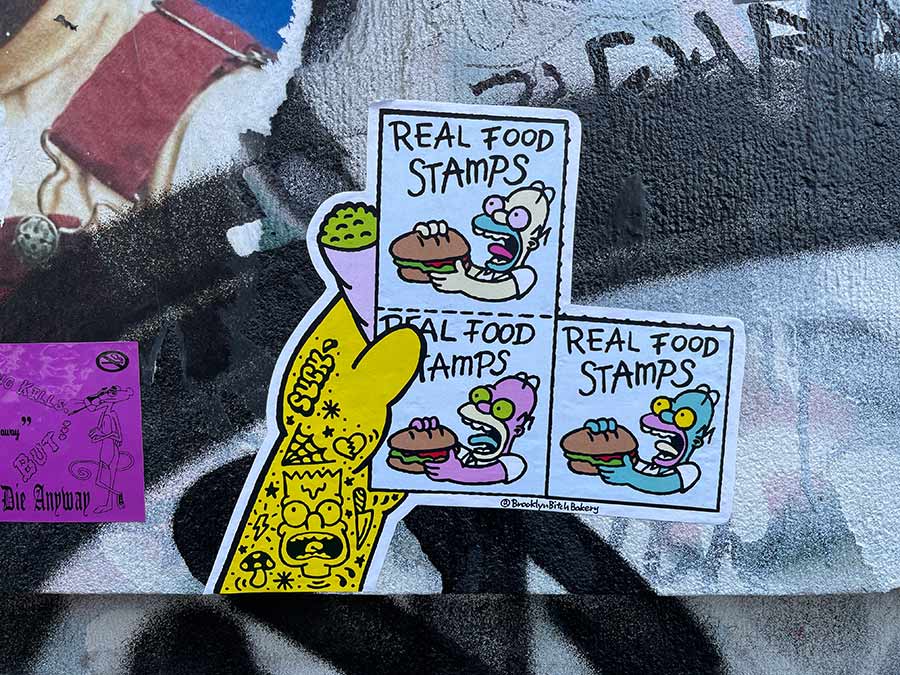
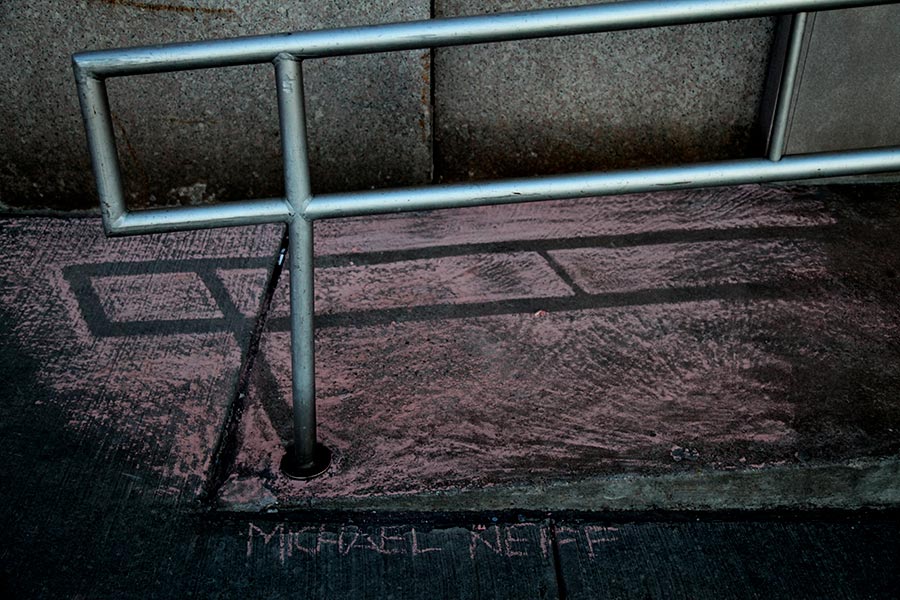
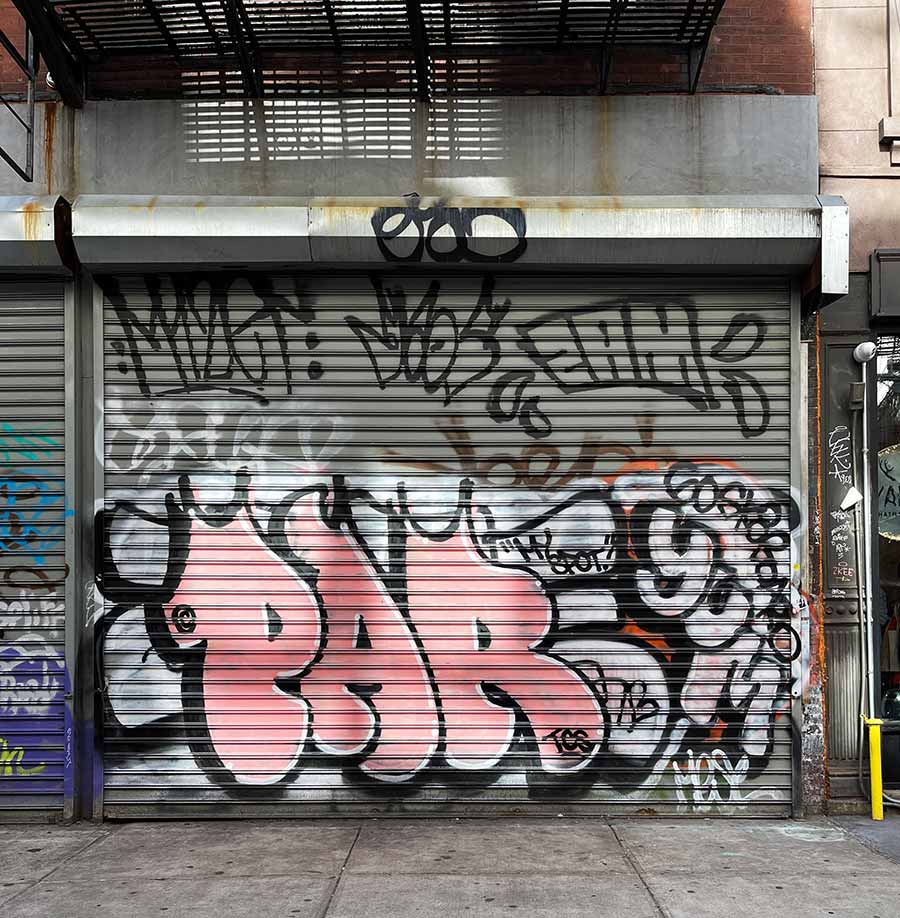
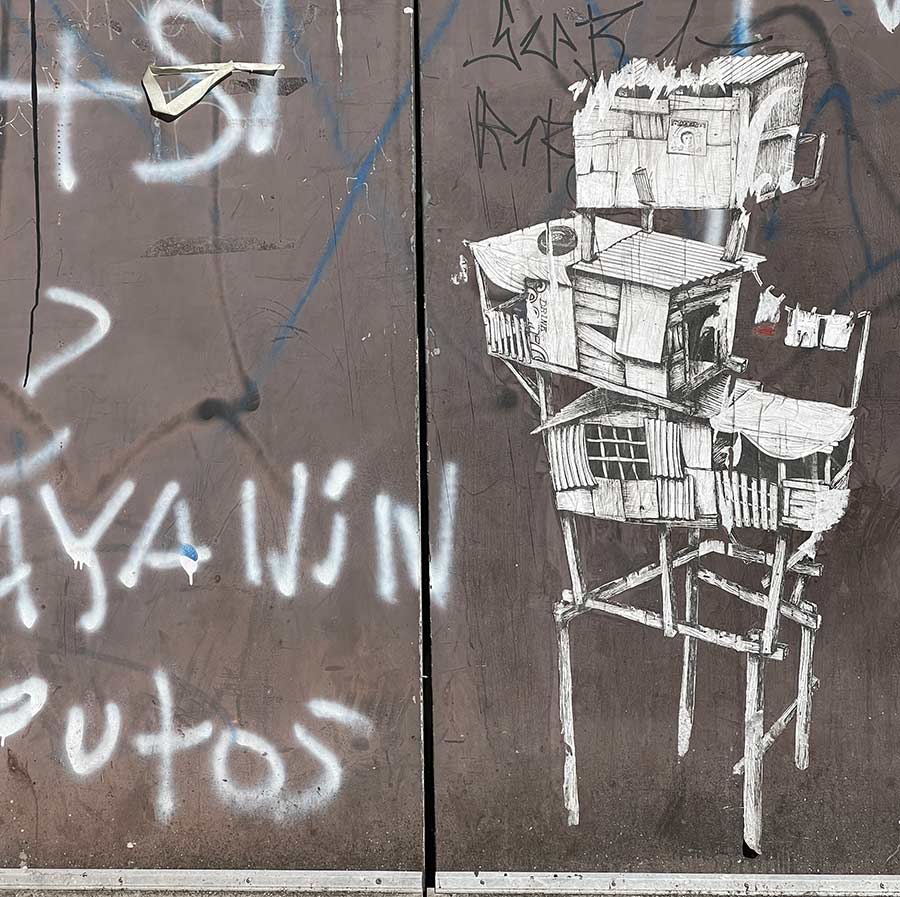
Here’s our weekly interview with the street, this week featuring: Pear, Subway Doodle, Txemy, Calicho Art, V Ballentine, Under Wave Walls, Mike Raz, Tony Tuan Luong, Manuel Alejandro, Smetsky Art, Deborah Kass, Lady Vday, Sage Gallon, and Michael Neff.
Today we go to Polinyà, about 45 km from Barcelona, Spain, to visit the site of a historic summer country house. Built during the 1900s, “within the so-called Catalan modernism,” says Lluis Olive, the home was inhabited by the Marti family in this municipality of 8,389 until about 10 years ago when it became a restaurant. According to a description in Wikipedia, “The façades have, within Italianate lines, symmetry and consistency in the design of openings and moldings used for framing balconies and windows at the top.”
Unfortunately, the restaurant venture didn’t succeed for long and the property became empty. You KNOW what happens next in this story. However, you may not guess that the artist Fullet Original hoped to help find a new buyer by filling all the rooms of the house with graffiti and mural art.
According to Olive, who shares his photos with BSA readers here today, Fullet carried “out a project that he had dreamed of many times.” His friend has purchased the property, plans to hold an alternative market in it, and “last weekend about 15 artists were painting practically all of the spaces,” says Olive. The rooms were flooded with light and aerosol and lively conversation as the former farmhouse came alive in January with so many artists and friends.
The cross-section of styles are indicative of tastes of the moment in Spain and should be finished within a week or two. Which is good timing because “the opening of the market is scheduled for March.”
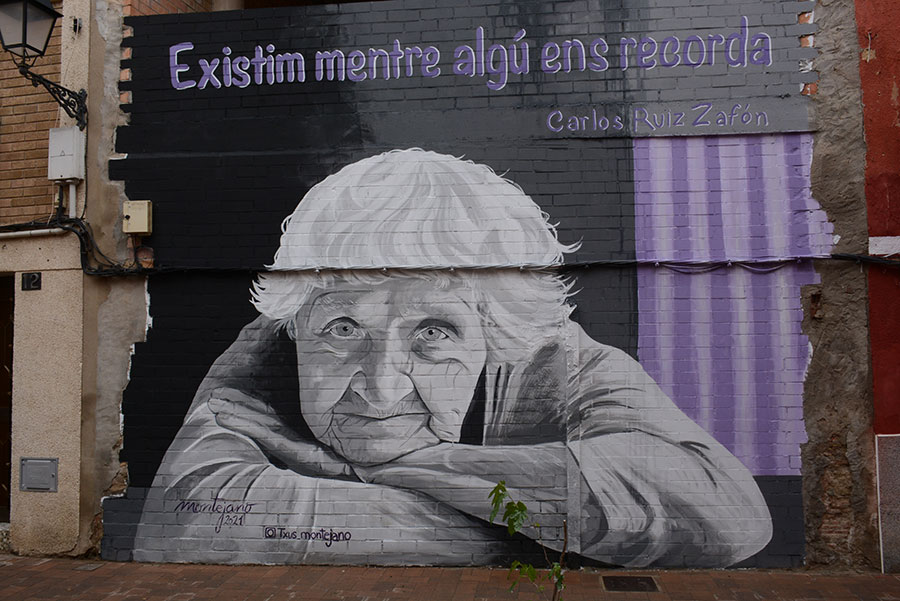
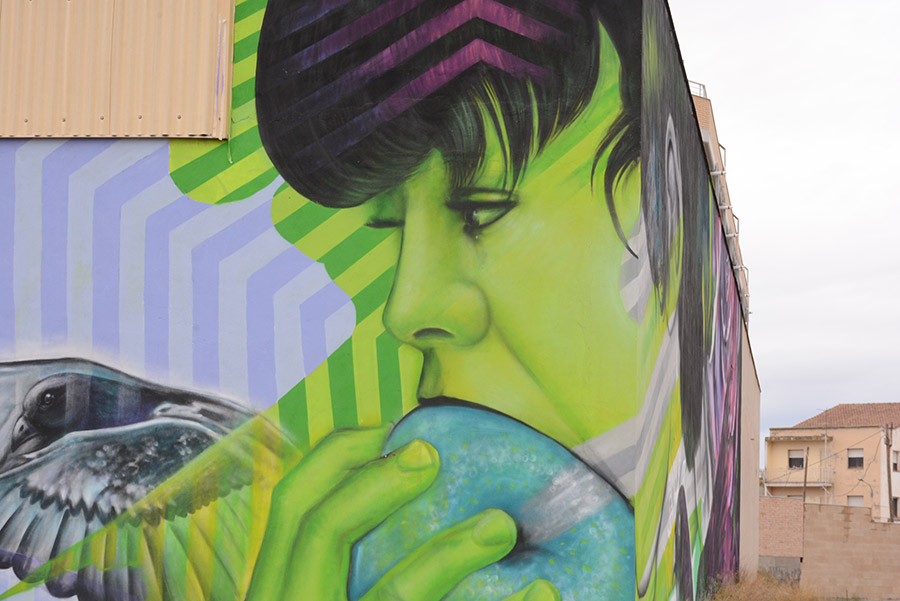
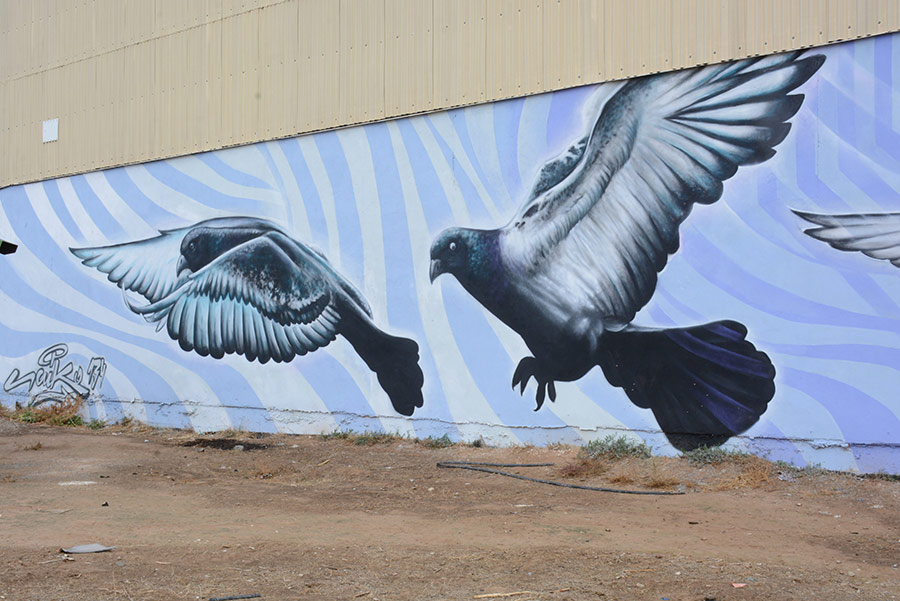
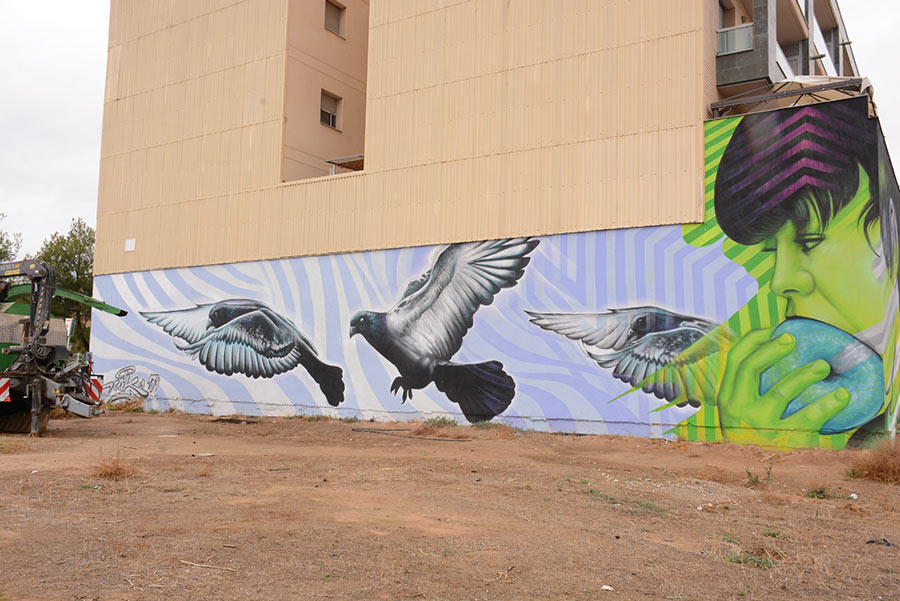
It’s their 5th annual street art festival, Torrefarrera, although you may more accurately call it a mural festival. For a small village of less than 5,000, they have about 40 murals now, and an interactive map online to help you find them, even fund them if you like. Deeply rooted in history and regional pride this northern town is convenient to the A-2 motorway which connects Barcelona and Zaragoza.
A municipality in the province of Lleida and an autonomous community of Catalonia, Spain, their festival has been drawing people out into the street and into the community in a way that appears to be gratifying to many in the community. They even frame it as an inclusive competition to garner most votes for favorite and present awards at a public ceremony. Sponsored by the municipality, local institutions, and a paint company, you’re unlikely to find transgressive, or even disagreeable themes – but possibly educational.
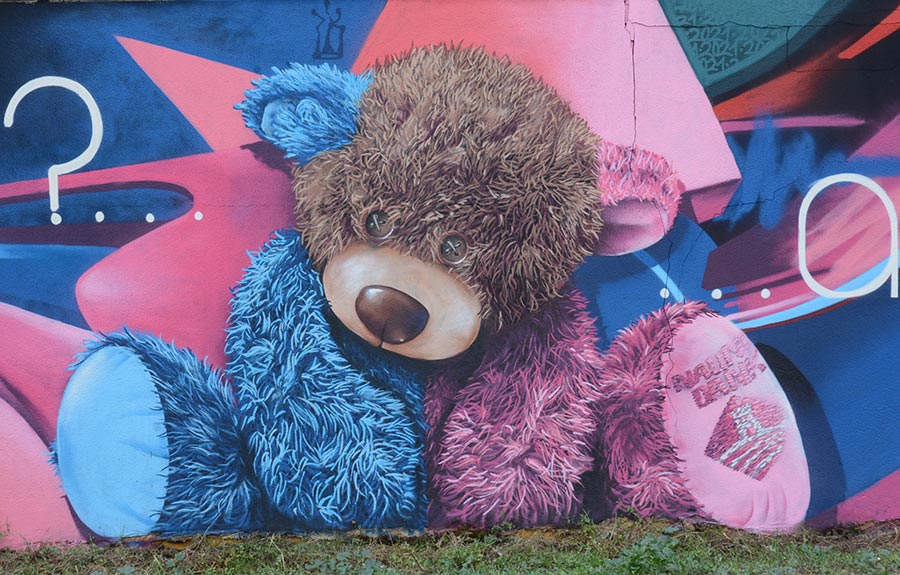
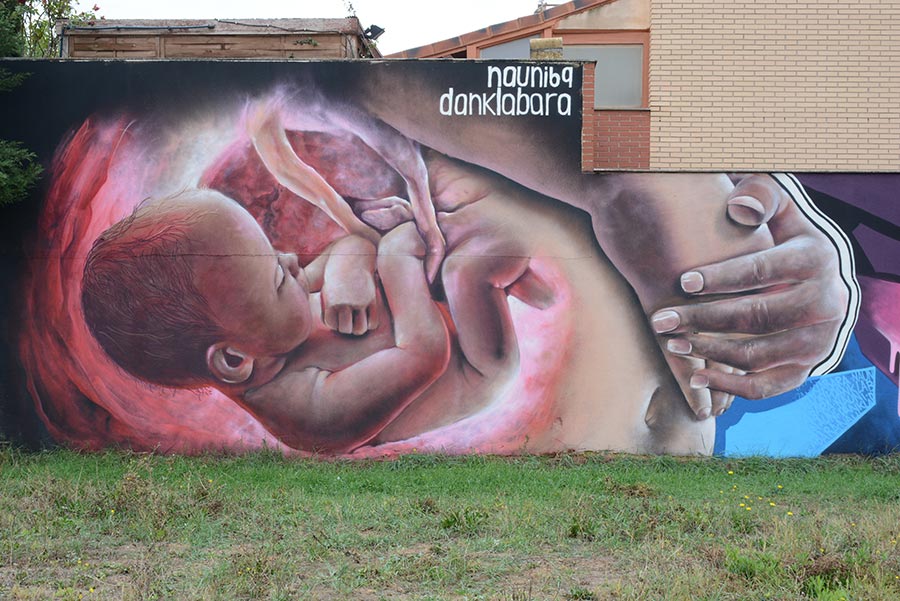
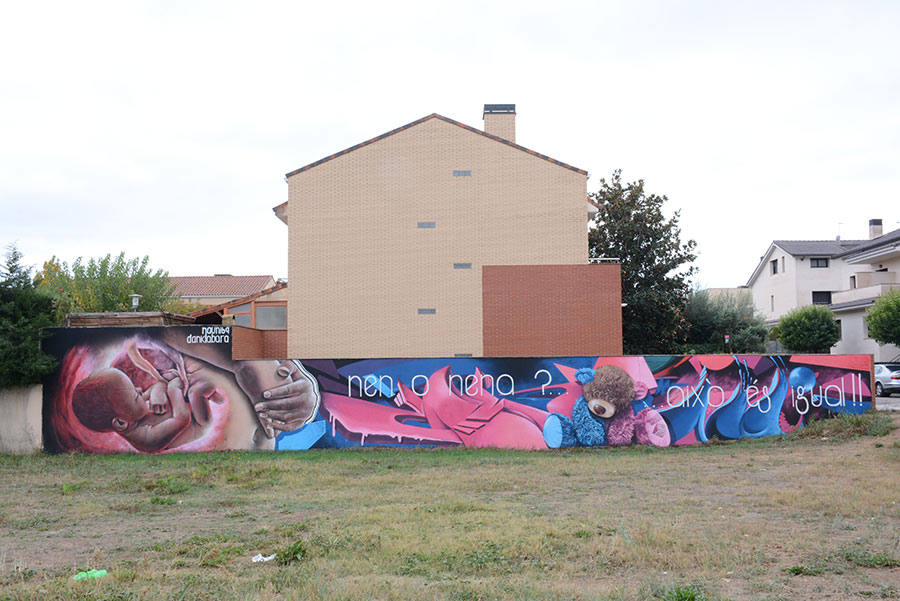
Photographer Lluís Olivé Bulbena took a drive a few hours north of his home recently to capture some of the new walls that went up during the September festival. Looks like he captured many of this years locally-sourced artistic participants who range from former graffiti writers to commercial artists, including Gasic Painter (from Tarragona), Dil (Lleida), Folk & Miedo (València and Alacant), Nauni 69 & Dank (Almeria), Txus Montejano (Lleida), and Saiko 134 (Terres de l’Ebre).
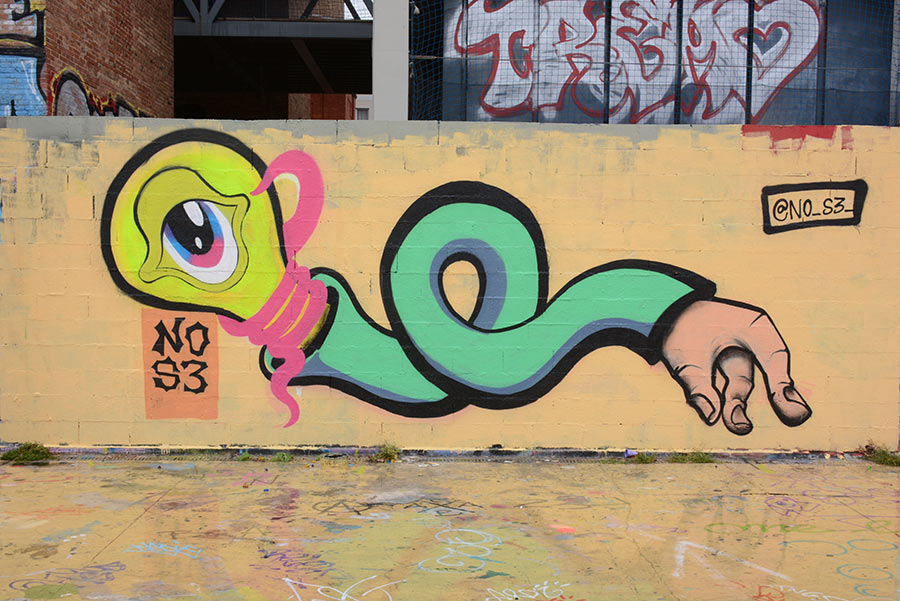
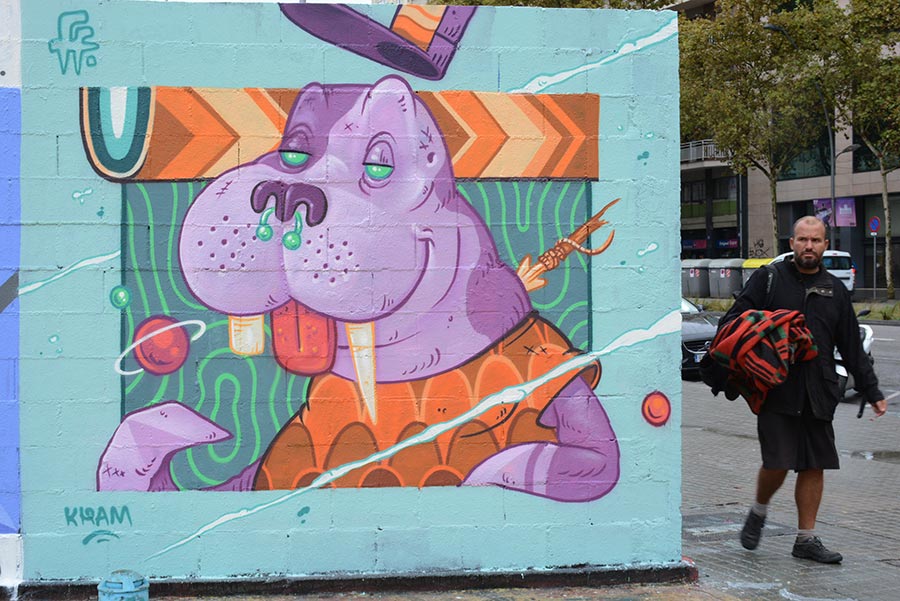
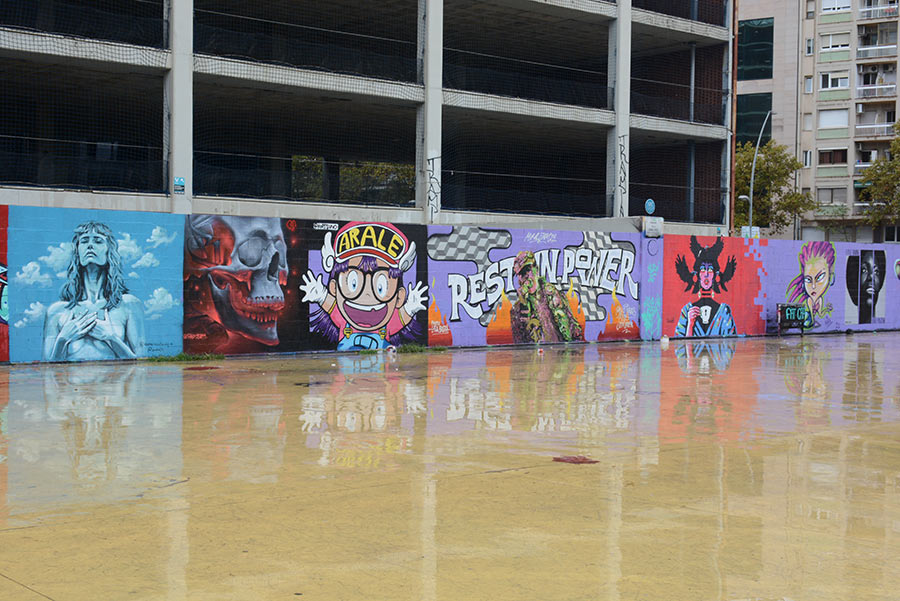
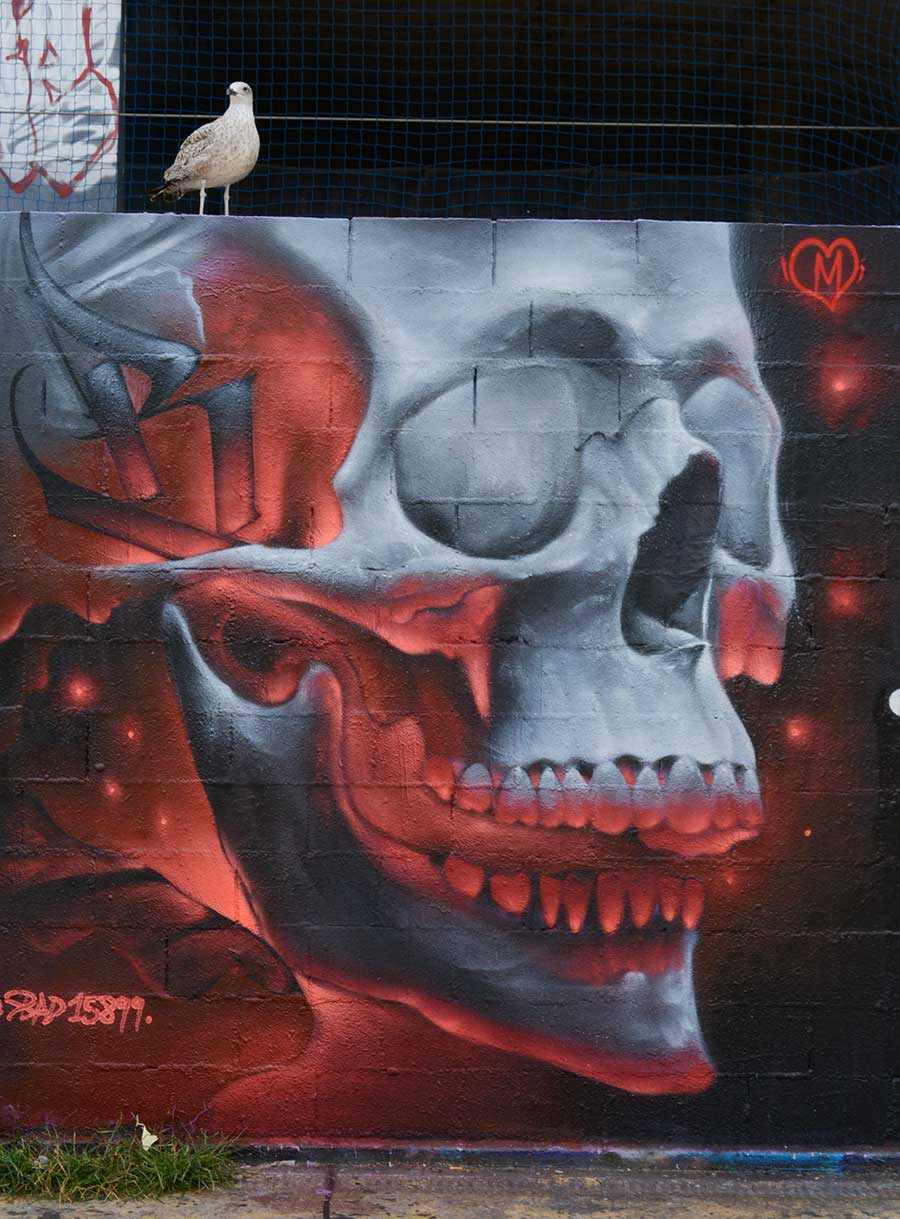
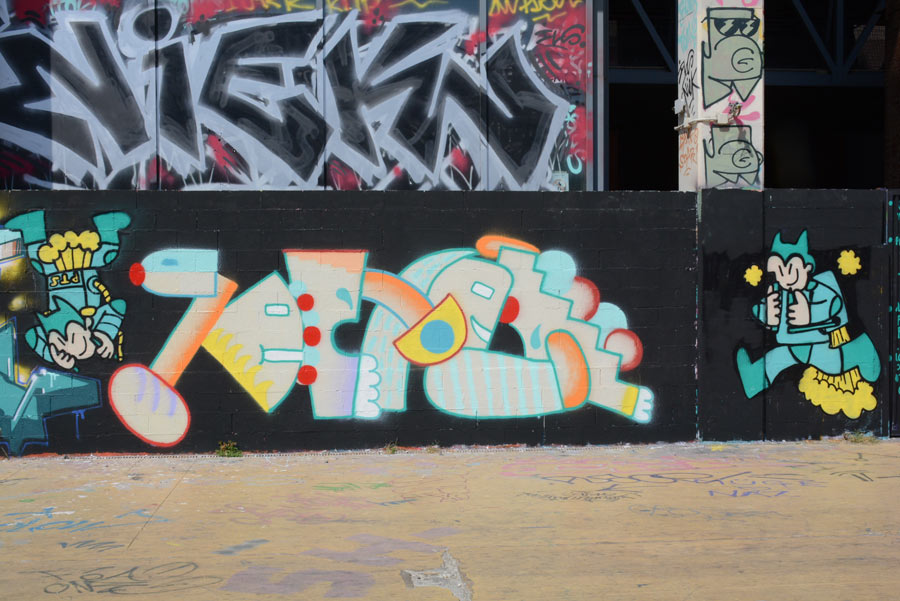
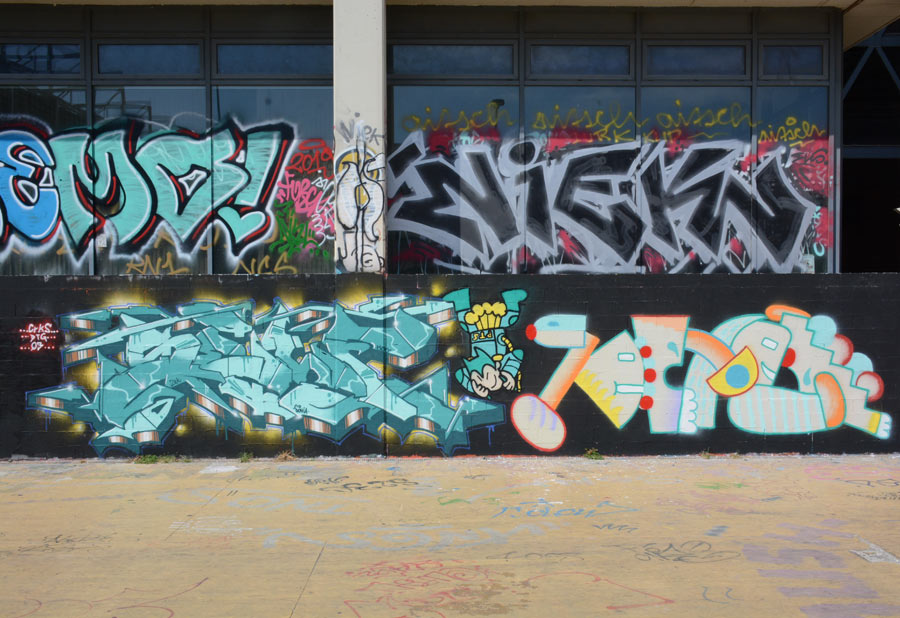
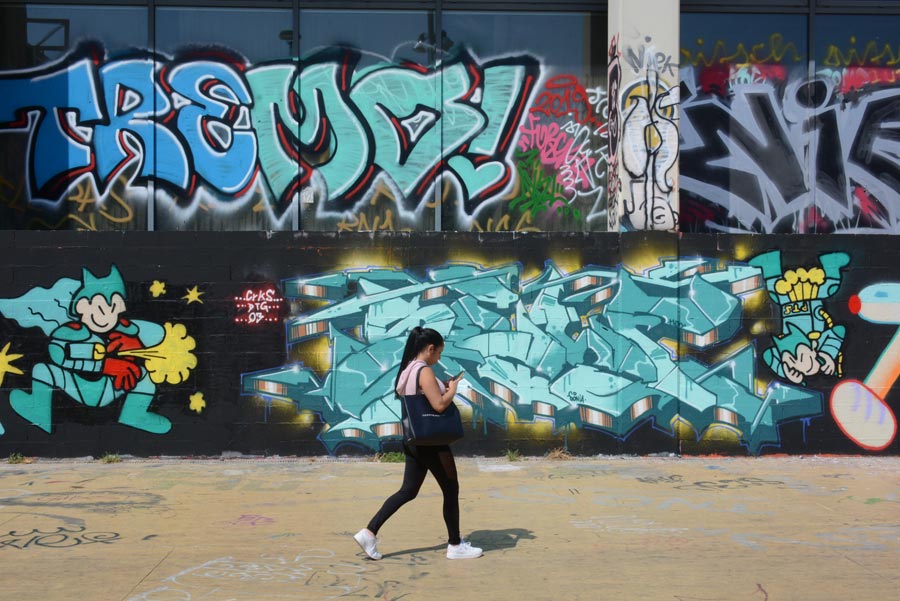
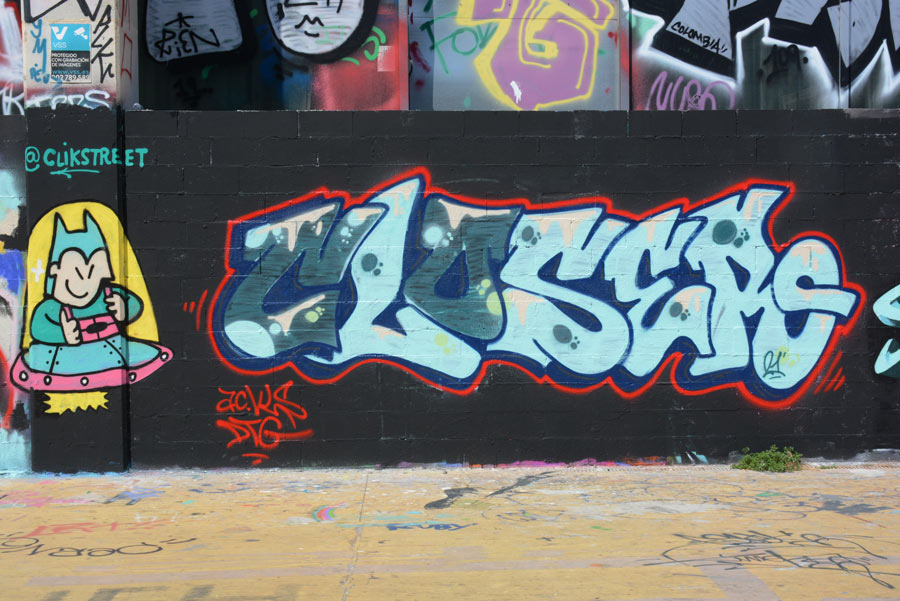
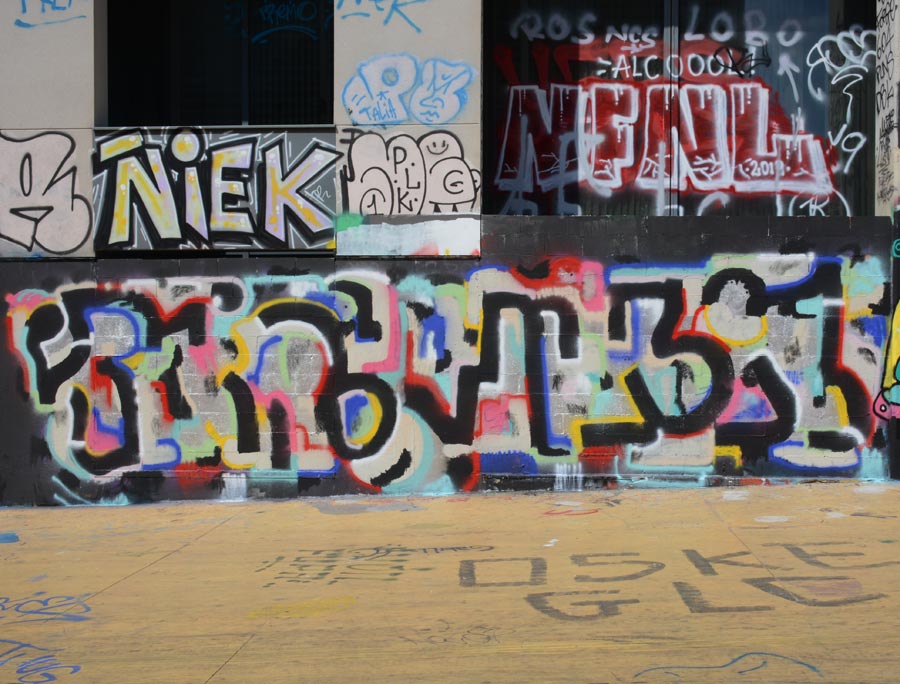
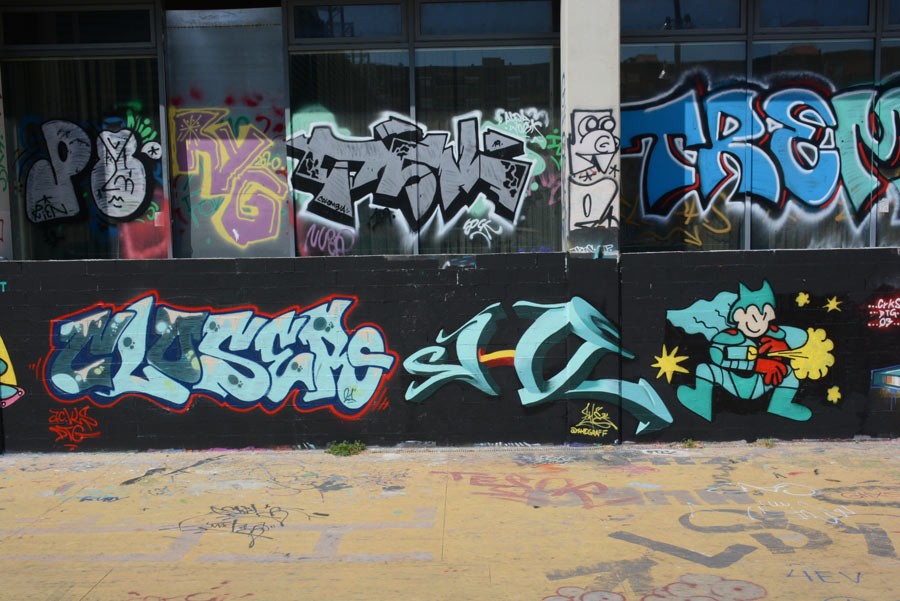
A true graffiti jam is still possible. This location in Barcelona, the Plaza de las 3 Chimeneas, is a platform for an ever-changing collection of works by new and established practitioners of graffiti, street art, and urban art. How many times have visited a local ‘Wall of Fame’ to find many of the same artists again and again, as if they are hand-picked by ‘kingmakers-queenmakers’?
Over the last decade we have featured this unique venue many times on many different occasions, thanks to photographer and BSA collaborator Lluis Olive Bulbena.
We’re happy to discover the democratic spirit applied to admissions of artists and writers time and again; to see new and emerging styles, political screeds, memoriums, handstyles, portraits, illustrations, text treatments – the gamut of voices that are all part of the greater Barcelona scene and beyond. It is reassuring to see that a scene that can be rebellious against institutional classism and clubby corruptive influences is also not falling prey to them.
This jam was organized by the Periferia Beat Festival, Lluis tells us. “They brought together a group of about 40 artists for a day of art, painting, and sharing stories among old friends.”
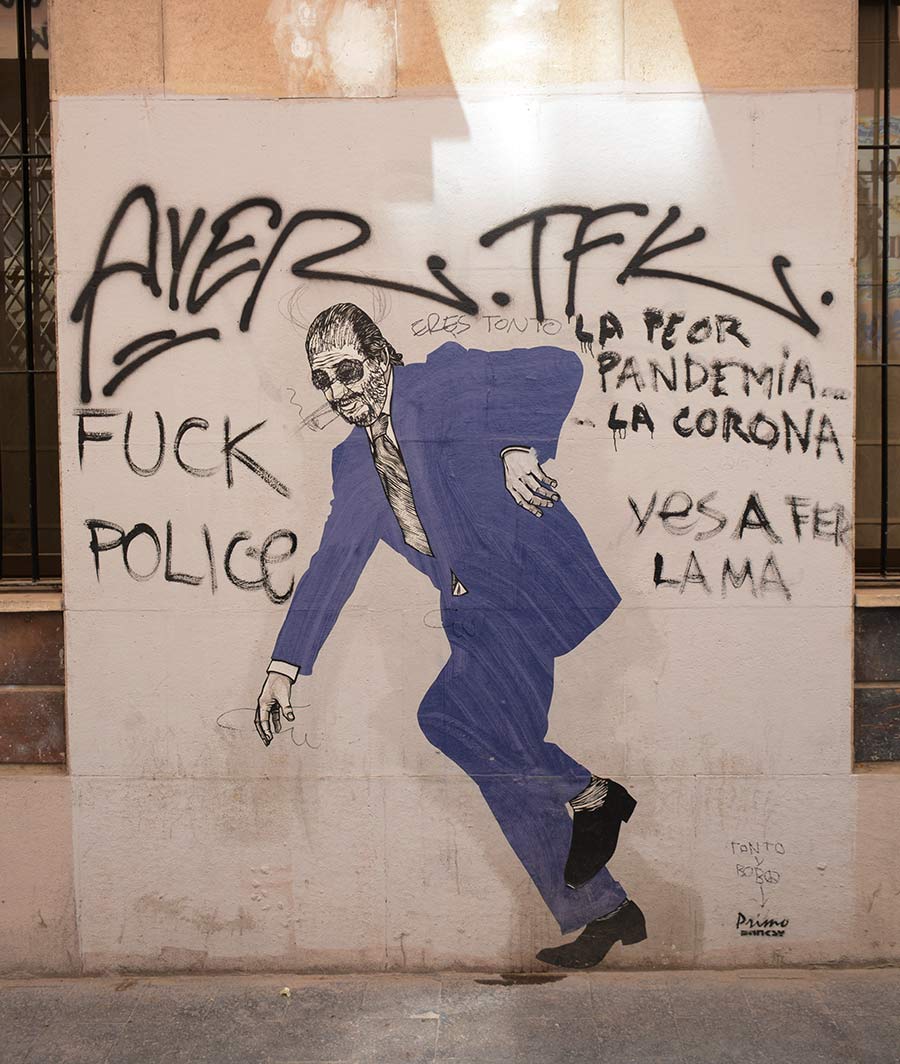
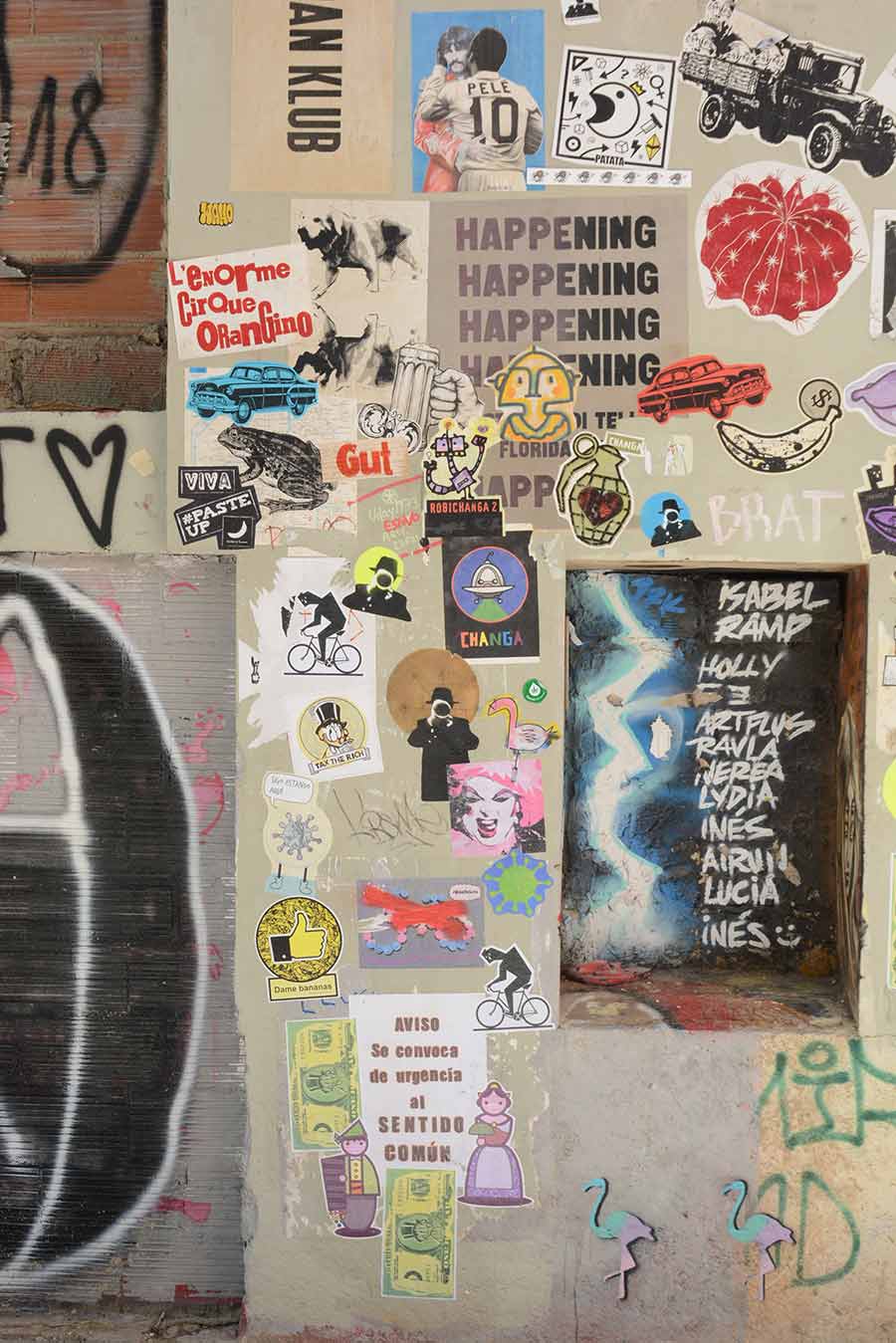
Stencils, wheat-pastes, and fevered texts by hand – they all are speaking to you in Valencia. Here in Spain, the pandemic has canceled Pamplona’s bull-running festival and Seville’s Holy Week procession. This month Valencia’s Fallas festival was held in the strictest of rules.
Thank God we all still have graffiti and street art! This week we have BSA contributing photographer Lluis Olive Bulbena sharing a few late summer beauties from his short trip to Valencia.
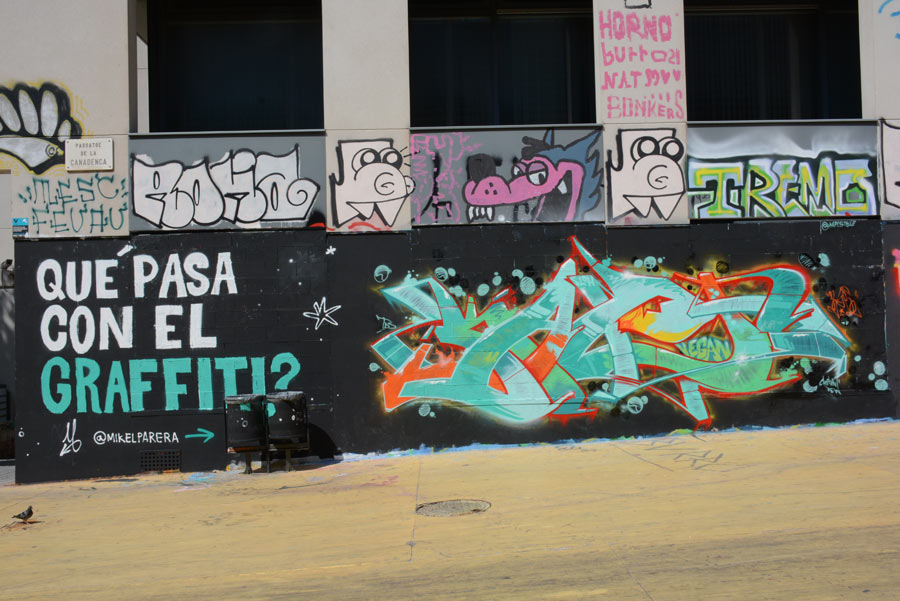
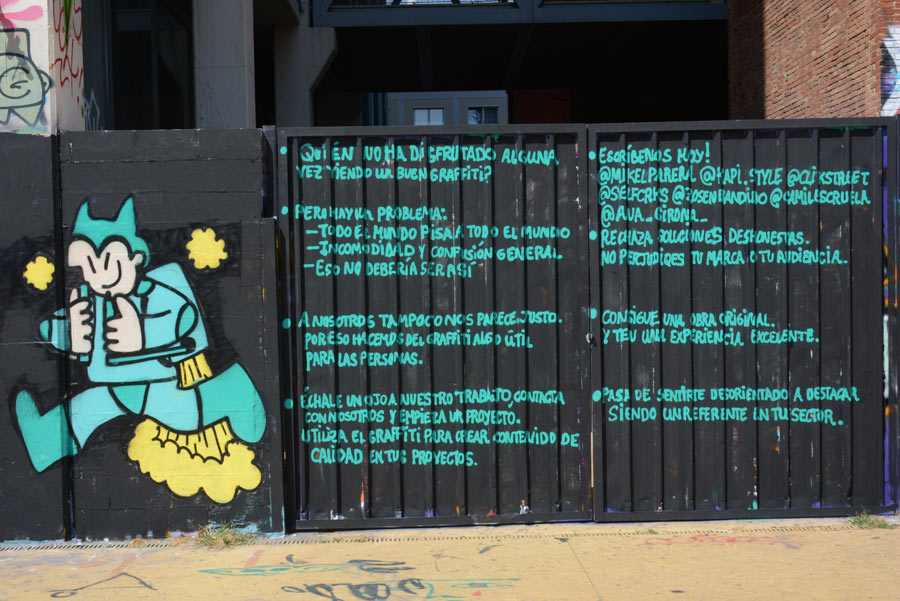
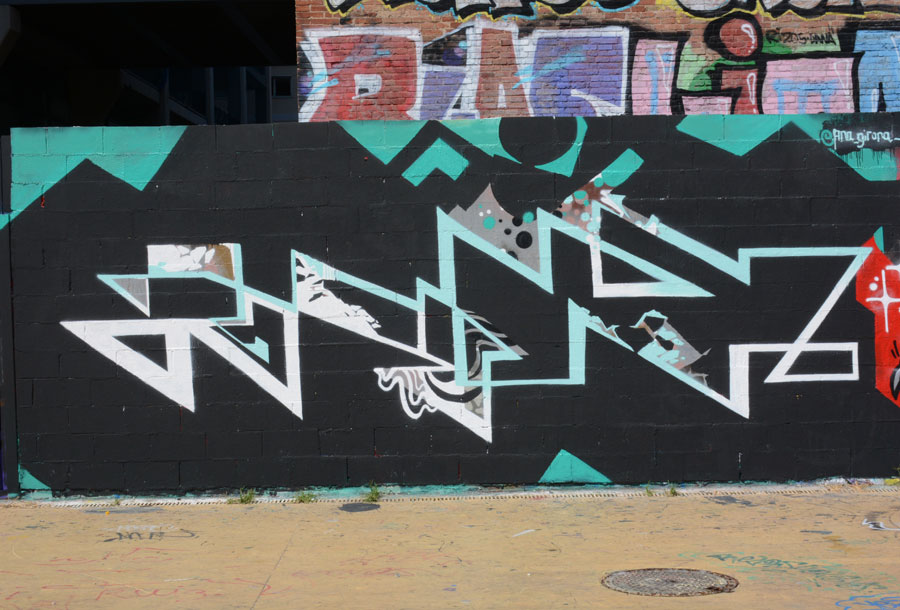
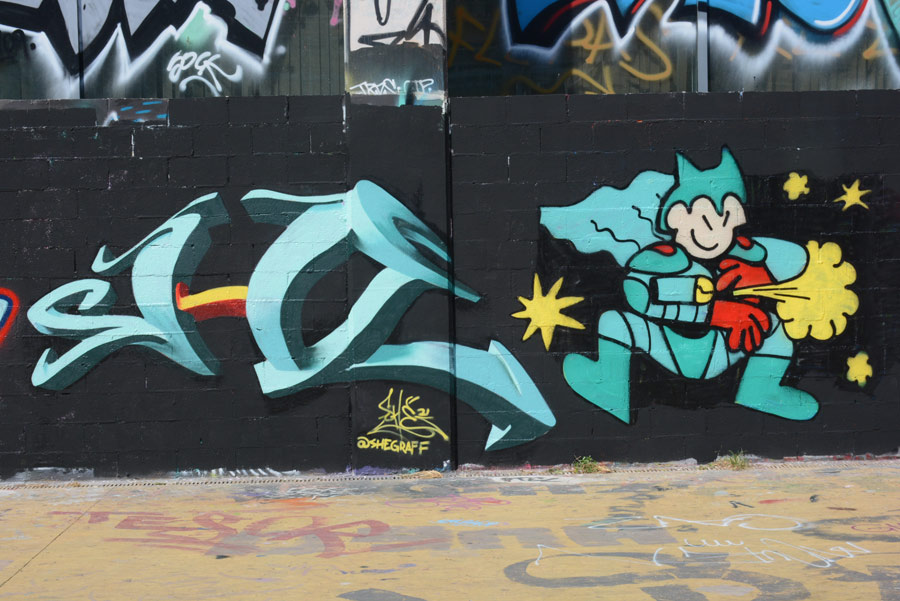
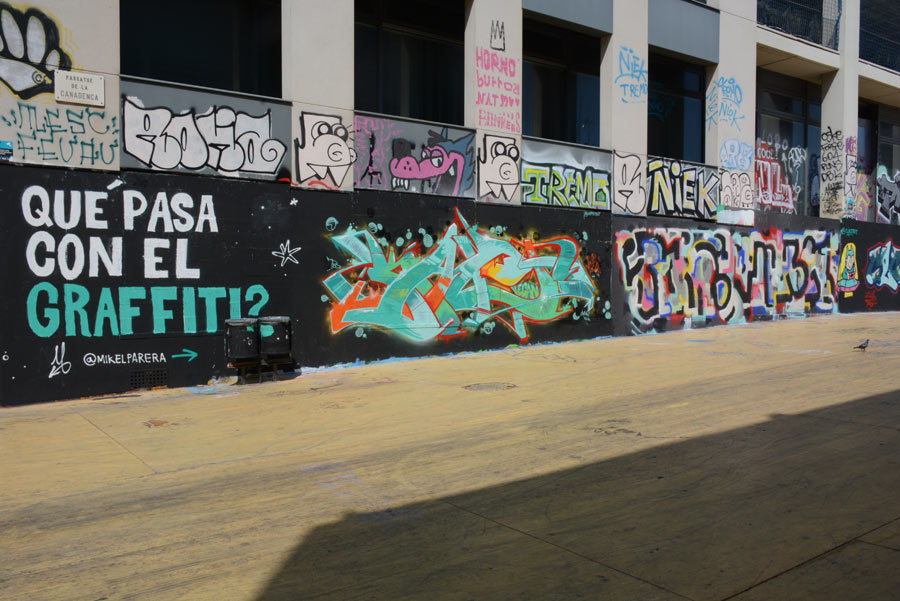
In a bit of cynical irony on the street, creative director/UX designer Mikel Parera teams up with this cluster of graffiti/street artists in Barcelona to parody the grey lines between using art as activism and merely imitating styles to push content. This new collection of graffiti styles are completely divorced from any contribution to or critique of society. The advertising “Creative” is portrayed little more than pre-meditated aesthetic manipulation – in service of a brand.
Roughly translated, here is his wall screed – naturally followed by Instagram handles.
“Who has not ever enjoyed seeing good graffiti? But there is a problem: – Everybody steps on everybody – General discomfort and confusion. – That shouldn’t be like that. It doesn’t seem fair to us either. That is why we make graffiti useful for people. Take a look at our work, contact us and start a project. Use graffiti to create quality content in your projects. Write us today! Refuse dishonest solutions. Don’t hurt your brand or your audience. Get original work and have an excellent experience. Go from feeling disoriented to standing out, being a benchmark in your sector.”
A transformed school bus becomes a mobile healing site at the US-Mexico border. This documentary short (Guadalupe Maravilla’s “Mariposa Relámpago”) …Read More »
 BROOKLYN STREET ART LOVES YOU MORE EVERY DAY