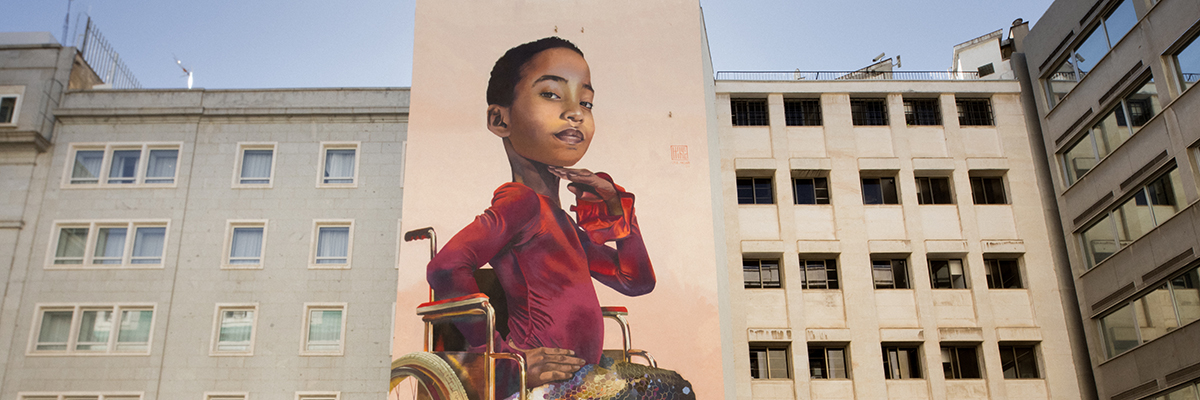
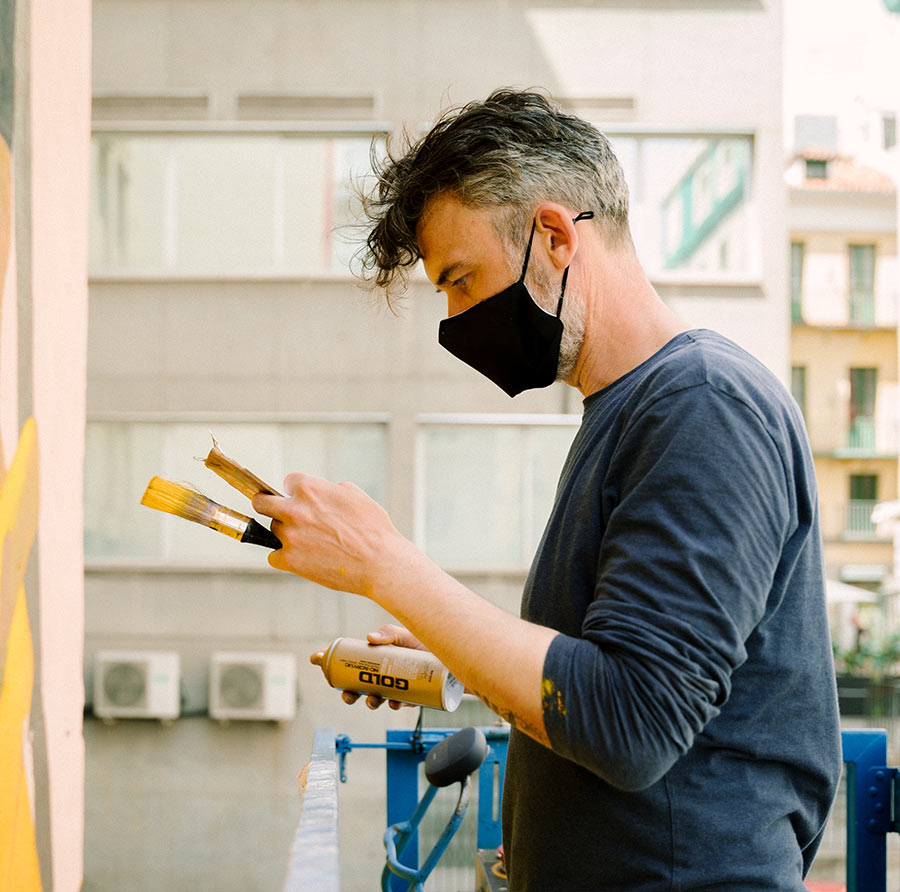
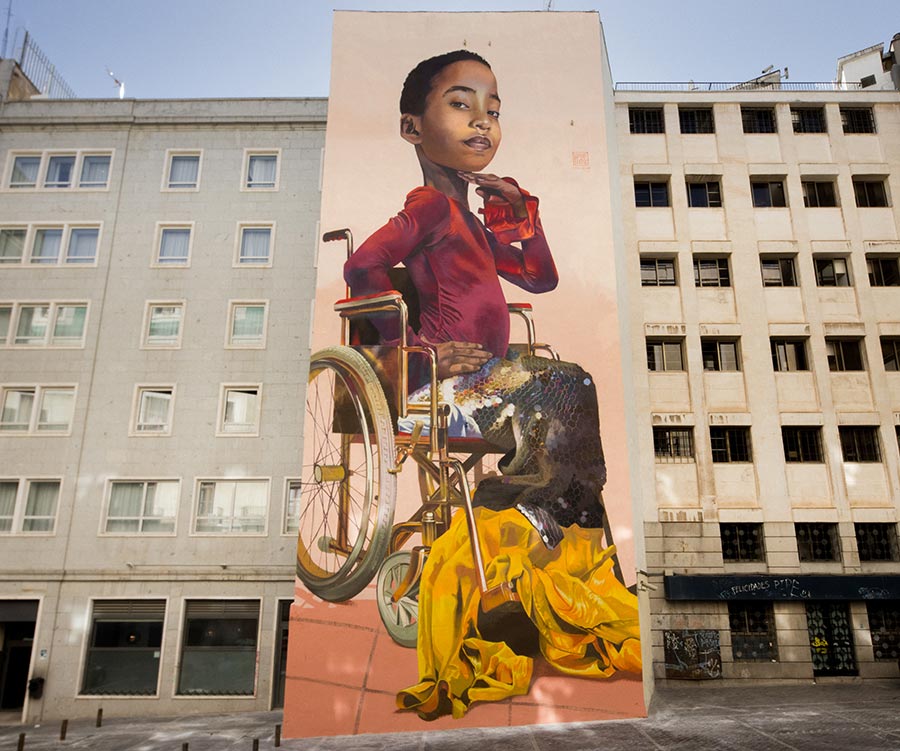
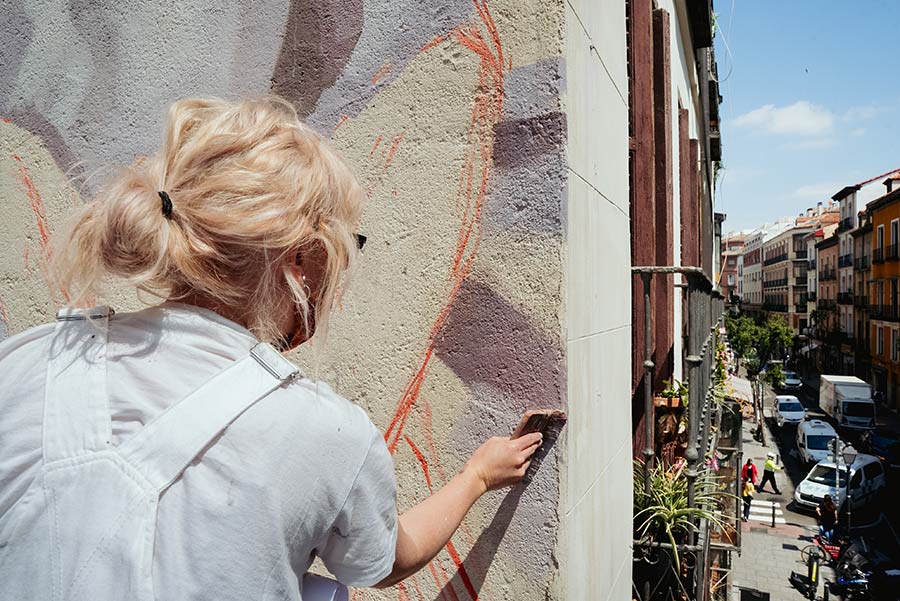
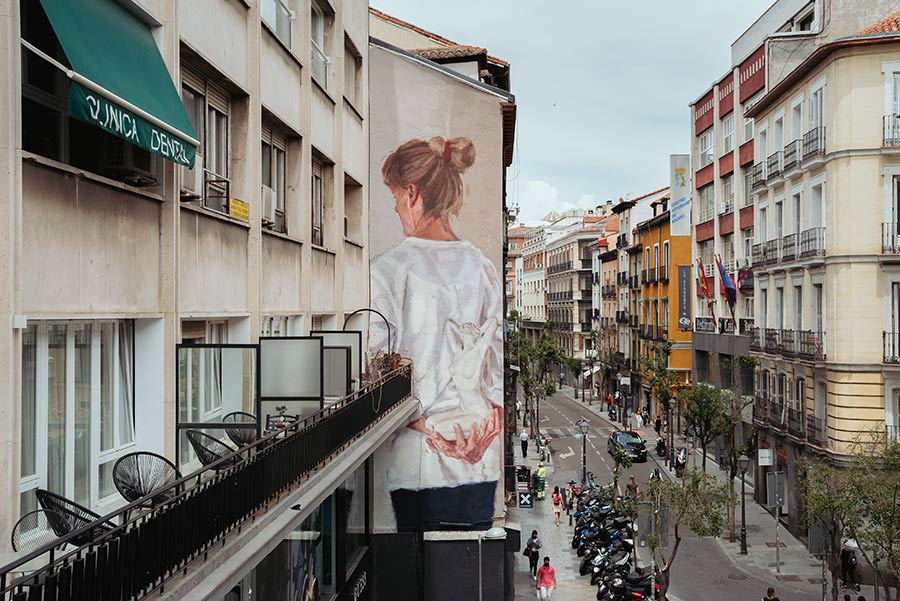
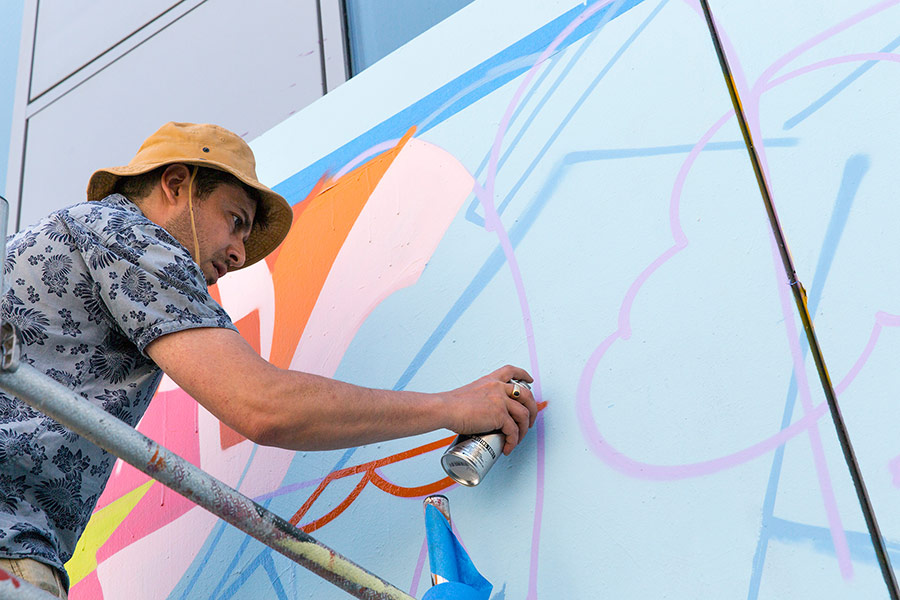
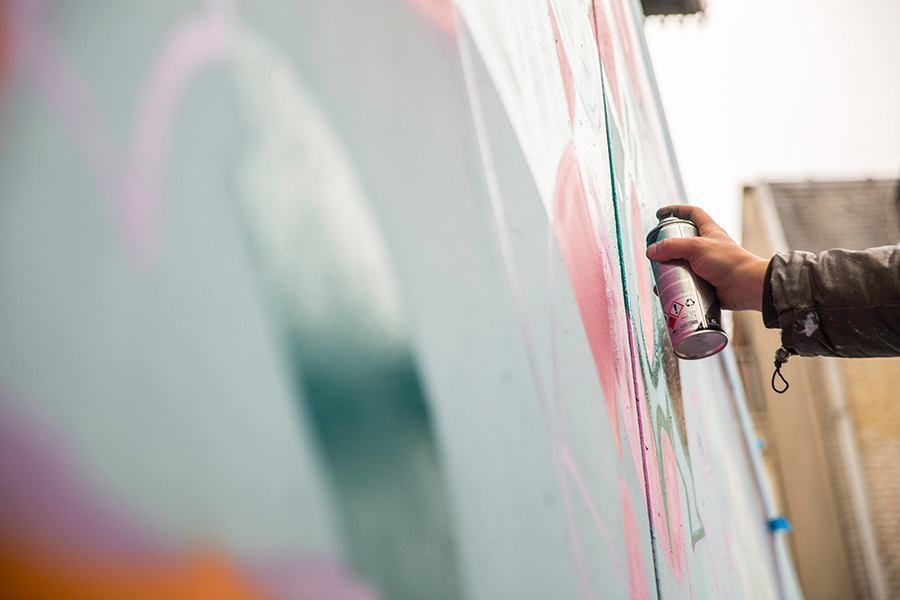
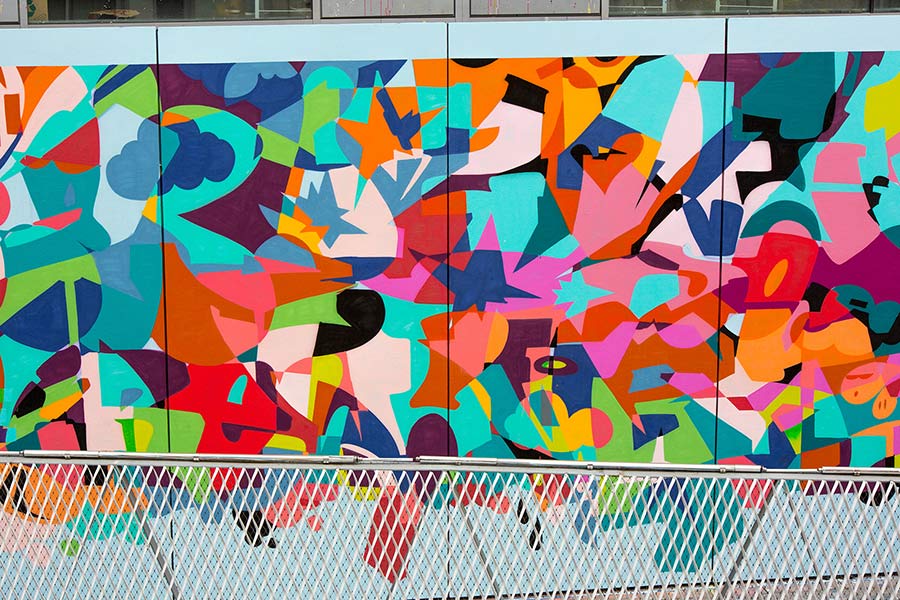
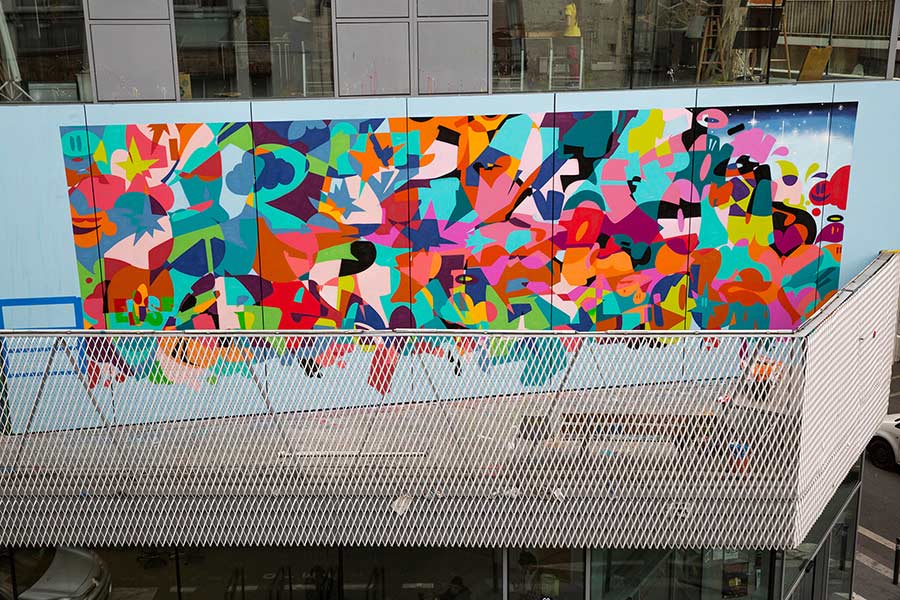
Frankfurt-based ultra-talent Case Maclaim is with the Urvanity Art Fair this week, and he has created a new mural in Madrid’s old, historical city center. His work is being shown by Brussells Ruby Gallery, along with that of street artists EverSiempre and Wasted Rita. Still, he just wanted to go big with a tribute to children’s imagination.
Case Maclaim. Urvanity 2021. Madrid, Spain. (photo courtesy of Urvanity Art Fair)
“I gave the viewer a new character of a yet unknown fairy tale,” Maclaim says of the confident kid wearing a mermaid costume. “I have high hopes that it will encourage especially the young audience to come up with their very own story.”
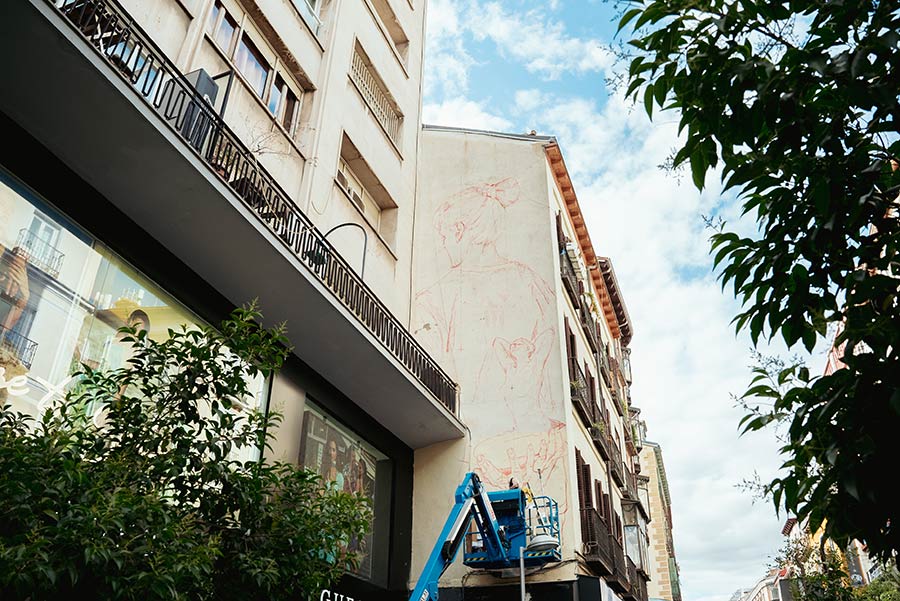
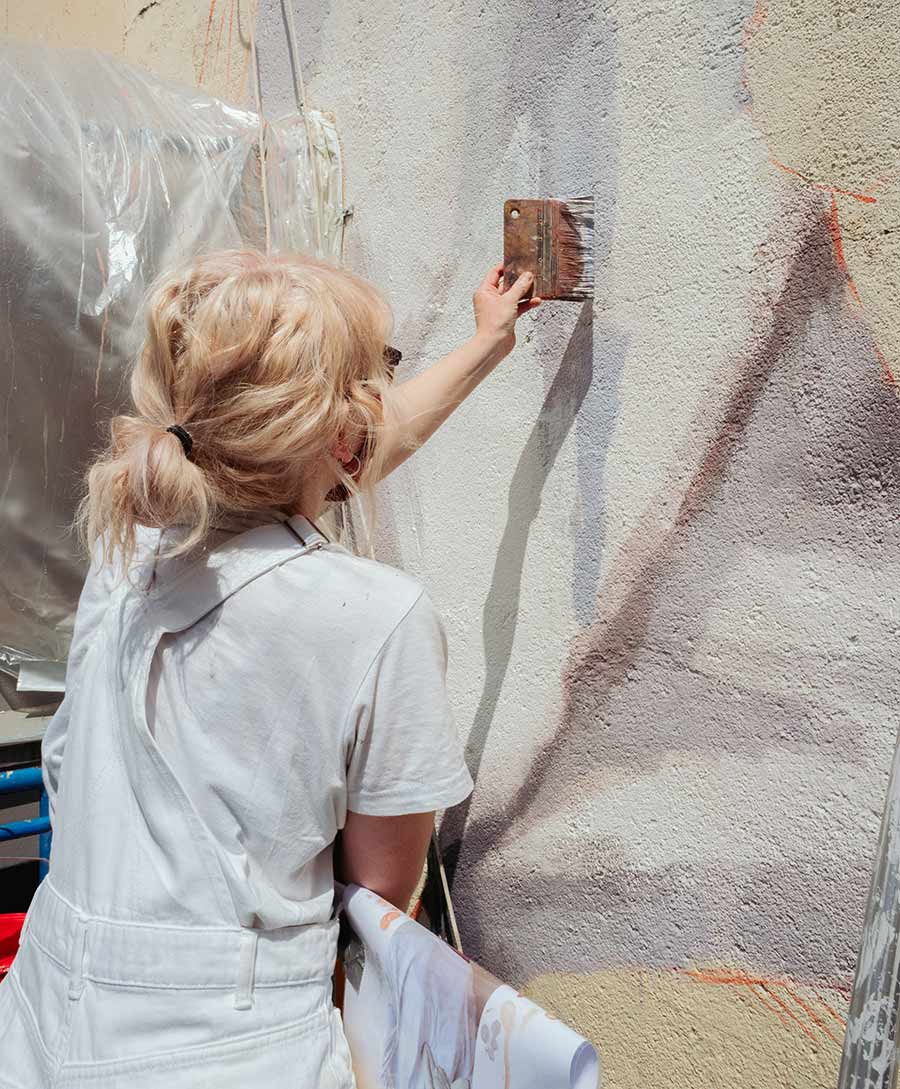
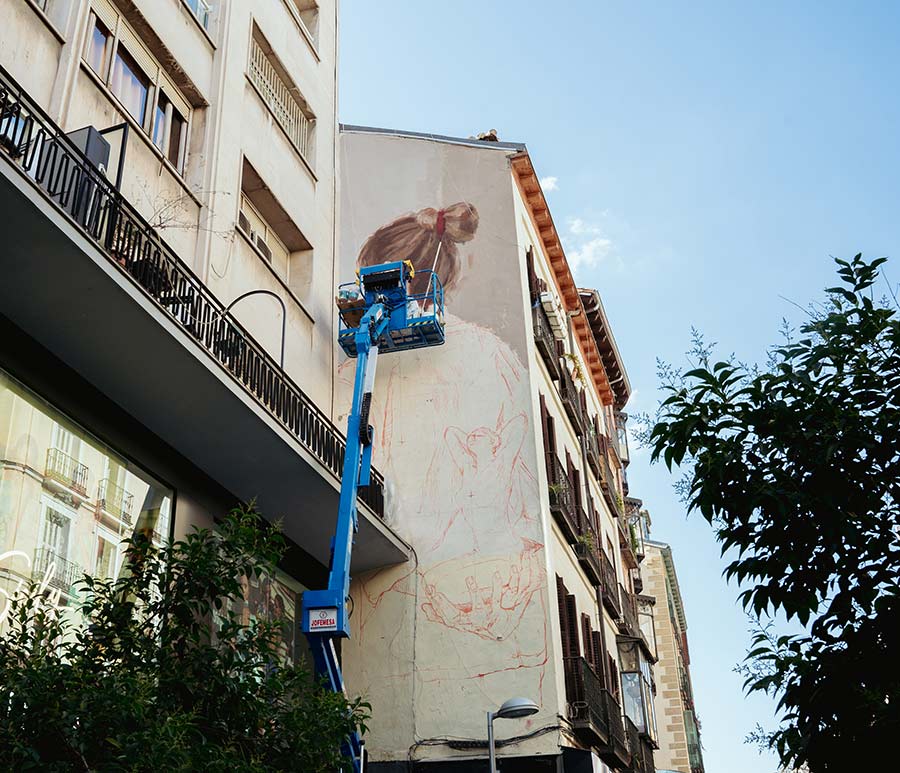
On another wall, tall and thin, on calle Fuencarral 47, artist Helen Bur painted a figure as a tribute to her mother and to the recently departed Street Artist Hyuro. She says she pays homage to these two women – ‘Humilty, strength, elegance & poetry of the subtle.”
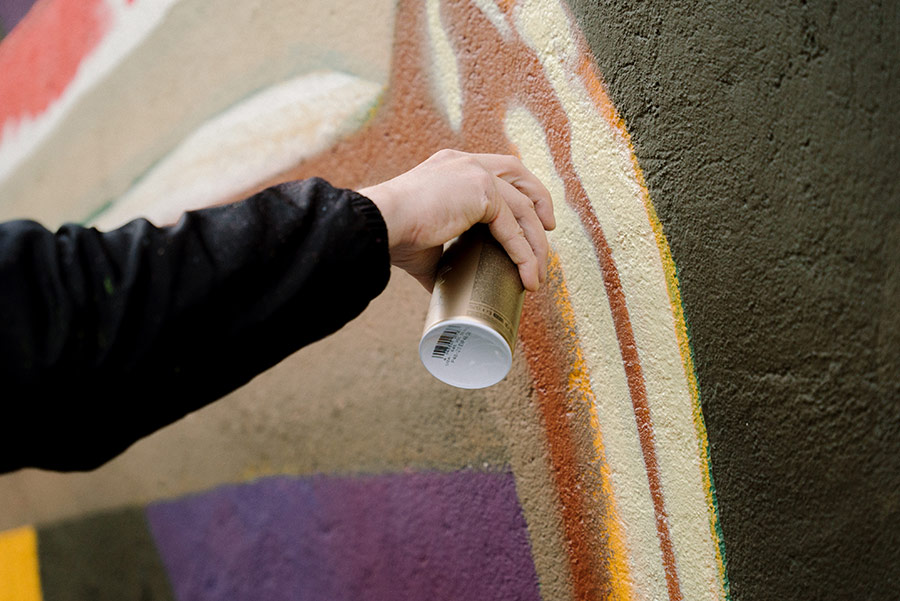
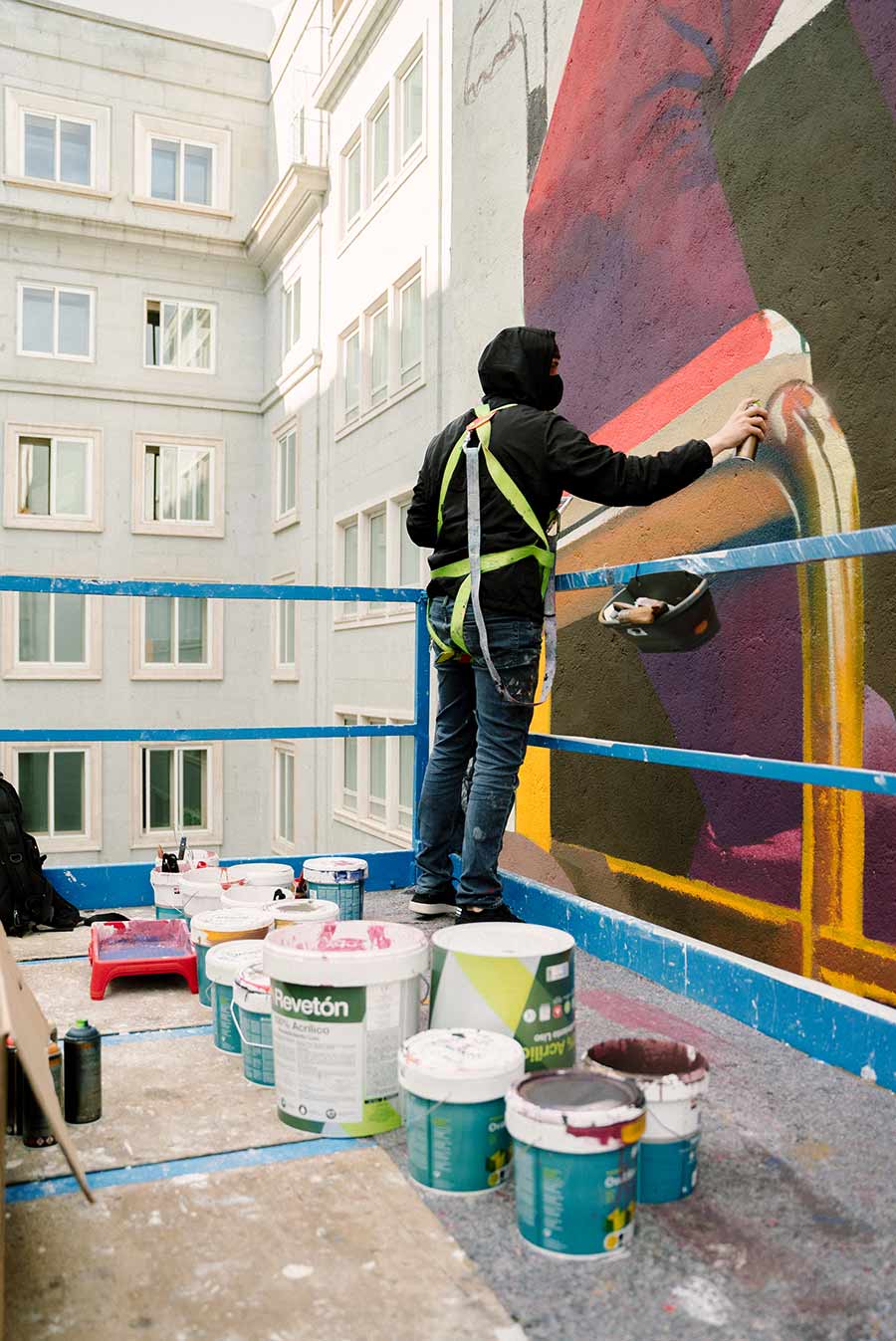
Case Maclaim. Urvanity 2021. Madrid, Spain. (photo courtesy of Urvanity Art Fair)Case Maclaim. Urvanity 2021. Madrid, Spain. (photo courtesy of Urvanity Art Fair)Case Maclaim. Urvanity 2021. Madrid, Spain. (photo courtesy of Urvanity Art Fair)Helen Bur. Urvanity 2021. Madrid, Spain. (photo courtesy of Urvanity Art Fair)Helen Bur. Urvanity 2021. Madrid, Spain. (photo courtesy of Urvanity Art Fair)Helen Bur. Urvanity 2021. Madrid, Spain. (photo courtesy of Urvanity Art Fair)Helen Bur. Urvanity 2021. Madrid, Spain. (photo courtesy of Urvanity Art Fair)Helen Bur. Urvanity 2021. Madrid, Spain. (photo courtesy of Urvanity Art Fair)
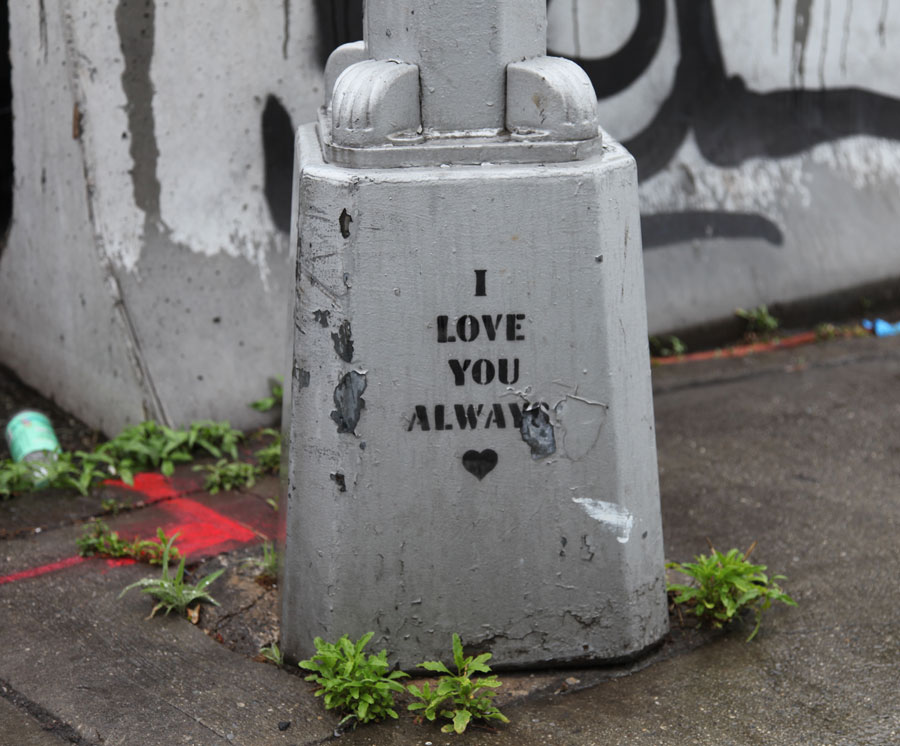
The volume of Street Art has picked up full steam with more graffiti on walls than many OG graff fans can remember were on the trains in the 80s. Competition for spots large and small is more fierce than a Saturday afternoon rush at the nail salon. The quantity of pieces and tags and stencils ebbs and flows, as does the quality and freshness. But looking at it as you walk makes you feel like New York street and cultural life is in full bloom. Large-scale and small, the works appear like mushrooms popping up in the urban forest after a late-spring rain storm.
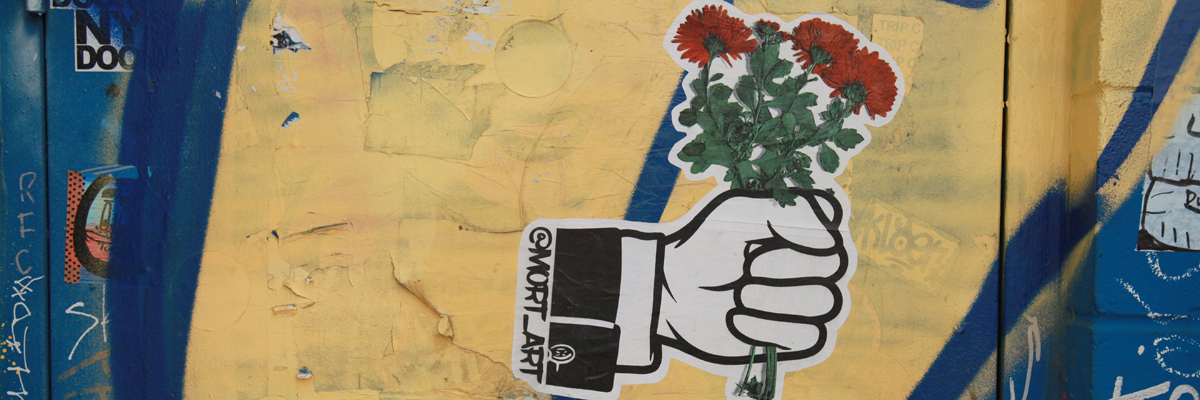
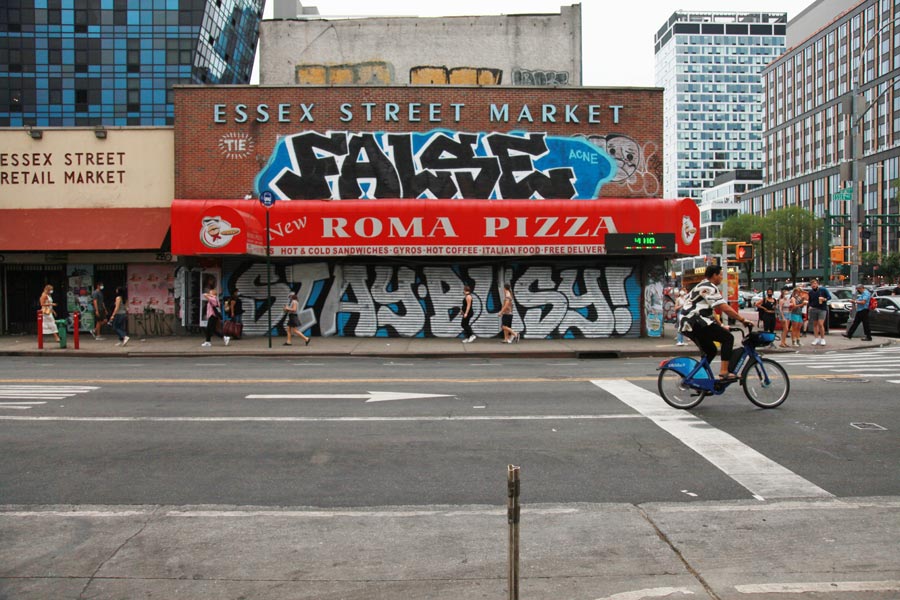
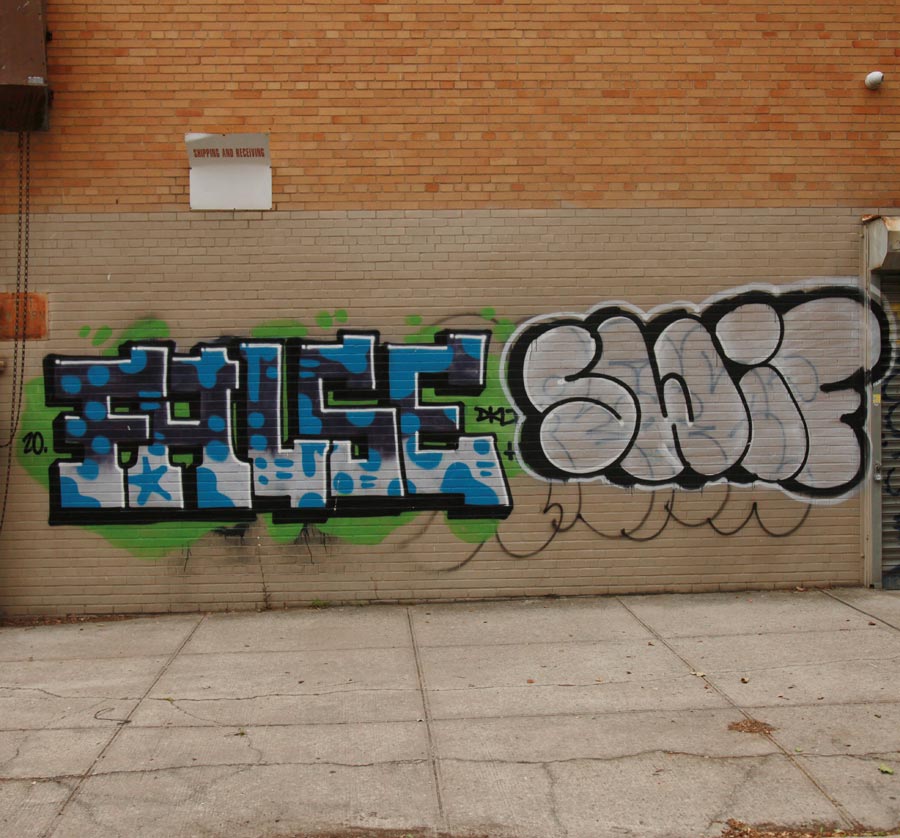
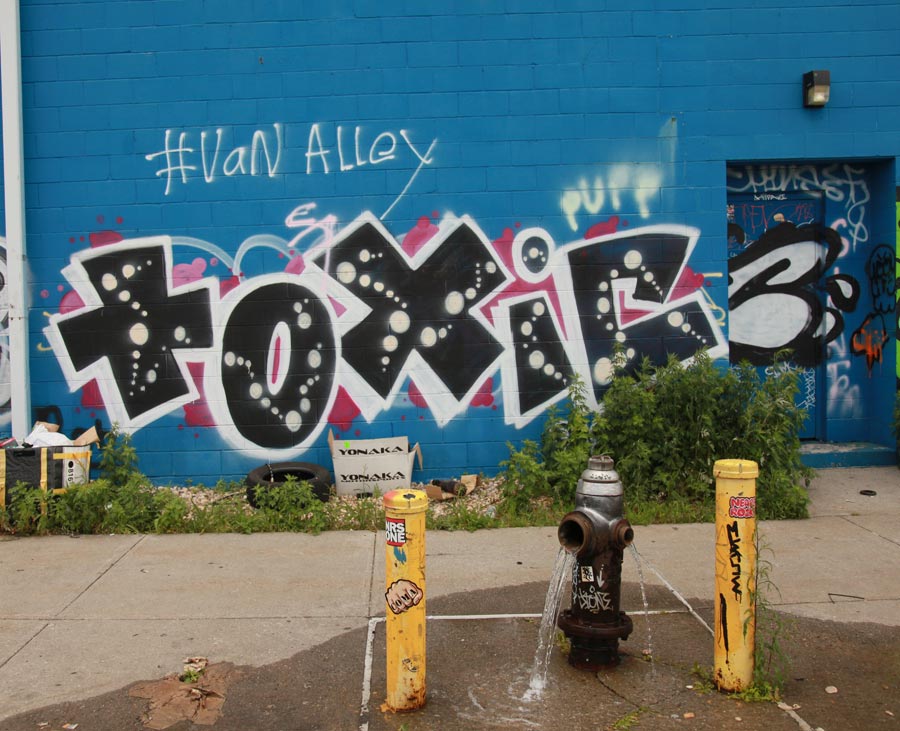
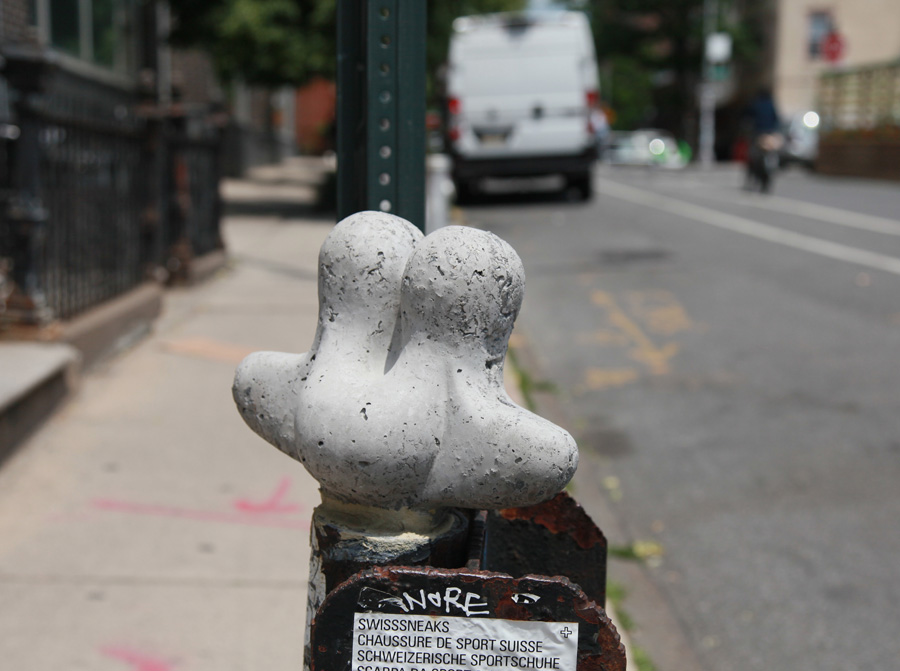
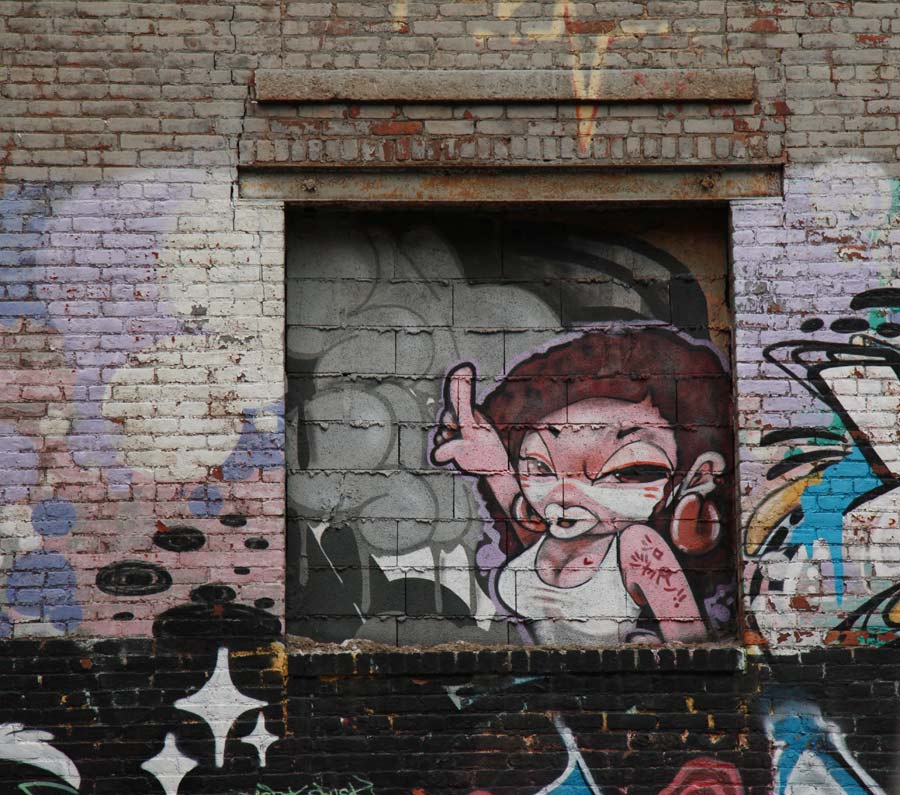
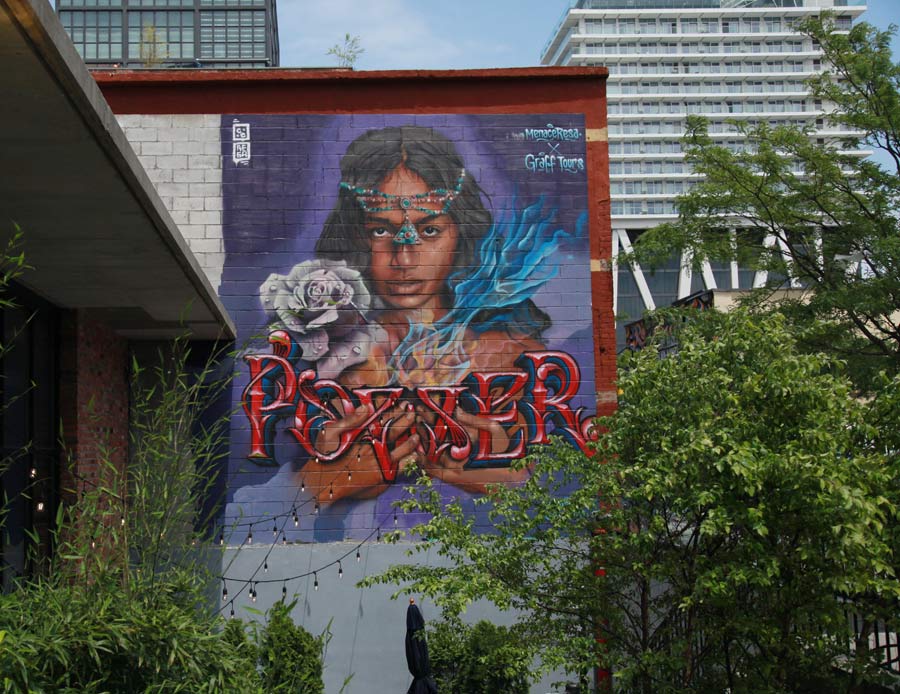
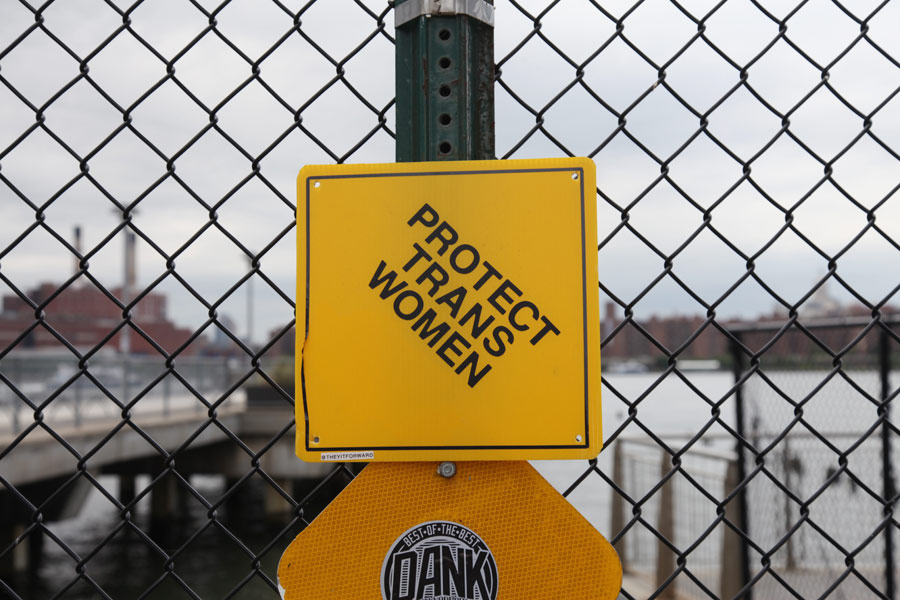
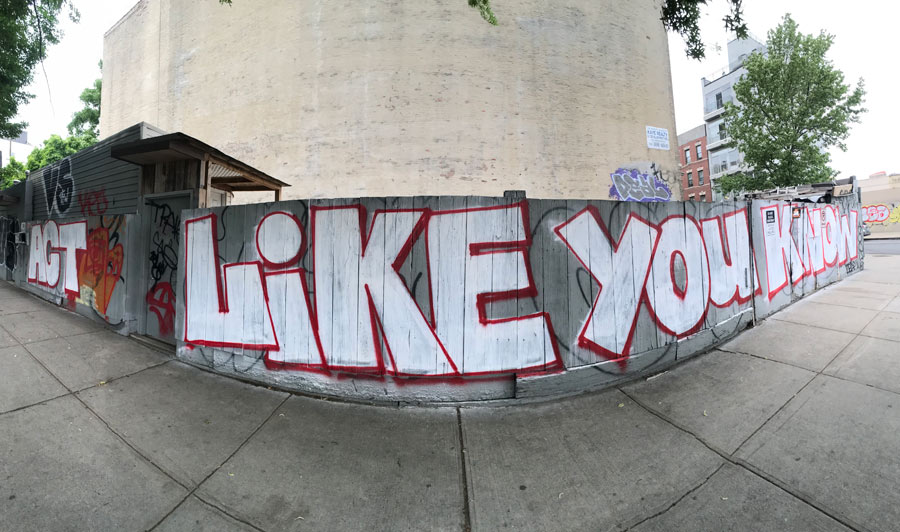
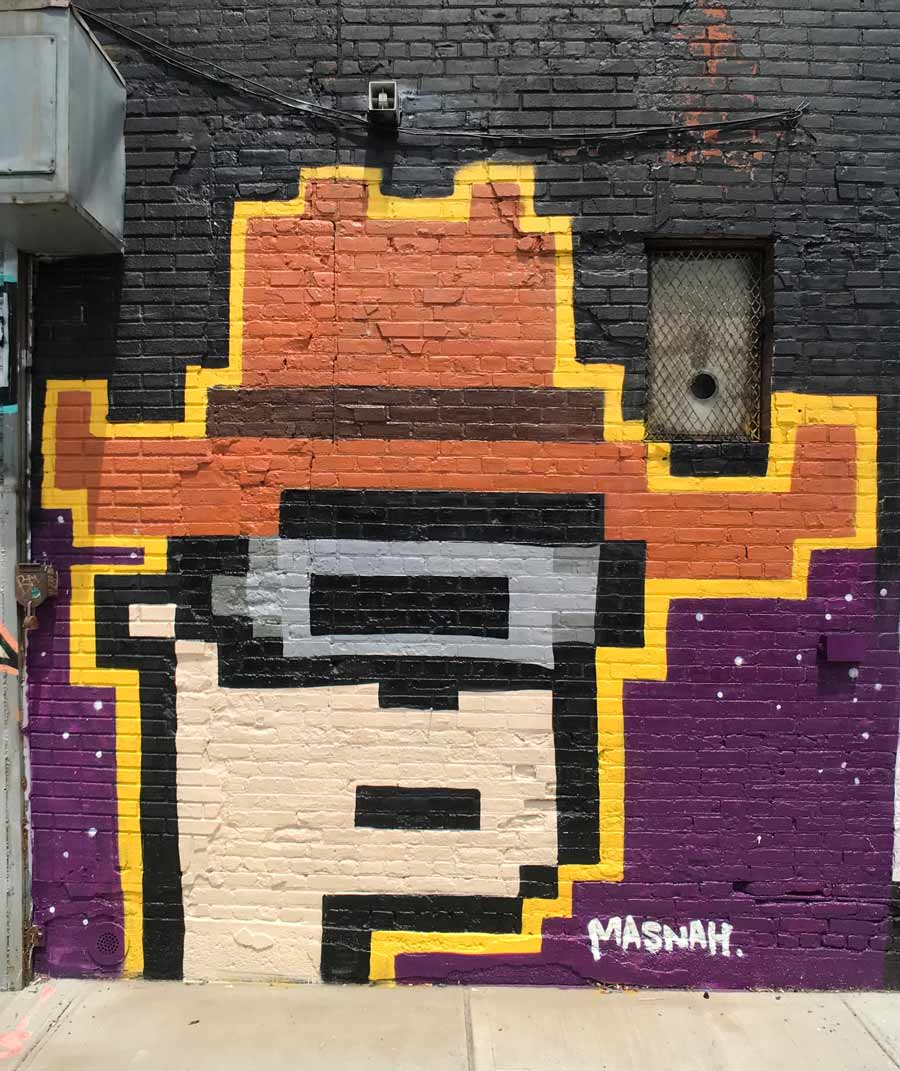
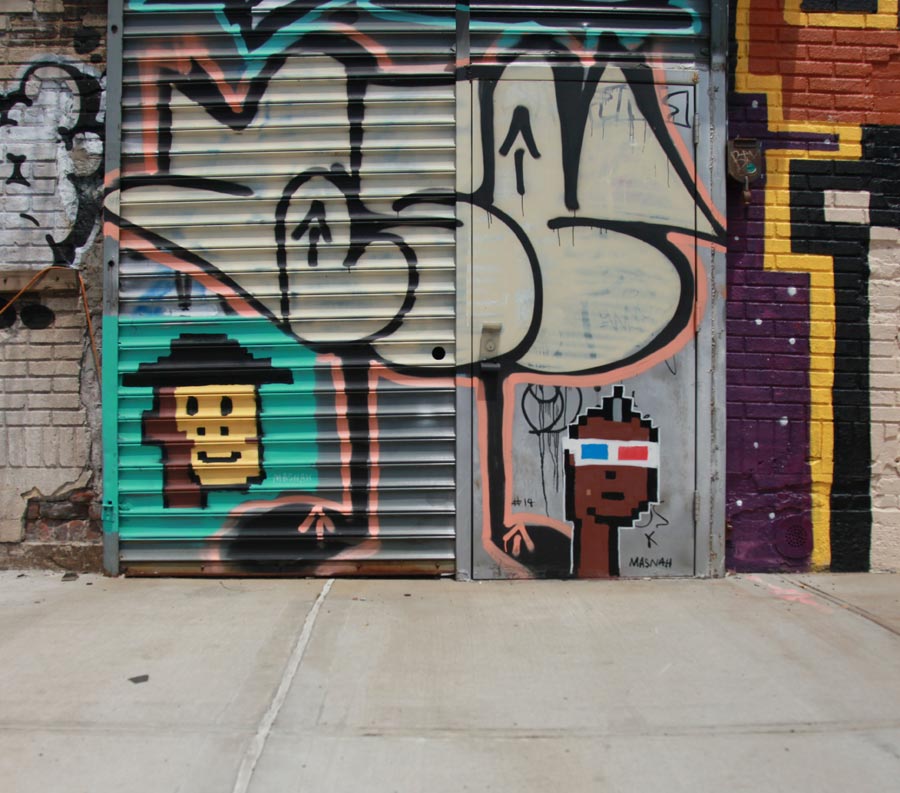
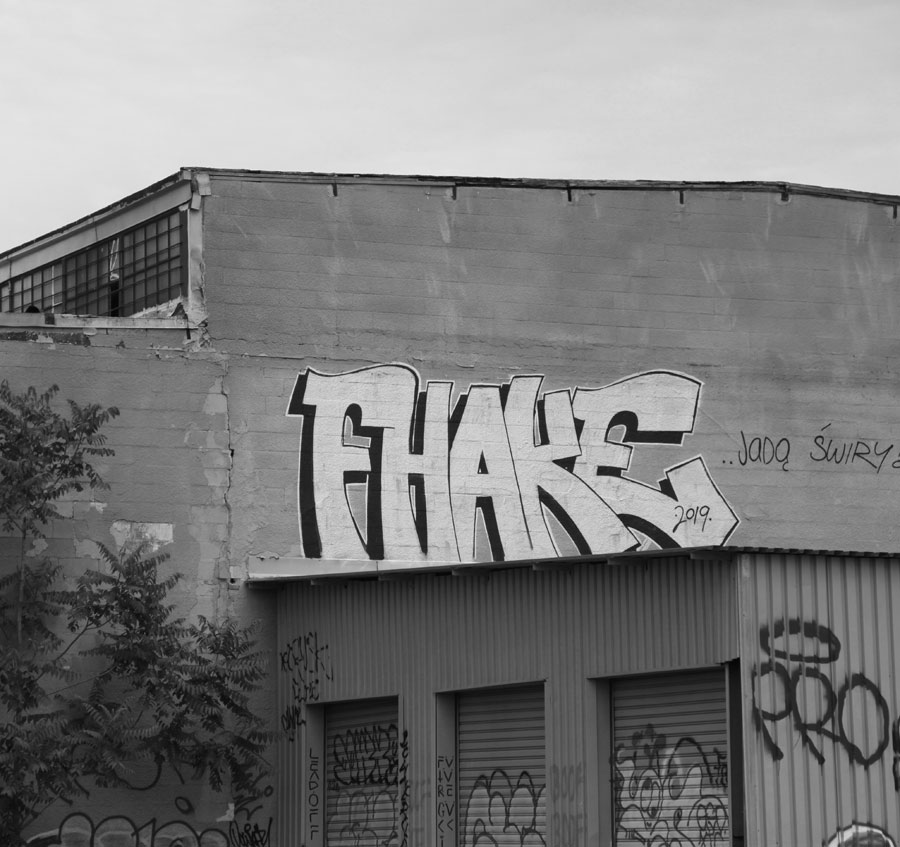
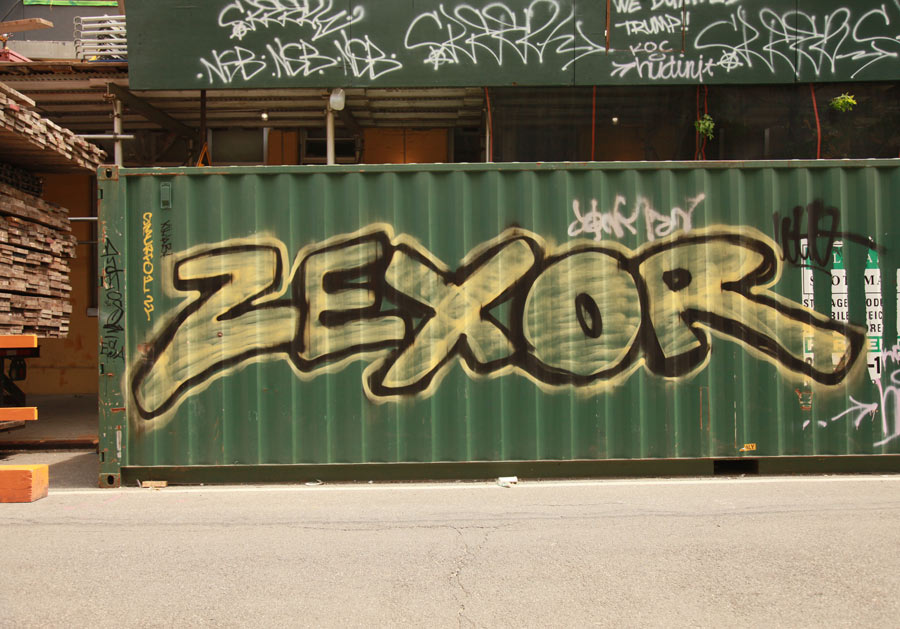
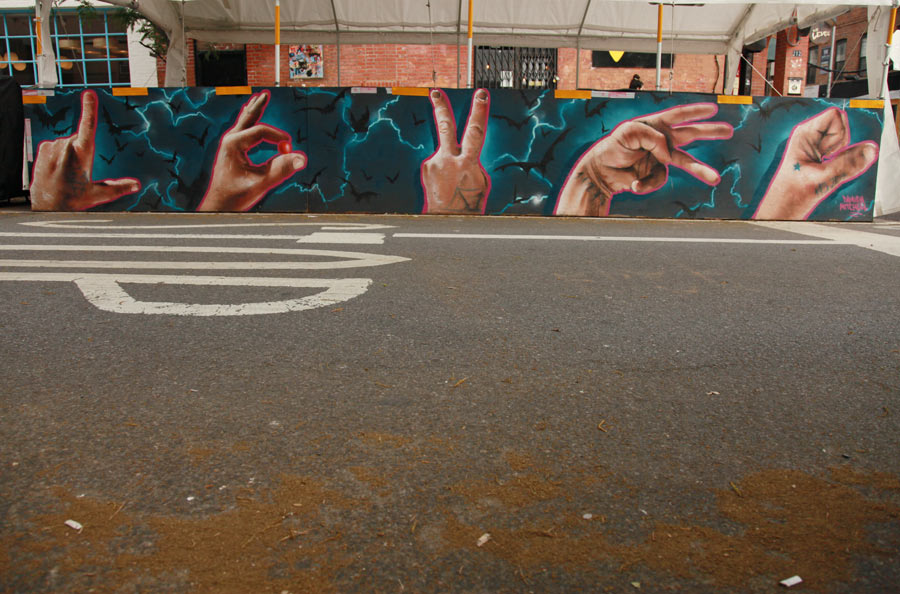
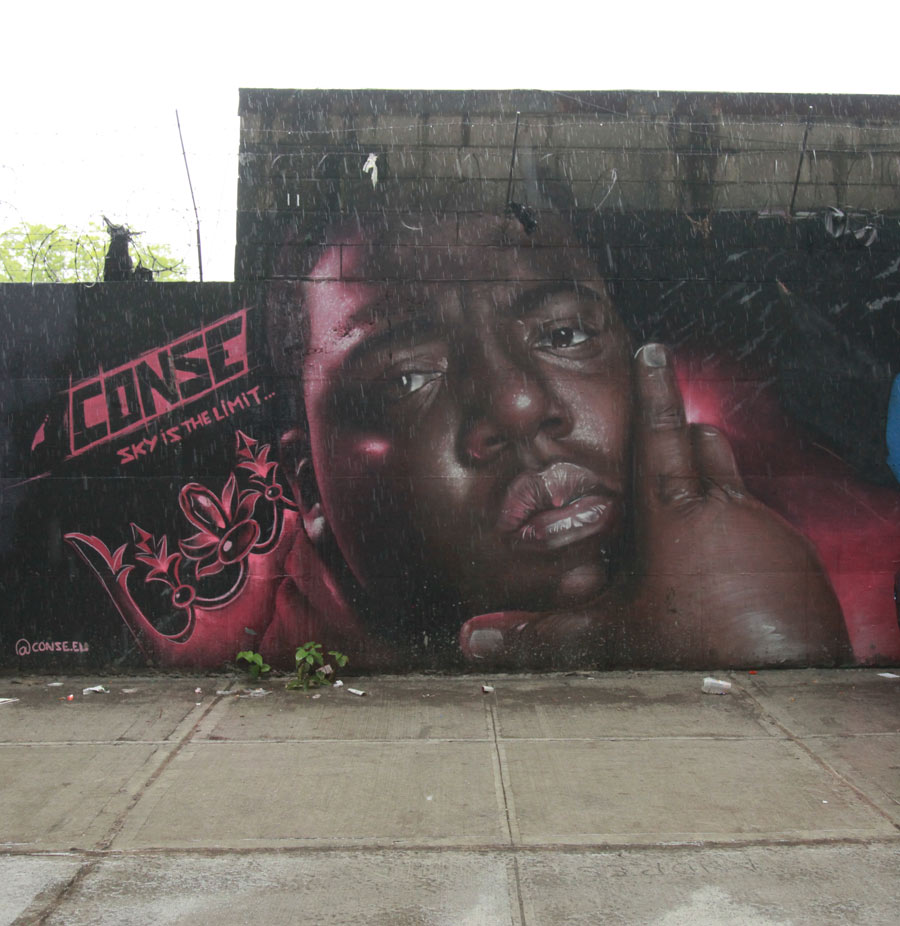
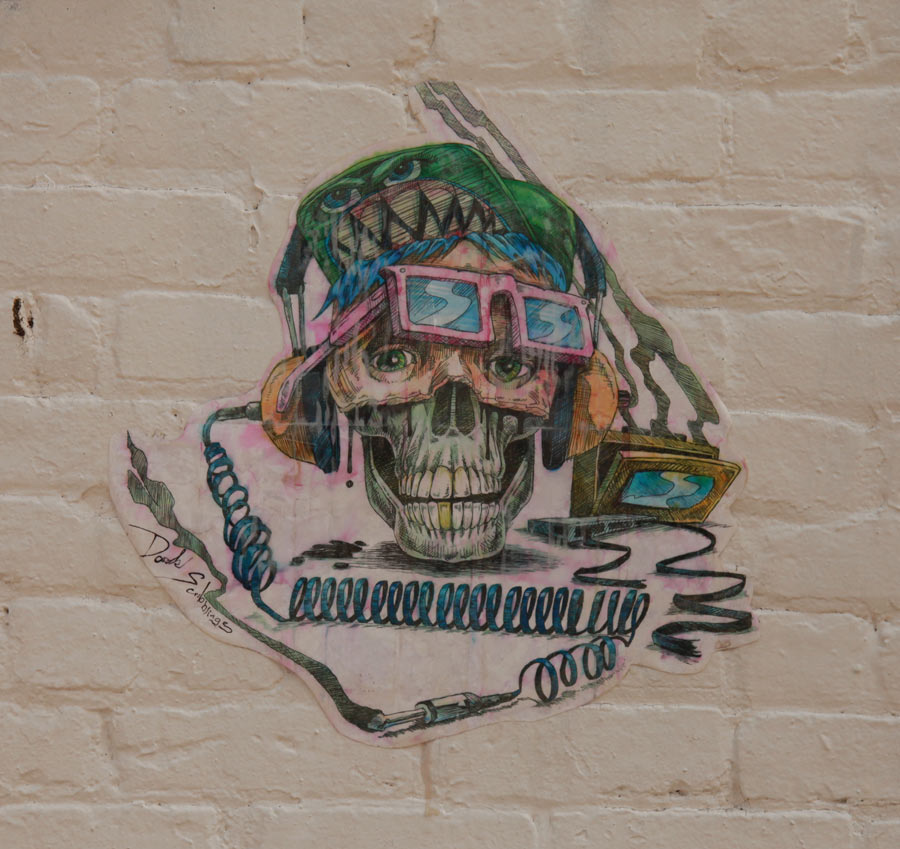
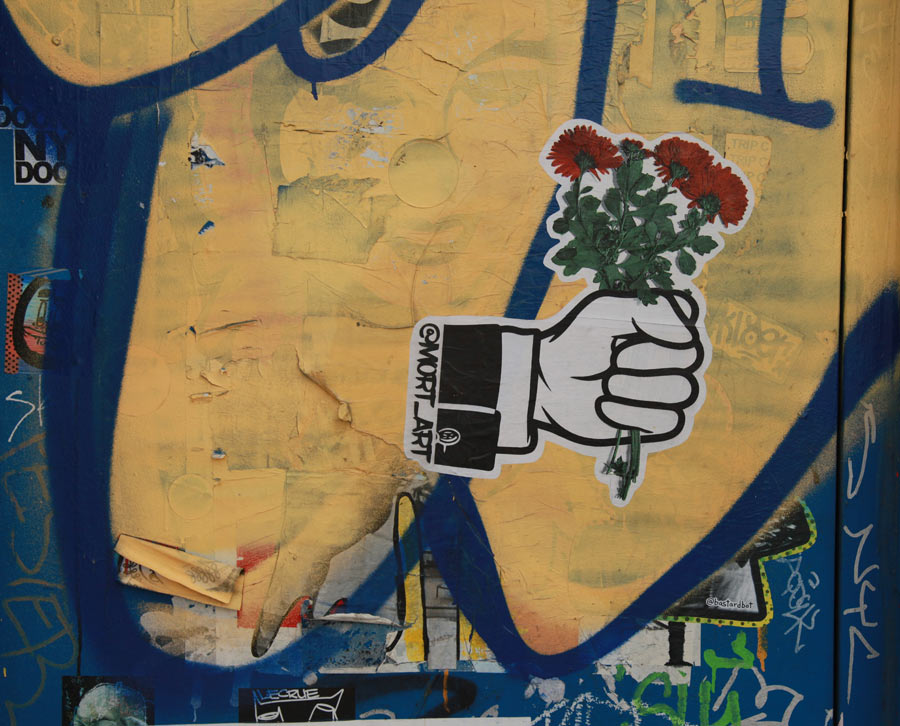
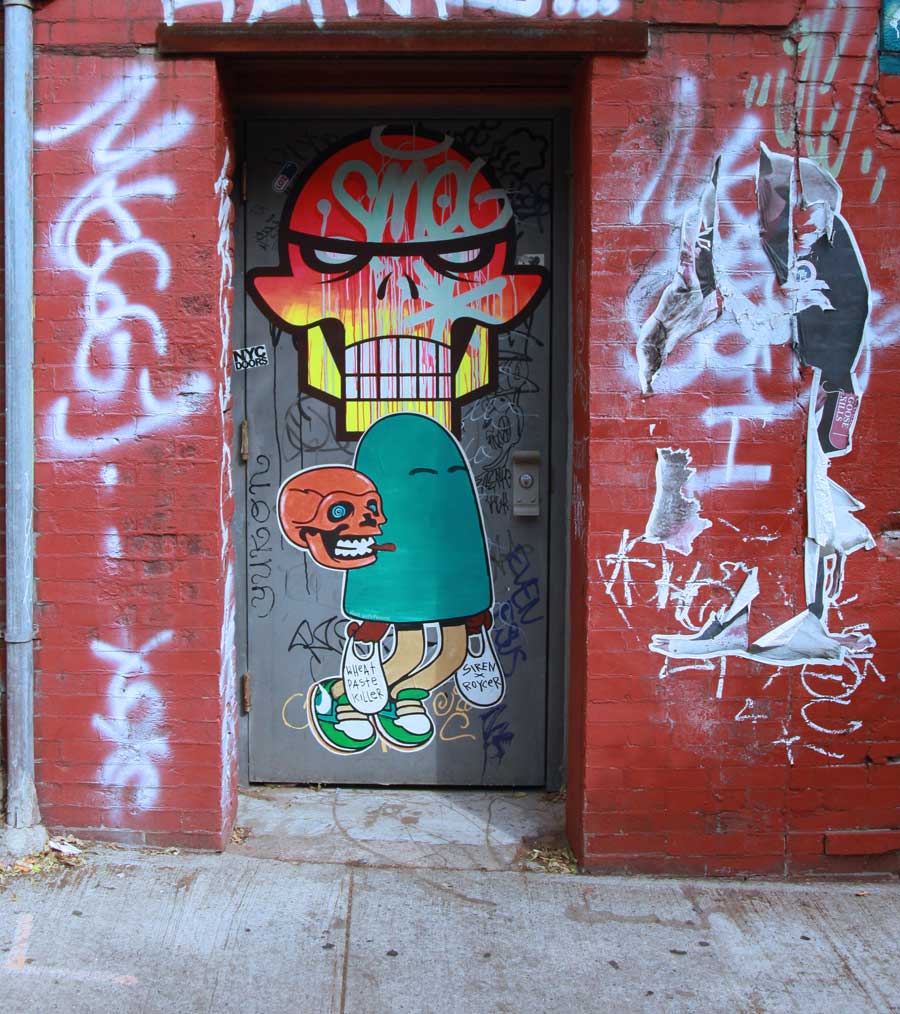
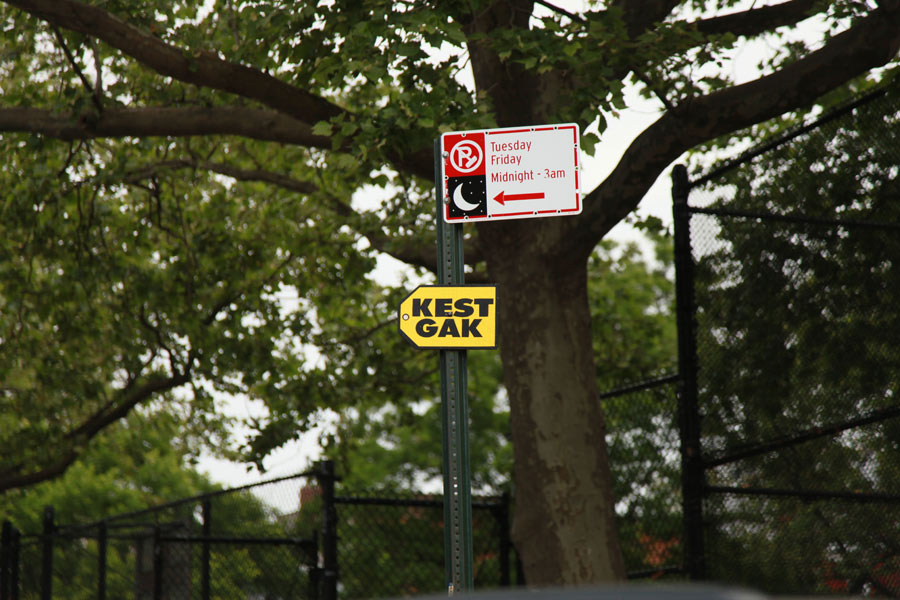
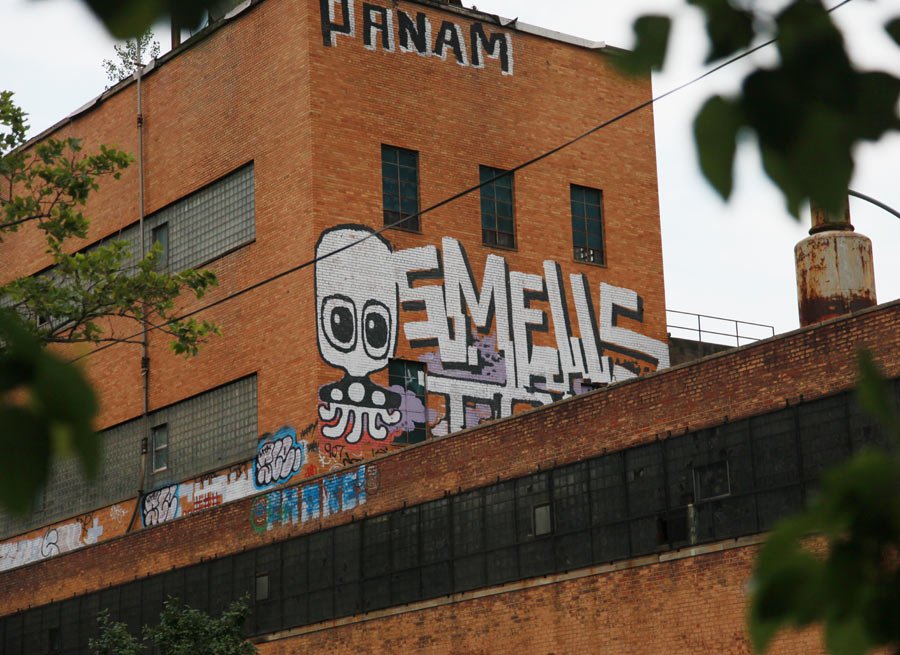
Here’s our weekly interview with the street, this week featuring Conse, D. Scribblings, Damien Mitchel, False, Fhake, Kest Gak, Lorenzo Masnah, Matt Siren, Menace Resa, Michael Zelehoski, Mint & Serf, Mort Art, Royce Bannon, Shiro, Smells, Swif, The Yit Foreward, Toxic, UFO 907, and Zexor.
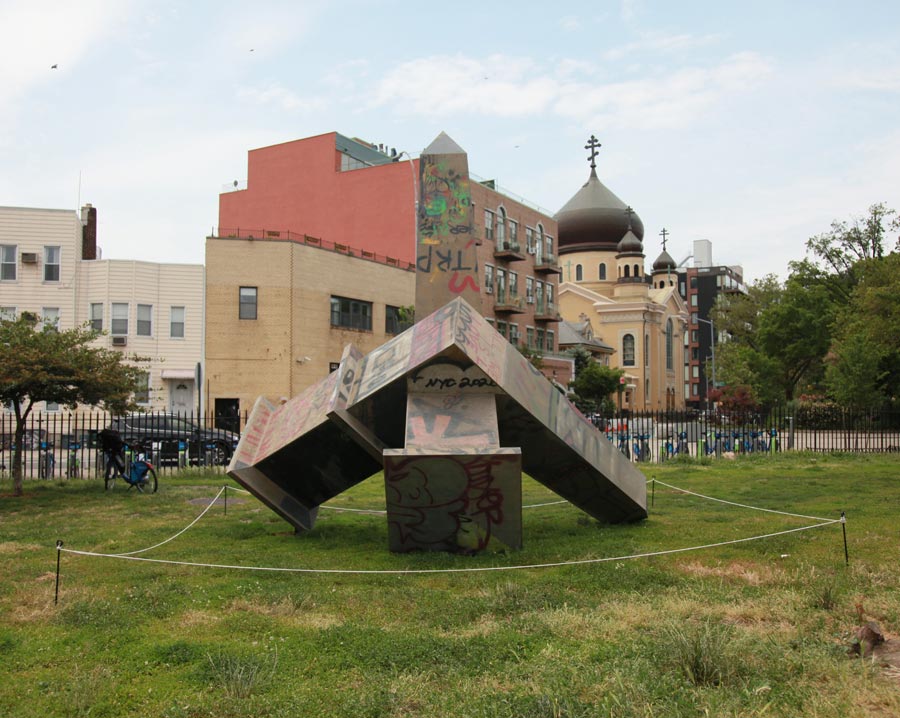
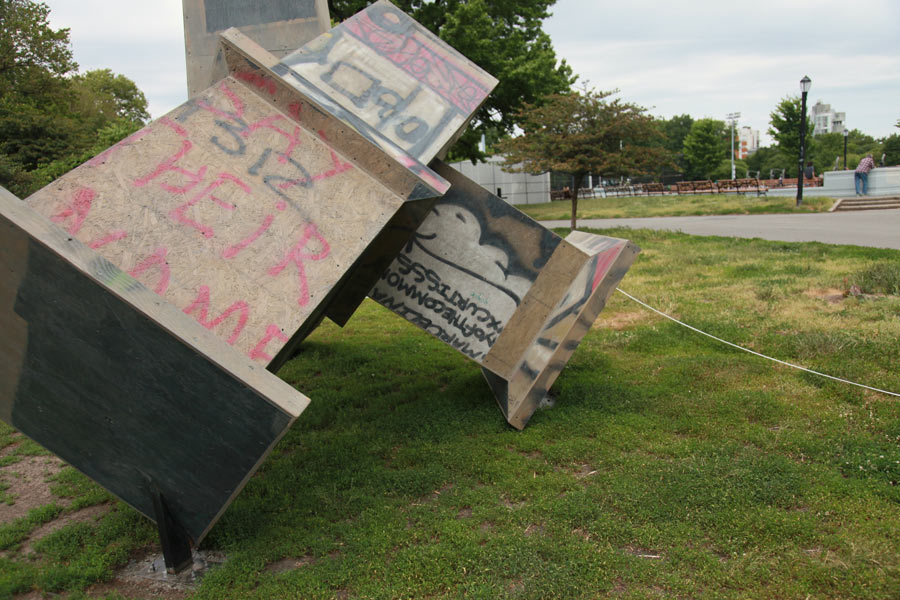
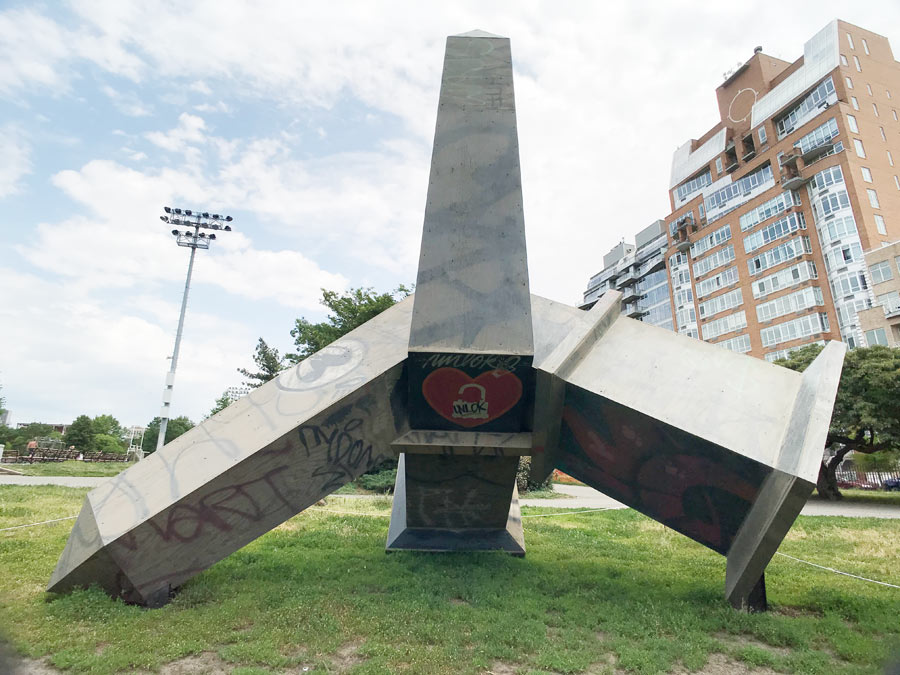
This wooden sculpture installed in McCarren Park in Williamsburg is made from recycled wood from boarded-up windows. It will remain in place until October 2021.
Paris-born Zecky has been writing graffiti since he was a teen in the late 1980s and brings his spontaneous and switchable style catalog here to the Art Azoi walls in the 20th Arrondissement.
Out in broad daylight for this freeform color blast, Zeky has a long history of bringing his early writing skills to the contemporary canvas, distinguishing himself in areas of style and a sophisticated palette selection. Pushing his limits when reaching toward his heroes of New York Wildstyle, Zeky actually supersedes those limitations and has developed his own lingua franca.
Our weekly focus on the moving image and art in the streets. And other oddities.
Now screening: 1. Good Guy Boris – Remote Sensing 2. ZEKY via Art Azoï. Video by Justine Bigot 3. DETOKS & GENOM, “Not Bigger, Not Better, But…More!” Via Montana Colors TV 4. HONET via Art Azoï. Video by Justine Bigot
BSA Special Feature: Good Guy Boris – Remote Sensing
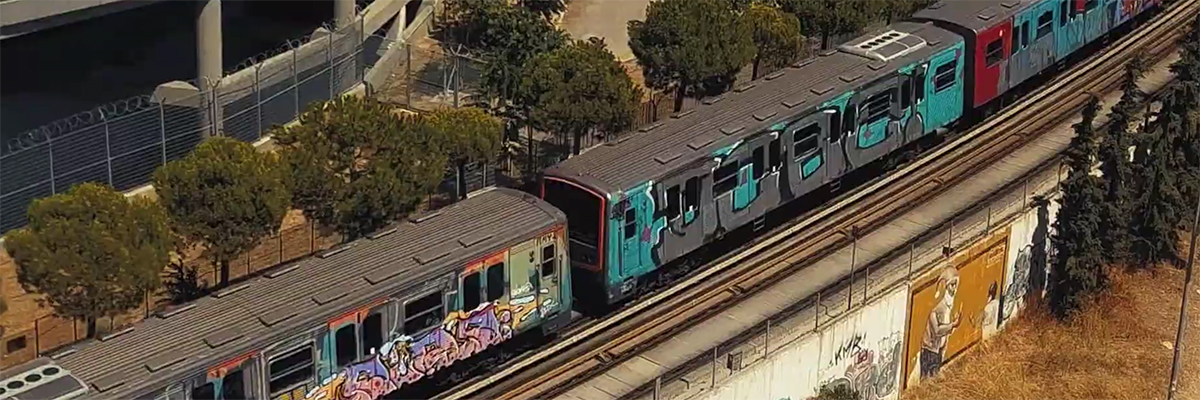
The misadventures continue on the 1 Line in Athens.
“Athens now has that feeling of being wild and unpredictable – a little exciting or dangerous in some parts.”
And the voice…. it sounds so familiar.
ZEKY via Art Azoï. Video by Justine Bigot
DETOKS & GENOM, “Not Bigger, Not Better, But…More!” Via Montana Colors TV
Silvers! Rollers! Color Pieces! Oh my! Barcelona’s Detoks and Genom are on the loose around big highway spots and metro stops. They say they are not bragging, but they get around.
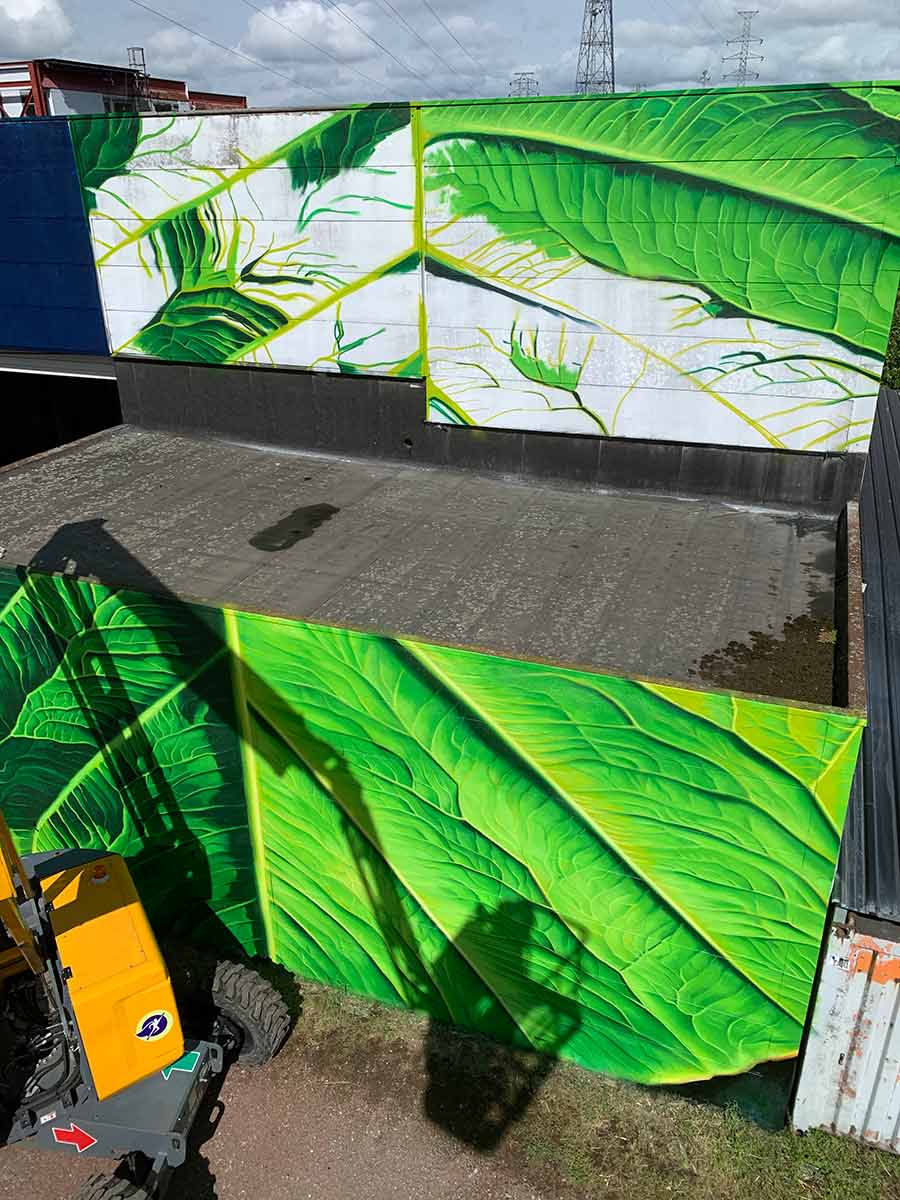
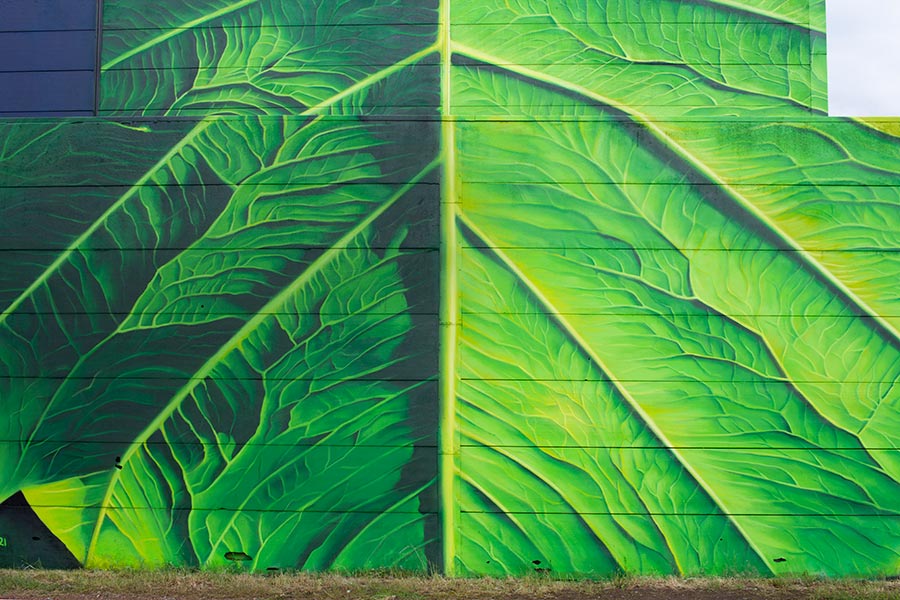
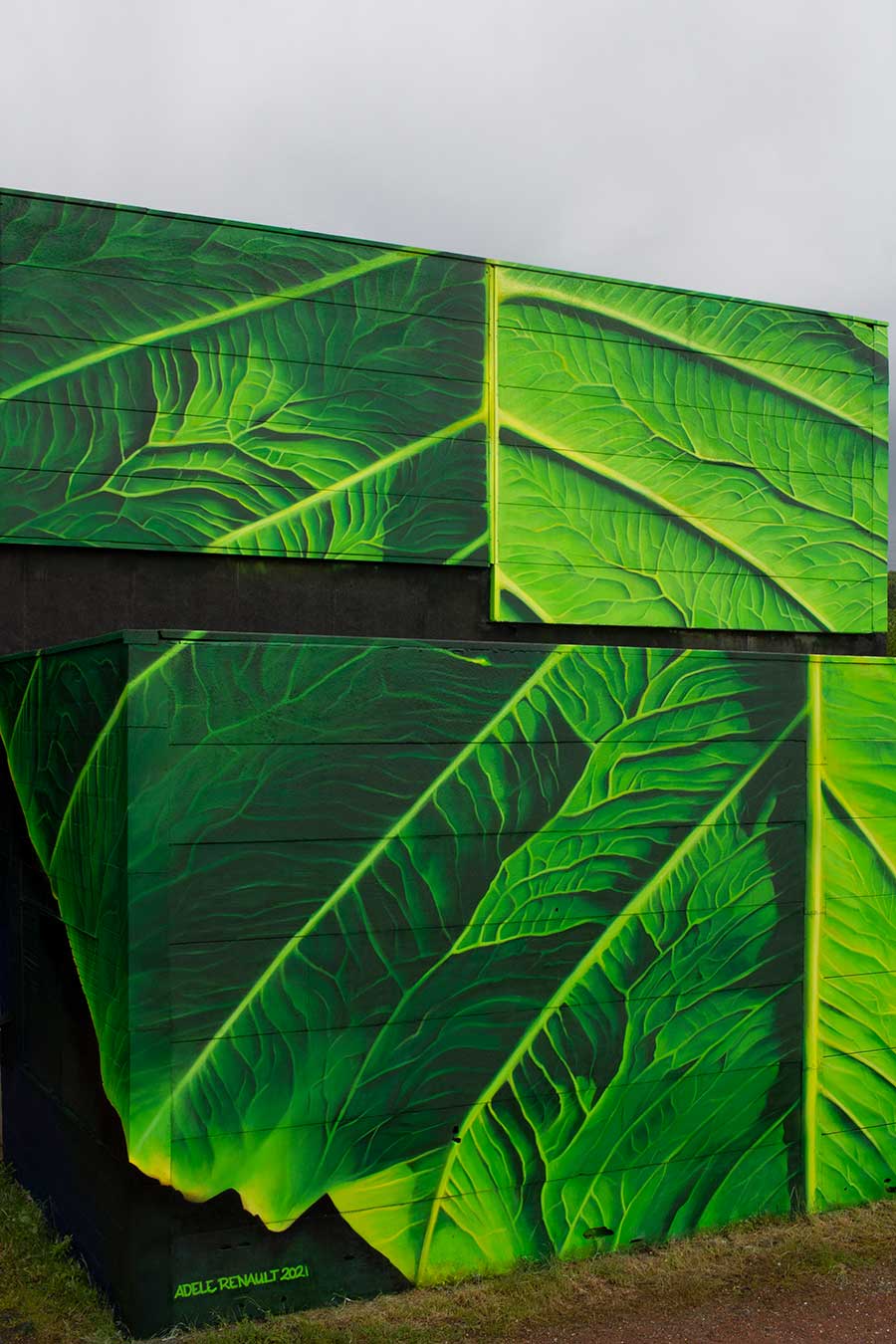
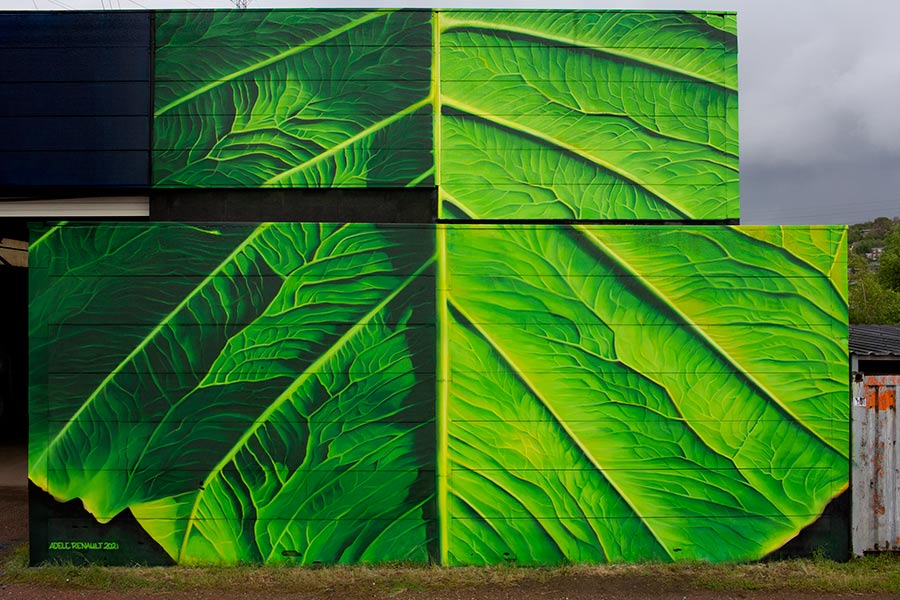
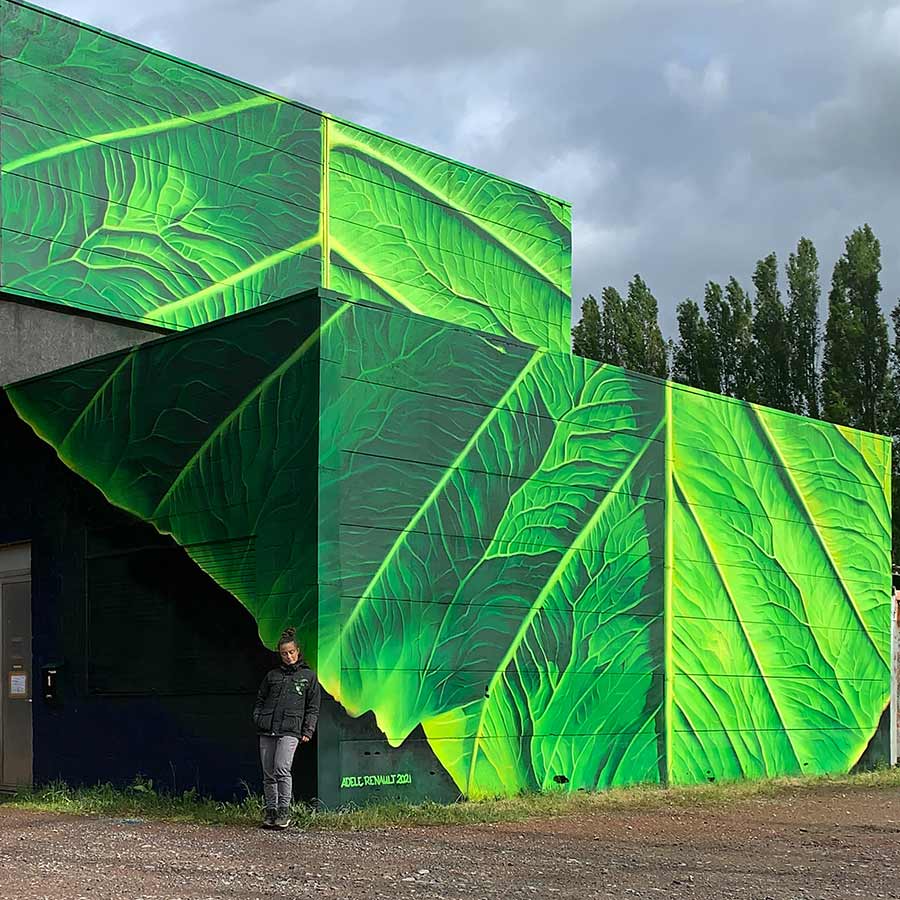
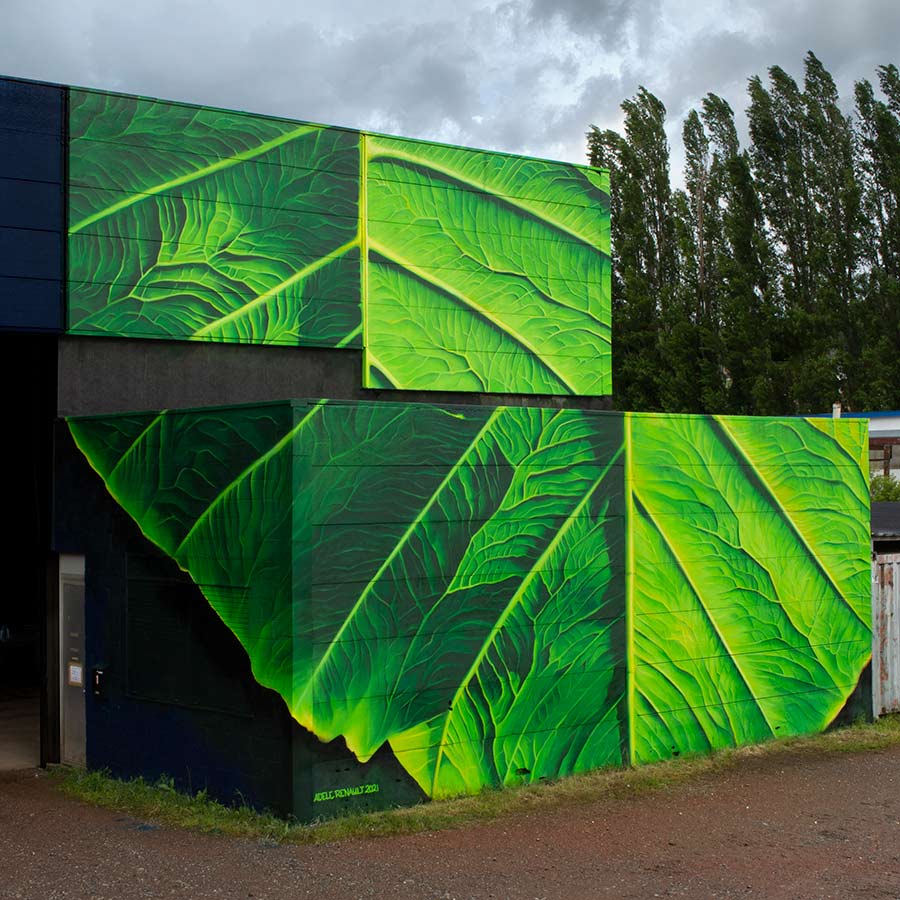
Something completely fresh today from artist Adele Renault, who tells us she is thinking about the beauty of nature more than ever. With this new mural of green leafy covering in Liège, Belgium, she is beginning a series she will call Plantasia (#plantasia) and will be developing into a new solo gallery show focusing on the plant world. It’s as old as the hills and the forests, but this new focus feels fresh to this aerosol master. We asked Adele how this new direction began to grow.
BSA: Millions of people worldwide are finally venturing out without masks, and many countries are opening up after a horrific year during the Pandemic. You are not an exception. You are painting murals again—only this time with a new direction. Now you are painting plants. Did the lockdown and the isolation make you re-think the direction of your career?
Adele Renault: I never really stopped painting, luckily murals were considered like construction, and most murals could still go ahead; we are fortunate. It’s probably the only cultural sector that hasn’t been completely devastated. Traveling was an issue, of course, and many events got canceled or perpetually postponed. What the lockdown allowed me to do (just like everyone else) was to slow down a bit, and for me, that meant more time for gardening/planting. That’s a passion that’s literally been “growing” my whole life without me even being aware of it.
As a kid, I always had to help my mum in her large vegetable garden, sometimes fun, sometimes felt more like a chore. But I was subconsciously gathering up all that information being passed down to me—the moon calendar, what to plant when, how to prepare the earth. And then, like so many, I lived in cities where gardening didn’t have a place.
Until I moved to L.A. and was fascinated by the vegetation at every street corner, everything and anything seemed to be growing. And then a revelation came when I realized I was enjoying growing things in pots, didn’t even need to have a patch or a backyard.
I occasionally went to help my friend Ron Finley in his garden, and that’s where I realized you could have a massive garden, all growing in pots if you are surrounded by concrete. And pots are actually fun; you can compose pots like a painting, put together different things that grow at different speeds or heights, play with colors and textures. So right now, I spend a lot of time growing stuff indoors in pots and veggies outside.
BSA:Why did you choose plants as your subjects? AR: I’ve always painted the mundane, whatever was around me. People, pigeons. I see beauty everywhere and in everything, and for me, it was always about showing beauty where you least expect it, but the subject could have been anything. It never had to be “special” to be painted. Now, yet again, the subject chose me rather than the other way around. I spend more time looking at plants from up close, and so I end up painting plants. But it’s not an overnight decision. The seed was planted a long time ago, quite literally.
BSA: Will you paint plant life that is native to the country or city where you will be creating? AR: Probably, but not always. I will repaint the mundane, like stinging nettles or a cabbage leaf. Of course, I will sometimes make site-specific installations, but I also paint what speaks to me or fits a building. Right now, I am starting to work on a solo show. It will be in Belgium, and I am in Europe now, but I miss Los Angeles a lot, so I will probably end up painting some California plants.
BSA:What are your feelings about the color green? You’ll be using gallons of it moving forward. AR: I wouldn’t say I like green. When I buy clothes or shoes, I would never buy something green. Or paint the walls inside my house green! But I love green in nature. I think everybody does instinctively like green nature, green plants. And in a way, when I cover a building in a green leaf, well, I m quite literally letting nature envelop and reclaim a bit of manufactured concrete. Even though it’s not eco graffiti and spray paint isn’t quite “green nature” taking over, but it can at least symbolize it and inspire people for a greener future. I am obviously not the first or last person to paint plants, and I think it’s one of the natural subject matters, just like portraiture. But I hope to bring something new with my approach.
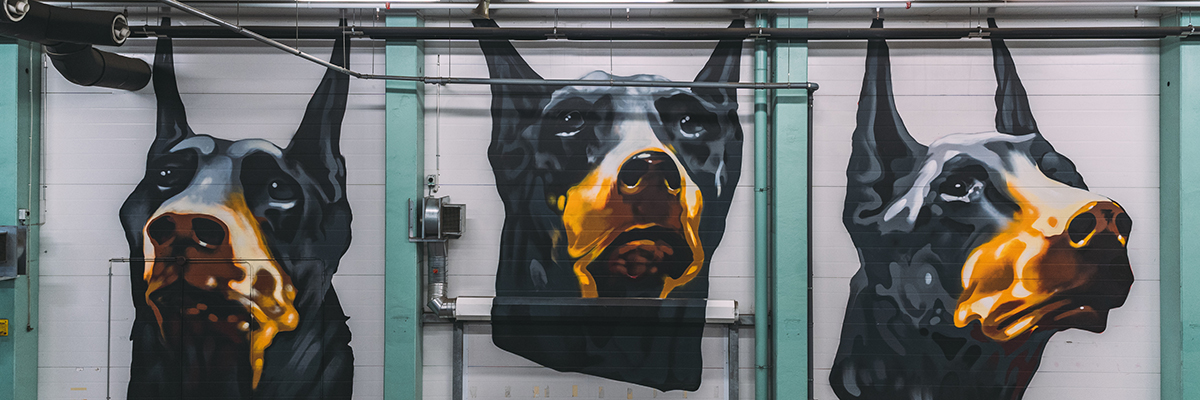
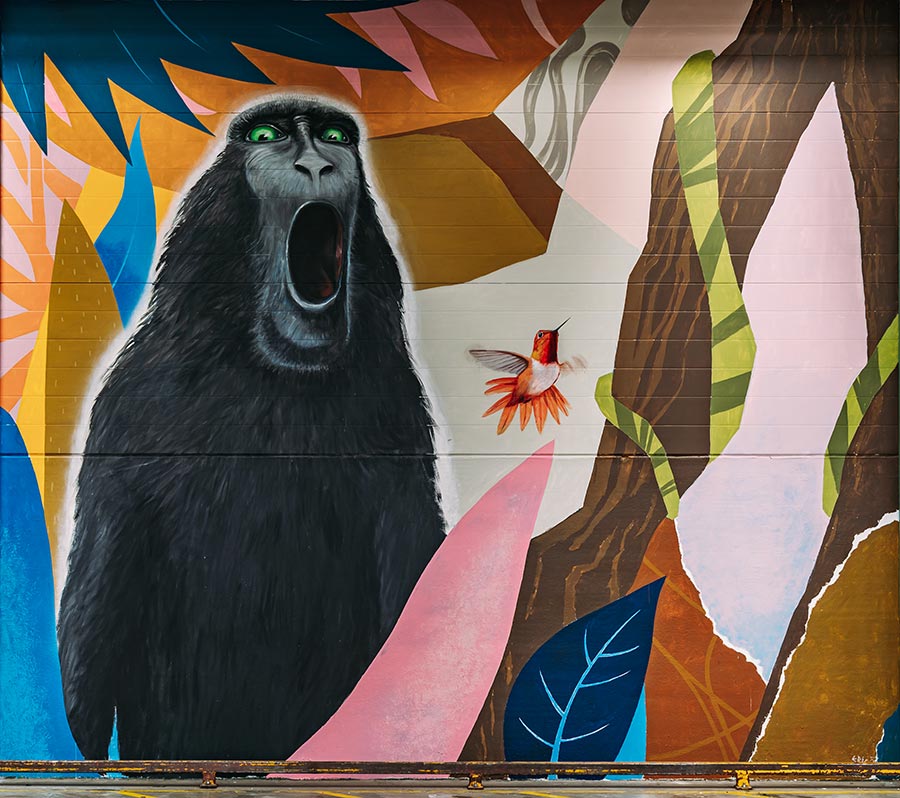
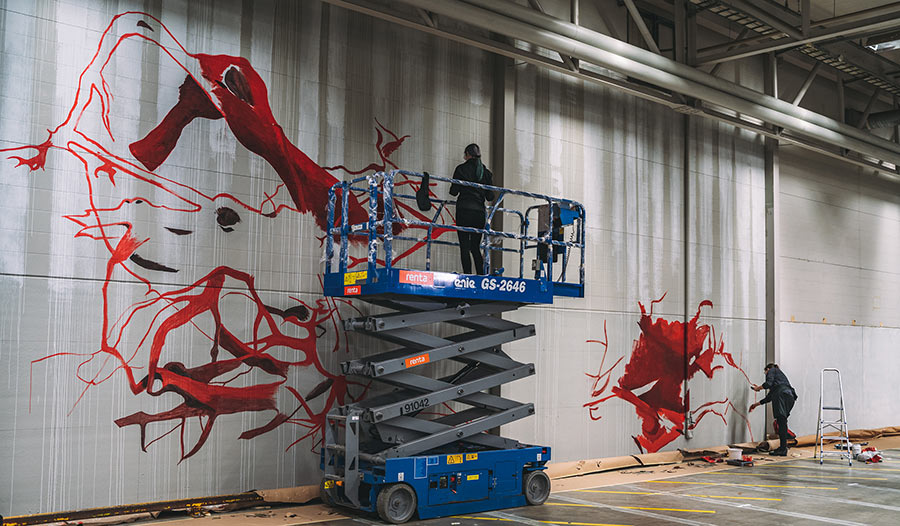
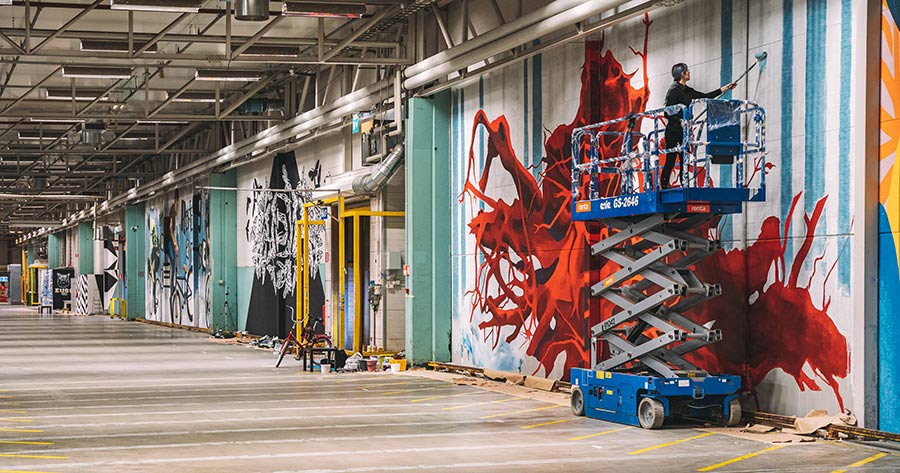
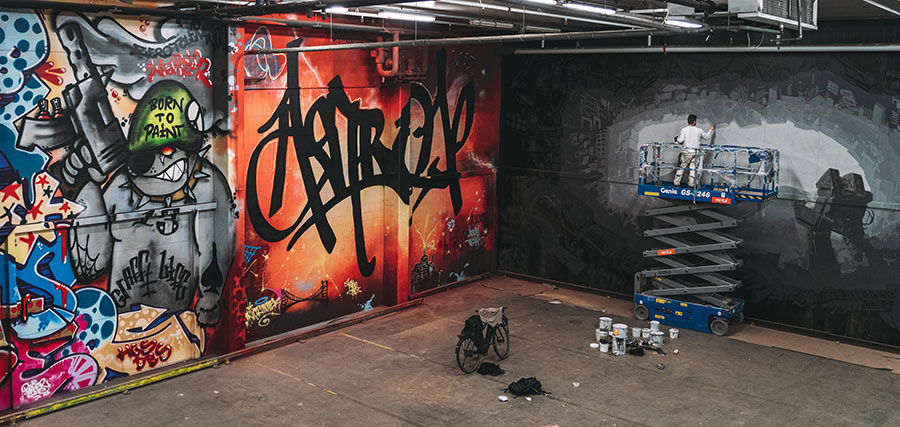
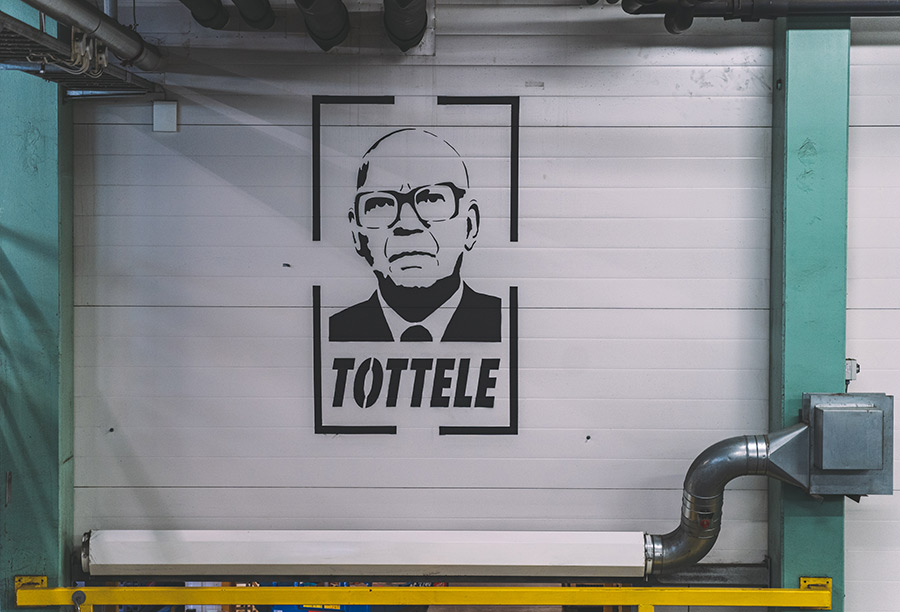
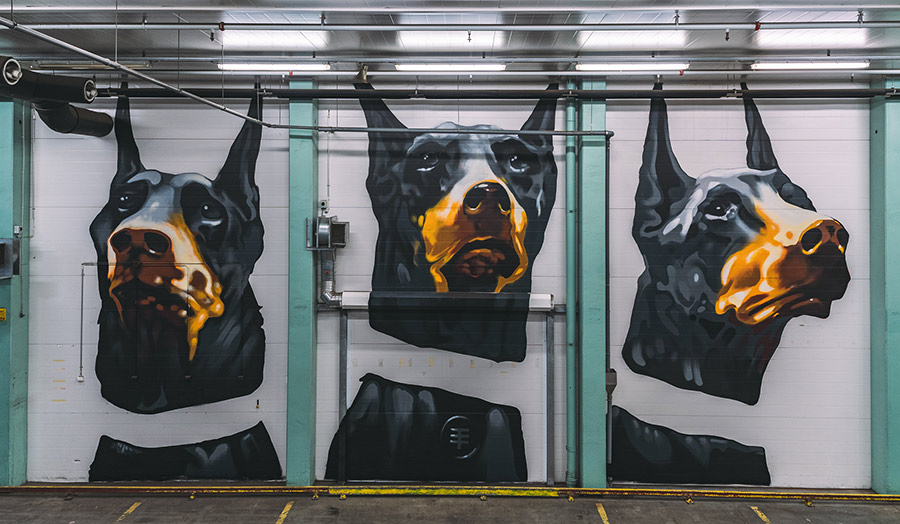
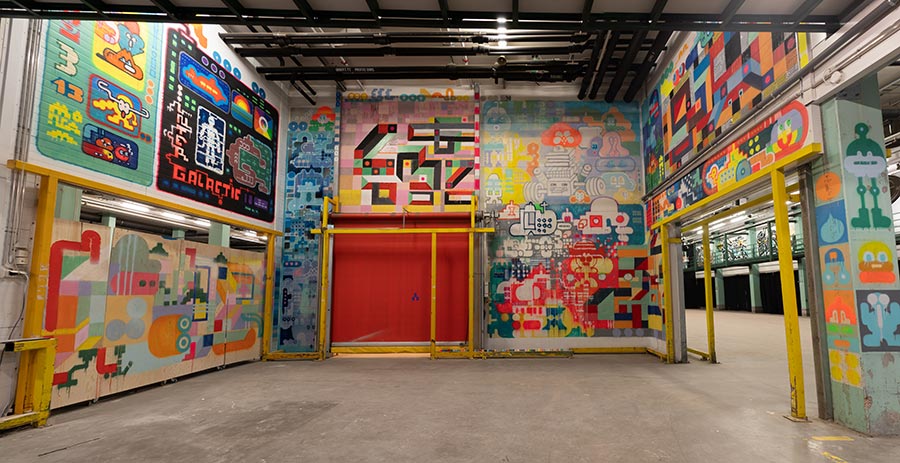
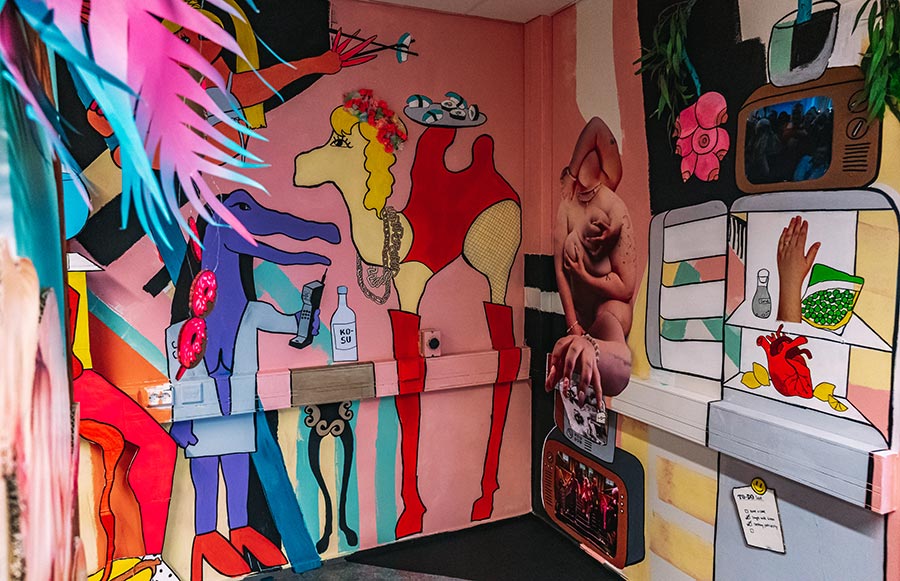
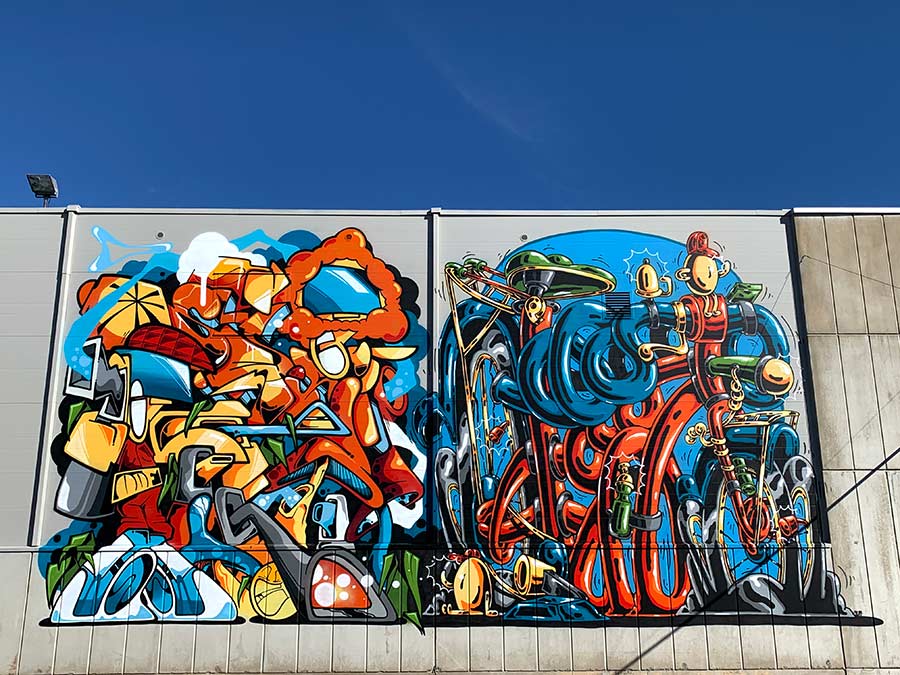
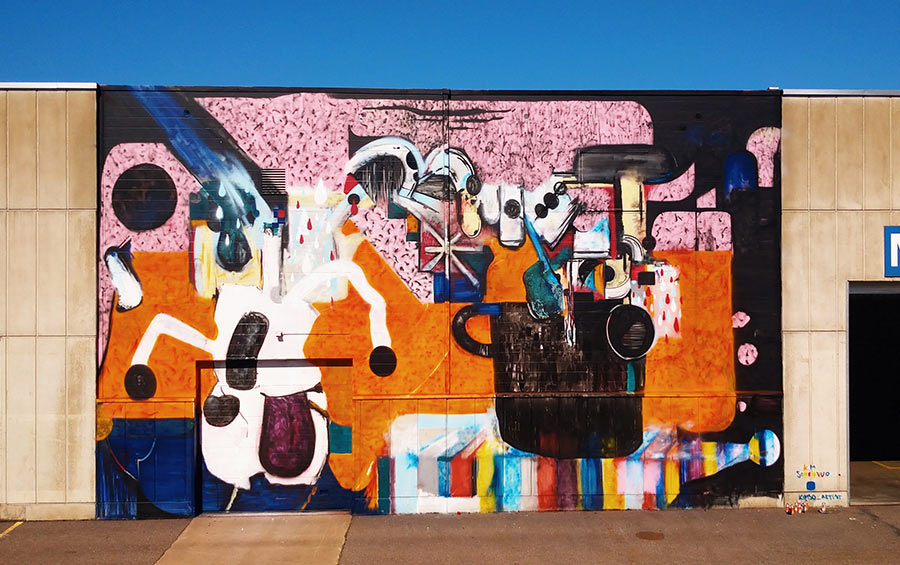
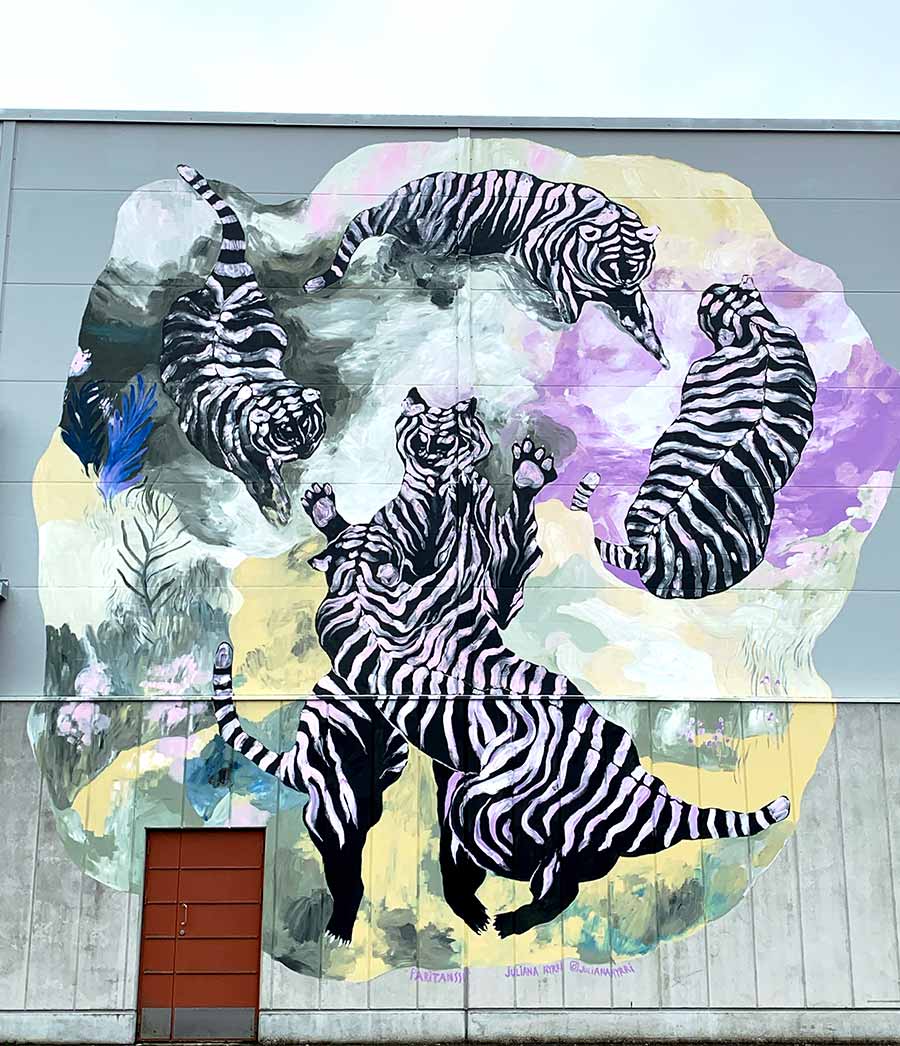
Concreate Urban Art Festival, held now for the second time, has clearly taken over Keran Hallit in Espoo, Finland. Keran Hallit is a huge former logistics center currently operating as a space for art, culture, sport, and other free-time activities. During the next few years, the halls will be demolished to make space for a new neighborhood.
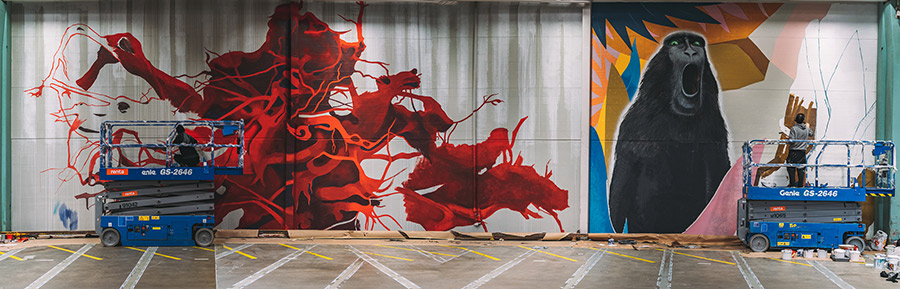
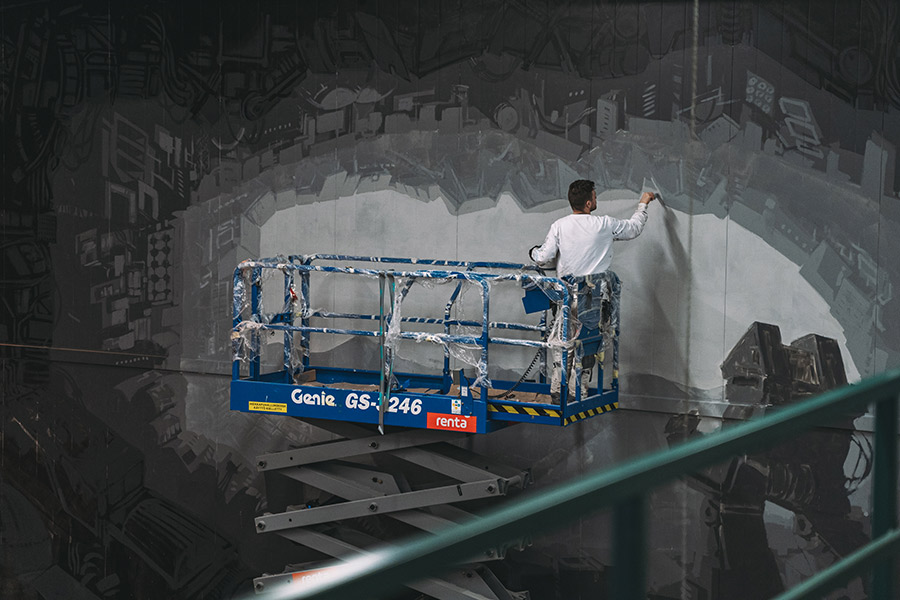
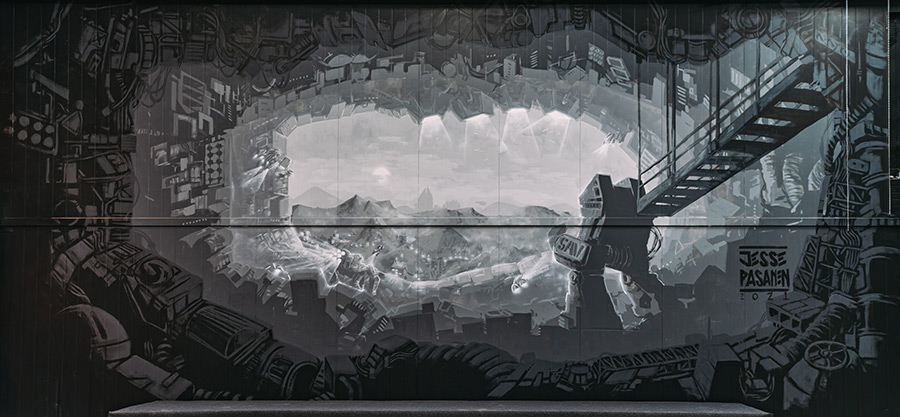
During the first two weeks of April, over 40 artists were selected by “open call” to create a unique mixture of urban and contemporary art to the halls. The art has spread from the inner yard of the halls to a former loading hall and office spaces.
The art complex is a mix of street art, murals, graffiti, and other art forms. Artists have created art both on the enormous walls of the halls and in smaller office spaces. The temporary use allows the art to be bold and creative. Together with the murals painted in the area already last year, the festival has attracted many visitors around Finland.
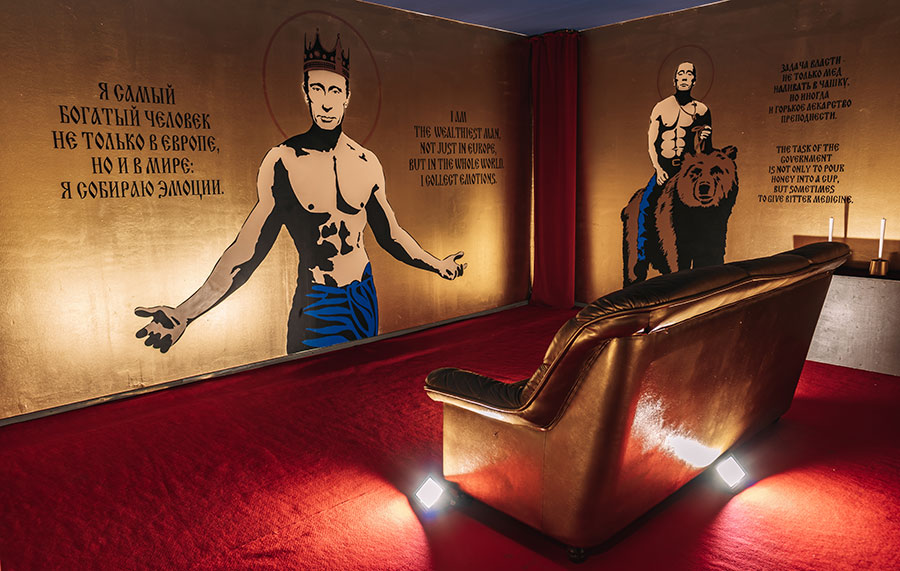
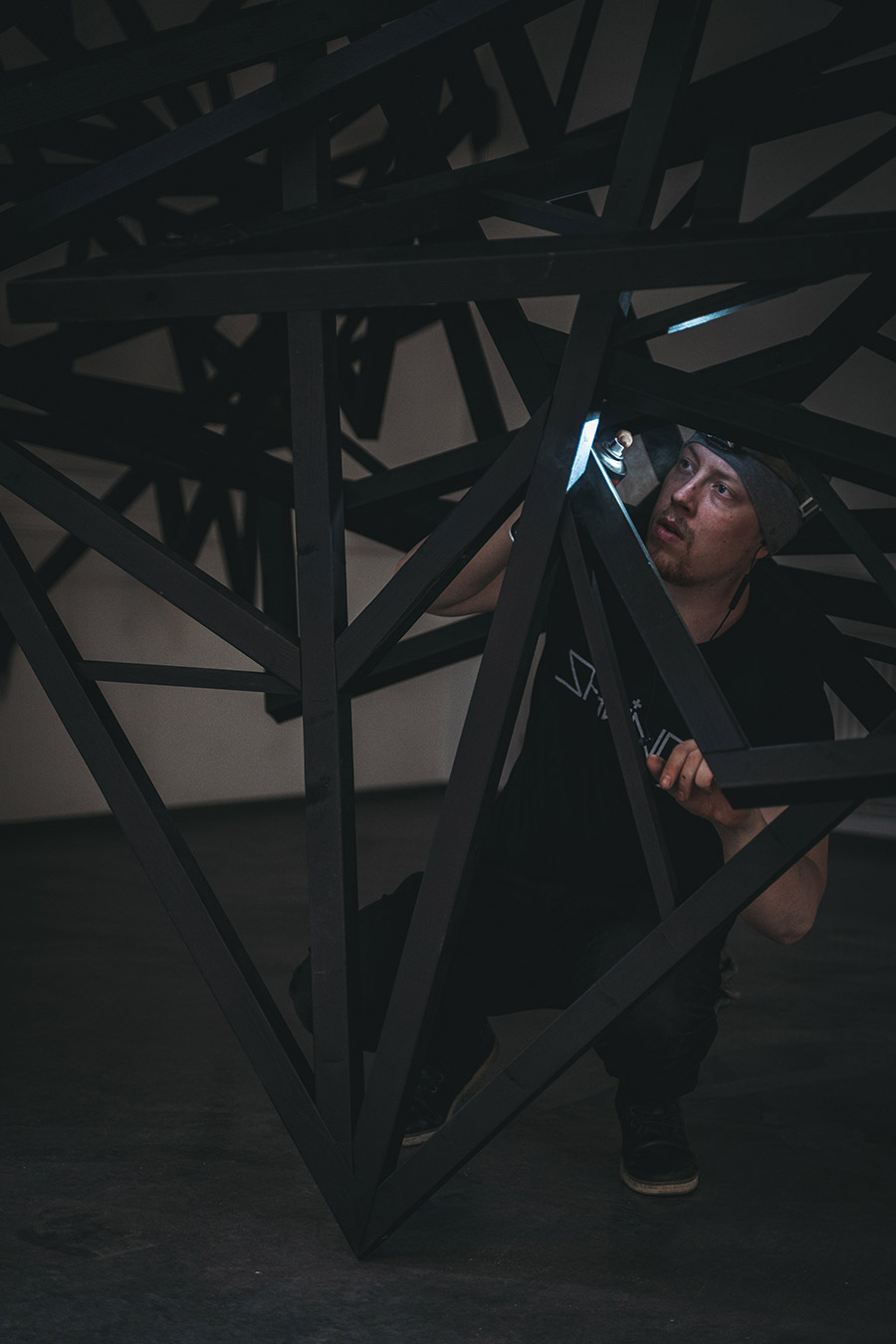
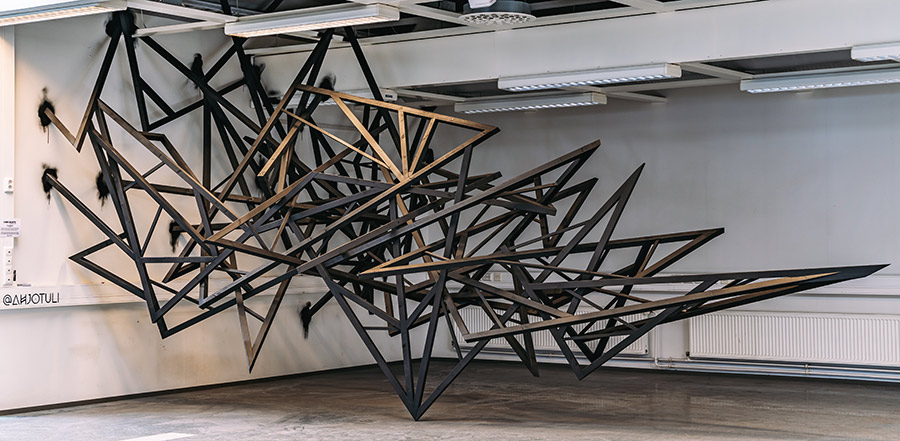
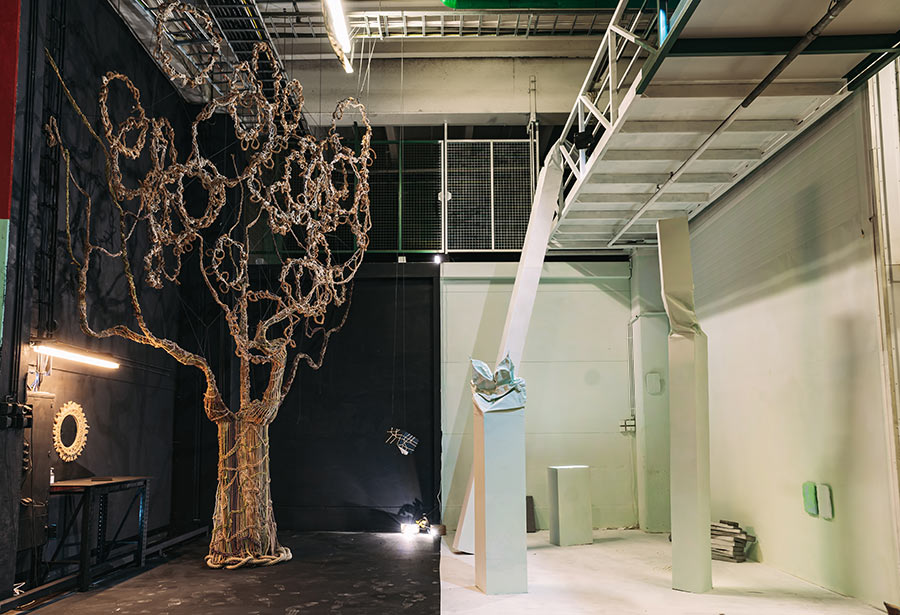
Highlights include Timo Ahjotuli’s sculpture that is rather kinetic and reaches into common space with complex precision, if vaguely menacingly. The contemporary artist says it’s meant to reflect the “infiltration of technology into everyday life. Additionally, a more traditionally “street art” stencil vibe from the late 2000s is recalled here by Plan B, who creates an installation called “Church of Putin.” The handmade hall of liturgical glory and heavy-handed holy music pointedly satirizes the long-term (or “Eternal”) president of nearby Russia.
Kicking off the summer season of many events for the community arts center, Concreate 2021 manages to create a sense of place for those curious about the urban art scene that has reached into metropolitan (and many suburban) corners all over the world.
Concreate 2021 was organized in collaboration with Keran Hallit and the City of Espoo. The event is also sponsored by STO Finexter Oy, Molotow, Powerlift Finland Oy and Estonian Institute.
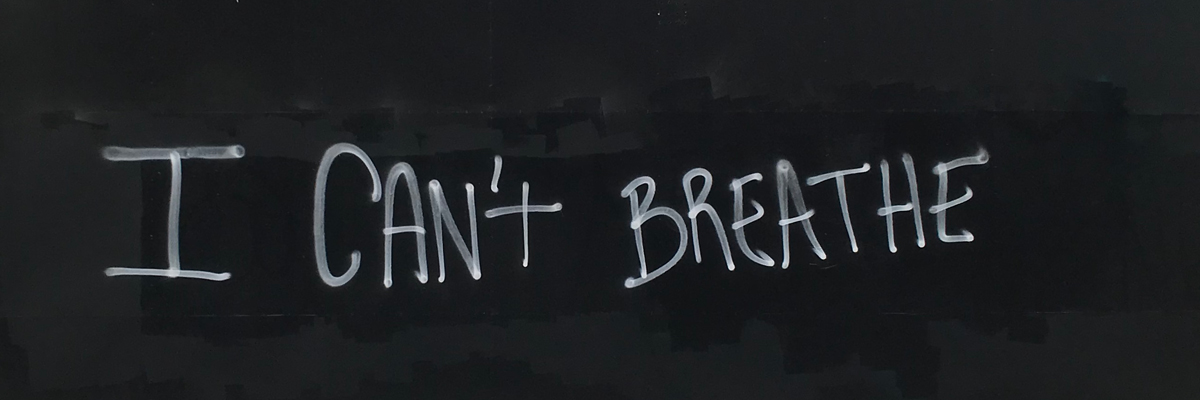
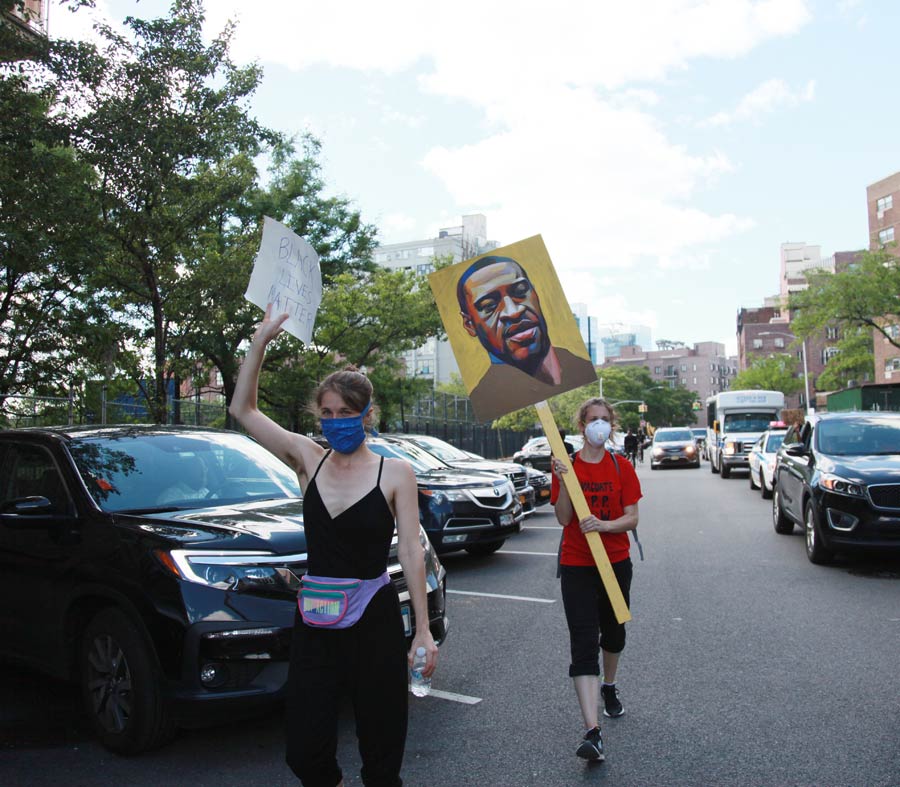
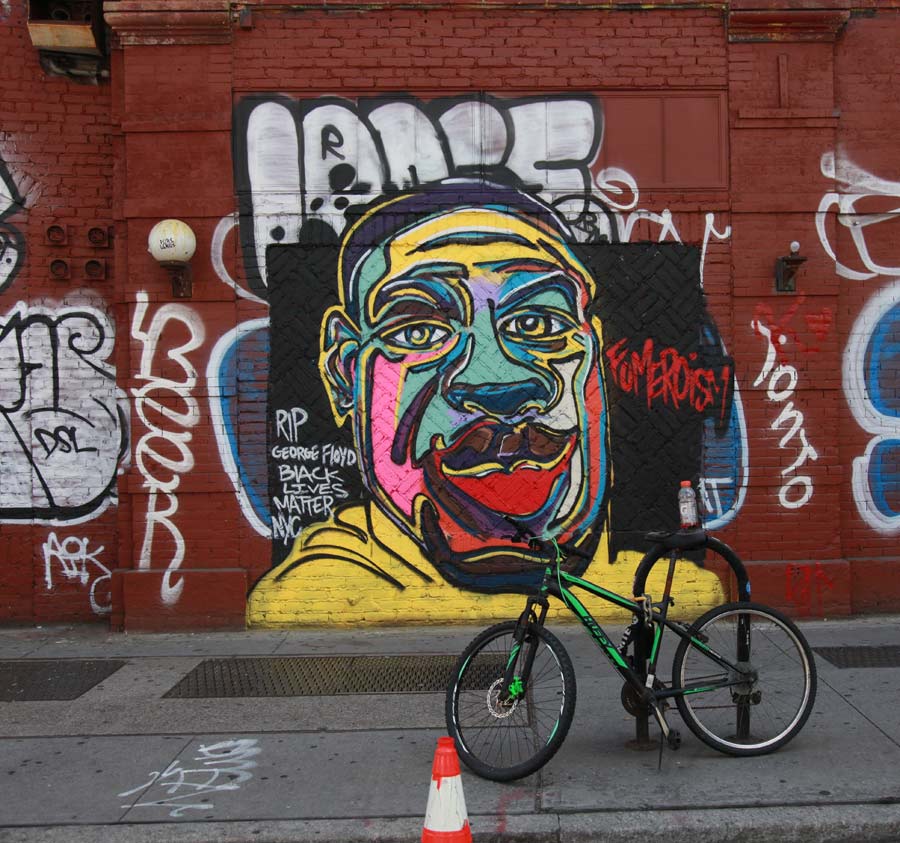
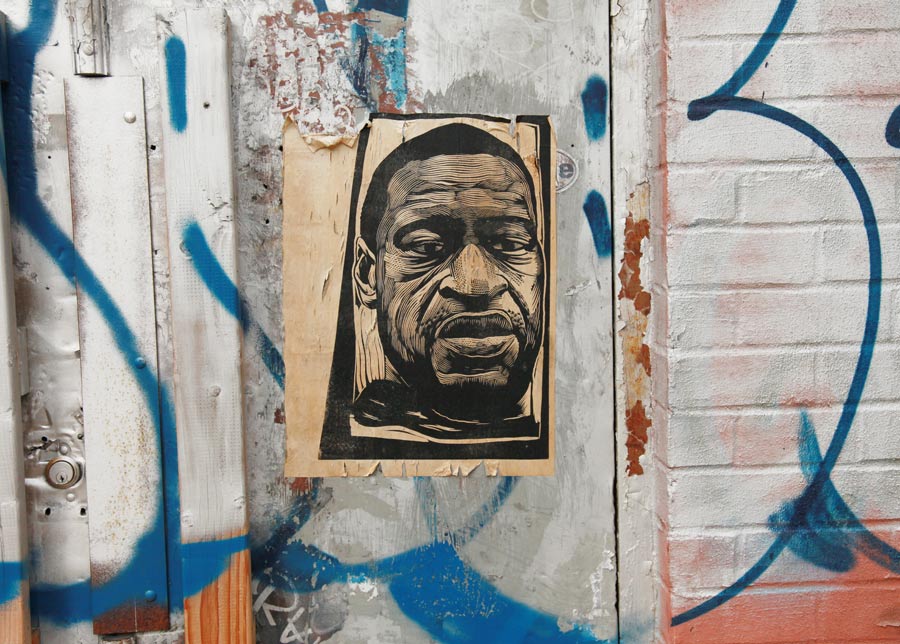
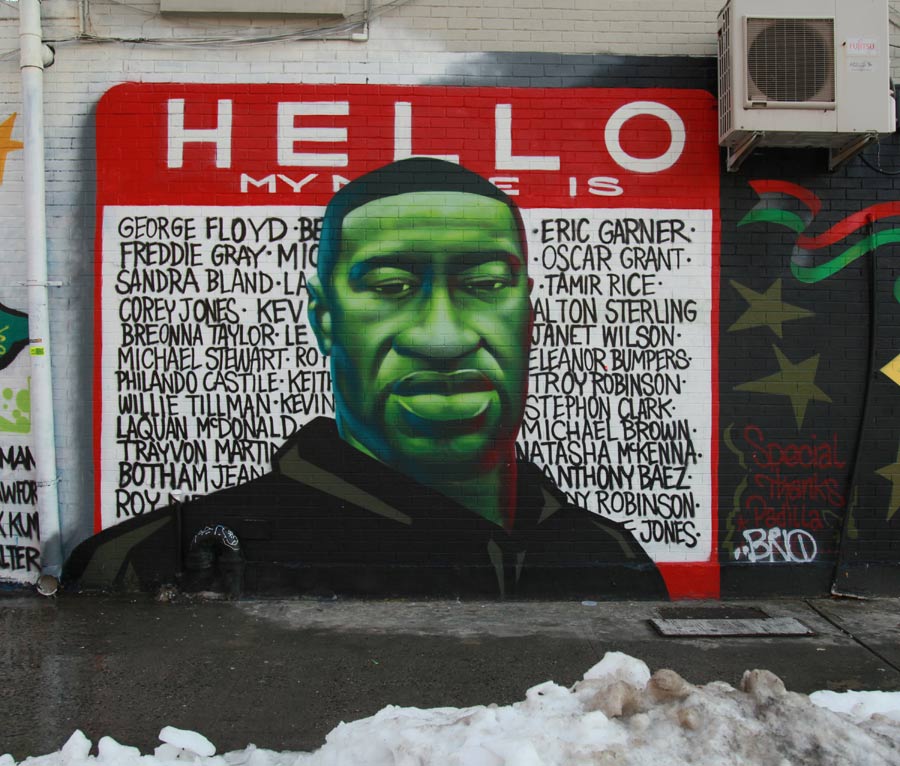
As people across the country mourn George Floyd and mark the anniversary of his killing, many have been joining marches and memorials across the country and city. According to press reports, the nationwide unrest in the streets spawned by his killing a year ago was historic in reach and number coast to coast. That may be why the officer who killed him actually was convicted this spring – a rarity.
We’ve changed, but not enough. Regularly we are re-traumatized by recordings of violence toward citizens in an uneven display of ignorance and fear. We like to say we are better than this, but sometimes it’s hard to prove it.
Until all men and women are free, none of us truly are.
“People came to pay their respects to George Floyd on Tuesday at the site of where he was killed last year, placing flowers, some bowing their heads in reverence and others making the sign of the cross.
Vernon Rowland, a father of two who lives two blocks from George Floyd Square, came at about 9:30 a.m. to pay his respects.
‘Folks have talked about this place being holy ground and the suffering he experienced,’ Mr. Rowland, 43, said. ‘I see it as holy when you go and see the outline of his body.’”
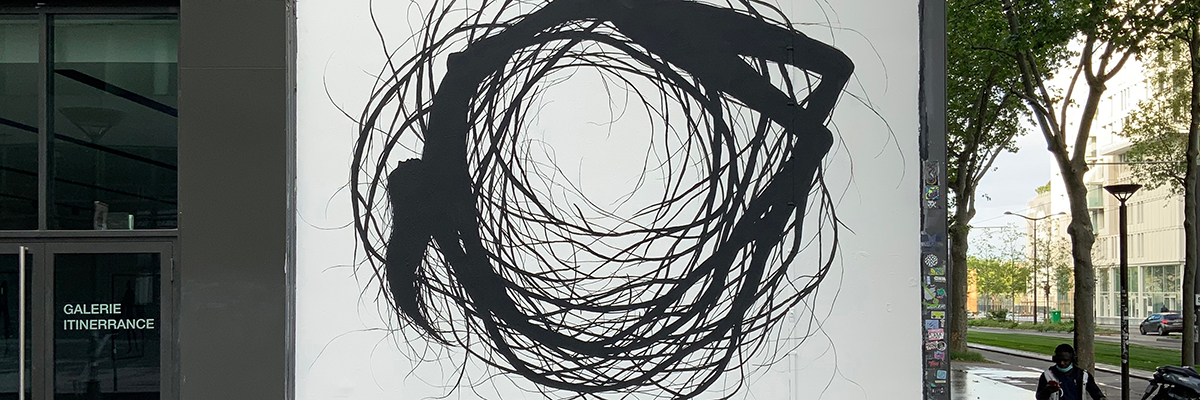
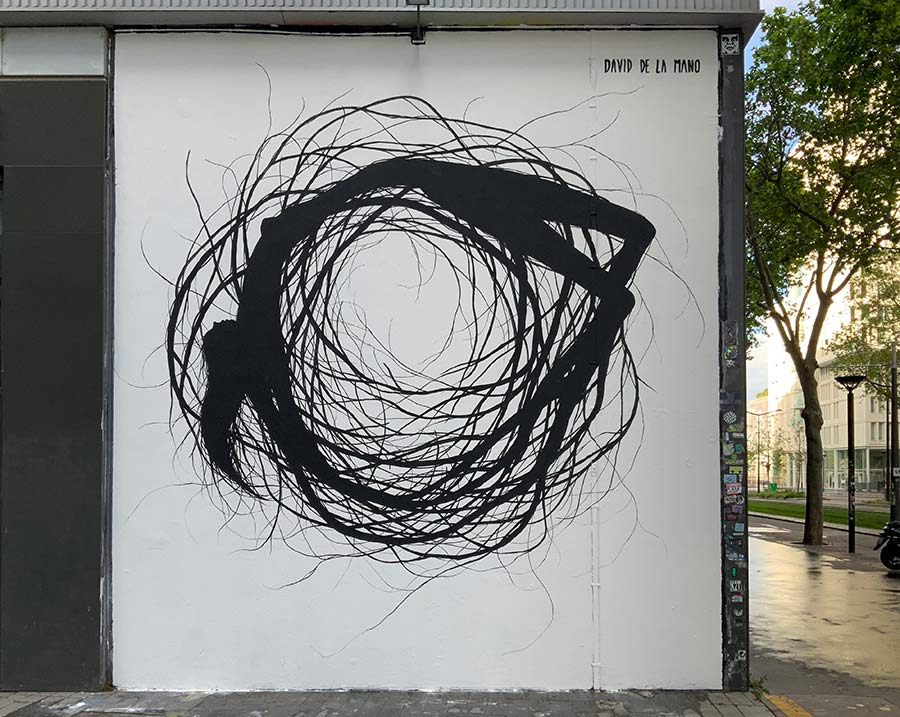
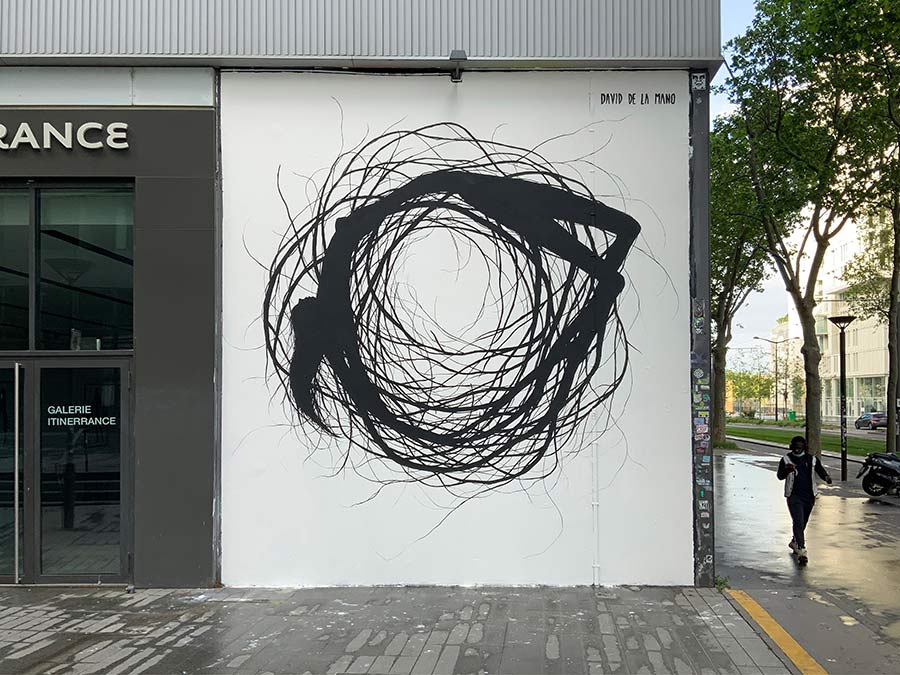
On the occasion of artist David de la Mano’s second solo exhibition at Galerie Itinerrance in Paris, he’s painted a small mural on the gallery’s facade and shares exclusive images with BSA readers here. The mural’s title, “INTEMPERIE” is also the name of his exhibition.
David de la Mano. “Intemperie”. Paris, France. (photo courtesy of David de la Mano)
David’s work in monochrome looks at the limits between the intersection of mind and body. He shows the human body as it bends to the point of the infinite, never rupturing. In stark black lines create their own network of inner-contentedness, interconnectedness, of the mind and the body with vines and roots that keep it all together, strong.
With his natural figures, David makes it possible for humankind to inhabit an internal environment while exploring the universe around them. There is no fear for the fragility of life; his dream-like paintings and drawings are an exploration between humans and their psyche.
David de la Mano. “Intemperie”. Paris, France. (photo courtesy of David de la Mano)David de la Mano. “Intemperie”. Paris, France. (photo courtesy of David de la Mano)
The exhibition “Intemperie” is currently on view at Galerie Itinerrance in Paris.
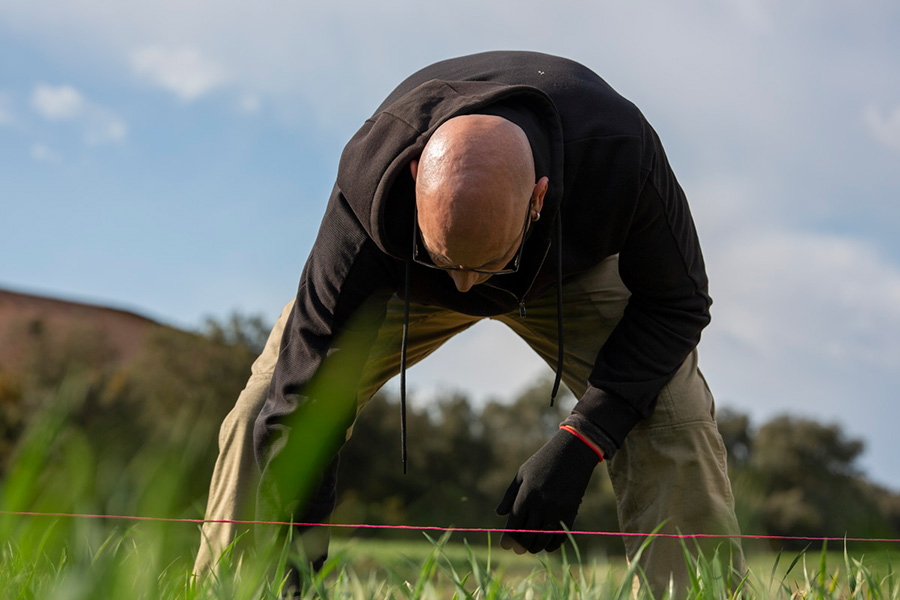
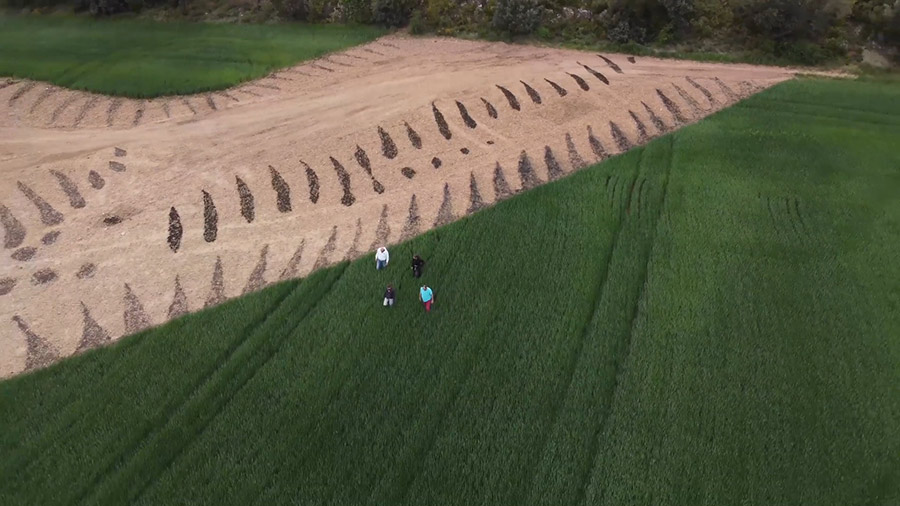
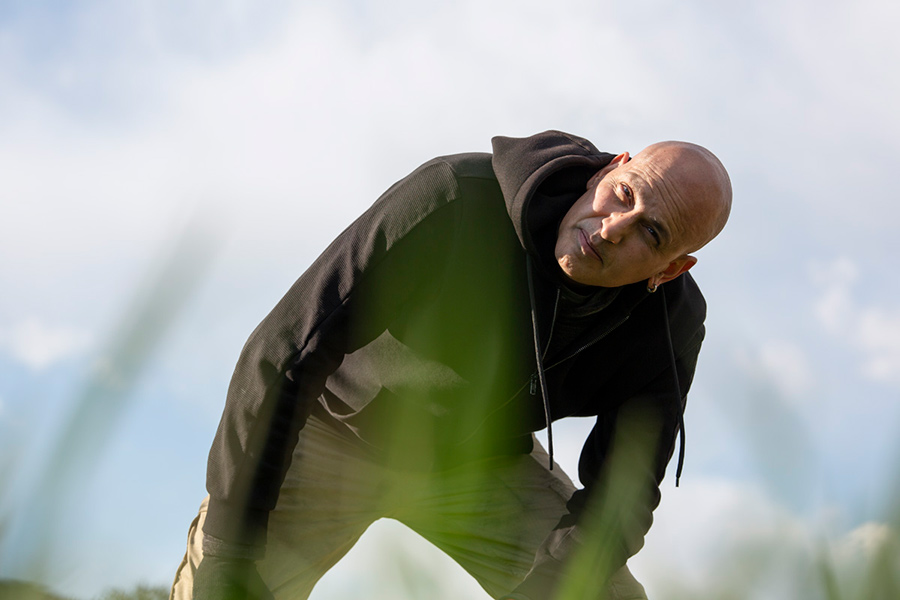
Jorge Rodríguez-Gerada is working in a Spanish wheat field. Would you like to lend a hand?
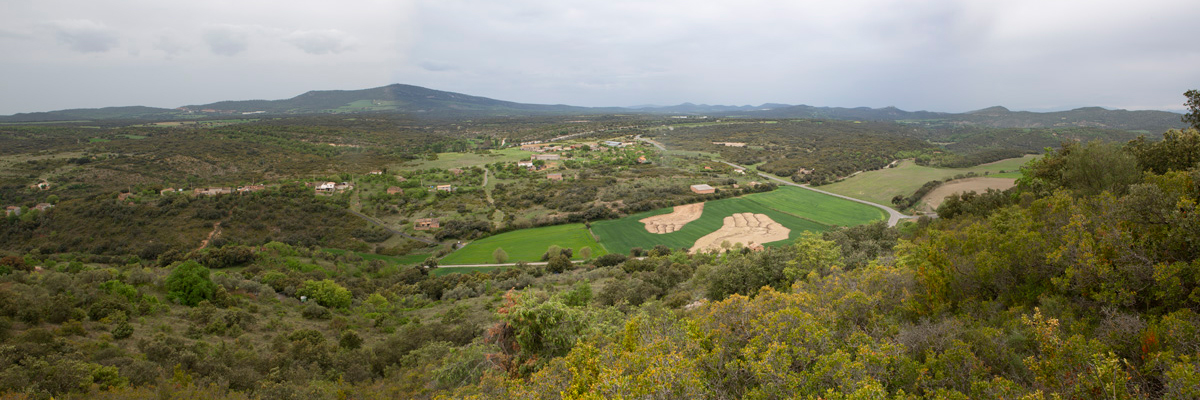
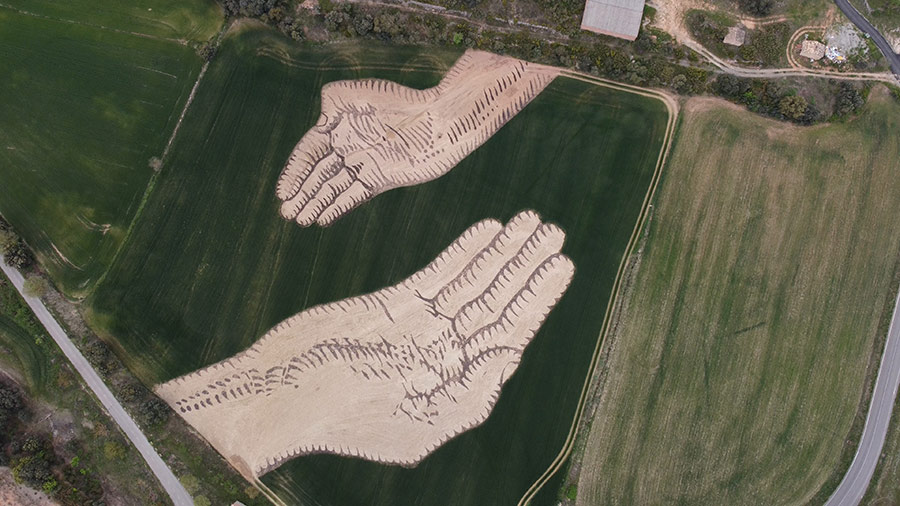
Jorge Rodriguez-Gerada. “Nourishing Self-Esteem”. Estopiñán del Castillo, Spain. (Ana Álvarez-Errecalde)
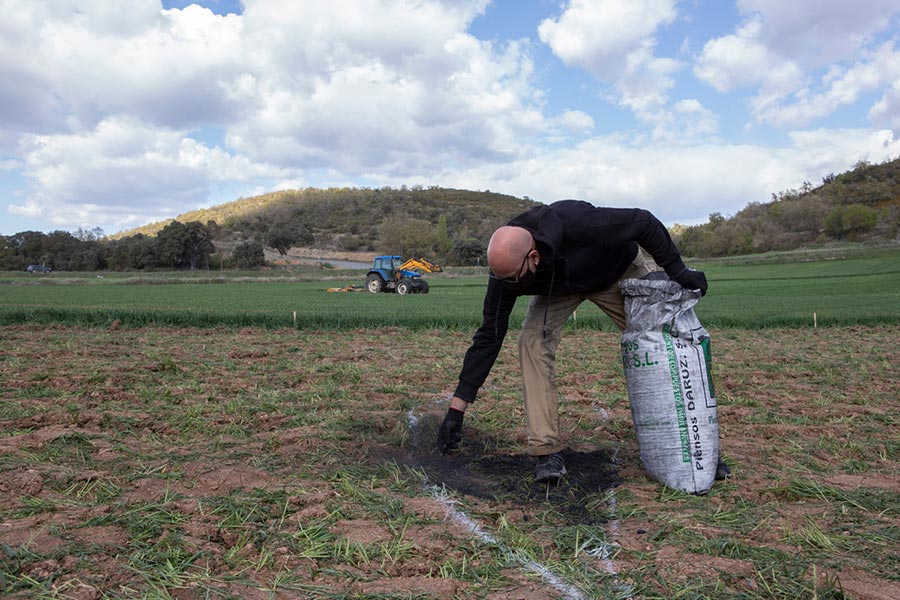
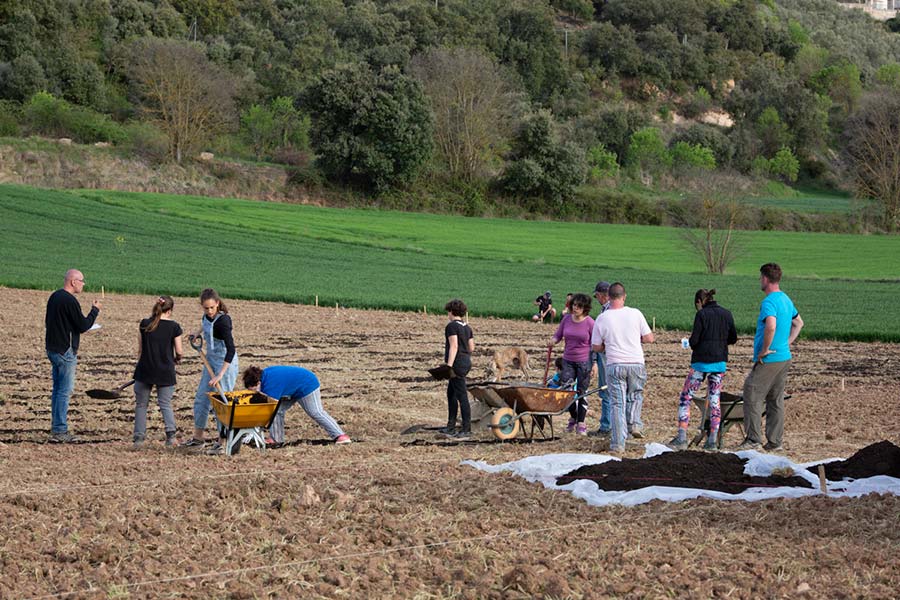
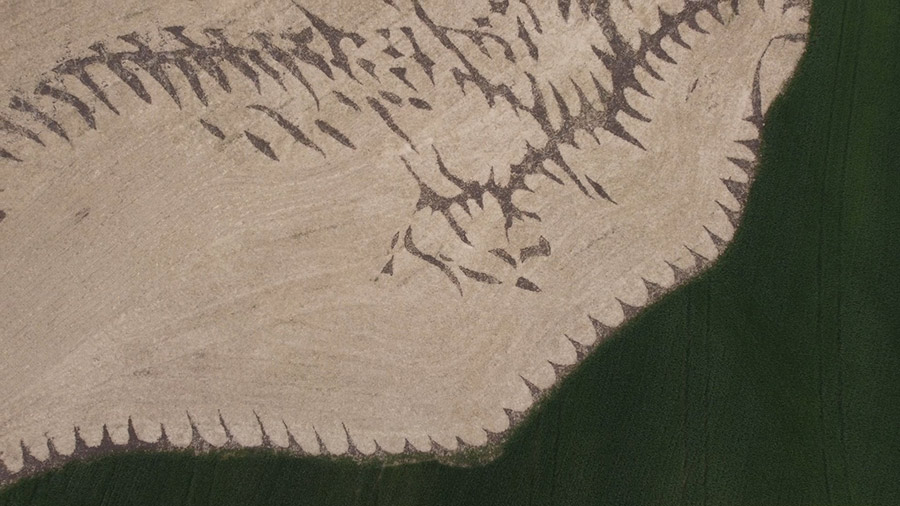
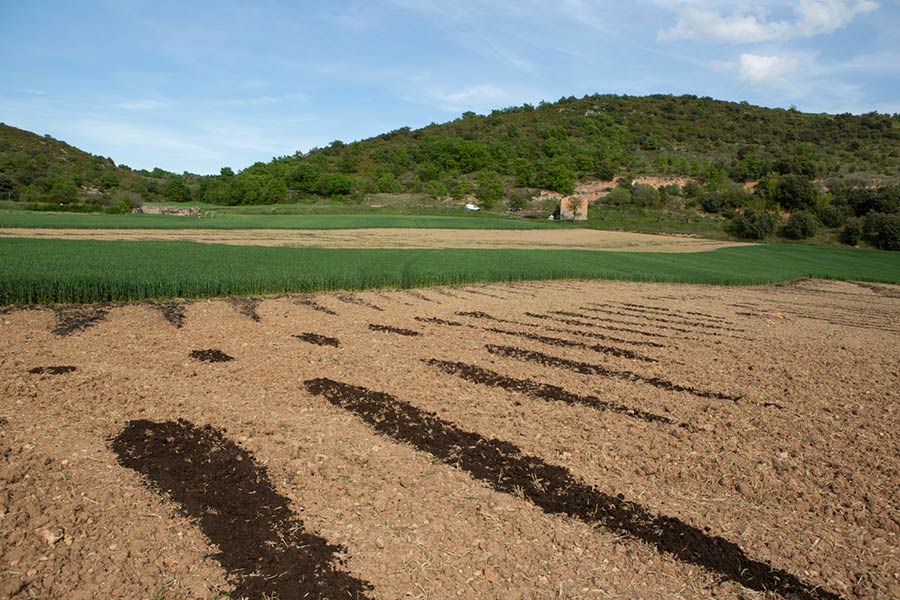
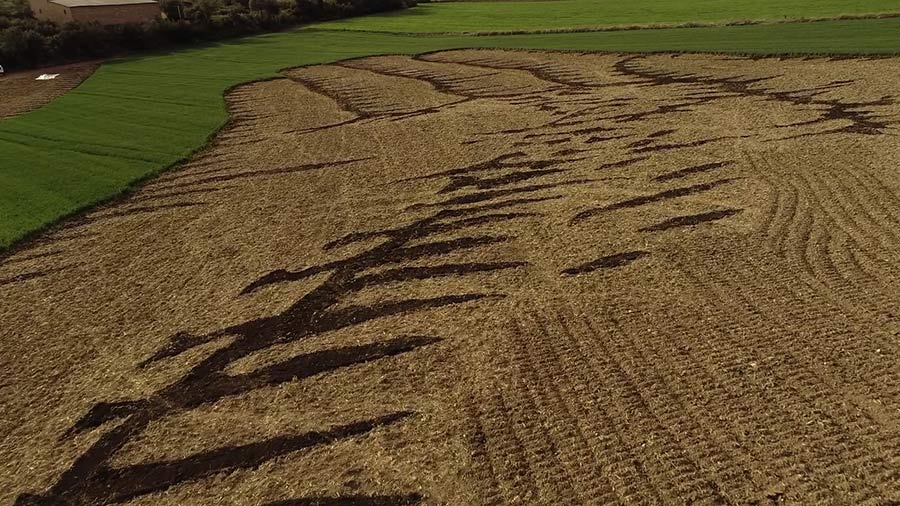
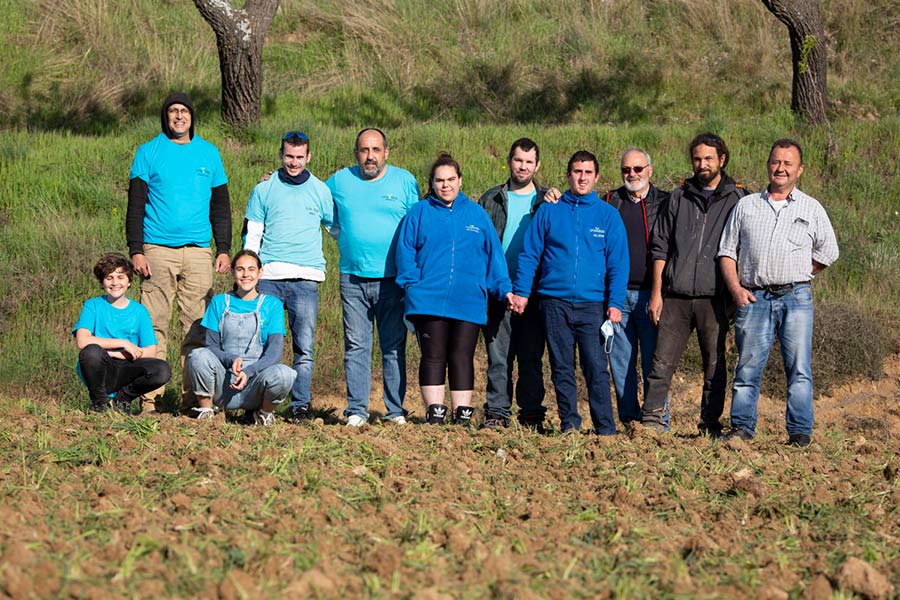
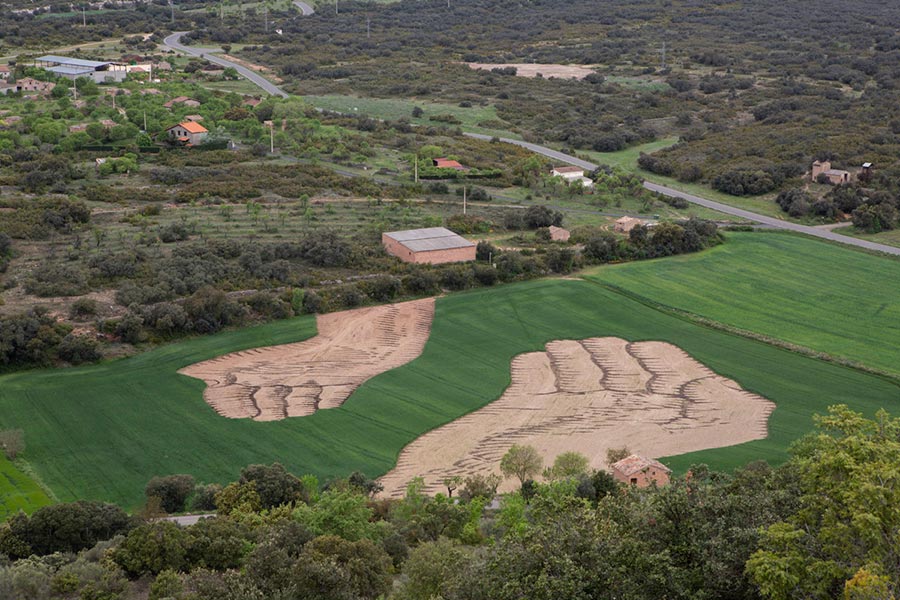
We travel today to the rural setting of Estopiñán del Castillo, a small town in Aragón, Spain to see this new piece of land art made by artist Jorge Rodríguez-Gerada with friends from Fundación Crisálida, a workplace that values the participation of individuals with intellectual disabilities.
Jorge Rodriguez-Gerada. “Nourishing Self-Esteem”. Estopiñán del Castillo, Spain. (Ana Álvarez-Errecalde)
An artwork that is designed to grown and evolve over time, this first of three phases features the green of Spring time during April, at play with the earthtones of soil and compost. When it is in its final phase in October, this artwork will have fully completed its intended natural and aesthetic cycle.
Rodríguez-Gerada says this wheatfield installation is entitled “Nourishing Self-Esteem”, a reference to the interconnectivity of people and the interwoven nature of building community.
Jorge Rodriguez-Gerada. “Nourishing Self-Esteem”. Estopiñán del Castillo, Spain. (Ana Álvarez-Errecalde)
“With their hands, the folks at Fundación Crisálida bake bread on a daily basis for their town and the towns nearby. Bread transcends cultures and geography, to unify in its simplicity, a fundamental physical and emotional sustenance,” says his press release. The two hands are meant to symbolize those of an adults and child. The artist says that uniting one to another creates family, community, bolsters feelings of self-worth, and ultimately strengthens everyone involved.
We’re looking forward to seeing how this project and artwork grows.
Jorge Rodriguez-Gerada. “Nourishing Self-Esteem”. Estopiñán del Castillo, Spain. (Ana Álvarez-Errecalde)Jorge Rodriguez-Gerada. “Nourishing Self-Esteem”. Estopiñán del Castillo, Spain. (Ana Álvarez-Errecalde)Jorge Rodriguez-Gerada. “Nourishing Self-Esteem”. Estopiñán del Castillo, Spain. (Ana Álvarez-Errecalde)Jorge Rodriguez-Gerada. “Nourishing Self-Esteem”. Estopiñán del Castillo, Spain. (Ana Álvarez-Errecalde)Jorge Rodriguez-Gerada. “Nourishing Self-Esteem”. Estopiñán del Castillo, Spain. (Ana Álvarez-Errecalde)Jorge Rodriguez-Gerada. “Nourishing Self-Esteem”. Estopiñán del Castillo, Spain. (Ana Álvarez-Errecalde)Jorge Rodriguez-Gerada. “Nourishing Self-Esteem”. Estopiñán del Castillo, Spain. (Ana Álvarez-Errecalde)Jorge Rodriguez-Gerada. “Nourishing Self-Esteem”. Estopiñán del Castillo, Spain. (Ana Álvarez-Errecalde)
Video by Luis Campo Vidal / La Cupula Audiovisual
Fundación Crisálida with Jorge Rodríguez-Gerada, and Iris, Aleix, Martí, Cristina, Álex, David, Jacinto, Carina, Caroline, Jennifer, Esmeralda, Ana, Milla, Alén and many locals, create this work that will continue to change for the next six months with three interventions.
Our weekly focus on the moving image and art in the streets. And other oddities.
Now screening: 1. SOFLES / Spillway 2. SOFLES/ Geometric 2 3. Abandoned Places with Cycki and Gienio via Dope Cans 4. The Day the Dollar Died 5/20/21
BSA Special Feature: SOFLES / Spillway
Did they say spillway or speedway?
In this edit by After Midnight Film Co, the low shutter speed effect ramps up the excitement of bombing.
In his comment on Youtube, Maxwell Morris says, “What in the actual f? Best bombing I have ever had the pleasure to witness. Pushing form, color combinations, abstraction, technique and motion and energy to a new level.”
SOFLES / Spillway
SOFLES/ Geometric 2
Abandoned Places with Cycki and Gienio via Dope Cans
In a return to smart sound and video editing, these two remind us how delicious silver bubble tags are. Satin sheeny and crunchy dopeness.
Song shout-out to Nicolas Jaar – “Space is Only Noise if You Can See”
The Day the Dollar Died 5/20/21
“We expect to play a leading role in developing standards for CBDCs,” ~ Fed Chairman Jerome Powell
“So, bye-bye, Miss American Pie Drove my Chevy to the levee, but the levee was dry And them good ol’ boys were drinkin’ whiskey and rye Singin’, “This’ll be the day that I die This’ll be the day that I die”
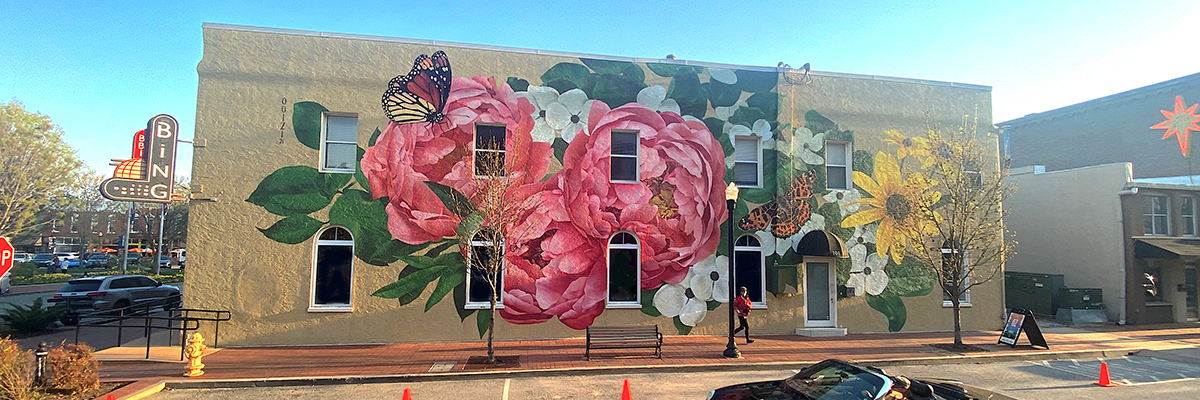
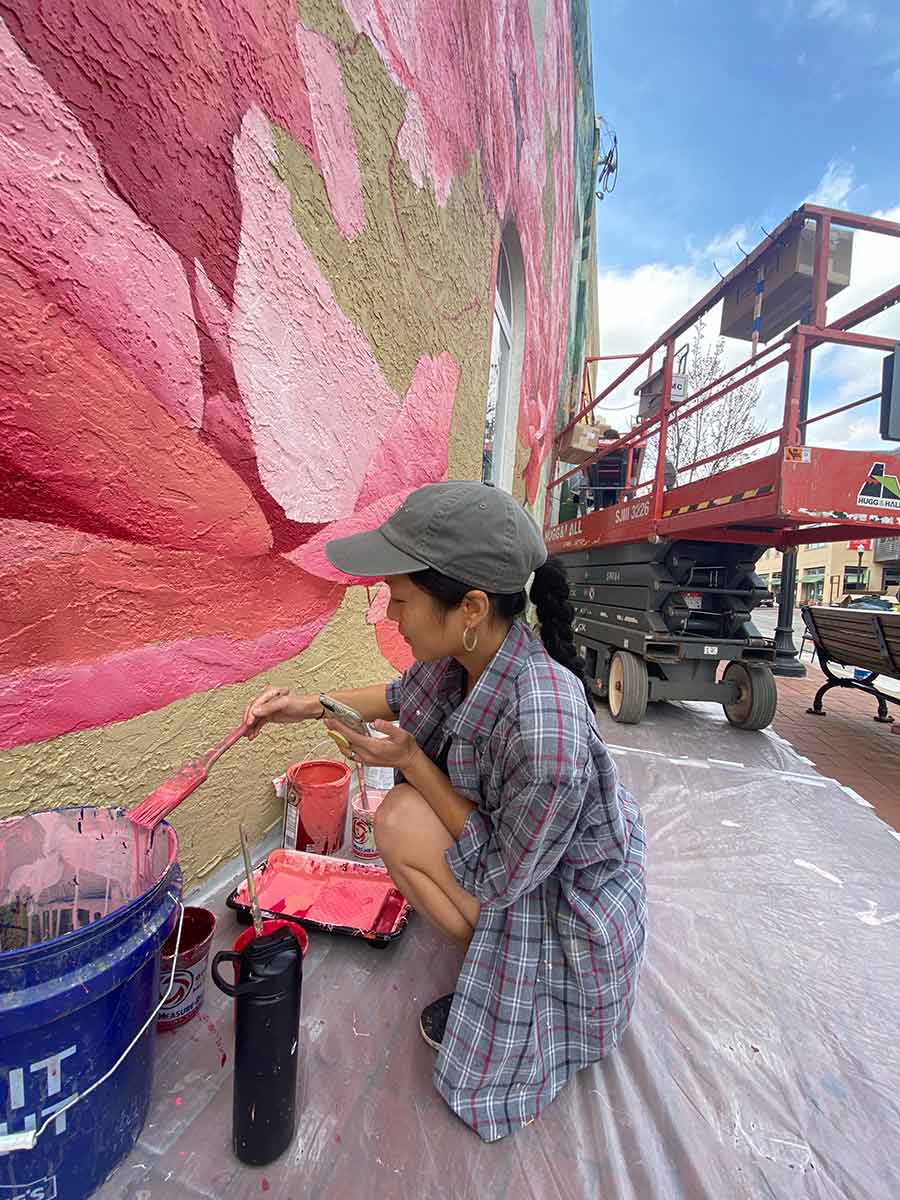
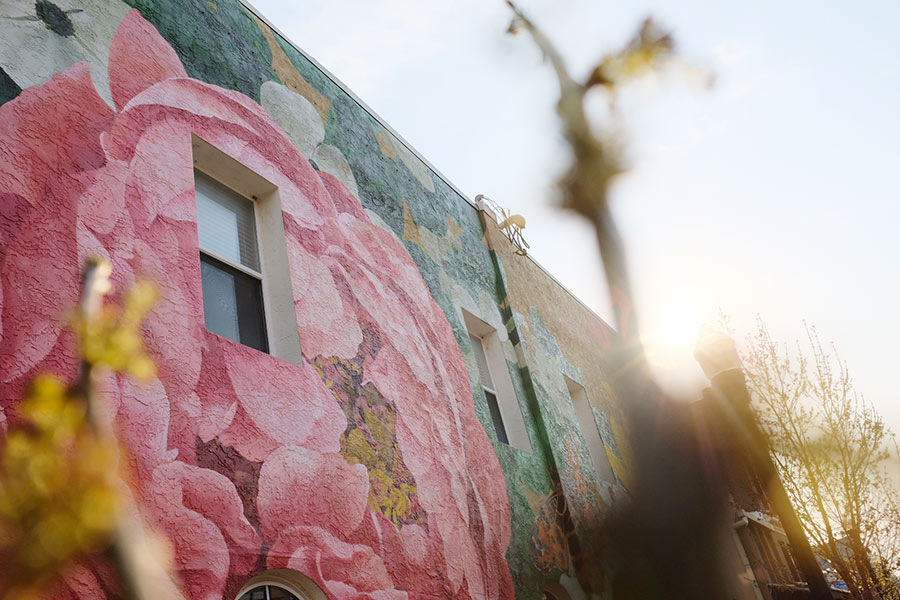
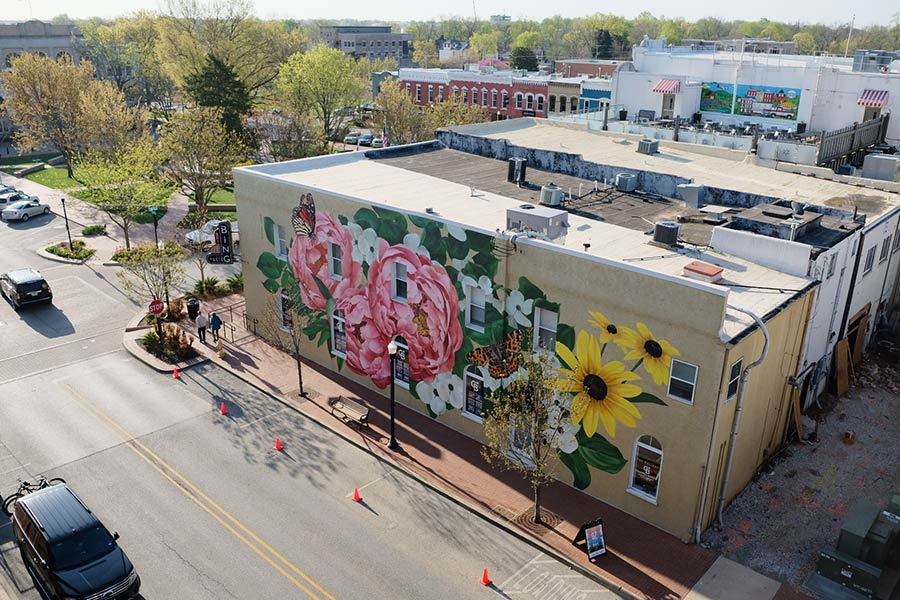
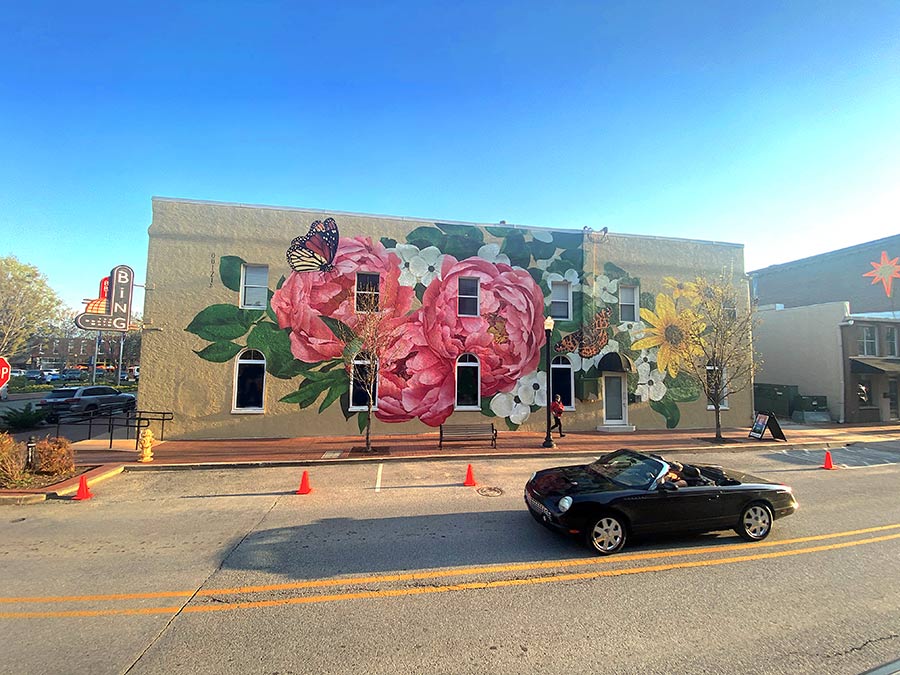
We hope that “Summer Always Blooms” – and so far so good this year. If you follow the order of flowers blooming in Brooklyn you’ll know that we are in the middle of the peony explosion that happens every year just after the lilacs and just before the roses. Perhaps that’s what was on muralist Ouizi’s mind when she painted this new soft brush portrait of coral charm peonies in Bentonville, Arkansas.
Curated by Charlotte Dutoit of Justkids, the piece coincidences with the new Georgia O’Keeffe exhibition at Crystal Bridges, and you can see that the full pulsating expanse of natural blooms thrills Quizi as much as it did the mother of American modernism.
“I have thoroughly enjoyed being back in Arkansas for this project,” says Ouizi, “and I have heard nothing but positive responses about the mural. I even got to see the dogwoods start to bloom in real life!”
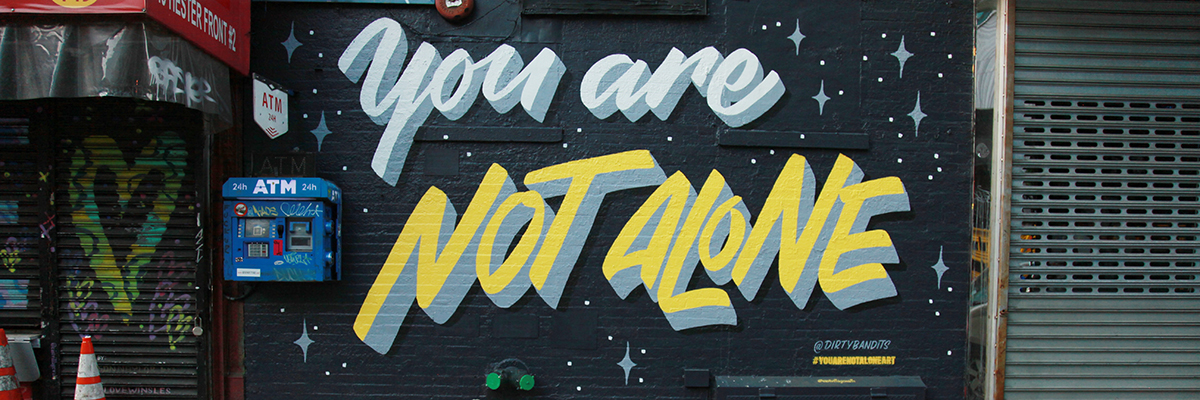
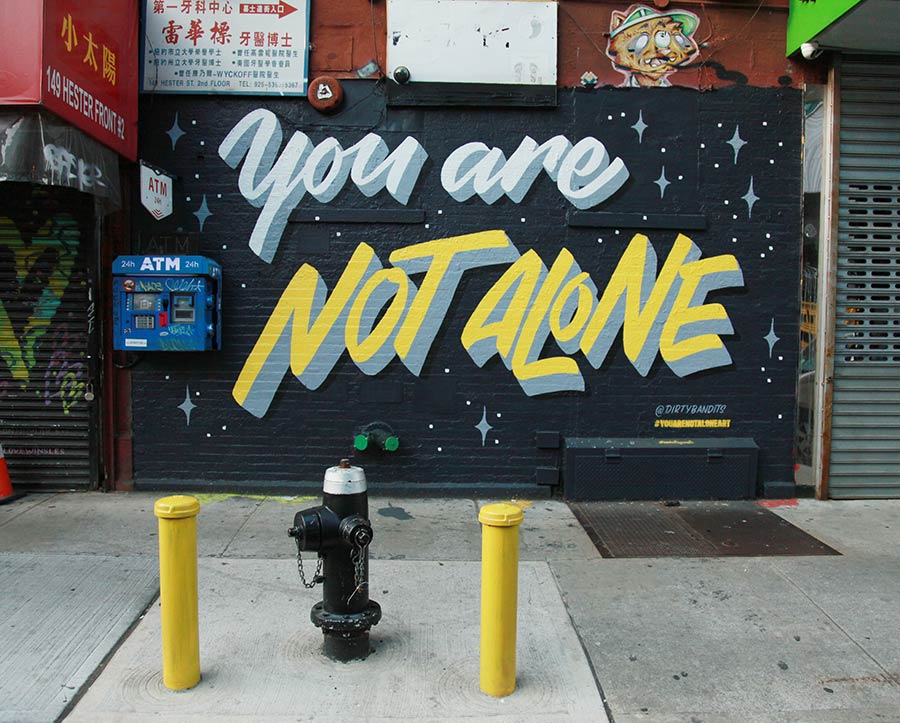
You are not alone. It’s a simple phrase that offers a lot of comfort in difficult times.
For one long, horrible year we’ve been bound to each other by one single catastrophic event: Covid-19. The Pandemic brought so much pain, despair, loss, urgency, clarity, and fear. It forced the invincible to their knees. It didn’t discriminate by class, social status, ethnic groups, skin color, or wealth. A Pandemic that crossed borders and forced us to withdraw almost completely from normality.
Throughout all of this, many of us, millions of us, never felt alone – and that kept us hoping for the ray of light. Hope for the day when we won’t be hearing the sound of sirens from emergency vehicles. Hope for the day when we’d be able to reunite with our loved ones. Hope for a day when going outside wouldn’t feel like risking death. Hope for the simplest of pleasures.
The Pandemic also exposed all of us to see the immense disparity between rich countries and poor ones. A vast and deep fissure in our humanity was exposed to the whole world when we saw images of people being left to die on the sidewalks, alone in nursing homes or their own homes, due to negligence, incompetence, or lack of resources. It may be years before we realize the damage of the Pandemic. At the least, we hope we have learned that we are not alone.
 BROOKLYN STREET ART LOVES YOU MORE EVERY DAY