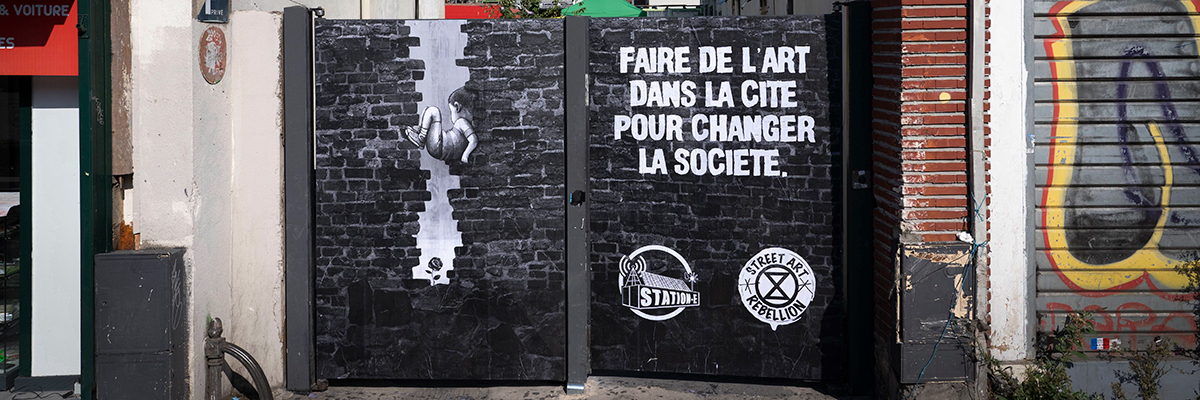
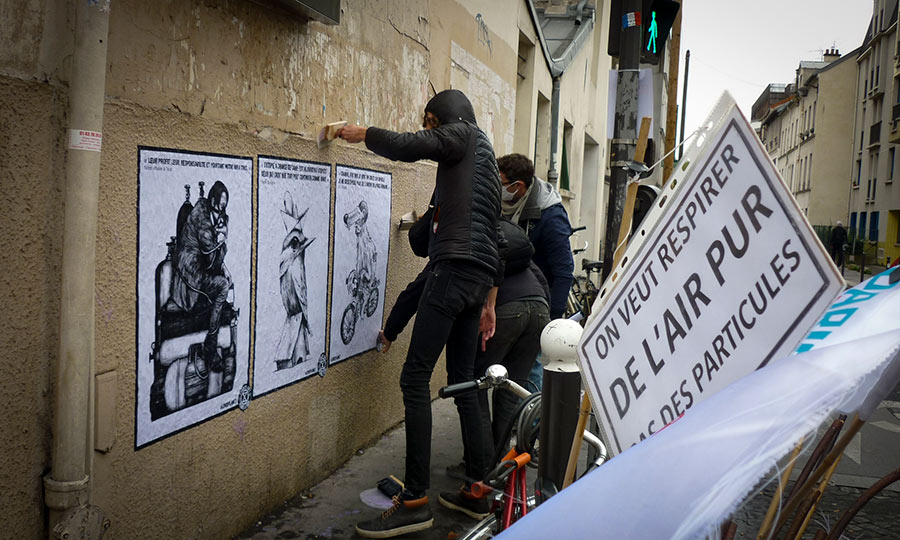
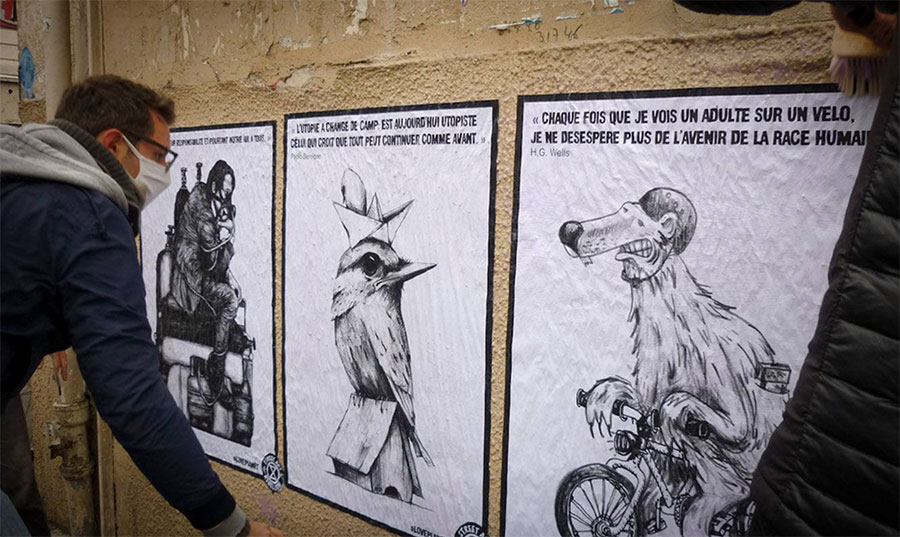
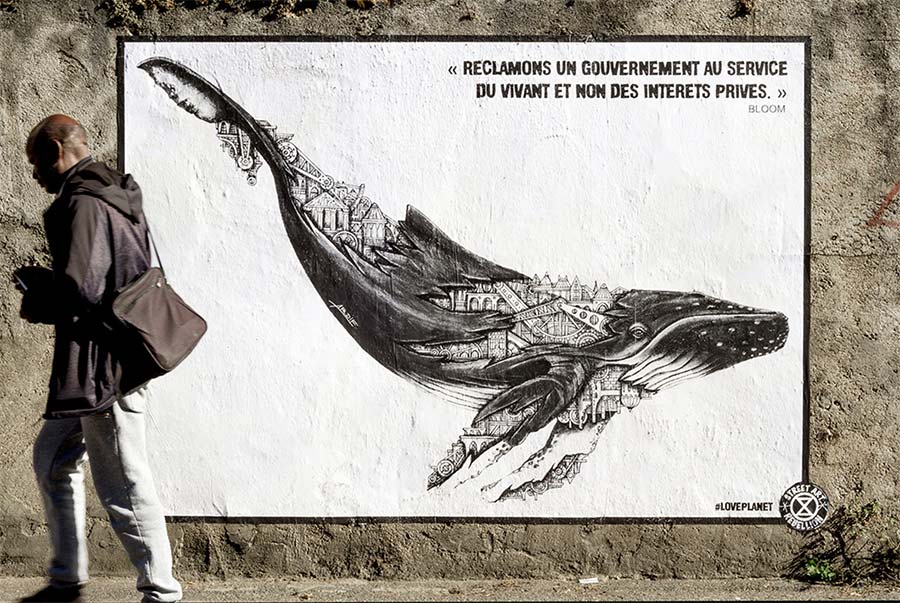
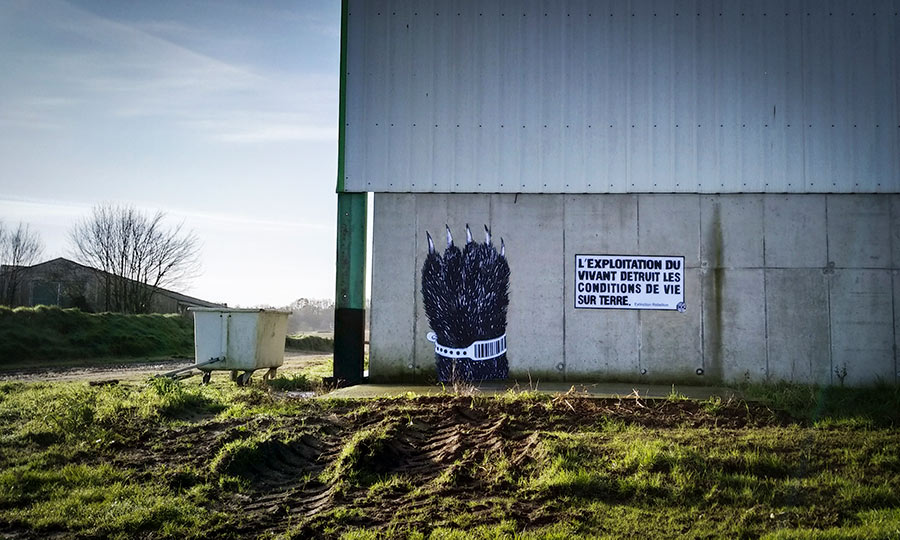
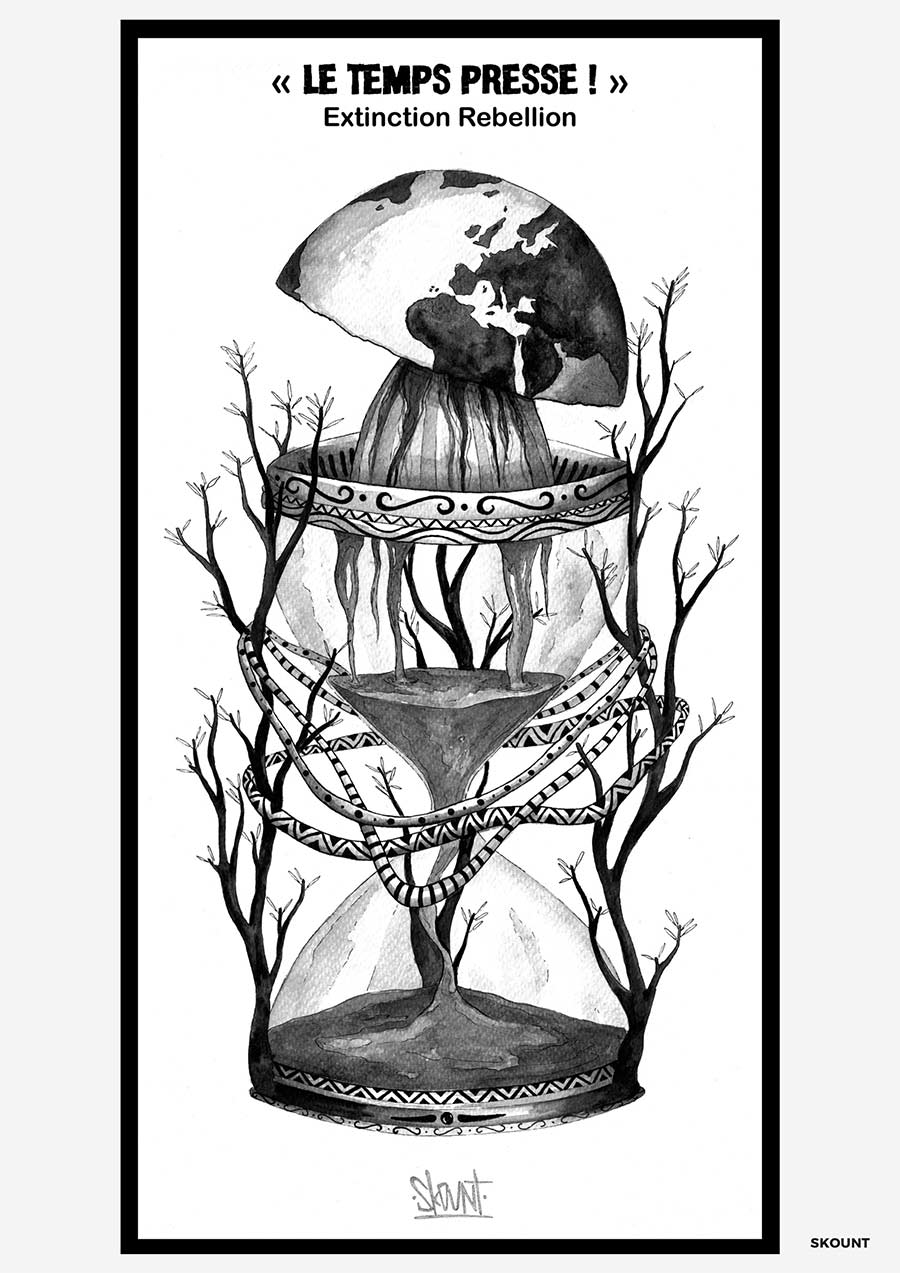
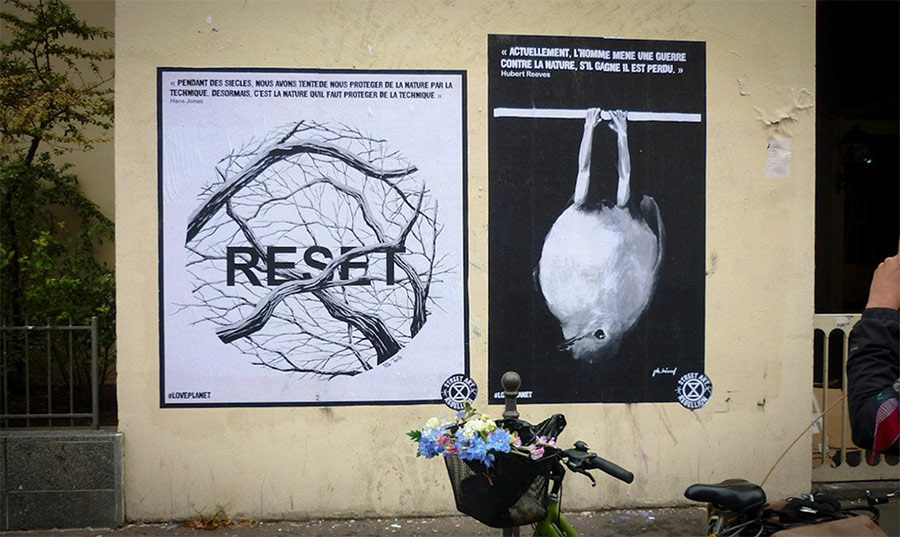
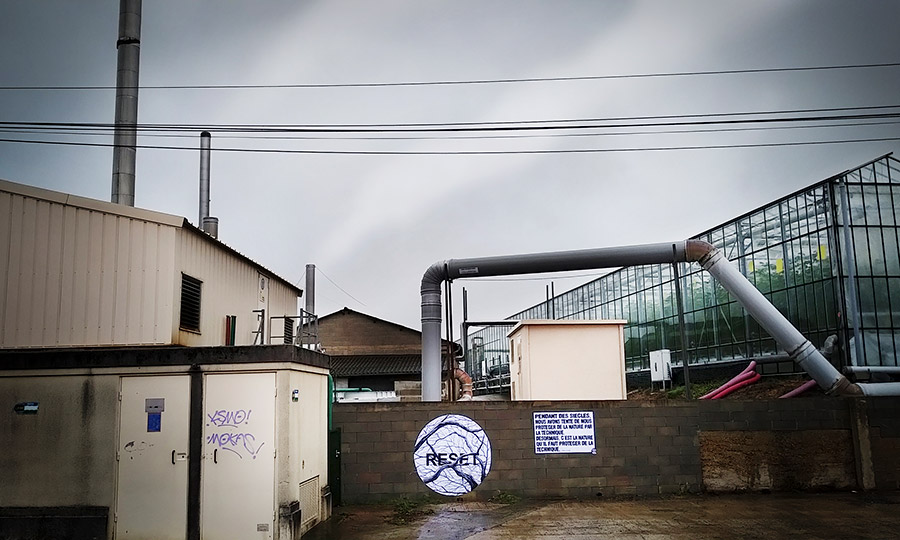
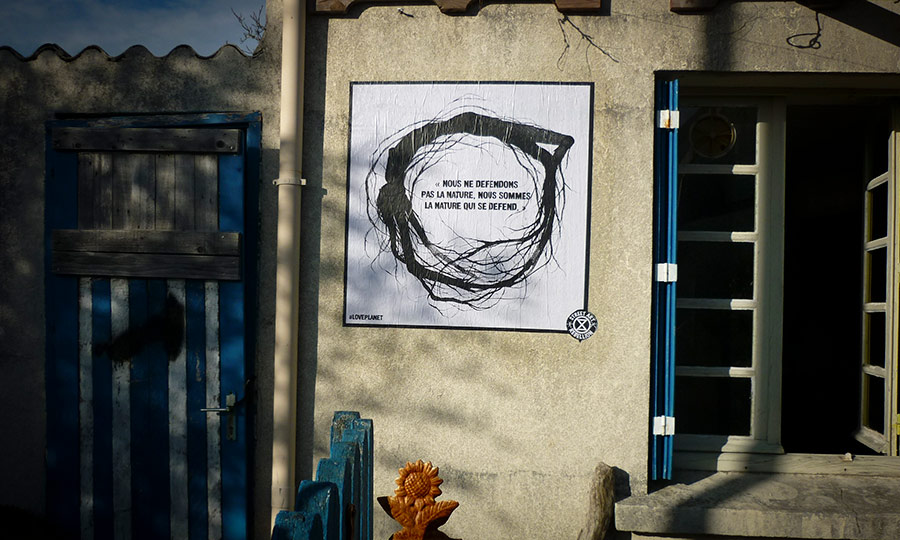
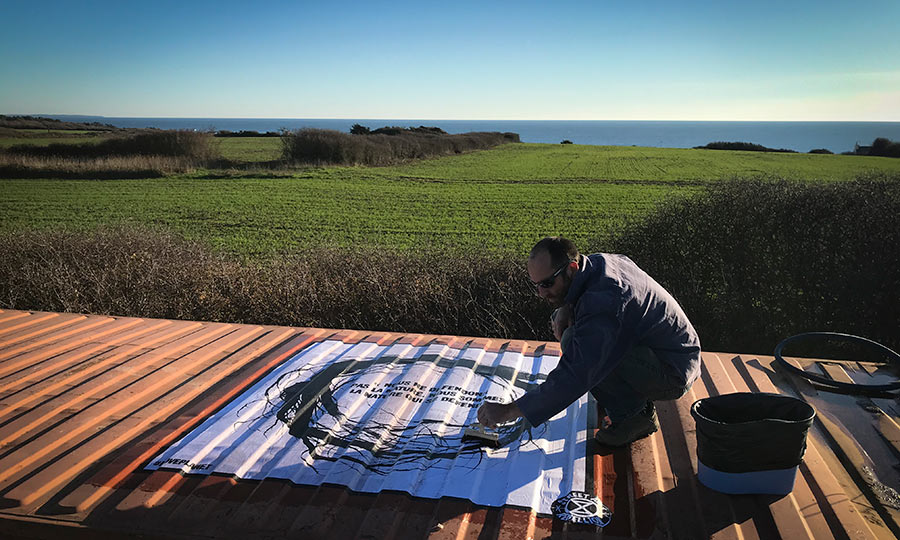
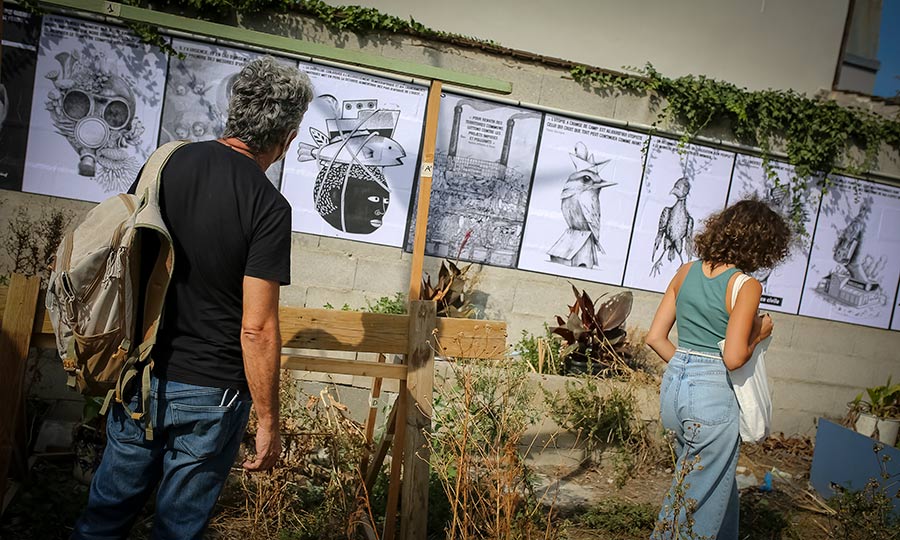
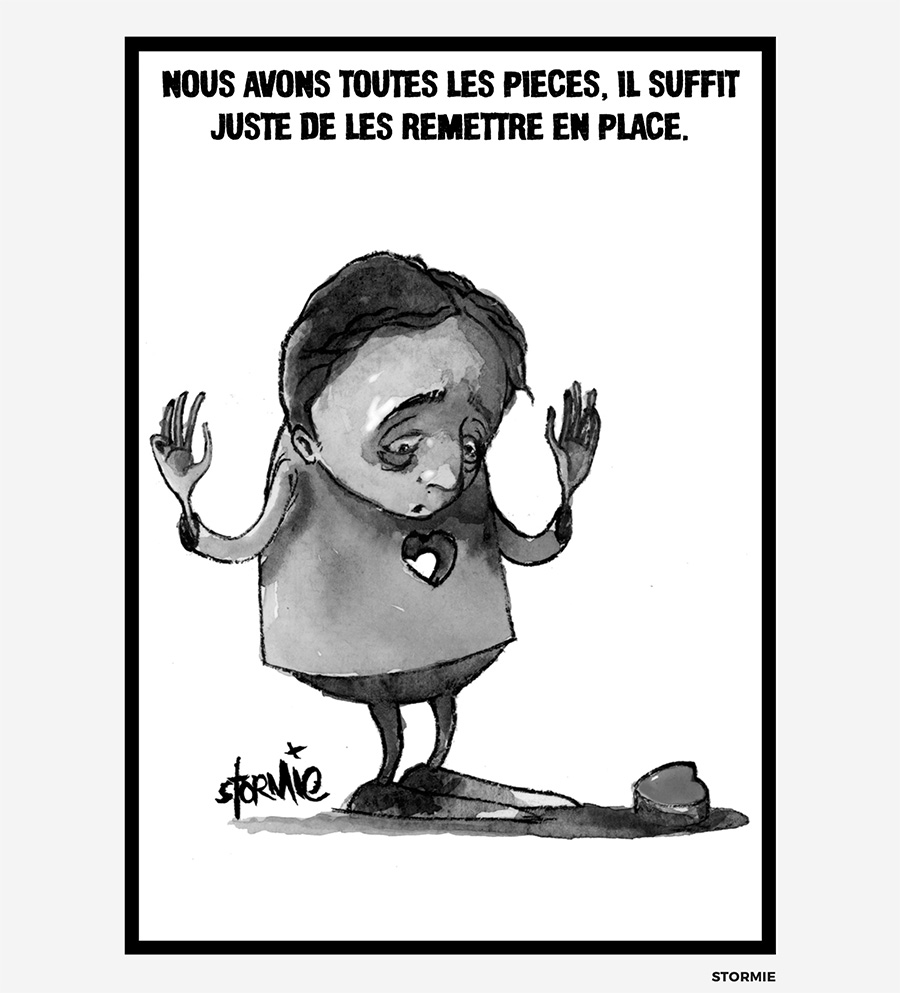
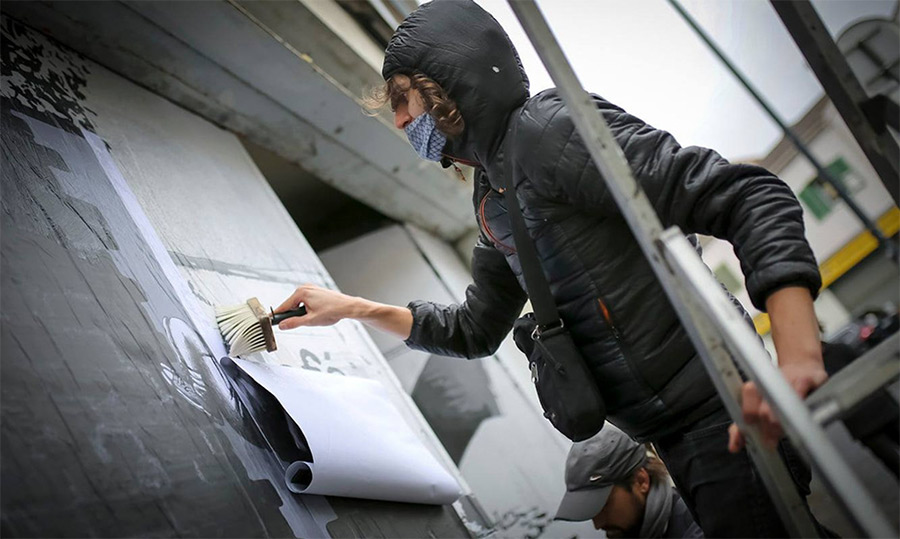
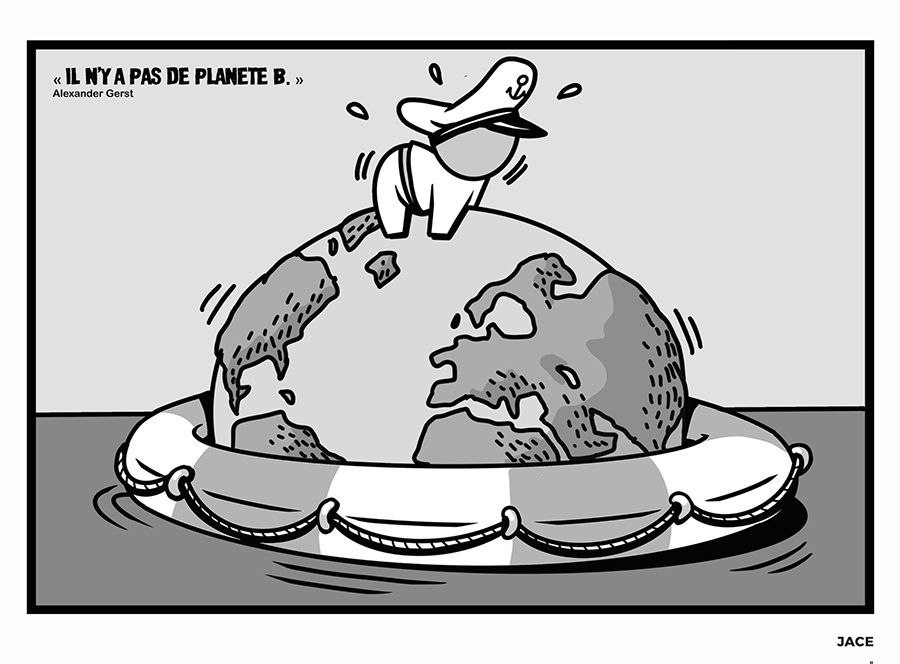
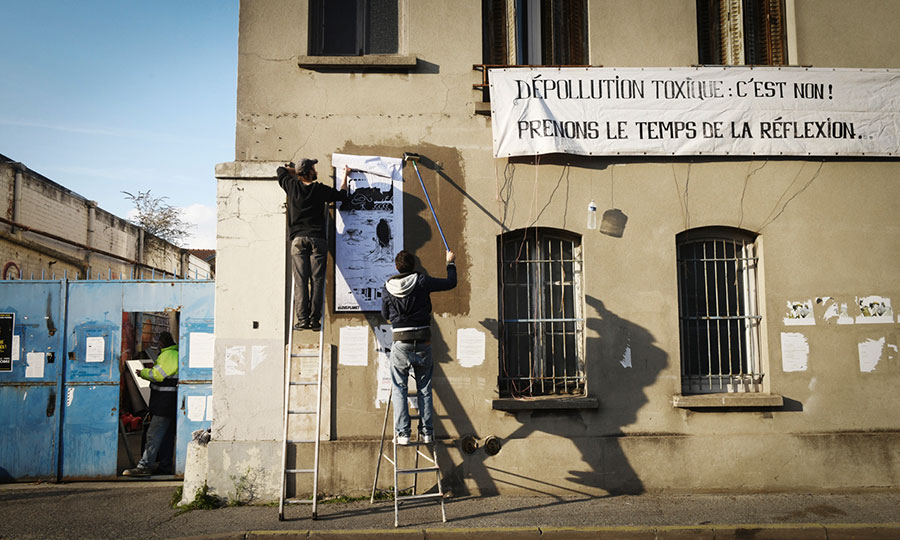
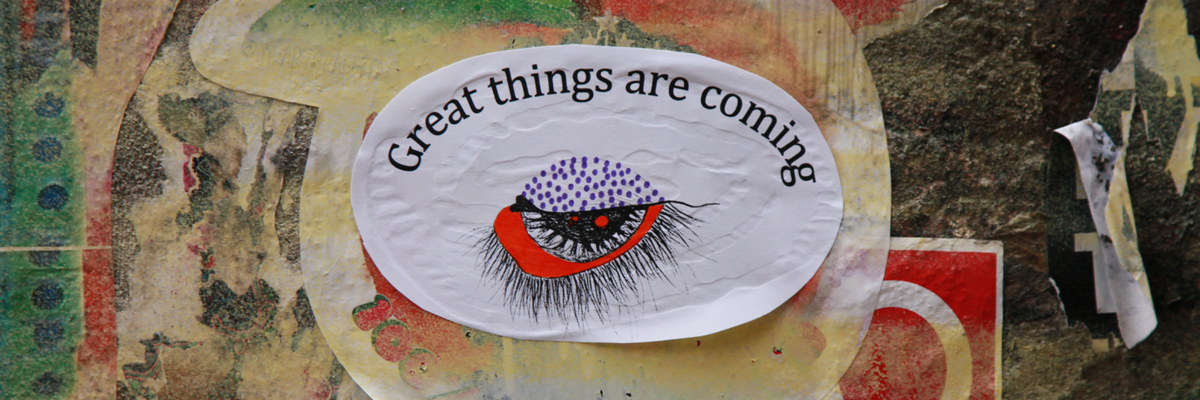
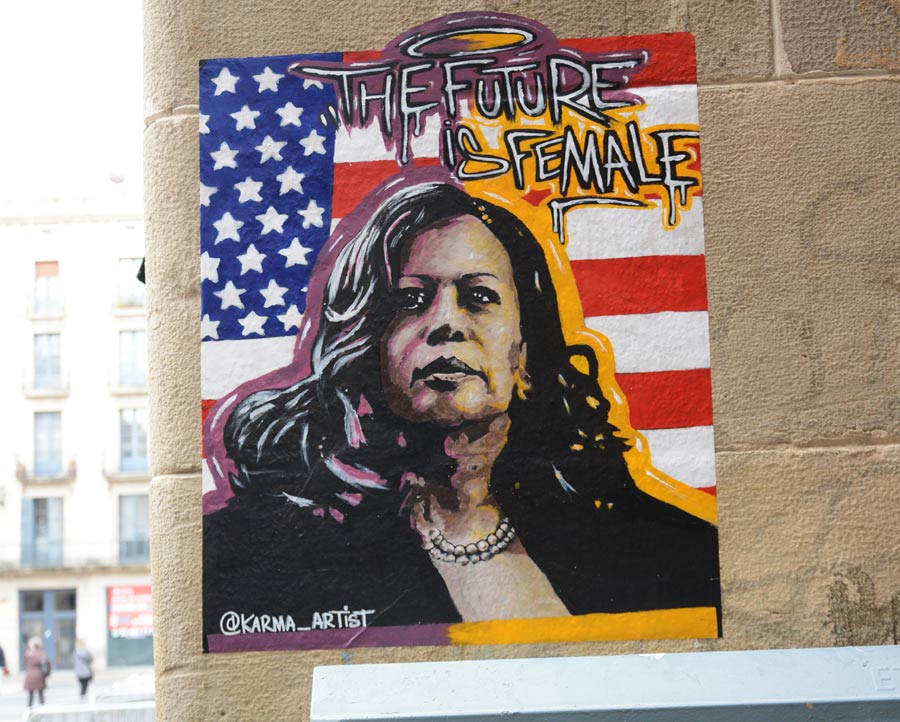
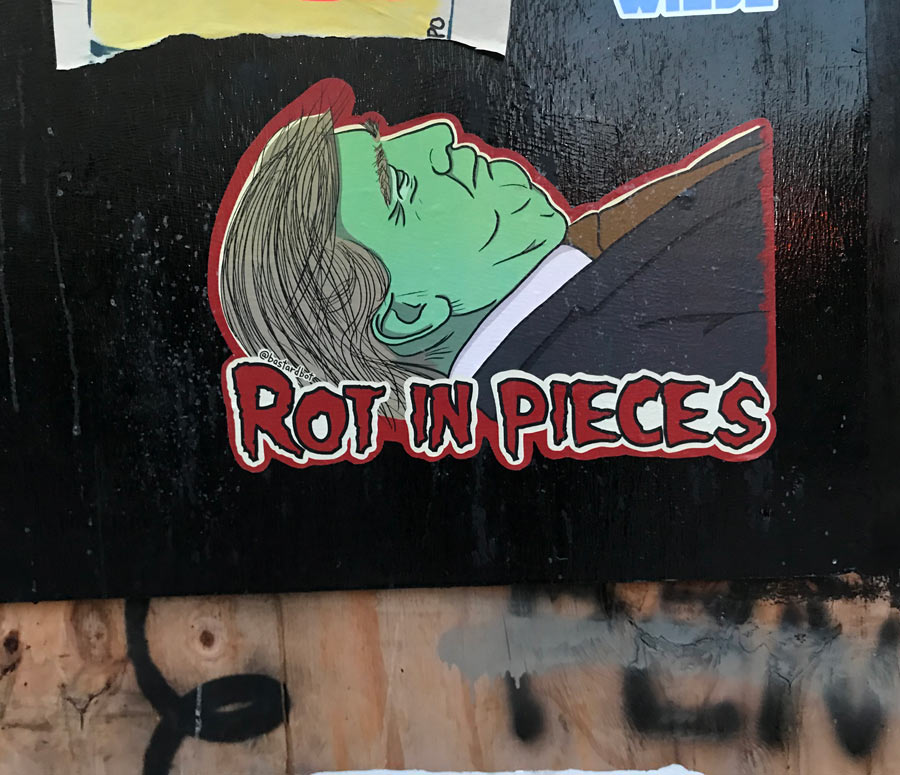
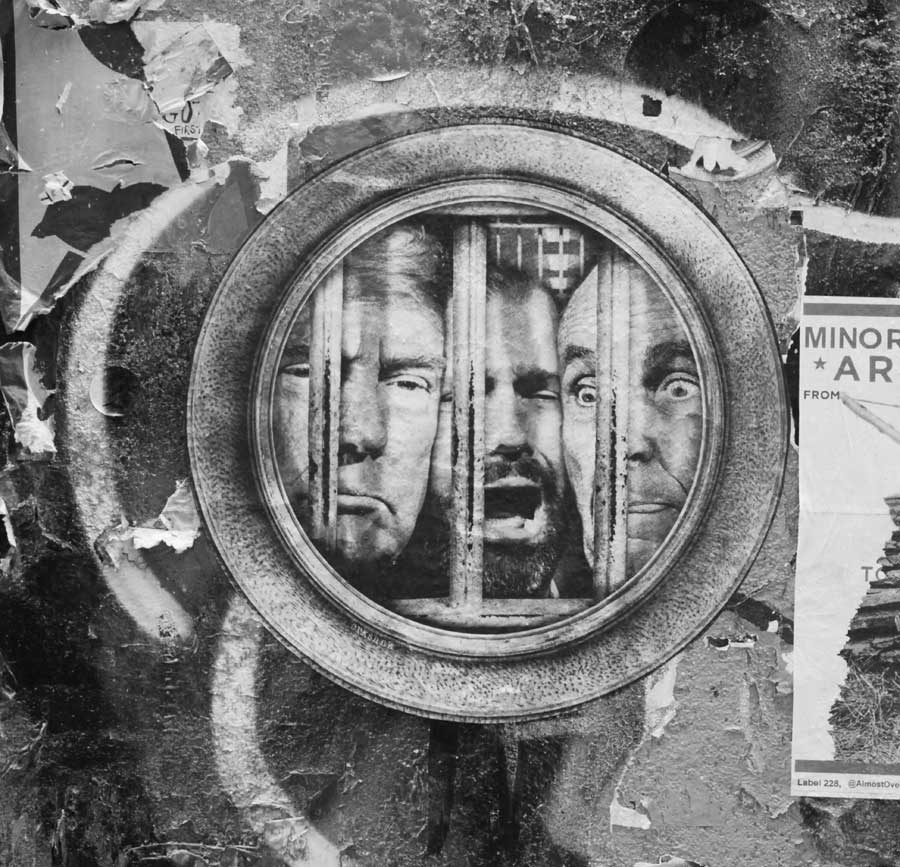
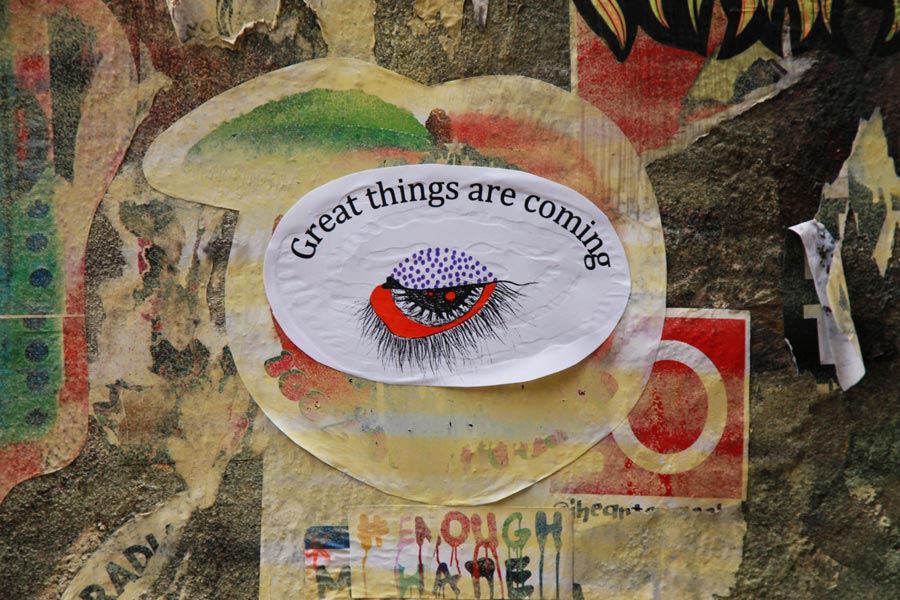
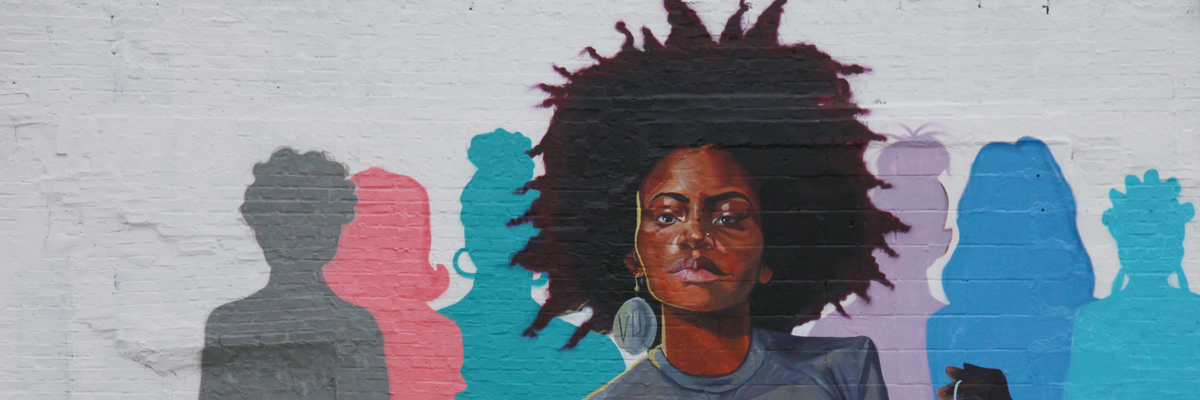
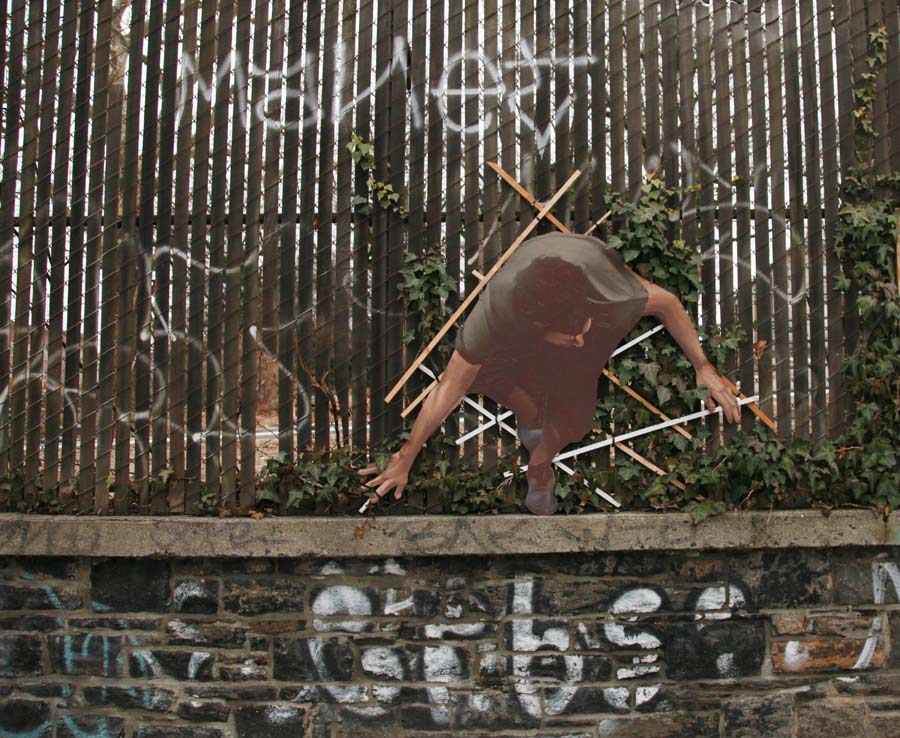
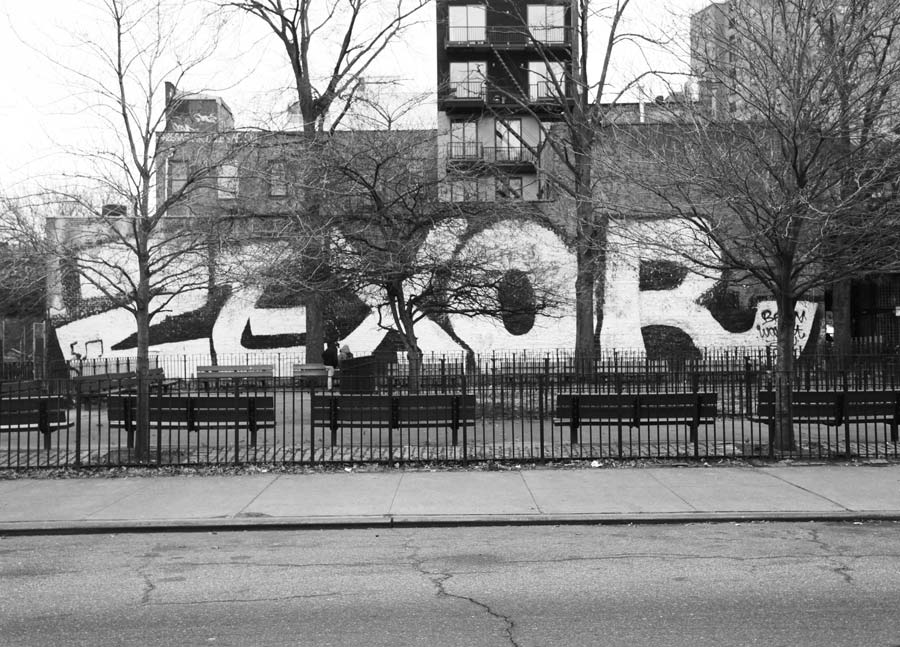
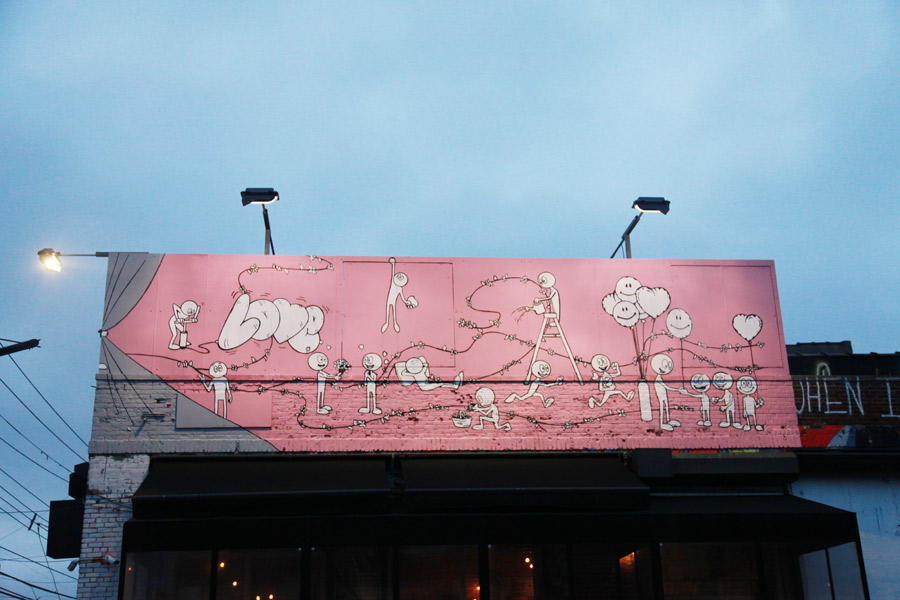
Street Art Rebellion & Extinction Rebellion have created a participative poster campaign called #loveplanet. Artworks available to everyone for FREE and for many ecological fights around the world.
As we continue to explore the art of rebellion around the world and the artivists who are using their communal talents around the world to turn the tides of environmental disaster, we bring you the French organization called Street Art Rebellion, who along with the global environmental activists called Extinction Rebellion have conjured a participatory action for you. It is a participative poster campaign called #loveplanet and organizers say they would like to think that the action takes the form of a collective collage campaign in France and abroad.
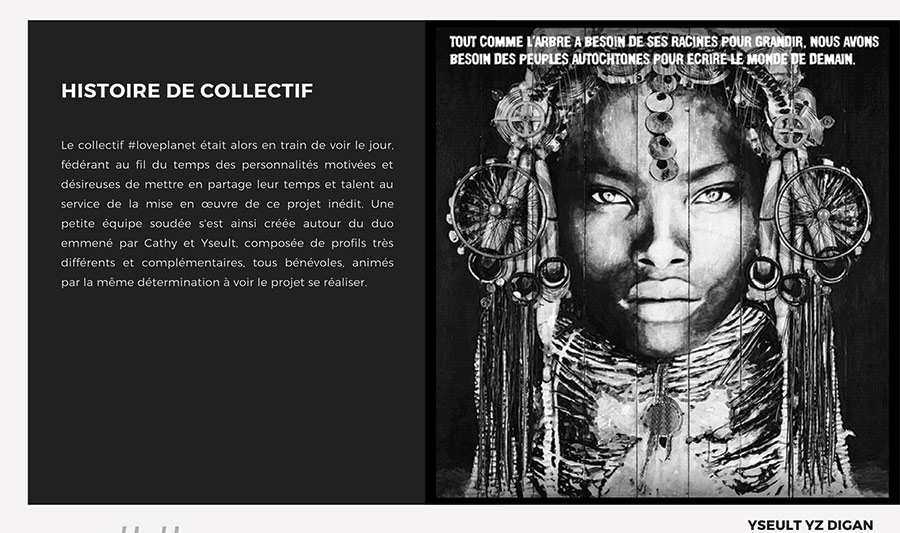
Yseult YZ Digan. Street Art Rebellion #loveplanet (photo courtesy of Street Art Rebellion)
Like Extinction Rebellion each of these 48 artists believe that we have a moral responsibility to take personal action, whatever our personal politics about other issues are.
“Life on Earth is in crisis,” says the group on their website. “Our climate is changing faster than scientists predicted and the stakes are high. Biodiversity loss. Crop failure. Social and ecological collapse. Mass extinction. We are running out of time, and our governments have failed to act. Extinction Rebellion was formed to fix this.” The two groups say it is a participative poster campaign called #loveplanet, and artworks available to all and for all ecological fights around the world. The campaign is documented on the groups Facebook page since it began in September and they hope they will spread the news and inspire more artists to join in.
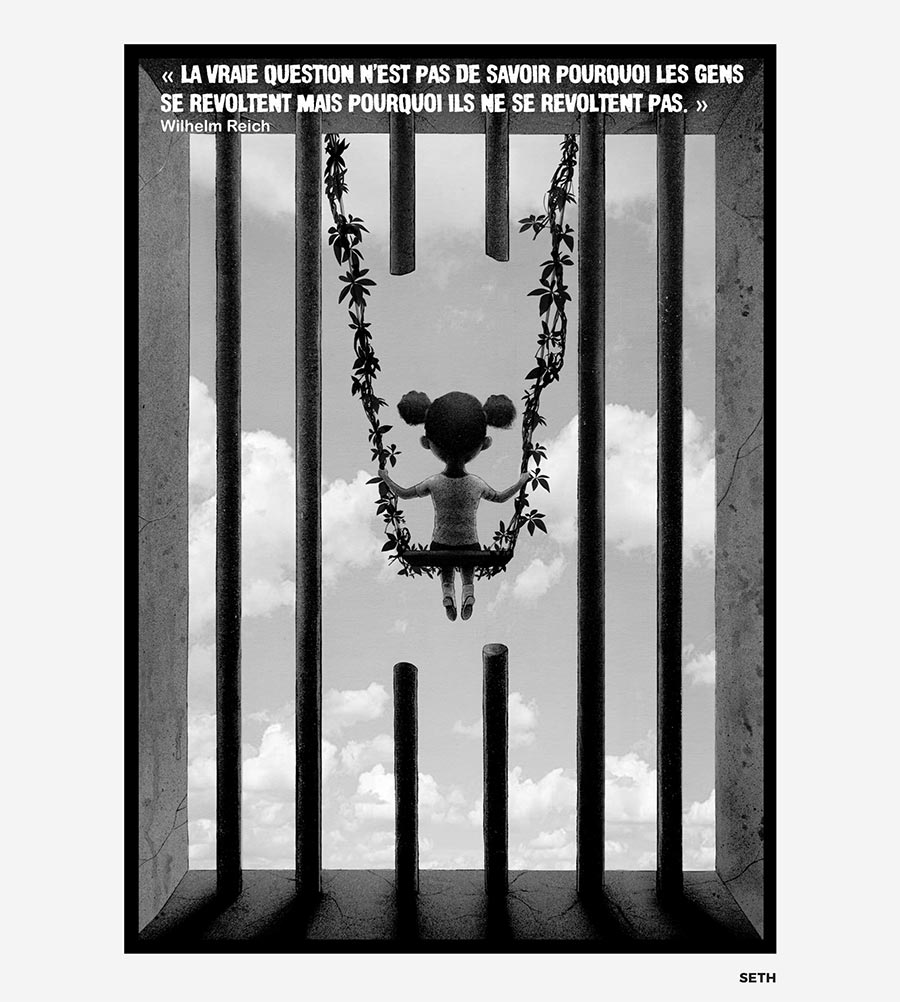
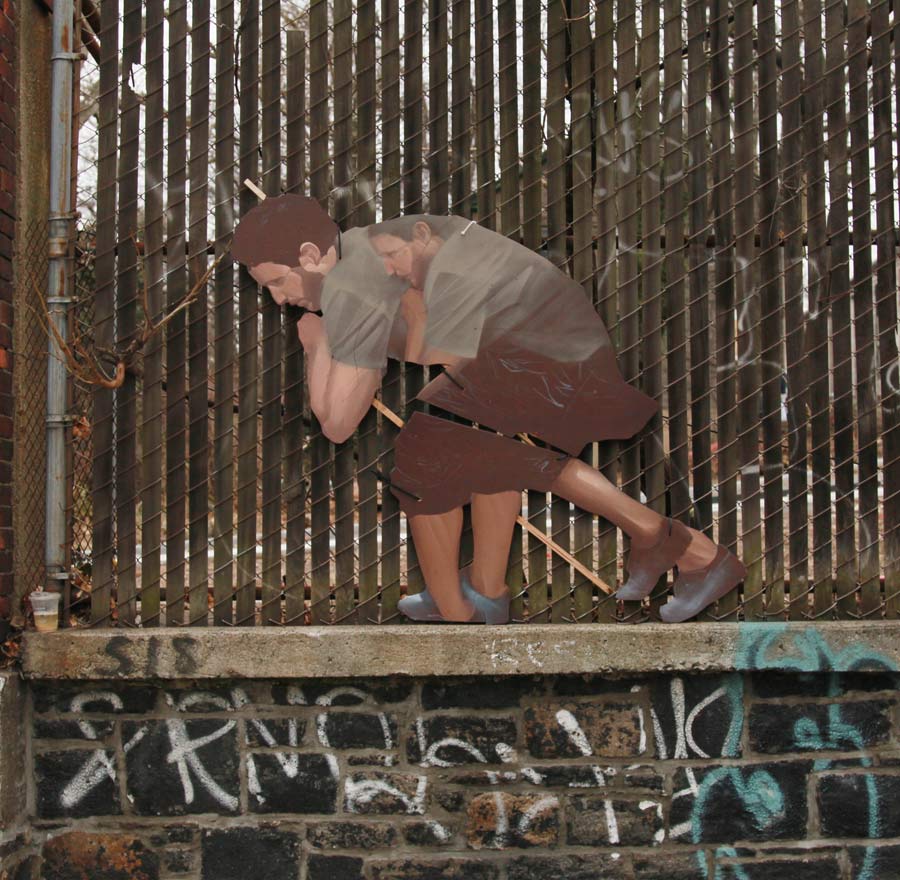
SETH. Street Art Rebellion #loveplanet (photo courtesy of Street Art Rebellion)
“We encourage society as a whole to continue and expand the movement.”
Today you can join in by downloading artworks donated by these artists as posters and put them up around your neighborhood, your area, your street.
Many people in New York and around the world breathed a collective sigh of relief this week when our native son from Queens got on that helicopter with his immigrant wife and A. left the White House and, B. flew to Florida.
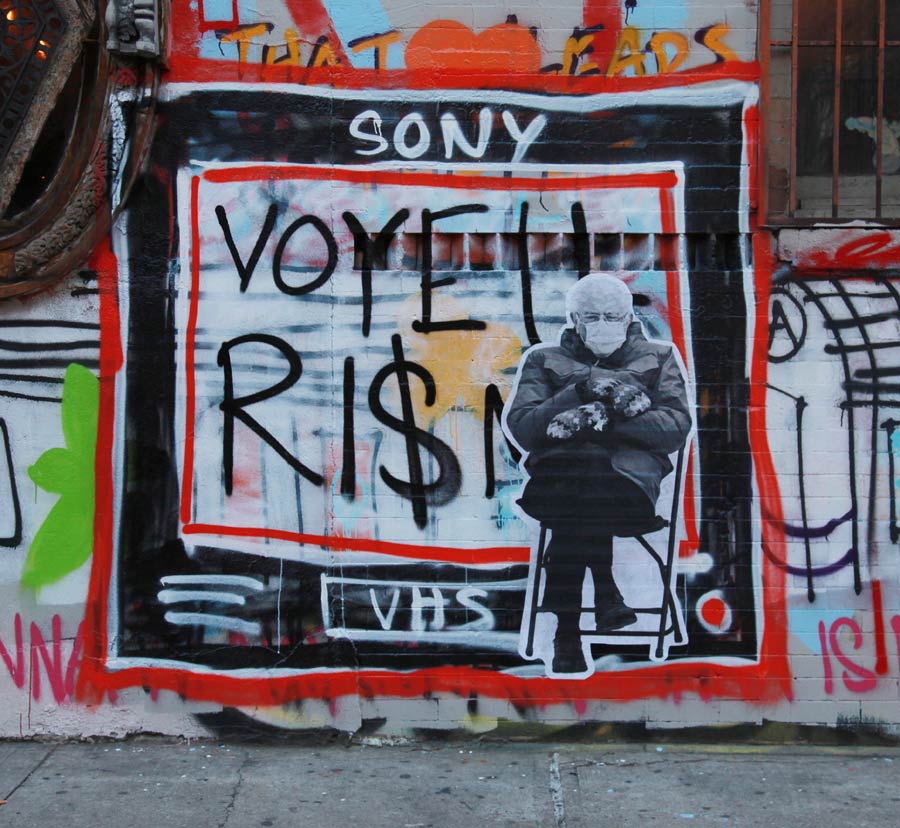
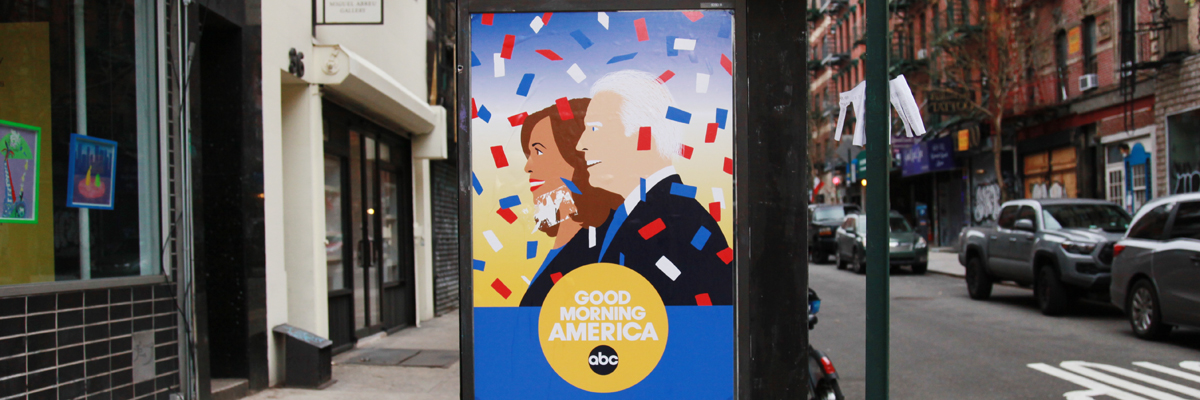
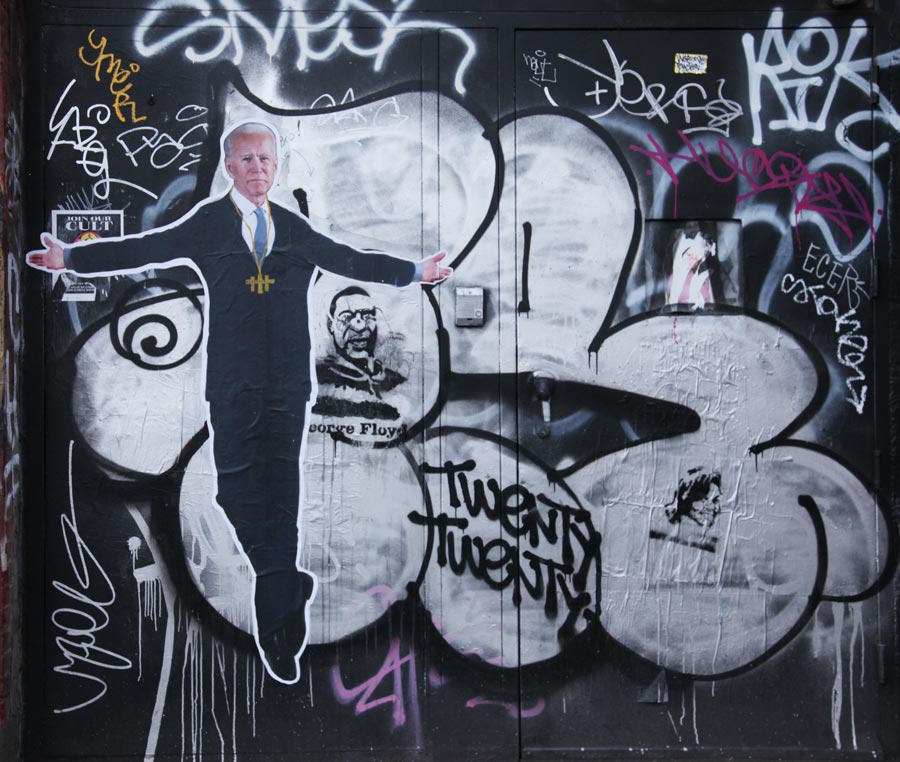
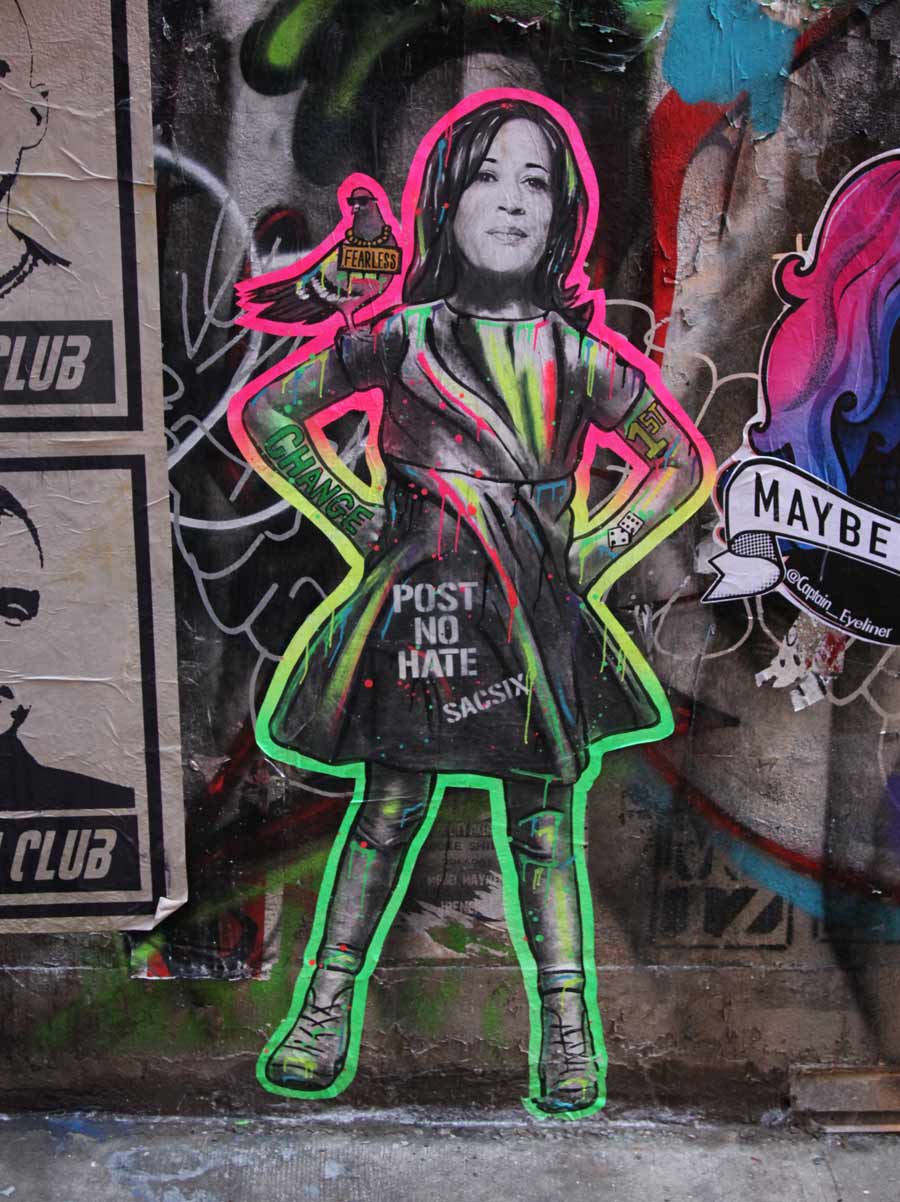
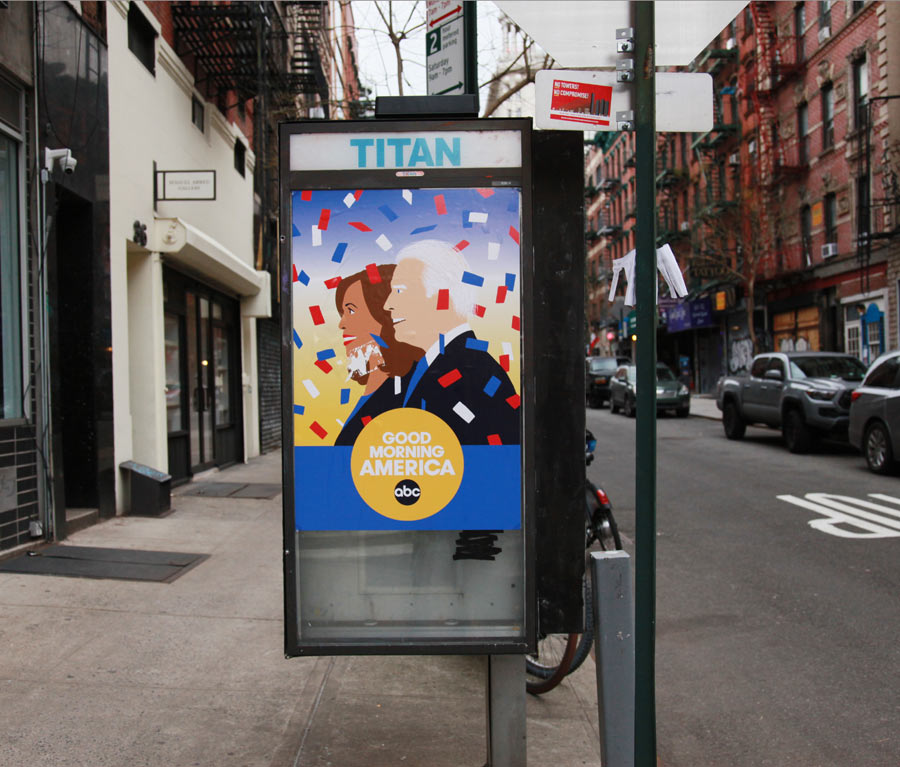
But for this week anyway, the streets are saying let’s give Biden and Harris and this new administration the congratulations and the honeymoon they deserve. We wish them (and us) the best!
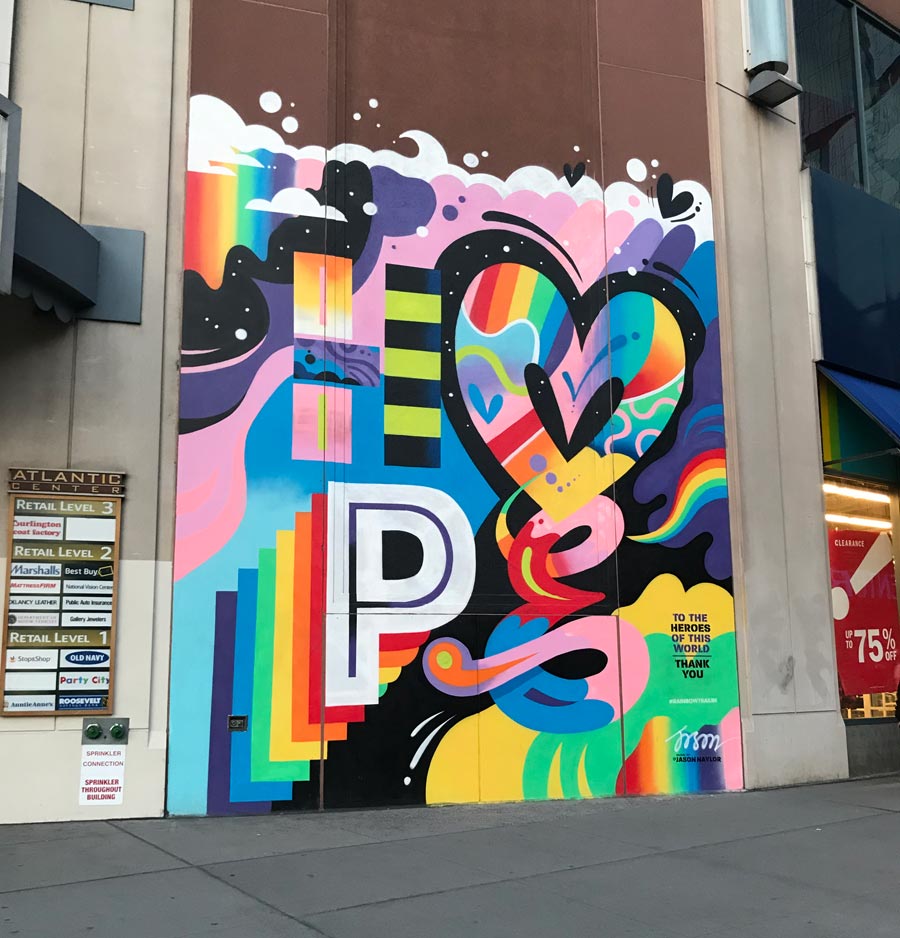
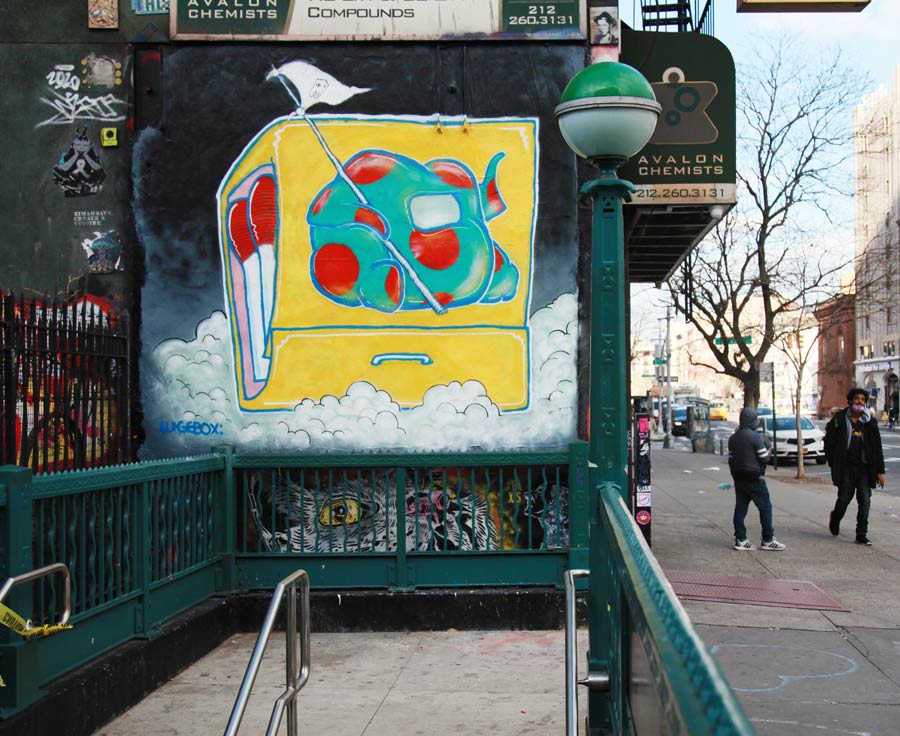
Here’s our weekly interview with the streets, this week featuring Anna is a toy, Bastard Bot, CRKSHNK, Elfo, Jason Naylor, Lunge Box, Praxis VGZ, and Queen Andrea.
The winter city streets are frozen and foreboding right now.
It’s late January and, like many people in the Northern Hemisphere, you are venturing outside only out of necessity, or boredom with your Covid lock-down walls. With leafless trees, closed businesses, barren social calendars, and endless grey cold concrete to greet you – one wonders how nature can be so cruel.
In the face of these realities, Jennifer Rizzo at New York’s Hashimoto gallery decided to festoon the interior space with flowers and plants, curating nearly three dozen artists to create something LUSH.
Andy Decola “Temptation”. Lush/Hashimoto Contemporary. (photo courtesy of the gallery)
It may seem odd to become fixated on this most traditional of subjects in the modern skew of our worldview. Somehow we cannot imagine art collectors beguiled by the natural world. But these times are crying out for new solutions, or at the very least, a salve for our psychic wounds. Hashimoto may be onto something indeed.
Aldrin Valdes “Sunny days indoor with Ingres. A neon bougie fantasy”. Lush/Hashimoto Contemporary. (photo courtesy of the gallery)
We asked Jennifer Rizzo about the new show, how she conjured it, and how her garden grows.
BSA:How many flowers do you have blooming in the gallery right now?
JR: So many! Thirty-three artists came together for this show, many of them incorporating multiple flowering plants and species into their works. Then there’s the actual flowering plants in the space. I think I’d need a field guide and a few hours to take an official count of all the lovely varieties blooming in the space.
Hola Lou “Jungla de noche”. Lush/Hashimoto Contemporary. (photo courtesy of the gallery)
BSA:Certainly there is a history of people collecting nature-inspired art, including landscapes and botanicals – but it hasn’t exactly been in “fashion” for some time. Is this show a reaction in some way to the current climate politically, socially, economic?
JR: In some ways it is a personal response to what we have collectively been living through this past year. We are all spending more time at home than ever, many gravitated to cooking, baking, picking up new hobbies such as musical instruments or gardening. For most urban dwellers, gardening happens on a windowsill. In times of uncertainly, I know I look for things that are comforting and in a way, familiar. Things that feel nurturing. What can be more beautiful, accessible, timeless than nature in art?
Jeff Canham “Plants Clusted”. Lush/Hashimoto Contemporary. (photo courtesy of the gallery)
BSA:How do some of these works represent “modern” reworkings of this traditional theme? Can you give a couple of examples?
JR: I wanted the exhibition to present a survey of the scene, and see how contemporary artists are interpreting the subject matter, going beyond the traditional still life of a vase full of flowers, although works of that nature can be quite beautiful as well.
A few examples of artists who pushed well beyond the expected are;
Aldrin Valez’s small scale mixed media works, with figures dressed in fashion’s inspired by the prickly spikes of a cactus or the rounded petals of a flower. I love the concept of wearable art, and Aldrin’s high fashion interpretation of “make a piece inspired by the flowering species.”
Hola Lou’s abstract painting, titled Jungla de Noche. The artist’s boldly simple lines and minimal approach really pushed the concept, yet captured the rumbling energy of a jungle alive at night.
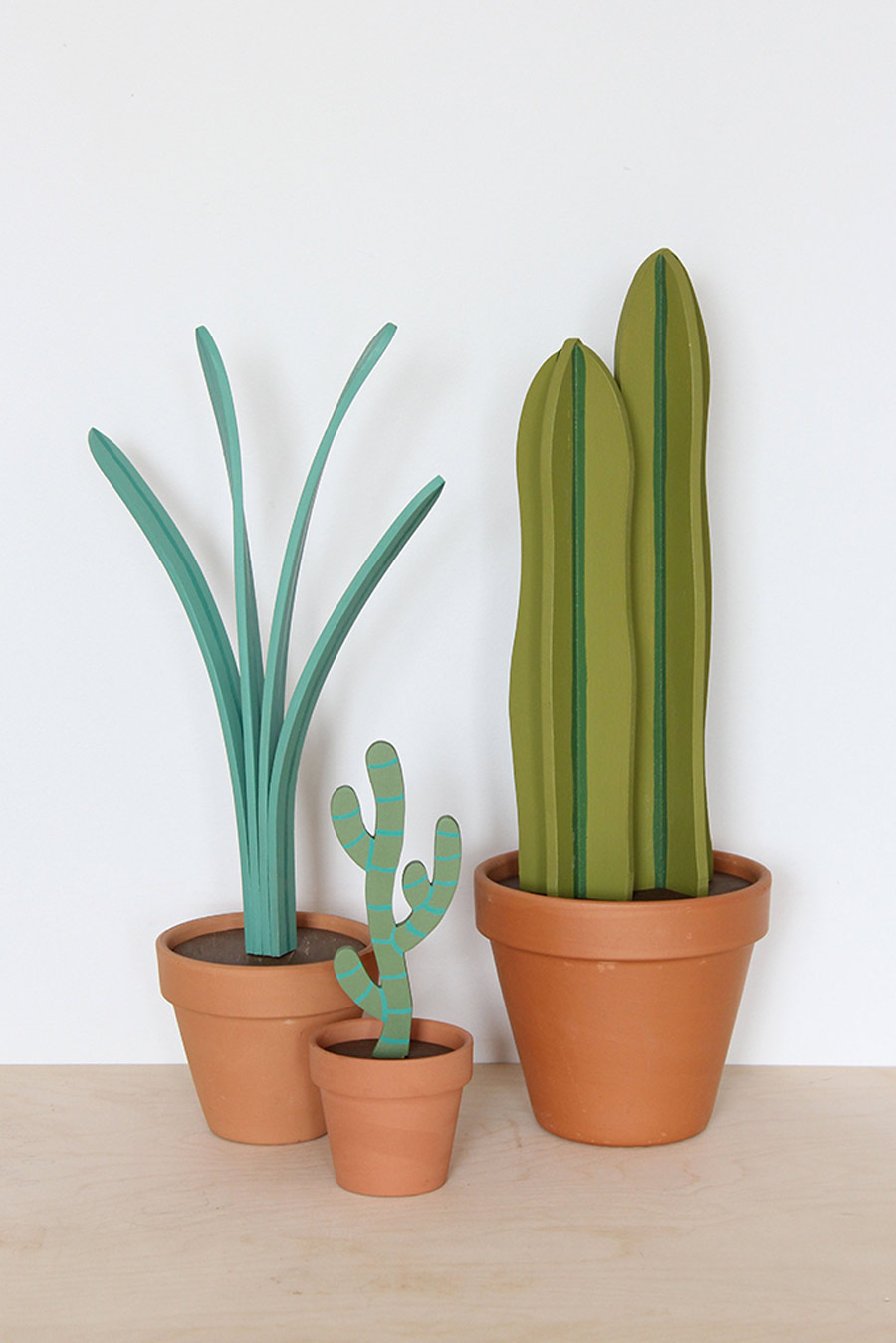
Jeff Canham’s whimsical cacti, housed in actual terra cotta planters. They are super playful, and have a flattened two dimensional quality even though they are three dimensional sculptures.
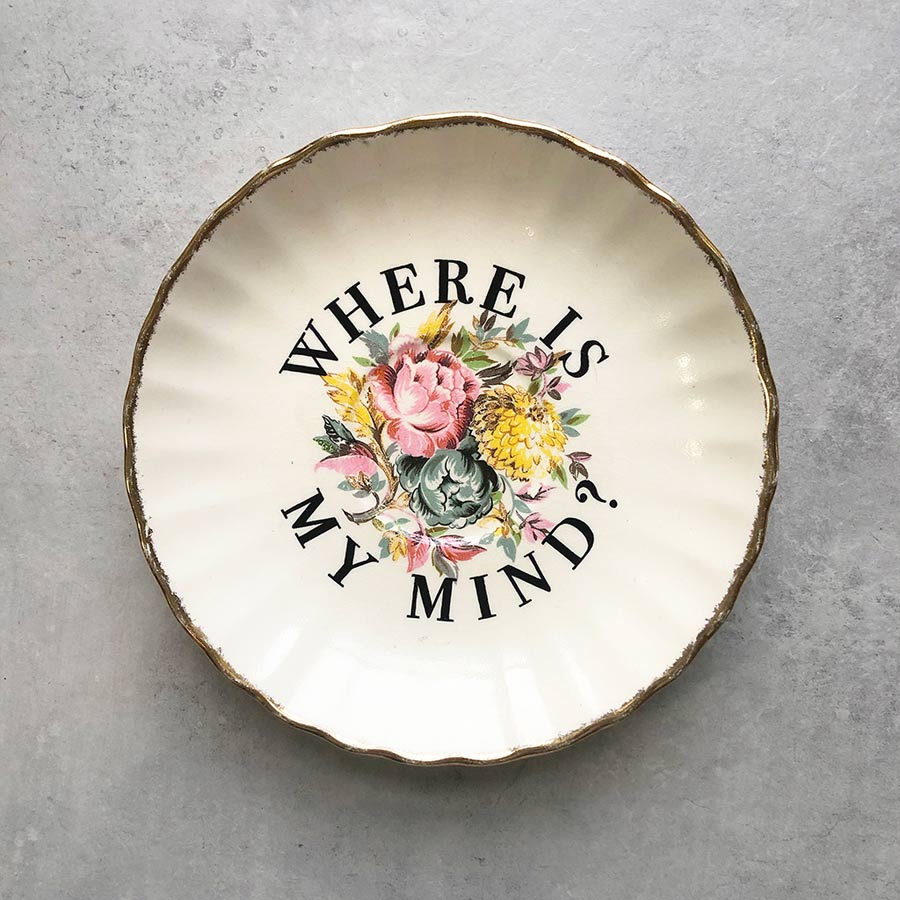
MC Marquis hand painted typography on vintage floral plates. The artist has been working on her plate series for a few years now, merging the traditional vintage plates with phrases that are topical and relatable.
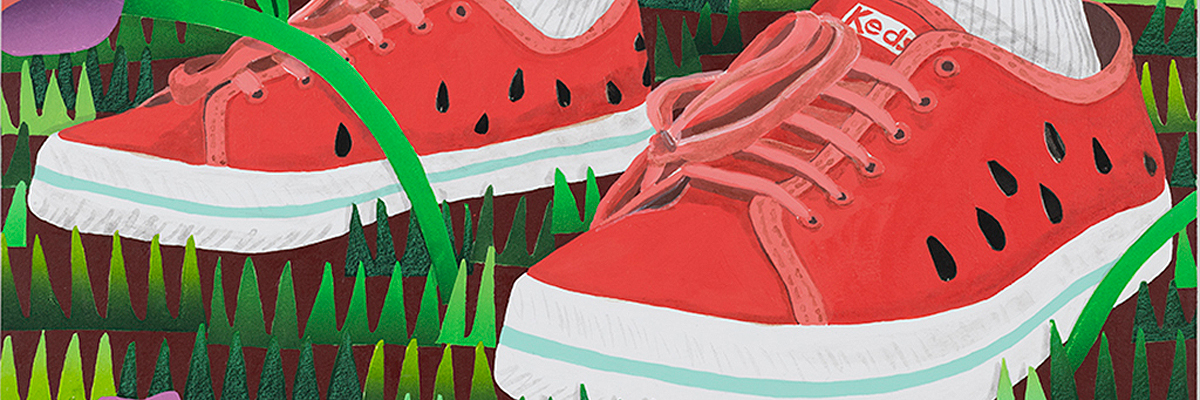
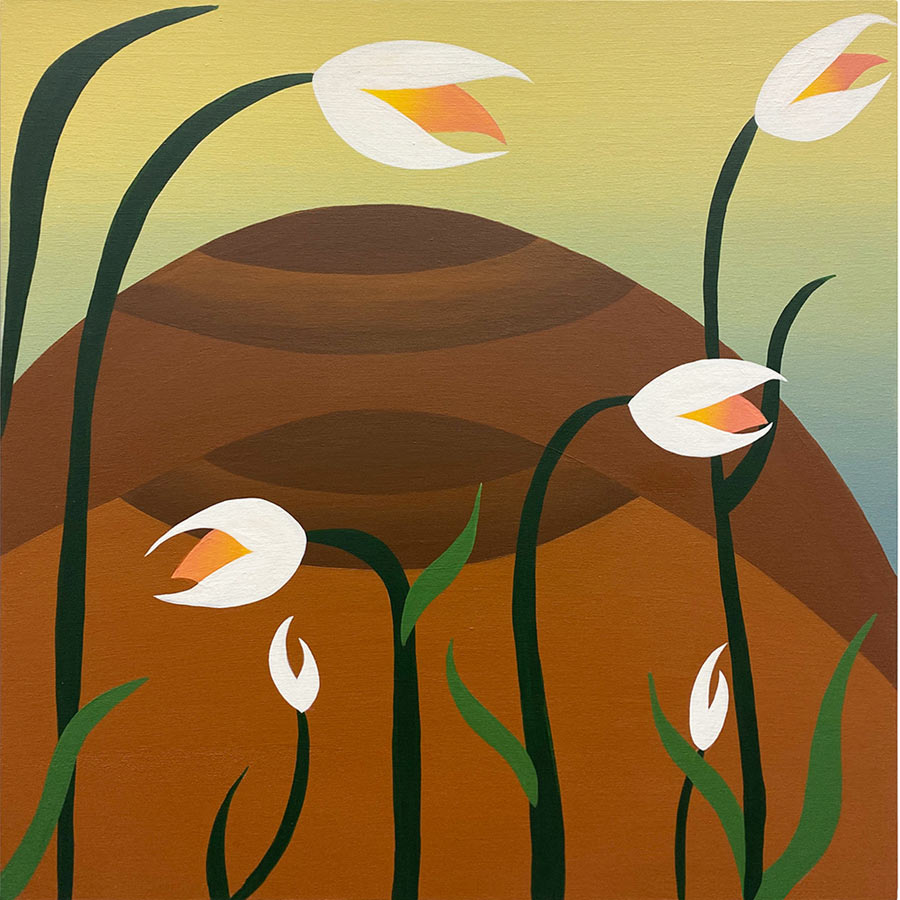
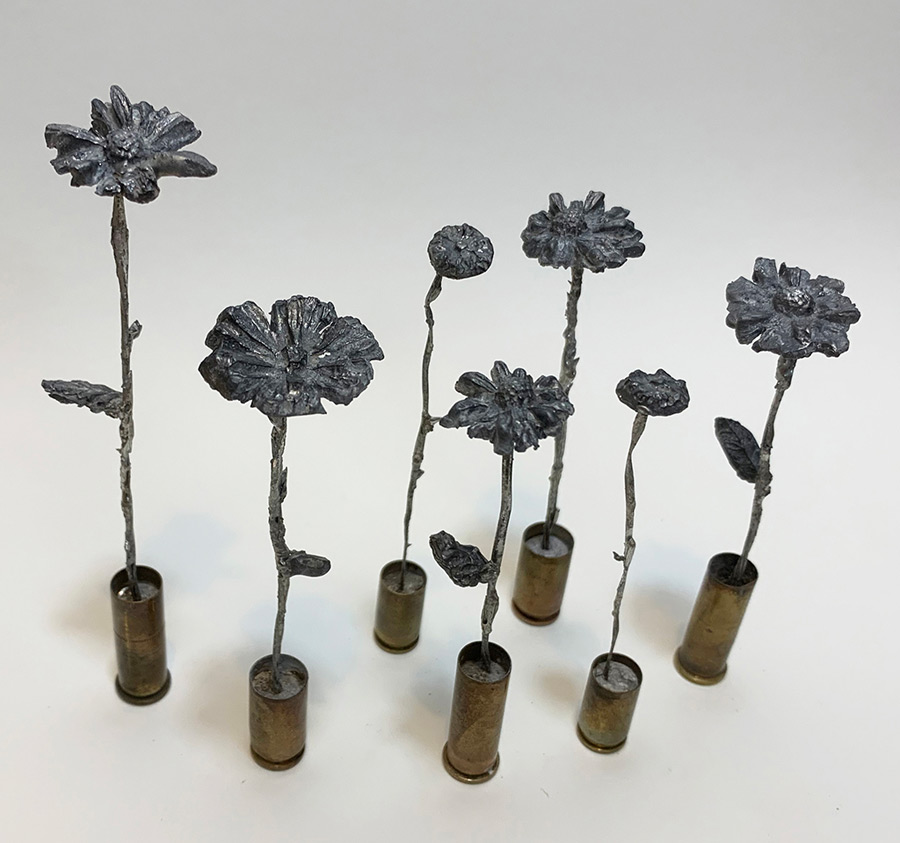
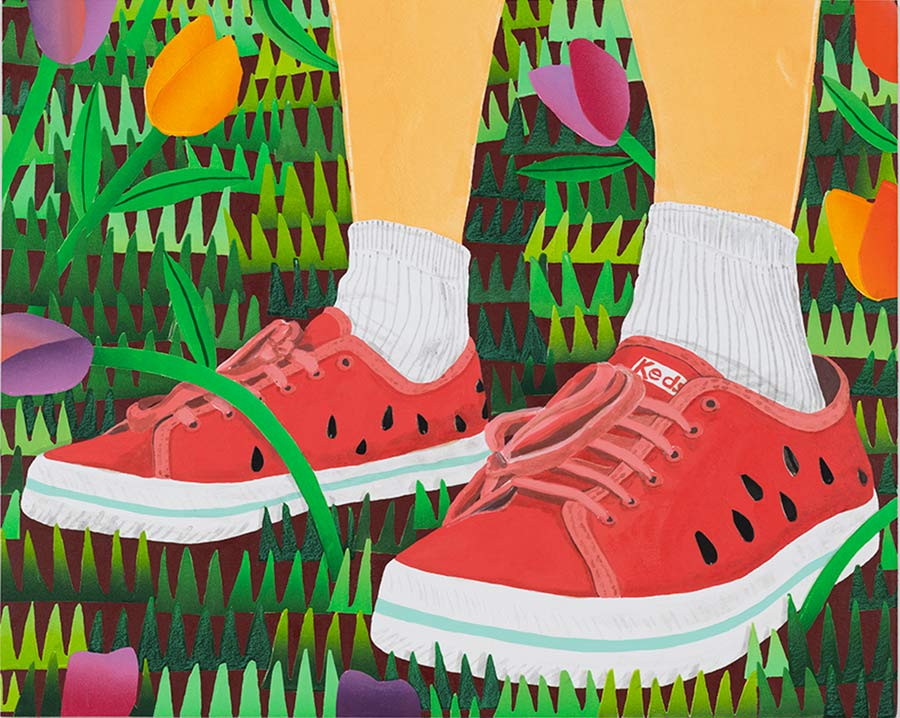
MC Marquis “Where is my mind”. Lush/Hashimoto Contemporary. (photo courtesy of the gallery)Bianca Nemelx “Couldn’t find the forest, so I grew onw of my own”. Lush/Hashimoto Contemporary. (photo courtesy of the gallery)Jeremiah Jenkins “Blooms”. Lush/Hashimoto Contemporary. (photo courtesy of the gallery)Karen Lederer “Watermelon Tulips”. Lush/Hashimoto Contemporary. (photo courtesy of the gallery)
LUSH Hashimoto Contemporary, New York curated by Jennifer Rizzo January 16th – February 6th, 2021
For the exhibition, the gallery has teamed up with garden design company Primrose Designs NYC, led by Kris & Elena Nuzzi, who created the botanical installation within the gallery space.
The exhibition will be on view from Saturday, January 16th to Saturday, February 6th. The gallery will be open by appointment only.
Our weekly focus on the moving image and art in the streets. And other oddities.
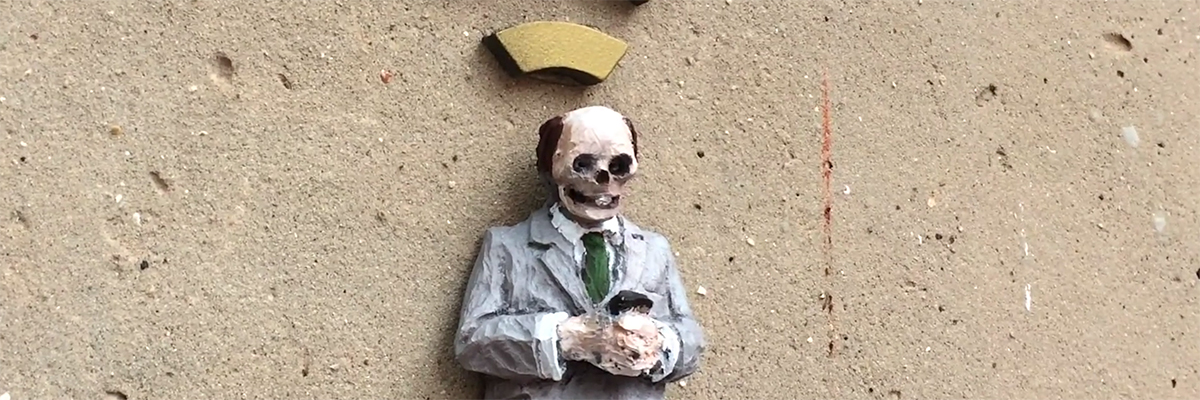
Now screening participants at Festival Asalto 2020: 1. Isaac Cordal 2. Elbi Elem 3. Akacorleone 4. Lida Cao 5. Diego Vicente 6. Karto 7. Marta Lapena 8. Sawu 9. Slim Safont
BSA Special Feature: Festival Asalto 2020
In Barrio San Jose (Zaragoza) the Festival Asalto mounted its 2020 edition in spite of, and perhaps because of, the very strange time that we are living in. Once considered an expression of the counterculture, illegal street art has evolved in some ways to spawn legal mural festivals that actually reinforce a sense of normalcy. The organizers and participants of Festival Asalto had to overcome logistical obstacles as well as the fears of many to mount the outdoor exhibition this year, and we salute them for their fortitude and successes.
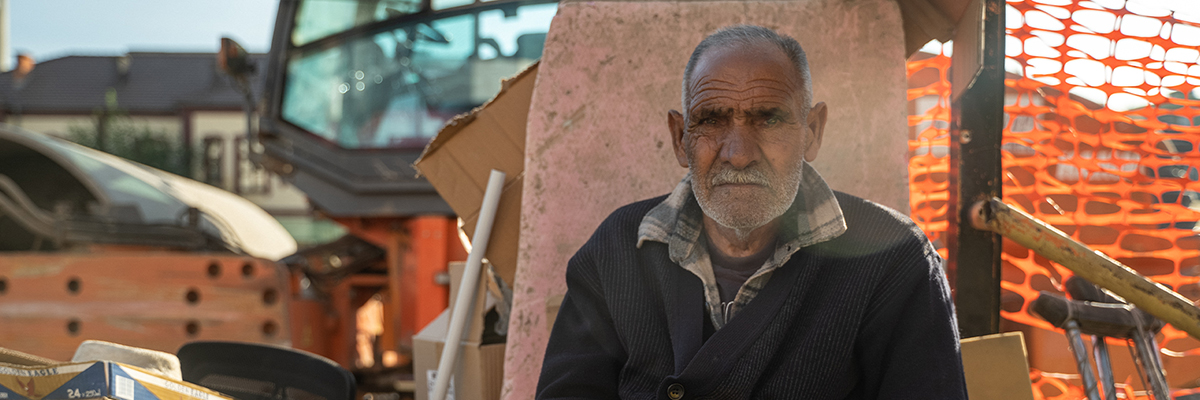
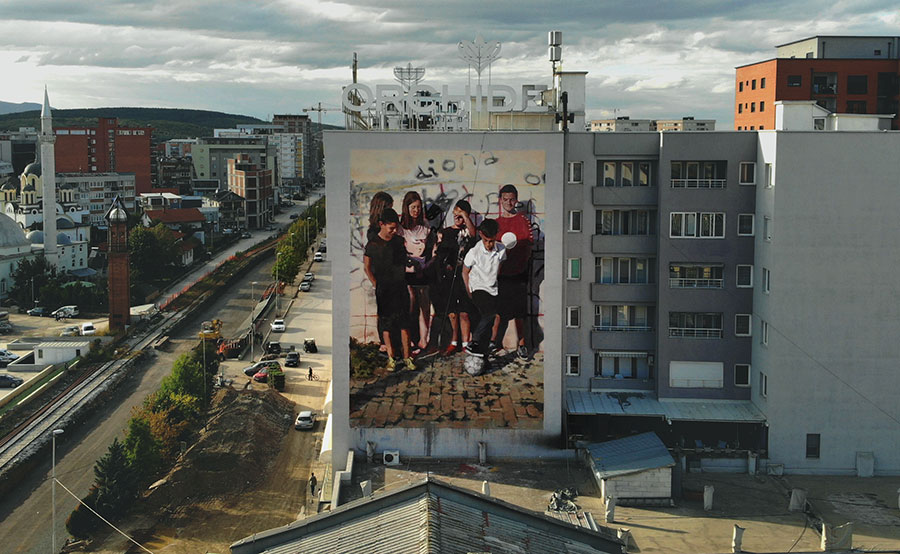
“This is a celebration of them directly,” artist Helen Bur says as she describes her new six-story high painting in Ferizaj, Kosovo. Warm and idiosyncratic, it is a candid photo of local youth whom she paints in this once war-torn area. Even today, about 20 years after the end of hostilities and with the enormous “peace-keeping” US Camp Bondsteel nearby, a mixture of Albanians, Serbs, and Roma all are rebuilding a common life in the shadow of not-so-past events.
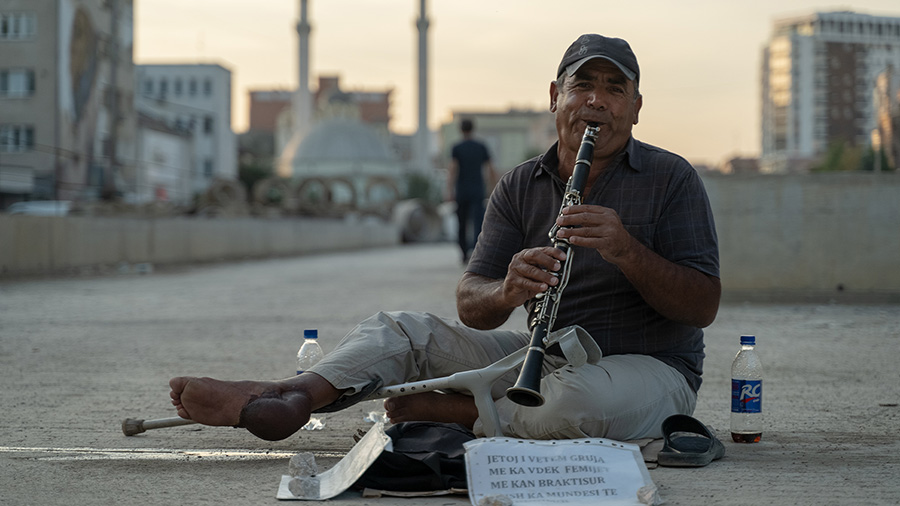
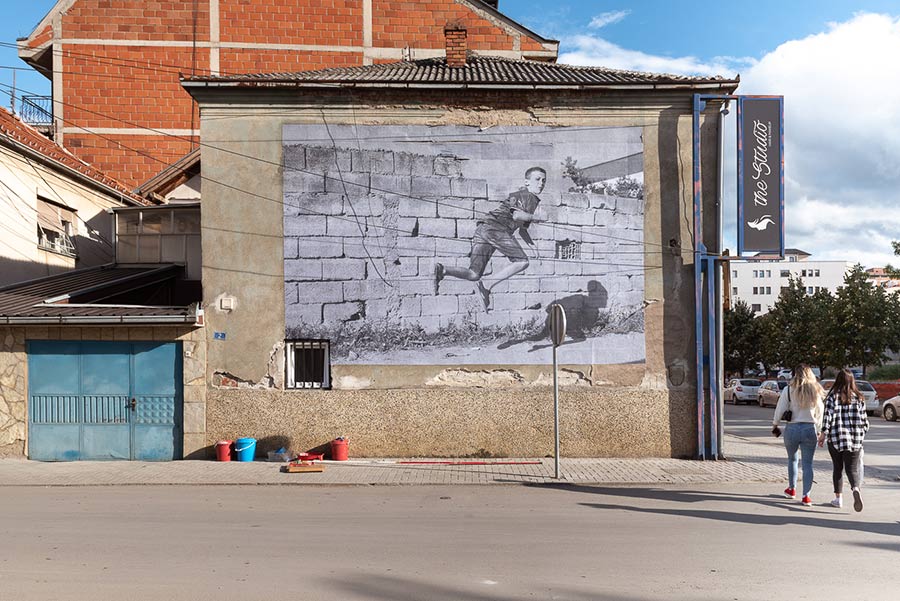
Given such taut social politics that govern the memories and leave their mark on the daily lives of residents, Scottish film maker Doug Gillen jumped in to record the observations and experiences of artists and local creators who were there for a mural festival. One current fashion for murals created for these public art events is to be “responsive” to the community. Undoubtedly you can see that many of these are reflecting the environment – including more literally the botanicals of the region.
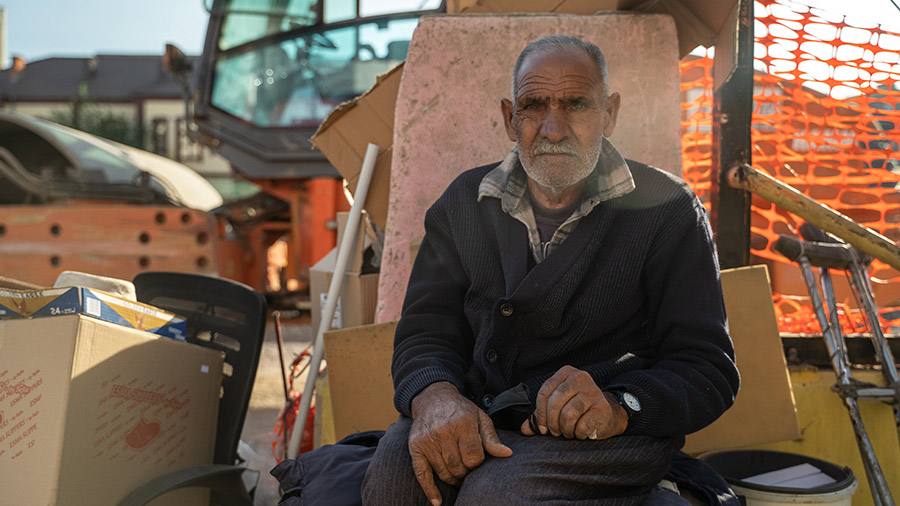
Elsewhere Gillen captures the stories of locals, including one resident who recalls being ‘usurped’ by a ‘hooligan’ who took over her attic and who brought sex workers there during the conflict. You can sense the relief she feels to finally tell her story in a public way. These singular stories provide clarity and can be rather jewel-like.
Muralist Ampparito touches on the denial that is also in play as he describes his mural which addresses the ultimate non-controversial topic bound to engage a respectable constituency: weather.
“When you arrive at a place that you don’t know and you want to talk about serious stuff” the artist explains with a smile, “I think you have to be careful.” For both the sensitive and the coarse, it is a given; whether its political or personal self-censorship, it will enter the life of an artist at one point. “It’s like when you don’t talk about something, sometimes you say more than if you don’t talk about it.”
You can see how the commitment to acknowledging and participating with community is realized by a talented collection of artists – like the aforementioned Ampparito, Aruallan, Micheal Beitz, Helen Bur, Emilio Cerezo, Doa Oa, Alba Fabre, Ivan Floro, Maria Jose Gallardo, Retry One, Zane Prater, Vlada Trocka and Axel Void.
Artist and organizer Axel Void may embody similar contradictions as he describes goals of the pro-artist organization named after himself. “In a way it’s a similar idea to every, like, Void Projects – which is pretty much trying to cut out the middle man and trying to have a more direct interaction between the artist and the people.” That being said, the annual mural festival relies on private and institutional partners, staff, professionals, and the efforts of volunteers to mount it – as well as a biosphere of media professionals and amateurs and private platforms to help Void and the artists get the word out about their creations around the globe.
Executive producer Lebibe Topalli rests her finger carefully upon the local pulse, and she parses words gently when describing the challenges of mounting this event today as she thinks of Kosovo of two decades ago. To even have considerations regarding the ‘art world’ at an earlier time “would have been a luxury,” she says.
“The difference is best recognized by the people who have experienced it.” As the debate in the street art world continues about the elusive ideal mix of factors for the perfect mural festival, filmmaker Gillen helps capture those who struggle as well with their sense of responsibility to the community.
Produced by Fifth Wall TV in collaboration with the Kosovo Mural Festival and Void Projects
The streets have been anticipating the arrival of the new president and vice president for a few months now. Today it took place and the U.S. has a 46th President – Joe Biden and 49th Vice President – Kamala Harris.
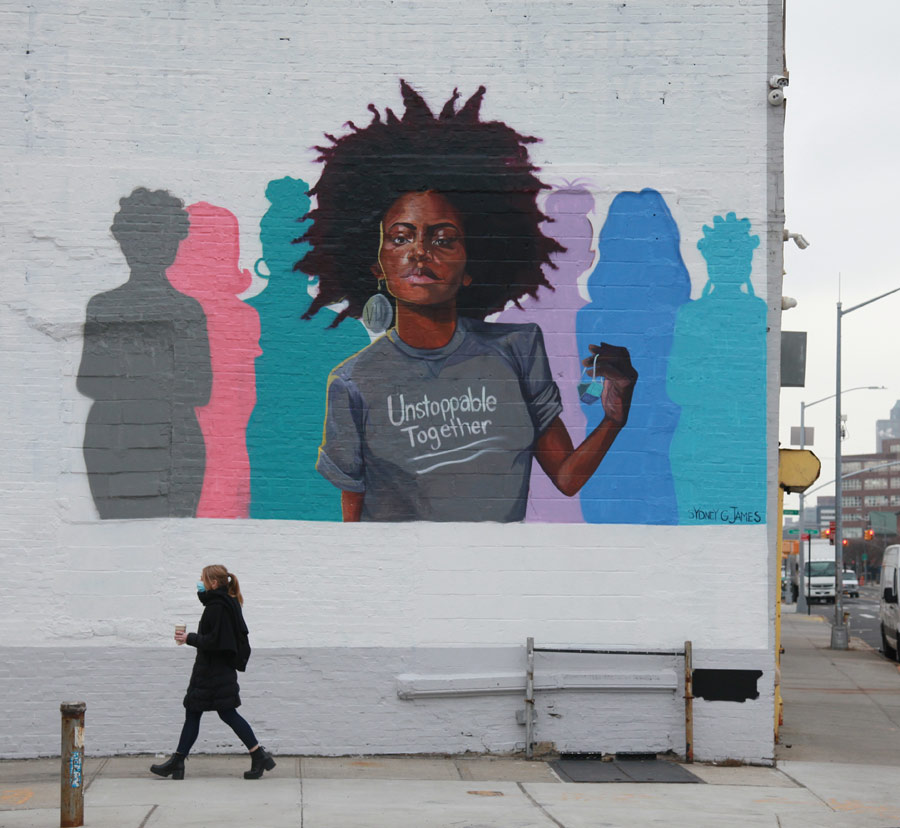
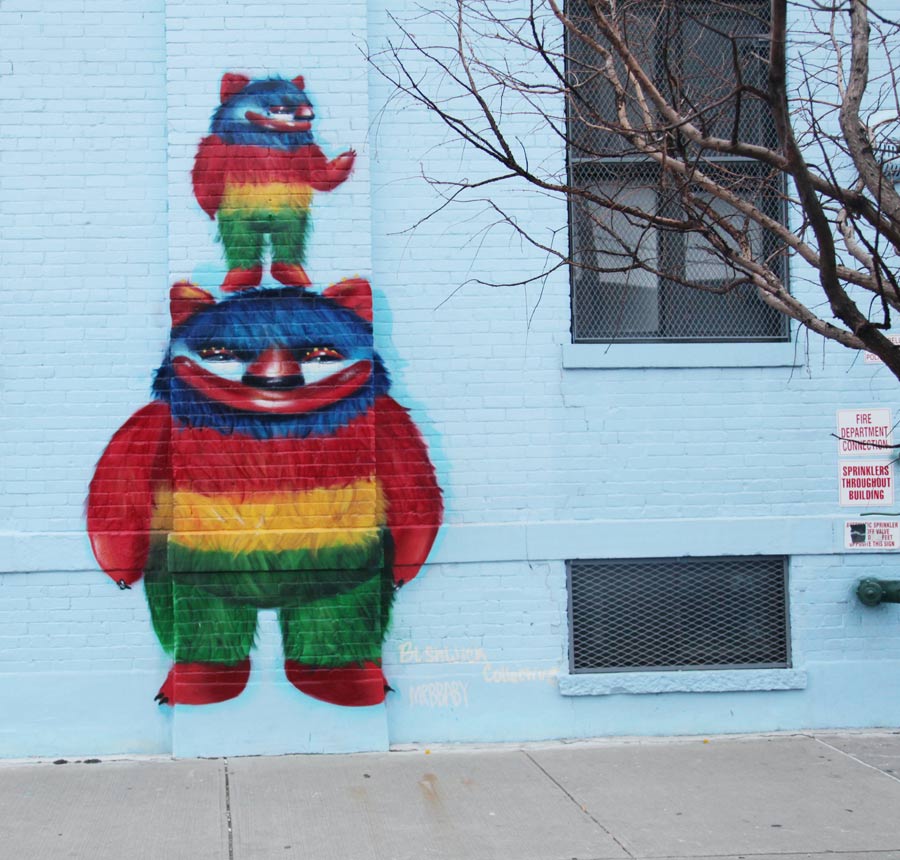
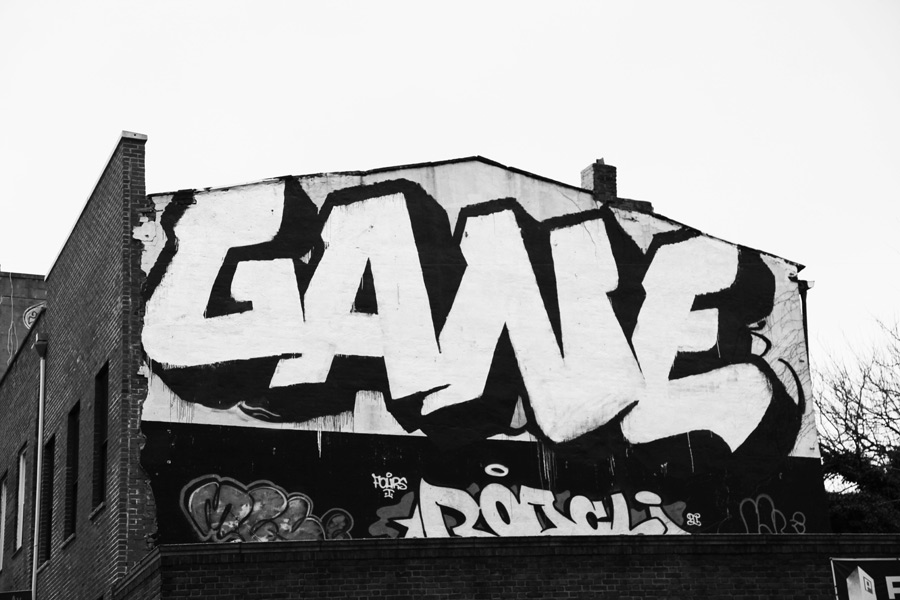
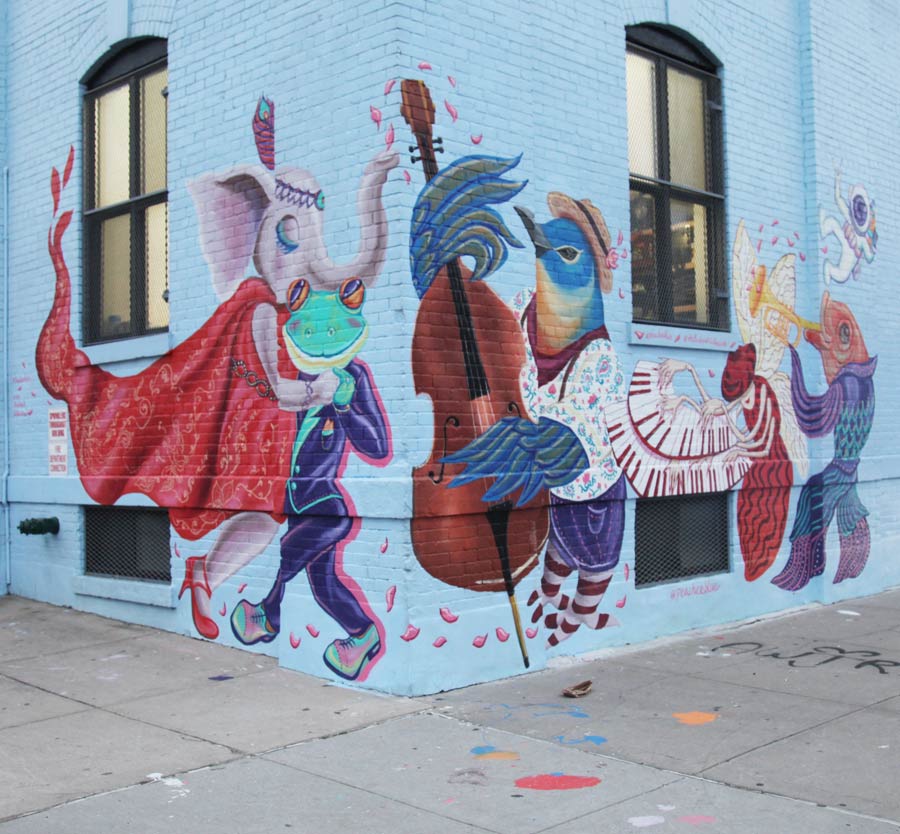
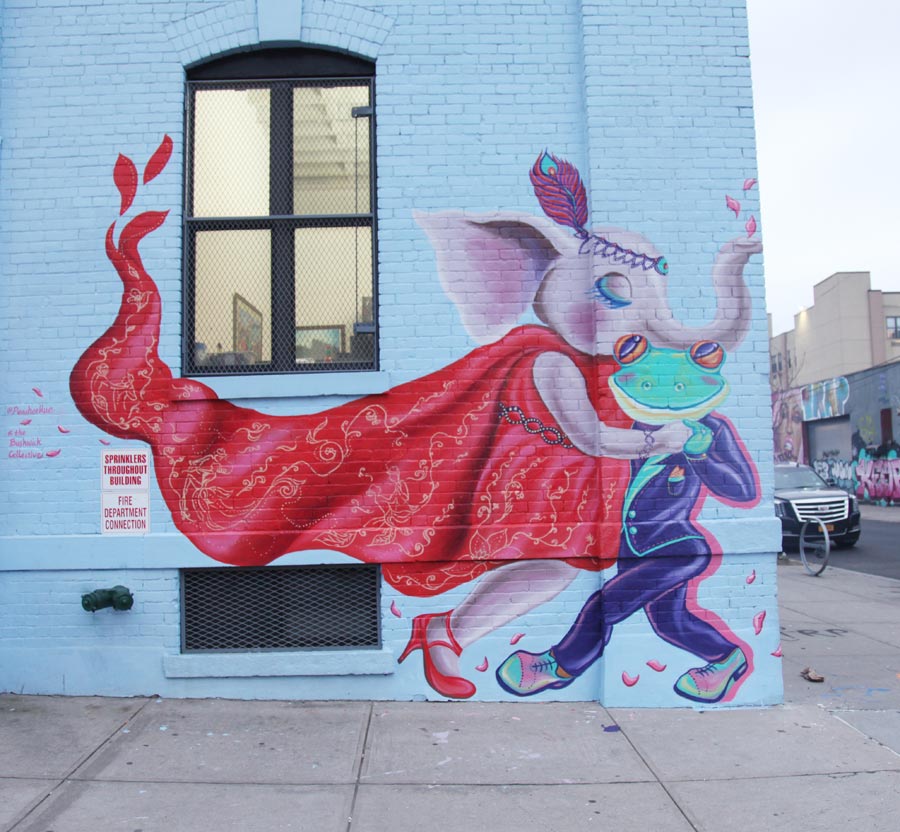
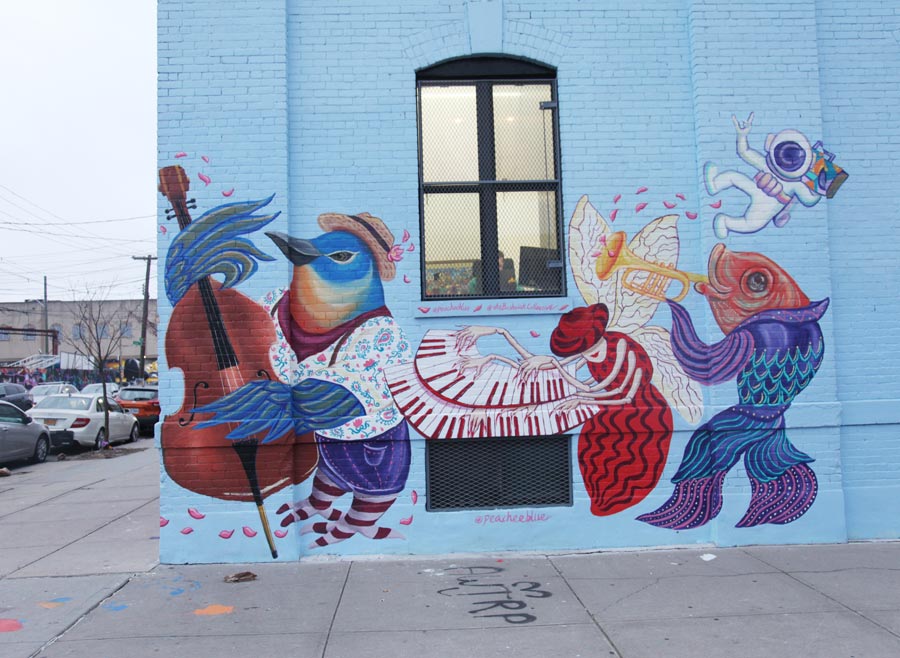
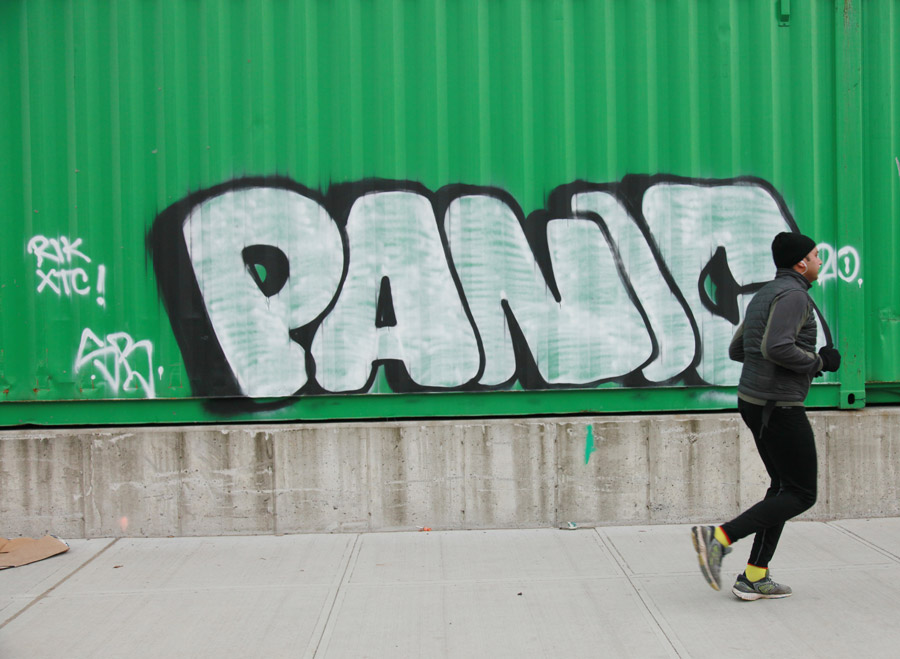
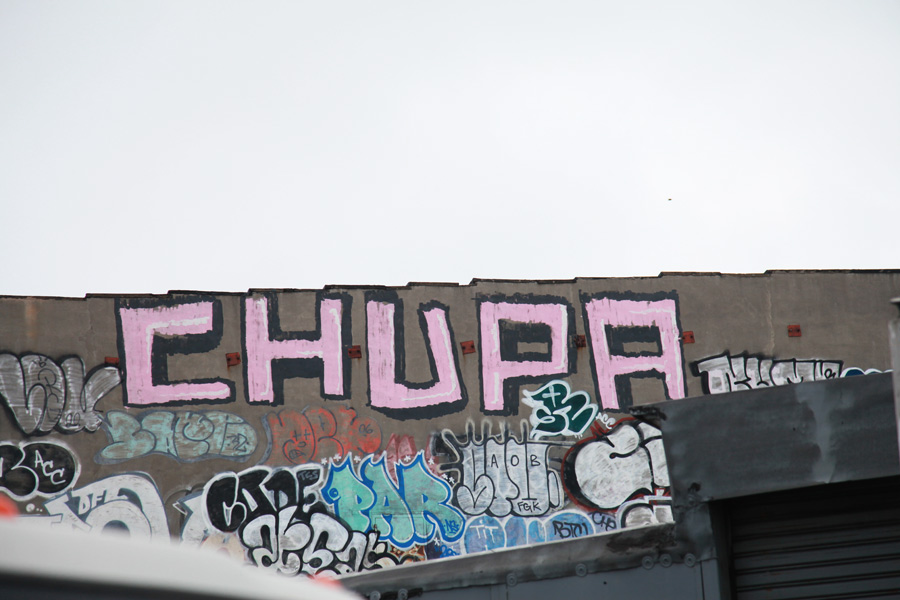
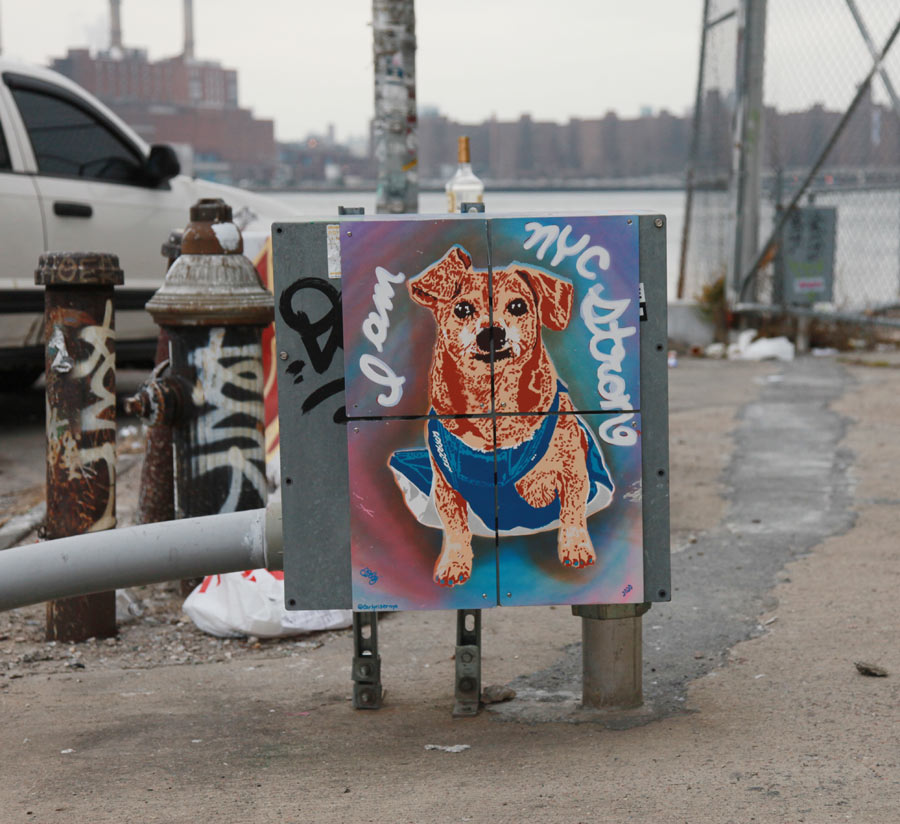
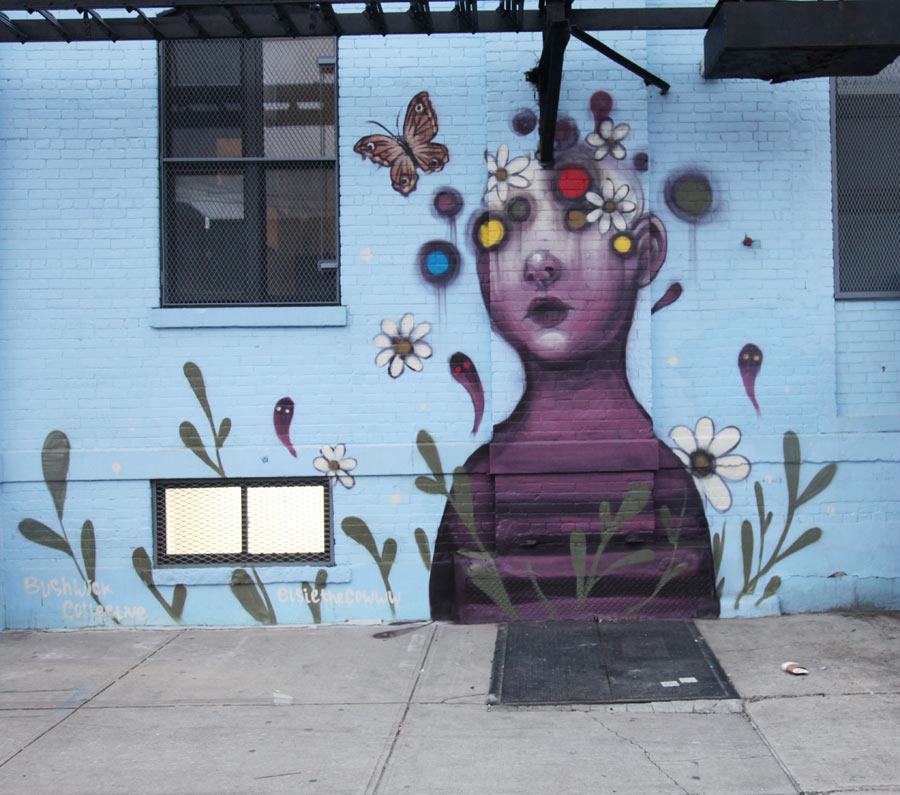
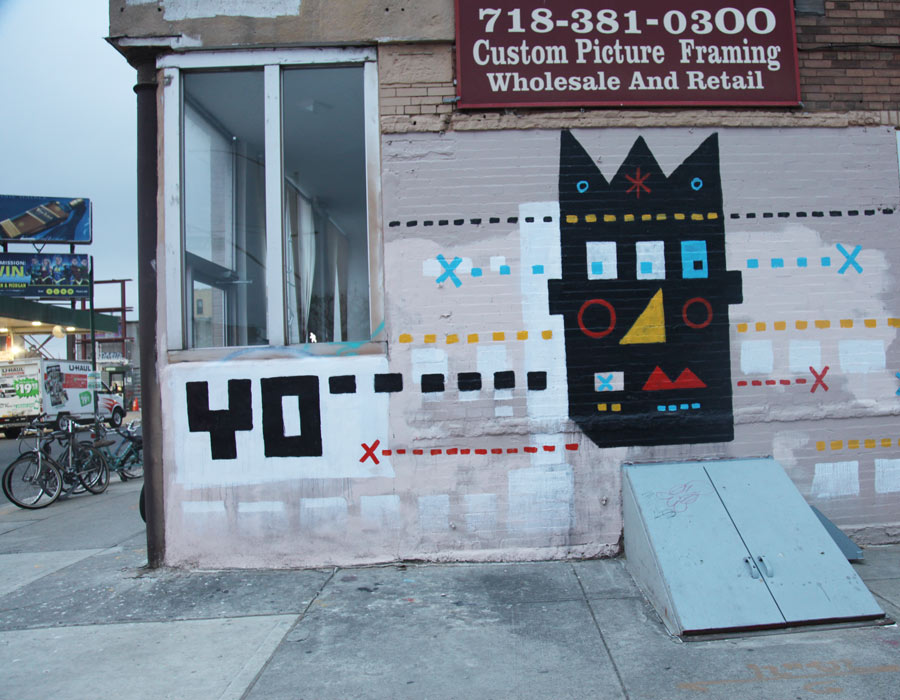
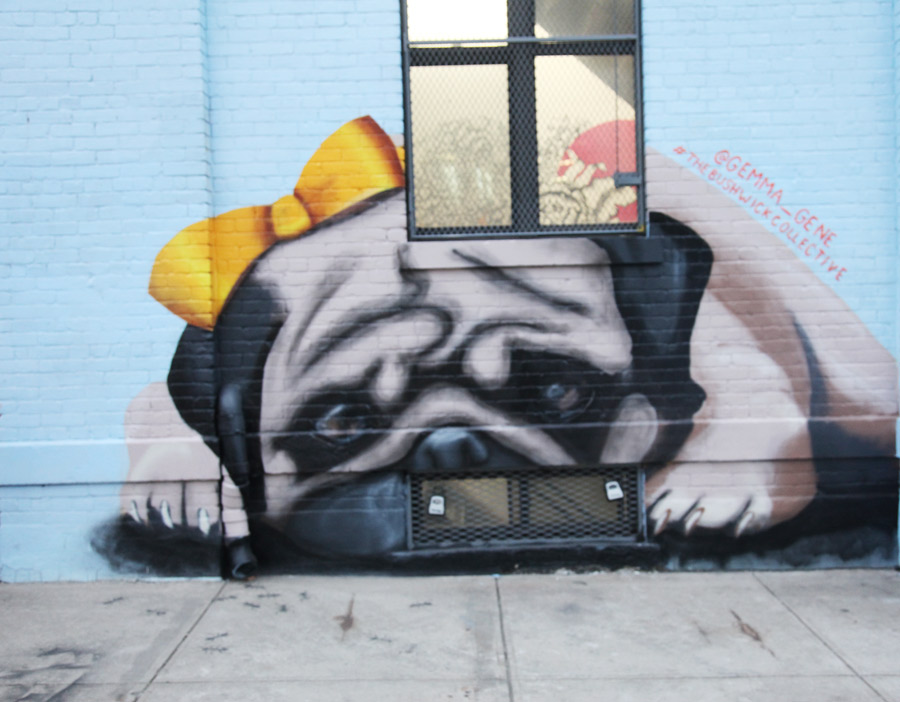
Here’s our weekly interview with the streets, this week featuring Chupa, Elsie the Cowww, Gane, Gemma Gene, Kai, Li-Hill, Mr. Babby, Panic, Peachee Blue, Pork, Skewville, Sydney G. James, and Zexor.
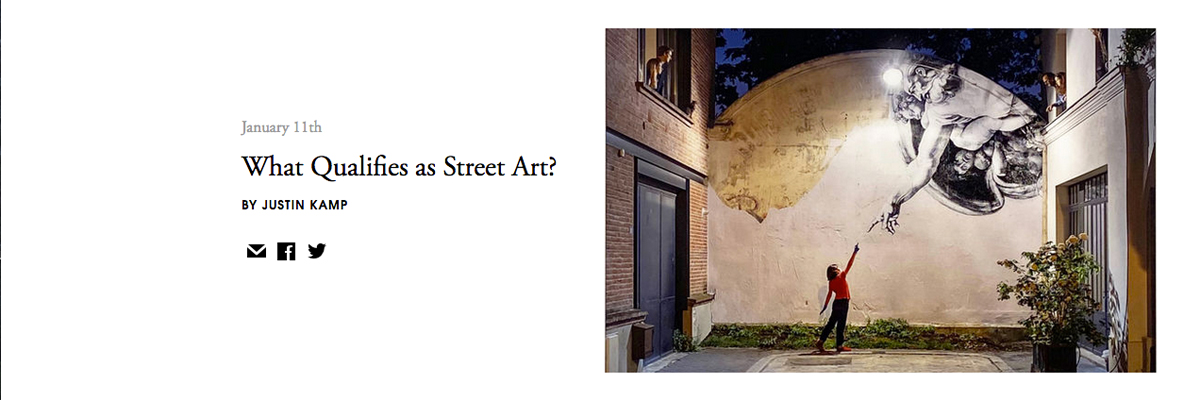
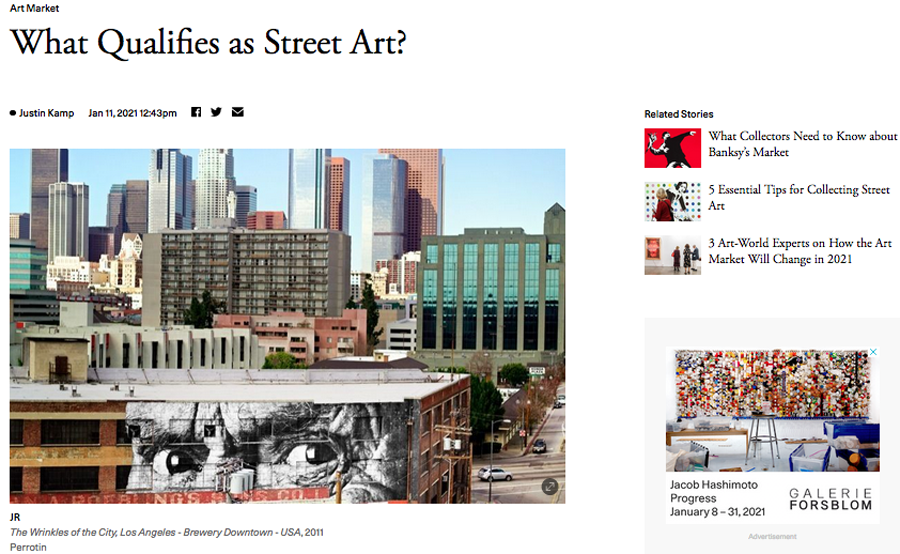
We were happy to speak with journalist Justin Kamp recently about subtle and fine distinctions in terminology surrounding street art as it pertains to street practice, fine art, institutions, and collectors. Here are some out-takes from his recent column on Artsy.
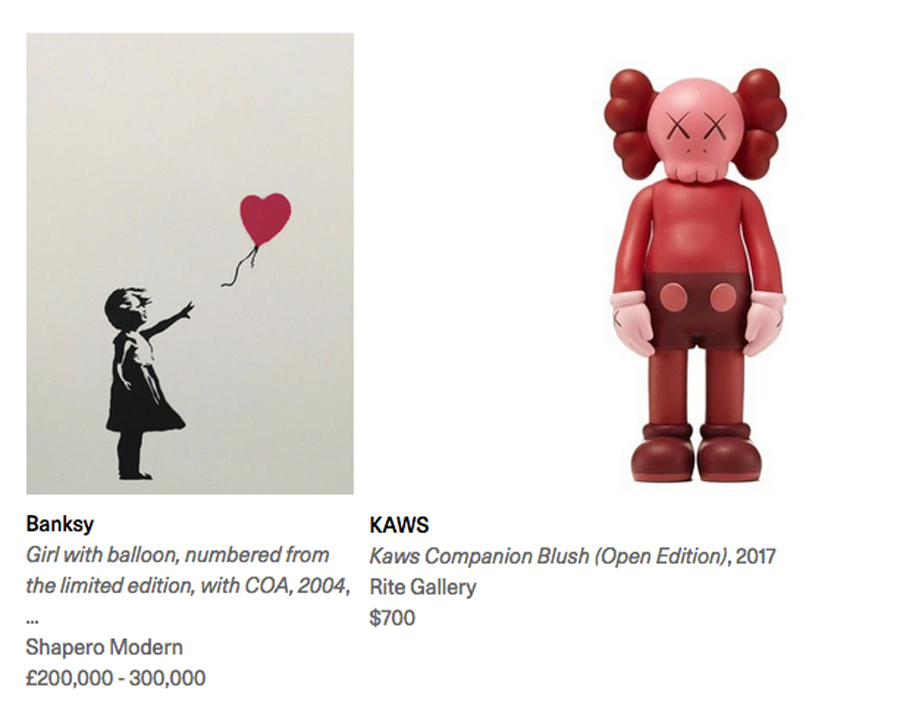
“The ascent of so-called street artists into the moneyed realms of the blue chip is not exactly a new phenomenon—it’s been nearly two years since KAWS skyrocketed to a new auction record of HK$116 million (US$14.8 million) with the sale of The Kaws Album (2005) at Sotheby’s Hong Kong, which was followed six months later by the record-breaking sale of Banksy’s Devolved Parliament (2009) for £9.8 million ($12.1 million). These two mononym artists could be seen as the loosely defined category’s twin princes, despite their stylistic differences—KAWS’s vibrant cartoon riffs and Banksy’s wry stencils are two of the most easily recognizable, not to mention consistently lucrative, styles in contemporary art. But as collectors the world over continue to be fascinated with “Companion” figures and Girl With Balloon prints, the exact parameters of what constitutes “street art” remain nebulous. According to Charlotte Raybaud, head of 20th-century evening sales at Phillips in Hong Kong, the category comes with a certain amount of ambiguity baked in. “Street art is inherently hard to define,” Raybaud said. “It is difficult to categorize as sometimes it can feature graffiti, or other times more image-based work. The former oftentimes features alongside the latter, but I would say some uniting elements include the use of stencils and/or elements of reproduction, allusions to and questioning of everyday visuals or slogans, and of course its ‘street’ setting—or indeed proximity to its roots.” When highlighting street art works for potential bidders, Raybaud said she emphasizes both the above aesthetic elements as well as a piece’s conceptual underpinnings, which she said often center on themes of democratization.
Scholars of the category expressed similar views. Jaime Rojo and Steven P. Harrington, co-founders of the online street art community Brooklyn Street Art, stated that while graffiti art should be generally viewed as a distinct category due to its focus on lettering and authorial expression, the bounds of street art are more aesthetically slippery. “It may borrow heavily from advertising, branding, traditional mural making, and pop culture aesthetics or methods of creation and dissemination,” the duo said. While the category may focus more on figuration than graffiti, they said, it’s not limited to pictorial representation—conceptual, sculptural, electronic, and performance practices have been variously incorporated into the porous bounds of street art. Daniel Feral’s Feral Diagram—a riff on Alfred Barr’s similar diagram of the lineages of modernism for the Museum of Modern Art—maps the overlapping historical movements that congealed into street art’s interrelated practices, spinning a complex web of influences from Pop art and action painting to semiotics and the cut-up creations of Beat poetry…
CLICK HERE TO CONTINUE READING “What Qualifies as Street Art?” by Justin Kamp for Artsy.
Our weekly focus on the moving image and art in the streets. And other oddities.
Now screening : 1. Escif: Greenpeace, For a Sustainable City. 2. Street Art in 2020 3. Mathieu Libman: The Moon’s Is Not That Great
BSA Special Feature: Escif: Greenpeace, For a Sustainable City.
Street Art in 2020
Doug Gillen of FifthWall TV reflects on the world of street art in the year of 2020.
Mathieu Libman: The Moon’s Is Not That Great
After an astronaut returns from her lunar mission to find that the public lost all interest in the moon, the stories of the astronaut, a film director, and a bear intersect.
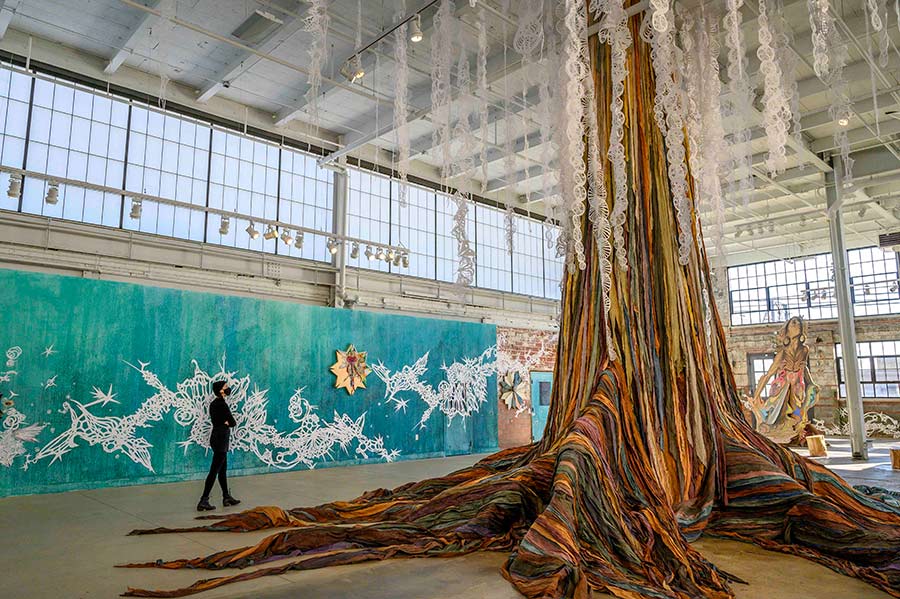
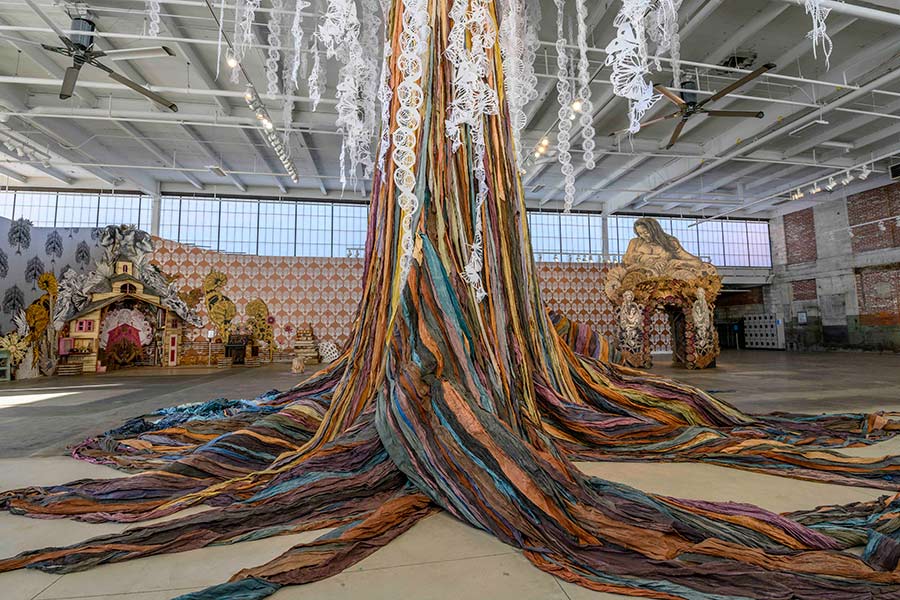
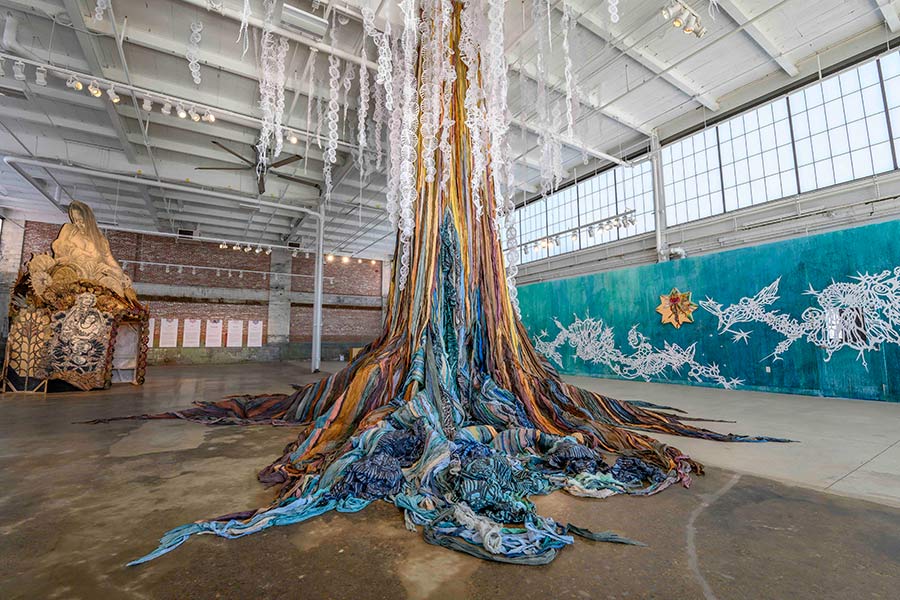
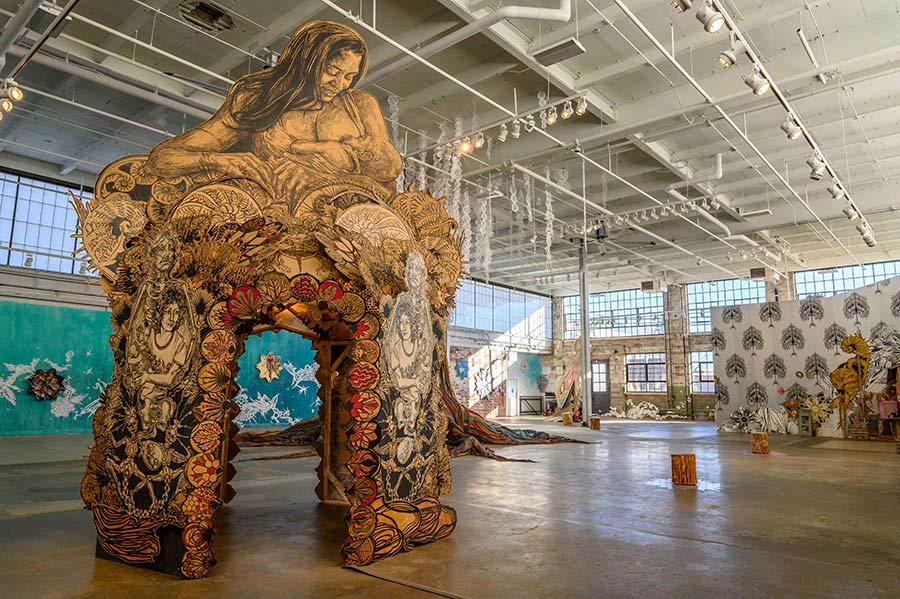
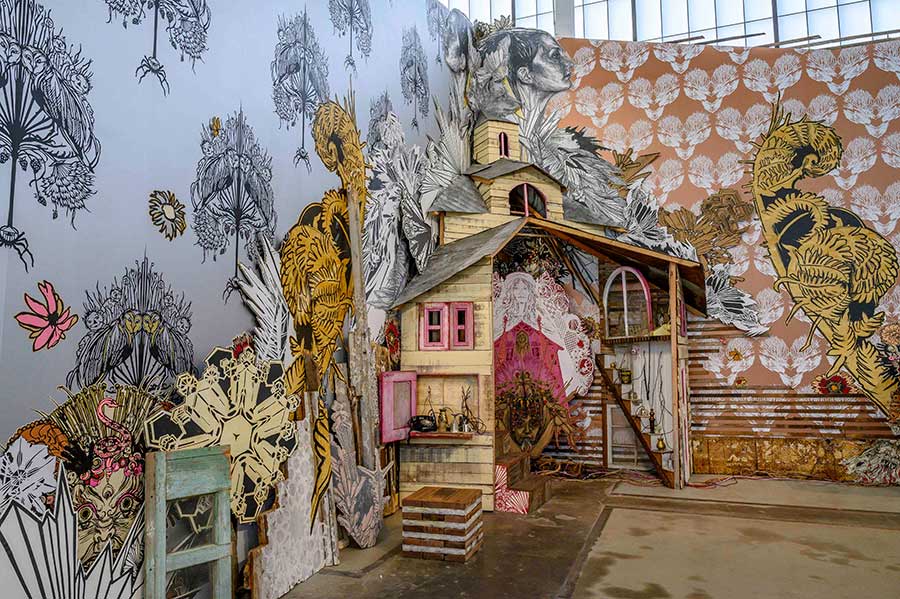
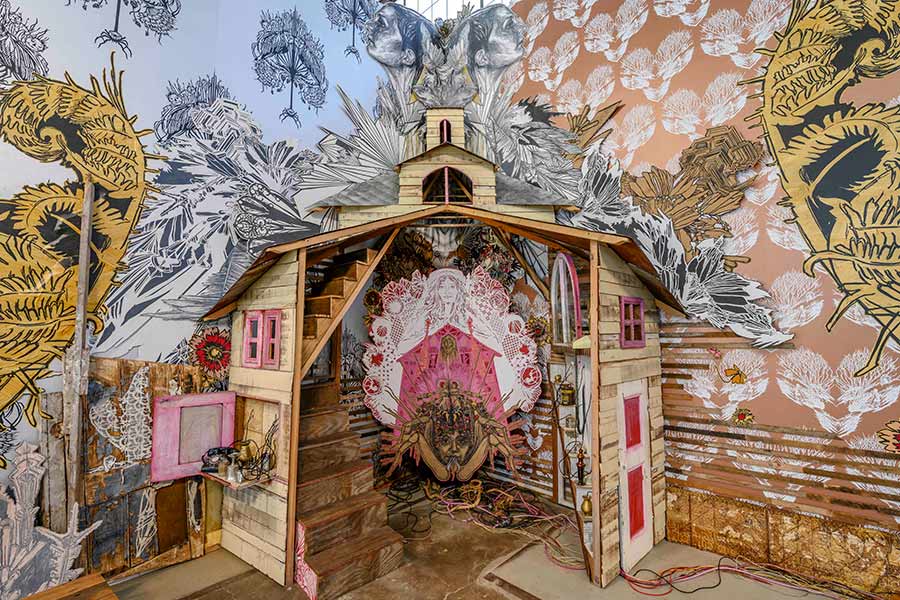
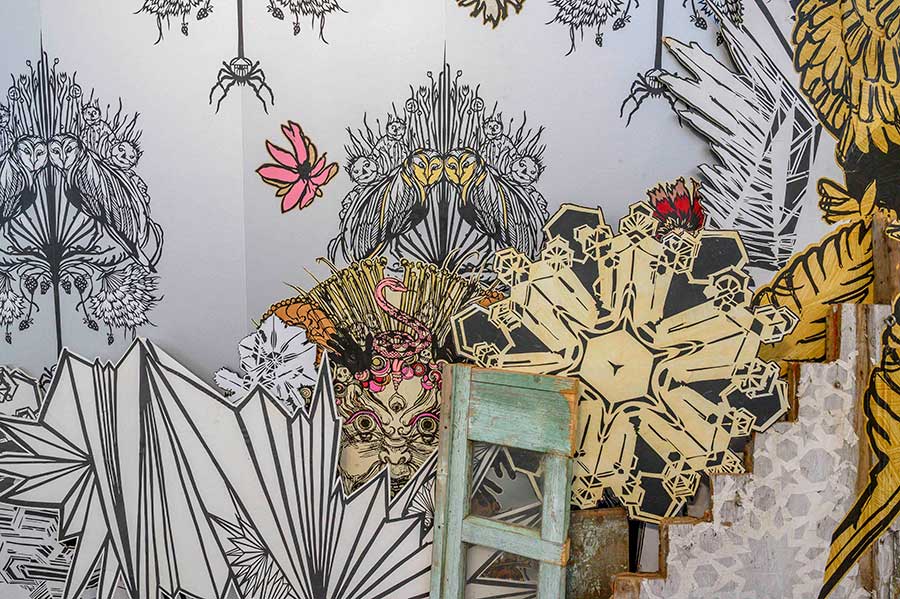
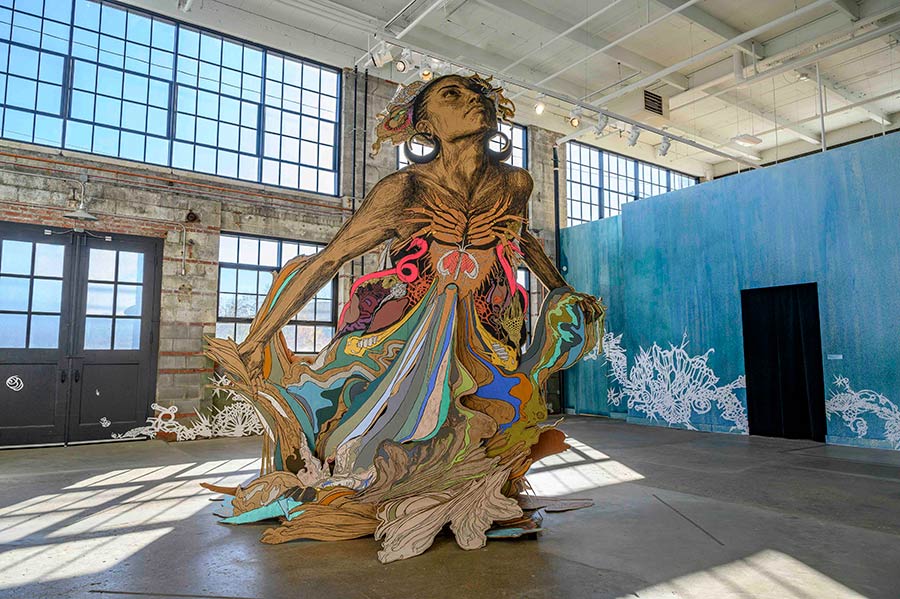
It’s a pity that the pandemic has kept so many people away from seeing great exhibitions in museums and galleries, among other things. At the Albright Knox Gallery in Buffalo, street artist Swoon’s “Seven Contemplations” ran its course without nearly as many visitors as you would expect.
So we decided to show you the exhibition in a mini-tour. Who else could be your host today but the artist herself, Swoon.
I feel incredibly grateful to have gotten to continue creating large scale immersive experiences for people in a year when so many things were impossible, but when spaces of solace and wonder and creation are needed more than ever.
This exhibition contained a hidden layer, in the form of a series of meditation and contemplation prompts. Small seats were placed within the exhibition, and fixed-gaze meditation instructions given, alongside a set of contemplations for visitors who wanted to settle deeper than usual into the experience of the artwork.” – Swoon
Contemplation – The miracle, grace, forgiveness, that which is given without reason, that which arises spontaneously:
New life is given to us freely with each breath we take. Our cuts heal, our hearts pump blood without being ever asked, and every spring new flowers push up from under the snow. Are there ways that we can appreciate, or even mirror this spontaneously giving aspect of life? Think of a time when you became able to understand someone you had been angry with and so found yourself able to forgive them, or they you. Think of a bit of luck that changed your life, or a gift you were given whose generosity still surprises you. Sit and feel into the tinge of the miraculous that hangs around something as simple as a single breath or as wondrous as a second chance.
Sometimes terrifying events can scare us out of our skin. We become dislocated from ourselves and may seem to float outside of our bodies, or feel cut off from our lives. Suffering can make us reach for destructive behaviors or substances in an attempt to release ourselves from pain and anxiety. Can we use small instances of discomfort or anxiety to help ourselves learn to face big emotions when they arise? For just a few moments, recall something small in your day to day life that usually makes you uncomfortable or a bit anxious. How do these feelings show up in your body? Do you feel them in your chest or hands? Or in the quality of focus you are able to give to things that need your attention? Practice staying with an uncomfortable emotion, observing it, and allowing it to pass on its own. When we can sit with and experience the things that scare us, or the things we would like to escape from, we gain a great deal of strength and power. We become more able to chose how we want to react to the world around us.
Who were you before you were born? Who were you before the earth was born? Sometimes our personal selves get stuck. The mind’s tendency is to fasten onto things it perceives as problems, or threats to self, and to ruminate there. Is it possible to step outside of our individual ‘I’ for a moment and give our consciousness more room to breathe? Sometimes a seemingly nonsensical question can shift our focus and connect us to a more spacious awareness. If you were to arise right now from the primordial sea, what form might you take?
Team: Curator Aaron Ott. Special thanks to Zack Boehler, Eric Jones, Kristine Virsis, Caroline Caldwell, Frances Segismundo, Andrea Tults, Marshall LaCount, Greg Henderson, Ryan McDaniel, Karl Mattson, Zach Prichard, Eileen Saracino, Carolyn Padwa and, the rest of the incredible Albright Knox installation team. All photos by Tod Seelie.
To learn more about Swoon’s “Seven Contemplations” click HERE
We are seeing more municipalities and institutions settle upon aspirational messages about the Earth and environmental issues every month now – a very common theme with murals in cities worldwide.
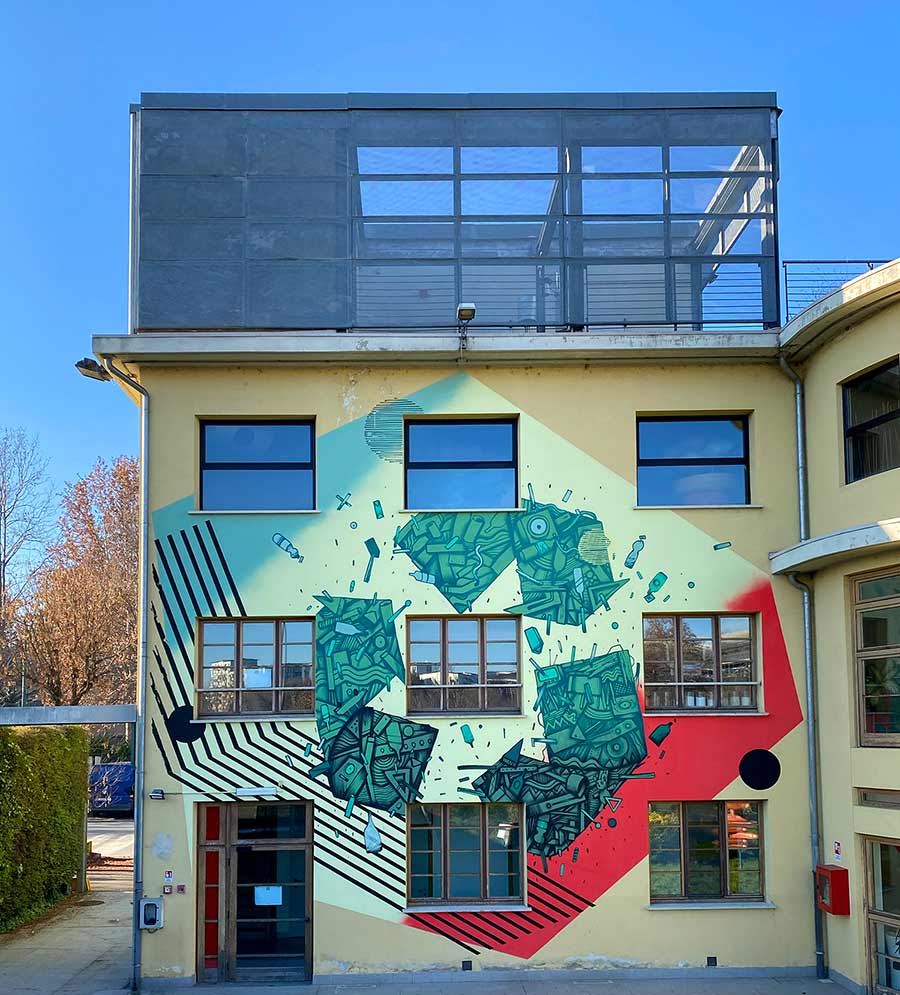
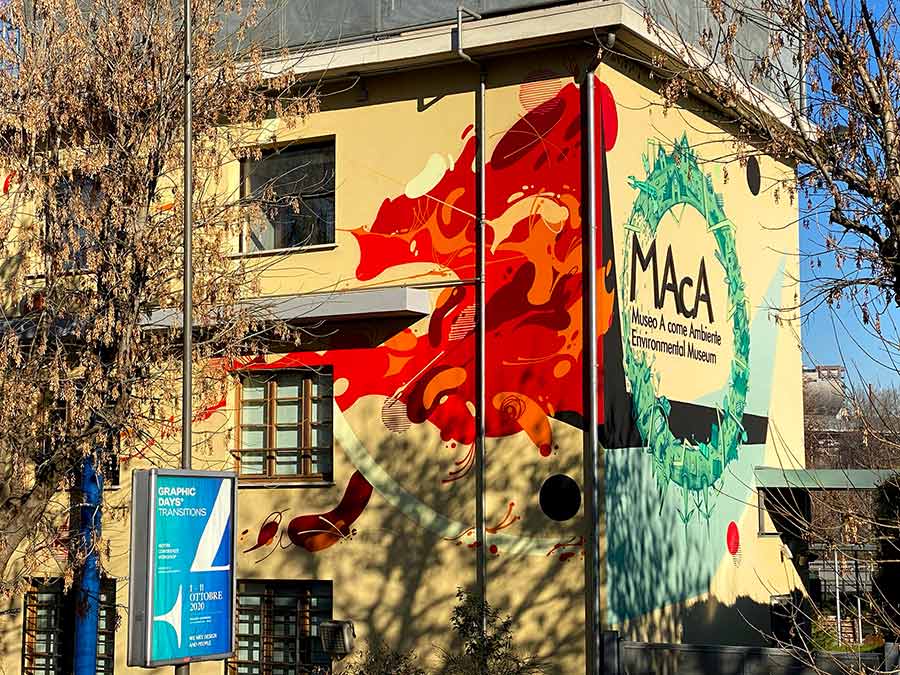
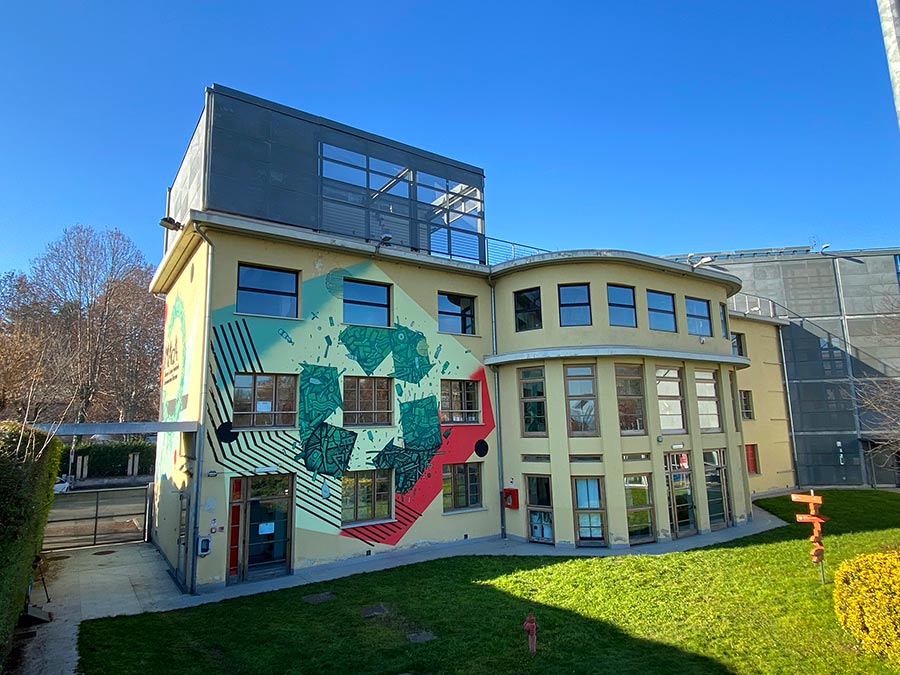
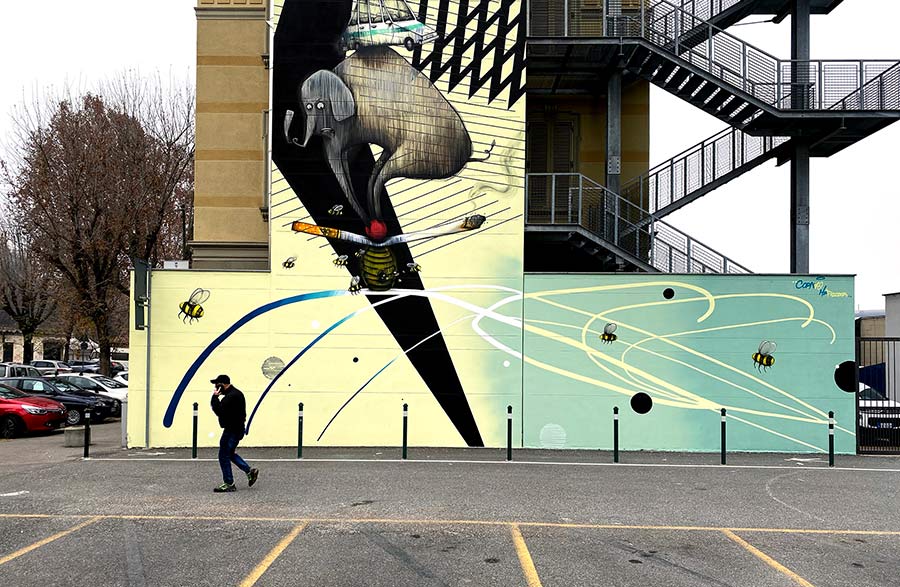
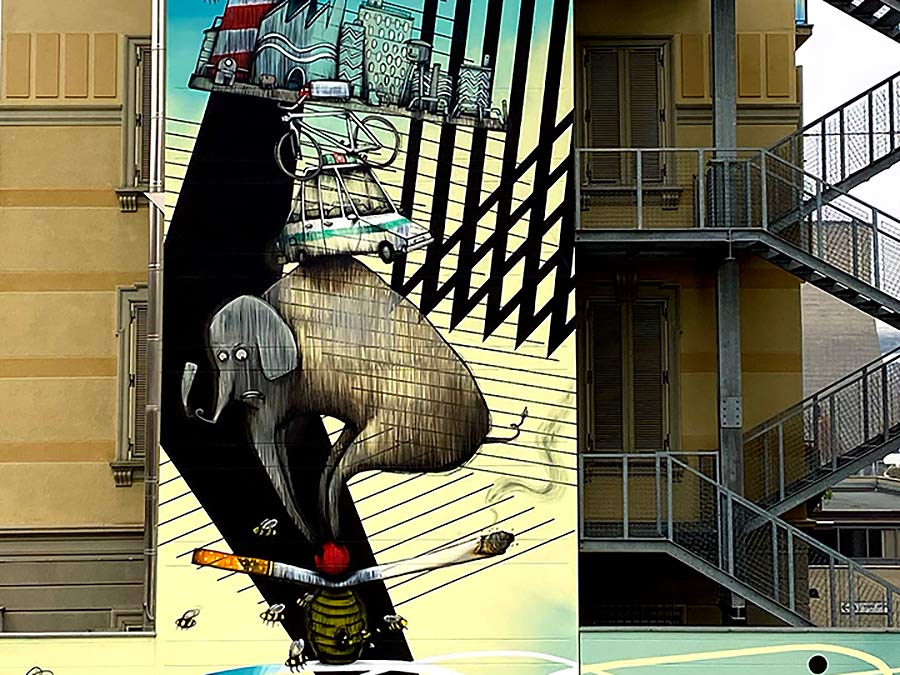
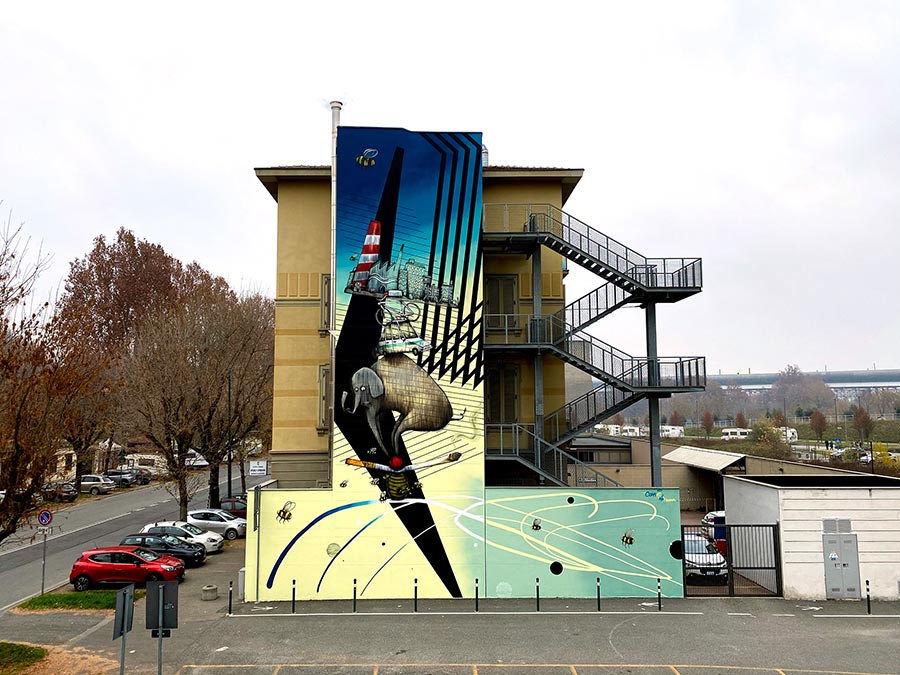
Mrfijodor and Corn79.Turin, Italy. January 2021 (photo courtesy of the artists)
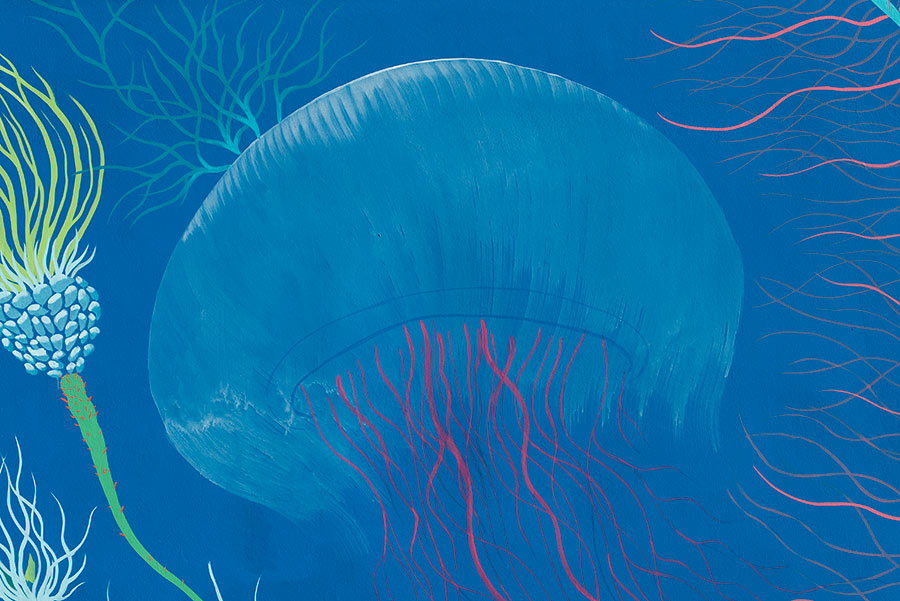
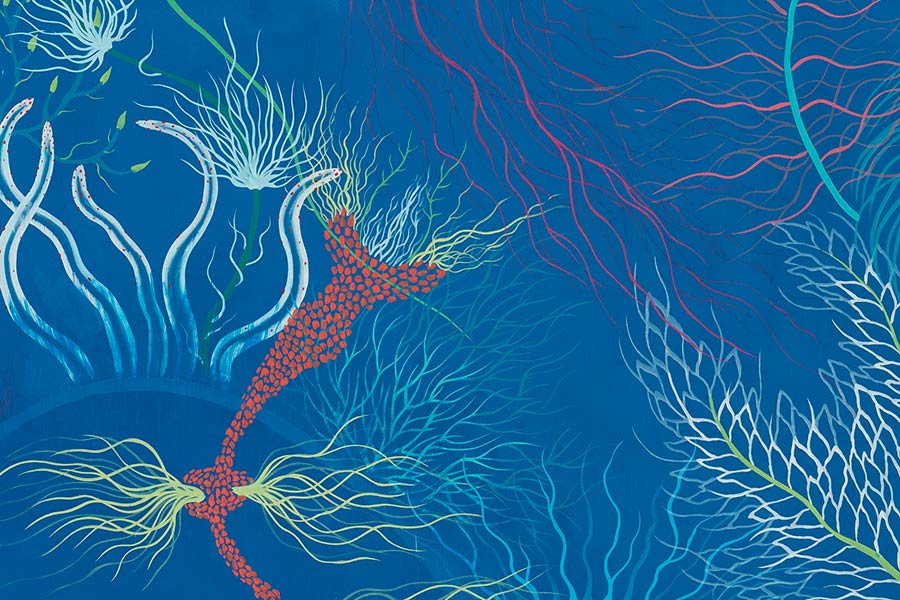
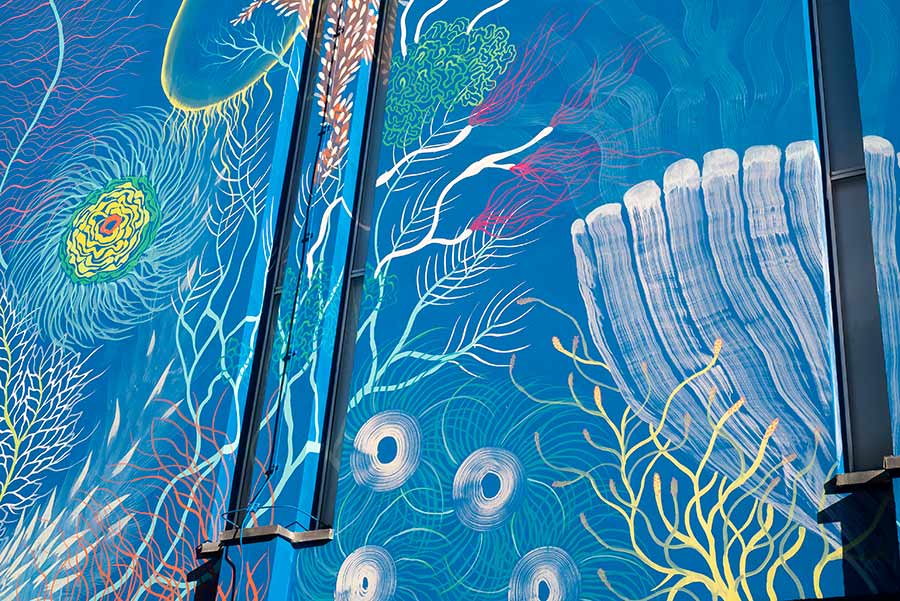
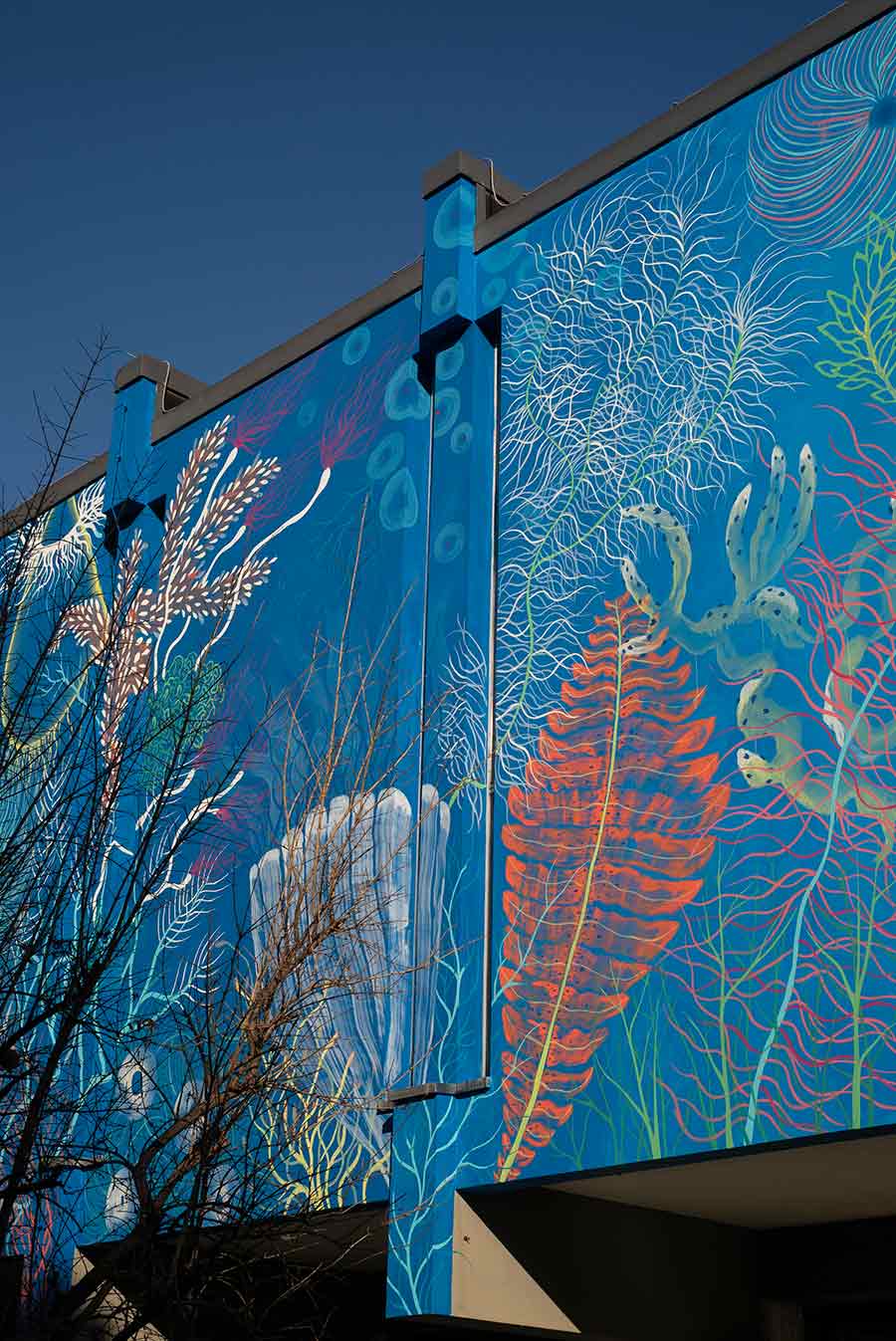
This new collaboration combines the skills of two former graffiti artists, Mrfijodor and Corn79, in Turin, Italy. The two murals interplay Mrfijodors illustration-inspired figurative elements and Corn79’s elegant language of abstraction to adorn the façade of the Museum A Come Ambiente (MAcA).
“The focus is on the balance between man and nature,” says Mrfijodor, “a balance that needs to be re-established.”
Mrfijodor and Corn79.Turin, Italy. January 2021 (photo courtesy of the artists)Mrfijodor and Corn79.Turin, Italy. January 2021 (photo courtesy of the artists)Mrfijodor and Corn79.Turin, Italy. January 2021 (photo courtesy of the artists)Mrfijodor and Corn79.Turin, Italy. January 2021 (photo courtesy of the artists)Mrfijodor and Corn79.Turin, Italy. January 2021 (photo courtesy of the artists)
The project is possible thanks to the contribution of the City of Turin, Area Giovani e Pari Opportunità – Torino Creativa, and the Museum A come Ambiente – MAcA.
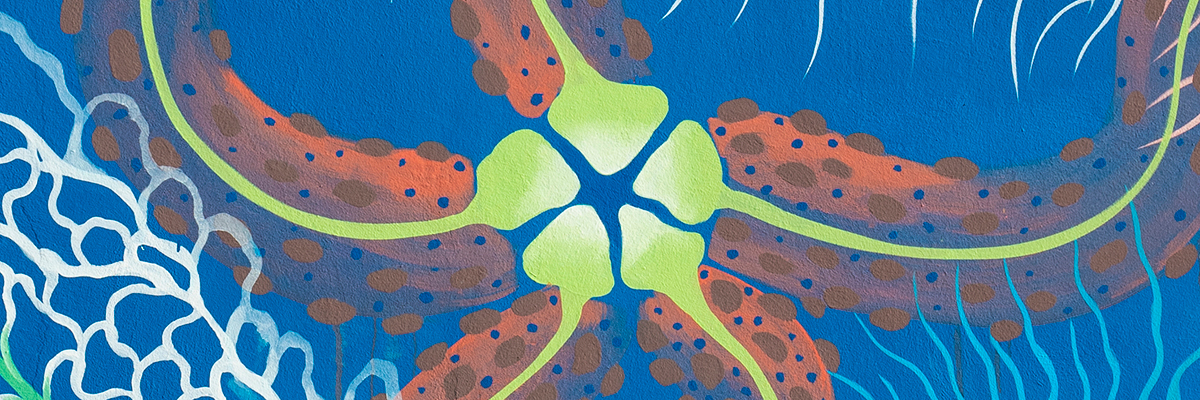
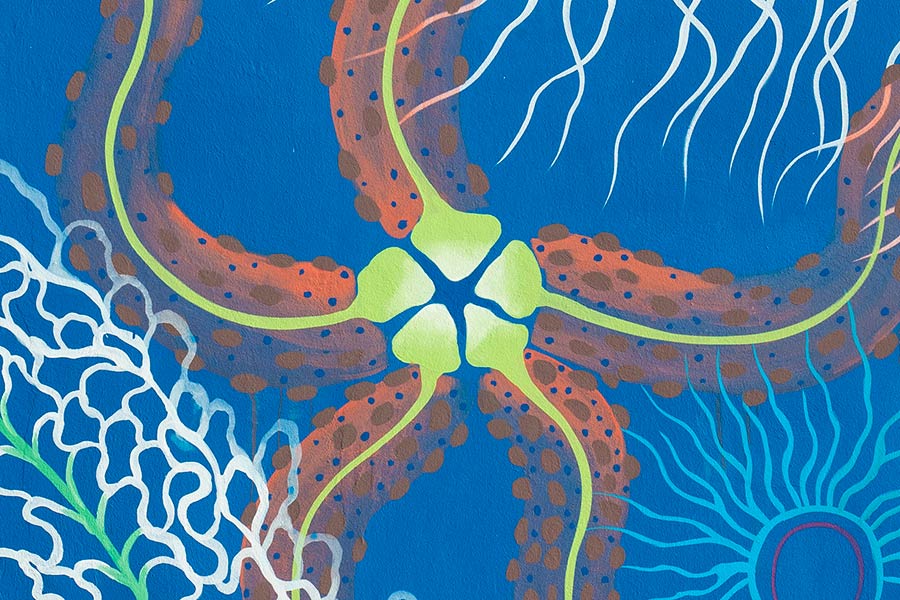
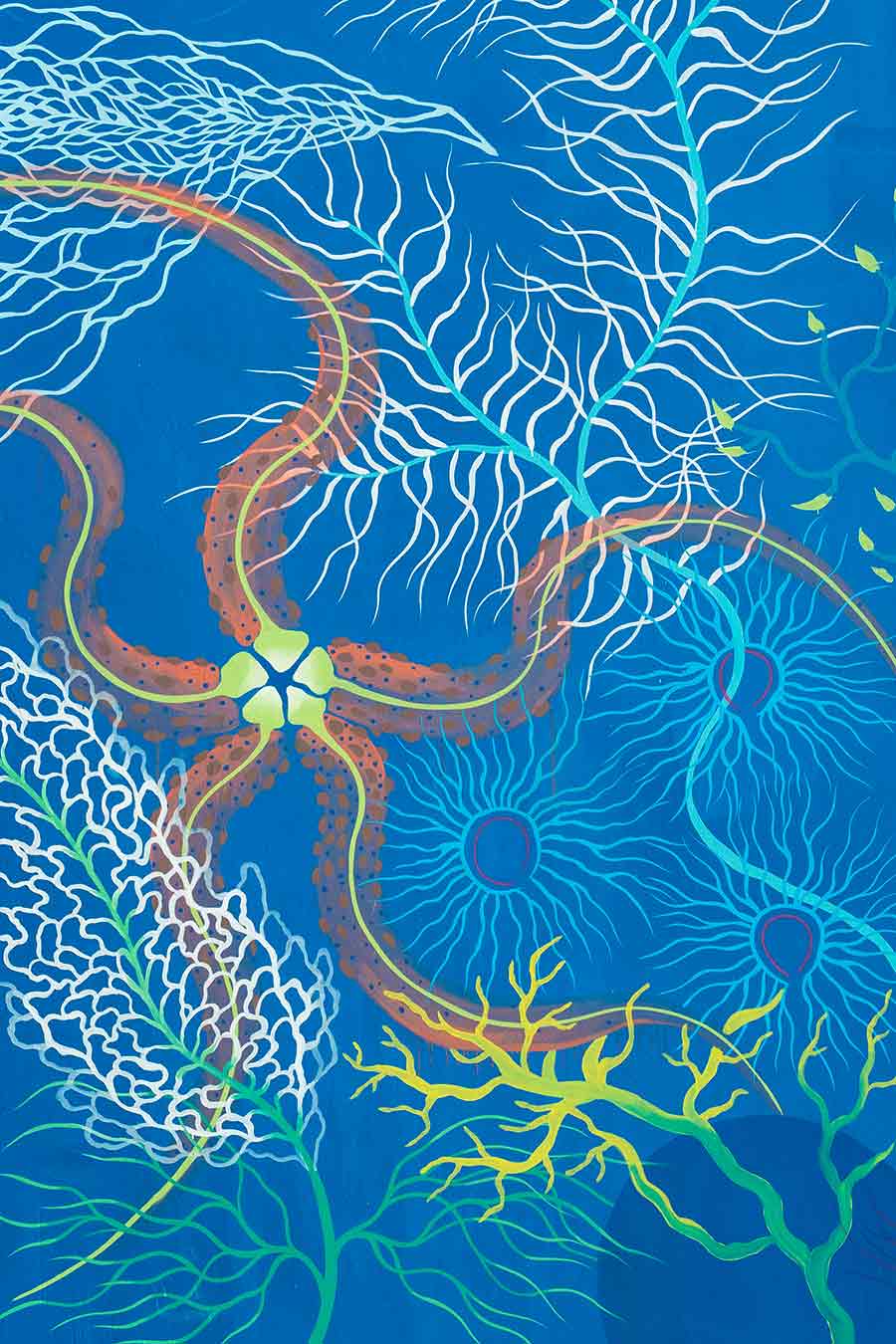
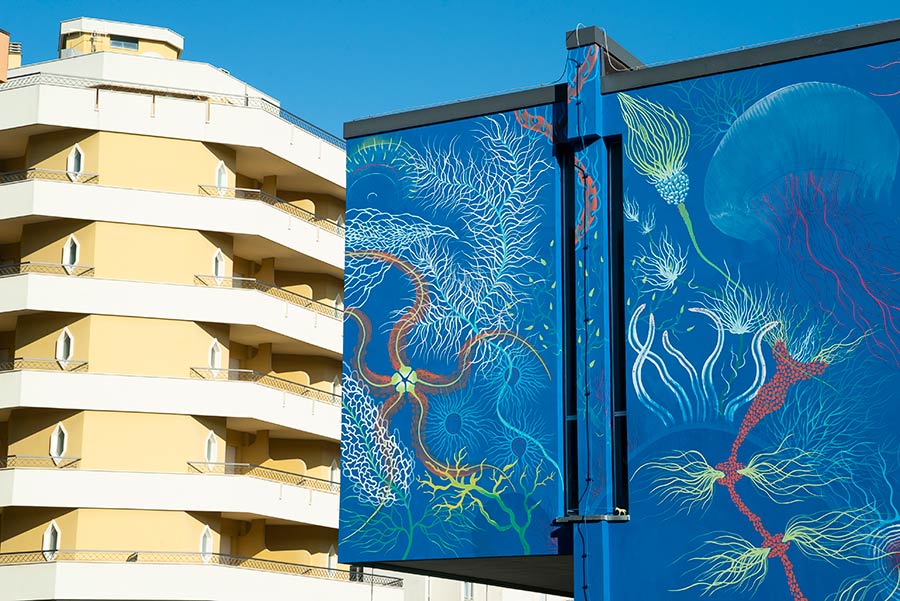
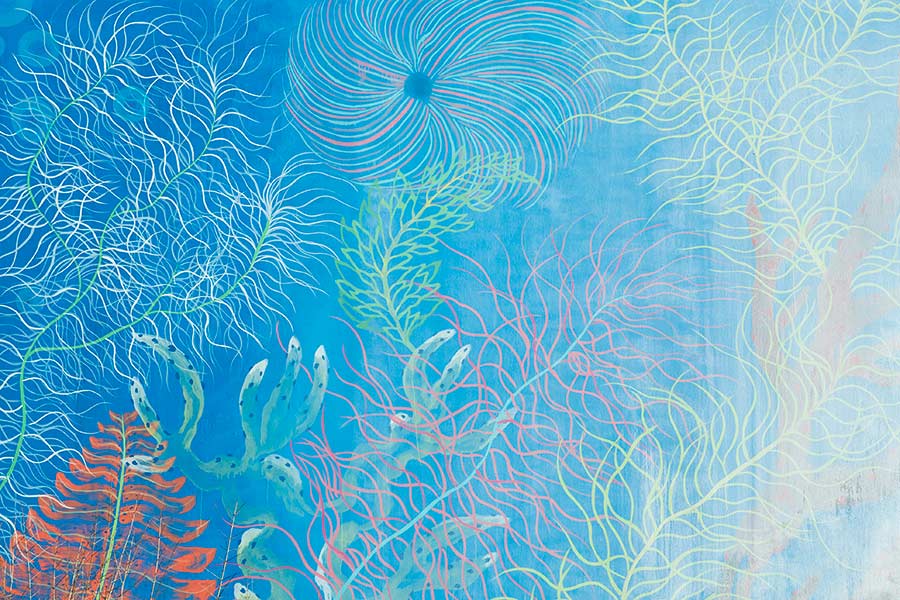
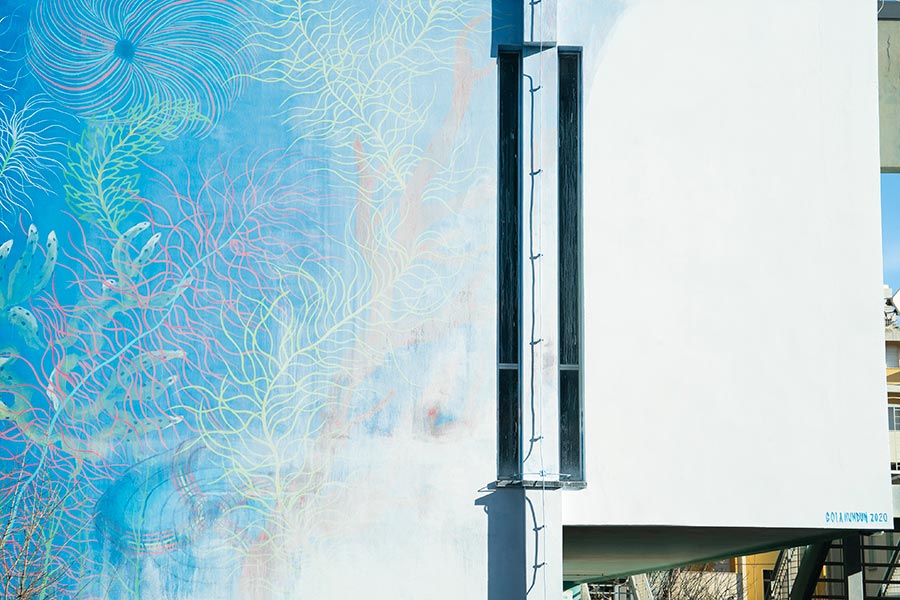
“The artwork invites us to think about the lack of empathy we demonstrate towards the rest of the species and to the action/reaction process that ensues”, says street artist and muralist Gola Hundun. An environmentalist at heart and scientific lover of nature, the artist has painted this interesting ocean-themed mural in his hometown of Bellaria-Igea Marina in Italy this month as a way to focus on the bleaching of coral and the damage that the tourism industry can do to our natural treasures.
Mimicking the subtle changes of our developmental practices on the ocean and its species, Gola’s façade presents a scene that becomes less and less visible as it reaches the completely white corner of the wall. “The white space symbolizes means the absence,” he tells us, “the emptiness, the loss of the ecosystem that is caused by men.”
 BROOKLYN STREET ART LOVES YOU MORE EVERY DAY