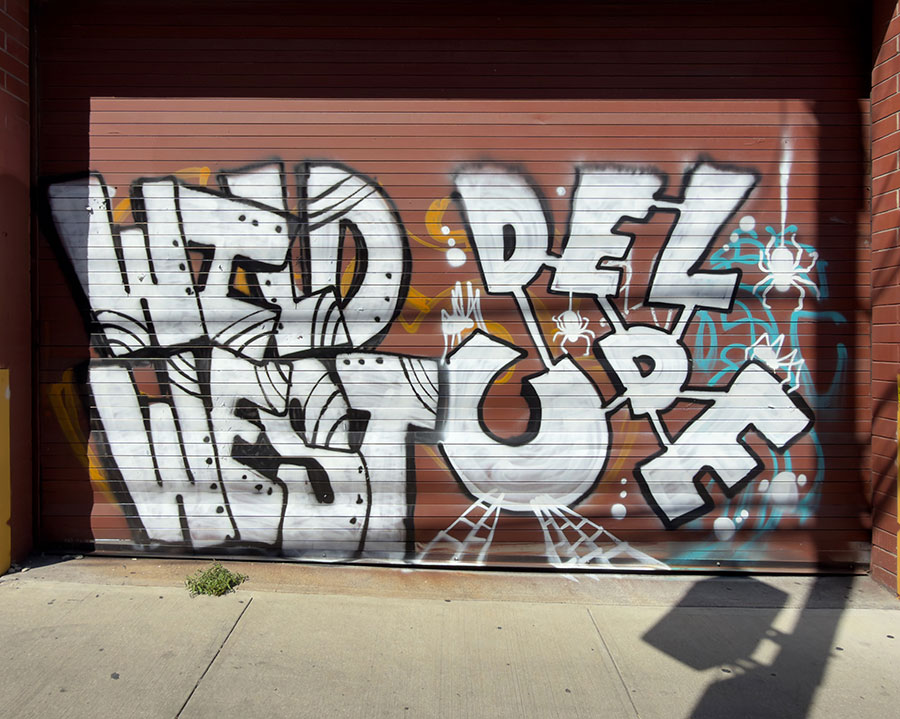
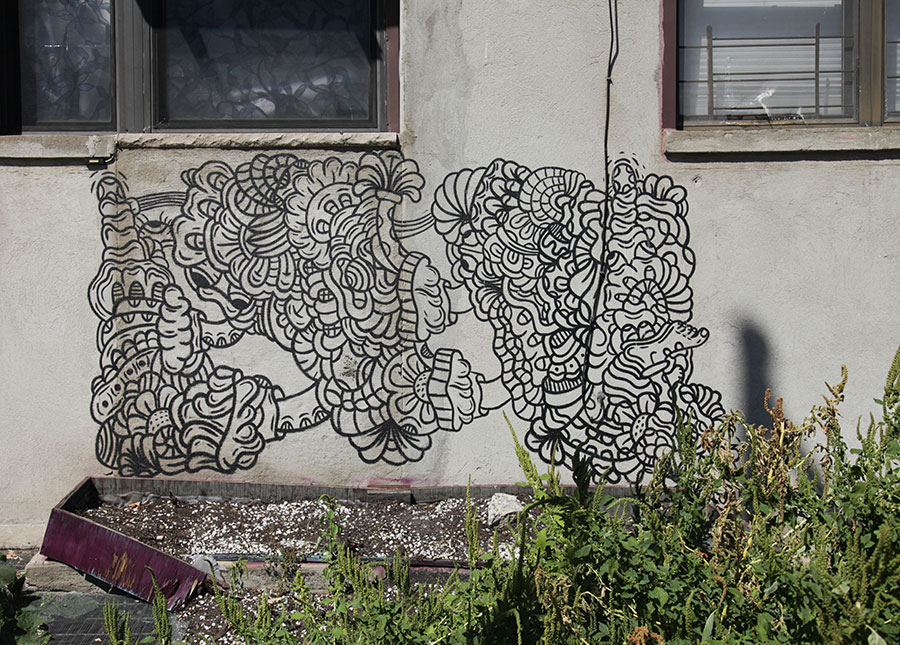
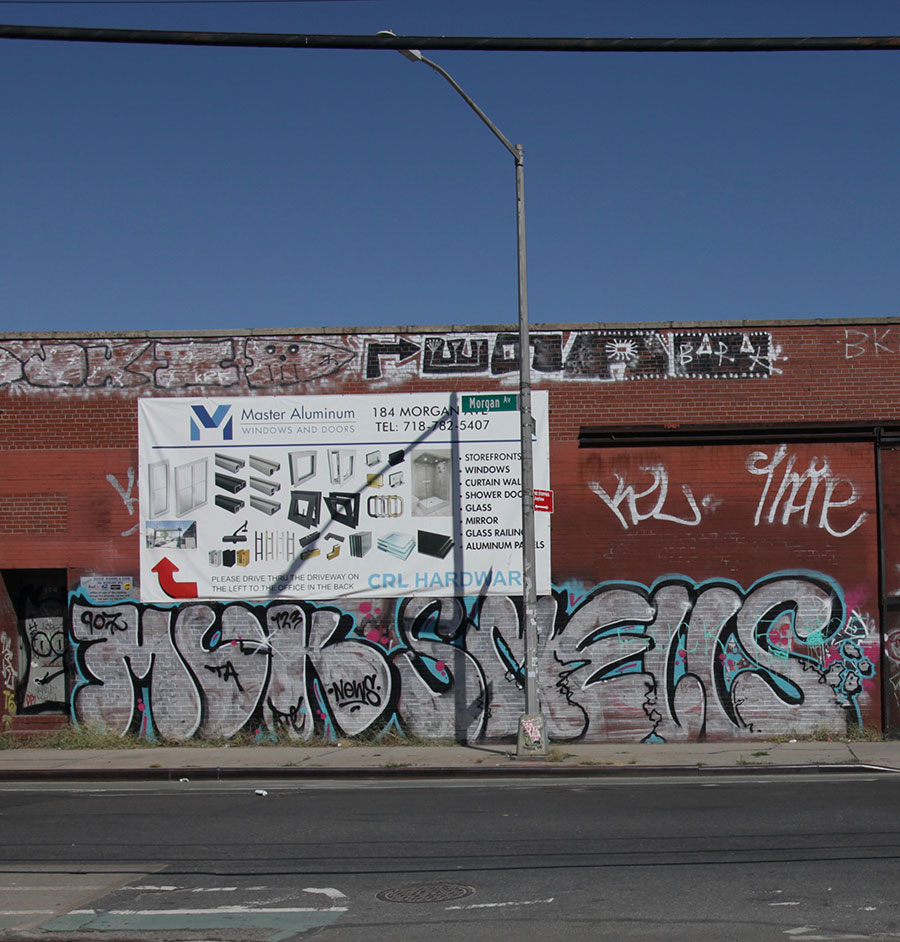
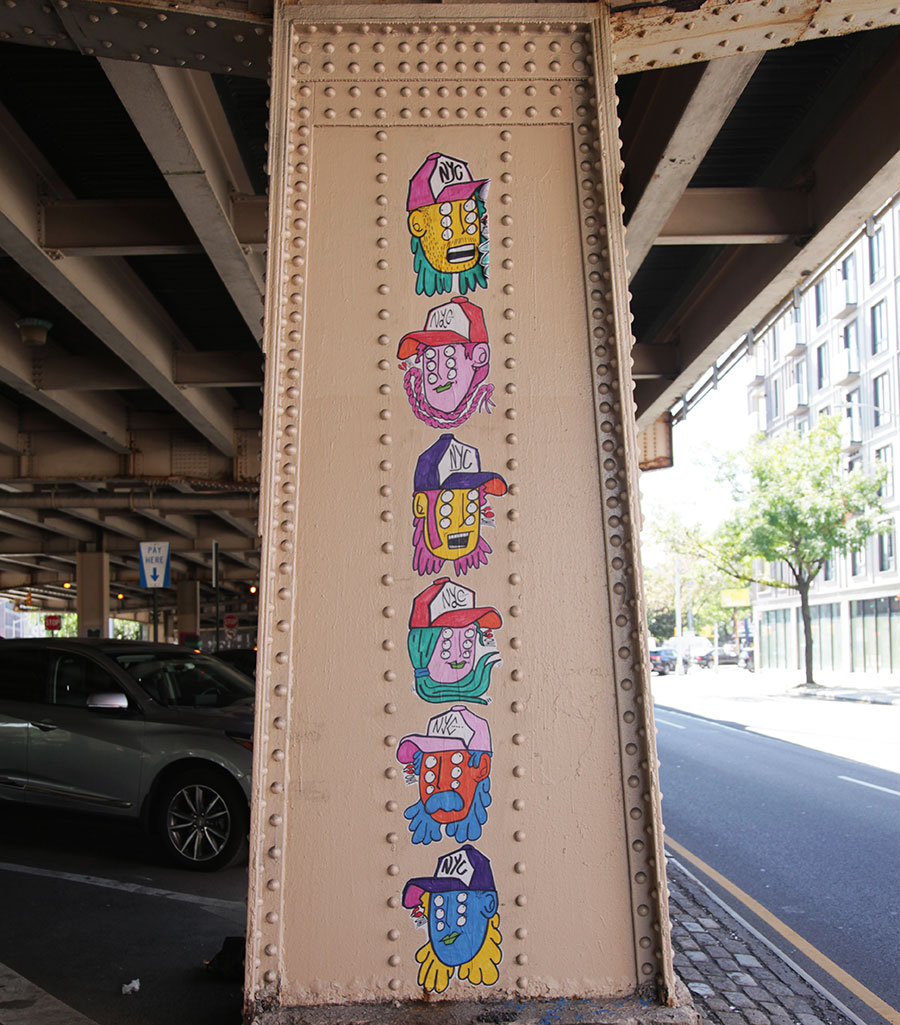
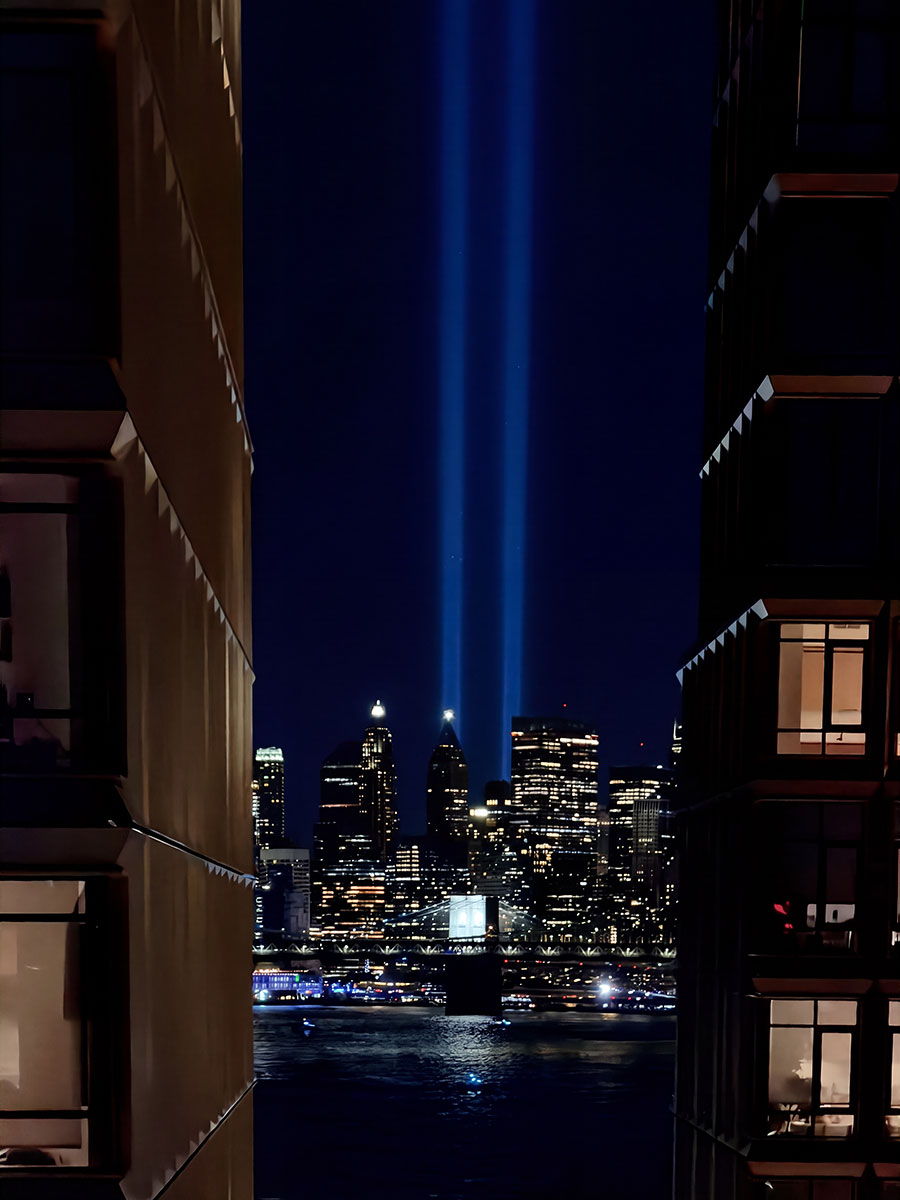
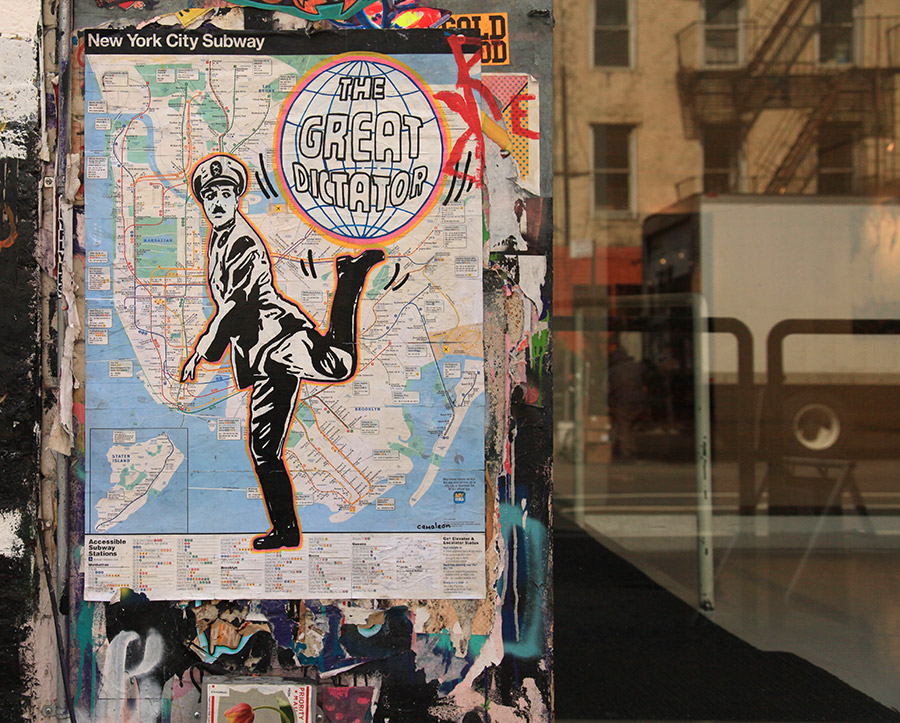
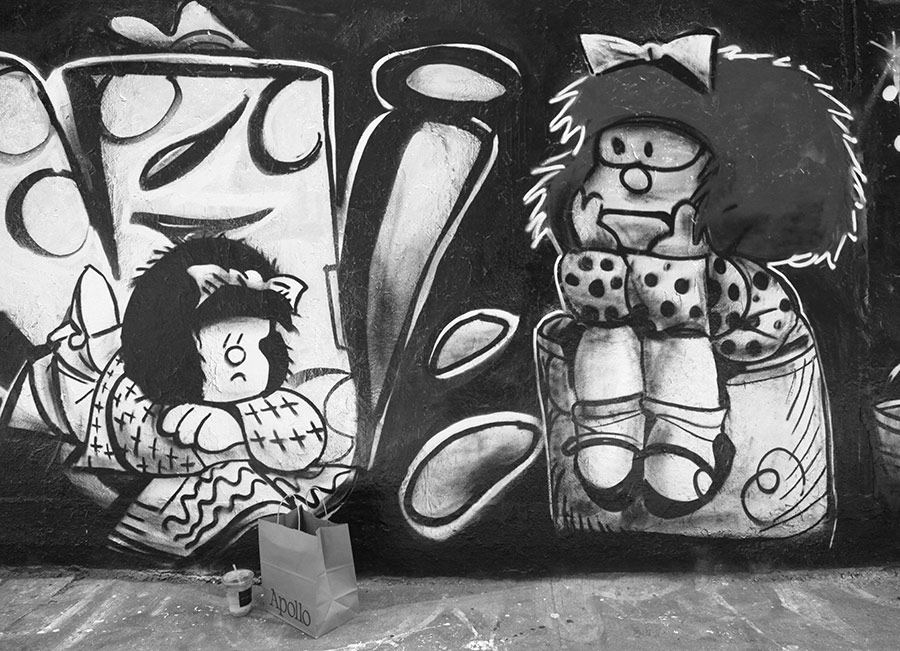
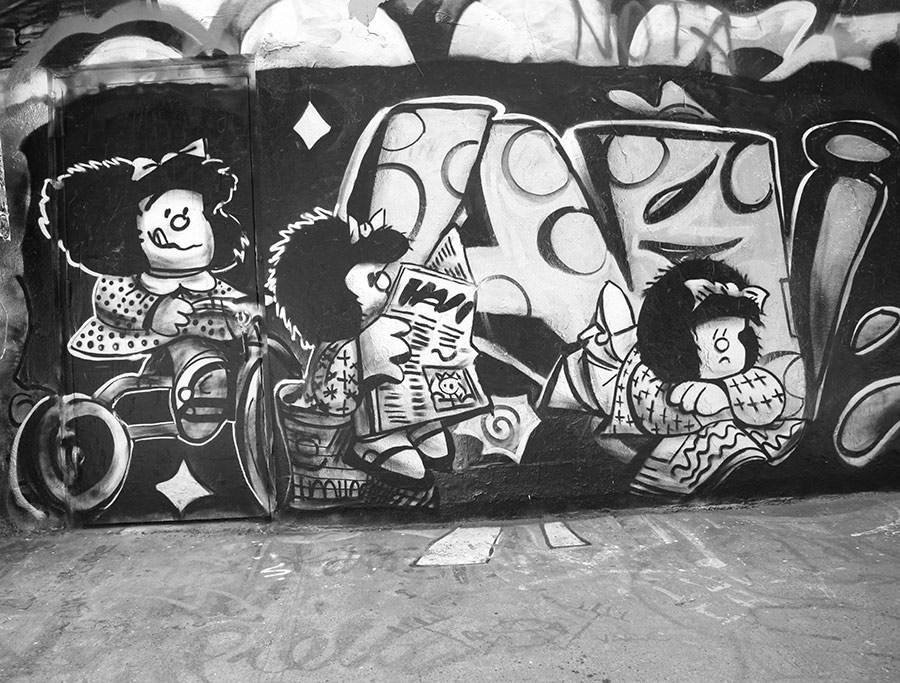
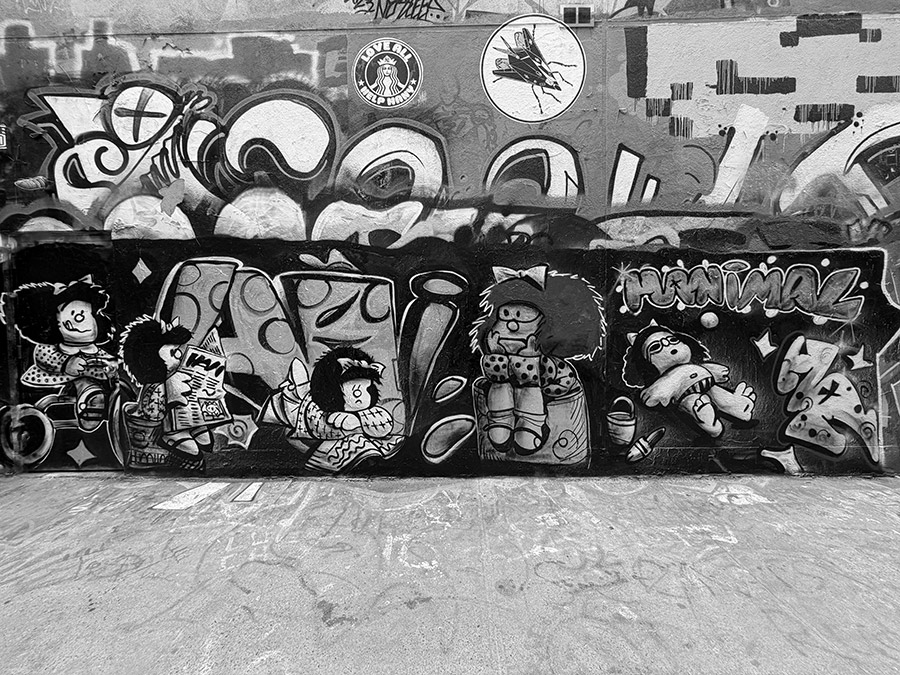
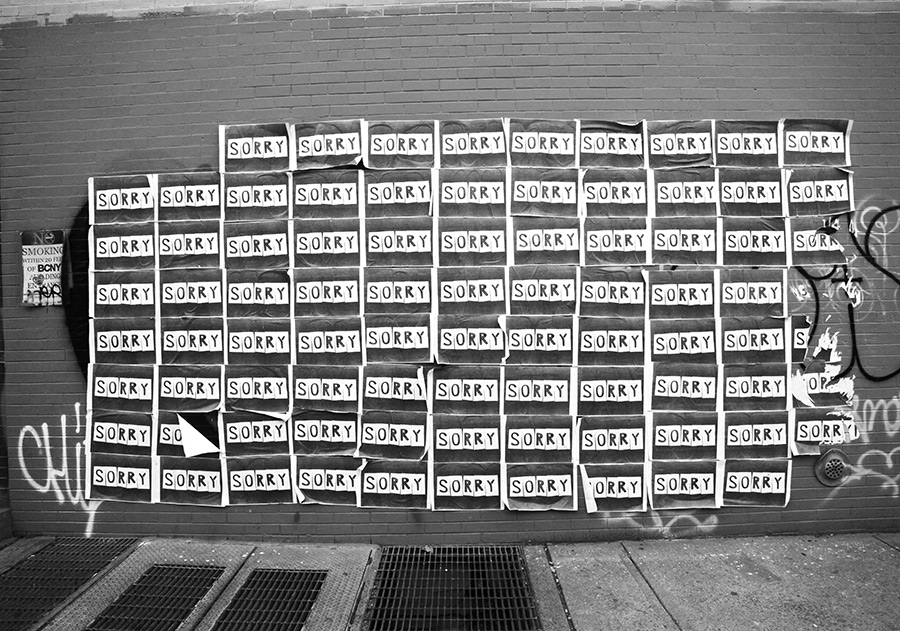
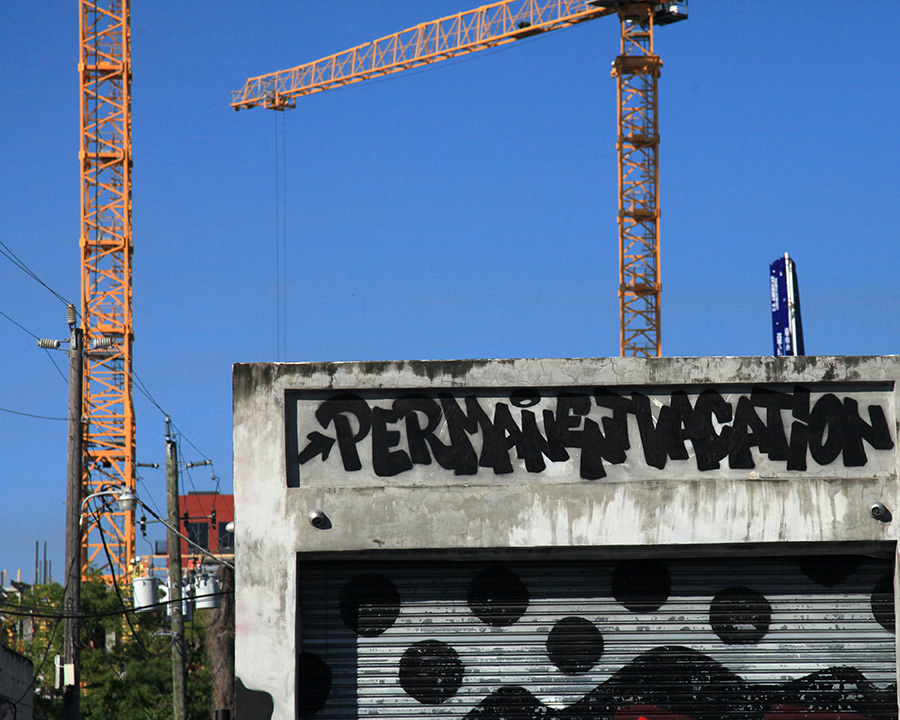
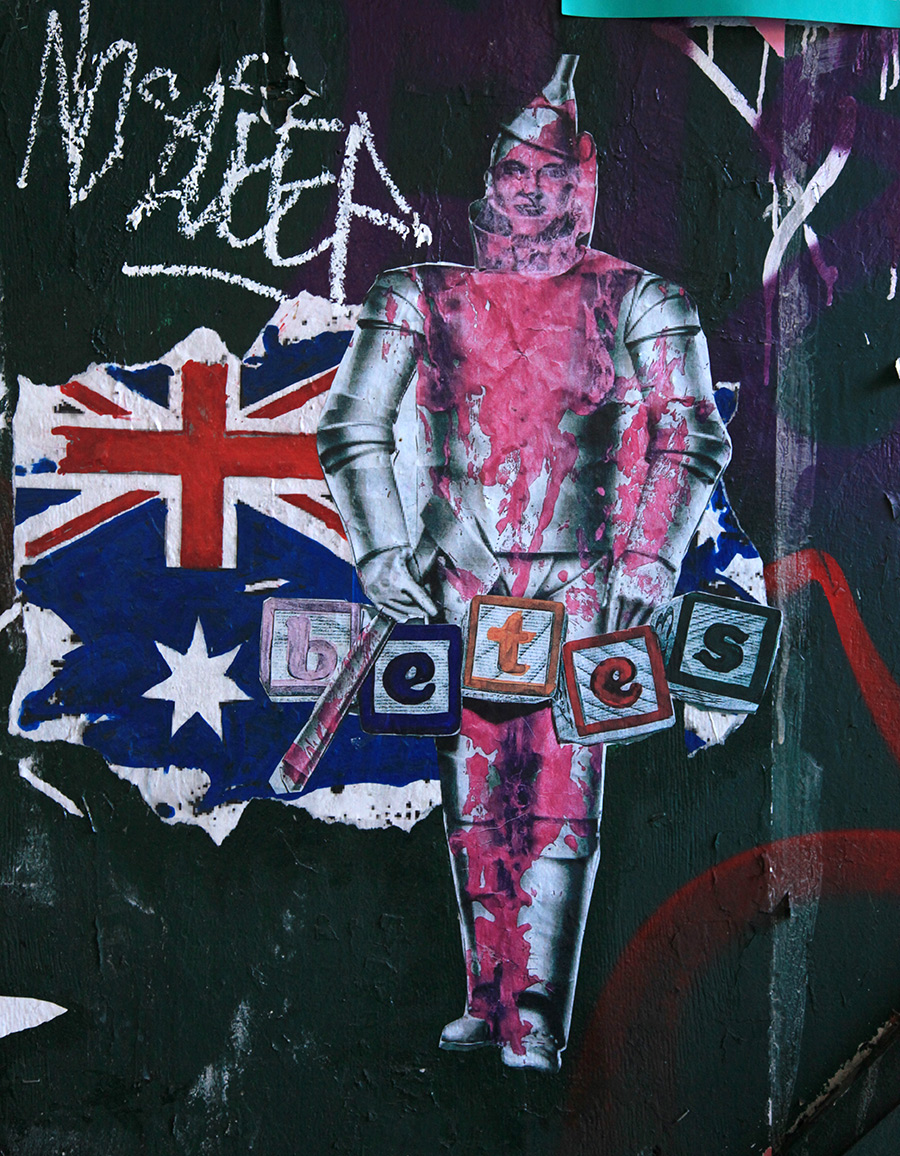
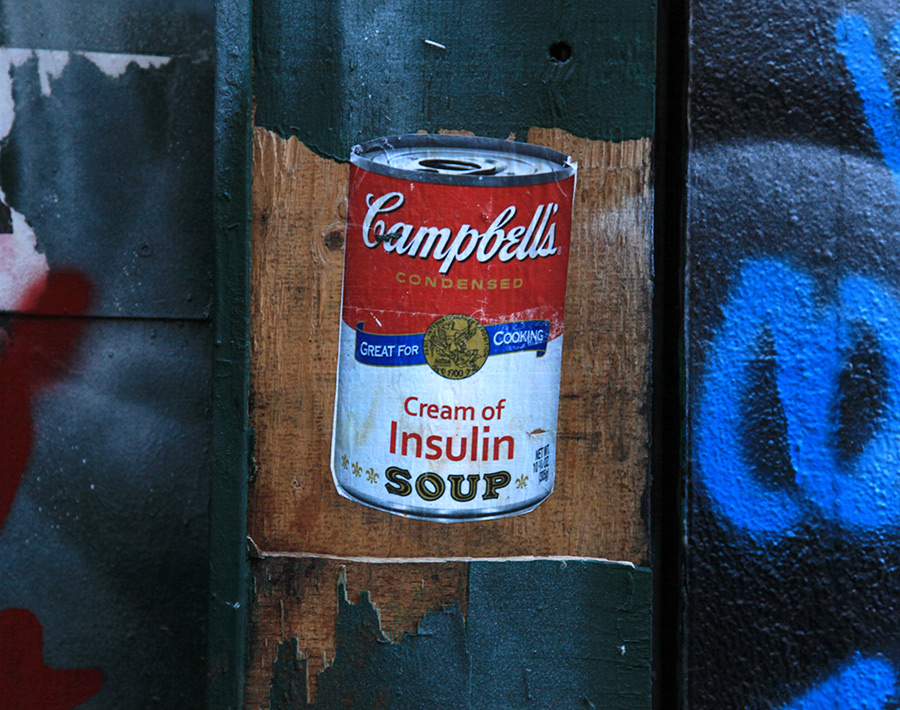
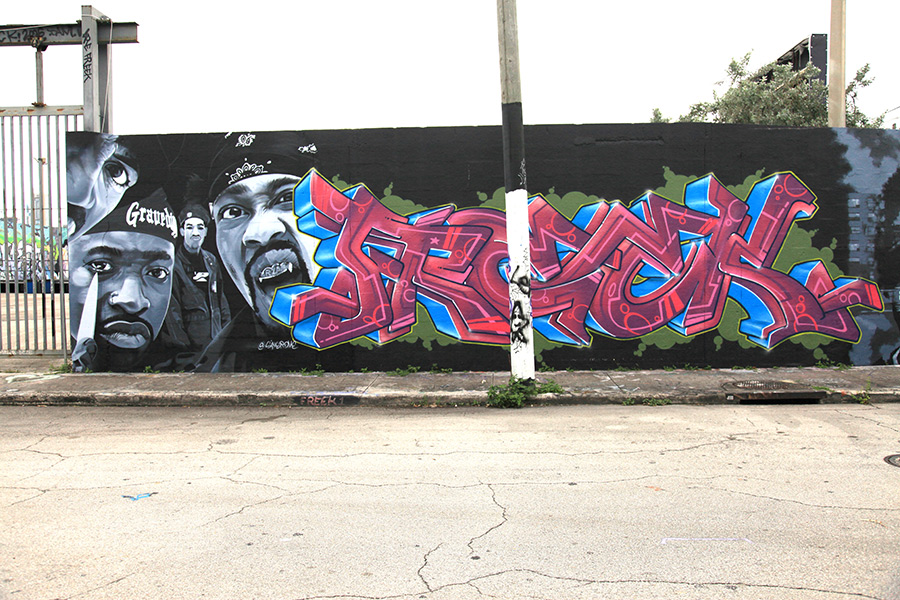
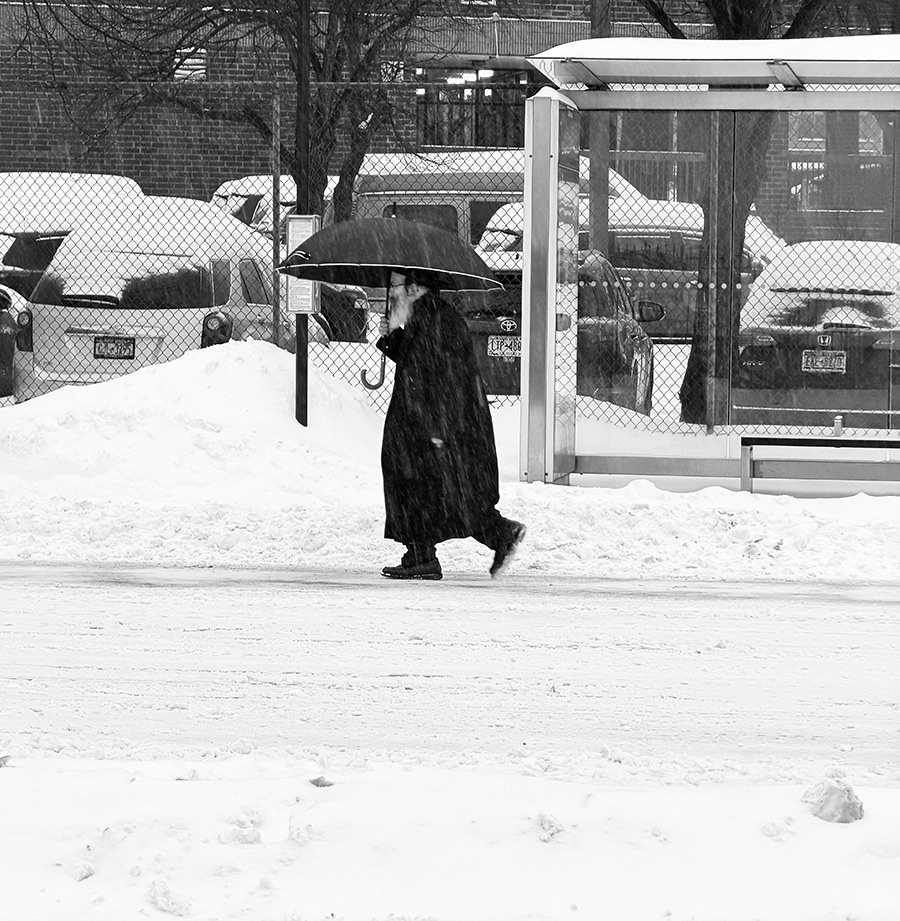
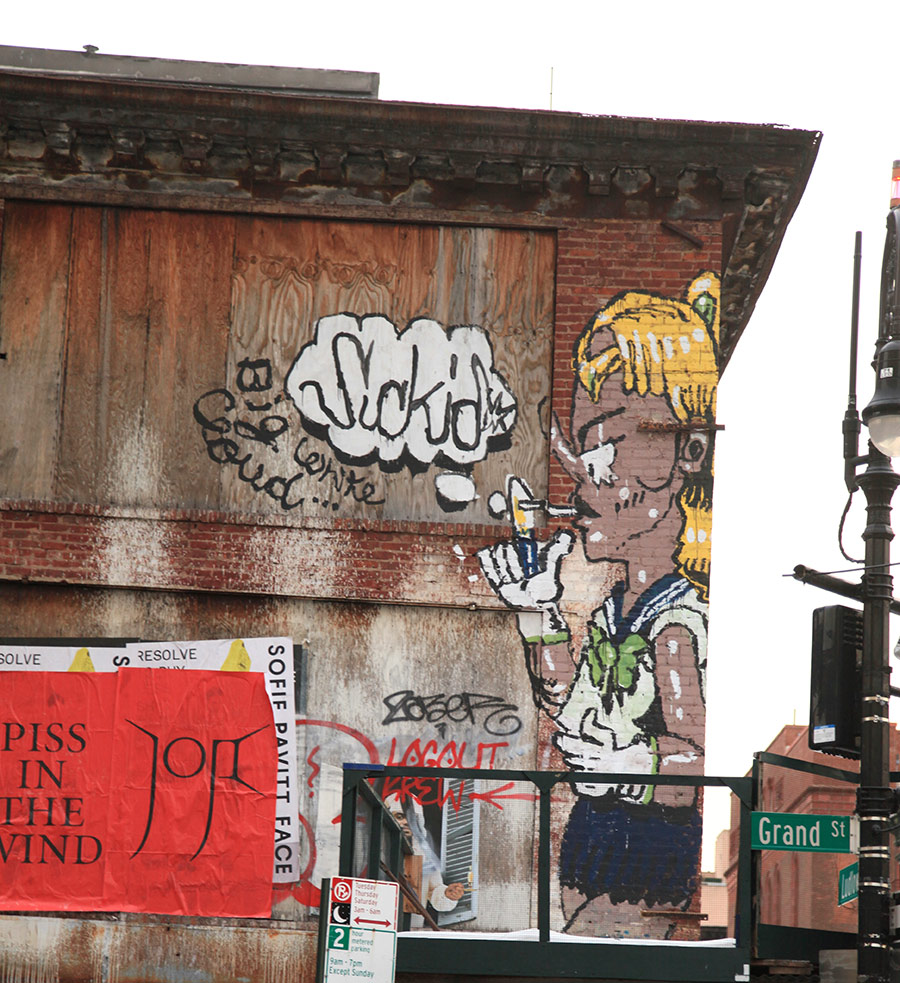
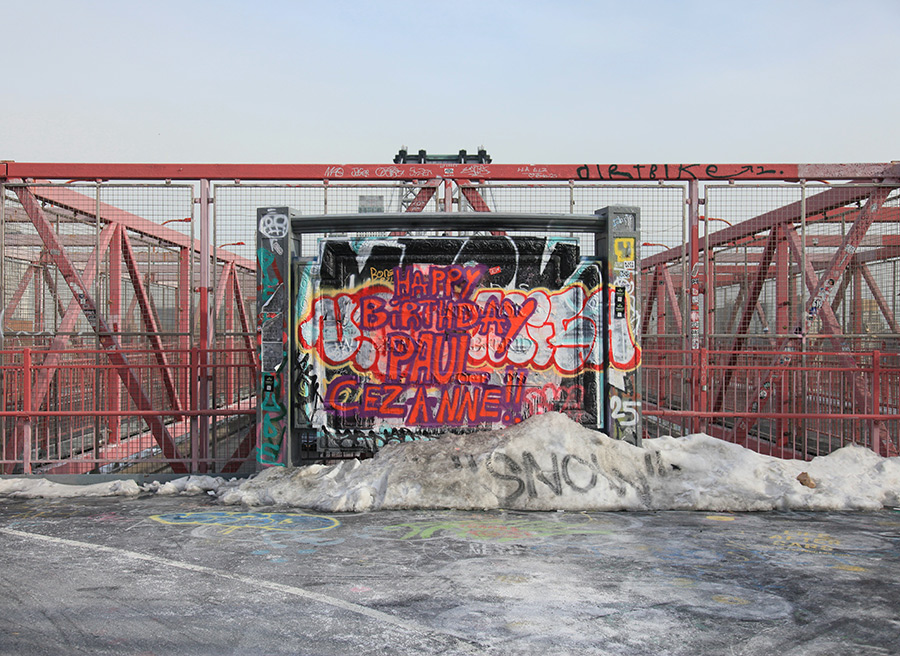
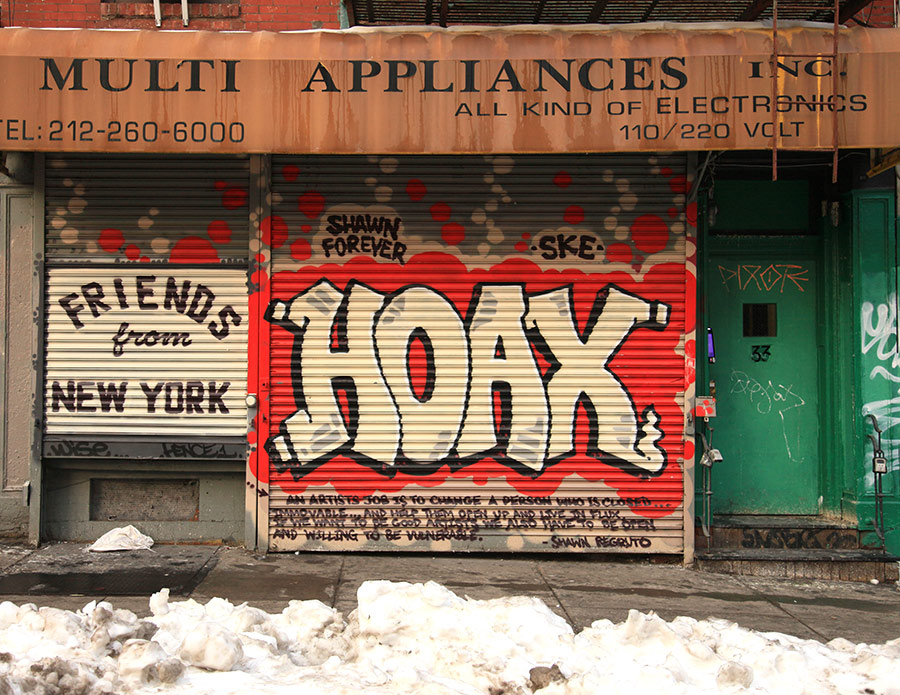
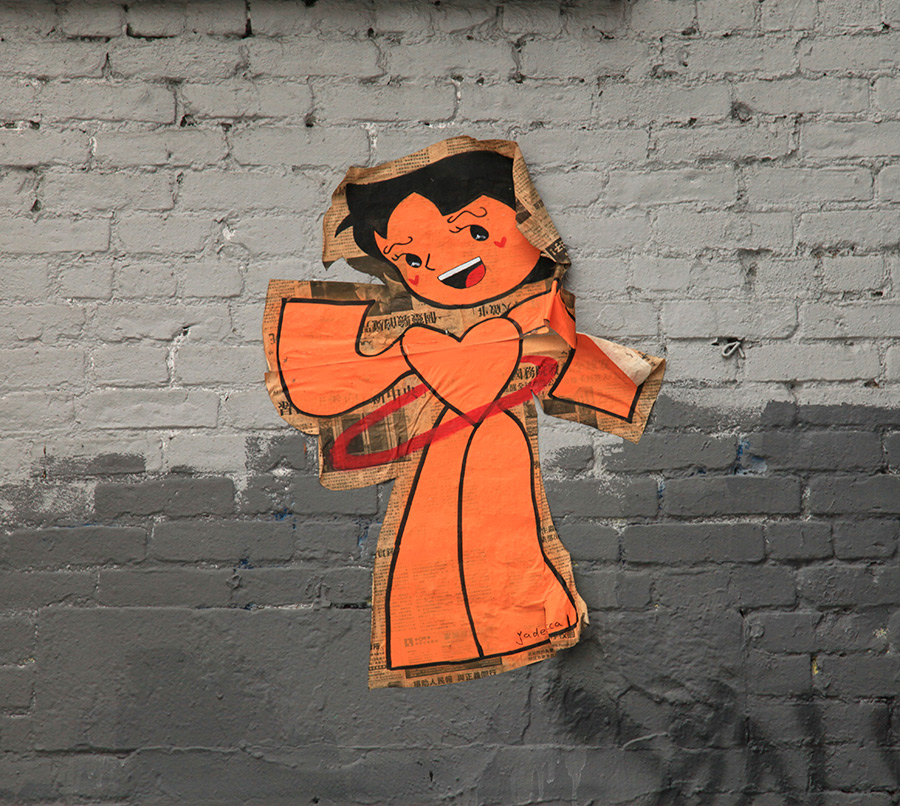
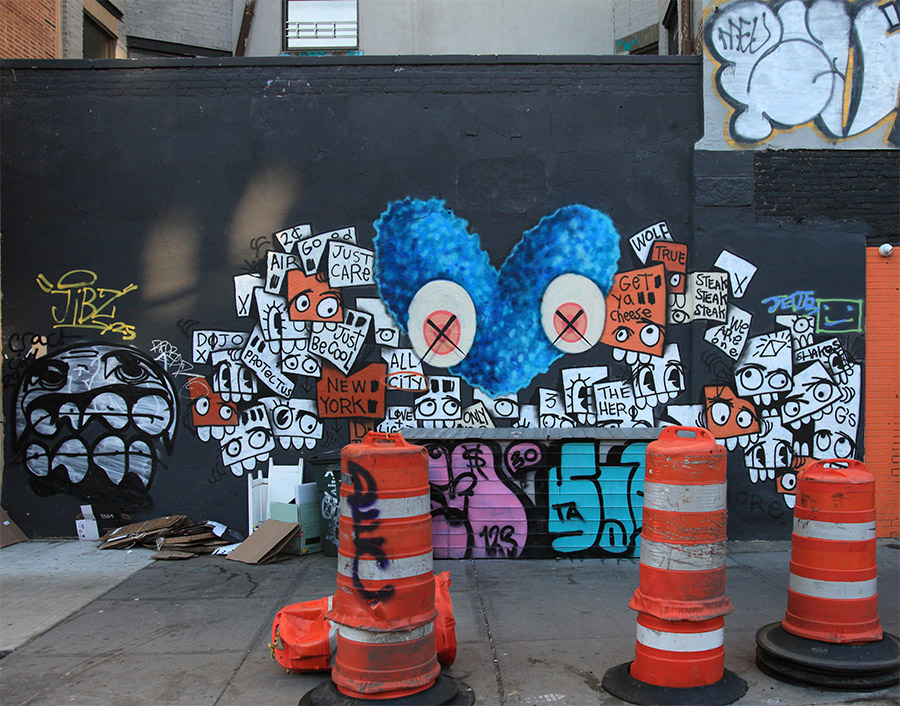
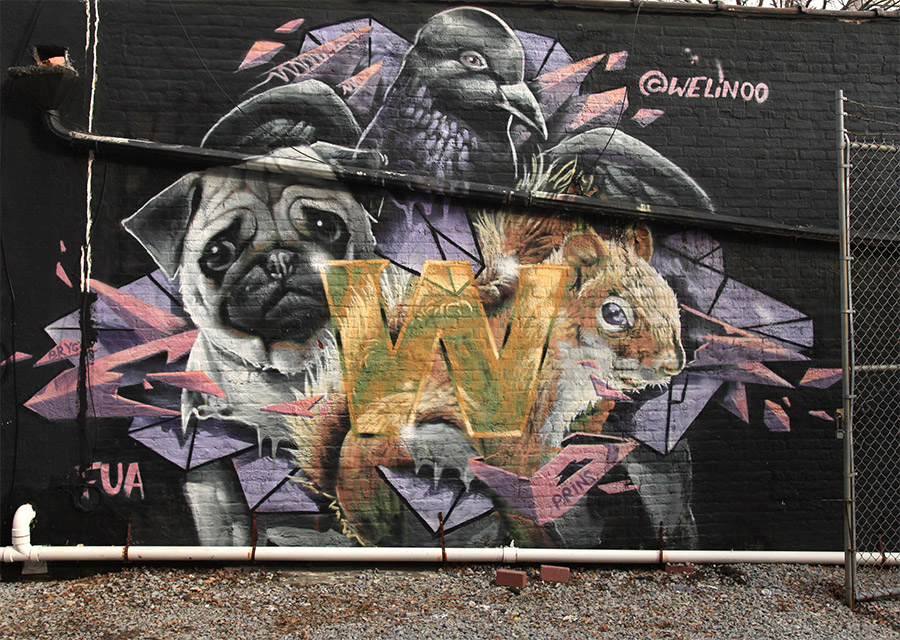
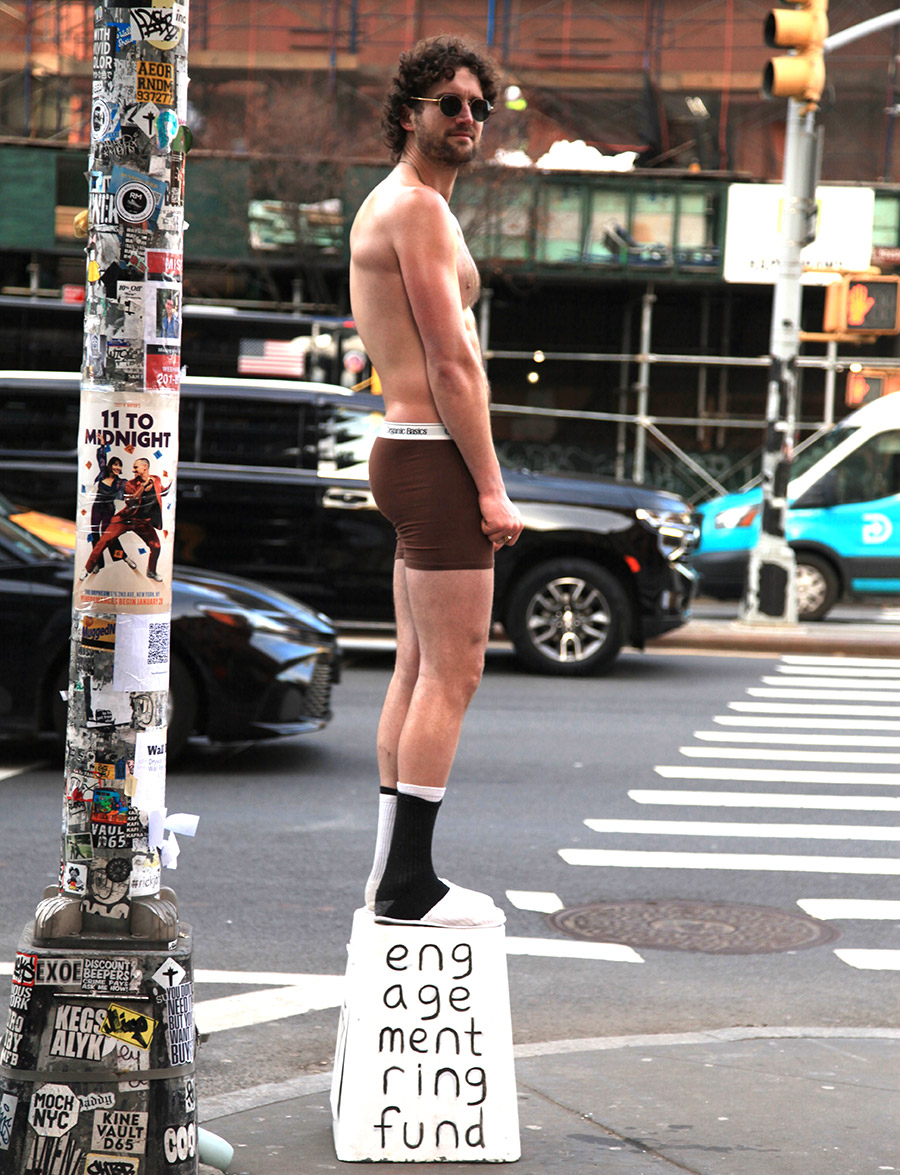
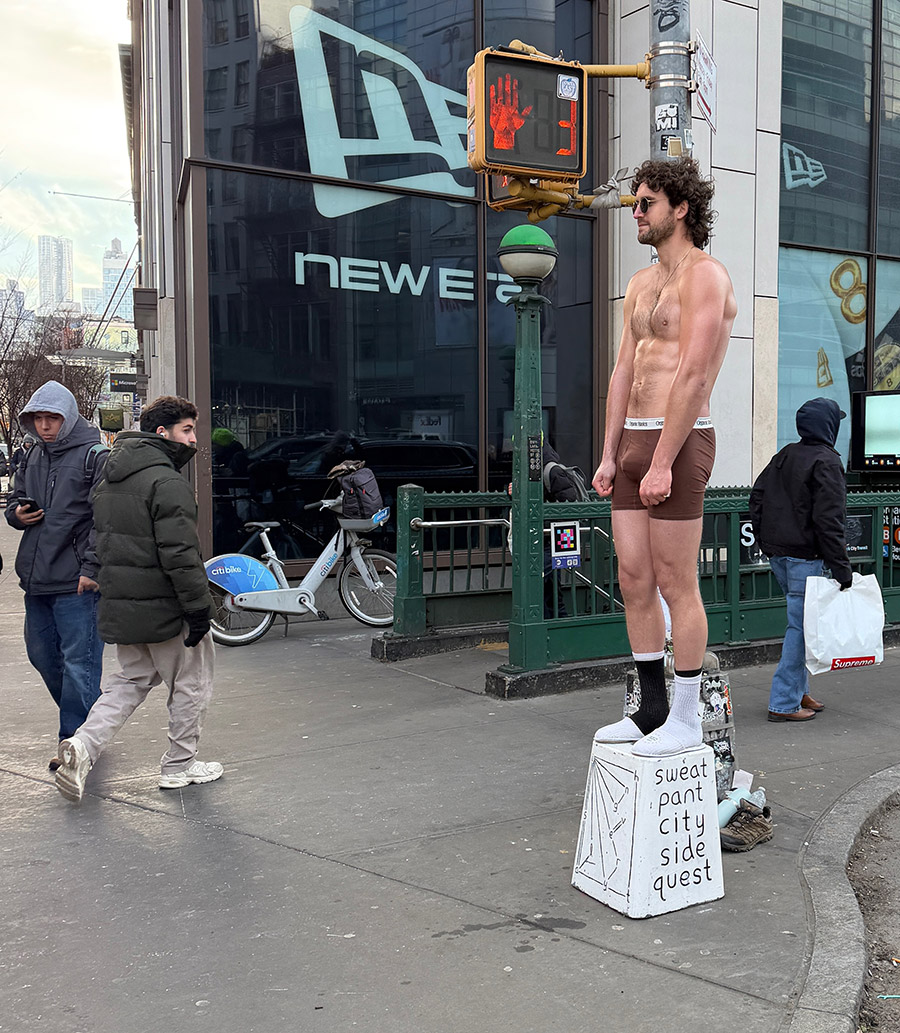
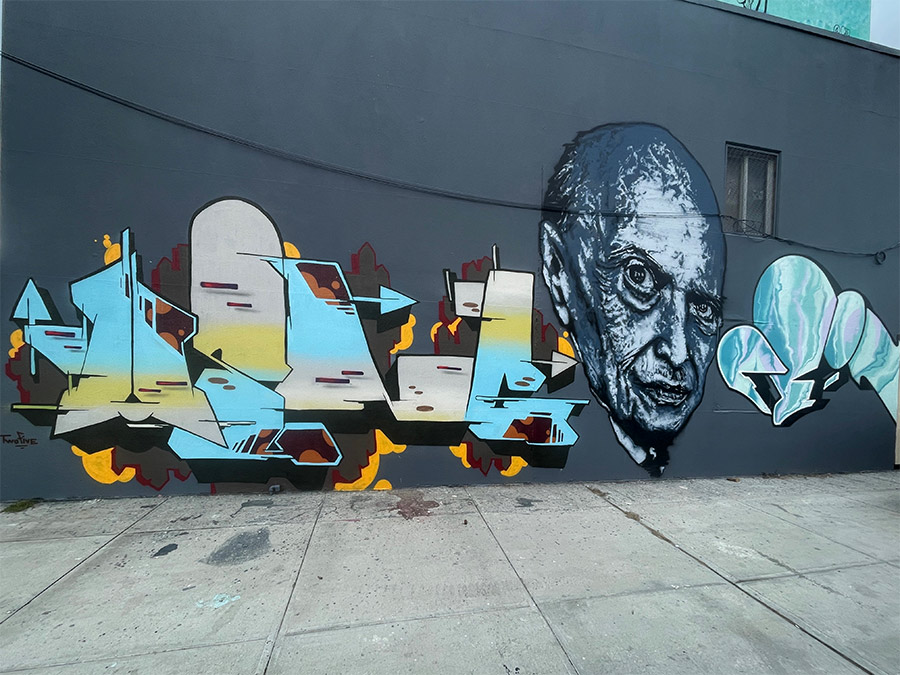
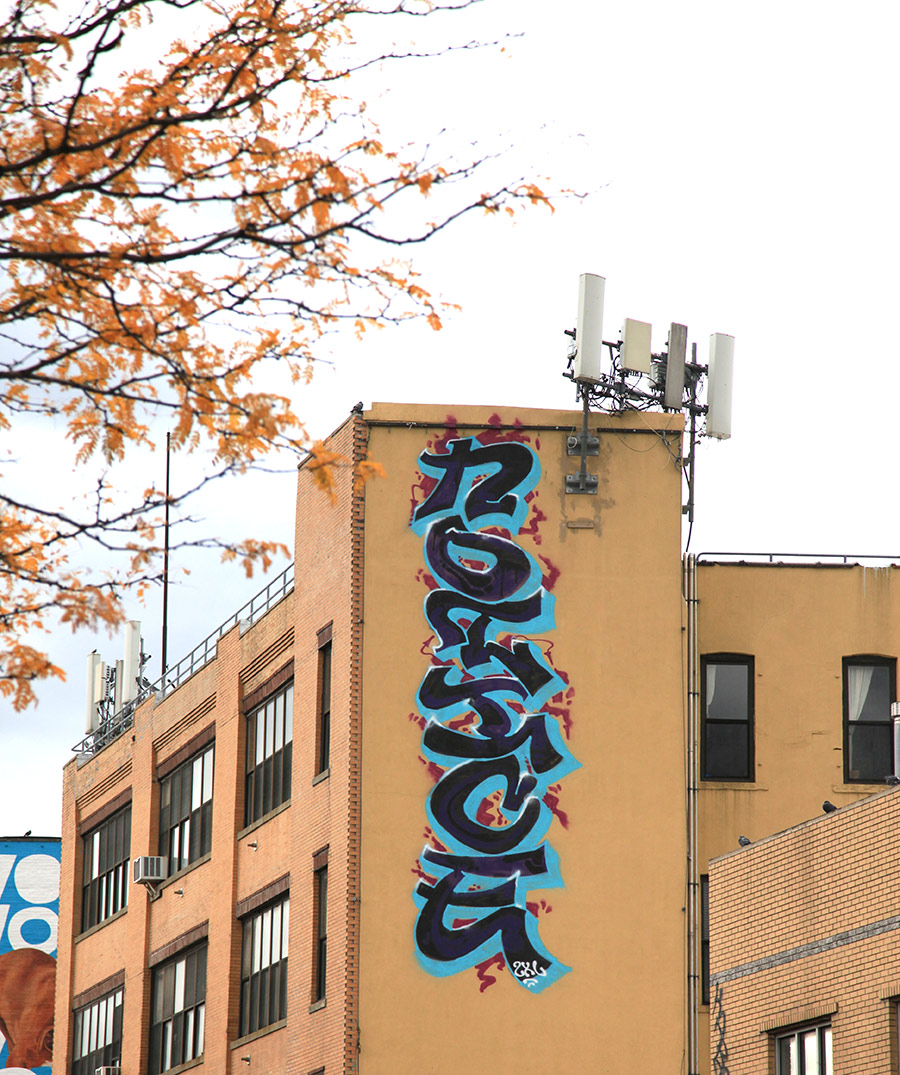
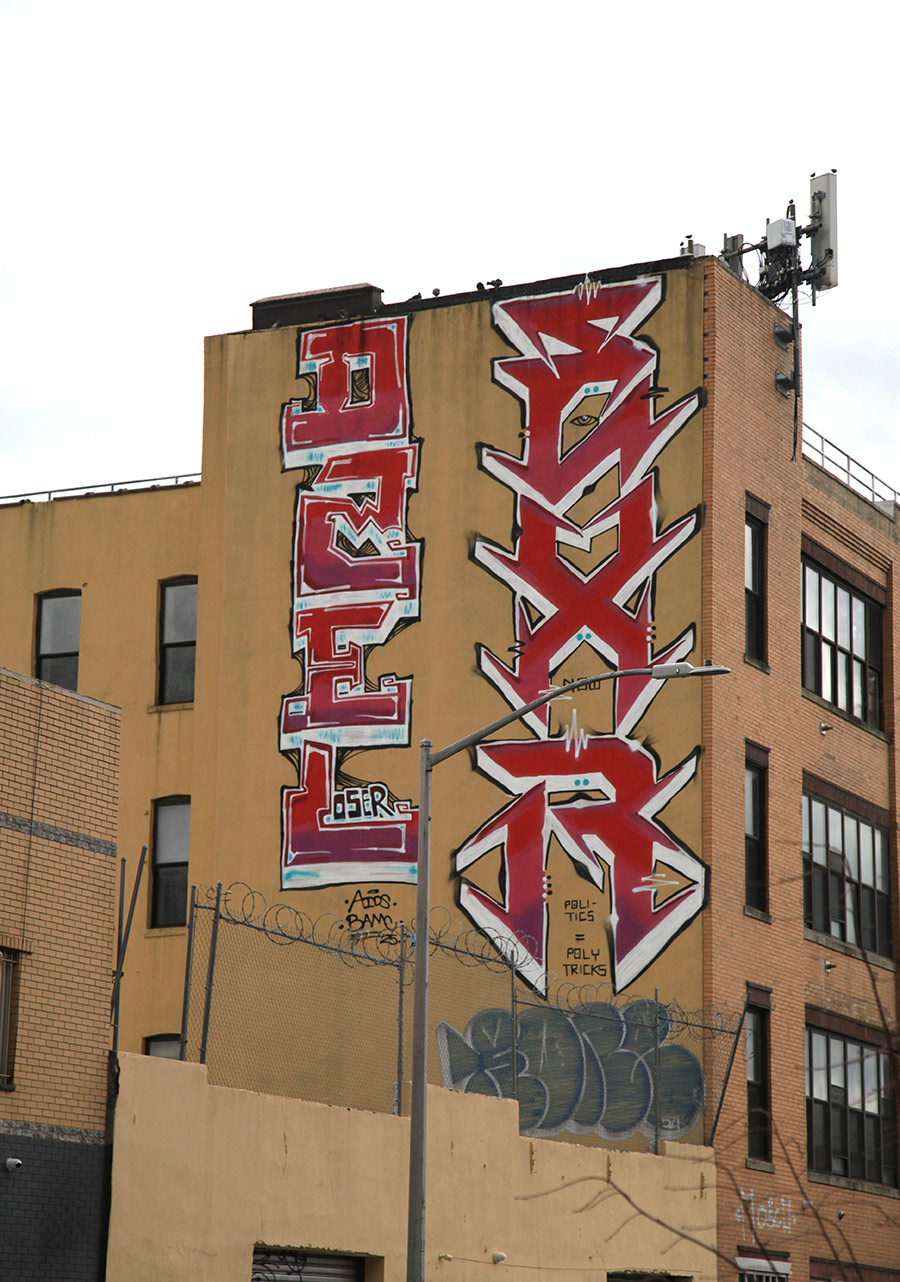
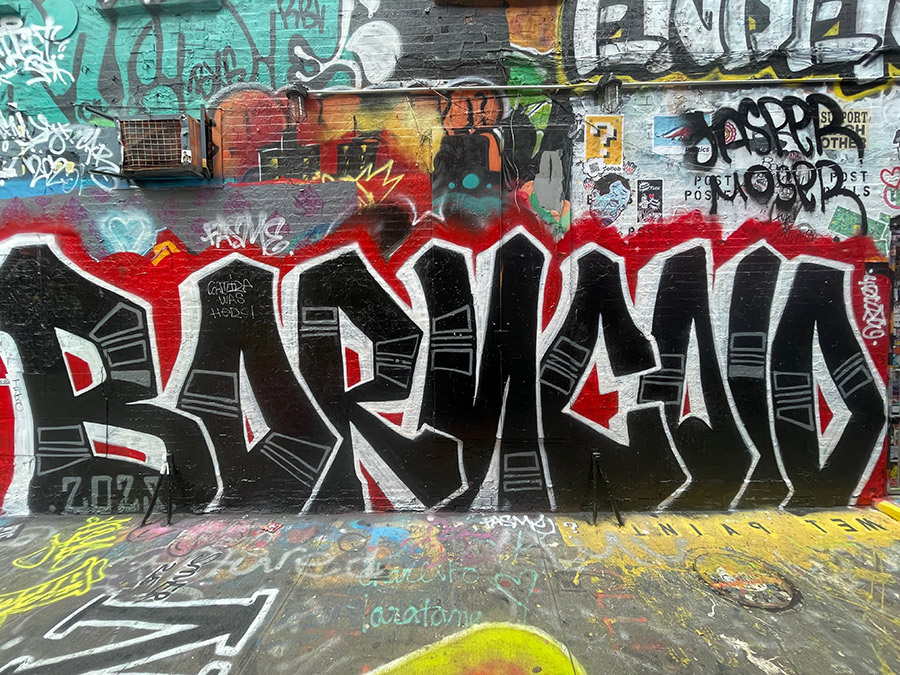
The clear, crisp September days, like that one 25 years ago this week, have returned to us. Street art and graffiti have morphed over the intervening years, but the feelings from that day are still raw. There are a few narratives about what happened, and who did it, and why. But one thing is for sure: many families lost their loved ones, and ceremonies on Friday brought it all back in Lower Manhattan.
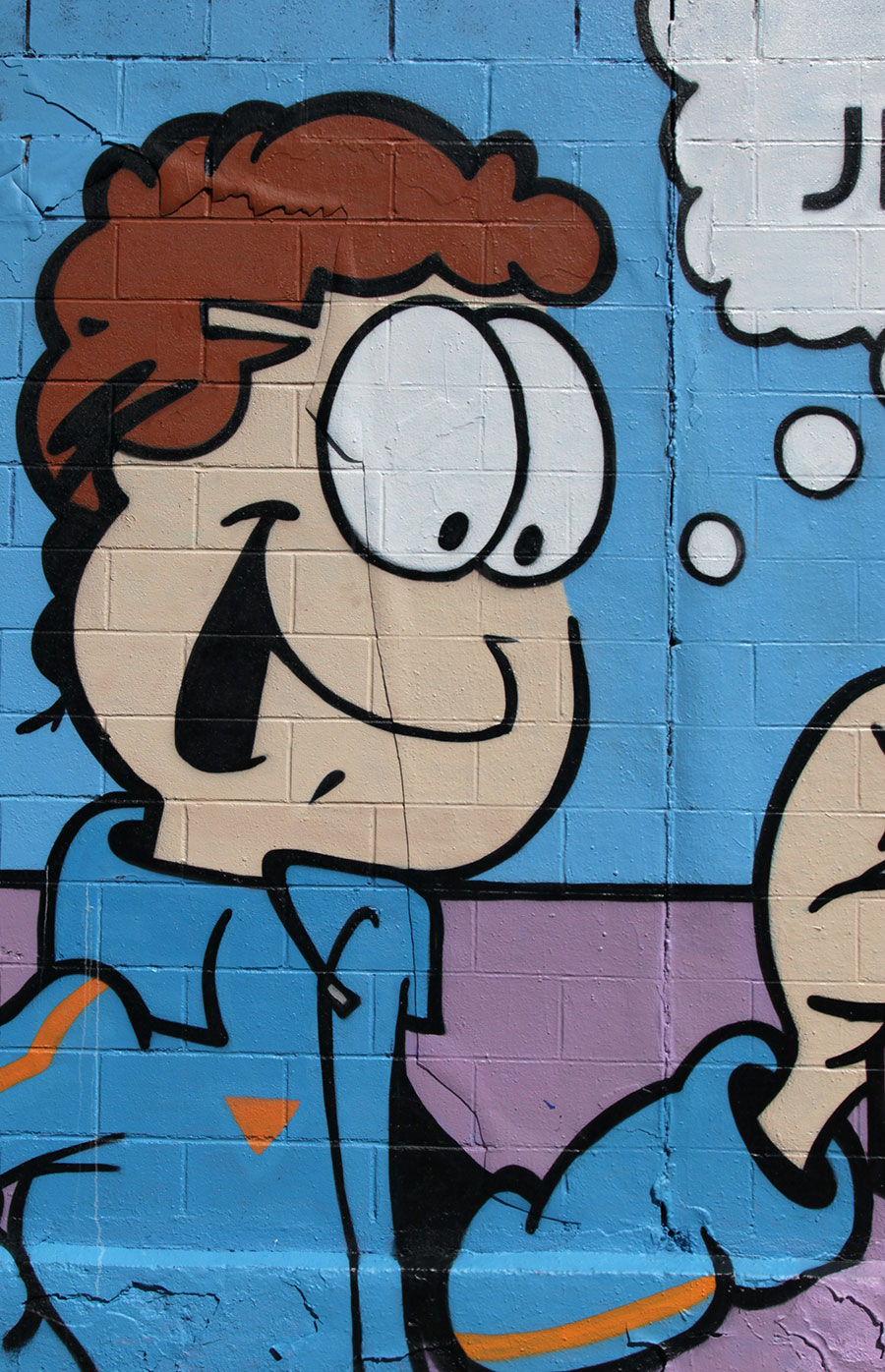
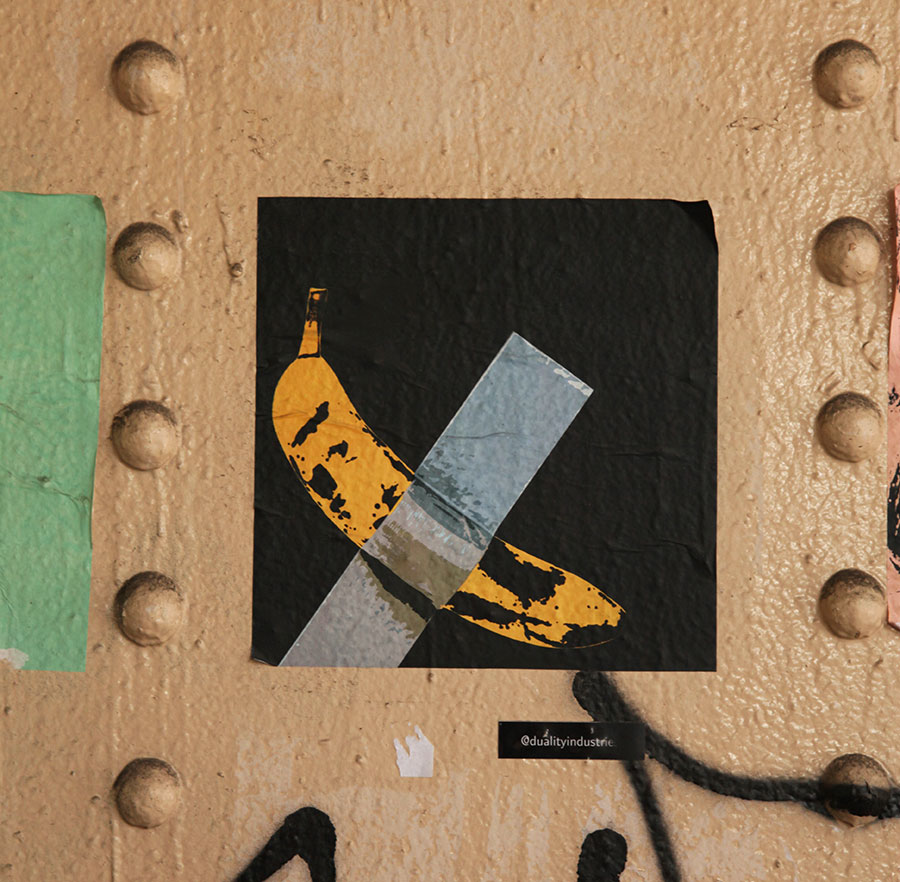
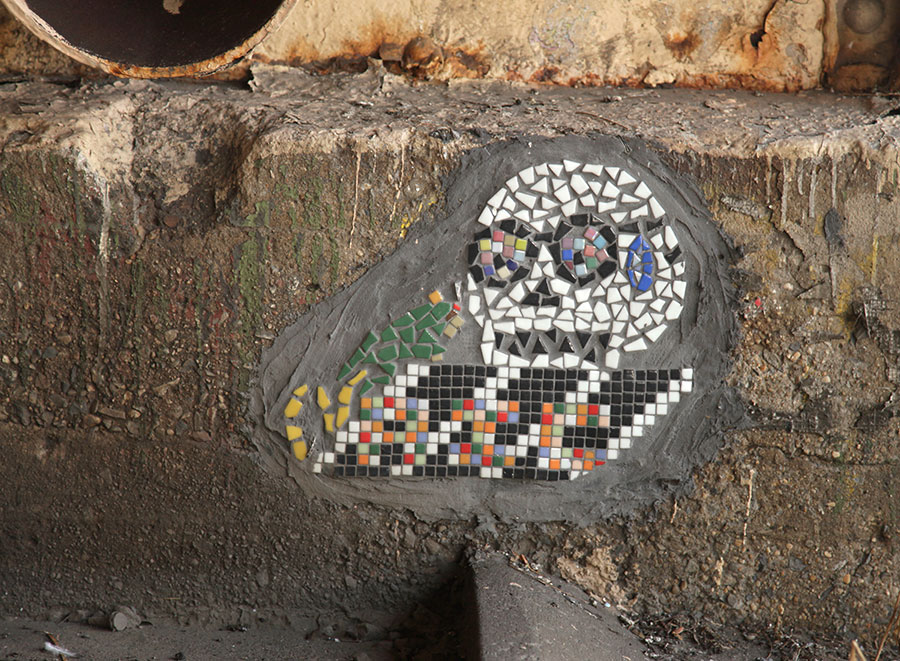
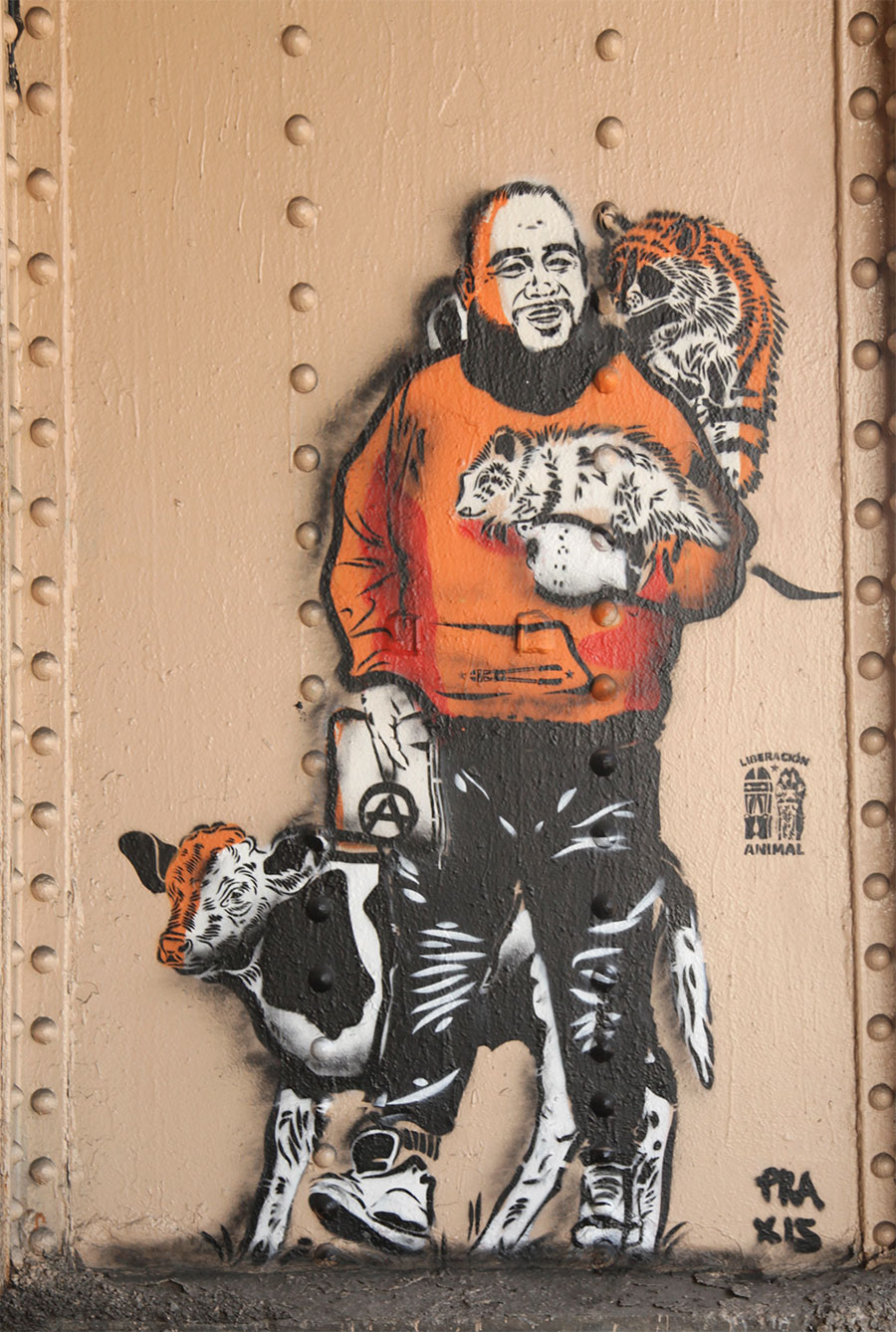
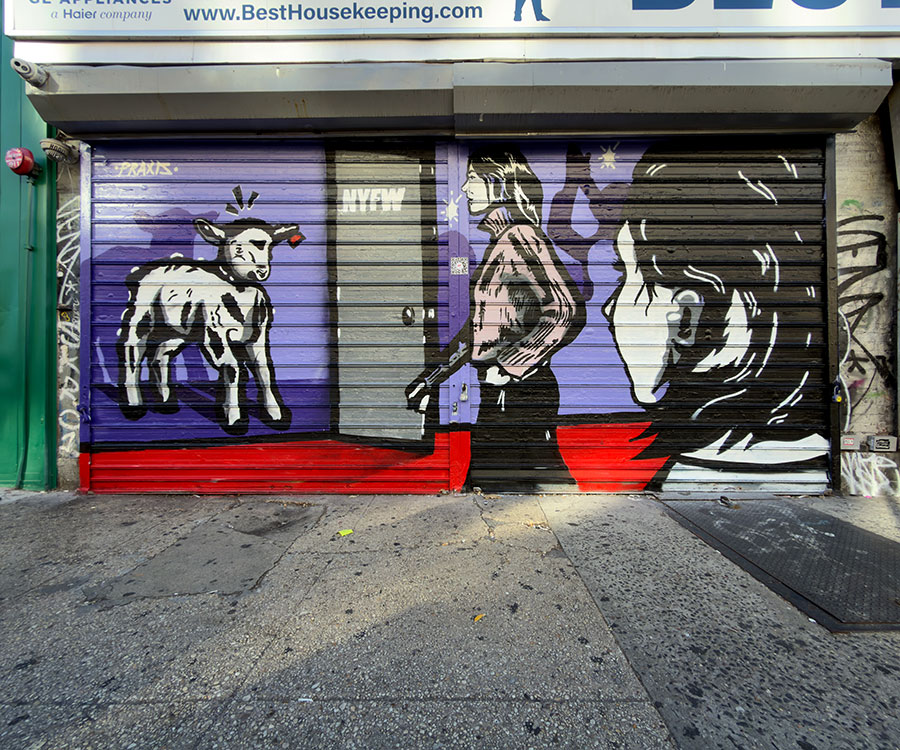
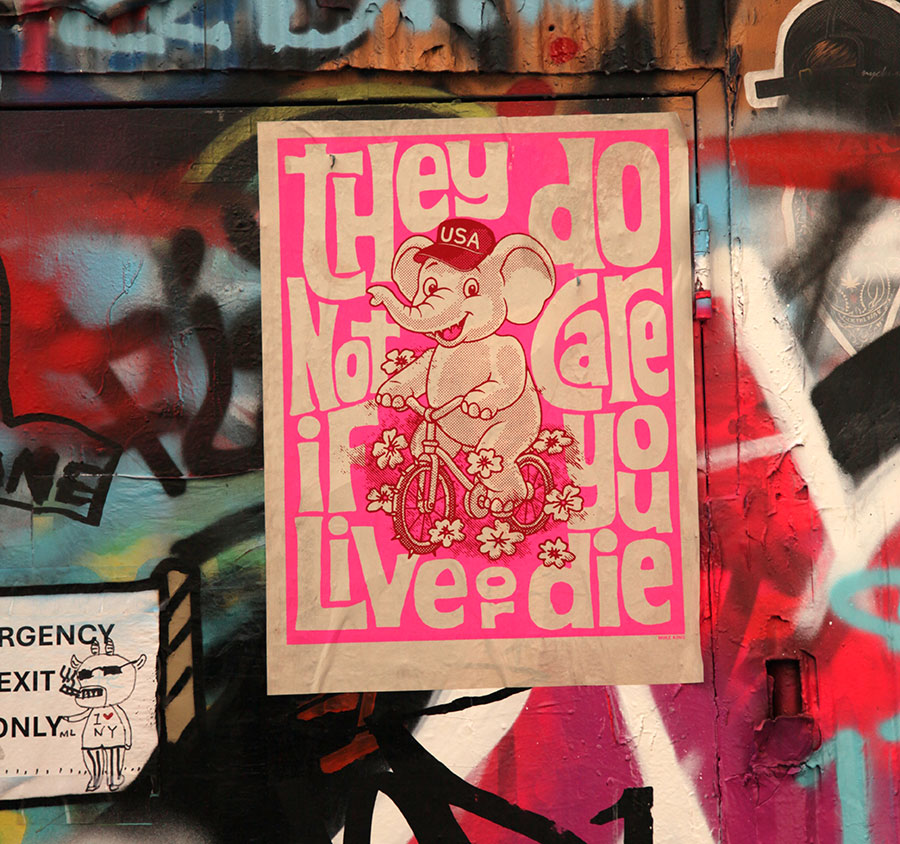
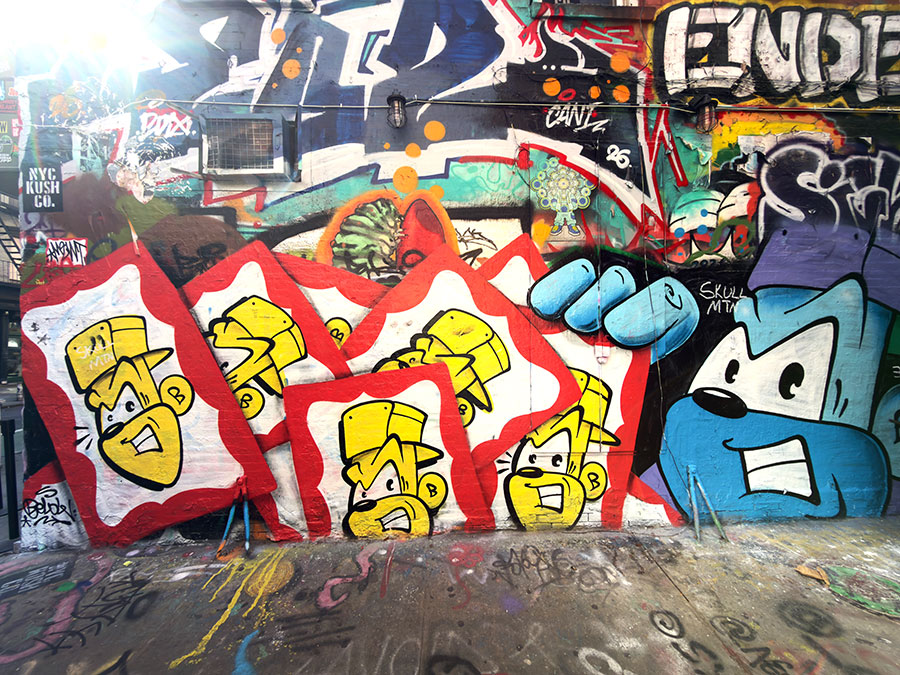
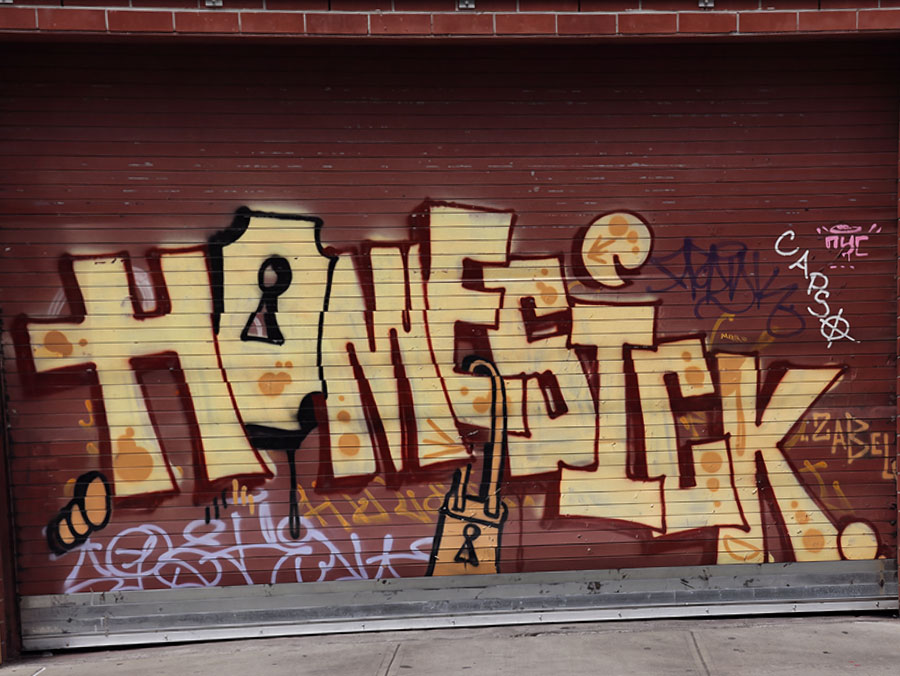
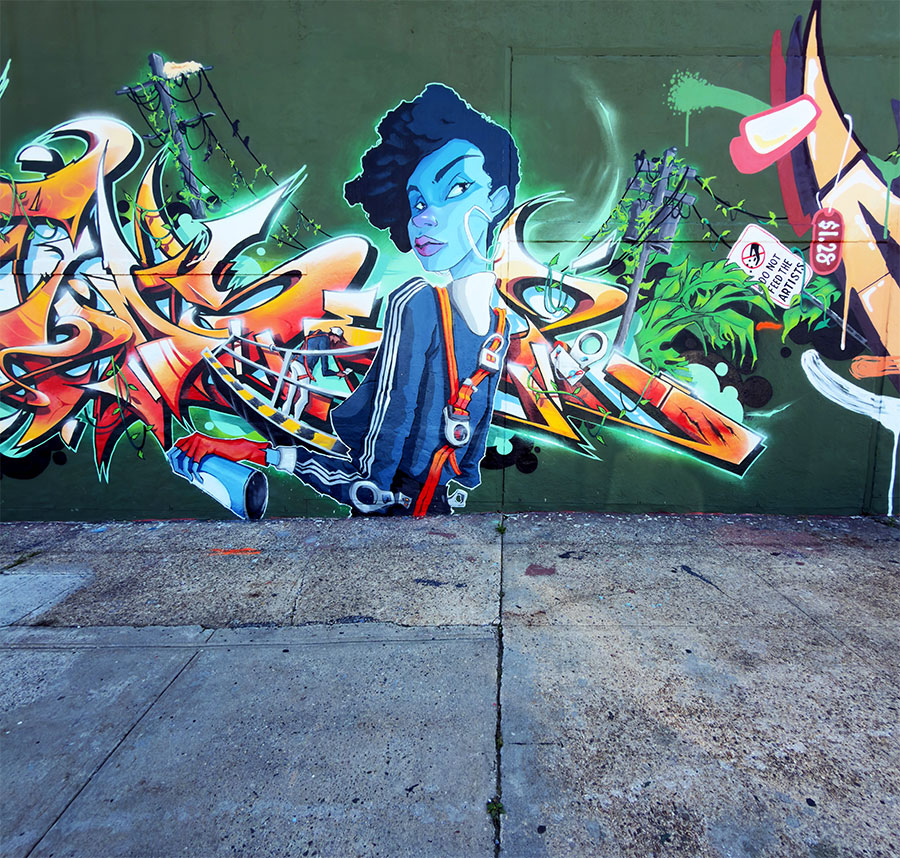
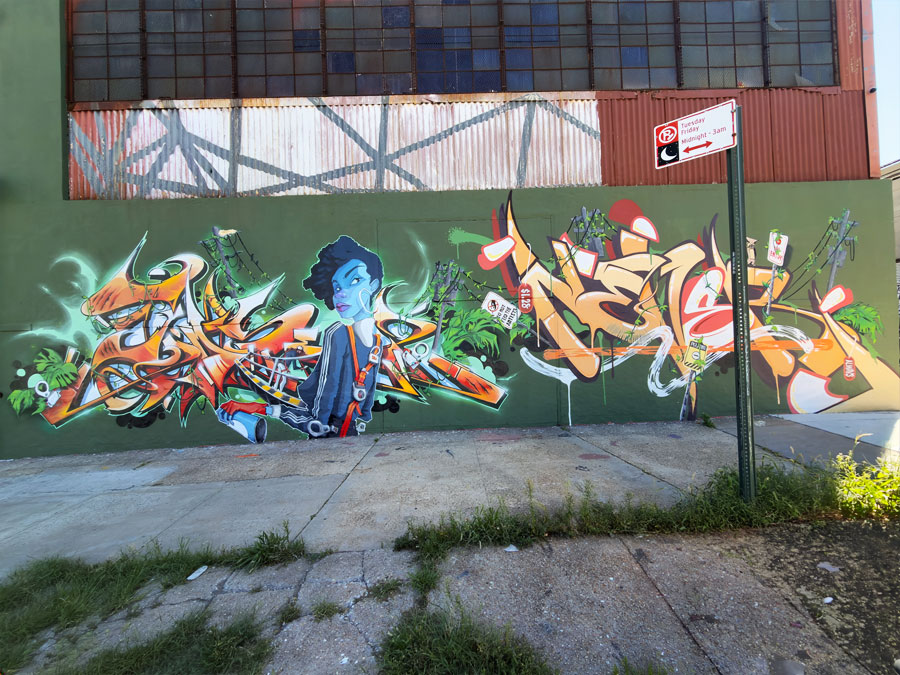
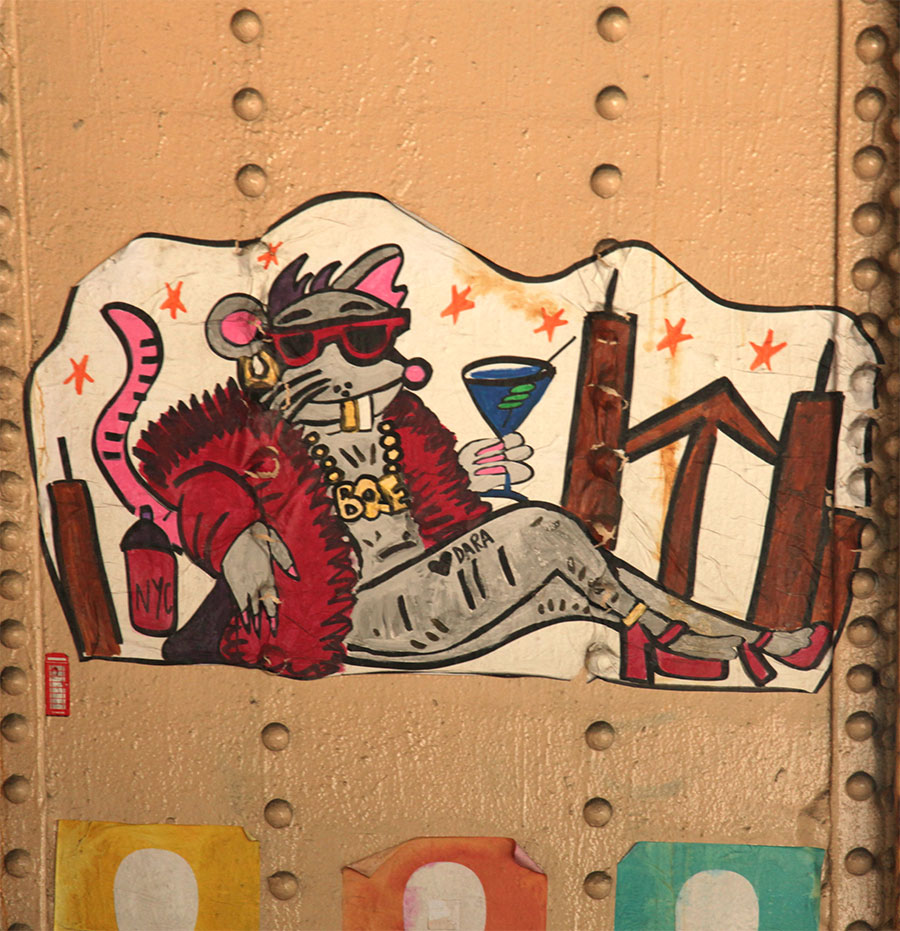
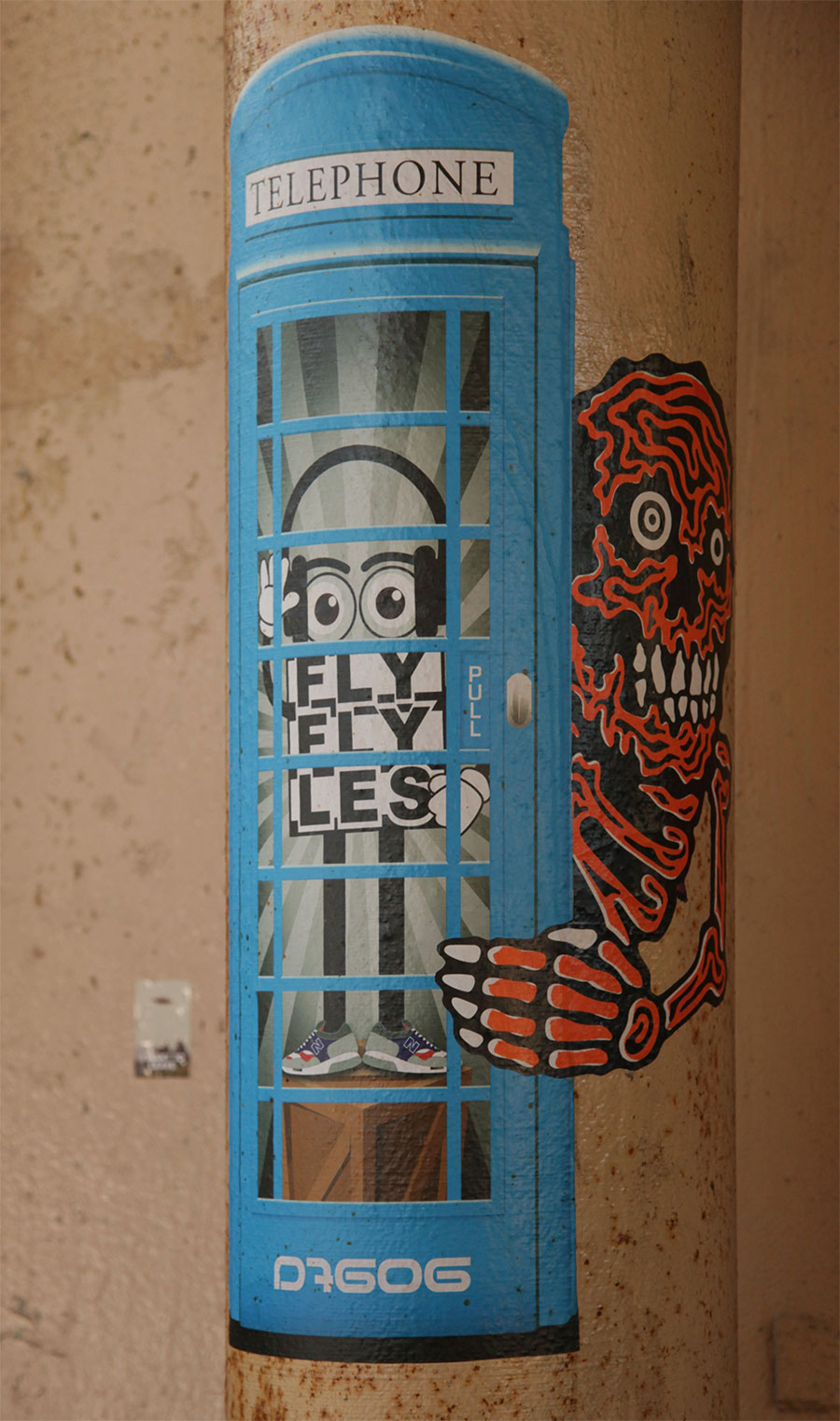
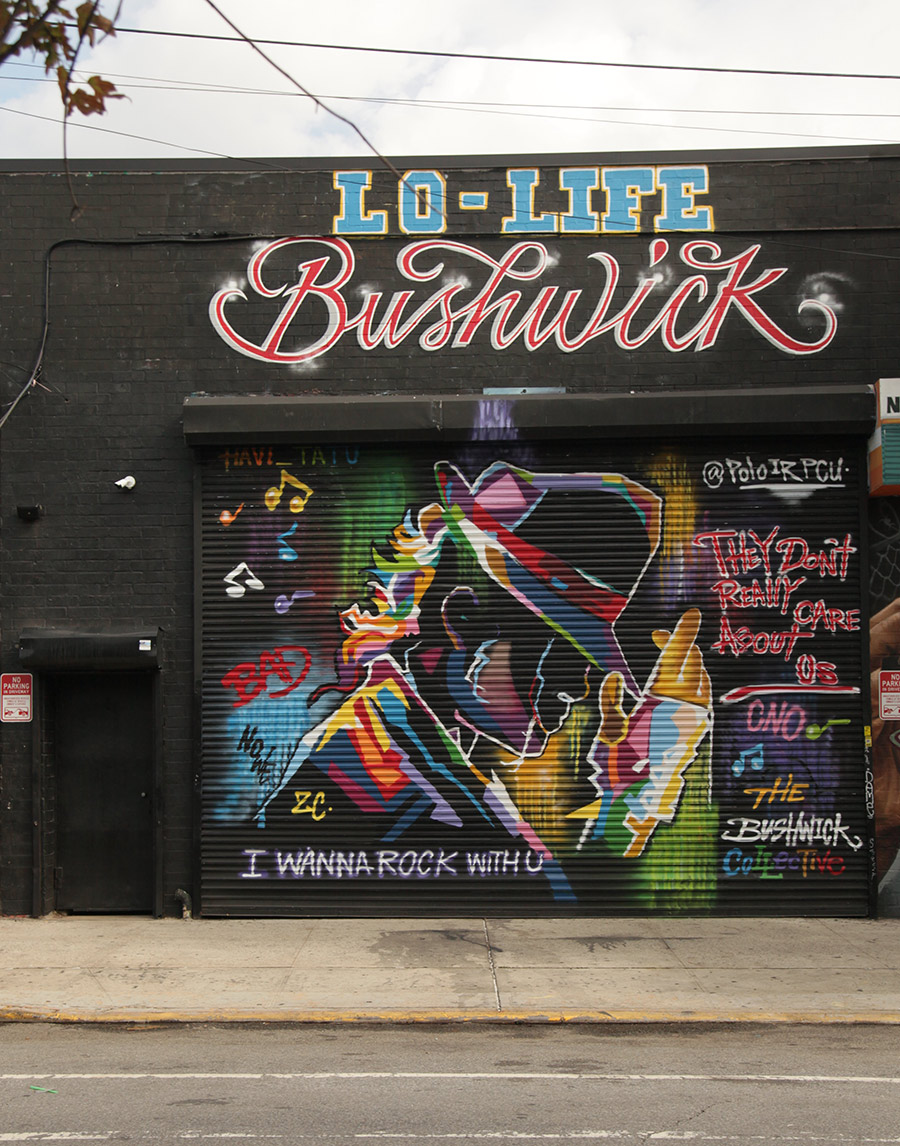
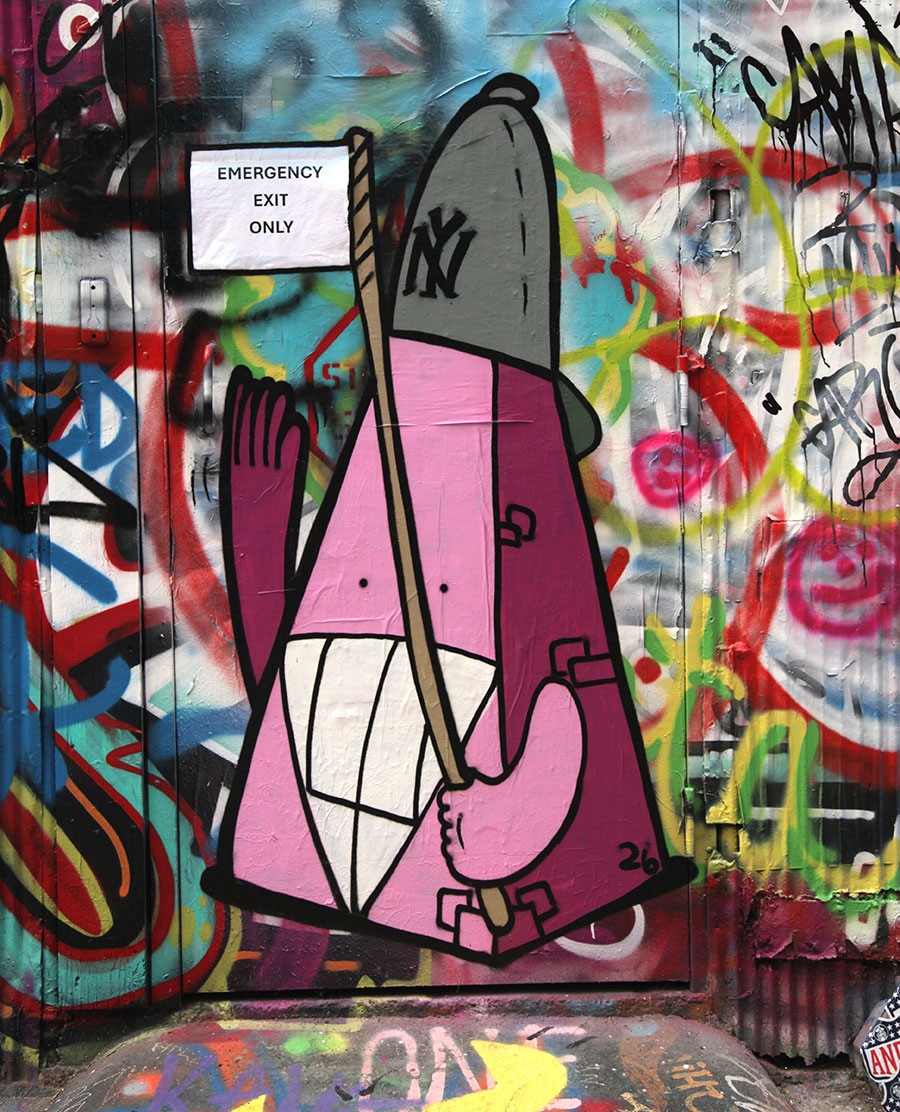
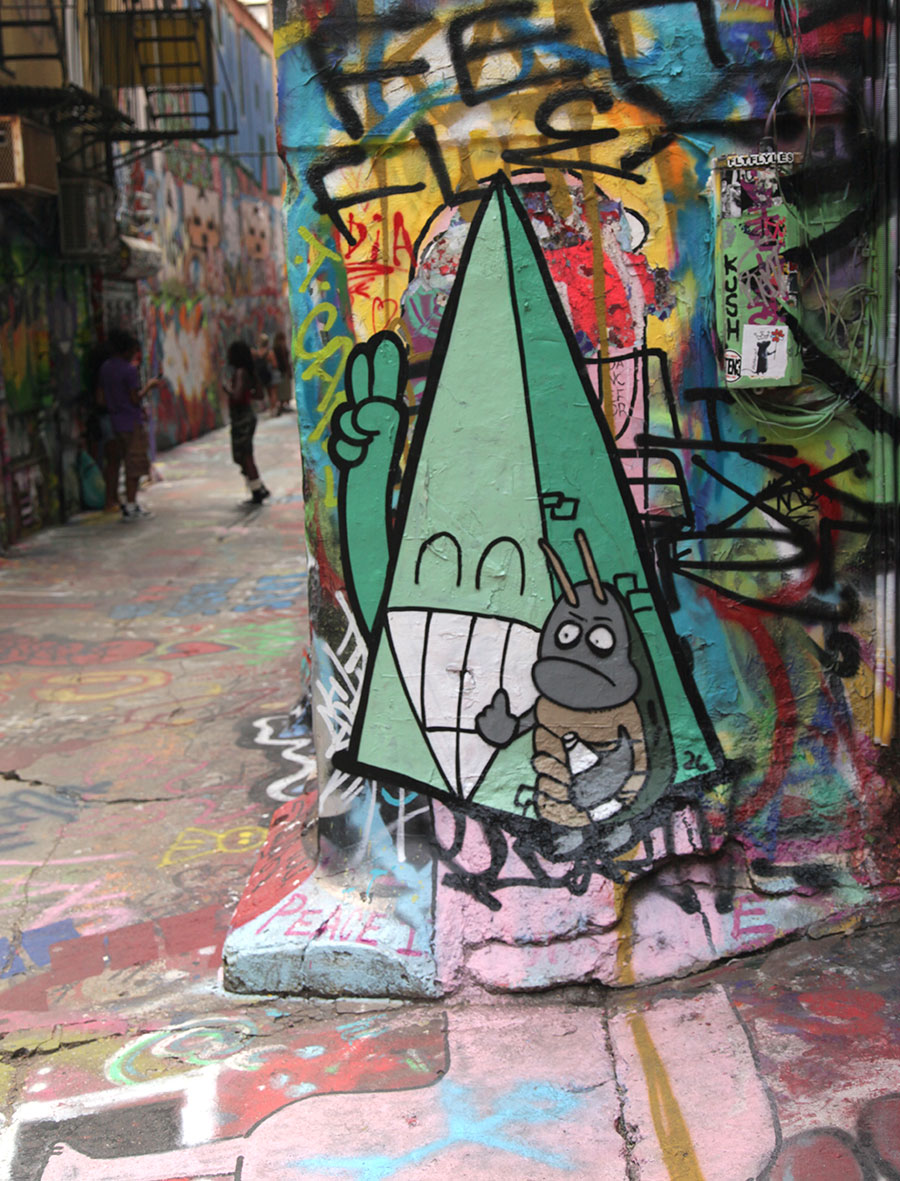
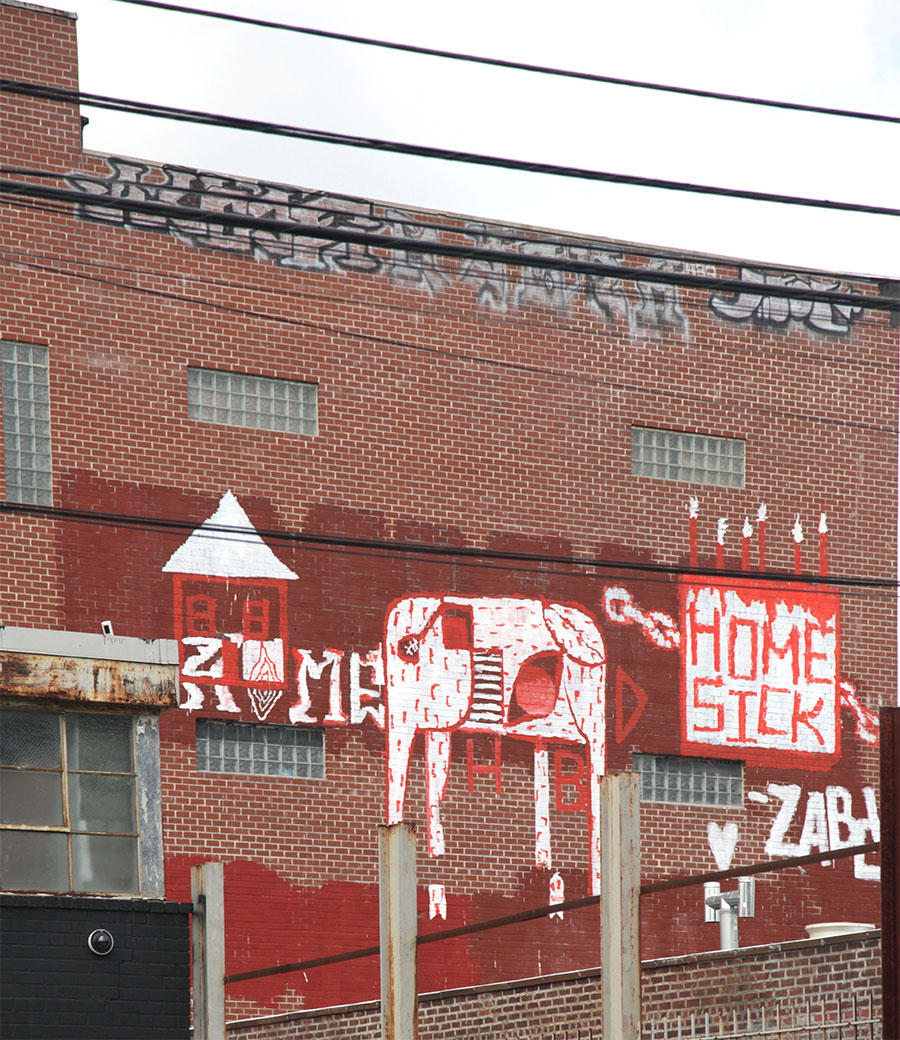
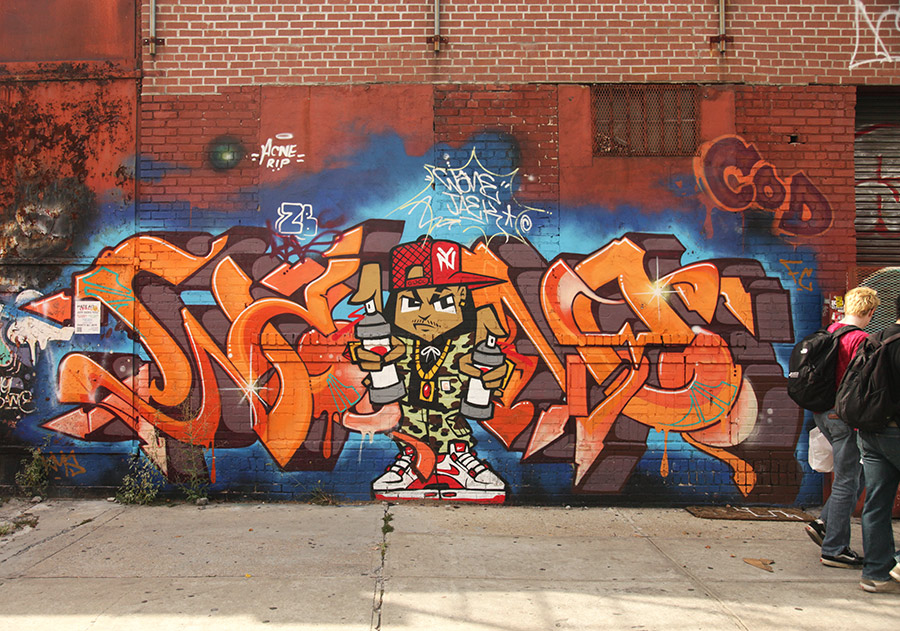
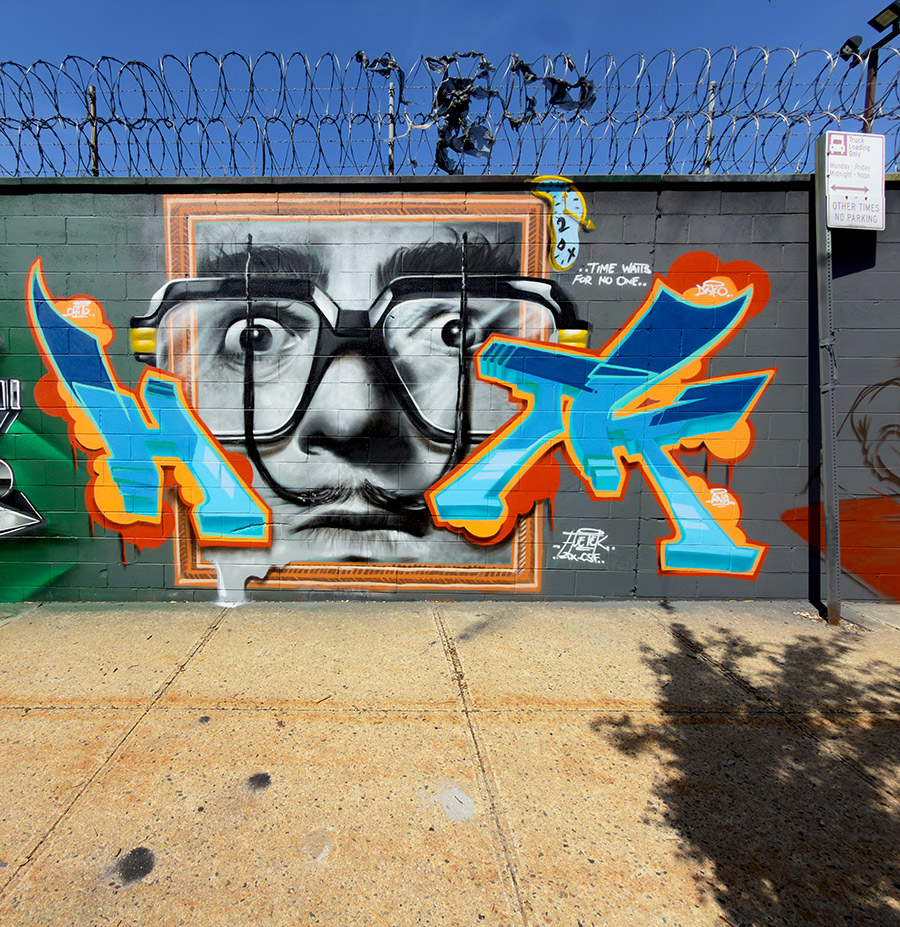
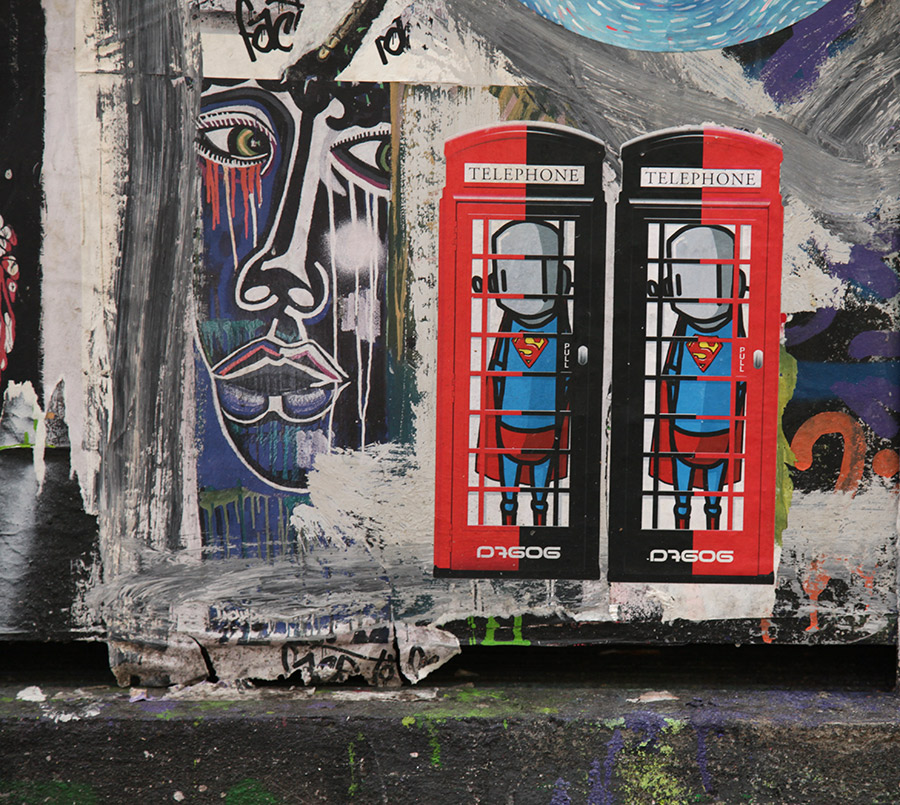
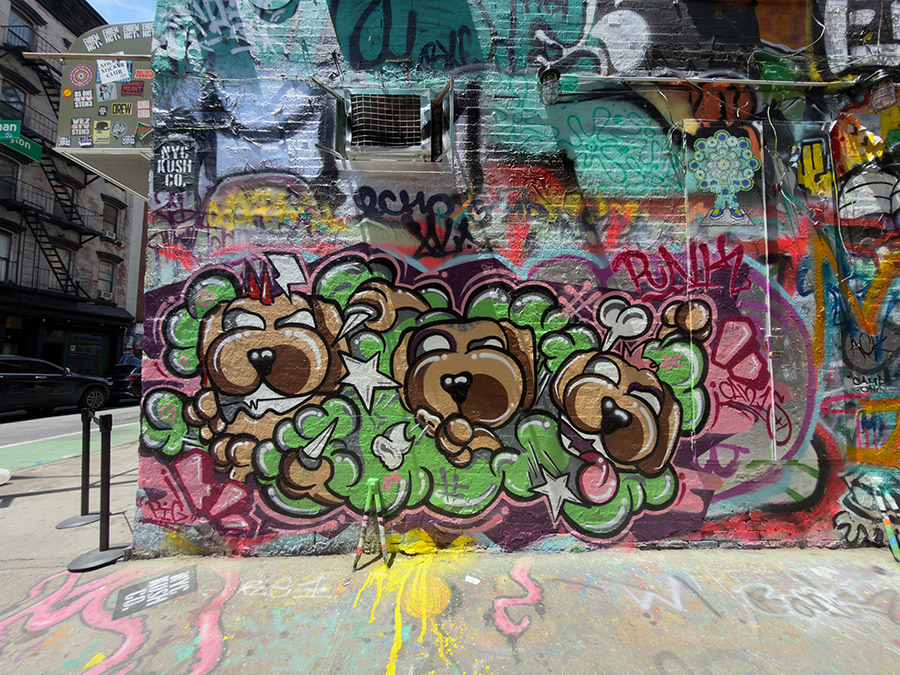
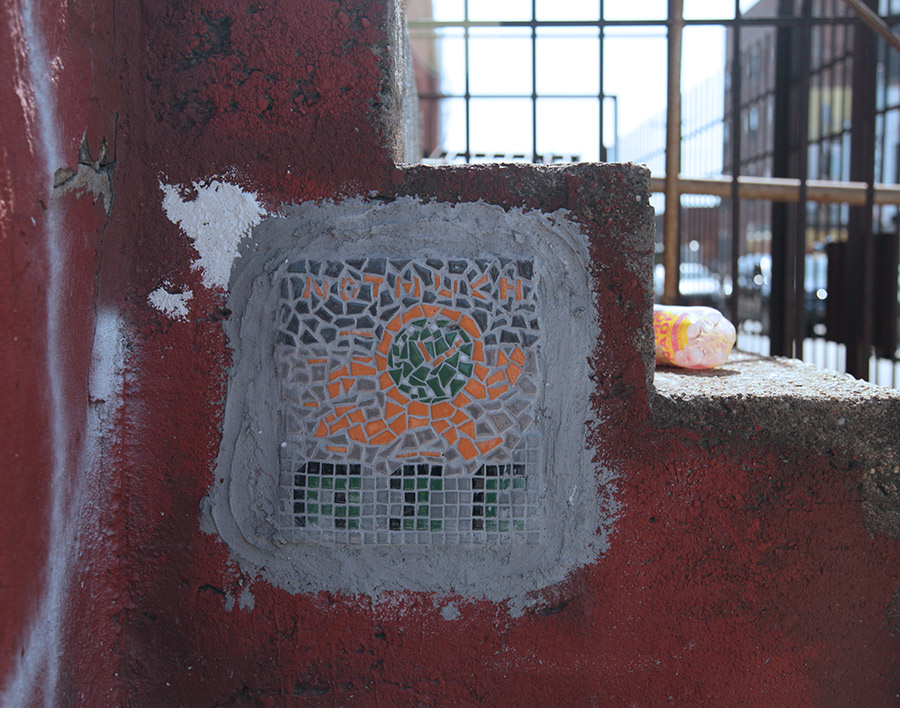
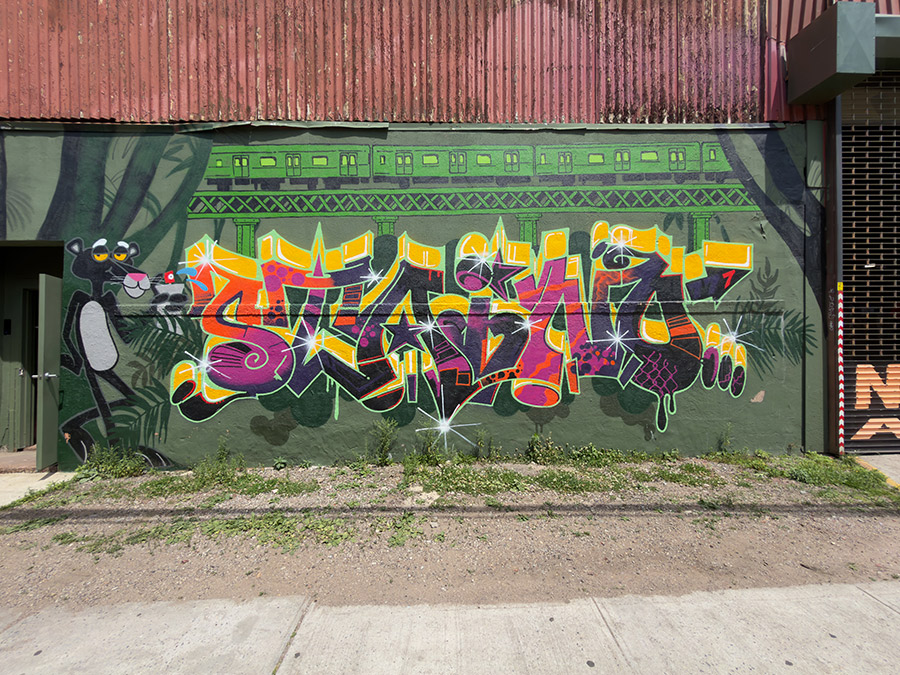
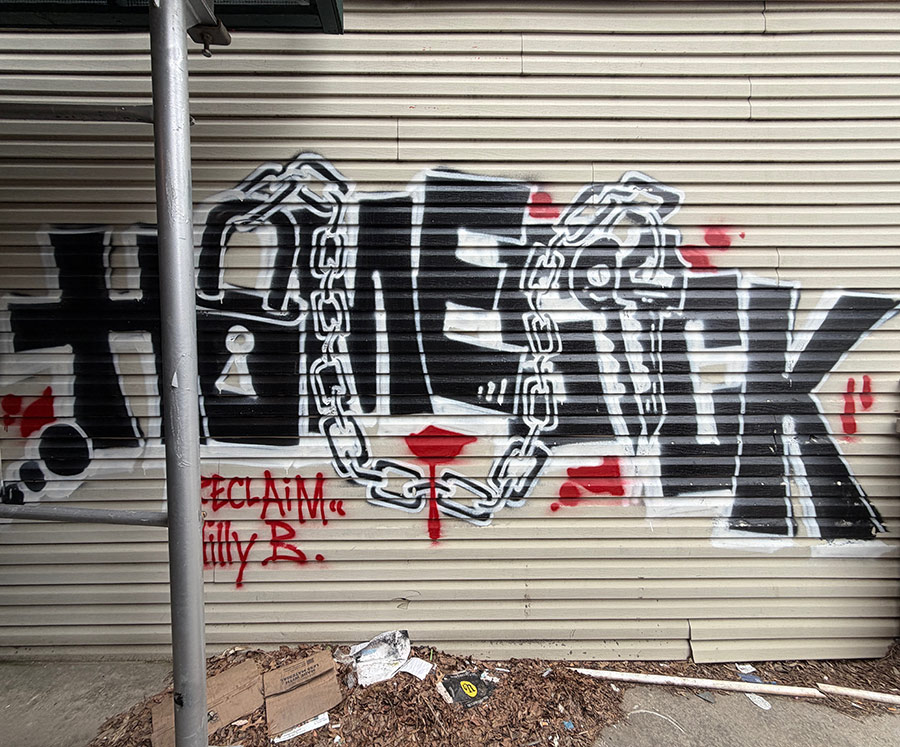
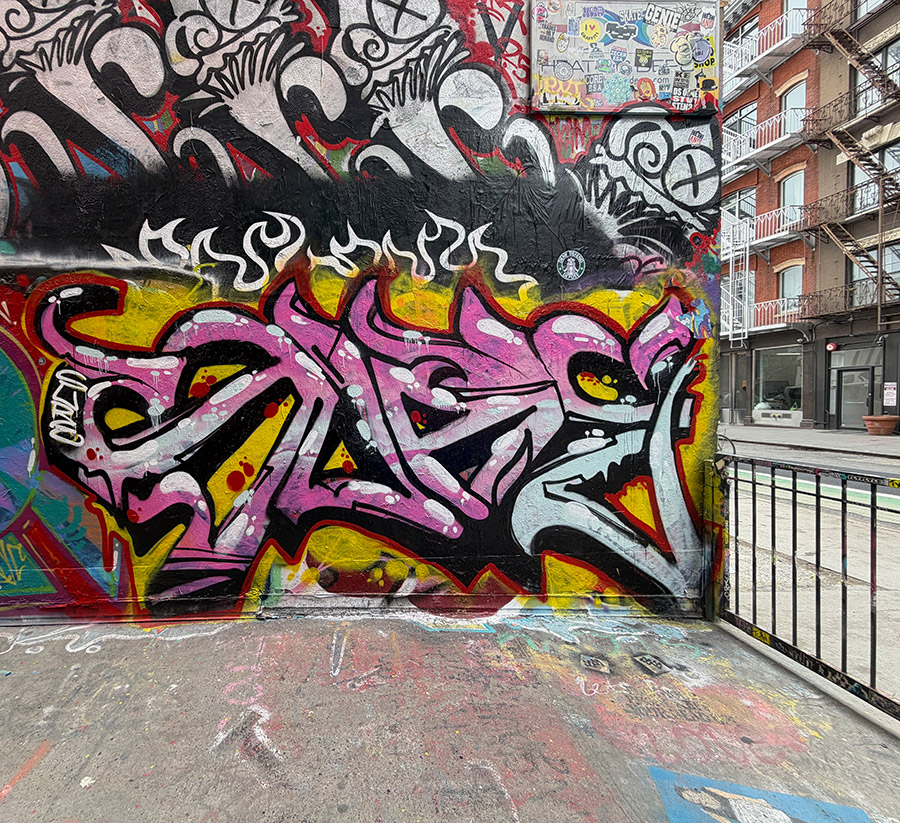
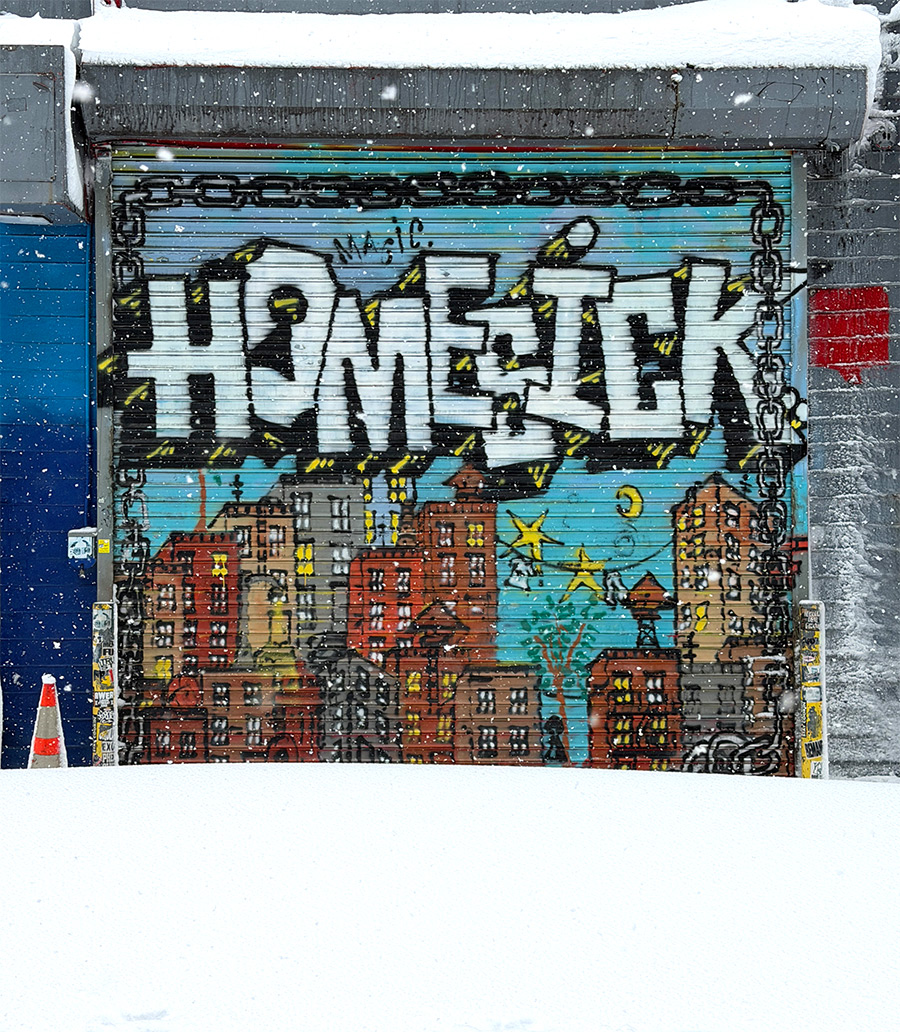
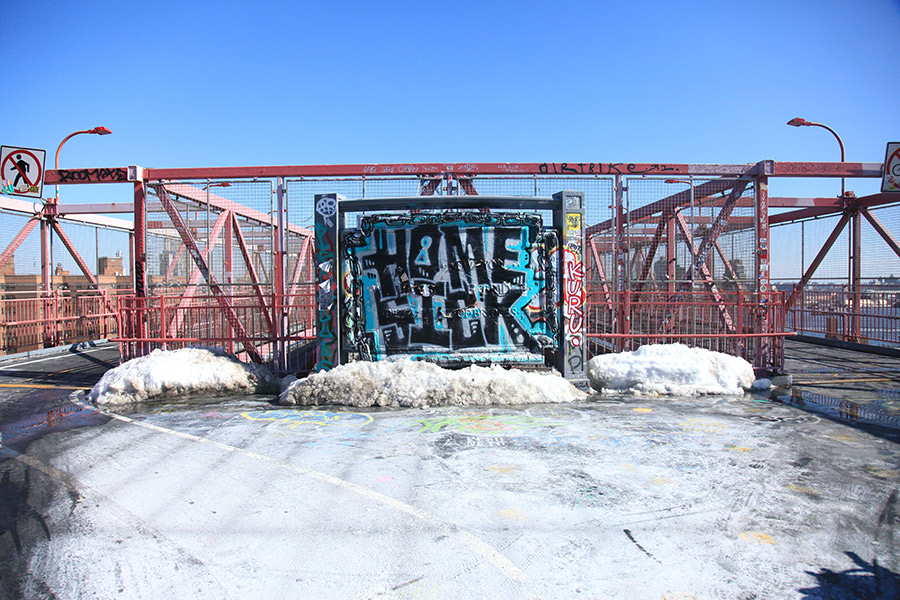
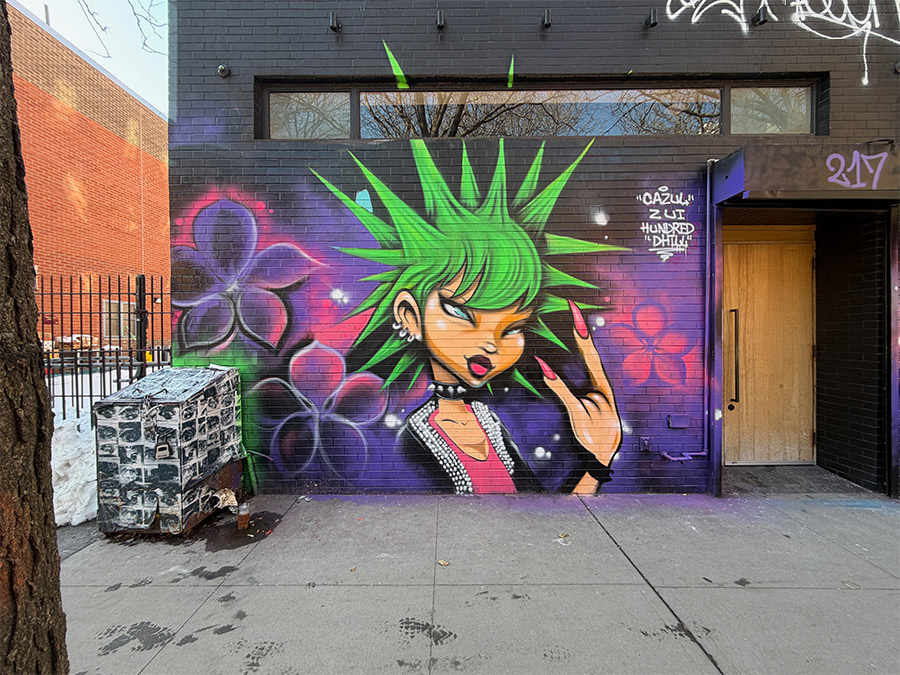
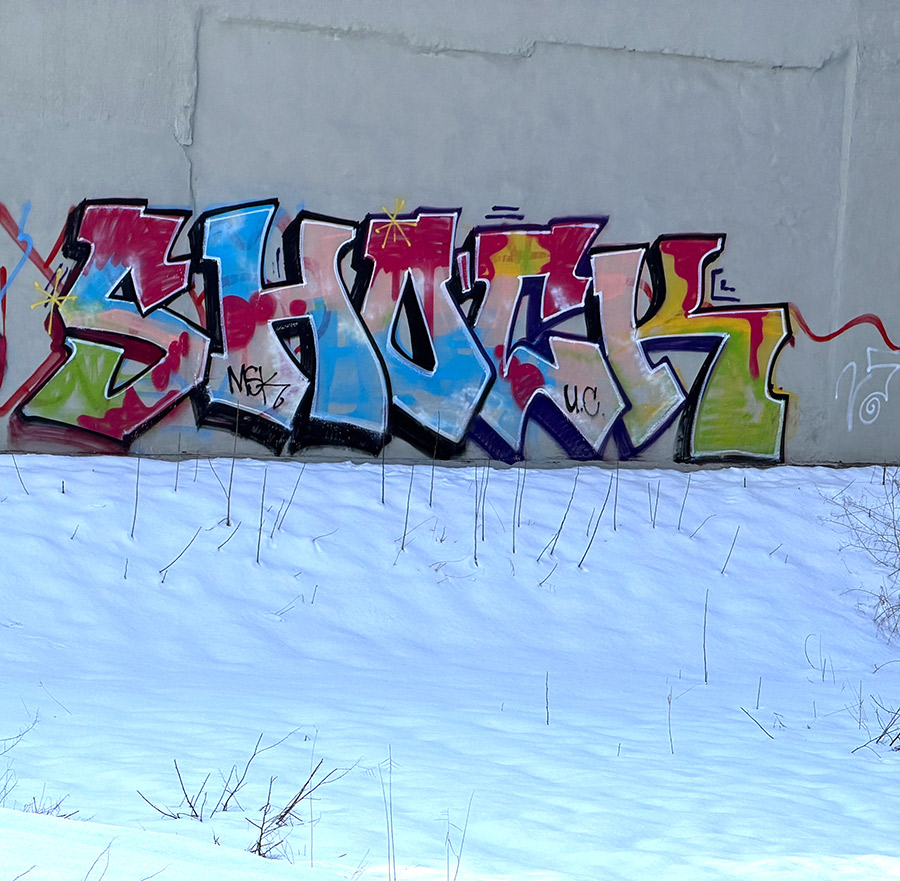
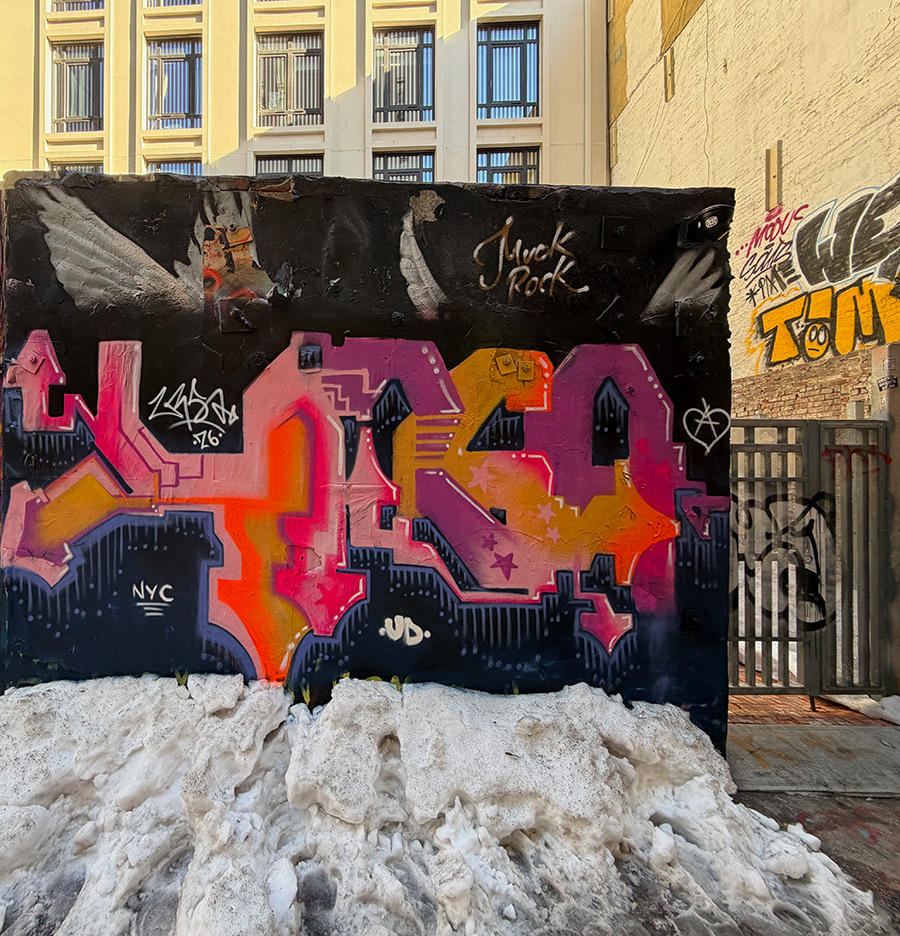
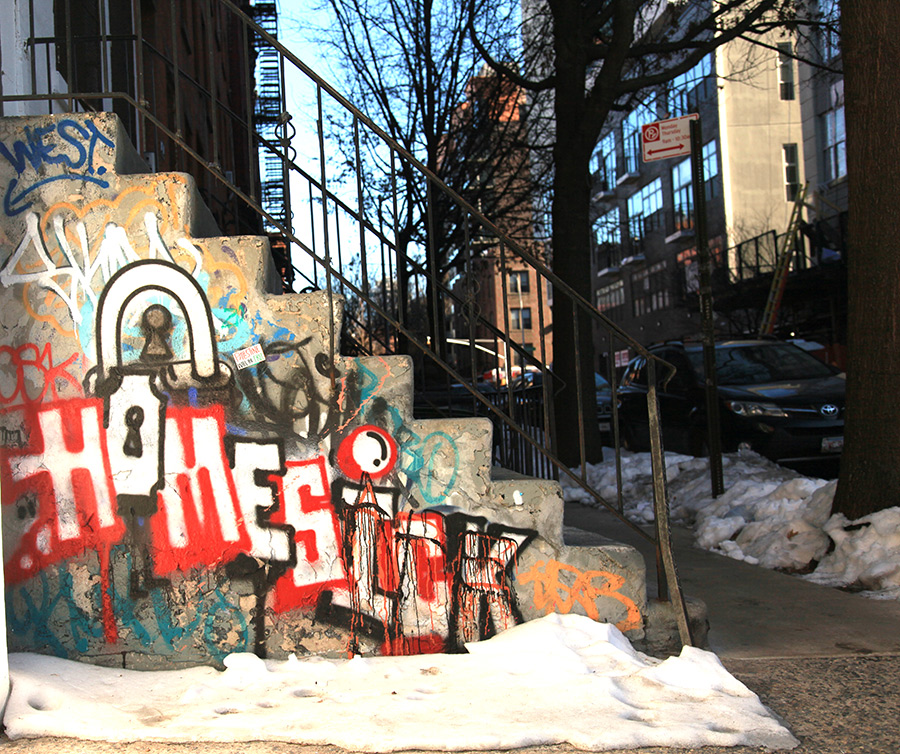
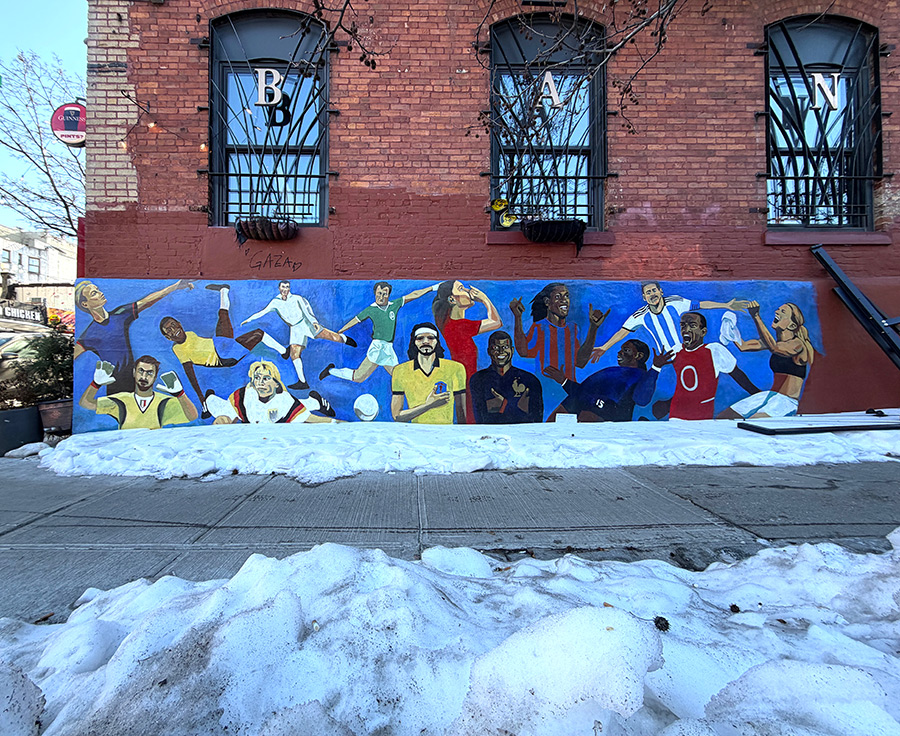
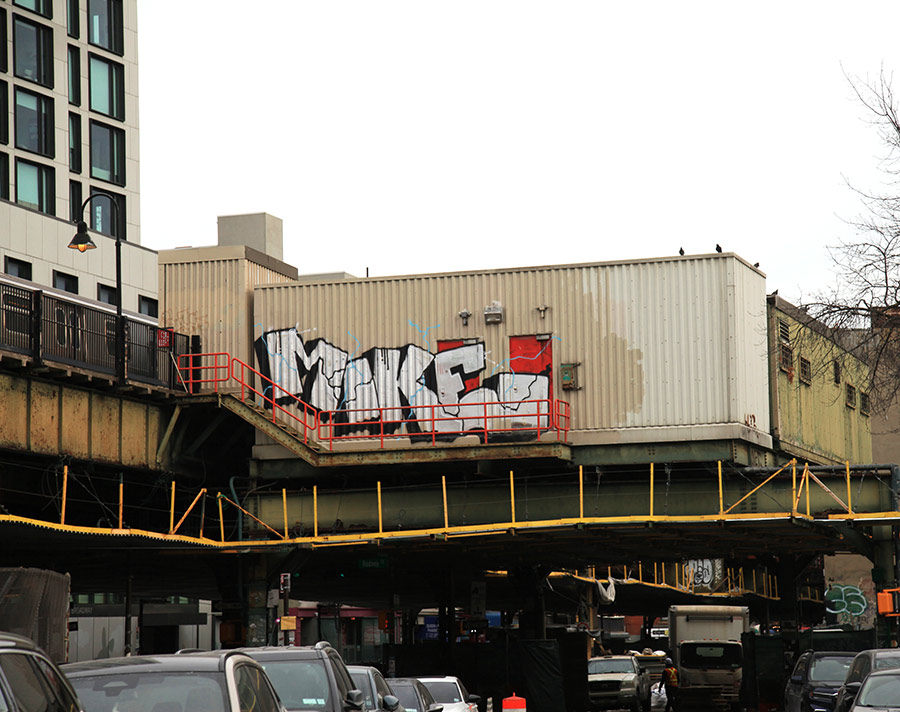
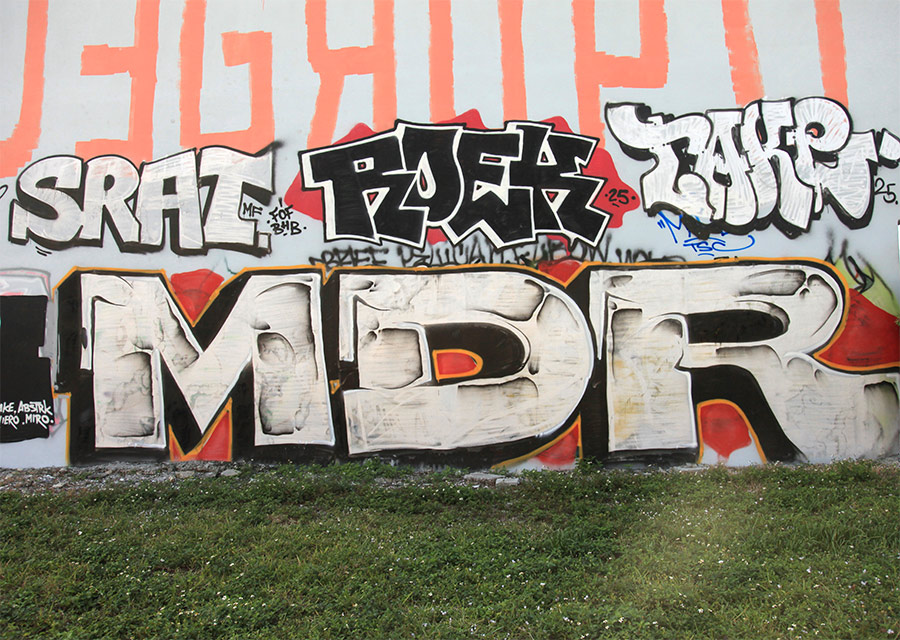
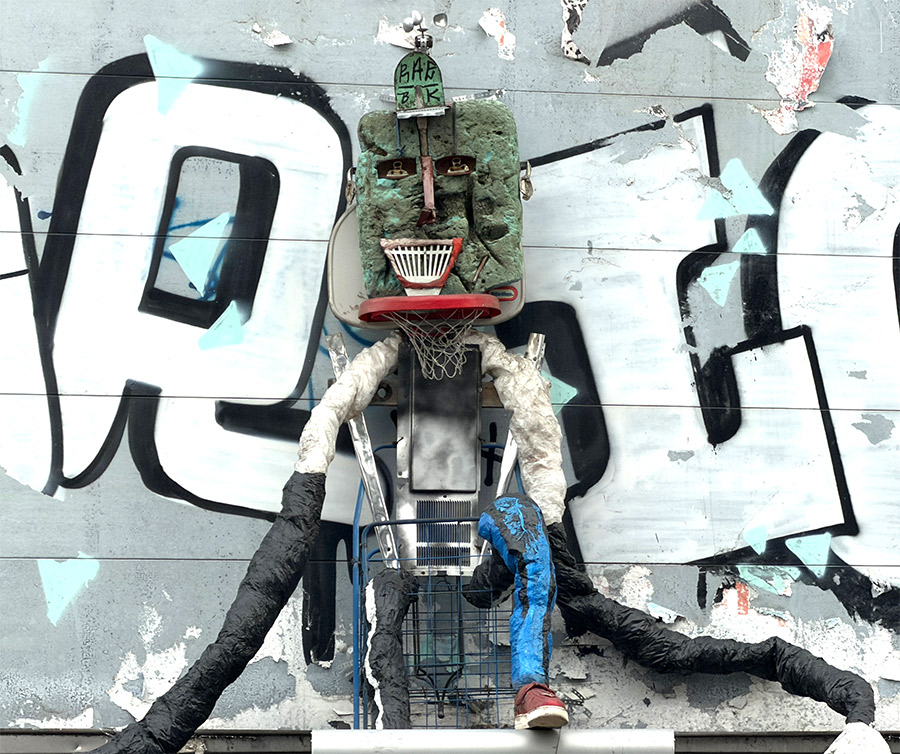
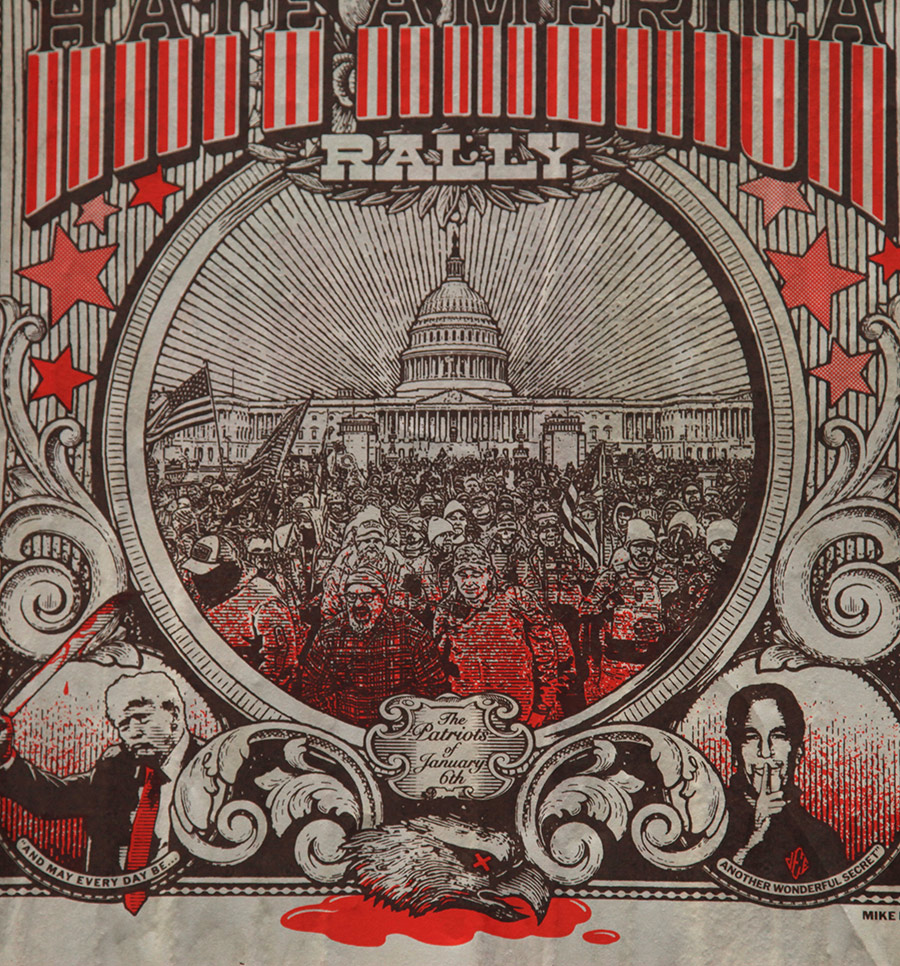
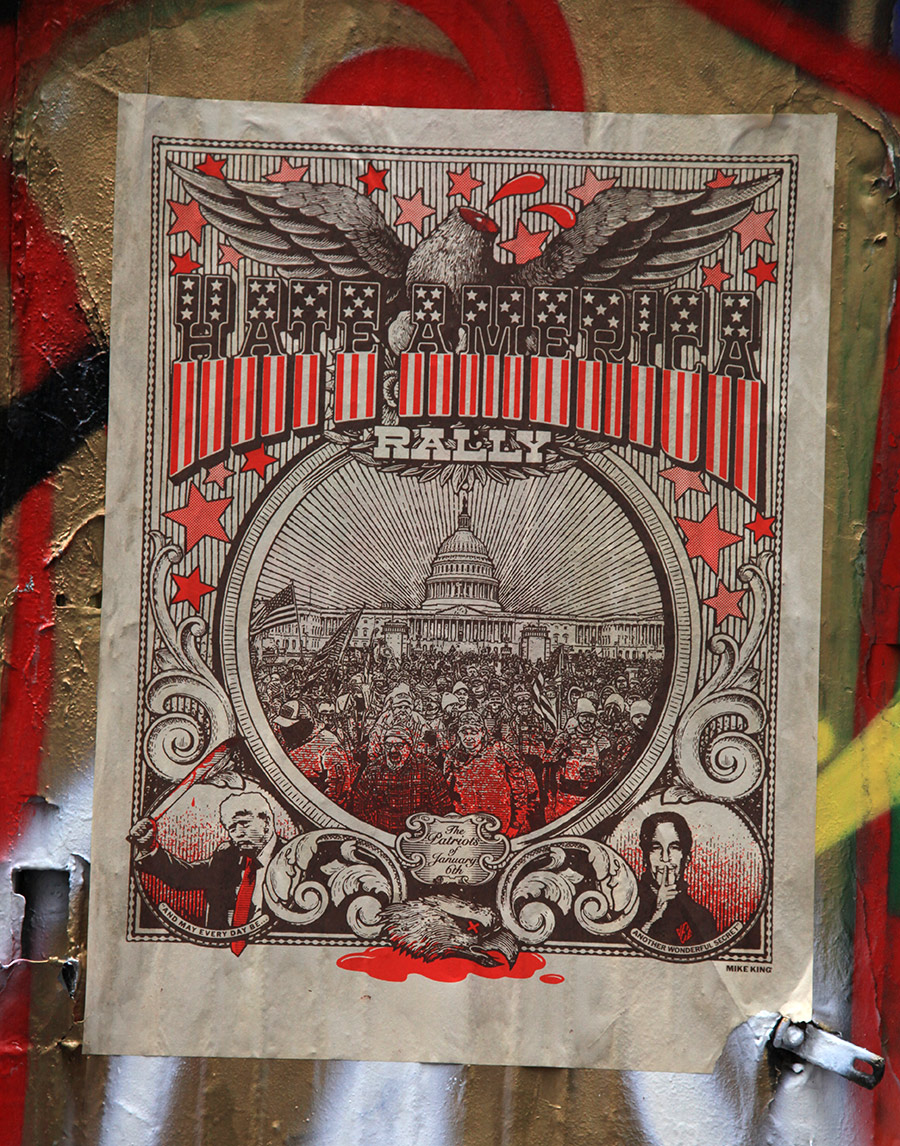
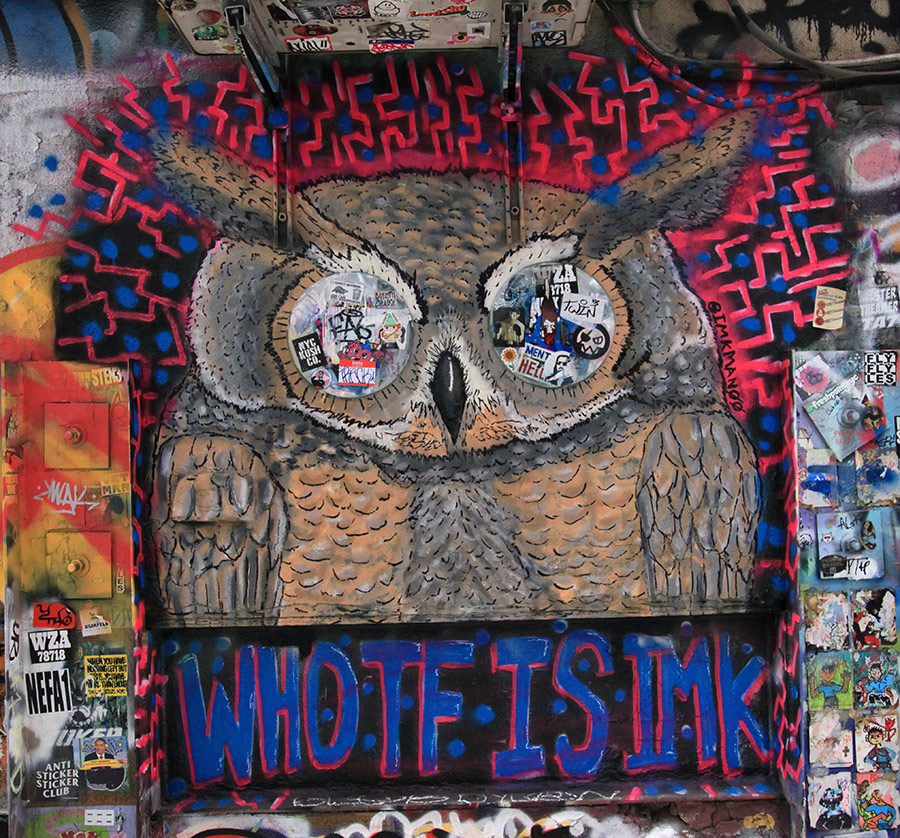
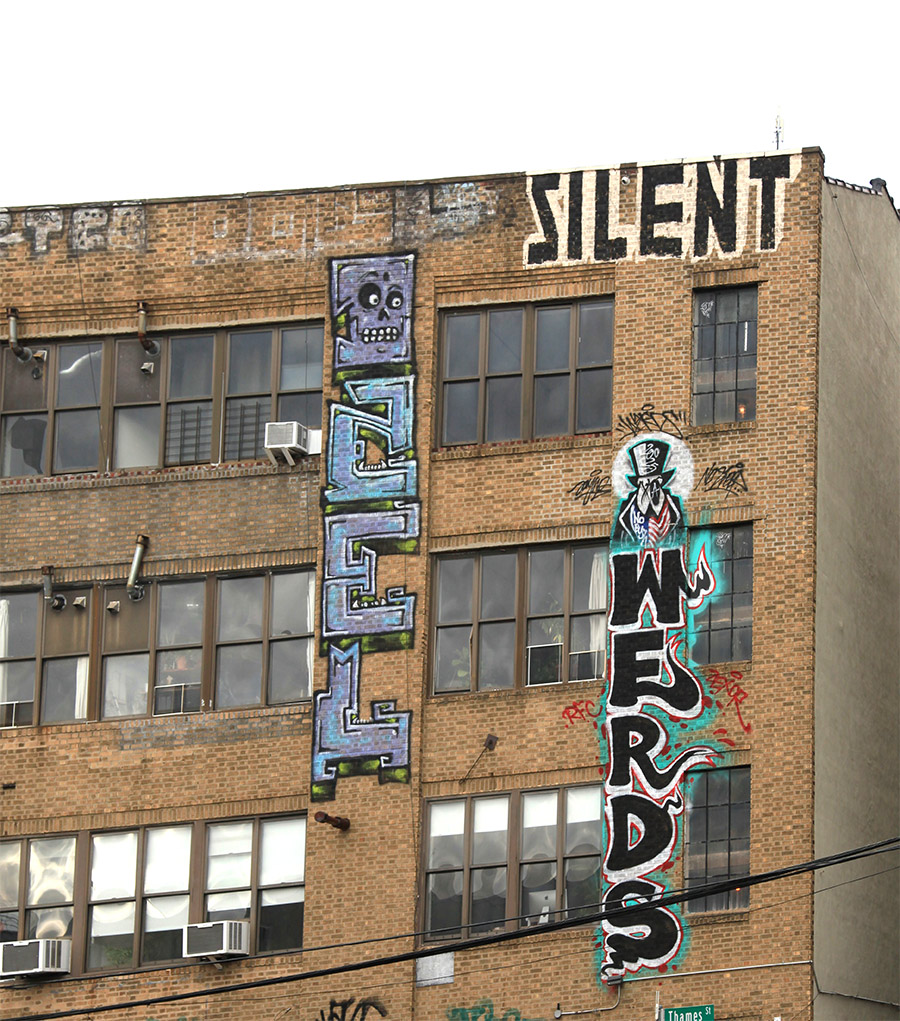
Here’s our selection of new pieces from the street, this week featuring AIC Mosaic, Below Key, Benny Bean Bag, D7606, DARA, Delude, Dissatisfied, Duality Industries, Flyless, Homesick, IMSE704, JerkFace, Mike King, MUK, Never, OH!, Praxis, RX Skulls, SAKOKA704, Slasher, Smells, and Wild West.
The penalties for painting in gang territory are steeper than you may expect in El Salvador, but mural festivals like PigmenTrip Muralism Festival has been slowly taking over walls for the last 8 years. Controversial human rights accusations against President Nayib Bukele since his war on gangs began in 2022 aside, this news story says people are happy to see these new murals on walls and are breathing easier these days. Festival founder Isaac Sosa says in Barron’s that “art a “magical tool” for “social transformation”.
Finally, in the ongoing debate about who controls the wall, who gets to redefine public space, and whose claim to it has more power, Glasgow brought 23 international and local artists to paint columns under Kingsbridge last year, but the wealth of one more (yawn) Batman movie has painted over all of them suddenly. Some were pretty fresh paint, having been completed in the last few months. In their rush to report the stars of the movie, the breathless Scottish press doesn’t bother to mention the artists’ names or credit their work. Here you are: The “Art Under the Bridge” installation comprises 23 painted pillars by these street/graffiti/mural artists: Phill Blake, Mr Cenz, Conzo Throb, Mikhaela Martin, Vernis, Molly Hankinson, Erin Bradley Scott, Robert Cook, Good Night Vienna, Wee Thistles, Frodrik, Emsky, Ikul, Keiti Forbes, Gillian Law, Christian Kerr, Kitsa, Nitram Joke, and Aroe.
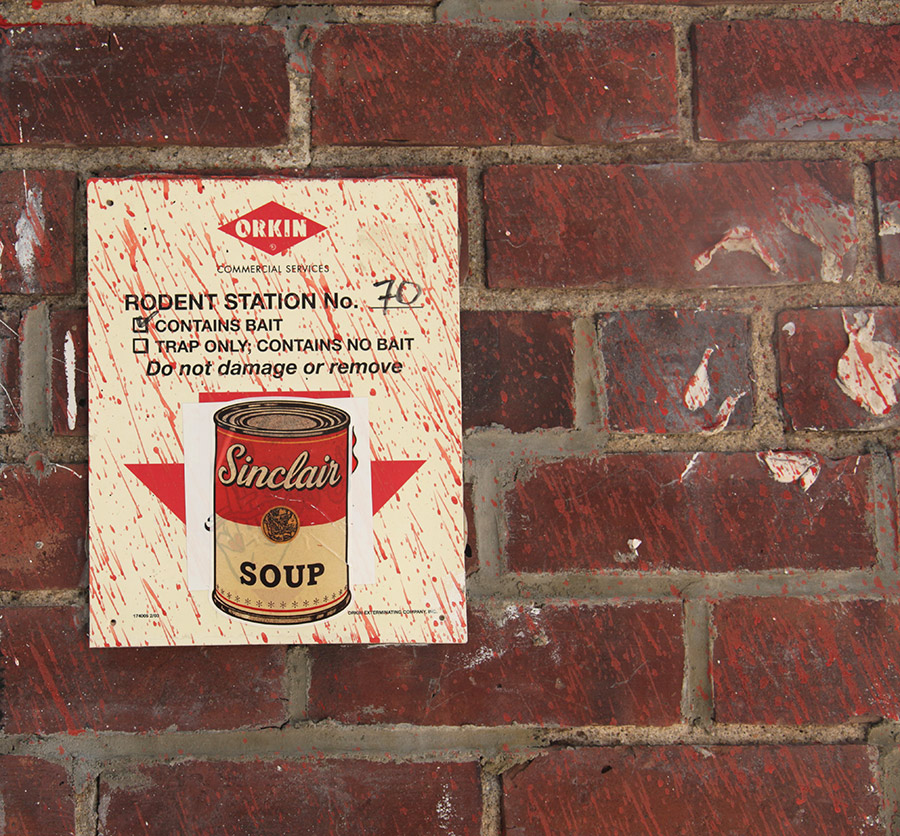
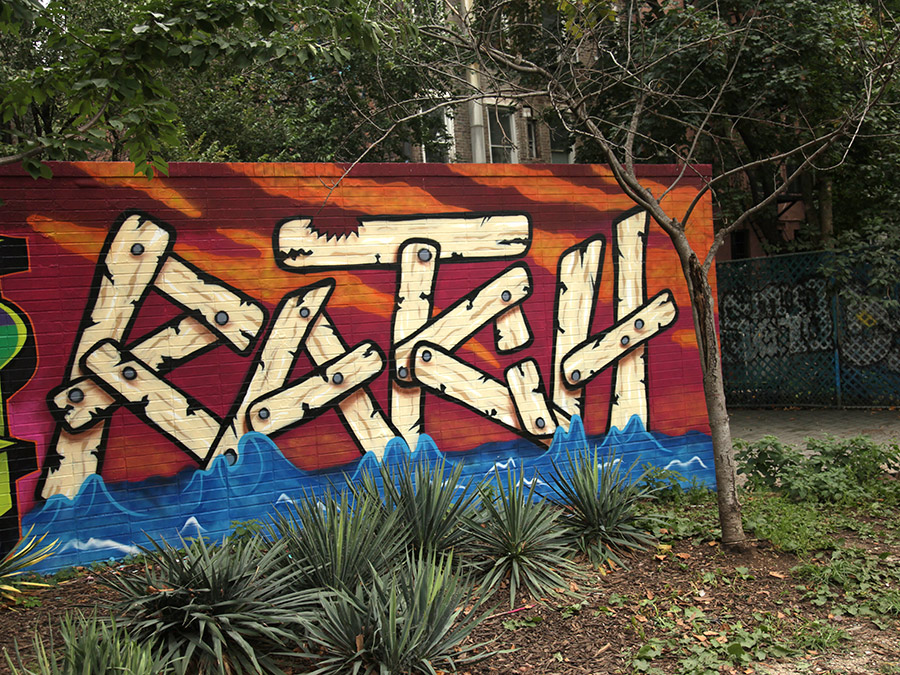
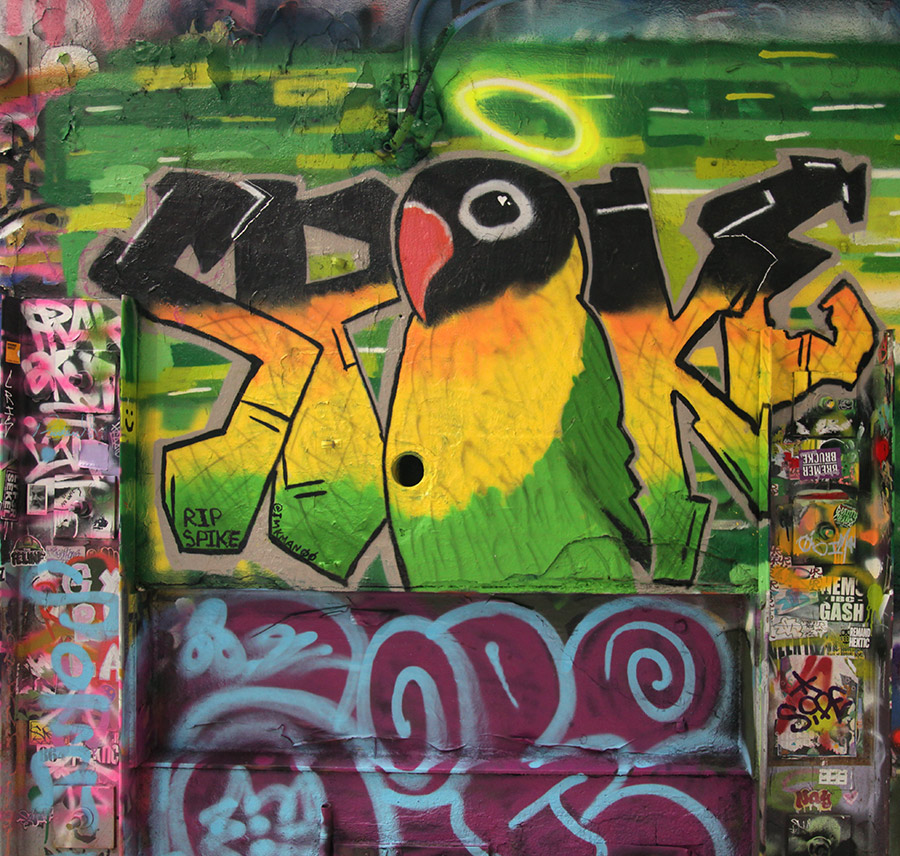
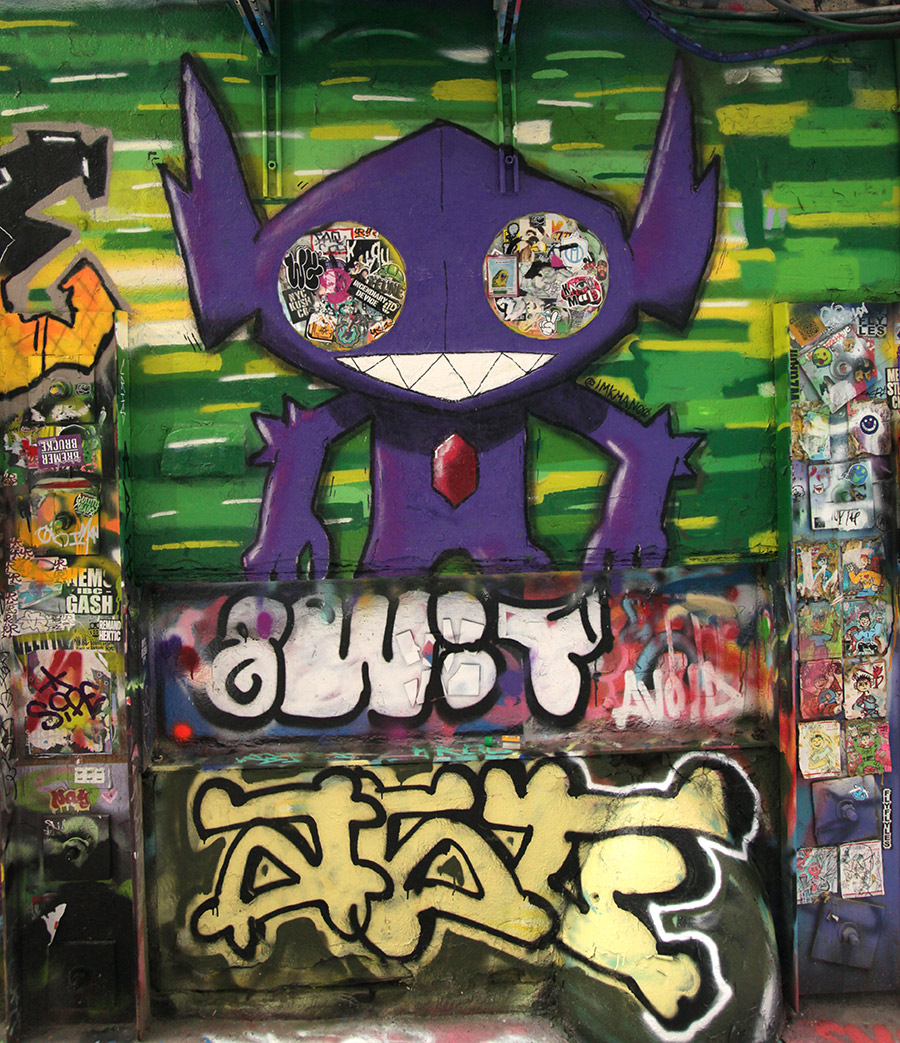
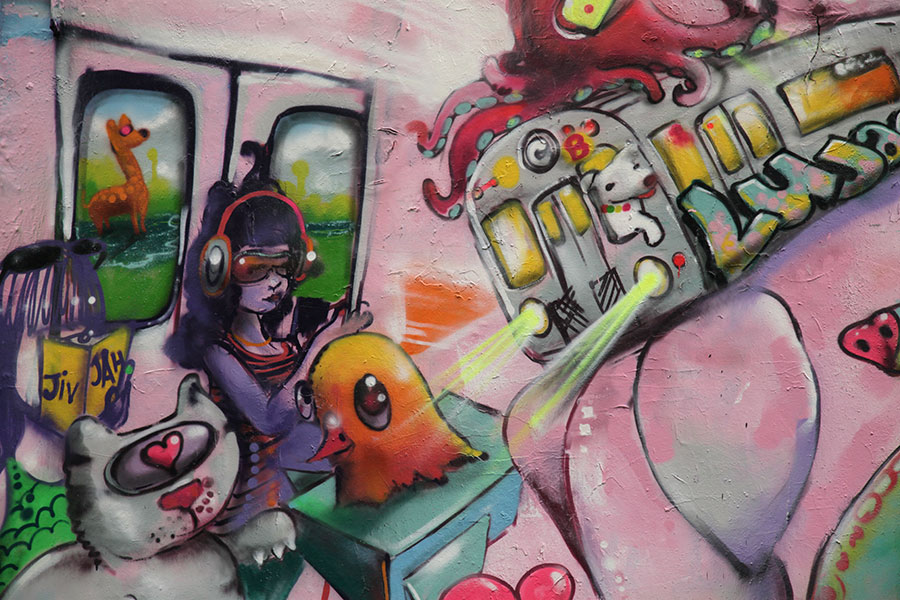
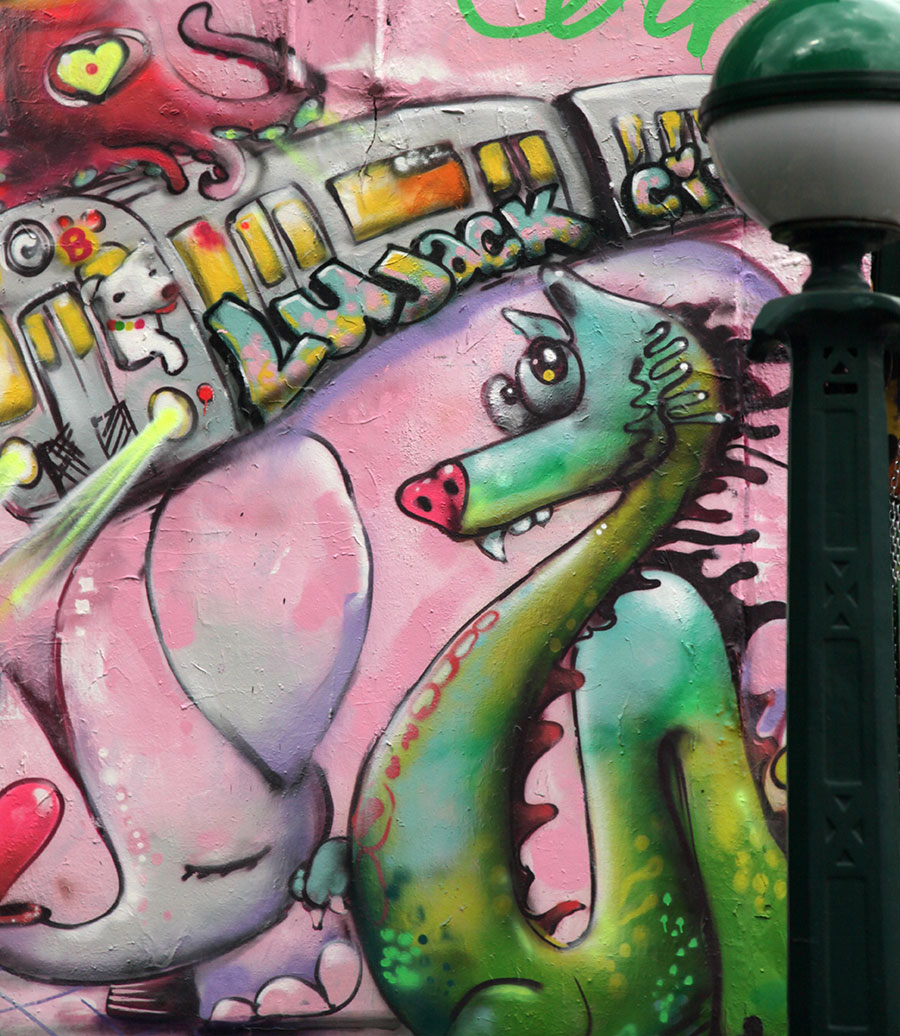
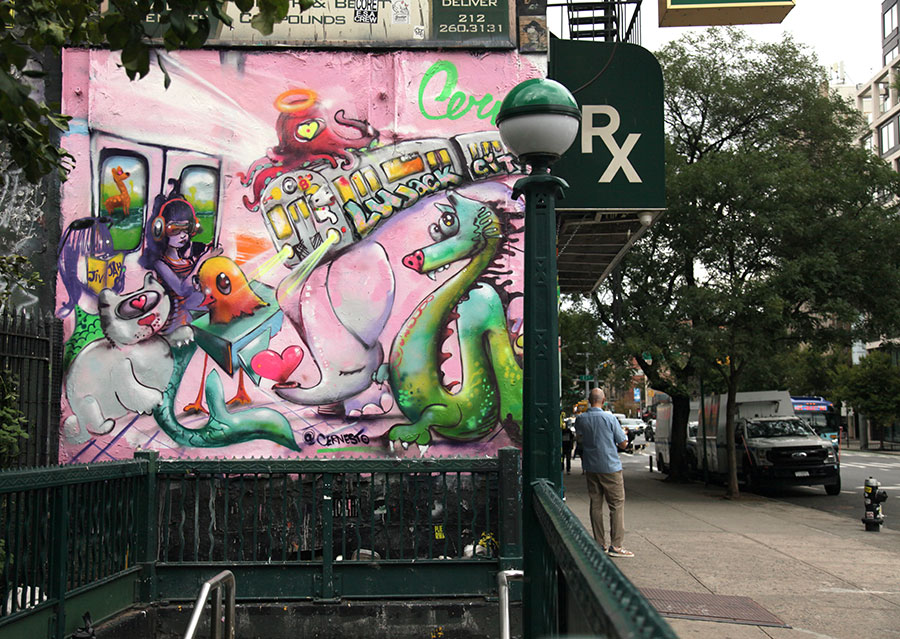
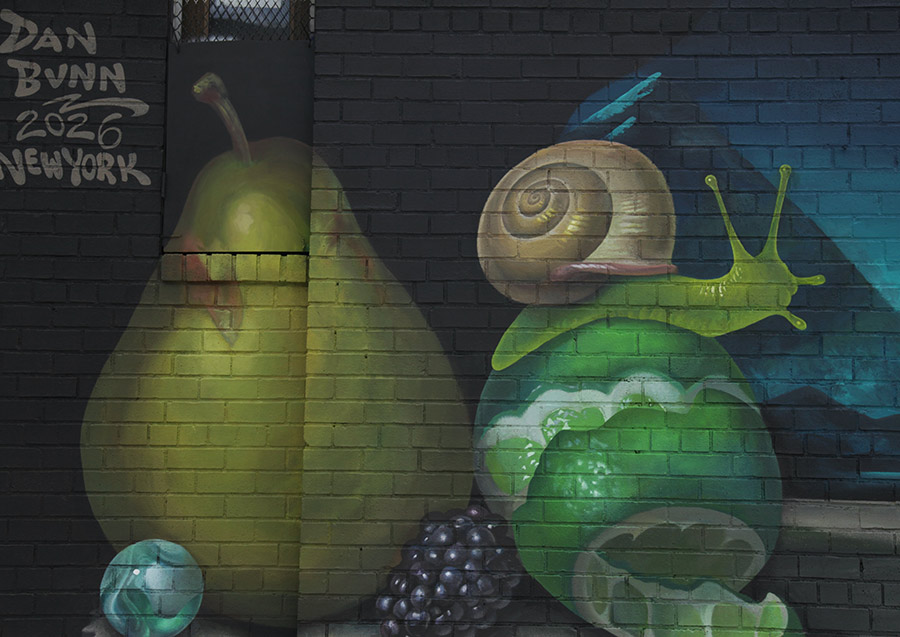
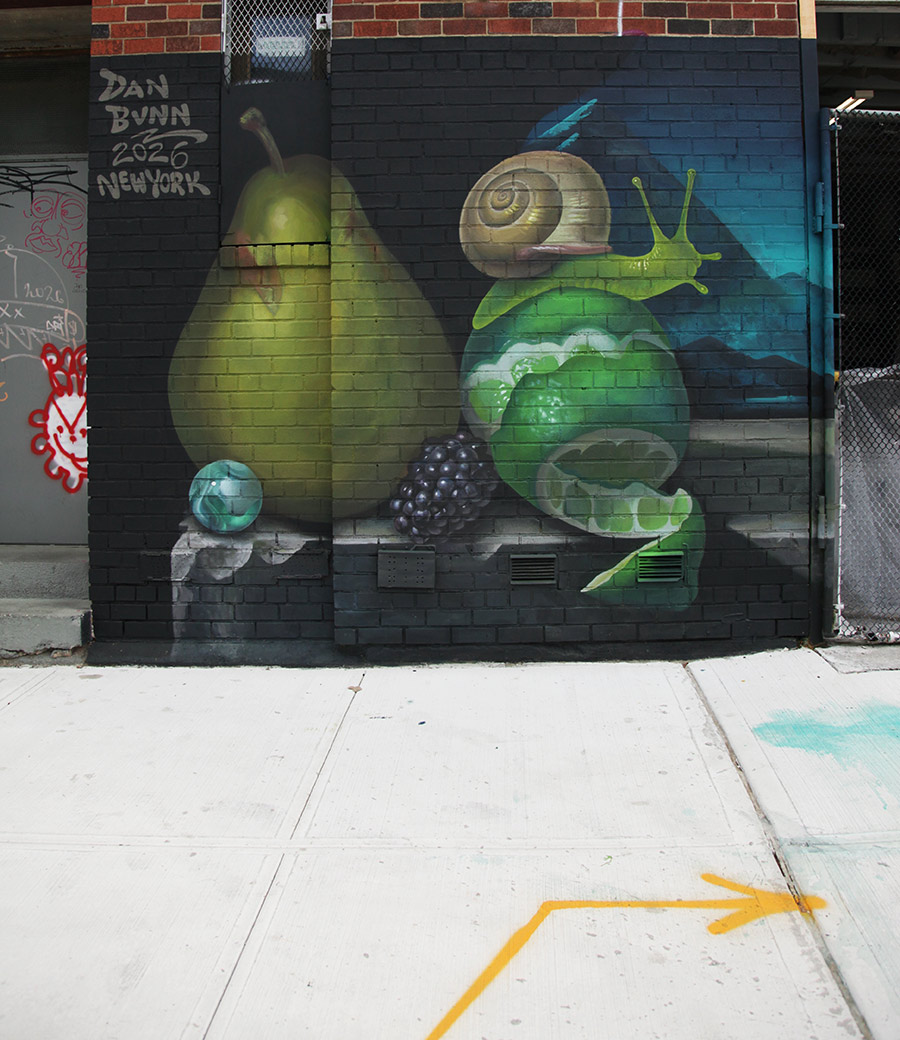
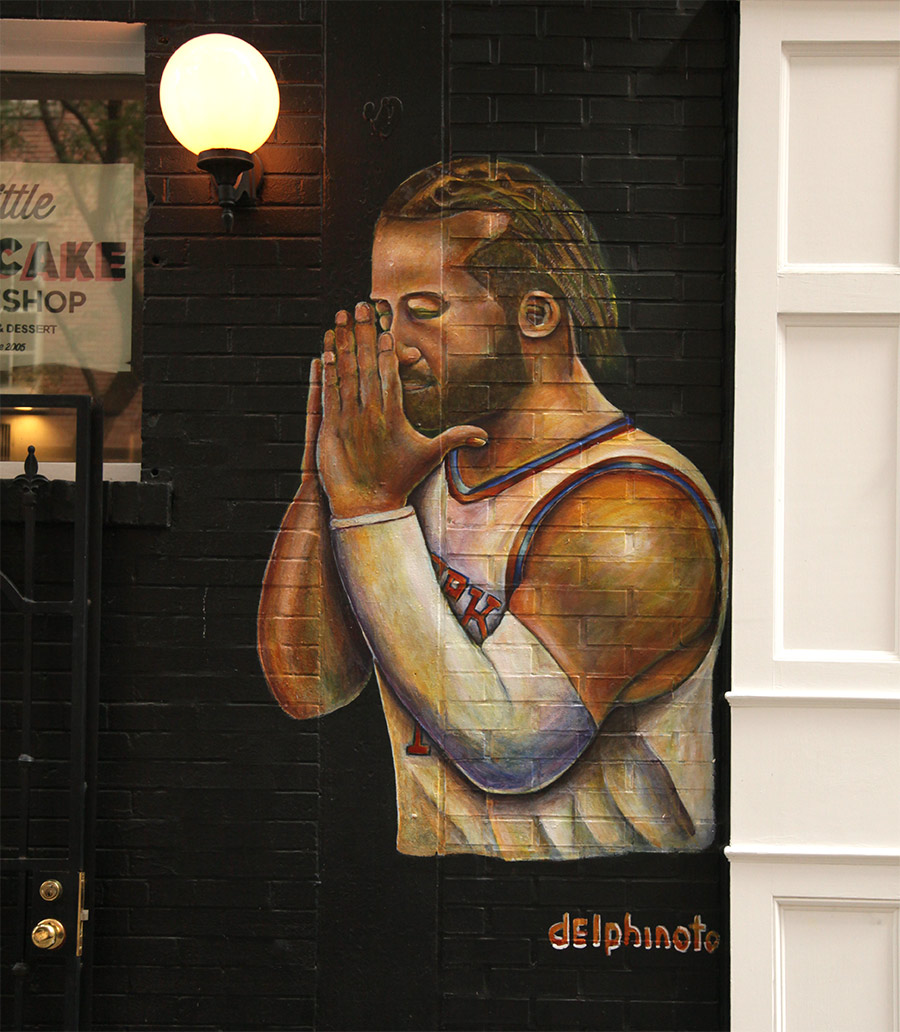
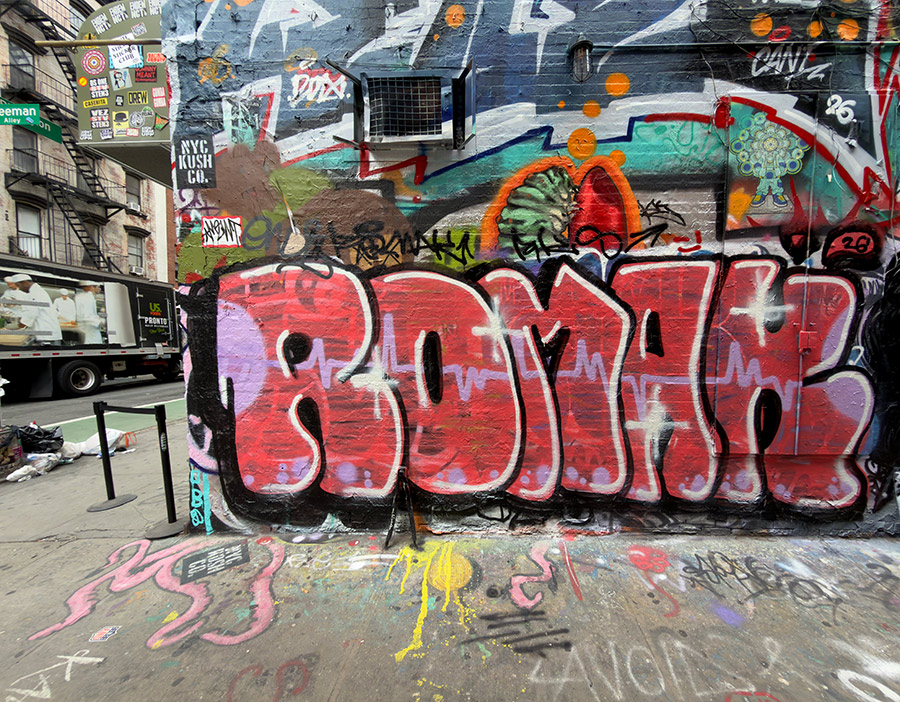
Here is our weekly interview with the street, this week featuring Cern, Dan Bunn, Delphinoto, Homsick, IMK, Jaek El Diablo, Ratch, ROMAK, Sinclair, and of course San Francis of Assisi. Go forth.
Welcome to BSA Images of the Week! Longest day of the year in the Northern Hemisphere today, so presumably we can see more with all this daylight. And yet, the view is somehow clouded from here. The machinations of the city, the state, our institutions, the financial industrial complex, the welfare state – all whir mysteriously before us and behind us. The new Fed Chair made his first public/opaque utterance, and there is some kind of new peace agreement between the US and Iran, yet new bombs explode in Lebanon. In other interesting and unrelated news items, investors gawped as SpaceX dropped 20 percent from its peak during its first week, New Yorkers are worried about videos of unknown people entering and exiting the sewers through manhole covers, and leaders from OpenAI, Anthropic, and DeepMind participated alongside elected world leaders at the G7 in closed-door meetings.
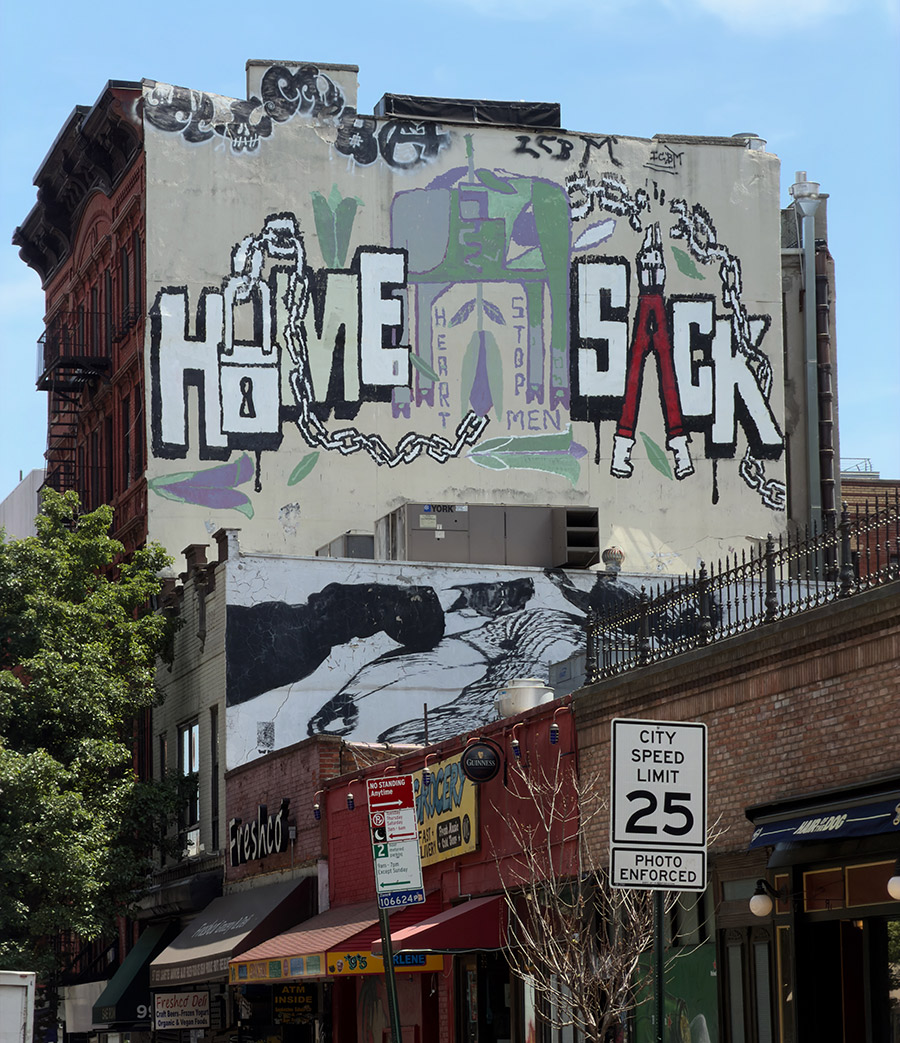
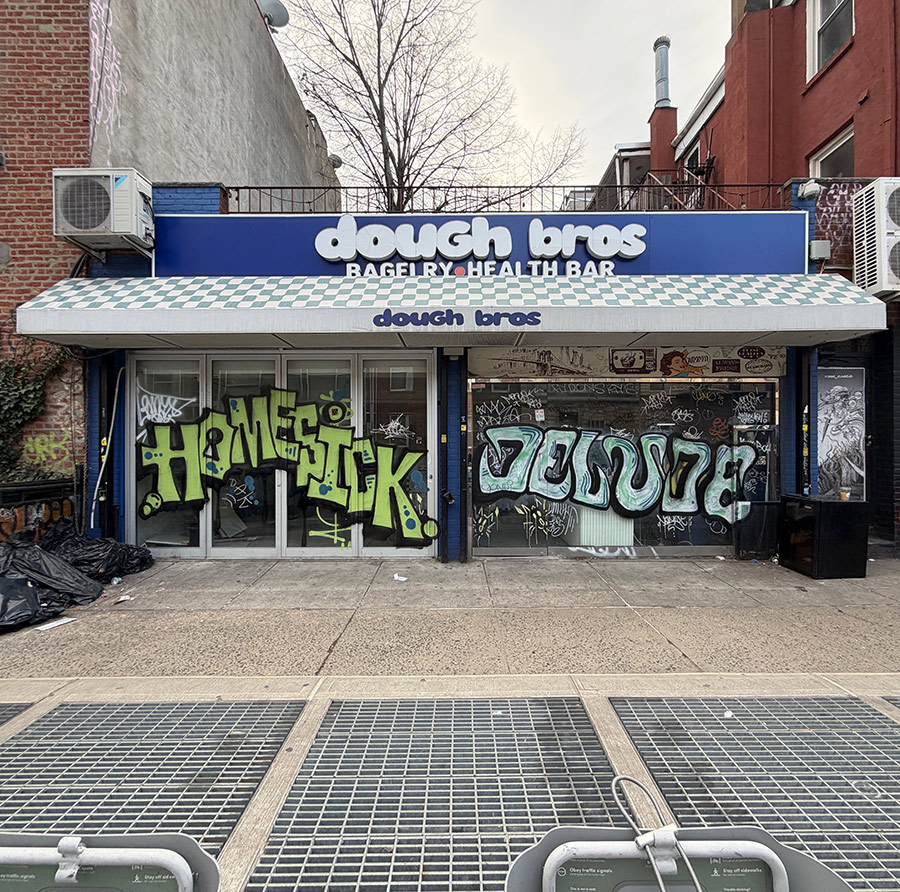
On the streets, the art, graffiti, and individual commentary tell a multitude of stories as well, including love, hope, fear, celebration, humor, frustration, mourning, and defiance. Here’s our weekly survey, including Arioh, Buttsup, CRKSHNK, Derek Fordjour, Funk, Homesick, JerkFace, Jocelyn Tsaih, Modomatic, Onur, Optimo NYC, Prez NCE, Stop Men, Werds, and ZimerNYC.
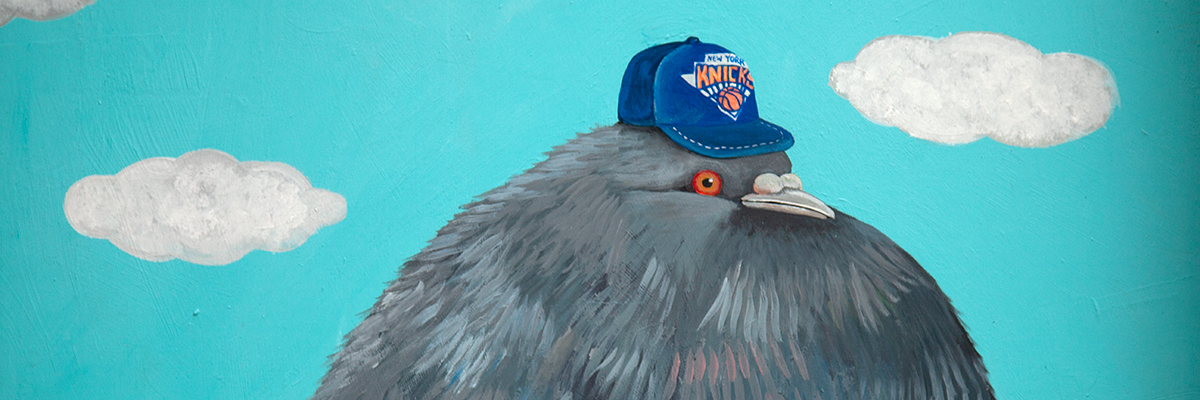
New York, for us, is at least three things right now: the Knicks, FIFA, and the streets.
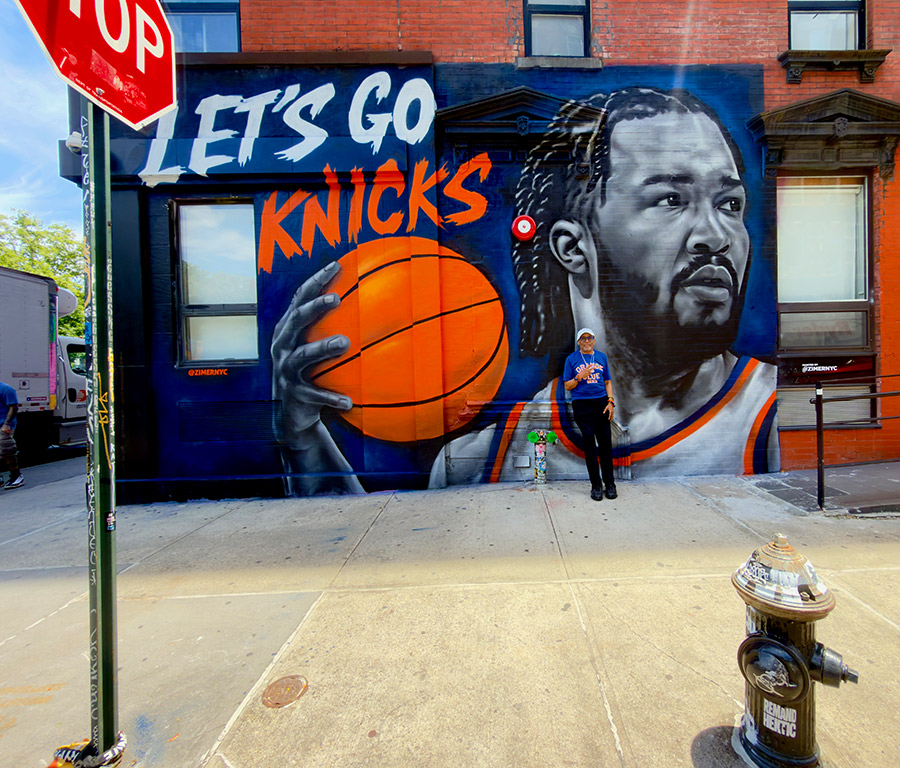
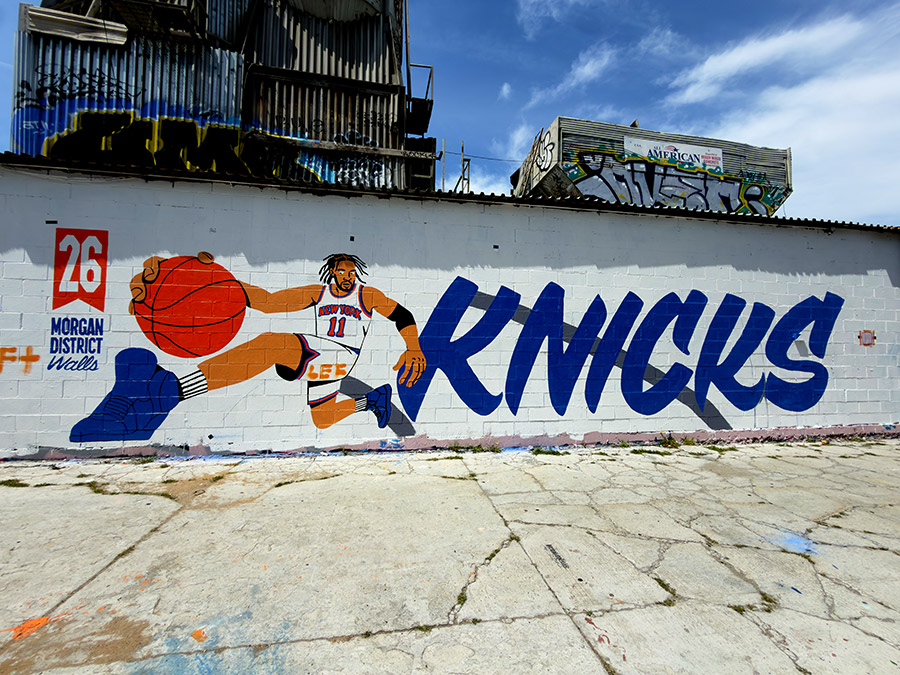
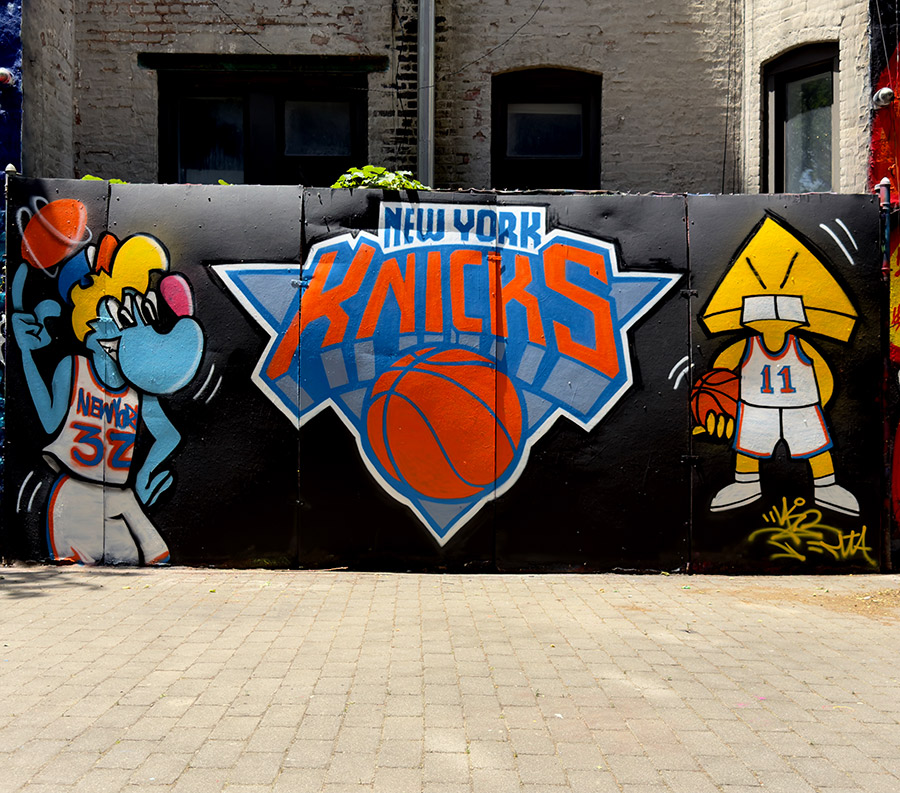
The city is dreaming of a championship for the first time since 1999. If the Knicks win Game 3 tomorrow night at home, it may be pandemonium. We even caught Spike Lee in front of a Knicks mural by Zimer this week (see below). You’ll hear even more music by Prince in the streets than you have in the last two weeks, as his anthem “1999” serenades you from bars, radios, and TV news segments covering the story. Also, happy birthday to Prince, born on this day in 1958. See you at the Prince party tonight on the roof.
Secondly, the World Cup begins any minute now, and athletes, organizers, media crews, and fans have already started pouring off planes. Daily news reports exhort all of us to do one thing or another in preparation for the arrival of thousands of visitors from around the globe. New York does this sort of thing regularly, so most of us remain focused on doing the laundry and paying the rent. Still, discussions of fan zones, shuttle bus routes, transit plans, gridlock alerts, waterfront gatherings, and neighborhood festivals are everywhere. Once again, New York is negotiating who gets to use public space—and how.
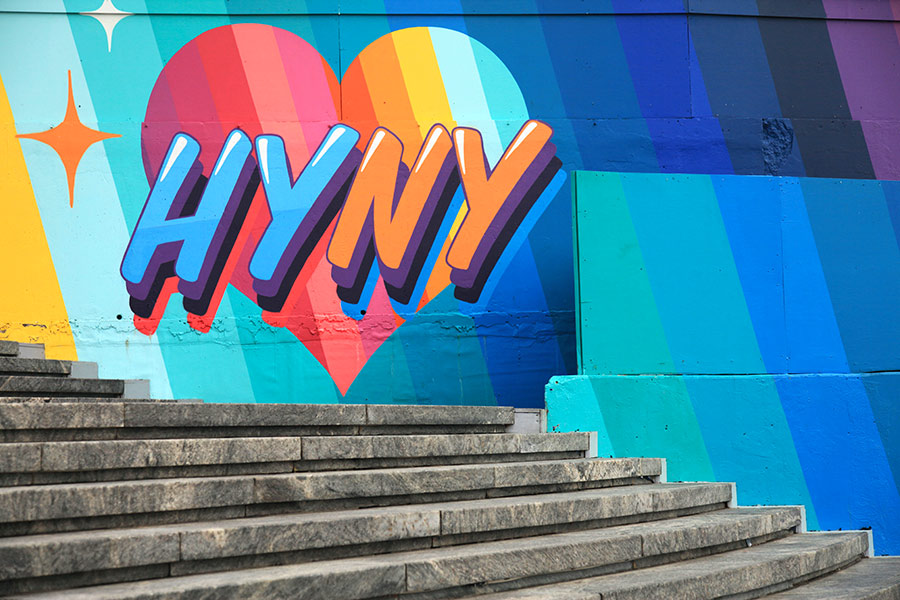
Speaking of the ’80s (the decade, not her age), Madonna popped up live in Times Square this week, turning it into a dance floor to unveil new songs, including an ode to Gotham called “I Love NY,” a pleasant way to kick off Pride Month. City Hall also hosted a Pride Ball—a ballroom culture celebration featuring voguing, runway competition, and performance. Meanwhile, Queens Pride and Brooklyn Pride are already underway.
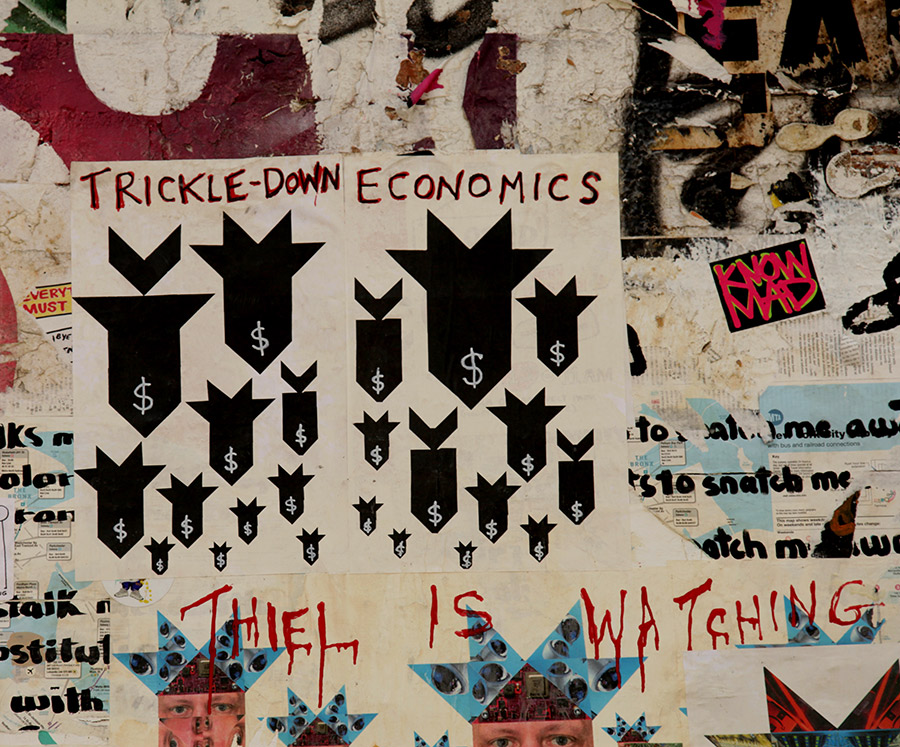
And the walls, the murals, the street art, and the graffiti are all abuzz with news of pop icons, sports, cartoons, equality, love, masters of war, fear of inflation, fear of surveillance – it’s a whole ball of its own.
You may call it chaos.
We call it Wednesday.
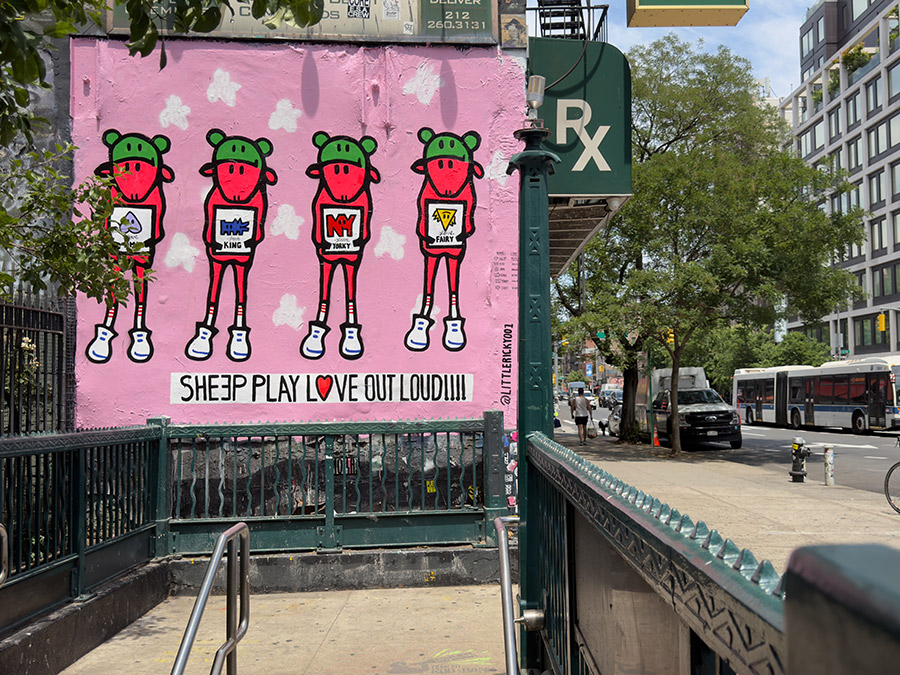
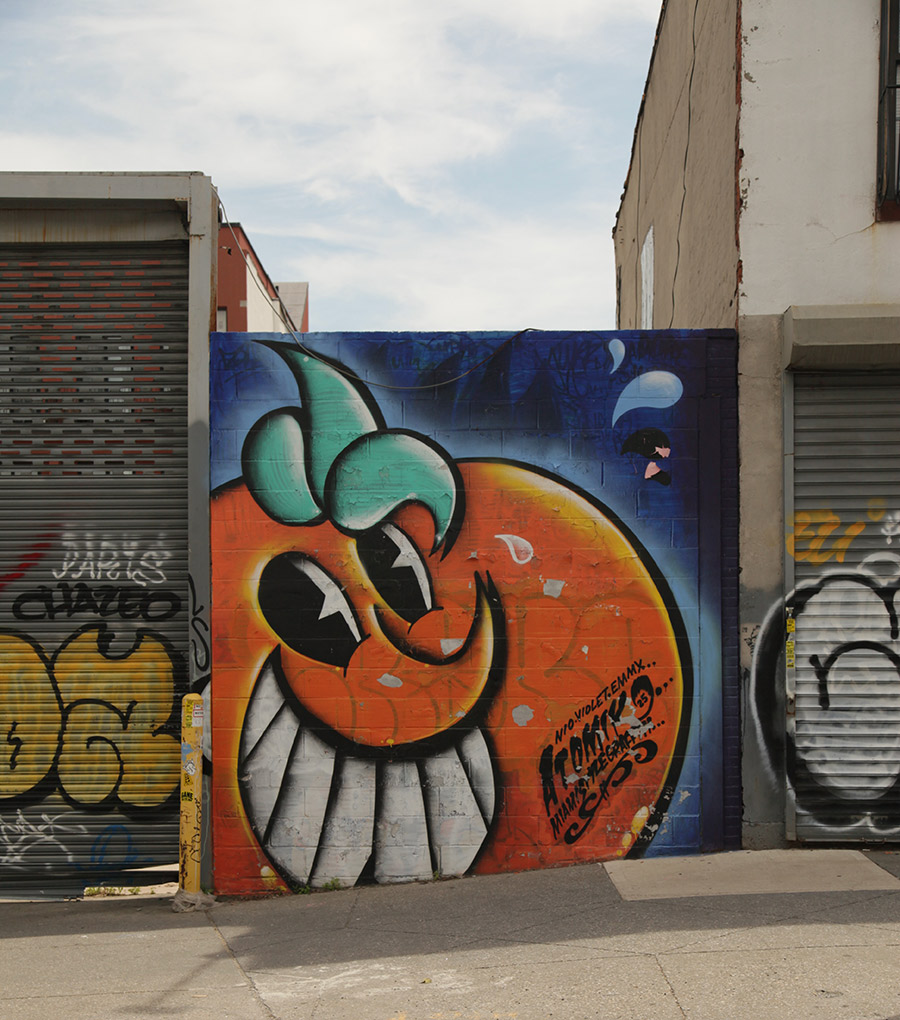
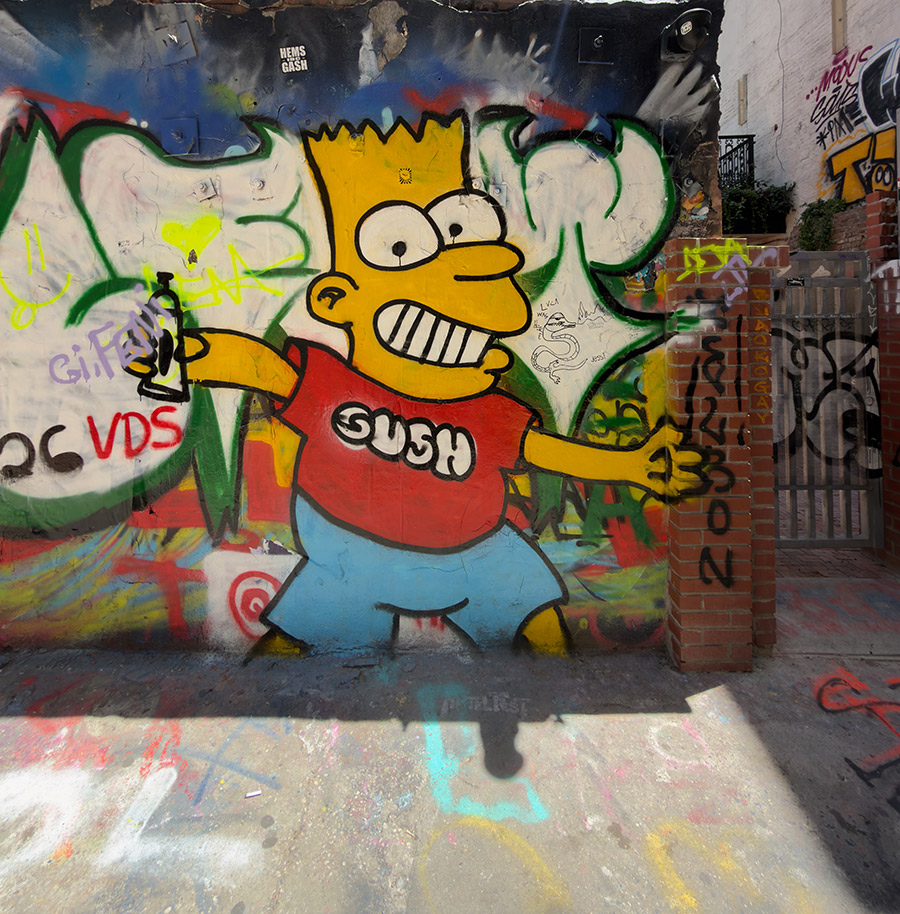
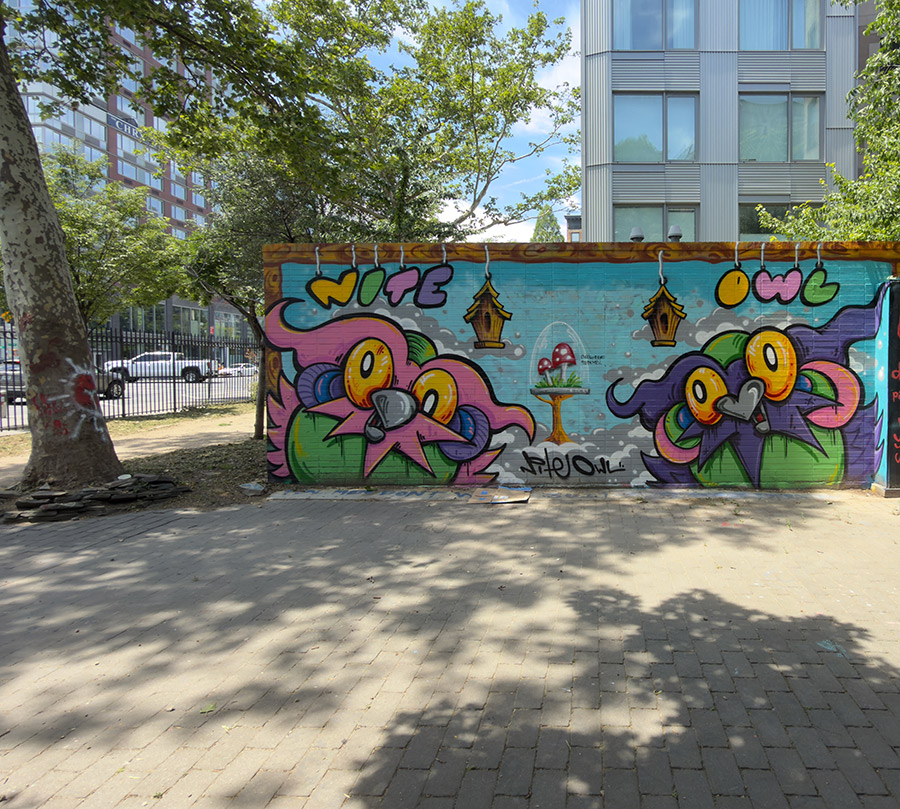
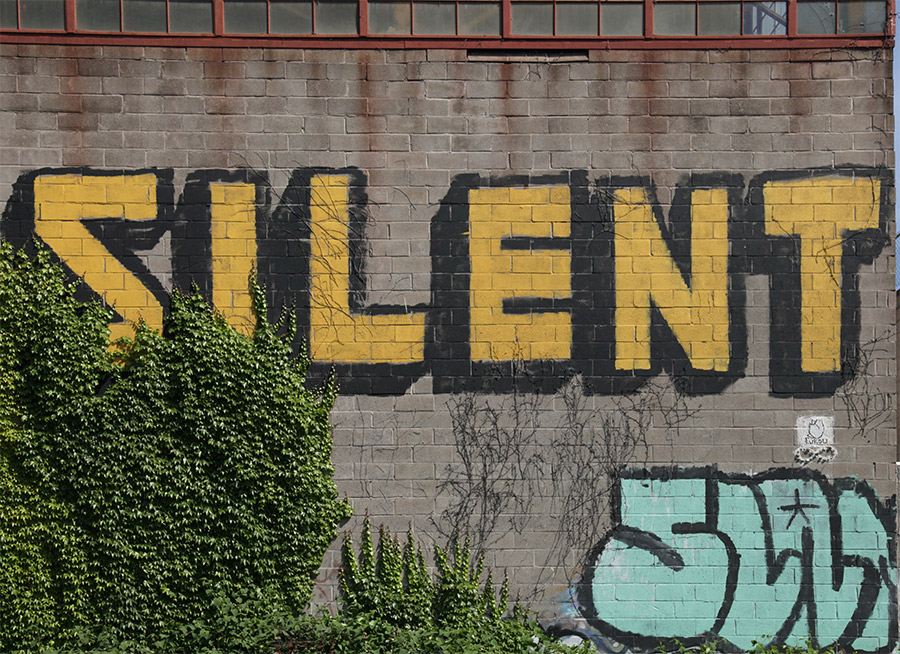
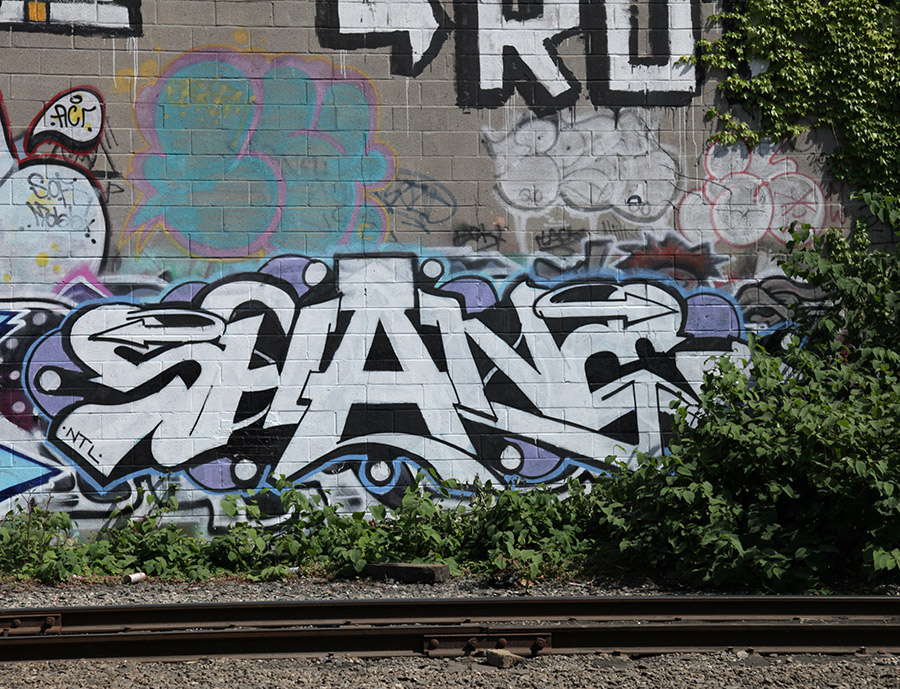
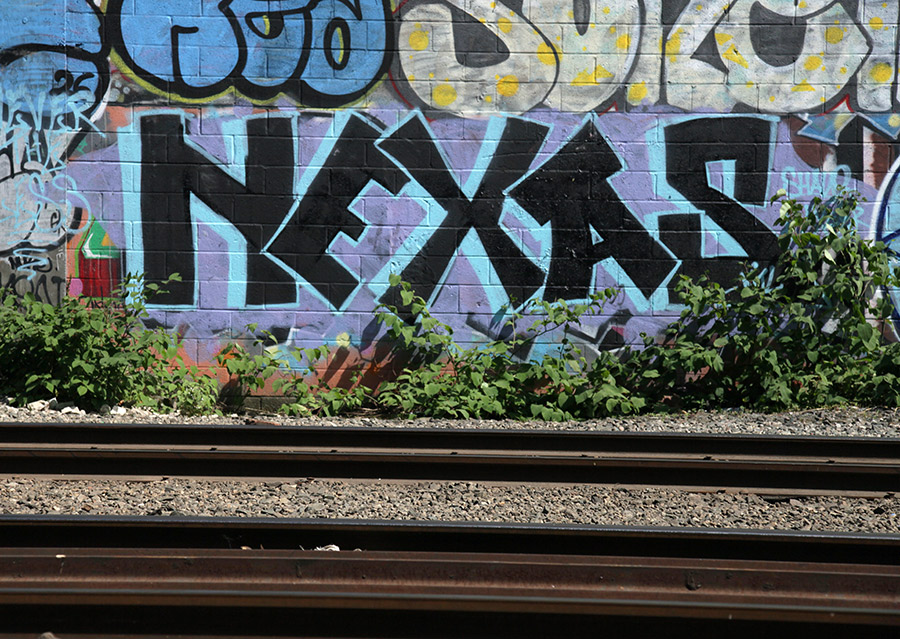
Here’s our weekly interview with the streets, this time including AIC Mosaic, Atomiko, Chris RWK, Crancept, D7606, Gush, Homesick, Huetek, Little Ricky, Mike King, Nexas, Nite Owl, Puntz, Ratchi, Shane, Silent, Sluto, Staino, Stop Men, and Zimer NYC.
Welcome to BSA Images of the Week. You look amazing in that shirt!
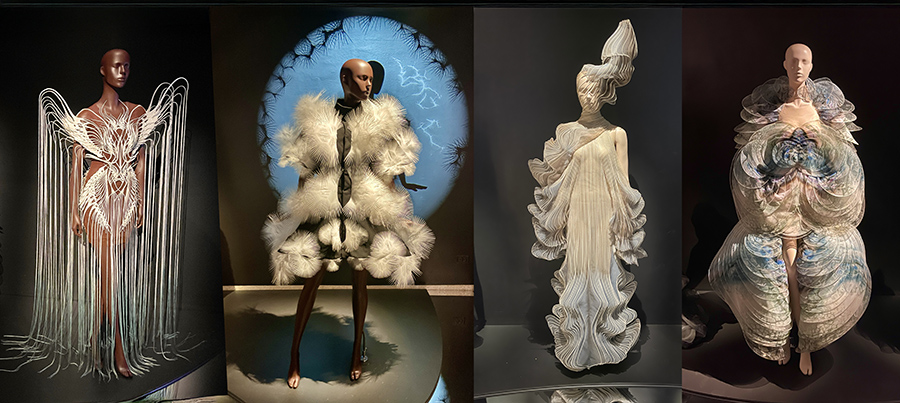
We were running up that hill this week to see the designer currently on view at the Brooklyn Museum, Iris van Herpen, in the exhibition Iris van Herpen: Sculpting the Senses. Her work often looks less like traditional couture and more like living systems captured in motion — borrowing from coral formations, jellyfish, skeletons, water currents, insect wings, cellular structures, and fractal geometry. With the breezes blowing the newly arrived green leaves on the trees in front of the museum, we left feeling that the systems of nature merged with art, and that the city was in natural motion on the street.
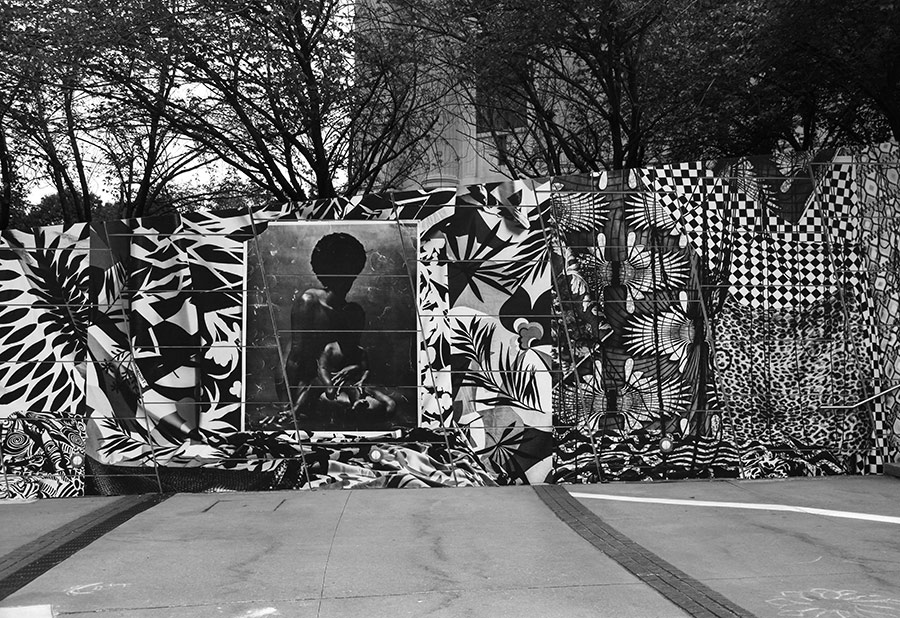
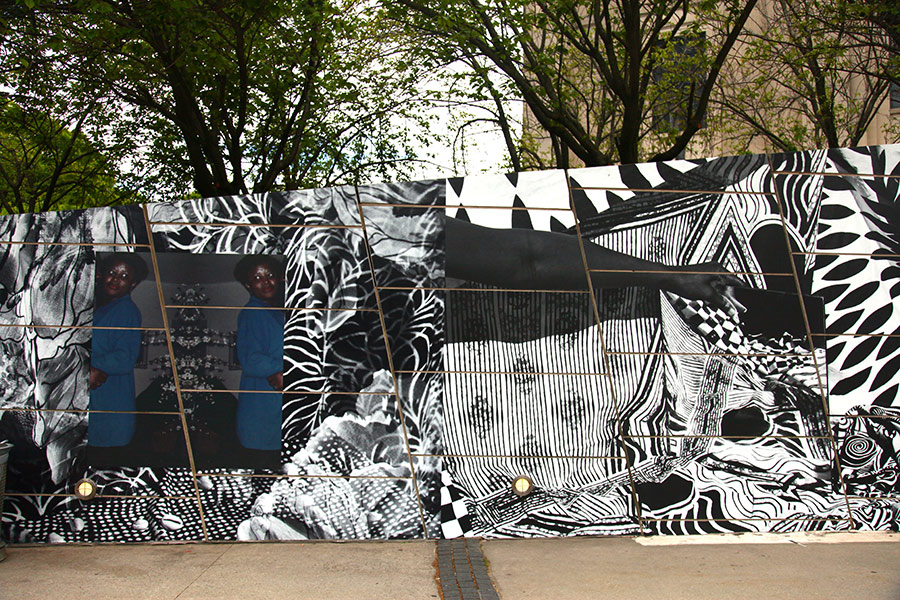
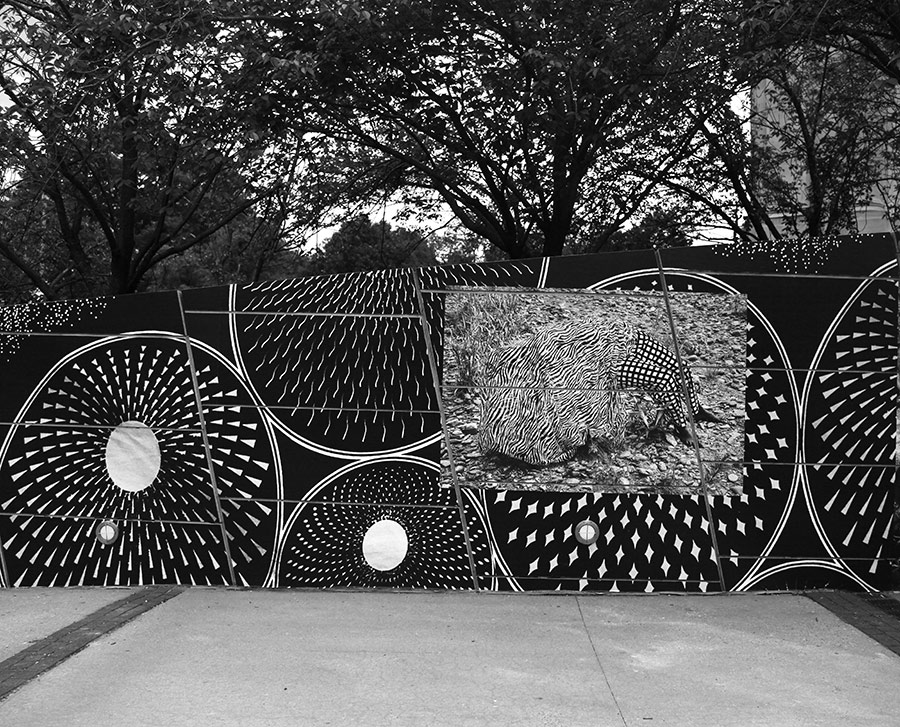
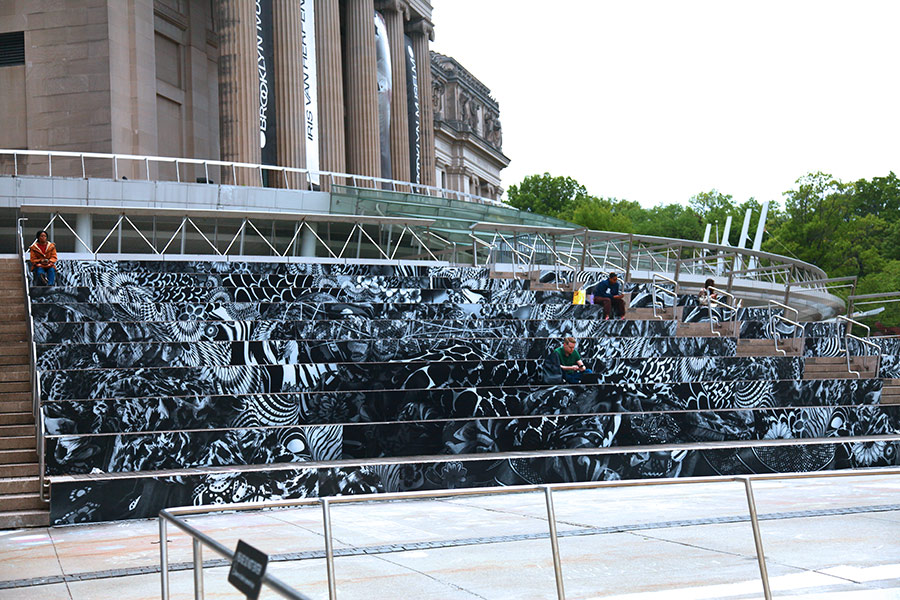
Brooklyn-born artist Keisha Scarville has transformed the exterior street-facing walls of the Brooklyn Museum with large-scale photographic works that layer fabric, portraiture, memory, and fragmented identity into immersive public images. Like Iris van Herpen’s couture inside the museum, Scarville’s visual language draws from organic structures, repetition, translucency, and flowing forms that dissolve boundaries between materials and atmosphere. Both artists build intricate systems inspired by natural growth patterns and transformation, creating works that feel simultaneously intimate, sculptural, and almost biologically alive.
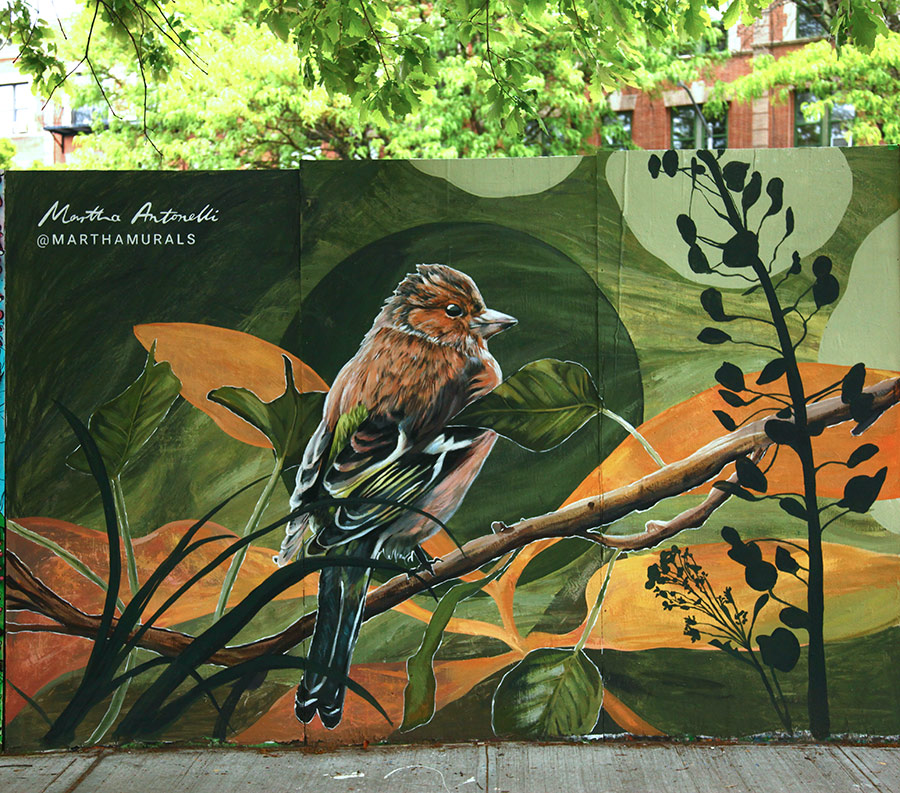
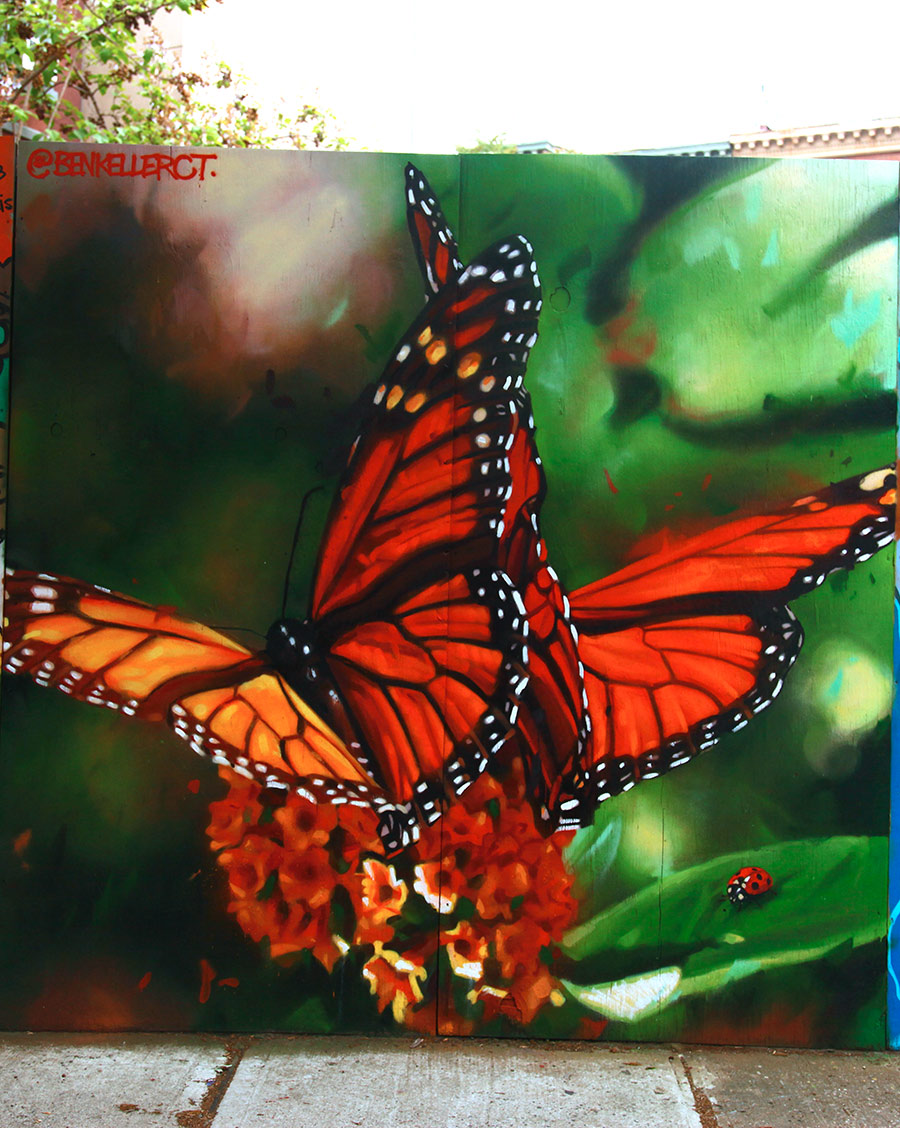
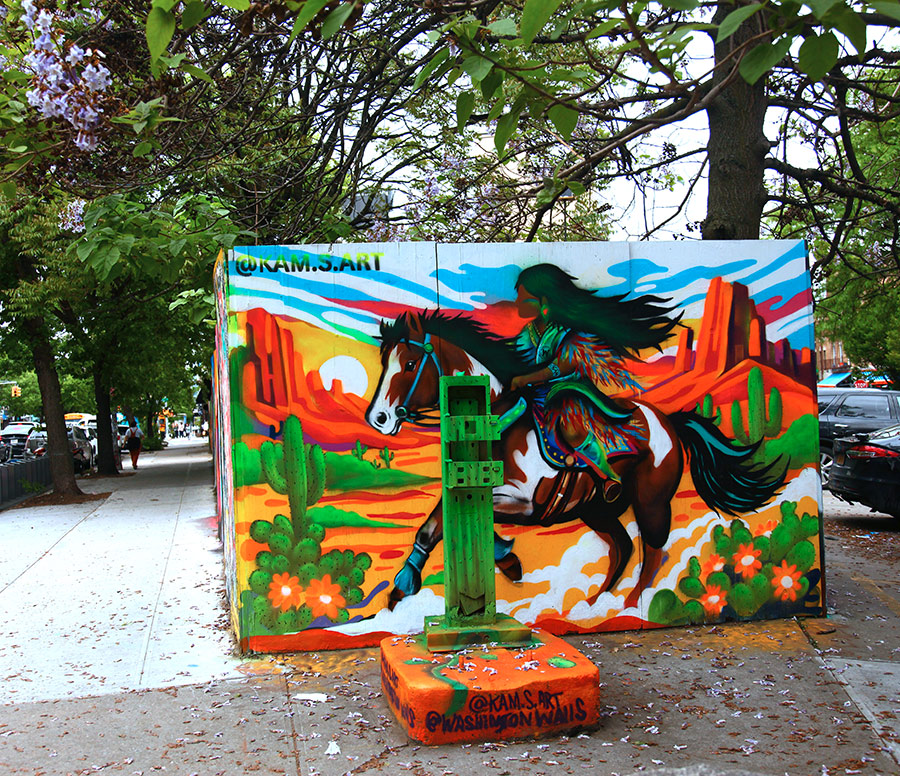
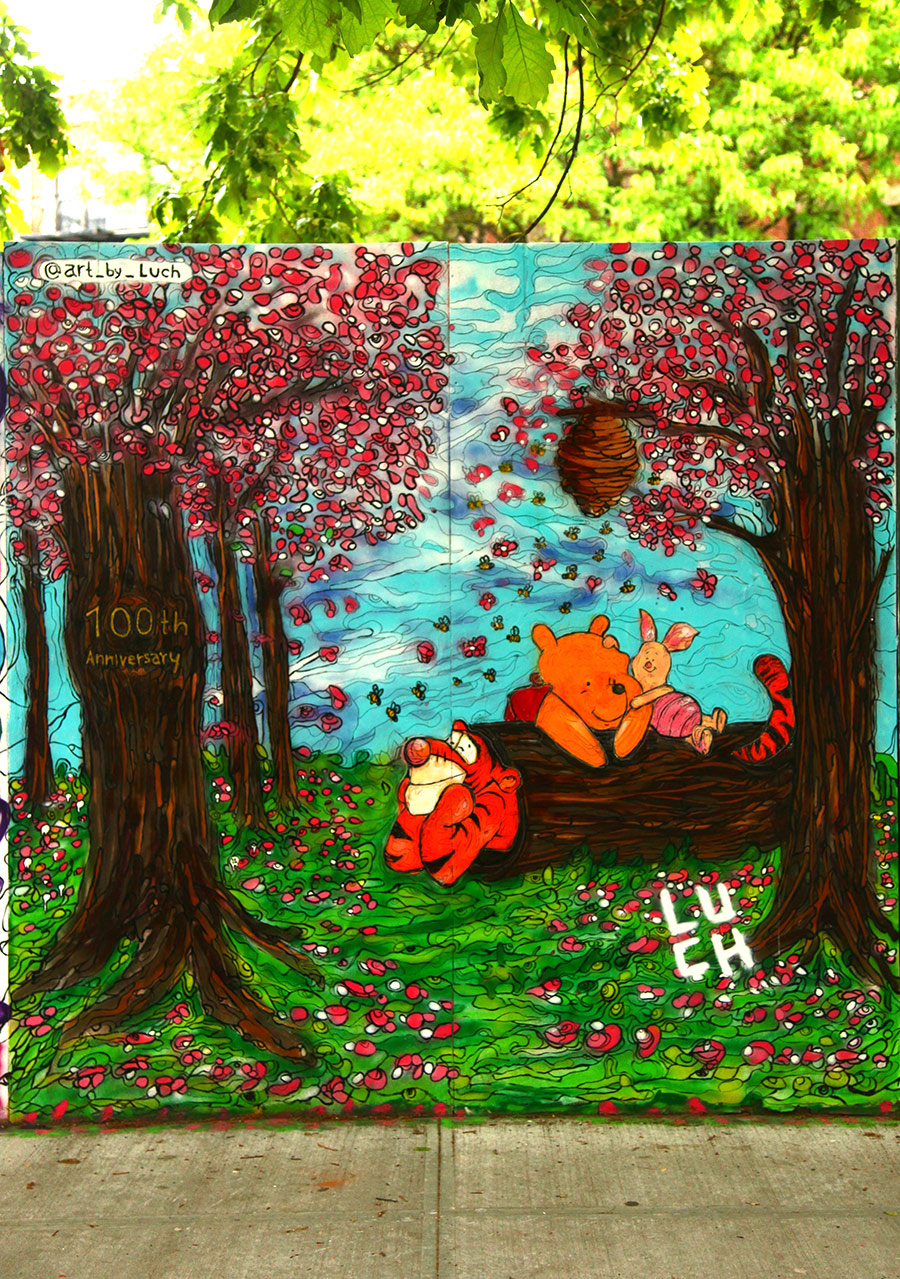
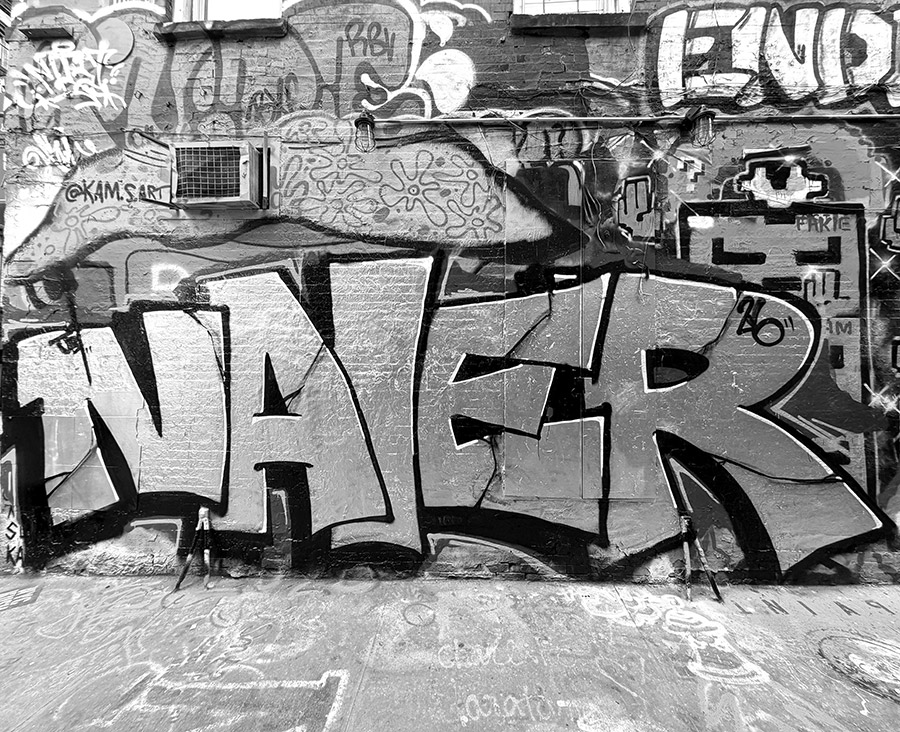
A few blocks away, the community wall project called Washington Walls is newly refreshed for the season, and many artists are again in touch with nature, or their inner nature anyway.
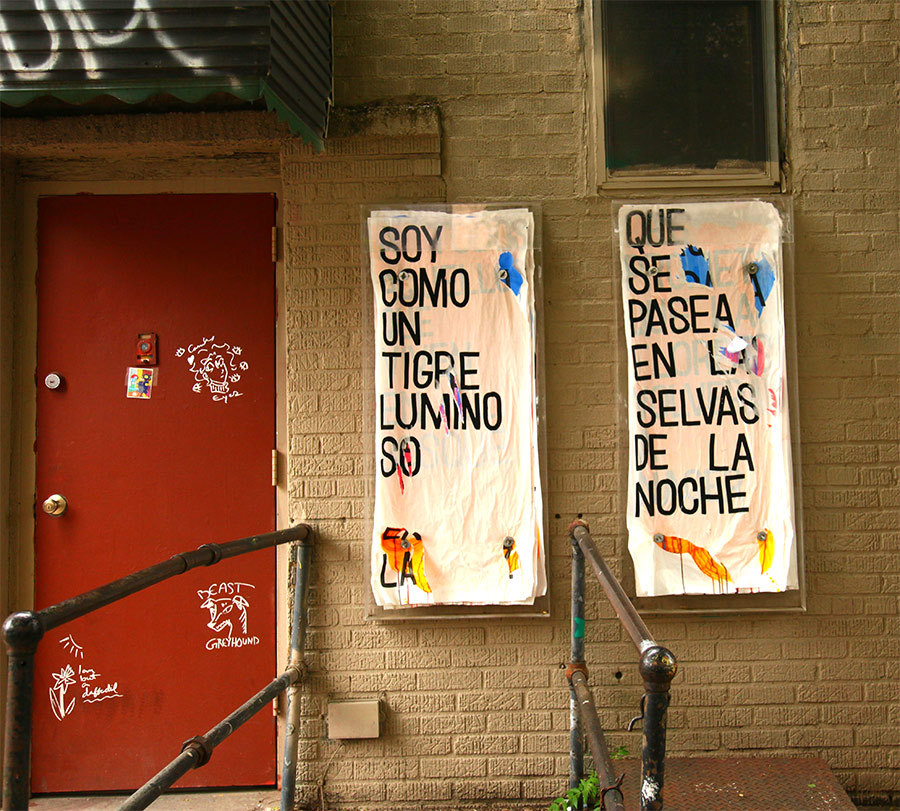
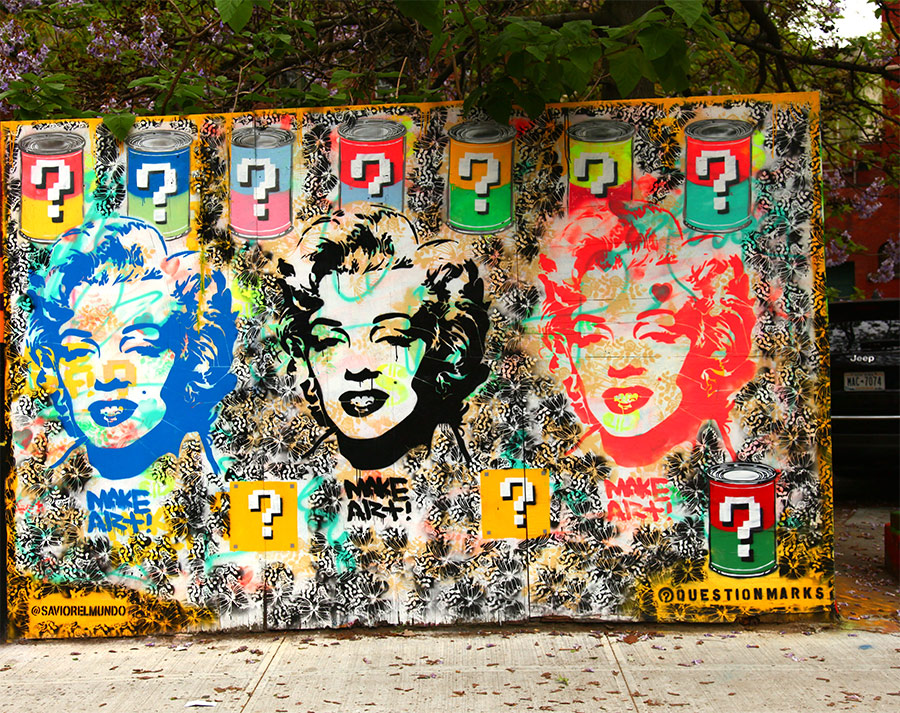
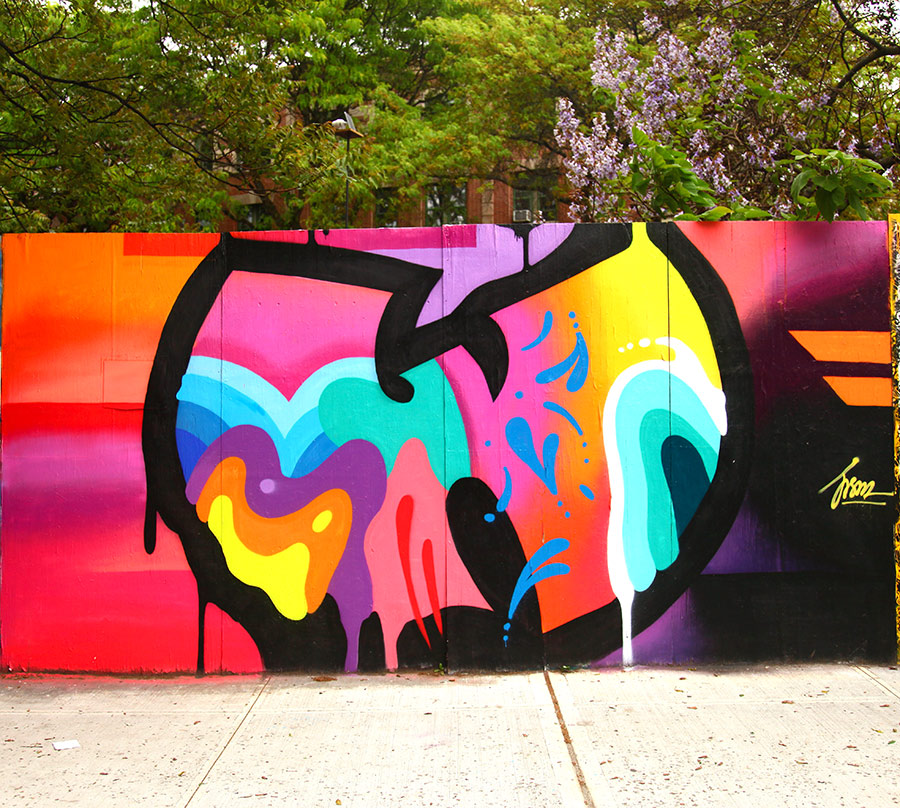
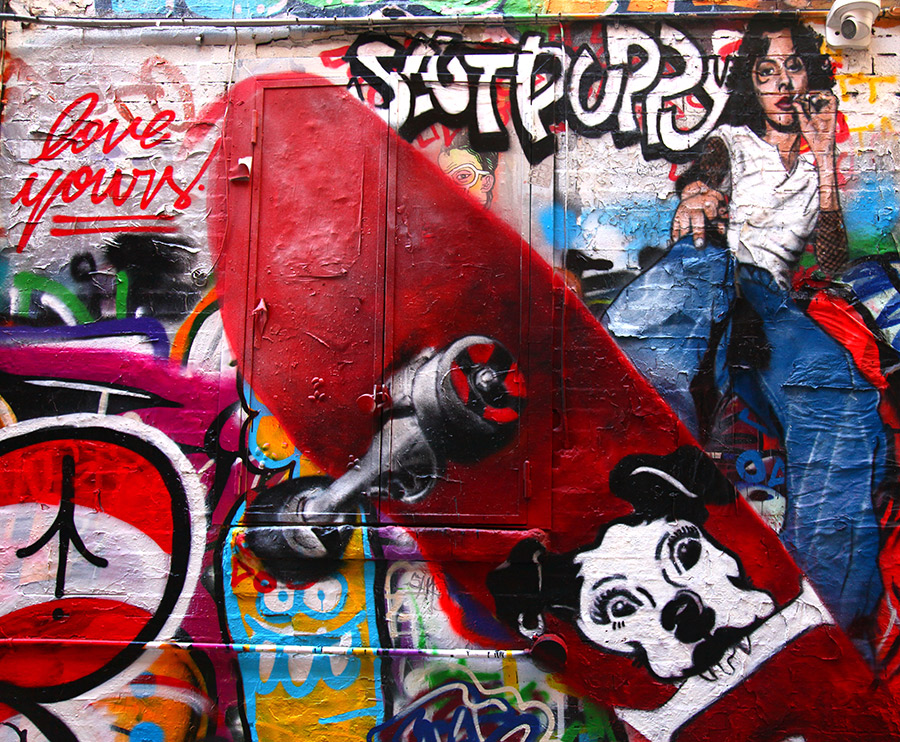
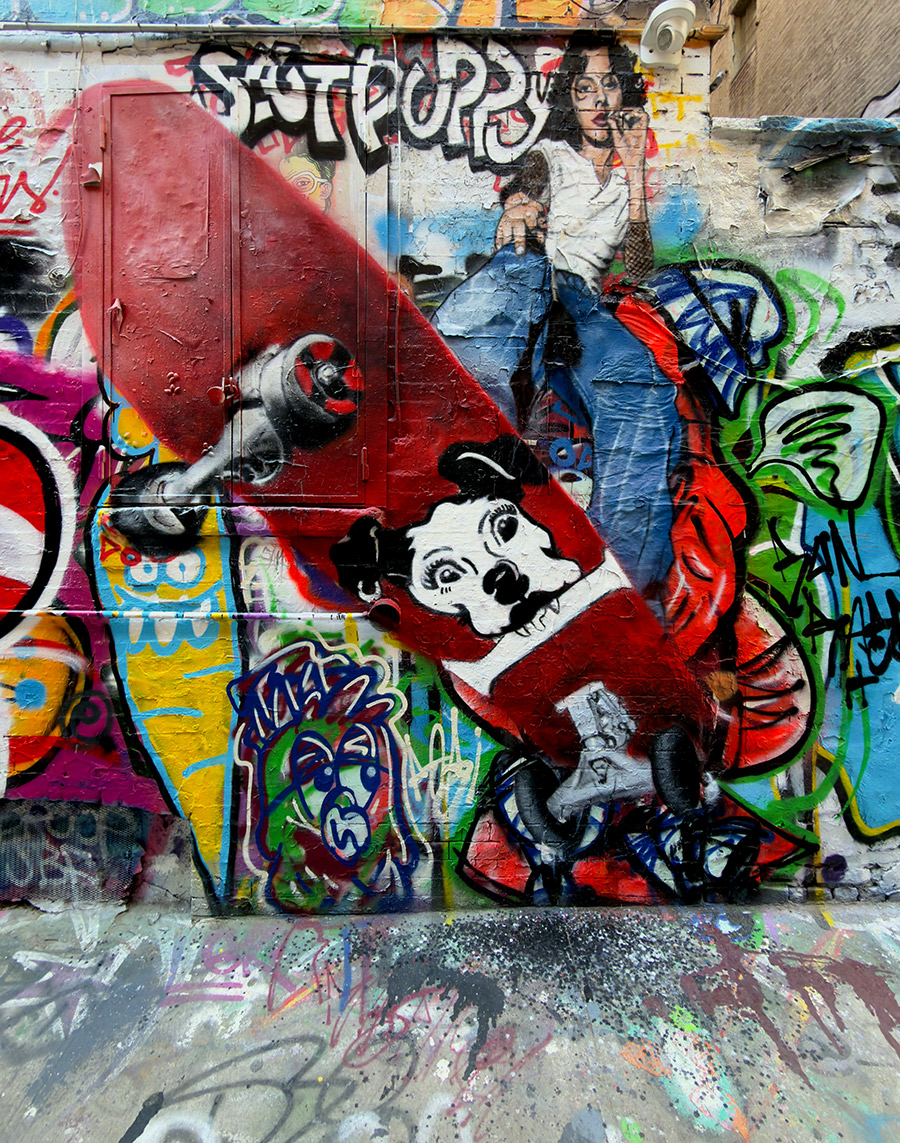
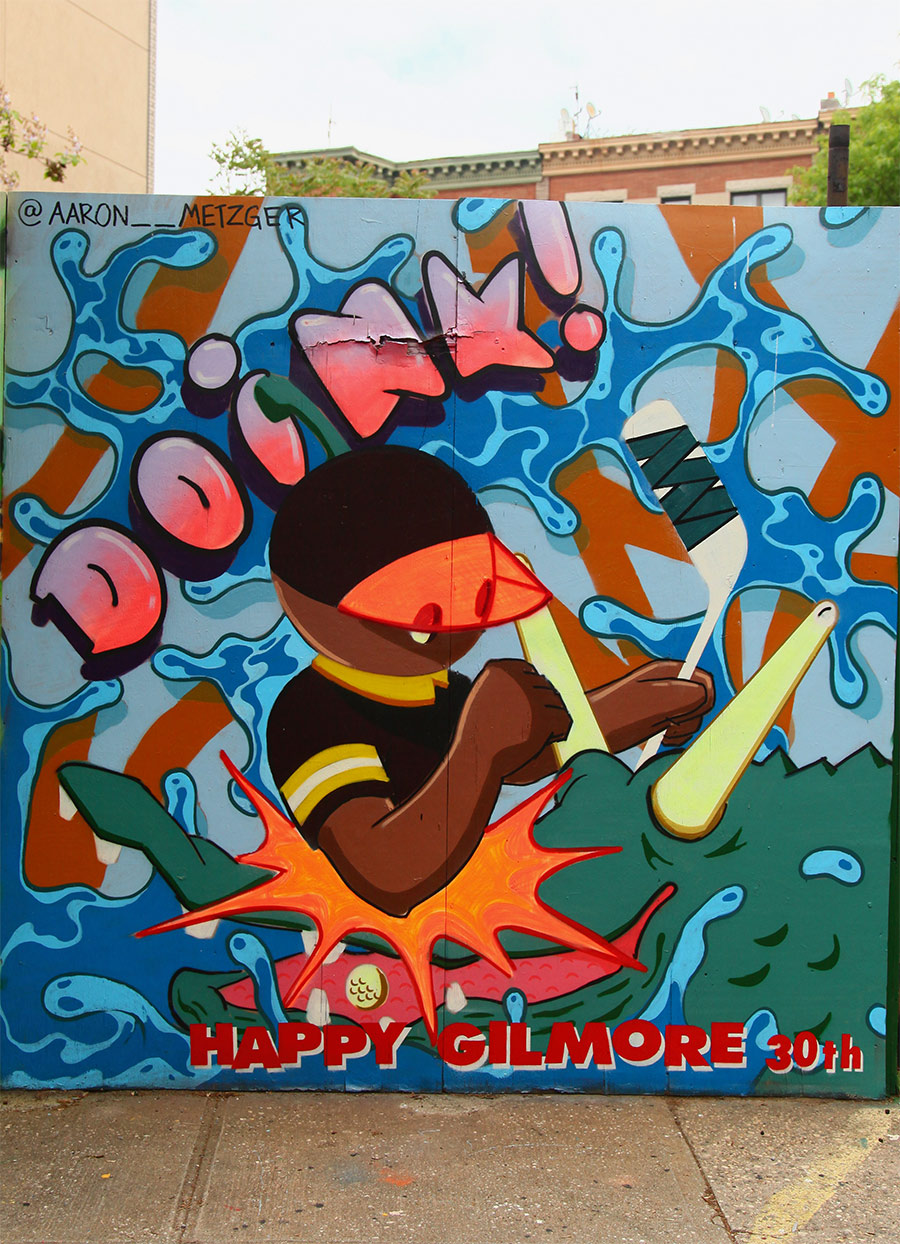
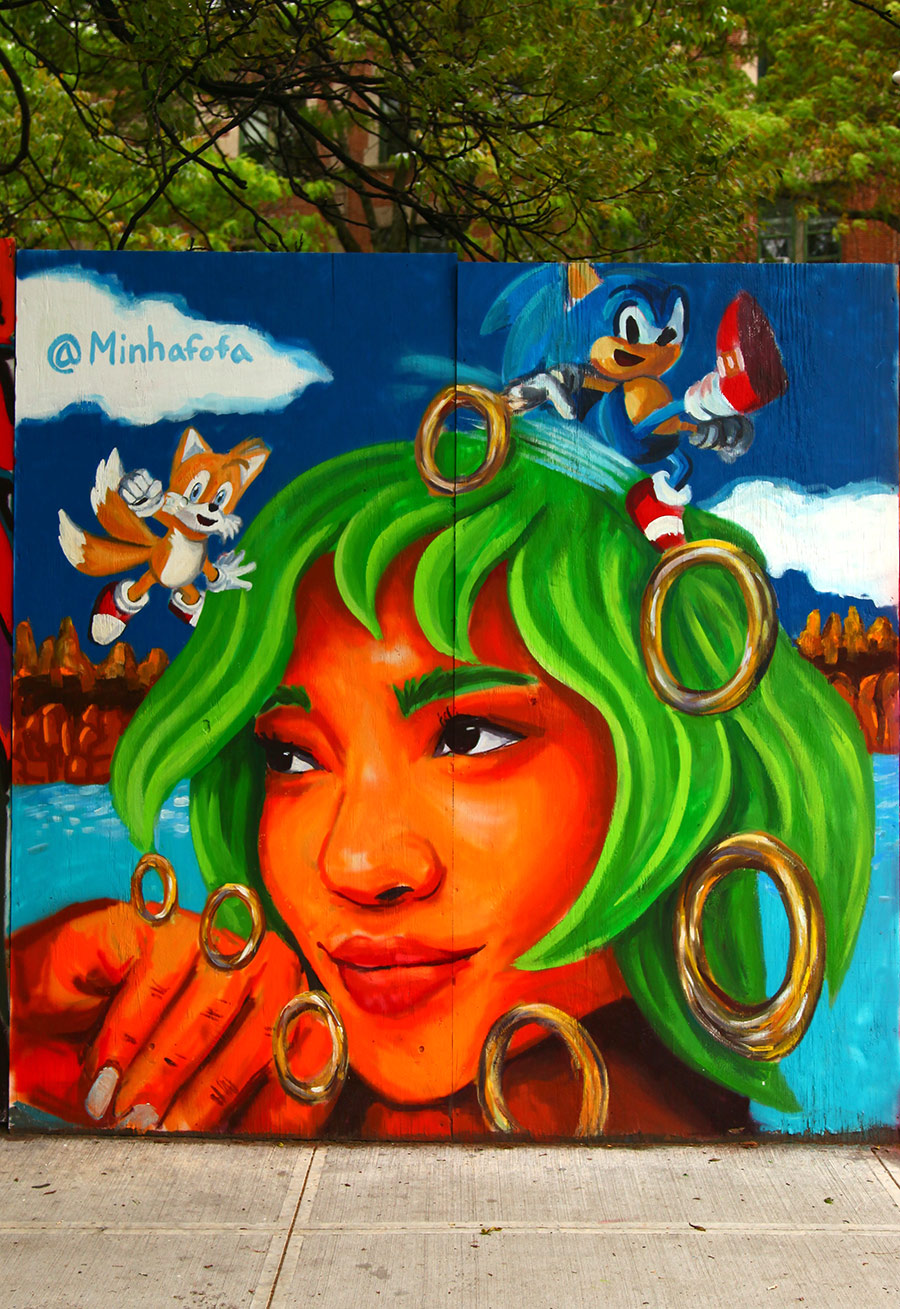
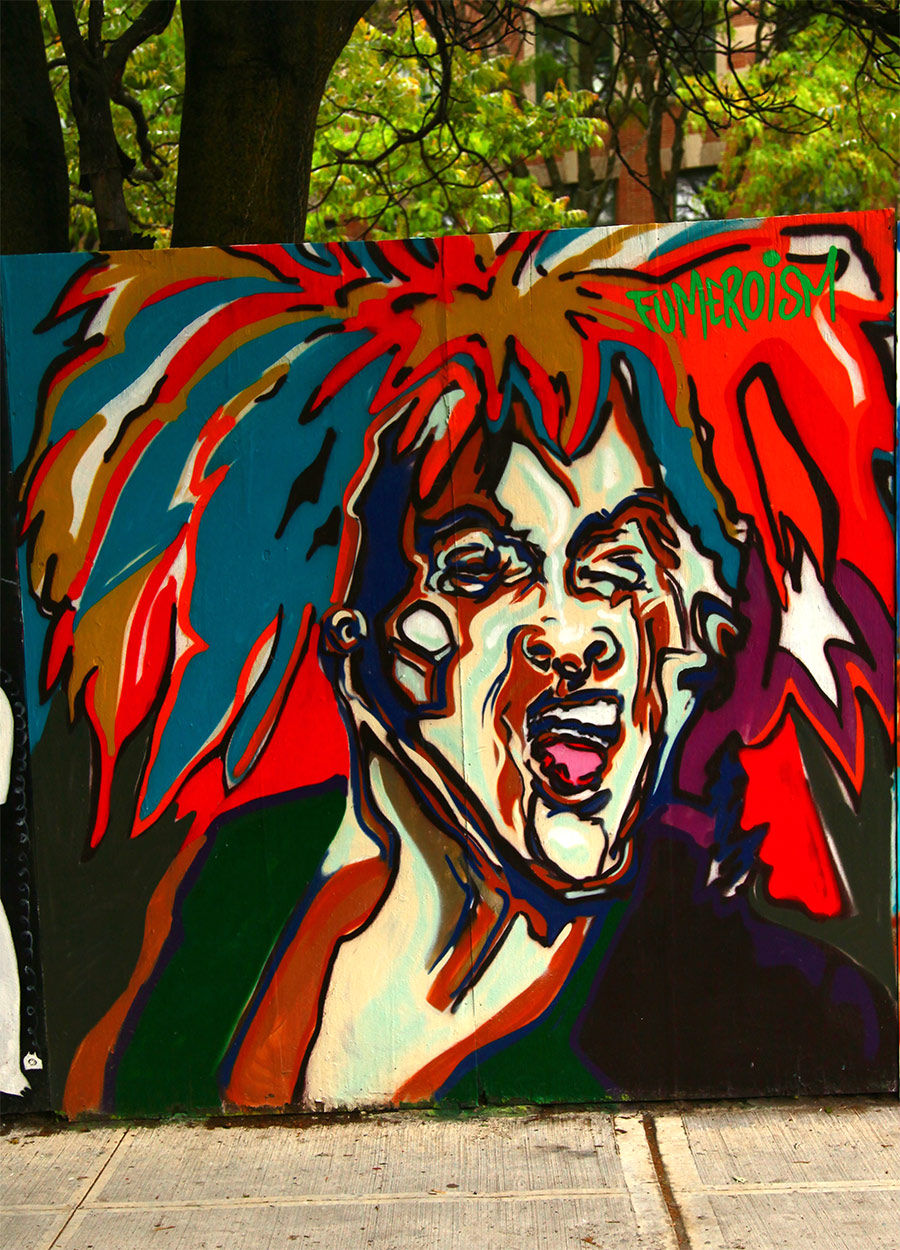
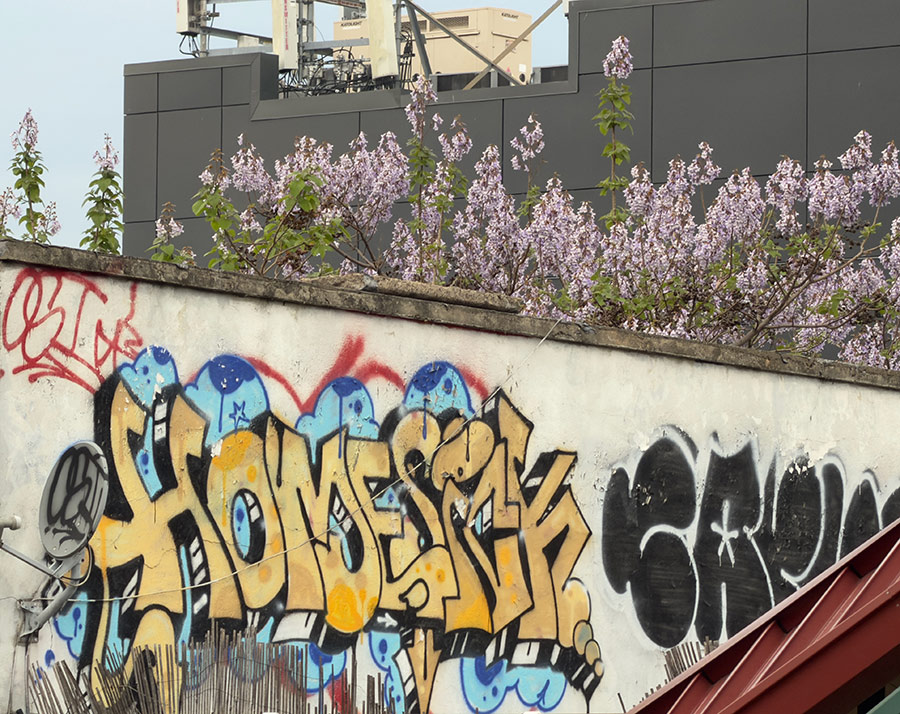
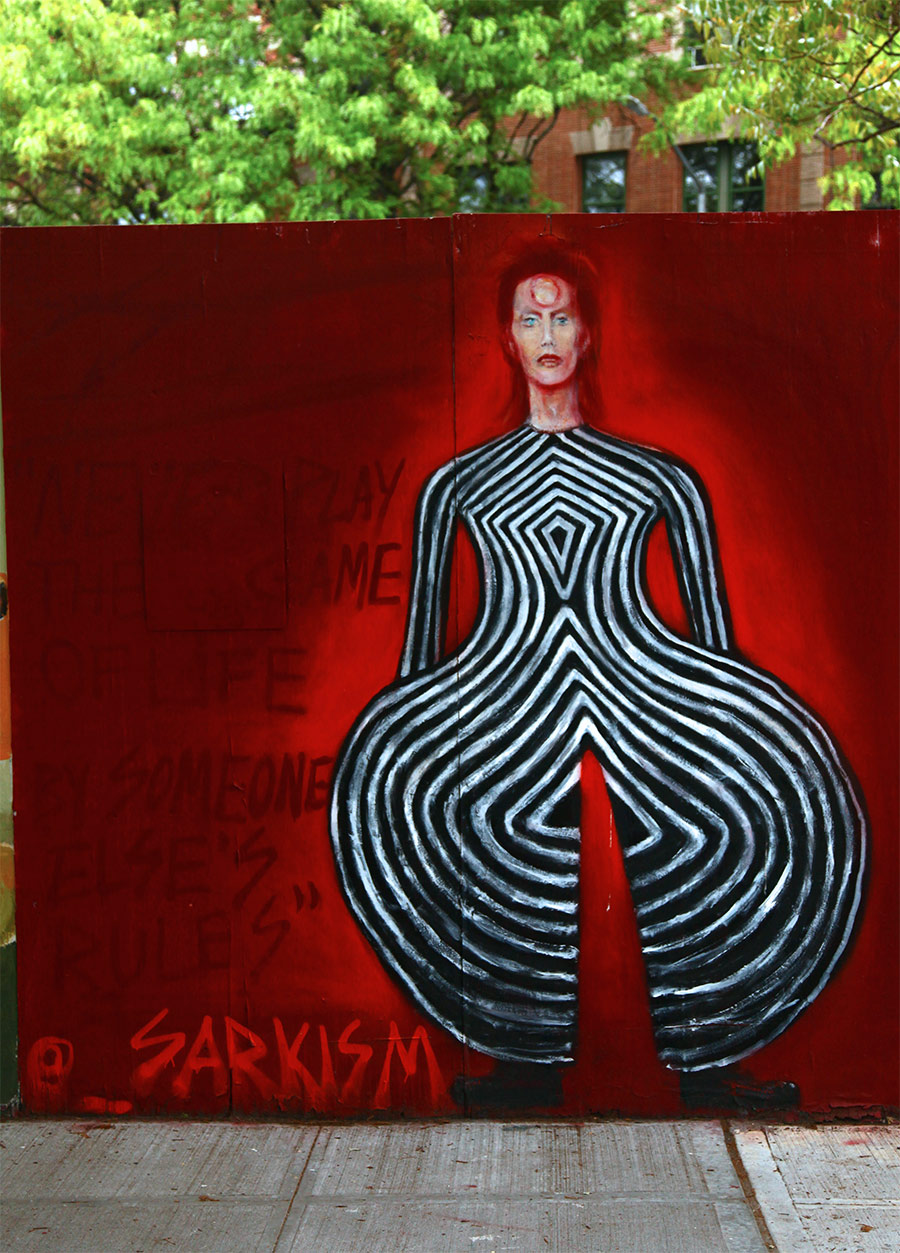
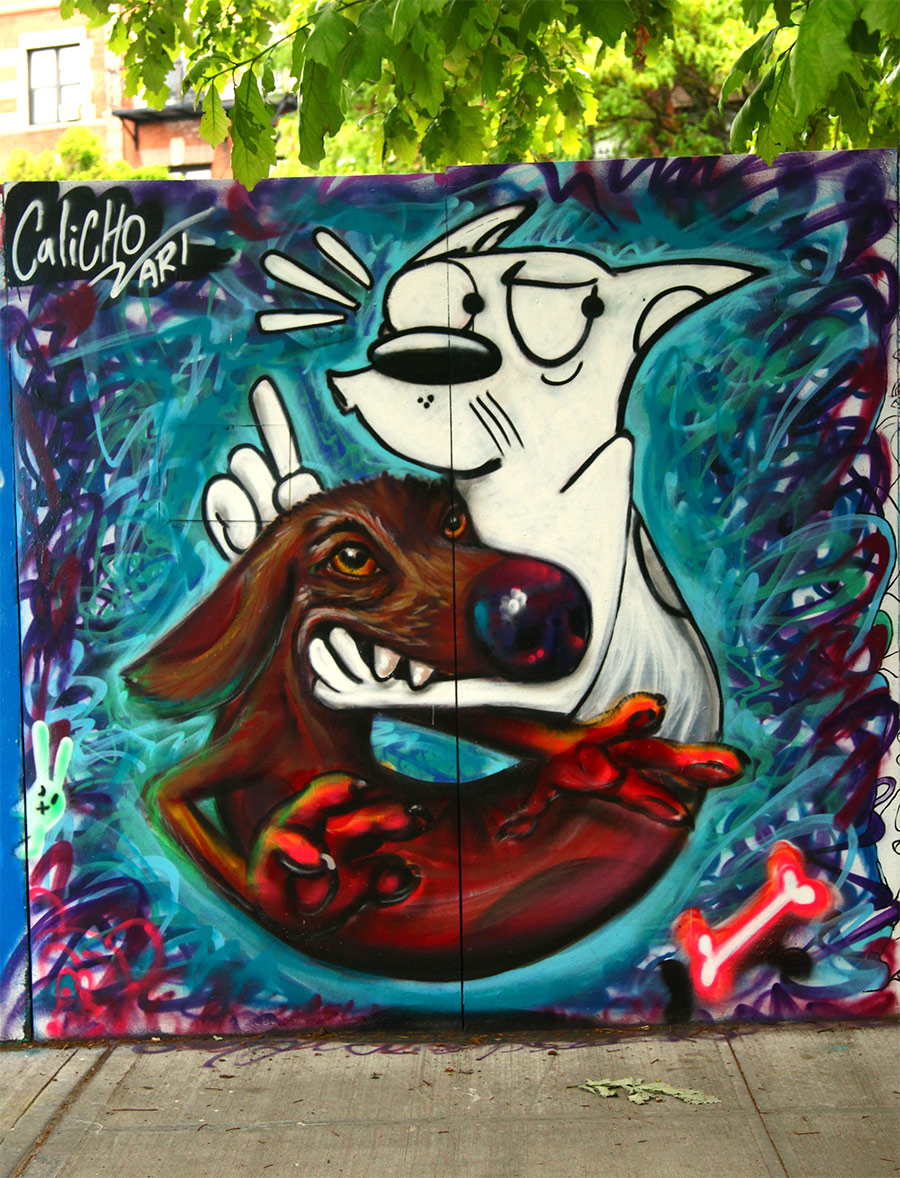
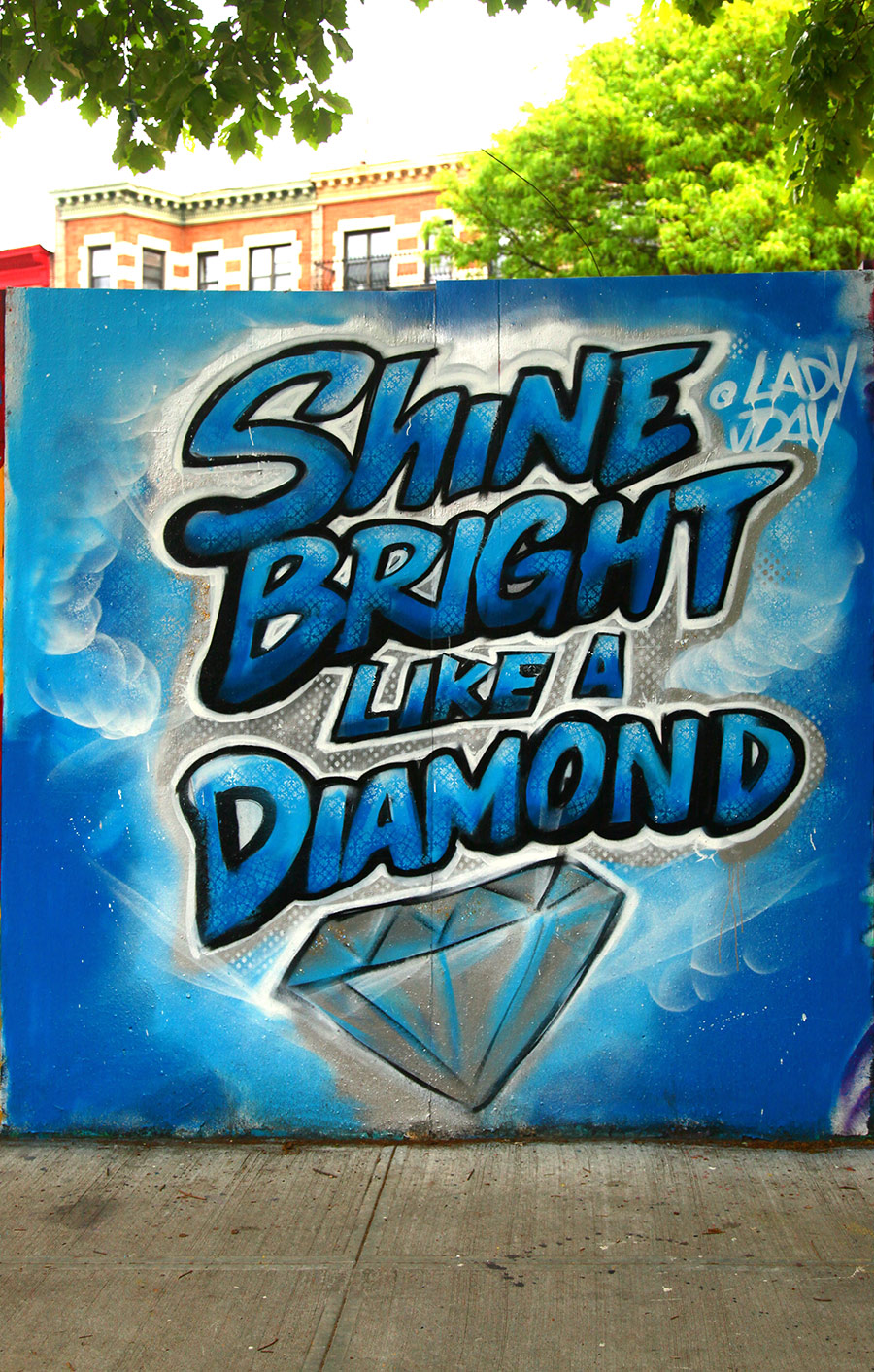
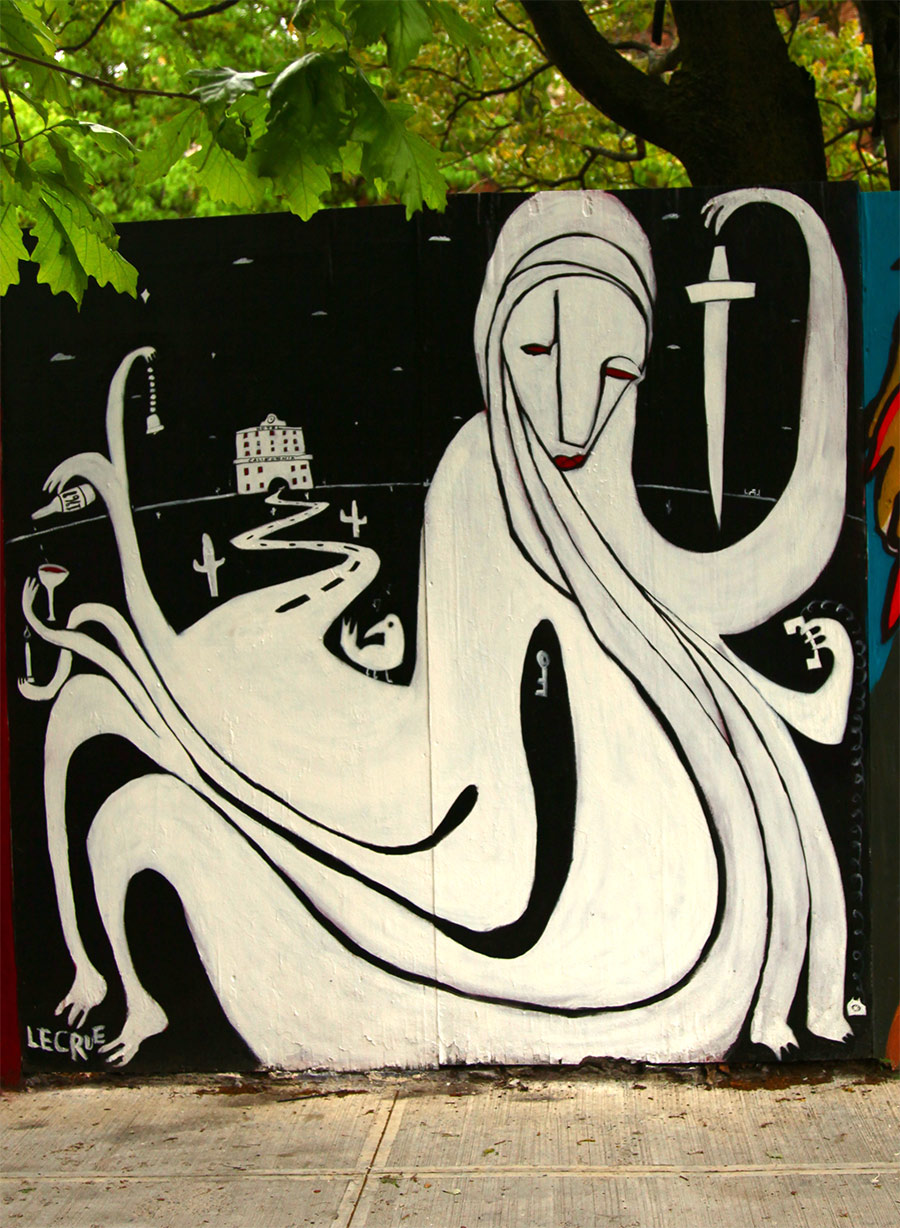
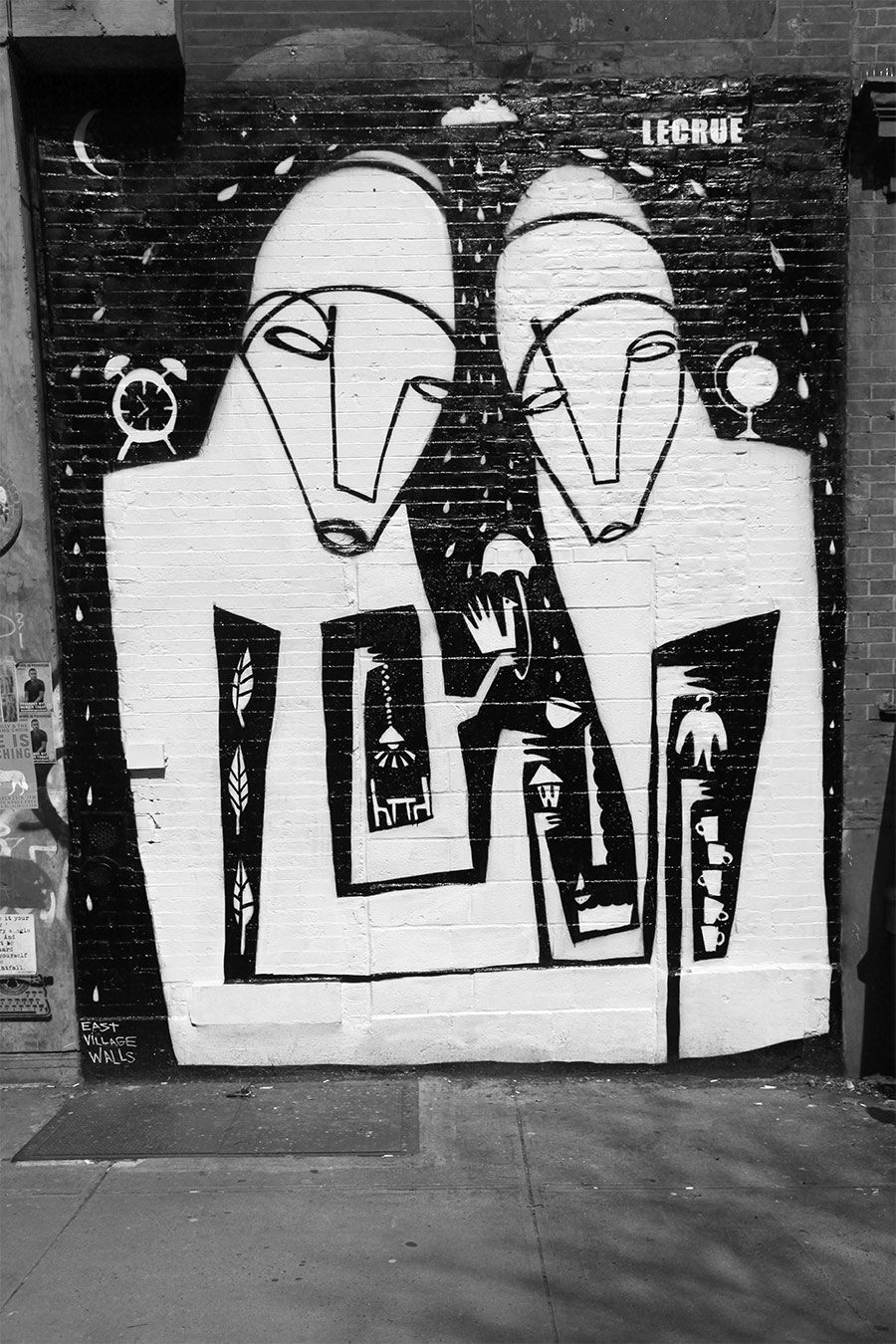
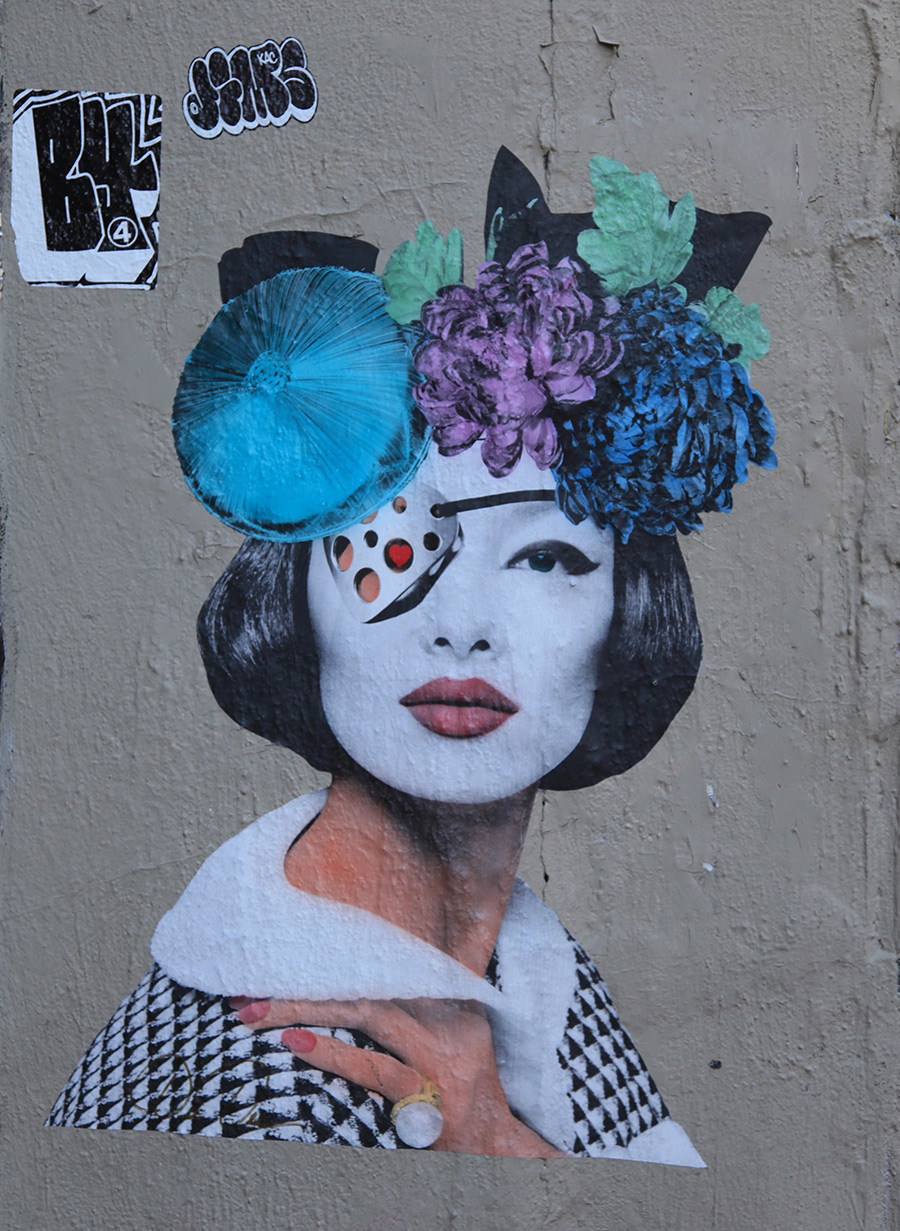
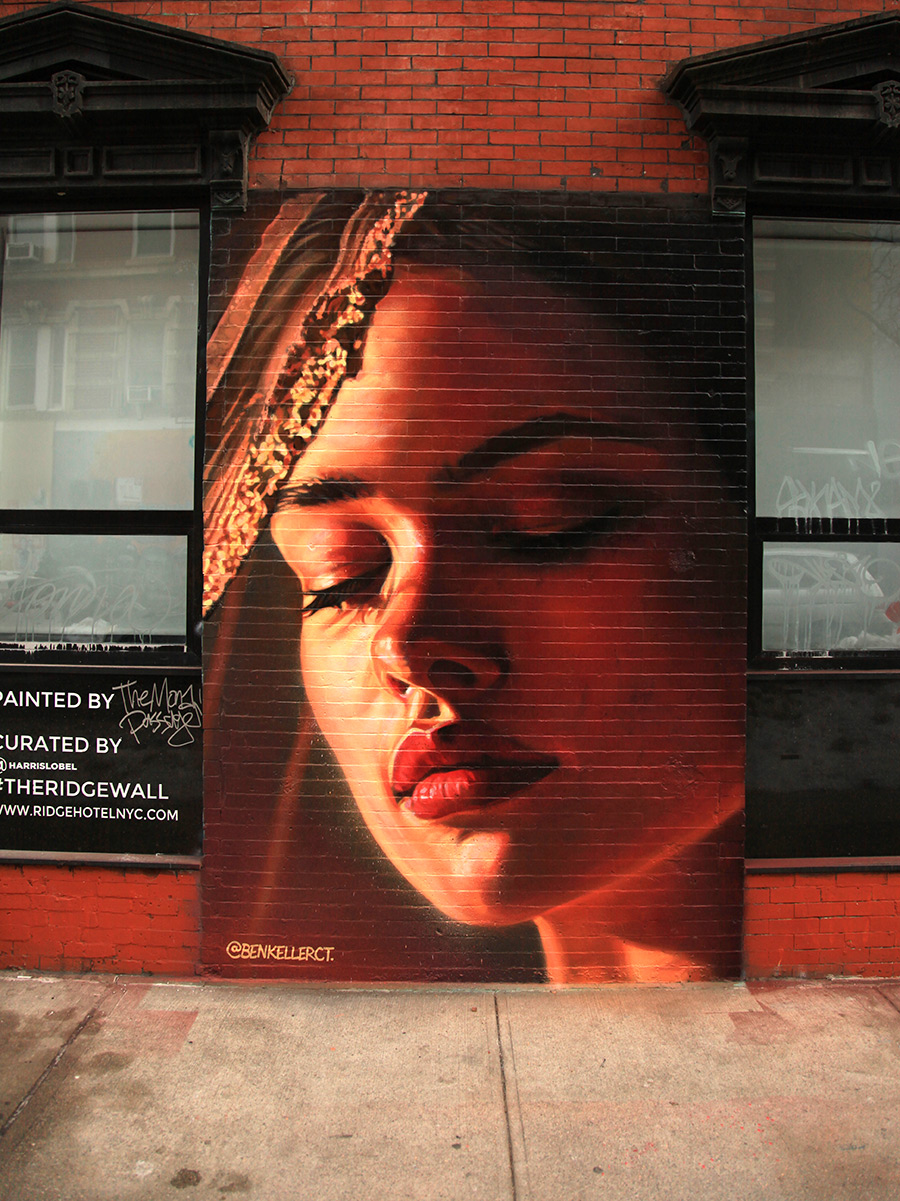
Here is our survey of the streets, this week featuring Aaron Metzger, Barbtropolis, Ben Keller, Calicho Art, Furmero, Homesick, Jason Naylor, Kams S Art, Keisha Scarville, Lady DJay, Le Crue, Luch, Minhofofa, Phetus, Praxis, Question Marks, Sarkism, Savior El Mundo, and Slut Puppy.
In New York, the New Museum has reopened with its expansion by Rem Koolhaas and Shohei Shigematsu, pulling in steady lines of architecture watchers and contemporary art pilgrims. The opening exhibition, “New Humans: Memories of the Future,”sets out to parse what it means to be human as technology redraws the terms, gathering more than 200 contributors across art, science, and film—an experience that is by turns enthralling, overwhelming, poetic, and brutal.
In a display of the classic New York tension between preservation and redevelopment, a canonical piece of early street culture history—a 1987 mural by Keith Haring—is at risk. The City says it will preserve it, but many remain unclear how—and are openly skeptical.
At the mural festival called The Crystal Ship 2026 in Ostend, Belgium, a cleverly named exhibition “Subway Art”—curated by Alice Gallery—revisits the origins of graffiti culture, tracing its roots in the subway systems of New York and other early writing scenes. Presented alongside the festival’s citywide program, it anchors the broader theme of Curiosity by grounding it in the movement’s unsanctioned beginnings and writer-driven history.
Coming up in April, “Martha Cooper: A Retrospective” opens at the Bronx Documentary Center Annex in the Bronx, New York, offering a comprehensive survey of her five-decade career documenting urban life and creative expression. On view from April 9 through June 14, 2026, the exhibition brings together decades of work that helped define the visual record of graffiti and street culture.
César Chávez, long honored as a leader of the farmworker movement, has also been the subject of grave allegations reported in recent accounts, including statements by Dolores Huerta, who said publicly that he raped her twice in the 1960s and that she bore two children as a result. In recognition of the labor, sacrifice, and leadership of women in the movement, we call for Huerta’s name to replace his on parades, holidays, streets, schools, libraries, parks, post offices, vessels, monuments, murals, and other public institutions or commemorations that now bear his name.
¡Viva Dolores Huerta!
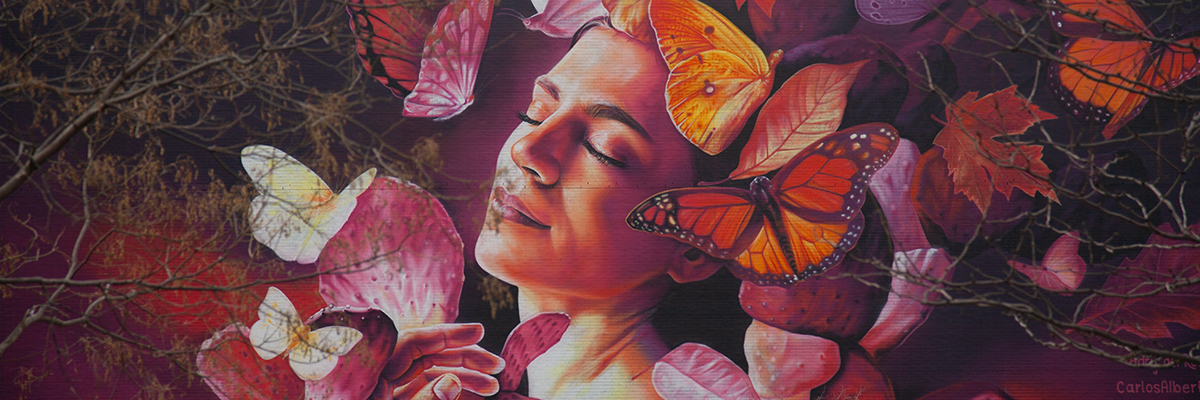
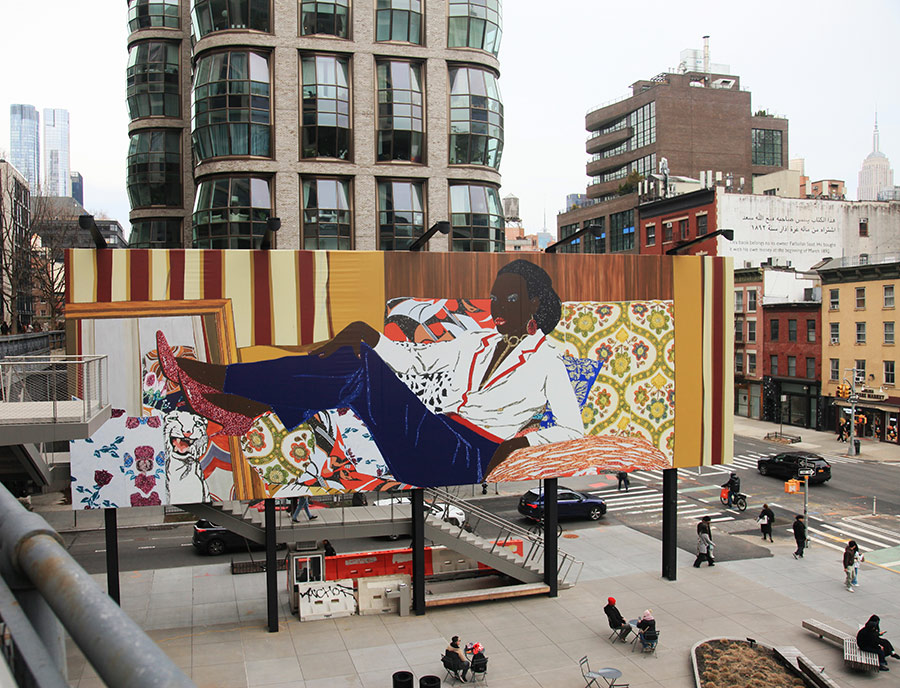
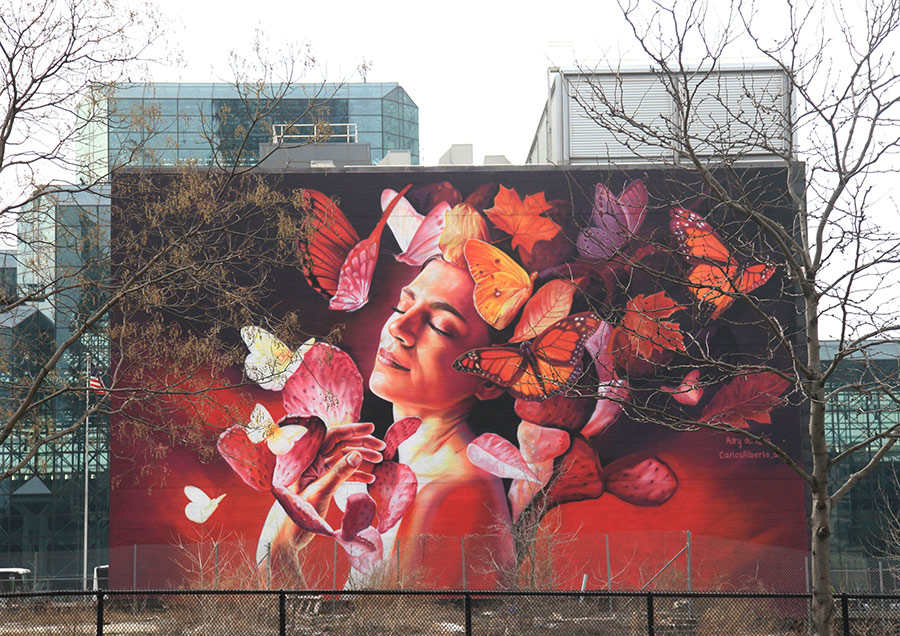
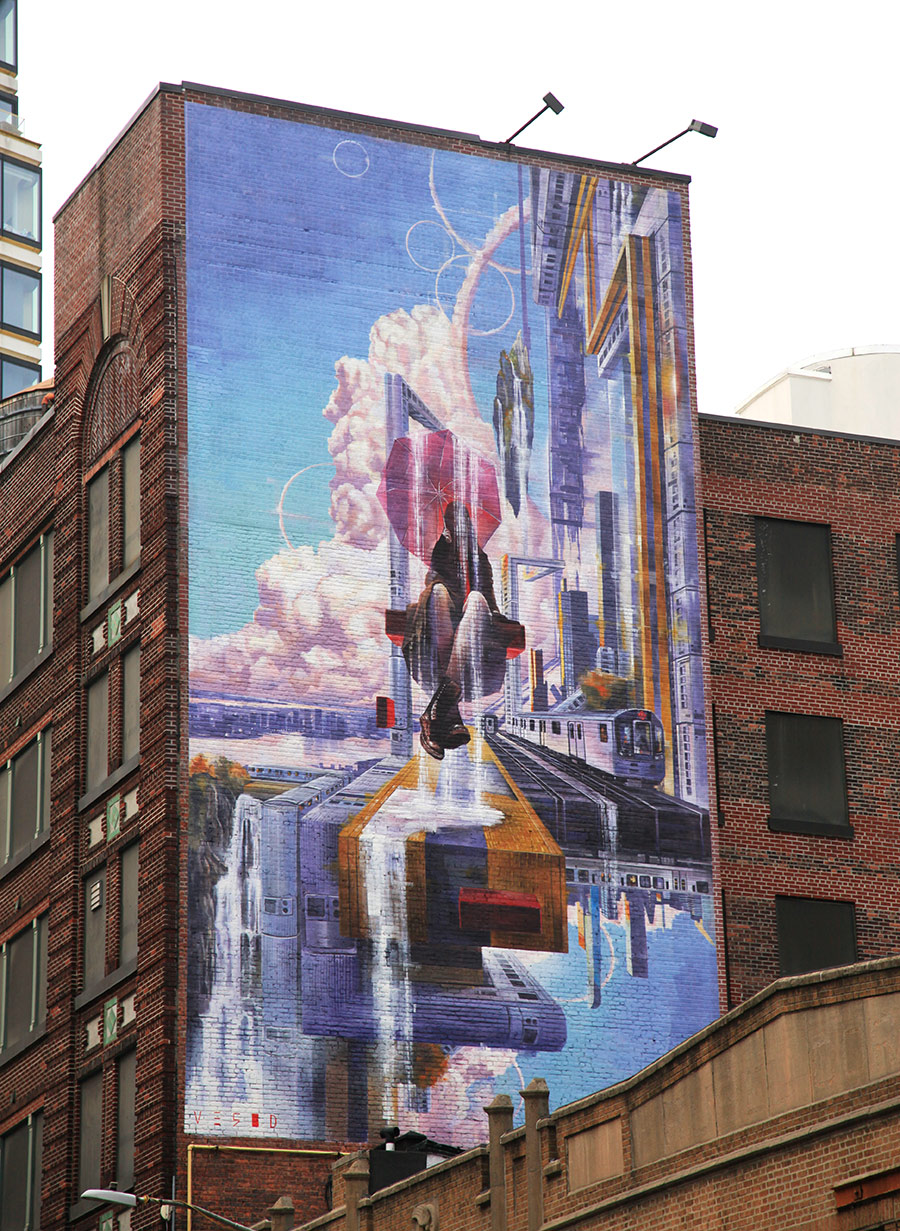
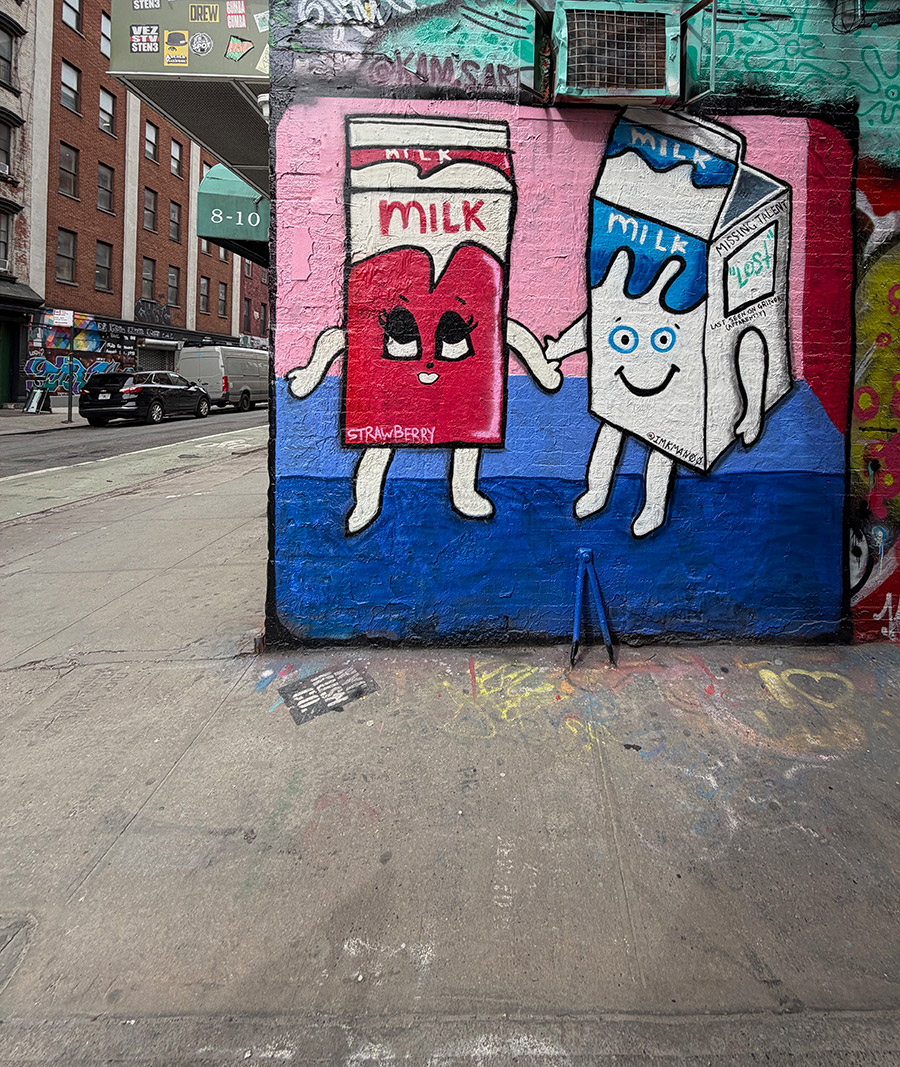
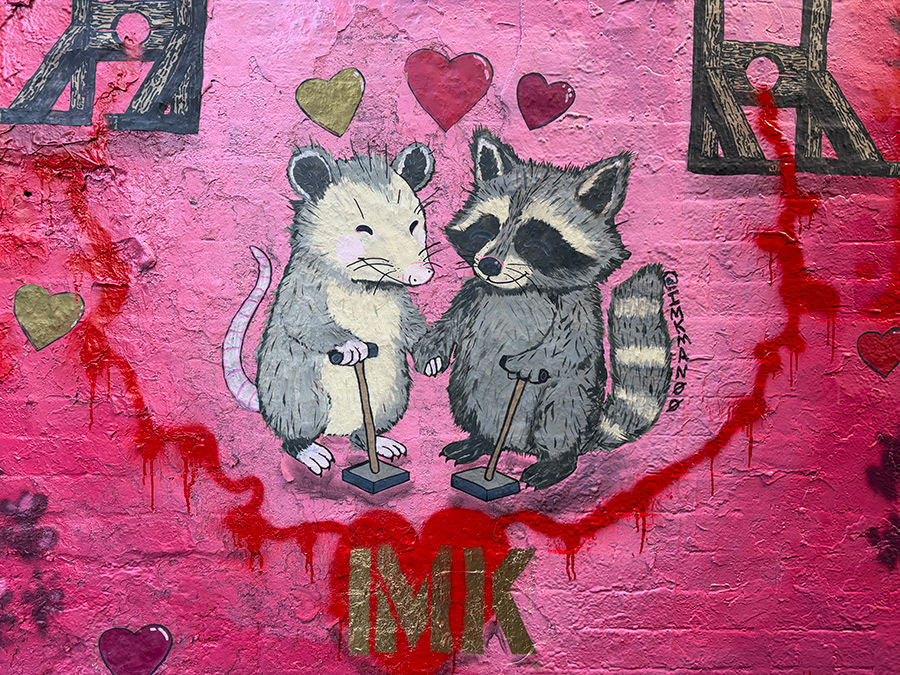
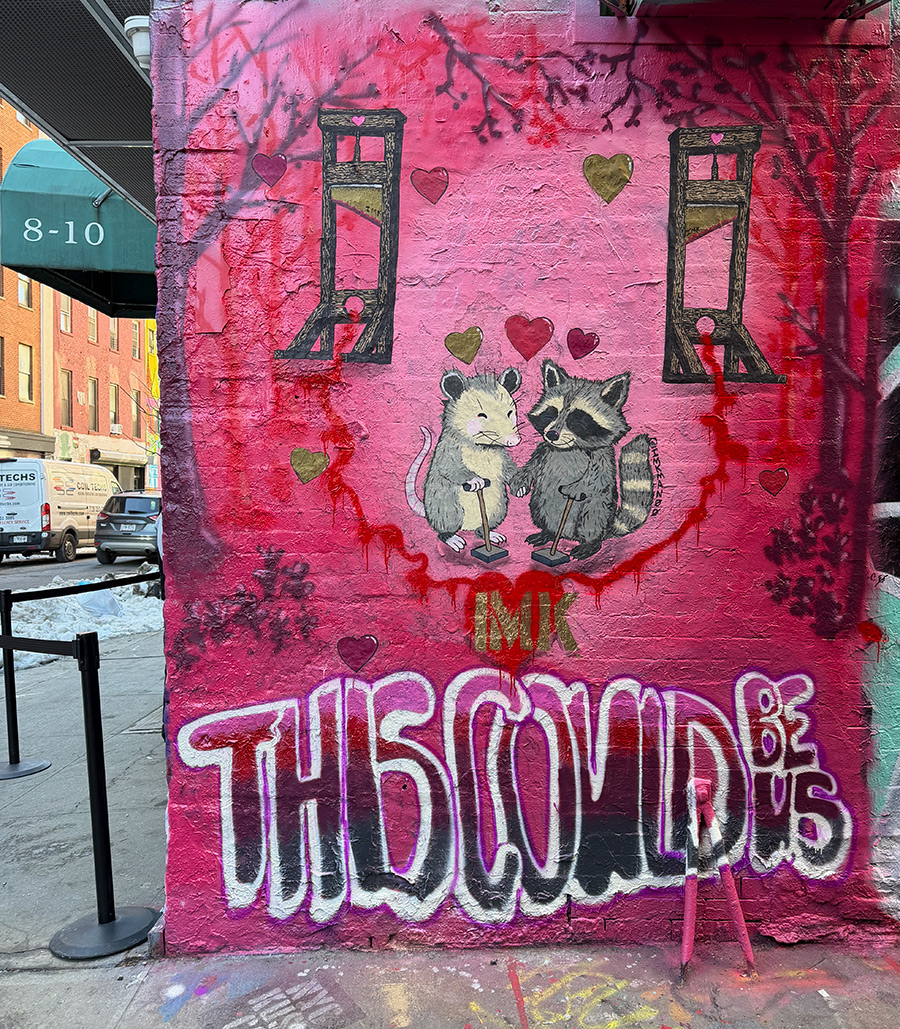
Here is our weekly photographic interview with the street, this time featuring: Carlos Alberto, City Kitty, Hanimal, Homesick, IMK, Le Crue, Mickalene Thomas, Queen Andrea, and Vesod.
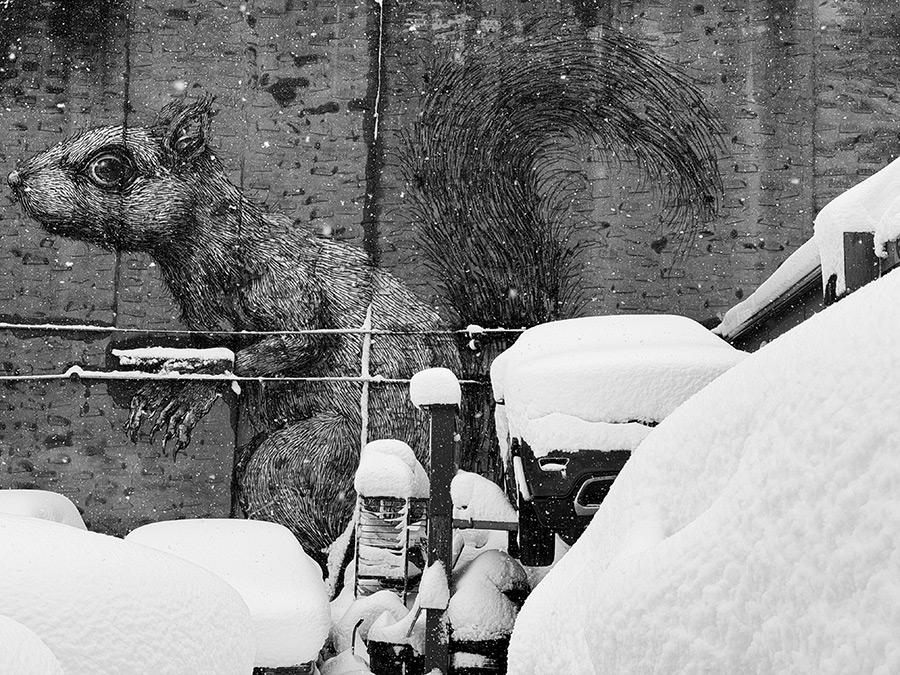
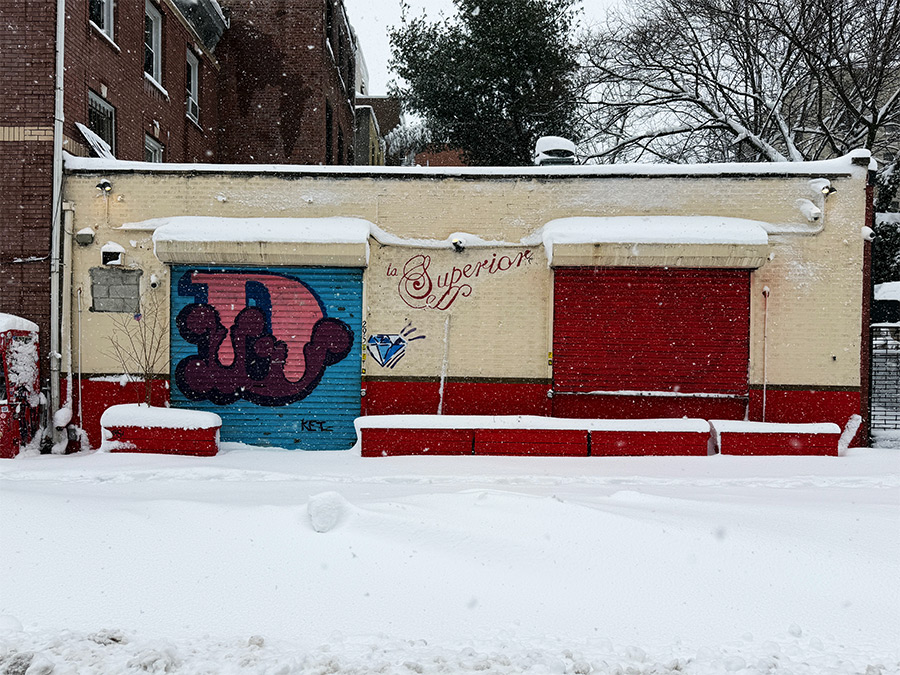
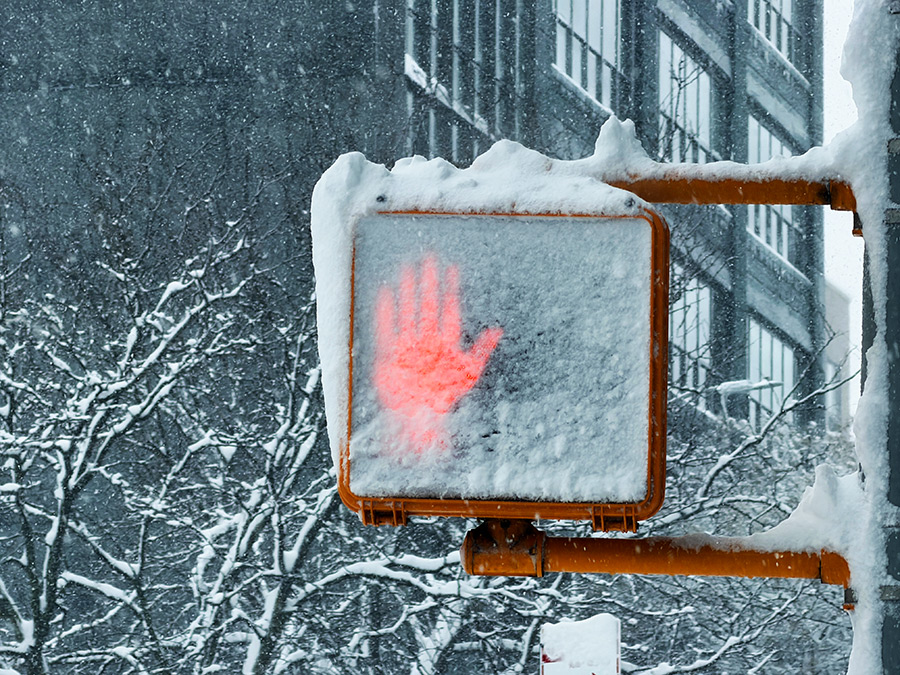
The Blizzard of ’26, which New York endured this week, is already a fading memory. We have fresh chaotic news every day, keeping everyone off-kilter, with purpose – some would say.
Our hearts are full of love this Valentine’s weekend for you, dear reader.
A new study shows New York’s artist population is declining for the first time in decades due largely to housing costs, and most people here will agree with that conclusion. Brooklyn-based Street Artist Marka27 (Victor Quiñonez) found that censorship is strong on campus when his exhibition addressing immigration enforcement was cancelled at the University of North Texas, yet another example of universities not standing up for free speech but suppressing it. Meanwhile, Street artist Ernest Zacharevic has filed a lawsuit against AirAsia for unauthorized use of his famous Penang mural imagery, highlighting ongoing battles over ownership and reproduction of street art. In graffiti news, Street Art NYC has a brief interview with curator Christine DeFazio on her Tales from the Ghost Yard show in the Bronx. In Paris A Valentine’s Day exhibition yesterday brought together street and contemporary artists Clément Herrmann, Mr Byste, FinDAC, Uri Martinez, Belin, and Sandra Chevrier in a live, public-facing showcase.
The Federal government continues its campaign to remove people’s histories from public space, most visibly this week with the removal of the Pride flag from the Stonewall National Monument — the symbolic birthplace of the modern LGBTQ rights movement — before local officials and activists raised it again in defiance. New York Governor Kathy Hochul criticized the removal, calling it “hurtful”, noting that the LGBTQ community has been “discriminated against and oppressed for much of its history,” adding, “The Pride Flag has meant a lot to all of us here in New York and to those who come around the world to see this place.”
New York’s Public Art Fund is featuring a number of artists in 2026 whose paths have crossed with street art, including Barbara Kruger, whose early wheatpaste posters and later bus-shelter text works established a new language of the street; Nina Chanel Abney, whose large-scale murals and façade projects have extended the public wall tradition with socio-political critique; and Jane Dickson, whose decades of street-level and transit-based projects in Times Square and the subway system connect directly to New York’s urban visual culture. It’s encouraging to see institutions recognize artists whose methods have long existed outside the mainstream—even if that recognition often arrives only after the market has validated the work.
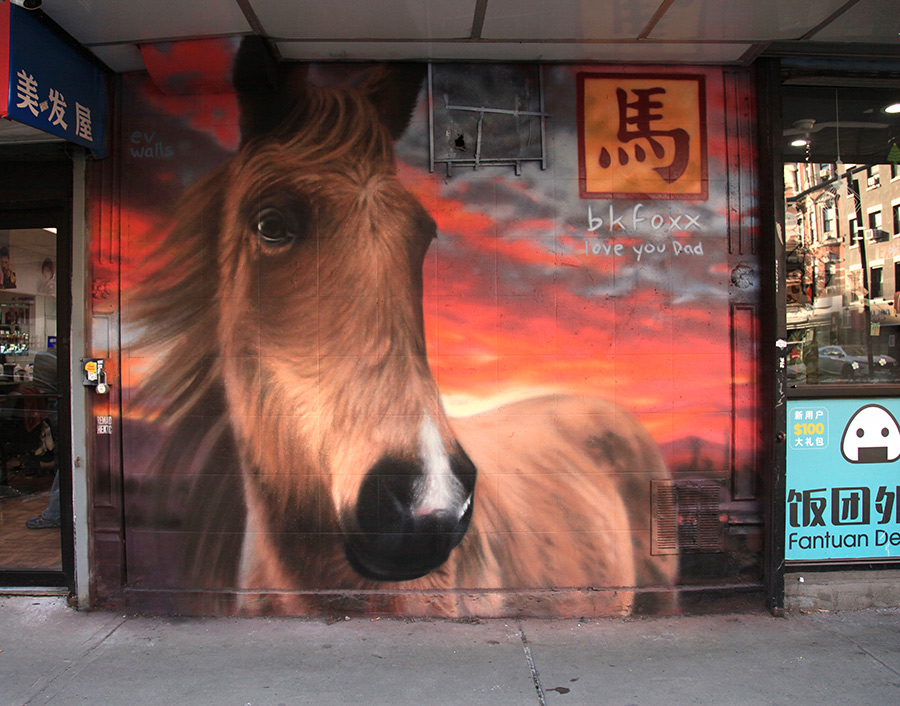
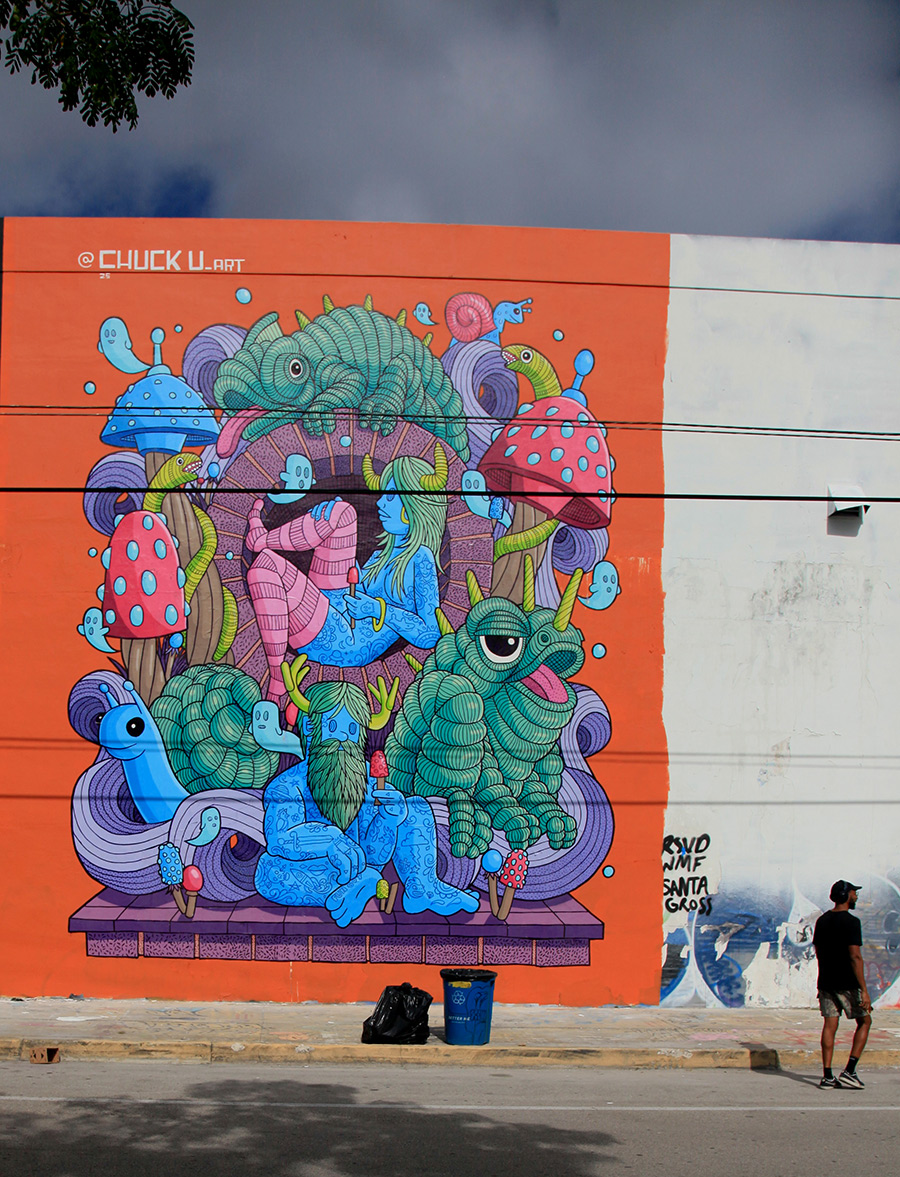
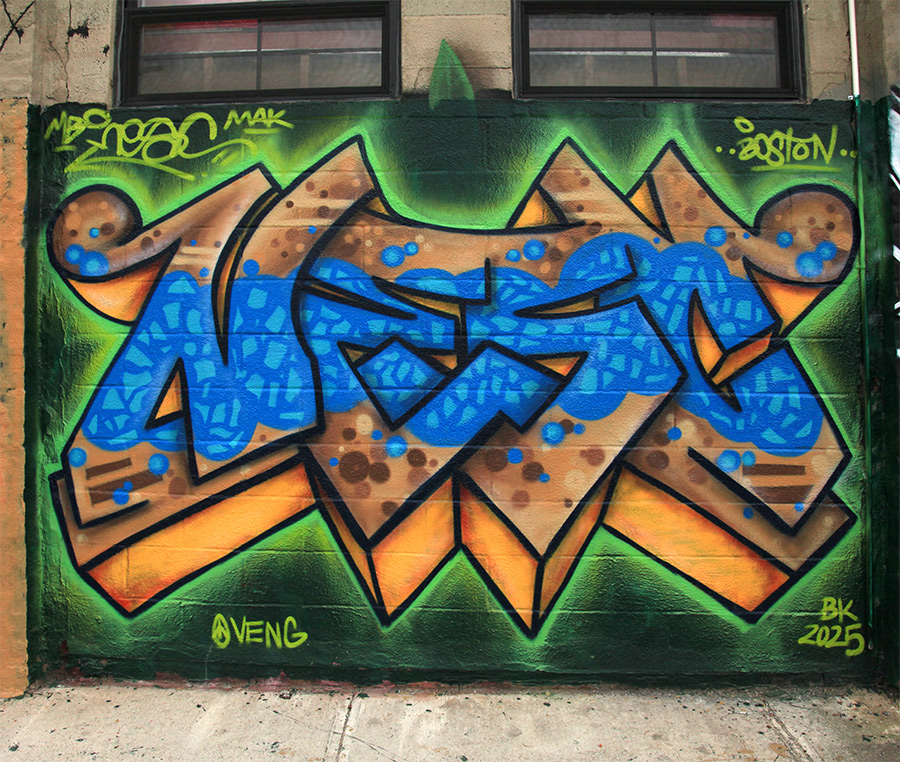
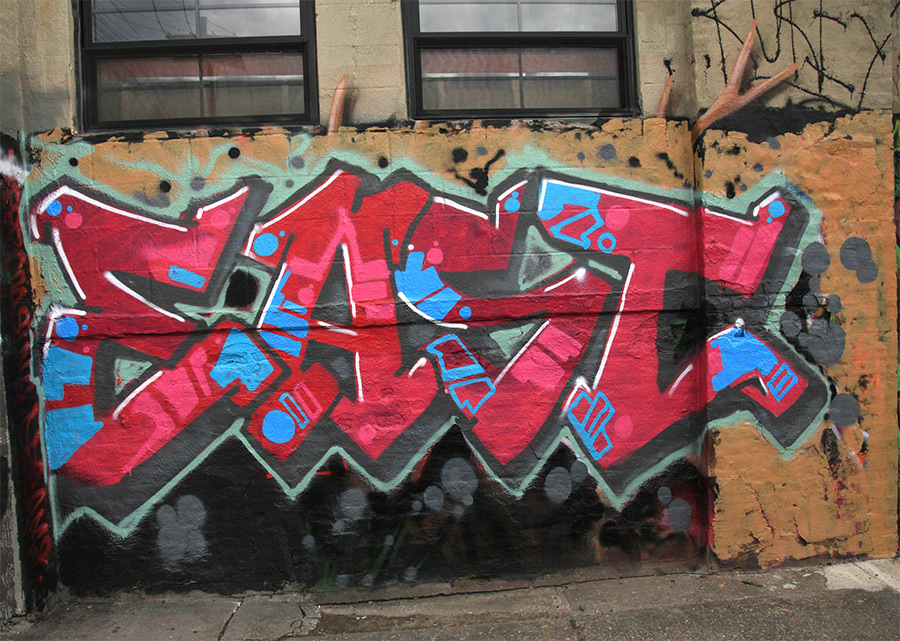
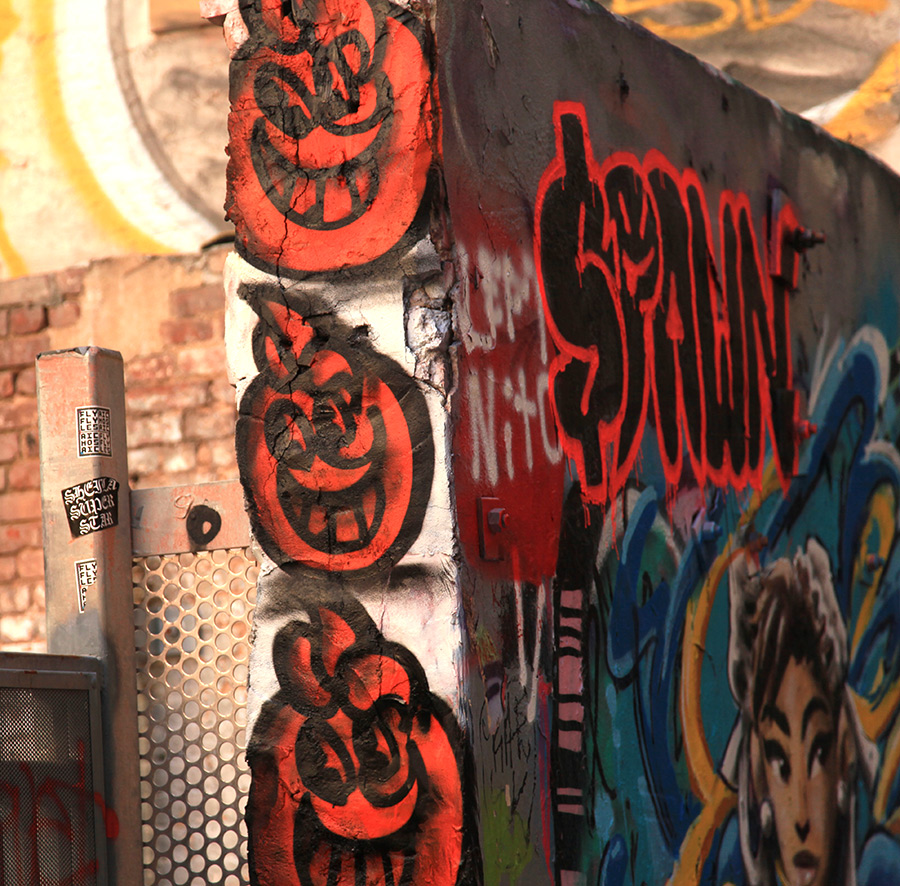
Here’s our weekly interview with the street, this week featuring Appleton Pictures, Atomik, BK Foxx, Chuck U, Dee Dee, EASC, Homesick, IMK, NESC, and Siner One.
Queens, New York-based Duendita often moves between NYC and Berlin contexts. “Mind” reads more as an intimate, interior/performance piece rather than a particular place.
Welcome to BSA’s Images of the Week! It’s Superbowl day! Bad Bunny at half-time!
This week in NYC art news, vandalism of a politically charged mural is causing “debate“, an exhibition at the Noguchi Museum reimagines the city through unrealized designs, and the School of Visual Arts saw their chair of MFA Art Practice program resign after it was revealed that he featured several times in the latest release of the Epstein files. According to ArtReview, “Ross was formerly director of the Boston ICA, the Whitney and SFMoMA, and had been chair of the MFA Art Practice program at the SVA since 2009”.
Also, Tony from down the block is trying to figure out how to get a dozen roses for your sister Chambray before Valentine’s Day without blowing his entire paycheck from the funeral home, and the pressure is on for couples to make some cinematic gesture this week. But honestly, an afternoon wandering a museum together, followed by a pizza slice and a soda under fluorescent lights, still does the job better than any prix-fixe romance package ever could. These are not times to break the bank. Don’t stress; as a certain Chicago street artist used to say, “Don’t Fret.”
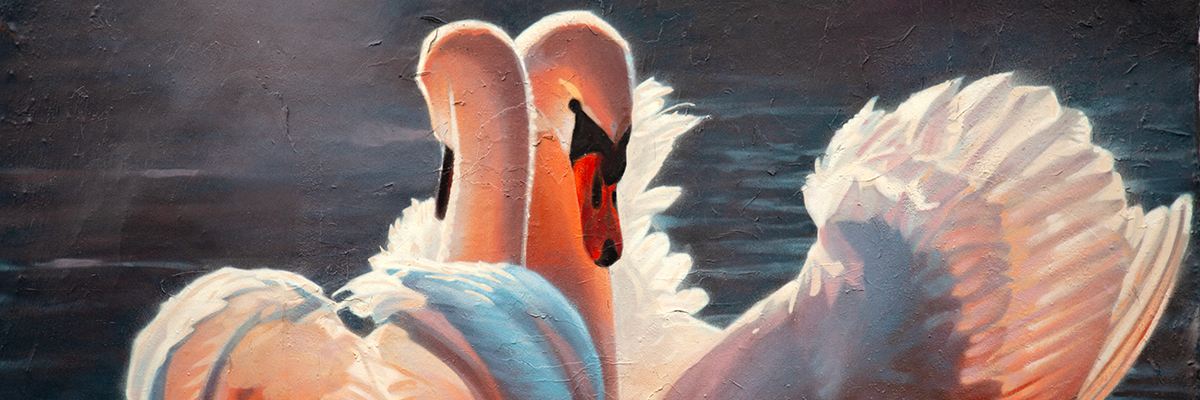
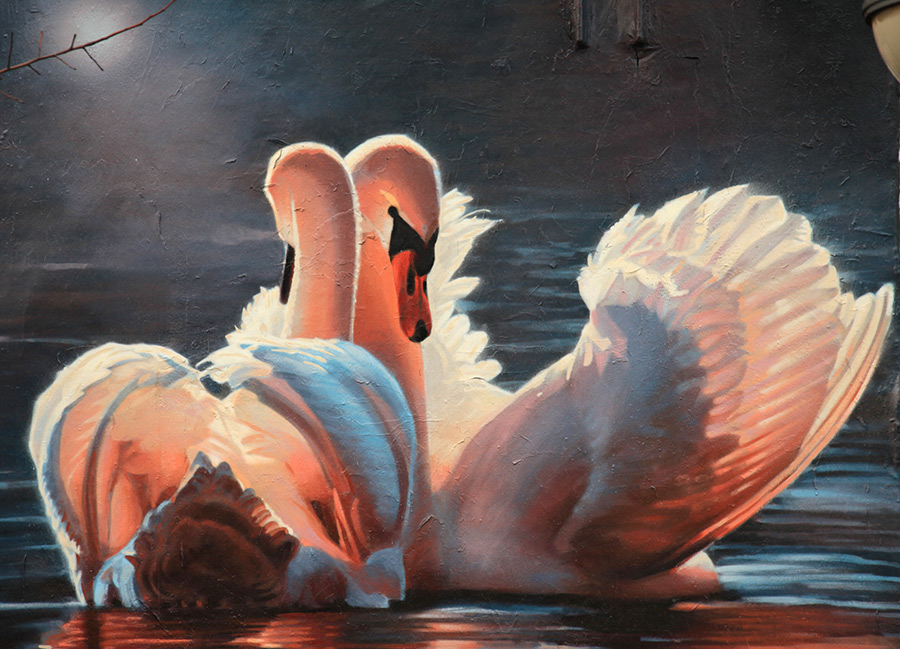
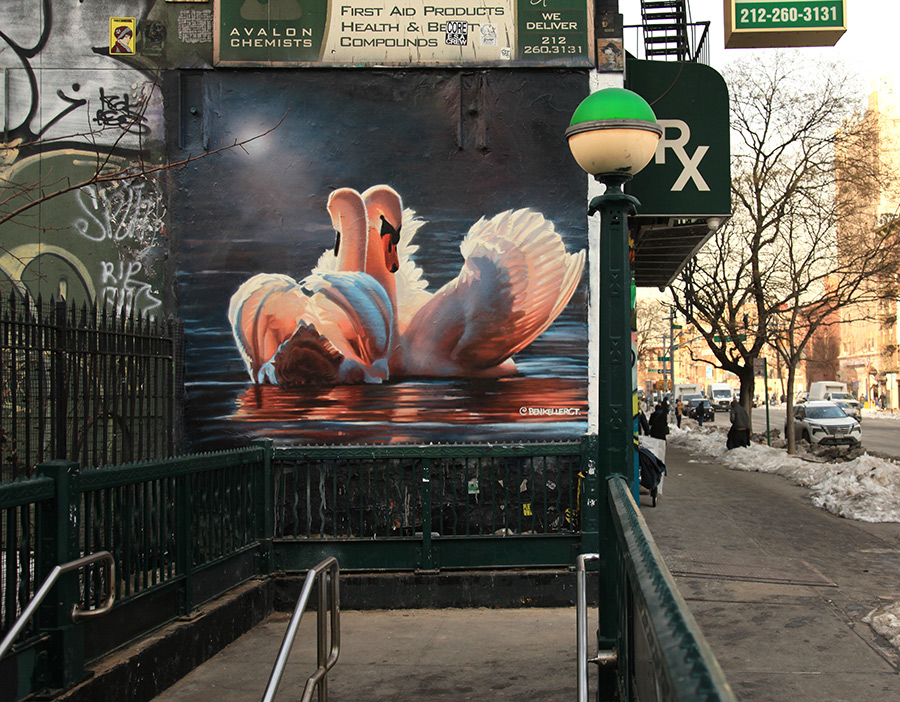
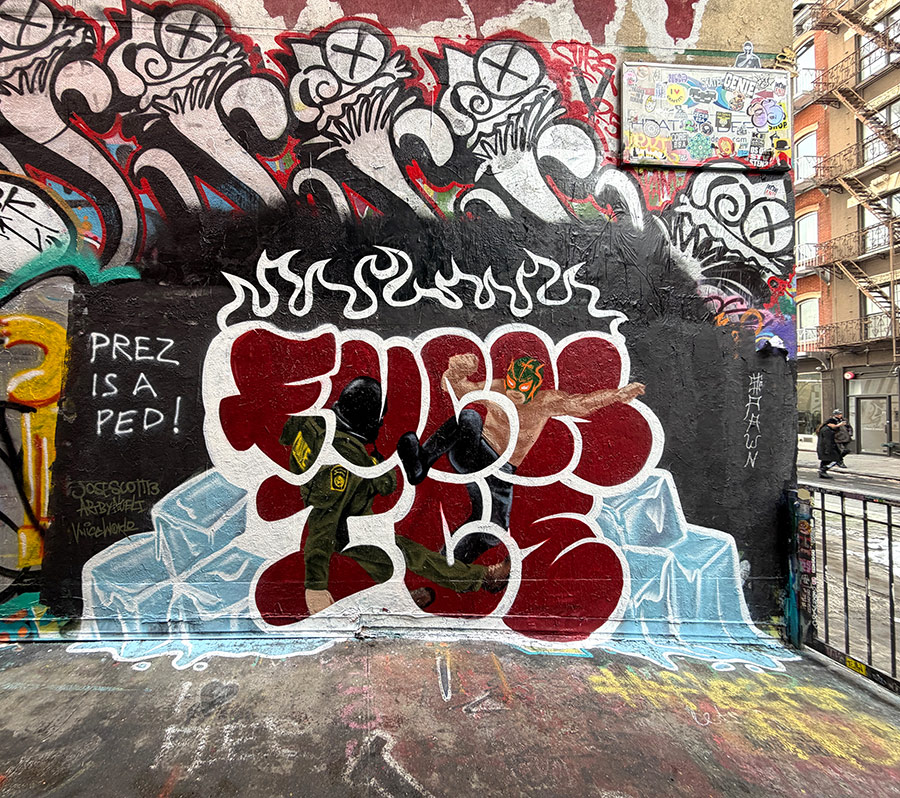
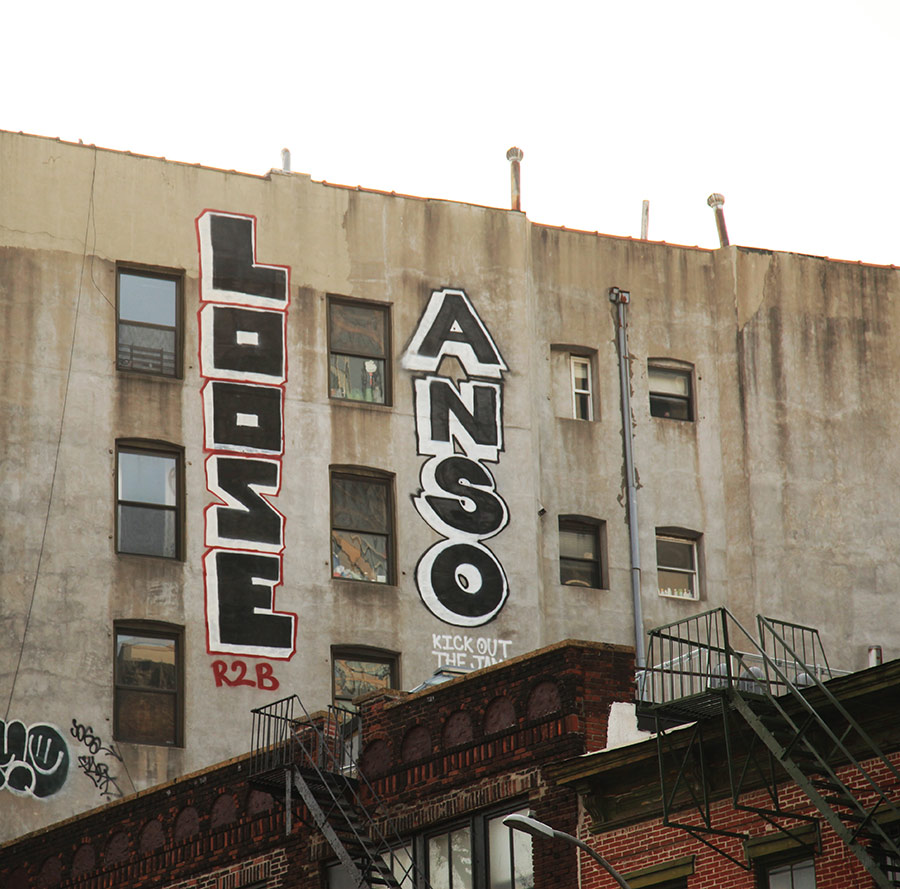
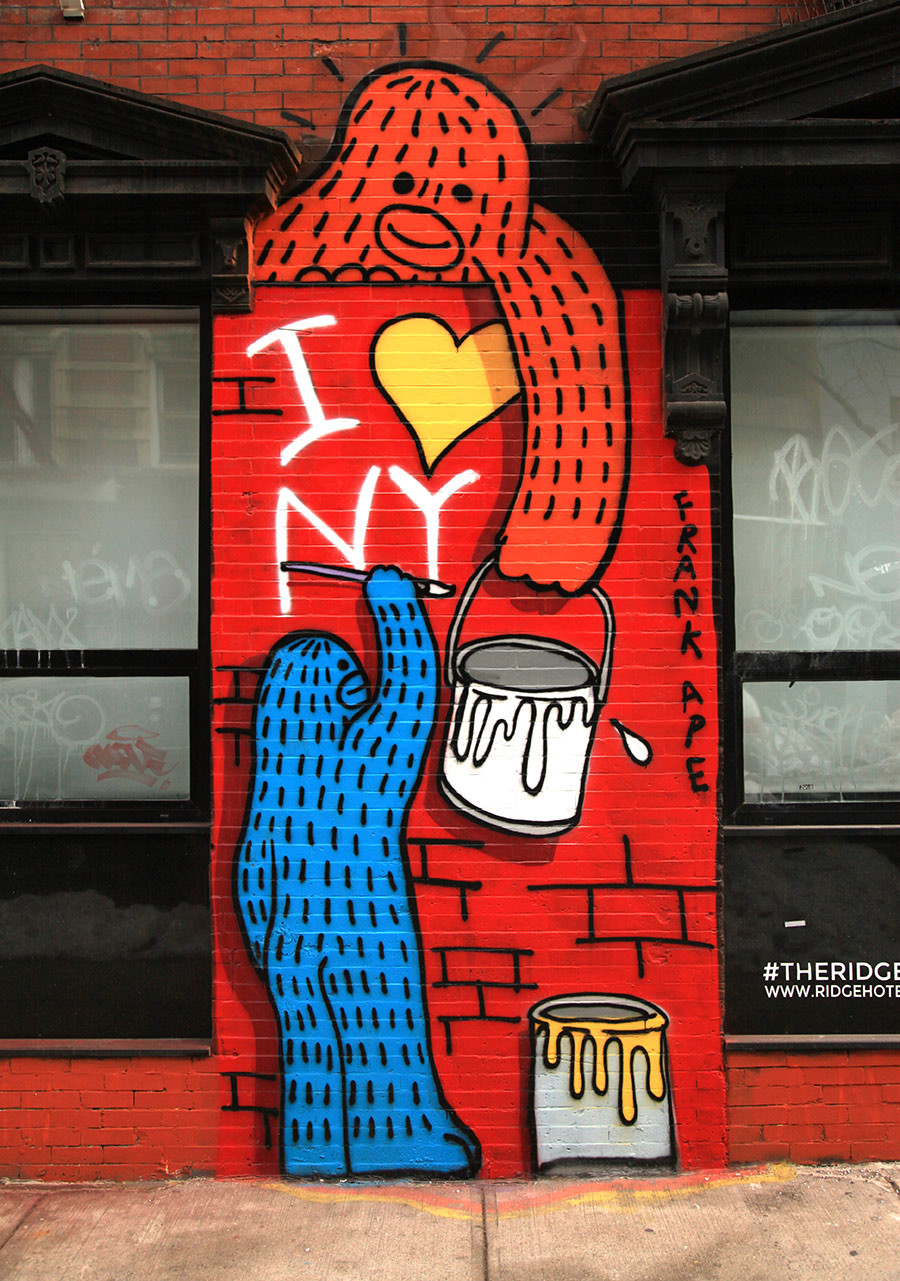
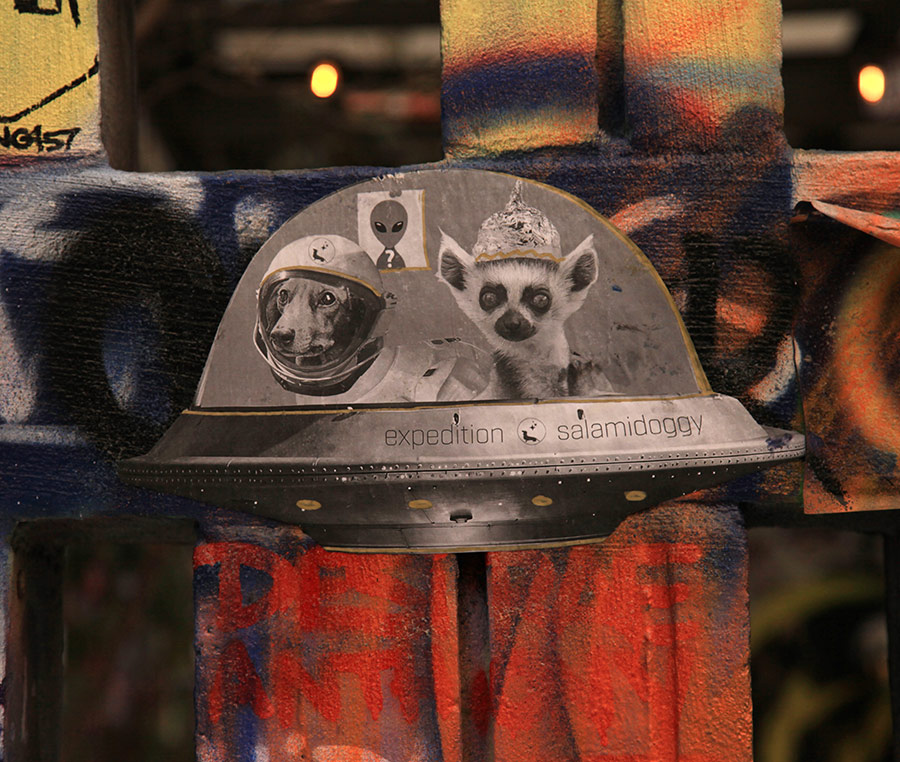
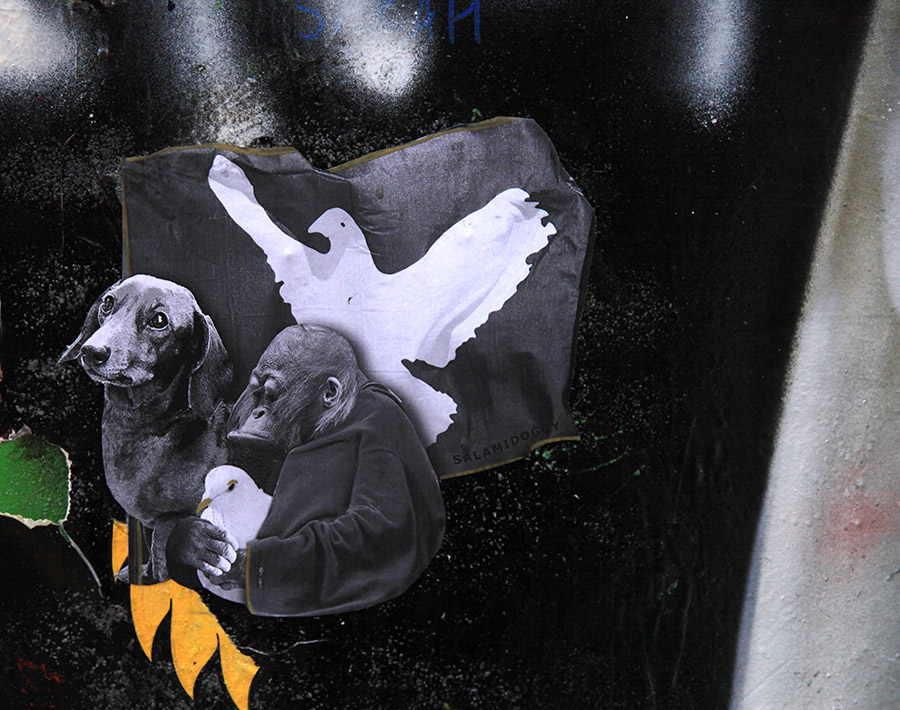
Here’s our weekly interview with the street, this week featuring ANSO, Ben Keller, CP Won, Frank Ape, Hoax, Homesick, Jose Scott13, Loose, Salami Doffy, Tyxna, Vnice World, Noeli, and Xara Thustra.
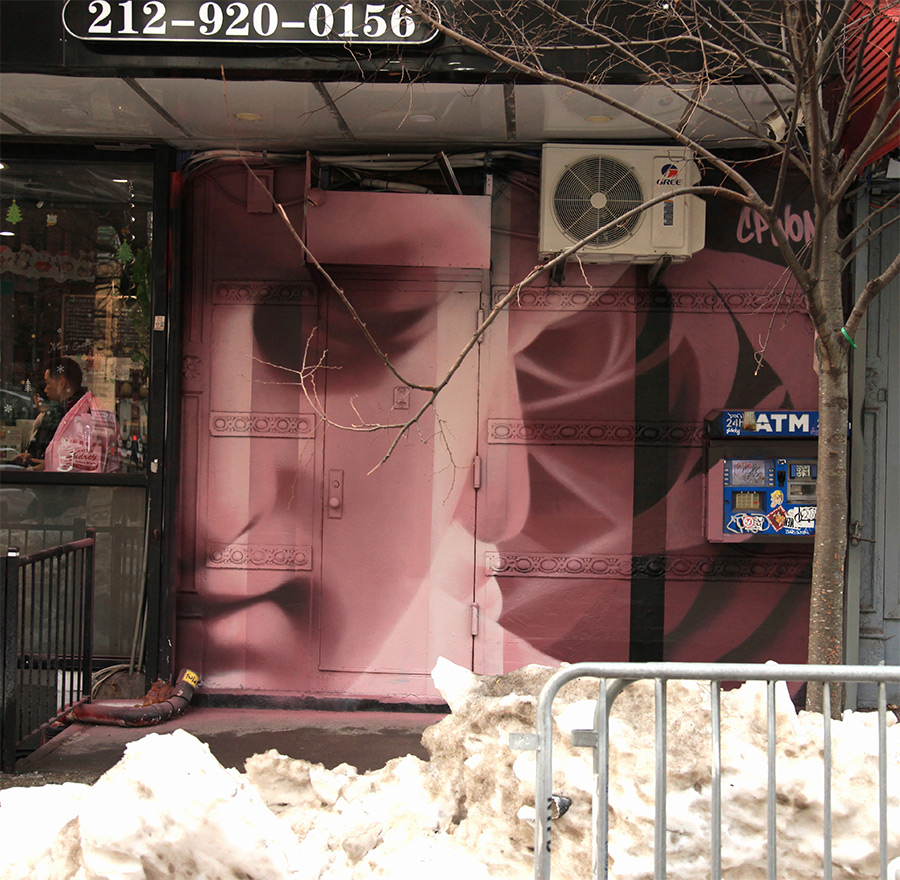
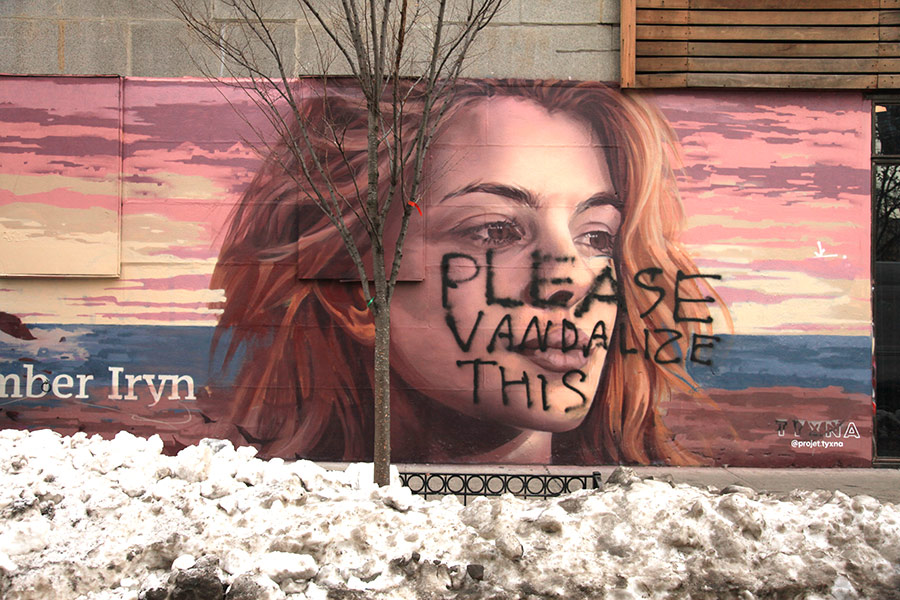
Murals like this new one in Manhattan, and an earlier example in Bushwick, have been appearing in cities including Washington, Miami, Los Angeles, and Chicago, depicting Iryna Zarutska, a victim of violence in Charlotte last summer. The campaign positions her death as a reductionist symbol within a broader, loosely defined narrative that unrestrained “street” crime has overtaken American cities. Her image — carefully selected and conventionally appealing to a certain segment — functions as a cherry-picked face for that message, which some critics view as echoing earlier eras of racially coded fear-based rhetoric that is on display again. Members of Chicago’s Ukrainian community have also pushed back, describing the murals as a cynical tactic and noting, according to local reporting, that the victim’s family was not consulted. The Guardian says the funders have ties to the MAGA movement and billionaire Elon Musk, and it asks, “Are they weaponizing her memory?” The accused attacker’s mom told the local newspaper that her son suffered from severe mental health problems. Whatever the case is, some on the street have decided the whole thing is sus, as the gamer kids say, and have been vandalizing the murals.
The State of New York is under a State of Emergency due to the storm, which made it a good decision to get out earlier this week to document new street art and graffiti. This is typically a slower period for artists and writers, but in this city, the street is never static. There’s always an ongoing visual discussion unfolding in public, often reflecting the moment back at us.
As the weather intensifies, attention turns to those most affected—especially people without shelter and neighbors who may need help. If you can, check in on people nearby and offer what you’re able: a blanket, food, or a small bit of assistance can make a real difference.
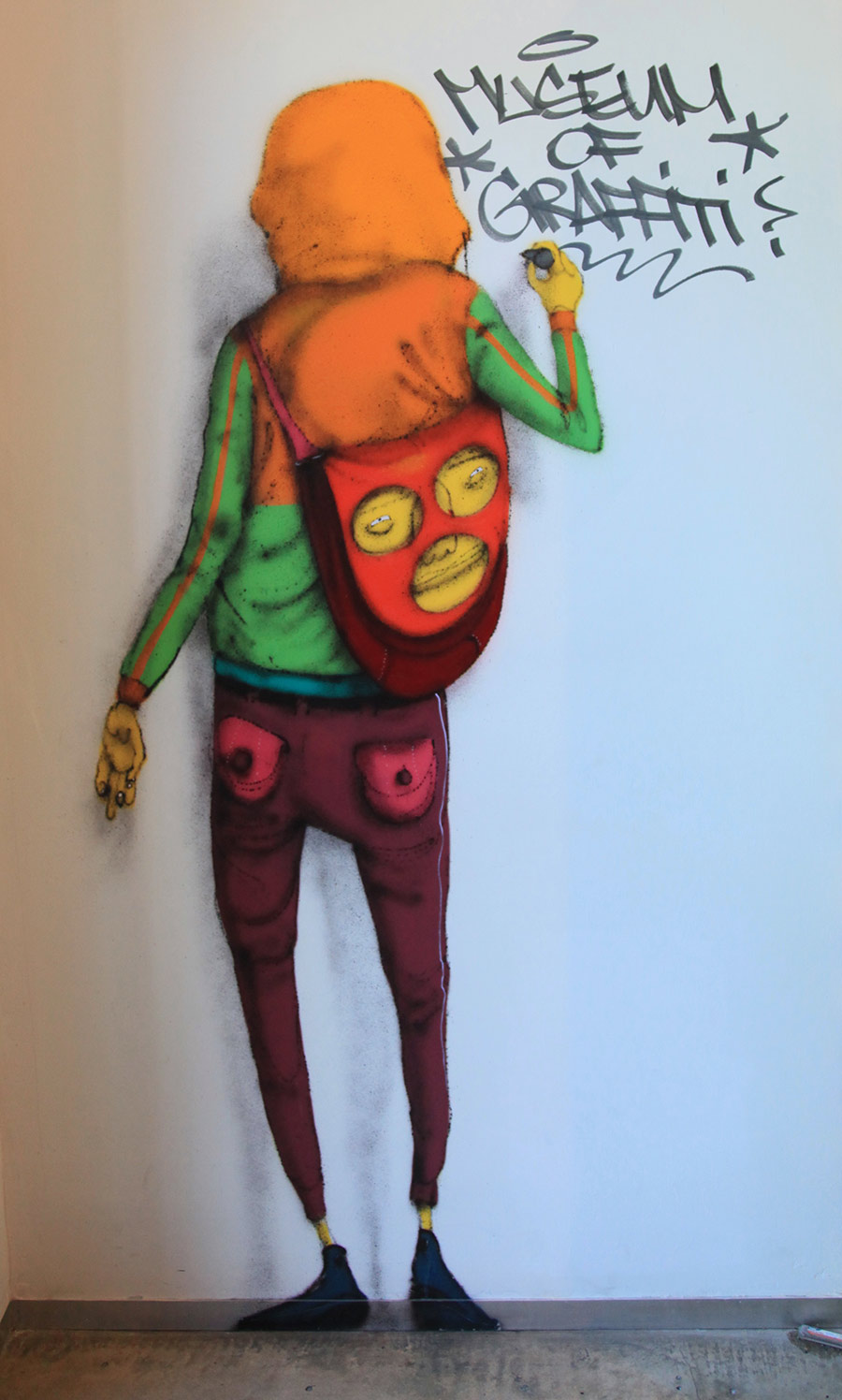
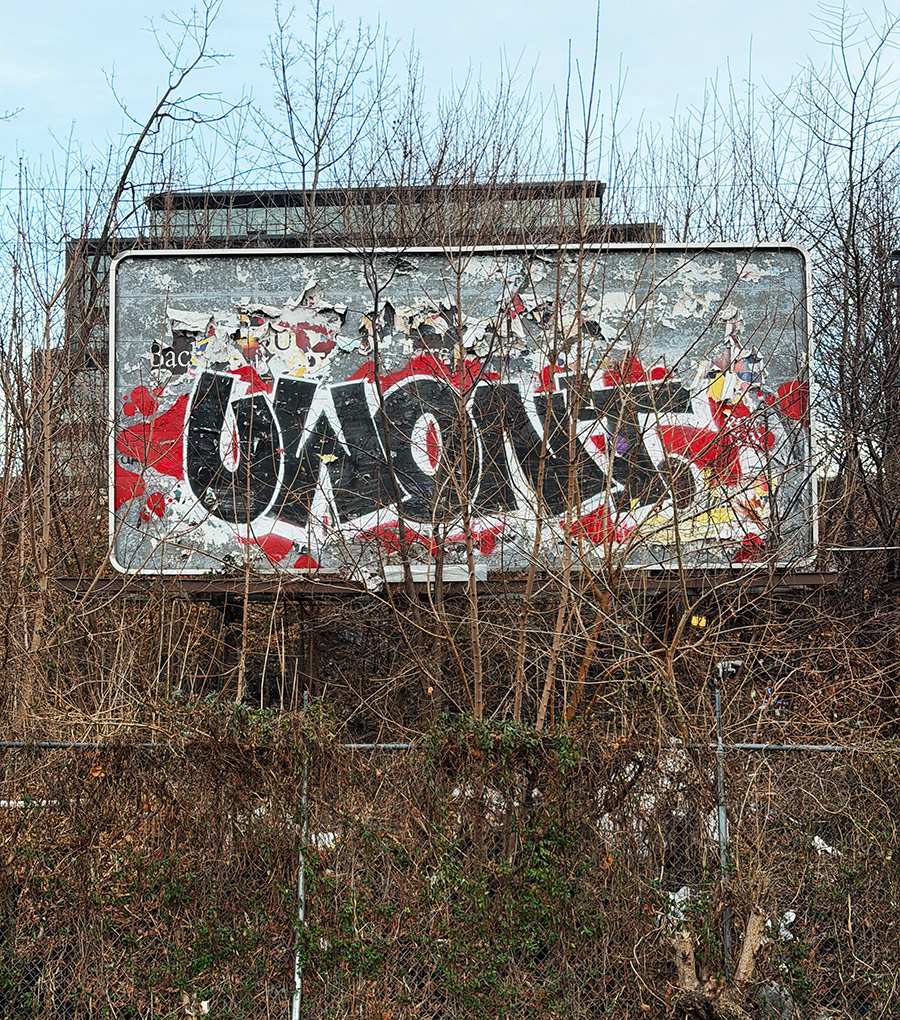
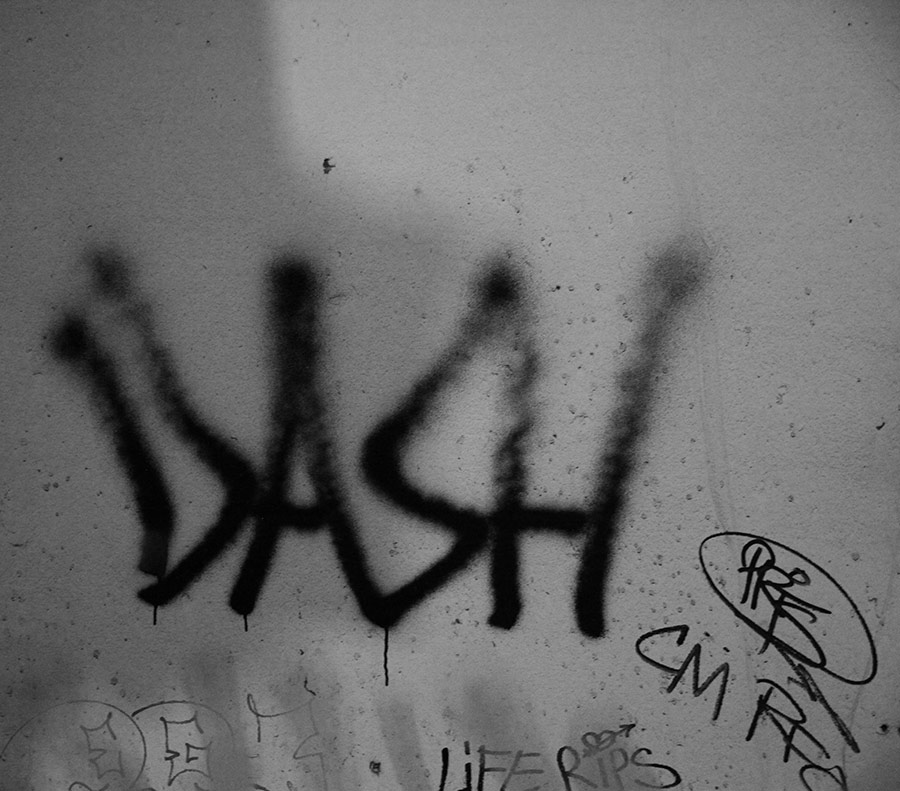
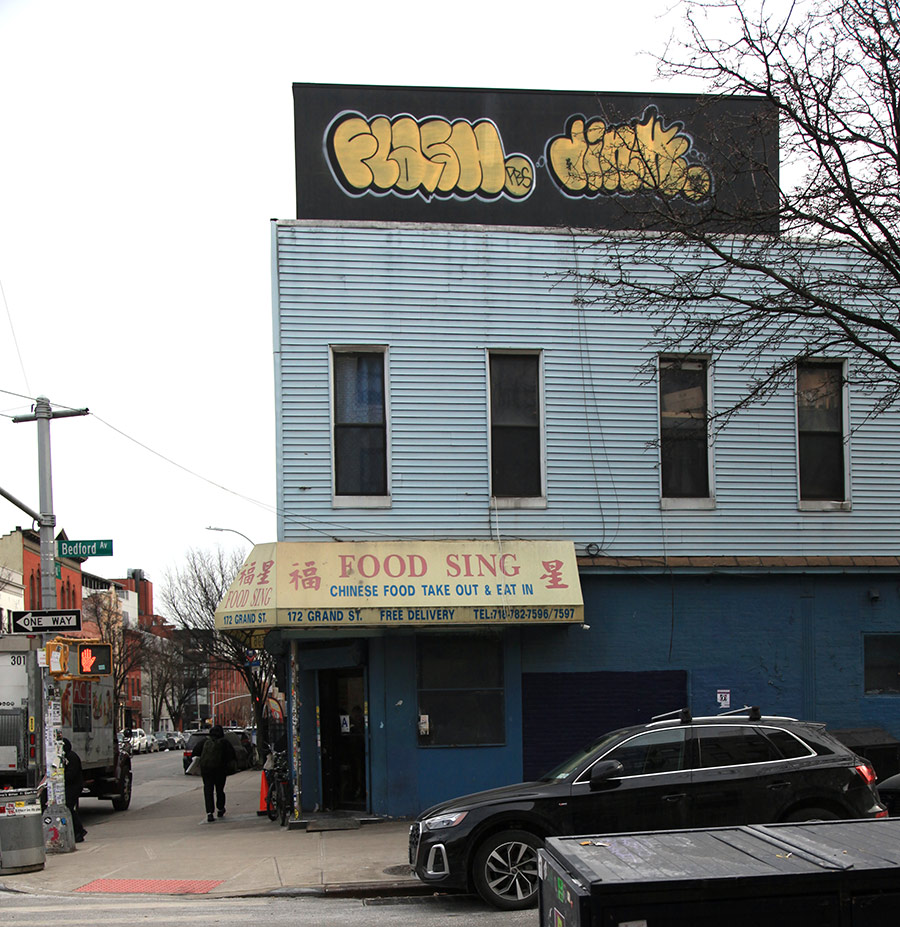
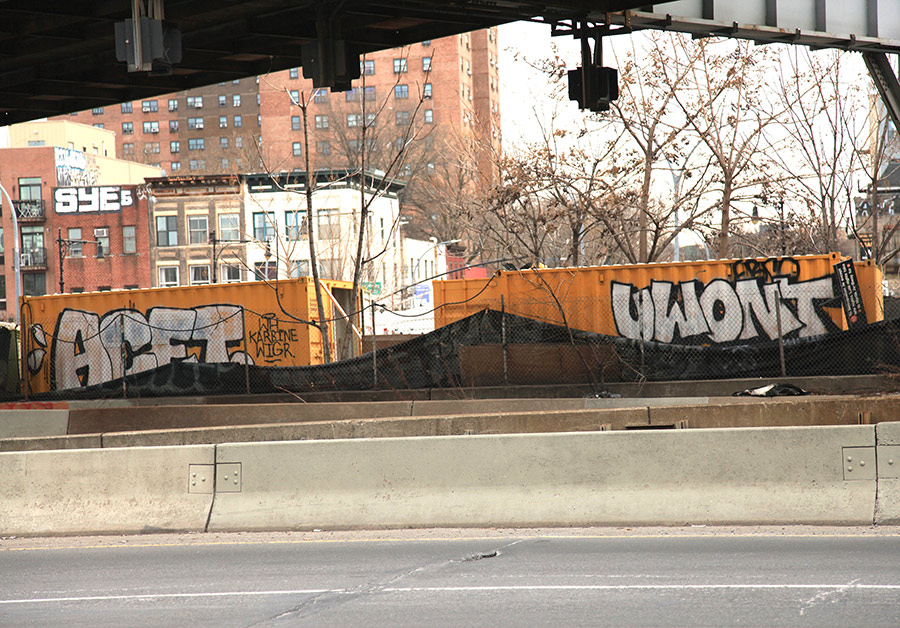
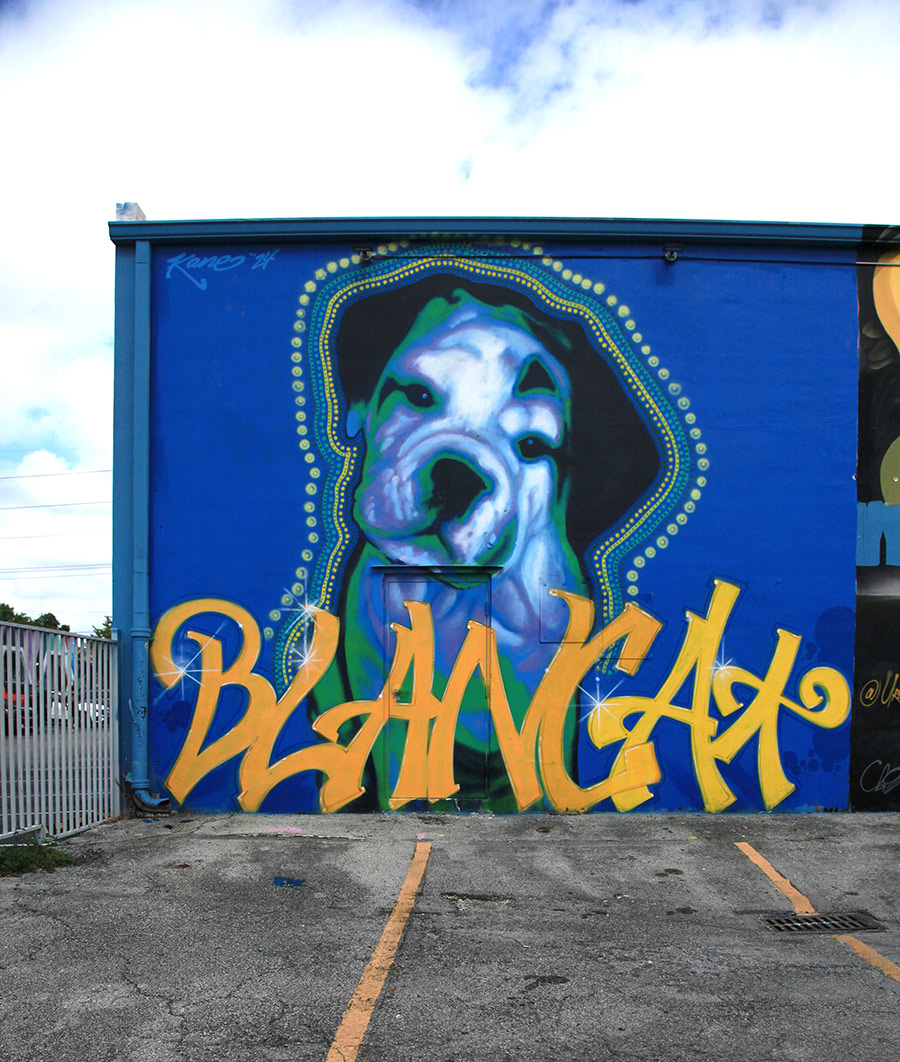
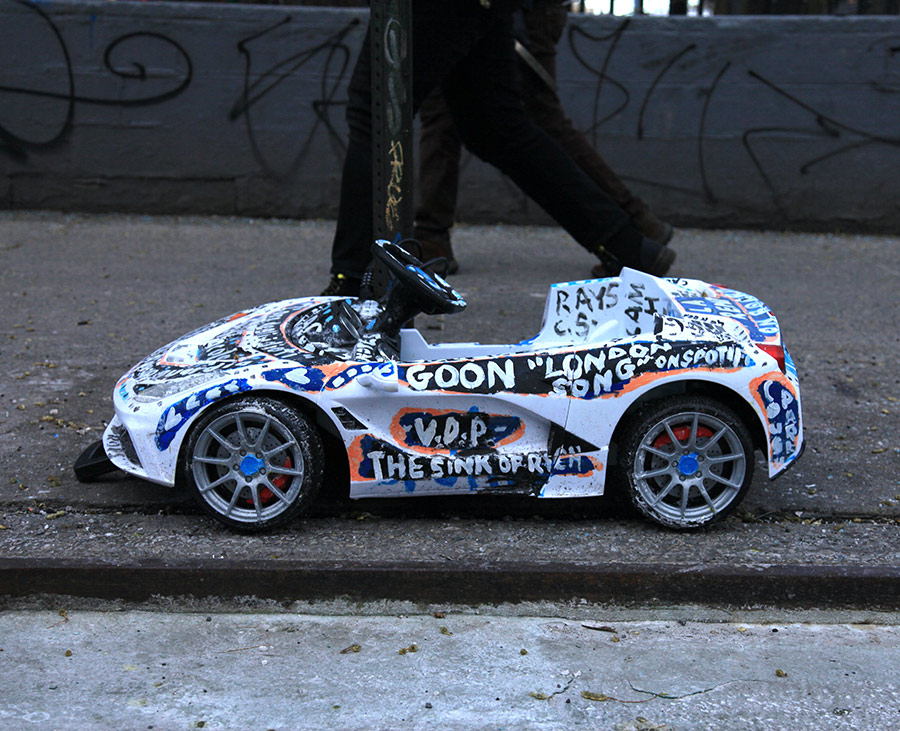
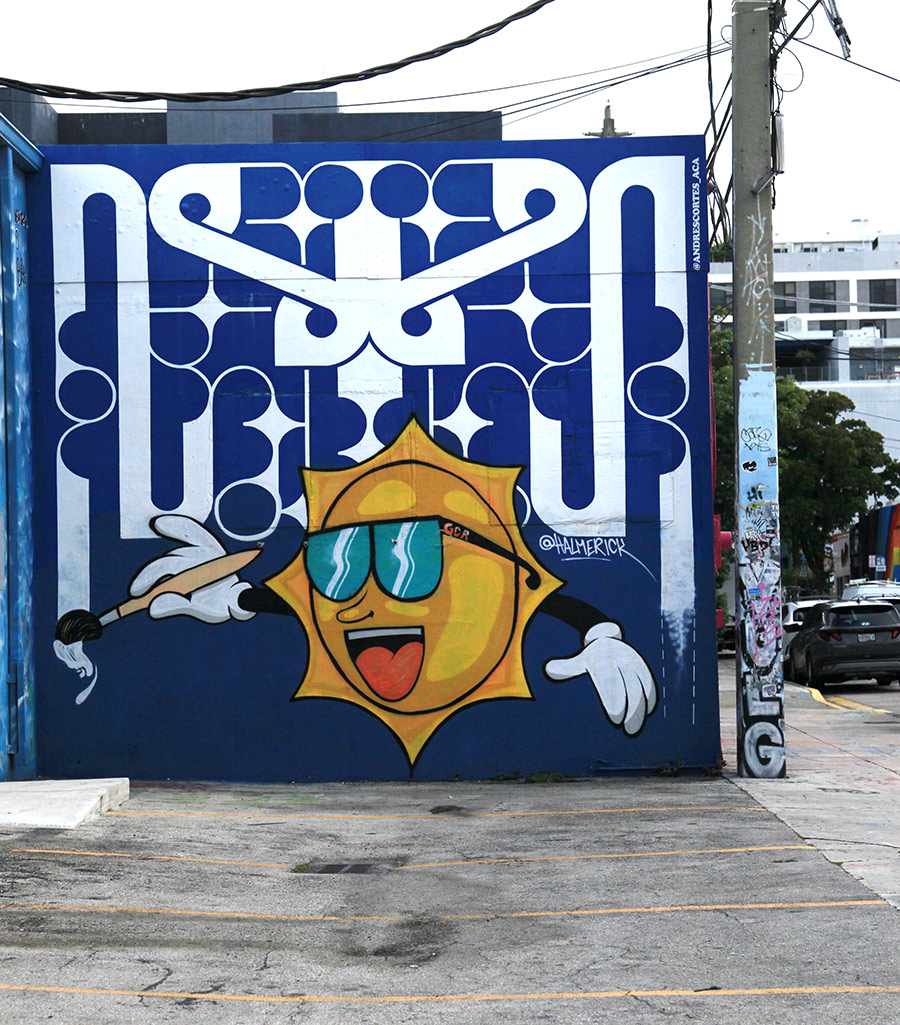
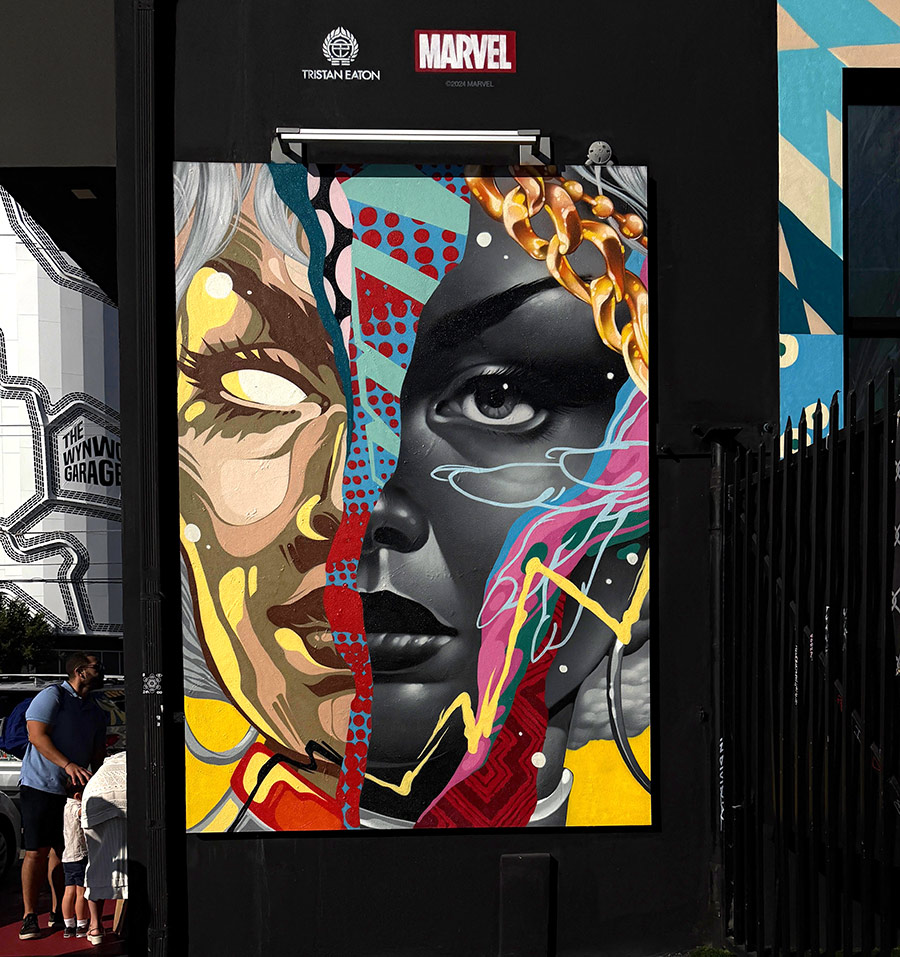
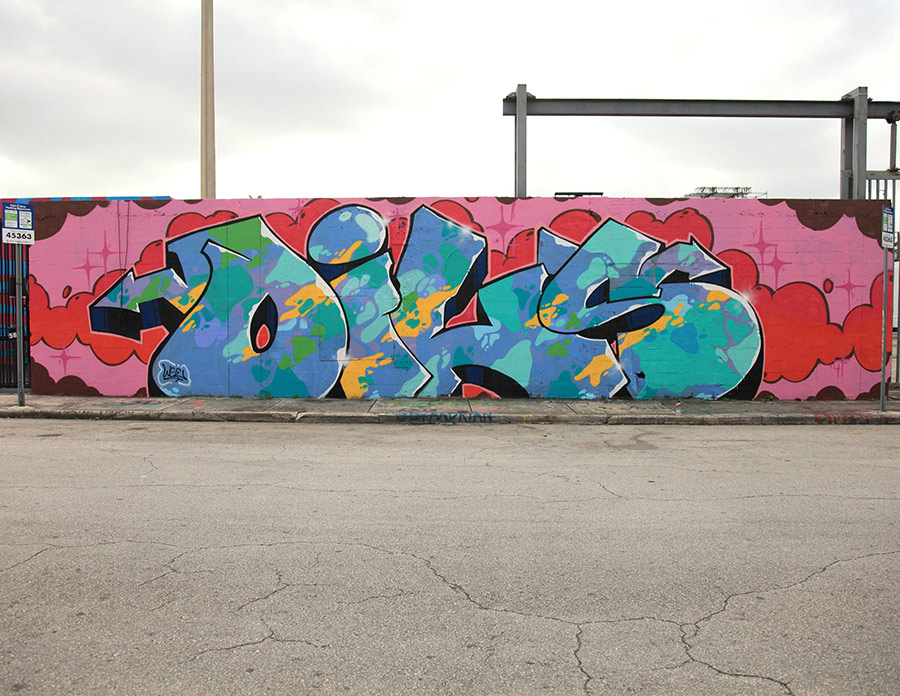
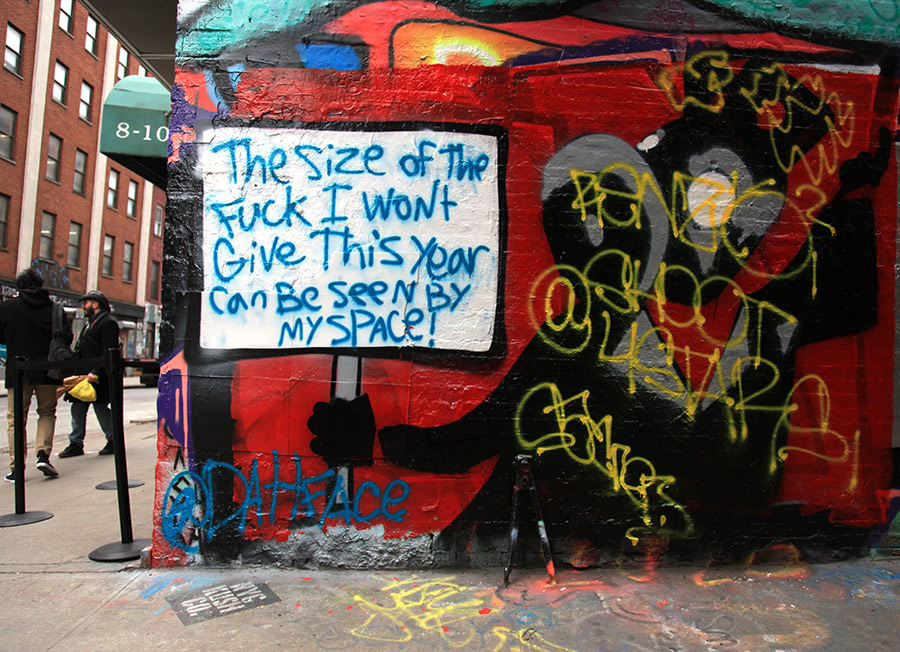
Here’s our weekly interview with the street, this week featuring Acet, Dah Face, DASH, DELUDE, DIKS, DINK, FLASH, Hal Merick, Homesick, Kane, Mike, No Normal, Os Gemeos, Quaker Pirate, Trisan Eaton, Uwont, and Xara Thustra.
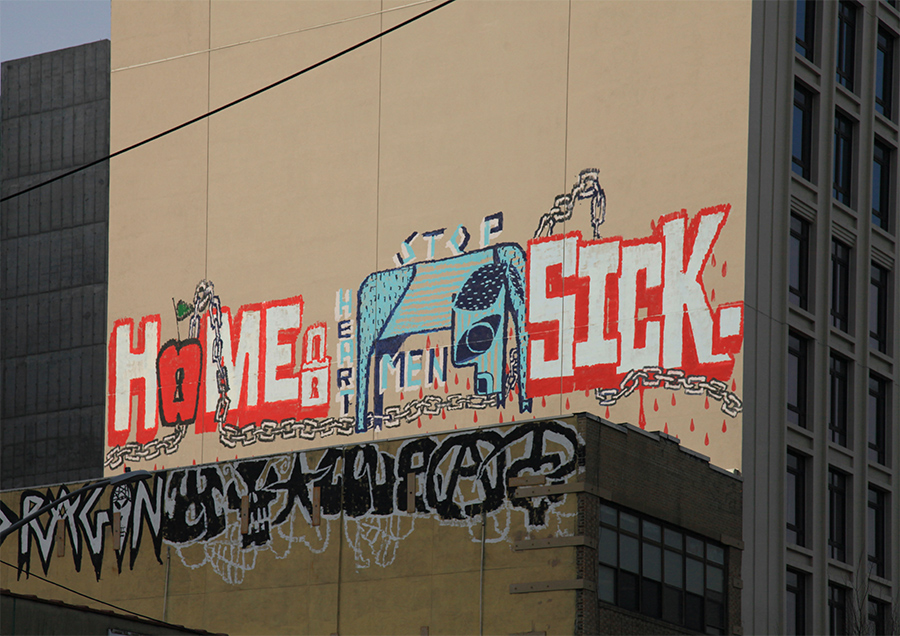
It looks like Xara Thustra is the artist behind the “STOP MEN” installation (sometimes interpreted as part of a larger, ongoing tag) on the Manhattan side of the Williamsburg Bridge. The letters are painted on a high, visible spot on the bridge structure, reportedly over several nights.
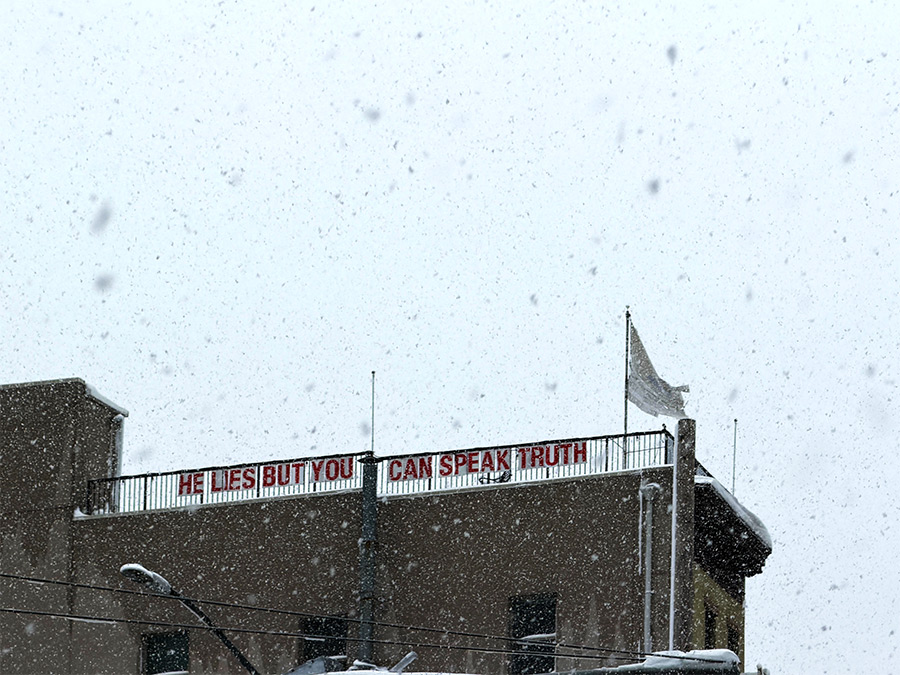
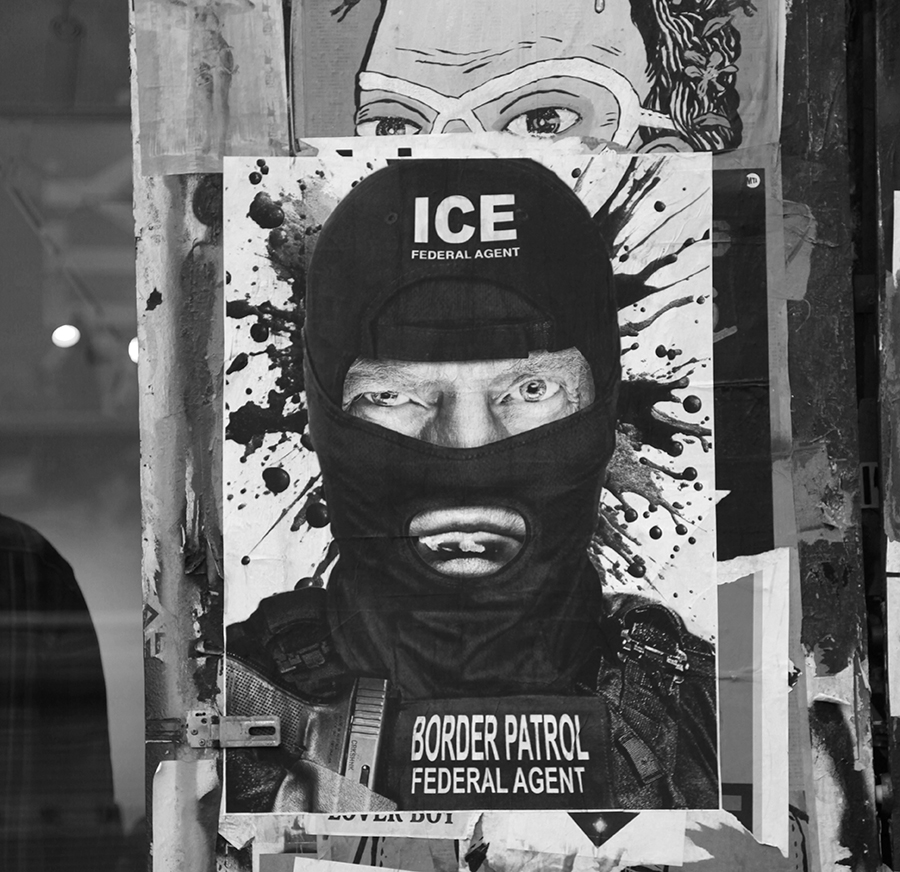
Snowy. Hard to see through right now. The physical temperature here in NYC is low, but the rhetorical temperatures are spiking across the land. The battle for freedom is in the courts and Congress and in the streets again, with the demonized and disenfranchised reeling back on their heels. When pressure like this builds, it surfaces everywhere at once—across institutions and culture, on ballots, in courtrooms, and eventually on the street—because culture absorbs, and sometimes rejects, what power attempts to normalize.
Humans never tire of this story—our story—the one where autocrats punch down, reign briefly, and are eventually upended by resistance. Otherwise, why does it recur across centuries, across societies and school districts and states and strata and Shakespeare? Silly and careless as we are, immigrants and the descendants of immigrants let our guard down again, and those who mistake domination for virtue rise again, attempting to strip us all of liberty, to fracture us, to manufacture narratives of the “other.”
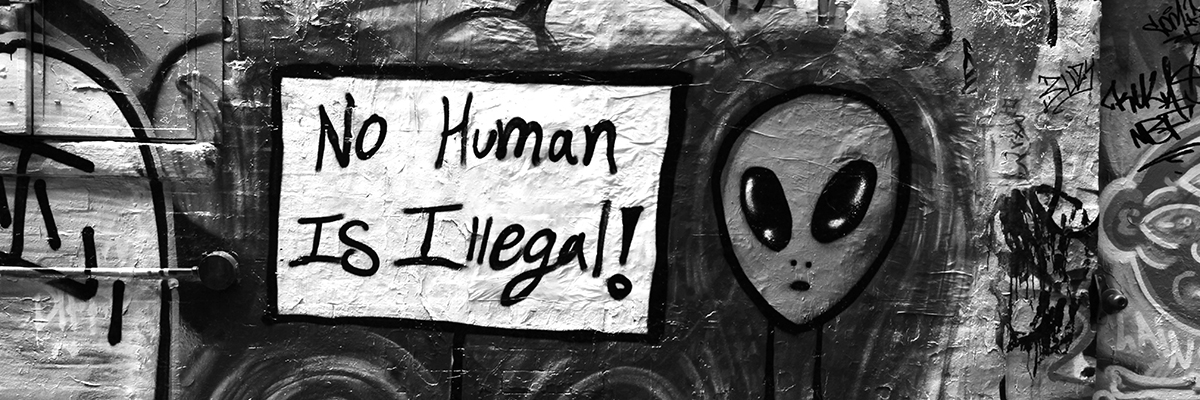
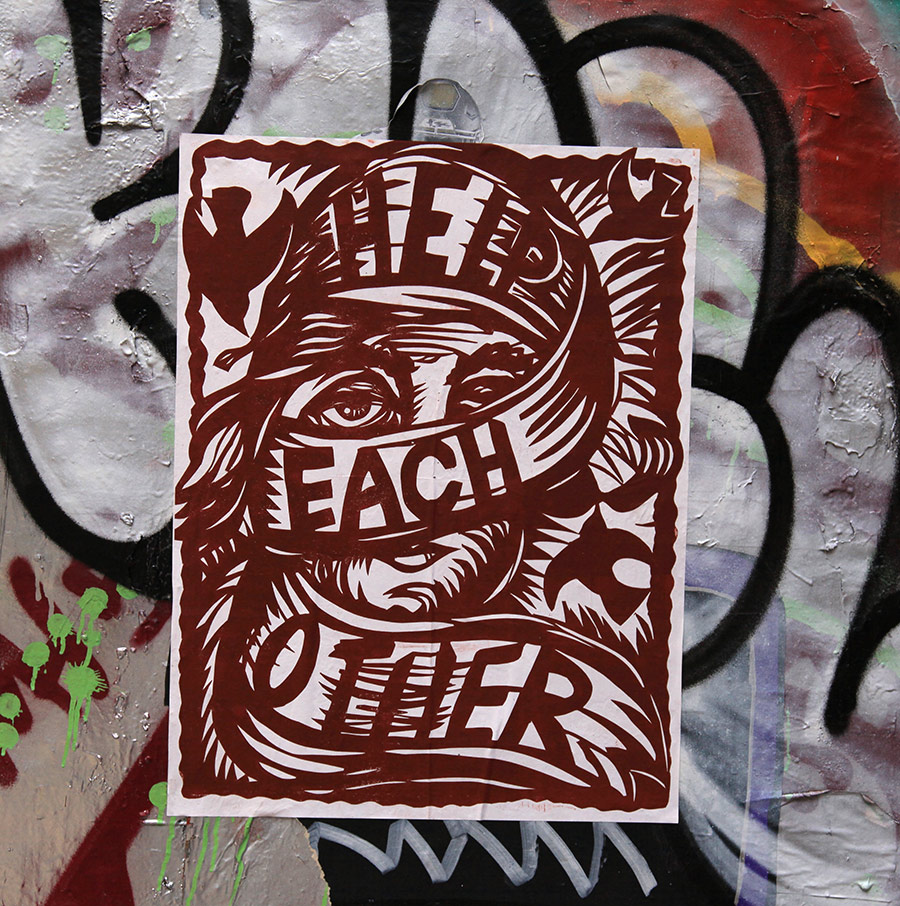
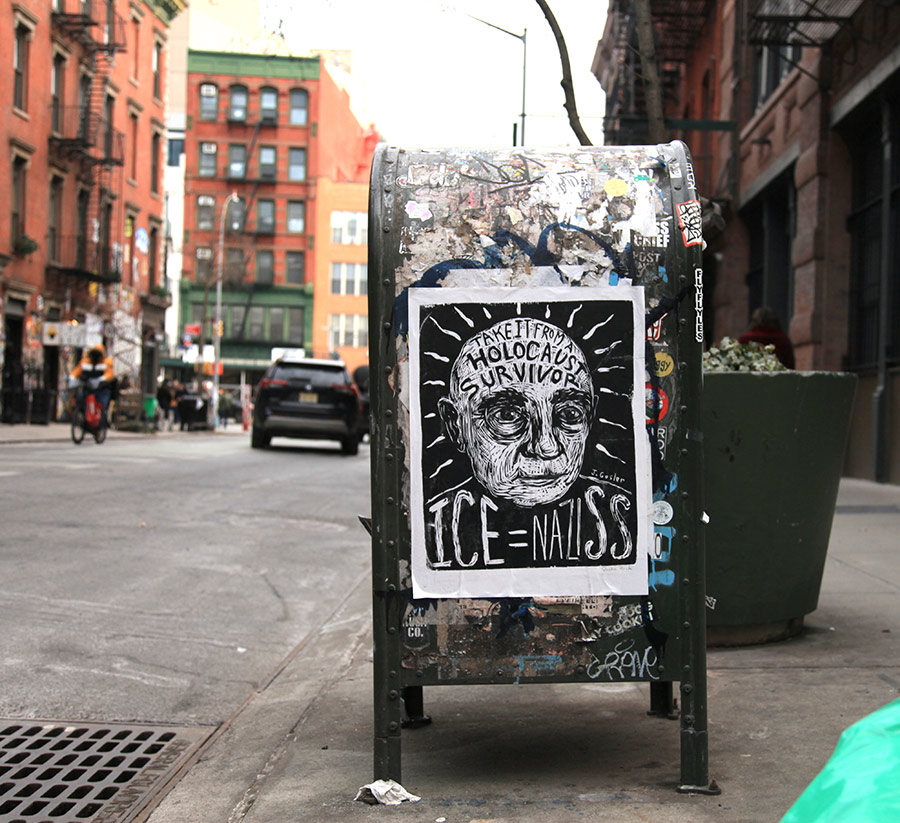
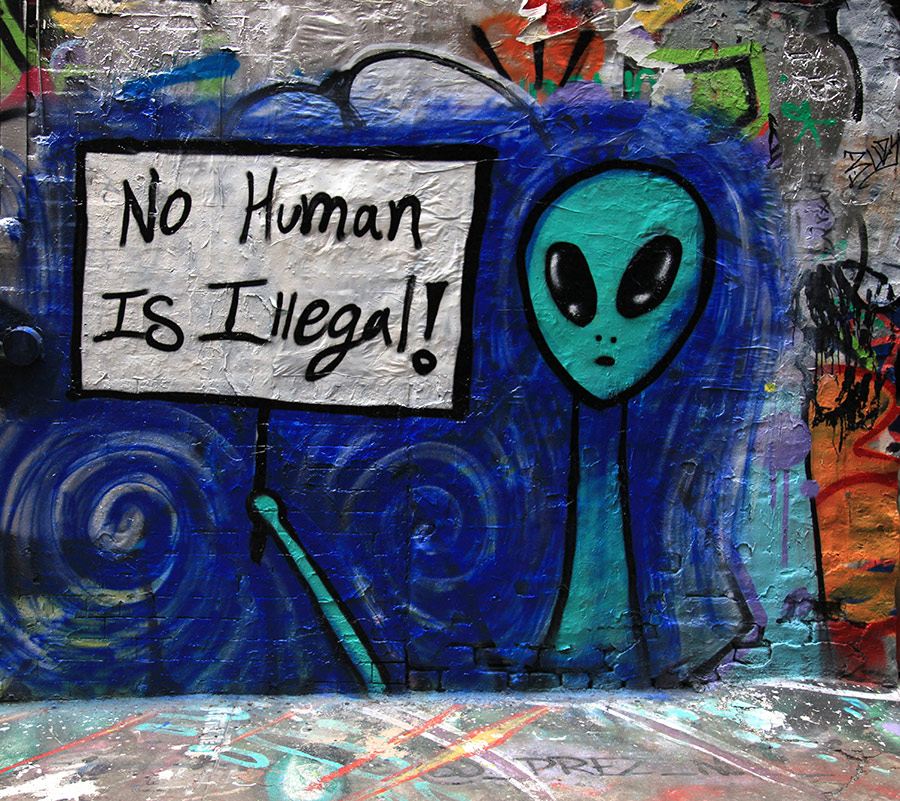
One thing people don’t tire of is what keeps reappearing on walls and signs in cities nationwide: reminders of our ideals of welcoming the stranger, embracing difference, and becoming stronger because of it. Walls—often instruments of exclusion—remain contested surfaces for street artists and rebels, carrying rebuttal, invoking memory, and thrashing out dissent in public view. Immigrants are the heart of New York, our DNA melded through toil, competition, and chutzpah. We know tyrants, many of us, as did our parents and grandparents—having escaped them, named them, and fought back against them.
Lo, beware of those who forget where we came from: everywhere.
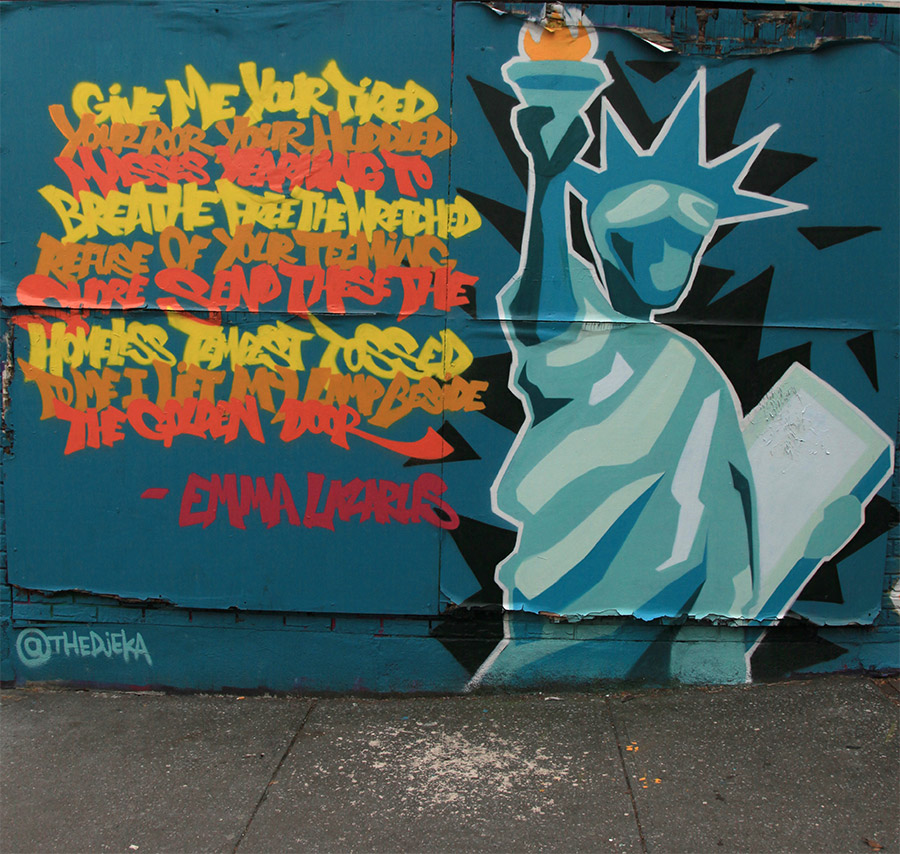
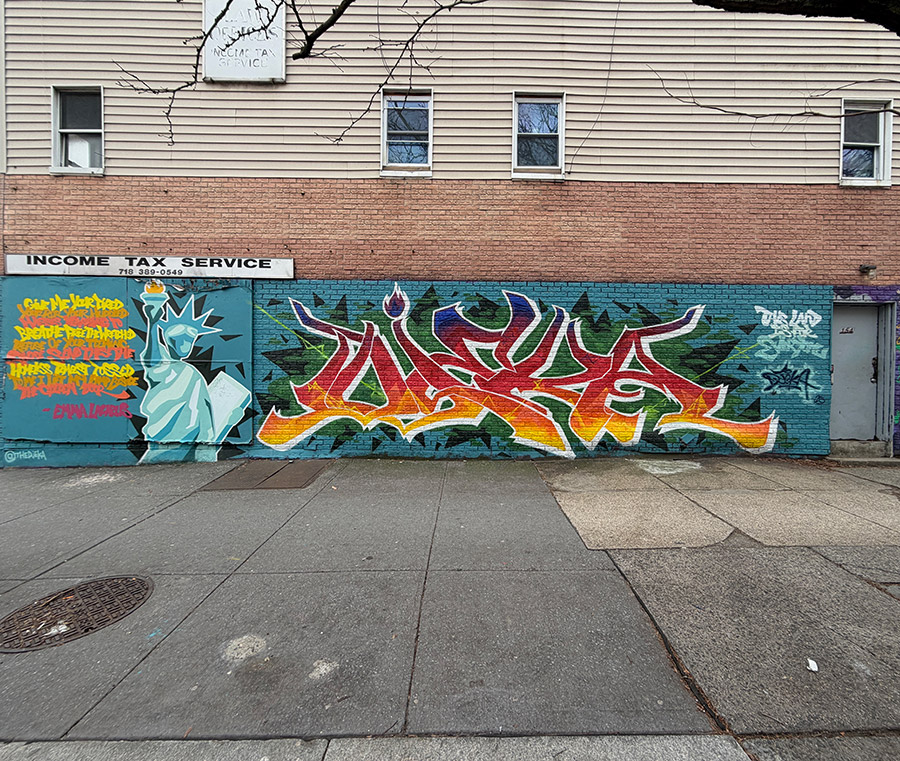
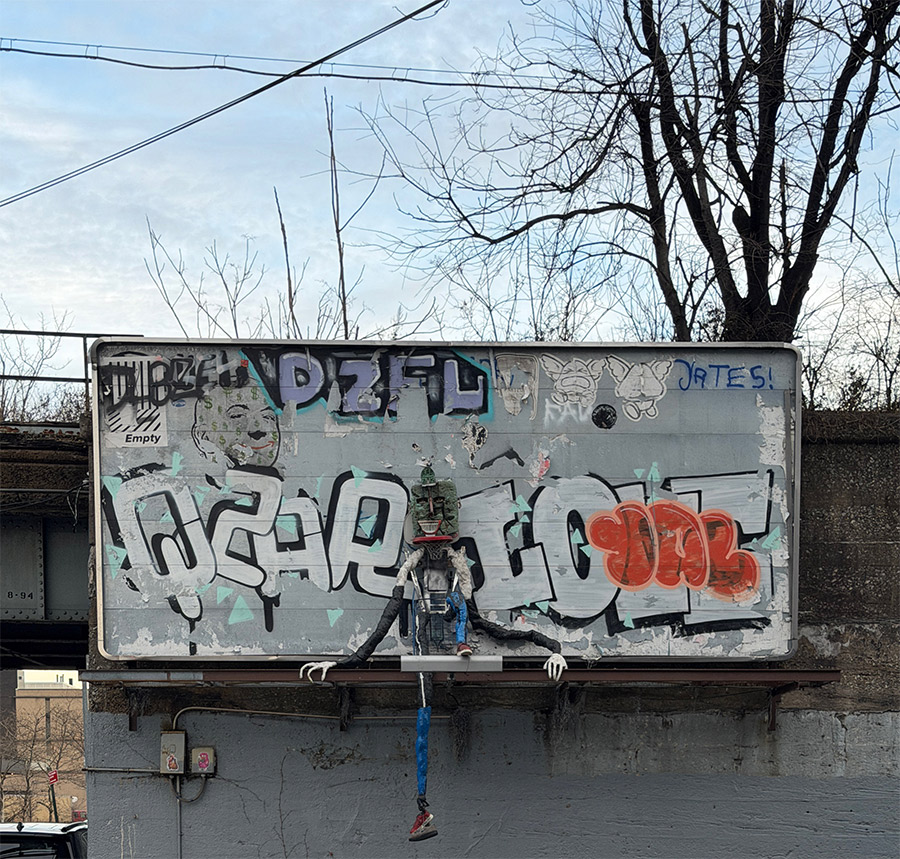
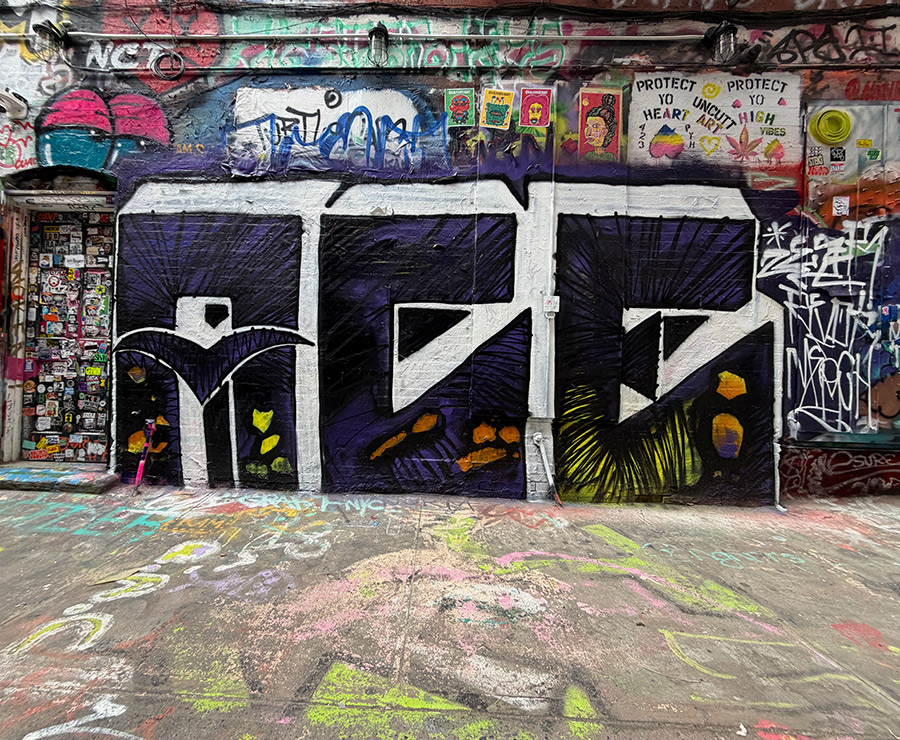
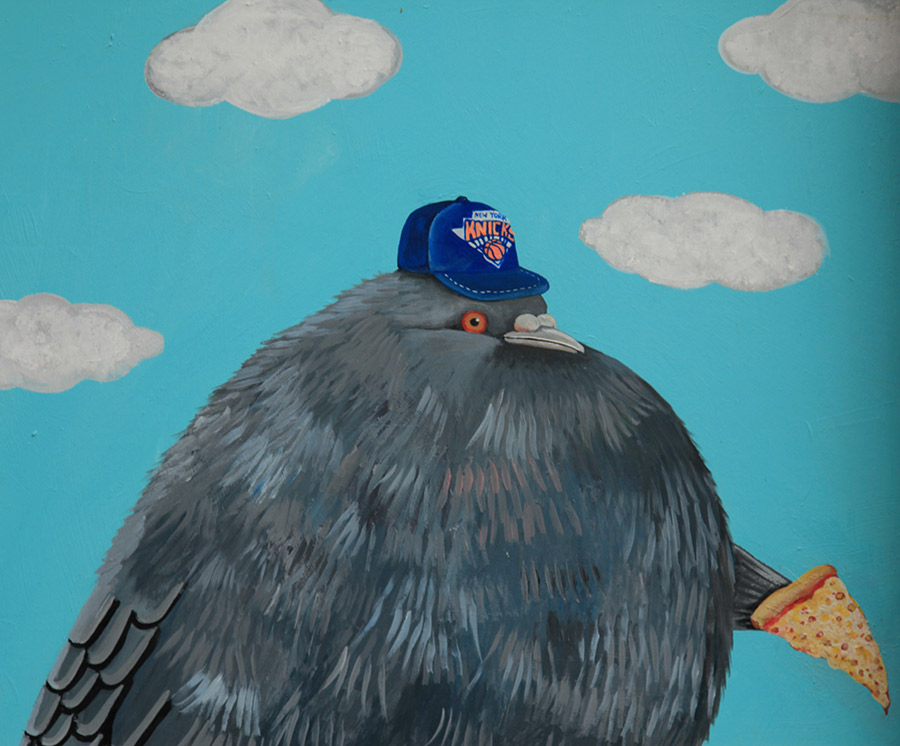
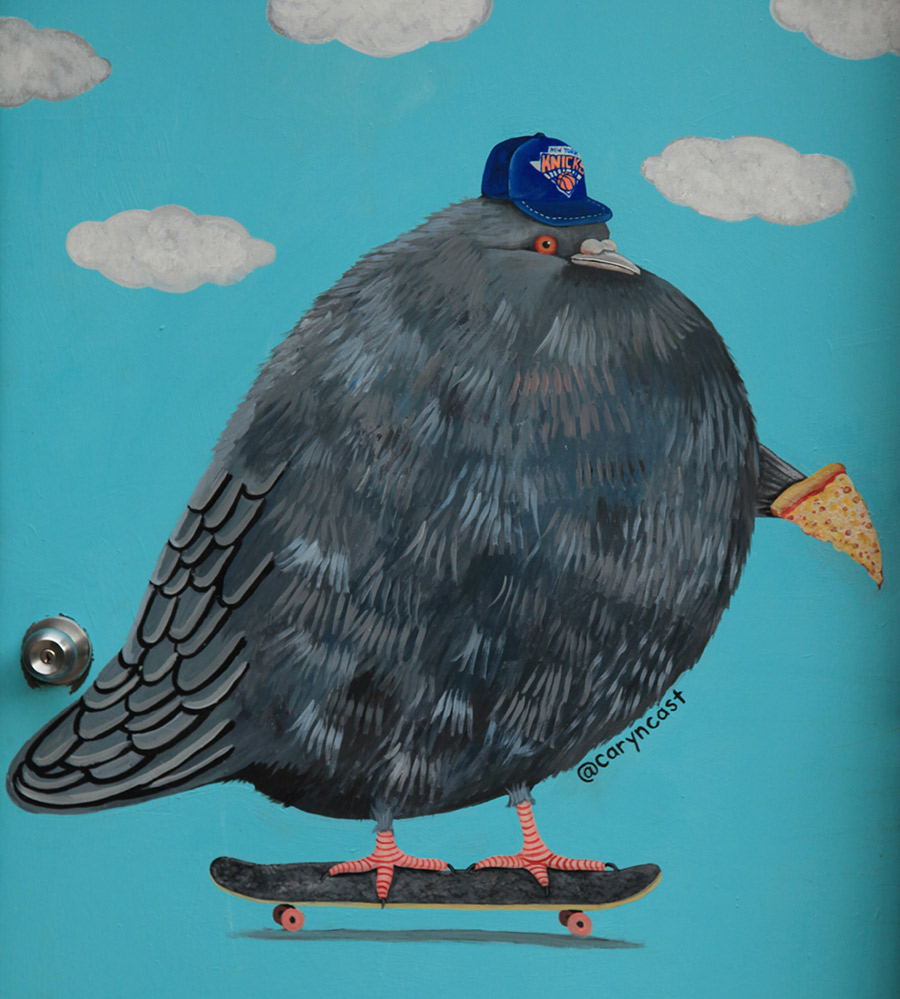
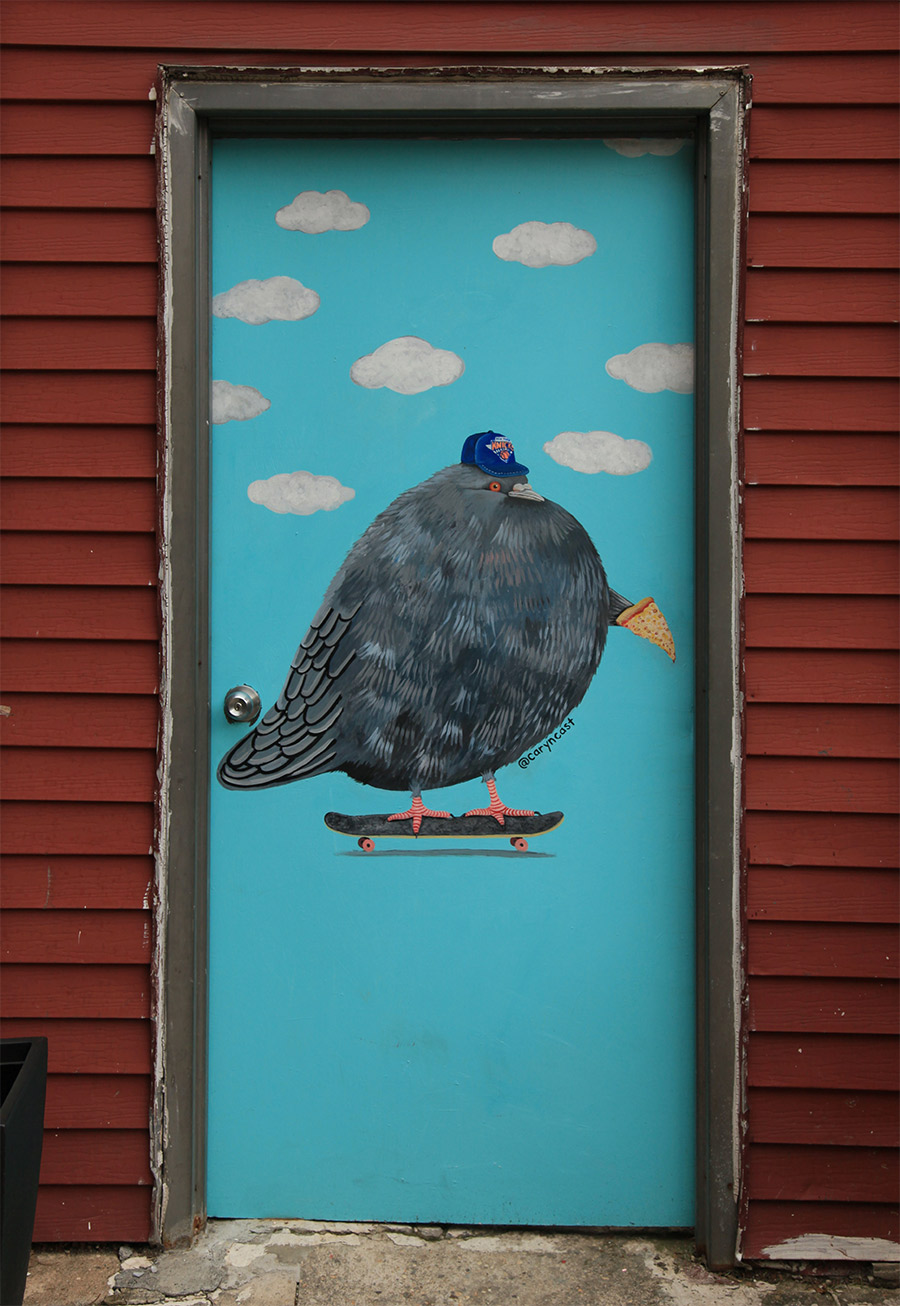
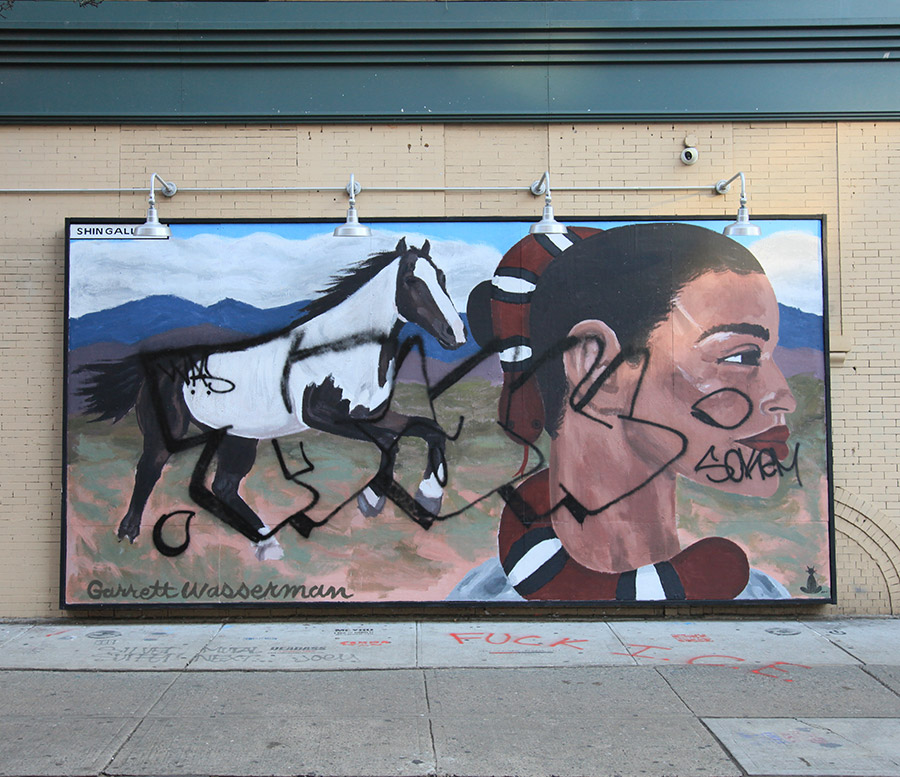
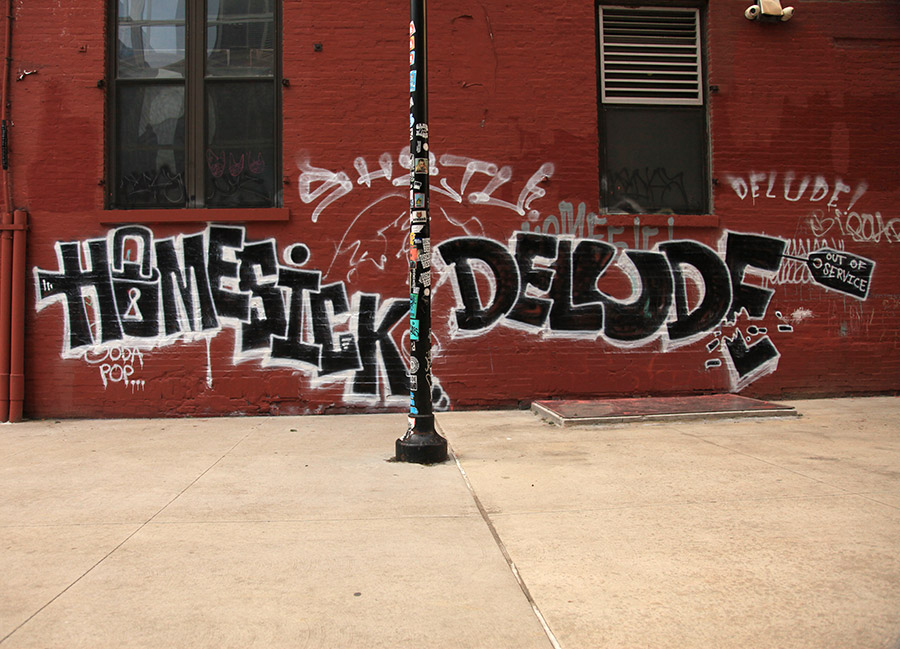
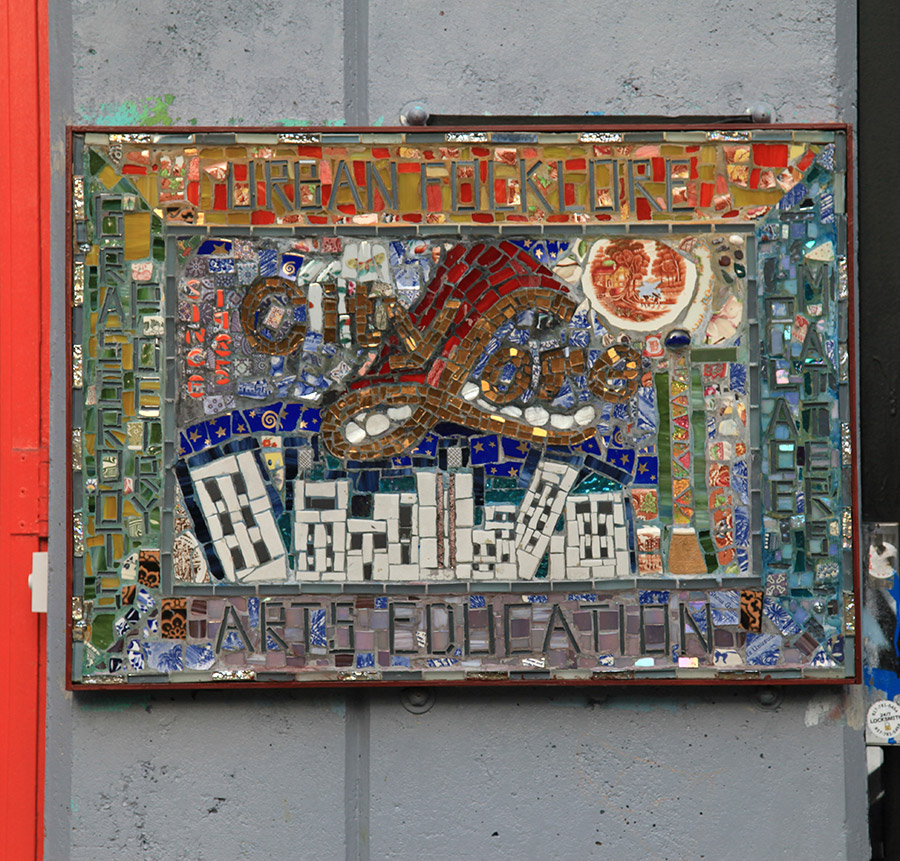
Here is our visual interview with the streets, this week featuring ACE, Caryn Cast, CRKSHNK, DELUDE, Dieka, Garrett Wasserman, Homesick, Jibz, Jim Power, Mosaic Man, Naiver, Qzar, Rae, Salami Doggy, and Wellnoo.
“Give me your tired, your poor, Your huddled masses yearning to breathe free… The wretched refuse of your teeming shore. Send these, the homeless, tempest-tost to me, I lift my lamp beside the golden door!”
Welcome to BSA Images of the Week. Photographer Jaime Rojo hit the ground running upon getting back to dirty old Brooklyn this week from a Berlin/Prague tour. Lots to report from there on the walls, in the gallery, and in the museum spaces – and more to come for you to enjoy. In the meantime, here’s what he found on the streets of NYC; a mash-up of handstyles, graphics, pop cues, fine-art chops, humor, sarcasm, reverence, and straight-up rebellion — cultures colliding and talking back.
We begin the show with a new portrait of the much-loved graffiti and street art photographer Martha Cooper, based on a photo by Corey Nickols and painted by Swed Oner (Mathieu Taupenas) in Bushwick with Joe Ficalora and the Bushwick Collective by his side. Born in the south of France in the 80s, a graffiti writer in the late 90s, Swed Oner is now known for his hyper-realistic, monochrome portraits of people transformed into religious icons – featuring a “halo” motif for framing.
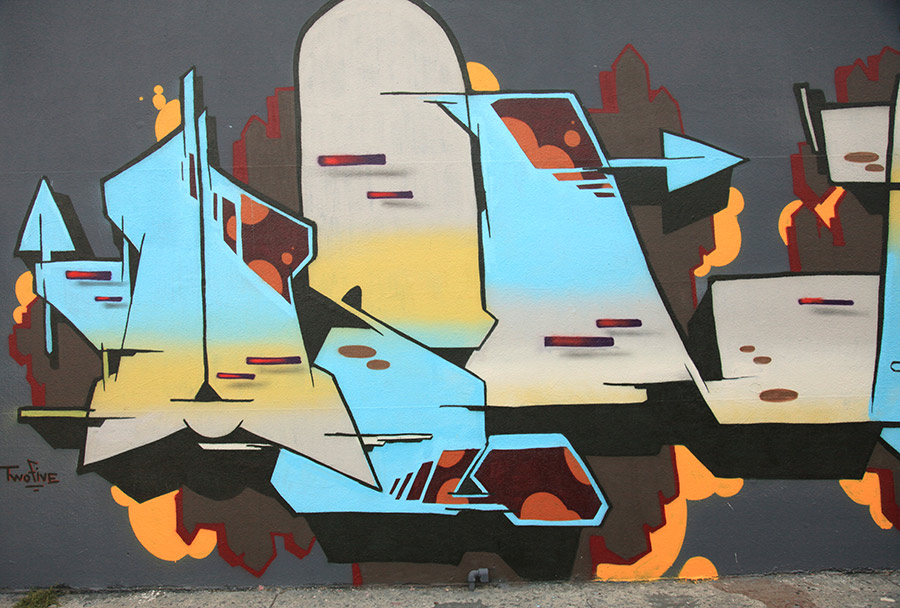
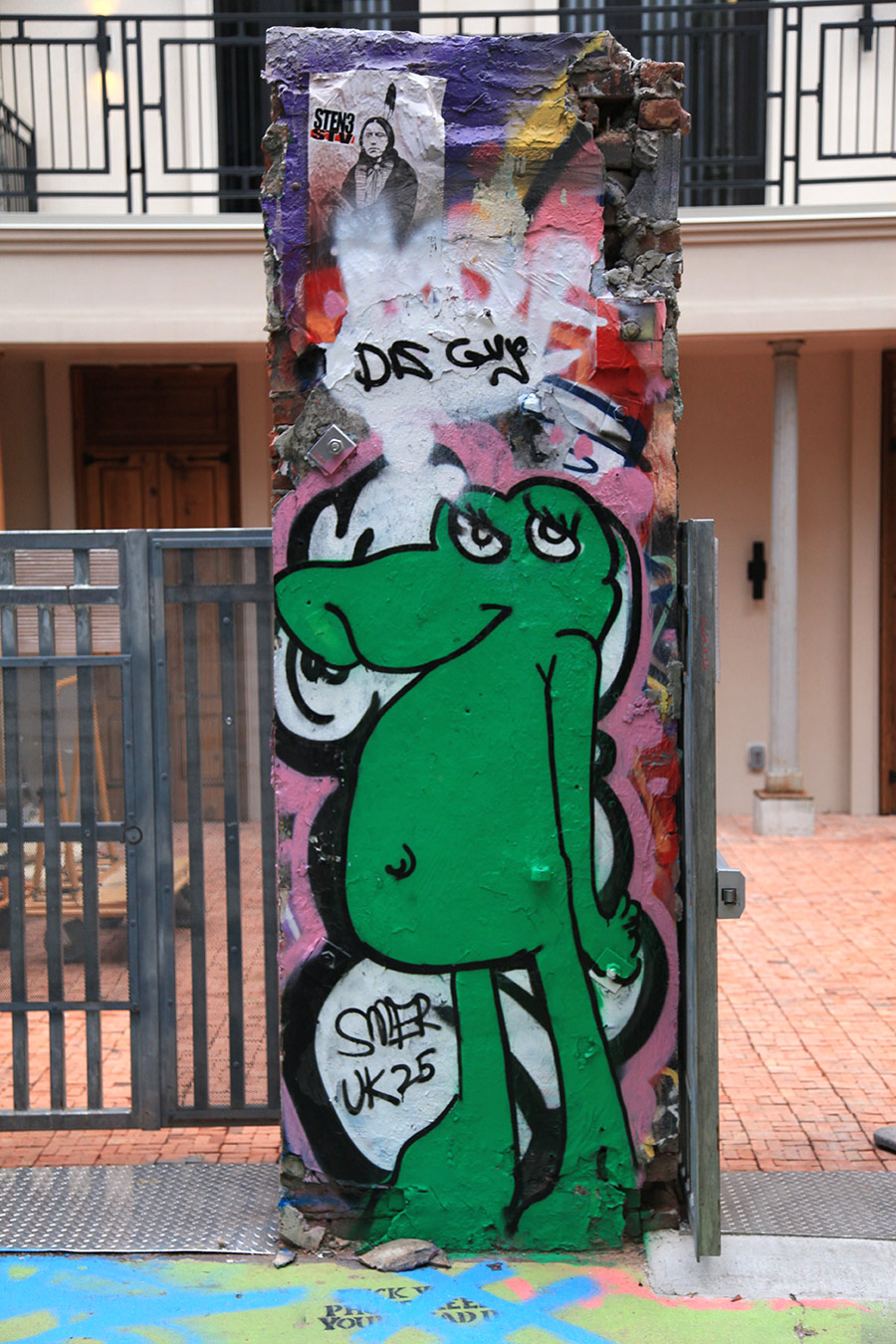
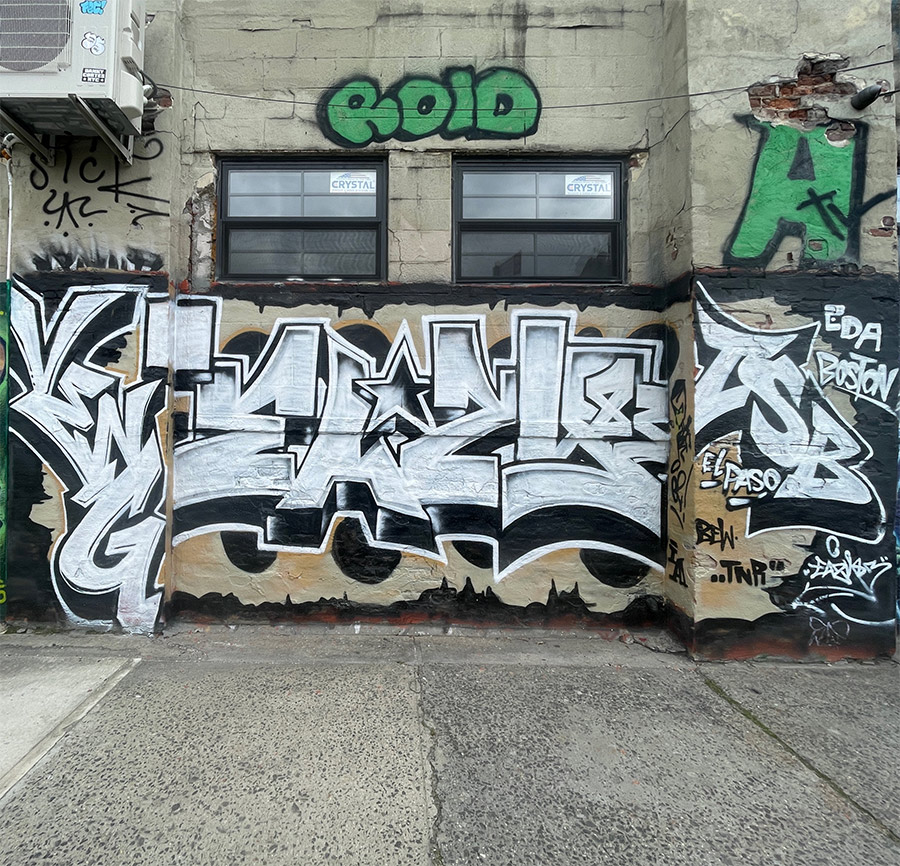
Featuring Dzel, EAZV, EXR, Gloom, Homesick, IMK, ISB, Jodi Da Real, KAMZ, Mike King, Notice, RIP Money, Shwan McArt, Silent, Smaer, Two Five, VENG, Warios, Werds, and ZOZS.
For decades, graffiti, street art, and contemporary art have spoken with one another, exchanging ideas, aesthetics, techniques, and attitudes along …Read More »
 BROOKLYN STREET ART LOVES YOU MORE EVERY DAY