Heron Arts in San Francisco presents RECLAMATION this August, a two-man show featuring Augustine Kofie and Erik Otto, who transform personal wreckage into fresh work. Forty new pieces, curated by Tova Lobatz, put both artists in a head-on conversation about loss, recovery, and what can be built out of the ashes.
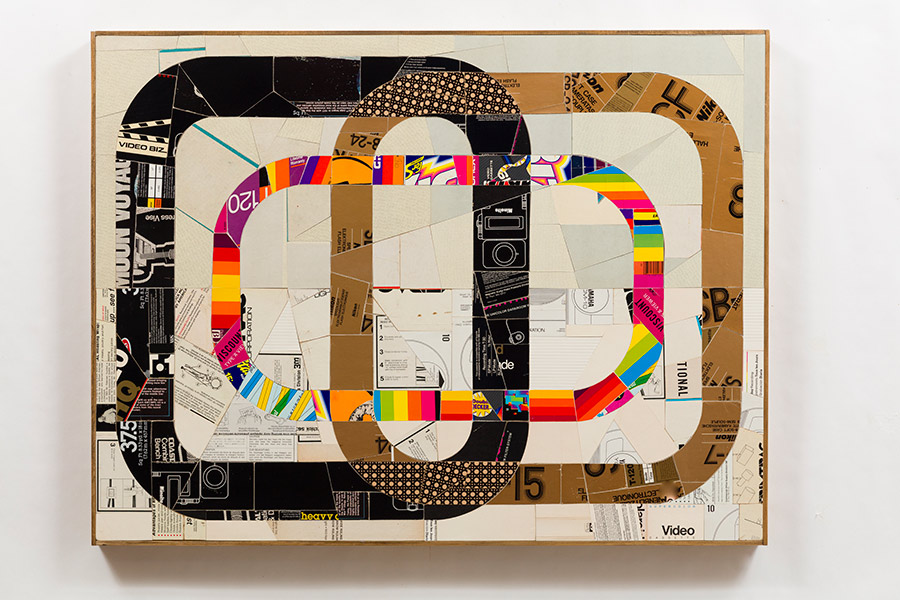
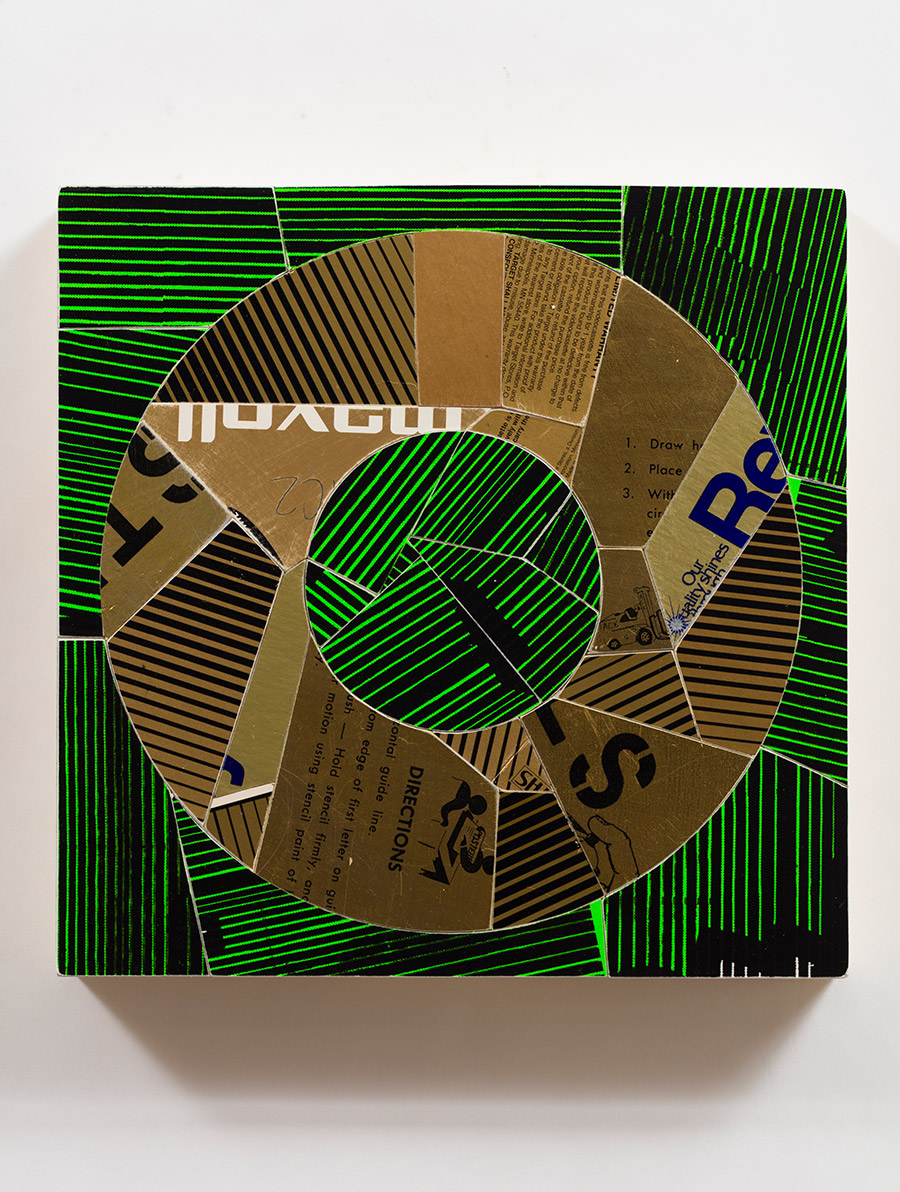
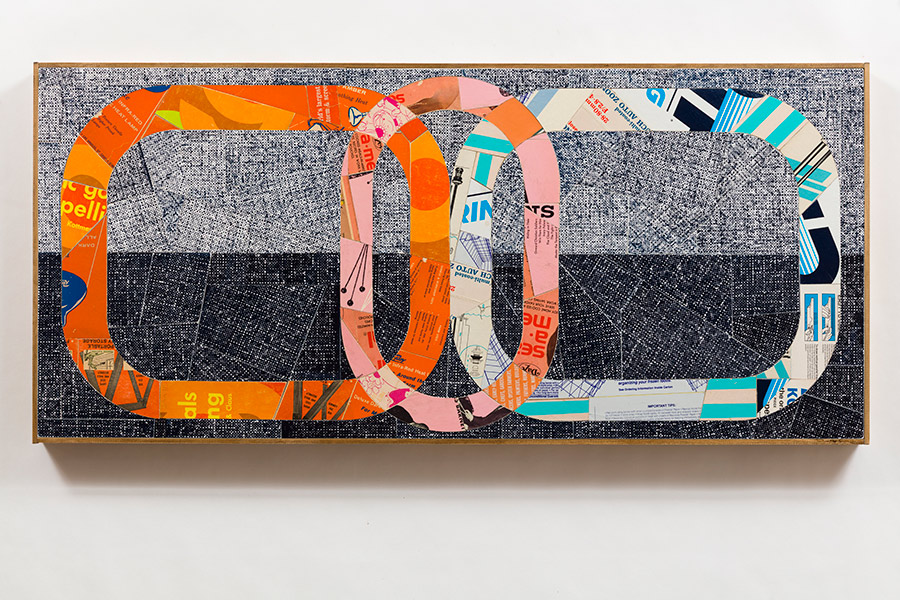
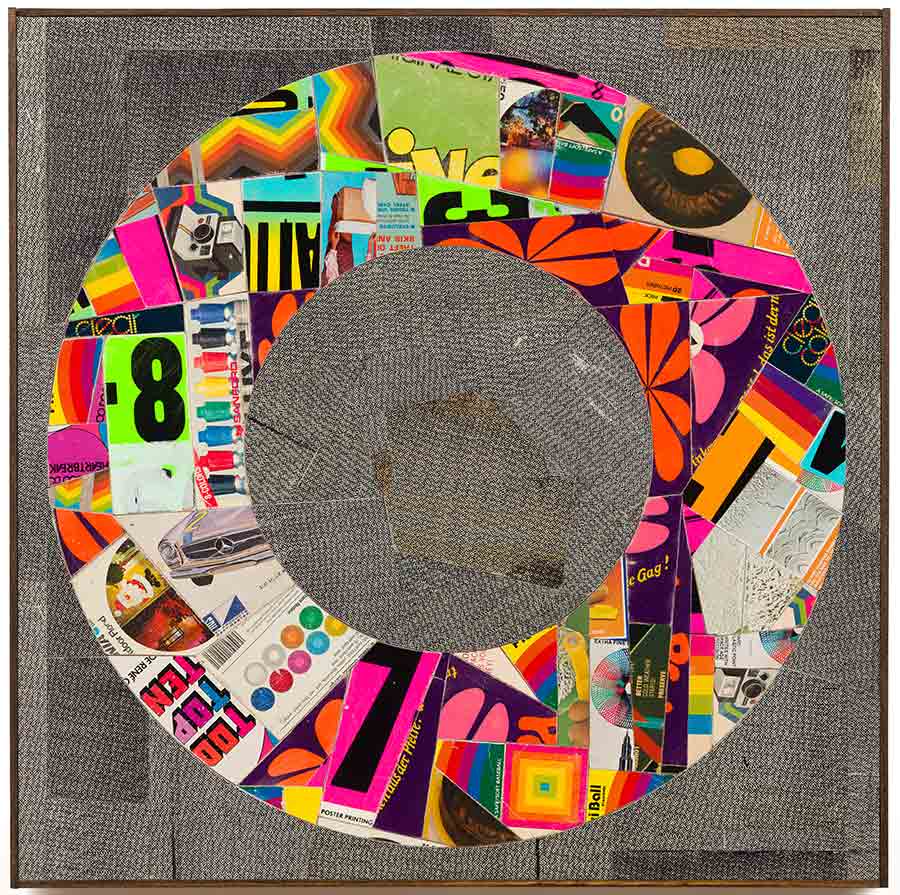
Augustine Kofie. Reclamation. Heron Arts, San Francisco, CA. (image courtesy of the gallery)
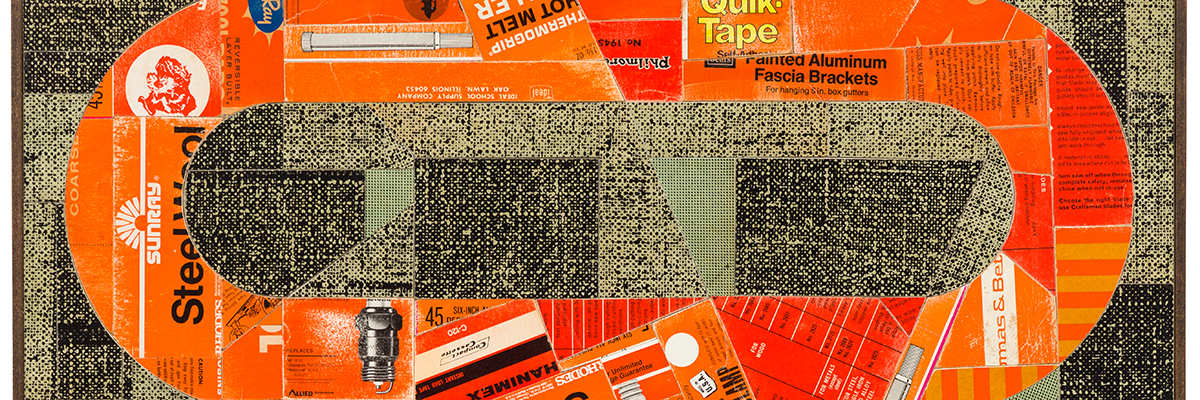
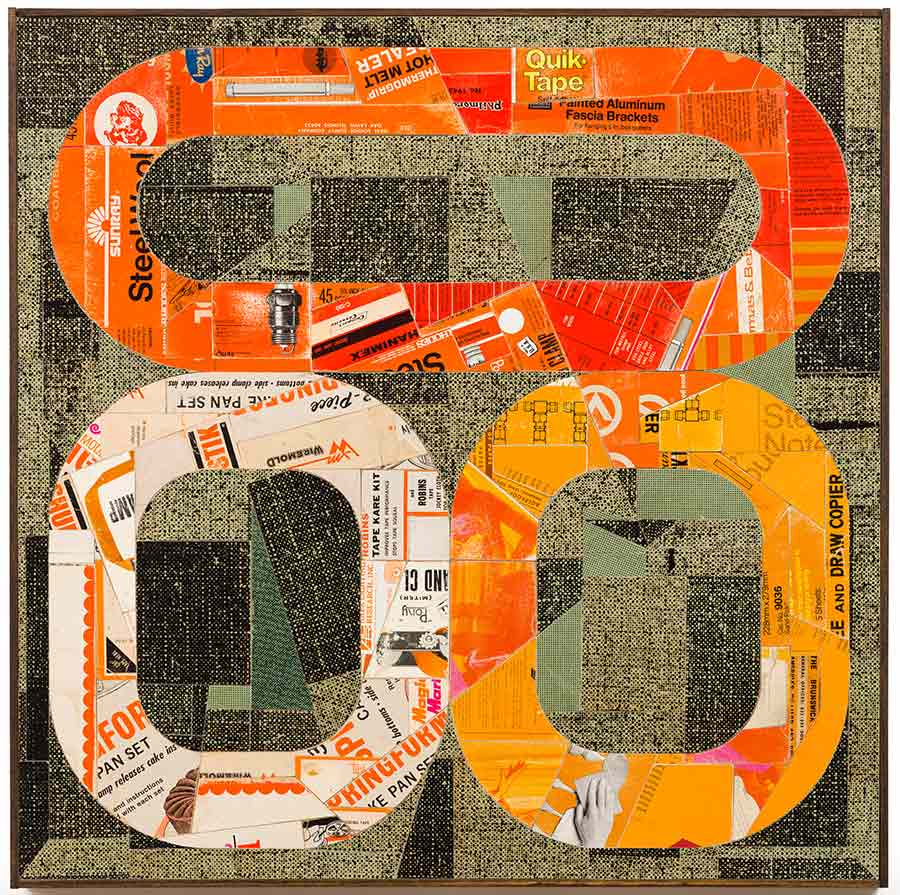
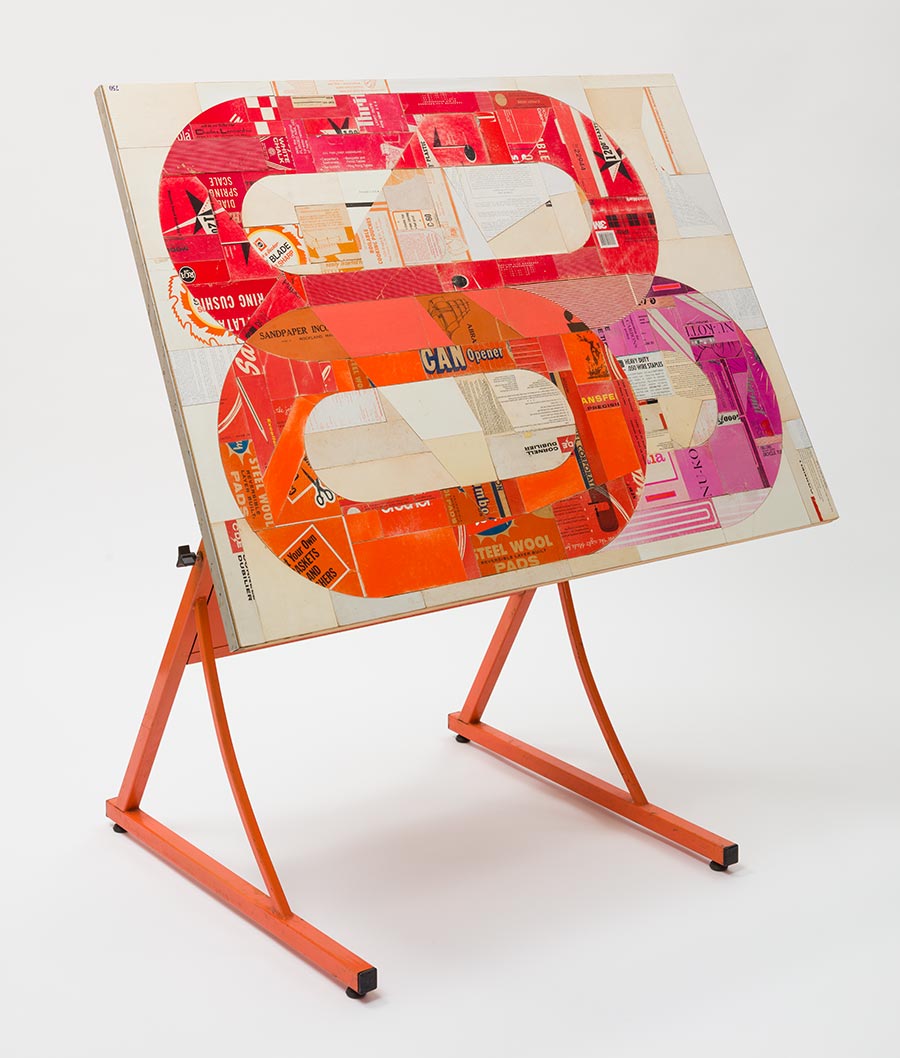
Kofie, a Los Angeles veteran with roots in early ’90s graffiti, lost his house, studio, and archive in the Eaton Canyon Fire this January. For some, that would have been the end of the story. Instead, he’s back at it, slicing up pressboard, salvaged posters, and mid-century packaging into collages that look as sharp as they are stubborn. Ever the clever mind, he calls his circles “rotationships”—a way to wrestle with balance and structure—but you can read them as a sign of survival too.
Erik Otto. Reclamation. Heron Arts, San Francisco, CA. (image courtesy of the gallery)
Otto, San Francisco born and bred, comes at it differently. After too many funerals and a body that betrayed him, his response wasn’t to tighten control but to let it go. The new paintings are looser, washed in saturated color and improvised gestures, equal parts grief and grace. Where Kofie rebuilds from fragments, Otto dissolves them, turning shock into hazy atmospheres and flickers of light.
Together, the show is less about tidy closure than about the messy processes of life, loss, and finding some way to reclaim yourself. Rather than sounding the trumpet, it’s two artists working through the rubble in public. In a culture that likes glossy endings, RECLAMATION reminds us that sometimes survival and perseverance look like glue, tape, and a few luminous layers of paint.
Augustine Kofie. Reclamation. Heron Arts, San Francisco, CA. (image courtesy of the gallery)Augustine Kofie. Reclamation. Heron Arts, San Francisco, CA. (image courtesy of the gallery)Erik Otto. Reclamation. Heron Arts, San Francisco, CA. (image courtesy of the gallery)Erik Otto. Reclamation. Heron Arts, San Francisco, CA. (image courtesy of the gallery)
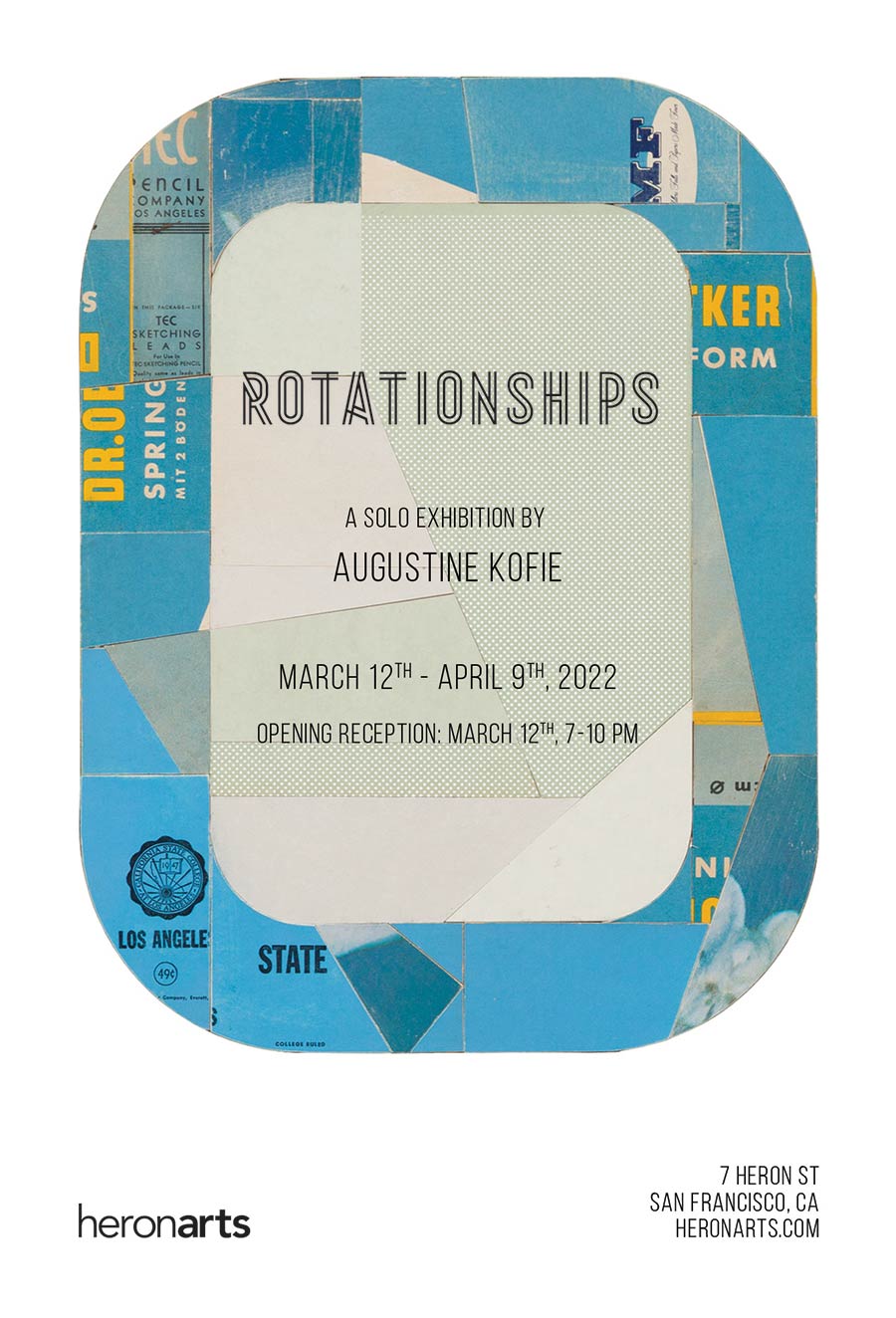
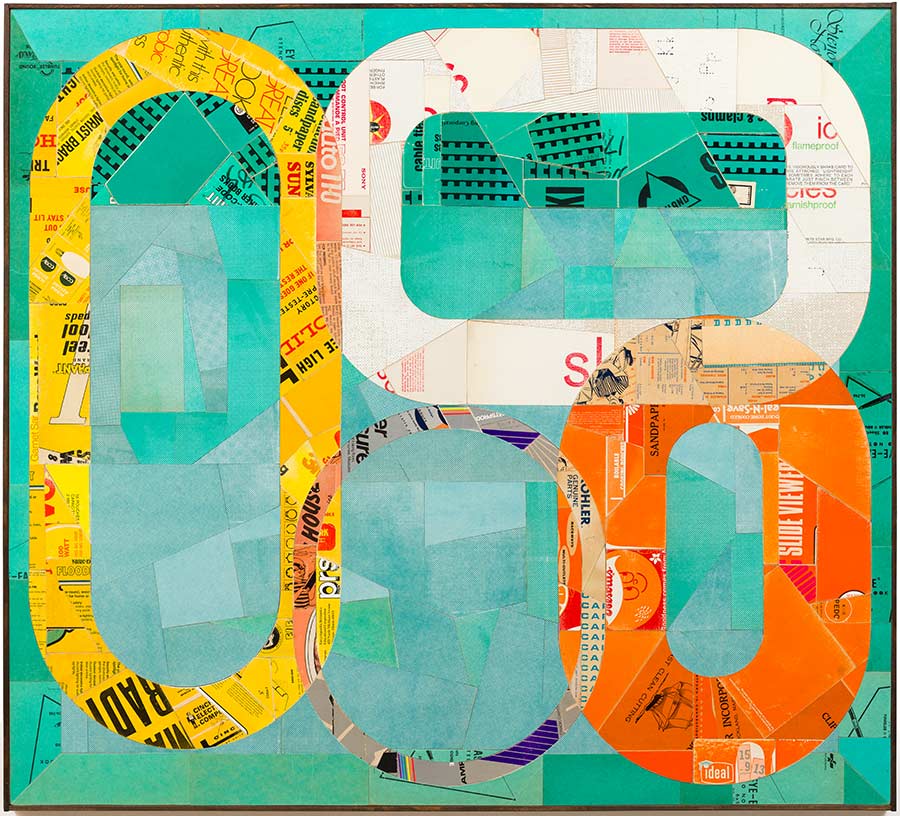
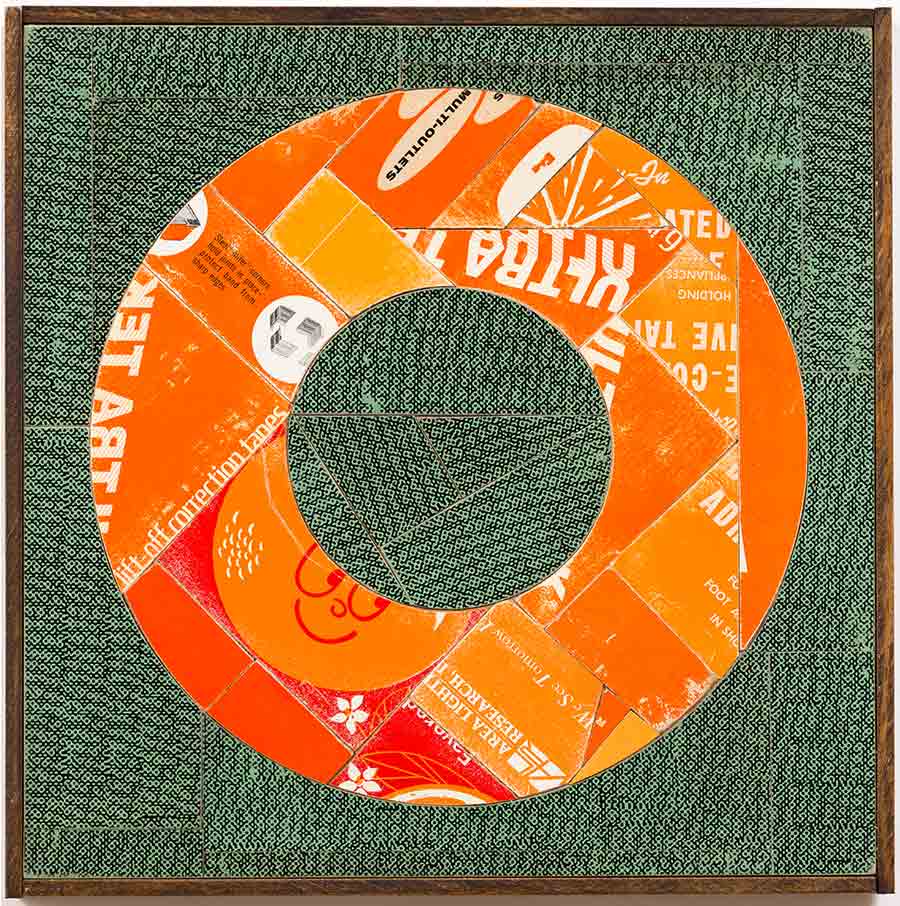
A warmly modern and well-rounded direction today from graffiti writer and contemporary artist Augustine Kofie as his sampling mentality pauses over the O, a symbol of lasting inspiration for artists of many centuries, backgrounds, and mediums. Presenting a parallel between these new cuts of commercial pressboard and the relationships he has with expanding circles of people and culture, his influences and techniques of the assemblage are freshly discovered.
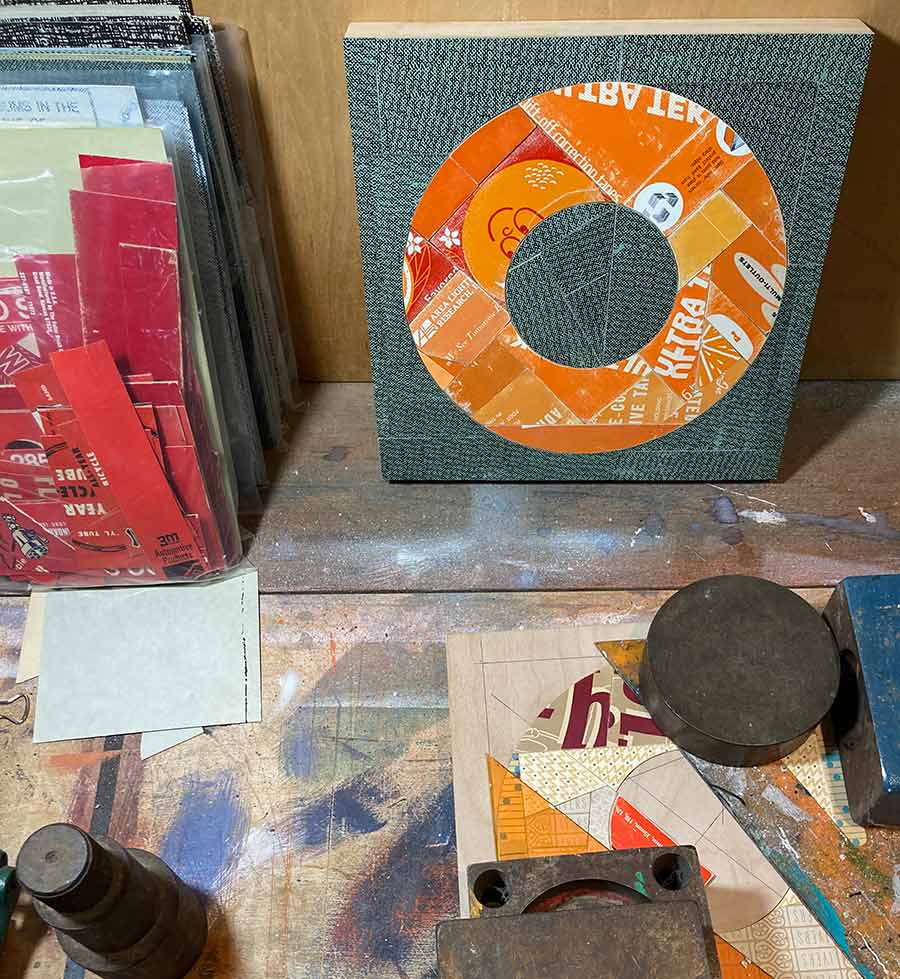
Preparing for his new exhibition “Rotationships” opening at Heron this weekend, Kofie likes to discuss his very disciplined approach to nearly obsessively collecting “pressboard, a heavy, multi-ply paper stock used in packaging and office supplies from the 1950s to the 1980s.” Culled from estate sales and flea markets primarily in the LA area, Augustine says he has a respect for the time period as well as the people who collected these modern relics of a genuinely middle-class age that is all but disappearing.
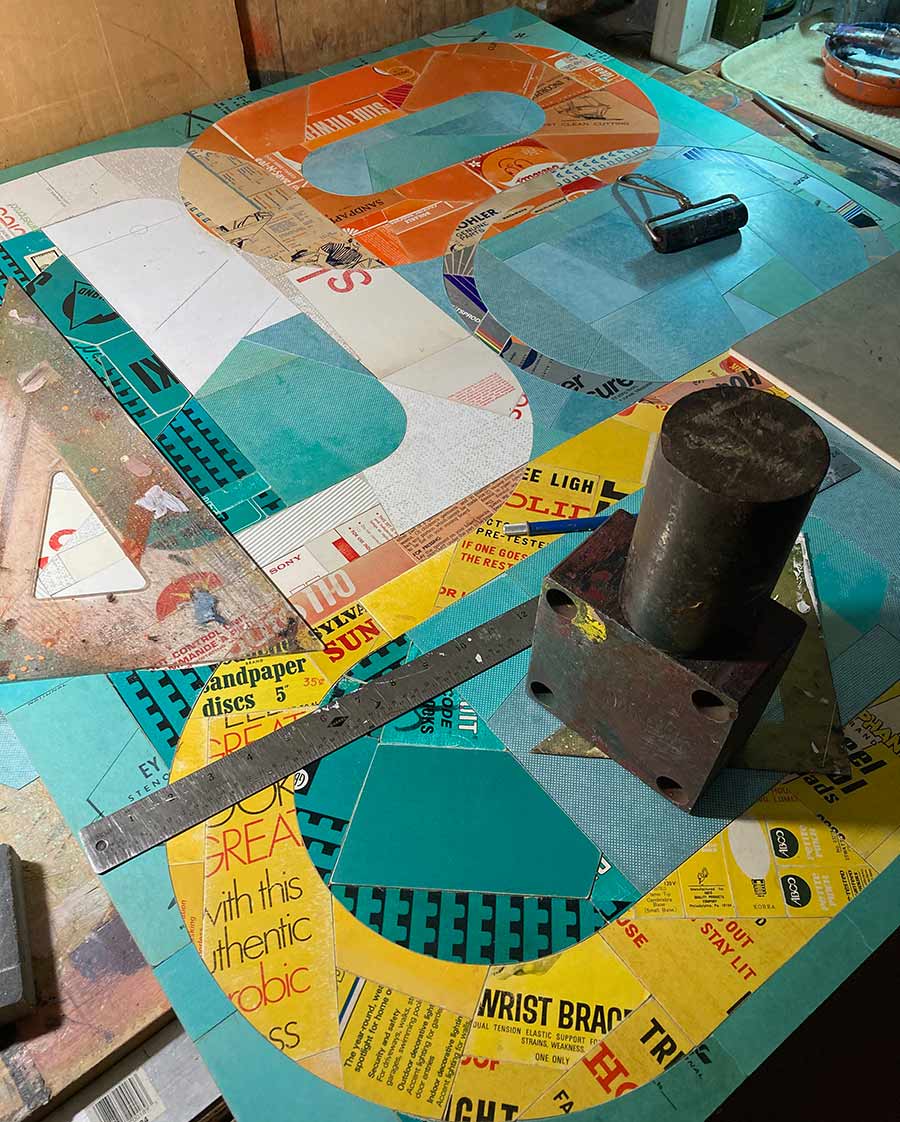
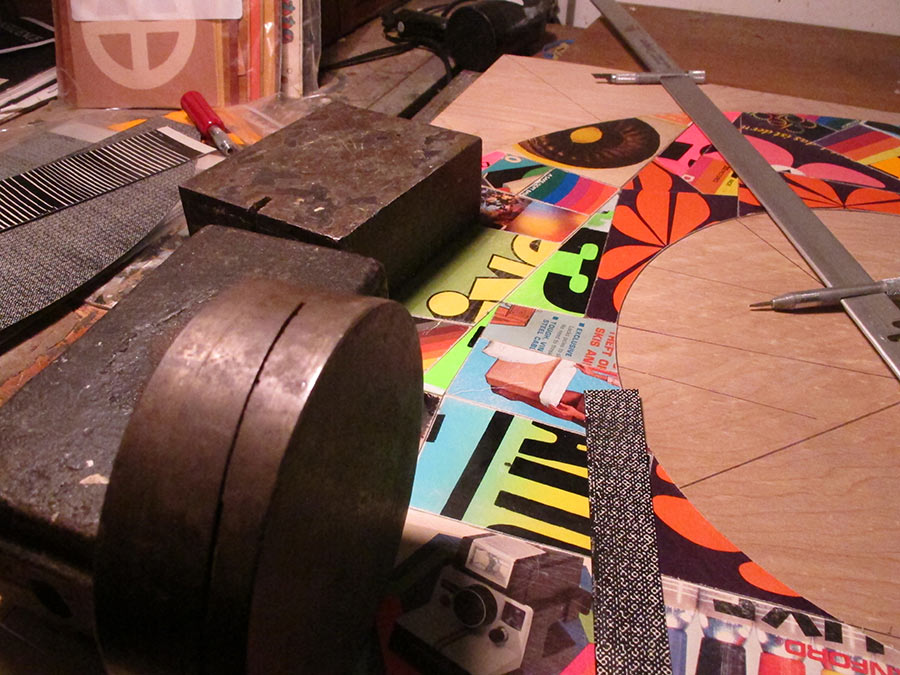
Viewers of the new show will instinctively adjoin with these sleek color palettes and clean diagrammatic renderings of lines, shapes, text. Each repurposed element here is related to its neighbor – chosen and applied in the instinctual way that a DJ isolates and reapplies sonic elements, spoken words, atmospherics, and rhythms when recreating aural compositions. Using these elements in their original state, he pulls and plays the appropriate hues, timbres, and materials from his archive. It’s a system he has developed over time, a meticulously ordered collection which he says is “archived by color palette, thickness, and category in vintage industrial file cabinets.”
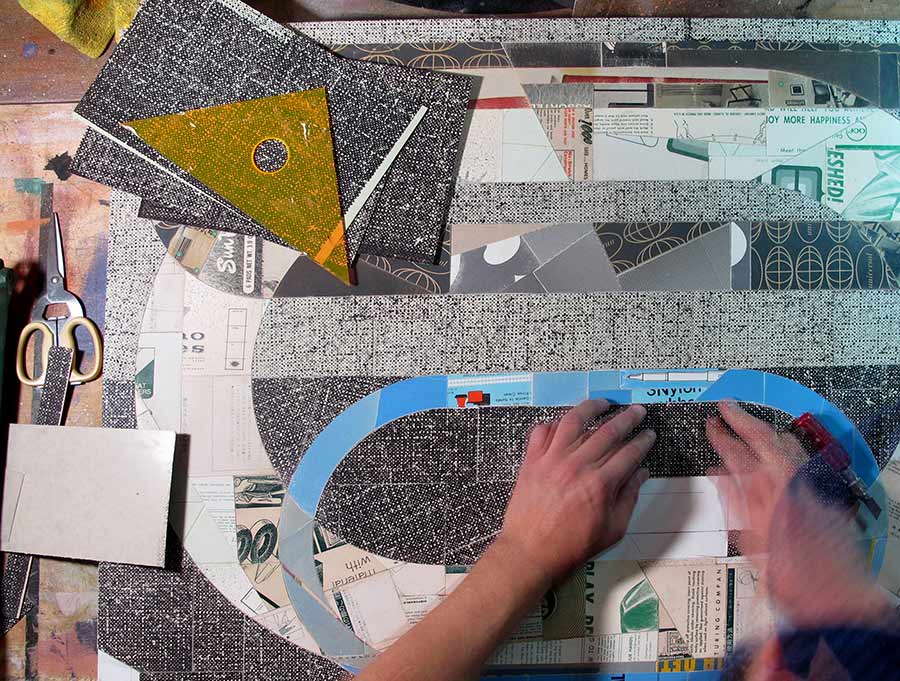
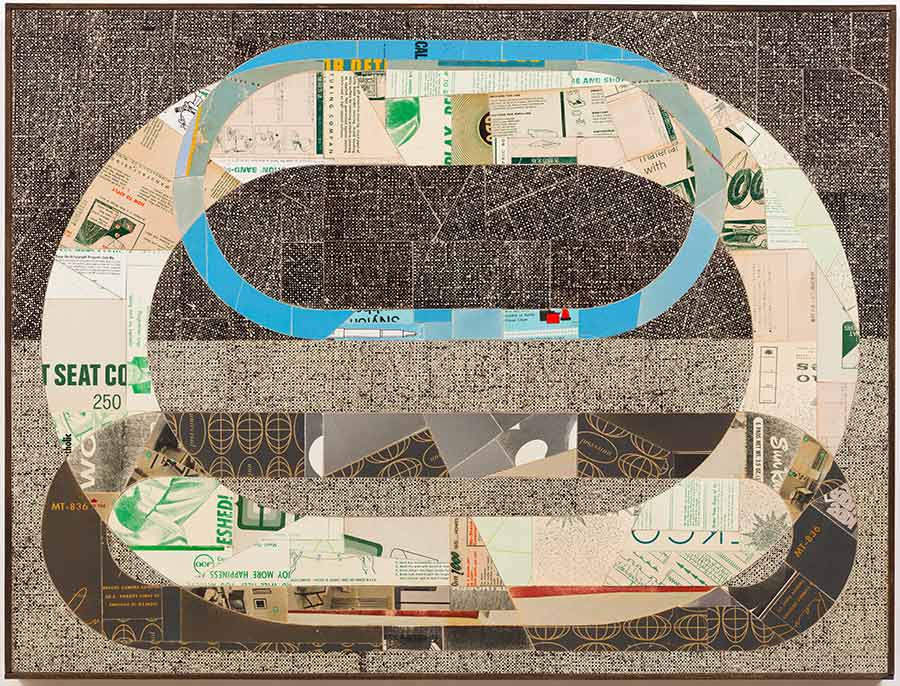
Augustine Kofie. Process shot for “Rotationships”. Heron Art. San Franciso, CA. (photo courtesy of the artist)Augustine Kofie. “Rotationships”. Heron Art. San Franciso, CA. (photo courtesy of the artist)
The new player at the front of the show is the never-ending circle, previously having played a supporting role in his graffiti, murals, assemblages, and painting – now standing on its own, whole, balanced, and in charge of everything around it. It’s a solid direction, and a reassuring one, to see this self-made artist who learned how to hone his style from his graffiti forebears, now exploring the possibilities confidently and even coining words, like “Rotationships”.
Augustine Kofie. Process shot for “Rotationships”. Heron Art. San Franciso, CA. (photo courtesy of the artist)
BSÅ: We often think of you as a retro-futurist because of your distillation of imagery and text and patterns and color templates from mid-century Americana and the way you bring it forward. What do you think fascinates you about those times long before you were born?
AK: I have always had a very materials-driven aesthetic. I can relate that interest in materials from the past with a kind of archaeological or historical inclination, especially towards refuse—the things that histories don’t consider important enough to preserve. Sometimes nostalgia plays a role, but most the time it’s not about personal memories so much as respect for a time period and for the craftsmanship of that time, the respect for materials.
Augustine Kofie. “Rotationships”. Heron Art. San Franciso, CA. (photo courtesy of the artist)
BSA: The focus of this show often revolves around the completed “O” shape – whether oblong, or squashed, or perfectly circular. It’s a family of shapes we don’t usually associate with your compositions of the past. How did it emerge – was it conscious? Was it sudden or gradual?
AK: Rounded corners, partial oblongs and circular forms have always found a way into my street and studio artwork, but they’ve always played a secondary role as a support system for sharper lines and more angular shapes. In this series, the rounded shapes are front and center, while the linear, ghosted patterns that appear in the background and help to construct the foreground are now the supporting cast.
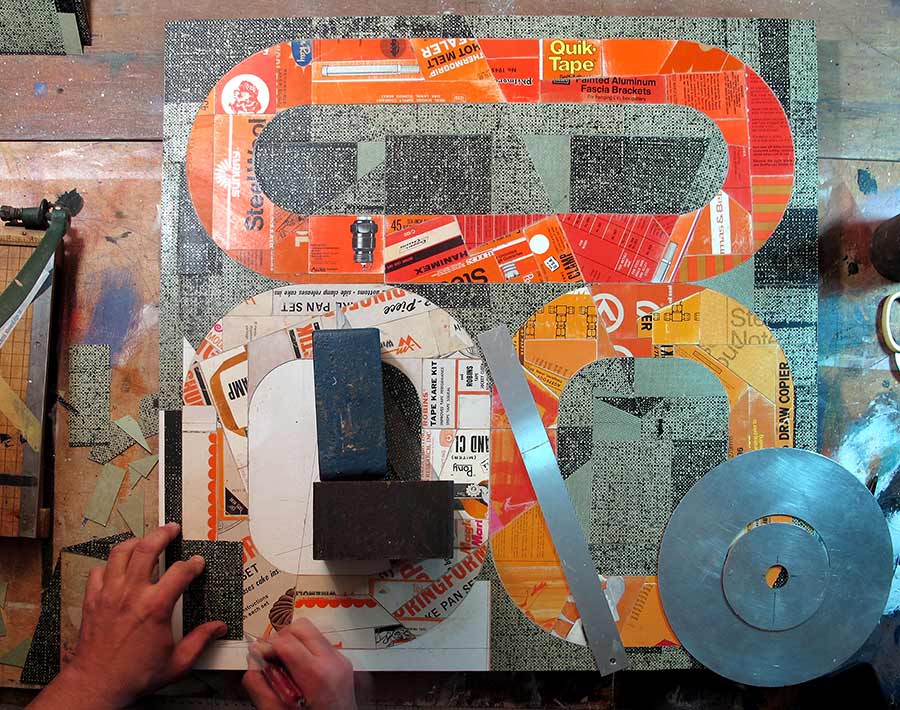
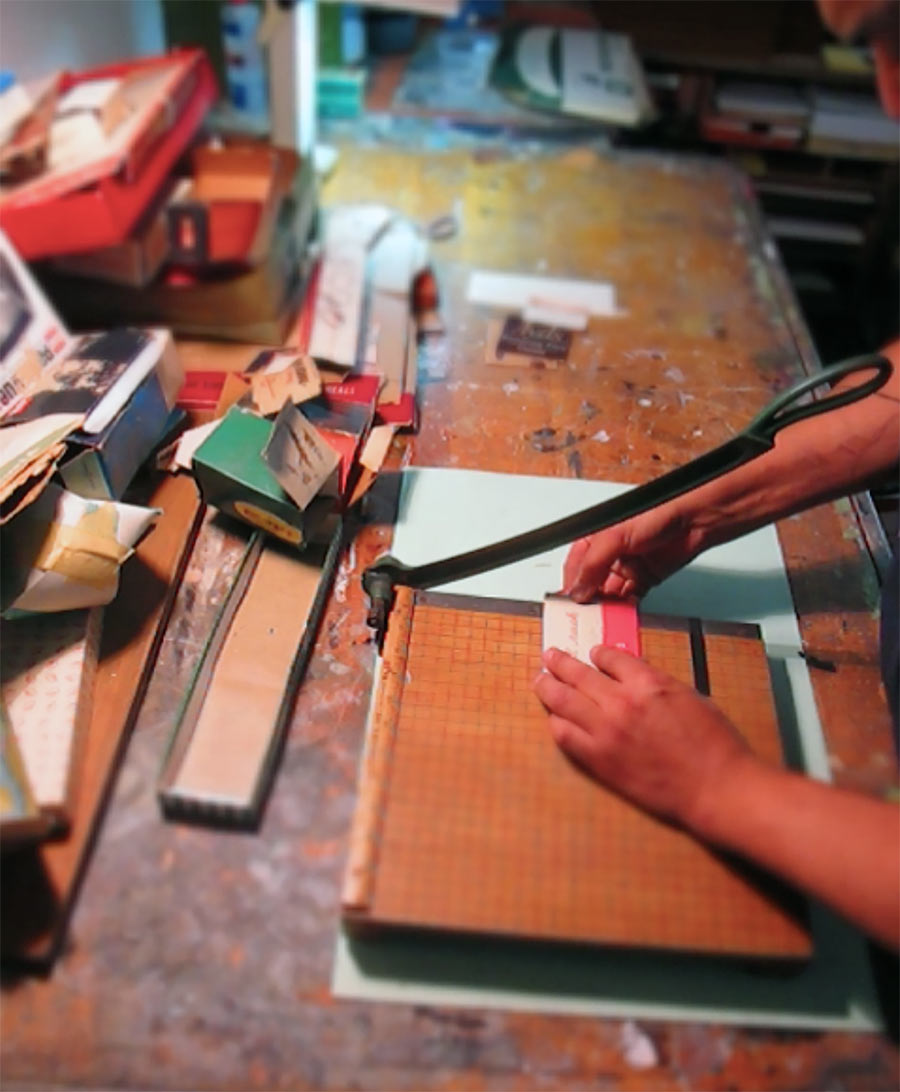
Augustine Kofie. Process shot for “Rotationships”. Heron Art. San Franciso, CA. (photo courtesy of the artist)
Typically, when I would build a collage background before laying my painting on top, there was always this window of time looking at the work when I would think, ‘I would love to stop right here and leave it as it is, highlighting the varied materials. It took some time to suss out how to do it in a way that would allow the collage to stand on its own, and the circles became the way to do it. They anchor the work in a different way. Circles are also much harder to implement through this kind of collage because of the thickness of the materials, so there is a lot more of my hand in those shapes. Maybe I needed to find a place for that, since usually painting would be the place.
Augustine Kofie. “Rotationships”. Heron Art. San Franciso, CA. (photo courtesy of the artist)
BSA: A central part of your art making is the disciplined process of collecting ephemera and materials and organizing and cataloguing them for future use. Can you talk about why this is so appealing?
AK: In a way, all of my artmaking stems from a deep need to make order out of chaos. Finding and then cataloguing ephemera is a perfect manifestation of that basic urge. It always finds its way back to hip-hop production, to the art of sampling records and plunderphonics, to deconstructing and overlaying sounds of the past to create new compositions and sound. It’s fascinating and limitless, and there is something about a sampling mentality that shapes everything I do. Over time, as I dove deeper into this kind of collecting, I became more knowledgeable of what was out there—what materials were made in different decades, what survived. I’ve also perfected my archiving system, which is part of the pleasure of it all. So I’ve been able to narrow in on my tastes and focus my collection, and all of that made this series possible.
Augustine Kofie. Process shot for “Rotationships”. Heron Art. San Franciso, CA. (photo courtesy of the artist)
BSA: How do you see your formative graffiti writing career as it continues to evolve into this fine art practice? Can you tell us about a through line that has continued in your work as it has grown in the last two decades?
AK: There’s a strong self-motivation and discipline that comes from pursuing your art on the streets. I didn’t study art in the academic space, but graffiti has its own art history, its own traditions. My through line was always to be respectful of the materials and the work, to respect those who came before, and to build something new, to establish my own space that allowed for creative expansion. I feel that this series does that.
Augustine Kofie. “Rotationships”. Heron Art. San Franciso, CA. (photo courtesy of the artist)Augustine Kofie. Process shot for “Rotationships”. Heron Art. San Franciso, CA. (photo courtesy of the artist)Augustine Kofie. “Rotationships”. Heron Art. San Franciso, CA. (photo courtesy of the artist)Augustine Kofie. Process shot for “Rotationships”. Heron Art. San Franciso, CA. (photo courtesy of the artist)Augustine Kofie.“Rotationships”. Heron Art. San Franciso, CA. (photo courtesy of the artist)
A soundtrack for ’ROTATIONSHIPS’, a solo exhibition at Heron Arts San Francisco, March 12, 2022
For every solo exhibition, the artist creates a soundtrack. The music is assembled as part of the work process, which is both sonic and pictorial. This vaporware like mix blends late 80s ’skinemax’ era soundscapes, including up-cycled sophistso-pop saxophone and lo-fi telefilm intermissions and poignant dialogue relevant to the exhibition theme and tone.
All tracks re-recorded, chopped and mixed by: A. Kofie for 4x4Tracktor Mastered by &e @ BENDYmusic, Inglewood, Calif.
Spanish artist Gonzalo Borondo, from Valladolid, arrives at LuzMadrid Festival with Redentora, a site-specific installation that continues his steady movement …Read More »
 BROOKLYN STREET ART LOVES YOU MORE EVERY DAY