 BROOKLYN STREET ART LOVES YOU MORE EVERY DAY
The word “apocalypse” has such a ring to it.
“Late-stage capitalism”? Too heavy; sounds sort of industrial, like that Goth kid in college with the thick-soled boots and big words. “Apocalypse” sounds inspirational, aspirational, so NOW.
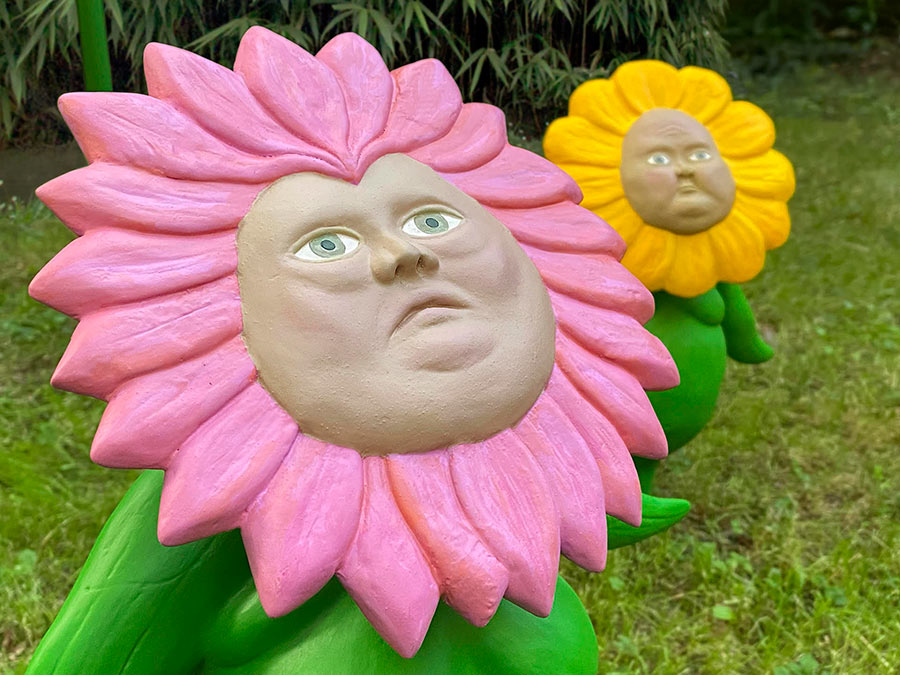
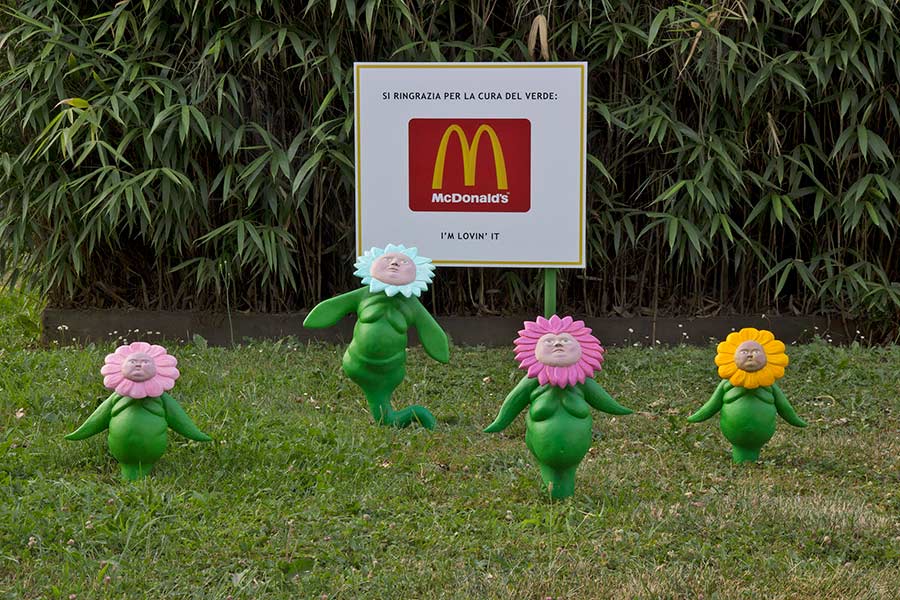
Now, from Milan, Italy, comes the “Apocalypse Trilogy”, at least the first two parts, courtesy of two other smart kids in your street art class, Francesco Garbelli and Biancoshock. Together this pair is staging a trio of uncommissioned, unapproved, and unapologetic public art installations featuring flowers as the protagonists.
“The series talks about issues related to the globalization era, the consumerism, and the imminent environmental disaster,” they explain. “Each installation presents paradoxical scenarios” – as we will see here. Aside from their symbolic visual messages that are on-target, you’ll also appreciate that in this age of co-opting and corporate green-washing, the artists also create fictional sponsors who can’t resist proudly taking credit – and shooting themselves in the foot at the same time.
Partly inspired by satire and movies, the first two installations of the “Apocalypse Trilogy” are called “Super Size Flowers” and “Engulf and Devour”.
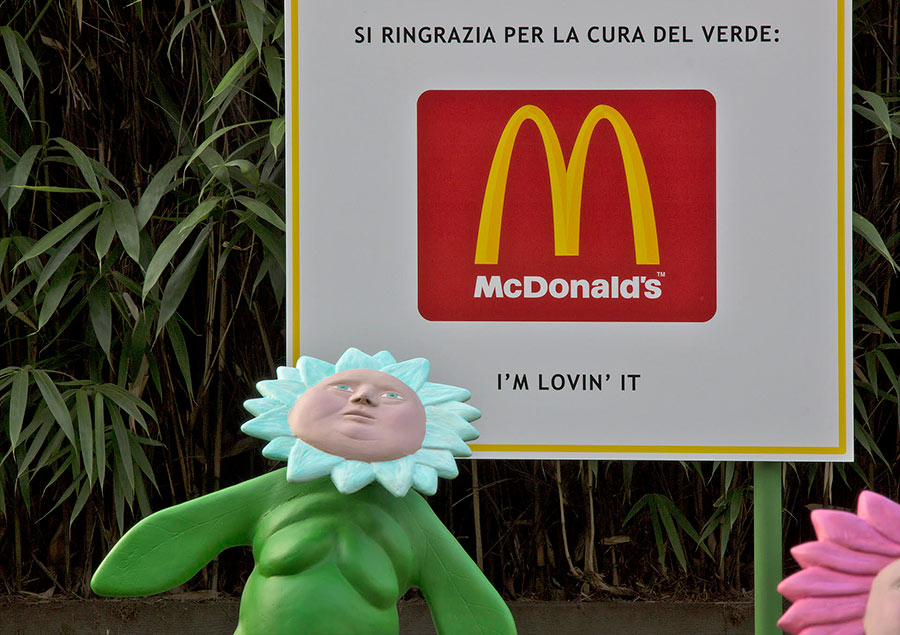
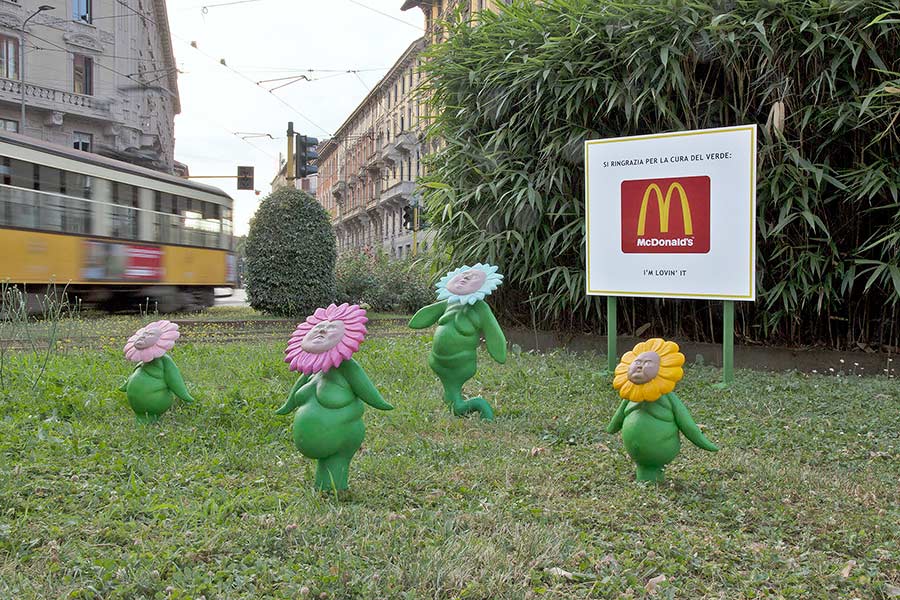
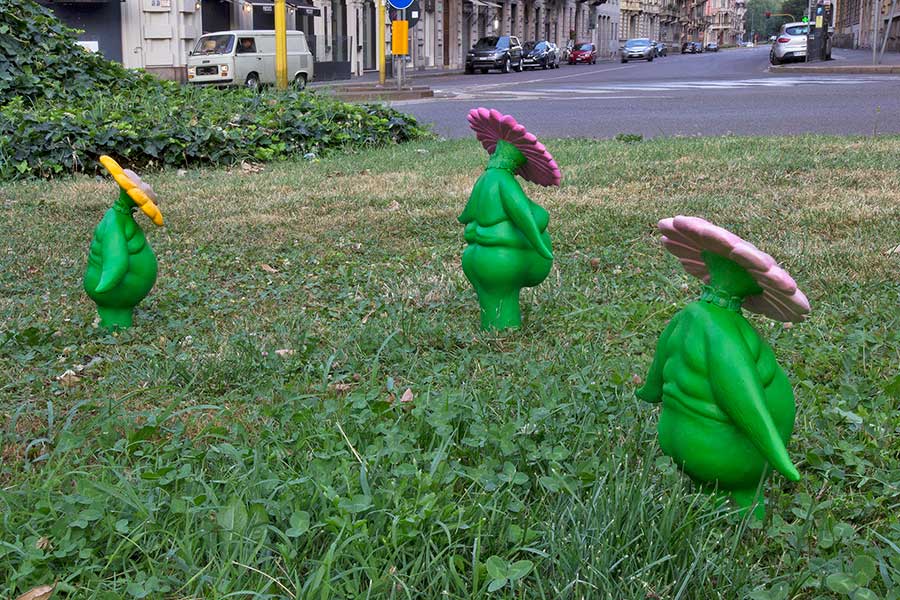
Apocalypse Trilogy: #1 Super Size Flowers
“A series of flowers, handmade by the artists, that grows ‘obesely’ into a public green area directly,” is meant to welcome you to your favorite omnipresent fast food restaurant, sponsored and managed by the fictional Father of all Fast Foods.
With many western societies facing ever-increasing rates of obesity, they suggest that even the flowers have put on a little extra weight. The artists say they are targeting “a system that has transformed the eating habits of millions of people with no exclusion, thanks to strategies and services dedicated to all age groups; with menus containing surprises for the little ones, parties with entertainment, seats with video games, free Wi-Fi, drive-through service and so on.”
“The future pandemic has been served, without having to get out of your car.”
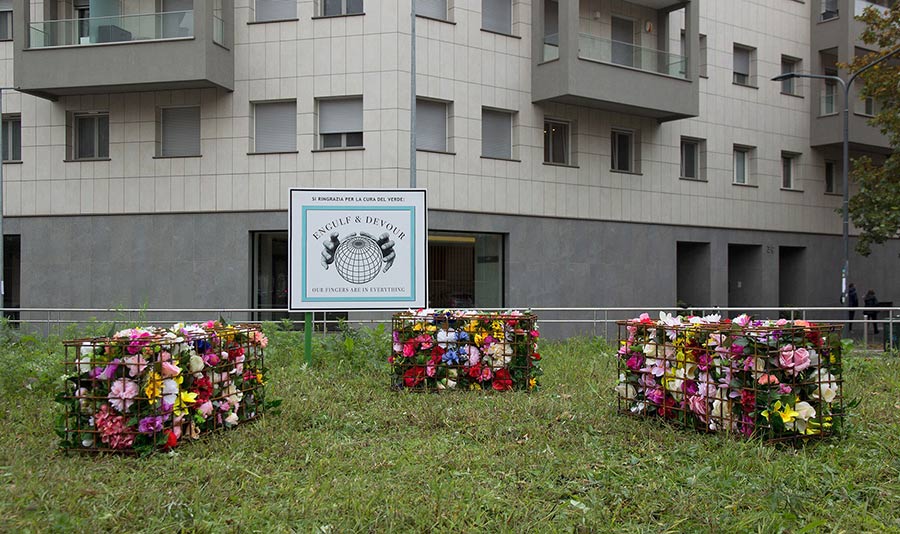
Apocalypse Trilogy: #2 Engulf & Devour
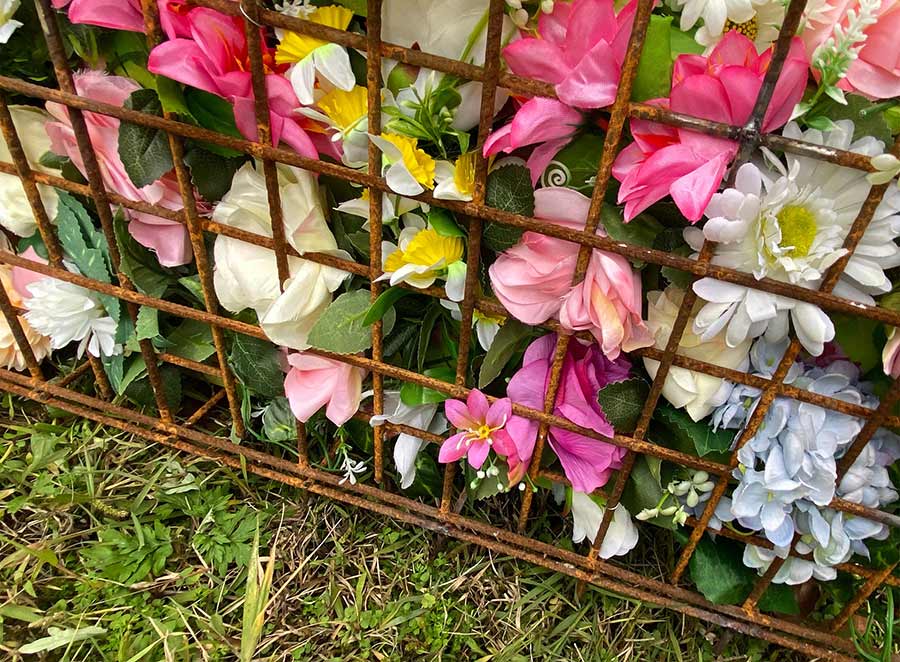
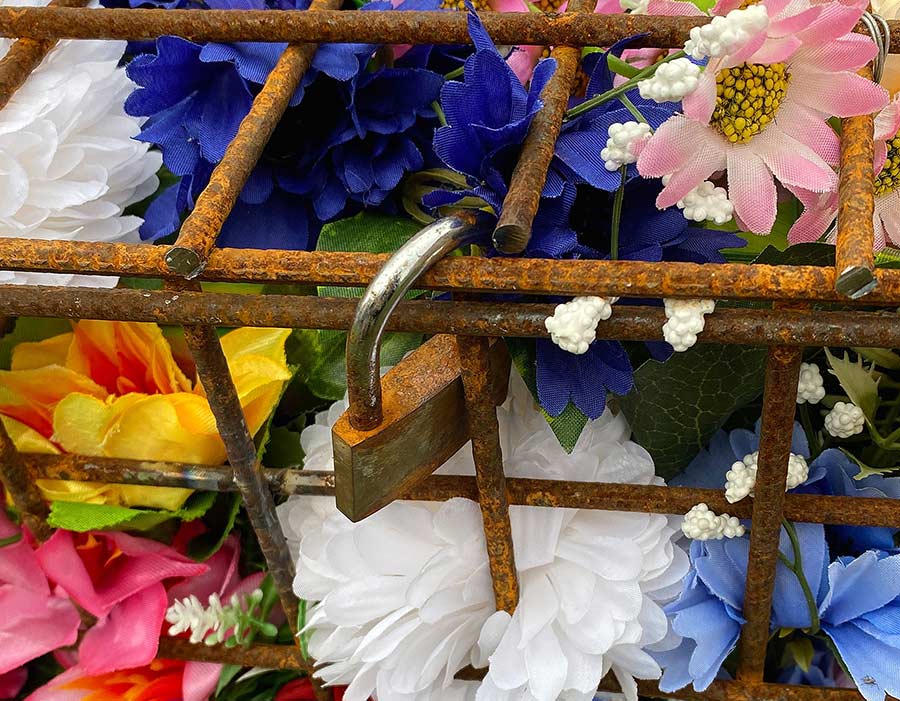
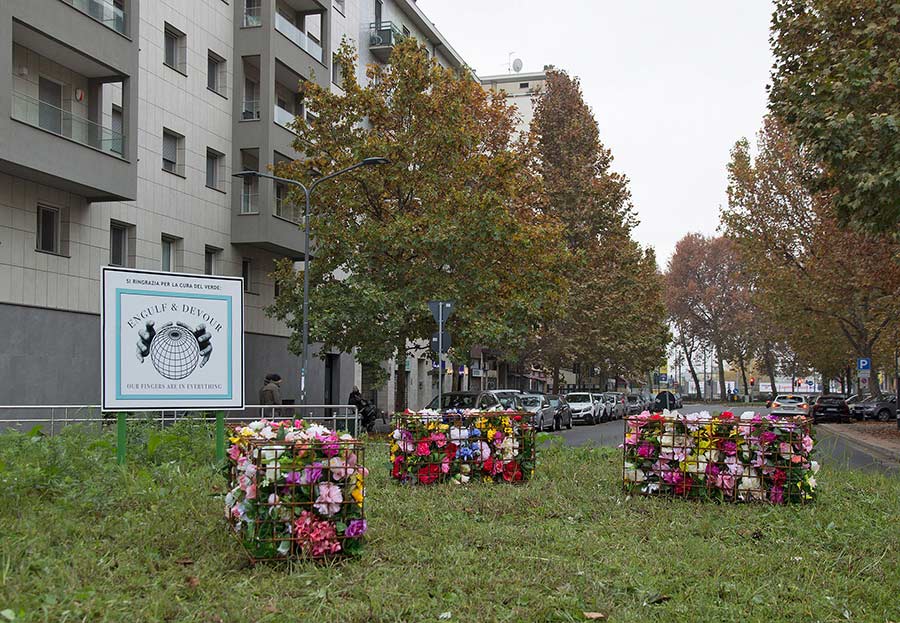
Inspired by the name of a fictional company in a 1976 Mel Brooks movie, this installation features hundreds of flowers “imprisoned in rusty cages.” A reference to intensive farming methods that surpass the past methods in ways that harm, effectively de-naturing and poisoning our natural systems to extract resourses – even flowers – the artists say this simple installation “is configured as a metaphor for a certain – and dominant – way of interpreting the economy.”
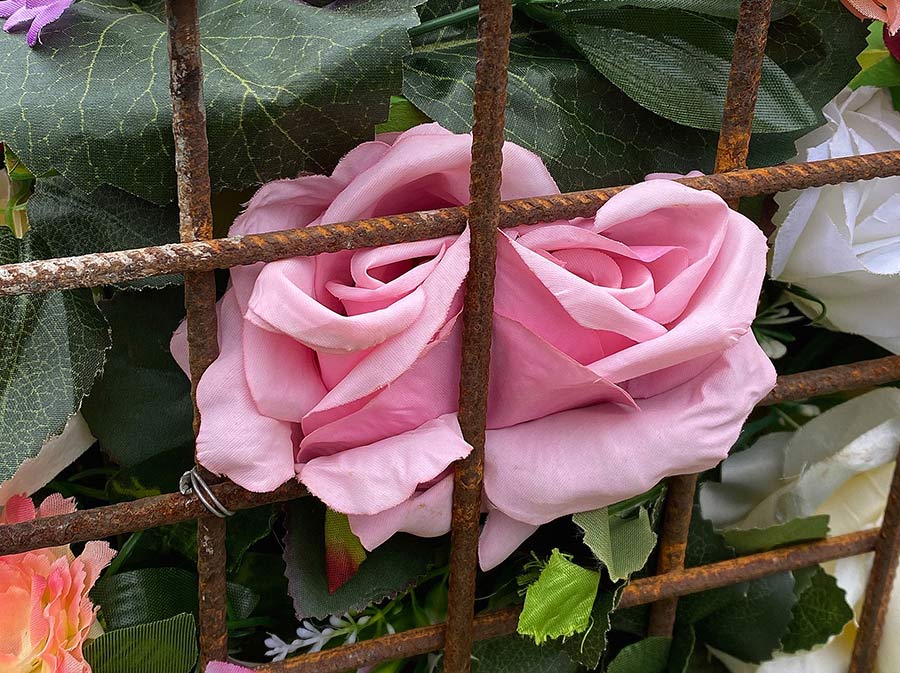
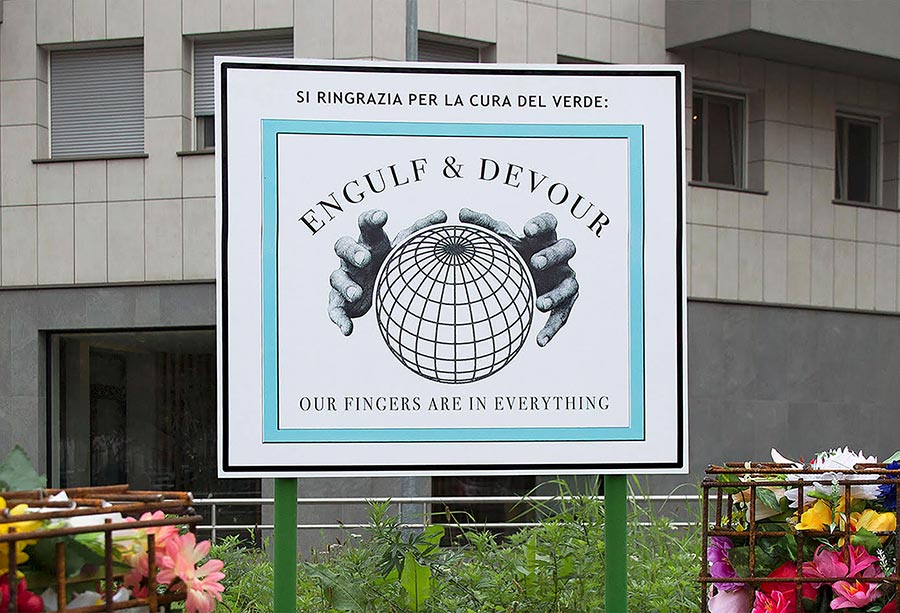
Sponsored and managed by the fictional Engulf & Devour company, the caged flowers represent “the idea of infinite growth that is in stark contrast to the correct perception of our planet which, on the contrary, is finite by its nature,” they tell us.
“The image of these herded flowers deprived of their living space inevitably recalls the theme of intensive farming – or the notorious wet markets, and their modus operandi.”