 BROOKLYN STREET ART LOVES YOU MORE EVERY DAY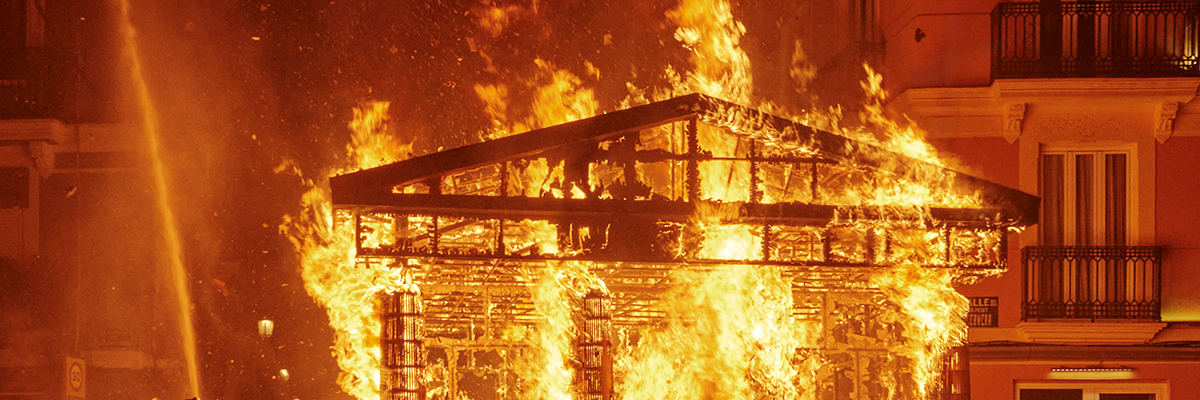
Street artists are rarely content to stay in one lane. The same instinct that pushes a writer to scale a fence at 2 a.m. or negotiate a sanctioned wall at noon—the need to test limits, materials, audience, and self—also drives them toward unfamiliar formats where the rules shift under their feet. These side quests, whether sculpture, installation, or civic commission, are less detours than recalibrations; they sharpen the hand and reset the eye.
It’s a mindset born in the street, where time is short, surfaces are unpredictable, and every mark is a negotiation with risk, visibility, and consequence. That pressure breeds a kind of ingenuity that doesn’t disappear in the studio—it expands. When artists return to the wall, they bring back new strategies, new muscle memory, and a deeper sense of purpose.
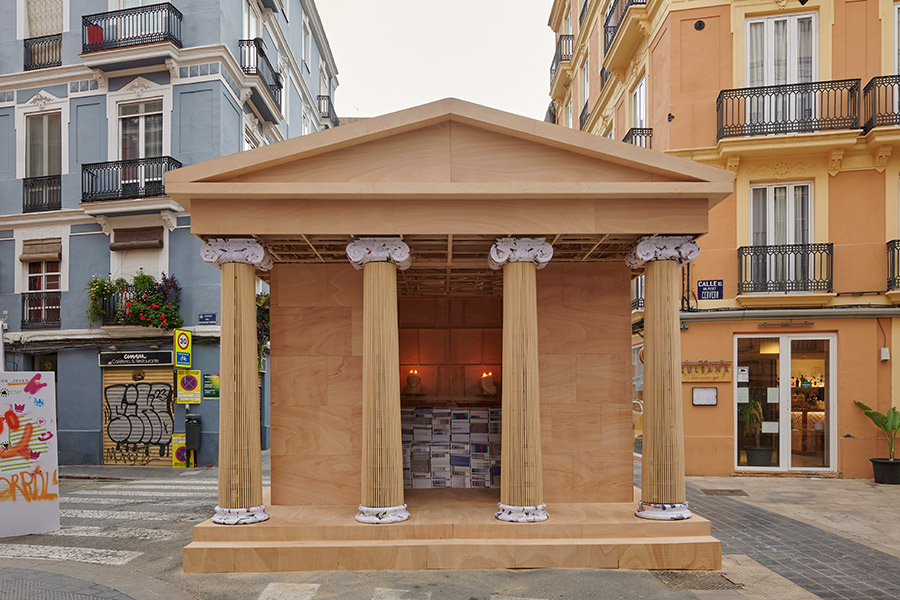
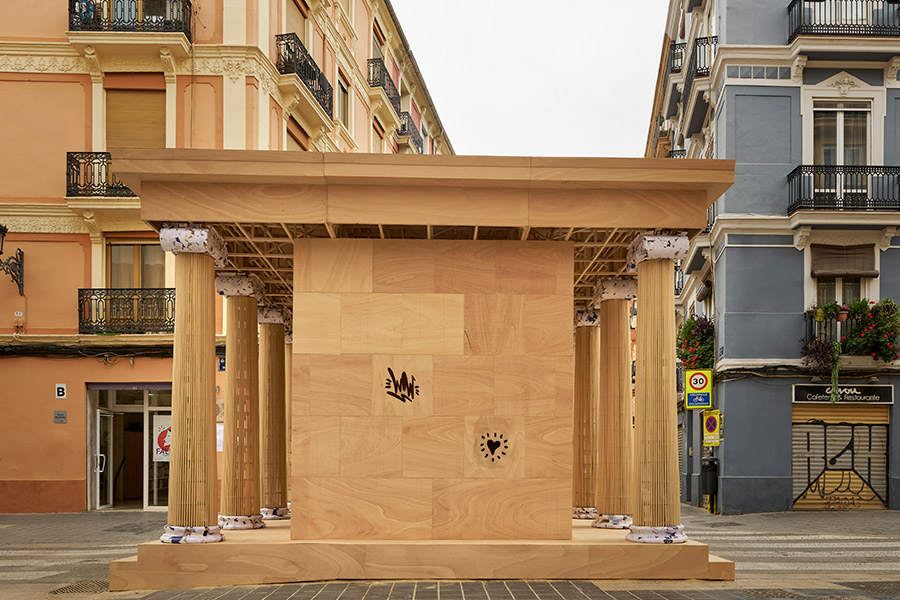
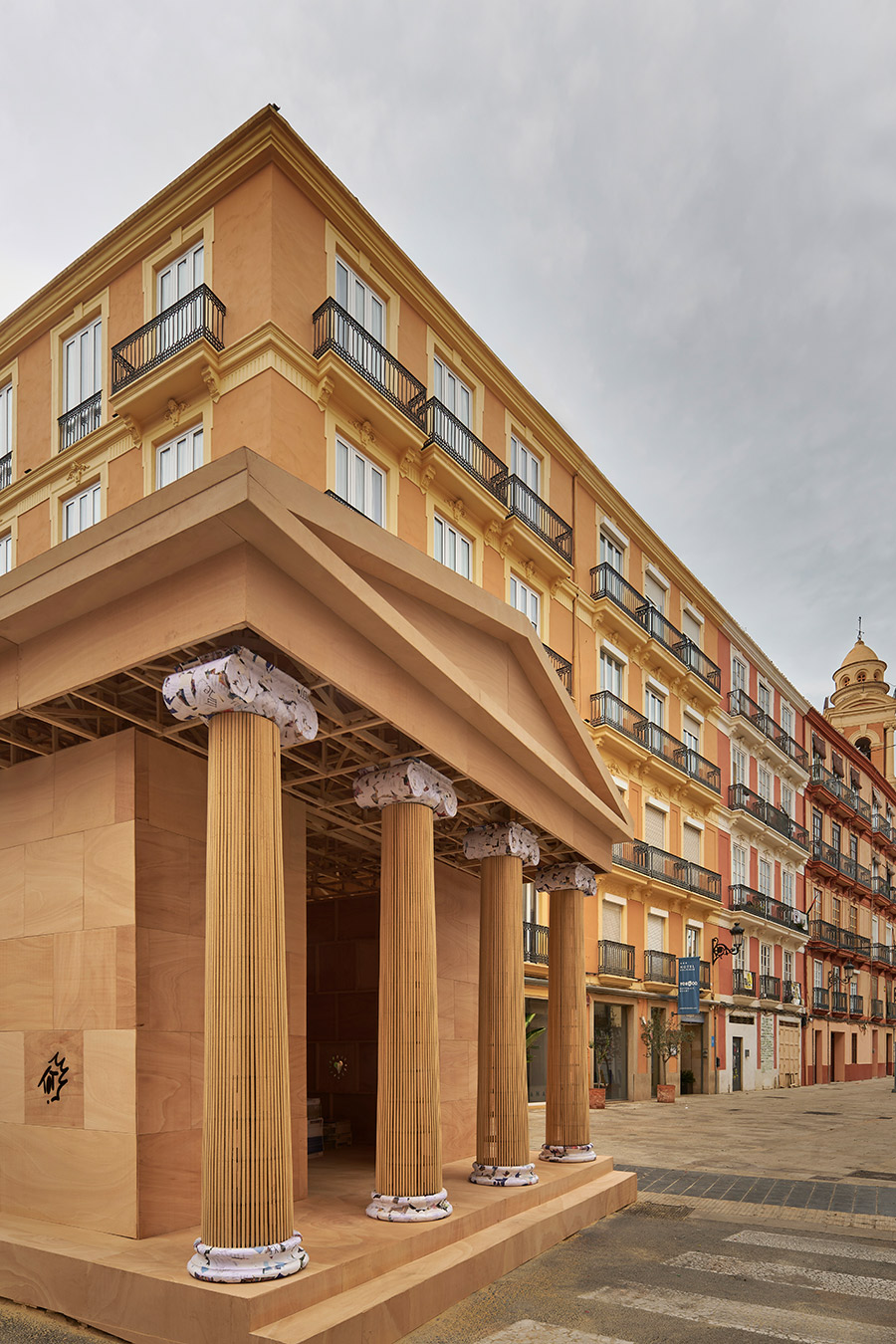
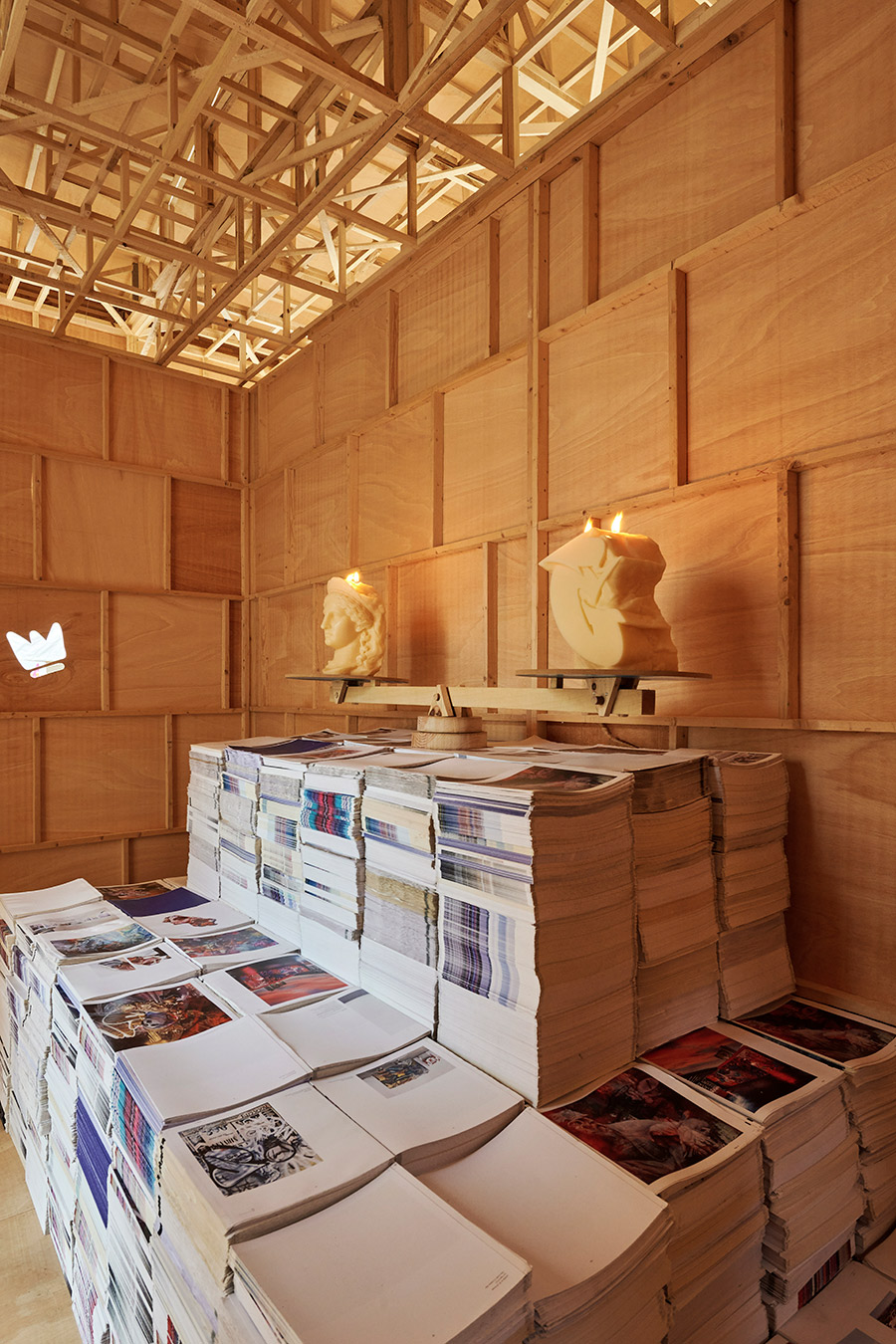
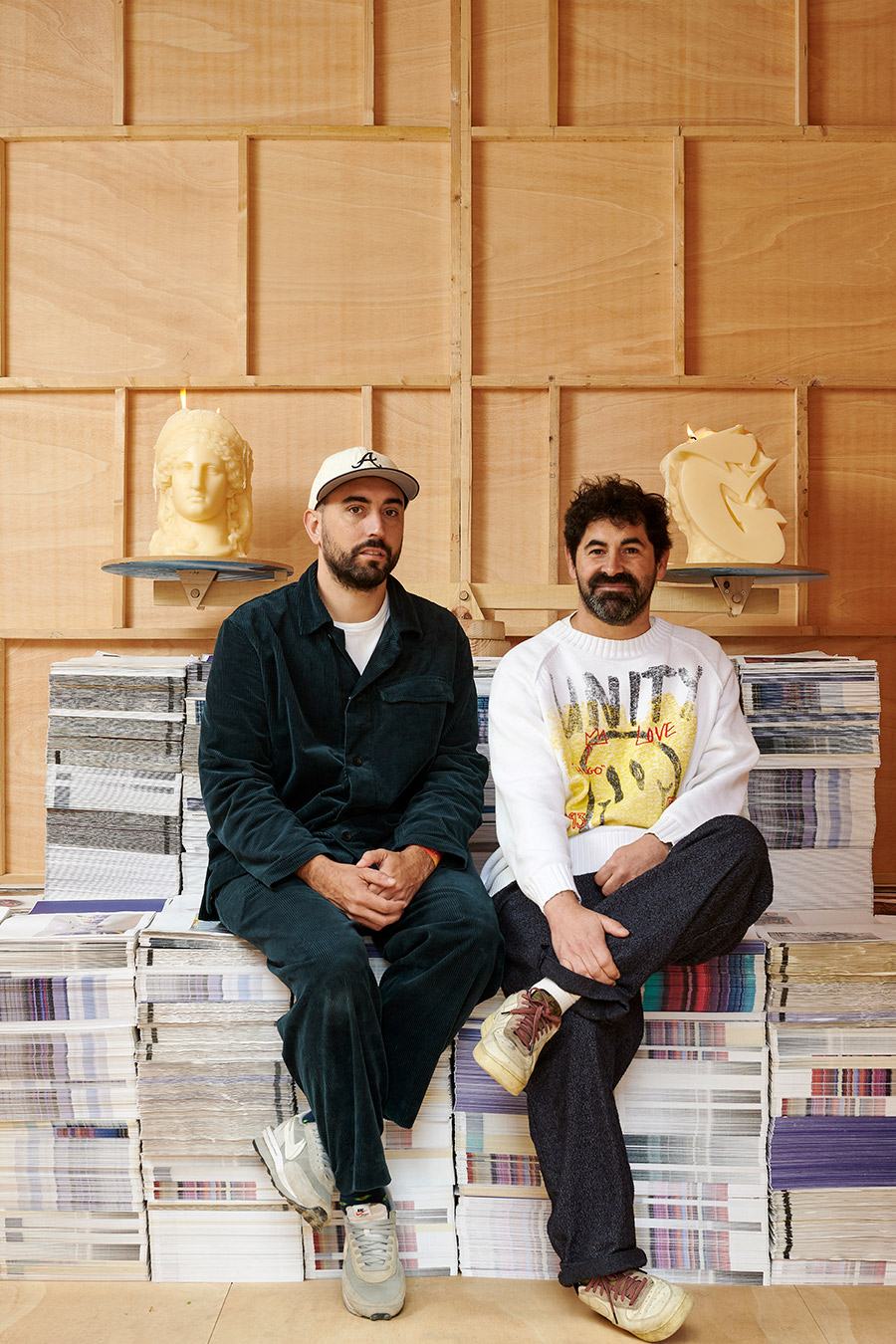
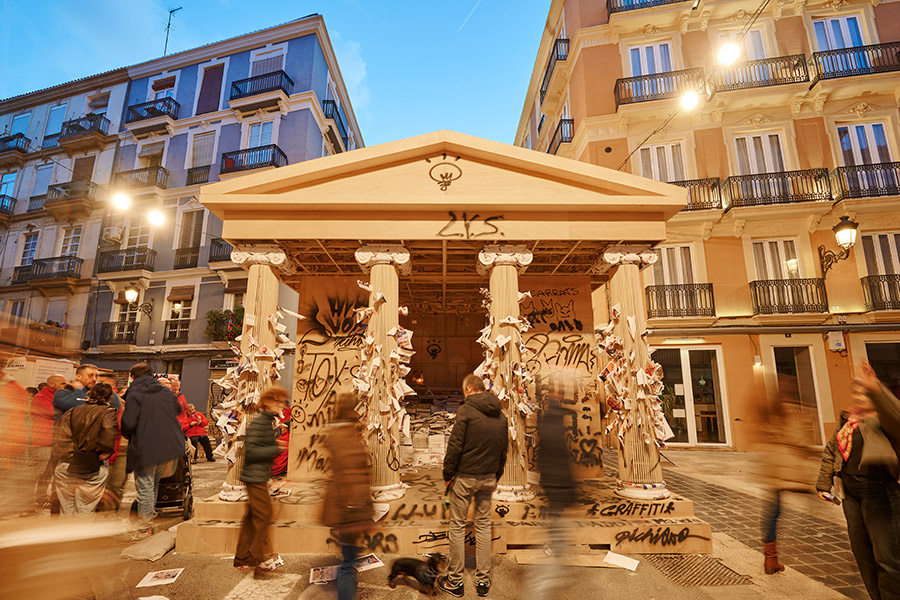
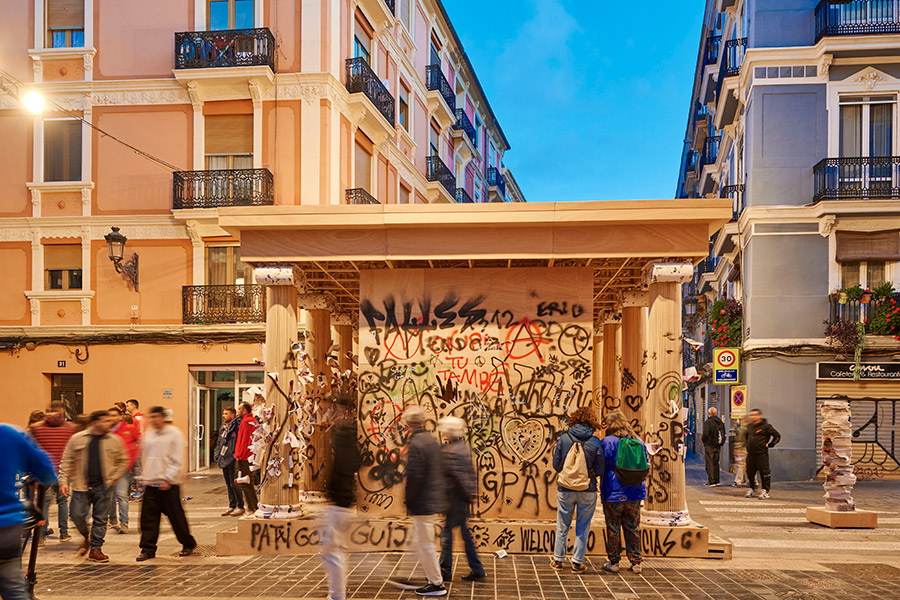
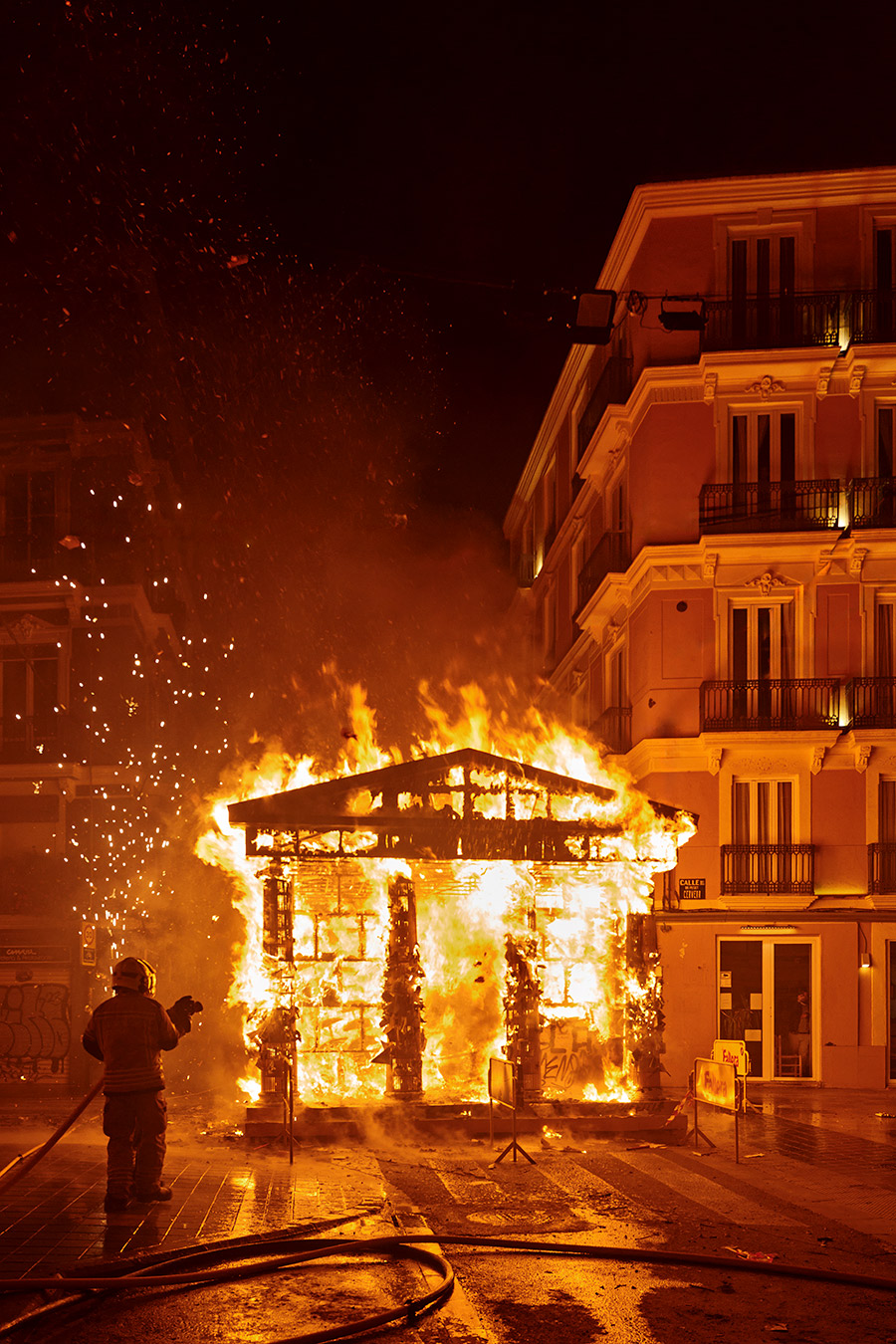
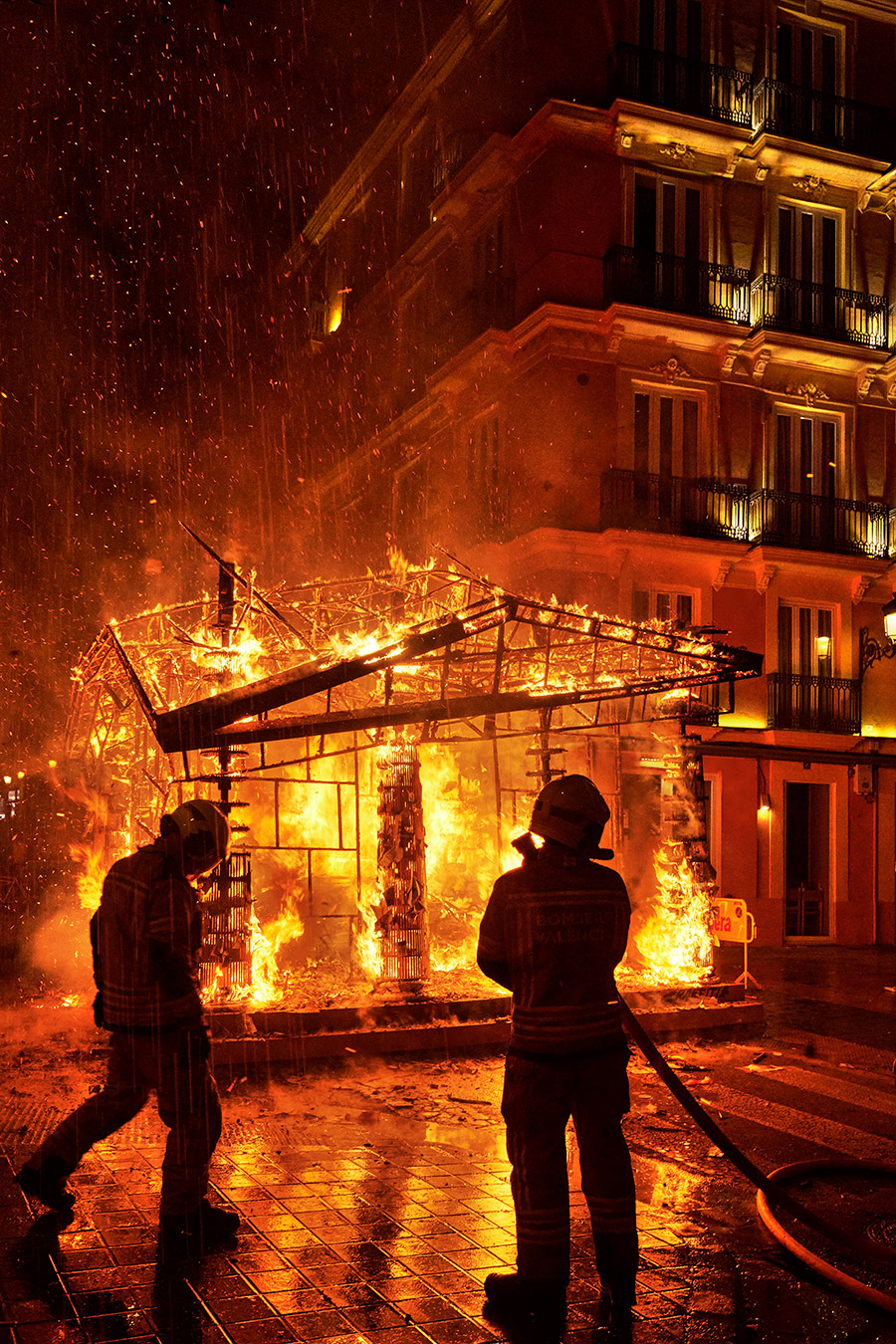
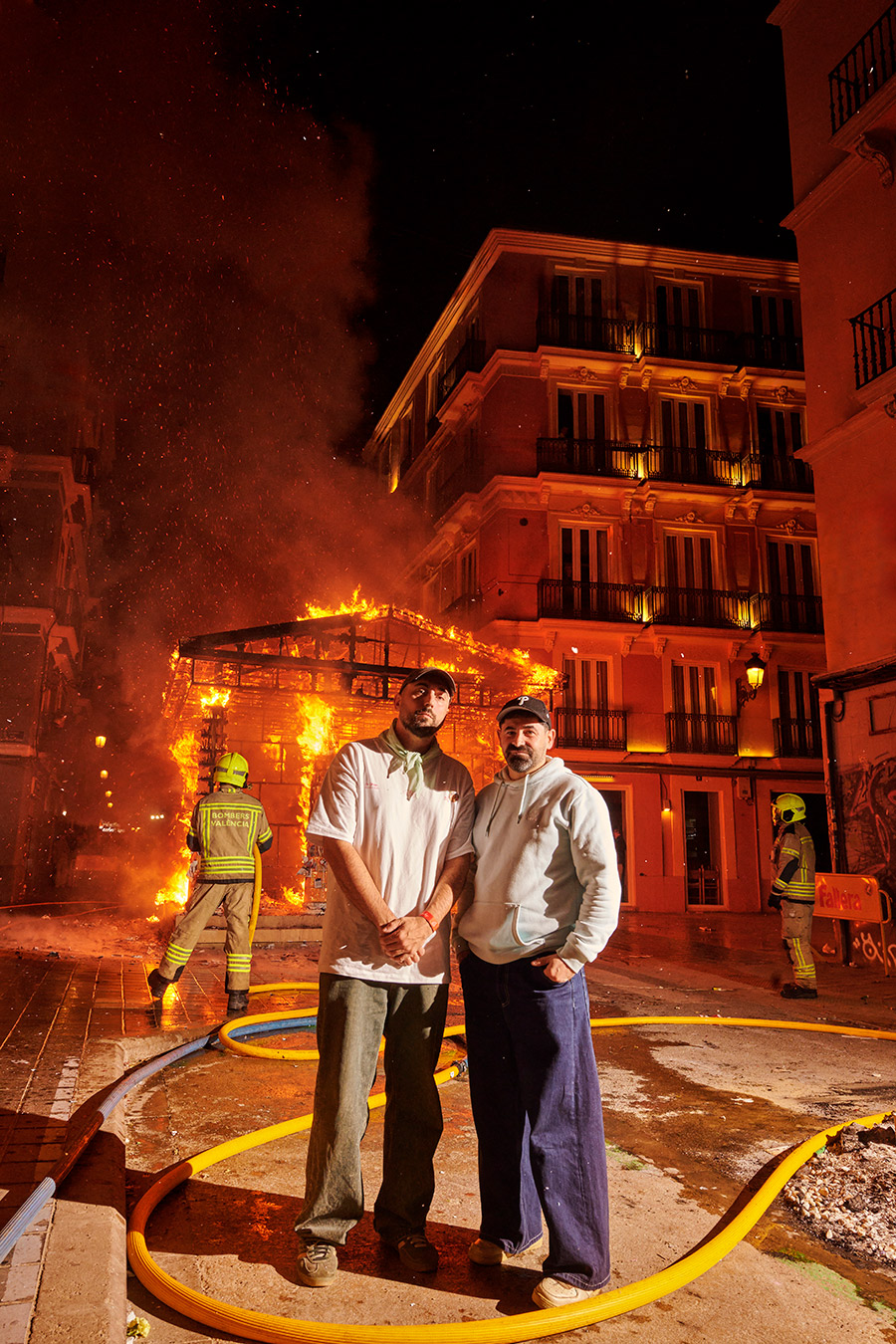
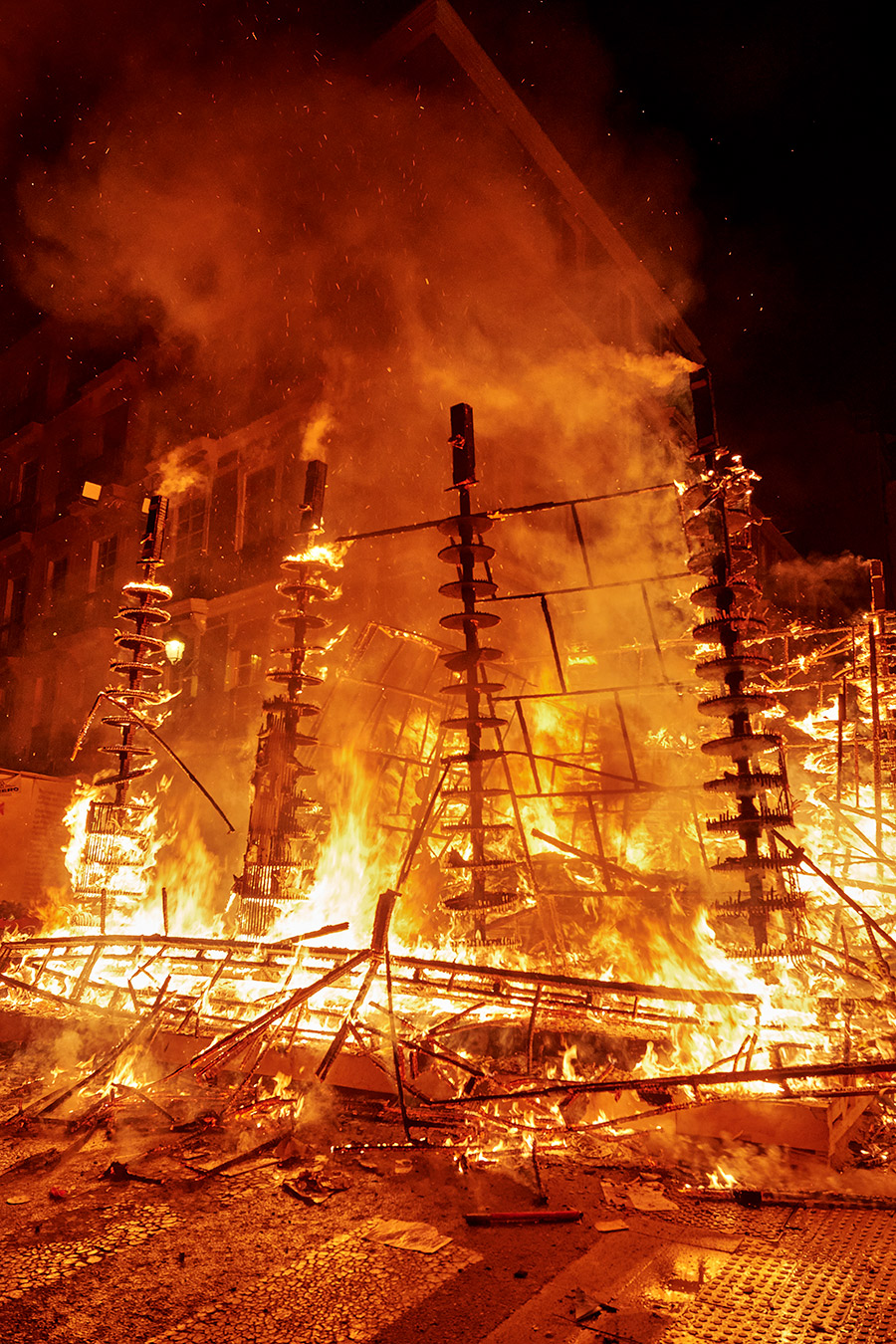
For Valencia-born duo PichiAvo, who have been writing and painting since the early 2000s, that expansion takes form this year at Las Fallas de València in Valencia, Spain, where their monumental work “Per ofrenar” appears in the festival’s Experimental Fallas category. Known for fusing classical Greco-Roman imagery with graffiti, they translate their language into a temporary public structure built to exist—and then to burn—within a centuries-old civic ritual .
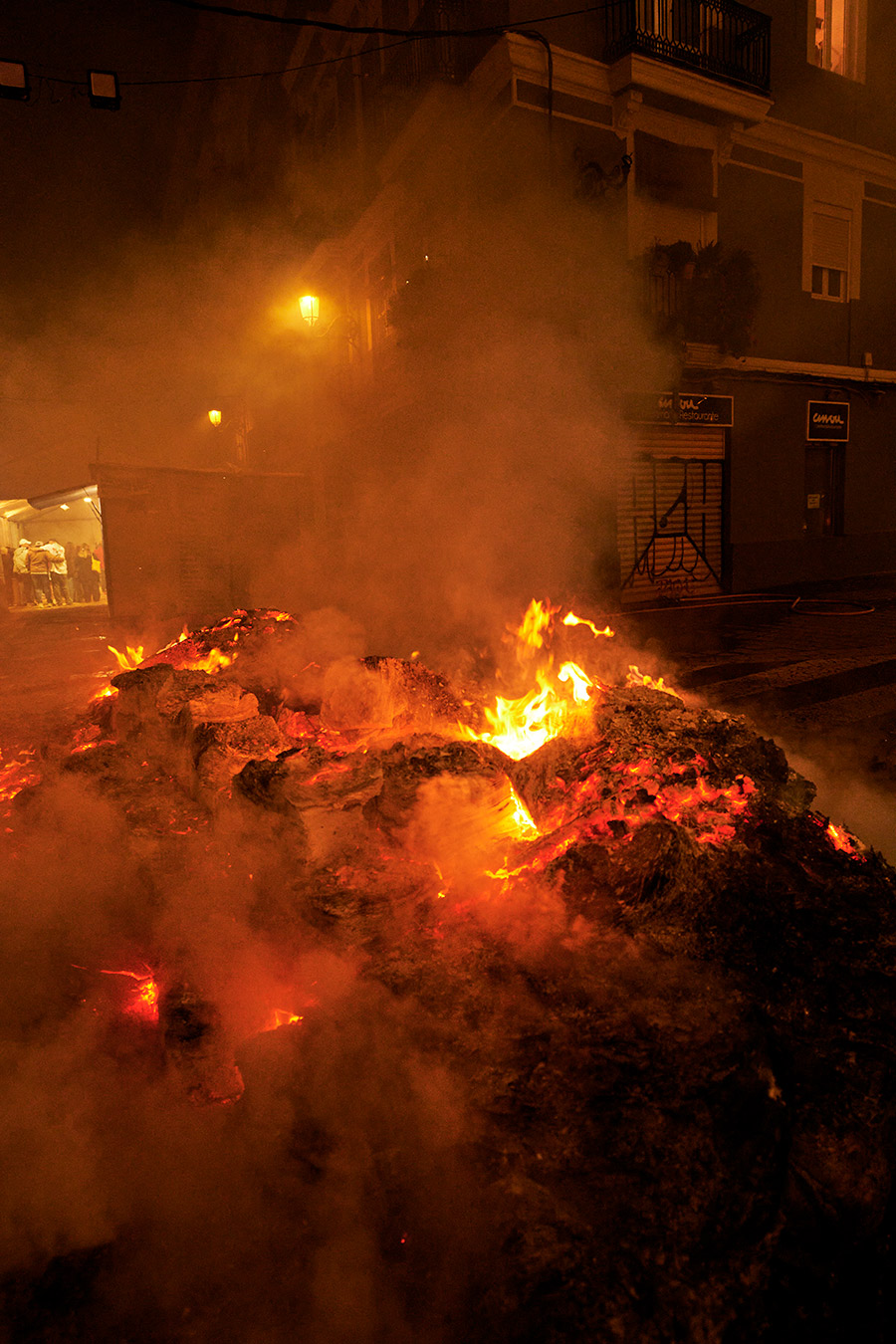
It’s a move that echoes earlier crossings by artists like Okuda San Miguel and Escif, who have likewise tested how street sensibilities translate into collective, ceremonial space. Here, the audience isn’t just passersby or collectors—it’s the city itself, participating, inscribing, and ultimately watching it all go up in flames, a familiar ending for writers who understand that nothing in the street is meant to last.