Welcome to BSA Images of the Week. Yesterday, New York’s streets filled with protests, marches, performances, and signs—you might even call some of it art.
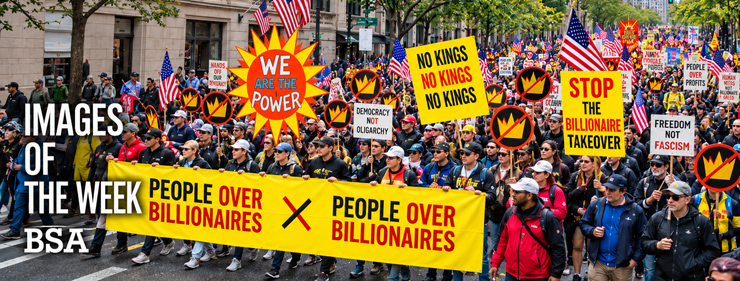
From Columbus Circle through Times Square and across the boroughs, the No Kings march moved with swing, swagger, rage, humor, and a street rhythm that feels like NYC at its best. Hand-lettered signs and flags bobbed above the crowd like fresh ink on a city wall, while chants carried down the avenue, through the parks, up the blocks. “Regime change begins at home” stood out among the messages, mere weeks before the country’s mid-term elections, expected to change things, at least in some measure. Police counted tens of thousands in New York City; organizers put the citywide turnout at more than 350,000.
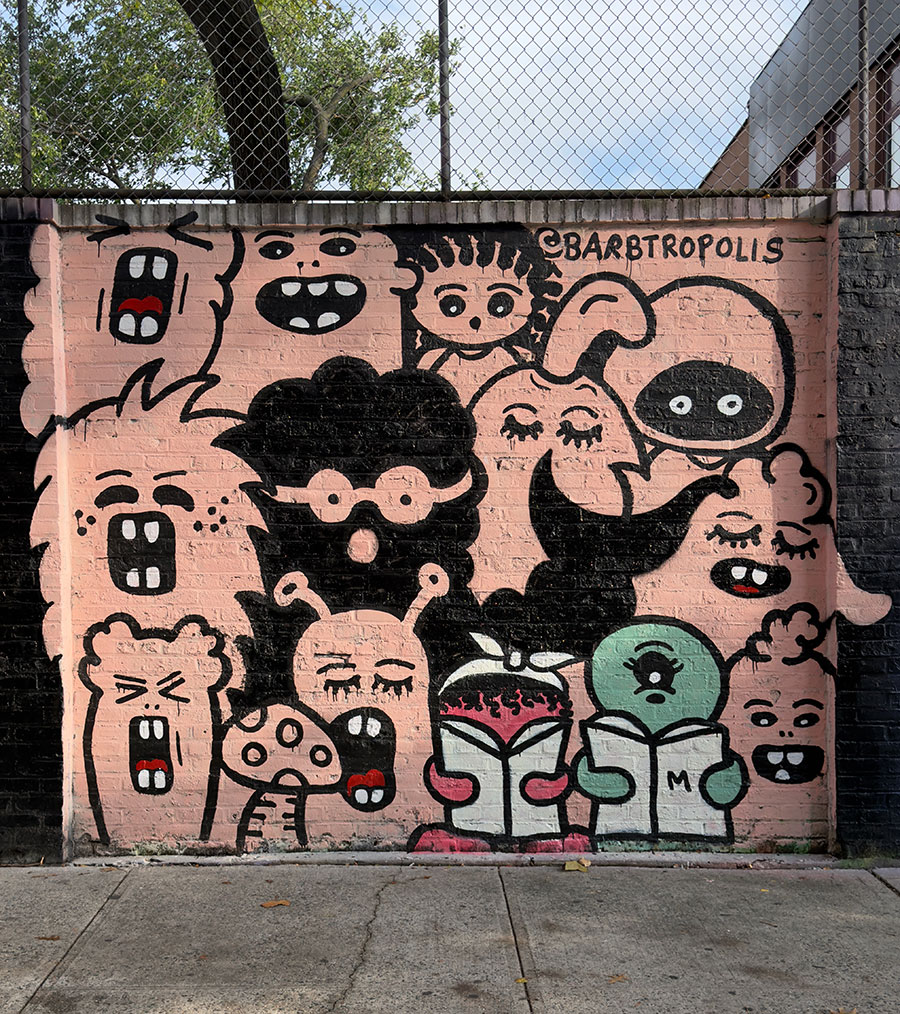
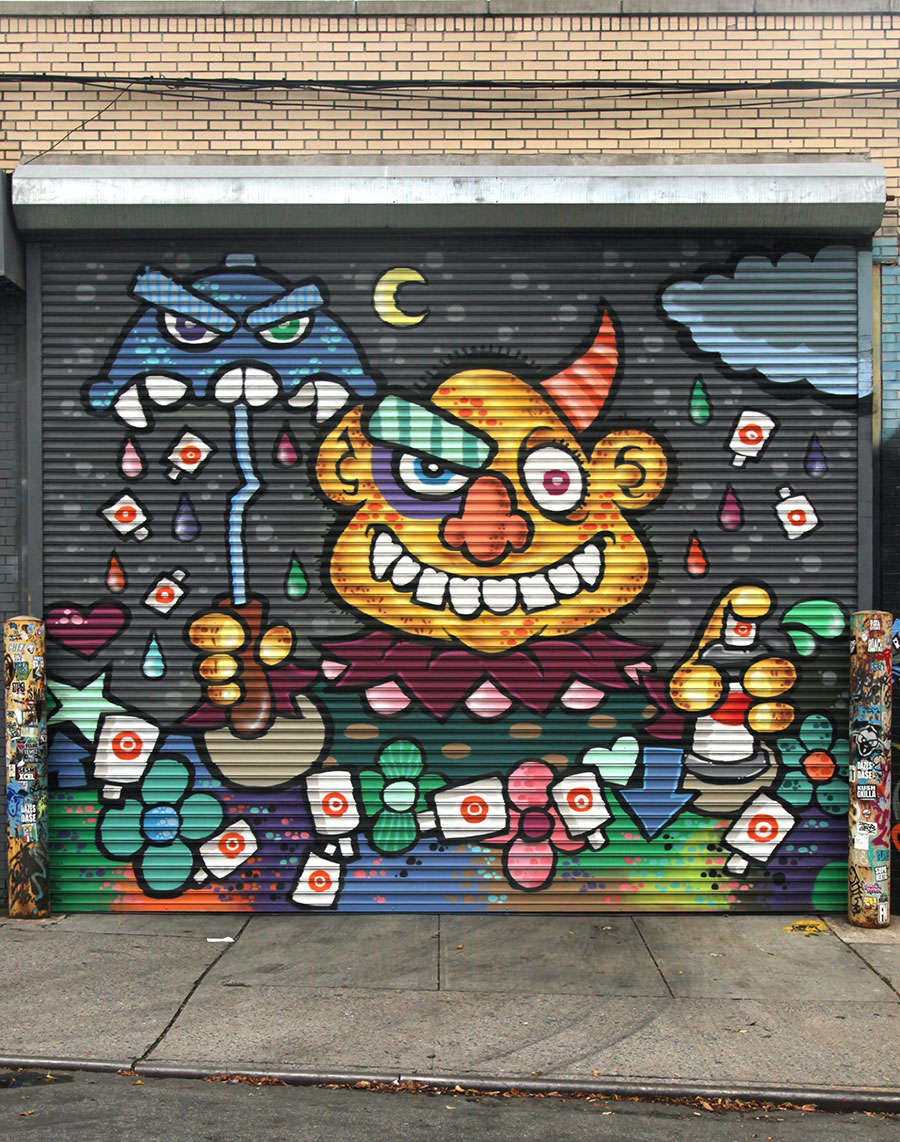
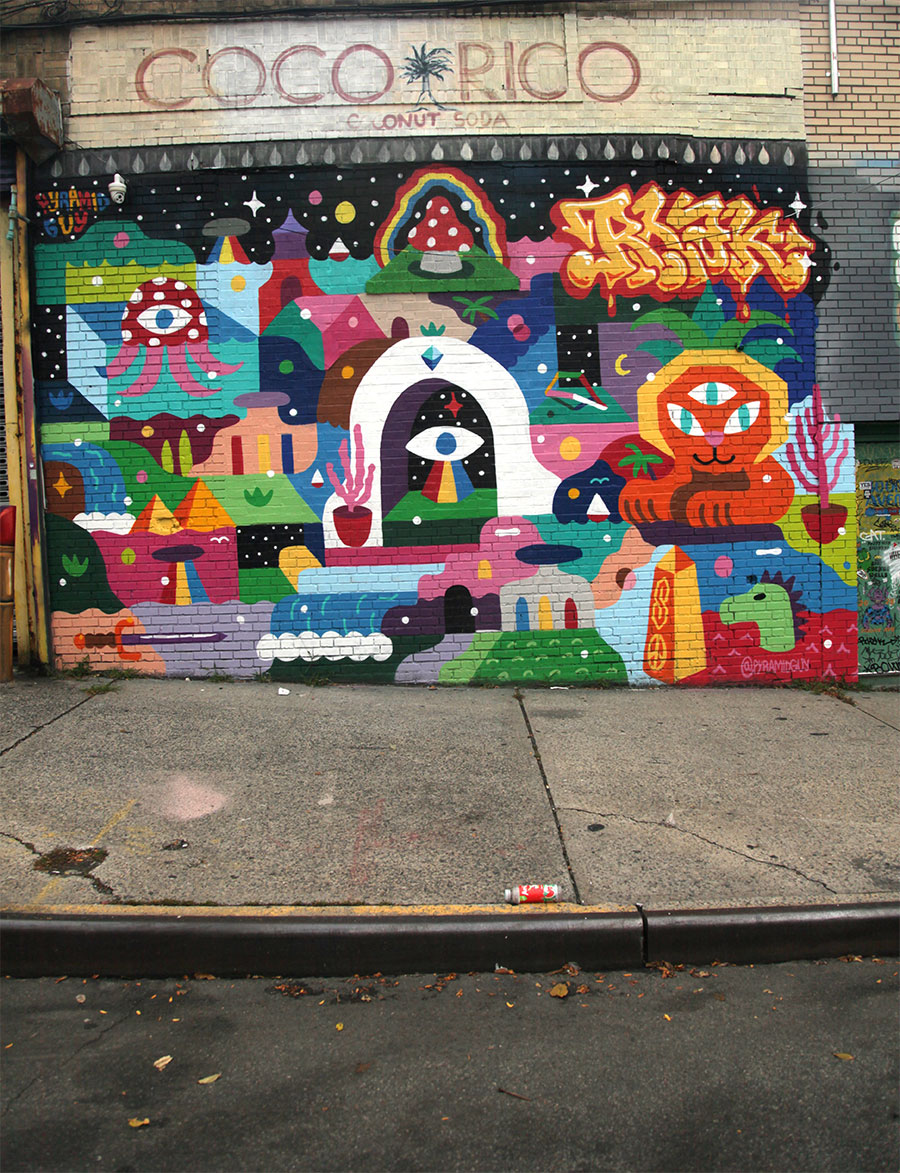
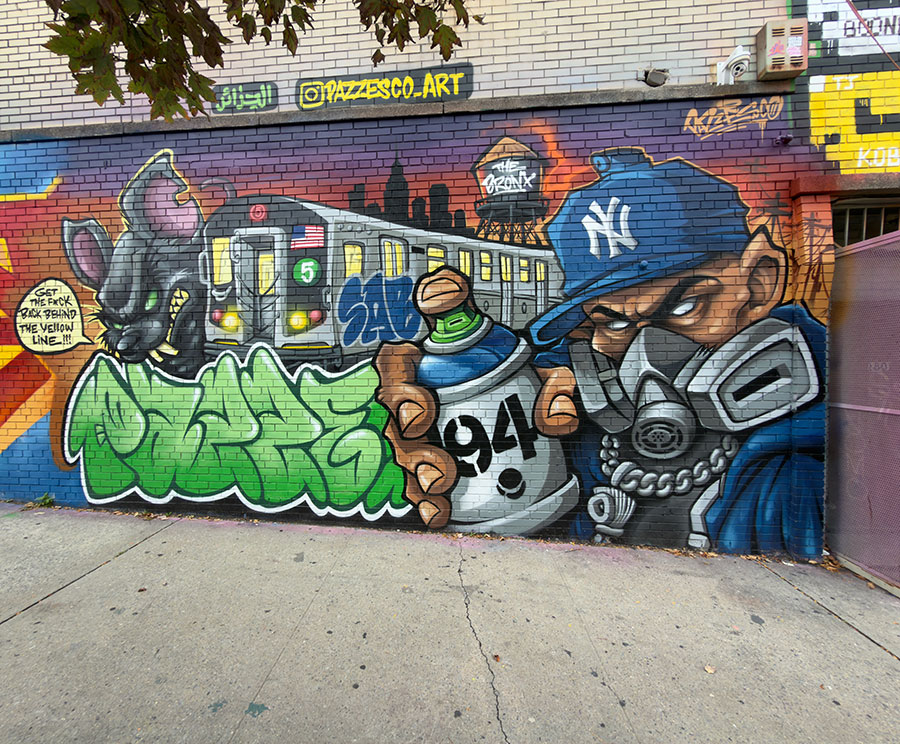
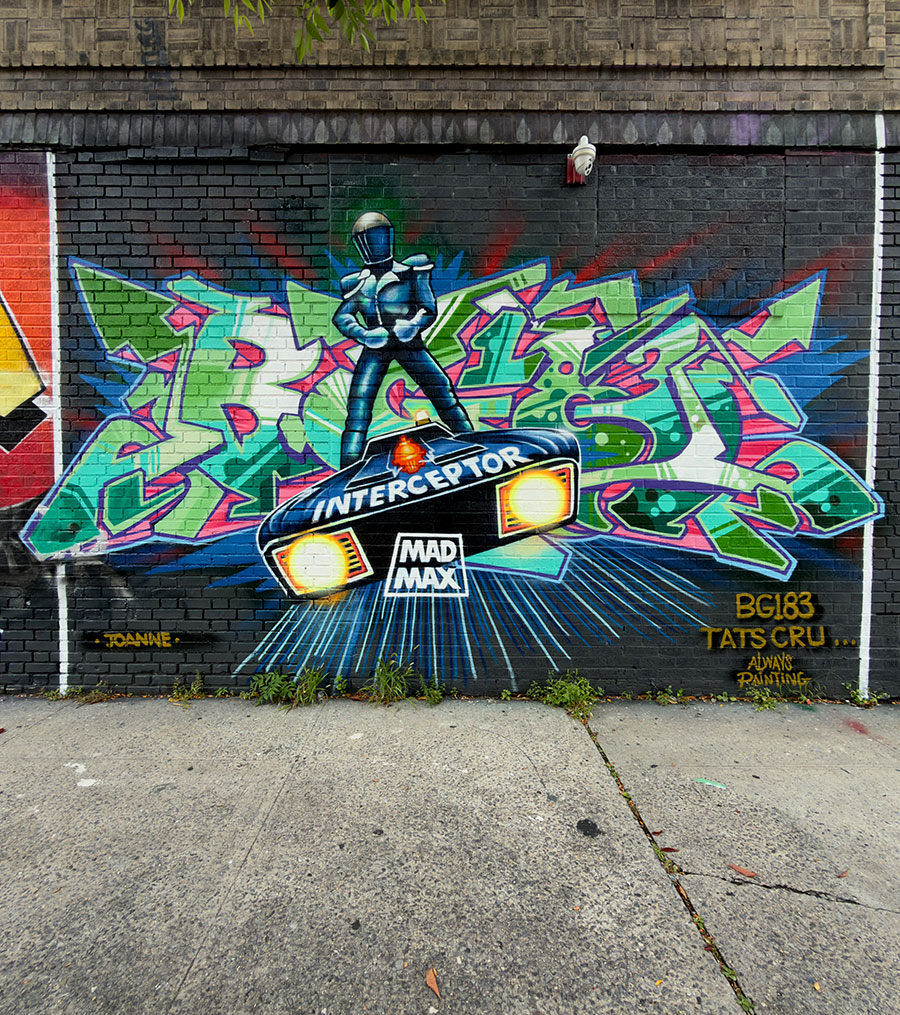
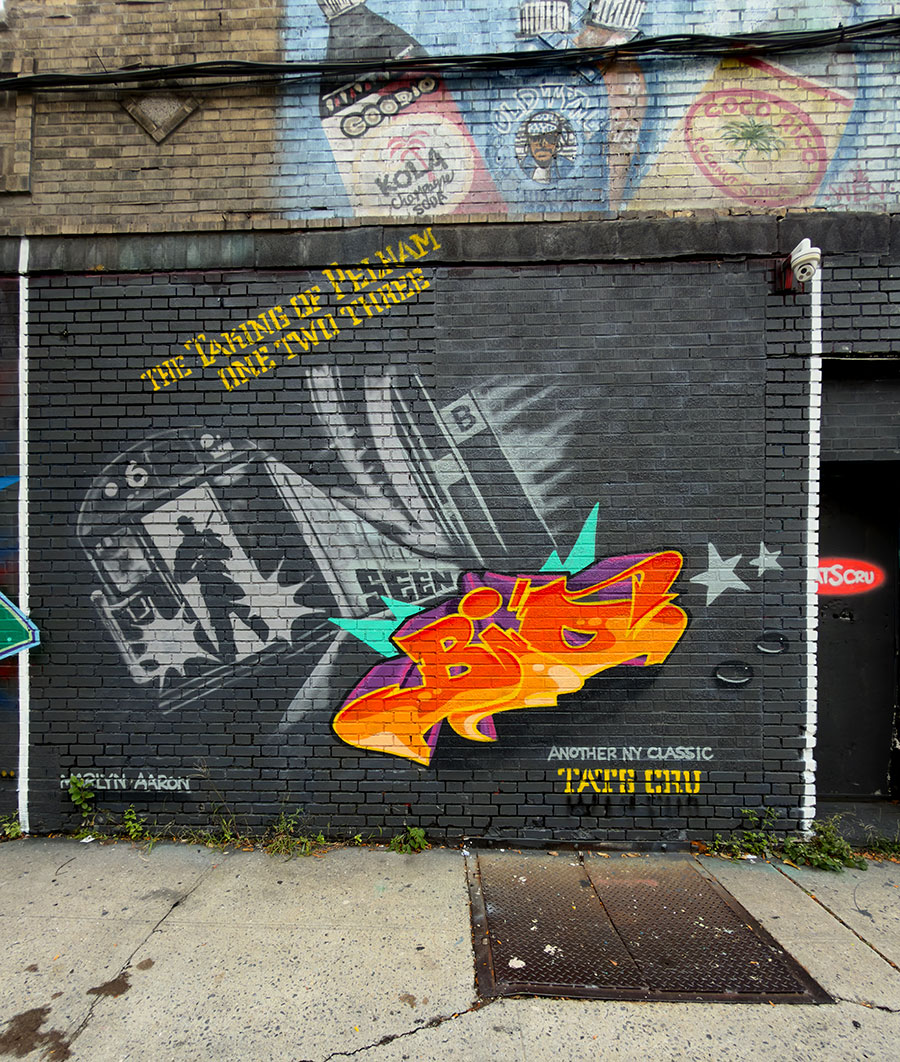
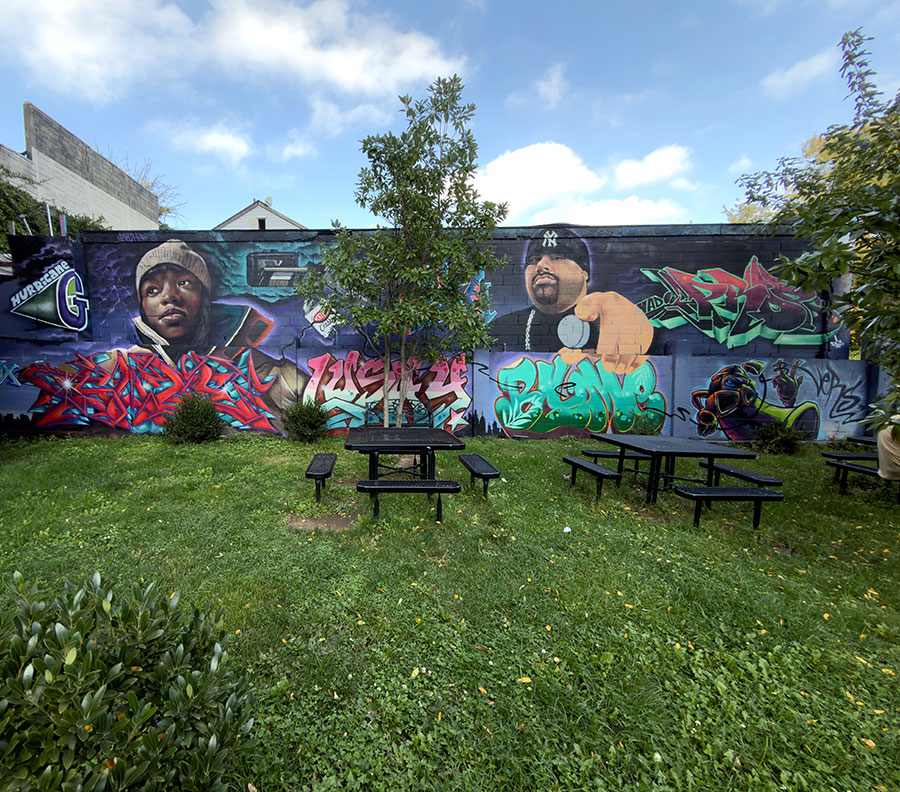
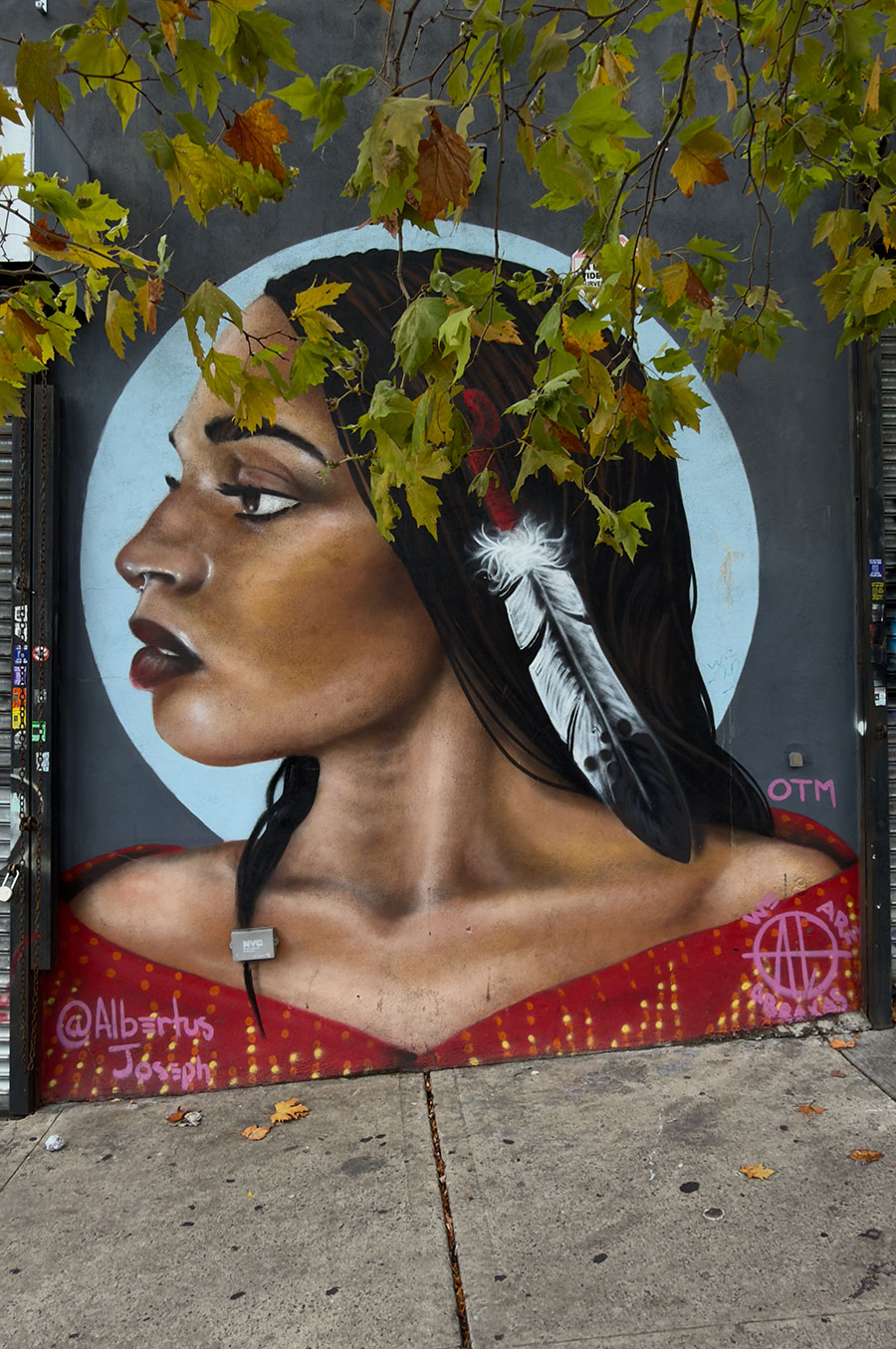
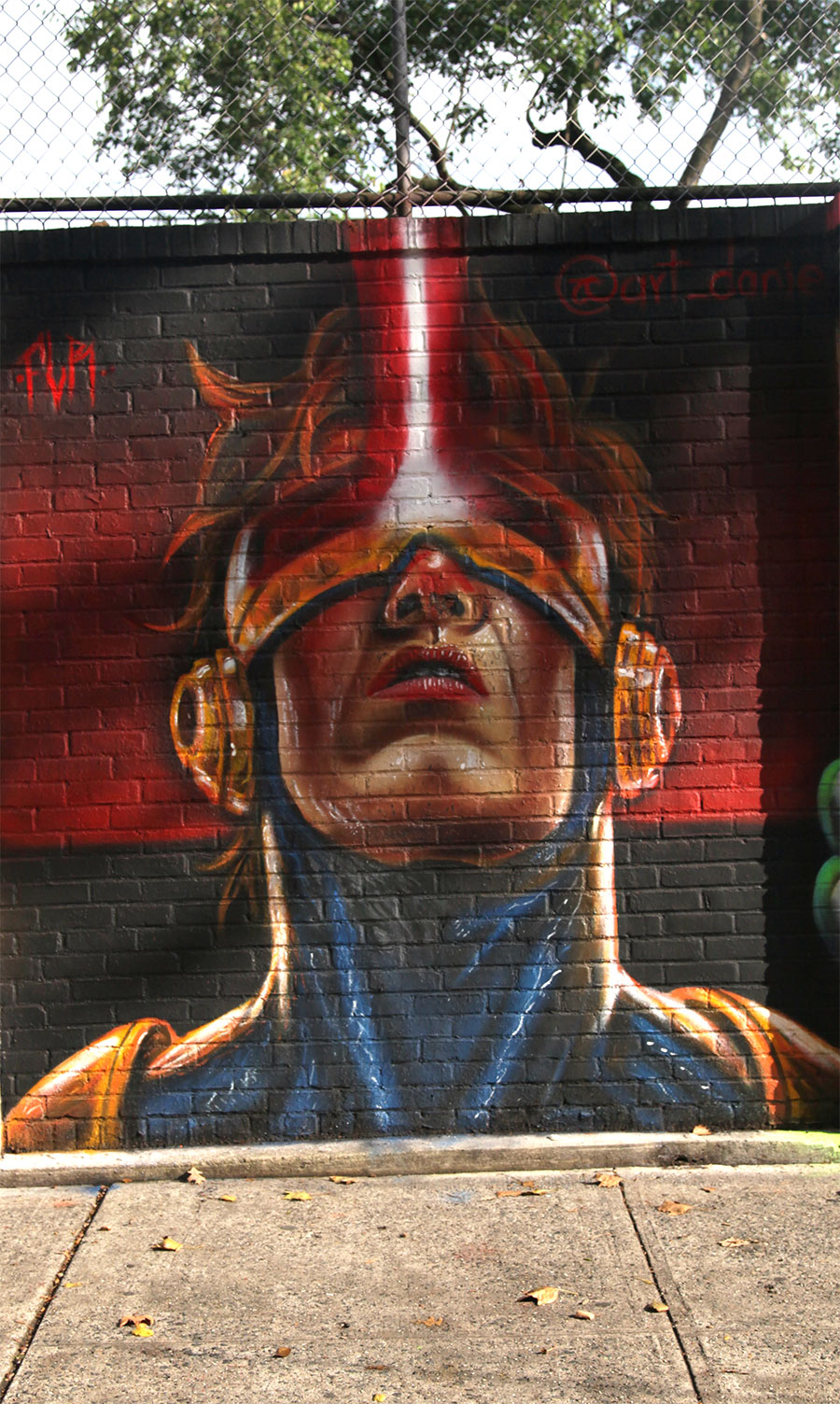
Here is our weekly interview with the street, this week featuring AESOP One, Albertus Joseph, Barb Tropolis, BG 183 Tats Cru, Bio Tats Cru, BLUME, Call her Al, CRKSHNK, Danie, Kam S. Art, KENOS, Kobra, Miss Lushy, Pazzesco Art, Phetus88, Pyramid Guy, Sebi Sketch, SHUX, SOZE527, Sue Works, The Butchers Cru, and Vers
For Mr. and Ms. Everyday, there is a feeling of being financially trapped, with no relief in sight. Remember the Princeton study from a decade ago that stated average people have almost no voice in making change?
Street artists often aim their spray cans at social and political fault lines, wielding invective and knife-sharp wit. Yet this week’s BSA interview with a pair of artists questions whether today’s practitioners still have the conviction to confront society’s social and economic ills. “One of the things I was playing with was the overly positive, banal affirmation-type quotes you see in a lot of street art,” says artist Alex Itin. “I see the country in a dangerous place, and positive bromides are not as important as anger and cogent analysis of our present state. So I wanted a bit of salt and burn… while still being funny.”
If the Princeton study still holds—and it does—then maybe it makes sense that artists confront this swilling morass of a kleptocracy and turn walls into soapboxes. After all, when billionaires and hedge funds treat your society like a yard sale and Congress keeps playing cashier, we could at least point out the absurdity. A stencil or mural won’t topple the problem, but it can cut through the haze, sharpen the joke, and remind us that resistance still has a voice—even if it has to shout from a brick wall.
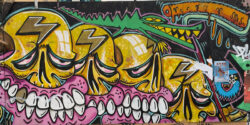
This week, we have a lot of new stuff, particularly in the graffiti vein, from the Boone Avenue Festival in the Bronx a few weeks ago. Boone Avenue Walls is an artist-led, community-rooted street art festival in the Bronx, founded by renowned graffiti writer WEN C.O.D.. Organized by the Boone Avenue Walls Foundation, the event features large-scale murals and public art installations. Local and international artists are invited to paint in neighborhoods such as West Farms, Mott Haven, Foxhurst, and Hunts Point—often directly reflecting local pride and cultural touchstones of resilience and creativity. Many of these refer to music stars and reflect our fascination with celebrity. Some of these pieces were under production when we stopped by, while others were so fresh that you could still smell the fresh paint.
On our weekly interview with the street, we feature AESOP ONE, Albertus Joseph, Busta Art, Call Her Al, El Souls, EWAD, MELON, Miki Mu, NEO, Pazzesco Art, Persue, Pyramid Guy, Sue Works and Tony Sjoman.
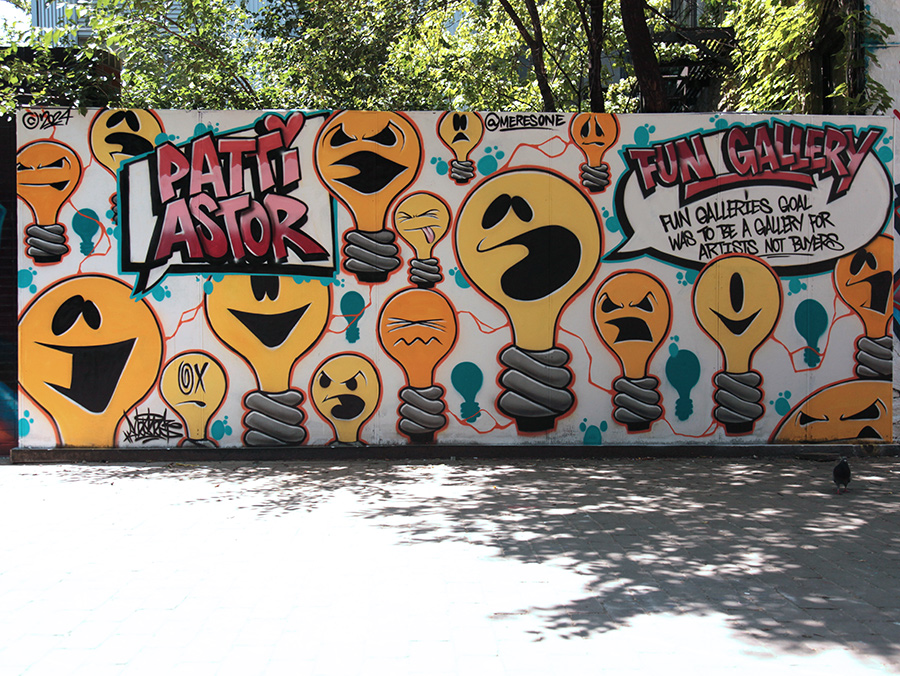
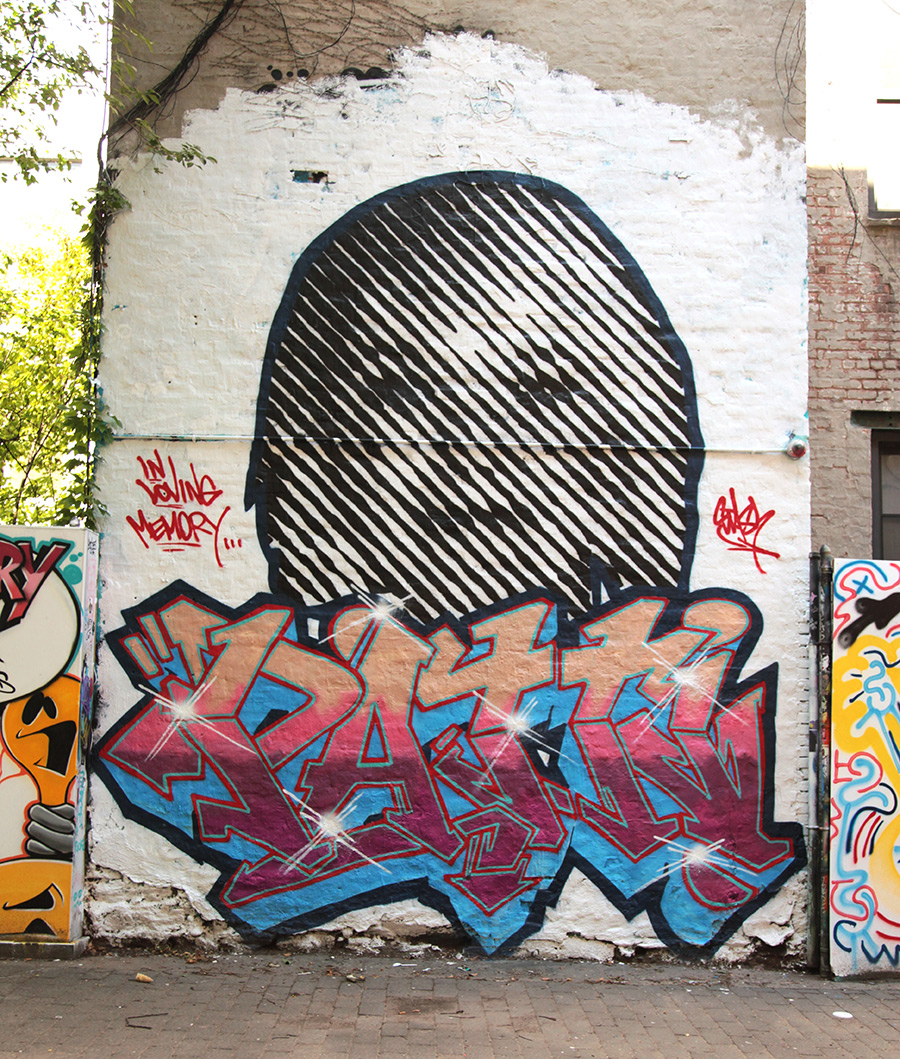
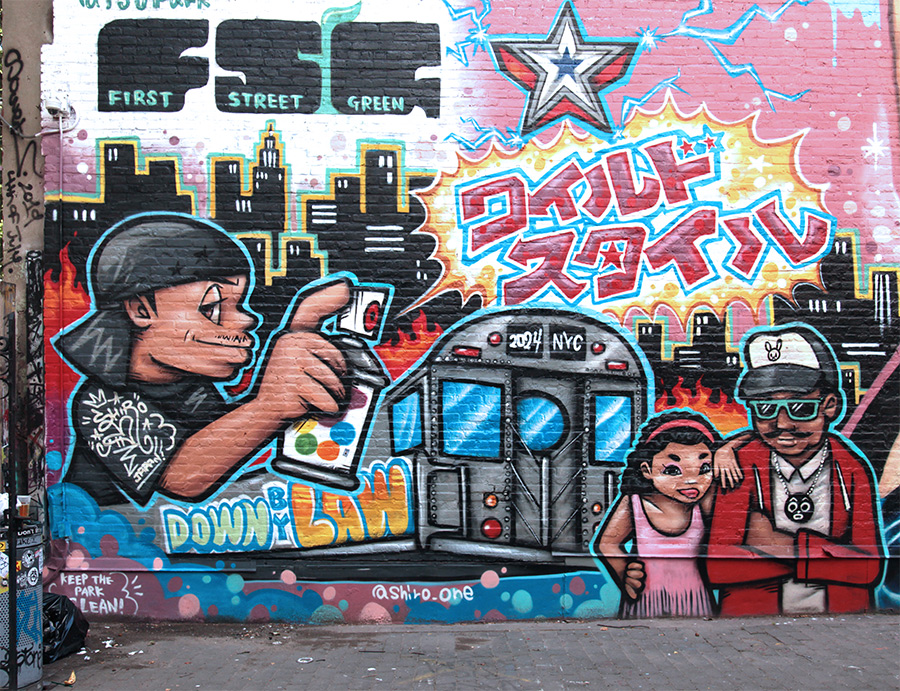
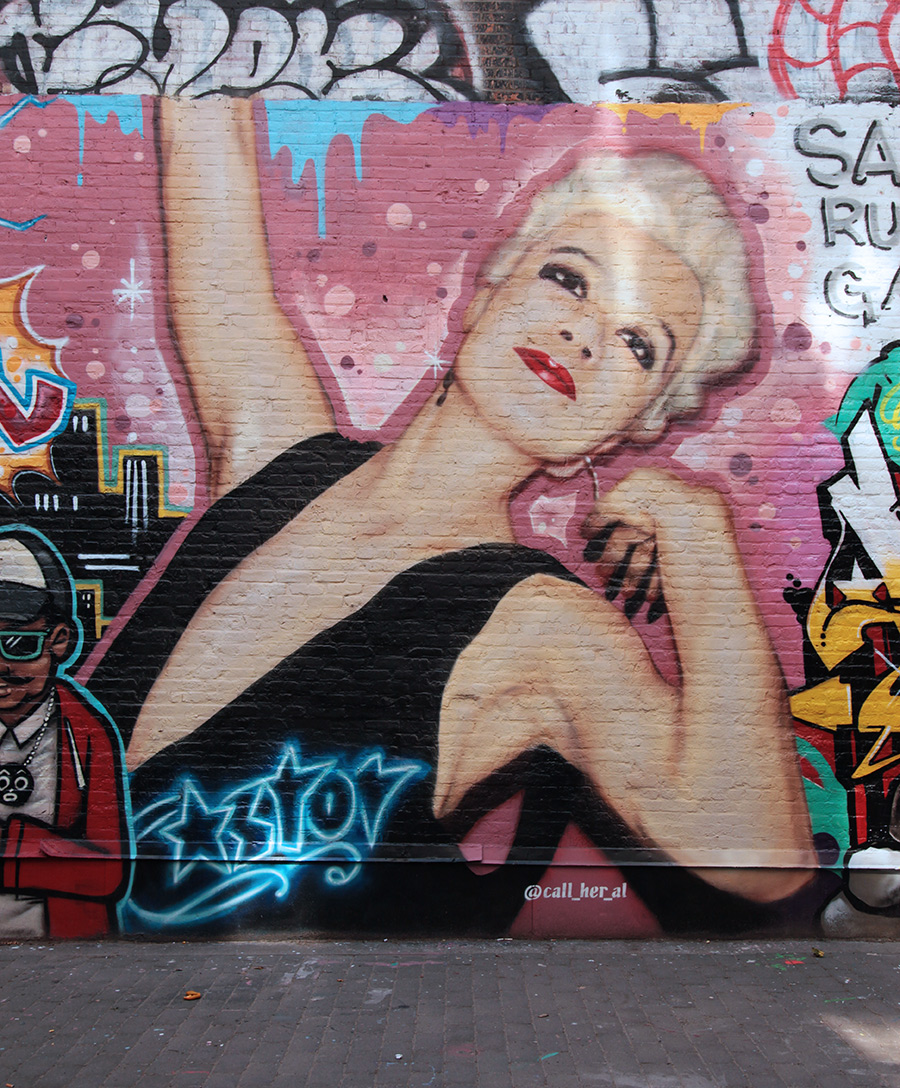
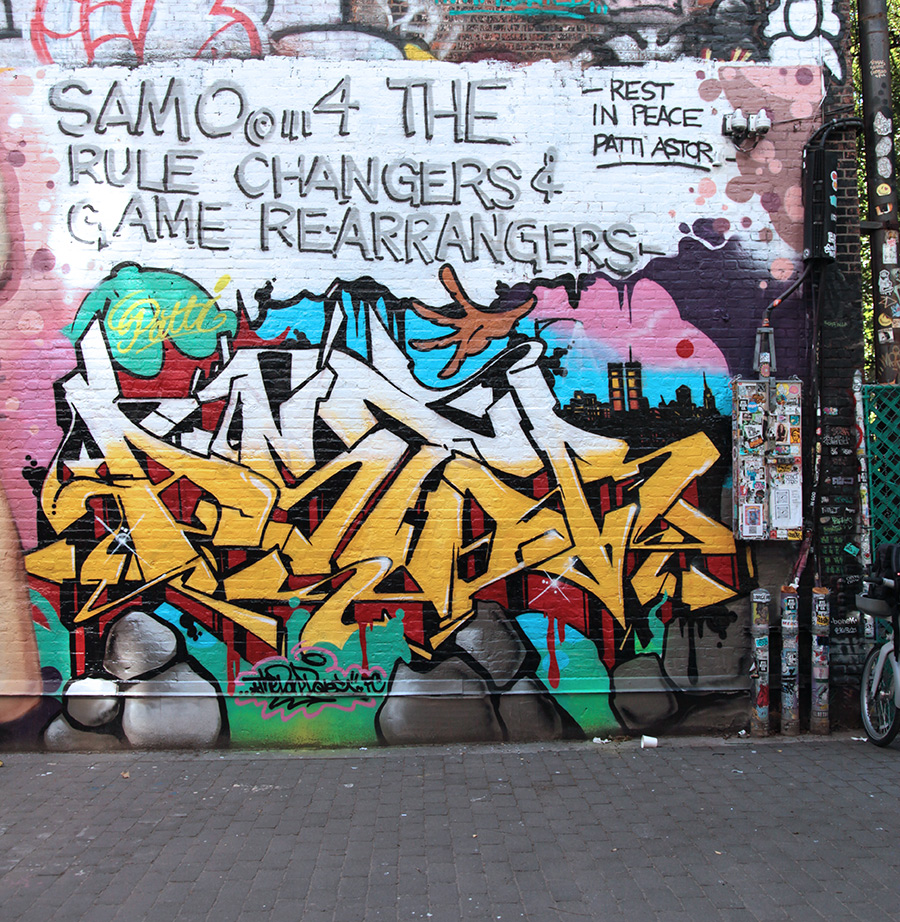
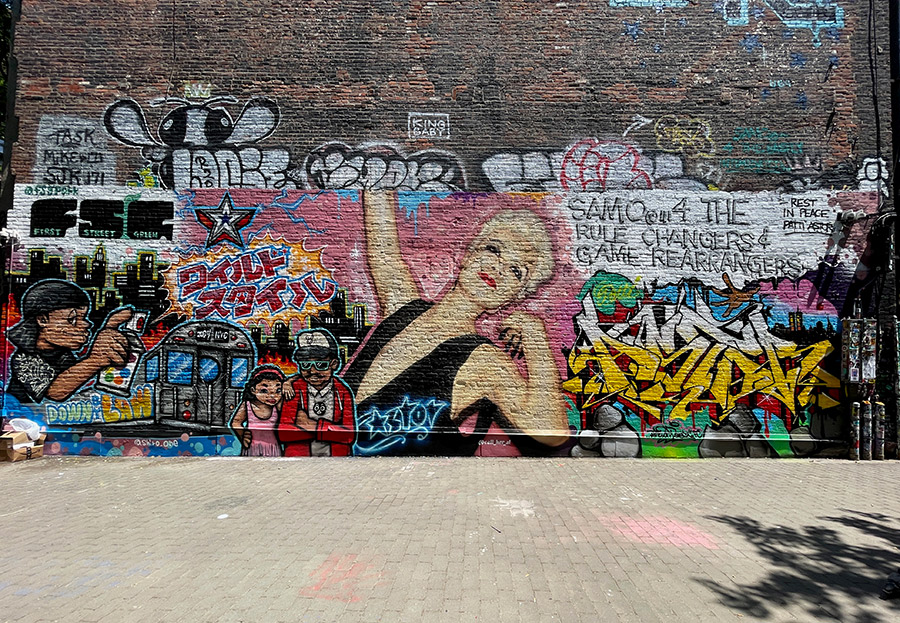
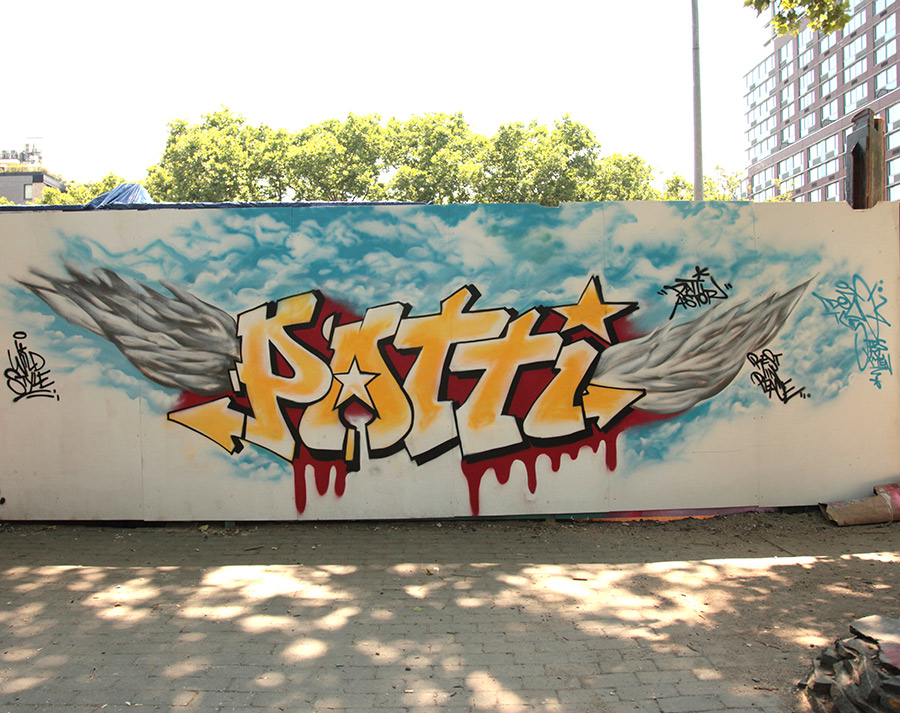
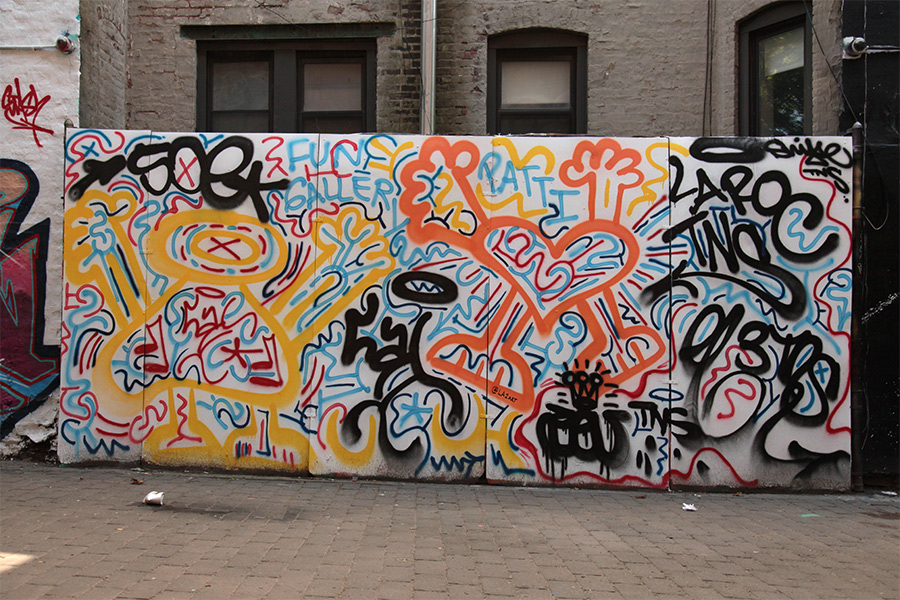
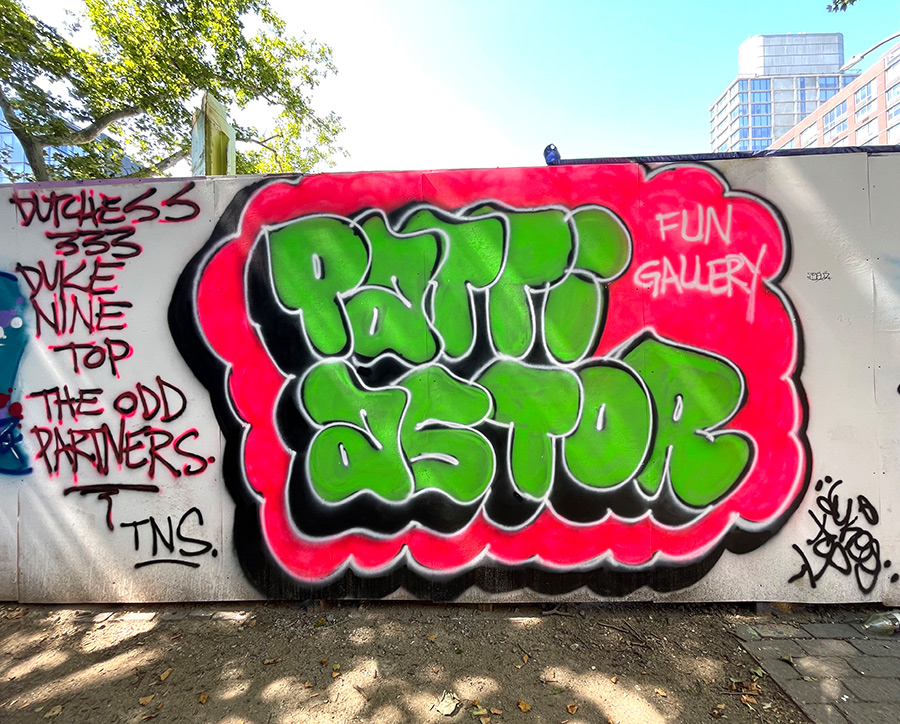
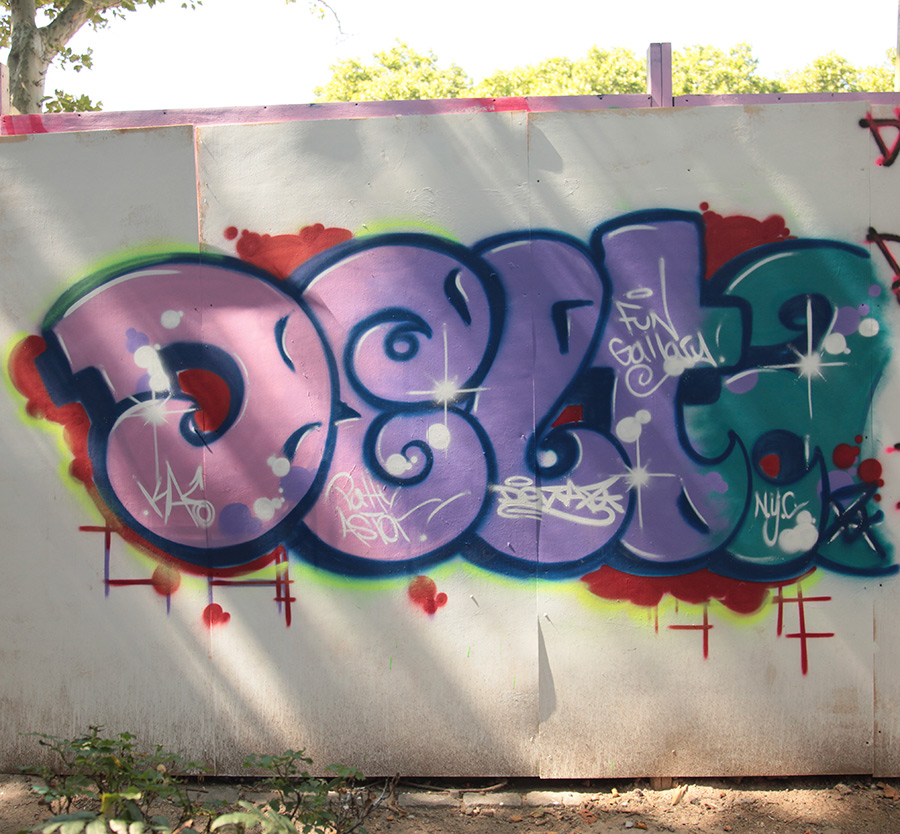
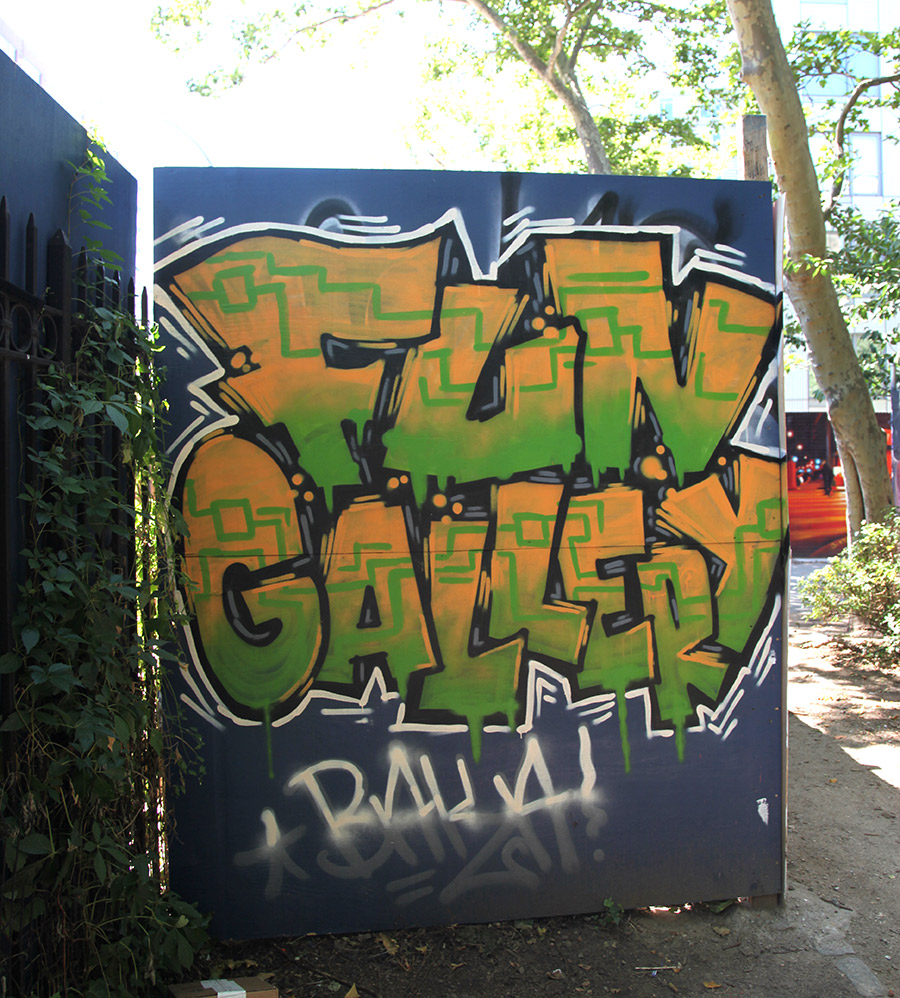
A true New York mix of friends and fans recently gathered in Manhattan at the First Street Green Park on the north side of Houston Street for a personal sendoff and remembrance of Patti Astor in a city she loved. Here are some of the paintings left behind, echoing an earlier time with the DNA of today. While the list of organizers and attendees is incomplete, notable mentions include Delta2, Al Diaz, Meres, Futura, Dr. Revolt, Snake 188, Fab Five Freddy, and Charlie Ahearn. These folks and many others played a part in the vibrant Downtown graffiti scene and the broader fusion of hip-hop and punk culture that flourished in NYC during the 1980s. Perhaps it’s obvious to say so, but when you’re creative and follow your passions, you never know how many lives you will touch.
Astor, often hailed as a star, legend, and avant-garde pioneer, left an enduring legacy that inspired countless artists and cultural enthusiasts. Born Patricia Titchener in Cincinnati, she moved to New York City in 1968, attending Barnard College before joining the anti-war movement. By 1975, she was fully immersed in the underground film scene, collaborating with filmmakers like Eric Mitchell and Amos Poe.
Astor’s film career included roles in Poe’s “Unmade Beds” and “The Foreigner,” but her most iconic performance came in Charlie Ahearn’s 1982 film “Wild Style.” In “Wild Style,” Astor played a roving reporter navigating the Bronx’s vibrant graffiti and hip-hop culture, bridging the gap between uptown graffiti artists and the downtown art scene. This role cemented her status as an underground film star and deepened her connection to New York’s graffiti movement.
In 1981, Astor and Bill Stelling opened Fun Gallery in the East Village. This groundbreaking space showcased artists like Jean-Michel Basquiat, Jane Dickson, Keith Haring, and Kenny Scharf and graffiti legends such as Futura 2000, Fab 5 Freddy, and Lee Quinones. It became a pivotal venue for the East Village art scene, fostering a community where graffiti art was celebrated and legitimized within the broader art world. In some notable cases, it helped elevate the careers of many artists who would achieve international acclaim.
Since her passing, many have highlighted Astor’s multifaceted contributions to art and culture. Her enthusiasm and belief in the value of graffiti art opened doors for a diverse array of artists and supercharged its many distributaries. The vivid energy in these new pieces is a testament to Patti Astor’s lasting impact on the art world, celebrating her legacy as a true pioneer who brought the eclectic vibrancy of New York’s streets into galleries and history.
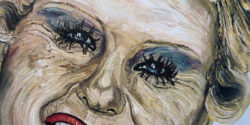
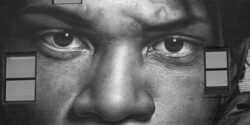
Since the rise in muralism in the late 2000s, street art portraiture has become an increasingly popular form of urban expression, with artists employing diverse techniques and styles to capture the essence of individuals and personalities.
This street art genre draws inspiration from western portrait painting and contemporary advertising practices, combining traditional and modern elements. Beyond a simple aesthetic exercise, some street art portraiture has emerged as a means for artists to challenge dominant societal norms surrounding notions of beauty and power dynamics, making it a vital mode of cultural expression. Other times, obvious norms are in full embrace.
While the issue of the male gaze has been a prevalent topic in the fine arts for centuries, street art gave a new platform for artists to consider and sometimes debate this issue in a public forum. Artists celebrate real and fictional individuals of all genders, challenging traditional ideas of beauty and reclaiming agency for those traditionally relegated to the margins. By doing so, these artists engage in a larger cultural dialogue, and through their work, reflect the diversity and values of the communities they inhabit.
A high percentage are celebrities and icons of popular culture. From musicians to actors and athletes, these individuals make the artwork personal, relatable, and Instagrammable. Younger artists tend to gravitate toward contemporary figures in popular culture, while older artists may focus on historical or political figures. But don’t quote us on that.
From stenciling, painting, and wheat pasting, each method contributes to the unique character of the artwork, reflecting the artist’s vision and the cultural landscape in which it is created. As a mirror to the culture, the subjects chosen for street art portraiture can reflect the diversity and cultural landscape of the city, creating a visual representation of the community, its values, and aspirations.
G. James Daichendt. Robbie Conal: Streetwise: 35 Years of Politically Charged Guerrilla Art. Schiffer, 2020. Reprinted from the original review. …Read More »
 BROOKLYN STREET ART LOVES YOU MORE EVERY DAY