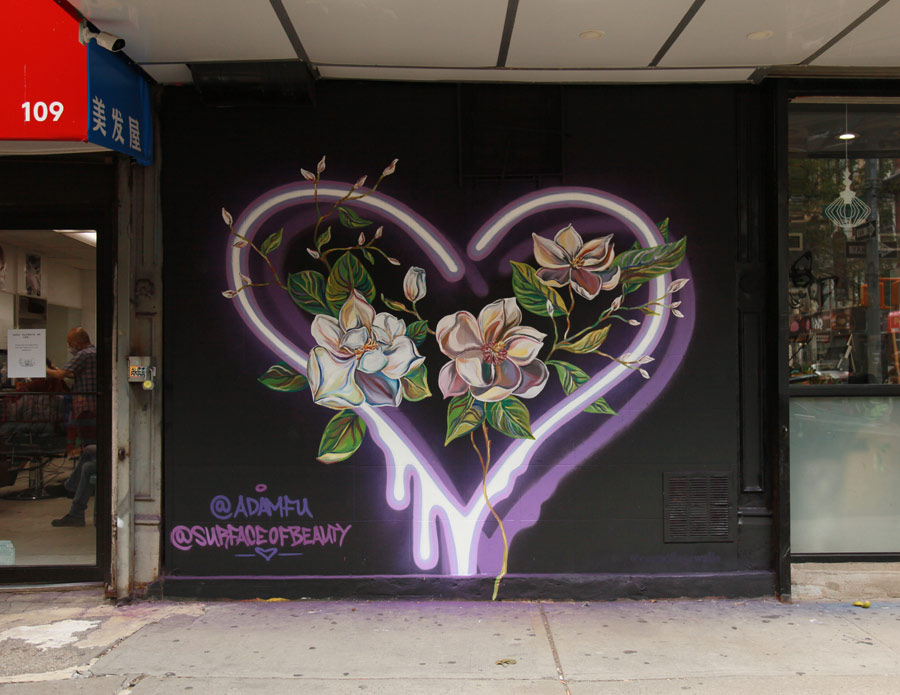
 BROOKLYN STREET ART LOVES YOU MORE EVERY DAY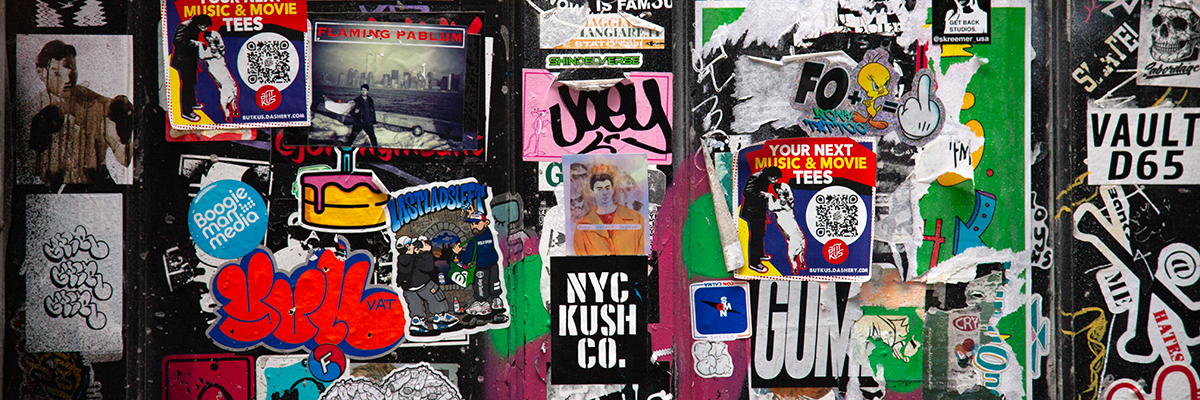
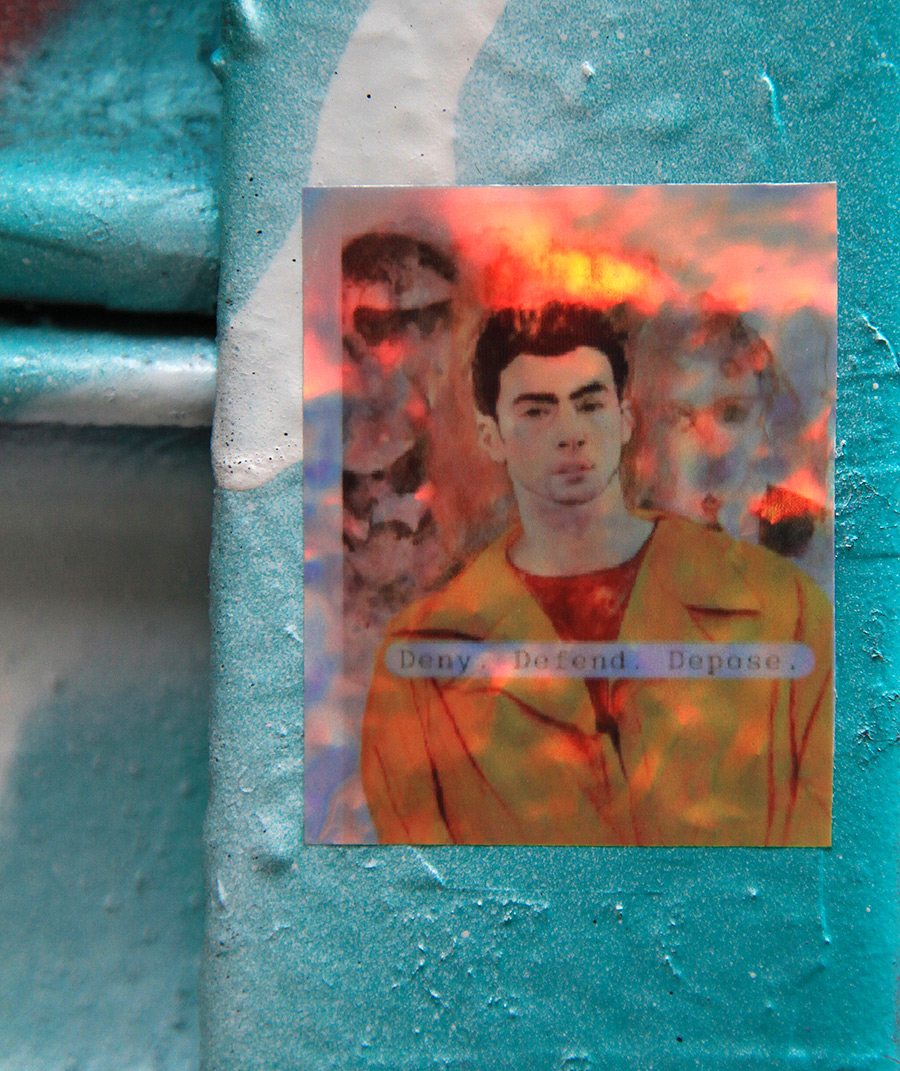
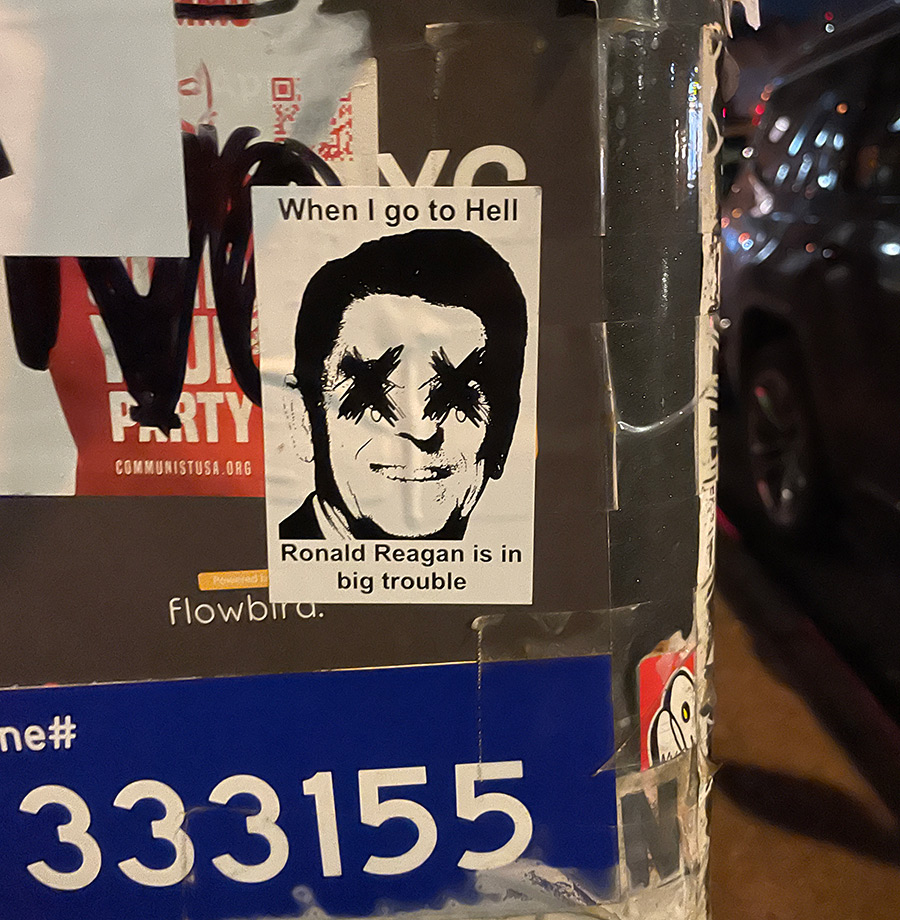
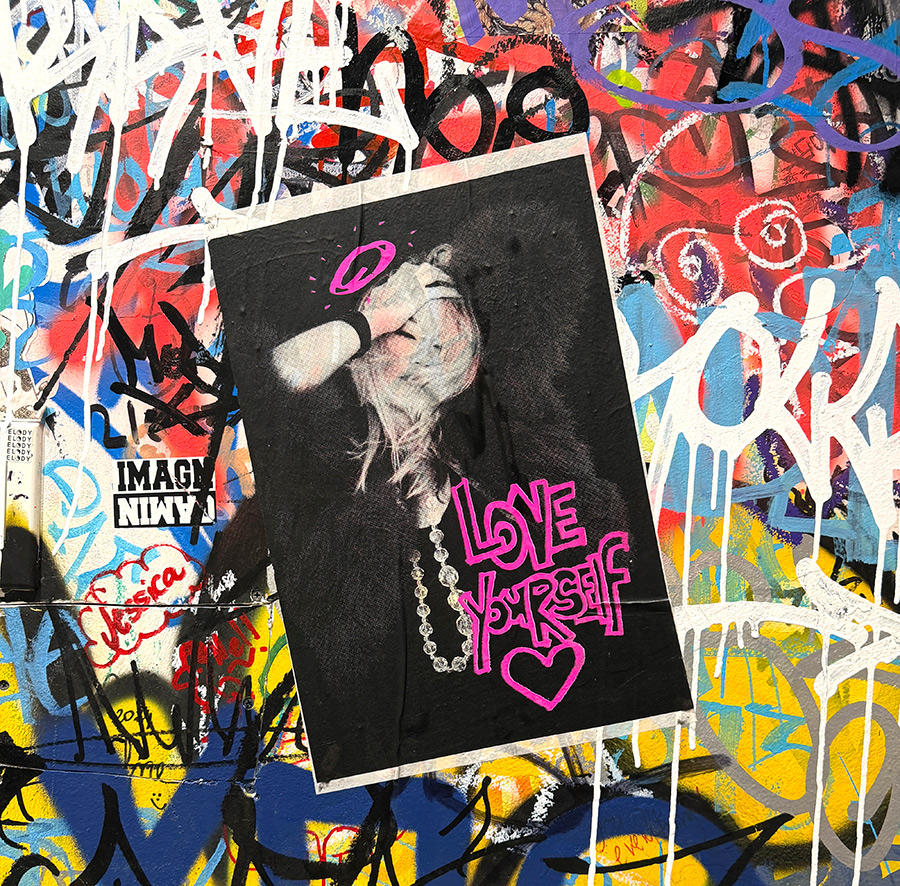
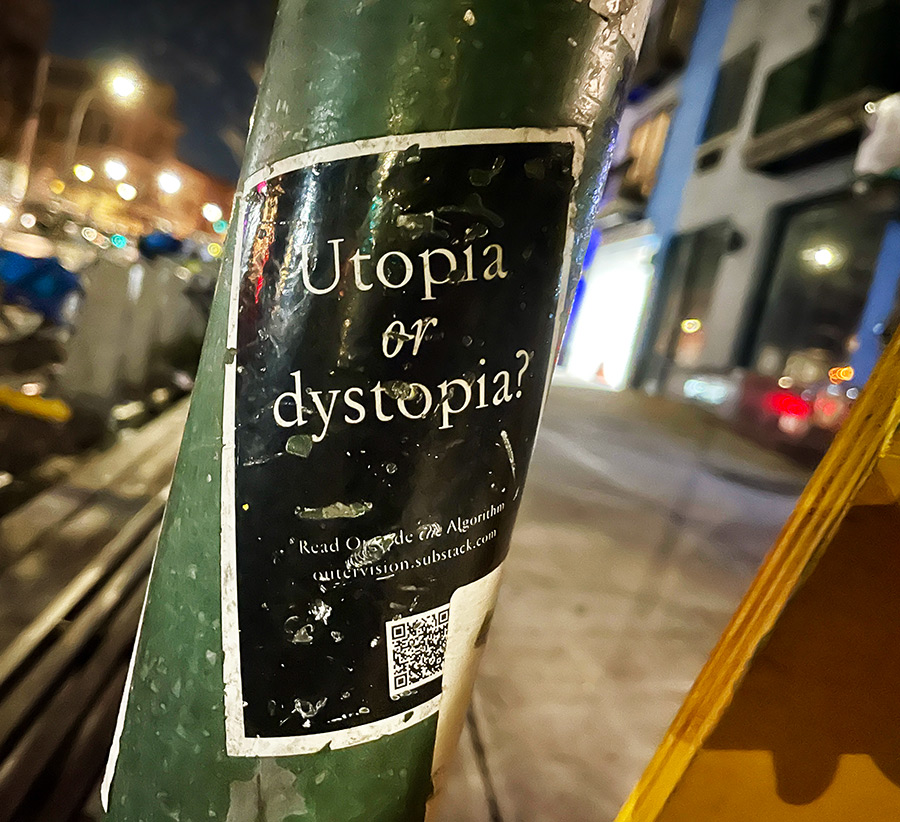
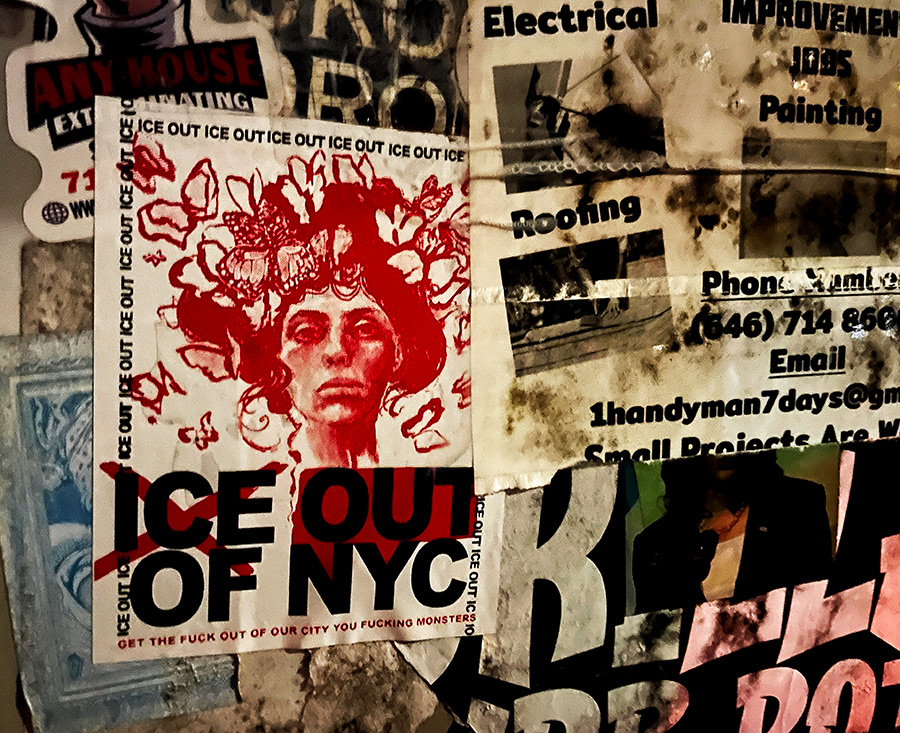
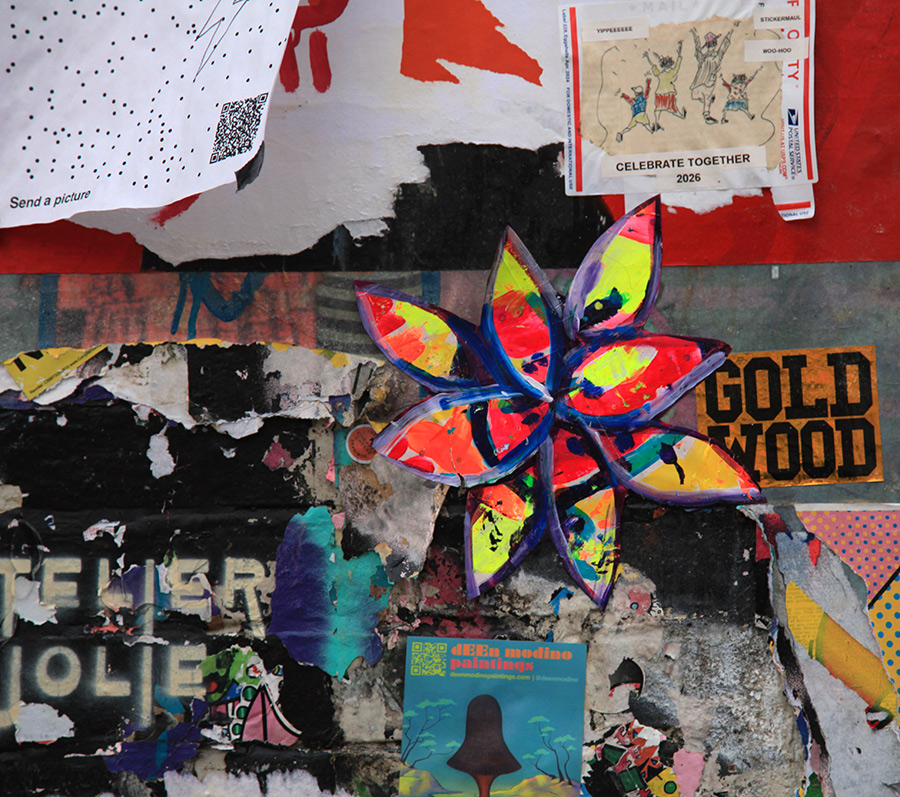
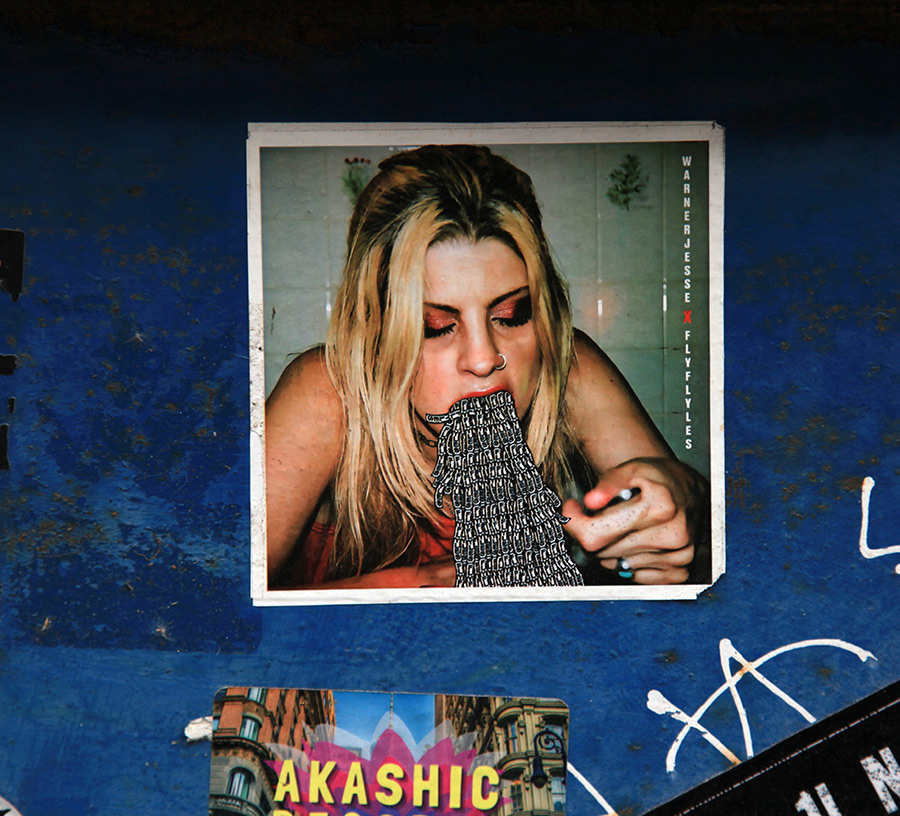
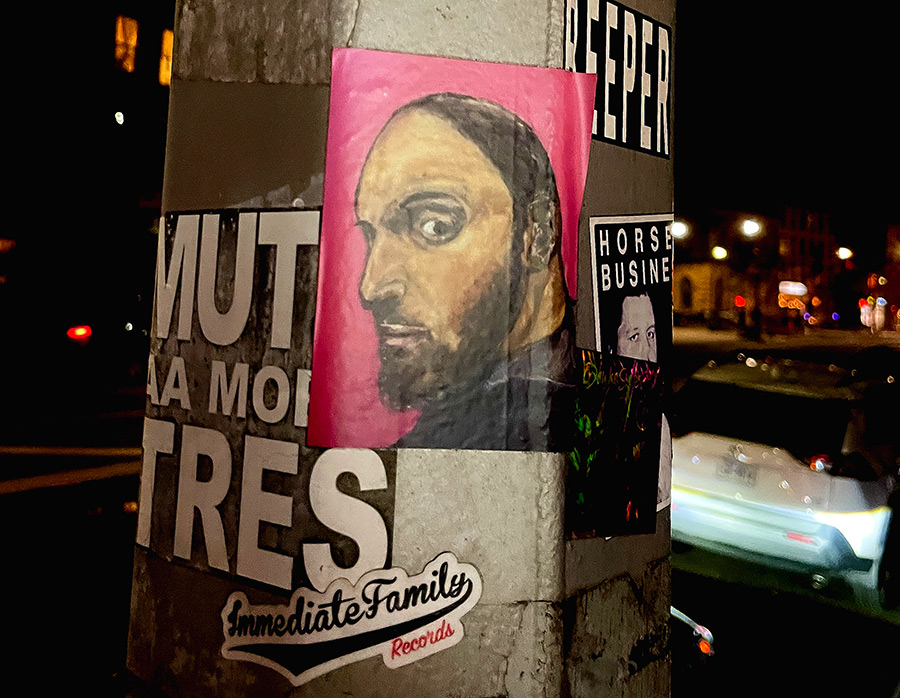
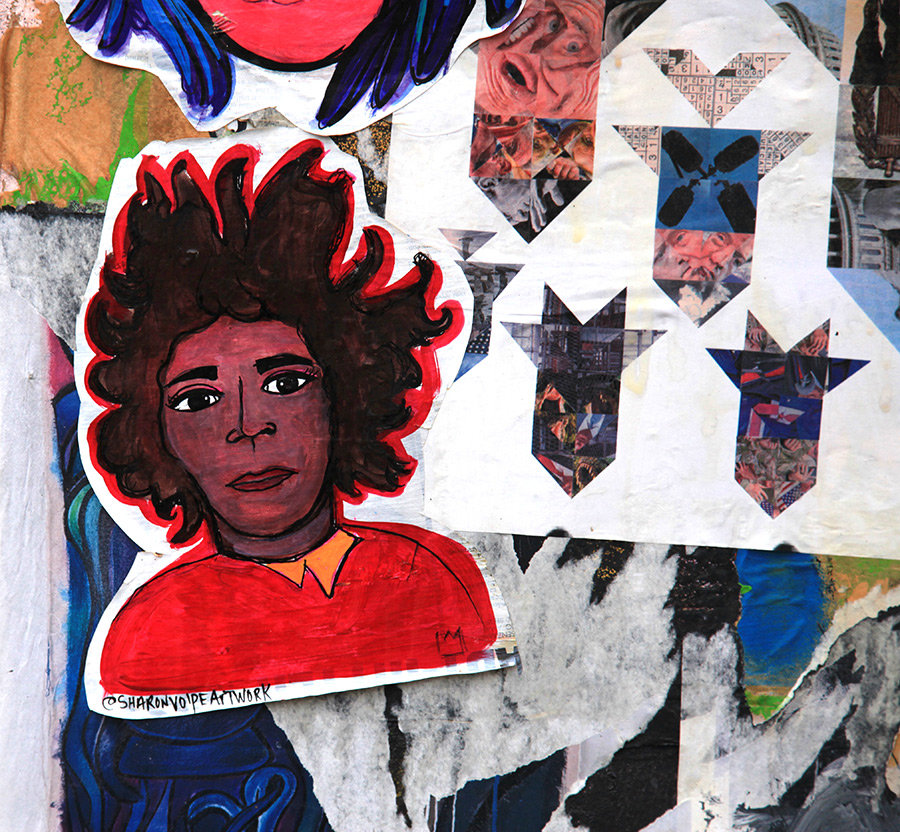
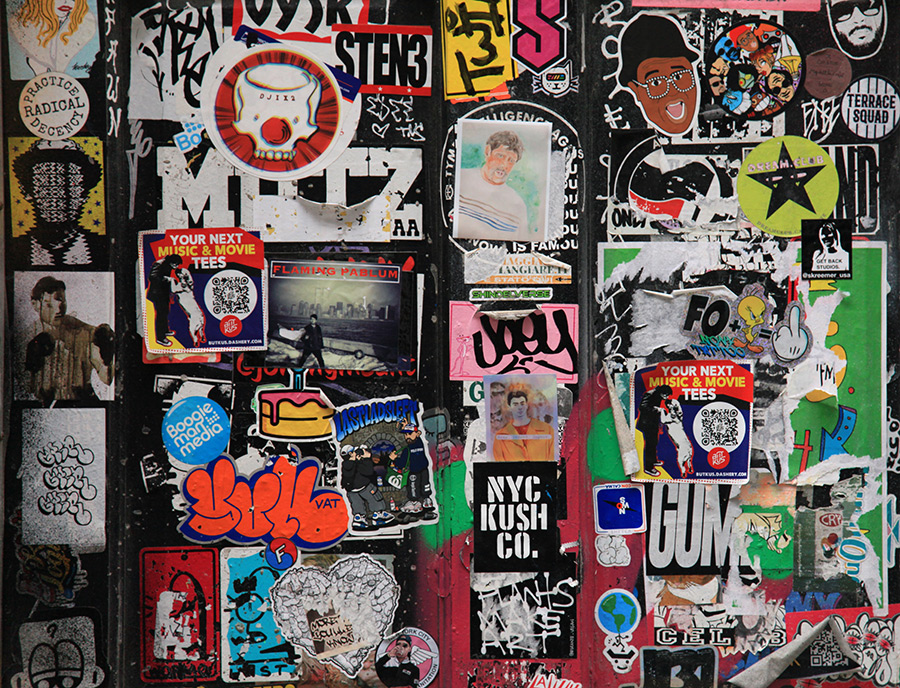
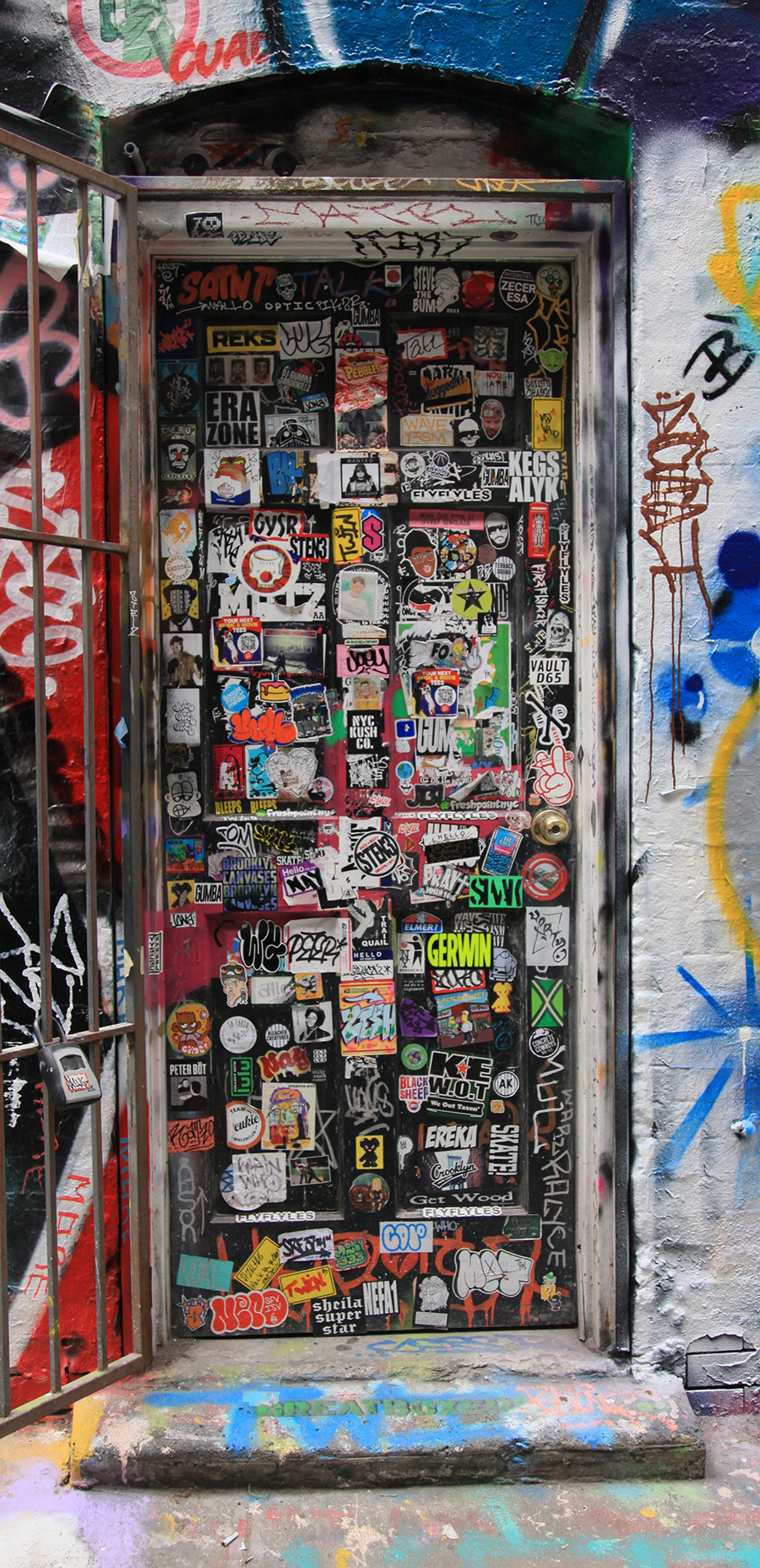
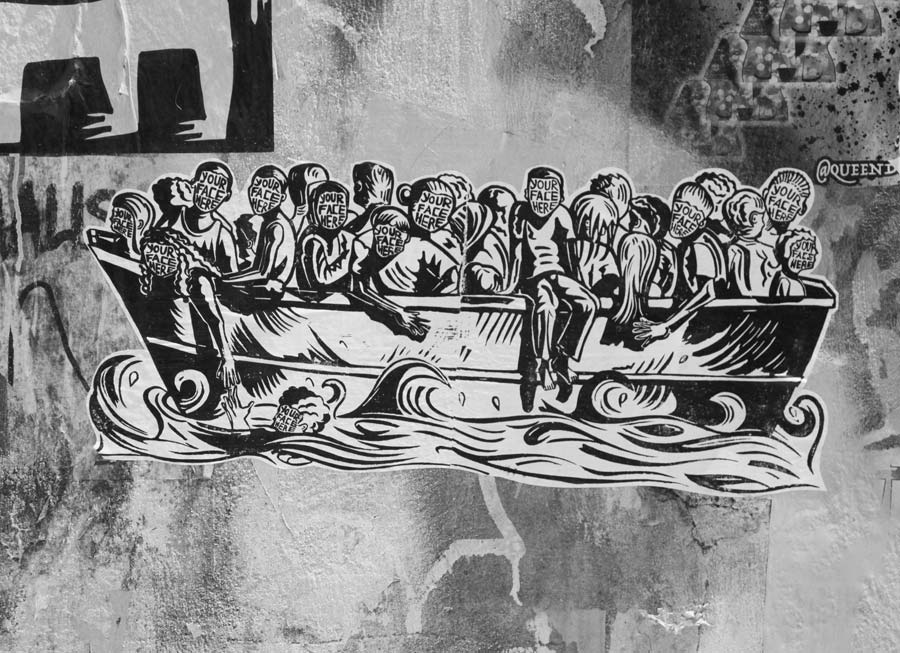
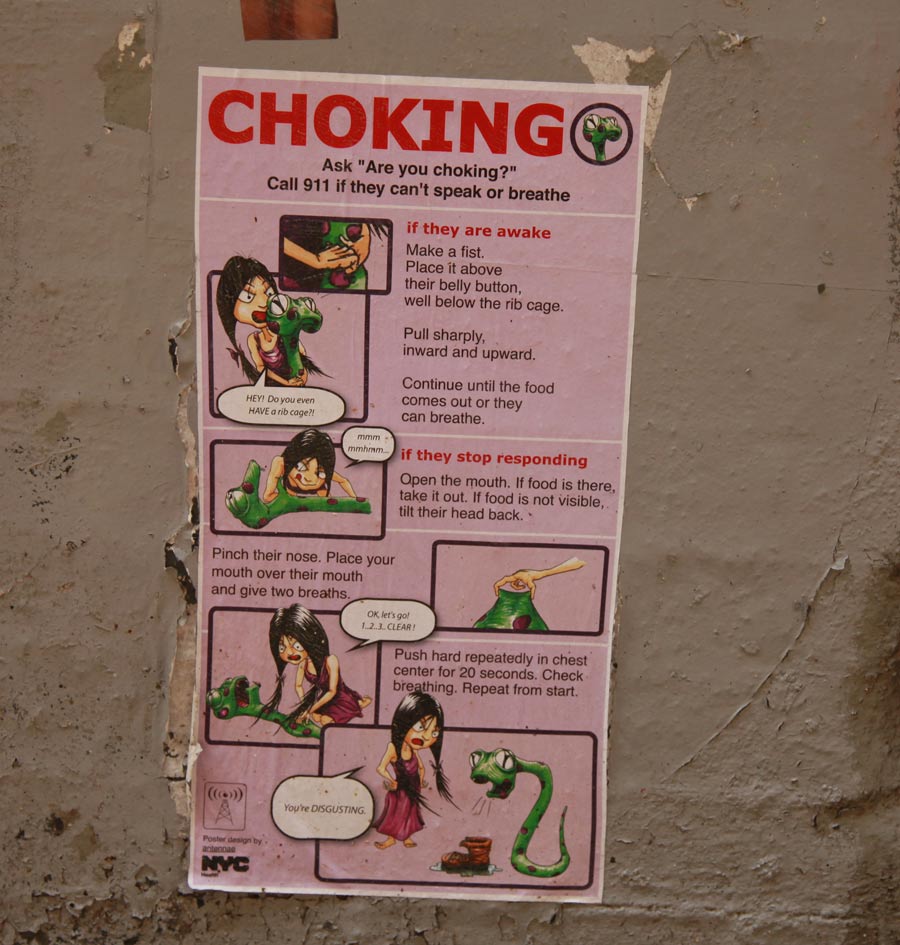
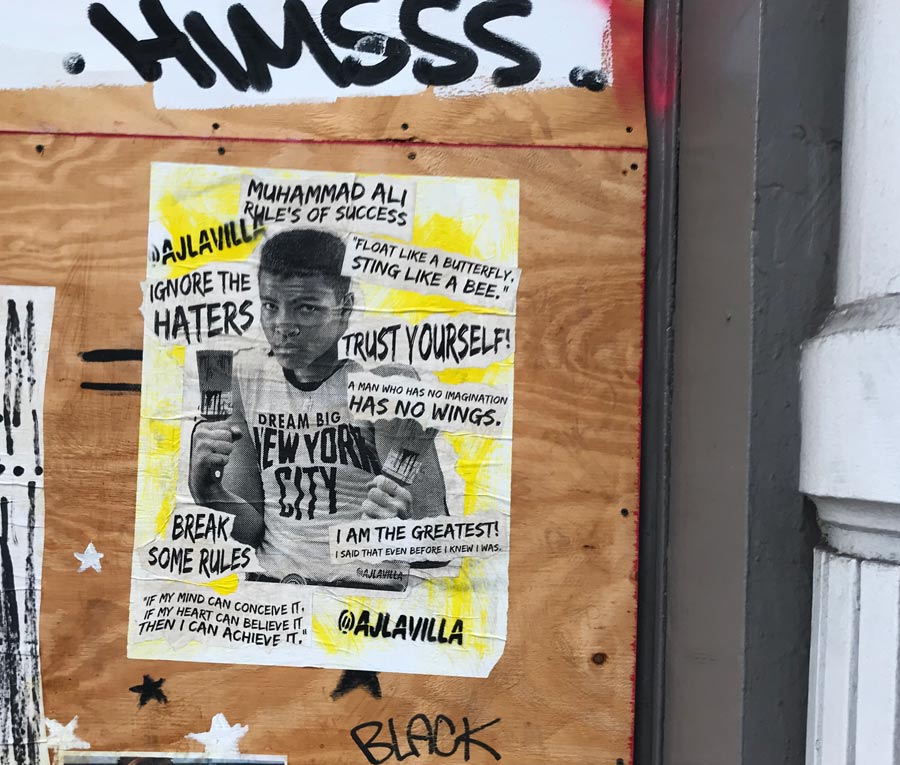
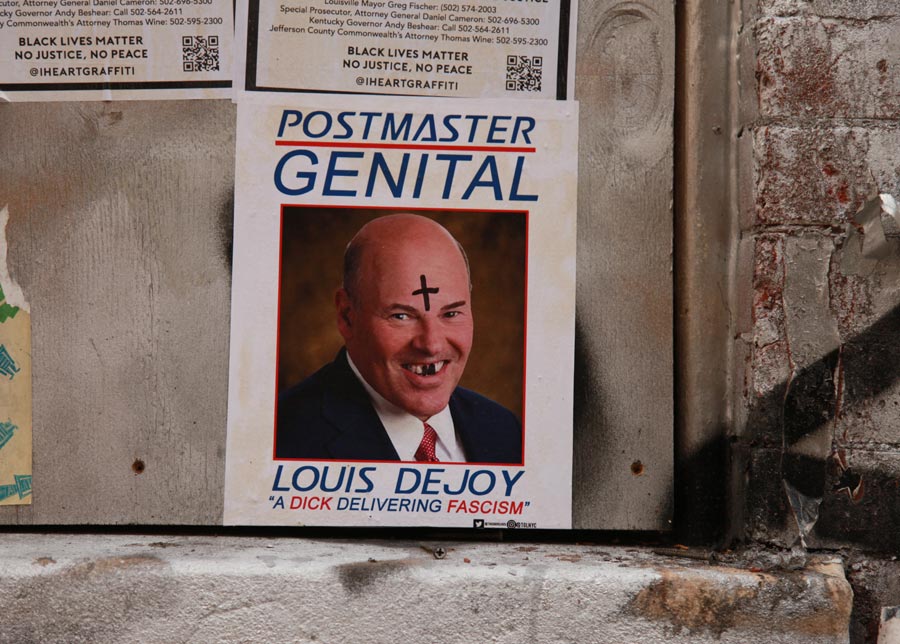
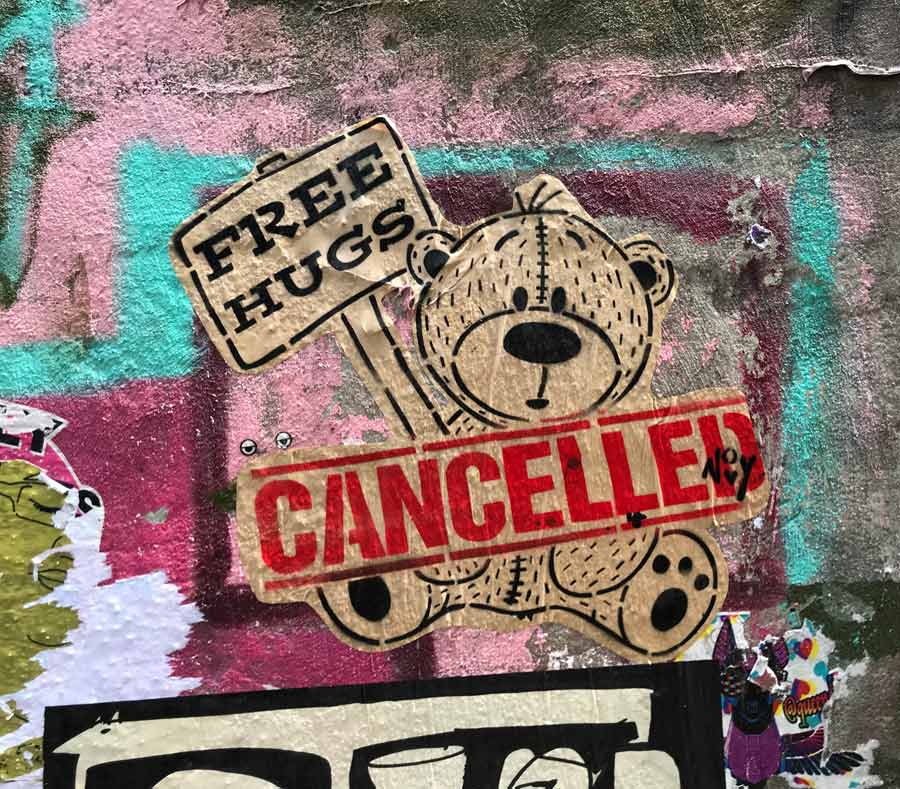
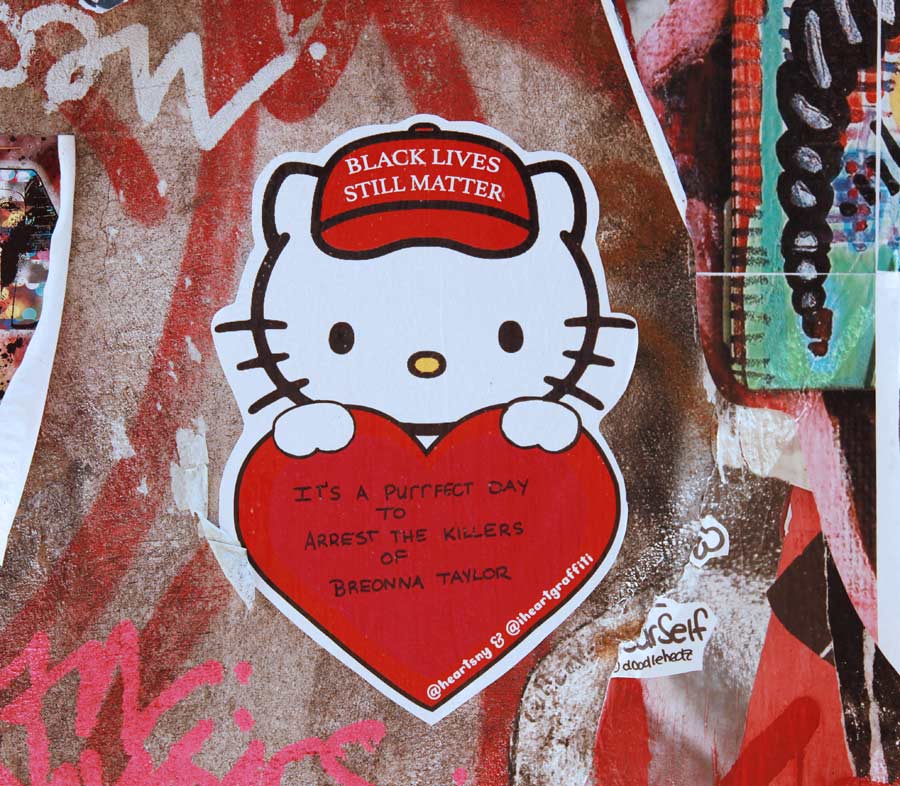
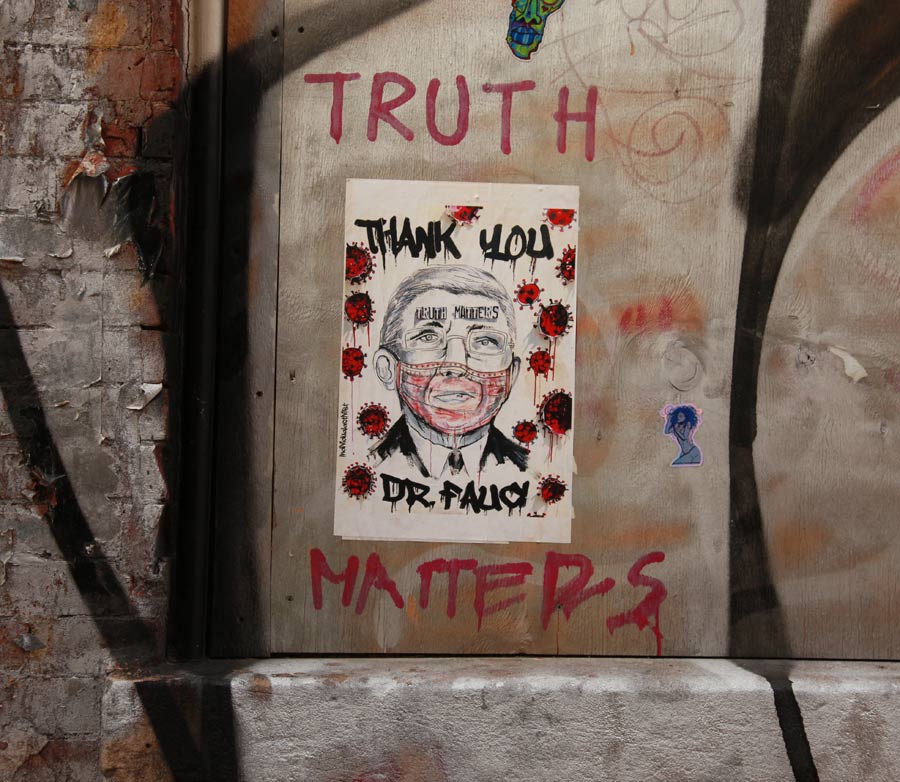
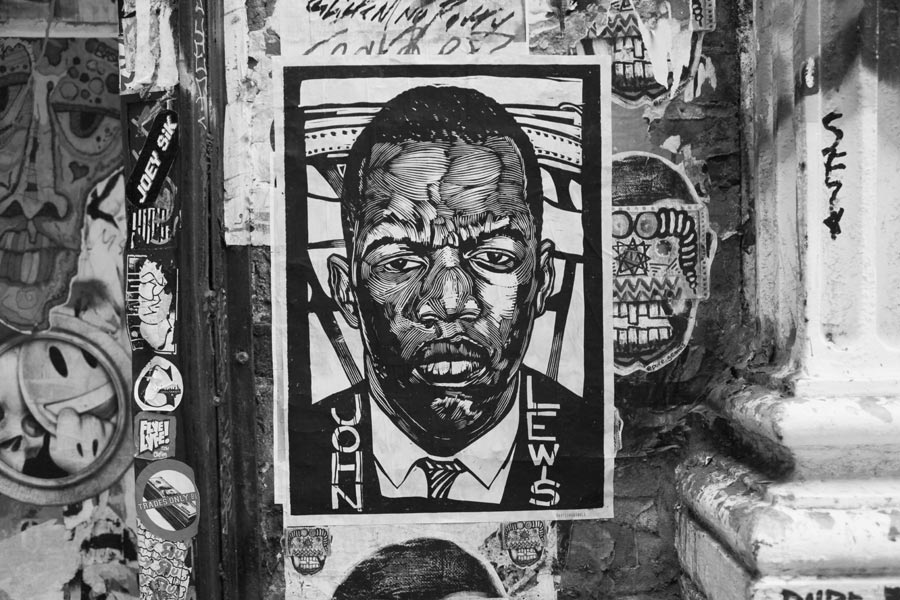
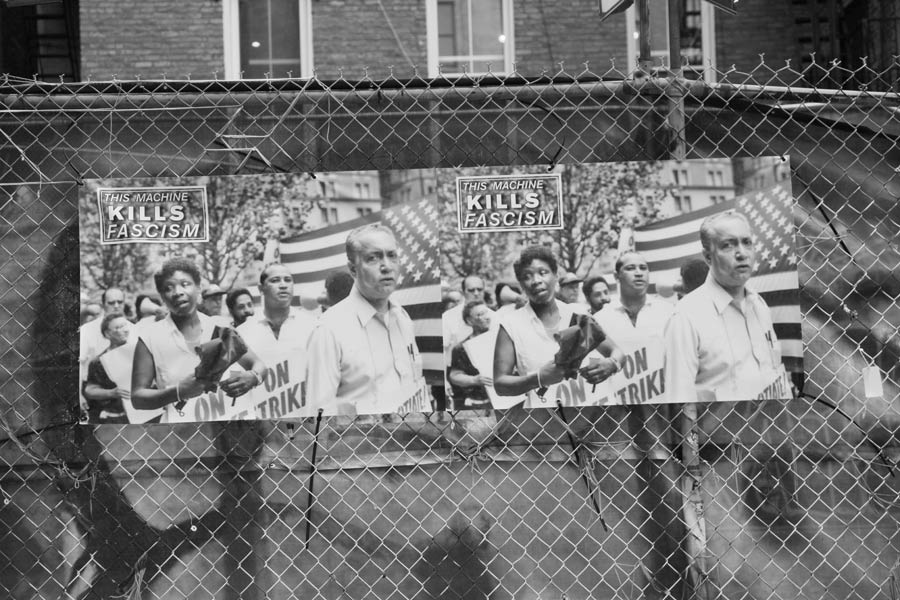
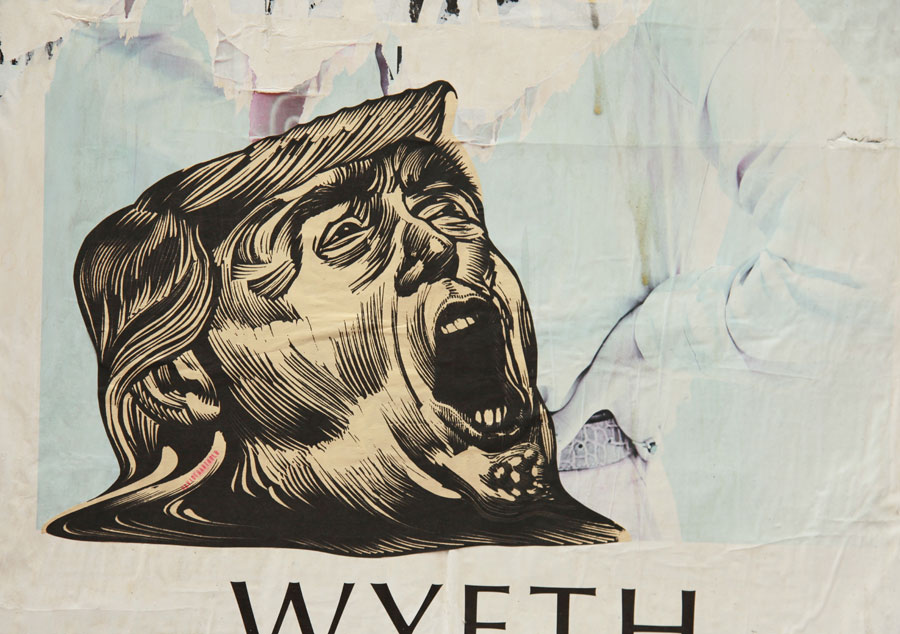
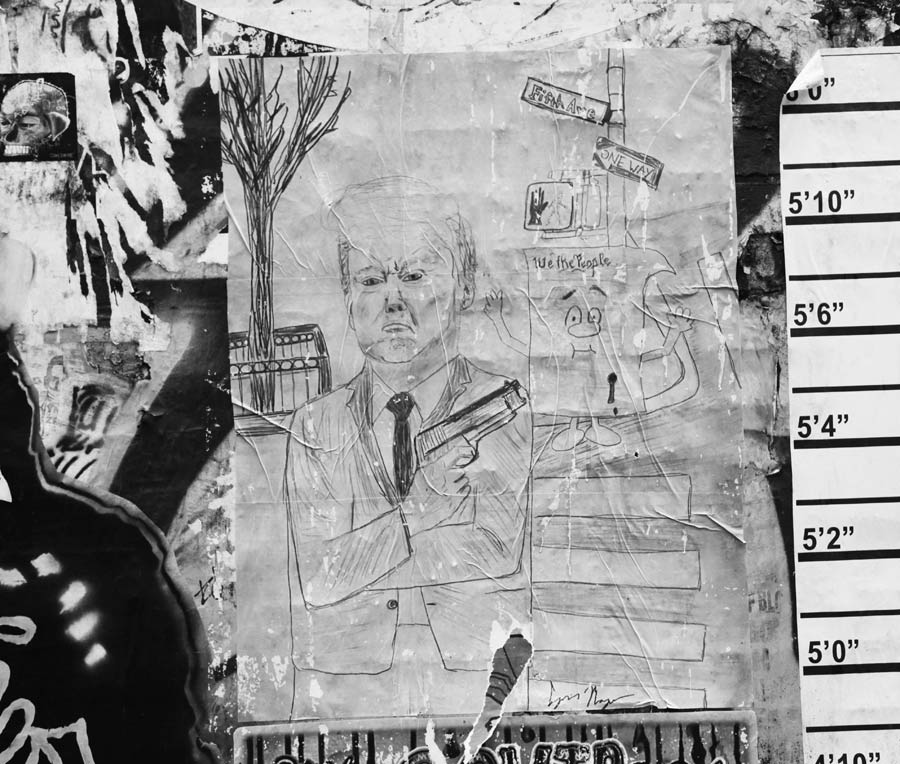
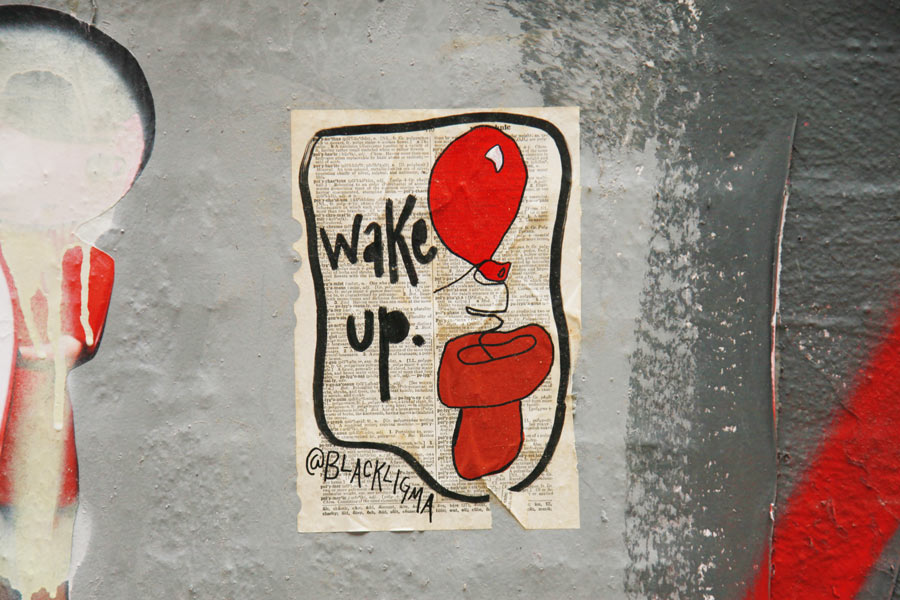
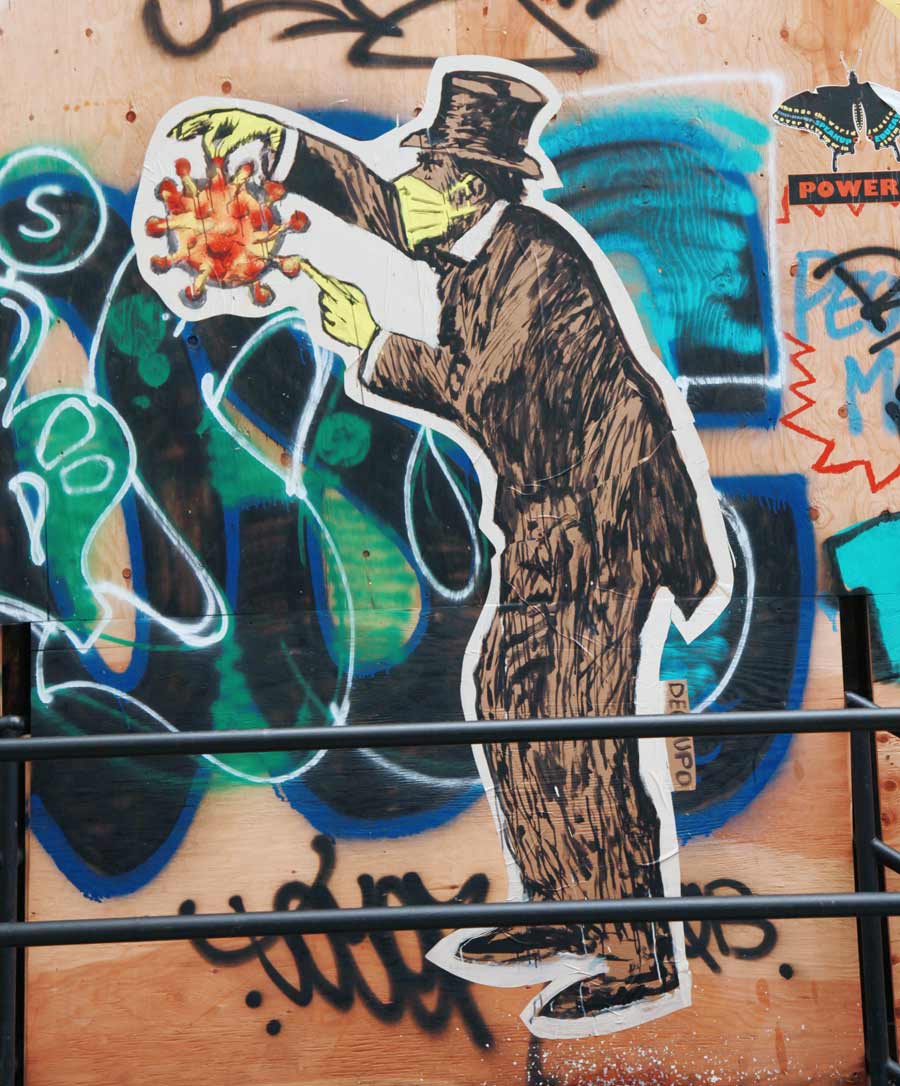
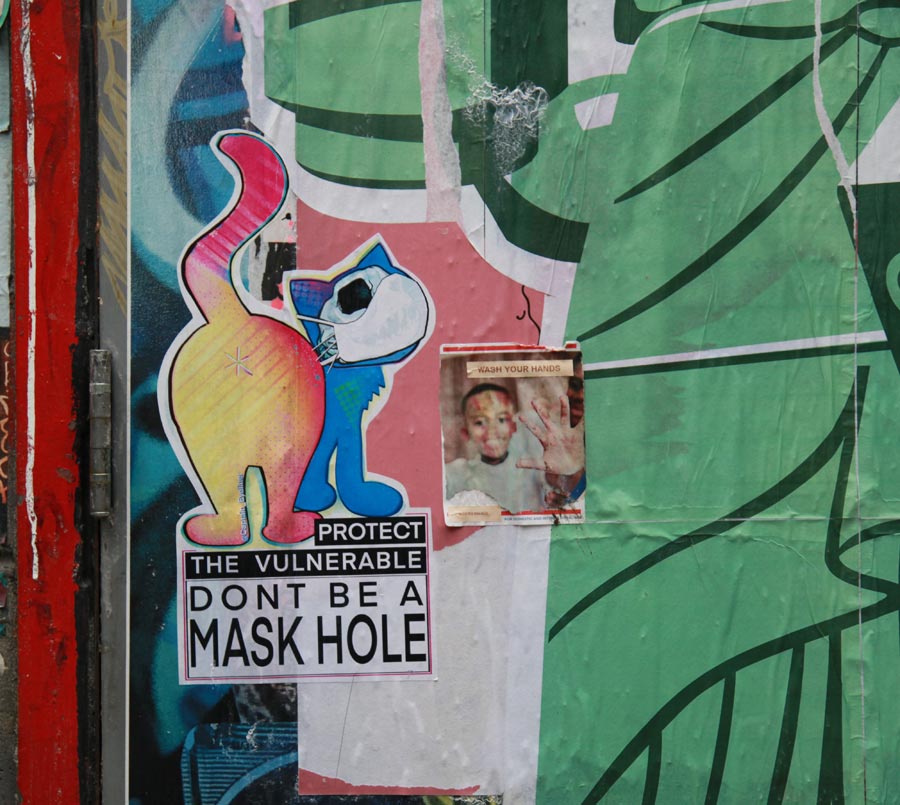
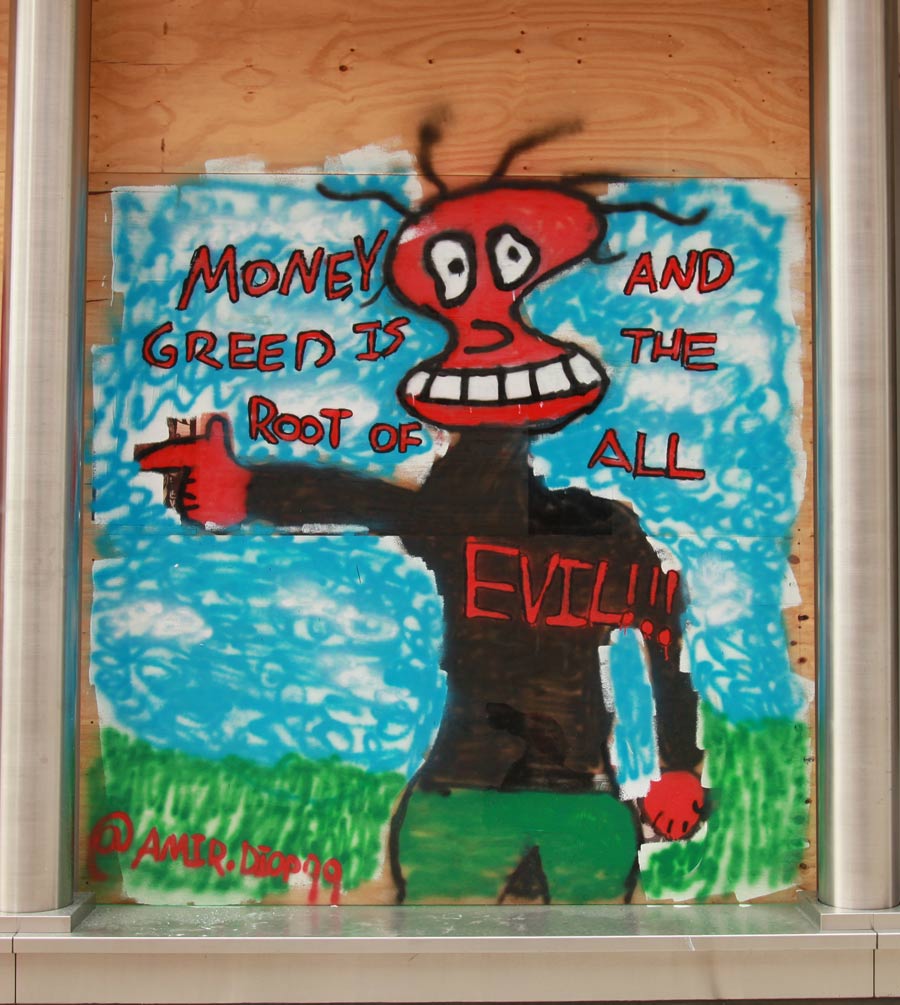
Handmade and hand-slapped stickers operate in the city the way cells operate in a living organism. Individually, they are small, fragile, and easily removed. Taken together, they form a dispersed system of signals—drawings, slogans, jokes, IDs (a writer’s tag repeated again and again), confessions, quotations—each carrying intent.
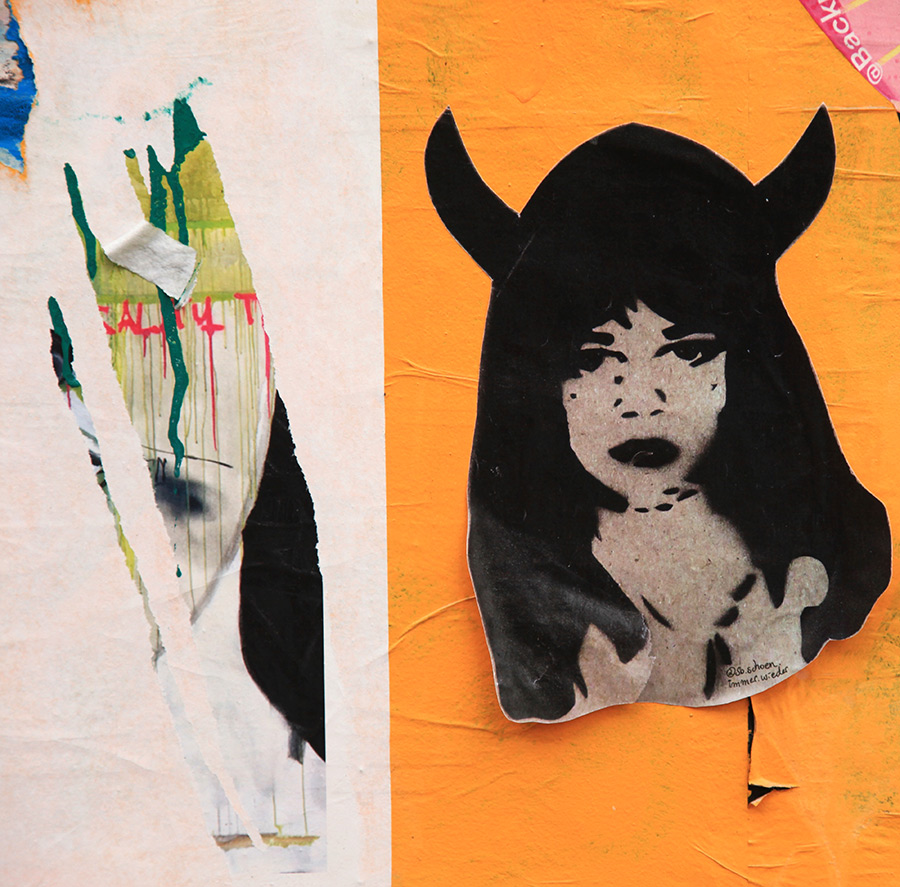
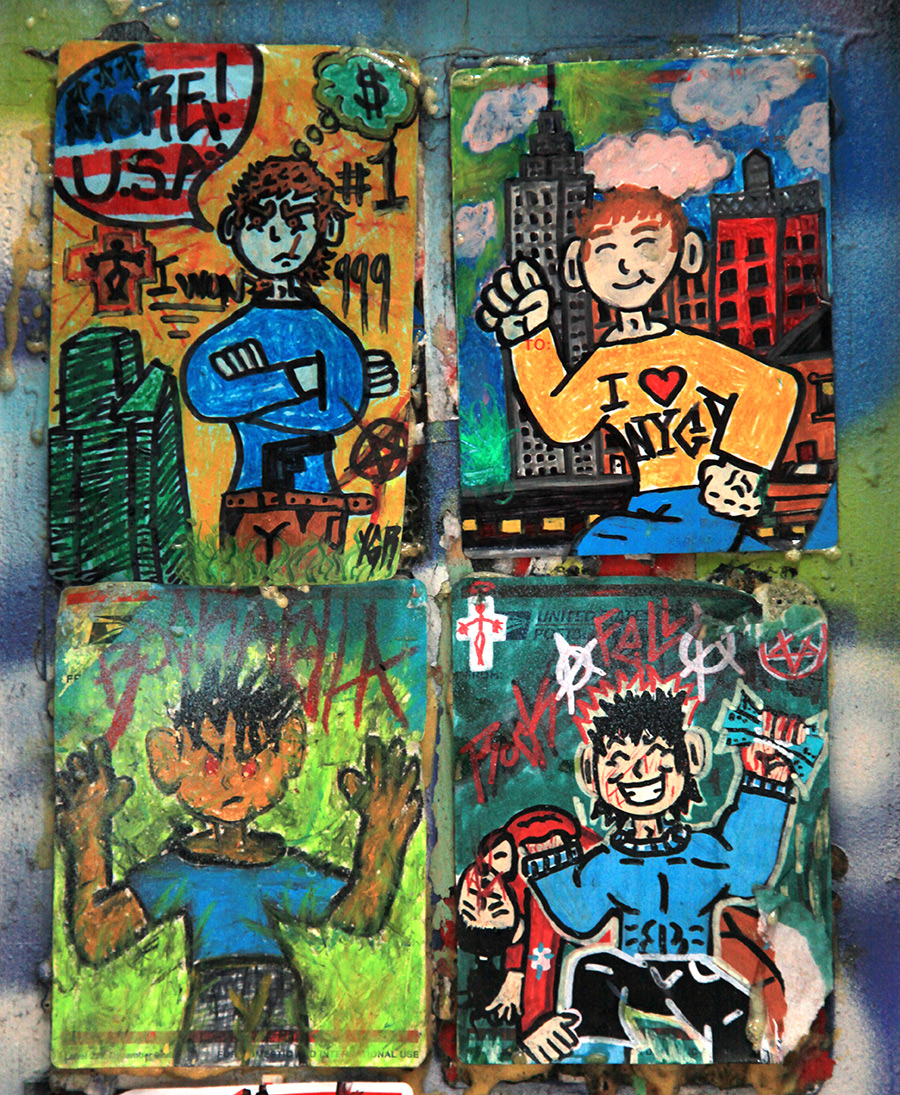
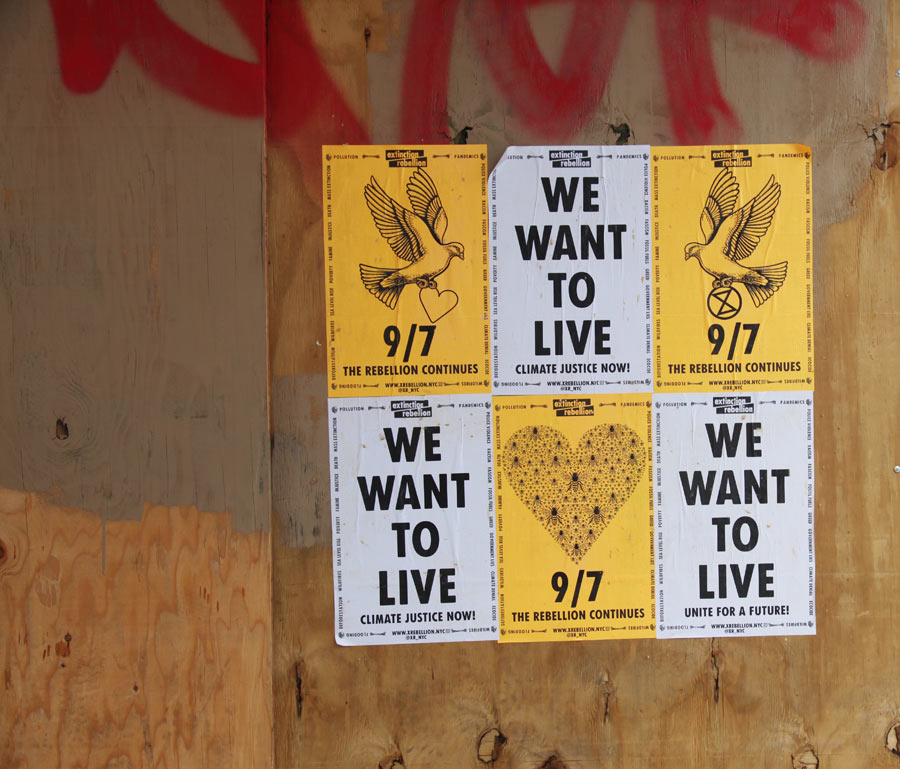
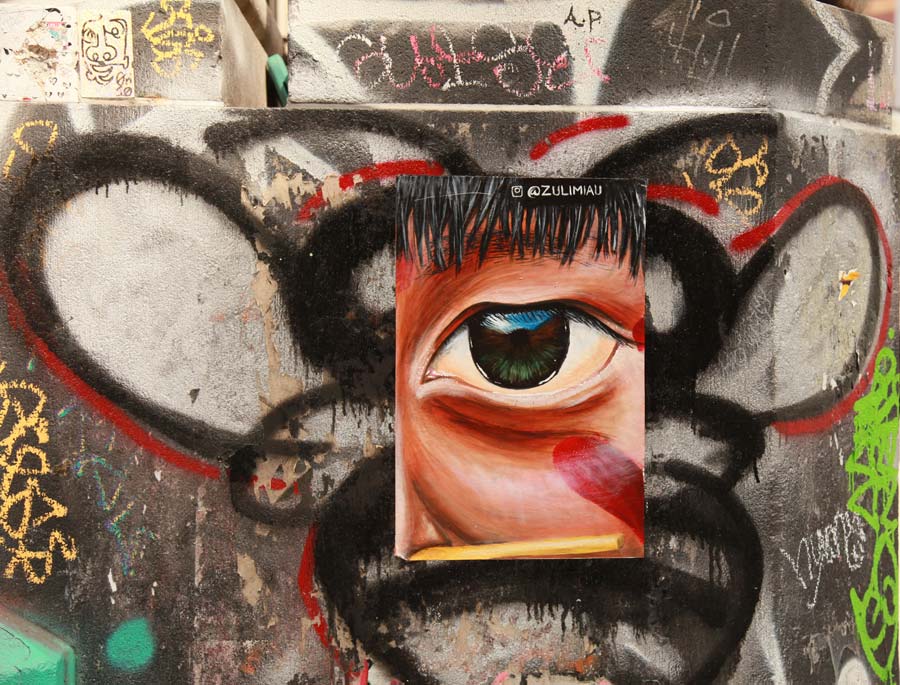
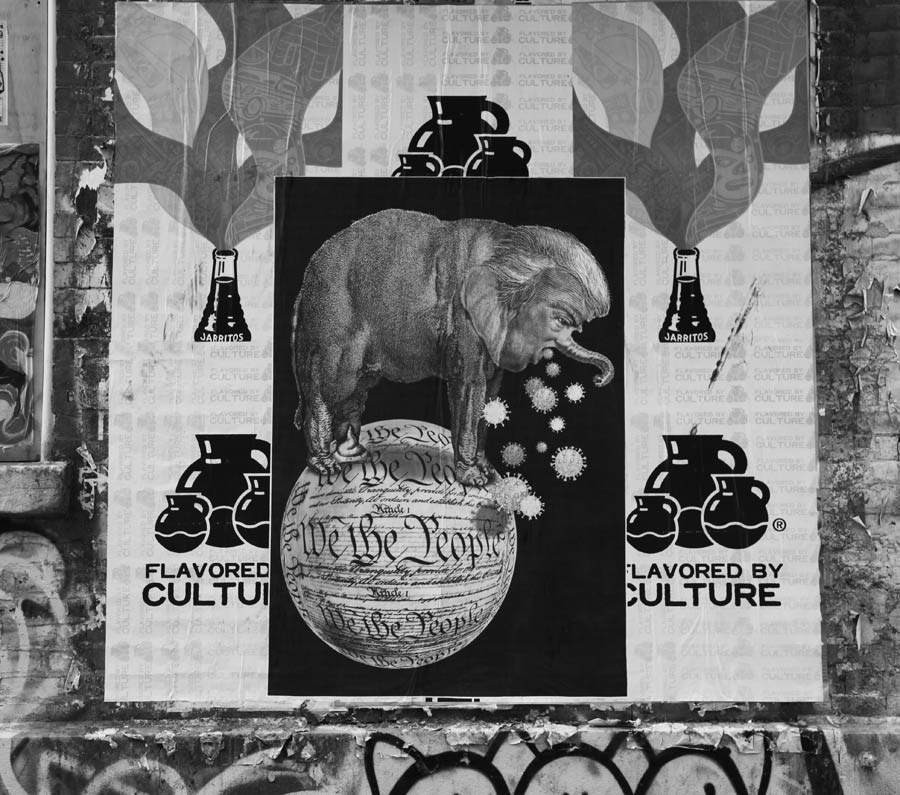
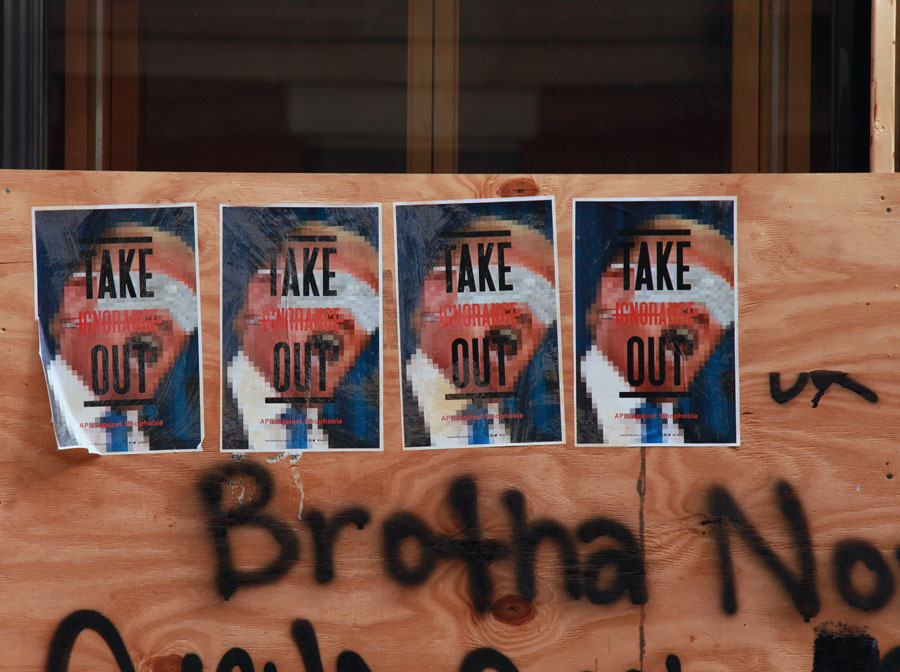
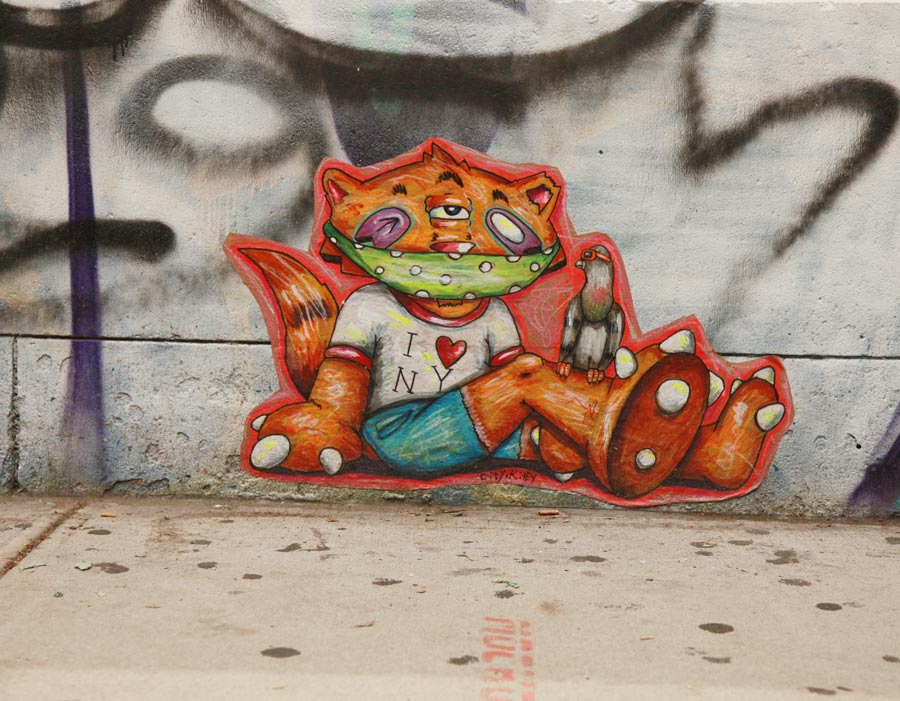
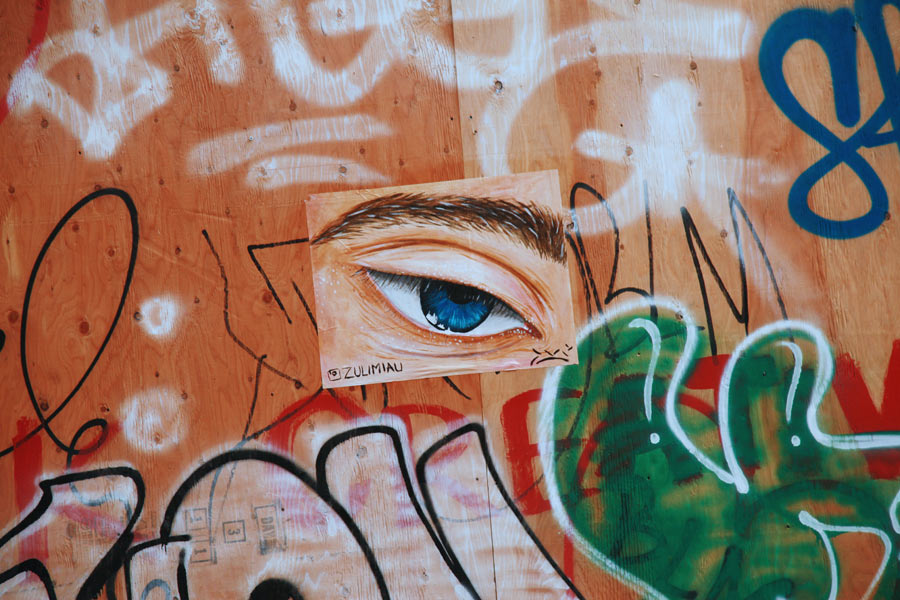
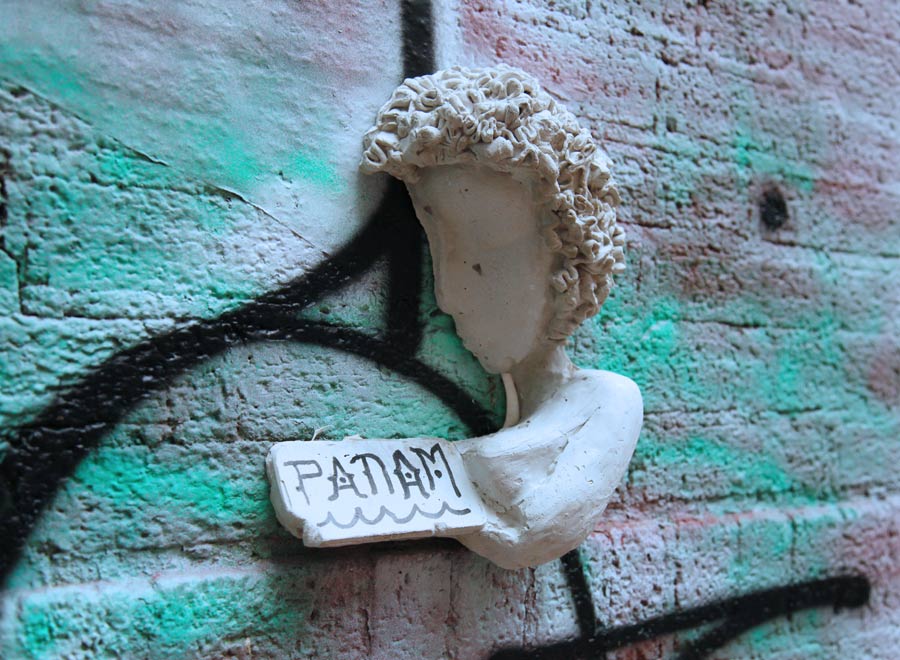
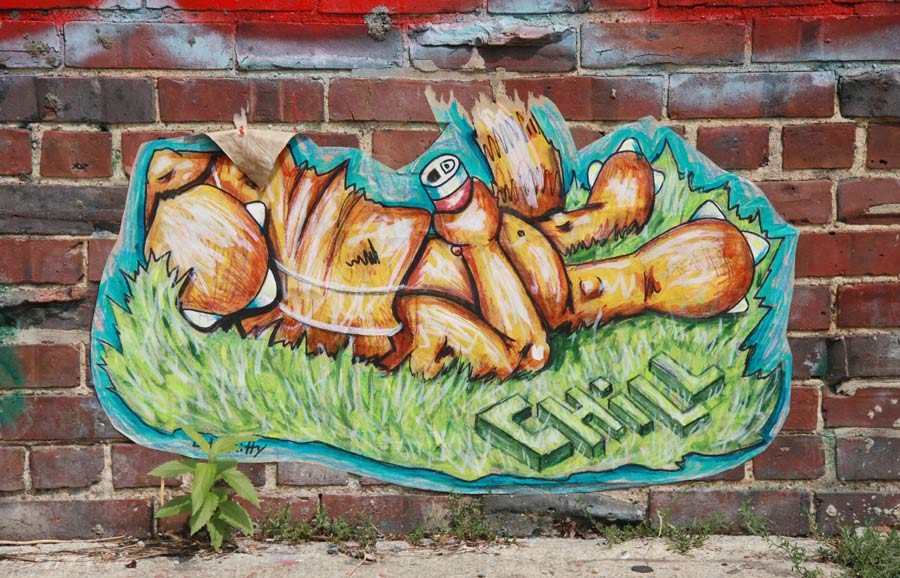
Some are one-off images, painted or drawn as if on miniature canvases. Others are produced in runs, repeated, and distributed across the city. One may deliver a political demand, a poetic longing, or a non-sequitur legible mainly to its author. None of them can claim permanence, yet their accumulation suggests a continuity of commentary.
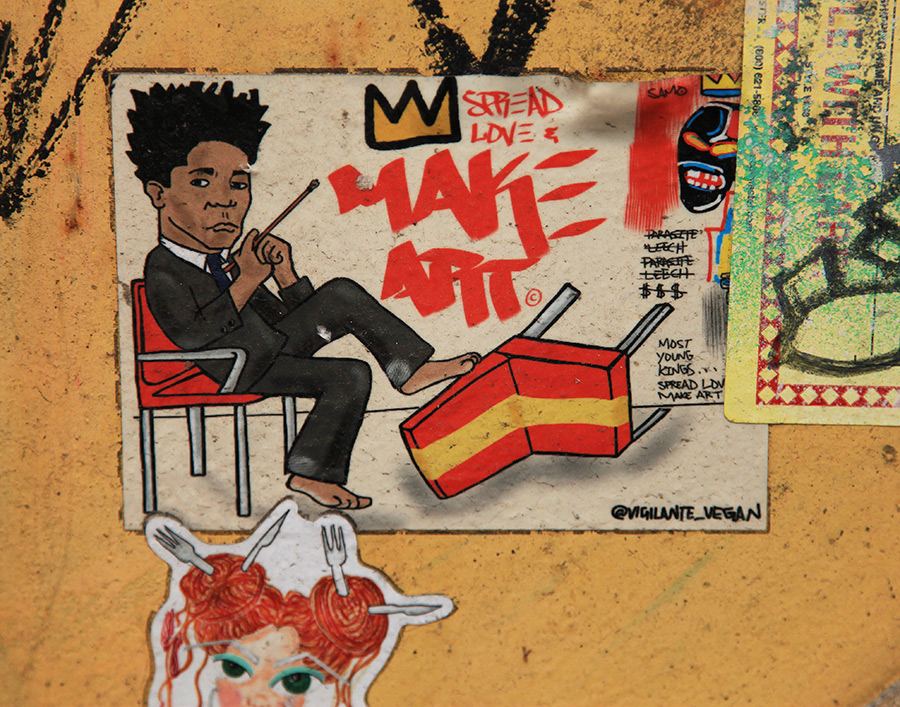
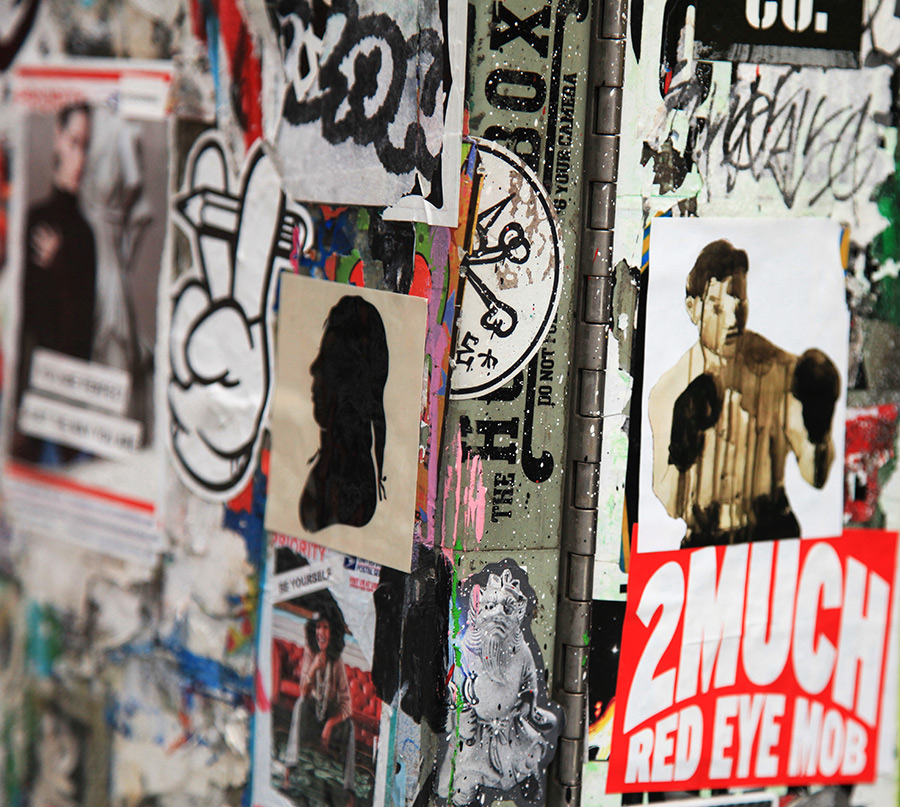
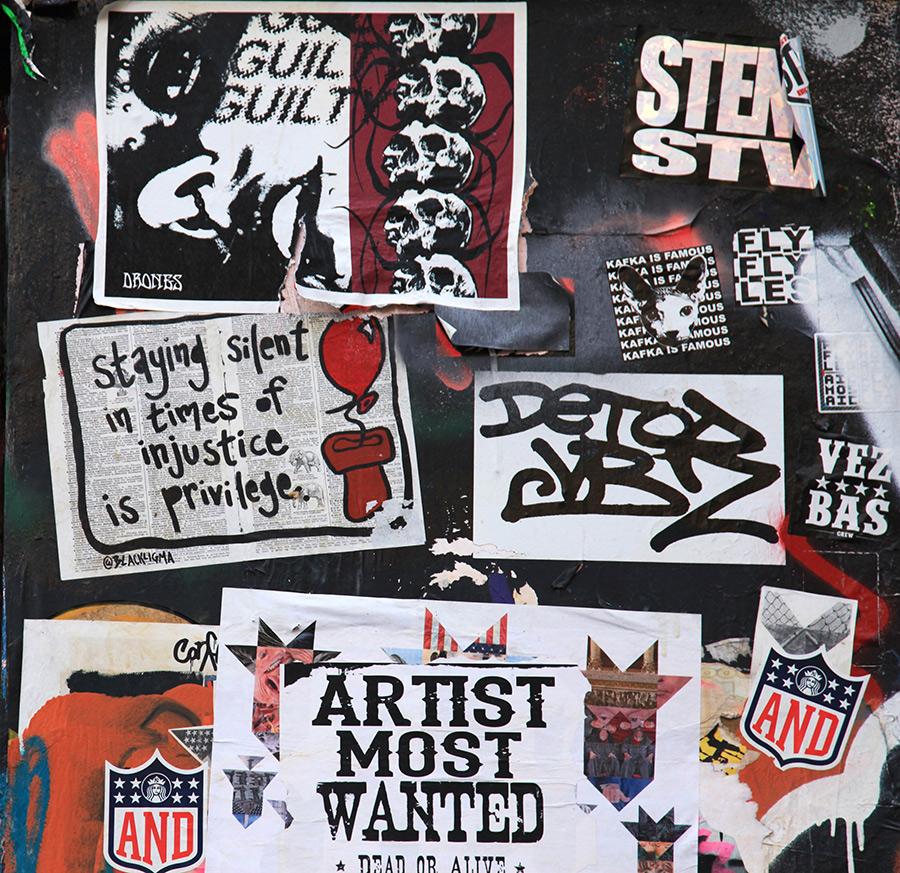
Seen up close, these stickers may resemble genetic material from society scattered across an urban surface. They are bits of cultural DNA, replicating with variation as they move from hand to hand and place to place. Certain motifs recur—icons, phrases, styles—mutating slightly with each appearance. Others fail to reproduce and disappear.
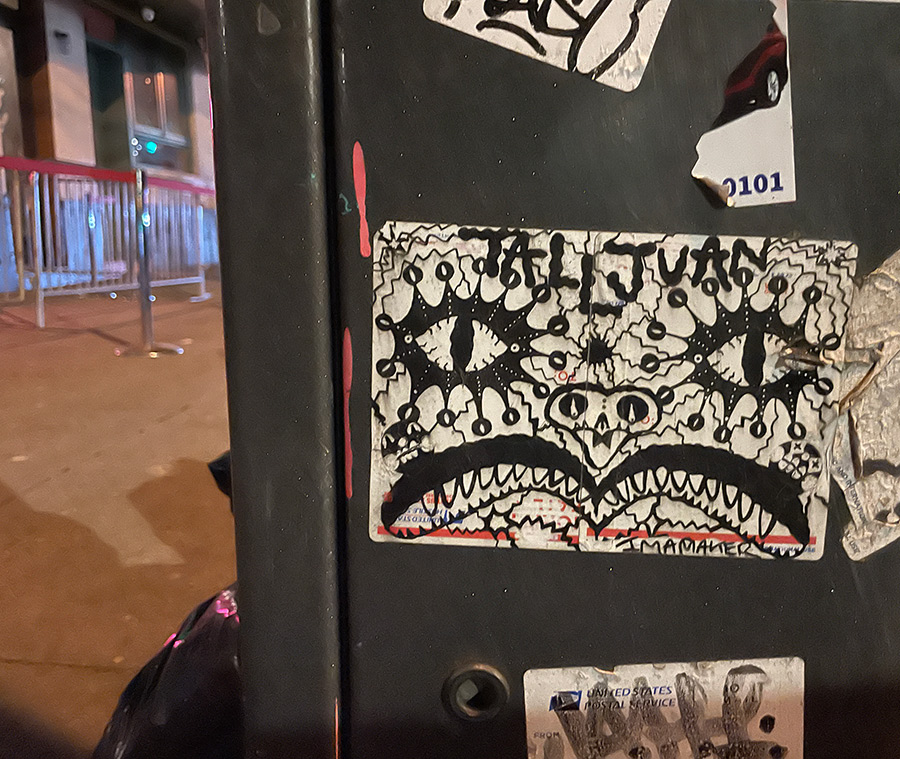
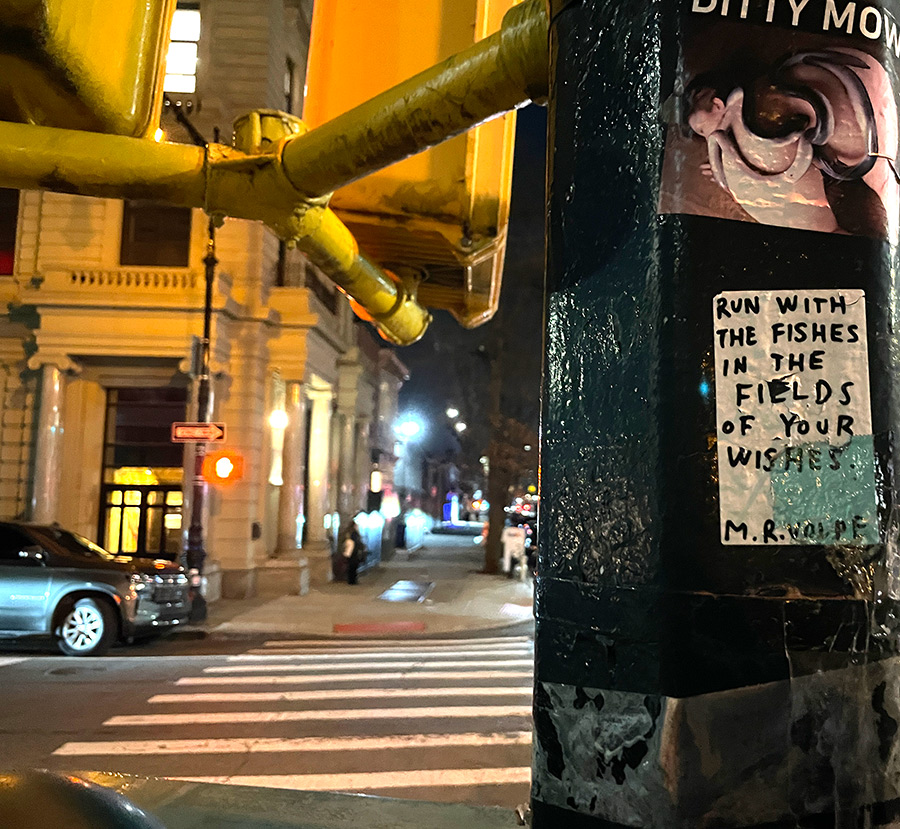
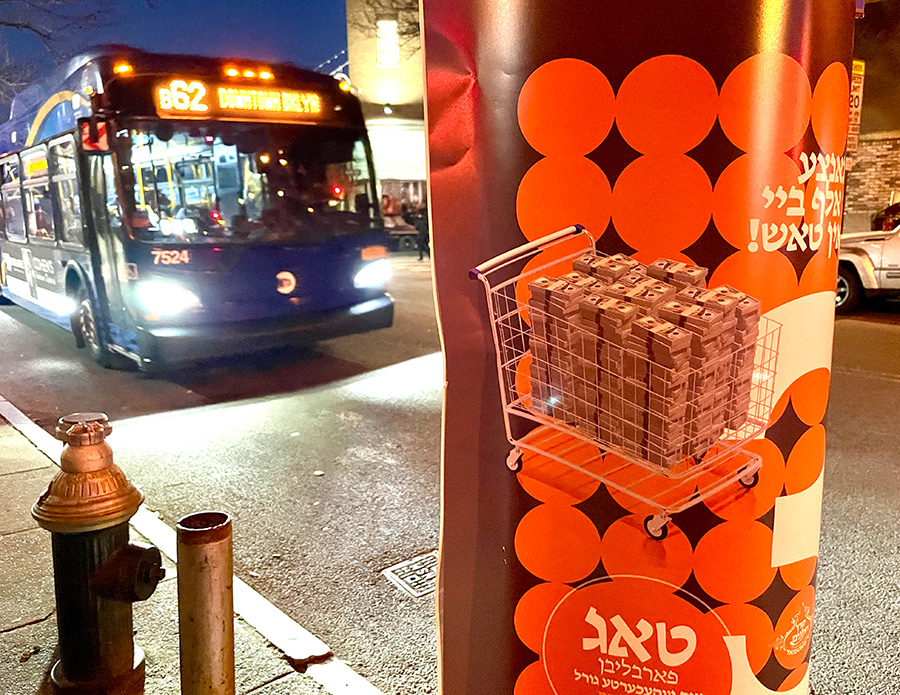
Together, they encode what the city is thinking, worrying about, resisting, or celebrating at this precise moment. Lamp posts, post office boxes, and the doors of rehearsal studios become sites of transcription, where ideas are copied, miscopied, promulgated, and reimagined.
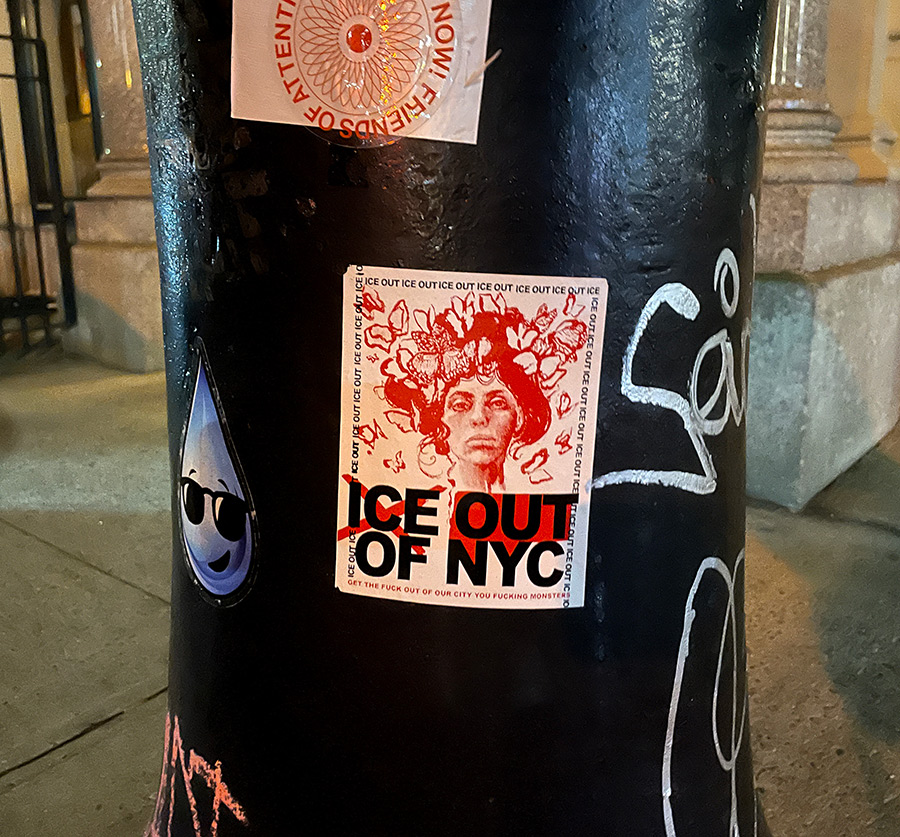
A single sticker rarely tells you much, but through visual collection, comparison, and pattern recognition, meaning begins to emerge. Clusters form. Absence matters as much as presence. Humor can signal resilience; repetition can suggest anxiety; aggression may indicate a stress response.
In this way, sticker culture functions less as decoration or commentary than as diagnosis. The product of many pens, thick tips, brushes, and printers, these marks offer a way to read a city’s condition from the inside out. Outside.