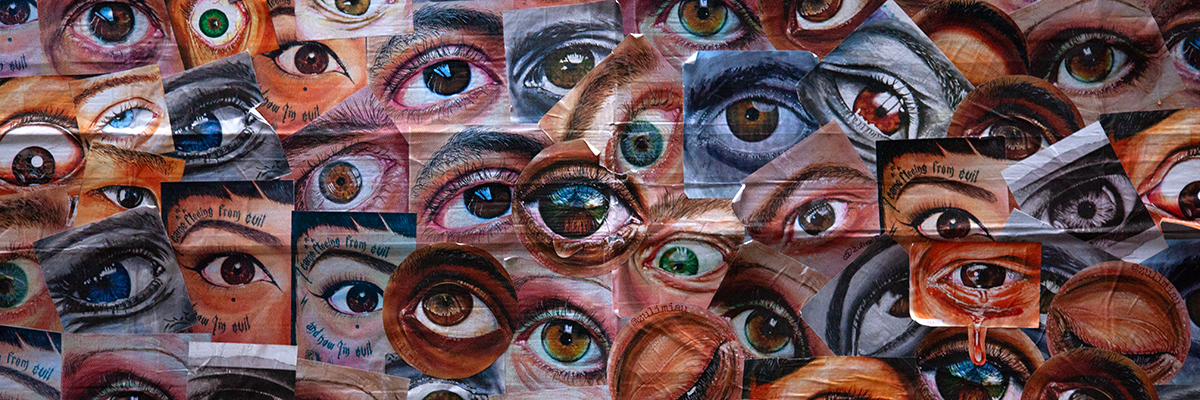
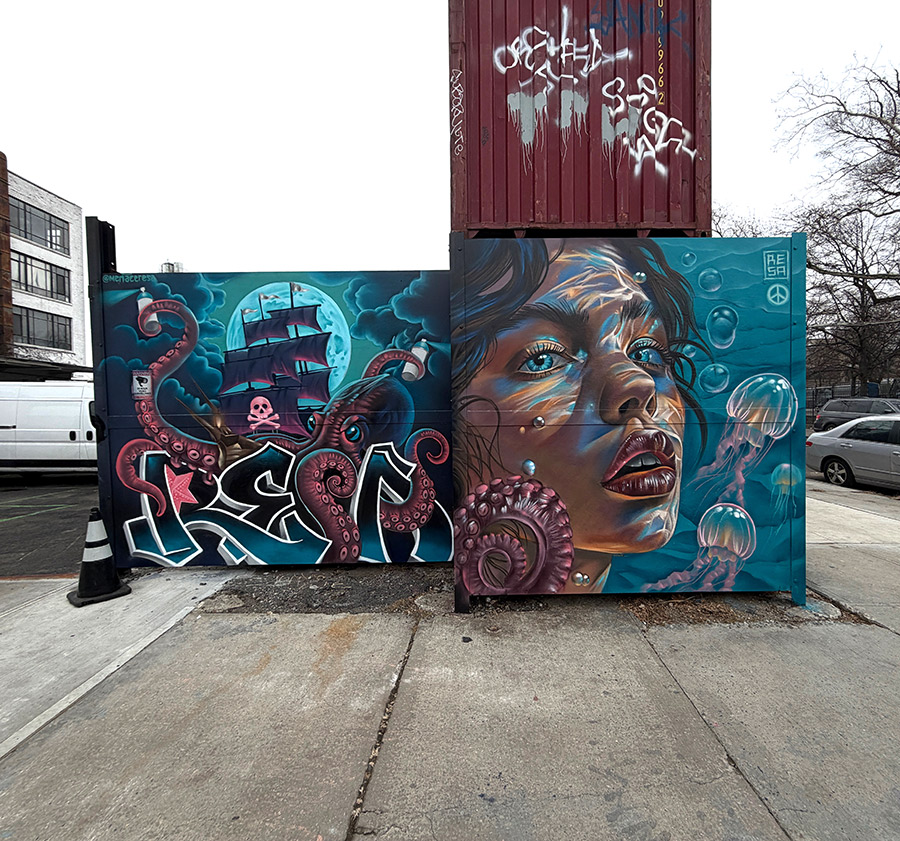
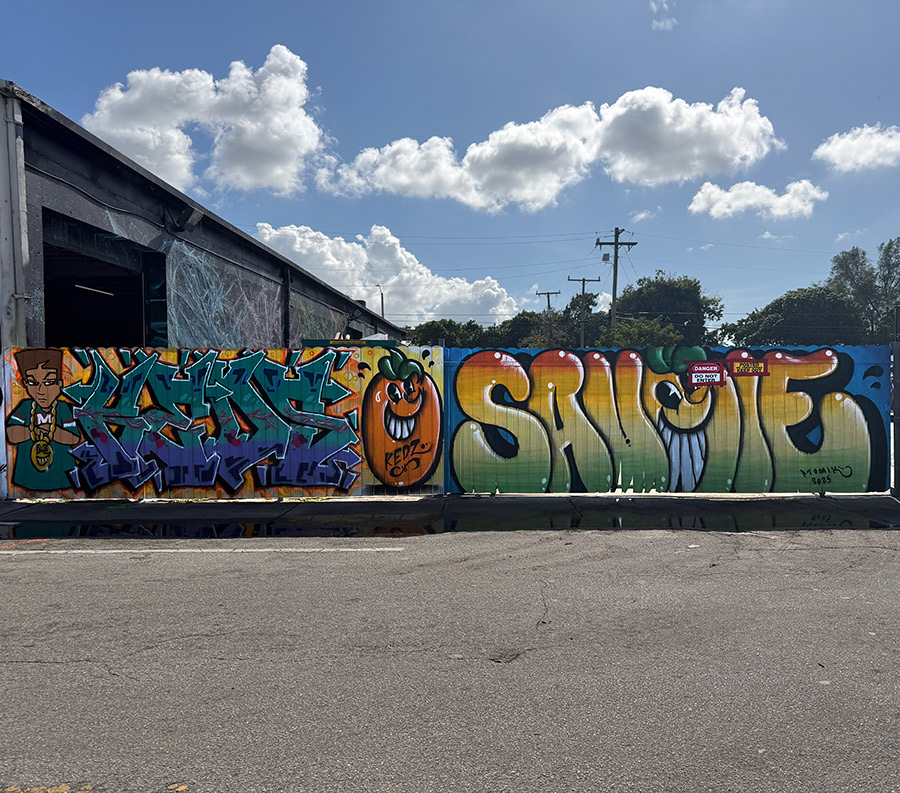
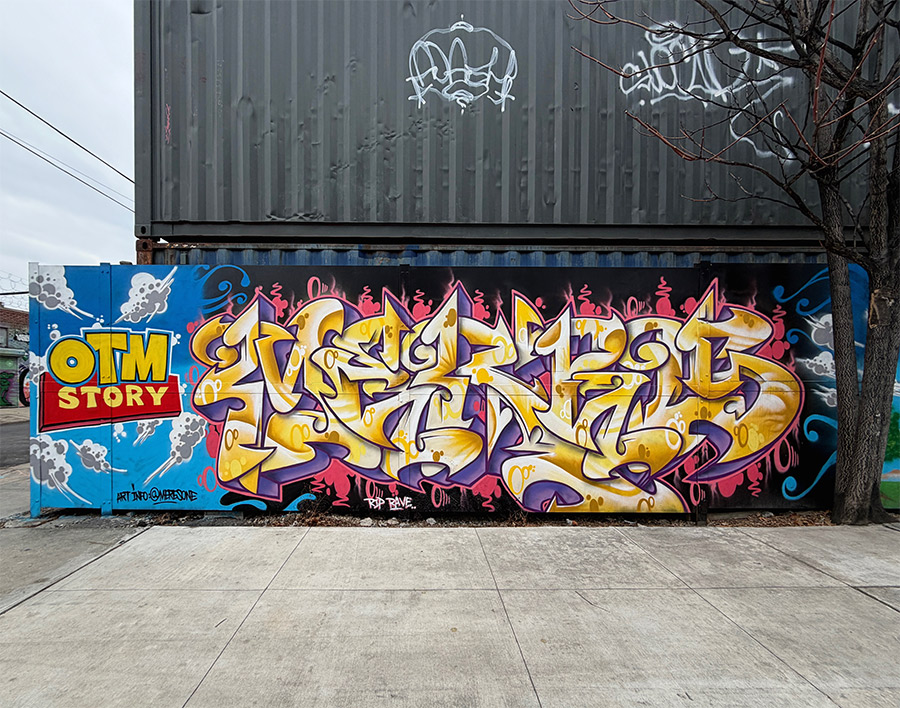
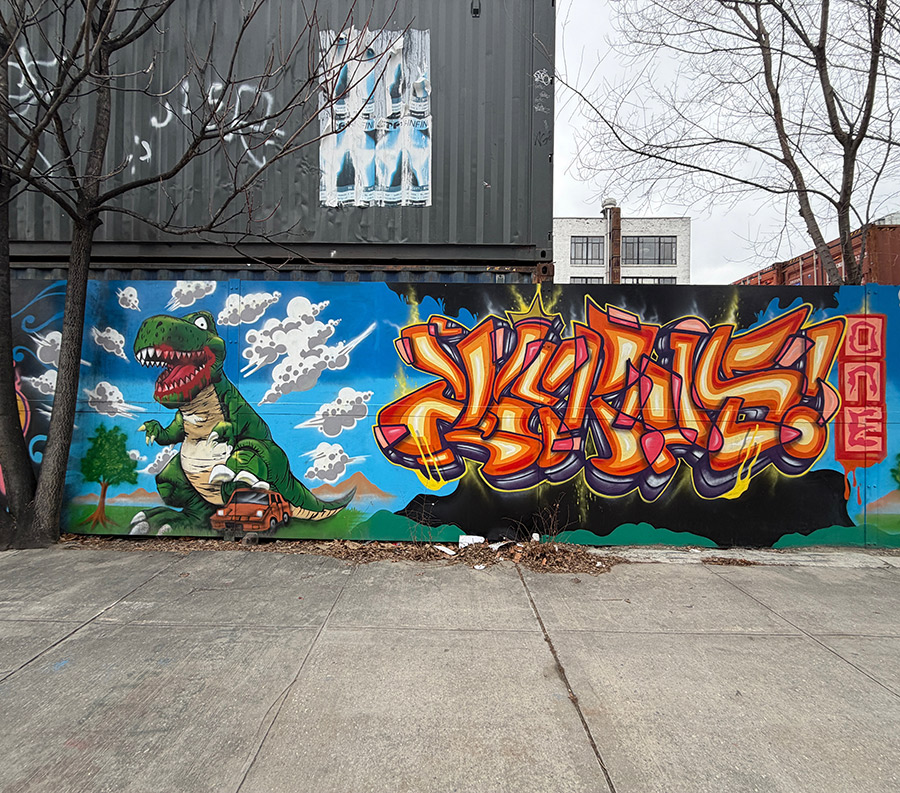
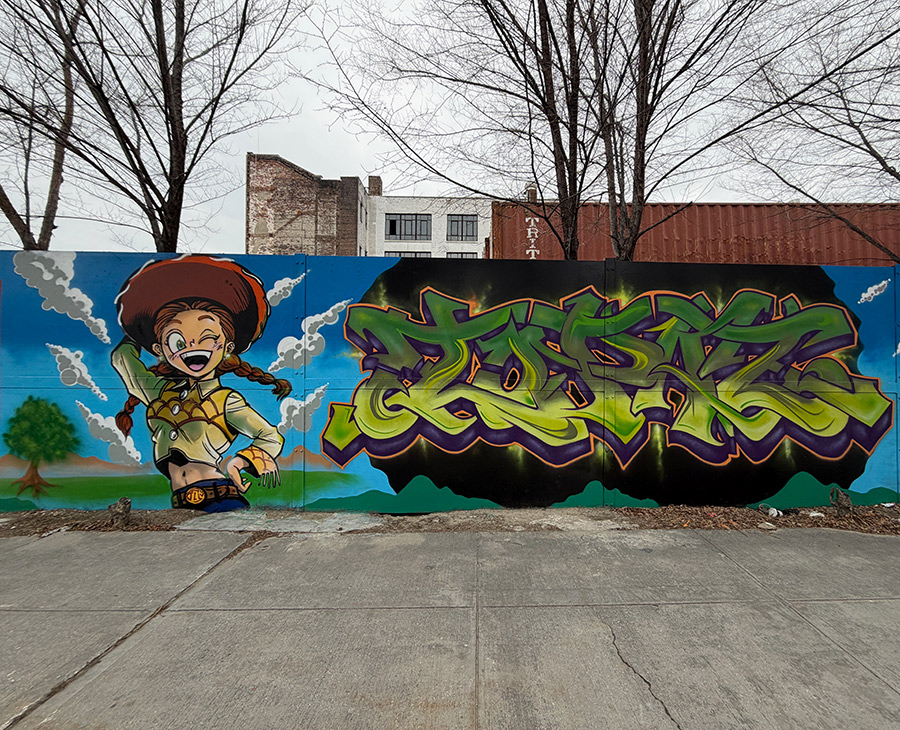
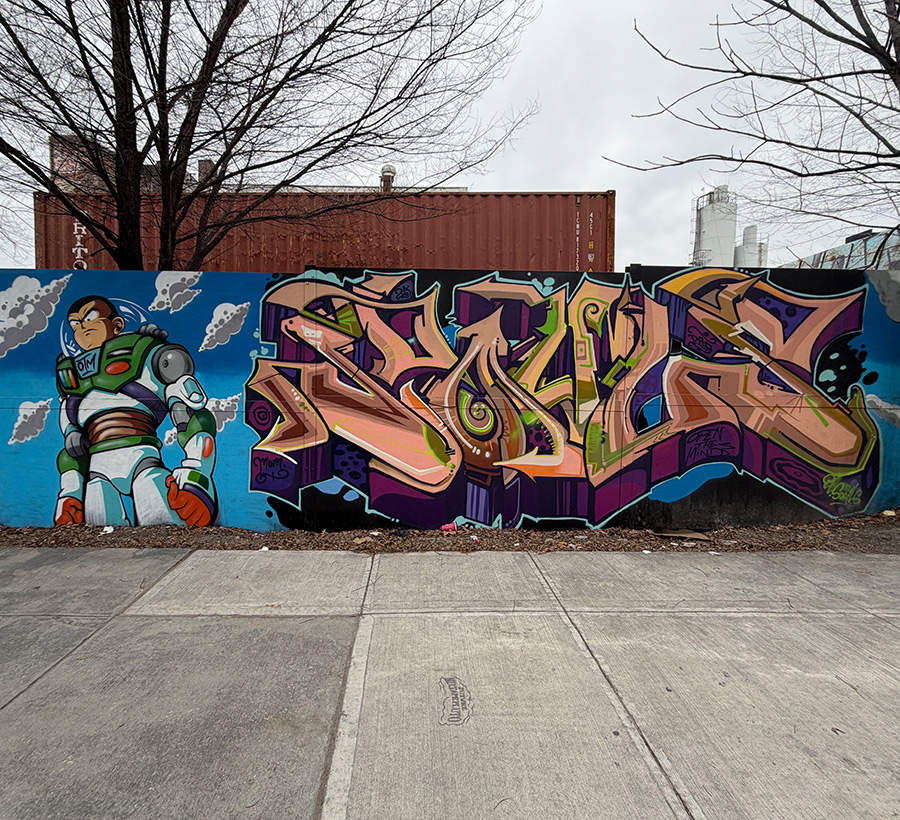
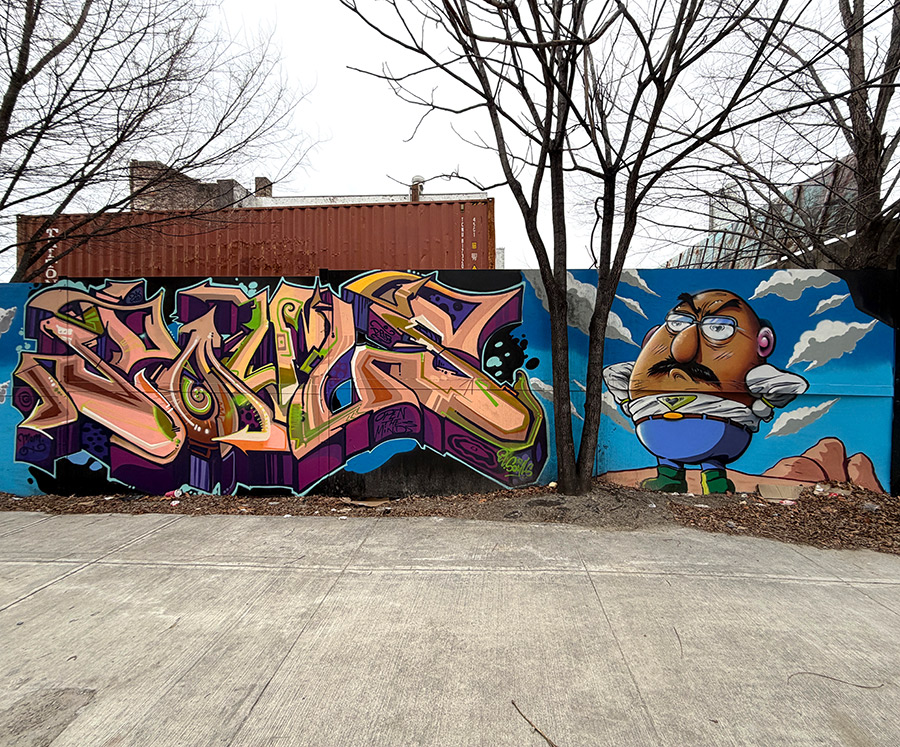
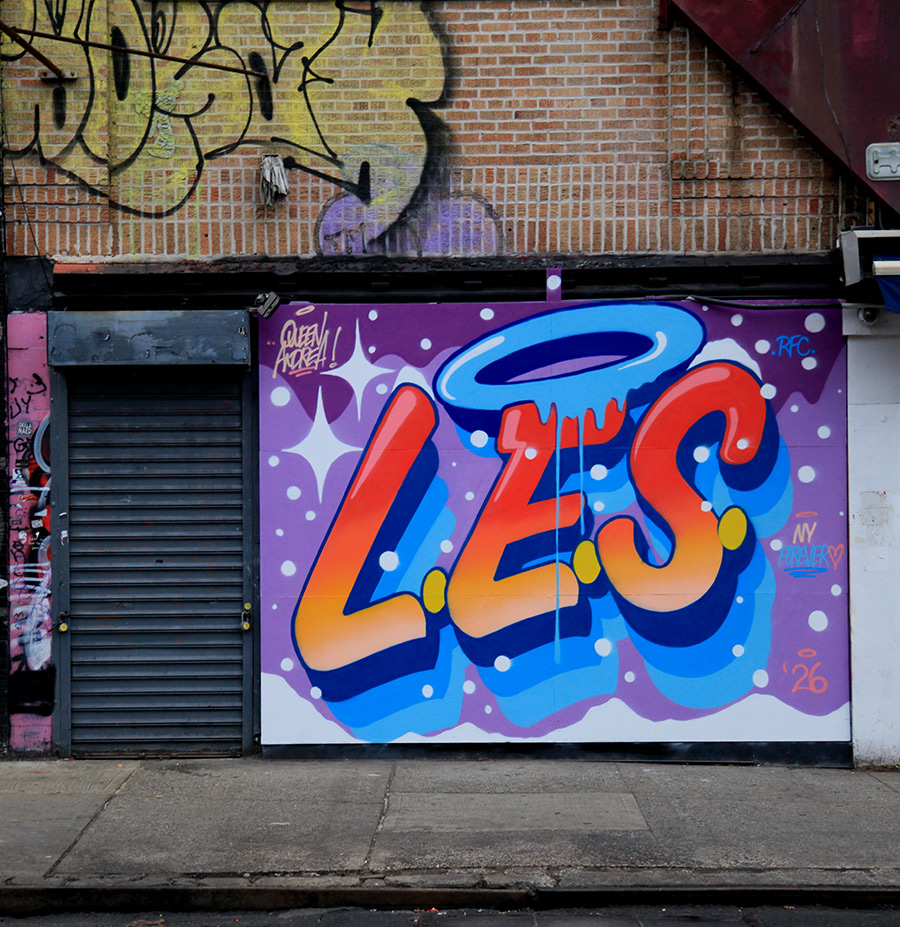
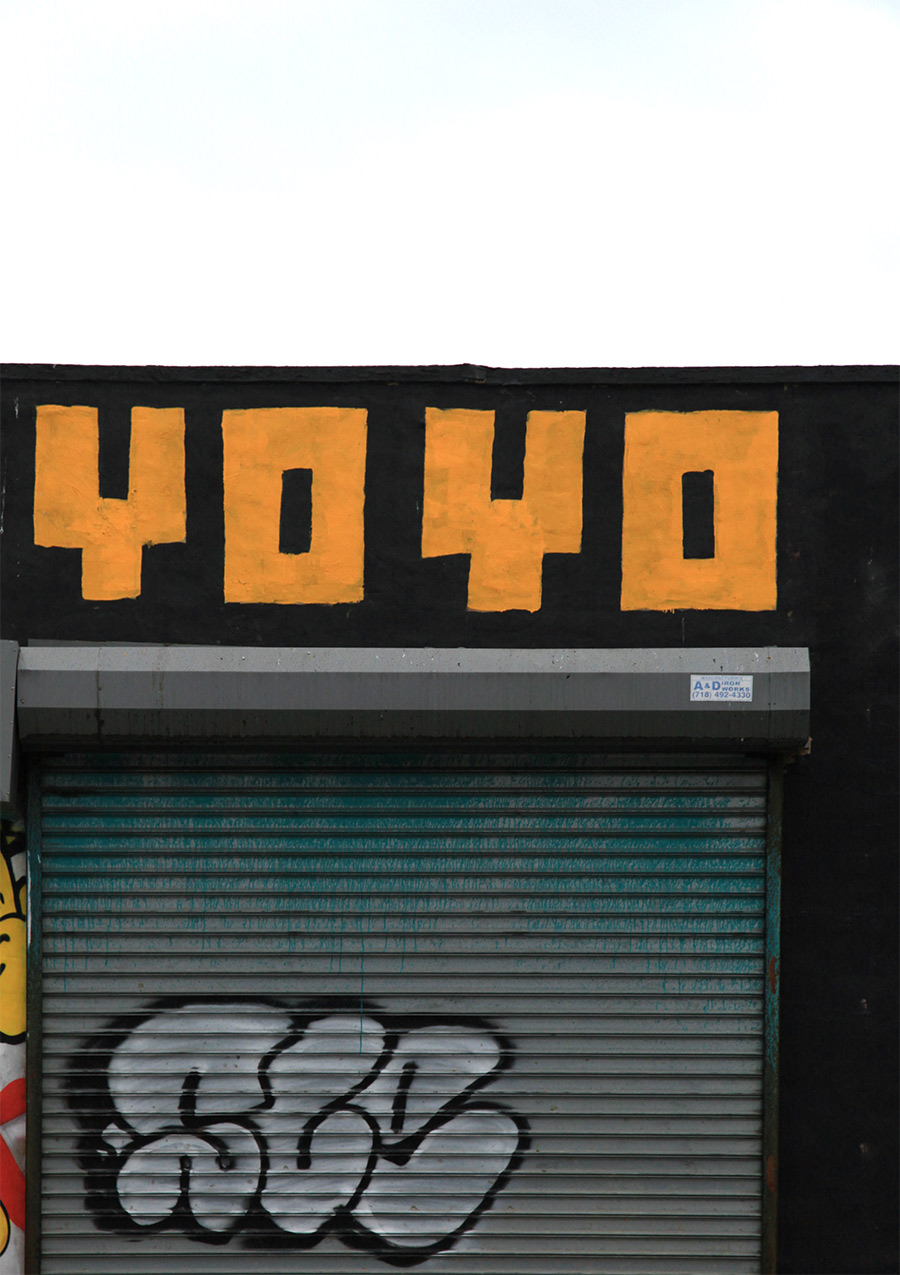
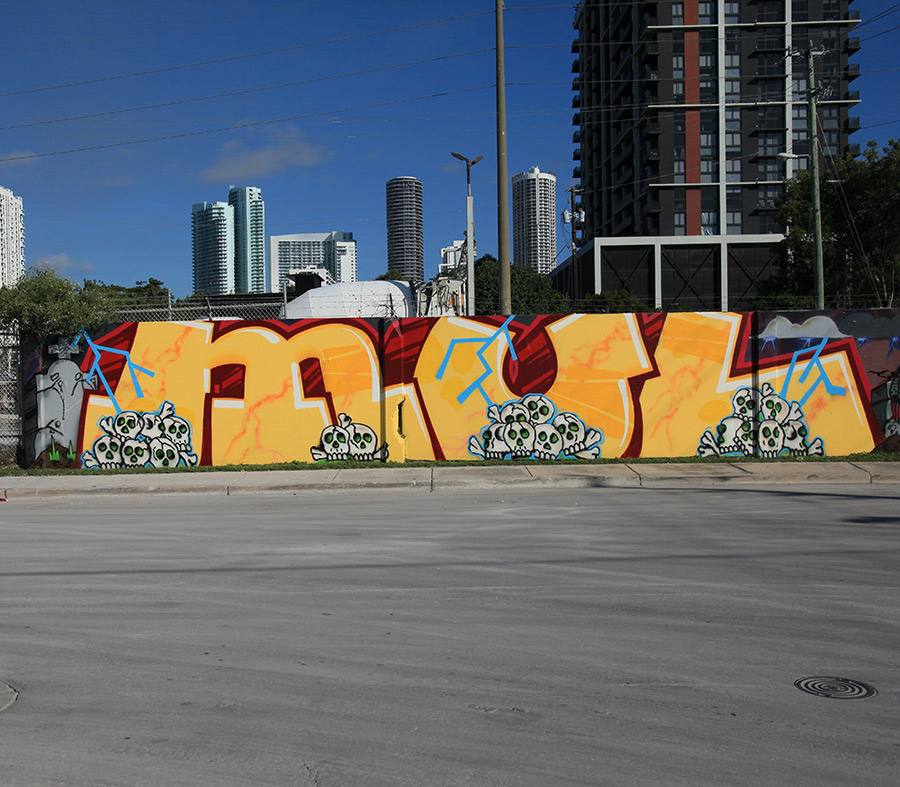
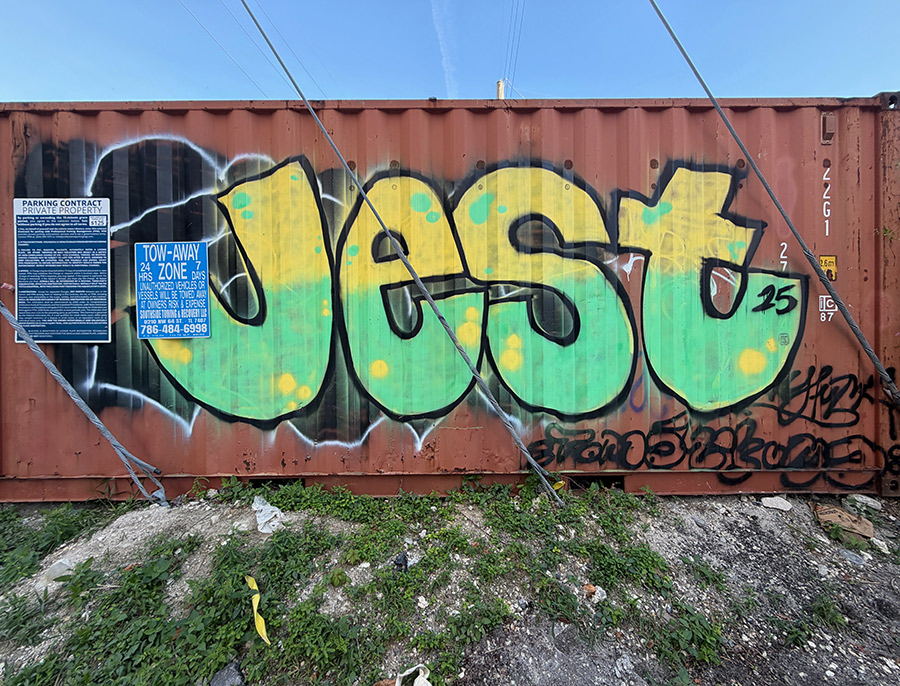
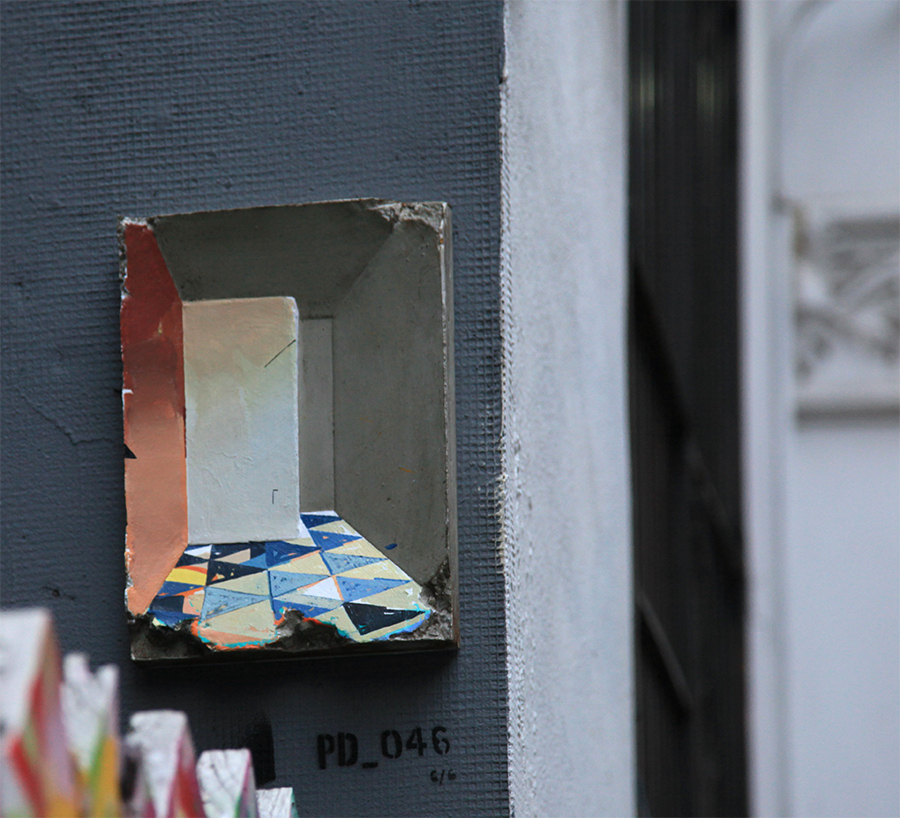
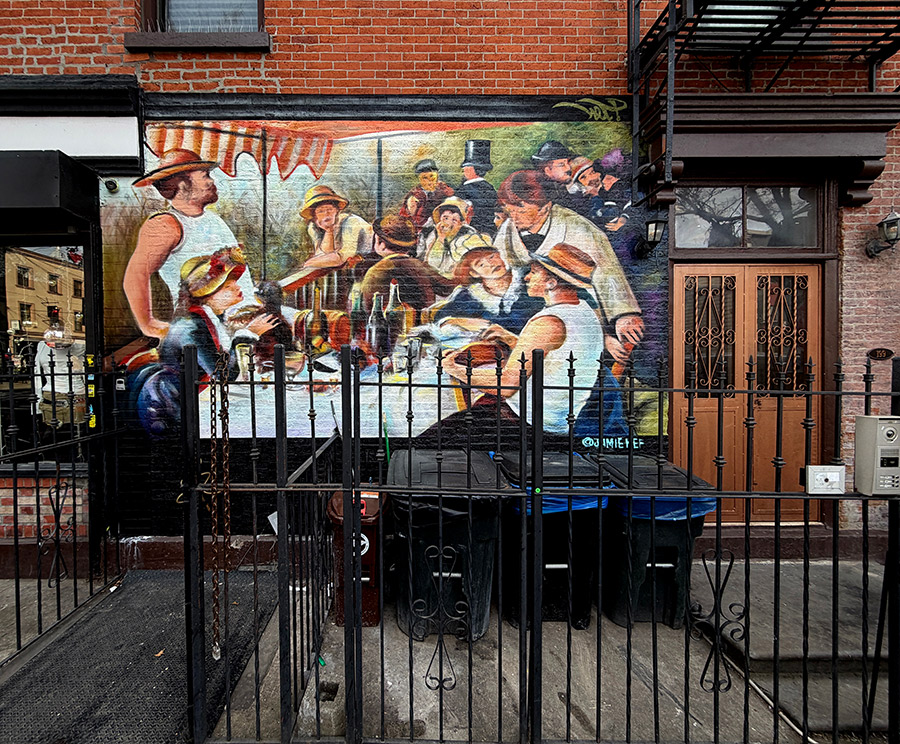
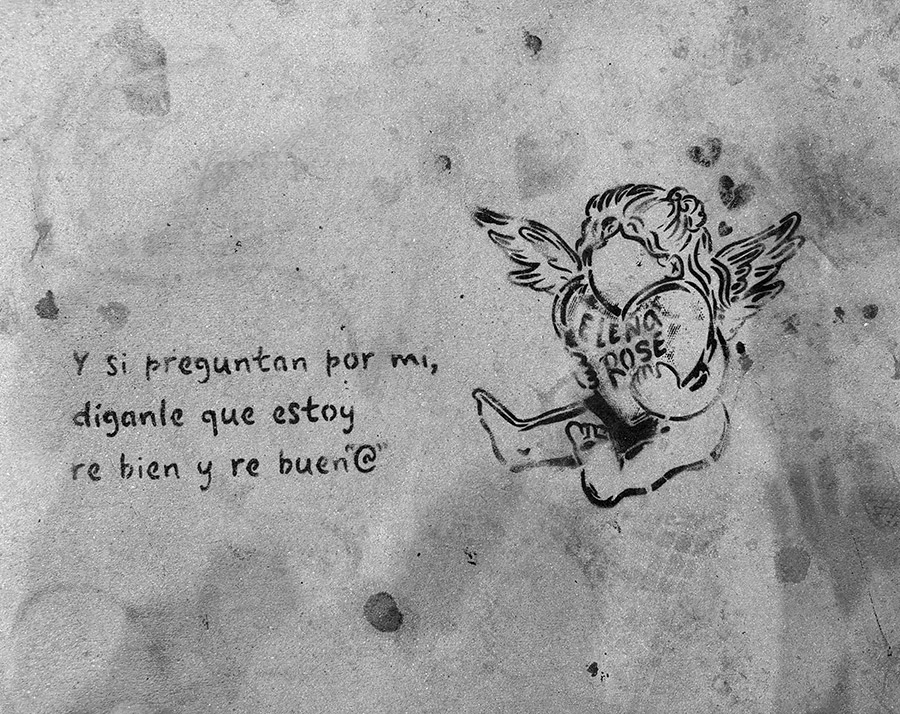
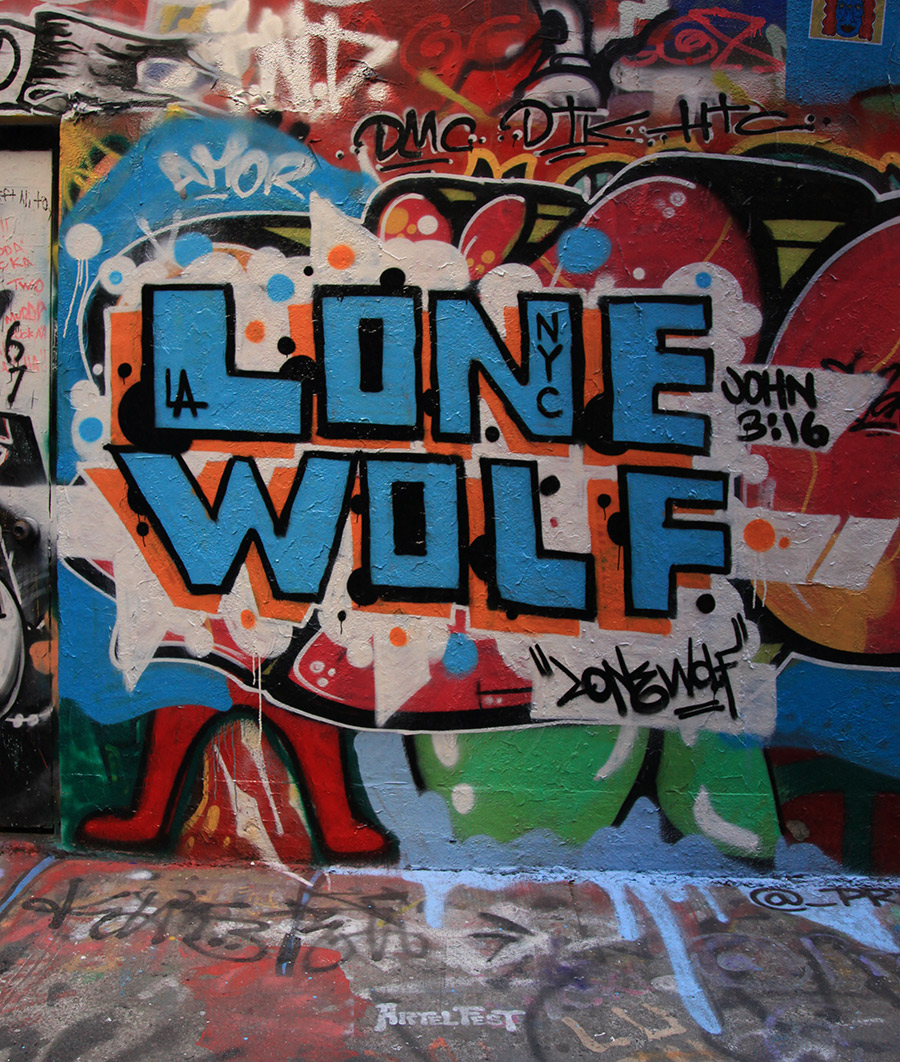
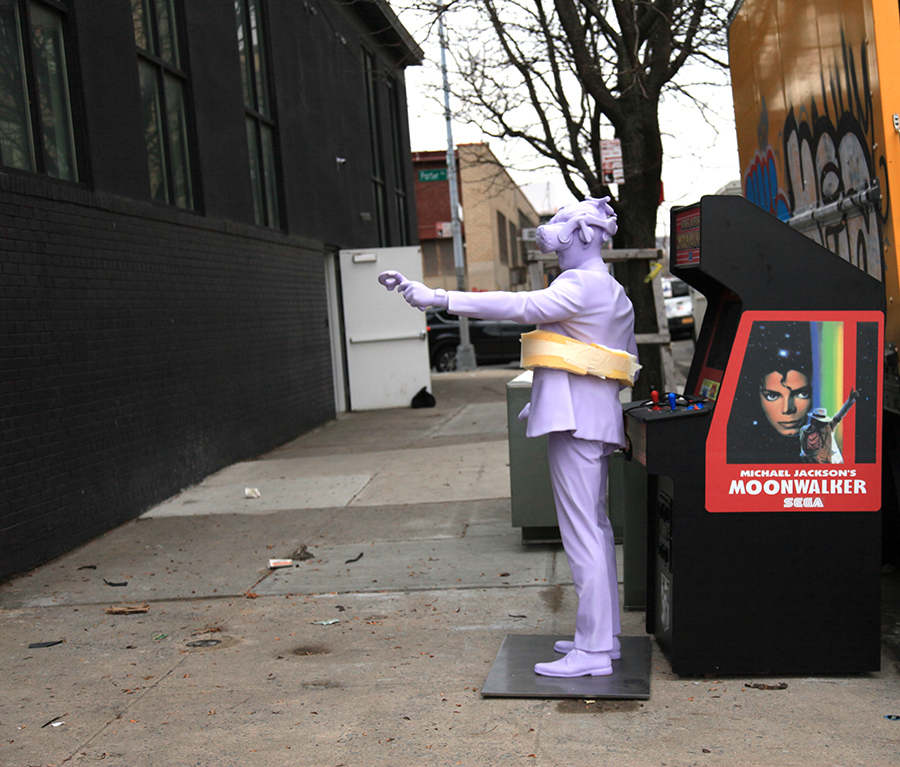
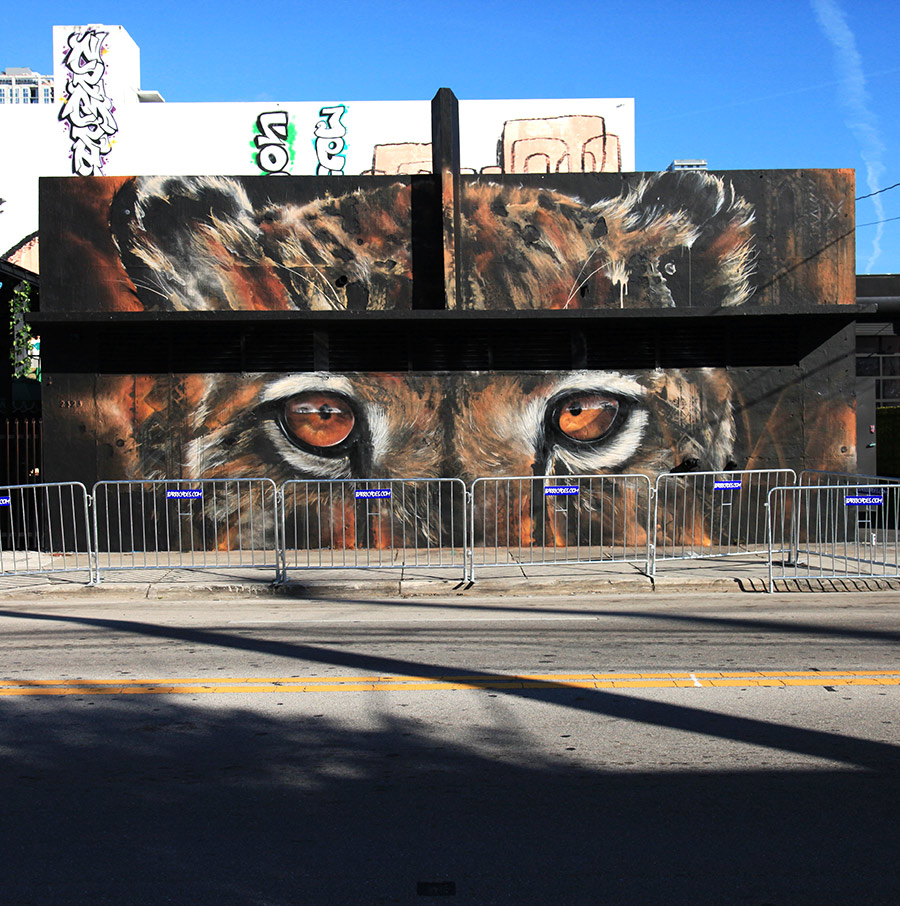
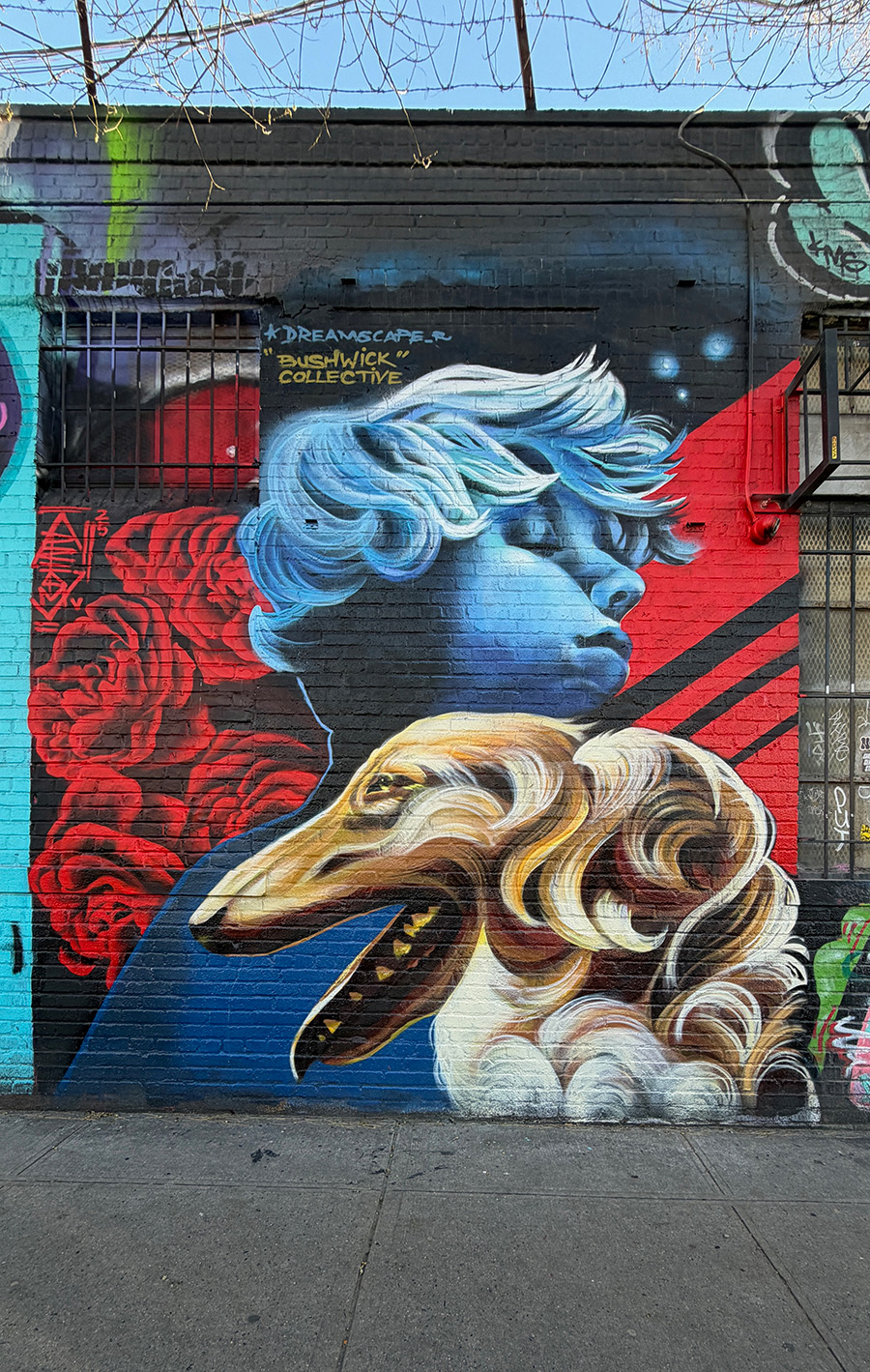
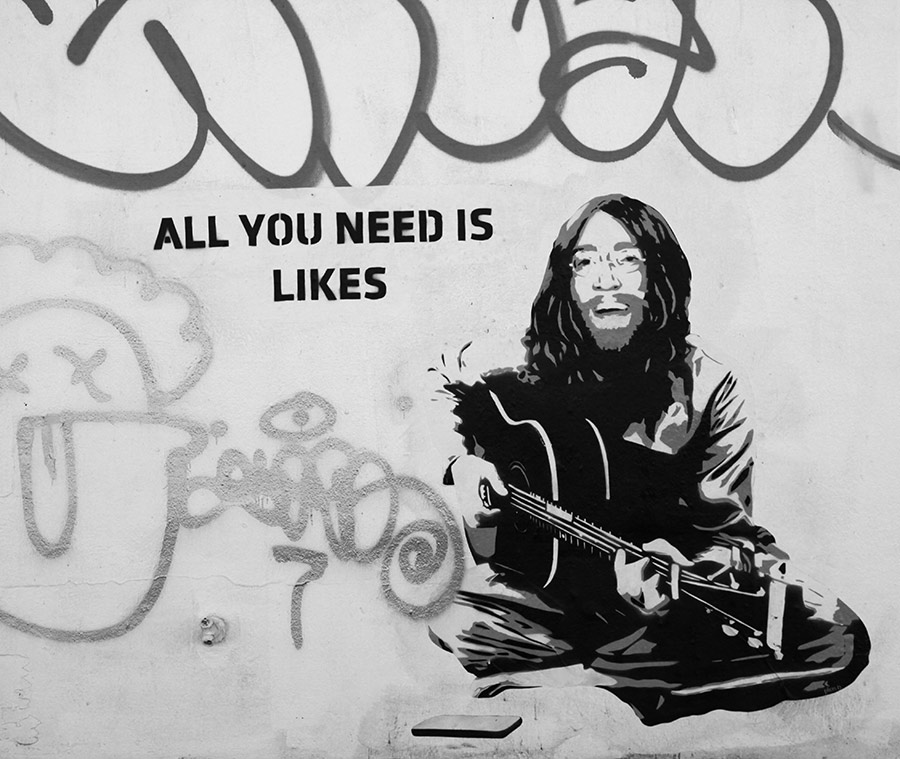
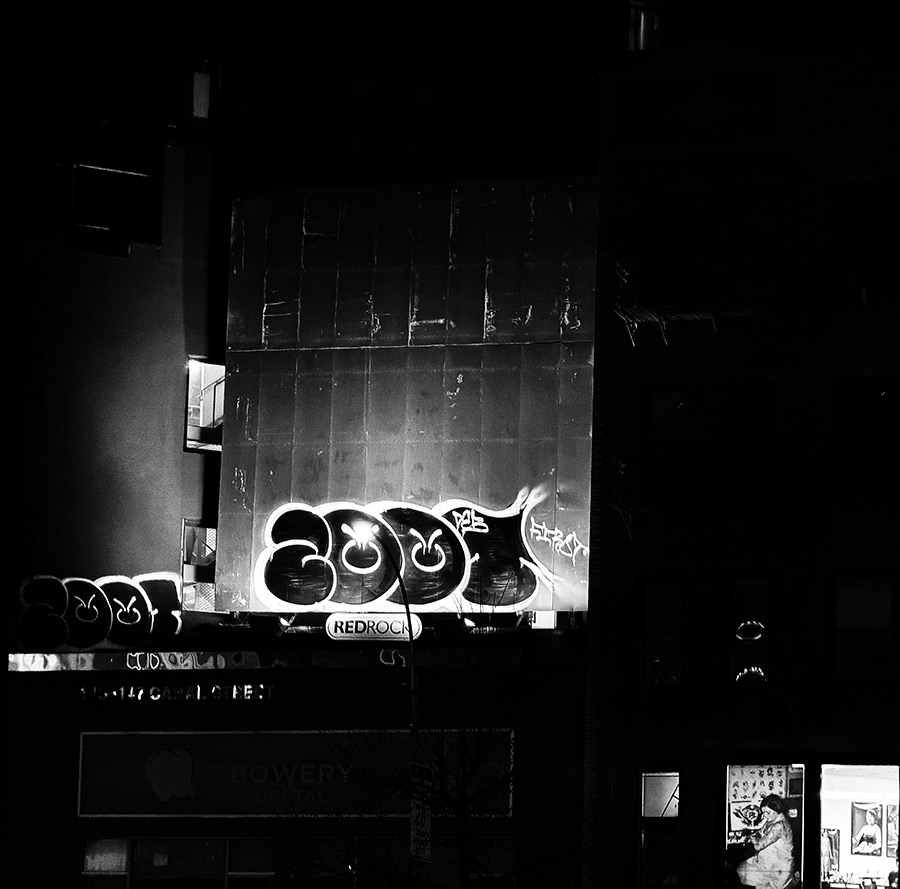
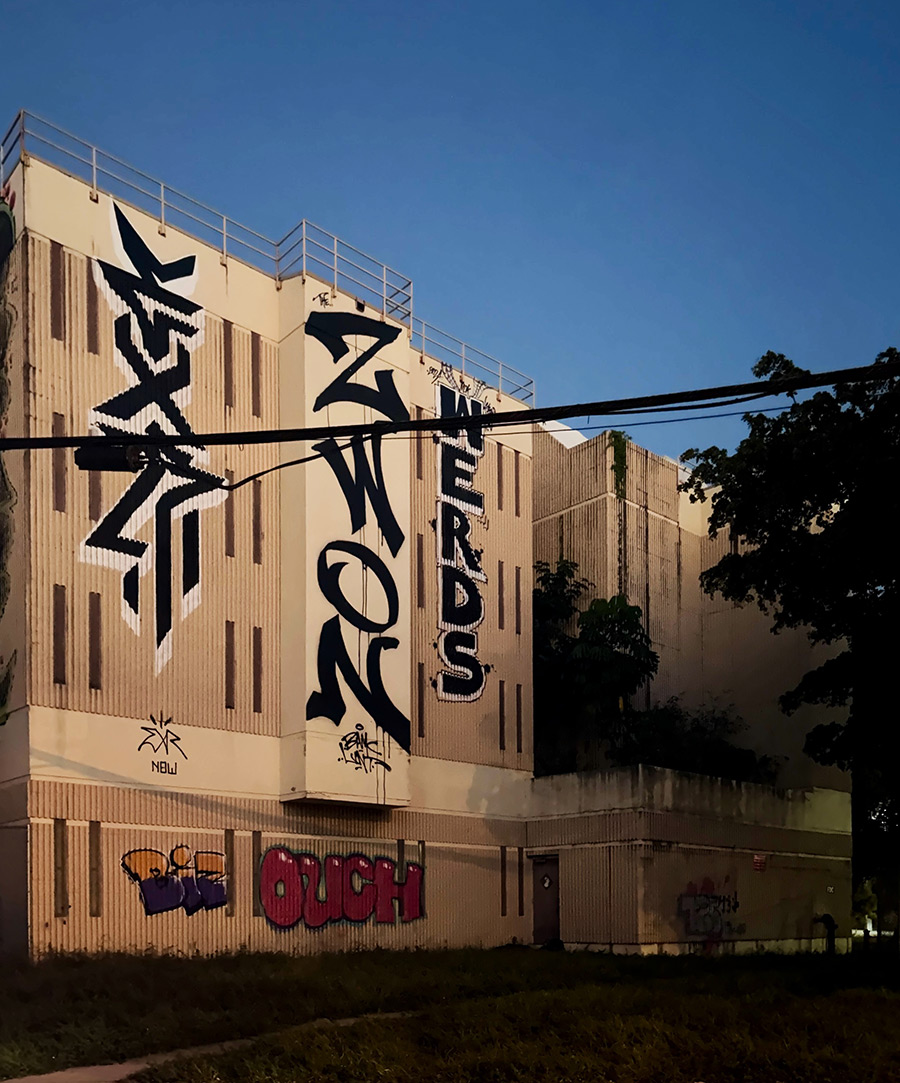
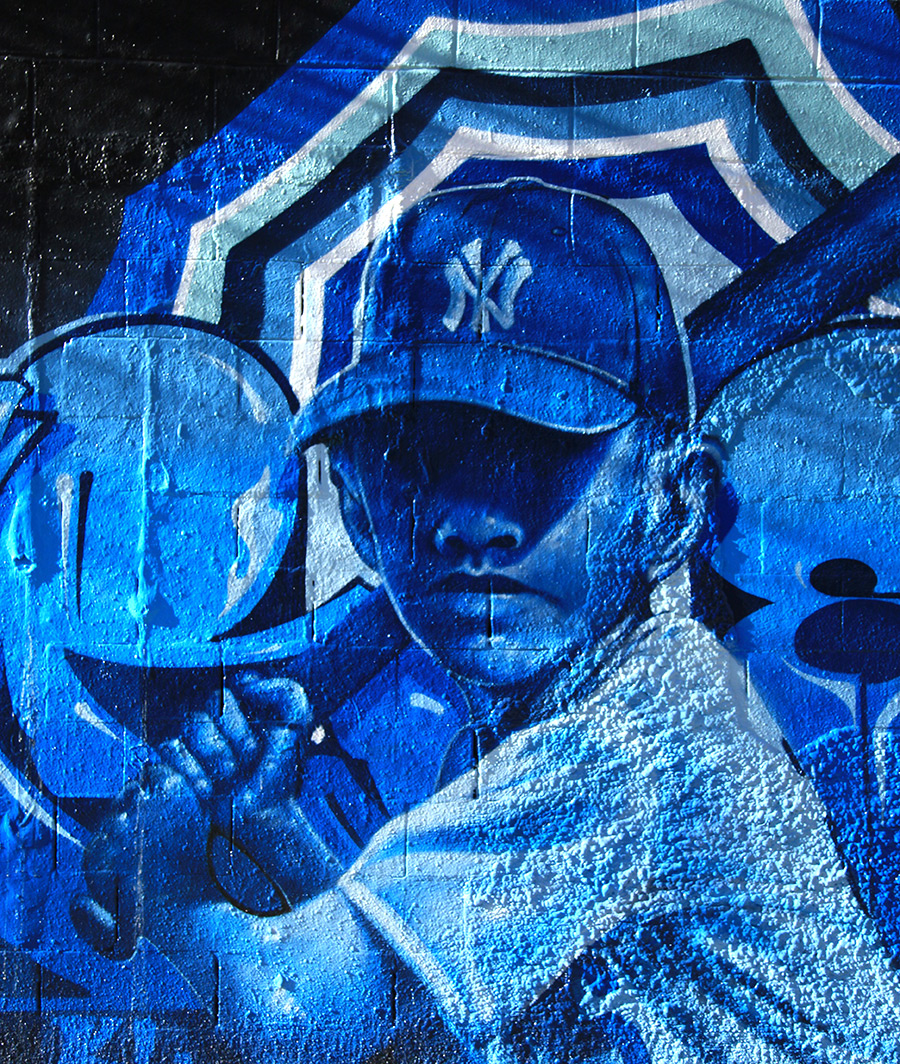
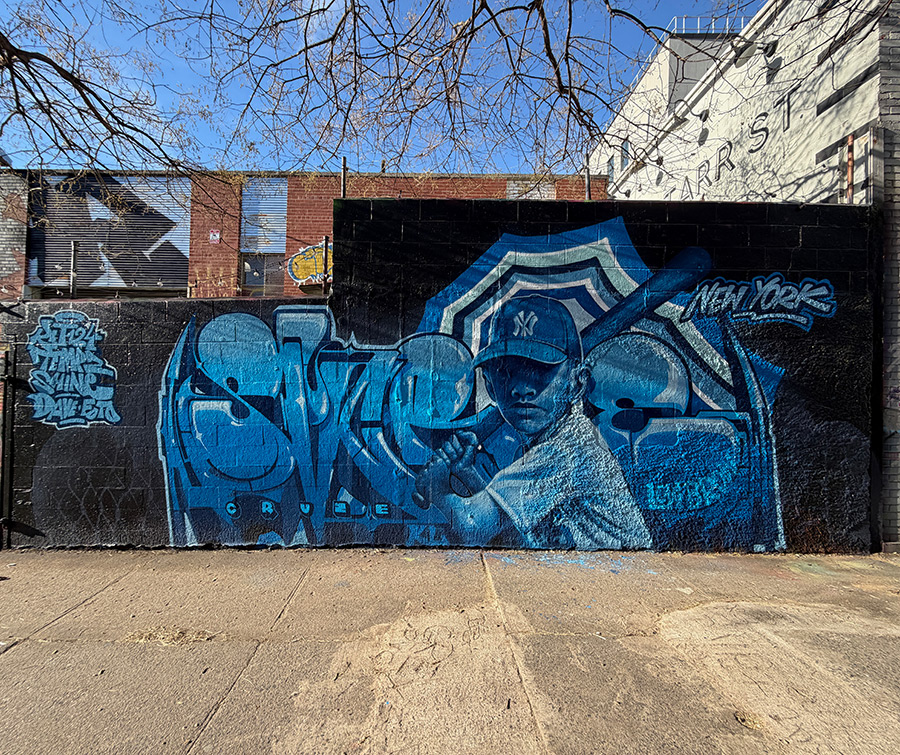
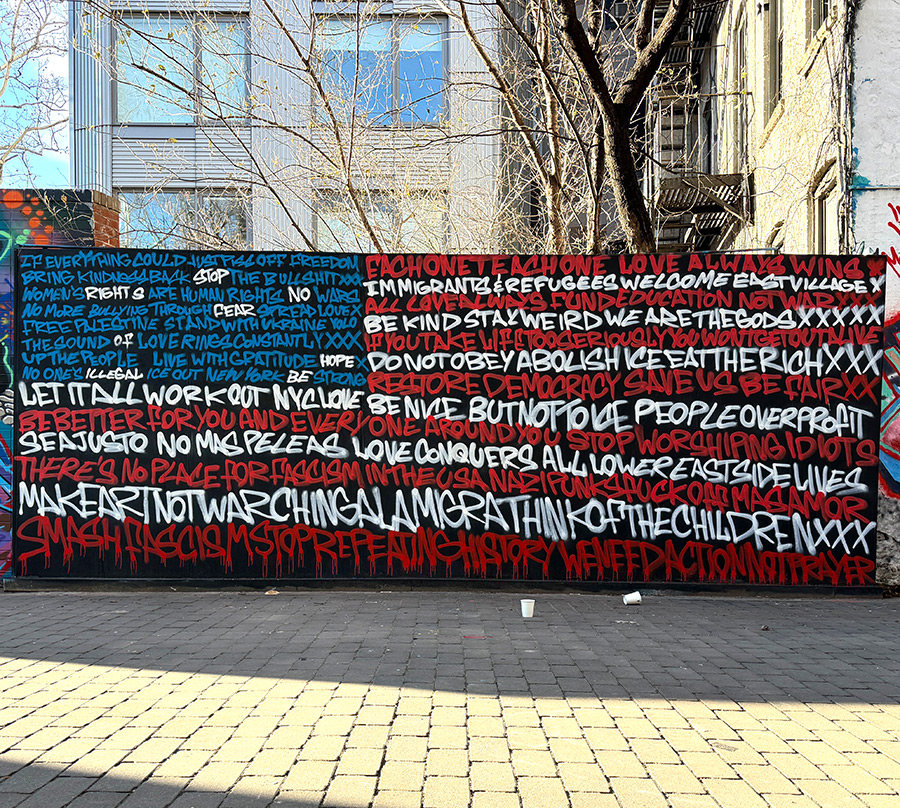
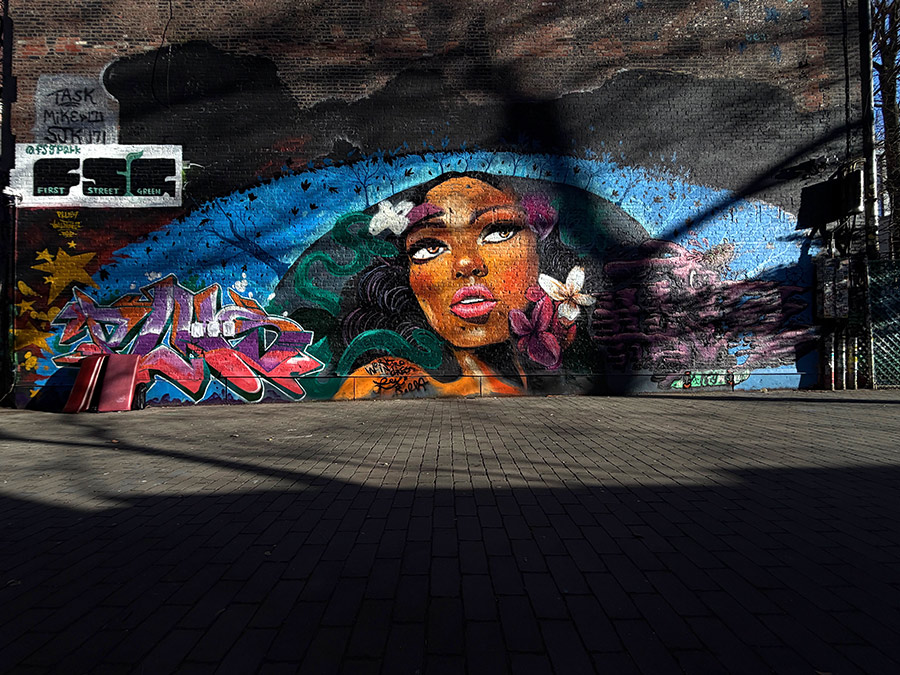
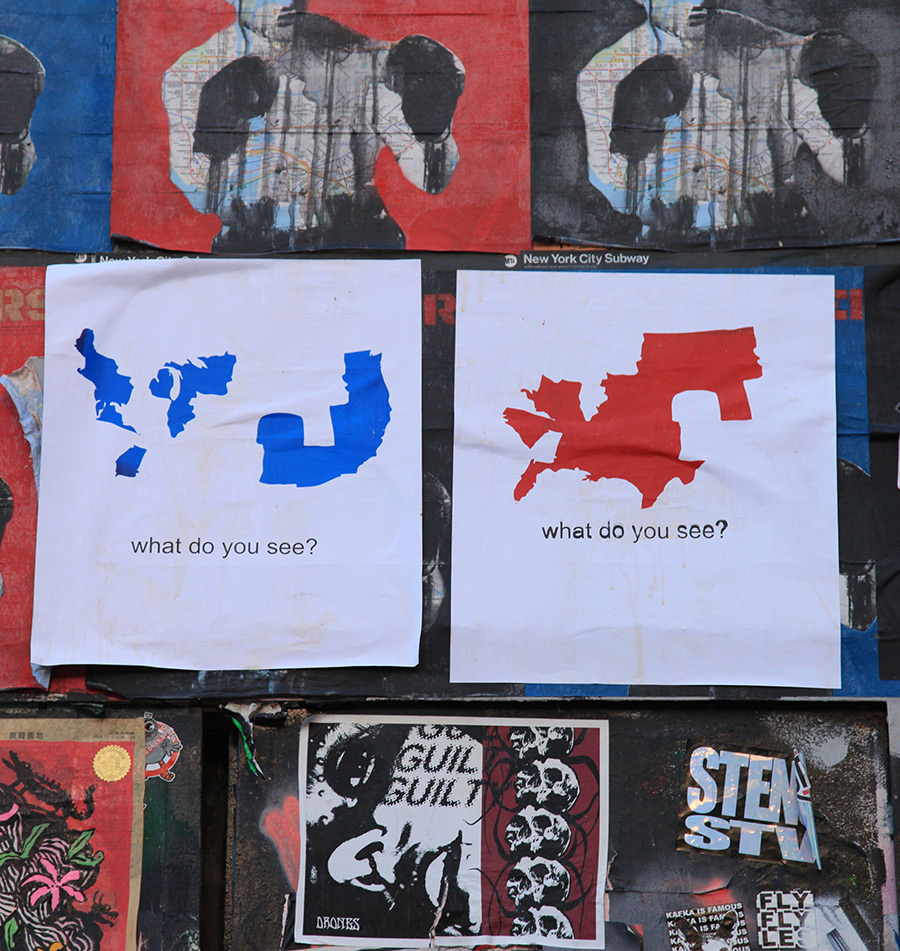
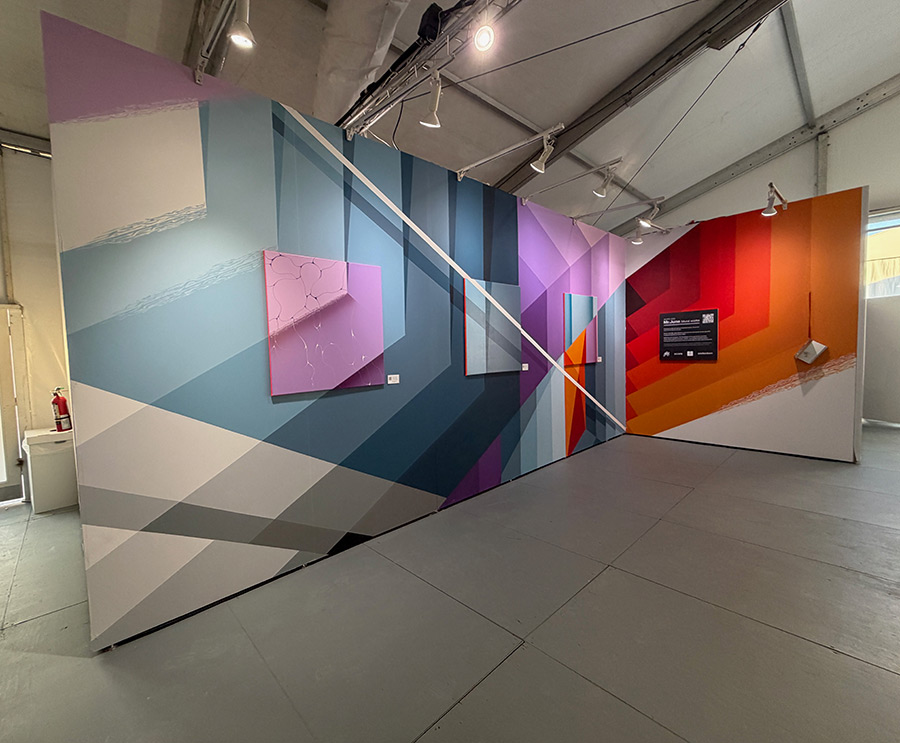
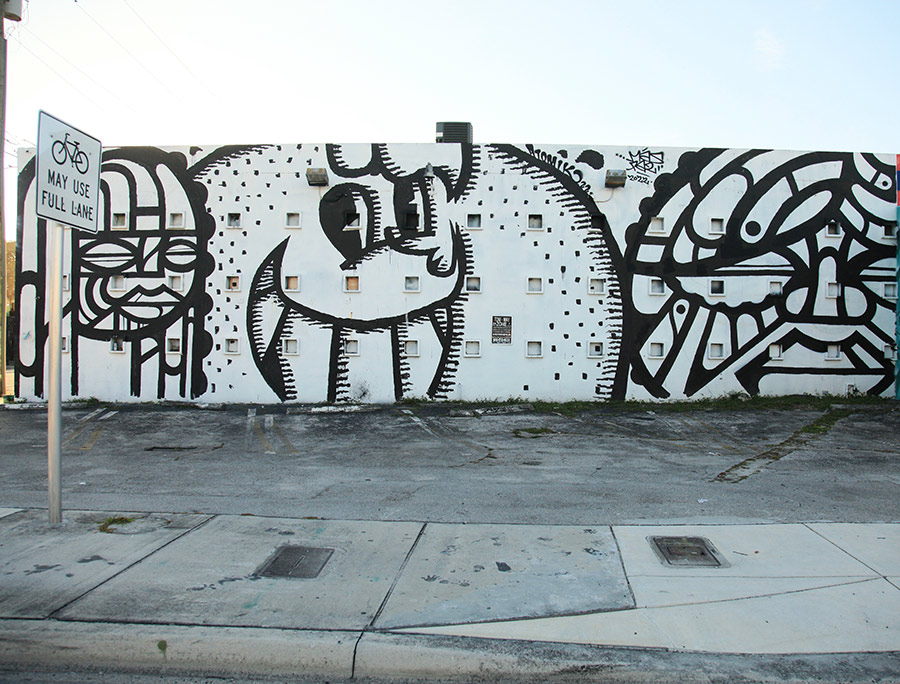
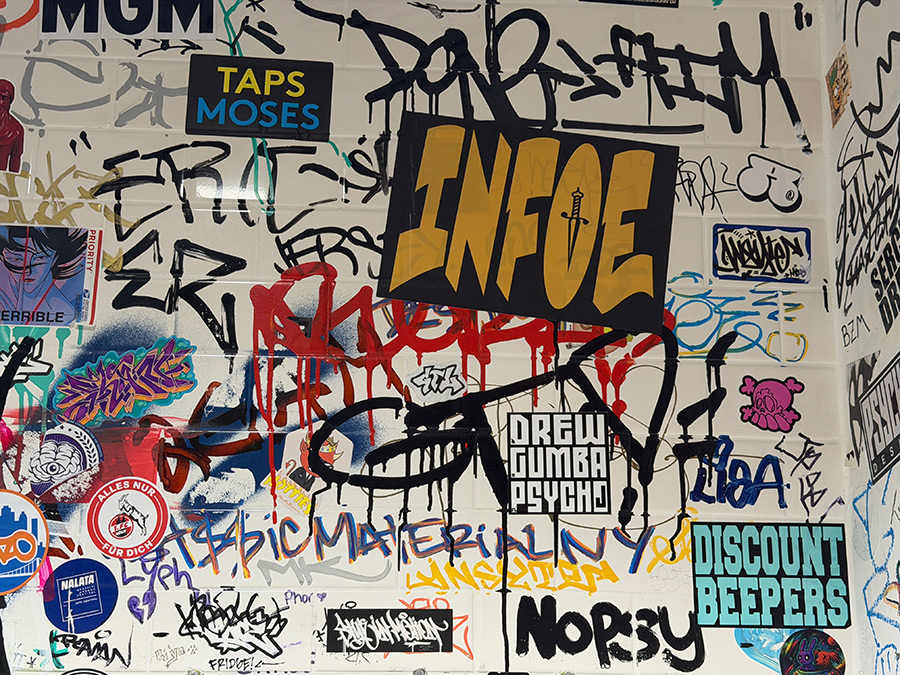
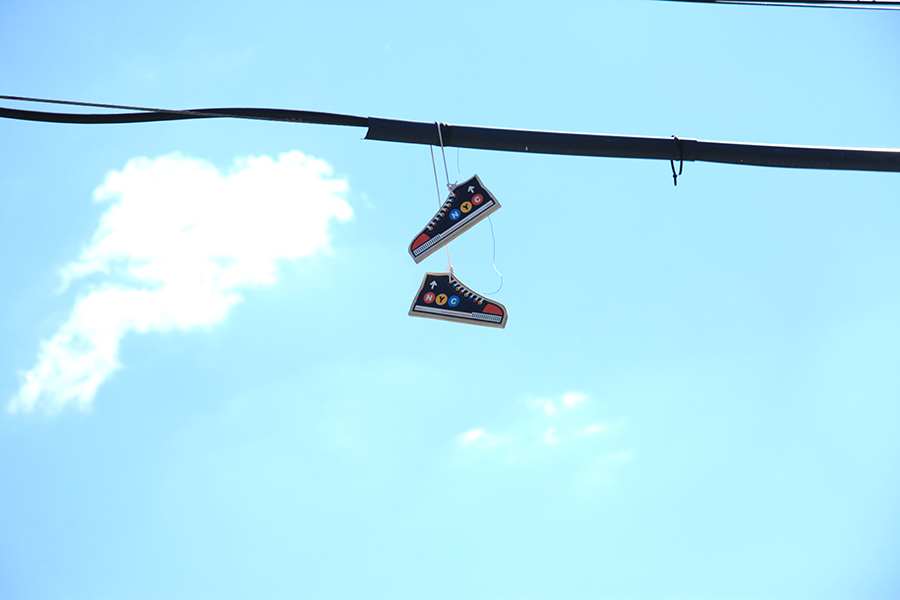
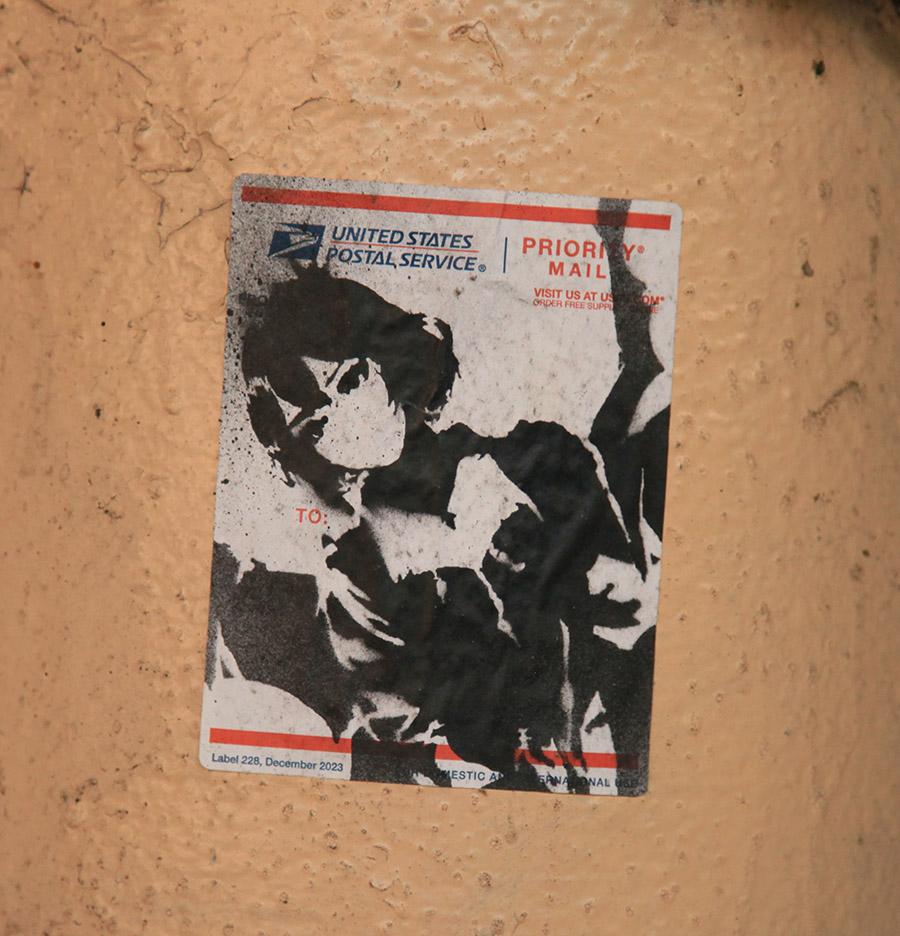
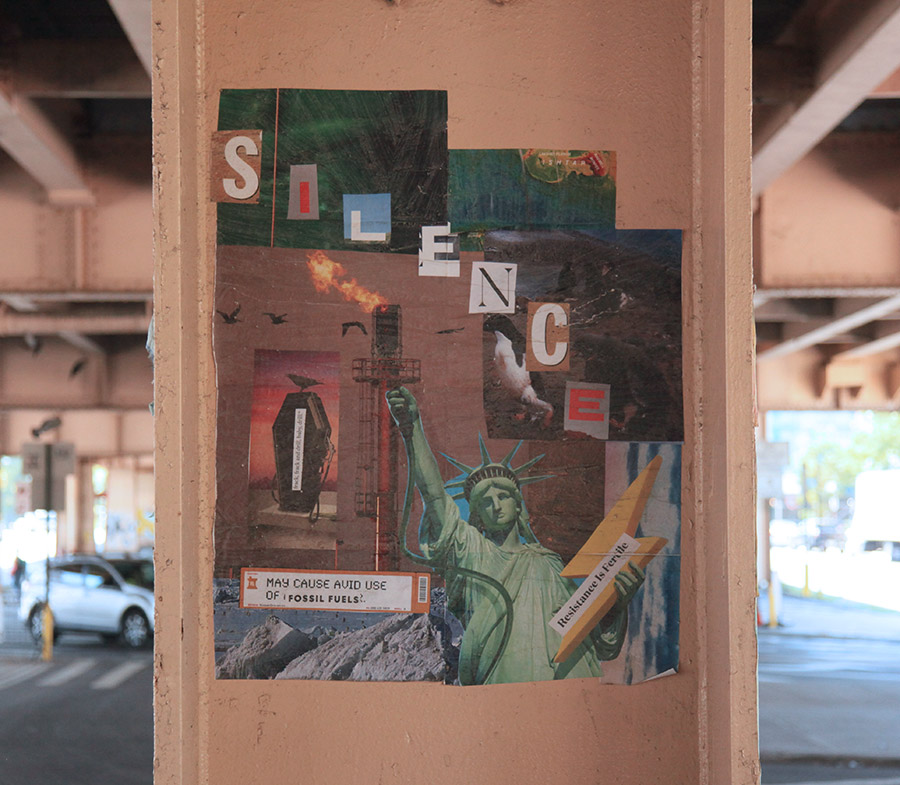
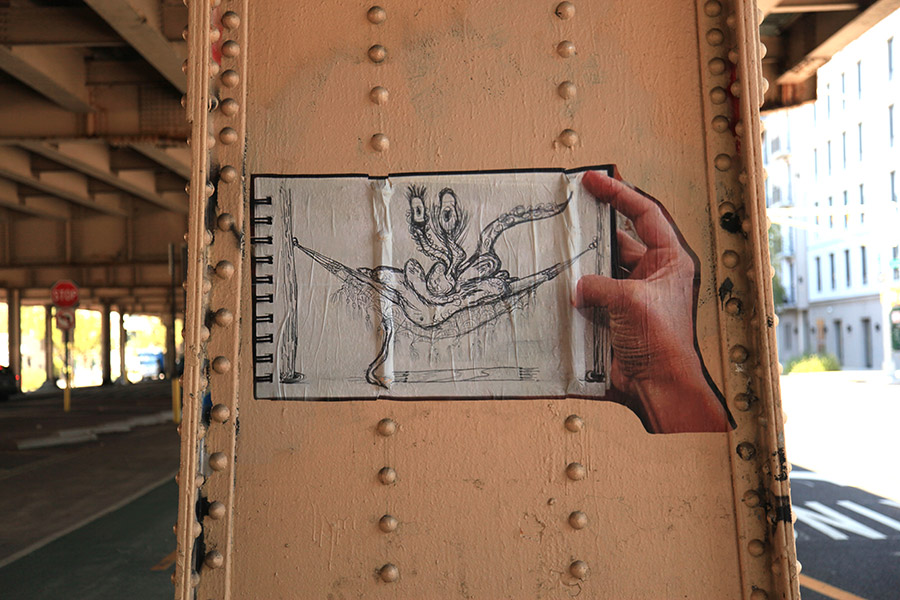
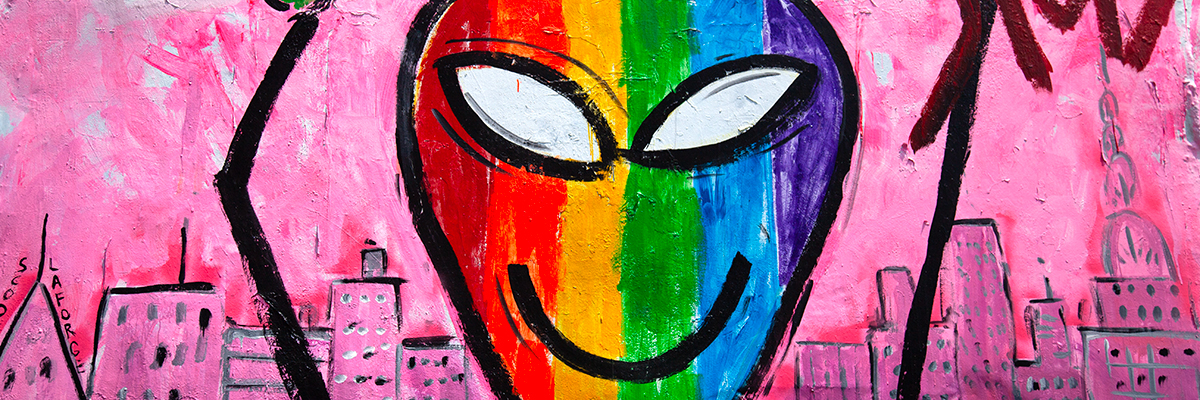
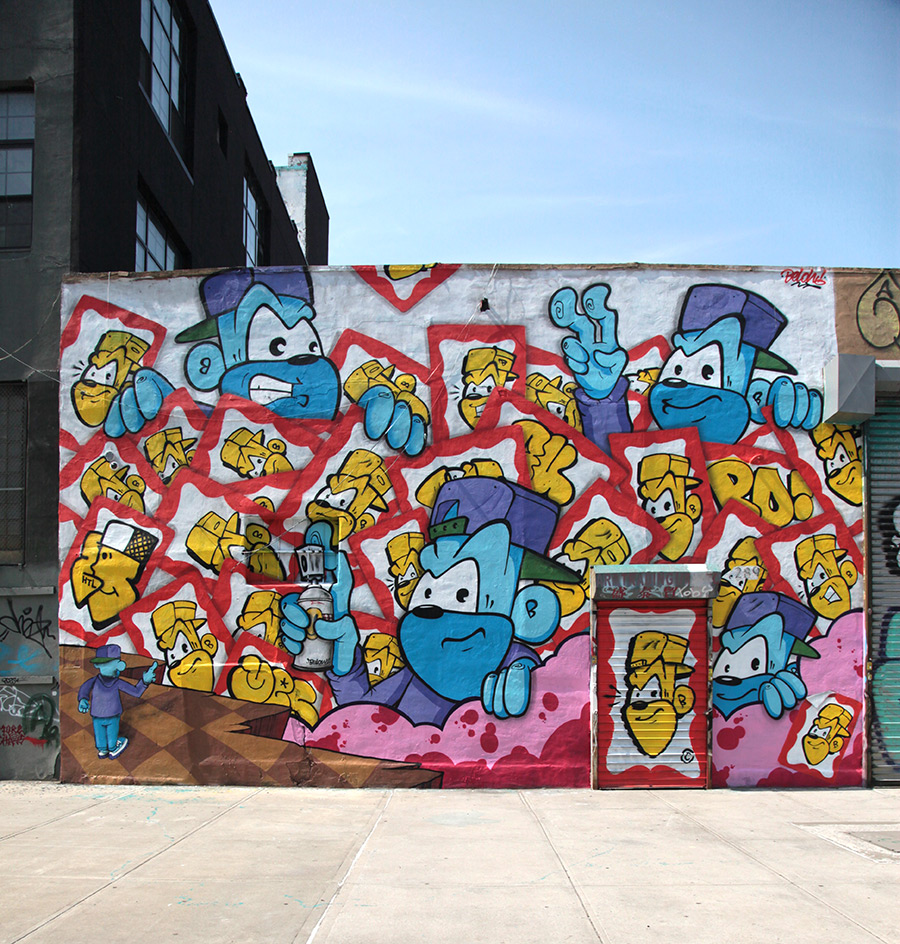
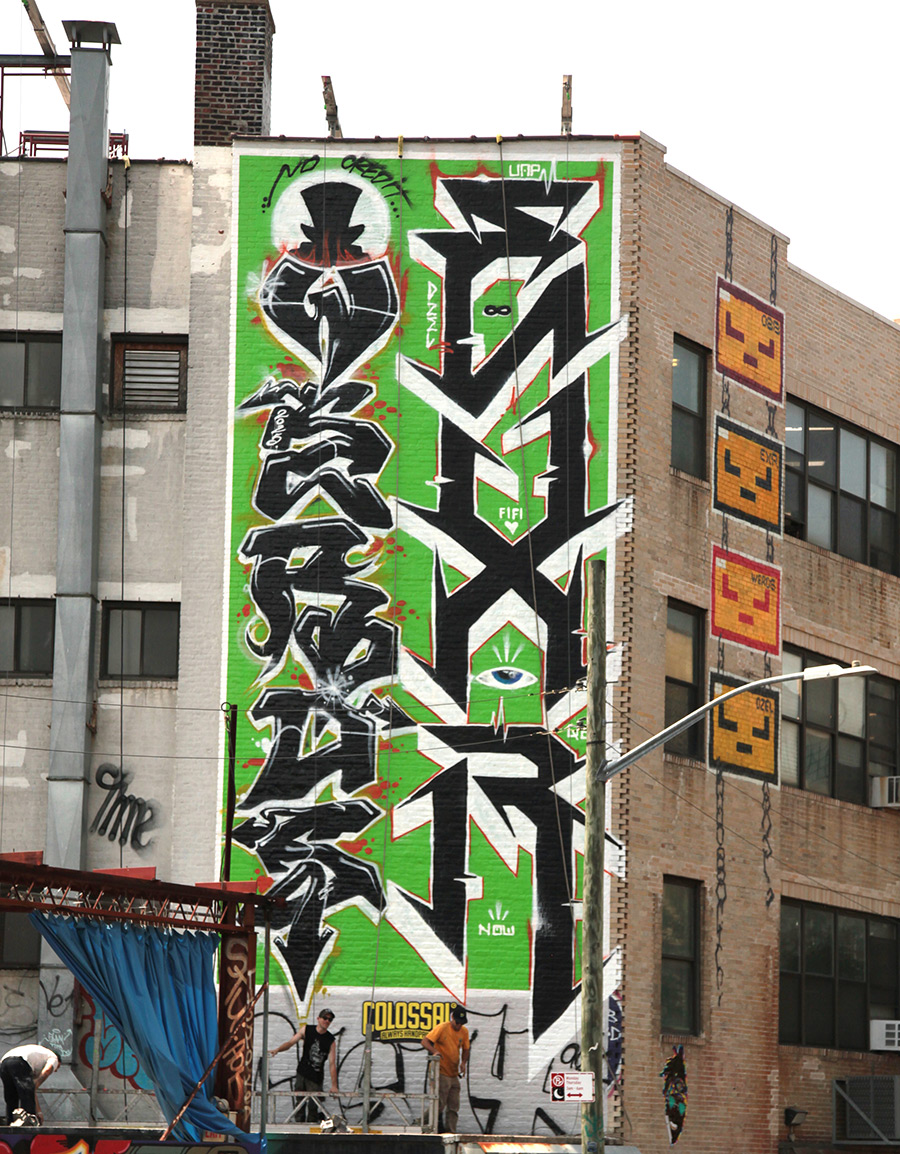
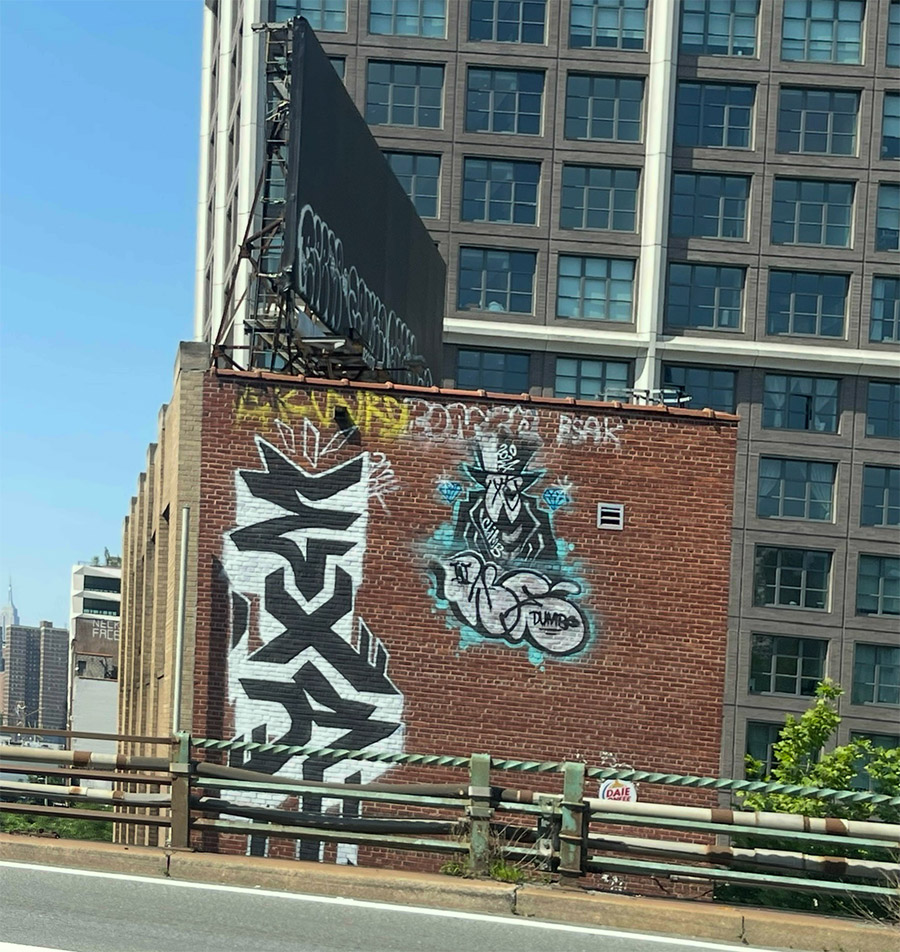
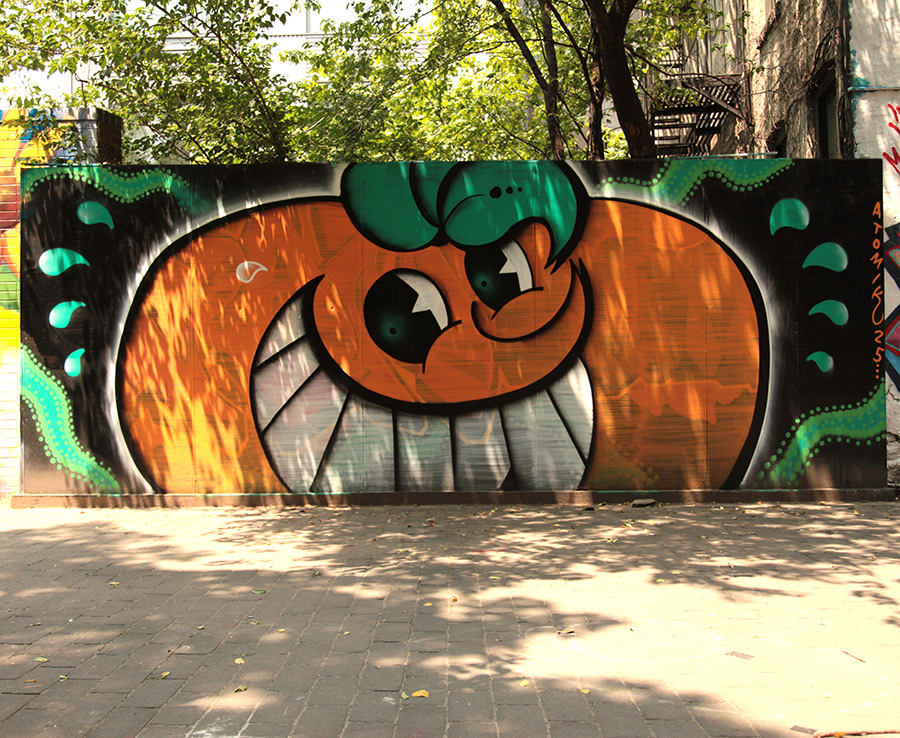
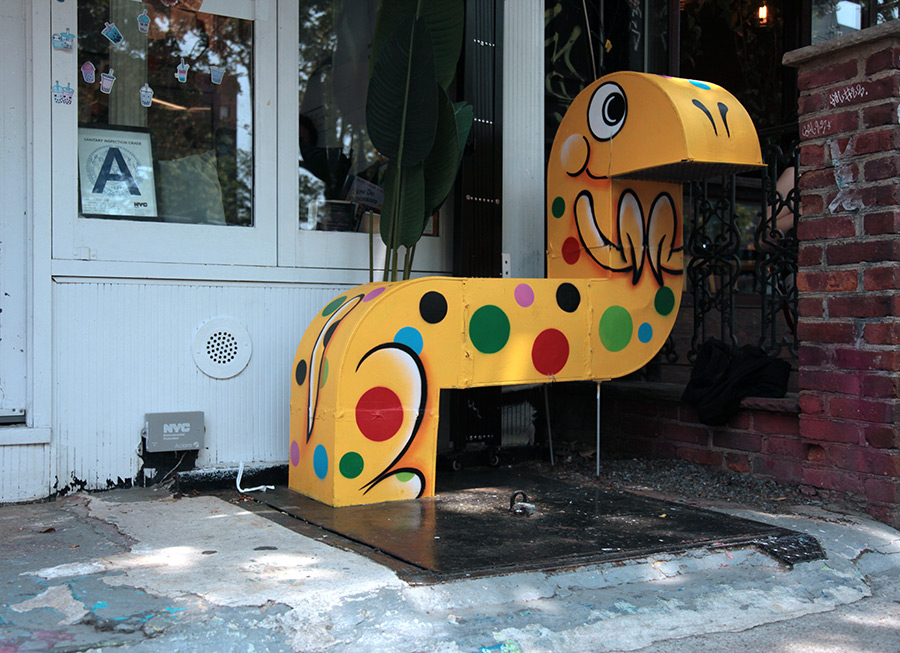
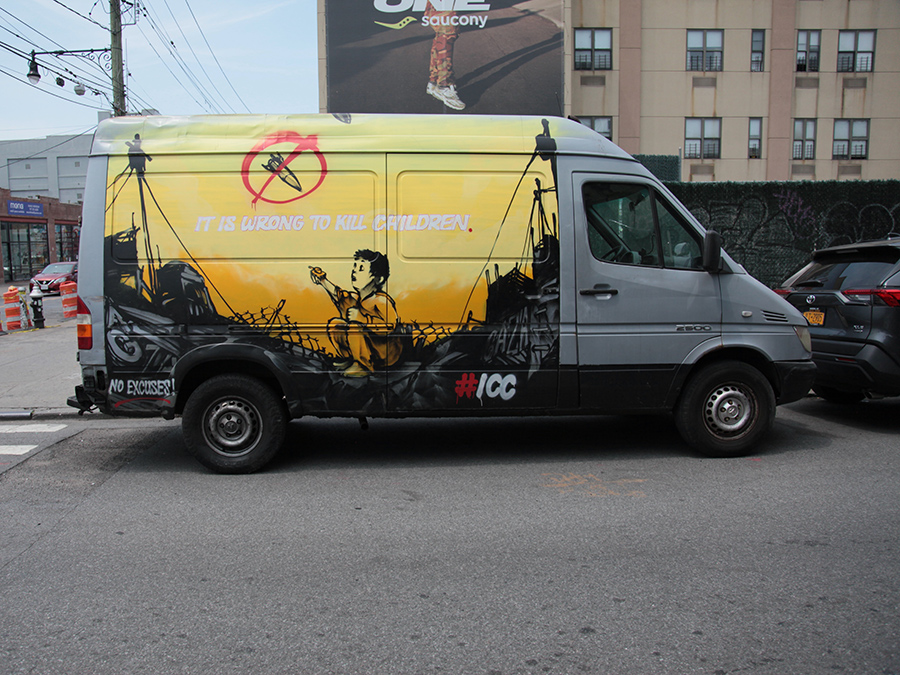
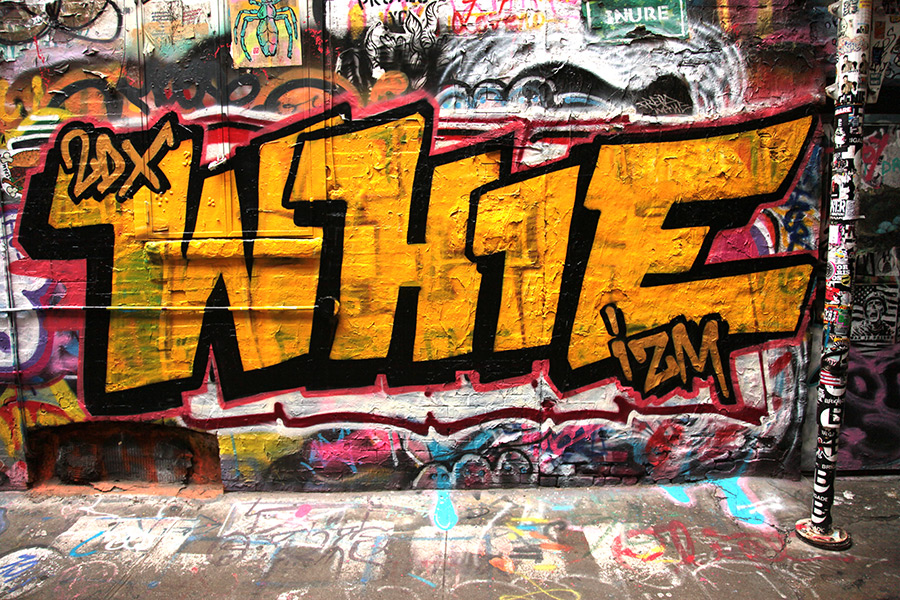
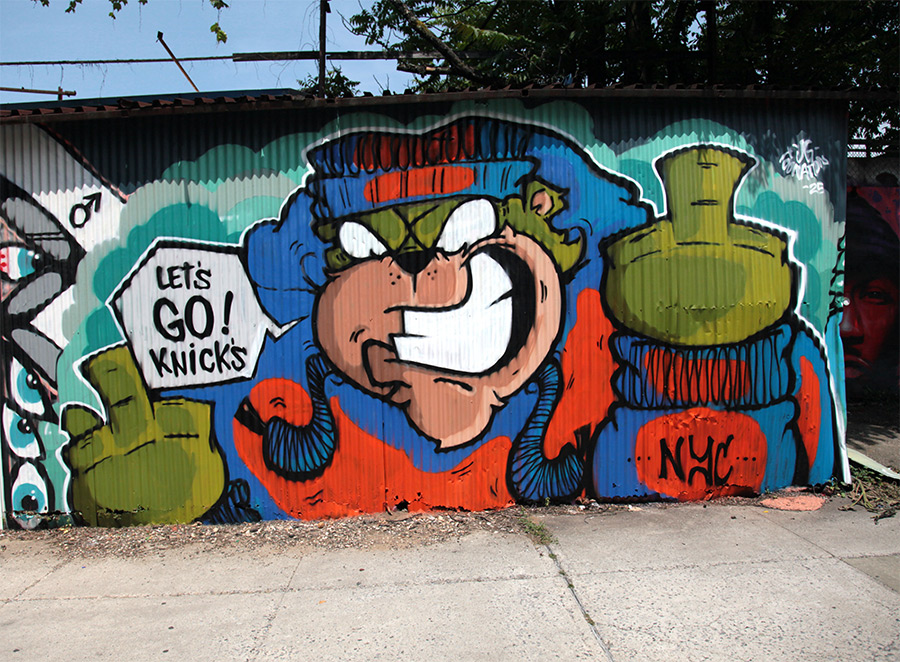
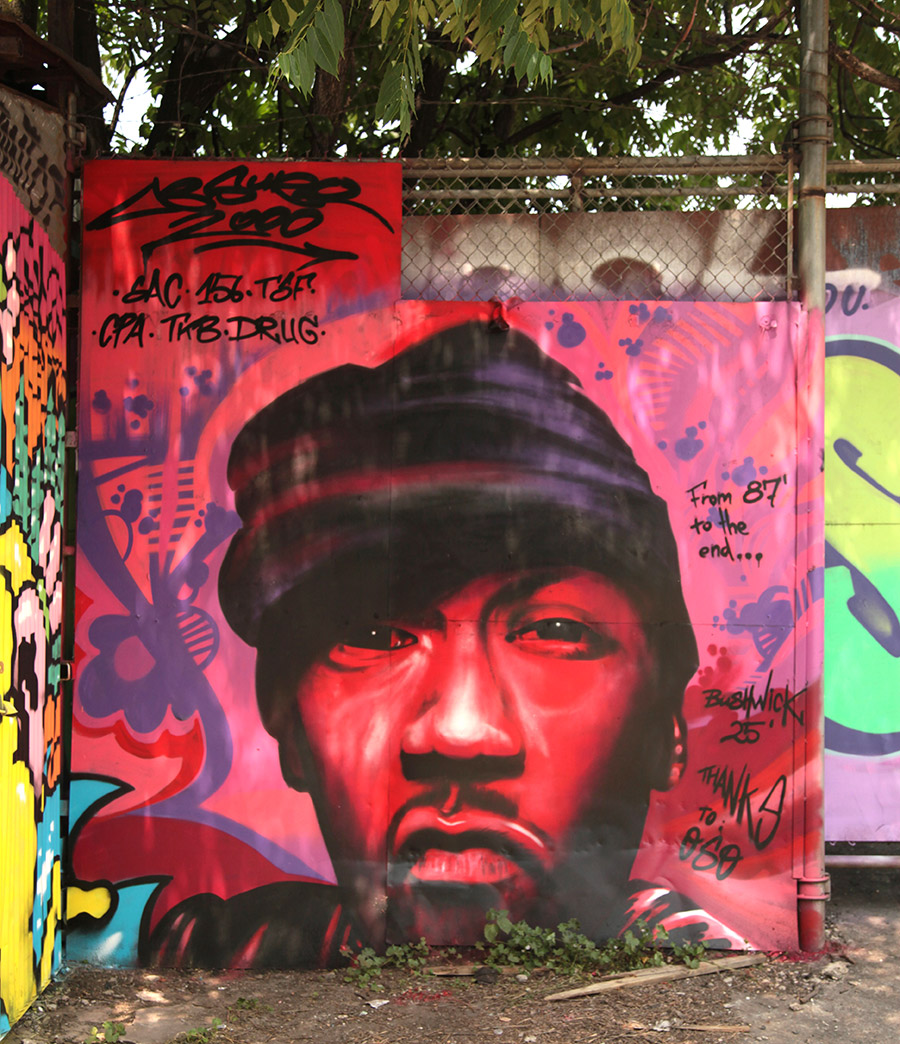
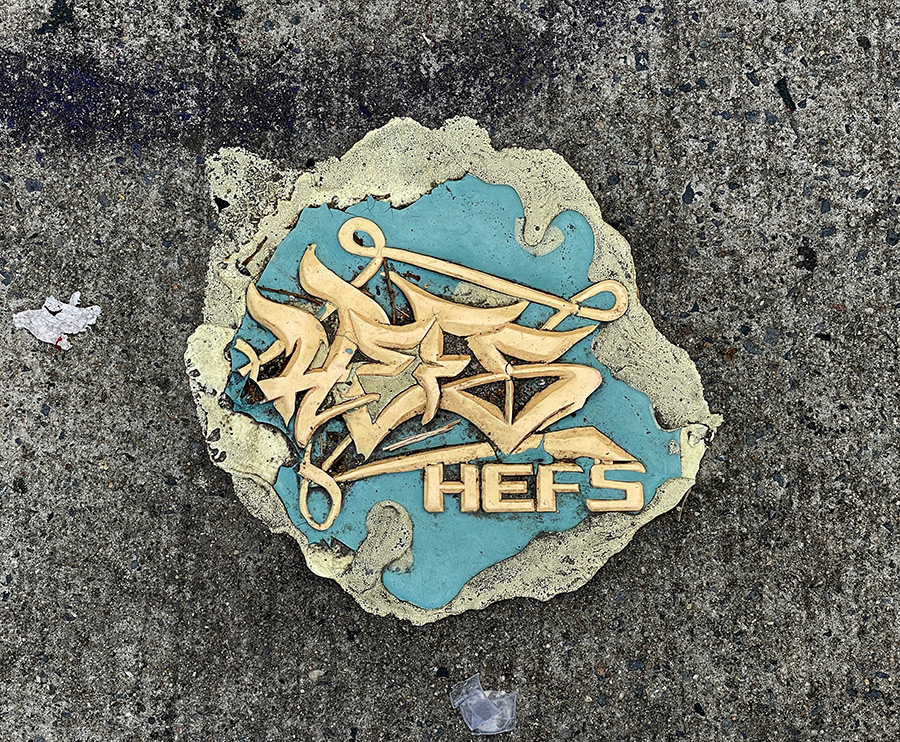
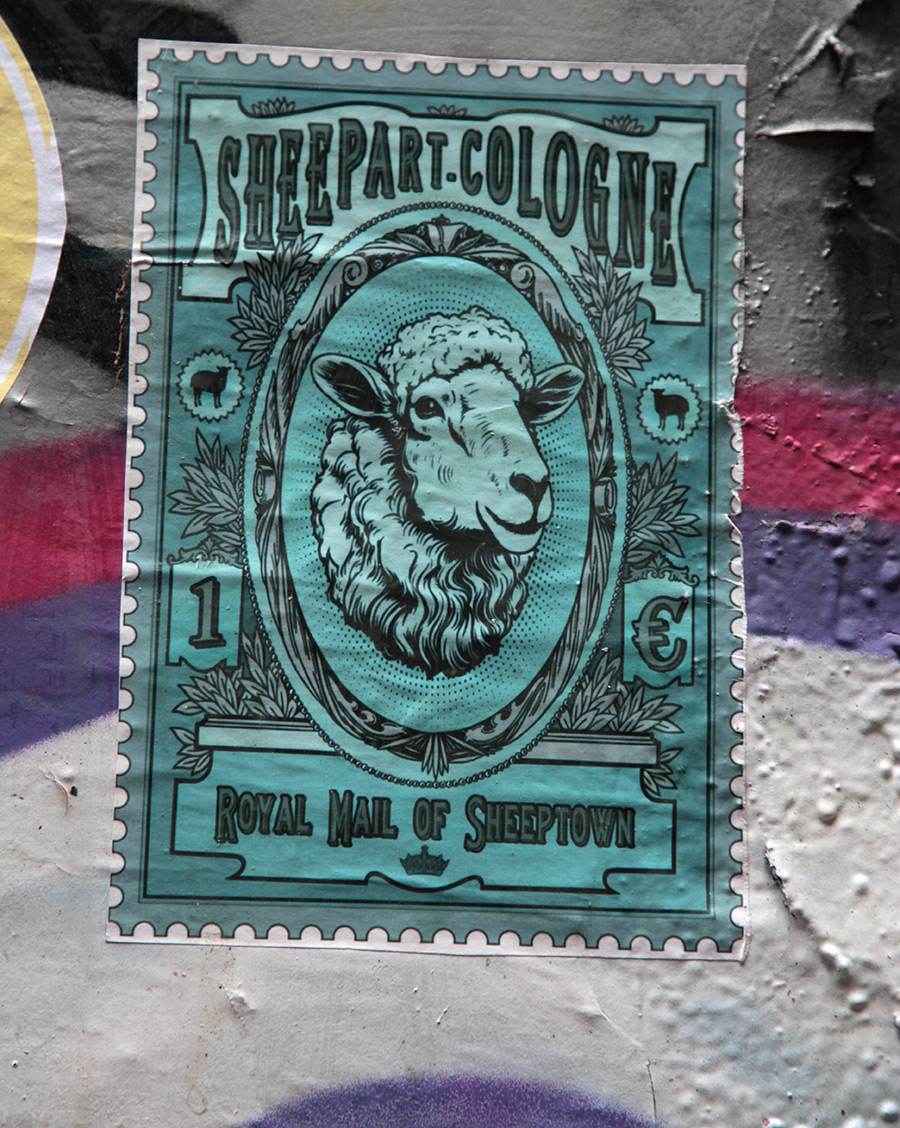
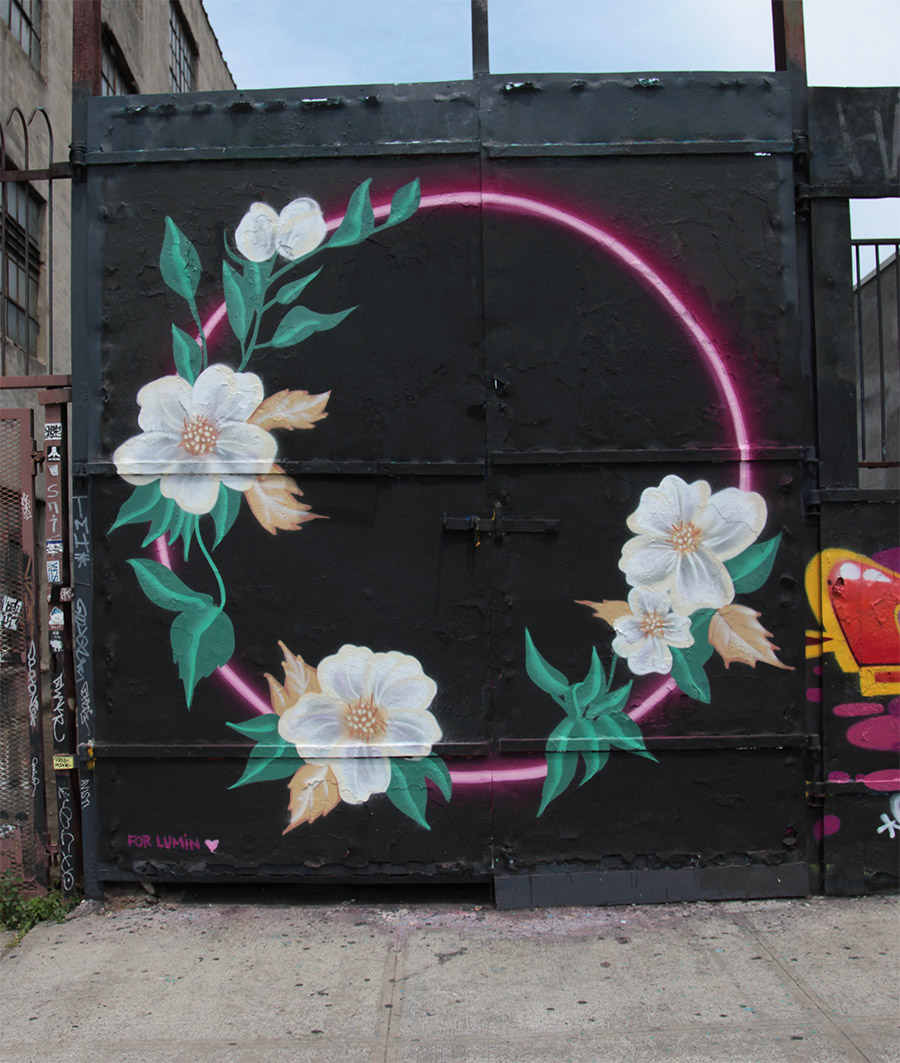
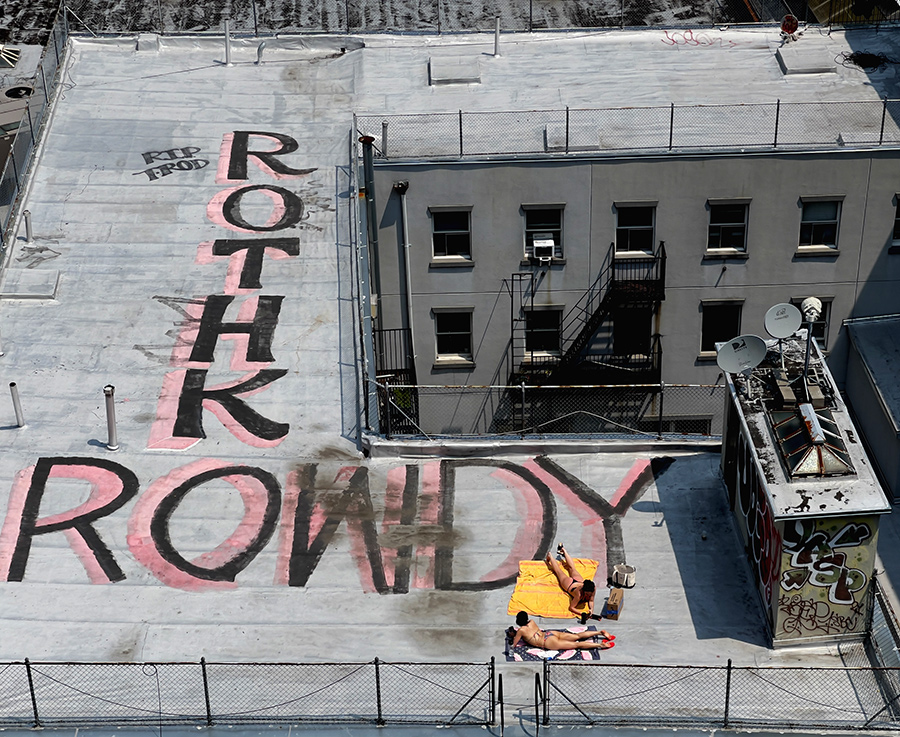
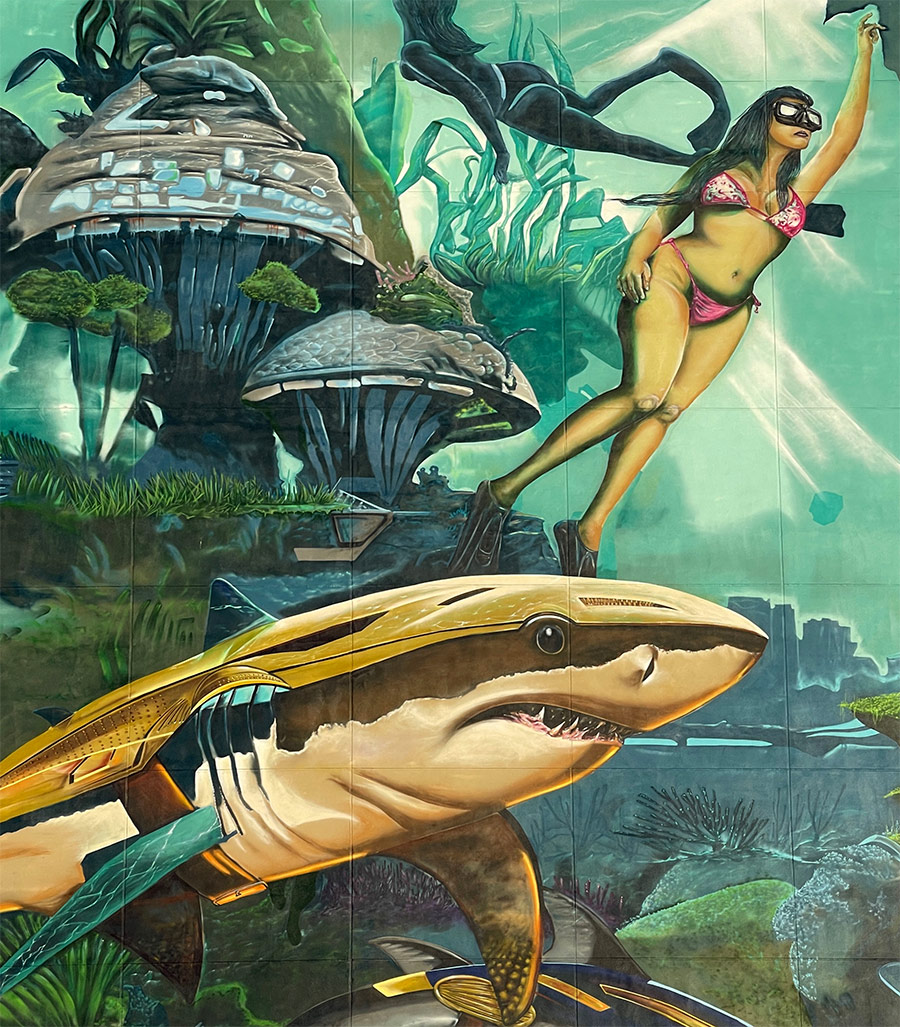
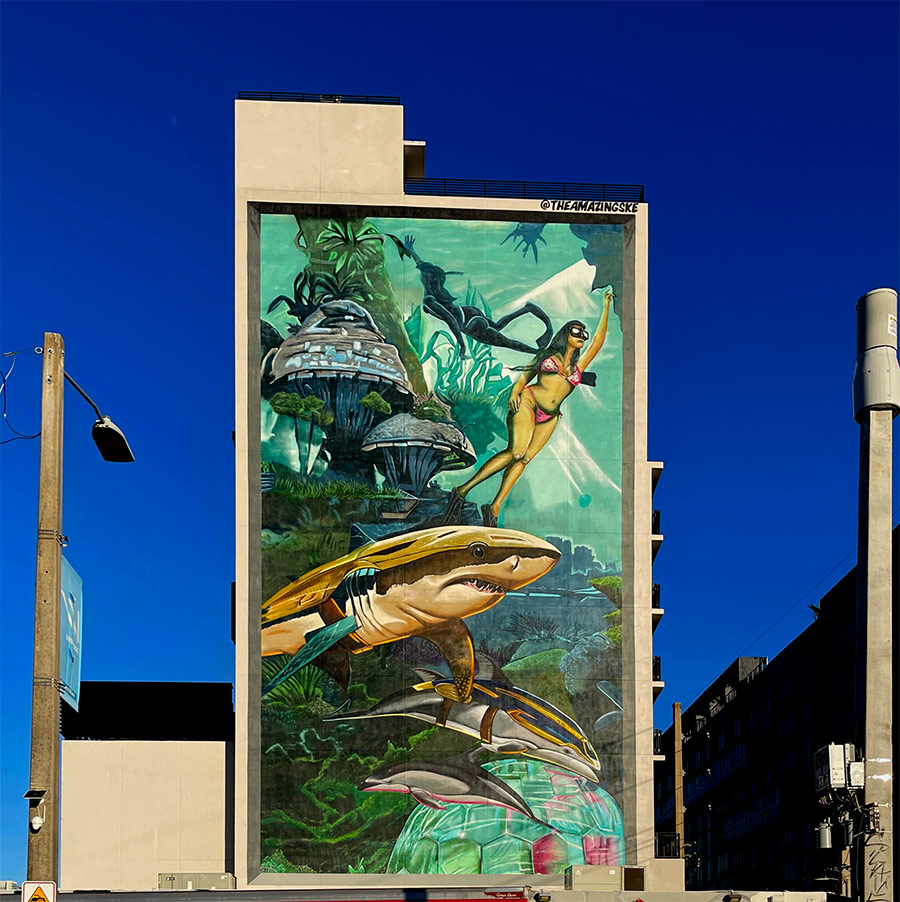
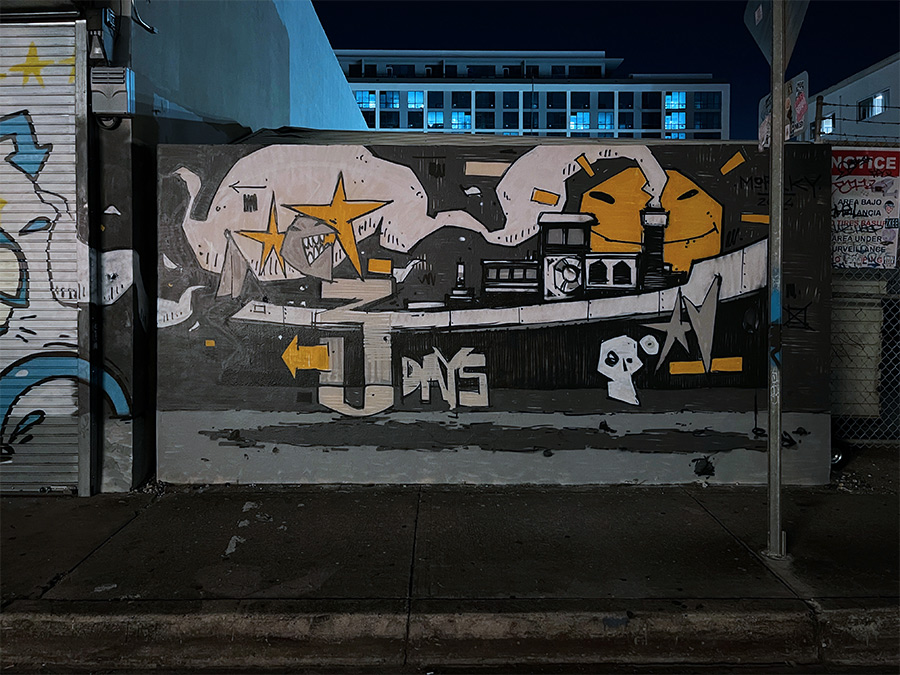
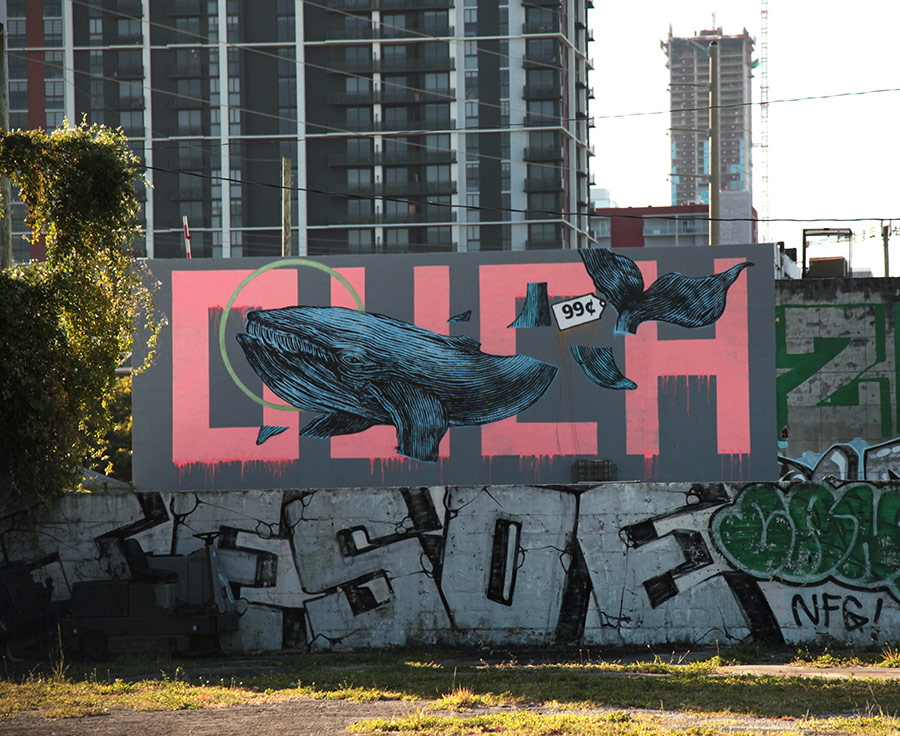
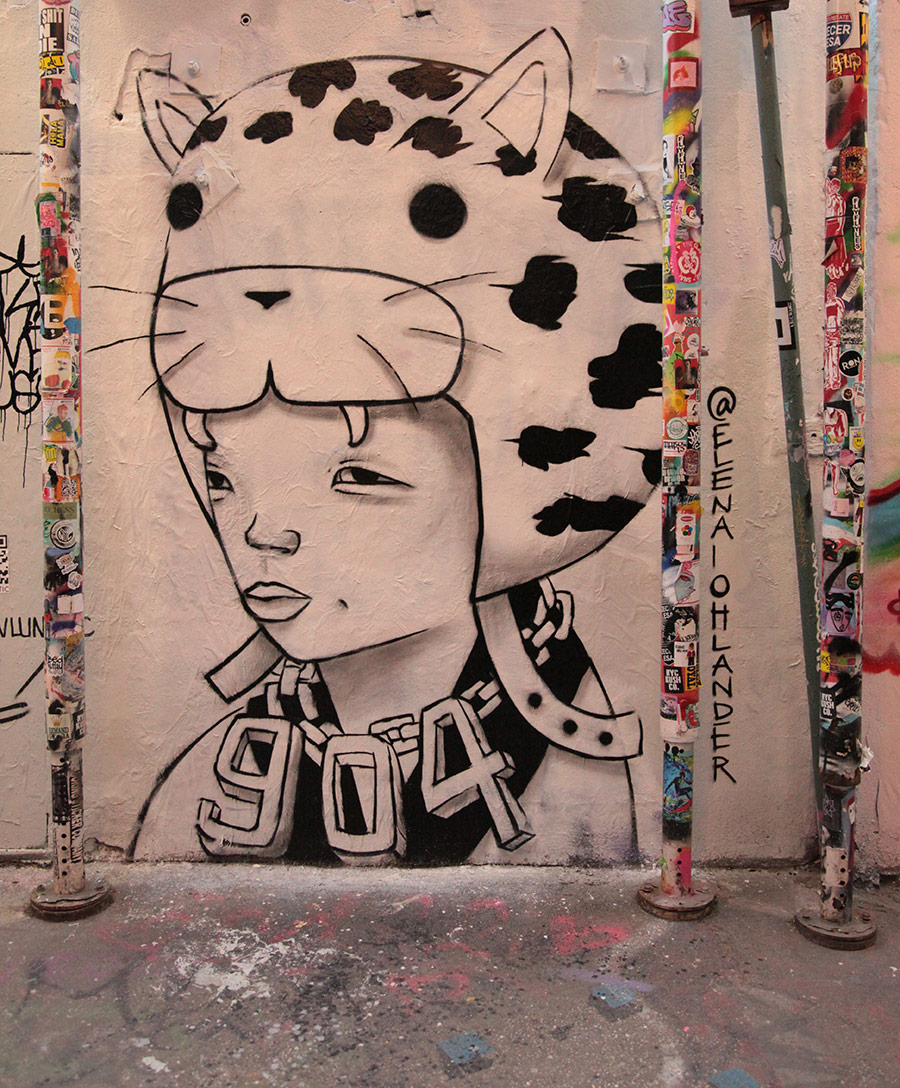
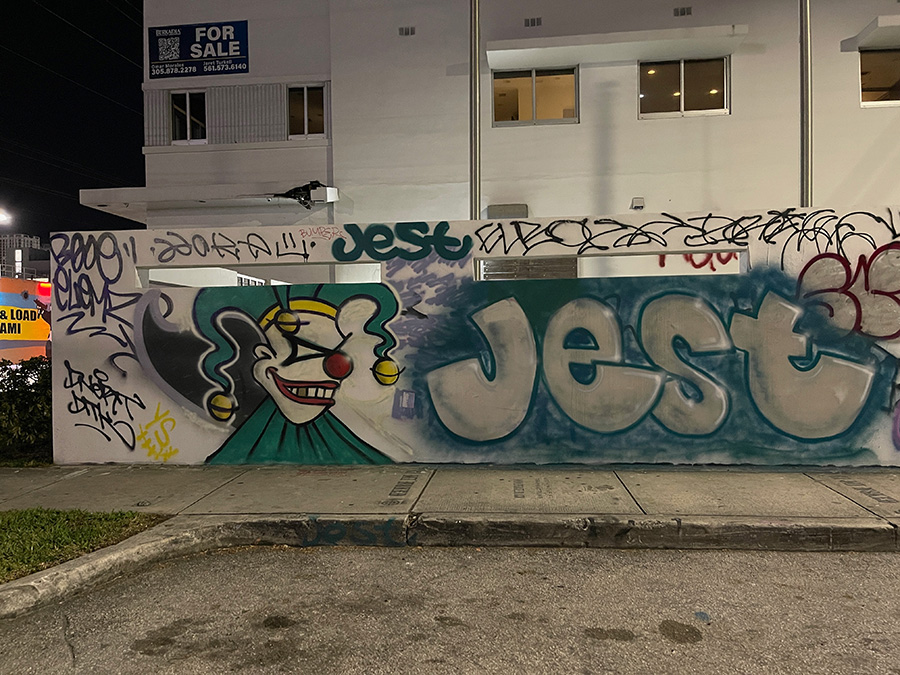
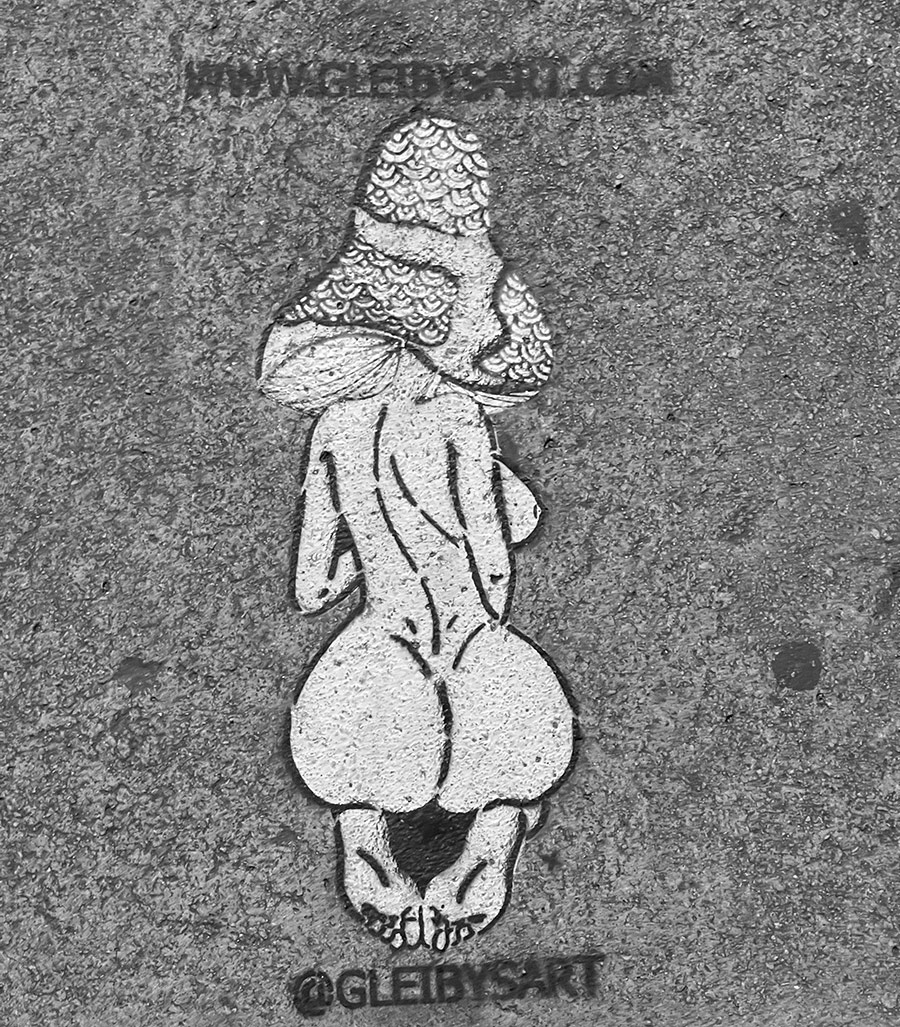
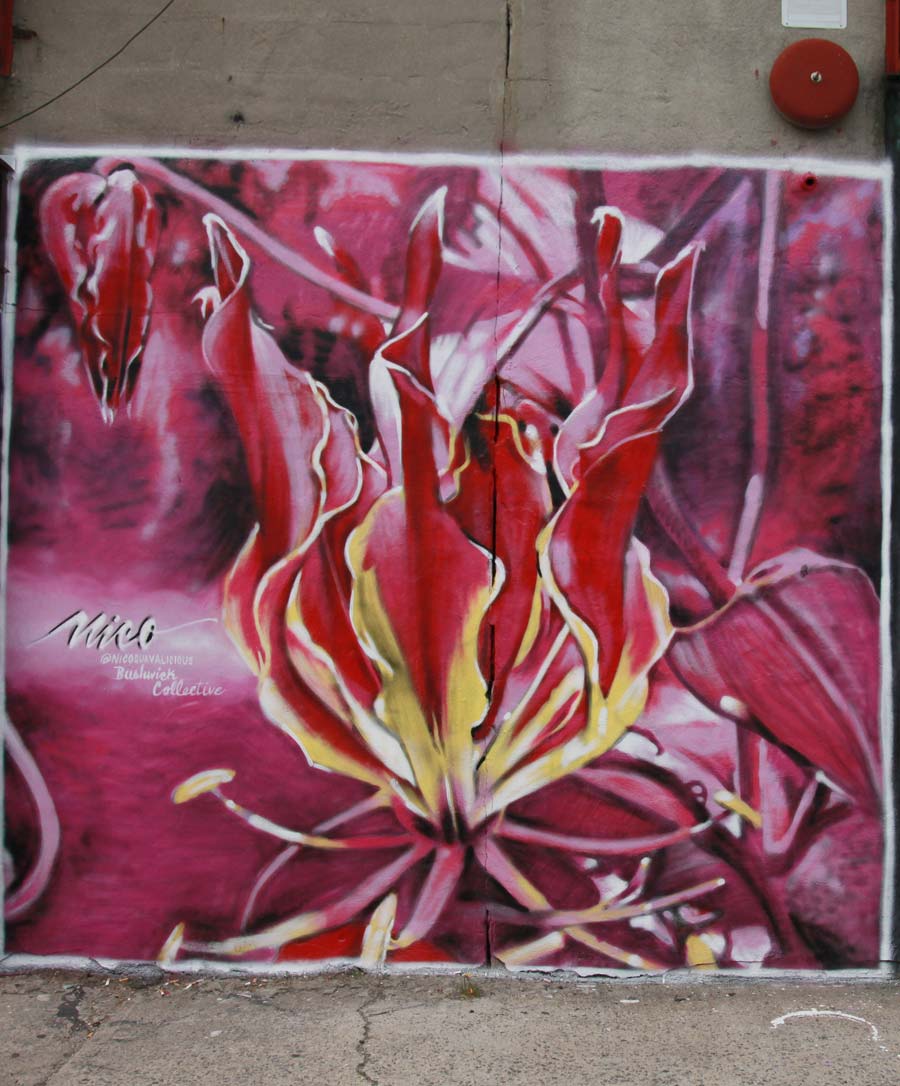
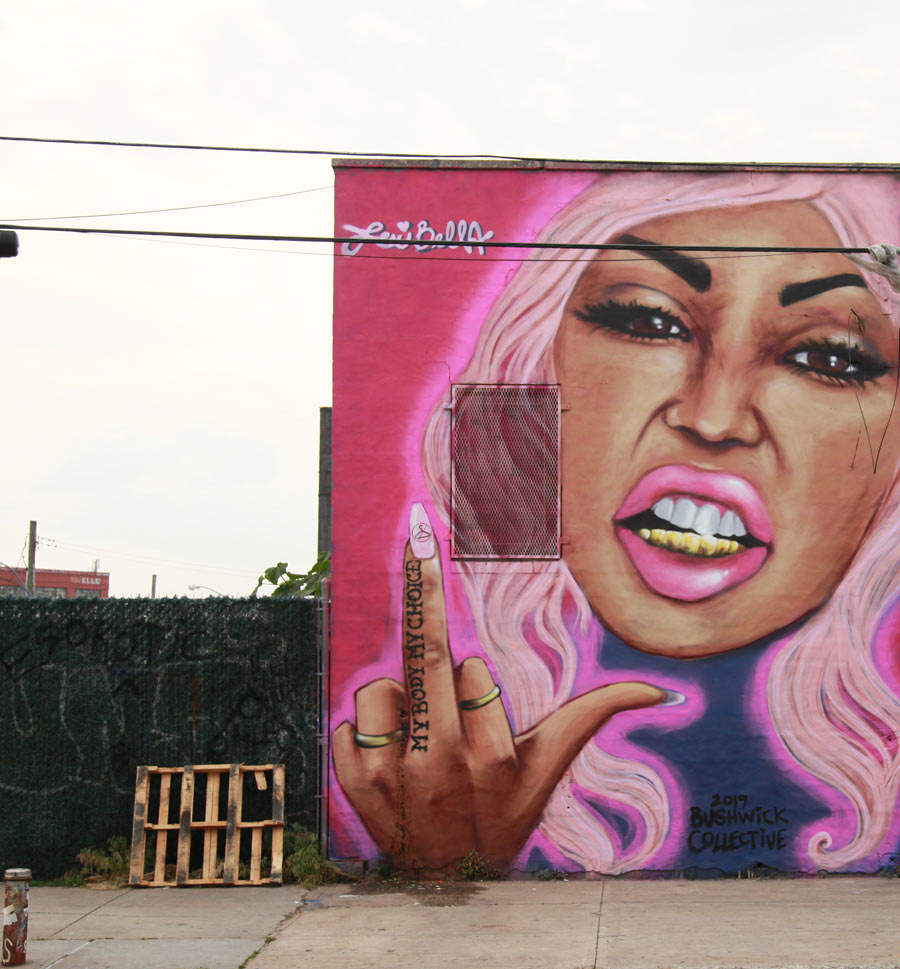
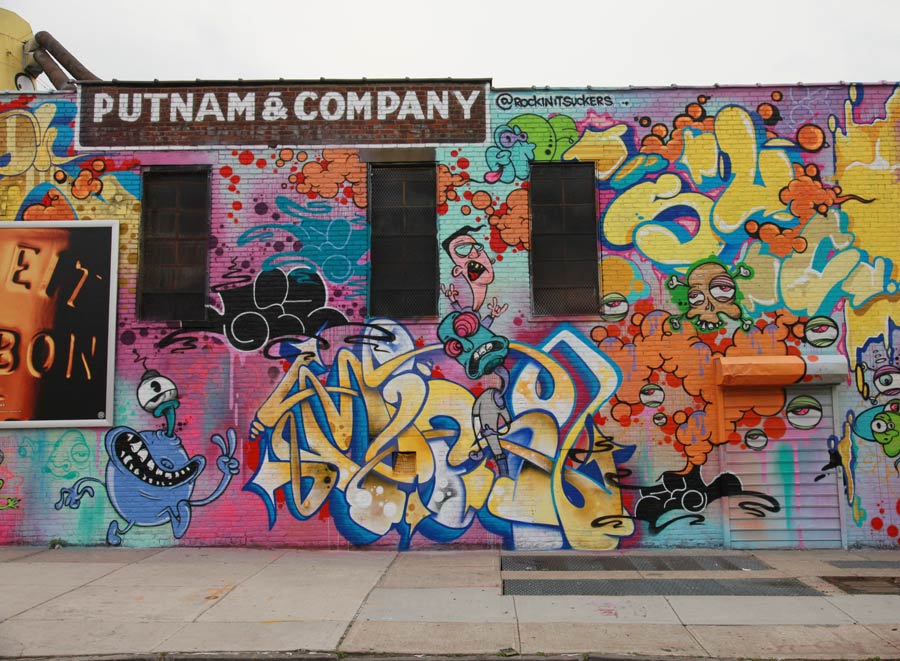
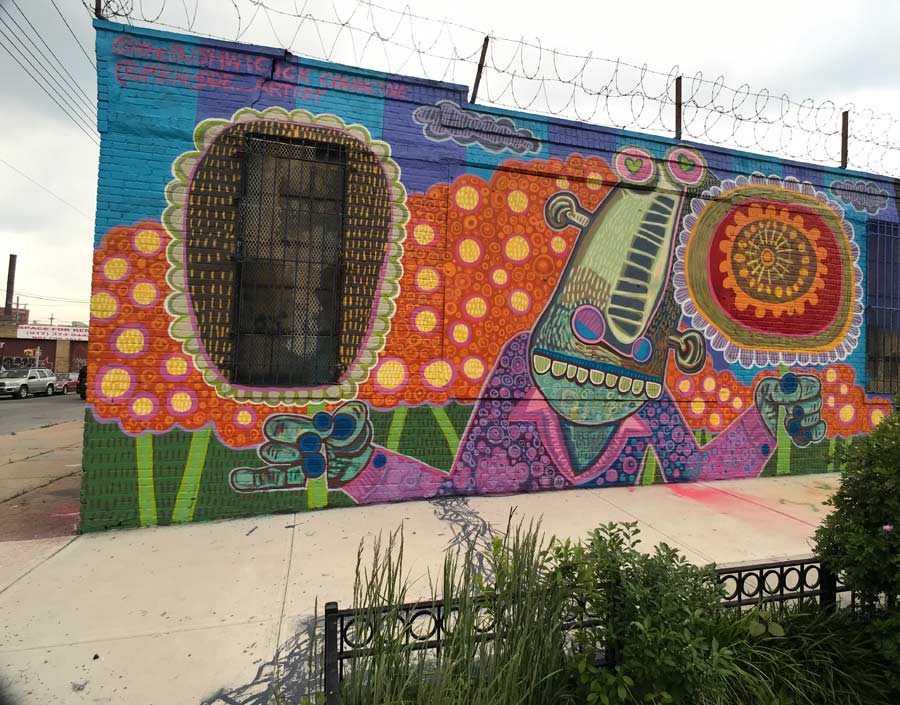
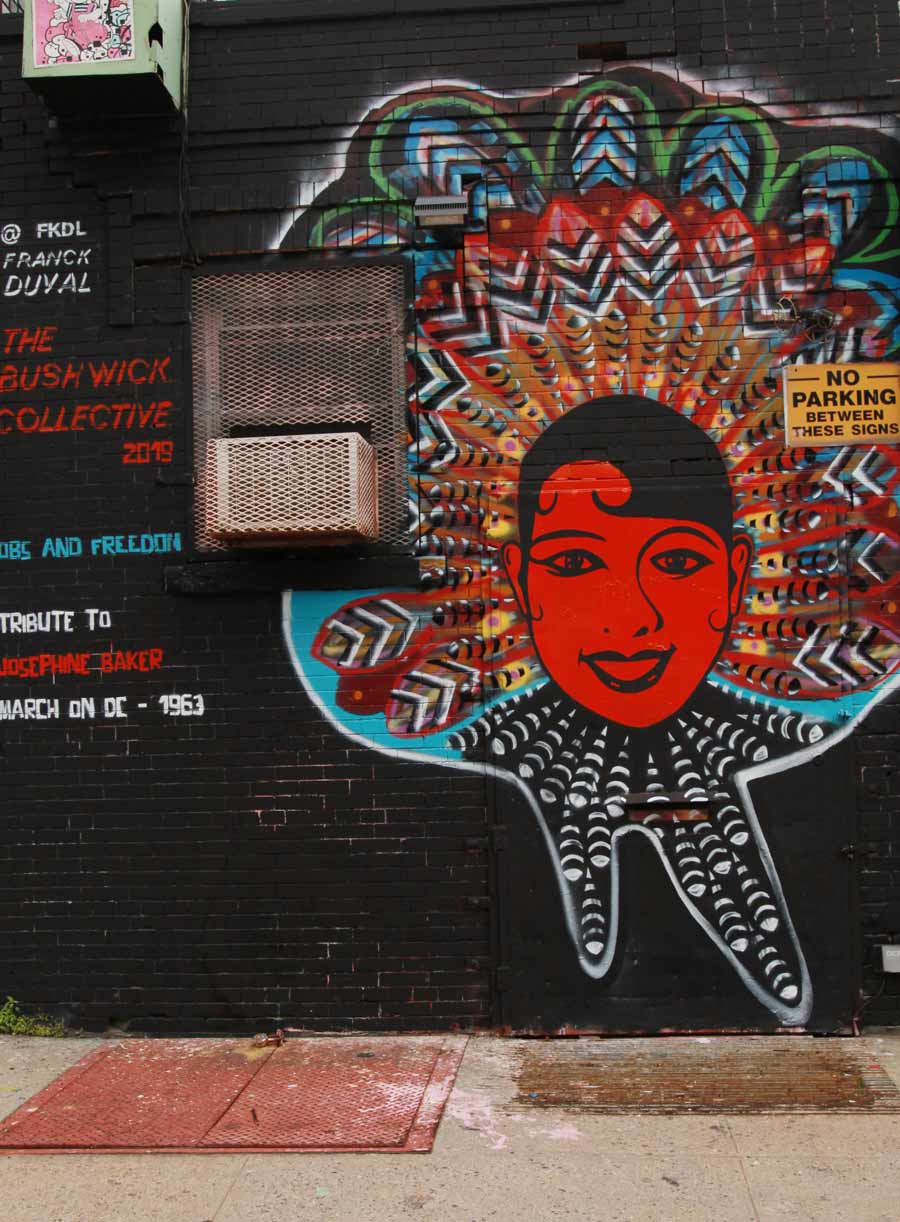
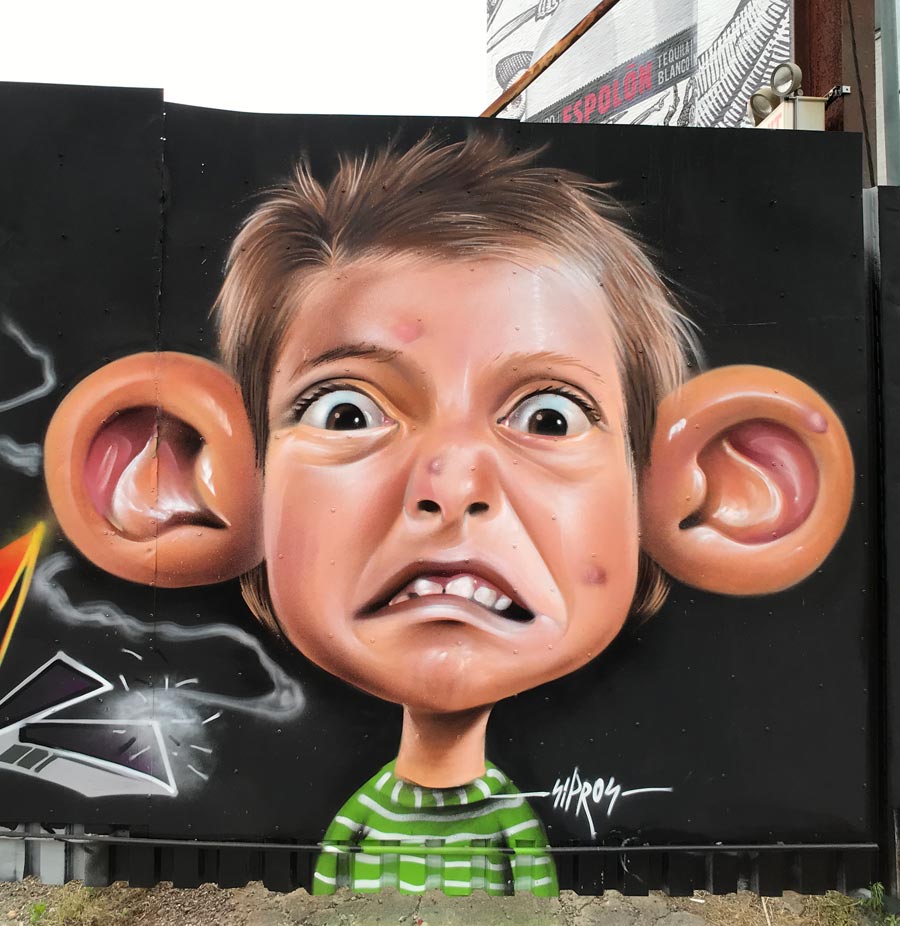
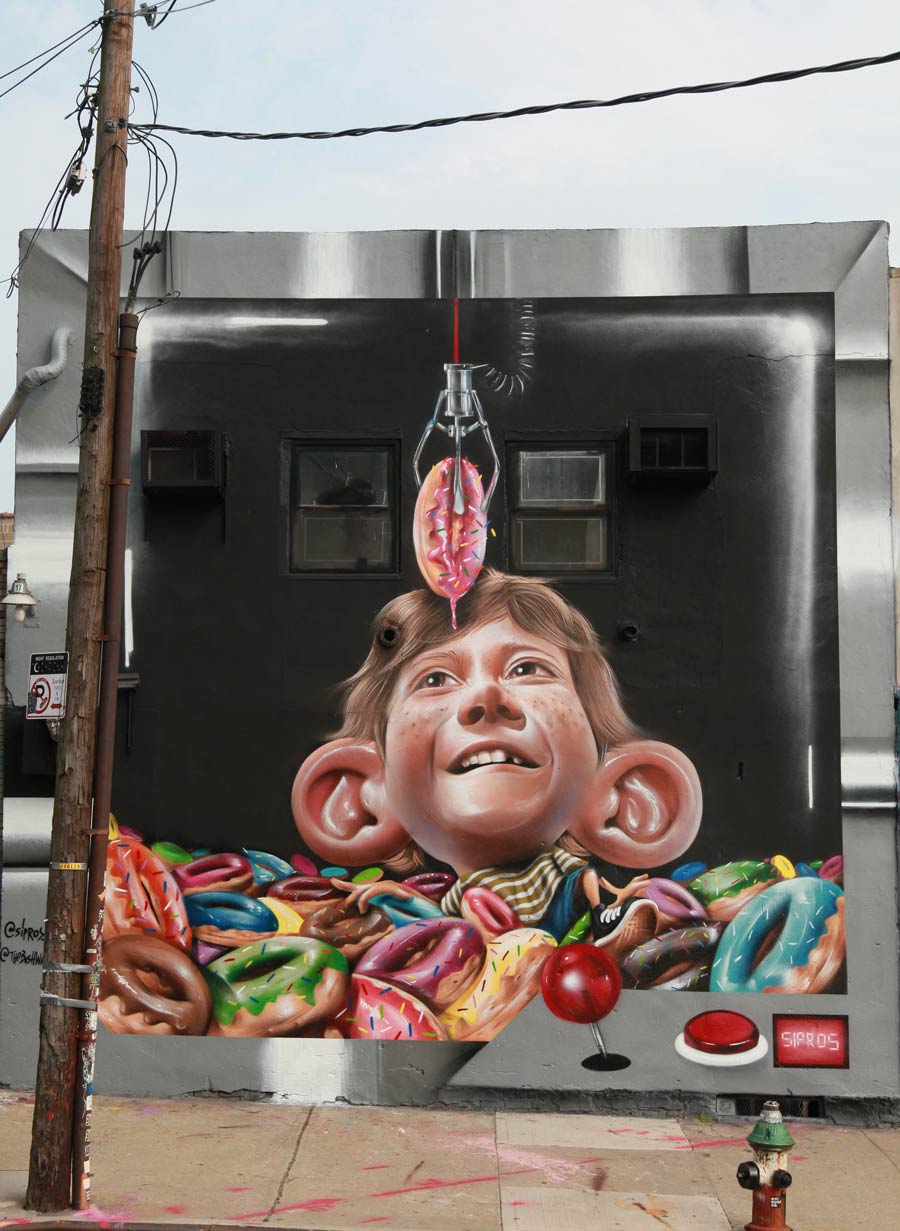
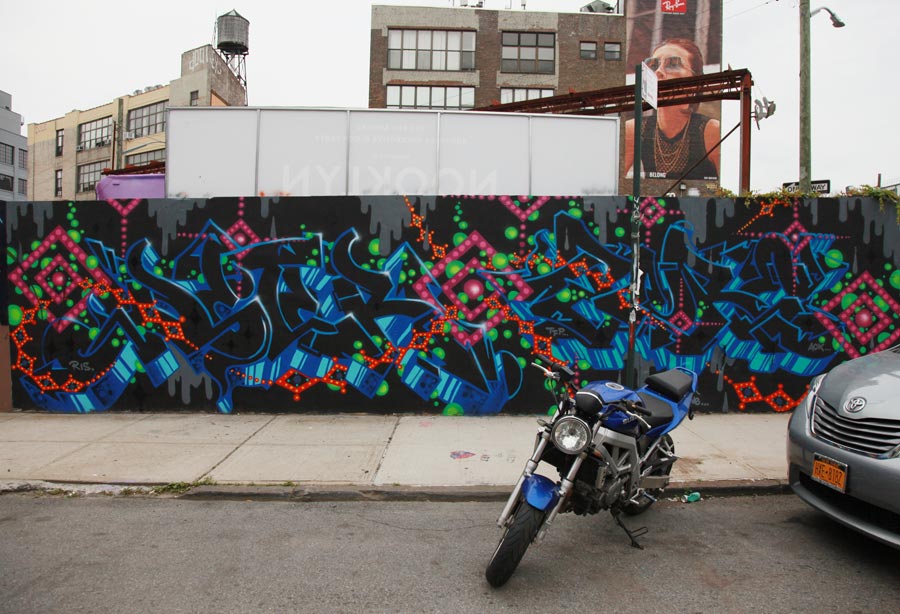
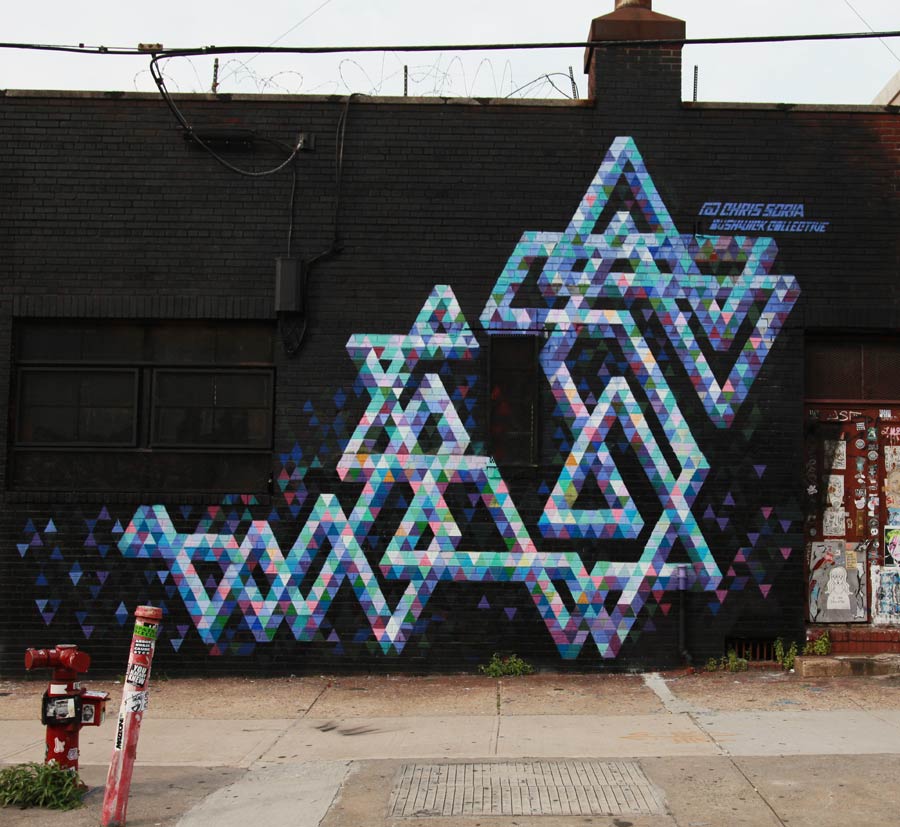
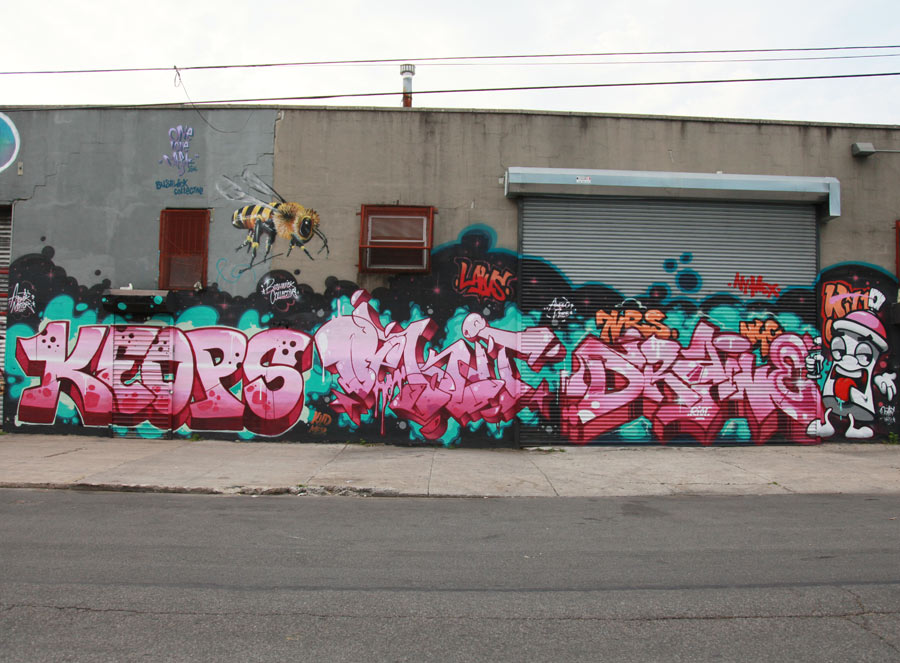
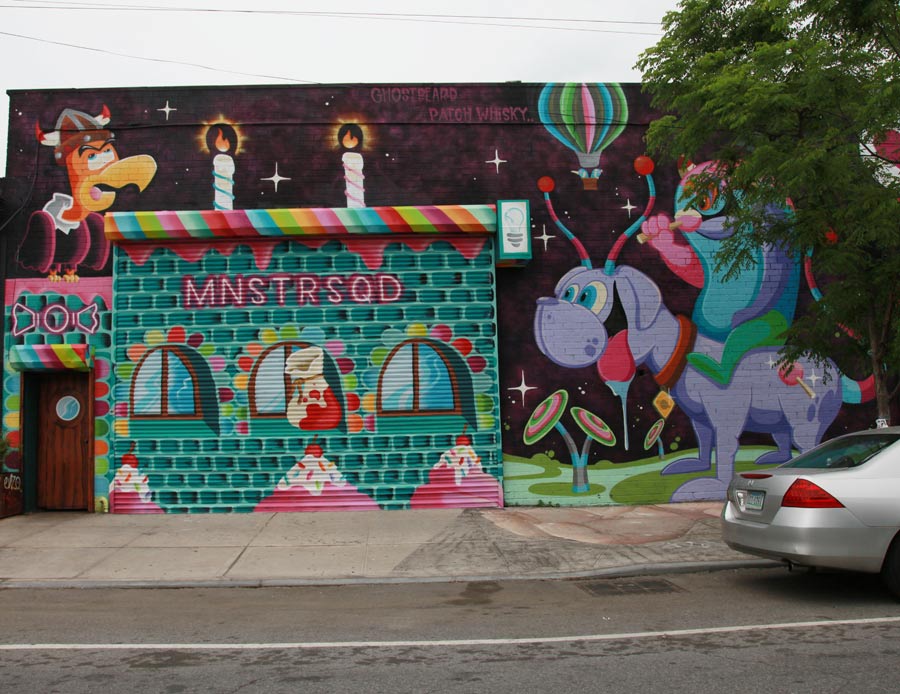
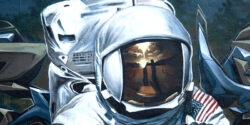
This week’s BSA images pull together some of the stronger graffiti writers we’ve seen lately, cutting across the range of lettering styles, holding weight on the street right now. From hard-earned handstyles and burners to sharper, more graphic approaches, they sit next to illustrators and pop-culture–driven characters that know how to travel beyond the sketchbook. Sharpened and smart, this work made for public space, shaped by repetition, risk, and a clear sense of visual authority.
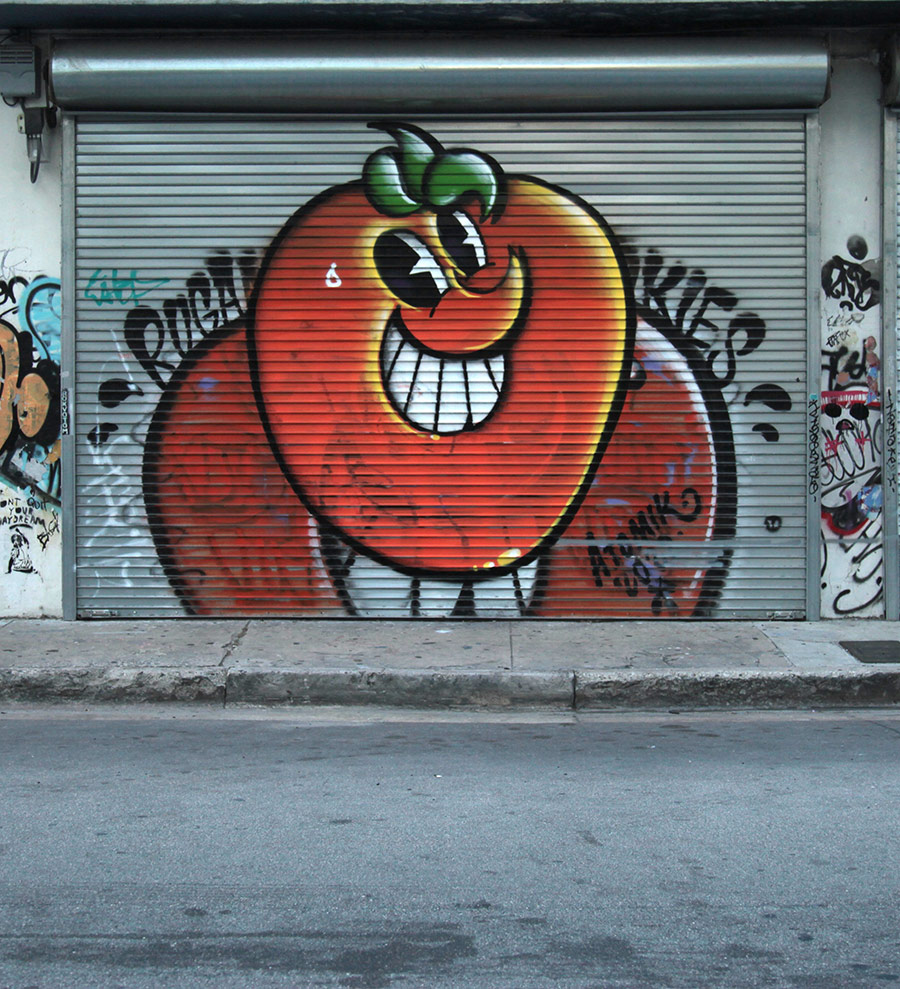
So here is our interview with the street, this week including Atomiko, Dirt Cobain, DJJS1, Elena Rose, Jamie Hef, Jest, Keds, Klonism, Mena Ceresa, Meres One, MUL, PHYBER, Queen Andrea, Skewville, Souls NYC, TOPAZFTR, and Zulimar Mendoza.
It’s our first snowy December day with swirling clouds of the white snowflakes swirling around you with cigarette butts and potato chip bags and pine snippings from the Christmas tree salesman name Pierre on you block. The First night of Hanukkah is tonight — best wishes to our Jewish friends and families across the city. Menorah lightings and Festival of Lights gatherings are popping off in Brooklyn at Grand Army Plaza, down at the South Street Seaport, and over on Pier 17, where a LEGO menorah is doing what LEGO does best: being quietly indestructible. Expect music, food, treats, face painting — the whole megillah.
The holiday hum (and humbug) carries through the month with holiday markets at Union Square, Columbus Circle, and Bryant Park. For all your ice capades, New York offers Bryant Park (Midtown), Wollman Rink (Central Park South), LeFrak Center at Lakeside (Prospect Park), World Ice Arena (Flushing Meadows–Corona Park), and the FDR Drive (Lower East Side) after it floods, weather permitting. Yes, that tree is lit and doing its annual job of reminding everyone they live in New York, not wherever they came from. Add in these amazing periodic Fifth Avenue street closures when you can literally run on the streets — these rare moments when pedestrians get the upper hand — and the city briefly becomes what it’s always threatening to be: festive, walkable, and almost humane.
Of course, depending on which headline you read, all joy is apparently set to expire on January 1. Certain tabloids would have you believe the city is one Mamdani mayoral term away from collapse, chaos, and moral freefall. That’s one way to welcome the new guy. But if you’ve lived here longer than five minutes, you already know the script — New York absorbs the panic, shrugs off the noise, adapts, and keeps moving. Ideally on foot. Preferably with a hot chocolate.
Zohran Mamdani is a New Yorker, part of the long line of immigrants and children of immigrants who built this city and, frankly, the country. While we’re at it — love to our Muslim friends and families across the five boroughs. New York works best when everybody’s in the room. Happy Hanukkah, Christmas, Solstice, Kwanzaa — and to everyone else, good luck making it to January.
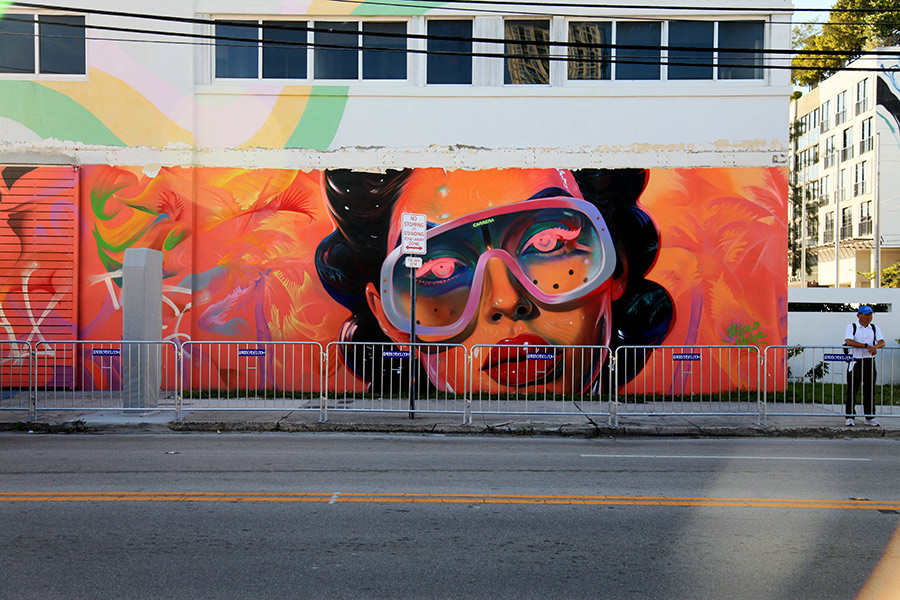
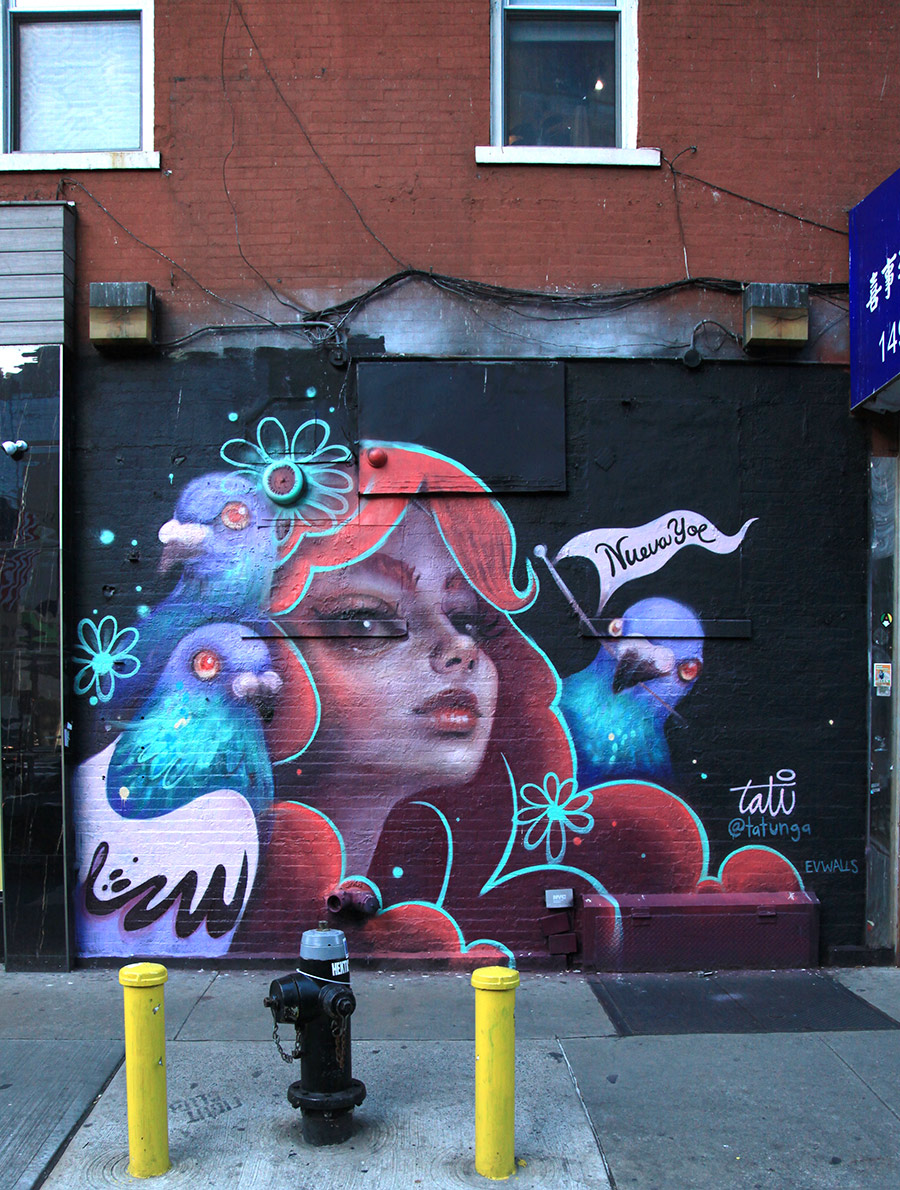
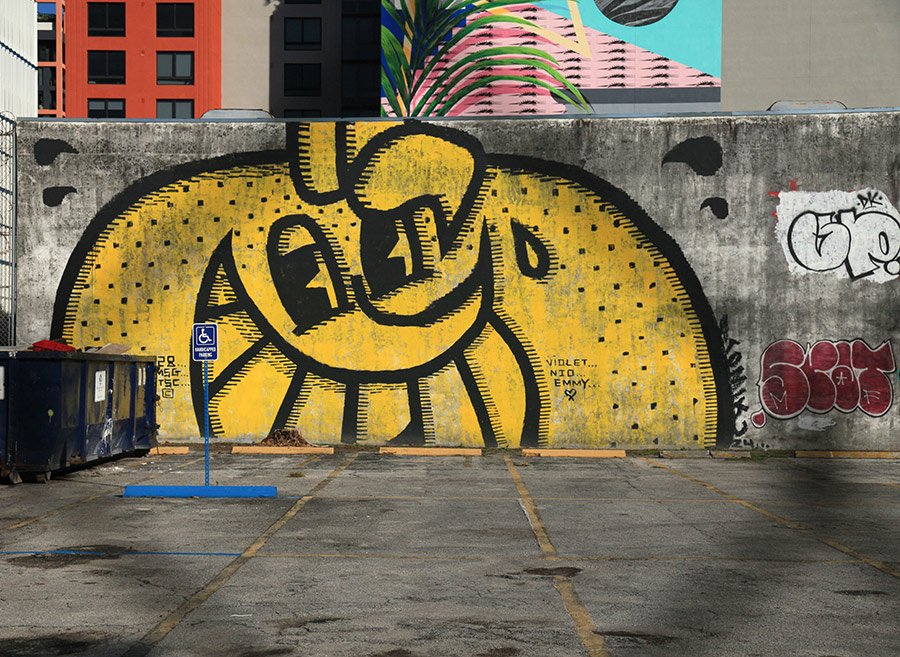
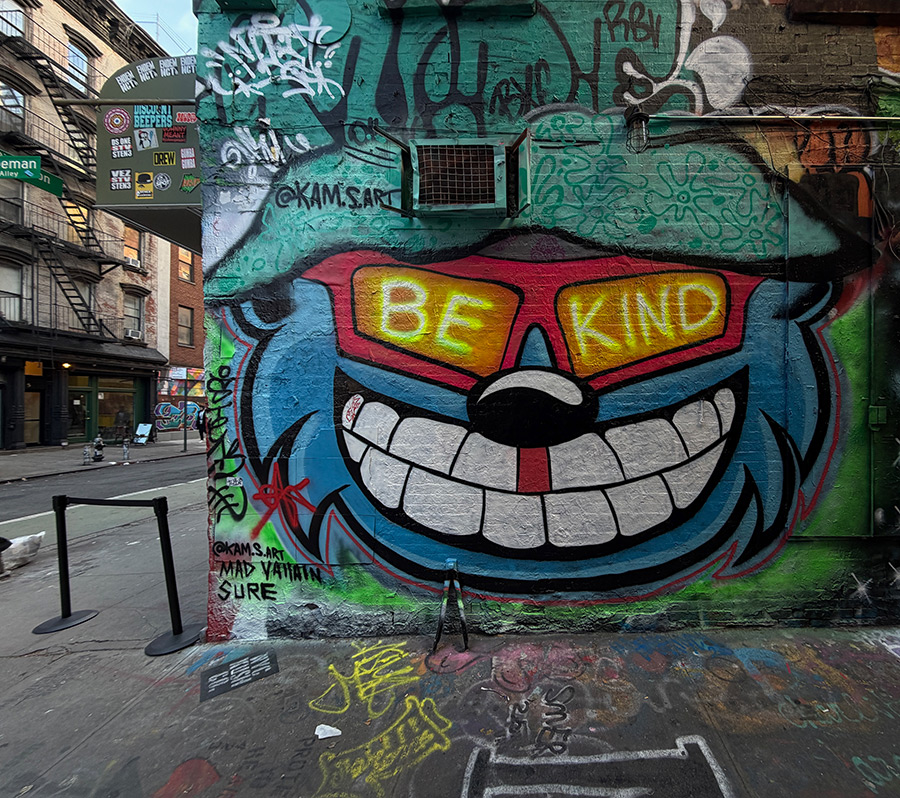
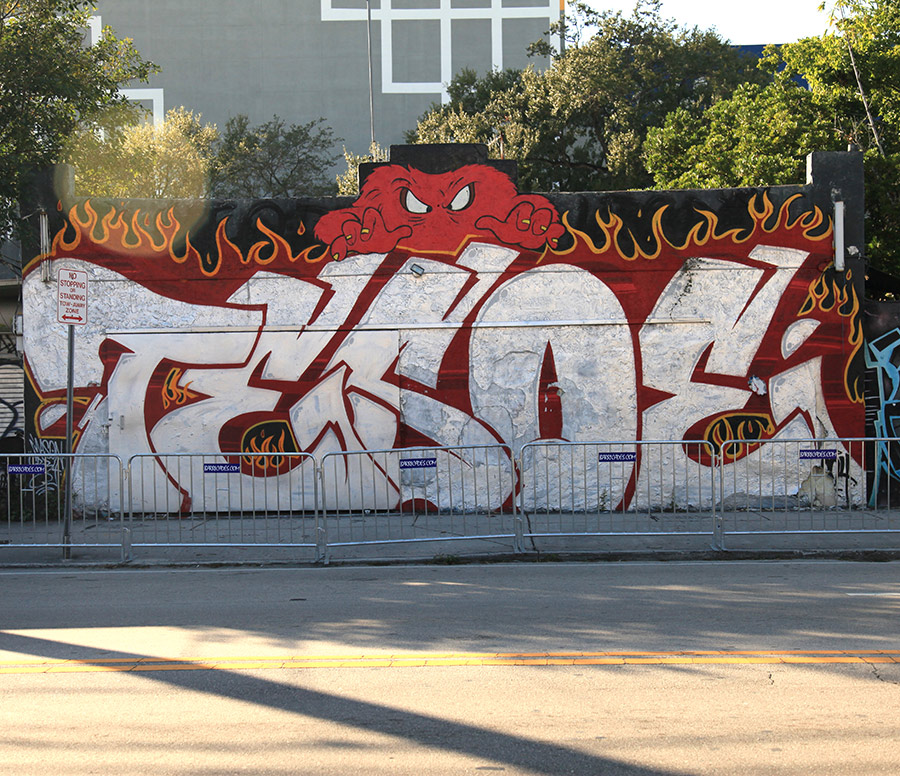
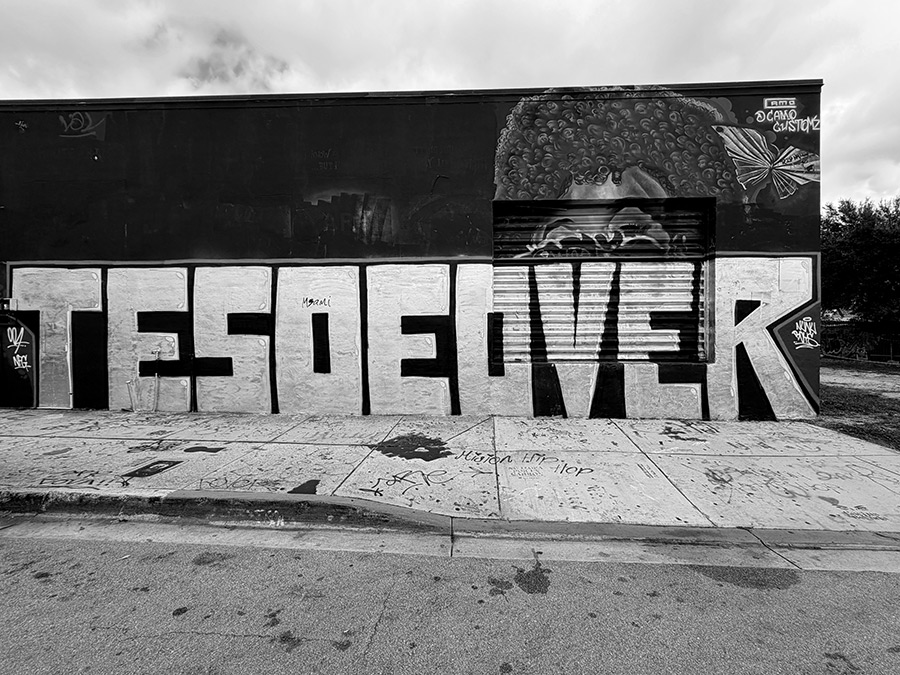
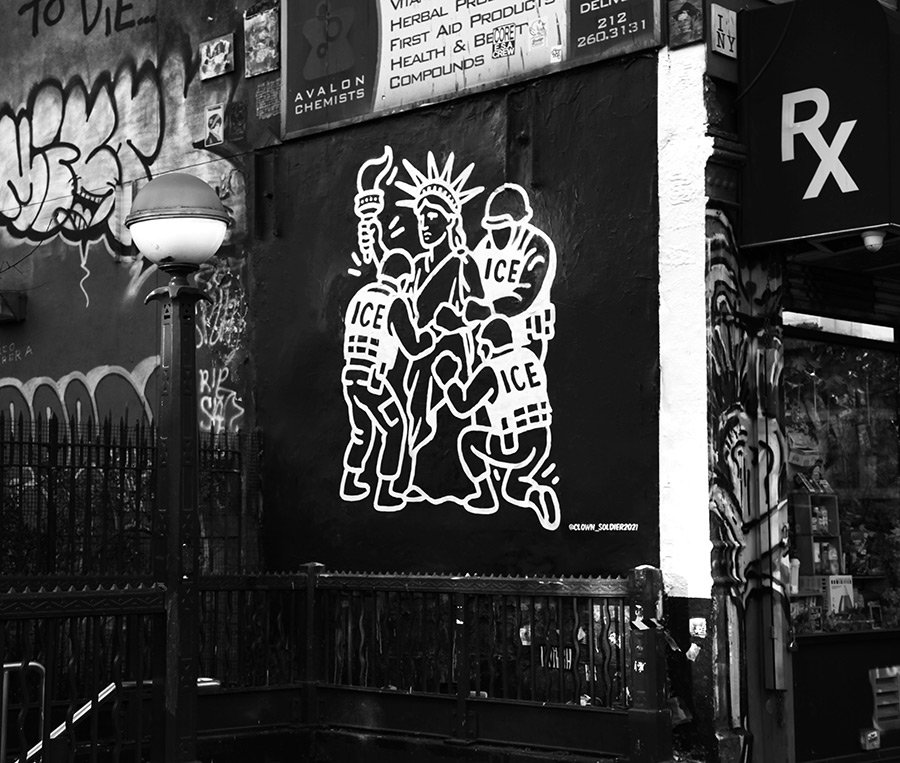
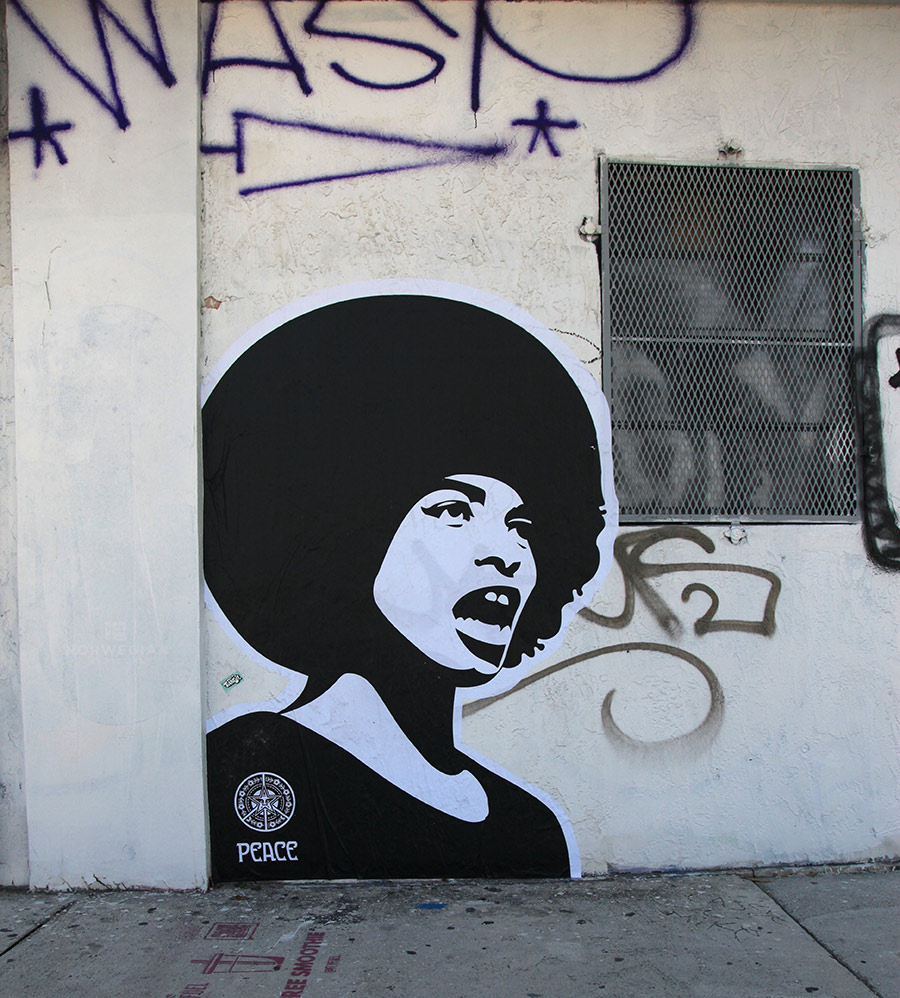
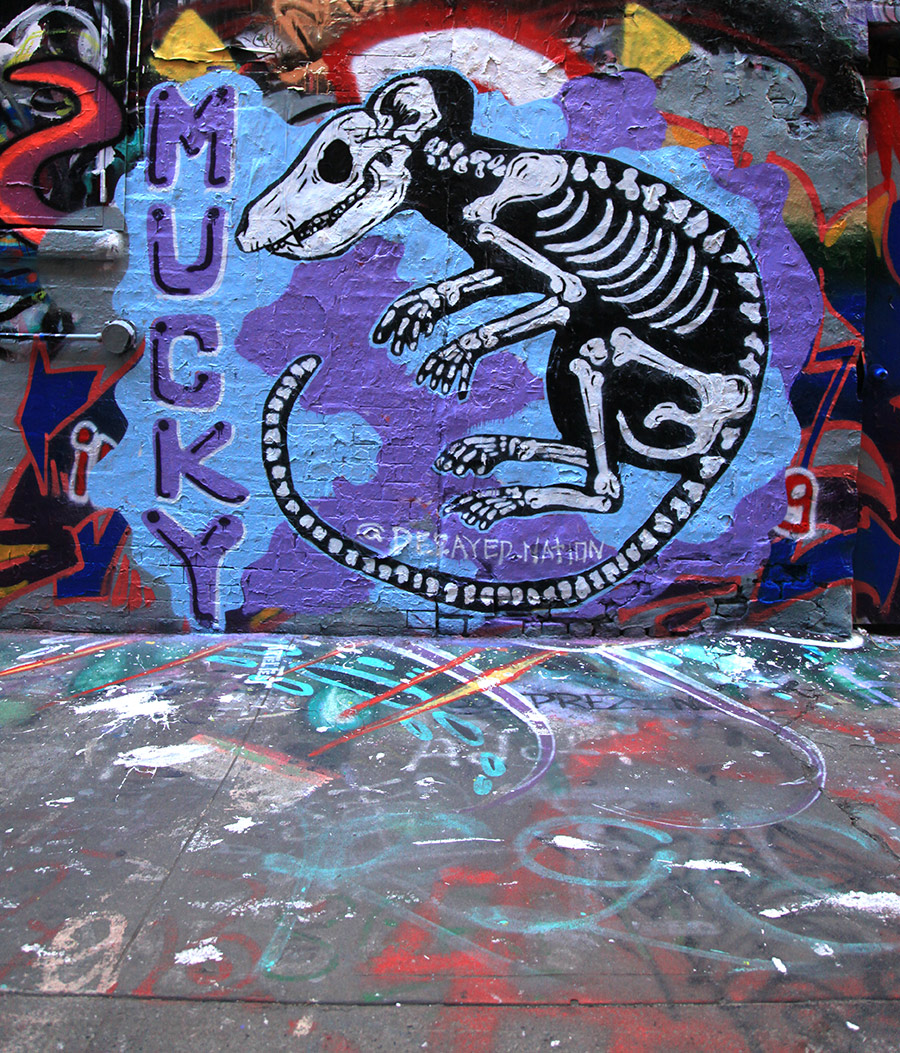
This week, our interview with the streets has a Miami hangover and a New York winter cold snap (slap), with new murals, graffiti pieces, and street art conversing with you as you march to the subway, laundromat, or ice-skating rink. Artists and writers and street scholars this week include: Atomik, Clown Soldier, Cruze Oner, Daniel Lloyd, Dreamscape, EXR, Hiero Veiga, INFOE, Kams Art, Lexi Bella, Mesper, Mr. June, Mucky, Shepard Fairey, Tati, Tesoe, Werds, Zoot, and Zwon.
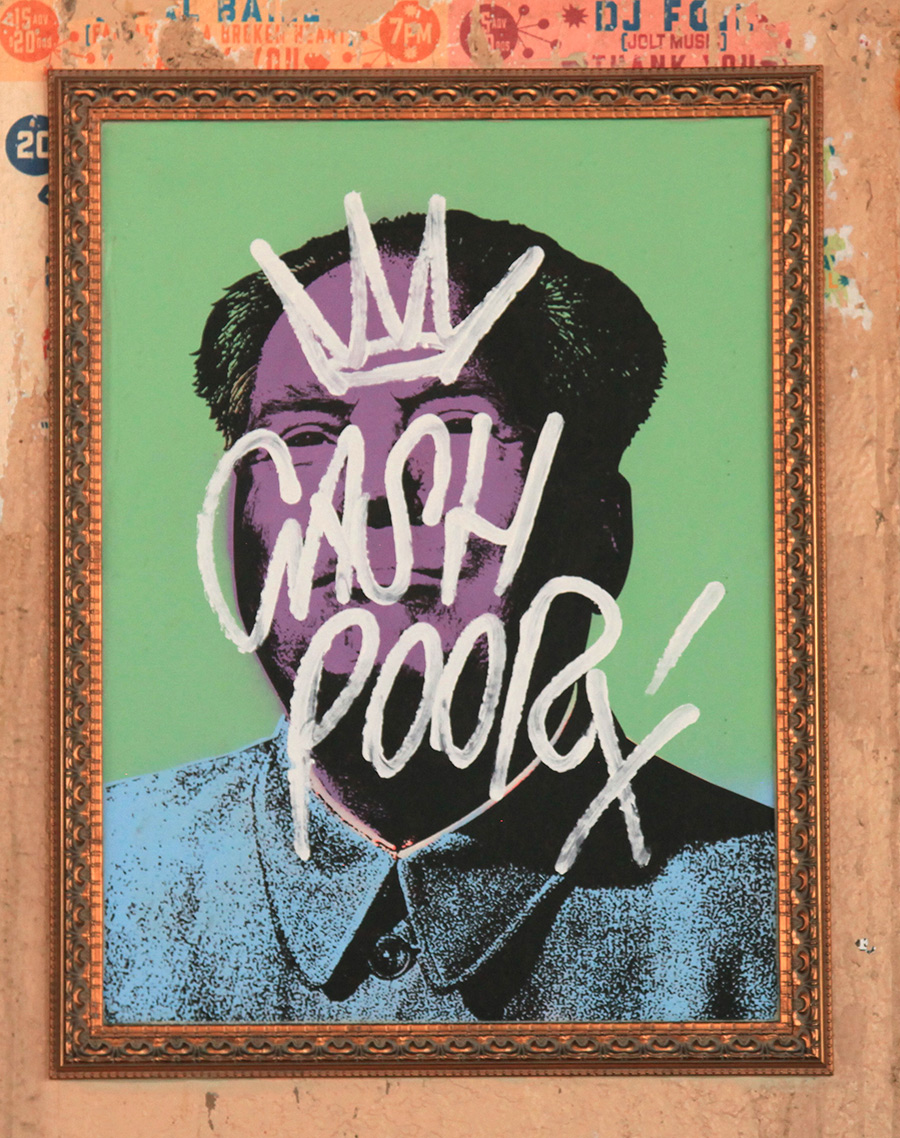
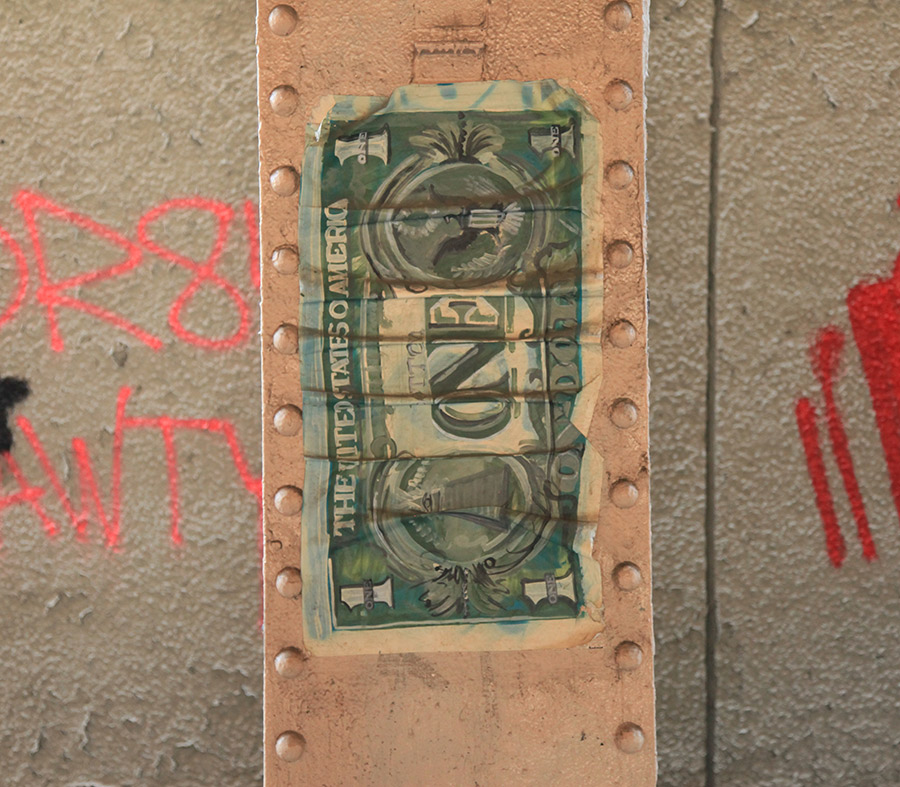
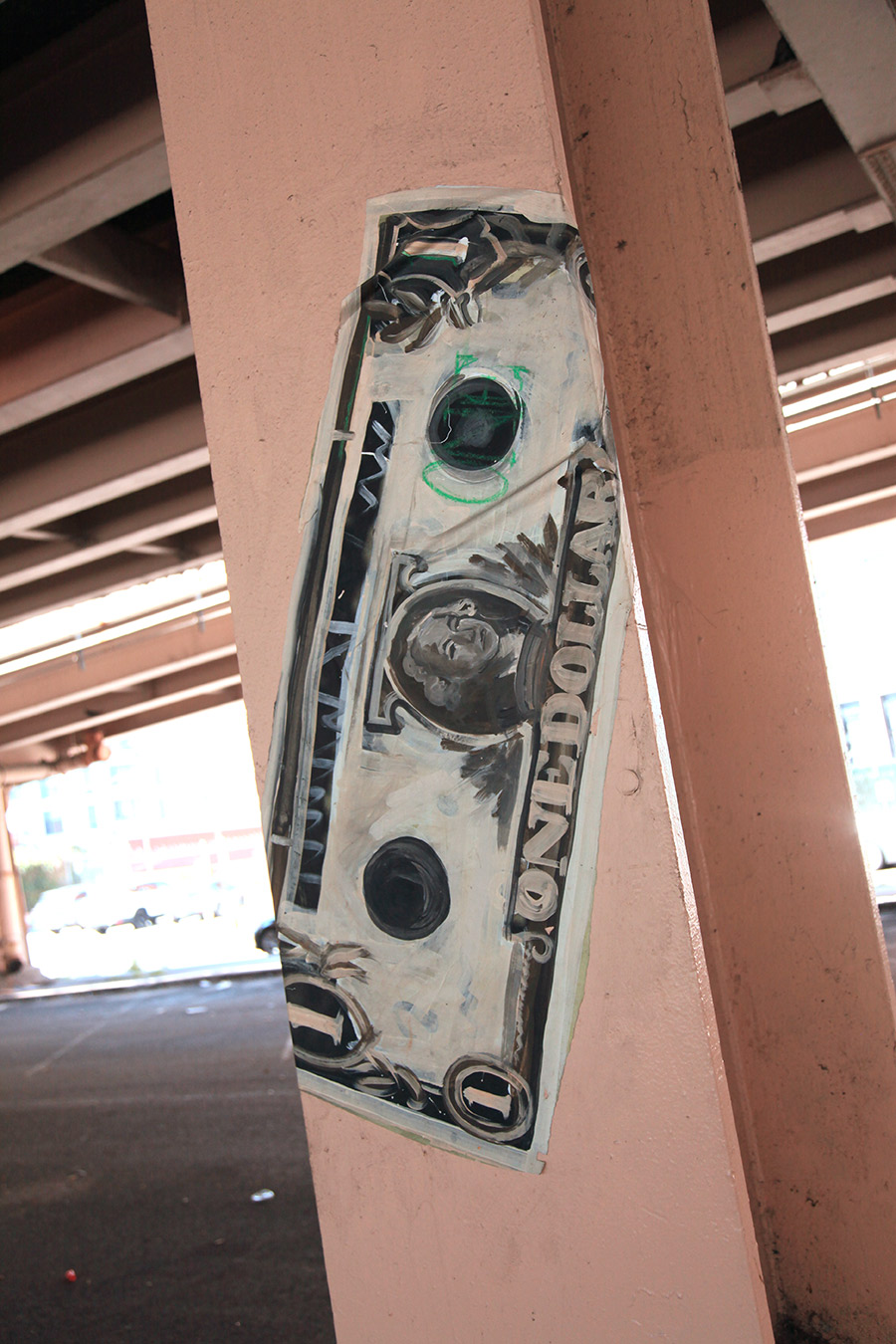
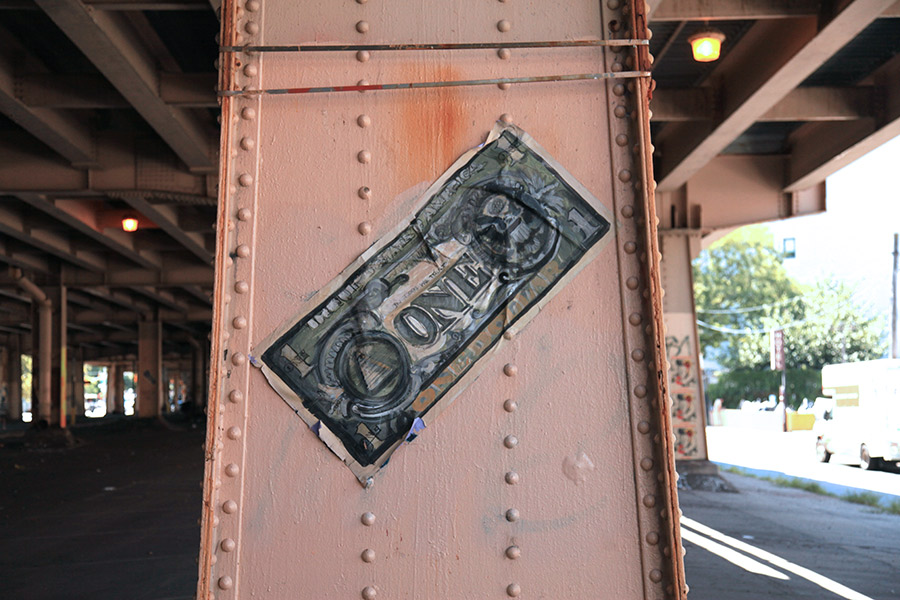
When discovering a series of currency-themed street art in the city this week, we were reminded of the relentless daily pressure there is today to make ends meet—and of the regular headlines showing how the big players run their own schemes to squeeze the public. It also calls to mind the 1980s hip hop track “What People Do for Money” by Divine Sounds, with its sly reminder: “They’ll sell their soul to the devil, just to make a dime.” (See video at end of posting)
Whether it’s war profiteering, scamming public programs, turning charities into piggy banks, buying up public goods to squeeze ratepayers, or preaching salvation from the cabin of a private jet, corporations, banks, and street hustlers only differ in scale, not intent.
From the street perspective, this may look like the same hustle that they do – but with a press release accompanying it.
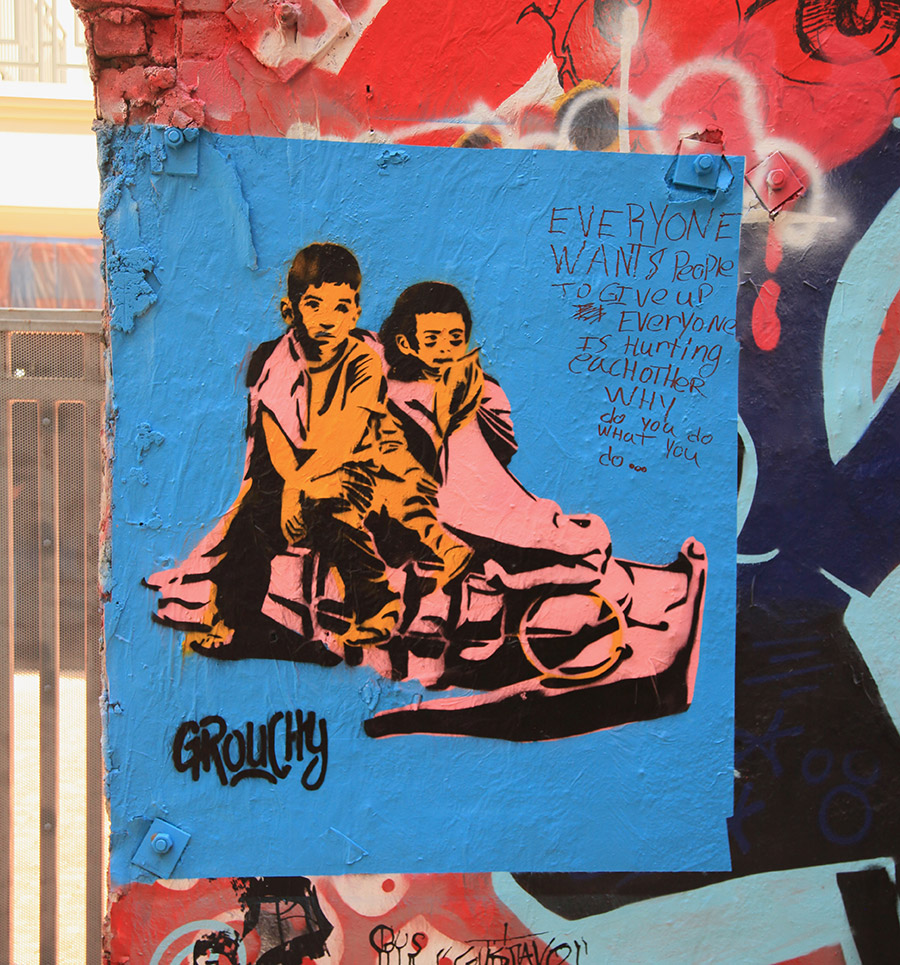
Here’s a survey of our weekly interview with the street, featuring Atomiko, Cash4, Drones, Grouchy, Jappy Agoncillo, Rene Lerude, Skewville, TFP Crew, and Zexor.
Welcome to BSA Images of the Week! Eid Mubarak to all observing today. Happy Puerto Rican Parade to todos nuestras hermanos y hermanas. We’re grateful to live in a city that celebrates many traditions with such heart. That’s why it’s always perplexing to see Ken and Barbie-types on the national stage vociferating about DEI as if it were a mold on the back wall of your refrigerator. Equality has always been the point.
Banksy’s recent mural in Marseille, France, continues the Bristol artist’s tradition of indirect yet emotionally charged communication. Painted on Rue Félix Frégier, the black-and-white stencil depicts a lighthouse, accompanied by the phrase “I want to be what you saw in me.” Cleverly integrated into its environment, the mural uses the shadow of a nearby street bollard to serve as the lighthouse’s beam—an understated but remarkable visual device.
Interpretations vary, but we’ll venture one: it reads as an oblique critique of nations or institutions once seen as guiding lights—sources of moral or cultural leadership—that now appear directionless or diminished. The lighthouse, in this reading, becomes a symbol of lost purpose. Aware that no one looks to it for guidance anymore, it expresses a quiet resignation, perhaps even grief. Poor lighthouse. The Smithsonian magazine says its just a straightforward plea for attention from the artist. The view may seem surprising, but more astonishing is that the Smithsonian weighed in at all.
Now it’s your turn to be the armchair psychologist or social analyst.
This week in break-up news, the U.S. President and the Twitter tycoon who would be king took their grievances public, trading jabs on social media in a battle to tarnish each other’s image. Each was presumably trying to damage the other’s perception in the public eye, although that hardly seemed necessary. As George Clooney’s Edward R. Murrow put it last night, live on Broadway and live broadcasted on network television: ‘Good night, and good luck.’ As ever, it’s more about control and good money than anything else. It makes you wonder if either one of these guys could be sworn in as president in January ’29. Has a certain ring to it, no?
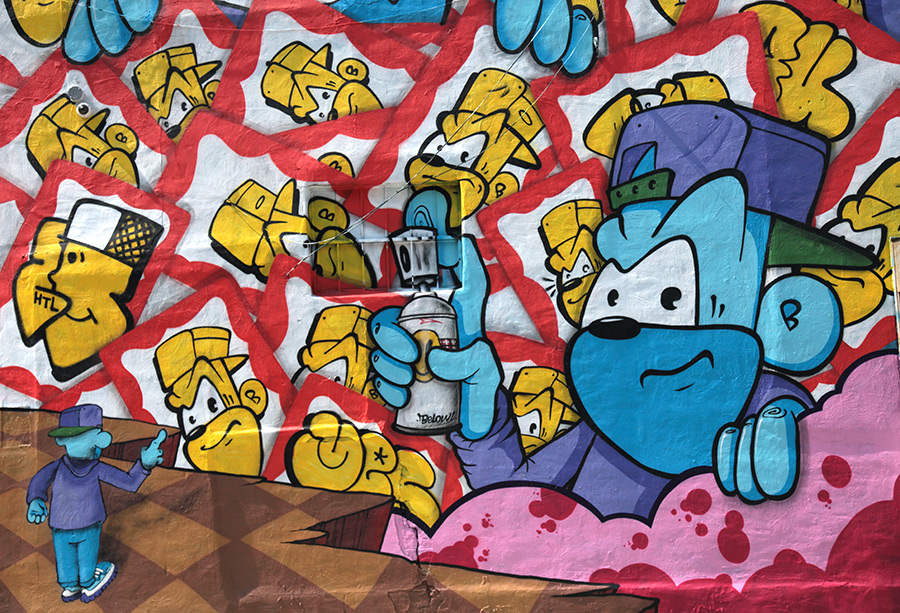
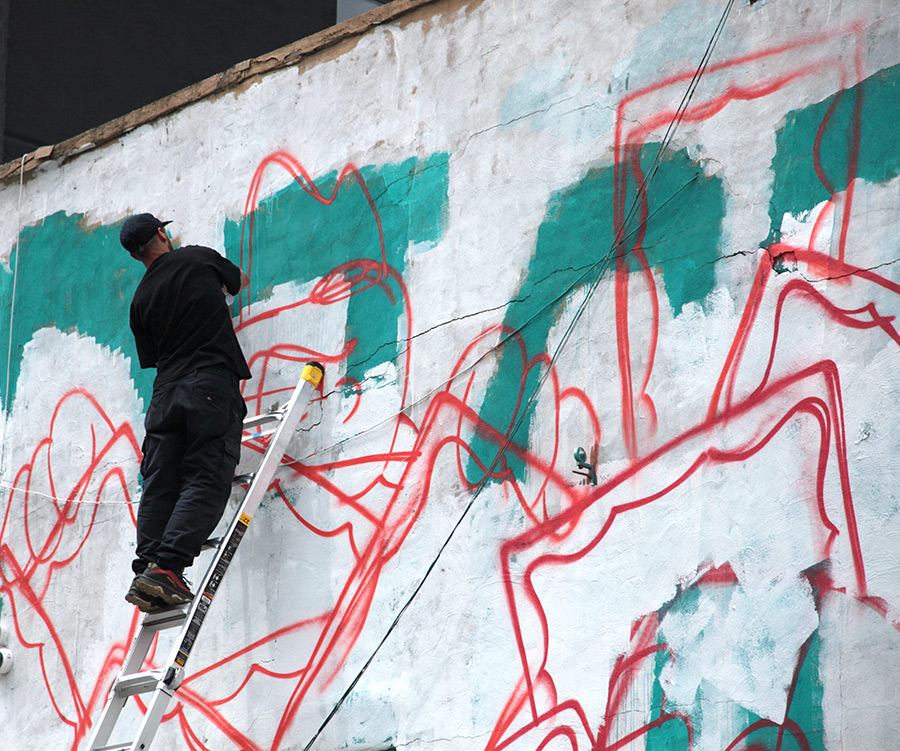
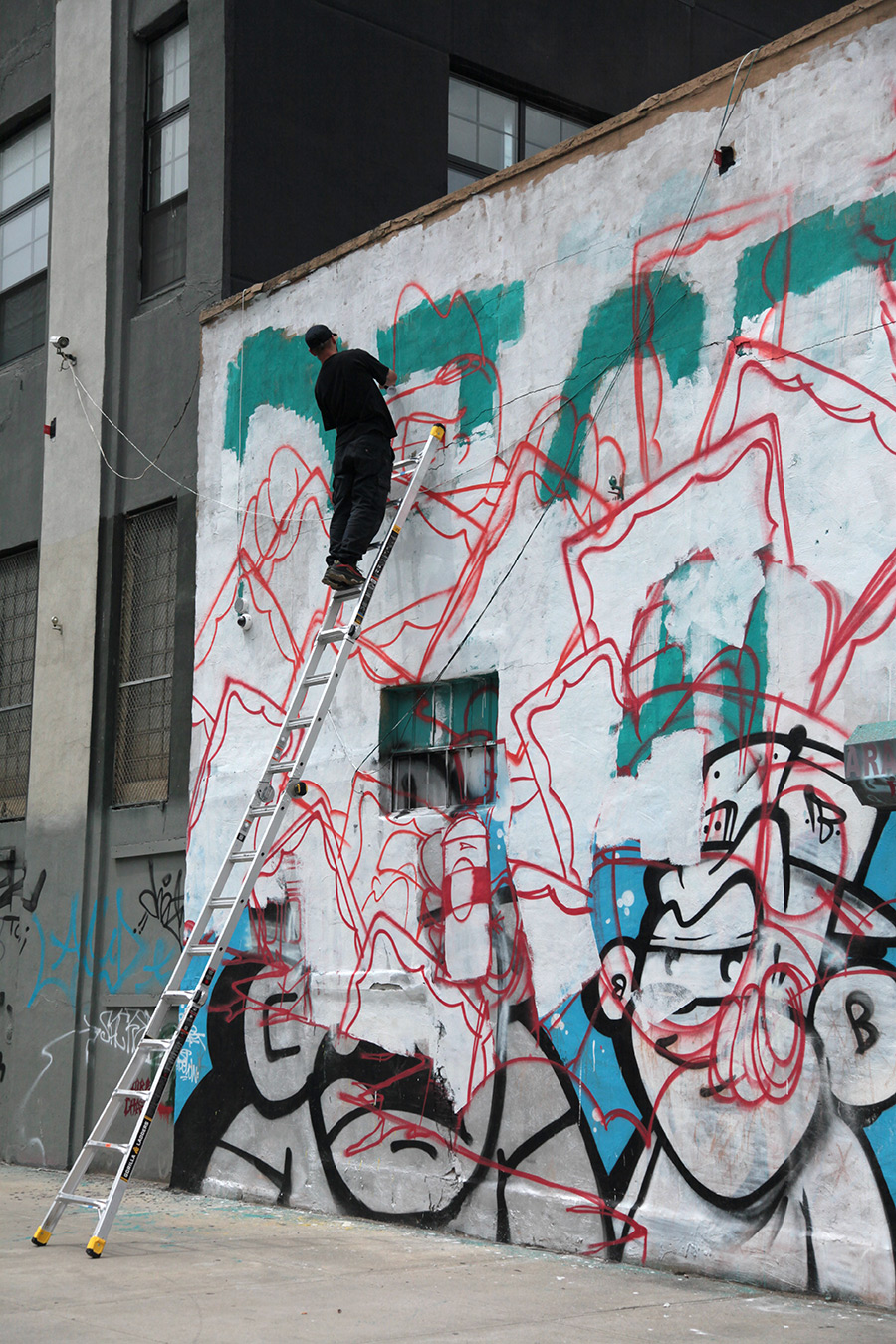
And here’s our weekly interview with the street, this week featuring 2DX, Adam Fu, Atomiko, Below Key, Chris Haven, EXR, HEFS, Jason Haaf, Quaker Pirate, Scoote LaForge, Tom Bob, and Werds.
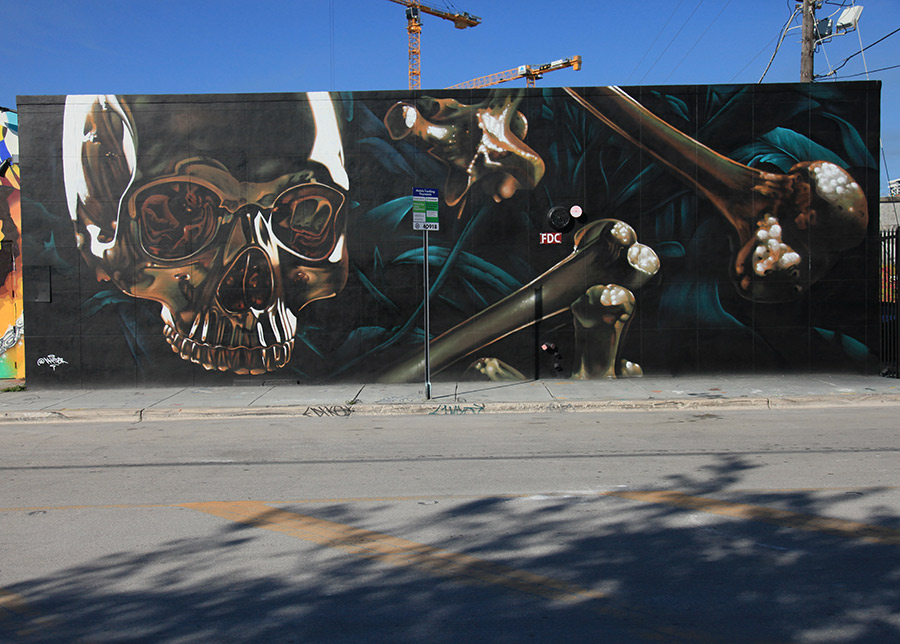
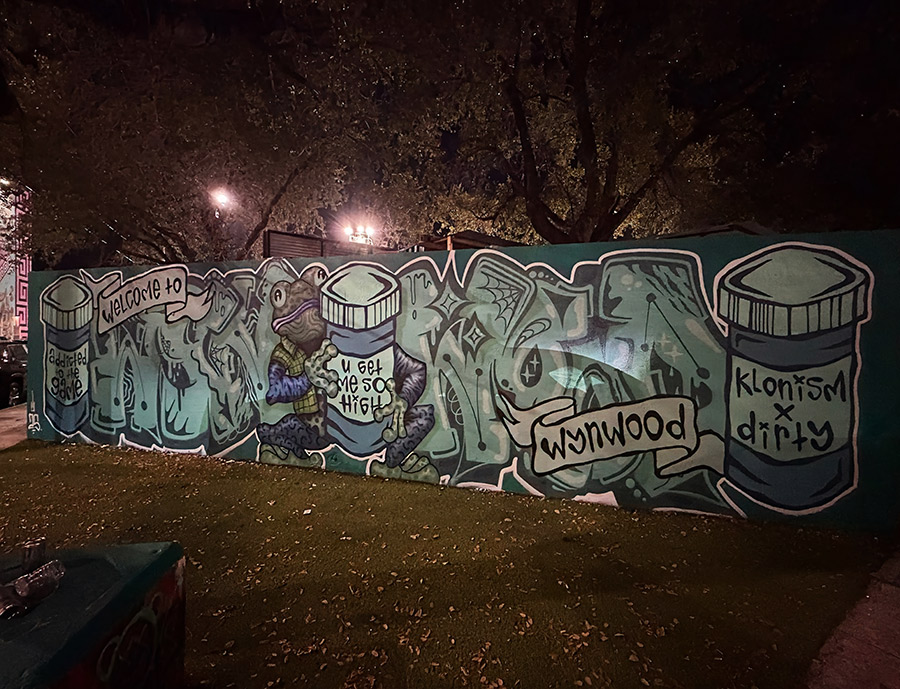
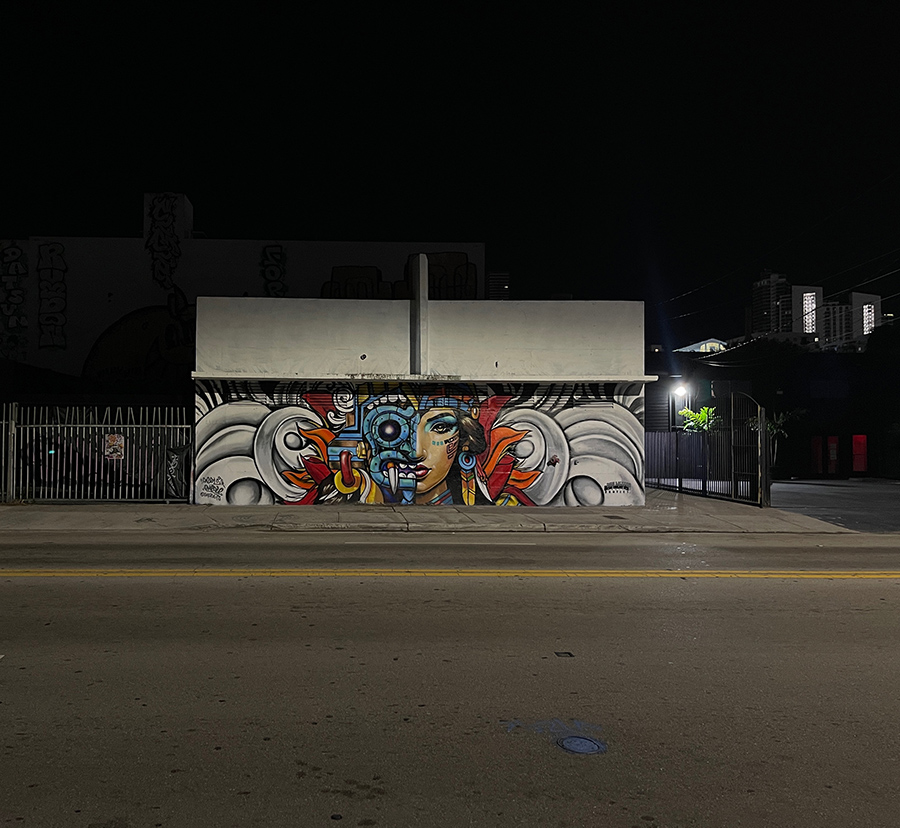
Only the richest, most aromatic coffee seems to linger in the breezes of Miami, where even winter days can carry a tropical heat that halts you in your tracks. Street art and graffiti flourish like a teenager’s restless energy, leaping unpredictably from block to block, wall to wall, driven by possibility and the city’s desire to reinvent itself. Just when you think Wynwood may have run its course, new work emerges, reminding us that the creative pulse is alive and insistent. When it comes to street art and graffiti it all starts with the artists – and the economic/social underpinnings of a city. Here are some recent highlights from this hub of creativity and inspiration.
Flags are at half-staff for former President Carter, with a national funeral service scheduled at the Washington National Cathedral on Thursday. Meanwhile, former/future President Trump is set to attend his sentencing on Friday following a criminal conviction related to hush money payments. You may not find a more stark contrast between presidents. While speculation surrounds the sentencing outcome, it is widely thought that Trump will not serve any time behind bars, a fine message to young people everywhere.
In Brooklyn, the temperature is hovering around freezing, with biting winds signaling the arrival of harsher weather across this part of the country. Few expect much new street art or graffiti this week as forecasts predict bitter cold and snow along the coast.
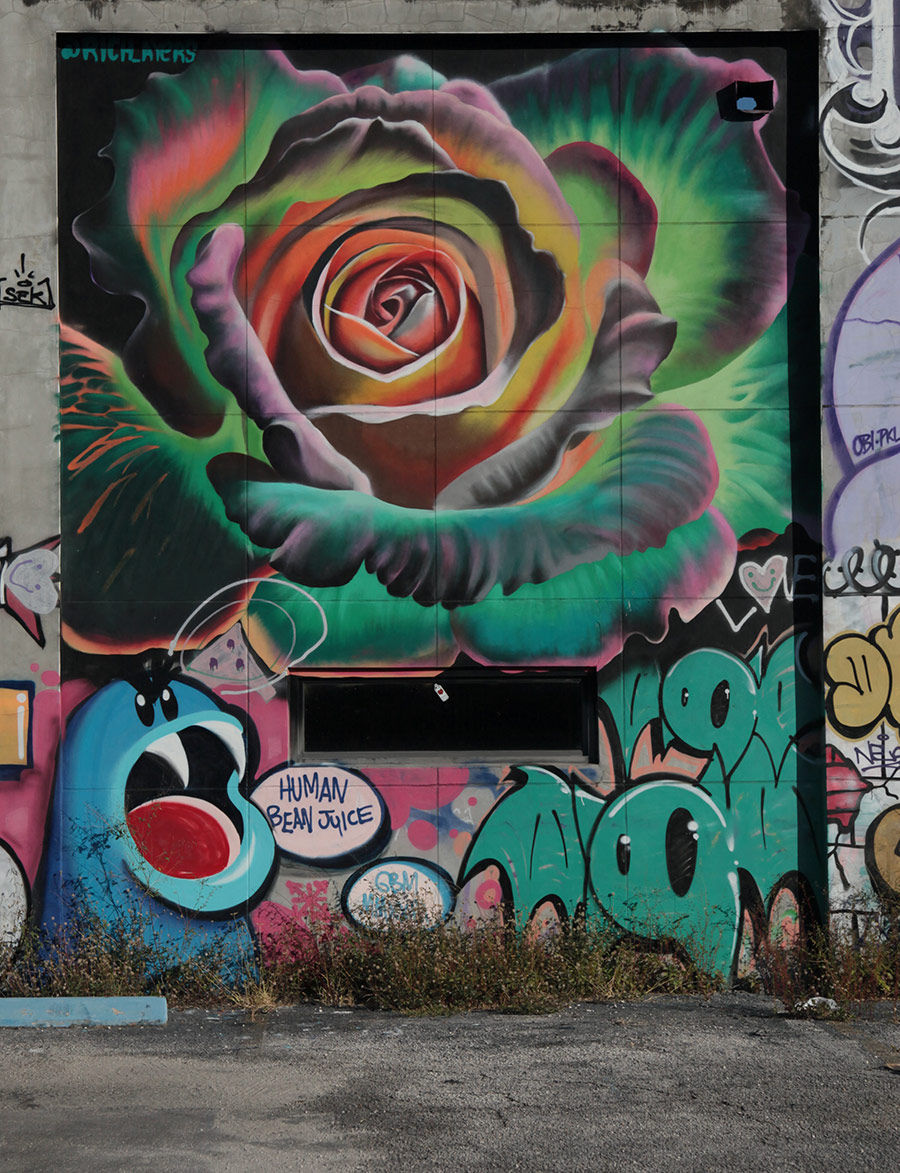
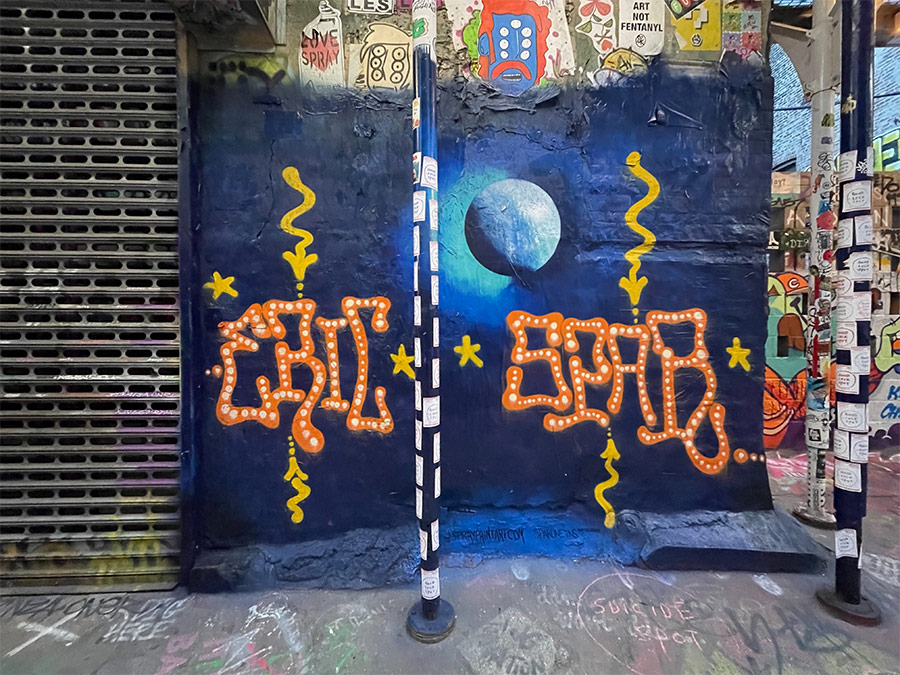
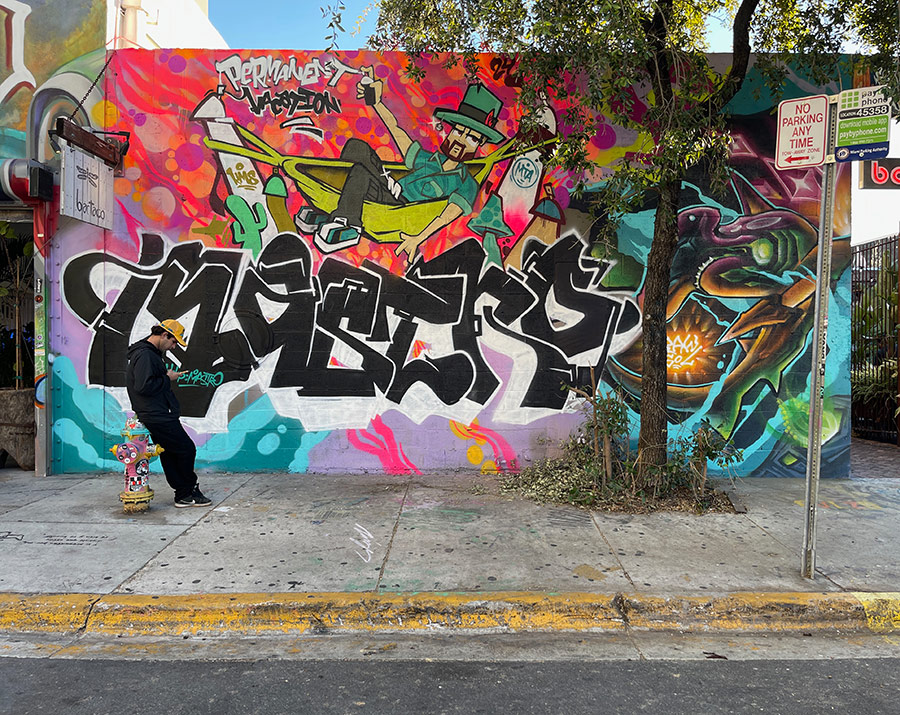
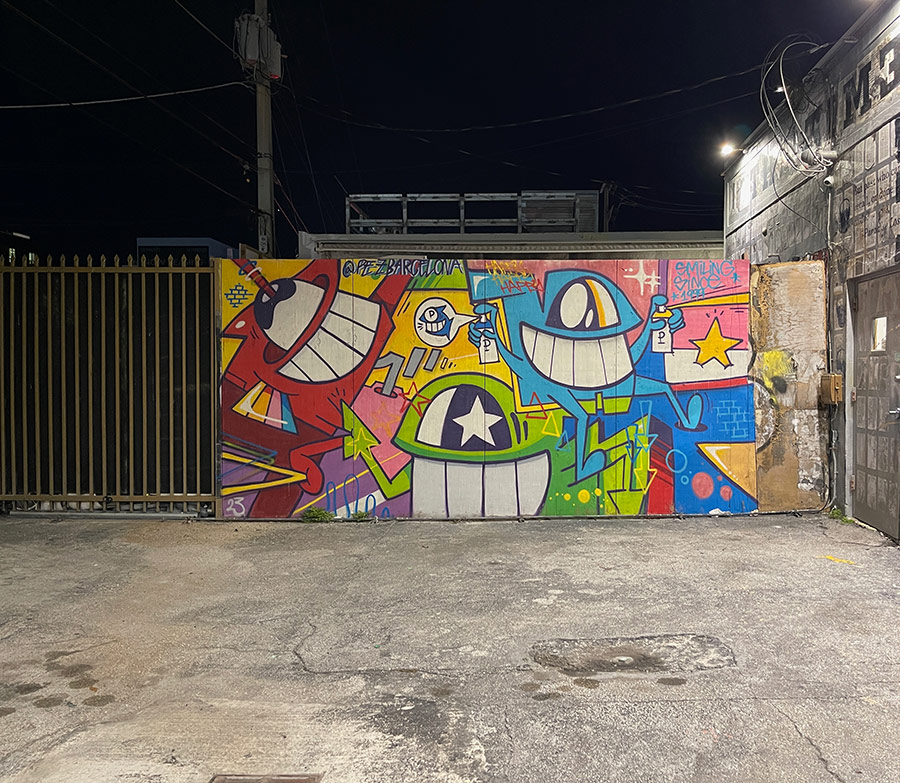
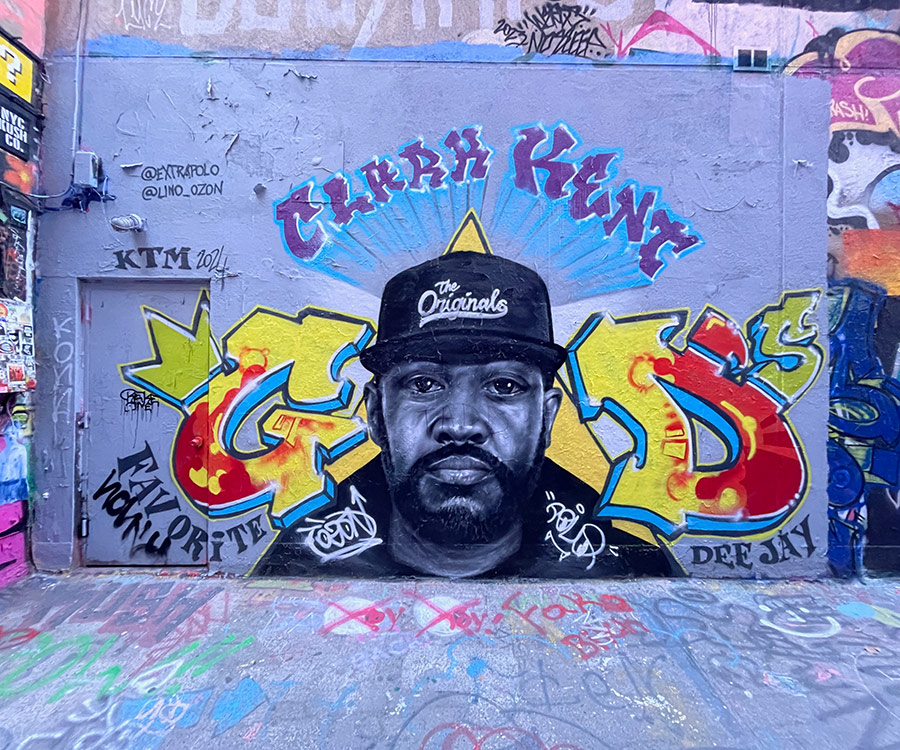
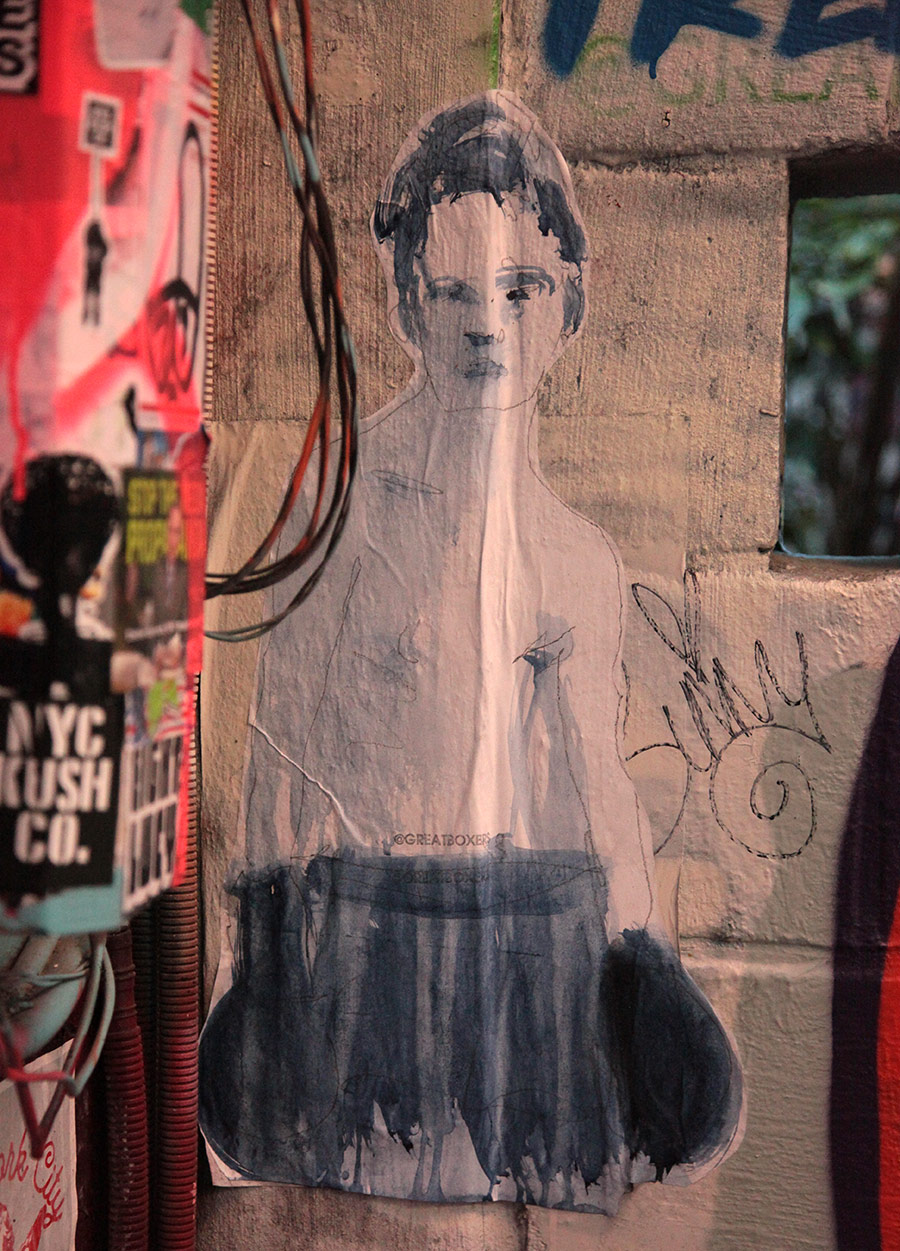
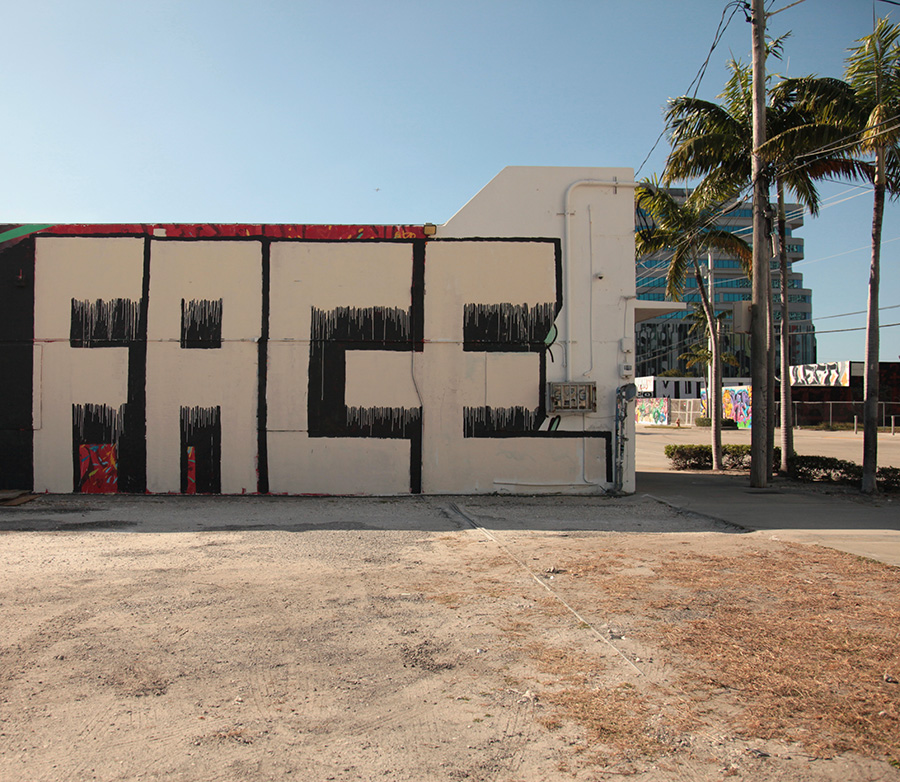
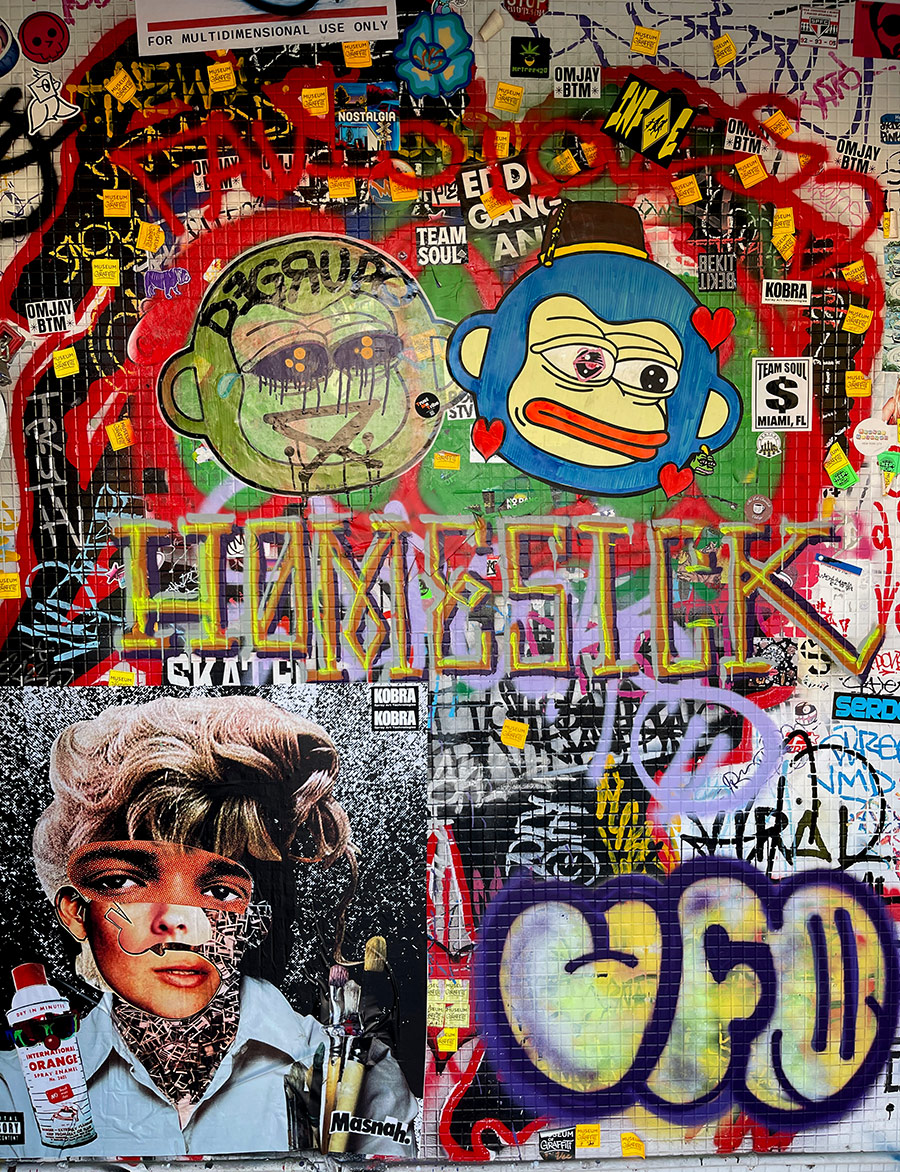
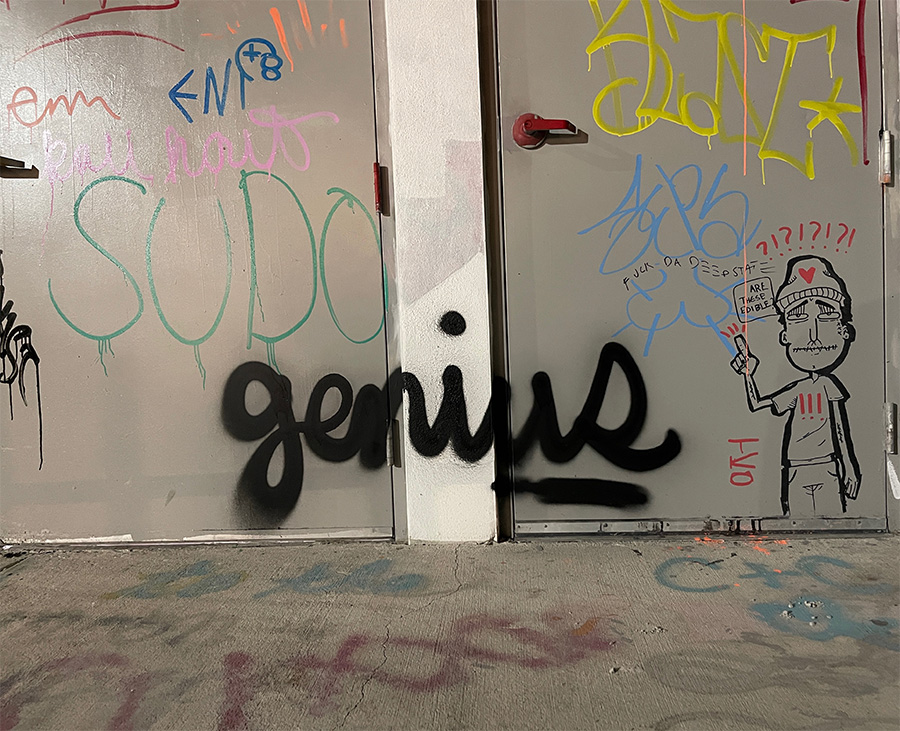
Here’s our weekly conversation with the street, this week in New York and Miami, featuring Homesick, Degrupo, Pez, Denis Ouch, Great Boxers, Atomiko, Morcky, Elena Ohlander, Face, Masnah, SKE, Rich Ayers, Gleibys, Genius, JEST, Tesoe, Extra Polo, Lino Ozon, Maestro, Spray Paint Arts, and Emerge 710.
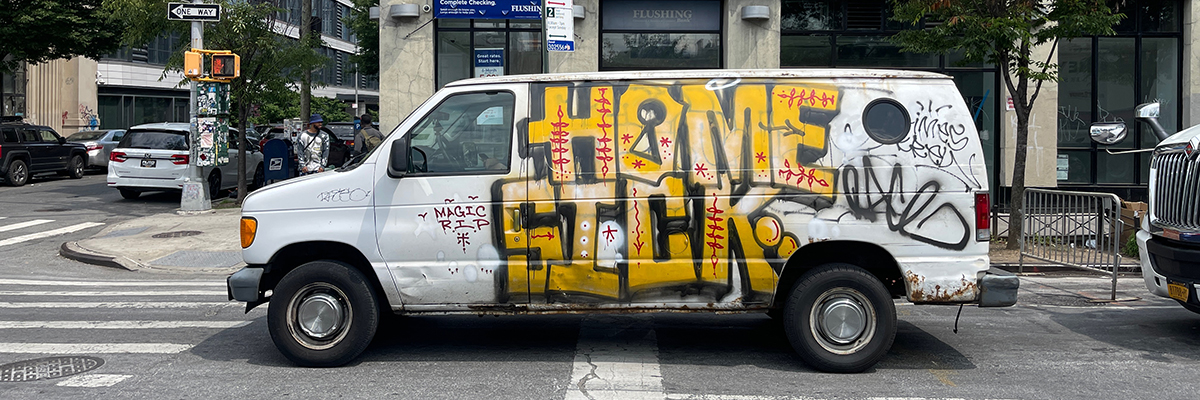
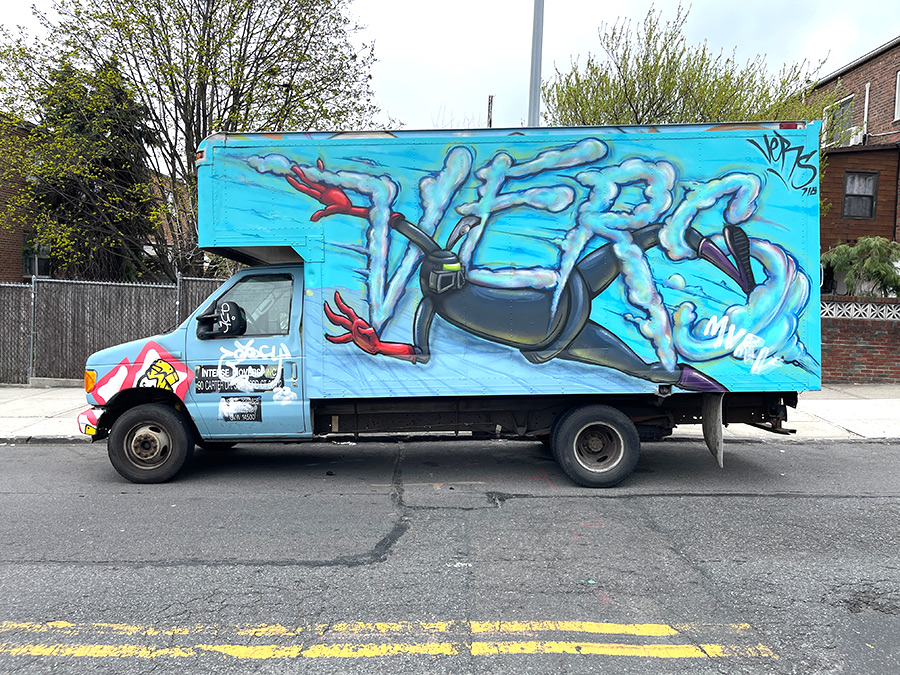
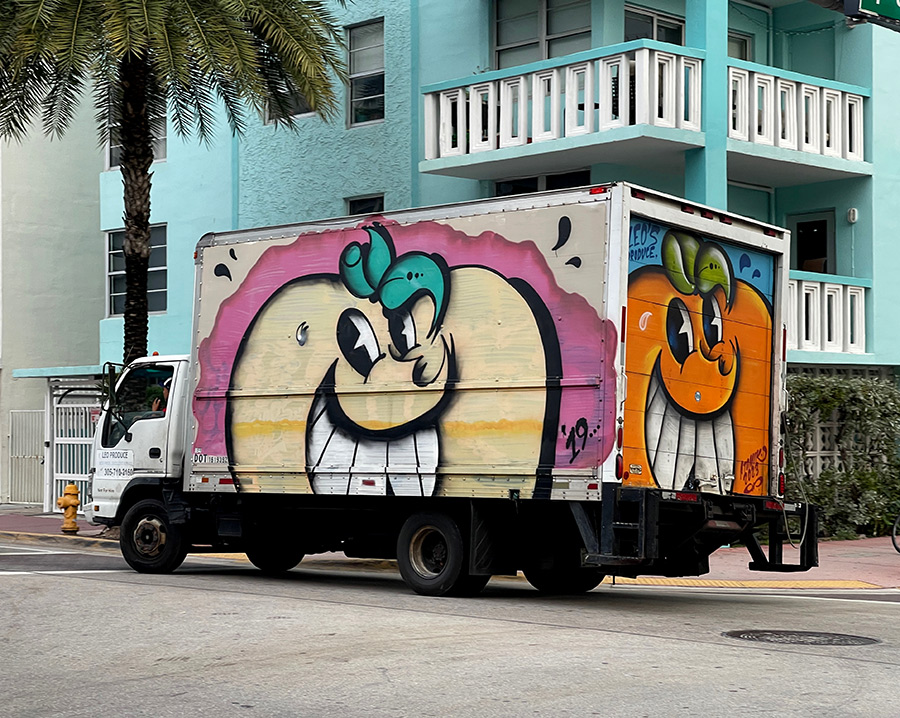
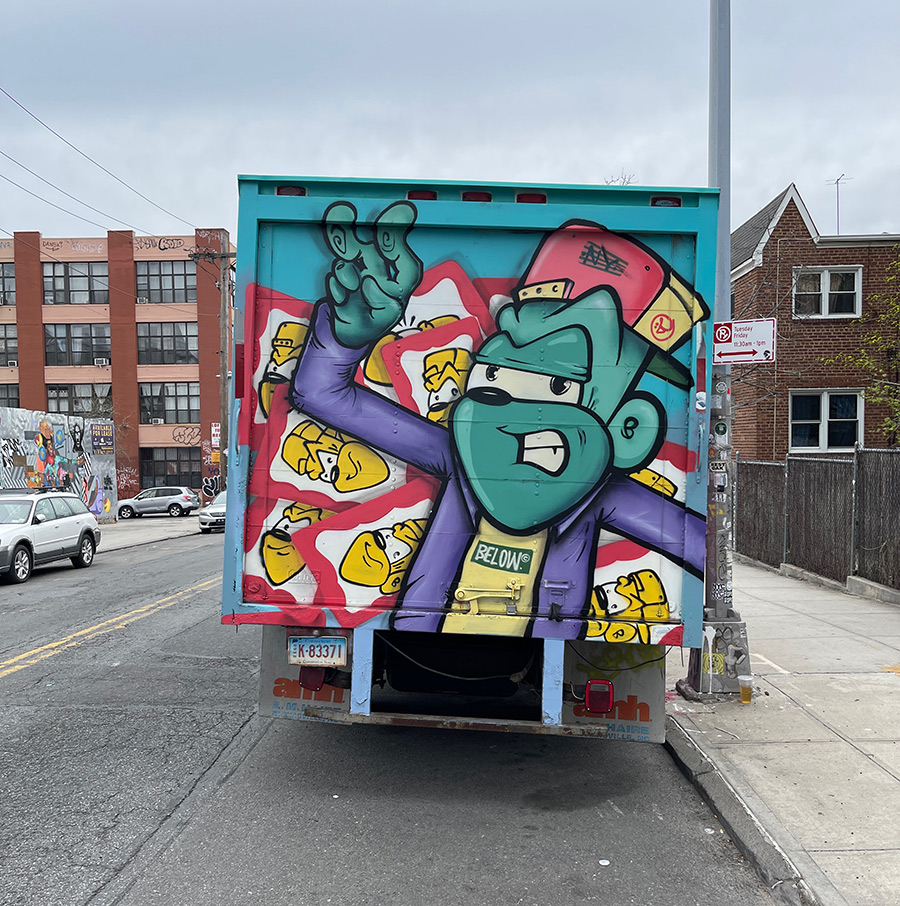
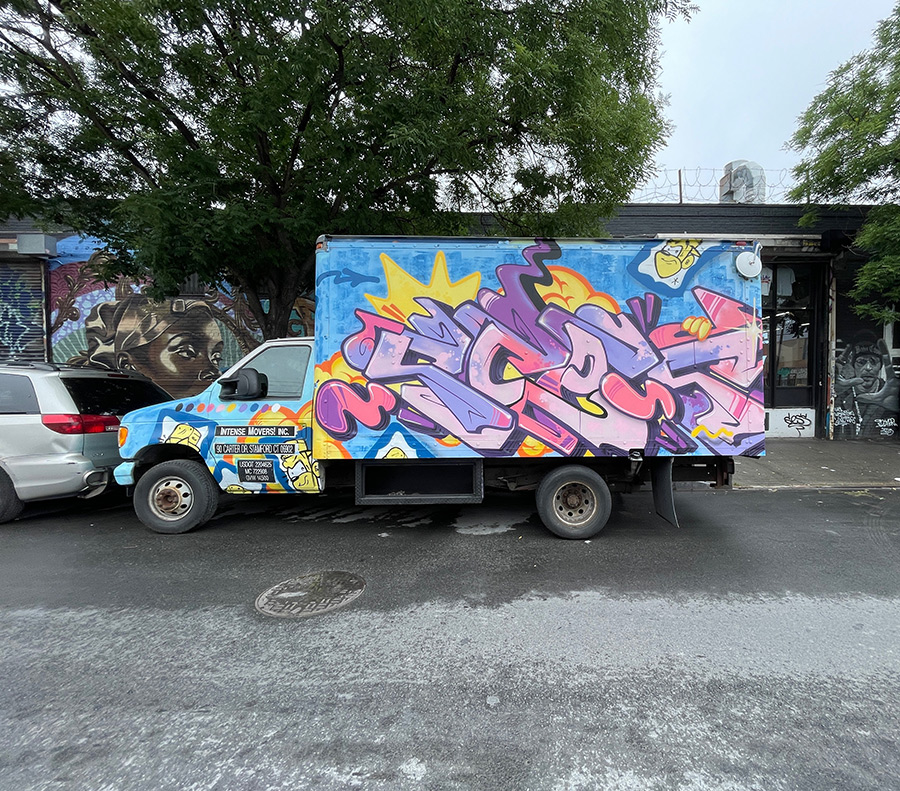
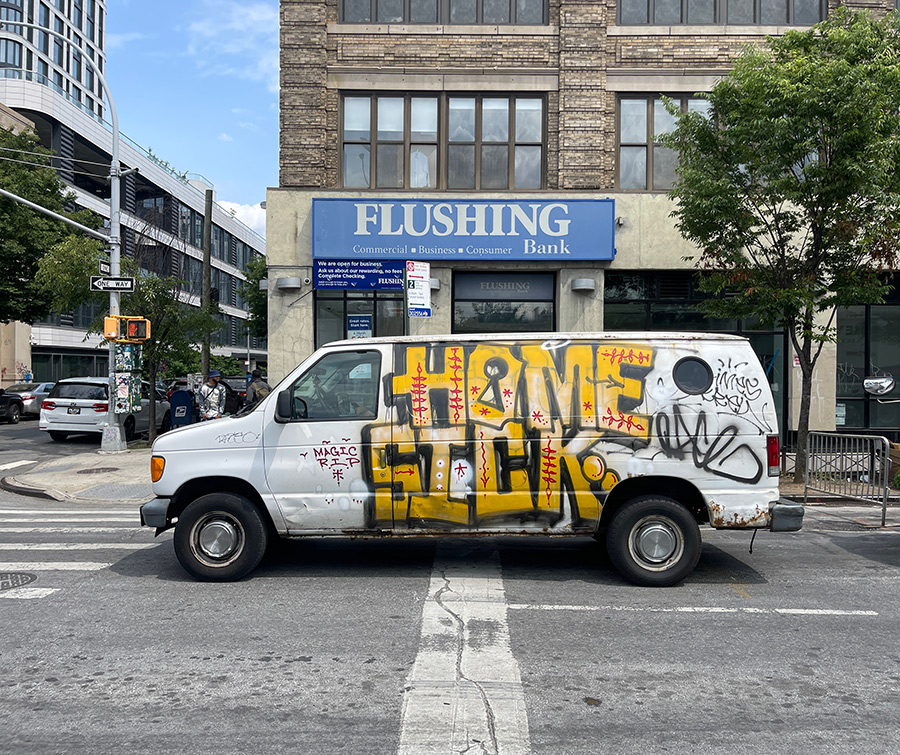
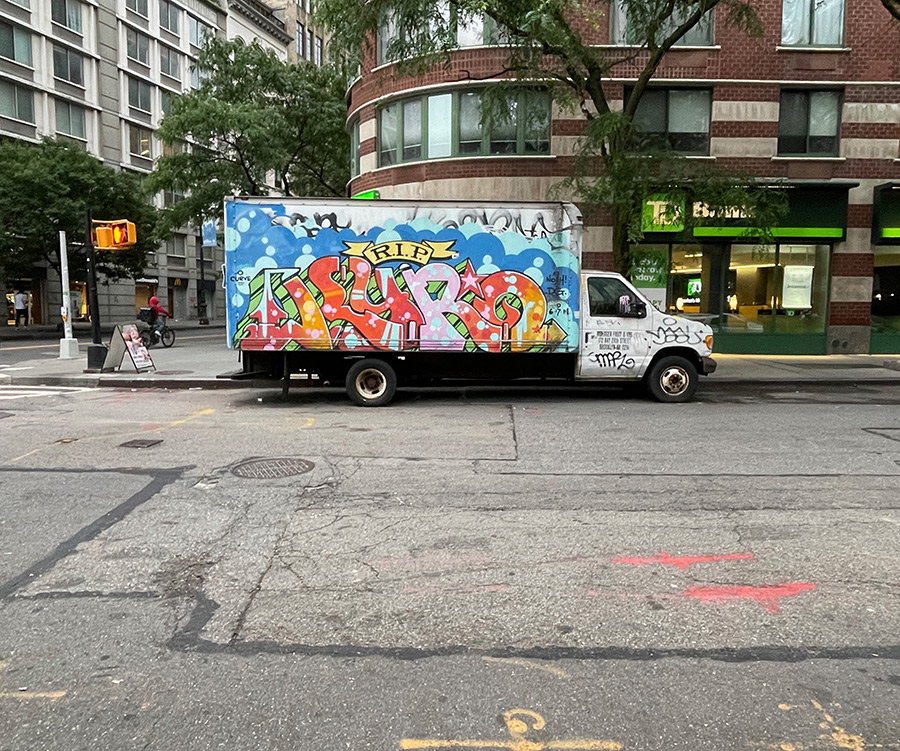
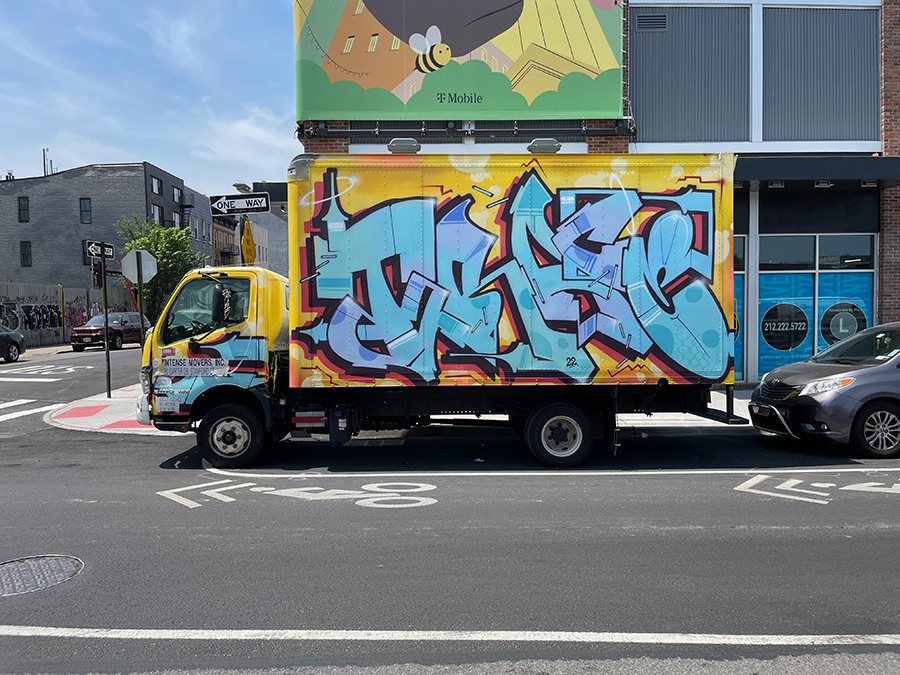
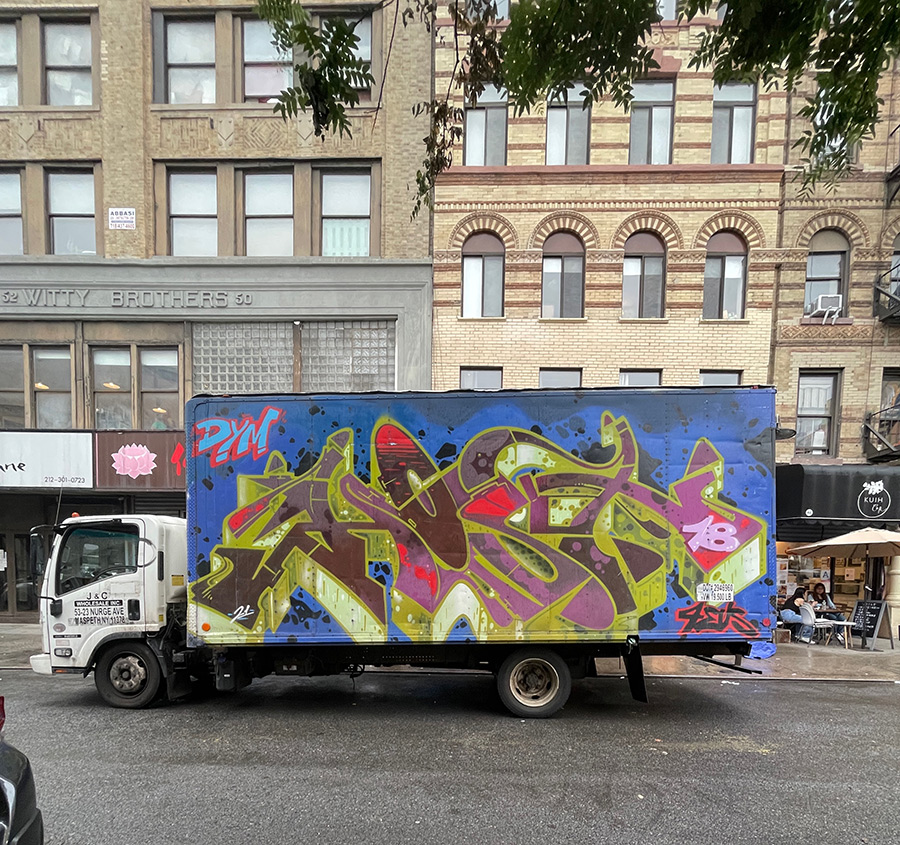
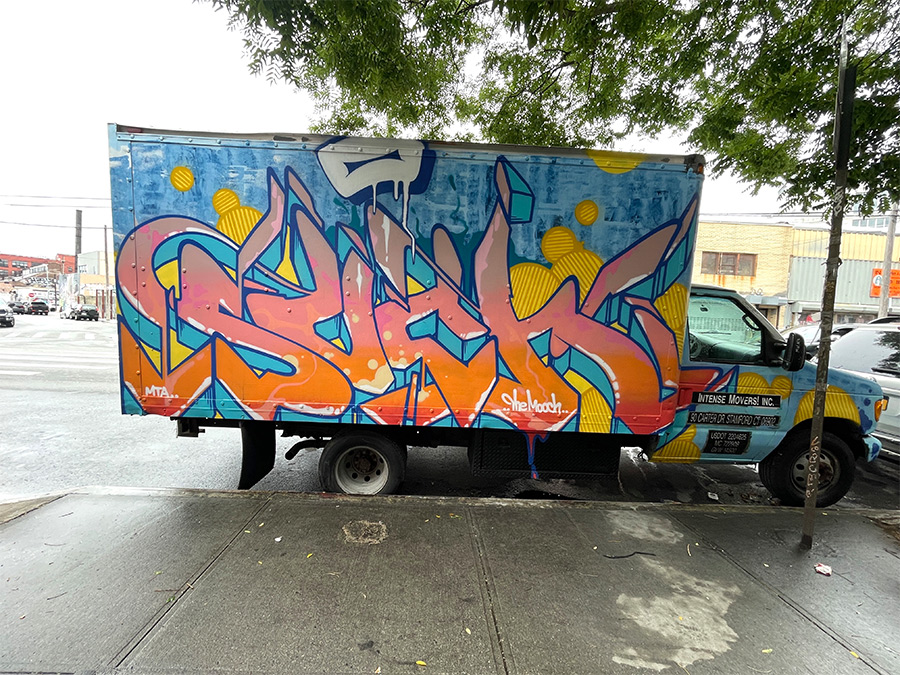
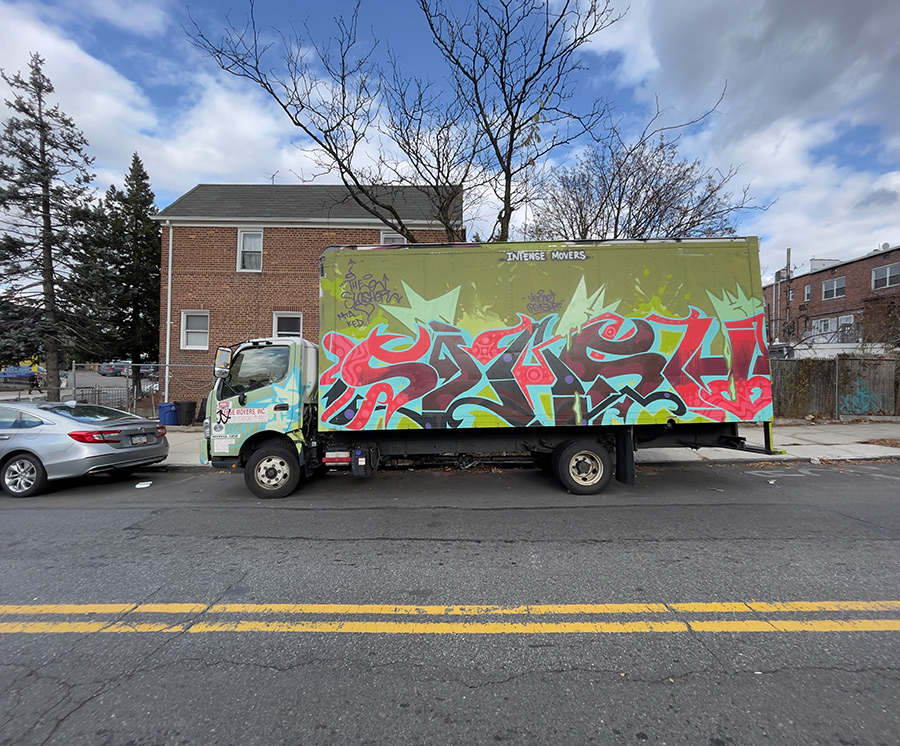
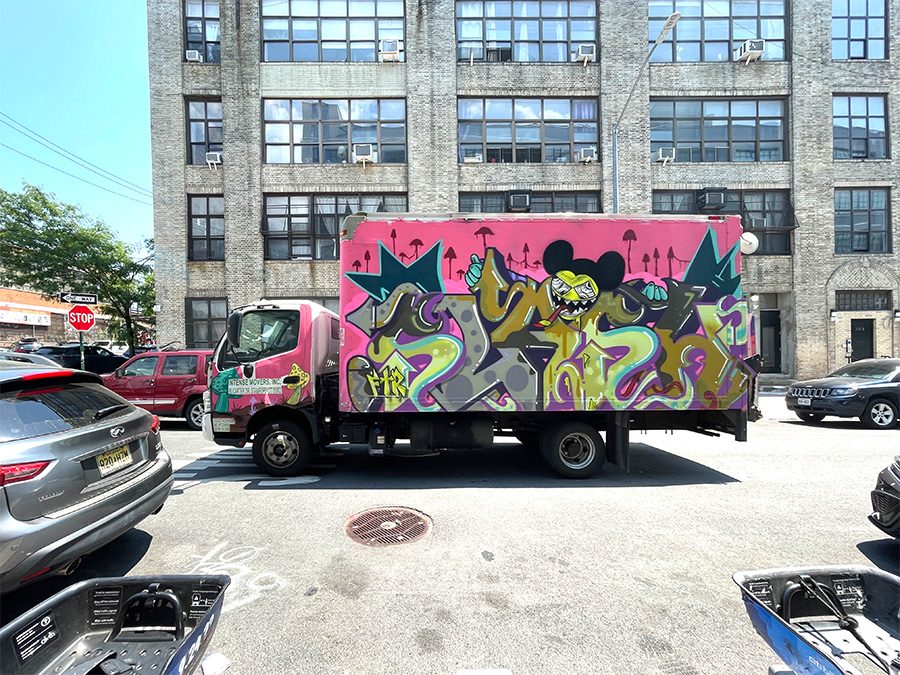
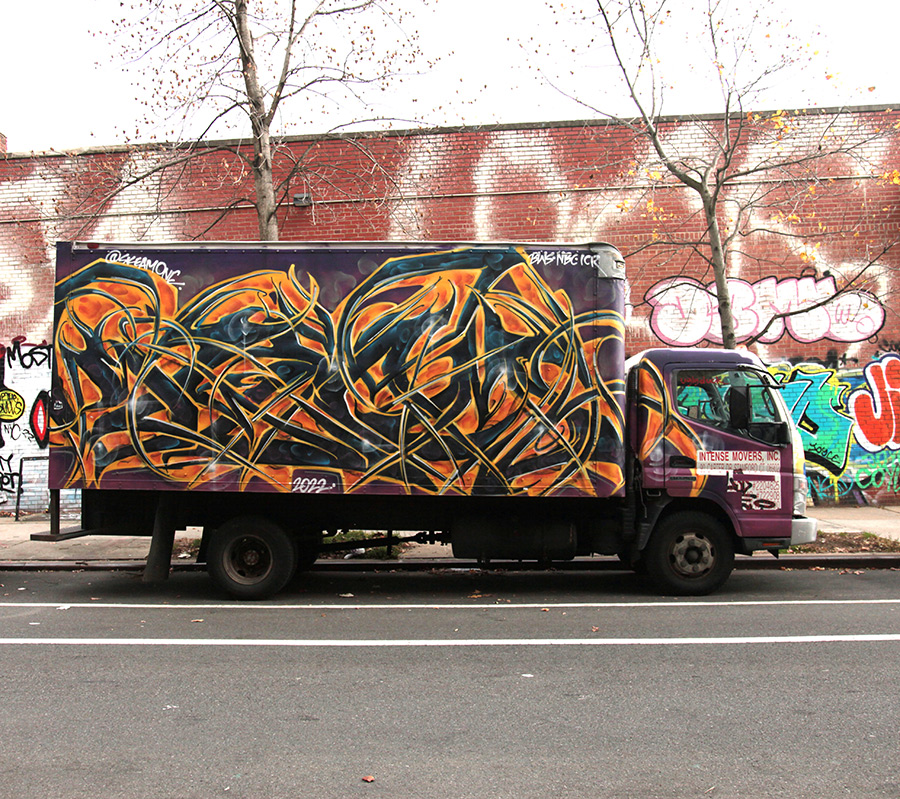
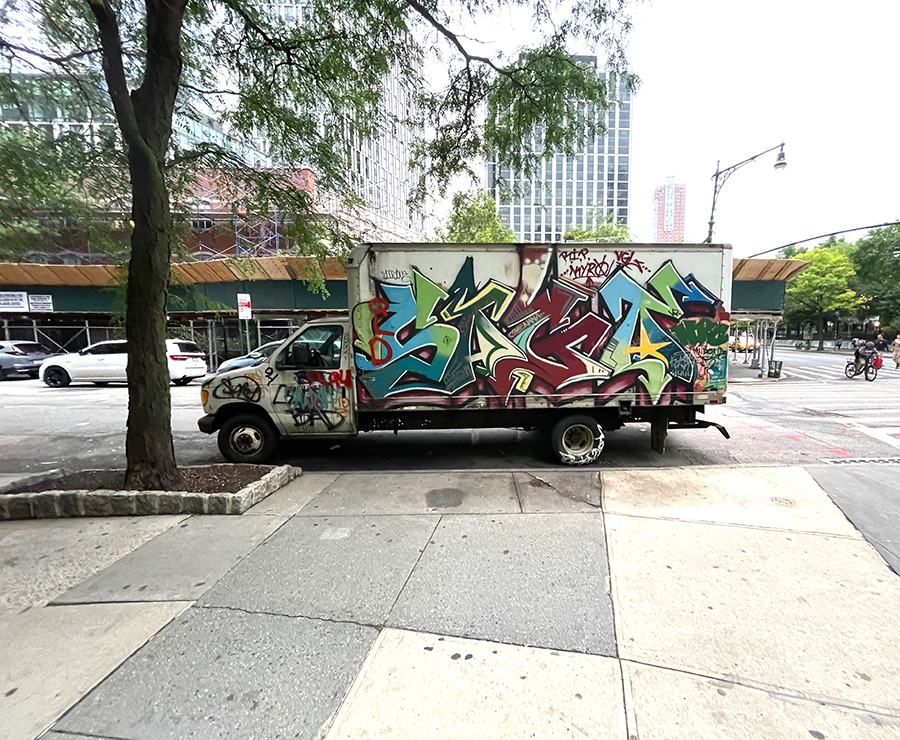
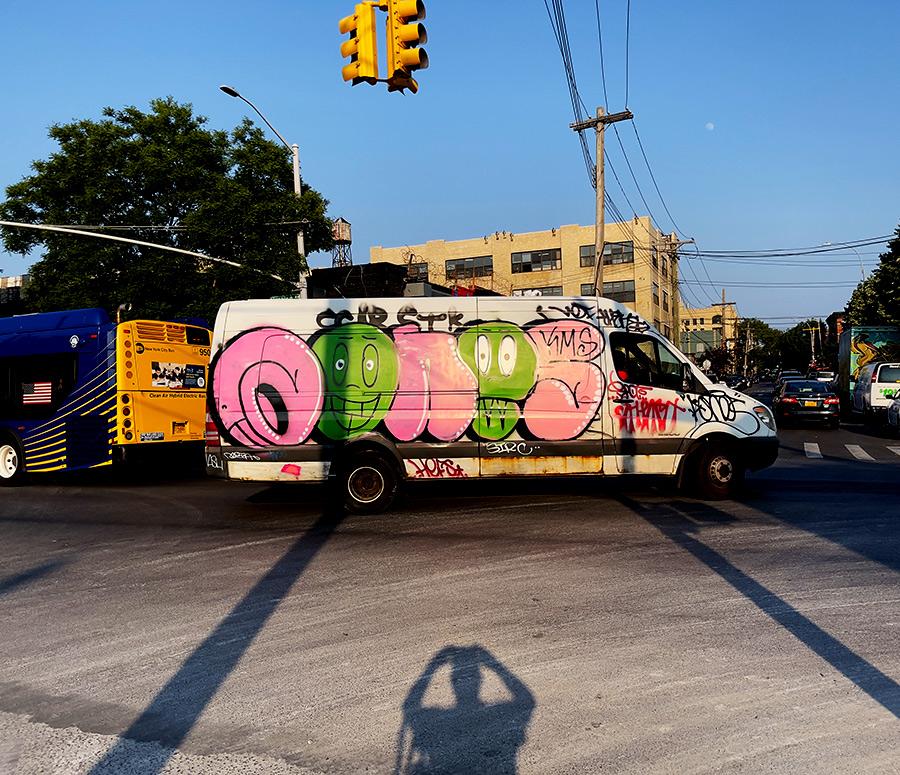
Jaime Rojo has built an impressive collection of photographs of these, capturing the essence of New York’s streets through his lens with an array of box trucks that weave and jolt their way through traffic, often seen opening their gates to load and unload amidst the noise of city life. These trucks, adorned with cryptic and crazily painted graffiti, have become pivotal platforms for urban expression, succeeding subway cars as the canvas of choice after the MTA’s crackdown on trains. Rojo’s vast archive features hundreds, perhaps thousands, of these nomadic art pieces, transforming ordinary vehicles into a main showcase for artists’ narratives and tributes to urban royalty, with eclectic themes and styles that span all five boroughs.
These mobile galleries, nestled on private property and often commissioned by the owners, navigate a legal grey zone, untouched by state or city regulations. They offer a transient exhibition space, constantly in flux, moving across bridges, navigating the FDR, or idly sitting in traffic, right beside you. Each truck is a fleeting installation, a snapshot of the city’s dynamic art scene that you may know or not.
Back in the wild days of 2014, we published a small survey of the ubiquitous box trucks roaring through the streets of NYC. Most commonly used by movers helping residents move in or out of their homes, these trucks obviously serve a more lofty purpose. You can see HERE our article from 2014.
As we present a new installation of this collection once more, we delve into the latest series of box truck artworks that continue to serenade New York’s streets. This ever-evolving display captures the spirit of the city, revealing stories and visions that are as mobile as they are momentary, reflecting the vibrant, shifting nature of urban life through the eyes of famed photographer Jaime Rojo. Step outside and enjoy a moving art fest on the street just for you.
No matter which year it is,
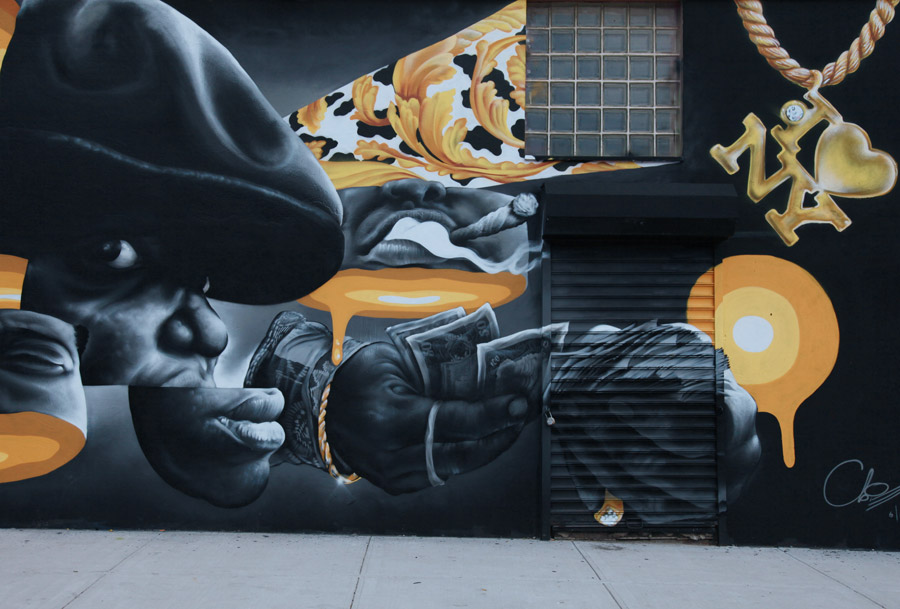
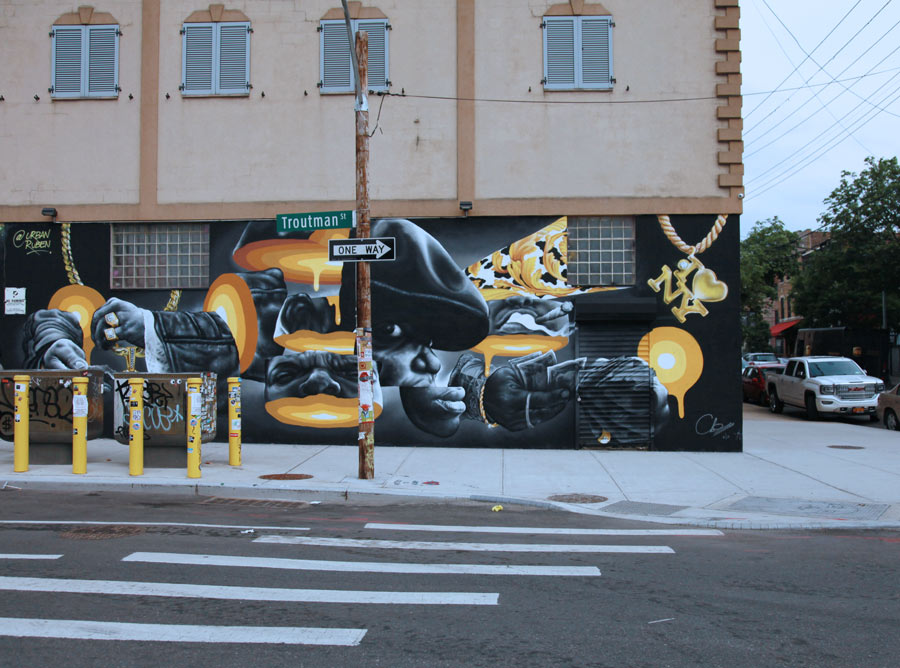
Biggie always seems to make the list and his newest portrait is by Ruben Ubiera
from Dominican Republic and its just in time for New York’s naming a street
after him. The street Biggie grew up on, Fulton Street and St. James Place in
Clinton Hill has just been renamed to “Christopher ‘Notorious B.I.G.’ Wallace
Way”.
A transformed school bus becomes a mobile healing site at the US-Mexico border. This documentary short (Guadalupe Maravilla’s “Mariposa Relámpago”) …Read More »
 BROOKLYN STREET ART LOVES YOU MORE EVERY DAY