Shepard Fairey: DEI-TY and the Art of Resistance

Shepard Fairey: DEI-TY and the Art of Resistance

If you know Shepard Fairey, then you already know: he’s never been one to sit back and let the powers that be go unchecked, from his own plugged-in and purposeful wiseguy perspective. From Andre the Giant Has a Posse wheatpastes in the ’90s to “Hope” posters on campaign walls, his work straddles the intersections of street art, punk defiance, political critique, and populist propaganda with a purpose. He’s a true lifer—rooted in skate culture, DIY ethos, anti-authoritarian graphics, and a conviction that art can and should speak truth to power.

In this new poster campaign, DEI-TY, Shepard zeroes in on a cultural moment when long-standing efforts to make society more inclusive are being flipped upside down by those seeking to divide and conquer. Always direct, yet heavy with symbolism and art/design history, the new poster artwork pulls from Orwellian surveillance aesthetics and throws an unmistakable orange glow over its intended subject. Yes, it’s Trump—but it’s also a larger warning learned from our human history to beware of personality cults, shallow populism, and manufactured outrage.

Shepard Fairey. DEI / DEI-TY (Image © courtesy of the artist)

What follows is a wide-ranging interview that captures Fairey’s frustration, clarity, and urgency—served up with the kind of seasoned insight that comes from decades of navigating art, activism, and political absurdity. Now you’ll see a sharpness in his tone that speaks to the times: an artist who considers the stakes clearly and isn’t mincing words. If you’ve followed his career, you’ll recognize the heat generated by his signature mix of bold graphics and civic fire. If you’re new to it, welcome to the resistance—art’s not dead, and Fairey’s not done.

At the end of the article, you’ll find a selection of previous works that speak to the arc of Shepard’s creative and cultural engagement. You can also download the new DEI-TY poster for free, to print, paste, share, and use however you see fit. Once again Fairey demonstrates that in the face of rising intolerance and authoritarian power plays, silence is complicity—and art is one hell of a megaphone.

_____________

BSA: Your poster flips the acronym DEI from a framework for equity into a confrontation with authoritarian ego. In a list of topics to address, what gave you the spark for this specific artwork?

Shepard Fairey: Of course, the verbal assault on the DEI programs at colleges and corporations infuriated me, but it became something more serious when Trump began to rescind funding to colleges and deny contracts to companies with DEI programs. I think Trump attacks DEI because he associates it with “woke” people who don’t support him. The bottom line is that Trump rewards those who stroke his ego and punishes those who don’t. Having someone that shallow and petty influence policies that impact millions is incredibly dangerous. In my original post, I laid out the definitions of Diversity, Equity, and Inclusion because they are concepts that are pretty hard for a rational, fair-minded person to disagree with. Here they are again:

Diversity: the condition of having or being composed of differing elements: variety.

Equity: the quality of being fair and impartial.

Inclusion: the act or practice of including people who have historically been excluded (often because of their race, gender, sexuality, or disability).

BSA: Many times, you have critiqued cults of personality and authoritarianism with your work. In DEI-TY, the term “self-proclaimed deity” seems aimed squarely at that. Is it the figure or the ideology that folks have beef with?

Shepard Fairey: Both. I’ve described Trump, the specific “self-proclaimed deity” referred to in the print, as the festering zit that is the hideous manifestation of the underlying bacteria. The analogy isn’t entirely accurate, though, because in Trump’s case, his influence makes the bacteria even more toxic. It’s a brutal cycle. Trump encourages his followers to scapegoat the vulnerable, vocalize and act on their worst prejudices, and then he feels emboldened to behave like a dictator and double down on the most inflammatory rhetoric and cruel policies. This is a cycle and culture that erodes civility and democracy.

Shepard Fairey. DEI / DEI-TY (Image © courtesy of the artist)

BSA: You’re offering these prints as free downloads, which suggests a sense of urgency and mass mobilization. Do you see DEI-TY as part of a larger visual resistance? How do you hope people will use it?

Shepard Fairey: I always want people to mobilize. I use my art to inspire people to care, because they won’t act if they don’t care. Some of my pieces, such as DEI-TY, can also serve as tools to convey an idea… tools I’d like anyone to be able to use if they are inspired. Visibility for a counter-narrative is essential to mobilizing people and shifting culture.

BSA: How do people navigate the increasing weaponization of terms like “DEI” in political and media discourse? Do you see this poster as an intervention in a culture war? As an aside, how much of this is a genuine concern to average people, and how much is ginned up to get us to fight with each other?

Shepard Fairey: DEI should be unassailable as an idea. Somehow, Trump has turned people against bedrock principles of American philosophy like diversity, equity, and inclusion, which should be universal, while normalizing lying, scapegoating, and undermining democracy, all of which should be universally unacceptable. Yes, the culture war is his aim, and the attacks on DEI don’t impact everyone directly, but I’m a believer in the concept that injustice anywhere threatens justice everywhere.

BSA: This new imagery echoes some of your earlier pieces that blend Orwellian surveillance aesthetics with activist messaging. What’s different about DEI-TY?

Shepard Fairey: You’re right about the Orwellian aesthetic. Trump is a fascist and a menace. He doesn’t genuinely believe in freedom, except for the freedom to be a dictator. He is very Big Brother-esque in his approach to purging dissenters from government and education. The main difference is that this print uses orange (for obvious reasons) and this print addresses general principles AND specific villains. I’d love for 1984 to be irrelevant, but unfortunately, it might be more relevant in this moment than ever before in U.S. history.

SHEPARD IS OFFERING THESE TWO NEW POSTERS ABOVE FOR FREE. CLICK HERE FOR A FREE DOWNLOAD


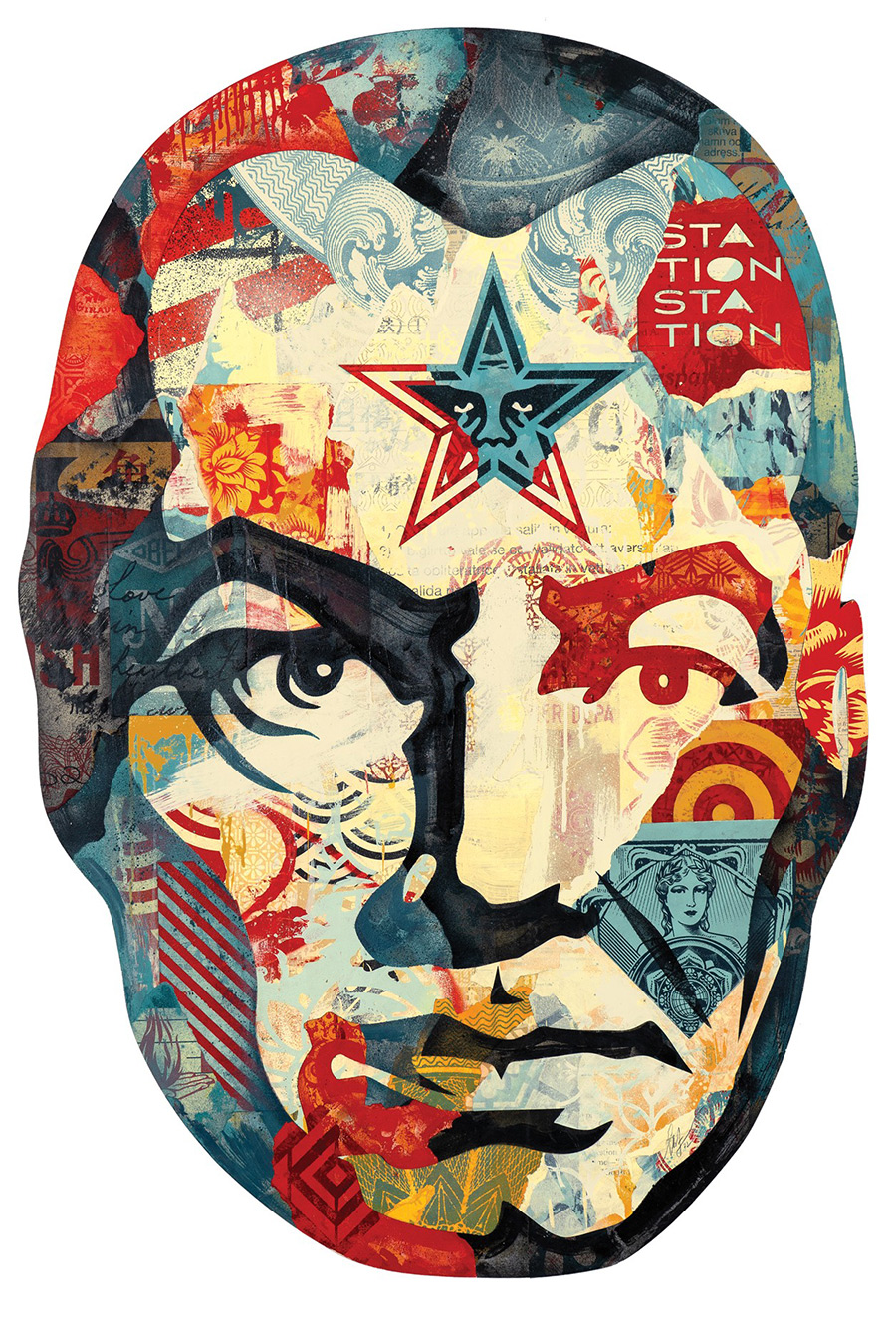
Following are a few from the vault from Fairey that run parallel in political, social, and stylistic spirit.

Bold, confrontational, and unmistakably Orwellian, Demagogue is a full-frontal attack on manipulative political rhetoric. Referencing Franz Ferdinand, Fairey channels the fear-mongering and ego-driven spectacle of populist leaders into a stark, totalitarian portrait with fascist undertones. Shepard Fairey. Demagogue. (Image © courtesy of the artist)
A nod to Orwell’s 1984, this work captures the creeping surveillance and suppression of dissent in contemporary society. With its sharp black-and-white contrast and iconic stare, it’s a chilling reminder of what happens when democracy is at slumber. Shepard Fairey. Big Brother Is Watching You. (Image © courtesy of the artist)
Using his newer visual vocabulary perhaps, this alternate take by Fairey continues the visual surveillance theme, possibly updated or tweaked in tone, scale, palette. Its repetition underscores the point: we’re being watched, and not for our safety. Shepard Fairey. Big Brother Is Watching You. (Image © courtesy of the artist)
A more intimate yet no less biting piece, this print juxtaposes the idea of parental pride with military might, and how priorities get bent. It’s a critical look at nationalism, war, and the stories we tell ourselves. Shepard Fairey. Proud Parents. (Image © courtesy of the artist)
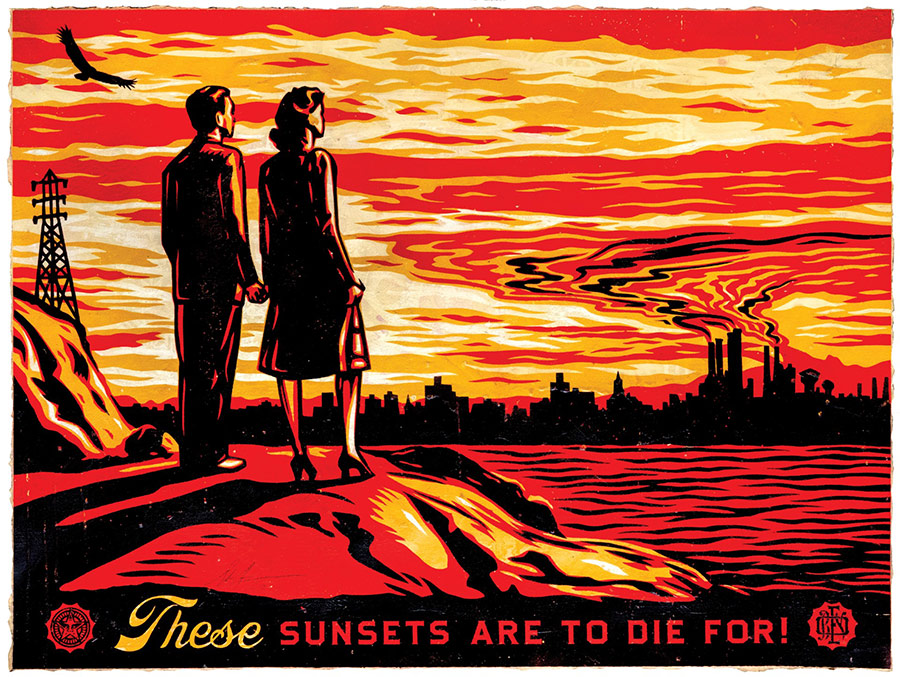
Visually stunning and deeply cynical, this piece critiques the marketing of war and environmental destruction. With a bright tourist-poster aesthetic, it disguises devastation with postcard cheer, forcing viewers to look again. Shepard Fairey. These Sunsets Are To Die For! (Image © courtesy of the artist)
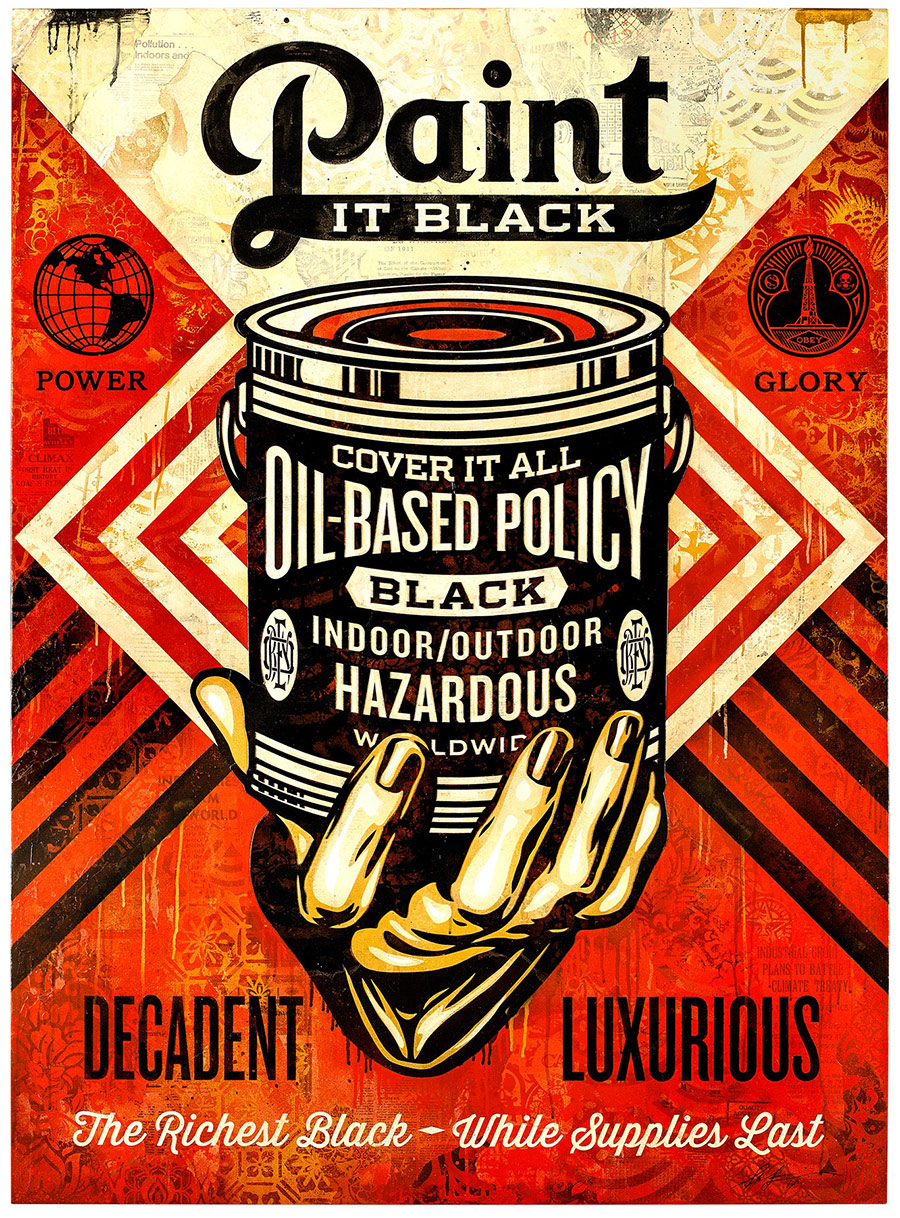
Merging visual rebellion with protest lyrics, Paint It Black channels frustration and resistance into stark monochrome. It’s a call to action—and a warning—wrapped in Fairey’s signature agitprop style. Shepard Fairey. Paint It Black. (Image © courtesy of the artist)

Statement from Shepard Fairey for the release of the new poster:

“Please read the words DIVERSITY, EQUITY, and INCLUSION and think deeply about their meaning – individually and collectively.

Diversity: the condition of having or being composed of differing elements: variety.

Equity: the quality of being fair and impartial.

Inclusion: the act or practice of including people who have historically been excluded (often because of their race, gender, sexuality, or disability).

DEl is meant only to enhance the priority of our institutions and workplaces to provide equal opportunity to the many groups that make up our beautifully diverse nation.

These formerly unassailable ideas have been aspirationally woven into our nation’s entire history, even if our idea of who is equal has thankfully evolved to include more than just white men.

From the Declaration of Independence to the 14th Amendment granting equal protection for all citizens, to the 15th Amendment granting Black men the right to vote, to the

19th Amendment granting women the right to vote, to the Civil Rights Act outlawing discrimination based on race, color, religion, sex, or national origin, we have moved toward a more fair and less discriminatory society. The symbolism of the Statue of Liberty as a welcoming beacon to those fleeing forms of discrimination to find refuge in the melting pot of the US is a cornerstone of the American story. The current attack on DEl is nothing less than a betrayal of American values and aspirations. The attack on DEl is very literally a Republican policy of discriminating against those who oppose discrimination in their businesses and organizations.

When have racism, sexism, homophobia, or the like been okay in plain sight from our leadership, much less turned into law that punishes those trying to provide equality? I feel like I’m in a dystopian mirror world. Terrifyingly, this is here and now, and catalyzed mainly by one power-hungry narcissist who is a deranged, egomaniacal, insecure, tyrannical, yapster. If you oppose the mean-spirited embrace of discrimination like I do, please use every tool at your disposal to push back, especially by voting in EVERY election, including the midterms. We have power in numbers if we use it!”

 

Read more
BSA Images Of The Week: 07.20.25

BSA Images Of The Week: 07.20.25

This image has an empty alt attribute; its file name is BSA-IMAGES-OF-THE-WEEK-JUNE-07-b-2025.jpg

Welcome to BSA Images of the Week.

The sidewalks sizzle and the city purrs with heat and hustle. It’s your daily movie out here.

July is in full swing, and the summer nights are a little looser around the edges between important holidays and commitments. At MoMA, the Friday crowds are drifting through galleries to the low thump of downtown DJs tucked into corners of the atrium—spinning ambient loops, soulful edits, and the occasional dance-floor memory into the marble echo chamber. Outside, the sculpture garden murmurs with art talk… and a sort of slow-motion flirtation.

The NYC mayoral race is, in its way, a kind of performance art—though less conceptual than cynical – with people from every crevice finding fault and stirring fear about the presumptive winner, Mandami. With prices everywhere still climbing, the city’s rhetoric is starting to sound like an old podcast that you thought was deleted. Yak yak yak. On the national stage, the Trump saga soldiers on—ever orbiting a surreal mix of court filings, celebrity fallout, international threats, hatchet budget cuts, and the ever-present Epstein shadows. With this constant drone of chaos, much of this is no longer shocking, just strangely ambient, a screensaver cycle. Ignore these proceedings at your peril.

On the walls and rooftops, there’s a different story unfolding. Some have observed that graffiti writers whose names once seemed fossilized in memory or confined to old flicks and zines—have been spotted again, dropping clean throwies and sharp tags on buffed surfaces from Bushwick to the Bowery. You’ll be biking past an auto-body shop or abandoned roll gate and do a double-take: Was that fresh?

The sun bounces off chrome and scaffolding, and somewhere near Broadway and Broome, you catch yourself squinting up at a cast-iron cornice—gargoyles crouched in cool shadows. Is that a cherub? Is it… flipping you off? Perhaps it’s just the heat, or the cumulative effect of too many hateful headlines. Don’t stop. Rooftops beckon, turntables whirl, community gardens bustle. It’s not utopia. But it’s yours.

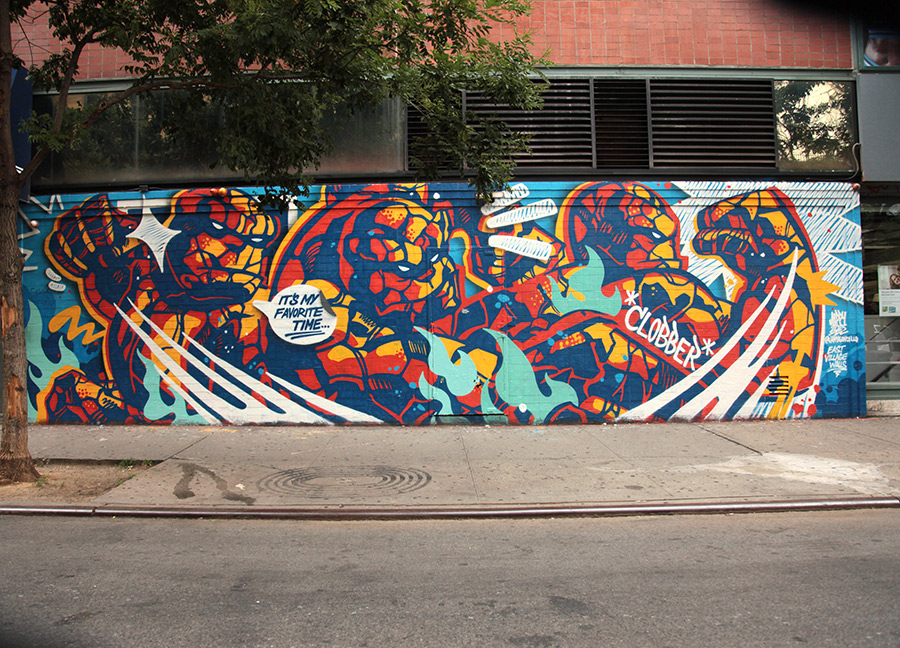
Here’s a glimpse of NYC graffiti, street art, and murals captured in Red Hook, Gowanus, Bushwick…in this week’s survey, including Chris RWK, DeGrupo, Espo, EXR, Humble, Ian Cinco, John Echo, Manuel Alejandro, Mdot, MSK Kings, Qzar, Red Rum, Rime, Sharpy, Tess, and Zimer.

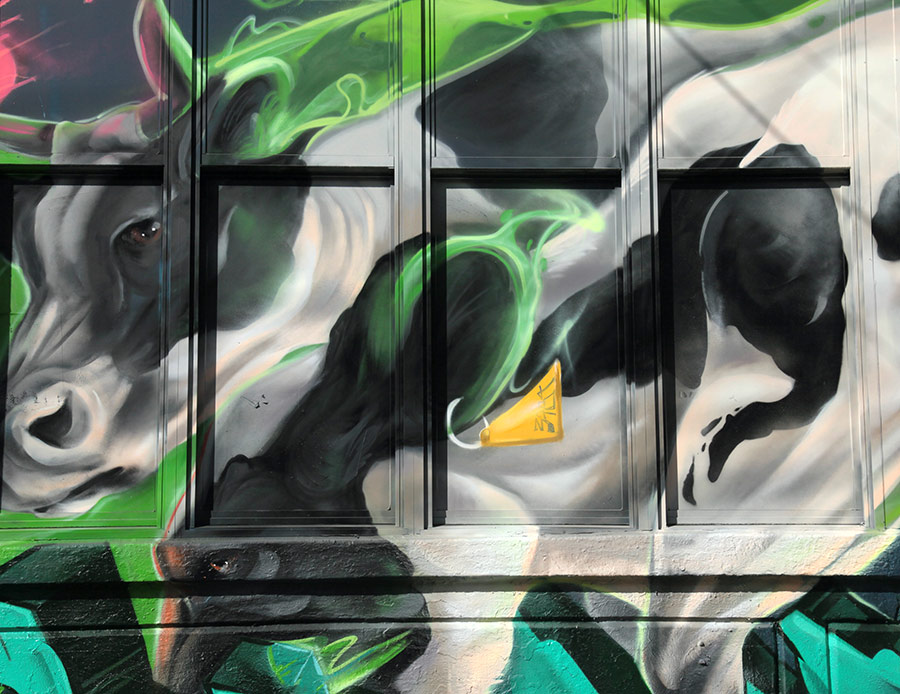
Tess & EXR. Alien invasion. Detail. (photo © Jaime Rojo)
Tess & ERX. Alien invasion. Detail. (photo © Jaime Rojo)
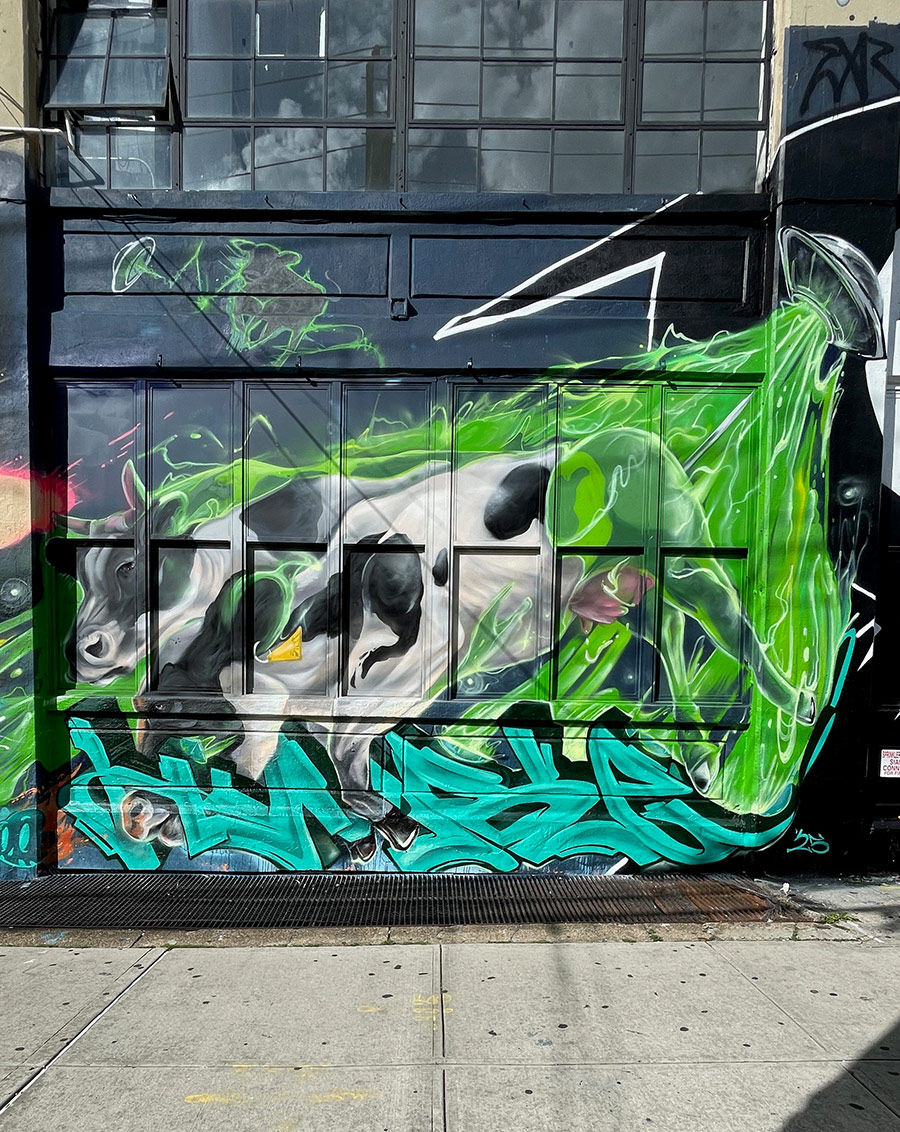
Tess & ERX. Alien invasion. (photo © Jaime Rojo)
Humble. Alien invasion. Detail. (photo © Jaime Rojo)
Humble. Alien invasion. (photo © Jaime Rojo)
Degrupo Alien invasion. (photo © Jaime Rojo)
Manuel Alejandro. Alien invasion. (photo © Jaime Rojo)
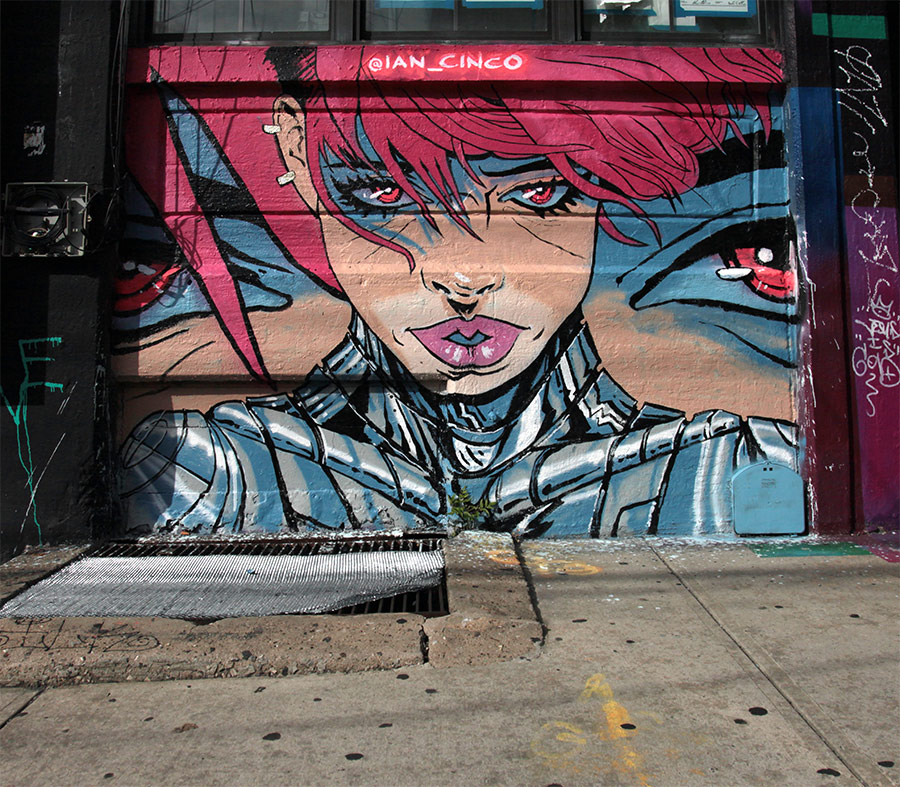
Ian Cinco. Alien invasion. (photo © Jaime Rojo)
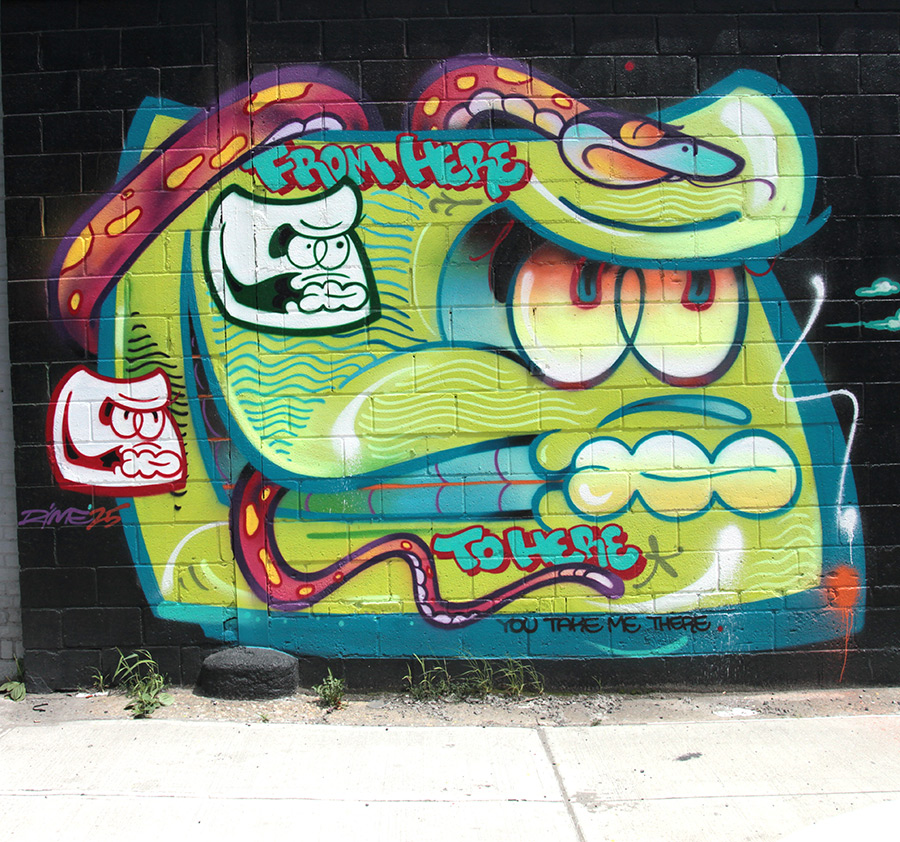
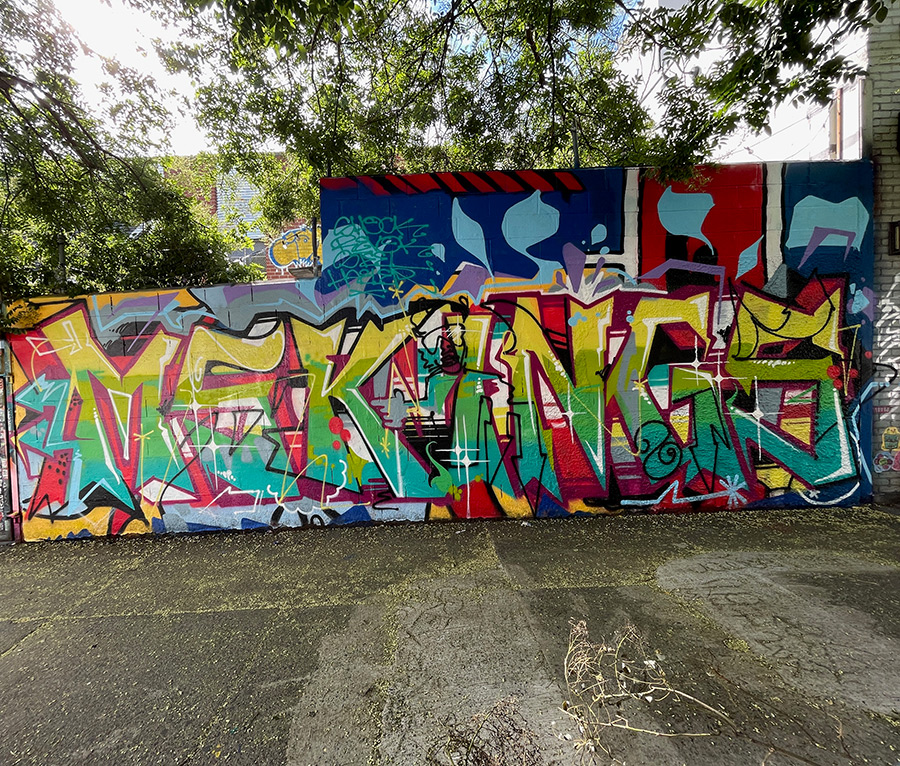
Rime. MSK. (photo © Jaime Rojo)
MSK KINGS (photo © Jaime Rojo)
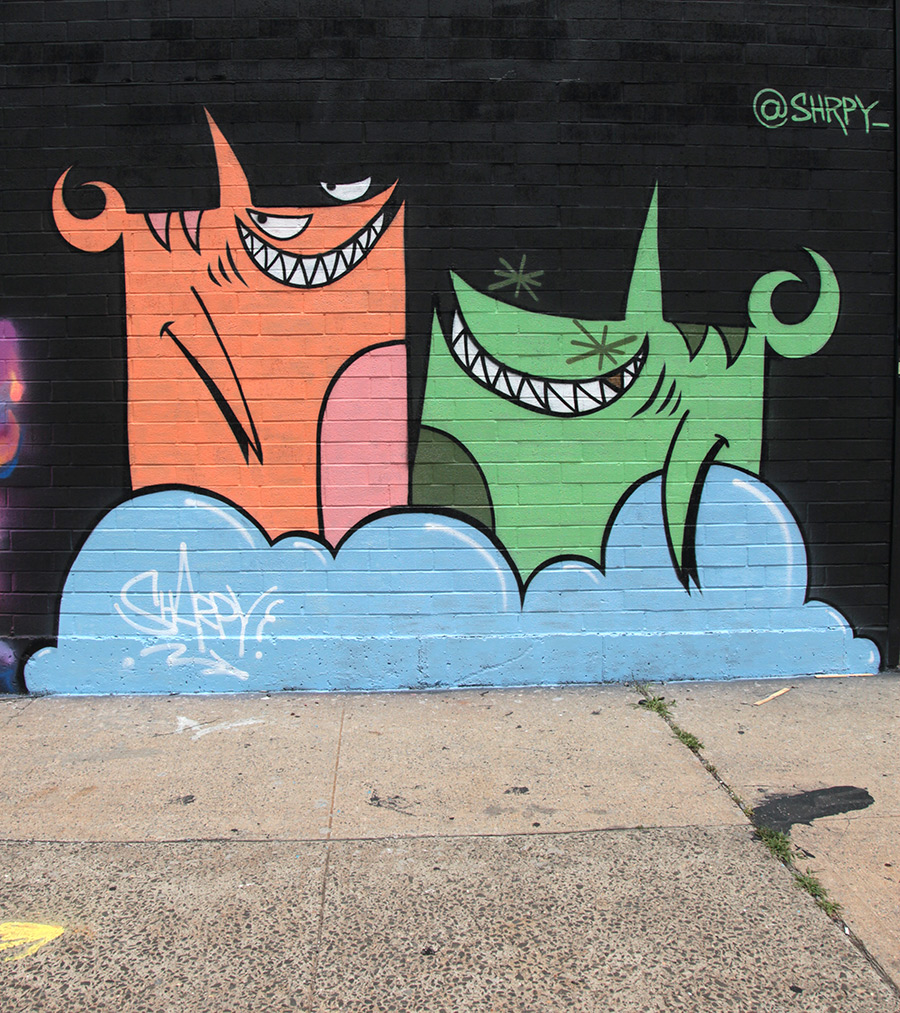
SHARPY (photo © Jaime Rojo)
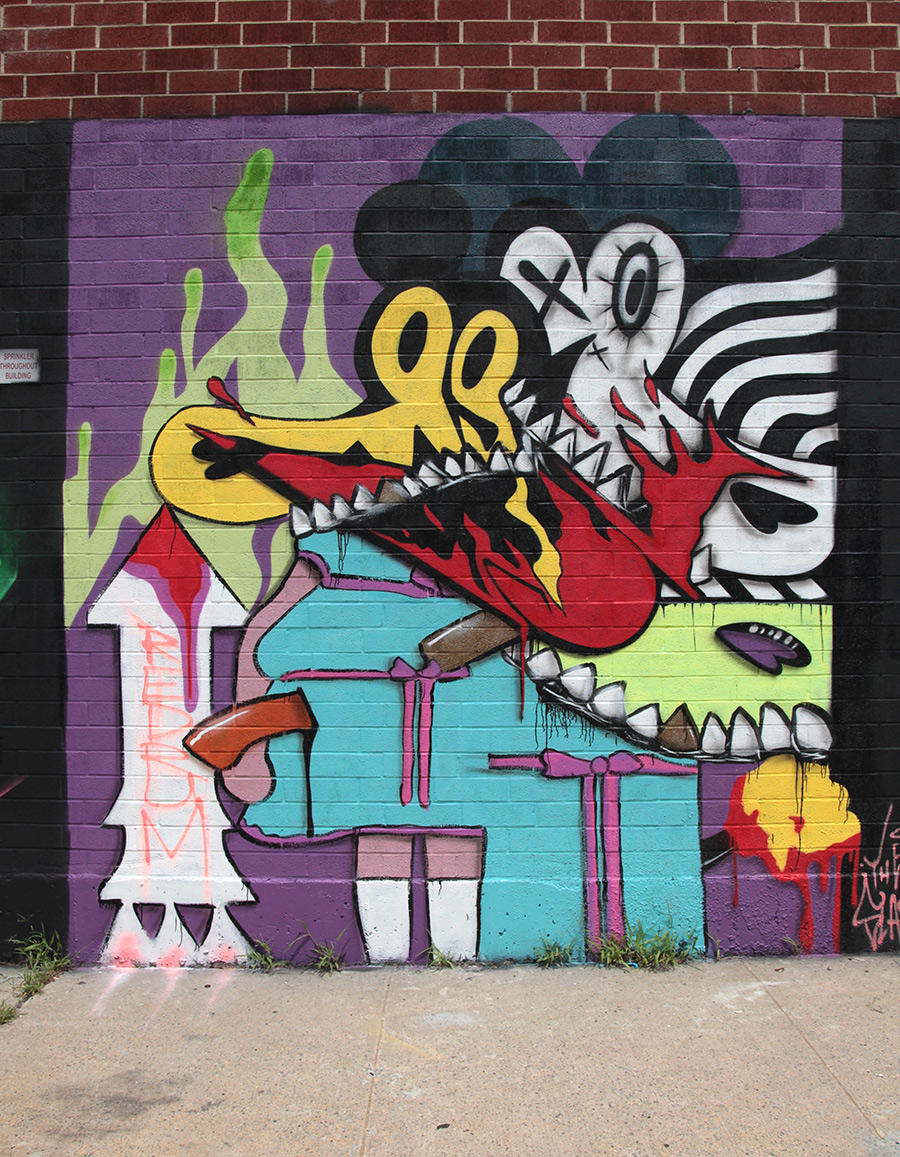
RED RUM (photo © Jaime Rojo)
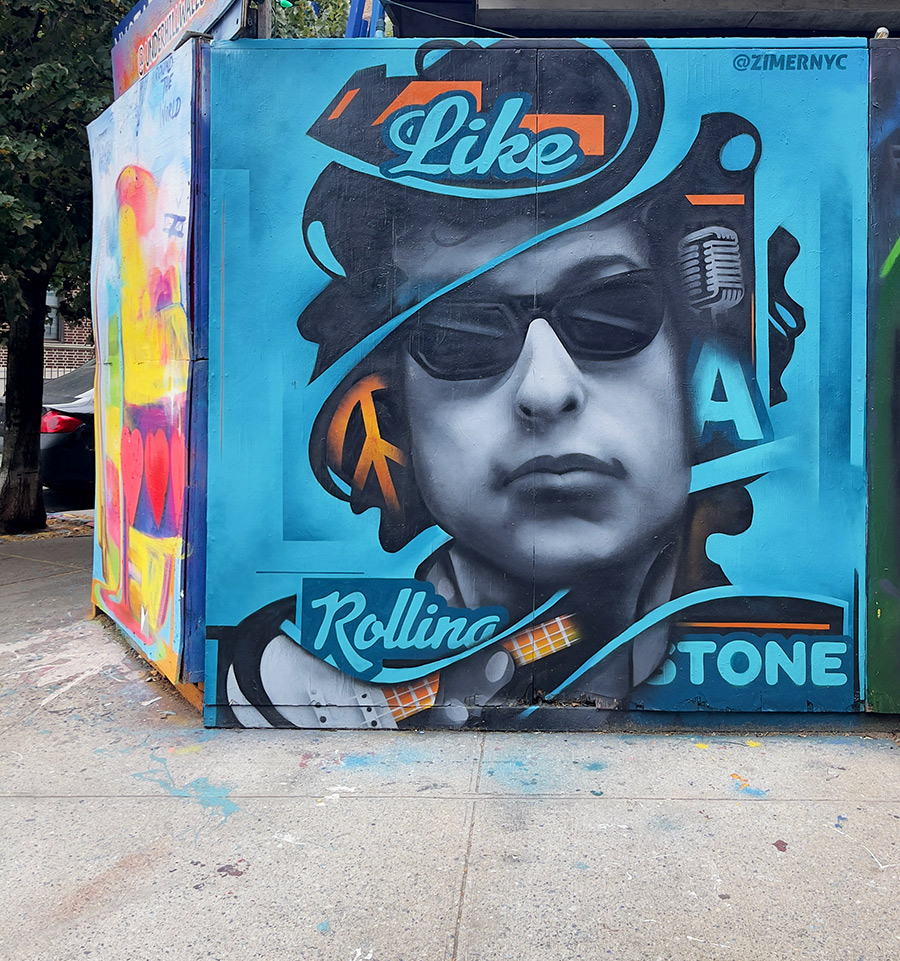
Zimer NYC (photo © Jaime Rojo)
ESPO (photo © Jaime Rojo)
MDOT SEASON (photo © Jaime Rojo)
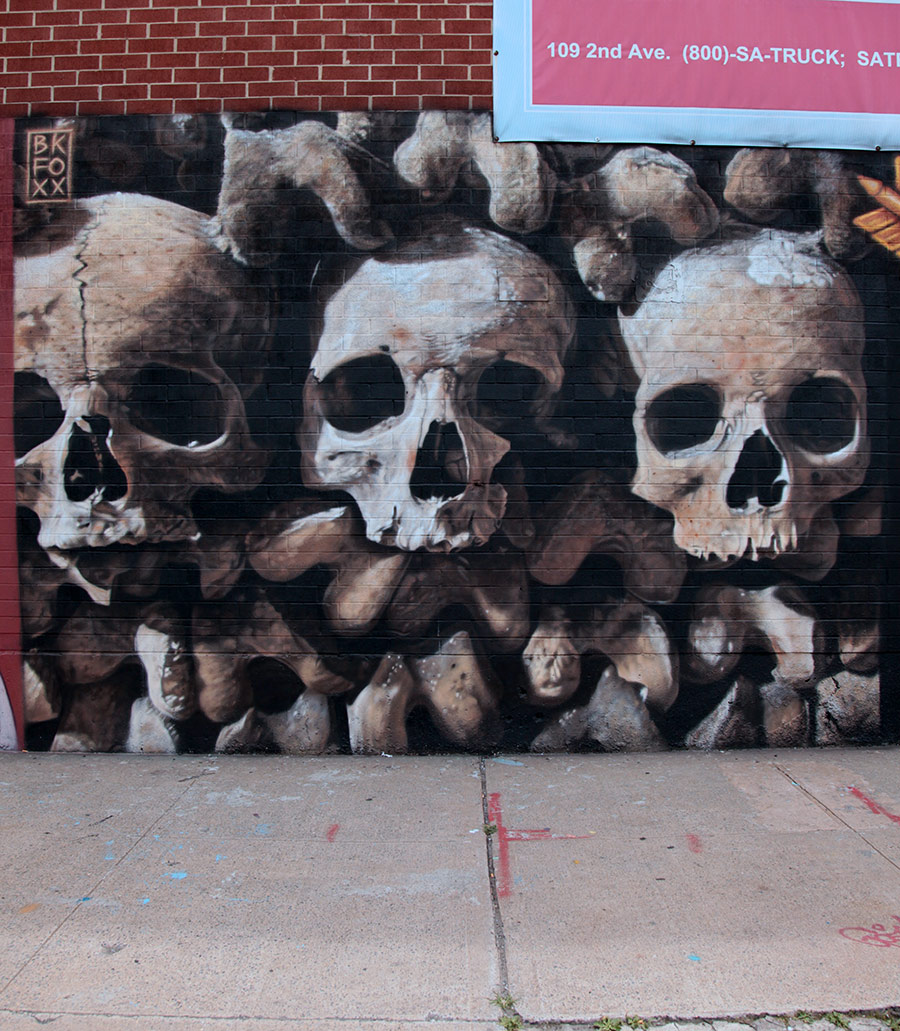
BK FOXX (photo © Jaime Rojo)
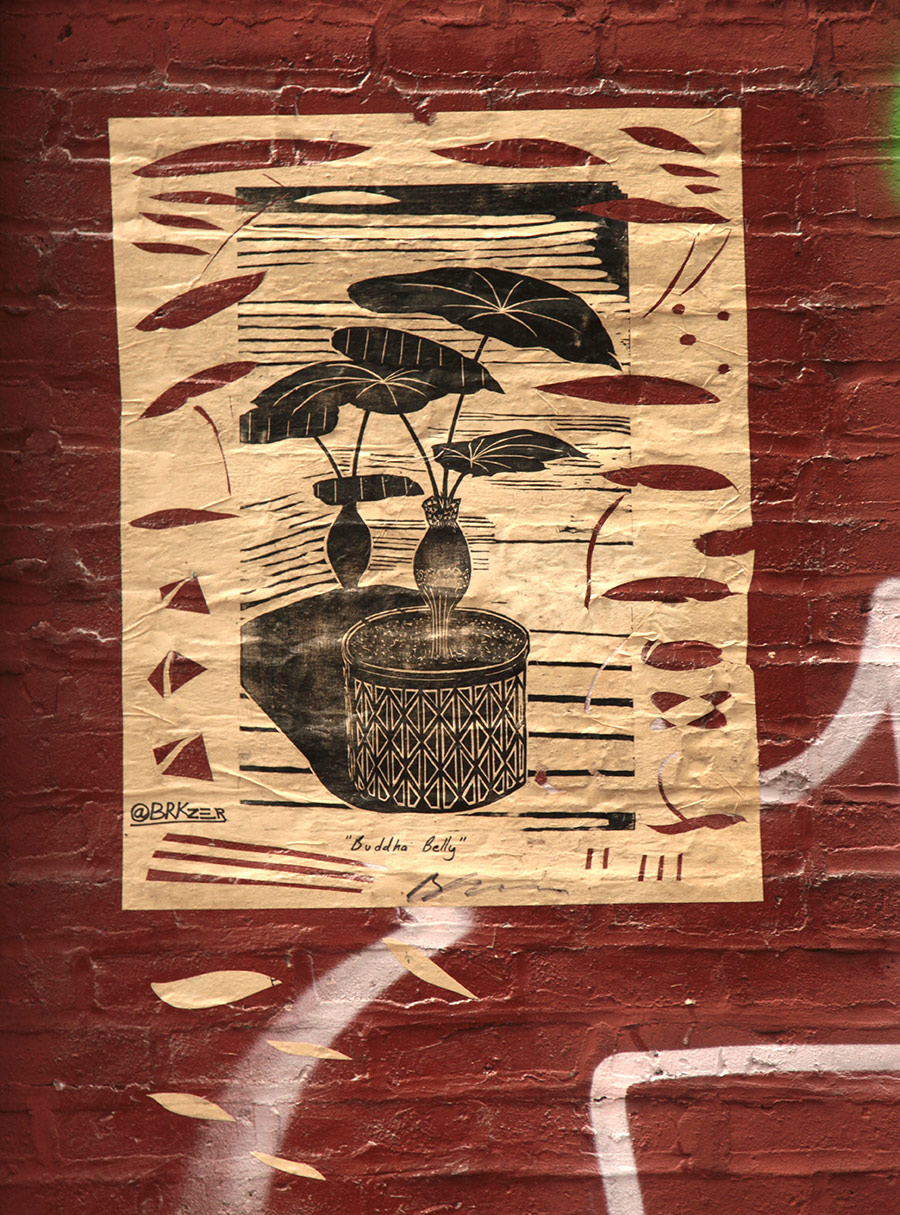
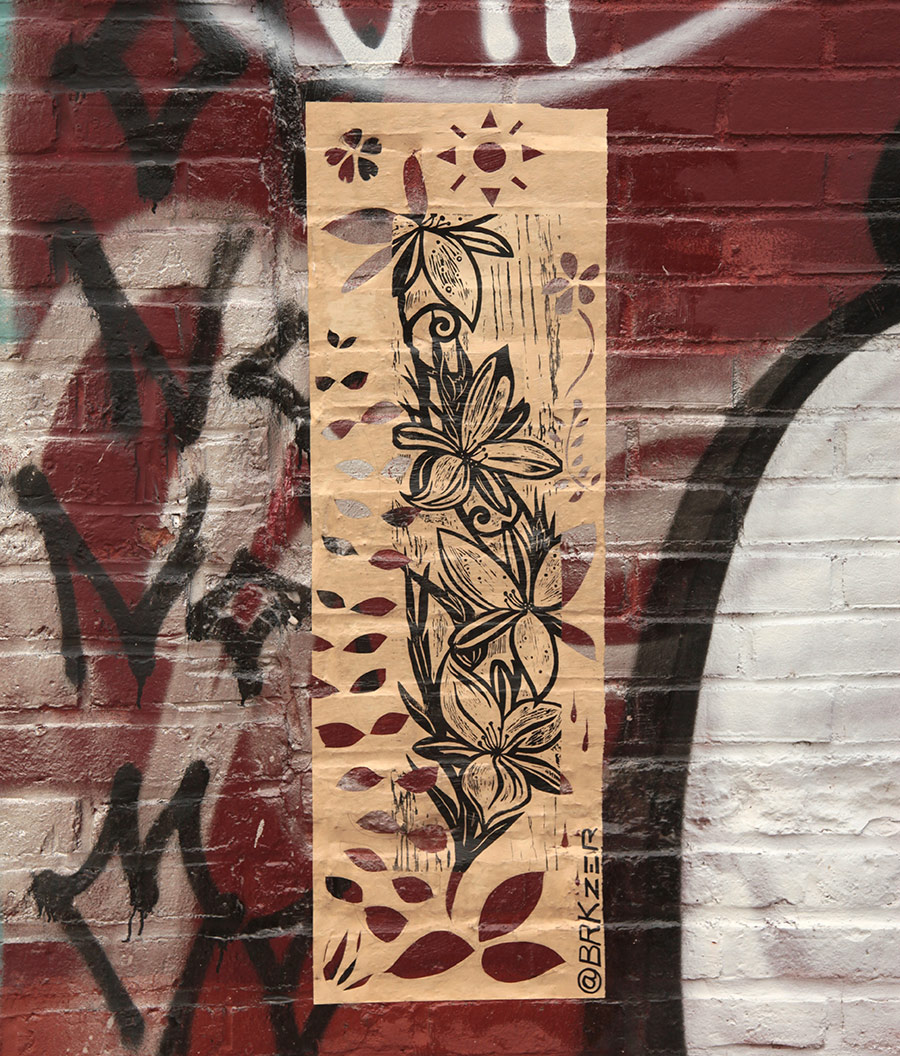
BRKZER (photo © Jaime Rojo)
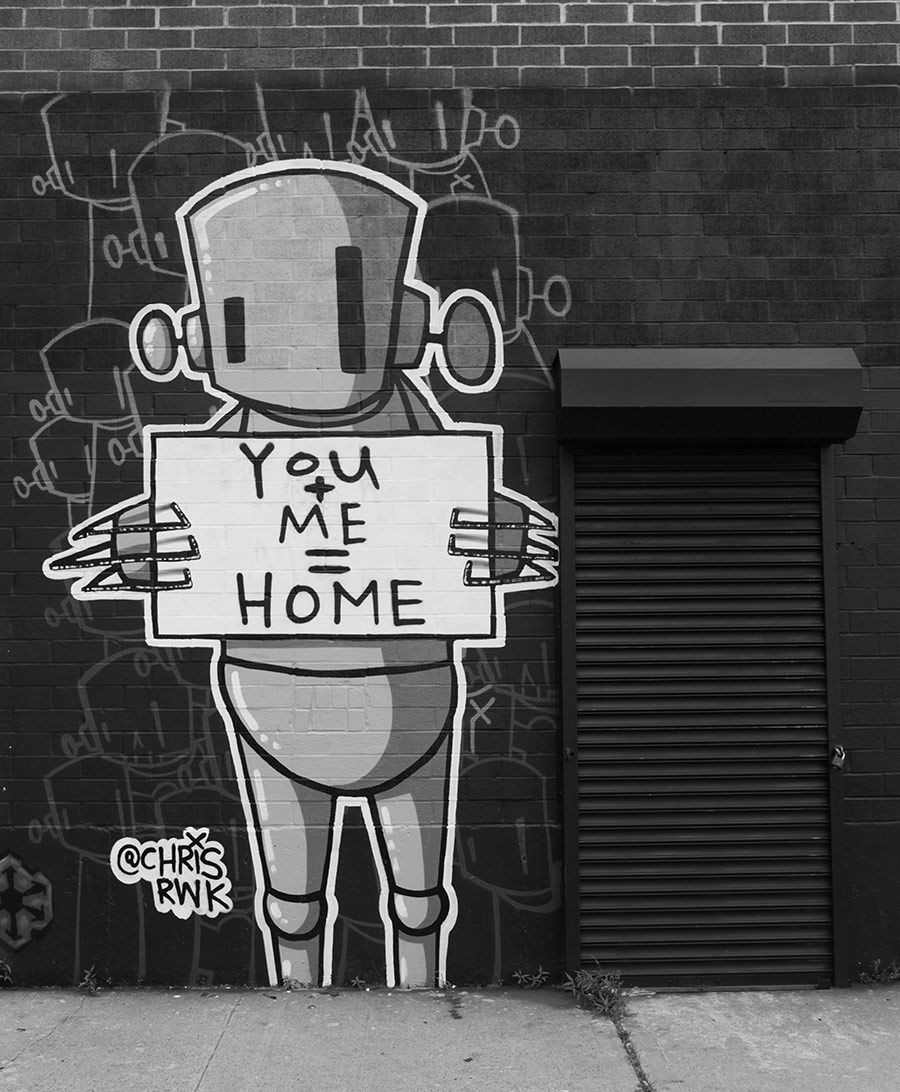
CHRIS RWK (photo © Jaime Rojo)
John Echo (photo © Jaime Rojo)
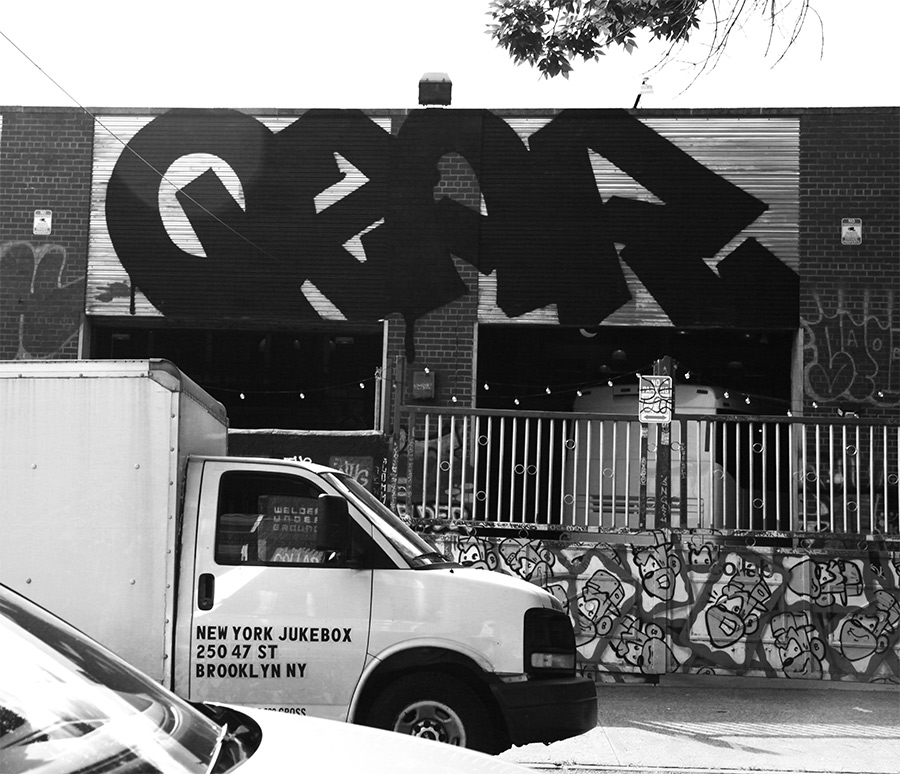
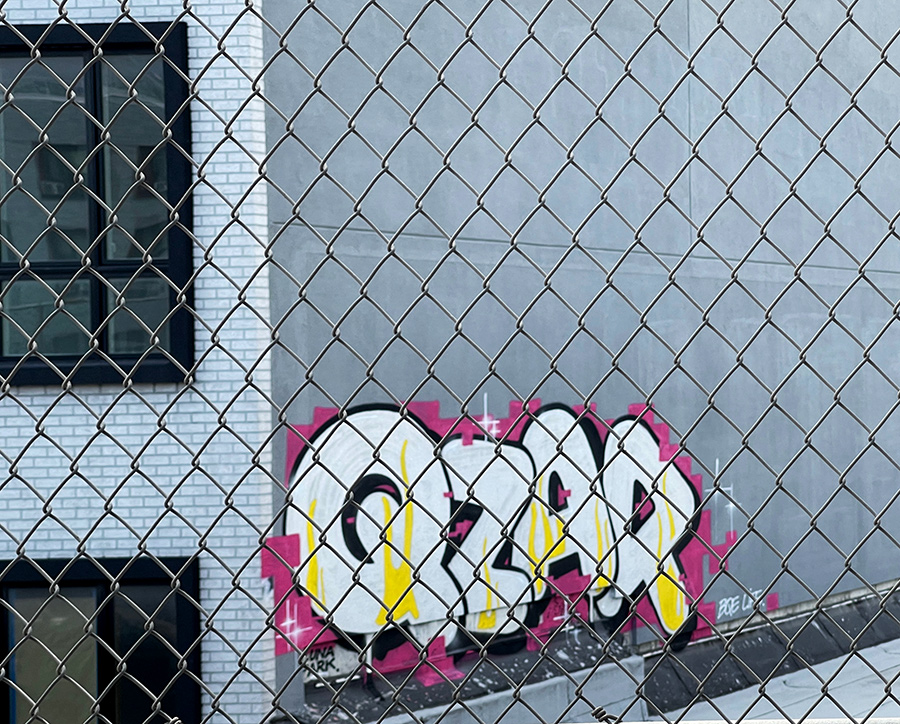
QZAR (photo © Jaime Rojo)
Red Hook offers you a Baroque seat amongst the commoners. Untitled. Brooklyn, NY. Summer 2025. (photo © Jaime Rojo)
Read more
Kromatic Fest: Kromatic Festival Paints a New Identity in Sant Andreu de la Barca

Kromatic Fest: Kromatic Festival Paints a New Identity in Sant Andreu de la Barca

Kromatic de sant Andreu de la Barca, a unos 25 km de Barcelona.


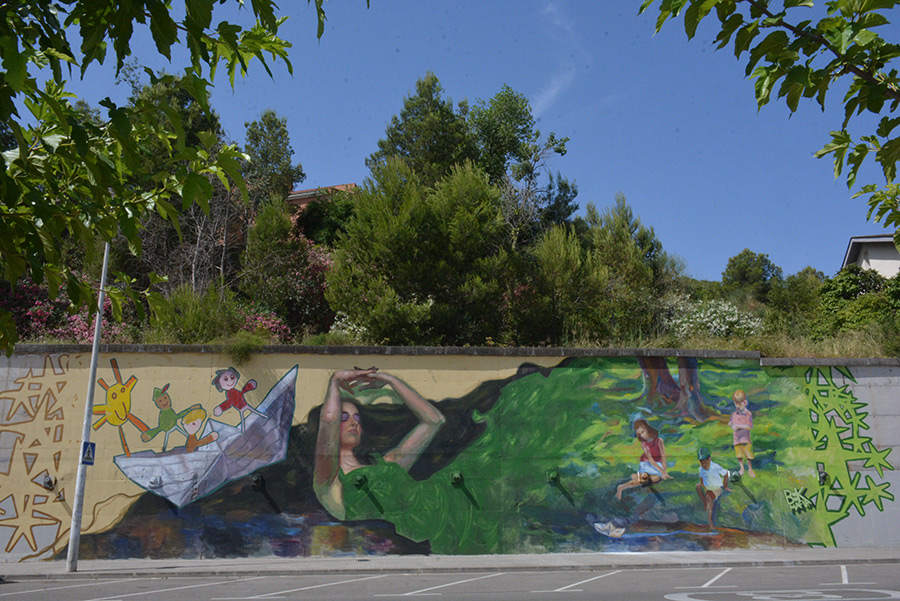
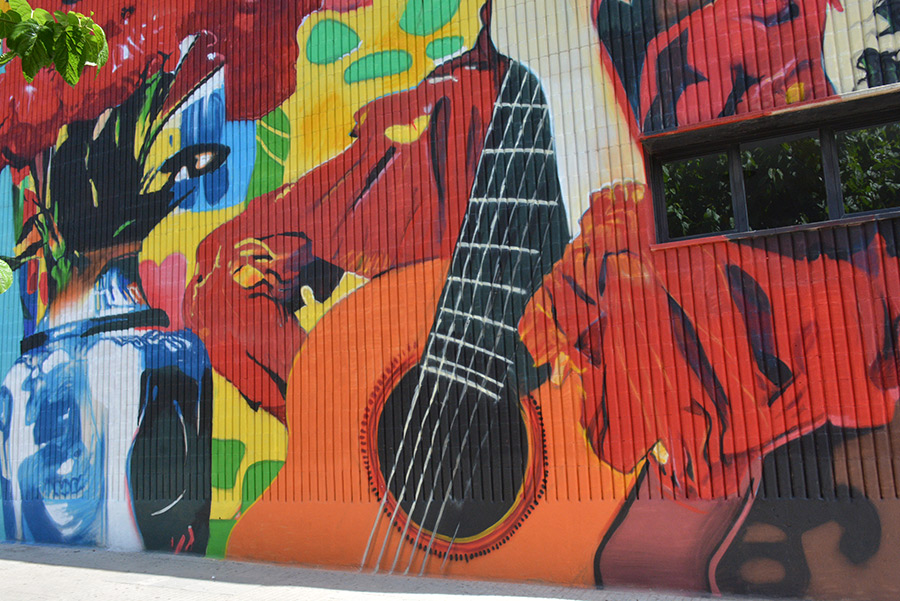
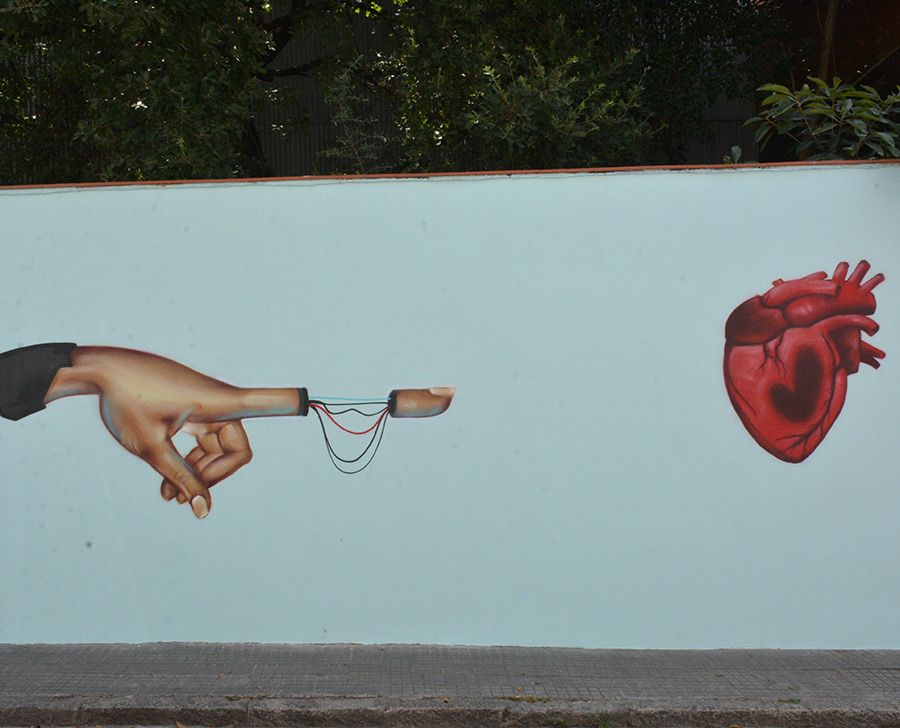
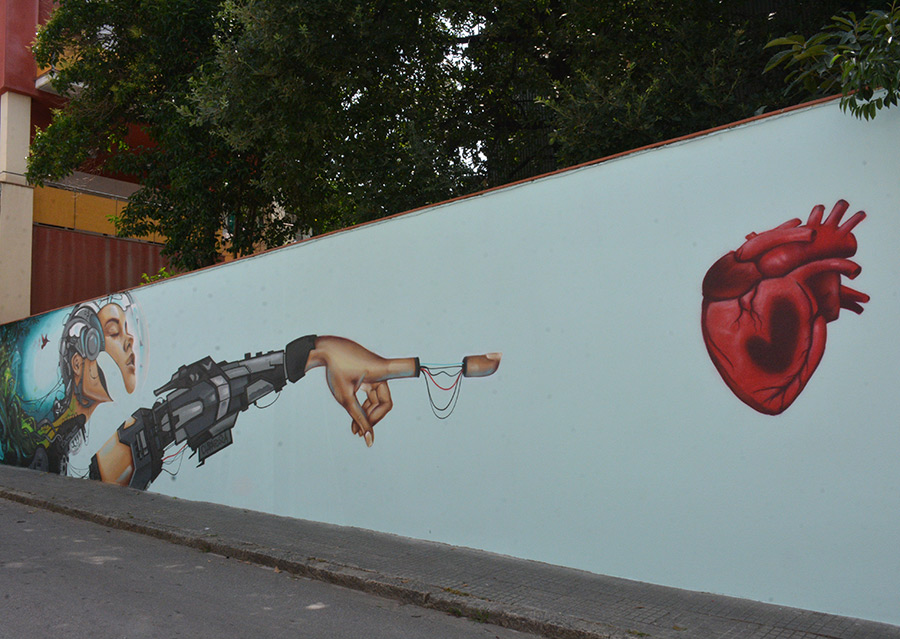
Nestled just outside Barcelona, Sant Andreu de la Barca hosted the first-ever Kromatic Festival, a bold venture in large-scale street art that ran from June 3 to June 23, 2025 — transforming municipal walls into immersive murals and hopefully igniting community dialogue.

This inaugural edition featured seven expansive murals, each selected through a mix of curated invitations and an open-call process, under the artistic direction of Rebobinart in partnership with the Ajuntament de Sant Andreu de la Barca and support from the Generalitat de Catalunya.

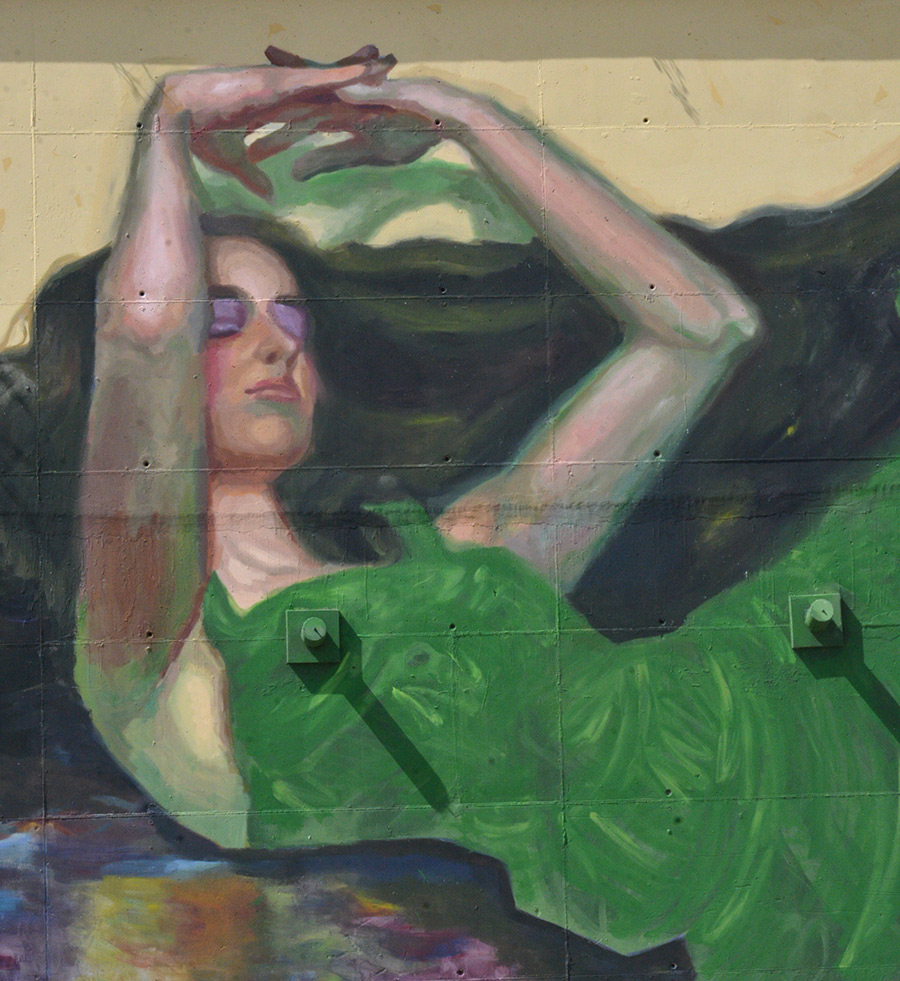
Lula Goce. Detail. Kromatic Festival. Andreu de la Barca, Spain. (photo © Lluis Olive-Bulbena)

Participating artists included:

  • Lula Goce (Galicia, Spain)
  • ROC BlackBlock (Catalonia, Spain)
  • Dan Ferrer (Madrid, Spain)
  • Felipe Pincel (Chile → Barcelona, Spain)
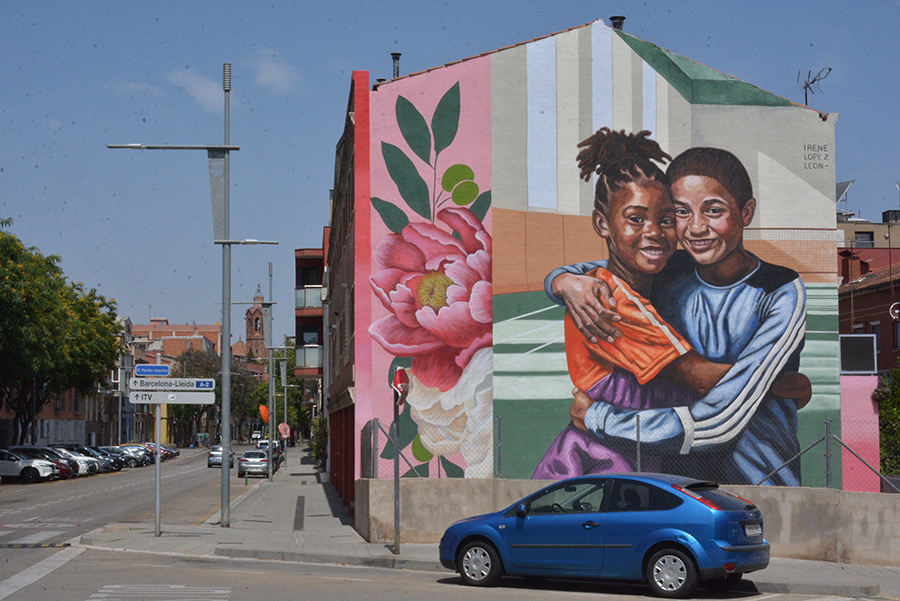
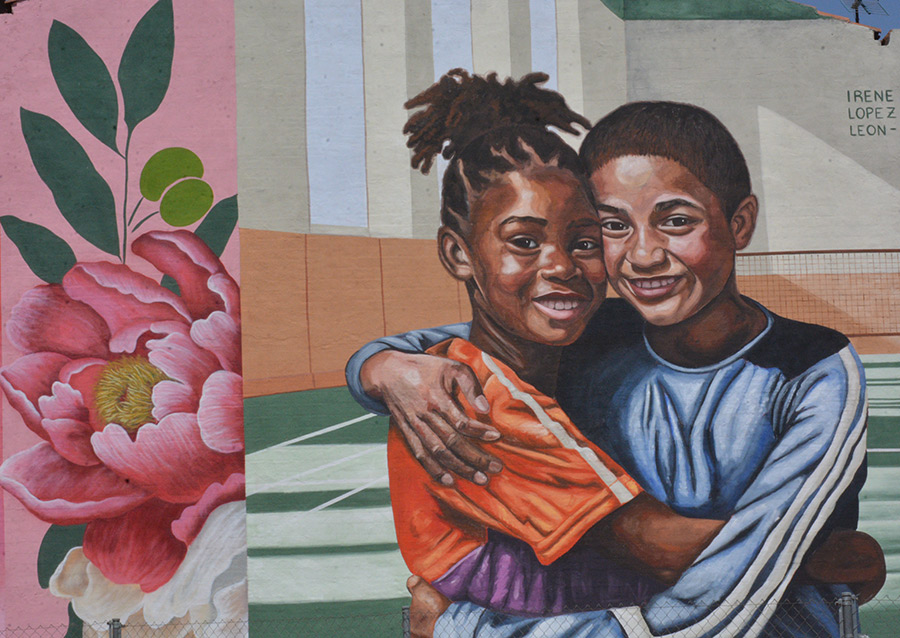
  • Irene López León (Hospitalet de Llobregat, Spain)
  • BK Mafia (Catalan Pyrenees, Spain)

As is often the case today, the festival extended well beyond painting walls: guided mural tours, a children’s graffiti workshop, creative hands-on zones, and a lively closing celebration at Parc Central on June 14 – with neighbors and families in tow.  Our special thanks to photographer Lluis Olive-Bulbena for sharing these images with BSA readers.

Lula Goce. Kromatic Festival. Andreu de la Barca, Spain. (photo © Lluis Olive-Bulbena)
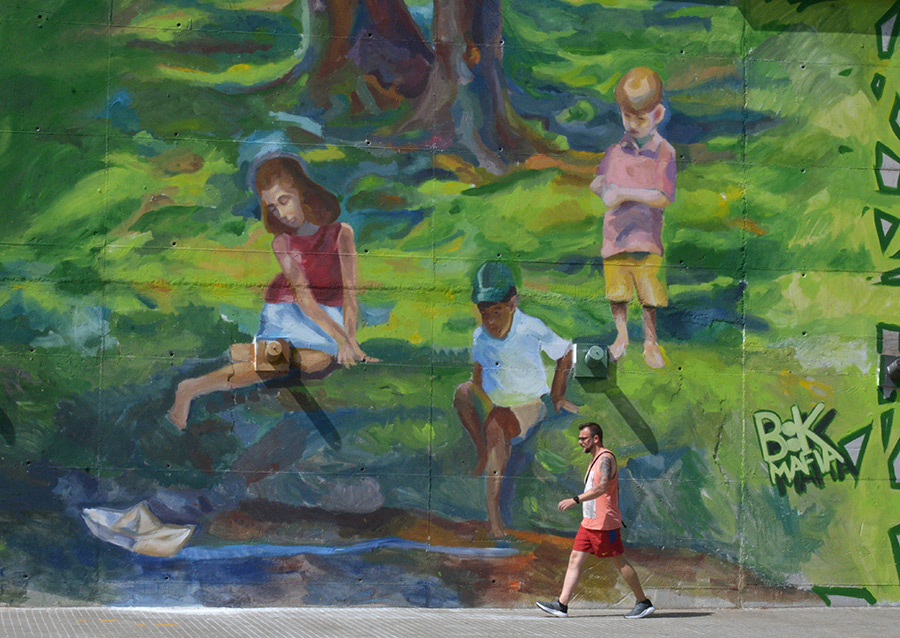
BK Mafia. Detail. Kromatic Festival. Andreu de la Barca, Spain. (photo © Lluis Olive-Bulbena)
BK Mafia. Kromatic Festival. Andreu de la Barca, Spain. (photo © Lluis Olive-Bulbena)
Dan Ferrer. Detail. Kromatic Festival. Andreu de la Barca, Spain. (photo © Lluis Olive-Bulbena)
Dan Ferrer. Kromatic Festival. Andreu de la Barca, Spain. (photo © Lluis Olive-Bulbena)
Felipe Pincel. Detail. Kromatic Festival. Andreu de la Barca, Spain. (photo © Lluis Olive-Bulbena)
Felipe Pincel. Kromatic Festival. Andreu de la Barca, Spain. (photo © Lluis Olive-Bulbena)
Irene Lopez Leon. Detail. Kromatic Festival. Andreu de la Barca, Spain. (photo © Lluis Olive-Bulbena)
Irene Lopez Leon. Kromatic Festival. Andreu de la Barca, Spain. (photo © Lluis Olive-Bulbena)
Roc Blackblock. Detail. Kromatic Festival. Andreu de la Barca, Spain. (photo © Lluis Olive-Bulbena)
Roc Blackblock. Kromatic Festival. Andreu de la Barca, Spain. (photo © Lluis Olive-Bulbena)
Read more
Another Page in the City’s Love Letter – Urban Nation Berlin

Another Page in the City’s Love Letter – Urban Nation Berlin

BSA Special Edition
LOVE LETTERS TO THE CITY at Urban Nation Museum
Newly released Interview snippet with curator Michelle Houston and Steven P. Harrington

The LOVE LETTERS TO THE CITY exhibition at Berlin’s Urban Nation Museum continues to evolve, provoke, and inspire—inviting new eyes and fresh conversations nearly a year since its debut. Curated by Michelle Houston, the show features over 50 artists from Berlin and around the globe, each offering their own “letter” to the city in the form of street art, sculpture, video, photography, and installation.
In this short video, BSA’s Steven P. Harrington sits down with Houston to revisit the themes driving the exhibition—urban transformation, inequality, climate crisis, and the radical hope that public art can awaken something deeper in our cities. Together, they explore the continued resonance of works by icons like Banksy, Lady Pink, Shepard Fairey, and Vhils, alongside emerging voices and Berlin-based practitioners such as Rocco and His Brothers, Susanna Jerger, and Jazoo Yang.

With the show remaining open for at least another year, this is your reminder: don’t miss the chance to experience a rare international dialogue unfolding inside—and outside—the walls of the museum. It’s not just a show. It’s an ongoing conversation between artists and the city.

Read more
BSA Images Of The Week: 07.13.25

BSA Images Of The Week: 07.13.25

This image has an empty alt attribute; its file name is BSA-IMAGES-OF-THE-WEEK-JUNE-07-b-2025.jpg

Welcome to BSA Images of the Week.

Here in Brooklyn we move through a lush delirium—a rhapsody in blue and green, thick with summer and song, strident prose, a bit of jazz. In certain pockets of creativity the aerosol fumes from many a graff writer and mural painter are landing like a cloud on your sweaty skin and sliding off into the sewer below. The echos of Saturday night stereo is pounding in our memories with the adorable Atlanta hedonism of Bunna Summa and the swooning Puerto Rican charms of suavicito Bad Bunny. Vices and voices lilt through the neighborhood at night; a humidity induced dream that confirms we are all “New Yol” now.
Yes, the world feels upside down—truths twisted, systems slipping, war drums on many fronts—but for now it’s summer in Brooklyn, and we’re still in love. So let’s take our time… dance in the streets, drift across rooftops, wander the train tracks. Let the city hold us a little longer.

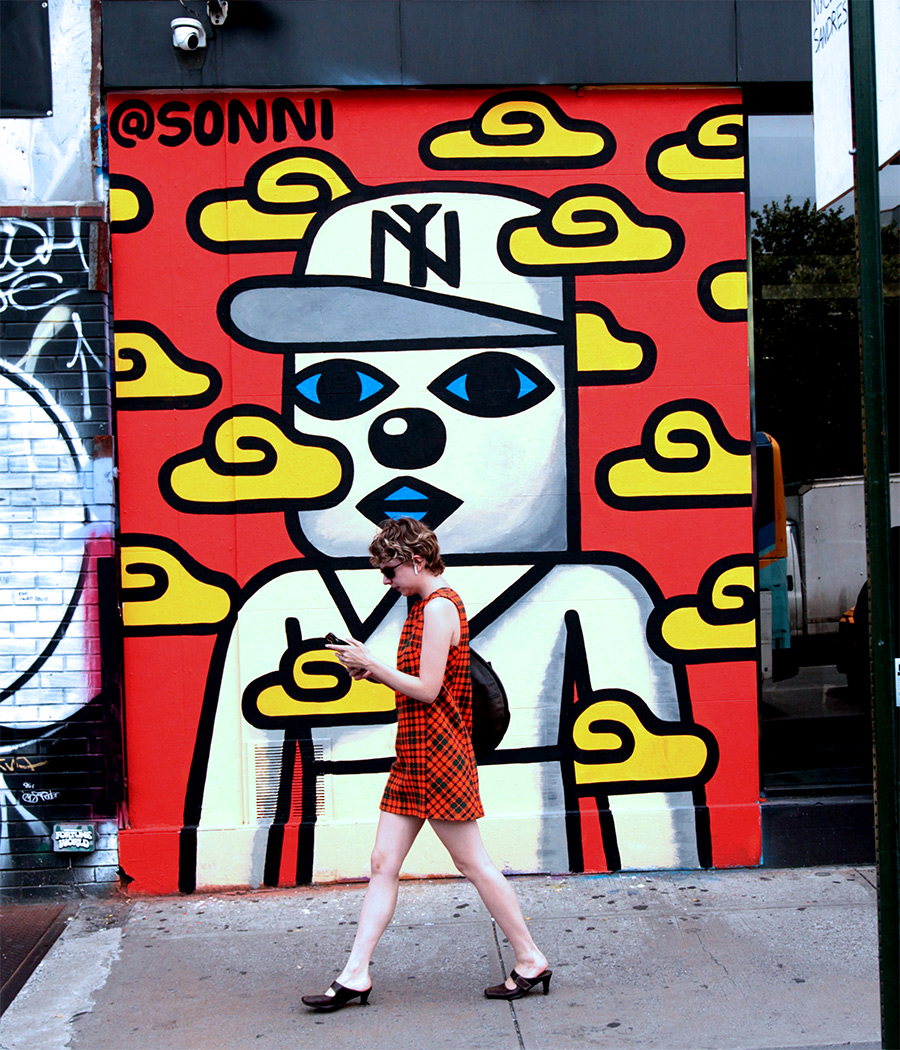
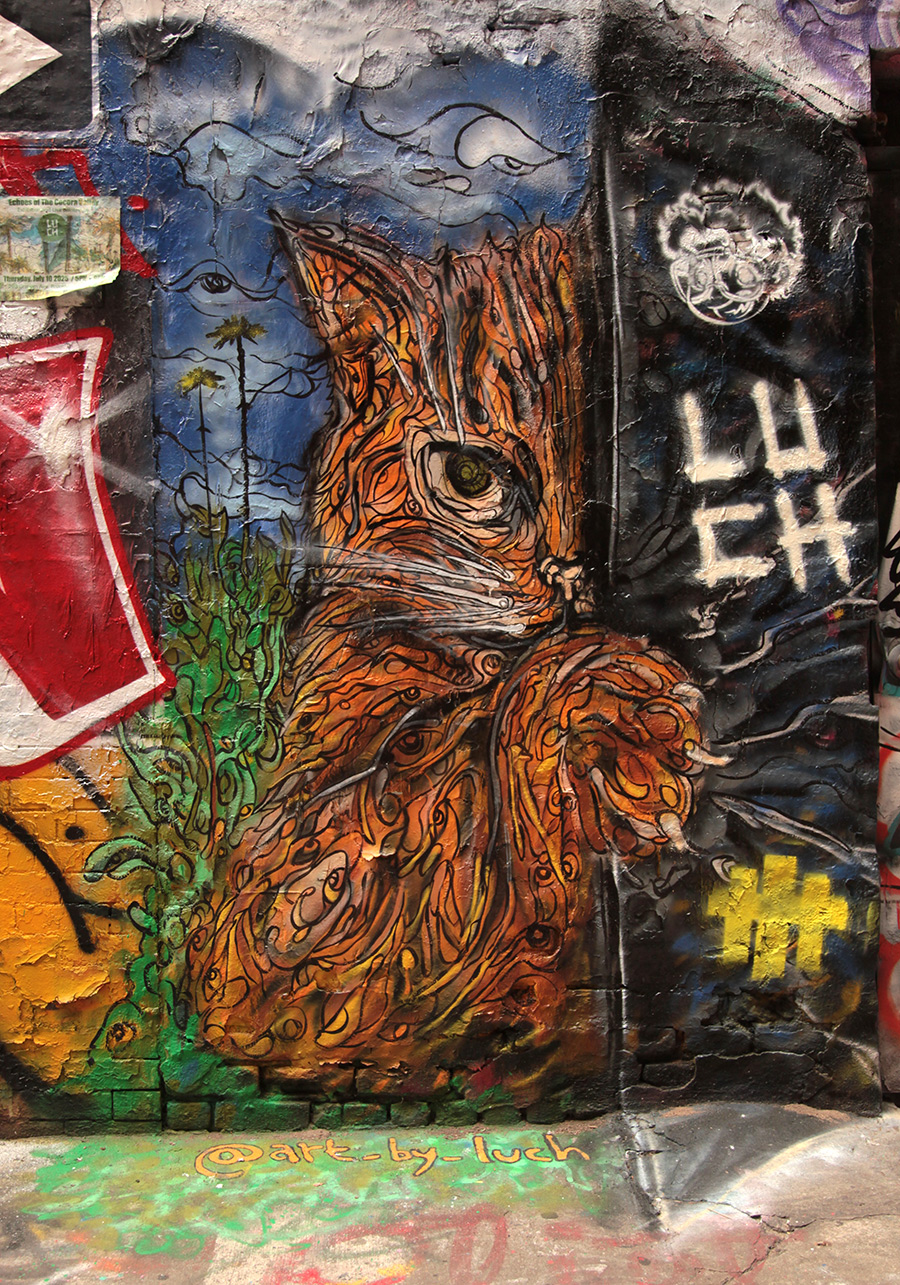
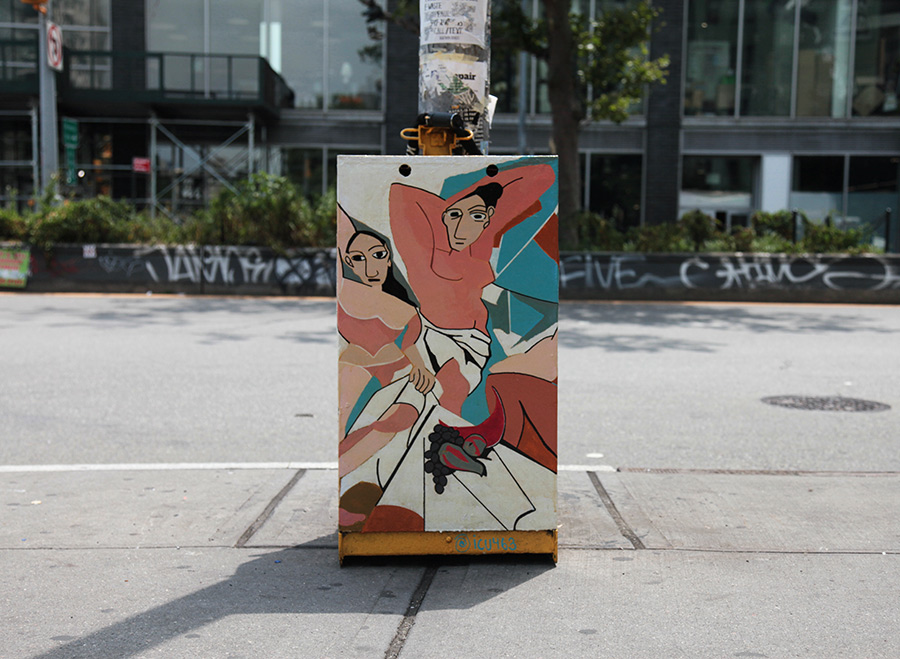
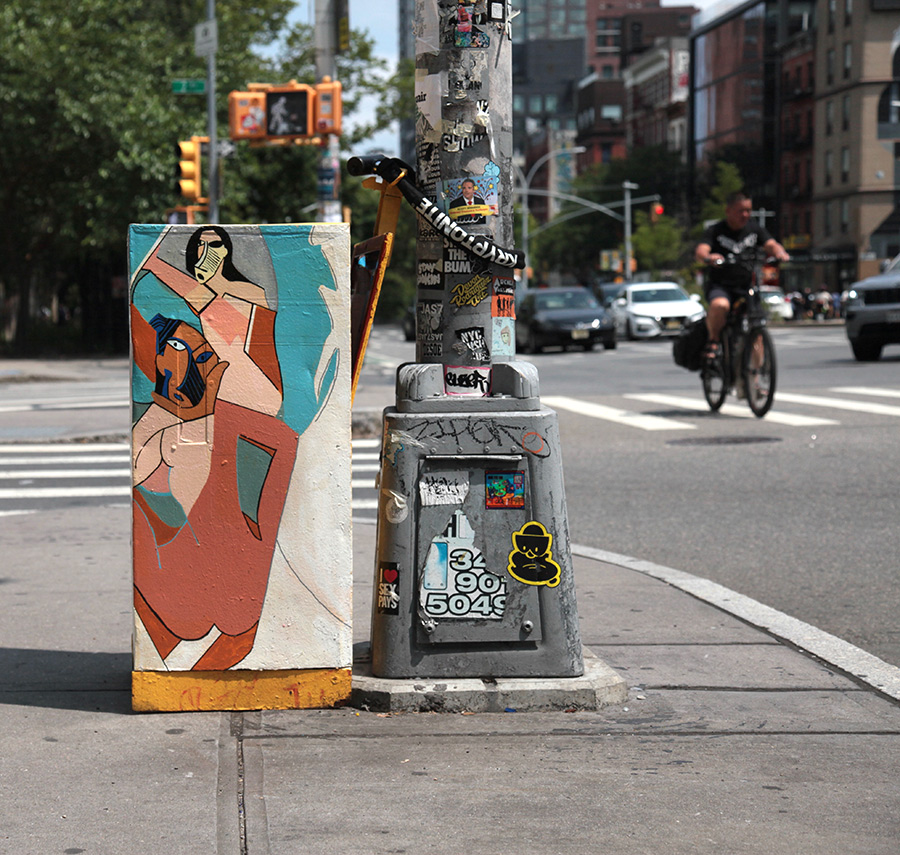
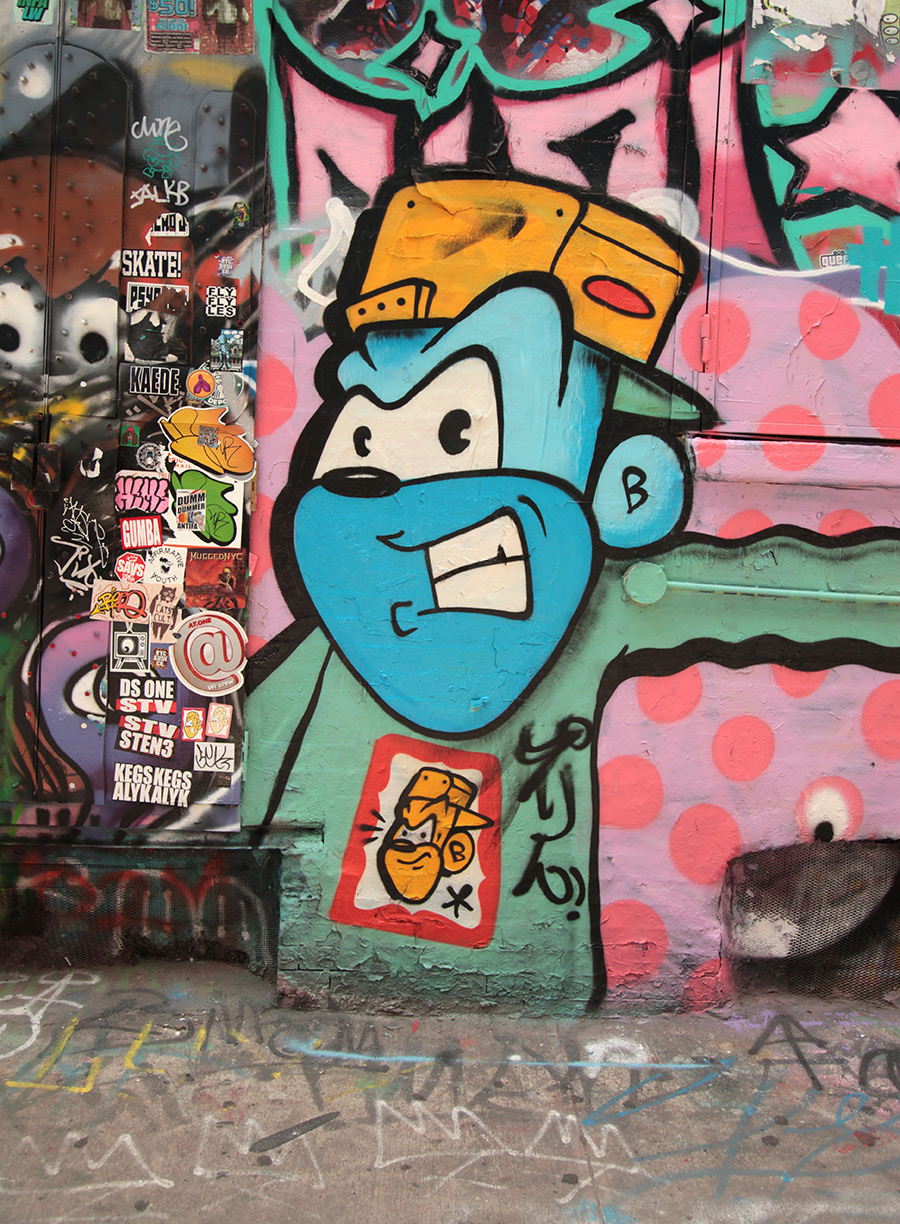
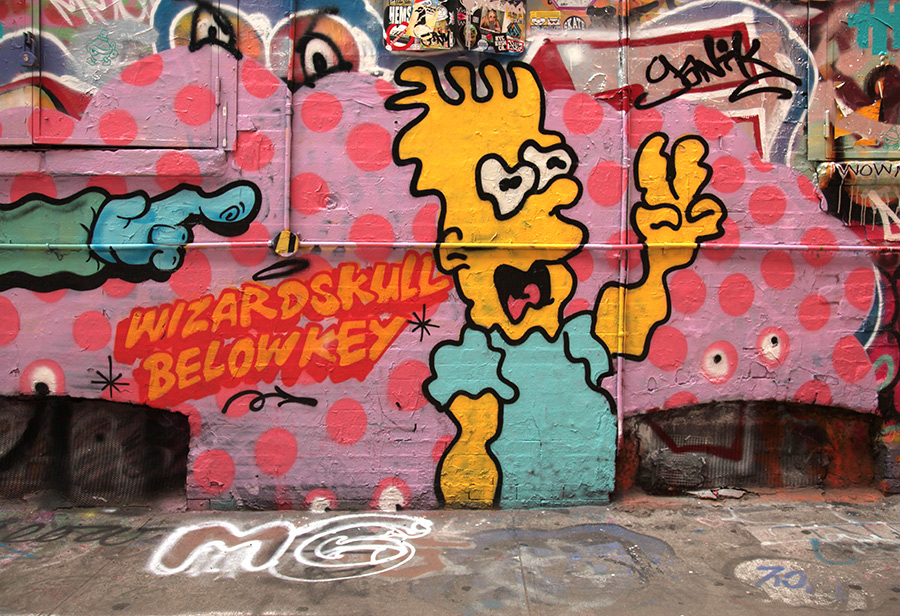
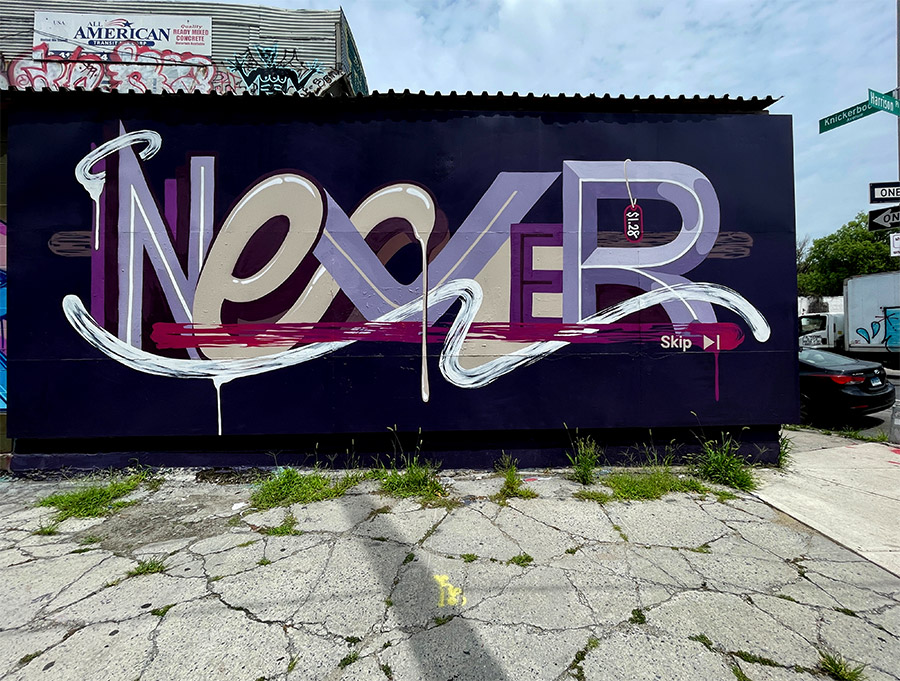
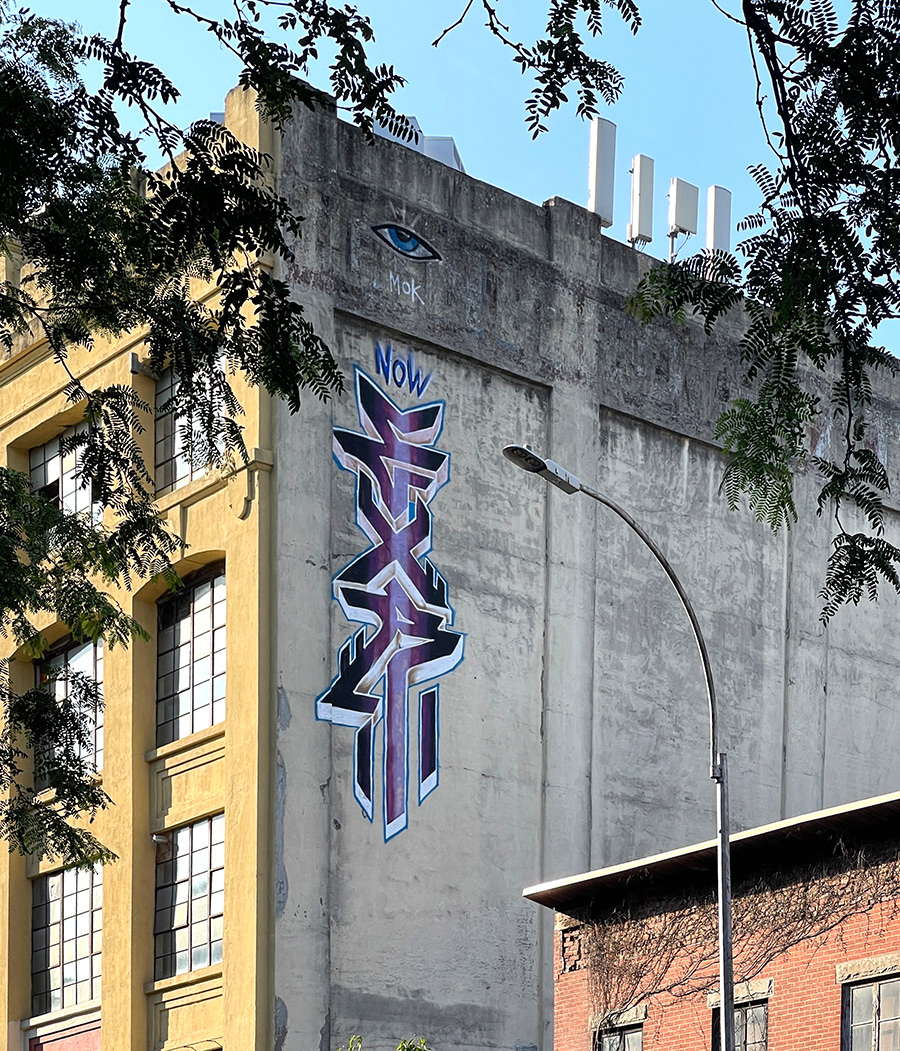
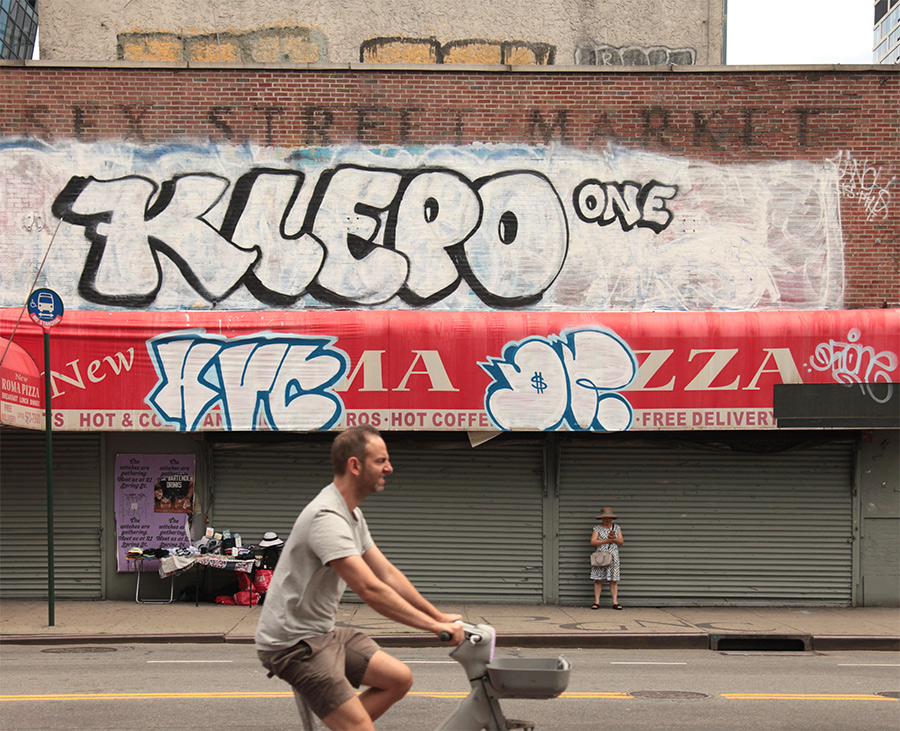
Here’s a glimpse of NYC graffiti, street art, and murals captured in this week’s survey, including Below Key, Ed Roth, EXR, Fumero, ICU463, Klepo One, Luch, Never Satisfied, Nick Walker, Sonni, TQRY, and Wizard Skull.

Being (photo © Jaime Rojo)
SONNI (photo © Jaime Rojo)
Luch (photo © Jaime Rojo)
ICU463 (photo © Jaime Rojo)
Below Key (photo © Jaime Rojo)
Wizard Skull (photo © Jaime Rojo)
Below Key – Wizard Skull (photo © Jaime Rojo)
Never Satisfied (photo © Jaime Rojo)
EXR (photo © Jaime Rojo)
Unidentified Artist (photo © Jaime Rojo)
Fumero (photo © Jaime Rojo)
Nick Walker. Detail. (photo © Jaime Rojo)
Nick Walker (photo © Jaime Rojo)
KLEPO ONE (photo © Jaime Rojo)
TQRY (photo © Jaime Rojo)
Let’s spend the night together. Ed Roth (photo © Jaime Rojo)
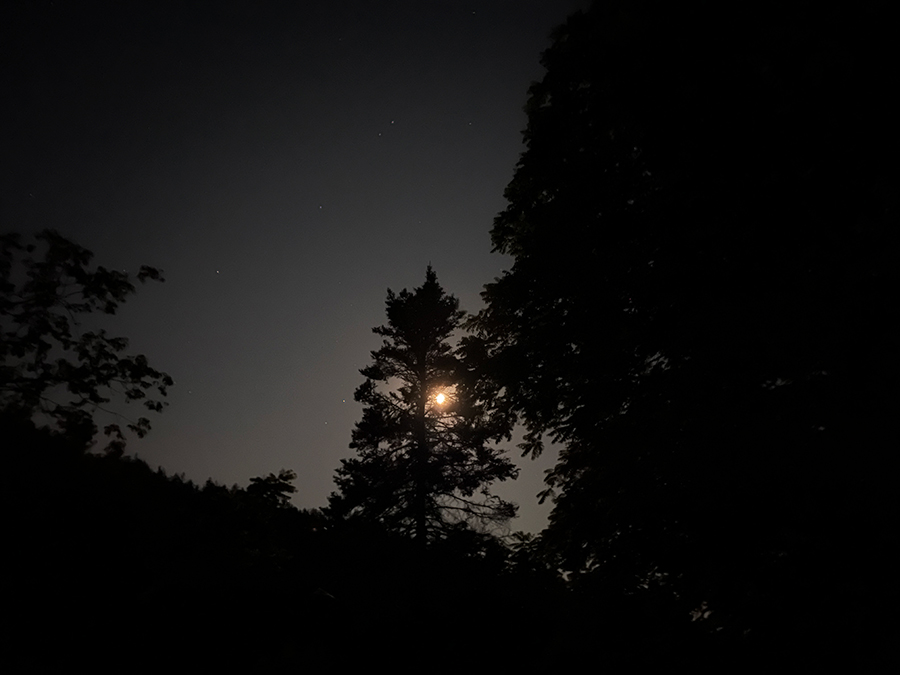
Untitled. Upstate New York. July 4, 2025. (photo © Jaime Rojo)
Read more
From Burner to Branding: Street Art’s New Role on the Wall

From Burner to Branding: Street Art’s New Role on the Wall

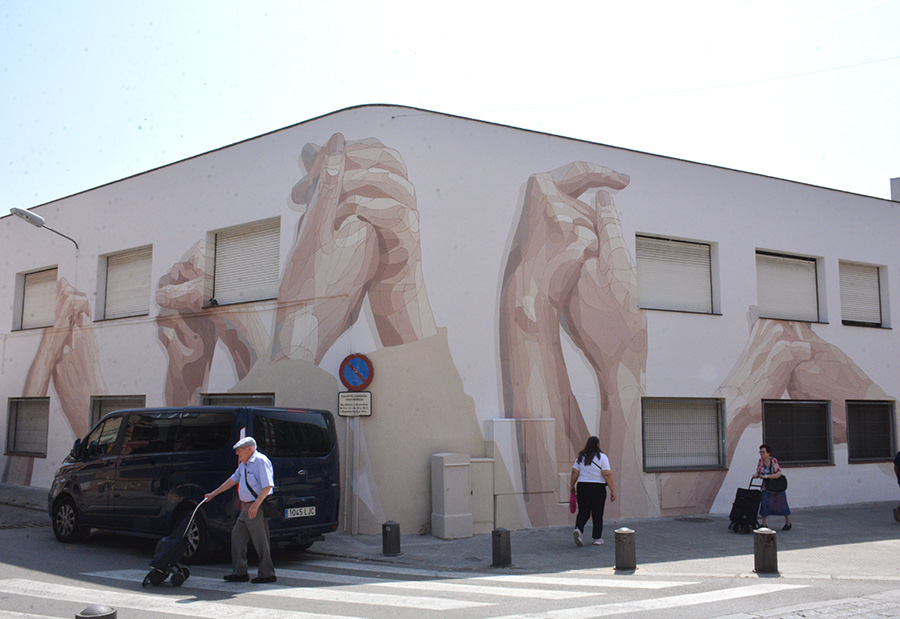
For three days in early June, the streets of Mollet del Vallès echoed with the clatter of ladders, the hiss of spray cans, and the upbeat pulse of DJs and market stalls. Artists from across Spain and beyond—including Laia, Uriginal, Sfhir, Lily Brik, Digo.Art, and Zurik—brought their visions to life on walls around the city, turning otherwise ordinary facades into large-scale, camera-ready installations. At first glance, the scene resembled the familiar format of the community-driven mural festivals that have blossomed across Europe over the past two decades. But here, the origin story takes a turn: this wasn’t a grassroots uprising to reclaim public space. This was a polished production by a commercial mural company with a massive artist roster and an even bigger understanding of branding, translating the original aesthetic of rebellion into a marketable vibe.

Mandioh. Detail. Pintalis Festival 2025. Mollet, Spain. (photo © Lluis Olive Bulbena)

It’s easy to feel a pang of cynicism at what looks like another chapter in the ongoing domestication of street culture. Born in the neglected and often criminalized neighborhoods of 1970s New York, graffiti and the young brown/black/white kids who created it emerged with defiance, urgency, and a distinctly anti-authoritarian voice. The DIY energy and coded visual languages that fueled the subsequent Street Art scene once sparked public outrage and discussed topics that moved conversations on the street, but sometimes now are replaced with client briefs and sponsored walls. The mural isn’t a transgression—it’s a deliverable. Need a splash of urban edge for your brand? Book a mural. Want to boost team morale? Gather the staff for a graffiti-themed bonding exercise.

But the story doesn’t end there. Many of the artists involved in these commercial projects are veterans of illegal walls and train yards. They bring serious technique and deep cultural fluency to every surface they touch. And here lies the paradox of contemporary muralism: the best of these artists walk a fine line between selling out and showing up, managing to deliver public art that retains authenticity even when it’s wrapped in a marketing package. For some, the deal is worth it—access to large walls, financial stability, and the freedom to paint without looking over your shoulder.

Taquen. Detail. Pintalis Festival 2025. Mollet, Spain. (photo © Lluis Olive Bulbena)

We don’t need to mythologize the past to see how far things have shifted, and in many cases, improved. Some of the earliest street art festivals were organized by galleries and business owners who represented the same artists. Presumably, these artists are helping to pay the rent and developing their body of work. As “outside” as it once was, Street art is no longer the outsider; it’s part of the cultural toolkit, rolled out to energize neighborhoods, attract foot traffic, and present celebratory versions of “local identity.” The murals in Mollet del Vallès may not spark revolution or defy authority, but they do offer a snapshot of where street art stands today. This is what happens when “counterculture” trades its balaclava for a business card and becomes “culture”.

Viviana Grondona. Detail. Pintalis Festival 2025. Mollet, Spain. (photo © Lluis Olive Bulbena)
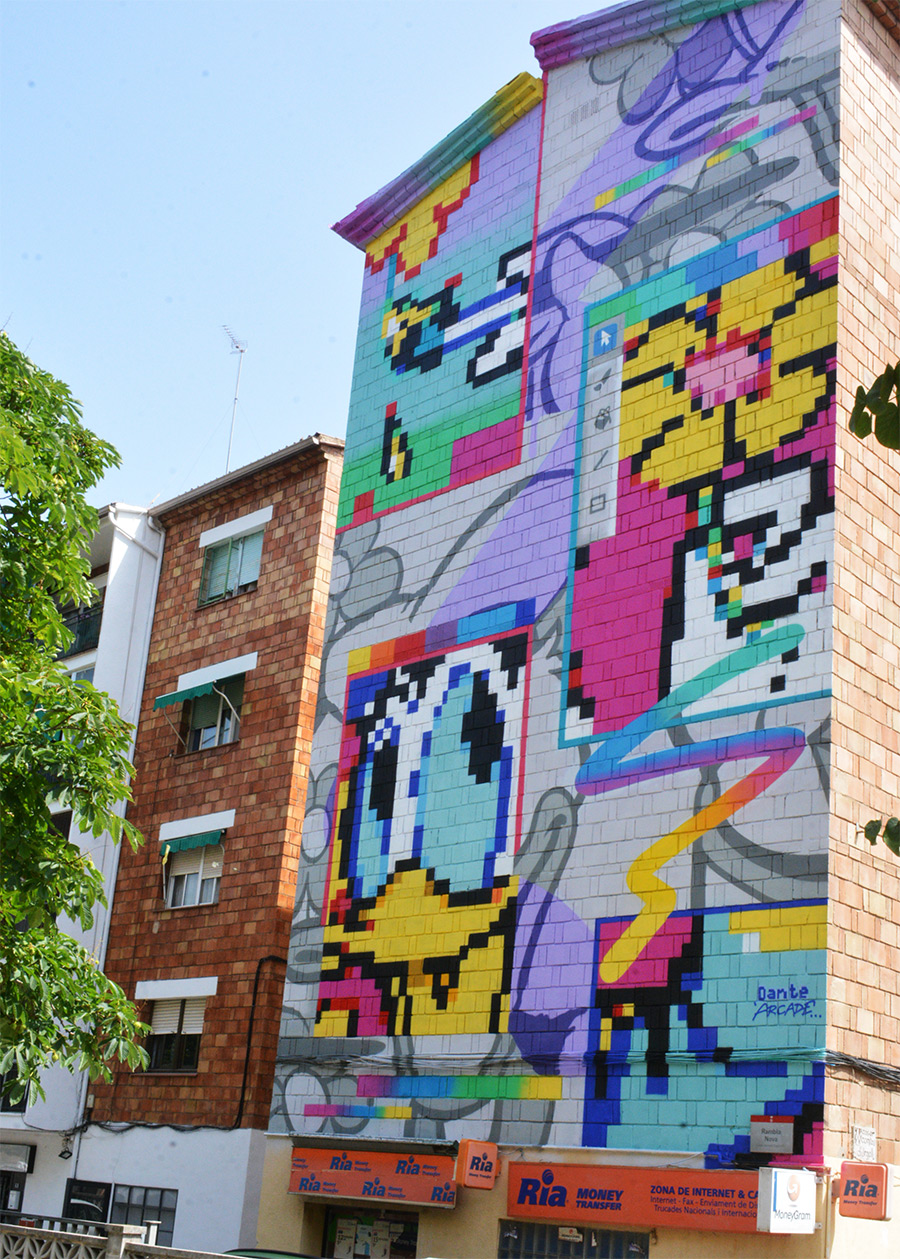
Dante Arcade. Detail. Pintalis Festival 2025. Mollet, Spain. (photo © Lluis Olive Bulbena)
Clarafosca. Pintalis Festival 2025. Mollet, Spain. (photo © Lluis Olive Bulbena)
Pintalis Festival 2025. Mollet, Spain. (photo courtesy of the festival)
Read more
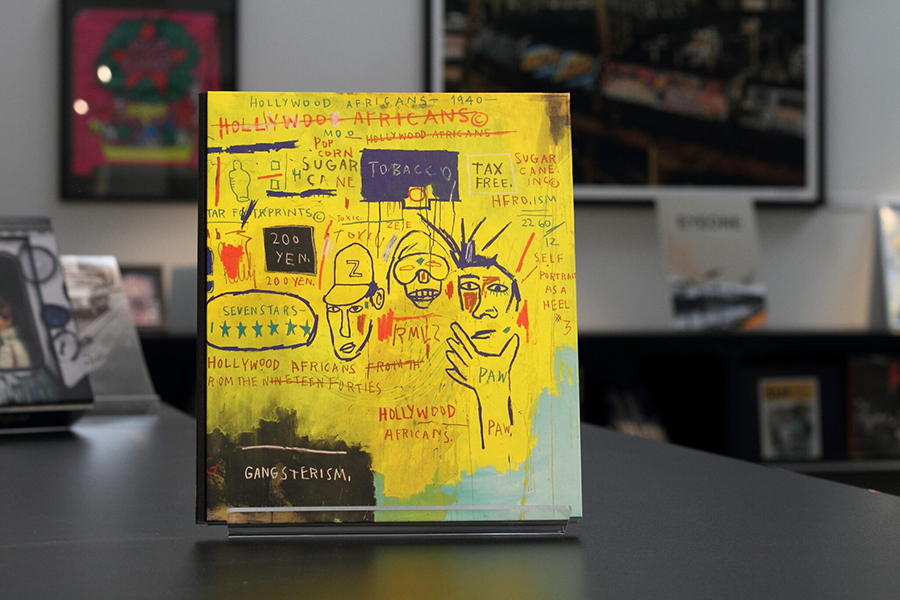
Books in the MCL: Liz Munsell, Greg Tate (ed.): Writing the Future: Basquiat and the Hip-Hop Generation

Books in the MCL: Liz Munsell, Greg Tate (ed.): Writing the Future: Basquiat and the Hip-Hop Generation

Liz Munsell, Greg Tate (ed.): Writing the Future: Basquiat and the Hip-Hop Generation

Reprinted from the original review.

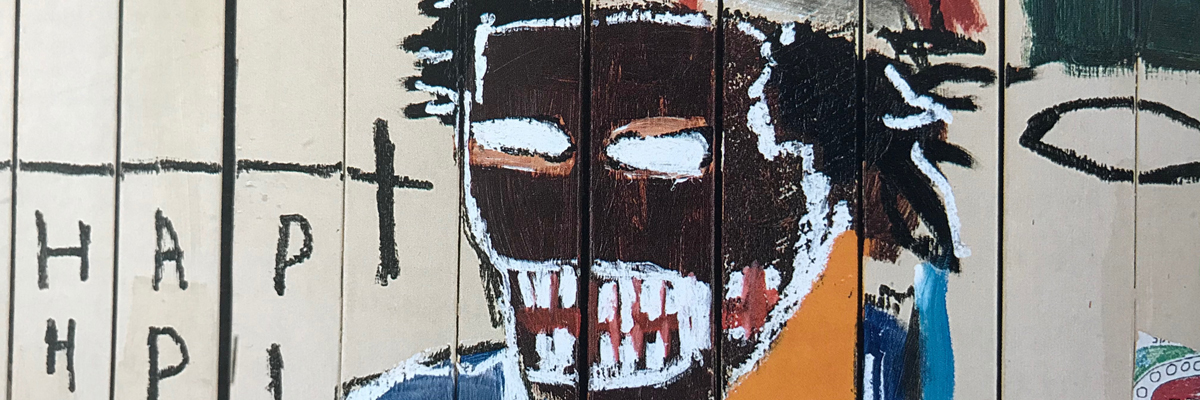
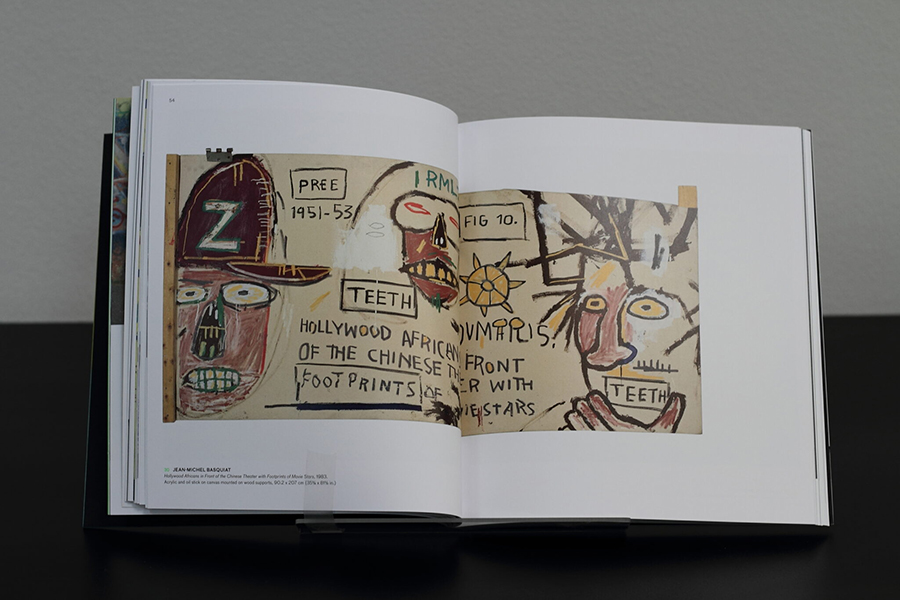
The catalogue Writing the Future: Basquiat and the Hip-Hop Generation, accompanying the Museum of Fine Arts, Boston exhibition, is as multifaceted and dynamic as its subject. Edited by Liz Munsell and Greg Tate, this robust volume unravels the layers of Jean-Michel Basquiat’s artistic world and his role within a transformative cultural era. It positions Basquiat not just as an individual artist but as a pivotal figure in a constellation of intersecting movements reshaping art, music, and performance in 1970s and 1980s New York City.

The book is as much a cultural chronicle as it is an artistic study. It captures the chaotic, electrifying energy of a New York where the boundaries between “high” and “low” art dissolved, and the street became an unregulated gallery. The text delves into the social and cultural exchanges between the Uptown and Downtown scenes—worlds simultaneously divided and united by race, class, and artistic vision. These layers are vividly brought to life through essays that explore the societal forces shaping Basquiat’s era: the collapse of urban economies, the rise of hip-hop, and the cultural syncretism that defined the city’s creative spaces.

MARTHA COOPER LIBRARY: BOOK RECOMMENDATION⁠

? | Title: Writing the Future: Basquiat and the Hip-Hop Generation
? | Publisher: MFA Publications, Museum of Fine Arts, Boston (May 5, 2020)
? | Authors: Liz Munsell, Greg Tate (ed.) With contributions by J. Faith Almiron, Dakota DeVos, Hua Hsu, and Carlo McCormick
? | Language: English

CLICK URBAN NATION BERLIN TO CONTINUE READING

Text: Steven P. Harrington & Jaime Rojo, Fotos: Eveline Wilson

Read more
BSA Images Of The Week: 07.06.25

BSA Images Of The Week: 07.06.25

Welcome to BSA Images of the Week.

Fourth of July weekend stretched into at least three days this year for many New Yorkers—some staying in town to catch the spectacular fireworks displays over the East River between Brooklyn and Manhattan, others escaping to Long Island, Upstate New York, or New Jersey. Chasing cooler air and a patch of green, they rent, borrow, and maybe even steal cars for the chance to go camping, canoeing, fire up a barbecue, and revisit Aunt Eloise’s legendary Ambrosia Salad—a chilled “salad” of mini marshmallows, canned mandarin oranges, crushed pineapple, coconut, and Cool Whip. Anyone want a hot dog?

Back in the city, stoop sales and block parties occupy the streets, murals are going up, and conversations drift between the Fourth of July Subway Series games with the Mets and Yankees, the newly approved rent-control rate hikes, and the eye-popping sums raised by the city’s elite to defeat the Socialist Democrat currently leading the mayoral race.

There’s also unease over the Big Beautiful Bill signed by the president on July 4th—an enormous, controversial budget that offers major tax breaks for the wealthy while cutting food and healthcare programs for the poor. It’s being called one of the most consequential—and divisive—pieces of legislation in decades. As you read over the text and see where the money is disappearing from and who it is going to, it may appear to you as a dark mirror version of a well-known children’s story, like a “Reverse Robinhood.” Yet, the debt will still increase…

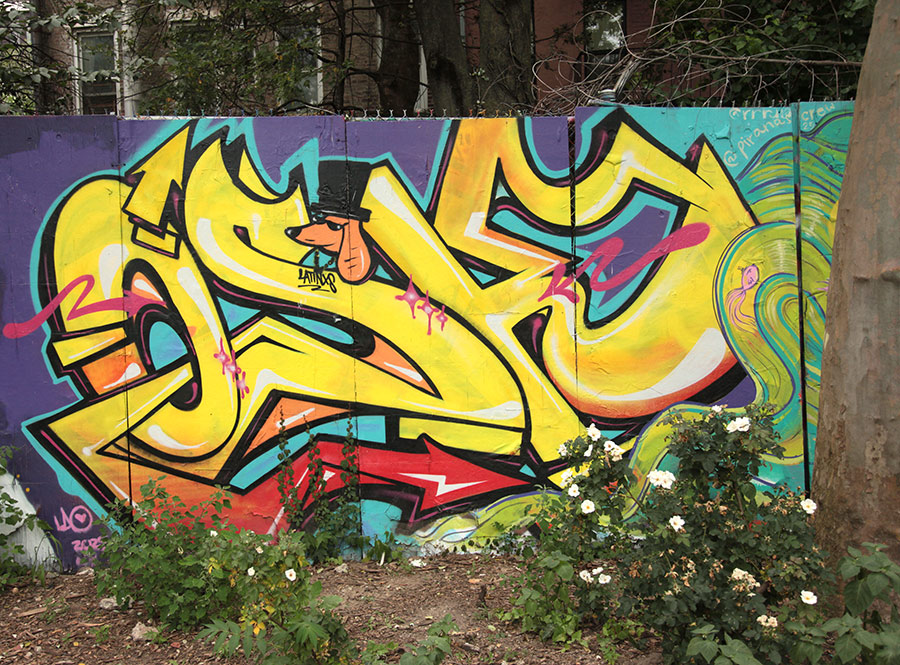
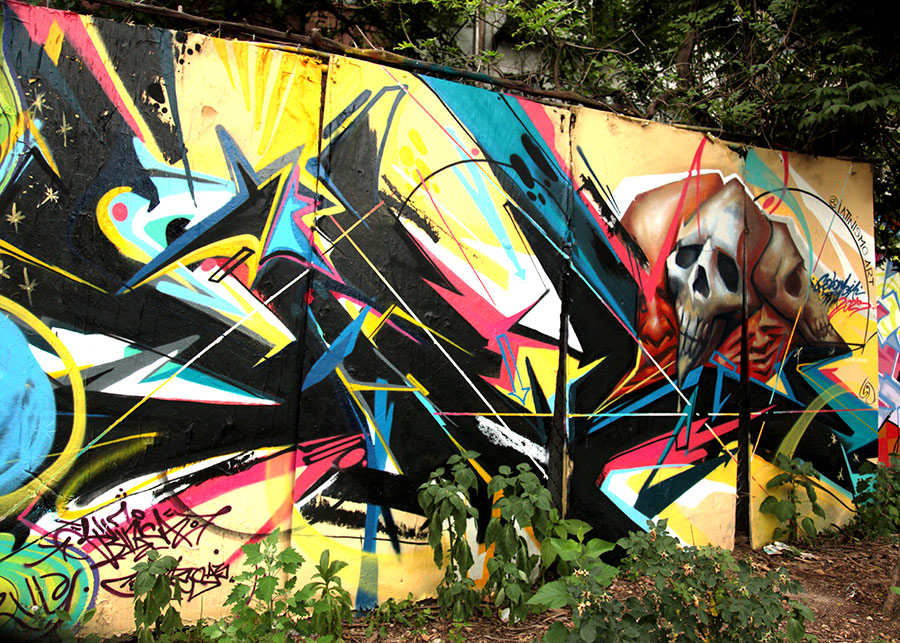
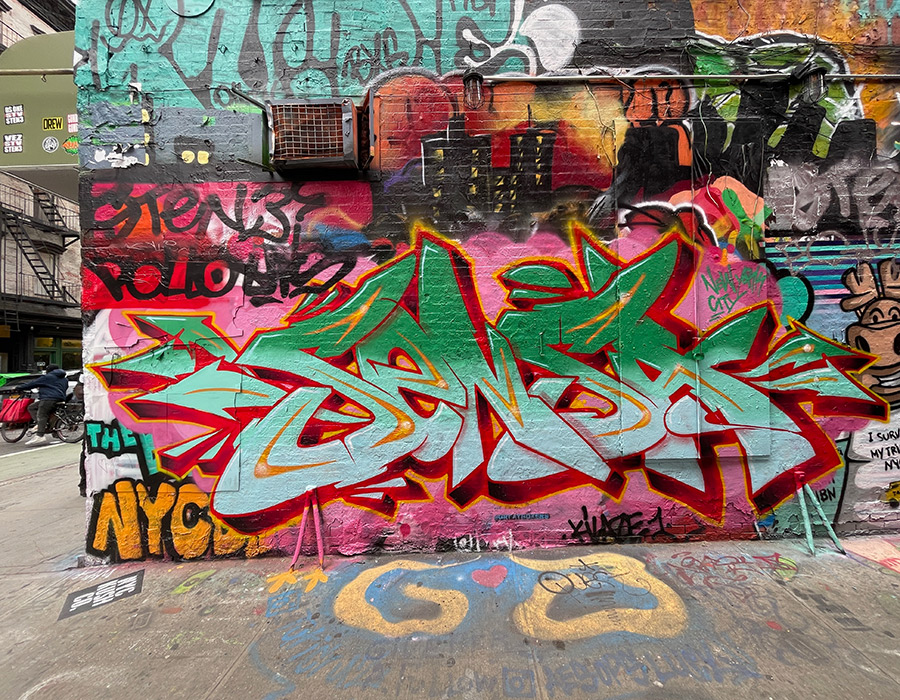
Here’s a glimpse of the latest graffiti, street art, and murals captured in this week’s survey, including Aida Miro, Frankie Botz, Humble, Juliana Ruiz, Kong Savage, Lao Art, Lina Montoya, Minhafofa, MSK Crew, Musicoby, OSK, Paolo Tolention, Phetus88, Pixote, Qzar, Rambo, Sonni, Steve Sie, Tess, and Zoot.

Phetus 88 for Underhill Walls. (photo © Jaime Rojo)
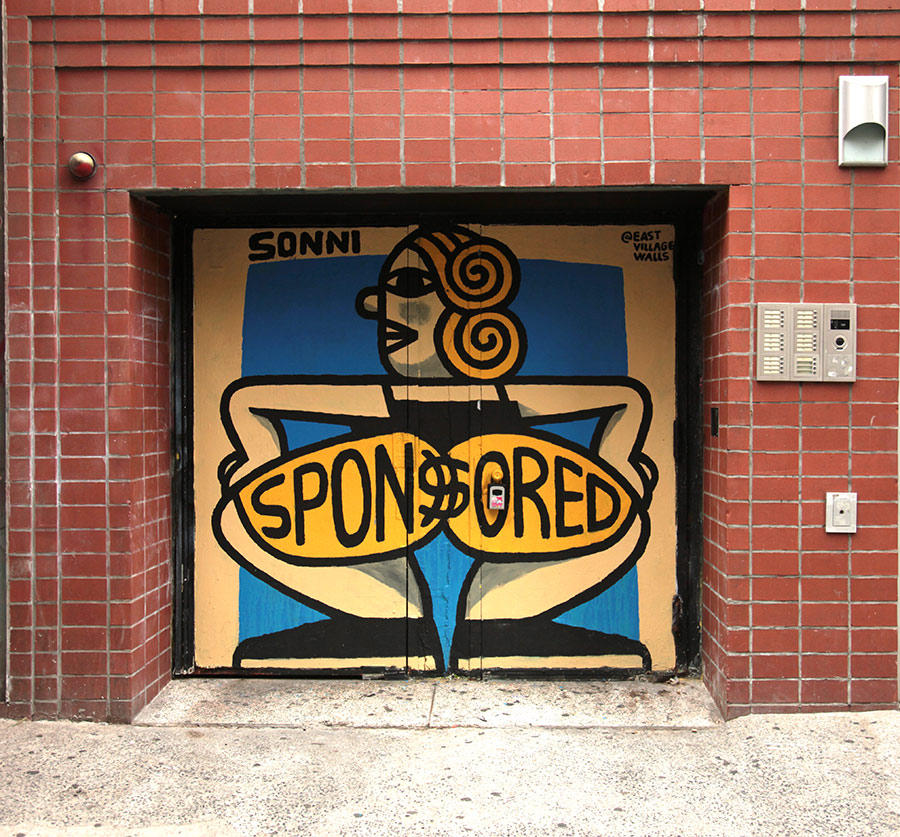
Sonni for East Village Walls. (photo © Jaime Rojo)
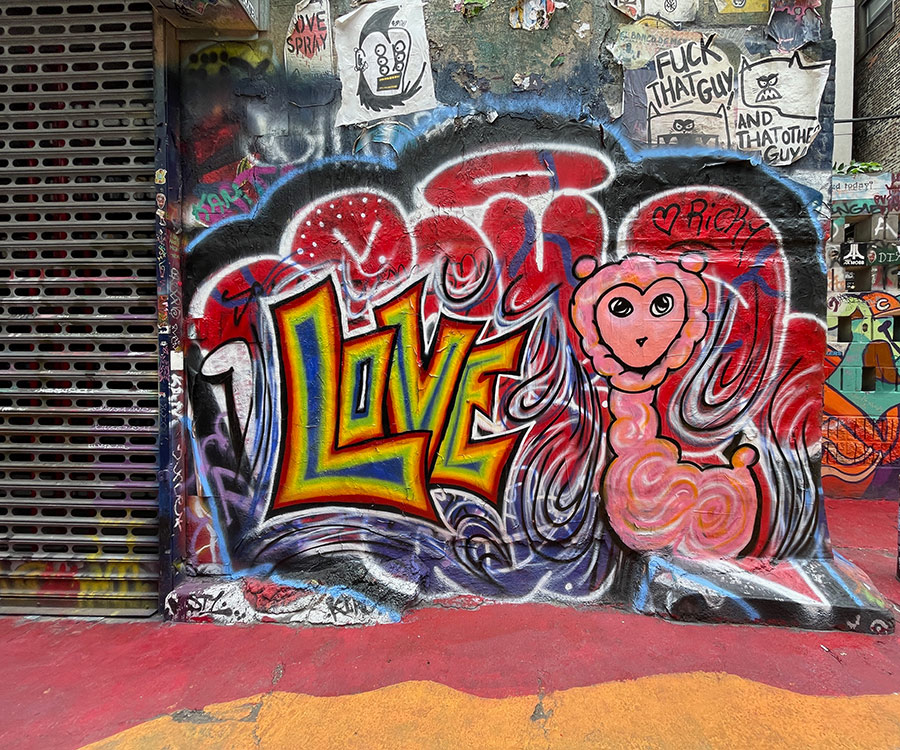
Little Ricky (photo © Jaime Rojo)
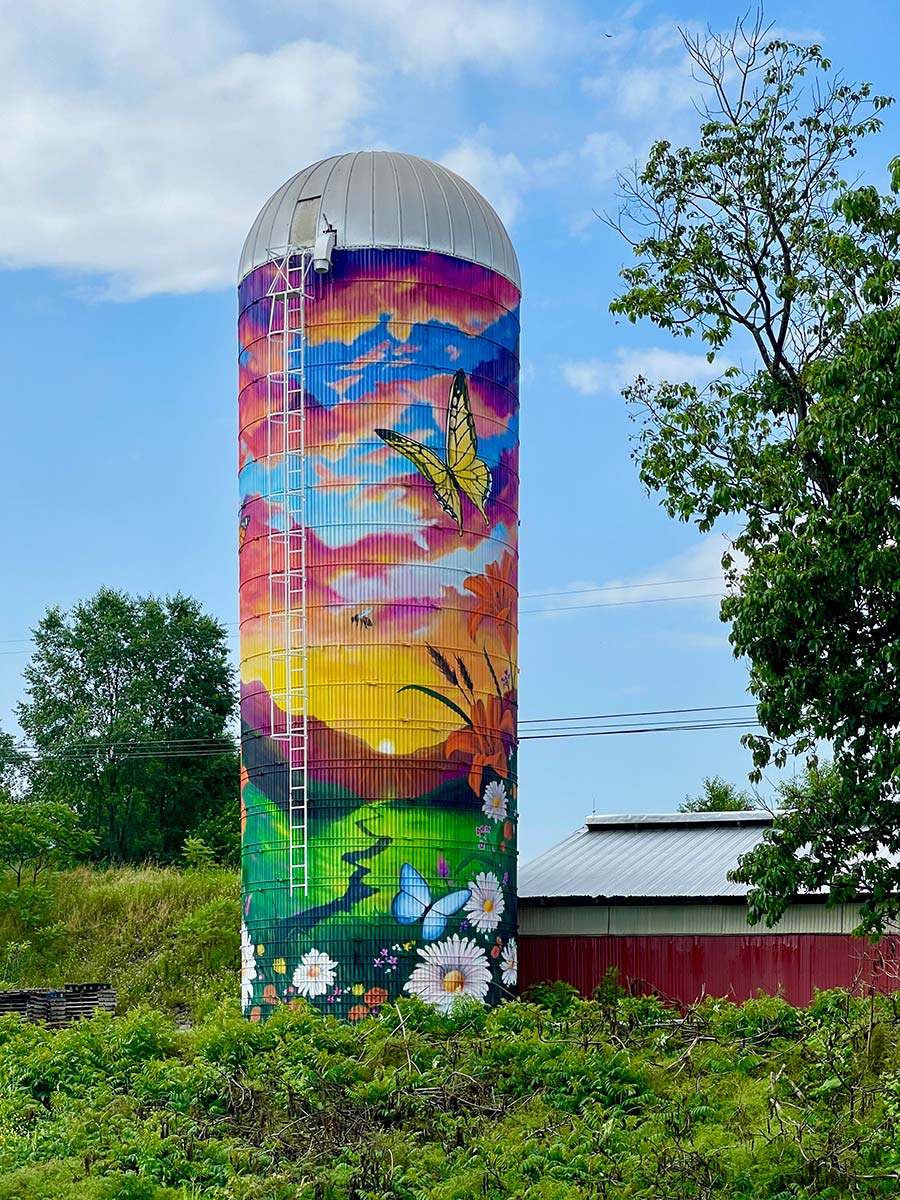
Triple Cities muralist/tattooist Steve Sie painted this barn silo in rural Broome County, New York State (photo © Jaime Rojo)
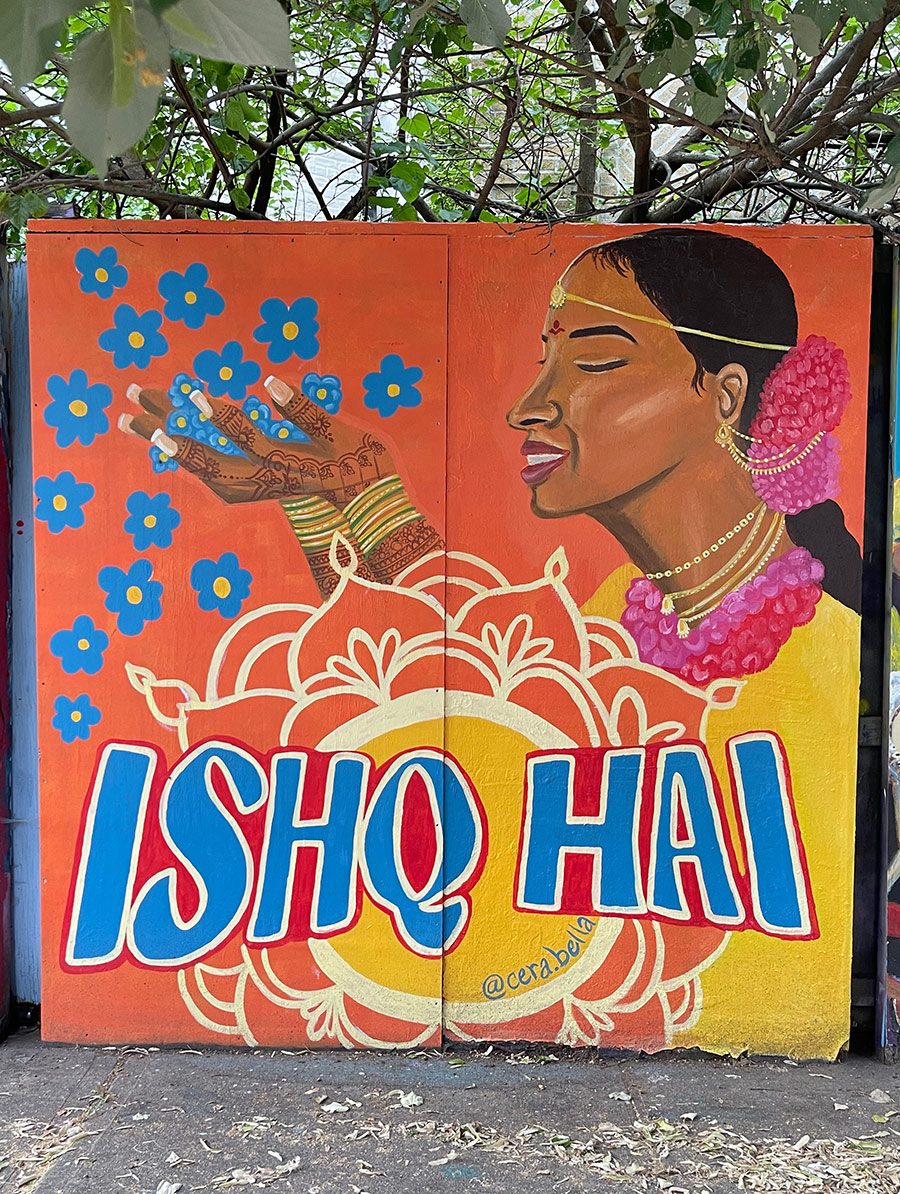
Cera Bella for Underhill Walls. (photo © Jaime Rojo)
OSK (photo © Jaime Rojo)
QZAR (photo © Jaime Rojo)
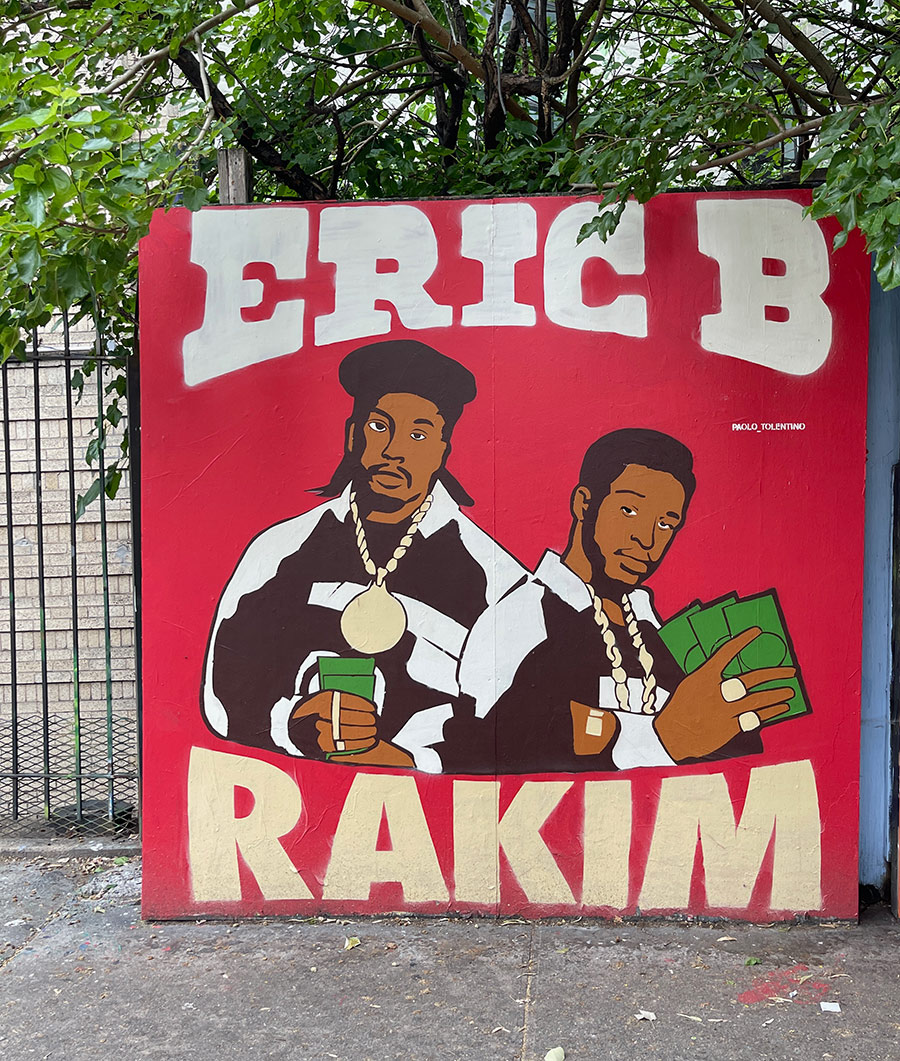
Paolo Tolentino for Underhill Walls. (photo © Jaime Rojo)
Lao Art Studio. CortesNYC. Lina Montoya. Carla De Puerto Rico. Juliana Ruiz. (photo © Jaime Rojo)
Minhafofa paints Lauren Hill for Underhill Walls. (photo © Jaime Rojo)
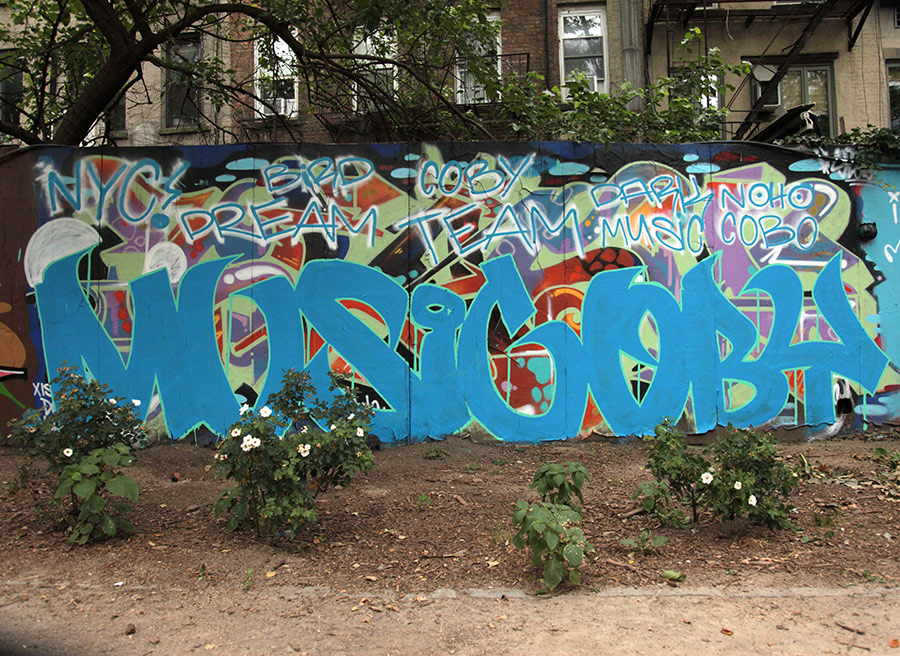
MUSICOBY (photo © Jaime Rojo)
Frankie Botz pays tribute to Tupac for Underhill Walls. (photo © Jaime Rojo)
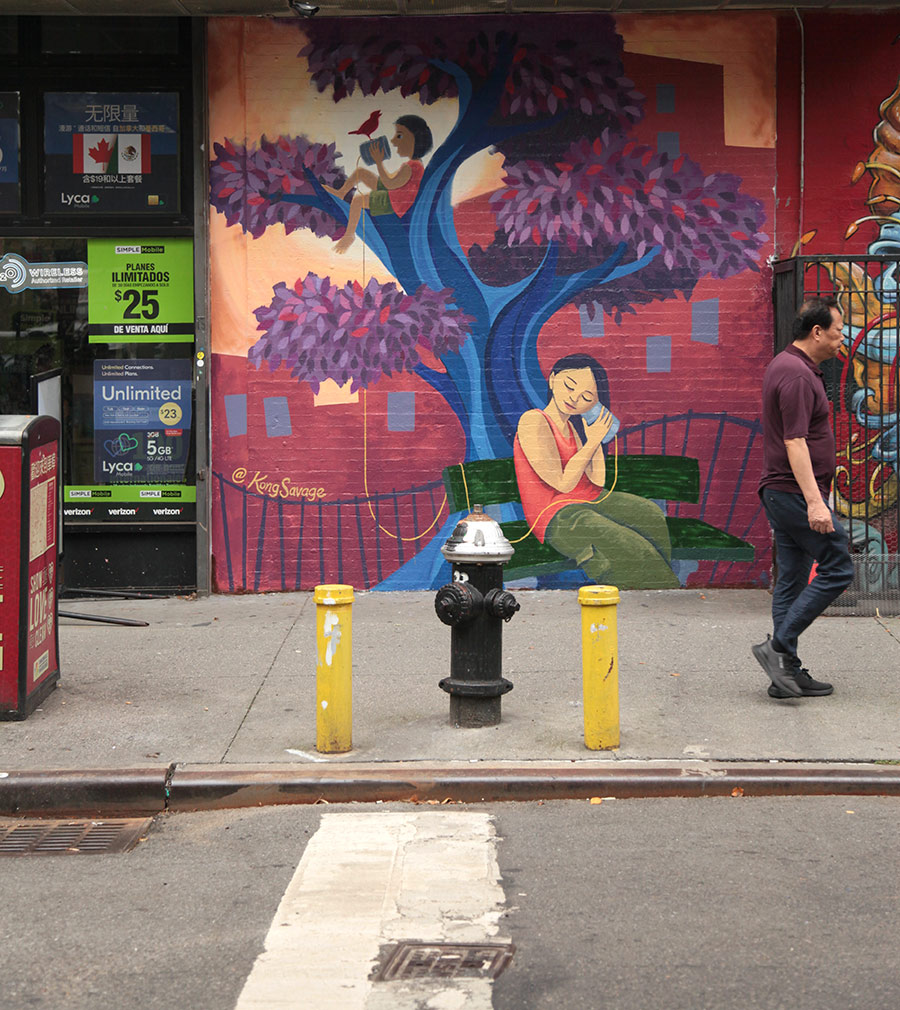
Kong Savage for East Village Walls. (photo © Jaime Rojo)
Unidentified artist (photo © Jaime Rojo)
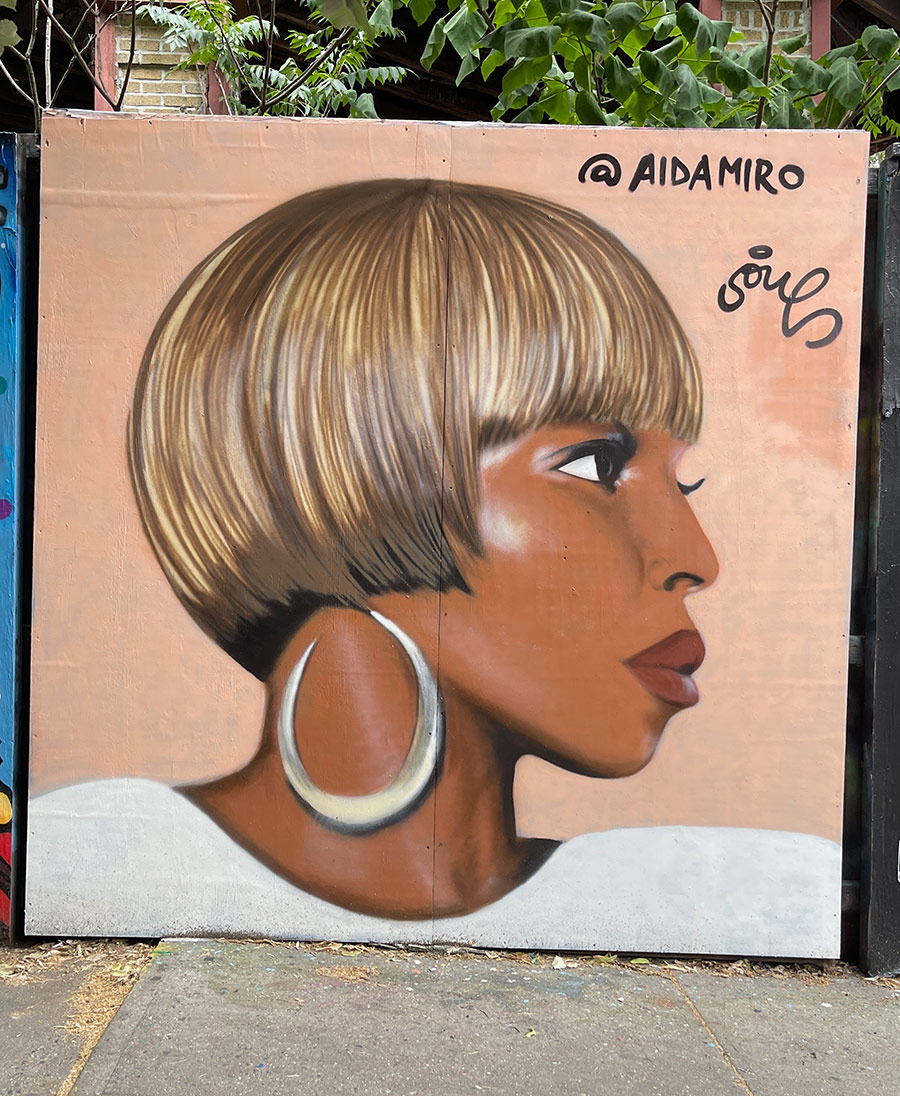
Aida Miro paints “Growing Pains” Album cover for Mary J. Blige for Underhill Walls. (photo © Jaime Rojo)
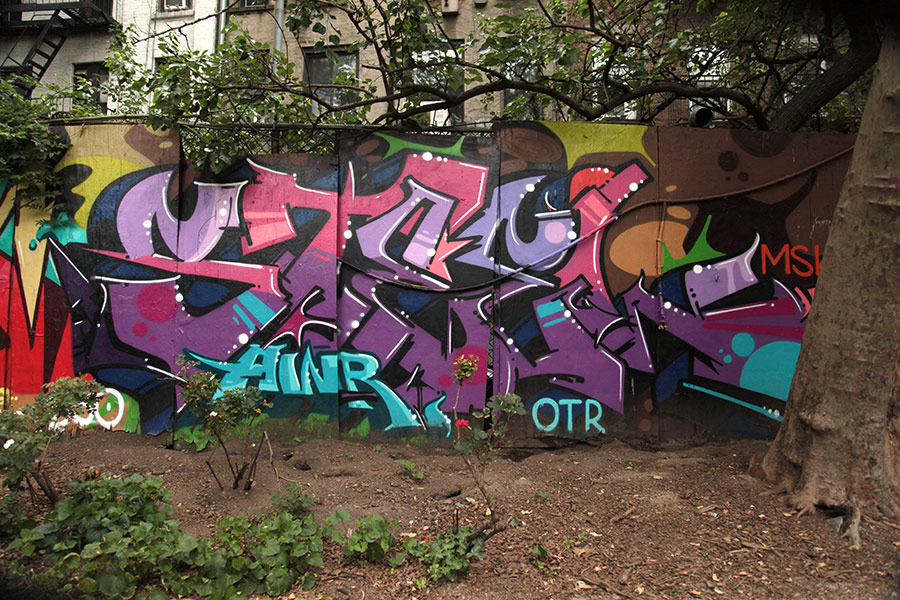
MSK CREW (photo © Jaime Rojo)
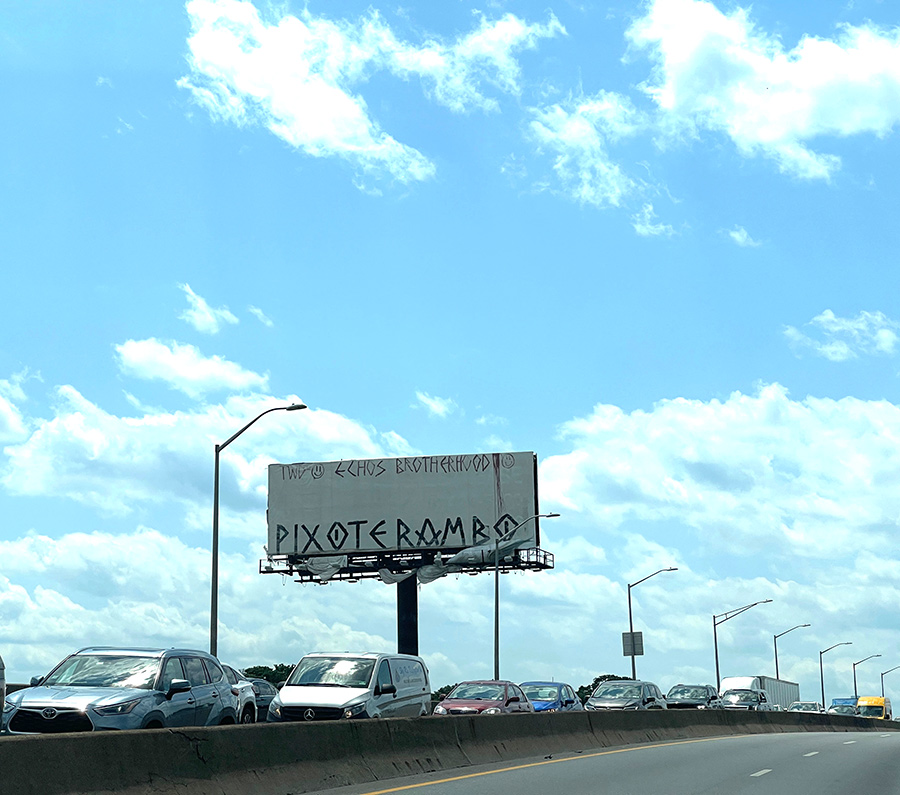
PIXOTE RAMBO (photo © Jaime Rojo)
Humble does MF Doom for Underhill Walls. (photo © Jaime Rojo)
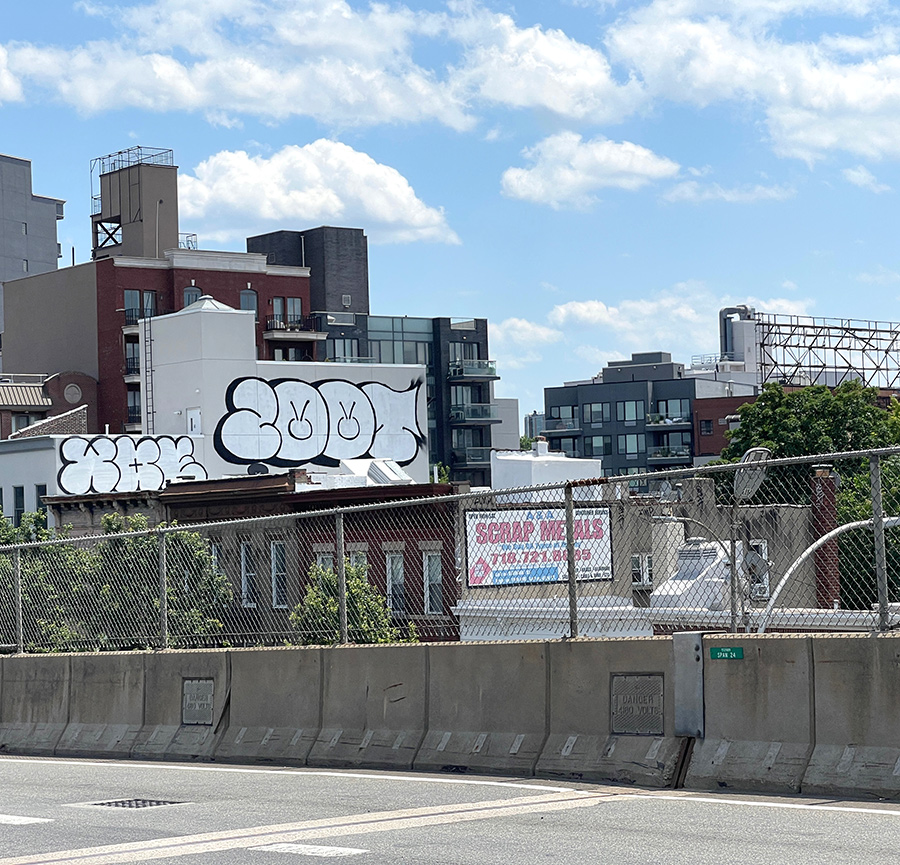
ZOOT (photo © Jaime Rojo)
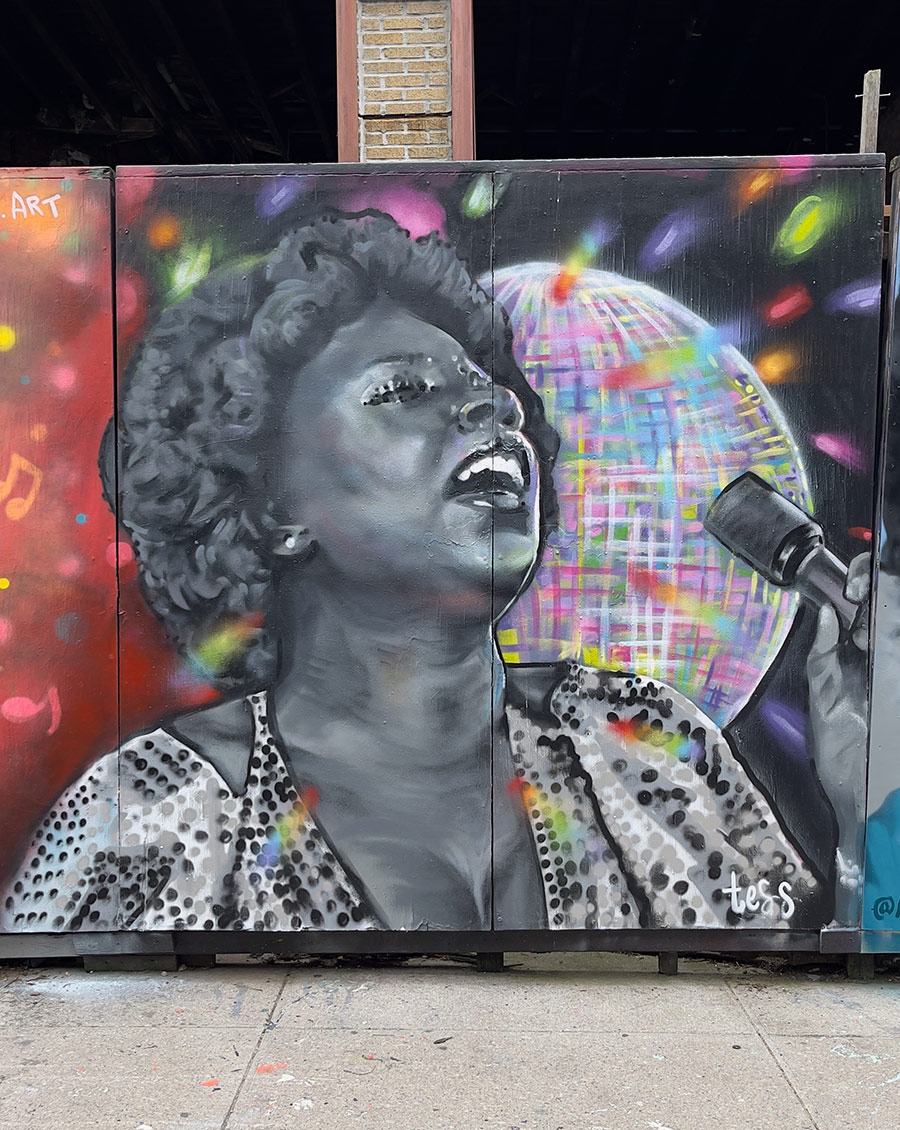
A portrait of Gloria Gaynor by Tess for Underhill Walls. (photo © Jaime Rojo)
Unidentified artist (photo © Jaime Rojo)
Untitled (photo © Jaime Rojo)

Read more
Civita Civita: Elfo Paints It Like He Finds It

Civita Civita: Elfo Paints It Like He Finds It

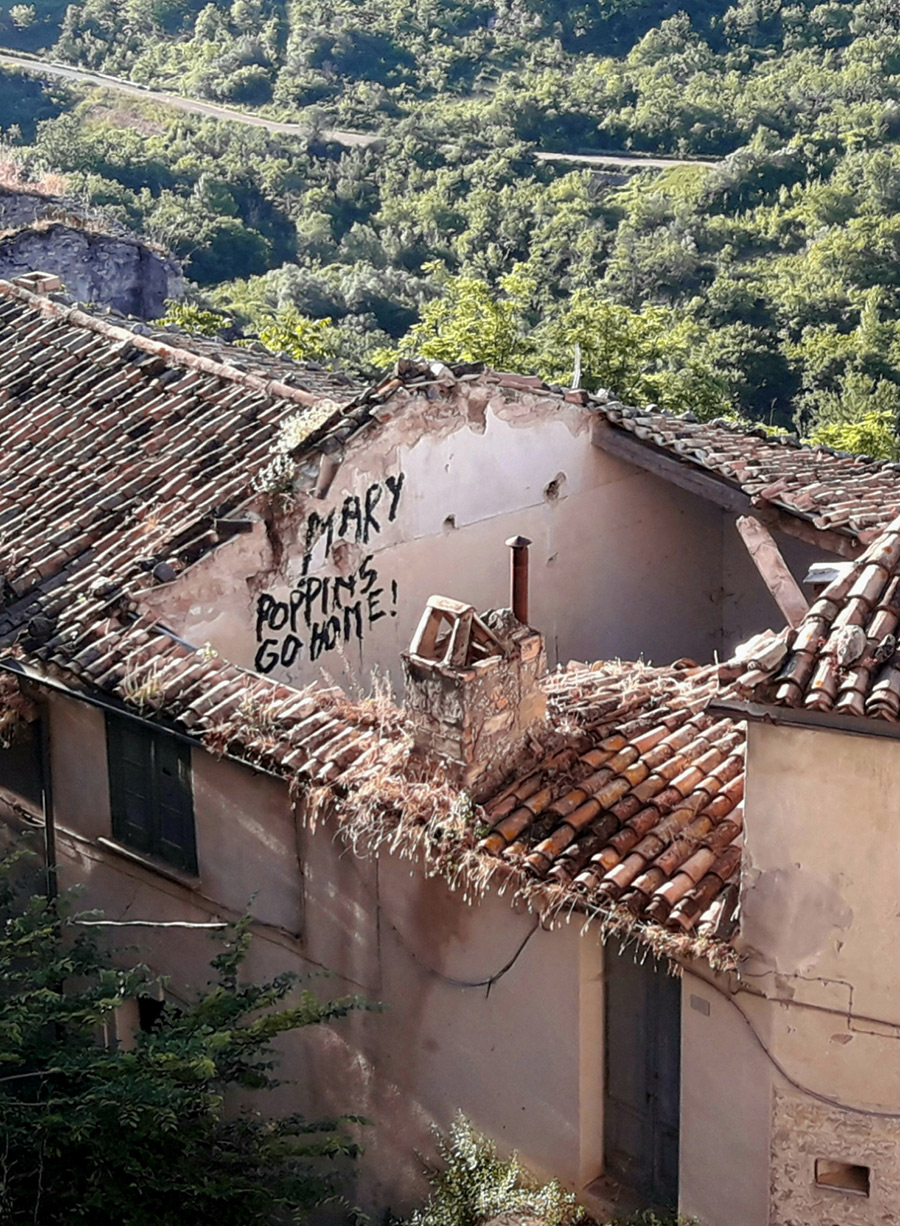
Ten summers later, the Cvta Street Fest in Civitacampomarano is still a stubborn bonfire in Molise that refuses to extinguish—exactly the kind of smoldering ruin that draws Elfo like a moth with a paint roller. The village, half-abandoned and sliding gently into the weeds, gives him a ready-made stage set: crumbling stucco, porous stone, and few humans around to complain if the punch line lands a little hard. Perfect. Elfo, the “ever-clever minimalist” who prefers snappy text to splashy figuration, once again proves that a few uneven letters can shout louder than a ten-story portrait.

ELFO. CVTA Street Fest 2025. Civita, Italy. (photo © Elfo)

With “Mary Poppins Go Home,” he greets Civita’s volunteer army—those locals who sweep, scrub, and scaffold their way through festival week—with a wink and a nudge. No magical nanny descends from the clouds here however; this revival is strictly DIY. The brusque black letters, rolled straight onto a battered façade, laugh at both civic boosterism and the grand-mural industrial complex. The smallest of gestures, but he still lands a wallop – deserved or not.

ELFO. CVTA Street Fest 2025. Civita, Italy. (photo © Ian Cox)

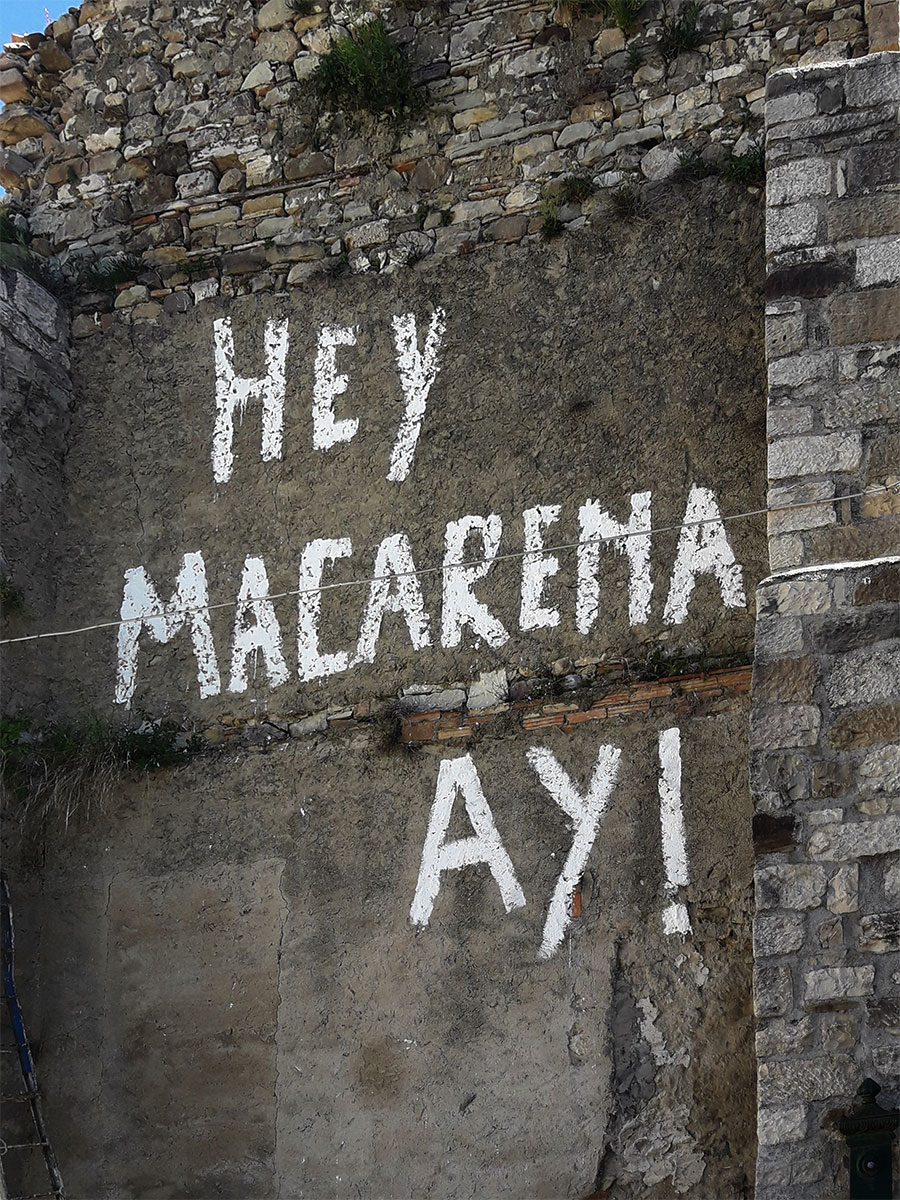
Writer Giulia Blocal Riva describes it this way: “Rejecting the gigantism of large-scale murals, Elfo created three text-based works in Civitacampomarano—ironic, provocative, and surreal interventions. With nothing but a paint roller, the artist offered a reflection on the village’s condition, caught between depopulation and renewal.”

ELFO. CVTA Street Fest 2025. Civita, Italy. (photo © Elfo)

The vibe stays punch-drunk with “Hey Macarena Aiy”—a title that mashes up ’90s dance fever with this town now neglected – a strange nostalgic ennui that now haunts the age we live in. Elfo’s scrawl stretches across a wall so pitted it looks pre-chewed, teasing Civita’s awkward shuffle from near-ghost-town to Insta-friendly tourist stop.

Riva says: ” plays on the tension between the past, the present, and a possible future. Once nearly abandoned, the village is slowly becoming a tourist destination—thanks in large part to public art projects that have brought it to wider attention.” And, we may add, publishers and platforms like this one.

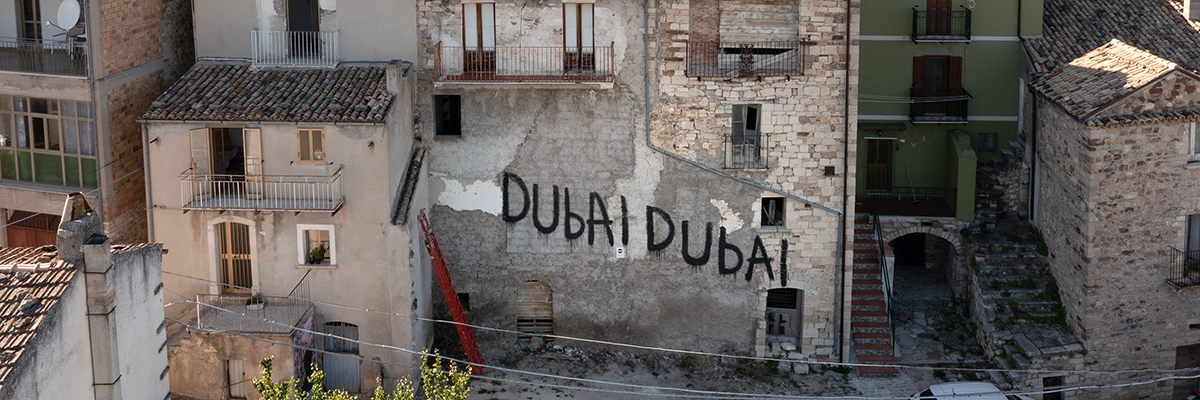
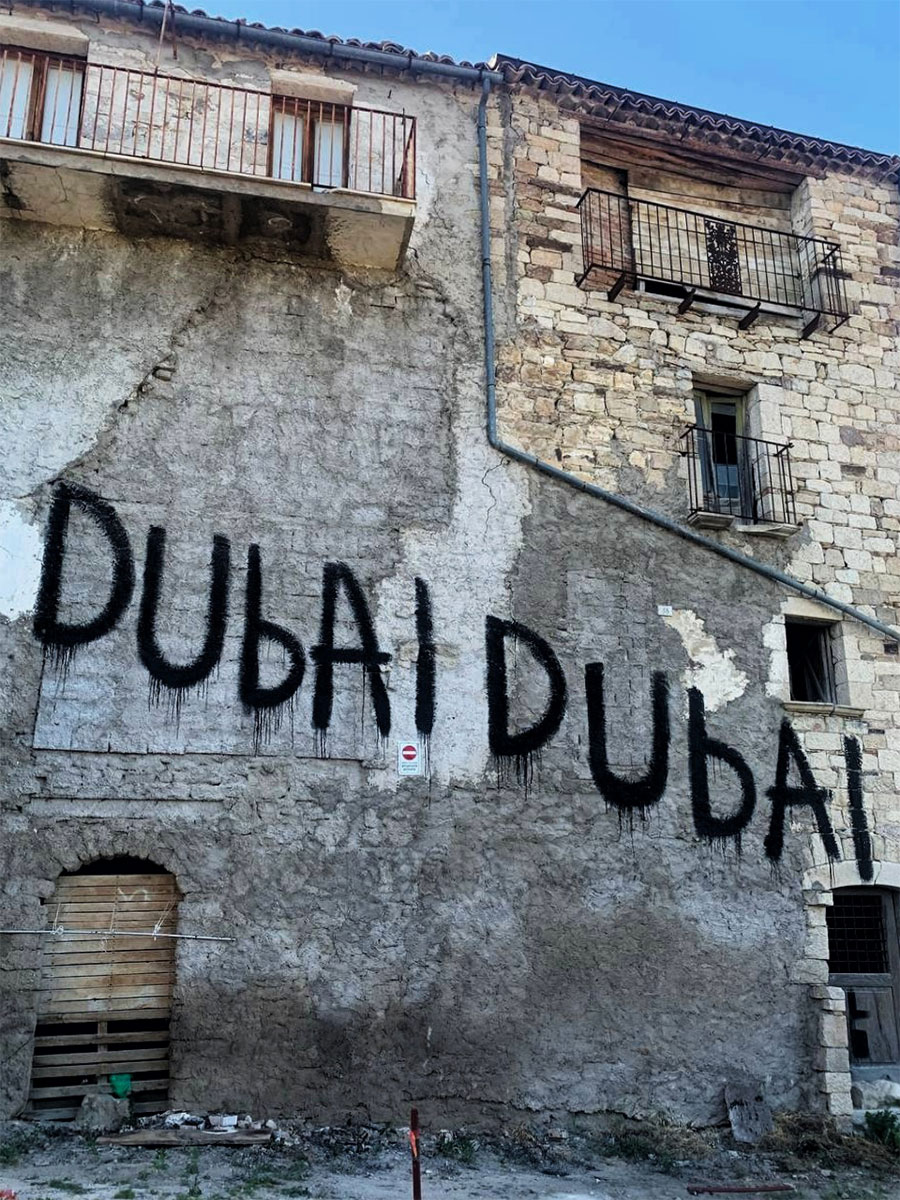
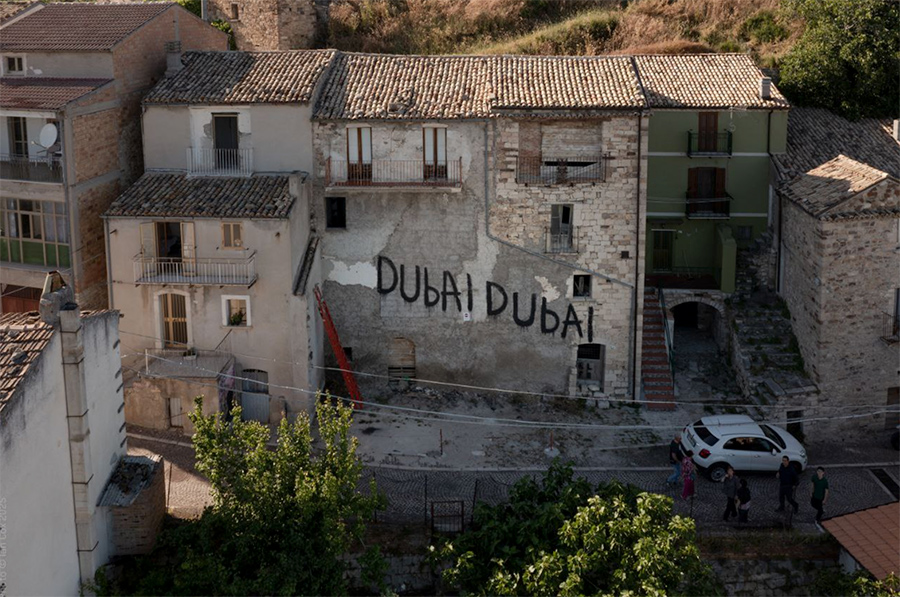
Finally comes the two-word mic-drop “Dubai Dubai,” comparing Molise’s cracked masonry to the Gulf’s glass pyramids. It’s a laugh-out-loud mismatch that also stings—why chase sterile luxury when you’ve got real history flaking into your lap? Says Riva, “Dubai Dubai draws its irony from the stark contrast—visual, social, and historical—between the tiny Molisan village and the hyper-modern metropolis of Dubai.”

Berlin Berlin. New York New York. Tokyo Tokyo. London London.

In classic Elfo fashion—part vandal, part stand-up philosopher—these three text pieces turn neglect into a canvas.

ELFO. CVTA Street Fest 2025. Civita, Italy. (photo © Elfo)
ELFO. CVTA Street Fest 2025. Civita, Italy. (photo © Ian Cox)
Read more
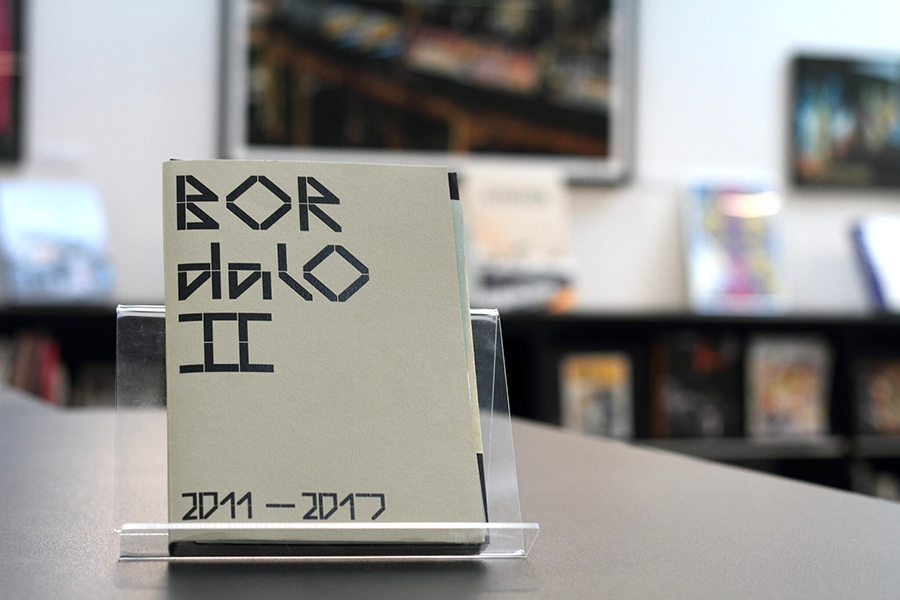
Books In The MCL: Bordalo II. Bordalo II 2011 – 2017

Books In The MCL: Bordalo II. Bordalo II 2011 – 2017

Bordalo II 2011 – 2017. Bordalo II. 2017

Reprinted from the original review.

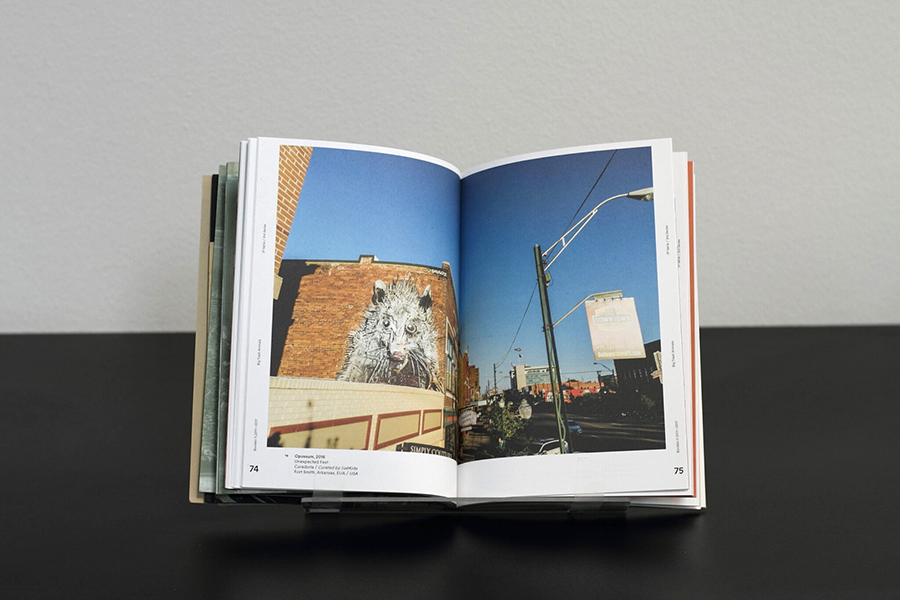
Bordalo II 2011 – 2017 is an essential document of the Lisbon-based artist’s transformative approach to street art, sculpture, and environmental activism. Published in conjunction with his massive solo exhibition ATTERO in Lisbon, the book chronicles six years of Bordalo II’s relentless exploration of waste as both material and message. Known for his large-scale animal sculptures crafted from discarded objects, Bordalo II turns industrial, commercial, and consumer debris into expressive works that challenge the culture of overconsumption.

In ATTERO, his creative process is laid bare—viewers enter a warehouse where bicycles stack in layers, office chairs wave their legs in the air, and white garbage bags form soft, meringue-like piles. As an immersive study, the book mirrors the artist’s ability to organize chaos into order, crafting a visual language of urgency, beauty, and critique.

MARTHA COOPER LIBRARY: BOOK RECOMMENDATION⁠

? | Title: Bordalo II 2011 – 2017
? | Published on the occasion of Bordalo II’s ATTERO Exhibition in Lisbon in 11 / 2017. Hard cover.
? | Author: Bordalo II
? | Language: English

CLICK URBAN NATION BERLIN TO CONTINUE READING

Read more
BSA Images Of The Week: 06.29.25

BSA Images Of The Week: 06.29.25

Welcome to BSA Images of the Week.

NYC’s 55th annual Pride March down 5th Avenue kicks off today, themed “Rise Up: Pride in Protest,” taking on a decidedly defiant stance on equality for all. Suppose you are in the subway, dance club, or park in Bushwick, Chinatown, or midtown. Like every June, it’s a lavender parade all weekend, with all members of the LGBTQUA+ communities from around the country and the world laughing, dancing, fighting, posing, and canoodling.

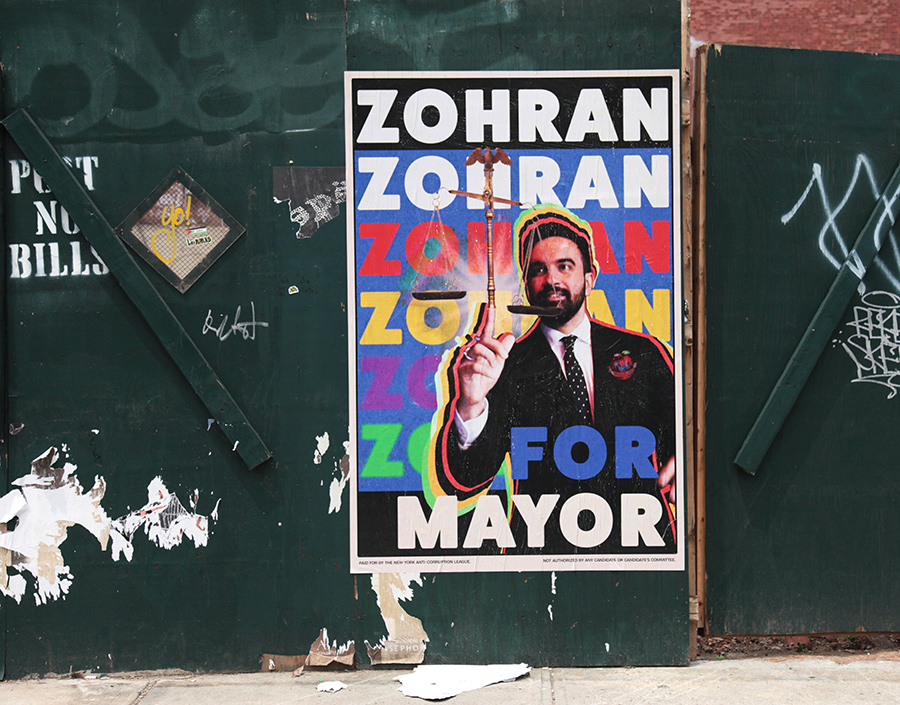
Democratic Socialist Zohran Mamdani clinched the Democratic nomination here this week after defeating former Gov. Andrew Cuomo, possibly igniting a polarized reaction across NYC politics. Hm, wonder if anyone will mention his religion in the next few months. What do you think? But, de facto, he’s going to be the next mayor – unless Bloomberg wants to blow more money before the November election.

Did we mention the heatwave?

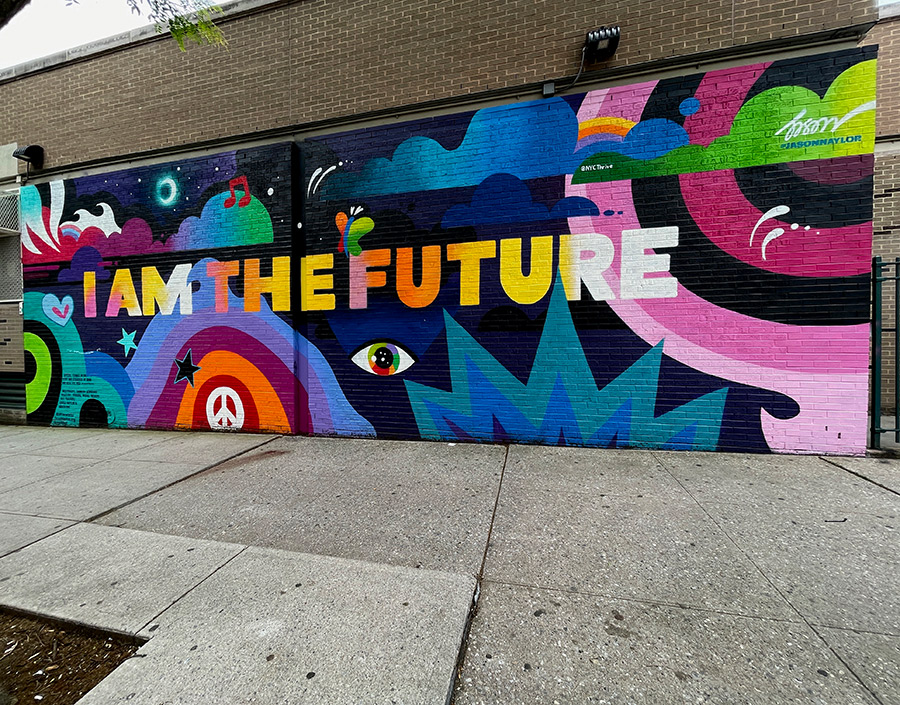
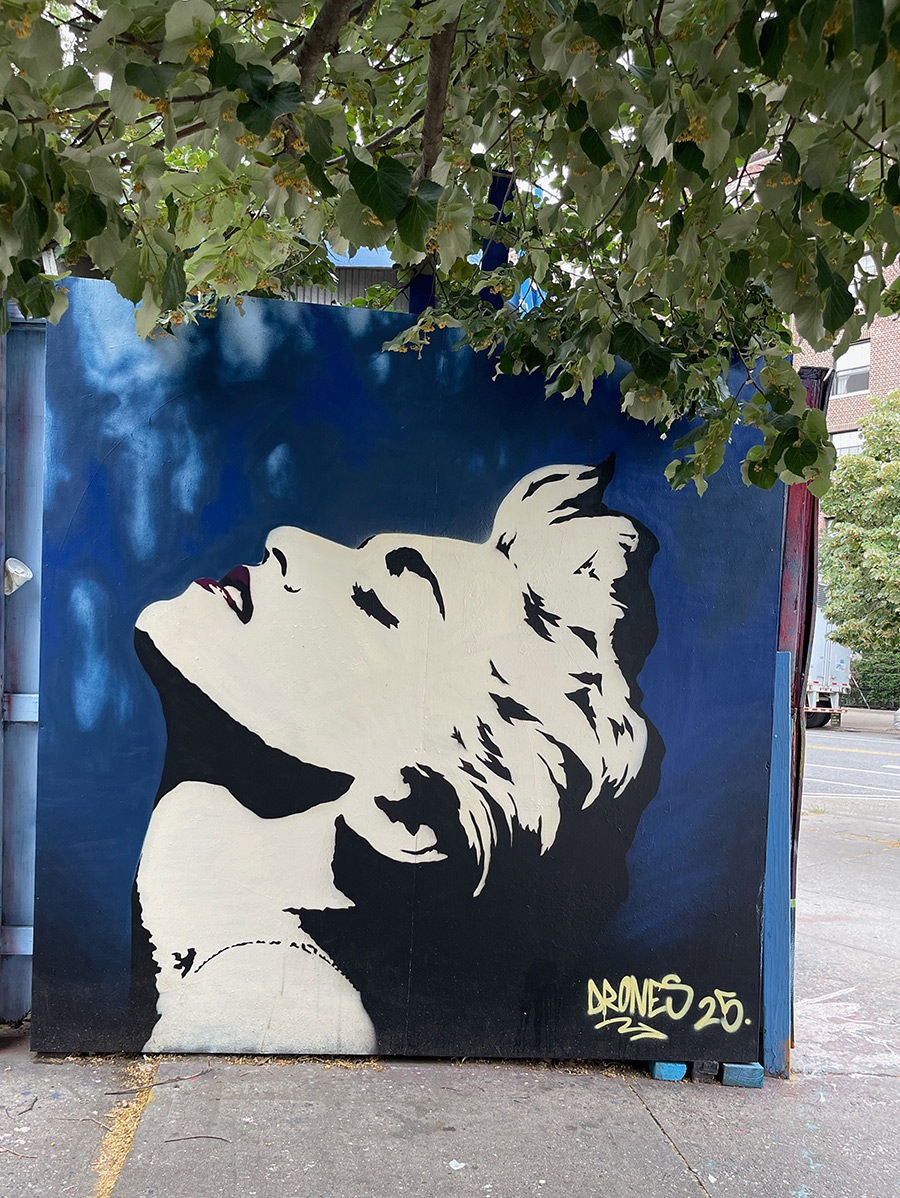
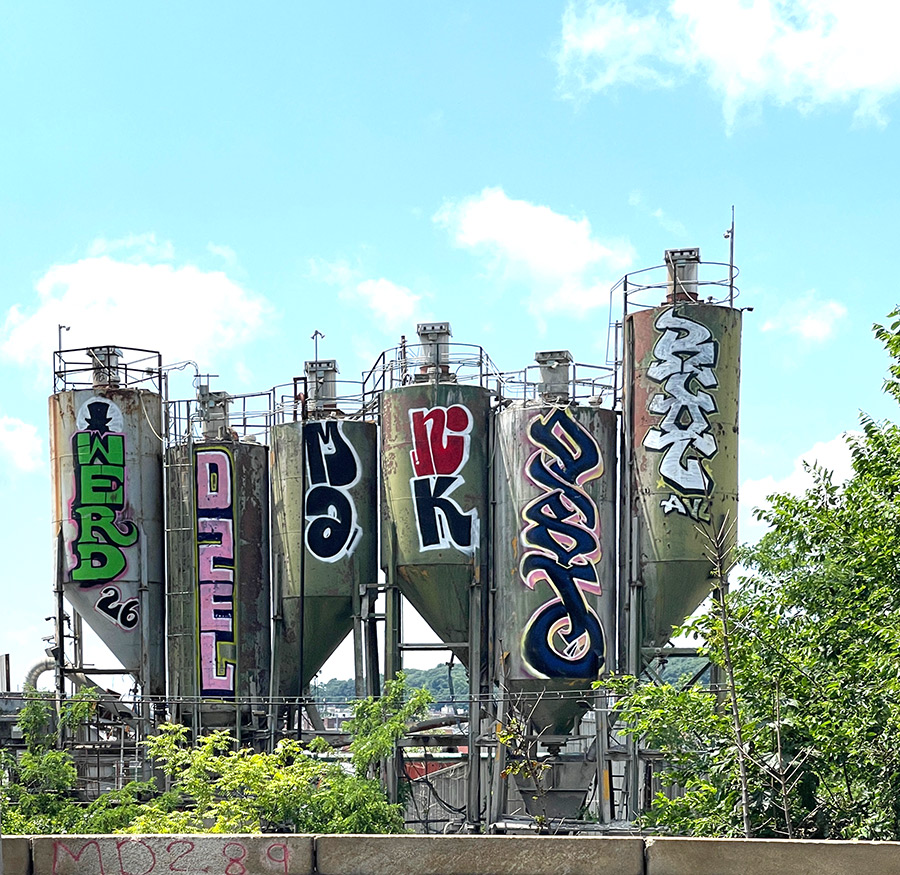
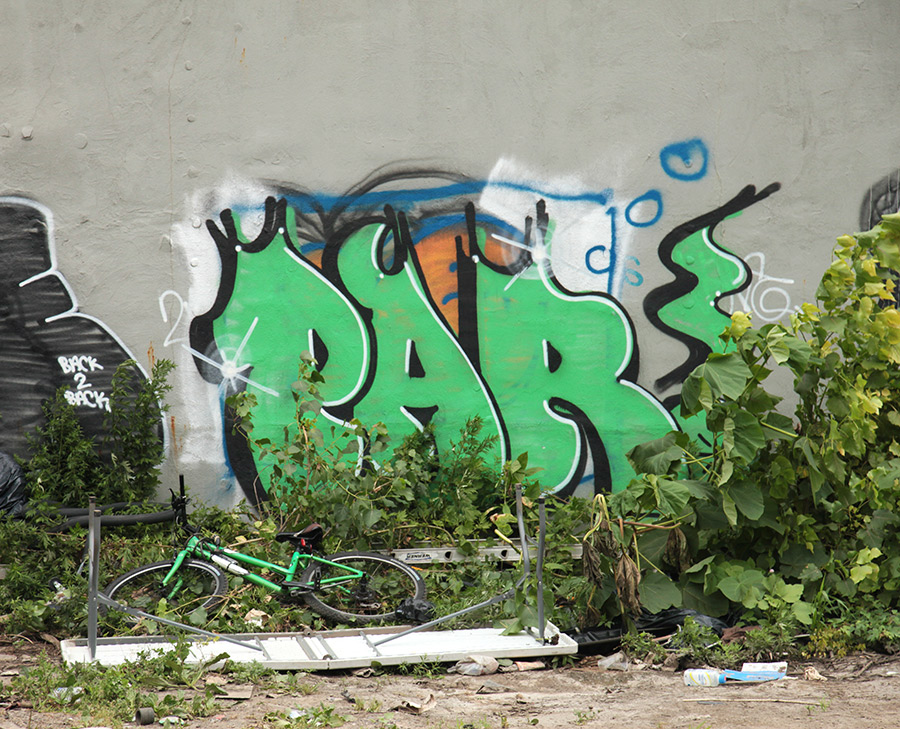
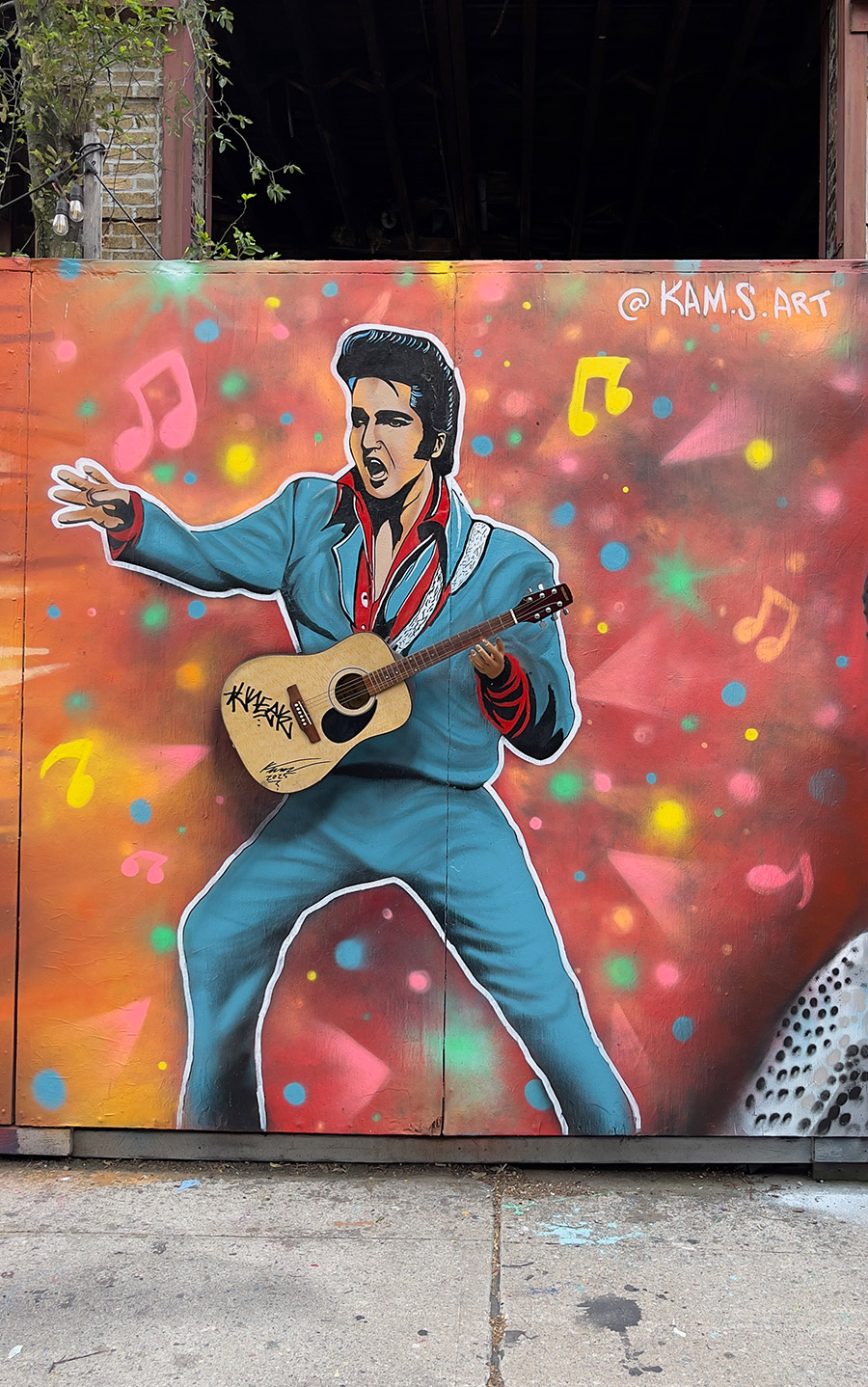
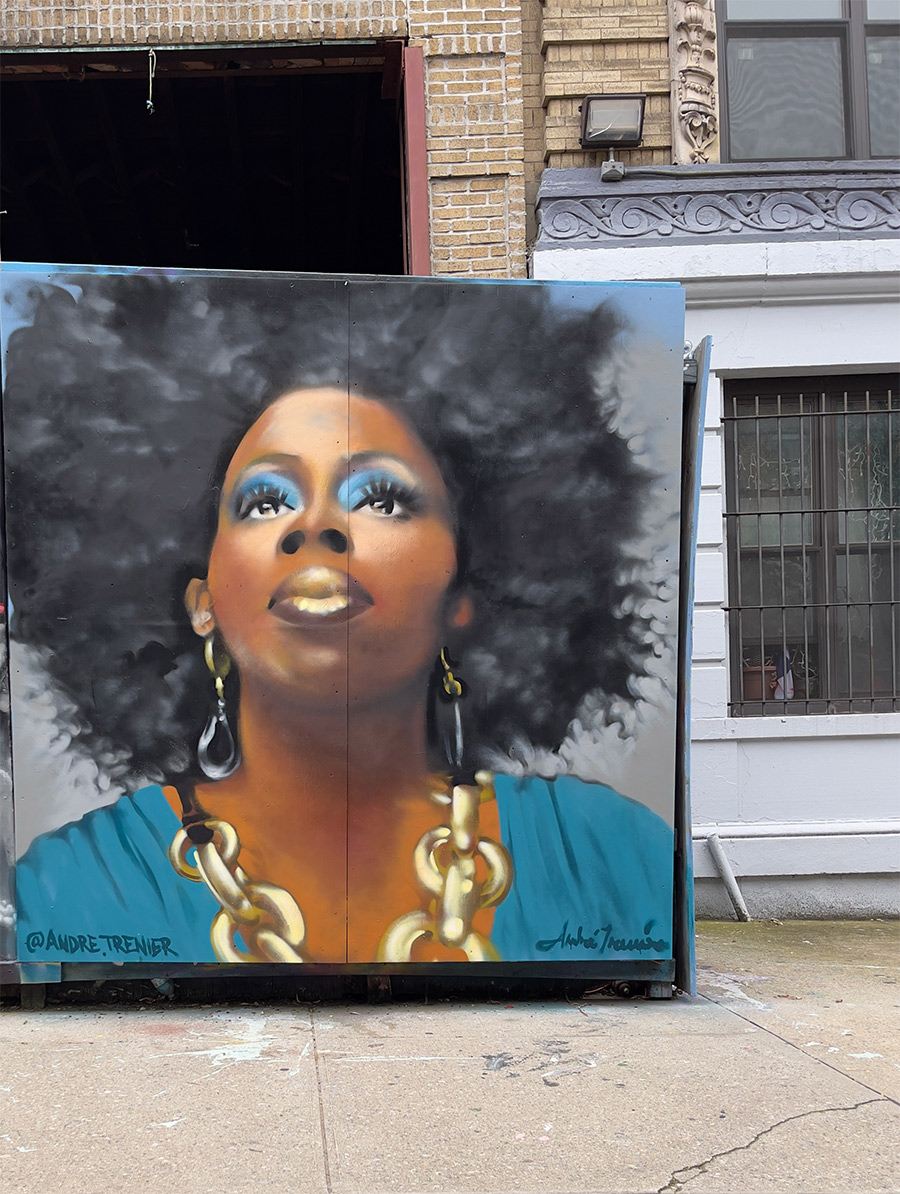
Here’s our weekly interview with the street, this week featuring Andre Trenier, Dirt Cobain, Drones, Dzel, Fear Art, Jappy Agoncillo, Jason Naylor, Jeff Rose, Kam S. Art, Manik, Modomatic, Par, Riot, Senisa, Tom Bob, Werds, and Zimer.

Zimer NYC for Underhill Walls. (photo © Jaime Rojo)
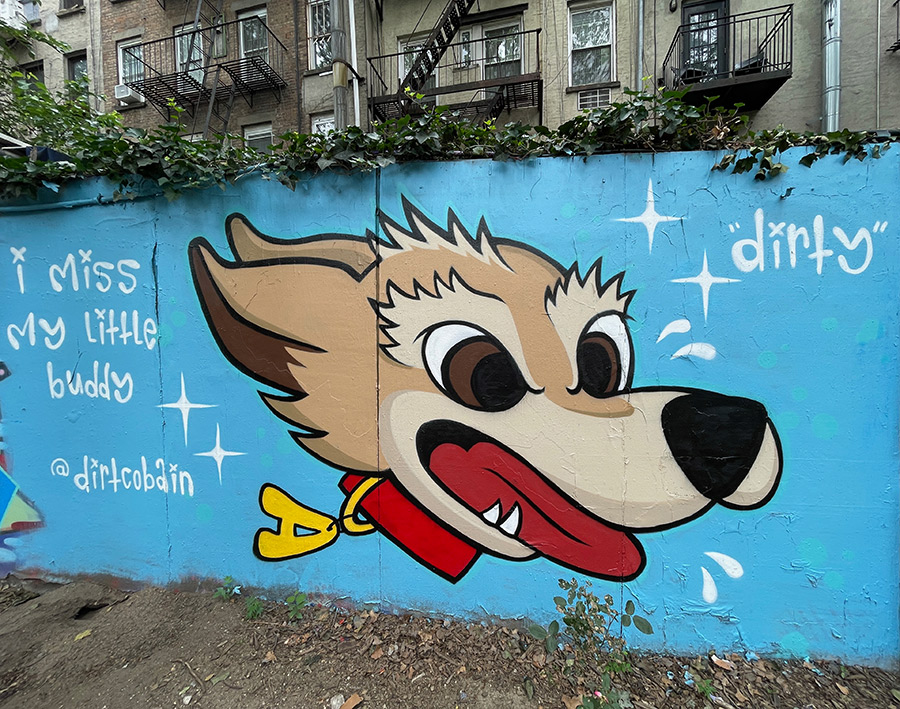
Dirt Cobain (photo © Jaime Rojo)
Jason Naylor (photo © Jaime Rojo)
Drones for Underhill Walls. (photo © Jaime Rojo)
WERDS. DZEL. MANIK. DISTO. RIOT. (photo © Jaime Rojo)
Unidentified artist (photo © Jaime Rojo)
Modomatic (photo © Jaime Rojo)
Jeff Rose paints Puerto Rican singer Tego Calderon for Underhill Walls. (photo © Jaime Rojo)
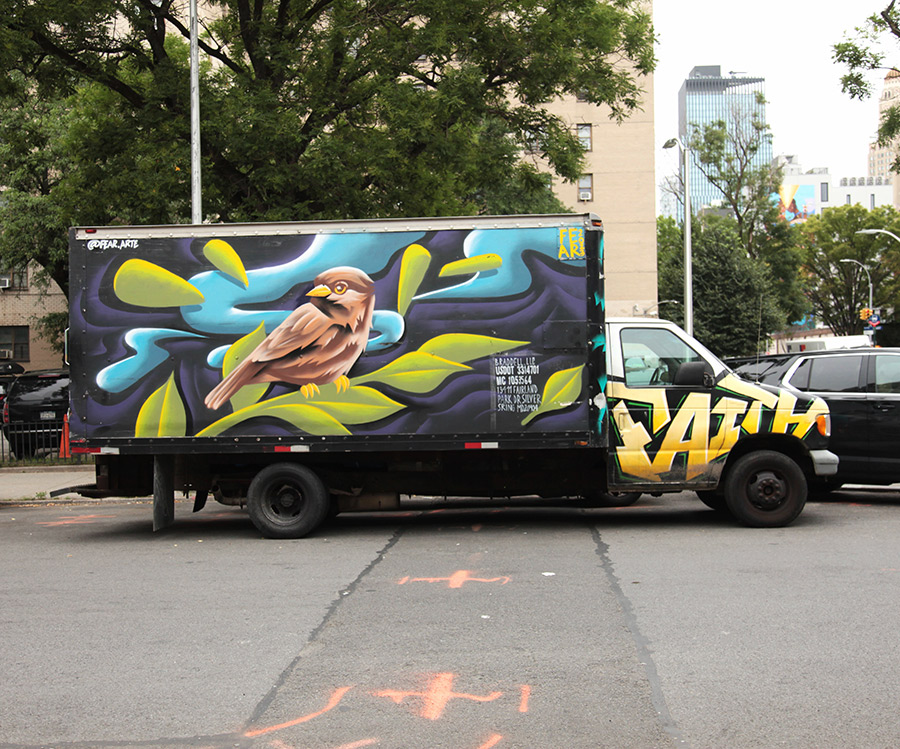
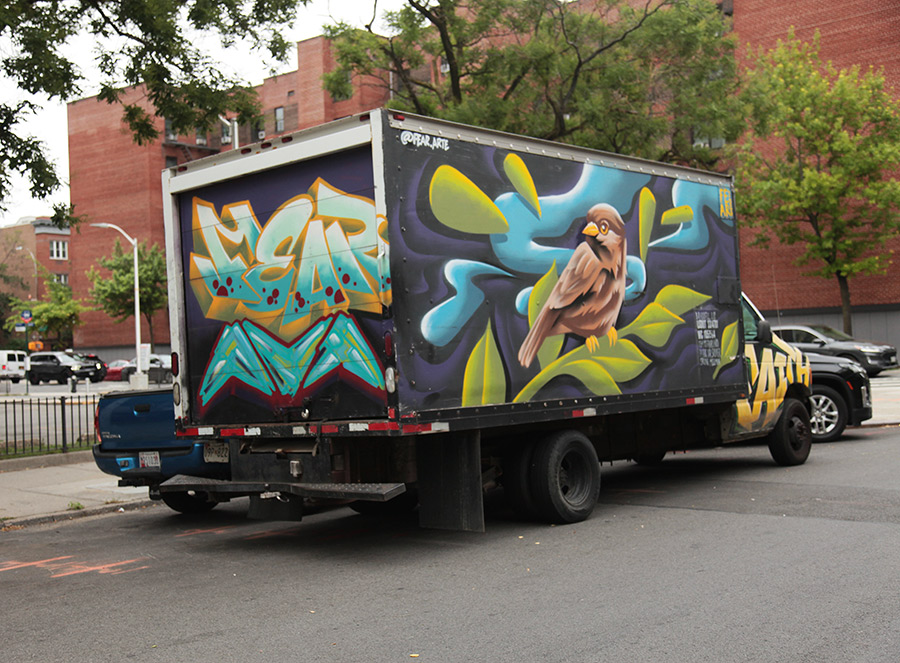
FEAR (photo © Jaime Rojo)
Tom Bob NYC. Detail. (photo © Jaime Rojo)
Tom Bob NYC (photo © Jaime Rojo)
PAR (photo © Jaime Rojo)
Kam S Art for Underhill Walls. (photo © Jaime Rojo)
Jappy Agoncillo for East Village Walls. Detail. (photo © Jaime Rojo)
Jappy Agoncillo for East Village Walls. (photo © Jaime Rojo)
SENISA (photo © Jaime Rojo)
Andre Trenier for Underhill Walls. (photo © Jaime Rojo)
Unidentified artist (photo © Jaime Rojo)
Read more
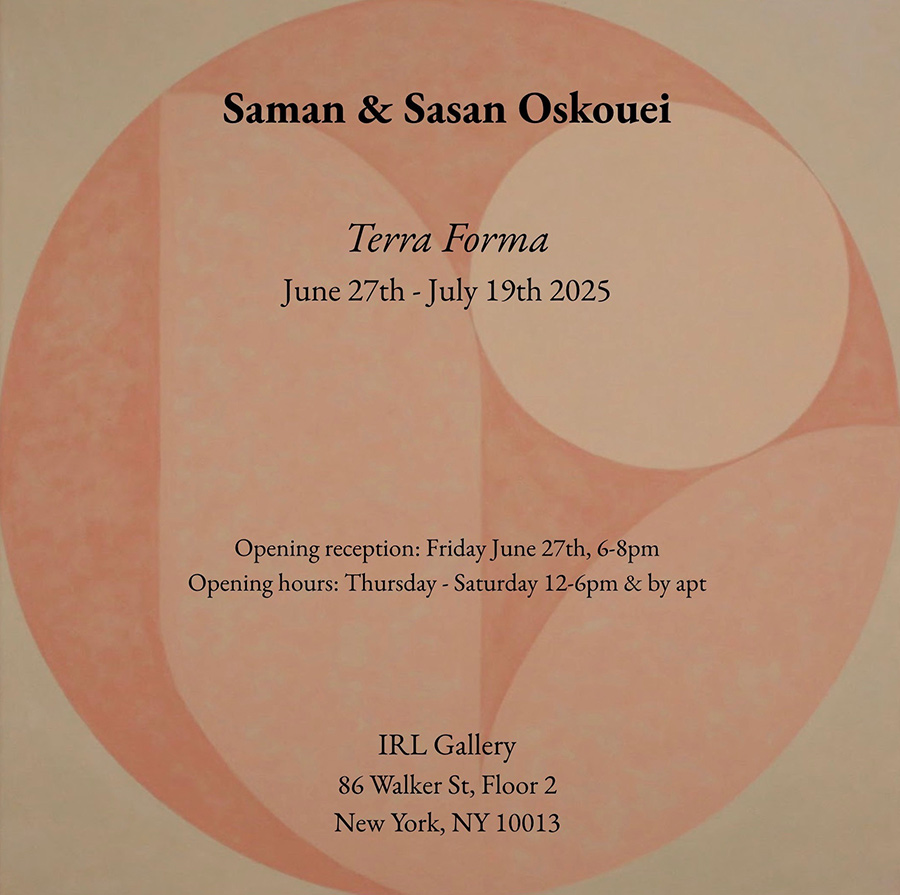
Saman & Sasan Oskouei: “Terra Forma” Opens at IRL Gallery, Tribeca NYC

Saman & Sasan Oskouei: “Terra Forma” Opens at IRL Gallery, Tribeca NYC

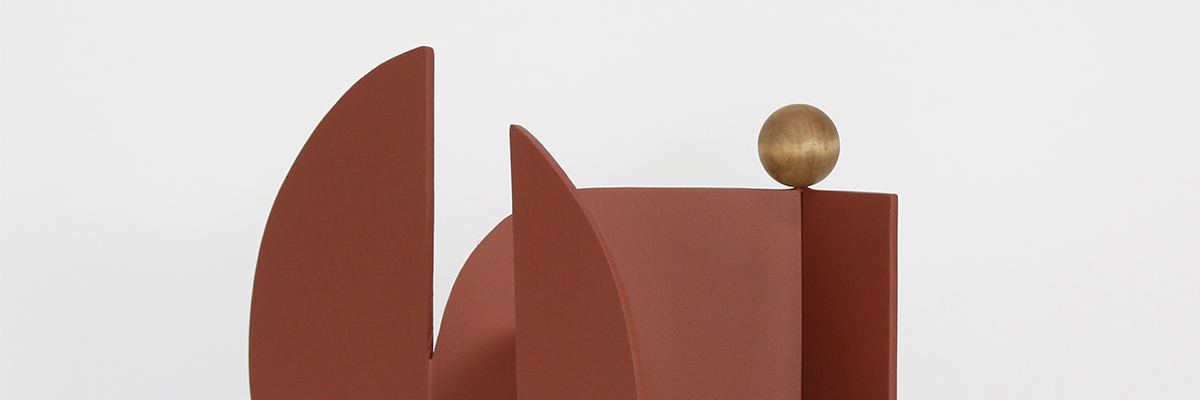
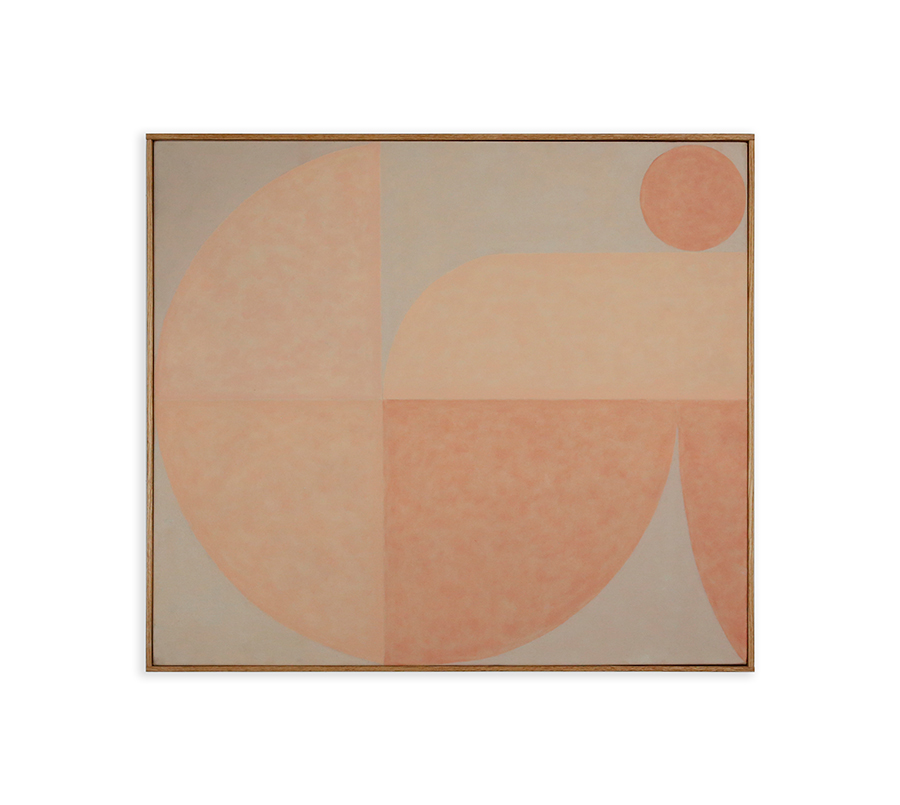
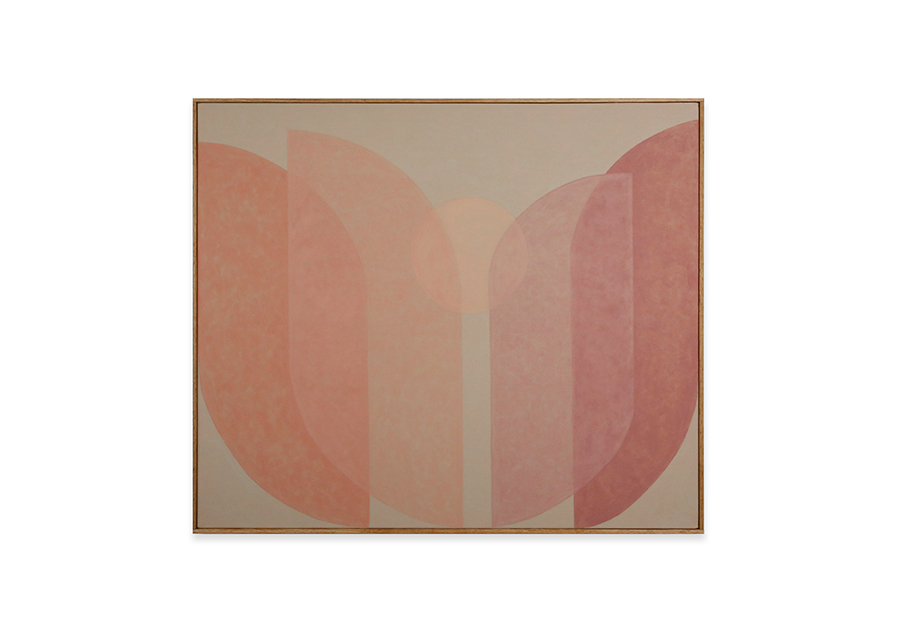
The new exhibition Terra Forma from Saman and Sasan Oskouei at IRL Gallery is a quiet storm—an atmospheric meditation on fragility, formation, and the traces of life left behind as nature and industry brush against one another. The brothers don’t shout their critique; it would be folly. Instead, they whisper it across surfaces that suggest ancient terrain, marginalized neighborhoods, and the factory floor—a cross-current of poetics and rusted precision.

Formerly known to many as the street-art duo Icy & Sot, the Oskoueis have moved far from their early stencil-protest days, carrying the soil—and perhaps a few chunks of pavement—of that journey with them. In Terra Forma, cherry-wood spheres rest in arms of bent steel, organic gestures rising from hard geometries. “These fabricated plants carry forth smooth spheres of warm cherrywood as if they were sacrificial gifts—or the building blocks of a not-too-distant future,” notes writer and historian Signe Havsteen, whose exhibition text captures the tension between the natural and the manufactured.

Saman & Sasan Oskouei. “Terra Forma”. IRL Gallery. (photo courtesy of the artists)

Mutation and evolution play out here as industrial flora absorb the ambient residue of urban life. Muted hues emerge from layered surfaces—traces of changing landscapes that resist permanence, hovering somewhere between formation and collapse. There is no romanticism; instead, the Oskoueis offer a quiet ambiguity, a recognition that the ground beneath us is ever shifting.

Steel curves because someone bent it; wood gleams because someone carved it. These are materials with histories, and under the hands of Saman and Sasan they become vessels for what remains. Terra Forma invites you to experience them as weight, as scent, as memory made solid.

Saman & Sasan Oskouei. “Terra Forma”. IRL Gallery. (photo courtesy of the artists)
Read more