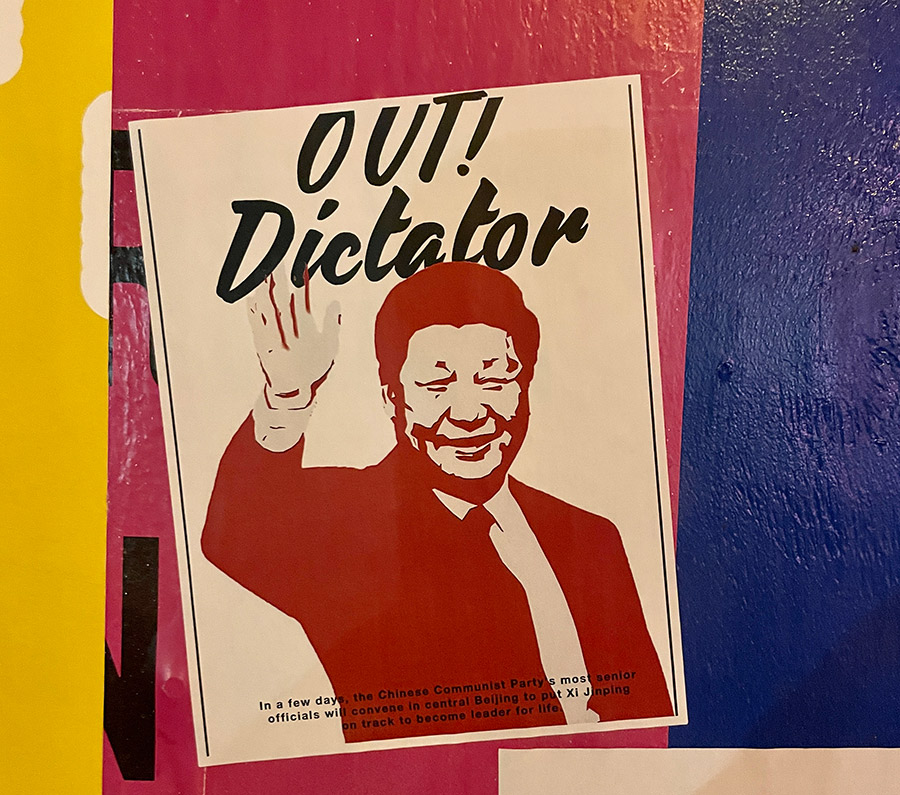
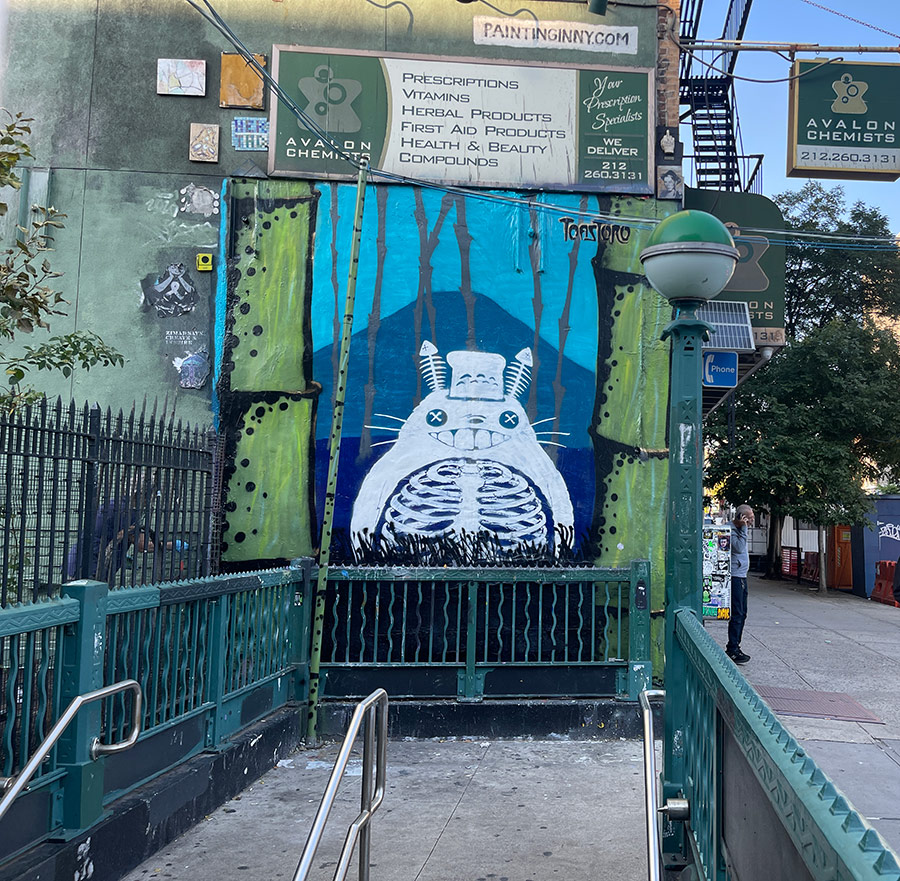
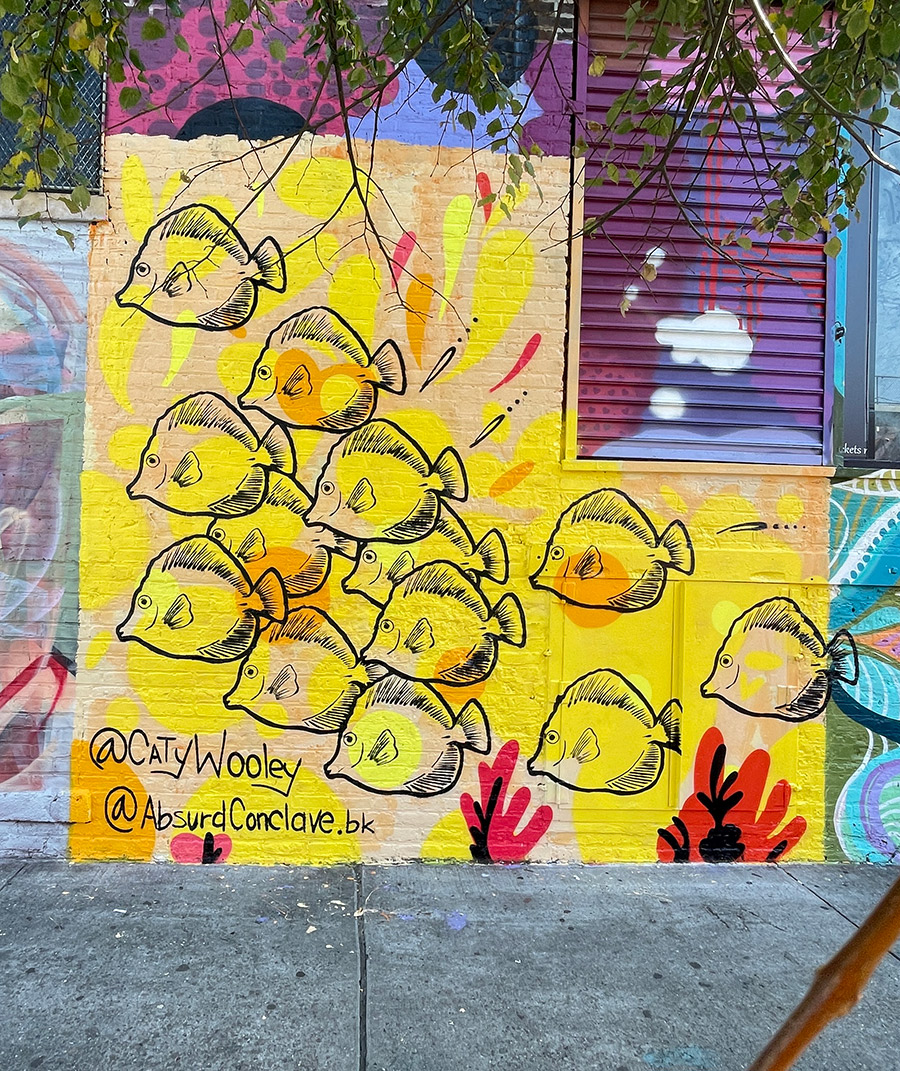
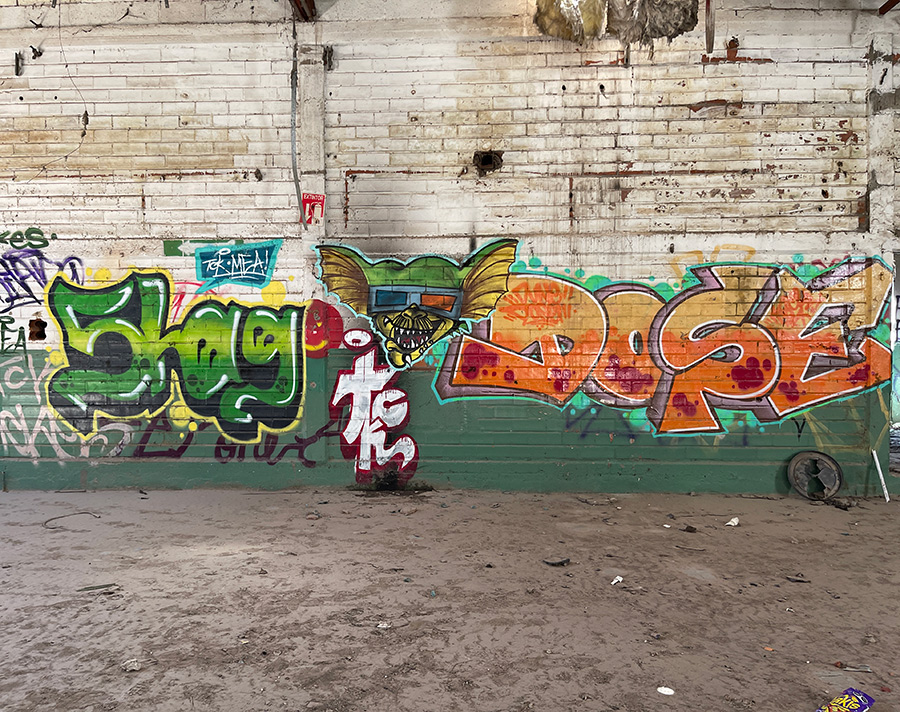
Good to see pioneer stencil artist Blek le Rat on the streets of New York again last week for the first time in the US since Covid, according to his charming partner in crime, Sybille.
This time he’s on a bit of a whirlwind tour – first in Cleveland at Graffiti Heart with the local celebrity arts facilitator Stamy Paul and a collaborative show with NYC graff legend Taki 183. With various adoring coterie and cameras in tow, Blek hit NY in high style – putting up a brand new street stencil portrait of Richard Hambleton in both Manhattan and Brooklyn, the first gig courtesy of Wayne and Ray at LISA Project – another with TKid 170 joining on a collabo. As is part of the tour, Taki 183 was nearly everywhere Blek was, with visitors like Cope2, Mike 171, and Martha Cooper scattered about.
The main event was spread over a few days as the relatively new New York gallery vaguely named West Chelsea Contemporary dedicated nearly the entire space to the first solo show here by the French street artist whom Banksy acknowledges was in the game long before the famed Bristolian came on the scene. In a back gallery West Chelsea showcased some other related talents like Hambleton, Al Diaz (SAMO), and new-gen Phoebe.
With gallery openings on a few successive nights, it was a steady river of graffiti and street art fans, peers, collectors, merchants, and choice figures from New York’s urban cognoscenti coming by to pay respects and show Blek a New York welcome again. Next stop Austin, where the gallery has its 20+ year flagship, to host Monsieur Rat for a new exhibition—and, without doubt, a few new adventures.
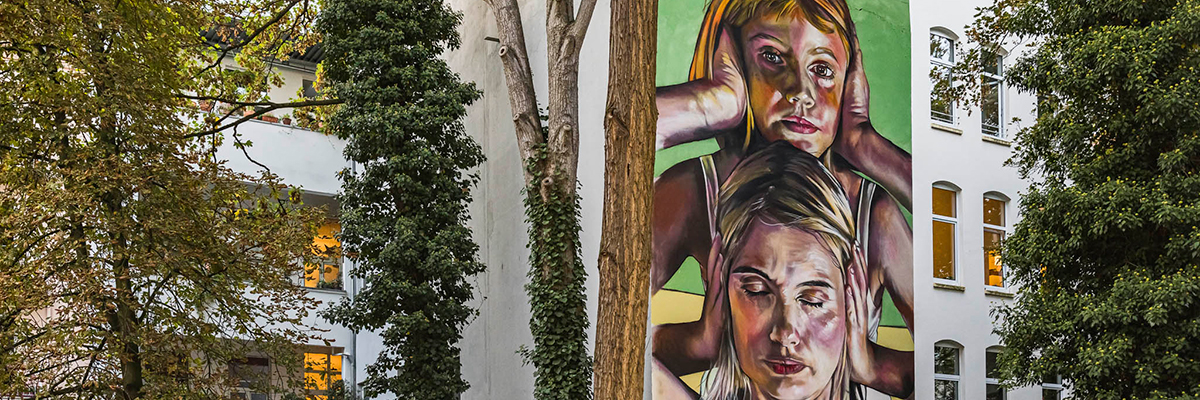
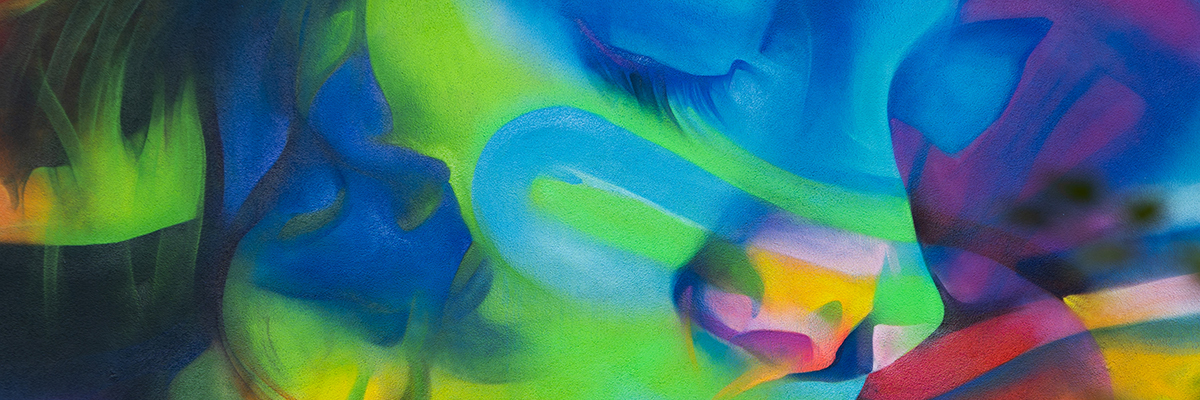
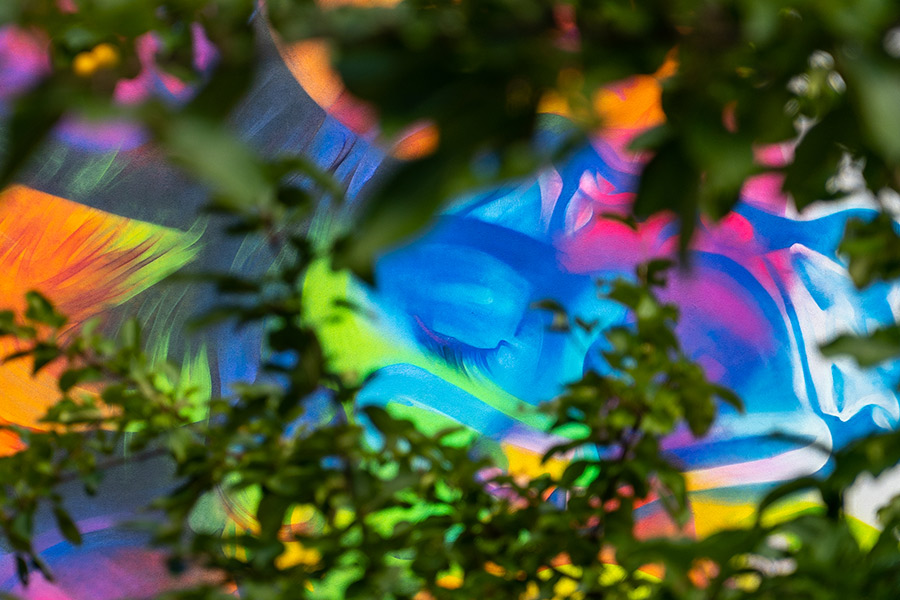
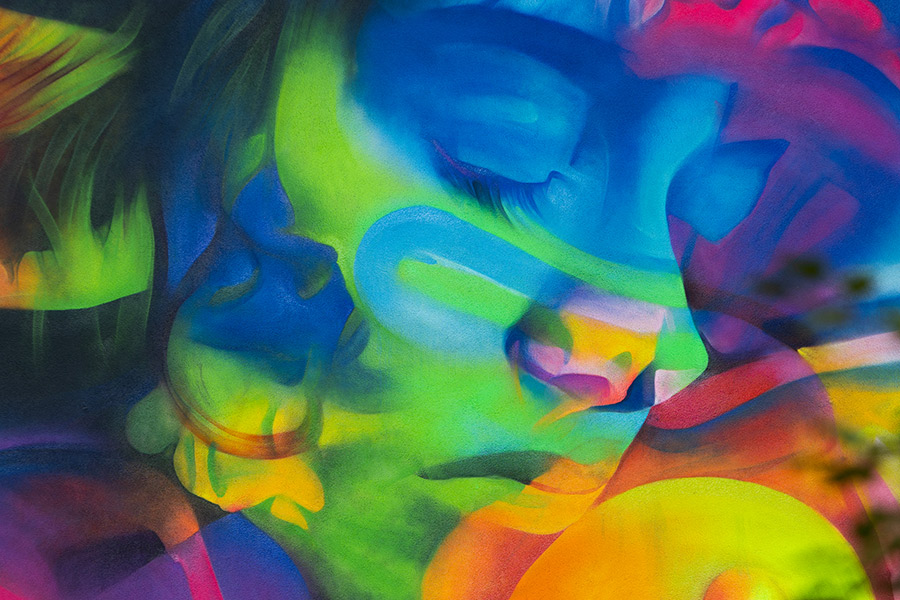
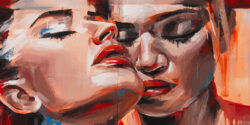
Robert Vargas starts us off this week with a compelling trio of faces, or sides of one character. In each case she has been silenced. “Painting my “STOP” mural is a call to action to stop our #Indigenous sisters from going missing and murdered. The red hand over the mouth is the symbol of a growing movement that stands for all missing sisters whose voices are not heard.” The streets are speaking. Will we hear them?
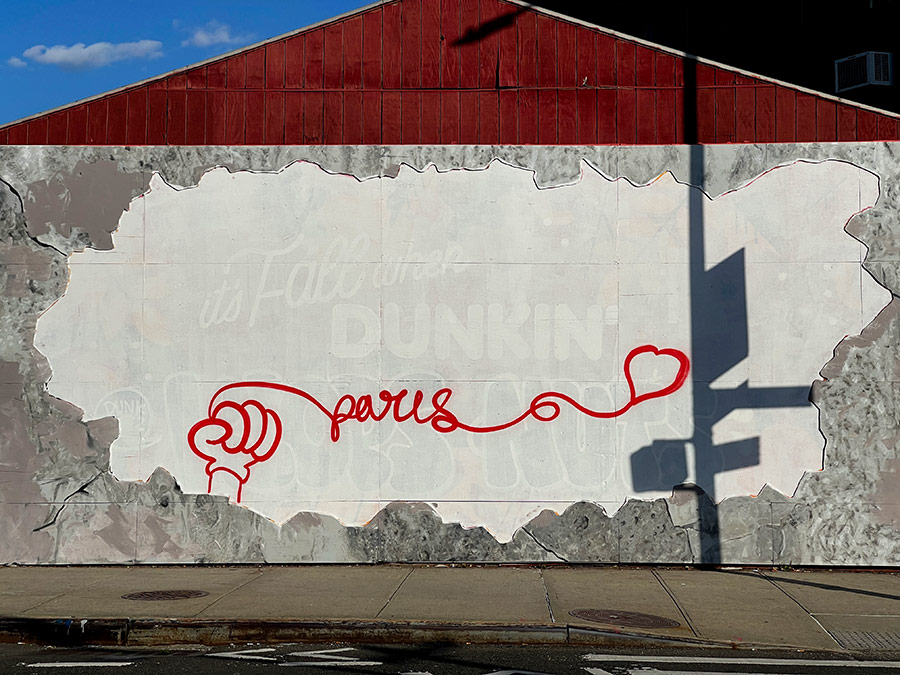
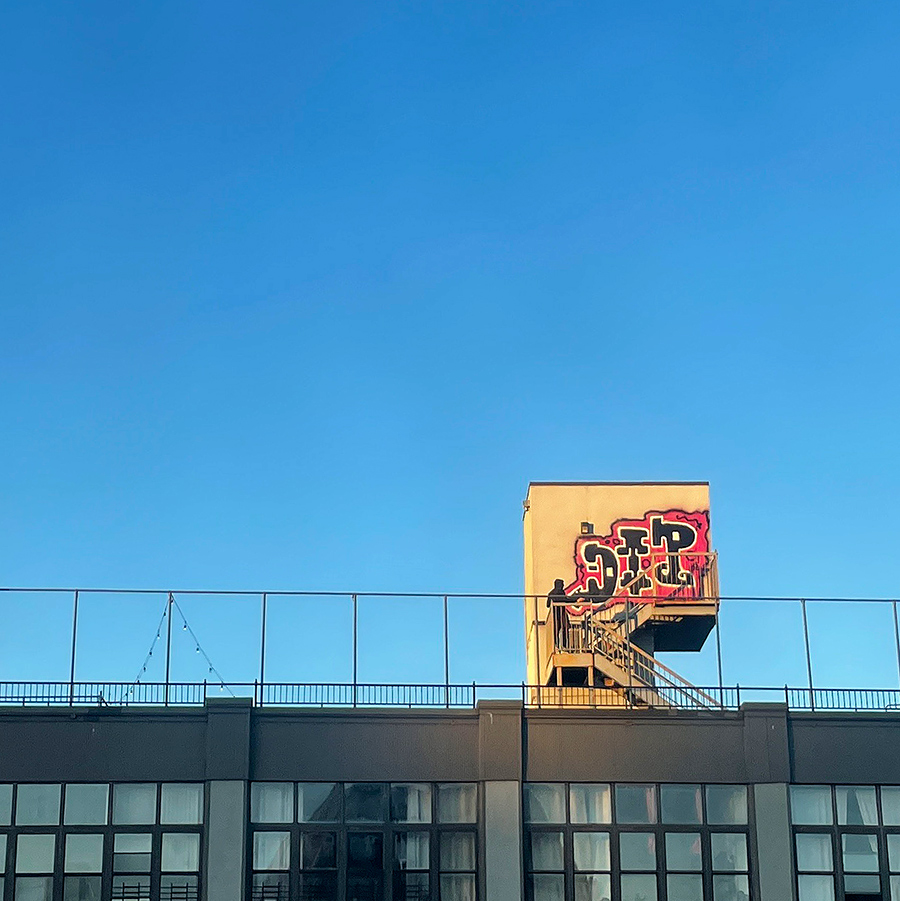
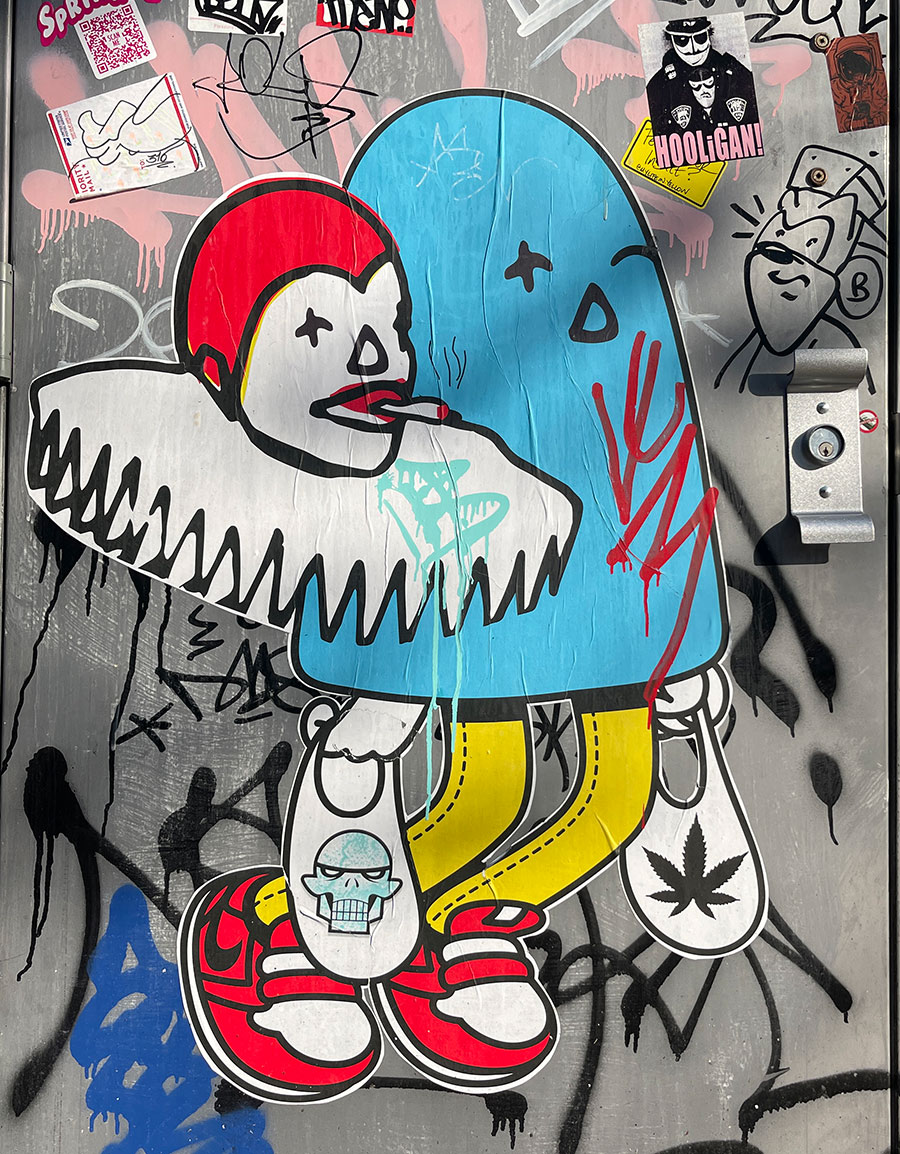
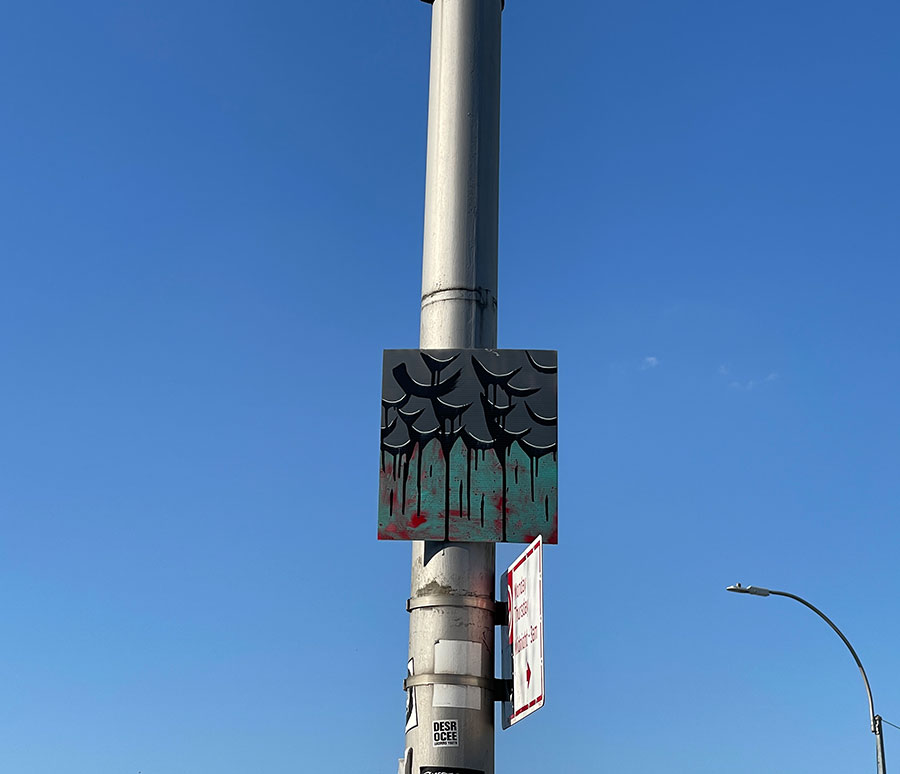
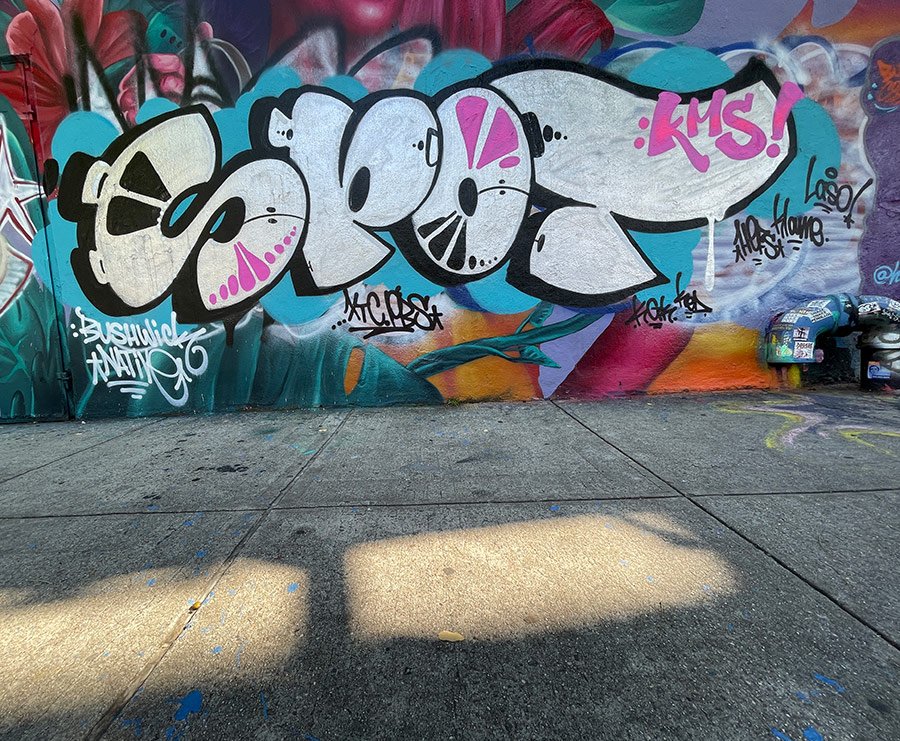
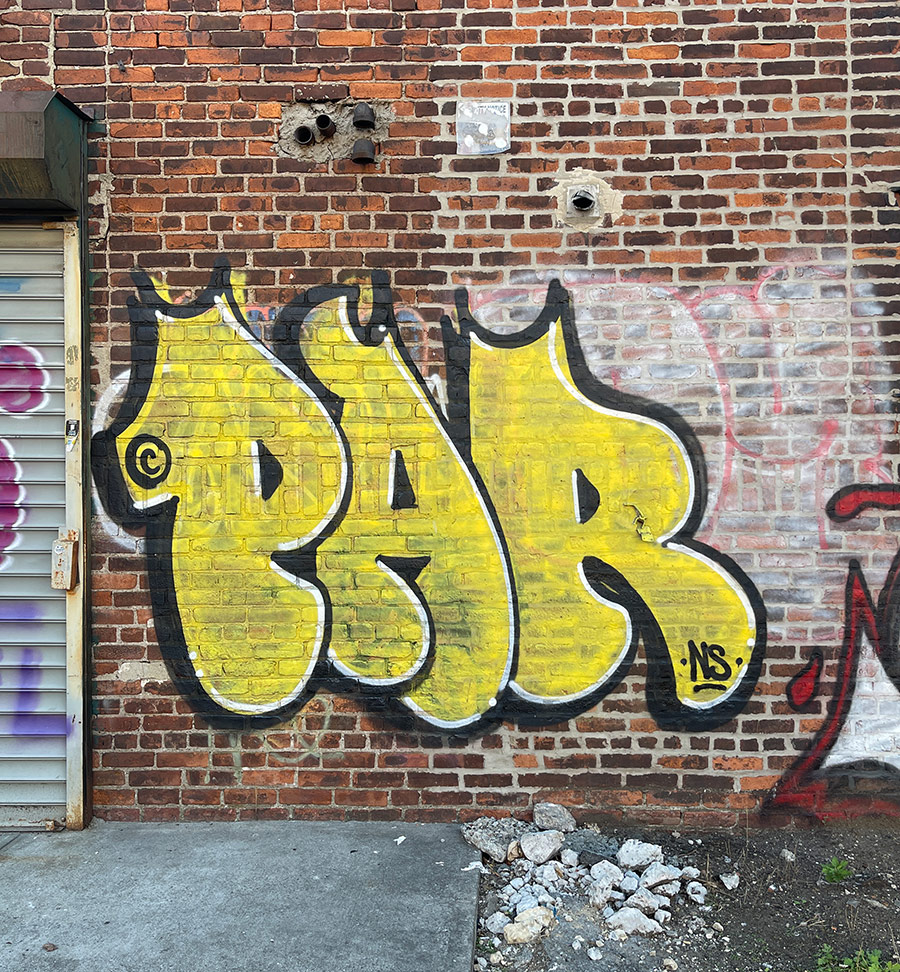
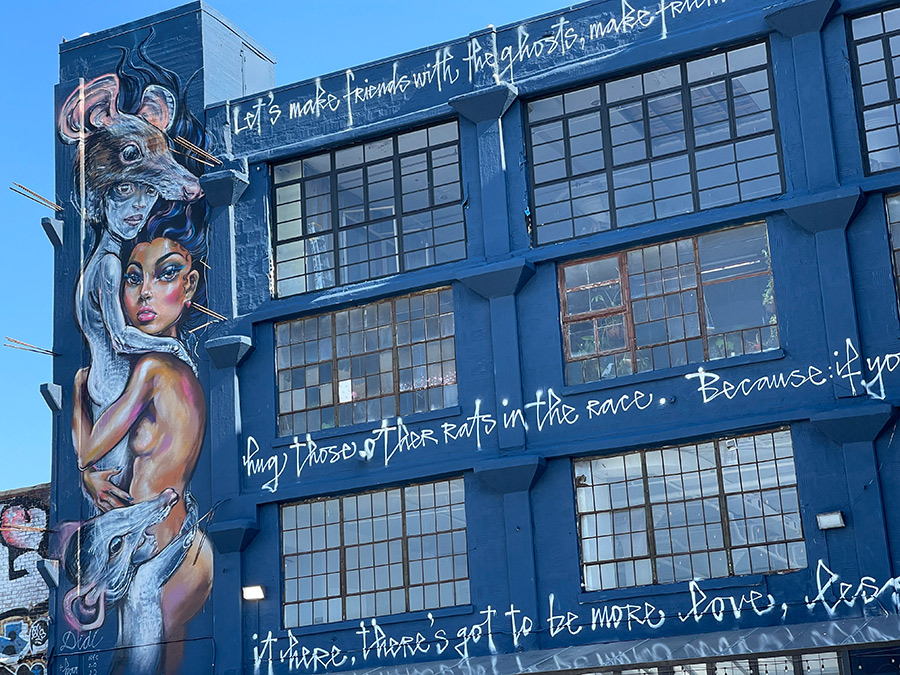
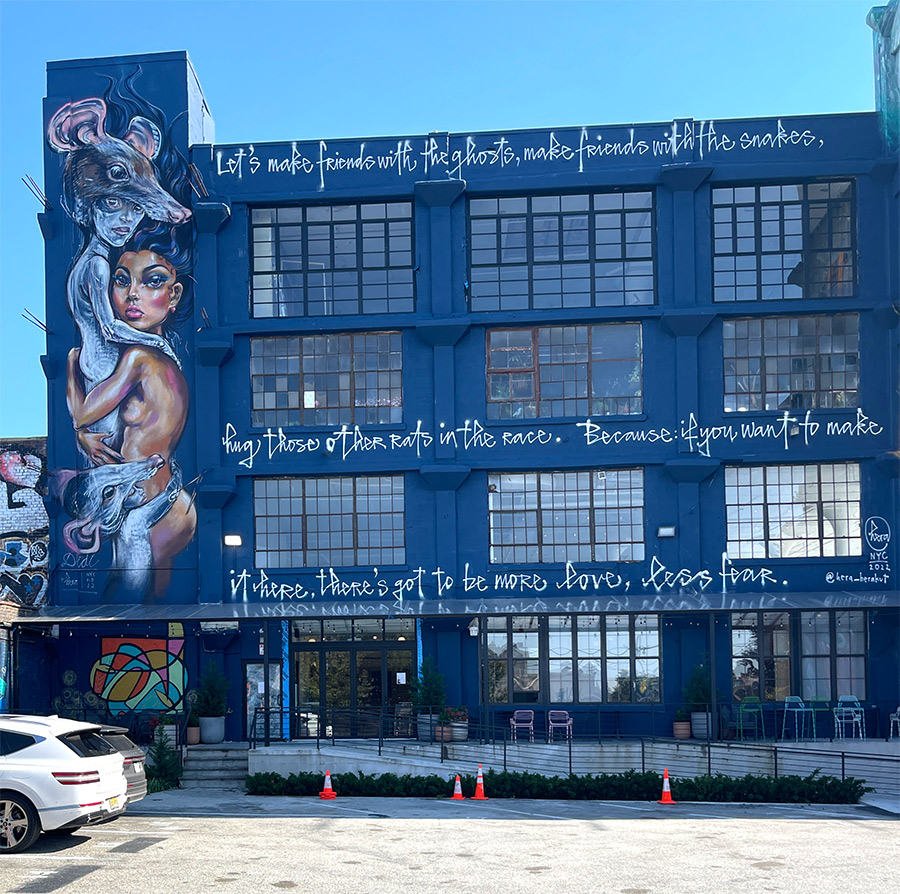
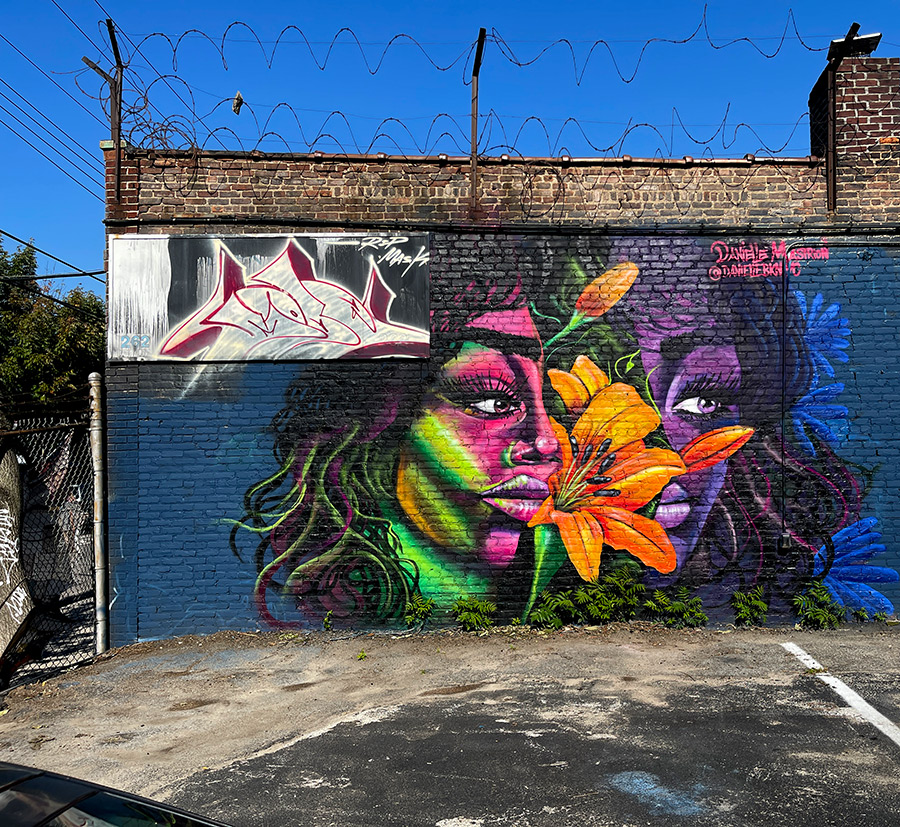
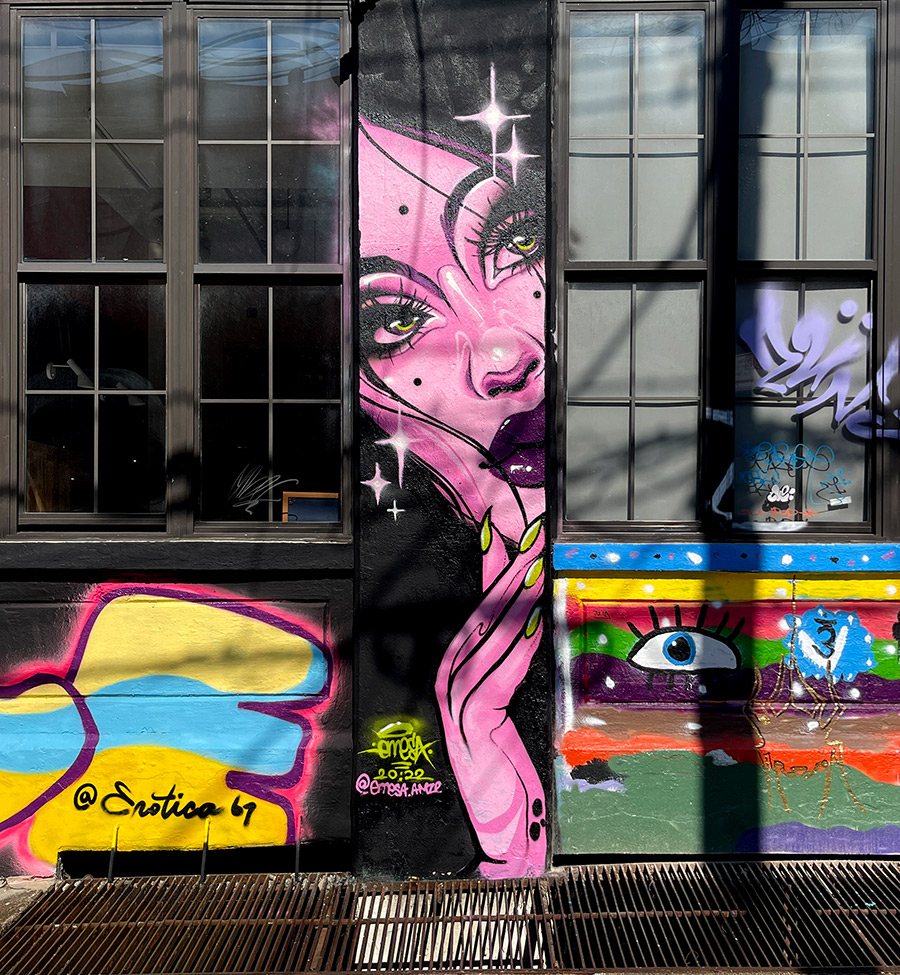
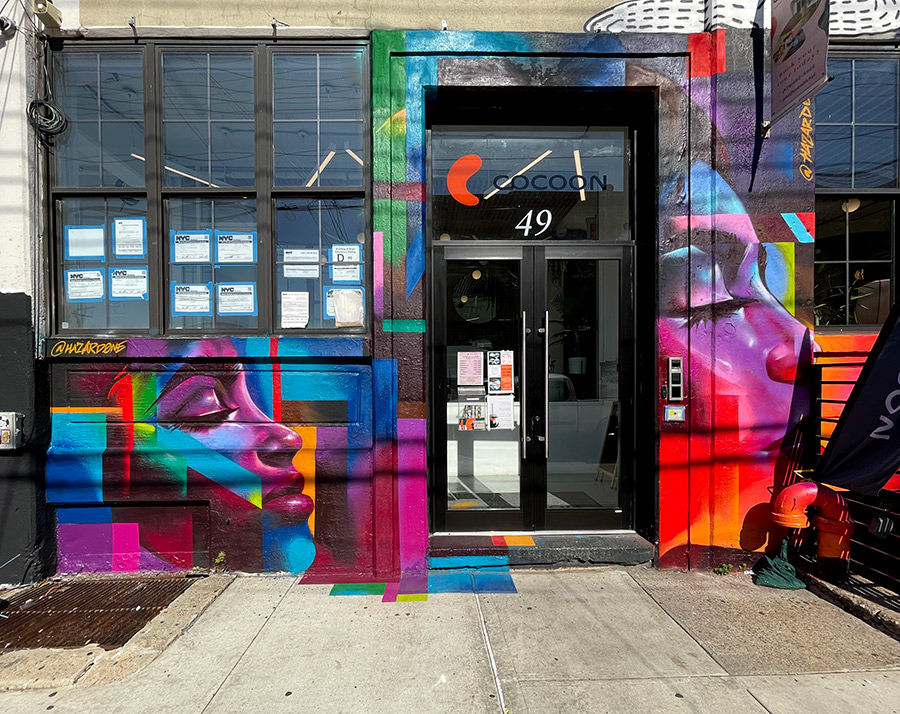
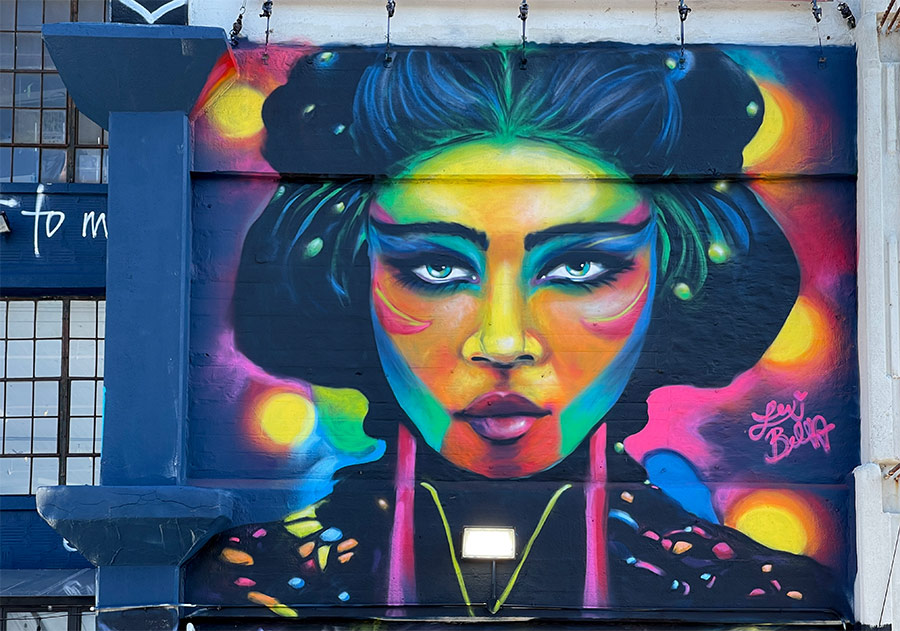
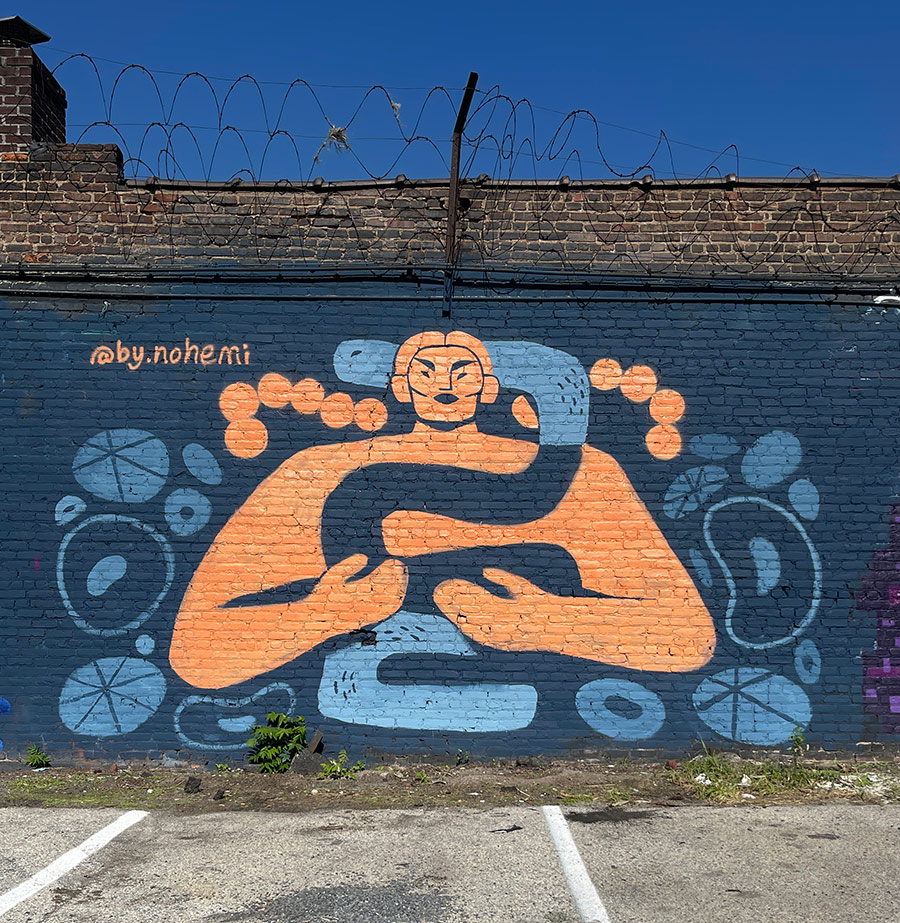
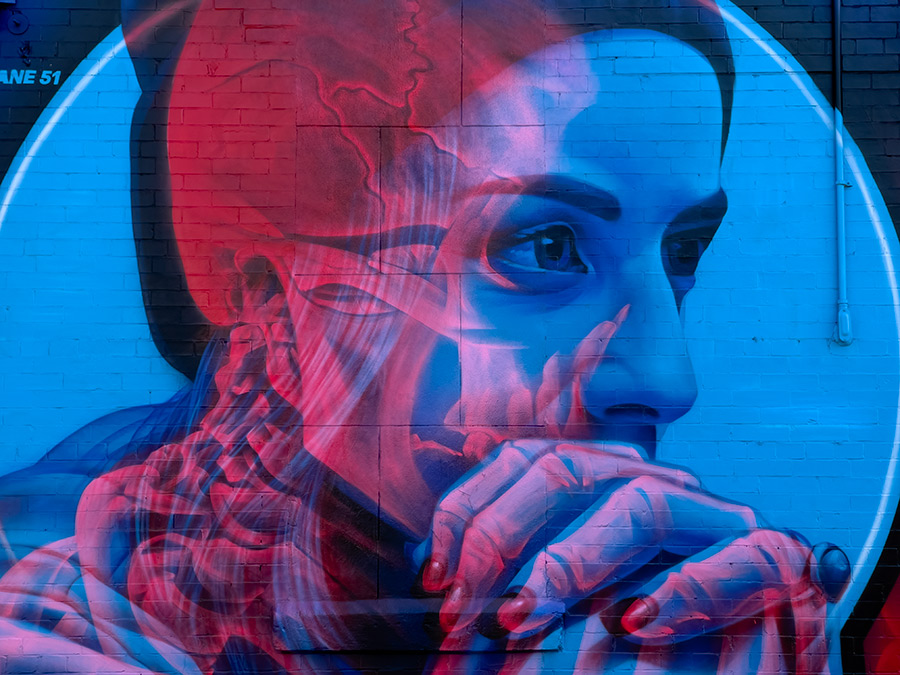
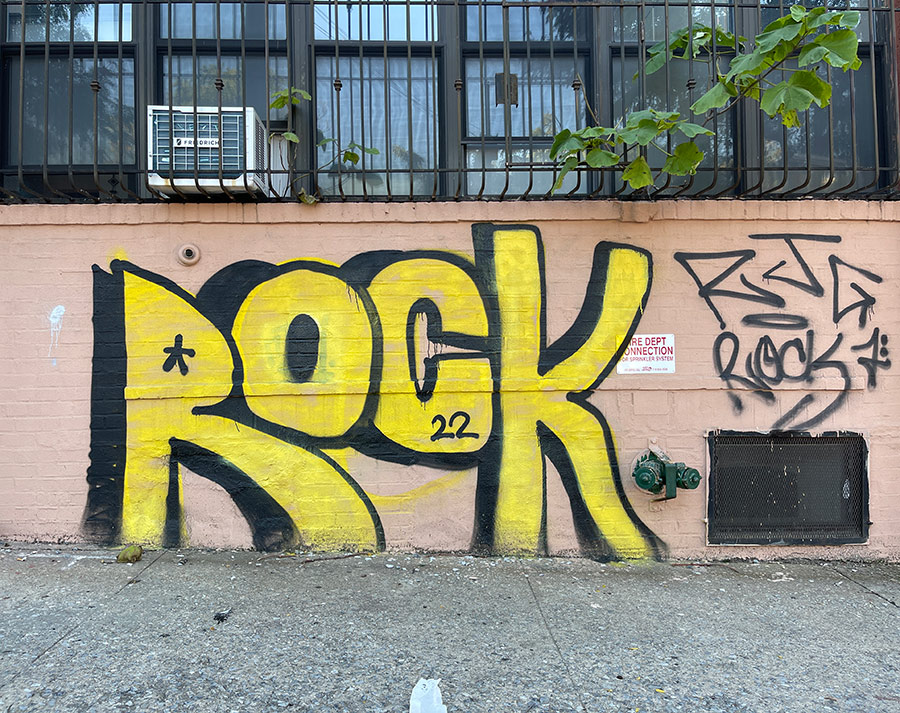
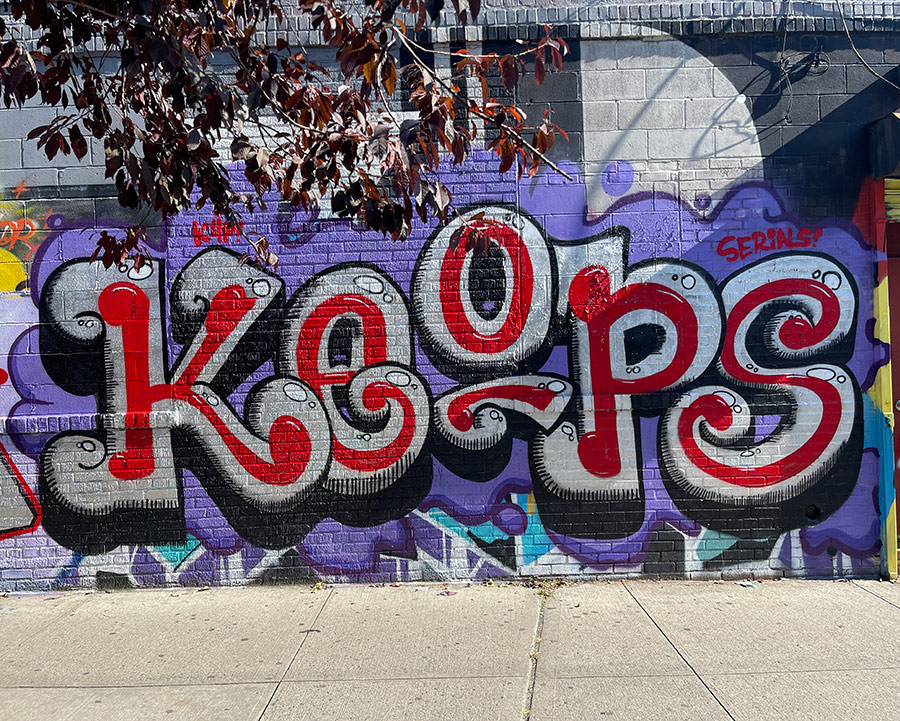
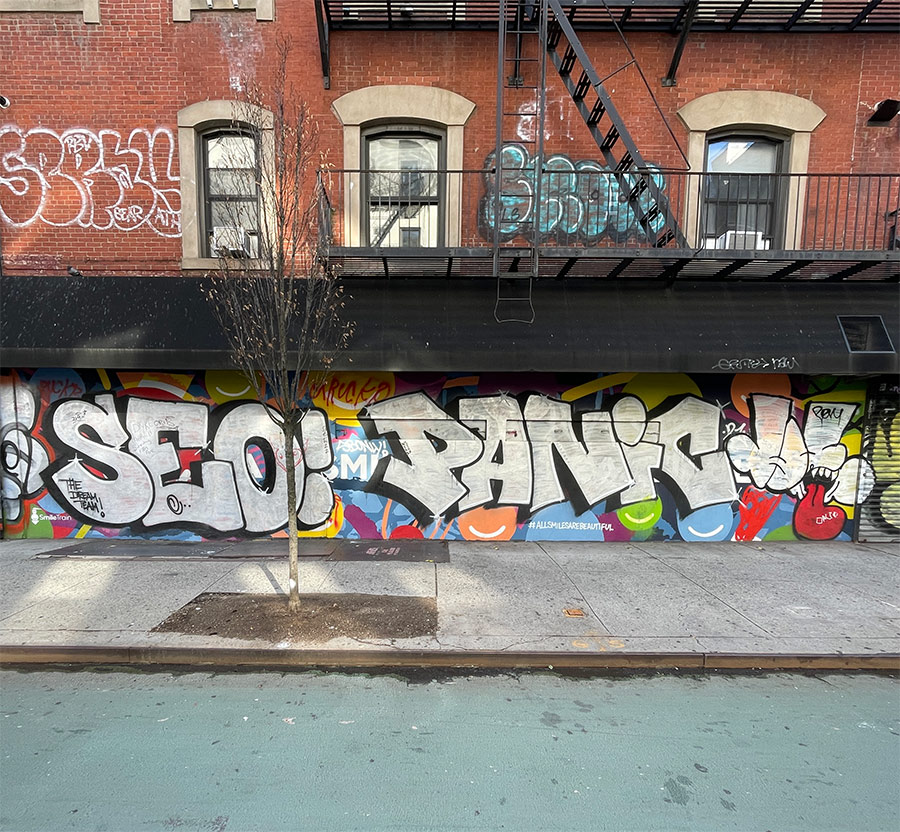
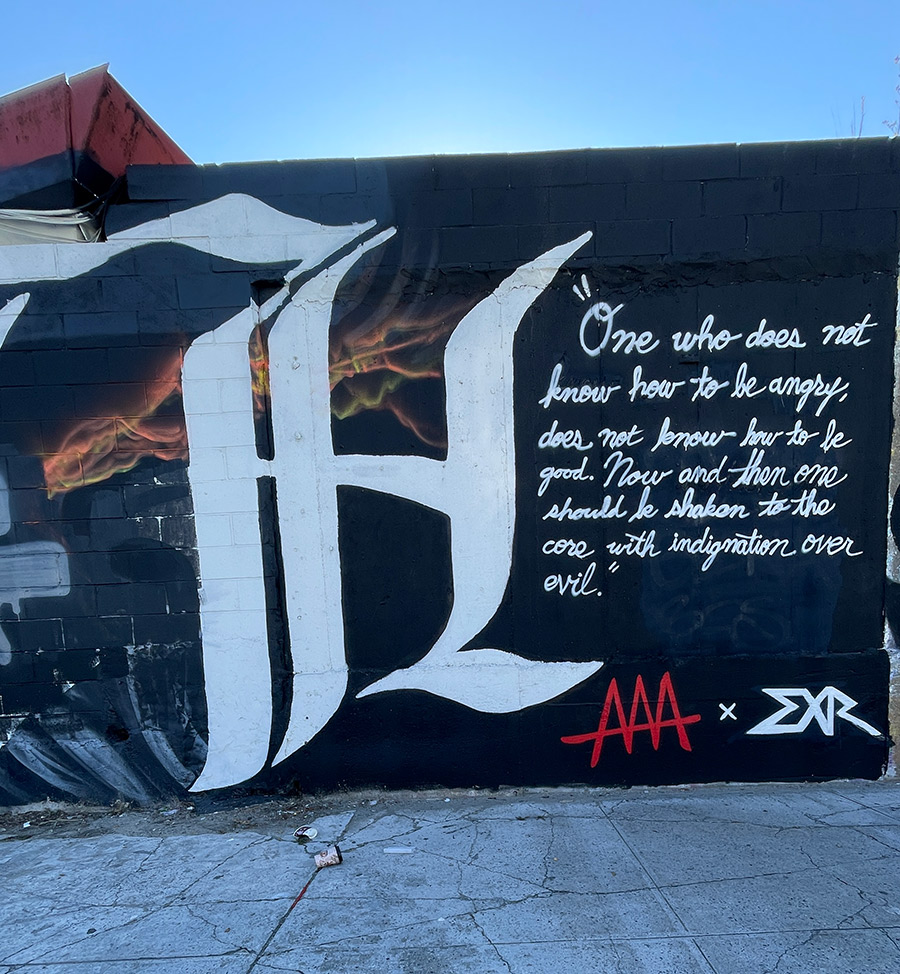
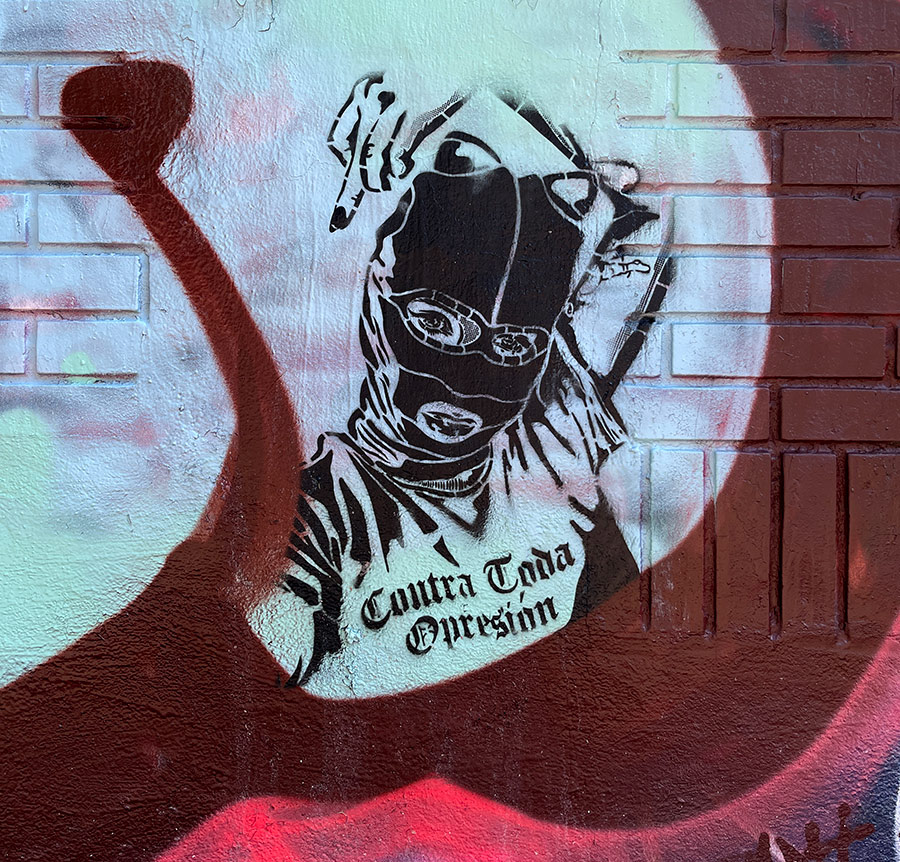
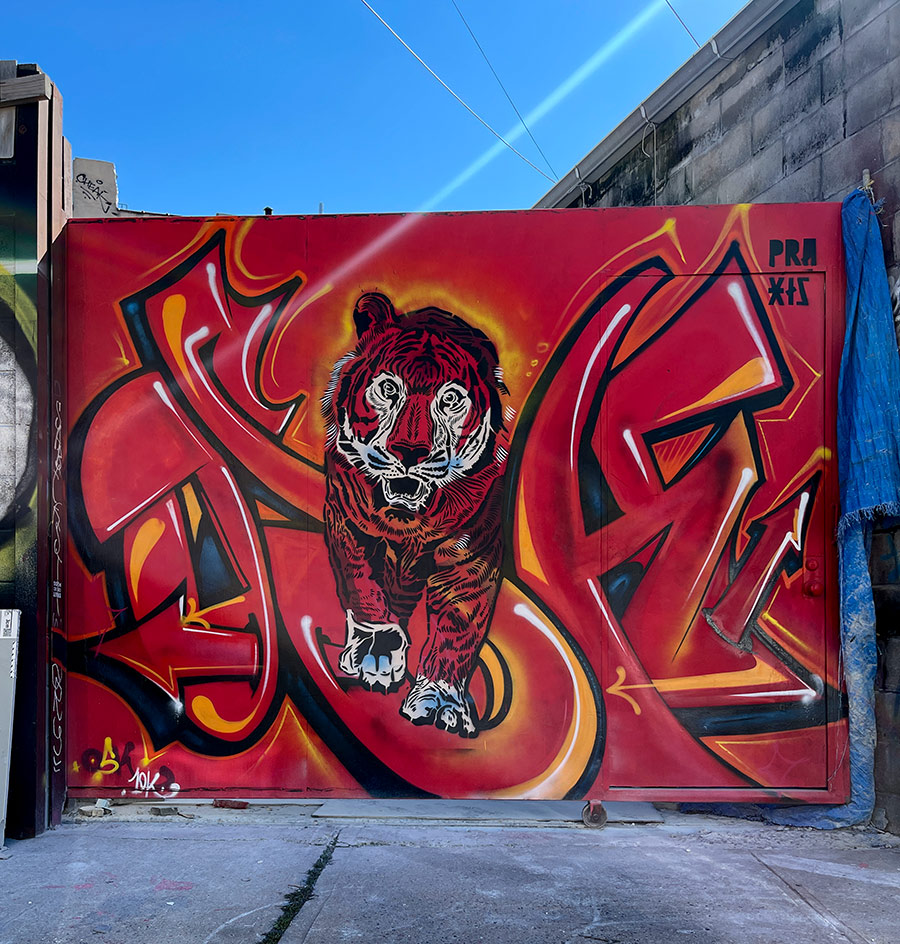
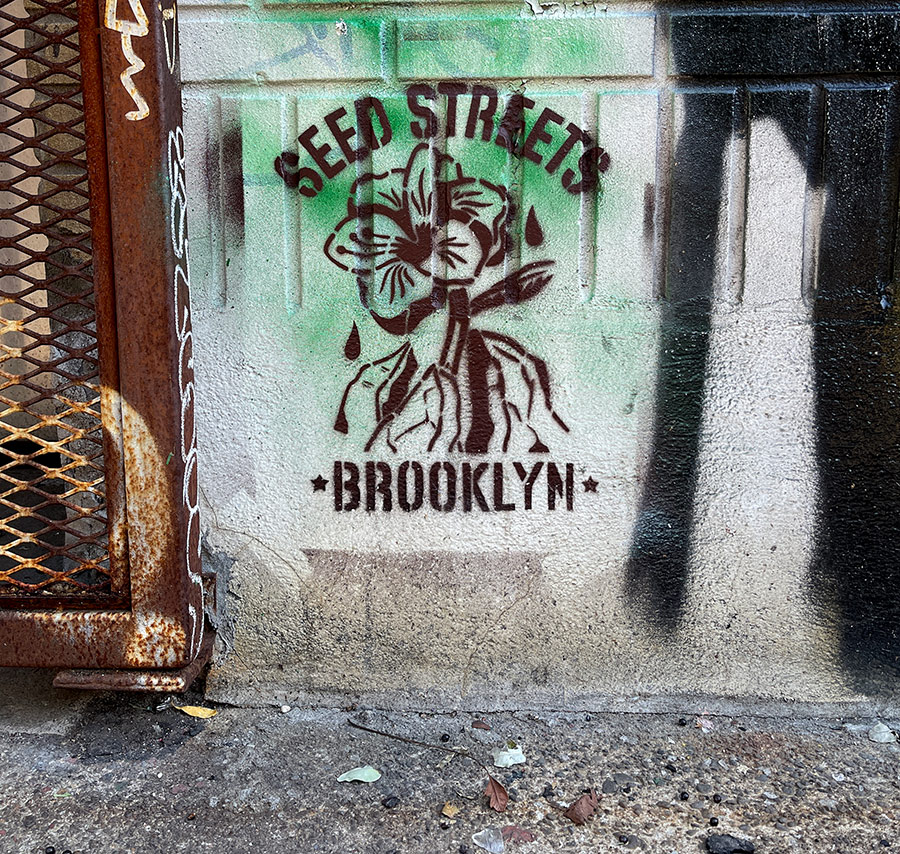
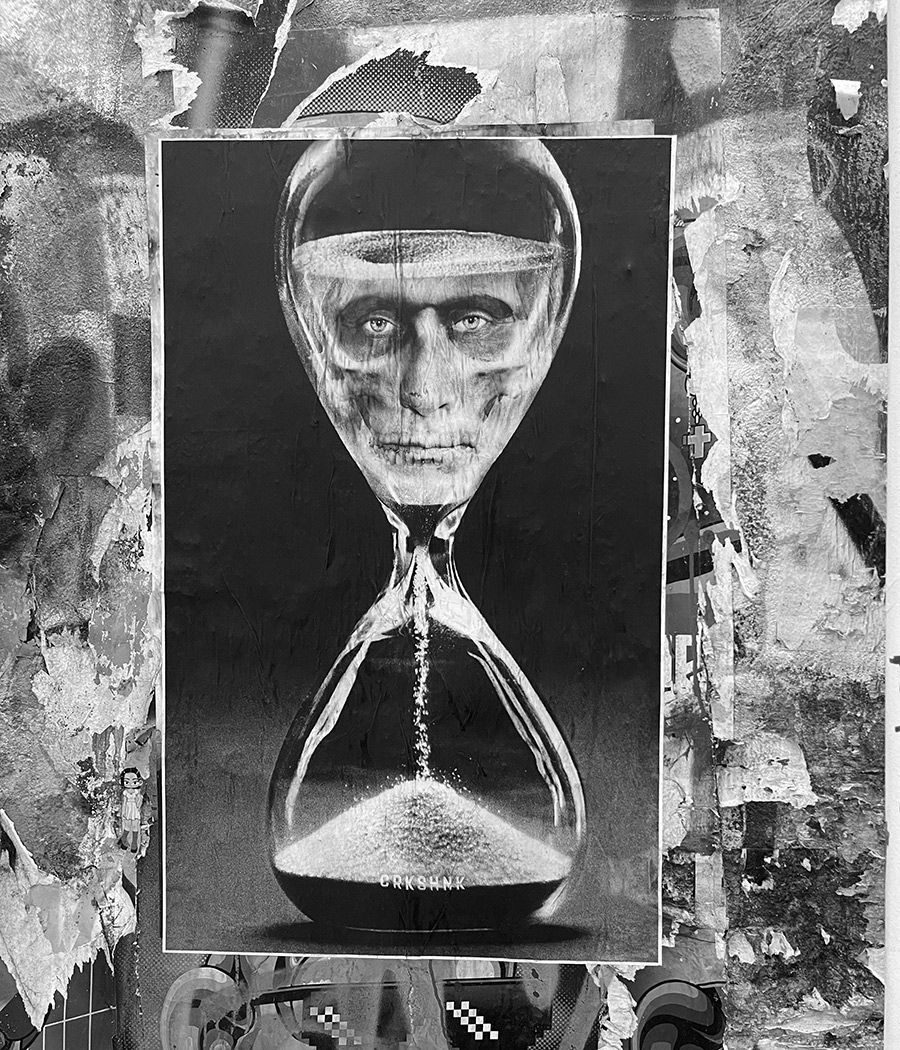
Here’s our weekly interview with the street, this week featuring: Royce Bannon, Jason Naylor, Praxis, No Sleep, JPO, Le Crue, Hiss, Slow Boil, SKJ 171, Mike 171, D. Brains, Dan Alavarado, Panic Rodriguez, and Robert Vargas.
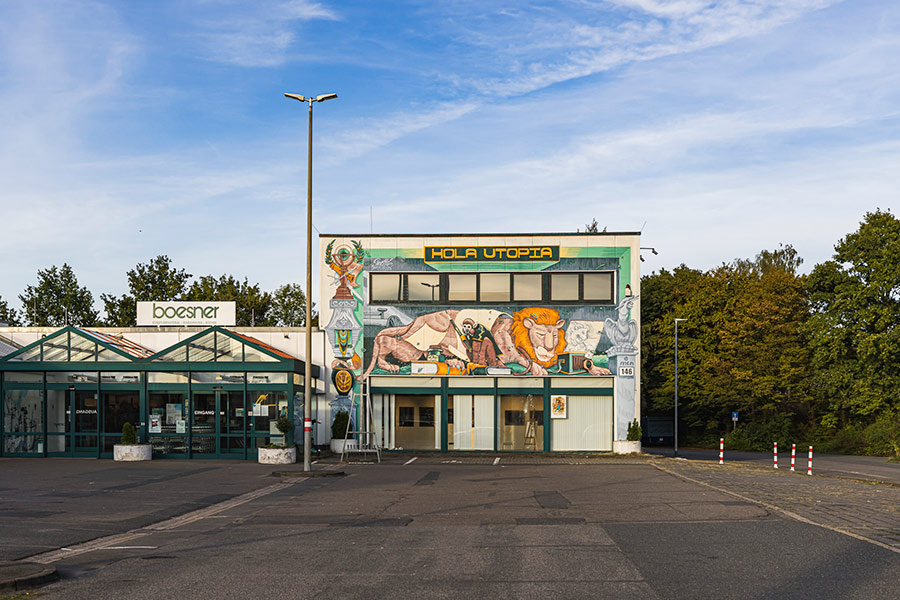
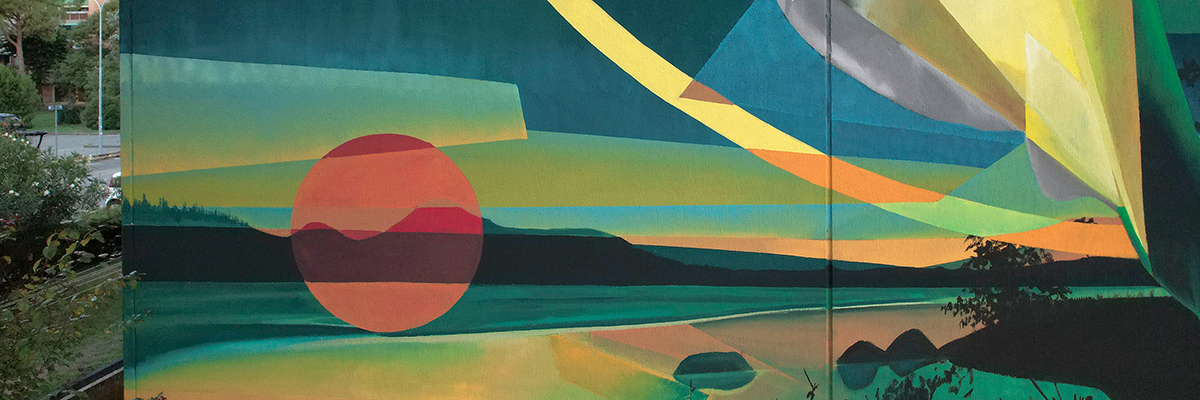
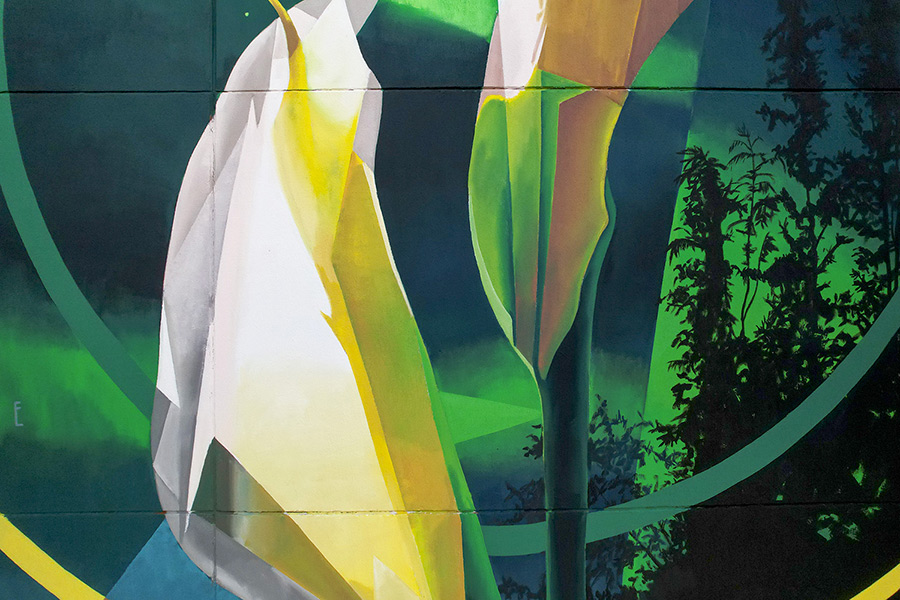
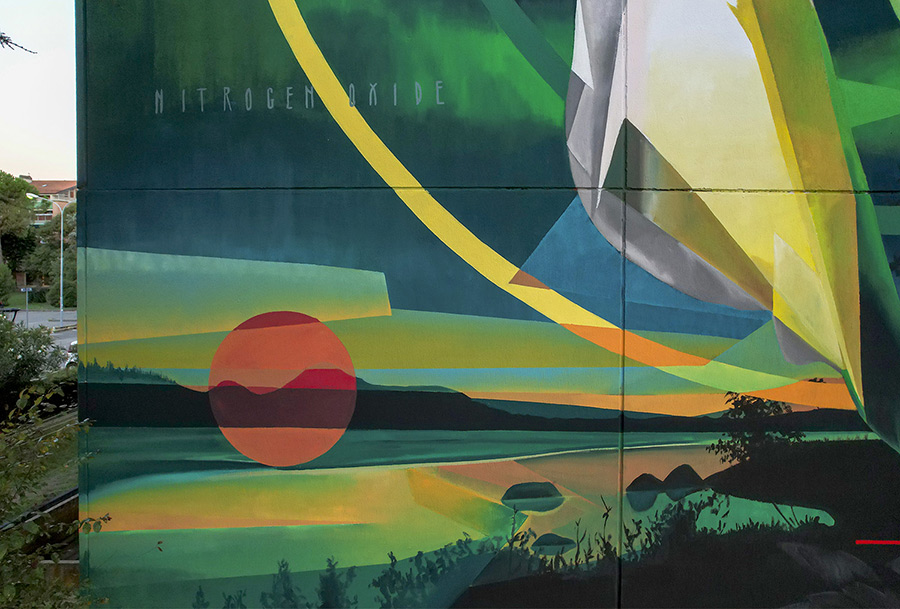
The storied, busy, festive Spanish city of Valencia lies about an hour south of Fanzara, and the difference between the two could not be more pronounced. One of many across the country, this small town has been aging, shrinking in population, a shadow of its former charming self. Since the Fanzara Miau Mural Festival began about a decade ago, that direction has been slowly reversing, with an infusion of murals all over town.
The tourist trafficked has become notable, and that youthful demographic once again wanders through the winding streets, greeting old timers and taking photos of the murals and of course, posing for selfies in front of them.
The artworks are quite varied, with street artists now often formally trained studio professionals and those working in the advertising and commercial art industries. Thankfully the feeling remains free spirited, and many artists appear to await inspiration for their subject matter until arriving, preferring to be inspired by their new environment and creating something that initiates dialogue with their surroundings.
From the classically figurative to naïve, illustrative to photorealistic, the natural world to daily life, the common thread is thoughtful and considered work that is far from the hype of other street art festivals – and safely far from commercial gloss.
Today we have new photos from the 2022 edition by frequent contributor Lluis Olive Bulbena.
Our weekly focus on the moving image and art in the streets. And other oddities.
Now screening: 1. Black Power in Hair: Babybangz 2. Hair on Fire – Emergency on Planet Earth 3. Land Graffiti or Grass Graffiti? Why Split Hairs? Saype via Arte.tv 4. When Hair Bands Wandered the Earth – “Hot for Teacher” – Mutoid Man
BSA Special Feature: Black Power in Hair: Babybangz
“In a documentary by Juliana Kasumu, a group of Black women gathers at Babybangz salon to discuss natural hair, the impact of gentrification in New Orleans, and their personal journeys toward self-love.”
All bow to the power of hair.
Black Power in Hair: Babybangz
Emergency on Planet Earth
A new exhibition featuring artist from the graffiti/street art spheres is drawing attention to the fragile moment humans are in as we are reaping the harvest of years of abusing the Earth. The show presents 12 different spaces in situ to address different environmental issues of our day. This is a time of emergency on Planet Earth.
Saype Documentary via Arte.tv
Hot for Teacher – Mutoid Man
It’s about time for Back-To-School shopping! It’s also time for bad attitude and unrequited misdirected hormones for your teacher, courtesy of heavy metal. Check out Gina Gleason on guitar!
Click HERE to learn more about Generation Equality Forum.
There are a few walls you remember over the years, and this one in Borås, Sweden stays fresh in our minds from our trip there in 2015 for the NoLimit Festival (@nolimitboras), originated by the fantastic Shai Dahan, an artist who brought street artists from around the world to this beautiful city and established it as a destination for art. That year we were blown away by the multipaneled wingspan of a wildly rendered “sky dancer” as described by artist DALeast – poetic, stunning, and fearsome all at once, its ferocity was made nearly kinetic by the chopping of panels that separated the canvas into separate slices of sky.
DALeast. Artscape Festival 2020. Borås, Sweden. (photo courtesy of Artscape)
Today we have images of a newly revisited image painted by DALeast on the very same slotted visage. “As far as I can remember, this could be the first time I painted the same wall twice,” he says about the new rendition on the city’s university library. So loved was his original, the city asked for him to come back and as part of the currently running Artscape Festival, the artist created a brand new version. He says that the new version of the mythic bird in flight has changed, perhaps reflecting his own personal changes.
“I decided to create a continuing version of the same sky dancer that’s soaring up and transforming through two stills,” he says. “The image changes through time as well as the artist. Although it appears that I haven’t done as much external work in recent years, I sense that by not doing much, I am actually doing a lot for change. At least the old habit is peeling off. While this new piece continues to call for the openness that sparked a decade ago, the gap between subject and object is becoming softer and blurrier; edges are merging into one another. The elements keep transforming and dancing through the space, becoming the space.”
It is not rare anymore, but certainly it is still unusual for street artists to take their talents in search of a barn in the countryside. Berlin’s Johannes Mundinger departed the big city this summer to do exactly that, calling his project “Feldforschung” (Field Research). It is a witty title for an unconventional artist who routinely splits reality into juxtaposing painted screens – sometimes patterns, closeups, textures, cut-outs and samples of nature all sitting in their frames next to or over top of one another.
Johannes Mundinger. Feldforschung. Waltersbrück. Hessen, Germany. (photo courtesy of the artist)
“In the motifs, I am inspired by the stories of nearby residents or the owners of properties,” he says. Like the most successful street art in an urban environment, context matters. “I take cues from what I learn about the building, its use, and the environment it is in.” But these are abstractions, so one does not worry if the original inspiration was a cow or a stalk of grain- you are permitted to interpret.
“I don’t want to paint beautiful half-timbered houses or wooden sheds. I like these simply plastered concrete blocks – windowless, in the middle of nowhere,” he says.
Johannes Mundinger. Feldforschung. Waltersbrück. Hessen, Germany. (photo courtesy of the artist)
Another departure for a street artists – getting permission is recommended in rural areas, if for no other reason than it is rather hard to run away and hide in a doorway or create a clever escape through the streets. Here Mr. Mundinger had to approach farmers directly to ask permission to paint their building, and not everyone was very excited to see him there and rejected his offer, even though he brought photos of his previous works.
“While it was still somewhat easy to find the venues it was harder to find the owners, he says. “I needed to ask neighbors, land registry offices, even the mayor. The hardest part though is to convince the owners to be open for this experiment, having their property painted. Most aren´t, but some were cool and open..” Eventually he had success, and he worked steadily to avoid getting distracted by the sound and movement of natural life going on around him.
Johannes Mundinger. Feldforschung. Waltersbrück. Hessen, Germany. (photo courtesy of the artist)
Gazing upon these new summer works in situ, they may seem incongruent, or they may look like they were naturally meant to be there. Transforming buildings that had such different purposes also contributed to the experience. For Johannes it has been an opportunity to consider his practice in an entirely new frame, so to speak.
“I like showing my work in environments far from established exhibition venues or big cities,” he says. “I’m hoping to bring some unexpected perspectives to viewers.”
“The two walls in NRW (North Rhine Westfalia) were organized by Eva Rahe, who also took some of these photos. The buildings had been built as cow shelter and milking parlor. Most small farmers now don´t have cows in the fields anymore and a lot of the barns were abandoned and in danger of being destroyed. One such barn was saved through the intervention of a local hunter; he discovered that it was home to a little owl and asked the owner to not to take it down. So it became shelter to lots of little animals and insects.”
“Here we see that photographer Rahe discovered two lovely visitors on the roof.”
Pop Quiz: What’s black and white and red all over?
A newspaper of course!
Also, it is an uncomfortable and tastily iconic collage or screen installation by American contemporary artist Barbara Kruger, who is treating you this summer to two shows; one at David Zwirner Gallery in Chelsea and one at the Museum of Modern Art (MoMA) in midtown.
She reveals an utter sensitivity to the implication of individual words as well as phrases. Whether it’s the pithy bromides of yesteryear, the entreaties of advertising copy, the humble brag of a politician-preacher, or the casual misogyny of a rapper, it catches Kruger’s eye and ear and she brings it to you in bold direct graphic style.
“Your Body is a Battleground” is a fact that rears its head in ways that shock and dismay, year after year. But the battleground she skirmishes upon most often is the modern mind – attacked on all sides today by a propagandist media and an ever more invasive ad business that has encroached on your most personal desires and decisions.
Thankfully she has often put her large blasting siren texts on the city street – where everyday people can encounter them, interact with them, ponder them. The body of Krugman’s work is an indictment, and one that has helped countless fans perhaps to sharpen and focus their own critiques of slogans, campaigns, art world word-salad, and white papers from so-called “think tanks”. If there ever was a university for nationwide mass media studies and literacy, Kruger would be Dean.
It’s good to see a large collection of works together. At both Zwirner and MoMA your are flooded with options to see and consider. Some of the images or texts have gotten caught in a zeitgeist that passed, but much of it is deliciously on target, timeless in its critique. With direct and sly placement, Kruger is plainly hoping to be instructive on how to reexamine the manner in which we are gradually formed, seduced, shoved into obedience by images, words, associations, and emotions.
Here she is in the repetitive pounding messages, the mix of blinking photo and text collages, the large-scale monochrome images overlaid with text, the reliable Futura Bold and Helvetica Extra Bold, the bars of black, white, and red.
Barbara Kruger: Thinking of You. I Mean Me. I Mean You. Is currently on view at the Museum of Modern Art in NYC until January 2023. Click HERE to find more information.
He tells us that he has named the new piece “Kaleidoscope,” possibly because it reminds him of those hand operated optical toys that produce new abstract patterns that change as you rotate them and look into a source of light.
How many people get a chance to see the many special effects of these when they are children? Of his new painting, Pener says, “I hope the wall will give kids inspiration and energy.”
Below you can see a video of how a kaleidoscope is made.
The rain hasn’t been coming around much this summer, so we begin the postings with a dreamy sequence from Dan Kitchener and his muse walking with an umbrella. Good to see so much quality art in the streets this summer. Things may be difficult in many ways when it comes to life in this city, but the vibe on the streets is still rockin’ it.
Here’s our weekly interview with the street, this week featuring: SacSix, Degrupo, Sara Lynne-Leo, Dan Kitchener, Doves, IMK, @2easae, GanoWon, Your Camera is a Weapon, and Habibi.
Every summer we are regaled by the ceremony and spectacle of graduation season – with its robes, mortarboards, diplomas, and celebrity honorees. While a traditional graffiti or street artist may have opted for education by the school of the streets, countless halls of academia annually take creatives under their wing and tutelage to guide and prepare for a professional life in myriad careers in the arts.
Studying everything from fashion to film to fine art, architecture, animation, and gaming design, the 7,000 students from 70 countries populate four campuses of The University for Creative Arts in southeast England. The disciplines may or may not intersect, but it’s fair to say that most of them have heard of that international mystery street artist/collective known singularly as Banksy. Who better to be made an honorary professor? So last month hundreds of graduating students of 2020, 2021, and 2022 enjoyed their moment in the Royal Festival Hall spotlight along with an empty chair and diploma meant for the most famous street artist in the world. By the end of the ceremony, the chair remained.
The diploma did not.
An empty chair was reserved for Banksy at the graduation ceremony at the Royal Festival Hall, Southbank, London. University for the Creative Arts. London, July 8th, 2022. (photo courtesy of University for the Creative Arts)
Brooklyn Street Art is honored today to have two people who attended that ceremony to share their experience with BSA readers: the artist, professor, art critic, contributing editor for Art in America, and author of Banksy: Completed (The MIT Press) Carol Diehl, and the Head of School Fine Art & Photography and the Assistant Vice-Chancellor at MCA, Terry Perk. Mr. Perk gave the invocatory speech for Banksy and sat next to the mystery artist’s chair onstage, while Ms. Diehl observed from her perch in the audience.
Both give us their view of the event and are interviewed here – an illuminating series of insights that broadens one’s appreciation for the contributions Banksy has made to global culture, geopolitics, the art world, and the street – from a scholarly perspective. Both Diehl and Perk have studied the artist’s work at great length, at one point traveling together to Bethlehem to investigate the artist’s Walled Off Hotel.
In his speech, which we publish in full at the end of the article, Perk asserts that “Perhaps more than any other contemporary artist, Banksy’s imagination resonates and appeals beyond the limited purview of the art world to the public at large. His use of humour, irony and recognisable symbolism have made his work poignant and universally accessible.”
In addition to the award of an Honorary Professorship that day, “what also made the news was a student who filched Banksy’s diploma from the empty chair,” Diehl tells us.
ArtDependence Magazine described the event this way: “Despite the student body being told that while walking across the stage you were just meant to nod once for the chairwoman and once more for your head of school, Ben Wray, a Film and Digital Art graduate, decided that after nodding to the chairwoman he would defy the university by leaving the stage with Banksy’s Professorship in hand. His stunt was met with cheers from the crowd and confusion from the staff who sat on stage.”
Ben Wray, a Film and Digital Art graduate of the class of 2022 steals Banksy’s Professorship at the Royal Festival Hall, Southbank, London. University for the Creative Arts. London, July 8th, 2022.
According to the writer, Mr. Wray commented “The University for the Creative Arts and I have had a bitter relationship over the past 3 years, this was my way of blowing one final kiss of poison before leaving forever.” In a subtle storyline twist worthy of the pithy Banksy, Wray continued, “That being said, I’m looking forward to start teaching there in September”.
Banksy is said to have “liked” Ben’s Instagram post for a short time, then rescinded it. Perhaps you can ask Ben to show you his screenshots.
We asked Carol Diehl and Terry Perk to share their insights and observations regarding the honoring of the anonymous Banksy at The University for Creative Arts with a professorship.
Brooklyn Street Art: Since we don’t know who Banksy is, you have previously posited the view that the message is front and foremost. If this was considered a performance piece, what would you say the message is?
Carol Diehl: Yes, Banksy’s anonymity not only enables him to do his illegal work in secret and, instead of drifting off into the usual celebrity gossip (what was he wearing? nothing!), keeps the public focused on his message. Considering Banksy an ultimate provocateur, I regard all his work as conceptual/performance art, hence “completed” by the events it instigates, such as this one. Makhoul framed the artist as “an example that UCA students can look up to, who uses his talents to disrupt the status quo, while challenging us all to confront some of the key issues of our time: war and peace, inequality, and art’s role as a vehicle of social expression”.
Terry Perk: I think part of art’s unique value is that it avoids explicit messages. This, however, wasn’t an artwork, but a ceremony celebrating the hard-won achievements of a university’s students and staff. Although with Banksy’s absence in mind, it’s hard not to raise a smile at the ritual pomp and dress of the whole affair, dating back to 12th century guilds and the attire of medieval clergy, when the “star” of the show doesn’t even choose to be present. Maybe one of the messages is not to take ourselves too seriously – and perhaps anonymity is the ultimate expression of that.
Brooklyn Street Art: In your evolution as a Banksy book author, you say that the New York art critic Jerry Saltz failed to properly appreciate the critique of the “Art World” that was before him when viewing a Banksy piece on a city street. Would you say that this performance, this event, is an unappreciated critique as well?
Carol Diehl: When Saltz scoffed at Banksy’s piece that included the phrase “You complete me,” he failed to consider that it could possibly be referring to him—an art critic who dismissed the piece as inconsequential without having gone to the accompanying “audio guide” and a voice that asked, “Are you looking for one of the great artworks of the 21st century? If so, you’re in the wrong place!” before devolving into artspeak gobbledegook. My point there being that the “Art World” takes itself so seriously that its spokespersons are eager to cast judgment without bothering to fully examine art that lacks its imprimatur—IOW, won’t apply their own criteria to anything that hasn’t already passed judgment.
Terry Perk: The fact that this kind of recognition of an artist who has had such an impact on the political and cultural imagination has had to come from outside the art world is in itself a critique of the art world.
Author Carol Diehl poses with a copy of her book on display at the Royal Festival Hall bookstore in London. (photo courtesy of Ms. Diehl)
Brooklyn Street Art: Banksy’s work is honored at this event for addressing consequential matters: war, peace, and inequality. He hasn’t shied away from commentary on the Israelis and Palestinians, or the treatment of refugees. Is this award likely to impact the creative students and faculty of UCA?
Carol Diehl: Hopefully, of course, it will have an impact. But it’s important to point out that it would be very unlikely that a US university would go near such issues. And interesting to observe that while anything Banksy gets a lot of play in the US press, this event slid under the radar.
Terry Perk: Key to note from a university perspective is that we aren’t nationalistic in any sense. We are humanist. Our students are individuals, and our Vice Chancellor has spoken eloquently about how we wouldn’t seek to exclude an individual based on nationalistic politics, or the political decisions of their government. Imagine if international universities didn’t open their doors to American citizens, just because they disagreed with a particular aspect of the US governments foreign policy. Equating all individual citizens with the decisions of their governments is nationalistic mis-thinking.
Brooklyn Street Art: Has Banksy’s Pest Control organization authenticated that it was actually Banksy who did not attend the ceremony?
Carol Diehl: Well, as Terry Perk’s tribute pointed out, rather than try to pin down Banksy, we can use the ceremony to ask “What does it mean to be Banksy?” “Am I Banksy? What do I stand for?” And most importantly: “What do we stand for together? – knowing that the one thing we have in common is our difference.”
Brooklyn Street Art: The graduate who stole the professorship diploma at his own graduation posted the stunt on his Instagram account and Banksy briefly “liked” it before deleting his reaction. What was your first impression of this maneuver while you were witnessing it in real-time?
Terry Perk: I was seated next to the empty chair with the scroll on it, and was caught by surprise. As the student moved across the stage they quite quickly changed direction towards the chair – my instinct was to reach out and grab the scroll at the same time, but they were too quick. As they walked away I couldn’t help but smile and applaud. I’m not surprised Banksy ‘liked’ what was a rather audacious and rebellious act – blurring the boundaries of ownership, property and theft is one of the persistent themes and institutional critiques in Banksy’s work. Equally, I wouldn’t be surprised to see the scroll on eBay sometime soon ?.
Terry Perk’s speech moving to confer the award of Honorary Professorship upon Banksy:
Vice Chancellor, Governors of the University, Worshipful Mayor, Guests and Graduates: In 2018 I visited Palestine for the first time, accompanying a friend, Carol Diehl, who was researching a book she was writing on Banksy. We’d journeyed to stay at Banksy’s latest artwork, The Walled Off Hotel (spelt ‘walled’ W-A-L-L-E-D), a mock British colonial hotel built within 10 feet of the barrier wall between Israel and the Palestinian West Bank. Adorned with his works and now entirely owned and run by Palestinians, Banksy created the hotel in 2017 to bring attention to the conditions in the area and provide a financial boost to a city whose economy was significantly diminished after the wall was built.
Operating anonymously, as an artist, humanitarian and political activist, Banksy’s work has always been culturally and politically responsive to the places he’s worked in. Whether for his one-month take-over of the streets of New York, in which he created a new artwork in the city every day, a 20-metre high Brexit-inspired mural of a blue collar worker chiselling off a star on the EU flag in Dover, or inviting 58 other artists to create Dismaland – a dystopian theme park in the seaside town of Weston-super-Mare – his work has continually posed questions about the relationship between people, places and power, revealing society’s hypocrisies, and challenging us to reconsider art’s value and purpose. Perhaps more than any other contemporary artist, Banksy’s imagination resonates and appeals beyond the limited purview of the art world to the public at large. His use of humour, irony and recognisable symbolism have made his work poignant and universally accessible.
Banksy’s efforts have supported a range of humanitarian projects, most recently his funding of a refugee rescue boat in the Mediterranean, the Louise Michel (named after the French feminist anarchist). As with The Walled Off Hotel and Dismaland, the appeal of his worksattracts large audiences, generating economic value for the host communities. A street artist in the broadest sense, Banksy’s work rallies against the forces of gentrification and representations of state and multi-national power. He writes:“The people who truly deface our neighbourhoods are the companies that scrawl giant slogans across buildings and buses trying to make us feel inadequate unless we buy their stuff.”
Adding,“… the war on graffiti is less about aesthetics than control – after all, when graffiti is painted over, it’s usually done badly, and with a colour that doesn’t even match the wall.” This focus on our everyday engagement with our world, particularly the ubiquitous ways in which we are surreptitiously managed by advertising, packaging and signage, are at the heart of Banksy’s work. A trickster in the most earnest sense, his humorous projects shine alight on the disenfranchised and the disempowered.
Public art in its truest form, Banksy’s work often features images of nature and children, juxtaposing these symbols of innocence with those of war, commercialism, and authority, reframing the social, political and economic constructs that impact our lives: a rioter throwing a bouquet of flowers, a child patting down a soldier as part of a ‘stop and search’, a dove of peace wearing an armoured vest.Working illegally, Banksy’s anonymity removes any sense of personality or celebrity from our experience of his art, allowing for more attention on the works themselves and the questions they pose. He writes: “I don’t know why people are so keen to put the details of their private life in public; they forget that invisibility is a superpower”
Like the famous scene from Stanley Kubrik’s 1960 film Spartacus, in which all the slaves declare “I’m Spartacus,” the question to ask ourselves isn’t “Who is Banksy?” But “What does it mean to be Banksy?” — “Am I Banksy? What do I stand for?” And most importantly: “What do we stand for together?”– knowing that the one thing we have in common is our differences. With this challenge before us, and in recognition of his humanitarian work and unique contribution to the arts, the University for the Creative Arts takes great pride in bestowing this honour in absentia. I therefore formally ask our Vice Chancellor and President to confer the award of Honorary Professorship upon Banksy.
Terry Perk, Assistant Vice Chancellor, University for the Creative Arts
Carol Diehl is author of Banksy: Completed published in October 2021 by The MIT Press and Penguin Random House. Click HERE to learn more.
Our weekly focus on the moving image and art in the streets. And other oddities.
Now screening: 1. Accelerating Progress for Gender Equality
BSA Special Feature: Accelerating Progress for Gender Equality
A mural program to raise awareness of the Generation Equality Forum, we have today videos of murals created in Mexico City, Paris, and New York. A coalition of banks, social organizations, UN organizations, and nations, the Forum says that it has a five year plan culminating in 2026 that “is built around a Global Acceleration Plan – a global road map for gender equality that aims to fulfil the promise of the Beijing Platform for Action and achieve the Sustainable Development Goals. It involves every sector of society – governments, civil society, private sector, entrepreneurs, trade unions, artists, academia and social influencers – to drive urgent action and accountability.”
“Generation Equality” Mural by Adry del Rocio. Mexico City, Mexico.
“Generation Equality” Mural by Lula Goce. Paris. France.
“Generation Equality” Mural by Vinie. New York City.
Click HERE to learn more about Generation Equality Forum.
Visionary Fam, a team of local artists from Gainesville, Florida, have completed a new mural by street artist Shepard Fairey, thanks to an initiative by local street art curator Irina Kanishcheva. The native of Lviv, Ukraine, has been looking for an opportunity to express solidarity with Ukrainians during the current war with Russia. With Fairey’s imprimatur, the team recreated one of his recent classic designs, now interpreted with the yellow and blue Ukrainian national colors.
It’s a straight-forward project; create art that shows solidarity on a wall donated by local business owner Scott Shillington of The Top, and keep the conversation going. They even raised three thousand dollars to send to folks there, thanks to Irina’s homemade borscht and vodka drinks. It’s good to see small groups come together to make a change – that’s the best way to circumvent the powerful interests who sometimes are making a profit off the fire, in fact who may be the arsonists.