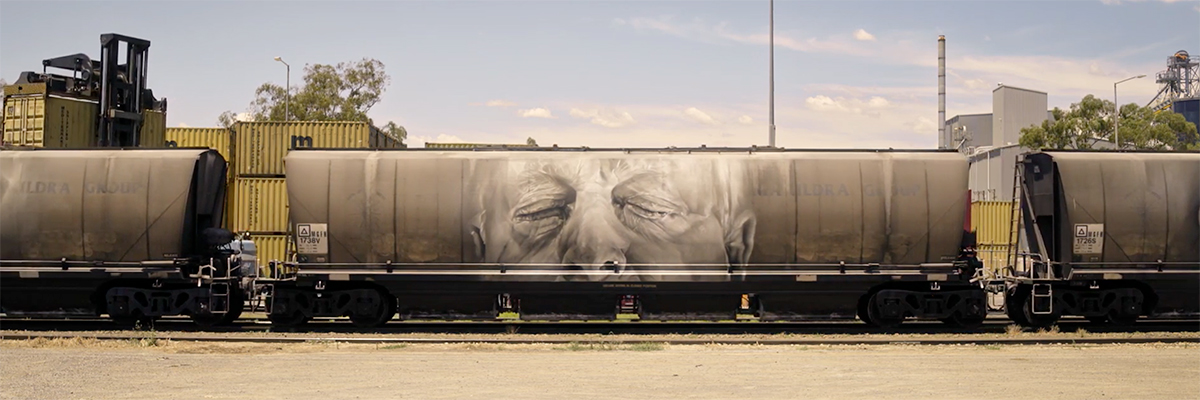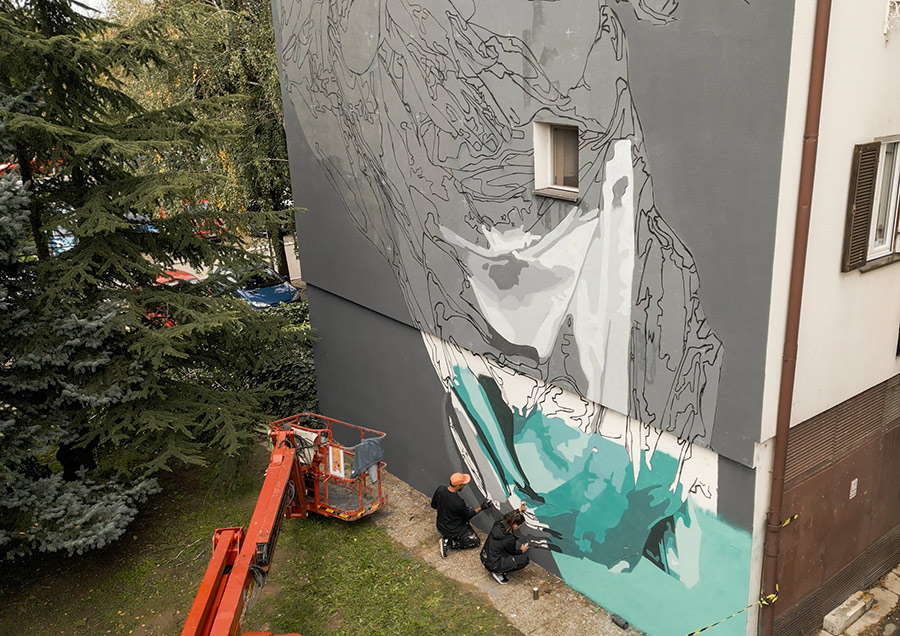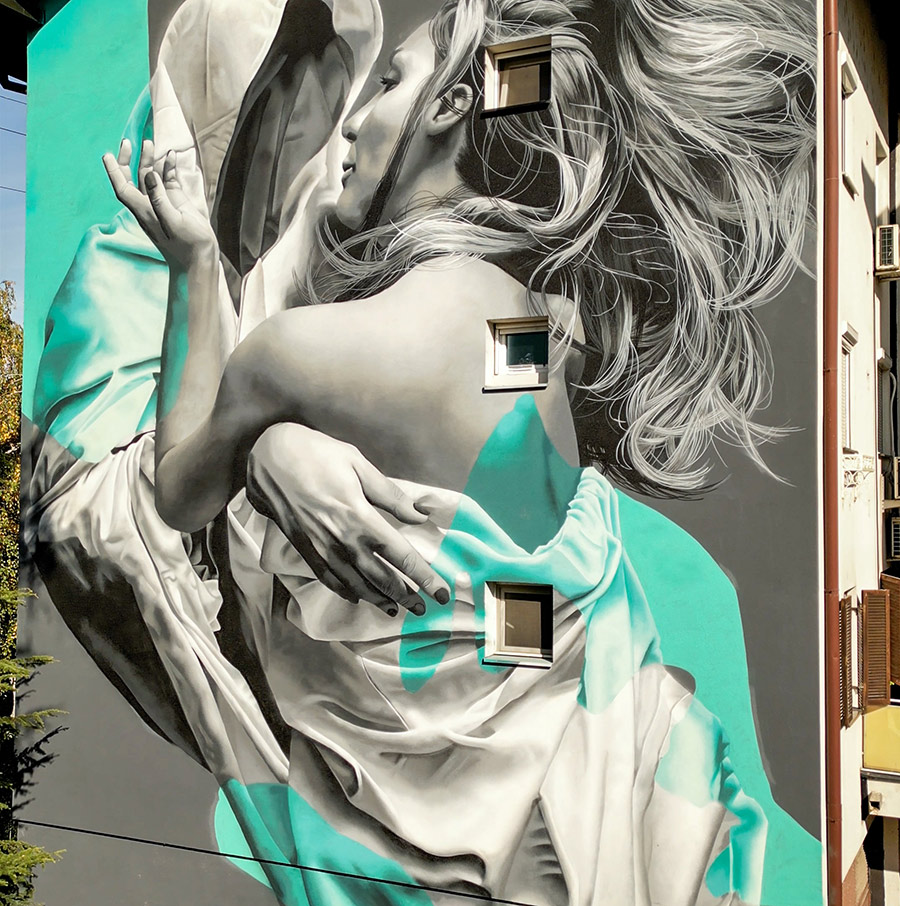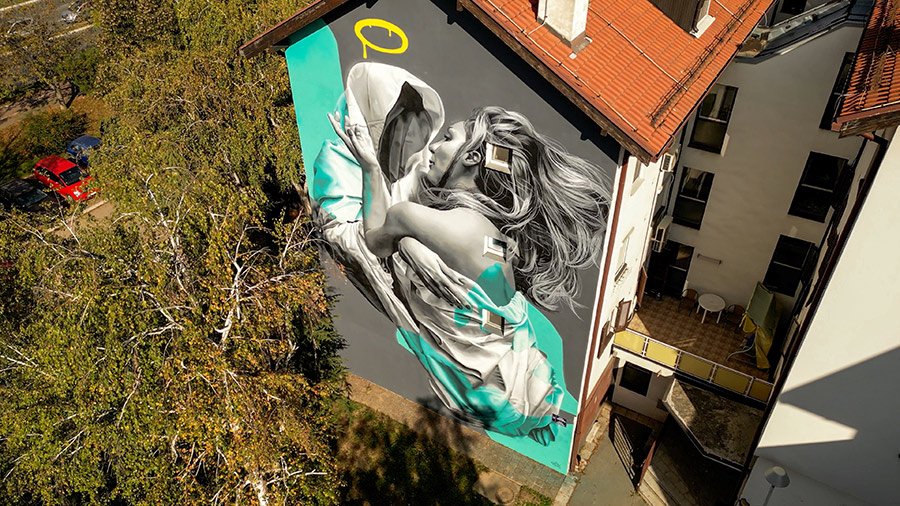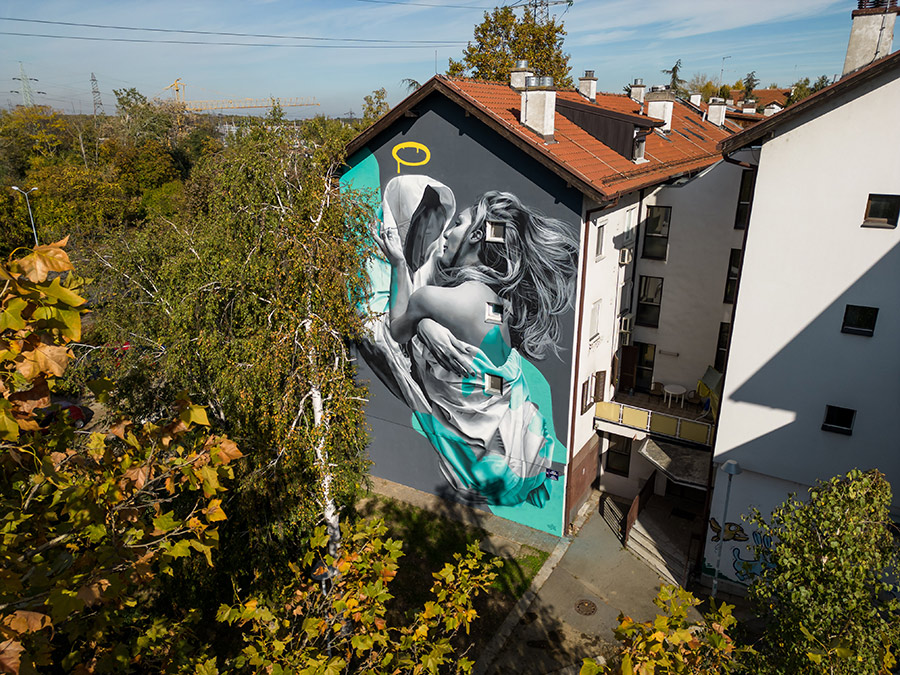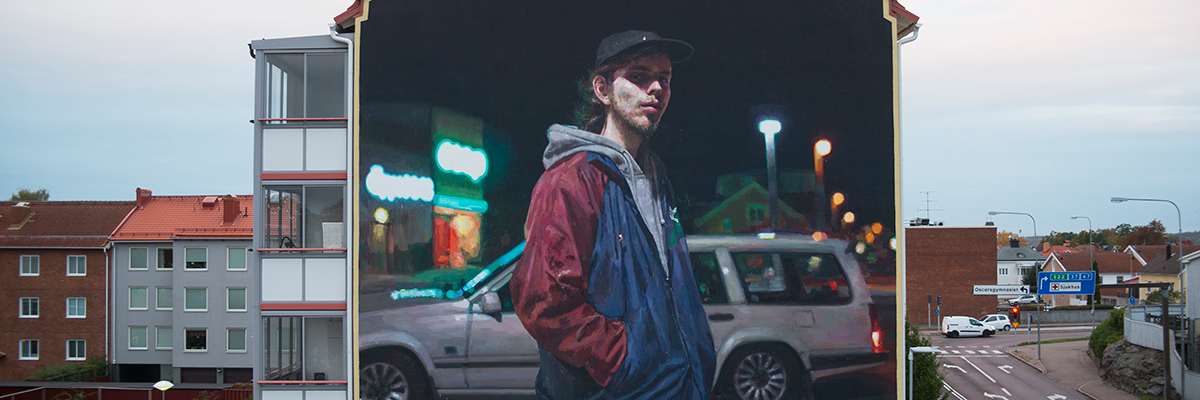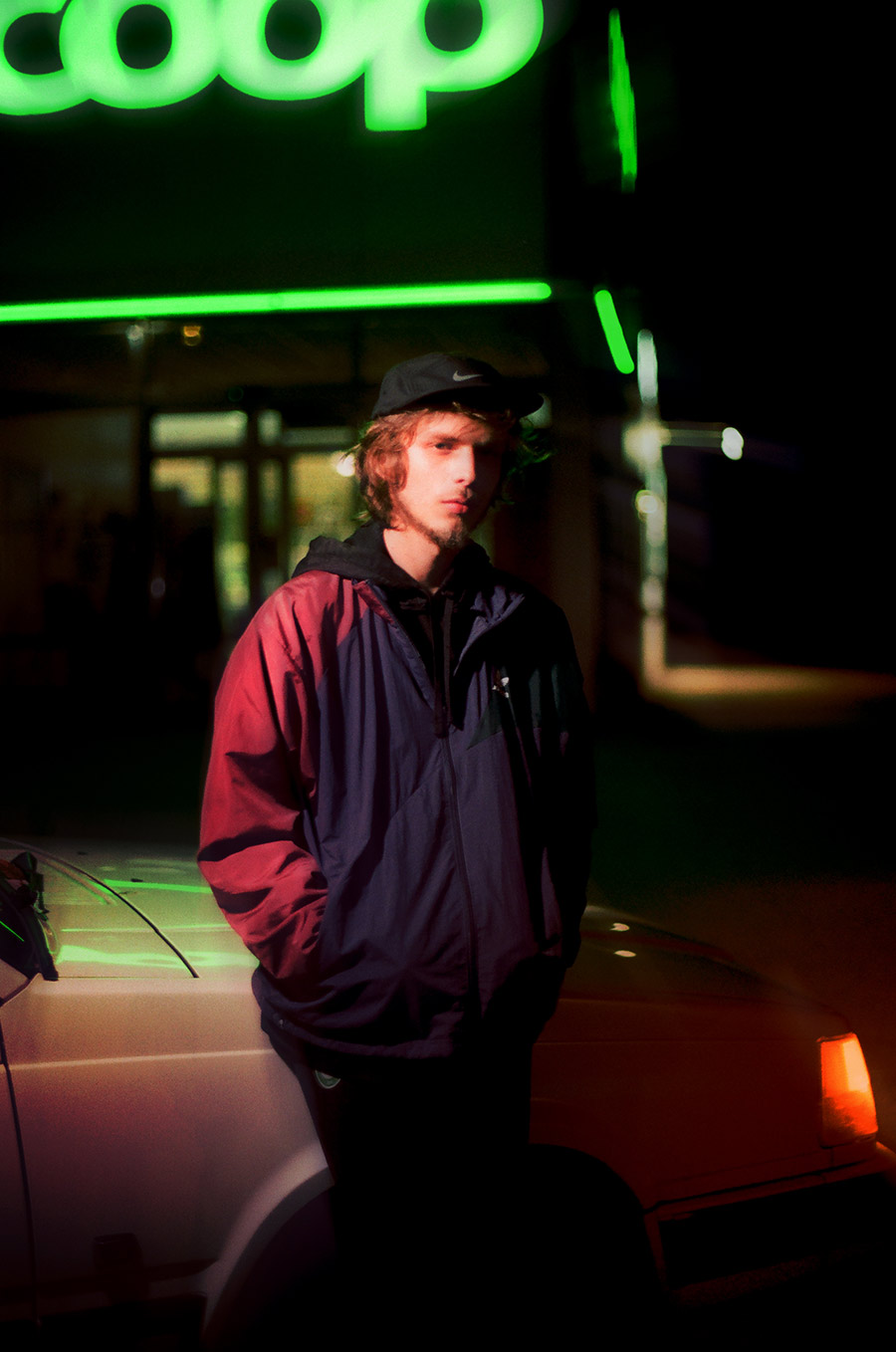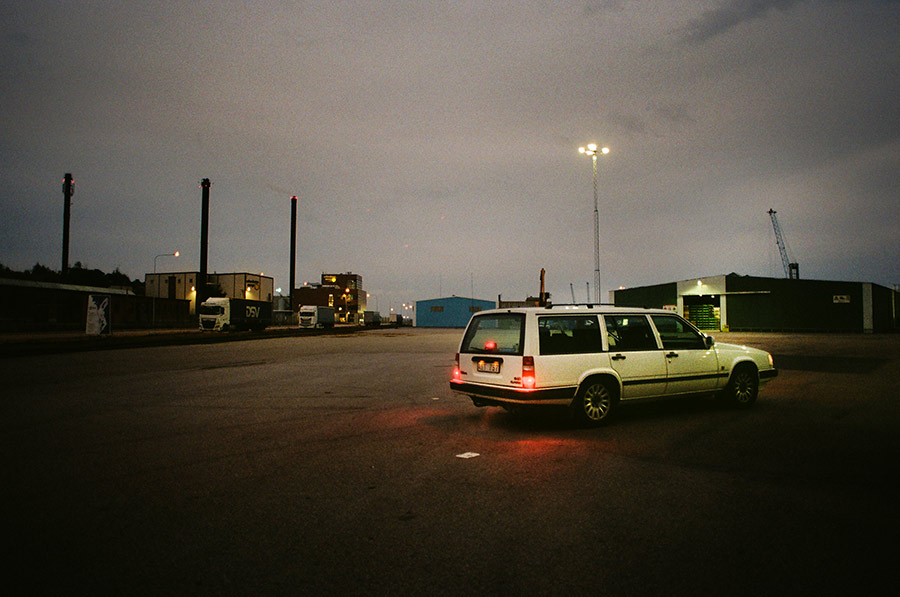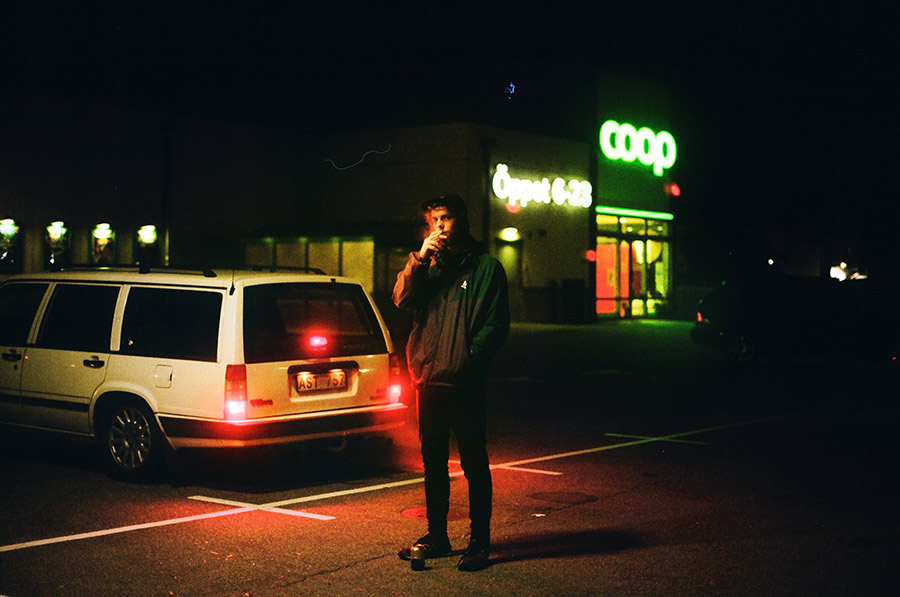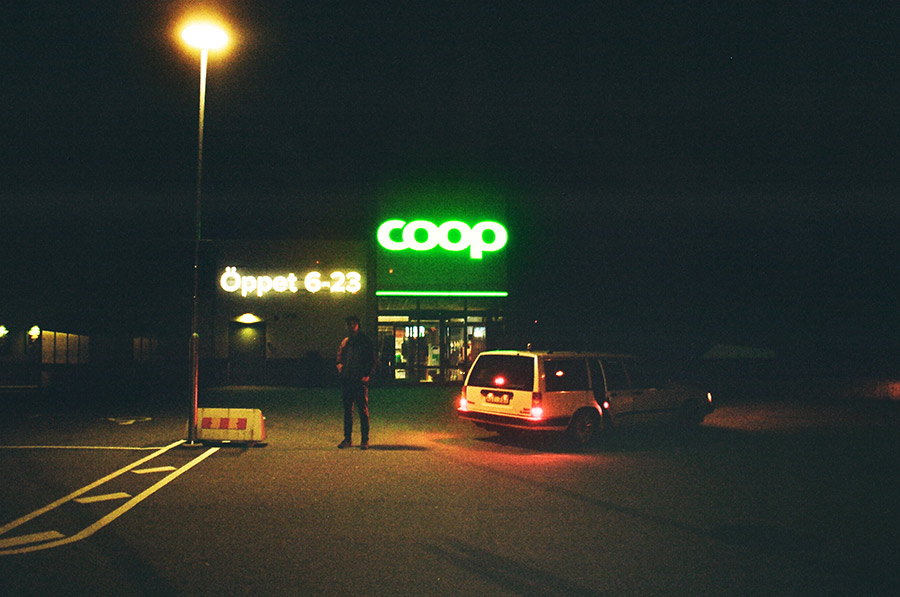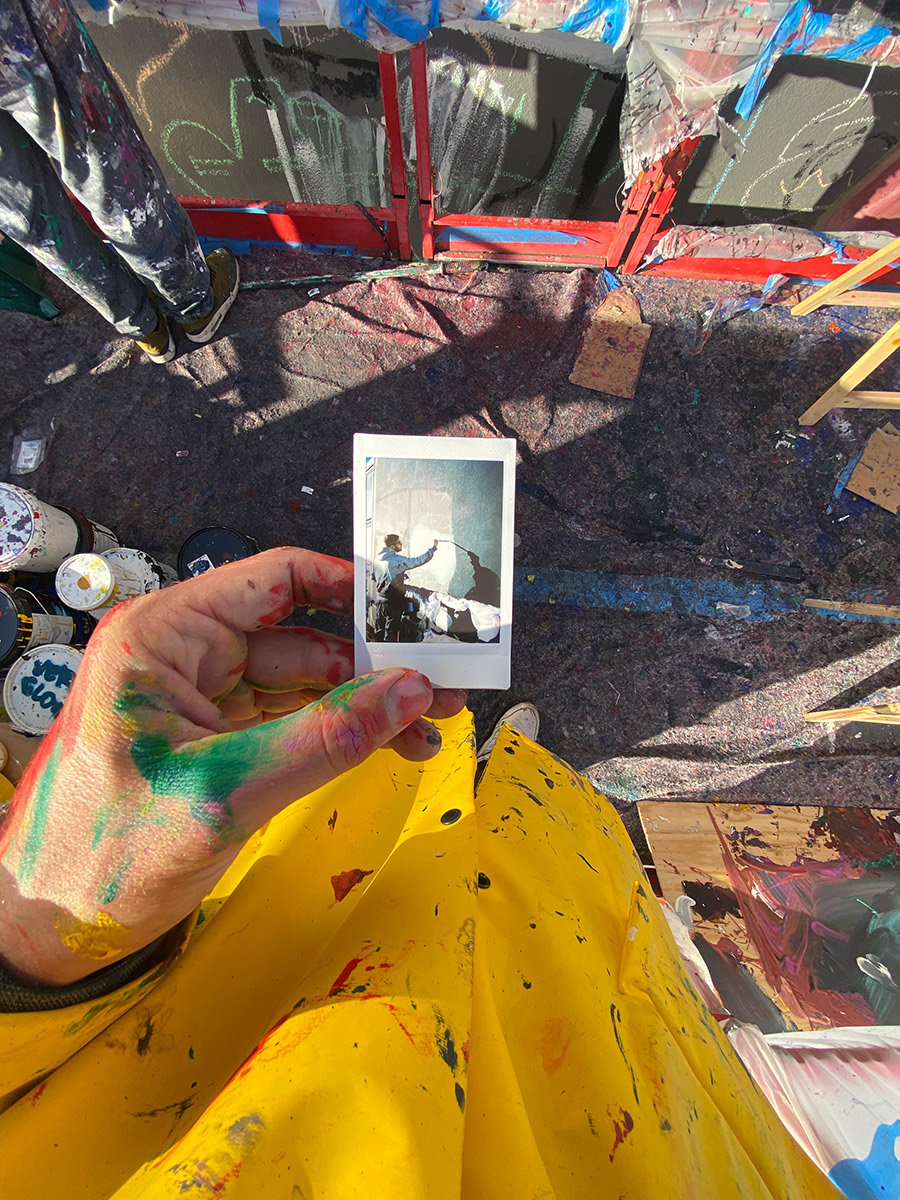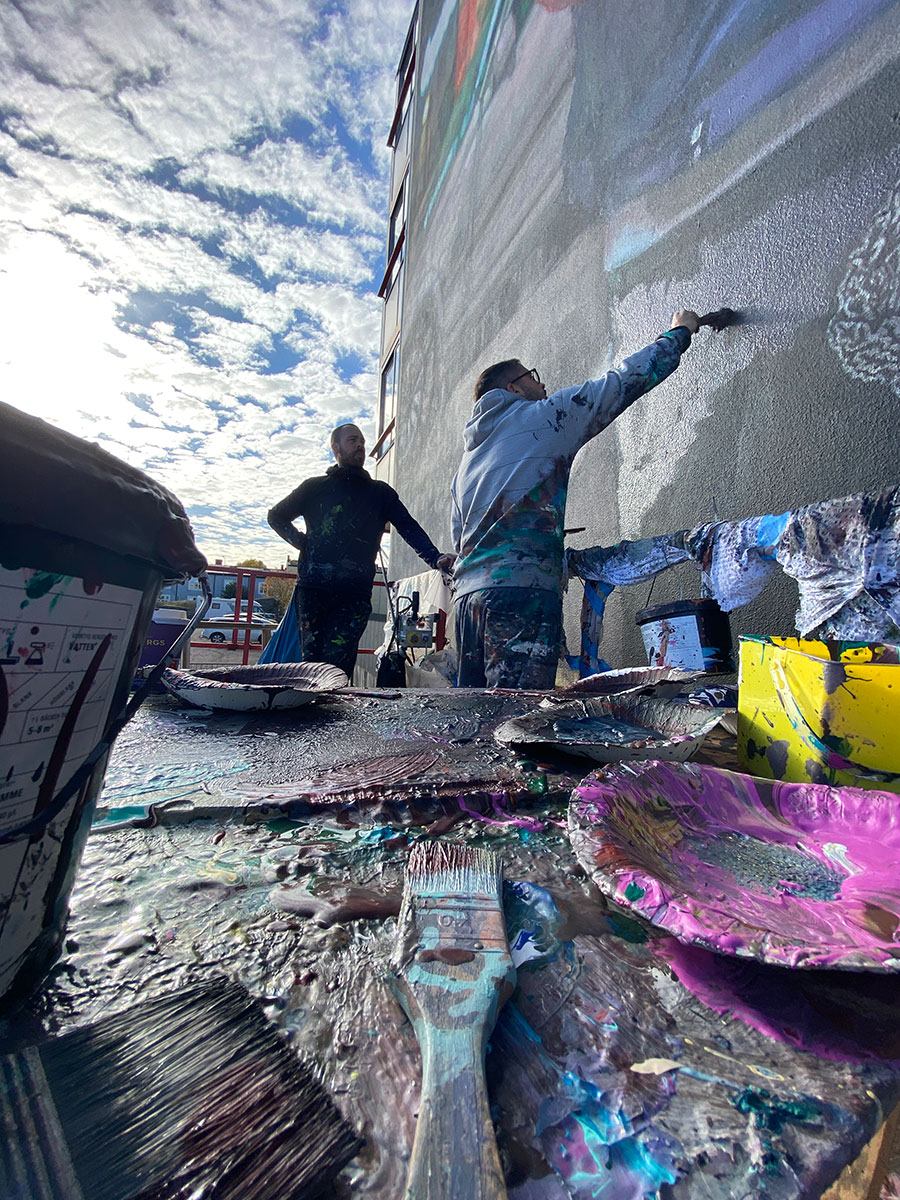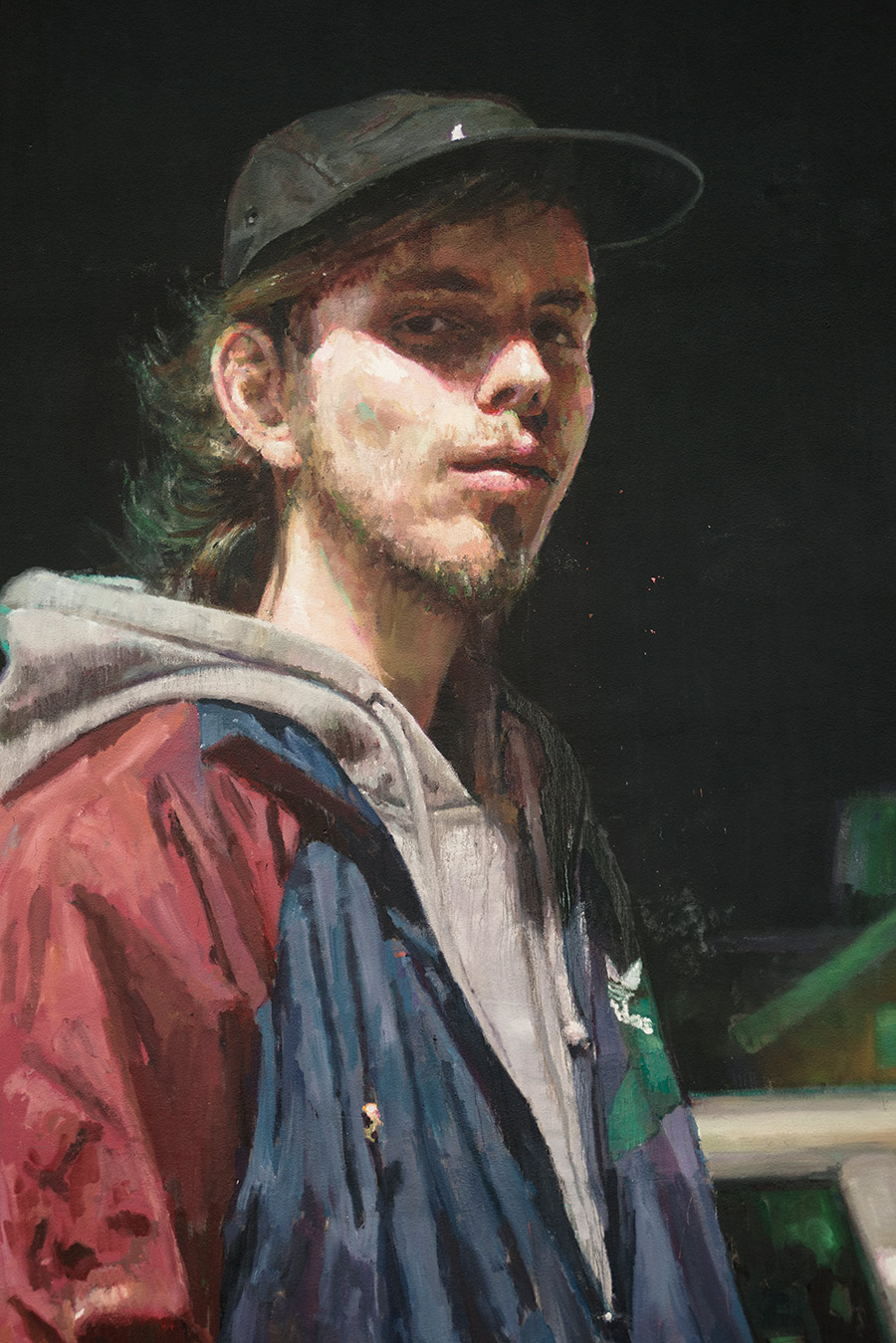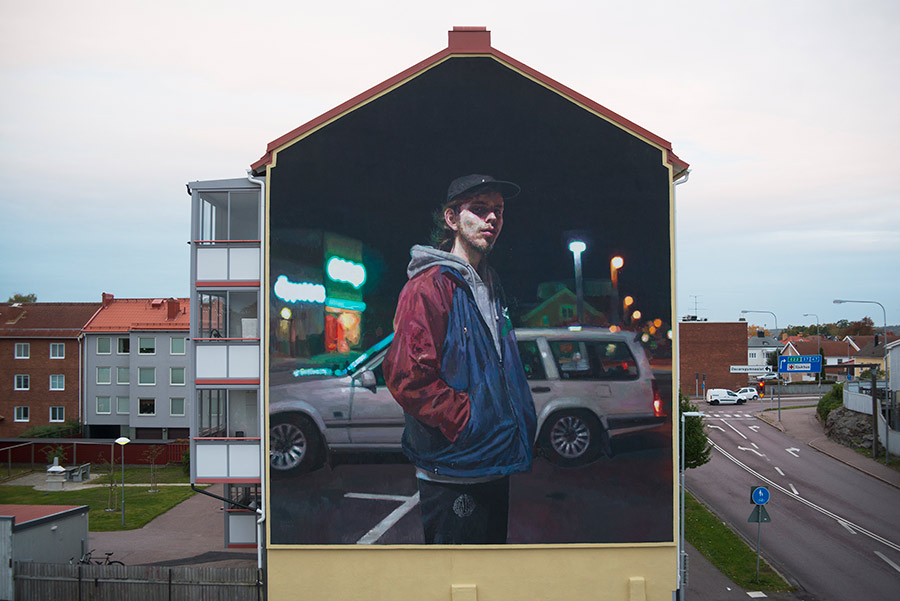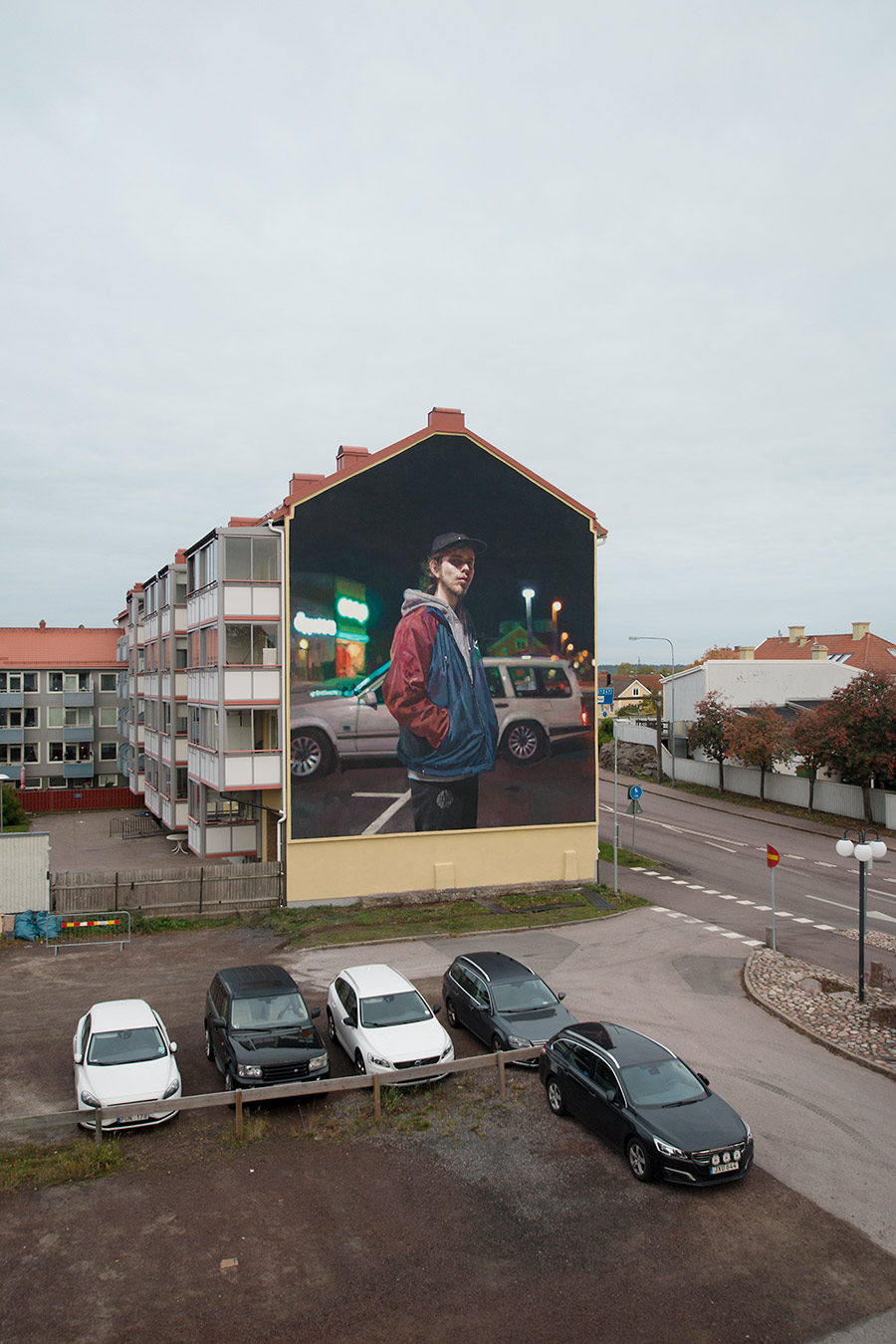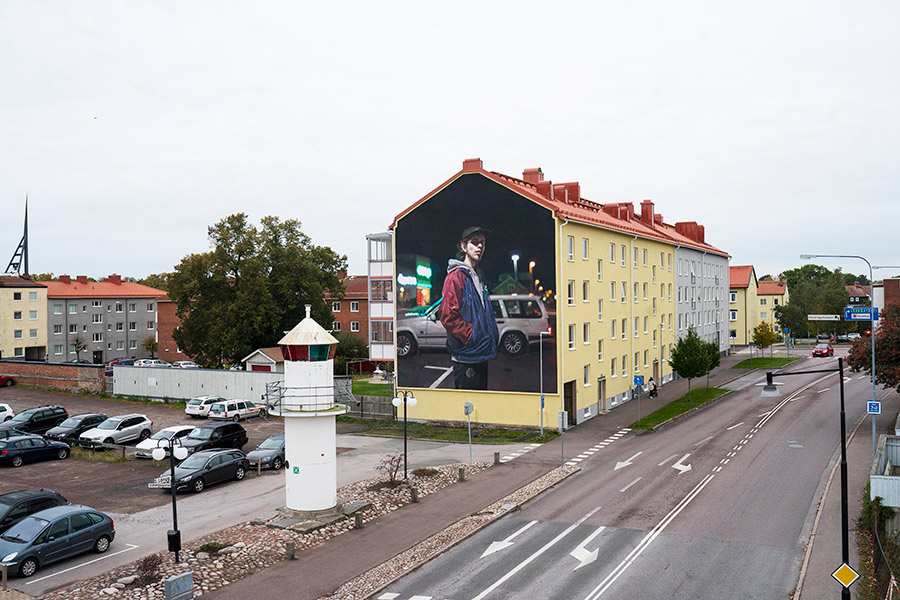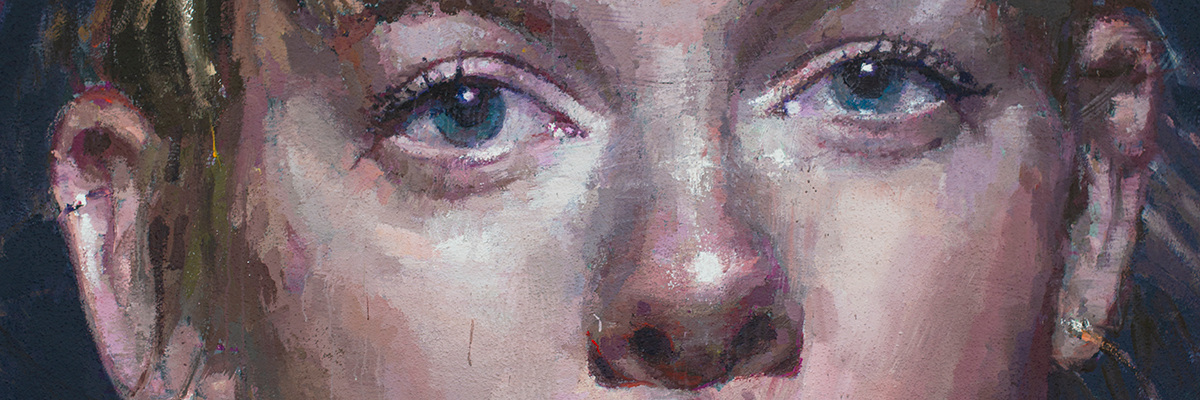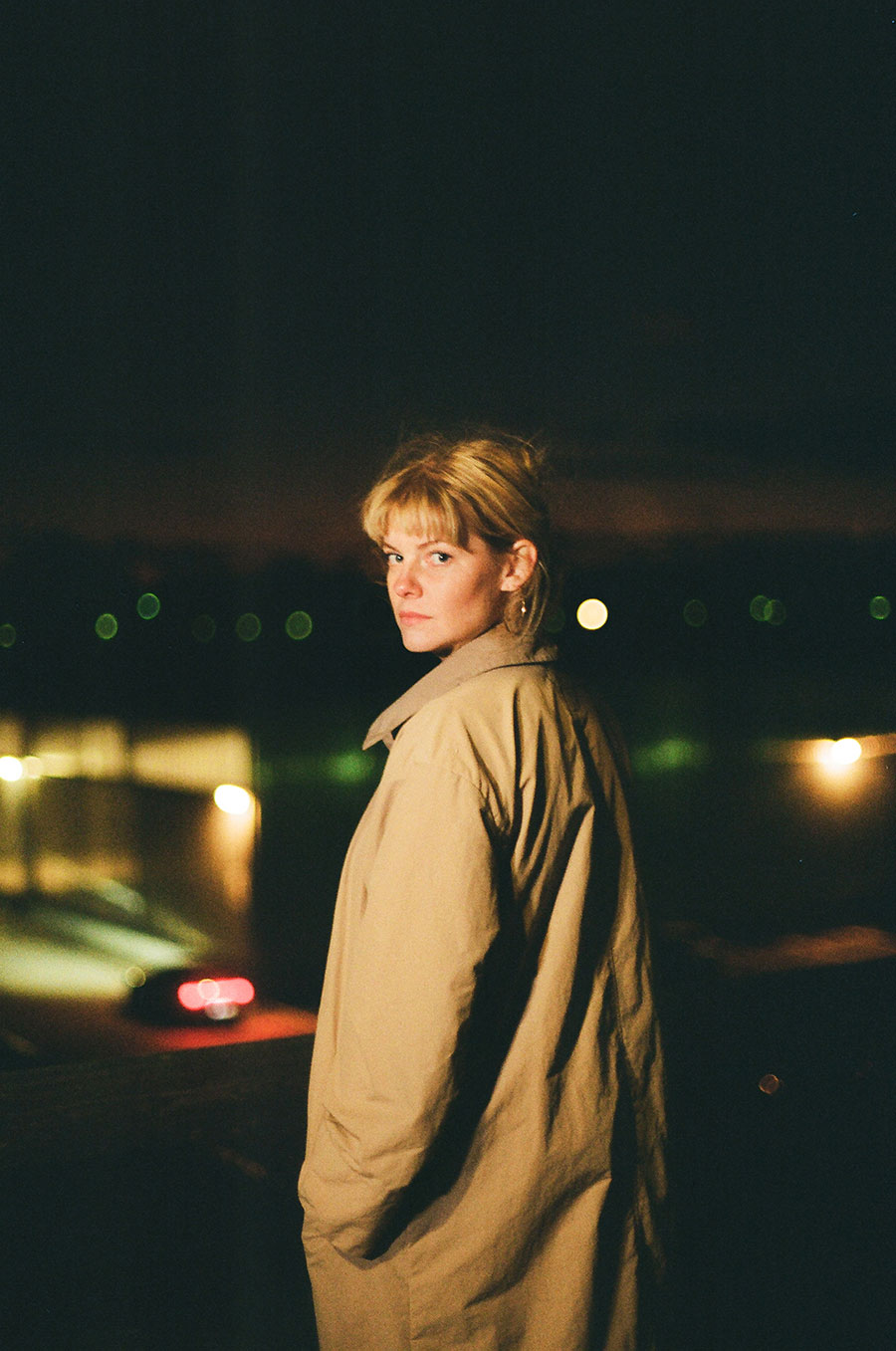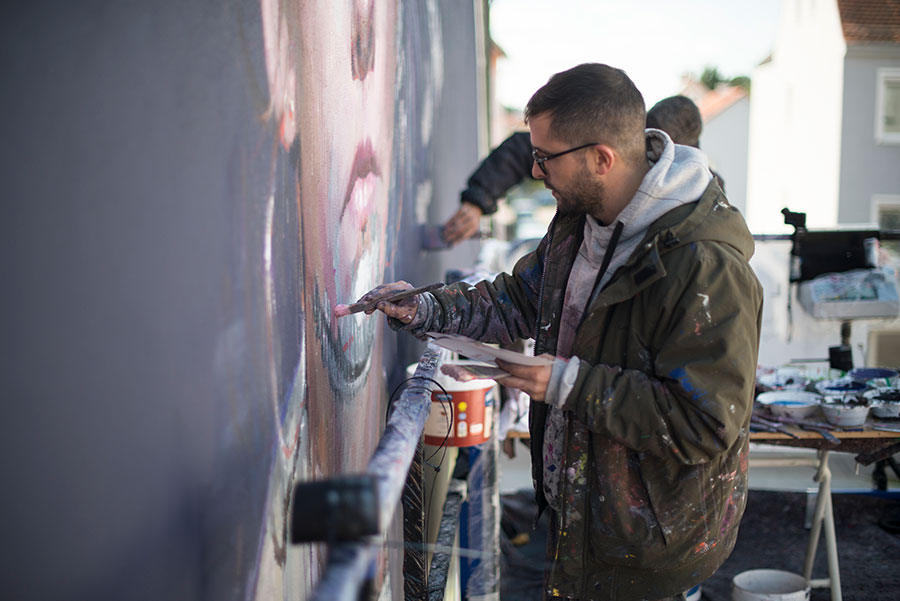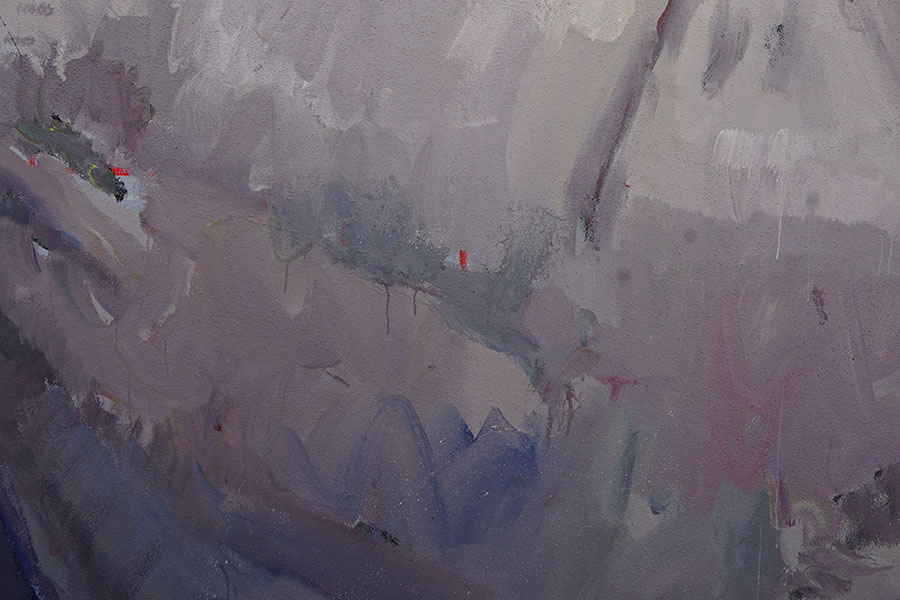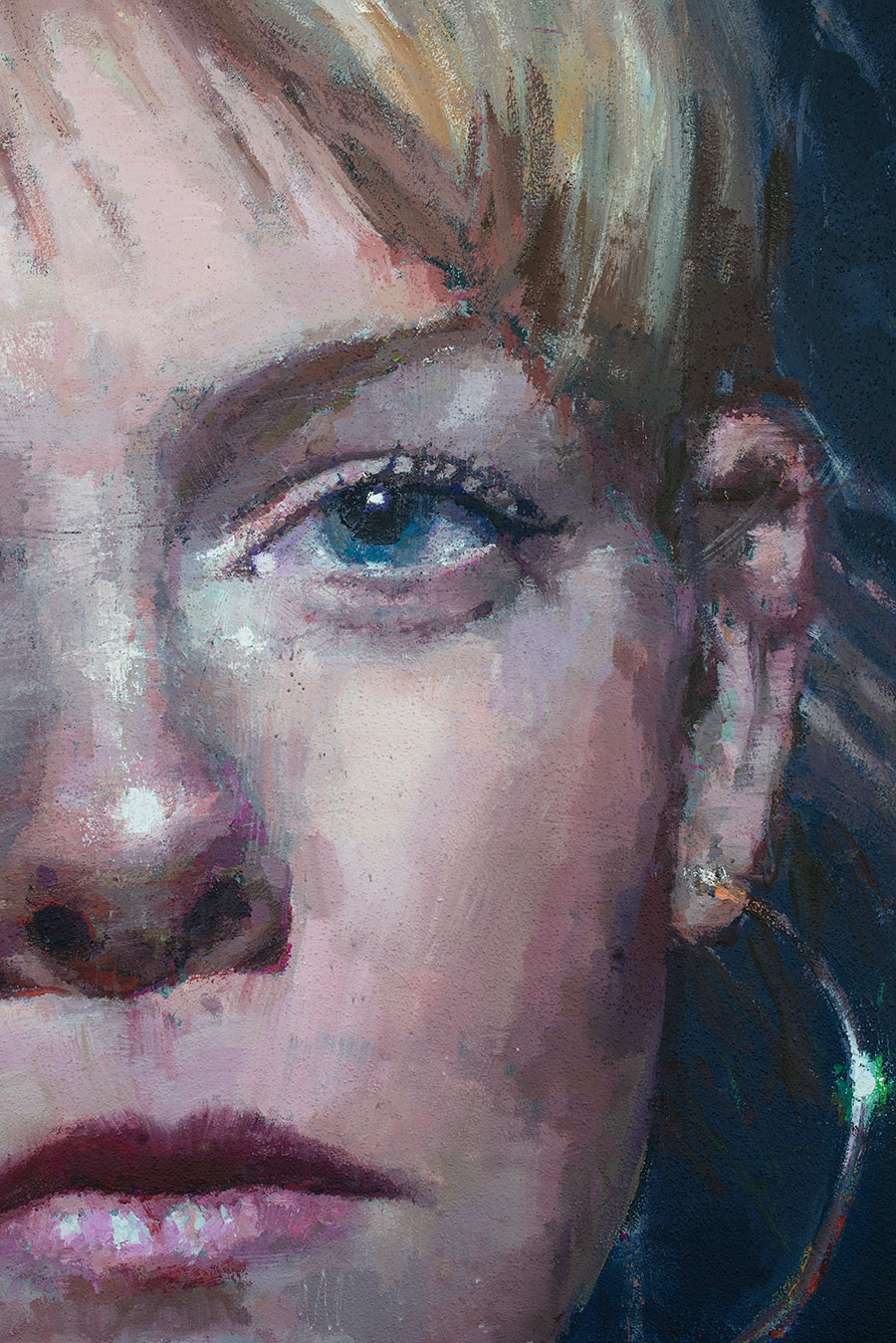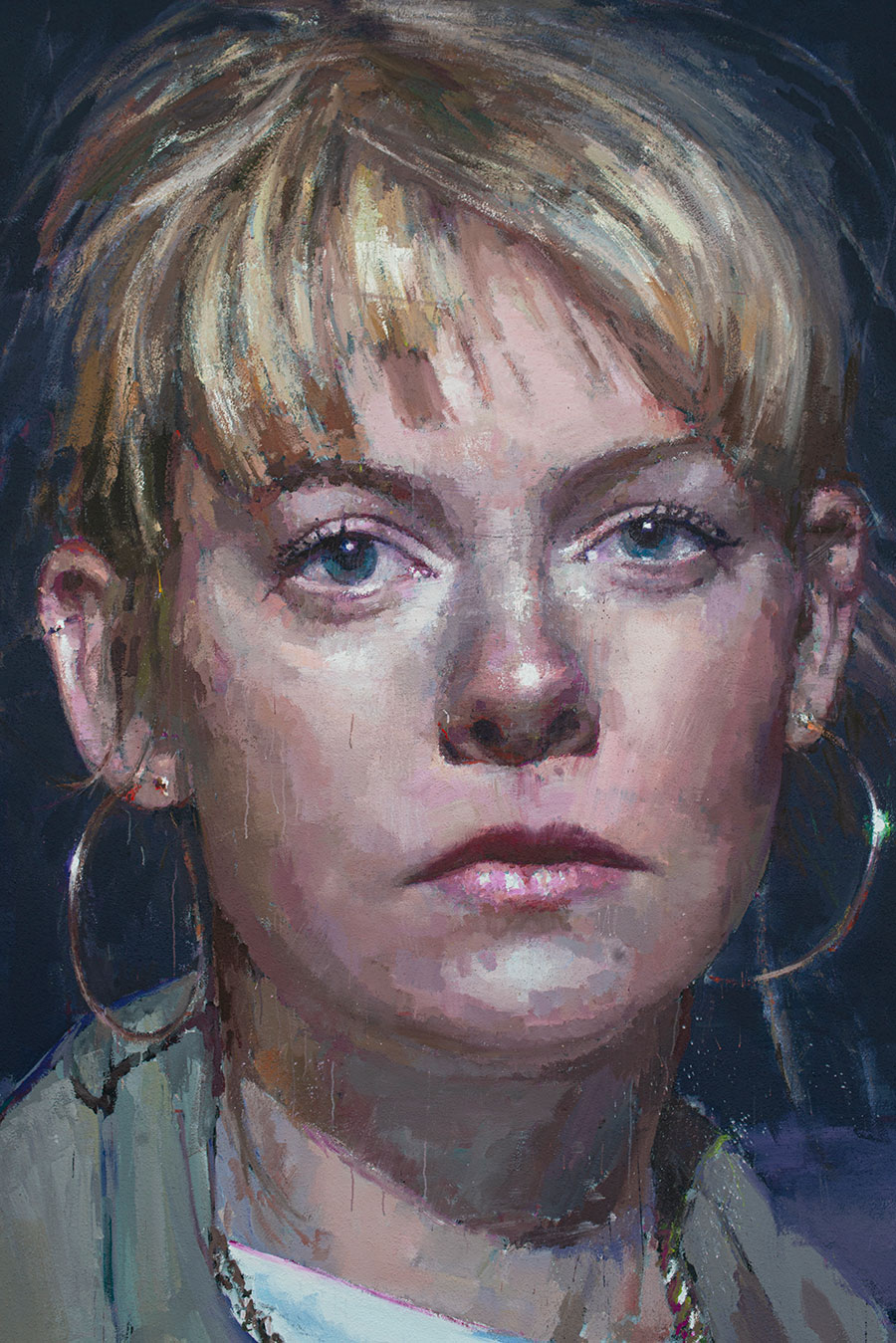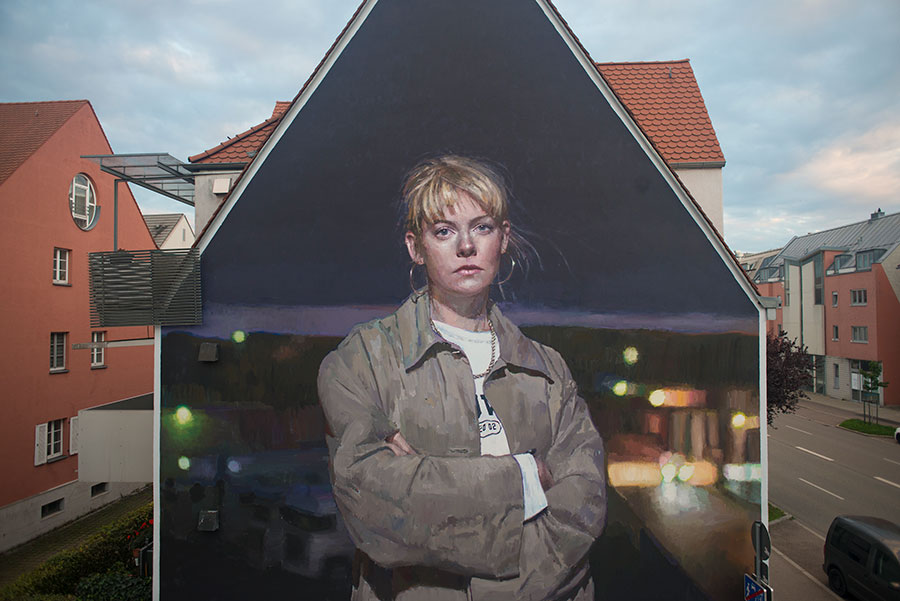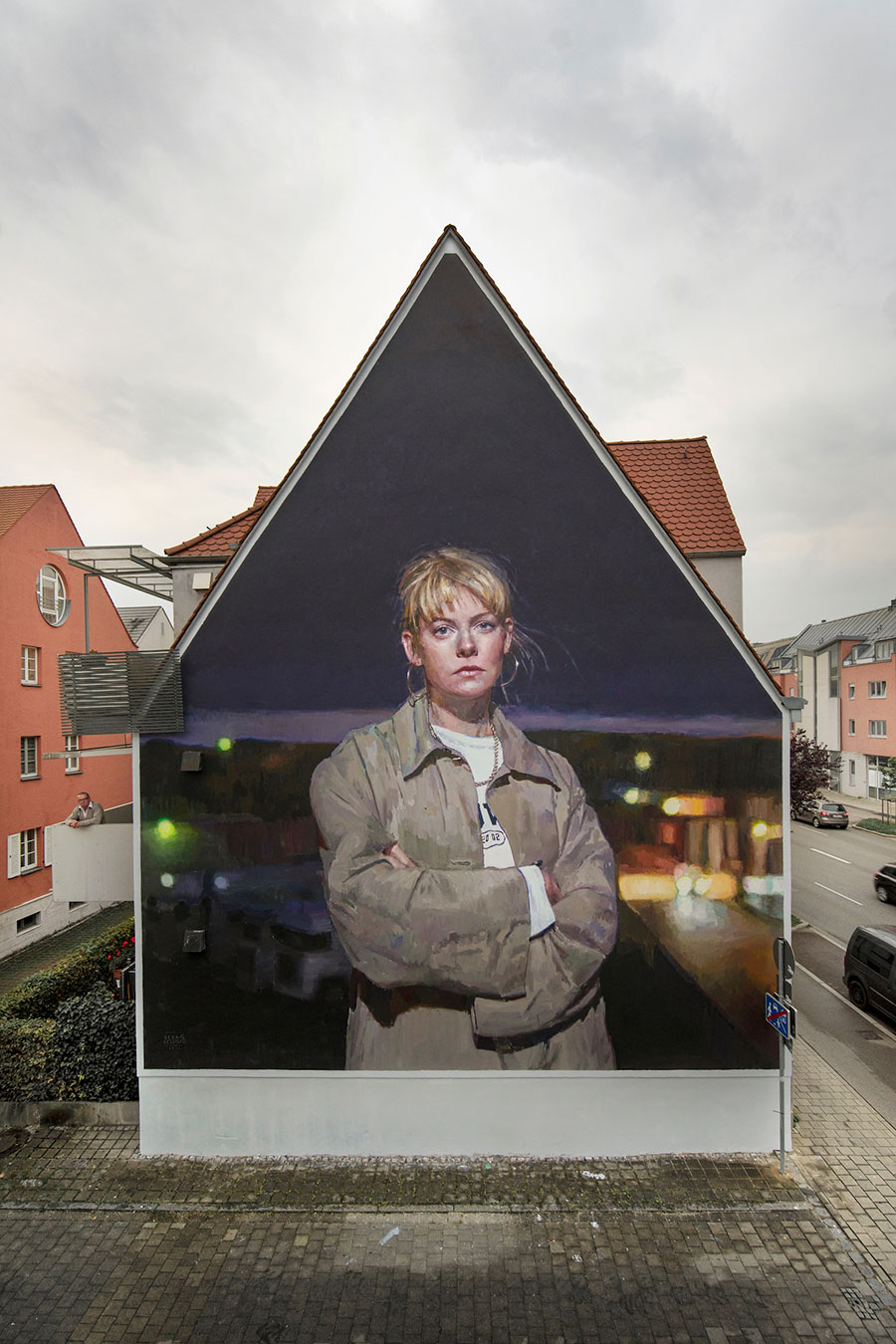
Rounding out our week of Italian street artists and muralists, we see the newest by Davide DPA at the Pulpa Festival 2022 in Montesilvano. A city of the province of Pescara in the Abruzzo region of Italy, Montesilvano has hosted this mural festival for only two years. Still, already the lineup of artists has distinguished itself.
Davide DPA. “Bekala”. Pulpa Festival 2022. Montesilvano, Italy. (photo courtesy of the festival)
Davide DPA, a self-described street poet, has been writing on the street, literally for a dozen years, beginning with chalk texts on the pavement. His writing style is a calligraffiti style that may call to mind those found in Middle Eastern works like those of the Tunisian El Seed, or LA’s Retna, the French Duo Monkeybird, or the Mexican Said Dokins.
Davide DPA. “Bekala”. Pulpa Festival 2022. Montesilvano, Italy. (photo courtesy of the artist)
He’s also wheat-pasted more straightforward poetry texts on walls, painted wall murals, done hand lettering on rolldown gates, and painted large portraits on parking lots best visible from a plane. Here at Pulpa he brings “Bekala” whose very skin looks like layers of calligraphy in flesh tones.
Davide DPA. “Bekala”. Pulpa Festival 2022. Montesilvano, Italy. (photo courtesy of the artist)Davide DPA 2015. (photo copyright the artist)Davide DPA. 2016 (photo copyright the artist)Davide DPA. 2018 (photo copyright the artist)
Our weekly focus on the moving image and art in the streets. And other oddities.
Now screening: 1. “Gilded Darkness” Fondazione Nicola Trussardi 2. Edoardo Tresoldi. Monumento. Procuratie Vecchie. Venice, Italy. 3. How To Make A Concrete Bike. Via DIY 4. Britain’s Long Goodbye to Queen Elizabeth II. via The New Yorker
BSA Special Feature: “Gilded Darkness” Fondazione Nicola Trussardi
“An Omni-comprehensive, multimedia spectacle,” says Massimiliano Gioni of Nari Ward’s ‘Gilded Darkness’ now on display at Centro Balneare Romano in Milan. The artistic director and the artist speak about the new exhibition that is on view until October 17th.
It’s part of an ongoing opportunity for artists to conceive of and build their sculptures and other installations in an environment that blends seamlessly into street culture, says Gioni.
“We rediscover forgotten or hidden places in the neighborhoods of Milan and invite artists to intervene in these very charged and unusual spaces. The center is a complex of buildings dating back to the 1920s; a very beautiful mixture of metaphysical architecture and rationalist and modernist architecture,” he says.
“Monumental architecture is a composition that neglects function in order to ritualize a thought by means of a three-dimensional work. The history of peoples is that of a hereditary flow of rhetorical figures which continuously recur in cycles; they redefine their own meanings and establish symbolisms that we have not only learned to read but which, generation after generation, we have absorbed as a sort of latent language of the collective unconscious.”
How To Make A Concrete Bike. Via DIY
Questions answered. That’s our job here. You were dying to learn how to make a concrete bike. You’re welcome.
Britain’s Long Goodbye to Queen Elizabeth II. Via The New Yorker
The largest funeral in modern memory, this week people said goodbye to the Queen
Ferraro-based mural artist Allessio Bolegnesi continues our summertime fascination with Italian painters on this last day of summer. This “Whale-man” is a provocative fusion you haven’t probably considered, yet now you may wonder if it will be possible someday. Actually, he says the new 15 x 7.5-meter mural is just a metaphor.
Alessio Bolognesi. “The Whale-Man”. Caorle Sea Festival 2022. Caorle, Italy. (photo courtesy of the artist)
Allessio tells us, “The Whale-man is a symbol of the relationship that binds the human being to the sea and vice-versa.” It is true if you have ever met an oceanographer or a surfer. This relationship, the artist says, is, “A bond that we’re forgetting.”
Alessio Bolognesi. “The Whale-Man”. Caorle Sea Festival 2022. Caorle, Italy. (photo courtesy of the artist)Alessio Bolognesi. “The Whale-Man”. Caorle Sea Festival 2022. Caorle, Italy. (photo courtesy of the artist)
Alessio Bolognesi. “The Whale-Man”. Caorle Sea Festival 2022. Caorle, Italy. (photo courtesy of the artist)
By way of highlighting the talents of a creative class who often work behind the scenes, a new exhibition mounted at Boston University Art Galleries puts one creator in the graffiti and Hip Hop story on center stage.
CEY ADAMS, DEPARTURE: 40 Years of Art and Design, curated by Liza Quiñonez, features original artworks and archives from an artist who helped put some of the greatest artists of the age on the turntable, screen, and streets with his design eye and ability to be a step ahead of the curve stylistically.
The founding Creative Director for Def Jam, he created some of the iconic imagery that brought you the Beastie Boys, Public Enemy, LL Cool J, Jay-Z, and Mary J. Blige, among others. A Queens, NY, native running the streets as a teen in the 70s and 80s, Adams was also a graffiti writer – giving him a strong sense of the street aesthetic that would reverberate in commercial design as well. He parlayed his talents into the commercial realm of hip hop just as it was taking off, capturing the zeitgeist of that moment.
Now after a storied career, he’s collaborating with some of the documentarians of the age like Martha Cooper, Janette Beckman, Ricky Powell, & Robert Bredvad on newer works, some of them instantly re-classic. The press release calls Adams a “visionary artist, a cultural pioneer, and an innovative designer.” The show opens on October 4th and runs through December 11.
Here we show you some more recent works Adams has on the streets in the last few years.
Always on the lookout for patterns in the piles of discarded urban detritus, he converts them with paint to match his imagination. Recently in Lodi Italy, he looked through the viewfinder of his mind and discovered a couple of cameras that looked suspiciously like classic Cannons.
Festival d’Art Urbà Poliniza Dos may have an online presence that is difficult to access for the average street art fan. Still, the murals created for this ongoing urban art festival at the Polytechnic University of Valencia speak for themselves.
Brilliant productions and unusual investigations are created in and around the campus, engaging students and the local community to consider the role of art in the public sphere, its pertinence and meaning, and our relationship to it. Its direct and scholarly approach means that the public is invited, and artists are given an opportunity to share their practice with an appreciative and considered audience.
For more than a decade, this competition has selected from an open call for submissions and invited many of Spain’s curious thinkers, experimenters, interventionists, trouble-makers, street artists, and muralists to create new pieces for consideration, discussion, and appreciation. This program is where the work is done on the wall, inside the mind, and in the heart.
Recently photographer Luis Olive captured these murals from the 2021 and 2022 editions of PolinizaDos, and he shares what he found today with BSA readers.
Our weekly focus on the moving image and art in the streets. And other oddities.
Now screening: 1. Sofles / Elevate. By Sofles and Aftermidnight Film Co. 2. Queen Elizabeth II Almost Died / The Simpsons 3. SAABE, “I’M NOT DONE YET” Via Montana Colors
BSA Special Feature: Sofles / Elevate. By Sofles and Aftermidnight Film Co.
Oh yes, the oppressive, stultifying, soul-sucking corporate office job. It deviously diminishes you, taking credit for your ideas, and uses a thousand cuts to demoralize you slowly but surely (human “resource”, anyone?). Australian graff/street artist Sofles plays the role here as a character lifted from a graphic novel; the unwilling cog in the machine whose urge to create bucks the system.
“Awesome editing and story!” says one of the hundreds of comments amassed on this 5-day-old video that suggests no one gives up on their dreams, especially you.
Sofles / Elevate. By Sofles and Aftermidnight Film Co.
Queen Elizabeth II Almost Died / The Simpsons During this period of mourning where many are reflecting on QE II’s influence on society, culture, art, even Homer Simpson…
SAABE, “I’M NOT DONE YET”
Sabe knows. After three-plus decades getting up he has inspired a lot of fans and peers with his wild style writing in Europe, making him what some call a true legend from Copenhagen. He’s known for a wide range of styles, bombs, burners, and panels, seemingly talented at them all. Stay to the end, as they say, to hear some of the insights that he shares about himself, his work, and his life.
This is not your average graff head video because he keeps it real, even if painful to say or hear.
“I feel like I had a family.”
“Maybe I feel like a loser.. but Iam happy because I can paint.”
Waterford Walls, a mural festival in Waterford Ireland, may make you think of the famous crystal first, and you would be correct to make that association. The Waterford Glass House was founded around the same time as Beethoven was publishing his first works in 1783, say local historians. The festival offers a collection of quality painters from many backgrounds, formal and informal, a number of walls. With local Irish and invited international artists in league, the festival has been creating murals across the county – including in Tramore, An Rinn, Ballyduff Upper and Tallow.
If you are lucky, you’ll reach the age of his subject – and it may happen far quicker than you had assumed. Mr. Kas suggests we take each moment with serious consideration and learn how to enjoy while embracing the rather quick march of time.
“The only moment we have is now,” he says, “Shall we have this in mind to use our time in the most fulfilling way possible.”
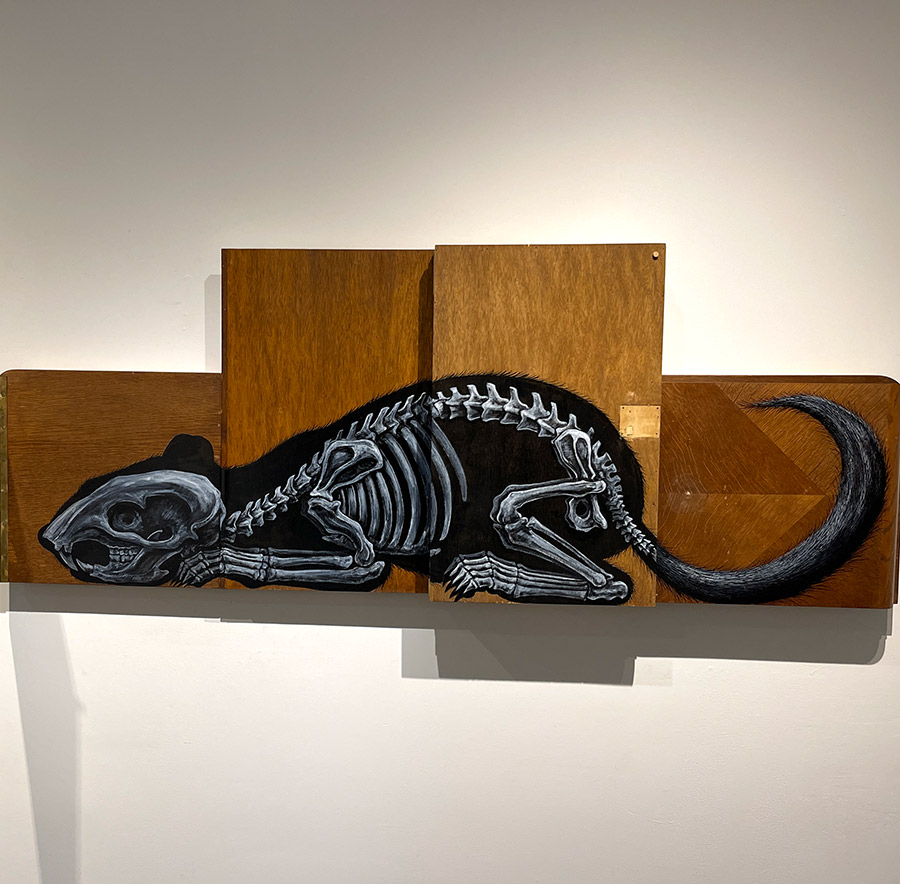
“Time is now. Enjoy it, because we don’t know when it will be our last moment.”
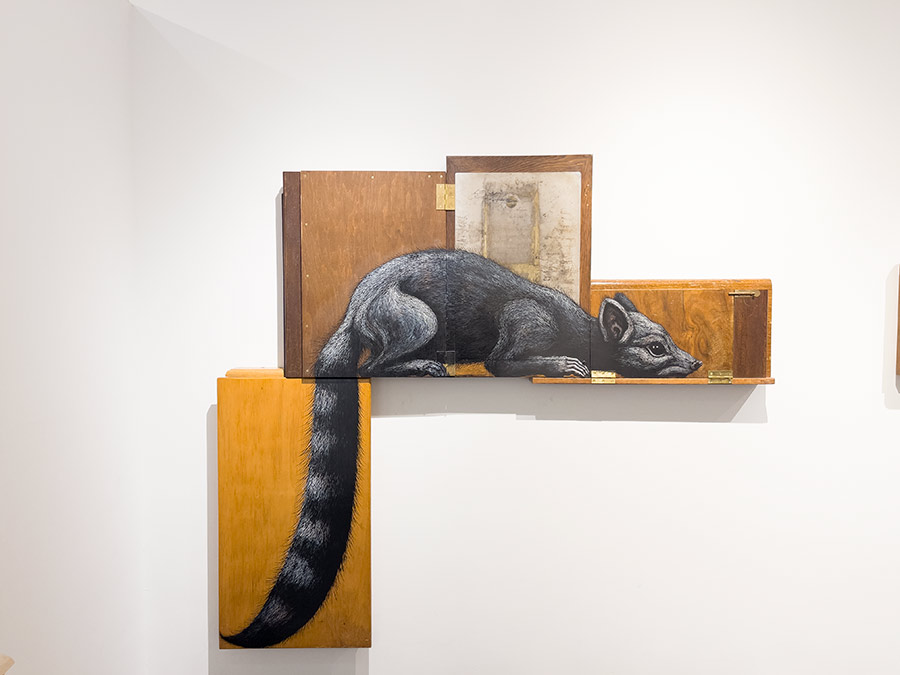
Sweden’s northernmost town center is in Kiruna, with a population of 23,000 or so, is far north of Swedish Lapland. Known for mining iron ore and landing inside the Artic Circle on the eastern shore of Lake Luossa, the 100+ year downtown is going to move soon because the mining operations are moving elsewhere. So are its heritage buildings.
This summer the town created a mural project to mark this benchmark, establishing Artscape 2022. It’s a “mural project based on the people of Kiruna’s collective memory,” they say, and six murals were created after artists conducted interviews, hundreds of stories, and anecdotes. Not only do these new murals respond directly to the environment they are created within, but they also function as a historical record of the town and its people.
Our thanks to photographer Jon Högman for sharing his images with BSA readers today, giving us all a sense of Artscape 2022.
‘A song of Unity: Diversity is beautiful’ by Colombian artist Gleo is inspired by a collected recent memory from the Kiruna music festival @pamojafestivalen. Refugees being welcomed by the local community through music and culture.
Amazing transformation of a grey metal stripe into a colorful cityscape! Isakov’s stained glass style makes perfect use of the space – it’s like the artwork was part of the original architecture ? Look closely and you’ll recognize some of Kiruna’s most famous landmarks!
’An Ending, A Beginning’ by Andreas Welin from Denmark in Tuollavaara, Kiruna. A very difficult wall to paint. Half the wall has a tin facade with corrugated sections.. ? So Andreas had to switch between different kinds of paint for the different surfaces. Torrential rain didn’t help either. But the end result is an amazing mural! Kiruna’s impending move is embodied in a beautiful way.
We asked children from Högalidsskolan to show us their Kiruna. The drawings they created were passed on to Vickan and became the inspiration for this magical piece. Vickan is from Boden, a town a few hours from Kiruna, and the kids’ imagery is most definitely a shared experience!
Taking her inspiration from the local memories that were collected – Kruella created a playful mural with loads of magical details! The artist managed to catch a breathtaking aurora display during her time in Kiruna, depicted in the mural.
An unusual opportunity to see this documentary this week for its first theatrical running. The thrill is compounded by the chance to see some “legends” on stage as well, says director Alexandra Henry – and she is right. Focusing on the street art and graffiti scene from a female perspective hasn’t been done previously. Still, the conversation about the balance of gender representation has been burning for more than a decade in the street and in festivals and street art symposia across the world. Henry travels across the US and into the Americas to find women to speak with to ask about their experiences in this practice that sometimes only happens in the shadows.
A fresh perspective that allows people to talk, Street Heroines unveils a complex history over time – inviting you to gain a greater appreciation for the players as well as the practices of a typical artist on the street today. When it comes to practicing these skills on the street as a woman in a macho or outright misogynist culture, the title appears as an accurate descriptor. Out from under the male gaze, these women have heroically been showing us the world from a vibrant, personal perspective that has required sacrifice, vision, and at times, some guts. Join Henry this week along with documentary photographer Martha Cooper and artists Lady Pink, Swoon, and Aiko right here in Brooklyn.
We had an opportunity to ask director Alexandra Henry about her film, her project, and the women she met along the way.
Brooklyn Street Art:Women artists have been typically under represented in receiving recognition for their work. This has been through and graffiti in Streetart as well. Do you see a change now?
Alexandra Henry: When I started this project 10 years ago it was because I recognized a deficiency in the representation of women in the movement. And I also recognized my own ignorance as I hadn’t realized there were so many female artists participating in graffiti and street art. I had been paying attention and documenting the subculture scene since I was teenager growing up in the Washington, D.C. area and then when I went to college in Los Angeles. But not until my late 20s, living in NYC, did I ever consider there were women out there doing graffiti or making street art.
In making this film, I wasn’t sure how it would begin or end, but I knew it would be important to honor the pioneering women who paved the way for the current generation of artists. Showing how Lady Pink’s and Martha Cooper’s friendship and collaboration put women on the map and inspired others to find their creative voice, not just in the USA but on a global level, is something we felt was an essential throughline in the particular stories we’ve chosen to tell in this film. It’s the ‘see it be it’ factor and we as filmmakers hope it is just the beginning of shining a light on the likes of talented women, who like TooFly says in the film, will get inspired to take their art to the next level. We want to make these women household names beyond the subculture and into the mainstream.
Brooklyn Street Art:From your original idea to fundraising to protecting and traveling and meeting the artists in your film, It has been a long journey. How did the final results differ from what you initially conceived?
Alexandra Henry: As I have a background in photography, initially I wanted to make a photo essay of women in the graffiti and street art movement. At the time, however, I was starting to experiment with video and learning how to edit so I decided to ask for their permission to film them while they were working and for an on-camera interview because I felt that capturing their process was just as important as highlighting the finished piece. I believe it is very impactful to hear directly from the artist, in their own voice. So I set out to make short films of each artist who agreed to be documented.
Eventually, I saw a bigger story coming together as women attributed their interest in the medium to others who came before them. I couldn’t find any of that history documented so I decided to make a feature-length film that would not only nod to the historical participation of women in the game but also look at the subculture through the female lens to show how much ground women have gained. As we know, the future of graffiti and street art is unpredictable, so contrary to my initial approach, where I had planned to tie up the story with a nice little bow, I’ve left it open-ended as I feel this could just be the beginning of telling many, many more stories.
Brooklyn Street Art: What is the best way to support a female artist? Alexandra Henry: The best way to support a female artist is to start with the young ones who show interest in the creative arts! And give them encouragement and resources to further develop their interest, whether through books, trips to see local murals, street art festivals, art museums, studio visits, and gallery shows. Street Art is everywhere; it’s prolific, so even if you don’t live in an urban area like New York City or Mexico City, or São Paulo, you can still find examples of street art in small towns. Point it out to your young artists so they can see their surroundings from a different perspective. And to support our Street Heroines and any female artist trying to break through, most artists have studio practices and sell their work, and you can find them via their social media posts. I’d recommend following them, buying their work, and attending their events if you are able to. If you work for a brand or art institution and are reading this article, hire more female artists, designers, creative directors, curators, filmmakers, etc.!
Brooklyn Street Art: What is one primary difference that you observed between men and women in working style or approach? Alexandra Henry: When it comes down to the working style or approach, I’d say we should differentiate between graffiti and street art. Graffiti, which is an illegal act that usually happens very fast, has a more aggressive approach and is meant to provoke society or fulfill one’s ego. And regardless if you are a man or woman, those are the intentions behind it. Street Art, to be clear, is usually done with permission and the artist can take their time to finish their piece. I’d say the messaging in street art aims to be thought-provoking and ego-stroking as well. But listening to some of the artists in the film, they note, for example, that many images in street art that portray women are made by male artists and are used to sell something or to show their view of society. So when a female artist or artists paint themselves in their own image, they eliminate the male gaze, and therefore the approach is inherently different than that of their male counterparts.
Brooklyn Street Art:Have you been personally inspired by the process and the results of making this film?
Alexandra Henry: Making my first feature-length independent film has been a testing process on so many levels, but very inspiring at the same time. I didn’t anticipate it taking this long, and I also feared the subject matter might feel dated or irrelevant if the film ever did get released. However, living with all of these artists in the edit bay for the past 5 years and listening to their stories of resilience, over and over again, gave me the energy to keep moving forward. Their perseverance truly resonated with our filmmaking team and me. I have to mention it was difficult not to include every artist we shot, but I hope to make a doc series in the near future because there are so many powerful stories we have tee-ed up.
As for the timing of the release, I feel like there is no better moment than now for Street Heroines to reach a wider audience so they can get to know these women, hear their stories, experience their art, and witness the very political act of just being a woman creating in the public space having her own agency. Especially given where we are as a society in the USA right now, where women’s rights are getting the rollback. As far as results are concerned, this past year we had a great film festival run for such an independent documentary, which was very exciting. I always love it when I hear from audience members who say they never thought or considered that women were graffiti or street artists until they watched the film.
I also get many follow-up comments or emails with pictures of street art people notice in their day-to-day life! I think the film helps open people’s perspectives to the power of public art. Additionally, I would say all the women who have reached out over the years from around the world to express their appreciation for the work we are doing in documenting this angle of the street art and graffiti movement and also wanting to be part of it, is very telling of how flourishing the community of female artists is at a global level.