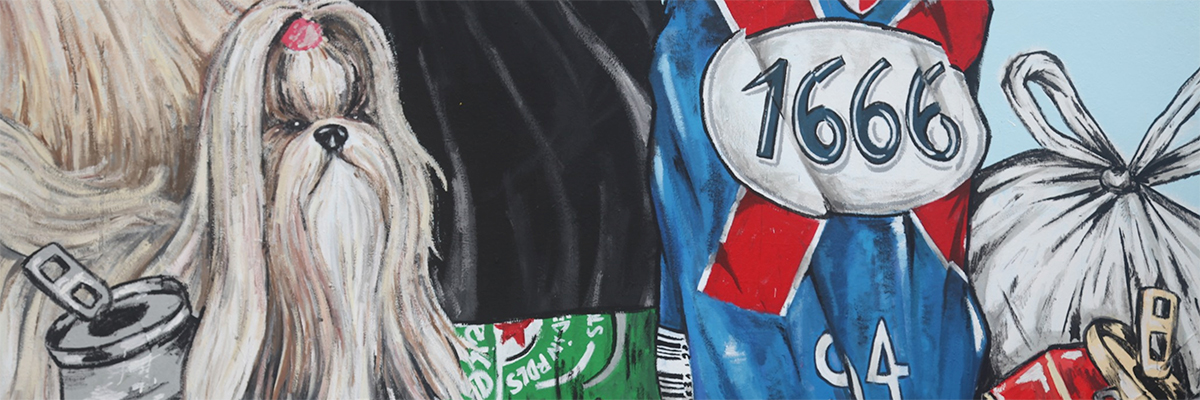
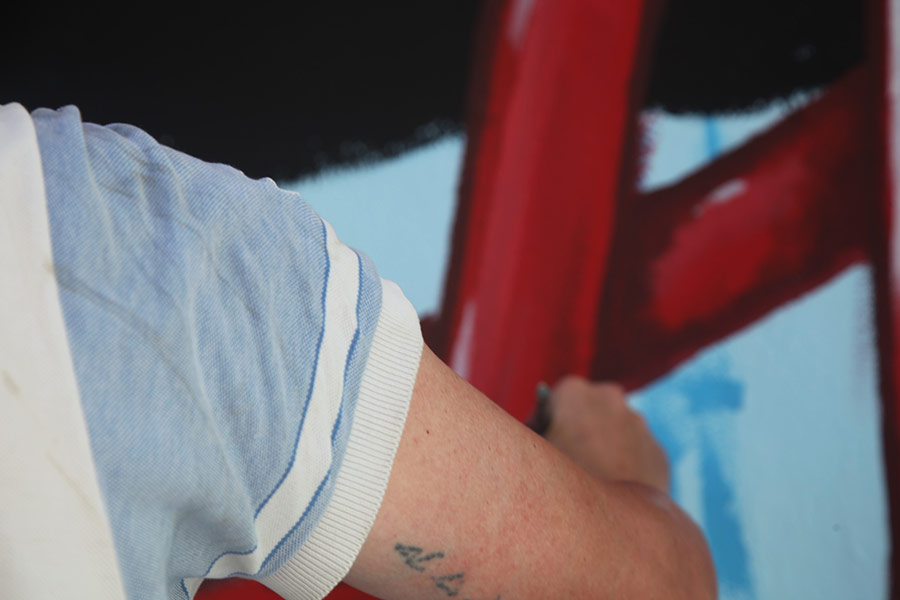
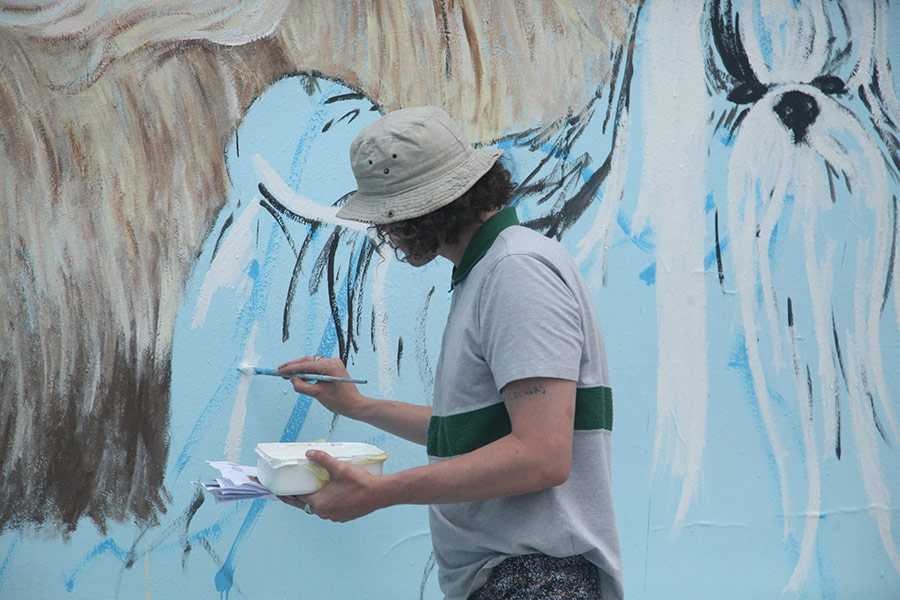
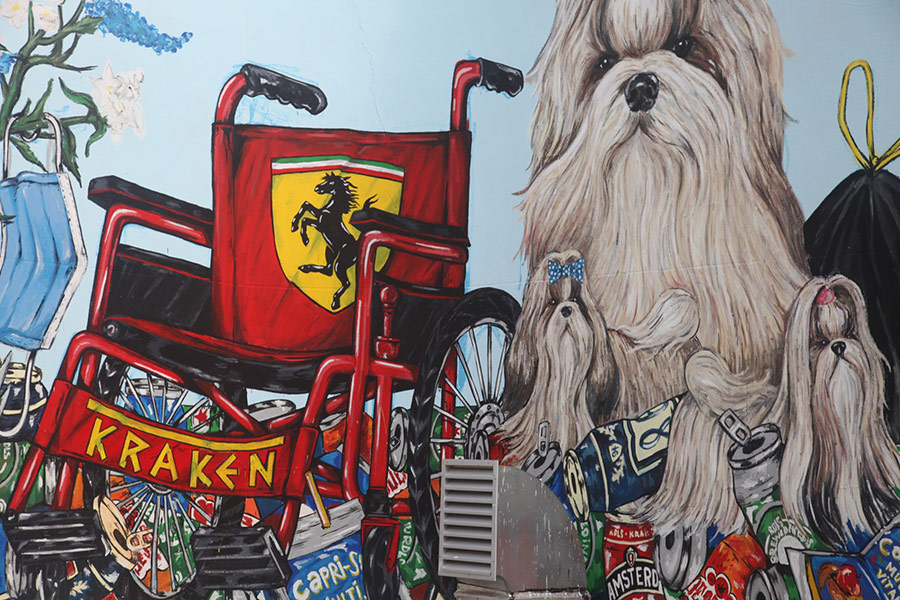
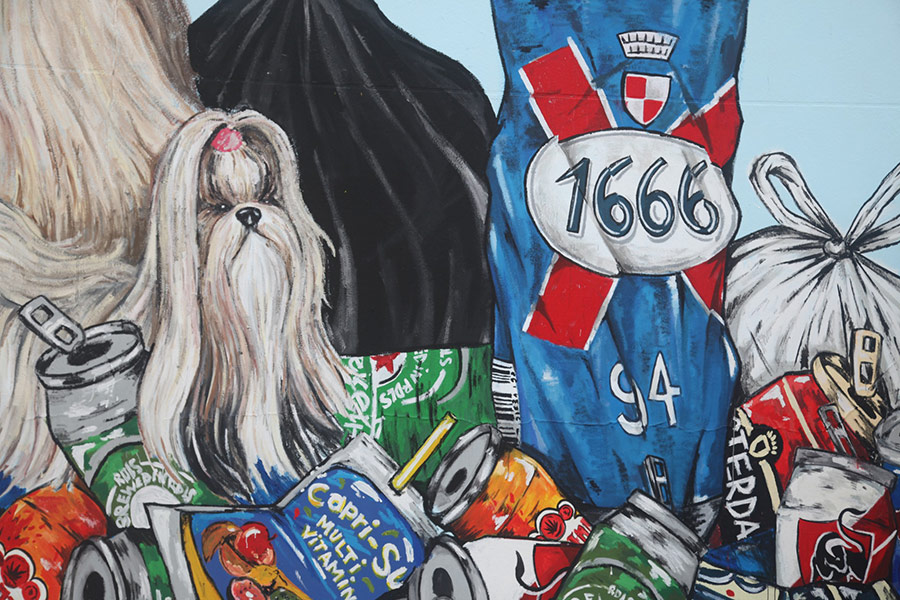
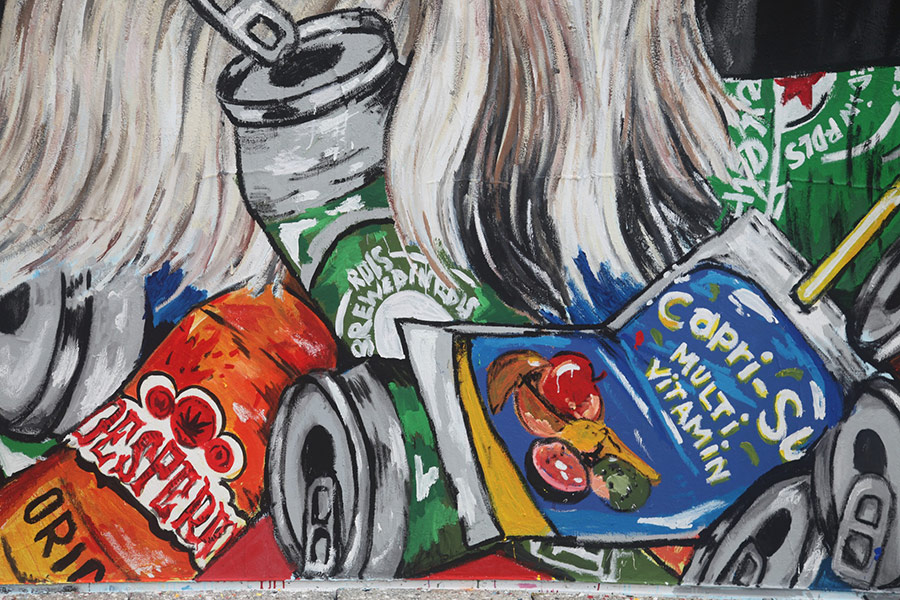
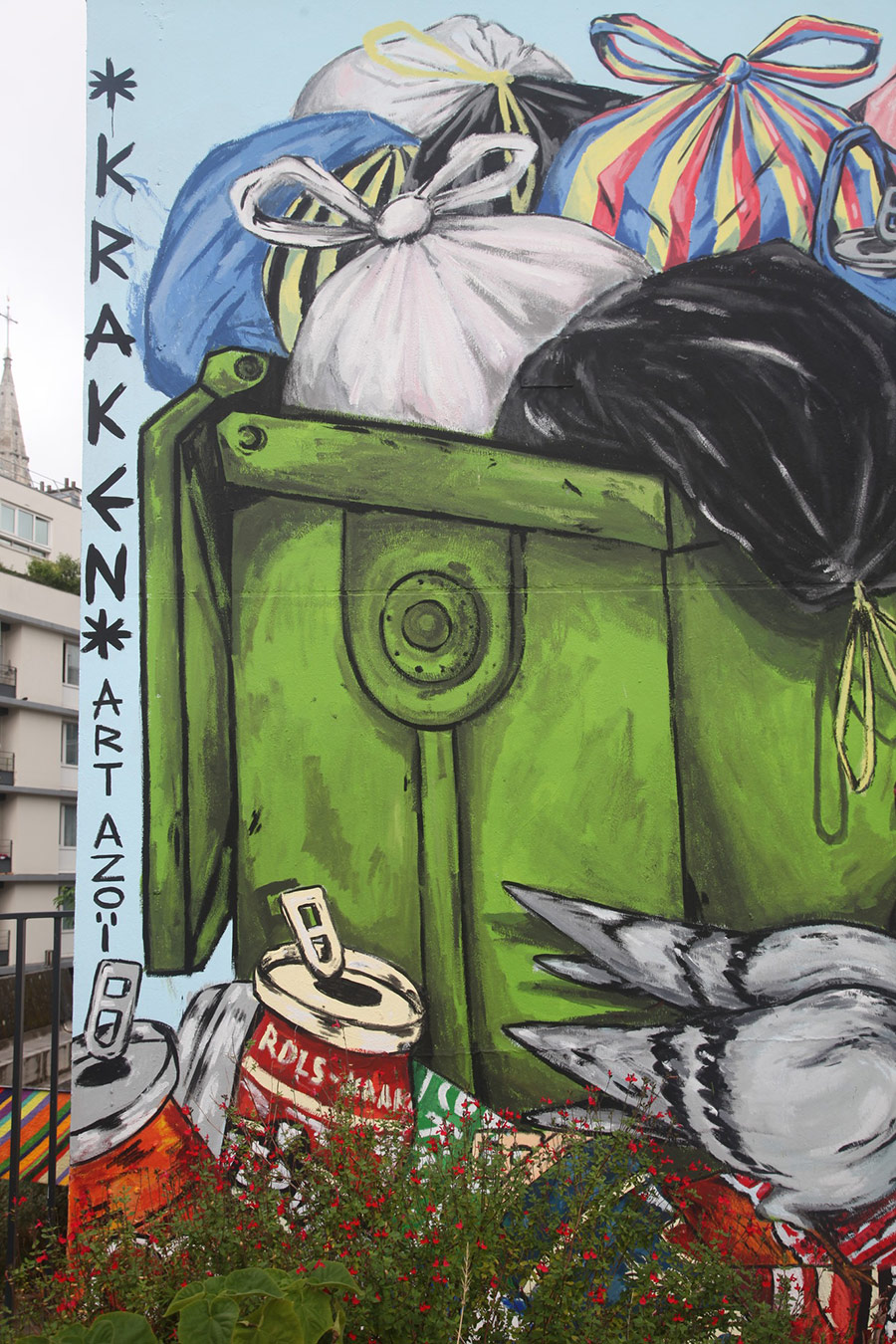
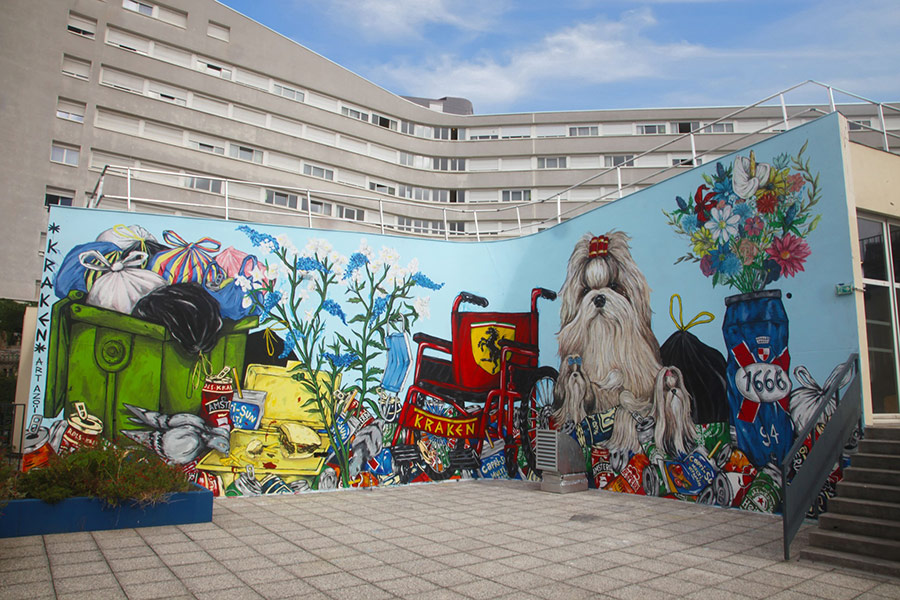
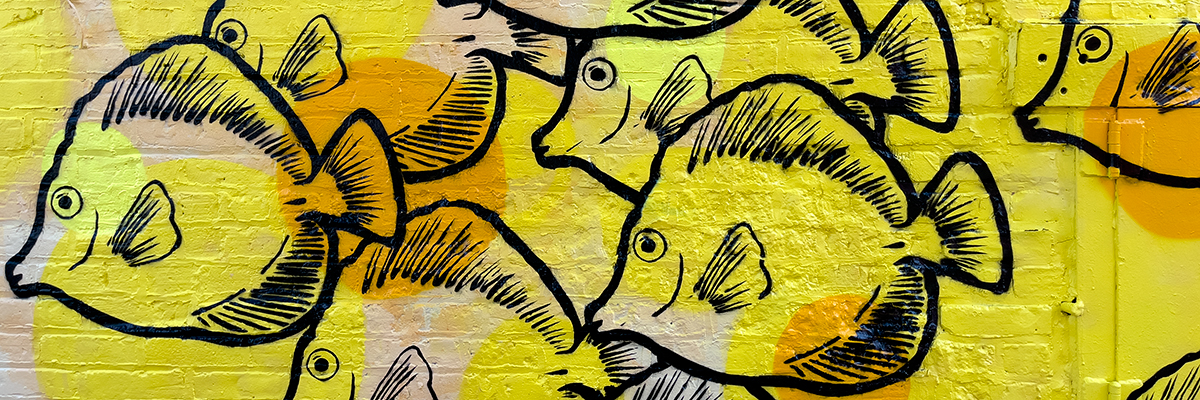
Kraken elevates the everyday items that we wouldn’t normally feature as worthy of display for aesthetic enjoyment. With his new public mural for Art Azoi in Paris, he chooses some household items you normally overlook; a leveling composition of tools, implements, containers, and adorable household pets. By inclusion, they become artistic elements.
KRAKEN in collaboration with Art Azoï. Paris. (photo courtesy of Art Azoï)
With his sharply rendered strokes, he gives an additional character to commonplace items in the way that an illustrator favors, playing with discomfiting facts of consumerism, consumption, and the waste of every day by everyone. Kitsch and a skewering of class come into the mix, with high and low treated equally, purposely pushing the conversation. Perhaps you would not choose to glorify these elements to the level of a public mural, but Kracken is very pleased to, with a certain laudatory and humorous respect.
KRAKEN in collaboration with Art Azoï. Paris. (photo courtesy of Art Azoï)KRAKEN in collaboration with Art Azoï. Paris. (photo courtesy of Art Azoï)KRAKEN in collaboration with Art Azoï. Paris. (photo courtesy of Art Azoï)KRAKEN in collaboration with Art Azoï. Paris. (photo courtesy of Art Azoï)KRAKEN in collaboration with Art Azoï. Paris. (photo courtesy of Art Azoï)KRAKEN in collaboration with Art Azoï. Paris. (photo courtesy of Art Azoï)
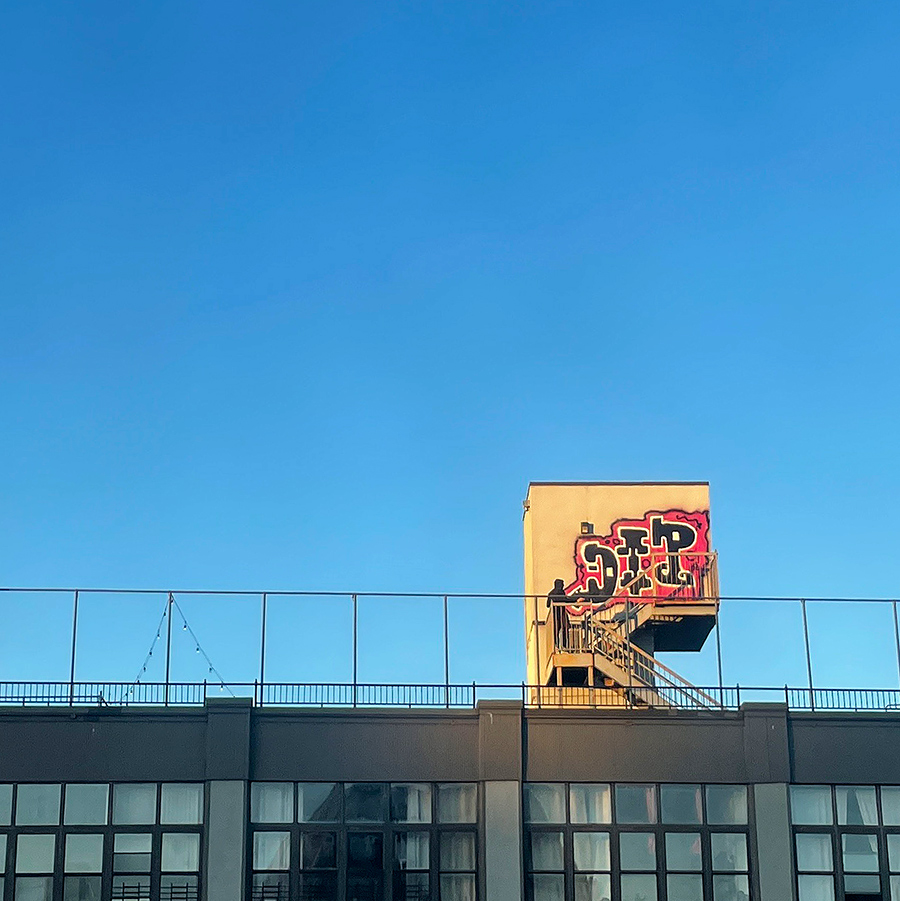
5 Rue des Platrières, 75020. Kraken sur la terrasse des plateaux sauvages.
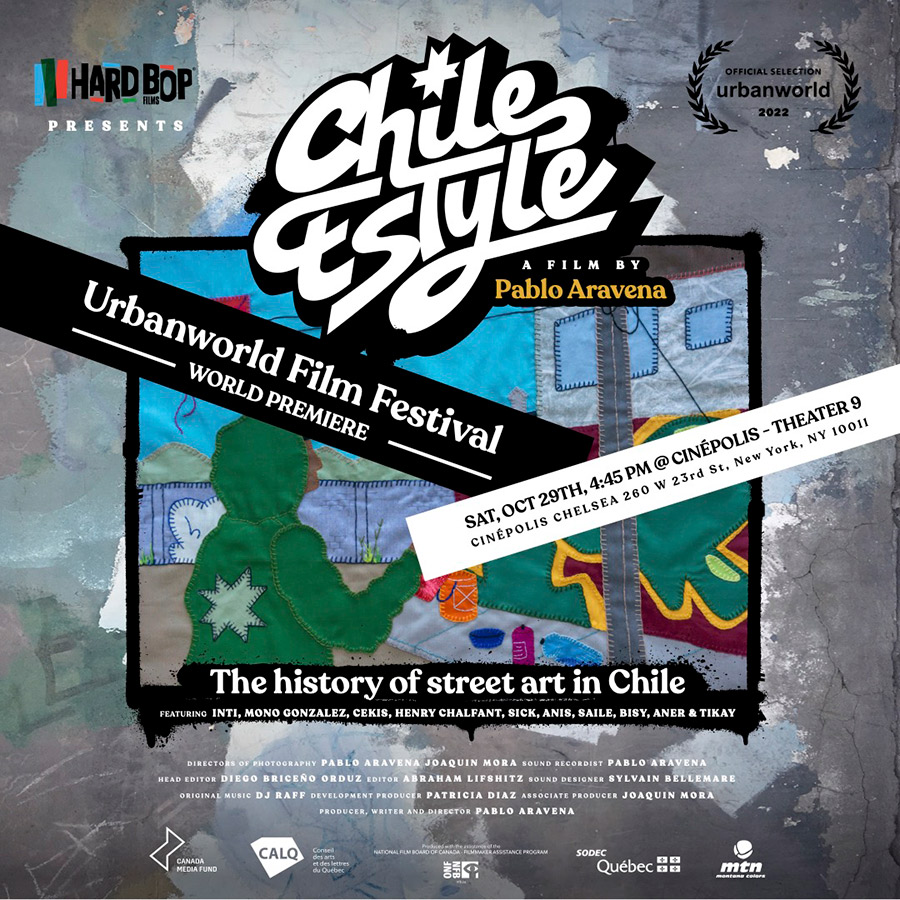
Making its World Premiere in New York at the Urban World Film Festival this month (Oct 26-30), Chile Estyle testifies to the powerful role street art, graffiti, and political muralism have had on city citizens for decades.
Santiago de Chile has been cited for years as an international progenitor of political and consequential street art – owing perhaps to its muralism advocating social change as early as the 1960s in parallel with the student movement in Paris and the birth of graffiti movements in Philadelphia and New York. The documentary illustrates how pro-public antecedents like Mexican muralists shaped what was to come – including David Alfaro Siqueiros, who used walls to converse with the citizenry in the 1930s and 40s at home and in Chile.
Drawing a narrative line from supporting indigenous and working people to the Ramona Parra Brigade of political painting during Pinochet´s dictatorship, to the pixaçao scene in Brazil, and to the stencil culture in Argentina, you see the forces inspiring all manner of grafiteros to make their mark in Santiago, Valparaiso, and other regions of the country. With a sense of conviction, Chile Estyle shows that many origins of this global movement went far beyond style.
To give context to the gravitas driving the movement, the movie includes interviews and profiles of people like Brigadas Ramona Parra founder Mono González, American urban culture photographer and videographer Henry Chalfant, graffiti pioneers Cekis and Sick, indigenous Mapuche artist collectives Alapinta and Aner & Tikay. It also certifies a gender counterbalance in a scene often stereotyped as ‘boys only’ with a look at the powerful women’s street culture movement courtesy Bisy, Juana Perez and Anis.
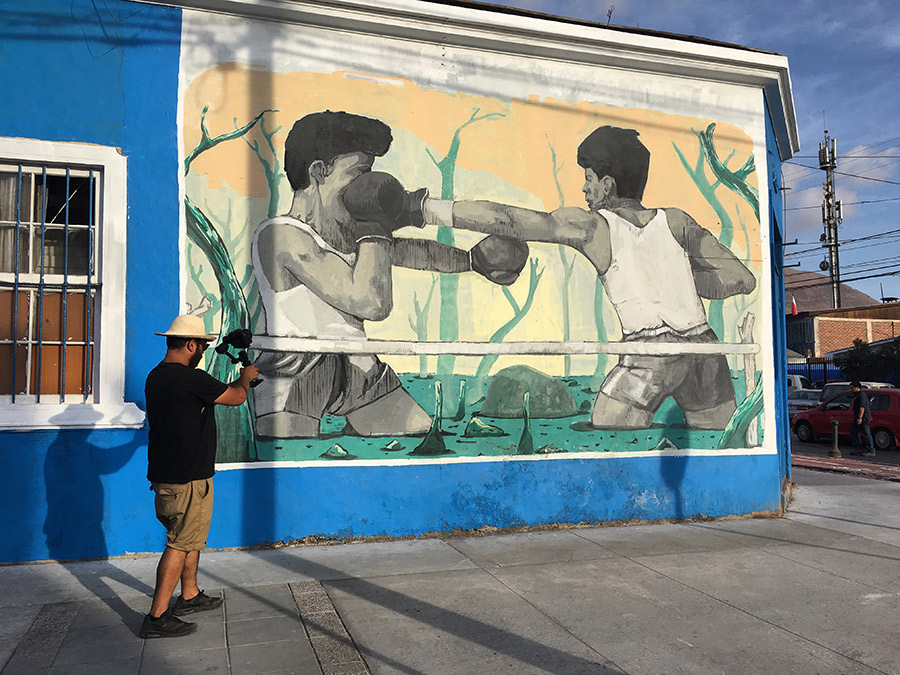
Chile Estyle: The History Of Street Art In Chile. A film by Pablo Aravena. (photo still from the movie courtesy of Hard Bop Films)
With Chile Estyle the documentary filmmaker Pablo Aravena directs viewers toward a richer appreciation for the spirit and motivation that drives Chile’s unique street art tradition; a veritable remix of style and substance foretelling the global/local nature of today’s art-in-the-streets.
We’re told that Mr. Aravena will be in attendance for the opening on October 29th, along with some special guests. We will not miss this one. New York graffiti old skoolers like to say, “know your history.” Serious heads will not miss this greater expanse of history either.
Chile Estyle: The History Of Street Art In Chile. A film by Pablo Aravena. (photo still from the movie courtesy of Hard Bop Films)
SCREENING DATE INFORMATION
“Chile Estyle” @chileestyle World Premiere at @urbanworldff Urbanworld Film Festival 2022 October 26-30 happening in New York City!
Our weekly focus on the moving image and art in the streets. And other oddities.
Now screening: 1. A tour through L’ESSENTIEL 2. Faith XLVII in Boston 3. A Team On Their Own: Maya Women Fight Inequality Through Baseball.
BSA Special Feature: A tour through L’ESSENTIEL
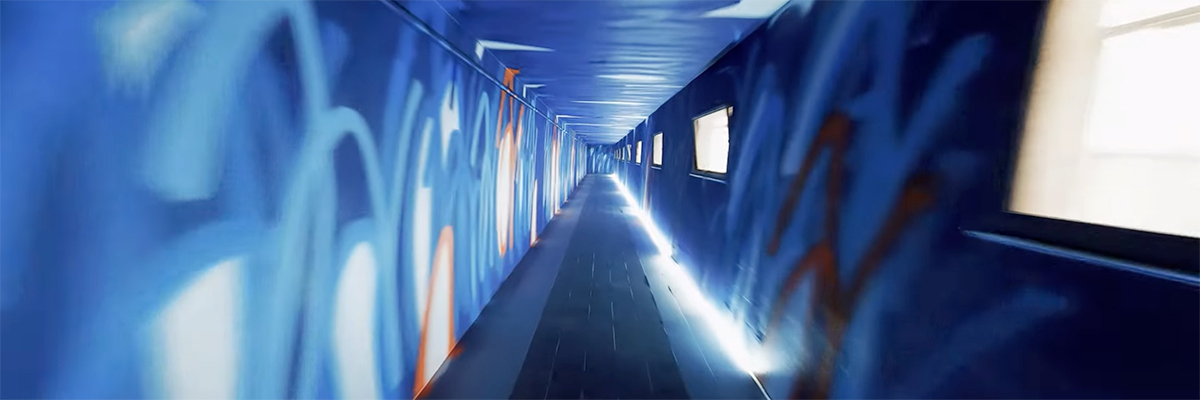
Updating the 2010’s magpie approach to group show curation of the abandoned industrial palace, L’ESSENTIEL presents a video tour on par with the metaverse – since we are all still awaiting a functional version of that much-ballyhooed digital world we will expect to inhabit.
Here you find a tone-on-tone parade of installations by some of the best in the street art/graffiti game- a common palette and a mostly 2D execution in the spaces that helps keep it all cohesive. Aiding, or distracting, your trip is the glitchy electronic world-wailing soundtrack and the pixel-thin placards that pop out of concrete seams to introduce the pieces hanging in the air nearby. The show is impressive and gives a wholistic aura. The question is, does this ephemerous collection exist here in the physical world or in the digital one?
L’ESSENTIEL: A Collective Experience of The Ephemerous Art. Graffiti / Street Art
Faith XLVII in Boston
“Perhaps you could dream something that happens in the future,” says Faith.
A Team On Their Own: Maya Women Fight Inequality Through Baseball. Via The New Yorker
In Melissa Fajardo’s documentary short “Las Diablillas: The Mayan Rebels,” Mexican baseball players challenge the restrictive gender norms of their small town.
If you think you are being held back, the first step may be to look in the mirror. The second is to look for kindred spirits.
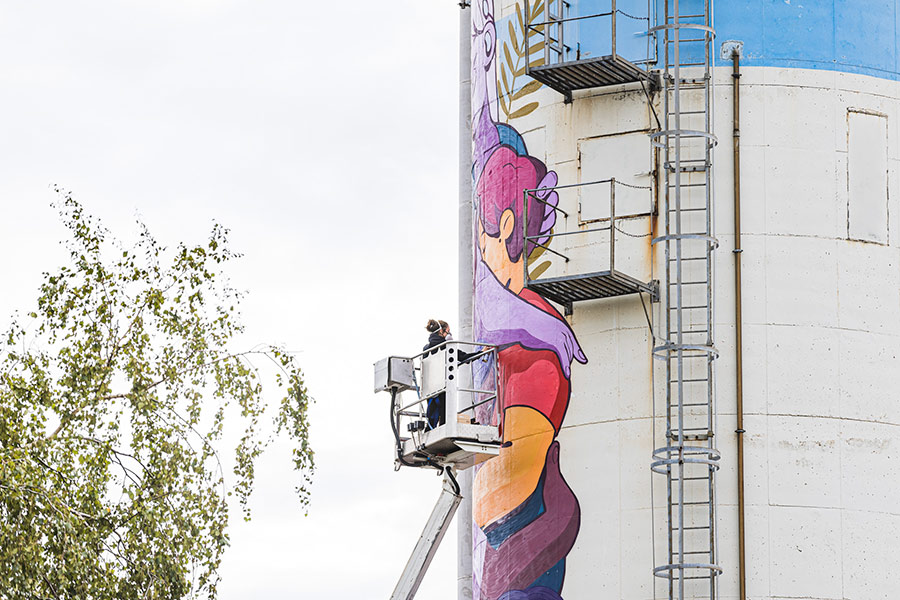
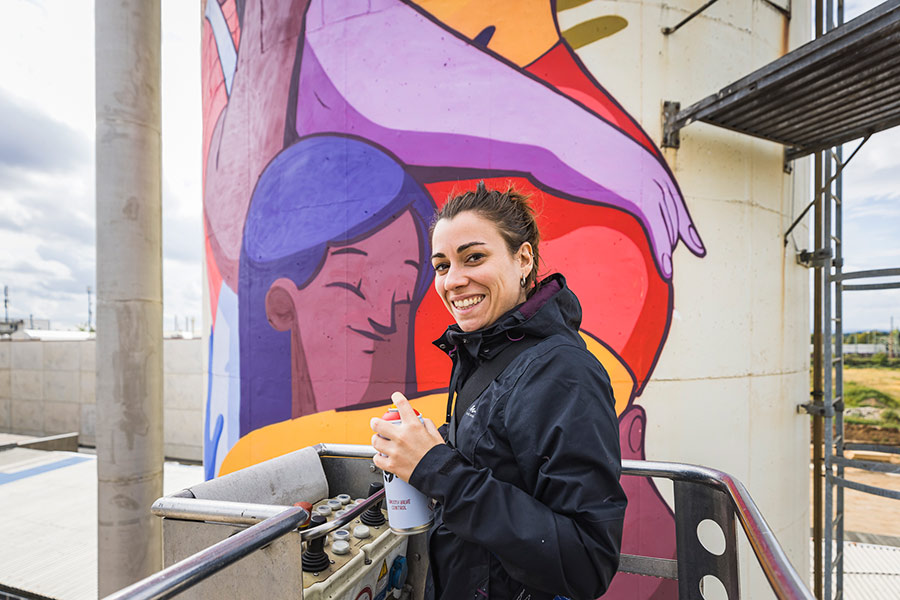
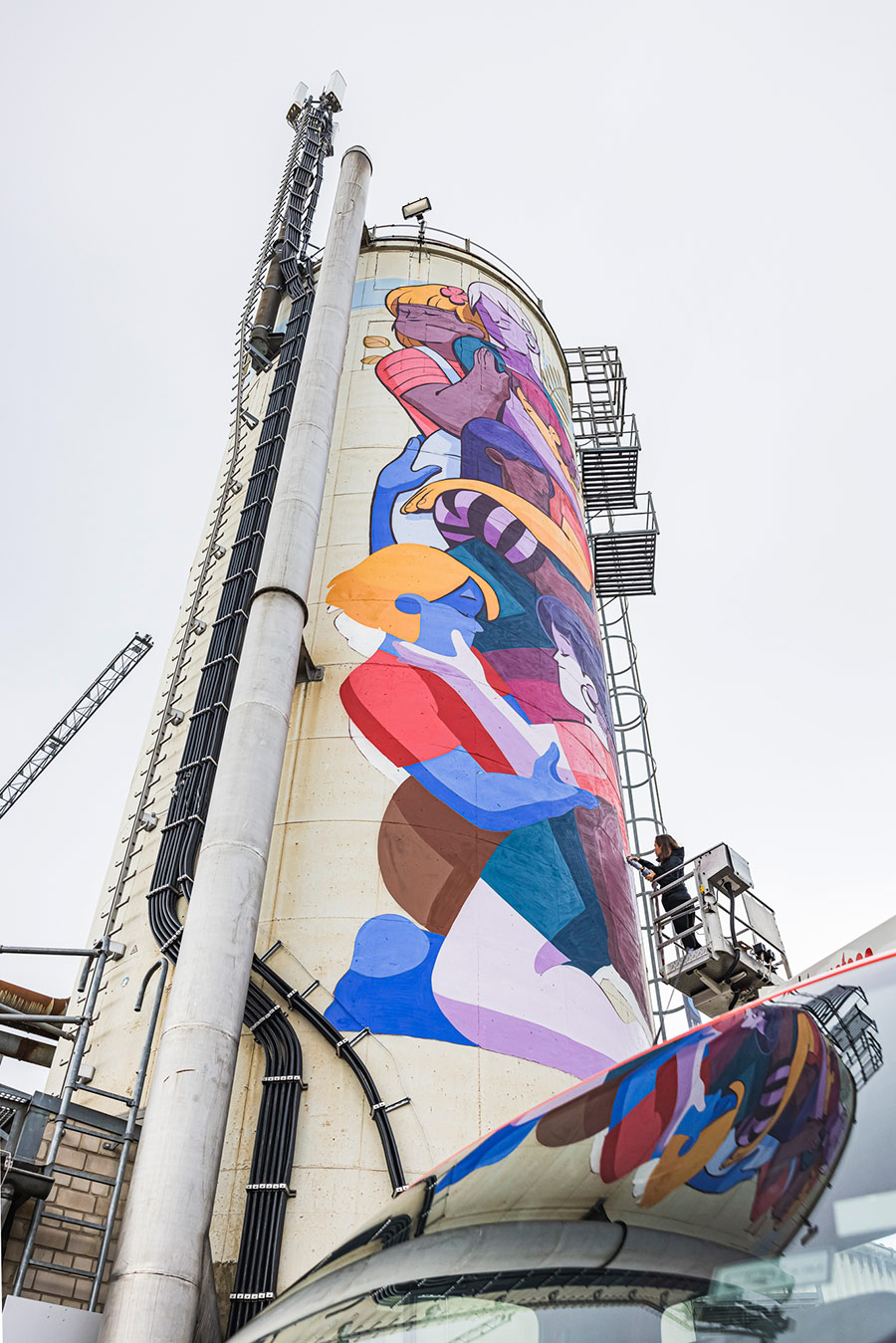
A new mural from Rouge Hartley in Paris for the organization Art Azoi. The contemporary figurative painter is attracted to the street, although she didn’t begin with graffiti or street art. Originally from Bordeaux, she brings bright florals to the city using a uniquely blurred view of beauty; romantic, if you prefer. The emotion is here, and you can write the stories.
Rouge in collaboration with Art Azoï. Paris. (photo courtesy of Art Azoï)Hi-tech paintbrush maneuvering from Rouge in collaboration with Art Azoï. Paris. (photo courtesy of Art Azoï)Rouge in collaboration with Art Azoï. Paris. (photo courtesy of Art Azoï)Rouge in collaboration with Art Azoï. Paris. (photo courtesy of Art Azoï)Rouge in collaboration with Art Azoï. Paris. (photo courtesy of Art Azoï)Rouge in collaboration with Art Azoï. Paris. (photo courtesy of Art Azoï)
“For this long passing wall that we imprint on a slope, I tried to think of a sequence shot in painting. Around a still life narration, in which I voluntarily break what we have been taught, passively, to see it fade, I propose here an almost abstract sequence around resilience and free will, and unfolds in the same image the temporality of a destruction or a rebirth depending on the direction of travel.
In a summer when everything is burning I know we are capable of better. It is around my old obsessions that I allow myself to turn here: the echo between our catastrophes, political and ecological or intimate, the temporal palimpsest and the tension of time in painting, and of love.
I leave you with this little manifesto of a lover.
I ask us to be bold in love and brave in lovelessness
I expect you to have the audacity to desire your equal and to renounce making us goddesses before knocking down our mats.
I ask us to have the courage of uncompromising honesty, and the finesse of permeability, to love each other with all the future pasts, the wounds of yesteryear, and the nostalgia for possibilities that have not taken place,
To taste the density of the silences between our words,
And to the thickness of our words that say what they are,
I ask us to be vulnerable and true,
To get rid of courtesies that disempower and detours that disarm
Without strategies and without hatred,
I ask us for tenderness and time and space for the infinity of our constraints, our complexes and our wounds.
I ask us to be able to name our borders and invent more victories there than laziness
I ask us to state instead of humiliate
To leave before reducing our powers to comfortable abodes
To leave us instead of abandoning us
To love us free to be
And to be again
And again
And again” – Rouge
Rouge in collaboration with Art Azoï. Paris. (photo courtesy of Art Azoï)
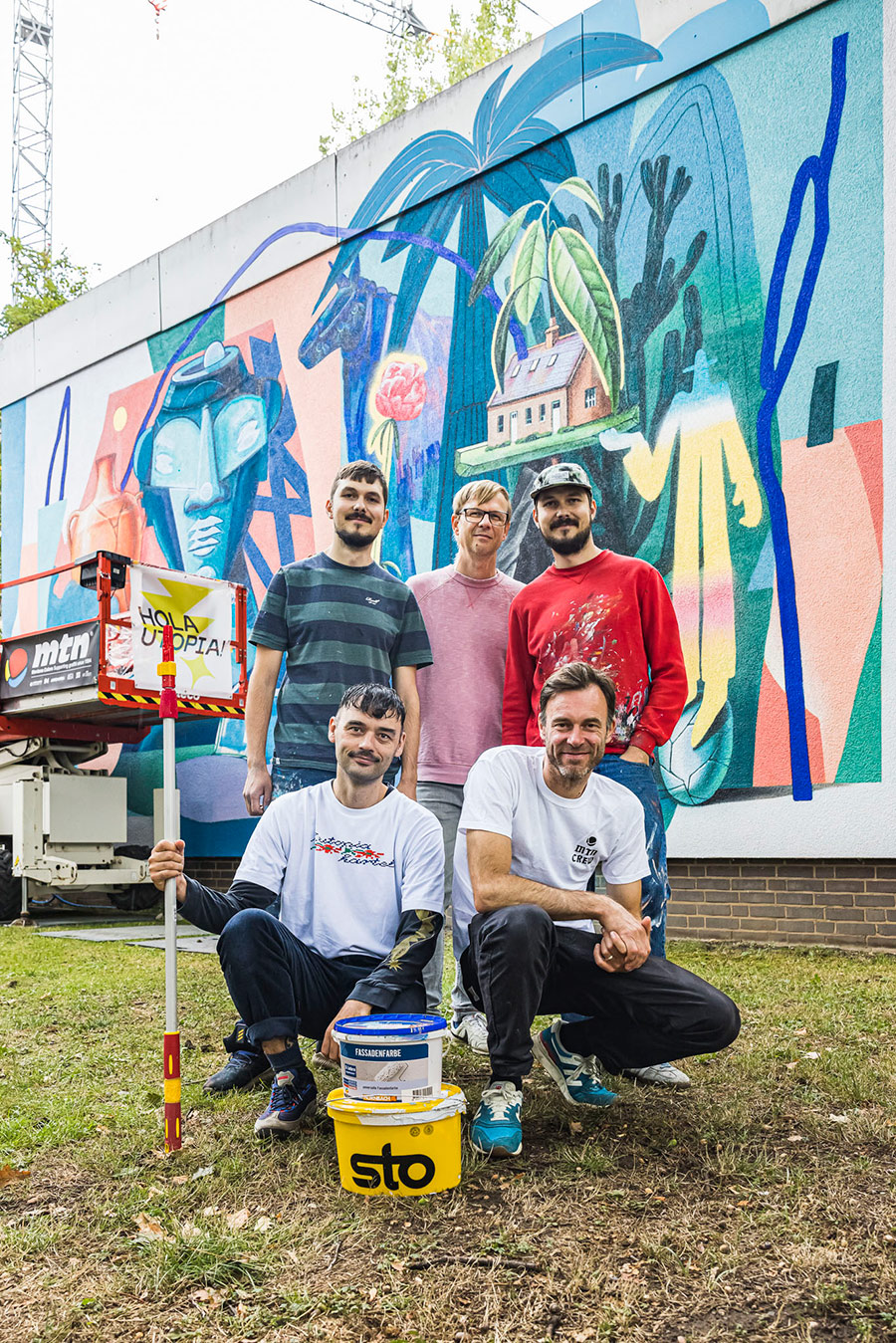
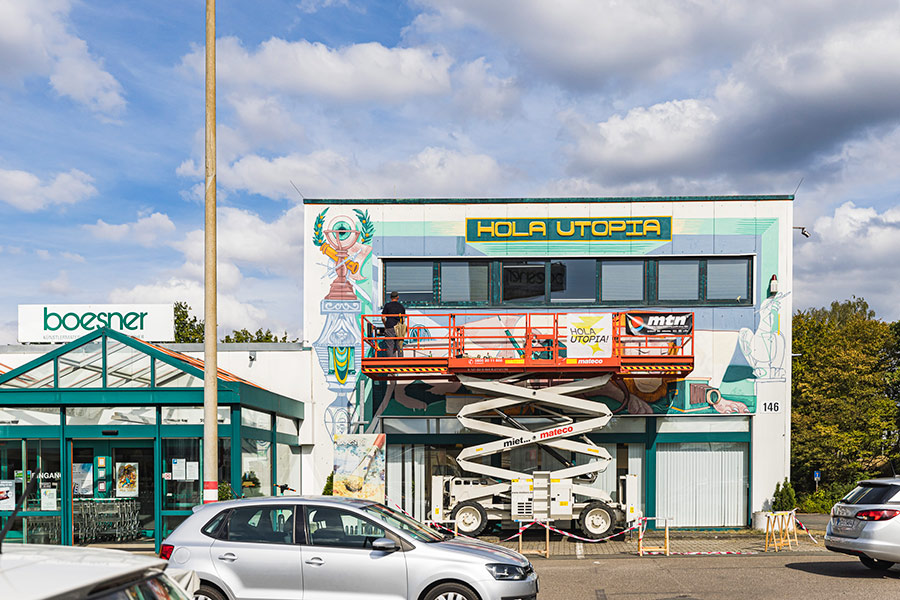
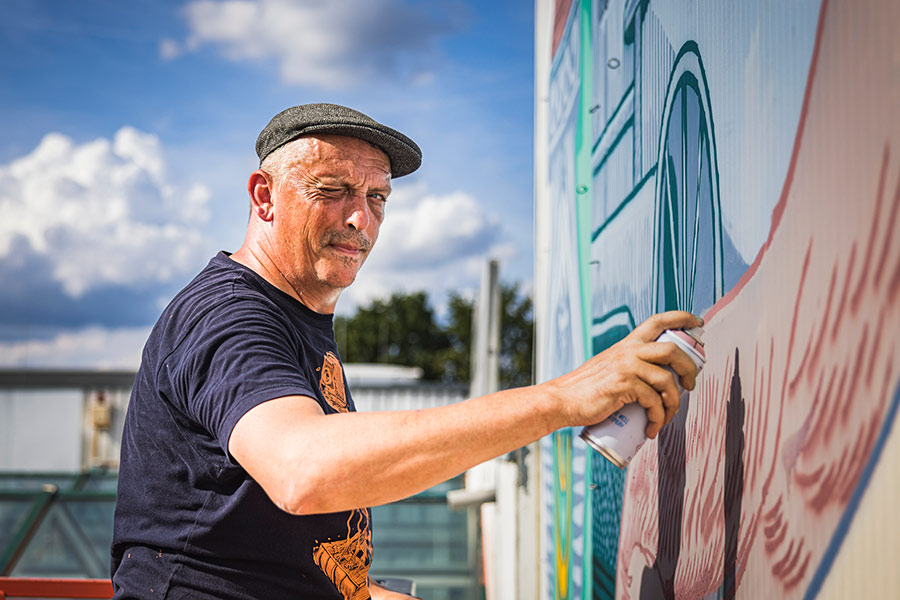
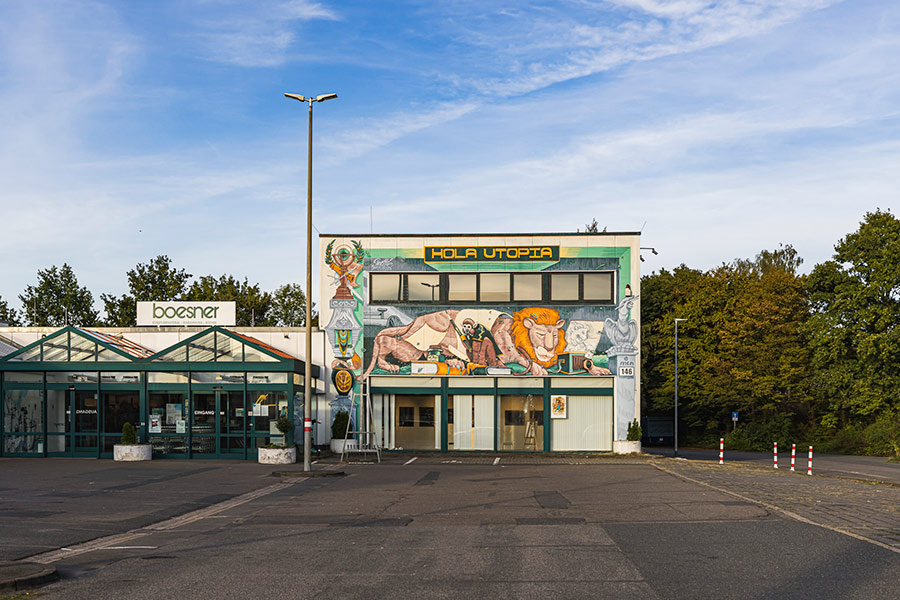
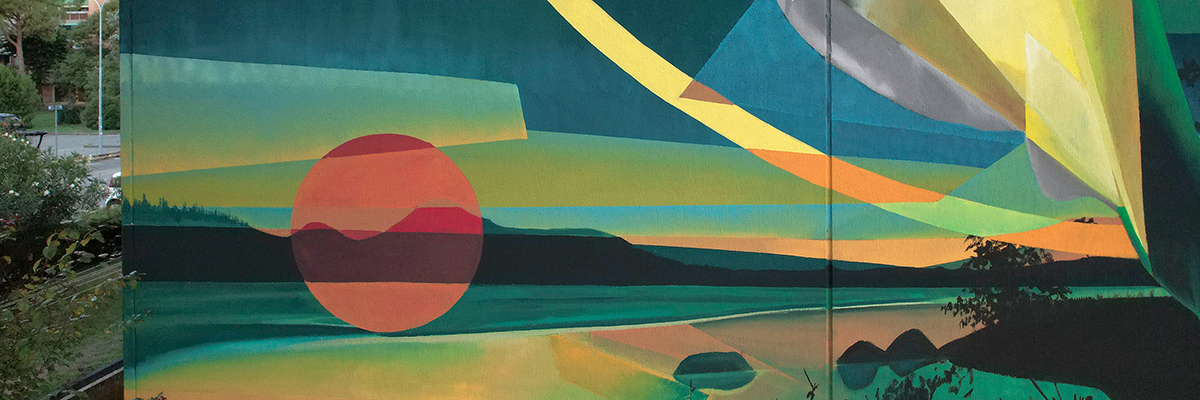
Europe, and Germany in particular, has a solid history of graffiti, urban culture, hip-hop, breakers, and battles dating back to at least the 1990s. As the street art scene evolved during the first two decades of the 2000s, a number of festivals have sprouted up around the globe, from Hawaii to Norway to Tunisia to Mexico City to London to Hong Kong. We’ve been to many of them. In recent years we have witnessed other German cities making entry into the scene as well, and today we bring you Hola Utopia! in Hannover.
Begun by founders Artie Ilsemann and Jascha Mueller this festival has so much enthusiasm behind it from the community and the artists, you can imagine that it will continue to make an impact in arts and culture in this capital of Lower Saxony with a half million residents. Hola Utopia! has the kind of solid organizing template, smoldering energy, and genuine local support that is not common among many newer festivals, many of which tend to originate as branding platforms constructed to sell products or local city governments with tourism to chase.
Possibly the reason why this duo, along with communications team member Mark Dix, are able to begin this year’s festival with the German premiere of Alexandra Henry’s film “Street Heroines” and a gallery exhibition at the repurposed Helmkehof warehouse complex – in addition to hosting a half dozen or so artists to paint walls – is because of the urban art community that has deep roots here like the UJZ Glocksee e.V.
Glocksee-Gasse, as it is called, is the organic sort of space that evolves its own character in the community. The organizers say it is the oldest independent youth center in Germany, with “a firm place in Hannover’s cultural landscape.” This is exactly the kind of foundational community that can give a festival room to grow and offer different populations an opportunity to participate if intentionally included.
You’ll also be encouraged to see the series of statements on the website that form the philosophical tenants that form the festival. Of course, there is the star-gazing optimism of “Hola Utopia dares to formulate and visualize utopian thoughts to take steps to make the world a better place to live in.”
More impressively perhaps is their statement on privilege that gives more hope toward an equitable festival; “Hola Utopia is aware of its own privileged position that it occupies in its work to devote itself to the design of a utopian world. Injustice in our own environment is openly discussed and with show solidarity to people who are negatively affected.”
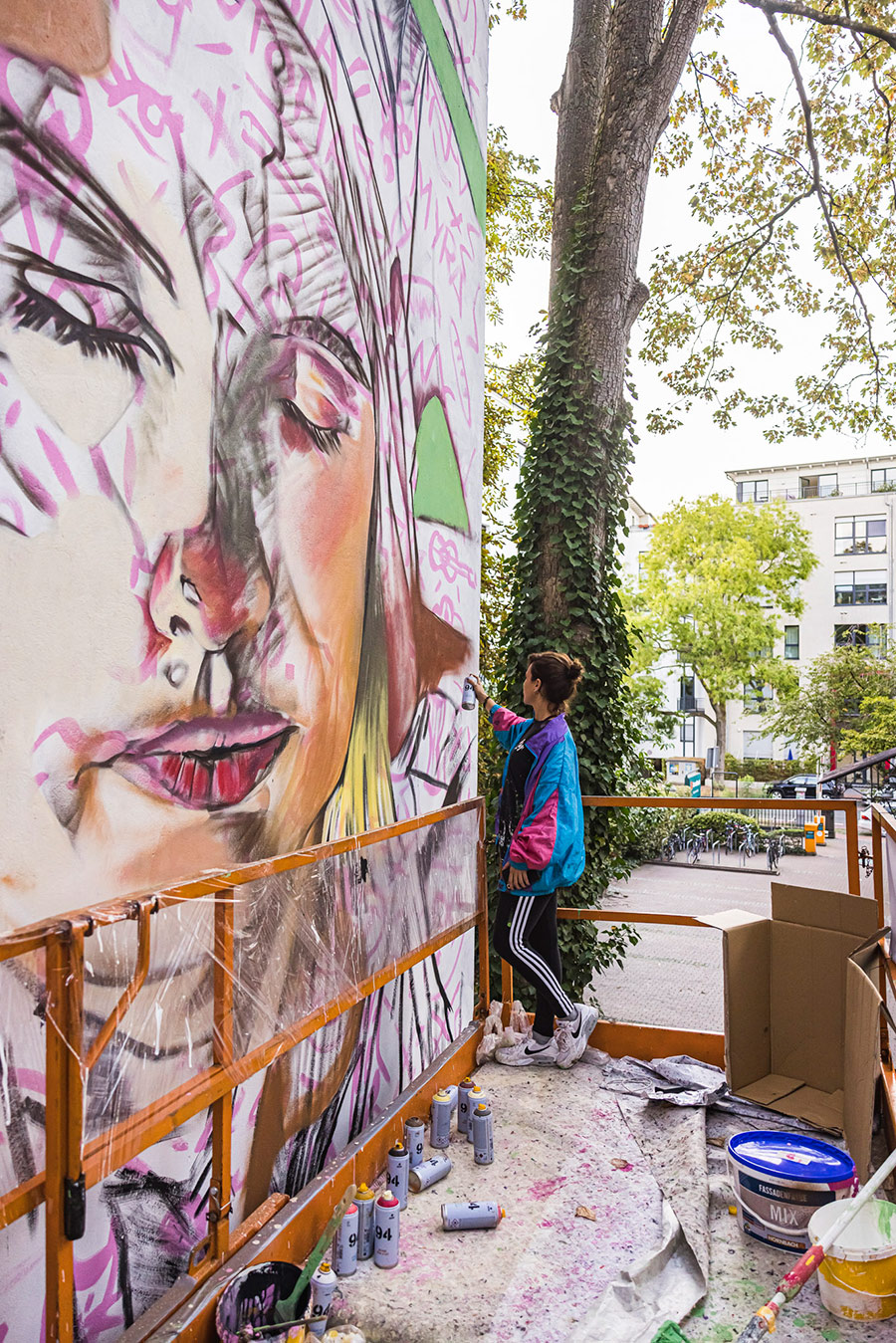
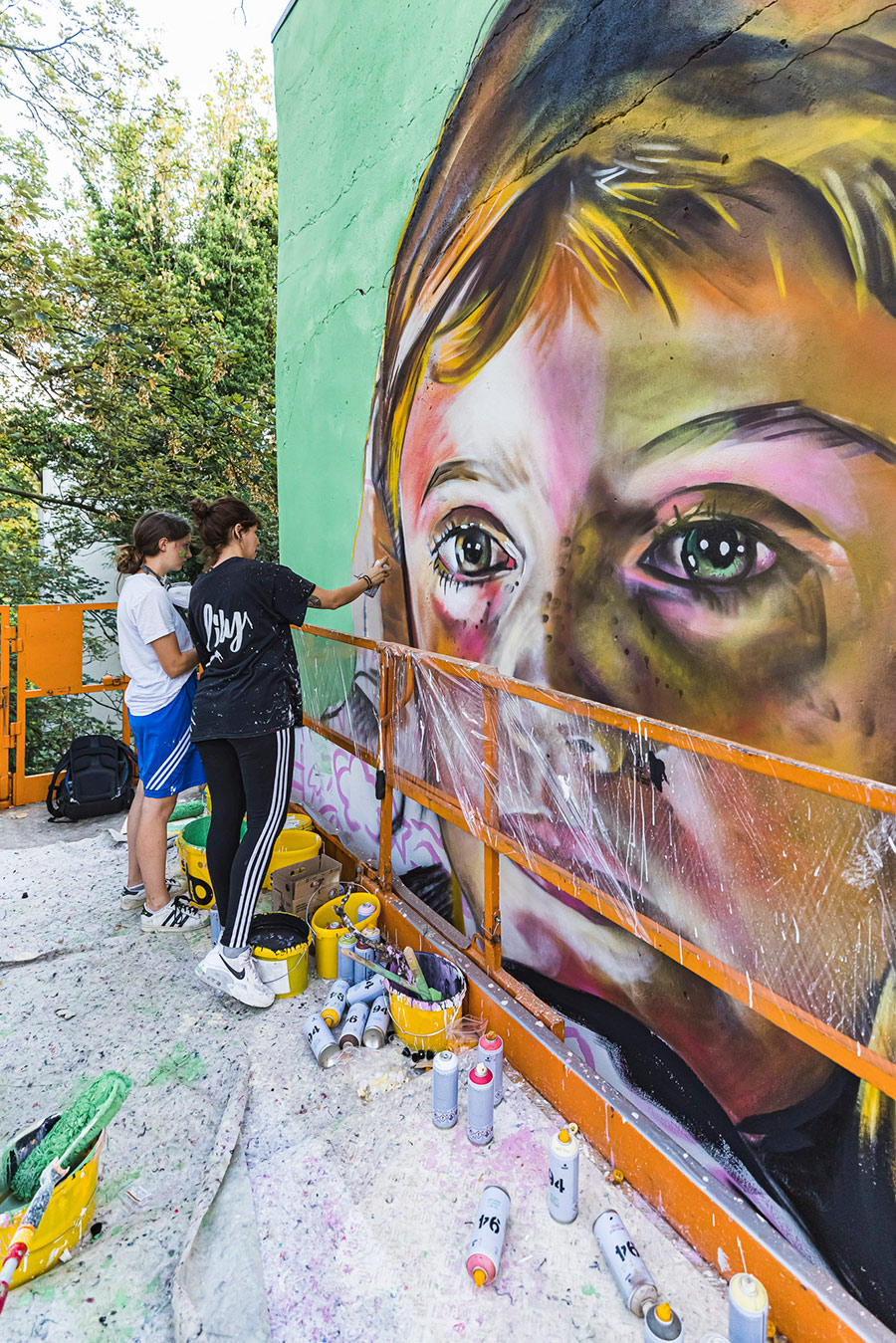
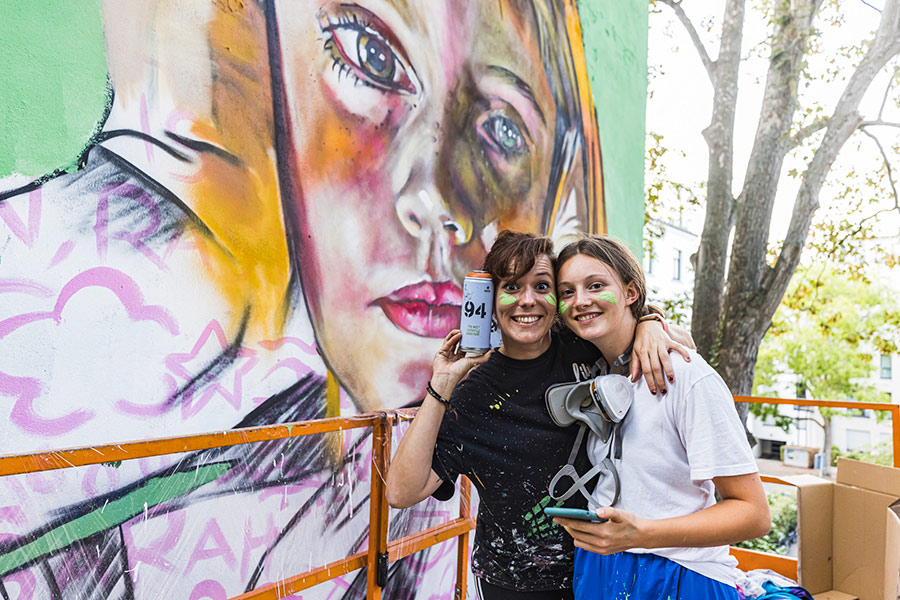
Thanks to photographer Kevin Münkel we’re pleased to share with you images of this year’s artists, including Lily Brick, Nasca One, Bier En Brood, Galletamaria, Rookie The Weird, Feros One, and Dilk One. The Ukrainian duo of Feros One and Dilk One remind us of the occurrence of twins in the street art scene, including Brooklyn’s Skewville, São Paulo’s Os Gemeos, and the German How & Nosm. Are there more?
Fabio Petani may win the prize for the most murals this season; Not that there is a prize for this honor, except your skill improves and you get to meet more people at more street art festivals…
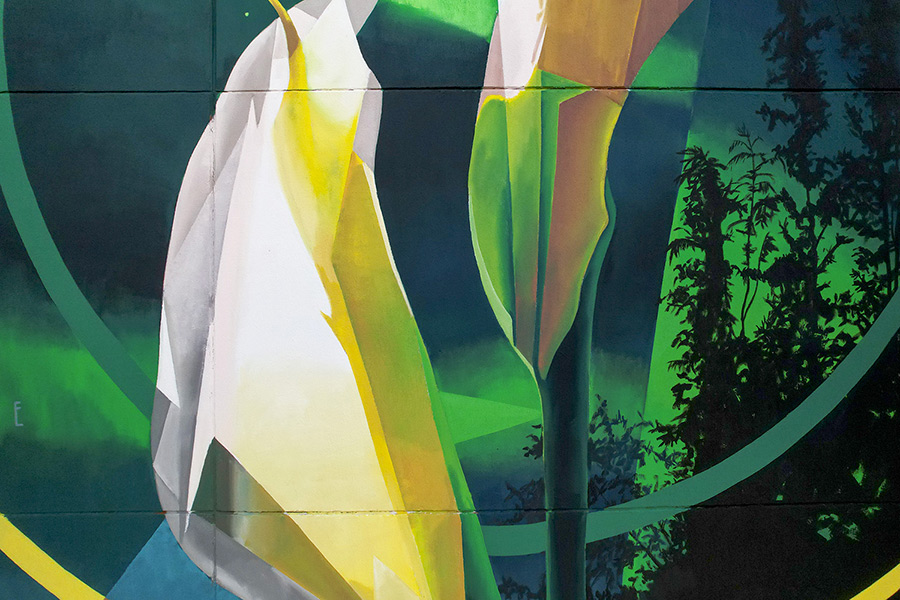
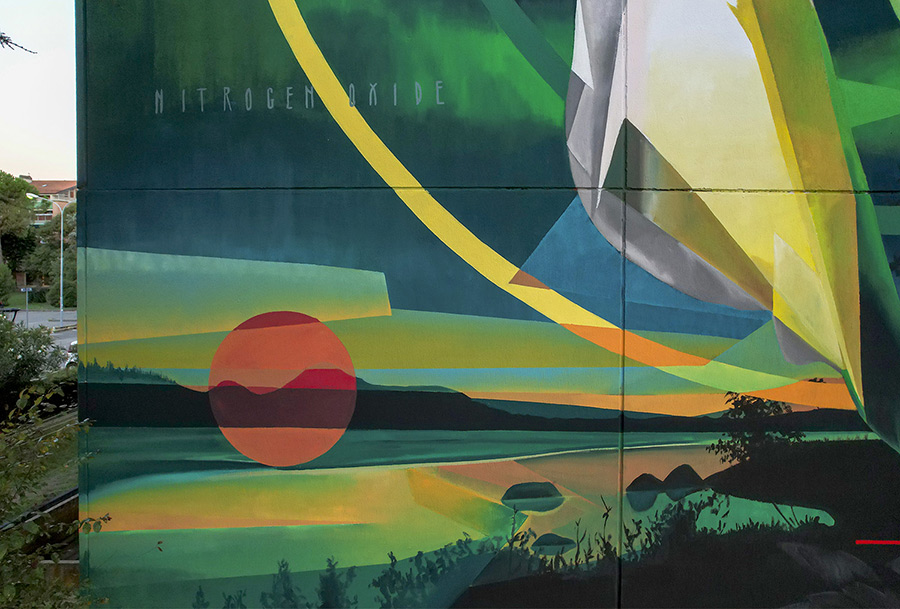
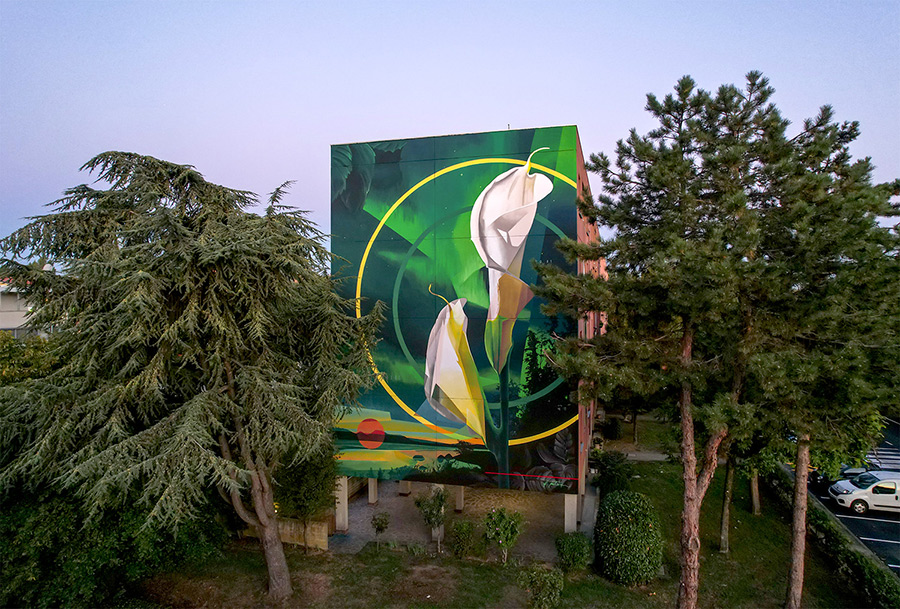
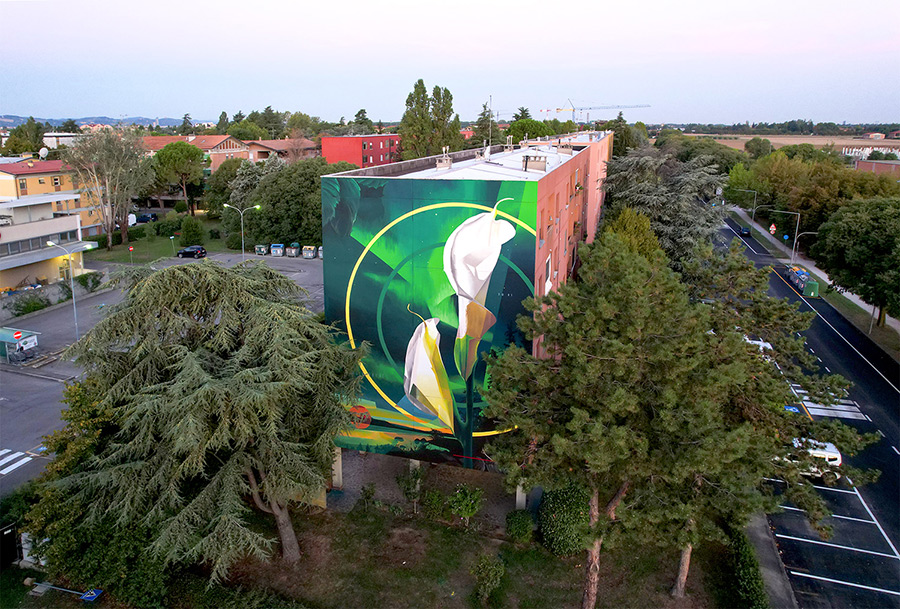
This one is at the 2nd Edition of the Artu Street Art Festival held this September in Castenaso, Italy. He calls it “NITROGEN OXIDE & ZANTEDESCHIA AETHIOPICA”.
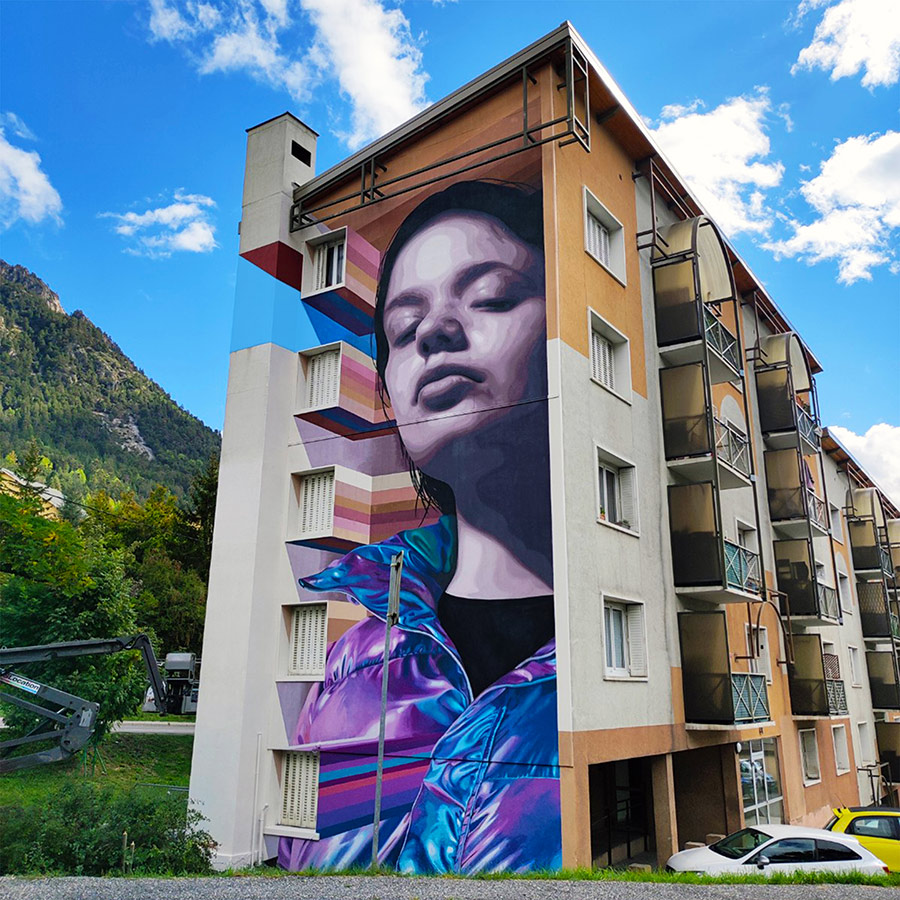
Not that you can ever hope to compete with the Alps…
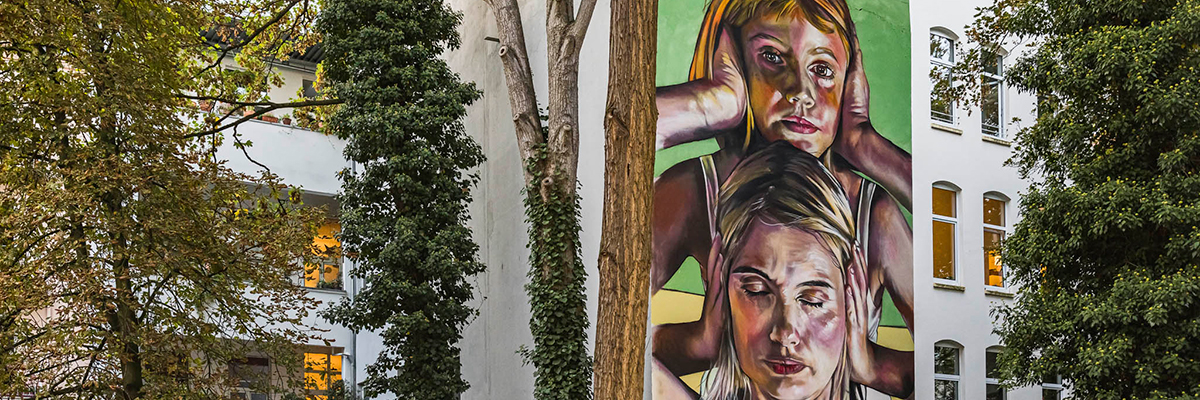
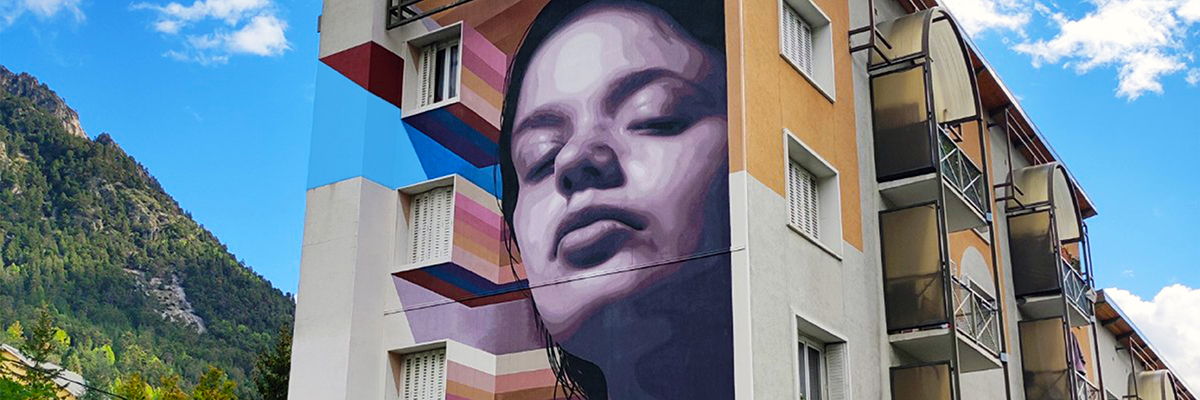
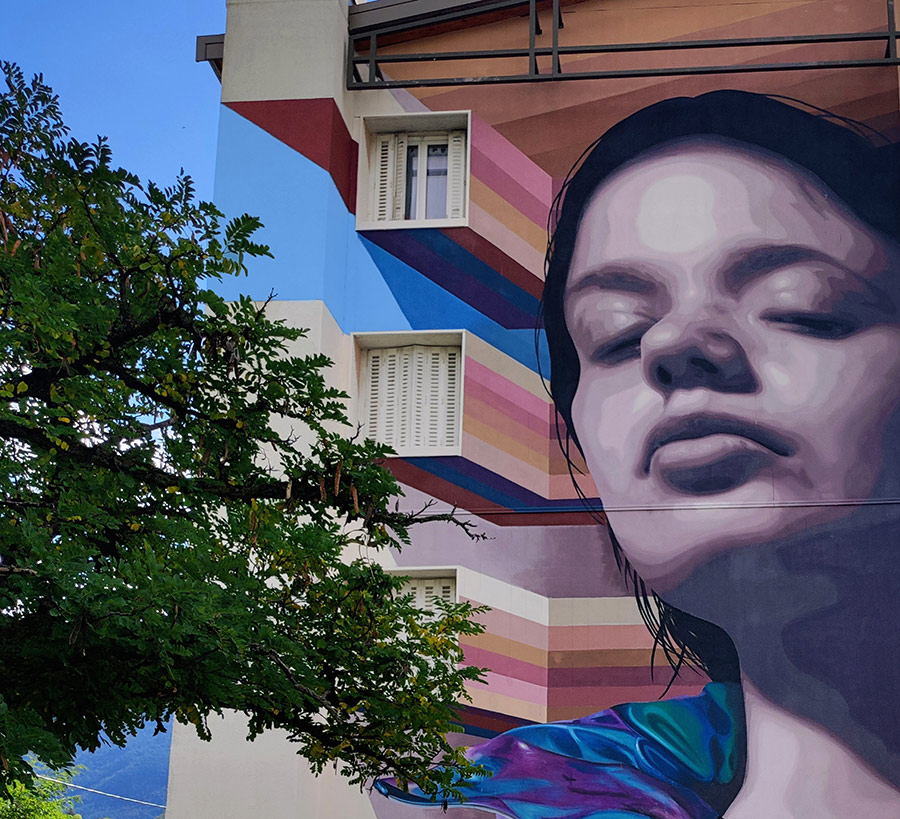
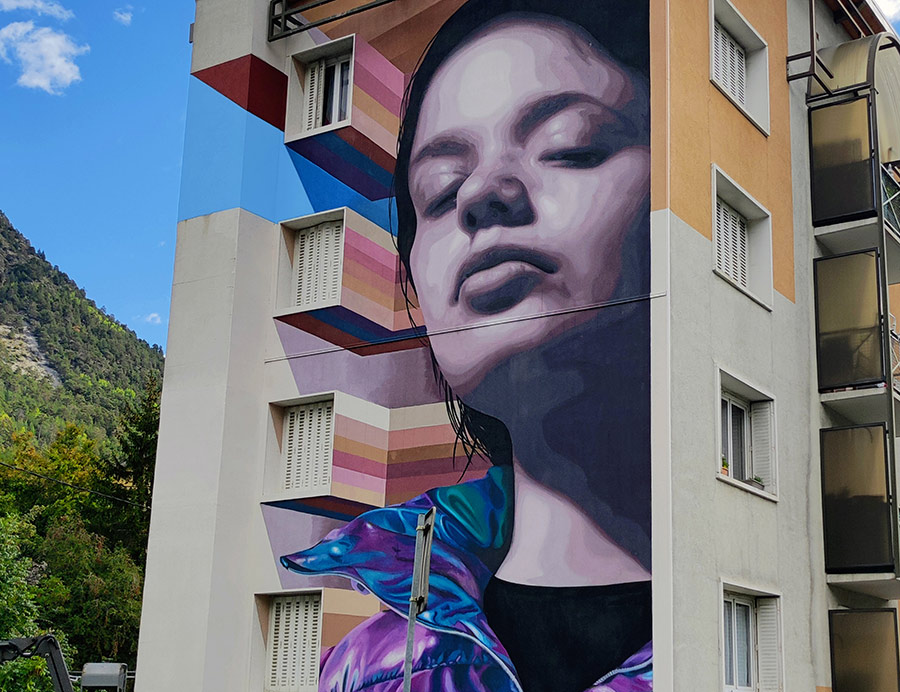
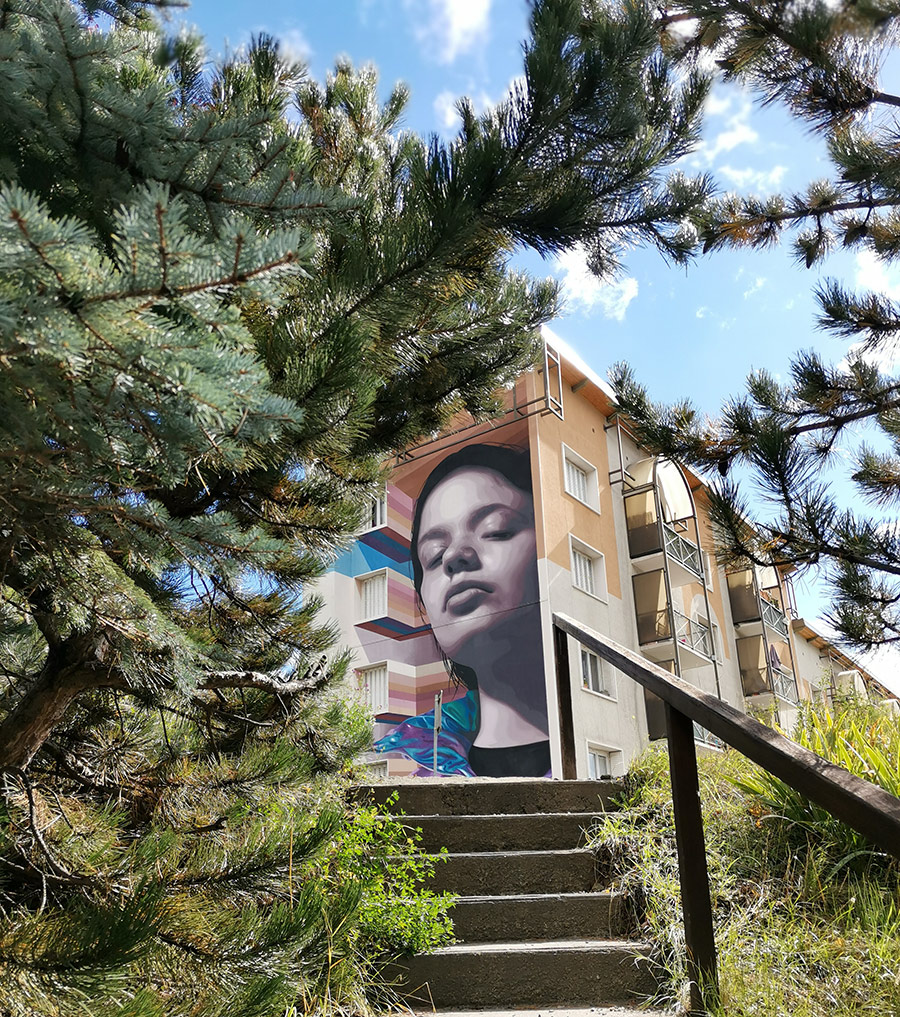
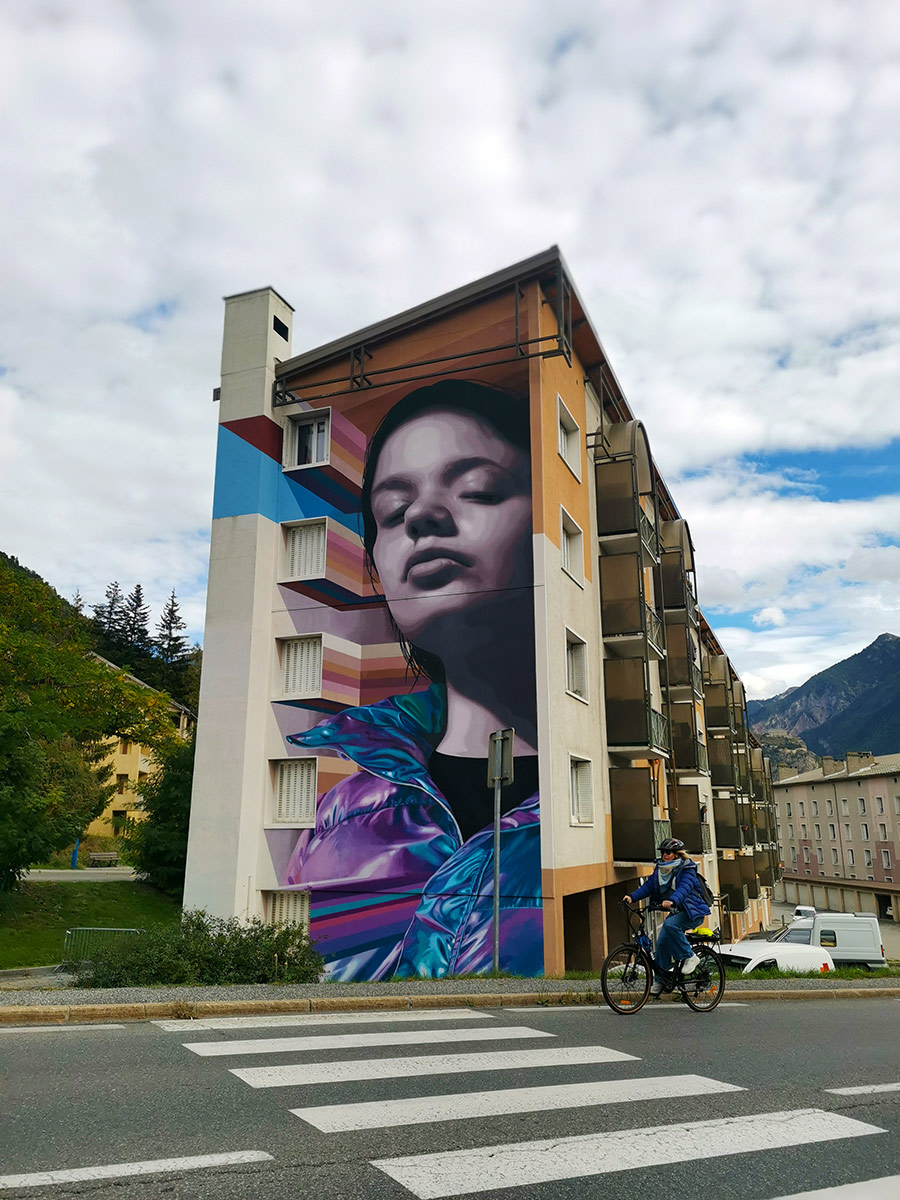
When you live in such a picturesque town like Briançon, France, your daily existence includes its grandeur. Perhaps that is why Medianeras chose to paint an equally grand Generation Z subject who fairly demands your attention as well.
“We decided to open this wall to show an empowered and defiant youth,’ said the artist duo of Analí Chanquia and Vanesa Galdeano. With the intention, they say, of presenting a “more equal and fair society in this windy place with violet horizons that disappear in the clouds,” the artists painted for this festival that began in 2018 here called “Eternelles Crapulles”.
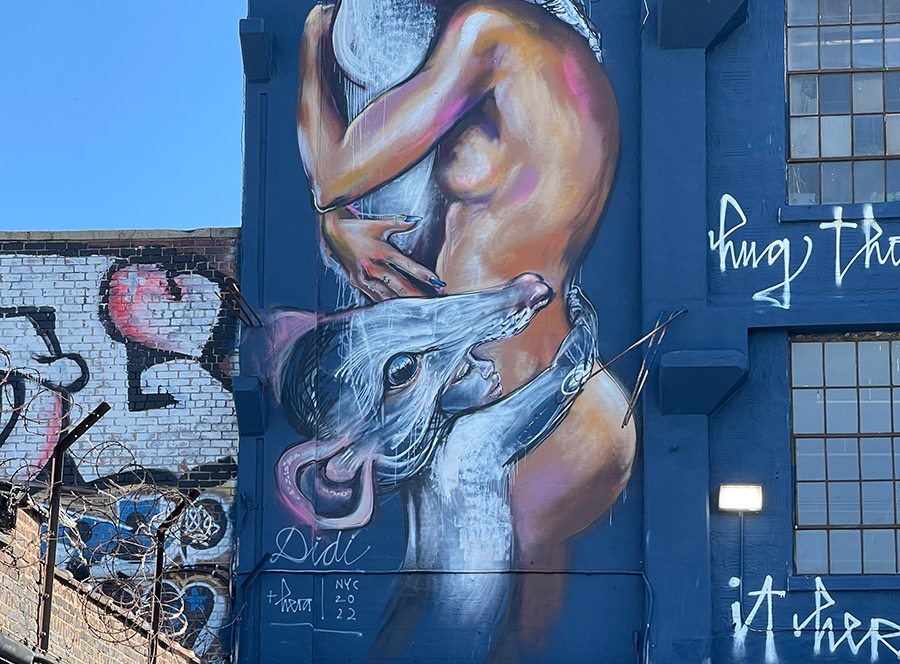
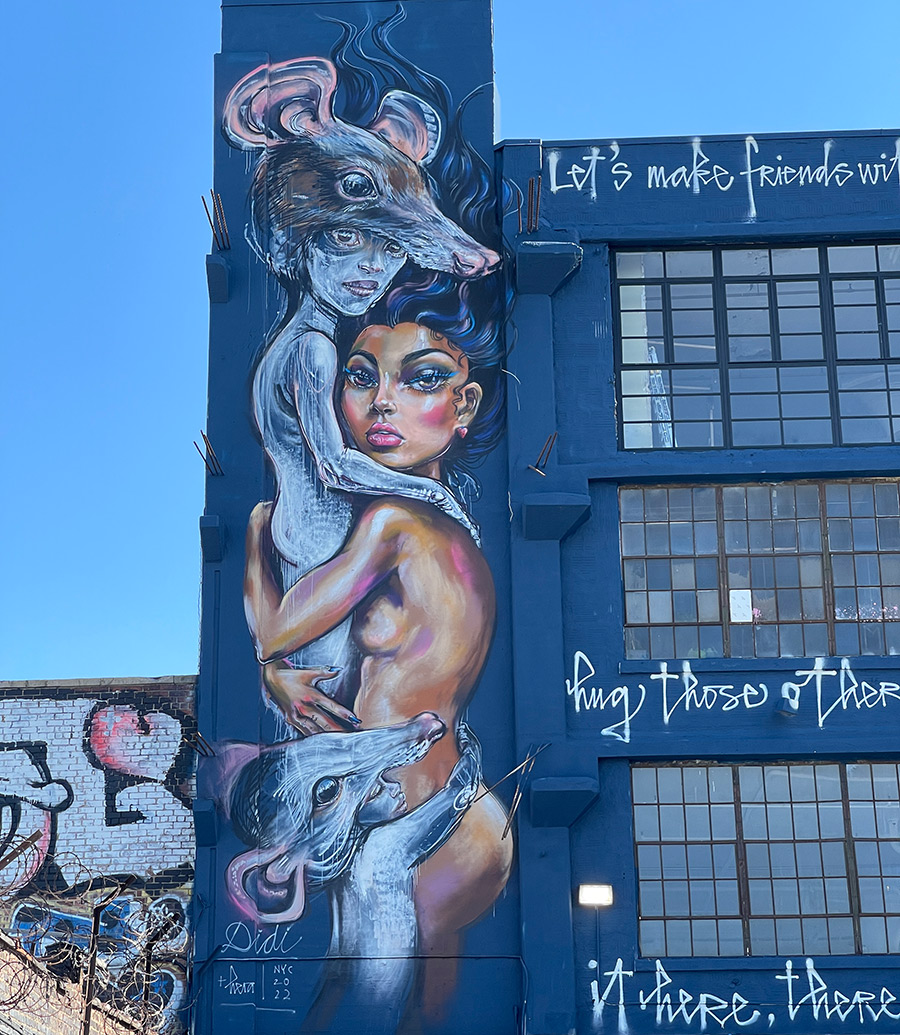
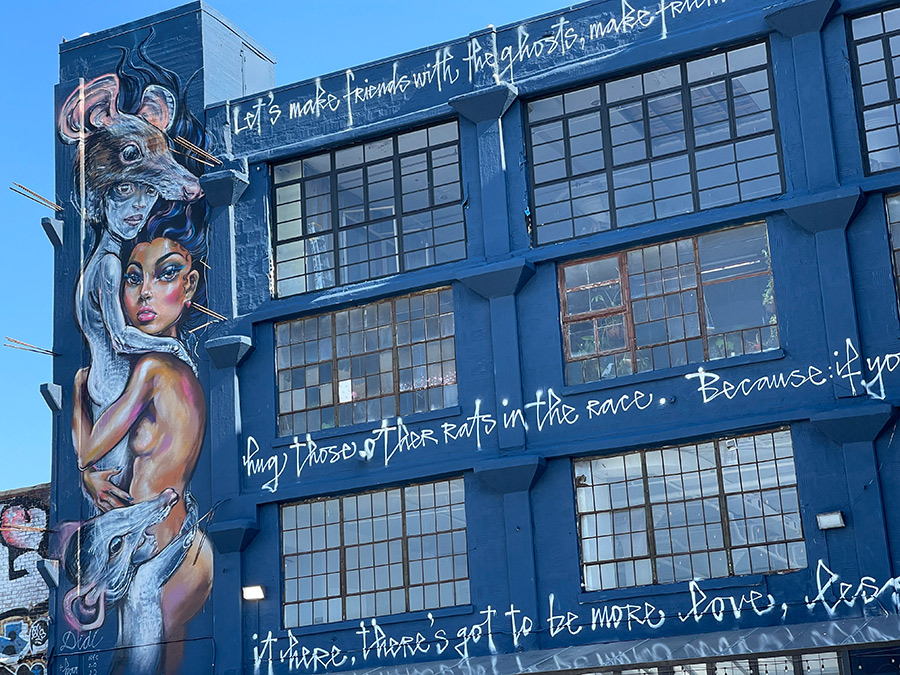
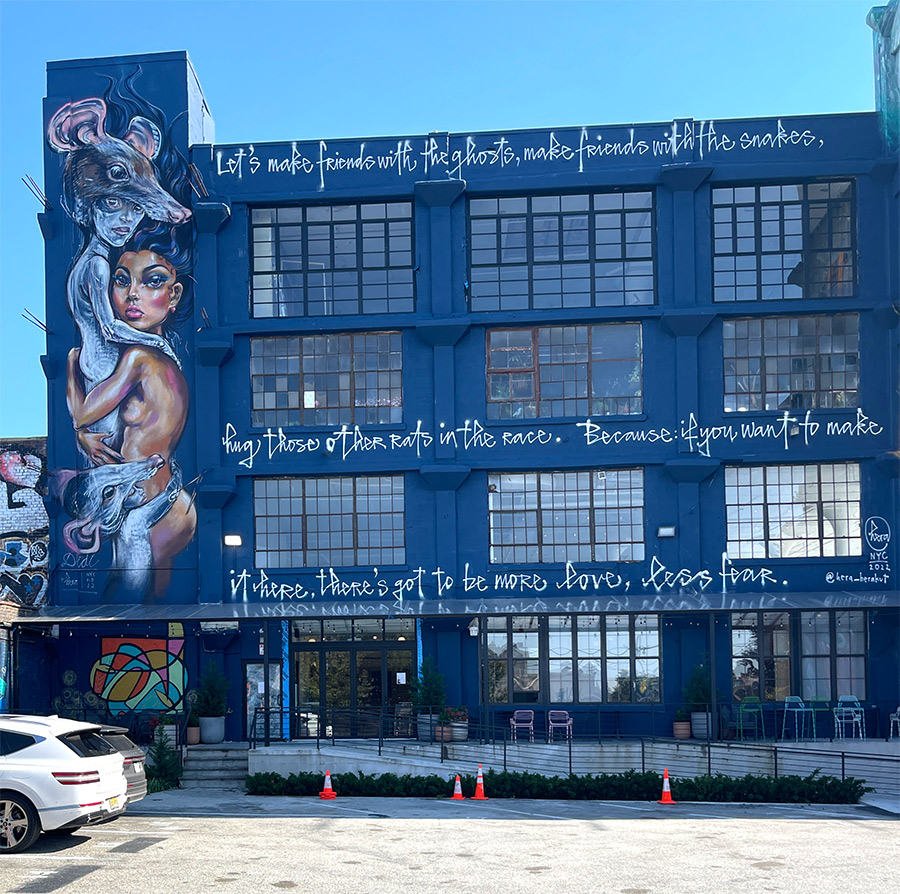
As the graffiti and street art high season draws to a close, we remark on the stunning array of new faces on the New York scene this year, as well as a large crop of maturing talents from the last decade or so. The length of the cycle for artists working on the street varies some, but we’ve been around enough to see many of the early 2000s stars fade away or move on to other things. The voice of this new generation is as challenging as ever and perhaps more savvy in many ways. Still, it’s good to see the re-appearance this month of folks like Hera in New York – a talent whose global and studio escapades have made her a revered street artist over about two decades.
Our thanks to all the artists of all persuasions and longevity for giving voice and character to our public spaces.
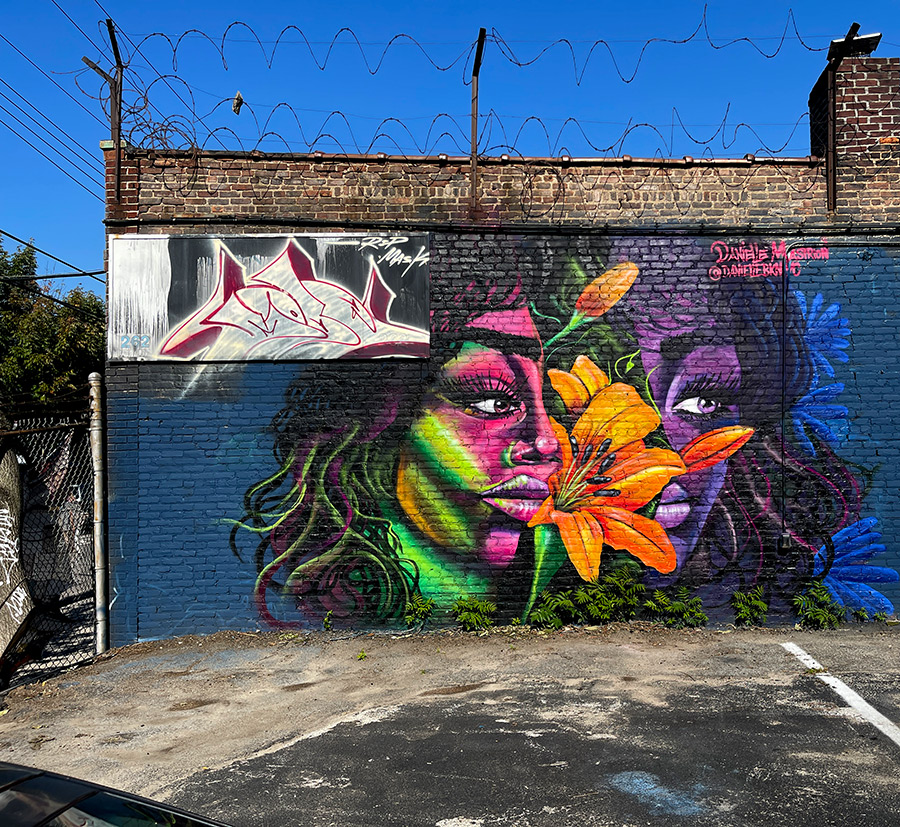
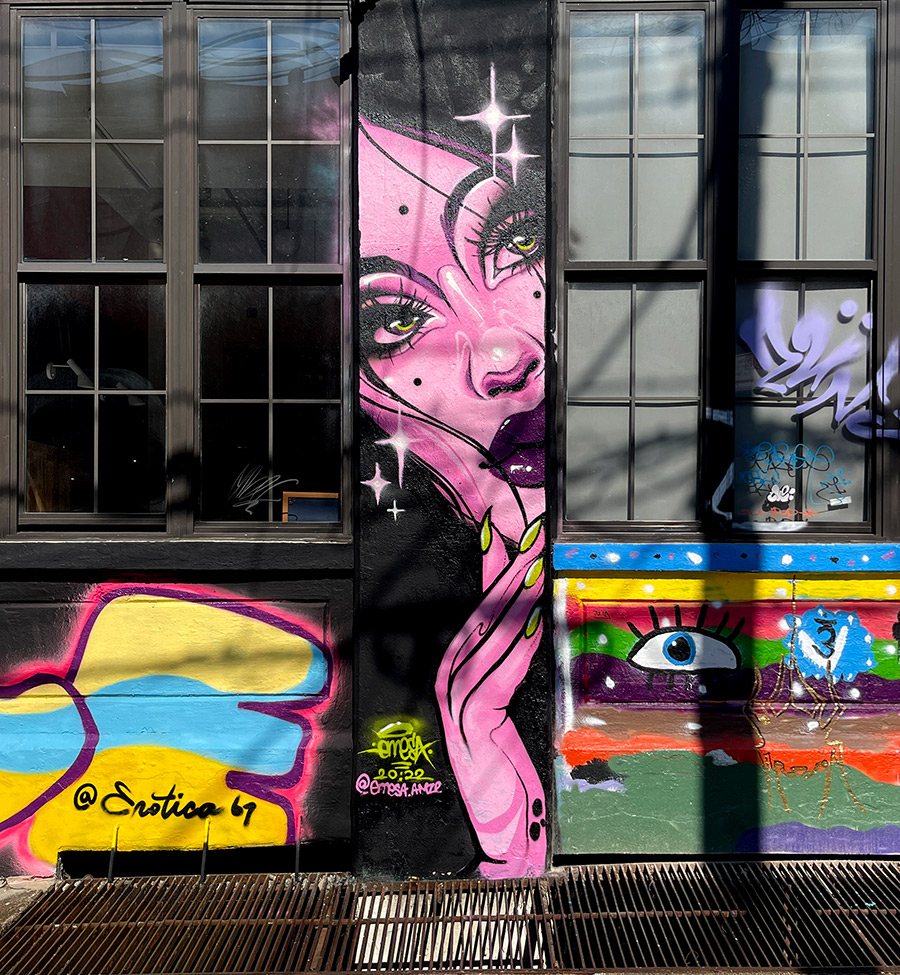
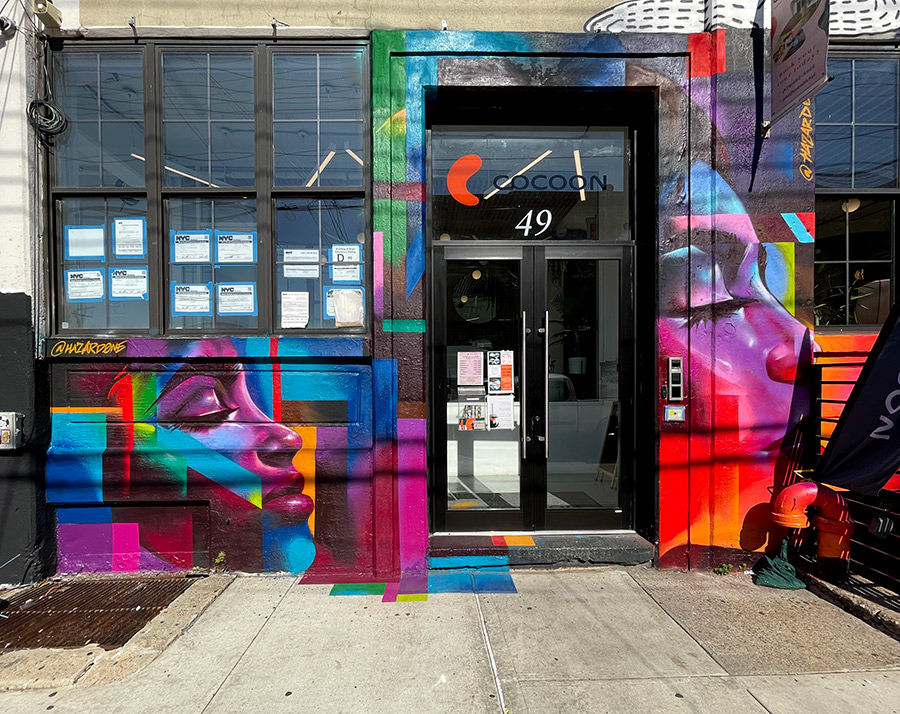
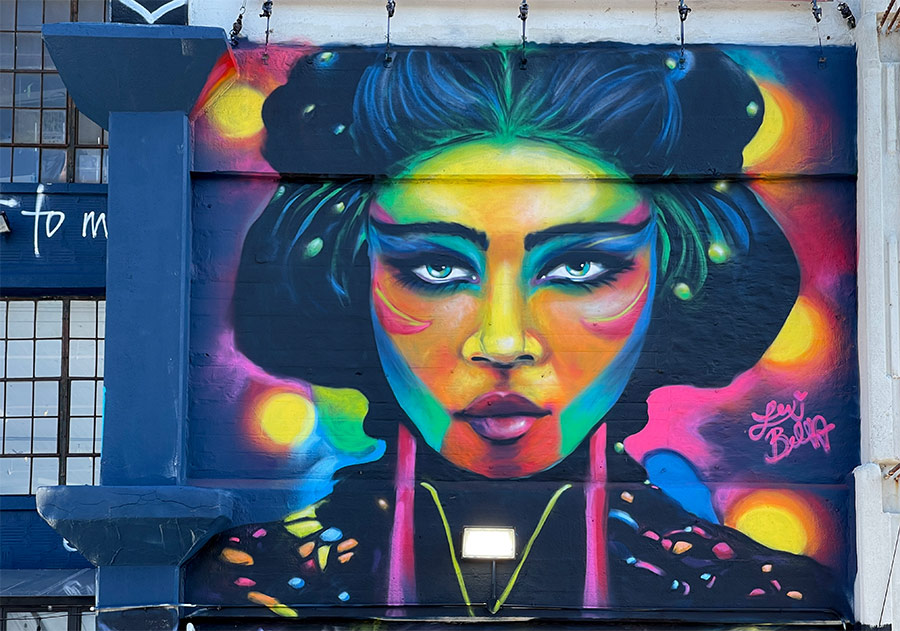
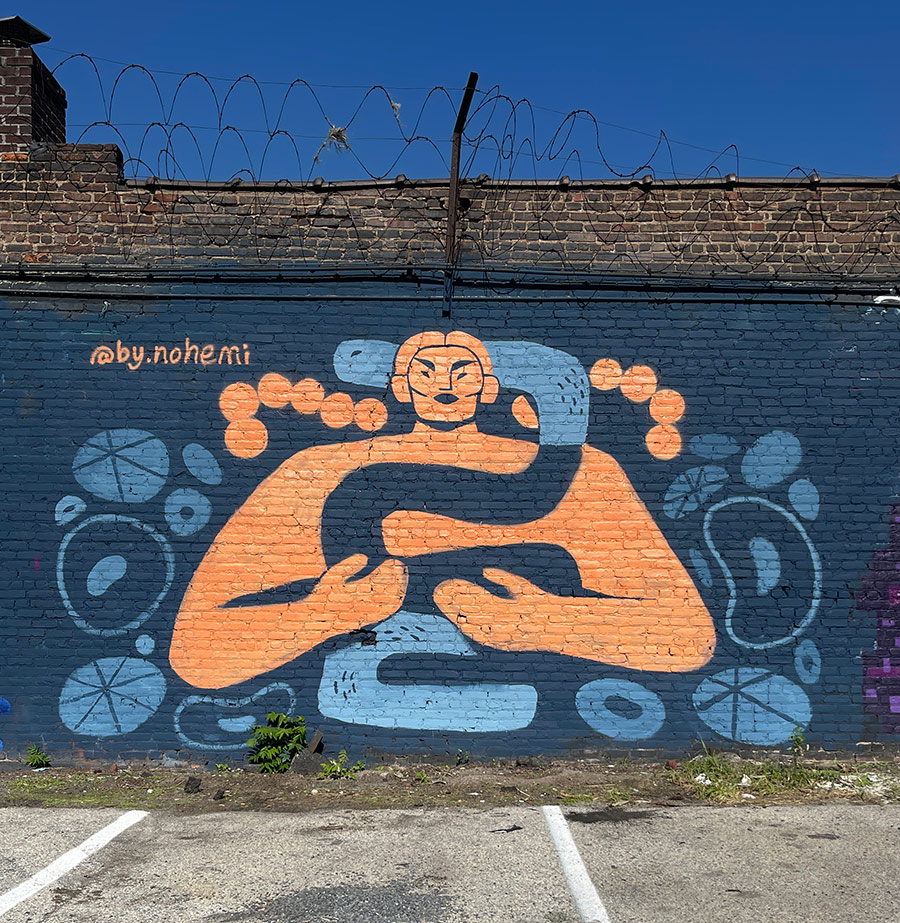
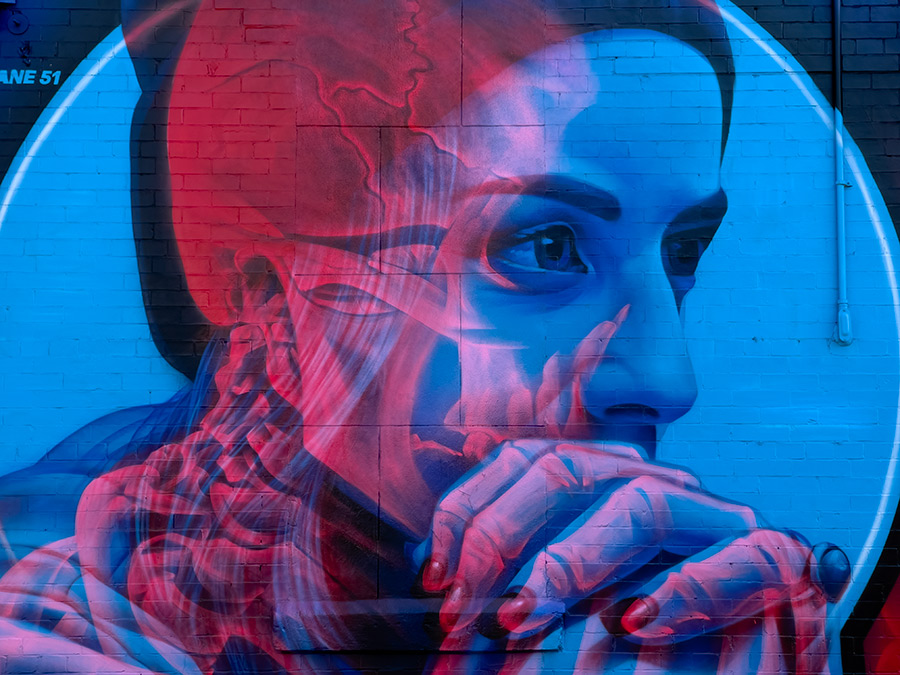
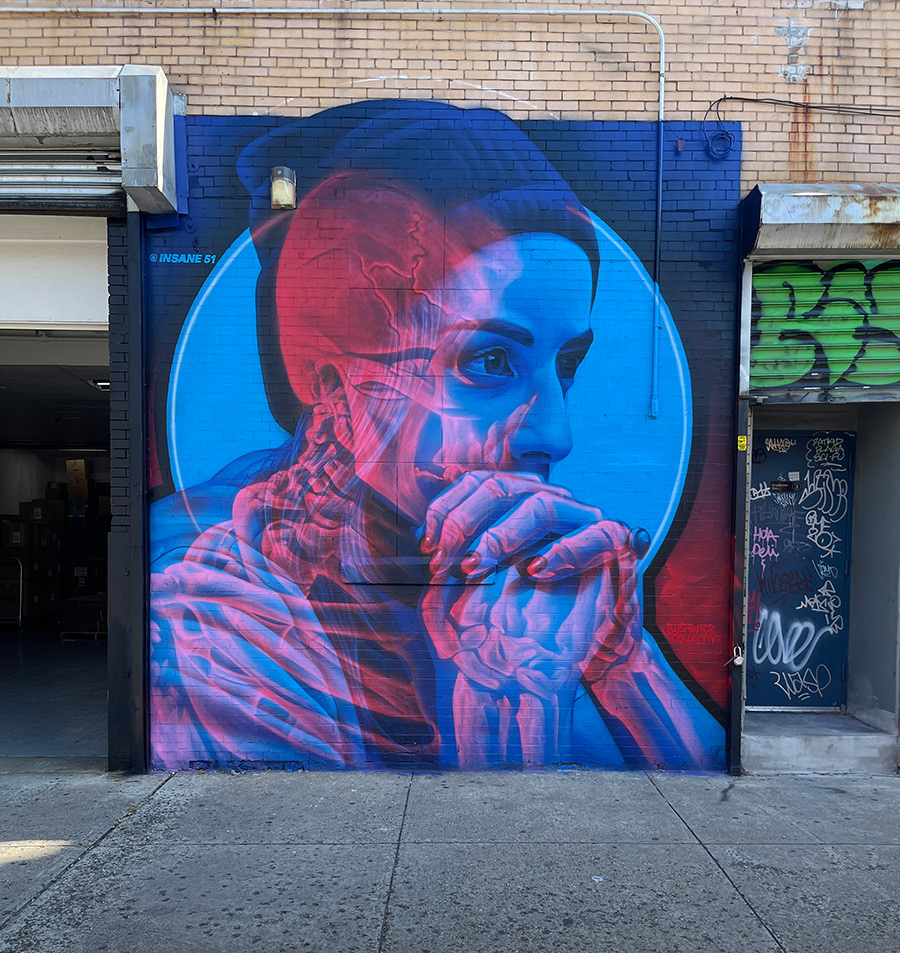
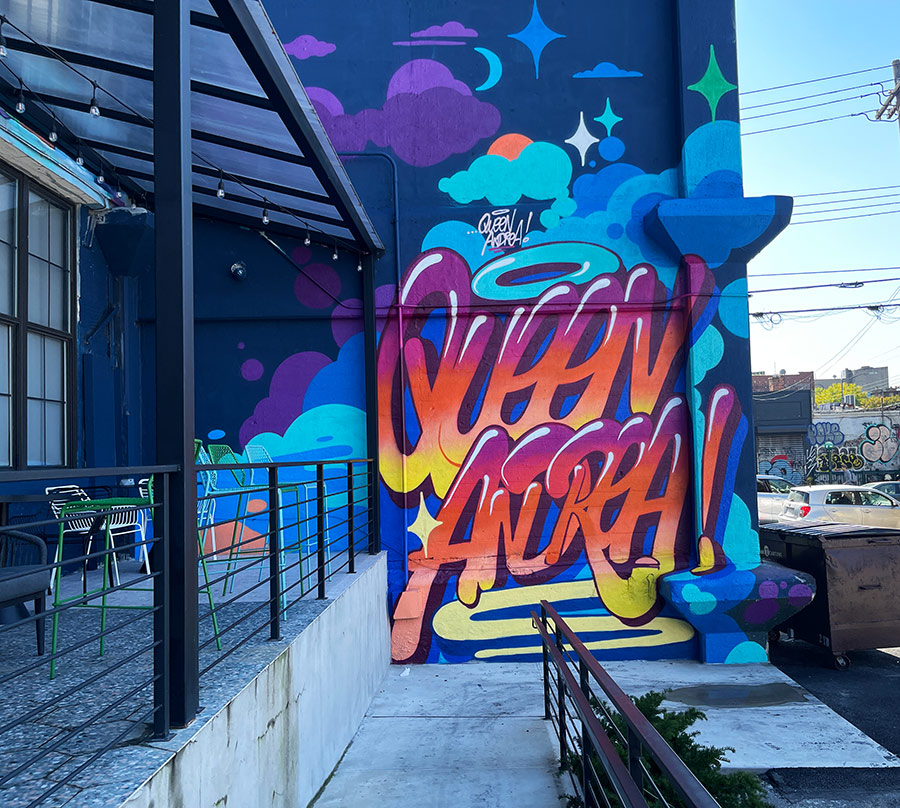
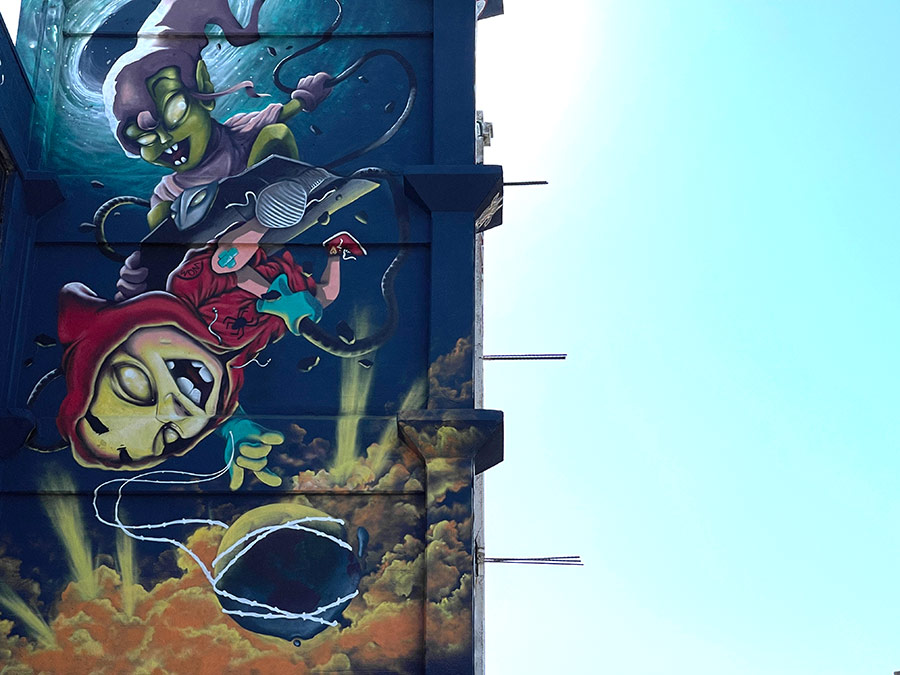
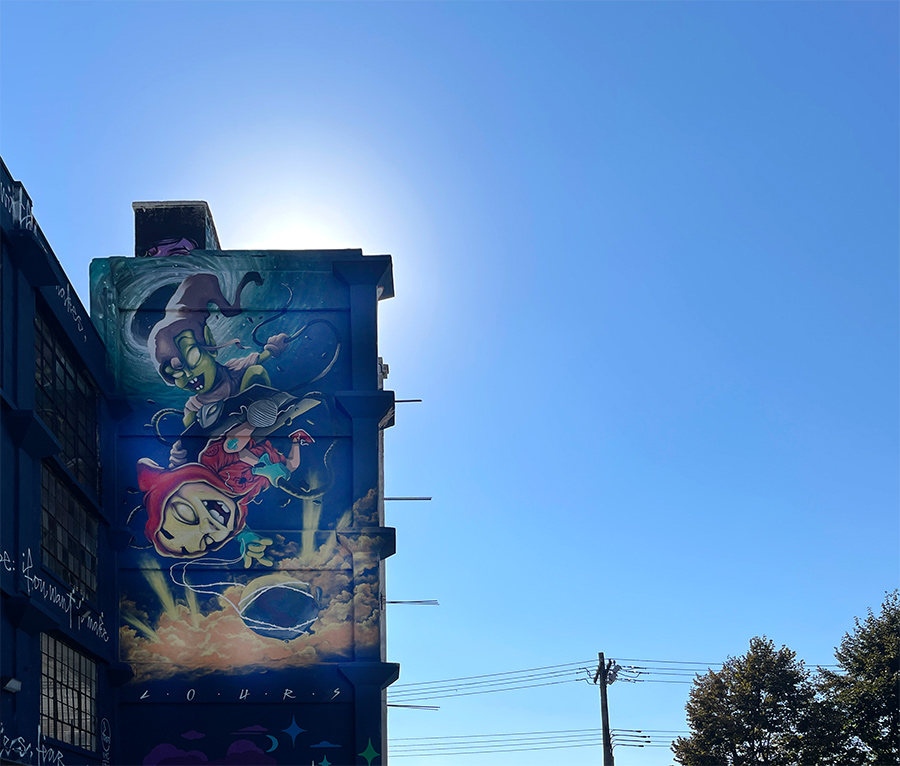
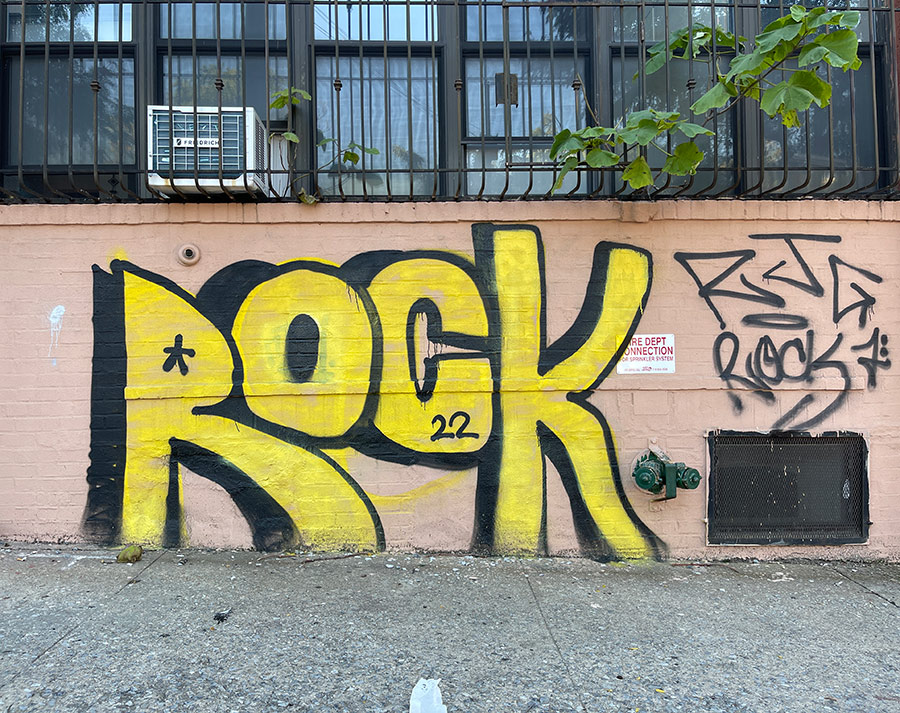
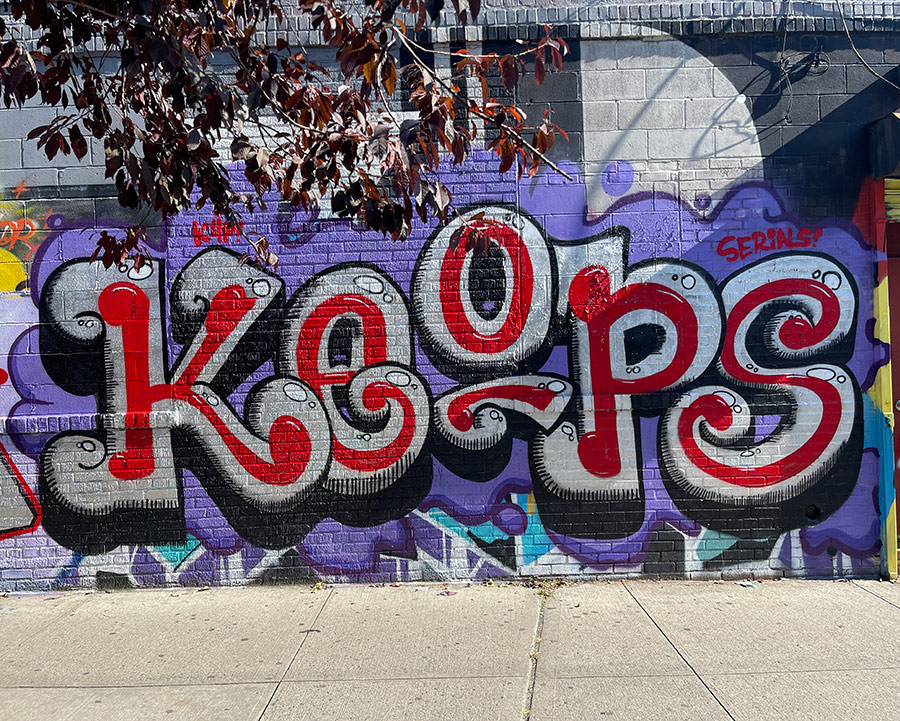
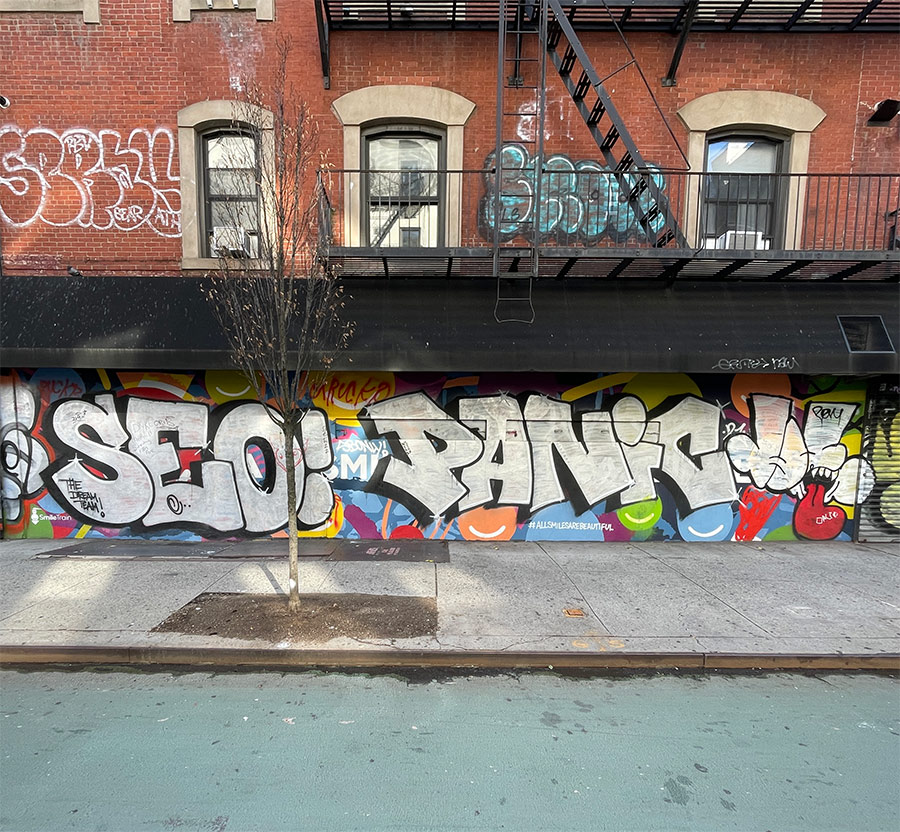
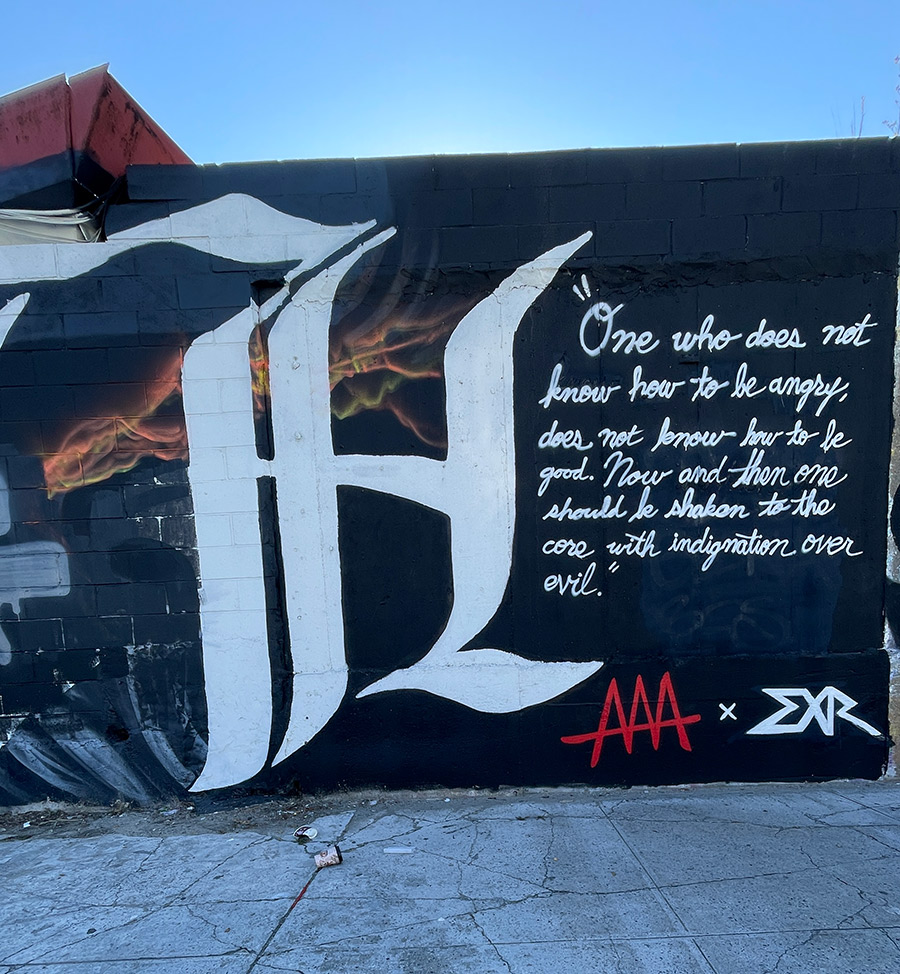
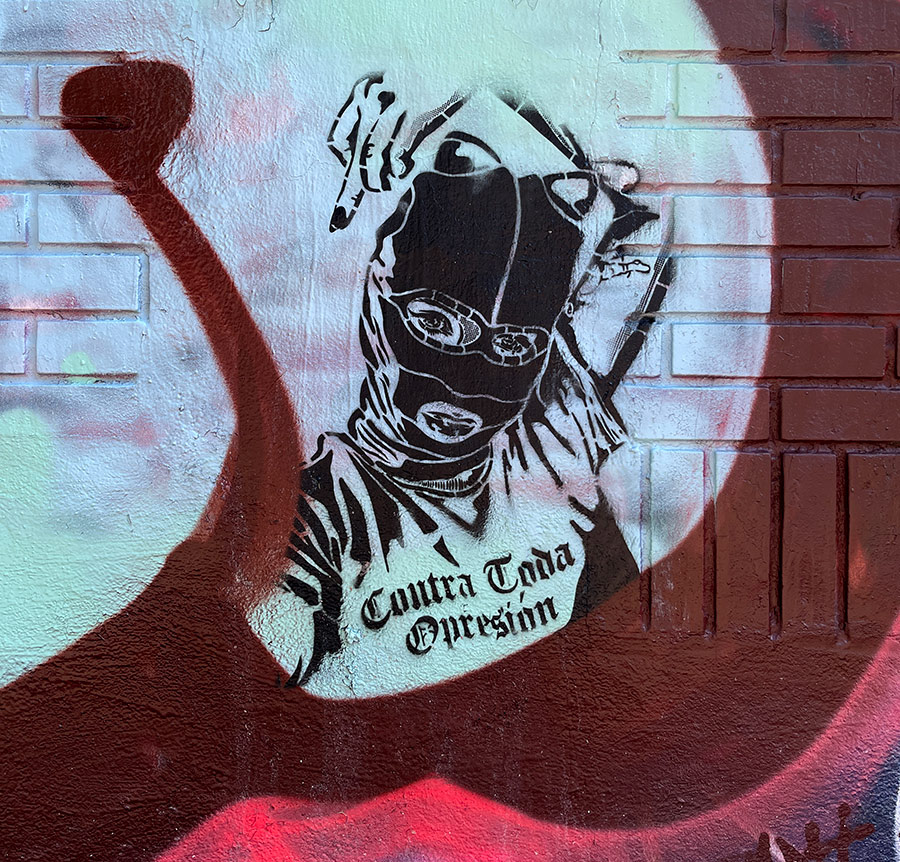
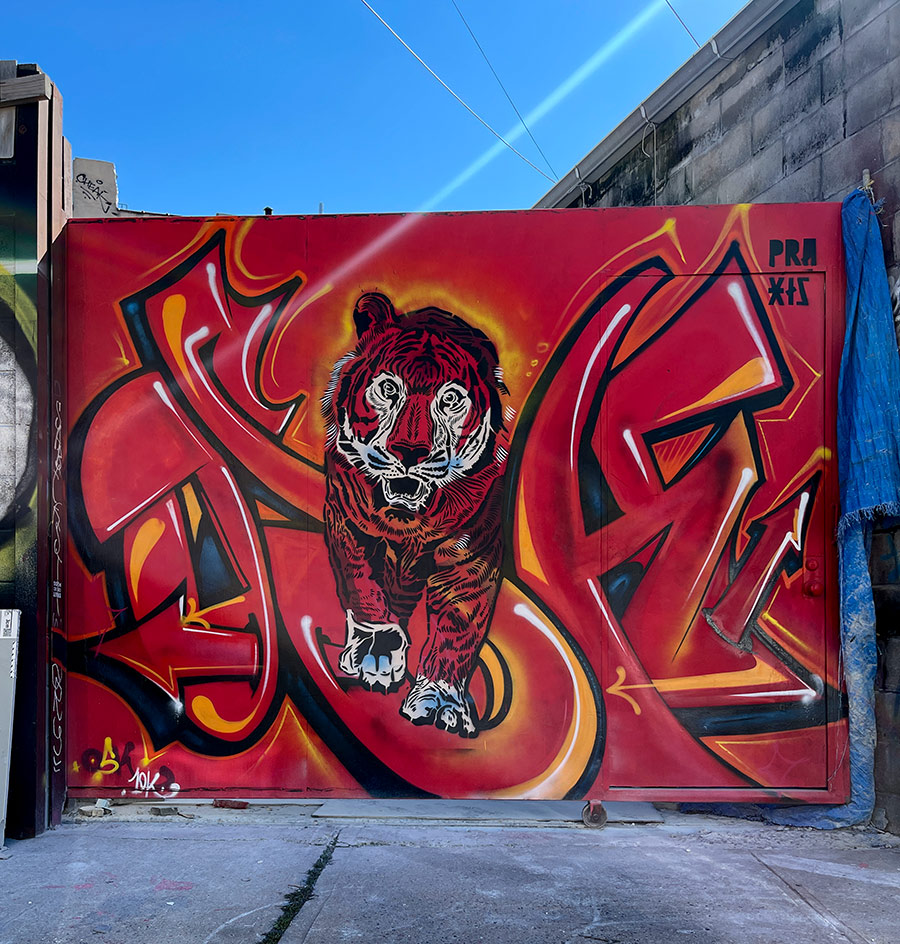
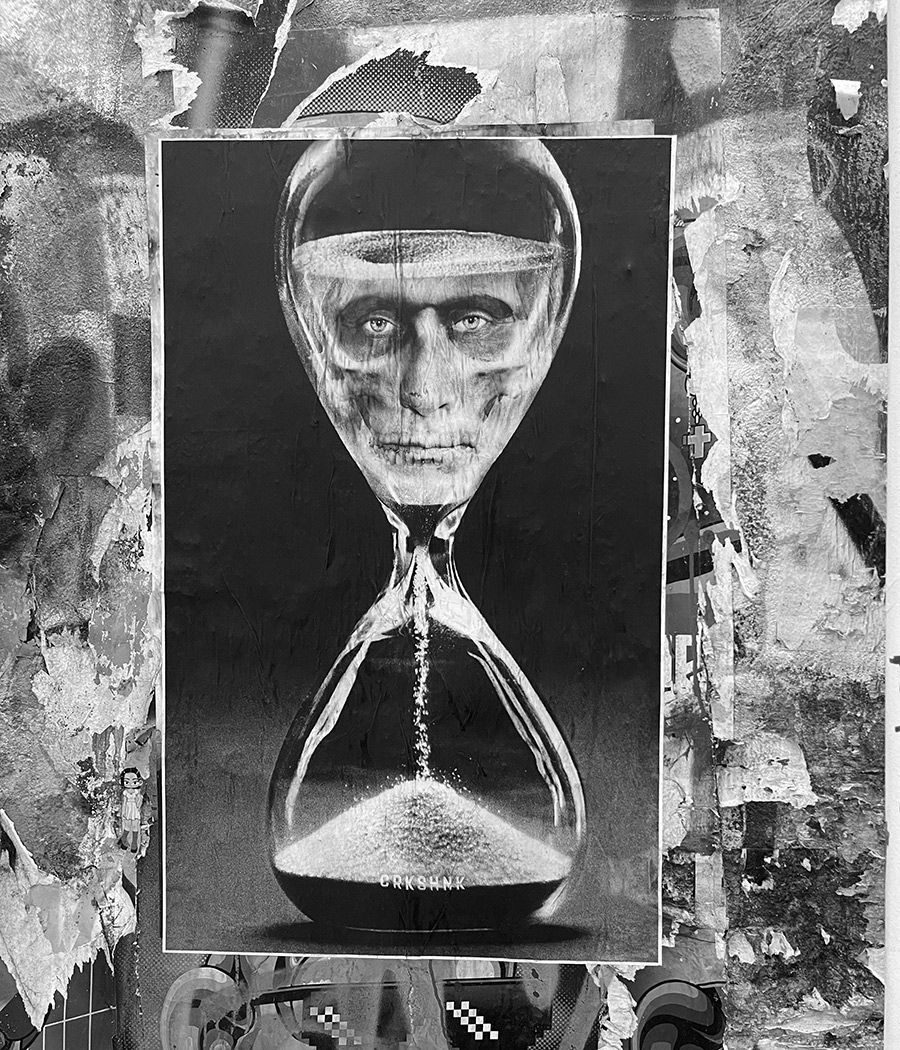
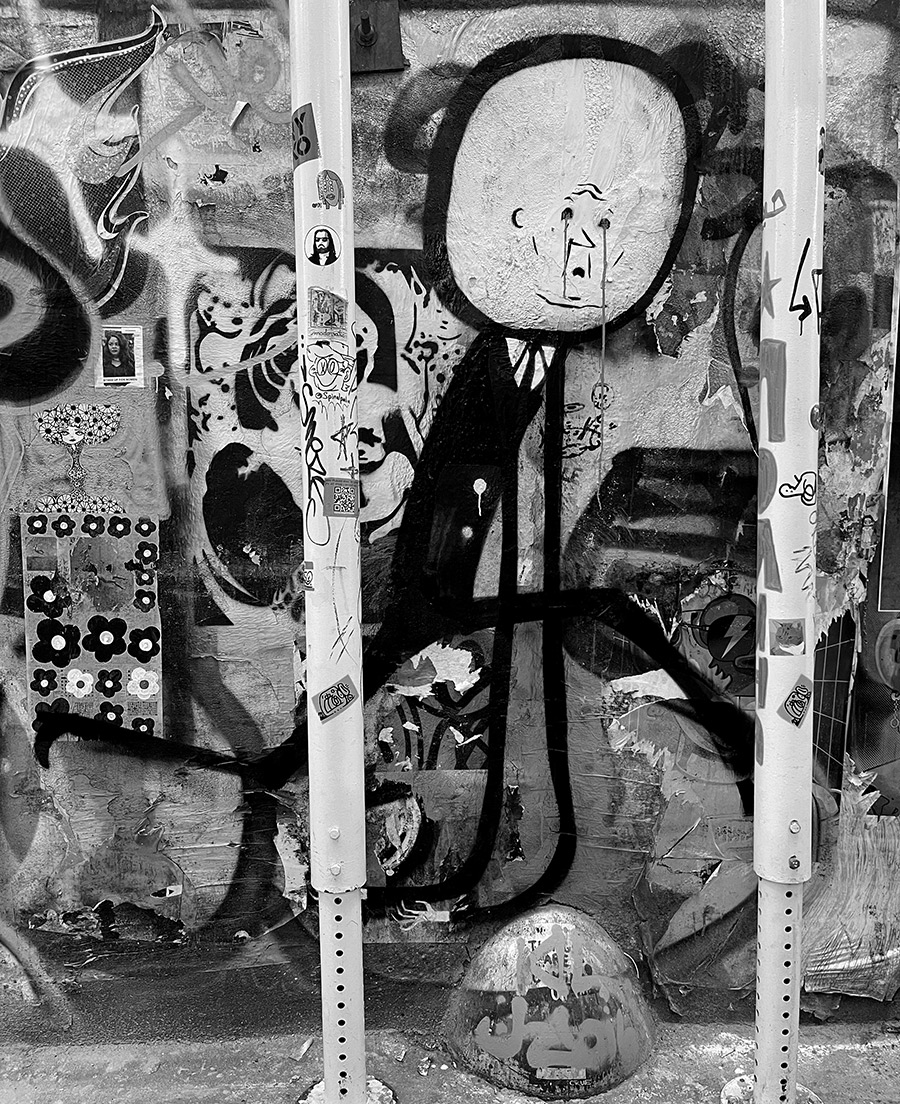
Here’s our weekly interview with the street, this week featuring: Queen Andrea, Praxis,CRKSHNK, Lexi Bella, Danielle Mastrion, Homesick, Hera, Panic, Seo, Insane 51, Habibi, Didi, Keops, OSK, AAA, EXR, RJG Rock, L.O.U.R.S., Nohemi, Hazard One, and Emesa.
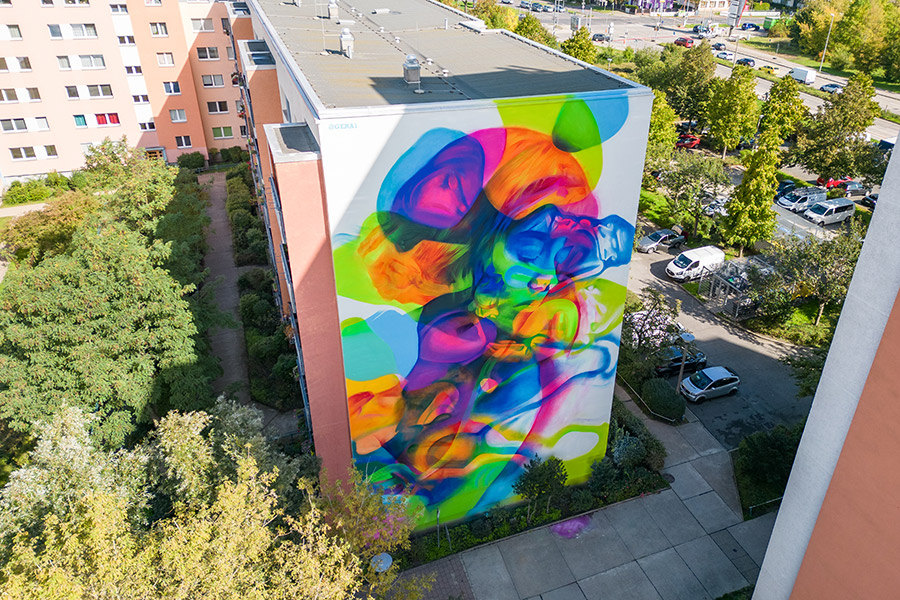
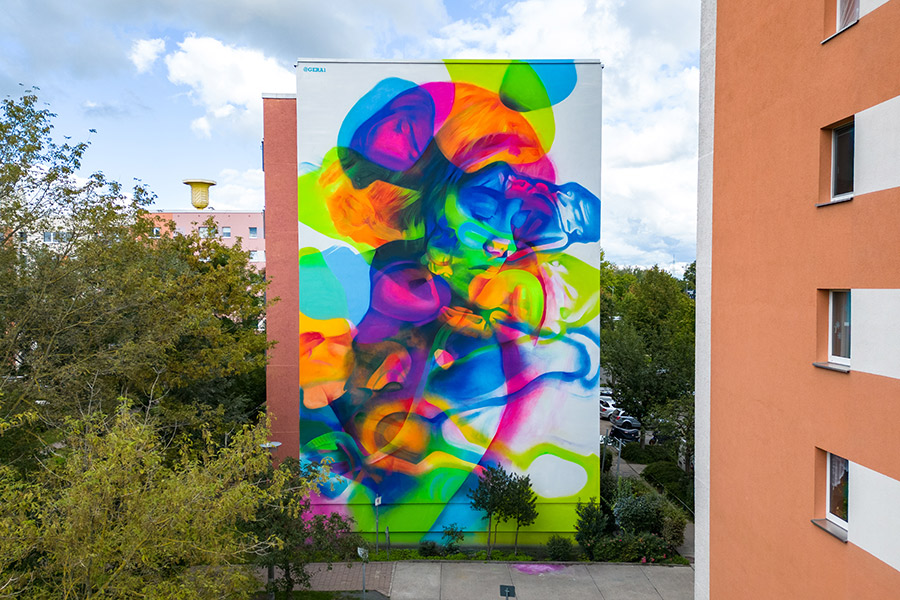
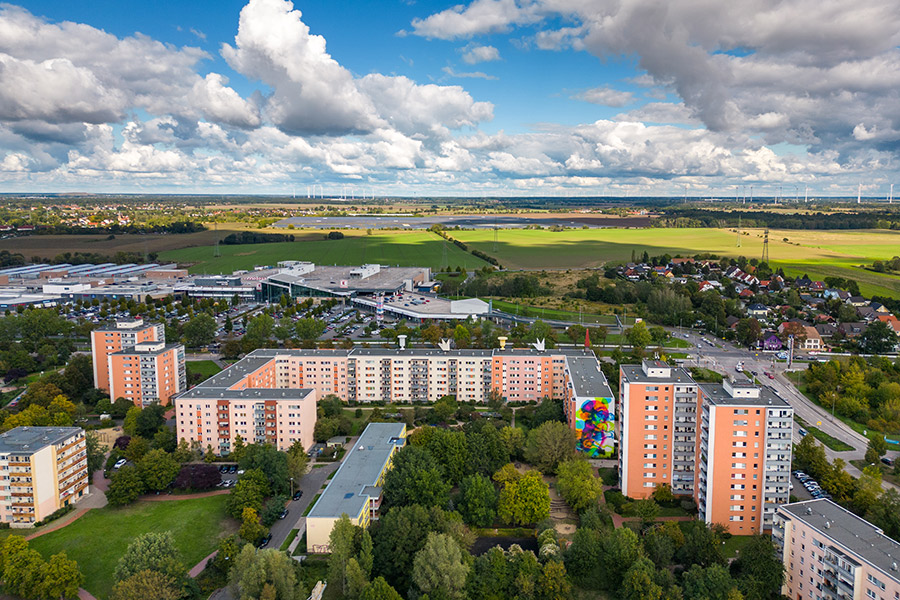
Berlin is possibly most famous among the youthful demographic for the organic illegal graffiti and street art that covers entire neighborhoods – something that has stayed true for decades. Additionally, real estate companies and private curation groups have been sponsoring large murals on housing buildings throughout the city for the last decade.
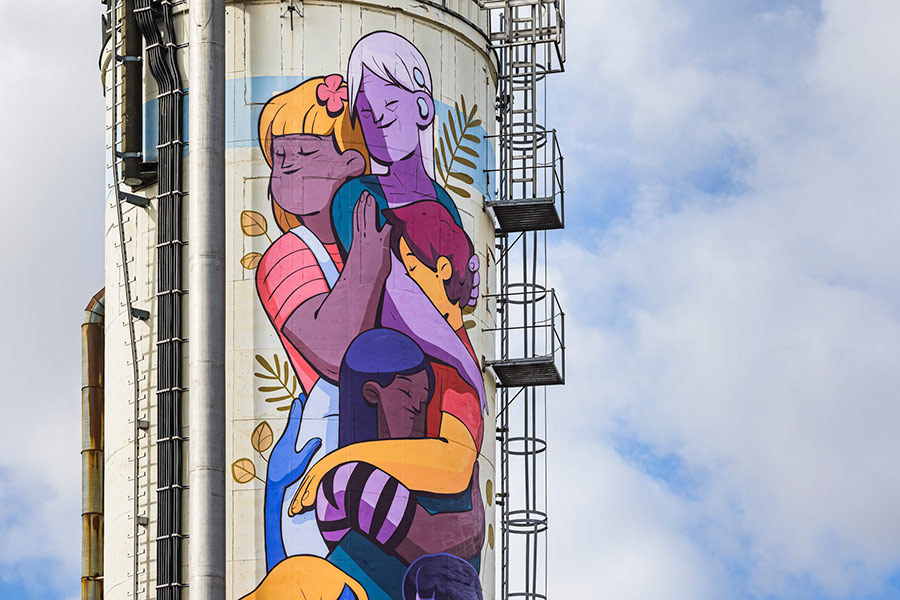
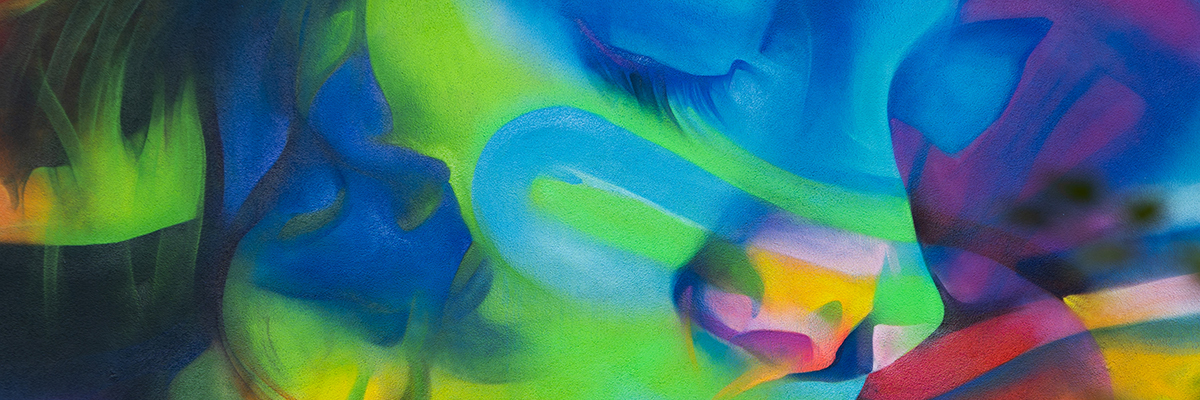
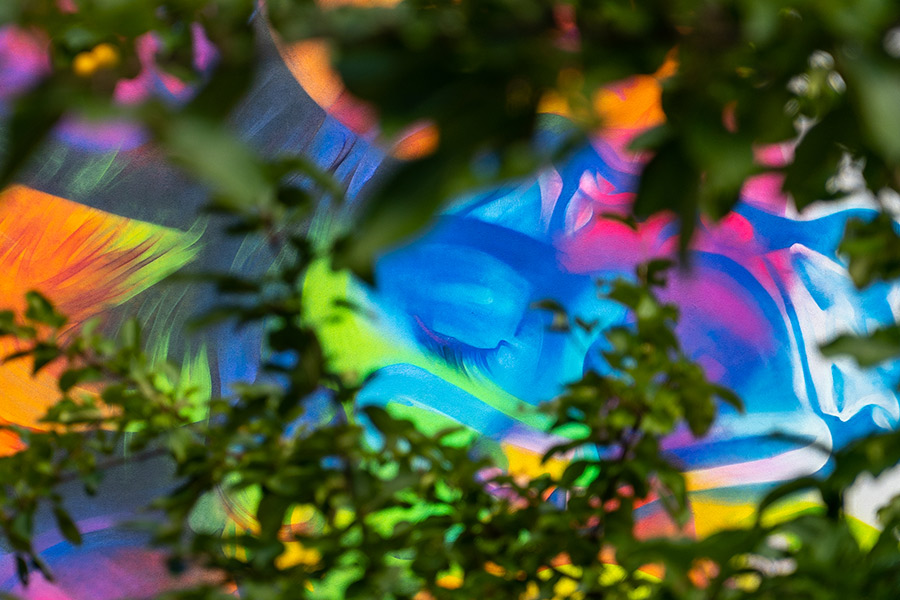
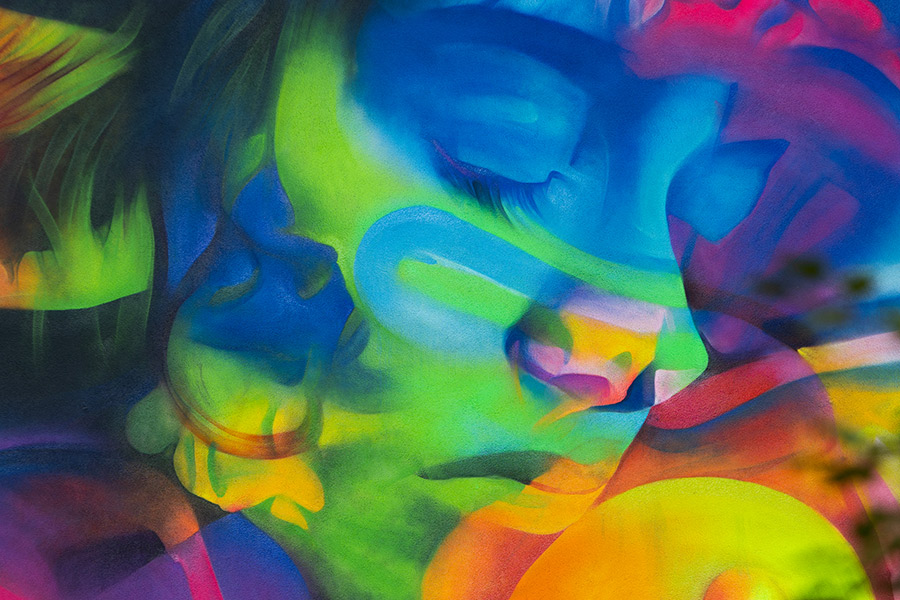
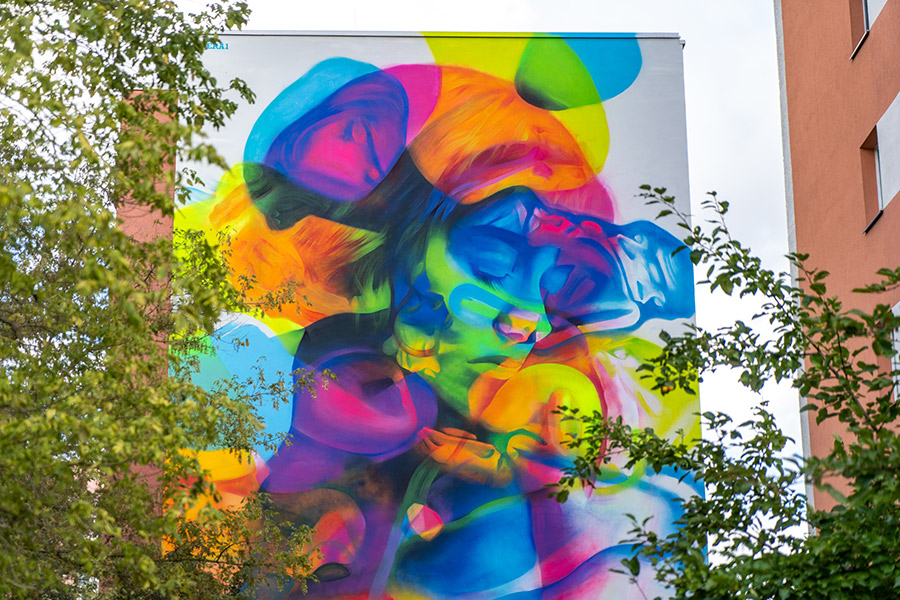
Today we have the new one in Marzahn-Hellersdorf on Stendaler Straße by the artist Gera 1 from Athens, Greece. A graffiti writer since 2009, Gera 1 graduated with a Fine Arts degree in Thessaloniki, and has painted large-scale works in Paris, Milan, and elsewhere in Europe. The multilayer image features a female form awash in a dream of CMYK, the principal colors used by printers everywhere. The color palette is a signature of the artist, who favors “glitch art”, realistic portraits, and abstract forms.
As the Northern Hemisphere is heading into autumn, we bring you two more blasts of summer’s rich jewel tones from central Gothenburg in Sweden. UK Muralist Sophie Mess favors pleasant domestically flowering botanicals and slices them up diagonally in a way you may associate with Berlin’s James Bullough’s portraits or Li-Hill’s sculptures. Decidedly more targeted to the House & Garden set, here Mess creates a decorative mural duo for tourists and shoppers in the courtyard of Magasinsgatan, commissioned by gallery/agency Artscape.
 BROOKLYN STREET ART LOVES YOU MORE EVERY DAY