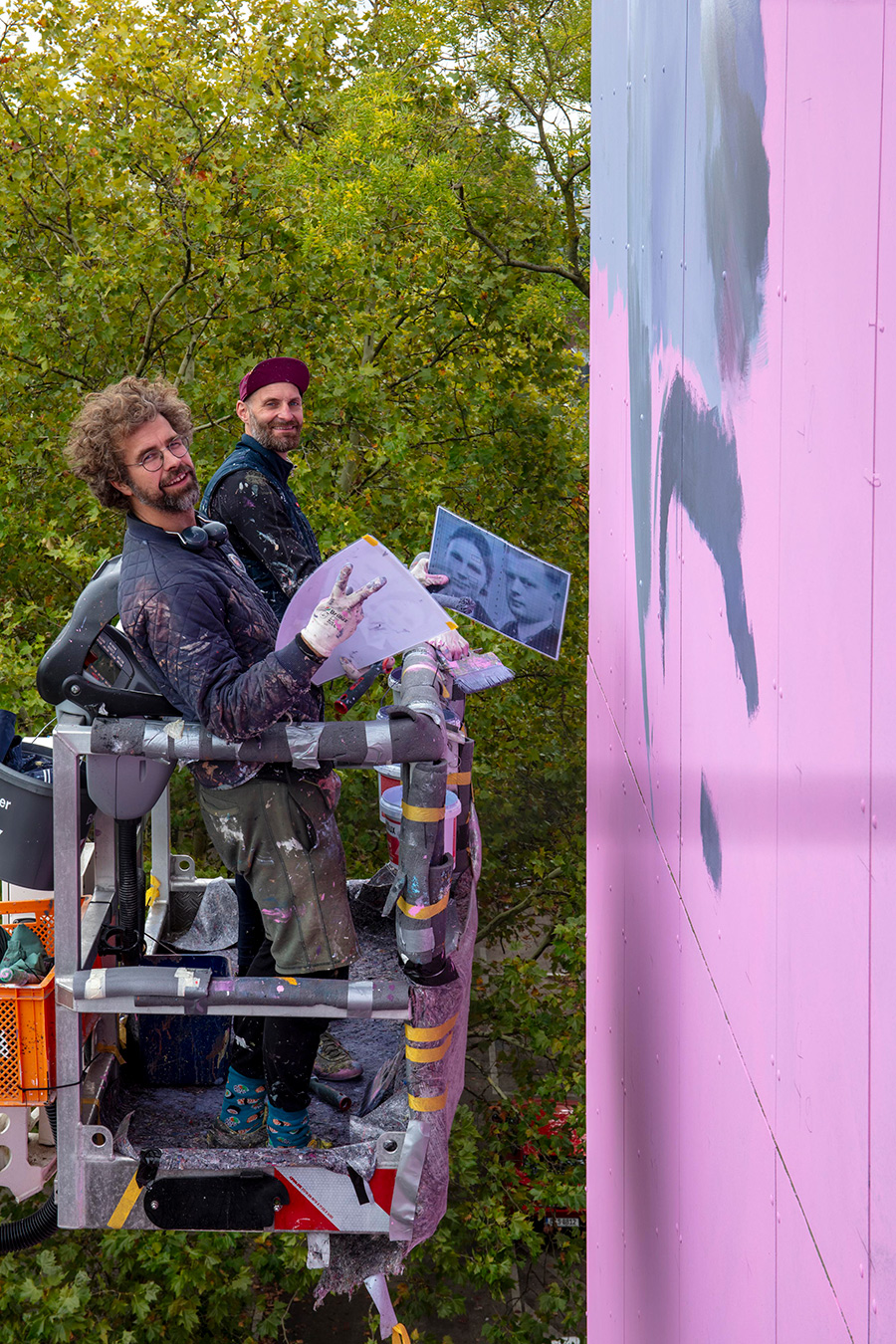
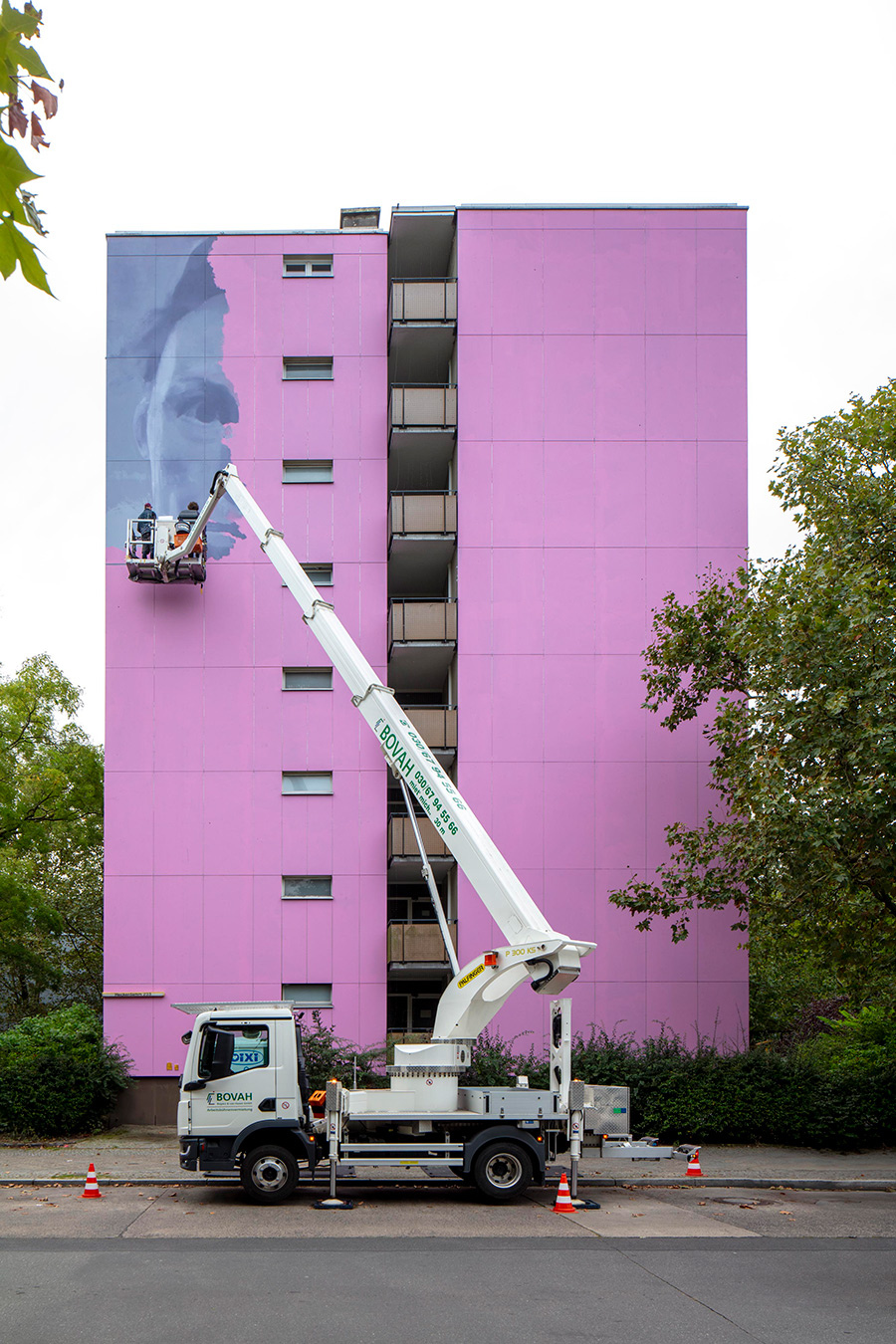
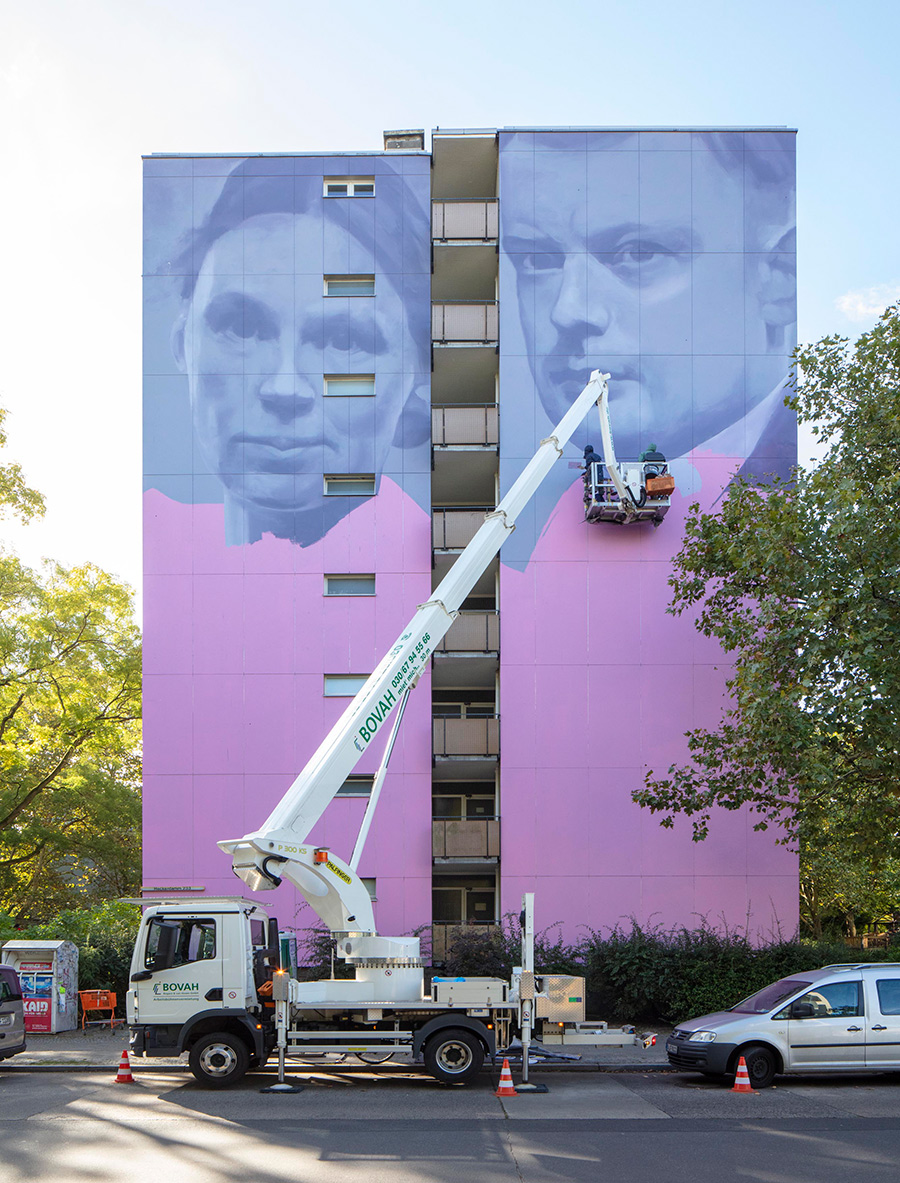
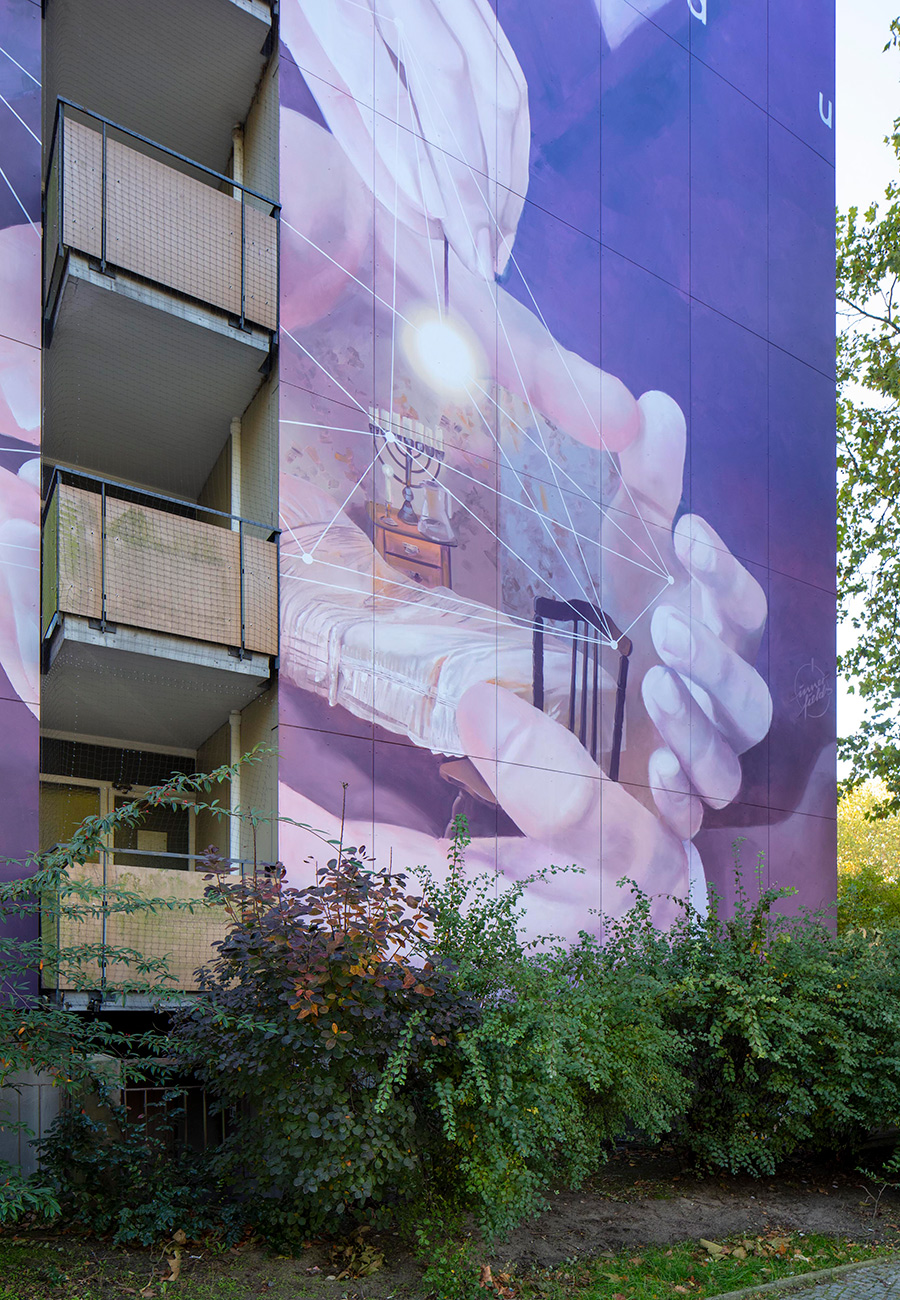
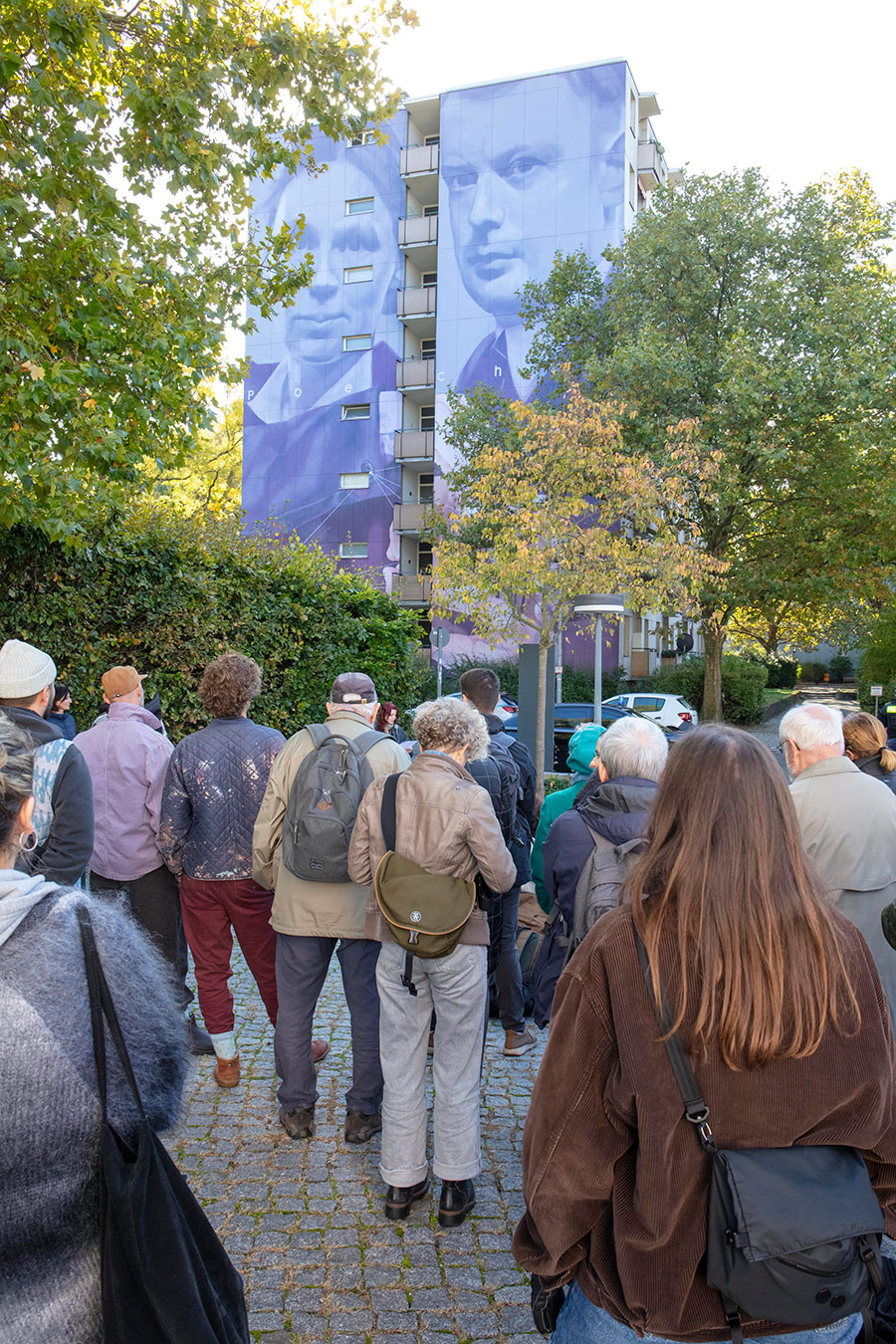
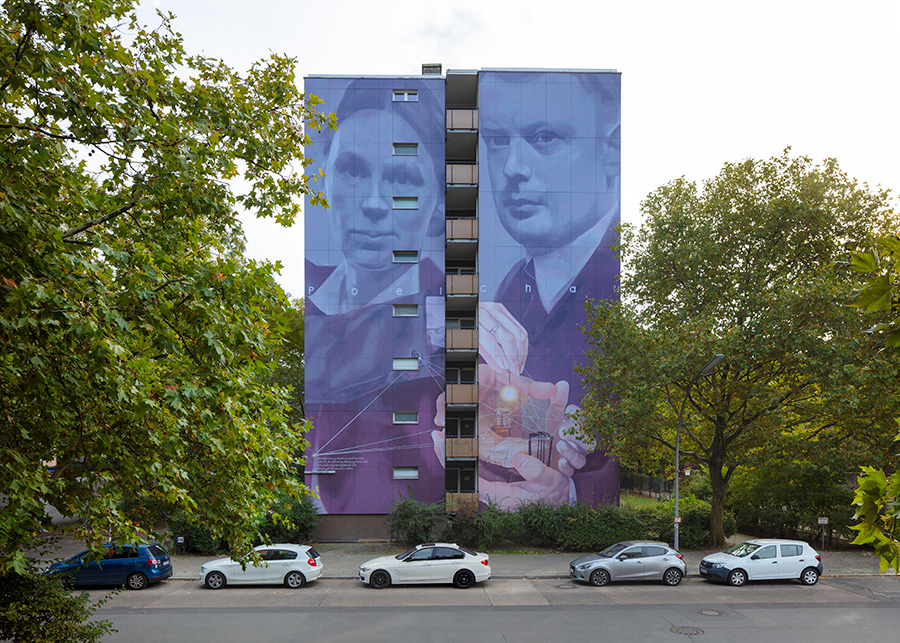
The newest mural by Innerfields marks a powerful addition to Berlin’s urban cityscape, installed as part of the ONE WALL initiative by Urban Nation. This Berlin-based street art duo, Holger Weißflog and Jakob Tory Bardou, has created a moving tribute to Dorothee and Harald Poelchau, who bravely sheltered those persecuted during the Nazi era. The mural, located on the façade of a Gewobag building in Charlottenburg-Nord, draws on Innerfields’ signature photorealistic style with a blend of surrealist and symbolic elements, visually narrating a story of courage, protection, and human resilience.
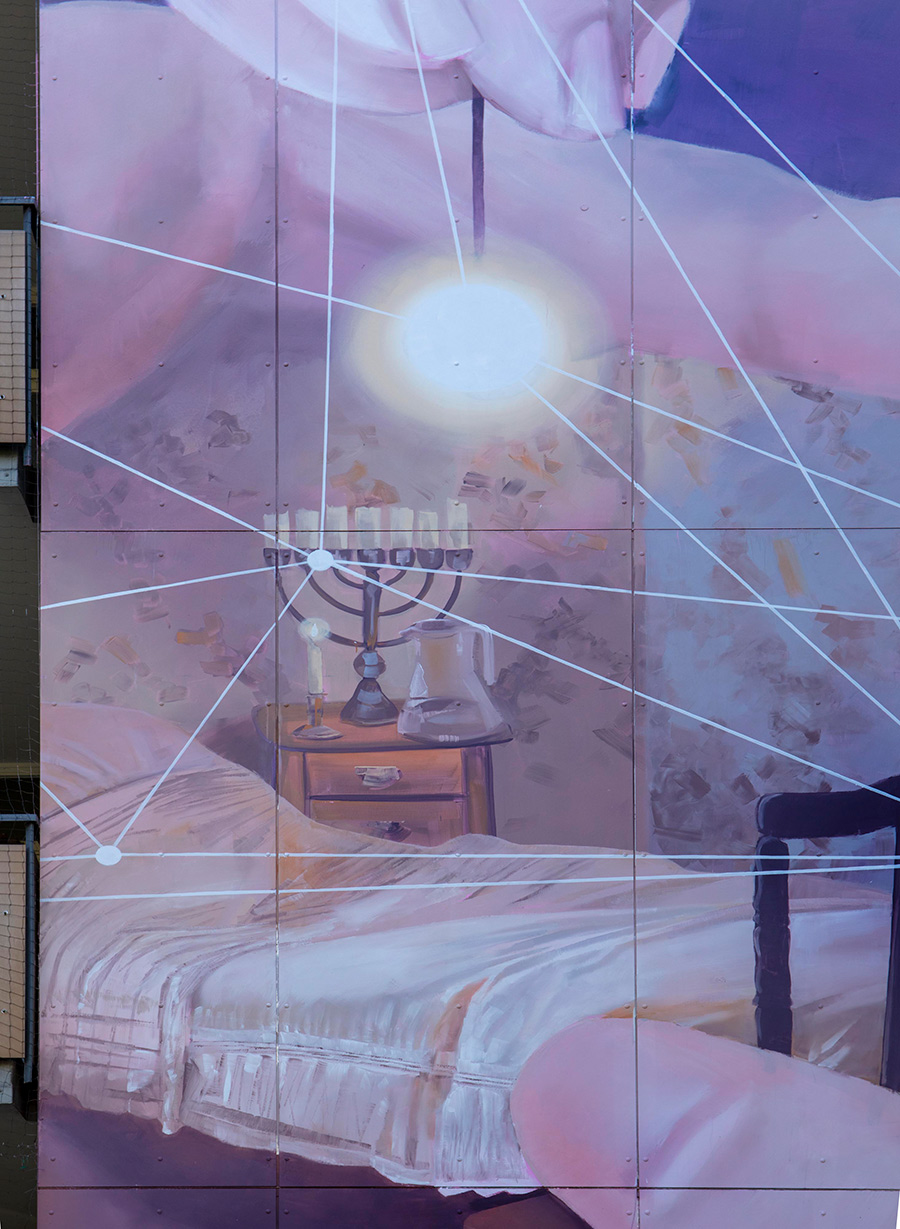
Central to the mural are the intertwined hands of Dorothee and Harald, symbolizing the physical and emotional sanctuary they offered to those in need. Dorothee holds a light, a gesture conveying warmth and hope amid adversity, while a menorah placed nearby serves as a poignant reminder of the Holocaust. Lines weave through these elements, subtly representing the network of resistance that the Poelchaus supported, embodying a collective strength defying oppression.
Originally a trio with artist Veit Tempich, Innerfields has painted murals worldwide, from Berlin, Hamburg, and Cologne to Aalborg, Prague, and Hong Kong. Known for tackling themes of human interaction, technology, and environmental consciousness, Innerfields employs a unique fusion of realism, surrealism, and abstraction; theirs is a unique reflection on society’s dynamics. Their work has appeared at prestigious events like Out in the Open in Aalborg and the Wall Street Festival in Prague, as well as in galleries like ATM Gallery in Berlin and 30works Gallery in Cologne.
Here, we see how Innerfields brings historical remembrance into the present, creating a public artwork and a newly living memorial. The project involved students from the Anna Freud School, who engaged with the mural’s themes, enhancing their understanding of resistance and actively participating in Berlin’s evolving culture of remembrance. The mural, initially surprising to some in the community with its bright pink primer, it now appears to resonate deeply with locals, fostering a sense of shared history and identity. It is just the latest showing Innerfields’ commitment to creating meaningful public art that honors the past and inspires the future.
Most ghouls, goblins, Spidermen, mermaids, Joe Biden Zombies, and P Diddy Daycare Workers made their rounds at parties and trick-or-treat last night. But let’s be honest—the spooky, silly, absurd and ffft-up freaky fun isn’t likely to leave us soon! Costumed characters will be haunting the city all week, building up to the main event Thursday, All Hallows Eve. That’s when the East Village Halloween Parade—a true New York tradition—will bring 100,000 costumed participants and two million spectators into the streets for a wild night of celebration.
In a city that already has a bold and often experimental sense of fashion, Halloween is a chance for New Yorkers to push their creativity to the limit and bring something extraordinary to the street, subway, and club.
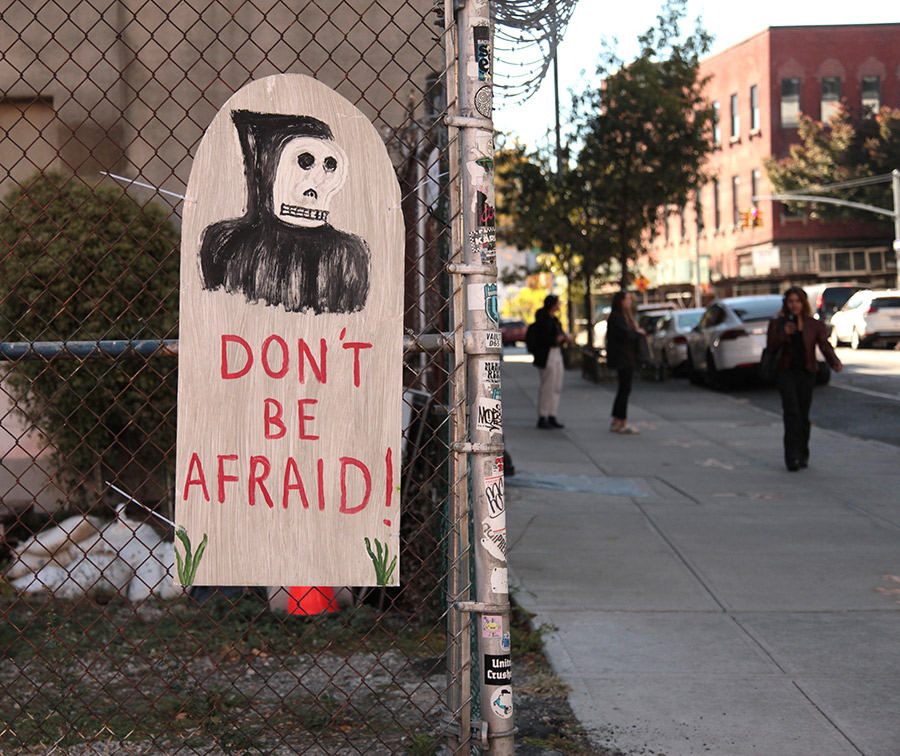
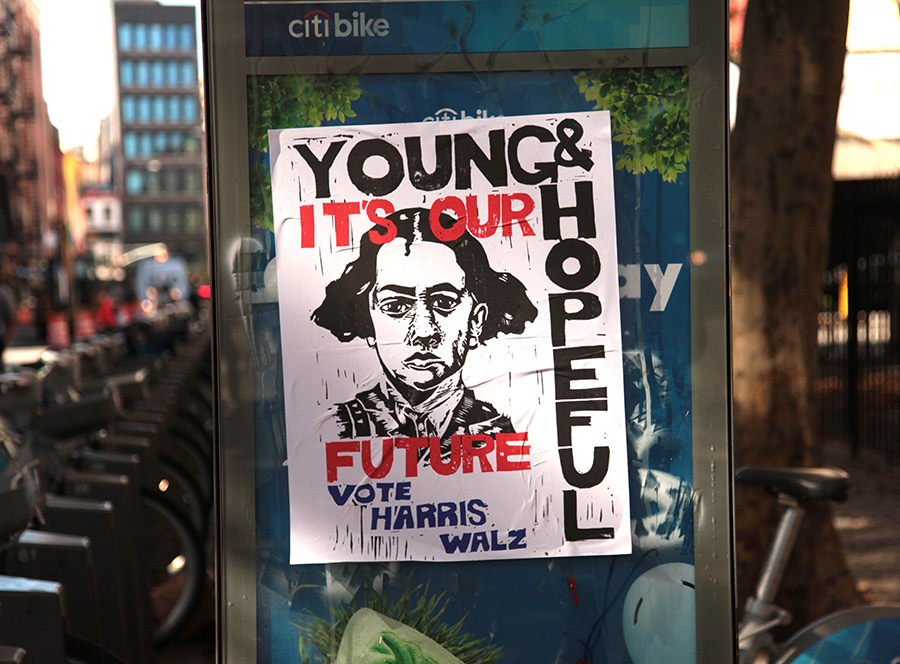
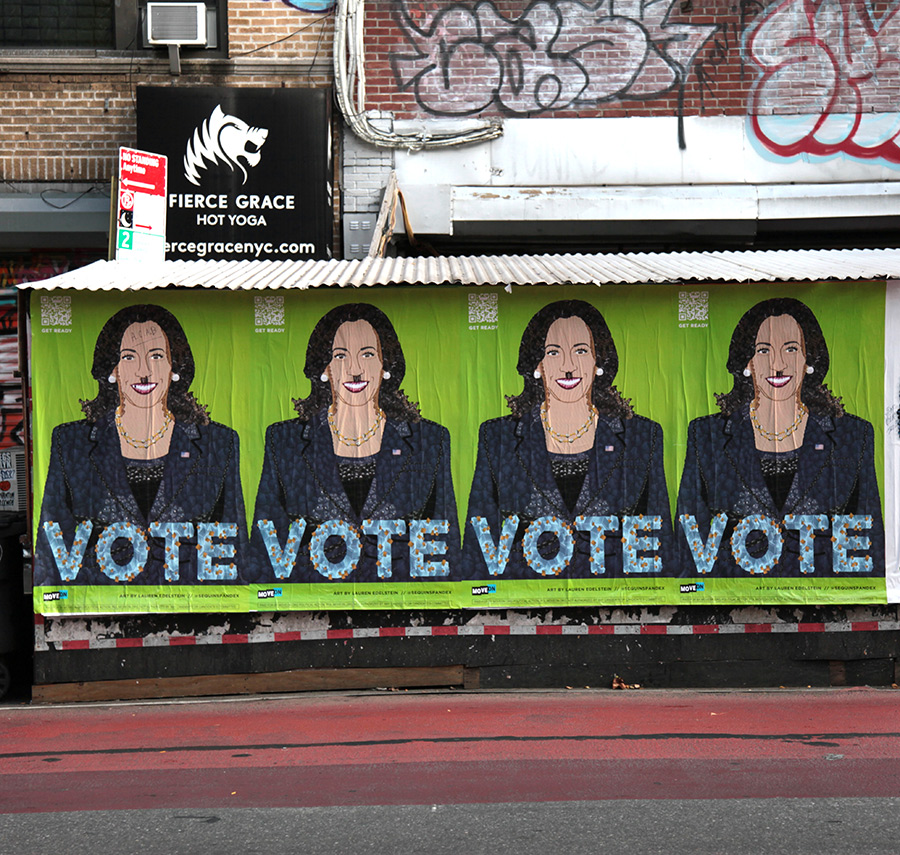
Because of the current tenor built and supported dark-money-funded campaigns, most people will tell you they are more afraid of Election Day this year than Halloween.
Stay safe ya’ll!
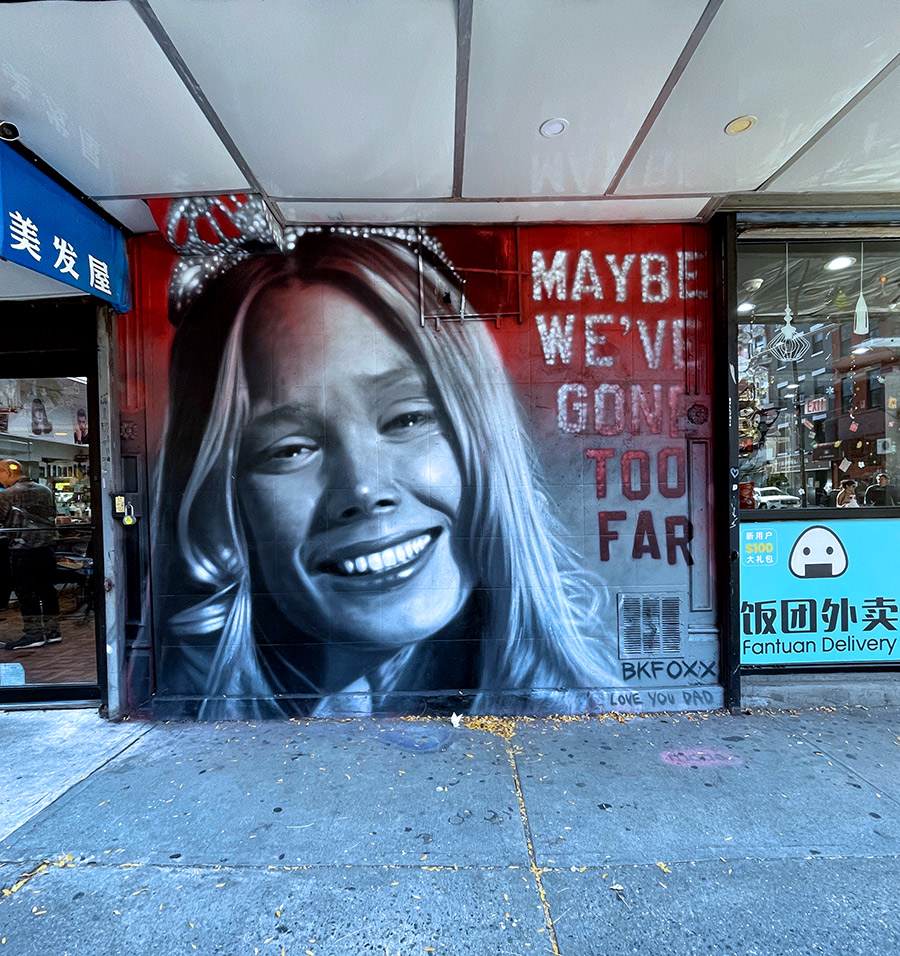
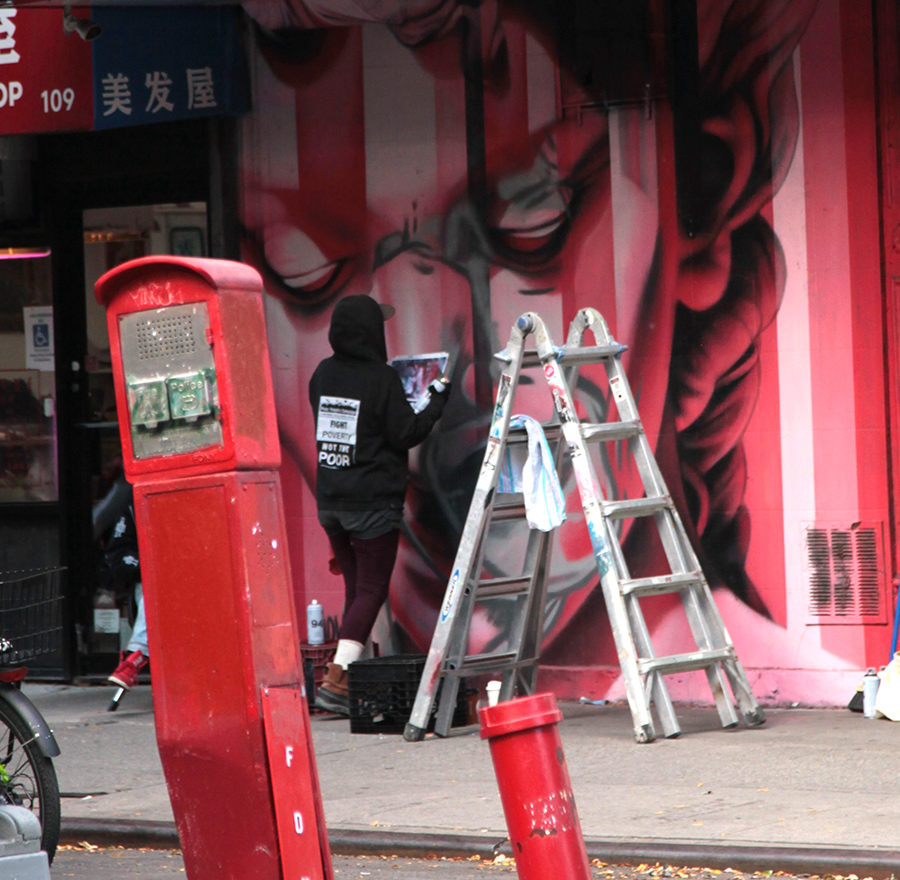
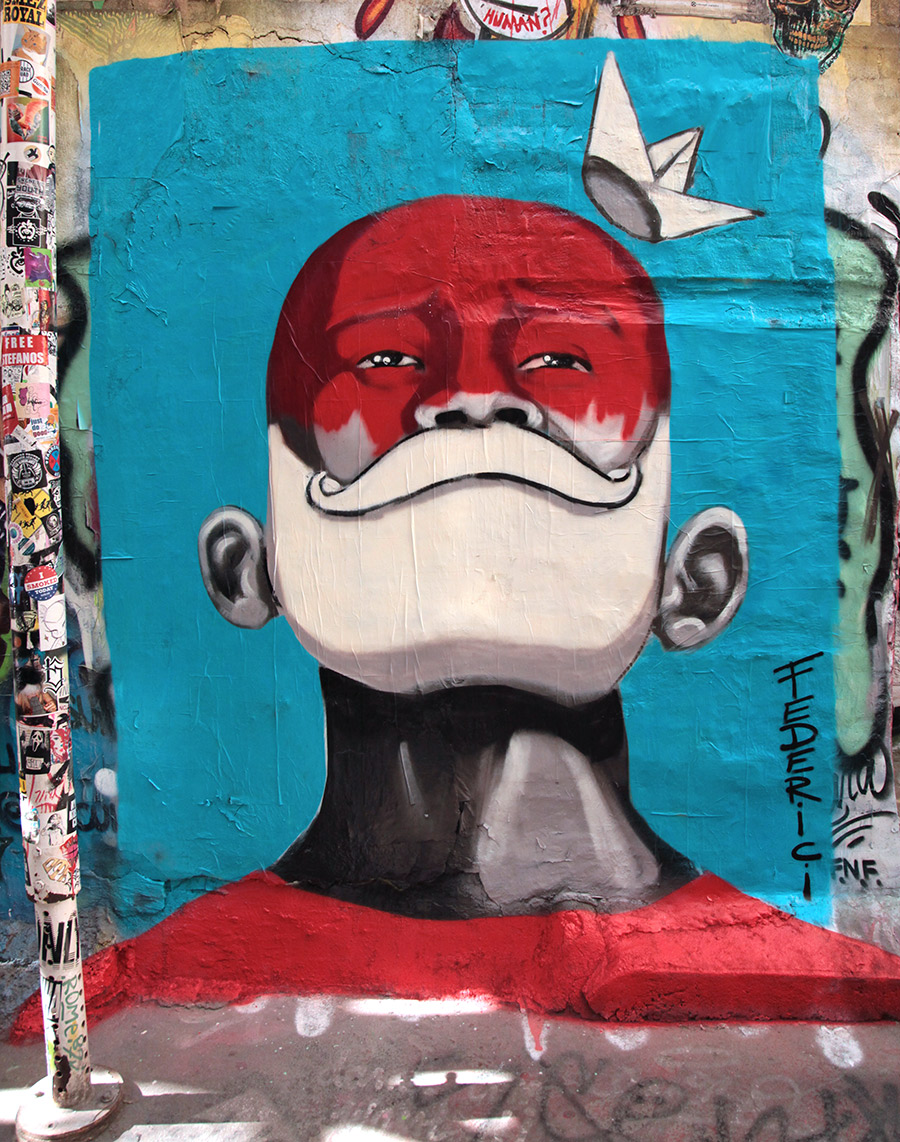
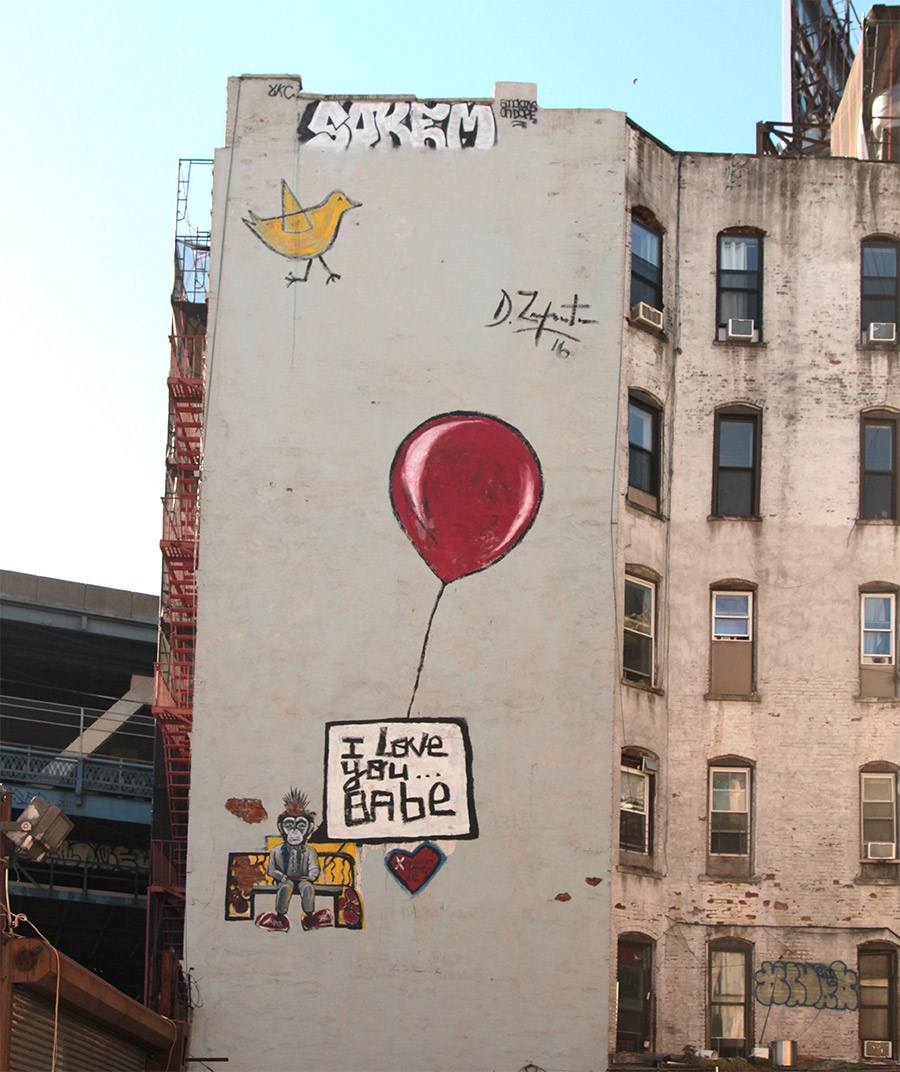
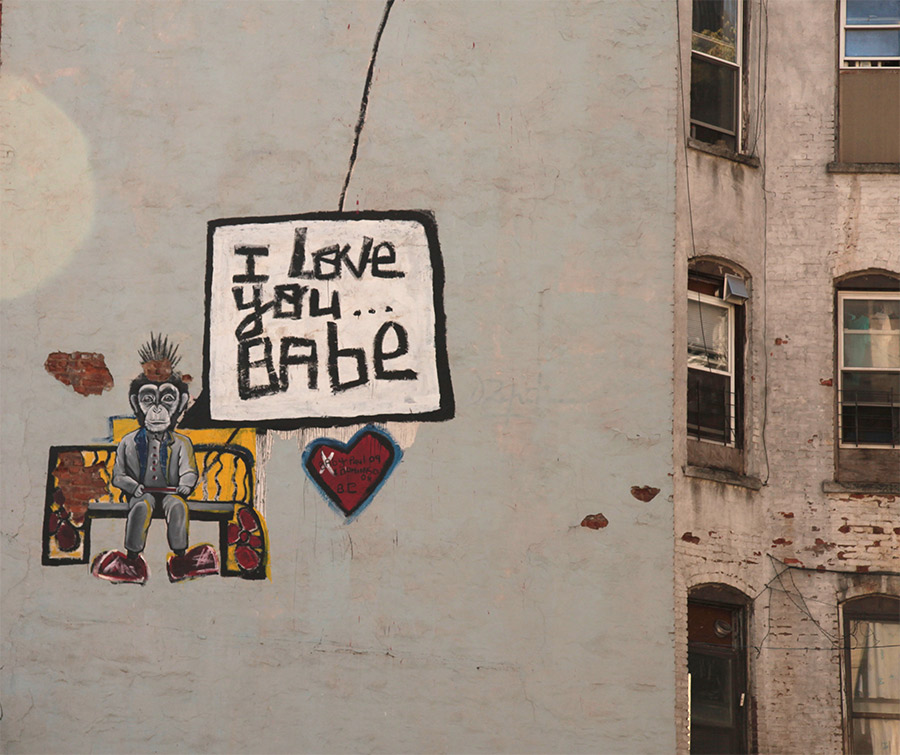
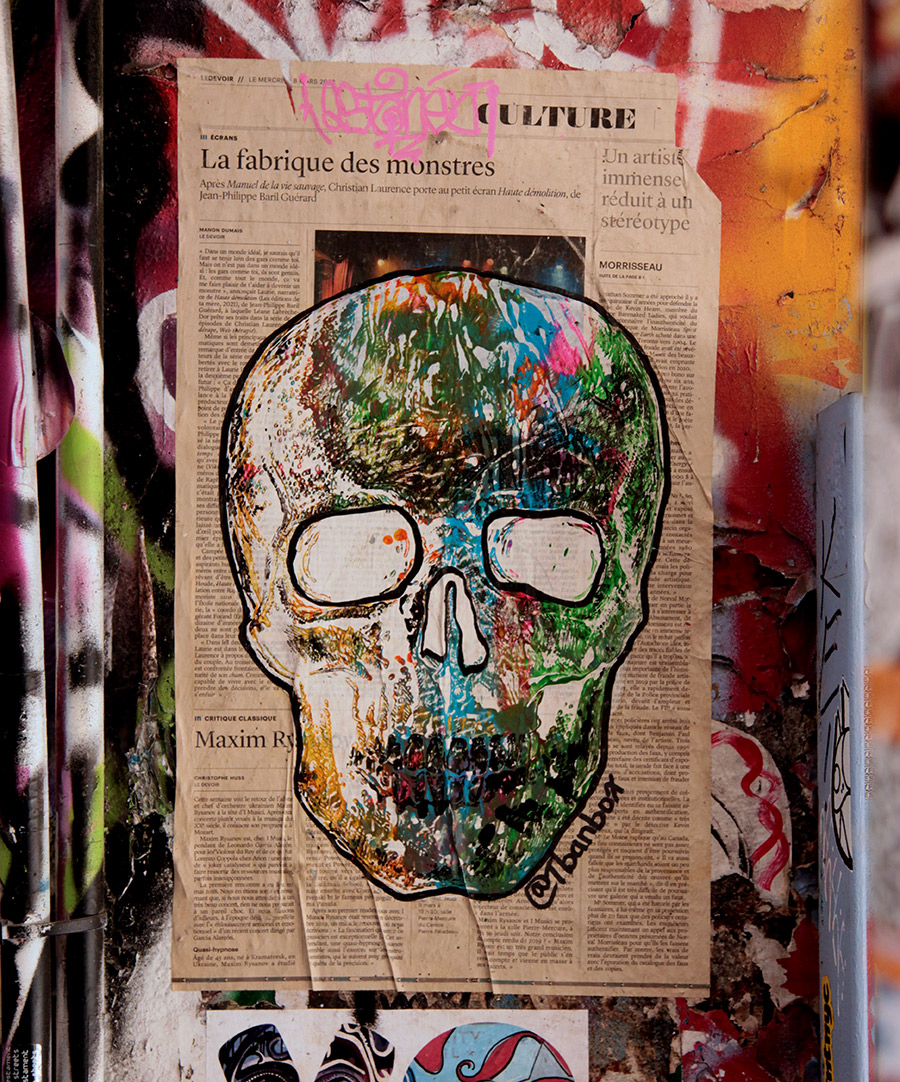
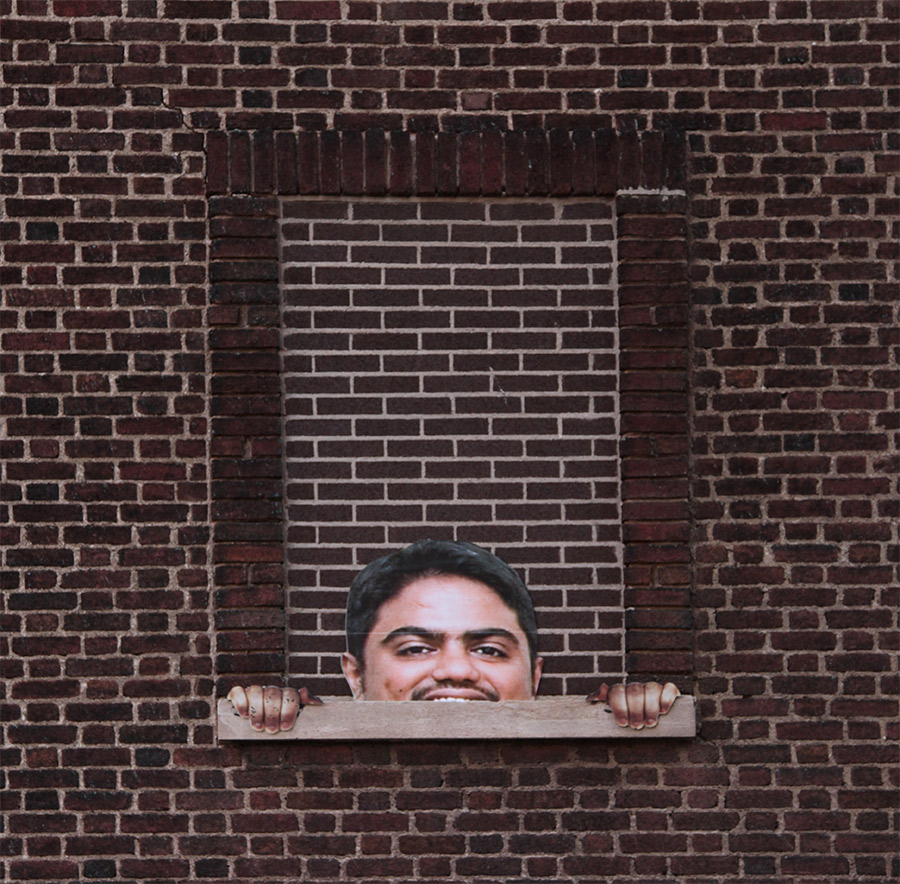
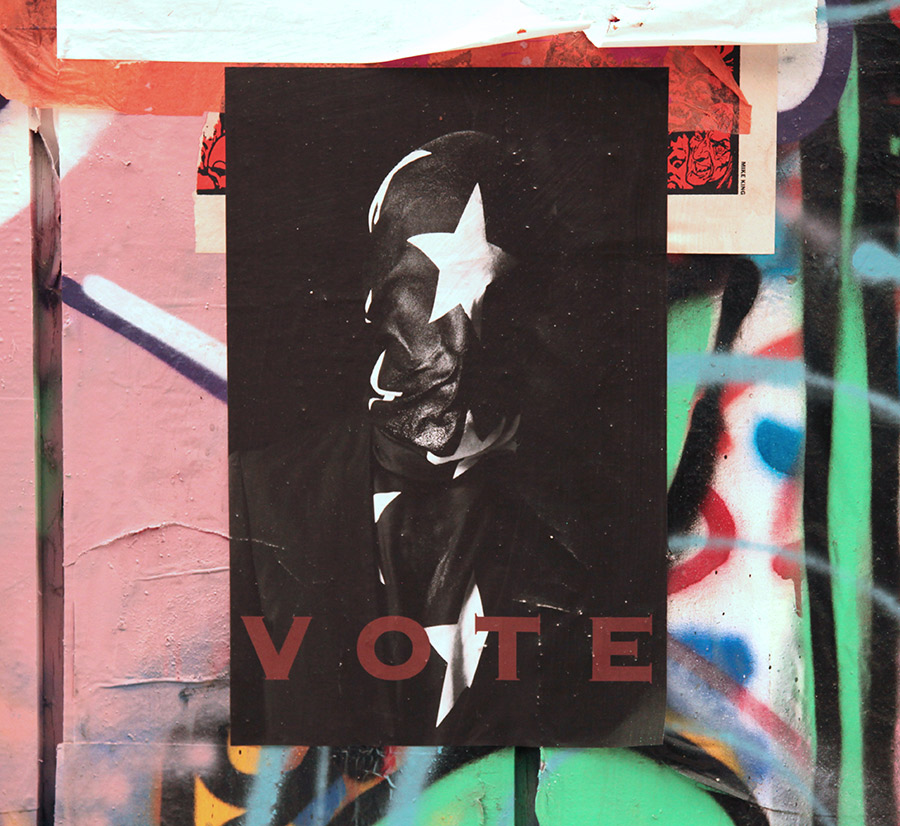
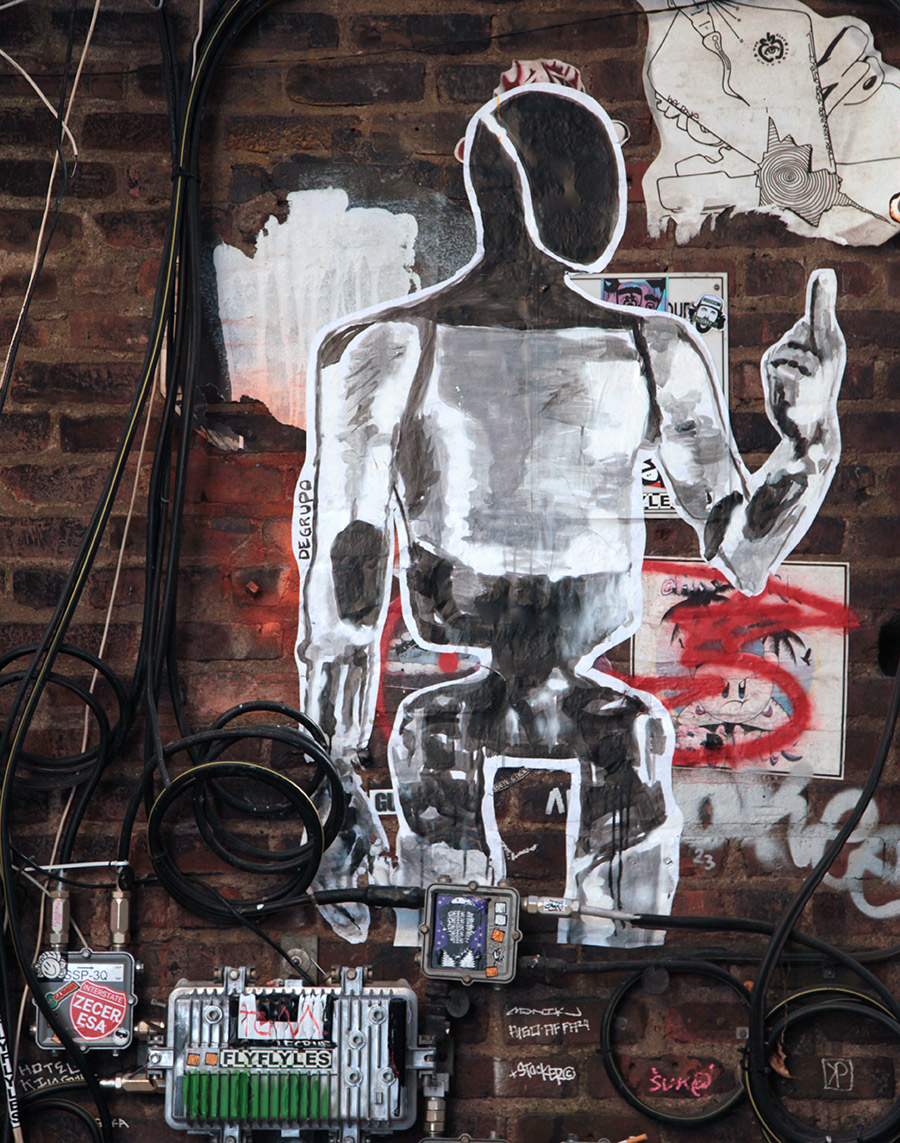
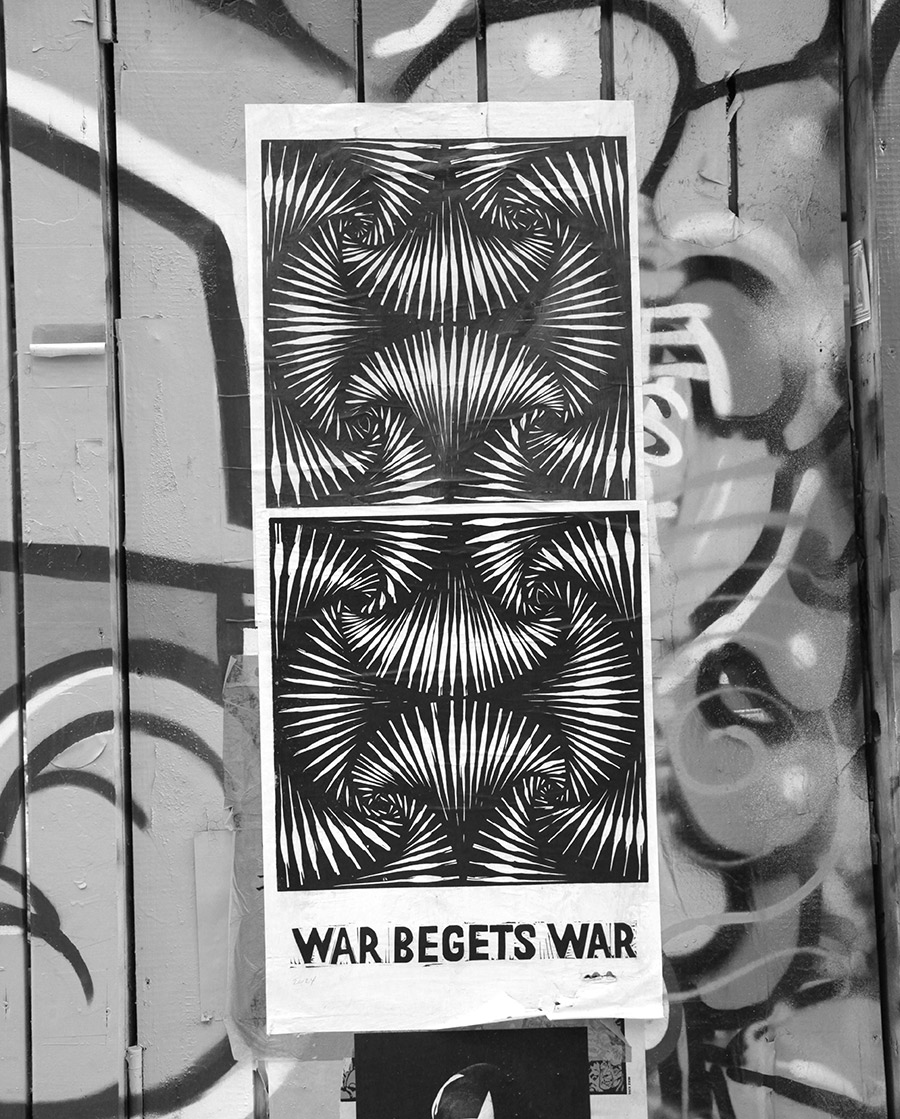
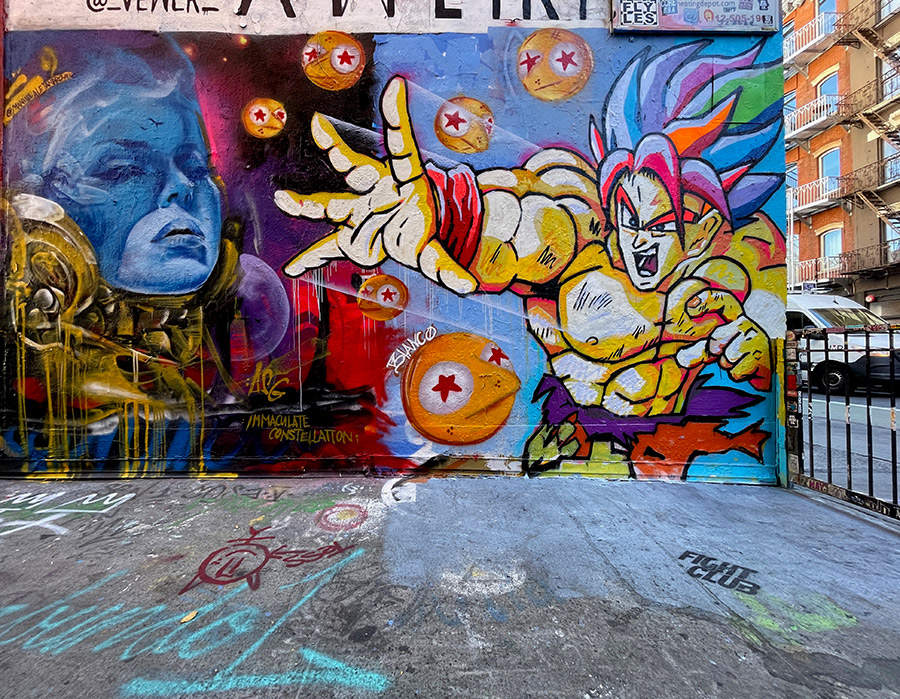
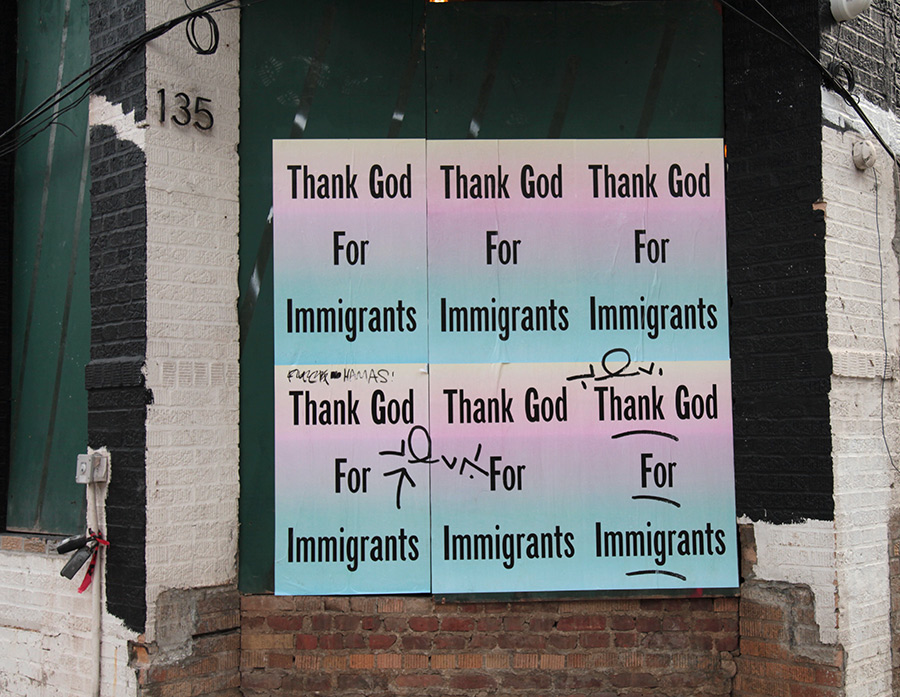
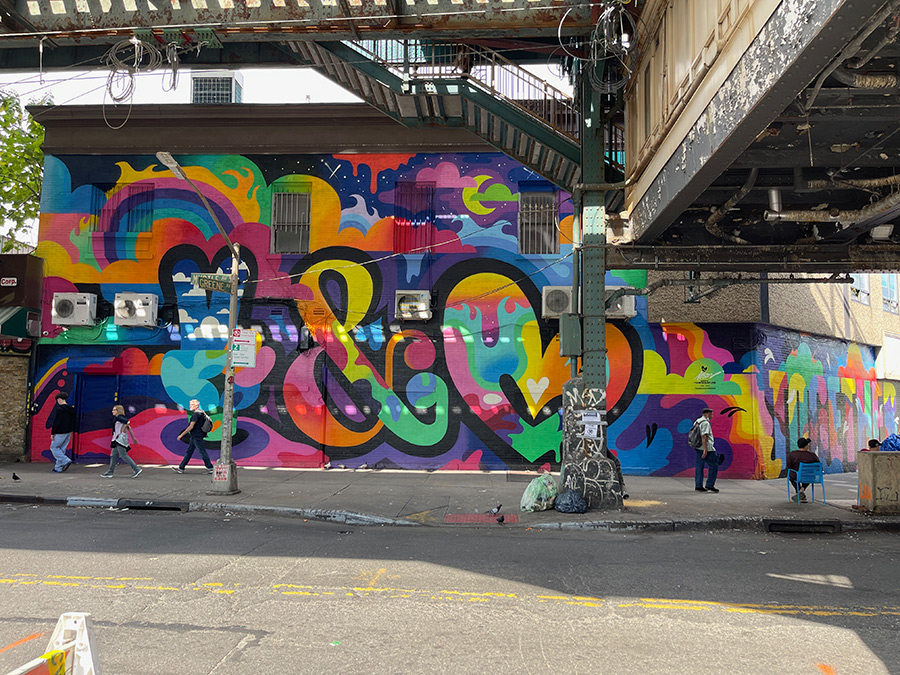
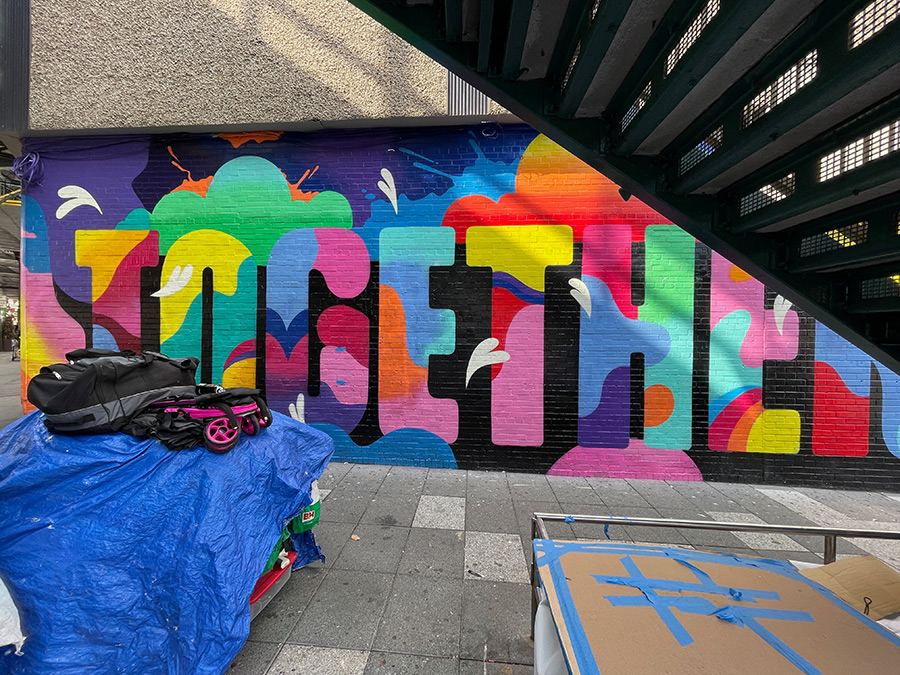
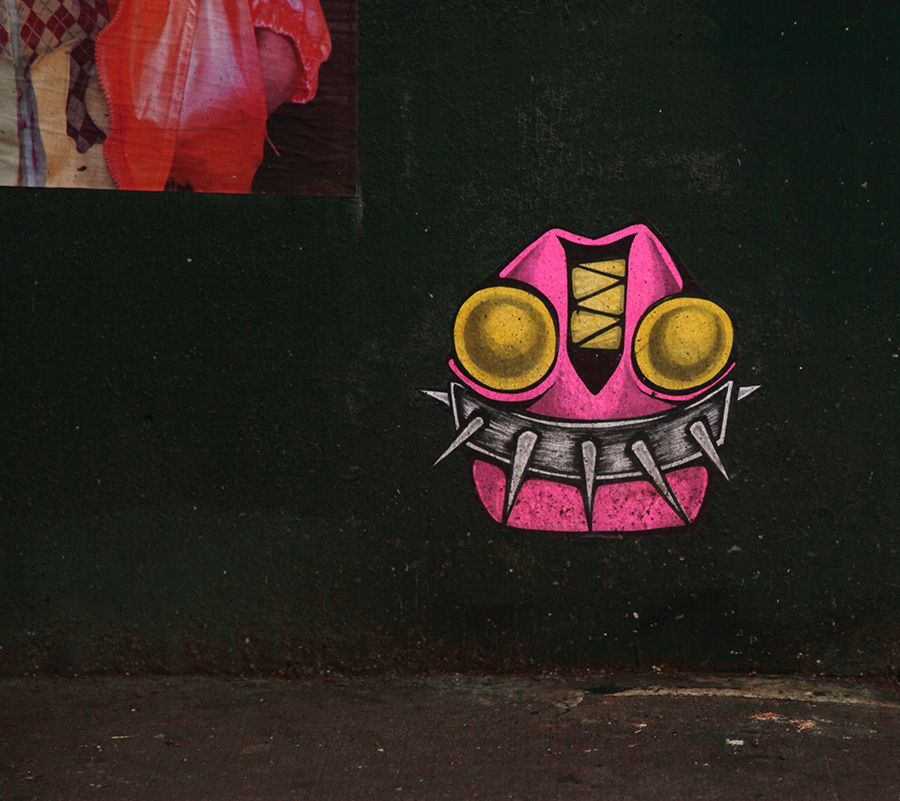
Here’s our weekly conversation with the street, this week featuring: Blanco, Degrupo, BK Foxx, Clint Mario, Manuel Alegandro, TBanbox, Raphael Federici, Joao Varela, and DZIT.
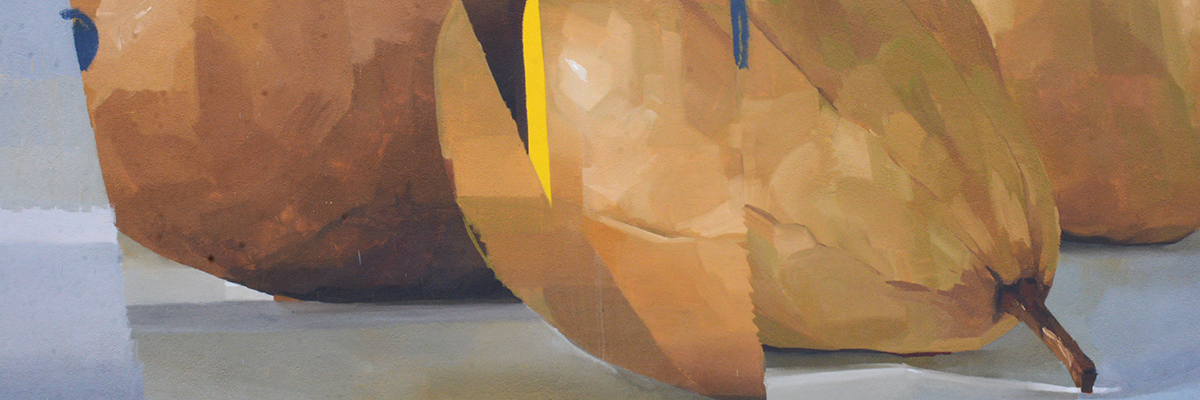
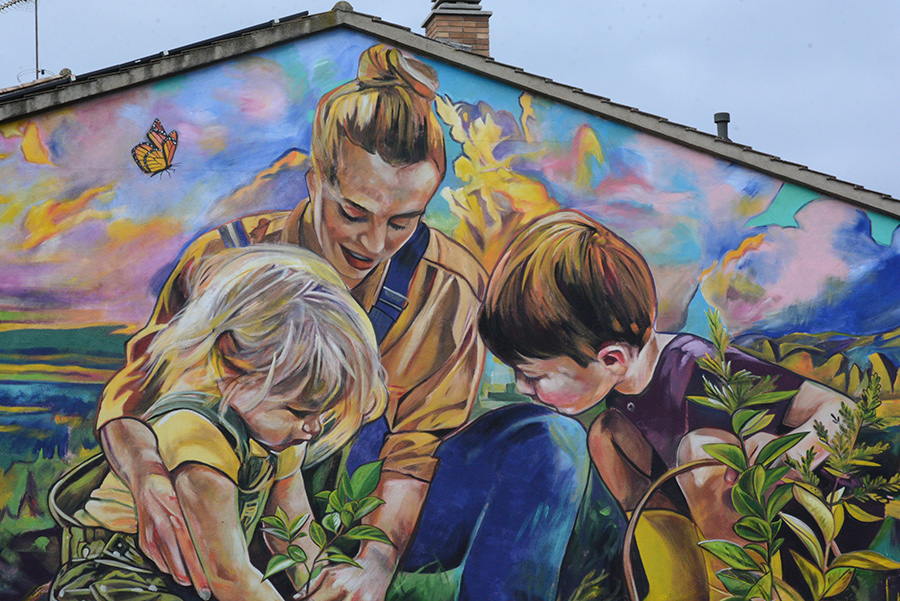
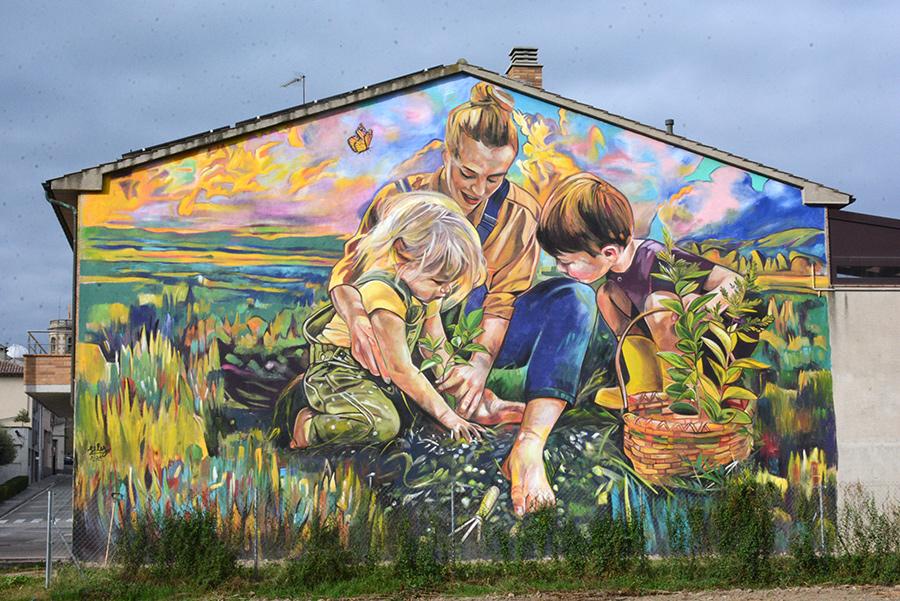
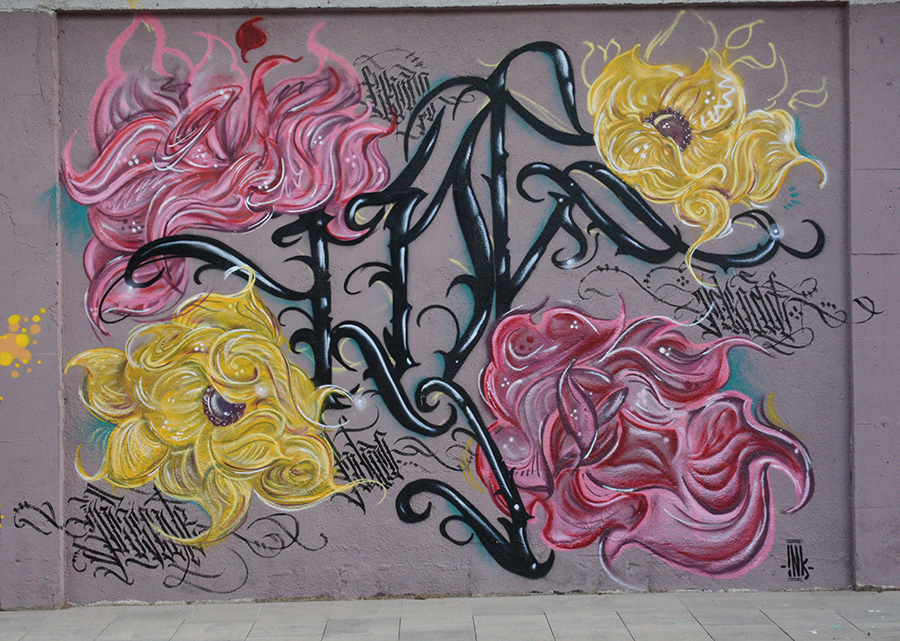
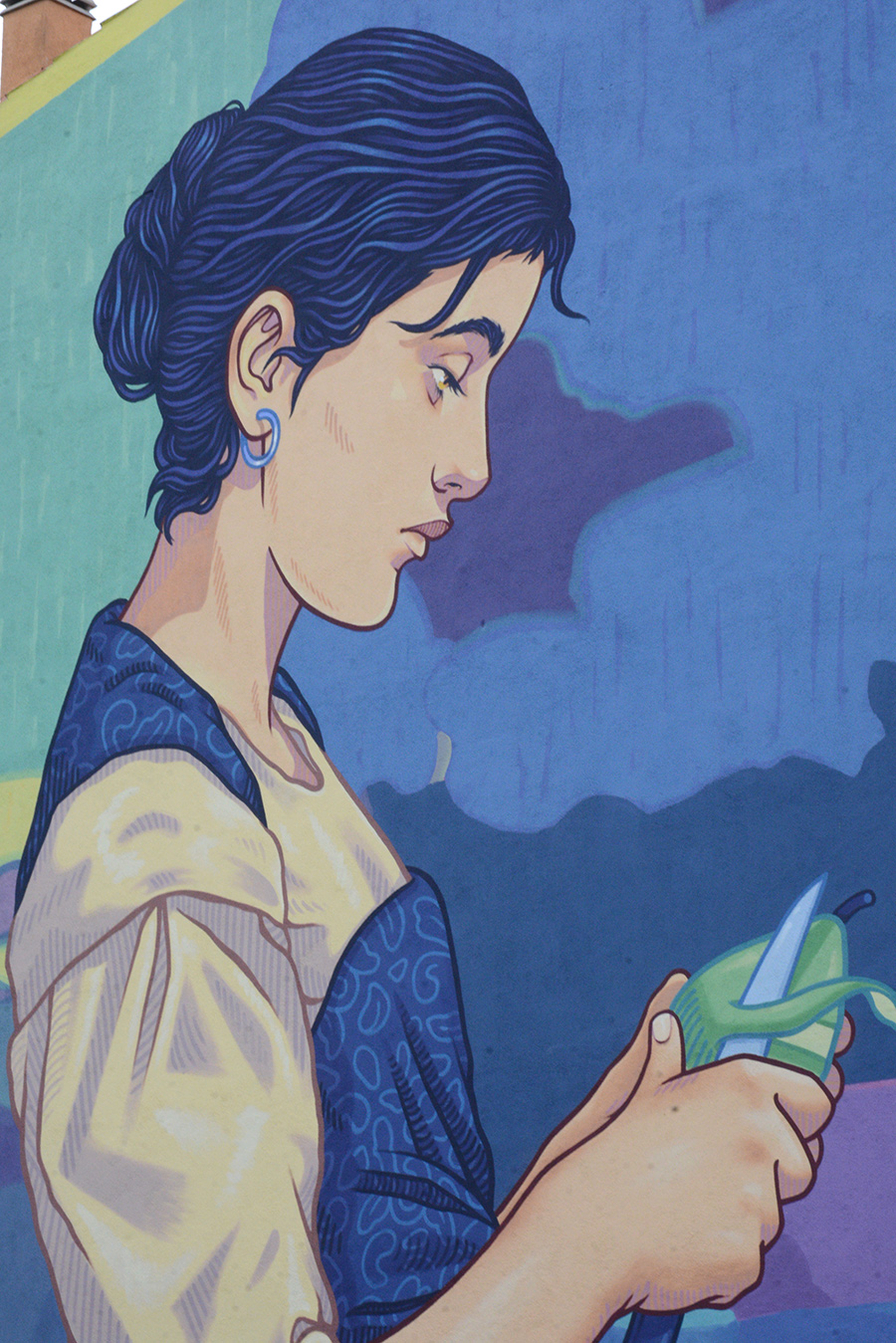
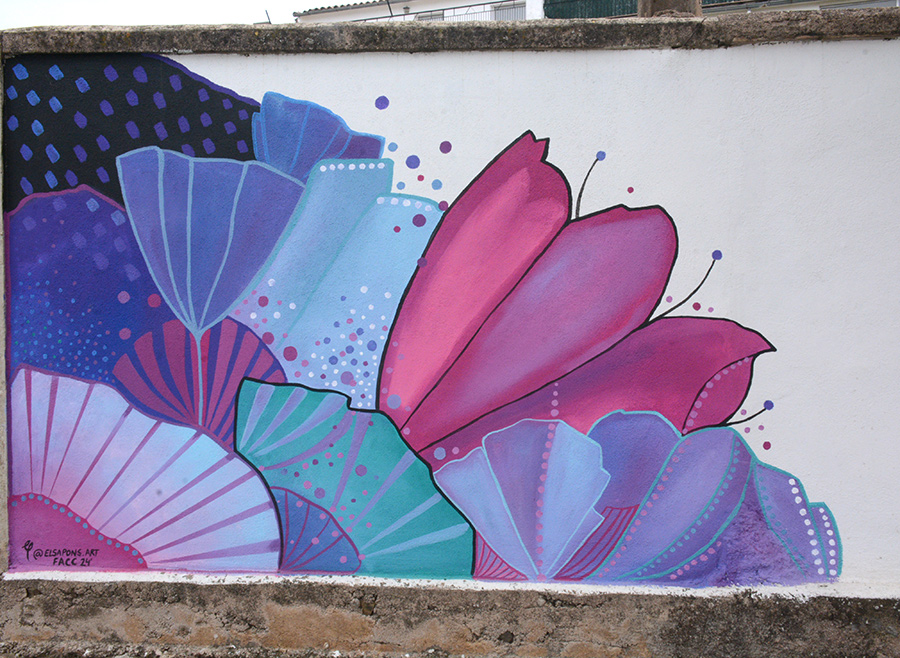
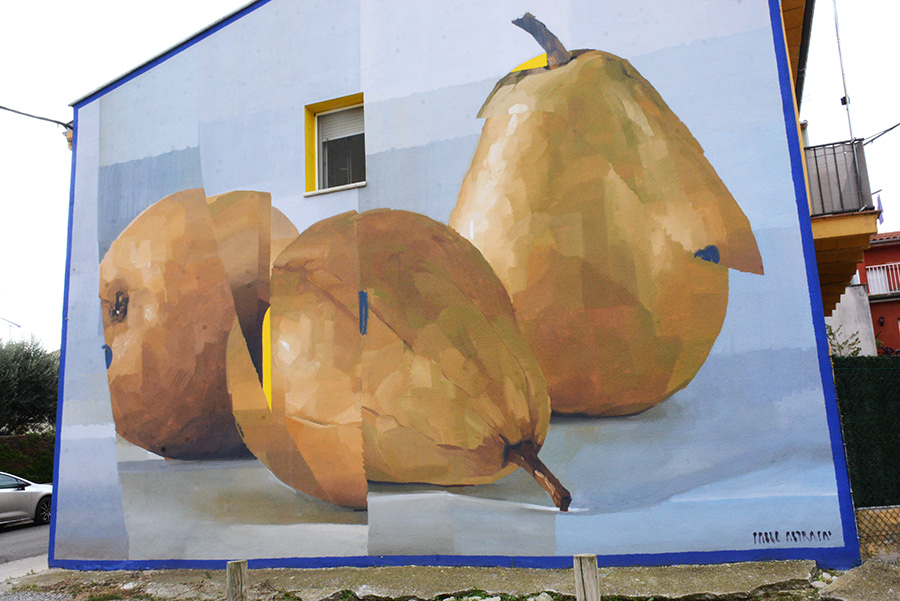
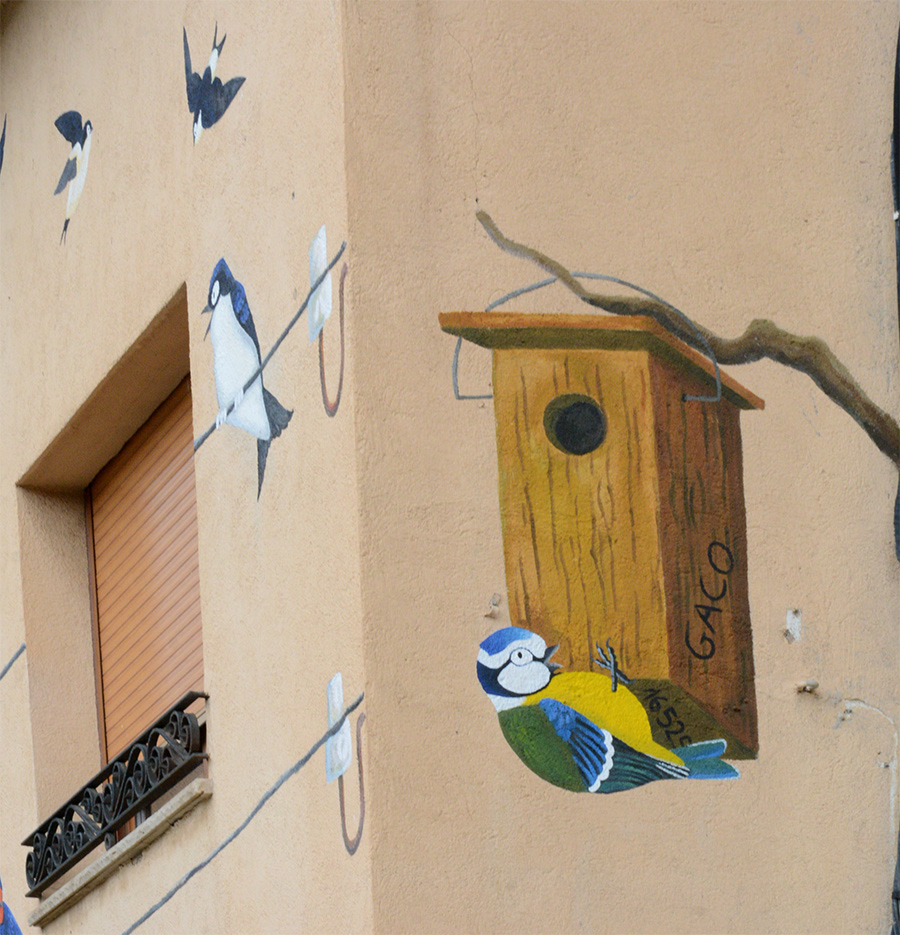
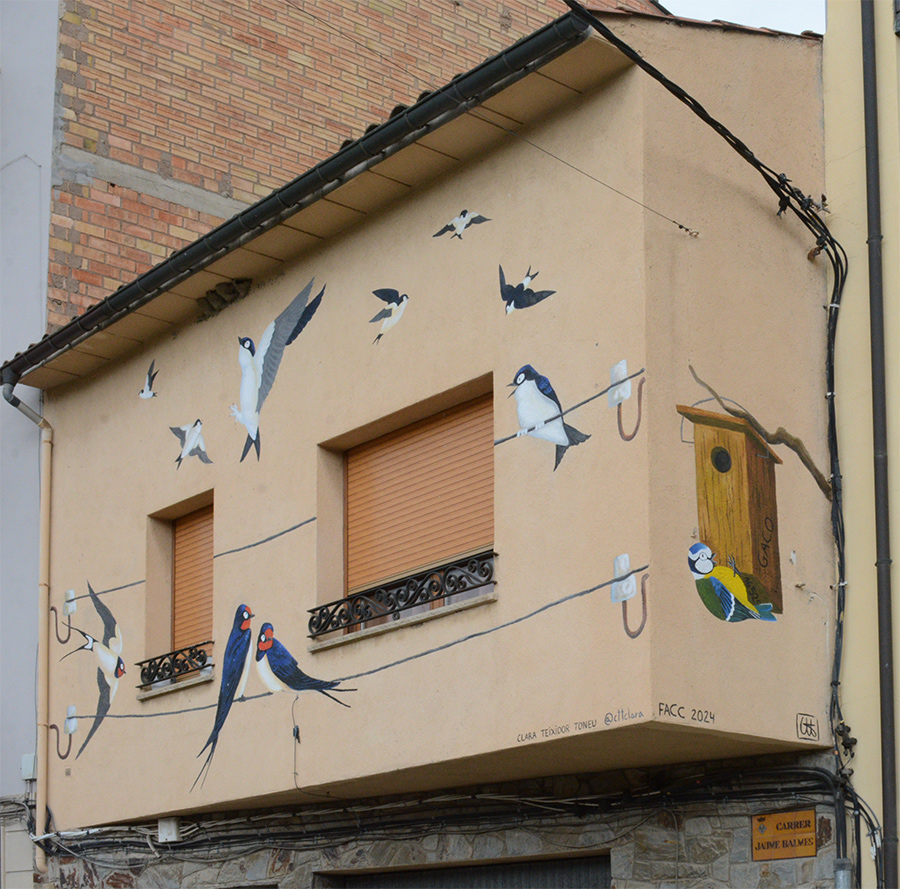
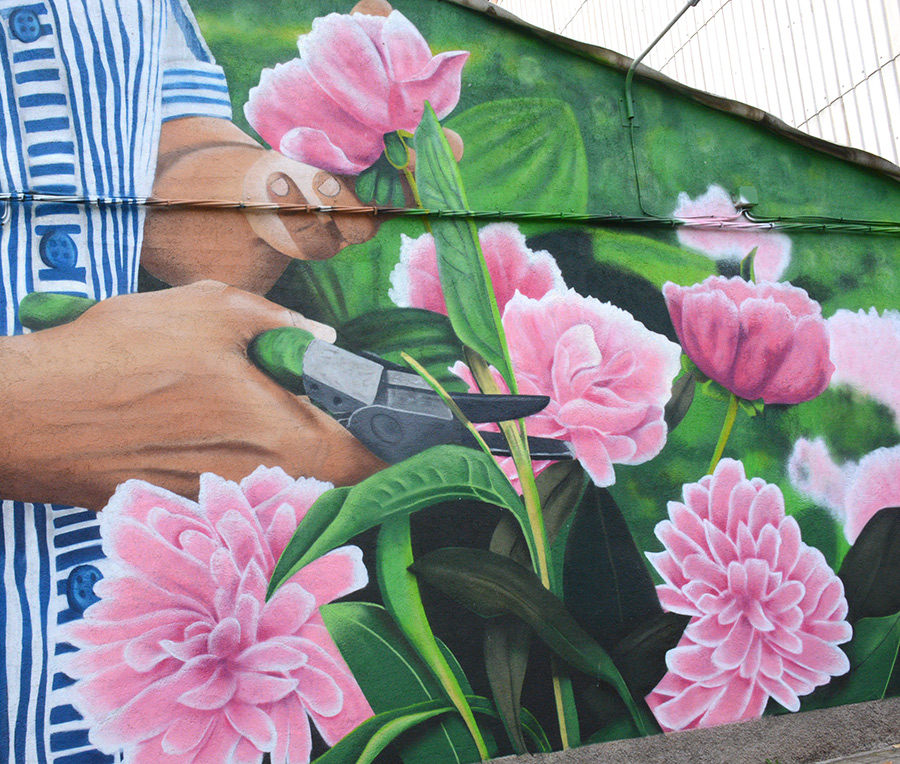
The Festival d’Arts al Carrer de Calldetenes (FACC 2024), held in late April, has become a celebrated cultural event in the town of Calldetenes, located about 60 kilometers north of Barcelona. Organized by Associació La Pera with support from the Ajuntament de Calldetenes, this annual event blends various artistic disciplines, but murals are undeniably its centerpiece.
With a focus on creating an inviting atmosphere, the high quality murals presented at this festival are designed to resonate with the community. Their pleasant and reassuring imagery reflects the festival’s mission to foster an environment of cultural unity and artistic expression. Murals by Lidia Cao, Lily Brick, M. Calde, and Pablo Astrain—some of the more recognized names in the urban art scene—contribute to this welcoming aesthetic. Each year, around a dozen or more artists, both emerging and established, participate, bringing a sense of creative vitality to the streets of Calldetenes.
This festival is unique not just because of the murals but also for its broader cultural appeal, which includes music performances, circus acts, artisan markets, and more. It’s a family-friendly event that draws locals and visitors alike, offering them a chance to engage with the town’s artistic and cultural spirit.
Special thanks to Lluis Olive Bulbena for once again contributing his photography to capture these murals and for making the trip to this charming town to document the vibrant street art scene. His dedication continues to provide us with stunning visuals that bring the essence of this festival to life.
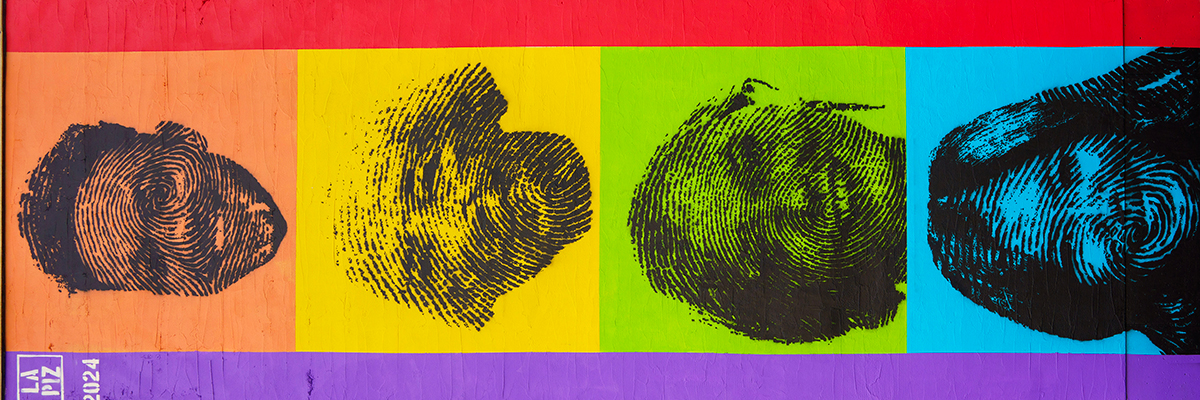
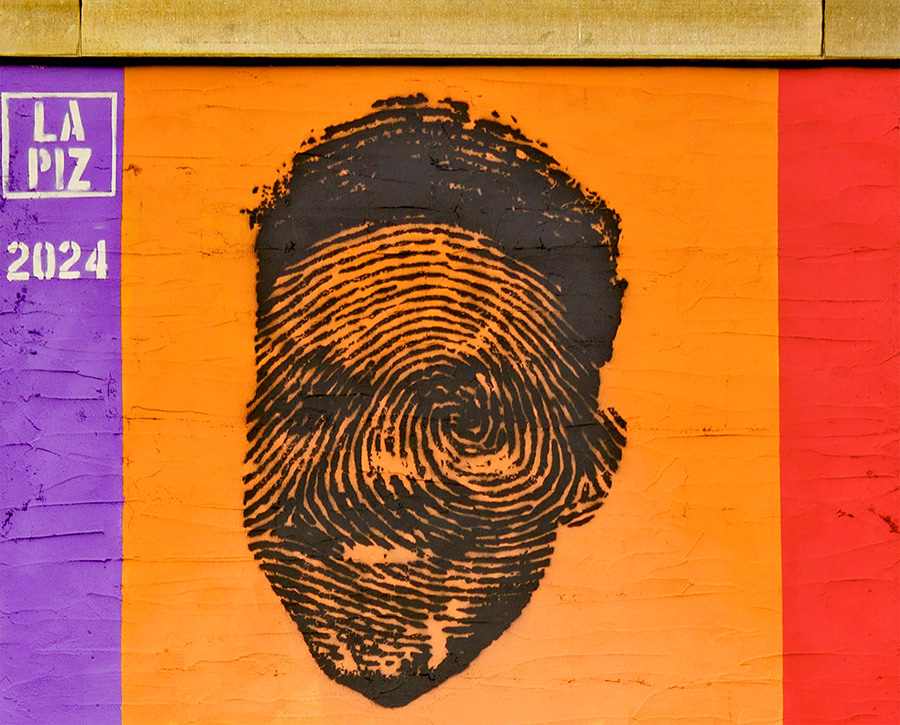
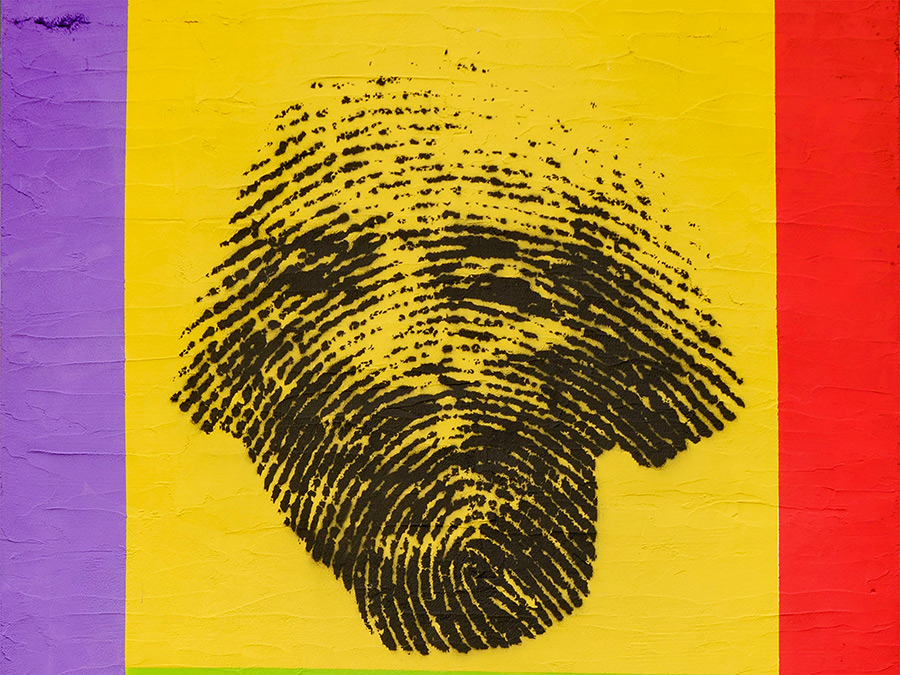
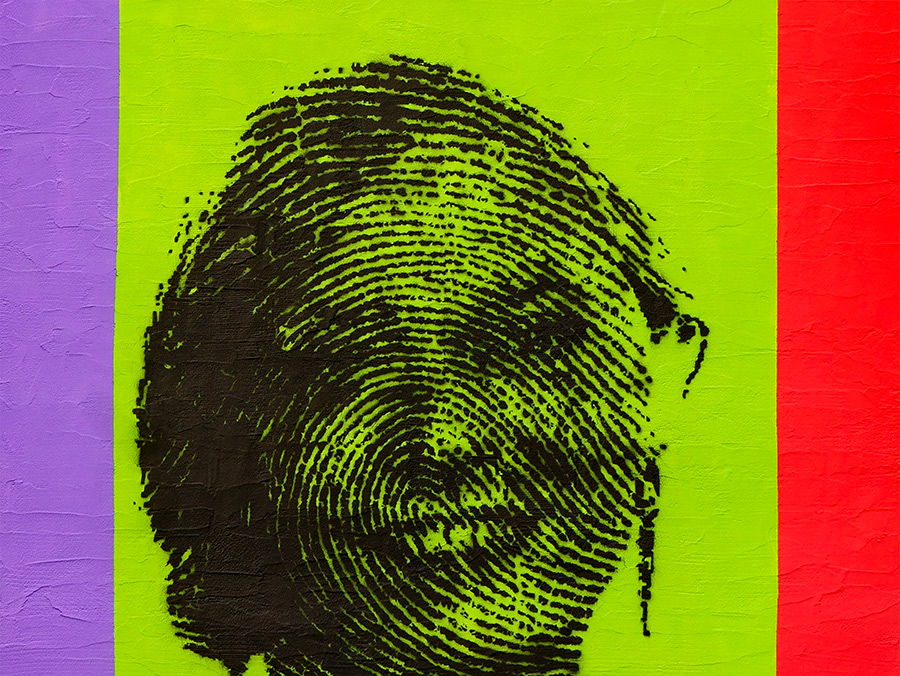
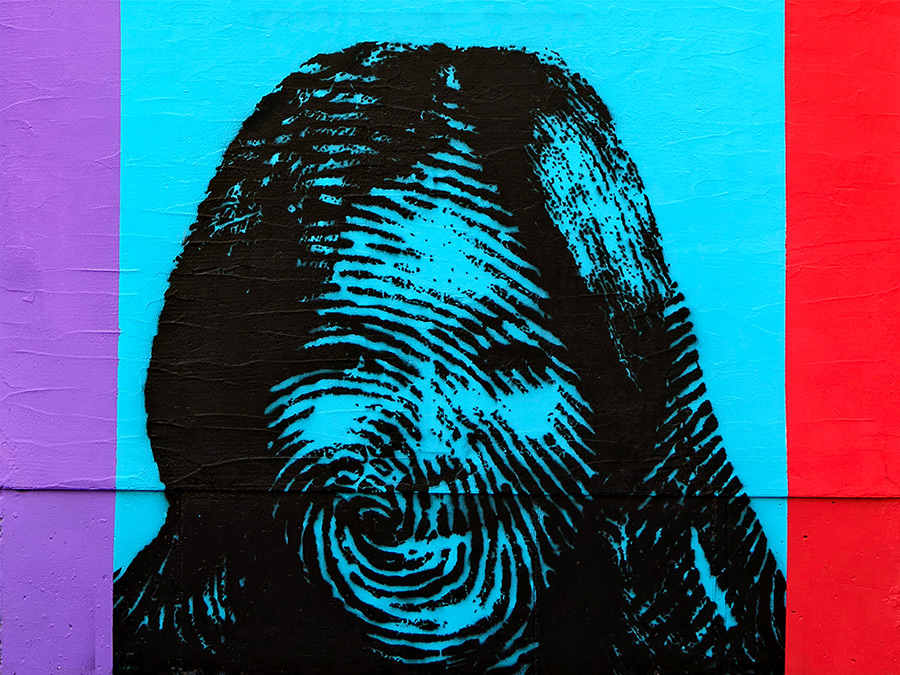
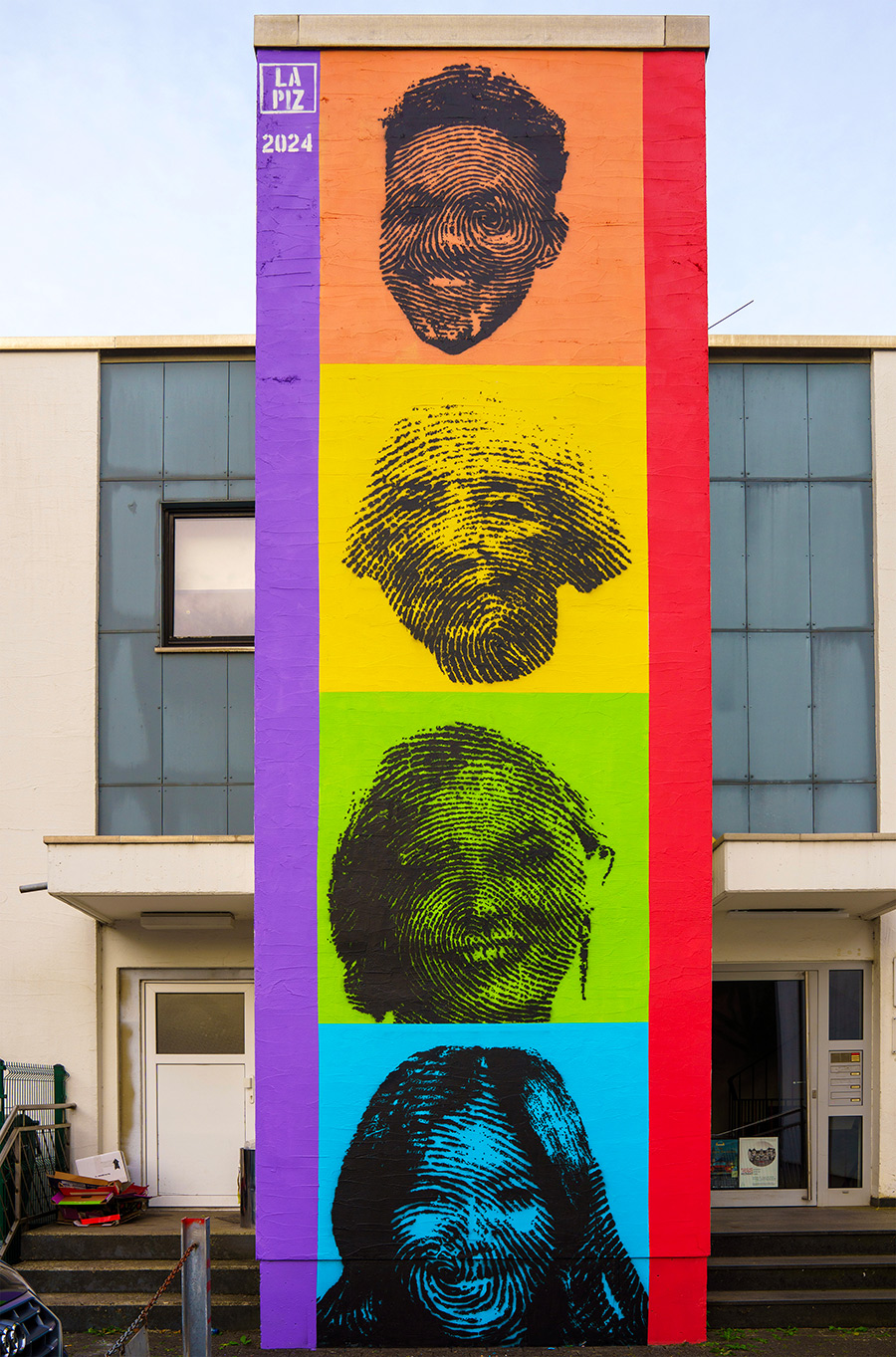
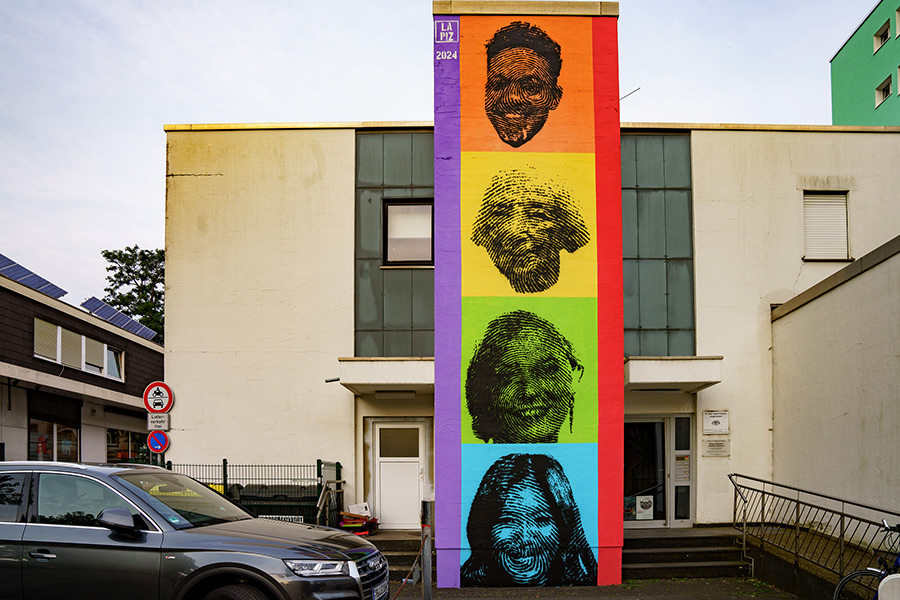
Lapiz, known for his poignant social commentary through street art, has once again made his mark with Rainbow Nation, a striking new mural at the Secret City Festival in Paderborn, Germany. This time, he tackles the urgent issues of division, intolerance, and the rising tide of far-right ideology sweeping across Europe. In response, Lapiz turns to the colors of the LGBT rainbow flag to create a mural that speaks of unity, diversity, and democracy.
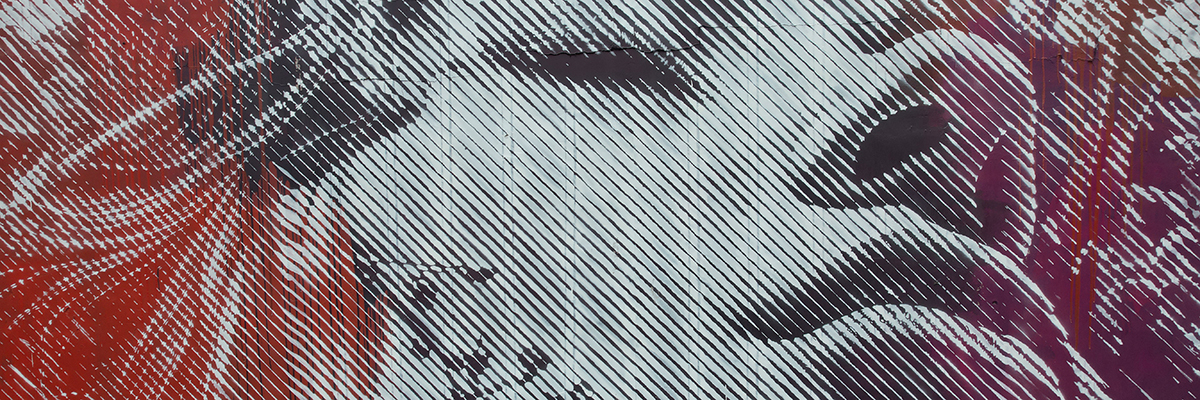
The piece is built around the portraits of four German citizens, each chosen for their significant contributions to society. Using his signature halftone stencil technique, Lapiz has masterfully woven their faces into fingerprints—a clever metaphor for individuality and the unique, positive impact these figures have on the world. The mural celebrates the idea that no matter where we come from, what we believe, or who we love, our human rights are the same.
Leeroy Matata, a former wheelchair basketball player turned influencer, whose powerful presence in social media challenges perceptions of ability and inclusion.
Margot Friedländer, a Holocaust survivor and public advocate, a living testament to resilience and a voice for remembrance in these troubling times.
Tessa Ganserer, one of the first trans women in the German parliament, a symbol of progress and the ongoing fight for gender equality.
Mai Thy Nguyen-Kim, a chemist and science journalist, who has become a trusted voice in Germany, promoting scientific literacy and combating misinformation.
The mural’s message of equality and solidarity comes at a critical moment as Lapiz calls attention to the political shifts threatening democracy in Germany and beyond. Painted in the heart of Paderborn, this vibrant artwork stands as a reminder that resistance can be bright and cheerful – and that art has the power to inspire and galvanize change.
Lapiz’s journey, from the streets of Dunedin to the walls of Hamburg and Buenos Aires, is meant as a testament to his belief that art should reflect our times and challenge the status quo. Rainbow Nation is a bold statement, not just for the Secret City Festival but for anyone who believes in the power of unity and the strength of diversity.
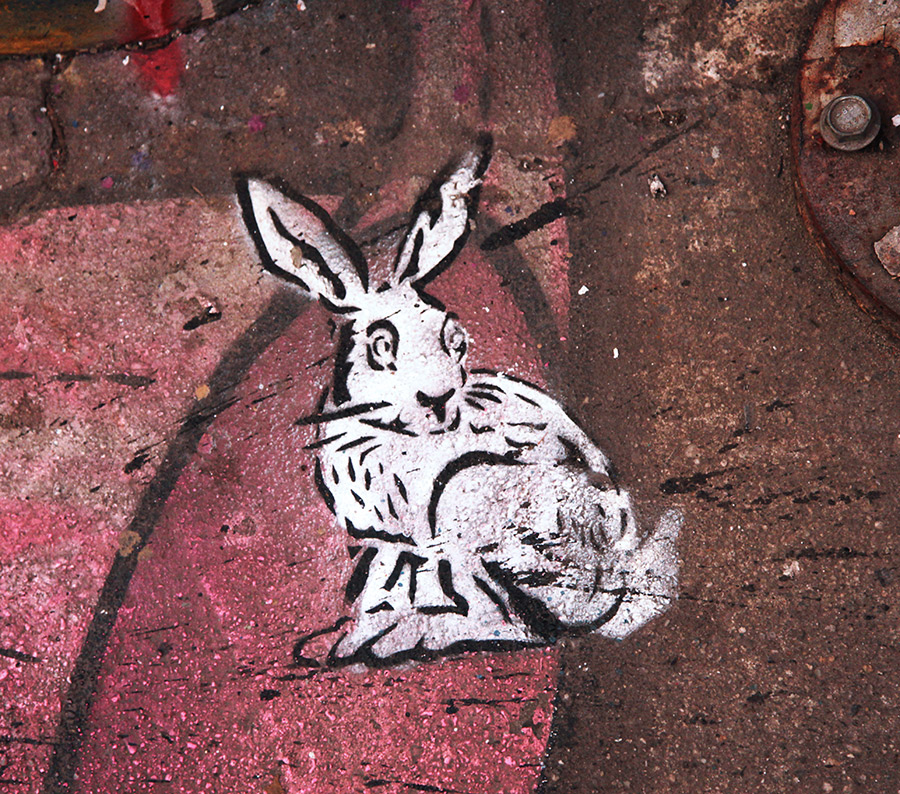
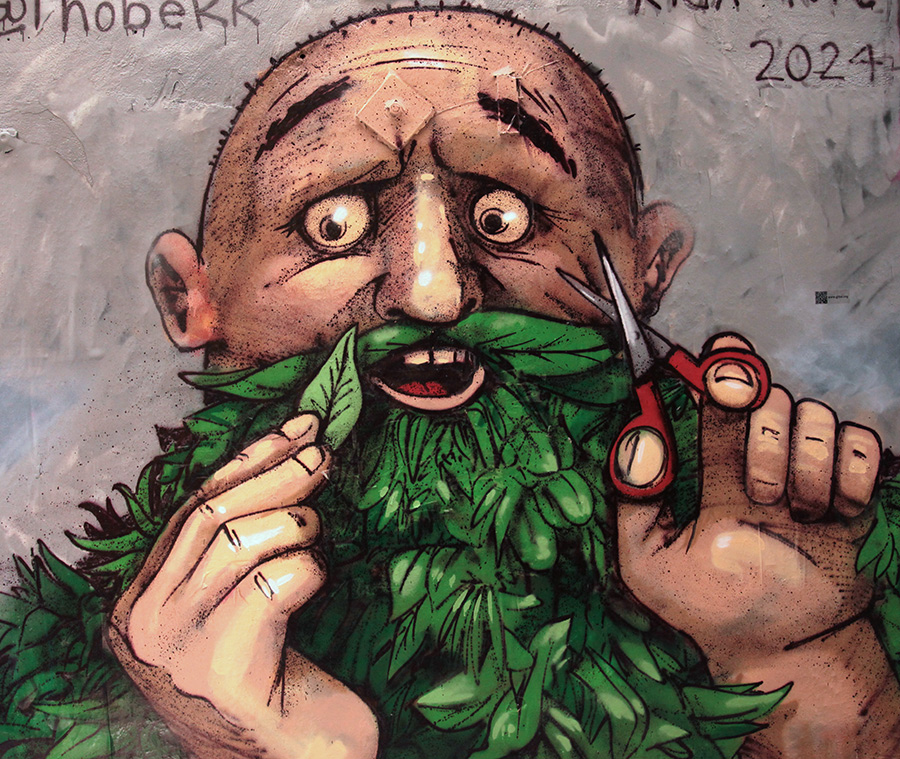
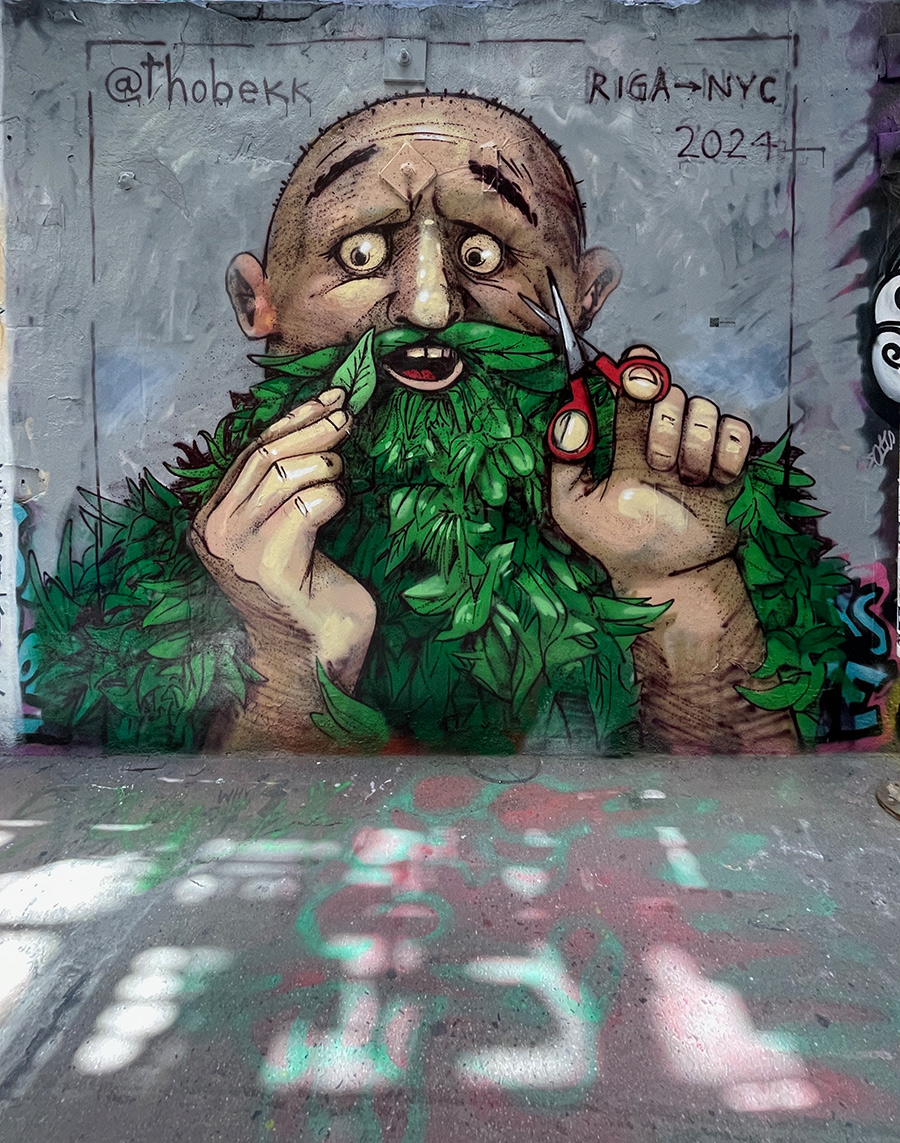
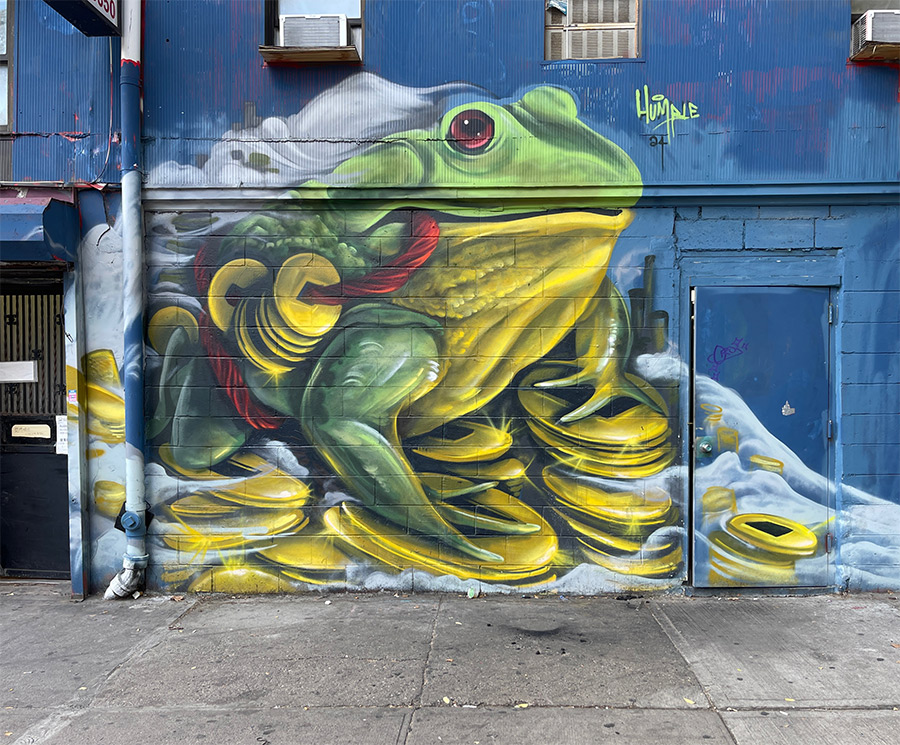
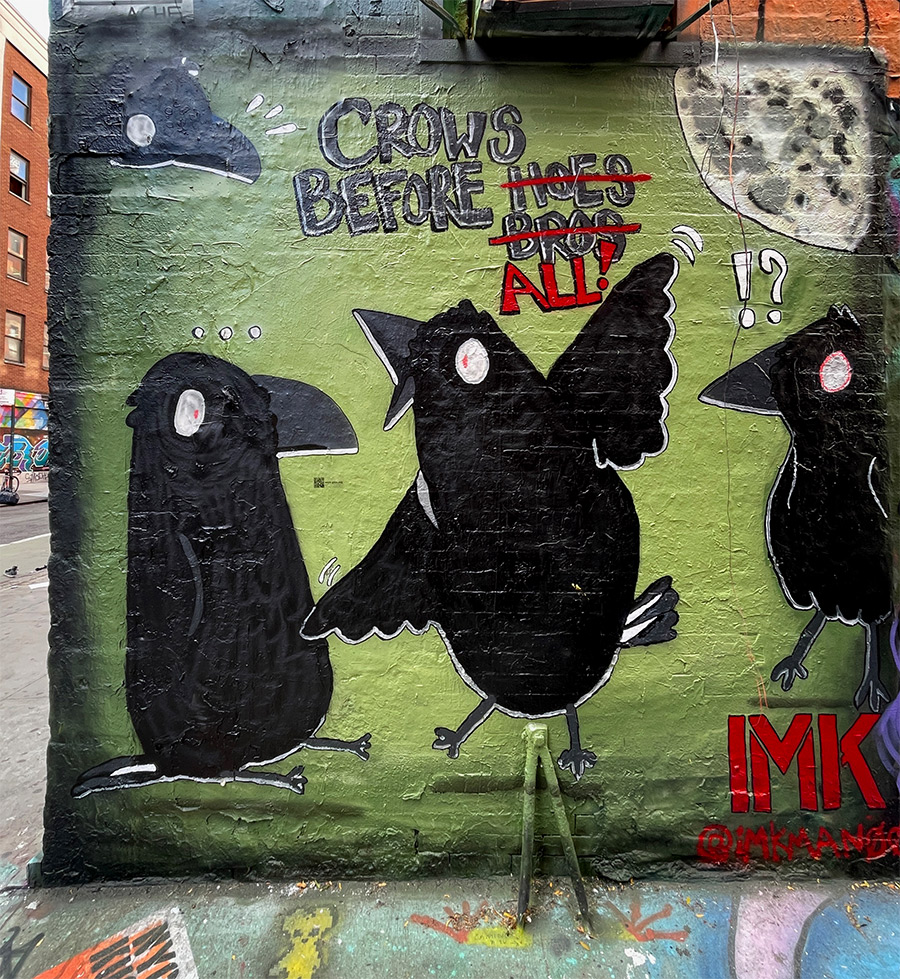
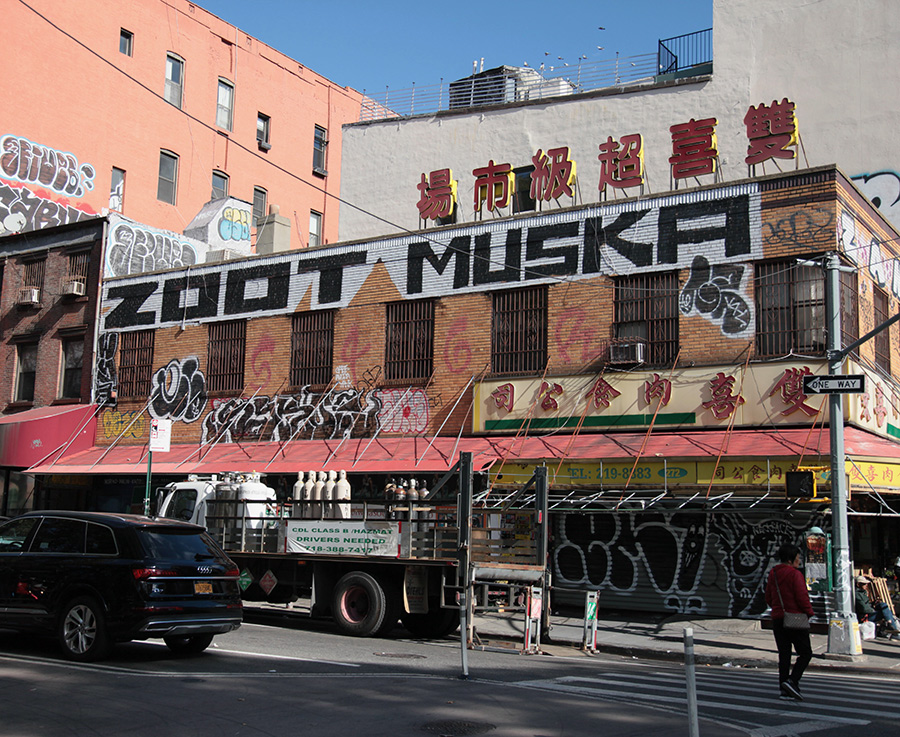
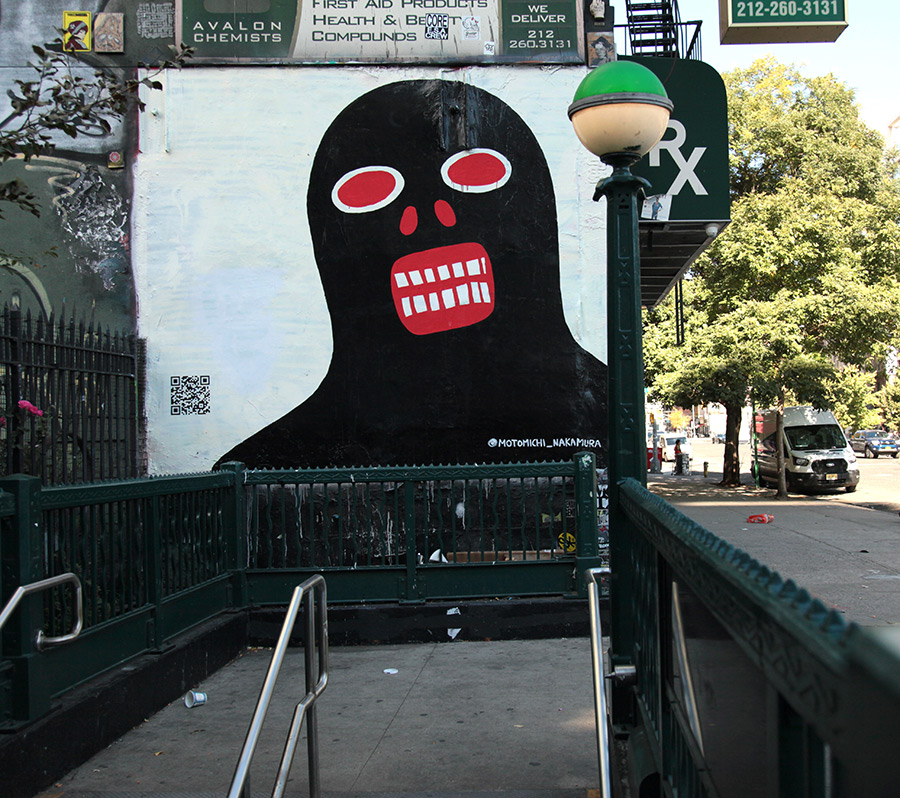
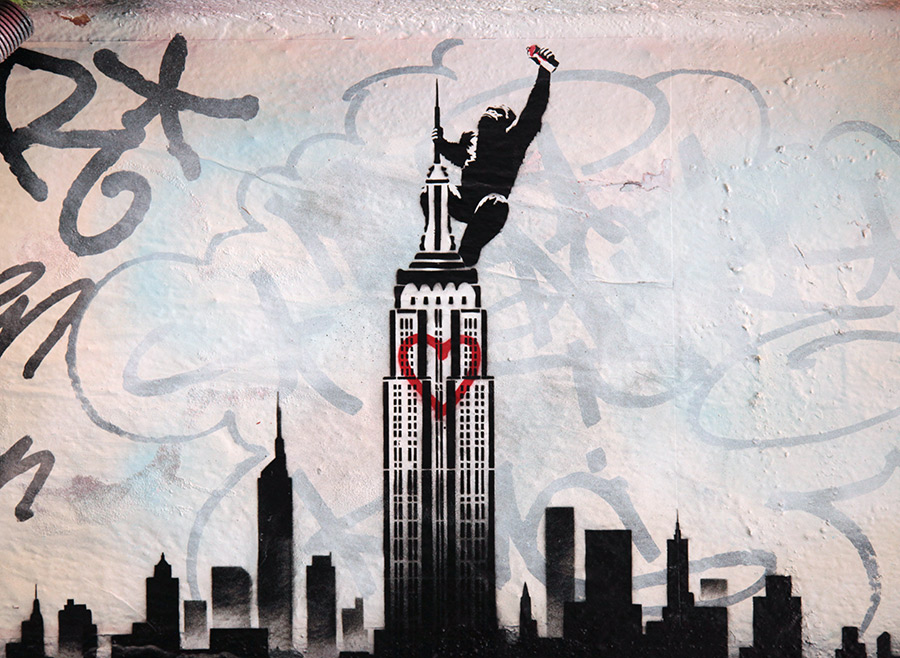
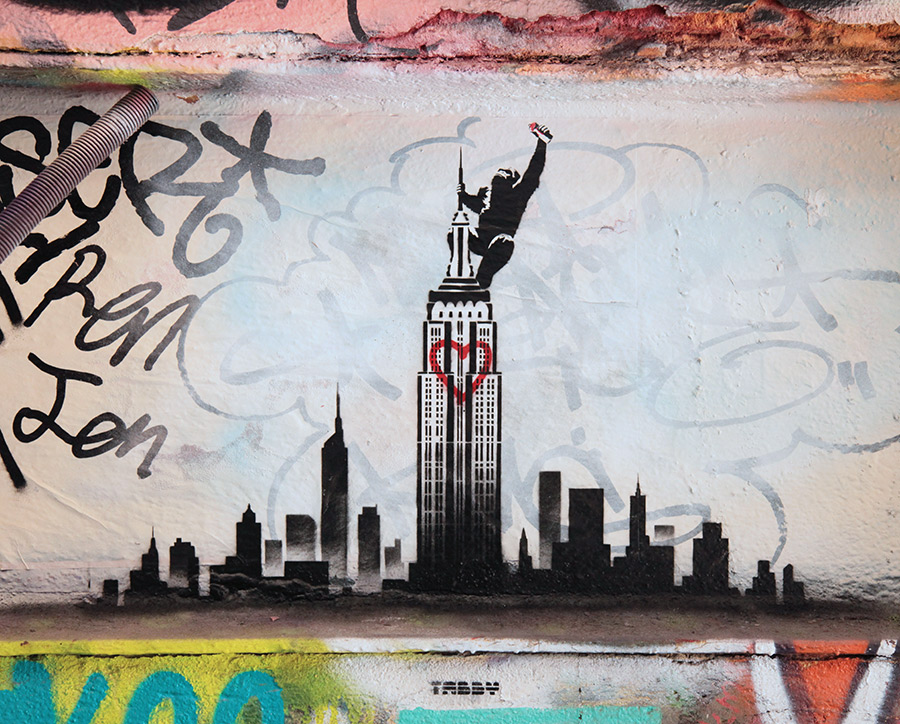
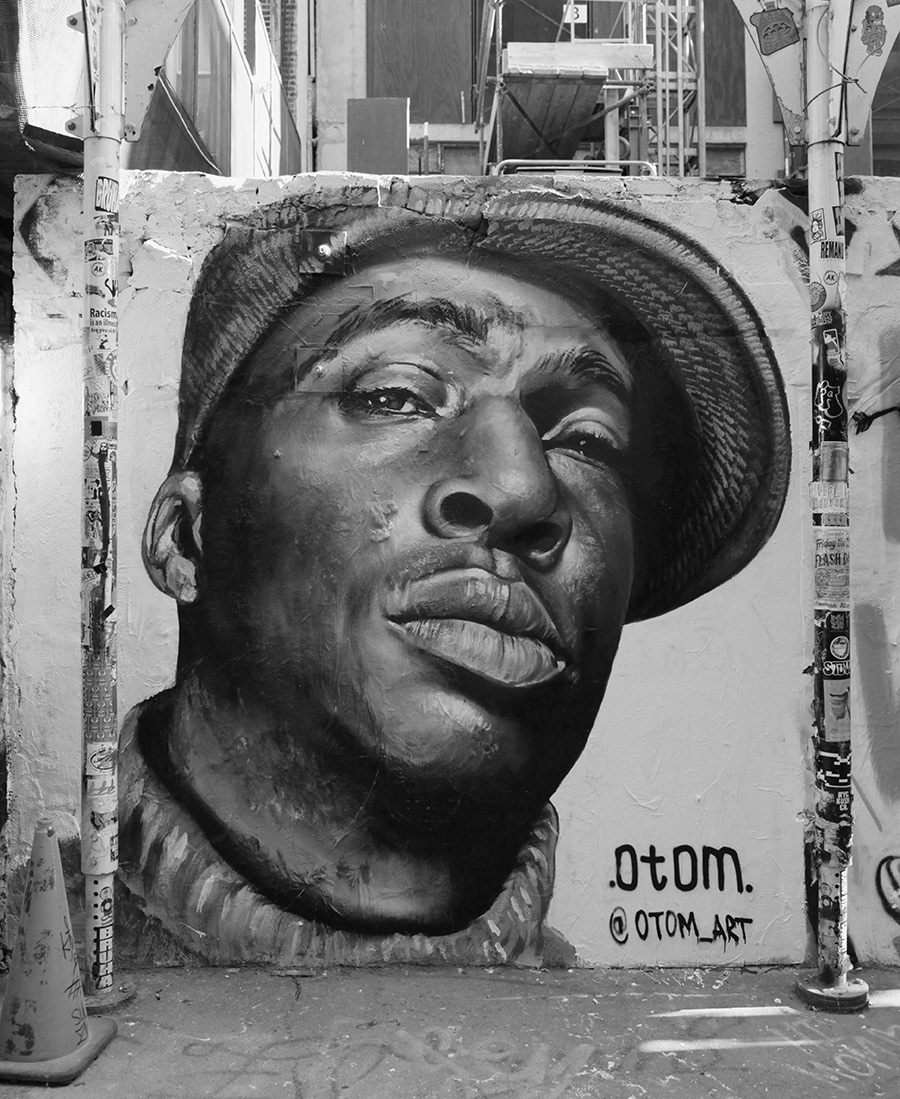
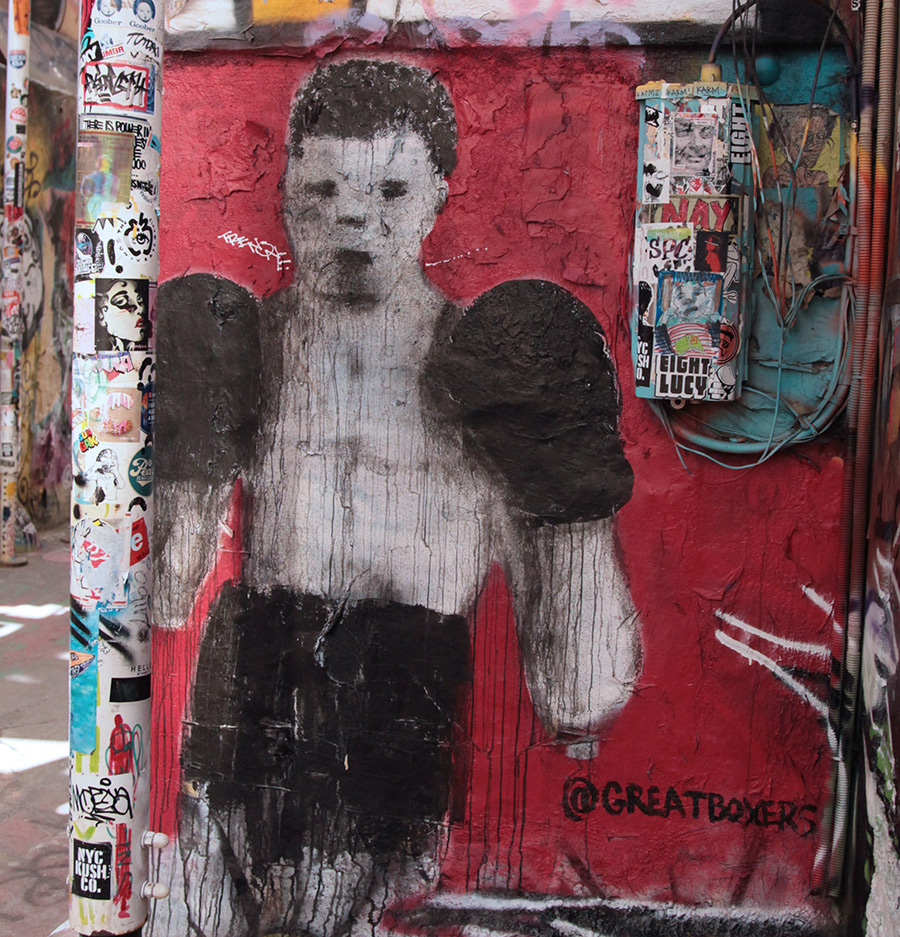
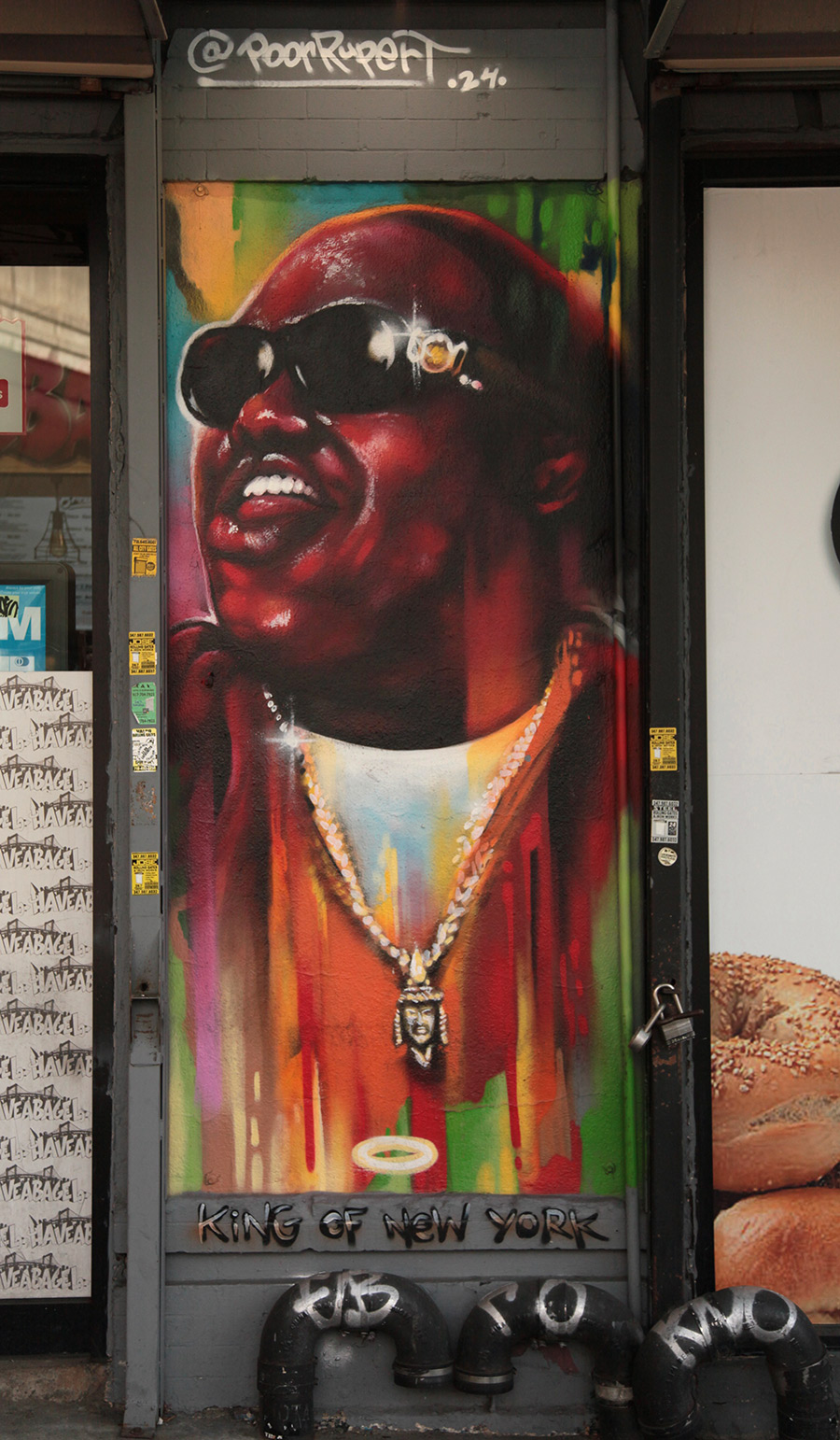
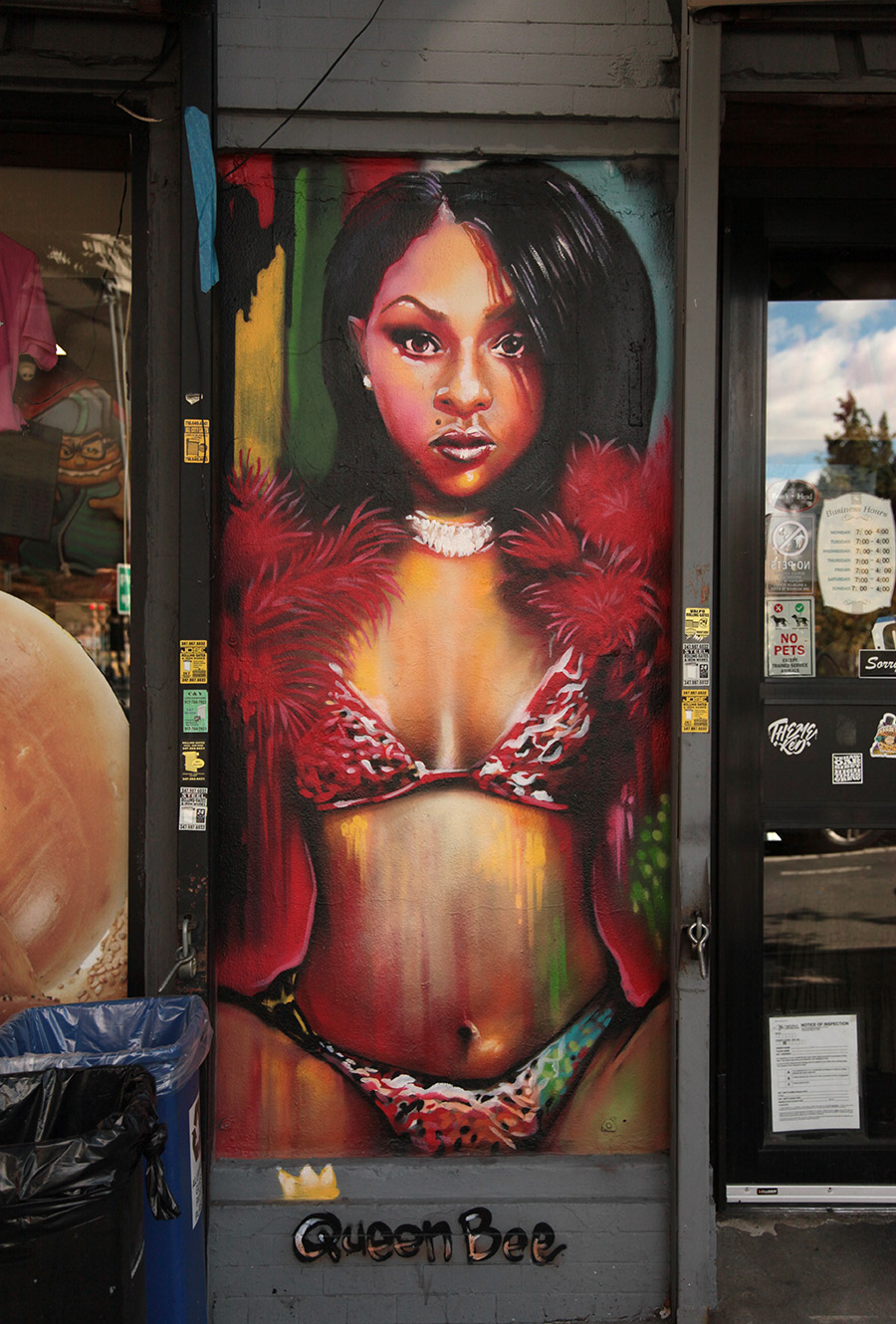
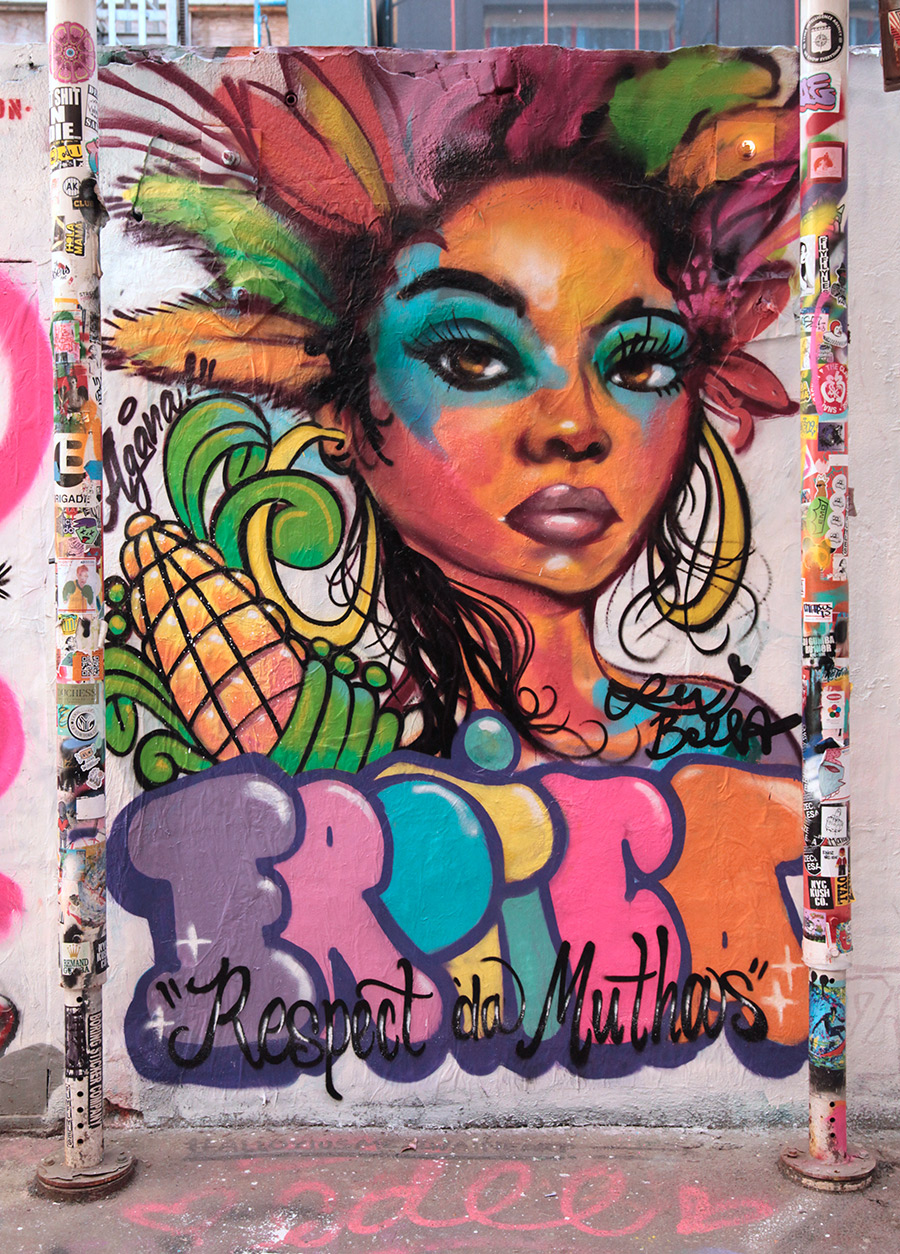
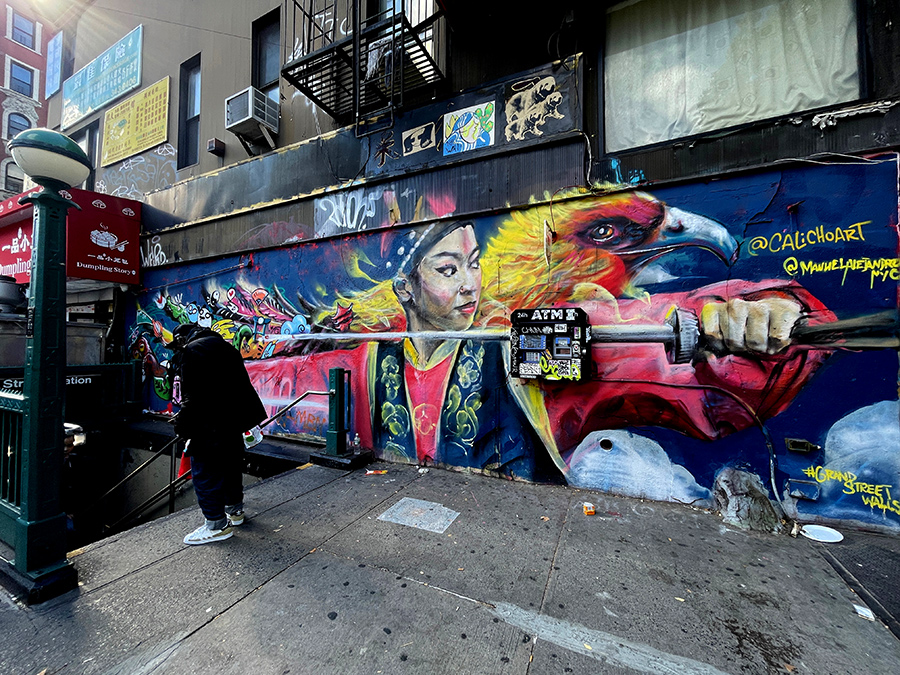
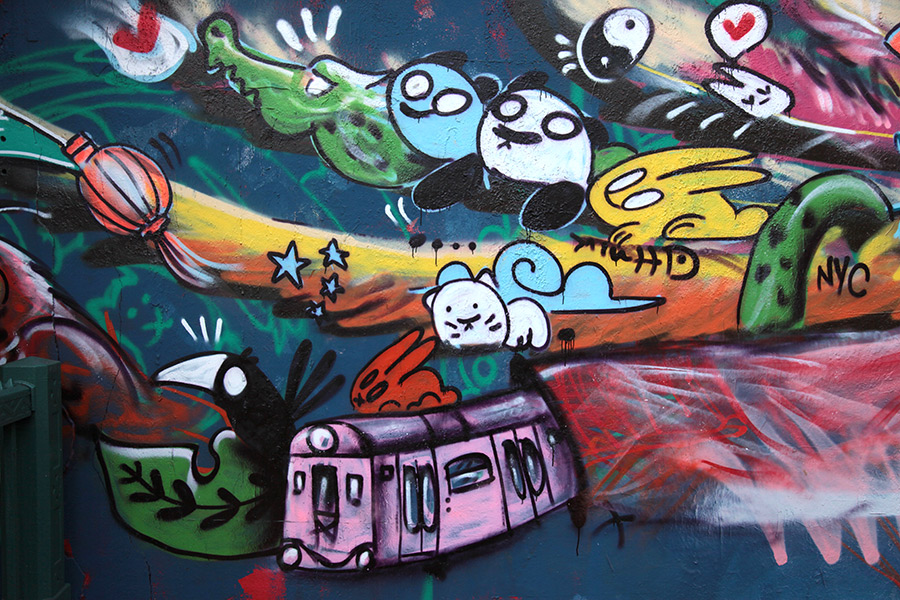
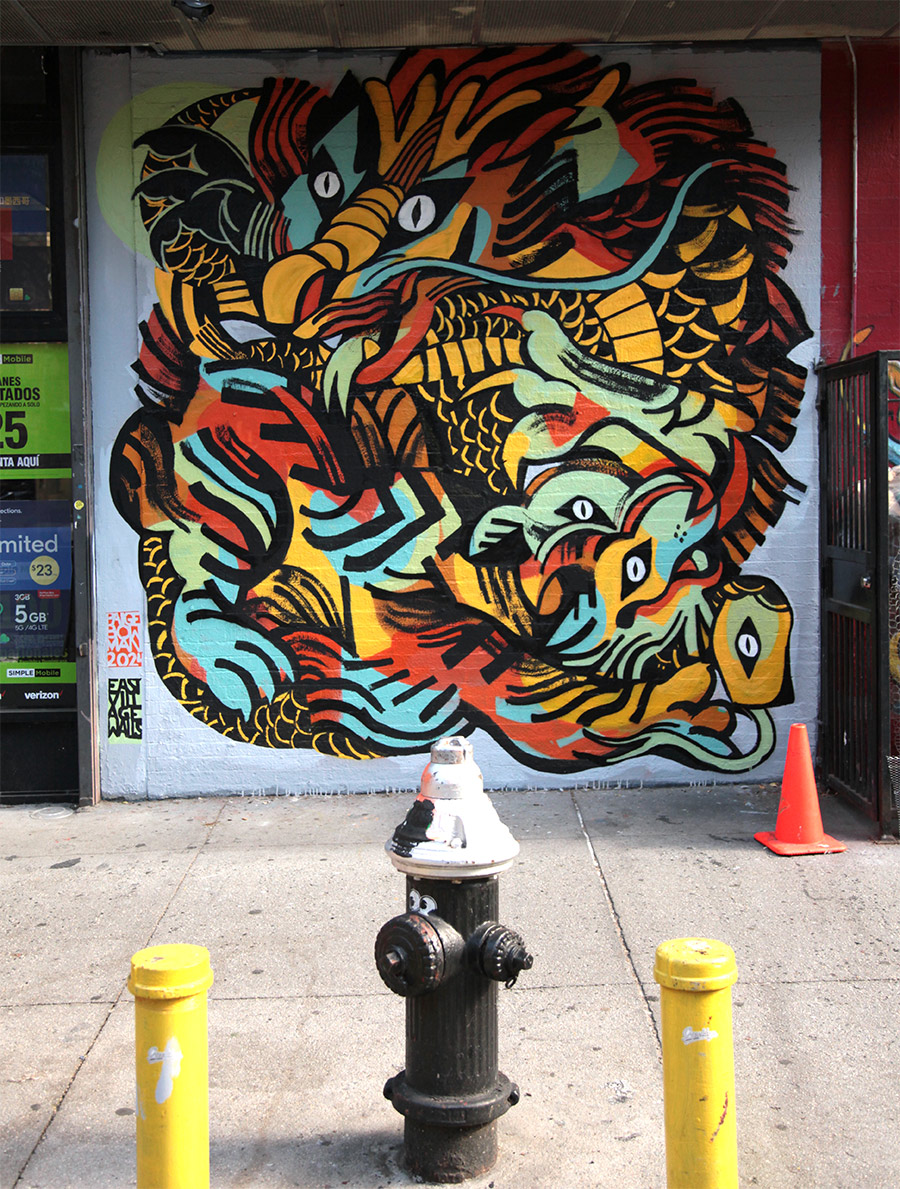
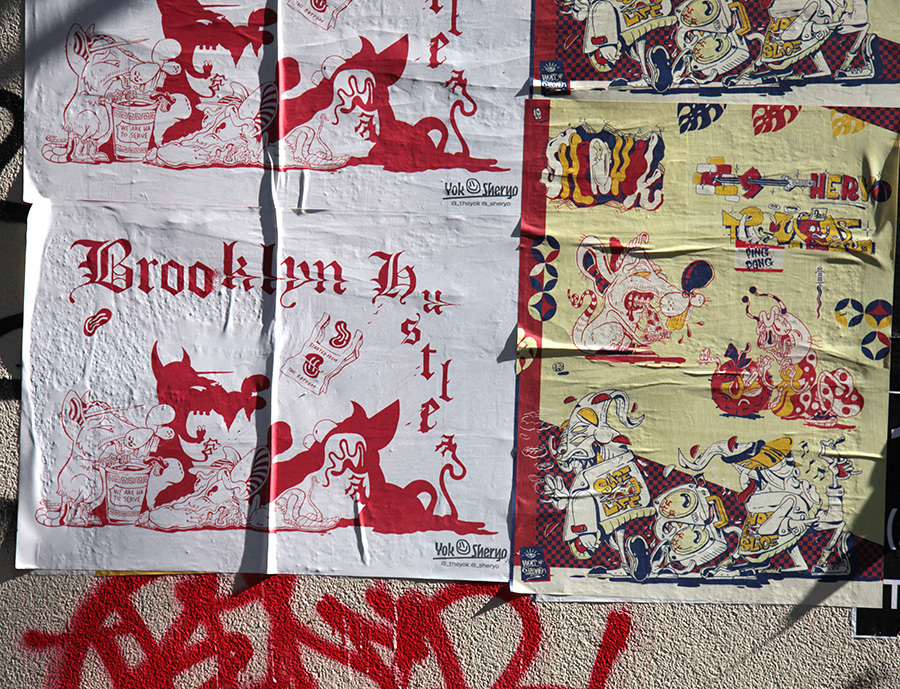
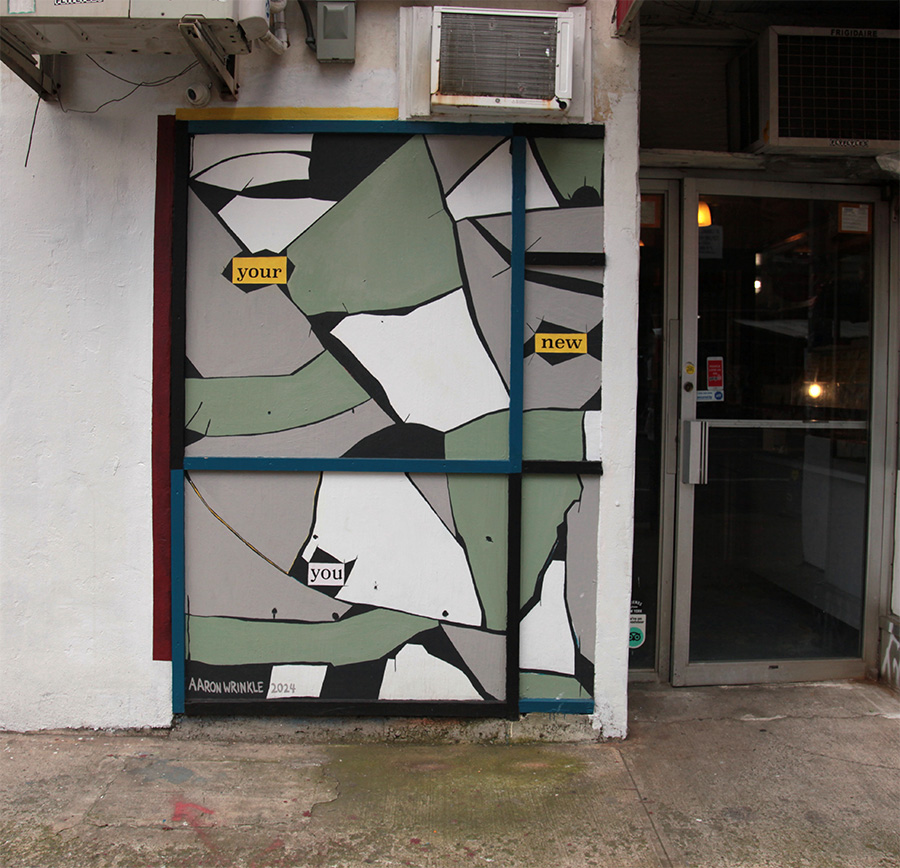
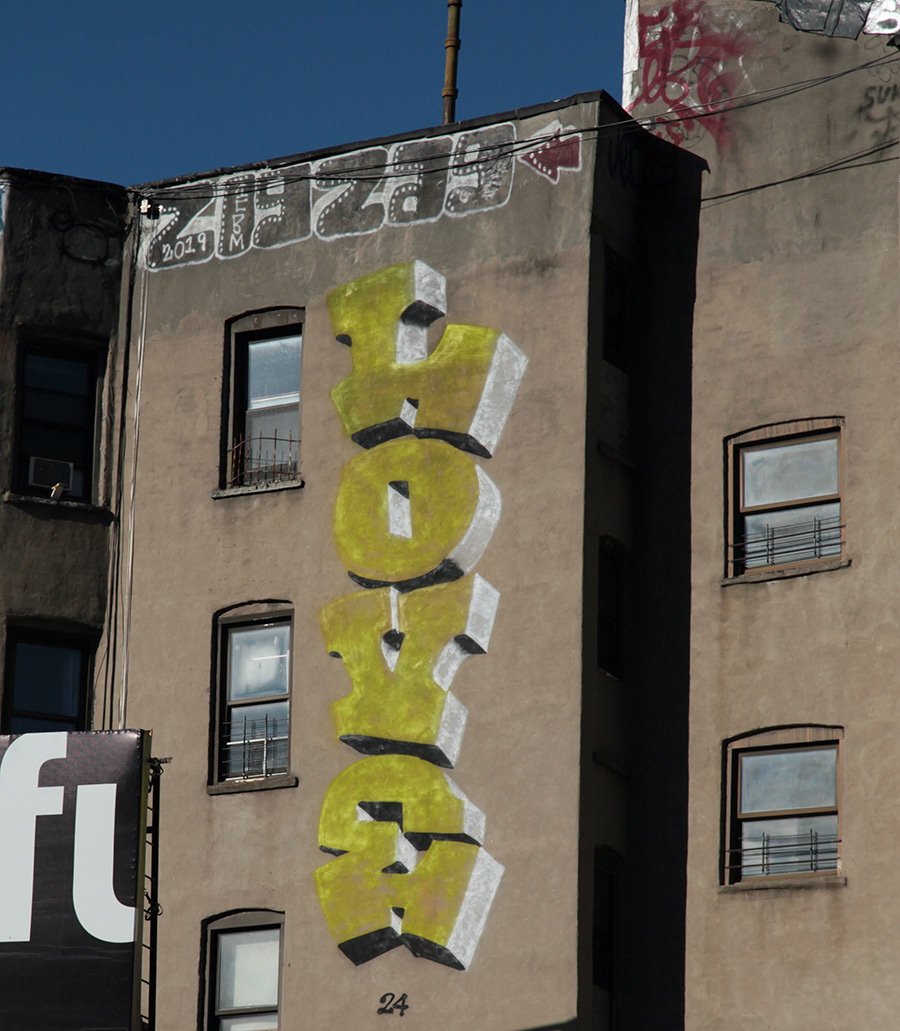
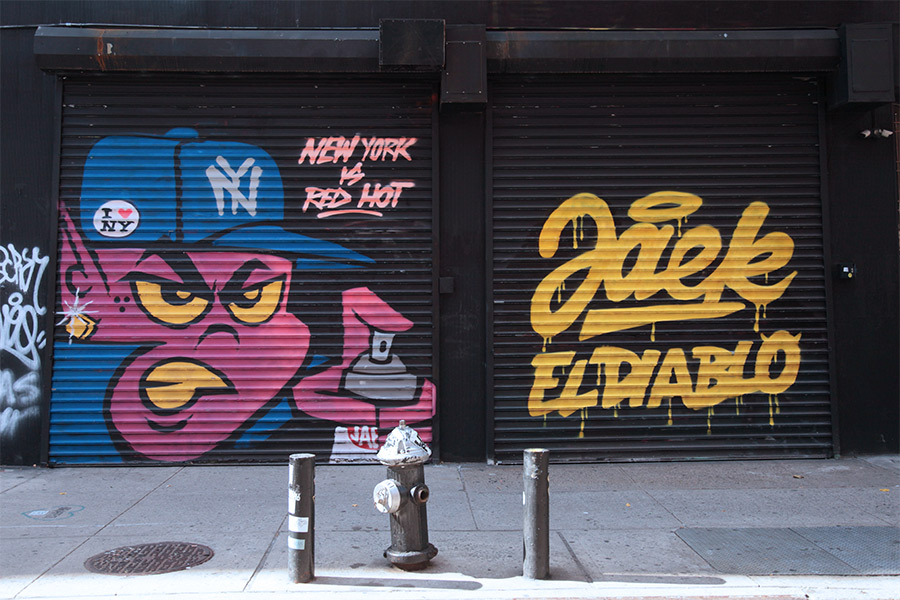
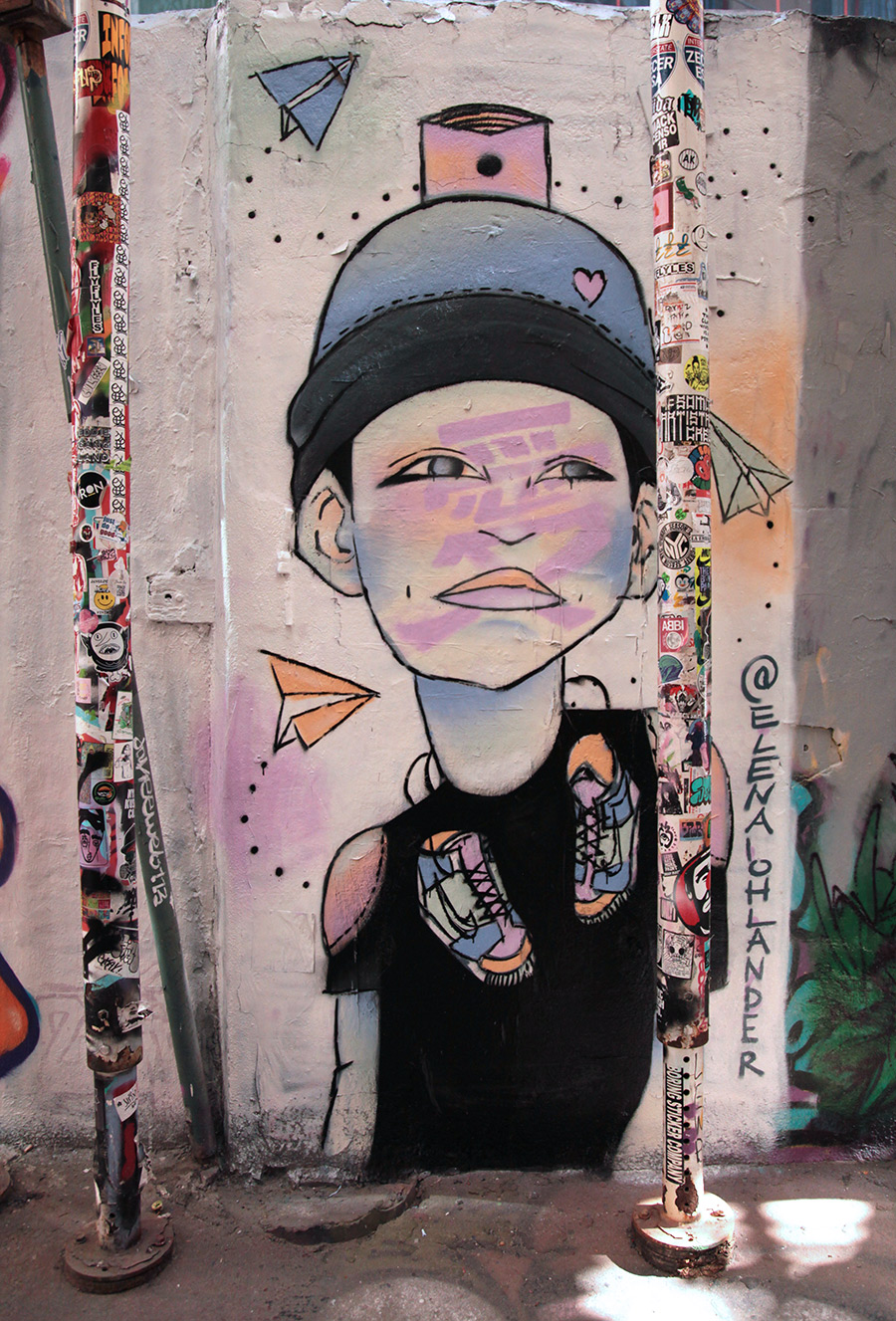
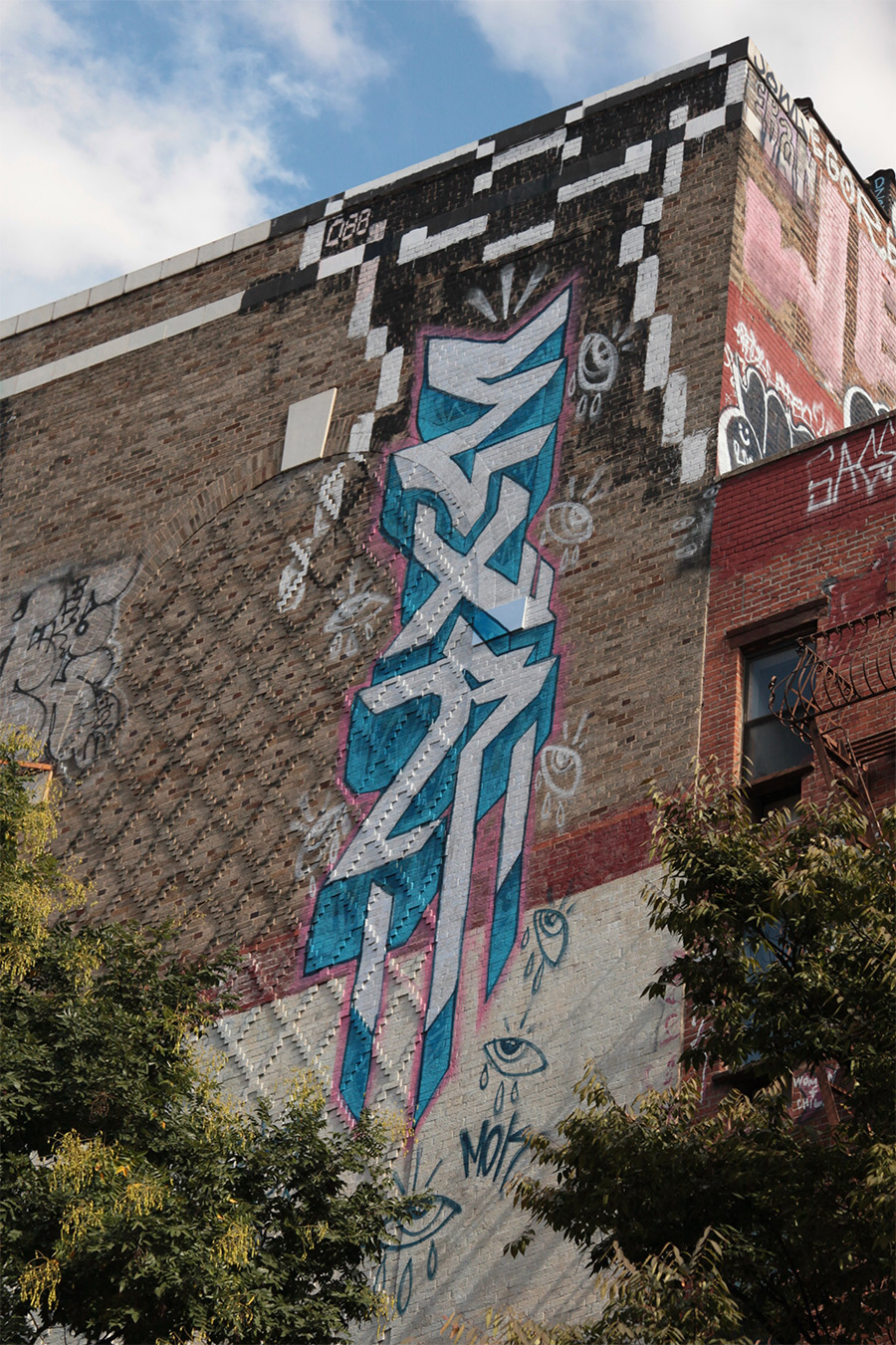
New York is slamming, as ever, when it comes to new street art and graffiti popping up in expected and unexpected places. Here’s our weekly conversation with the street, this week featuring: The Yok, Sheryo, Lexi Bella, Calicho Art, Humble, IMK, Manuel Alejandro, EXR, Zoot, Great Boxers, Thobekk, Aaron Wrinkle, OTOM, Poor Rupert, Paige Bowman, Elena Ohlander, MUSKA, Motomichi Nakamura, and TABBY.
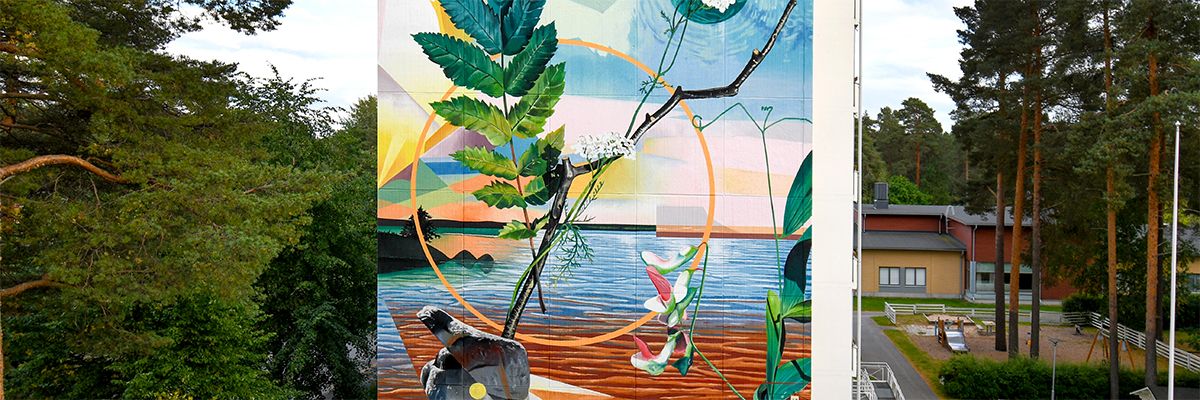
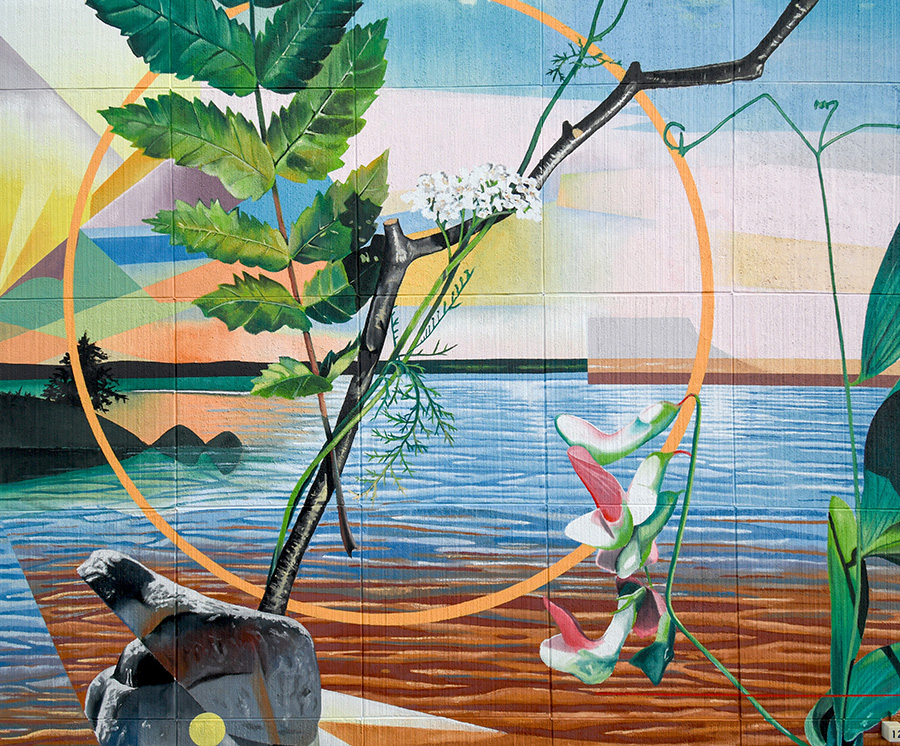
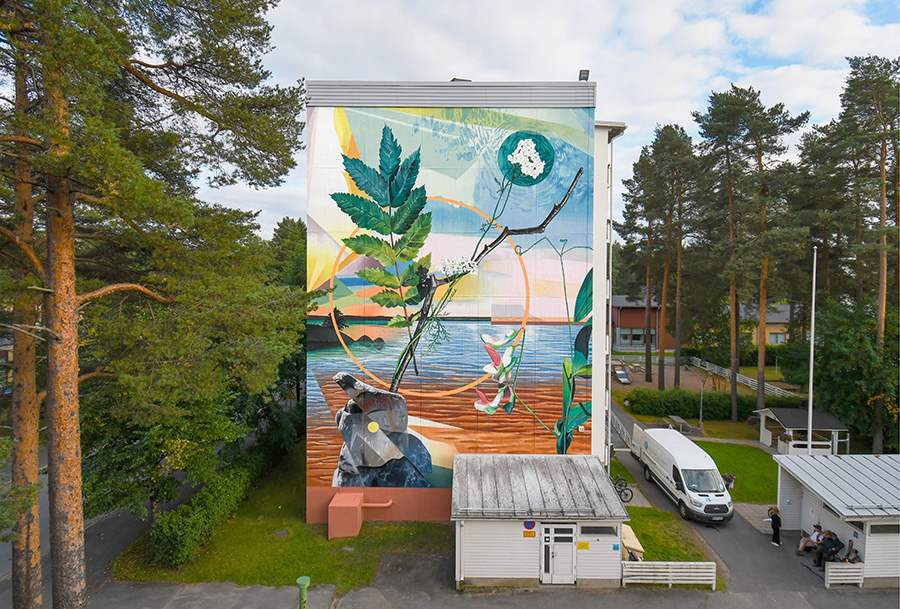
As part of Oulu, Finland’s preparations to become the European Capital of Culture in 2026, Italian street artist Fabio Petani has created a stunning new mural titled Ferrous Sulfate, Achillea Millefolium & Lathyrus Palustris in this city that blends cutting-edge technology, a vibrant cultural scene, and scenic natural surroundings. This work, commissioned by Upeart and curated by a selection committee from over 500 artists, highlights Petani’s signature style—one that blends natural elements with chemical compositions to symbolize the environment’s delicate balance.
Fabio Petani. FERROUS SULFATE,, ACHILLEA MILLEFOLIUM & LATHYRUS PALUST. Oulu, Finland. (photo courtesy of the artist)
“Each detail in the mural was inspired by photographs I took during my time in Oulu, which were then adapted into a composition that captures the essence of the area’s natural beauty,” says Petani.
Fabio Petani. FERROUS SULFATE,, ACHILLEA MILLEFOLIUM & LATHYRUS PALUST. Oulu, Finland. (photo courtesy of the artist)
Located near the Oulujoki River, a key inspiration for the piece, the mural features local flora like Achillea Millefolium and Lathyrus tuberosus, each chosen for their symbolic representation of the city’s resilience and cultural roots. This mural’s vibrant colors drawn from nature and its harmonious design are stylistically consistent with Petani’s other works, which often merge scientific and botanical themes to reflect a deeper connection between nature and urban spaces. As Oulu prepares for its cultural milestone, this mural serves as tribute to the city’s natural beauty and the community’s enduring spirit.
Fabio Petani tells us, “This piece is more than just decoration; it is a lasting tribute to the city, preserving the spirit of Oulu’s nature for future generations.”
Fabio Petani. FERROUS SULFATE,, ACHILLEA MILLEFOLIUM & LATHYRUS PALUST. Oulu, Finland. (photo courtesy of the artist)
Special guest Ted Riederer shares the story of a New York artist who, as a gay street youth, made his mark with bold, conceptual graffiti. Blending street culture with high-concept art, his early works challenged boundaries, reshaped graffiti history, and paved the way for a pioneering career in immersive installations and social activism.
by Ted Riederer
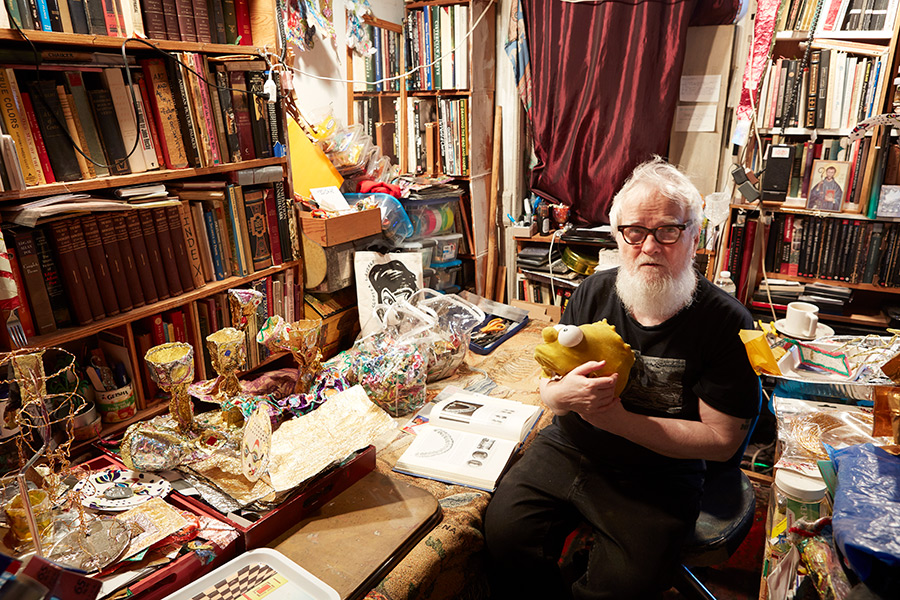
Thomas Lanigan-Schmidt, whose work is collected by prestigious institutions like the Metropolitan Museum of Art, the Whitney Museum of American Art, MoMA, and the Brooklyn Museum, and who was honored by President Barack Obama, began his career as a conceptual graffiti/street artist in the late 1960s. Known for his numinous sculptures and installations crafted from everyday materials like staples, cellophane, paper bags, and Scotch tape, Tommy’s journey started with a bold move. At just 20 years old, in 1968, he launched a spray paint stencil campaign on 4th Street in the East Village—a calculated street art action that reshaped and rewrites the many narratives of graffiti history.
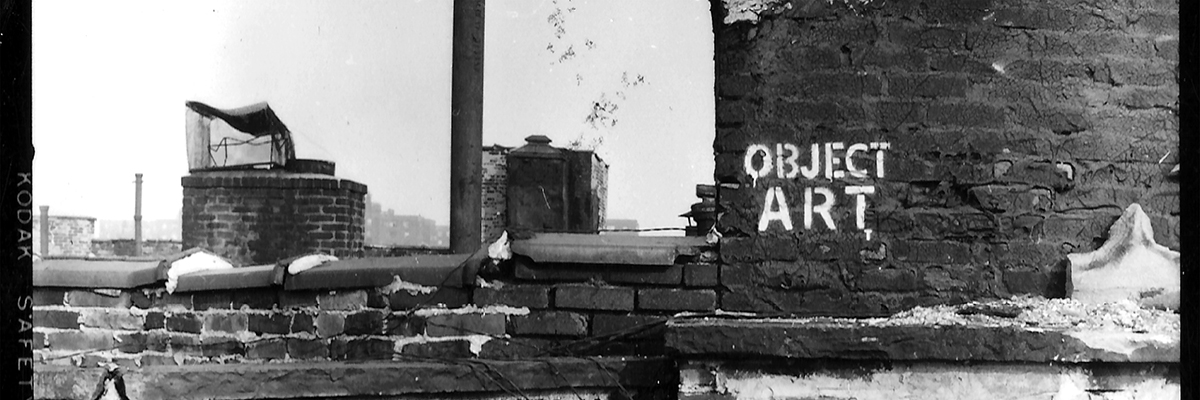
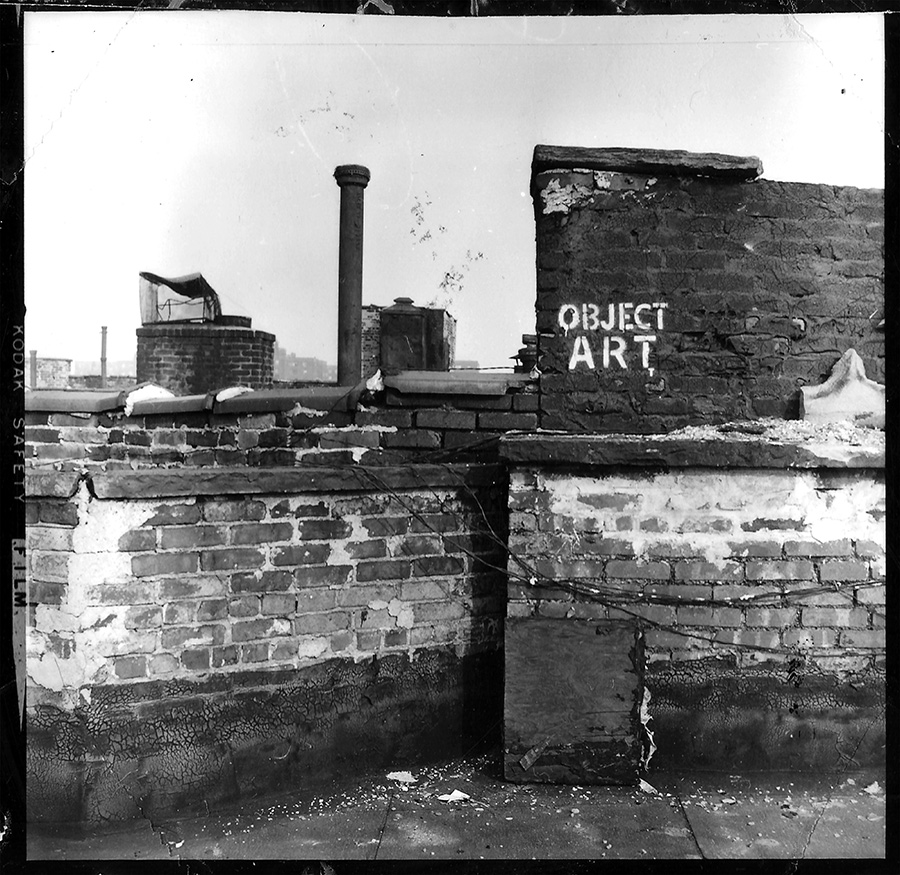
Tommy Lanigan-Schmidt. The image from the scanned contact sheet appears courtesy of the artist and photographer Robert Rosen.
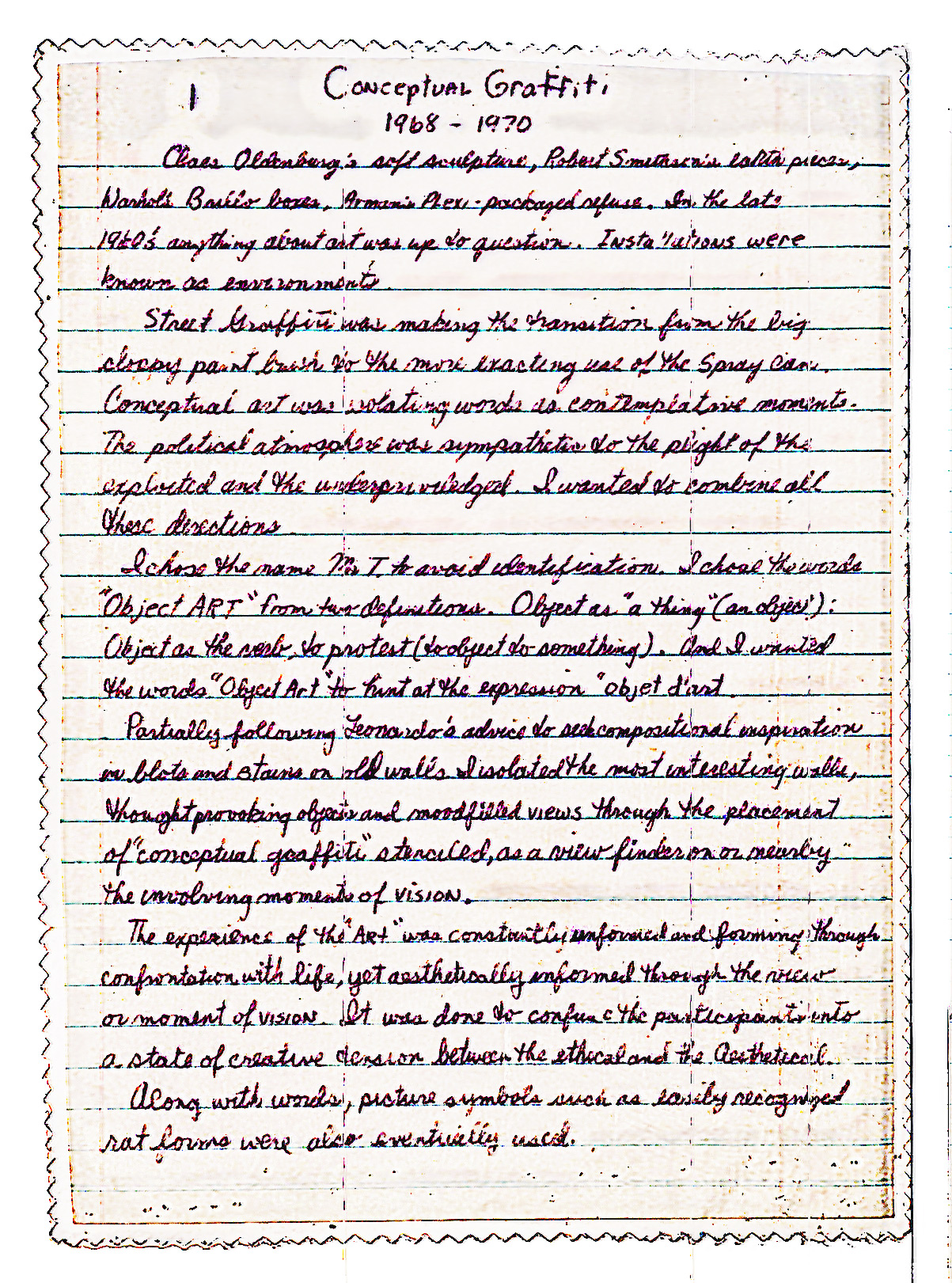
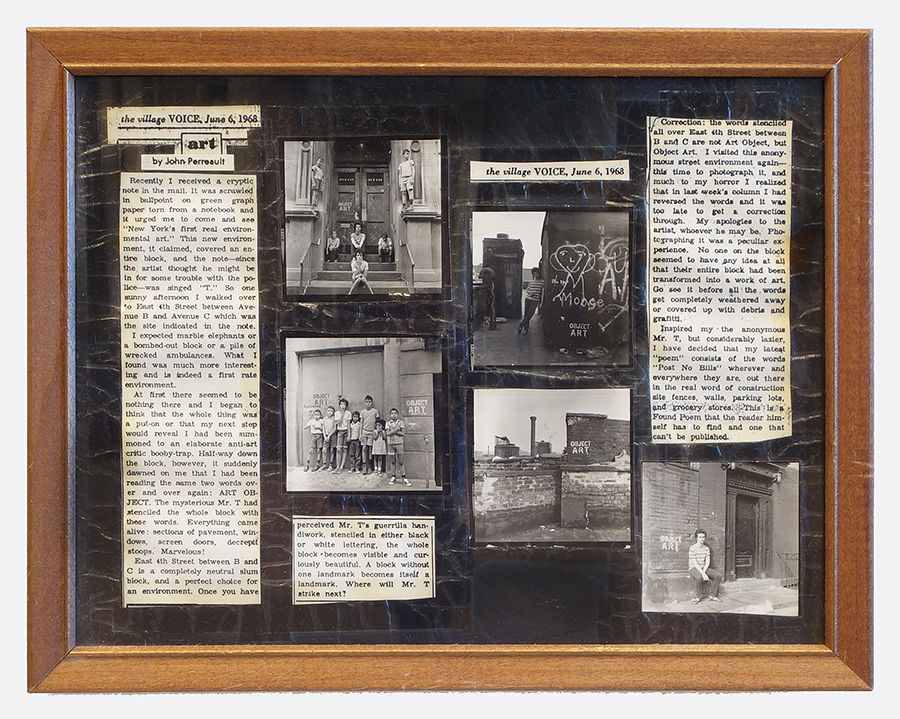
I first met Tommy in 2004 at the School of Visual Arts, where he instantly became one of my favorite professors. In 2018, when I was the Artistic Director of Howl! Happening: An Arturo Vega Project, I co-curated an exhibition of Tommy’s work, which The New York Times described as a “revelation.” In preparation for the exhibit, Pavel Zoubok Gallery, along with the team at Howl, scanned hundreds of photographs and documents from the artist’s personal archive. We discovered a long-forgotten framed collage made from Village Voice clippings and photographs taped to a black plastic bag. This collage illuminates one of the first recorded acts of conceptual graffiti in New York City. An even more remarkable find was a handwritten manifesto from 1970, in which Tommy describes his philosophy behind this early work. This thoughtful and articulate document shows a level of sophistication beyond the artist’s years.
When I recently interviewed Tommy at the Mary Manning Wash Rehabilitation Hospital, he reflected on this formative period in his life. In 1967, after two semesters at Pratt, he ran away from his home in Linden, New Jersey. His father had derailed his artistic aspirations by enlisting Tommy as a ditch digger—ditch digging was the entry-level job for a career in construction. The night before his first day of construction work, Tommy fled home and hitchhiked to Times Square with 57 cents in his pocket.
Tommy found the Times Square scene to be “too rough,” so he made his way to the Village, where he found both safety and camaraderie among a vibrant community of gay street kids. One of these kids got him a job at an employment agency as a messenger. With regular, albeit meager, income, Tommy migrated east looking for cheap rent. He eventually found an apartment on 4th Street between Avenue B and C. He recounted, “I think the landlord rented to me because he didn’t think I would last very long. That neighborhood was really dangerous.”
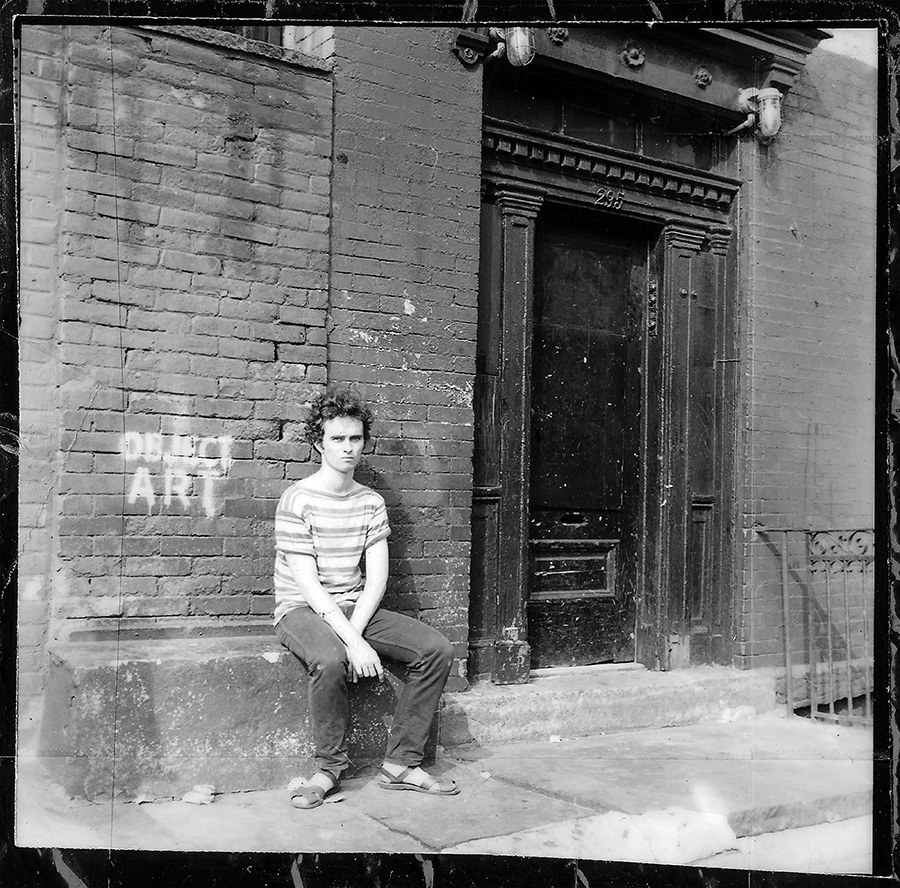
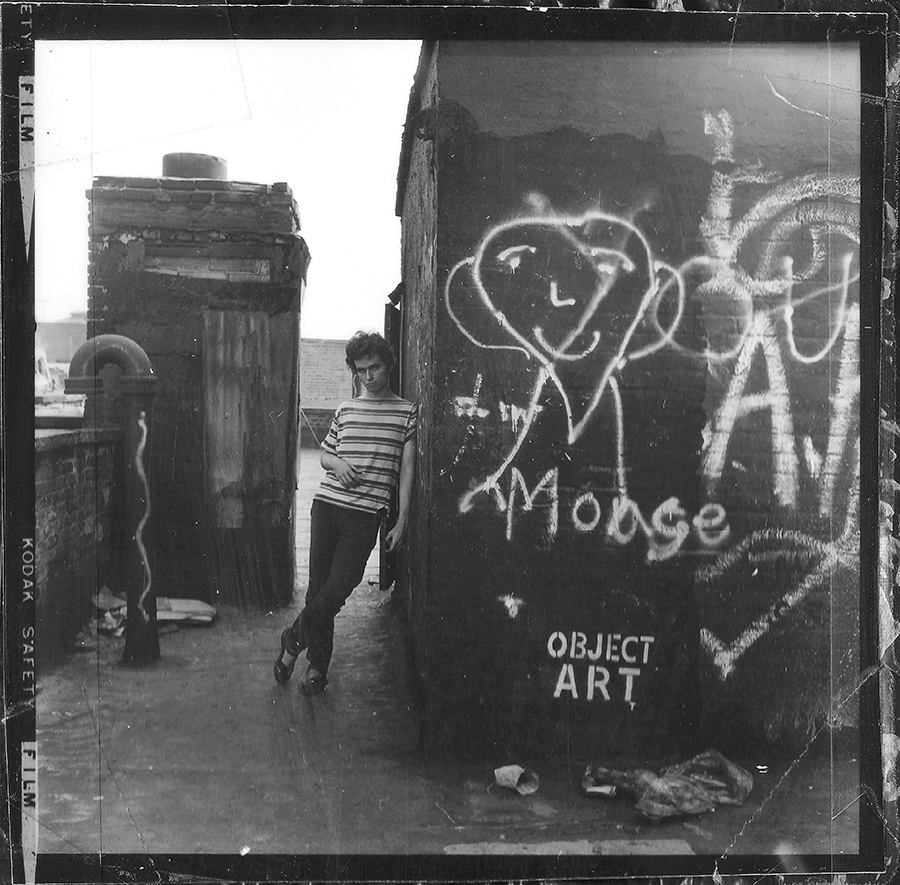
Tommy Lanigan-Schmidt. The image from the scanned contact sheet appears courtesy of the artist and photographer Robert Rosen.
Tommy, who often describes his life as full of unexpected, fortunate events, met the painter Christopher Scott on a corner outside the Museum of Modern Art after he couldn’t afford the entry fee. Scott was the partner of Henry Geldzahler, the curator of Contemporary Art at the Metropolitan Museum of Art. They adopted Tommy into their circle of friends and introduced him to the fecund theater scene that was thriving in the East Village. This scene included Charles Ludlam, Jack Smith, and John Vaccaro, along with institutions like La Mama Experimental Theater Club and Vaccaro’s Play-House of the Ridiculous. Tommy was deeply inspired by this new artistic community, especially Ludlam’s straightforward way of communicating, which avoided the pretentiousness often found in the Uptown art world.
Tommy described this period to me: “I was reading the Village Voice, reading John Perreault, and I said to myself, ‘I have to do something that connects with what they’re doing.’ So that’s how the street art happened. It was totally calculated, but it had to be true to who I am at the same time. Why graffiti? Graffiti was already considered art by the street kids, which was all the gay kids who I hung out with, but no one listened to them. I wanted to make something that wouldn’t look like graffiti but would be graffiti. It would have a conceptual element going through it, but it would have mostly a romantic element going through it. The reverie of being there was what I wanted it to be mostly about. This was art that couldn’t be bought. It had to be walked away from.”
Tommy instigated his project by sending a cryptic ransom note to Village Voice art critic John Perreault, signing it “Mr. T.” “I wanted them to think I was some crazy forty-year-old,” Tommy remembered. In a Village Voice article published on June 6, 1968, John Perreault wrote, “Recently I received a cryptic note in the mail. It was scrawled in ballpoint pen on green graph paper torn from a notebook, and it urged me to come and see ‘New York’s first real environmental art.’”
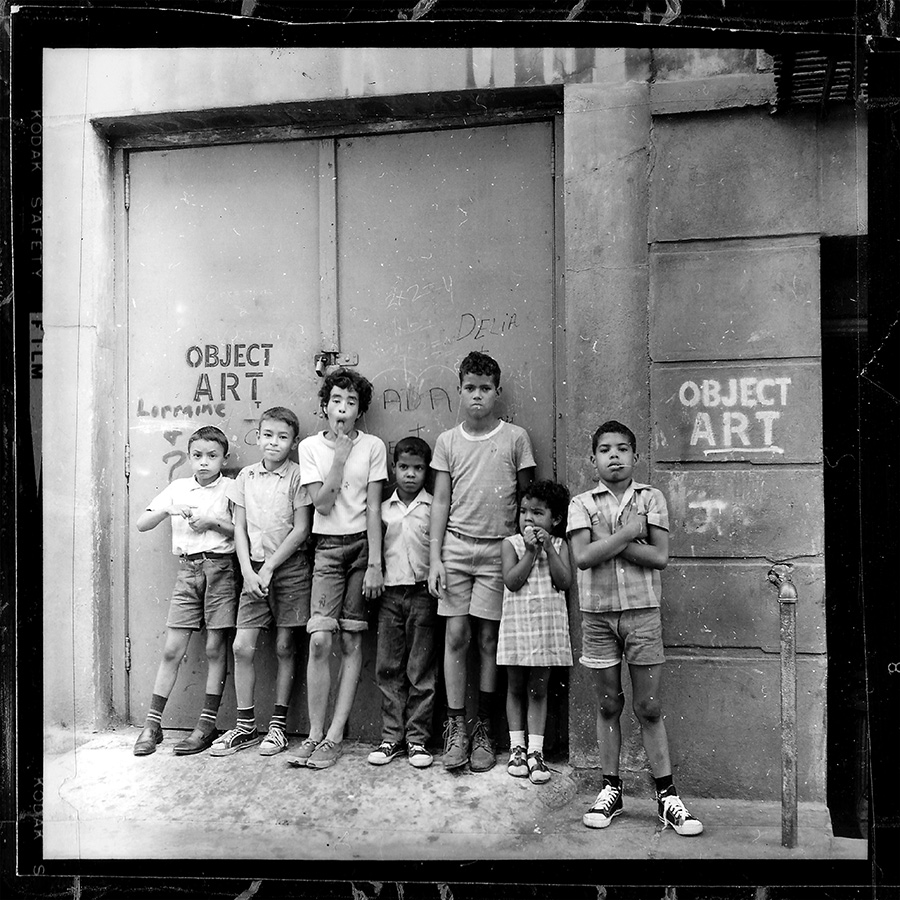
Tommy had covered 4th Street with a white spray-painted stencil that read “OBJECT ART.” In his 1970 manifesto, Tommy wrote, “Street graffiti was making the transition from the big sloppy paint brush to the more exacting use of the spray can. Conceptual art was isolating words as contemplative moments. The political atmosphere was sympathetic to the plight of the exploited and the underprivileged. I wanted to combine all these directions. I chose the name Mr. T to avoid identification. I chose the words ‘OBJECT ART’ from two definitions: Object as ‘a thing (an object)’; Object as the verb, to object (to object to something). And I wanted the words ‘OBJECT ART’ to hint at the expression ‘object d’art.’”
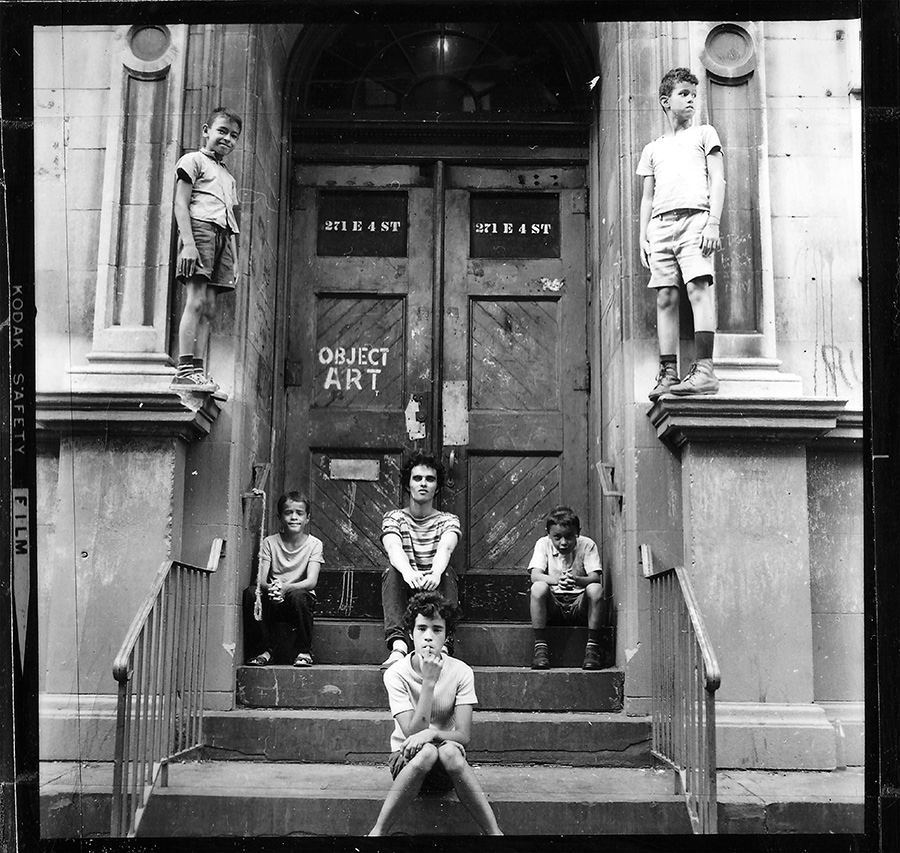
Tommy Lanigan-Schmidt. The image from the scanned contact sheet appears courtesy of the artist and photographer Robert Rosen.
I spoke with Al Diaz, one of the graffiti artists behind the 2023 exhibition and book New York City of Kings: A History of New York Graffiti. I wanted to find out the state of graffiti in 1968 to fully understand the context of Tommy’s stencils.
Diaz explained, “Graffiti in the late 60s and 70s was more of a sport, quantity over quality. Julio 204 surfaces in 1967/68. It’s the first appearance of a name and number tag, even before Taki 183. What Tommy was doing was more ambitious. Instead of trying to communicate with the esoteric community of other taggers, Tommy was attempting to communicate with the public at large. Graffiti at the time was written by a local kid who addressed everyone in the neighborhood saying, ‘I’m here.’ It’s different than what Tommy was doing. He was appropriating that public space.”
Tommy Lanigan-Schmidt. The image from the scanned contact sheet appears courtesy of the artist and photographer Robert Rosen.
Tommy wrote, “Partially following Leonardo’s advice to seek compositional inspiration in blots and stains on old walls, I isolated the most interesting walls, thought-provoking objects, and modified views through the placement of ‘conceptual graffiti,’ stenciled, as a viewfinder on or nearby the involving moments of vision. The experience of the ‘Art’ was constantly unformed and forming through confrontation with life, yet aesthetically informed through the view or moment of vision. It was done to confuse the participants into a state of creative tension between the ethical and the aesthetical.”
Scanned from the contact sheet cutouts in Tommy’s collage, photographer Robert Rosen’s beautiful photographs not only capture Tommy’s stencils, but they also document the transition from graffiti made with a brush to graffiti made with the spray can. One photo even captures the murmuration of carrier pigeons on the horizon. When I showed Tommy Rosen’s group portrait of kids from the neighborhood posing with an “object art” stencil, he exclaimed, “Those kids have to be in their 70s now.”
Tommy Lanigan-Schmidt. The image from the scanned contact sheet appears courtesy of the artist and photographer Robert Rosen.
Tommy wrote, “Coming from a working-class background, I understood that the Bauhaus concept of people as bees in a hive was totally dehumanizing to the people it professed to help.”
This street art campaign was only the beginning. Tommy continued his practice with “environmental art,” transforming entire buildings into immersive installations and converting his own apartment into a gallery space. These endeavors were all featured in The Village Voice, with the gallery specifically highlighted in an article by Charles Ludlam.
Tommy Lanigan-Schmidt. The image appears courtesy of the artist and Pavel Zoubok Fine Art.
The rediscovery of Perreault’s article from The Village Voice, Rosen’s photographs, and, most importantly, Tommy’s writings, is extraordinary. These documents provide insight into the early history of New York graffiti, a now ubiquitous global art form. This history also helps us understand the egalitarian underpinnings of an artist who is deeply concerned with social justice issues. Tommy was honored by President Obama in 2009 for his participation in the Stonewall rebellion and appears in front of the Stonewall with other youth in a well-known photograph by Fred W. McDarrah entitled Celebration After Riots Outside Stonewall Inn.
Al Diaz, who co-wrote SAMO with Jean-Michel Basquiat, reflects, “We didn’t understand completely what we were doing with our public writing project back then. Tommy’s art and writing help me define and understand more deeply what we were trying to do. Tommy’s stencils helped jumpstart his career just as SAMO helped jumpstart ours.”
Even though he has retired from teaching, Tommy continues to educate us through his work and the story of his life. He is actively making work from the bed of his rehab hospital. “Some of my best work,” he claims.
Tommy Lanigan-Schmidt. Portrait of the artist by Jason Wyche appears courtesy Howl! Happening: An Arturo Vega Project.
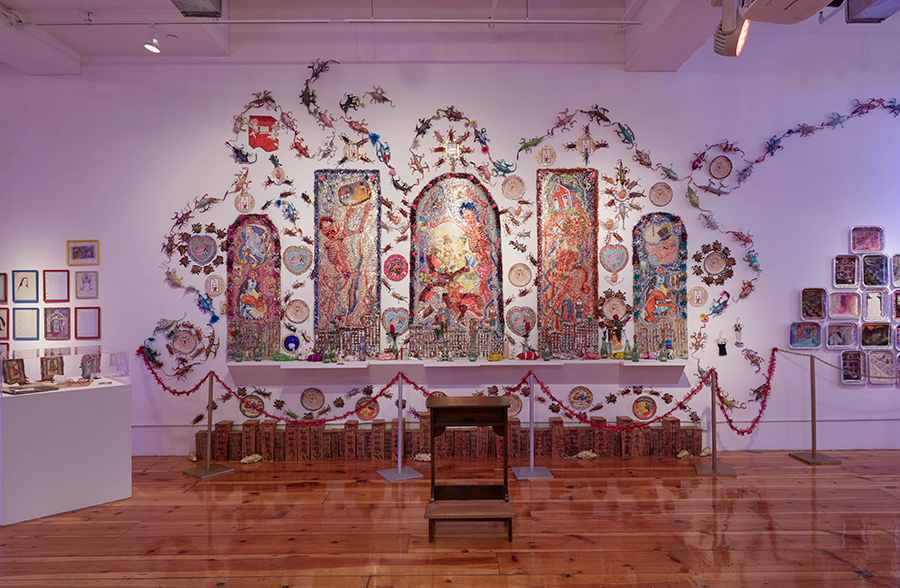
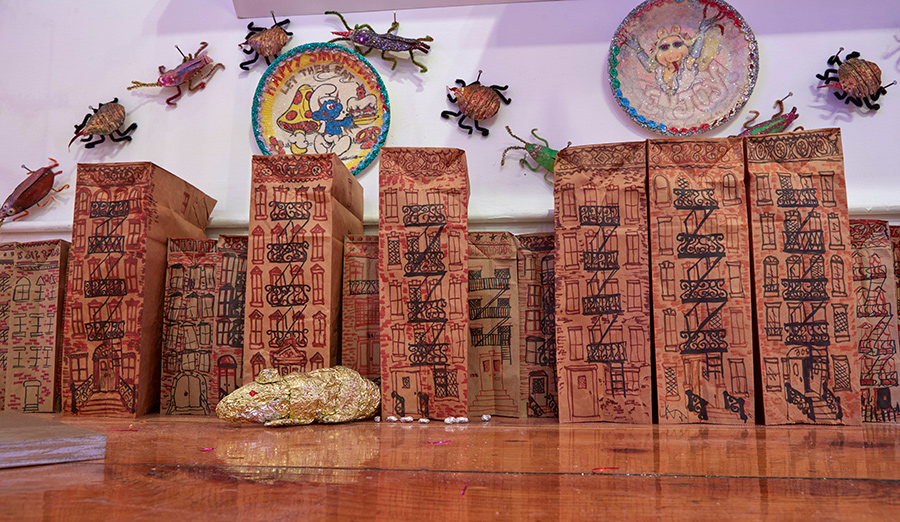
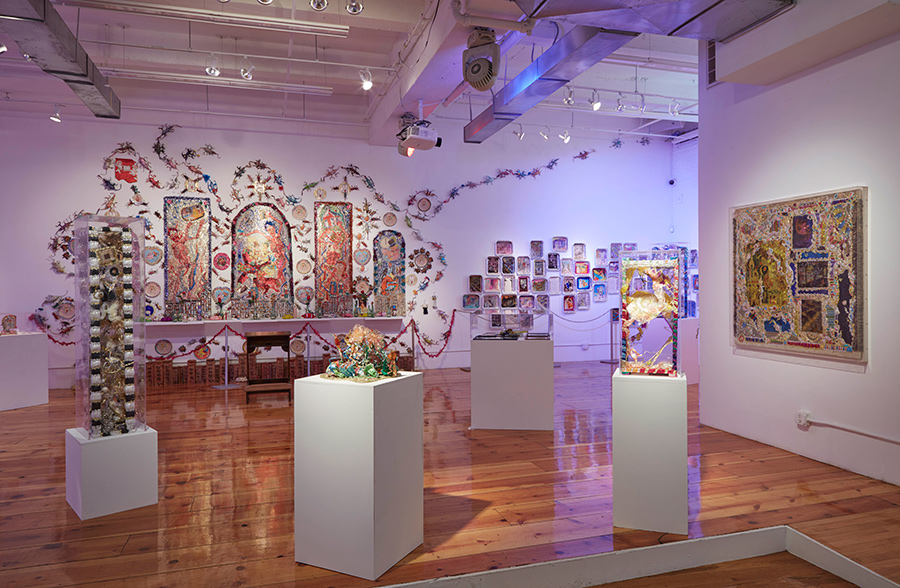
Scenes from Tommy Lanigan-Schmidt installation views from the exhibition Tenemental: With Sighs Too Deep For Words (Nov/December 2018).
Tommy Lanigan-Schmidt. Installation view from the exhibition Tenemental: With Sighs Too Deep For Words. Courtesy of Howl! Happening: An Arturo Vega Project and the photographer Jason Wyche.Tommy Lanigan-Schmidt. Installation view from the exhibition Tenemental: With Sighs Too Deep For Words. Courtesy of Howl! Happening: An Arturo Vega Project and the photographer Jason Wyche.Tommy Lanigan-Schmidt. Installation view from the exhibition Tenemental: With Sighs Too Deep For Words. Courtesy of Howl! Happening: An Arturo Vega Project and the photographer Jason Wyche.
About the Author: Ted Riederer
Described as a “one-time refugee from punk and sometime band member,” Ted Riederer has traveled the world equipped with painting supplies, electric guitars, amplifiers, old LPs, record players, drum kits, hard disk recorders, photography gear, a vinyl record lathe, and long-stemmed roses. His artistic journey has taken him from the Americas to the Antipodes, with his work exhibited both nationally and internationally at venues such as PS1, Prospect 1.5, Goff and Rosenthal Berlin, Nicole Klagsbrun Gallery, Jack Hanley Gallery (San Francisco), Marianne Boesky Gallery, Context Gallery (Derry, Ireland), David Winton Bell Gallery (Brown University), the University of South Florida Contemporary Art Museum, the Liverpool Biennial, and the Dhaka Arts Center in Bangladesh.
Riederer’s acclaimed project, Never Records, has traveled from New York to Liverpool, Derry, New Orleans, Texas, Kansas City, Brooklyn, Amman, and London, where it was sponsored by the Tate Modern. In addition to his artistic endeavors, Riederer served as the Founding Artistic Director of Howl! Happening: An Arturo Vega Project, a non-profit gallery and performance space in the East Village. The New York Times has recognized Howl! Happening as “instrumental to the history of the area.”
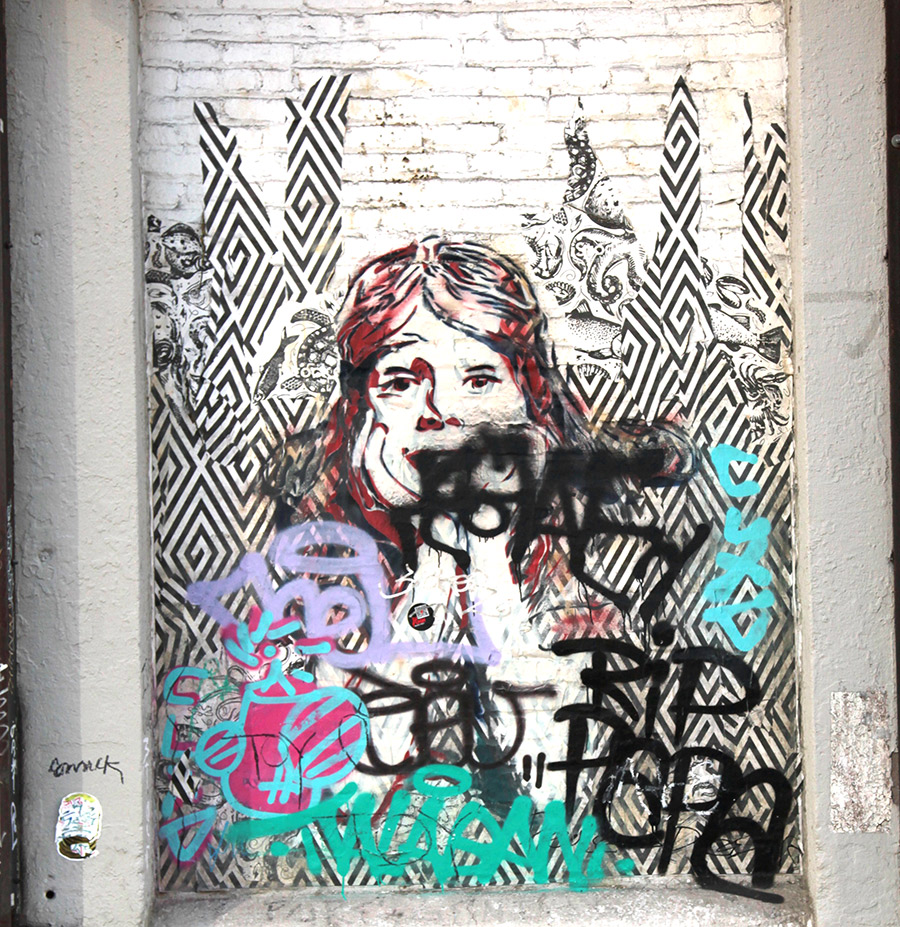
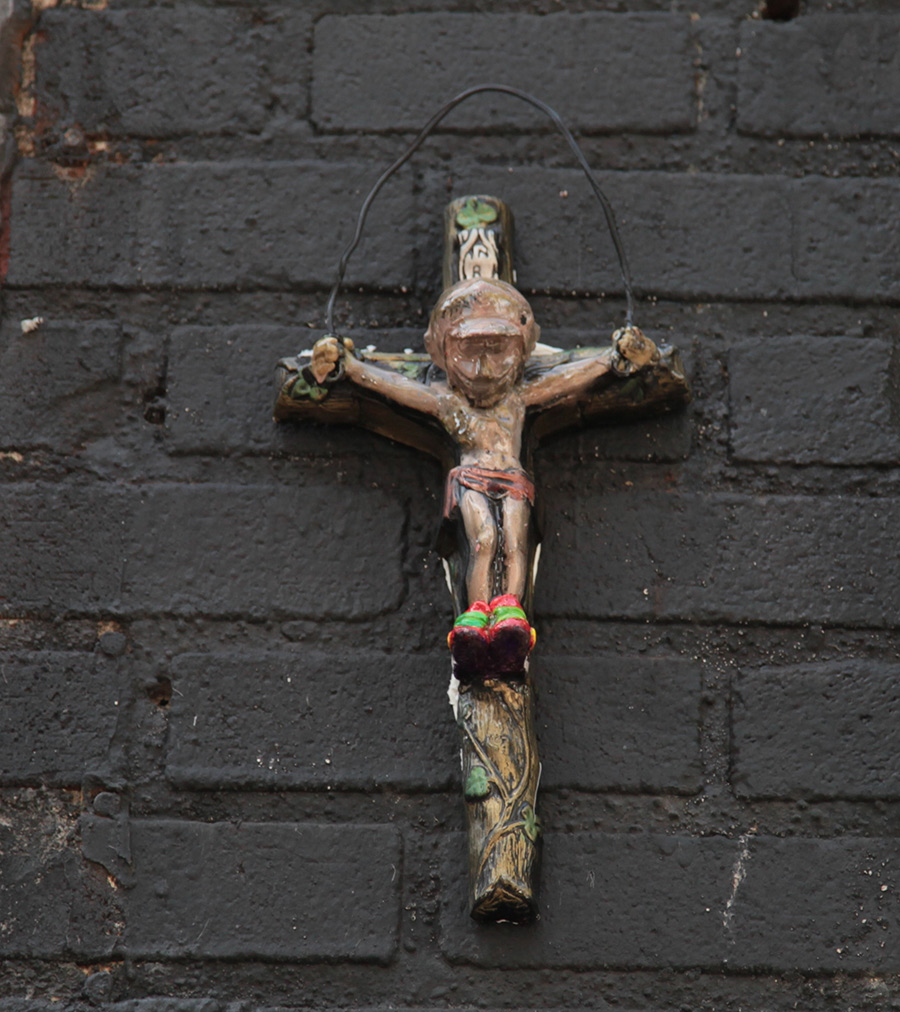
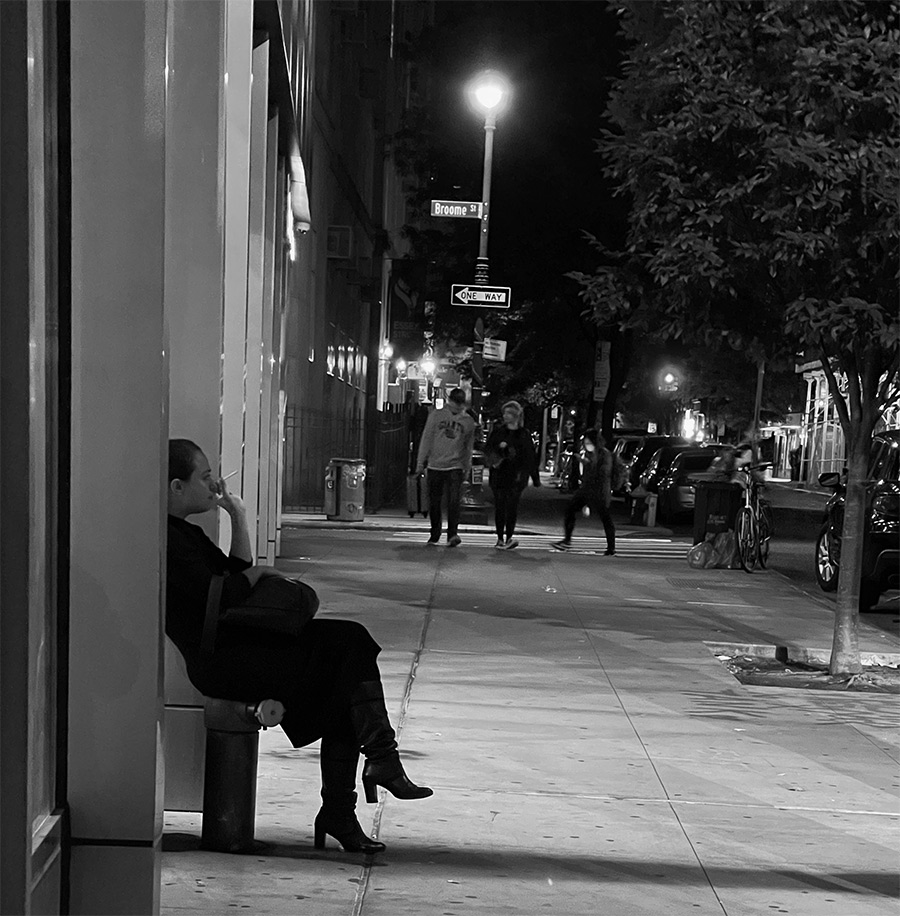
The beat on the street is washed in autumn sunlight, cooler nights, and traffic jams. If you hear cars honking, you know its New York in the fall. Street artists and graffiti writers are still hard at work, or play, and we like to capture their work here, before it is gone.
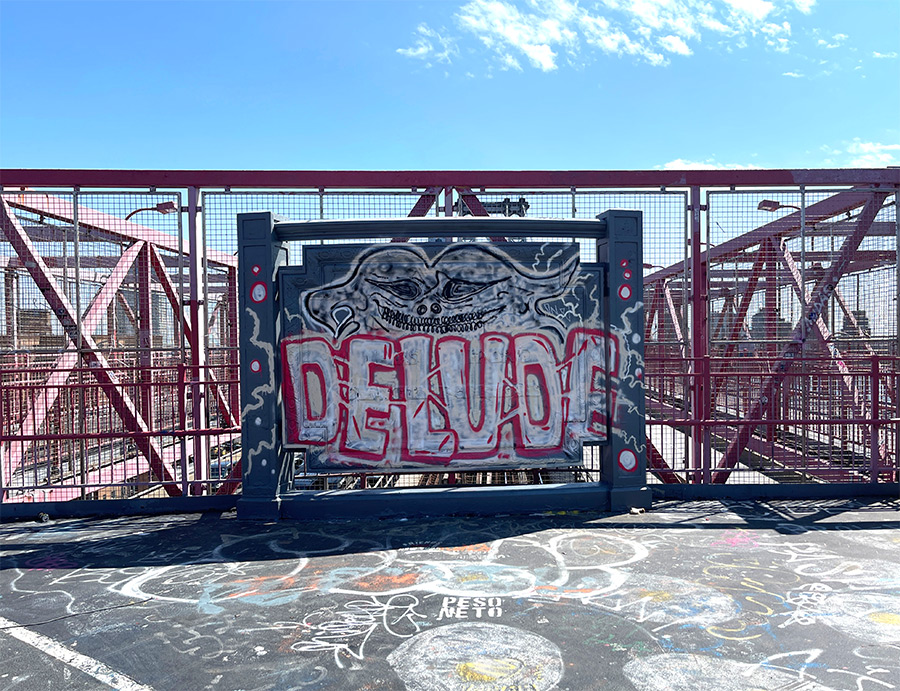
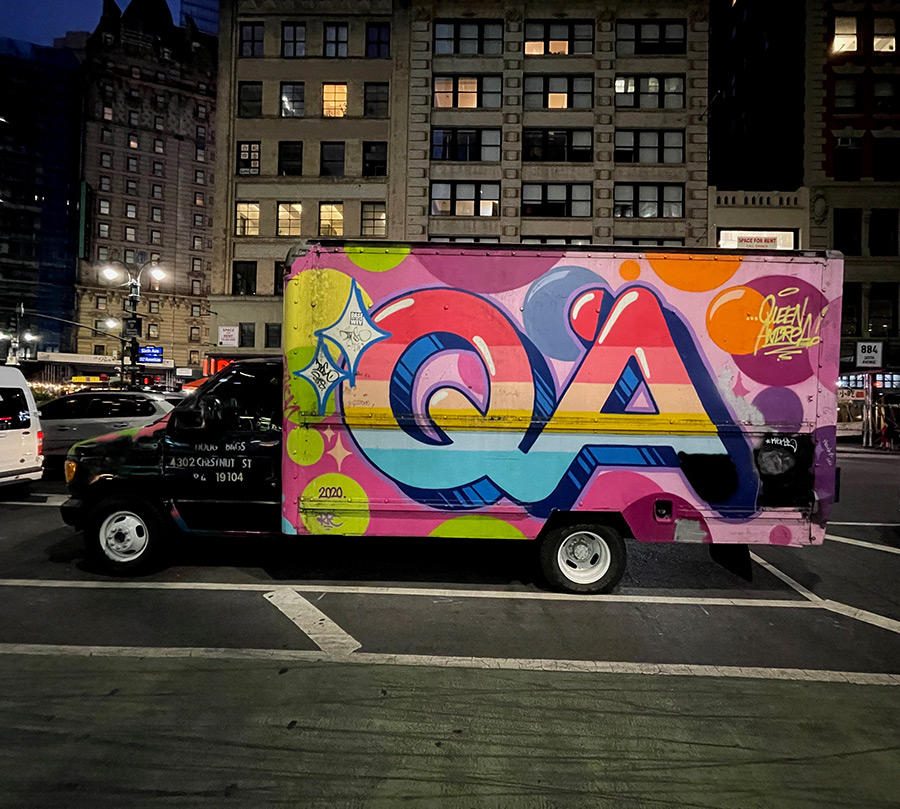
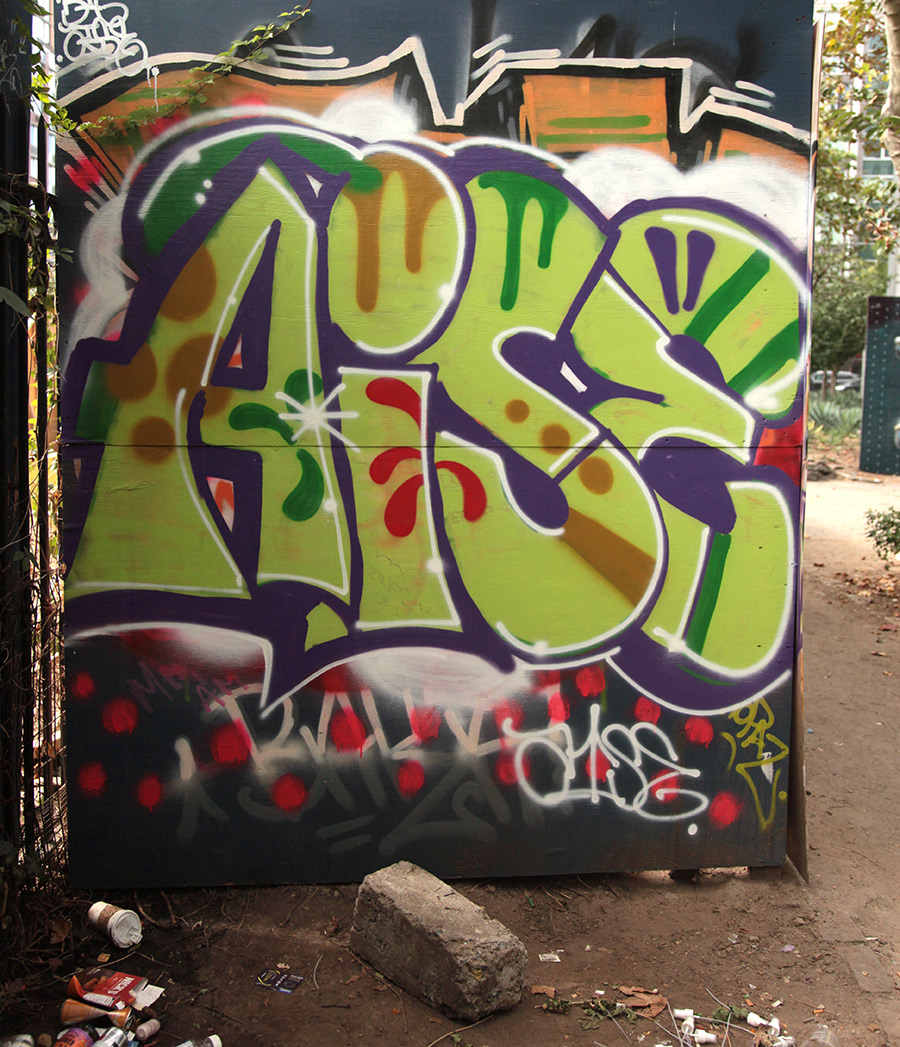
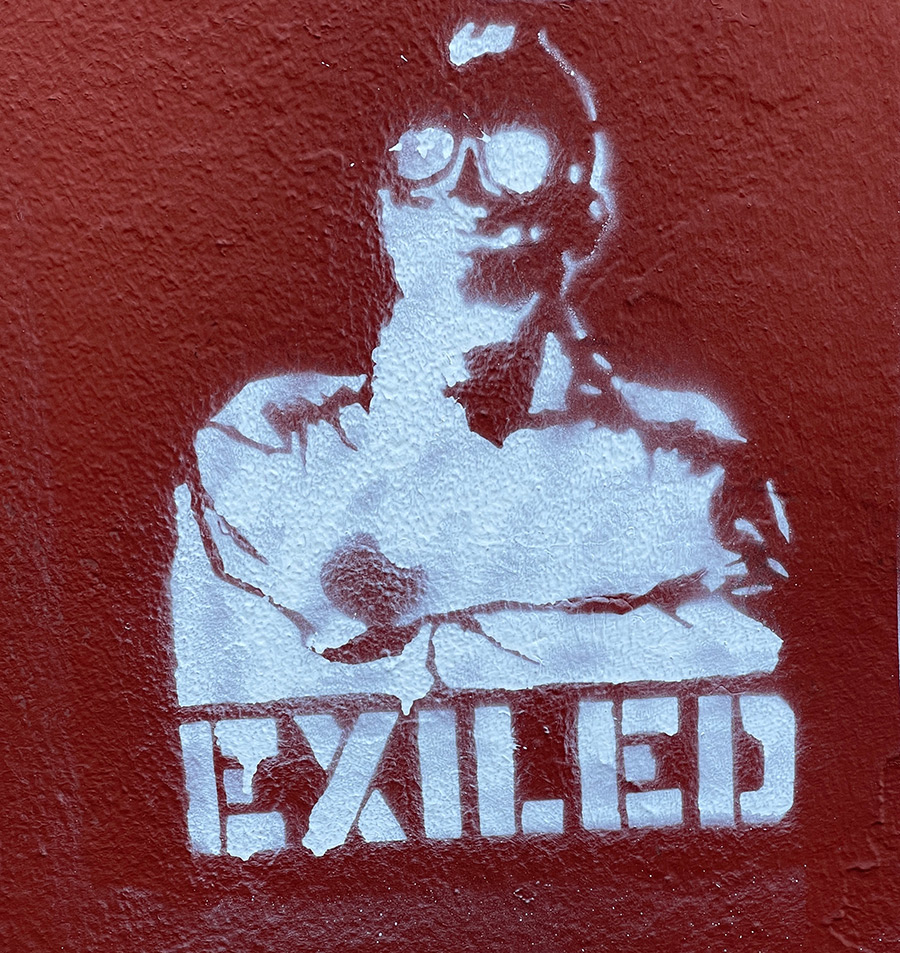
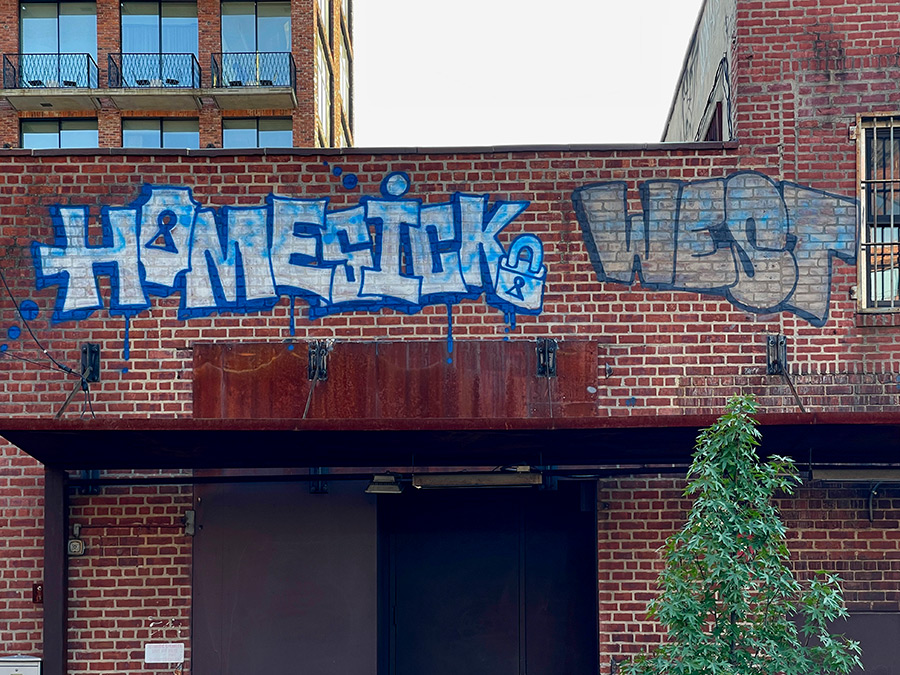
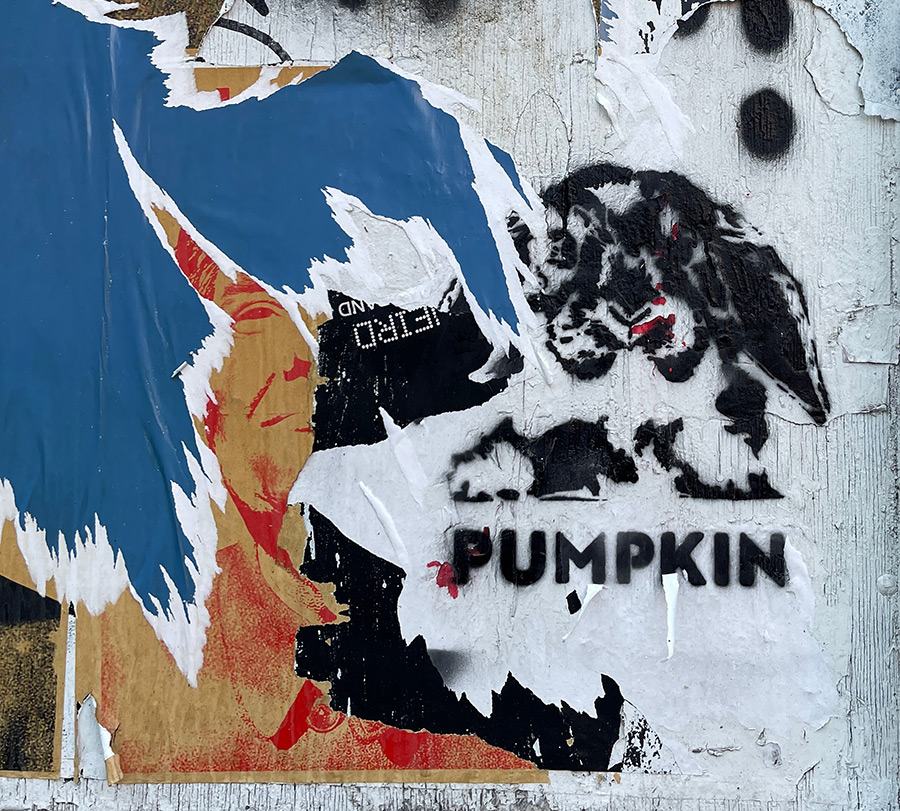
And here we go boldly into the streets of New York to find new stuff from: Shepard Fairey, C215, Obey, Homesick, Queen Andrea, Steve the Bum, Boom, Pumpkin, Exiled, Stytte, Delude, Fader, and Aise.
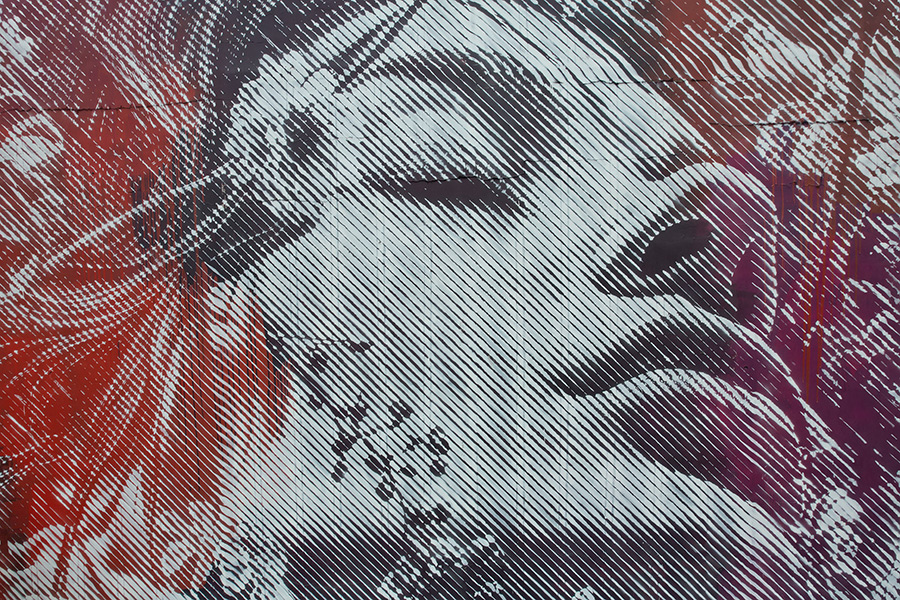
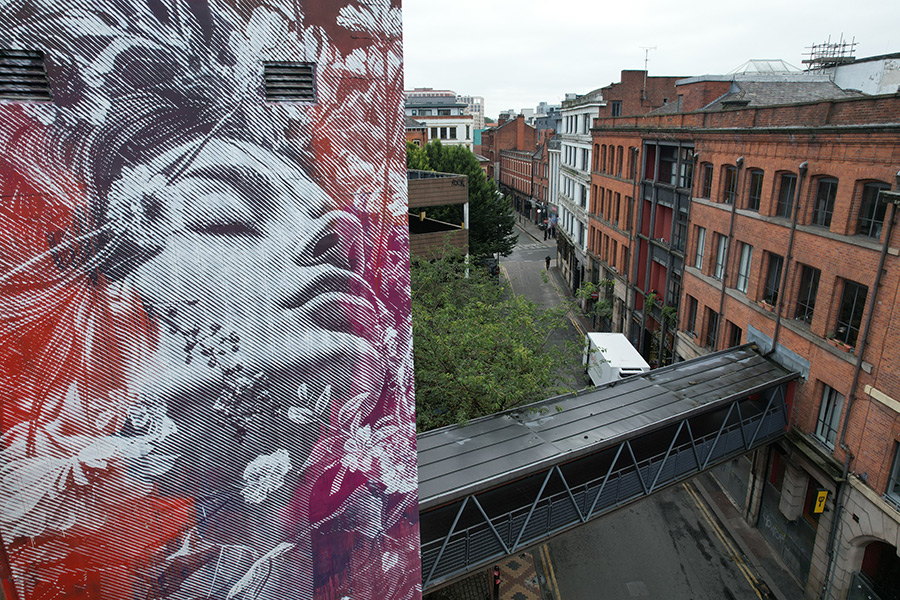
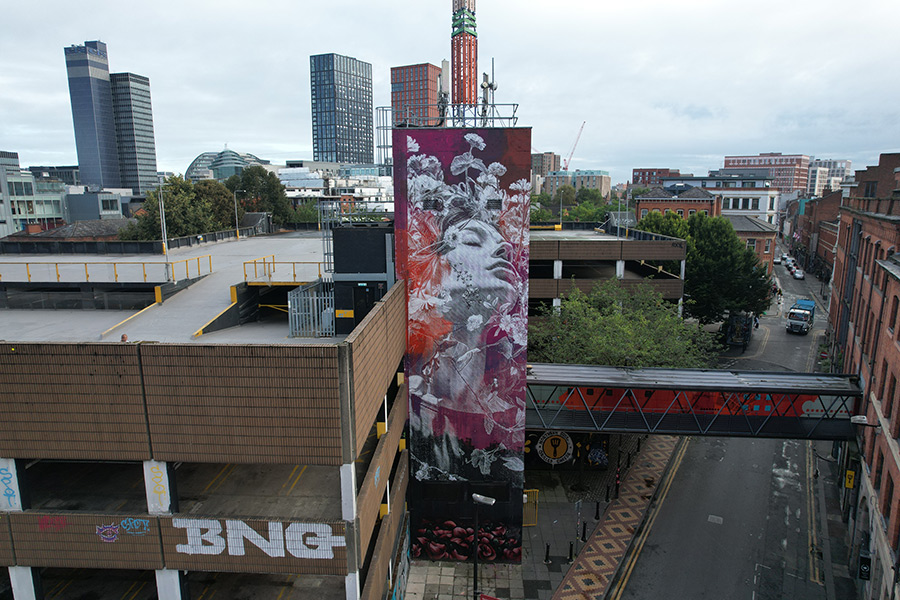
Manchester’s Northern Quarter is known for its vibrant street art scene (including the Cities of Hope festival), independent music venues, and creative businesses that occupy its historic, repurposed buildings. This eclectic neighborhood has become a cultural hub, drawing visitors with its large-scale murals and a mix of alternative shops, cafes, and record stores. Despite the pressures of gentrification, the Northern Quarter of this UK city remains a key destination for artistic expression and community engagement, where spaces like the Manchester Craft and Design Centre have become cultural landmarks, housed in buildings with a rich history and offering spaces for local artists to showcase their work.
The street art duo SNIK, also from the United Kingdom, has just completed their latest highly detailed, multi-layered stencil here, “Still Life.” A meditative portrait spanning many stories, it makes one wonder who she is and if she has a special connection to this neighborhood.
“We’re thrilled to return to Manchester, a city that has always welcomed our work with open arms,” say the duo. “With Still Life, we wanted to create something that not only enhances the urban landscape but also encourages people to take a step back and appreciate the little things, the moments of calm we often overlook.”
This new one joins their 2018 wall called “Serenity,” which some say has become a cherished part of Manchester’s artistic heritage. Due to the ethereal nature of street art, one can never know for sure how long a piece will last, so we recommend you catch this one while it still has life.
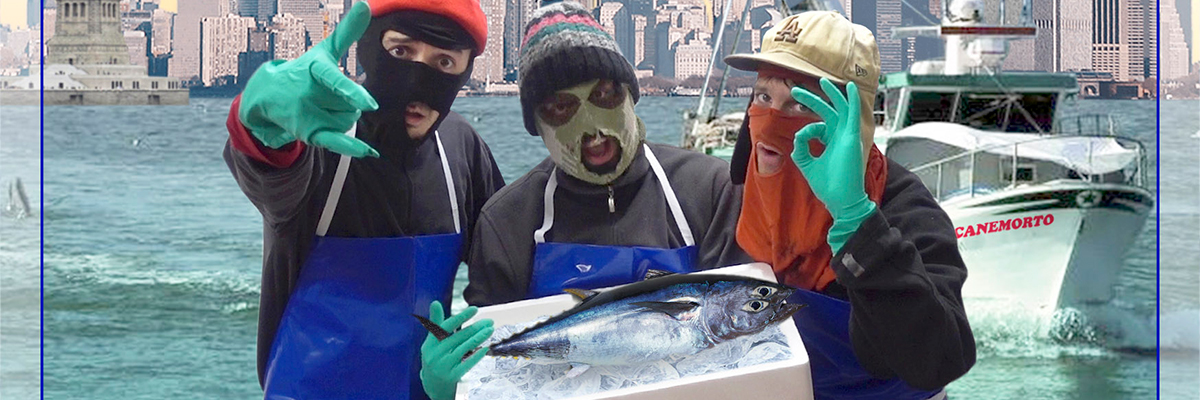
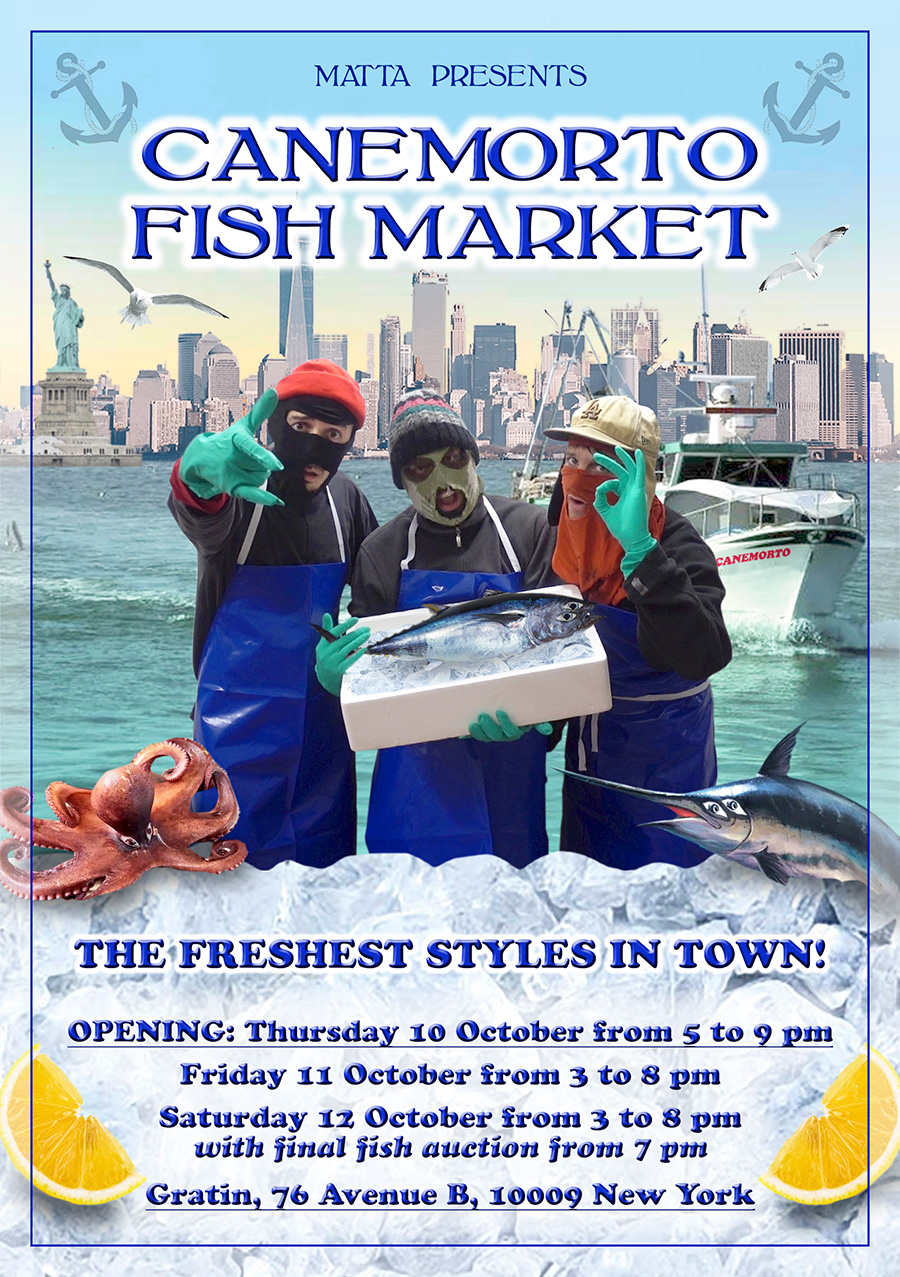
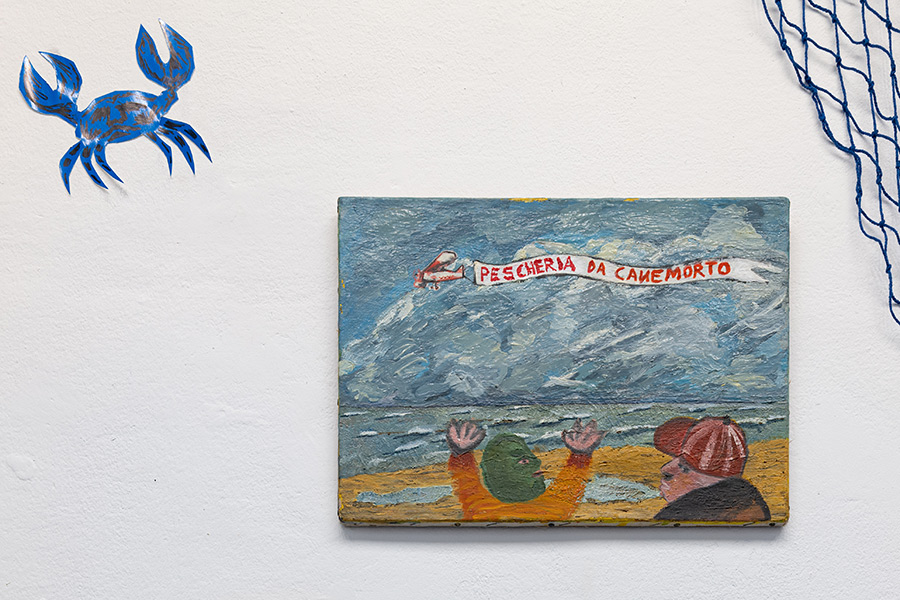
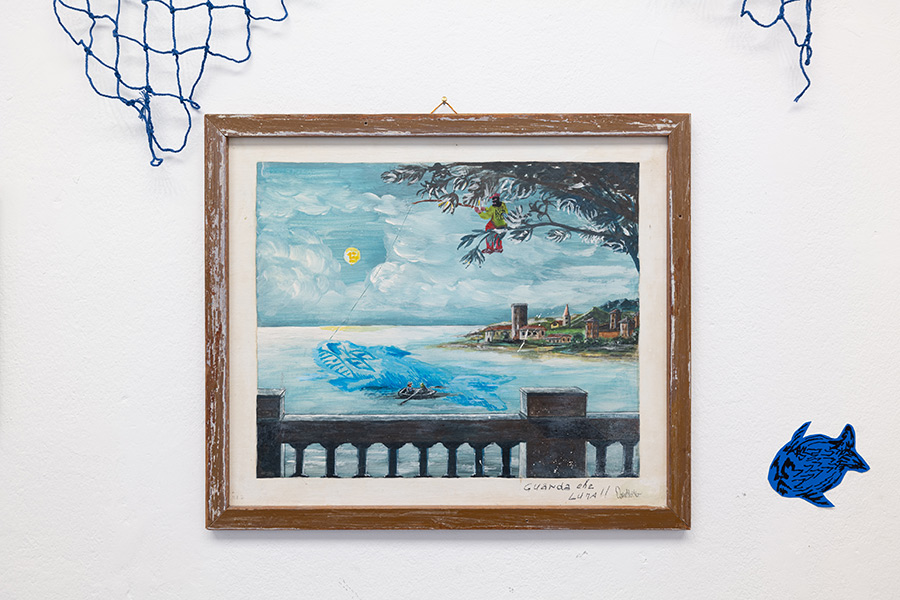
Canemorto, the enigmatic three-headed creative beast from Italy, is making its long-awaited debut in New York this week with Fish Market, a performance and exhibition that blends their rebellious spirit with conceptual flair and humor. Known for their seamless collaboration and shared anonymity, this trio defies traditional artistic boundaries, evolving from their roots in skateboarding and graffiti into a multi-disciplinary force. Despite meeting in high school over fifteen years ago, their bond has only strengthened, allowing them to create with a rare synchronicity that blurs the lines between the individual and the collective.
Hailing from the industrial landscapes of Northern Italy, Canemorto’s rise began in the streets, where they became infamous for their unconventional “roller pieces” spread across European cities. These monumental, messy, and often illegal works challenged the status quo of urban art—causing periodic rejection from both graffiti writers and street artists.
Not that they mind. They didn’t want to be pinned down anyway. Canemorto continuously innovates, whether by serving pizzas shaped like dog heads, recording a vinyl rap single with FAME Festival impresario Angelo Milano, or exhibiting their “radio-controlled paintings” at Palazzo Vizzani in Bologna. They channel their raw, gritty street energy and sharp instincts into formal shows and unexpected performance art, all with a signature irreverence. The anonymity protects their creative freedom, allowing them to challenge consumerism, authority, and the art world itself without fear of compromising the ideals that fuel their work.
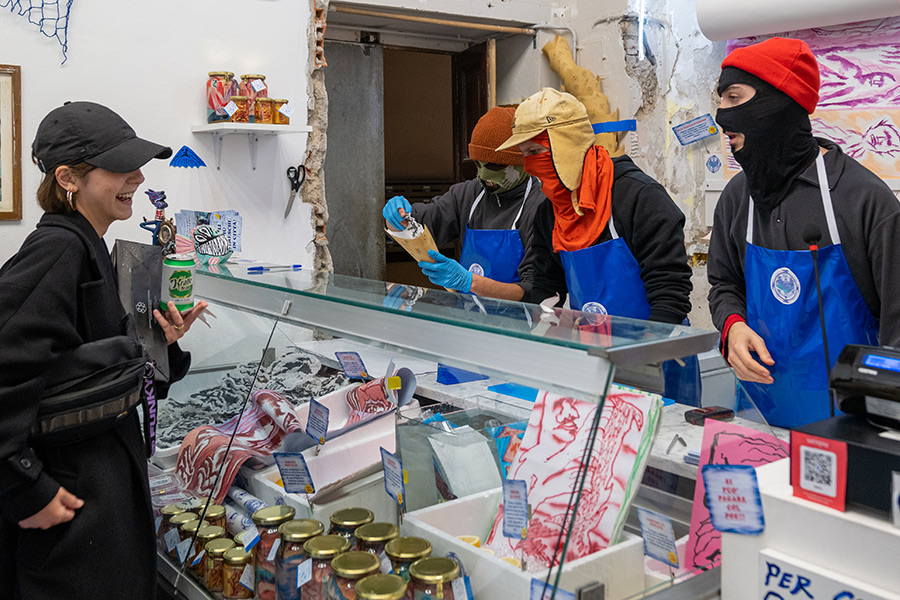
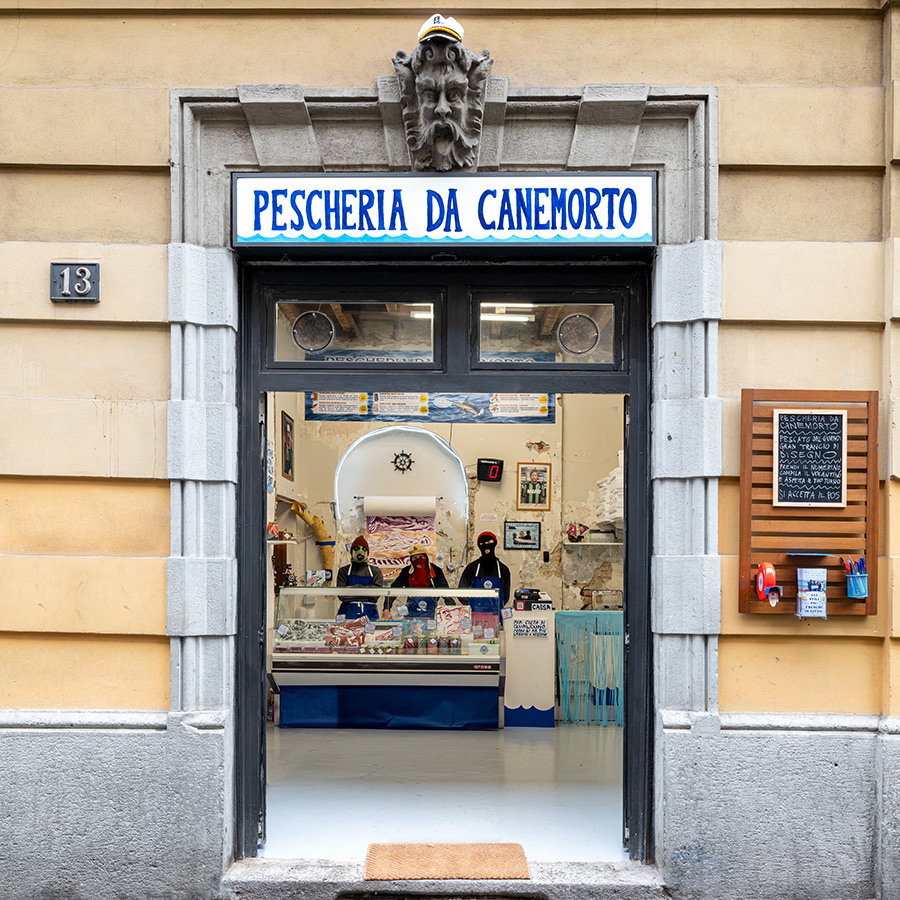
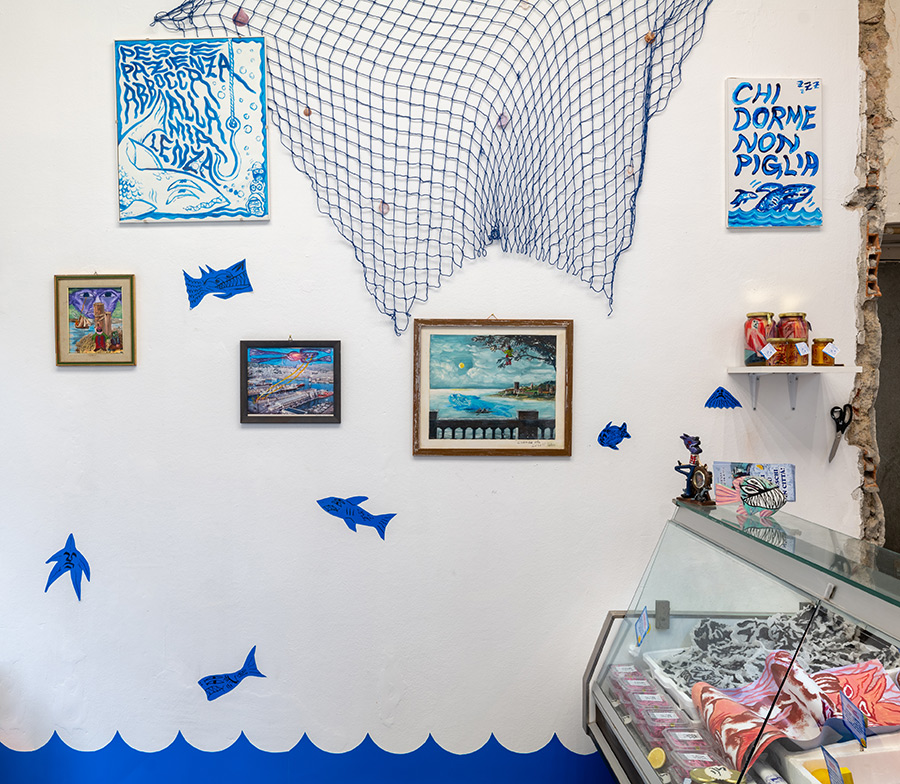
Canemorto Fish Market. Gratin Gallery. NYC. (photo from the original exhibition in Milan courtesy of the artists)
With Fish Market, Canemorto brings this ethos to life in New York. Visitors will experience their work in a fish shop setting, where drawings are served as “fried” or “filleted” pieces, offering a critique of art as a commodity while engaging audiences with humor and unexpected theatricality. It’s a rare opportunity to see them live, a fleeting chance to witness a trio that has built a covert yet undeniable presence in the contemporary art scene, always on Canemorto’s terms.
Show Information:
Thursday, October 10: 5:00 PM to 9:00 PM (grand opening)
Friday, October 11: 3:00 PM to 8:00 PM
Saturday, October 12: 3:00 PM to 8:00 PM, with a final “fish auction” at 7:00 PM
Location: Gratin NYC, 76 Avenue B, New York, NY
Canemorto Fish Market. Gratin Gallery. NYC. (photo from the original exhibition in Milan courtesy of the artists)Canemorto Fish Market. Gratin Gallery. NYC. (photo from the original exhibition in Milan courtesy of the artists)Canemorto Fish Market. Gratin Gallery. NYC. (photo from the original exhibition in Milan courtesy of the artists)Canemorto Fish Market. Gratin Gallery. NYC. (photo from the original exhibition in Milan courtesy of the artists)
Who’s in town this week? New York is no stranger to visiting street artists, but the thrill never fades. Right now, we’ve got Kiwi sensation Owen Dippie here to blow minds with his latest piece, plus the wild Italian trio Canemorto. These graffiti-street artist-fishermen from Brianza, up North of Milan, are kicking off a three-day performance at Matta. Come by to see what is the catch of the day, and they might be speaking their own brand of “Canemortish”. The three-day event will be fresh Thursday through Saturday – let’s see what they’ve reeled in for you!
Shout out to the Brooklyn Museum, which hosted hundreds of guests at the gala opening of a new show featuring 200+ Brooklyn artists Friday night. A celebration of the museum’s bicentennial, the collection gives a stunning overview, a diverse array, and an appreciative stage for many artists working here today. The Brooklyn Artists Exhibitionis organized by Jeffrey Gibson, Vik Muniz, Mickalene Thomas, and Fred Tomaselli and coordinated by Sharon Matt Atkins, Deputy Director for Art. If you can’t get to NYC, take a virtual tour of the exhibition.
Also congratulations to Museum of Graffitti for their first show in Shanghai. Co-founders Allison Freidin and Brooklyn native Alan Ket have mounted MOG’s very first exhibition on mainland China, “Street Echos”, right in the heart of the Changning District of Shanghai. A year in the making, the show combines an explanation of graffiti’s humble roots with the current status of the art form.
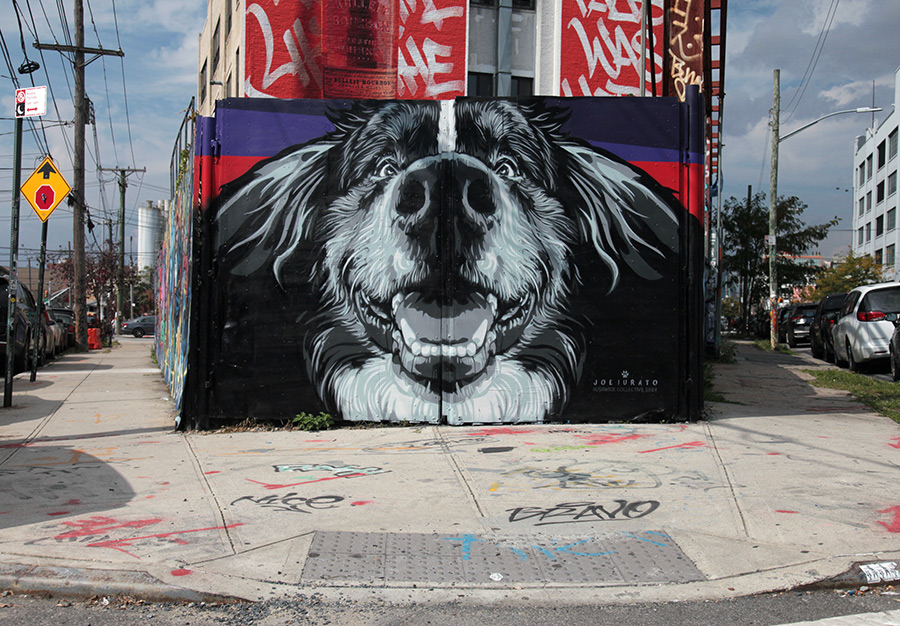
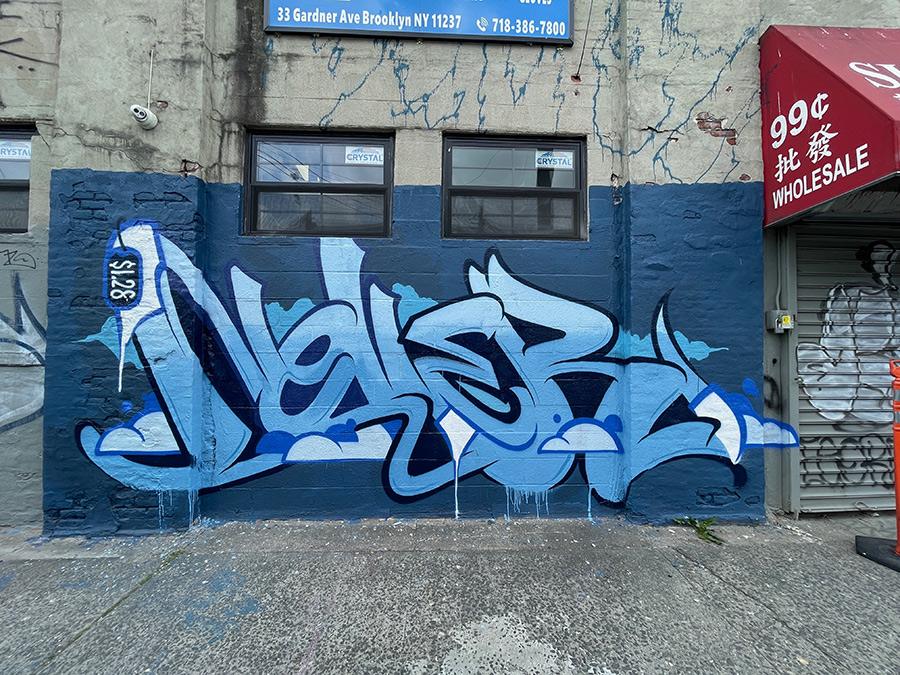
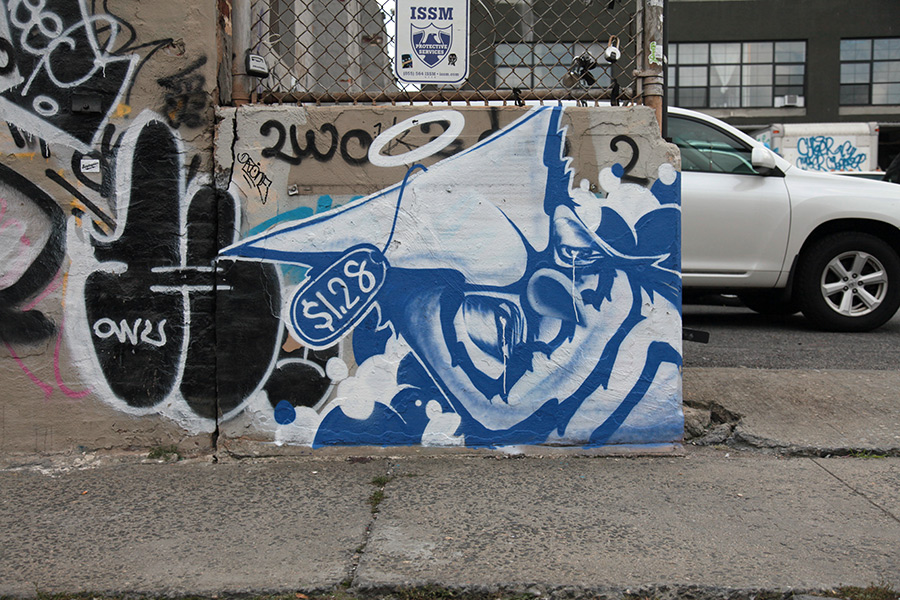
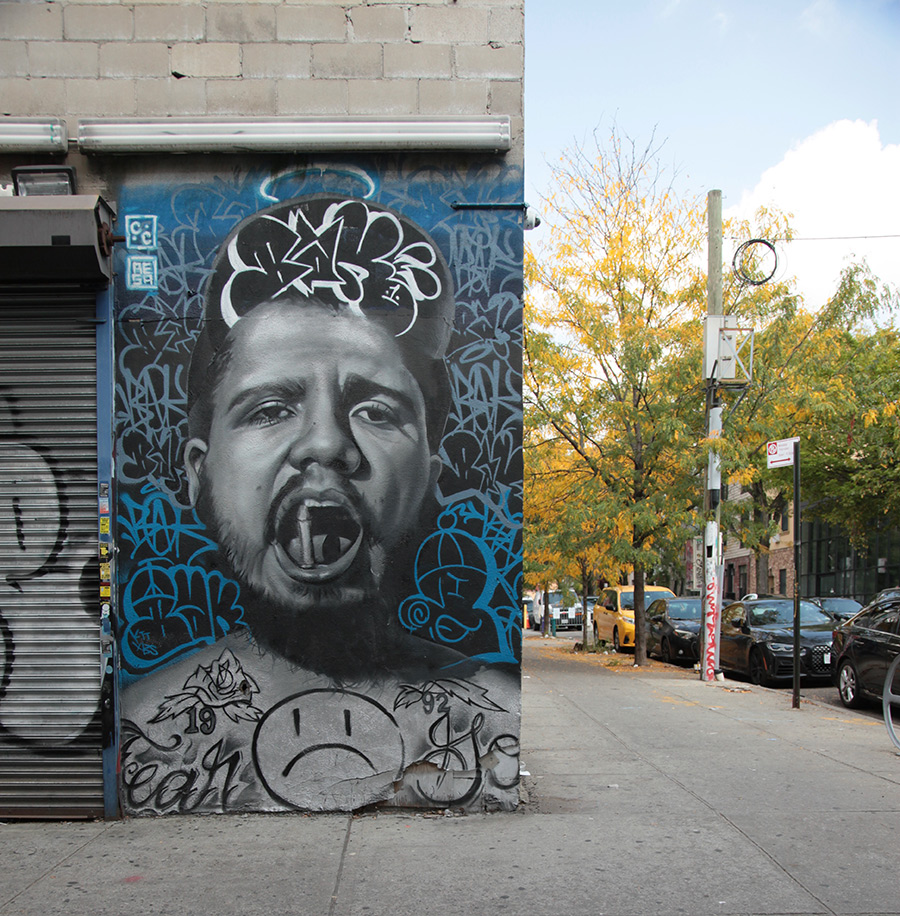
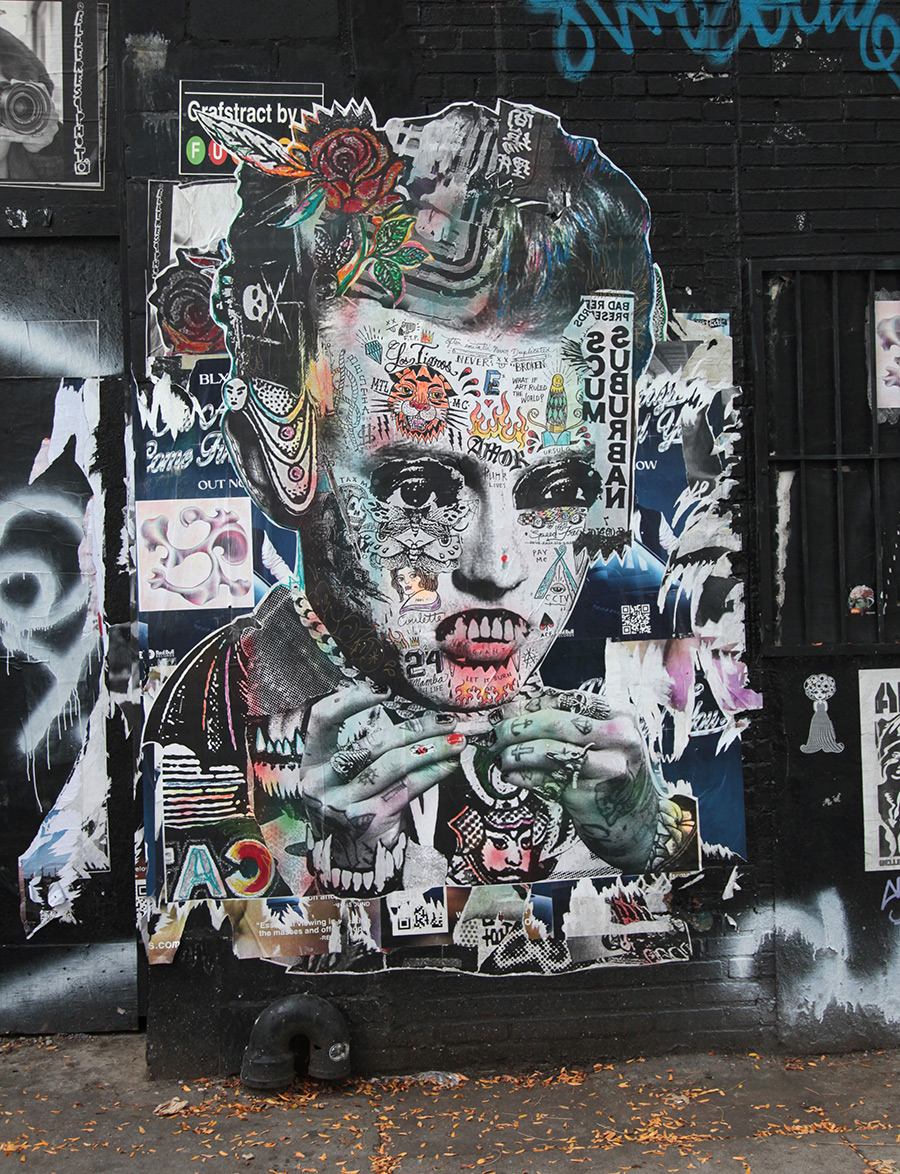
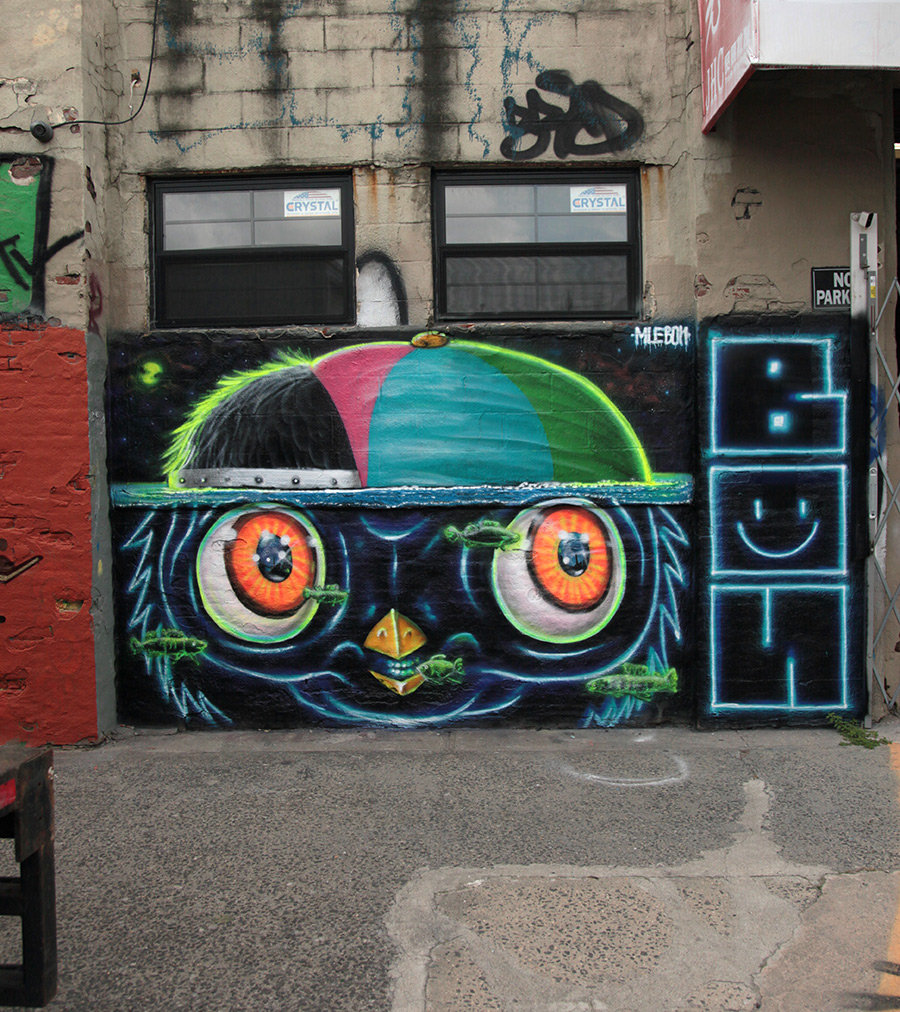
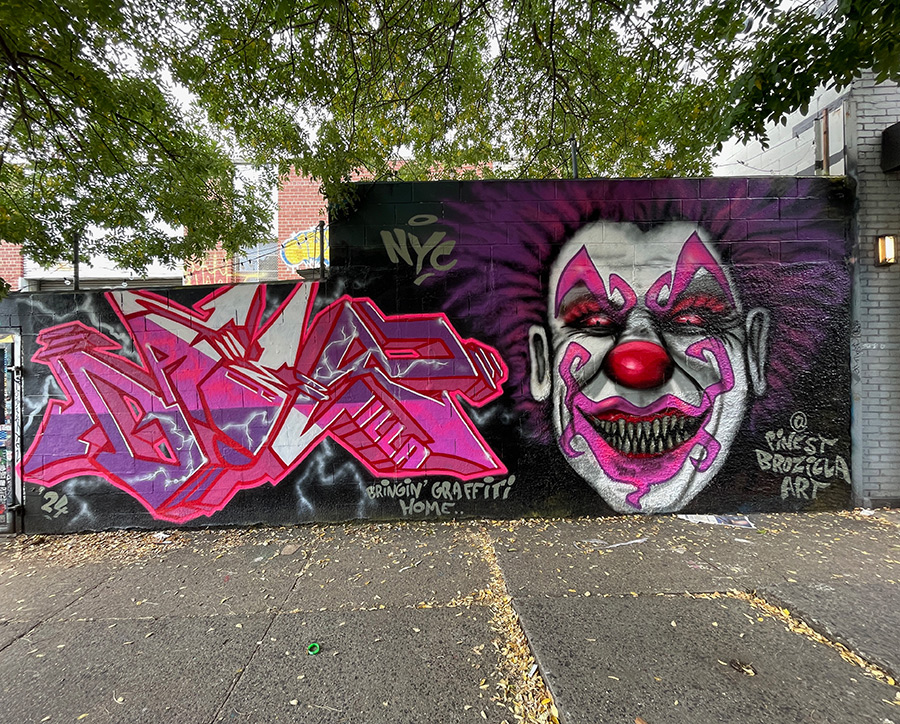
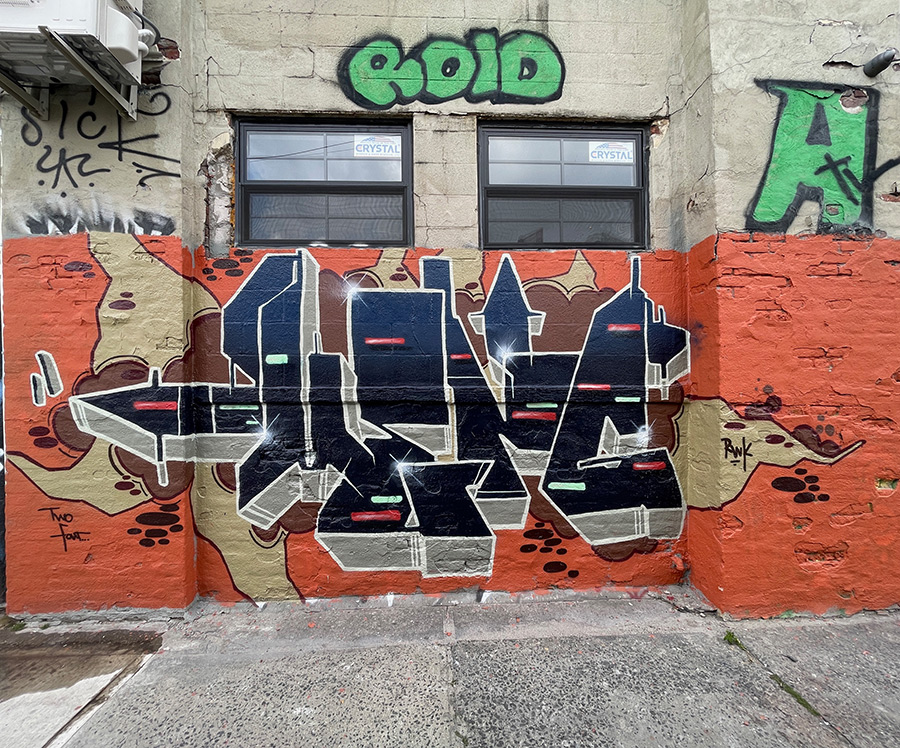
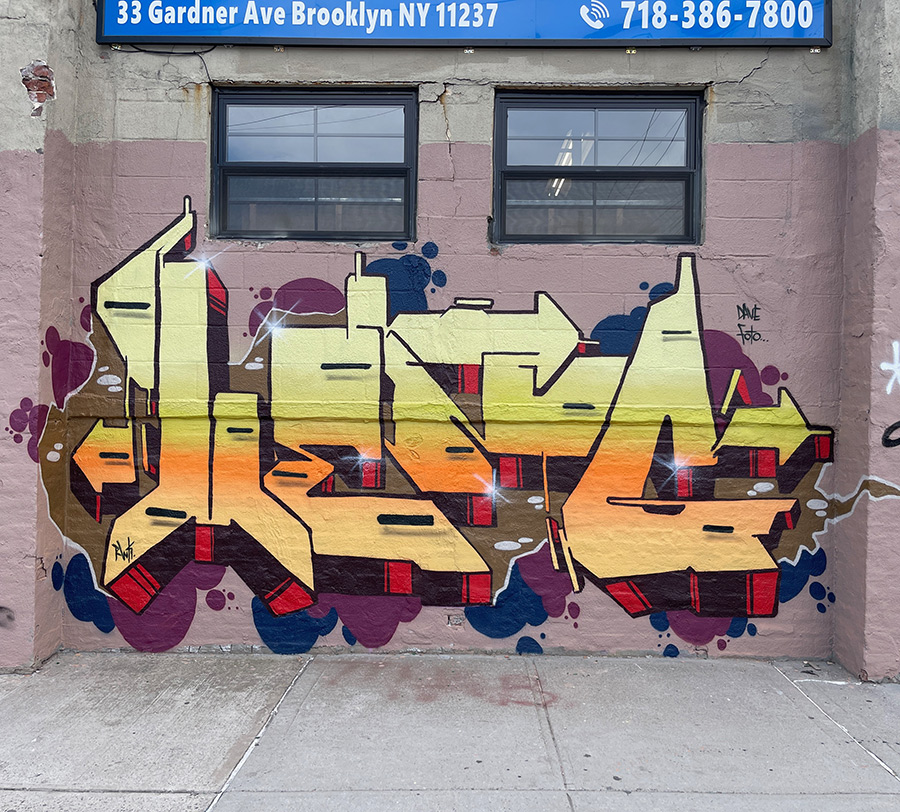
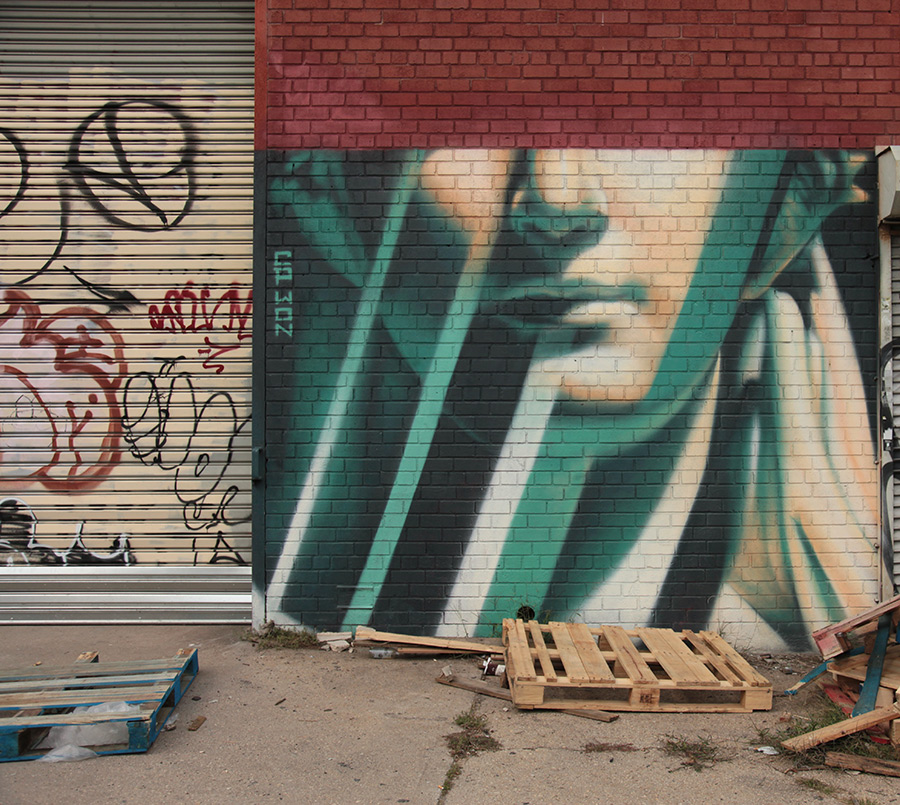
And here we go boldly into the streets of New York to find new stuff from: Jeremy Deller, Joe Iurato, Veng RWK, Jason Naylor, Stikki Peaches, Muebon, CP Won, Never Satisfied, Mena Ceresa, and Brozilla.
We are skillful in avoiding discussing the elephant in the room: our relationship with the Earth and its natural elements, which are negatively impacted by our actions. This is perhaps the biggest issue that polluting industries and war-makers try to ignore, even as they steal the future from all of our children.
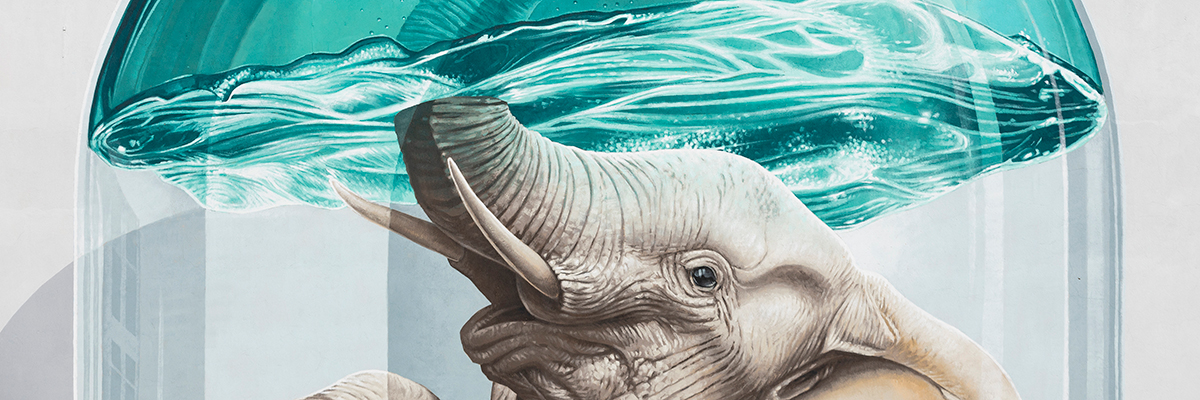
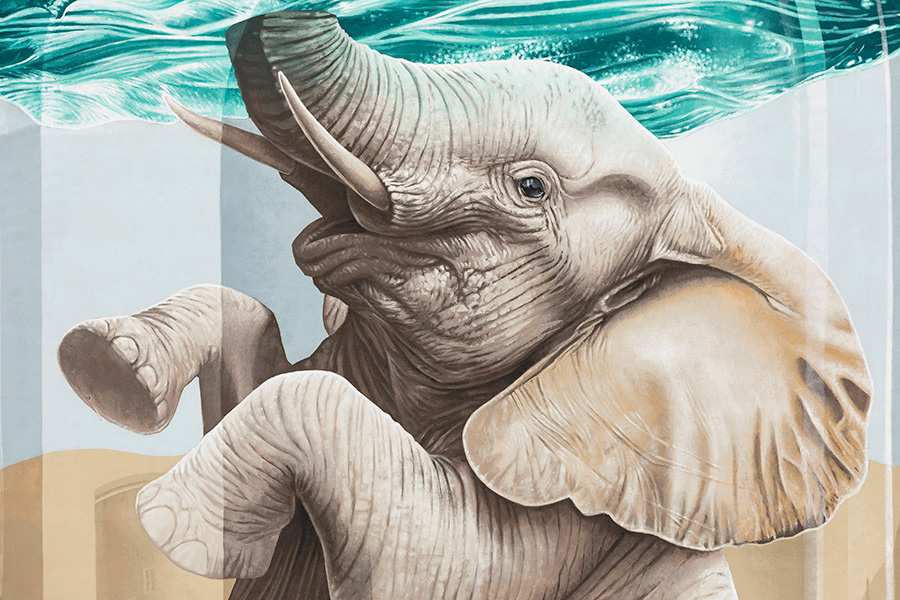
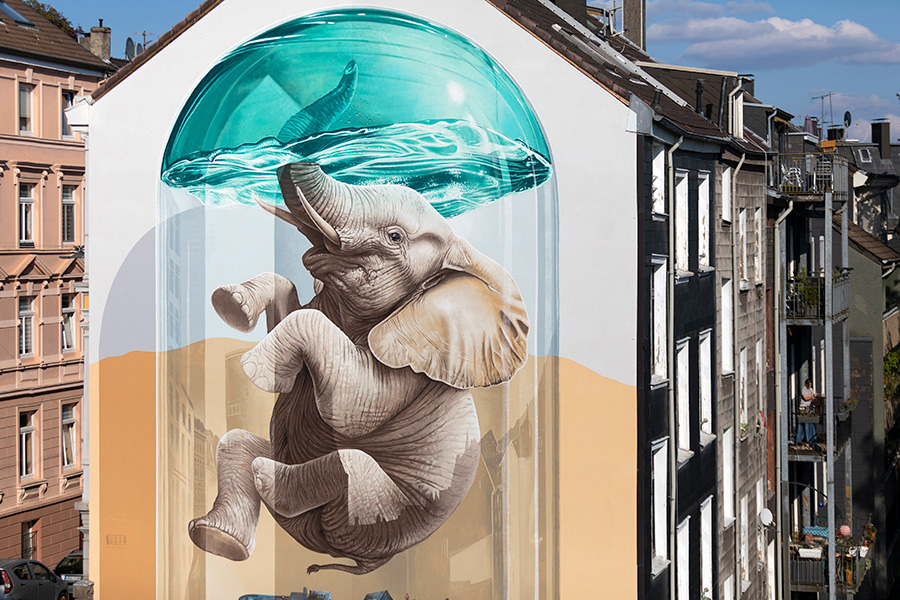
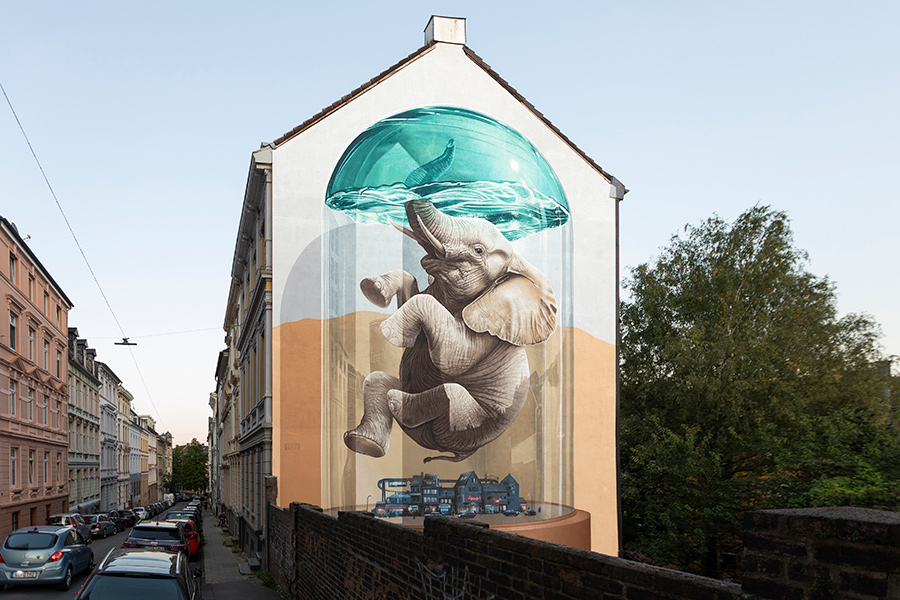
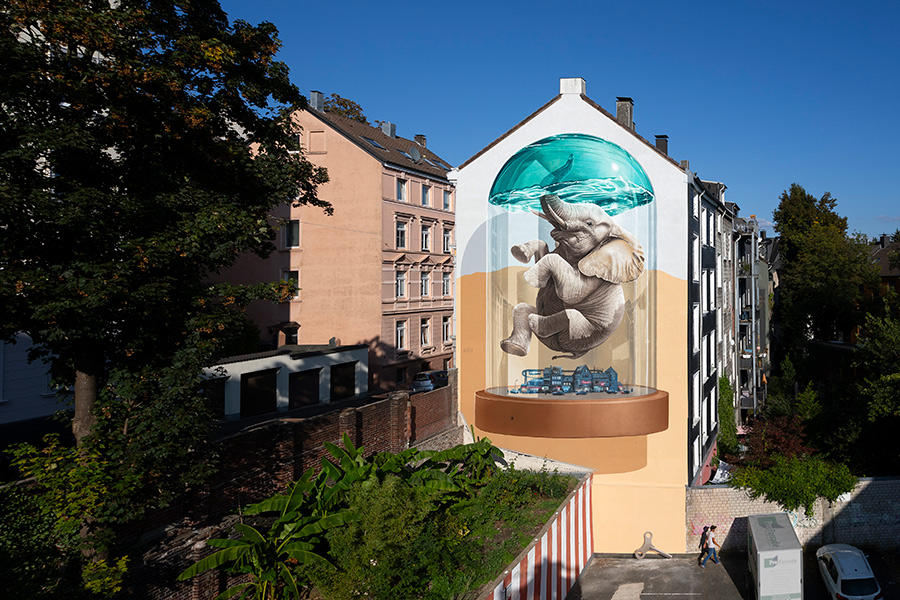
Swiss duo Nevercrew masterfully depicts this metaphor in their mural “Switch,” created in Wuppertal, Germany, for the Urbaner Kunstraum and curated by WupperOne929 and Valentina Maoilov. While their description of the work may seem deliberately vague, a closer examination reveals a call to reflect on pressing issues.
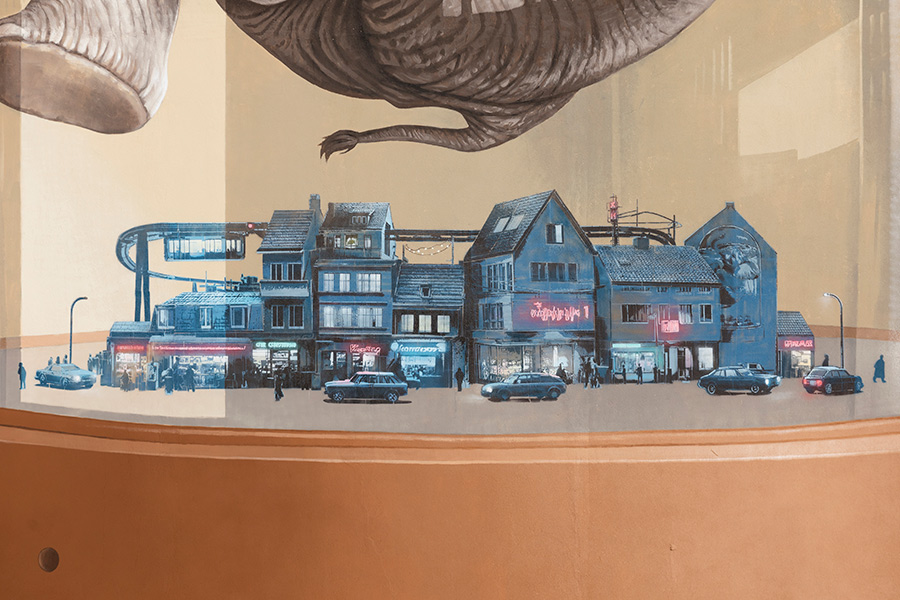
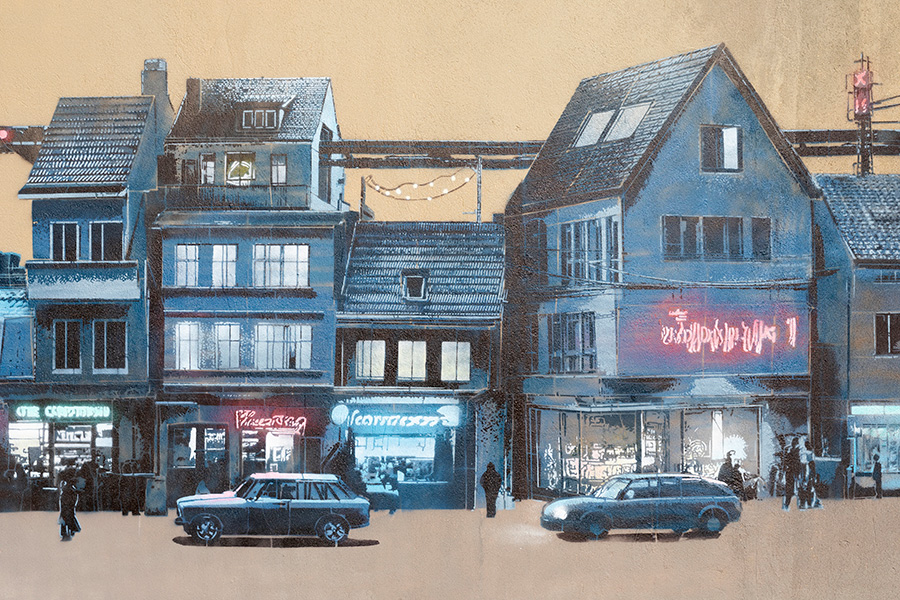
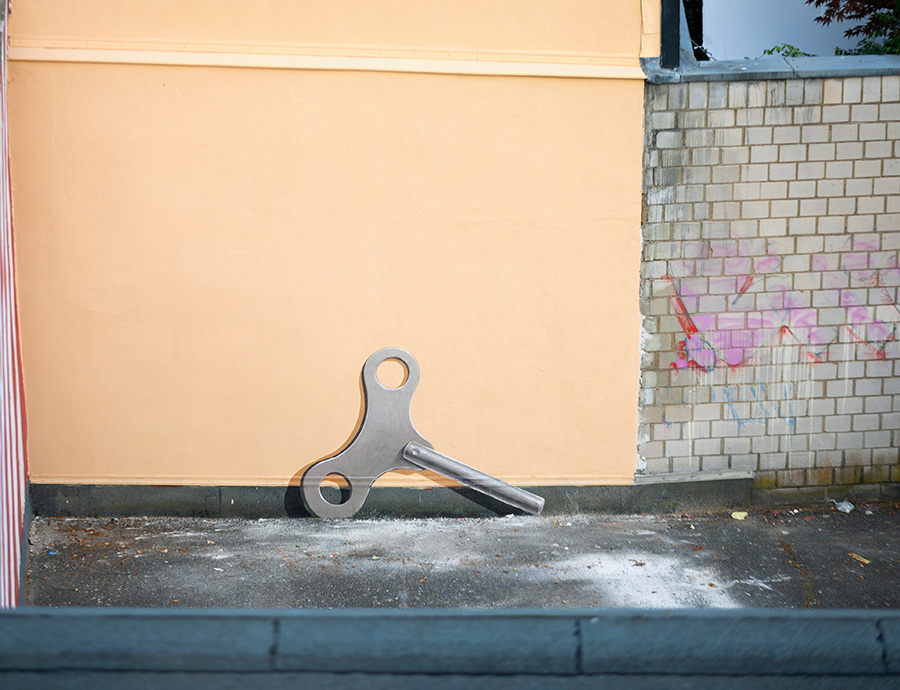
The mural appears to explore themes of perspective, change, and awareness. The glass-domed shape suggests the passage of time, symbolizing urgency and the continuous flow between different states, such as the past, present, and future. The floating elephant with its trunk above water might represent a struggle for survival or the need to adapt to changing circumstances. Elephants are often symbols of wisdom and memory. In this context, the mural may illustrate a clash between the natural world and human-made environments, represented by the quaint town of modern consumers below.
Ultimately, the artwork seems to confront us with realities we often keep at a distance—urgent issues that demand our attention. It invites viewers to “switch” their perspectives and become more aware of the interconnections between nature, human actions, and the passage of time.
No one is discussing the elephant in the room: our relationship with the Earth and its natural elements, which are negatively impacted by our actions. This is perhaps the biggest issue that polluting industries try to ignore, even as they steal the future from our children.
Swiss duo Nevercrew masterfully depicts this metaphor in their mural “Switch,” created in Wuppertal, Germany, for the Urbaner Kunstraum and curated by WupperOne929 and Valentina Maoilov. While their description of the work may seem deliberately vague, a closer examination reveals a call to reflect on pressing issues.
No one is discussing the elephant in the room: our relationship with the Earth and its natural elements, which are negatively impacted by our actions. This is perhaps the biggest issue that polluting industries try to ignore, even as they steal the future from our children.
Swiss duo Nevercrew masterfully depicts this metaphor in their mural “Switch,” created in Wuppertal, Germany, for the Urbaner Kunstraum and curated by WupperOne929 and Valentina Maoilov. While their description of the work may seem deliberately vague, a closer examination reveals a call to reflect on pressing issues.
 BROOKLYN STREET ART LOVES YOU MORE EVERY DAY