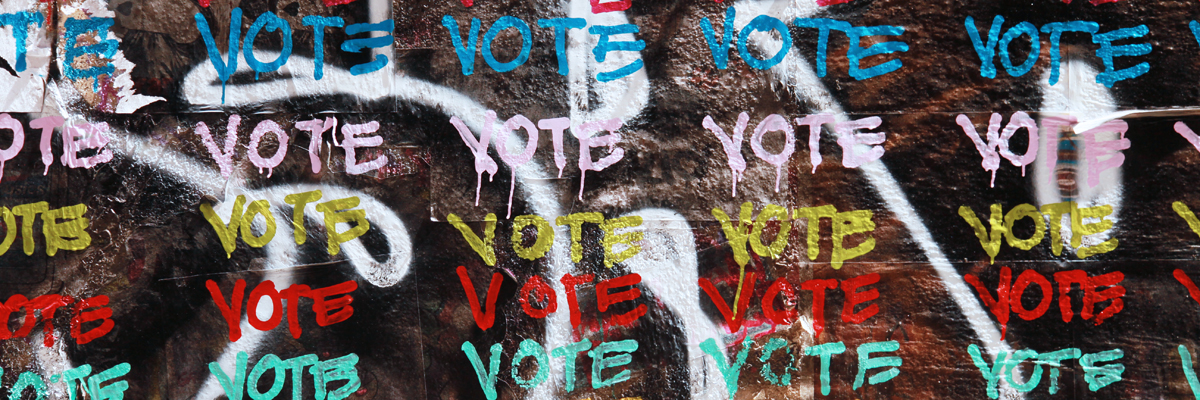
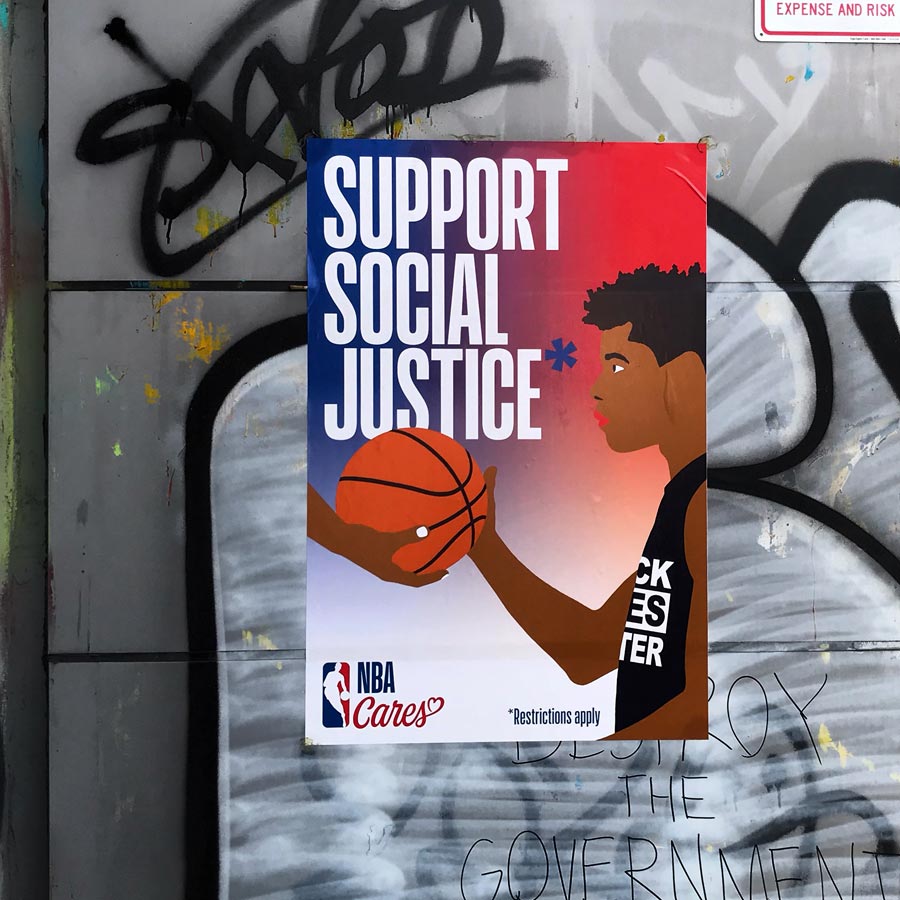
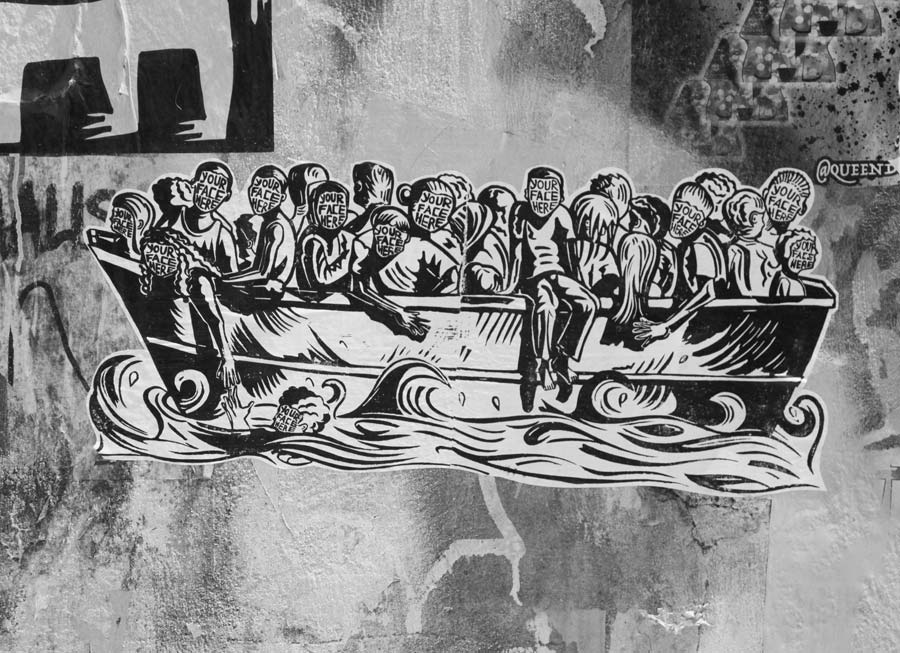
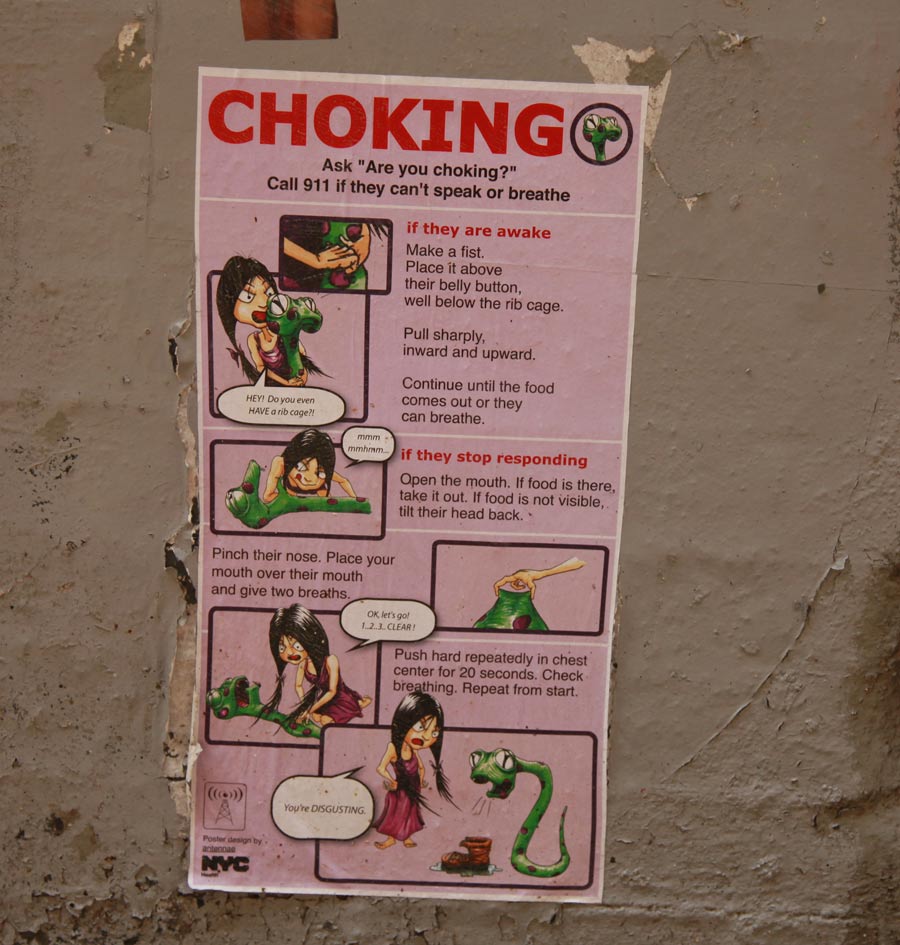
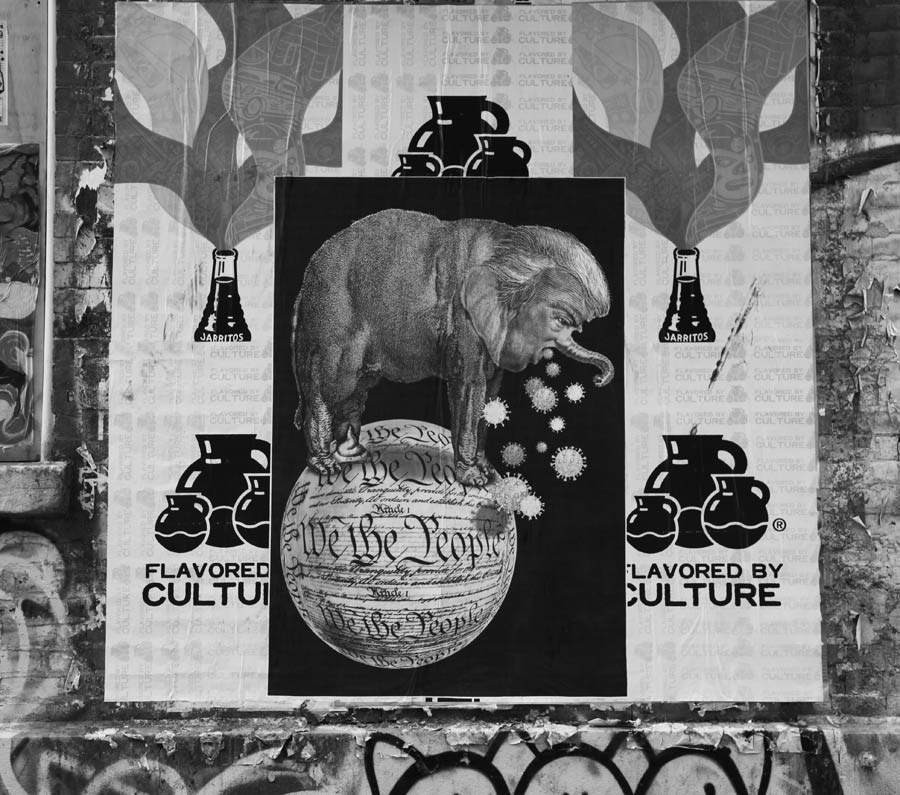
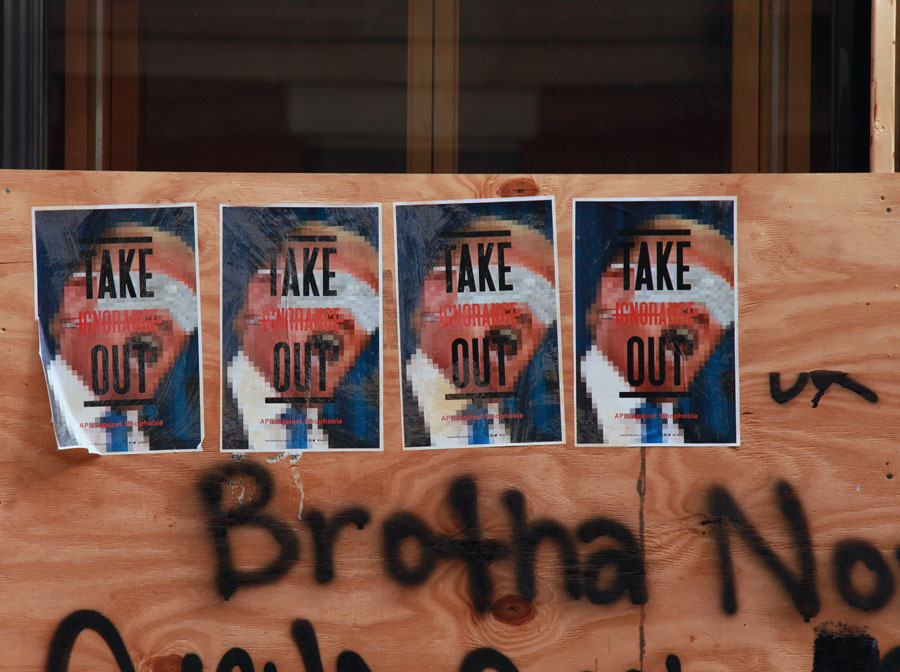
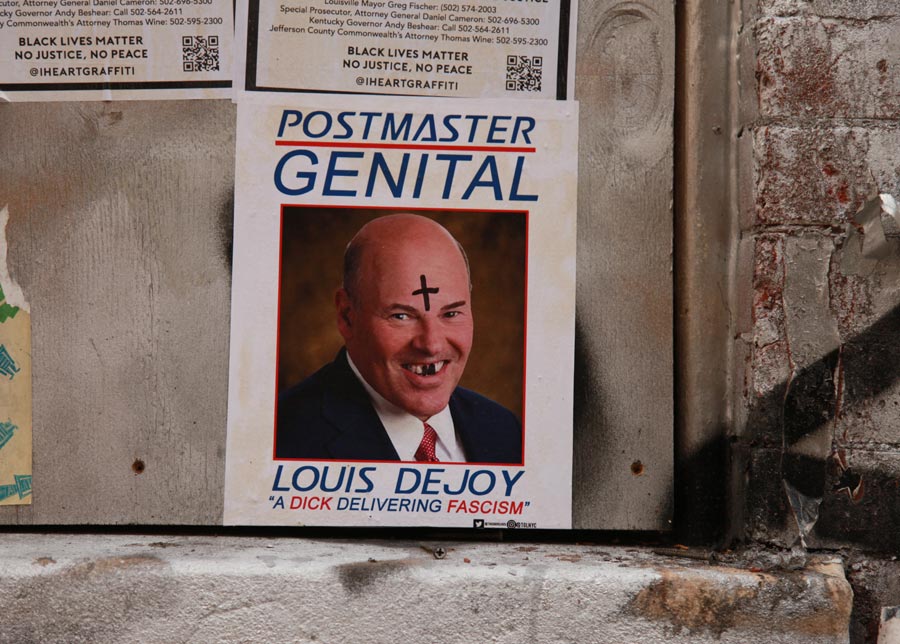
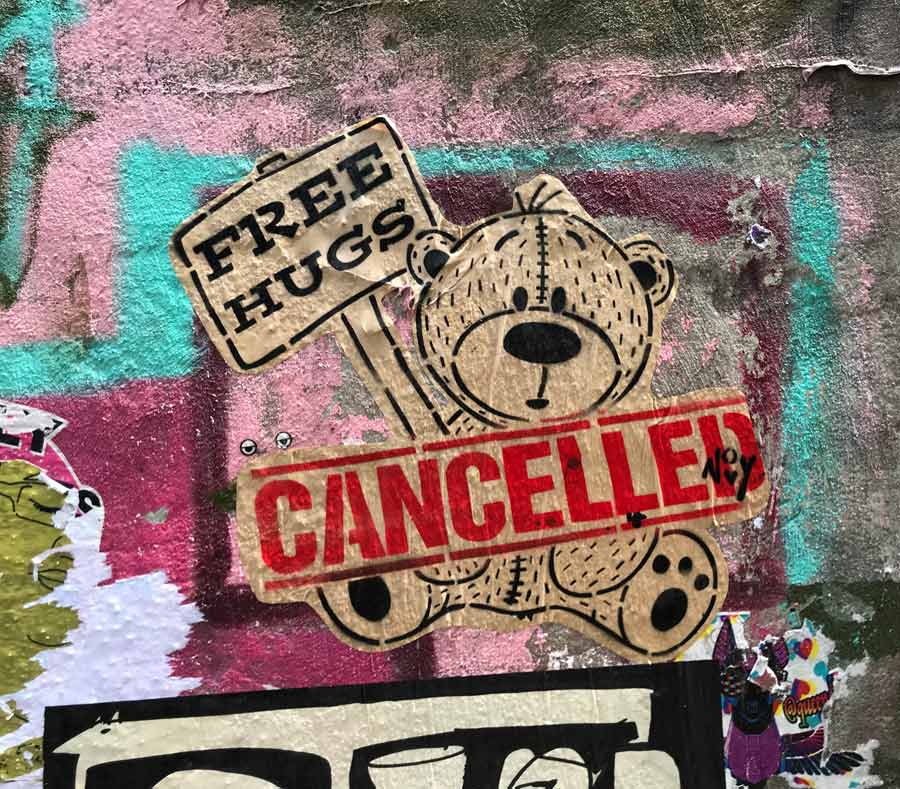
The winds of change are gathering force and weaving together – social, political, financial, environmental… and it is all being reflected in street art today. Ironically, because media in the US is addicted to money and misdirection and is completely disinterested in the poor and working class as a whole, thoughtful analysis that pops off city walls seems unadulterated, capable of giving you more truthful assessments of what is missing, what is out of whack, and who’s gotta take action. Your face here.
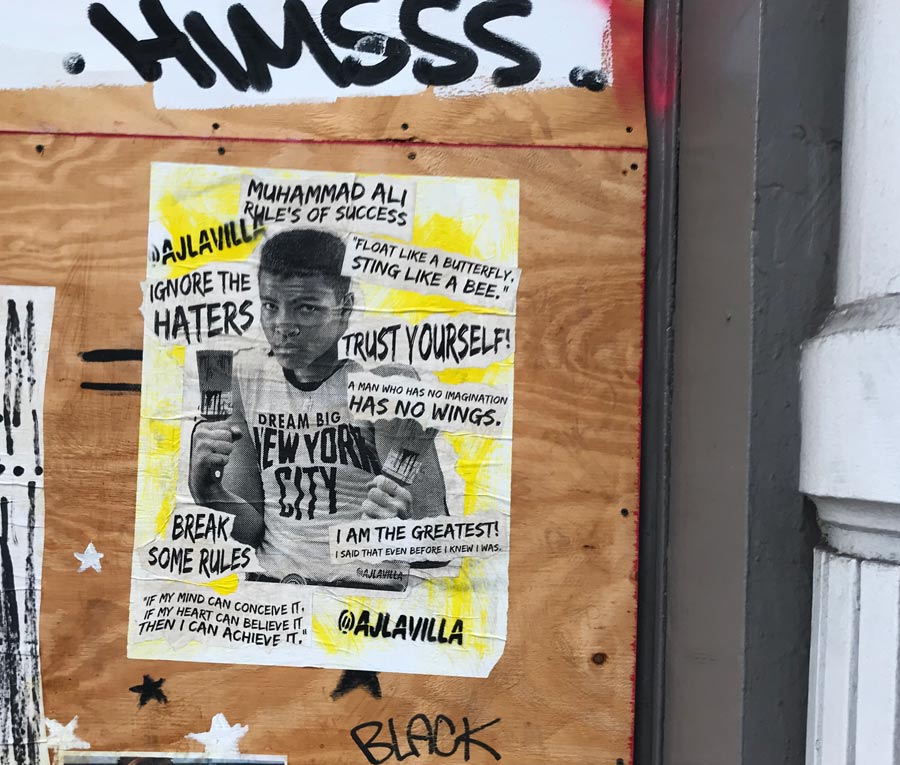
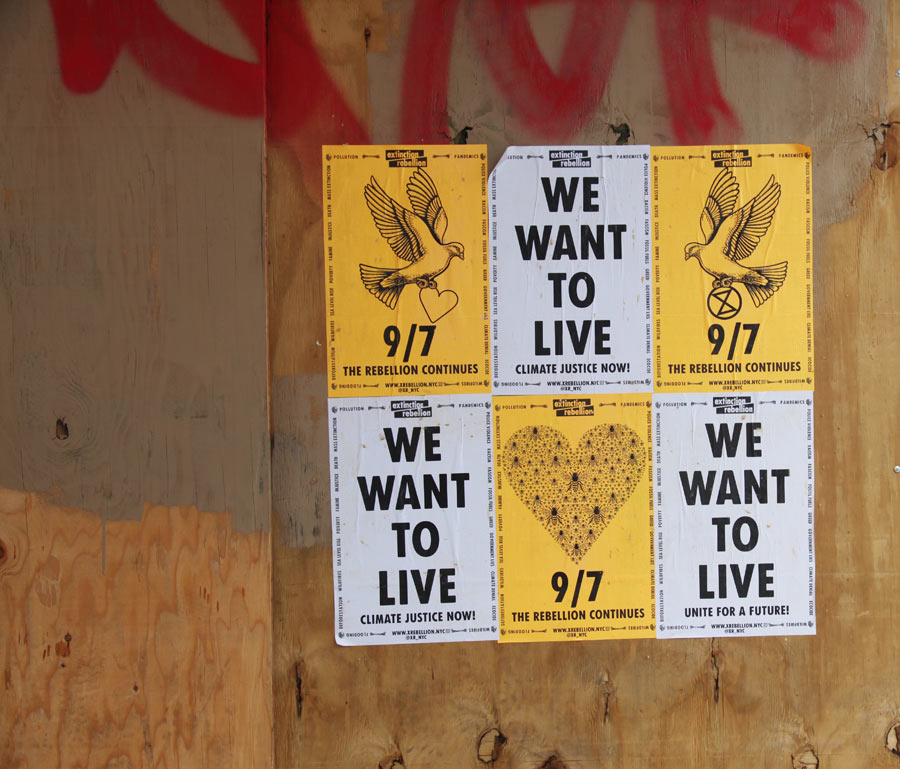
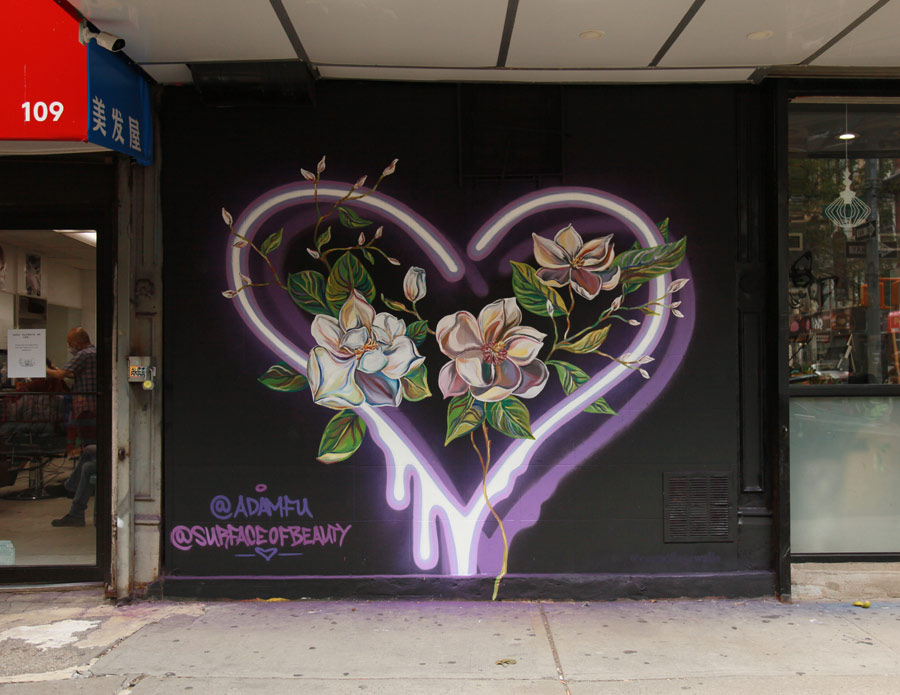
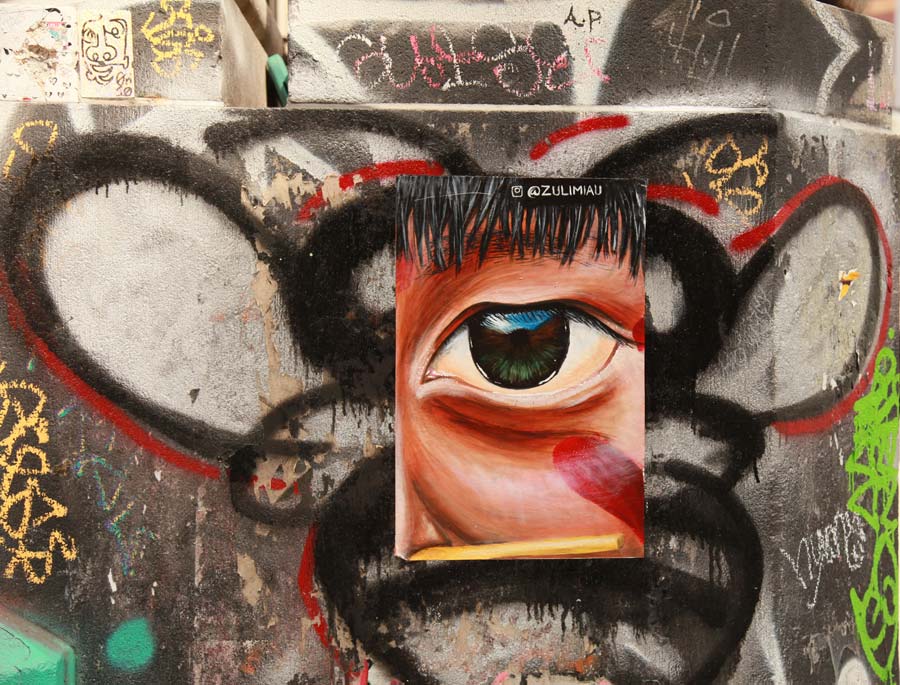
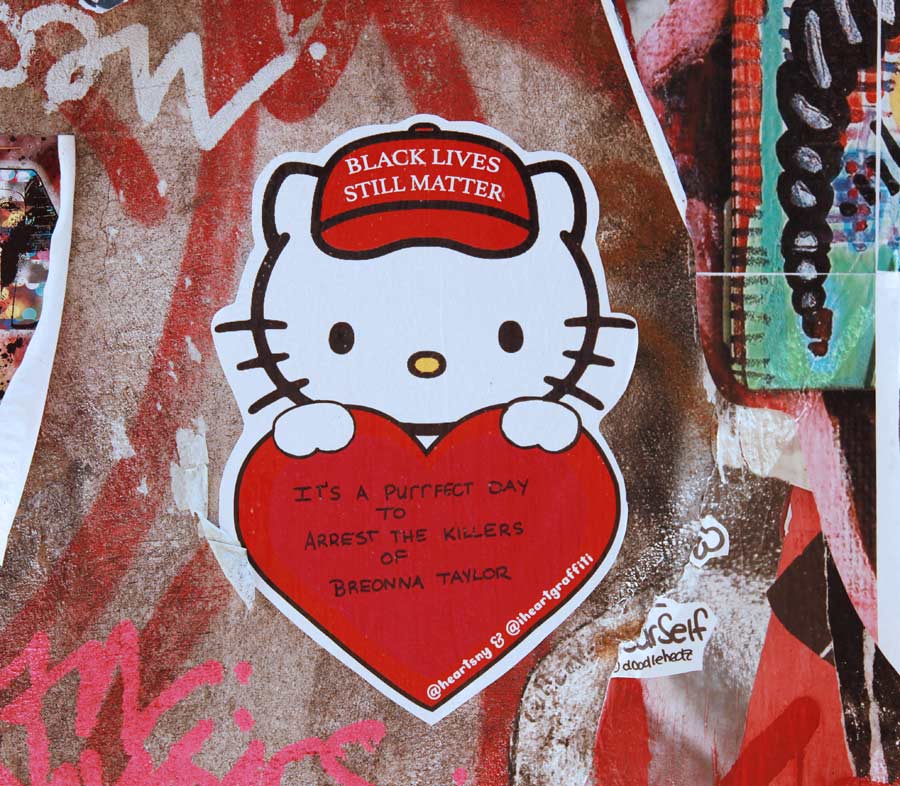
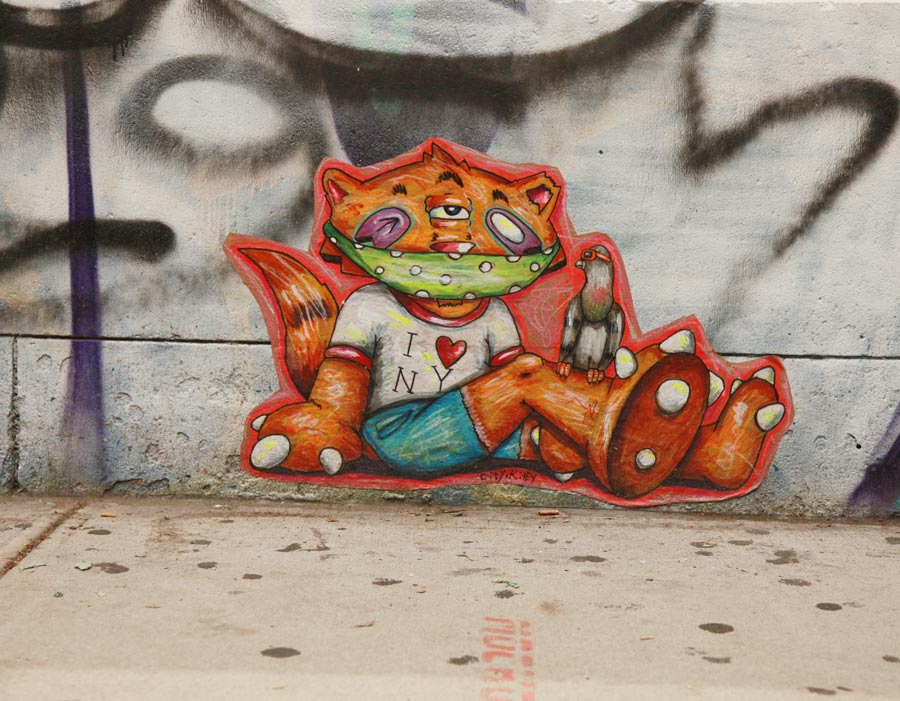
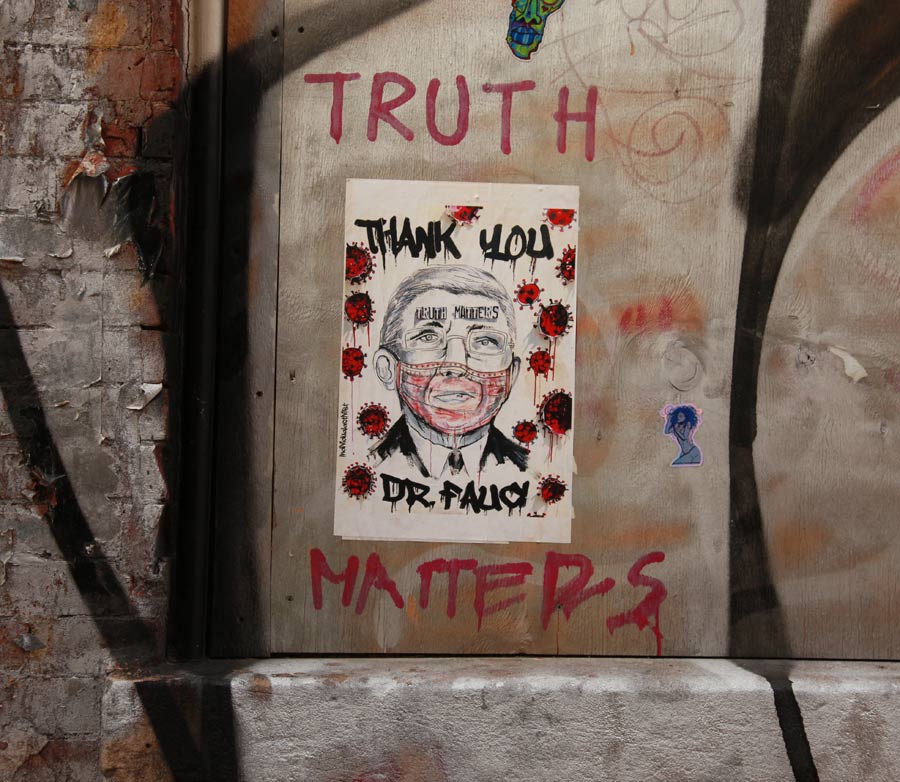
Here’s our weekly interview with the streets, this week featuring Adam Fu, AJ LaVilla, Antennae, Black Ligma, City Kitty, CRKSHNK, De Groupo, Hearts NY, Novy, Pork, Surface of Beauty, The Greator, Winston Tseng, X Rebellion NYC, and Zuli Miau.
“Music with repetitive structures,” is how pianist and composer Phillip Glass describes his works, and our thoughts turn to this new solar storm by Pener (Bartek Świątecki).
Bartek Pener Świątecki. Spinning in Daffodils. Poland 2020 (photo courtesy of the artist)
No prancing sonata-allegro here, this spinning daffodil tempest is formed by minimalist geometric planes built up from repetition, whipped into shifting layers of motion, following one another in succession, each catching the light and the clouds as they pass warmly like so many chips of reflective and modernist musical notes.
Bartek Pener Świątecki. Spinning in Daffodils. Poland 2020 (photo courtesy of the artist)
Referencing his favored flower of the early spring and bringing it forward to stand alongside late August sunflowers, the Polish muralist and studio painter shares with BSA readers this inside wall he has just finished called Summer Daffodils. It’s a diagonal energy funnel descending down cubist stairs as auburn tinged solar forms, a storm sweeping out through the foyer to kick up and conviviate with abandon, or hold fire, folding down upon the cool green grass.
Bartek Pener Świątecki. Spinning in Daffodils. Poland 2020 (photo courtesy of the artist)
“I often take the names of walls or canvases from songs that I listen to while painting”- Bartek Pener Świątecki
Bartek Pener Świątecki. Spinning in Daffodils. Poland 2020 (photo courtesy of the artist)Bartek Pener Świątecki. Spinning in Daffodils. Poland 2020 (photo courtesy of the artist)
Our weekly focus on the moving image and art in the streets. And other oddities.
Now screening : 1. Plain Brutality Again: Jacob Blake. 2. INDECLINE: Get Dead – Pepper Spray 3. Shepard Fairey: Arts Vote 2020
BSA Special Feature: Plain Brutality Again: Jacob Blake
The violence against black people continues. The latest shooting of a black American citizen by the police took place in Kenosha, Wisconsin where a police officer shot Jacob Blake on Sunday.
Mr. Blake, a father, a son, a brother, and uncle, was shot seven times by the police as he leaned into the driver’s seat of his car resulting in Mr. Blake being paralyzed and unable to walk and under intensive care at the hospital. Yet he is being handcuffed to his bed. Mr. Blake was not carrying a weapon.
Are we only to add his name to the endless list of black and brown people brutalized and killed? Here we post a recent short film that examines this moment in American history as well as through the lens of system racism.
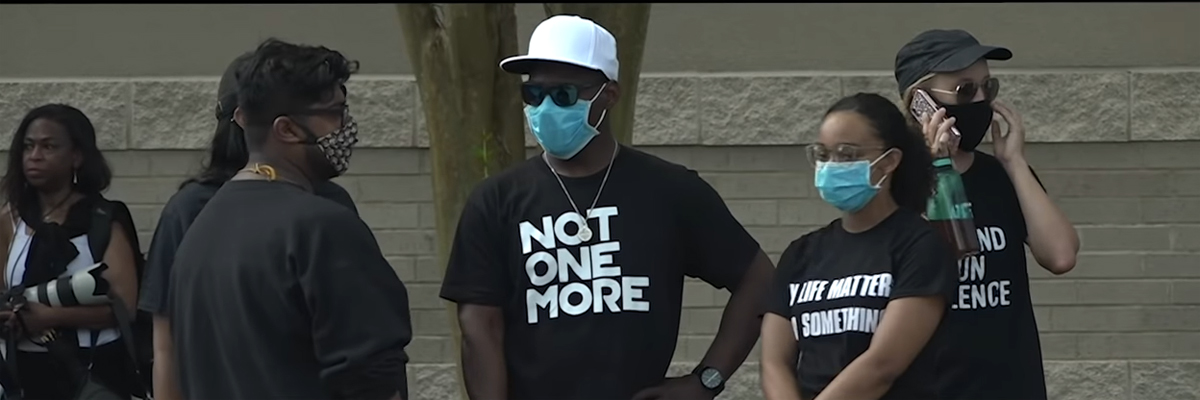
Voices from the Black Lives Matters Protests ( A short film) Vanity Fair
INDECLINE: Get Dead – Pepper Spray
An amalgam of blinding rage and graffiti, anti-authoritarian self-destructive vandalism melded into a demand for the end of state-sponsored violence played out to a raspy-voiced tirade and gutter-crunch guitars and drums. Many of society’s contradictions are here on display for all to see.
Artists Shine Light on Trump, GOP Atrocities in Emotionally-Charged New Billboard, Street Art Campaign
The billboards are going up in Detroit, Michigan, Milwaukee, Wisconsin, Pittsburgh, Pennsylvania, and Phoenix, Arizona – all so-called “battleground” states for this years presidential election. Using their talent as street artists to draw attention in public, this group of billboards is grabbing the attention of passersby with aesthetics as well as content.
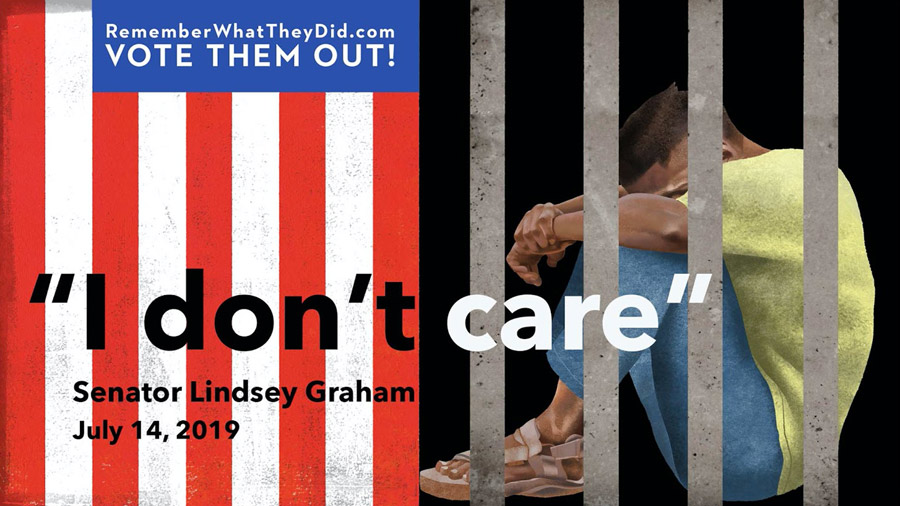
Rafael Lopez. “I don’t care” (photo courtesy of RememberWhatTheyDid.com)
In a campaign funded by Collective
Super PAC, the SuperPAC affiliate of The Collective PAC, a number of street
artists as well as artists from other genres and practices are lending their
individual skills to remind potential voters what has already been done – with a
warning that four more years would march us straight off a cliff, in their
opinion.
Artists Shepard Fairey, Nekisha
Durrett, Nate Lewis, Rafael Lopez, Robert Russell, Rob Sheridan, and Swoon each
take on their variation of the messages on topics like police brutality,
racism, hate speech, immigration and the Coronavirus pandemic. Some are simply dedicated
to controversial statements made by Trump and others on his team.
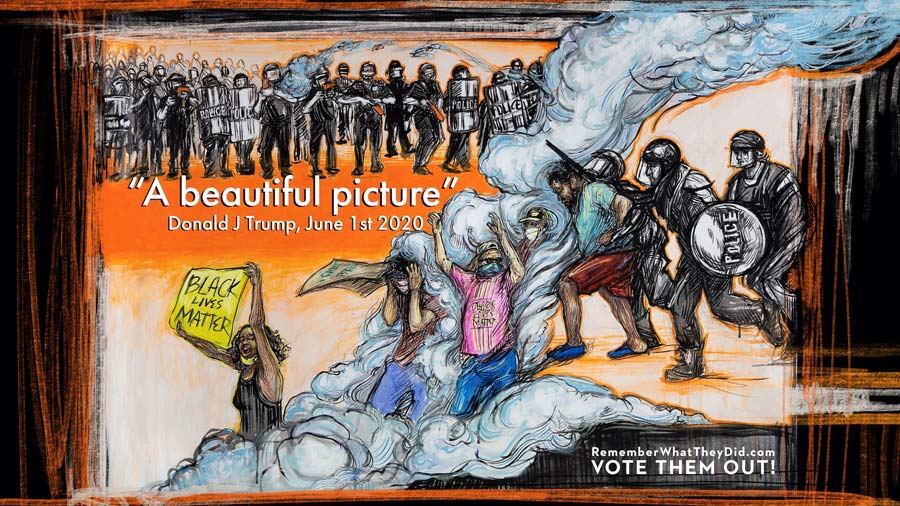
Swoon. “A beautiful picture” (photo courtesy of RememberWhatTheyDid.com)
“Our message is simple:
Remember what they did and vote them out,” says organizer Robin Bell, whose
known for his projections on the façade of the Trump Hotel.
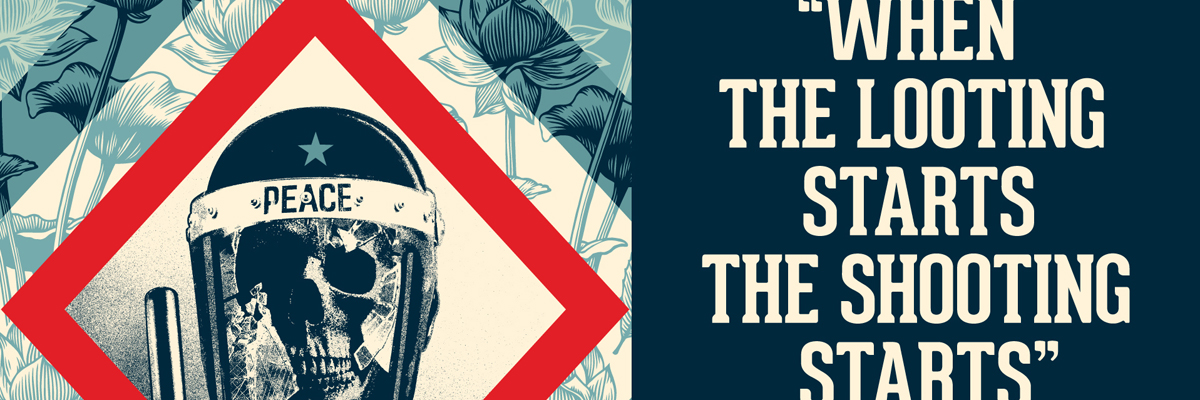
For Shepard Fairey, it was
the irony that this spring and early summer Trump was trying to solve our
problems with police brutality with, uh, police brutality.
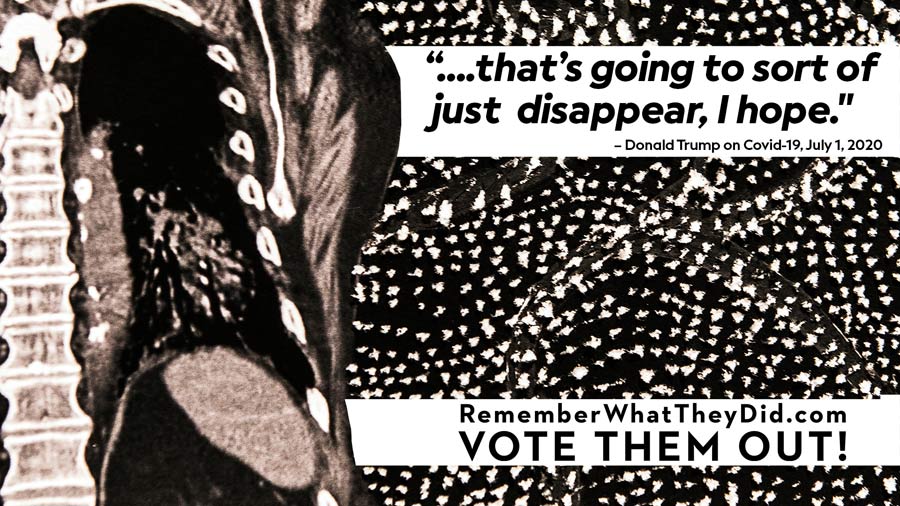
Nate Lewis. “…that’s going to sort of just disappear, I hope.” (photo courtesy of RememberWhatTheyDid.com)
“My art piece is a reminder
that while the American public was protesting in the streets, in record
numbers, against racism and police brutality, Donald Trump was encouraging
police brutality against the protesters, reinforcing the very same problems
within law enforcement and the criminal justice systems the protesters were
demanding to be reformed,” says Fairey. “This image implies that the police are
supposed to be peacekeepers, not warriors, and that Donald Trump is on the
wrong side of social justice and the wrong side of history!”
Shepard Fairey. “When The Looting Starts The Shooting Starts” (photo courtesy of RememberWhatTheyDid.com)
The images are stark, sometimes
shocking, but then so are the times they are documenting – and street art is
often holding a mirror up to society. “Life imitates art, and the images we see
have a direct impact on our democracy,” says Quentin James, Founder and
President of The Collective.
As the economy continues to
deflate and the Greater Depression is waiting to be triggered by a crash, not
only will we see more street art, we’ll depend on it as tea leaves to read about
ourselves and hopefully remember what we all did (and didn’t), so we can learn
from it.
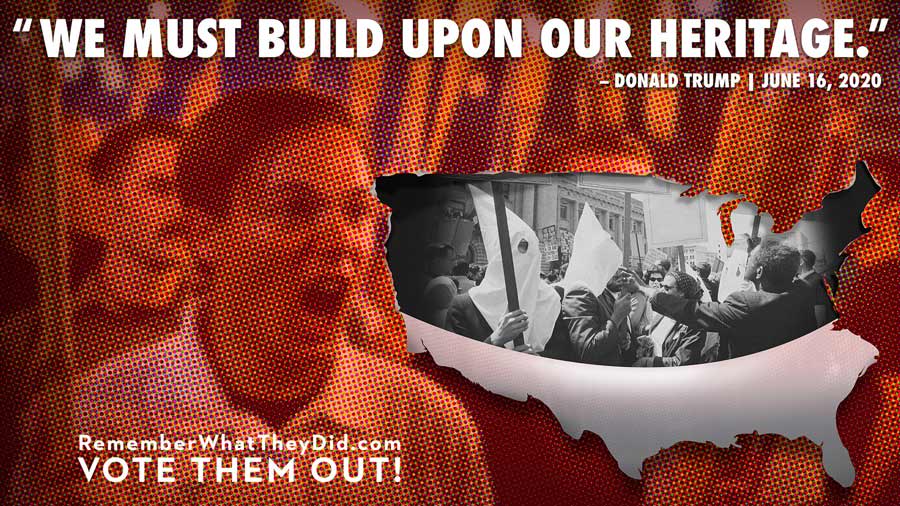
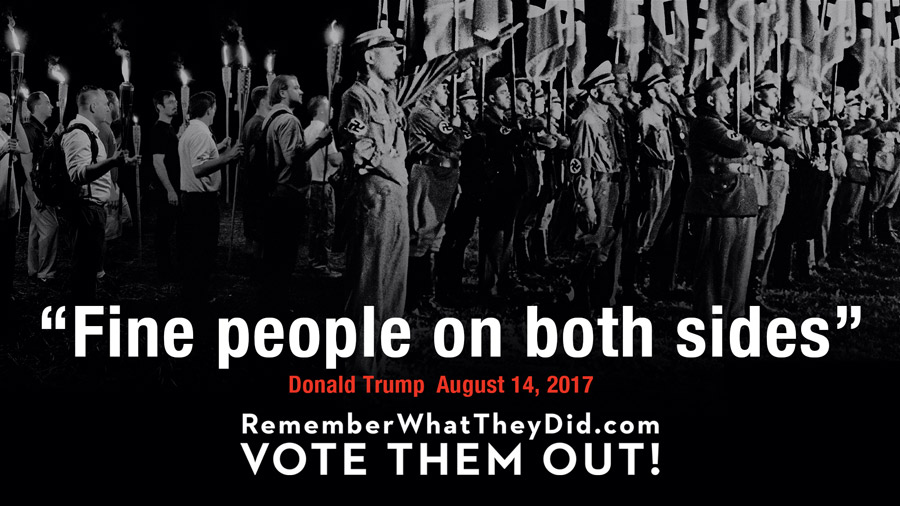
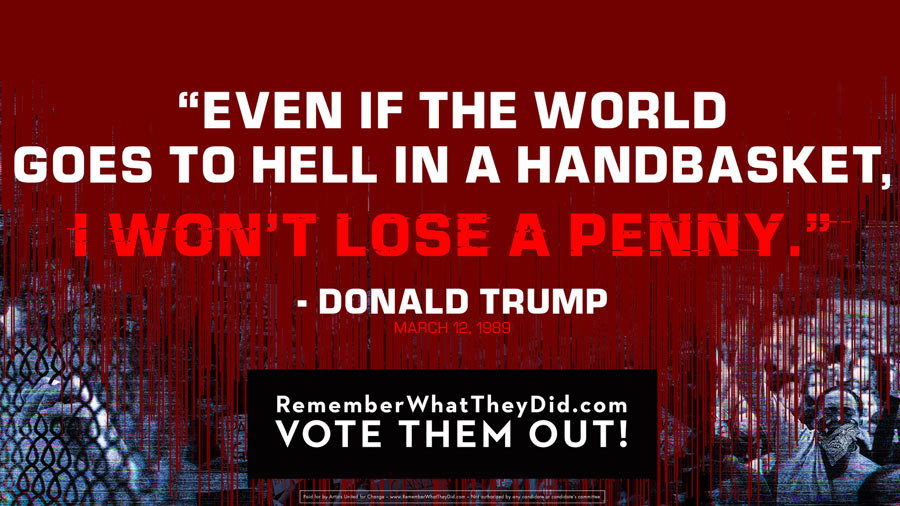
Nekisha Durrett. “We must build upon our heritage” (photo courtesy of RememberWhatTheyDid.com)Robert Rusell. “Fine people on both sides” (photo courtesy of RememberWhatTheyDid.com)Rob Sheridan. “Even if the world goes to hell in a handbasket, I wont lose a penny” (photo courtesy of RememberWhatTheyDid.com)
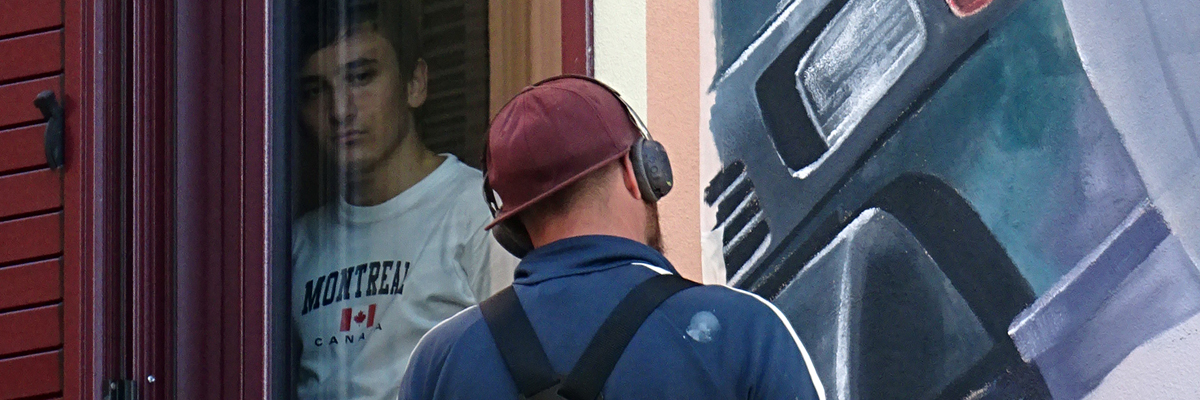
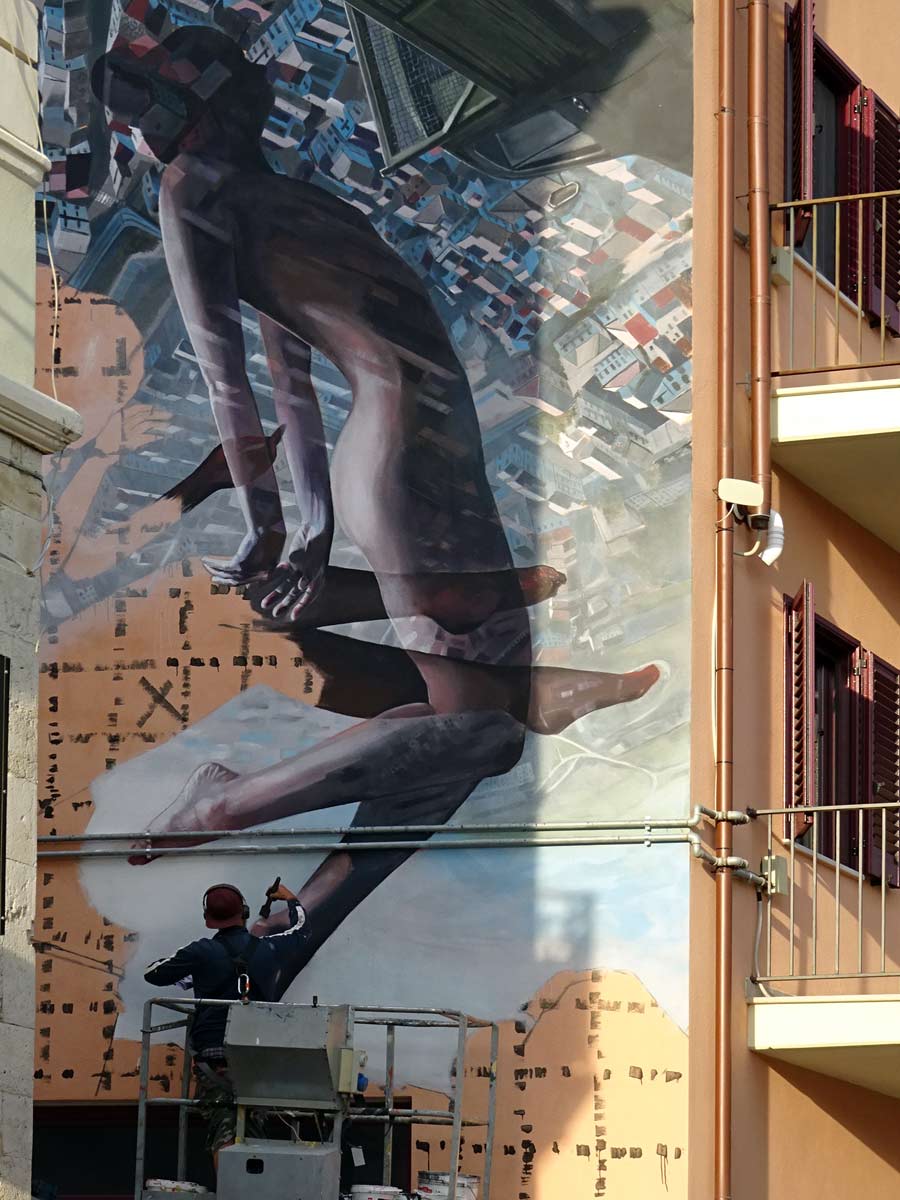
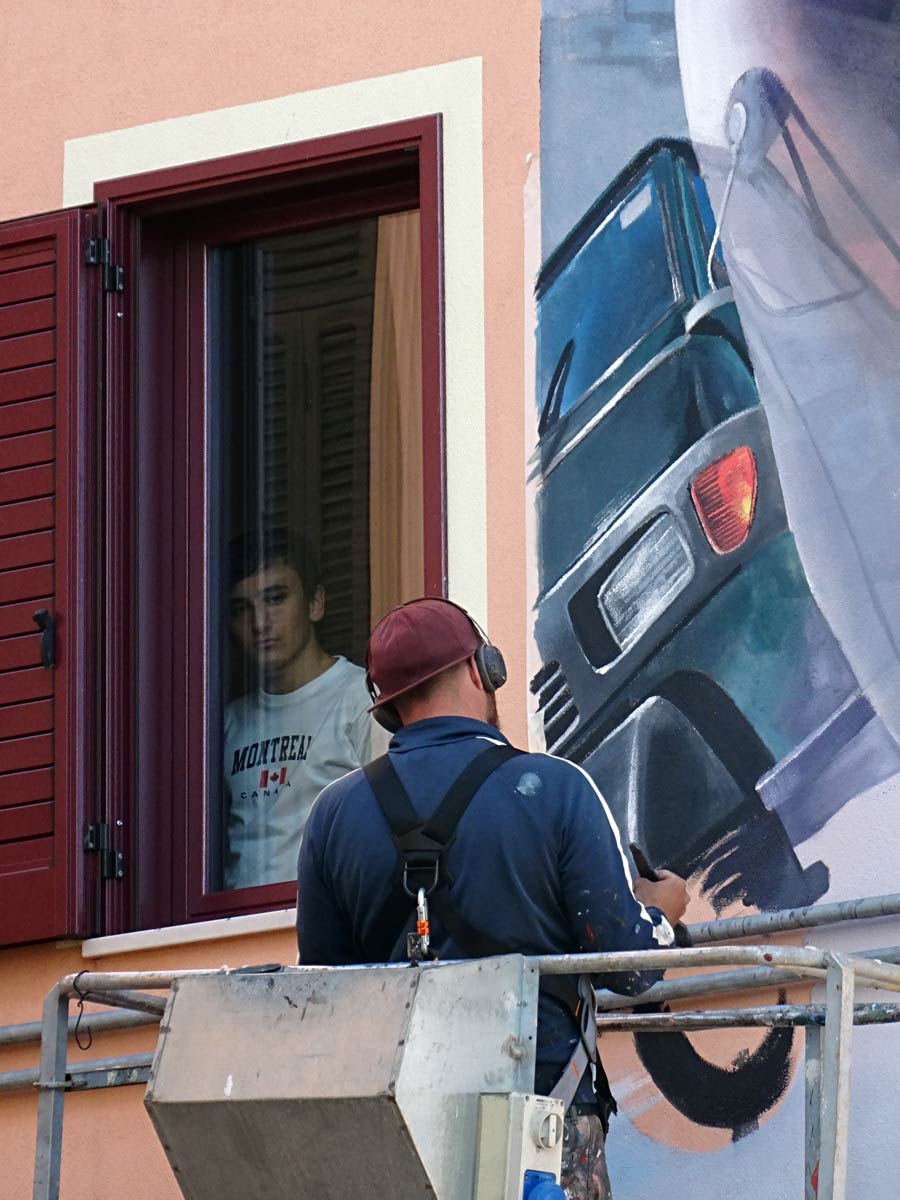
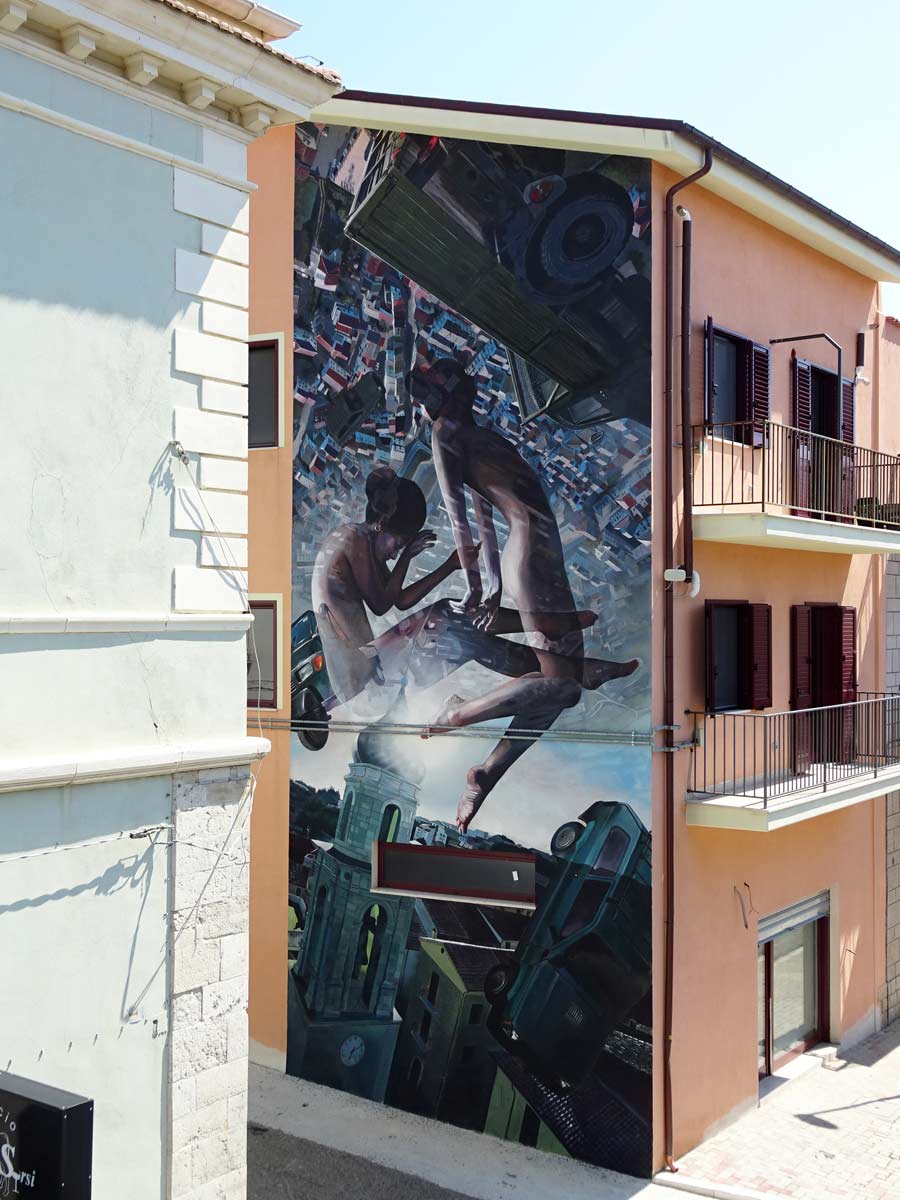
The dreams of men; full of adventure, longing, Doritos, cars, robots, babes. Vesod knows this all too well, as his newest wall unmoors them and sets them aflight, afloat, askance, atwitter. Stuck inside our homes, the dreams merge with fears and the need to escape. Dorothy in “The Wizard of Oz” was said to be in an oneiric state, and the Italian street artist is as well, all tumbly and tittly.
Vesod. Dualismo. For Premio Antonio Giordano. Santa Croce di Magliano, Italy. (photo courtesy of Premio Antonio Giordano)
Here in the imagination is “where architectures, female bodies and machines merge together in a futuristic vortex, open to double or multiple interpretations in contrast to each other,” says Vesod as he leaves this vision of dualities, beauties and bounty just outside the window of this teen.
Vesod. Dualismo. For Premio Antonio Giordano. Santa Croce di Magliano, Italy. (photo courtesy of Premio Antonio Giordano)
It’s the 7th edition of Antonio Giordano urban art award (Premio Antonio Giordano) in Santa Croce di Magliano, Italy that brings him here with this new façade on a private building in the heart of the village. But the dreams… these are universal.
Vesod. Dualismo. For Premio Antonio Giordano. Santa Croce di Magliano, Italy. (photo courtesy of Premio Antonio Giordano)
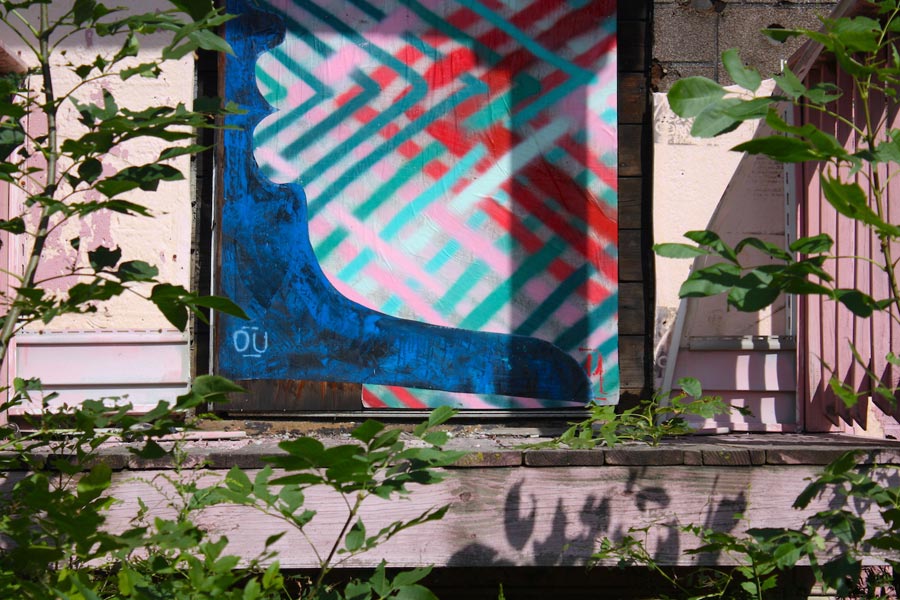
Those longing gazes are from your family, those red-lines are through your neighborhood, those abstractions are your intersections with poverty, wealth, race, beauty, and power.
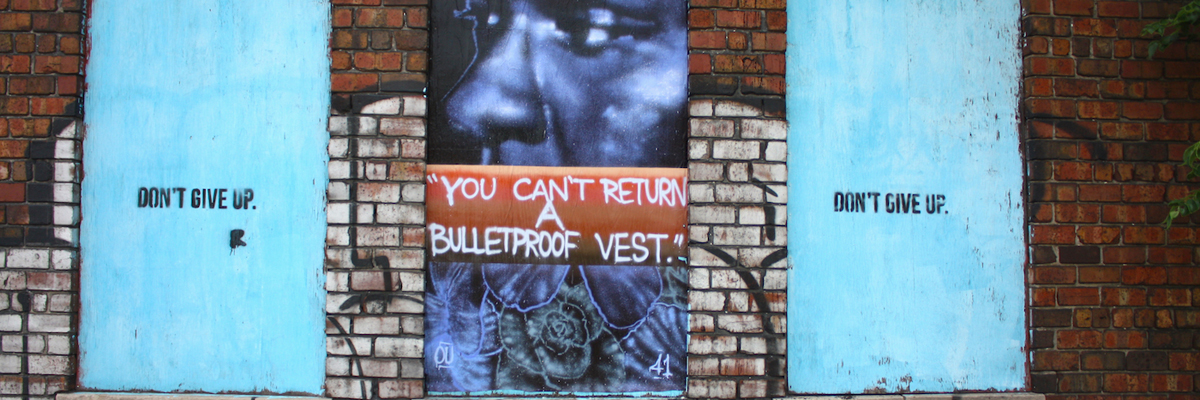
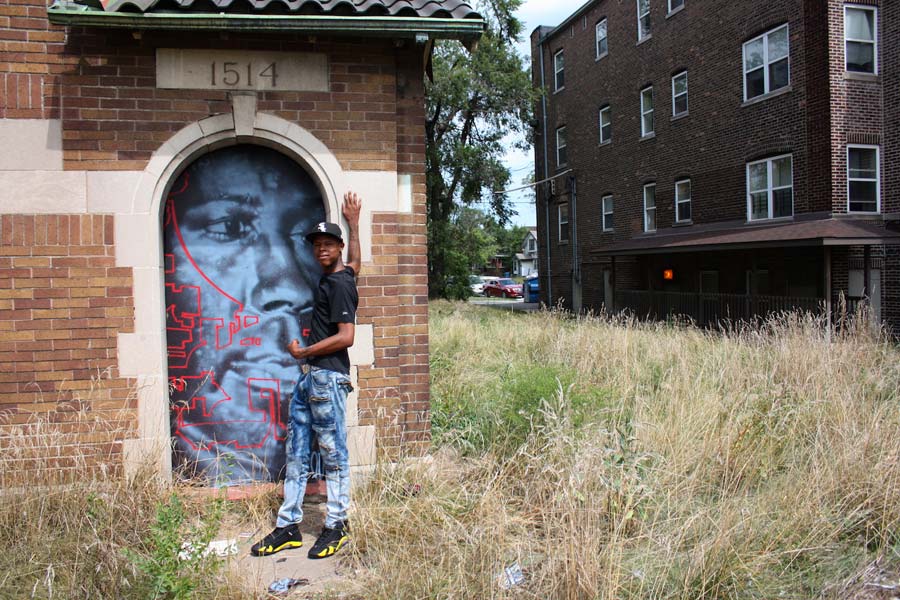
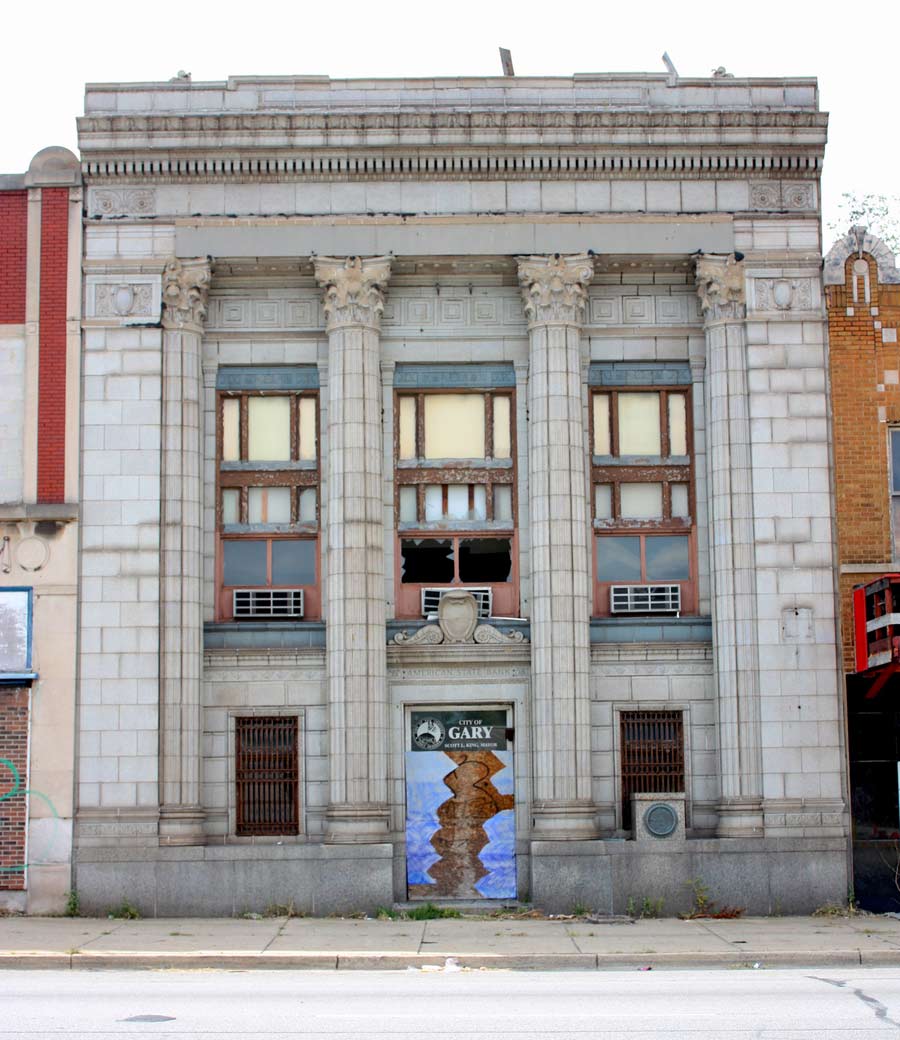
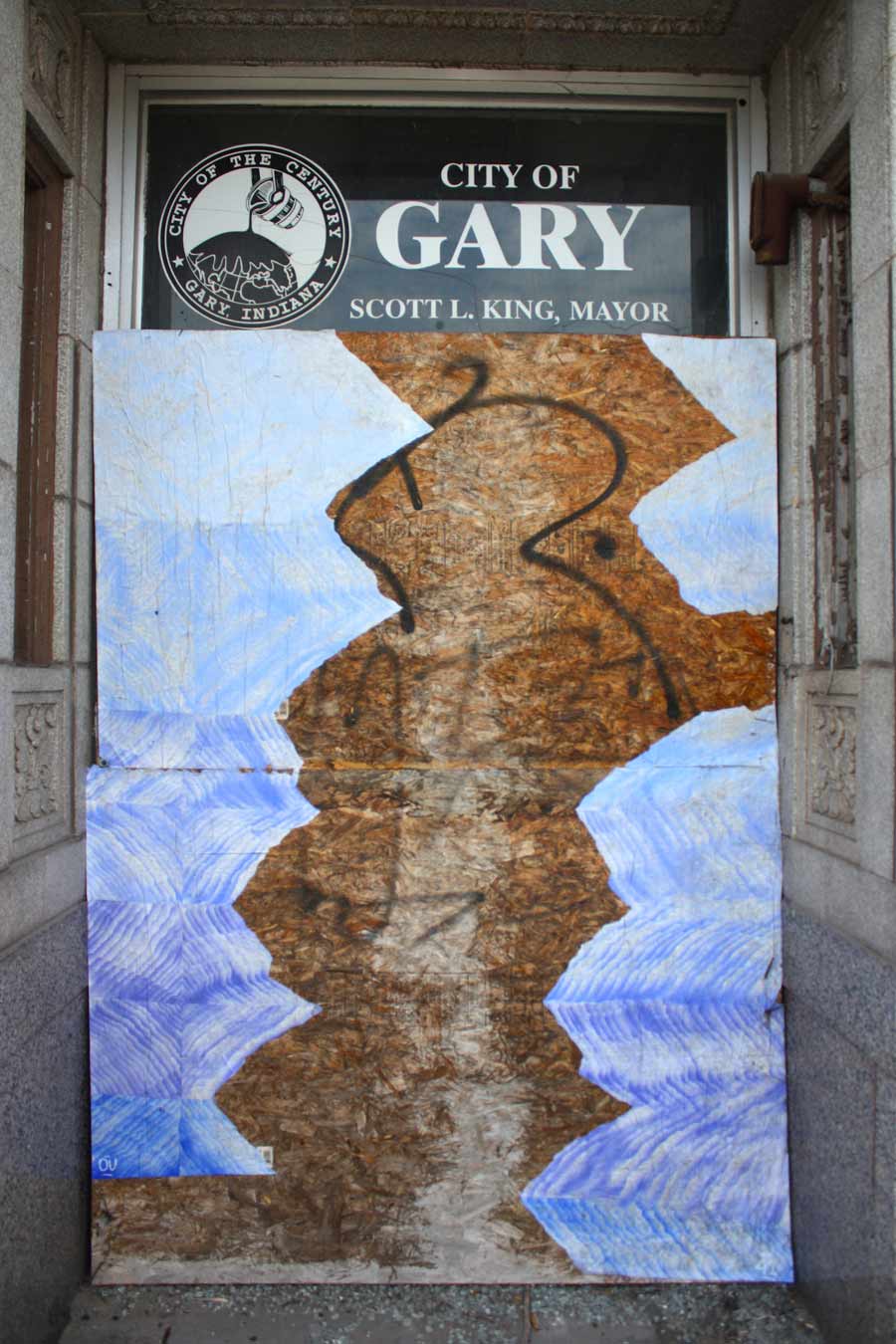
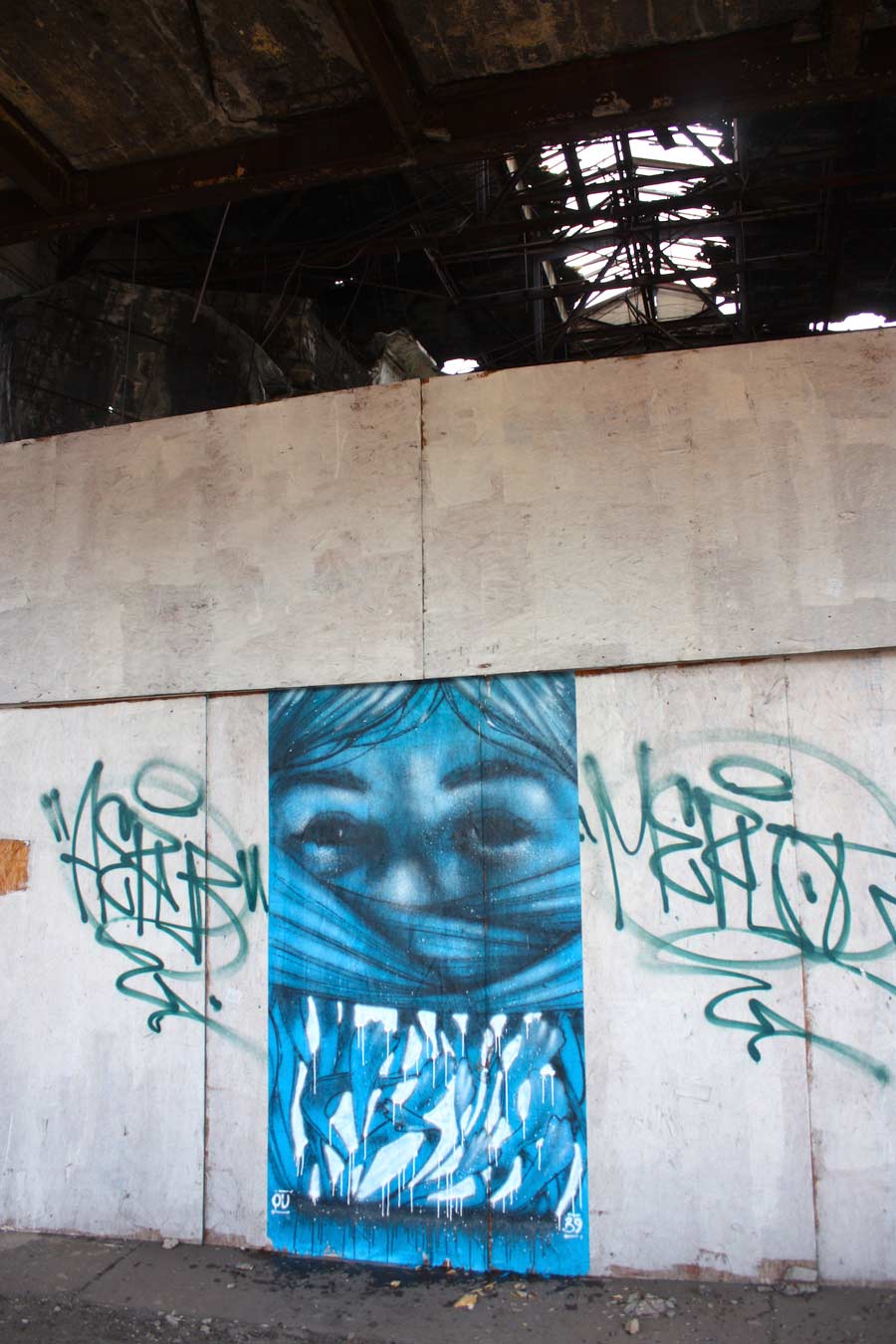
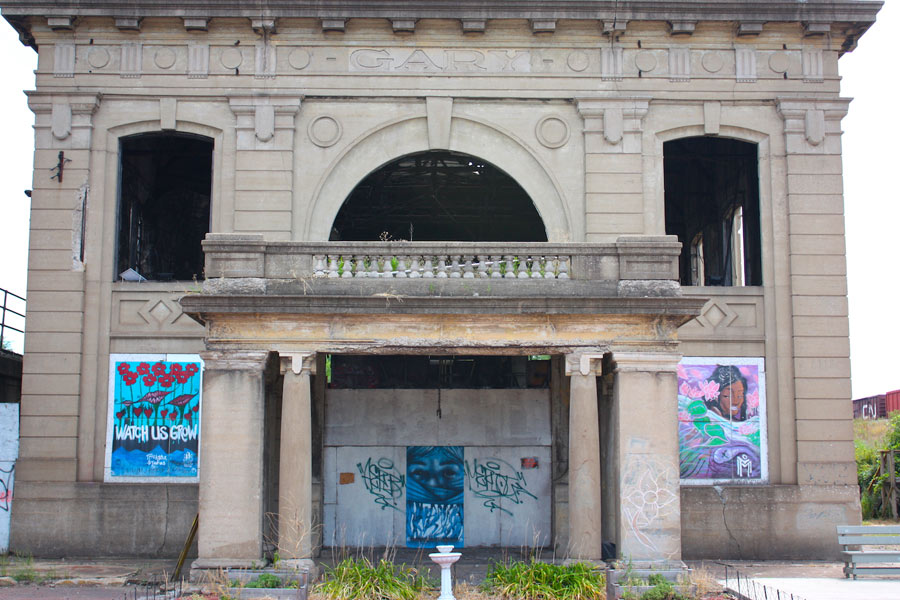
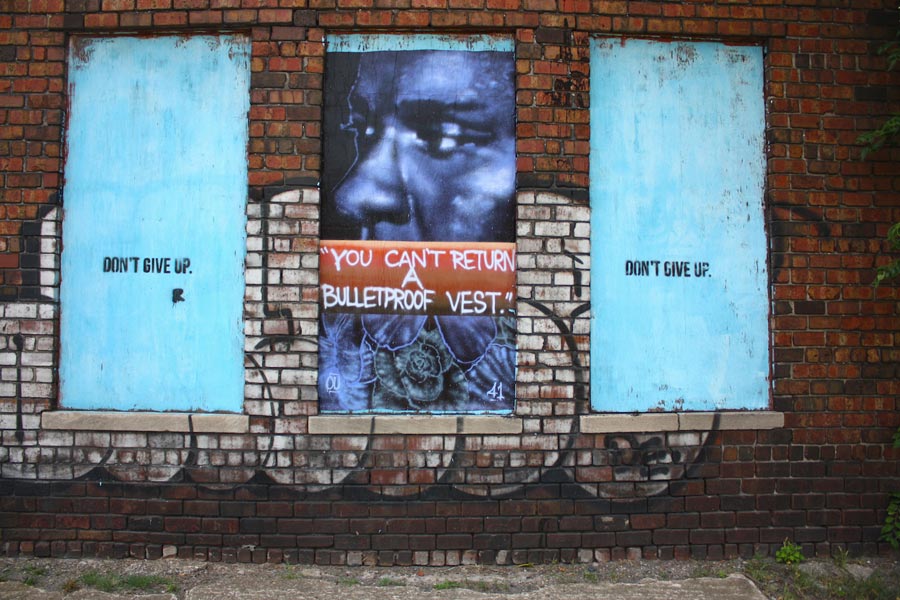
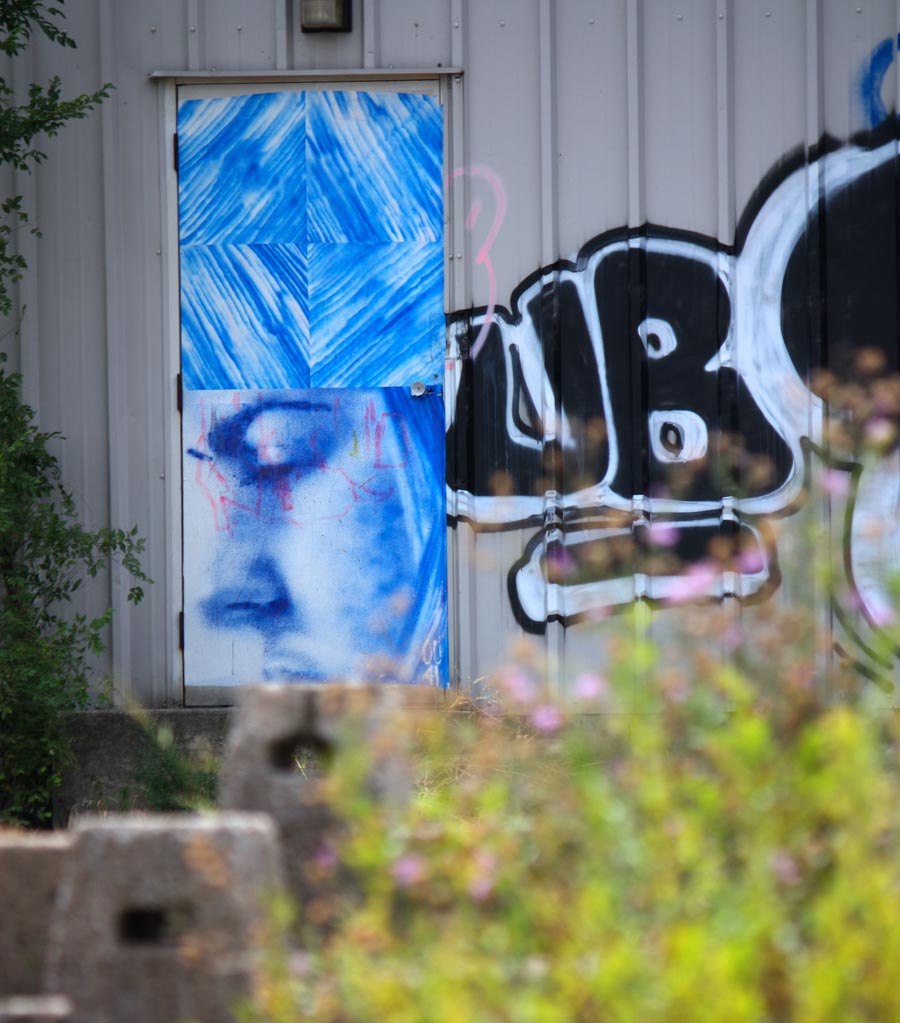
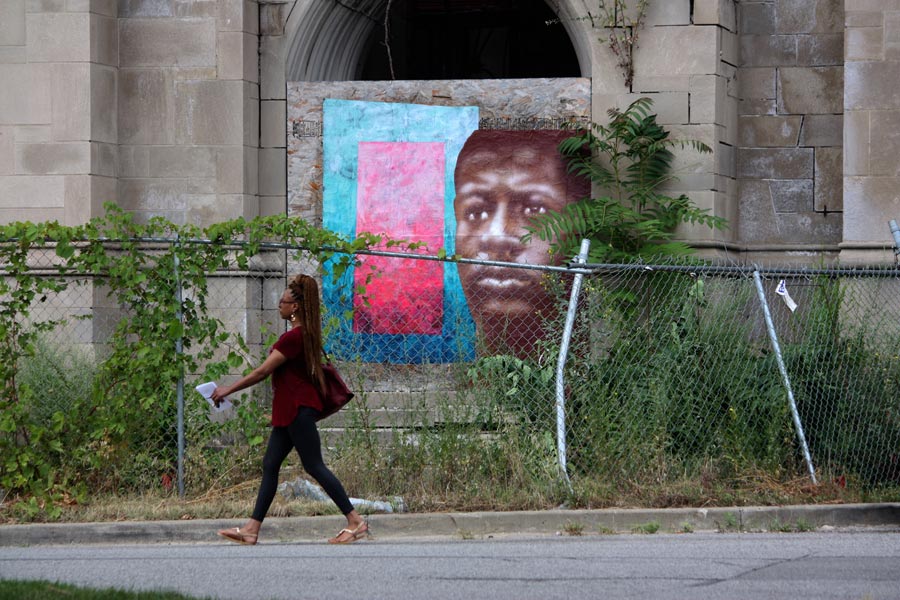
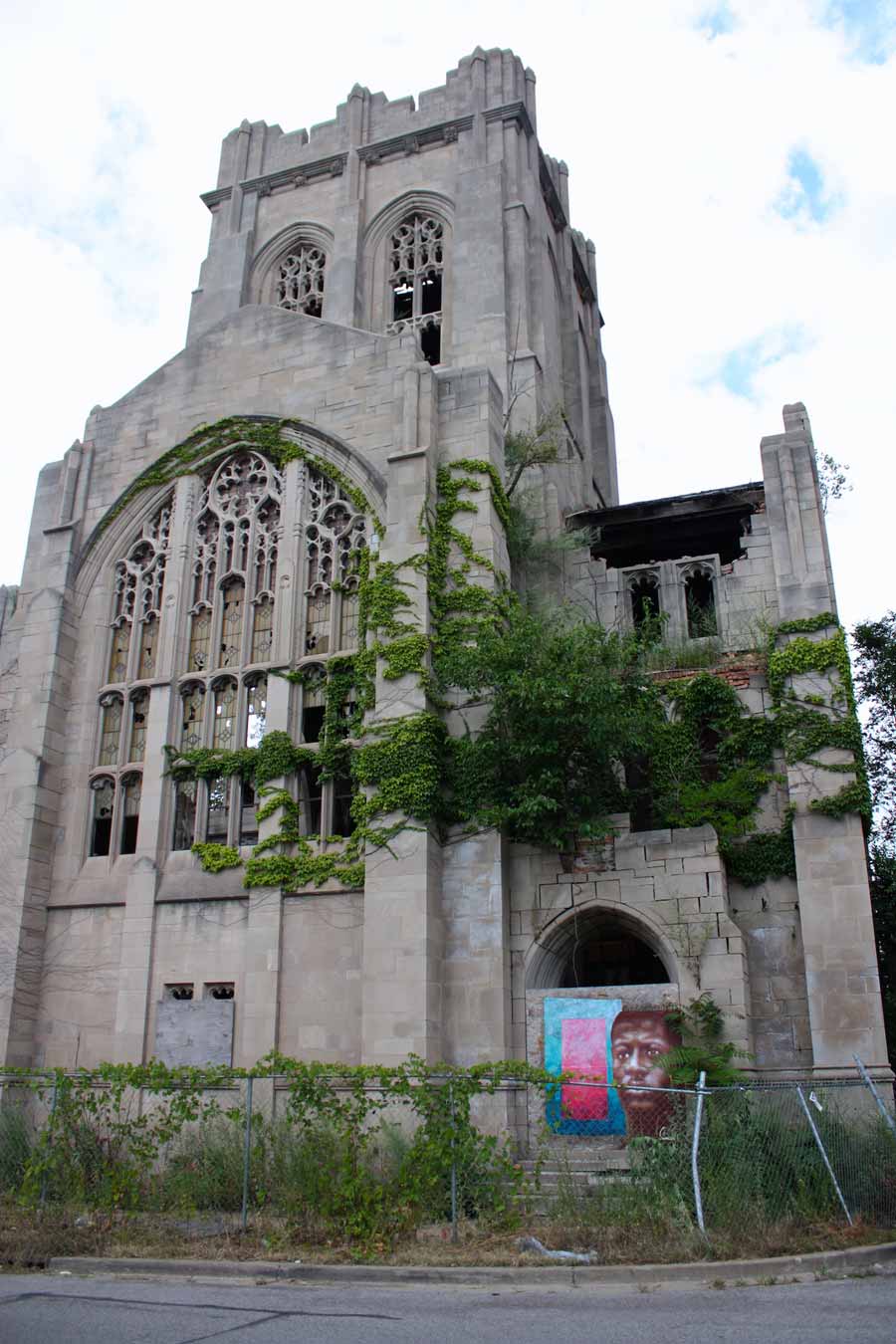
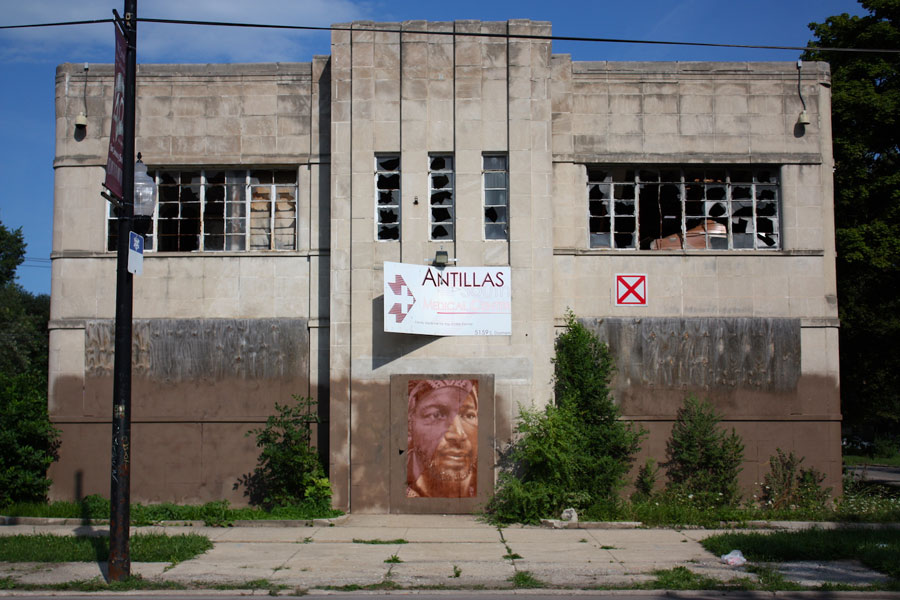
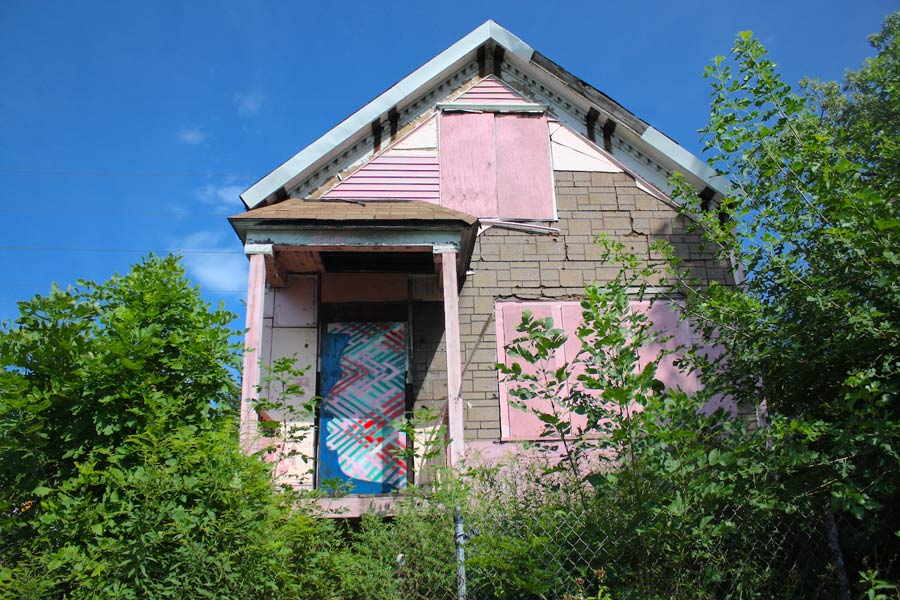
OverUnder had a “whirlwind 72-hour pandemic tour” that led him through Chicago and Gary, Indiana, and his brilliantly human painted wheatpastes showed up on many a pressed-wood board. The impolite truths of neoliberalism – neglected neighborhoods of our de-industrialized 2020, now licking ever closer to you and yours.
OU brought his kids too, at
least in his paintings. “I also put in one piece that I made with my daughter –
you can see her nice little pink additions.”
“There is also a portrait of a young man named Adonis next to a piece I put up of Mayor Hatcher with some abstract red lines across it (redlining),” he says.
“He was the first Black Mayor of a big US city along with Carl Stokes of Cleveland in 1967.”
Oh yes, those days of promise back then, you think.
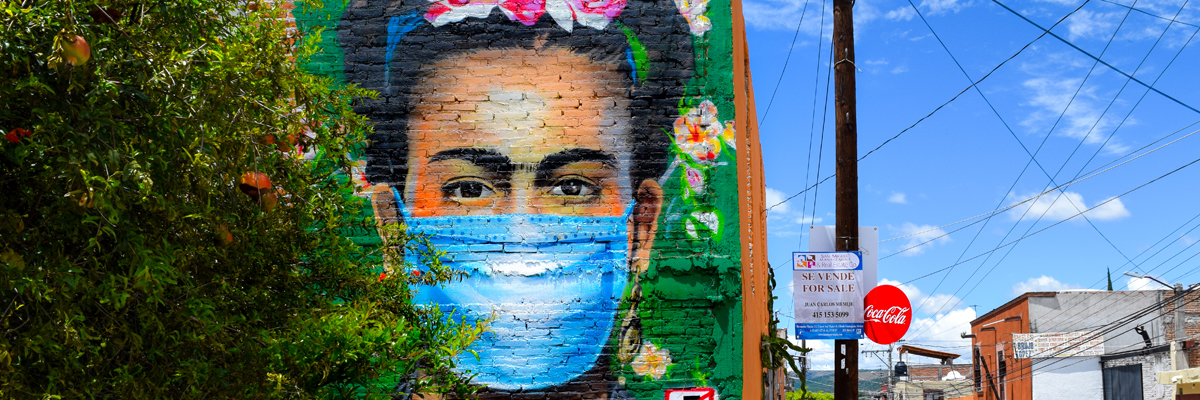
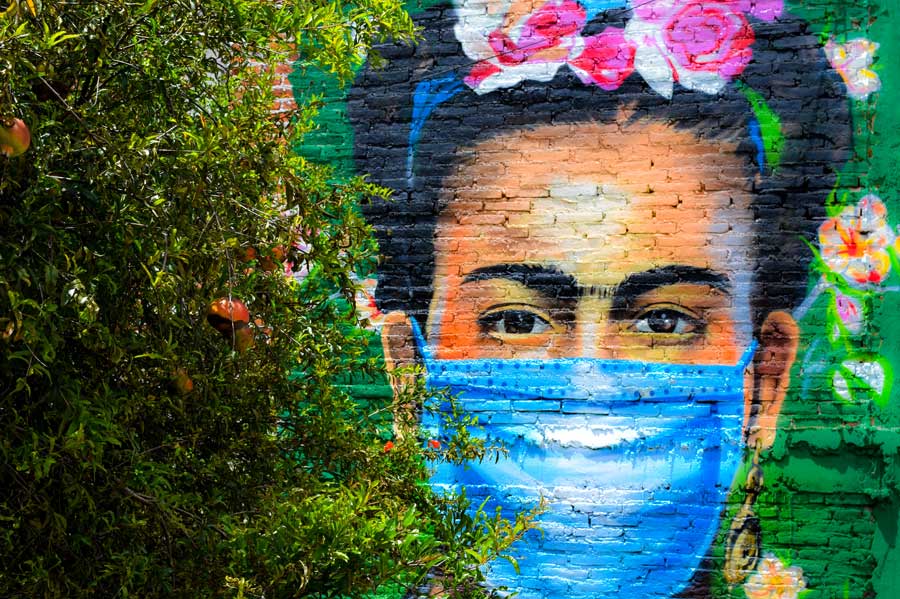
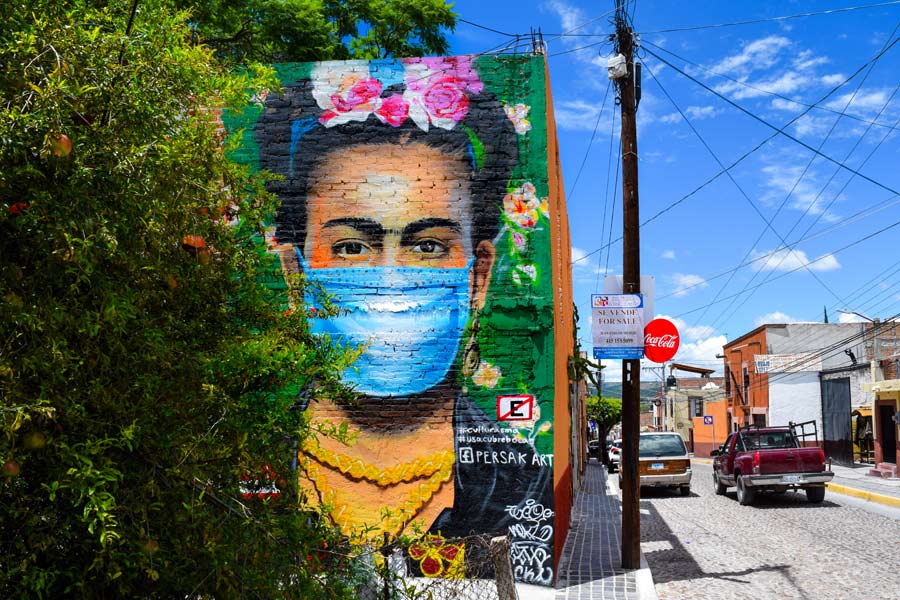
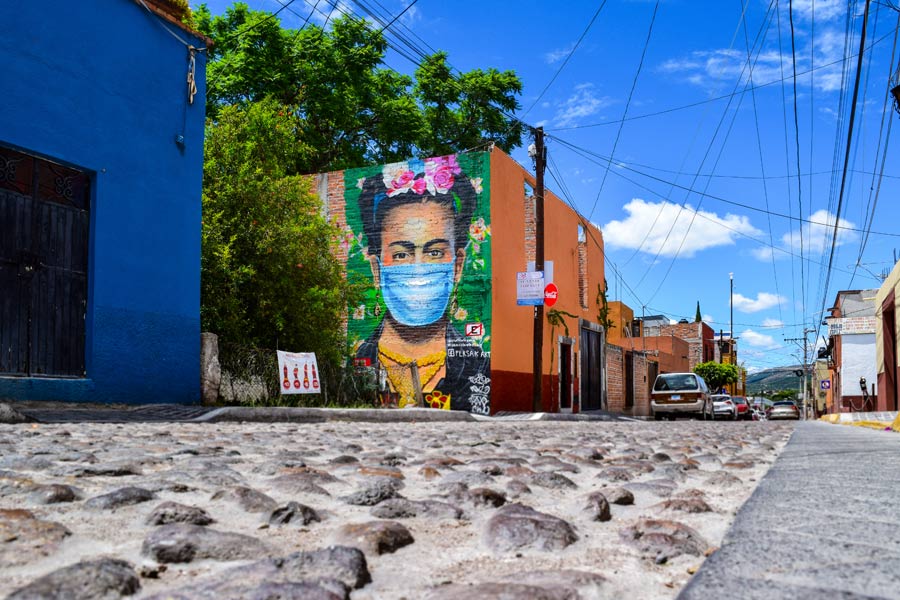
I believe that as artists we have a commitment to society,” says PERSAK, “and in these difficult times art helps people a lot to keep busy and to distract themselves from so much bombardment of news about COVID-19.”
His new street mural in San Miguel de Allende in Mexico borrows a culturally significant icon to bring home a message to as many people as he can. “The use of a mask is essential to avoid contagion,” he says.
One of a three-mural program he painted here, he says he chose images of worldwide recognizable icons like Van Gogh and the Mona Lisa as well, but this one is closest to home. For PERSAK (Daniel Martínez Carrillo), the goal was simple; “I just want to raise awareness about the health measures that must be followed at this time,” he says.
What a week – as bad news is replaced by horrible news. But seriously, the summer has been beautiful in the streets of New York in so many ways, and we feel lucky here – even though there appears to be an exodus? Yeah we remember it from the 60s and 70s too but it was called “White Flight” then. Wonder who’s leaving now? Kitchen too hot? Please, gurl, go home. The rest of us will be just fine here because we’ve always loved New York in good times and in bad. These are the Golden Years.
The DNC 2020 infomercial this week looked like the 1996 RNC one but with “diversity” – as we get pulled/pushed further and further toward the right. This weeks’ RNC infomercial broadcast from White House grounds will march us off a cliff, no doubt. Speech writers are searching now to set the reich tone. Austerity for all! War is Peace! Suburban Karens Will Crush You!
Let’s see what the streets are telling us.
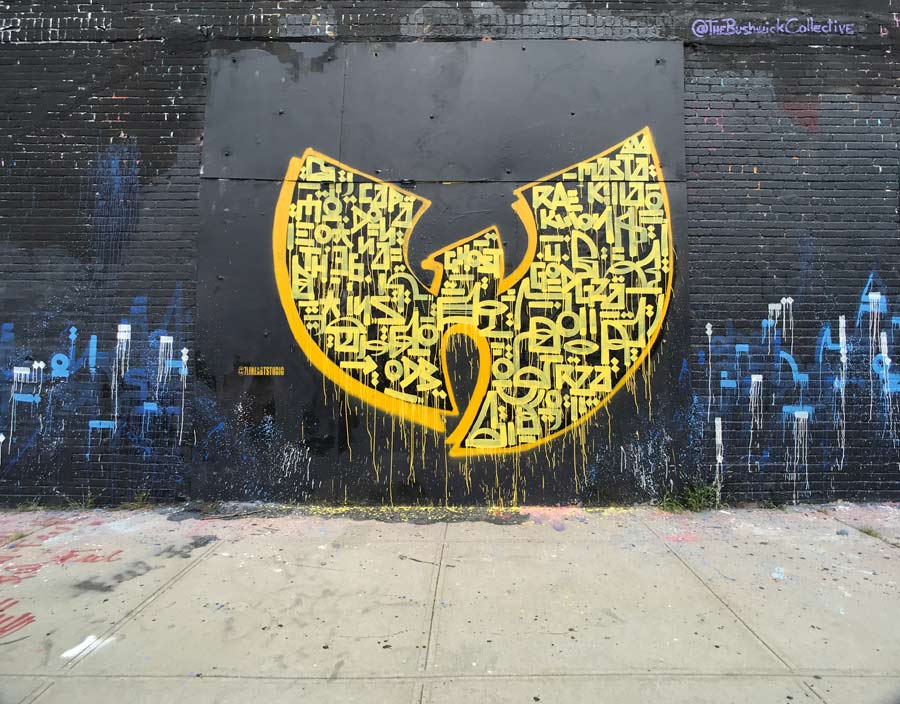
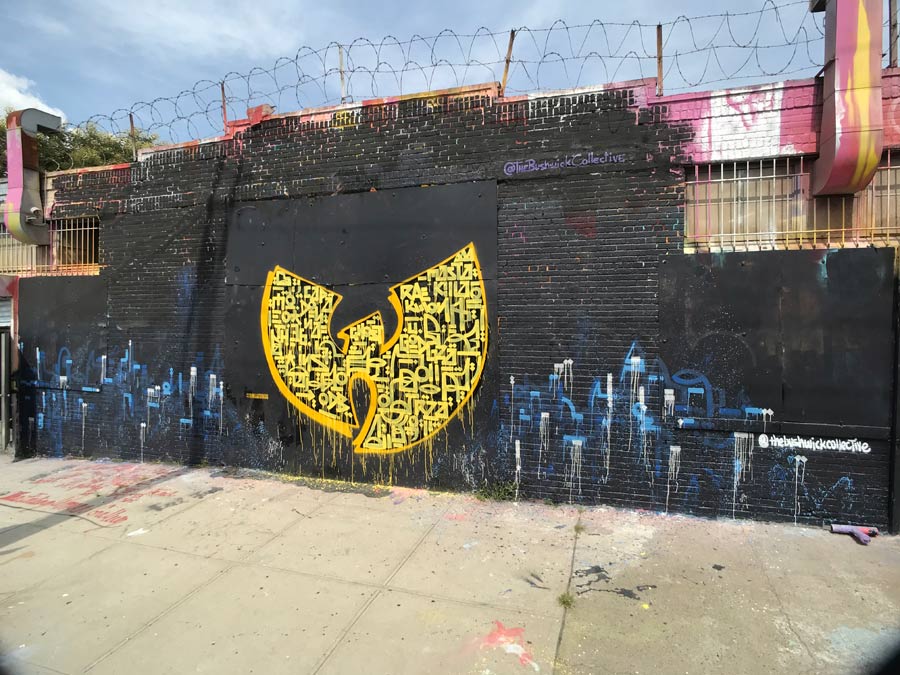
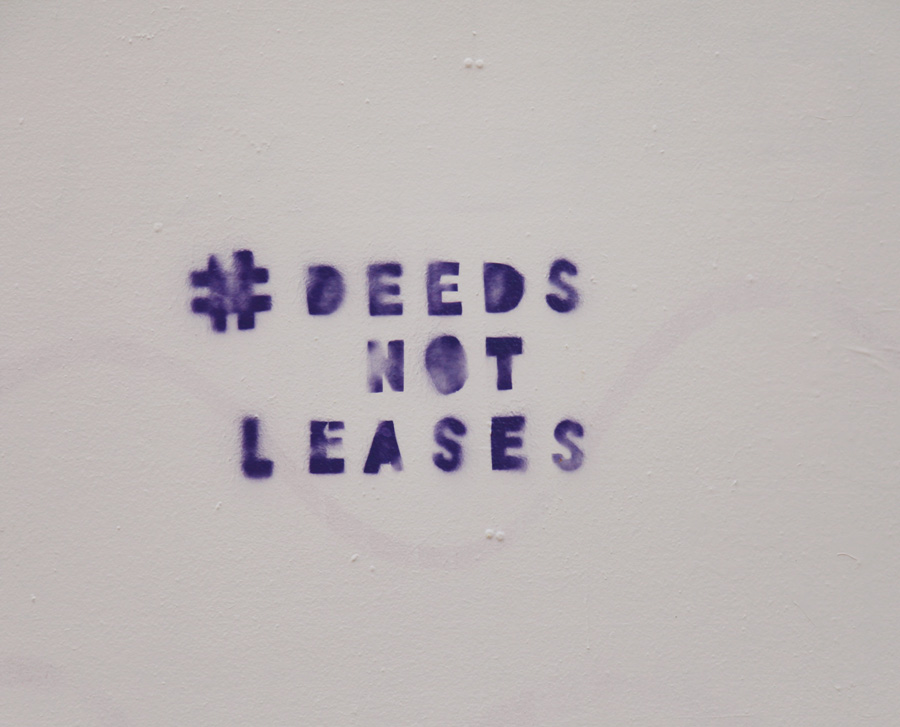
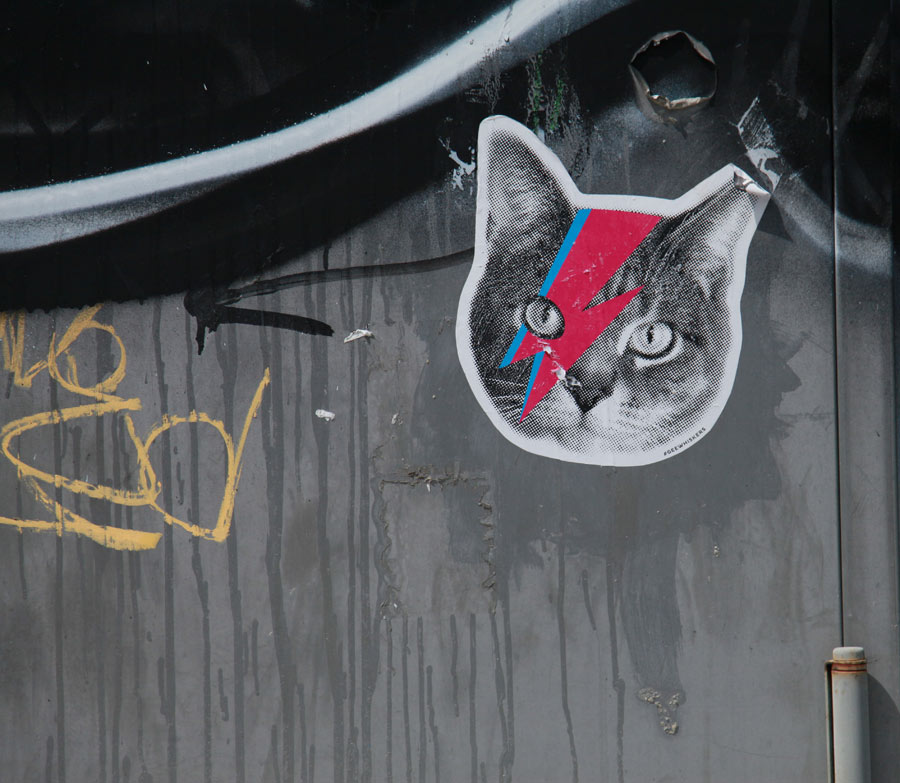
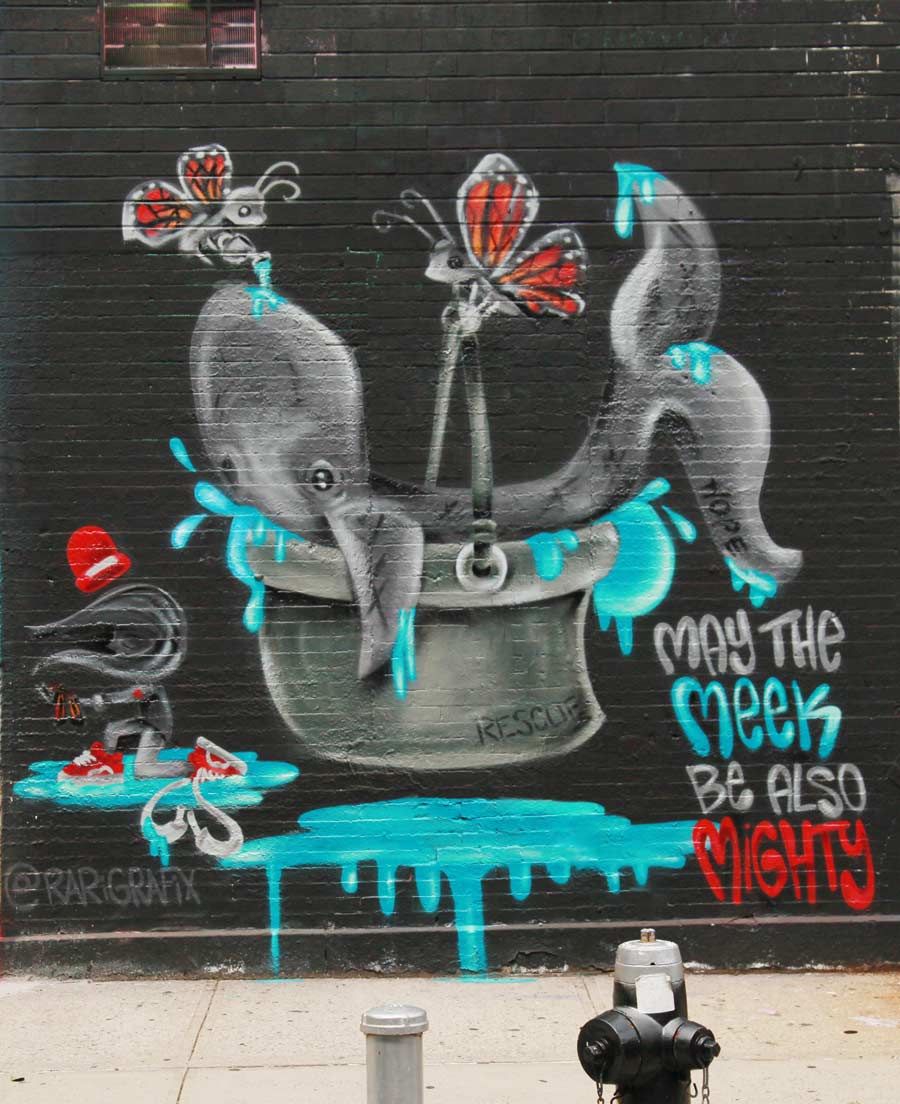
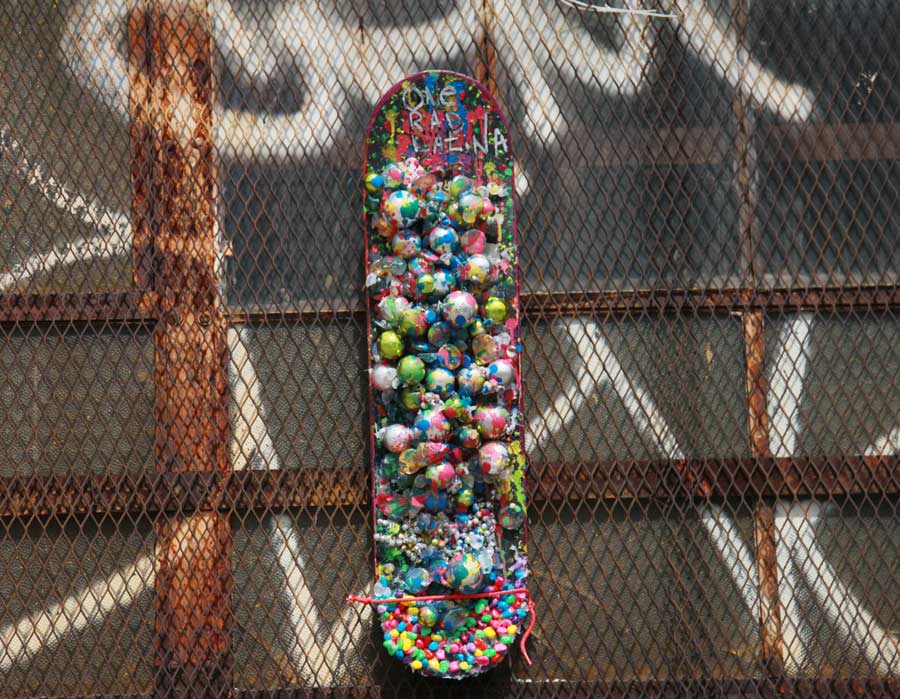
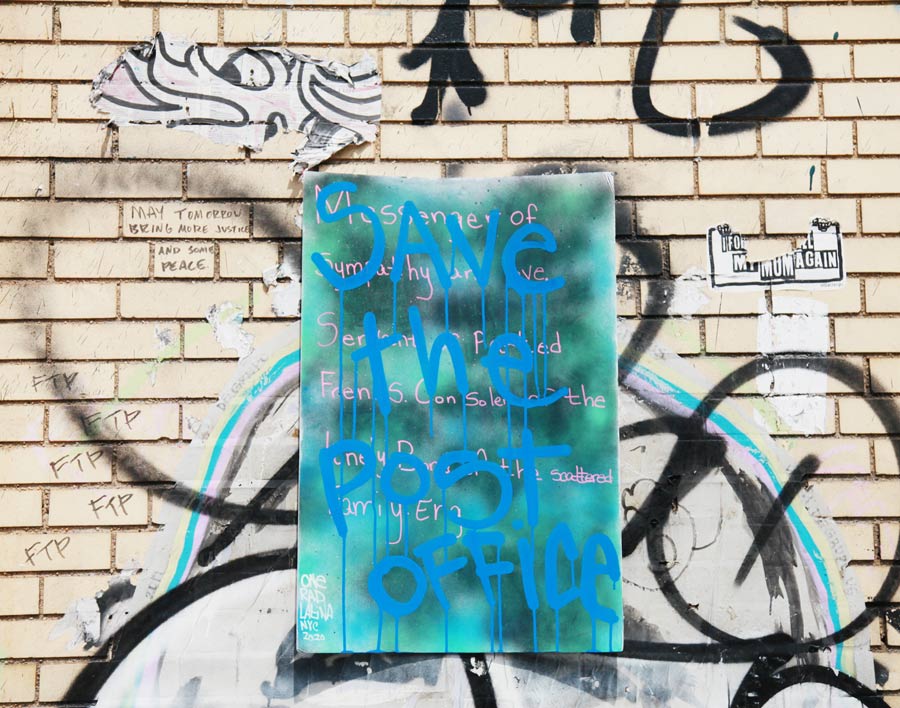
Here’s our weekly interview with the streets, this week featuring 7 Line Art Studio, Adam Fu, Billy Barnacles, CB23, Cern, Gee Whiskers, One Rad Latina, and Rar Grafix.
In a “now” obsessed culture that is in the convenient habit of forgetting, the marches against police brutality and racism this spring and summer have had an earth-shaking quality mainly because there is little real knowledge about the US past. But take a serious look at the dynamics at play and the ugly behaviors and attitudes on display in 2020 are identical to those of say, a hundred years ago.
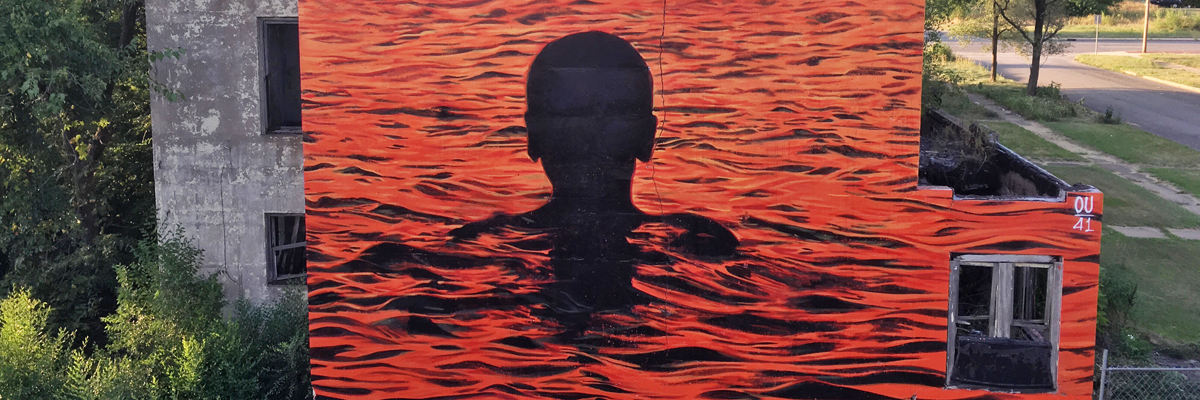
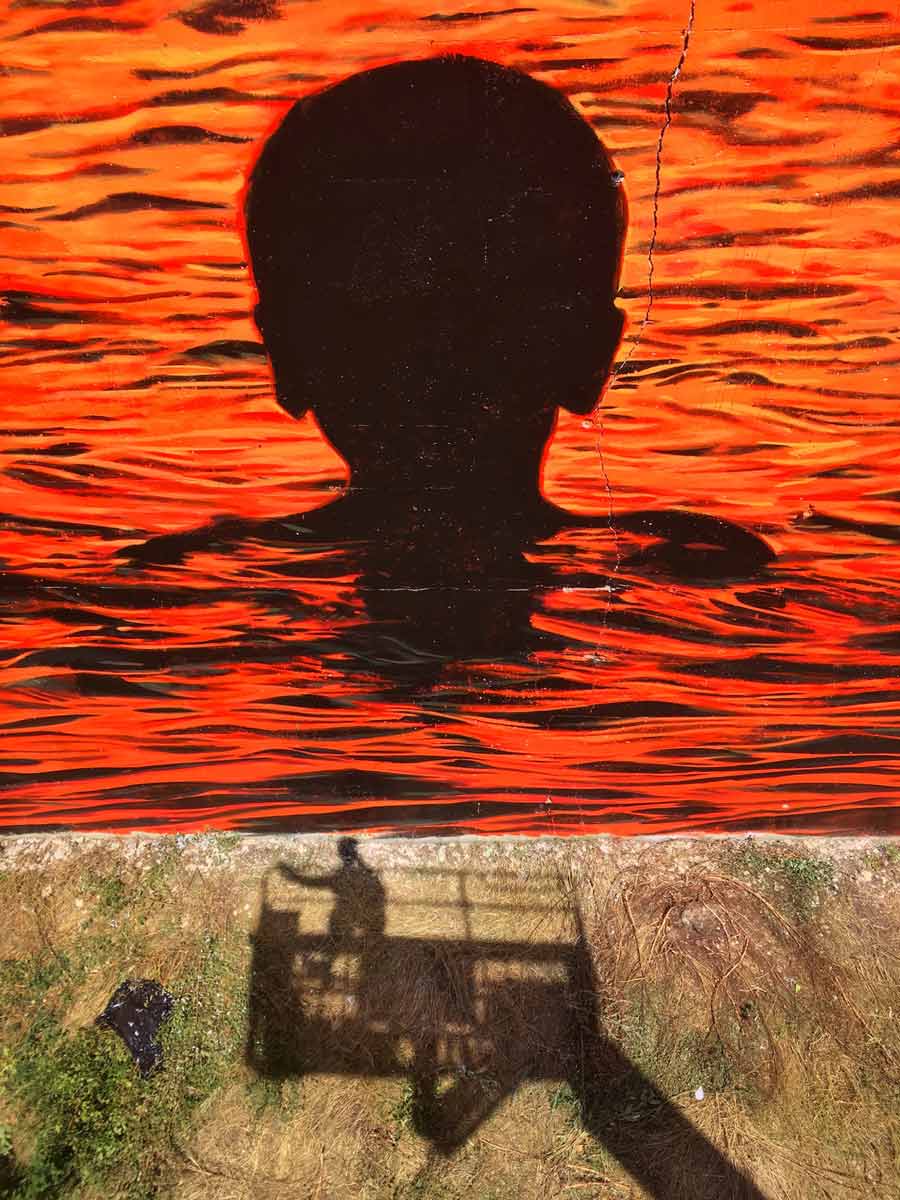
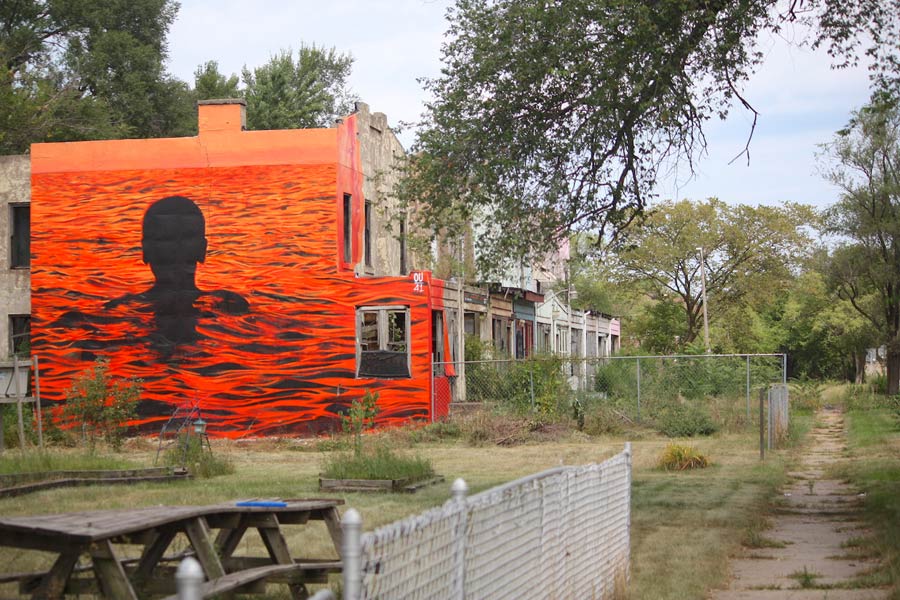
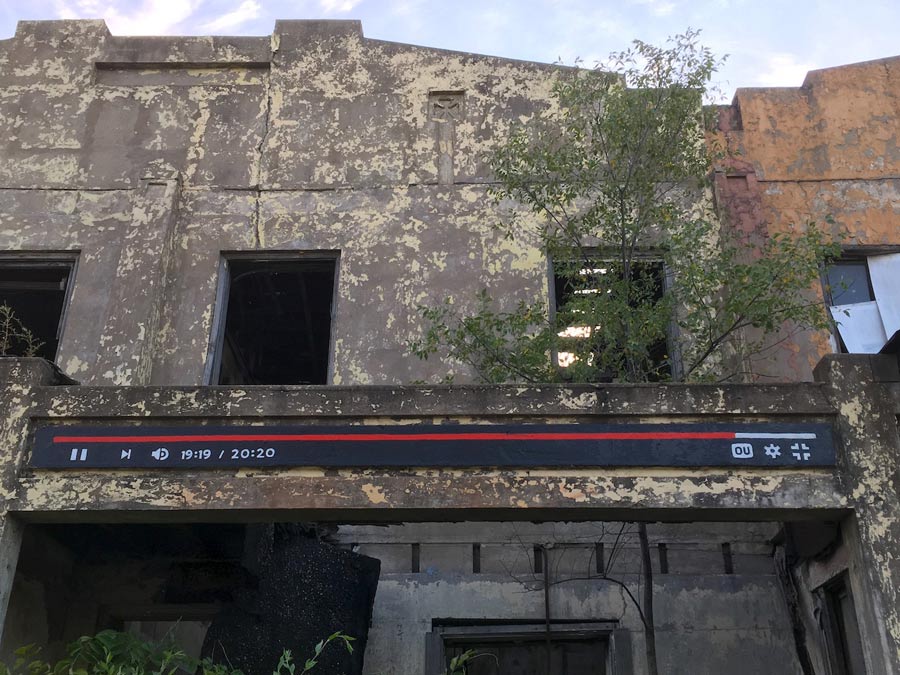
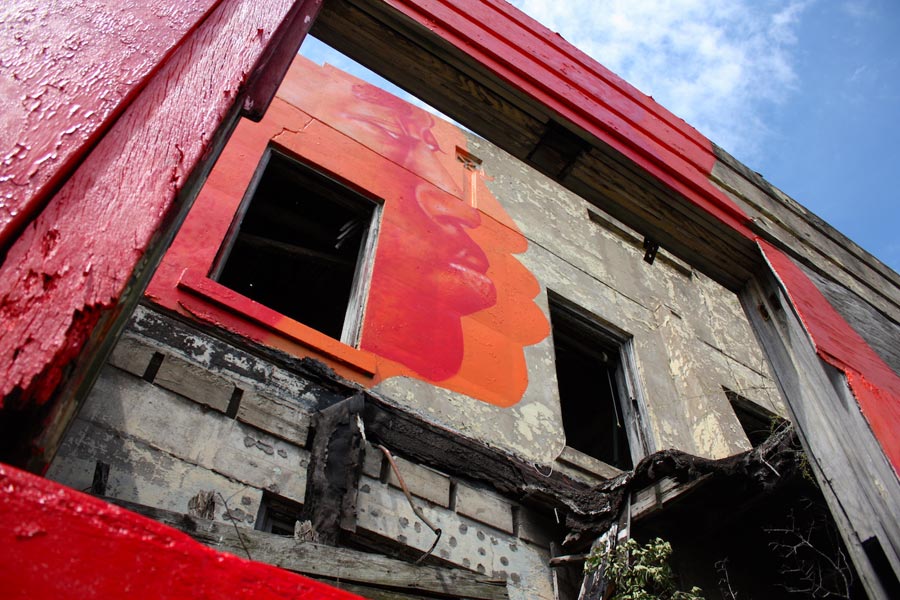
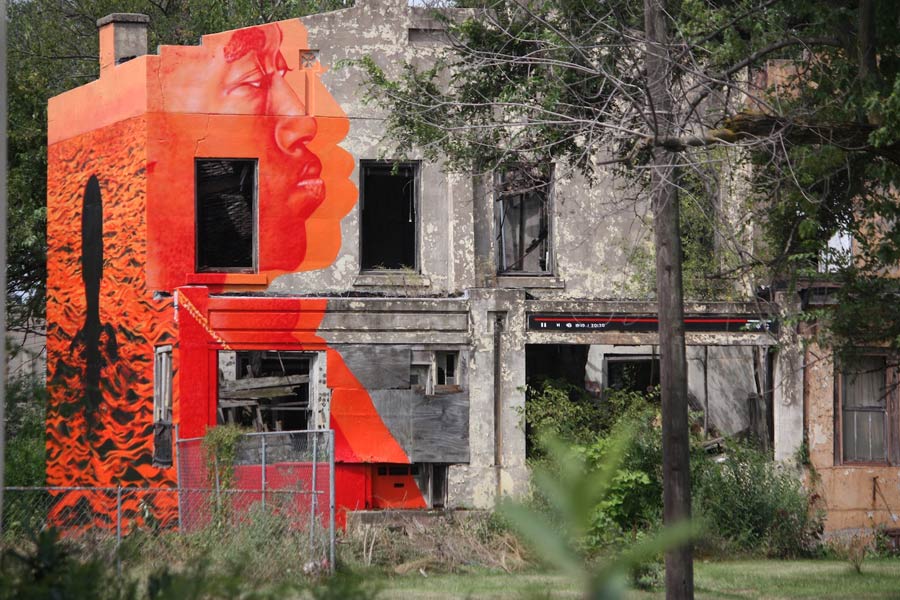
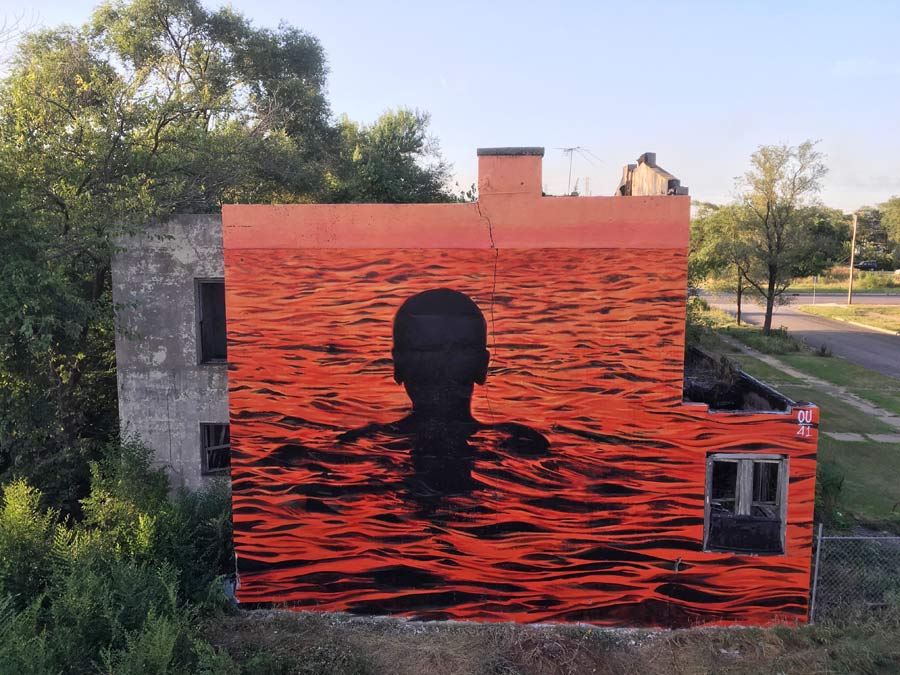
Street artist OverUnder paints a correlation in Gary, Indiana this summer between the killing of a black 17-year-old, Eugene Williams, in 1919 and the killing of George Floyd in 2020 – and a host of others during the century in between. It’s a stunning conceptual piece that optimizes the architecture, its planes and location, OverUnder adeptly braids the pain and imagery of that youth in the water, the resolute profile of local rapper Freddie Gibbs, and a YouTube timeline showing minute-years elapsed directly on housing stock that has been abandoned and shifted to the margins of this city. Talking to him about the evolution of the project, the vibrations are compounded by OU’s story that when he first conceived of this silhouetted head on red rippling waters two years ago, he had not yet learned the story of 1919.
With an aspirational attitude of hope for the future, OU calls the new installation “1919 Sunset and 2020 Sunrise”. Likewise we’re looking at today’s strong determined voices as a dawn of our new age of equality and fairness.
Rooted in our history, here is OverUnder’s description of his project in his own words;
“The two pieces are a pairing speaking to now and then. A simultaneous centennial remembering the Red Summer of 1919 where a black 17-year old named Eugene Williams, floating on a homemade raft in Lake Michigan drifted beyond an imaginary racial line leading to a white man throwing rocks at him; ultimately drowning him. The Black side of the beach confronted the man and involved the police but they wouldn’t make an arrest. Instead they arrested a Black man. Fights, shots, riots, and arson exploded across Chicago leading to weeks of violence and thousands of people left homeless. Other riots were also happening across the U.S. better known as the Red Summer.
Meanwhile the Steel yards of Gary were seeing major strikes. After strikebreakers and police clashed with unionists in Gary the U.S. Army took over the city on October 6, 1919, and martial law was declared. Something all too familiar now.
The tension had been building. Prior to this America was deep in WWI. This had a twofold effect on Black Americans. First of all, most Black soldiers serving overseas were rejected by their American superiors and were reassigned to the French army who didn’t have the same racism. After serving alongside fellow allies these Black Americans became accustomed to being treated equal aka normal. However post-war at their homecoming they were given a cruel reminder of the two sides of America.
Aside from having a terrible time readjusting after returning from fighting overseas for America other non-serving Blacks were defending their jobs from those Irish and Italian Americans returning and hoping to get their old jobs back. During the war a labor shortage in Chicago and Gary had a majority of industrial work going to Blacks migrating out of the Jim Crow south for a fraction of the pay. However with returning vets hoping to get their old jobs back racial tension was inevitable. After the drowning of Eugene Williams the multitude of tensions came to a head across Chicago and Gary.
For me I proposed this design when I was invited to paint Gary in 2018 for no direct reason aside from thinking it was pretty for an urban lakeside community. The project fell through and we revisited it unsuccessfully for the fall and then once more the next year. Funds and logistics didn’t line up again and the project was scrapped. As the Black Lives Matter movement began to regain traction following the lynching of George Floyd several histories were being retold. One of which was the Red Summer of 1919, the riots in Chicago, and past civil unrest.
Upon hearing this I first couldn’t believe I had NO clue and the familiarity between the story and my original proposal. The imagery was serendipitously tethered in a centennial relapse. It was just too weird. So I reached out to Lauren at Paint Gary again and was like ‘Yo! we need to make this happen!’ It’s too on the nose. All I need is a wall. I will take care of everything else.” She lined up this particular wall at the Edison tract and I gave myself a proper 48-hour pandemic window to make it happen.
The wall entitled 1919 Sunset shows an anonymous figure in silhouette treading water. The adjacent wall entitled 2020 Sunrise pairs a melancholy portrait of Gary rapper Freddie Gibbs with a YouTube timeline showing a 20:20 second clip paused at 19:19.”
Our weekly focus on the moving image and art in the streets. And other oddities.
Now screening : 1. Indecline “The Art of Protest” Trailer
BSA Special Feature: Indecline “The Art of Protest” Trailer
Directed by Colin M. Day (“Saving Banksy”) and produced by INDECLINE, the film is an inspirational call to action, featuring the worlds leading activist artists and musicians, assembled for the first time to discuss what some consider to be the vital importance of resistance art in the era of Donald J. Trump.
With the US election looming large this fall, artists are mobilizing in different ways to help raise awareness about the importance of voting.
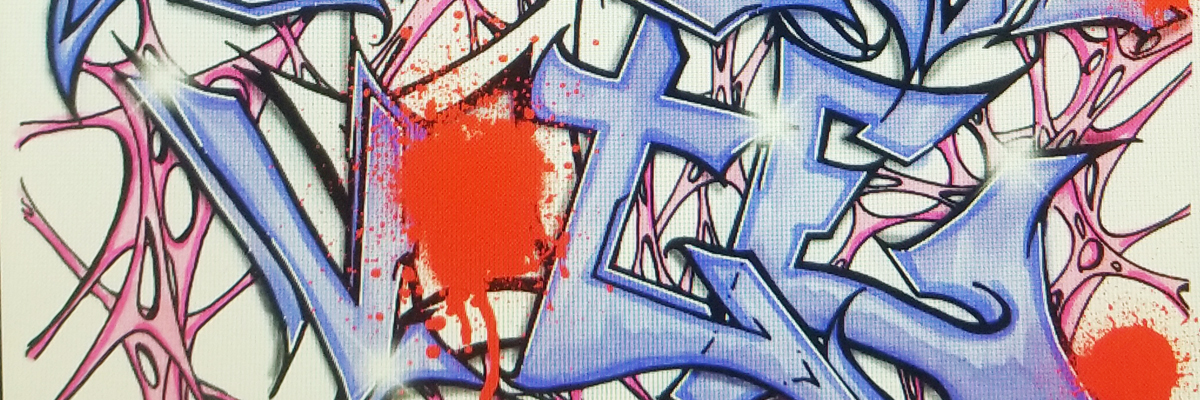
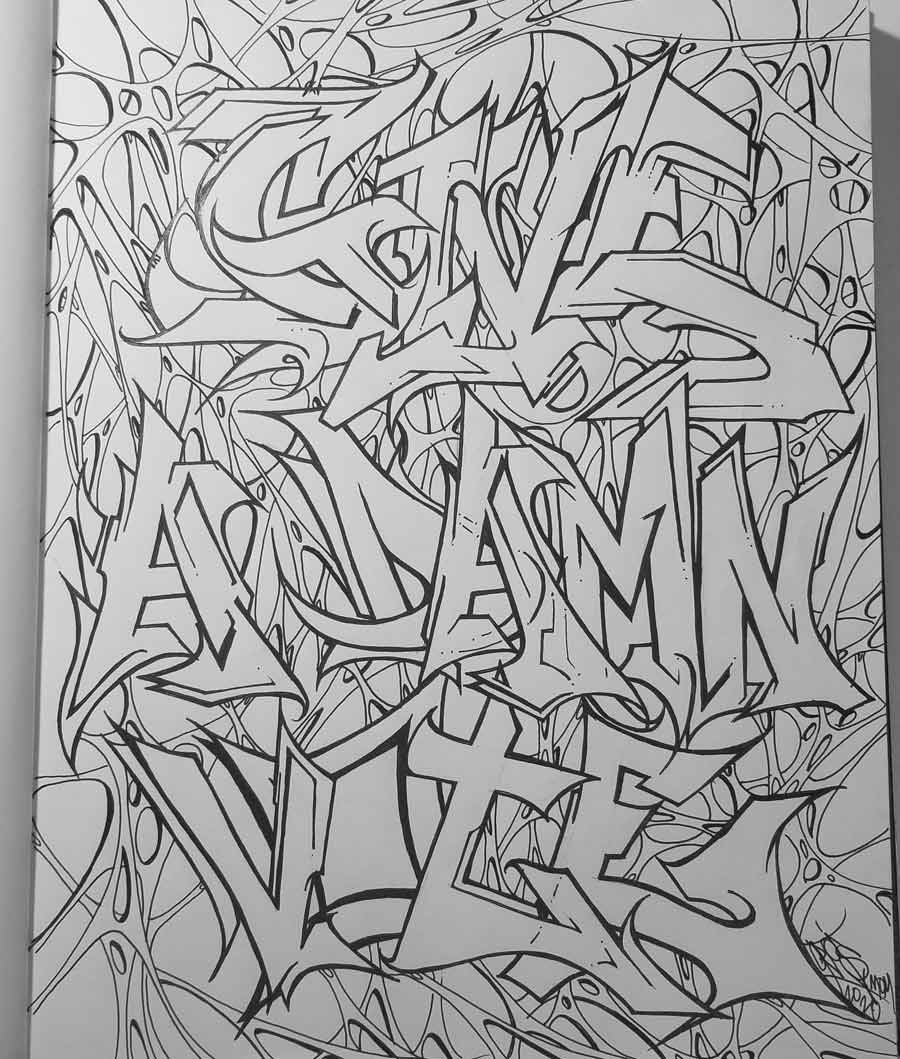
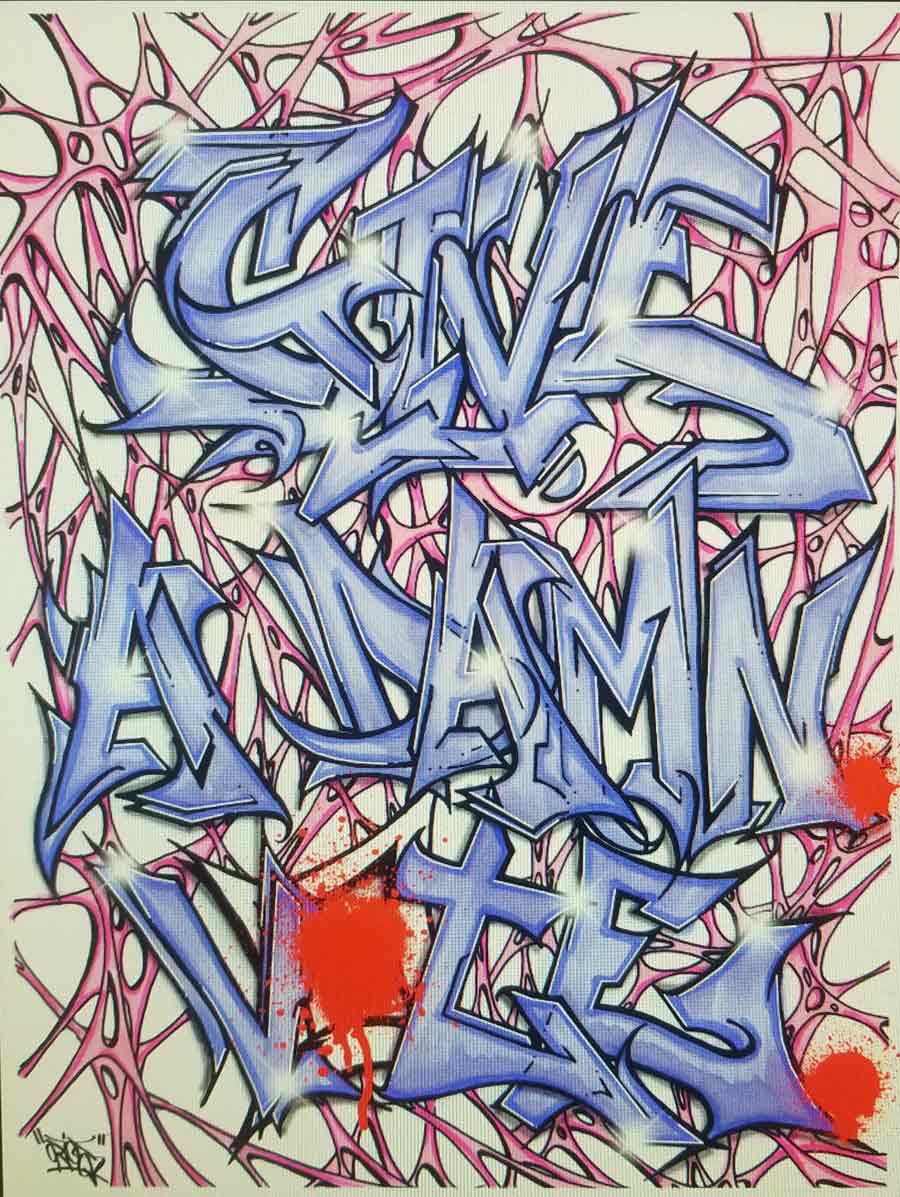
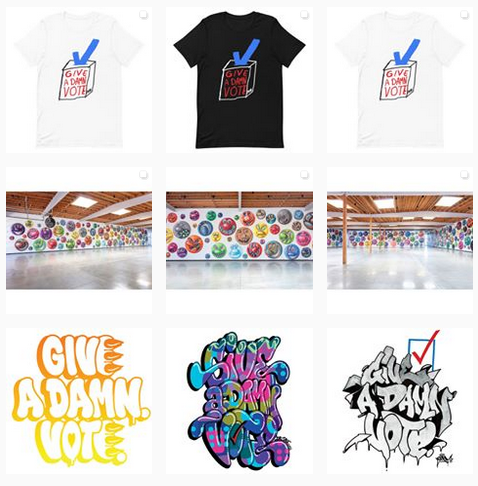
One civic-minded group of artists and creatives have launched “Give A Damn. Vote”
Oliver Rios. Sketch. (photo courtesy of the artist)
This is precisely the collaboration of minds that we need to be effective with our goals. Graffiti artist and designer Oliver Rios recently joined the “Give A Damn. Vote” initiative – and he shares with us his new design.
Oliver Rios (photo courtesy of the artist)
“I’m motivated to create the designs I do because the 2020 election is too important to not be involved,” Mr. Rios tells us. “Give A Damn Vote is not the answer to all our worries. But hopefully, it becomes a small part of the many, many efforts that will be necessary for the political outcome we so desperately need. I want I wanted to look at my kid and say ‘I tried’ and failed – versus having tried nothing at all.”
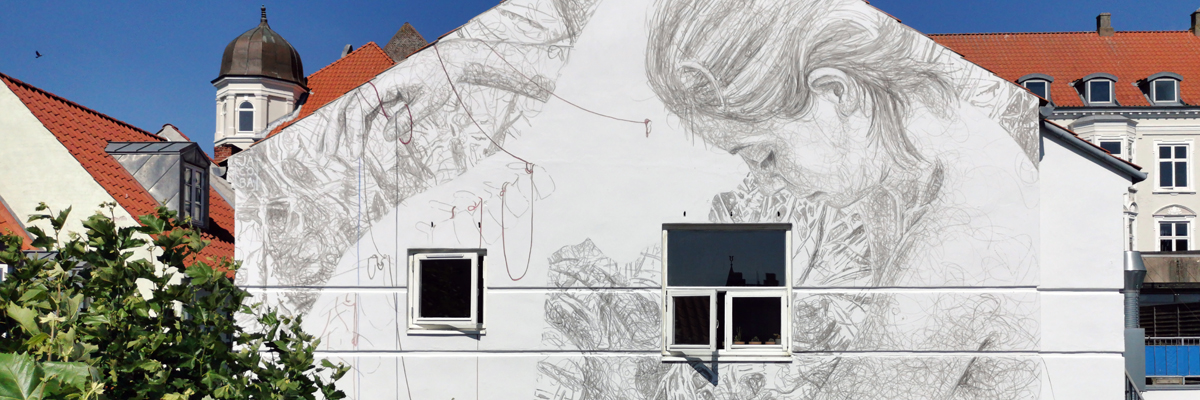
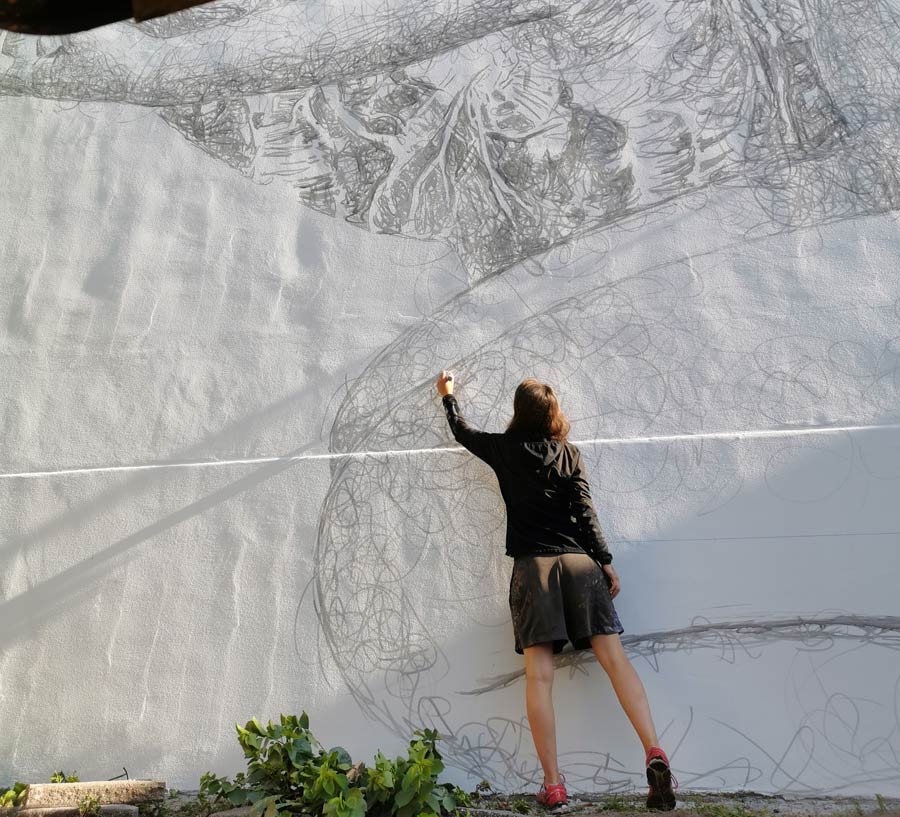
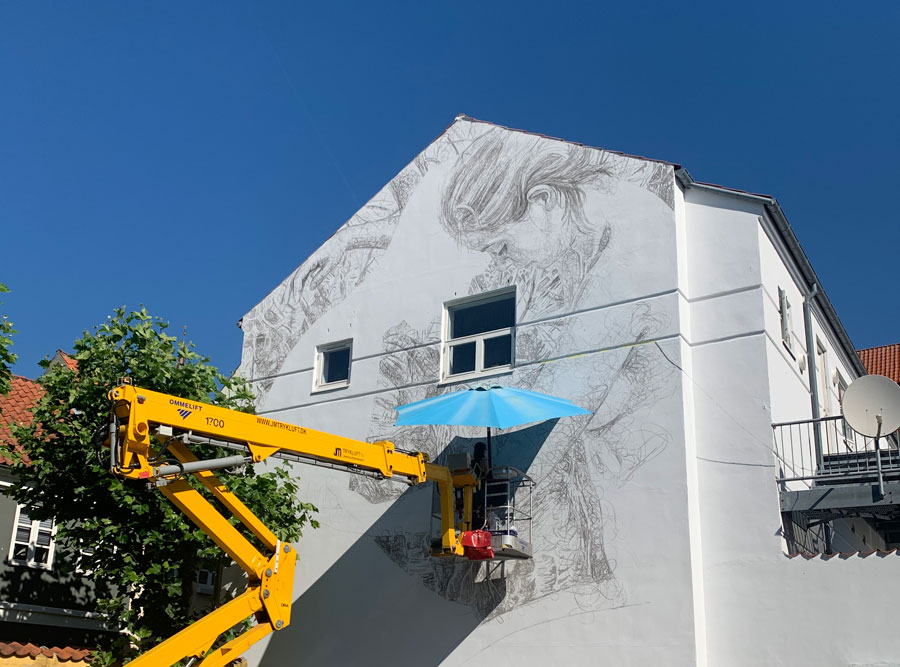
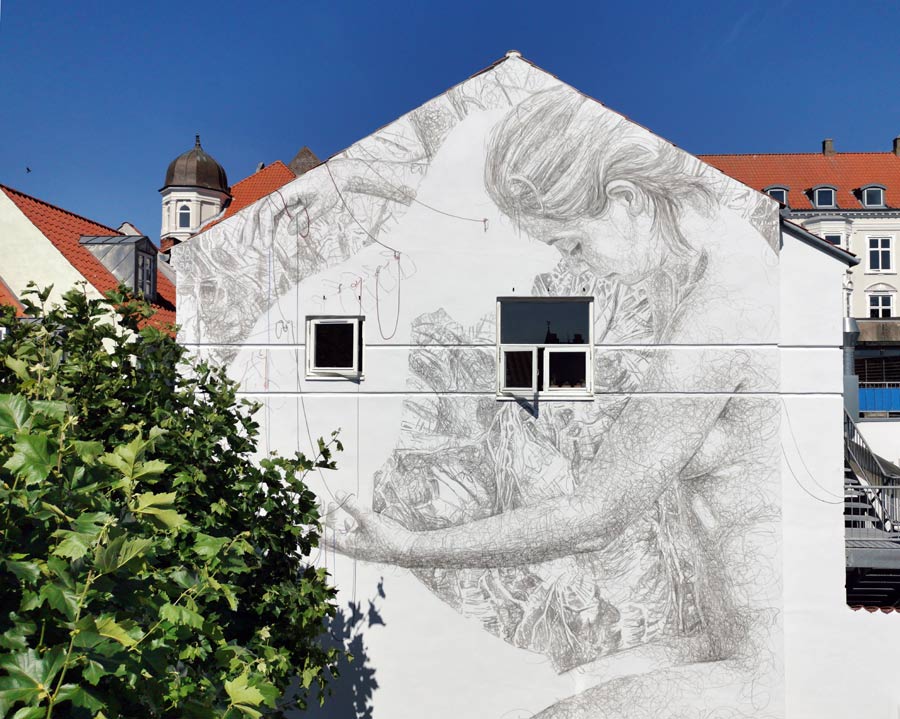
“Connectedness facilitates a better understanding of self and others,” says Danish artist Jacoba Niepoort here in Horsens, Denmark, “and it is a tool to address current social issues”.
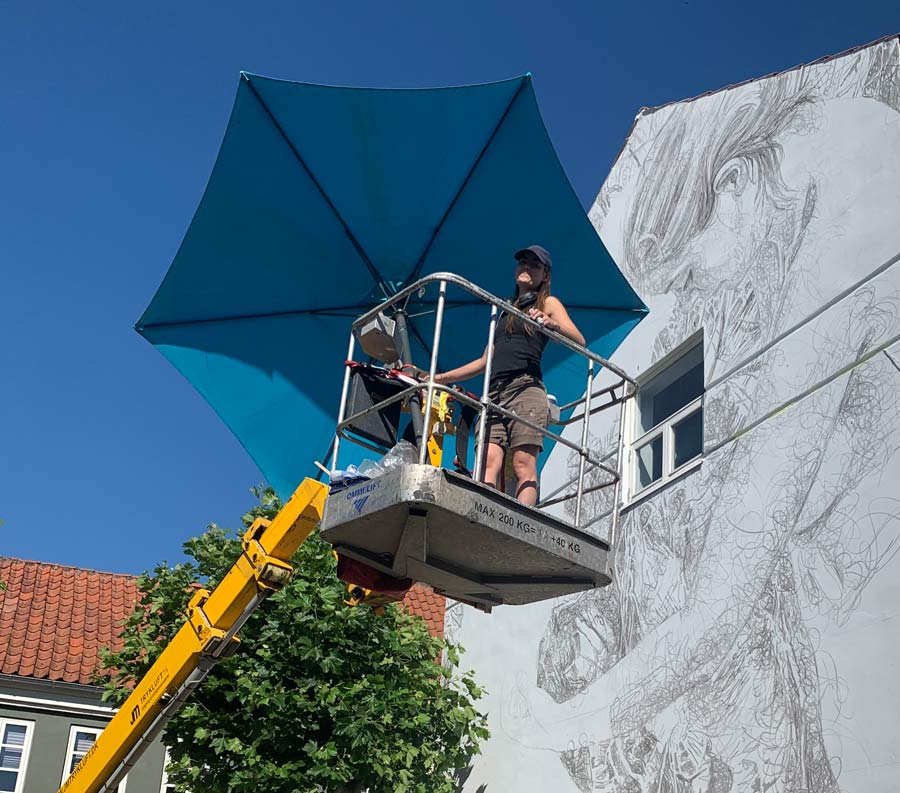
Her new acrylic mural is organized by the staff of the only soup kitchen in town, a tender connection that strengthens her bond to this new wall, as well as the fact that the figures celebrated are depicting her brother and sister-in-law. After 40 murals on four continents, the painter is confident in her command of the tools, and the message.
This wall, she says, is about about love, openness and connection.
“I want to interrupt the
mainstream feelings of disconnection, indifference, bias, and “-isms”, through
showing that underneath, we are alike, thus seeking to humanize that which has
become dehumanized or alienated.”
 BROOKLYN STREET ART LOVES YOU MORE EVERY DAY