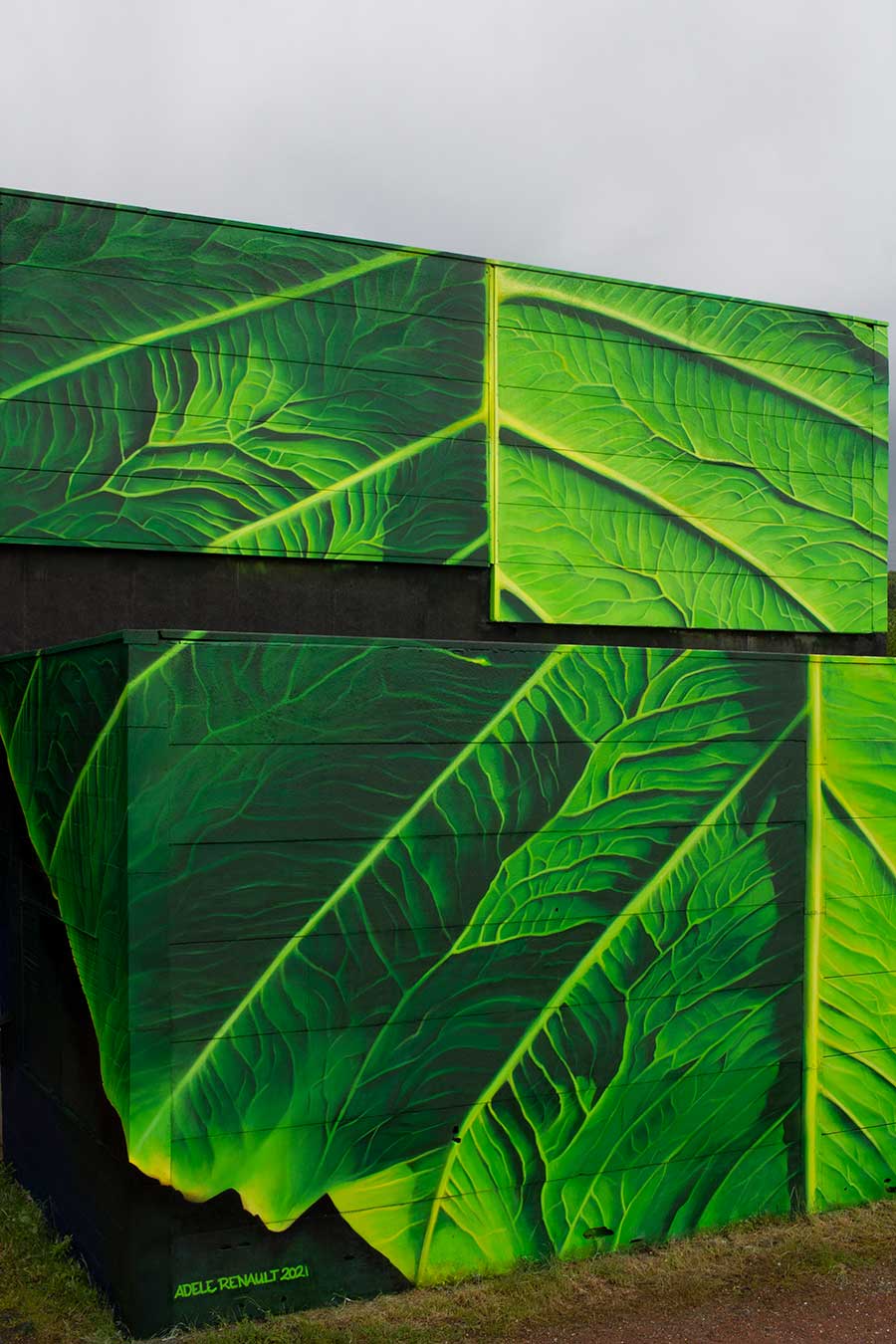
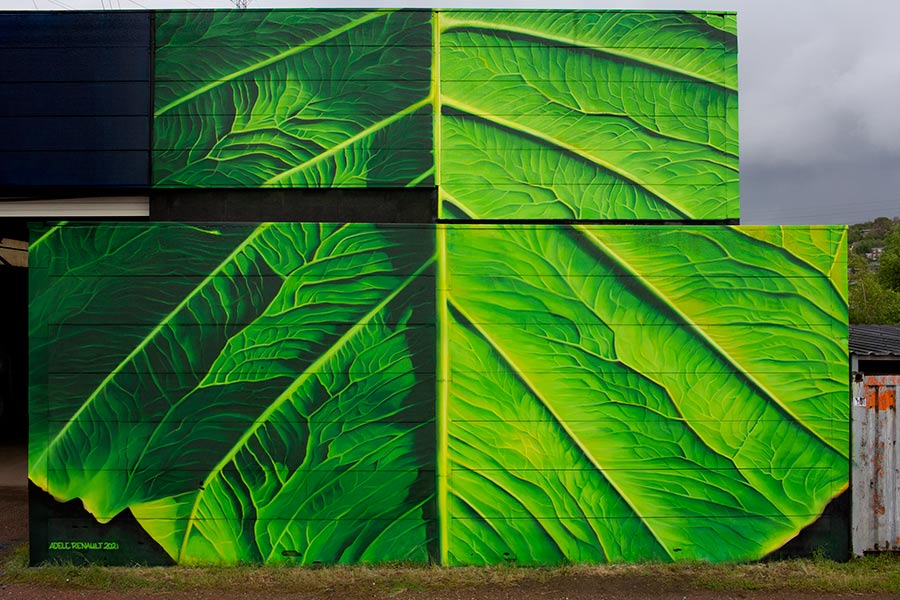
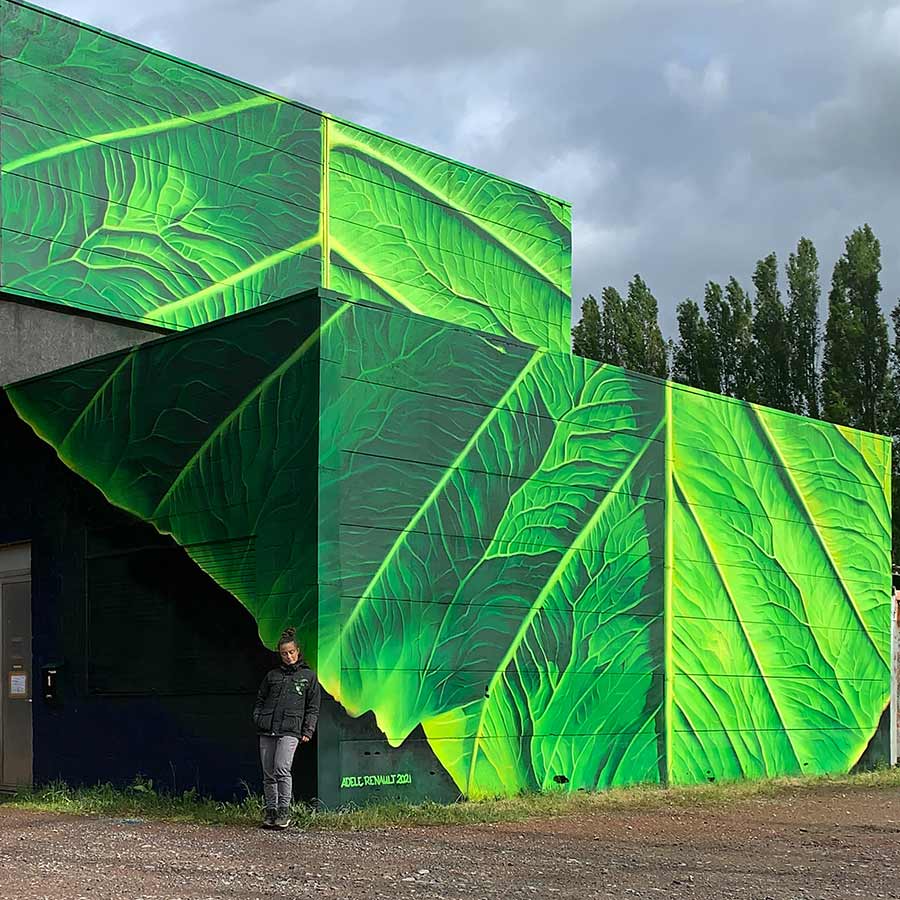
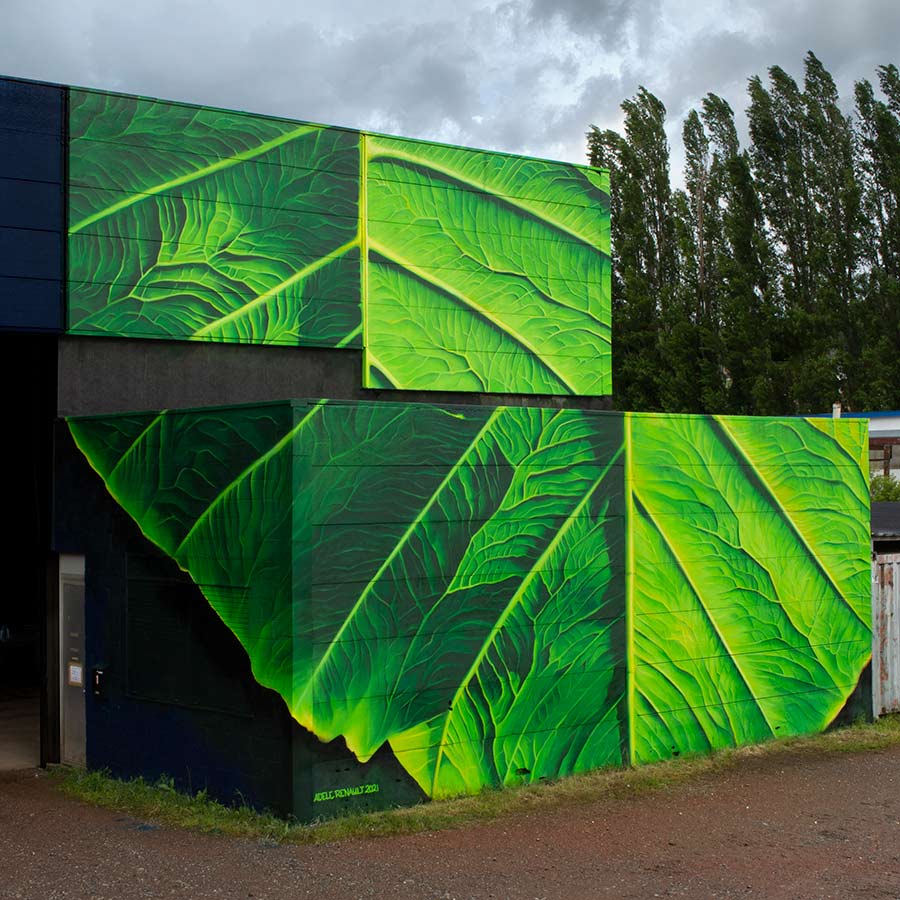
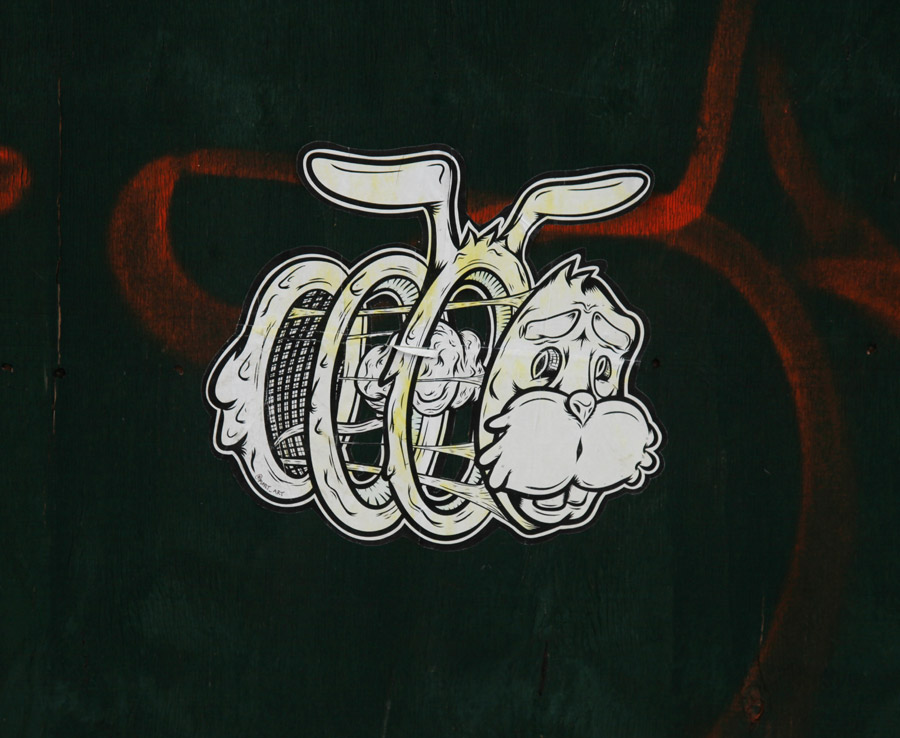
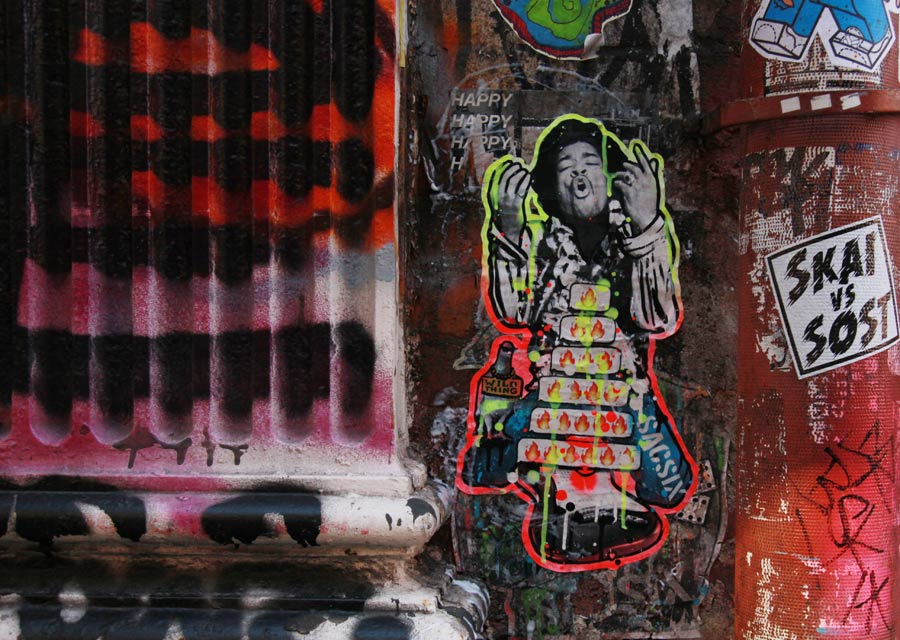
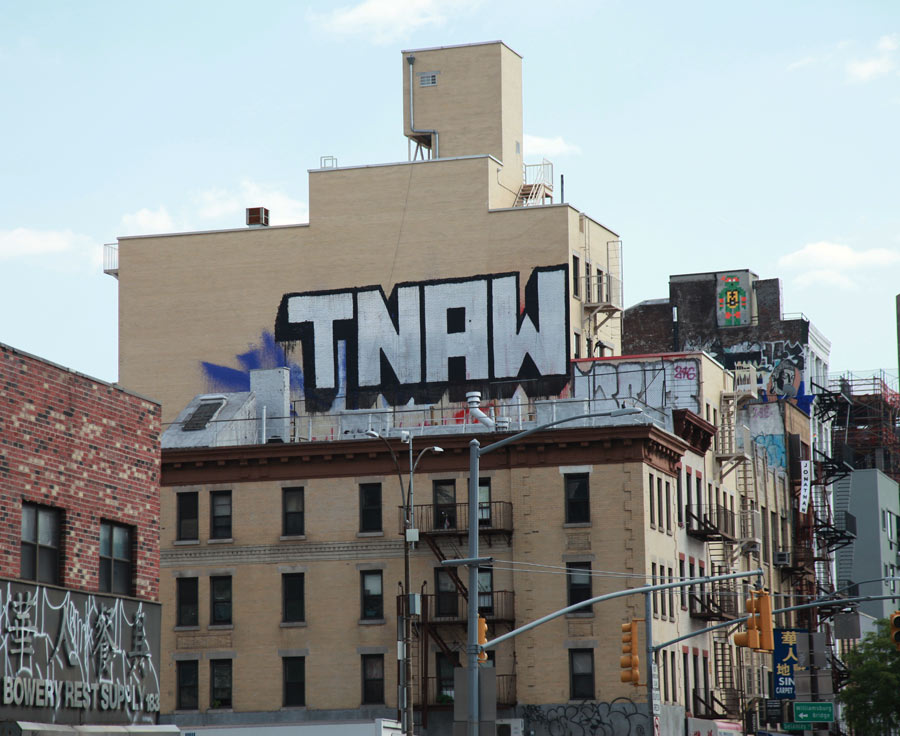
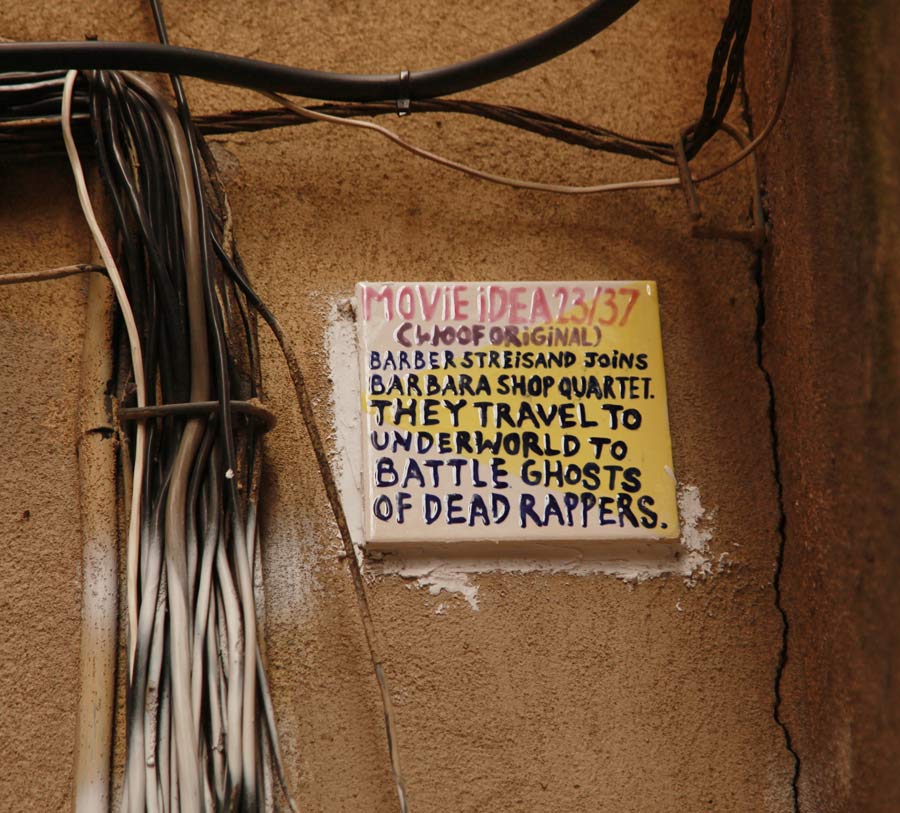
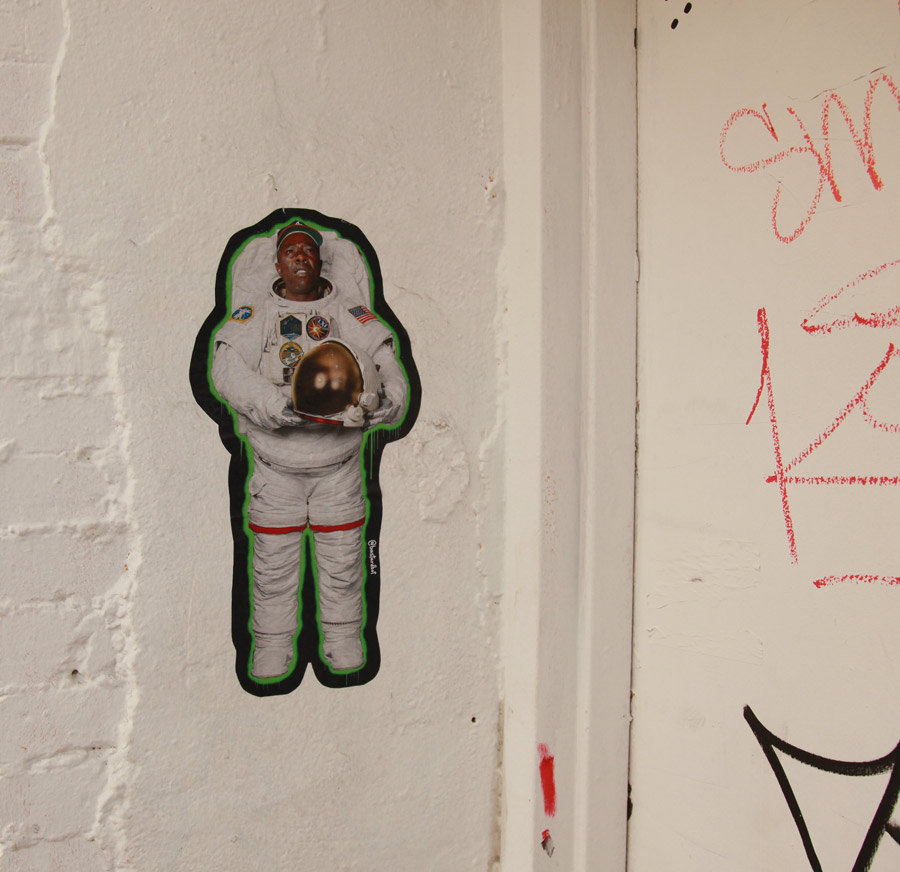
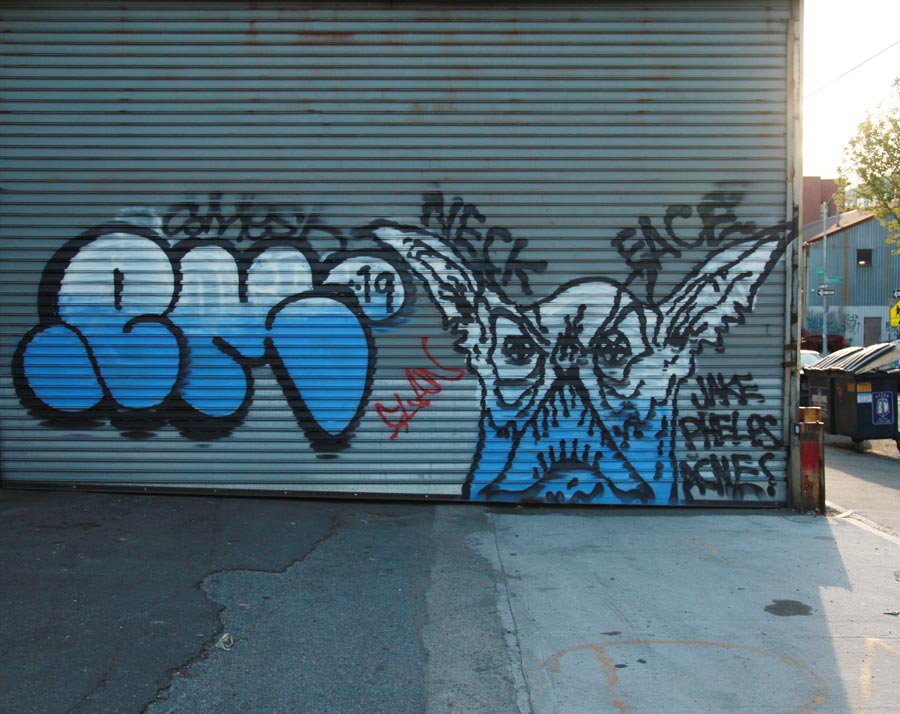
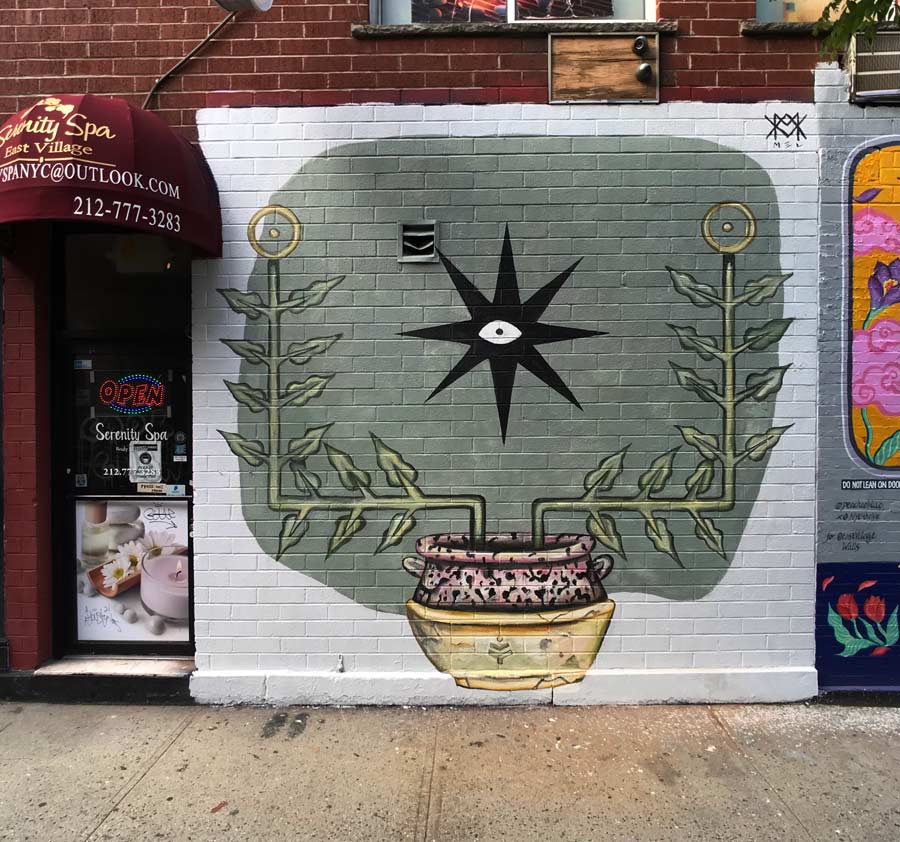
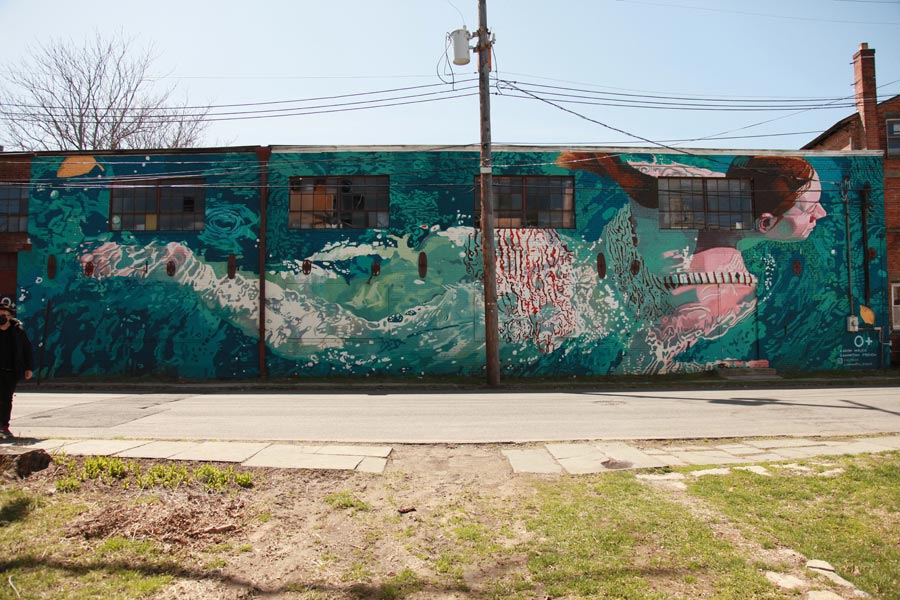
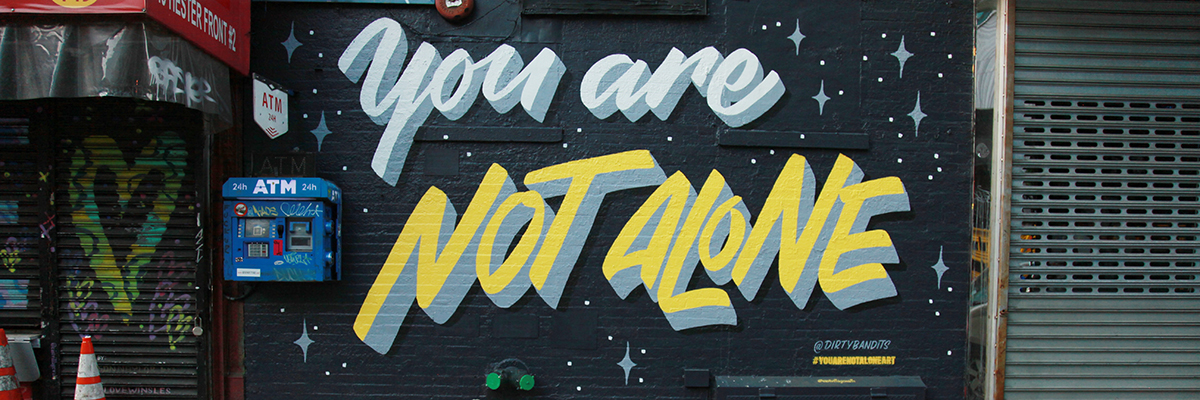
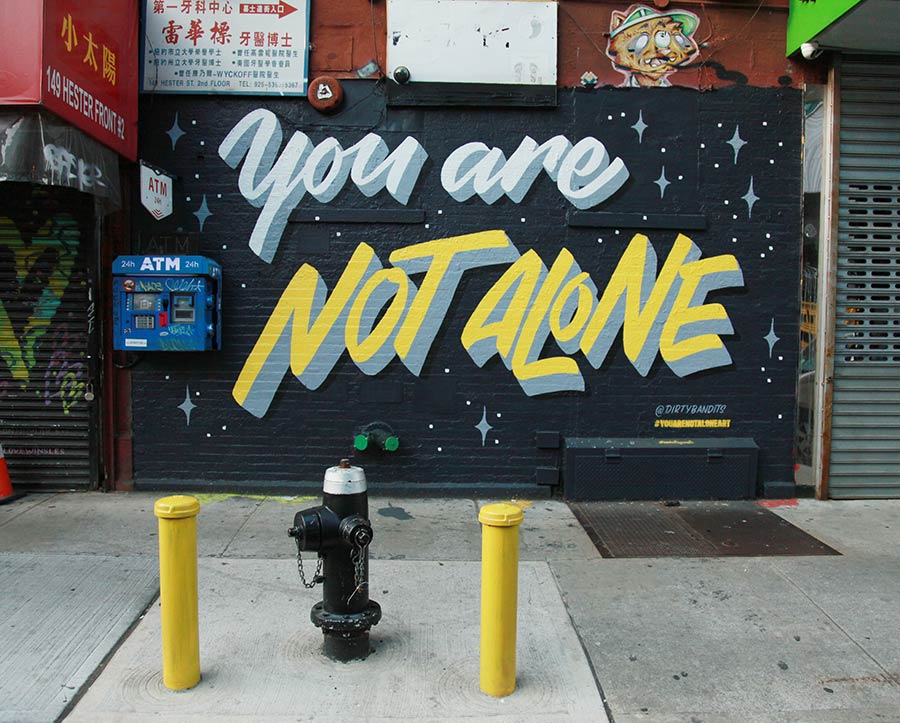
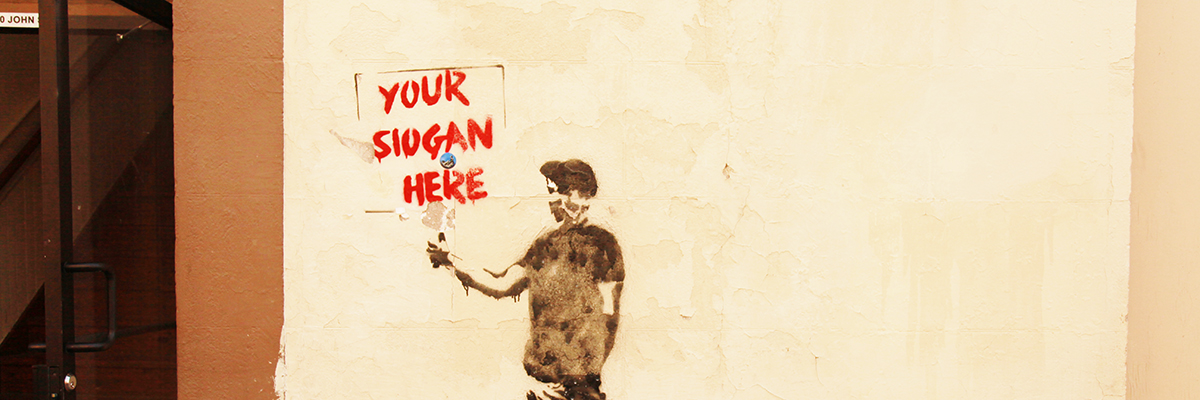
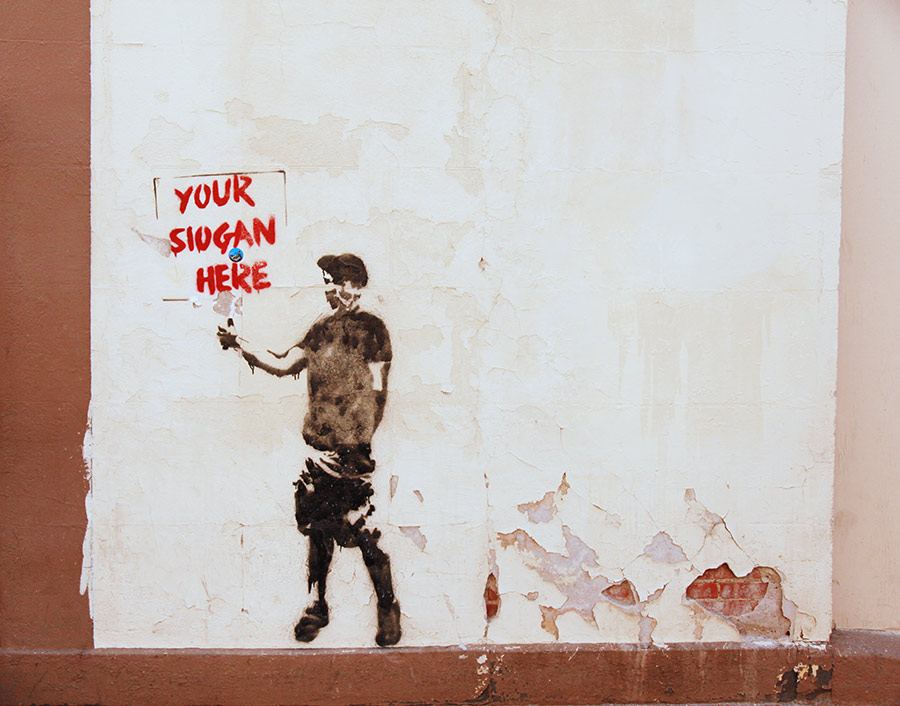
In recent years the city of Kingston has been hosting an urban festival that merges art and healing. The O+ Festival, headquartered here, has a holistic approach and promotes the well-being of individuals through arts, music, and wellness. It was during this visit that we found this piece on a wall on the side of a building. It caught our eyes as it resembled the style of Banksy. But the other characteristic that we noticed was that the unidentified artist was also playing with the words. They took from the ubiquitous “Your Ad Here” signs one sees all over large cities.
It could also have read “Your Logo Here”. Street art has changed throughout the years to become mostly a sanctioned art form with an intense focus on murals. Big and small cities all over the world have embraced the idea of art as a way to revitalize moribund old quarters of their cities and to bring a sense of belonging to an otherwise neglected neighborhood. No matter the original nobility of that idea – inevitably in comes commerce, the slogans, and logos. Then there is the slogan of the city or private organization in charge of producing the festival and suddenly a plethora of small logos and slogans promoting the companies that have contributed either with funds, equipment, or materials to the festival.
We are a society of advertisements, often prodded to buy something or to endorse something. Whether driving on the highway or flying or on a train or walking or sitting on the couch in our home, we can’t escape logos, slogans, and general advertisements. There are only a few precious areas left on earth without billboards and electronic signs. That’s why it’s especially jarring to also see them on display at art events.
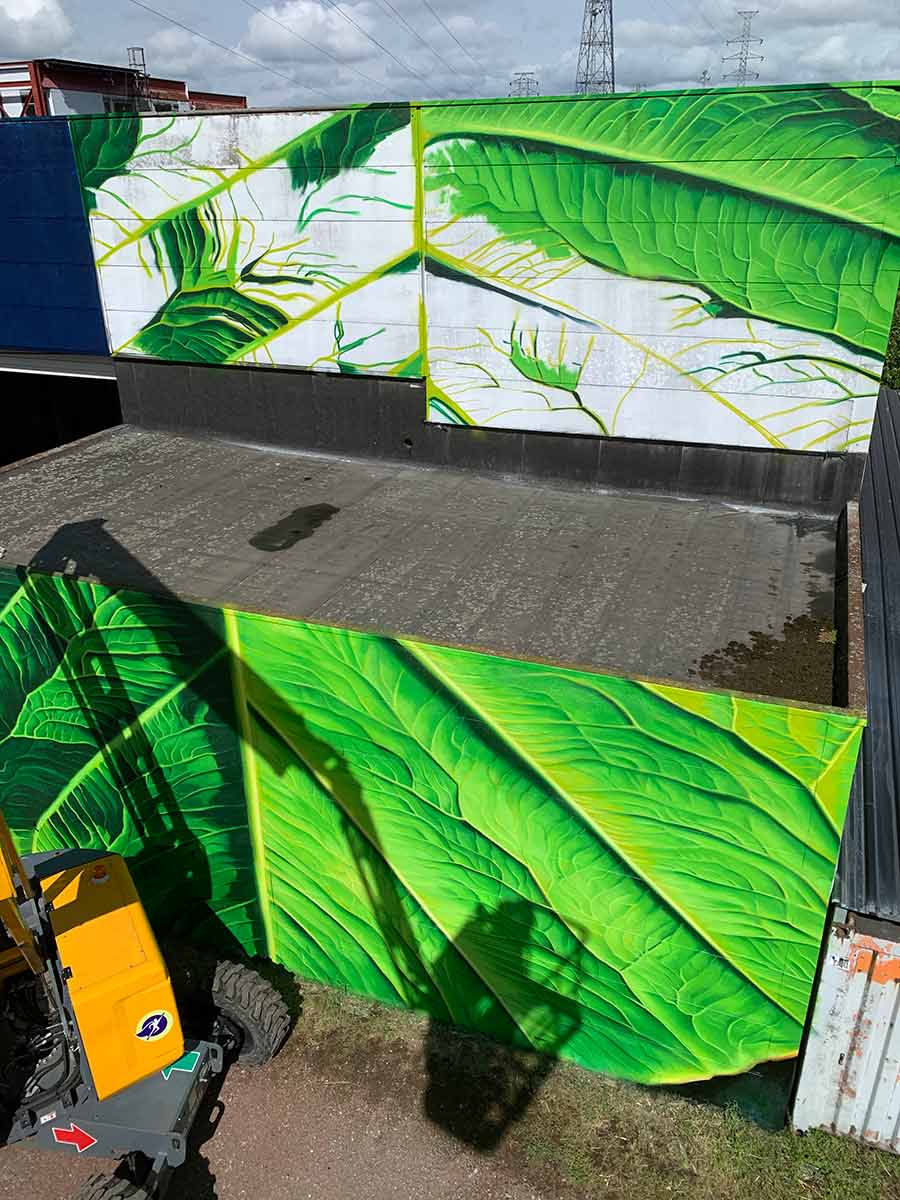
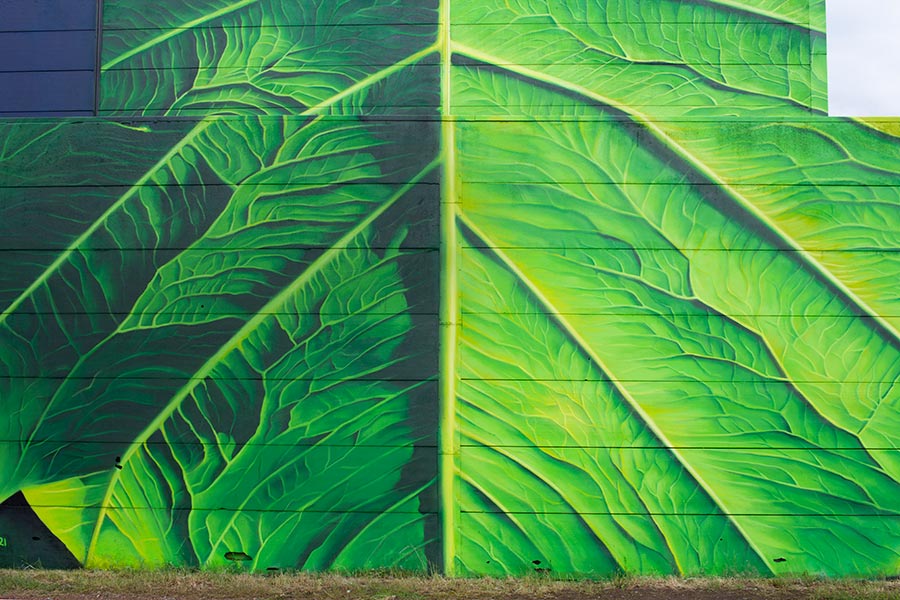
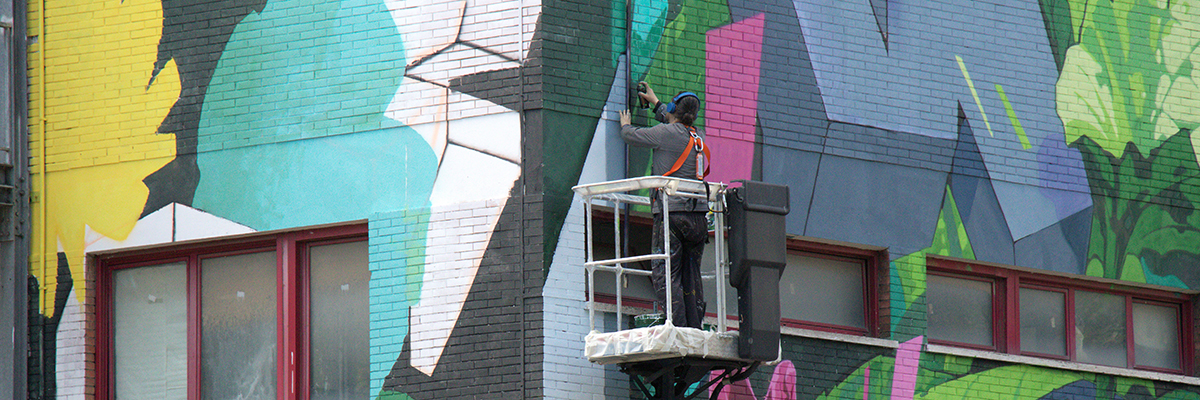
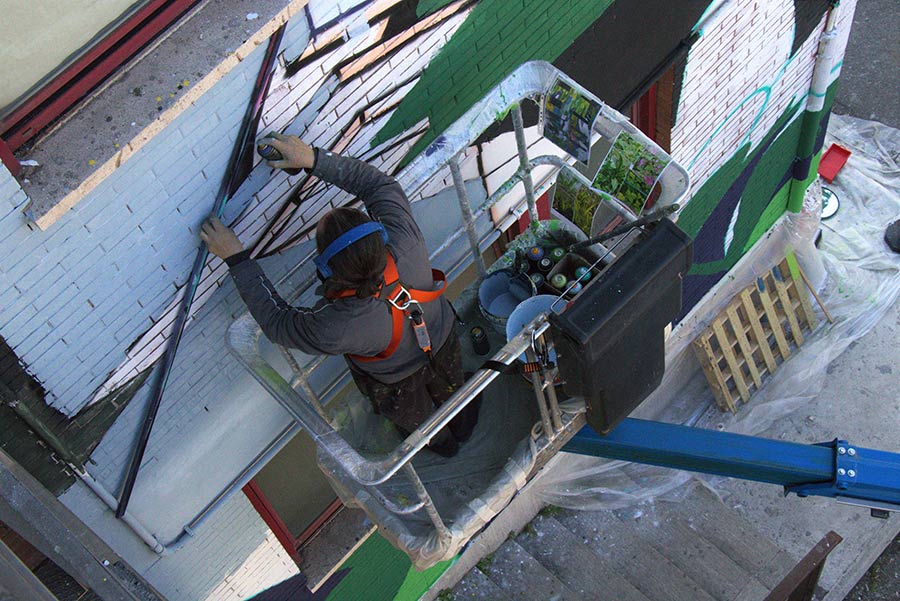
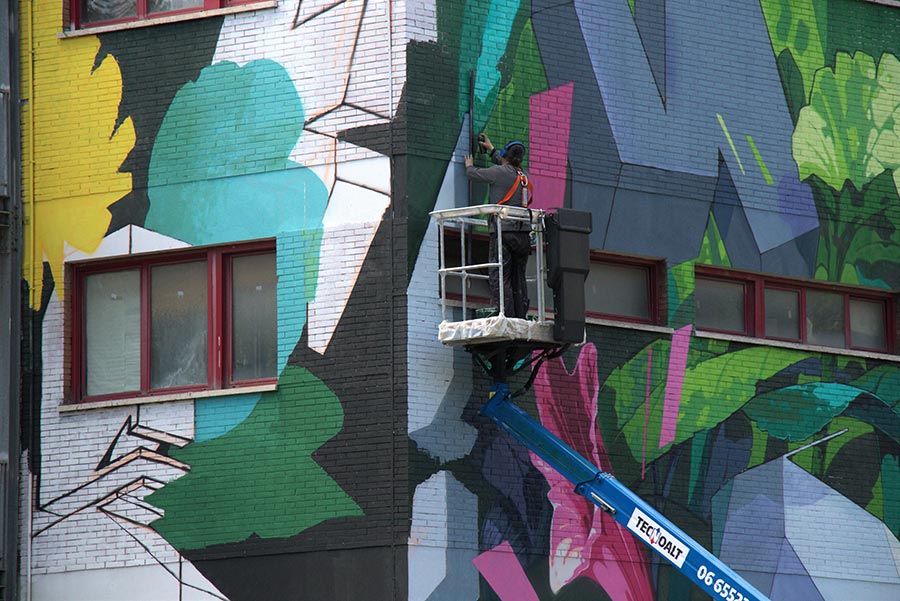
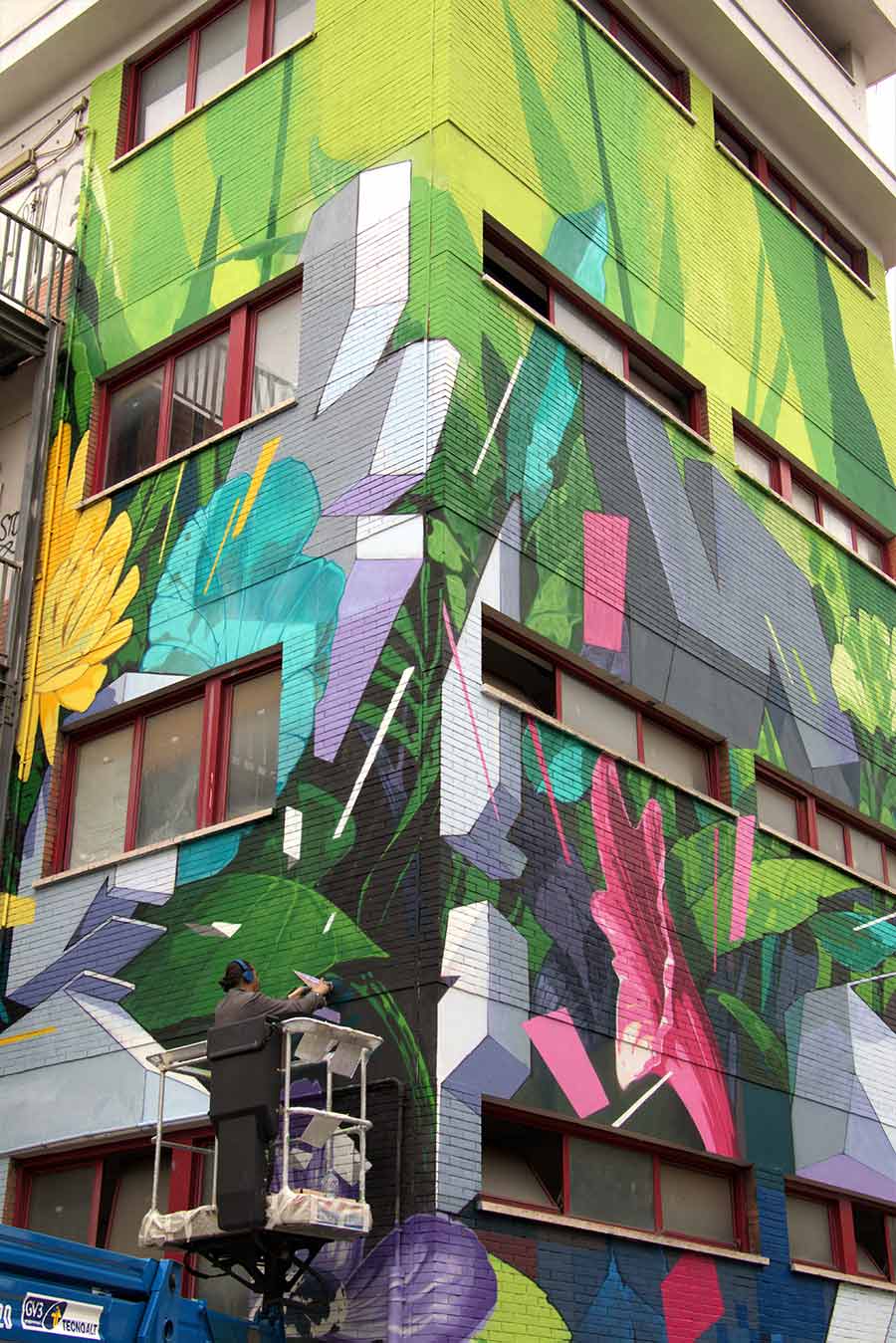
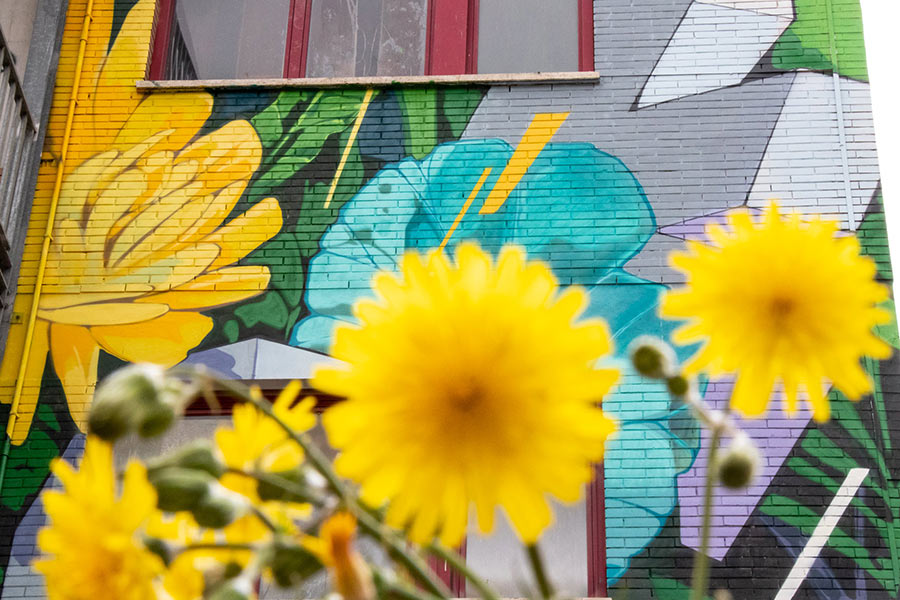
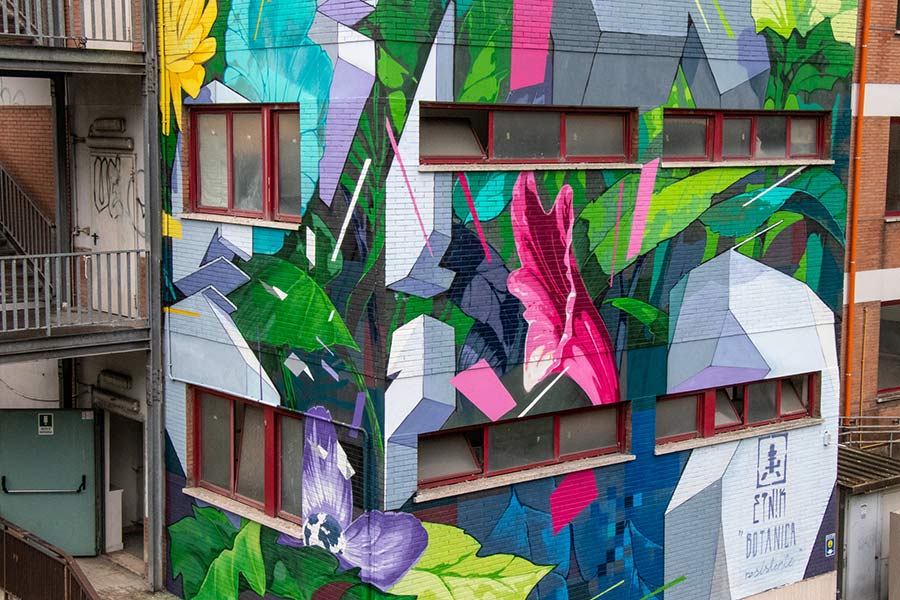
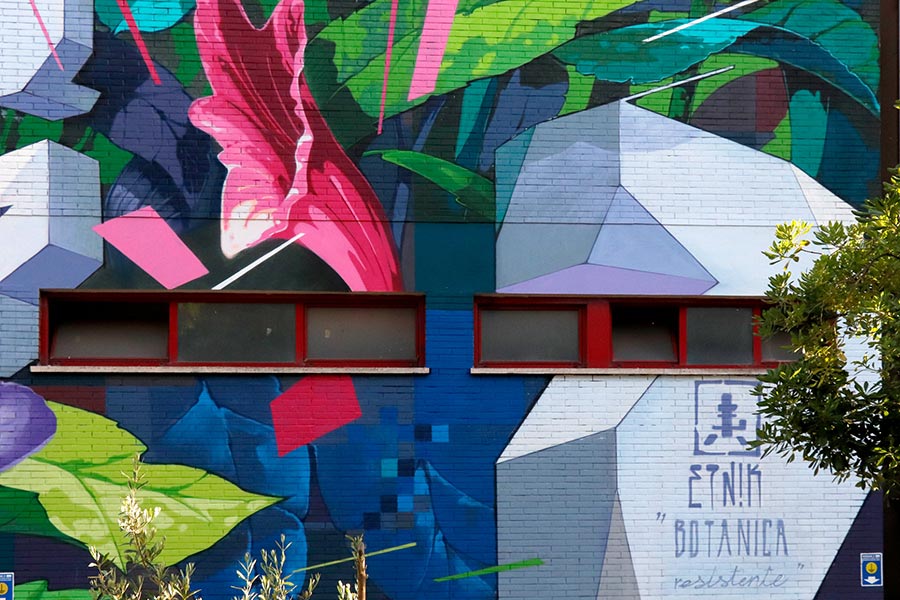
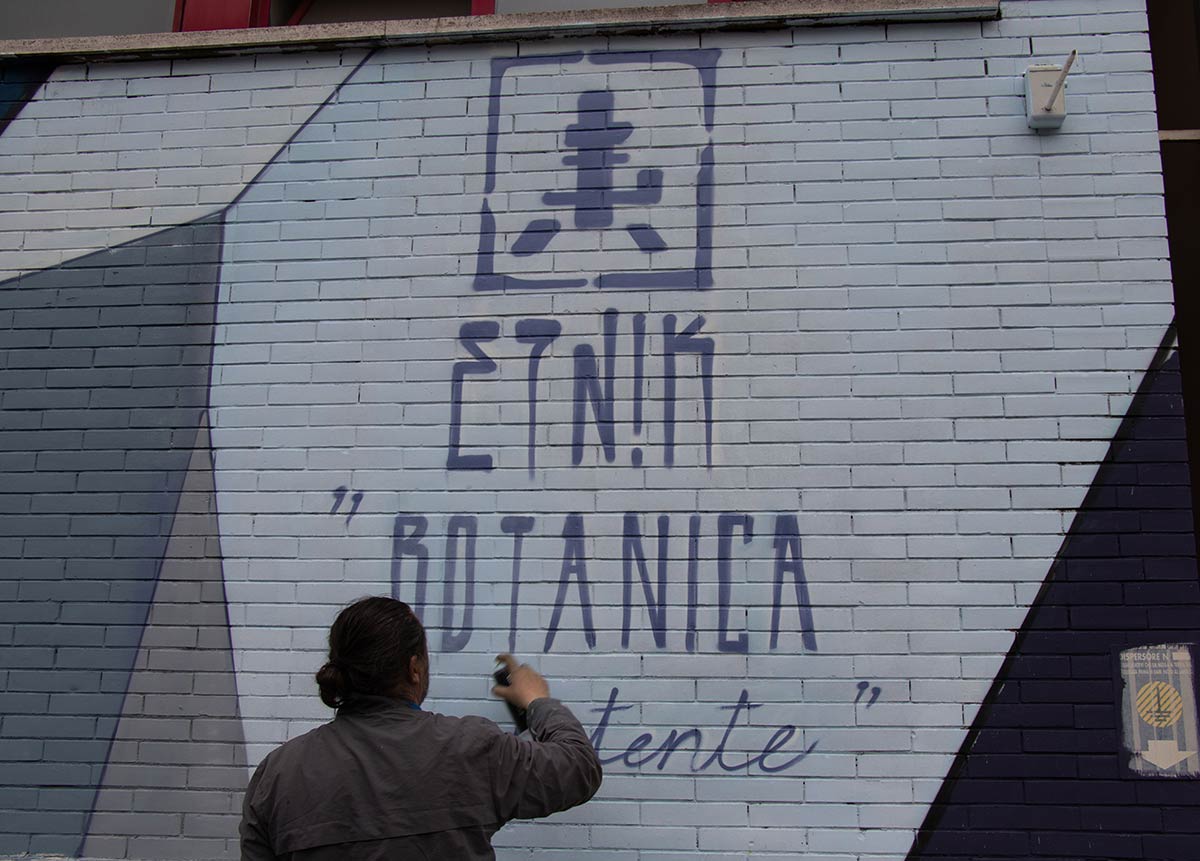
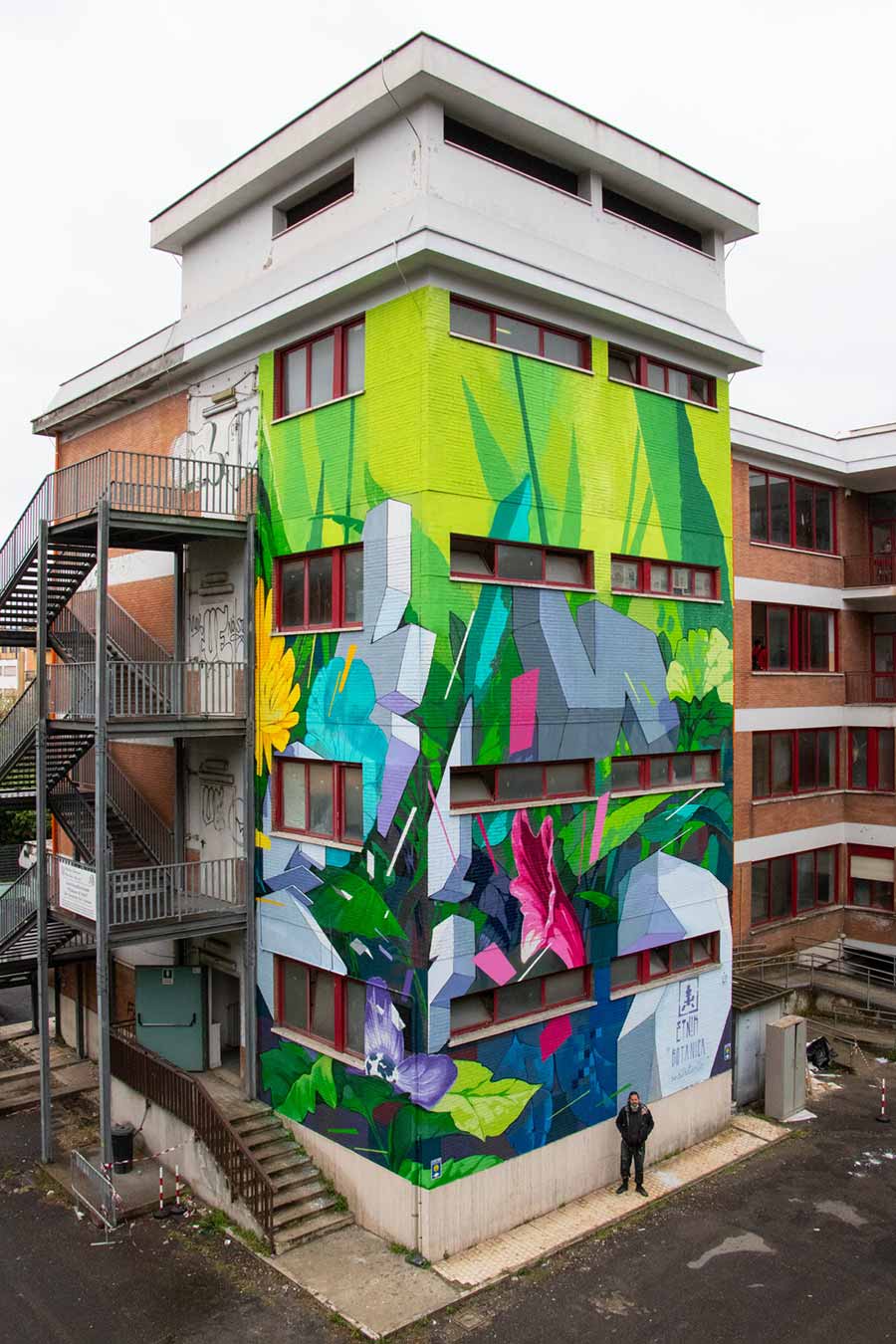
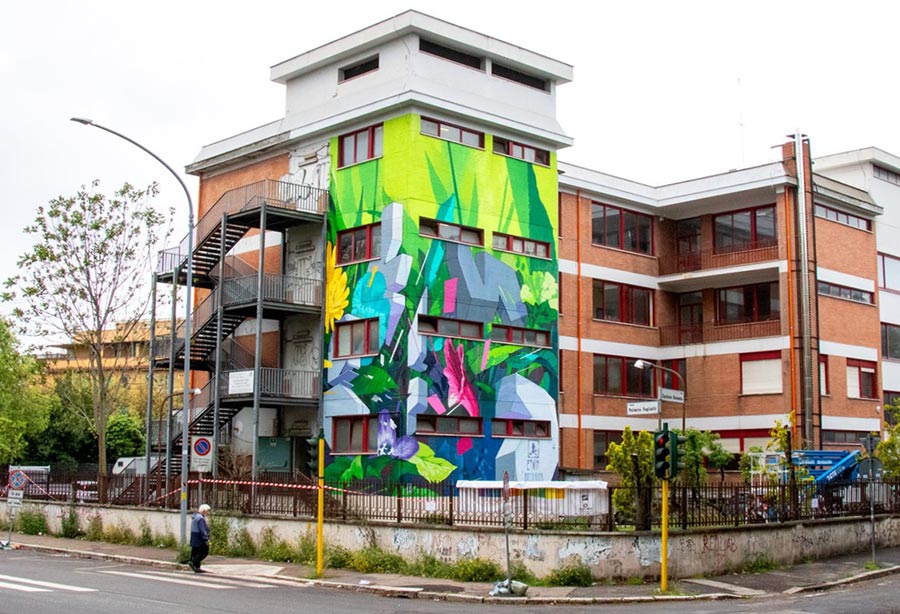
Italian street artist Etnik has created a new “Botanica Resistente” in Rome to commemorate “Liberation Day” in Italy, which marks April 25th as the end of the Nazi’s occupation and the liberation from Fascism.
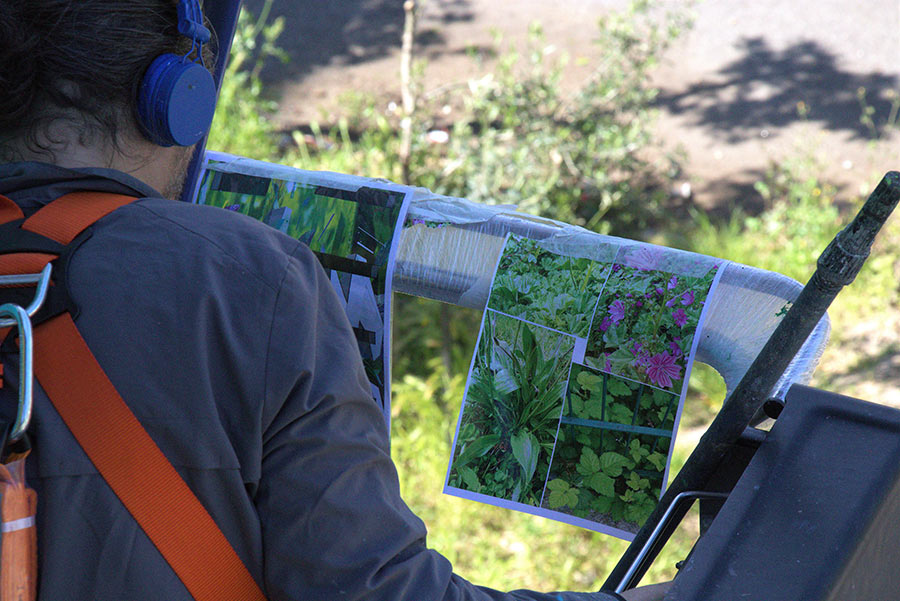
He calls the colorful and abstractly organic 4-story work “Botanica Resistente”, which he says may have multiple readings. Mostly, it is “A direct reference to the toponymy that characterizes the whole district of Centocelle – with its streets named after plants, trees, and flowers.”
As a story of overcoming great obstacles and thriving in adversity, he also posits that “in the mural concrete blocks, asphalt and artificial works succumb to natural elements, giving life to a slow but gradual reconquest of spaces taken from nature.”
“The work is representative of familiar urban corners, on the border, where between asphalt and concrete, spontaneous plants are in a constant struggle for survival.”
Completed in conjunction with the help and guidance of Mirko Pierri, curator of urban art for the a.DNA association, Etnik took about 5 days to transform this facade of the Liceo Scientifico Statale Francesco D’Assisi, between via Castore Durante e Viale Palmiro Togliatti.

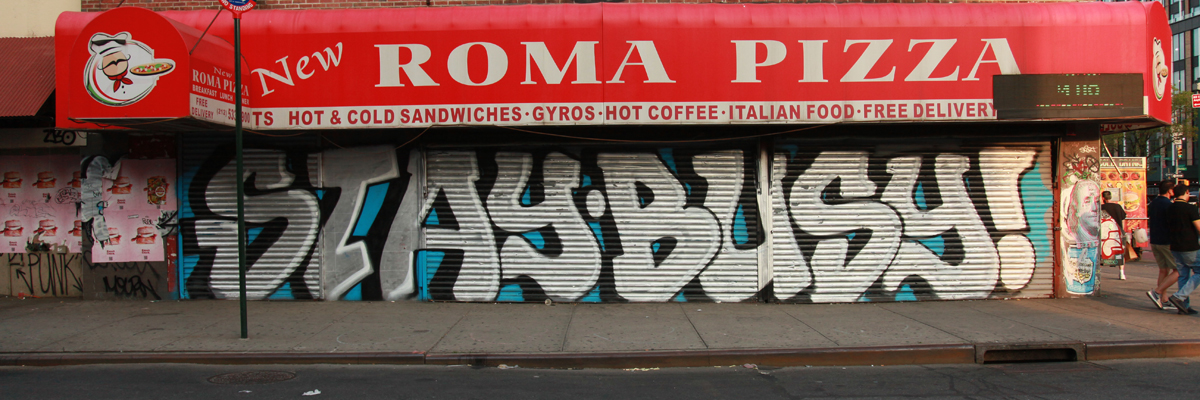
Welcome to Brooklyn, where the lilacs are in bloom and people are smoking weed in the park, like it was 1985 or something. Remember summer of ’85 in Washington Square Park with rambunctious teens backward skating in the dry fountain on roller skates and people were blasting “Shout” by Tears for Fears on their boxes?
As the COVID positivity rate in New York dove toward 1% this week, we’re all encouraging each other to take off masks, but no one is sure when and where it’s completely safe, except when taking a shower by yourself. On the street and on the Subway the results are mixed, with most New Yorkers opting for being safe.
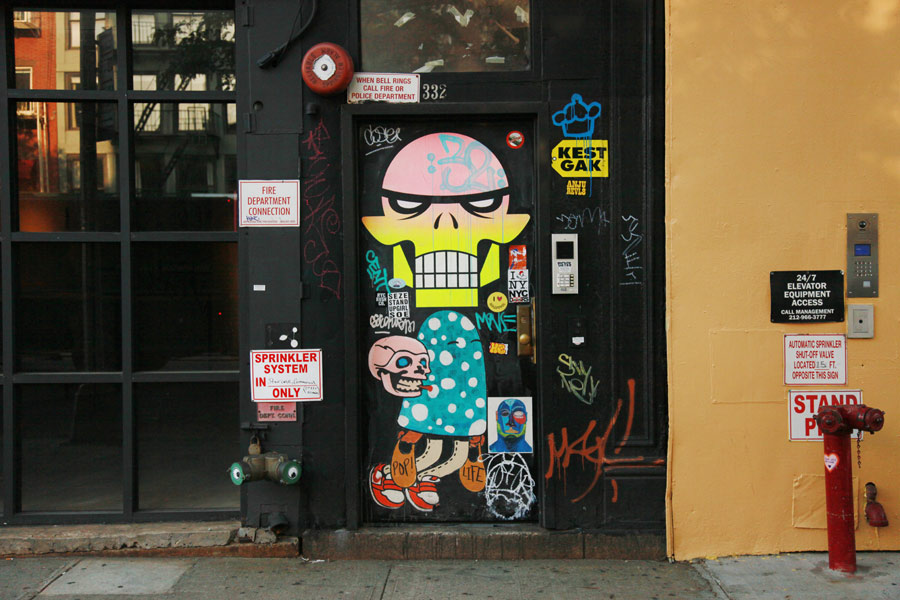
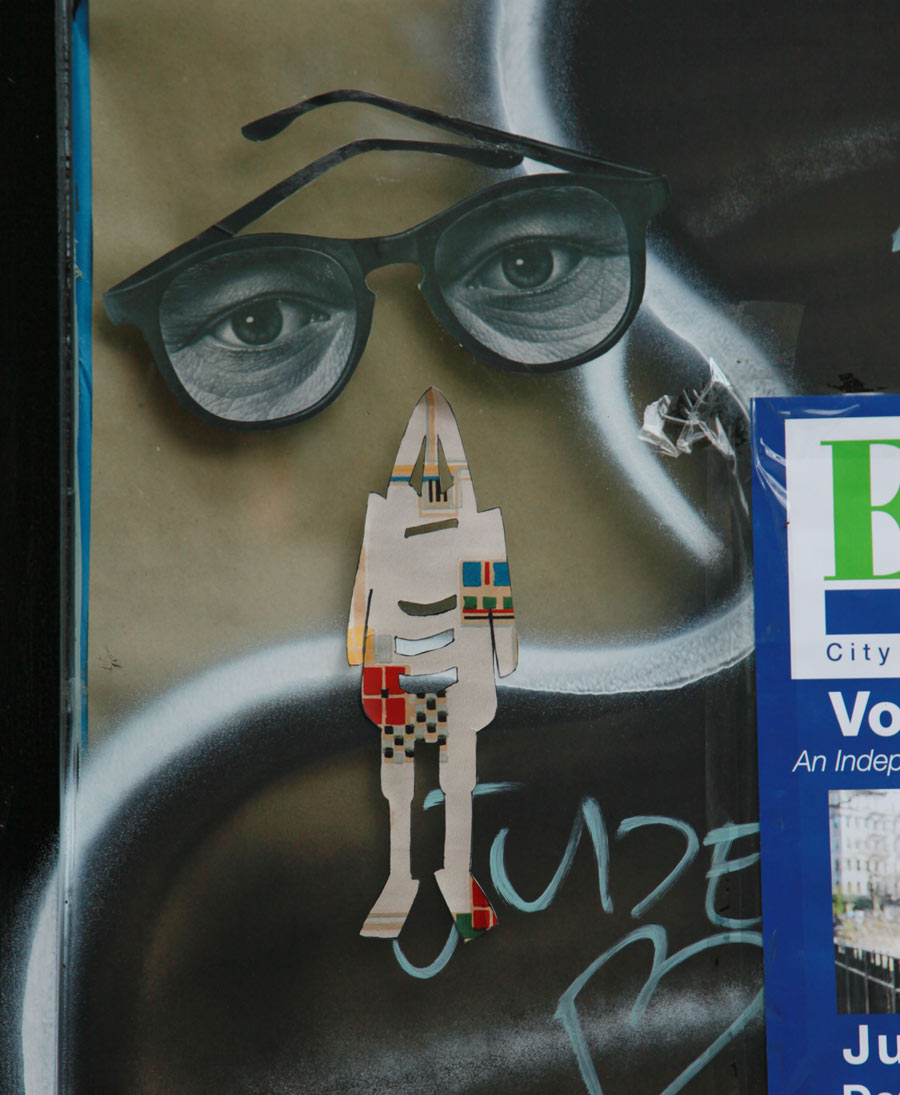
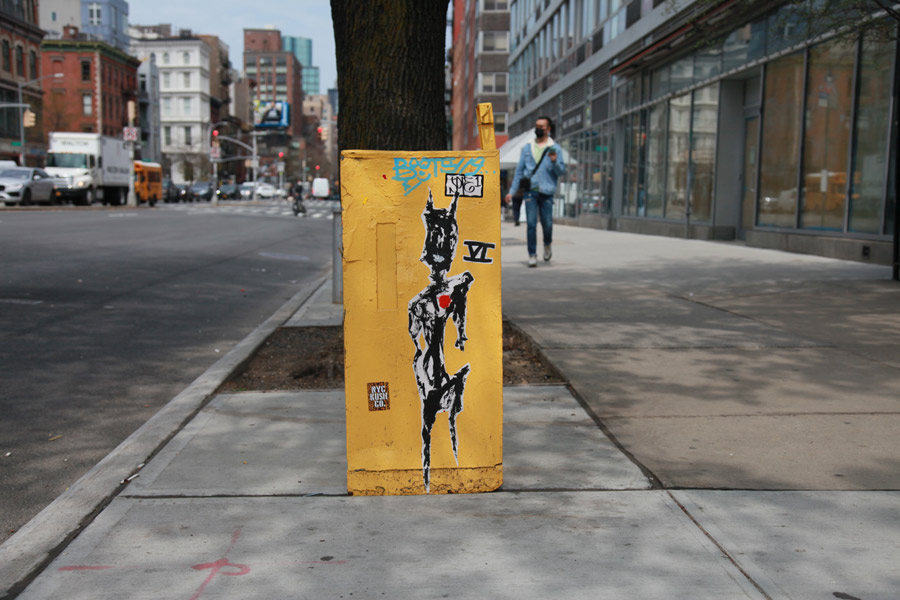
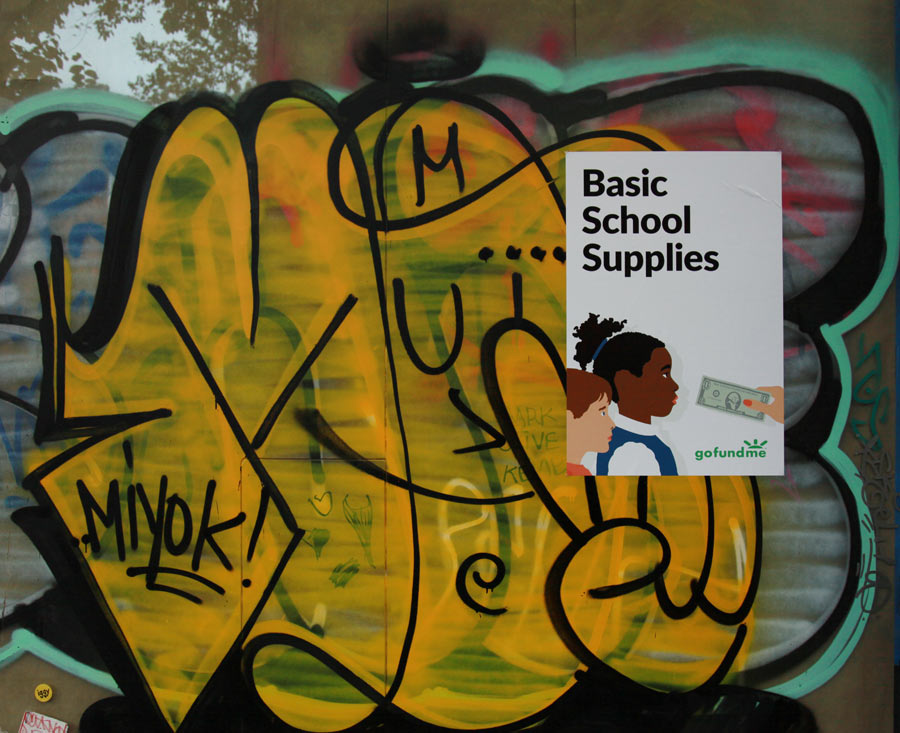
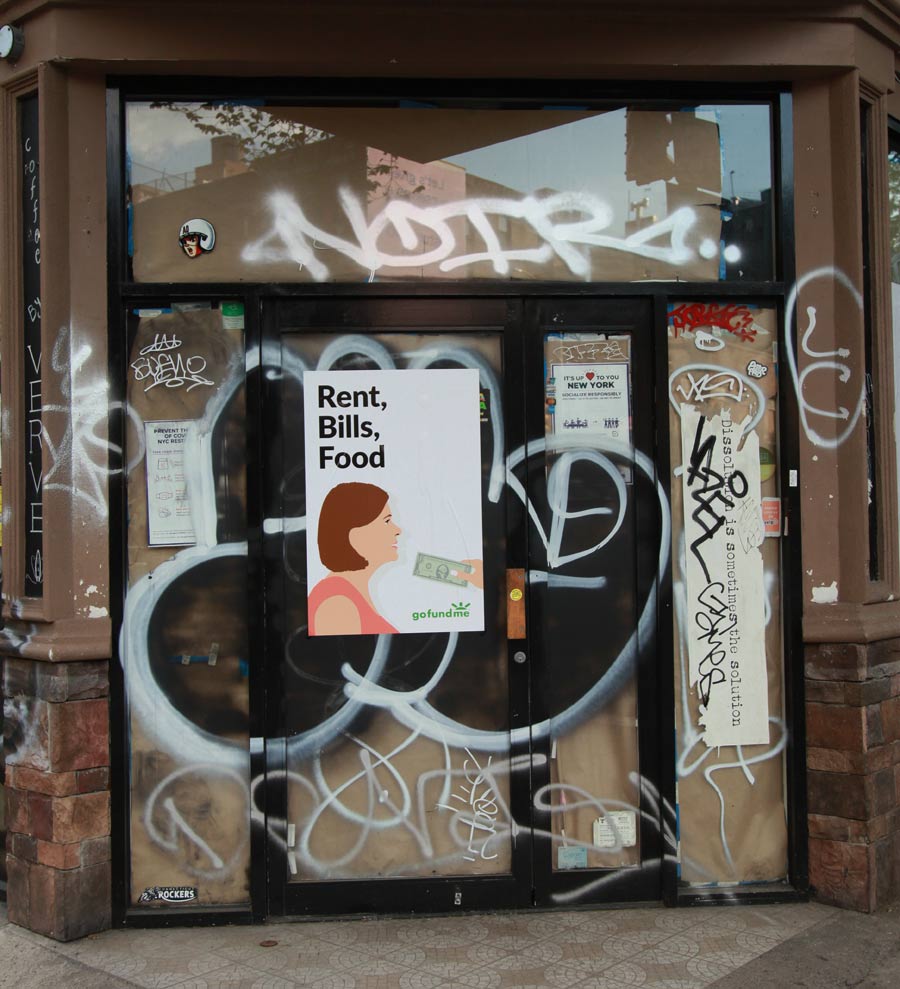
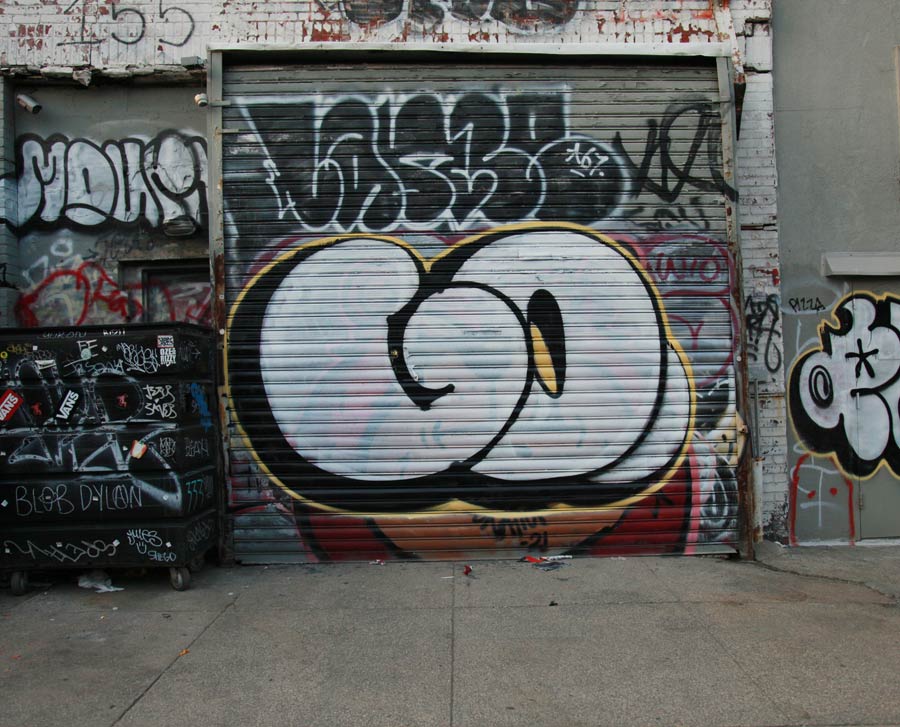
So here’s our weekly interview with the street, this time featuring: 7 Line Art Studio, Acne, Cabaio, Freakotrophic, G Money NFT, Jet, JJ Veronis, Jowl, Luke Dragon 911, No Sleep, Save Art Space, and Zephyr.
Highbrow art institutions have coalesced behind a small recurring collection of well-known graffiti/street artists in recent years, granting them a lot of space and a powerful entrée to blue-check media parties, blue-chip platforms, and blue blood collectors. The bigger (and frequently well-funded) names are often the easiest to explain to an unfamiliar general audience of art viewers and, of course, will appeal to that younger demographic everyone is after. It shouldn’t surprise anyone when even the New York City Ballet spawned a series of collaborations with street artists in the last five years to bolster flagging attendance due to aging and, well, dying fans.
Graffiti and street art have long since become bywords of edgy culture that can be commodified and proudly owned by all strata of incomes and stations, and our interest in all things street abides still. Brands have ironically manipulated pop icons and sprinkle paint splashes, drips, and bubble tags across everything from ladies’ clutches to watches to vapes. Fashion continues to dip into this well of light anarchy as a signal of cool rebellion, as sold across a gamut – from couture Saint Laurent to off-the-rack Walmart. Sometimes the imagery or lettering is easily recognizable as a particular artist’s style on the products for sale. Other times a staff graphic designer has skillfully approximated the stencils, wheat-pastes, and drippy tags without steering into copyright infringement territory.
Street Artist Shepard Fairey is probably best known for making art and commerce symbiotic with the interplay of his screenprints, stickers, vandalism, street art, and the Obey brand, and Keith Haring literally opened his own Pop Shop store in Soho way back in the 1980s; his illegal vandalism in the subway being de facto advertisements for products you could purchase above ground. Banksy’s movie title Exit Through The Gift shop may have been intended as a sarcastic critique, but everyone now considers it a command. Curatorial considerations may not be explicitly tied to the development of product lines, but the discussions of both may happen in the same marketing meeting.
Today, the real power players in the cultural currency game are the artists who can market their own products, sometimes commanding licensing fees simply for being featured on retail platforms and venues. In the case of KAWS: What Partyat the Brooklyn Museum, the sales of the Brooklyn artists’ “Companion” toy collectibles exhausted supply within hours of the opening, and the mania of buying multiples in multi-visit daily shopping trips created lines so long that they backed up into the exhibition. The museum store began posting strict buying limits and regulations of items sold.
On a recent weekday, eager groupings of friends and family arrive into the Brooklyn Museum lobby with palpable excitement, and nearly all pose in front of the towering 18-foot high wooden KAWS sculpture, “Along the Way.” Our guide, Sharon Matt Atkins, Deputy Director for Art, tells us that the response to the show in terms of attendance has been robust. As we wend through the galleries, we see guests in their teens and twenties often posing before sculptures and paintings, imitating the forward bending head, cradling their face in hands with a mocked portrayal of being overwhelmed. The striking of poses in front of artworks is possibly as much a part of the museum experience as excitedly identifying which pop culture character or famous painting had been appropriated for an X-eyed portrait. Those images are spread across social media, and the KAWS character is seen by many more.
After the show, guests queue in line to the store to pick up a catalog, tote bag, lapel pin, or other KAWS product. Artists names like Matt Groenig, Charles Schultz, and Hugh Harman may not trip off the tongue, but their repurposed characters like the Simpsons, Snoopy, and Mickey have all been burned into western mass culture history. Those nostalgic and reassuring associations are captured by KAWS repeatedly and altered with modest modification.
Matt Atkins observes that KAWS discovered the power of pop references to manga and anime in the subculture Otaku were crucial to forming bonds with Japanese people in ways that language would not allow during his trips to Tokyo in the late 1990s. The power of that kind of cross-cultural communication stayed with him and is offered as an explanation for referencing commonly known images. Indeed, this method of reinterpretation of pre-established icons and personalities has been employed on the street for many years, including right now with street artists like The Postman who reworks famous images of celebrities and characters like Syd Vicious, Elton John, Willy Wonka, Boy George, Grace Jones, and Elvis Presley. The contemporary acid-pop treatment he pours on the photographs is eye-catching in doorways or alleys. If you like what you see on the street, you can go to his website store to purchase them as prints or customized aerosol spray cans. Before ‘always on’ connectivity, these bridges between art and collecting were never so seamless.
As new rules in street art and commerce come online daily, perhaps we’ll be developing new terminology to describe and novel ways to define the roles of museums, exhibitions, and stores. Similarly, norms about patronage, fandom, art history, civic engagement, and cultural literacy, no doubt, are evolving at a rapid pace in ways previously unconsidered.
As in the ‘woke’ culture that the art world is trying to enter, we’re having difficult but necessary conversations revolving around identity politics and systemic, historical inequities. Maybe we should also discuss the role of commerce in mediating decisions about which rebellious graffiti or street artists we are heralding or overlooking.
What clinches the final decision when granting a gallery or exhibition replete with all the trimmings? In an art practice born from typically marginalized sectors of the dominant culture originally, who is currently getting the brunt of the attention, and why? What role does consumer culture, pop sensibility, and commodification of our creative commons play when selecting which artists from the graffiti and street art fields are elevated – and which ones are not. As always, there are few obviously correct answers. But the questions may lead us in new directions.
Our weekly focus on the moving image and art in the streets. And other oddities.
Now screening: 1. Blinded By The Lines in Poland 2. Dr. Audrey Fernandes Satar and Arif Satar / WA Street Art on The Collie Mural Trail in Australia 3. FAITH XLVII / CHANT
BSA Special Feature: Blinded By The Lines
And the beat goes on – a new homemade video from Poland from taggers Ready (ALKO) Finer (TNA U7) Febs (Legz) Zion (DSTS) Lokal (DRS) in the night putting throwups, tags, and quick silvers.
Blinded By The Lines PT. 1
Dr. Audrey Fernandes Satar and Arif Satar / WA Street Art on The Collie Mural Trail
“This was never an empty wall and we’ve added to this wall another layer of history,” says Dr Audrey Fernandes Satar about her new collaborative mural with Arif Satar in Collie, Western Australia.
From the video description: “The work is Titled ‘Ground’ and is a panoptic drawing of the hills draped with patterns inspired by banksia seed pods, calling attention to the fragility of Collie’s ancient landscape where the river flows gently.”
FAITH XLVII / CHANT
Umber tones of war and oppression, this video directed by A. L. Crego introduces the new show by street artist and fine artist Faith XLVII called CHANT. Incorporating her repetitive, rhythmically placed street texts with overlays of tone and texture and her ferocious and wild animal kingdom, she unearths again layers of history that we have as a people, and as people.
“We CHANT. A ritualistic meditative call. We assimilate this earthly drama through pitches of reciting tones, shades and textures. Sacred attempts of setting a frequency for unlearning. breaking open. seeing. A mantra.”
New York City is gradually opening up for business, and that includes art shows. Curator Robert Aloia has organized a small exhibition of graffiti writers including one of the few photographers who was there when the action was happening on the trains and in the yards during the 1970’s and 80’s, Martha Cooper. Martha has provided prints of her vintage photos that she took of the graffiti writers, Skeme and TKid decades ago when they were young and bombing the New York City subway trains. Skeme and Tkid are using the prints as canvases in a remix collaboration with Martha.
We stopped by the raw space which is serving as a pop-up gallery to give you a sneak peek of the exhibition while in the process of being installed. The lighting was not adjusted and not all the art pieces were yet framed or hung on the walls.
Mr. Aloia tells us that Snake 1, Terrible TKid, Olga, Martha Cooper, Kade198, and Skeme Originally slated for last year this show was manifested from the mind of graffiti writer Skeme to do a show where the artists were in charge. Some of the artists are working in the space to finish their works and for the first time ever Skeme, Tkid and Martha Cooper have signed prints of Martha’s photos of them.
This is the 6th event at the space- previously featuring art from Al Diaz, Queen Andrea, Janette Beckman. Todd James & Testify Books, Sue Kwon, Chris RWK, Dr. Revolt, Peter Paid, ASVP and JJ Veronis.
Mr. Aloia says, “The vibes at the space between the artists, myself, friends, and passersby have been so good we can’t wait to open to the public this Friday.”
We spoke with Robert Aloia, Skeme, and JJ Veronis briefly while they were preparing for the show.
BSA:How did you select such a diverse collection of artists across techniques genres and decades?
Robert Aloia: It was mainly SKEME’s idea and then we collaborated on who could be in it. So I’m going to give all the credit to him. I just helped edit the process
BSA: Does it feel like New York art culture is gradually waking up or did it never go to sleep? Robert Aloia: I think for me it never went to sleep it’s the same for a lot of our collaborators and friends. And maybe to the general public it went to sleep a little bit. But it’s been vibrant – obviously during the beginning of lockdown it was dead for a little while.
JJ Veronis: Not for me. It’s been a great time for art and artists with all the boarded walls and everything – The legal and the illegal. BSA:How do you feel about doing those remixes with Martha’s work now after all these years? SKEME: Well I think they’re great. I feel like Dorian Gray, man, looking at all those photos we’re coming up on 40 years since some of these pictures were taken. My favorite of course is the one with me and TKid. Because now we’re both old and a little pudgy, you know, but I love the photo and the fact that we are able to come back and celebrate our friendship. Marty is always on the spot with the right photo, at the right time to catch the moment.
BSA:She has this uncanny ability to be at the right time at the right place. SKEME: It’s not an accident. That’s what separates the great from the mediocre
BSA: Robert told me that you initiated this exhibition a show where the artists are in charge. What does that mean in this circumstance? SKEME: The artist is always in charge. It’s up to the artist to bring the creation to the venue. Even if you have a curator, and of course a curator’s job is very important right, but if the artist doesn’t bring potential or good works – what is there for a curator to pick from? You know it’s a symbiotic relationship man but the artist is always in charge to some degree.
BSA:How do you know when you have reached the point where the work is finished? SKEME: When it conveys what I’m trying to say. So this one, for example – when you look at this I want you to believe that the plane is flying. If you can look at it and believe that the plane is flying then I am done.
Outlaw Arts Presents: “S.T.O.C.K.S. & BOBMS” A Group Exhibition. 205 Allen St. New York City. May 14th -23rd.205 Allen St. L.E.S. Fridays 5-9 pm Saturdays & Sundays 1-6 pm.
Street Artist Faring Purth is back on BSA again after a little while, this time on a commissioned piece in Old North St. Louis, Missouri. Typically known for its historic 19th-century brick homes and its award-winning community gardens, the 205-year-old “village” is slowly rebuilding after years of population loss and economic challenge.
In this case, her mural is on the side of a modern home constructed with recycled shipping containers, designed primarily by Travis Sheridan – after his friends built the first such home in the neighborhood a couple of years ago.
“The house is situated two blocks from a grammar school,” says the artist, “in a part of the city known for its beautiful dilapidated buildings, gun violence, but also its resilience and hope.”
Working with the corrugated surface was undoubtedly more time-consuming – ask any graffiti writer who’s done a piece on a pull-down gate. This one is a portrait she calls “Capacity,” a woman filled with the universe and still down to Earth.
“I traveled from California & painted her slowly over a month,” Faring says, “due to complications with lift maneuvering, extremes of weather, and lastly because I’m now a full time, breastfeeding mum to a beautiful little girl. So she took some time, but it was time enjoyed.”
Born in the Bronx: A Visual Record of the Early Days of Hip Hop
Yes, Yes, Y’all, it’s been a decade since this volume, “Born in the Bronx,” was released. The images here by photographer Joe Conzo seem even more deeply soaked in the amber light of early Hip Hop culture from the late 1970s and early 80s, now taking on a deepened sense of the historical.
As the city and the original players of this story have evolved through the decades that followed the nascent Hip Hop era, it’s clearer than ever that this was nothing less than a full-force eruption, a revelation that cracked and shook and rocket-fueled an entire culture. Thanks to Conzo it was captured and preserved, not likely to be repeated.
The book is masterfully edited by Johan Kugelberg, the true visionary of this project, who established and has overseen the growth of a collection of memorabilia and history for the Hip Hop History Archive at Cornell University – which now boasts a quarter million items. A modestly thick hardcover, it’s rich in its choices. Posters, handbills, album covers, original lyrics by performers, stunning portraits backstage, on stage, on the mike, and on the street; this is a world you can immerse yourself into quickly and without pretension.
Born in the Bronx is full of gems, insider observations, interviews, and personal hand-drawn artworks. One critical cornerstone is a timeline from Jeff Chang that begins in 1963 as the boastful but failed Urban Planner Robert Moses constructed the Cross Bronx Expressway – painfully destroying and displacing people and families, severing culturally significant, vibrant areas of the borough and producing a dangerous malaise.
An ensuing blight only fueled the “white flight” from the city, leaving a growing number of dispossessed black and brown neighborhoods that suffered for decades afterward. His timeline ends in 1986 with Run DMC going platinum and a drug war ramping up to see a booming prison population. With these events as bookends, you know the music, art, dance, fashion, and performance culture that grew out of the Boogie Down was going to be commanding and resilient.
Afrika Baambatta recounts a foreword to Miss Rosen, LL Kool J does a brief “kick-off,” the Cold Crush Brothers hit the stage, and the packed crowd is enthralled. To get the full story about how to document the scene, check out Joe Conzo’s account told to Miss Rosen – the story of a shy chubby boy – the son and grandson of community activists who became his high school’s resident photographer and who parlayed subsequent connections into an exploration of music, performance, and the burgeoning Hip Hop scene at the moment it was happening.
For a richly rendered graffiti context, there is a fully realized recounting of the people and the scenes that informed it in an essay by Carlos MARE 139 Rodriguez called “What You Write?” With it, you get a true sense of a an exciting merging of music, aesthetics, society, street, creativity, and community.
The book closes with a very personal but pertinent poem, it’s short verses ducking and spinning and swaggering with pride at what the Bronx gave birth to; a global culture that continues to resonate worldwide and rock the bells.
“No ends could be made For the price we would pay Economically strapped No time for a nap
‘Cause this is about to go down
The boogie down was burning And my people yearning Just to get a piece of the pie My mind’s eye
Was as big as the sky”
~Luis Cendeno AKA DJ Disco Wiz, from “The Land Before the Rhyme”
BORN IN THE BRONX: A Visual Record of the Early Days of Hip Hop. Expanded edition published in 2020 by 1xRUN with support from ROCK THE BELLS & BEYOND THE STREETS. Detroit, MI. 2020.
Graffiti writers who have expanded their self-definition in the last two decades endeavor to regard the alphabet as a collection of symbols, of letterforms. In pursuit of a more expansive intellectual and artistic comportment perhaps, curiosity has let certain letter writers even deconstruct the letter to become an abstraction, so far mediated by tools and imagination to become unrecognizable as a letter. Other writers of graffiti have conjoined their street and public-space pursuits with techniques common to tattooists, or calligraphers, or even graphic designers.
Paul Klee, Bauhaus postcard, Weimar, 1923. (image courtesy of Letterform Archive)
San Francisco’s Letterform Archive could easily inspire any fan of lettering; their enormous collection of typographic history includes more than 60,000 objects at last count. With books, magazines, and all manner of prints donated, sometimes they need to de-accession the duplicates.
We’re pleased to show some of the current beauties here – inspirational on their own. Iconic pieces of graphic design, prints, books, periodicals, type specimens, and other typographic ephemera, some are the aesthetic and historical equivalent of gemstones for collectors and artists.
Fre Cohen, Schiphol Gemeente-Luchthaven van Amsterdam, Amsterdam, 1932. (image courtesy of Letterform Archive)
Bauhaus and Dada and the more utilitarian of action graphics, diagrammatics, and the dawn of the global corporate nomenclature. The letter symbols interplay with artwork, illustrations, photography, or standing alone as the sole elements. We have seen artists on the street experimenting in some of these directions, but there are many routes to take inspiration from. Included are works from such prominent type foundries as Klingspoor, Schelter & Giesecke, Berthold, Peignot & Fils, and Bauer .
Wednesday May 12 the Letterform Archive is having its first-ever auction through Swann Galleries and you can submit bids in advance or wait till it goes live. We’re looking forward to seeing what sells best as a sort of barometer of tastes. But more importantly we’re pleased to see the letterform once again given the appreciation it deserves.
Here are some examples from the upcoming sale.
Motor/Dynamo, Ludwig & Meyer, Frankfurt, ca. 1930. (image courtesy of Letterform Archive)Lyonel Feininger, Bauhaus postcard, Weimar, 1923. (image courtesy of Letterform Archive)Rudolf Baschant, Bauhaus postcard, Weimar, 1923. (image courtesy of Letterform Archive)Bradbury Thompson, Westvaco Inspirations 210, 1958. (image courtesy of Letterform Archive)Dadaphone No. 7, Paris, 1920. Edited and published by Tristan Tzara. (image courtesy of Letterform Archive)Noel Martin, Sutnar: visual design in action, 1961. (image courtesy of Letterform Archive)Pagina magazine, Issues 1–7, 1962–64. (image courtesy of Letterform Archive)
Letterform Archive is a nonprofit center for inspiration, education, publishing, and community located in San Francisco, CA. To learn more about this organization click HERE.
Nomadland won the Oscar for the best movie this year, a fact that you may not know because A. The Oscars are nearly completely irrelevant, and B. Covid era-awards programs have been the equivalent of watching your dad unclogging the kitchen drain. An unvarnished story about a growing ecosystem of Americans living in cars, trucks, and RVs in parking lots across the country, Nomadland toes a line between blaming neo-liberal vulture capitalism/ de-industrialization of the last 40 years and dipping into the American myths of people who just want to live their life free and unencumbered.
Meanwhile, in New York more people are finding the rent to be too high and are moving into RVs, according to The Daily News this week. In the article they speak with Giovanni, a first responder whom we were probably clapping for last year when he was saving lives from Covid.
In the article Giovanni says, “I was an EMT… you want to talk struggling‚ that was really rough,” he explained. “I had to have somebody rent out my living room just to be able to cover the rent. That’s how hard it was. After doing that for three, four years, I was like, I’m done with this. I quit. I’m over it.”
“I went to college, I did pretty much everything that I was told I was supposed to do in order to have a good life. And it didn’t turn out that way,” he explained.
As the moneyed Real Estate kingpins are fighting against extending a rent moratorium in the city to August 31 and to end moratoriums across the country, you have to wonder where everyone will go once the stimulus checks have dried up, inflation kicks in, and landlords evict people.
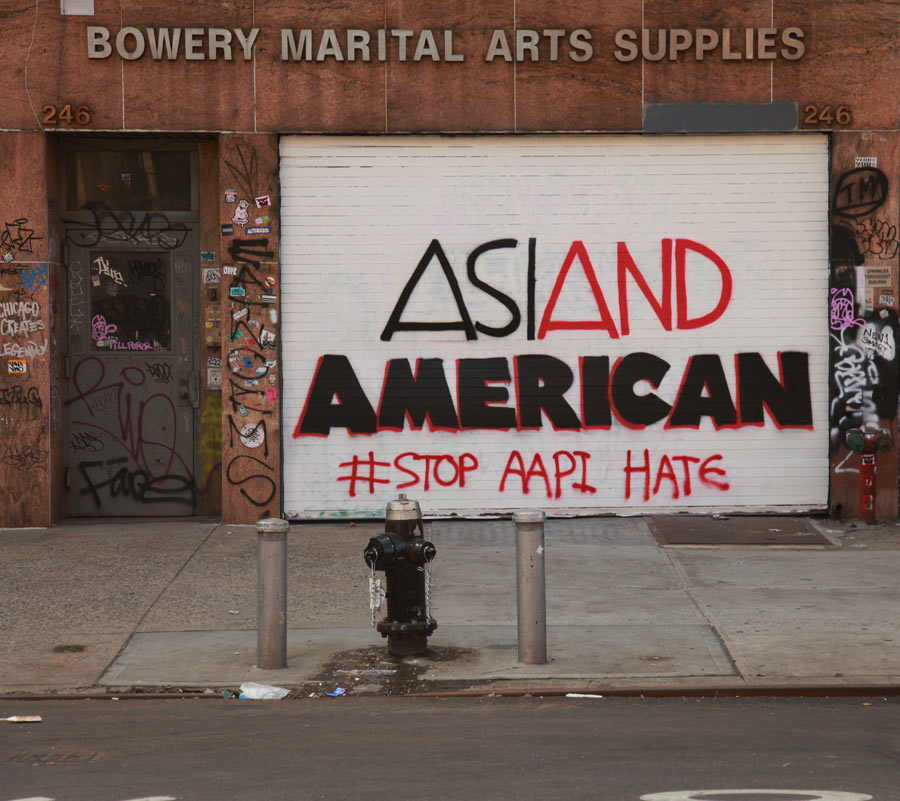
Meanwhile, we’re following the street art in a number of neighborhoods in New York this week – and wondering where the topical or political works are. The current generation who are putting work on the streets may venture into politics, but only identity politics. BLM, trans rights, that sort of thing.
New York is headed toward 70% vaccinated soon and the city is actually talking about offering to vaccinate tourists! Soon you can go to the Met, see a Broadway show, eat dinner in Little Italy, get cursed out by a homeless guy, and get a stab in the arm from Pfizer! New York, New York! It’s a wonderful town!
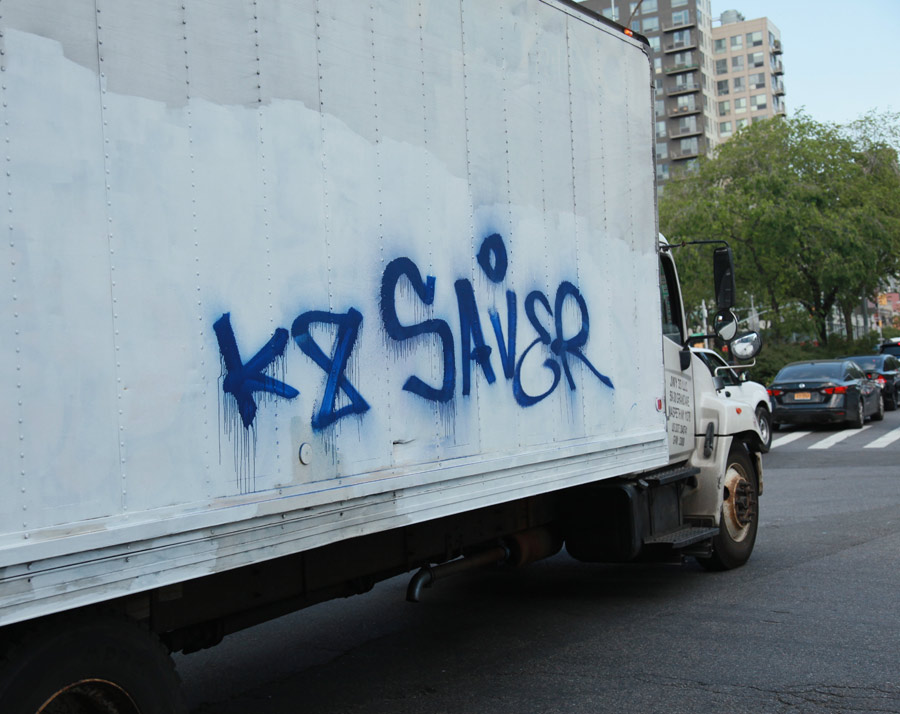
So here’s our weekly interview with the street, this time featuring: 2 Much, Armyan, Cautious5, Cekis, City Kitty, Cramcept, Denton Burrows, GIZ, Healer, Homesick, Leviticus, LNE Crew, Lunge Box, MalincheArt, MeresOne, MrBbaby, No Sleep, Paul Richard, Ponzi, Ramiro Davaro-Comas, Smart, and Stikki Peaches.
French Street Artist Julien de Casabianca is debuting a new series of photographs that may appear as a surprising departure from his previous multi-year multi-city OUTINGS project, but a closer examination contains many similarities between that one and “Grand Mozeur Feukeur”.
The street artist’s pastings for his OUTINGS Project featured scenes from figurative artworks, classical and modern, from museum collections. Julien de Casabianca wanted the images displayed on facades of buildings in public view rather than hidden away for a limited audience. By bringing outside these selected artworks from cultural institutions worldwide, the artist created a genuinely new category of street art, which doesn’t occur with the frequency you might expect.
From Poland to Mexico to Palestine and Vietnam, OUTINGS expanded to be many things at once, including a form of public service that exposed passersby to cloistered artists whose works were prized but generally unseen by the everyday citizen, therefore unconsidered. Everyone was required to re-think the artworks as well as their pre-conceptions of propriety.
Sometimes partnering directly with local art institutions, Casabianca traveled the world, bringing images into the light of day. Considered anew in this city street context, these excised images took on newly discovered relevance, weights, and character. While some appeared as ghosts of the past, others were remarkably contemporary in these modern surroundings. With the implied or explicit imprimatur of academics and art institutions, his novel approach to art on the streets was timely and of our time, short-circuiting convention and garnering countless press articles in cities and cultures widespread.
For one campaign, he selected only “sex scenes,” as he calls them. Motivated by his disappointment at the lack of sexual themes in the street art scene, Julien de Casabianca isolated duos and polyamorous parties engaged in the erotic arts. “It was my first step of questioning sex, gender, and body in street art,” he tells us in an exclusive interview. A redefining of the street art scene, which can be ironically conventional considering its unconventional origins, was necessary.
“My pasting work used characters taken directly from classical paintings – and I put them in the streets,” he says. “There were dozen of sex scenes – heterosexuals and homosexuals – extracted from classical paintings.”
The impulse to expose audiences to these images was liberating, leading him to publish a manifesto on the streets of his home city, Paris. The long screed excoriated his fellow street artists worldwide for what he perceived as their lack of bravery and possibly hypocrisy by avoiding explicitly sexual scenes.
One excerpt says, “What’s wrong with you guys? Street artists are the purest of them all, then? The least ballsy, apparently. The least boobsy too.”
Today, following his own counsel, Casabianca presents a personal campaign in photographs that again introduces themes infrequently seen on the street, this time using himself as muse and canvas. As LGBTQ issues have mingled with a volley of newly coined terms and freshly minted (often self-appointed) experts in the academy, the media, and the street, many everyday persons have continued to navigate through life with seemingly new definitions of gender identity. This new campaign may clarify, or not.
As an artist familiar with both public display and figurative artwork, Casabianca models here his unique flair for fashion. He also displays a previously little-known relationship with gender, sexuality, and our coding guidelines for classification of each. In this new project, he models dresses that he has collected, each endowed with several associations and assumptions.
As in the OUTINGS project, these photographs are excised from their original intended context, if you will, and given a new venue for consideration. Along with the quality of materials and construction, the viewer will evaluate categories such as “day” or “evening,” occasion, income level, social status, age, gender, sexuality, sexual availability, and degrees of masculinity or femininity.
“This new series of pictures presents my body as a form of street art. I do not see the body used in street art either, but I believe it can be a kind of contemporary art performance,” he says in his description of the new project he’s calling “Grand Mozeur Feukeur.”
Paired with footwear that is not typical for the styles of dress, he poses with some deadpan expressions, occasionally appearing as solicitous, coy, non-plussed, or decisive. You may even say they are a parody of the poses in classical antiquity or fashion magazines. This is a very personal act of self-exposure, and the project reveals his questioning of identity and the paradox of self-expression – and society’s propensity for categorizing.
In total, “Grand Mozeur Feukeur” is a very intimate, provocative presentation that may surprise and draw closer examination by viewers. Grand, severe, and even humorous, the performer/muse/artist places himself against a “typical” scene of urban aerosol graffiti tags on walls. – It’s not exactly street art, yet you can imagine some of these images may end up on the street in a city near you.
“This work questions gender,” he says. “There is a malaise in the masculine aspect in our society at this moment, and I’m uncomfortable with manhood. I’m not gay; I’m a boy-girl, maybe. I’m attracted to women but not attracted to the heterosexual way of being. I identify as queer, and I’m sexually attracted to people who identify as this as well. Heterosexuality is a lifestyle. I may be something like a cross-dyke, because “dyke” at one time was a slang term for a well-dressed man. A well-dressed man for me is a man in a dress. A man cross-dressed.”
BSA interviewed Julien de Casabianca about his new project:
Brooklyn Street Art (BSA): Can you talk about what led you from your previous street art project to this new one? A number of those pasted works focused on sexual and erotic themes. Is the new project related to each other in any way?
Julien de Casabianca (JC): My OUTINGS work uses characters removed from classical paintings to paste them in the streets. I pasted a dozen sex scenes extracted from classical paintings in Paris streets, and I published the series in Nuart Journal. Some were heterosexuals in nature, and some were homosexual. So this was my first step in questioning sex and gender in street art. And I discovered how sex and gender are rare in street art.
Sexuality is seldom discussed, except in a way meant to be comical. Homosexuality is rarely addressed, except in a political way, in defense of visibility, for example. Rarely are these themes presented for just what they are: sex and love. So once I realized this, it opened my eyes, and I decided to continue to work on these queer questions.
BSA: The dresses present a traditional look at female gender roles. Here they are contrasted with perhaps more modern classic male presentation. How is a costume/dress selected?
JC: These are only “old lady” dresses, grand-mother style. I’m fascinated by kitsch and how there can be a beautiful state in the sublimation of ugly. I think these dresses fit me really well. Since I was 15 years old, I always wore these dresses when I went to a queer party. I did not intend it as a travesty or an absurdity, not just to “dress up.” It is just because I’m beautiful in it! I don’t act like a girl. I’m a man, with my virility intact, and I’m absolutely not androgynous. And some are funny, yes. I have a huge collection, around 150.
BSA: The footwear and socks are frequently well-matched to the color scheme of the dress, yet they are not directly related to the style. Is this intentional?
JC: Yes, I’m a sneaker addict, and I always wear sneakers, even in a dress. And I’m in urban style all the time, and it’s my job, so I wanted absolutely to create this mix between old-school and contemporary.
BSA: Does posing before heavily graffitied walls make these modeling sessions more “street” or “urban”?
JC: Yes, I’m a street artist, and this wall is in my home. There are two ways to connect this series of photography in the continuity of my street art work: the urban style association of the sneakers and the walls covered in graff.
BSA:Are you challenging gender roles and definitions, or are you expressing identity and sexuality?
JC: This work questions gender. There is a malaise in the masculine in our society. I’m uncomfortable with manhood. I’m not gay; I’m a boy-girl, maybe. I’m attracted to women but not attracted to the typical heterosexual way of being. I identify as queer, and I’m sexual attracted to people who identify as this. Heterosexuality is a lifestyle. Maybe I am something like a cross-dyke, because people used to use “dyke” as slang for a well-dressed man. And a well-dressed man for me is a man in a dress. A man cross-dressed.
JC: There is comedy too, sometimes, because I’m funny in my life and the photographs are my work. But these styles are from my nightlife. At my house, my decor is full of old-lady stuff. I’m in love with those things. They are deeply moving.
BSA: In terms of society and your personal evolution, could this project have occurred in 1991? 2001? Or is there something about 2021 that makes it feel “right”?
JC: It has been an incredible evolution in the last few years in the overall recognition by people of the variety of genders that exist. Ten years ago, people would have regarded my looks as travesty or comedy, period. I’m not either one, not traditionally hetero. I’m queer. During the day, I wear what could be considered a “heterosexual urban” style – maybe androgynous. At night I’m wearing old lady dresses while keeping my virility and masculine behavior.
Our weekly focus on the moving image and art in the streets. And other oddities.
Now screening: 1. Artists of The Collie Mural Trail in Australia
BSA Special Feature: Artists of The Collie Mural Trail in Australia
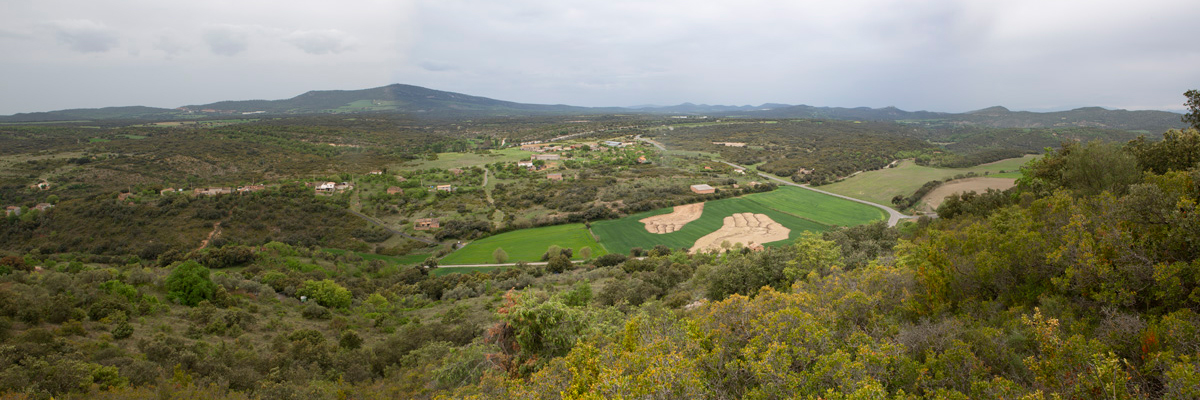
The Collie Mural Trail in Australia is a beautification project meant to draw tourism and celebrate the people and history of this town and the Collie River Valley a few hours from Perth. By bringing locally grown artists to the town, the collection retains an authentic quality that remains contextual to daily life as well as educational to visitors. Some of the artists come from the graffiti and street art practice, while others have followed a fine arts path, some self-taught. Today we have a look at a few of the artists of the Collie Mural Trail and brief introductions to them from the website.
Jarrad Martyn
Jarrad Martyn’s practice explores how different moments in history have been framed and how we engage with spaces after they have become abandoned. Through painting and installation Martyn employs the principles of bricolage – something constructed from a diverse range of things – to bring together imagery and research to create a more conversational meaning of the history being explored. The use of paint which slips in-between figuration and expressionism encourages the audience to look longer to try and deduce what is unfolding and to ultimately consider how complicit they are prepared to be in that framing.
Jacob Shakey Butler
“Jacob Butler (Shakey) is a young, self-taught artist based in Fremantle. Jacob works in many mediums including acrylics, oils, pastel and aerosol. Jacob’s essential tremor that existed from birth got him branded ‘Shakey’, giving him his unique, free-flowing, intuitive style. Since becoming a full-time artist he has been invited to paint live in front of large audiences for private concerts, gala balls, weddings and large charity events internationally, with his paintings yielding very successful results due to the raw energy put into his work whilst under pressure. He is currently working on large scale murals and performing live wedding art in and around Australia. Between commissions he also continues his art workshops for people with disabilities and is working towards his second exhibition.”
Jack Bromell
“Jack Bromell is an Italian-Australian artist born in Perth and raised in the South West. After studying various creative-based degrees at University Jack left his studies and worked several jobs around the Perth region.
In 2015 while practicing art as a hobby Jack was given an opportunity to paint a large mural on a shopfront in Mandurah. The mural was received well by the community and projected him into a full-time career in the arts. Since then he has painted small and large scale murals throughout the South West and Perth Metropolitan areas. He has also painted internationally throughout 2016-2018. Jack is now based in Northbridge, Perth.”
Ian Mutch
“Ian Mutch is an Australian artist exploring beauty through nature, narrative and details. Mutch creates work on a variety of scales using acrylics, aerosol, and inks. Brushstrokes and layered backgrounds are detailed with entertaining illustrations, whimsical characters, trees, birds, animals and pop culture references. Mutch draws a great deal from his upbringing surrounded by wild landscapes, animals and patterns. He has lived in various parts of the world, now residing in South West Western Australia. His artwork has won awards, given life to public spaces, and featured in a range of publications.”