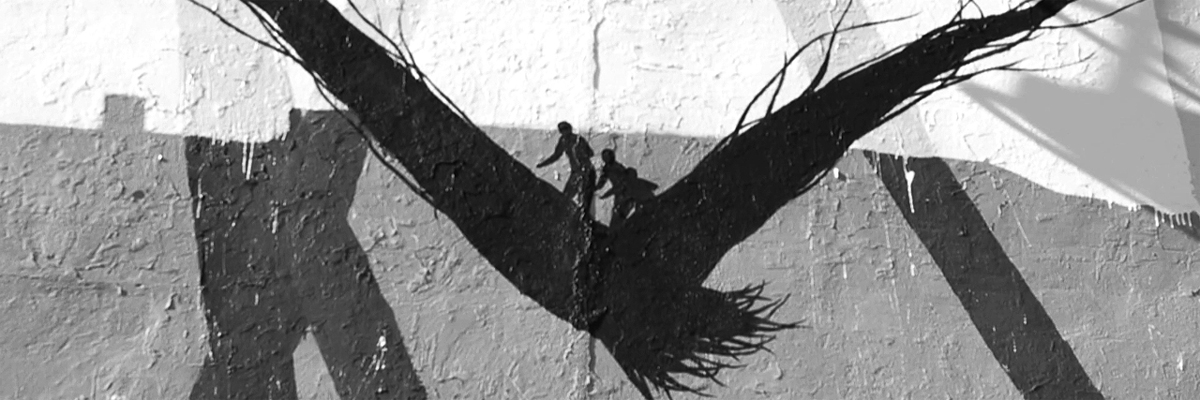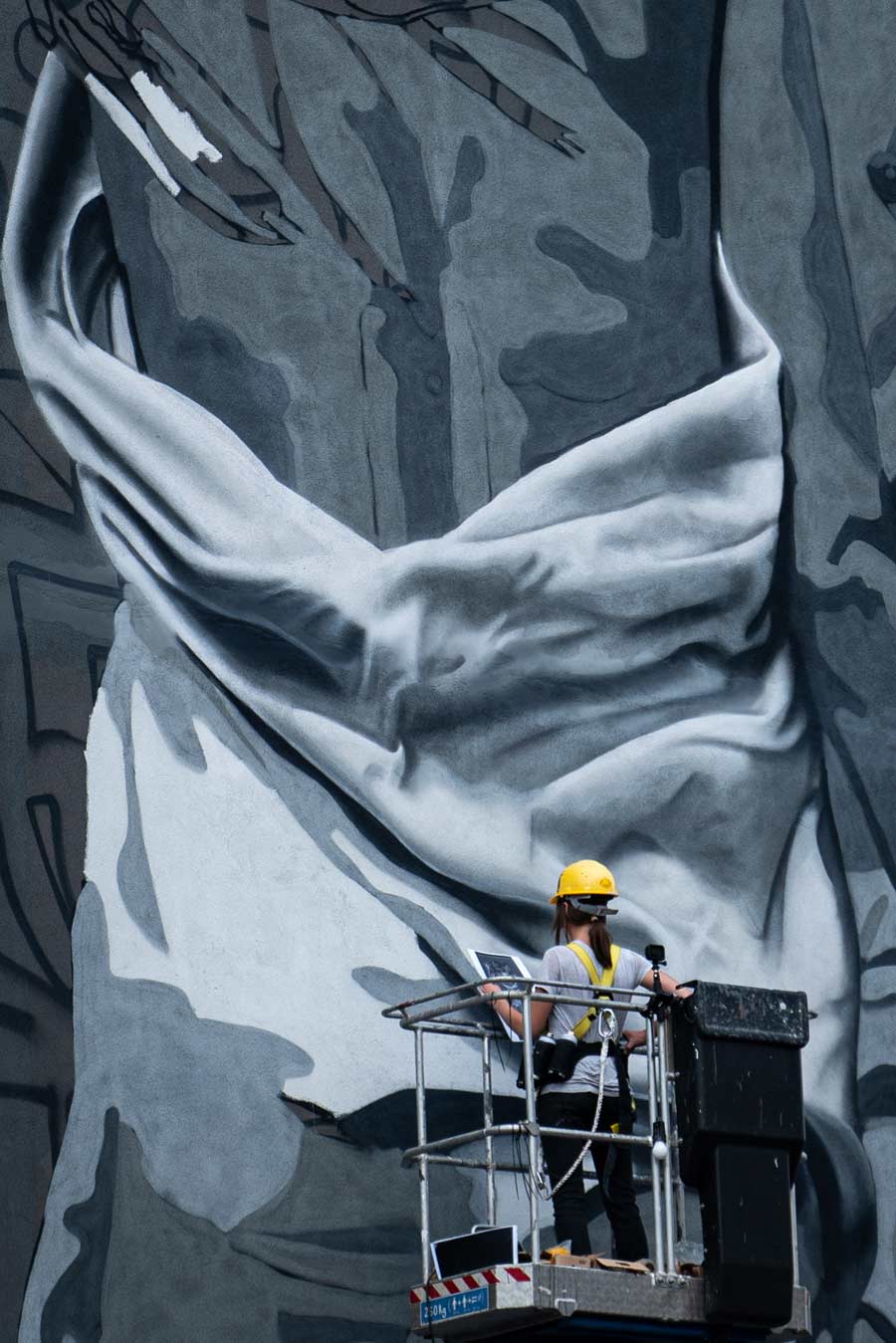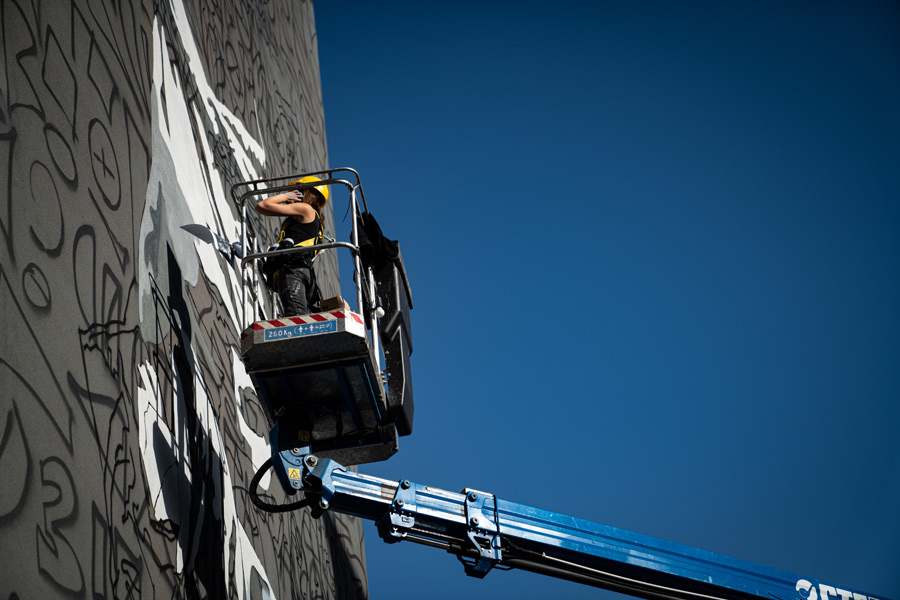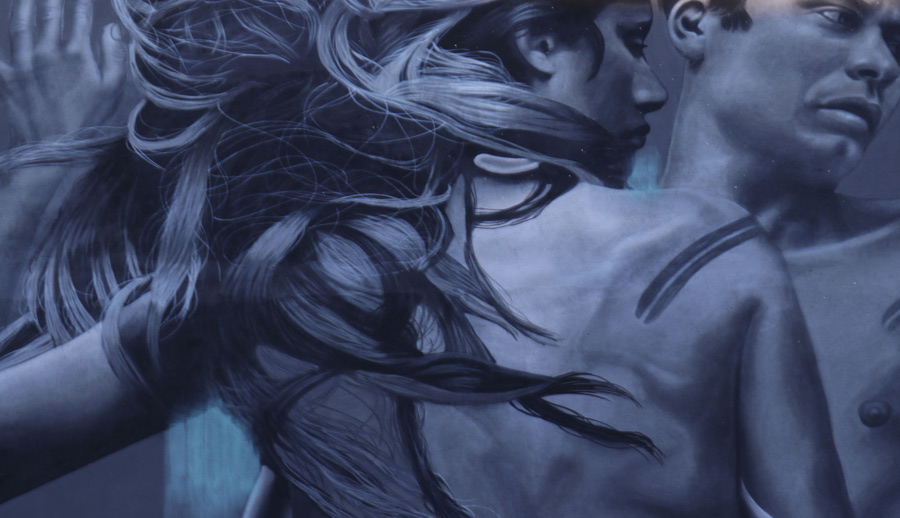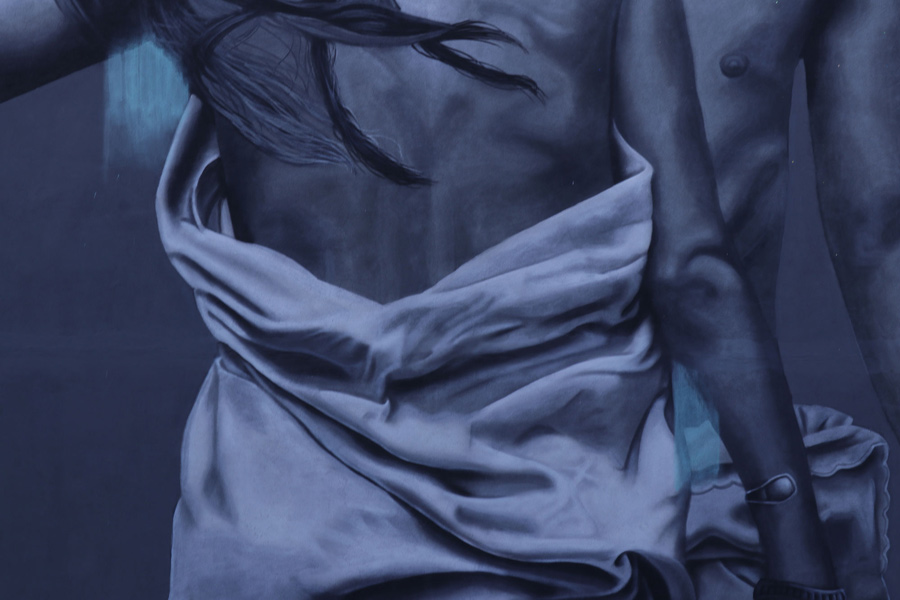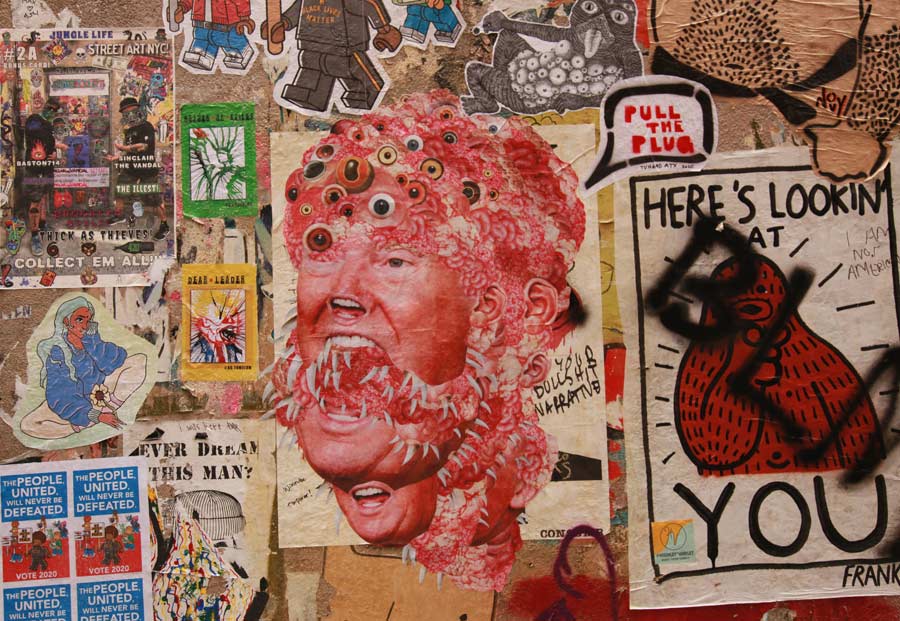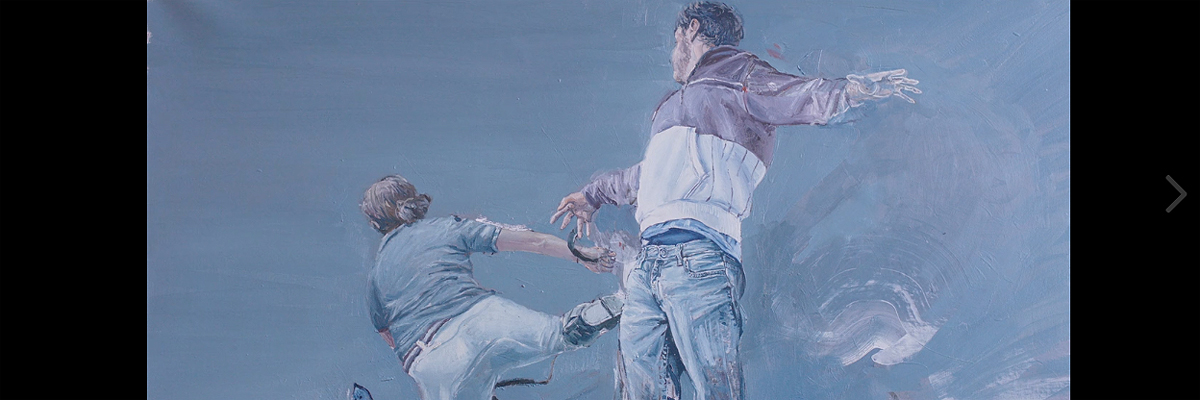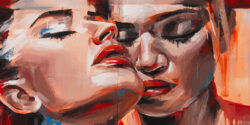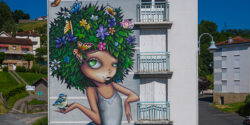
Political cartoons and murals sometimes overlap but rarely as impressively and with such frightening a warning as this new one from Juanjo Surace in Barcelona.
The skill and quality and powerful depiction all come together here from across the Atlantic Ocean, perhaps a clarion summation of how those outside the U.S. now see us and the current occupant of the White House.
The artist is professionally a painter, sculptor, and animation professor. He says he is self taught and that his deepest love for his craft is expressed when spray it on the street.
Feeling dizzy? Not much to worry about should be a slow week coming up.
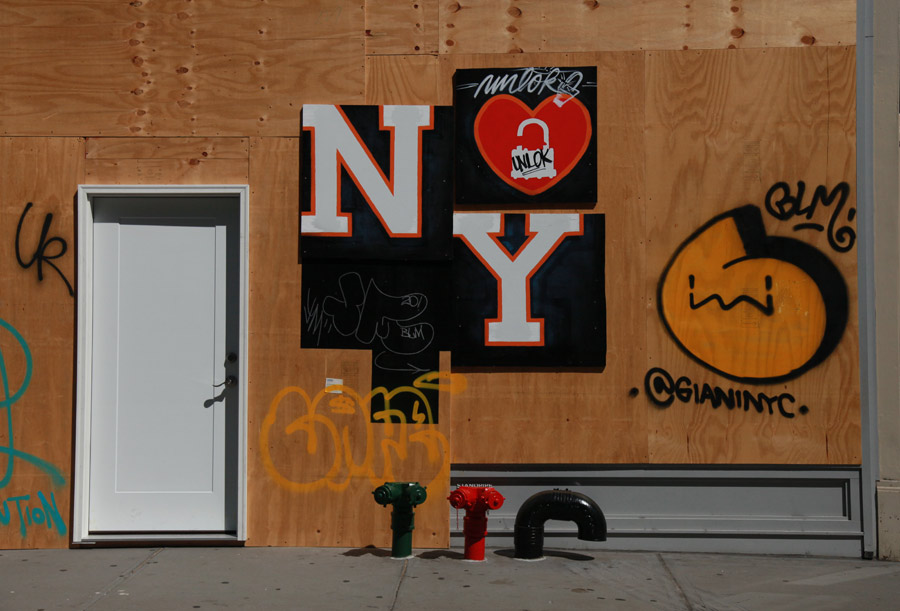
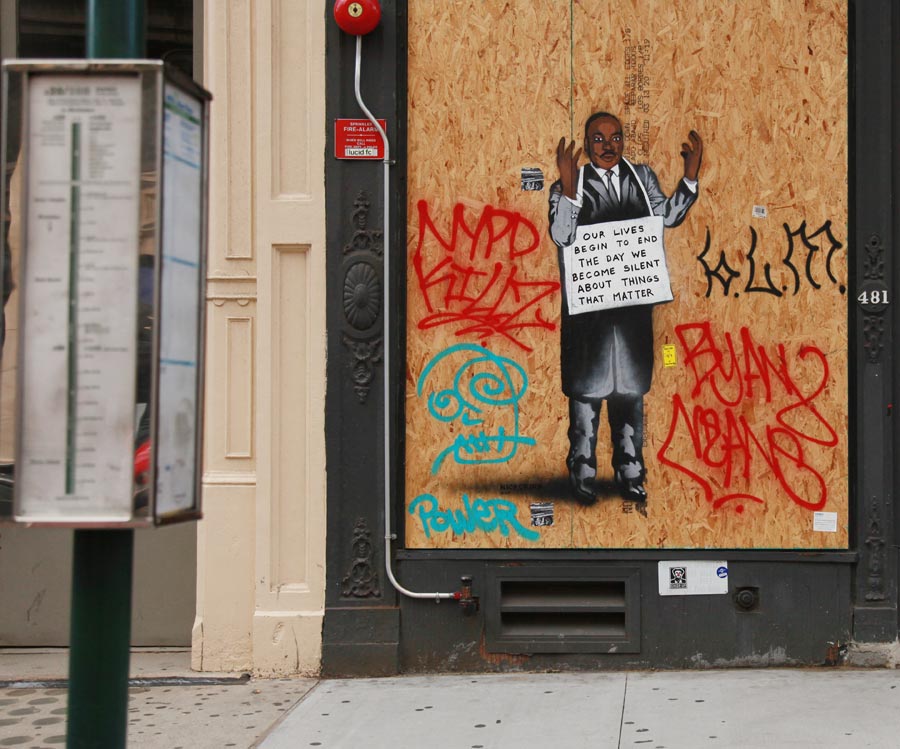
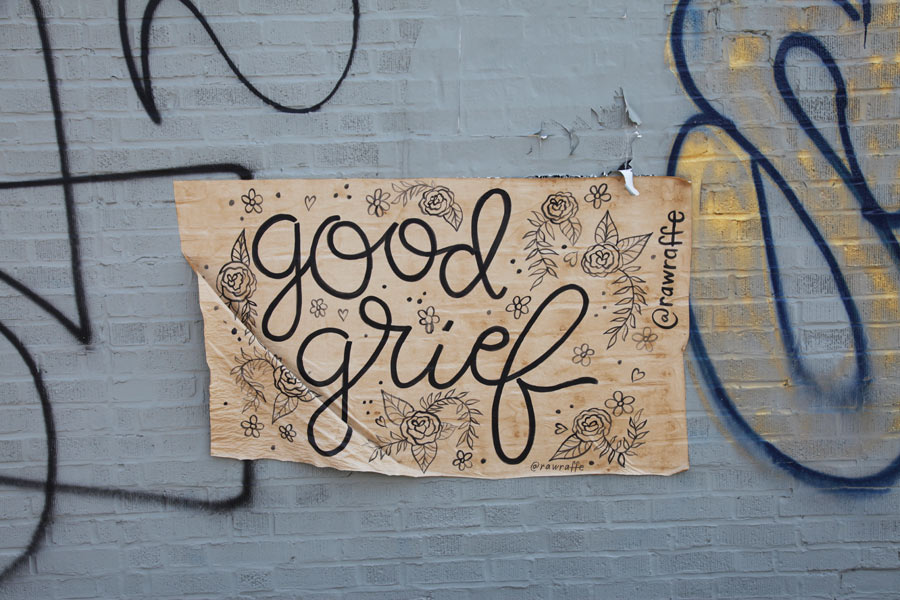
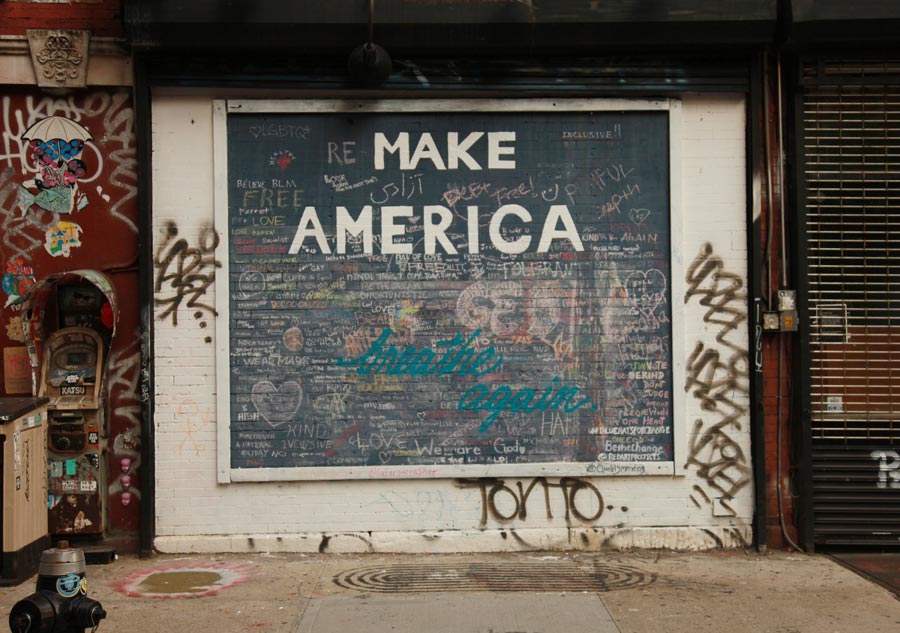
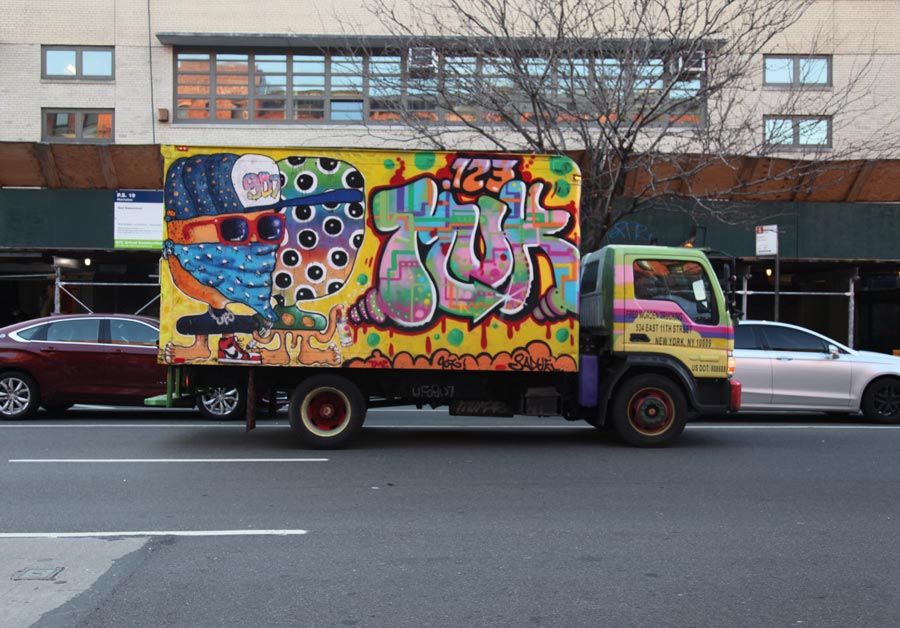
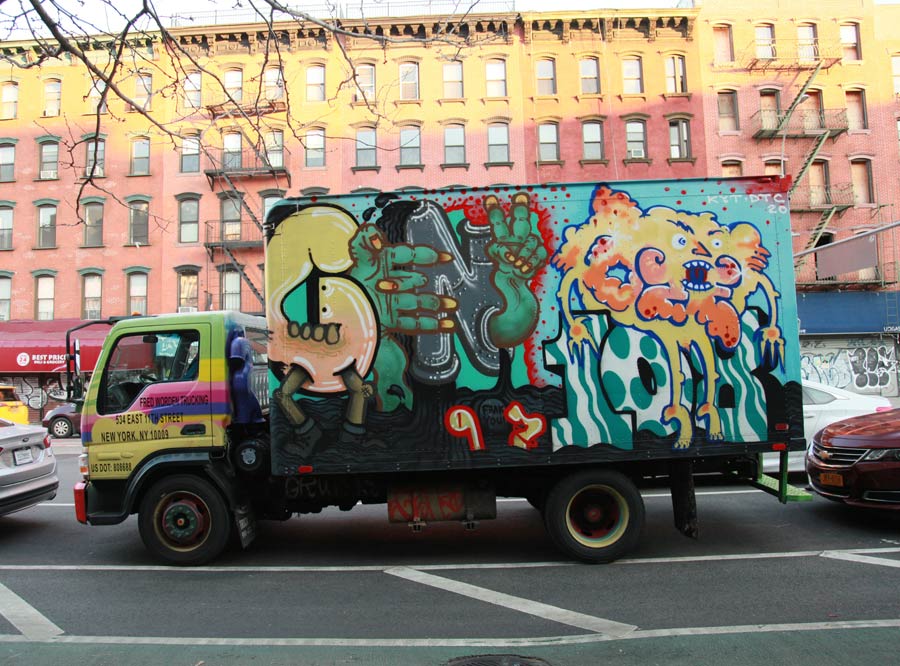
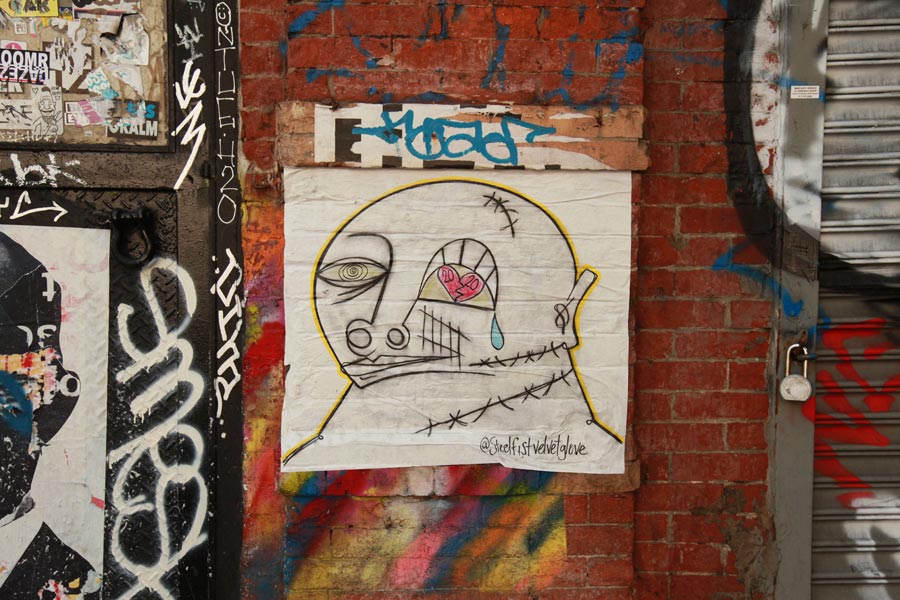
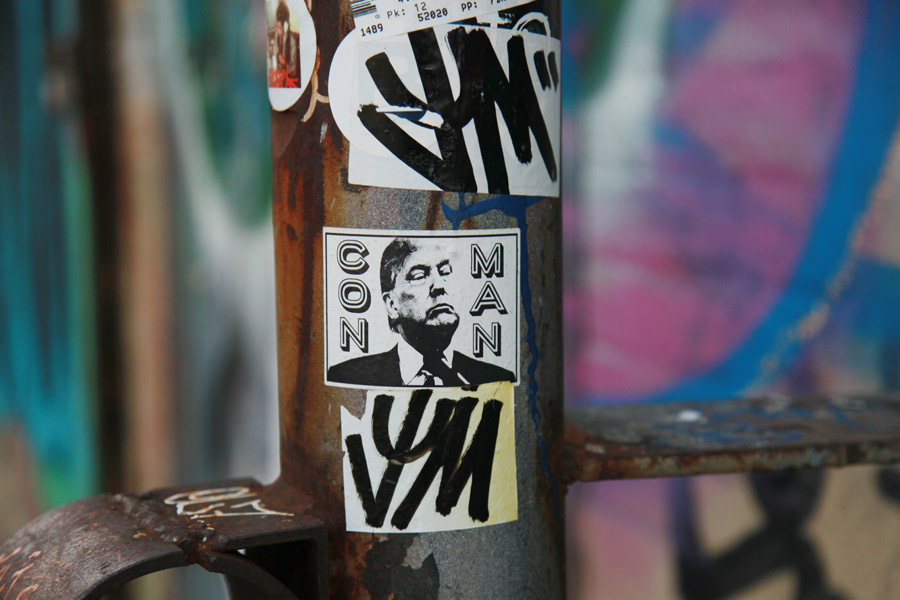
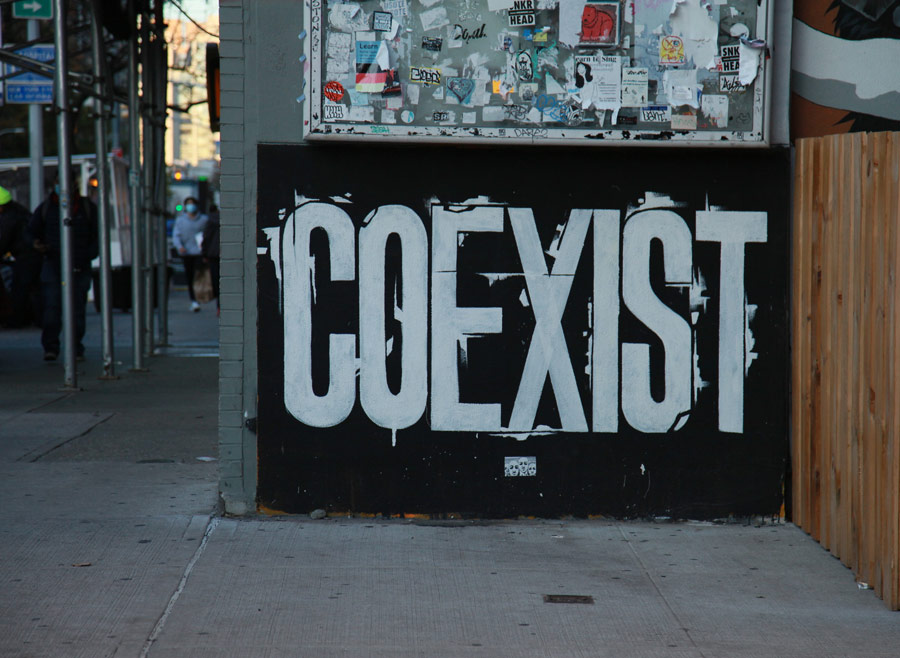
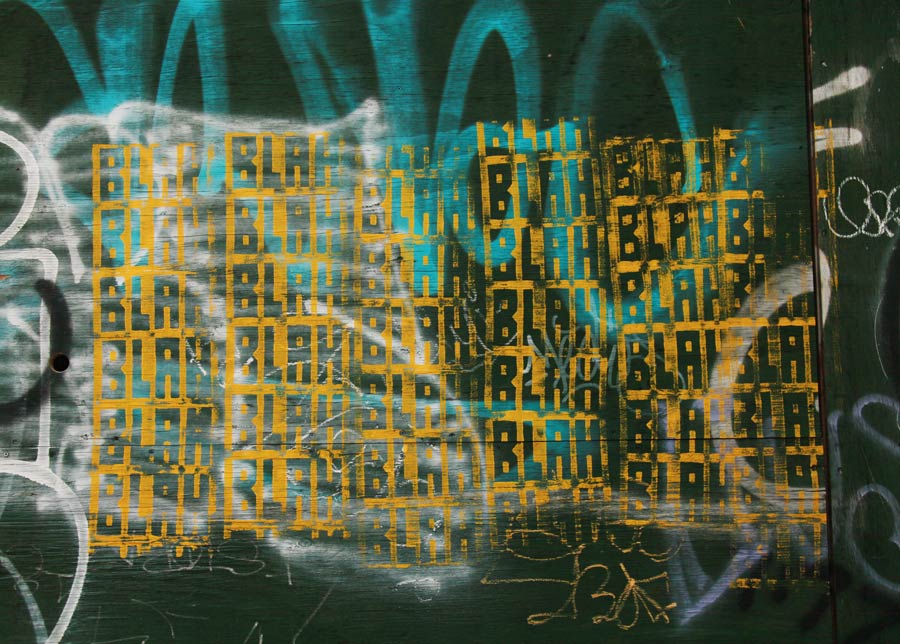
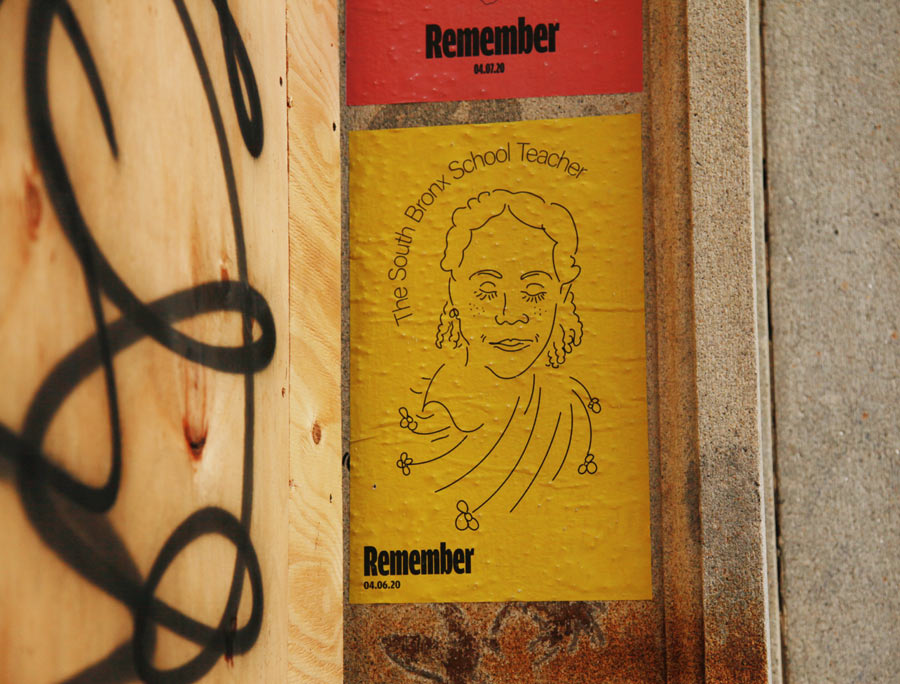
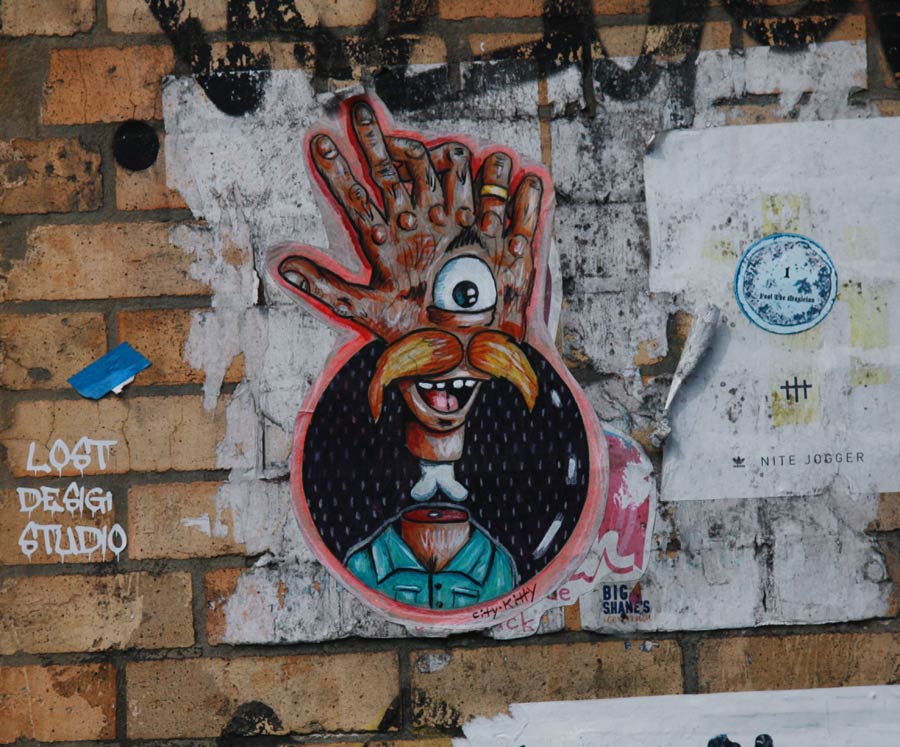
Here is our weekly interview with the streets, this week including Billy Barnacles, Calicho Art, City Kitty, D7606, Fire Flower, GoInco, Lucky, Lunge Box, Phetus, Praxis, Ree Vilomar, Turtle Caps, Wayne, Zuliamiau.
Skywatchers, ghouls and werewolves please take note: The moon will be full this Halloween night across the entire United States. A Halloween full moon visible for most time zones on Earth hasn’t happened since 1944, according to the Farmers’ Almanac.
Of course street art is ready to rock Halloween, as some of the most clever, frightening, sarcastic, ghoulish, and hilarious thematic depictions are found on our streets in the days leading up to All Hallows Eve. Truthfully these are such scary times across the board in the US that it is feeling like we’re having Halloween weekly. The monsters walk among us!
We hope you have a spooky good time, you stay safe and don’t forget BSA loves you.
Our weekly focus on the moving image and art in the streets. And other oddities.
Now screening : 1. Jorge Rodriguez-Gerada: Somos La Luz (We Are The Light) 2. Vegan Flava: Migration In The Anthropocene 3. “The Birds” by Alfred Hitchcock – Diner Scene
BSA Special Feature: Jorge Rodriguez-Gerada: Somos La Luz (We Are The Light)
“This project is very personal to me. I have lost friends due to Covid 19. During the process of creating this portrait, I was able to meet Dr.Decoo´s family. I saw firsthand their immense sorrow for his loss. His life faded away just as the portrait I created was meant to fade away. Too many frontline workers are in danger of fading away. We must realize that this is in part due to the reality of institutional racism. I have seen the effects of poverty and marginalization. We must come together to address this reality.” – JRG
Jorge Rodriguez-Gerada: Somos La Luz (We Are The Light)
Vegan Flava: Migration In The Anthropocene
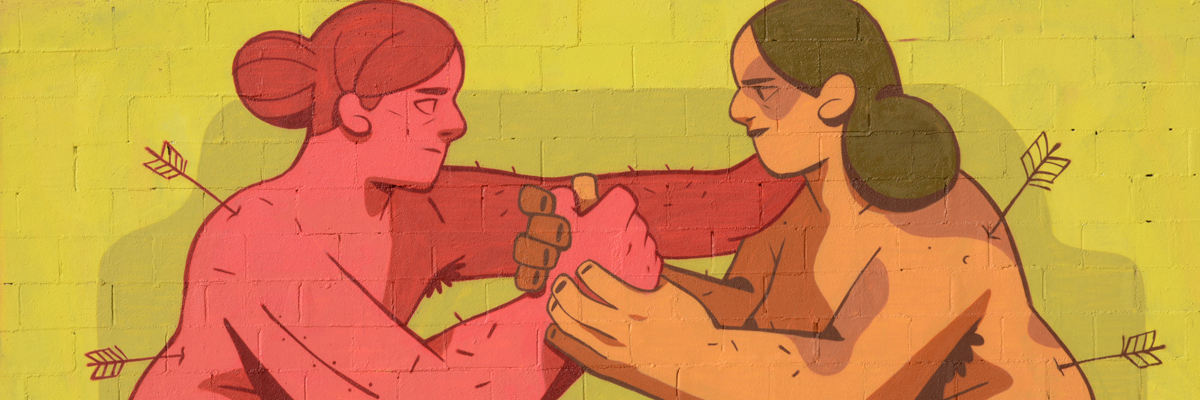
Maybe its because this weekend is Halloween but this promo video for street artist/land artist Vegan Flava may bring to mind another movie from this time of year.
“I think that we are in a moment of
humanity when the world is becoming polarized and part of the population is
choosing to withdraw into itself,” he says. So symbolically he is spraying
massive patches of grass with images of hands joined in cities across the world
– including Paris, Andorre, Geneva, Berlin, Ouagadougou, Yamoussoukro, and
Turin.
Today we take you to his latest
installation of three clasped hands in Istanbul, particularly symbolic because
it is at the precipice of so-called East and West. He says that since he would
like his monumental works to be bridges painted between cultures, the city of
Istanbul constitutes an essential stage, at the crossroads of the worlds between
the Mediterranean and the Black Sea.
“Istanbul is really on two
continents between Europe and Asia,” he says, “and it’s amazing because we’re
going to be able to connect the two here. We made three frescoes; a fresco on
the European side, a floating barge covered with grass that will cross the
Bosphorus, and a fresco on the Asian continent in Beykoz.”
The three
frescoes were created using biodegradable pigments and included one artwork at Bogazici
University (2500 m2) on the European side of the country, a second
one was created in the Beykoz district (1600 m2) on the Asian side
and the two of them were linked by an artwork painted on a floating barge in
the Golden Horn of the Bosphorus (2200 m2). Valentin Flauraud stood
in for Saype at the barge.
The work
carried out in Istanbul was benefitted by support from the Istanbul
Metropolitan Municipality, Kültür A.Ş, the Municipality of Beşiktaş, the
Boğaziçi University, the Consulate General of Switzerland, the French Institute
in Turkey and UPS.
“I am convinced that it is only
together that humanity will be able to respond to the biggest challenges it
will have to overcome them.”
Fintan Magee has been experimenting with the various visual effects that occur when one is looking at a figure through a lens/glass/texture of some kind. In August we showed you a mural he had completed in Queensland, Australia that featured two figures behind a mottled glass pattern that you may recall from going to a lawyer or perhaps to hire a private detective.
Today we have ‘Shadow’, a new work in Newcastle that he created for the Big Picture festival. The vertical striping creates a subtle optical illusion of its own. He says he painted alongside a statue of Australia’s first female mayor as it looks across Civic Park toward the old civic trains station at the center of town.
Italy’s Mr. Fijodor has three new projects to share
with BSA readers that he recently completed, despite the obstructions that have
affected “normal” life.
“Some works have been interrupted, some never started,”
he says, “and now slowly – but fortunately – they are slowly returning to their
‘work in progress.’ ” A graffiti writer since 1994, he has continued to evolve
his art and art practices, which now include urban muralism and street art.
The first wall is about a tiger balancing on the edge, a symbol of disappearing species. Here in Montale, a hamlet of Castelnuovo Rangone in the province of Modena, a wall for Rosso Tiepido, a cultural local association. He’s calling it “Gattrigre in equilibrio precario!” (the precariously balanced tiger).
“In the era of dissipative
consumption, resources are disappearing faster and faster. In 50 years 60% of
animal species have been lost. Pollution and wild deforestation threaten
biodiversity on a daily basis, exposing it to constant risk. Gattigre is a
reinterpretation of the condition of the tiger, which, due to poaching and
climate change, risks extinction. It stands in balance, precariously in fact,
on shopping trolleys, a metaphor for our lifestyle that is increasingly geared
towards consumption and the frenzy of having.”
“Street Art Between Underground Culture and Contemporary Values”
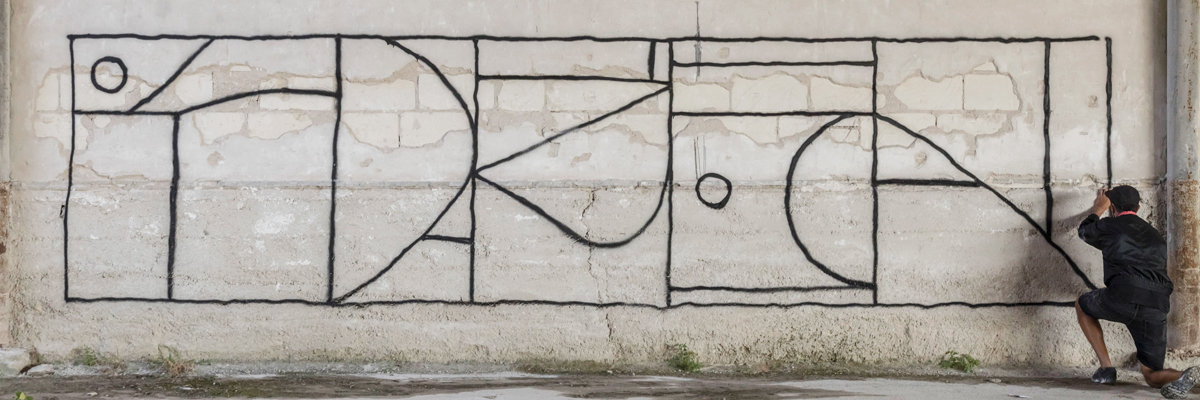
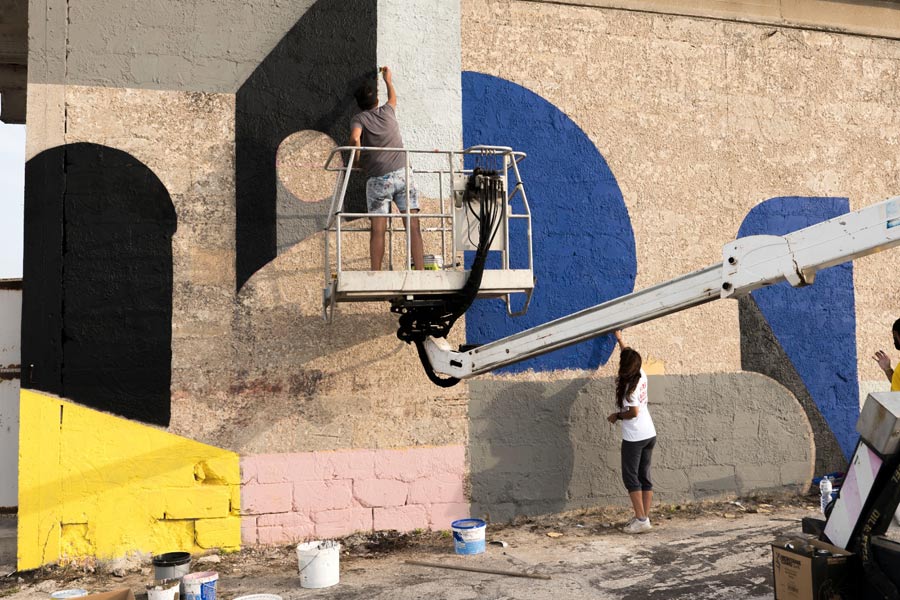
His second project is more of a development project
that he did over a ten-month period with artist Fabrizio Sarti (aka SeaCreative).
A mélange of themes that include climate change, immigration, and peace, it may
not be completely clear to the passerby, but they are sure that they used only ecological and non-polluting sprays
and paints. MrFijodor says that area youth supported the artists during the project
and he was glad to include them.
He says the
project is part of a redevelopment action in the Brione district in Rovereto
promoted by Cooperativa Sociale Smart with the contribution of the Municipality
of Rovereto and the Autonomous Province of Trento.
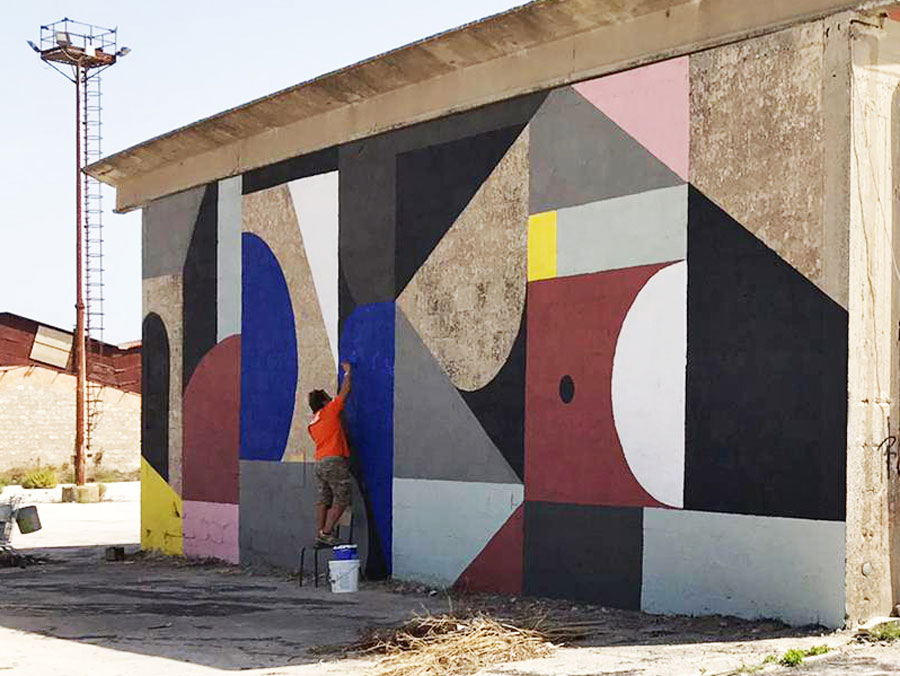
“A factory and a bird”: Mrfijodor for “Innesti” @ MCAMuseo a Cielo Aperto di Camo
And finally, “Innesti,”
which he describes as “a graphic and illustrative work that tells an easily
accessible story, free from too many involved concepts.
It’s the story of “a
factory and a bird”, he says, and describes the longing for freedom during
lockdown, the interaction between community and territory, and thinking of
himself perhaps as a bird who flees the industrial city to take refuge in a rural
place to recharge creativity.
As we step monthly into the Greater Depression and hope for greater understanding of the mathematical trickery that is leading us there (with or without Covid), we’re curious to see what former hedge fund manager and now installation artist savant Nelson Saiers is creating.
Formerly working with HG Contemporary and its owner Philippe Hoerle-Guggenheim, who has artists like Retna and Kobra in his roster, Saiers is a self-directed representational artist whose circuitous route to truths frequently follow a mathematical one. Right now he’s not talking about quantitative easing or trillions of US debt, he’s talking about social inquality of a different nature: the paucity of black and brown-skin people in the fields of technology and some of the underlying structural foundations that aid and abet the systems.
He shows us his latest installation in front of the Lincoln Memorial and describes how it came together and the significance of his additions and subtractions.
“I’m doing an on and off multi-week installation in front of the Lincoln Memorial in DC. The exhibit uses math to argue for the increased inclusion and just representation of African-Americans in the world of technology (and the further advancement of their civil rights and equality).”
“This piece applies mathematics to argue for the fair representation of African-Americans in our tech businesses and throughout society. The math symbols on the computer printer paper hint at an important theorem from topology called Brown Representation, which has been added, but it is incomplete (topology is a modern form of geometry).
In essence, this argues that African-Americans should be fully represented in technology companies and other thriving industries. The incomplete list of math conditions is symbolic of the fact that while some basic strides have been made in this regard (for example, Brown v. Board of Education), much more is needed. The Domino box, which has been X’d out, points to the sugar industry (and its role in slavery), and the arrow directed at the printer paper references the migration of African-Americans from one category to another: poorly treated slaves to successful leaders.
The fact that some of the symbols were crossed out and then replaced (e.g., the “for all” symbol – upside down capital “A”) alludes to the tragic hiccups on the road to the achievement of these basic civil rights. Finally, the work’s raw cotton canvas background points to slavery and the centrality of cotton to its vile practice, a symbolic gesture to describe where our society started (and a fact that should not be “whitewashed”). Among many other mathematical motivations nestled in this piece, there is the word ‘monochromatic’ (one color) crossed out and replaced with the word ‘spectrum’ (range of color). While there are clear interpretations of this in the context of social justice, in math, a spectrum is also intimately tied to Brown Representability, expanding this metaphor and the important range of work we must achieve as a society to move forward.”
Some hard news seems to great us every day, yet New Yorkers don’t give up so easily. And by the way, banging bright and crispy fall weather we’ve been having, right?
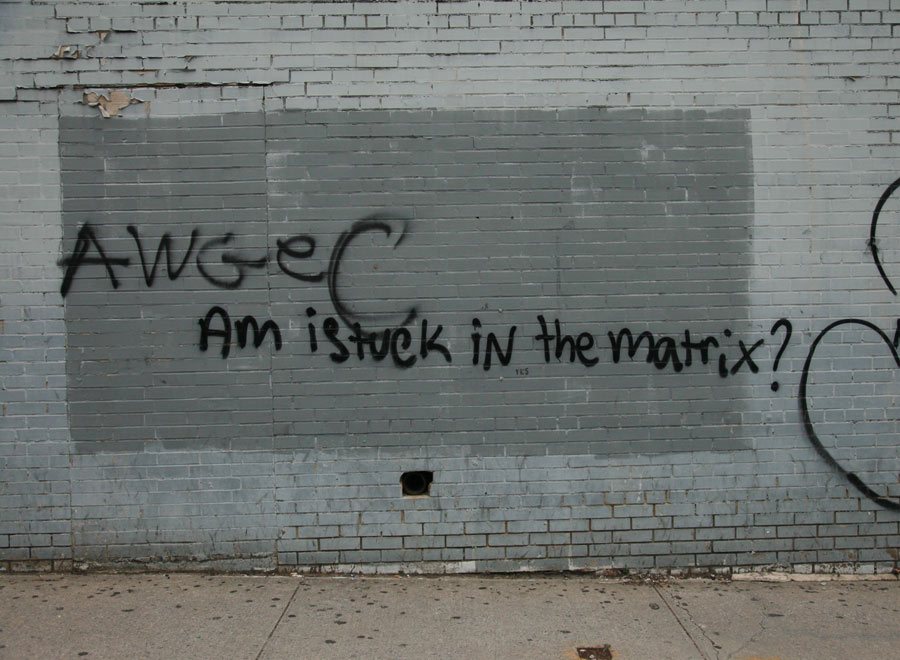
Here is our weekly interview with the streets, this week including Adam Fujita, Crash Floor, Disgusting is Good, Drop Dead Grace, Eye Sticker, Labor Camp, Mad Vaillan, Par, Save Art Space, Server Up, Specter, Texas, and Vayne.
Saturday projects around the house or
apartment as the seasons change? Why not paint your steps?
Nico Skolp. Antonio Giordano Urban Art Award. 7th Edition. Santa Croce di Magliano, Italy. (photo courtesy of Antonio Giordano Urban Art Award)
Italian designer, muralist, and graffiti writer since the 1990s, Nico Lò (Skolp) shows us his style on the elevated art of painting a public stair in Santa Croce di Magliano (Italy). The color blocking is more intentional and scientific than you may think, however, and the artist tells us that he used a software tool to determine the composition in collaboration with a San Franciscan machine learning expert named Piero Molino.
Nico Skolp. Antonio Giordano Urban Art Award. 7th Edition. Santa Croce di Magliano, Italy. (photo courtesy of Antonio Giordano Urban Art Award)
“Much attention has been given to
the use and perception of colour,” says Nico. “The observer perceives two
coexisting paths on the staircase: the one with softer colours makes it easier
the upward path; the other one, with more saturated and bright colours, marks
the easier downward path.”
Since being a graffiti writer, Nico
has gone through many personal and professional stages in development of his
art – including starting a design firm with two friends in 2008 specializing in
visual communication and graphic design. Now he’s more attracted to something many
are calling “Post Graffiti”, a deconstruction of the letter-based vocabulary in
a way that tumbles into abstraction and geometric movements of many directions.
Nico Skolp. Antonio Giordano Urban Art Award. 7th Edition. Santa Croce di Magliano, Italy. (photo courtesy of Antonio Giordano Urban Art Award)
“For years he focused on the study
of the letter in all of its forms,” says a publicist. “Until overcoming the
concept of “tag” and taking the path of a new approach called
post-graffiti. His artistic language is characterized by geometric shapes,
grids and shades, an abacus of elements and compositional rules that refer to
the concept of generative design.”
Our weekly focus on the moving image and art in the streets. And other oddities.
Now screening : 1. CURA 2020 – Daiara Tukano, Lídia Viber, Diego Mouro e Robinho Santana. 2. CURA 2020 / Jaider Esbell “Entidades” 3. CURA 2018 / HYURO
BSA Special Feature: CURA and their 5th Festival in Belo Horizonte, Brazil
A community powered consortium of public, private and corporate interests have been sponsoring the CURA festival in Belo Horizonte since 2017, producing some of the most massive murals you will see in festivals around the world. It is an interesting mix of local and international artists, many with social messages. Additionally they produce small workshops and panels, and sometimes large parties for attendees.
Today just a taste of the artists from CURA
CURA 2020 – Daiara Tukano, Lídia Viber, Diego Mouro e Robinho Santana.
CURA 2020 / Jaider Esbell “Entidades”
Are they kissing? This 17 meter installation features two serpentine creatures adorning the bridge here with “Entidades” CURA says that “Jaider Esbell is the first indigenous artist to present a sculpture in a public art festival”.
We continue to see a dissolving of previous tensions between the worlds of graffiti writing and mural artists and other disciplines of art-making as we travel around cities around the world. Artificial divisions have persisted, and indeed the lived experience of graff and street art and mural making are distinctly different in certain respects, but the piece is the piece, regardless of style, and each creator can be an ambassador with a message.
Our own philosophy is if art is going to have the transformative power that we believe it can have on all of our societies, families, and institutions we need to dissolve artificial divisions in the creative community as well – as they serve little constructive purpose. As art in the street usually reflects society at large, we have our own challenges with classism, sexism, and racism as well.
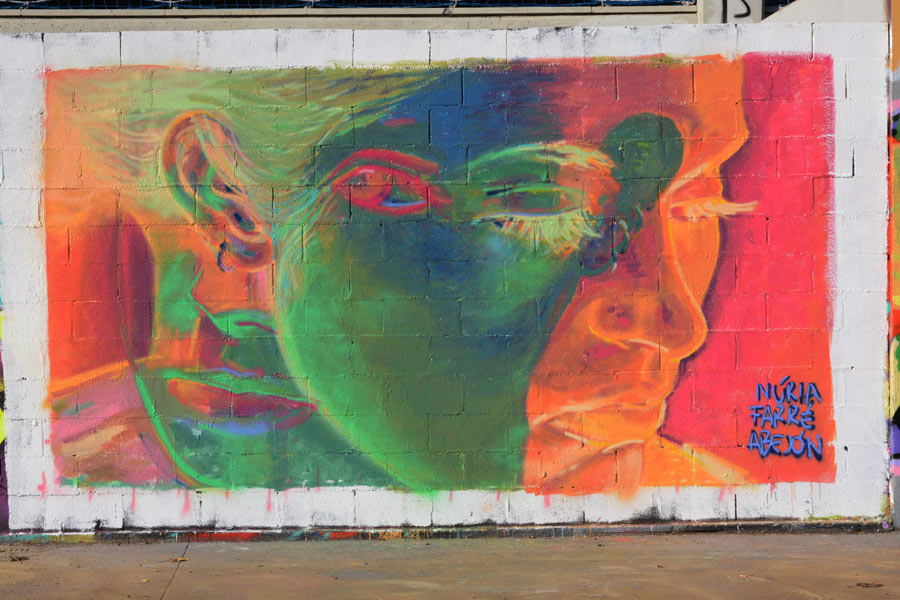
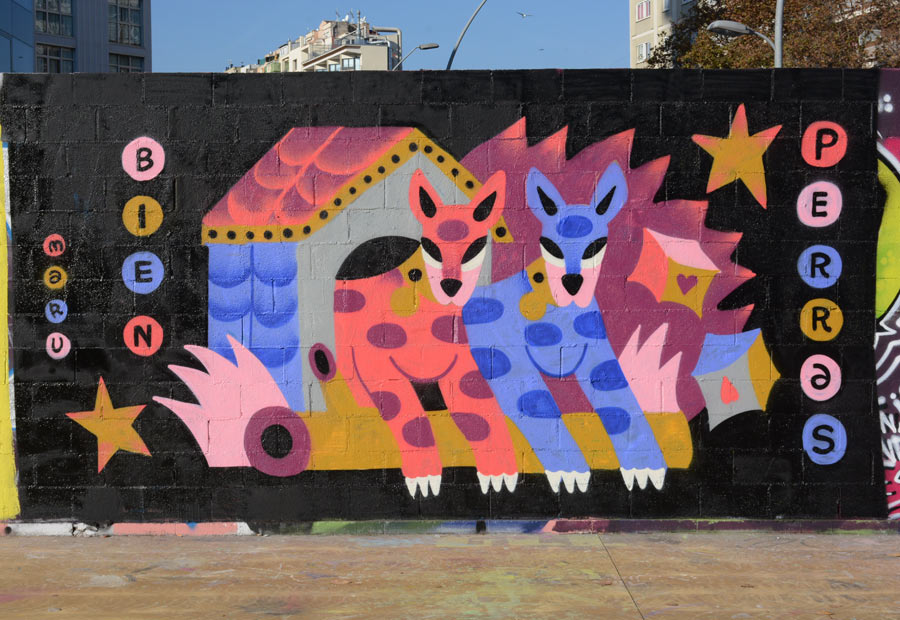
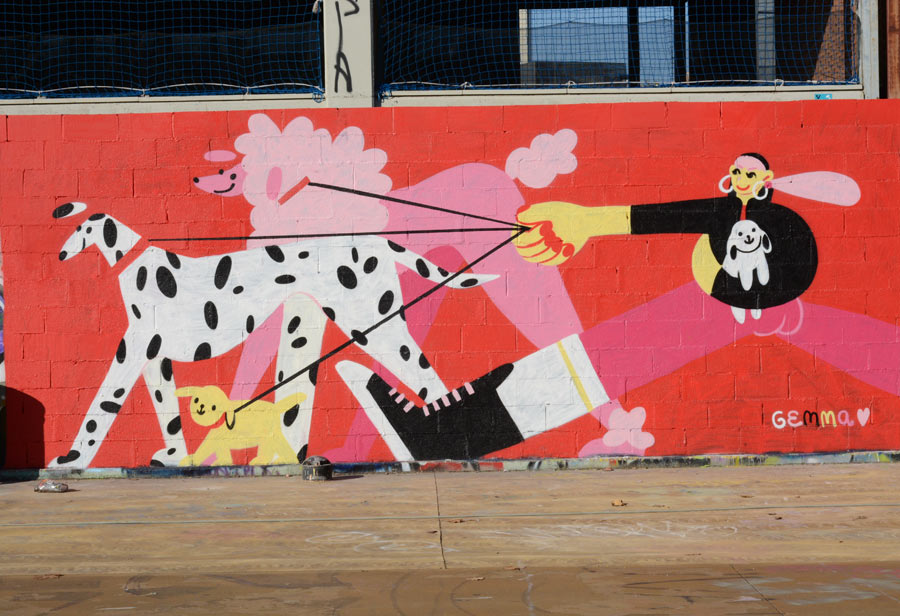
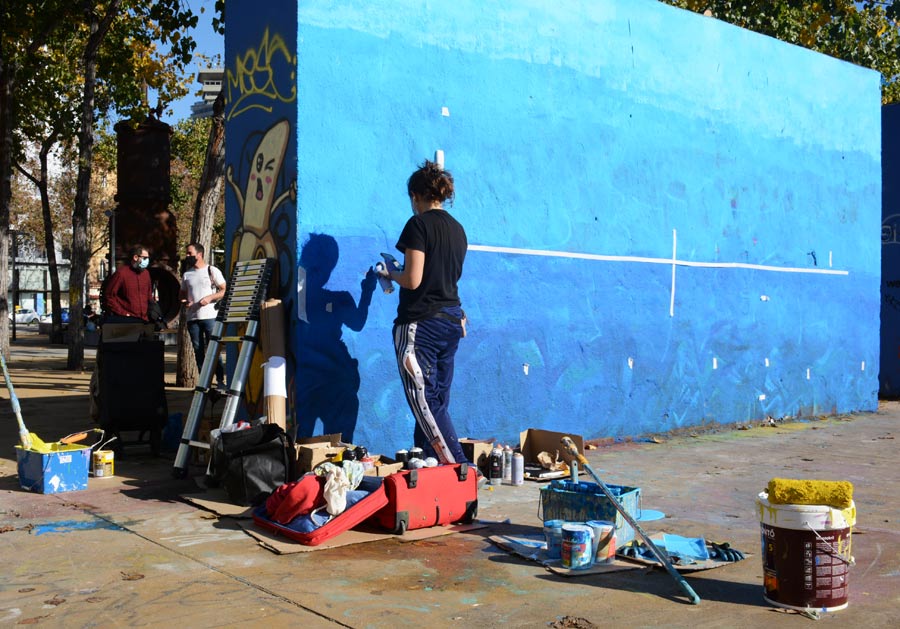
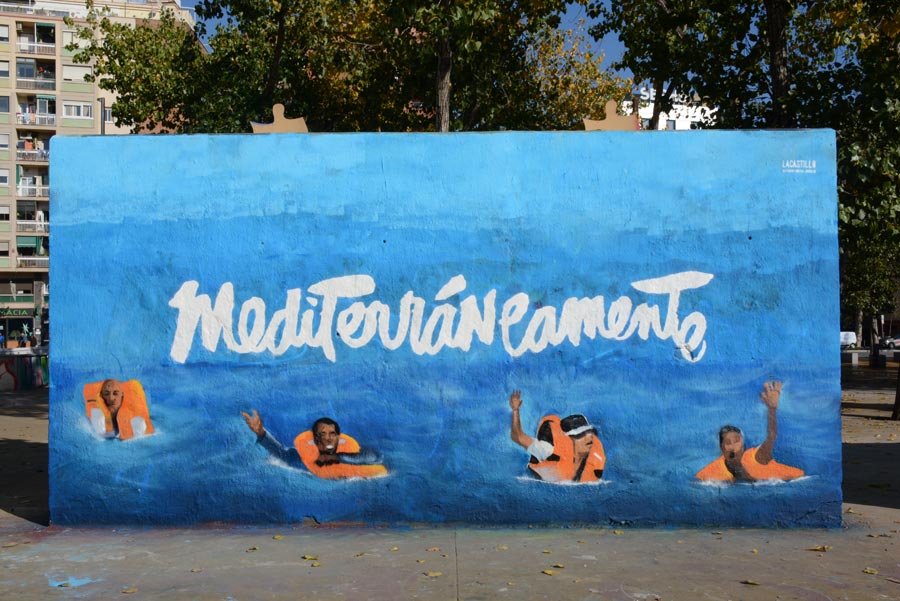
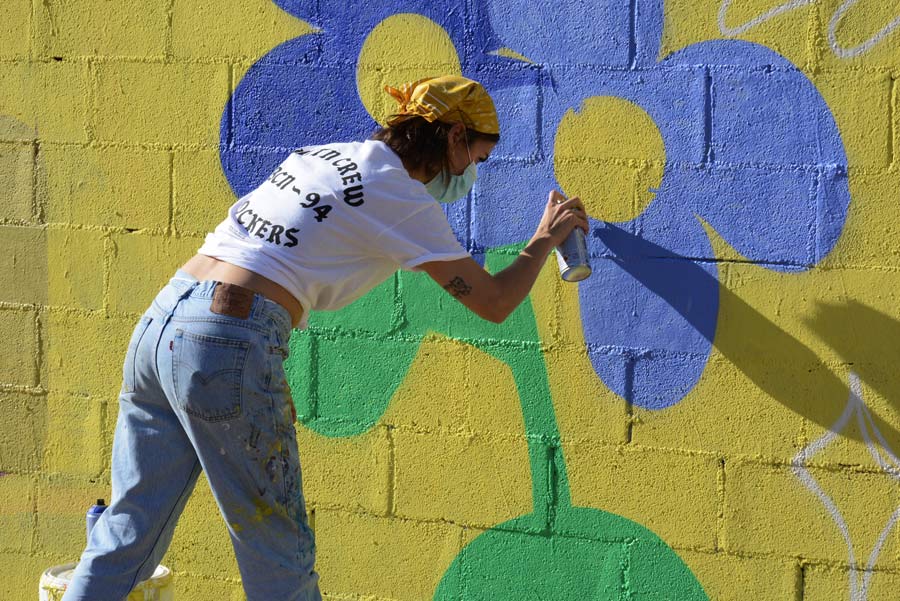
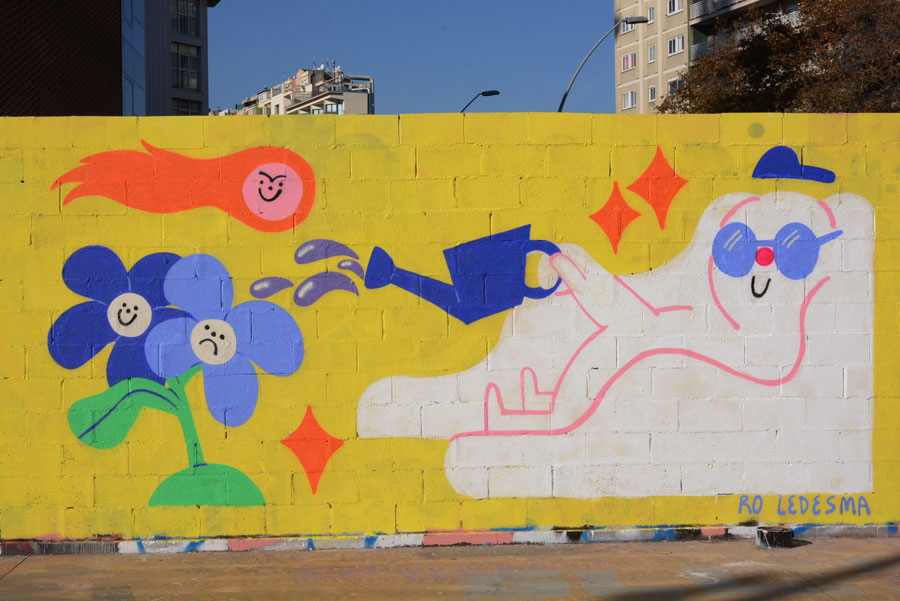
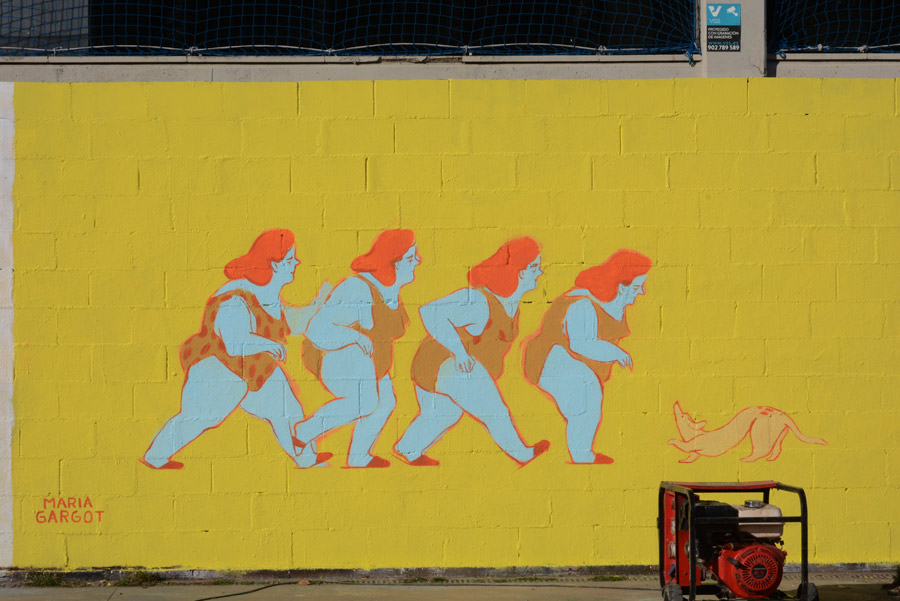
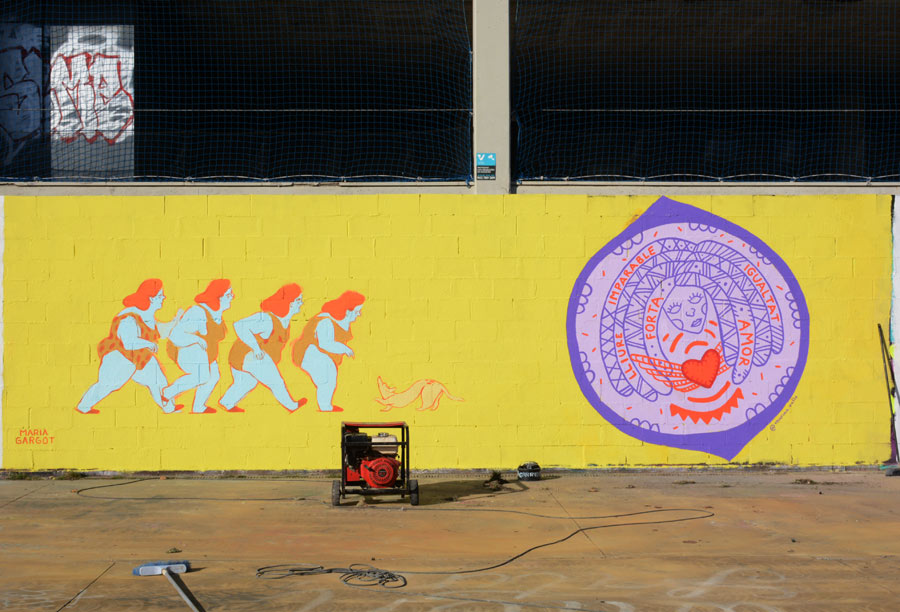
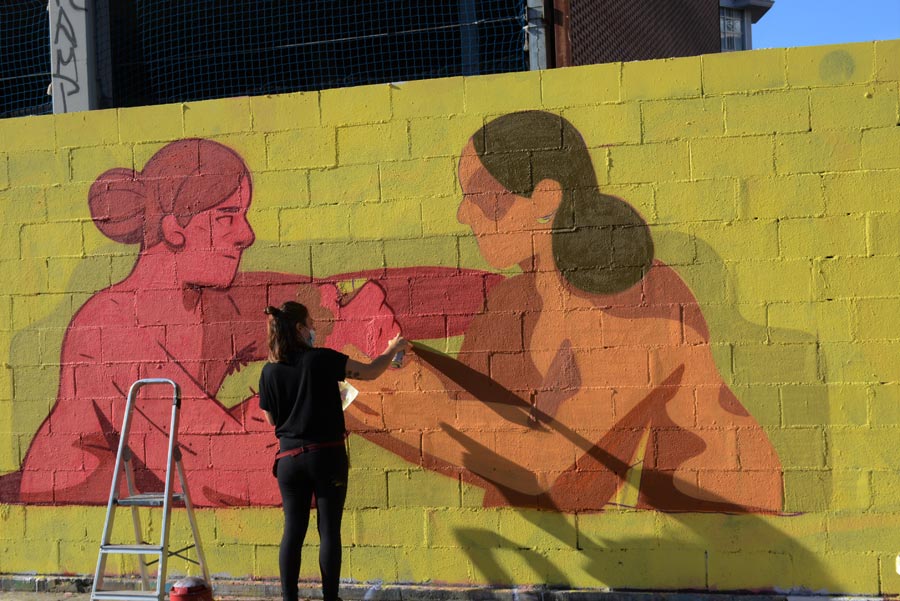
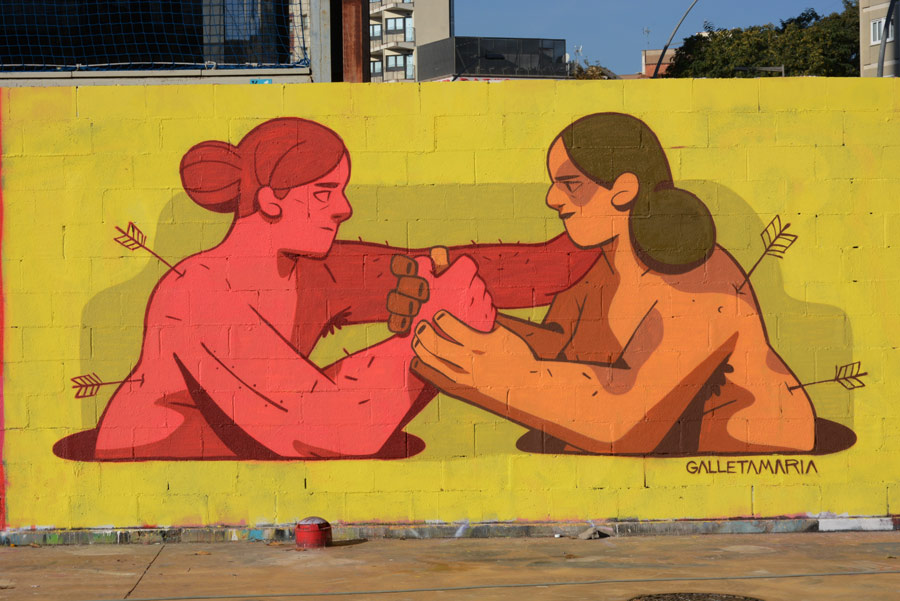
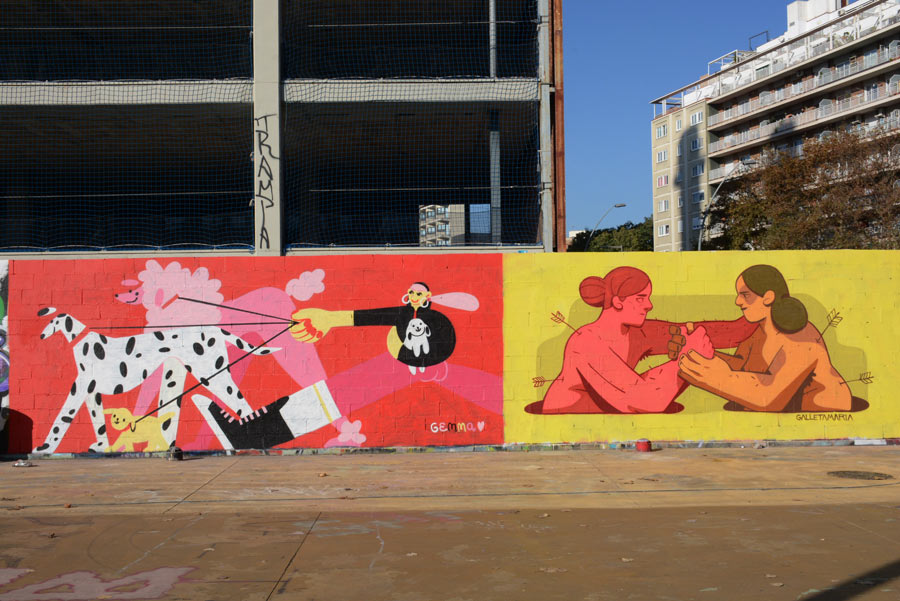
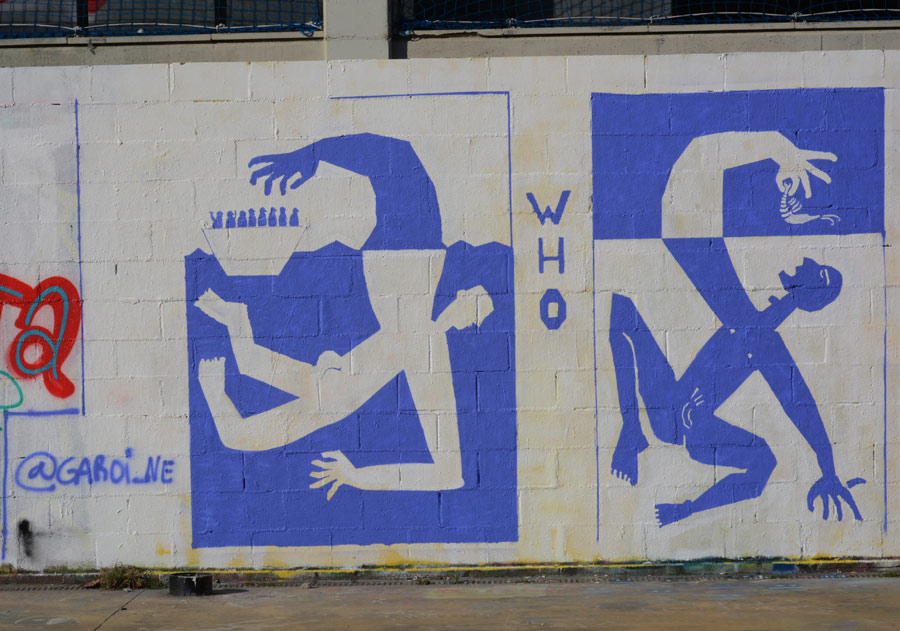
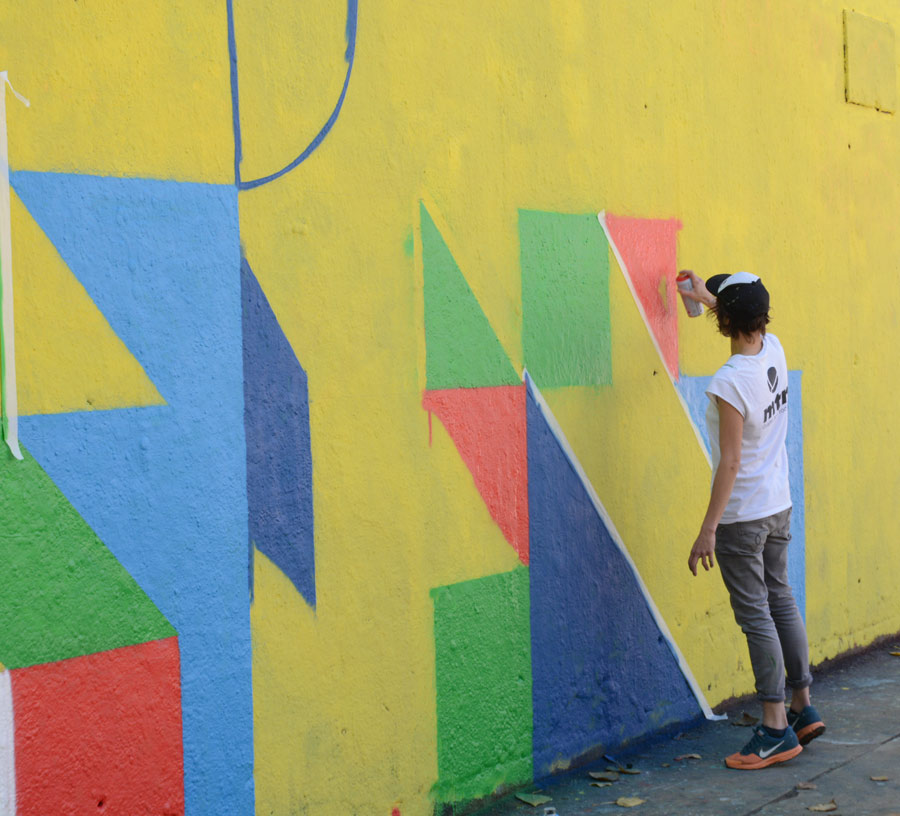
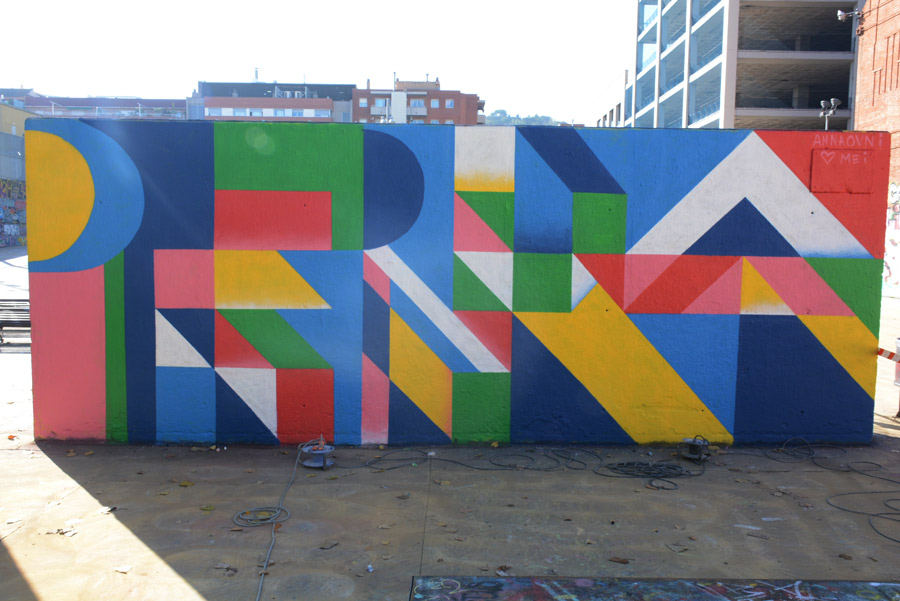
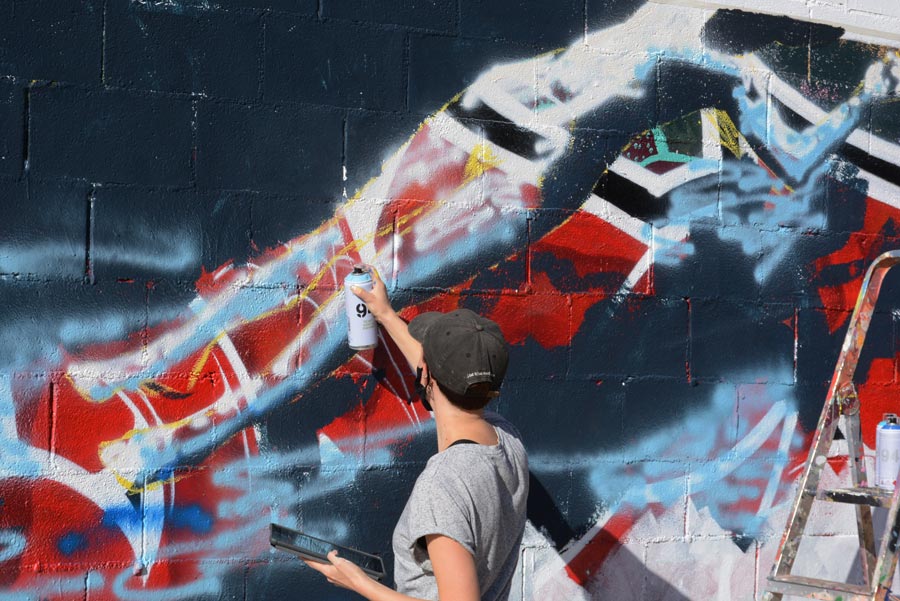
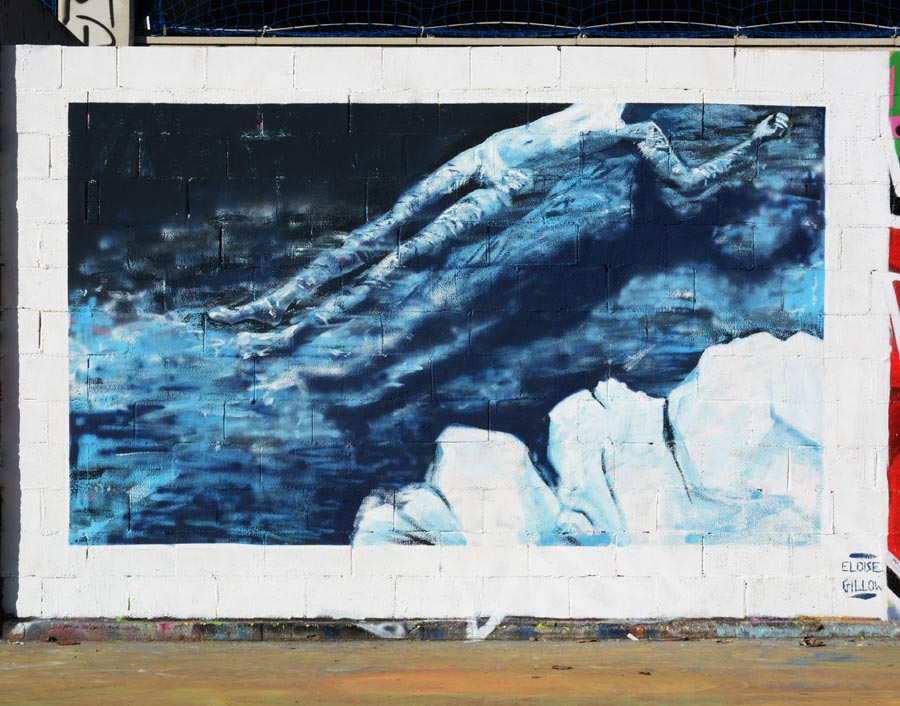
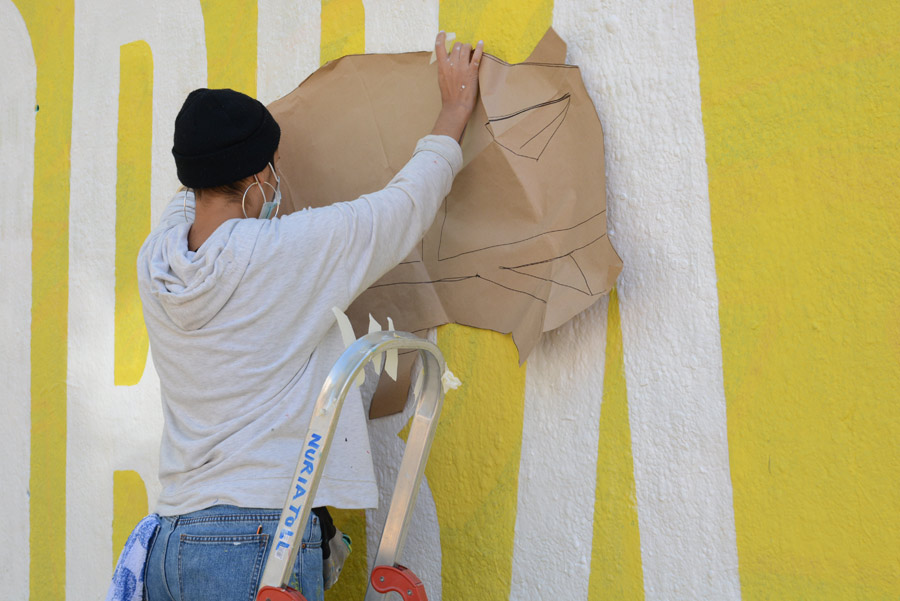
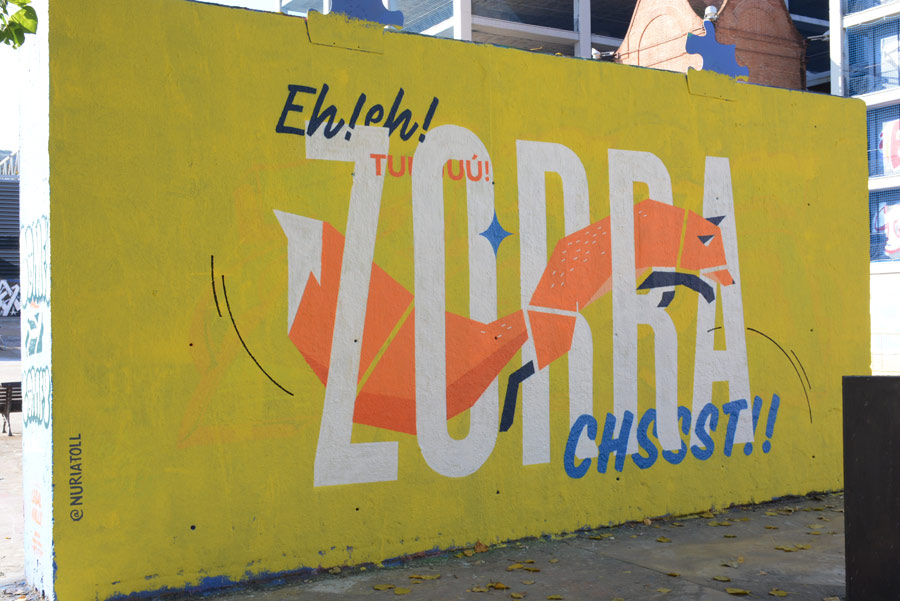
So it’s great to see the continuance of brotherhood and sisterhood at small neighborhood festivals like the 3rd Edition of the Kronos Art and Arts Santa Mònica here in an area of Barcelona during the third week of October. One core philosophy at this festival this year was to re-consider the future of art and its role by actively consulting kids in defining what art is, and what it could be.
“Be aware of the role of ARTIST and his work in our PRESENT, without
judging, without imposing criteria, with the sole conviction that what we are
creating is the prologue of the FUTURE in the ART”
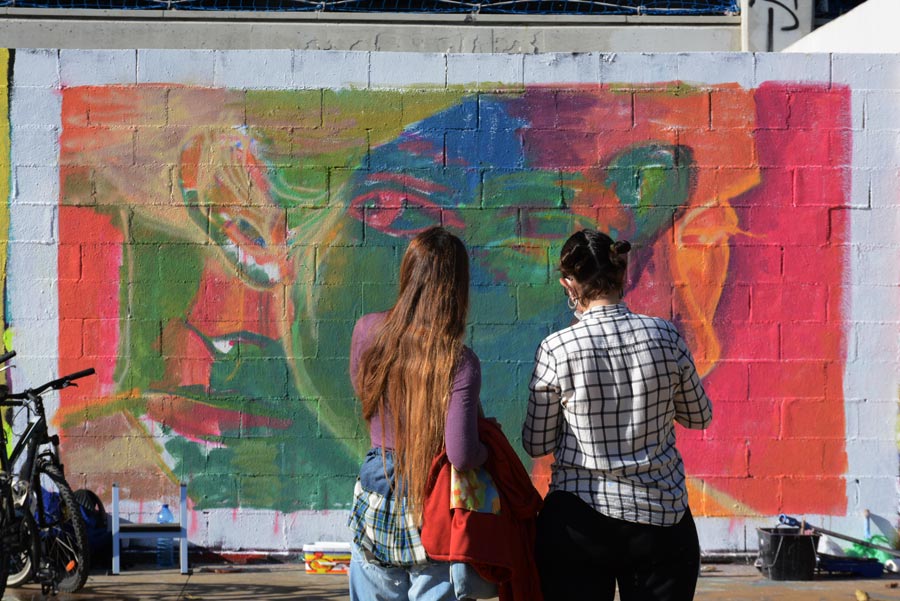
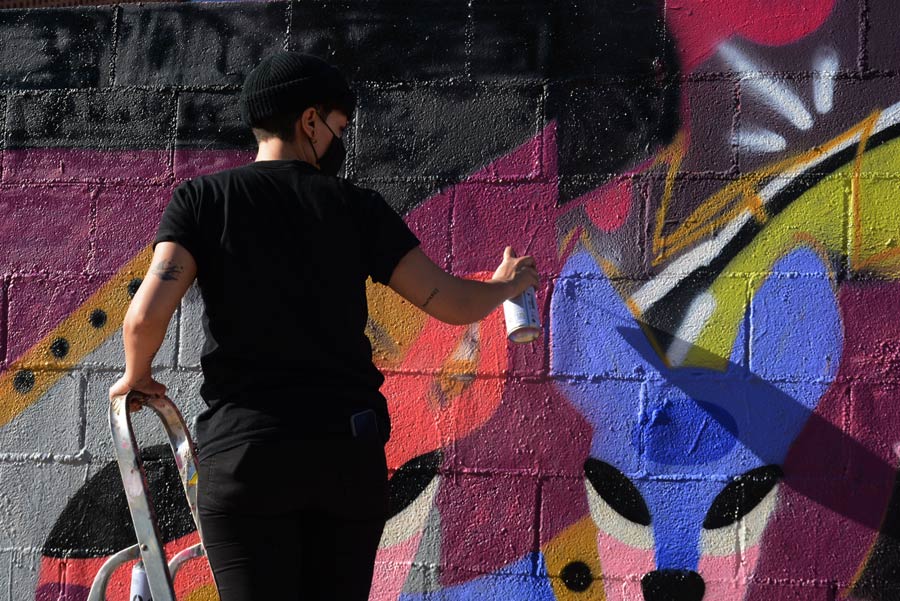
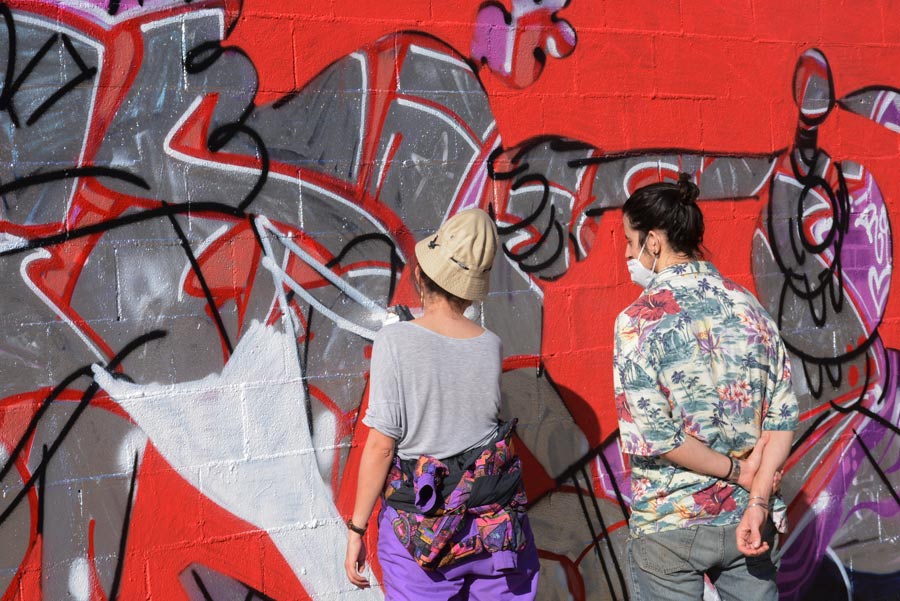
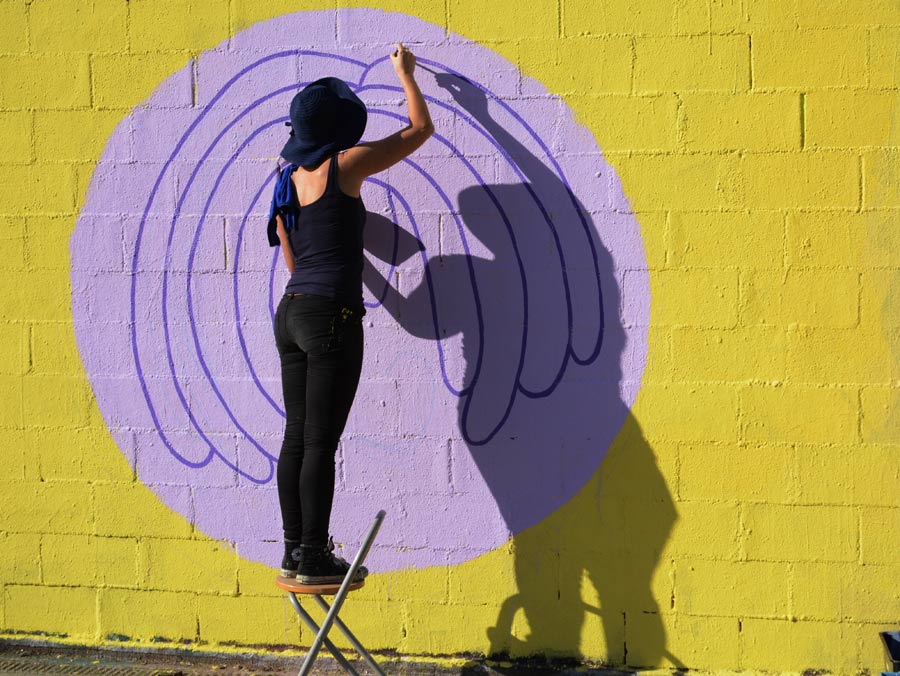
During their ‘live painting’ events at 3 Chimney Plaza (Plaza de las 3
Xemeneies) it was the men and women, graffiti writers and street artists – all working
side by side. Part of a much larger group of events that included 70+ artists,
photography, sculpture, performance, music, video art, cinema, talks, and workshops,
these painters just did their thing and had a good time.
“Becoming cultural activists, taking the reins of how to express ourselves and about what to express ourselves through art; and by doing so becoming key pieces for the freedom of creation, we become aware as spectators, as thinkers, as artists, as a species. KRONOS ART BCN 2020 is a wager to the freedom of society through the freedom of the artist; free to catch everything that interests and surrounds them, without fear of being judged and without judging the protagonists of their artwork. Free to BE in all the aspects that make us human, thus turning the PRESENT into the prologue of a FUTURE world full of diversity.”
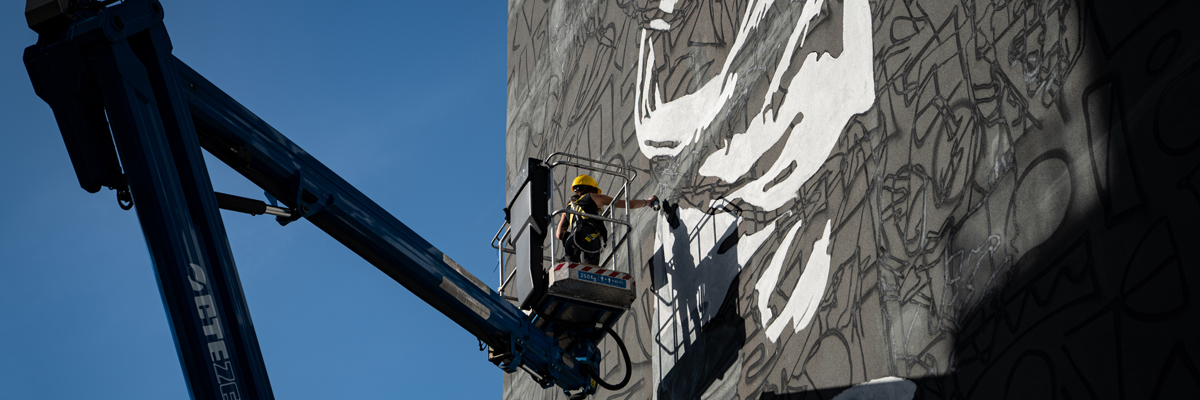
Our thanks to photographer Lluis Olive Bulbena for capturing a few of the artists at work at the plaza.
Street art welcomes all manner of materials and methods, typically deployed without permission and without apology. This hand-formed wire piece …Read More »