Interview

“MARTHA: A Picture Story” Premieres at Tribeca. A Film By Selina Miles.

“MARTHA: A Picture Story” Premieres at Tribeca. A Film By Selina Miles.


BSA Exclusive Announcement
and interview with the director and the star of


MARTHA

A Picture Story

A Documentary by Selina Miles
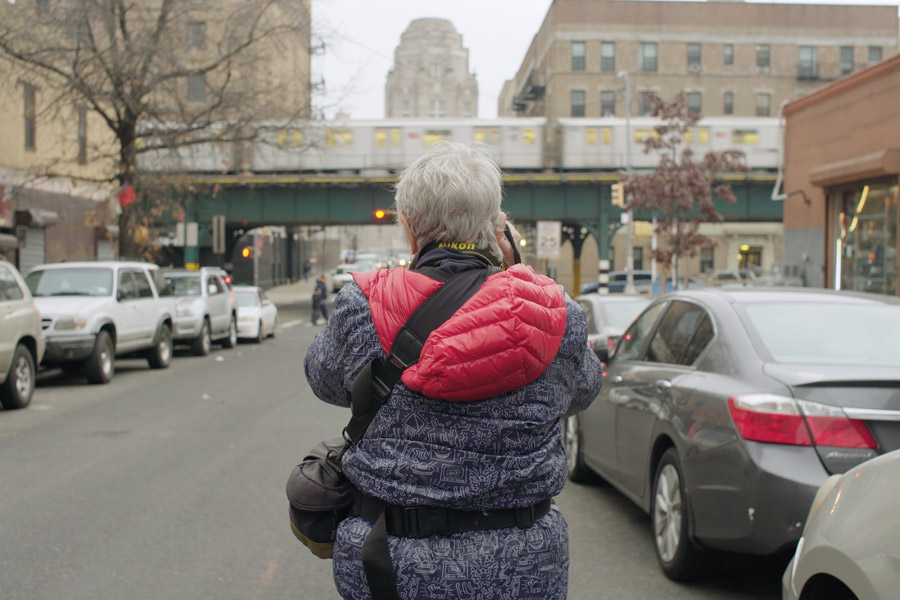
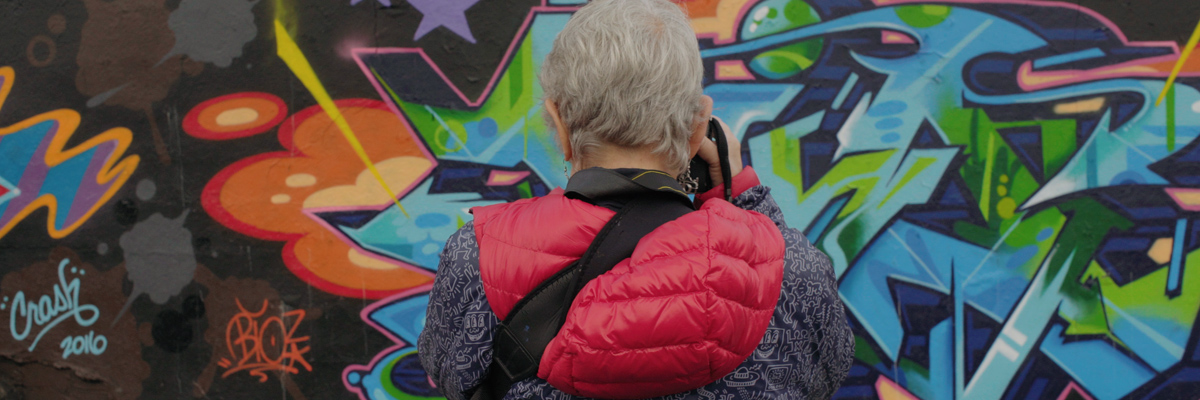
MARTHA: A Picture Story. A film by Selina Miles. (still from the movie)

BSA is proud to announce the world premiere of Selina Miles’ new full-length documentary on the life and career of New York photographer Martha Cooper at the Tribeca Film Festival next month.  Separated by four decades and an ocean or two, the Australian film director and the American photographer – each of whom has garnered serious respect in the myriad subcultures of art-in-the-streets with phenomenal storytelling abilities and an innate sense of timing – together land a remarkable film capturing life as a street-shooter, making the multi-chaptered story sing.
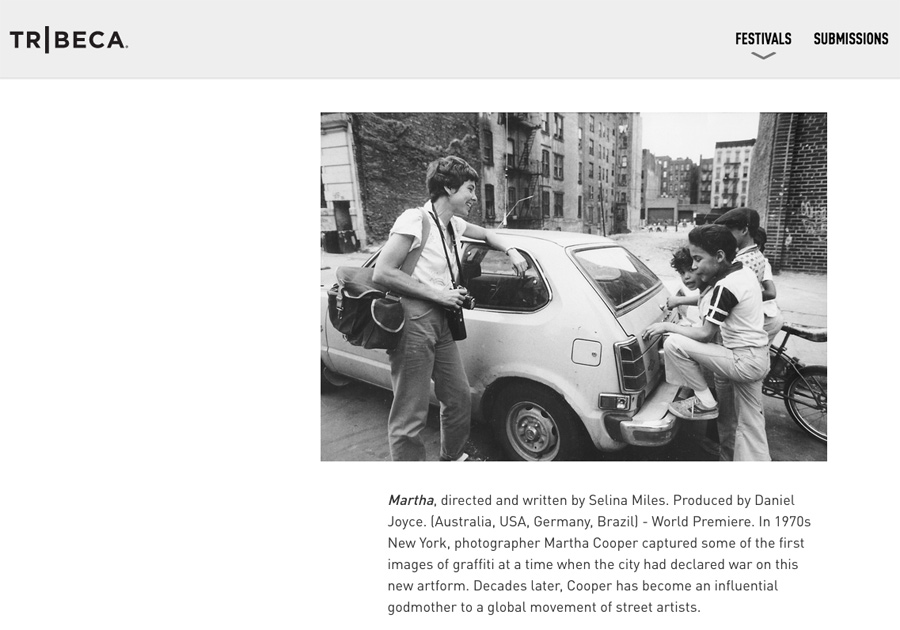
It is a fascinating visual sweep that illustrates the unusually gratifying paths that this ever-curious ethnologist charts on the streets (and below them) worldwide since receiving her first camera from her father at age three. The film is a well illustrated collage of a remarkable 70 plus year span showcasing Coopers’ 6th sense for people, urban culture, and burgeoning subculture. Viewers get to see the huge variety of interests she has investigated with amiable warmth and academic rigor – from the Peace Corps in Thailand to tattoos in Japan to graffiti train writing in New York to the daily lives of people in her native Baltimore.
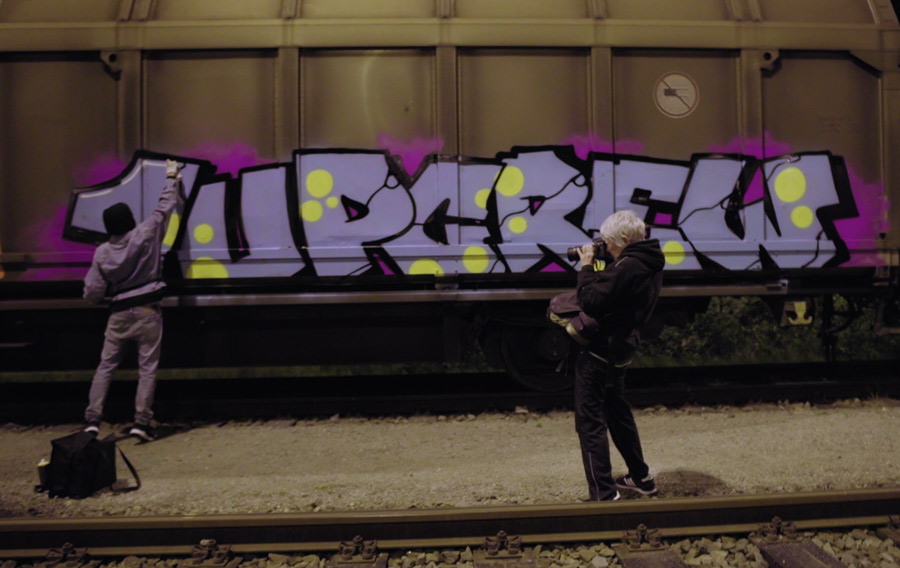
MARTHA: A Picture Story. A film by Selina Miles. (still from the movie)

With ample interviews and vintage video footage never seen before, “MARTHA: A Picture Story” follows Ms. Cooper across continents into the streets, through tunnels and over rooftops to provide illustrative background contexts for her decisions, her driving motivations, and her pure determination to succeed as a professional photographer – despite man-made and societal adversity.

We’ve been very fortunate to see this diamond of a documentary up close, and we can say that MARTHA is legitimate crowd-pleaser.

MARTHA: A Picture Story. A film by Selina Miles. (still from the movie)

BSA spoke with Ms. Cooper and Ms. Miles for this auspicious announcement day about the new movie:

BSA: Your personal and professional history has often been about overcoming challenges and pushing aside barriers. Is there one new challenge you have gone beyond to participate fully in a documentary about you?
Martha Cooper: Well like most photographers, I’m more comfortable behind the camera than in front of it especially when speaking. I can’t say I’ve gotten good about overcoming being filmed, but I tried hard to give good footage.
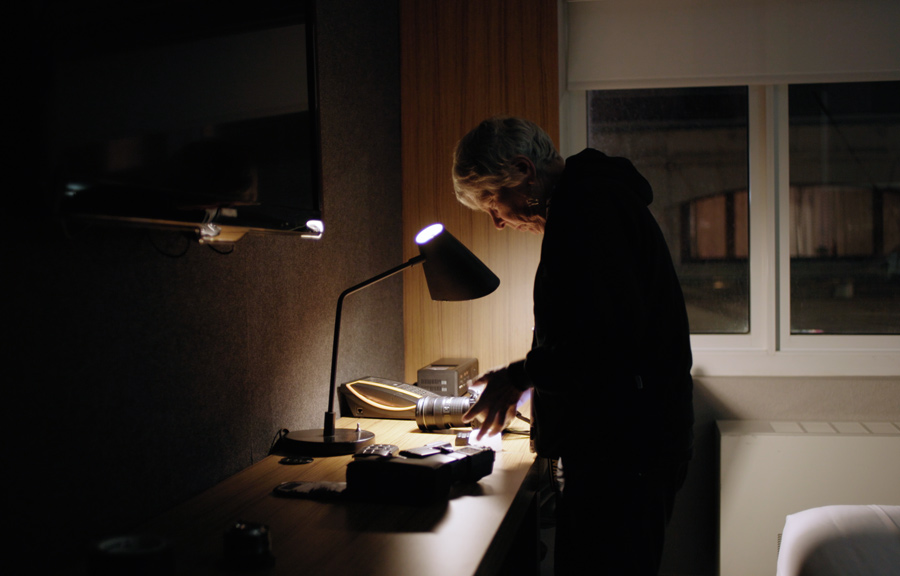
MARTHA: A Picture Story. A film by Selina Miles. (still from the movie)

BSA: One of the challenges of being a doc filmmaker is the number of hats you have to wear – sometimes perhaps feeling like you have to do everything yourself.  What did you discover about your preferred role/s on a film?
Selina Miles: Making a documentary is certainly a dynamic job and requires a mix of technical, social and creative skills. Learning from a photojournalist with 50 years experience such as Martha has been a wonderful experience. I started my career in video making by mucking around with friends making graffiti videos and shooting street art festivals, and the DIY spirit of both of these art forms really gave me an advantage on this project.

Not all directors know how to shoot or how to edit, but thanks to these early experiences I do know a little about all of these disciplines. Being able to just grab a camera and shoot, or to edit my own little concept videos was very handy in getting the project off the ground. That being said, being able to employ an amazing editor like Simon Njoo and having the mentorship of producers like Jennifer Peedom has also been a dream come true and really helped take this film to the next level. 
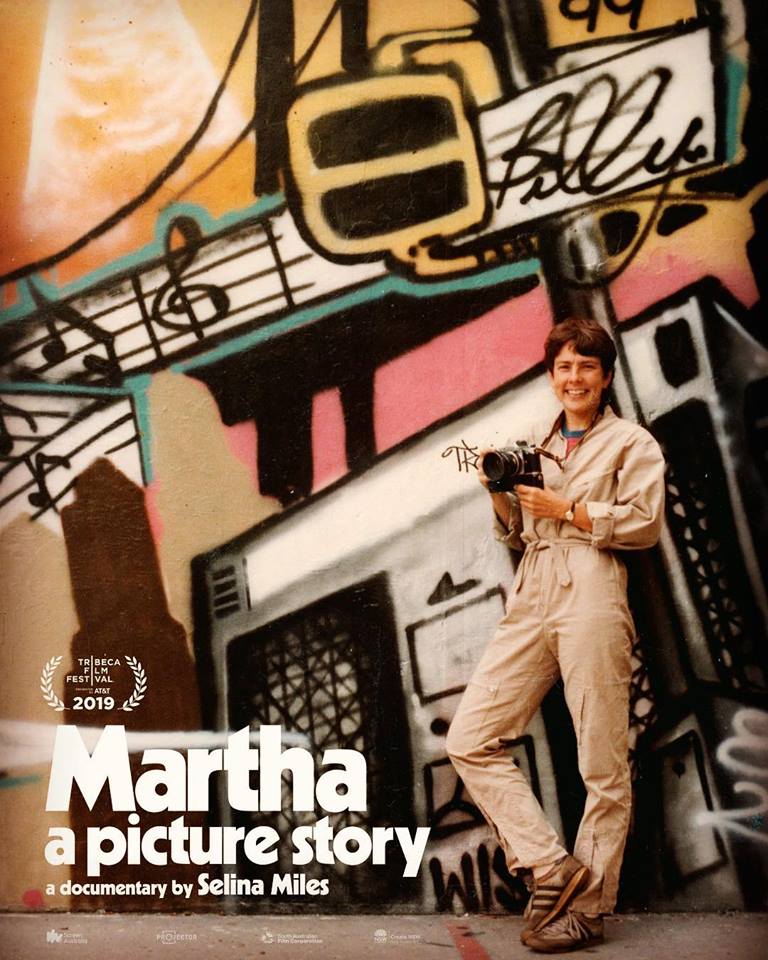
BSA: With the new documentary many people will learn about a more dimensional photographer than the one they most frequently associate with the name Martha Cooper. Why is this important?
Martha Cooper: I’m often called a graffiti, street art, or hip hop photographer but I don’t put myself into those categories. I would like people to understand that the common denominator in my choice of subjects is art in everyday life. I’m always looking for examples of how people are creative in their everyday lives. Graffiti is just one of many different examples.
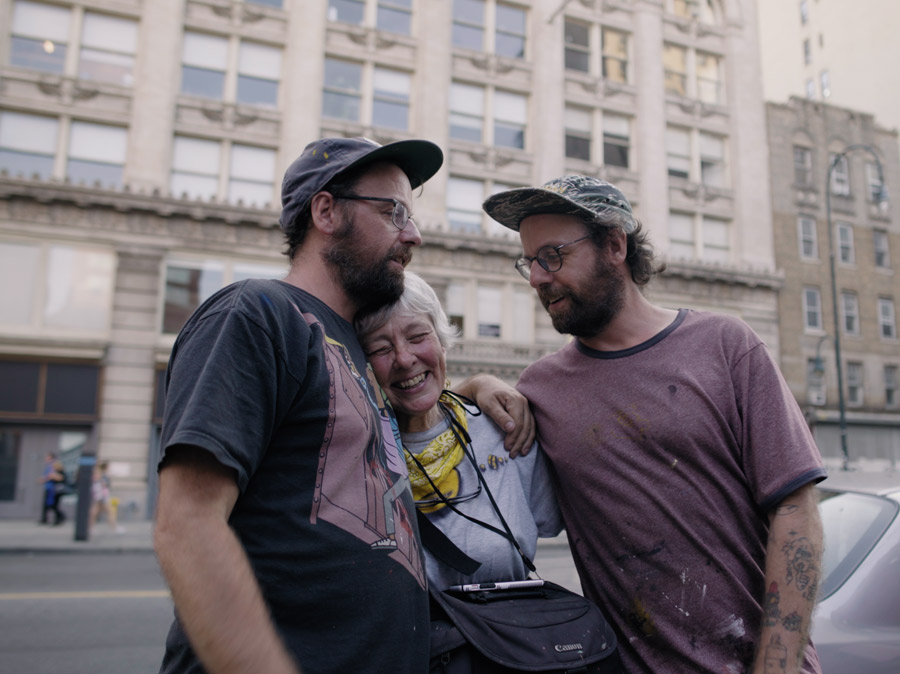
MARTHA: A Picture Story. A film by Selina Miles. (still from the movie)

BSA: Is there a special approach or formula that one tries to follow when making a story like this for a more general audience.
Selina Miles: I think that the interesting thing about this story, in particular, is that it explores a subculture that is so misunderstood by so many people. Everybody has seen graffiti and has an idea of what it is, but I still think that few people really understand why it exists and where it came from. There’s so many tropes and ideas about graffiti and those who practice it that are just plain wrong or oversimplify a very complex idea. It’s been an enjoyable and interesting challenge for me to unpack the facts and rules of this subculture as I see them, and step them out in a way that somebody completely new to the culture can understand and appreciate Martha’s story. 

BSA: Your photos capture a time and a moment and a technique of creation, but also often the more atmospheric and cultural energy of the street. What has drawn you time and again to capture this to share? Your own curiosity?
Martha Cooper: Not exactly. As you know, I like looking for things and collecting them. Photography is a challenging quest and taking a good photo is the reward. The nature of what I’m questing for can change according to time and place but in general, the world is more interesting to me if I have a camera. The possibility of photographing something makes me look at my surroundings with a keener eye than I would without a camera.

MARTHA: A Picture Story. A film by Selina Miles. (still from the movie)

BSA: Martha stood on the shoulders of feminists before her, yet blazed some paths that were very much her own – frequently without support. What is one lesson a younger person may take from Martha Cooper when they watch this movie?
Selina Miles: Marty often says that people today don’t understand what it took to survive as a freelancer in earlier decades, especially as a woman and I completely agree. It’s a common thing that you hear but it’s very true, we are lucky these days to live in a world so connected and relatively accepting of all kinds of races, ages and sexes. That being said, there’s always going to be a frontier, and I hope that young people watching Martha’s story will be inspired to push beyond that frontier in their own way, and not be held back by anybody’s expectations of who or what they should be. And do it all the time with a smile and a sense of humor! 


MARTHA: A Picture Story.

Premiering at the 2019 Tribeca Film Festival, which takes place from April 24 – May 5th. Public tickets will go on sale on Tuesday March 26 at 11am ET. Tickets are extremely limited and we recommend purchasing tickets early.

https://www.tribecafilm.com/filmguide/

https://www.tribecafilm.com/festival/tickets

Hashtags: #marthathemovie

Film Instagram: @marthathemovie

Martha Cooper Instagram: @marthacoopergram

Director’s Instagram: @selinamiles

For screening dates and locations and to purchase tickets click HERE
Read more
“Punk and Graffiti”: Unlock & TAG 2018, Amsterdam : Javier Abarca Interview

“Punk and Graffiti”: Unlock & TAG 2018, Amsterdam : Javier Abarca Interview

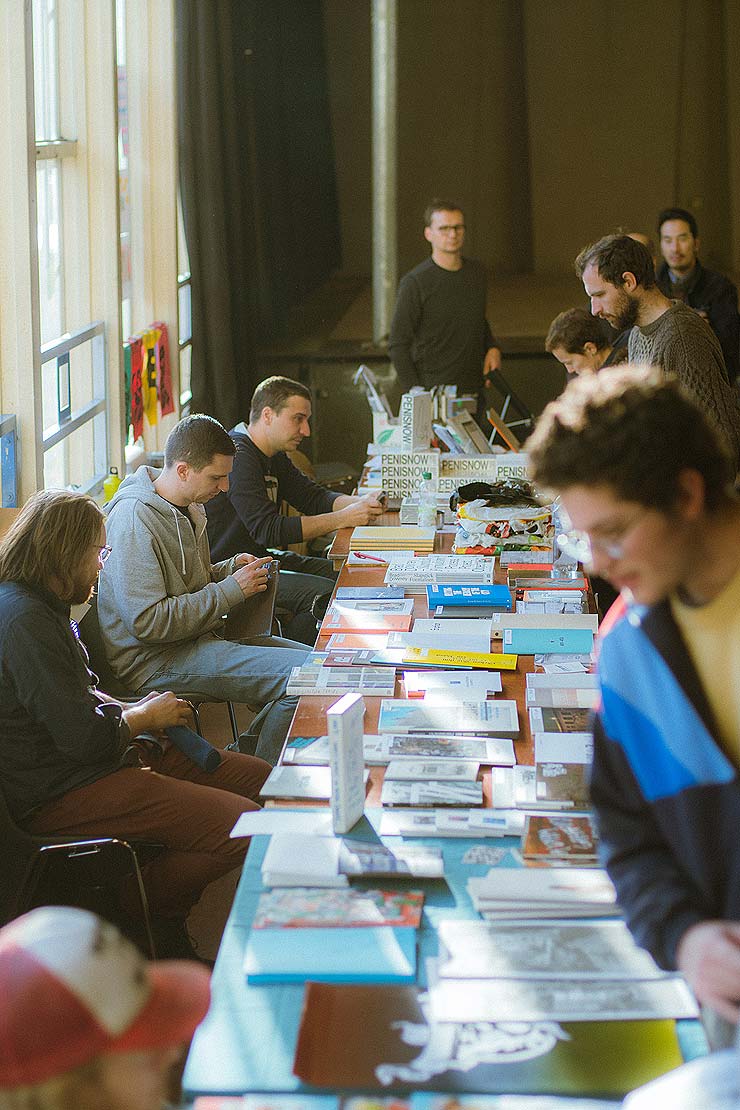
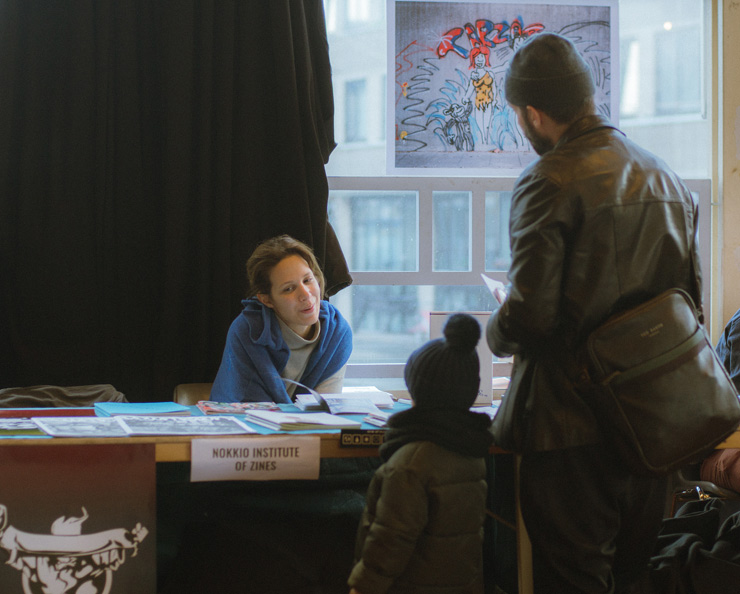
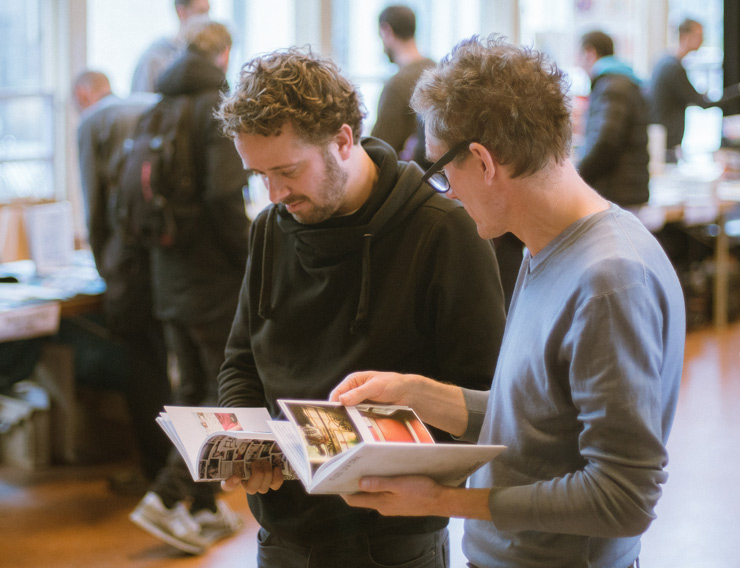
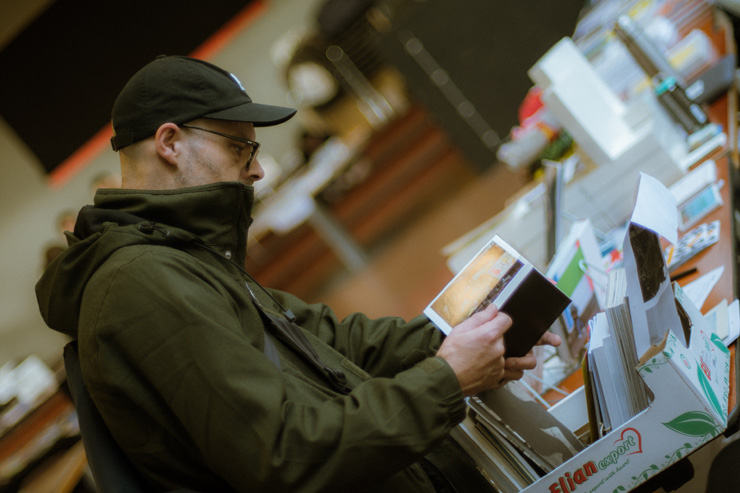
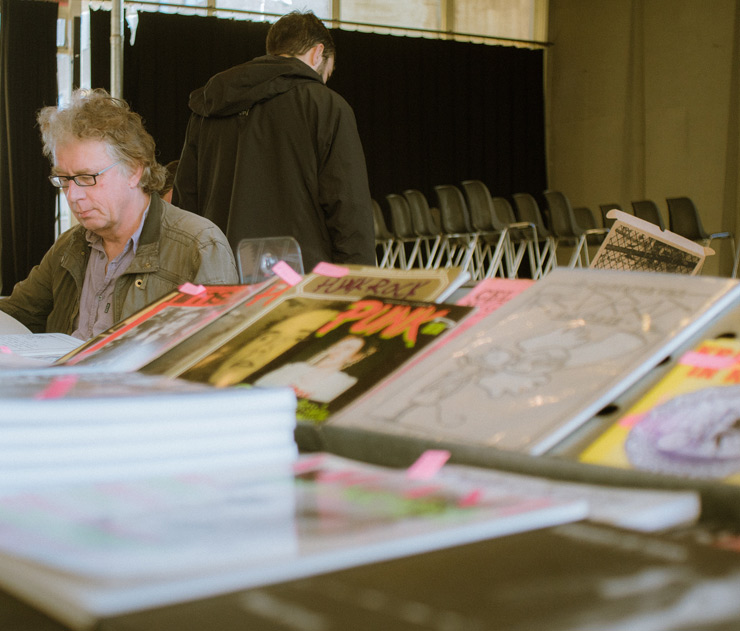
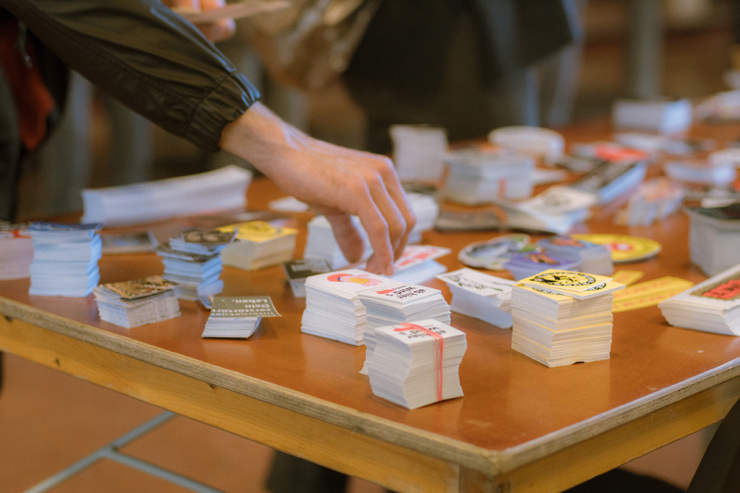
Just completed this weekend in Amsterdam, a gathering of authors, readers, publishers, academics, and fans of graffiti and urban art all gathered in Amsterdam for the newest edition of the Unlock International Graffiti Publishing Fair and the TAG Conference.

Here graffiti and street art intersects with the world of publishing, specifically with books and zines and related obscure and/or scholarly publications known to relatively few. The list of publishers participating in this genre has steadily grown in the last few years to about 50 here; heavily Eurocentric at this point from countries like Netherlands, Russia, Germany, France, Australia, Japan, Czech Republic, the US and others.

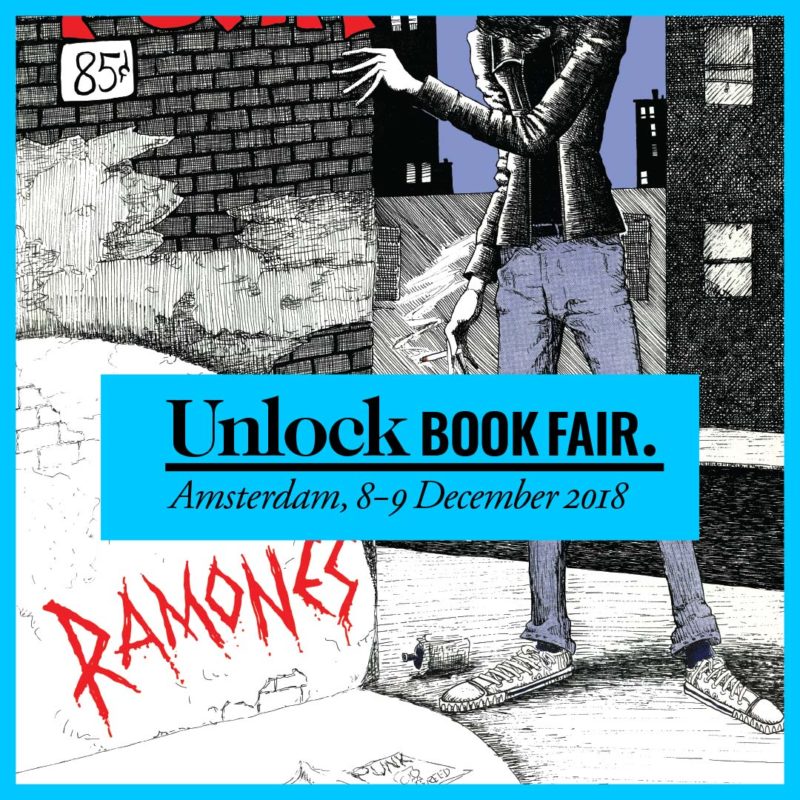
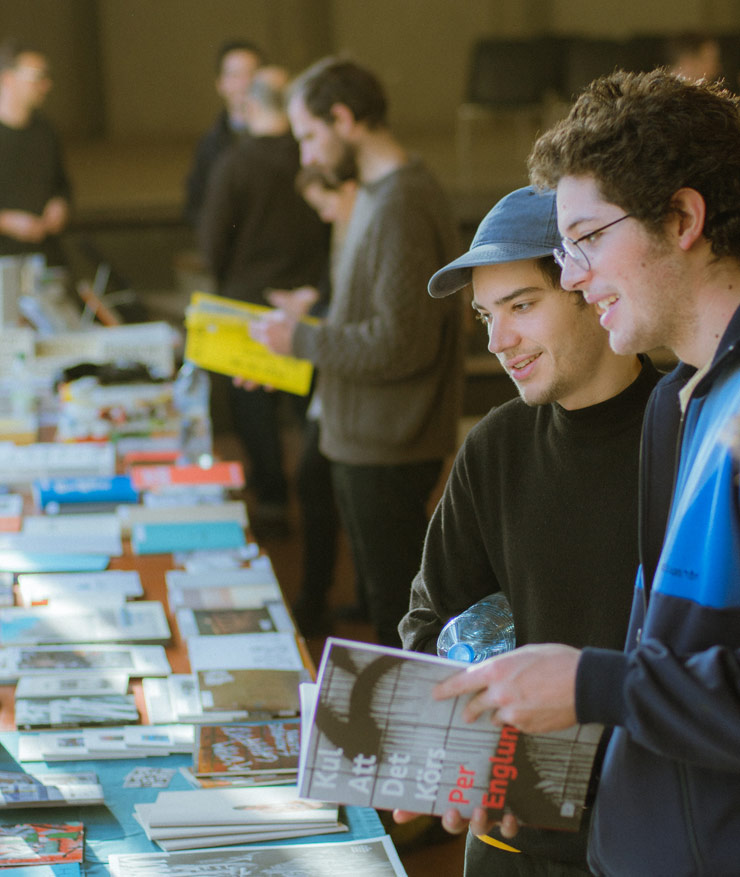
Unlock Book Fair. Amsterdam 2018. (photo © Max van Boxel)

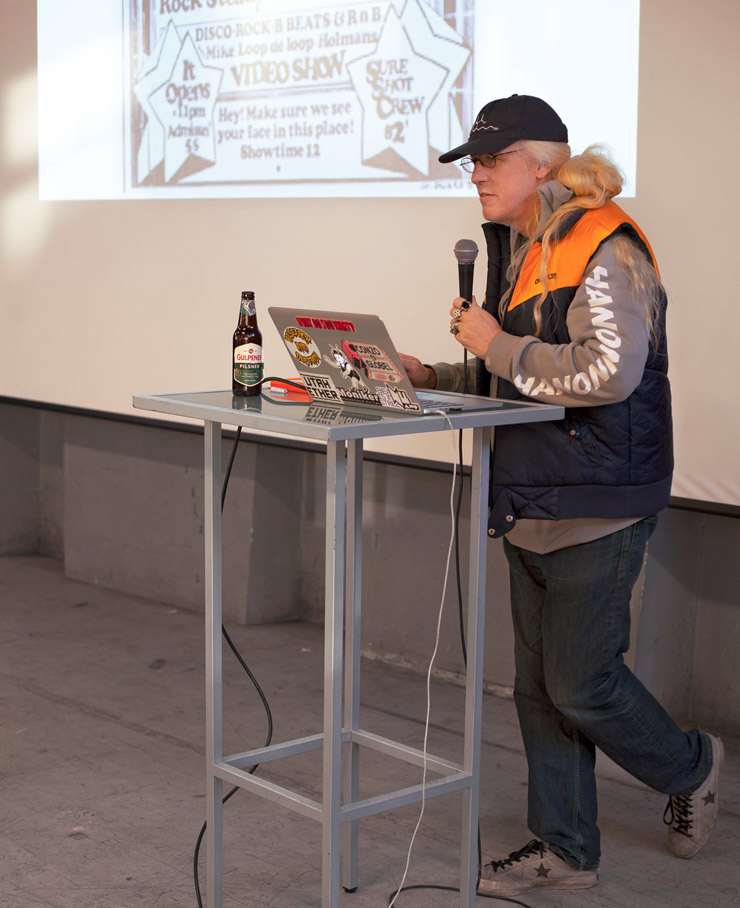
Previously hosted in Barcelona and Berlin, Unlock is coalescing around a growing interest in defining these movements from historical, artistic, and anthropological vantage points; documenting and even codifying an unruly canon of expression through discovery, sharing information, and teaching one another. Toward that end it also hosts talks, panels, and screenings – this weekend included speakers like Jens Besser, Suse Hansen, Hugo Kaagman, Carlo McCormick, and Diana Ozon,

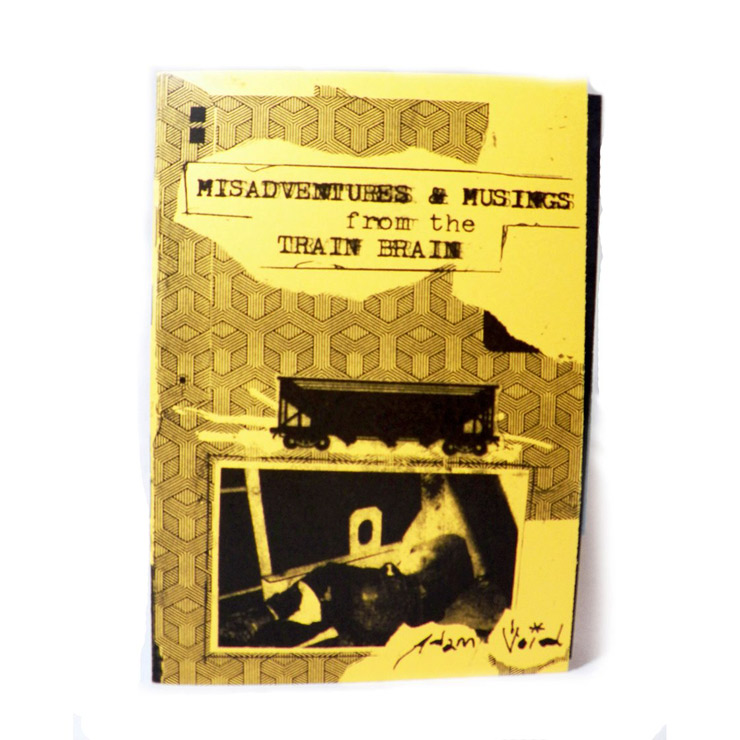
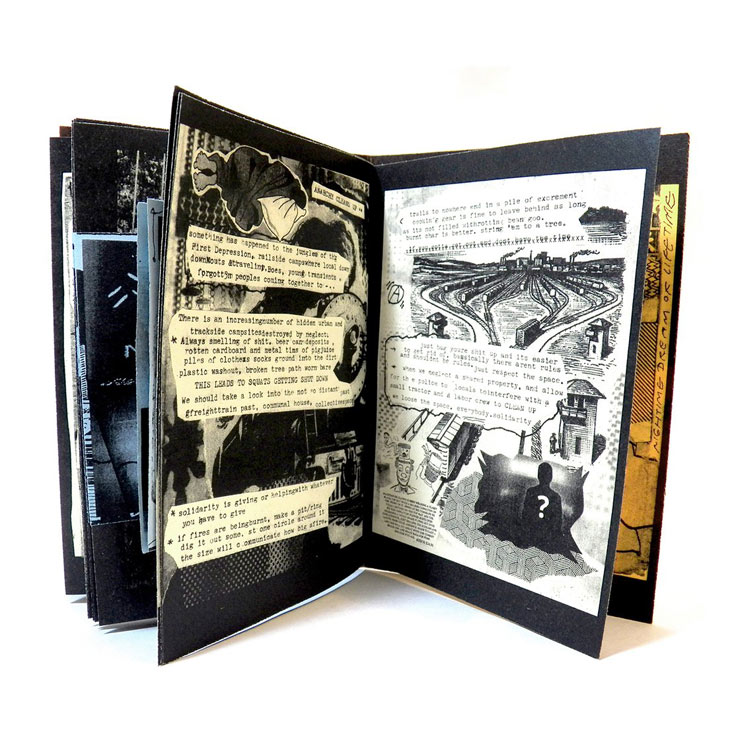
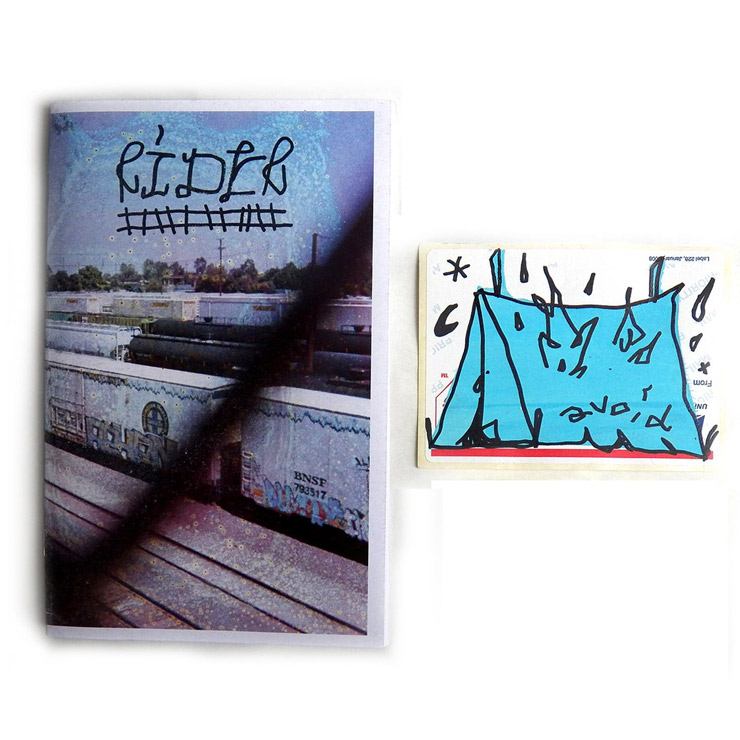
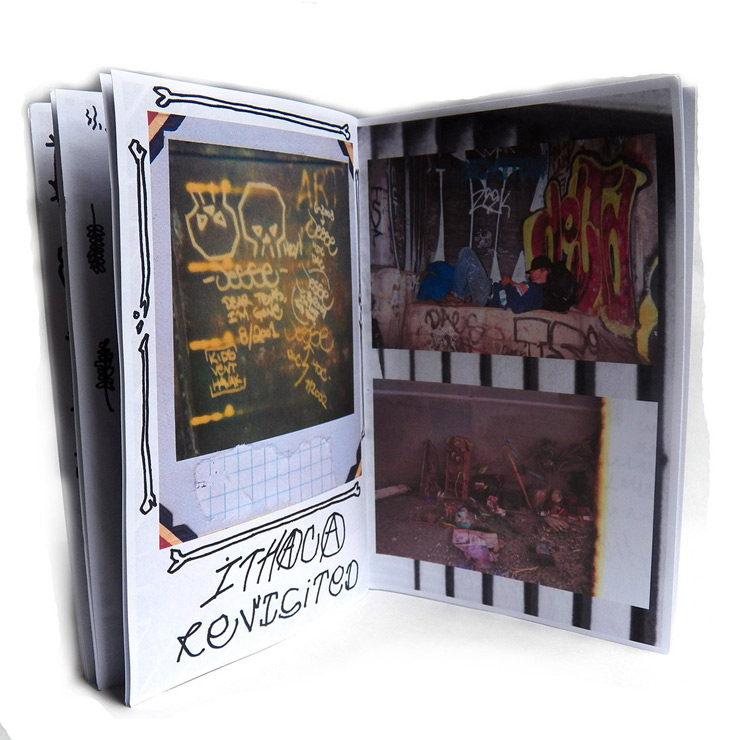
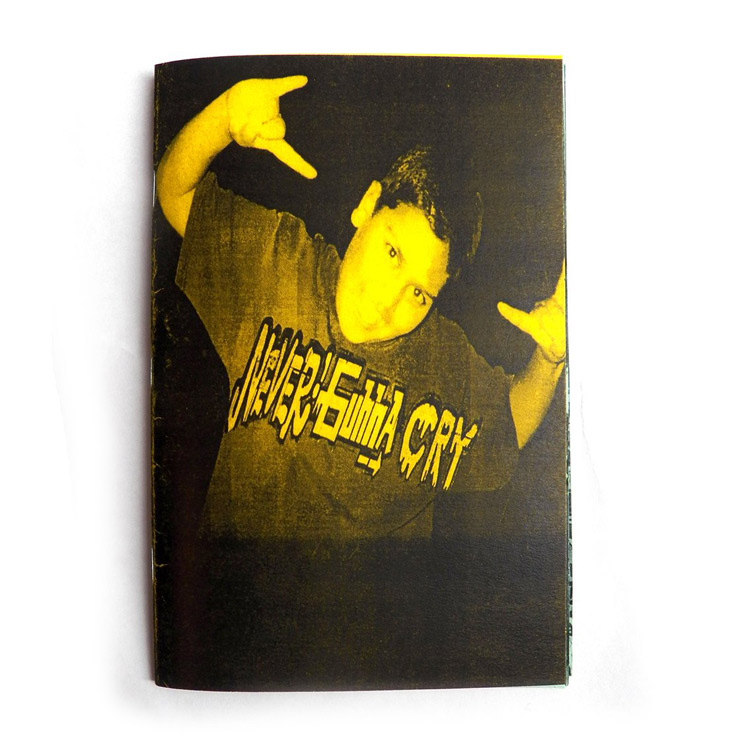
Among the self-publishing authors represented at the fair this year are Adam Void and Chelsea Ragan, who have been operating a Graff Zine distribution / publishing house called Cut In The Fence. Mr. Void share’s with us today images of his new work, straight from the D.I.Y. / punk / cargo jumping scene that is always inter-marbled with graffiti and autonomous art making in the US, where he operates. Today we’re pleased to present a great interview with Mr. Void and Javier Abarca, the founder of Unlock, and who also is an artist, researcher, and educator.

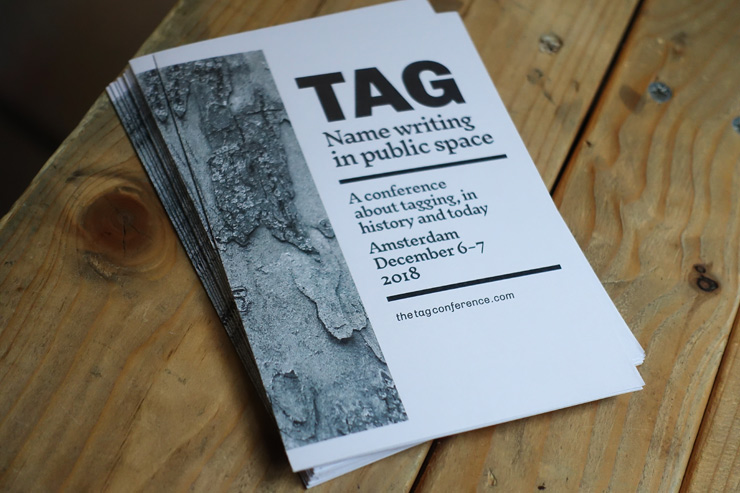
TAG. Amsterdam 2018. (photo © Ka-Tjun Hau)


Interview with Javier Abarca by Adam Void:

Adam Void: Javier, in your 12+ years as a researcher and educator of graffiti and street art, what brought you to founding the Unlock Book Fair & the Tag Conference?
Javier Abarca: There is a whole scene of independent publishers working with graffiti and related fields an there was no meeting space for it. The idea immediately caught on, which showed there was a need for it. We also use the fair platform to advance the research on neglected but fascinating topics within the field. Last year we focused on hobo graffiti, this year we are delving into punk graffiti. We gather and display rare books on the subject, program talks and screenings about it and publish a companion book with obscure documentation.

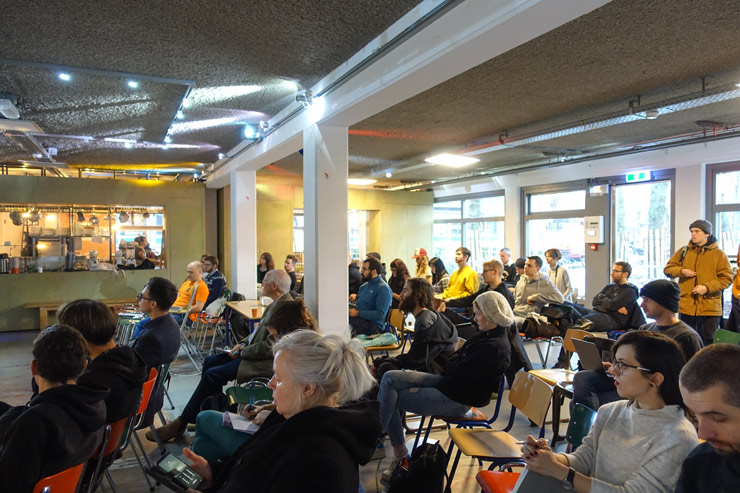
TAG. Amsterdam 2018. (photo © Robin Vermeulen)

Adam Void:  How do you see the Unlock Book Fair differing from other zine fairs or celebrations of graffiti & street art?
Javier Abarca: Unlock is much like other book fairs, but it is focused on a particular field. It has little to do with other events related to graffiti and street art, which tend to focus on the production of commissioned artworks. Our job is independent research and documentation of furtive public art, mostly in the form of books and zines, but also screenings, talks, performances, etc.

Adam Void: This year’s showcase is focused on “Punk & Graffiti”, what are the core connected elements between these two cultures?
Javier Abarca: The core thread connecting punk and graffiti is of course the DIY ethics. Today graffiti has turned, to a great extent, into an act of consumption, but it used to be all about do-it-yourself. DIY is the defining quality of punk, of graffiti and of many other independent cultures.

Adam Void: Can you expand on this some? How do punk and traditional graffiti cultures exhibit the Do-It-Yourself ethos? What is the change you have seen in graffiti as of recent times?
Javier Abarca: Punk’s approach to creating music and graphic communication is of course quintessential DIY. And graffiti used to be that as well, kids had to find ways to hack the elements on hand –spraycans, markers, inks, the subway system– to create a fantastically visible city-wide graphic communications game starting from zero resources.

It is the specialized media –fanzines, then the internet– and the specialized market –with custom-made tools and materials of every kind– which have largely transformed graffiti from DIY to an act of consumption. People do not need to go out and seek the graffiti throughout the city to get inspired when a whole world of graphic references is just a few clicks away. And there is no more need to hack and customize tools –after learning how to do it from a mentor– when any specialized tool you can imagine is readily available and can be bought online.

TAG. Amsterdam 2018. (photo © Robin Vermeulen)

Adam Void: Most of the publications in the showcase are centered on punk & graffiti history. What do you see as the future for this element of graffiti?
Javier Abarca: Punk graffiti is mostly a thing of the past. The focus of the two “Punk Graffiti Archives” books we have published for the fair are the punk-originated tagging scenes that thrived in Amsterdam and Madrid in the late 70’s and 80’s with barely any knowledge of what was happening in NYC. These are largely ignored cultural treasures. Both cultures disappeared when the NY tradition of graffiti took over European youth through the 80’s. Punks may still write on walls, but graffiti as a culture is dominated globally by the NY tradition.

Adam Void: Unlock has exhibitors from all over Europe (19 countries), as well as Japan & the US. What are the main similarities and differences in the publications exhibited across this wide sampling?
Javier Abarca: Each publication is a unique, fascinating world. But most publishers work from a similarly independent, even DIY position, even if they are based in different continents. This means the possibilities and limitations they face tend to be similar, which can translate into their approaches and results.

Unlock Book Fair. Amsterdam 2018. (photo © Max van Boxel)

Adam Void: Are there other continents, countries, or parts of the world that you would like to get involved with the Unlock Book Fair and the TAG Conference? If so, how should they get in touch for next year?
Javier Abarca: Both the Tag Conference and the Unlock Book Fair are meetups of the international global scenes of graffiti research and graffiti publishing. They could take place anywhere. People can get in touch via email at info@unlockfair.com, or through our Facebook and Instagram accounts @unlockfair and @thetagconference. We are in conversation with people from a number of cities in Europe and America who have expressed their interest in hosting the events.

Adam Void: Will you share an anecdote from the three-year history of the Unlock Book Fair that best exemplifies the spirit of the event?
Javier Abarca: That would be the cantina. A central feature of the fair is the cantina serving complimentary, communal meals to publishers, speakers and staff. It is run by Unlock team member Akim, the Berliner legend of graffiti, street art and underground mischief, whose cooking abilities are well known in the scene. One of the main goals of the yearly Unlock Book Fair is to be a meetup of the publishing scene, and the cantina is its social heart.

Apart from this, the hilarious and fascinating readings and performances by team member Dumar NovYork –the legendary NYC bomber– are probably the moments that best portray the spirit of the Unlock Book Fair: knowledgeable, but just as fun.

Unlock Book Fair. Amsterdam 2018. Carlo McCormick was in da house. (photo © Rebecca Schaefer)

Adam Void: What have you seen at this year’s fair that brings you excitement about the current state of graffiti publishing?
Javier Abarca: The graffiti publishing scene is growing stronger and more interesting. It would be fair to say the Unlock Book Fair is playing a key role in this, in Europe in particular. A number of publishers have mentioned how this yearly meeting has become a motivation to put out more and better work, and how they leave the fair inspired by the contact with so many books and publishers. People are coming from as far as Moscow, Montreal, New York, Sydney, São Paulo or Tokyo to present their books, to talk, or simply to attend the fair and the Tag Conference.

Adam Void: What is next for you in your personal exploration in the dusty corners of graffiti culture?
Javier Abarca: Next year’s Tag Conference will again create space for the the study of barely known forms of name writing. There is a list of obscure topics we want to explore in coming installments of the Unlock Book Fair. And I am working on a new groundbreaking international project that will create more opportunities for shedding light on overlooked topics which deserve more exposure among specialized audiences. Stay tuned!

Unlock Book Fair. Amsterdam 2018. (photo © Max van Boxel)

Unlock Book Fair. Amsterdam 2018. (photo © Max van Boxel)

Unlock Book Fair. Amsterdam 2018. (photo © Max van Boxel)

Unlock Book Fair. Amsterdam 2018. (photo © Max van Boxel)

Unlock Book Fair. Amsterdam 2018. (photo © Max van Boxel)

Unlock Book Fair. Amsterdam 2018. (photo © Max van Boxel)

Unlock Book Fair. Amsterdam 2018. (photo © Max van Boxel)

Cut In The Fence. Adam Void’s Misadventures and Musings. Train Brain. Unlock Book Fair. Amsterdam 2018. (photo © Adam Void)

Cut In The Fence. Adam Void’s Misadventures and Musings. Train Brain. Unlock Book Fair. Amsterdam 2018. (photo © Adam Void)

Cut In The Fence. Adam Void’s Misadventures and Musings. Raider Pack. Unlock Book Fair. Amsterdam 2018. (photo © Adam Void)

Cut In The Fence. Adam Void’s Misadventures and Musings. Raider Pack. Unlock Book Fair. Amsterdam 2018. (photo © Adam Void)

Cut In The Fence. Fishglue & MTN NGC. Unlock Book Fair. Amsterdam 2018. (photo © Adam Void)

Cut In The Fence. Fishglue & MTN NGC. Unlock Book Fair. Amsterdam 2018. (photo © Adam Void)

Cut In The Fence. Fishglue & MTN NGC. Unlock Book Fair. Amsterdam 2018. (photo © Adam Void)


Read more